28 minute read
Welcome

to the Arab-Irish Chamber Magazine
It is with tremendous pleasure that I welcome you to the Arab-Irish Chamber Magazine. Produced in partnership with Devlin Media, the publication focuses on the ever-evolving synergy between Ireland and the Arab World
Advertisement
The growth of Ireland's trade with the Arab World in recent years truly is a success story. Even in the challenging pandemic year of 2020, exports rose by 6.4 per cent year-on-year, making a significant contribution to Ireland's recovery. Judging by the latest available figures, that success story is not only continuing, but strengthening. Up to September of this year the value of exports to the region for 2022 grew in annual terms by over one third of a billion euros to reach €1.9 billion, some 21 per cent higher than in the comparable period for 2021.
This means that by the end of this year, exports to the Arab World will comfortably surpass the €2 billion mark. To put this in perspective, it means that as a destination for Irish exports, the Arab World is now on a par with Spain and twice as important as Poland, two sizeable and significant EU trading partners. Or, put another way, Ireland's exports to the Arab World now exceed those to the entire Nordic region of Denmark, Norway, Sweden and Finland.This underlines the success of Ireland’s policy of trade diversification, a policy that Brexit has made much more important. In terms of increased value, Saudi Arabia has been the most significant driver of this success, with exports to the Kingdom rising by €117.4 million year-on-year over the period to €627.5 million. Growth to the United Arab Emirates (UAE) has also been considerable and, considering the size of its population and economy relative to Saudi Arabia, even more significant, with exports rising by €99.3 million over the period to reach €447.8 million.
Together, Saudi Arabia and the UAE account for 32 per cent and 24.4 per cent, respectively, of all exports to the region. Oman, Iraq, Qatar, Jordan, Algeria, Kuwait and Morocco also account for significant if more modest shares of between 4 and 7 per cent, with exports to Oman showing very strong growth at 175.7 per cent to reach €123.6 million. Exports to Iraq, Qatar, Jordan, Algeria, Kuwait and Morocco during the period were also considerable, between €80 million to 120 million, and exports to Bahrain and Lebanon, at €45.9 million and €29.4 million respectively, were significant bearing in mind the relative size of those economies.
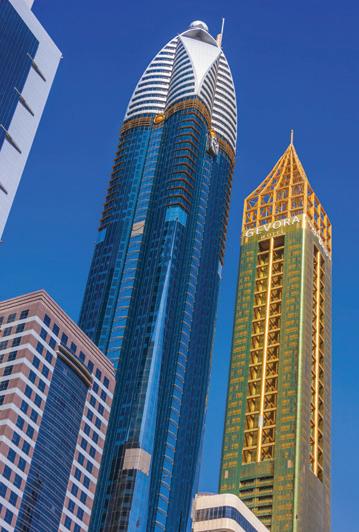
The trading relationship between Ireland and the UAE has never been stronger and the AICC is keen to build on this success.
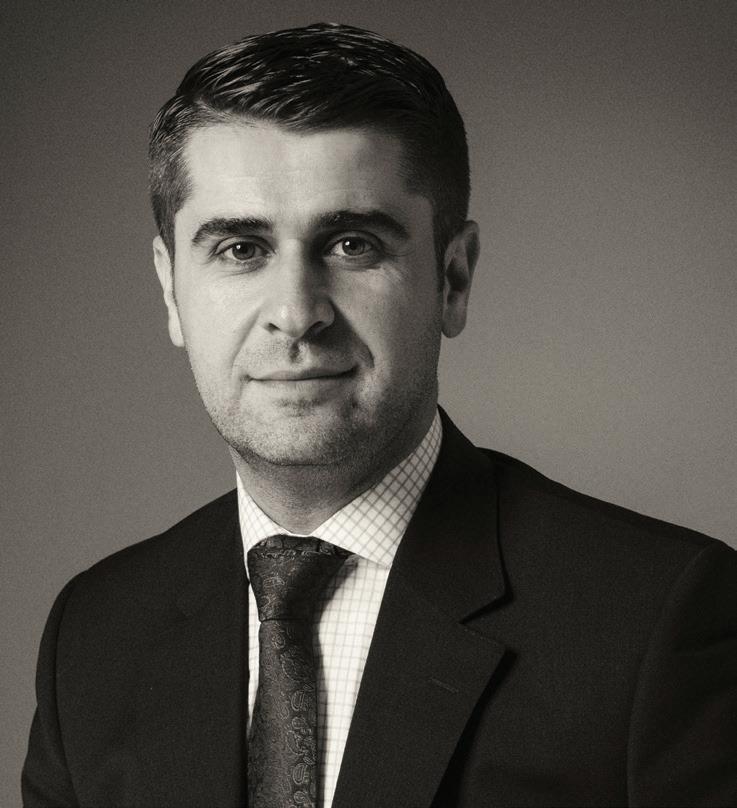
Ahmad Younis, SecretaryGeneral & CEO at Arab-Irish Chamber of Commerce.
Despite what looks to be a challenging year ahead, Ireland's outlook for export growth remains positive. The latest figures from the Central Statistics Office suggest that exports in the third quarter of 2022 rose by 4.8 per cent year-on-year.
TEAM IRELAND Like many other parts of the world, the Arab region is a strong market for Ireland's hightechnology exports. But what needs to be emphasised is how, due to the Arab World's strong demographics, it is also a crucial market for Ireland's indigenous exporters, particularly in the food and beverages sectors. These latter sectors are more labour intensive and are relatively important for the economy outside of the Dublin area.
The uncertainty of the economic outlook makes it unwise to make predictions about growth outcomes next year. However, one thing is very clear; the Arab World remains a strong driver of export growth and one for whom vast untapped potential remains to be realised. The region's population now exceeds 450 million and is close to 6 per cent of the world's population. And yet the share of Ireland's total exports absorbed by this region has, despite impressive growth in year-on-year terms, remained steady at between one and two per cent. So potentially, a strategy of growing Ireland's exports to a level proportionate to the region's share of world population – a strategy that is feasible when you consider the demography driven nature of much of Ireland's exports – could see Ireland grow even more rapidly than at present. It is good to see Enterprise Ireland and Irish exporters grasping this opportunity and "Team Ireland" is expanding its reach and presence in the region.
As they do so – whatever next year holds for Ireland's economy - the Arab World will continue to grow and offer exciting partnership potential to offset more challenging aspects of the economy's development next year. The Arab Irish Chamber is delighted to help your company reach its full potential in this land of promise and opportunity.
On behalf of us all in the Arab-Irish Chamber, may we wish you a very healthy and prosperous 2023, and we hope you enjoy our magazine.
A Meeting of Minds
Stephen Twomey, Enterprise Ireland Director for United Arab Emirates talks to Arab Irish Chamber of Commerce magazine about the mutually beneficial relationship between Ireland and the Gulf states – a meeting of trade, hearts, innovation and minds.
BUILDING BONDS The bond between Ireland and the Gulf region continues to strengthen as business relationships between Irish companies and their counterparts across the region deepen and extend. As Irish companies looked to diversify their exports into wider international markets, the Gulf region has become a significant market of great importance. Right across the region - local, public and private partners are seeking out the latest innovation from Ireland to enhance their productivity and provide new and additional services. This gives a competitive advantage to their own local, regional, and global marketplace and forms a perfect combination bringing together local ambition with Irish innovation and provides mutual economic benefits to all.
Through decades of investment in research and development (R&D), Ireland has produced a highly fertile innovation ecosystem leading to the creation of world-leading Irish companies and global partners are reaping the benefits. If Ireland is the gateway to innovation, Enterprise Ireland is the broker - connecting global partners with cutting-edge solutions. As demand for innovation increases across the board, Enterprise Ireland’s expert market advisors on site in the Gulf are working tirelessly to make the difference that leads to deals getting across the line.
OPEN FOR BUSINESS Enterprise Ireland’s work involves supporting potential buyers to visit Ireland to see it for themselves - promoting innovation in action and an opportunity to play an active role in forging new relationships. Last month, Enterprise Ireland invited a delegation of 15 members of the ‘CIOMajlis’, representing a variety of companies across the public and private sectors from the UAE, to a tour of Ireland.
The seven-day tour aimed at facilitating discussions between UAE and Irish business leaders and offered presentations by influential technology experts with visits to several of Irelands most innovative companies. Personal visits such as these are crucial to establishing a greater understanding of what Ireland can offer in terms of innovative solutions and help to put into place beneficial relationships that lead to increased collaboration.
Ahmed Al Ahmed, Chairman of CIOMajlis recognising the great benefits of this tour, described Ireland as: “one of the stellar innovation hubs that is home to global bighitters from the world of technology.”
Ireland’s international business reputation and its competency in delivering innovative projects is no longer a secret and this is now widely
known and recognised by many across the Gulf region. This reputation is translating into solid sales and exports, with Irish companies increasing their exports to the region year on year, where the Gulf region can be seen as an Irish growth story.
Last year was a record year for Enterprise Ireland globally, with 2021 being the highest ever level of growth in export value – up 12 percent and valued at €27.29 billion ($26.7bn).
These record figures also reflect growth across a range of sectors, from equestrian feed, aircraft technologies, over-the-counter baby products, precision engineering, to technology and fintech. It is a very broad range of Irish companies that are active across the region.
Fintech is one of the Gulf region’s fastest growing sectors and Irish fintech companies have made significant efforts to capitalise on this rapid growth. In March, the Irish Fintech Innovation Showcase event, organised by Enterprise Ireland, was held in the Dubai International Financial Centre bringing together Irish fintech companies with key stakeholders from the UAE and Dubai financial services sector to showcase their capabilities and explore ways to collaborate further.
With a line-up of senior speakers from the UAE’s financial sector including Dr. Bernd van Linder, CEO of Commercial Bank of Dubai; F. Christopher Calabia, CEO of Dubai Financial Services Authority and Salmaan Jaffery, Chief Business Development Officer at DIFC, the event also included a keynote address by Irish Minister Darragh O’Brien T.D., Minister of Housing, Local Government and Heritage.
The visit by Minister O’Brien T.D. was part of a series of 60 global trade events organised by Enterprise Ireland to coincide with St. Patrick’s Day to boost business collaboration with international partners. The global events’ series marked the positive impact Irish businesses are delivering worldwide. As well as providing innovative solutions to meet global challenges, Irish companies are employing almost 1.2 million people internationally.
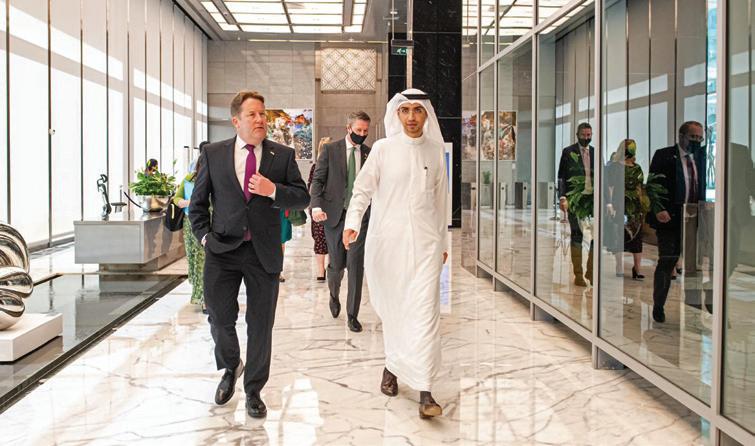
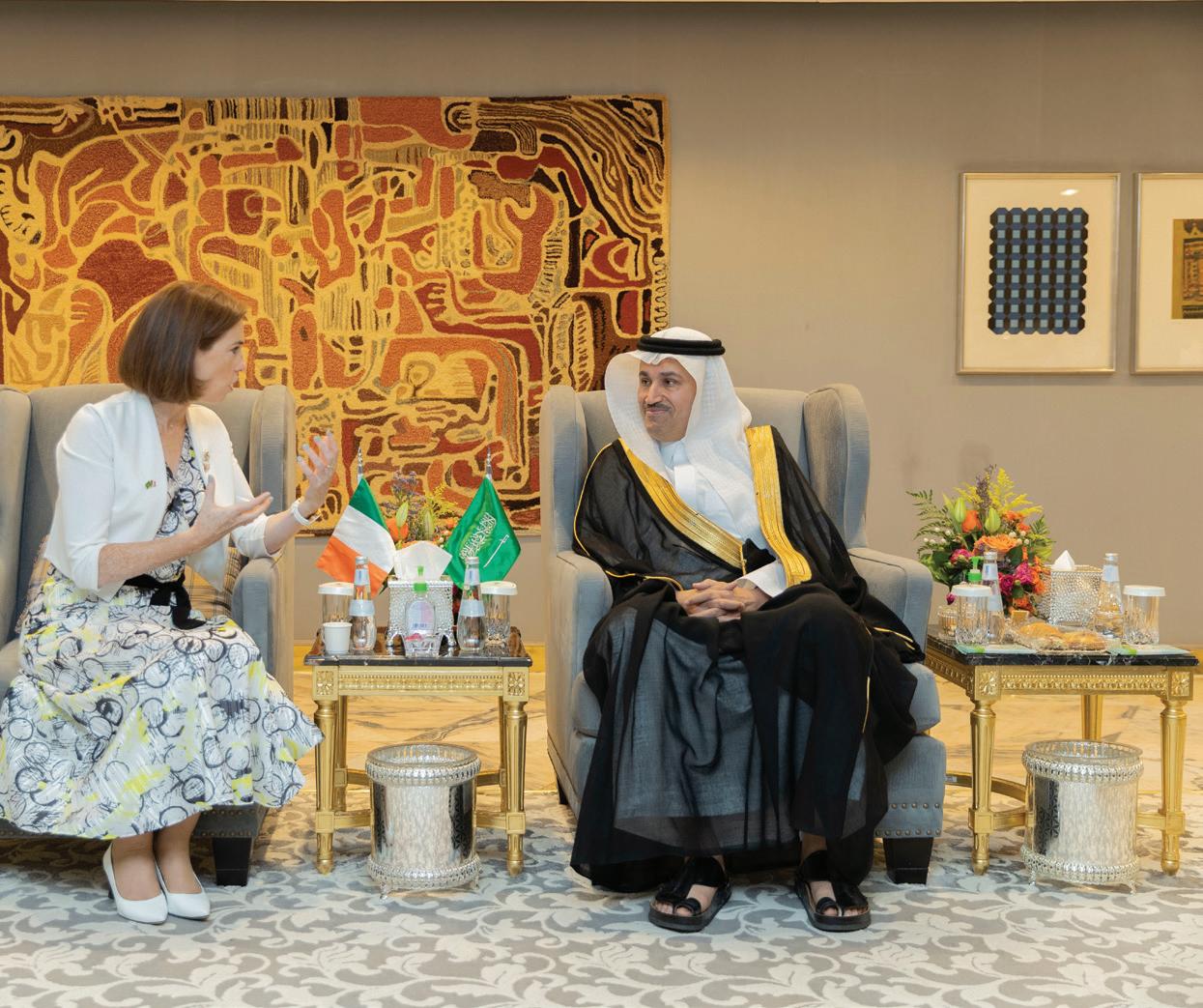
Minister Hildegarde Naughton met with Saudi Arabia’s Minister of Transport and Logistics, H.E. Salah Al Jasser during her trade visit to Saudi Arabia.
TOP LEFT: Minister Darragh O’Brien TD led the Irish Fintech Innovation Showcase organised by Enterprise Ireland.
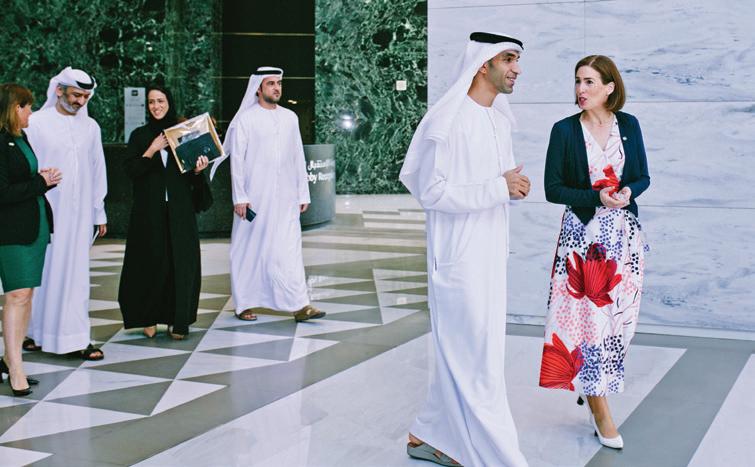
BOTTOM LEFT: Minister Naughton met with H.E. Dr. Thani Al Zeyoudi, the UAE Minister of State for Foreign Trade, during her trade visit to the UAE.
FLYING HIGH In aerospace and aviation, the global impact of Irish expertise is profound. Ireland is a proven pioneer in global aerospace and aviation with an incomparable track record of advancing aviation over the last 100 years. Irish companies are making a major impact with a worldleading ecosystem spanning MRO, precision engineering, satellite technology, crew training, and international consulting in operations and revenue optimisation. Here in the region, Irish expertise is felt on the ground as well as in the skies. The Middle East aviation market is projected to record a CAGR of over 6 percent from 2022 to 2027.
Saudi Arabia currently accounts for a major market share. The country is undergoing progressive change and this change is driving market forces, particularly around the aviation industry. The privatisation of airports has played a significant role in increasing the growth of the aviation industry in Saudi Arabia. Moreover, in the last two decades, the aviation market has witnessed substantial growth in terms of airport infrastructure. With the air passenger traffic showing signs of recovery and the Government offering financial aid, airlines in the country are now focusing on fleet expansion.
The country’s Saudi Aviation Strategy calls for tripling annual passenger traffic to 330 million by 2030, boosting the number of destinations to 250 from 99 at present and establishing a new flag carrier. This strategy is backed by $100 billion in government and private sector investments. The aviation strategy will mark the largest transformation of the aviation sector in the 21st century. It will target regulatory reforms, airport expansions, a launch of new airlines, connecting new routes, enhanced passenger experience and greater protection for consumers’ rights.
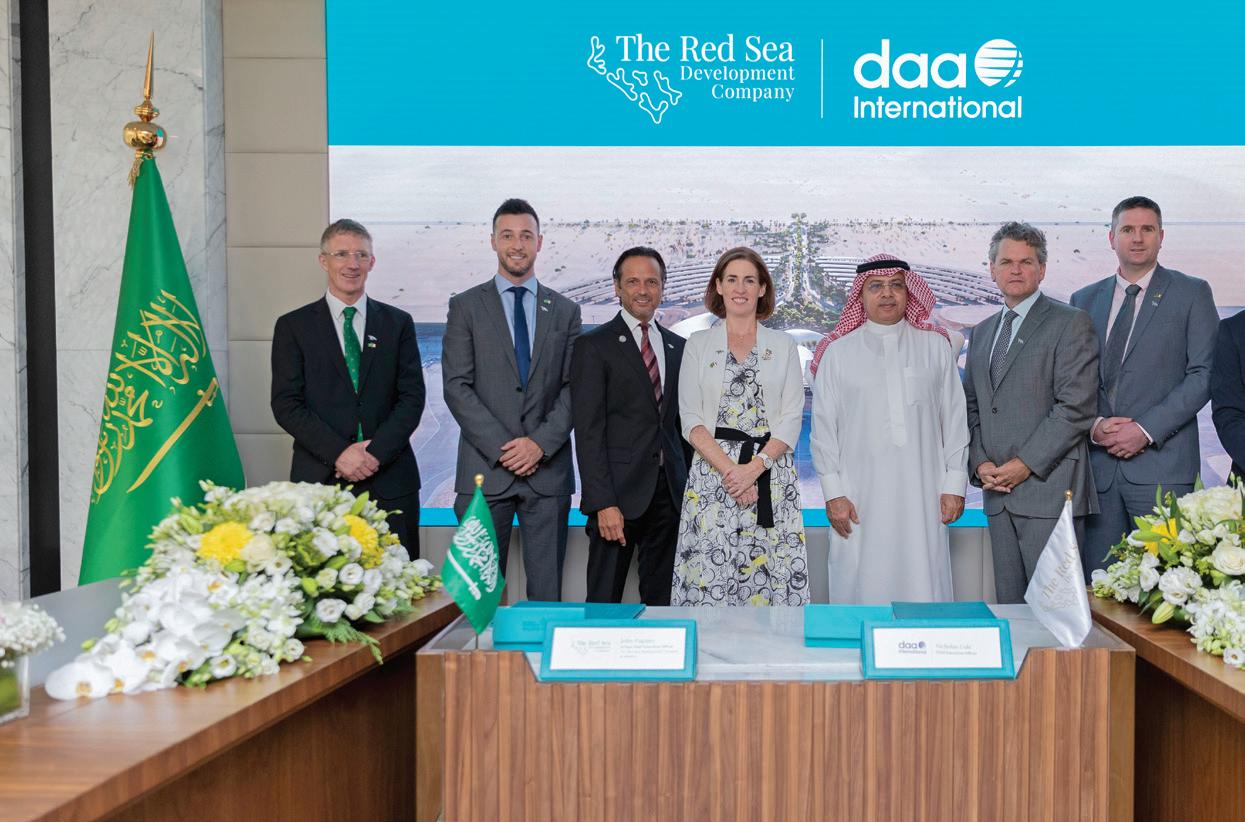
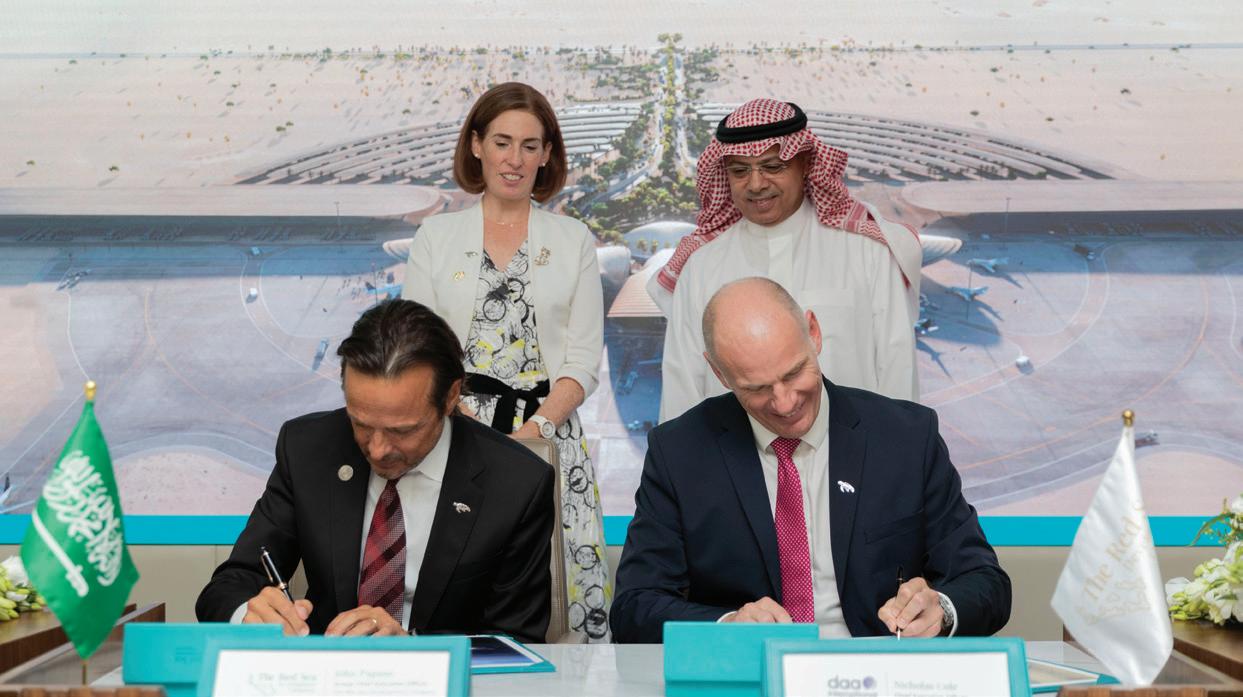
Minister Hildegarde Naughton witnessed the signing of an important multi-year contract between Mr. Nick Cole, CEO of daa International and Mr. John Pagano, Group CEO of The Red Sea Development Company. Ireland has a longstanding relationship with Saudi Arabia within the aviation industry. Irish company, daa International has operated Terminal 5 of King Khalid International Airport since 2016. The company has recently been awarded two additional contracts to run and operate two further airports spanning Jeddah and the prestigious 12-year contract to operate the new Red Sea International Airport, one of Saudi Arabia’s key megaprojects. The airport, scheduled to open in 2023, is also set to be the region’s first carbon neutral airport powered by renewable energy.
Daa International will provide services to streamline the integration of green technology, waste and resource management in line with sustainability, safety and security requirements. The Red Sea Development Company and the Irish company are working together to attain the Airport Carbon Accreditation offered by Airports Council International Europe.
The multi-year operational and management contract for the Red Sea International Airport was recently signed between Nick Cole, CEO of daa International and John Pagano, Group CEO of The Red Sea Development Company and AMAALA. It coincided with the four-day visit by Ireland’s Minister of State for Transport, Hildegarde Naughton T.D., to Saudi Arabia and the United Arab Emirates to boost Ireland’s trade links. During the visit, Minister Naughton saw first-hand the work of daa International at Terminal 5 at King Khalid Airport in Riyadh and welcomed their role in developing the next generation of Saudi aviation leaders.
FEMALE EMPOWERMENT Across all daa International’s projects in the Kingdom, the company has led the way in female empowerment. More than 20% of employees in Terminal 5 KKIA are women, many in frontline positions. Women interested in an aviation career can avail of a partnership between Dublin City University and Princess Noura University which offer training by aviation experts and students can gain an industry perspective. The universities promote the aviation industry as an option for women who want to further their careers in a globally dynamic sector.
The role of women in the labour market was a key feature of the recent visit of Minister Naughton, Minister of State at the Department of Transport with special responsibility for International and Road Transport and Logistics. Minister Naughton heard from women in senior positions across government and industry, as Saudi Arabia’s Vision 2030 aims to boost female participation in the workforce to 30 percent by 2030.
Ahmed Al Ahmed, Chairman of CIOMajlis described Ireland as: “one of the stellar innovation hubs that is home to global big-hitters from the world of technology.” While in Saudi Arabia, the Minister also had the opportunity to meet with Enterprise-Ireland backed company WaterWipes, one of many Irish companies successfully operating in the region. With Irish products growing in popularity, WaterWipes are now stocked in thousands of stores, with sales growing 36 percent in the last year alone. The Minister also met with local distributor TAN Gulf, founded in 2015 and now boasting over 200 employees. The Minister spoke with founder and CEO, Mrs. Al Sahsah, who leads a hugely successful distribution company in food, beverages and cosmetics in Saudi Arabia.
In the UAE, Minister Naughton helped to boost trade collaboration with Ireland further and was joined by Irish Ambassador Alison Milton. During the visit to Abu Dhabi, she met with senior leadership at Abu Dhabi Ports, held a ‘Women in Business’ roundtable and spoke with leaders from Emirati and Irish enterprises. Bilateral meetings were held with H.E. Dr Thani bin Ahmed Al Zeyoudi, the Minister of State for Foreign Trade of the UAE and H.E. Ohood Bint Khalfan Al Roumi, the Minister of State for Government Development and Future to explore future collaborations on trade and investment.
STRENGTHENING BONDS In a sign of Ireland’s strong commitment to the Middle Eastern region, the last 12 months have seen an extensive round of visits by Irish Ministers for Dubai Expo, seeking to build ever closer bonds. These visits provide an excellent opportunity to enable real support in the business-to-business relationship which has been growing for decades and bring with it the mutual benefits of success.
At Government-to-Government level, there is a shared common belief with regional partners that government can be the facilitator of economic growth, prosperity and opportunity. Relationships and collaborations such as these contribute to greater opportunities for nations to navigate the global challenges that exist today.
Irish companies are notably proud of the warm welcome they give to visitors to the region. There are significant similarities between Irish businesses and their regional peers in the Middle East - the level of family businesses in each country is one example. Many Irish companies are family owned, giving them a deeper understanding and appreciation of ways of doing business as an SME (Small to Medium Enterprise). Such relationships tend to foster trust and endure through the years that contains a high degree of flexibility and entrepreneurial spirit. This is an important factor for a business in driving a mind-set that is agile in its ability to overcome challenges.
Family businesses are renowned to have an open and forward-thinking vision toward the broader ecosystem, eager to impact positively and make a difference. For Enterprise Ireland, the importance of the business synergies between Arab and Irish family businesses are paramount. Both can bring together mutual assets to build trust, boost innovation, solve challenges, increase sustainability offer and transform digital capabilities.
Looking to the future, there is huge optimism for the opportunities to deepen the relationship between Ireland and the Gulf region. There remain significant openings to collaborate in driving forward economies, harnessing new partnerships and promoting new technologies to achieve even greater potential together.
Jones Engineering
Delivering a better world
In 2010 Jones Engineering arrived in Saudi Arabia to work with one of its major clients. Some 12 years later, the company’s Middle Eastern presence expands across five countries and growing.
Working primarily with a range of blue chip, multinational companies in the data centre, food & beverage and transport sectors, Jones Engineering has firmly put down roots here with offices in locations such as Riyadh, Kingdom of Saudi Arabia (KSA); Al Khobar, KSA; Doha, Qatar; Dubai, United Arab Emirates and Al Seef, Kingdom of Bahrain.
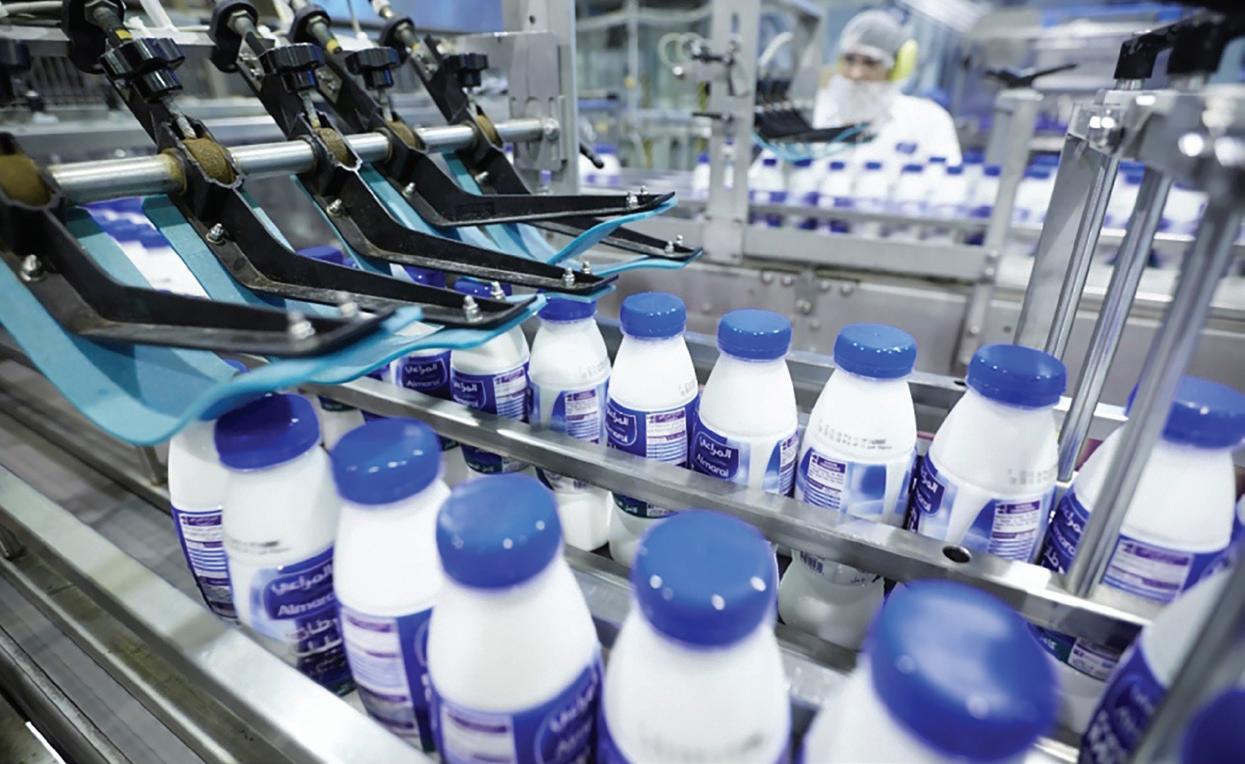
LONG TERM RELATIONSHIPS Almarai is the largest integrated dairy food company in the world. Established in the KSA in 1976, the company has facilities throughout the Kingdom. For over 10 years Jones Engineering has been conducting design, supply, installation and commissioning of mechanical, electrical and fire protection services on various projects for Almarai. Some of the facilities Jones has been working on include a New Infant Nutritional Plant, Modern Foods Bakery and Poultry Processing Plant in both Al Kharj and Ha’il.
Also in the food and beverage sector, PepsiCo is another prestigious company in the region that Jones has been working with – PepsiCo is the world’s second-largest company in this sector. Jones Engineering Group installed the electrical and mechanical plant and HVAC systems in PepsiCo’s manufacturing and services facility in Jeddah in KSA. Work involved in this ‘Mega Project’ included completing design, supply, installation testing and commissioning of mechanical services to supply utilities to the beverage manufacturing facility. This incorporated the process of utility services running on modular pipe racks, which were fabricated off-site.
Jason Hanley, Director of Jones Engineering Middle East described their ethos: “ The Jones Engineering Middle East delivery model focuses on our core business, delivery of mechanical, electrical and fire life safety systems. We have a design team and BIM teams located in Qatar and KSA. We employ a total of 410 direct staff in the region and have a major supply chain in the GCC. Retention and continuous development of our staff is key to our success.”

Jones currently has long-term contracts across 3 x 8MW data centres in Abu Dhabi and Dubai. It is also executing a co-location data centre in Dubai, DX3.1 with future data centres commencing in Dubai and Abu Dhabi from early 2023.
TRANSPORTING TO THE FUTURE Saudi Arabia’s infrastructure is expanding, most notably in the area of transport. In the capital Riyadh, part of the royal family’s ‘Vision 2030’ plan involves reducing the country’s dependence on oil and pumping money into the transportation network. With a population of 7.5 million people in a city brimming with cars, there is currently no public transport system - but that is all about to change.
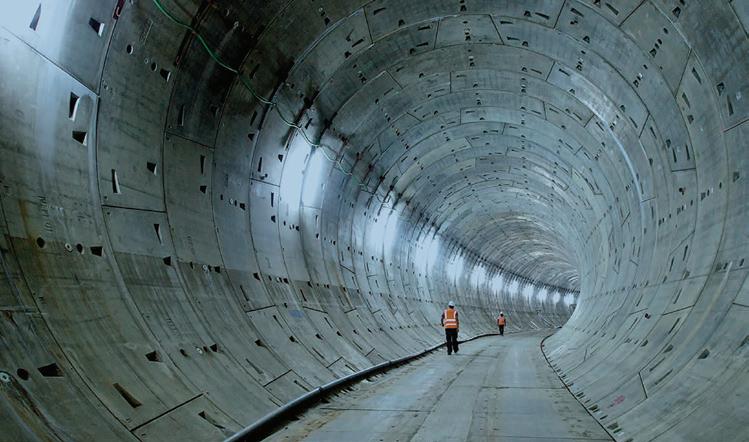
Thirty metres underground, Jones Engineering is helping to build Riyadh’s first metro and bus system. With a price tag of well over $20bn, the project encompasses six metro lines spanning a total length of 176 kilometres with 85 stations.
At the station known as ‘1b2’, the Irish contractor has been providing the mechanical and electrical aspects since 2018. Around 330 driverless trains are planned to travel along the lines over the coming years, carrying an estimated 3.2 million people a day. The system will be open to passengers towards the end of 2023.
This new metro system will run purely on electricity which means that the project will make a major impact on carbon emissions in the city. Initial projections estimate that the metro will drastically reduce the number of cars on the road which in turn will help with the country’s sustainability.
John Hartnett, Director of Jones Engineering said it was “prestigious” to be working on “one of the biggest metro projects worldwide”, and as the only Irish contractor to do so. “I’ve been working in Saudi Arabia since 2010. We’ve done quite a number of projects in different sectors. We’ve worked across the country mainly in Jeddah, up in Ha’il and the eastern province as well and we’ve completed some projects over in Bahrain,” said Mr Hartnett.
DATA CENTRE DELIVERY Jones Engineering teams have been successfully delivering data centre facilities across arctic temperatures in Sweden as well as to scorching deserts in Bahrain for over 20 years. The company is recognised as an industry leader in delivering hyperscale, enterprise, co-located data centres and mission-critical facilities, installing resilient infrastructure, and ensuring uninterrupted critical services.
One of the most critical skills Jones Engineering teams bring to the table is their ability to utilise improvements and innovations in technology and energy efficiency to keep up with market demand. The Jones cycle of continuous improvement allows teams to keep moving in pace with client demand as each new project benefits from the lessons learned previously.
“The KSA will continue to be a major focus for the Group, and there are plans for major expansions for data centre clients over the next five years and beyond,” said Director of Jones Engineering, Middle East, Mr Hanley.
In 2017 the company commenced work for a confidential multinational data centre client in Bahrain. To date it has delivered 20MW of IT load in various phases, most recently as a main contractor. Jones’s maintenance division has contracts across 3 x 10 MW data centres. The
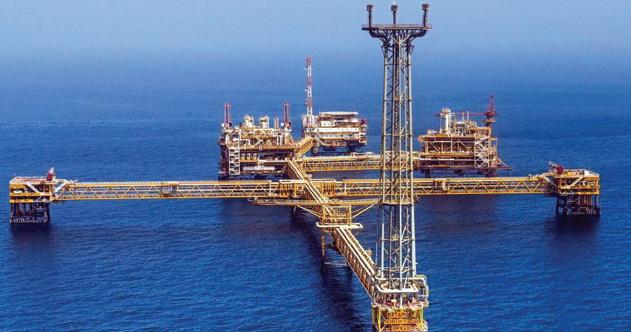
TSS Division has been awarded a six-year framework agreement to directly support Qatar Gas in the development of the North Field Expansion projects which will grow QG’s output from 77 MTPA to 126 MTPA.
team has a combination of international data centre experience and local staff which offers the client a balance between local knowledge and key data centre experience.
The company also has a firm presence in the United Arab Emirates and at the end of 2021 delivered 16MW of IT load across Dubai and Abu Dhabi for a confidential multinational data centre client. The data centre maintenance division provides key experienced staff to the operations of the data centre facilities.
Jones currently has other long-term contracts across 3 x 8MW data centres in Abu Dhabi and Dubai. It is currently executing a co-location data centre in Dubai, DX3.1. Completion of this 4MW Phase 1 build is scheduled for May 2023 with future data centres commencing in Dubai and Abu Dhabi from early 2023.
TECHNICAL SUPPORT SOLUTIONS Jones Engineering Group TSS Division has been awarded a six-year framework agreement to directly support Qatar Gas (QG) in the development of the North Field Expansion projects, which will grow QG’s output from 77 MTPA to 126 MTPA. The NFE and NFS projects will produce LNG, Condensate, LPG, Ethane, Sulphur and Helium for the world market. QG is expected to invest up to US$ 80bn between 2022 and 2027. The company is working closely with QG to provide the necessary expertise in executing multi levels of technical and management operations to achieve its ambitions.
Jones Engineering is also currently working with many of the main EPCs as packages begin to develop including the LNG process trains, LNG storage tanks, liquid and sulphur handling packages.
With a proven track record in providing support in engineering, procurement and construction, pre-commissioning, commissioning and startup in the O&G sector, Jones Engineering is focused on supporting its clients in the coming years.
“Jones Engineering Group delivers exceptionally high-quality installations on time and safely for key clients – repeat business is key to our success and expansion. Mission critical projects are our key focus – data centres, oil and gas, life science and food and beverage,” said Mr Hanley.
A key project the company worked on is for Maaden. This project, of which investments reached US$ 7.5bn, lead to the growth of the largest phosphate mine worldwide. The total production capacity of the facility will be around 16 million TPA. It comprises two industrial sites - Wa’ad Al-Shamal Industrial City in Tareef province and Ras Al-Khair Industrial City in the Eastern Region.
The company was contracted directly to Madden and worked alongside Fluor (the Project Management Contractor) in providing technical support services associated with QA/ QC, pre-commissioning, commissioning and start-up, and operations.
Jones has already grown in both size and reputation, becoming a business with a turnover of €960m+ and resources of over 4,200 people worldwide. Its core value is the delivery of engineering through people, and the breadth of its team is unrivalled. Recruiting, nurturing and developing the best talent has been a cornerstone of the group’s development. Thirty metres underground, Jones Engineering is helping to build Riyadh’s first metro and bus system. With a price tag of well over $20bn the project encompasses six metro lines spanning a total length of 176 kilometres with 85 stations.
A Global Force
Ireland has created a rich and vibrant MedTech ecosystem that plays a substantial role in the global industry.
With a market valuation of US$447.63 billion, the MedTech industry is booming - and, with nine of the top ten MedTech companies based in Ireland, it’s clear that Ireland is the place to be for all things MedTech.
Relative to its small economy and a population of just 4.9 million, the Emerald Isle is a MedTech success story with FDI multinationals and startups developing innovative medical technologies. According to the Irish Medtech Association, Ireland is one of the most innovative countries in Europe, based on the number of patent applications filed with EPO.
One of the key driving forces behind Ireland’s success in the industry is a commitment at government level to funding, education and a highly connected ecosystem. Ireland boasts several world-renowned universities with a strong focus on healthcare. These universities deliver significant advancements to global scientific understanding and provide a pool of highly skilled talent and innovative thinking, without which no healthcare company could succeed.
“Ireland as a whole has a dynamic ecosystem where academia, industry, clinicians and government work together closely, enabling Ireland to flourish on the global stage,” says Sheila O’Loughlin, Enterprise Ireland.
As a result, countries outside of Ireland find collaborating with Ireland extremely worthwhile. Ireland can proudly cite the fantastic example of its BioInnovate Programme, which brings together academia, clinicians, and industry to work on identifying unmet clinical needs that could be solved with innovative medical technology. The significant impact of programmes like this in Ireland cannot only be measured by the number of new, exciting companies created but by the shared learning and experiences which benefit all team members. All participants greatly appreciate the other team members’ perspectives, equipping them to solve problems more efficiently in the future. Funding is always an issue and to this end, successive Irish governments have been highly proactive. According to research, government grants are responsible for 70% of Irish MedTech companies engaging in research and development activities. In addition, one of the most significant state-backed grant initiatives is the €500 million Disruptive Technologies Innovation Fund (DTIF) for small to medium businesses developing new products and technologies.
“We also have funding available from major Irishcontrolled venture capital funds,” adds Tom Kelly, Divisional Manager of Life Sciences, Enterprise Ireland.
The need for innovative medical products and fresh thinking has never been greater. The combination of ageing populations and the increasing prevalence of chronic health conditions such as Covid-19 are challenges that must be faced head on. Solving these challenges can only be achieved when people bring together skills, ideas and perspectives from different fields.
The importance of ‘acting locally, thinking globally’ in the formation of Ireland as a MedTech powerhouse is attracting medical practitioners and investors from all over the world. Ultimately, Ireland has all the essential elements to allow MedTech companies to thrive. By facilitating collective learning and access to capital, Ireland provides a fertile ground for its thriving MedTech industry.

MedFind Solutions
Established and headquartered in Ireland, MedFind Solutions is a fullservice, leading pharmaceutical support and services partner.
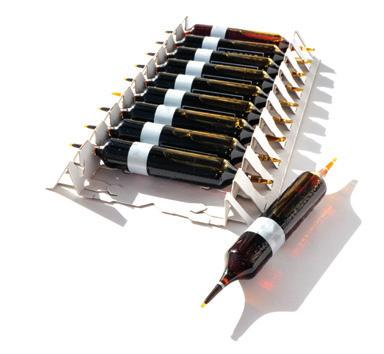
Specialising in procuring and supplying exempt medicinal products and licensed medicines, MedFind covers all therapeutic areas from oncology to rheumatology and respiratory to urology and transplantation, ensuring that every patient, regardless of their condition, receives the right medicine at the right time.
Owned and developed by an experienced team of pharmaceutical executives, MedFind truly understands the difficulties facing partners in sourcing medications.
With global manufacturing issues, supply chain logistical delays, Active Pharmaceutical Ingredient (API) difficulties and the global shortage of drugs, companies are faced with more challenges than ever before in providing their patients with access to medications.
Through MedFind’s deep collaborations with a global network of suppliers over the last few years, the company is primed to solve these pressing issues in sourcing and supplying medicines for its partners.
Through an efficient, cost-effective supply chain and direct access to manufacturers, MedFind’s experienced team is leading the way in delivering a consistent and reliable quality service to their customers worldwide.
The combination of MedFind’s EU and UK footprint means that the company is strategically placed to offer access across geographies and mitigate against potential supply chain issues from the Dublin and London offices. In MedFind’s home markets of Ireland and the UK, the company supplies licensed and unlicensed medicines direct to hospitals and retail pharmacies. In tandem with this, MedFind has built an expanded network of wholesale partners worldwide, giving them global access to key markets.
The combination of high-quality service level, a diverse and strong portfolio and competitive pricing adds significant value to MedFind’s customer base, according to Founder & CEO Matthew Farrelly.
“Getting the right medications to the patients who need it most is at the core of everything we do in MedFind,” explains Matthew. “We’ve built an incredibly experienced team with a wealth of knowledge behind them, but we have kept the
The key to MedFind’s success is that its size allows it to be agile and adapt to the ever growing and evolving market needs. “It lets us be efficient, flexible and meet the demand quicker than larger companies.” By the time bigger players adapt and react, we have the company supplied and the patient’s needs have been met.
business agile enough to adapt swiftly to everchanging patient requirements. This makes MedFind truly unique; we believe in closing the gap in patient access to effective medicines and niche therapies.”
The MedFind Solutions service offering is built on the trustworthy and long-lasting relationships cultivated over numerous years and according to Matthew, this is what makes the company successful.
“For everyone in MedFind, the ultimate benefit of everything we do goes to the patient, so their needs are always front of mind. We are committed to the efficient, timely and safe delivery of medications to our customers, no matter where they are in the world,” he adds.
MedFind Solutions work with a wide range of customers across its product portfolio and the wholesale distribution license means that the company is fully qualified to deal with partners across geographies from Oman to Saudi Arabia, providing access to both unlicensed and licensed medicines.
Partnering and building established relationships with companies who share MedFind’s ethics, sense of integrity and commitment to patient-centric care is key to its value proposition. This also facilitates the company’s position in the market as a leader in sourcing and supplying specialist and niche unlicensed medicines, orphan drugs and other difficult-to-source medications.