12
ДĀRAT AL-ΚAQR (Bāhla): DOCUMENTATION AND HERITAGE MANAGEMENT PLAN • The historical importance of Bāhla as a onetime capital of the Imamate and its still relevant economic focus as an important market town for the local population • The complexity and large scale of its falaj network which is partially incorporated into the urban fabric, providing dwellings and mosques with water access, while also watering the surrounding palm groves
2.3 preparatory work As part of the preparation for fieldwork in al-ΚAqr, but also in order to gain a greater understanding as to the state of research on the site, a substantial number of contemporary sources were drawn upon. In particular UNESCO’s reports starting from the mid 1980s until the present day provided a host of important information which allowed not only assessing the overall morphology and dimension of the site, but also permitted to gage the gradual but substantial degradation of the oasis over the past 25 years. Prof. Bandyopadhyay’s experience as a reference in heritage management efforts in Bāhla as part of the Atkins team also provided an important advantage in planning ArCHIAM’s research strategy. Following reconnaissance fieldwork, extensive preparatory work was undertaken at Nottingham Trent University to develop fieldwork strategy and implementation procedures. The following were undertaken:
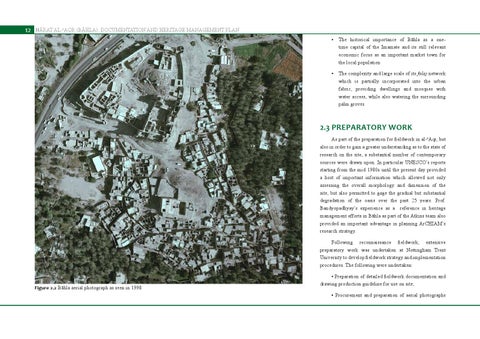
Figure 2.2 Bāhla aerial photograph as seen in 1998
• Preparation of detailed fieldwork documentation and drawing production guideline for use on site; • Procurement and preparation of aerial photographs