EQUIPMENT
To what extent can ozone remove geosmin in RAS? Aikaterini Spiliotopoulou, Water ApS Ozone in RAS In land-based recirculating aquaculture systems (RAS), fish are farmed in reused water. Good water quality is vital in such systems to support growth, minimize disease outbreaks and ensure the welfare of the aquatic organisms. Ozone is an excellent candidate to improve water quality by oxidizing natural organic matter, removing color and suspended solids, accelerating protein degradation, improving coagulation and filtration processes, enriching the water with oxygen, removing offflavor compounds (geosmin and 2-methylisoborneol (MIB)), and therefore improving the taste of fish. It is also able to control the microbial load resulting in improved growth. If ozone is not properly used, it can adversely affect both human and aquatic organisms. Ozone is toxic at residual concentrations (0.01 - 0.1 mg/L) as it oxidizes the gills and the surface mucus layer of the
fish eventually leading to death or making the fish susceptible to microbial infections. Depending on the water matrix, detrimental byproducts might be formed, such as bromine (LC50 of 0.068 mg/l BrO- in rainbow trout), bromite and bromamines, which are toxic to fish, bivalves and crustaceans while bromoform (bioaccumulates in aquatic animals) and bromate are potential human carcinogens.
When the right equipment meets the expertise Over the years, OxyGuard Group has gained deep knowledge in dissolving ozone gas optimally into the water, ensuring maximum treatment efficiency and minimum cost and operational risks. Ozone is an unstable molecule and expensive to produce.
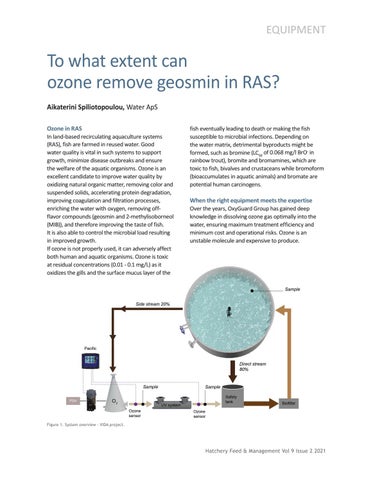
Figure 1. System overview - VIDA project.
Hatchery Feed & Management Vol 9 Issue 2 2021