APAWAMIS NOW Summer Edition 2021 WELCOME LITTLE ONES Apawamis New Additions CHANGES THROUGH TIME The Apawamis Irrigation Project A LOOK BACK IN TIME From the Archives A VIEW FROM THE GALLERY Squash Doubles Club Championships A seasonal magazine for the Apawamis Club members
A Letter from the President
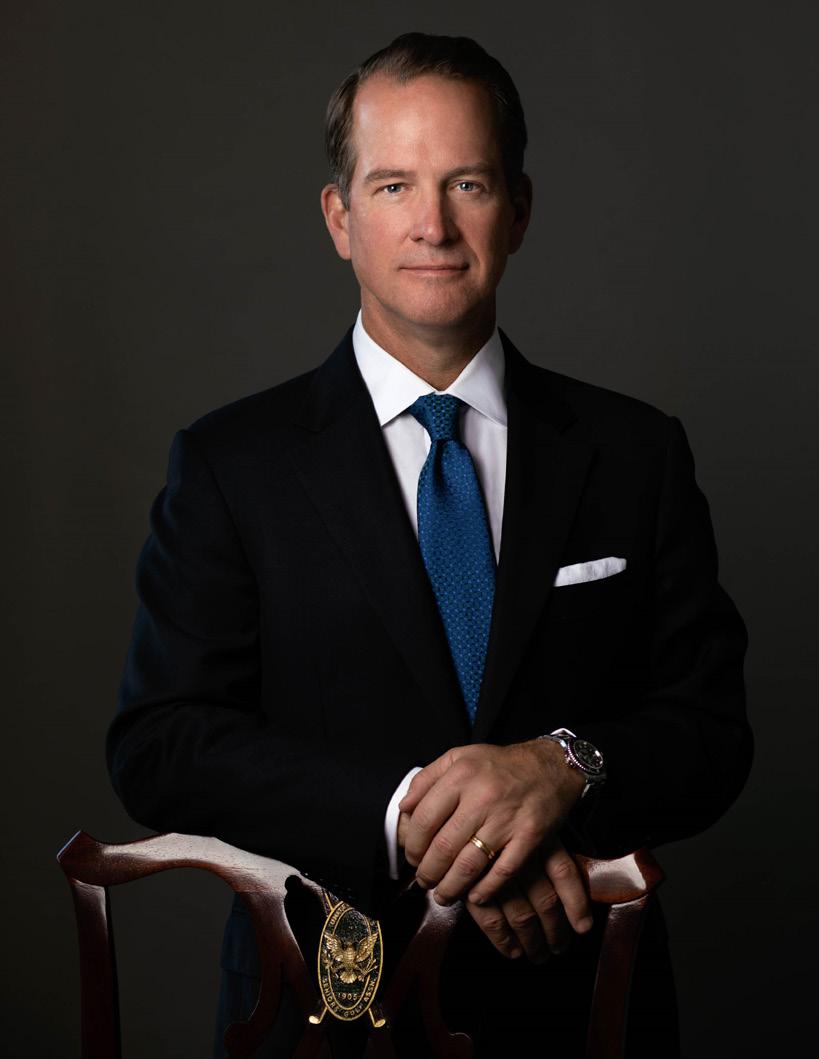
CHRISTOPHER R. MANNING, PRESIDENT
Fellow Members,
Whether you prefer the Rolling Stones’ “Time Is On My Side,” Dylan’s “The Times They Are A-Changin’,” or “The Longest Time” by Billy Joel, one thing can be said about all of them: they are loved by multiple generations. The same goes for the Apawamis Club. There is no season where that is more evident than summer, when the Club bursts at the seams on sunny days, our pool filled with the Fighting Frogs swim team, our tennis courts overflowing, and a full tee sheet for the golf course followed by a lively gathering on the Terrace. Apawamis members, welcome to summer!
When Shawn Rowley asked me to write this section with the theme time, I had many ideas. My wife Christie’s favorite quote is “CARPE DIEM.” I love it so much that it is printed on my golf balls. It is not too different from another great quote from Mother Teresa, “Yesterday is gone. Tomorrow has not yet come. We have only today. Let us begin.” With that as a starting point, let me talk about the great things going on at Apawamis at this time
First, the Club continues to introduce new activities for our members. The most recent example has been pickleball. According to a recent article in the Wall Street Journal, pickleball is one of the fastest-growing sports in the country. We created some temporary courts and opened them up in May and the attendance was spectacular. The first two days, the time slots were booked with over 70 participants. We are trying hard to create additional space so that we don’t take away from the tennis court resources. Open play for pickleball is now offered on paddle courts two and three.
Second, the Club continues to operate in a sound financial manner. Brian Baldwin and Sean Wallace spend considerable time every month on the Club expenses as we strive to operate in a break-even manner for the year. You have probably noticed that commodity prices have been increasing, which has had a slight impact on our expenses, but we are still operating in the black for the year. As noted a number of times before, we have considerable cash on the balance sheet and zero debt.
Third, the Board believes that the time has come to make some material improvements to the Club’s infrastructure. As you may have heard, we have a pool that has served us beyond its expected useful life (in-service date circa 1965) and a manager’s house that has been on the chopping block for more than five years. We have competitor clubs that are spending significant sums in their clubhouse to improve the experience for
current members as well as to attract new members who have evolving preferences as compared to other generations. As mentioned above, we have a solid balance sheet that can be used in a responsible manner to help bridge the necessary funds not provided for by cash flow, initiation fees and capital charges. We look forward to sharing more in the upcoming weeks.
Next, we are experiencing member demand like we haven’t seen any other time. The best example is our men’s annual Member-Guest golf tournament. We moved the tournament up this year due to the fall irrigation project (read more page 8). This tournament has frequently not been at full capacity over the past 1015 years. For a variety of reasons, this year’s tournament filled up in less than ten minutes when the online registration system opened. While many would say that this is fantastic, there are plenty of long-time members on the waitlist and would probably have a different reaction. We will learn from this and improve the registration process beginning next year.
Finally, let me share something with you that couldn’t be more in line with our theme of time. A watch, previously owned by Gene Sarazen, became available for purchase. For those that are not familiar with Mr. Sarazen, he is originally from Harrison and grew up caddying at The Apawamis Club. In 1922, Sarazen won the United States Open golf tournament. Shortly following that tournament, The Apawamis Club presented Sarazen with a Patek Phillipe watch with the following inscription on the back “Presented to Gene Sarazen by The Apawamis Club—Where He Started His Golf—July 24, 1922.”
2 APAWAMIS NOW Summer 2021
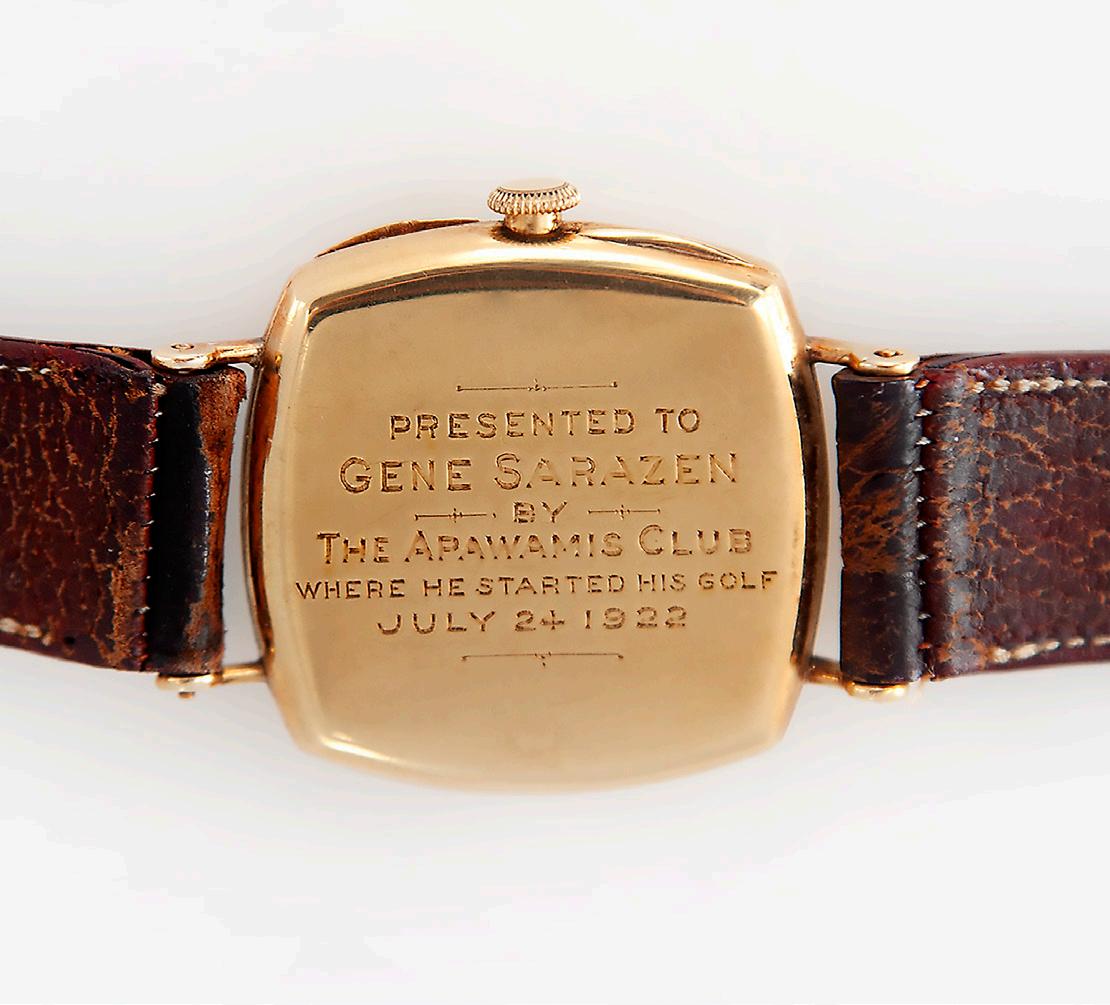
Sarazen went on to win seven major championships, including the Grand Slam—one of only five golfers to have accomplished that, and he was the first. The Board unanimously approved acquiring the watch subject to launching a GoFundMe™ page where members will be allowed to contribute. Thank you to Bob Doto, who serves as the Archives Chair, for organizing the purchase of this great piece of history. The watch will be displayed in our trophy cabinet next to a place card saying, “Generously donated to the Club by its Members.” More on this story will be provided in a future edition of the Apawamis Now.
In closing, thank you to all the members who have sent me comments and recommendations on how we can make our collective experience better. I look forward to seeing all of you at the Club this summer.
My best,
Chris
THE APAWAMIS CLUB
Officers
Christopher R. Manning, President
John J. Regan, Jr., Vice President
Sean R. Wallace, Treasurer
Kim Kelly, Secretary
Board of Governors
Robert S. Amato
Robert Brennan
James Dean
John A. Dudzik
Donald L. Gorski
P. MacKenzie Hurd
Kim Kelly
Brian Leonard
Michael L. Manire
Patrick J. McGovern
Blair Endresen Metrailler
John D. Shuck
Sean R. Wallace
Alexander R. Reid (Jr. Advisor)
Management Contact Information
General Manager/COO
Brian C. Baldwin, CCM Ext. 121 - bbaldwin@apawamis.org
Assistant General Manager
Kyle Schutte-Bell Ext. 140 - kbell@apawamis.org
Head Golf Professional
James Ondo, PGA Ext. 156 - jondo@apawamis.org
Golf Course Superintendent
Michael McCormick mmccormick@apawamis.org
(914) 305-5434
Director of Racquets
Peter Briggs Ext. 202 - racquets@apawamis.org
Director of Junior Squash
Cameron Pilley Ext. 202 - cameron@apawamis.org
Director of Tennis
Stjepan Beg Ext. 263 - tennis@apawamis.org
Director of Paddle
Tommy Gregurovic Ext. 263 - platformtennis@apawamis.org
Executive Chef
Chris Reveron, WCEC, CEC Ext. 152 - creveron@apawamis.org
Banquets & Events Manager
Beata Nemcokova Ext. 139 - beata@apawamis.org
Controller
Donna Gallo, CHAE Ext. 110 - dgallo@apawamis.org
Director of Communications
Shawn Rowley Ext. 122 - communications@apawamis.org
apawamis.org 3
Main Phone Numbers Clubhouse (914) 967-2100 Squash (914) 967-1253
........................................ (914) 967-5140
Shop (914) 967-2209
Times (914) 967-5871
Tennis
Golf
Tee
4 APAWAMIS NOW Summer 2021 GOLF IN EVERY ISSUE SQUASH A LETTER FROM THE PRESIDENT 02 06 18 08 24 26 28 29 31 12 13 CHANGES THROUGH TIME PETE’S POINT OF VIEW FRESH PERSEPCTIVE GOLF UPDATE MAKING AN IMPACT AND 2021 CLUB CHAMPIONS A VIEW FROM THE GALLERY APAWAMIS CULTURE 38 A DAY IN THE LIFE OF A PRO SQUASH PLAYER HARDBALL DOULBLES CAPTURED MEMORIES IN TIME MEET THE MEMBERSHIP

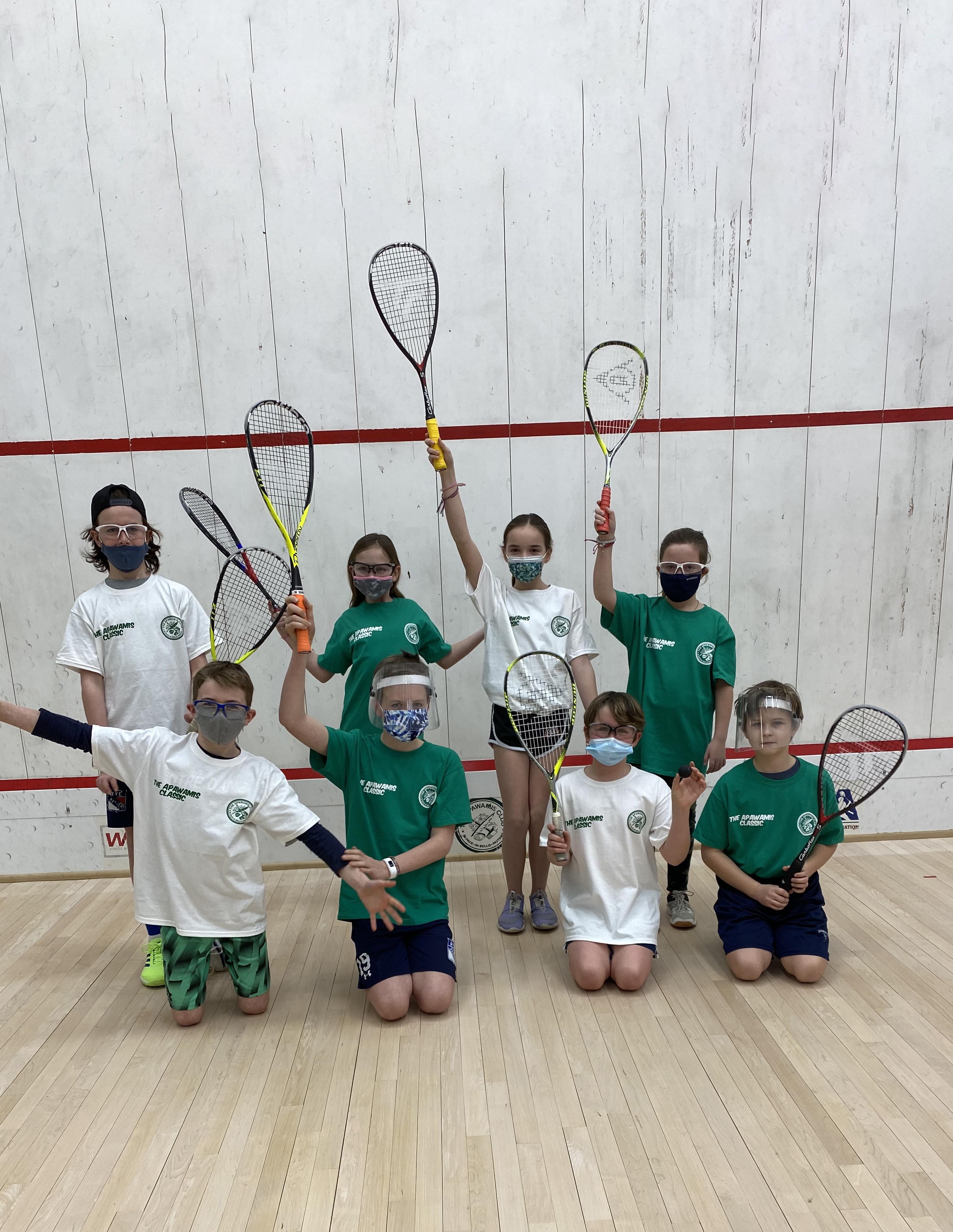
This issue of the Apawamis Now is loaded with highlights from the 2021 squash season. The picture on the cover is of participants playing in the first annual Apawamis Classic. This is a membersonly team event consisting of singles and doubles matches, following the theme from West Side Story, The Sharks vs. The Jets. Read more on page 31. Photo taken by Lume Landman.
apawamis.org 5 RACQUETS 32 33 34 SUMMER EDITION 2021 APAWAMIS LIFE ON THE COVER 14 16 20 22 36 37 A LOOK BACK IN TIME MAKING A POSITIVE IMPACT ON YOUNG PEOPLES’ LIVES WELCOME LITTLE ONES A JOURNEY INTO BEEKEEPING HEALTH & FITNESS LET’S TALK TENNIS APP VS. WEBSITE STEJPAN’S TAKEAWAYS POST PADDLE SEASON
Fresh
BY BRIAN BALDWIN, GENERAL MANAGER
To build on the momentum from last season, we first had to recognize areas to improve. We have initiated the process of developing a new food and beverage program structure. Having layers of management and introducing a procedure-driven model is something we have been diligently working on. It is important to recognize our tenured managers: Chef Chris, Kyle and Beata, who make sure our day-to-day operations and events run smoothly. They wouldn't be able to accomplish what they do without the proper support staff to achieve success.
As a part of our new structure to enhance and reenergize our program, we have added an executive sous chef and an assistant food and beverage manager, as well as line cooks, bussers and full-time waitstaff personnel.
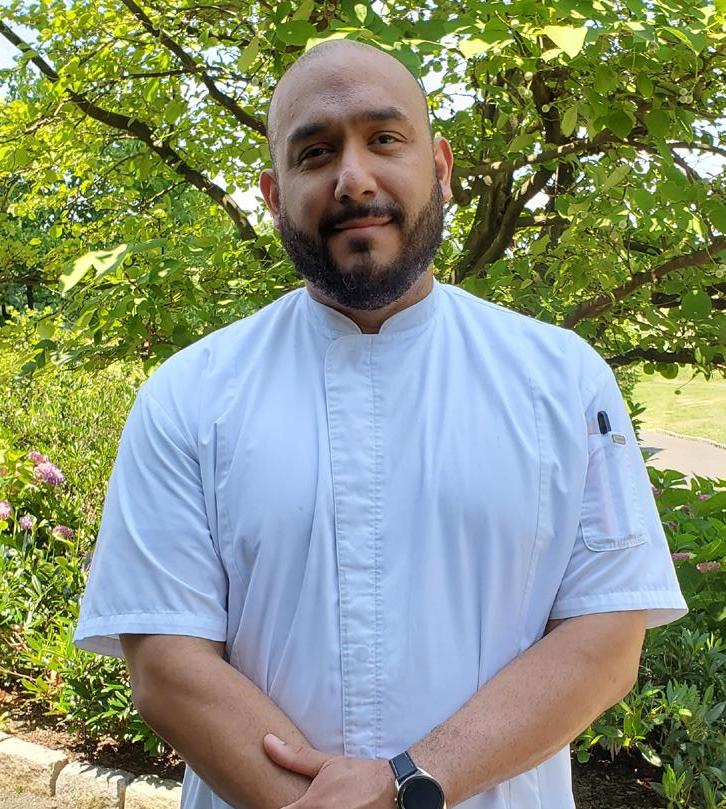
Maximino Rivera
EXECUTIVE SOUS CHEF
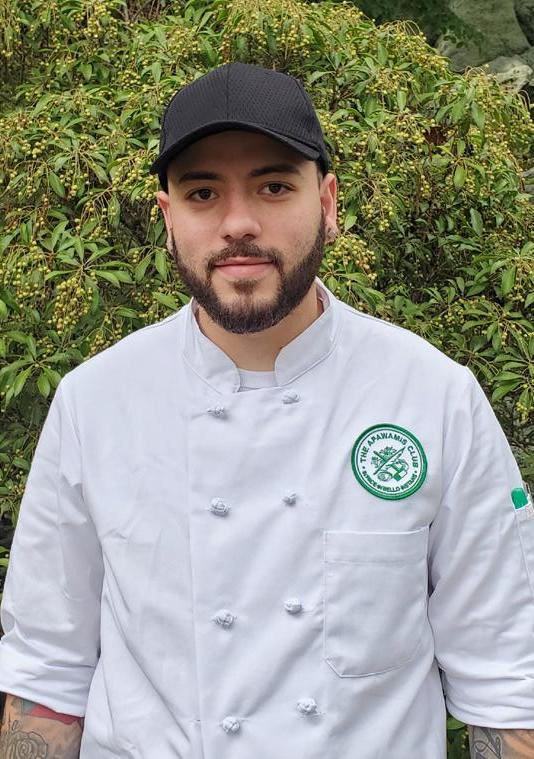
First, we are thrilled about having Maximino Rivera join our culinary team as Executive Sous Chef. Max underwent a rigorous interview process with multiple tastings, interviews and reference checks. He is a graduate of the Culinary Institute of America (CIA), NY, and has most notably worked for the Ritz Carlton in Battery Park, NY, as well as the Ritz Carlton in Naples, FL. Perhaps most impressively, he was one of the grand re-opening chefs for the iconic Rainbow Room in NYC, which had been closed for over six years. Max has worked with several celebrity chefs throughout his career in NYC. His focus will be on our à la carte program, purchasing and, most importantly, training the staff. He has a passion for traveling and exploring new cuisines and bringing new techniques to menus. With a new 15-minute commute, Max and his family are thrilled to be joining the Apawamis team.
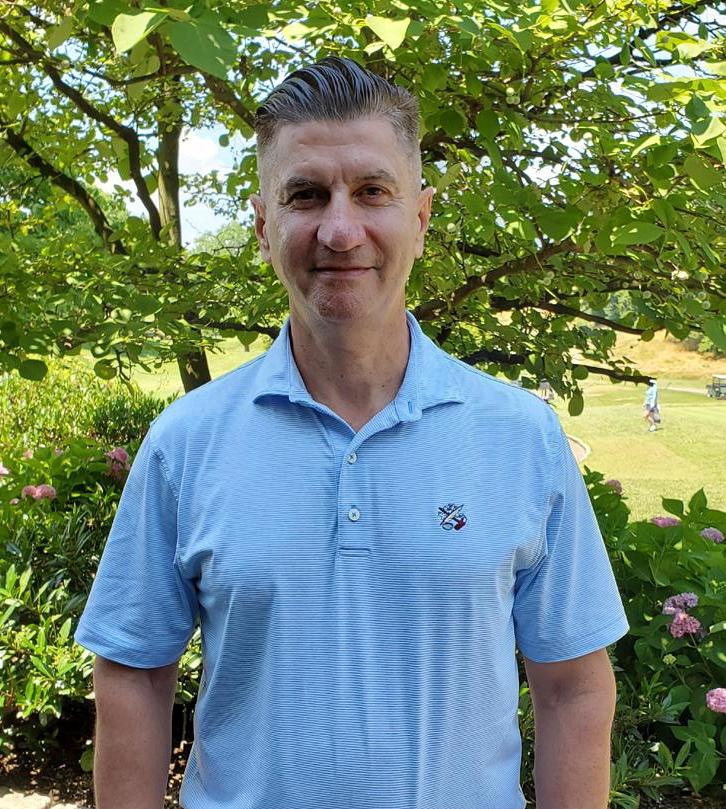
Silverio Carvalho
ASSISTANT FOOD & BEVERAGE MANAGER
We are also pleased to introduce Silverio Carvalho, our new Assistant Food and Beverage Manager. He is a veteran hospitality employee with over 20 years of private club experience. His most recent position of seven years was held at our neighboring Club, Willow Ridge, where he served as their clubhouse manager. Before that, Silverio was at Ardsley Country Club. Since he arrived at Apawamis, Silverio has shown a strong work ethic with a focus on our membership dining. Mastering details such as learning members' names and their dining and culinary preferences will be his primary task this season. Silverio will complement and balance out the food and beverage team well, and his knowledge of the local union regulations and policies will be an asset. Silverio is originally from Brazil, where his family operates a large farm.
6 APAWAMIS NOW Summer 2021
Additionally, our new line cooks have all attended culinary school and show drive to succeed. I believe that by adding talent and culinary-driven employees, we will add a higher level of food production and quality for the membership. We have also introduced the crucial role of bussers, whose sole responsibility is to provide members and guests with water, bread and clear dirty dishes. Although this may seem like a simple adjustment, we did not have this position previously.
Finally, as enhancing the dining experience through quality service is at the top of our agenda this season, we plan to hire a few more full-time waitstaff employees to join the team. Over the last decade, we have only had a handful of full-time waitstaff and have compensated with an average of 20 seasonal, part-time employees. However, since the food and beverage program is open 11 months out of the year, we believe our waitstaff should recognize our members. We hope that the future addition of more full-time waitstaff will improve member recognition. Meanwhile, our current fulltime employees like Anthony and Chicken will continue to get to know your likes and dislikes year-round and, most importantly, will be consistent, recognizable friendly faces.
For the 2021 season, we have increased our seasonal staff members from clubs in Florida to assist in this bustling operation. Although the current kitchen at the snack bar has limitations, we have staffed the kitchen with culinary-trained individuals and have improved our menu selections.
When it comes to the menu, we have also been making important improvements. Over the spring, we re-evaluated all of our food purveyors and had tastings to compare the quality of fish and meat products. We have implemented a few different purveyors for specific cuts of meat and have entirely changed the way we order our fish into a whole fish buying program. A whole fish program is when we purchase the entire fish compared to just filets. This way of purchasing will provide a much fresher fish and the ability to utilize other parts of the fish for items such as stocks and soups.
We have also made changes to our bread program for our sandwiches, rolls and pastries. The new purveyor makes daily morning deliveries of fresh baked goods.
Most recently, in June, we began our new menu model. The menus will be changed every six weeks and will be reduced in size to focus on seasonal fresh ingredients. This change will help us deliver consistent quality and timing with the high demand of our dining venues.
We hope that these positive changes become more evident as the season progresses. As always, if you have any comments or suggestions, please reach out to me at bbaldwin@ apawamis.org.
I’m looking forward to sharing another great season with you all at Apawamis.
WELCOME TO THE TEAM
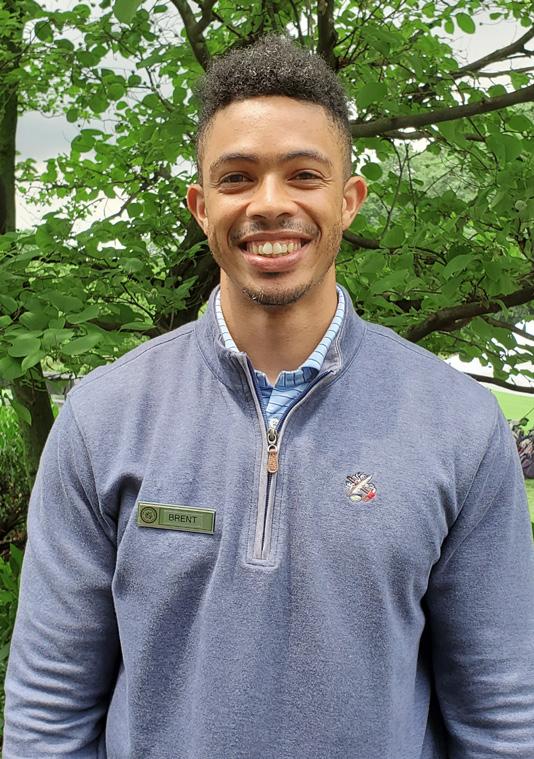
We have some new and familiar faces this season. Please join me in welcoming our new hires and congratulating Brent and Matt on their promotions.
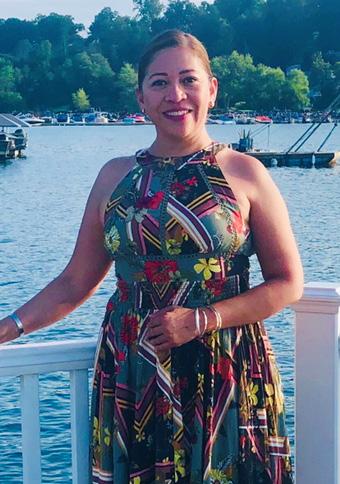
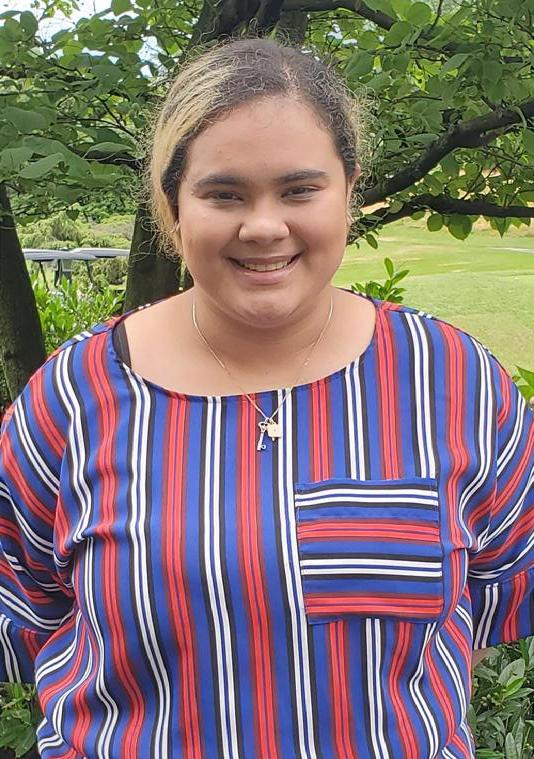
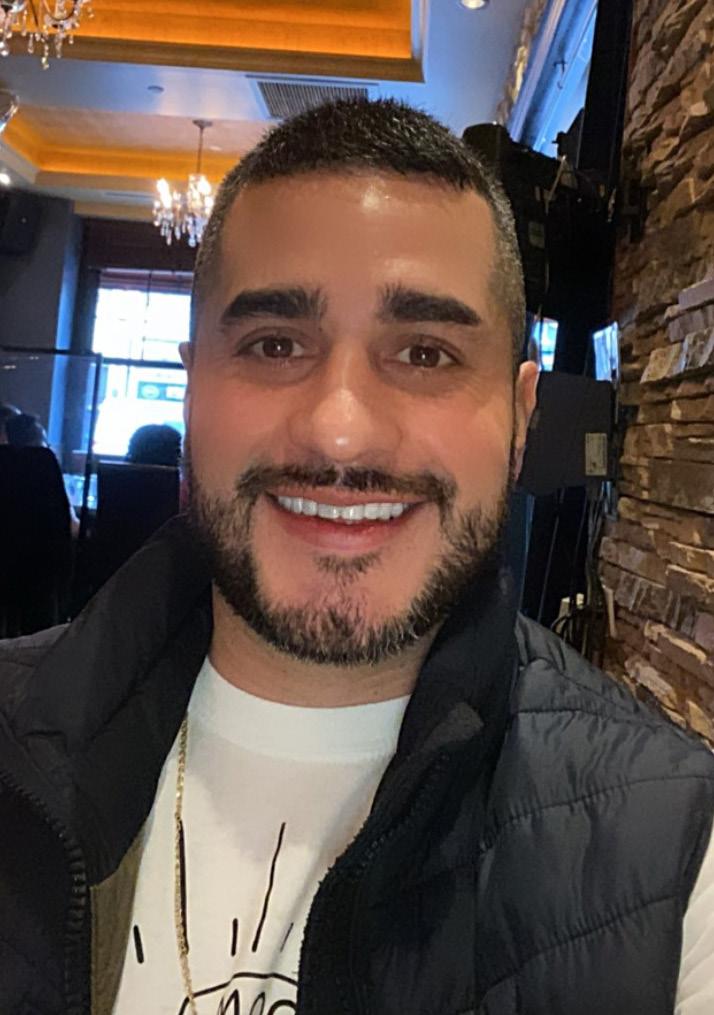
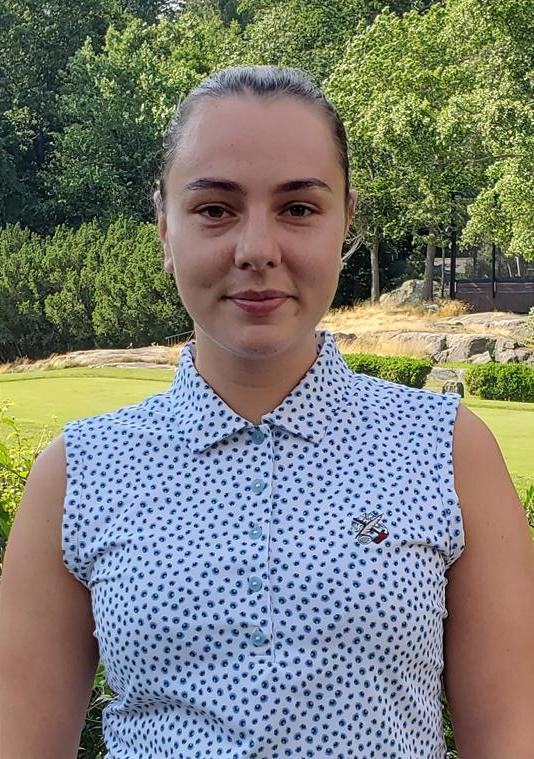
apawamis.org 7
Brent Adams Snack Bar Manager
Laura Ceron Ladies’ Locker Room Attendant
Haysee Espinosa Front Desk Receptionist
Madalina Precup Seasonal Dining Rm. Supervisor
Matt Marrero Snack Bar Sous Chef
Bricio Hernandez Athletic Facility Maintenance
Changes Through Time Agronomy
THE APAWAMIS IRRIGATION PROJECT
BY MICHAEL MCCORMICK, GOLF COURSE SUPERINTENDENT
8 APAWAMIS NOW Summer 2021
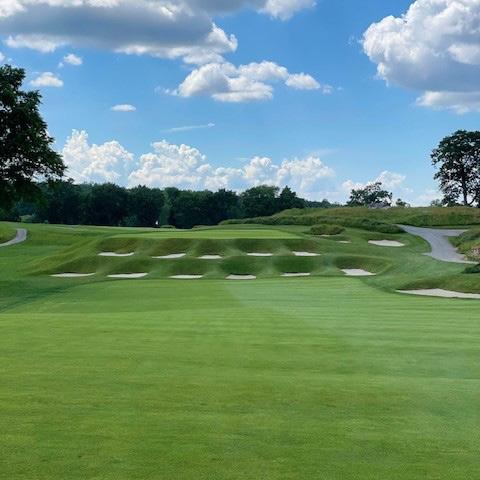
Over the last several years, the Apawamis membership and its Board of Governors have made a multitude of substantial investments to upgrade the golf course. The Tee Renovation Project in 2014, the Golf Course Enhancement Project in 2017, and the Fall 2020 Golf Course Renovation have yielded a fully transformed golf course from an architectural, aesthetic, and playability perspective. Each one of these projects was intended to produce a more enjoyable golf experience while adhering to the strong legacy and history of the Club. Our goal has always been quite simple: produce timeless work that members will enjoy for generations to come.
While we have addressed the vast majority of architectural components throughout the golf course, the aging irrigation infrastructure installed in 1994 has become increasingly problematic, creating substantial challenges for our grounds maintenance team daily. This year, we will begin installing a completely new state-of-the-art irrigation system that will give our staff the tools and resources necessary to take golf course conditioning to the most premium level possible.
I will take this opportunity to describe the challenges associated with our current failing irrigation system, what benefits the new system will reward us with, the timeline of the project, and how the system will be installed.
Understanding Turf Moisture Requirements
Each playing surface requires a different amount of soil moisture to perform at its ultimate level. Soil moisture requirements coincide with the height at which the turf is mown. The rough areas require the most moisture, followed by fairways, then by tees, and finally by greens and approaches. I often hear members make comments following substantial rainfall events that, "The rain must be perfect for the turf."
In reality, green, approach, fairway, and tee areas need very little moisture. After a rainfall event of 0.05 inches, we typically will not need to apply water to our fine-turf playing surfaces for several days. The rough, however, requires a much greater amount of water (0.25 inches plus) to flourish for several days. In the vast majority of agronomic scenarios, rainfall events greater than 0.25 inches create more problems than benefits for the health and playability of the turf.
Existing Irrigation System
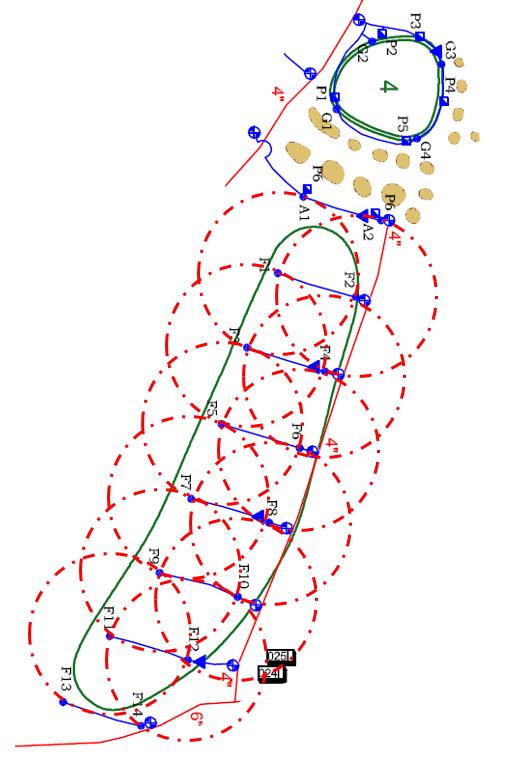
Our existing two-row irrigation system was installed in 1994 and is comprised of PVC mainline and lateral piping. The two-row aspect of this system means that we have two rows of irrigation sprinklers spaced in a 90-foot grid running vertically down each fairway. There is typically one sprinkler on the right perimeter of the fairway and one on the left as a golfer plays the hole. This spacing was typical for irrigation system installations at this time as the desire for lush green playing surfaces outweighed the desire for firm and fast playing conditions.
Reducing water usage to create firm and fast conditions is a turf management philosophy that did not become prevalent until the last two decades. With a two-row system, the only way to water rough areas is to utilize irrigation sprinklers situated on the fairway surfaces. Currently, the only way for us to provide the rough areas with adequate moisture would be to over-water the fairways.
Two-Row System Coverage
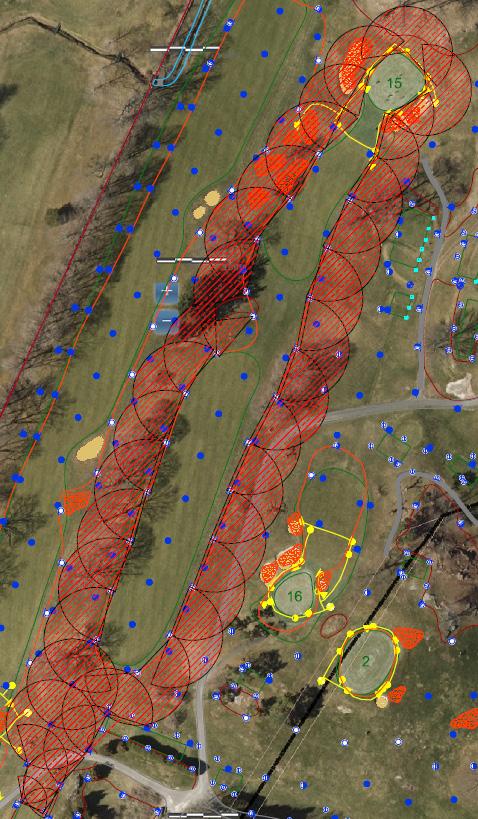
Additionally, we have expanded fairway acreage by over ten acres in the last four years. This has resulted in a situation where some areas of our fairways have irrigation coverage from four sprinklers, some get hit by three, some areas have two, some areas one, and many areas have no sprinkler coverage at all. To ensure that all fairway areas have adequate water, we have had to rely heavily on hand-watering with hoses over the last few years. We strive to provide firm and fast playing surfaces at all times; thus, we must supplement our rough through hand-watering and portable sprinklers throughout the golf season.
The average lifespan of a PVC irrigation system is about 15 years. After this period, the glued fittings used to connect the pipes, valves, irrigation sprinklers, and couplers begins to fail. We are over ten years past the expected lifetime of a PVC system, and this has been evident by the hundreds of irrigation breaks that we have encountered over the last four seasons. In addition, the time and labor associated with repairing each irrigation system failure have had a substantial impact on our annual operating budget.
Our current isolation valves are comprised of steel ball joints that have rusted and corroded over the last 25 years. At least 80% of our existing isolation valves are either broken, rusted open, or rusted shut. This means that we often have to drain our entire irrigation system out to repair a single failure.
apawamis.org 9
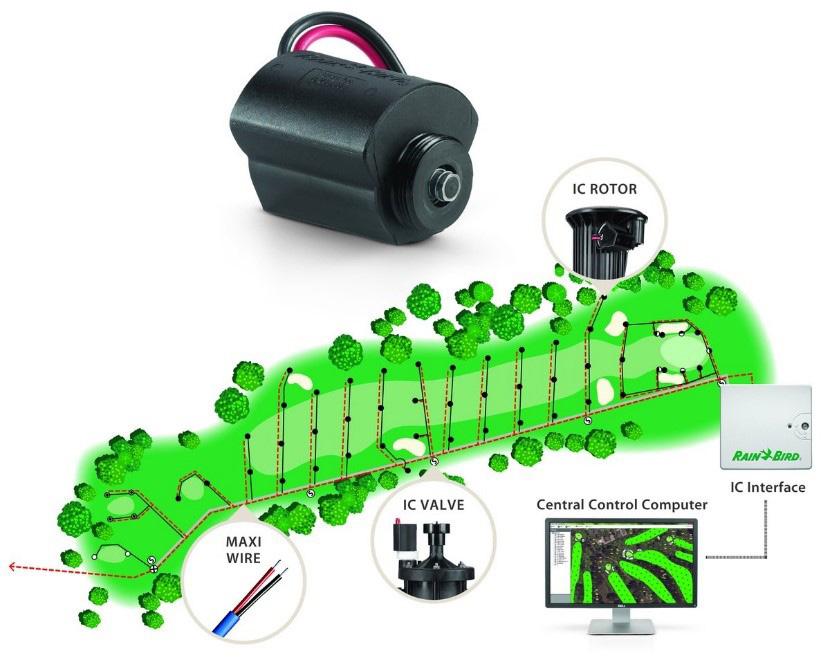
Our existing irrigation system utilizes satellite boxes throughout the golf course to communicate with each sprinkler head. We have an irrigation computer in our office that communicates by radio to each satellite box. From each satellite box, there is a power wire running to each of our 800 irrigation sprinklers. Sprinklers operate when the satellite sends an electrical charge to a solenoid located within each irrigation head. We have had additional issues with the radio communication signal, broken wires, blown solenoids, and more.
Lastly, when the existing irrigation system was installed in 1994, pipes were typically installed over any encountered rock. When you install an irrigation system, it is absolutely imperative to install each pipe at a depth that allows 18" of coverage from the top of the pipe to the surface. This practice ensures that the pipes are below the winter frost layer and that they will never be struck with any type of sub-surface aerification practice. With our current irrigation, we frequently encounter pipes that are only two to three inches below the surface, meaning that every time we aerify playing surfaces, we contact and break irrigation pipes throughout the golf course.
New Irrigation System
Our new irrigation system will be comprised of high-density polyethylene piping (HDPE). HDPE piping has an expected lifespan of over 50 years because all pipes are fused together in the field. Because we are not utilizing glue to hold irrigation components together and the pipe wall thickness is significantly greater than PVC, HDPE piping will last exponentially longer underground. Over the course of this project, we will be installing roughly 27 miles of HDPE pipe throughout the golf course, with diameters ranging from two inches to 14 inches.
The coverage of our new irrigation system will be truly wall-towall, utilizing a five-row setup with sprinklers spaced from 30’ to 65’ apart, depending on the playing surface. There will be three rows of 360-degree irrigation sprinklers spaced evenly apart in the
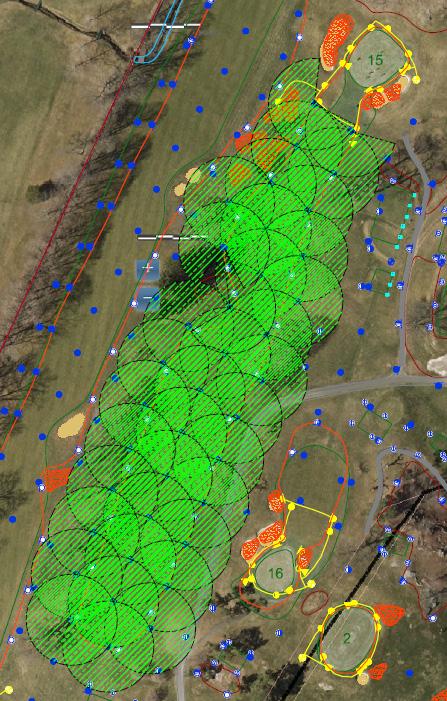
middle and each edge of the fairway surfaces. This will ensure that we have perfectly even and uniform coverage of every square inch of fairway surface.
We will then have 180-degree sprinklers spaced on the perimeters of each fairway that will be intended to water the rough independently. Lastly, there will be sprinklers spaced in the deep rough areas that further supplement rough areas. Green, approach, and tee surfaces will also have sprinklers independent from rough surrounds.
Our new irrigation system will possess approximately 1,500 irrigation sprinklers. With almost double the number of new irrigation heads, we will have a much greater ability to control exactly where we are applying water on each playing surface. A greater ability to control water inputs will allow us to reduce our water usage further annually. Over the last few years, we have successfully reduced yearly water usage by more the 70% compared to years prior. I expect that this new irrigation system will only further this initiative. Lastly, each new irrigation sprinkler will be labeled with the corresponding yardage to each green from 300 yards in.
Additionally, our new irrigation system will utilize 368 isolation valves throughout the golf course. Our mainlines will have stainless steel valves that will allow us to isolate water to individual holes. Our lateral lines crossing fairways will have HDPE valves that will allow us to isolate water to individual sprinklers. While we do not expect to experience irrigation breaks with our new system, our new isolation valves will allow us to shut off small specific areas of our system at one time rather than having to drain out the entire system. The stainless steel and HDPE construction of the valves will also ensure that they will not rust and ultimately last for generations to come. Each golf hole will also possess two drain valves and multiple air-release valves to aid in the draining and charging of our new system.
The communication system of our new infrastructure will be completely different from our existing system. With our new system, we will not have any satellite boxes on the golf course. A single power wire will run to each sprinkler head on the golf course and heads will communicate with the irrigation computer in our office through a wireless decoder located on the side of each sprinkler. This setup removes the unsightly irrigation satellites from the aesthetics of the course and makes diagnosing electrical issues much easier.
Lastly, we plan to perform several miscellaneous initiatives throughout the project. The first will be installing a water feed that will fluctuate the water in the pond to the left of the 10th fairway. By having the ability to raise and manipulate water flow in this pond, we will no longer have algae develop on the water's surface. We will also be installing potable water lines throughout the golf course for future water fountains and power conduits for any future project that would necessitate power. Our final change is to install irrigation to our Clubhouse grounds, which will allow us to maintain the Clubhouse landscaping at optimum standards.
10 APAWAMIS NOW Summer 2021
Five-Row System Coverage
Benefits of the New Irrigation System
The installation of our new irrigation system will ultimately bring the performance of our infrastructure to the same level that we have produced on course from an architectural standpoint. We will have the ability to irrigate all playing surfaces in a more precise, predictable, and reliable manner. Having this ability will lead to more consistent, healthy, and aesthetically pleasing turf.
While we have made massive strides in elevating the level of golf course conditioning at Apawamis, this new system will take us to a whole new level. The need to hand water playing surfaces will also be substantially reduced.
Perhaps most importantly, we will no longer have to devote time, resources, and funds to the constant repair of irrigation failures. With this new system, we will have all the tools necessary to provide the most elite turf conditions possible daily.
Installation and Timeline
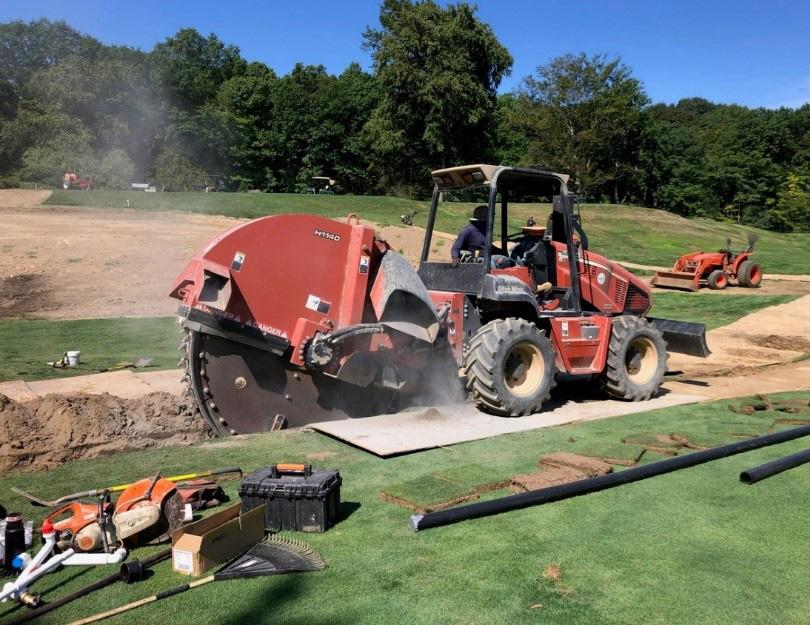
To ensure that each pipe is properly buried to an 18-inch depth, every irrigation line on the golf course will be open trenched. This means that every pipe will either be trenched in with an excavator or, in scenarios where we encounter rock, a rock wheel.
Before trenching in each line, sod is first removed from the area. Once the trench is cut, the pipe will be installed and backfilled with soil. Once the soil has been replaced, it is compacted to ensure no settling, and the sod is returned to its original location. Apawamis is a challenging property to install an irrigation system due to the amount of rock embedded in the ground throughout the golf course. We have performed a great deal of research and probing to identify the path of least resistance to avoid rock as much as possible. That said, there are several areas of the golf course we will not be able to avoid the rock. In these areas, the rock wheel will be used to cut and grind the rock areas. Depending on the density of the rock, these areas can take some time to trench through properly.
Beginning in mid-July, our irrigation contractor Tanto Irrigation will begin installing mainlines on the perimeters of holes. They will be working in one area of the golf course at a time and will only trench about 100 linear feet at one time. We will begin the installation by working up the property line on the 11th, 10th, 9th, 8th holes, and so on.
“All golf holes will remain fully open throughout the installation of mainlines.“
All golf holes will remain fully open throughout the installation of mainlines. This process will cause a short-term inconvenience during your round; however, we will make every effort possible to cause the least amount of interference as possible. Once pipes are installed and the sod is replaced, the newly trenched lines will not be visible. We expect that the installation of mainlines will take roughly two months.
Following Labor Day and the Club Championships, we will commence installing lateral irrigation lines across fairways. During this process, we will close one hole at a time while the pipes and sprinklers are being installed. Once we complete the installation of all lateral lines on a hole, the hole will immediately reopen for play.
We plan to work as long as the weather allows through the winter months. If we are fortunate enough to have a mild winter, we expect that the entire installation will reach substantial completion by the beginning of March 2022. After substantial completion, we will program and audit our new irrigation system before opening day. By the 2022 season, we will ensure that any evidence of the irrigation installation project is no longer visible.
I want to thank the entire Apawamis membership for the opportunity to perform this project to our most critical infrastructure. The new irrigation system will provide our team with the tools and resources necessary to continue transforming the conditioning of your golf course.
apawamis.org 11
Communication System
Rock Wheel
BY JAMES ONDO, PGA, HEAD GOLF PROFESSIONAL
There is no doubt that we have all faced many challenges over the past year and half, but one bright spot was golf at Apawamis. For a significant period of time, golf was essentially the only game in town, as it was one of a few recreational outlets that people could enjoy outdoors with family and friends. I am very proud of what we offered at Apawamis in 2020 in an effort to provide as much normalcy as possible to our members. At the same time, I am extremely excited for the future as were able to take advantage of this opportunity and capture many new players and plenty of excitement along the way.
A major test for any organization comes during a time of crisis, and the mark of a great organization is whether or not you emerge stronger from the crisis. In our case, the golf program at Apawamis could not have emerged stronger. Rounds are at all-time highs—last year, our rounds were up 58% compared to a national average of less than 20%. So far in 2021, our rounds are 40% above historical averages.
Additionally, the golf course is as good as it has ever been. Michael McCormick and his team completed a fantastic project last year and continue to provide some of the best playing conditions in the region. Our irrigation project this fall will help Mike and his team continue to elevate the playing conditions for years to come.
Tournament participation also continues to increase. So far this season, most of our events have been oversubscribed. The Golf Committee and professional staff continue to evolve our practices and guidelines to accommodate and support as much participation as possible.
Similarly, instructional opportunities have been expanded—last year alone we increased our structured junior programming by 300%. Monique has done an outstanding job again this season with
our enhanced lineup of options for men, ladies and juniors. Junior golf competitive opportunities are back and better than ever. We have two PGA Junior League teams again this year with twenty-six juniors involved, the Junior Interclub has been reinstated, and we will also host the Drive, Chip, and Putt local qualifier on July 12.
The food and beverage team is also creating exciting opportunities. Brian, Kyle, Beata, Chef Chris, and the clubhouse staff have done an amazing job adapting to the constantly changing safety guidelines while going out of their way to help support our golf events. With everything going on at the Club, the clubhouse staff have exceeded the expectations of our members and added new dining components to our events, all the while keeping everyone safe and healthy.
Finally, the membership and staff are playing great golf. The play of our members at the Club and in area events continues to excel, our juniors are winning events in the region, and it was quite the honor to have Monique earn the 9th spot on the Met PGA Women’s Player of the Decade list, while I earned the 7th spot on the overall Met PGA Player of the Decade list. It is great to see many members playing more competitive events outside of Apawamis in an effort to take their games to the next level. The professional staff continues to work hard on their games and looks forward to playing more golf with members this year.
For me, one of the biggest appeals of golf is that anyone can get whatever they want out of the game. You don’t have to keep score for 18 holes to be a “golfer.” Golfers can simply hit a few balls for fun on the range, get out to play a couple of holes to feel more comfortable as a beginner, sneak out with their kids to play nine holes after work, enjoy their regular weekly Saturday game with friends, or scratch their competitive itch with our many tournament offerings. There is no one approach to enjoying this
great game; if you lace up your shoes and come to the golf course, you are a golfer! I suspect this is why golf has attracted so many new players this year—and we’re glad to have you all. With everything that we have to offer at Apawamis, there is no better time than now to either start playing, get back into the game, or immerse yourself into the game at a deeper level.
As always, our mission is to provide the best golf experience possible for our members and guests. We strive to enrich the lives of our members by providing quality golf services, exceptional golf instruction, an outstanding tournament program, and a first-class merchandising operation. Our professional staff will continue to build momentum for golf at Apawamis and will work tirelessly to inspire and ignite a passion for playing the game.
Truly, I feel that our golf program is better positioned today than any other time in our remarkable 131-year history. We look forward to another great summer at the Club. It’s a great time for golf at Apawamis!

12 APAWAMIS NOW Summer 2021

CULTURE Apawamis
BY MONIQUE THORESZ, PGA, DIRECTOR OF INSTRUCTION
What is the culture of the Apawamis Club and what does it mean to you? Culture is something I’ve been thinking about for some time now, as it relates to the experience of the Apawamis Club members and guests.
Culture is defined as “the customs, arts, social institutions, and achievements of a particular nation, people, or other social group.” The Apawamis website notes that “The Apawamis Club is more than a club—it's a family . . . We take pride in building family traditions and life-long memories by delivering services in a first-class manner. Our family-focused sports programing for golf, squash, tennis, and aquatics is among the best in the country.”
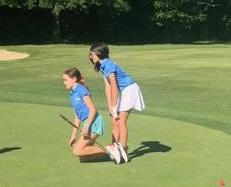
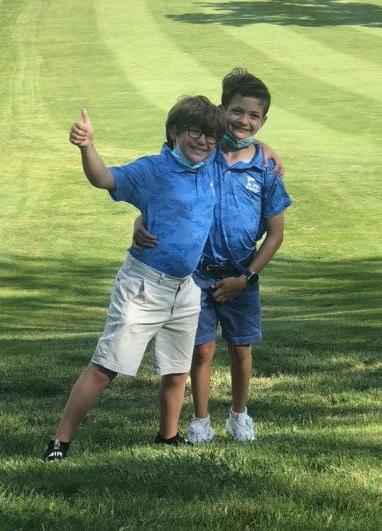
Sports and family—two of the ideals embodied in the Apawamis culture. I wondered what other core concepts and values might be a part of Apawamis culture, so I asked a group of my juniors what Apawamis golf culture means to them, pictured right.
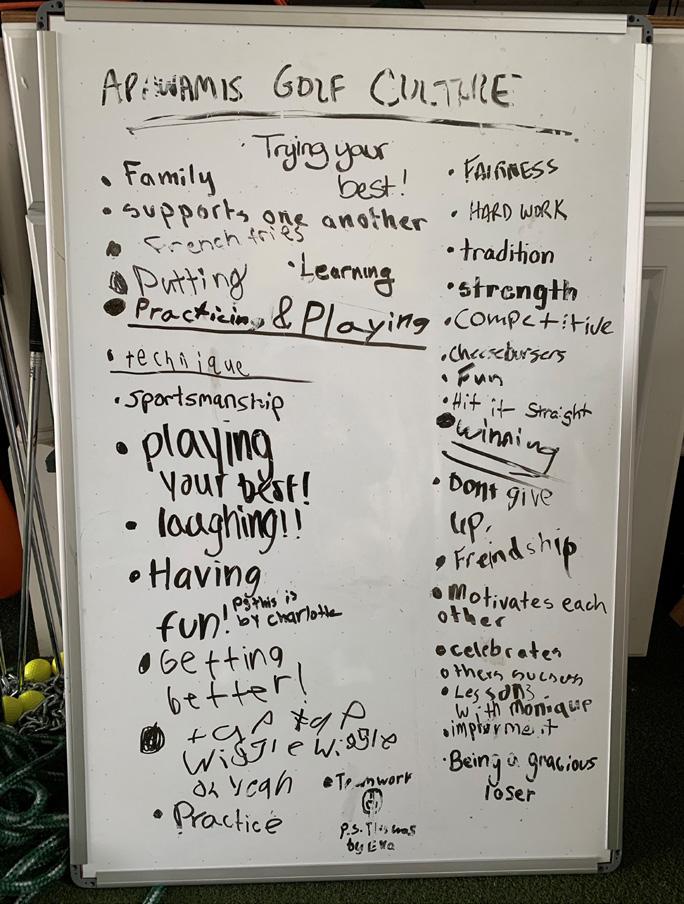
Learning what the Apawamis golf culture means to our juniors was certainly gratifying, but it is also a great reminder that culture can and should be intentionally developed. This concept was brought home to me when I read The Culture Code by Daniel Coyle (he also wrote the best-selling book The Talent Code about a decade ago). I’ve also studied the intentional development of culture in award-winning sports programs such as the Loyola Men’s Basketball Team. To read more about Loyola’s “Culture Wall,” visit the Chicago Tribune article (link provided in the digital version of this issue).
There are many things that make Apawamis a very special place for its members and staff alike, and we must all do our part to be sure that our core values continue to be passed along to the next generation so that the culture remains strong into our next 130+ years. I think our juniors have done an amazing job at identifying some of the core values at the heart of Apawamis culture: trying your best, fairness, sportsmanship, having fun, motivating each other, tradition, and many more (yes, even cheeseburgers!). However, these core values are just words unless we truly cherish them and pass them along to our future generations.
The Apawamis sports professionals across all the departments try our best to bring these values home to our youngest members every day on the golf course, tennis and squash courts. We recognize how special a place Apawamis is and how easily culture can be lost if it isn’t nurtured on a daily basis. As we enter the summer months and the Club becomes immersed in the familiar buzz of all our sports and various traditions, I invite each of you to give some thought to what Apawamis culture means to you and to send me a note with your ideas. I would love to turn my “whiteboard project” into something a bit more permanent that reflects the culture and spirit of the entire membership.
apawamis.org 13
Cooper Kaplan and Andrew Moreland
Dylan Ehrlich and Leila Kubursi watching Zoe Sellon putt for eagle during a PGA Junior League match at Rye Golf Club
A Look Back In Time From the Archives
BY ROBERT A. DOTO, ARCHIVIST
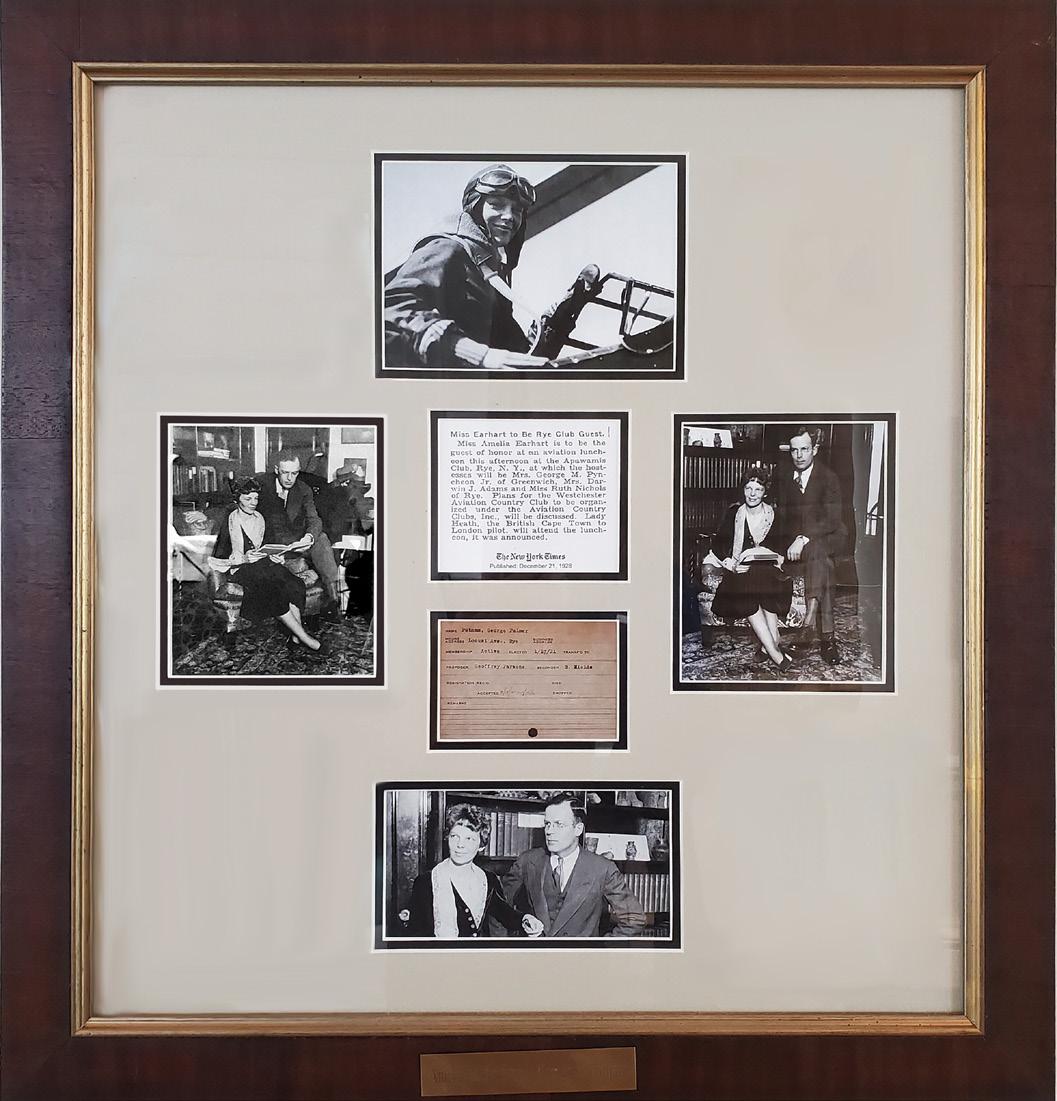
The next time you’re in the Club Room, you will see on display a new addition to the artifacts and photos celebrating our history.
The framed piece is related to Amelia Earhart, the legendary aviator, and her husband, George Palmer Putnam. Earhart married George on February 7, 1931, and they lived adjacent to our 11th hole, off Locust Avenue on what is now called Amelia Earhart Lane.
George Putnam joined Apawamis in January 1921 and was a member until December 1935. George’s Apawamis membership card is included within the display.
There are three photos of the couple and one of Amelia in her flight suit, along with a notice from the New York Times announcing a luncheon Apawamis was having for Amelia.
Finally, Amelia’s father-in-law, i.e., George’s dad, was Apawamis’ first President, J. Bishop Putnam!
Occasionally we like to reference pieces from our past. While social mores and preferences change history does not.
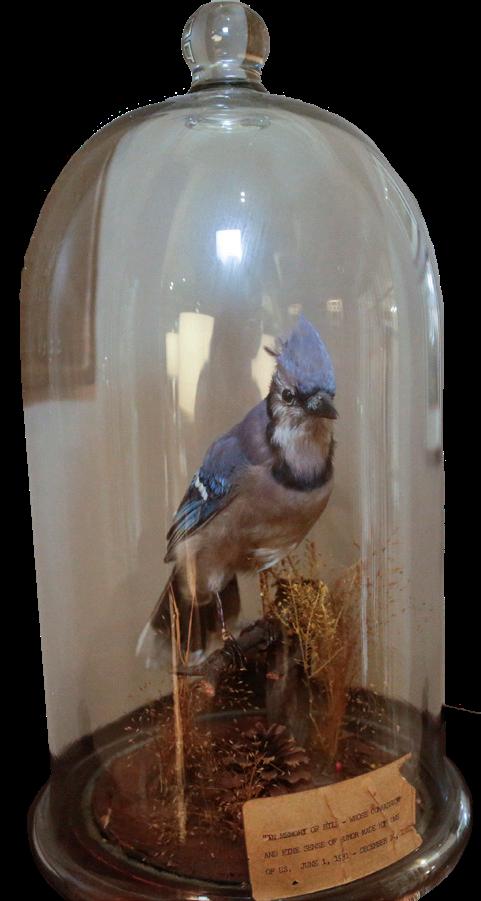
One artifact whose story maybe long forgotten, especially as it relates to our newer members, and has traveled throughout the Clubhouse seeking a proper home is Bill the Bluejay. Below is the original excerpt from our Fifty Years of Apawamis (1940) telling the story about Bill and how he was once familiar to the members of Apawamis.
Bill the Bluejay: Perhaps you never knew Bill and so this strange little story may not interest you but to those of us who were fortunate enough to have enjoyed his comradeship he will remain one of our happiest memories.
A fledgling bluejay, he fell from a nest in a high oak on the practice putting green. It was a bit of luck for Bill that Andy Thompson, Jim’s able assistant, was idling about. Andy has a kind eye and a gentle heart. He gathered up the soft bunch of blue feathers, and although he couldn’t act quite the part of a mother-bird, he put on a first class show as a nurse.
He rigged up a nest for Bill in the shop and then went to work on his diet. He tried some of the more bland things but Bill was all for red meat, so Andy went into competition with the robins, hooking the early worm, and in season, a fat caterpillar.
Between the diet and the care he got, Bill grew to robust and swaggering manhood. In fact, you could call Bill tough. He was conceited, full of the old ego, —probably because he had such a fine and gaudy bonnet worn in a jaunty “don't give a damn" style. He was a smart thief, and if he didn't have an alibi, he just gave you a dirty look and let it go at that.
As he came along Andy patiently taught him some of the tricks for which he later became so famous. It was only a short time before Bill could catch a pebble or a wad of paper thrown to him, and finally his fielding average was a thousand. Catching the old carrot shaped tees then in use by the club, thrown to him from any angle or tossed in the air, was all the same to Bill. He could dive or roll for them, but he always got
14 APAWAMIS NOW Summer 2021
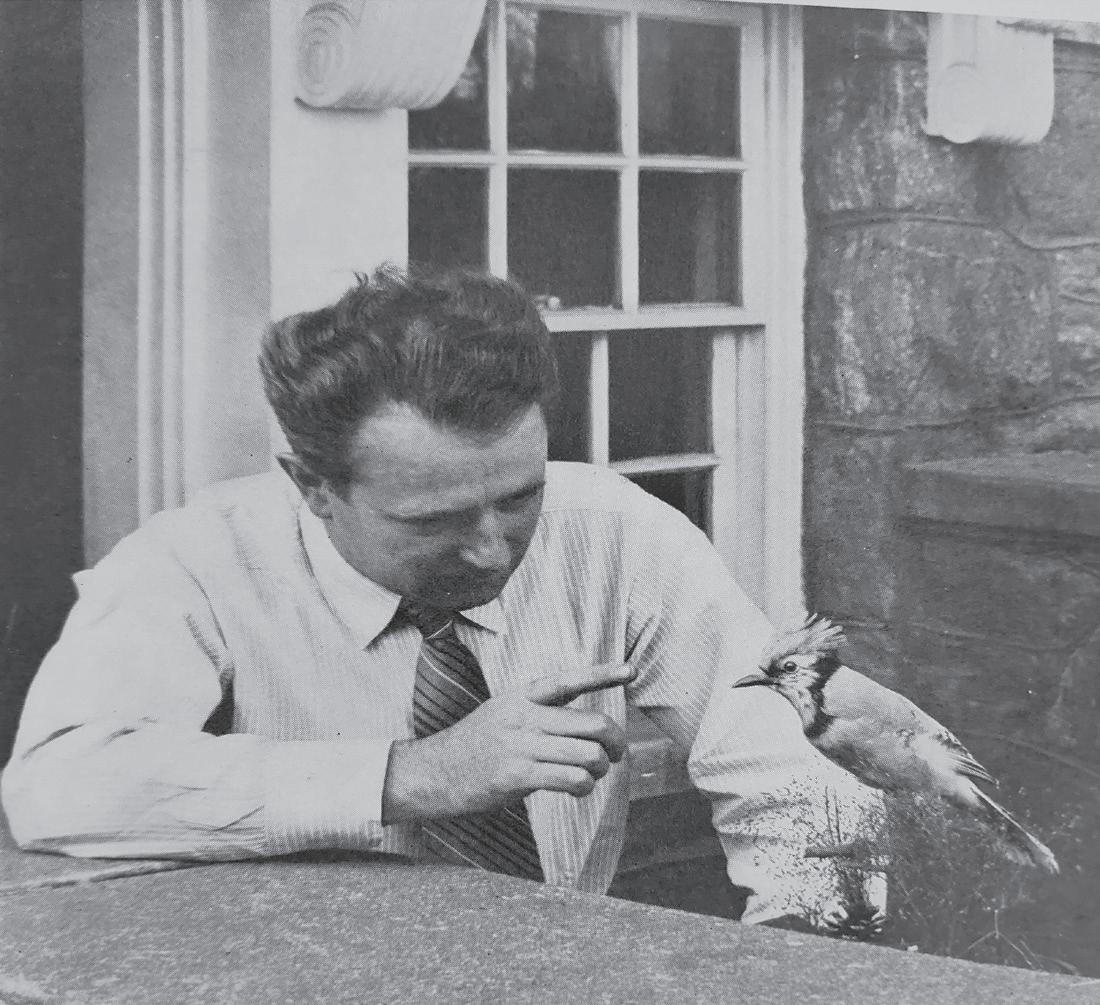
his tee. Doubting strangers came to mock but when Andy whistled or called Bill, and the bird came fluttering down from a nearby tree and went to work, they left to marvel.
Bill was very strong in his likes and dislikes. He was attracted to certain members and caddies, and there are many of us who remember Bill at the first tee, perched upon the shoulder of one of his favorites, or hopping around on the green nearby. When his particular fourball match started off, Bill would ride a bit of the way, then flutter up the course to the first green; there he would perch and stand by until the last putt had gone down. It seemed at times as though he had a certain contempt for the show some of us put on. When the match went on to the second, Bill remained behind-he didn't quite see the point of climbing the hill and then coming back, so he would flutter across to the third green and there he would wait until his crowd came along. He never interfered with the play—just strutted about on the edge of the green. He would follow the play to the fourth, either perched on a caddie's shoulder or flying low over the fairway. On he would go to the fifth but somehow he knew that going to the sixth only meant coming back to the seventh, so he would make a short cut through the woods to the green and there he would be patiently waiting, hopping about, looking for worms or perched in a small tree to the left. He cut out the eighth but trailed the play on to the ninth. There he seemed to become bored, and without tilting his hat, he would fly back to the woods by the fifteenth, and there we often found him waitingpatiently critical. From then on he always rode home, but as the match reached the eighteenth fairway, Bill would taxi off and we could see him soaring through the trees to his home ground in the shop.
Andy put up a house for Bill on a tree near by the nineteenth hole. He didn't make much use of it but in winter time we could see him at his front door. One of his most engaging tricks was to swoop down to the window sill of the nineteenth hole, where a group were sitting about, resting and restoring themselves. He would flutter against the pane and when it was open, Bill would volplane to the table. The usual glass
ashtray with the open box of matches was his pet aversion. He would stand on the edge of the tray-quickly and precisely he would pluck out the matches so that they were scattered about, then to completely satisfy his feelings, he would give the empty box a vicious jab with his beak. While we sat quiet, held by his strange antics, he would look about, somewhat fiercely inquisitive—you could almost hear him ask, "Well, what about it ?" When he tired of the game he would fly to the window, which was the signal to open up and give him the air. There may be some who would not credit this seemingly fantastic story, but should you by chance look about today in the nineteenth hole, you would see Bill, a stalwart and defiant bluejay, proudly erect in his glass dome, and a few yards away, there is a splendid study in bronze of him done by Kay Tripp, with the inscription which reads: "In Memory of Bill, whose comradeship and fine sense of humor made him one of us. June 1, 1931—December 24, 1933."
It was six years ago, the day before Christmas, a heavy yellow fog rolled suddenly in and blanketed the greens. It was very late in the afternoon, and Bill had been gone a long time. Like other birds of his kind, he could not see in the haze, but his sense of direction guided him, and he came flying blind, at express speed, for the shop door. The poor aviator crashed into a darkened limb above the steps and fell dead on his own hearthstone.
IN MEMORY OF BILLY
Not long ago, one afternoon,
Upon the path, outside the shop
Our Andy found a little bird
So young and weak it scarce could hop.
Though single man, of tender thought, He took the bird unto his heart,
And nursed him every day with Scotch
Until he grew both strong and smart.
When Autumn change transformed the trees
And clad them all in colors bright
Billy, so named, with feathers blue,
Became a happy, joyous sight.
When golfers gay ignored the snows, Without the keg or blanket warm, Billy, in anxious flight, warned of the night. And turned them back, safe from the storm.
Around the fire of winters nights
When days were short and evenings chilly
They sang Auld Lang Syne and Annie Laurie
And to the health of Dear blue Billy.
Day before Christmas he passed away, But surely, as believes the Hindu, In that sweet House of Many Mansions
Billy has found some open window.
January 12, 1934
J.A.B. Cowles
apawamis.org 15
Making a Positive Impact on Young Peoples’ Lives
BY LELAND PATON APAWAMIS FOUNDATION BOARD OF DIRECTOR

You might remember that the most recent issue of Apawamis Now included an article outlining some of the latest good deeds of The Apawamis Foundation. To follow that article, we’d like to share the story of how the Foundation was started and what benefits it provides for the Club to this day.
Philanthropy has been a part of Apawamis since the Club’s founding in 1890. In the early days, club members fulfilled their philanthropic aims through personal contributions, both of time and money, to local and national charities.
More organized sharing began in the 1950s. In 1956, the Westchester Golf Association, specifically the WGA’s Caddie Scholarship Fund (WGA CSF), became the focus of giving. Willie Turnesa, one of the country’s best amateur golfers at the time, and his friend Udo Reinach, a member of Quaker Ridge, formed the WGA CSF, with help from Tom Burke of Apawamis, who acted as treasurer during the Fund’s early years. As you might already be aware from reading the Apawamis Foundation Annual Report, the connection between the CSF and Apawamis has been a close one from the very start of the Fund. For instance, Sally Francis, an Apawamis Club member, made a very generous offer in the very first year the Fund made awards (1957). Since then, Sally’s gift has made it possible for the Fund to make awards to every qualified awardee.
For years, Apawamis made an annual solicitation of members to join the Bag Tag Program of the CSF by making contributions through the Club’s billing system. In the ‘80s, in an effort to recruit, retain and reward Apawamis caddies, members were asked to increase their contributions, with a “bonus” pool established to benefit our caddies directly, as well as funding our annual contribution to the WGA CSF. While this style of contributing was beneficial in some ways, the contributions were not afforded tax deductible treatment due to the mixed-use of those funds.
So during the Apawamis Annual Meeting in 1998, Apawamis member Bernard Magdelain rose to make a suggestion that the Club establish its own Foundation, which would qualify as an IRS 501(c)(3) organization, thereby making contributions tax deductible. It was also suggested that the Club expand the potential beneficiaries of the Foundation to include Club staff and children of Club staff and caddies as well. The proposal met with support from other members, and it was clear that we would soon be on our way to making it happen.
of the Club, and it operates as an independent entity. In the years since its establishment, the Foundation has added several directors, including past presidents of the Club and key staff members, as well as other members who have shown interest in the Foundation’s activities, especially those with past experience in charitable organizations and educational institutions. The current Board is noted in the Annual Report.
Since the first awards were made in 2000, the Apawamis Foundation has provided scholarships to 79 awardees, as well as continuing to make contributions to the WGA CSF. The WGA CSF, in turn, has supported many Apawamis caddies and others in service to golf at the Club. Individual Foundation scholarship awards have ranged from $1,000 to more than $5,000 annually, according to each awardee’s need. WGA CSF awards range from $1,000 to $10,000 annually, again, according to need.
As noted in the previous edition of the Apawamis Now, the Foundation exercised its ability to provide funding for the educational needs of staff and the children of staff by purchasing laptops for the children of several employees and caddies to facilitate their at-home learning experiences during the COVID-19 crisis.
The Foundation’s main fundraising activity is a once-a-year solicitation of the members that takes place in July, facilitated through the Club’s billing system. We also receive contributions from others, including a generous annual donation from the United States Senior Golf Association Memorial Fund. Recent fundraising has exceeded $100,000 annually due to the generosity of our members. All donations are tax deductible.

Working with a local law firm and the accounting firm of Condon, O’Meara (the Club’s long-time accounting firm), we began the process of seeking the coveted 501(c)(3) qualification. Finally, after filings with NY State and the IRS, The Foundation was awarded its tax-exempt status on November 3, 2000.
Many of the features of the WGA CSF organization, including applications, qualifications and mission, served as models for the establishment of the Apawamis Foundation.
The Foundation’s primary mission, as stated in the Annual Report, is to serve the educational needs of our caddies, staff and their children. The Foundation can also contribute to other charitable organizations serving similar missions.
The original Board of the Foundation was made up of four Club members: Bob Dunn, John Jay, Lee Paton, Mason Rees and our head golf professional at the time, Mike Summa. On the advice of counsel, the Board of the Foundation is separate from the Board
All members of the Club’s staff and caddie corps are annually reminded and encouraged to make an application for Foundation awards. The response from awardees is always appreciative and the Foundation’s presence is a wonderful affirmation of the Club’s dedication to its employees and caddies.
From time to time, Apawamis members’ generosity has also been successful in addressing the urgent needs of both staff and caddies. For example, recently, the Club lost two revered individuals, Jorge Torres, the Club’s bar manager, and Peter Phillips, a senior caddie. Both men had close relationships with members and each had young families. In both cases, separate member solicitations succeeded in providing important immediate financial support for their families. And, on a continuing basis, the Foundation will be providing scholarship support for Jorge’s and Peter’s children.
We thank you for your continued support of the Foundation and other worthy causes, especially through these uncertain times. For more information about the Foundation and its workings, feel free to contact any of the current or former Foundation Board members.
captured
MEMORIES IN TIME
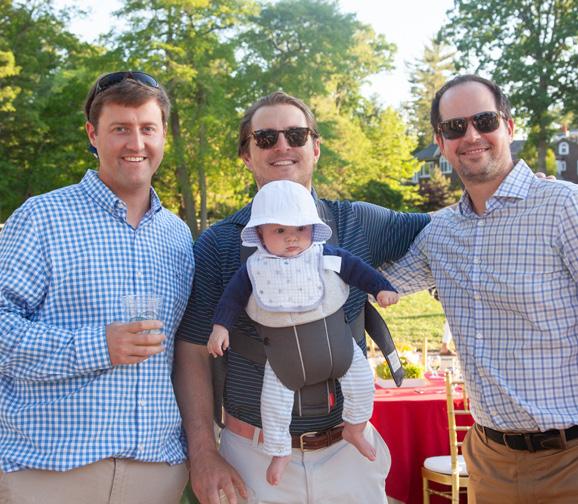
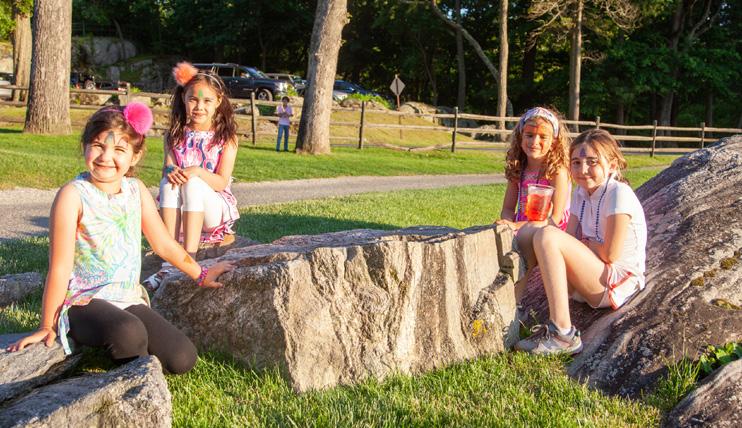
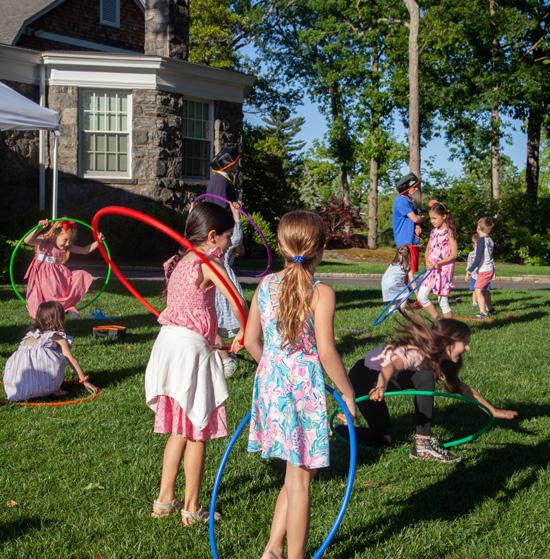
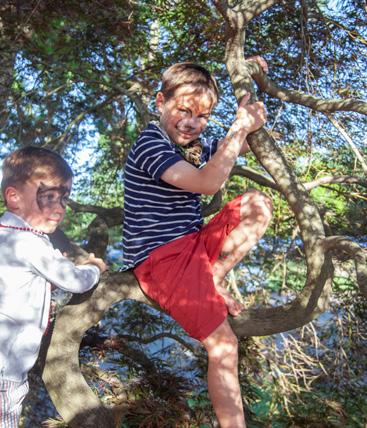
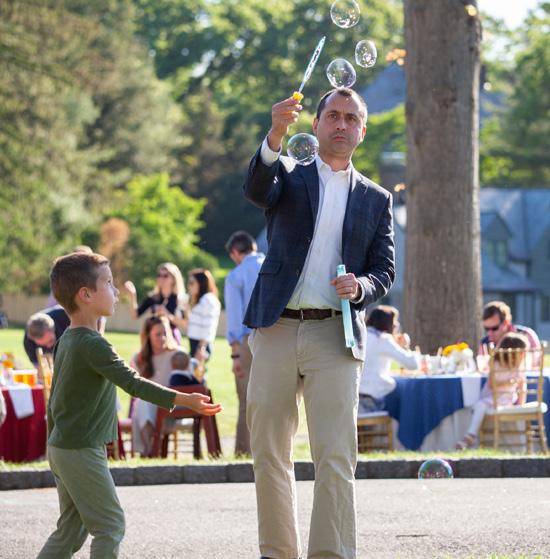
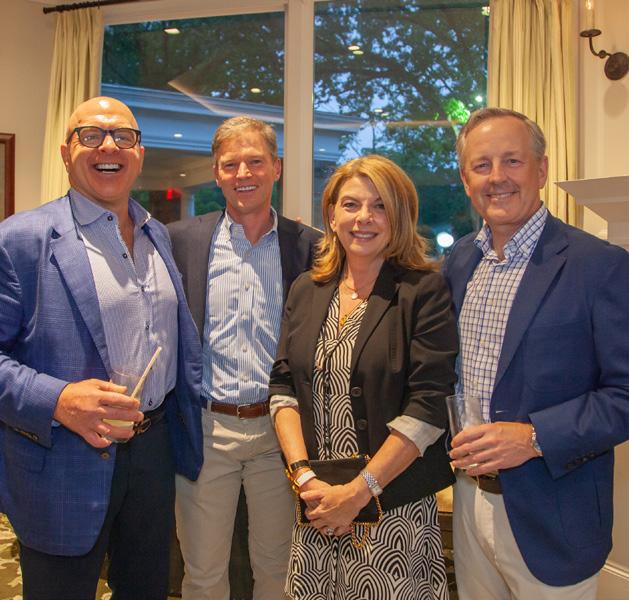
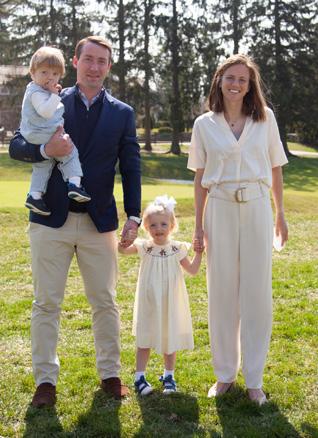
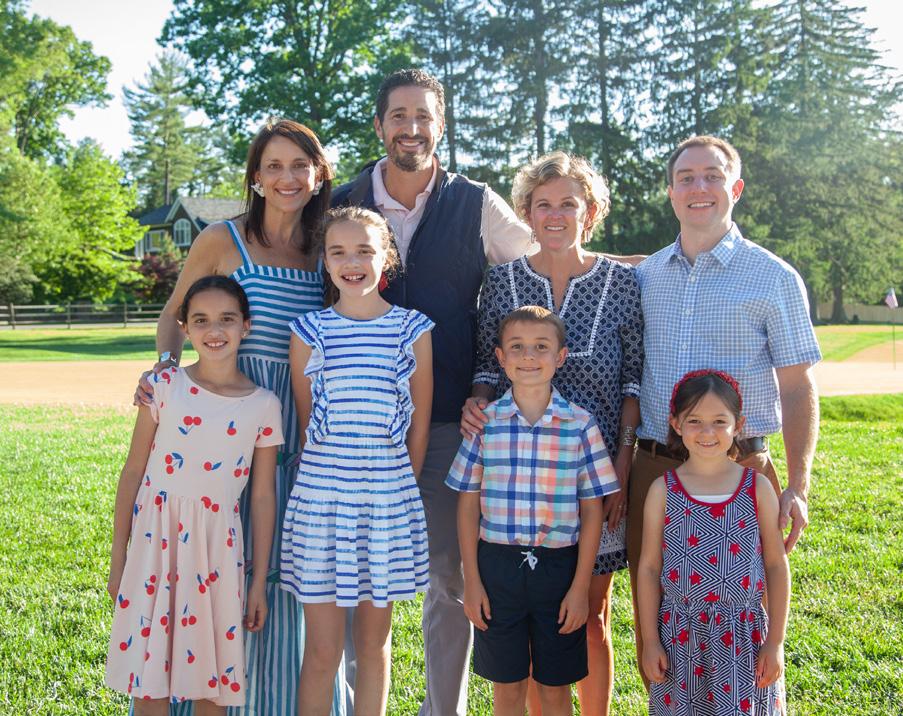
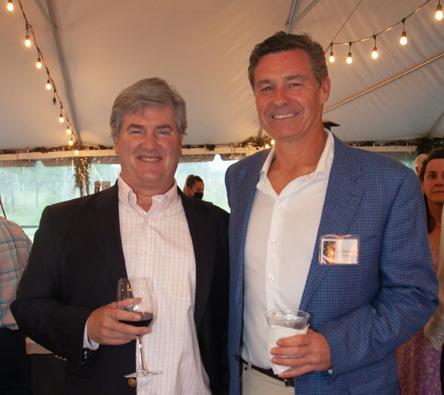
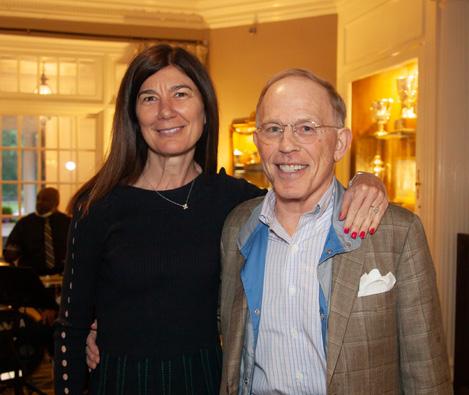
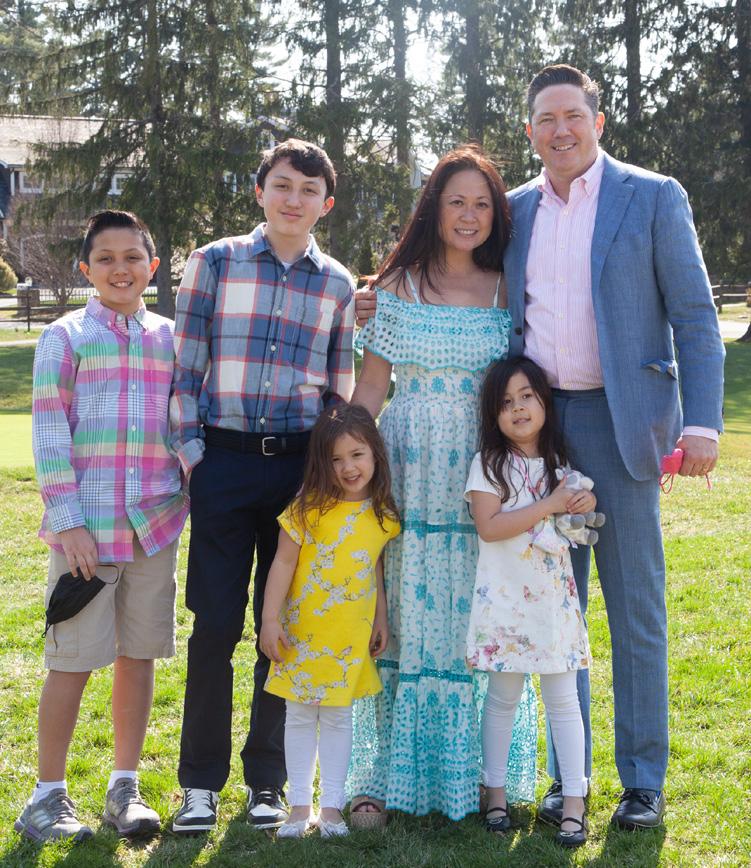
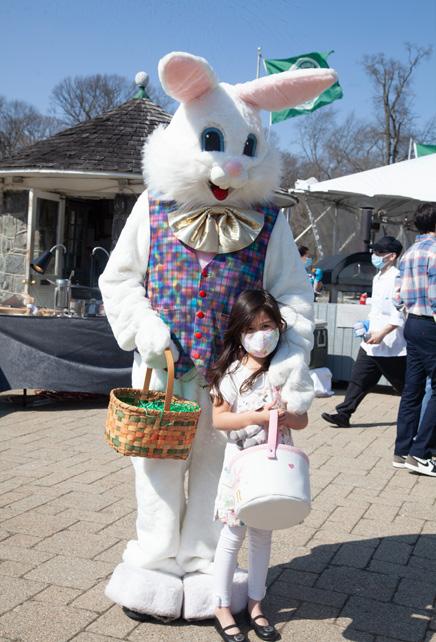
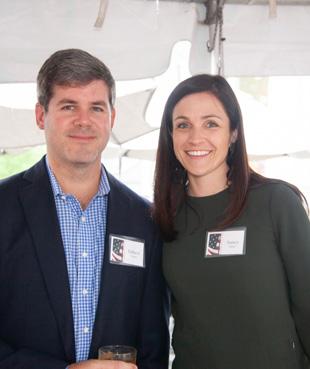
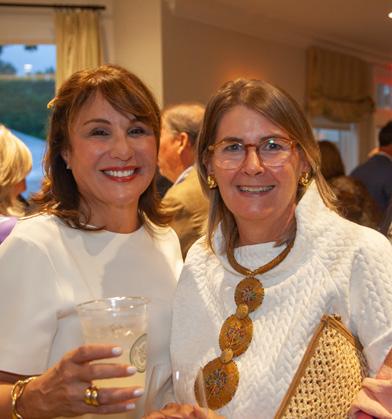
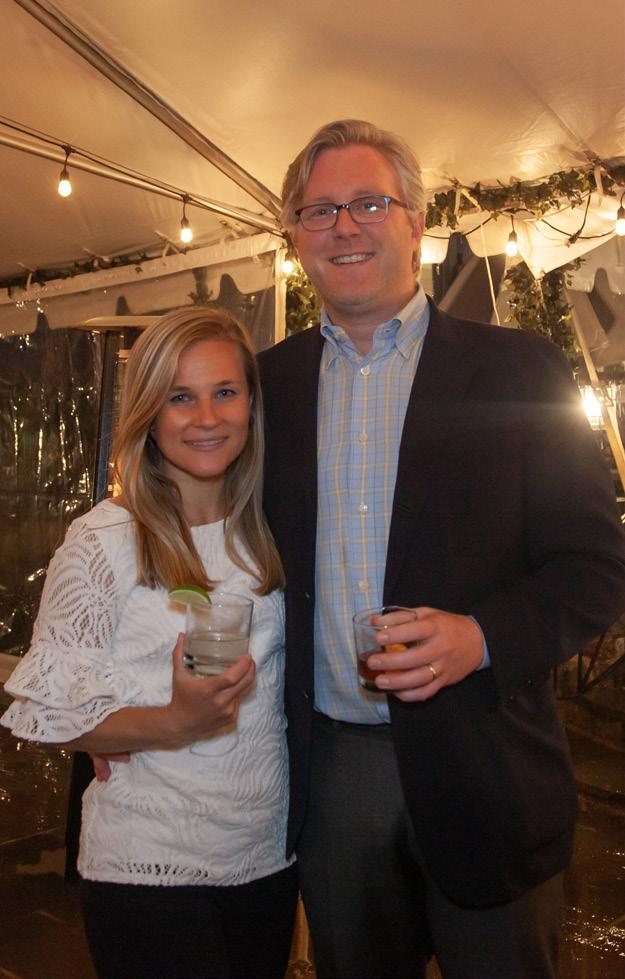
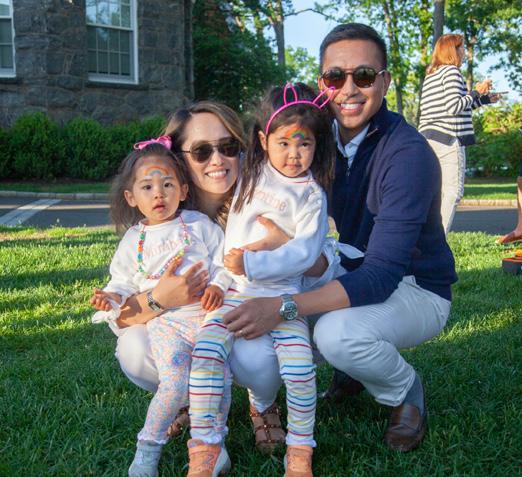
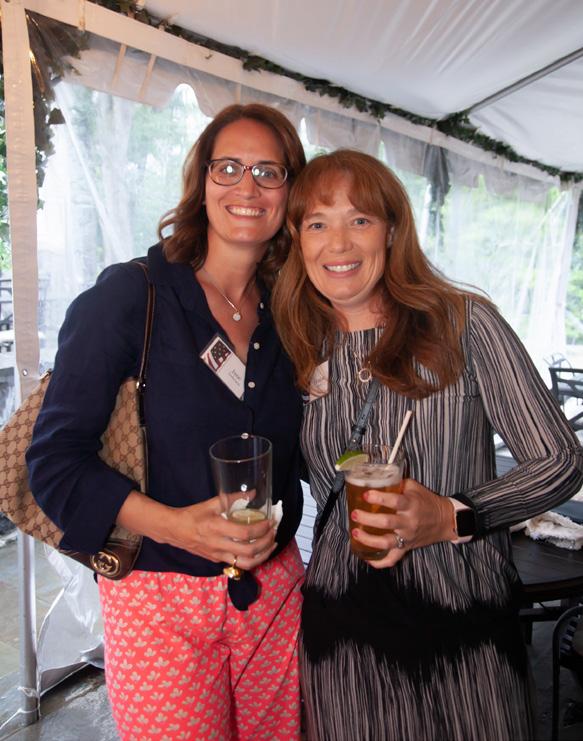
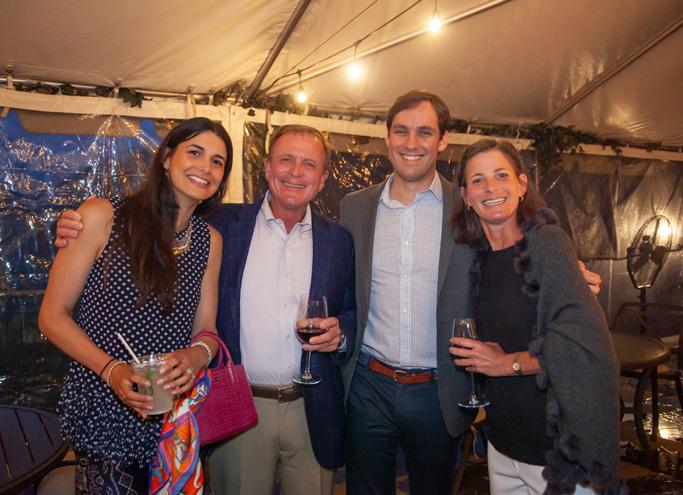
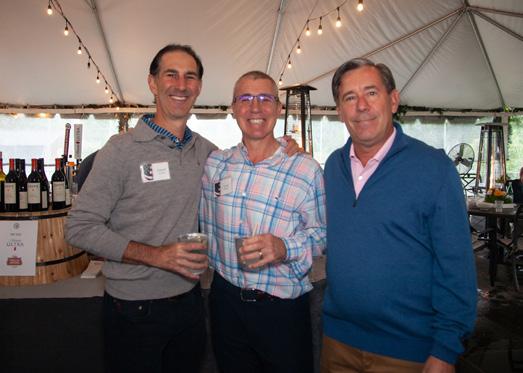
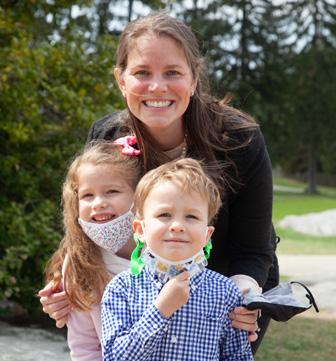
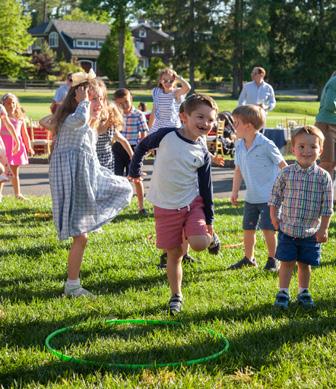
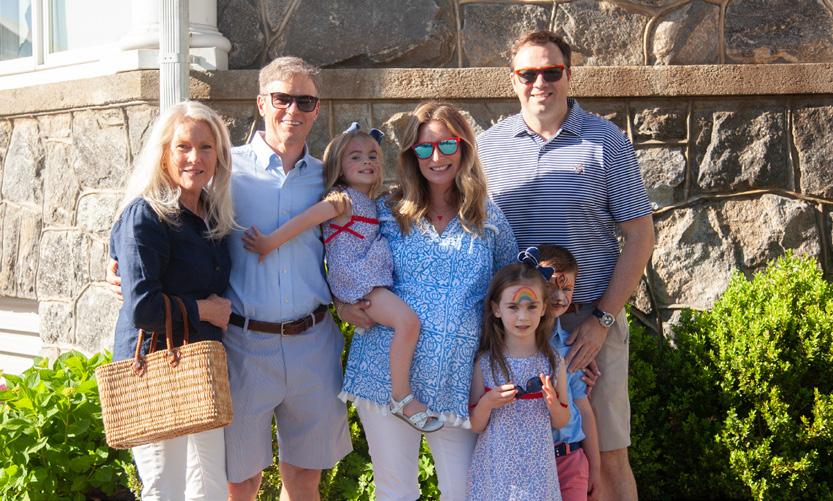
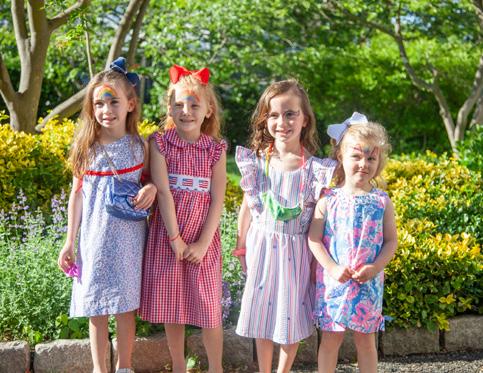
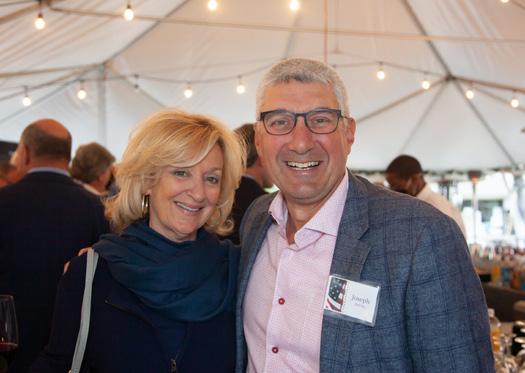
We’re always interested in seeing and hearing about member’s enjoying the Club. Post it on Instagram and tag the Club. Make sure you request to follow us as our Instagram page is private for members only. Not on Instagram? You may submit your activity shot and a brief description to Shawn Rowley, Director of Communications, at communications@apawamis.org to have it printed in the next issue of Apawamis Now. Below are a few, fun moments captured by members and the club’s photographer, Ambria Michelle.
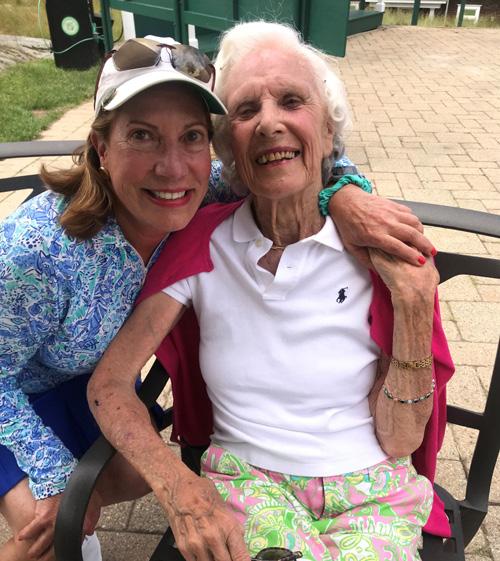
Ladies Time
Marilyn “Mar Mar” Gerrish at 95, still sporting her Lilly Pulitzer shorts and hanging out at the Club. Fun fact, Marilyn and her late husband Thorton were the primary photographers for Club activities for decades.
Spring Time
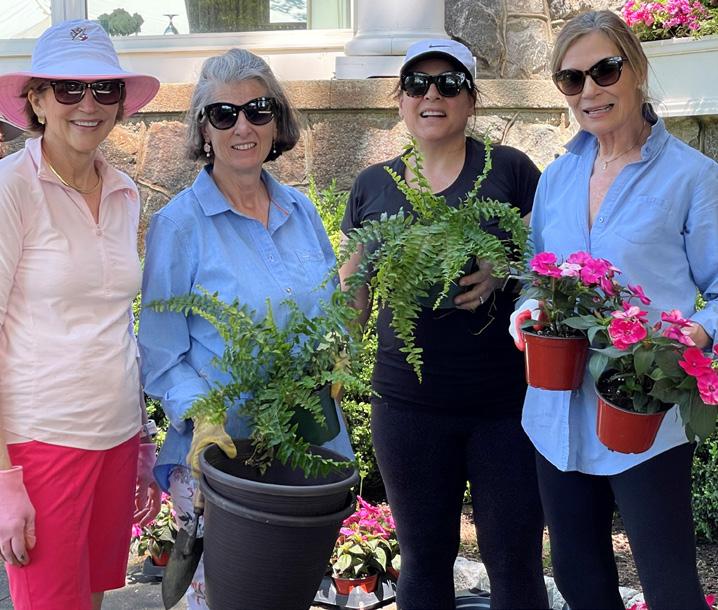
The Apawamis Landscape Committee setting the stage for member arrivals.
Golf Time
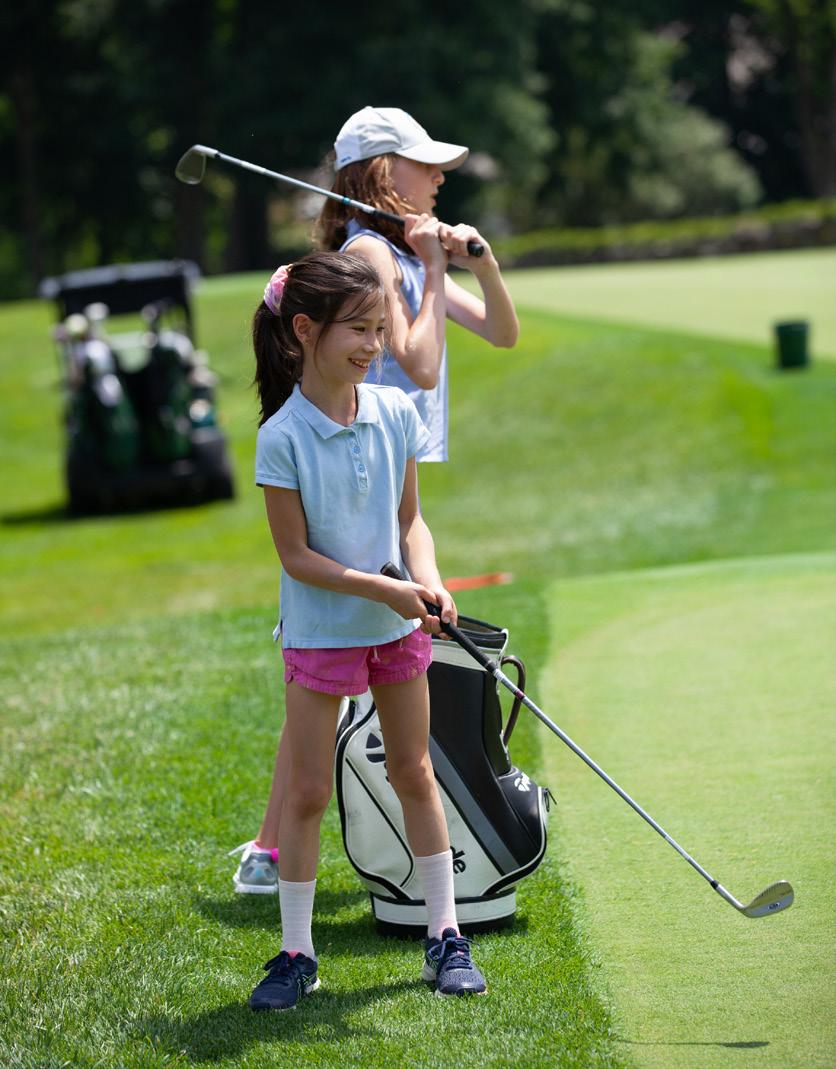
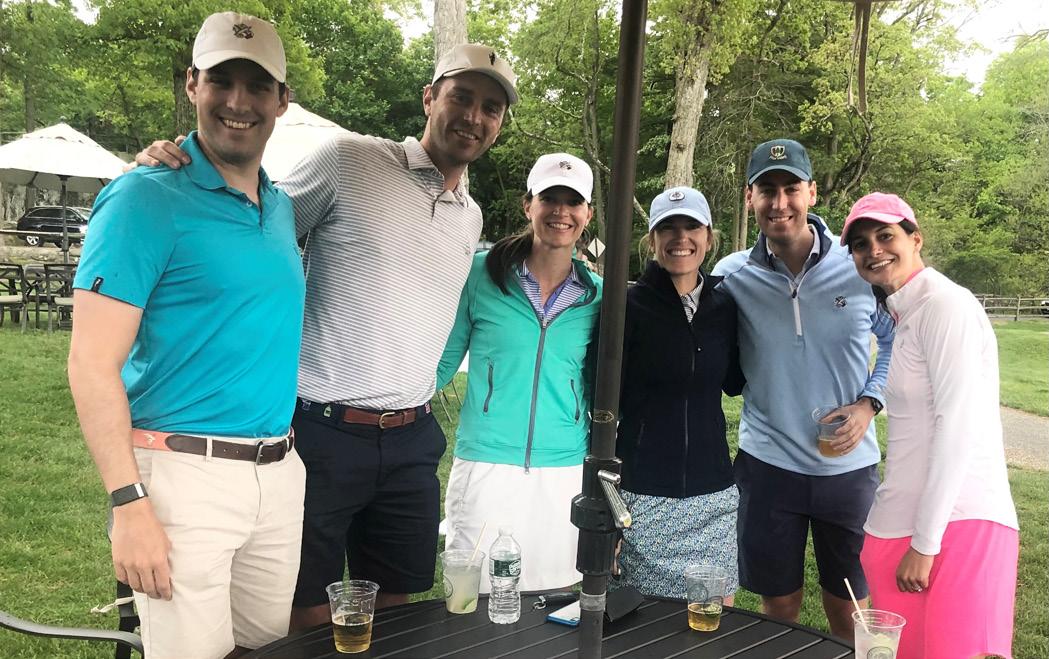
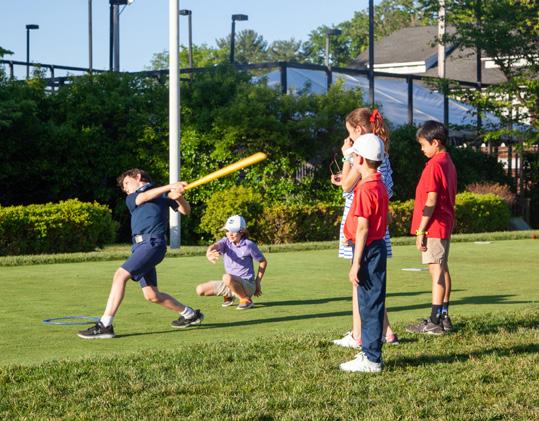
Members of all ages joined in on the fun for the Mixed Golf Opening Day held on Sunday, May 16, 2021.
Event Time
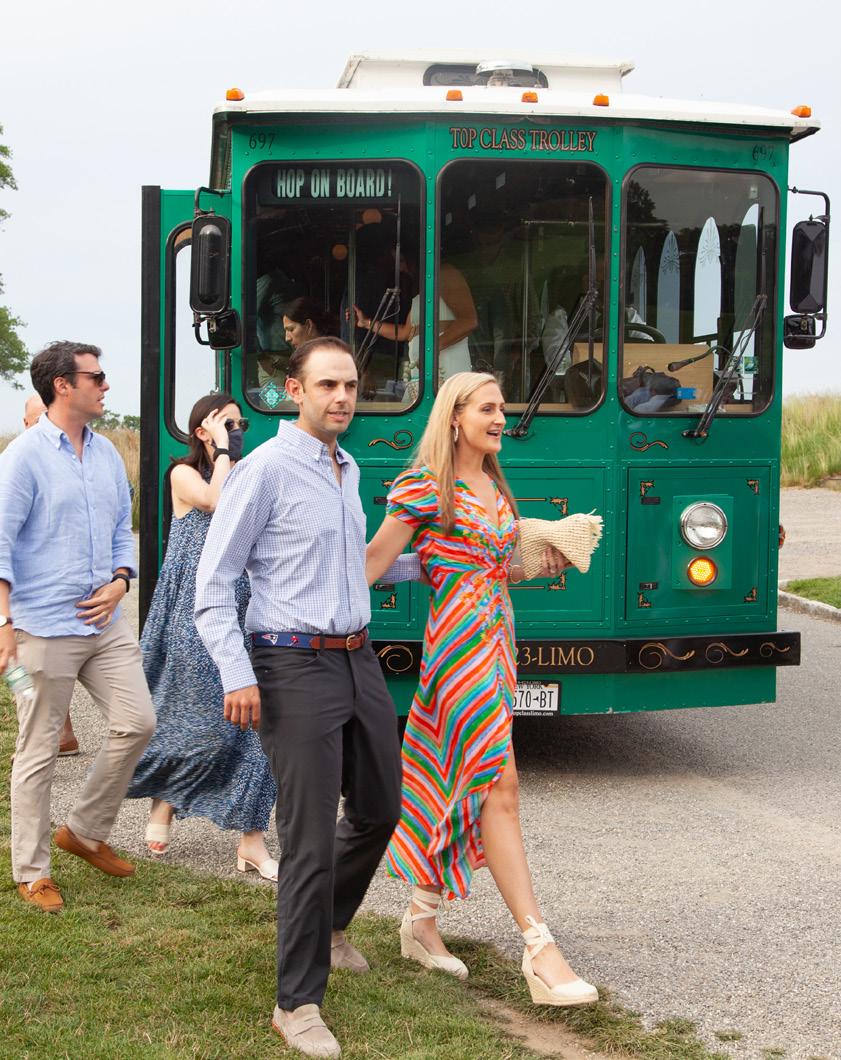
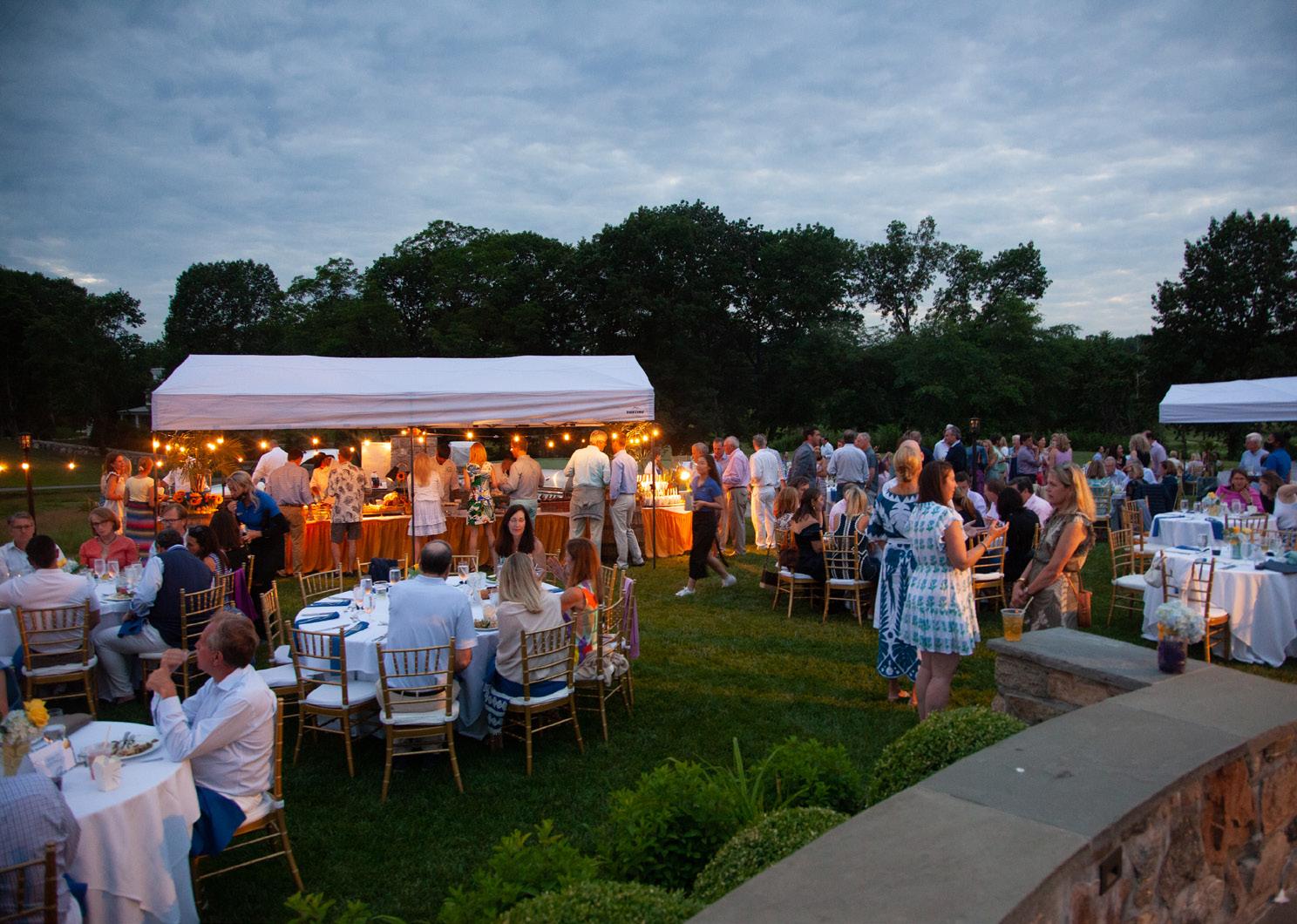
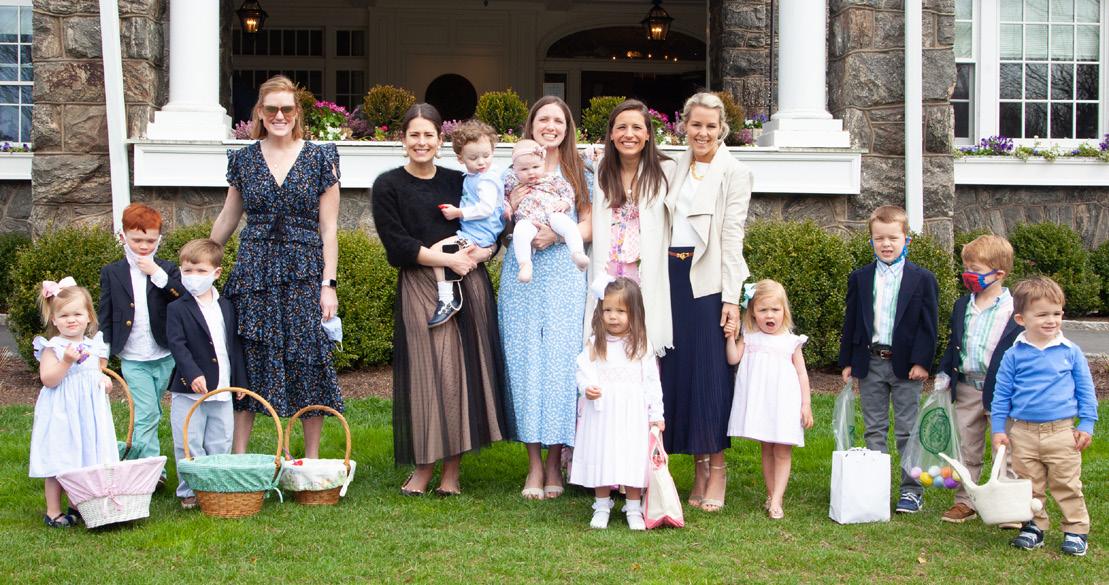
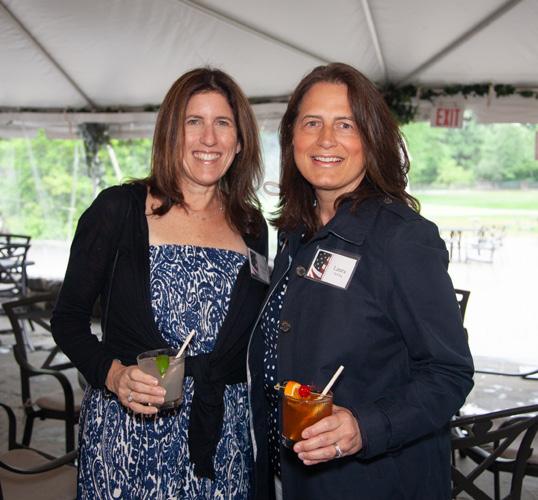
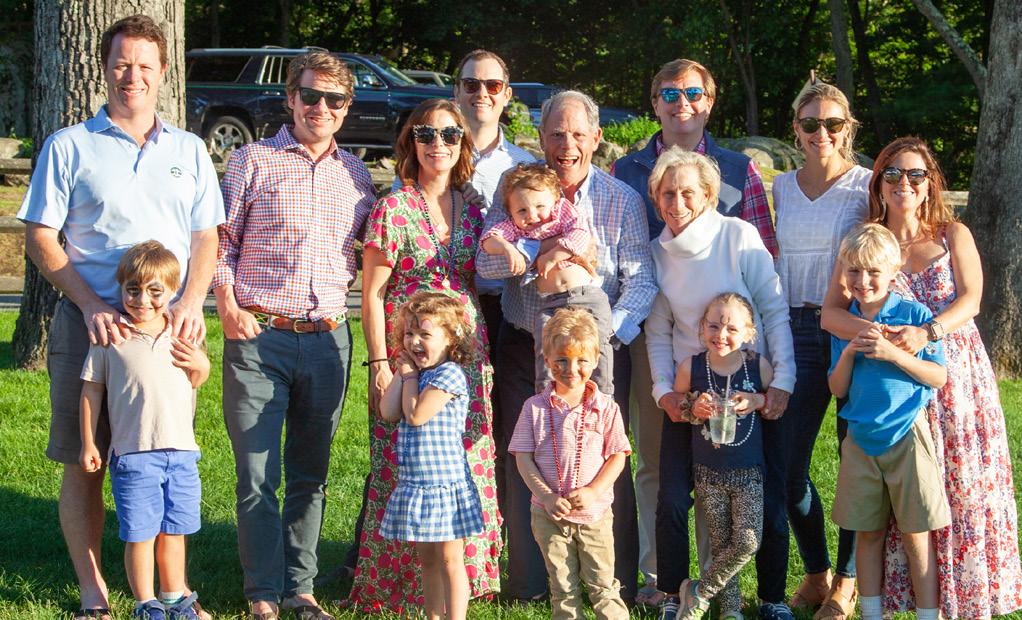
Enjoy the Easter Brunch, Welcome Back Party and the Memorial Day Barbecue activities caught on camera. To view more event photos, be sure to check out the photo album at the footer of the Dining and Events web page located on apawamis.org.
18 APAWAMIS NOW Summer 2021
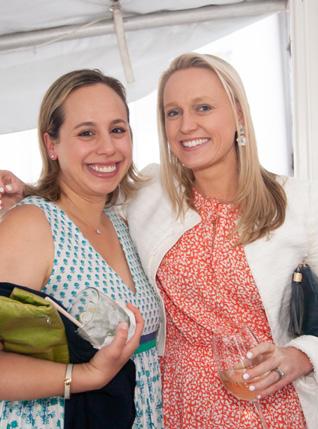
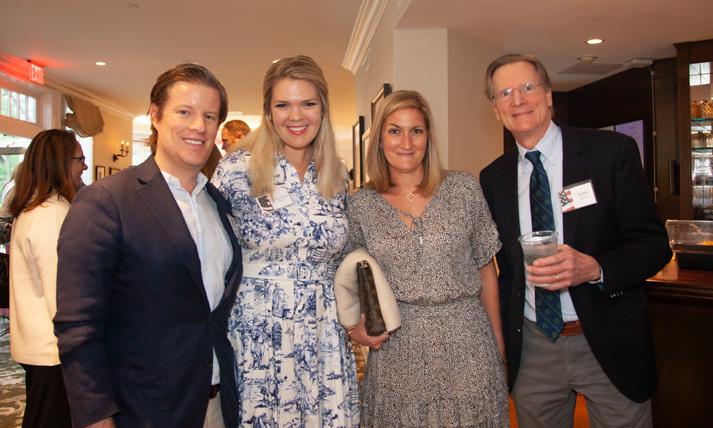
Left to Right: Mary Sykes, Christine Duncan, Jean Nabhan, and Nancy Ladd
apawamis.org 19
LITTLE ONES
The stork was pretty busy delivering bundles of joy to Apawamis members post-COVID. Please welcome the newest additions and congratulation to all of the families.
If the stork has visited your family and we missed including you, we’d love to share the news. Send us your bundle of joy photo and birthdate and we’ll include him or her in the next edition of the Apawamis Now. Submit your details to communications@apawamis.org attention Shawn.
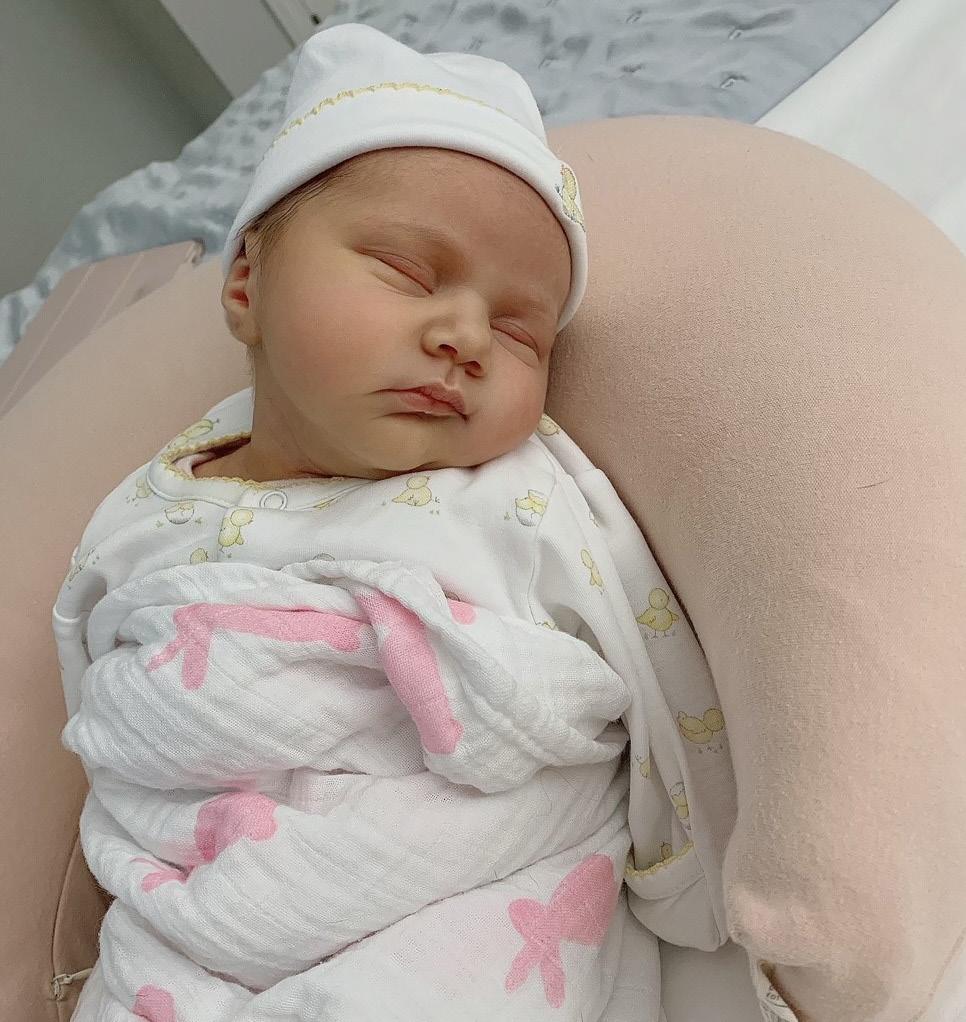
Grace Harper Aerni
June 2, 2021
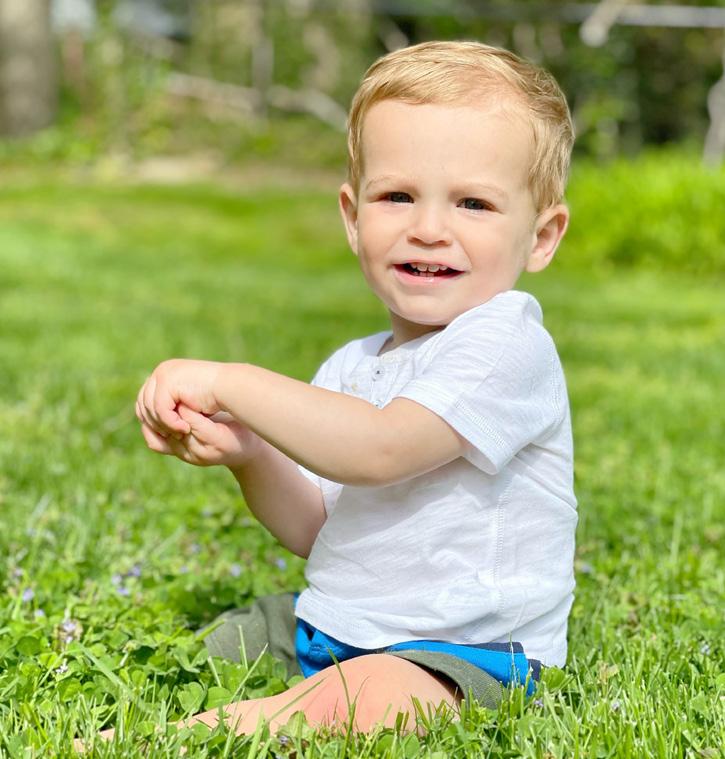
Oliver Hayes Brandt
April 16, 2020
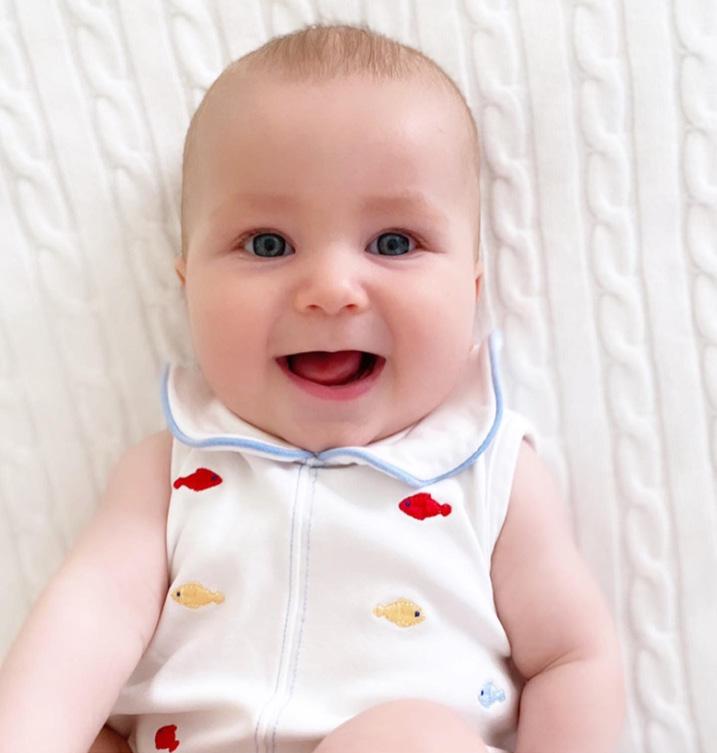
Matthew Price Furnary
September 21, 2020
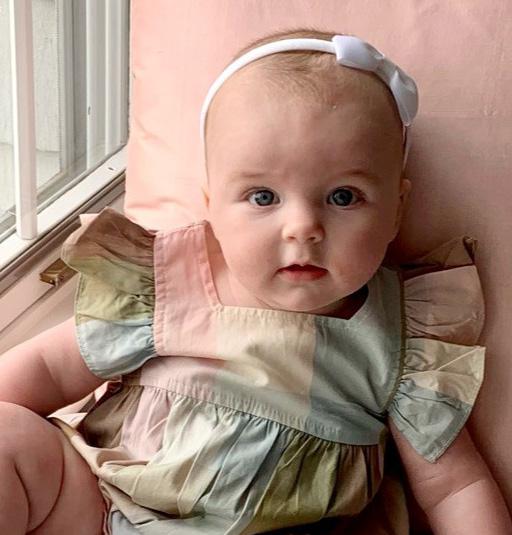
October
2020
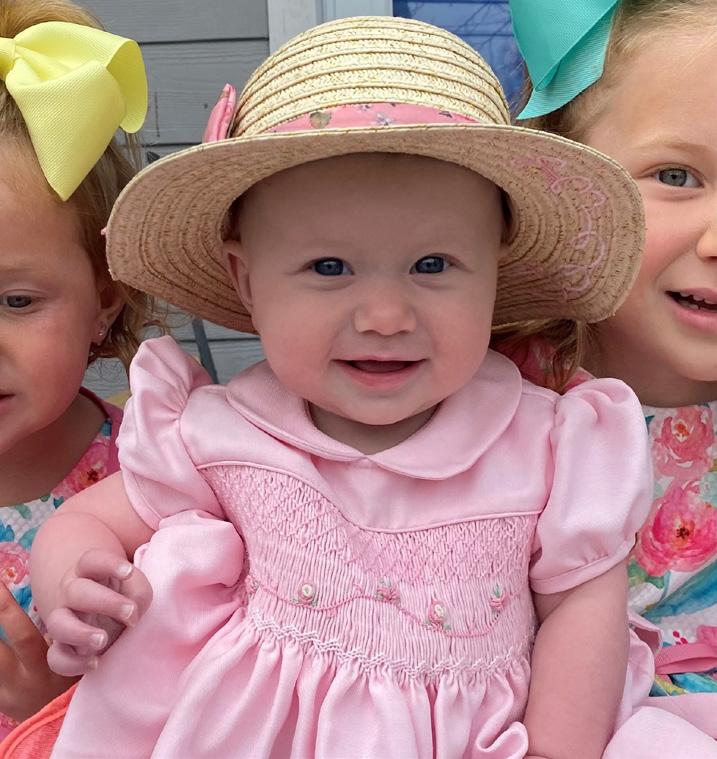
Poppy Finnegan
September 18, 2020
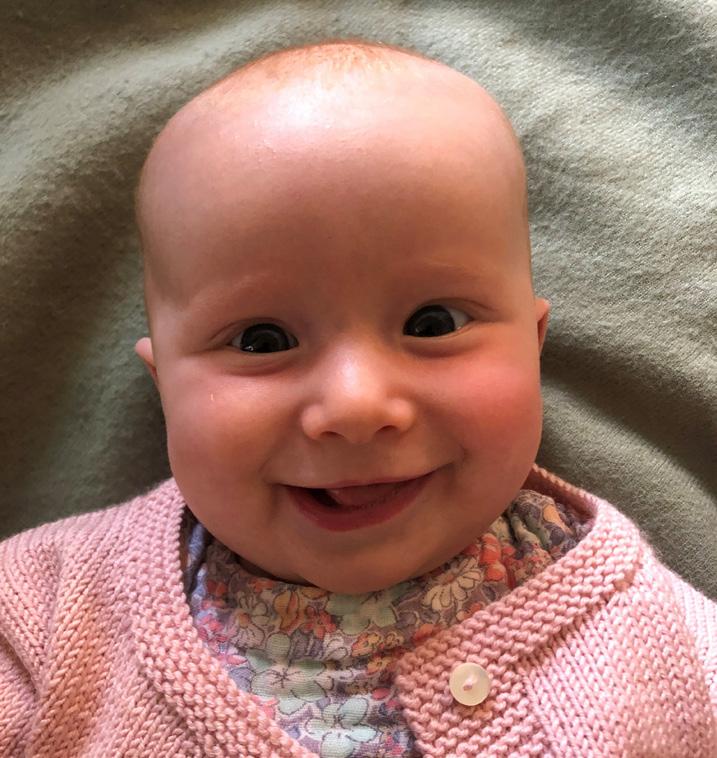
November 18, 2020
20 APAWAMIS NOW Summer 2021
Madison Anne Ginnings
26,
Louisa Jane Hartman
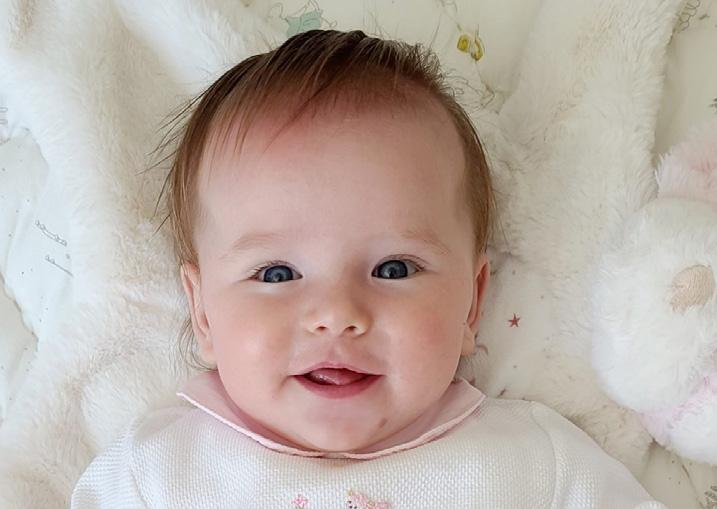
Phoebe Bradford Heffers
January 3, 2021
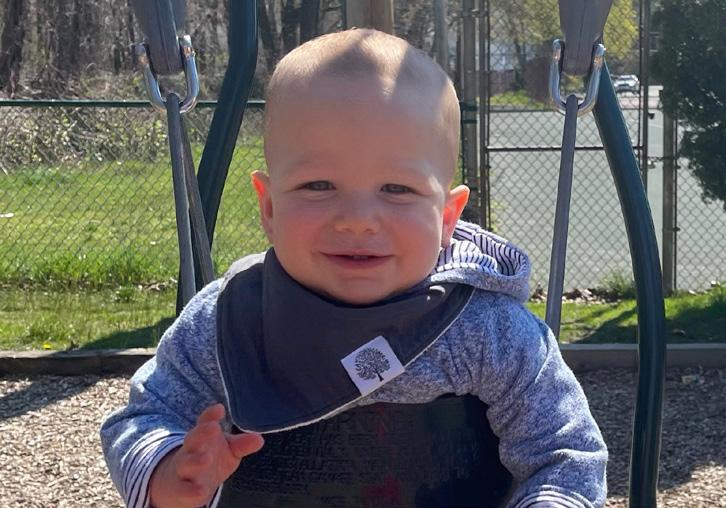
Connor MacKenzie
April 15, 2020
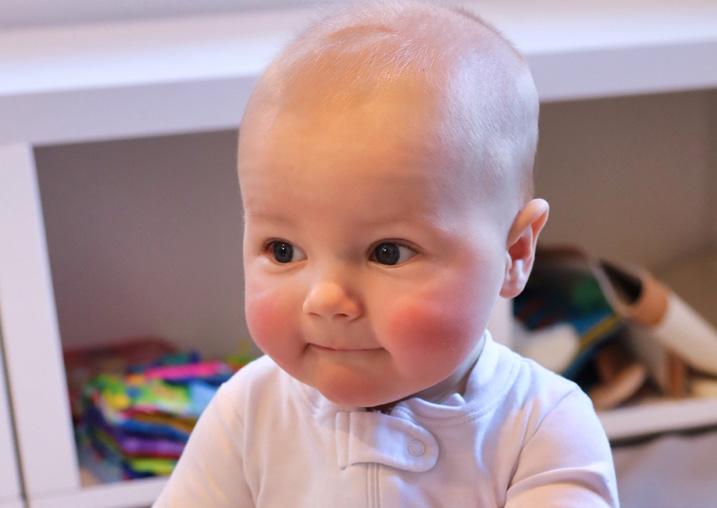
James Tod Pike
October 3, 2020
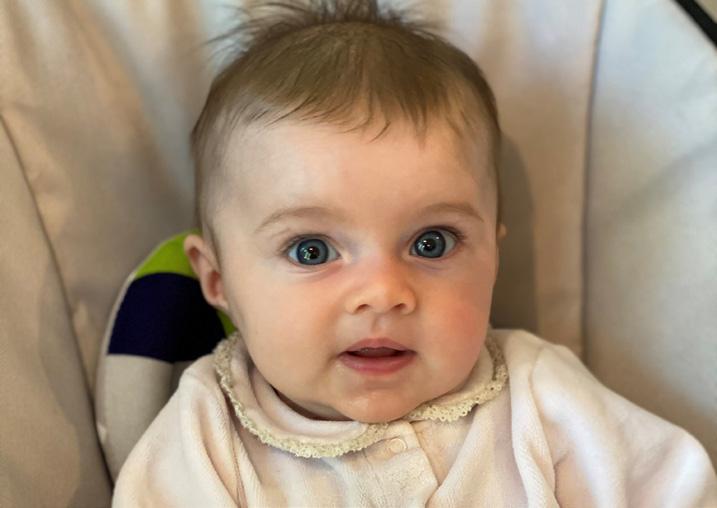
Josephine Mazima Spiss
January 21, 2021
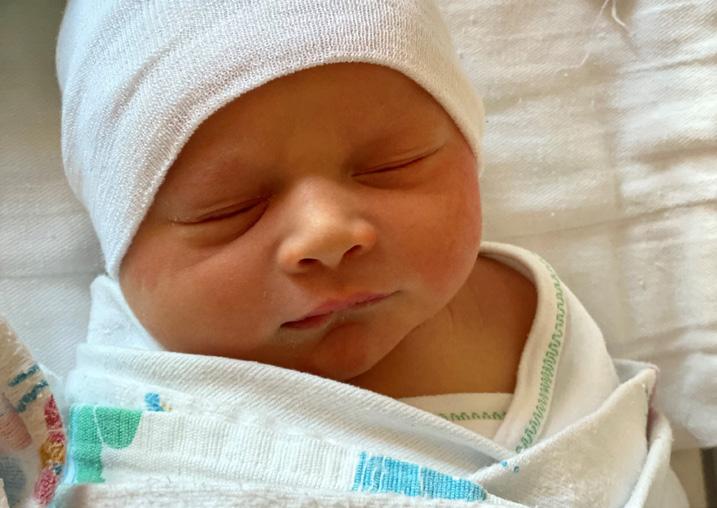
Benjamin Thorton Koster
January 11, 2021
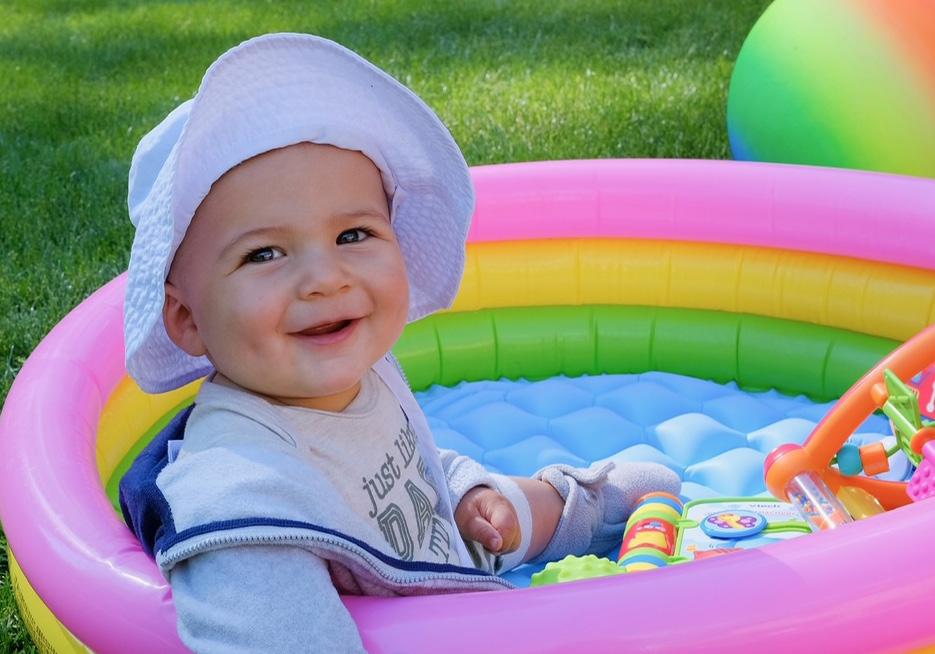
Oliver James Murphy
September 25, 2020
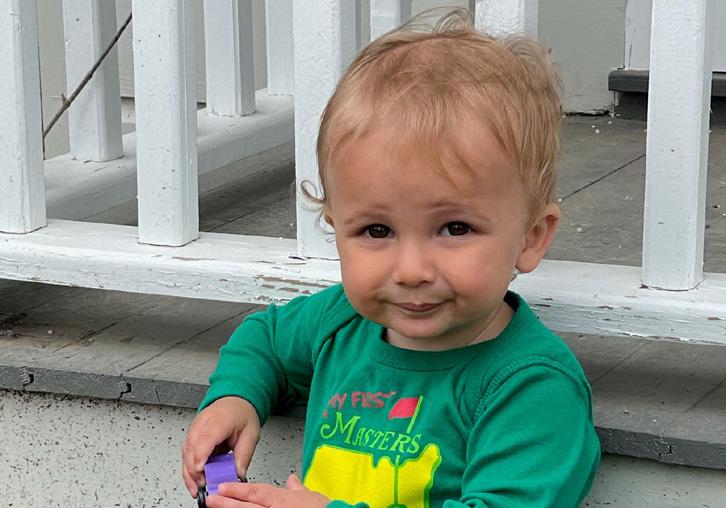
William George Rees
January 1, 2020
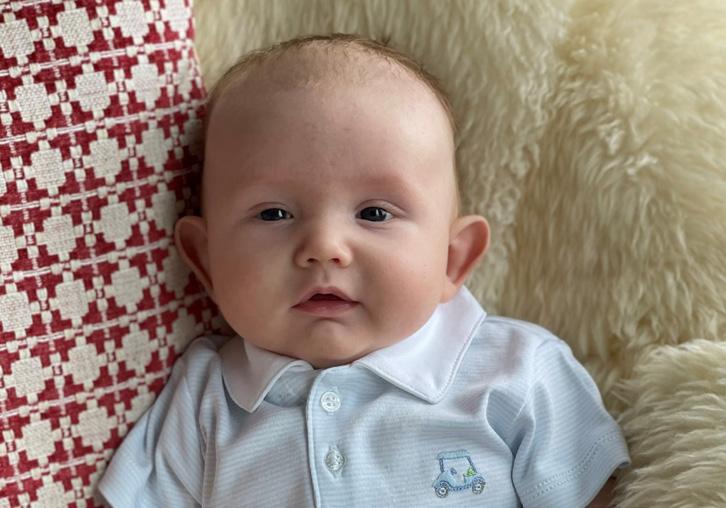
Henry Peter Storer
February 4, 2021
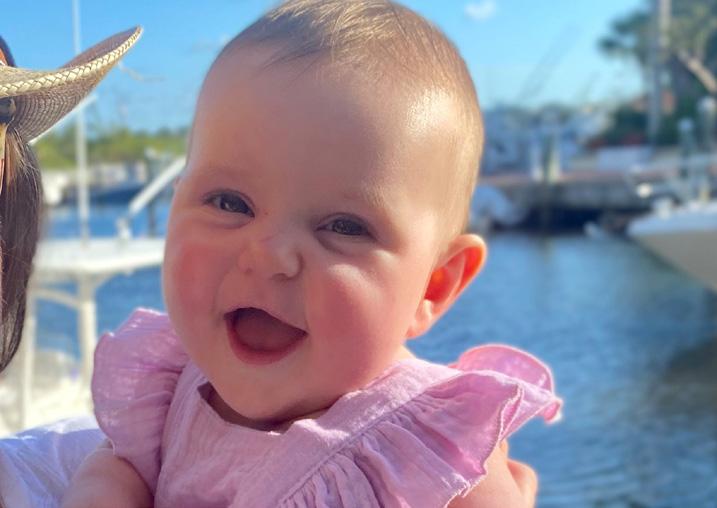
Elliot Lubin
September 2, 2020
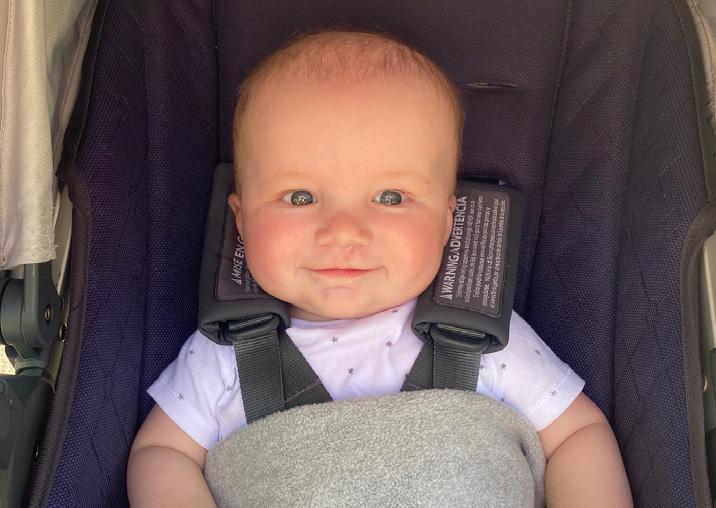
Thomas Williamson Petty, Jr.
December 19, 2020
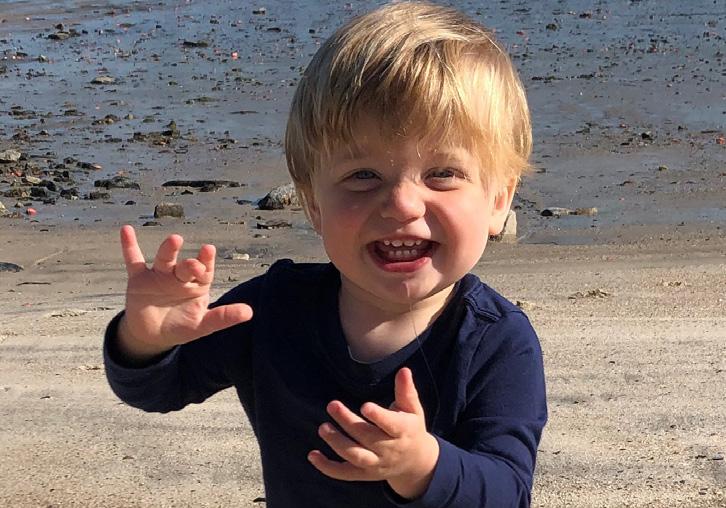
Charlie William Reuter
March 18, 2020
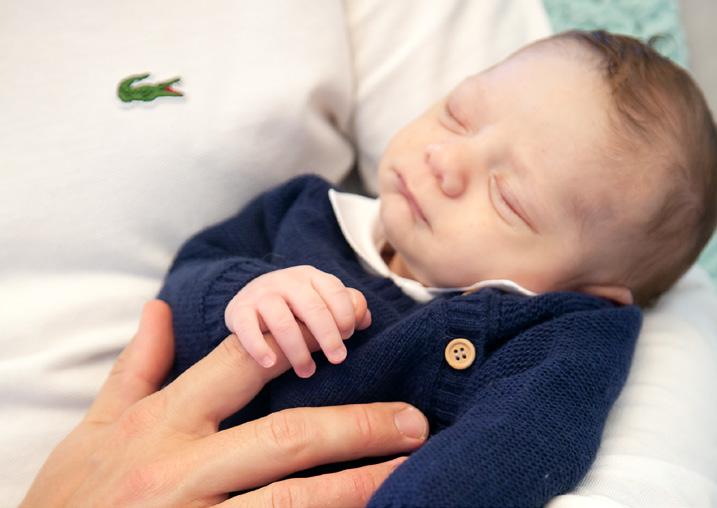
Gunnar Frederick Woelfel
September 6, 2020 - January 30, 2021
Passed away due to complex congenital heart disease
apawamis.org 21
A Journey Into Beekeeping
BY CHRIS REVERON, EXECUTIVE CHEF
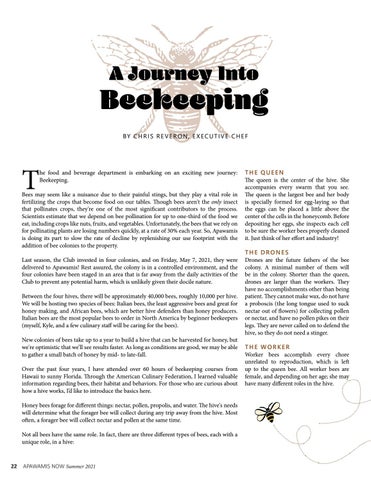
The food and beverage department is embarking on an exciting new journey: Beekeeping.
Bees may seem like a nuisance due to their painful stings, but they play a vital role in fertilizing the crops that become food on our tables. Though bees aren't the only insect that pollinates crops, they're one of the most significant contributors to the process. Scientists estimate that we depend on bee pollination for up to one-third of the food we eat, including crops like nuts, fruits, and vegetables. Unfortunately, the bees that we rely on for pollinating plants are losing numbers quickly, at a rate of 30% each year. So, Apawamis is doing its part to slow the rate of decline by replenishing our use footprint with the addition of bee colonies to the property.
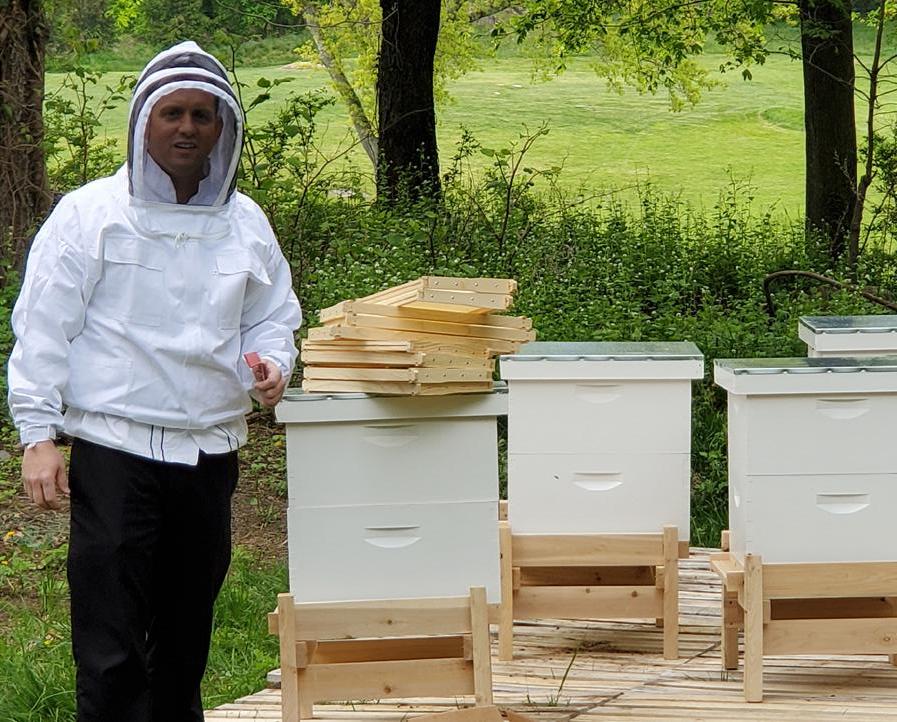
Last season, the Club invested in four colonies, and on Friday, May 7, 2021, they were delivered to Apawamis! Rest assured, the colony is in a controlled environment, and the four colonies have been staged in an area that is far away from the daily activities of the Club to prevent any potential harm, which is unlikely given their docile nature.
Between the four hives, there will be approximately 40,000 bees, roughly 10,000 per hive. We will be hosting two species of bees: Italian bees, the least aggressive bees and great for honey making, and African bees, which are better hive defenders than honey producers. Italian bees are the most popular bees to order in North America by beginner beekeepers (myself, Kyle, and a few culinary staff will be caring for the bees).
New colonies of bees take up to a year to build a hive that can be harvested for honey, but we're optimistic that we’ll see results faster. As long as conditions are good, we may be able to gather a small batch of honey by mid- to late-fall.
Over the past four years, I have attended over 60 hours of beekeeping courses from Hawaii to sunny Florida. Through the American Culinary Federation, I learned valuable information regarding bees, their habitat and behaviors. For those who are curious about how a hive works, I’d like to introduce the basics here.
Honey bees forage for different things: nectar, pollen, propolis, and water. The hive's needs will determine what the forager bee will collect during any trip away from the hive. Most often, a forager bee will collect nectar and pollen at the same time.
Not all bees have the same role. In fact, there are three different types of bees, each with a unique role, in a hive:
THE QUEEN
The queen is the center of the hive. She accompanies every swarm that you see. The queen is the largest bee and her body is specially formed for egg-laying so that the eggs can be placed a little above the center of the cells in the honeycomb. Before depositing her eggs, she inspects each cell to be sure the worker bees properly cleaned it. Just think of her effort and industry!
THE DRONES
Drones are the future fathers of the bee colony. A minimal number of them will be in the colony. Shorter than the queen, drones are larger than the workers. They have no accomplishments other than being patient. They cannot make wax, do not have a proboscis (the long tongue used to suck nectar out of flowers) for collecting pollen or nectar, and have no pollen pikes on their legs. They are never called on to defend the hive, so they do not need a stinger.
THE WORKER
Worker bees accomplish every chore unrelated to reproduction, which is left up to the queen bee. All worker bees are female, and depending on her age; she may have many different roles in the hive.
22 APAWAMIS NOW Summer 2021
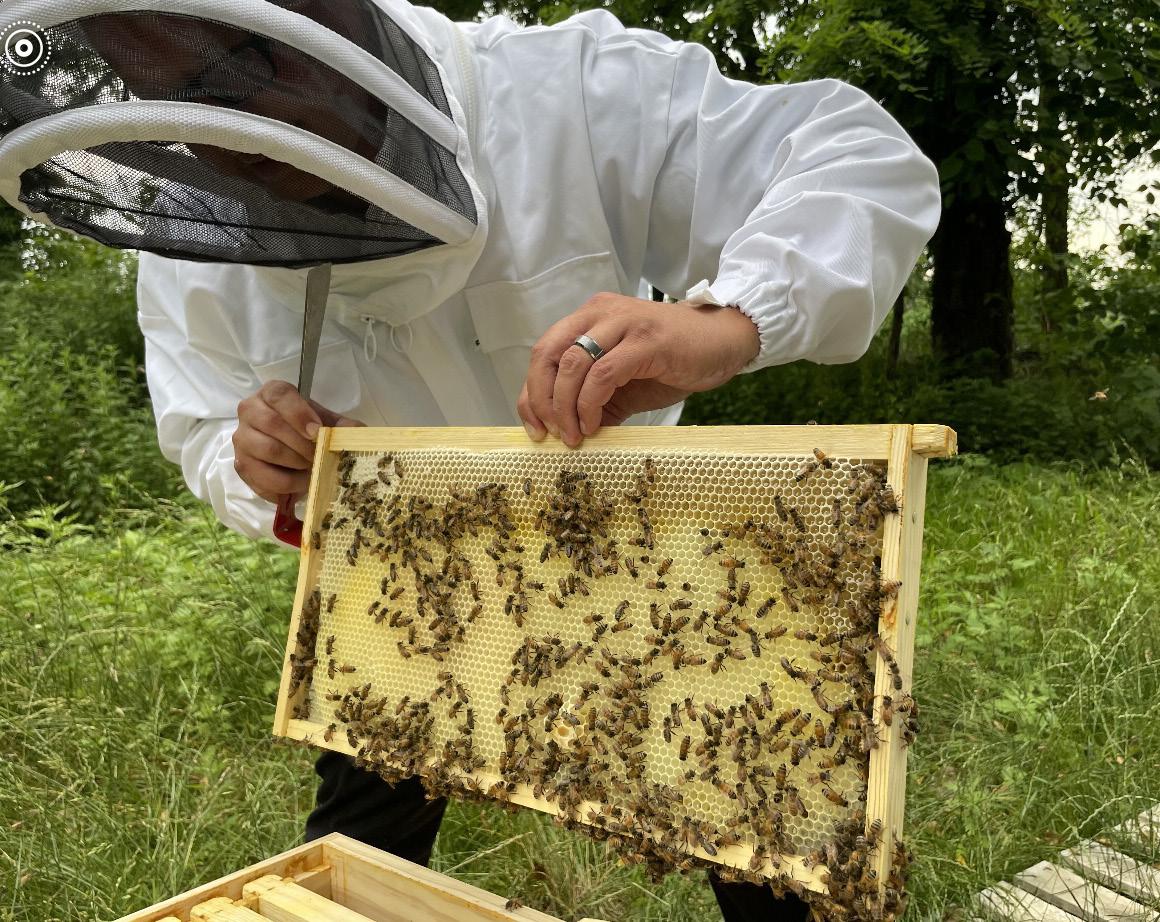
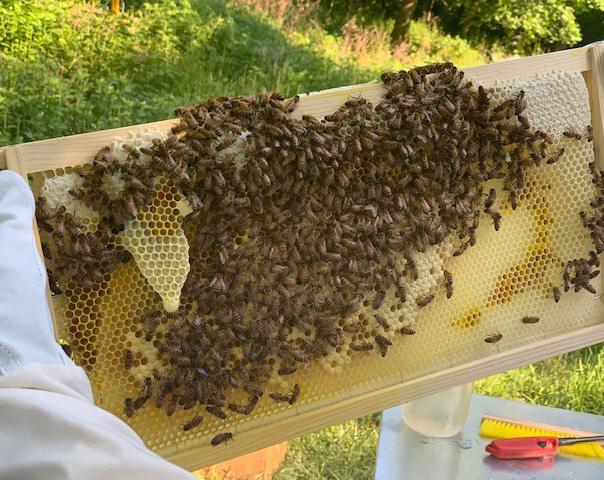
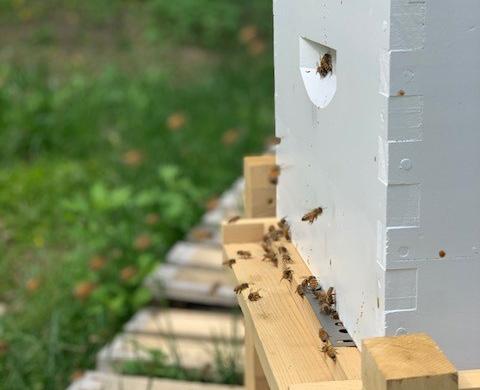
THE AGE PROGRESSION OF THE WORKER BEE IS:
Mortuary Bee (3-16 days old)
Takes any bees/larvae that have died and removes them from the hive.
Drone Feeding (4-12 days old)
This growth stage feeds the younger bees unable to provide themselves.
Queen Attendants (7-12 days old)
Take care of the queen by grooming and feeding her and spreading the queen's QMP (Queen Mandibular Pheromone) to indicate she is a viable queen to the hive.
Pollen Packing (12-18 days old)
These bees take the pollen and place it inside the honeycomb to be stored in a cell.
Fanning (12-18 days old)
These workers fan the hive using evaporated water to keep it cool.
Water Carriers (12-18 days old)
Carry the water to the fanning bees.
Honey Sealing (12-35 days old)
Tasked with taking honey, drying it, and capping it.
Honeycomb Building (12-35 days old)
Use wax created by other bees of the hive to build more honeycombs.
Guard Bees (18-21 days old)
Protect the entrance to the hive from unwanted visitors.
Foraging Bees (22-42 days old)
Gather food (pollen, nectar and propolis) for the hive within a fivemile radius.
The worker bee is the smallest of the honey bees. The main section of the hind pair of legs has unique spines for holding pollen or propolis—a kind of gum. The center legs are the bees' primary support, but all six legs are variously equipped with brushes, combs, and spurs to brush pollen from the eyes, clean the antennae, and wipe the dust from the wings and pack pollen spines. The proboscis and mandibles are used to lick and collect pollen grains from the anthers of flowers, with the result that the pollen grains are moistened with honey and stick together. The pollen is then transferred to the hind legs and held firmly until the forager enters the hive when it is then packed in cells in the honeycomb.
We are excited to do our part in preserving our environment—and the surrounding area, as well. Bees don't only help the immediate area where they're kept, but they also gather nectar and pollen from miles around, spreading diversity and sustainability throughout the ecosystem. Just one beehive is enough to dramatically increase the number of flowers within gardens for a mile or two around the hive. So, by hosting our own beehive, we're helping to beautify our entire neighborhood!
We look forward to sharing the fruits of their labor with you. We have bee suits for any members that would like a tour. If you are interested in learning more about our beekeeping efforts, please contact me at creveron@apawamis.org or call (914) 967-2100 x152.
apawamis.org 23
Pete’s Point of View
BY PETER BRIGGS, DIRECTOR OF RACQUETS & HEAD SQUASH PROFESSIONAL
"Time has come today. Young Hearts can go their way"
–Chambers Brothers
Can we all agree that time and beauty are both fleeting and ephemeral? Transitory for sure. In terms of the universe, they are infinite, but in human context, they are finite. The passage of time affects us all quite differently. Remembering to learn a lesson, I look wistfully at the past, joyfully at the present and hopefully at the future. Every year and season is a new challenge. I like to compare the Apawamis squash juniors to a garden made up of flowers of all ages and abilities, desires, hopes and dreams. My staff and I constantly water and tend attentively to the garden daily. With hope, we watch it grow. We are the constant gardeners. These juniors are the seedlings. They, like time itself, are precious.
I will soon be entering my 33rd year of coaching at Apawamis. I have been blessed with many great co-workers over this time; my current group of Cameron, Lume and Simon are some of the very best and brightest that I have ever had with me. I have also been blessed with years upon years of both knowing and teaching great families. Many families have had multiple children with whom I have dutifully attempted to hone my craft.
It is serendipitous for me that life has come full circle as I now am coaching some of the children of my very first pupils from years ago. What a gift. I have had success and failure over the years. We have shared these occurrences together as I strived to develop my theories on coaching and life lessons. I have advised on the process of applying to internships, written recommendations for positions, and sent off countless letters to coaches and schools and college admissions departments in support of my charges. Hopefully, I have moved the needle, if just a scintilla, in the right direction. I have tried my best to do so.
From the day I arrived at Apawamis, and so it remains today, the ethos propagated at the Club throughout the years by the powers that be has always been, family first. This mantra has been the foundation for Apawamis singularity and tradition. In other words, take care of each other.
When I first contemplated a career coaching racquet sports, I sought the wise counsel of one of the winningest and most revered tennis and squash college coaches of all time—my coach—John M. "Jack" Barnaby. His response was one I should have expected, delivered with a characteristic wry grin and straight to the point, a teaching moment.
"So you've decided to put your ego in your back pocket," he said. "Good for you. Just remember that now your mission is no longer about you, it is about your pupil. Your job is to teach as best you can every facet of the game. Tactically, technically, physically, cerebrally, and emotionally. Your success and failure will be judged not only by how your pupil hits the ball but perhaps even more by how they act on the court. You get a passing grade if you help them build self-esteem, self-confidence and a healthy respect for the game and their peers. “Jack had no one system for success, he adapted to the individual. Every child is unique.
A few years before he passed, Jack was interviewed by the Boston Globe and was asked, "I guess Mr. Barnaby, you know and have seen it all when it comes to coaching?" Jack humbly replied with a young boy's delight and twinkle, "I learn something new every day." So do I.
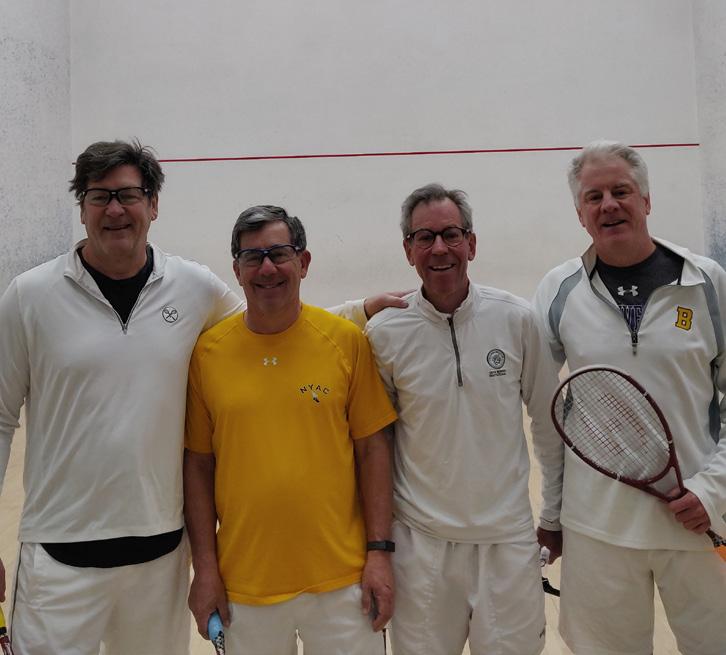
How lucky was I during a critical time in my youth to have been given that gift of constancy at such a formative age and during the turbulent campus times of Vietnam and to have been coached and mentored for four years and beyond by such a wise and witty teacher? Sometimes at practice, I didn't even hit a ball, we just talked about life. He told me that each generation has its own daunting crisis and that you will get through this. Prescient. It was certainly reassuring for me. When it comes to coaching, he said, "Anybody can teach a forehand and a backhand. That's 20% of the task; now what can you teach with the other 80% of your time? Can you use squash as a vehicle to impart lessons that transcend the game and perhaps help your pupil in other areas of their life?” I have spent almost half my life at Apawamis trying to return that gift to my pupils and answer that elusive question.
I want to take this moment to share the congratulatory speech I delivered to Mac Aube and Brian Leonard Jr. after their finals of the Men's Open Singles Championships on May 2. My intent was to congratulate them on their careers so far, wish them well and give them a few thoughts as they prepare to head off to college. I believe that much of my advice to them is universal. I
would wish that all the Apawamis Juniors graduating this June, whether they are off to college, moving up to middle or high school, or going into third grade, might consider these ideas and find some value. I paraphrase:
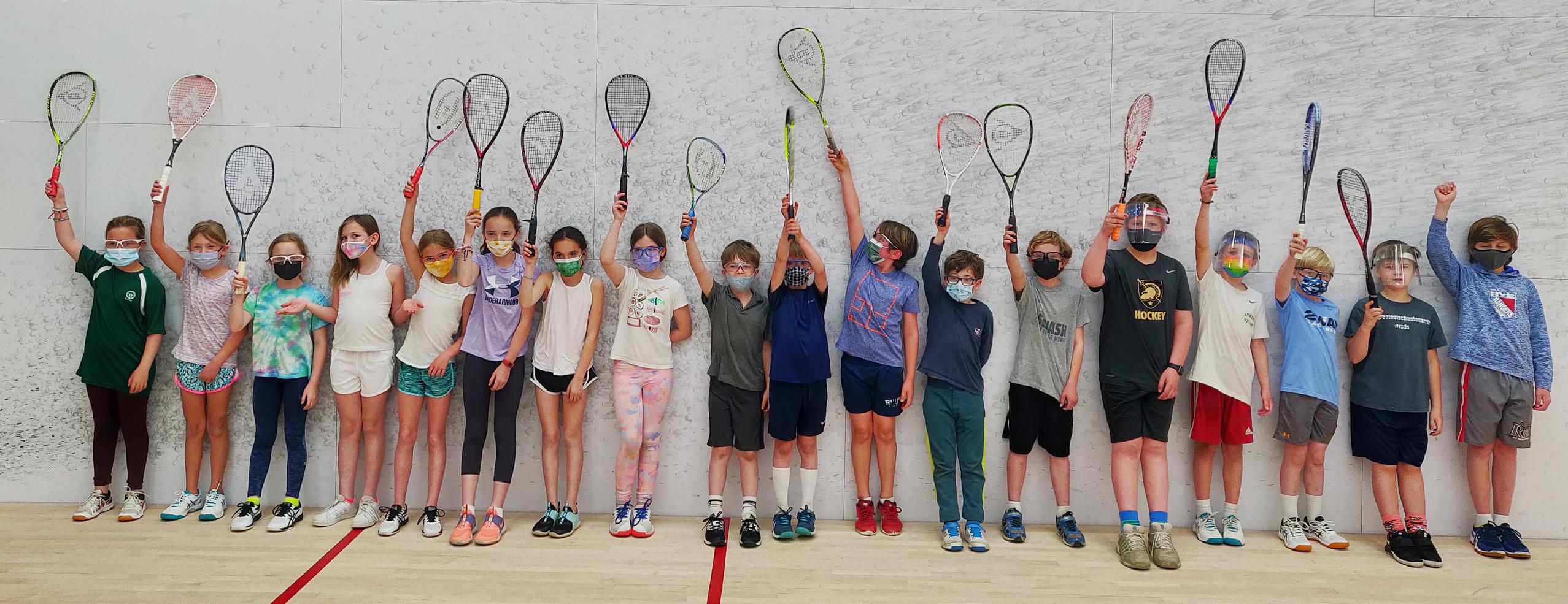
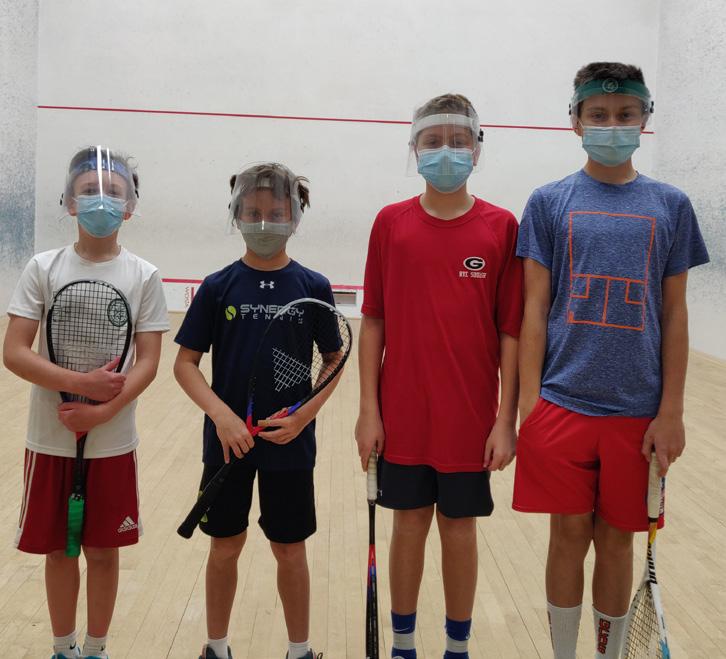
"Let's have a round of applause for all these Apawamis squash juniors and their competitive, respectful and spirited play during a challenging season. You all have certainly come a long way from when you were younger in these photos from long ago hanging behind you on these walls. You still do, however, display those identical mischievous grins. Some things never change. In a few months, many of you will embark on new personal chapters in your young lives. Some off to college and some are moving up a grade, all equally challenging and transformational. We are all very proud of your collective accomplishments. I might now proffer a little advice for your upcoming journey.
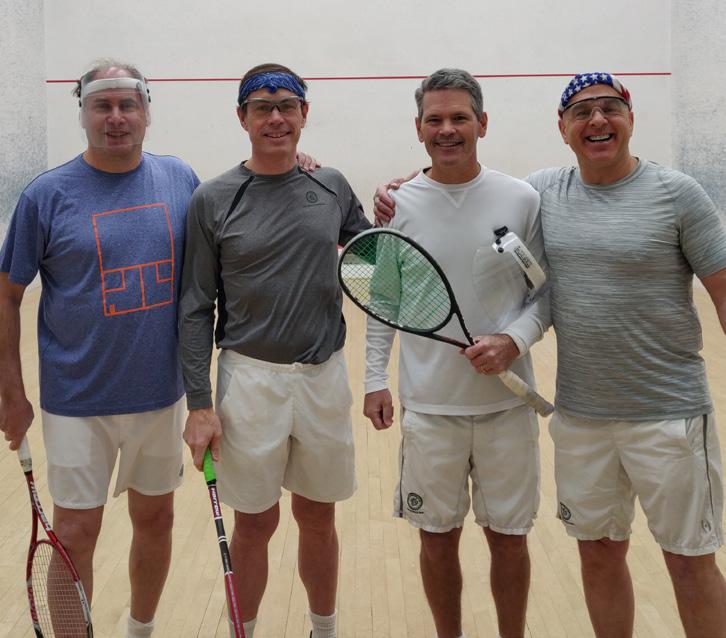
One of the main reasons that I keep and continue to add to the many pictures and photos of generations of Apawamis junior squash players hanging on these walls is to remind everyone included in them that your coaches, friends and peer group are watching you as you go forward. It's called legacy. Honor the tradition and protect and preserve it for future Apawamis juniors.
1. Remember where you came from
2. Be humble and modest of yourselves and your accomplishments
3. Do not judge others until you have walked in their shoes
4. Always be respectful of the game, the rules, your opponents, and yourselves
5. Remember that you are always representing your family, your team, your coaches, and yourselves
6. These walls are watching
In the coming years, you will experience glorious wins and heartbreaking losses. In the words of Rudyard Kipling, ‘If you can face triumph and disaster and treat both impostors just the same, then you will be a man (woman) my son (daughter).’
As time goes by, you will win and lose matches, and frankly, not many will remember. However, people will remember how you acted during those matches and in your career. In the end, your character and your reputation are what matters most and will stay with you forever."
So to all my Apawamis pupils, although I am certainly not the brightest crayon in the box, I have one final message for you. My dad said to me over fifty years ago when he dropped me off at my college dorm room, "Your time here is precious. Manage it wisely. You are going to be confronted by many new and exciting ideas and by all sorts of people who talk to you all the time. I want you to pause, be discerning and embrace those ideas that grab your heart and that you know to be true. I want you to discard the braggarts but listen very closely to the people who say the least."
Good luck to all Apawamis Juniors, and God Speed!
apawamis.org 25
MAKING AN IMPACT
BY ANDY AUBE, MEMBER
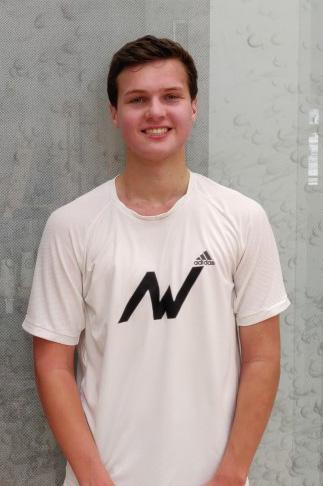
US Squash asked all the graduating seniors to answer some questions for their senior celebration to recognize all the players in their final year of US Squash before they head off to college. Andy Aube sent in the following response to a question about who has inspired him the most.
Question:
Who was most impactful to your junior squash experience, and why?
Throughout my junior squash experience, Peter Briggs has always been there as my coach. I started playing at The Apawamis Club when I was around seven and I still play there today. I consider him to be the reason I stuck with squash all these years and continue to want to improve myself not just as a player but also as a person. He wants me to succeed in every facet of life. Whether it is making me do bear crawls on the golf course in the middle of November or talking to me about 18th century France and Marie Antoinette, I can always count on learning something new every time I step on the court with him. There have been very few people in my life that I have been able to count on for as long as I have with Pete. It was an honor to have him as my coach for my entire junior career, and I look forward to using his lessons and guidance throughout the next phase of my life.
SQUASH CLUB CHAMPIONS 2021
SINGLES
Open
Winner - Mac Aube
Finalist - Brian Leonard Jr
Men’s B
Winner - Jeremy Burton
Finalist - Geoff Teillon
Men’s 50+
Winner - David Harris
Finalist - Sam Oh
Boys U9
Winner - Mackey Reuter
Finalist - Grant Morrison
Girls U9
Winner - Brooke Erickson
Finalist - Caroline Gallagher
Boys U11
Winner - Finn Estill
Finalist - Grant Dinger
Girls U11
Winner - Caroline Masucci
Finalist - Dylan Ehrlich
Boys U13
Winner - Winn Metrailler
Finalist - Tyler Burke
Girls U13
Winner - Skylar Van Eck
Finalist - Atlee Teillon
Boys U15
Winner - Winn Metrailler
Finalist - Dylan Masucci
Girls U15
Winner - Ella Erickson
Finalist - Paige LaForge
Boys U17
Winner - Bennett Klein
Girls U17
Winner - Paige LaForge
Finalist - Ella Erickson
Boys U19
Winner - Mac Aube
Finalist - Warren Klein
Girls U19
Winner - Megan LaForge
Finalist - Julia Kavanagh
DOUBLES
Open Winner - Brian Leonard (Sr)/ Brian Leonard (Jr)
Finalist - Natalie Grainger/ Mac Aube
B Draw
- Jeremy Burton/ Tom Petty
- David Harris/ Peter Kearney
50+ Draw
- Robby Berner/ Larry Phillips 50+ Draw
- David Harris/ Steve Mandel
Junior Doubles
- Winn Metrailler/ Charlie Rodilosso Finalist - Ella Erickson/ Paige LaForge
26 APAWAMIS NOW Summer 2021
Winner
Finalist
Finalist
Winner
Winner
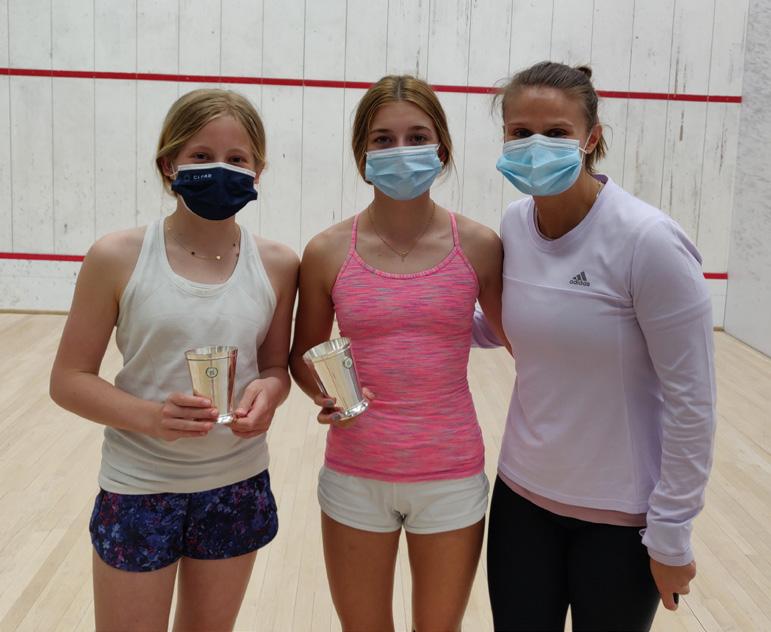
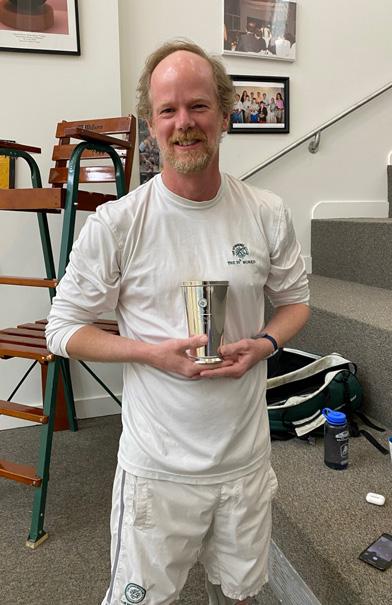
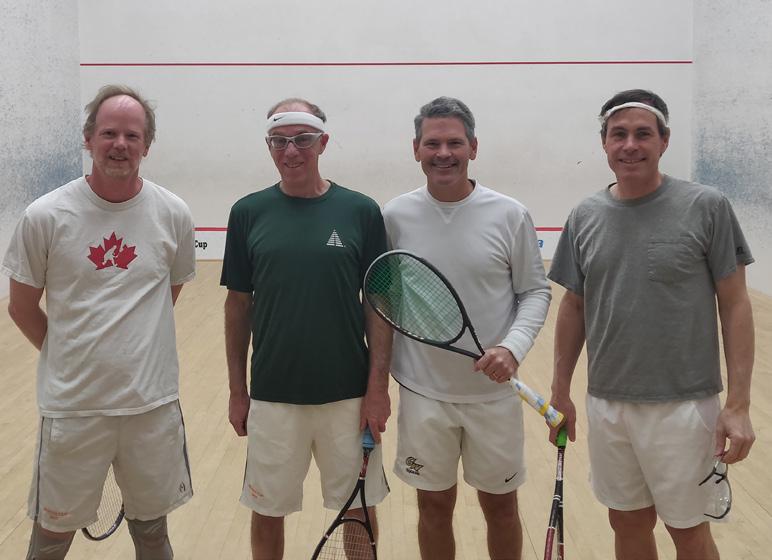
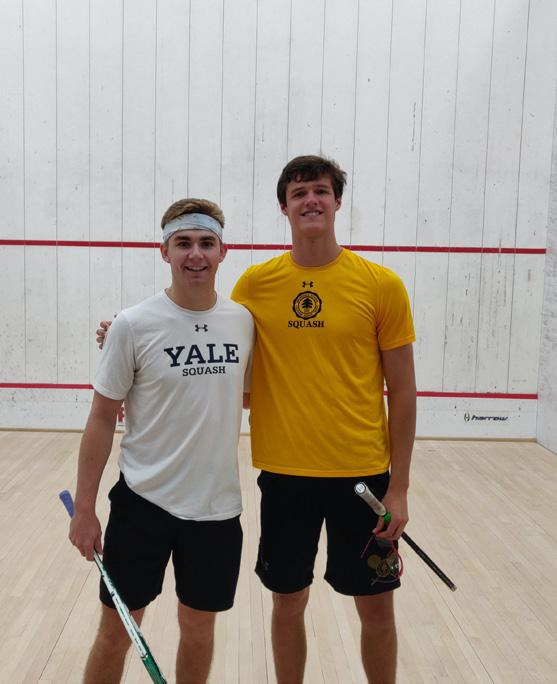
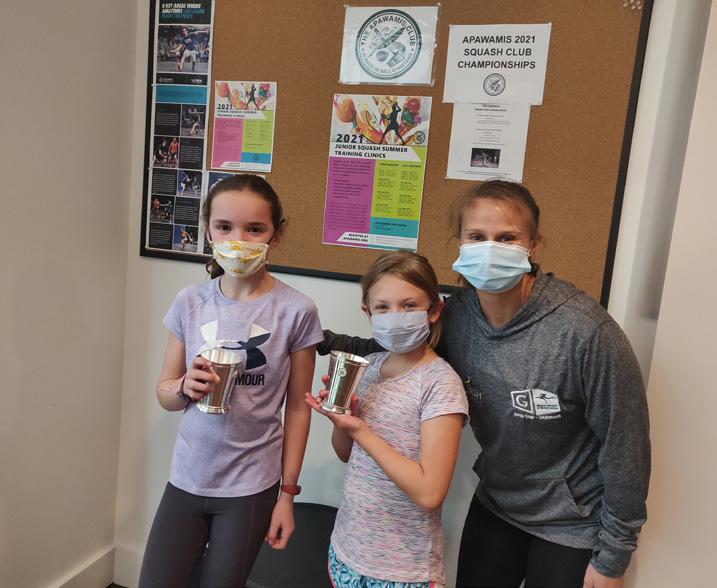
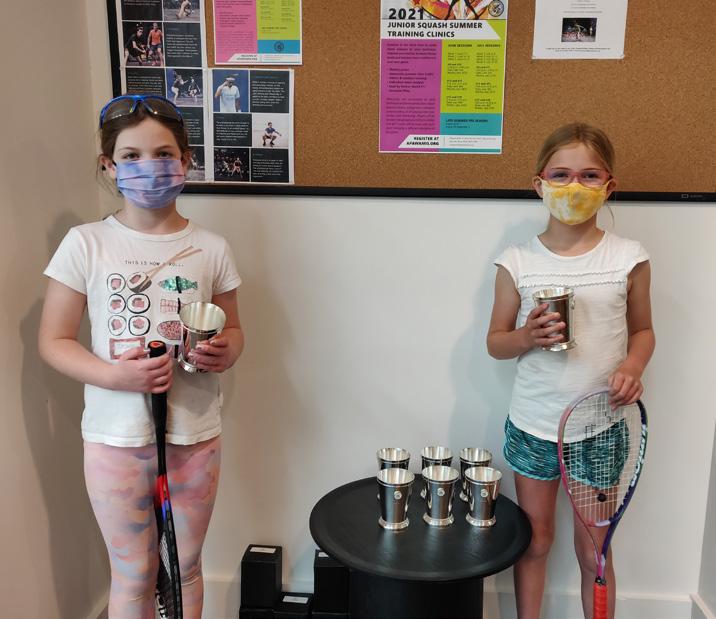
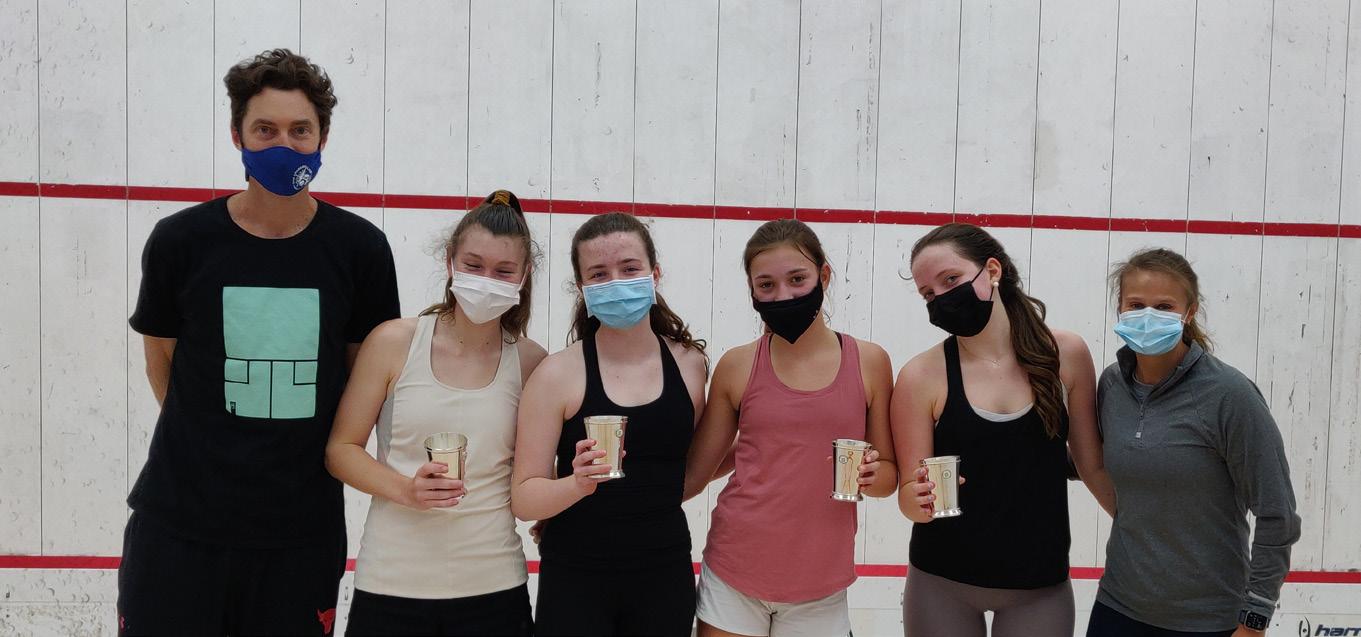
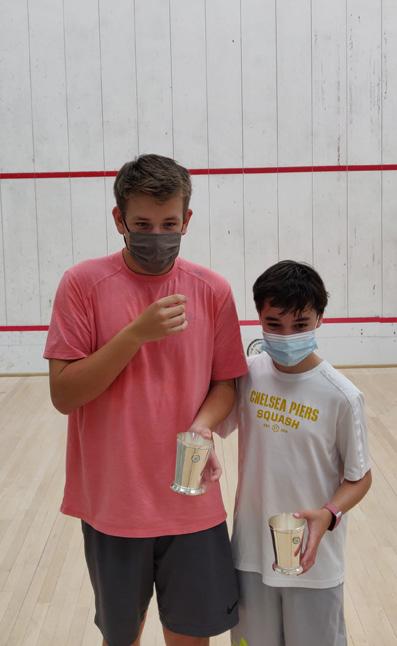
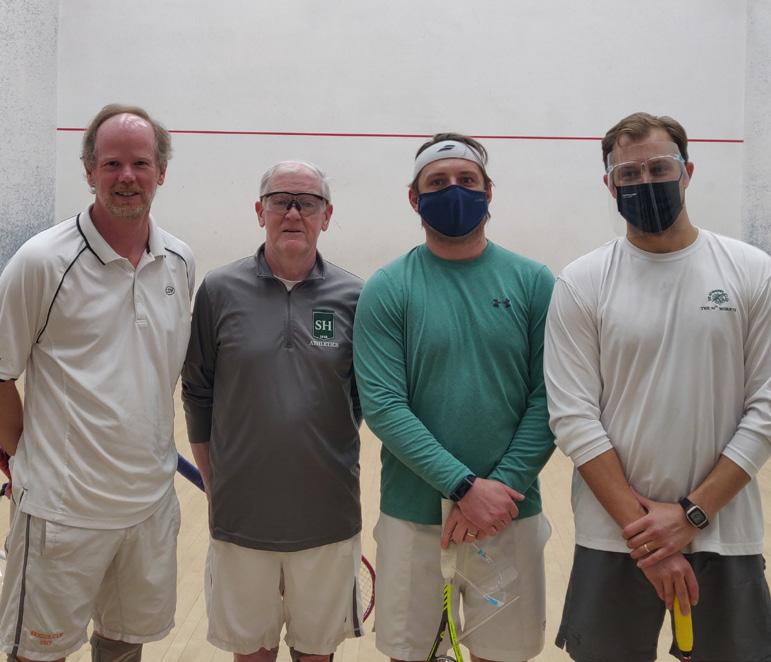
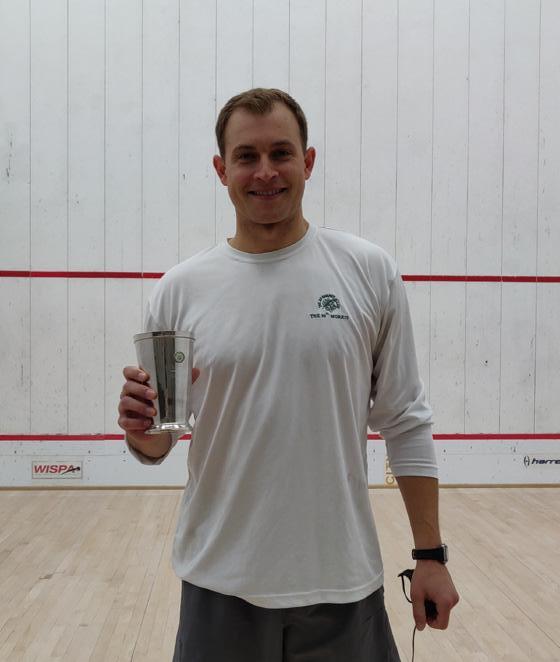
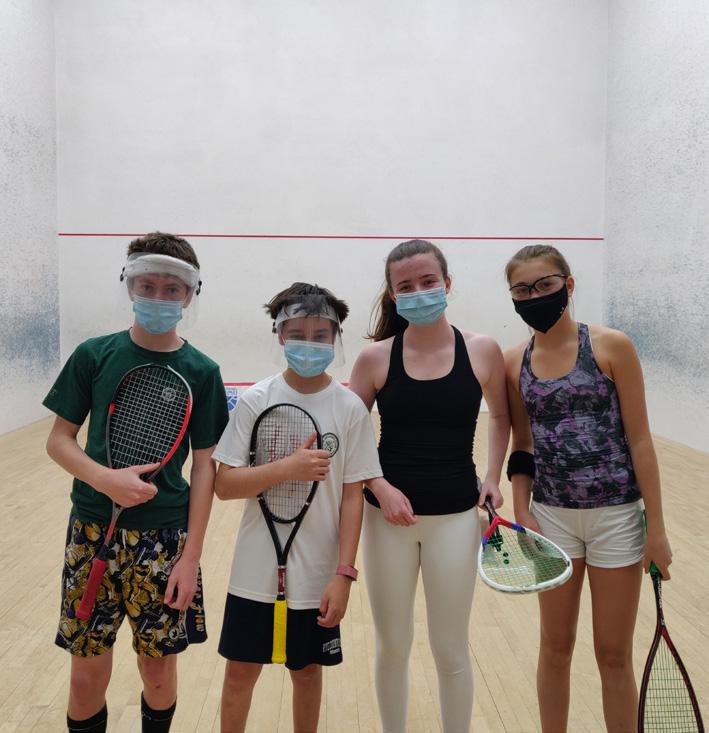
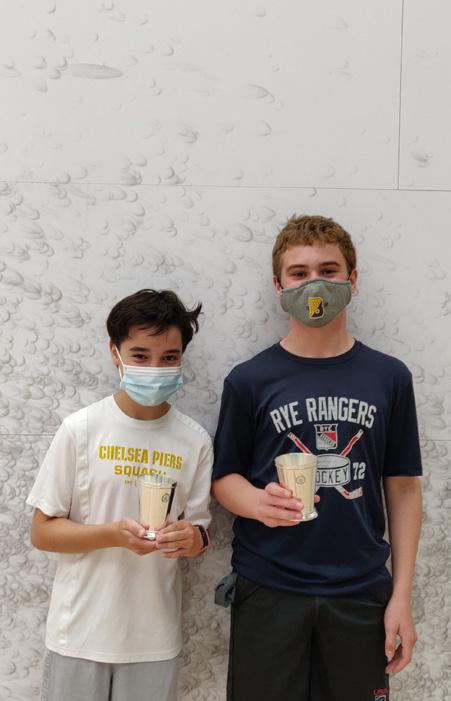
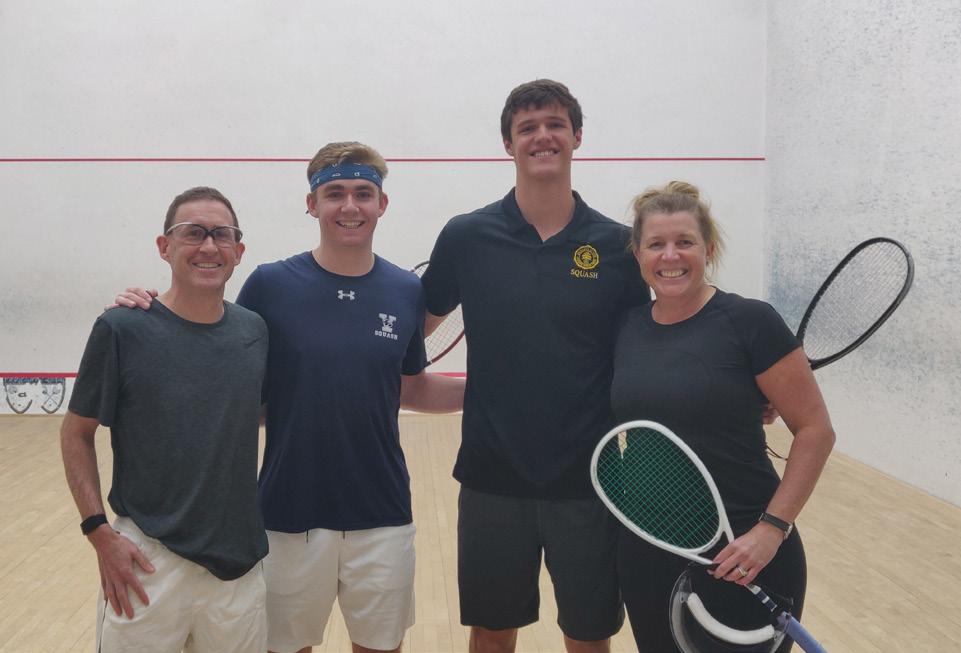
1. Girls U13 Singles 2. Men’s 50+ Doubles 3. Girls U9 Singles 4. Men’s 50+ Singles 5. Open Singles 6. Girls U17 & U19 Singles 7. Girls U11 Singles 8. Boys U15 Singles 9. Junior Doubles 10. Boys U13 Singles 11. Men’s B Doubles 12. Men’s B Singles 13. Open Doubles
Pictures on opposite page top to bottom, left to right.
HEARD AROUND THE COURTS
The Apawamis squash staff is thrilled to announce the following Apawamis players who have been elected Captain of their high school or college squash team for the upcoming season. Please notify us if we missed any other captaincy. We certainly will include the name in the next issue.
Caroline Baldwin–UVA Women’s Team
Hadley Bernardi–RHS
Will Burke–Hotchkiss
Henry Featherston–RCDS
Julia Kavanagh–RCDS
Emme Leonard–Princeton
John Nicholson–Hotchkiss
apawamis.org 27
A View From the Gallery
BY DAVID HARRIS, MEMBER
In 1975, Jon Landau wrote, “I saw Rock and Roll’s future, and its name is Bruce Springsteen.” For those of us who sat in the stands at Apawamis on a beautiful April Sunday afternoon, we were treated to the awe-inspiring future—not of rock and roll, but of an equally exciting pastime (in my opinion): doubles squash—when former Brunswick teammates, Brian Leonard Jr. and Mac Aube, took to the court with their masterful play.
As for reasons we are well aware, competitive doubles squash has taken a back seat to care and caution, but with the advent of vaccinations, it is time to return to the court and what a return it is.
It all started on Friday, April 16, with the inaugural Junior Doubles Tournament (Pete, what took so long!). As a true testament to what Peter Briggs has built, 10 teams participated—some for the first time as doubles players. The players were learning that while squash is primarily a solo sport, squash doubles provides that extra special feeling of hitting a nick and looking to your partner as he or she gives you a wry smile. Conversely, when things seem darkest, a kind word of encouragement from your partner can save many a match. By the end of Friday night, Winn Metrailler and Charlie Rodilosso defeated Ella Erickson and Paige La Forge in a well-fought match to become the first Apawamis Junior Doubles Champions.
Three flights took to the courts the weekend of April 17 and 18 to determine 2021’s champions. The 50 and over bracket, while not as populated, did not lack for fierceness. Apropos of a senior bracket, one participant had to withdraw due to injury, and we wish him a speedy recovery. A substitution was found and the tournament carried on. Larry Phillips and Robby Berner ended the roundrobin without dropping a game; congratulations to the champions.
Saturday, in the B bracket, pre-tournament favorites Tom Petty and Jeremy Burton entered the finals with a clean sheet, while defending champions Peter Kearney and David Harris took a more precarious route trailing in games in each of their two matches before making the finals. However, the craftiness and guile of the old warriors (I won’t embarrass Peter with revealing his age, but he was giving up multiple decades to his opponents) had a 2-0 lead in
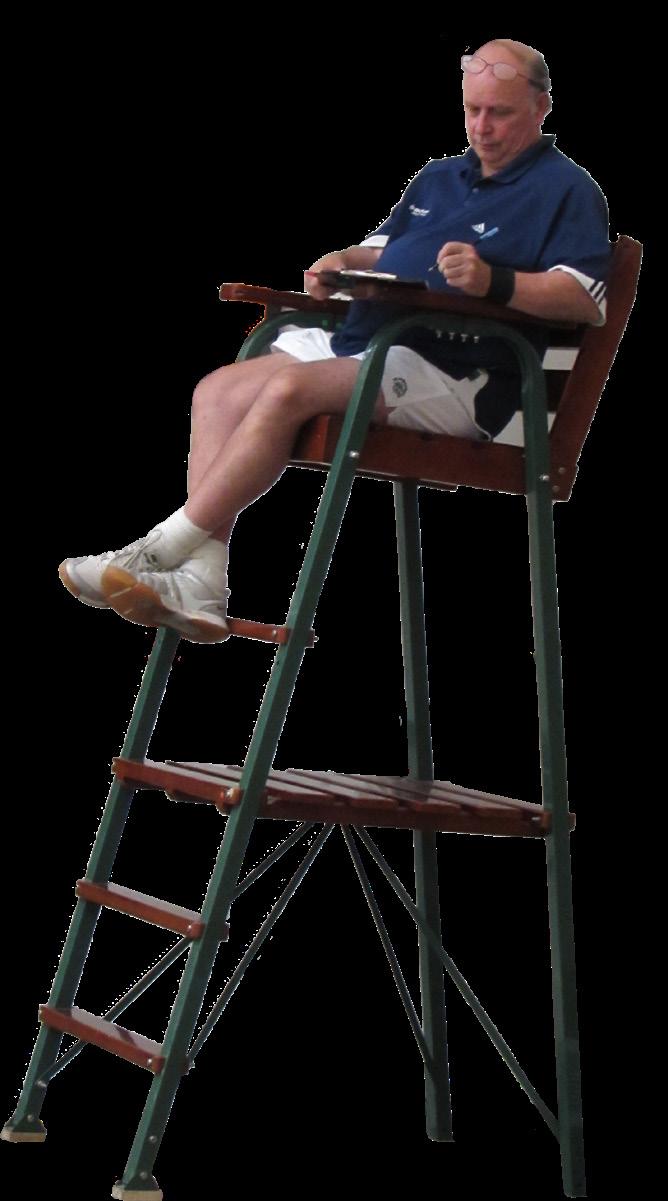
the final and there was nothing on the horizon except for sunshine and rainbows. What could possibly go wrong? Proving to be the worthy champions they are, Tom and Jeremy dug in, and, shots tinned in the first two games, became winners when it mattered most. They kept the faith and prevailed in five. Congratulations to them on a great tournament and congratulations to all who stepped into the arena.
Finally, as I eluded to in my opening remarks, the A bracket final on Sunday showed the magnitude of what Peter Briggs has accomplished at Apawamis. Natalie Grainger and Mac Aube took on Brian Leonard junior and senior. When you have a world number one in doubles like Natalie Grainger compete in the Club final, it’s pretty special. The teams did not disappoint the spectators, as the ball cried for mercy from the start. The game just sounds different when you have players of this caliber on the court. From my perspective, the Leonard family games proved to be the difference in this match as Brian (Jr) struck shots that would make a 20-year veteran of the game jealous—and his partner wasn’t too bad either. The applause at the end expressed the Apawamis members’ appreciation for what they had witnessed, with the Leonards coming out on top as very deserving champions. After the match, Brian (Sr) said it best: “Playing with the next generation on both sides really means a lot . . . and it shows what Pete has built here.”
Thanks to the members who came to support the participants and a very special thank you goes to the Apawamis Squash staff, Peter, Cameron, Lume, and Simon, for putting on a fantastic weekend of squash that showed the best of what Apawamis stands for: competition, sportsmanship and inclusiveness. As Pete said at the end, “There’s a spot for you at the table.” We hope to see you out on the court.
28 APAWAMIS NOW Summer 2021
GUE S T C O L U MNIST
a day in the LIFE of a PRO SQUASH PLAYER
BY CAMERON PILEY, DIRECTOR OF JUNIOR SQUASH
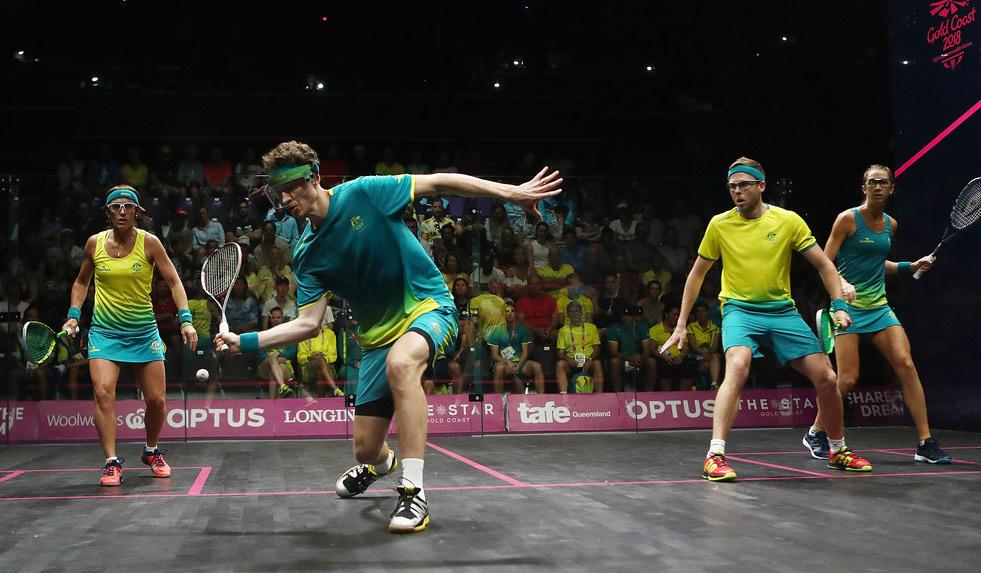
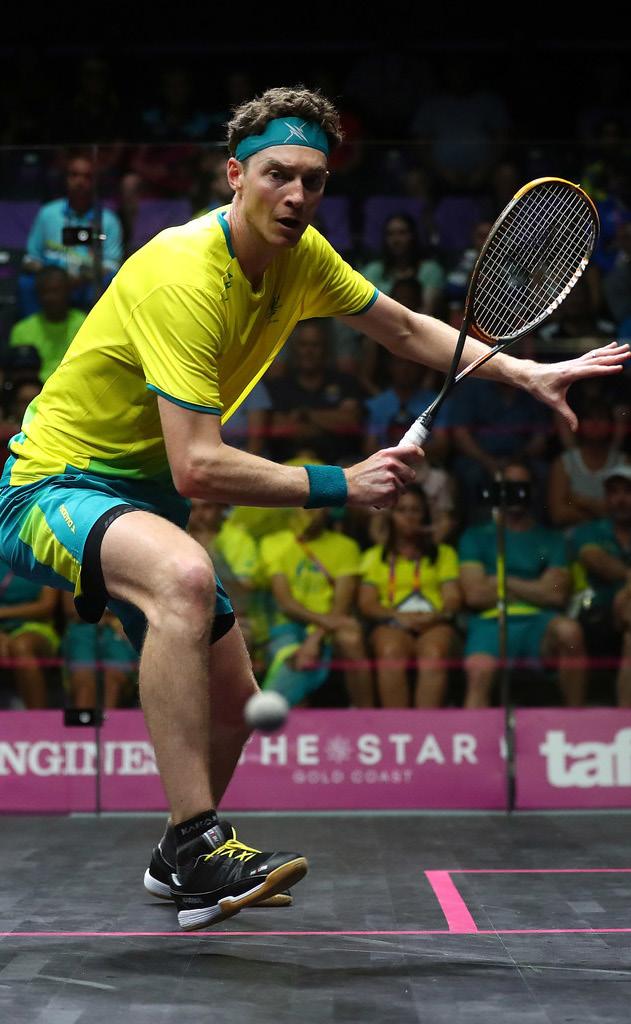
My former career as a professional squash player on the Professional Squash Association (PSA) World Tour and my current career as a teaching squash professional couldn’t be more different in terms of how I allocate my time every day.
Though I have been a teaching squash professional here at Apawamis for almost two years, before then, I was a full-time professional squash player for 19 years on the World Tour—sometimes spending over 200 days on the road competing in events throughout the year.
Lately, I’ve been looking back on my professional career and reflecting on how differently my days were spent, and I thought it might be interesting to glimpse into what a typical day looks like for a professional squash athlete.
8:00 A.M. WAKE UP
• Breakfast: yogurt, muesli, fruits, toast, coffee, water
• Check emails and go over the day’s training schedule
Double-check with my coach and hitting partners about when/what time our sessions are planned for the day. Pack my bag and make sure I have all my equipment, drinks and recovery food for after the session.
9:30 A.M.
Leave the house to go to my first training session of the day. Always try to arrive early at my training location to get ready properly and warm up.
10:00 A.M.
Training Session #1 – Solo: 60 mins (hitting on the court by myself). This session is never physically taxing, yet it forms a huge part of my training regime. I use this session to work on technique, ball striking, imparting different types of spin on the ball, and getting creative with attacking shots - finding different angles and attacks I can use in a match.
11:00 A.M.
Training Session #2 – Gym: 90 mins (lifting weights or doing an interval session). This is my hardest session for the day. I lift two or three times per week, and the session usually encompasses a full-body workout. If I am doing interval work, it includes either 400m intervals (PB: 16 x 400m with 60-sec. rest), court sprints (PB: 30 x 24 court sprints of 60-sec. on/60-sec. off), or intervals on the indoor rowing machine. Protein drink/snack/banana.
1:00 P.M.
Lunch: Pasta or sandwich followed by a Flat White (for all those coffee aficionados out there!).
apawamis.org 29
1:30 P.M. ADMIN
The couple of hours after lunch is when I get a lot of my admin/ work done, during the period when I managed myself. Some of the typical admin includes devising training plans, booking hotels and flights for upcoming events and arranging visas for particular countries, deciding which tournaments I will be playing, communicating with personal sponsors and event sponsors, managing my personal website, managing personal finances, taxes and more. There is always something to do!
3:30 P.M.
Leave the house to go to training session #3. Arrive early to prepare.
4:00 P.M.
Training Session #3: Drills, Match Play or lesson with my coach - 90 mins. This is my main squash session for the day. It involves one of three types of training: Match play against another pro, drills and condition games against another pro or another player, or a lesson with my coach. The match play session is another big part of my training. The reason we train is to get better at playing matches. Therefore, playing at least two matches a week is a way I can transfer what I’m doing and learning in training into a match scenario. The lesson with my coach involves a combination of technical and tactical focus and pressure work, where, let’s just say, I chase the ball around the court for a long time.
5:30 P.M.
Protein drink/snack/banana. Head home from training.
7:00 P.M.
Dinner: Chicken, fish or red meat and rice/pasta and vegetables. (Side note: My cooking skills left a lot to be desired, so once I moved in with my now-wife, the quality of my meals improved immensely!)
8:00 P.M.
Depending on how busy my personal admin is on that particular day, this time is spent either sitting with my laptop doing more work or, preferably, relaxing on the couch after a hard day of training.
10:30 P.M.
Sleep for eight to ten hours.
FAVORITES
We all want to have our best game, but the sheer amount of products at our disposal can overwhelm even the best of the gear-heads or the fashionistas. To help, we've asked our professionals to give us their favorite picks of the season. To order, please contact the Squash Shop.
Miir 20oz Water Bottle
I hope you enjoyed reading this small insight into what a typical day looks like as a professional squash player.
Given our Club’s junior squash program’s decorated history, prestige, and outstanding reputation as a breeding ground for elite-level juniors it might be an especially interesting read for our younger members who are considering a professional career. But even if “going Pro” may not be the end goal for some of our junior sporting talent within the Club, I hope I have given a glimpse into the dedication and commitment it takes to excel at the top of a sport.
Finally, I thoroughly enjoyed my time on Tour, but it is funny to think that at 38 years of age, half of my life has been spent training and competing on the World Tour! I’m happy to now spend my days interacting with all you at Apawamis and instilling a love for squash among our juniors.
PETER’S
WORD of the SEASON
Peter knows his junior players spend a lot of time on the squash courts. To make sure his players stay sharp on and off the courts, he regularly posts S.A.T. words for his junior players to review.
SALIENT (adj.): very noticeable or important; to the point.
All of the Apawamis squash coaching staff hopes that they give their students salient advice during their training sessions to help them improve their game.

30 APAWAMIS NOW Summer 2021
S.A.T.
FOLLOW US @APAWAMIS_SQUASH
Miir 12oz Coffee Tumbler
Shapland Bag with Apawamis Logo
Shapland 'Double Dot' Cap
HARDBALL DOUBLES
TIPS from the PRO: Lume Landman
When players transition from softball singles to hardball doubles, the first thing that comes to mind is to hit good rails down the wall, deep into the back corner of the court. In hardball doubles, that is not the case. The strategy for hardball doubles is quite the opposite of a softball singles strategy. In doubles, there are more opportunities for you and your partner to attack crosscourt.
Some tips to keep in mind when you walk onto the doubles court:
tip no. 1
Always try to have your heels on the red line. It’s harder running forward to retrieve a drop shot, reverse corner, side front or a three-wall than running to the back corners to retrieve a deep shot. It’s a function of distance.
tip no. 2
Always try and volley every ball; don’t go to the back wall willingly. The main goal is to drive or lob your opponents to the back corners to gain an opportunity to attack the front corners.
tip no. 3
Always hit the ball deep before you shoot short.
HARDBALL DOUBLES SERVES
tip no. 4
Try to attack crosscourt to open up the court. Vary your crosscourt shots from high lobs to sharp angles, and try to hit into your opponent’s outside hip and shoulders. Sometimes, for variation, drive the ball down the middle.
tip no. 5
There are four corners on the court and two players per team. Always try and hit the ball into the open quadrants.
tip no. 6
The best attacking shot is the reversecorner. When you are in a crosscourt battle with your opponent, always try and look for the opportunity to play the reverse corner off your opponent’s crosscourt.
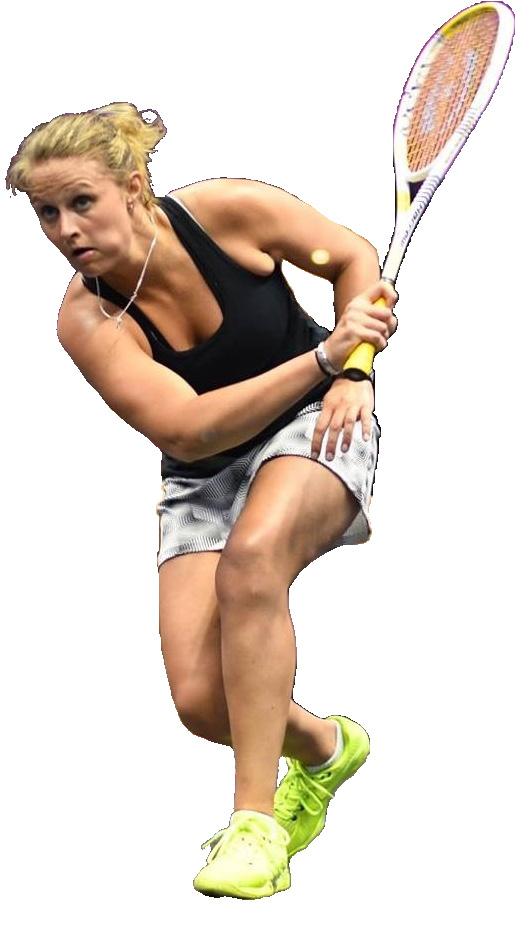
Unlike softball singles, in hardball doubles, you get two serves per player. The serve is such an important part of your strategy. So, try to vary the height and angle of your serve so that you can perhaps cause a weak return, thereby giving you the upper hand at the beginning of the point.
The hard serve: Hitting the sidewall and bouncing off the back wall is a serve that will get you in trouble. This will result in your partner being pushed out of position and allow your opponent to shoot for a winner down the rail. All hard serves should be hit to the back wall corner first, or a criss-cross serve angling across the front of the opponent’s service box or right at the returner.
The lob serve: A lob serve should be hit with an upward trajectory, created by aiming the ball towards the very top of the front wall and either trying to go straight to the back corner or a glancing blow off the side wall, thereby dropping the ball into the back corner.
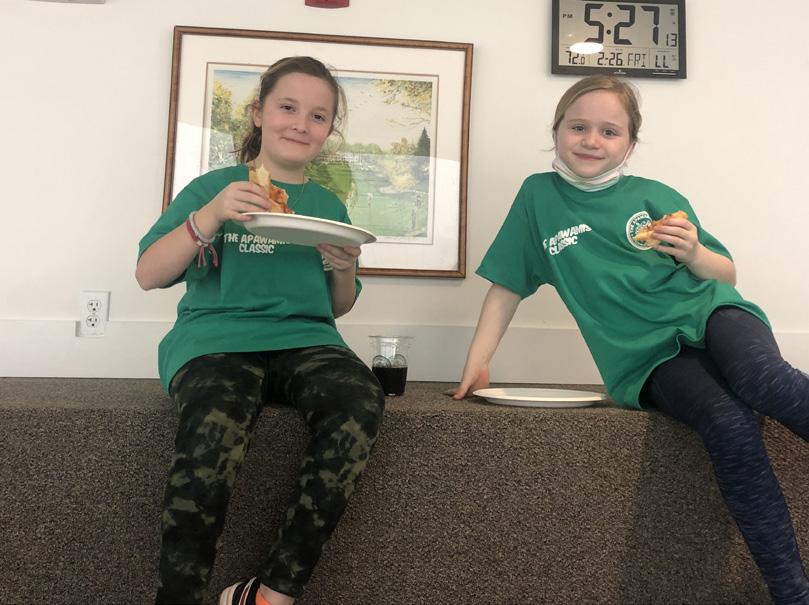
THE FIRST APAWAMIS CLASSIC - FEBRUARY 27, 2021
This tournament was a brand new event on our squash calendar. It is a members-only team event consisting of singles and doubles matches, including adults and juniors of all ages and levels. Following the theme from West Side Story, The Sharks vs. The Jets, the event was a huge success, with over 75 participants—food, drinks and tournament shirts were provided for all. It was great to see so many familiar faces back in the squash house. After a day of thrilling squash, The Sharks took the inaugural title, defeating The Jets 86 points to 61. Due to the enthusiasm for the event, we plan to schedule a follow-up tournament in the early Fall. We want to thank all the participants who contributed to making the day a success.
apawamis.org 31
LET'S TALK
TENNIS
BY STJEPAN BEG, DIRECTOR OF TENNIS
For the first time ever, favorable weather conditions allowed us to officially open the courts early in March, which will extend the tennis-playing season duration to eight months. Most years, the tennis season has only stretched from May through September. The incremental expansion of the season is a testament to our members' eagerness to be on the courts! Thank you for trusting us and continuing to allow us to inspire the Apawamis community. My team and I are ecstatic for the 2021 season.
Since the end of March, women's teams, men's clinics/team and junior's programs have been in full swing, and all teams are off to a great start. Our weekly matches schedule consists of Tuesday, Wednesday and Thursday mornings for women and Wednesday evening and Sunday early afternoon for men. Additionally, I am happy to announce that we added another men's team that will play matches on Sundays and another women’s team (to the Hudson Valley league) that will play matches on Thursdays. One person we can thank for this, especially for the men’s team, is our Men's Captain, Larry Phillips. Larry has been an instrumental logistician and organizer in getting our men out on the tennis courts.
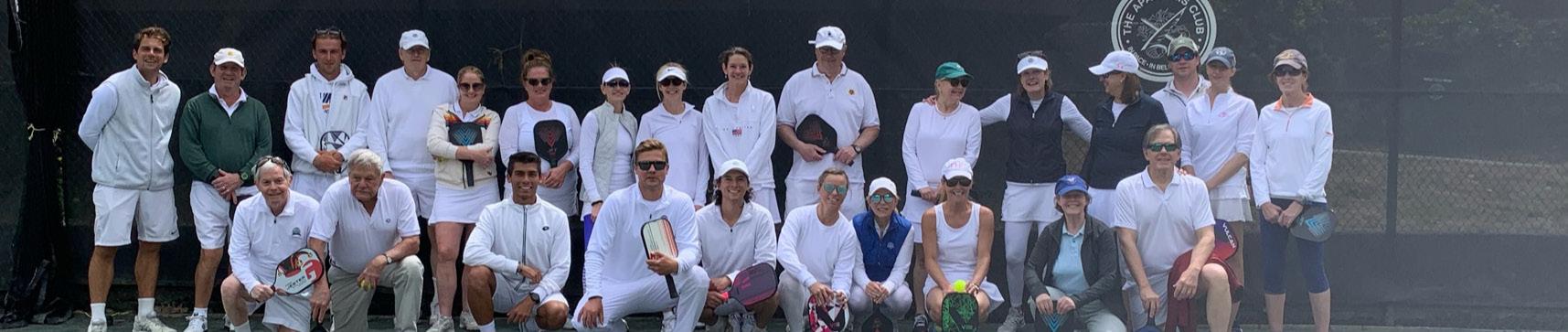
This season's early success feels like a repeat of the tennis “golden era” of the ‘80s and ‘90s. We are eternally grateful for the trust, support and opportunity the membership has blessed us with, and we will work tirelessly to make things even better this season.
We are also excited to announce the addition of pickleball to our menu of sports. Given the courts and spacing restrictions, similar to nearly all the clubs in the area, we are taking initial steps in getting this program up and running. The member response has been tremendous. The first offering of pickleball workshops and clinic offerings sold out quickly. The Club has already formed a summer league, introducing the first-ever Apawamis Pickleball team. I think it is safe to say that pickleball has arrived in the Northeast!
Finally, I’d like to highlight Tin Ostojic, one of our professionals who has recently returned to Apawamis. Over the last ten years, there have been many memorable staff members on the professional tennis team, including Boris, Phil, Ilija, Roman and Harry (to name a few!). All professionals have built a name for themselves, honing their skills under the Apawamis platform, and Tin is no different. Last season, Tin acquired additional head professional training while working in New Jersey. But now, Tin is reunited with the Apawamis family, taking on the tennis program's first assistant professional role. In addition to tennis and pickleball operations, Tin will assist Tommy during the winter months with platform tennis. I would also like to acknowledge our professional, Tommy, who took over as the director of platform tennis this past season. Tommy turned it into a meaningful operation and a place of fun and joy for our members.
As we enter summer, we will slowly start transitioning into social and competitive events to find something for everyone. Please visit the tennis web page on apawamis.org under the racquet sports heading for a more in-depth calendar.
32 APAWAMIS NOW Summer 2021
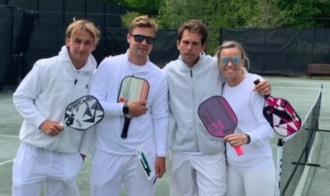
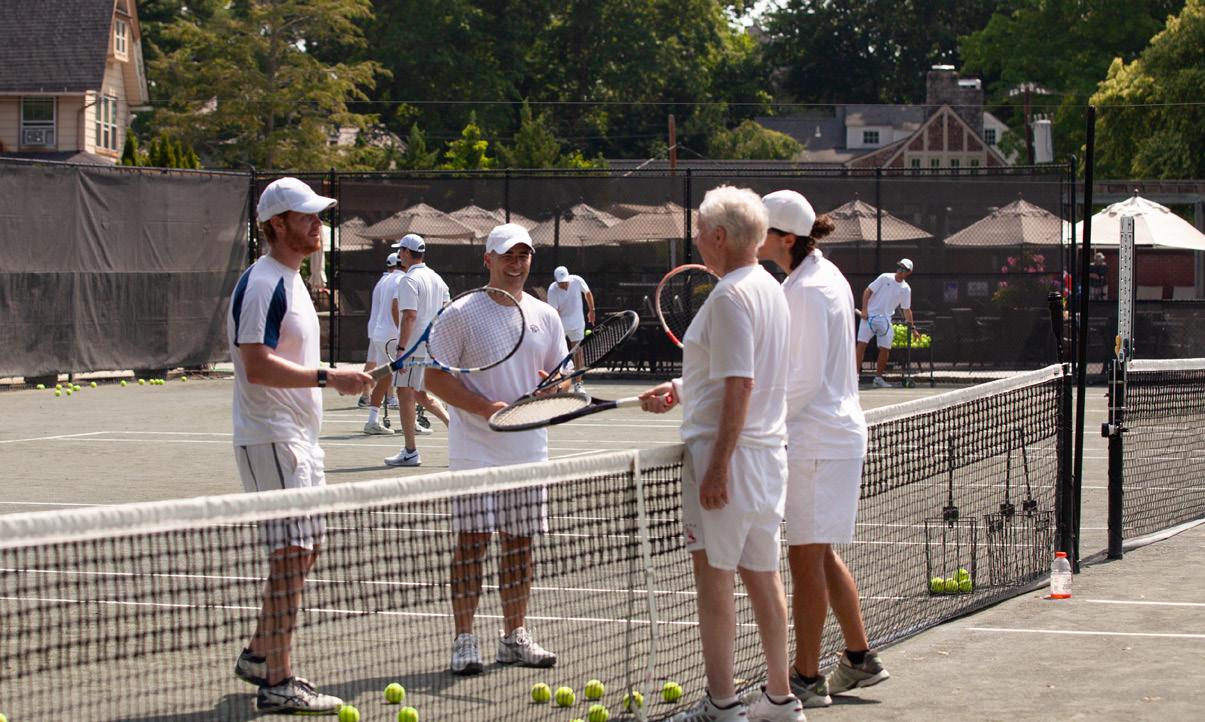
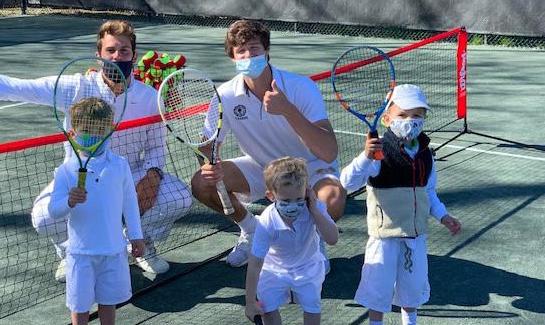
Save the Dates
STJEPAN’S TAKE-AWAYS
BECOMING MATCH READY, AGAIN!
Due to COVID, last season, we had to forgo official matches. Following this year of hiatus, in 2021, players will need to re-learn how to train, prepare and execute an official match environment. Fortunately, keeping an edge to perform in match play is something you can attack systematically.
Here are my tips for getting back into official-matchplaying shape:
Setting expectations
Setting your mindset as to how to approach your first few matches is the key. Don't overextend yourself with high expectations, but do keep your standards high.
Spend time training and playing practice matches
As you are approaching tournaments and match days, play several practice matches and get acquainted with how to behave and construct points. Hitting tennis balls and playing the game well are two different concepts.
Have a consistent game plan in training
Train with purpose and a game plan. Every time you step on the tennis court needs to be meaningful. If you feel burnt out, take a day off and come back fired up to play the next day instead of approaching the game half-heartedly (that's how burnout transpires in the first place). Knowing how to train builds consistency, muscle memory and a mindset that rewards you during competition play.
Stop being a perfectionist
Play with the boundaries of your comfort level. Go for more or less based on how you feel the ball. Save significant strategy changes after the tournament. Don't try to be a hero on every shot you hit. Learn how to chip points away in your favor.
Use your tennis journal to record your match
Create a systematic approach to the game. Studying your notes will help you expand your awareness of the game and build a foundation for becoming a robust and competitive player.
Most of all, have fun!
It has to start and end with having an enjoyable time on the tennis court. Tennis is a sport of life and love, an outlet that should keep you in a happy state of mind.
apawamis.org 33
Mixed Doubles Member-Guest July 25 Men’s/Women’s Twilight Doubles Battle July 29 Jr. Tennis Mixed Doubles Championship July 31-Aug. 1 Women’s Fun Night August 19 Mixed Scrambles Night August 27 Men’s/Women’s Dbls. Club Championship Sept. 4 Men’s/Women’s Singles C.C. Sept. 5 Jr. Member-Guest Sept. 12
Post Season PADDLE
BY TOMMY GREGUROVIC, DIRECTOR OF PADDLE
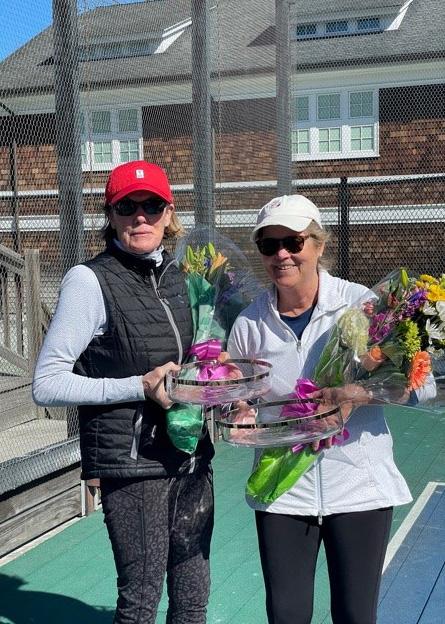
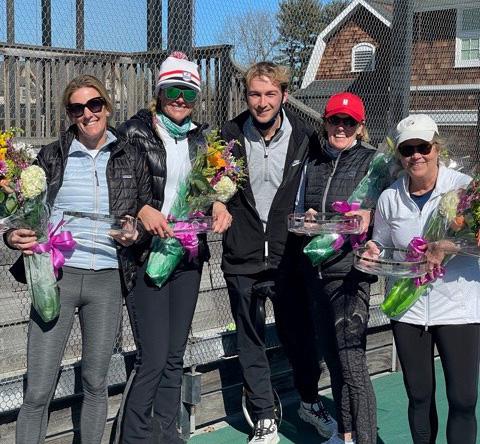
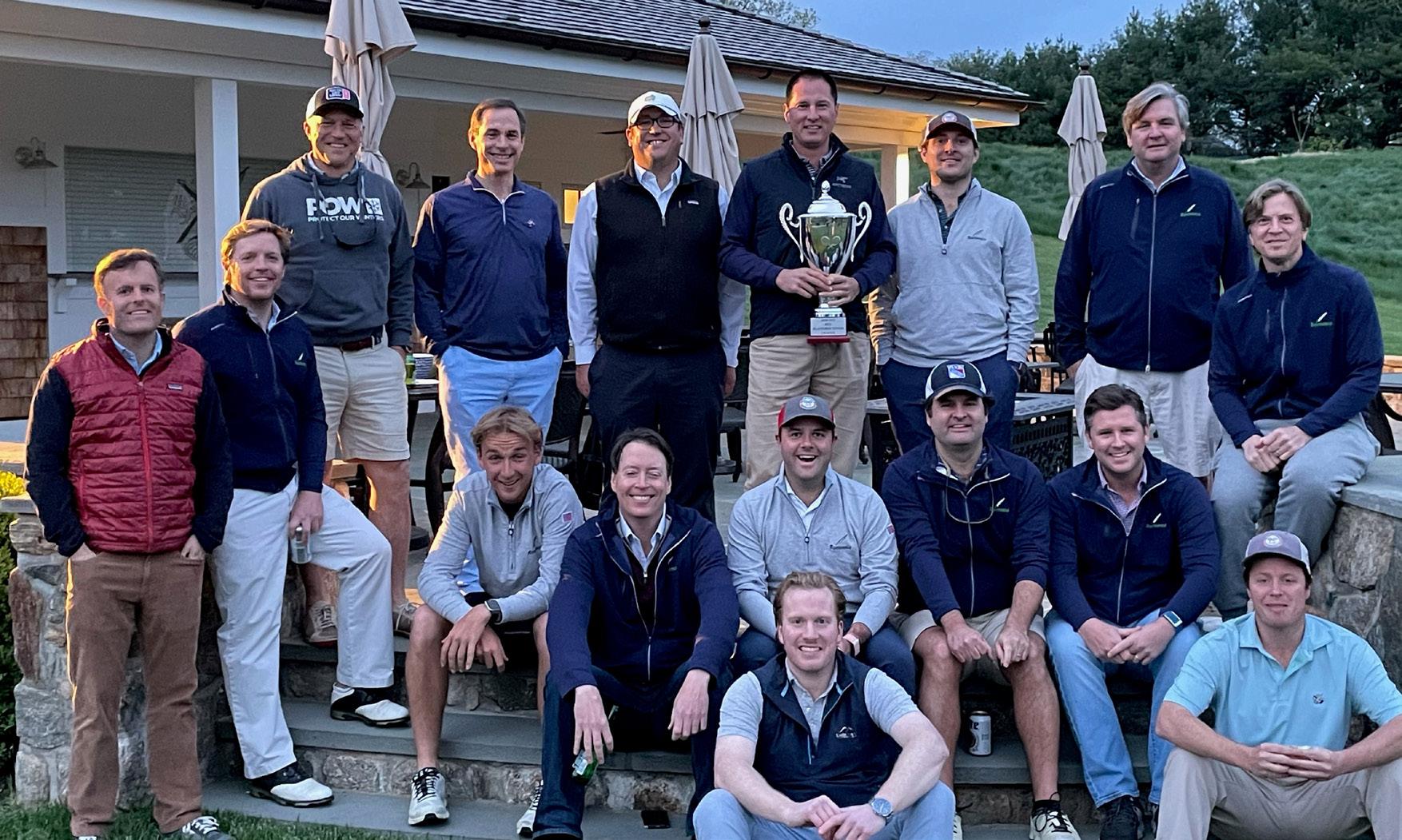
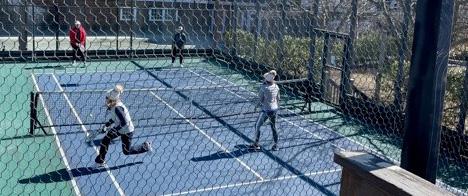

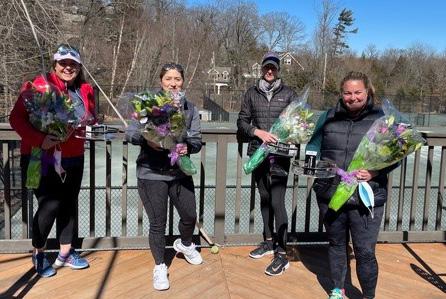
34 APAWAMIS NOW Summer 2021
Another excellent paddle season is behind us. We had one of the best years of our paddle program, with many new juniors and adults becoming involved in the sport. I hope to keep this momentum going for years to come by encouraging participation in paddle tennis and offering more exciting programs.
Congratulations go to our men's team, who secured first place in the Rye League by beating American Yacht Club in a close match to win the title. A special thanks to our captains, John Eagan and Robert Paun, for making the men's programming and teams another successful adventure.
As for the women's teams, unfortunately, they were unable to play matches due to the pandemic. Regardless of competitive play, thank you to all of our team captains for their impeccable leadership during these challenging times. Carolina Johnson, Kristina Dorfman, Ann Haynes and Kelly Mangan truly did a fantastic job keeping camaraderie and energy high throughout the season.
The highlight of the season is how the bar was raised related to both the number of players attending and the quality of play in our Women's and Men's Club Championships and Member-Guest Tournaments.
The Women's Doubles Club Championship was played in early February. Both teams battled through some great matches throughout the tournament. In the end, Loren Dinger and Kristine Forsyth (winners) won in a tight, windy battle against Carolina Johnson and Kristina Dorfman (finalists).
The Men's Doubles Club Championship had many competitors. Some fantastic matches were witnessed throughout the tournament, with Charlie Roberson and Scott MacKenzie (winners) defeating Duncan Cameron and Macy Steers (finalists) in a hard-fought battle.
The Women's A Draw Member-Guest was organized differently as a one-day event. Carolina Johnson and Vicky Beney (winners) defeated Kristine Forsyth and Leigh Foristol (finalist). The Women's B
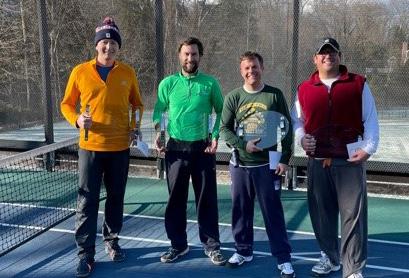
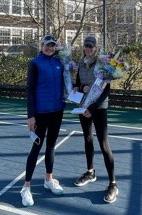
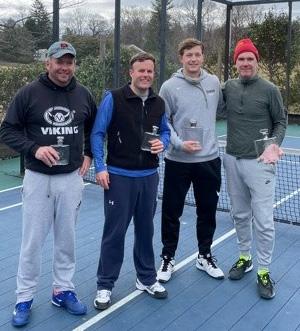
Draw saw upcoming stars Suzzane Cincotta and Katie Bacon (winners) taking on Dara O'Hara and Carter Simonds (finalist) in a well-fought match.
The Men's Member-Guest was held in three locations: Westchester Country Club, Century Country Club and Apawamis. More than 70 people were playing in the tournament. Players and spectators alike witnessed the most competitive tournament in years with a finals matchup between Teddy Van Eck and his uncle Jay Meyer (winners) versus Duncan Cameron and his brother (finalist).
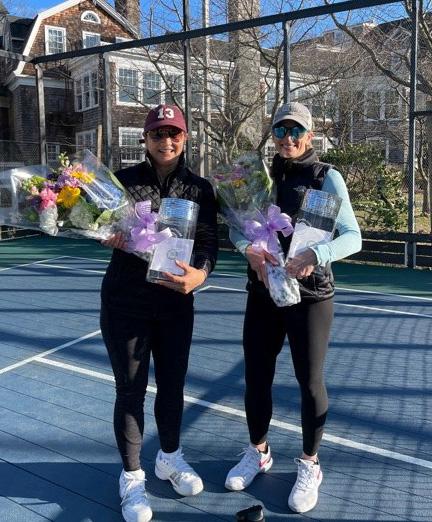
After an incredible five years as a tennis professional, I am grateful for the opportunity I was given to lead the paddle program at Apawamis. Thank you to all of you for your confidence and support over the past season. I am certainly looking forward to new chapters and new journeys in the years to come. I’ll see you out on the Tennis courts this summer. Duringthesummer months,pickleball is offered on the
apawamis.org 35
paddlecourts.
HEALTH FITNESS
BY RACHEL COOPER, PERSONAL TRAINER
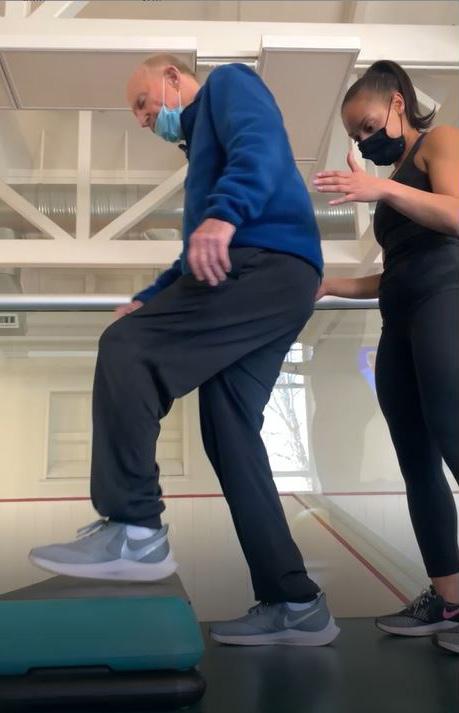
Many of us, admittedly, were sedentary during the pandemic. The inactivity may have left us less than fit compared to our pre-COVID fitness condition. But don't expect to pick up where you were before lockdown. Ease your way back into regular exercise rather than going for the grand slam straightaway. One of the best ways to get back into regularly exercising is to incorporate it into your daily routine and make it fun. Below is an inspiring story to help you stay motivated, no matter what level of fitness you're starting from.
Dave Florence, who has been a member for 50 years, has been training with me for just over four years. During his time in quarantine, Dave had little to no opportunities to exercise. At age 90, little to no movement can be detrimental to one's health. While no exercise for nearly one year did cause some setbacks for him, Dave regained his strength surprisingly quickly once we were able to resume our training together.
When we first resumed post-COVID, Dave was unable to step up without assistance. But as you will see in the video (available to view on digital version of Apawamis Now), he is now managing just fine on his own! Dave trains with me three times per week and threefour times a week on his own. Not too bad for 90 years old! His determination and will to set goals for himself continue to inspire me.
I hope this serves as an inspiration to others. Just because time is not on your side doesn't mean you can't devote your time exercising.
Junior Summer Guest Program
This season, the Club’s Membership Committee proposed the creation of a Junior Summer Guest program for men and women ages 22 through 34, which was unanimously approved by the Board. The Junior Summer Guest program is a great way to complement and support our Junior Membership. We hope a portion of the participants seek to become members at Apawamis. The selection process was highly competitive, and we are pleased to introduce the eight individuals approved for the 2021 season.


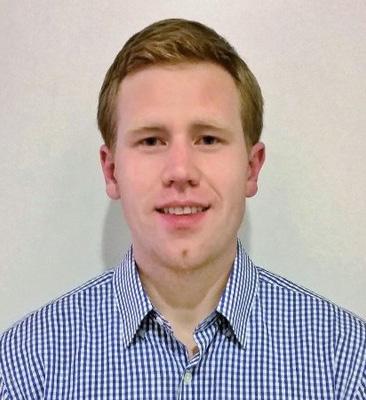
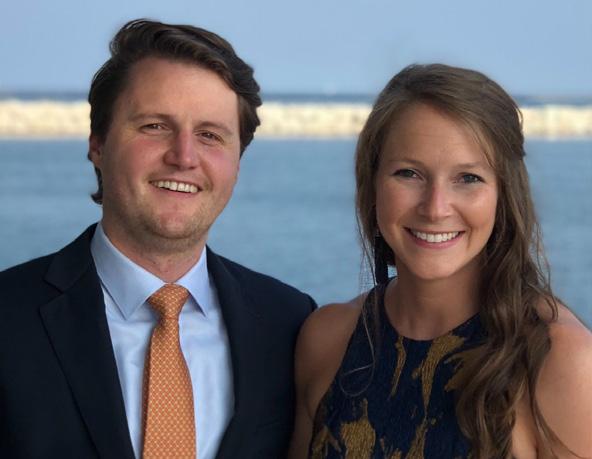
36 APAWAMIS NOW Summer 2021
Video available through digital version
Peter Jackson
Chad Molinowski
Ned & Janie Pierrepont Alec Roman James & Katherine Wallace
Matt Jaye Chris Lightner Manek Mathur
APP WEBSITE
BY SHAWN ROWLEY, DIRECTOR OF COMMUNICATIONS AND MARKETING
We are pleased to announce that on June 10, 2021, the Club launched its first app! This comes after a March 2021 update to the website, where all webpages and reservation systems were made with responsive design programming—meaning pages naturally scale to the viewing device's screen size. Prior to this, the Club's website, circa 2014-2020, had only a limited number of web pages and reservation systems designed to be mobile-friendly. I hope that our new app saves you time and makes it easier to access the information about the Club's daily activities and procedures on the go.
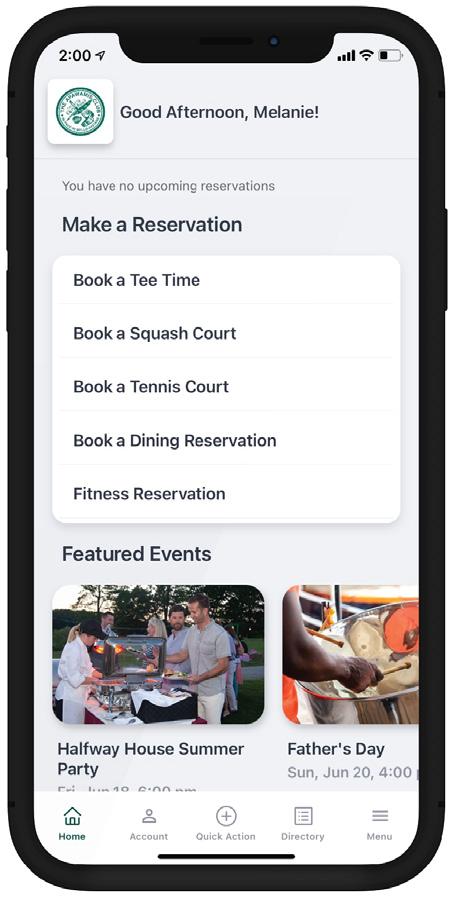

Apawamis.org Log In
Did you know that every member, including children, has their own unique login credentials to access apawamis.org? If you're sharing a computer or tablet, it is best not to use your spouse's login ID. Please login under your own identity. By doing so allows certain functions within the website reservation systems to operate correctly. Need a login? Please contact Shawn in the communications department at (914) 481-1942 or email communications@apawamis.org.
A lot of you may wonder, "How is an app much different from a mobile website?" An app is an abbreviated term for a software application, and one of the defining features of an app is that it must be downloaded on a device through the Apple or Google Play stores for the user to access it. For Apawamis, our app makes it easier to take actions (make a reservation), while our website serves to provide detailed information (program descriptions, rules). Although the website is both information- and action-based, using the website requires you to access it through a web browser such as Google Chrome or Safari, which stores cookies and cache that can save old versions of the web page—but that's an article for another day.
There are several key advantages to using our app. For example, using the app requires a one-time login, whereas the website requires a login for each use. When using the website on a shared PC, it becomes difficult to toggle between login IDs (member vs. spouse), especially if you've selected the “remember me” check box or tell your web browser to save passwords. Another advantage is that finding the desired reservation system or dining menu is easier to access in our app, as you're not clicking through multiple dropdown menus like the mobile website requires. Additionally, the first screen of the app is customized to display a member's upcoming reservations (tee time, dining, parties, etc.), making the experience feel personal.
However, if you would like to access detailed information, such as sport-specific programming details, Apawamis Now, listings of committees and personnel, fees, by-laws, and rules, you must do so through the website (mobile or desktop).
I'm excited to provide an Apawamis App, which offers quicker access to reservations and greater on-the-go functionality. I hope you enjoy using this new amenity. As always, if you need any assistance or have issues with the app or website, please contact Shawn in the communications department at (914) 481-1942 or email communications@apawamis.org.
APP NAVIGATION
Located at the bottom of your screen is the navigation panel displaying icons to access the Home, Account, Quick Action, Directory and Menu pages.
Home: Lists your upcoming reservations or reservation booking links, featured events and club news.
Account: Online profile, settings, notifications and your upcoming reservations.
Quick Action: Access to all of the Club’s reservation systems.
Directory: Member contacts and your personal buddy and guest lists
Menu: Houses the dining menus, Club calendar, posting a golf score, billing statements, and Club news (current and past).
apawamis.org 37
BY PATRICK MCGOVERN, MEMBERSHIP COMMITTEE CHAIR
New members who have joined over the past year and a half have missed the opportunity to attend the New Member Cocktail party where they meet, mingle and spend time with the broader Apawamis community. So, with summer upon us and vaccinations rising, the Membership Committee and I decided to once again host our New Member Welcome Cocktail Party, this time held an hour before the start of this year’s annual Welcome Back Party.
The New Member Welcome Cocktail Party is attended by new members and their proposers, along with the Membership Committee and the Board. This longstanding tradition enabled most of us on the Board and the Committee to meet the new members in person for the first time. It also provided the opportunity for all of our new members to be introduced to the membership-at-large by their proposers. The event is always a highlight and this year, in particular, was even more special as it was a sold out event for the first time in many years. We were ecstatic to make up for lost time with the new members who joined in 2020 and 2021!
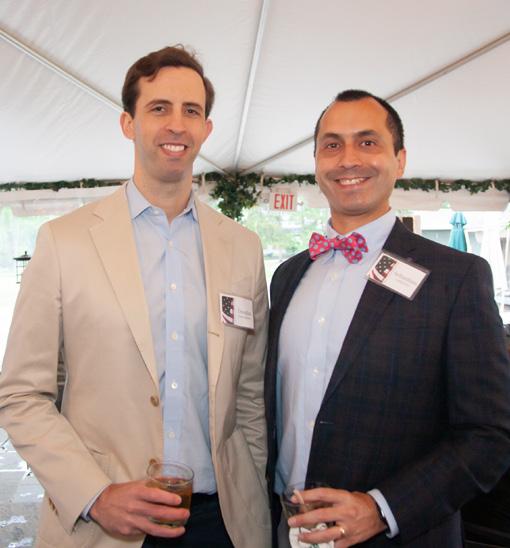
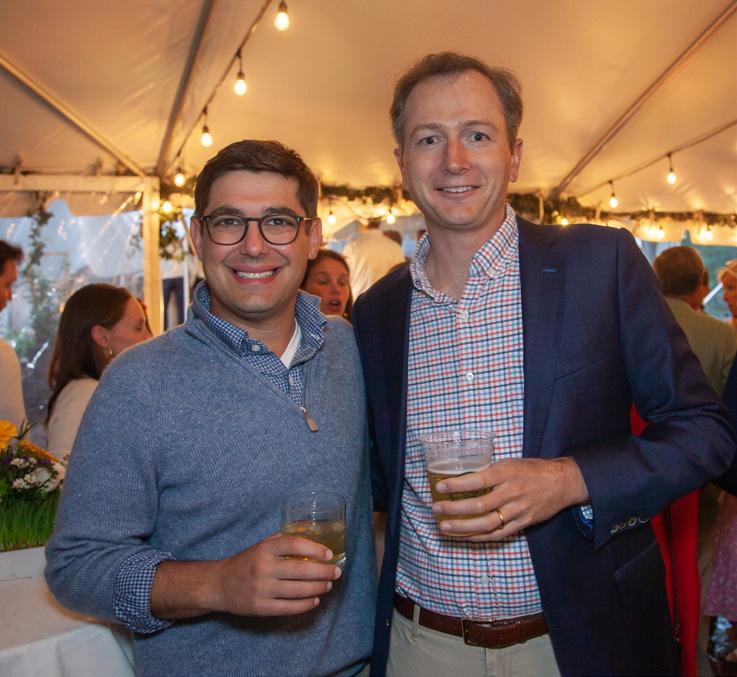
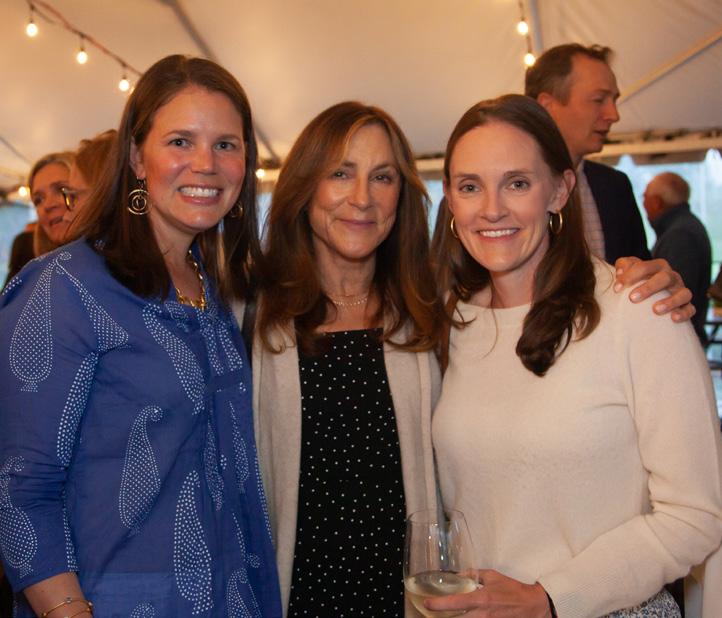
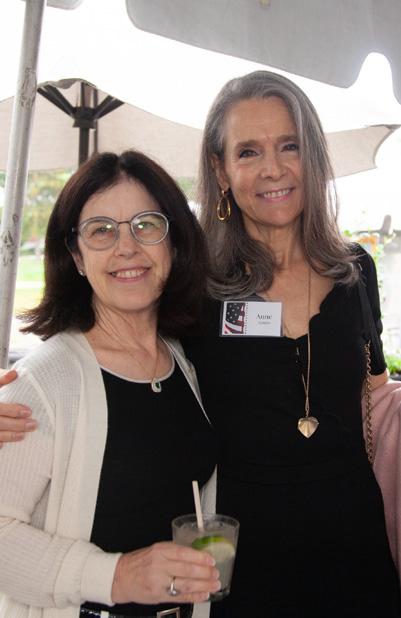
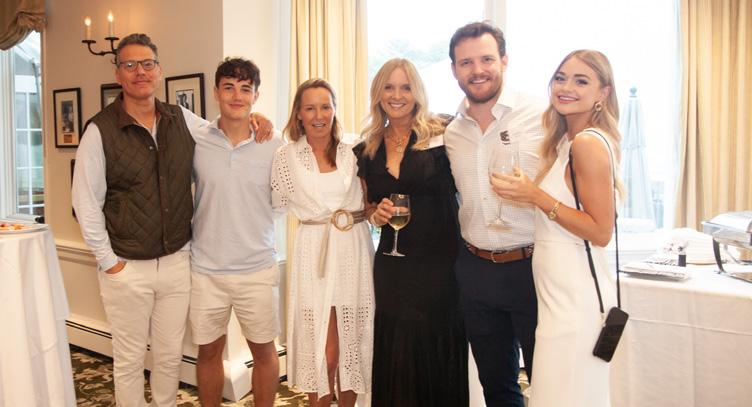
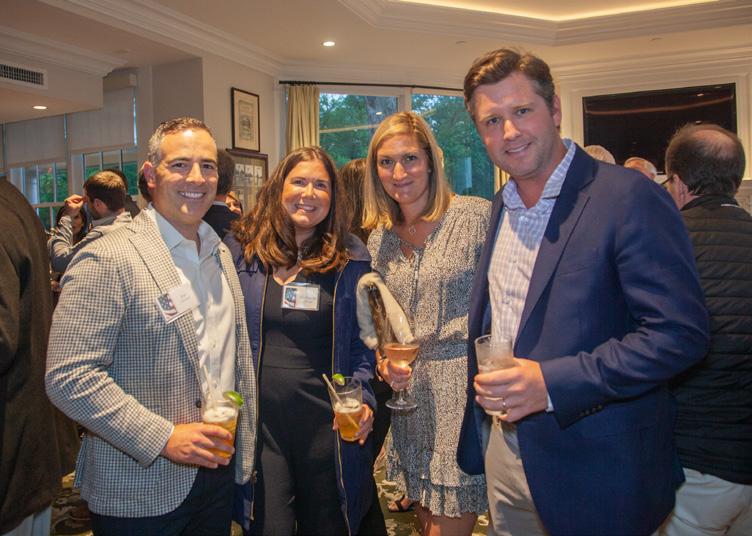
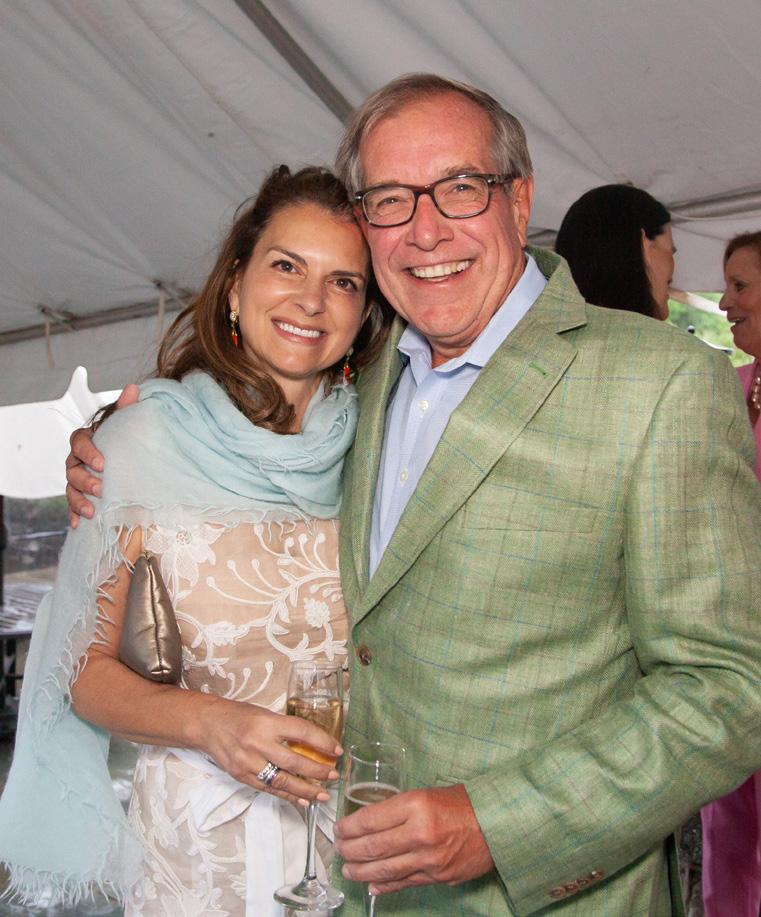
38 APAWAMIS NOW Summer 2021
Photos from the New Member Cocktail Party courtesy of Ambria Michelle Photography
PLEASE WELCOME OUR NEWEST MEMBERS
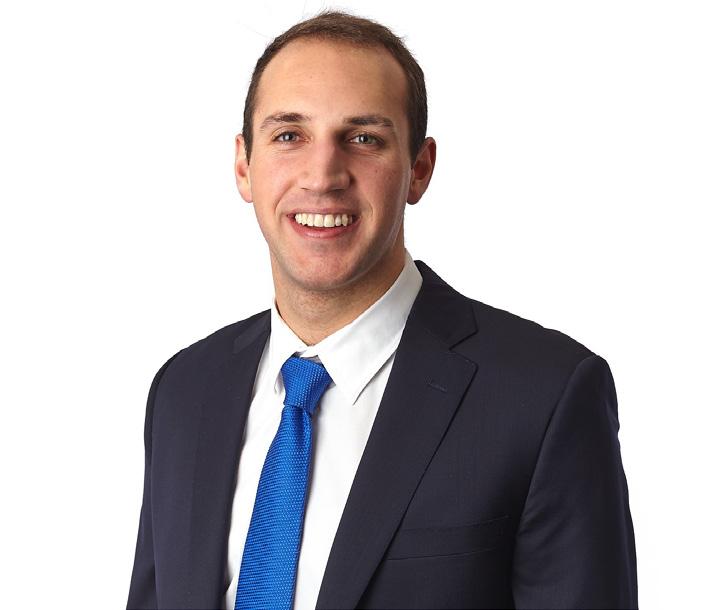


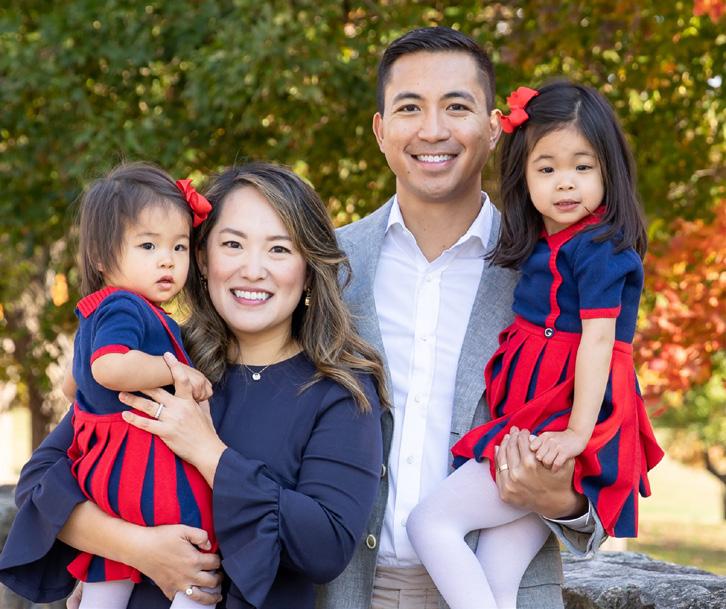

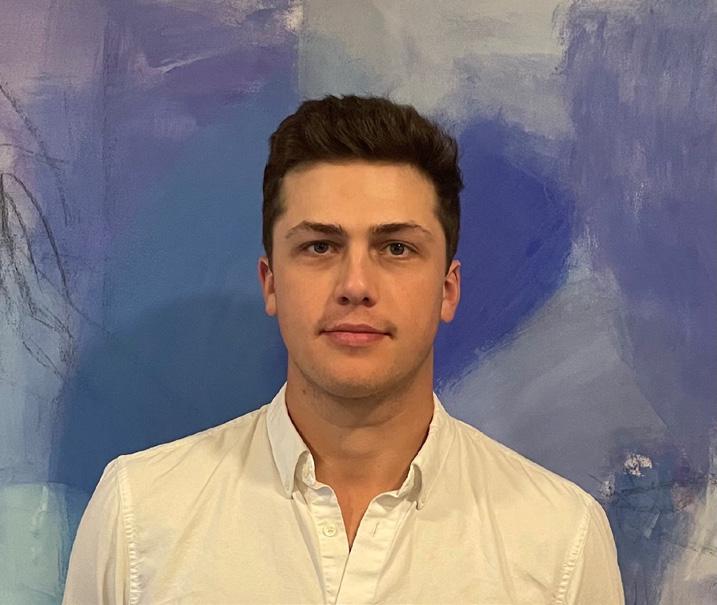
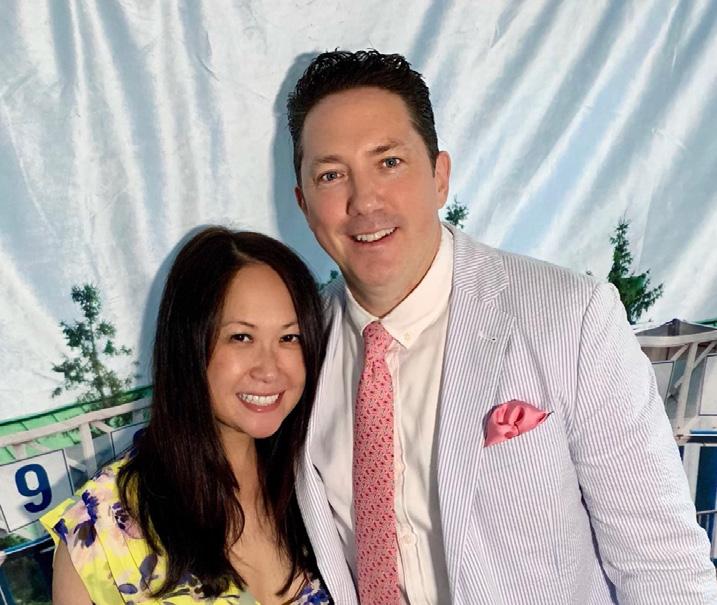
apawamis.org 39
Quynh and Jeff Hess
Marc Bruffett Ryan Gilbert
Mark and Jennifer Cognetti
Connor Hatch
Michael Benincasa
Brian Finnegan Family
Kenneth Chen Family
Katherine Konopka
Fred and Wendy Buffone
Joseph Giovengo Family
Timothy and Natalie Stevens Creamer
WELCOME NEW MEMBERS


IN SYMPATHY
Our condolences go out to the family and friends of the following members:
Louise Starzenski
Paul Joseph Bschorr
Mackenzie de B. Strathy
Caroline Quinn Kelly Davis
Owen Dawes Nee, Jr.
Thomas James Zanios III
June 5, 1965–February 9, 2021
January 3, 1941– February 21, 2021
June 24, 1928– March 5, 2021
October 18, 1956–May 3, 2021
November 22, 1943–May 7, 2021
January 17, 1980–June 10, 2021
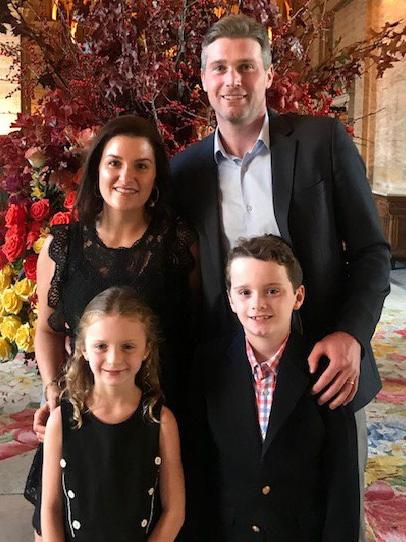
 Andrew Litvin
Vincent Mellet Family
Christina Bott Murphy
Stephen Rushmore
Thomas Steers
John Robert Shuck, Jr.
Kunal Shah Family
Matthew Murphy
Griffin Murray
Drew Nadler Family
Andrew Litvin
Vincent Mellet Family
Christina Bott Murphy
Stephen Rushmore
Thomas Steers
John Robert Shuck, Jr.
Kunal Shah Family
Matthew Murphy
Griffin Murray
Drew Nadler Family