25 Rocla pre-cast solution reduces downtime on mine
26 Chryso admixtures boosting durability in wind farm construction
28 Cape Concrete: John Watson bows out
29 Why the strongest foundations in construction aren’t made of concrete anymore
31 Thermal masonry vs clay-brick cavity walls
32 When to choose readymix concrete
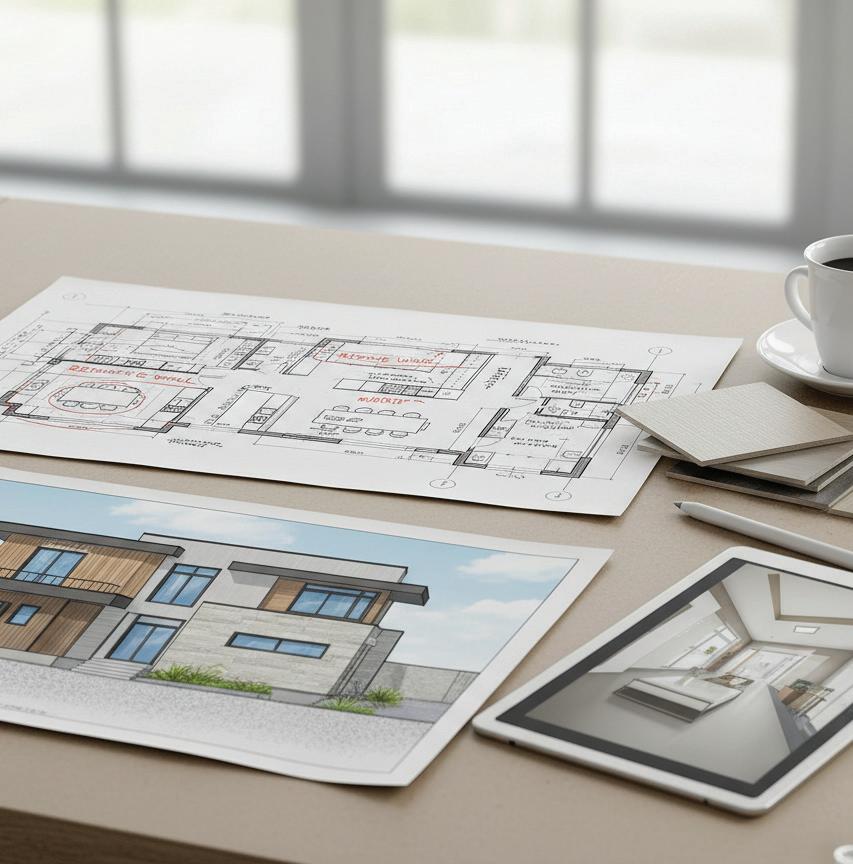
34 Thinking of renovating?
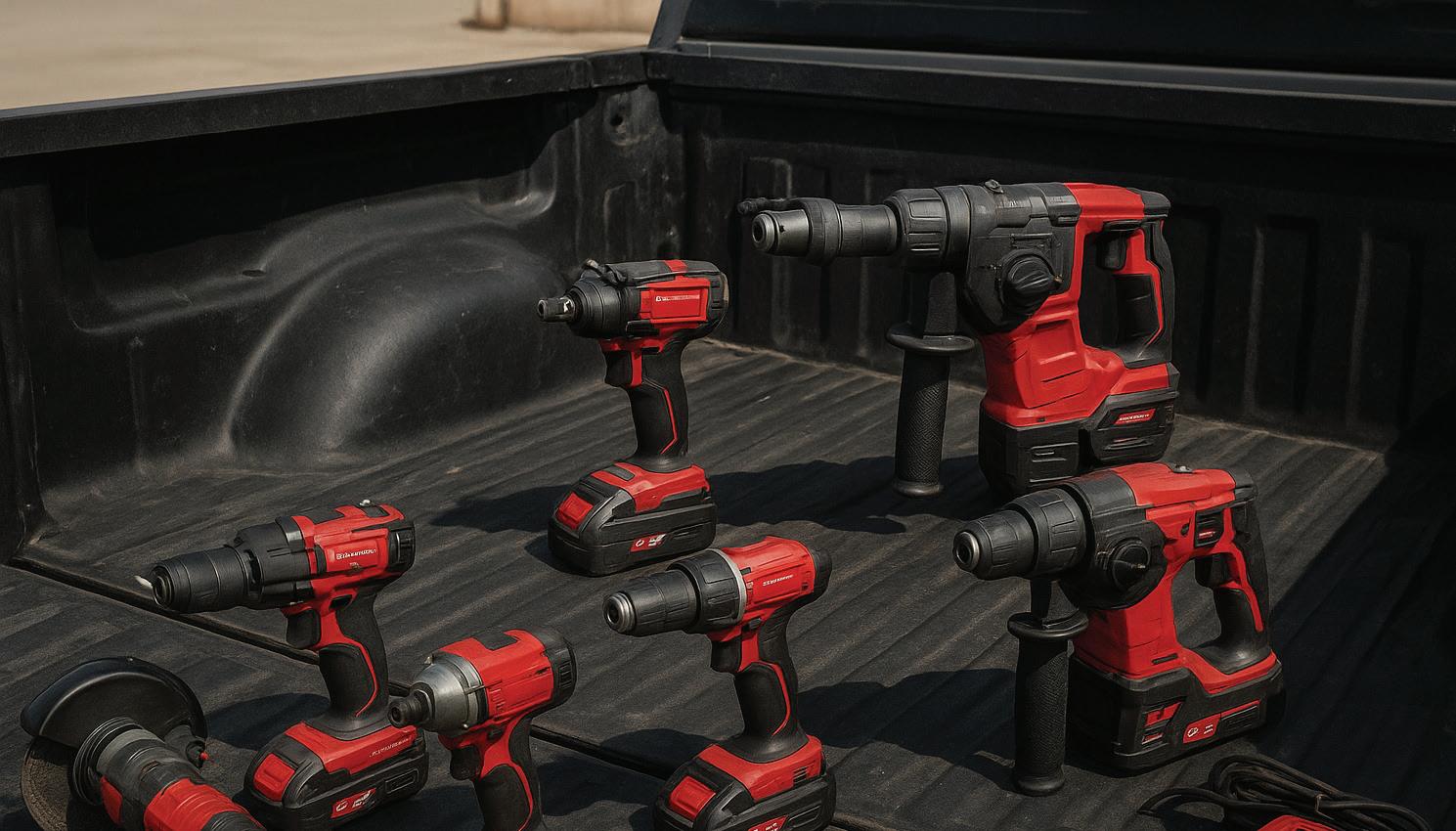
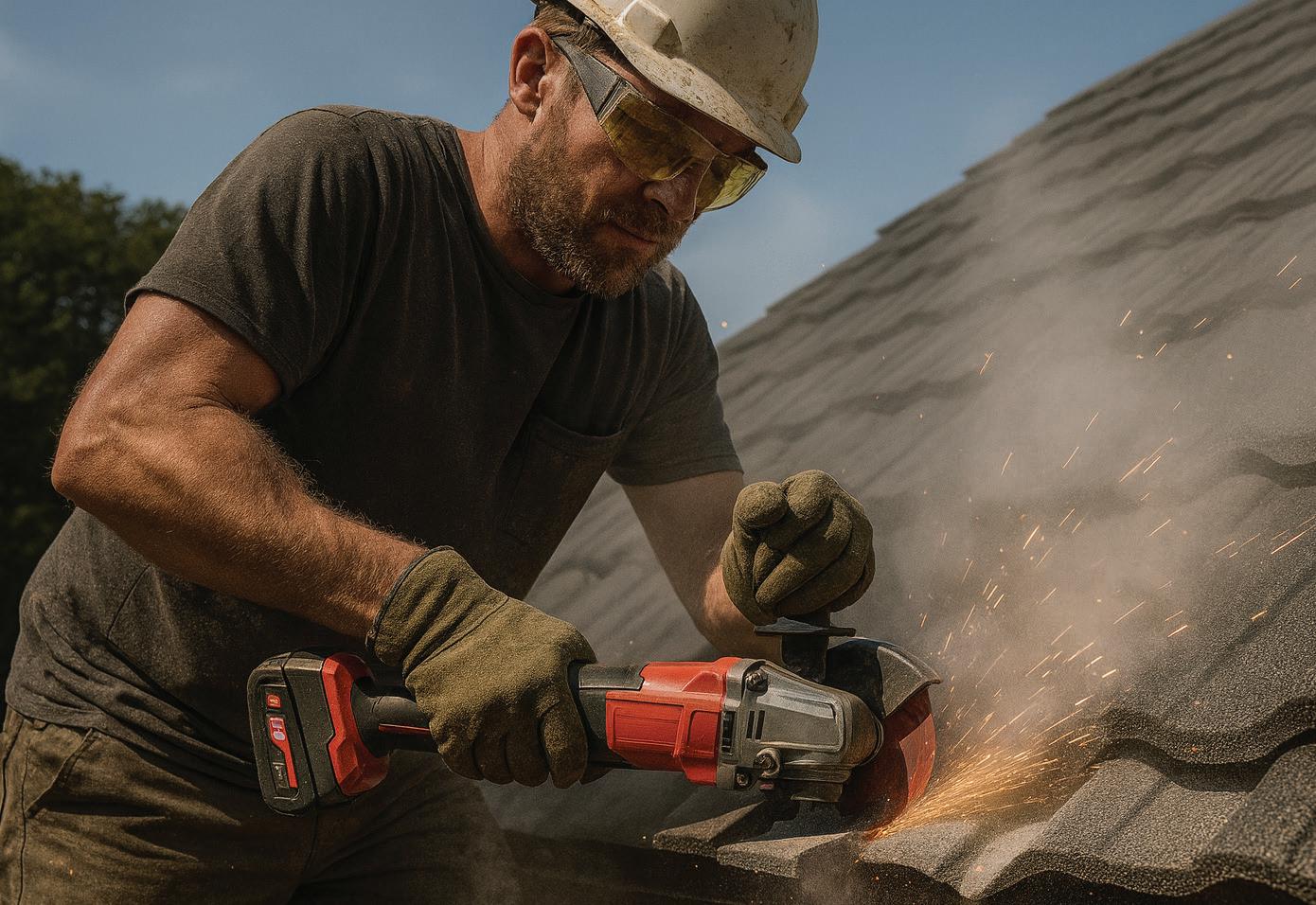
36 Essential battery powered hand tools
38 Imposing bakkie for contractor bosses
40 Scaling offerings for changing markets
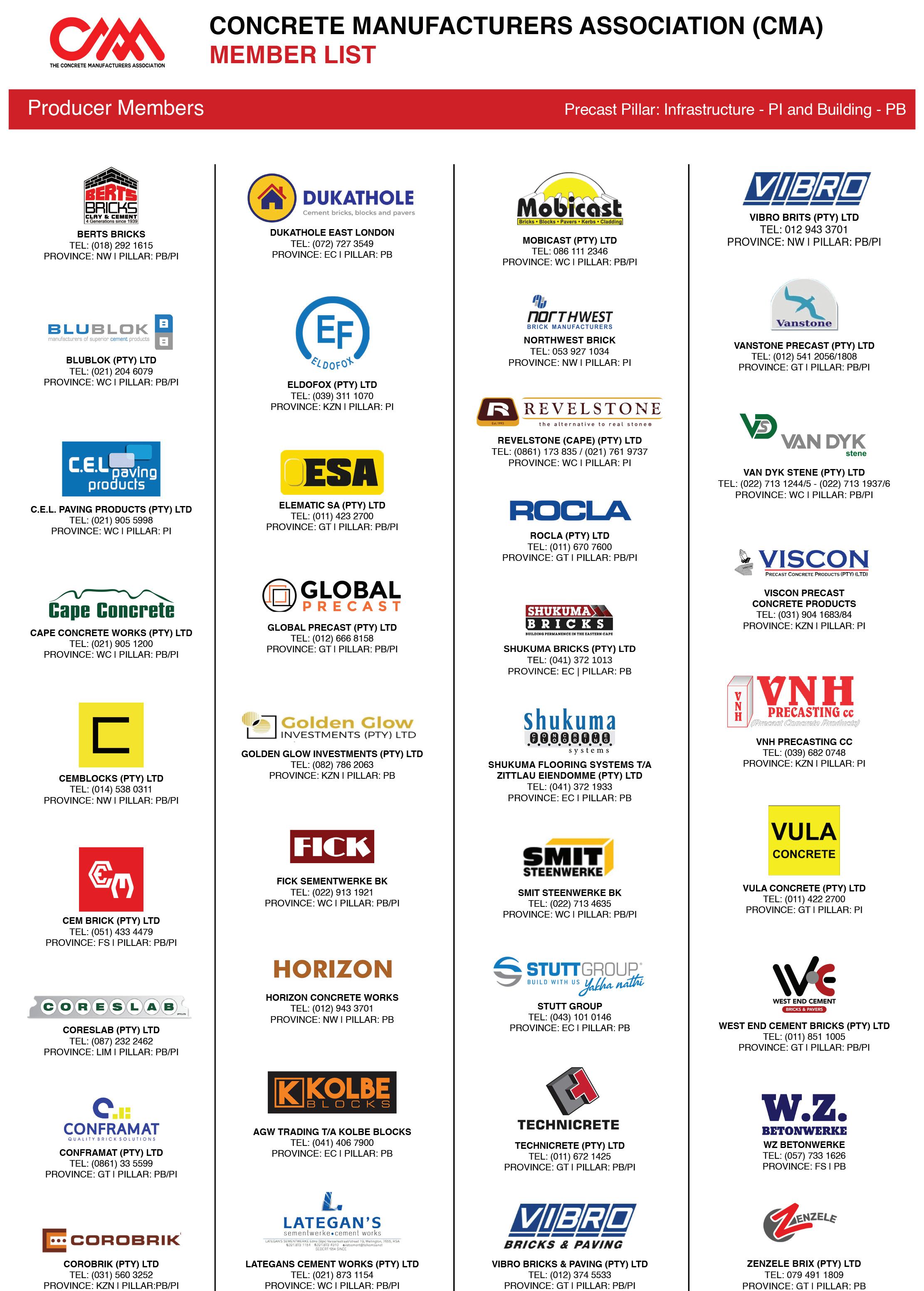
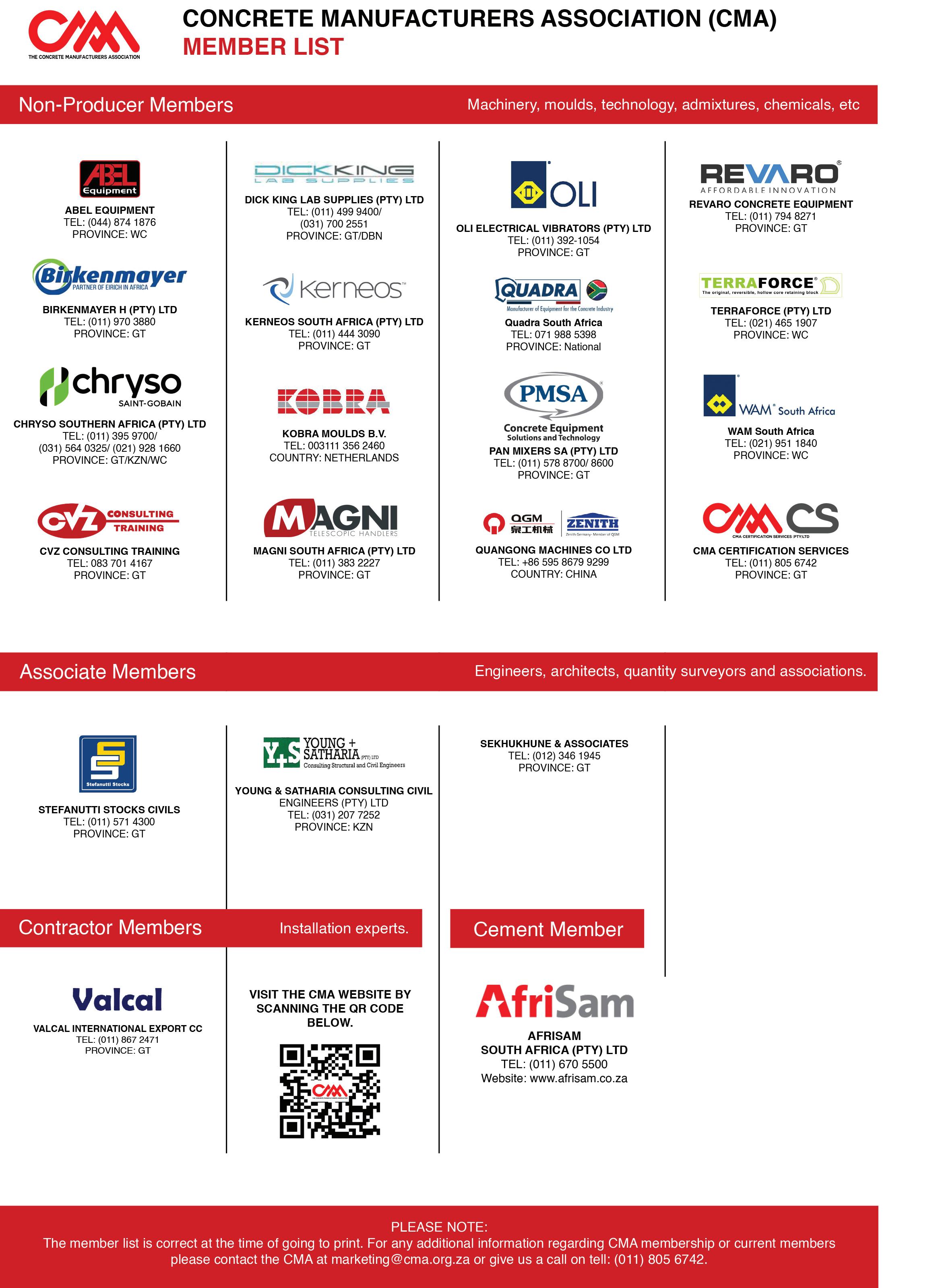
42 CMA members list
Publisher & Advertising: Andrew Meyer (Owner)
Cell +27 (0)82 456 5175
E-mail: Andrew@concreteconnect.co.za
Editorial Director: Raymond Campling (Owner)
Cell +27 (0)76 297 2775
E-mail: Raymond@concreteconnect.co.za
Production & Administration: Lynn Malcolm
Cell +27 (0)84 031 3057
E-mail: Lynn@concreteconnect.co.za
Design & Layout: dv8ion.creative
Technical Support: Tech Xperience
Publishing Platform: ISSUU
The views expressed in this publication does not represent those of the publishers or advertisers. While every effort has been taken to ensure the accuracy of the content, the editor, writers or publishing house can’t be held responsible for any omissions or errors or damages that might arise from the content. No part of this publication can be reproduced in any form without written permission from the publishers.
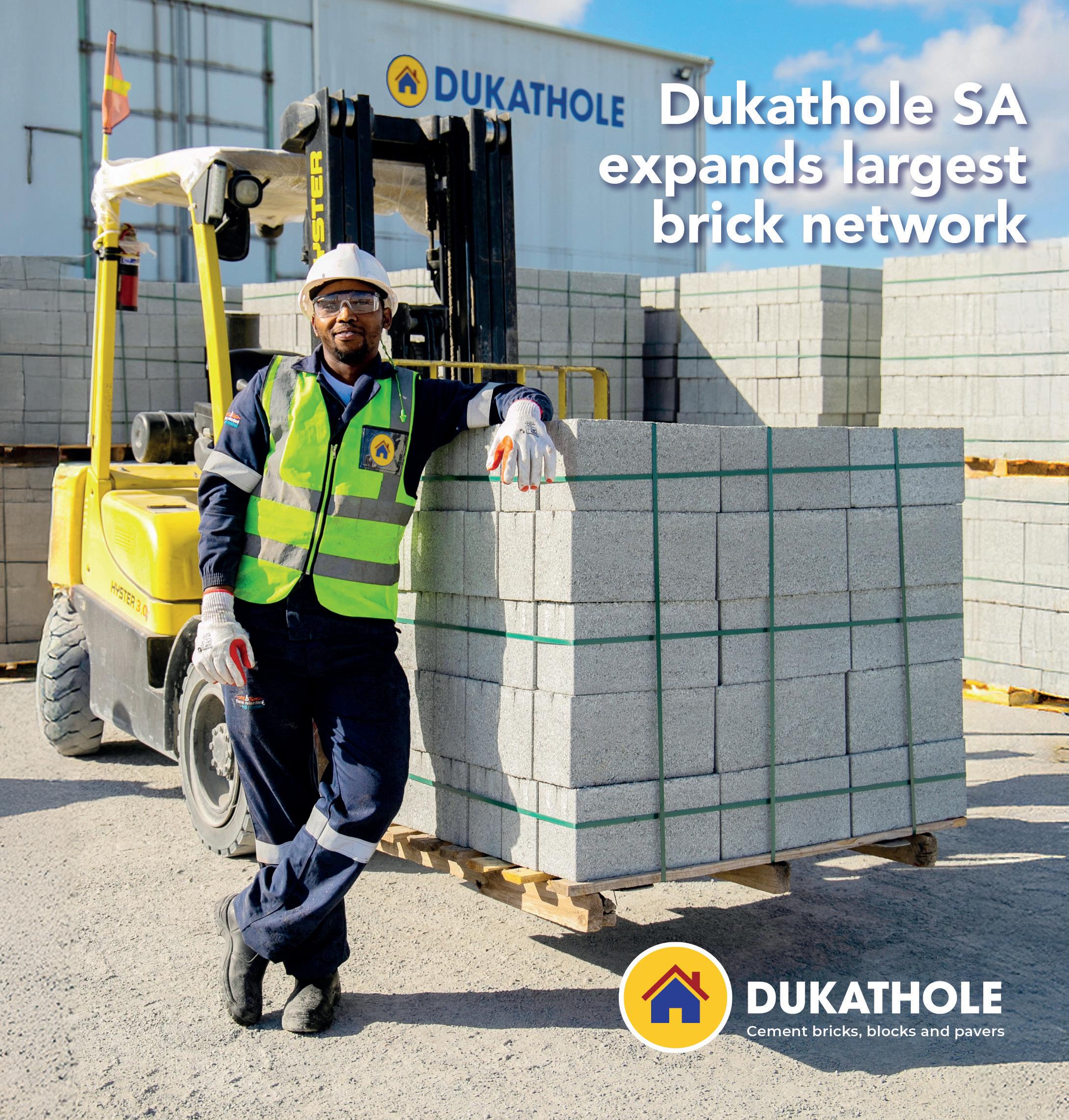
DUKATHOLE SA GROWS THE COUNTRY’S LARGEST CEMENT BRICKMAKING NETWORK
“We do things differently by embracing technology, experimenting with new materials and building systems that allow our clients to order, plan and build smarter.”
Dukathole, long recognised as the Eastern Cape’s leading manufacturer of concrete bricks, blocks and pavers, has expanded into the Western Cape and Gauteng – giving it the most extensive dry-cast concrete products presence across the country.
With production capacity now strategically positioned in South Africa’s three major economic regions, Dukathole is equipped to deliver consistent, high-quality products to both public and private sector developments nationwide.
Built on a foundation of quality
Founded almost 30 years ago in Aliwal North, Dukathole established its reputation for strong, reliable products that helped shape communities across the Eastern Cape.
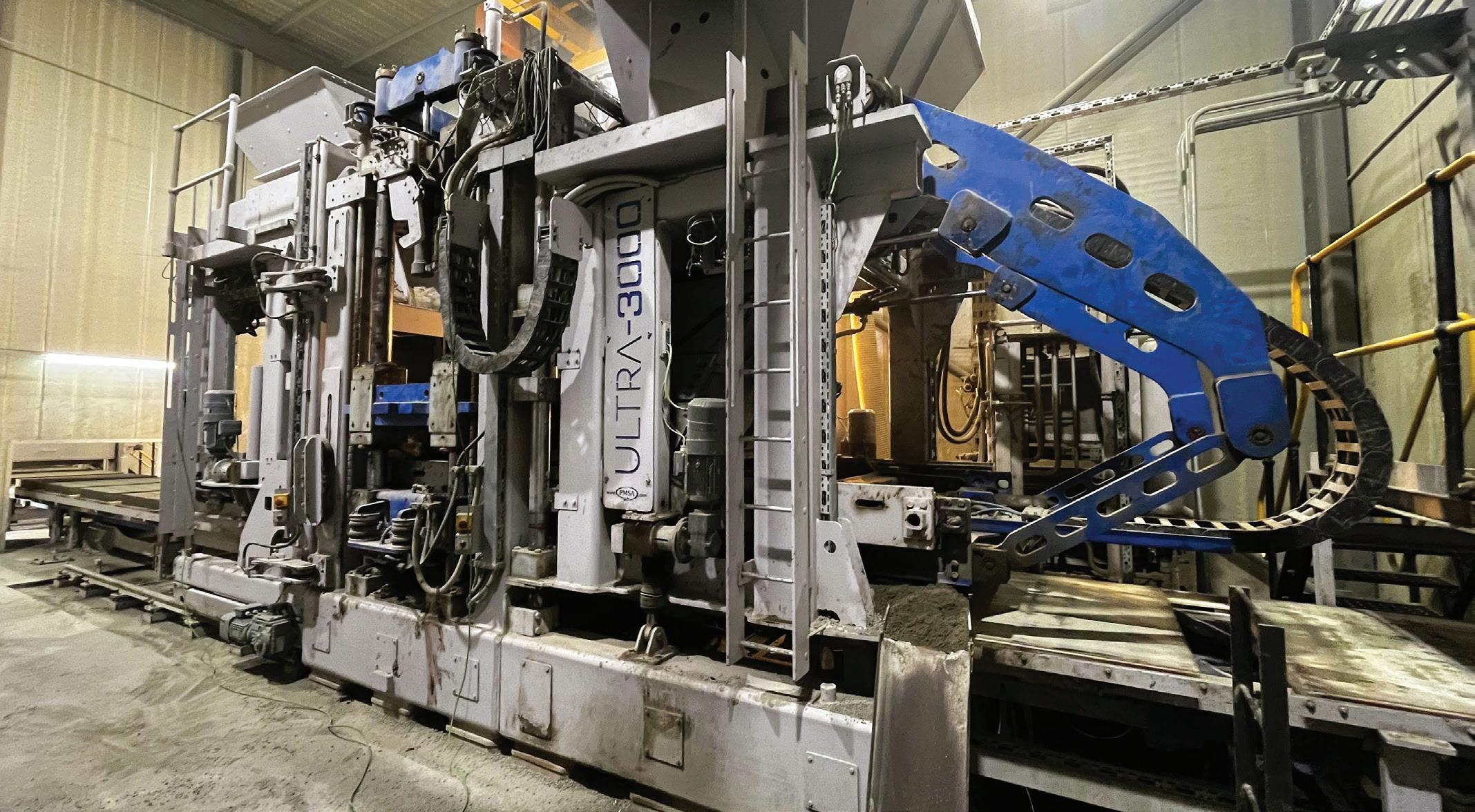
In 2024, the company entered a strategic partnership with diversified industry group, ChromTech Holdings, bringing capital investment and operational expertise. This partnership enabled Dukathole to consolidate production around its flagship East London facility – home to the PMSA Ultra 3000,
the most advanced dry-cast concrete manufacturing system in the country and to plan strategically for its national expansion.
A national network of capacity
Dukathole now operates nine manufacturing machines across South Africa, with a combined production capacity exceeding 90 000 tonnes per month. This scale places the company among the highest-capacity producers of dry-cast concrete products on the continent.
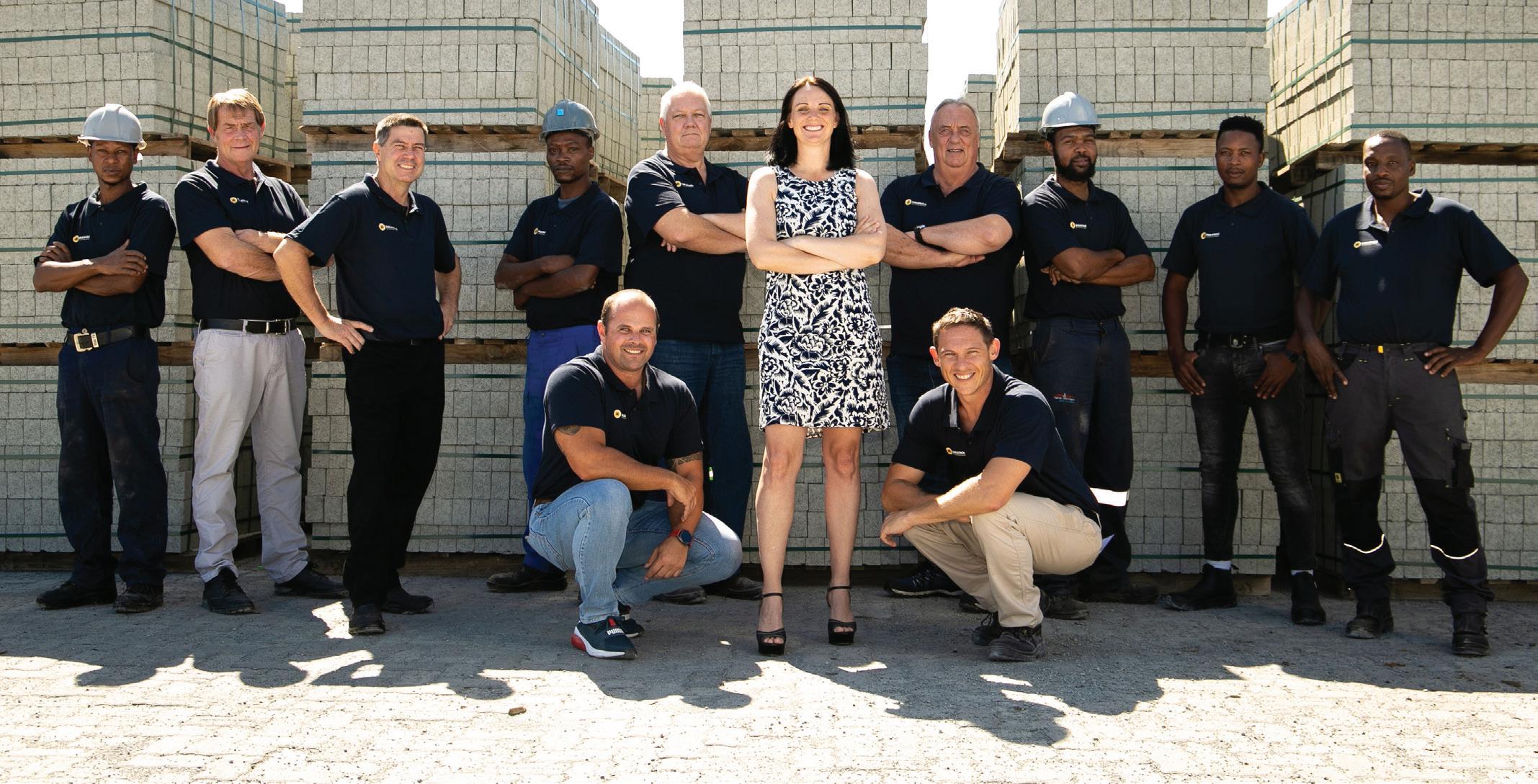
Proud members of the Dukathole team, which now encompasses the Gauteng and Western Cape branches. Back (from left): Teefo Morapedi, Graham Leonard, Gavin Hodge, Thobela None, David Stretch, Tony Loest, Ethan Victor, Sivuyile None and Thabo Rakgwale. Front row: Morne van Staden, Landi Kieck and Gustav Obermeyer.
Its Western Cape and Gauteng facilities are equipped with equally sophisticated systems, ensuring uniform product quality, reliability and efficiency across all regions.
“We are now positioned where our clients need us most,” said Schalk van Wyk, Group Head of Operations at Dukathole SA.
“With strong production capacity in the Eastern Cape, Western Cape and Gauteng, we provide a truly national solution – stable supply, consistent quality and the assurance that we can support projects at any scale. We are
established, we are reliable and we are here to stay.”
Innovation that sets a new standard
Dukathole’s growth is a story of expansion, innovation and intent. As pioneers in South Africa’s cement brick industry, the company continues to challenge convention:
• First in South Africa to offer an online store for purchasing bricks and paving.
• Operator of Africa’s most advanced dry-cast concrete manufacturing system.
• We’re developing new concrete formulations that incorporate a hybrid mineral polymer. This innovation will enable us to absorb 75 tons of previously non-recyclable plastic per day into concrete production, reducing environmental impact.
“We see ourselves as disruptors in an industry that has remained largely traditional,” added van Wyk. “We do things differently by embracing technology, experimenting with new materials and building systems that allow our clients to order, plan and build smarter.
The cutting-edge Ultra-3000 is capable of producing high quality bricks, blocks and pavers at scale. Dukathole now operates nine manufacturing machines across South Africa, with a combined production capacity exceeding 90 000 tonnes per month.
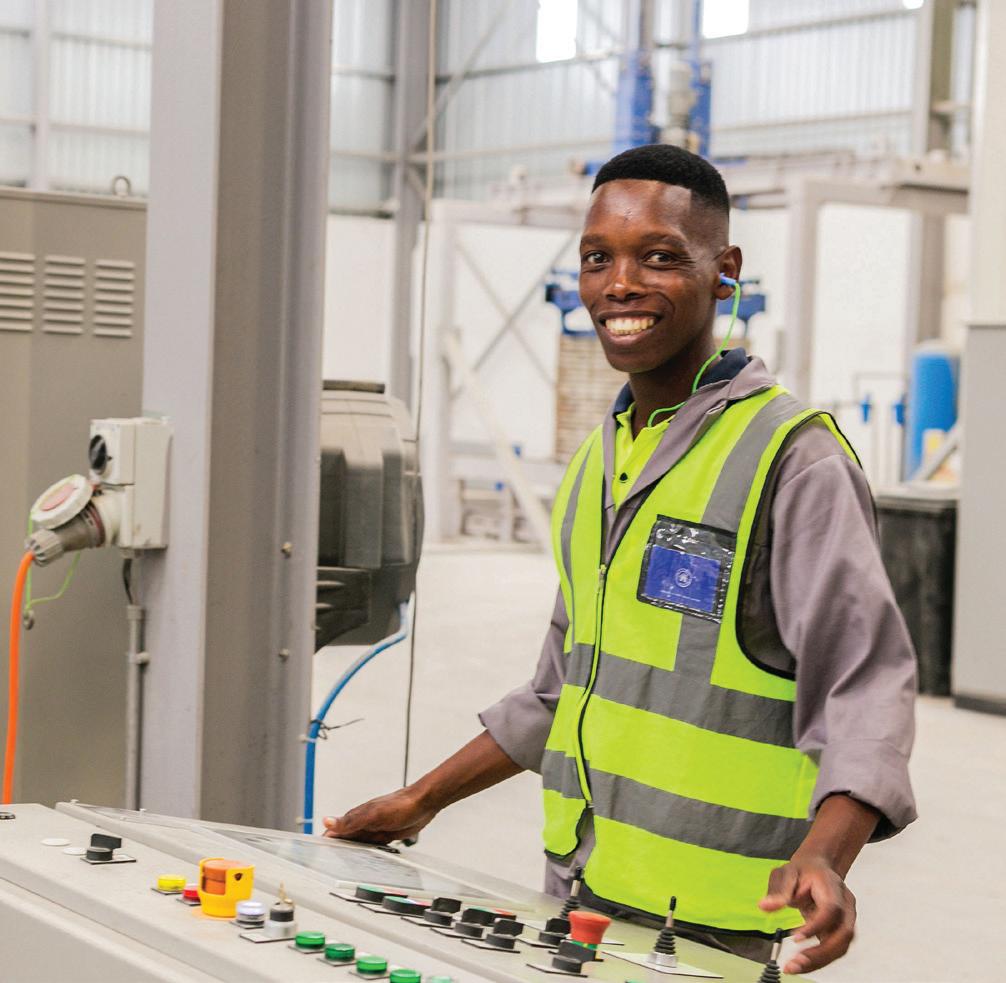
Packer head operator Masibulele Fumbi.
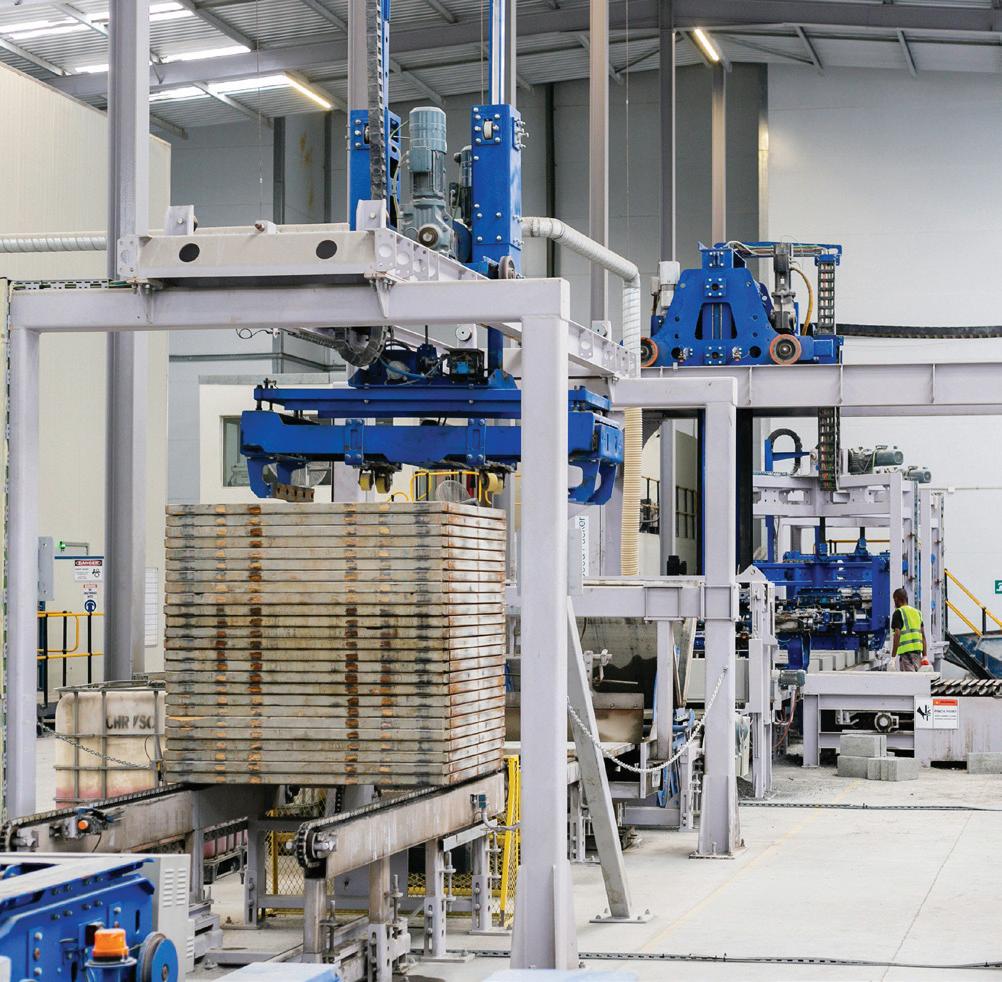
The East London plant.
About Dukathole
“This expansion represents the culmination of years of hard work, strategic planning and commitment to quality. Our Ultra 3000 technology in East London, combined with proven production capabilities in the Western Cape and Gauteng, allows us to deliver superior cement bricks, blocks and
paving nationwide while maintaining the standards that have defined Dukathole for over two decades.
“We’re working towards a grand plan – one we’ve carefully developed and are now bringing to life.”
Dukathole is South Africa’s national manufacturer of high-quality cementitious bricks, blocks and pavers, serving both public and private sector developments. With operations in the Eastern Cape, Western Cape and Gauteng, Dukathole offers scale, consistency and reliable supply to customers nationwide.
About ChromTech Holdings
Founded in 2006, ChromTech Holdings is a diversified industrial group operating across mining, logistics, steel trading, building materials and battery metals.
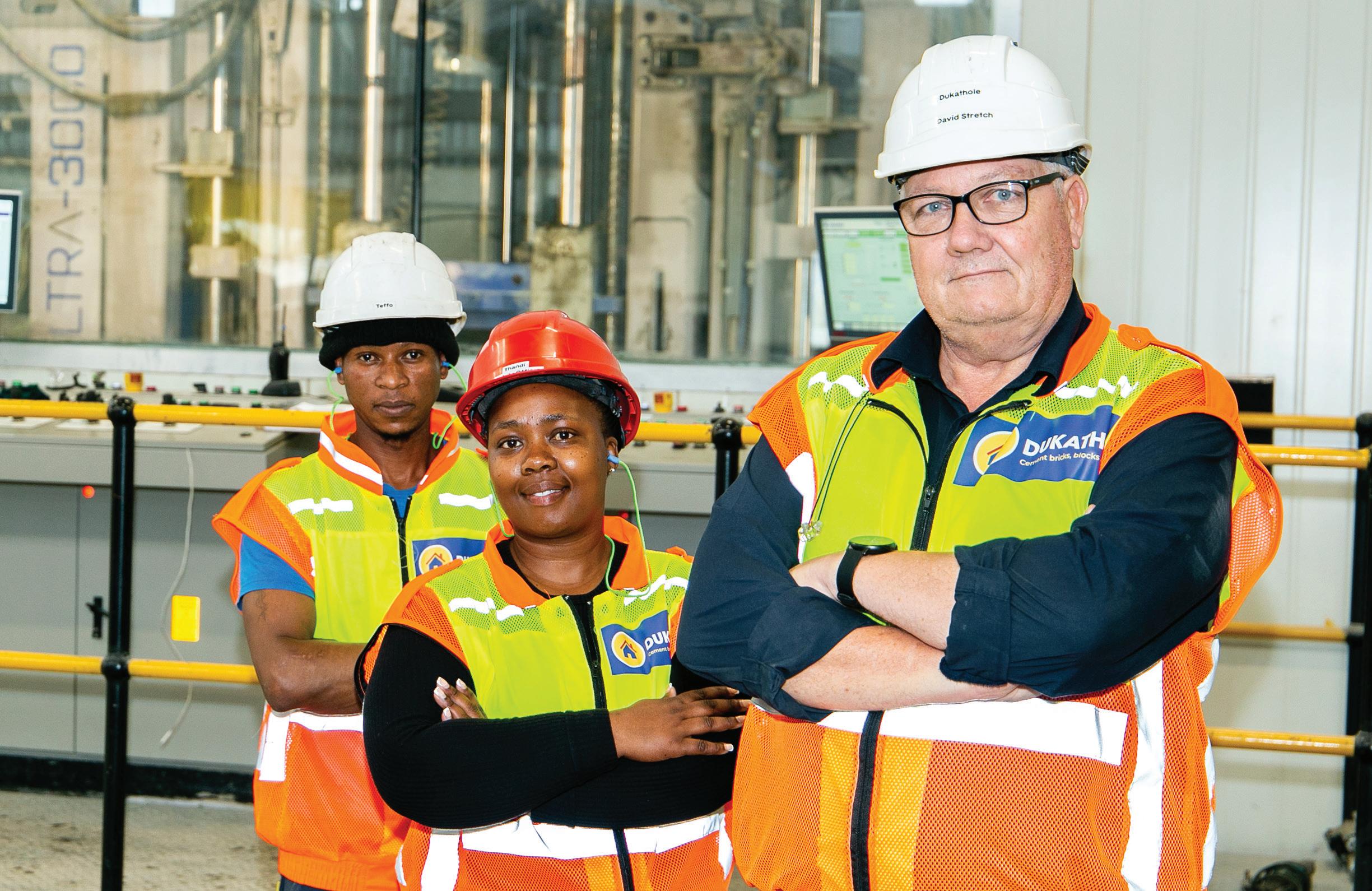
Shift Supervisor Teefo Morapedi, Health and Safety Officer Tandi Roqo and Plant Engineer David Stretch are key members of the Dukathole East London team.
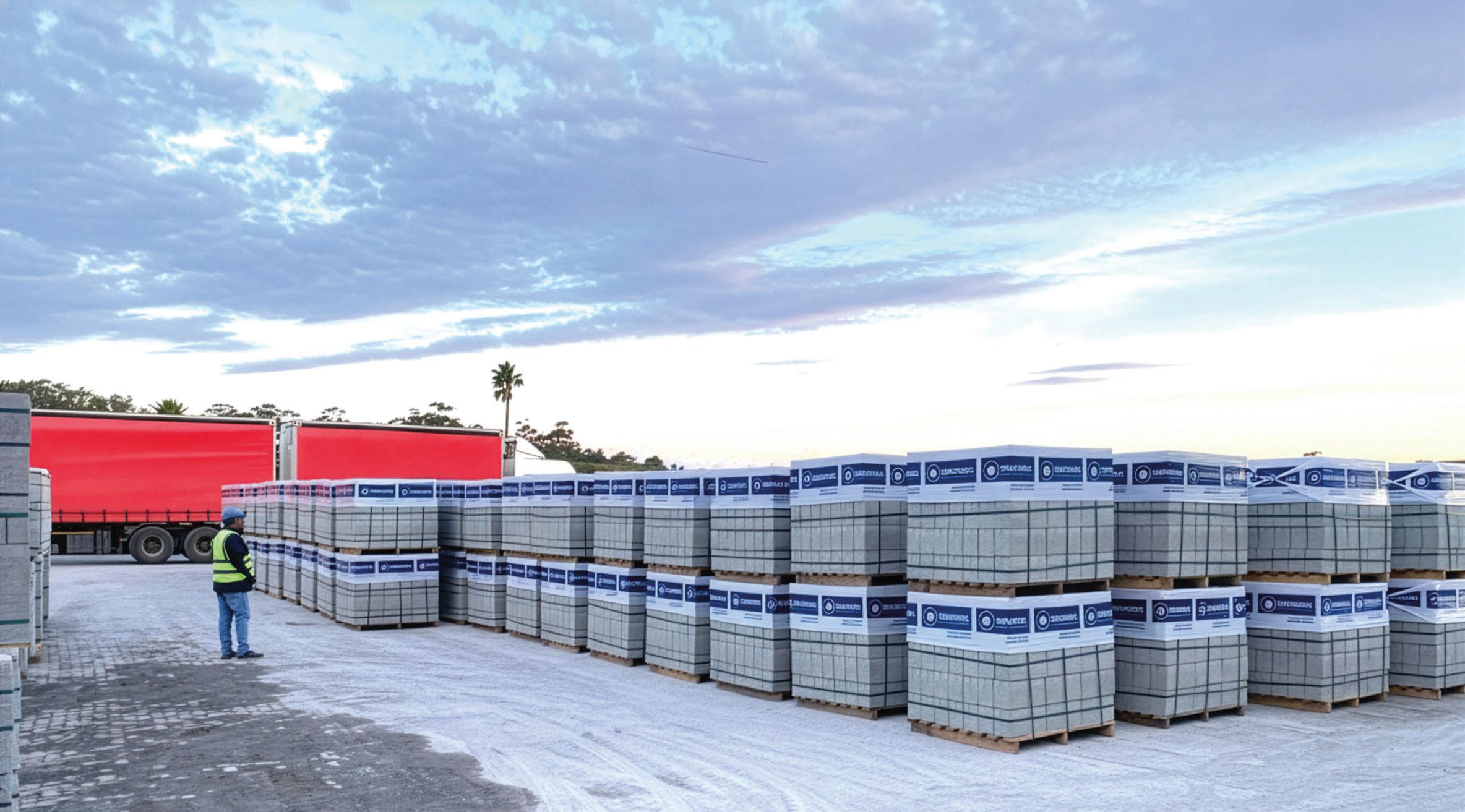
The Dukathole Brickyard
SPECIALTY CONCRETE FOR COMPLEX WATER TOWER PROJECT
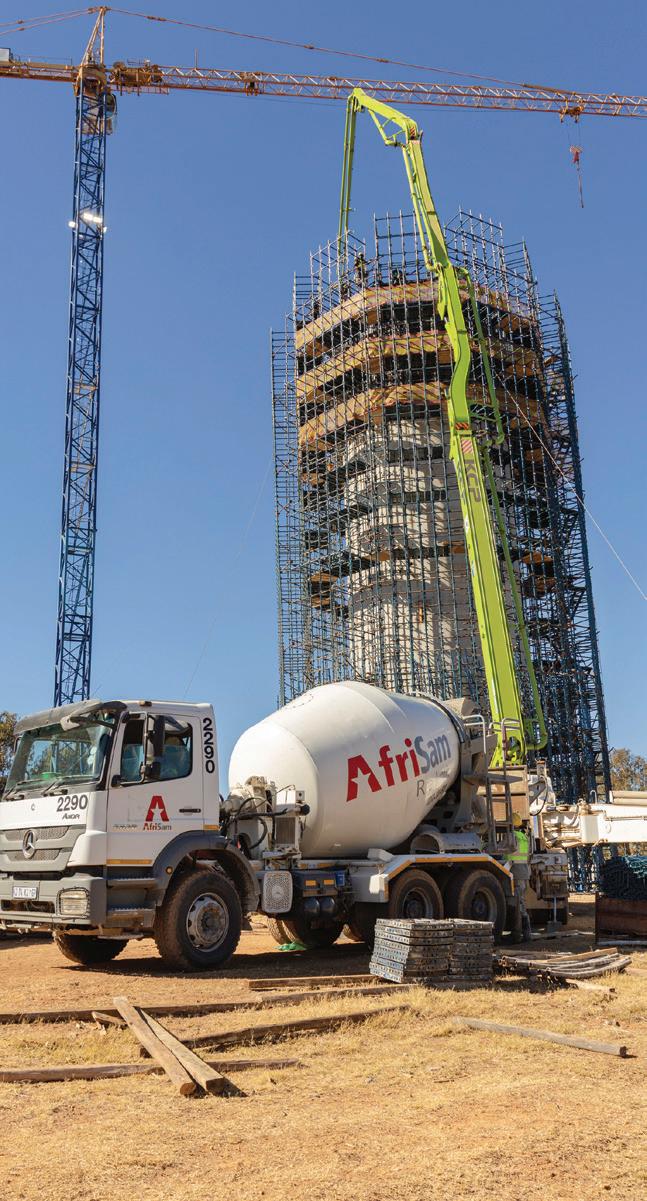
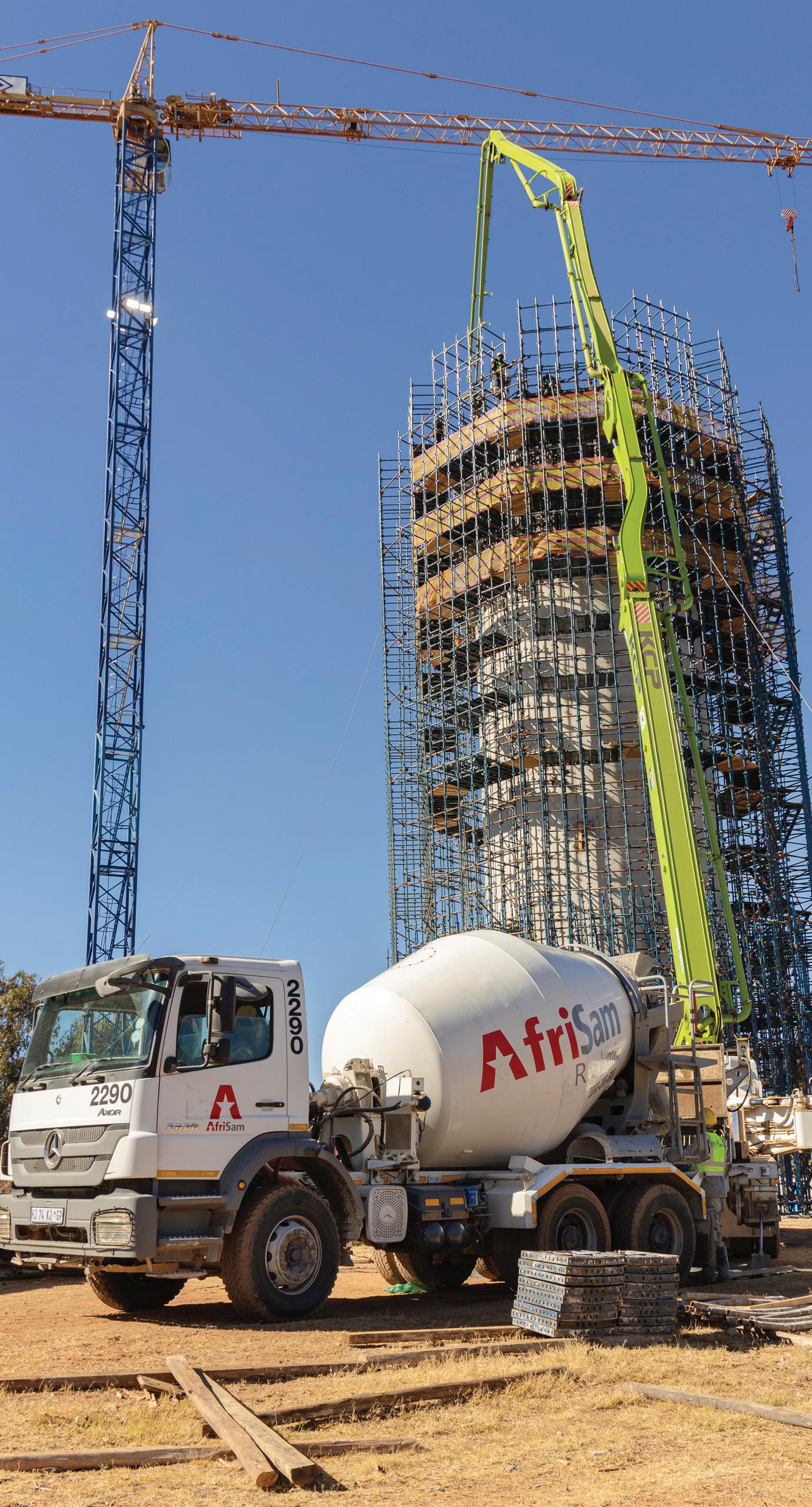
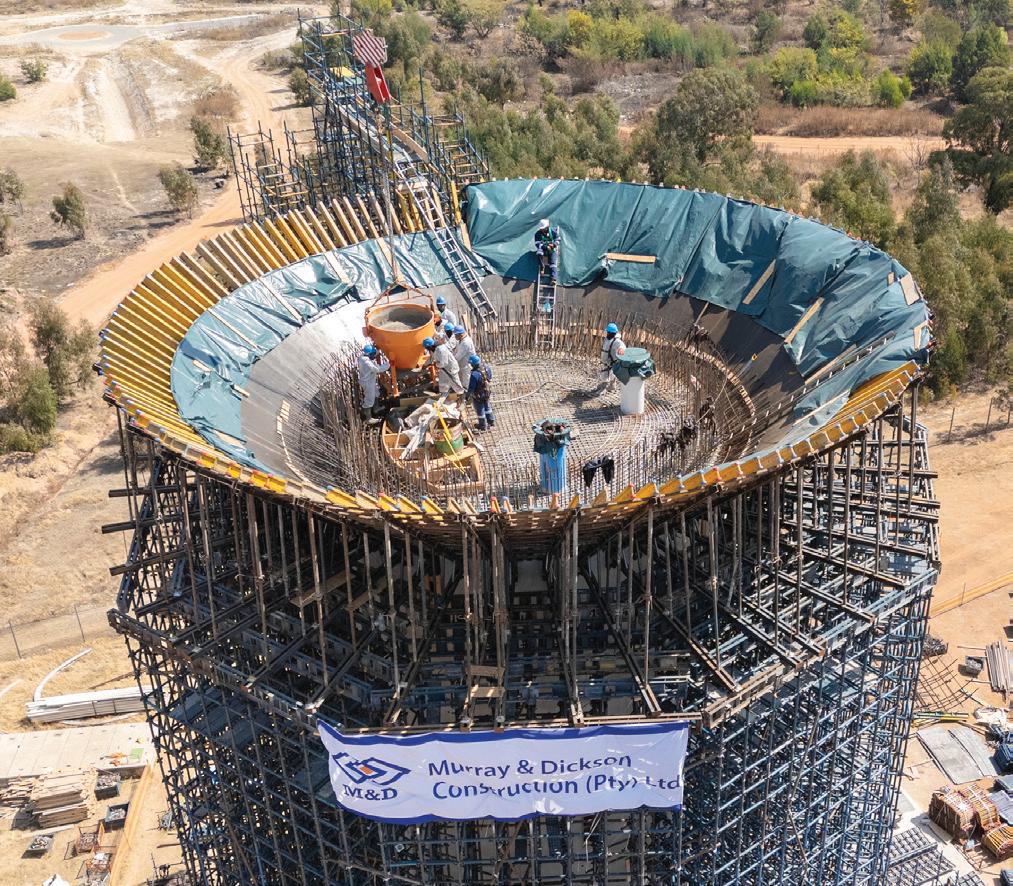
AfriSam is playing a pivotal role in the construction of one of Gauteng’s largest and most technically complex water towers, supplying specially designed readymix concrete to meet both structural and seismic performance requirements.
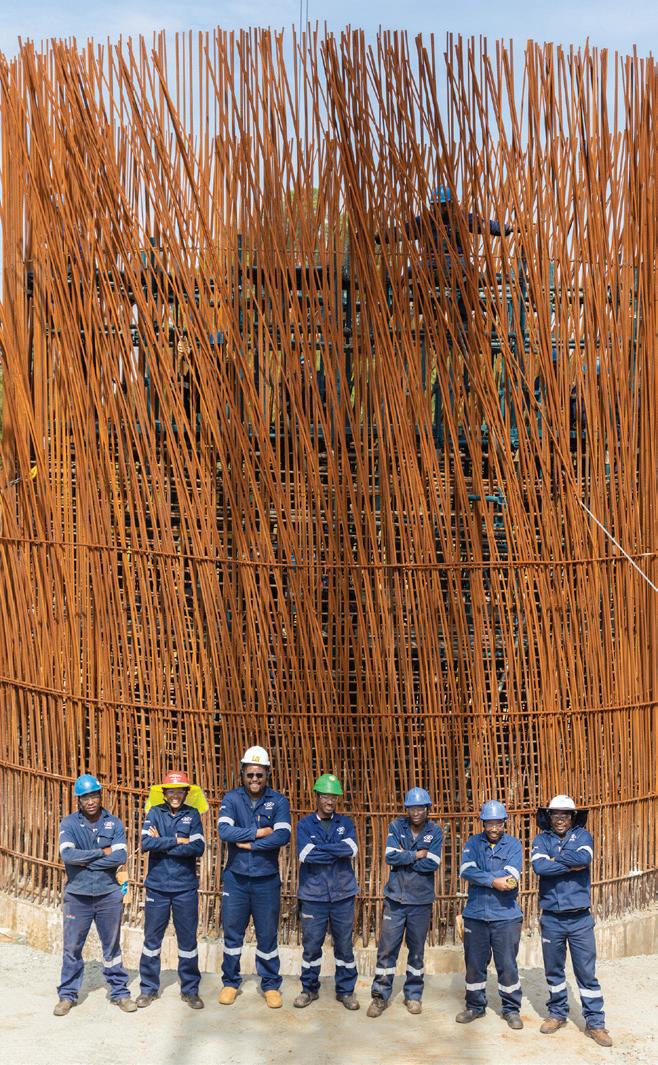
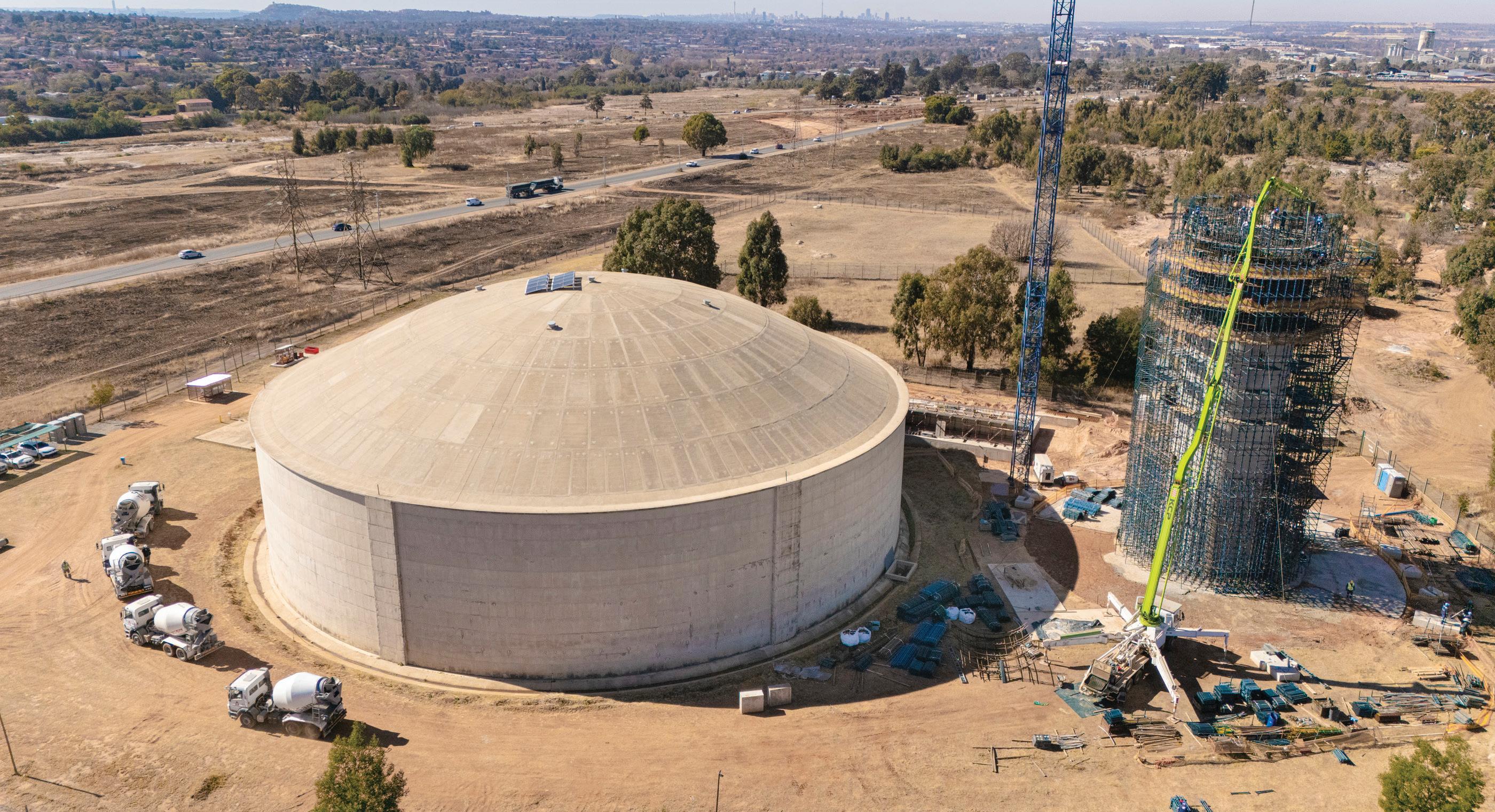
Located near Main Reef Road south of Johannesburg, the 43-metre-high water tower will store 3,2 mega litres of water to support the new Goudrand mega city development. With construction led by M&D Construction and engineering design by SCIP Engineering Group the project has demanded highly customised concrete solutions from AfriSam. The structure is located in a seismically active zone and required additional reinforcement in the lower section of the shaft to withstand ground acceleration above 0,1g. This called for increased steel density and a concrete mix that could deliver strength, flowability and controlled heat of hydration.
AfriSam’s Product Technical Team Leader, Mduduzi Ndlovu, explains that the concrete mix was developed with a high proportion of supplementary ce-
mentitious materials (SCMs) to reduce the heat generated during curing. “The base mix comprised 70% ground granulated blastfurnace slag (GGBS) and 30% AfriSam High Strength Cement, reducing the ordinary Portland cement (OPC) content to just 20%,” says Ndlovu. “Despite the low OPC content, the mix exceeded expectations achieving the target strength of 51 MPa was achieved in only 28 days in relation to the designed 56 day requirement.”
The construction process placed high demands on the readymix in terms of both slump control and delivery precision. With over 210 kg of rebar per cubic metre in some sections, AfriSam
developed a high slump pump mix for vertical pours, while limiting slump to 130 mm for slanted sections to avoid concrete sliding off shuttering.
Sheldon Temlett, contracts manager at M&D Construction, highlights the importance of this mix performance. “With such dense steel and complex geometry, AfriSam’s mix gave us the workability we needed without compromising quality. Their team worked closely with us to adjust slump levels and plan deliveries around our 12 m³/ hour pour rate.”
AfriSam territory manager Toni Williams adds that logistics were carefully aligned with construction progress
to avoid delays or idle time on site. “Coordination was key to supporting M&D’s controlled rise rate of 1 metre per hour, especially as the concrete had to partially set before each formwork lift could proceed.”
Construction of the Main Reef water tower began in September 2024 and is scheduled for completion in April 2026. Once commissioned, it will provide essential water infrastructure to approximately 20,000 homes in the Goudrand housing development a major project spearheaded by the Gauteng Department of Housing, the City of Johannesburg and Blue Print Housing.
Constant communication between AfriSam and M&D Construction was vital to ensure the correct number of trucks arrived and delivered exactly what was needed.
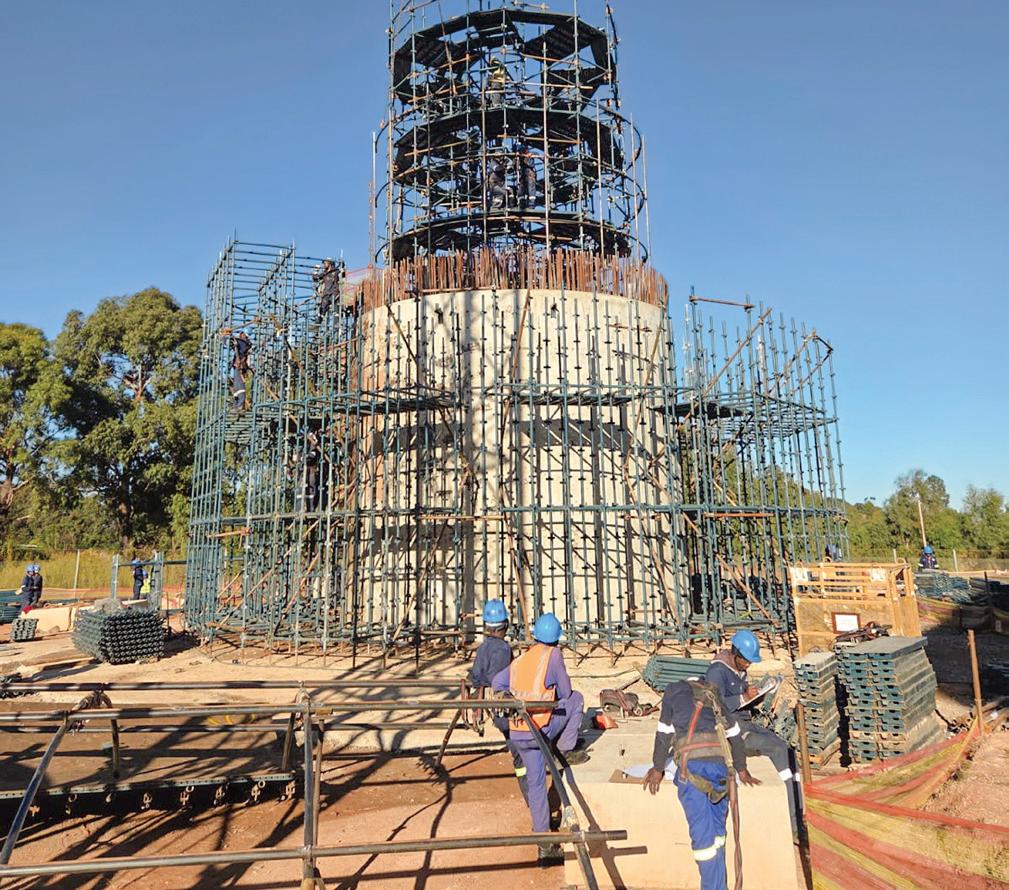
The design of the tower’s first 8 metres was particularly crucial, as this section would experience the greatest stress during a seismic event.
The concrete shaft, 8 metres high and 500 millimetres thick,transitions into a cone-shaped reservoir with a floor up to 1.2 metres thick and a final diameter exceeding 26 metres.
MANUFACTURER UPGRADES STRATEGIC EQUIPMENT
Leading South African manufacturer of precast concrete products and paving solutions, Bosun, has announced a major investment to upgrade its German-engineered manufacturing equipment.
This strategic initiative reinforces Bosun’s commitment to operational excellence and long-term sustainability in the construction materials industry. Over the next 24 months the upgraded components will be rolled out across all Bosun facilities nationwide. This large-scale deployment ensures that Bosun remains at the forefront of technological advancement in concrete manufacturing while significantly improving production capacity.
“This investment represents an investment in our people and customers,” says David Wertheim Aymes, CEO of Bosun. “By modernising our manufacturing infrastructure and embracing innovative plant design we ensure that Bosun remains a trusted leader in delivering world-class products to a changing market.”
The equipment upgrade is also a catalyst for workforce development. Bosun will roll out advanced training programmes for its block makers equipping them with the skills and technical knowledge needed to operate and maintain the new systems. This ensures that employees grow alongside the company’s technological advancements.
This upgrade reinforces the company’s commitment to continuous improvement and its responsiveness to the evolving needs of the construction and
infrastructure sectors across Gauteng, Northwest and the Eastern Cape. Customers can expect greater consistency and improved service delivery across all operations.
Founded in 1995, Bosun is a manufacturer of precast concrete products including paving, kerbs, retaining wall block and other infrastructure solutions. With multiple factories and a strong track record of innovation, Bosun is committed to supporting local economic development.
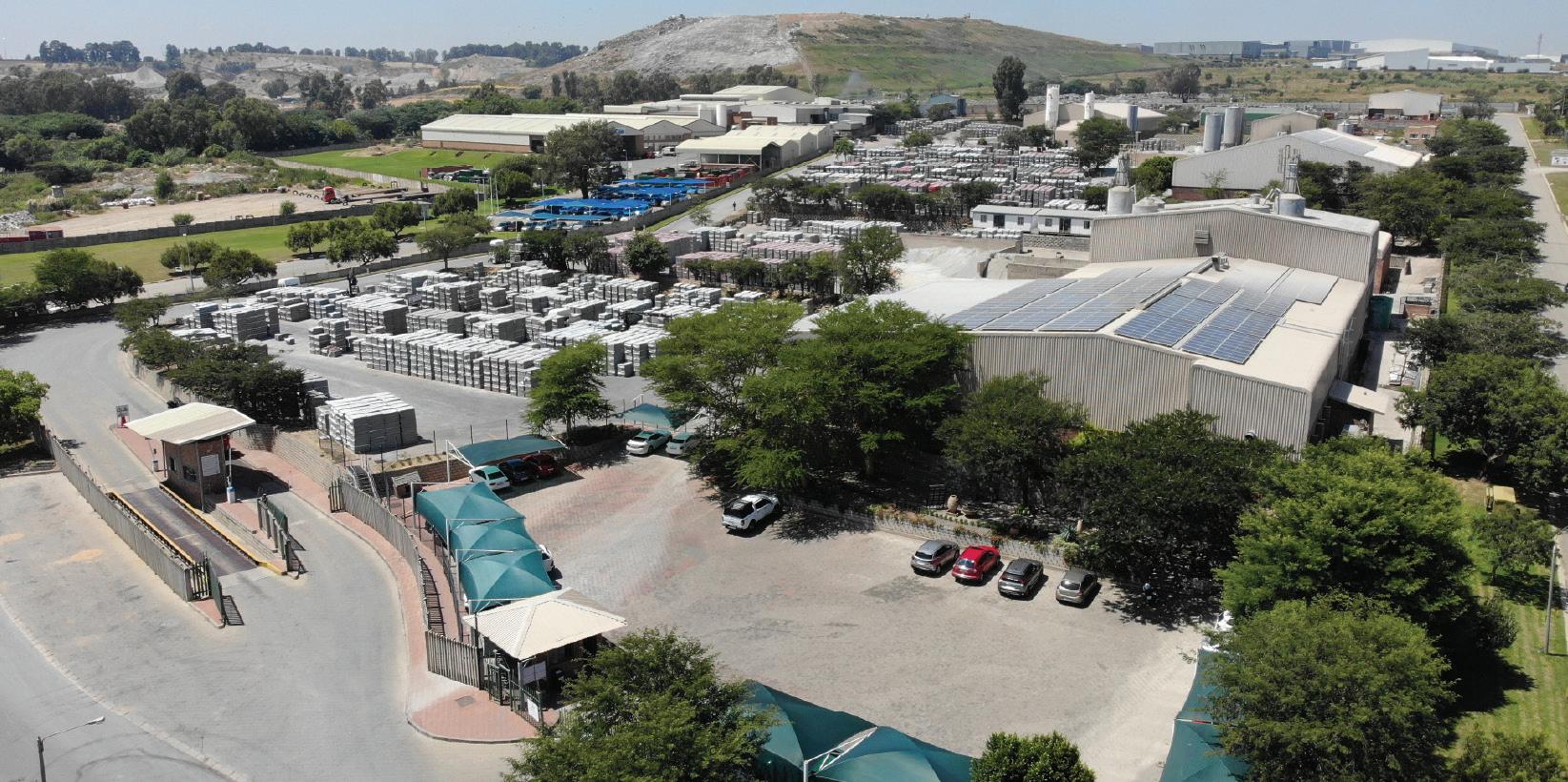
The Bosun Manufacturing Facility in Midrand
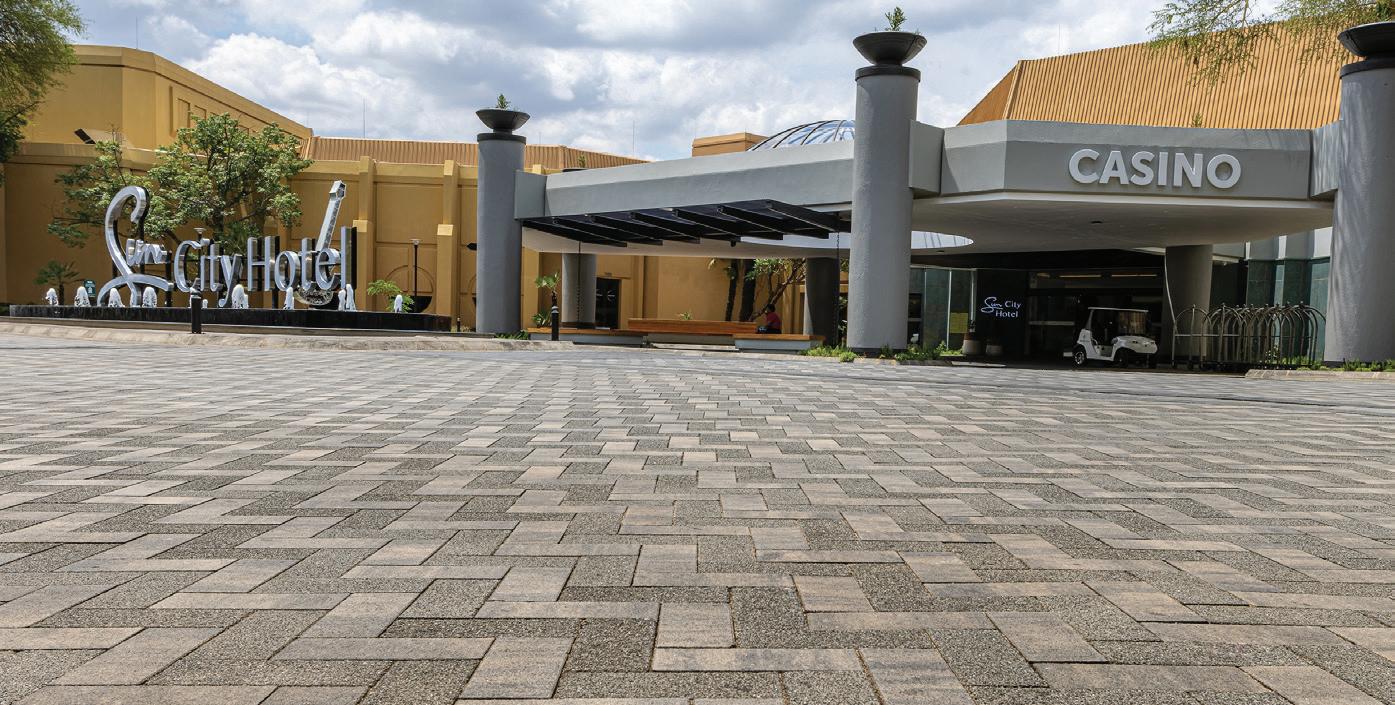
A completed installation of Bosun pavers at Sun City
BUILDING THE FUTURE OF GREEN INDUSTRIAL INFRASTRUCTURE
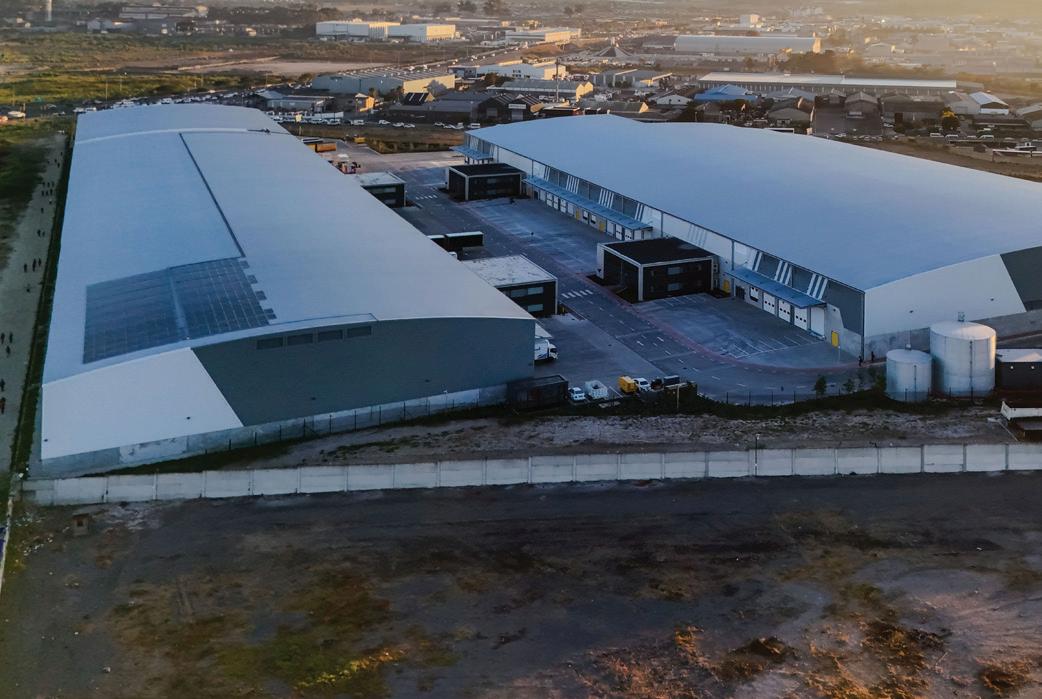
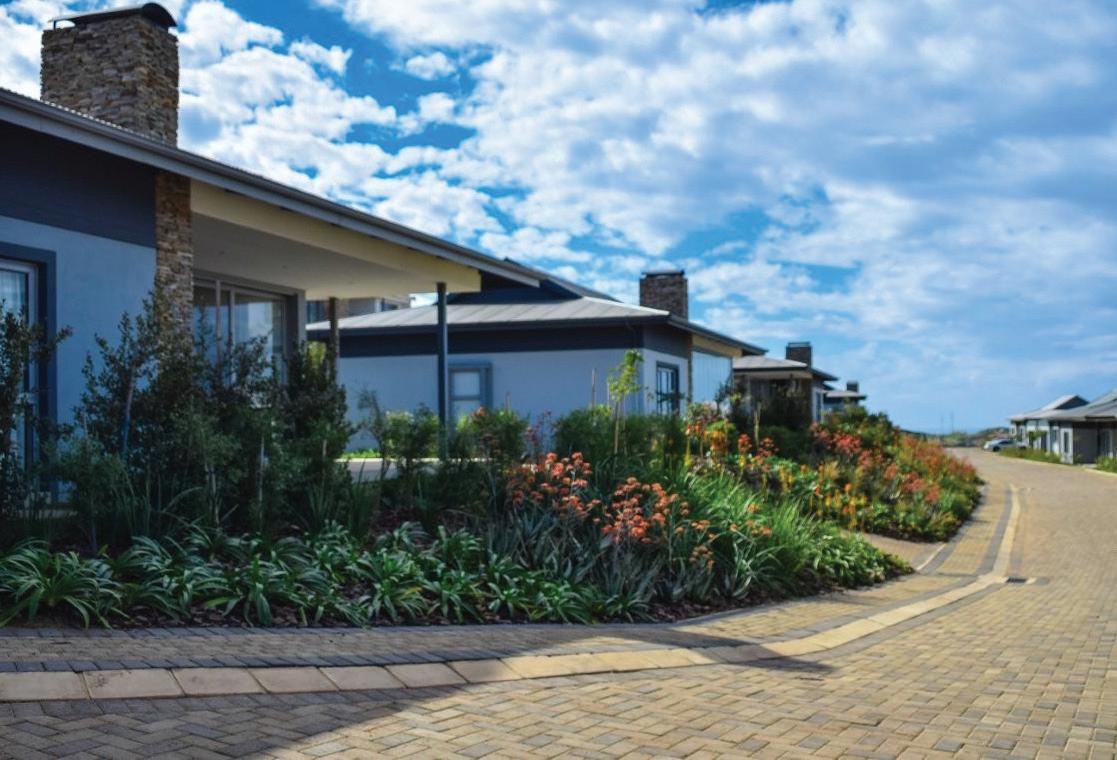
Located on a previously neglected site devoid of indigenous vegetation and biodiversity, Arterial Industrial Estate in Blackheath, Cape Town is a beacon of green industrial infrastructure.
Developed by Growthpoint Properties the 41 847m2 industrial development was designed to meet the needs of contemporary industries as they evolve, with a strong emphasis on environmental sustainability.
WSP is a leading global multidisciplinary professional firm appointed to provide sustainability consulting services for the project. Its African team of sustainability experts supported the client’s vision to establish a high-quality industrial park that offered spatial flexibility and operational efficiency to attract forward-thinking tenants who value low-carbon operations and resource conscious infrastructure.
“Our approach was rooted in guiding the project team toward sustainable design solutions that aligned with both the site’s characteristics and the client’s ambitions. We adopted the Green Star Custom Industrial Tool early in the design process to inform and shape the sustainability strategy ensuring that all key environmental criteria were addressed. The project pursued both Design and As-Built Green Star certifications, successfully achieving a
four-star rating at each stage and demonstrating a consistent commitment to sustainability,” says Iphendule Ndzipho, sustainability consultant: Built Ecology, WSP in Africa.
The company focused on integrating environmental performance into every aspect of the development ensuring that the building would meet certification standards and deliver long-term value.
The project consisted of two phases. Phase 1 (Building A) includes five warehouse/office units, and Phase 2 (Building B) adds six units totalling a Gross Floor Area (GFA) of 41 847m², with 37,716m² dedicated to warehouses and 4,131m² to offices. Its strategic location near major roads, air and seaports ensures efficient market access and logistical connectivity.
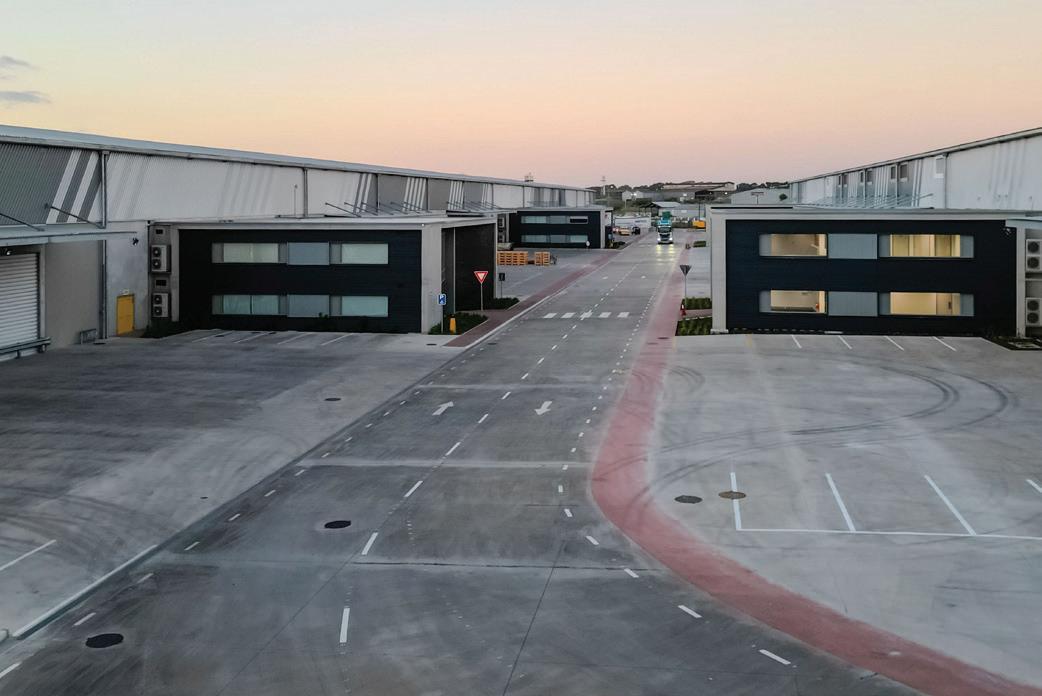
The development offers flexibility in unit configuration allowing tenants to link spaces for larger operations either at inception or during future expansion. It consists of 11 flexible warehouse units, usable individually or combined. Each warehouse unit includes a dedicated two-storey office administration block ensuring integrated functionality and professional workspace environments.
The site accommodates 392 standard
parking bays and 12 accessibility bays, supplemented by 22 bays for fuel-efficient vehicles and 22 for motorcycles. It includes bicycle facilities for employees to reinforce the development’s commitment to low-carbon mobility, while encouraging active transport choices and promote an affordable mode of transport. Each warehouse unit is equipped with locker and shower facilities, enhancing employee comfort.
“Our aim was to deliver a decarbonised design that ensures a lower carbon emissions operating environment,” says Nzipho. “To achieve this, sustainability initiatives ranged from supporting sustainable commuting to water and energy efficiency and re-introducing biodiversity to the site.”
A centralised waste management and recycling storage room services the entire development, supporting operational efficiency and environmental responsibility. At least 80% of the office floor space benefits from natural light and external views, with blinds installed to manage direct solar radiation and reduce heat gain. Offices are equipped with LED lighting and override switches to enhance energy control.
The development’s carbon footprint is mitigated by a 162.4kW grid-tied
Arterial Industrial Estate aerial view
Arterial Industrial Estate street view
solar photovoltaic plant contributing to reduced grid dependency and operational cost savings. The energy consumption of each unit (warehouse and office) is individually metered and monitored via a cloud-based system enabling real-time tracking and performance optimisation which allows for targeted efficiency improvements.
Indoor environmental quality is prioritised through dedicated fresh air fans delivering a minimum of 12.5 litres of fresh air per person. The Variable Refrigerant Flow (VRF) HVAC systems installed throughout the offices provide efficient heating and cooling aligning with global climate control targets. For unit A5 in Phase 1 R32 refrigerants were selected for their lower Global
Warming Potential (GWP), approximately one-third that of R410A, significantly reducing the environmental impact of HVAC operations.
The selected SANWARE fittings and fixtures used in these facilities are inherently water efficient, reducing potable water consumption. Each unit is individually metered, allowing for the detection of irregular use, consumption patterns and at the same time promoting tenant accountability. While irrigation is managed via an automated controller to ensure responsible water use.
Finally, the previously neglected site that was devoid of indigenous vegetation has undergone ecological revitalisation as part of the development.
Two attenuation dams were constructed to manage stormwater runoff transforming the landscape and introducing natural elements into the industrial setting that support the reestablishment of biodiversity.
Having achieved its Four Star Custom Industrial Green Star rating, Arterial Industrial Estate is a benchmark for sustainable industrial development. The project’s strategies reflect commitment to environmental stewardship and helps shape the future of green industrial infrastructure in South Africa.
Additionally, the Arterial Industrial Estate Phase 2 submission was named Runner-Up for Best Quality Submission for new developments, at the GBCSA Leadership Awards 2025.
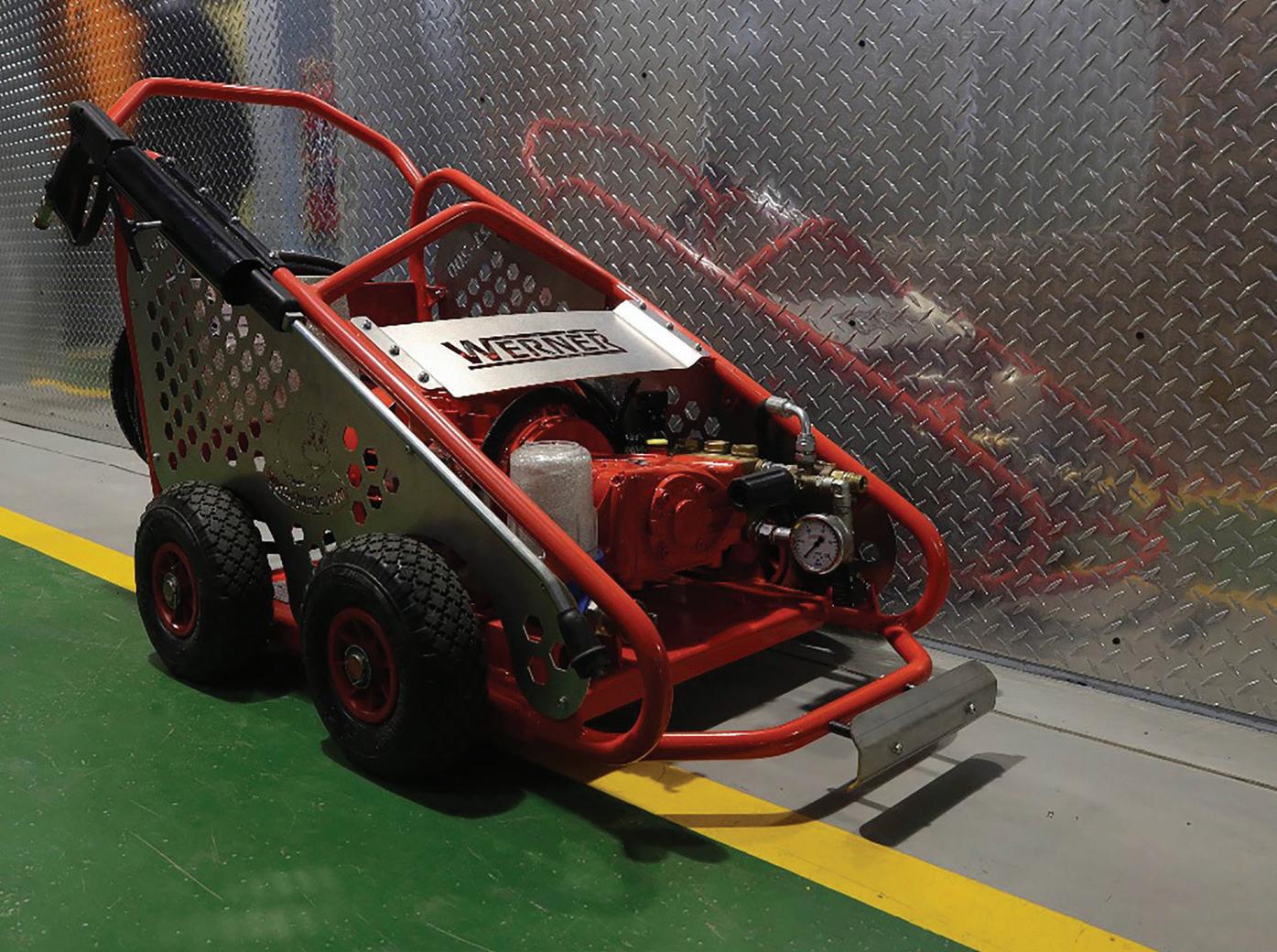
WERNER PUMPS LAUNCHES REDESIGNED INDUSTRIAL HIGH-PRESSURE WASHER
Werner Pumps has launched its fully redesigned range of industrial high-pressure washers, engineered for medium- to heavy-duty applications and built with a “racing-car” style cart that boosts maneuverability, stability and on-site safety.
The expanded line-up includes both electric and petrol variants with 220V, 380V 3-phase and petrol engine driven options delivering 150 to 250 bar of pressure. Every unit now ships standard with a 10 m hose, high-pressure gun, low-water inlet switch and a thermal-overload trigger stop for operator protection. The new chassis and component layout are designed to be robust and low maintenance. They are available with a lead time of two weeks from order to delivery.
“Customers told us they wanted a washer that’s tough, easy to move and effortless to maintain So we re-engineered the platform from the ground up. The new ‘racing-car’ cart lowers the centre of gravity, protects critical components, and makes hose and gun handling simpler on busy sites,” says George Jolly, national sales manager.
The washers are suitable for cleaning construction plant and equipment, including the jetting and vacuum trucks Werner Pumps manufactures and supplies, as well as other cleaning appli-
cations in concrete and construction plants. The revamped range handles persistent grime, oils and debris with consistent output and operator-first safety features.
“Reliability and safety are non-negotiable in our world. We believe the improved range offers a solid range of options that will meet customer needs and we also see this as a way to extend our reach into new markets,” says Werner Pumps managing director, Sebastian Werner.
For over 30 years, Werner South Africa Pumps & Equipment has designed, manufactured, supplied and maintained specialist high-pressure jetting equipment.
The company has built a reputation as a local industry leader through its focus on delivering high-quality, low-maintenance, 100% South African manufactured products that last while considering customer’s budgets.
INDUSTRY LEADERS VIEWS ON THE YEAR AHEAD
Despite tough trading conditions in the construction industry persisting through 2025, AfriSam remains a trusted partner, consistently delivering high-quality materials and reliable service. “We understand that a strong foundation of skills, experience and technical proficiency is vital for long-term sustainability,” says Richard Tomes, AfriSam Sales & Marketing Executive. By investing in people, processes and operations, AfriSam has remained resilient. Looking to 2026, AfriSam anticipates a gradual uplift in infrastructure investment and is committed to play its part in enabling growth and creating concrete possibilities through sustainable solutions.
“We’re seeing a slight upswing in the building industry, which is encouraging. However, the lack of business integrity and commitment to innovation, combined with the ever-present building mafia and tender fraud, are holding everyone back.
At Terraforce, we remain committed to building an honest brand that contributes to a sustainable future for the communities we serve. Innovation, not imitation and fair competition, not price fixing — these are principles we will not compromise on.
The industry has immense potential but realising it requires a collective commitment to integrity and innovation over short-term gains.”
In 2025, South Africa’s precast concrete industry has navigated a complex landscape with steady demand from housing, commercial and infrastructure projects, despite economic and logistical hurdles.
At Cape Concrete, we’ve focused on efficiency and product innovation to stay competitive and meet client expectations.
Looking ahead to 2026, we anticipate stronger growth as government and private sector investment in sustainable construction gains momentum, offering new opportunities for collaboration and expansion.
We remain committed to delivering quality, sustainable products to support South Africa’s development goals, anticipating a dynamic year ahead for the industry.
AfriSam Richard Tomes
Johan Nel Cape Concrete
Elgin Rust and Karin Johns Terraforce
Lenny
C.E.L. Paving
Having invested heavily into plant additions and improvements in 2024, we hoped that the market would be favourable to us in 2025 – and it certainly did not disappoint. A number of projects which we had earmarked to supply came to fruition – the largest of which were the two new MyCiTi bus depots between Khayelitsha and Mitchells Plain. It is our hope and expectation that, with the amount of investment planned for the Western Cape in the short to medium-term, the coming years will see continued growth for C.E.L. and for our clients who continue to support us. Roll on 2026!
Global Precast
Business in 2025 has been very good for the precast concrete industry, driven by major SANRAL projects and continued private residential developments. The strong demand has created solid growth opportunities and emphasized the importance of reliability and quality in our products. Looking ahead to 2026, we expect business to remain strong, driven by expanding infrastructure and housing needs. Our success will continuetorelyonmaintainingstrong customer relationships and delivering consistentserviceexcellence.
Sibusiso Hlatshwayo Chryso East & South Africa
Chryso Southern Africa enters 2025 with an enhanced focus on sustainability and tailored innovation. As part of Saint-Gobain, the company is accelerating the rollout of solutions for low-carbon, high-performance concrete and cement, with a strong emphasis on environmental impact reduction and CO2 reduction at source. In 2026, I expect continued investment in circular construction technologies and material performance. With ISO-certified operations and a footprint spanning the continent, Chryso is positioned to contribute in eco-conscious infrastructure and responsive, solution-oriented customer partnerships with a footprint across the African continent.
PMSA kicked off 2025 facing tight trading conditions, but by mid year the market steadied and we closed the year with a full order book. South Africa’s cement sector is set to expand at an 8.1 % CAGR, in 2025, buoyed by robust infrastructure and housing programmes. Improved electrical grid stability and less load shedding in 2025 has given manufacturers confidence. 2026 is projected to have a strong pipeline of Southern African projects, which promises an even brighter 2026.
The Precast Concrete industry in South Africa reflects a landscape of mixed fortunes, marked by both resilience and adversity. Challenging economic conditions continue to exert pressure on manufacturers, driving demand for cheaper alternatives and resulting in a concerning influx of substandard products. This compromises quality standards and intensifies competition. Government infrastructure investment remains constrained, though private sector activity offers some relief. Despite these hurdles, the industry maintains a fragile equilibrium of supply and demand. Encouragingly, new entrants and existing manufacturers are responding through strategic restructuring and diversification. Notably, members of the Concrete Manufacturers Association uphold consistent quality, reinforcing the importance of industry standards in turbulent times.
2025 has been a good year. The massive influx of people moving from upcountry to the coast has brought with it massive development. I foresee this to continue for many years to come. I have also noticed an upswing in business in Africa. Zimbabwe, Botswana leading the pack.
Gorgulho
Henry Cockcroft Concrete Manufacturers Association (CMA)
Nigel Brown Concrete Moulds
Willem-Daniel van Dyk
Quintin Booysen PMSA - Pan Mixers South Africa
In the absence of any stimulation from government policies, the lack of infrastructure or housing projects, a high interest rate, stifling mining and exploration legislation, plus massive corruption in the construction industry, there has been little economic activity visible this year. Actual GDP growth in SA of less than 1% compared to the 5% average growth for the rest of sub-Saharan Africa declared by the IMF seems to verify this synopsis.
Unless there are drastic changes made by the SA government the status-quo in SA is foreseen to continue well into the second quarter of 2026.
However, the export markets will continue to be promising particularly in the non-English speaking African countries where mining and exploration activity is driving growth in many sectors.
The year, 2025 has been a great year for us and we have had some significant growth in both commercial and domestic projects
We have invested in new products and designs which have been very successful in driving new sales in these new markets
We have diversified our range and the large commercial projects for 2026, will prove a significant growth area for us
Domestic market which is historically our biggest and most lucrative has been up on 2025 and we see this trend continuing into 2026 with semi-gration and local home improvements increasing as property values rise as demand exceeds supply
We had satisfactory business performance during the current year, driven by the semi-gration trend of people to the Southern Cape over the past number of years. The excellent governance by local municipalities in general in our market area – maintaining and investing in infrastructure capacity for future growth, has worked hand-in-hand with this trend to contribute to a good business environment. We expect 2026 to be much the same, with steady growth expected. Mobicast with its balanced spread of products to the housing and infrastructure sectors, is well positioned to take advantage of this economic environment.
With the challenges we all experience living in South Africa we did not expect much for 2025. The year started slowly but gained momentum from the beginning of March. Construction projects in Gauteng have not been huge but there is a lot happening in Cape Town. We have seen a lot of Gauteng based companies do the move down to the Cape giving our Cape Town branch the opportunity to exceed all sales targets expected for the region. We are hoping that 2026 being an election year we will see a roll out of projectsinJohannesburg.
Grahame Jessop Protile
Chris van Zyl Mobicast
Alex Cyprianos Revelstone
Cindy Engels A.SHAK
In 2025, Steps and Stairs is proud to expand across South Africa’s infrastructure and housing sectors. With the construction market set to grow, we’re meeting demand for fast, high-quality and sustainable building solutions. Through bespoke production and off-site manufacturing, we help clients stay on schedule and within budget. Our commitment to local delivery, reduced waste and long-term durability positions us at the forefront of industry growth. Looking ahead to 2026, we aim for greater consistency in the building sector, strengthening existing partnerships and welcoming new clients as demand for prefabricated products continues to rise.
In 2025 South Africa’s civil construction sector has been under strain: project tenders and approvals are down sharply in many provinces and material‐cost pressures driven by supply chain disruptions and import dependencies are squeezing margins. We saw the impact of this if we compare sales with previous years, month to month. At the same time, there’s renewed hope: large infrastructure and energy projects are being funded. Looking to 2026, we expect modest growth driven by public investment, for us, specifically in energy and renewables. Custom Products on Wind- and Solar Farms should drive our sales upwards.
Annemarie Coetzee TWINSTAR Precast
Jono Budde Steps and Stairs
PROPERTY INVESTMENT LIKELY TO SURGE AS SOUTH AFRICA RECEIVES CREDIT RATINGS UPGRADE
South Africa has received its first credit ratings upgrade in two decades, a move that property developers believe will significantly strengthen investor confidence and unlock opportunities across the country’s real estate sector.
“The upgrade by S&P Global Ratings follows the positive fiscal outlook outlined by Finance Minister Enoch Godongwana in last week’s Medium-Term Budget Policy Statement,” comments Barto van der Merwe, managing director of Renishaw Property Developments.
“This adds to the positive momentum, which includes the country’s removal from the FATF Grey List and the possibility of an additional interest rate cut before year-end. The environment for property investment is the strongest it has been in years.”
Van der Merwe says that stabilising inflation, improved fuel costs and rising business confidence are all contributing to renewed activity across the property sector: “A ratings upgrade typically lowers borrowing costs, increasing foreign investment interest while supporting long-term development planning. These are all positive signals for the property market.”
Among the regions poised to benefit most from this improved economic climate is the KZN Mid-South Coast, where Renishaw Coastal Precinct is stimulating growth. Backed by Renishaw Property Developments, a subsidiary of JSE-listed Crookes Brothers Limited, the 1,300-hectare mixed-use precinct provides investment potential across residential, commercial and light industrial nodes.
The precinct’s flagship residential estate, Renishaw Hills – a mature lifestyle village - has already demonstrated exceptional performance. Since its launch in 2016, homeowners have enjoyed significant capital appreciation, with property values spiking by 94%.
Offering exceptional quality of living, 11 top courses on ‘The Golf Coast’,
unmatched natural assets – including Blue Flag beaches, nature reserves, mountain biking trails and world-class dive sites – the KZN Mid-South Coast ticks the boxes for coastal buyer demands. Additionally, with property prices significantly more affordable than the KZN North Coast, investors are citing this as the next big investment opportunity.
“Buyers are looking for low-density lifestyle estates that combine wideopen living with access to beaches and natural spaces,” notes Van Der Merwe. “With more than 80% of Renishaw Coastal Precinct set aside as conservation space, access to the pilot Blue Flag beach at Scottburgh, hiking and nature trails, as well as top-class facilities on-site, the precinct is more than meeting this demand.”
Renishaw Coastal Precinct is set to elevate the region even further through the launch of Restilridge Farm Estate. This is a landmark development that brings luxury coastal and farm living to the KZN South Coast for the very first time.
Aligned with the KZN North Coast’s luxury offerings - including expansive sites, nature-integrated architecture
and high-end estate living - Restilridge will blend the modern Natal farmhouse design with sweeping sea views and a nature-rich landscape.
“Restilridge represents the next evolution of luxury living on the KZN MidSouth Coast,” comments Van Der Merwe. “We’re seeing increased demand as we’re able to offer the same quality of life at a more affordable price point, while ensuring infrastructure planning meets the growing demand.”
Beyond residential opportunities, Renishaw Coastal Precinct welcomes a 14,000 m² upmarket shopping centre developed by Cubisol Property Fund, and a new petrol filling station and convenience offering by Hampsons. Negotiations are underway for a private school, medical centre, hotel, and additional recreational amenities.
“With improving national financial indicators, and a strong demand for coastal properties, the introduction of a high-end estate like Restilridge Farm Estate is coming at just the right time, with the KZN Mid-South Coast transforming at pace,” concludes Van der Merwe. “If ever there was a time to invest, it’s now.”
Renishaw Hills, a mature lifestyle village within Renishaw Coastal Precinct.(Image credit: Renishaw Hills)
MAJOR SCHOOL BUILDING PROJECT LAUNCHED
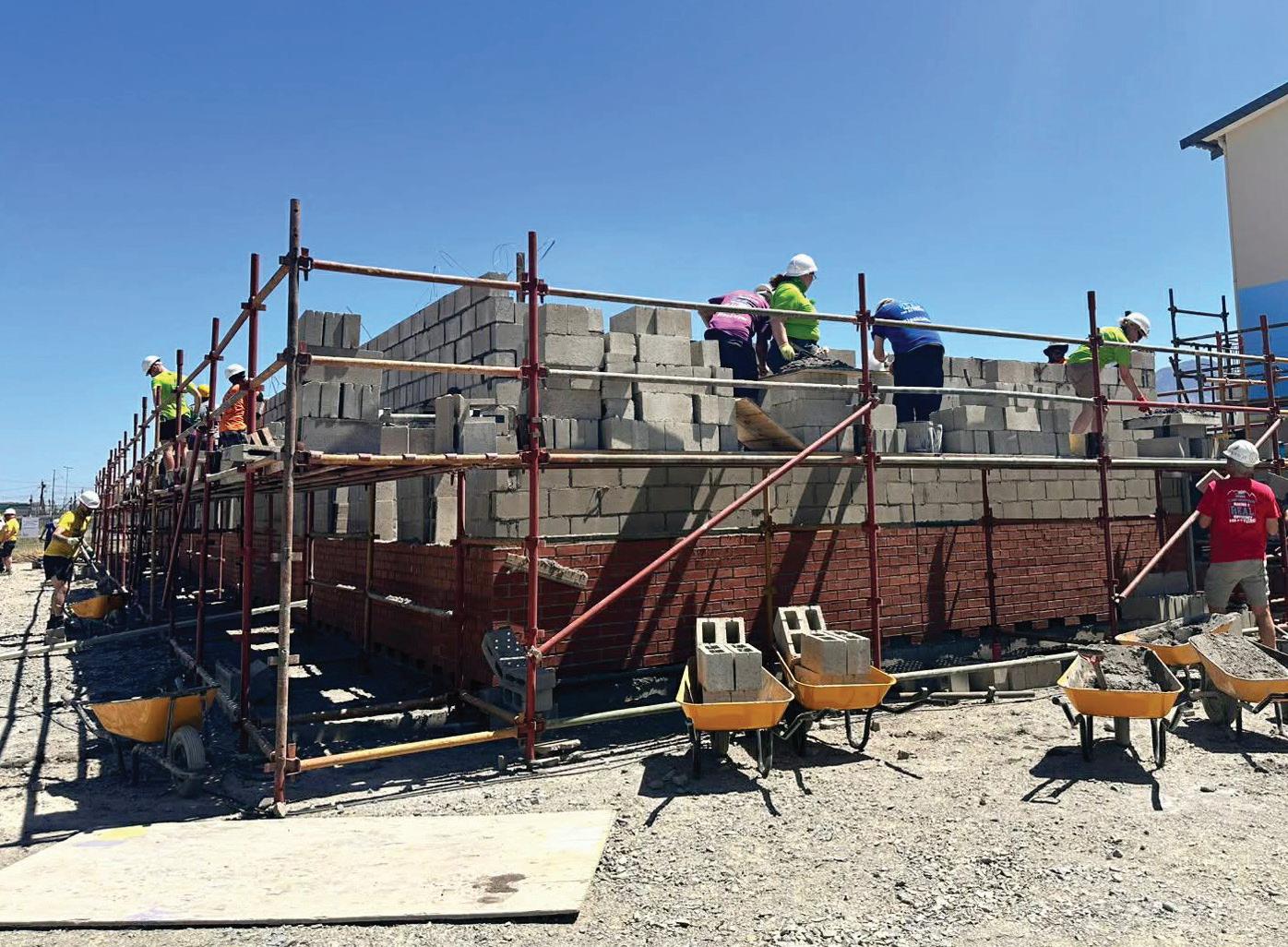
Saint-Gobain Africa and Ireland have joined forces with the Mellon Educate School Building Project to transform education infrastructure at two local schools in the township of Lwandle, Western Cape. Over 400 volunteers from Europe, America and South Africa came together in a landmark Corporate Social Responsibility (CSR) initiative to upgrade A.C.J Phakade Primary School and Simanyene High School.
The project, funded with €75 000 by the Saint-Gobain Foundation headquartered in Paris, represents one of the largest CSR commitments in the region aimed at delivering lasting educational impact, uplifting communities and supporting South Africa’s youth and community development in line with Saint-Gobain Africa’s Make it in Africa to Build Africa (MABA) commitment.
Running from 15 to 22 November, the Building Blitz brought together 400 volunteers to:
• Construct six new Grade R classrooms with toilets and storage at A.C.J Phakade Primary School, along with a Literacy Hub, learning support classroom, additional classrooms for Grades 5–7, a feeding kitchen, canopies and a playground.
• Build ten new classrooms at Simanyene High School, covered canopies including an outdoor gym, a feeding kitchen and a new toilet block to accommodate growing student numbers.
Rethabile Marweshi, Saint-Gobain Africa’s transformation project coordinator, highlighted how the initiative aligns with Saint-Gobain Africa’s “Our People” strategic pillar within MABA:
“This project reflects Saint-Gobain’s commitment to building beyond bricks. We are not only providing infrastructure but creating environments where learners and teachers can thrive. Seeing over 400 volunteers unite to give back to the Lwandle community
is truly inspiring and it reinforces our focus on empowering people and supporting local communities.”
James Dunne, area sales manager and co-sponsor from Saint-Gobain Ireland, added:
“Partnering with Mellon Educate allows us to make a meaningful contribution to education in South Africa. We are proud to support this comprehensive approach that combines infrastructure development with professional teacher training.”
Mellon Educate which has engaged more than 27,000 volunteers internationally over 23 years, focuses on creating safe, conducive learning spaces and operates a Community Literacy Programme that serves 3 400 children weekly across 16 Western Cape schools. The literacy programme supports children struggling with reading through local tutor engagement in fully equipped Literacy Hubs.
The project is designed to comply with Western Cape Department of Education standards, with evaluation scheduled for December 2025 and an official inauguration planned for January 2026.
Work in progress
Saint-Gobain’s participation in this initiative marks their 6th CSR project in South Africa reinforcing their longterm commitment to social transformation, sustainable impact and the development of Africa’s next generation. Saint-Gobain teams were on the ground throughout the Building Blitz working closely with Mellon Educate founder Niall Mellon and his team to ensure the project’s successful delivery.
Working alongside the children
THE CONCRETE SOCIETY OF SOUTHERN AFRICA IS GROWING
It is remarkable to reflect on how quickly the past 13 months have passed since the launch of the Concrete Society of Southern Africa NPC on 26 August 2024.
From the outset, our goal has been clear: to create a broad-based platform that promotes, supports and strengthens the cement and concrete industry across Southern Africa. Today, we are proud to share that Society remains steadfast in this mission — with both our membership and our initiatives growing steadily.
A Year of Milestones
• Our first Annual General Meeting took place on 26 August 2025, where Prof. Billy Boshoff (University of Pretoria) was elected as Chairperson of the Board and Mark Hovy (Concrete Testing Services) as Chairperson-Elect.
• We welcomed Willie Steenkamp (Infinite Consulting Engineers) as Technical Director (co-opted).
• The 2025 Fulton Awards — widely regarded as the ‘Oscars’ of the building industry — celebrated 45 years of innovation and excellence in concrete. The event, attended by 278 industry stakeholders, recognised 16 outstanding projects. (Winners and commendations can be viewed via our website: 2025 Fulton Awards.)
• Our website continues to expand with new content and resources: www.concretesocietysa.org.za .
• Our LinkedIn community has grown to 803 followers. If you haven’t joined yet, we invite you to connect with us: LinkedIn – The Concrete Society of Southern Africa NPC.
Building Knowledge Through Committees and Collaboration
Our committees form the backbone of the Society’s technical and strategic initiatives:
• The Ready-Mixed Concrete (RMC) Committee, chaired by Prof. Billy Boshoff.
• The Cement Committee, chaired by Mark Hovy.
• The fib Committee, led by Sarah Skorpen, connects us to the latest international technical develop-
ments through the International Federation for Structural Concrete (fib).
Looking ahead, we are excited to launch new committees focusing on Endorsement, Sustainability, and Durability — each contributing to a more resilient, forward-thinking industry.
Knowledge Sharing and Professional Development
Our commitment to industry education remains a top priority. Over the past year, we have launched a free webinar series that has been widely attended and well-received:
• CONCRETEFiX – exploring cutting-edge research, applications and new technologies in concrete.
• CONCRETEClass: Back to Basics – designed to refresh foundational knowledge for professionals at all levels.
Participation in these webinars can earn members up to 2 CPD points annually. (Note: webinars are open to all, but CPD accreditation applies to members only.)
We have also published an Annual Society Events Diary and an Industry Diary, available on our website, ensuring members stay informed about upcoming activities across the sector.
Looking Ahead: 2026 and Beyond
Our plans for 2026 are ambitious and exciting. We will be hosting seminar roadshows and a national conference, both designed to enhance collaboration and knowledge exchange across the country.
Billy Boshoff, chairperson of the board
In addition, our regional branches are planning a dynamic calendar of activities, including Careers in Concrete evenings, Concrete Quizzes, Site Visits and Quarterly Technical Events.
Growing Our Membership
We are proud to note significant growth in our membership base, which now represents a diverse and engaged community:
• 2 Diamond Members
• 5 Emerald Members
• 20 Tanzanite Members
• 8 Academic Institutions
• 5 Associate Members
• 2 Emerging Contractor Members
• 99 Individual Members
Together, this represents 445 individuals united under the banner of the Concrete Society of Southern Africa.
The continued success of the Society depends on expanding and strength-
ening our community. We warmly invite new members to join us — and now is the perfect time, as new members qualify for a half-year membership discount.
Membership forms and fee structures are available on our website under Membership Information. For assistance, please contact Natasja Pols:
natasja.pols@concretesocietysa.org. za
As we reflect on our journey and look to the future, we remain committed to building a Society that is modern and advanced, streamlined and efficient, objective, inclusive and loyal to our shared vision. Together, we are shaping a strong and vibrant concrete industry — for the love of concrete.
Mark Hovey, chairperson elect
Willie Steenkamp, technical director
CONCRETE ROOF TILES: ENDURING BEAUTY AND FUNCTION IN SOUTH AFRICAN HOUSING
As South Africa continues to address the growing demand for affordable housing one aspect of development that often goes unnoticed but plays a vital role is the choice of roofing material. Among the many options available concrete roof tiles have quietly proven themselves as a staple in large-scale housing projects offering durability and a sense of character and permanence.
Nowhere is this more evident than when flying into Cape Town International Airport. Looking down over the expansive housing developments of Mitchells Plain and Blue Downs a sea of neatly tiled rooftops greets the eye. These homes many built in the 1970s, were originally roofed with concrete tiles specified as the sole roofing material during the development of Mitchells Plain. Half a century later those same roofs are still intact weathering time and climate with minimal maintenance.
The reasons for this long-term success are clear. Concrete tiles offer a superior living environment with excellent thermal insulation and acoustic dampening qualities especially valuable in densely populated urban areas. Their resistance to corrosion makes them particularly well-suited to coastal regions where metal roofs often struggle against the harsh, salt-laden air.
Unlike metal roofing systems which can fade, rust or require periodic repainting and repair, concrete tiles age gracefully. Their colour can be incorporated into the manufacture of the tile itself reducing the need for cosmetic upkeep. They endure and contribute to the aesthetic identity of a community. As urban expansion continues and new housing projects take shape the example set by Mitchells Plain remains relevant. The enduring performance of concrete roof tiles both visually and functionally serves as a compelling case for their continued use in South Africa’s residential architecture.
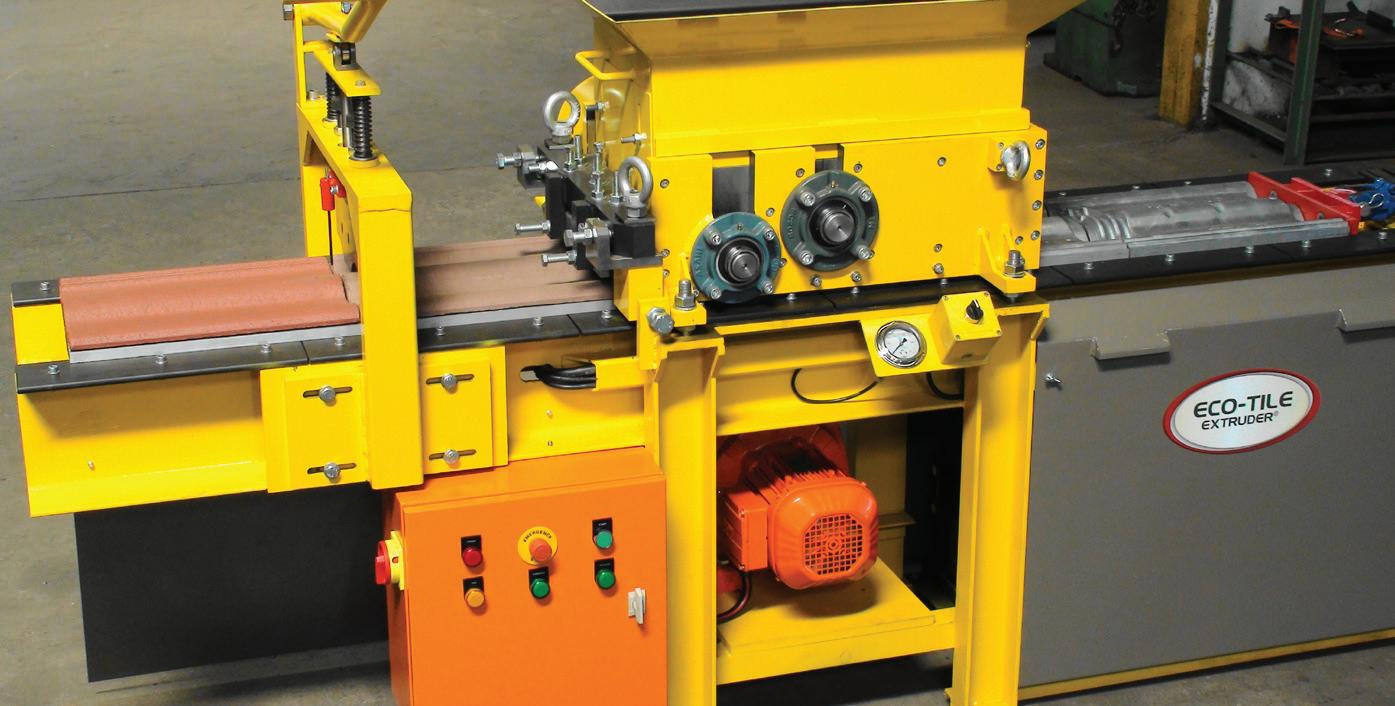
The Eco-Tile Extruder Brand that was launched was in response to the demand for a cost-effective solution for the manufacturer of extruded concrete roof tiles. The Eco-Tile Extruder is capable of producing the same high quality Double Roman tiles that are being produced on the more expensive PROTILE high speed extrusion plants thus enabling precision extrud-
ed concrete roof tiles to be accessed in more remote areas of the country at a very favourable cost.
The Eco-Tile Extruder also known as the P08T is capable of extruding tiles to the thinner, more
cost-effective range of interlocking tiles to meet SABS quality requirements (ie 11.0mm thick, 4.2kg per tile or 42kg/m2 on the roof). Normally the low-capacity machines find it difficult to achieve this quality.
Equally important is the fact that due to the easily achieved tile quality on extrusion the tiles can be specified to be fixed on the roof at 17½ degrees pitch with 100mm overlap
Providing the Government institutions such as SEFTA come to the party promoting and offering effective financial packages without the inappropriate creative sometimes requested this will help to create infrastructure, growth and jobs in outlying parts of the country placing the manufacturer within reach of the small business entrepreneur, an industry very much underdeveloped up to now. Business risk is relatively low since the actual concrete product is already widely produced and used in South Africa in the low cost and economical housing market, and the technology is well proven, already being used throughout South Africa and in over 20 African countries.
Bronberg-3-1
Tuscan with Ridging
Eco-tile Extruder P08T
A FOCUS ON REVELSTONE
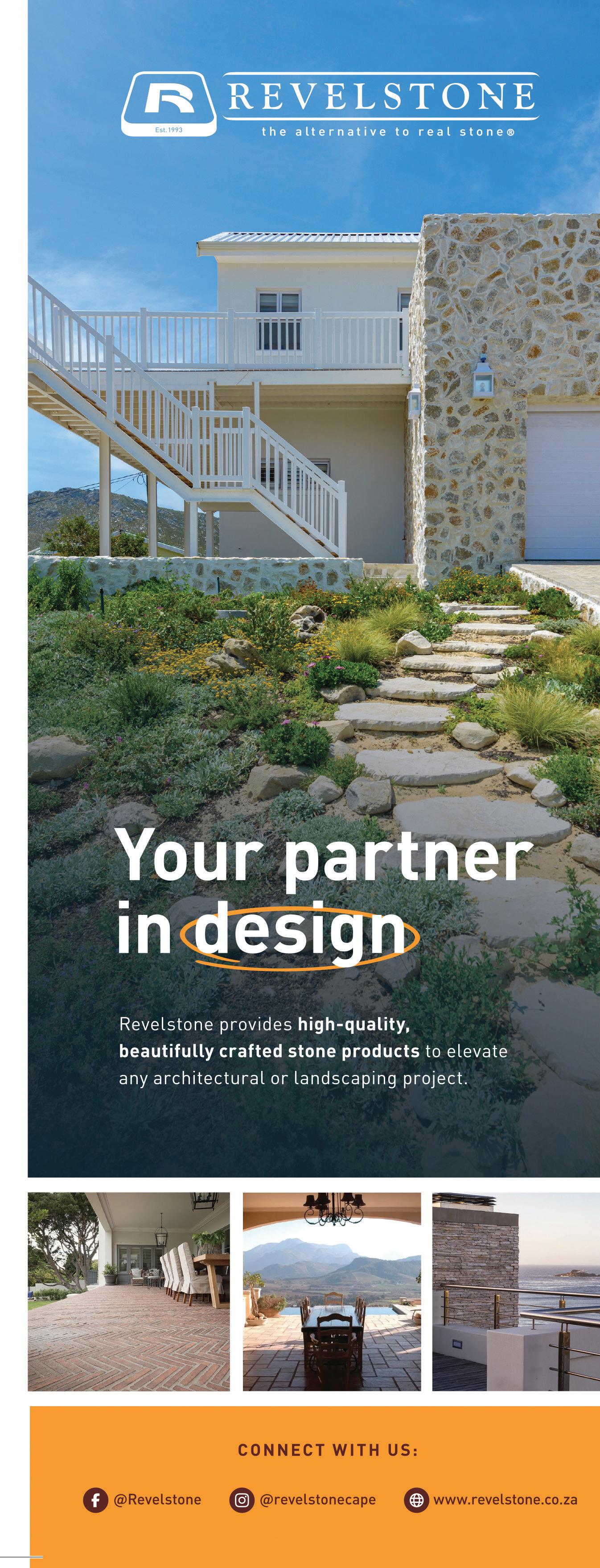
Revelstone has been a prominent player in the precast concrete industry in South Africa for over 30 years during which time it has become a respected market leader in the precast concrete industry.
The company focusses on manufacturing high-quality cast stone products for modern construction projects. In this regard Revelstone has been a guiding light in the industry where it leads the way in trend setting and new product development.
“One of the key factors that sets Revelstone apart from its competitors is its dedication to sustainable manufacturing practices. Our use of Revelrubber moulds made from 100% recycled materials reduces waste and allows for easy updates and changes to our product line. This commitment to sustainability ensures that old moulds and designs are not sent to landfill, “says Revelstone director,” Alex Cyprianos.
He explains that in addition to its environmental responsibility, Revelstone’s range of precast concrete products are in line with global trends in construction. Its innovative designs and use of cutting-edge technology have allowed it to stay ahead of the curve and meet the ever-changing needs of the market. Through investment in research and development it has been able to introduce a host of new products that are unique and push the boundaries of what is possible with cast stone.
Revelstone’s 30 years of experience in the industry has given it a deep understanding of the market and the needs of its customers. This wealth of knowledge has allowed the company to develop products that meet the highest quality standards while delivering innovative solutions to complex construction challenges.
“Our commitment to sustainability, innovation and quality has positioned us as a driving force in the cast stone industry in South Africa. Our ability to
adapt to global trends and leverage years of experience has cemented our reputation as a trusted partner for construction projects of all sizes. As the industry continues to evolve our dedication to excellence and forward-thinking approach will continue to shape the future of cast stone in South Africa and beyond.
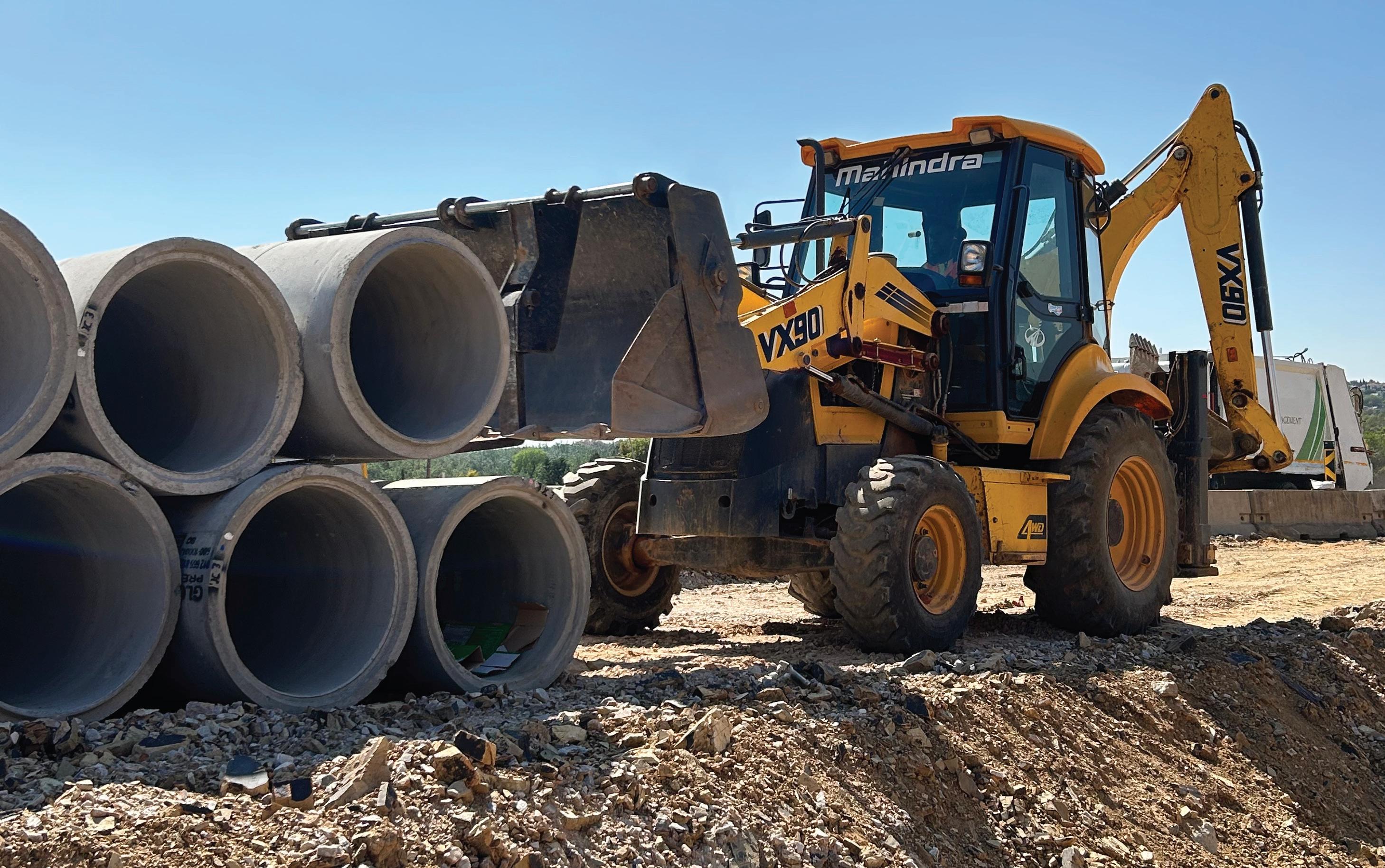
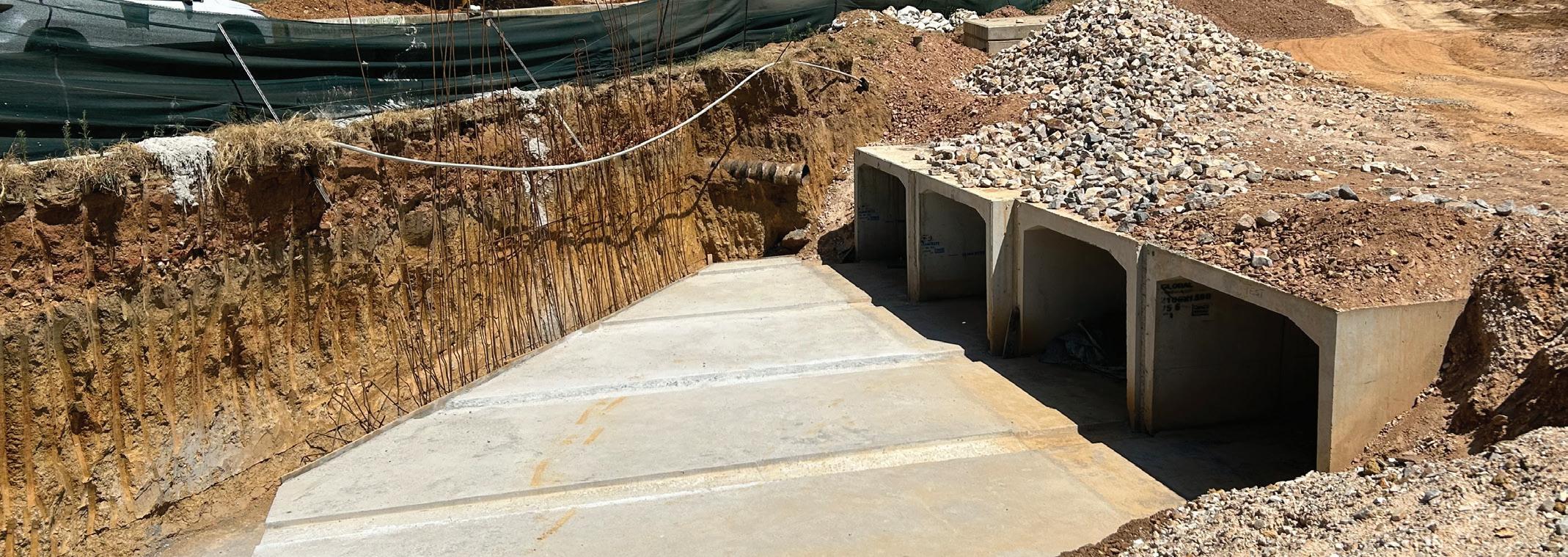
The largescale upgrade of Garsfontein Road in Pretoria is well underway with excavations and road construction progressing steadily, while beneath the surface a network of stormwater pipes and culverts are being put in place to maintain traffic safety when rainfall occurs.
The three-year project which began in February this year is valued at R690
million and requires continuous supply of concrete stormwater pipes and culverts to be delivered at the right location and time for the duration of the project. The success of the project has hinged on coordinated completion of each level of construction and is where the impressive manufacturing capacity and logistics of Pretoria’s own precast manufacturing giant, Global Precast, comes into its own. The company is
supplying more than 5 km of concrete pipe and over 2.4 km of culverts of different sizes that will form the backbone of the stormwater upgrade.
“We are supplying a mix of interlocking joint pipes ranging from 450 mm to 1200 mm in diameter and culverts ranging from 1200 mm up to 2400 mm spans,” says Willem-Daniel van Dyk, sales and marketing director of Global Precast. “It is one of the larger orders we have taken on since our merger earlier this year and puts us in a league of our own when it comes to supplying the sheer volume of product that we are without impacting the rest of our business. In fact, the breadth of size variation has been easy to contend with due to the large number of moulds we keep and the variation is actually beneficial for us because it keeps all our resources working efficiently.”
Willem-Daniel says work has gone seamlessly due to the fantastic coordination between the main contractor on the project, Sedtrade Construction,
with all the suppliers and sub-contractors on site. Due to narrow working corridors along the road the company has to coordinate deliveries carefully so that at no point does material bottleneck on site. “There isn’t space to deliver large quantities of pipes next to the road,” says van Dyk. “Stock is staged and delivered exactly when needed. The collaboration between our logistics team and the contractor has been excellent.”
He explains that Global Precast’s ability to take on a contract of this scale is tied directly to its strategic consolidation in early 2025 when precast manufacturers Eldocrete Precast and Aminto Precast were merged into the Global Precast group. The combined entity now operates a large-scale, high-capacity manufacturing facility at the old Iscor (Mittal) plant in Pretoria West which is supported by additional facilities across South Africa and Namibia.
“The centralisation and expansion of operations into this massive facility means we can supply the entire Garsfontein Road project at full pace and still meet demand for ongoing SANRAL upgrades, municipal stormwater programmes and provincial infrastructure projects,” says van Dyk.
He adds that the plant is currently producing vast amounts of concrete
product per day placing it amongst the largest facilities of its kind in the region. All products supplied are manufactured to SANS specifications including pipes, culverts, manholes and sanitation structures.
The company’s order book stretches well beyond Pretoria. Major supply is underway to major road upgrades across Limpopo, Mpumalanga, the Free State and Northern Cape, as well as projects in Botswana, Zimbabwe and Lesotho, among others. The willingness of contractors to purchase from Pretoria for projects as far afield as these destinations is a reflection of the quality of product and of service offered by the reengineered company. Success in this industry comes down
Product Range and Capability
Global Precast manufactures:
• Infrastructure Products: concrete pipes, culverts, manholes and related drainage components
• Sanitation Products: precast toilet structures and pit systems
• Special Products: Eskom walling, kerb inlets and customised precast structures
to quality and capacity and customers need to know that what they install is compliant and that it will arrive when it is needed.
The Garsfontein Road upgrade is part of a broader plan to restore and expand critical city roads and stormwater systems. Large upgrades are currently underway on Lynnwood Road near Loftus, the Ring Road development in Soweto and multiple SANRAL routes nationally. The combined effect these large-scale projects has had on Global Precast has been reassuring. The uptake has exceeded expectations. We always believed the market needed this, but seeing the confidence from contractors and the volume moving through the factory is rewarding.
SEDTRADE KEEPS GARSFONTEIN ROAD UPGRADE MOVING
The main contractor on the reconstruction and upgrading of Garsfontein Road (K50) between Loristo Street and Anton van Wouw Street, Sedtrade, has confirmed the supply of precast units from Global Precast is supporting steady progress on site.
Sedtrade construction manager, Sheeven Bemram says the company is working ahead of schedule due to disciplined project control and experience which has helped to build the company over the past 17 years. First established as Sportsfields for Africa, the company has grown into a CIDB 9CE civil engineering contractor with extensive experience in road rehabilitation, provincial road upgrades, gravel-to-tar projects, bridges and
municipal services.
He confirms that Global Precast has delivered its units on time in sequence and to specification which has enabled continuous installation.
“Deliveries have been consistent and well-coordinated. Quality has been good and we have had no significant non-conformities,” he says.
All precast elements must meet project specifications, national standards and approved drawings, with strict factory-level quality control and safe transport to minimise damage. Any non-conforming units are replaced immediately to maintain programme.
Managing a Complex Workflow
Sedtrade relies on a closely controlled construction sequence where services and structures are completed before the upper road layers ad-
vance. This includes:
• Survey and setting-out checks
• Pipe laying, jointing and backfilling
• Culvert construction and erosion protection
• Box-cutting, roadbed prep, subgrade, selected layers, subbase, G1 base and finally asphalt surfacing
The project is currently ahead of schedule, with an estimated completion date of 29 July 2027.
ROCLA PRE-CAST SOLUTION REDUCES DOWNTIME ON MINE
Rocla Polokwane was recently contracted by a mining operation in Limpopo to manufacture a precast solution for a surface stockpile tunnel that was no longer structurally stable without temporary additional support. This led to the loss of full operational functionality of the stockpile impacting on the mine’s daily operations.
The surface stockpile area continuously faced downtime due the tunnel being damaged from machinery and vehicles, commented Rocla Technical Executive, Muhammad Bodhania. “The tunnel structure supports the stockpile and hoppers feeding a conveyor in the tunnel that supplied the metallurgical beneficiation plant on the mine. The client required the structural integrity of the tunnel to be restored to allow full operational functionality of the stockpile and the conveyor. The repairs had to be done during the limited period of the shutdown which did not allow traditional in-situ construction. The process of shuttering, fixing, casting and curing – even if rapid strengthening concrete was specified would have exceeded the timeframe to carry out the required rehabilitation works,” he said.
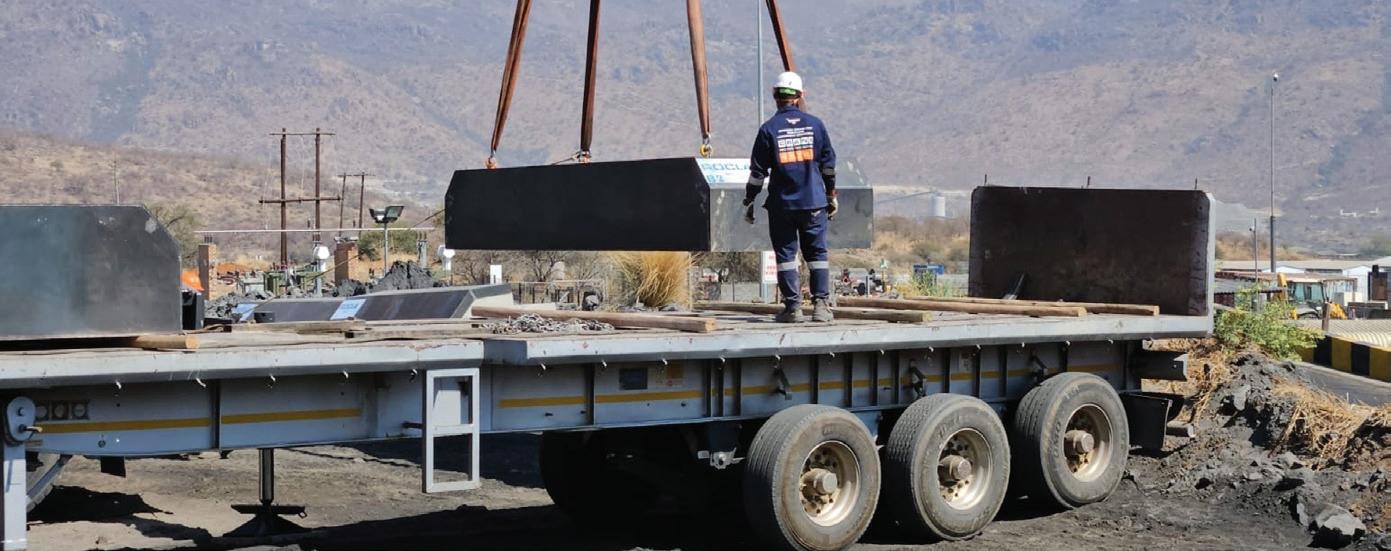
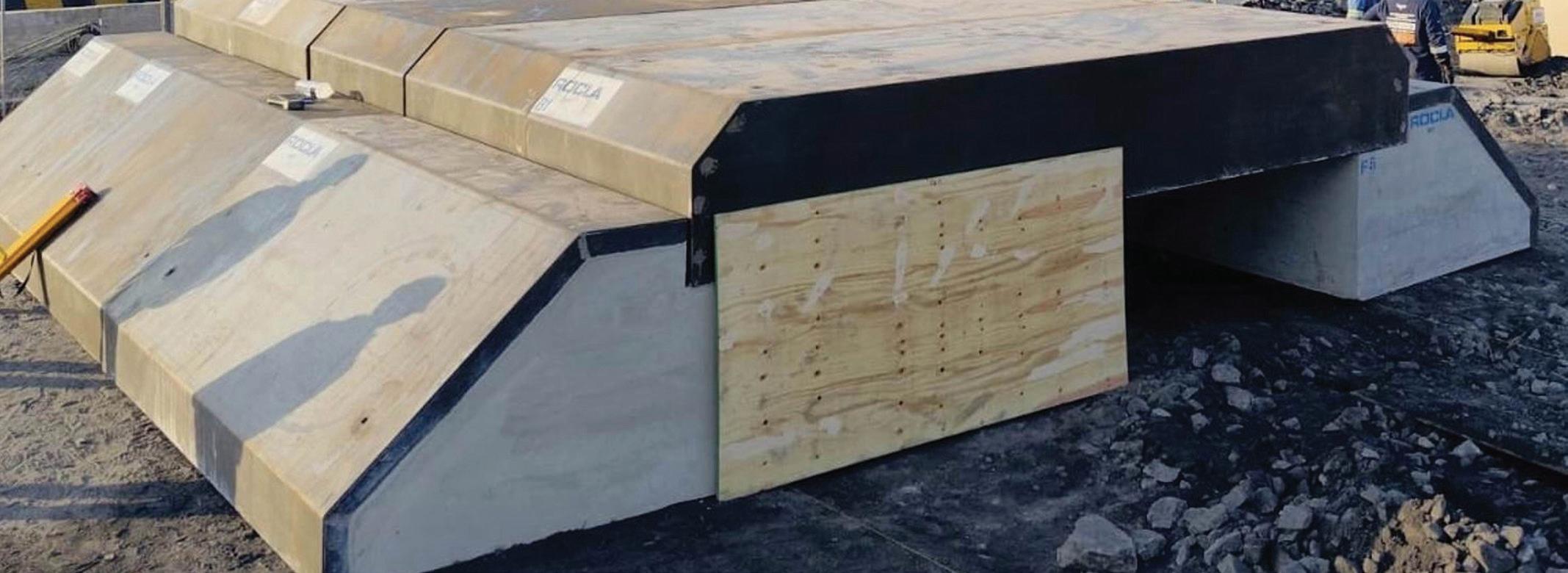
The preferred solution therefore was segmented steel-clad precast concrete sections assembled on site during the short time period available. This entailed the manufacture of foundations blocks placed on either side of the existing tunnel supporting a 4.6m slab spanning over it and a 100mm
clearance over the old tunnel. This ensured that no load is transferred to the existing tunnel whose structural integrity was compromised. With a 7m high stockpile at a bulk density of 30kN/ m3 the slab was designed to support a 210kPa load. The cladding was to ensure that the structure is not damaged from the day to day hammering of the heavy machinery and vehicles operating in the stockpile area. This solution required detailed planning and co-ordination of the various parties to ensure a successful execution of the project.
A total of 45 products were manufactured, with some product having a mass of 15 tonnes. Due to the shape of the products they were cast upside down and had to be rotated prior to delivery. Rocla together with its handling equipment supplier ensured that the rotation of these product was carried out safely. “Rotating 15 tonnes comes with a lot of challenges and risks that have to addressed to ensure a safe operation,” Bodhania said.
Prior to the placement of the sections, the stockpile was cleared and the ground preparations were complete. After the necessary compaction, self-levelling, quick drying screed was used to create a level surface for the foundation sections. This process was verified by the survey team to ensure that the levels were accurate prior to the placement of the precast tunnel.
In total over 750 tonnes of precast concrete segments were assembled safely one week ahead of schedule creating a tunnel of over 40m long, ensuring that the stockpile area operations returned to be functional at maximum capacity. “This project has showcased the team’s ability to meet all challenges through innovative design, expertise and capability while keeping to a tight schedule. This reflects our commitment to our customers’ requirements,” commented Bodhania. Rocla is a member of the Concrete Manufacturers Association of South Africa.
CHRYSO ADMIXTURES BOOSTING
DURABILITY IN WIND FARM CONSTRUCTION
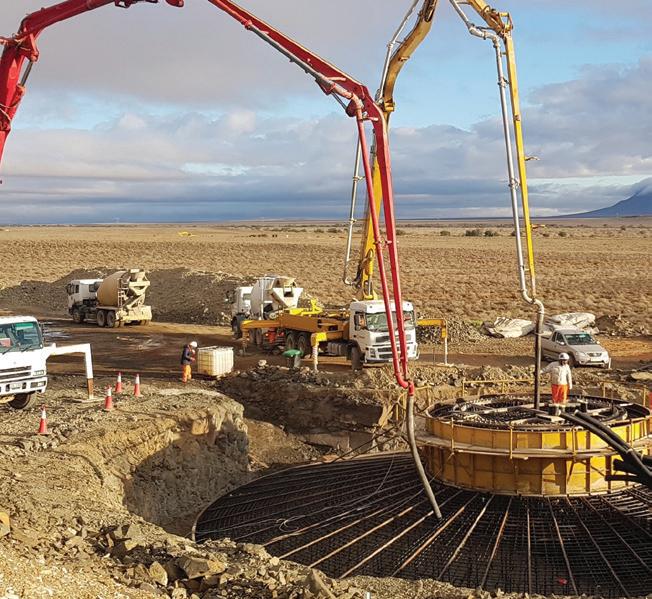
With the ongoing construction of wind farms across South Africa, Chryso Southern Africa has seen an increasing demand for its construction admixtures. Contractors are leveraging these solutions to mitigate challenges posed by remote site locations and extreme temperature variations.
Patrick Flannigan, General Manager Technical and Product Support at Chryso Southern Africa, highlights the critical role of concrete admixtures in ensuring durability and structural integrity. “Wind turbine bases are subjected to some of the harshest environmental conditions, making durability a top priority for concrete mixes used in these foundations,” he explains.
Addressing Thermal Contraction Cracking
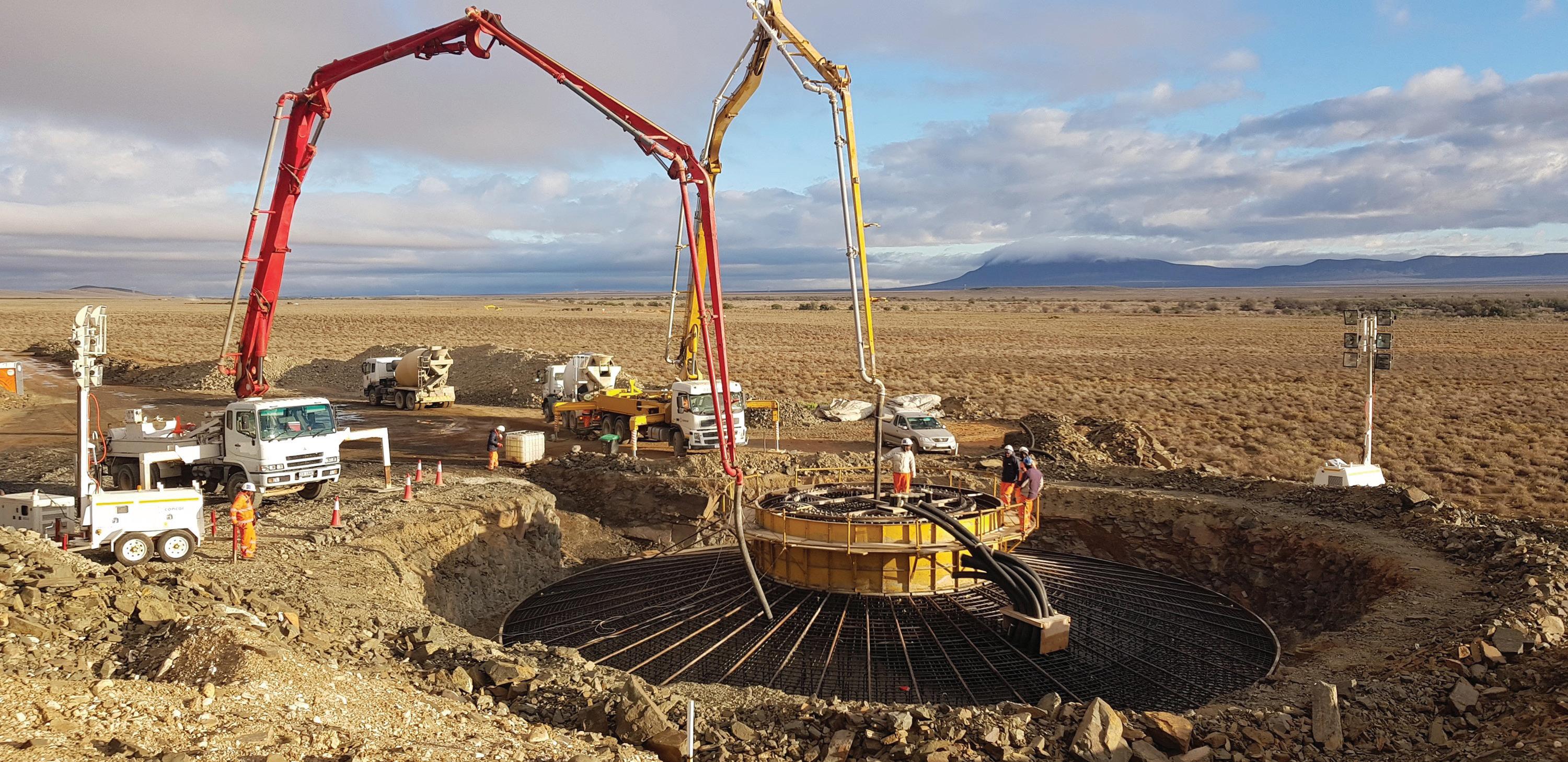
The bases or foundations of wind turbines are substantial, often reaching diameters of approximately 20 metres and sometimes matching this in height. Given their mass, these concrete placements typically contain high Portland cement content, leading to significant heat buildup during the
hydration process. The subsequent dissipation of heat can cause thermal contraction cracking, potentially compromising the structural soundness of the base.
“To mitigate this,” Flannigan explains, “contractors often incorporate Supplementary Cementitious Materials (SCMs) such as fly ash or slag alongside Portland cement. This approach is both cost effective and environmentally friendly but can impact the early and late-age strength development of the concrete.”
Managing Workability and Placement Challenges
“Another challenge arises from the dense steel reinforcement within wind turbine foundations. This congestion necessitates high slump concrete which, if not managed correctly, can lead to segregation, negatively affecting durability,” he continues.
Additionally, the remote locations of wind farms make concrete delivery a logistical challenge. Readymix concrete plants are typically far from the
construction site and where site batching is done, the batching plant is often at a significant distance from the foundations. This requires solutions that can maintain concrete workability over extended periods.
Chryso’s Innovative Solutions
Chryso Southern Africa offers a robust
Patrick Flannigan, General Manager Technical and Product Support at Chryso Southern Africa, underscores the vital role that admixtures play in ensuring the strength, durability and long-term resilience of wind turbine bases.
From high temperatures to rugged terrain, Chryso’s advanced admixture technology ensures that concrete foundations consistently perform under pressure.
range of admixtures to address these challenges effectively. The CHRYSO® Enviromix® range is widely used to optimise early and late-age strength development, especially in mixes containing SCMs This plasticiser improves cohesion and lowers viscosity, enhancing mix homogeneity and durability. For particularly challenging aggregates, the CHRYSO® Quad solution provides targeted performance enhancement, ensuring consistent workability and strength development even in demanding mix designs. Together, these innovations support superior concrete quality across diverse applications.
Flannigan notes that Chryso’s expertise in superplasticiser formulation is a key advantage. “Matching superplas-
ticisers with cement and aggregate chemistry is one of Chryso’s strengths.
The CHRYSO® Optima range, designed specifically for readymix concrete, offers exceptional robustness. This product is not water-sensitive and aids in producing durable low viscosity concrete mixes. Engineered with patented phosphonate technology, it ensures prolonged plasticity which is invaluable for projects with long distance concrete transportation. It also provides effective water reduction, maintaining workability for 30 to 45 minutes while still achieving high strength.
For precast concrete applications, the CHRYSO® Premia range is ideal and delivers rapid strength development
and superior surface finish, making it a preferred solution for precast project plants aiming for high productivity and consistent quality.
Additional Performance Enhancers
To support long distance readymix concrete transportation, CHRYSO® Optima ensures extended workability and pumpability for planned deliveries. For unexpected delays or returned readymix concrete, CHRYSO® Rescue Pack enables controlled curing rates, prevents cold joint formation and ensures proper compaction, especially critical in large pours like wind turbine foundations.
Additionally, CHRYSO® Curing Compounds help reduce shrinkage cracks and improve the concrete’s overall strength and impermeability. These compounds play a vital role in extending the durability of wind turbine bases by reducing moisture loss during curing.
“With our innovative range of admixtures, Chryso Southern Africa continues to support the construction of resilient and long lasting wind farm infrastructure, helping contractors overcome the unique challenges posed by these remote and demanding projects,” Flannigan concludes.
The CHRYSO® Optima range is built for long hauls, delivering lasting strength and providing up to 45 minutes of workability across remote sites.
CAPE CONCRETE: JOHN WATSON BOWS OUT
Cape Concrete was established in 1932 by R.A.M Louw as a supplier of cement, sand and stone as well as a limited range of precast products. Over the ensuing years the company expanded its precast concrete range such that today it is the leading supplier of superior precast concrete products to the construction, civil engineering and building industries, its product range is believed to be the largest of its kind under one roof in the Western Cape. Over close on half a century one name stood out, Cape Concrete Works Technical Director and doyen of the precast concrete industry, John Watson.
Born and raised in Bloemfontein, John matriculated at St Andrew’s School after which he graduated with a BSc degree in applied maths and physics from the University of the Free State in 1973. His first brush with the construction industry occurred when he spent two vacations in 1969/70 as a student during the construction of the state-of-the-art Carlton Centre in Johannesburg, then the tallest concrete structure in Africa.
On graduating John joined the civil engineering construction company, Murray and Stewart, and worked on some major infrastructural projects: Sishen-Saldanha railway bridges; Cape Town’s Foreshore freeway flyovers; Eastern Caprivi military bases and the Wemmershoek Dam/Paarl water-main pipeline. When he joined the Cape Concrete Group in 1979 John was appointed factory manager of African Spun Concrete, an infrastructure precast concrete products manufacturer and one of three precast concrete plants owned by the company.
John was appointed as technical director in 1988, a role he skillfully deployed to ensure that Cape Concrete kept pace with new precast concrete manufacturing technologies. Cape Concrete invested in automated pipe, manhole and paving slab machines, prestressing beds and the expansion into the building and housing industry.
John was deeply involved in innovative applications of precast concrete such as the production of nuclear waste containers, one-piece garages, precast concrete toilets for low-cost housing and concrete tanks for wine fermentation.
In 2009 John and Darty Louw, Cape Concrete’s 3rd generation owner, led a project to supply stadium seating for the Green Point World Cup soccer stadium. As a JV arrangement, this was the company’s single largest project at the time and included large infrastructure investments for Cape Concrete.
John was also party to Cape Concrete’s decision in 2018 to buy an 80-tonne gantry crane which enabled the company to manufacture some of South Africa’s largest prestressed beams to date, such as the 36m long, 65 tonne beams used for the construction of the bridge over the Berg River at Val De Vie Estate in Paarl.
The company’s determination to secure a windfarm project was rewarded in 2024 when Cape Concrete, as an 50% partner of a JV arrangement, was awarded a contract to supply keystones (precast concrete segments) for 59 wind-farm towers in Oyster Bay. It required a totally new factory to be built from scratch and input from the whole Cape Concrete team ensured the project’s resounding success.
John’s precast concrete expertise and vast experience garnered huge respect among his colleagues and the industry at large. His open and honest approach and his ability to communicate and liaise with clients was always a major factor in Cape Concrete’s success over the years.
A gentleman to his fingertips, John treated every person with whom he associated with the utmost respect. He had a sincere willingness to listen and brought a calm clarity and thoughtful perspective to every task.
Through his exceptional leadership, technical expertise and business acu-
men John has made an invaluable contribution to Cape Concrete and after 46 years, a lifetime of employment, John retired in July 2025. The entire Cape Concrete team joins in this tribute to a true legend for his dedication and unfaltering commitment, we wish him many happy and fulfilling years ahead in a well-earned retirement.
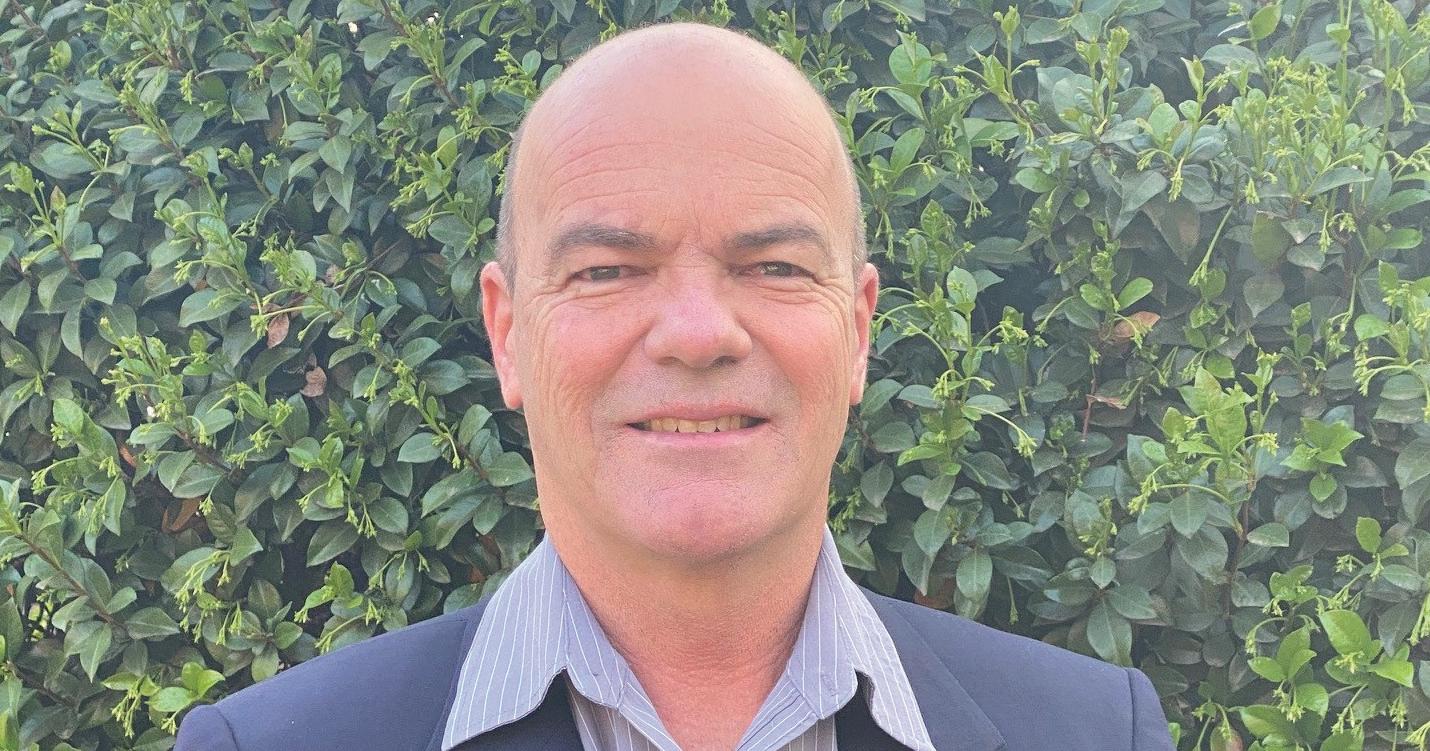
John Watson
WHY THE STRONGEST FOUNDATIONS IN CONSTRUCTION AREN’T MADE OF CONCRETE ANYMORE
Concrete and steel still form part of the industry’s core, but they’re no longer the whole foundation. Construction is being reshaped by digital acceleration, tougher sustainability targets, unpredictable supply chains, even criminal interference on some sites. The key leadership question is how a team’s culture influences the quality of its results.
Three fast-moving frontiers show why creative leadership now sits at the heart of delivery:
1. Explainable AI, not black-box AI: AI can sharpen planning, pricing and
risk. That is if people trust it. Leaders need to turn complex models into plain-English insights the whole team understands. When data is explainable adoption follows. When it’s opaque AI becomes a sidelined tool. Creative leaders act as narrators and translators so smart tech actually lands on site.
2) BIM needs leadership as much as software: Building Information Modelling is standard, but getting value from it demands a new way of leading. That means addressing concerns about workflows, aligning on process change, growing digital competence
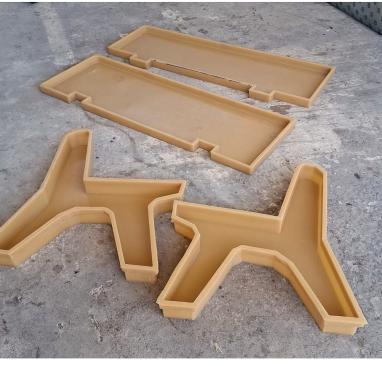
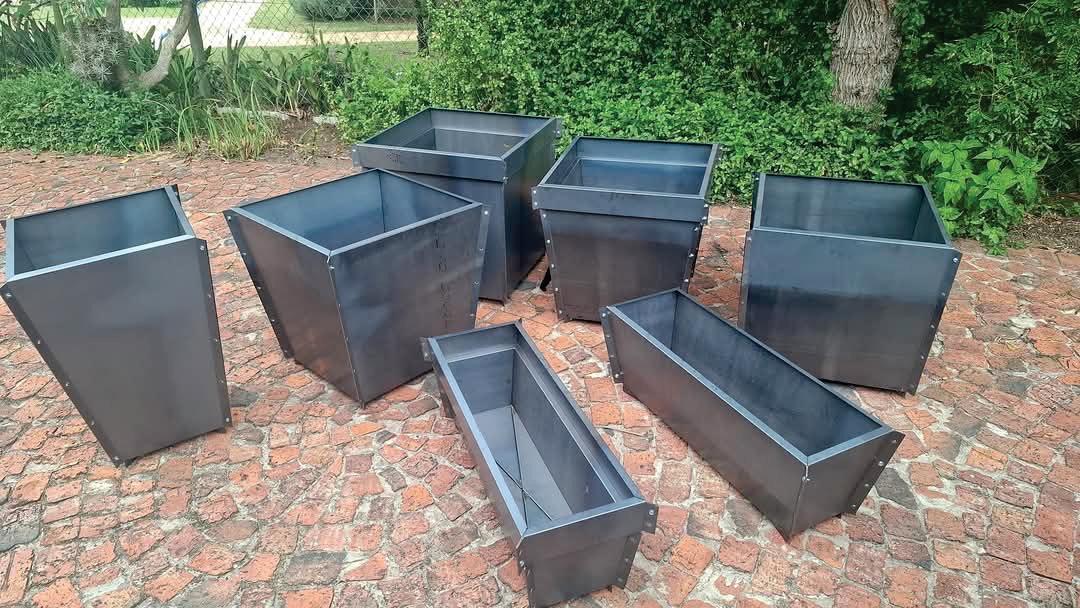
Industrial quality polyurethane and steel moulds. Custom made moulds...
Please contact Nigel Brown for informa on:
Tel. (064) 658-7556
o teniq ar st@gmail.com
B itekant Street
George Ind stria George,
across roles and amplifying the champions who already “get” BIM. In short BIM is when modelling leads to better collaboration.
3) Leading through complexity, not against it: When client needs change the weather turns or materials stall in transit command-and-control hits a wall. Complex Adaptive Leadership focuses on fast feedback, distributed decision-making and safe experimentation. Instead of issuing orders leaders create the conditions for site teams to adjust, solve and keep moving, working with complexity rather than resisting it.
Put together these shifts point to one conclusion. In construction leadership is now as critical as engineering. It’s the atmosphere that makes digital tools credible, processes usable and teams resilient.
The Postgraduate Diploma in Creative Leadership at Red & Yellow Creative School is designed for exactly this moment. It equips current and emerging leaders with practical frameworks, explainability for AI, people-centred BIM adoption and adaptive decision-making so teams can deliver more confidently in real-world conditions.
About Sidney Peimer
Sidney Peimer is a Programme Manager and Lecturer at the Red & Yellow Creative School of Business, where he leads postgraduate work in Creative Leadership. A qualified pharmacist with an MBA from the University of Cape Town he is currently pursuing a PhD focused on social capital. Peimer previously served as Executive Director/CEO of the Cape Chamber of Commerce & Industry, following strategy roles with agencies including Ogilvy and Leo Burnett. He is the author of The Clear Win and writes frequently on decision-making, innovation and organisational resilience. His current interests include how neurodiversity and social capital improve safety, productivity and legitimacy in complex industries.
THERMAL MASONRY VS CLAY-BRICK CAVITY WALLS
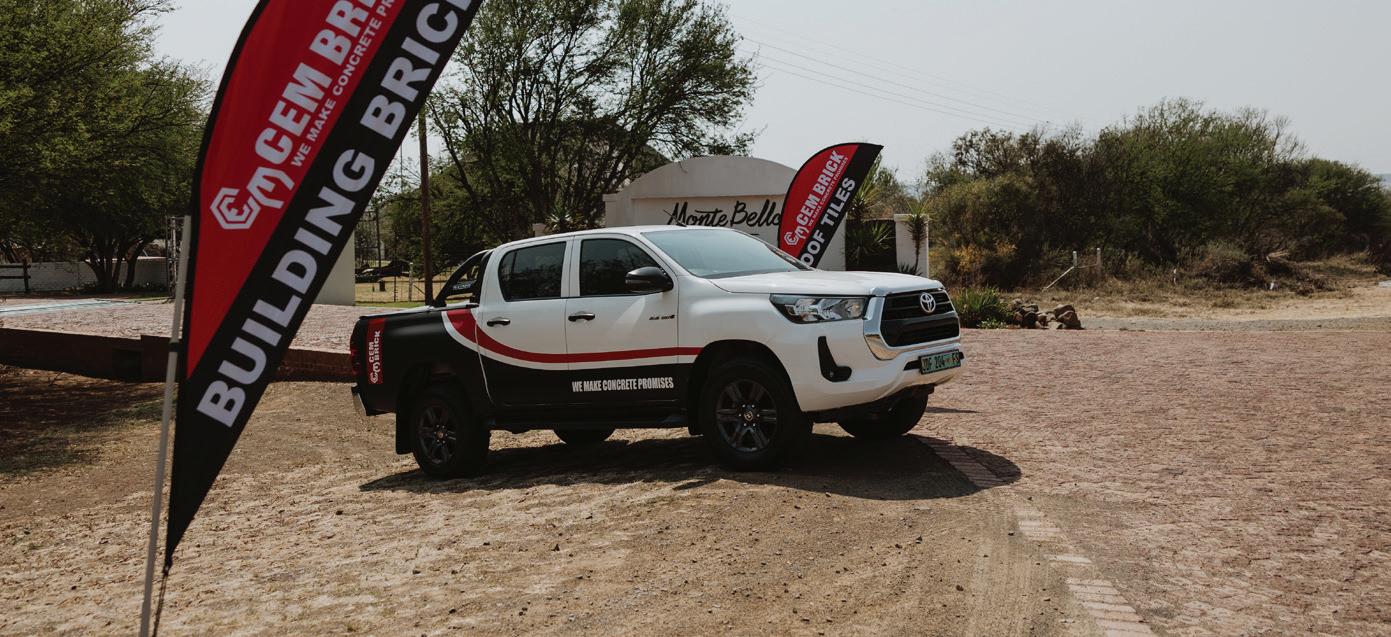
Bloemfontein based brick manufacturer Cem Brick recently launched its own range of advanced thermal bricks that simplify construction and provide cost effective and durable alternatives to clay bricks.
Clay-brick cavity walls have long viewed as the default choice for thermal comfort and durability. Now, concrete brick manufacturers like Cem Brick are shifting this kind of thinking with the introduction of thermally efficient cement bricks. These thermal bricks offer a compelling alternative to cavity-wall construction by simplifying building processes and optimising long-term performance.
At the glitzy launch at Monte Bella Estate outside Bloemfontein, it was revealed that a significant strength behind Cem Brick’s product line lies in its production capabilities. The company operates Africa’s largest fully automated Hess/Topwerk brick-making machine, a German-engineered system that ensures consistently high standards and exceptional production capacity. It’s automated operation also reduces waste which helps maintain cost-effective output. As a result of the quality of manufacture all Cem Brick units conform to relevant SANS standards and are backed by CMACS certification, which confirms that each brick meets rigorous performance and durability requirements.
One of the clearest advantages of Cem Brick’s thermal masonry is how much simpler and quicker it is to build compared to a clay-brick cavity wall. Cavity-wall construction relies on a range of components and additional
detailing which adds complexity and the risk of installation errors. By comparison thermal masonry allows the builder to construct a single 220 mm solid wall. The absence of a cavity immediately removes the need for ties, insulation layers and a second leaf and makes the build less labour-intensive and less dependent on highly skilled artisans. As a result, masonry teams can lay significantly more courses per day because they are working with a simpler structure. This efficiency cascades through the project to reduce timelines and lowers overall construction costs.
Thermally it was shown that Cem Brick’s product design offers another notable benefit whereas comparative displays of clay-brick cavity walls rely heavily on the insulation material placed between the two brick leaves for good results, Cem Brick’s thermal bricks can deliver similar thermal resistance with less wall thickness because the material itself provides substantial thermal mass and a favourable conductivity profile. This has a direct impact on architectural design because
buildings can increase usable internal floor space or reduce the overall footprint of the structure.
Cem Brick’s thermal masonry system eliminates many of the risks of constructing thermal walls because there is no cavity nor wall ties to corrode and no insulation layers that can shift, degrade or trap moisture. The solid wall structure greatly reduces the likelihood of internal condensation or hidden moisture pathways. As a result, buildings exhibit greater long-term stability and more predictable thermal performance.
The company’s thermal bricks are engineered for strength and stability for high load-bearing capacity, minimal dimensional variation and excellent long-term mechanical durability. The single-leaf arrangement of a thermal wall also simplifies structural analysis because loads are carried through a single integrated mass rather than through two separate skins connected by wall ties.
When integrating Cem Brick’s thermal system into a building design engineers should attach the rational R Value calculation and Diagram Ver1.0, the document is downloadable on the Cem Brick website. Standard detailing for lintels, damp-proof courses and control joints remains essential although the absence of cavity interfaces simplifies much of this work. Selecting the correct brick type for load and wall height and ensuring on-site quality control will further optimise performance and Cem Brick’s specialists are able to provide technical assistance where required.
WHEN TO CHOOSE READYMIX CONCRETE
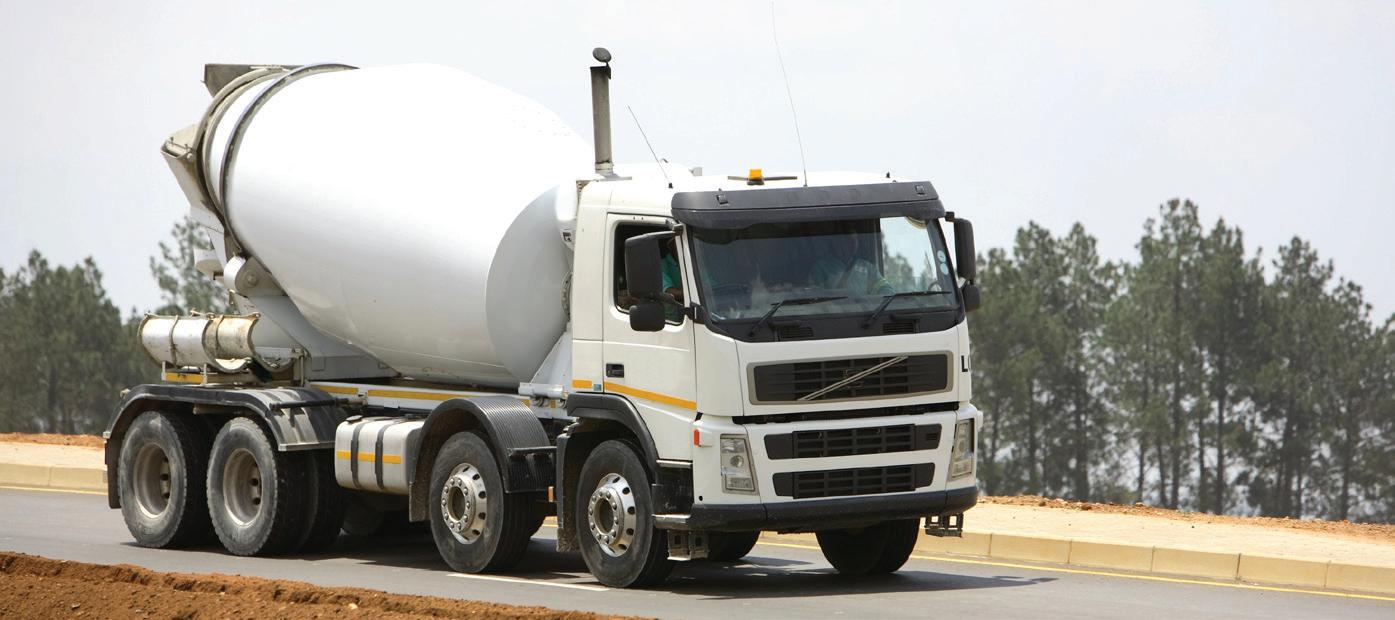
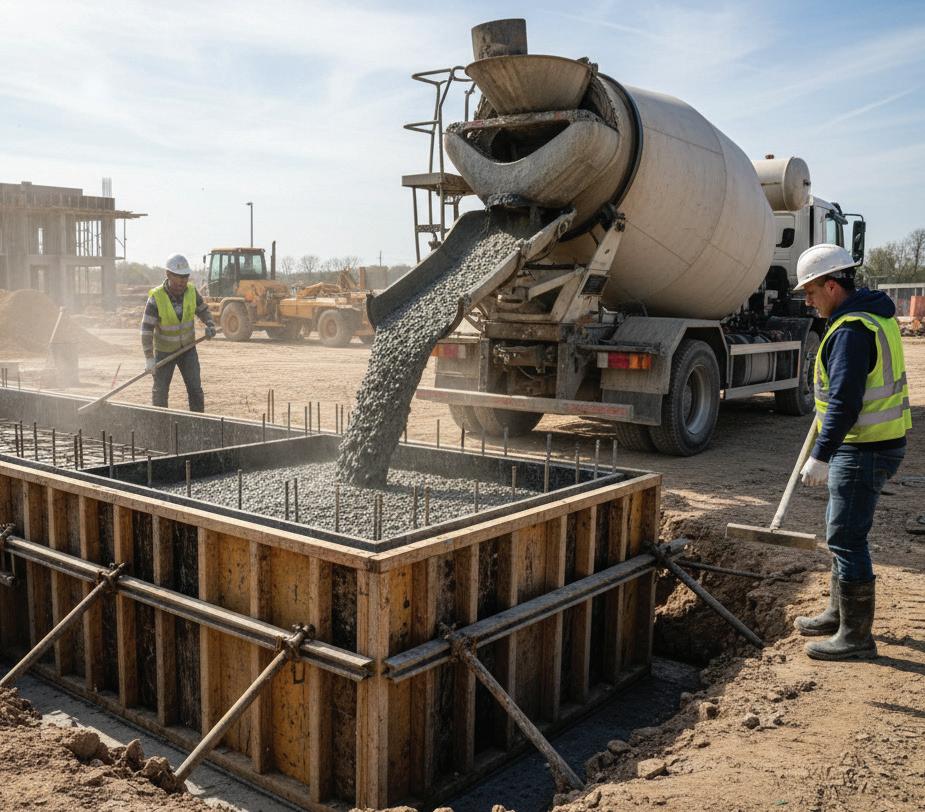
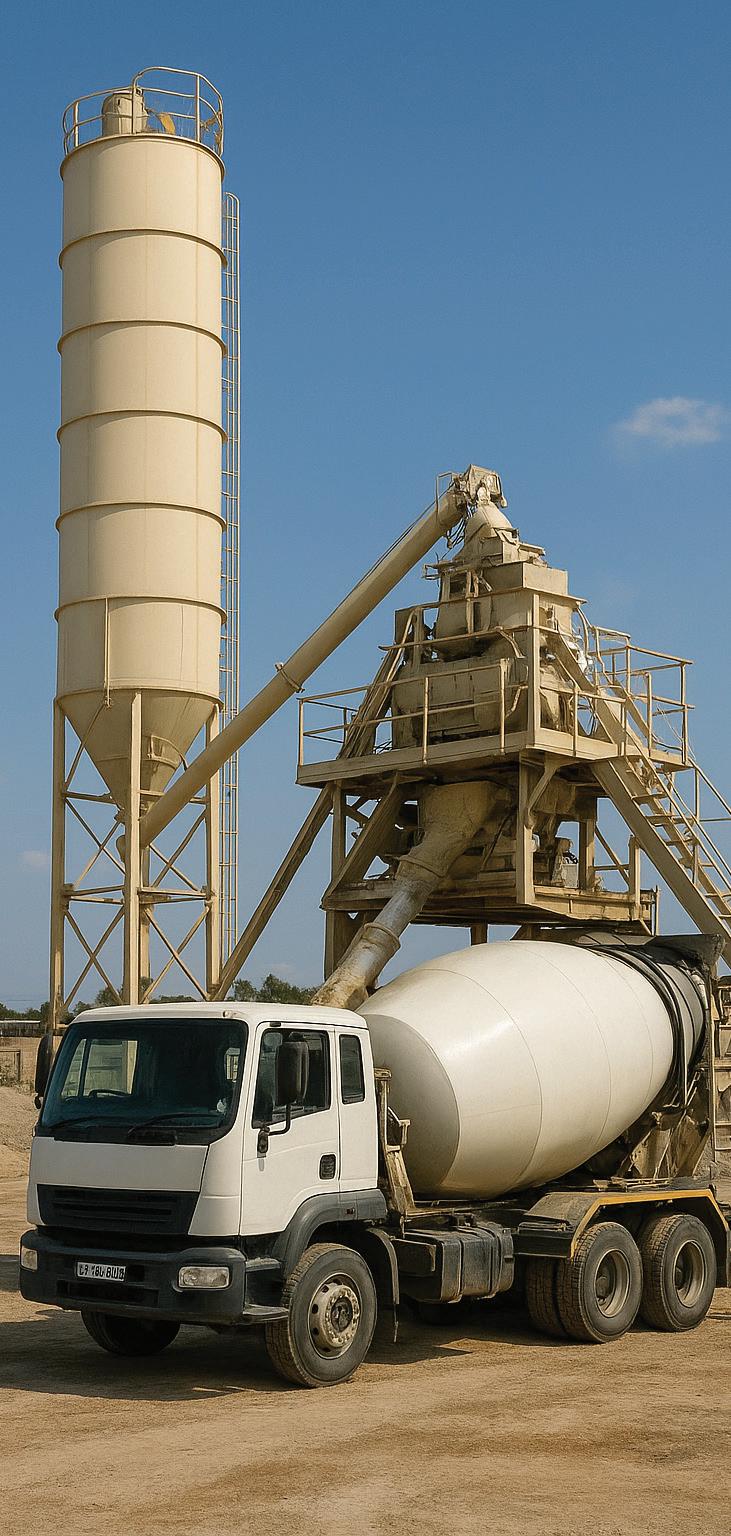
Using factory-batched readymix concrete is growing in use across South Africa due to its ease of use and often superior quality thanks to batching in a controlled environment under close supervision.
Wherever quality or time is of the essence building contractors are increasingly using readymix as it gives them the ability to specify quality as well as schedule labour around the delivery times. Concrete Connect looked at online sales of readymix and found the most compelling reasons these suppliers give potential customers reasons why to buy their products. For builders who have not used readymix concrete before or for those who are working their way up to larger contracts here are some very good reasons to consider purchasing readymix concrete rather than relying on insitu mixing:
1. Consistent, verifiable quality
Ready-mix is produced under controlled conditions with precision batching including calibrated weighing systems, moisture measurement and routine testing. This enables suppliers to ensure each truckload meets the design mix and target strength consistently. That level of repeatability is difficult to achieve with site-mixed concrete and reduces the risk of structural defects.
2. Compliance with standards
Readymix production and supply is governed by SANS specifications (for example SANS 878 for ready-mixed concrete). Using a responsible supplier helps ensure mixes are delivered in line with national standards. By controlling the quality of concrete used on site builders can work to specification and avoid liability in the event of defects.
3. Faster placement
Because concrete arrives ready to place construction can proceed faster with controlled pours. This improves scheduling and reduces on-site labour hours and lowers occupation time for temporary works.
4. Reduced labour and site disturbance
Readymix eliminates the need for onsite batching plant extra manpower
and the variability that comes with manual mixing. That lowers labour cost, reduces dust/noise and makes congested urban or restricted sites far easier to manage.
5. Minimised waste
Batch plants measure ingredients precisely so material wastage and over-ordering drop. Less rejected concrete and fewer re-works translate into real cost savings once quality, repair and downtime are accounted for. It also reduces shrinkage and defers the danger of spoiled cement due to rain or other environmental factors.
6. Complex and specialised mixes are available
Modern readymix plants deliver pumpable mixes, high-strength grades, self-compacting concrete (SCC), fibre-reinforced mixes and mixes tailored for durability (chloride exposure, sulfate resistance, etc.). Specifying a type of concrete lets you call up the exact performance you need without trial-and-error on site.
7. Better site housekeeping
Fewer mixers relate to less manual handling and cleaner deliveries reduce slip/trip hazards and cement exposure
risks for labourers. Cleaner sites also speed inspections and handover which contractors and clients both value.
8. Technical support and testing
Established suppliers provide mix design, trial batches, slump control, delivery documentation and often on-site technical assistance. Many supply labs carry out compressive strength testing and supply certificates that support QA/QC records.
9. Scalability
Whether you order a few cubic metres for a house slab or hundreds for a dam wall readymix plants can scale production while keeping the same mix specification. For large tenders this consistency is vital to maintain structural performance and programme rhythm.
10. Environmental and material efficiencies
Central batching enables optimisation of cement content, use of supplementary cementitious materials (fly ash, slag) and more accurate water control which reduces embodied carbon per cubic metre when mixes are designed that way. Modern plants also manage washwater and aggregate handling better than ad-hoc site batching.
THINKING OF RENOVATING?
Here’s what every homeowner should know before building begins
Master Builders Association Western Cape provides expert advice on how to avoid costly mistakes and ensure peace of mind when tackling a home renovation.
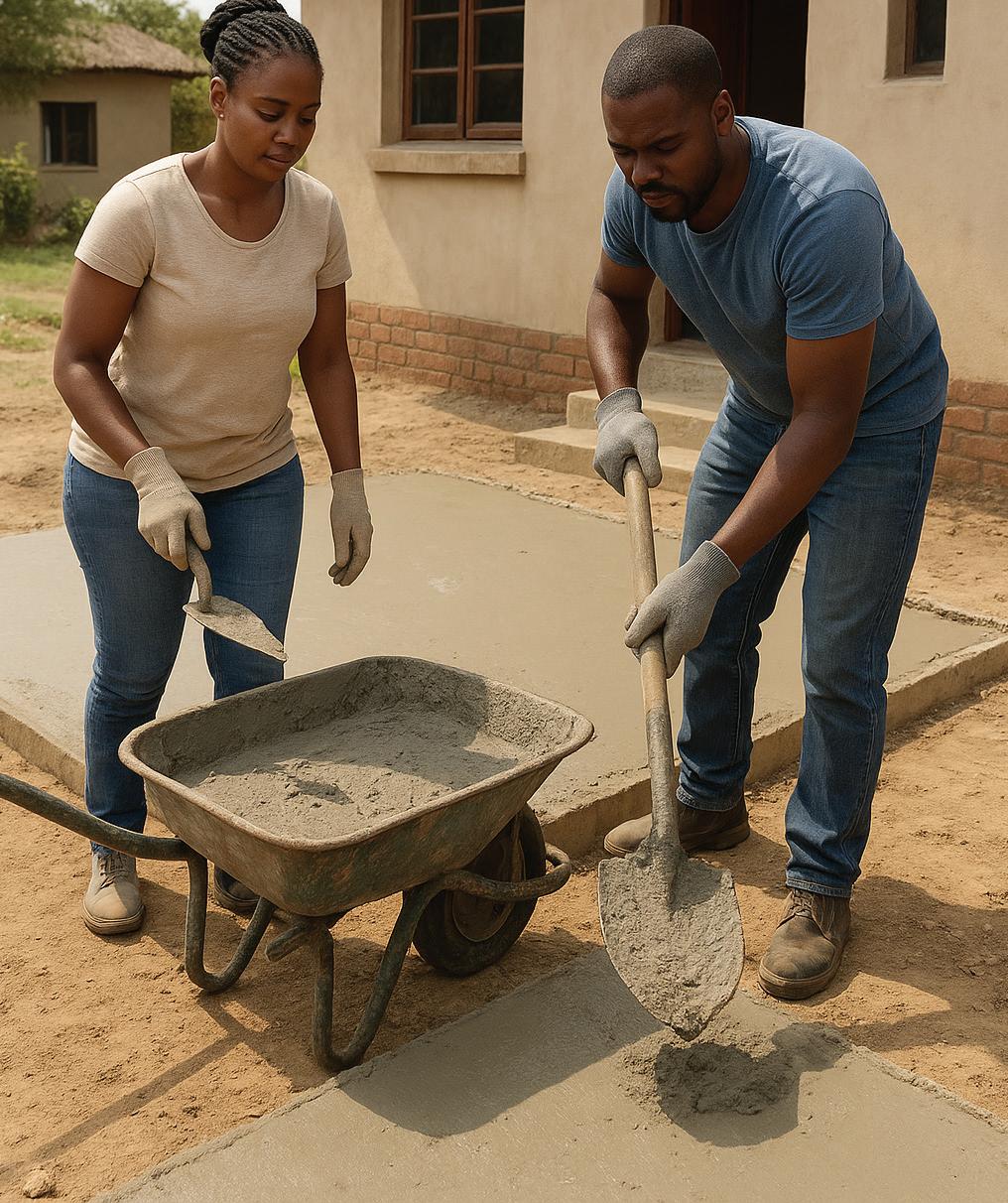
Renovating a home, whether it’s adding a new bedroom, redoing the kitchen or a full-scale makeover is a major investment. Done well it can enhance the comfort and value of your property but done poorly, it can result in unexpected costs, delays, disputes or even dangerous workmanship.
From budgeting and compliance to contracts and contractor selection there’s a lot homeowners need to get right from the very beginning. To help you navigate the process with confidence we share key insights every homeowner should know before the first brick is laid.
1. Don’t rush the planning & hiring stage
Failing to plan is planning to fail. It is vital to take the time upfront to think carefully about your goals, research costs including hidden ones like municipal fees and professional services and outline a realistic scope for your project. Homeowners should also factor in contingencies. Unexpected costs almost always arise so it’s wise to include a buffer in your budget.
Ensure that you have approved plans from your local authority before allowing the contractor to begin any site work. It’s also essential that all relevant commencement and completion documentation is submitted timeously by the contractor. Neglecting these steps can lead to legal or compliance issues down the line.
2. Be Wary of rushing into contract agreements
Quick decisions can come back to bite you. If you skip proper due diligence you risk hiring an unregistered or non-compliant contractor, facing legal or safety issues or falling into conflict when things don’t go as promised.
Consider getting a minimum of two or three quotations which should all
be priced on the same scope of work and schedule of finishes. This ensures you’re comparing apples with apples and not basing your decision purely on cost.
3. How to Choose the Right Contractor
Experience is non-negotiable. Look for contractors who are highly experienced and are also members of professional associations like Master Builders Association Western Cape (MBAWC) and who have a history of good conduct within these organisations.
Here’s what else to check:
• National Home Builders Registration Council (NHBRC) registration (this will soon be mandatory even for alterations).
• The Building Industry Bargaining Council (BIBC), Compensation
for Occupational Injuries and Diseases Act (COIDA), Federated Employers Mutual Assurance Company (FEM) as well as SARS compliances.
• A solid track record backed by referrals.
• A professional online presence. Word documents and vague emails should raise a red flag.
Other warning signs? Avoid contractors who push for large upfront payments, won’t provide a written contract or pressure you into decisions.
4. Always get a proper contract
A professional contract protects both parties. MBAWC recommends industry-standard agreements like the Joint Building Contracts Committee (JBCC) or JBCC Minor Works Contract with no amendments or the MBSA (Master
Builders South Africa) House Building and Small Contracts Agreement and the Agreement for Renovation and Refurbishment Work to Existing Premises.
A good contract should outline the full scope of work, timelines, penalties for delays, a clear payment schedule, warranties, dispute resolution procedures and insurance responsibilities. It’s your blueprint for accountability.
5. Know your health & safety duties
Legally, the contractor is responsible for health and safety compliance onsite. But depending on the type of renovation, homeowners may have responsibilities too. For example, if your renovation is not a simple single-storey dwelling where you live you may be required to appoint a health and safety agent, provide a safety specification or even conduct monthly audits.
When in doubt, speak to MBAWC for guidance on your legal obligations under the Construction Regulations (2014).
6. Verify registrations & compliance
Don’t just take someone’s word for it. Confirm compliance with the NHBRC, COIDA, BIBC and other relevant bodies.
While South Africa lacks a centralised verification system, MBAWC can assist homeowners in vetting members. Its website lists all its member entities and contractors and is a great place to start.
7. Stay involved – but don’t micromanage
Successful renovations depend on clear, ongoing communication. Hold regular site meetings, keep written minutes and always document changes to the scope, budget or timeline. Written records help avoid misunderstandings. If possible, appoint a qualified project manager or quantity surveyor to act on your behalf and keep things running smoothly.
8. Mutual respect matters
Renovations can get stressful. Mutual trust and agreed-upon rules of engagement reduces tension when challenges arise. Respect makes it easier to collaborate, resolve disputes and keep everyone focused on the end goal.
9. Homeowners set the tone for ethical building
Choosing to work only with compliant, ethical contractors helps uplift industry standards. Every time you insist on compliance from fair labour practices
to building legally you reinforce a culture of professionalism and integrity.
Don’t cut corners by hiring the cheapest bidder without checking their credentials.
10. Final advice: build smart, not fast
Do your homework. Plan thoroughly. Choose professionals, not prices. Document everything. And above all don’t rush.
Helpful Resources for Homeowners
• Visit MBAWC for downloadable contracts and a list of reputable builders.
• Industry guidance and support: info@mbawc.org.za | +27 (0)21 685 2625
Renovating your home is one of the biggest personal investments you’ll make. With the right preparation, the right partners and the right protections in place it can be a seamless and rewarding experience. Start smart and build better.
ESSENTIAL BATTERY POWERED HAND TOOLS
Rechargeable cordless tools have progressed to the point where they are now essential equipment on concrete and construction sites, either as backup equipment or increasingly as primary production tools.
Improvements in lithium-ion battery chemistry, brushless motor efficiency and onboard electronic management have narrowed the performance gap between cordless and corded machines. As a result, modern cordless drills, grinders, rotary hammers and other core power tools can now undertake most everyday concrete-related tasks with confidence while providing advantages that corded systems simply cannot match.
Modern professional cordless tool ranges have high-density battery packs combined with smart electron-
ics that monitor temperature, current draw and cell balance. These are configured into voltage platforms which are typically 12 V, 18/20 V, 36 V and in some advanced systems even 48–54 V equivalents. The platform strategy matters because batteries, tools and chargers are interchangeable within each ecosystem. For contractors, standardisation of fleet management ensures that each battery rotation serves multiple tools throughout the day. A strong platform also makes it possible to scale power: a light 12 V drill for tight spaces, an 18 V grinder for general concrete cutting and a 36–48 V rotary hammer for serious drilling or chiselling all using familiar interfaces and shared charging hardware.
The advantages of cordless tools becomes obvious on active jobsites. Mobility is the most immediate bene-
fit with the absence of trailing cables and extension leads clears space and allows crews to work unimpeded without tripping on scaffolding or reinforcement areas where cord management becomes a burden. Set-up times drop dramatically because workers no longer need to run temporary power or find safe cable routes. Indoor and enclosed work improves as well since cordless tools eliminate the need for petrol generators and reduce the noise and fumes that accompany them. In many day-to-day operations such as installing anchors, drilling formwork, trimming rebar, cutting small sections of concrete, grinding surfaces and handling mechanical fastening cordless tools now match the torque, rotation speed and load-sustaining capabilities of corded alternatives thanks to brushless motors and electronic load control.
Understanding the power expectations of each voltage range is critical. The 12 V class remains compact and well-suited for light service work, overhead installation and tasks requiring manoeuvrability, but it is not designed for heavy concrete drilling or grinding. The 18–20 V category has become the professional standard, balancing weight, runtime and output; most contractors rely on this class for drills, impact drivers, medium-size grinders and small rotary hammers. For more demanding tasks like deep drilling, aggressive chiselling, heavy grinding or working with large-diameter bits the 36 V and 48/54 V platforms come into their own. These systems deliver the high wattage and sustained torque previously achievable only with corded SDS-Max hammers, larger grinders or even small petrol equipment. Although heavier, their ability to maintain power under continuous load makes them highly valuable in structural concrete work.
However, cordless technology is not without its challenges. The initial investment is significantly higher than that of corded tools once multiple high-capacity batteries, chargers and backup packs are added. Runtime limitations must be managed carefully particularly in energy-intensive applications such as grinding, drilling into dense concrete or cutting reinforcement. Batteries can drain quickly under these loads requiring crews to
maintain a disciplined charging rotation to avoid downtime. Charging itself becomes another logistical consideration especially on remote or temporary sites with limited electricity. In these instances keeping multiple batteries charged can strain available power and slow production if not planned properly. There is also the long-term cost of battery replacement as lithium-ion packs degrade over time and must eventually be swapped out to maintain performance.
Despite these drawbacks the value proposition of cordless tools remains strong. They increase safety, improve productivity, simplify site logistics and
offer a level of flexibility that corded systems cannot replicate. Their performance envelope continues to expand as manufacturers push battery capacity and introduce higher-voltage platforms capable of replacing even traditionally high-demand machines. For concrete professionals whether contractors, site foremen, finishing teams or specialised drilling and cutting crews rechargeable tools are now essential. Every worker should have them in the toolbox either as supplementary equipment alongside corded tools or in many cases as their primary tools, depending on the task and the voltage platform selected.
IMPOSING BAKKIE FOR CONTRACTOR BOSSES
Already a category-defining contender in South Africa’s bakkie segment the GWM P500 now brings even more attitude to the construction site office with a fresh visual edge that enhances its already commanding presence.
The design upgrade offers a more aggressive stance while still staying true to the P500’s winning blend of strength and luxury. The same combination that recently saw it crowned South African Bakkie of the Year 2024, including top honours in two power categories. “The P500 already leads in performance, comfort and innovation. Now its design reflects that same leadership. It’s bold, modern and unmistakably forward-thinking. This update makes a visual statement that is rugged and powerful which is ideal for executives in the construction industry.”
Floyd Ramabulana, head of marketing at GWM South Africa says the bakkie is imposing measuring 5 445 mm in length and nearly 2 metres wide. Blacked-out features combined with LED headlights and smoked-glass tail lamps enhance its high-tech feel, while unique useable features like a split-opening tailgate capable of opening barn-door style brings real-world practicality into the mix.
The GWM P500 is available with two advanced powertrains including a high-output turbo diesel or a selfcharging petrol-electric hybrid (HEV). Topping the range is the 2.0T HEV variant which is the first full hybrid bakkie in South Africa and at 255 kW and 648 Nm, among the most powerful bakkies in SA. Paired with a smooth 9-speed automatic transmission and standard 4x4 capability across the range, it de-
livers both instant torque and remarkable control across any terrain.
The P500 also offers a towing capacity of 3 500 kg, giving drivers a formidable mix of power, precision and efficiency. A conventional 2.4 L turbo diesel engine is also available, offering a solid 135 kW and 480 Nm, making the P500 a versatile choice for fleet operators and private owners alike.
ENGINEERED FOR EVERYTHING
Every P500 is built for versatility and adventure. With selectable low-range gears, front and rear diff locks and a 3 350 mm wheelbase, it’s equally at home loading, towing or trailblazing. An electric rear sliding window, 28 loadbox anchor points and a loadbox lamp ensure its work-ready functionality matches its off-road prowess. From
construction site to scenic escape this is a bakkie engineered to handle every demand.
Inside the P500 sets a high standard for luxury in the double-cab market. Upholstered in premium black Nappa leather trim the interior features electric, heated, ventilated and massaging front seats, as well as independently heated and cooled rear seats with power adjustment. The cabin offers two infotainment screen options including 12.3- or 14.6-inch options depending on the grade. The system is supported by a 10-speaker Harman Infinity audio setup. Front and rear wireless charging, a panoramic sunroof and a 4-way adjustable steering column create an environment that feels closer to high-end SUV than utility vehicle. Rear passengers are equally well catered for, with features like individual climate controls, a centre armrest with wireless charging, and even welcome seat adjustment for easier entry and exit.
SAFETY THAT GOES ABOVE AND BEYOND
P500 owners can expect class-leading safety systems typically found in luxury vehicles. These include Automatic Emergency Braking, Lane Keep Assist, Adaptive Cruise Control and a Driver Fatigue Monitoring System. Also standard is a 360-degree camera system, seven airbags (including a centre airbag), Rear Cross-Traffic Warning Sys-
tem and Front Collision Warning, all spotlighting GWM’s commitment to occupant protection and intelligent driving technology.
The GWM P500’s recent win at the 2024 South African Bakkie of the Year Awards confirms its place at the top of the segment. It dominated two power categories: 126–160 kW and 161+ kW – and was named overall winner. The judging panel felt it had reshaped the competitive landscape, praising its allround capability, off-road mastery and superior comfort.
“The P500 proves that bakkies can
be both powerful and premium,” says Ramabulana. “This update builds on that momentum, with styling that reflects the bakkie’s ambition and capability.”
The new GWM P500 is available in three grades:
• P500 2.4T 9AT 4X4 Luxury R799 900
• P500 2.4T 9AT 4X4 Super Luxury R889 900
• P500 2.0T HEV 9HAT 4X4 Ultra Luxury R999 900
SCALING OFFERINGS FOR CHANGING MARKETS
Tough economic conditions are changing the business landscape and leading entrepreneurial businesses to respond by diversifying their offerings rather than retreating. One such company is The Well Digger a provider of infrastructure support and delivery services.
Led by entrepreneur Tryphina Moeketsi Maile whose multi-sector strategy offers insight into how small-to-medium enterprises are recalibrating to remain competitive. Although business began with a narrow focus on construction and maintenance services for large corporate clients the consistent delivery grew confidence in its services and later enabled expansion into other services including sanitation, cleaning, cleaning product manufacturing and property development.
She says the move was driven by the practical realities of the market. “Diversifying gave us operational stability and allowed us to meet broader client needs.”
With construction remaining one of the most challenging sectors in the built
environment marked by rising material costs and fluctuating demand Maile emphasises that success requires strict compliance and clarity of purpose. This has led to the company prioritising sustainable community-orientated projects such as its current 560-student housing development for NorthWest University in Potchefstroom.
Her perseverance has earned her a finalist position in the Business Partner Limited Entrepreneur of the Year Awards, a recognition she describes as validating but not defining her hard work. “Entrepreneurship demands constant adaptation. Purpose and resilience are what keep you moving forward.”
With new entrants regularly entering the concrete and construction space Maile’s message to emerging contractors is key:
• Master core competencies before scaling
• Understand compliance obligations
• Invest in reliable teams
• Never compromise on safety or quality standards
She believes the market rewards consistency and transparency more than aggressive growth. One of The Well Digger’s defining characteristics is its integration of related services including sanitation, cleaning, manufacturing and construction into the same operation.
The model reduces operational exposure to sector-specific downturns. These sectors complement each other and the integration improves efficiency and helps stabilise the business during market fluctuations. Despite operating in industries often associated with manual labour, The Well Digger relies heavily on digital and technical tools. From project management and remote monitoring to detergent development and property design modelling where technology plays a central role in decisions and quality control. Maile explains that these tools shorten turnaround times and supports accuracy which is an increasingly critical factor for service providers competing for contracts.
Reflecting on her role as a Black woman entrepreneur, the businesswoman says leadership requires accountability and the ability to navigate structural challenges without losing focus.
“Leading diverse teams has reinforced the importance of empowerment and inclusion and it is clear that our local entrepreneurs have a large role to play in the construction and related industries. They have the capacity to build globally competitive businesses provided they adhere to strict governance and a culture of innovation and value creation. South Africa has the talent and capability the challenge is maintaining standards while adapting to this constant type of change,” she concludes.