AGD Impact

Five Practical Paths Beyond the Operatory
Microplastics and Dentistry
Spring: A Season of Growth and Renewal
Microplastics and Dentistry
Spring: A Season of Growth and Renewal

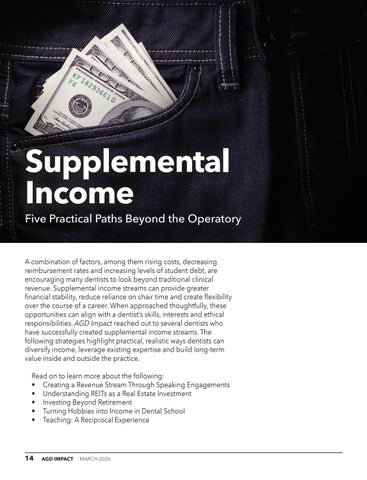
A combination of factors, among them rising costs, decreasing reimbursement rates and increasing levels of student debt, are encouraging many dentists to look beyond traditional clinical revenue. Supplemental income streams can provide greater financial stability, reduce reliance on chair time and create flexibility over the course of a career.
By Dan Kolen
Microplastics are believed to be the cause of dire health and environmental effects globally, according to a growing body of research on the topic. Many dental applications have the potential to introduce microplastics directly into patients’ bodies. The full effect of this issue on patients’ health, however, is yet to be determined.
Self-Instruction article, 1 CE credit
Network with colleagues, students and dental team members June 24–27 at Caesars Palace.
By Roberta Garceau, DMD, FAGD
Spring is generally considered to be a time of renewal and a symbol of rebirth. In dentistry, spring is an opportunity to shed the weight of winter and feel the lightness of reassessed priorities.



Inever felt a desire to go to professional school. My plan was to get a PhD and teach at some level after obtaining my bachelor’s degree. I received a biochemistry fellowship at Wayne State University. After a year, I decided to apply to dental school at the University of Detroit Dental School and was accepted. Go figure. Teaching, however, was still a prominent part of my life desire.
After dental school, I was fortunate to be accepted into a remarkable general practice residency in Dayton, Ohio. This was a most formative year in my professional life. Following that, I had several opportunities for work, but I chose to travel back home to Michigan to work for a true mentor in implant dentistry. Dr. Paul Mentag was one of my faculty members in dental school and encouraged me to go back to our dental school on my day off from my associateship with him.
Each Thursday for more than 10 years, I had a nice relaxing breakfast and then spent the day initially in the emergency clinic and eventually on the clinic floor working with younger — but not so much younger — dental students. These times were influential in my formative years as a young dentist because the more seasoned faculty taught me so much about clinical dentistry, life goals and expectations, and communication skills that would serve me well as I developed my own practice.
These mature doctors made me realize that we all have the same goals and expectations for a happy and successful life. We create a lifestyle that serves us well during good times and bad. When I first started teaching, most recent graduates desired to be hired as associates or start their own practices from scratch. Times have changed, but the strong desire to serve and provide outstanding dental care has not. Teaching provided me the opportunity to really elevate my communication skills and realize the proper steps to create and elevate a successful dental practice.
For many years, my Thursdays were devoted to students. As my family grew, it became more
challenging to spend an entire day teaching. I often wanted to leave the clinic early to watch one of my children’s important sporting events. I eventually chose to just work a half-day in the clinic, but it was still extremely rewarding. I still enjoyed the early morning and became the “fun faculty” — I could devote my entire thought process to my students because I would leave shortly after lunch. I had the best of all worlds.
Giving back to my dental school opened many doors for me personally. I became president of the dental alumni association and helped raise funds from many generous alumni. I was honored to be named alumnus of the year. Donating your time to future generations is an important part of our professional lives. It was also nice to have the supplemental income — we explore various ways to generate extra income in this month’s cover story.
Money is important, but so is the ability to mentor and elevate the profession. I always loved teaching. I loved the camaraderie with other faculty. I loved the lunches and sharing of life experiences. Our profession is unique in that we are blessed with the ability to provide health and well-being and to improve the quality of life of so many in our communities. It was never a chore to teach; it was something that benefited me more than anything else. The rewards far outweighed the sacrifices. I wouldn’t have traded my experiences for anything.
We all need to elevate the profession in our own ways, whether through teaching or becoming an active leader in the organization of our choice. Each of us can make a difference, so go out and make that difference.

Timothy F. Kosinski, DDS, MAGD Editor
DISCLAIMER: The Academy of General Dentistry does not necessarily endorse opinions or statements contained in essays or editorials published in AGD Impact. The publication of advertisements in AGD Impact does not indicate endorsement for products and services. AGD approval for continuing education courses or course sponsors will be clearly stated. AGD Impact (ISSN 0194-729X) is published monthly by the Academy of General Dentistry, 560 W. Lake St., Sixth Floor, Chicago, IL 60661-6600. Canadian Mailing Information: IPM Agreement number 40047941. Change of address or undeliverable copies should be sent to: Station A, P.O. Box 54, Windsor, Ontario, N9A 6J5, Canada. Email: impact@agd.org. Periodical postage paid at Chicago, IL and additional mailing office.
AGD members receive AGD Impact as part of membership; annual subscription rates for nonmembers are $80 for individuals and $120 for institutions. Online-only subscriptions are $85 for individuals and $110 for institutions. All orders must be prepaid in U.S. dollars. Single copies are available upon request. Please contact our Membership Services Center at 888.243.3368 for more information.
POSTMASTER: Send address changes to AGD Impact 560 W. Lake St., Sixth Floor, Chicago, IL 60661-6600. No portion of AGD Impact may be reproduced in any form without prior written permission from the AGD. Photocopying Information: The Item-Fee Code for this publication indicates that authorization to photocopy items for internal or personal use is granted by the copyright holder for libraries and other users registered with the Copyright Clearance Center (CCC). The appropriate remittance of $3 per article/10¢ per page is paid directly to the CCC, Inc., 222 Rosewood Drive, Danvers, MA 01923, USA. The copyright owner’s consent does not extend to copying for general distribution, for promotion, for creating new works, or for re-sale. Specific written permission must be obtained from the publisher for such copying. The Item-Fee Code for this publication is 0194-729X. Printed in U.S.A. © Copyright 2026, Academy of General Dentistry, Chicago, IL. AGD Corporate Sponsors

In Response to the Editor’s Note in AGD Impact, December 2025
I was disappointed to read the Editor’s Note in the December 2025 AGD Impact titled “Is It Time to Change Beliefs and Attitudes Toward DSOs?” I agree with the author that “[DSOs] must be addressed by AGD for our own good,” but I disagree that letting the foxes in the proverbial hen house by welcoming DSOs with open arms would result in a better AGD.
For years, I have watched as the American Dental Association (ADA) at a national level has promoted the DSO model and all but encouraged new dentists to join a DSO (see the March 2022 ADA News article “Pathways to Dentistry: DSOs Offer Nonclinical Support,” the February 2023 ADA News article “Should I Join A DSO?” and the June 2023 ADA News article “To DSO or Not to DSO,” just to name a few from the last few years; as well as the ADA’s participation in the July 2023 Dykema Definitive Conference for DSOs). It is obvious that ADA membership has declined in the last decade, and I believe the abandonment of the private practice base for the fickle appeasement of DSO groups is a significant reason. I also believe that DSO promotion by AGD will ultimately lead to many private practice dentists not renewing their membership, as their interests and AGD’s interests would no longer align.
Indeed, we should be advocating for all general dentists to join AGD and find ways to promote and advance the well-being of the profession. However, I believe there is a difference between encouraging dentists who are employees of DSOs to join and cozying up to the private equity–backed corporations that employ them. One of these groups has a stake in the future of the profession; the other has no long-term interest apart from churning out profits and moving to the next victim.
I disagree with the editor’s idea that “[w]e should work with DSOs to strengthen organized dentistry.” This brings to mind the famous quote that democracy is two wolves and a lamb voting on what to have for lunch. Partnering with DSO wolves to lunch on the dentistry lamb would, I believe, ultimately result in the pushing aside of the patient-focused private practice model for the bottom line–driven DSO approach, generally with worse patient experiences.
Although I appreciate the honesty of the disclaimer at the end of the article regarding the author’s son having a personal stake in a DSO, it is still troubling to see DSO promotion coming from AGD.
In short, I believe AGD partners with DSOs to its own detriment. The ADA is learning this lesson, and I fear AGD may be on the same path. Obviously, employee dentists should be welcomed and encouraged to advocate for the profession, but giving a faceless corporate entity a seat at the table will ultimately result in negative results for dentists, dental professionals and, most importantly, patients.
Cordially,
Michael Stucki, DDS Burley, Idaho
Thank you for the thoughtful and candid letter regarding the December Editor’s Note, “Is It Time to Change Beliefs and Attitudes Toward DSOs?” Engagement like this reflects how deeply our members care about the future of AGD and the profession, and that dialogue is healthy for any strong organization.
Editor’s Notes, whether written by me or by guest contributors, are intended to stimulate ideas, encourage reflection and be helpful to readers at every career stage. They are meant to bring important issues to the forefront and invite constructive discussion. Differences of opinion are expected and welcomed, as that is how we grow together.
I would like to clarify the intent of that particular Editor’s Note. It was not written to promote DSOs or to suggest that AGD should align itself with corporate interests. The point was much simpler: to encourage all general dentists, regardless of practice setting, to join and participate in AGD. Dentists in private practice, group practices and public health as well as employee dentists share the same educational needs, ethical obligations and commitment to patient care.
AGD works with a number of corporate sponsors to make their products and services known to members, as many professional organizations do. However, no DSO dictates AGD policy or influences our governance. AGD remains independently led by general dentists, for general dentists.
Ultimately, AGD’s goals have always been to increase knowledge, strengthen advocacy and elevate the profession. We are strongest when we pull together with mutual respect and a shared commitment to excellent patient care.
Thank you again for contributing to this important conversation.
Timothy F. Kosinski, DDS, MAGD Editor
AGD Attends American Academy of Dental Sleep Medicine Consensus Conference
By Jennifer Clemmons, AGD manager, Dental Practice
Laura Sharbash, DDS, FAGD, AGD Dental Practice Council member, and Francisco Marcano, DMD, DAADSM, attended the American Academy of Dental Sleep Medicine (AADSM) Consensus Conference, which took place in Chicago, Nov. 14–15, 2025. AADSM was established in 1991 and represents dentists who treat sleep-disordered breathing — which includes obstructive sleep apnea and snoring — with oral appliance therapy.
The Consensus Conference focused on developing a joint consensus paper defining the dentist’s role in managing obstructive sleep apnea. The panel reviewed statements, guidelines and policies from all participating organizations. Sharbash and Marcano supported each other’s contributions, which were well received by the committee. Each panel member was given ample time to share their perspectives, and open discussion continued until consensus was reached, resulting in the development of 12 consensus statements.
Sharbash and Marcano were the only general dentists on the panel and were two of only four members actively engaged in private practice dentistry. Their involvement on this panel ensures that the real-world realities of primary care dentistry are fully represented and incorporated into the upcoming final document defining the dentist’s role in managing obstructive sleep apnea. AGD will also have the opportunity to review and approve the final paper before it is submitted for publication.
See Pictures & Updates
March 3: “AGD’s 2026 10 Dentists to Watch” with multiple speakers, moderated by Mary L. Quilici, DDS.
March 6: “All-Star Case Acceptance Mastery Series Level 1” by All-Star Dental Academy.
March 10: “How to Schedule 37 More New Patients Every Month in 2026” by Ryan Menacho.
March 24: “Bone Grafting Masterclass in Successful Ridge Preservation and Ridge Augmentation Techniques for Predictable Implant Surgery,” by Jim Grisdale, DDS, Dip Perio ABP, Dip Prosth ABP.
Register for these webinars and more at agd.org/education/learn
AGD is seeking nominations for the 2026 Albert L. Borish, Distinguished Service, and Humanitarian awards. Help us honor those who are inspirations through exceptional service, leadership and innovation. Award recipients will be honored during the 2026 Annual Meeting of the House of Delegates in Chicago.
Access the award forms by visiting agd.org/continuingeducation-events/get-recognized/awards. All nominations and supporting documentation must be submitted by April 15, 2026, to the AGD Awards Committee, Office of the Executive Director, 560 W. Lake St., Sixth Floor, Chicago, IL 60661-6600. For more information, email executiveoffice@agd.org or call 888.243.3368, ext. 4330.
By Wesley W. Lyon II, CPA, CFP
Is selling to a dental services organization (DSO) right for your practice? The short answer is: It depends. However, most dentists are likely better off selling to a private dentist, with some key exceptions. Unfortunately, misleading headlines and brokers hungry for commissions continue to drive more dentists to make transactions that are not in their best interests. I have seen headlines exclaiming that DSO buyers are paying 10× earnings before interest, taxes, depreciation and amortization (EBITDA) — sometimes even 12× EBITDA — for your practice. Who wouldn’t choose a corporate sale for 12× EBITDA? Unfortunately, the truth is that seldomly, if ever, does a privately owned practice sell for 12× EBITDA.
Brokers can make a small fortune very quickly by helping dentists sell to DSOs, with many of the brokers being paid a finder’s fee from the DSO as well as a brokerage fee from the dentist. Moreover, many brokers charge commissions on rollover equity or earnout money, even though both the earnout and rollover equity are not guaranteed payments! Commissions should only be paid on cash received, since this is the only guarantee. I recently met with a dentist who had been charged over $1 million in commission fees to receive $6 million in cash — a travesty for the dentist. Even worse, these incentives often cause brokers and some DSOs to overstate the offer through misleading tactics. For example, we once reviewed an offer to purchase a dentist’s practice at “10× EBITDA,” with a total purchase price of $6,944,215 on an EBITDA of $697,000. However, the true sales price was only $2.2 million, or 3.15× EBITDA. How did the broker get 10× EBITDA? The first trick was adding an additional 26% to the cash paid upfront as interest. Future investment returns on your money do not equal enterprise value! The second trick was to add the dentist’s compensation paid over four years to the total received, adding another $1 million in value. The amount you are paid for services provided is not part of the purchase price! This one is especially excruciating to see, since reasonable compensation is always removed to calculate EBITDA. The last trick, and maybe the dirtiest of them all, is that they applied more than a 500% investment return to the rollover equity on the presentation. The current value of the rollover equity was $660,000, but the future estimated value was $4 million, which had been used to calculate the proposed purchase price and achieve 10× EBITDA. While I hope this comes true for the sake of dentists who have sold, anyone touting a 500% expected investment return should be shown the door. DSOs typically pay between 5× and 7× EBITDA depending on each individual practice, with 7× EBITDA offers usually reserved for larger practices, and some very large practices even exceeding 7×.
The first thing I tell dentists is that selling to a DSO is simply another transition option to be weighed, and every dentist should consider all their options. However, for at least eight out
of 10 practices it doesn’t make sense to sell to a DSO. Let’s take a side-by-side look at two hypothetical practices with the same collections to understand corporate values. Let’s review a few definitions before we get started:
EBITDA: Earnings before interest, taxes, depreciation and amortization. A simpler way of understanding this is that it is what the owner would make after paying an associate doctor but before taxes and debt payments. Even simpler: It’s what the DSO expects to make.
EBOC: Earnings before owner compensation. This metric largely drives private sales since reasonable doctor compensation can have a range. It’s how much profit a practice has prior to paying the owner doctor, or how much cash is available to the owner to service debt, pay taxes and live on.
Overhead: For our purposes, overhead is calculated prior to any dentist compensation.
EBOC = Earnings before owner compensation. EBITDA = Earnings before interest, taxes, depreciation and amortization.
As you can see in the above table, both practices have the same collections. However, one practice has a 40% overhead rate, while the other has a 60% overhead rate. This results in an additional 20% of revenue increasing EBITDA, leading to an increase in a potential DSO sale price of more than $1.9 million. How does this relate to whether a DSO is right for you? On the surface, you can see that the practice with below-average overhead is potentially worth $3,582,000, making the DSO choice much more appealing. However, both practice owners should proceed with caution.

Let’s start with our average overhead practice. The sale will come with caveats, most importantly that only 70% of the sale price will be in cash on a well-negotiated deal, and the dentist will have to work back for five years. This is an up-front cash payment of $1,163,400 with a five-year commitment.
What if, instead, the first practice owner decided to just continue working the next five years and then sell to an individual? The dentist would keep the EBITDA totaling $1,385,000 over five years ($277,000 × 5), followed by a private sale of approximately 2× EBOC, or $1,280,000. This results in an additional $1,501,600 over five years in favor of remaining a private practitioner. By selling to a DSO, you are relying on the equity received in the DSO to pay more than the $1,501,600 while also choosing to work for someone else. This isn’t a bet I’d recommend.
Let’s turn our sights on the below-average overhead practice and run the same numbers. The upfront cash payment of 70% will total $2,507,400. If the dentist remains private, he or she will collect an additional $2,985,000 over the next five years ($597,000 × 5). This is where things get tricky. How much will the second practice owner receive at sale? If he or she is in a major metropolitan area, such as Atlanta, Charlotte or Charleston, it is likely to sell for 2× EBOC, or $1,920,000. Given this value is over 100% of collections, the seller will likely need to seller-finance a portion of this.
However, this same owner could be in a bind if they are located in a less desirable market or a rural area, or if the practice performs a high percentage of specialty work that not every young dentist can perform, which are helping the overhead remain well below average. The same dentist could be looking at a very difficult practice to sell on the open market, and a DSO could provide a guaranteed transition plan. I would recommend this practice owner test the market and see what offers and terms come back. Is it possible that a DSO
purchases the practice and only requires a three-year workback? Could a DSO be looking to grow rapidly and offer a 7× EBITDA multiple? You simply don’t know until you test the market. The results will ultimately dictate the outcome.
I recently met with one of the unicorn dentists who has the lowerthan-average overhead practice. He contacted me to determine if a DSO offer was worth taking. He was shocked when we analyzed his financial life and projected net worth in both scenarios. His net worth was not going to meaningfully change by selling to the DSO after we factored in the lost profits that the DSO would take for five years. However, due to the metro area in which his practice is located, selling to an individual at a high price was a reasonable option. For others, the same cannot be said. Once you tune out the noise, selling to a DSO is simply another transition option. For practices with lower-than-average overhead, it’s an option that absolutely should be considered.
If you are considering selling, first make sure that you are financially ready to sell, meaning the cash proceeds received from the sale will be enough to ensure your retirement. Next, make sure the numbers work in your situation. Lastly, don’t overlook the emotional side. Some practice owners want to remove themselves from management and still practice dentistry. This could be a good reason to explore a DSO sale. However, many dentists have trouble working for someone else and should avoid DSO sales. ♦
Wesley W. Lyon II, CPA, CFP, is president and CEO of McGill and Lyon Dental Advisors. For more information on his firm’s comprehensive tax and business planning services for dentists and specialists, contact Danielle Fitzgerald at 877.306.9780, or email consulting@mcgillhillgroup.com. To comment on this article, email impact@agd.org
By Jake Kathleen Marcus, Esq.
The HIPAA Security Rule (Security Rule), which governs the often-complicated mechanisms of electronic protected health information (ePHI) data security, is often overwhelming to healthcare practitioners. Its use of optional and confusing compliance language, combined with it becoming outdated by a massive increase in both data and data systems, has long led to criticism of the Security Rule for being too vague, too flexible and too easy to ignore. With the likely adoption of the HIPAA Security Rule to Strengthen the Cybersecurity of Electronic Protected Health Information (referred to as the Notice of Proposed Rulemaking — NPRM) in the spring of 2026, optional compliance language in the Security Rule is coming to an end, and mandates will take its place.
The Security Rule currently allows dentists to implement data security safeguards based on the dentist’s own determination of what is “reasonable and appropriate” considering the:
• Size and “capabilities” of the practice.
• “Capabilities” of the dentist’s “technical infrastructure, hardware and software security.”
• “Costs of security measures.”
• “Probability and criticality of potential risks to electronic protected health information.”1
These undefined terms and implicit self-enforcement leave many dentists unsure what Security Rule compliance requires. The proposed changes in the NPRM reflect a shift away from ambiguity and toward documented actions.
This column will discuss just three of the Security Rule changes the NPRM would require. I have chosen three I think are likely to remain in a final version of the NPRM and also reflect current best practices.
Under the current Security Rule, dentists must conduct an “accurate and thorough” risk analysis of ePHI, but the regulation does not specify how that analysis must be performed or documented.2 The result was “a failure to complete comprehensive risk assessments at many covered entities that were audited,”3 according to the United States Government Accountability Office. Too many healthcare providers do not perform comprehensive risk assessments, and auditors warn that not doing so increases the risk of data breaches.
The NPRM tightens this significantly. The NPRM would require a covered entity to maintain a written inventory of all technology assets that create, receive, maintain or transmit ePHI (p. 852),4 as well as a network map showing the location and movement

of ePHI (p. 853).4 The risk analysis uses these as the basis of the risk analysis; however, the NPRM does not point to a single risk analysis format. Instead, the NPRM lists eight examinations as a minimum acceptable risk analysis. These include:
• Identifying reasonably anticipated threats and potential vulnerabilities to systems and ePHI.
• Identifying the potential damage of exploitation of identified vulnerabilities.
• Reviewing and updating the assessment at least every 12 months and whenever there is a change in assets (p. 945).4
Remember that, for compliance purposes, the risks you uncover when performing an analysis are less important than documentation that you have performed the analysis. Scored poorly on the risk analysis? Addressing risks or deficiencies in your security identified by the analysis is the next task, but you have successfully met the requirement to perform the risk analysis at the required intervals; document that you have.
The Security Rule has never required encryption. Technologyneutral, the Security Rule designates security safeguards as either
“In preparation for a rule change, dental offices can move now to identify systems that support MFA, including practice management systems, remote desktop access, cloud backup platforms and administrative email accounts.”
“required”5 (e.g., risk assessment6) or “addressable” (e.g., password management7). If a safeguard is designated as “addressable,” the provider may choose to use it if they determine it “is a reasonable and appropriate safeguard in its environment, when analyzed with reference to the likely contribution to protecting ePHI….”8 This phrasing allows easy justification for a provider to decide against using an “addressable” safeguard.
That flexibility, however, has increasingly conflicted with enforcement expectations. The Department of Health and Human Services Office for Civil Rights has stated that while encryption is not formally mandatory, it is strongly recommended for portable, cloud-hosted or remotely accessible data,9 which currently accounts for the vast majority of ePHI. The NPRM proposes to require encryption of ePHI both “at rest” and “in transit” (p. 1416).4
Few areas illustrate the compliance shift more clearly than patient communications, including appointment reminders, texting, photo-sharing and postoperative instructions.
“Reasonable and appropriate” safeguards does not prescribe how texting, email or photo-sharing must be secured. With the NPRM, encryption in transit becomes the baseline safeguard for electronic communications containing ePHI; thus, dental offices will no longer be allowed to rely on informal controls, staff judgment or verbal instructions regarding texting and messaging.
In preparation, dentists should begin by clearly designating ePHI in communications, including clinical photographs, treatment discussions, insurance information, and identifiable appointment or follow-up details. Practices should then use communication tools that support encrypted transmission and centralized access controls, and they should explicitly prohibit the use of personal SMS messaging, unsecured email or consumer messaging apps for ePHI.
By adopting encryption now, dentists both meet the requirements imposed by the Office for Civil Rights in the event of a breach and are prepared for a coming mandate to encrypt.
Currently, the Security Rule requires access controls and authentication procedures but does not mandate specific procedures,10 leaving password-only access permissible.
The NPRM would require multi-factor authentication (MFA) for access to systems containing ePHI, subject to limited exceptions, and impose documentation requirements around providing, modifying and terminating of access to ePHI (p. 1509).4 So, if your current electronic health records, imaging system or remote access does not support MFA, you will have to switch to one that does. Access decisions must also be documented, including access to cloud-based platforms used for messaging and communications.
In preparation for a rule change, dental offices can move now to identify systems that support MFA, including practice management systems, remote desktop access, cloud backup platforms and administrative email accounts.
Most technology that stores medical information already has MFA as an optional setting, so it is unlikely the change will require the purchase of new systems or equipment. The greatest burden of MFA is often only to what we might consider our most precious commodity — time.
In future columns I will discuss some of the other changes anticipated in 2026 that are critical to consider as best practices immediately. These include increased staff training requirements, increased oversight and auditing obligations for business associates, and limiting staff access to ePHI to the employee’s job function. Starting to implement changes now will make it all manageable. ♦
Jake Kathleen Marcus, Esq., has been an attorney and writer, representing healthcare providers and healthcare companies, for over 35 years. To comment on this article, email impact@agd.org
References
1. United States, Department of Health and Human Services. Code of Federal Regulations, Title 45, sec. 164.306(b)(2). Electronic Code of Federal Regulations, ecfr.gov/current/title-45/subtitle-A/subchapter-C/ part-164/subpart-C/section-164.306#p-164.306(b)(2).
2. United States, Department of Health and Human Services. Code of Federal Regulations, Title 45, sec. 164.308(a)(1)(ii)(A), 20 Feb. 2003. Electronic Code of Federal Regulations, ecfr.gov/current/title-45/ subtitle-A/subchapter-C/part-164/subpart-C/section-164.308#p-164.308(a)(1)(ii)(A).
3. “Electronic Health Information: HHS Needs to Strengthen Security and Privacy Guidance and Oversight.” U.S. Government Accountability Office, August 2016, gao.gov/assets/gao-16-771.pdf.
4. “HIPAA Security Rule to Strengthen the Cybersecurity of Electronic Protected Health Information.” Federal Register, 6 Jan. 2025, federalregister.gov/d/2024-30983/.
5. United States, Department of Health and Human Services. Code of Federal Regulations, Title 45, sec. 164.306(d)(1), 20 Feb. 2003. Electronic Code of Federal Regulations, ecfr.gov/current/title-45/part-164/ section-164.306#p-164.306(d)(1).
6. United States, Department of Health and Human Services. Code of Federal Regulations, Title 45, sec. 164.308(a)(1)(ii)(A), 20 Feb. 2003. Electronic Code of Federal Regulations, ecfr.gov/current/title-45/ part-164/section-164.308#p-164.308(a)(1)(ii)(A).
7. United States, Department of Health and Human Services. Code of Federal Regulations, Title 45, sec. 164.308(a)(5)(ii)(D), 20 Feb. 2003. Electronic Code of Federal Regulations, ecfr.gov/current/title-45/ part-164/section-164.308#p-164.308(a)(5)(ii)(D).
8. United States, Department of Health and Human Services. Code of Federal Regulations, Title 45, sec. 164.306(d)(3)(i), 20 Feb. 2003. Electronic Code of Federal Regulations, ecfr.gov/current/ title-45/part-164/section-164.306#p-164.306(d)(3)(i).
9. “HHS Office for Civil Rights Settles HIPAA Security Rule Investigation with a Florida Health Care Provider.” U.S. Department of Health and Human Services, 28 May 2025, hhs.gov/press-room/hhsocr-hipaa-agreement-baycare.html.
10. United States, Department of Health and Human Services. Code of Federal Regulations, Title 45, sec. 164.312(a), (d), 20 Feb. 2003. Electronic Code of Federal Regulations, ecfr.gov/current/title-45/part164#p-164.312(a).
By Toni Roucka, RN, DDS, MA, FACD
PThis column is a collaboration between AGD and the American College of Dentists.
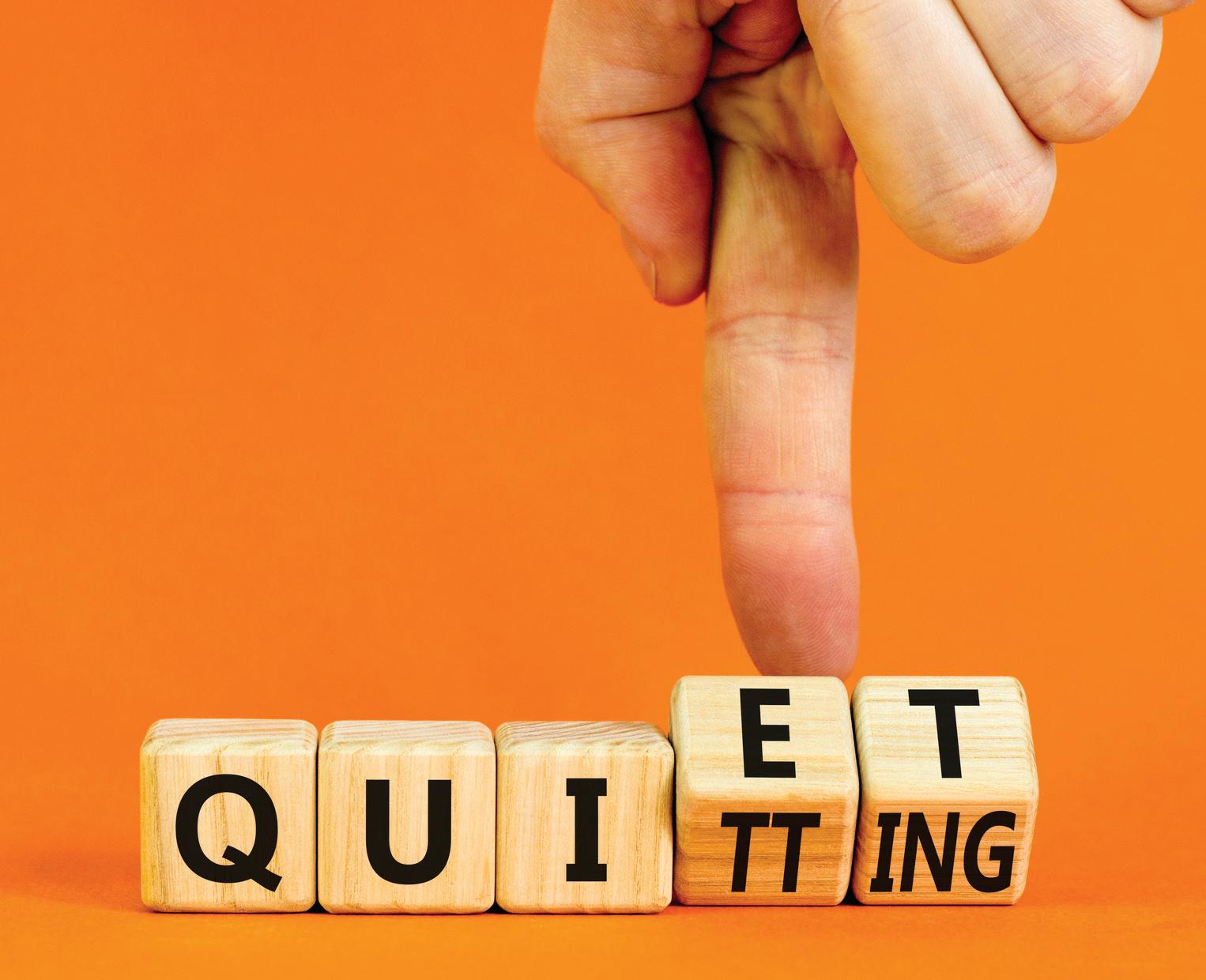
rofessional burnout is a real phenomenon. It often goes hand in hand with workaholism, feeling overwhelmed at work and/or general job dissatisfaction. In dentistry, providers are often under tremendous pressure. Patient care, balancing work and family life, dealing with debt, handling ethical quandaries, and running a business can all contribute to burnout and job dissatisfaction. Burnout can have severe psychological, physical and emotional effects on the person experiencing it. I know. I have been there myself several times in my career. How you deal with burnout and job dissatisfaction matters. This column explores professional burnout and the trend of “quiet quitting.”
According to the World Health Organization, burnout is “a syndrome conceptualized as resulting from workplace stress that has not been successfully managed.”1 It is defined by three dimensions: diminished professional efficacy, increased mental distance from or negativism/cynicism regarding one’s job, and feelings of energy depletion or fatigue.1 Burnout was first coined in the 1970s but became more widely known during the COVID-19 pandemic.2 Overwork has been glorified in the United States and other countries, but the pandemic mandated it for some sectors of the workforce, particularly healthcare. In a competitive workplace, putting in extra time on work-related tasks is frequently seen by employers as a sign of commitment and is required for advancement. In dentistry, especially for those in private practice, long work hours may be necessary to keep the office running and producing revenue. Burnout may be a consequence. On the flip side, some people live for work and may never experience burnout, no matter how hard they work. But when burnout does occur, action is needed to protect the affected person’s health and well-being.
It is not uncommon these days to try to manage burnout through “quiet quitting” — when employees disengage from their jobs, distance themselves from the work, maintain strict 40-hour workweeks and do the bare minimum to keep their jobs.2 Quiet quitting became a trend during and after the COVID-19 pandemic. When the world slowed down for some workers during that crisis, they noticed how much time they spent working, commuting and dealing with work after normal business hours. Many had a taste of what life could be like with a better work-life balance and took action to create that reality, pushing back against the work treadmill and protecting their personal time. This is not necessarily a bad thing; however, the way it’s done matters.
Postpandemic return-to-office mandates have also affected employee morale and the tendency to quiet quit. One study
showed that more than 60% of workers have considered changing jobs due to rigid return-to-office policies and would take a pay cut for more flexible work options. 3 Commuting is time and money, and some workers may consider returning to the office as a pay cut. Employers beware.
Quiet quitting behaviors include:
• Decreased work productivity.
• Less enthusiasm for work.
• Decline in work quality.
• Withdrawal from work social activities.
• No longer going above and beyond.4
Unlike outright quitting a job, quiet quitting is about staying employed while reducing commitment and avoiding additional effort. It also has an element of furtiveness because employers are not consulted. It’s done under the radar. Work-life balance is very important, but when one is in a position of trust, as dental providers are, job discontent must be handled professionally. Dental staff are not immune to this phenomenon either, which could significantly affect office dynamics and efficiency. Aside from burnout, other reasons for quiet quitting include:
• Feeling underappreciated.
• Unclear employment expectations.
• Workload increases without additional pay.
• Poor work-life balance.
• Toxic work culture.
• Poor management.5
It’s important to note that most of these reasons stem from poor office culture and can be prevented with effective office manage-
“Setting boundaries and focusing on work-life balance are key. Sometimes, finding a new position is the best solution of all. It is important to listen to yourself, acknowledge challenges and take the appropriate steps to create the professional life you desire, managing burnout appropriately and avoiding quiet quitting.”
ment practices. Quiet quitting also occurs for other reasons, such as a desire to focus more on family, hobbies or a side business.
The short-term advantage of quiet quitting is that it may help an employee manage acute burnout or free up time for special circumstances.5 It may promote assessing life’s priorities, reconsidering professional objectives and rejuvenation. The long-term consequences are negative and outweigh the benefits. Feeling bored or unfulfilled at work could become an issue, especially for high achievers who thrive on ambition and challenge. This could lead to more stress and job dissatisfaction.2 Employers may also notice the lower work productivity and employee engagement, leading to stalled career growth, job insecurity or even termination.5
There are ethical concerns with quiet quitting as well. As dental providers, we are leaders in our workplaces and have professional obligations to our patients, our colleagues and society to be forthright in our actions and provide quality, compassionate care.6 If we are employed by someone, it’s dishonest to approach work in any less of a manner. If you are feeling the strain of burnout or other stress and sense the onset of quiet quitting, it’s time to act and find a solution that is professionally satisfying and sound because self-care is important. It’s difficult to care for others when we are not at our best. Taking positive action to resolve issues, rather than hiding behind the curtain of quiet quitting, is possible. Here are some ways to reduce burnout and avoid quiet quitting:
1. Ask for help when needed. Identify the specific area where you’re struggling, and reach out to a colleague, your employer, mentor or medical provider for advice or support. In a crisis, first get the help you need.
2. Redefine success for yourself, and reflect on your career path. How do you want to spend your time? What are your short- and long-term goals? Does your current job align with your personal values? Focus on priorities.
3. Establish a healthy work-life balance. Clearly separate work time from personal time. Separation helps you return to work refreshed.
4. Communicate regularly with your employer. Be transparent with your needs and challenges. This can help you get
the support you need and ensure your efforts are recognized while upholding professional responsibilities.
5. Seek opportunities for learning and growth. Look for ways to expand your skills and knowledge to reignite interest in work and open new paths for career enhancement.
6. Disconnect from work during off-hours. Turn off work-related notifications to benefit mental and emotional well-being. Ensure coverage for after-hours emergencies as appropriate.
7. Engage in hobbies and interests. Pursue activities outside work that bring you joy.
8. Set and maintain clear boundaries. Communicate work limits to the appropriate people in the office. Clarity may help prevent overcommitment and stress.
9. Create a feedback culture. Give and receive constructive criticism that is detailed and presented in a helpful manner to reduce stress.
10. Leave if necessary. Sometimes the problems at a workplace are insurmountable, and the decision must be made to find employment elsewhere.5,7,8
In summary, burnout and job dissatisfaction are common workplace problems. Quiet quitting is a growing phenomenon. While some see quiet quitting as a viable short-term option to alleviate the effects of acute burnout, there are more professional ways to manage workplace stress in the long term. Taking a rational approach and maintaining open communication with employers, colleagues and staff may help. Setting boundaries and focusing on work-life balance are key. Sometimes, finding a new position is the best solution of all. It is important to listen to yourself, acknowledge challenges and take the appropriate steps to create the professional life you desire, managing burnout appropriately and avoiding quiet quitting. You deserve it. ♦
Toni Roucka, RN, DDS, MA, FACD, is professor emerita at the Marquette University School of Dentistry. To comment on this article, email impact@ agd.org
1. “Burn-Out an ‘Occupational Phenomenon’: International Classification of Diseases.” World Health Organization, 28 May 2019, who.int/news/item/28-05-2019-burn-out-an-occupational-phenomenoninternational-classification-of-diseases.
2. Mendala, S. “Quiet Quitting vs Burnout.” LinkedIn , 25 Jan. 2023, linkedin.com/pulse/quiet-quitting-vsburnout-sneha-mandala/.
3. “Navigating Hybrid Work Strategies in the Evolving Workplaces: Cisco Global Hybrid Work Study 2025.” Cisco, newsroom.cisco.com/c/dam/r/newsroom/pdfs/Cisco-Hybrid-Work-Study.pdf. Accessed 13 Jan. 2026.
4. “10 Ways to Reduce Burnout and Avoid Quiet Quitting at Work.” Calm, 2 Feb. 2024, calm.com/blog/quietquitting-burnout.
5. Hoey, A. “Quiet Quitting. Axero Glossary.” Axero, 5 June 2025, axerosolutions.com/glossary/quiet-quitting.
6. “Ethics Handbook for Dentistry.” American College of Dentists, 2024, acd.org/communications/ethicshandbook/.
7. Kushner, Alli. “Forget Quiet Quitting: I’m Using ‘Loud Living’ to Redefine Workplace Boundaries.” Fast Company, 28 May 2025, fastcompany.com/91341203/quiet-quitting-loud-living-work-boundaries.
8. Yu B., et al. “The Dark Side of Leadership: Finding Where You Belong.” Journal of the American College of Dentists, vol. 91, no. 2, 2025, pp. 19-23.
By Amrita Feiock, DDS, FPFA, FICD, FACD
While clinical dentistry forms the foundation of a rewarding and financially viable career, the realities of rising operational costs, changing reimbursement models and personal financial goals have led many of us to consider supplemental income streams. From real estate and investing to creative side hustles, new dentists who diversify their income early can build financial resilience, reduce stress and gain greater control over their professional futures.
Real estate has long been a favored path for dentists seeking to build wealth. Choosing to purchase the building that houses your practice is one way to start your journey. You may also consider investing in other residential or commercial properties that you can rent out. While many of these may not create cash flow instantly, the tax advantages and benefits of owning property make it well worth it. Also, real estate usually appreciates over time, so it becomes an attractive long-term strategy to grow wealth.
Purchasing property immediately after graduation may seem out of reach, but starting small can make the process manageable. Some dentists partner with colleagues to buy a multi-unit property, sharing both the investment and the responsibilities. Others may explore “house hacking,” which involves living in one unit of a multi-family property while renting out the others to offset mortgage costs. If you like a more hands-off approach, consider real estate investment trusts, which offer exposure to real estate markets without the duties of property management. The key to successful real estate investments lies in preparation and information. Just as you would create a comprehensive treatment plan for a patient, a real estate investment strategy requires careful research, consultation with trusted financial and legal professionals, and a clear understanding of the risks and rewards.
Investing consistently and early is one of the most effective ways to build long-term wealth. I’ve heard the phrase “the eighth wonder of the world is compound interest” more times than I can count. Whether through retirement accounts, index funds or individual stocks, investing allows your money to grow in a way that a traditional savings account never would. Many new dentists focus on aggressively paying down student loans, which is a responsible approach. At the same time, establishing an investing habit early, even with modest contributions, can yield significant results over the course of a career. Employer-sponsored retirement plans are often a good starting point for associates, while those without access to such plans can use individual retirement accounts or taxable brokerage accounts to begin building their portfolios. Financial leadership involves creating a structured plan for investing, just as you plan for continuing education. Developing this discipline early allows you to build wealth in the background while focusing on patient care and professional growth. I have a certain percentage of my monthly paycheck allocated for investment and savings immediately after it appears in my bank account, so I don’t accidentally overspend and forget to save.

Creating supplementary income has become increasingly common across all professions. Dental students and new dentists are finding ways to use their skills and interests to generate additional income in flexible and creative ways. Developing educational content, consulting on dental products and pursuing part-time teaching have become popular with the rise of social media. For early-career dentists, opportunities may include adjunct faculty roles, writing for professional publications, lecturing at dental schools, or creating digital resources for peers and patients. These ventures can supplement income while enhancing professional reputation and skills. Teaching can reinforce clinical knowledge; writing and speaking can position a dentist as a thought leader and create future opportunities such as paid lectures or collaborations. Building supplemental income streams is not about stepping away from clinical dentistry. It is about creating a financial foundation that allows for greater professional freedom. Real estate investments, disciplined investing and thoughtful side hustles can provide financial stability, broaden professional opportunities and enhance leadership capacity. By approaching supplemental income with the same strategic mindset used in clinical practice, new dentists can build careers that are both financially secure and personally fulfilling. Financial diversification is not a distraction from your dental career; it’s a powerful tool to strengthen it for the long term. ♦
Amrita Feiock, DDS, FPFA, FICD, FACD, is in private practice with her father, endodontist Rohit Z. Patel, DDS, PC, in Westchester County, New York. To comment on this article, email impact@agd.org

A combination of factors, among them rising costs, decreasing reimbursement rates and increasing levels of student debt, are encouraging many dentists to look beyond traditional clinical revenue. Supplemental income streams can provide greater financial stability, reduce reliance on chair time and create flexibility over the course of a career. When approached thoughtfully, these opportunities can align with a dentist’s skills, interests and ethical responsibilities. AGD Impact reached out to several dentists who have successfully created supplemental income streams. The following strategies highlight practical, realistic ways dentists can diversify income, leverage existing expertise and build long-term value inside and outside the practice.
Read on to learn more about the following:
• Creating a Revenue Stream Through Speaking Engagements
• Understanding REITs as a Real Estate Investment
• Investing Beyond Retirement
• Turning Hobbies into Income in Dental School
• Teaching: A Reciprocal Experience
By Timothy F. Kosinski, DDS, MAGD
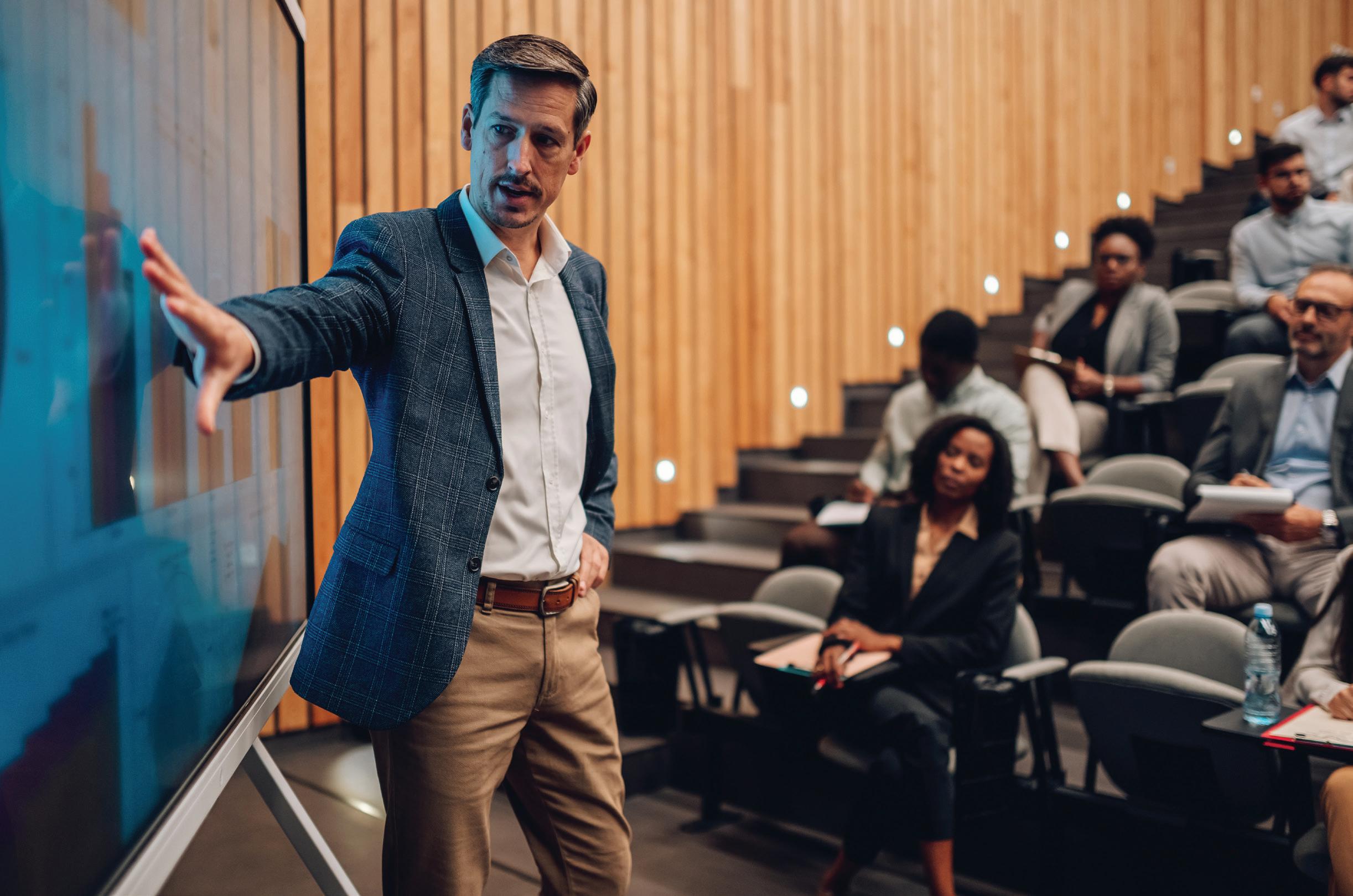
Owning and running a busy dental practice can be exhilarating but also challenging. Many of our national consultants, and even the American Dental Association, have recently promulgated that production in our dental practices will go up, but so too will expenses for materials, technology and team member salaries. Net revenue may decrease significantly for a vast number of our AGD members.
What we do each day is truly remarkable. But even the best of days may result in a less-than-satisfactory revenue stream. How is one to handle any financial uncertainty? Years ago, I developed a desire to share my clinical experiences with colleagues. I was fortunate to have a mentor who was a prominent educator in his own right. Teaching was always innate in my personality, so I went back to my dental school part time after residency to hone my ability to share knowledge.
I was the main benefactor in those early years because I learned how to develop my own practice and to best translate my experiences to others. One of my first teaching gigs was meeting some recent grads in a house basement and projecting clinical slides on a wall. My reward was pizza. From there, and with the help of many mentors, I was fortunate to be invited to lecture in courses. This led to side podiums at major meetings and, eventually, to main podiums.
Today, I am on the road about half the year presenting innovations in clinical dentistry. My practice has become ever more successful since there is little time to waste, and the revenue stream is stable. Supplementing income with speaking engagements has
created an effective balance in my professional life. Speaking and presenting has created an additional strong revenue stream that has allowed me to invest in the newest technological advances. This, in turn, makes it easier to present when I’m asked to evaluate and incorporate such materials. It’s a wonderful cycle.
Countless times after a seminar, a colleague will come up to me and ask: “I liked your program and would like to teach like you — how do I begin?” Or: “Can you put me in contact with your sponsor so I can do what you do?” Or, finally: “I would like to teach — can I have your materials?” Teaching is both an art and a passion, and, for those who embrace it, it can become a significant complement to clinical dentistry. However, you must be able to create the materials to be presented and provide unique and comprehensive programs. AGD has many leadership programs that can help our members begin the process, and there are many passionate and sharing mentors to lean on.
Sustaining a rewarding dental career requires adaptability and a sense of purpose. Having individuals near you who wish to share your successes makes the ride so much easier. Teaching and speaking engagements have helped me out financially while staying engaged in our evolving profession. Clear goals and supportive colleagues help us navigate uncertainty and find meaning in dentistry. ♦

By John W. Portwood Jr., DDS, MS, MSF, CFP™, CLU, ChFC, MAGD
Real estate remains one of the greatest investment vehicles available today. There are multiple ways to own real estate. You can purchase property individually or invest in actively managed mutual funds or passively run real estate investment trusts (REITs). Given both dividend payments and capital appreciation, REITs have returned 12% annually over the past 30 years.1 That is an average across all sectors of REITs and has been aided by an environment of decreasing interest rates. This compares with a return of 10.3% for the S&P 500 over that same timeframe.2 As you’ll see below, real estate, specifically REITs, can offer investors a tremendous opportunity for returns.
Owning real estate outright is fraught with problems. First, it is illiquid by nature, making it difficult to buy or sell in a timely fashion, and it is also costly. In addition, owners incur ongoing costs from maintenance, repairs, taxes and insurance. It is never fun to receive a call late at night that a toilet is overflowing and help is needed. You can always hire a manager for the property, but that usually ends up taking most, if not all, of the profit the property will generate. Actively managed mutual funds offer professional management and diversification, but they tend to be costly due to their fee structure.
REITs are securities that own and operate income-producing real estate. They tend to solve many of the problems we have discussed above by being very liquid, thus making real estate extremely easy to get in and out of. Management issues are handled by the company instead of you personally. Professional management is a huge benefit in this field because it controls annual costs while maximizing returns. By utilizing REITs, one can also invest in real estate with small amounts of capital, avoiding down payments, financing and closing costs associated with direct ownership.
REITs also allow individuals to invest in large-scale properties without directly owning them. The COVID-19 pandemic forced a change where many employees worked from home, which devastated the commercial market. This market is slowly coming back, but I am not sure if there will ever be as much need for commercial space as before.
Most REITs, by law, must distribute at least 90% of their taxable income annually as dividends, providing investors with a reliable income stream.3 Other advantages of REITs are that they can hold multiple properties within the REIT, thus offering diversification within the sector. Beyond this, REITs are not correlated closely to the stock market in general and, thus, add diversification to your entire portfolio. This tends to mitigate the overall risk in your portfolio.
The most common types of REITs are equity REITs that own and operate income-producing properties. However, there are also mortgage REITs that invest in mortgages and mortgage-backed securities. These provide higher yields with concomitantly higher risks. There are also hybrid REITs that combine both property ownership as well as mortgage interest.
Some of the most common sectors of real estate that REITs operate in are residential, commercial, industrial, retail, healthcare, data centers, hotels and cell towers. There are many other sectors and subsectors within each area. This provides flexibility to find the area that each investor would like to pursue.
However, there are still some risks, as with any investment. Real estate, by its nature, is highly sensitive to market downturns, many times due to interest rate changes. Sectors of real estate can also be subject to downturns within that sector, such as retail, commercial, industrial, etc. Mortgage REITs carry leverage risks as well as the aforementioned interest rate risk.
I tend to recommend the structure of exchange traded fund (ETF)–holding REITs for simplicity as well as returns. Buying or selling ETFs is much like buying or selling stocks.
Instead of owning one REIT in one company or area, the ETF structure allows you to own many REITs across multiple sectors, all in one package. This allows better diversification, as it lowers correlation to the overall market even further, thus reducing the risk of relying on any one property type or company.
REIT ETFs provide a simple solution for real estate investing exposure with one easy trade. It is very prudent to keep some real estate in your portfolio for the risk benefits as well as the returns it generates. I usually recommend that real estate occupies 8%–10% of a person’s portfolio. ♦
John W. Portwood Jr., DDS, MS, MSF, CFP™, CLU, ChFC, MAGD, is a dentist from Baton Rouge, Louisiana, and is a frequent speaker and writer on how finances affect dentists.
References
1. “30 Years of REIT Performance.” CRE Analyst, 1 Oct. 2024, creanalyst.com/insights/30-years-of-reitperformance-past-returns-and-future-outlook.
2. Di Pizio, Anthony. “1 Unstoppable Vanguard Index Fund to Confidently Buy During the S&P 500 Correction.” The Motley Fool, 26 April 2025, fool.com/investing/2025/04/26/1-vanguard-index-fund-confidentlybuy-sp-500-corre/.
3. DiLallo, Matthew. “REITs vs. Stocks: What Does the Data Say?” The Motley Fool, 15 Dec. 2025, fool.com/ research/reits-vs-stocks/.

By John W. Portwood Jr., DDS, MS, MSF, CFP™, CLU, ChFC, MAGD
As you build financial success in your life, you should consider the many aspects of investing. Upon graduation, virtually all dentists go into “survival mode.” All efforts are aimed at paying down debt and becoming more proficient in your profession. Eventually, one gets past this stage in life and finally begins to accumulate extra funds beyond the basics.
First and foremost, your energies must be laser-focused on planning for retirement. Without thoughtful preparation and diligence in saving, you could easily find yourself in dire straits as you age. This is where your initial efforts must be placed to ensure your financial security. Because of the tax deferral benefit of retirement accounts — and their necessity to secure your future — you must always maximize your contributions. Also, by starting at an early age, you can mitigate the amount needed to achieve your retirement goal. This is where a retirement planning expert can provide critical advice and help keep you focused. Retirement planning should not diminish the need for investing in other areas. At some point, you will finally have excess funds that can be invested beyond your retirement requirement. Investing outside of your retirement contributions is extremely important to help increase your quality of life and achieve personal goals. Compounding returns is an amazing force of nature, but it works best by starting early and utilizing time as your ally.
First, you must establish a budget in order to visualize how much money you truly have to invest. In financial planning, budgeting allows for prioritization of money and slows wasteful spending, which allows one to have more spendable money. This is a great place to start.
Next, you need to determine your investment goal. Short-term goals (i.e., purchasing a new car, taking a vacation) are dealt with differently than long-term investment savings goals (i.e., purchasing a new house, creating supplemental income or generating adjunctive retirement savings). Long-term savings allow you to take on more risk, given that there is more time to acquire the funds necessary, which allows you to better weather any financial shocks due to market volatility.
Short-term goals have a defined lifespan. They should be met with investments that match that timeframe. One needs to be careful not to invest in volatile or risky stocks that may take a while to attain their full valuation. In essence, you want your money to be there when it is needed.
"One needs to be careful not to invest in volatile or risky stocks that may take a while to attain their full valuation. In essence, you want your money to be there when it is needed."
For long-term investment goals, I would recommend focusing on stocks (since they give superior returns over the long haul) or real estate. For the beginning investor, the best place to start in stocks is mutual funds or exchange-traded funds (ETFs). Mutual funds usually have active managers picking the securities, whereas ETFs are a basket of securities that are usually managed passively (by computer). I tend to prefer ETFs due to their low-cost structure, which enhances their return.
As discussed in the previous section, direct ownership in real estate comes with myriad issues, and I would recommend that you consider the advantages of owning real estate investment trusts. They are simple in concept, easy to purchase, allow you to determine the particular area of real estate you want to invest in, and keep you from having to deal with management issues. See “Understanding REITs as a Real Estate Investment” on the previous page for more on this.
With a little education, you can become a good investor on your own. First, start reading financial articles to see if your interest lies in the field. The next step might include joining the American Association of Individual Investors or an investment club to further your knowledge.
However, if you lack the determination or inclination to do it yourself, there are many advisers and money managers who will be more than happy to help you. ♦
John
“By being involved in the dental influencer aspect of social media, I was able to transform my love of dentistry into a source of income.”

By Keya Bajaria
While in dental school, you are so caught up in the moment that you often forget you have a hefty loan repayment looking down at you. It can be stressful to think about, but there are many ways that a dental student can earn money while focusing on school. Many of my classmates work part time to earn fun money that they can spend on coffee and takeout without feelings of guilt looming over them. Often we hear, “School should be your priority; you won’t have time for hobbies or a job.” Instead of that attitude, what if we change our mindsets and turn our hobbies into something that can generate income?
Several of my peers engage in small side hustles, such as tutoring, volleyball coaching and ski patrolling in the snowy mountains of Lake Tahoe. My classmates have certainly proven that they can be both dental students and employed, and they continue to be an inspiration to me.
Before coming to dental school, one of the things I was passionate about was social media. In dental school, I created a dental page where I shared the good, the bad and the ugly of my experiences so far. Many dental students from across the country have reached out to me and shared similar experiences. It was surprising to see how universal my feelings were.
By being involved in the dental influencer aspect of social media, I was able to transform my love of dentistry into a source of income. Brands have rewarded me for trying their products and sharing my honest opinions. I’m sent dental products to use and share with those around me in exchange for reviews. What could be better than this? It’s an amazing way to find new products for my patients, while I get to make videos on topics that I am passionate about. Creating content on TikTok and Instagram has been a nontraditional path to an income source in dental school, but it’s given me the opportunity to merge two important aspects of my life that I am passionate about.
So, yes, dental school can cost an exhausting amount of money, and it can feel like any amount you can make part time will only be a drop in the bucket. However, any money you can make will help. If you are able to find your niche and stick with it, you should go for it! My love of social media did not stop once I entered dental school; rather, I was able to turn it into a stream of income. Seeing my classmates who were able to pursue the hobbies they enjoy while earning some side money shows that anything is possible. Finding a balance will help keep you grounded, and bonus points if that balance helps generate some extra income. ♦
"That continued impact has been one of the greatest rewards of teaching and speaks to the camaraderie and mentorship that develop when like-minded people are genuinely invested in taking their education to the next level."
By Leila Zadeh, DMD, FAGD

Teaching is incredibly rewarding. From an altruistic lens, there is a unique satisfaction in watching a student navigate a difficult problem for the first time and then evolve from it. And, from a personal growth perspective, teaching also forces you to deconstruct your own thoughts and behaviors. You are forced to break down the instincts of doing things by muscle memory as you learn to analyze and justify your actions during instruction. Teaching has sharpened my own skills in ways I never expected because the true test of deep understanding is whether you can teach something effectively to others.
I always knew that I wanted to teach, but the opportunity came sooner than expected following my advanced education in general dentistry (AEGD) residency with NYU Langone’s program at the Arizona School of Dentistry & Oral Health (ASDOH). I had a very positive training experience, and, shortly after graduating, I was asked to teach at the same postdoctoral residency program. Teaching postdoctoral residents was formative for me. Supporting their growth, answering questions chairside and helping with patient care confirmed something I had long suspected: Teaching was not just something I enjoyed; it was something I felt called to do.
A few years later, I returned to ASDOH as part-time faculty, this time working with predoctoral students in the simulation clinic and collaborating with the prosthodontics department for courses such as Complete Dentures. I was drawn to this role because of how influential the simulation environment is in training the minds and hands of young clinicians. It is where students first begin translating theory into confident clinical decision-making. Drawing on my background as a dental technician, I was able to help students better understand prosthetic design from both the clinical and laboratory perspectives.
The most rewarding aspect of teaching at ASDOH was the people. I worked alongside generous, dedicated colleagues who were deeply committed to their students. I also had the privilege of teaching a group of exceptional residents and students, many of whom I still mentor to this day. That continued impact has been
one of the greatest rewards of teaching and speaks to the camaraderie and mentorship that develop when like-minded people are genuinely invested in taking their education to the next level.
Despite all the positives, part-time university teaching does come with financial tradeoffs. Compensation is not comparable to full-time private practice, and benefits are limited. That said, it is predictable income, and the flexibility of a part-time academic schedule is invaluable. It has allowed me the time and space to complete the continuing education course requirements toward my AGD Mastership and the full Spear Education curriculum on an accelerated timeline. I also was able to balance teaching with other organizations, such as digitalDDS and NYU Langone’s AEGD residency at Saint Vincent de Paul’s dental clinic. These teaching experiences ultimately led to my current roles as visiting faculty and director of digital clinical content at Spear Education.
Balancing teaching with other professional responsibilities was not a problem because university days were scheduled well in advance, allowing me to plan accordingly. While steady, supplemental income can be an added bonus, my motivation for teaching has always been rooted in fulfillment. As Frank Spear often says, “Education is an act of love.” That philosophy resonates deeply with me.
The best part about teaching is the human connection. It’s the shared moment when someone feels seen or understood, a concept clicks, and confidence grows. Over time, I’ve come to appreciate that teaching is reciprocal. In helping others feel understood, I often feel the same in return. Whether in the clinic, simulation lab, classroom, or now helping build curriculum and hybrid learning experiences at Spear, that shared human experience is what continues to give my work meaning. ♦
Leila Zadeh, DMD, FAGD, is an advanced restorative dentist, director of digital content at Spear Education and an adjunct assistant professor with the advanced education in general dentistry residency program at NYU Langone Health. She also practices part time as an associate dentist at Revive Dental Implant Center.

By Dan Kolen
Microplastics are believed to be the cause of dire negative health and environmental effects globally, according to a growing body of research. Suspected respiratory, digestive and reproductive issues are being investigated, along with potential linkages to some forms of cancer.1 Measuring between 100 nanometers and 5 millimeters in diameter, microplastics result from the breaking down of larger plastic products. Nanoplastics are even smaller and measure between 1 and 100 nanometers.2 An estimated 320 million tons of plastic goods are manufactured annually across the world, while 8 million tons of plastic waste enters the oceans. Microplastics have been found in human stool, placentas and saliva.3
The problems associated with microplastics could have a deep impact within dentistry. Many dental applications have the potential to introduce microplastics directly into patients’ bodies, from homecare items like toothbrushes, toothpaste, mouthwash and floss to dental office exposures like orthodontic implants, denture materials, fillings, sealants and aerosols generated during procedures. Mounting evidence suggests that even dental hygiene applications may generate microplastics.4
The full effect on patients’ health, however, is yet to be determined.
“The research on any long-term health effects from these materials that are used in the patient’s mouth is very limited and inconclusive,” said Lisa D’Affronte, DDS,
assistant general practice director of the department of general dentistry at the University of Maryland. “It is important to note that patients should not avoid dental care because of this. The health risks of untreated dental needs very much outweigh the risk of exposure to microplastics through dental procedures.”
D’Affronte is lead author of an article on microplastics in the March/April 2026 issue of General Dentistry and is at the forefront of research on the topic in dentistry in the United States.
“I started to become aware of the negative impacts of microplastics through the media, like most people, but always brushed it off as something that wasn’t a concern,” D’Affronte said. “It wasn’t until

Pieces of nonbiodegradable plastic that are less than five millimeters in length — about the size of a sesame seed — are called microplastics.5

I started reading further that I realized the negative long-term health effects that were being discovered as a result [of microplastics]. I then started to think about how much plastic we use every day in the dental office, and I was curious to see if the dental field had a significant contribution to microplastic pollution.”
In May 2024, orthodontist and researcher Adith Venugopal, BDS, MS, PhD, wrote into the “Letters” section of the British Dental Journal: “Of particular concern is the possibility that orthodontic aligners and retainers, typically made of thermoplastic materials, may leach [microplastics and nanoplastics] into the body over prolonged periods of wear. Many individuals wear these devices for two to three years during
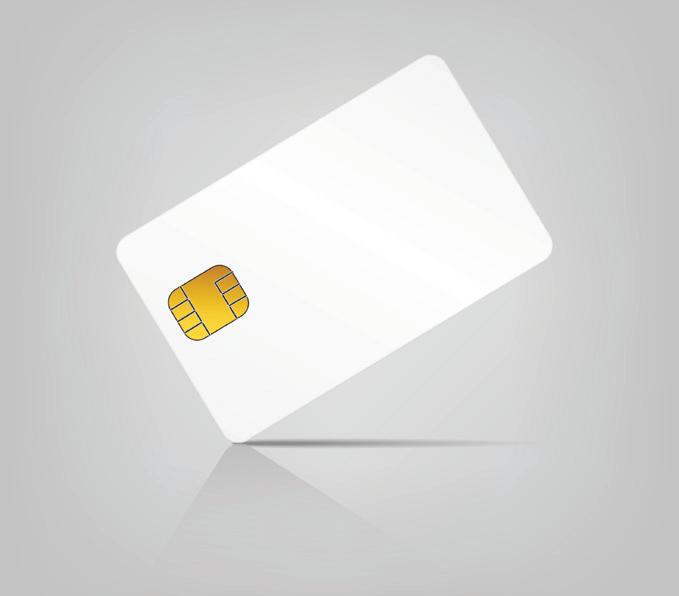
The average American consumes around five grams of microplastics a week — about the same as one plastic credit card.5
orthodontic treatment, and even longer in the case of vacuum-formed retainers. However, the leaching properties and safety implications of these materials have not been thoroughly investigated in the context of orthodontics.”6
Venugopal’s call for further research generated significant interest across traditional media and social media.7
“It was just a letter. It was more of a hypothesis,” said Venugopal, who practices in New Zealand at the University of Ontago. “It was absolutely caught by the media and social media.”
The attention the letter received inspired Venugopal to take a look at the question himself.
“Because we ingest plastics every single day, it’s hard to say how much additional burden a three-year treatment with aligners is or what a nighttime of wearing a retainer does,” Venugopal said. “So, we’re doing that research.”
Venugopal’s team will be studying if and how plastics are ingested when patients wear aligners and retainers, and they will be conducting a live animal study involving rabbits to see where the plastics go once they’re ingested. Results could come out later this year.
“We don’t want to create a ruckus among clinicians and patients without strong data and evidence,” Venugopal said. “We want to prime and condition people that, one day, the information is going to come out, and we shouldn’t turn a blind eye to it.”
Microplastics are correlated with negative effects in human and animal populations and the external environment. They do not decompose in the environment, and, when ingested, they eventually can lead to downstream inflammation of tissues and the stomach and can even damage DNA.4
Research is currently underway to identify ways to reduce microplastic exposure overall, learn more about individual sensitivities to microplastic and examine the populationwide impact the problem is causing. Venugopal theorizes the problem may manifest differently from individual to individual, where some people’s systems may have lower tolerance thresholds.
“Let’s think of [microplastics] exposure as similar to smoking. There are some people who smoke a lot and nothing happens, and, in some cases, you smoke a bit and then may have issues. Plastics may be similar in that way for some patients,” Venugopal said, describing how different human systems have different sensitivities. “If the material is less than, say, 20 microns, there is the potential of it entering the capillary system. You’ll definitely see that with nanoplastics, which are under 1 micron. But if it is more than 20 microns, there is a possibility that it may be excreted by the system. So, this is where we are with the research right now.”
Specific types of microplastics can be generated by a variety of products. Toothbrushes, which have bristles made of nylon or a thermoplastic elastomer,


Each month, the average American consumes 21 grams of microplastics, or the weight of five dice.5
generate microplastic beads smaller than 1 mm and are made up of more than 50% polyethylene.4 Polyethylene is the most common thermoplastic in the world. The documented impacts of polyethylene microplastics on human health include vision failure, eye irritation, respiratory problems, coughing, throat swelling, skin disease, rashes, liver dysfunction, stomach problems, negative impacts to the microbiota, birth defects, hormonal changes, infertility and cancer.8
Aligners are also created with polyethylene. In a simulation study, researchers found that microplastics were released after using an aligner for seven days.4
Dental floss may also generate microplastics, as the friction between teeth and the floss can cause the release of tiny particles into the mouth.4 Some floss does contain perfluoroalkyl and polyfluoroalkyl substances (PFASs), which are drivers for kidney and thyroid cancer and can cause an increase of respiratory infections in children, along with impacting human sex hormones. The PFASs travel through the blood and then reside in the liver, kidneys, brain and other organs. The main ingestion point is believed to be the mouth. Current research is inconclusive about how floss impacts the body’s overall exposure to PFASs, as regular floss users showed lower instances across the board of most types of PFASs, while showing an increase in one type of PFAS called perfluorooctanoic acid (PFOA).9
Within resin-based composites, researchers believe that saliva, chewing, the oral microbiome, and thermal and pH changes cause the breakdown of polymeric dental materials.4 “It is very difficult to measure if a dental material or an associated procedure that is being used directly in a patient’s mouth actually contributes to long-term health effects. It seems impossible to separate that from the known
large amount of environmental exposure we get already from food and water source contamination,” D’Affronte said.
Plastic waste and the microplastics generated from waste are ubiquitous. Microplastics have been found in the soil, water and air. They are now considered a part of the daily human diet. 3
“The environmental exposure far outweighs the potential exposure in a dental practice,” D’Affronte said. “There are measures that can be taken, specifically in the dental office, to limit this. The most important one that we can control at this time is proper waste disposal.”
Plastic and nitrile waste represent 34% and 15%, respectively, of all solid dental waste, and both can contribute to the microplastic problem. Products using bamboo or recycled ocean plastic fabrics may help reduce overall impact.10 For more information on environmentally friendly dental products, see “Testing the Tools: Green Products” (October 2025 AGD Impact).
Across the consumer market globally, 23 billion toothbrushes are thrown away
Each year, the average American consumes 250 grams of microplastics — roughly equivalent to 50 plastic grocery bags.5

"This is about equity. Thoughtful waste management is no longer just a nice idea, but a moral and ethical imperative to protect the environment and every organism living in it.”
— Donna Hackley, DMD, MA, et al.
each year, while 8 trillion microbeads are released into aquatic environments from toothpaste, according to a recent report from the Harvard School of Dentistry, Boston College and the University of Rwanda School of Dentistry. Researchers also reported dental offices generate waste with patient bibs, headrest covers, syringes, pouches, suction tips, saliva ejectors and homecare bags. The report recommends finding alternatives, specifically reusable, washable cloth options for headrests and bibs; purchasing biodegradable cups and toothbrushes as well as microbead-free toothpaste; and using metal suction tips. The authors
suggest education reforms about dental waste and waste prevention in dental schools, patient education within dental offices, and environmental audits in each dental practice for offices to see how much plastic waste they’re generating.11
“The international dental community must commit to preventing and reducing dental waste. Any adverse environmental impact resulting from our professional activities disproportionately affects the most vulnerable populations globally. This is about equity. Thoughtful waste management is no longer just a nice idea, but a moral and ethical imperative to protect the environment and every organism living in it,” the report’s authors wrote.11 ♦
Dan Kolen is a freelance writer and media producer based in Chicago. To comment on this article, email impact@agd.org.
1. Chartres, Nicholas, et al. “Effects of Microplastic Exposure on Human Digestive, Reproductive, and Respiratory Health: A Rapid Systematic Review.” Environmental Science and Technology, vol. 58, no. 52, 18 Dec. 2024, pp. 22843-22864, pmc.ncbi.nlm.nih.gov/ articles/PMC11697325/.
2. Yang, Zhenning, et al. “Micro- and Nanoplastics (MNPs) and Their Potential Toxicological Outcomes: State of Science, Knowledge Gaps and Research Needs.” NanoImpact, vol. 32, October 2023, p. 100481.
3. Emenike, Ebuka Chizitere, et al. “From Oceans to Dinner Plates: The Impact of Microplastics on Human Health.” Heliyon, vol. 9, no. 10, Oct. 2023, p. e20440, pmc.ncbi.nlm.nih.gov/articles/ PMC10543225/.
4. Saha, Utsa, et al. “The Unseen Perils of Oral-Care Products Generated Micro/Nanoplastics on Human Health.” Ecotoxicology and Environmental Safety, vol. 290, no. 117526, 15 Jan. 2025, pubmed.ncbi.nlm.nih.gov/39674028/.
5. “A Plateful of Plastic: Visualising the Amount of Microplastic We Eat.” Reuters, 31 Dec. 2019, reuters.com/graphics/ENVIRONMENTPLASTIC/0100B4TF2MQ/.
6. Venugopal, Adith. “Orthodontics: Potential Health Risks of Aligners and Retainers.” British Dental Journal, vol. 236, no. 10, 24 May 2024, pp. 735, nature.com/articles/s41415-024-7465-x.
7. Schlanger, Zoë. “Modern Dentistry Is a Microplastic Minefield.” The Atlantic, 25 Aug. 2025, theatlantic.com/health/archive/2025/08/ modern-dentistry-microplastic/683996/.
8. Dhaka, Vaishali, et al. “Occurrence, Toxicity and Remediation of Polyethylene Terephthalate Plastics. A Review.” Environmental Chemistry Letters, vol. 20, no. 3, 13 Jan. 2023, pmc.ncbi.nlm.nih. gov/articles/PMC8755403/.
9. Jiao, Yan, et al. “Association Between Serum Levels of Perfluoroalkyl and Polyfluoroalkyl Substances and Dental Floss Use: The DoubleEdged Sword of Dental Floss Use—A Cross-Sectional Study.” Journal of Clinical Periodontology, vol. 52, no. 6, 11 Jan. 2025, pp. 877-887, pmc.ncbi.nlm.nih.gov/articles/PMC12082771/#sec20.
10. Di Spirito, Federica, et al. “Sustainable Dental and Periodontal Practice: A Narrative Review on the 4R-Framework—Reduce, Reuse, Rethink, Recycle—And Waste Management Rationalization.” Dentistry Journal (Basel), vol. 13, no. 392, 28 Aug. 2025, pp. 1-28, pmc.ncbi. nlm.nih.gov/articles/PMC12468374/#B35-dentistry-13-00392.
11. Hackley, Donna, et al. “Brief: Waste Management Considerations for Oral Health Professionals—It’s All About Equity.” Harvard School of Dental Medicine, 9 Dec. 2019, hsdm.harvard.edu/sites/g/files/omnuum6001/files/dental/files/policy_brief_dec_9_with_semantic.pdf.
(Subject Code: 130)
The 10 questions for this exercise are based on information presented in the article, “Microplastics and Their Role in Dentistry,” by Dan Kolen, on pages 20–23. This exercise was developed by members of the AGD editorial team.
1. Measuring between 100 nanometers and a maximum of _____ in diameter, microplastics result from the breaking down of larger plastic products.
A. 500 nanometers
B. 1 millimeter
C. 5 millimeters
D. 1 centimeter
2. _____ are even smaller than microplastics.
A. Nanoplastics
B. Miniplastics
C. Subplastics
D. Isoplastics
3. An estimated _____ million tons of plastic goods are manufactured annually across the world, while _____ million tons of plastic waste enters the oceans. Microplastics have been found in human stool, placentas and saliva.
A. 300; 10
B. 310; 9
C. 320; 8
D. 330; 7
4. Toothbrushes generate microplastic beads smaller than 1 mm. They are also made up of more than 50% polybutylene.
A. Both statements are true.
B. The first statement is true; the second is false.
C. The first statement is false; the second is true.
D. Both statements are false.
Reading the article and successfully completing the exercise will enable you to:
• understand what microplastics are, how they impact the environment, and how they enter and affect the human body;
• recognize what materials in dentistry contribute to the global microplastics problem; and
• identify changes that can be made within the dental industry to limit plastic and microplastic pollution.
This exercise can be purchased and answers submitted online at agd.org/self-instruction Answers for this exercise must be received by Feb. 28, 2029.
5. _____ is the most common thermoplastic in the world. The documented impacts of this type of microplastic on human health include vision failure, eye irritation, respiratory problems, coughing, throat swelling, skin disease, rashes, liver dysfunction, stomach problems, negative impacts to the microbiota, birth defects, hormonal changes, infertility and cancer.
A. Polystyrene
B. Polyvinyl chloride
C. Polypropylene
D. Polyethylene
6. Researchers showed that microplastics are released after using an aligner for _____ days in a simulation study.
A. three
B. five
C. seven
D. 10
7. The acronym PFASs stands for perfluoroalkyl and polyfluoroalkyl substances. Regular floss users showed lower instances across the board of most types of PFASs, while showing an increase in one type of PFAS called polyfluorooxanate acid.
A. Both statements are true.
B. The first statement is true; the second is false.
C. The first statement is false; the second is true.
D. Both statements are false.
8. Plastic and nitrile waste represent _____% and _____%, respectively, of all solid dental waste, and both can contribute to the microplastic problem.
A. 35; 12
B. 34; 15
C. 33; 18
D. 32; 21
9. Across the consumer market globally, _____ billion toothbrushes are thrown away each year, while _____ trillion microbeads are released into aquatic environments from toothpaste, according to a recent report from the Harvard School of Dentistry, Boston College and the University of Rwanda School of Dentistry.
A. 25; 6
B. 24; 7
C. 23; 8
D. 22; 9
10. All of the following are suggested environmentally friendlier replacements for common sources of dental waste that practices can implement except one. Which is the exception?
A. reusable masks and gloves
B. washable cloth options for headrests and bibs
C. biodegradable cups and toothbrushes
D. metal suction tips
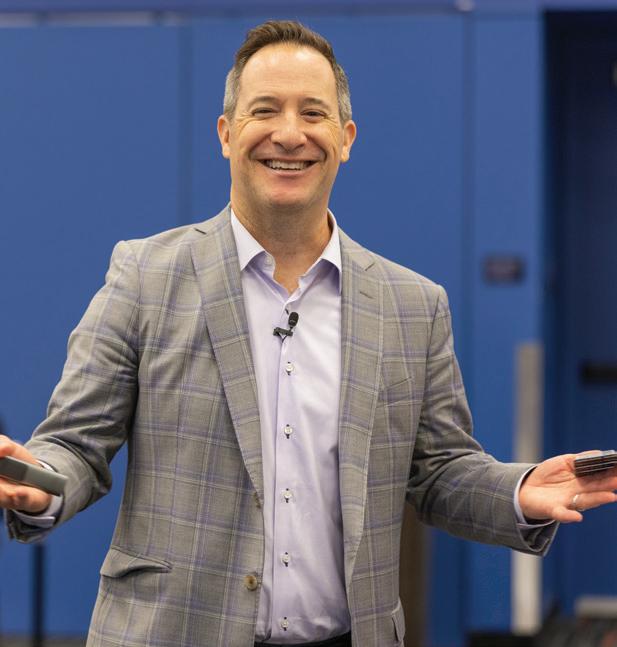
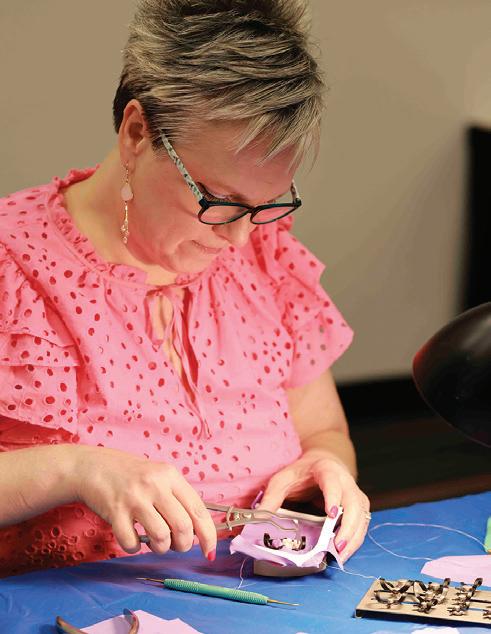
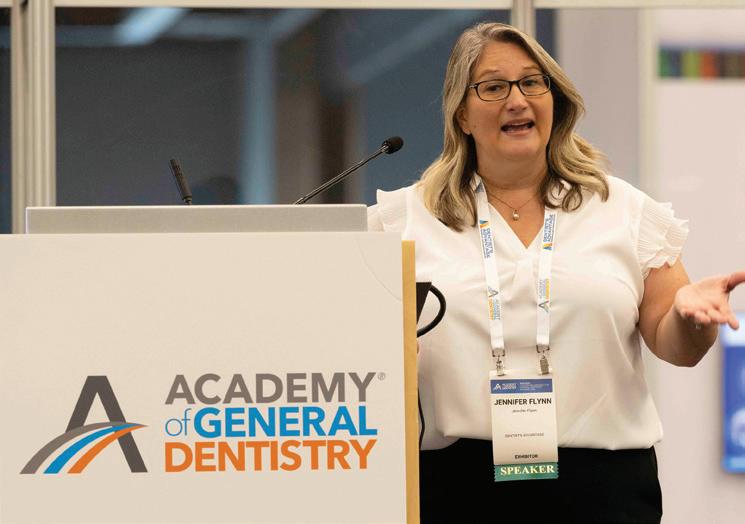

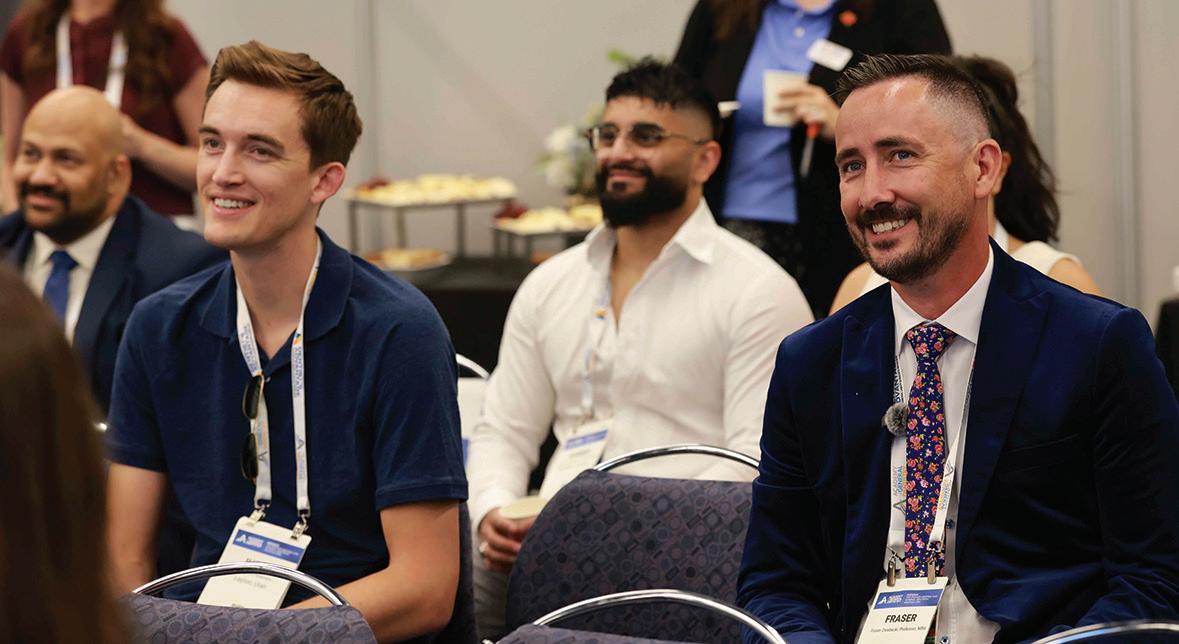
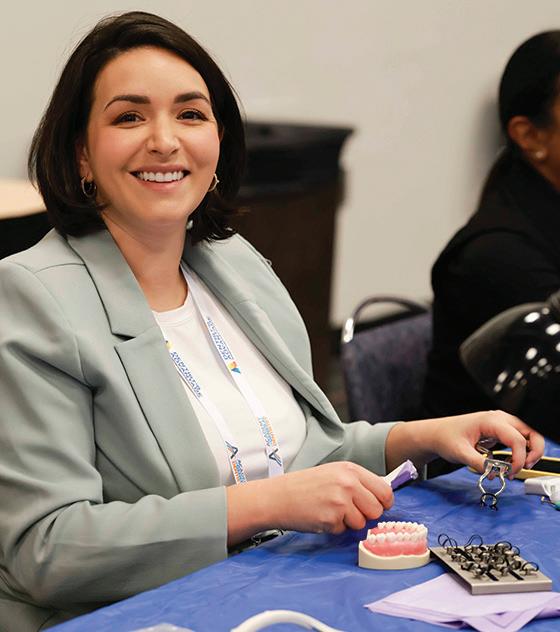
Network with colleagues, students and dental team members at the premier meeting for general dentistry June 24–27 at Caesars Palace in Las Vegas. AGD’s annual scientific session has earned a reputation for having some of the finest dental continuing education in the world. From advanced hands-on education to clinical and practice management lectures in an innovative one-hour lecture format, all of the CE earned at an AGD meeting can be applied to the AGD Fellowship and Mastership awards — and, of course, to your practice. With a plethora of hands-on participation courses, cutting-edge technology demonstrations in the Learning Lab, and special CE opportunities for students and new dentists in the dedicated New Dentist Lounge, AGD’s scientific session is all about you and what you need to succeed. Come prepared to learn and network — and also to have plenty of fun.
AGD’s greatest strength as an organization is its members and the spirit of camaraderie that has been its backbone since its inception. Nothing demonstrates this strength better than the Take the Floor lecture series. You’ll have the opportunity to learn from general dentists just like you — it’s the ultimate chance to network, with fellow members sharing invaluable insights from both their personal and professional experiences. Each session will offer 35 minutes of lecture time and 10 minutes of Q&A, giving participants the opportunity to fully engage.
For students, residents and new dentists who graduated within the last five years, the New Dentist Lounge is your hub for connections, growth and continuous learning. With its fresh look and new features, this year’s lounge is sure to be a spot that new dentists won’t want to miss.
Early-career attendees will have the opportunity to:
• Participate in hands-on courses that strengthen their clinical confidence and allow them to practice new techniques in a supportive setting.
• Build lasting relationships through reformatted networking opportunities that encourage genuine conversations and professional collaboration.
• Meet with advanced education in general dentistry (AEGD) and general practice residency (GPR) program representatives from across the country at the Residency Fair.
Registration now open at agd2026.org

Thursday, June 25
Fill the Void: A Hands-On Guide to Socket Grafting
12:30–2:30 p.m. • Dr. Mai-Ly Duong
Creating a Financial Integrity Scorecard: A Framework for Dental Professionals
3–4 p.m. • Mark Murphy Sponsored by: CareCredit
Friday, June 26
New Dentist Lounge Reception
8–9 a.m.
Students, residents and new dentists will enjoy light breakfast bites, a mimosa bar and the chance to connect with peers before the day’s programming begins.
Protecting Your License Against Common State Board of Dentistry Matters
9–9:45 a.m. • Jennifer Flynn Sponsored by: Dentist’s Advantage Leukoplakia in Practice: What to Recognize and How to Respond 10–11 a.m. • Dr. Ashley Clark
Red, White and Urgent: Recognizing the Clinical Warning Signs of Oral Cancer
11:15 a.m. to 12:45 p.m. • Dr. Sonal S. Shah Sponsored by: AGD Foundation
Before the Scaler: Why Home Care Therapy Determines Periodontal Outcomes
2 – 2:45 p.m. • Dr. Tae Kwon Sponsored by: Crest Oral-B
Predictable Class V Composites: Techniques for Healthy Gums and Smooth Margins
3–5 p.m. • Drs. Rachel Malterud and Mark Malterud
Saturday, June 27
AGD Residency Fair
10 a.m. to noon
Representatives from AEGD and GPR residency programs from around the country will be available to connect with dental students and discuss their programs and opportunities for continued growth.
Get ready to learn from one of the most respected names in esthetic and restorative dentistry when David Hornbrook, DDS, FAACD, FACE, FASDA, takes the stage at AGD2026. A trailblazer in live-patient esthetic programs and founder of educational giants like LVI, PAC~live and Clinical Mastery, Hornbrook brings over 35 years of clinical and teaching experience to AGD2026. His lectures are known for blending innovation with practical takeaways that instantly elevate patient care — and, when you register for AGD2026 before the early bird discount period ends April 30, 2026, you’ll automatically receive complimentary registration for all 7 CE hours of Hornbrook’s courses. Find a sneak peek below of what you can expect to learn in this rare opportunity, and register today!
AGD Impact: What’s a modern technology that all cosmetic dentists (and/or general dentists) should be using?
Hornbrook: There are several that I feel are mandatory. One is a laser. This could be a diode, Erbium or CO2. The laser offers so many benefits when altering soft-tissue contours as part of smile design over other modalities. Second, although not necessarily modern, is a good digital SLR camera system. Great photos yield great success, not only in patient communication, but also in communication with the ceramist. Lastly, an intraoral digital scanner. The new scanners available are more accurate than traditional impression materials and make it more comfortable for our patients.
What’s an emerging technology that has the potential to change the status quo of cosmetic and/or restorative dentistry?
Hopefully, printing of different restorative materials. I do not feel we are even close to what we need with what is available, but research will meet our needs sometime in the future. Advantages will be speed and cost. I do feel that many of these systems currently available are being misused and abused by clinicians today who may be looking for a “quick and cheap” alternative to other technologies available.
What are the most important factors to keep in mind when choosing a material?
Clinical performance and esthetics! There are so many amazing materials available that offer both and have excellent clinical track records.
What’s a technique you lecture on that many general dentists overlook or aren’t aware of?
Two of the big ones for me are taking the time to truly “design” the smile and also not overlooking the value of having a great relationship with your ceramists. I think too many clinicians just rely on a lab to optimize the smile rather than take the time to look at all the variables of a smile and discuss it with the patient. Once the case is sent to the lab, the ceramist is our “partner” in clinical success, both esthetically and functionally. Too many clinicians whom I have worked with don’t really appreciate the importance of this synergistic relationship for optimal results.
What are the most important lessons that you hope participants take away from your course?
I really want to share with my audience how to navigate the plethora of restorative materials available and the advantages and disadvantages of each. I also want to try and simplify the bonding and cementation process to make this step of the restorative process more efficient and predictable for the clinician. I am also going to discuss — in detail — how to take accurate and predictable bite relationships, especially in difficult and large restorative cases, in order to yield long-term predictable results. This is a facet of clinical dentistry that is not really taught in dental school but is vital for clinical success.
Hornbrook’s courses begin at 8 a.m. Wednesday, June 24, at AGD2026.
By Roberta Garceau, DMD, FAGD


Vibrant green shoots begin to poke through the soil, breaking up the dull brown and gray landscape. Leaves and buds emerge from their wintry slumber, filling the air with sweet aromas. Birds create their cheerful chorus, signaling that spring has arrived. Spring is generally considered to be a time of renewal and a symbol of rebirth. In the traditional Indian wisdom of Āyurveda and holistic perspective of Elemental-Wellness®, spring is characterized by the shift from cool, dry weather into warmer, muddier conditions that promote growth and foster new beginnings. In dentistry, spring is an opportunity to shed the weight of winter and receive the sweetness of spring.
Much like a garden, your dental practice requires weeding, seeding and feeding. Science and technology continue to evolve exponentially, creating a challenge to keep up with ever-changing knowledge and equipment. Continual learning — through online and in-person courses — is essential, not only to grow your practice, but also to stimulate your mind and energy to practice dentistry over time. Practicing the same way for decades is not only bad for your patients, but also for your cognitive and mental health.
Have you found yourself feeling a bit stuck in the mud? You can refresh yourself and your practice by learning a new skill, technique or procedure. As I was watching an old episode of the 1990s series “Northern Exposure,” the character Dr. Fleischman tells his patient, Maurice (whose mistress witnessed him snoring and then not breathing), “There is this thing called sleep apnea, but it’s very uncommon in adults. I’ll need to come over and watch you while you’re sleeping.” I nearly fell off my sofa! As a diplomate of the American Board of Dental Sleep Medicine, I have studied sleep medicine for hundreds of hours and helped hundreds of patients breathe, sleep and live with greater wellness. This also breathed life into my dental practice by allowing me to offer new services to existing patients and welcome new patients who were referred by their sleep provider (and also needed a dentist).
Let Go of What You Don’t Need
Spring is the perfect time to detox your dental practice. You can start your spring cleaning today! When was the last time you actually cleaned out the drawers and cabinets in your office? With the help of your assistants, you can get rid of expired materials, donate things that you no longer use, and sell or recycle what’s left over (is there a whitening system, caries detector or other piece of technology collecting dust in the corner?). Clearing out the old makes space for physical and mental clarity. Letting go of what isn’t working allows you to receive.
Years ago, I found myself running around my practice chaotically from one room to the next. I felt a bit like a hamster twirling around on its exercise wheel. Working harder and longer for the same rewards, I began to feel resentful, and I knew something had to change. Upon reviewing my numbers, the evidence stared back at me in black and white: The PPO with which I contracted was reimbursing me less than my overhead. To make ends meet, I had to see more patients and perform more procedures in less time. It wasn’t healthy for me or the patients, and it wasn’t sustainable personally or financially. I decided that, instead of abusing myself physically and mentally, I’d rather stay home with my dogs. After attempting to negotiate fees with the PPO to no avail, I carefully considered the potential impact of dropping my participation. For a full year before making the change, I talked with affected patients during their recare visits about the reasons for the change, how much I valued them as patients and how they could continue care in our office. The following year, when they realized the punitive reimbursement of being out of network, nearly every one of them transferred out of our practice. And that hurt.

While you’re at it, have you spring-cleaned your relationships lately? That may sound harsh, but hear me out. Is there one employee whose toxic behavior negatively affects the entire team and office atmosphere? If you’ve tried coaching and constructive feedback, but the behavior persists, it’s time to part ways. “Inviting” a toxic employee to find more suitable employment allows your entire team to thrive, and introducing a new team member is always a growth opportunity.
But, you know what? We were absolutely fine. I had more time to devote to patients and the procedures that I truly loved. With less chaos, there was more harmony during the workday. I cultivated relationships with patients and team members, the entire team enjoyed reasonable lunch breaks to restore themselves, and we felt more easeful throughout the day. Letting go of what wasn’t working allowed me to receive.
How long has it been since you walked into your office through the front door? What is clean, warm and welcoming? What looks dirty, worn or dated? As dental marketing expert Fred Joyal famously wrote: Everything is marketing. Does your signage reflect the services that you provide? Is your reception room overflowing with magazines? Most patients read on their phones or electronic devices, and they shouldn’t be spending that much time waiting anyway. Could your walls use a fresh coat of paint? Wheeling in scanners, operator stools and other technology can wreak havoc on appearances. Is your office professionally and regularly cleaned so that it not only looks, but also smells, fresh? What sounds are your patients listening to? When your patient is a captive audience reclined in a dental chair, they may pick up on personal or confidential conversations elsewhere in the office. Playing low-volume, relaxing music not only muffles these sounds, but it also soothes the patient and team. In all likelihood, you spend more of your waking hours in your practice than at home, at least during a typical workday. You deserve to work in an environment that’s pleasant and conducive to your well-being.
What about your professional relationships? I’ve participated in multiple dental study groups over the years, gained knowledge, and made some valuable friendships and connections. Sometimes, a philosophical difference can cause you to drift apart, and that’s just a natural evolution that doesn’t necessarily reflect on either party personally. When you examine your personal relationships, do you find that you have any friends or family members who weigh you down and drain your energy? While there may or may not be reasons for you to remain in these relationships, you can at least minimize the amount of time and energy you devote to them as a means of caring for yourself.
Finally, how is your relationship with yourself? Do you make time for regular movement and exercise, nourishing meals, restorative sleep, and other self-care activities (meditation, mindfulness, regular wellness visits, and appropriate health screening like bloodwork/mammograms/ophthalmology/colonoscopies)? What hobbies or interests bring you joy? How can you incorporate more of these experiences into your day? Spring is an opportunity to take inventory of all aspects of your life. Letting go of what isn’t working allows you to receive.
As the freshness of spring blooms, you can embrace the opportunity it offers for growth and renewal in your dental practice and personal life. By cultivating new skills, refreshing your approaches and reigniting your passion for dentistry, you can ensure that life in and out of the office remains vibrant and fulfilling. May this season inspire you to clear what’s no longer serving you so you can access time and space for what truly brings you joy. ♦
Roberta Garceau, DMD, FAGD, is a practicing dentist, certified yoga and Āyurveda instructor, speaker, and diplomate of the American Board of Dental Sleep Medicine. She blends these passions into Elemental-Wellness, her unique brand of integrative medicine, to help others improve their health, function, self-esteem and overall well-being. To comment on this article, email impact@agd.org
By Ross Isbell, DMD, MBA
In my practice, my usual plan is to extract a tooth as atraumatically as possible and allow the site to heal. This is the least expensive treatment, and we know the body will heal in time. However, I am not always fortunate enough to have patients or sites that heal perfectly — luckily, there are a variety of ways to help heal them. While postoperative management of surgical sites is a commonly encountered situation in practices that extract teeth, past solutions haven’t always been as predictable and easy to deliver.
GINGICaine®
Gingi-Pak®
gingi-pak.com
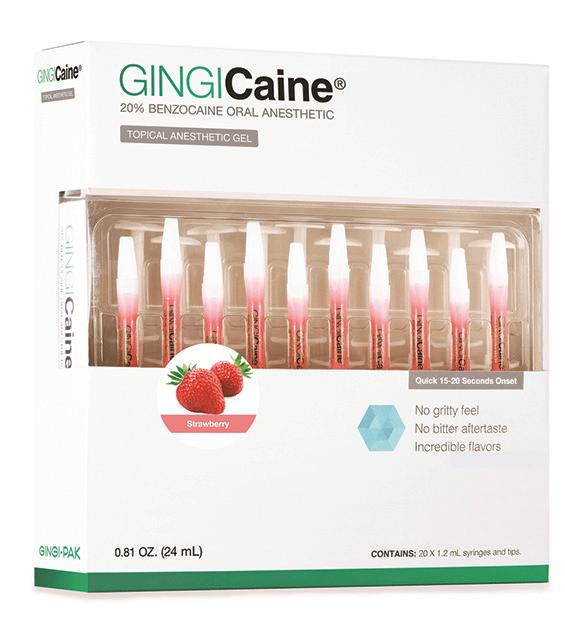
During a standard hygiene visit, supra- and subgingival calculus are often eliminated without major concern from the patient. However, sometimes a patient’s poor hygiene has led to enough irritation so that they cannot easily tolerate scaling without additional help. In some states, hygienists can earn certification to administer infiltration local anesthesia, but not all individuals are interested in advanced procedures. For the uncomfortable patient, topical anesthesia delivery can be extremely helpful and does not require additional certification. Among the most effective delivery systems I have found for topical anesthesia delivery at and below the sulcular peak is GINGICaine® from Gingi-Pak®. Instead of painting topical benzocaine with a brush or swab, this system utilizes a narrowtipped syringe that can inject the 20% benzocaine formula directly into the sulcus up to depths of seven millimeters without tearing. Within 20 seconds, the product delivers profound gingival anesthesia, and your hygienist can achieve the majority of their care without needing your time or intervention until final check time. If you want to take your topical anesthesia one step further, you also could try out an additional 2% hemp infusion for decreased inflammation with GINGICaine Infusion. Either way, the Gingi-Pak family of products, and GINGICaine in particular, is a worthwhile addition to your topical anesthesia protocols.
Midmark® M11 Steam Sterilizer
Midmark® midmark.com
One of the more uninteresting and unexciting topics in dentistry is sterilization. That being said, it is also arguably the most important aspect of patient protection beyond reducing large swellings. In my career, Midmark® sterilizers have always been reliable sterilization systems — even without having a brand new one. Currently, one of mine is about 25 years old and still has support and replaceable parts from the manufacturer, and the other is about five years old and runs like a dream. While I do not have the newest version of the Midmark M11 in my office, I would like to discuss some of the exciting new advances the company has made. Of most significance is the recordkeeping of proper processes. The newest units not only have a recording mechanism, but also enough memory to keep track of it for a lifetime (allegedly 25,000 cycles) and even an optional USB system that allows you to download and log these recordings outside of the machine. I believe that this kind of recordkeeping, along with a daily, weekly and monthly maintenance reminder system, will keep all authorized users accountable and enable a more effective and error-minimized sterilization capability. Did I mention that everything is now on a touchscreen that can swap to multiple languages? The M11 has a standard capacity of 11-by-18 inches in its main chamber and, depending on how your equipment is arranged, can account for steam sterilization of nine pounds of medical-grade instruments. This size is among the largest of its class for countertop sterilizers, but it also comes in a smaller M9 size if needed. If you want to limit the amount of repair needed, you can also opt for the automatic water replacement system (to be utilized with appropriate water filtration). I have used both the M9 and M11 and can confirm that both run well and easily even after a large number of cycles. Clocking in at 35- to 60-minute cycles, the machines allow you to reset your team and your rooms quickly. If you need a quality sterilizer with significant and repeatable effects, look no further than the Midmark M9 and M11.
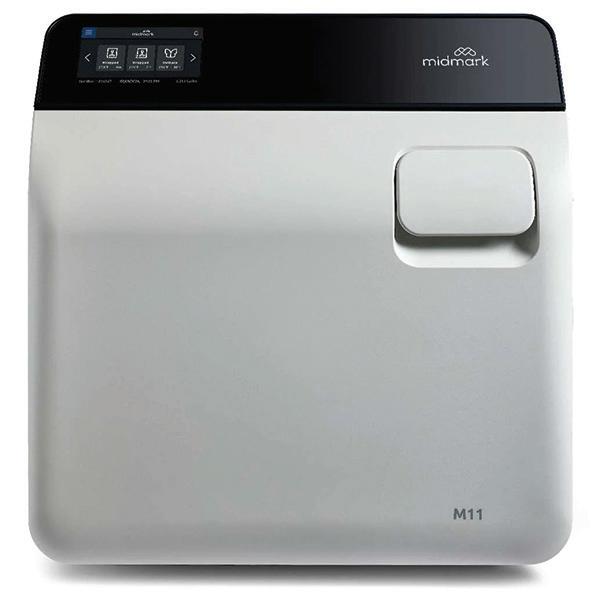
Ross Isbell, DMD, MBA, currently practices in Gadsden, Alabama, with his father, Gordon Isbell, DMD, MAGD. He attended the University of Alabama at Birmingham (UAB) School of Dentistry and completed a general practice residency at UAB Hospital. Isbell has confirmed to AGD that he has not received any remuneration from the manufacturers of the products reviewed or their affiliates for the past three years. All reviews are the opinions of the author and are not shared or endorsed by AGD Impact or AGD. To comment on this article, email impact@agd.org
PureClarity™ Scaler Waterline Purification System
Parkell™
parkell.com
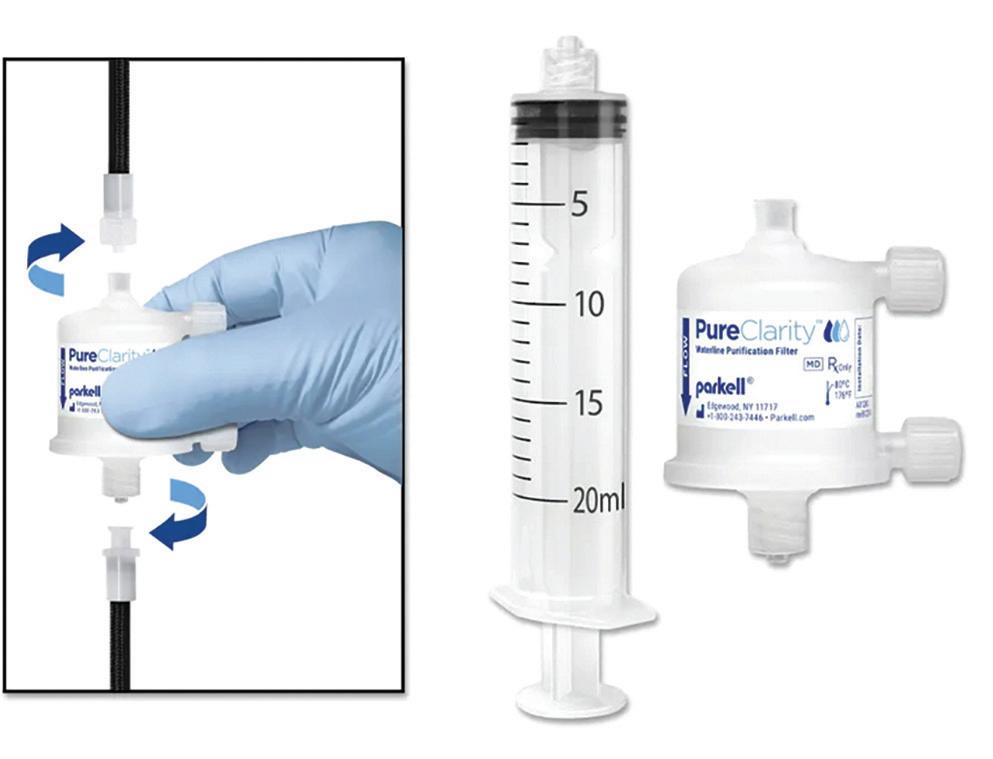
Like sterilization, a critical but somewhat invisible process that significantly impacts the cleanliness of your patient care system is waterline management. A simple product for maintenance of waterlines that run directly to ultrasonic hygiene scalers, like the Parkell™ TurboVue®, is the Parkell PureClarity™ Scaler Waterline Purification System. Using a simple Luer-lock system, it can be added onto existing waterlines and will eliminate all bacterial passthrough for up to six months. While I’m sure you test your water on a regular basis and have filtration for your whole office for lines coming from municipal sources, this last gate-keeping mechanism ensures that water is clean when it is used in a patient’s mouth. First shock the waterline and flush it, then attach the PureClarity filter. If you want to use it for the full lifetime of the filter, you should install it downstream from a sediment trap, such as the Parkell Sediment Water Filter. The Parkell system is simple to use and an easy way to guarantee patient safety.
Look for the following article in the March/April 2026 issue of AGD’s peer-reviewed journal, General Dentistry.
What every dentist needs to know about microplastics and dental materials
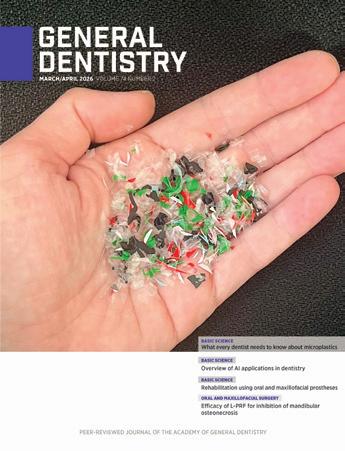
Microplastics (MPs), defined as plastic particles ranging from 1 μm to 5 mm, have become a growing concern with potentially significant implications for human health. Originating from diverse sources, including consumer products, industrial activities, and biomedical supplies, MPs have been detected in water, food, air, and even human tissues. This review focuses on the potential health risks and sources of MPs, particularly those arising from dental products. Dental products such as toothpastes, toothbrushes, dental floss, resin-based composites, denture base materials, and thermoplastic orthodontic appliances contain or generate MPs through degradation and routine use. Human exposure to MPs occurs via ingestion, inhalation, and dermal contact, with evidence suggesting systemic distribution that affects multiple organ systems, including the cardiovascular, nervous, and endocrine systems. MPs can cross critical biological barriers, leading to neurotoxicity, hormonal disruption, and potential carcinogenesis. The cumulative plastic waste from dental care contributes to environmental pollution. Emerging solutions such as biodegradable materials and improved waste management strategies show promise but require further investigation. This review underscores the need for continued research on MP exposure to mitigate health risks and environmental impact.
Read this article and more at agd.org/generaldentistry.

If you have recently moved, or plan to in the near future, please make sure to update your AGD profile.
Log into the AGD website today!
We want to make sure you receive AGD publications and other important information from us! View or update your profile, check the status of your membership dues, manage your email subscriptions and change your password.
Please contact the AGD
Membership Services Center with any questions at 888.243.3368 (toll-free) or 312.440.4300.
Our member representatives are available to assist you Monday through Friday from 7:30 a.m. to 5:30 p.m. CST.
UPDATE YOUR PROFILE agd.org/my-agd