AFAC23: CREATING A SUSTAINABLE FUTURE
THE CONSEQUENCES OF FIRE
FIRE PROTECTION IN PROFILE AT NFPM
MAPPING FIREFIGHTING WATER SOURCES
ISSUE THREE 2023


AFAC23: CREATING A SUSTAINABLE FUTURE
THE CONSEQUENCES OF FIRE
FIRE PROTECTION IN PROFILE AT NFPM
We are delighted to bring the AFAC23 powered by INTERSCHUTZ Conference and Exhibition to Brisbane in August, our annual opportunity to gather the Australasian emergency management sector for four days of collaboration, knowledge exchange, and learning from a global community.
This year we explore the theme ‘Creating a sustainable future: the challenges and opportunities’. As our communities grow, our climate changes, and technology and innovation continue to evolve at a rapid pace, there is so much for emergency management to adapt to. But within this change, there is so much for us to leverage and take advantage of. I am excited to connect with our colleagues across the region to see how we can do this collectively and sustainably, and drive positive impacts for the future.
The AFAC23 conference again includes the Institution of Fire Engineers (Australia) National Conference and the Australian Disaster Resilience Conference, and this year we are pleased to welcome back the Women and Firefighting Australasia Conference. Our co-located conferences demonstrate the broad scope of emergency management in our region, and we are proud to bring these cohorts of the sector together to support cross-collaboration and engagement.
This year, the opening Research Day has expanded to include a new Innovation Stream, which will explore the big ideas driving change across the sector. Remaining agile in the age of digital and technological advancement is crucial to delivering the best service we can, and delivering on our commitment to support communities before, during, and after disaster.
Alongside the conference program will be the INTERSCHUTZ exhibition—a showcase like no other—with the latest and best equipment, technology, and service providers from around the globe. And at the conclusion of the conference, a full day of professional development activities will be held to provide an opportunity for networking and hands-on learning through workshops and field trips.
Together, the program and exhibition cements AFAC23 as the most comprehensive emergency management conference in our region, supporting our vision of a connected and capable emergency management community. You can learn more about the program and what to expect at AFAC23 on page 14.
14 AFAC23: Reconnect at Australasia’s largest emergency management conference and exhibition
18 Consequences of fire
20 Australia and New Zealand unite at National Memorial Service
22 The return of National Fire Protection Month
24 Collaborative research improves data for aerial firefighting
28 Fire Australia 2023 — our biggest ever!
30 Tony’s Trek – improving mental health in fire and emergency services one step at a time
32 Supporting the mental health of first responders
34 Fire safety should be about value, not compliance
36 Performance-based design in fire engineering—friend or foe?
38 European Chemicals Agency proposes restriction on PFAS
40 Why product certification is essential
41 What Australia’s changing fire safety standards mean for businesses
42 Digitising fire safety
4 News
44 Q&A: perspectives from the sector
43 Blast from the past
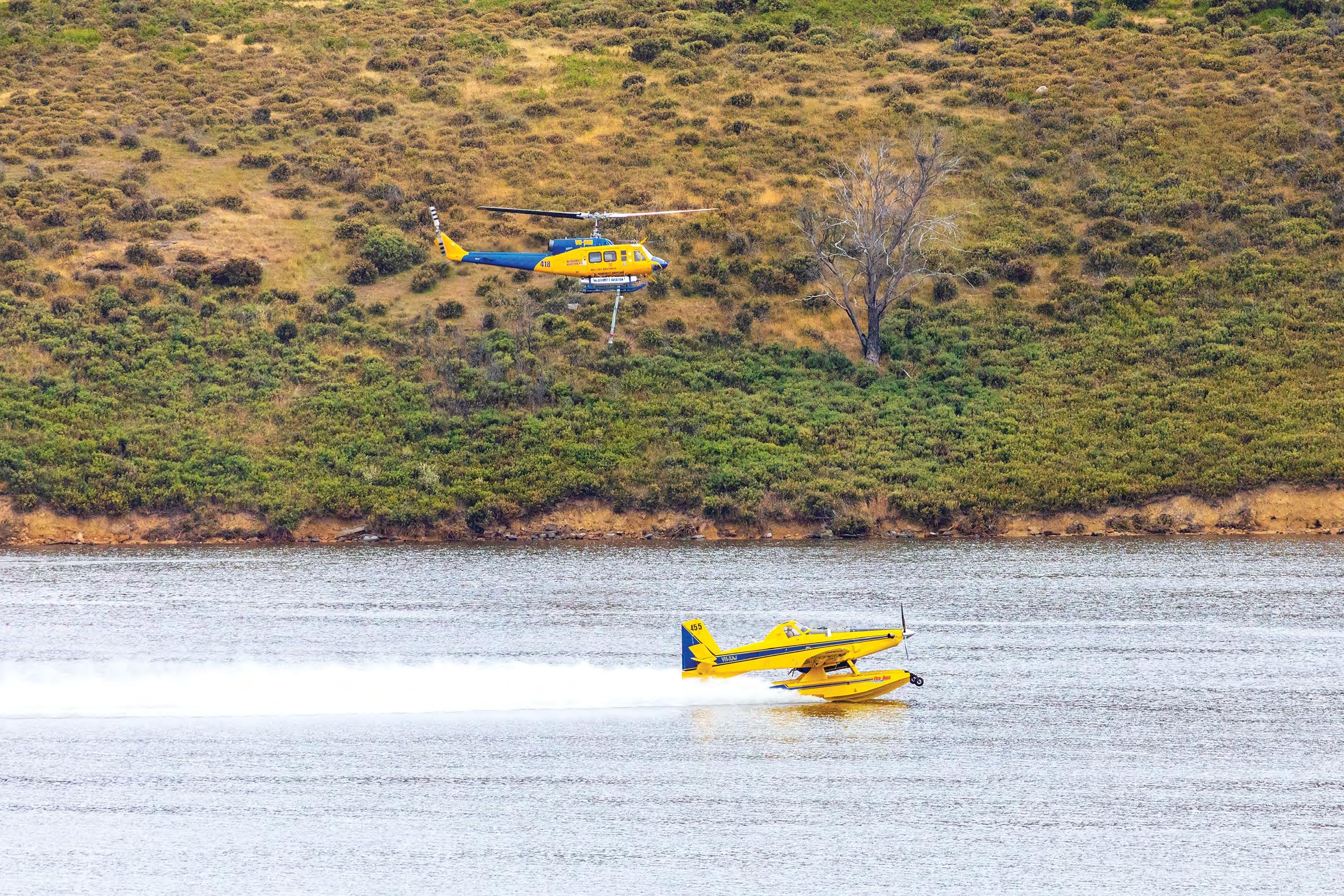
A collaborative research project is improving the data accessible by aerial firefighters to locate nearby water sources.
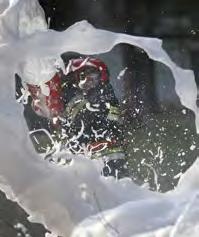
PHOTO: TASMANIA FIRE SERVICES
46 Burning ambition: Liane Henderson
48 Standards update
49 Calendar
50 Movers and shakers
Fire Australia is a joint publication of Fire Protection Association Australia and AFAC. We aim to bring the latest news, developments and technical information to the fire protection industry, fire and emergency services organisations, and hazard and emergency management agencies. Fire Australia is produced quarterly and distributed throughout Australia and New Zealand. Editorial submissions and letters to the editor are welcome and can be sent to magazine@fpaa.com.au. For more details on submitting a contribution, please contact the editors.
JOINT EDITORS
PAUL WATERHOUSE (FPA Australia)

Tel +61 3 8892 3133 paul.waterhouse@fpaa.com.au
ALANA BEITZ (AFAC)
Tel +61 3 9418 5233 alana.beitz@afac.com.au
To advertise in Fire Australia, contact: Paul Waterhouse, magazine@fpaa.com.au
FPA Australia, PO Box 1049, Box Hill VIC 3128, Australia
Fire Australia magazine is printed by a printer with ISO14001 Environmental Management System Accreditation using vegetable-based inks onto FSC -certified paper.
ISSN 1032-6529 (Print)
ISSN 2200-9221 (Online)
DISCLAIMER The views expressed in this publication are not necessarily those of FPA Australia or AFAC. Articles and advertisements are published in good faith but Fire Australia magazine and its agents do not warrant the accuracy or currency of any information or data contained herein. Fire Australia magazine and its agents do not accept any responsibility or liability whatsoever with regard to the material in this publication. It is not possible for FPA Australia to ensure that advertisements published in this magazine comply in all respects with the Competition and Consumer Act 2010 and the provisions which apply to advertising. Responsibility lies with the person, company or agency submitting the advertisement for publication. Material in Fire Australia magazine is subject to copyright. This publication may not be reproduced in printed or electronic form without permission. Contact +61 3 8892 3131.
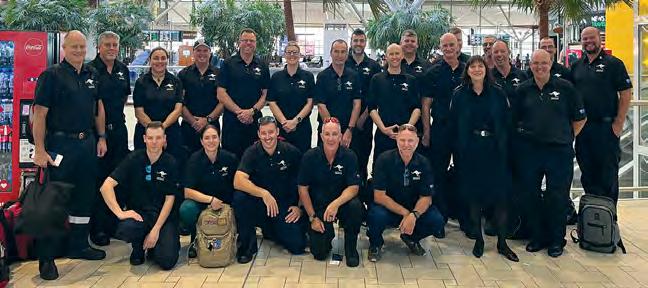
A contingent of more than 200 firefighters and incident management specialists departed for Canada in May 2023, following a request for assistance from the Canadian Interagency Forest Fire Centre (CIFFC).
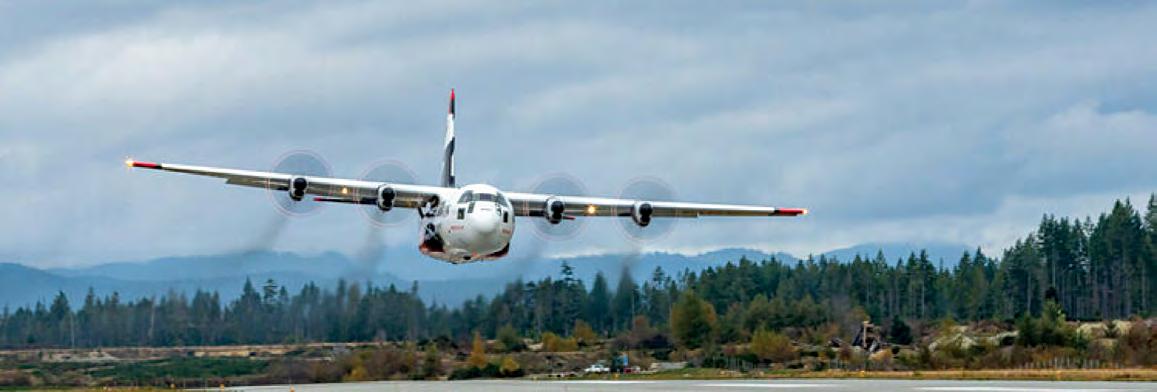
The personnel departed from Sydney and Brisbane between 26–28 May to join an Australian International Liaison Officer already located at CIFFC headquarters in Winnipeg.
Facilitated by AFAC’s National Resource Sharing Centre, the Australasian contingent was made up of specialist personnel from fire, land management and state emergency service agencies across all states and territories in Australia, as well as New Zealand.
AFAC CEO Rob Webb said, “AFAC, as the National Council for Fire and Emergency Services in Australia and New Zealand, is proud to support the deployment of these specialists through
our National Resource Sharing Centre.”
“Australia, New Zealand and Canada have a long history of supporting each other, and we are pleased to be able to help Canada as they experience significant wildfire activity,” he said.
Tangent Link, in partnership with the NSW Rural Fire Service (NSW RFS) and Dubbo Regional Council, look forward to welcoming aerial firefighting and emergency response professionals to Australia in August, after a long absence.
Taking place at the NSW RFS Training Academy In Dubbo and dedicated to improving the skills and knowledge relied upon when responding to bushfires and emergencies, Aerial Firefighting Asia Pacific (AFFAPAC) includes a two-day conference and supporting exhibition with opportunities for aircraft static displays.
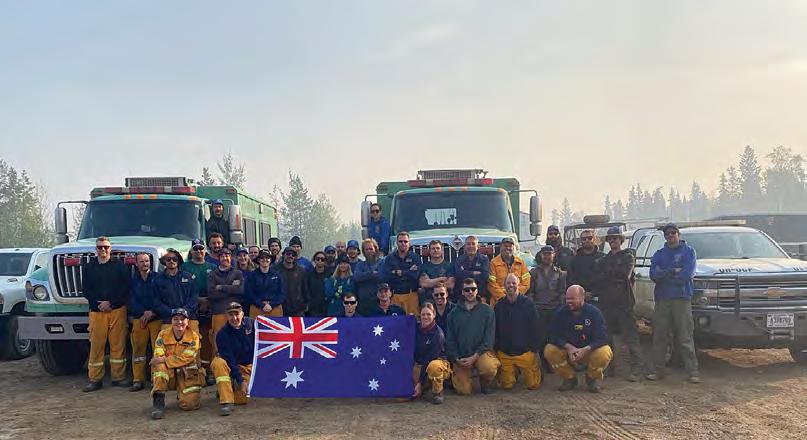
The Australasian contingent was made up of experienced firefighting crews and incident management teams, and included specialist roles such as supervision and aviation management. The personnel were based in Alberta.
The first Australian contingent set to depart for Canada to assist in the ongoing wildfire suppression efforts.
Attending AFFAPAC provides an ideal opportunity to reconnect with Australia’s aerial firefighting and emergency service sectors with representation from all states and territories expected, as well as representation from the wider international government, military, and commercial aerial firefighting communities.
“AFFAPAC23 provides a valuable assembly point for us to come together to develop and promote international best practice in this field to boost our emergency response capability. I look forward to joining you for lively debate and valuable outcomes for not only our services, but also the communities we serve,” said NSW RFS Commissioner Rob Rogers AFSM.
Delegates to AFFAPAC will be among the first to visit the $8 million NSW RFS Aviation Centre of Excellence, located next to the Training Academy at Dubbo Regional Airport.
AFFAPAC runs 2-3 August 2023. Find out more about the event at: https://tangentlink-events.com/affapac.
AFAC, the National Council for Fire and Emergency Services, has released the Seasonal Bushfire Outlook for Winter 2023.

Australia has returned to a more normal period of rainfall, following a very wet 12 months due to the influence of La Niña and negative Indian Ocean Dipole events on the Australian climate.
Autumn saw warmer-than-average temperatures for much of the southern and central parts of the country, and this trend is expected to continue. Climate models anticipate the development of El Niño conditions during winter, and the El Niño–Southern Oscillation is currently on El Niño Watch status.
Most of Australia is likely to experience below-median rainfall for the winter period and maximum temperatures are likely or very likely to be above median for most of the country. The combination of reduced rainfall and above-average temperatures and evaporation results suggests drier-than-average root zone soil moisture by late winter for much of the country.
Much of Central Australia is showing above-normal fire potential for this outlook due to reduced rainfall, higher temperatures, and higher fuel loads, including of the invasive buffel grass. Parts of NSW also have above-normal fire potential driven by the risk of frost curing of high grass fuel loads.
However, in parts of the Great Dividing Range, fuels remain reduced from the 2019-20 fire season and these areas are predicted to continue to provide below-normal fire potential While most of Australia shows normal fire potential outlook period, anyone living and working in these areas needs to be vigilant. Destructive and deadly fires can still occur during normal bushfire seasons across Australia.
Talking about the outlook, AFAC bushfire specialist Dr Simon Heemstra said:
“In the June to August period we see the diversity of bushfire potential across Australia. Northern and Central Australia are coming into the dry season with some areas having above-normal fire potential, in contrast to cooler conditions in the southern parts of the country.
“Cool conditions can still pose fire risk. Recent wet conditions have increased grassland fuels in the landscape, and fire authorities are monitoring frost curing that can occur through winter months, which can dry out vegetation and increase flammability, both in this season and as we move into spring.”
Fire potential can vary greatly, even at the smaller scale, between bordering states and territories. Each state and territory’s assessment accounts for different land use types and vegetation types, influenced by different forecasts
2023. Areas are based on the interim biogeographic regionalisation for Australia and other geographical features.
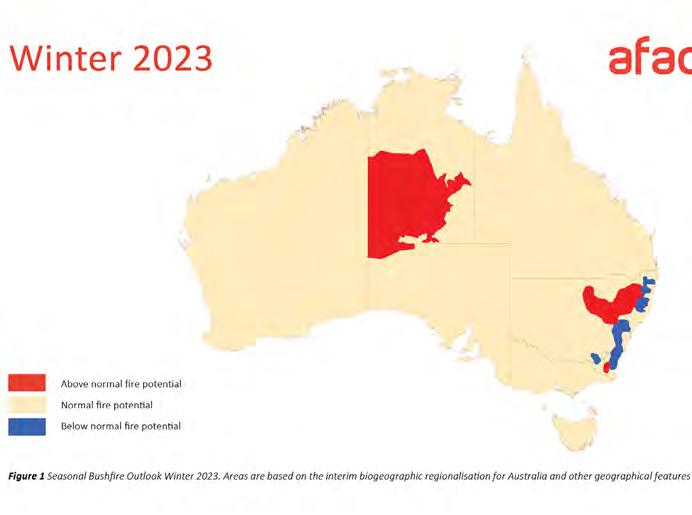
Above normal fire potential
Normal fire potential
Below normal fire potential
by AFAC, the Bureau of Meteorology, Queensland Fire and Emergency Services, the NSW Rural Fire Service, ACT Emergency Services Agency, ACT Parks and Conservation Service, Country Fire Authority, Department of Energy, Environment and Climate Action Victoria, Tasmania Fire Service, SA Country Fire Service, Department of Fire and Emergency Services and Department of Biodiversity, Conservation and Attractions WA, and Bushfires NT.
Webinar 1 –Actions government and emergency services can take on DIDRR. Through case studies, the speakers explored approaches that government and emergency personnel are using to put people with a disability and their support needs at the centre of inclusive emergency management policy, planning, and practice.
The biggest risk to the safety and well-being of people with disability in emergencies is their exclusion from emergency management practices and policy decision-making.
For too long, disability has been kept in the ‘too-hard basket’:
emergency personnel have not had the right tools to support meaningful inclusion, participation, and tailored planning for disasters
community, health, and disability service providers have not been integrated into emergency planning
people with a disability have been overlooked in emergency management policies and practice decisions.
So, confusion persists about who takes responsibility for people with disability in emergencies.
However, a new webinar series from the Australian Institute for Disaster Resilience (AIDR) showcases actionoriented good practice in disability inclusive disaster risk reduction (DIDRR).
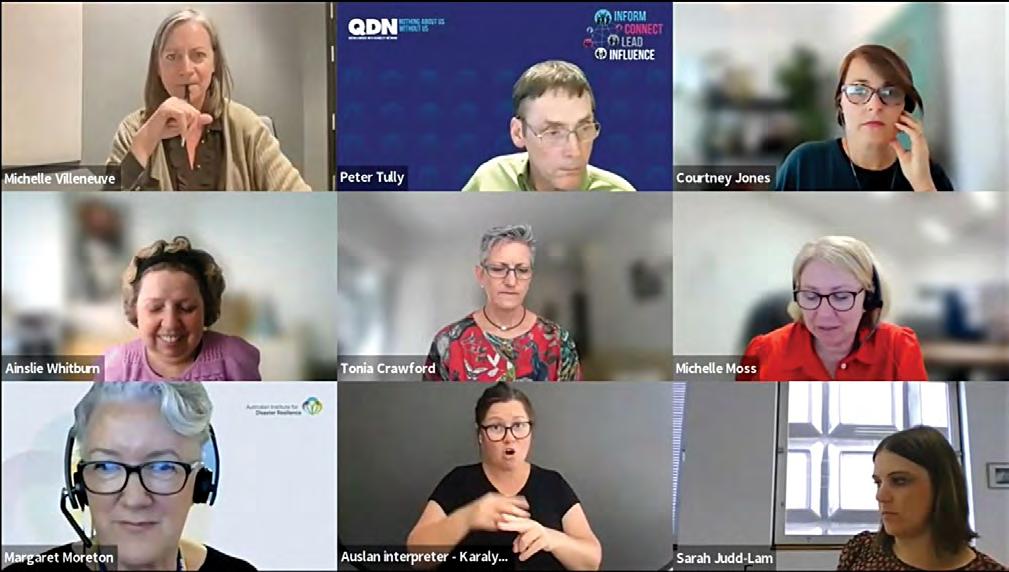
Throughout the Leave Nobody Behind webinar series, expert speakers
from government and emergency services, disability support services, and people with a disability share case studies of their progress, specific actions, implementation challenges, and what needs to happen next. Together, the series shows how multi-stakeholder collaborative action is the key to success.
Find the Leave Nobody Behind webinar series on the AIDR Knowledge Hub: https://knowledge.aidr.org.au/ resources/leave-nobody-behindwebinar-series.
At the 2023 Fire Australia Conference and Tradeshow in Sydney, the Home Fire Sprinkler Coalition Australia (HFSCA) unveiled its innovative new advocacy tool: a virtual reality experience that showcases the lifesaving benefits of home sprinklers. Comprised of raw, 360-degree, VR video footage generously provided by the US Home Fire Sprinkler Coalition, the immersive experience highlights the speed at which home fires can spread and the invaluable protection offered by fire sprinklers.
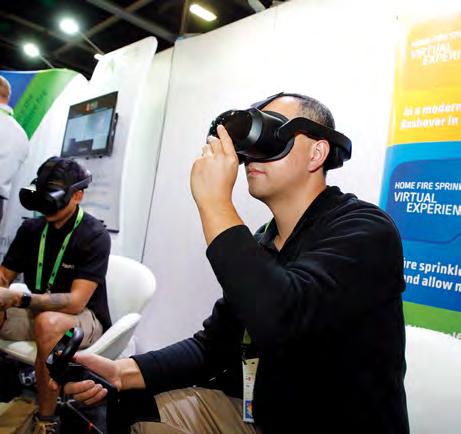
HFSCA has made the VR video
available for free on YouTube, while highresolution versions will be distributed to fire agencies, registered training organisations, and regulators for community safety and engagement activities.
For more information on the HFSCA’s mission and initiatives, please contact info@homefiresprinklers.org.au.
This project was made possible through funding from the International Fire Suppression Alliance and National Fire Sprinkler Association Suppliers And Manufacturers Council.
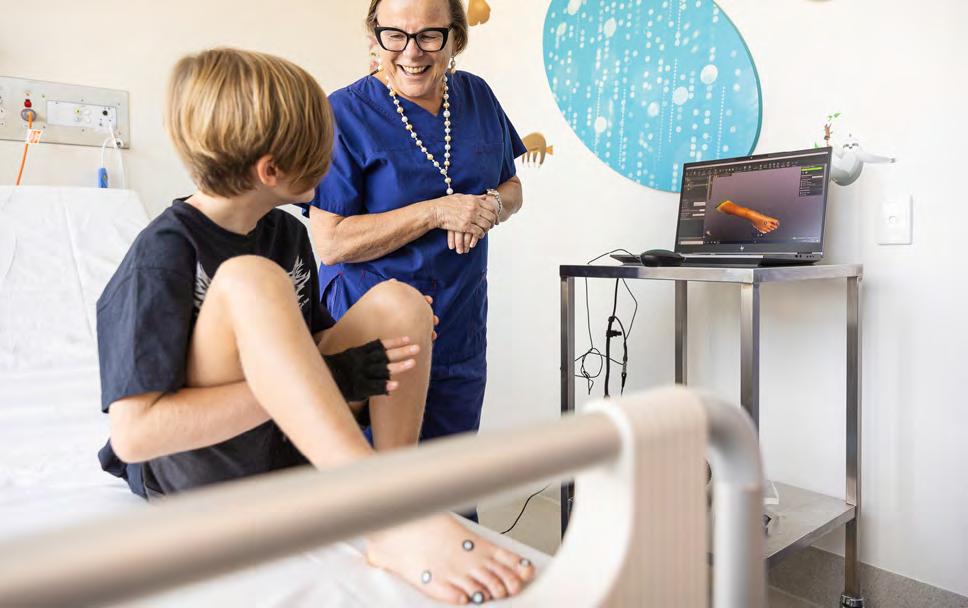
The Fiona Wood Foundation and FPA Australia are supporting an up-and-coming burns researcher to ensure that medical innovation and groundbreaking research can continue to thrive and make tomorrow better for all burn patients.
FPA Australia members raised funds at the Fire Australia 2023 Conference Gala and Awards Dinner which will go to supporting a dedicated PhD student, by providing a stipend for a three-and-ahalf-year period while they conduct research.
The successful candidate will contribute to the foundation’s research streams that span the patient journey. This facilitates the
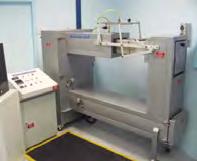
translation of research to evidence-based ‘best practice’ in clinical care for adults and children who have sustained a burn injury.
To be eligible, applicants must have earned a bachelor’s degree in biomedical science with upper second-class honours or equivalent.
The FPA Australia PhD scholarship will be advertised later this year, and potential candidates can apply for a full scholarship or a co-funded scholarship.

The Fiona Wood Foundation thanks FPA Australia members for supporting the program.

The NSW Department of Customer Service is currently reviewing FPA Australia’s proposed changes to the FPAS scheme document, which include:
fire safety assessment (FSA)—the introduction of a certificate pathway for four statutory mechanical fire safety measures:
fire dampers
mechanical air handling systems
smoke and heat vents
smoke dampers
fire systems design (FSD):
the addition of ducted smoke control to the category
The new Australasian Inter-service Incident Management System (AIIMS) Principles online course and the AIIMS Awareness online course have been released. These new courses align with the two recently reaccredited AIIMS courses (22611VIC Course in Awareness of AIIMS and 22612VIC Course in AIIMS).
The AIIMS Principles online course is designed to provide a comprehensive overview of the fifth edition of AIIMS (2017). There are 14 modules and five assessment tasks in this course. The content covered is developed for organisations that have adopted, or intend to adopt, AIIMS, and for those personnel who may be required to:
the inclusion of the current qualification and competency codes in the scheme document
the replacement of existing non-accredited design units with accredited units.
The current proposal for change does not include ongoing plans to create an unrestricted pathway for fire safety assessors.
If the amendments are approved, FPA Australia will run a series of information sessions to detail the changes.
perform a role within an incident management structure


assist an Incident Management Team in a support capacity
know the principles and processes that underpin AIIMS.
The AIIMS Awareness online course develops an understanding of the key concepts that underpin AIIMS. There are seven modules and three assessment tasks in this course and all assessments can be completed online.
The training will provide students with an awareness of these concepts and is suitable for anyone who might be involved in supporting emergency management processes in their workplace or in support of emergency operations.
For further information about the online courses, please email aiimsonline@afac.com.au.


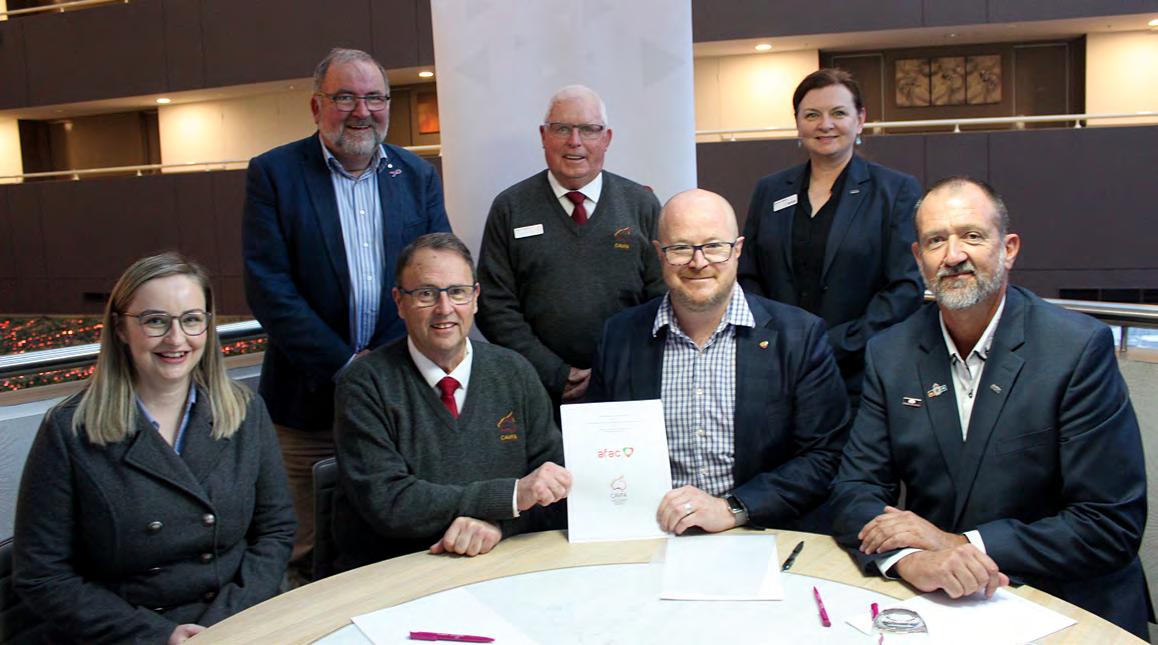
AFAC CEO Rob Webb meets with members of CAVFA to sign a renewed Memorandum of Understanding on 10 May 2023.
AFAC and the Council of Australian Volunteer Fire Associations (CAVFA) signed a renewed Memorandum of Understanding on 10 May 2023 to provide a basis for mutual understanding, cooperation, and collaboration between AFAC and CAVFA on matters that may impact volunteer firefighters.
The Memorandum establishes a framework and commitment for AFAC and CAVFA to agree to work cooperatively across a range of
activities including but not strictly limited to:
fostering a strong relationship between our organisations
facilitating information sharing on issues likely to impact volunteers
consulting on matters that may have significant impact on volunteers
collaboration on matters of mutual interest
other matters as mutually agreed.
The Memorandum recognises that
National Volunteer Week was marked during 15–22 May 2023, providing an opportunity to celebrate and give thanks to volunteers who contribute to their communities in many different ways.
AFAC celebrated with a message from AFAC President and NSW SES Commissioner Carlene York APM, praising the commitment of volunteers across the fire and emergency services, who offer their skills and time to support before, during, and after disasters and emergencies.
“The work of fire and emergency service agencies simply would not be possible without volunteers, and AFAC is committed to supporting all fire and emergency volunteers to keep doing what they do best,” Commissioner York said.
through staff, members, and associates, AFAC and CAVFA have a mutual interest and the combined expertise to address many of the current and emerging challenges facing volunteers and volunteering in fire and emergency service, both today and into the future.
AFAC looks forward to working closely with CAVFA to foster this important relationship and ensure positive outcomes for Australia’s volunteer firefighters.
“The local connections that volunteers have with their communities is what makes our fire and emergency service agencies so unique and effective. This volunteer spirit enriches the culture of our sector … Your generosity, knowledge, and skills are invaluable. On behalf of AFAC National Council, I thank our volunteers for all the work you do.”
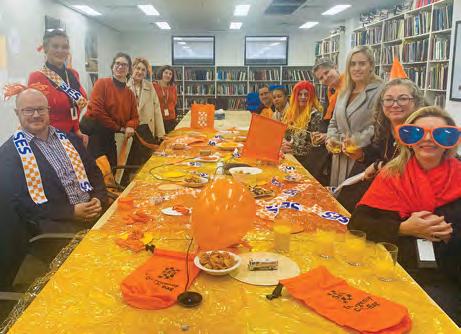
AFAC also celebrated Wear Orange Wednesday on 17 May–a day for Australia to wear orange and thank all State Emergency Service volunteers who generously give their time to help communities.
View AFAC’s National Volunteer Week thank you message online: youtube.com/watch?v=BJn_59xKtVE.
Form 3—Essential safety provision (ESP) maintenance certificate, prescribed by the South Australian Government under the Planning, Development and Infrastructure (General) Regulations 2017, has created some confusion for councils, owners, and practitioners alike.
It is designed to verify that maintenance of essential safety provisions has been carried out within a building; however, there are concerns the form is being filled out inconsistently, undermining its purpose and intent.

To clarify requirements, the South Australian committee of FPA Australia has created a guideline about completing Form 3.

This has been developed in collaboration with representatives from councils, owner and manager groups, and the fire protection industry, and is intended to streamline reporting— providing greater certainty for those who own or occupy buildings.
The guideline has now been released for public comment and will be updated and formally launched at the end of the year, in time for the reporting period.
To view a copy of the draft, or for more information, contact FPA Australia at engagement@fpaa.com.au.
The Building Legislation Amendment Bill 2023 has passed both Victorian Houses of Parliament.
In introducing the legislation into the Parliament, the Hon. Sonya Kilkenny, Minister for Planning and Minister for Outdoor Recreation, stated that the Bill was introducing reforms to reshape building regulation and protect consumers.
The new Act amends the Building Act 1993 and the Architects Act 1991 to:
formalise and strengthen the role of the State Building Surveyor
establish a Building Monitor to protect consumers
expand the categories of building practitioners that will be required to be registered
introduce further safeguards for the building approvals process
strengthen information sharing between statutory entities with a role in the building regulatory framework
amend the distribution of the cladding rectification levy
improve the governance arrangements of the Architects Registration Board of Victoria under the Architects Act 1991 Other key elements include a requirement for the local council building surveyor to participate in the final inspection process before the occupancy permit can be issued for certain classes of buildings, and the creation of a building manual. Although the Bill proposed registration for building designers and consultants, it remains unclear whether this will lead to the recognition of accreditation schemes such as the Fire Protection Accreditation Scheme.
The experiences of people affected by the extreme floods in NSW and Queensland in 2022 provide vital insights into preparedness, response, and early stages of recovery to help reduce natural hazard risk.
Independent research—conducted by Natural Hazards Research Australia in partnership with Macquarie University, the University of Southern Queensland, and the Queensland University of Technology—was launched in May at the 2023 Natural Hazards Research Forum.
Lead researcher and occupational psychologist Associate Professor Mel Taylor from Macquarie University highlighted the essential personal reflections of flood-affected residents that are captured within this research.
“We found that there are bigpicture issues that affect how people were impacted by the floods, including community connection and communication, local capacity for action, flexibility in disaster adaptation, and personal control over decisionmaking,” Professor Taylor said. “If we can make change in these areas, we can improve not just disaster preparedness, response and recovery,
but also capacity for managing any kind of adversity.”
The research identified themes from community interviews and surveys, including the accuracy of flood data, the inclusion of local knowledge, the need for timely official information, the sense of being forgotten, the changing role of community responders, and the impacts of planning decisions and infrastructure maintenance.
The full research report provides
vital context that will help emergency management organisations, government departments, local councils, community organisations, and community members to understand the complexities of community experiences before, during, and after severe weather.
Read the full research report and summary report at www.naturalhazards.com.au/floods2022.
The findings of a significant post-flood social science project are now being used to assist decisionmakers.
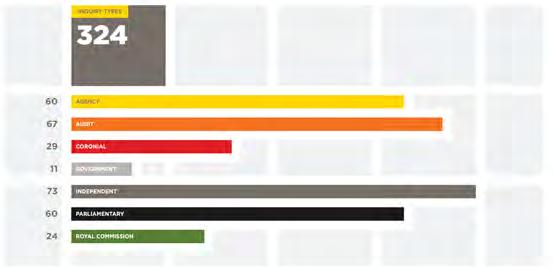
Access the Inquiries and Reviews Database to browse 324 natural hazard inquiries since 1886.
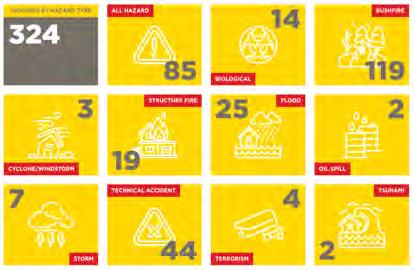
Recommendations from the 2022 flood inquiries in NSW and Queensland, and four state inquiries into the 2019-20 Black Summer bushfire season, are now accessible via the Inquiries and Reviews Database.
Launched in October 2019, and based on research conducted by the Bushfire and Natural Hazards CRC, the Inquiries and Reviews Database—a one-of-a-kind, up-to-date data source now operated by Natural Hazards
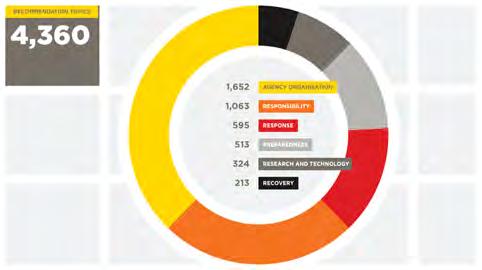
Research Australia—gives anyone working in disaster management the upper hand, learning from the past to create a better future. This easy-to-search database allows users to browse and compare recommendations through keywords and themes, coded into specific categories.
The inclusion of the recent inquiries, as well as state audits into bushfire equipment management and recovery
grants, brings the total number of reviews accessible via the database to 324. These date back to 1886, covering all states and territories, meaning that now 4,360 recommendations can be custom searched, helping users to identify important topics and browse relevant recommendations.
You can access the Inquiries and Reviews Database at https://tools.bnhcrc.com.au/ddr/home.
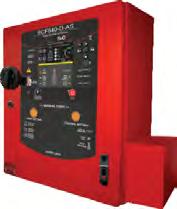
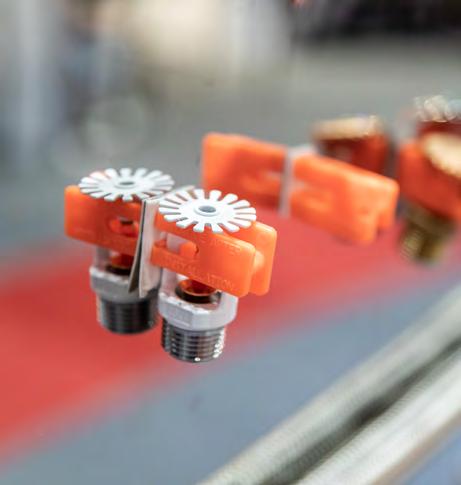
Two recent fires have highlighted the importance of fire protection in buildings, particularly the use of sprinklers.
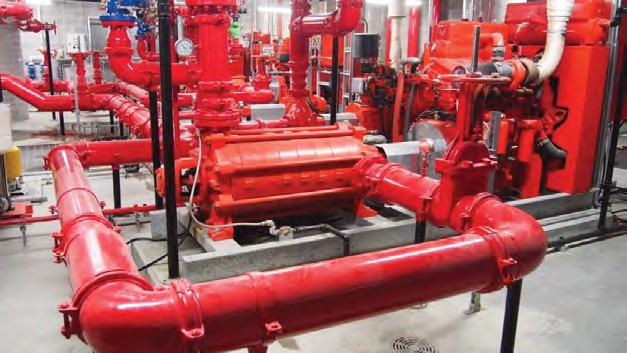
The first, in Wellington, New Zealand occurred on Tuesday, 16 May, where residents of a local boarding house—Loafers Lodge—had to evacuate quickly when a fire broke out, diving from windows or being rescued by firefighters from the roof in the face of an inferno.
The boarding house, which provided both short- and long-term low-cost and emergency housing accommodation across 92 rooms, was not sprinklered and was not required to be.
Five individuals died in the incident—Kenneth Barnard, Liam James Hockings, Peter Glenn O’Sullivan, Melvin Joseph Parun, and Michael ‘Mike the Juggler’ Wahrlich—and many were injured.

In the second incident, a blaze tore through a seven-storey former
hat factory in Sydney’s Surry Hills, on Thursday, 25 May, resulting in the collapse of the building.
Thousands of people witnessed the inferno as more than 120 firefighters from 30 fire trucks worked to control the flames.
The building, which had been due to be converted into a luxury hotel, was completely destroyed, with the roof, floors, and sections of the walls collapsing, sending bricks cascading to the pavement.
The risk of further collapse was such that weeks later people were still unable to return to neighbouring units. In both cases, it appears that the risk to occupants, and the potential damage to the buildings and neighbouring structures, may have been reduced with functional sprinklers.
During this September’s National Fire Protection Month, FPA Australia will be looking at different risks that lead to


incidents such as these, and discussing how fire protection makes everyone safer.
For more details, visit www.nationalfpmonth.com.au.

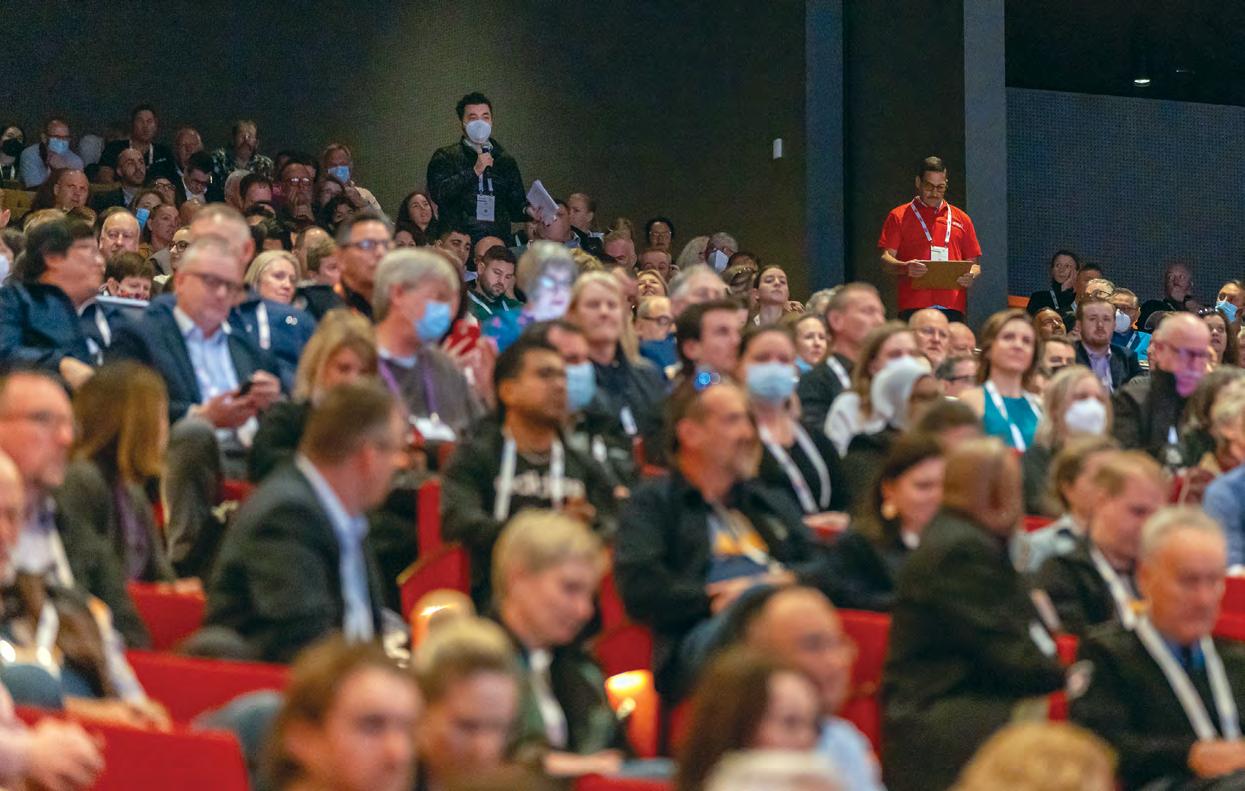
Explore the program for AFAC23 powered by INTERSCHUTZ, an impressive line-up of keynote speakers, presentations, and panels that will bring the fire and emergency services community together at Brisbane Convention Centre from 22-25 August.
The 28th annual AFAC powered by INTERSCHUTZ Conference and Exhibition, being held at the Brisbane Convention and Exhibition Centre from 22-25 August, will bring together the world’s top experts on emergency management and resilience to explore the theme ‘Creating a sustainable future: the challenges and opportunities’
Across the AFAC23 stages and exhibition spaces, you can expect a stellar line-up of speakers presenting innovative ideas, new perspectives, and inspiring practices.
New ideas, grounded in research Commencing on 22 August with the Research and Innovation Day, the event will explore the big ideas and latest science driving change in the fire and emergency services. Across four streams, presentations bring a focus on First Nations engagement in fire and land management, technological advancements in risk mapping and fire detection, and sustainable resilience. For the first time, there will be a stream dedicated to innovation, highlighting the value of new thinking and practices within emergency management. The Innovation Stream includes three ‘Pitchfest’ events, posing a challenging scenario to panellists who then compete to offer
their solution. The judging panel and the audience will then vote for their favourite solution. The Innovation Stream will also explore the challenges and opportunities for innovative practices and technology adaption in emergency management.
The closing session of the Research and Innovation Day is an introduction to the National Joint Common Operating Picture from Emergency Management Australia. This is a web-based platform that provides a consolidated view of nationally significant events, including security events, bushfire, flood, cyclone, and severe weather warnings, as well as infrastructure and government actions of support.
Jerry Grayson, Rescue pilot, drone educator, keynote speaker, Web3 and crypto native, NFT artist
Jerry Grayson’s story of an extraordinary career in helicopters, disrupted entirely by the advent of drones, will resonate with any audience. He’s an unforgettable speaker on topics such as risk management, teamwork, resilience, and leadership, and is certain to leave audiences inspired and motivated.

Covering Saddam Hussein’s invasion of Kuwait, the infamous Fastnet yacht race, being on stage with The Rolling Stones and on location filming Black Hawk Down, filming the immediate aftermath of Hurricane Katrina, and broadcasting the soccer World Cup from South Africa, Mr Grayson has a personal story to tell about each one.

Nazir Afzal OBE was Chief Crown Prosecutor for North West England and formerly Director in London. He was Chief Executive of the country’s Association of Police and Crime Commissioners and, most recently, National Advisor to the Welsh Government. During his 30-year career, he has prosecuted some of the most high-profile cases in the country and advised on many others, and he led nationally on several legal topics including violence against women and girls, child sexual abuse, and honour-based violence. Mr Afzal had responsibility for more than 100,000 prosecutions each year. His prosecutions of the so-called Rochdale grooming gang and hundreds of others were ground-breaking and changed the landscape of child protection. He was also Chair of the Independent Review of Culture of London Fire Brigade and Trustee of WOW (Women of the World) Foundation.
Jennifer
Dr Jennifer Beverly has six years of experience as a wildland firefighter and 12 years of professional research experience in wildland fire science, both in academia and as a former Research Scientist with the Canadian Forest Service.
Dr Beverly’s overall goal is to contribute new insights about wildfires that improve interactions between fires, people, and ecosystems. To this end, she applies a range of methods—including statistical modelling, simulation modelling, and spatial analysis—to inform complex fire management decisions. Her studies have addressed post-fire ecological effects, fire behaviour prediction, fuels measurement, fire-climate interactions, wildfire evacuations, escaped fires, values-at-risk mapping, and strategic fire risk assessment at both community and landscape scales.

As Deputy Fire Administrator at the United States Fire Administration (USFA), Tonya Hoover is responsible for the day-to-day operation of the USFA. This includes the annual training of more than 100,000 first responders at and through the National Fire Academy; the National Fire Incident Reporting System; the USFA’s fire prevention, public information, and public education programs; and the 27 campus buildings of the historic National Emergency Training Center in Emmitsburg, Maryland.
An accomplished executive with more than 20 years of management experience in both local and state government, she has successfully worked at high levels of government in developing and implementing fire protection, prevention, training, and community risk-reduction programs.

Oliver Costello is a Bundjalung man from the Northern Rivers of NSW, with a diverse range of personal and professional expertise in culturally connected stewardship of Country. He is currently focused on First Nations knowledge and practice in caring for Country through regenerative cultural practices that support preparedness, recovery, and resilience in relation to climate change, bushfires, floods, and storms. He has extensive experience working within the Indigenous land and sea management, conservation and cultural heritage management sectors, and has been particularly interested in empowering Aboriginal perspectives on fire, and threatened and culturally significant species.

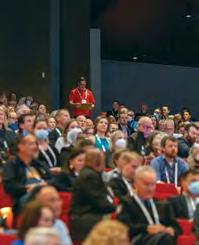
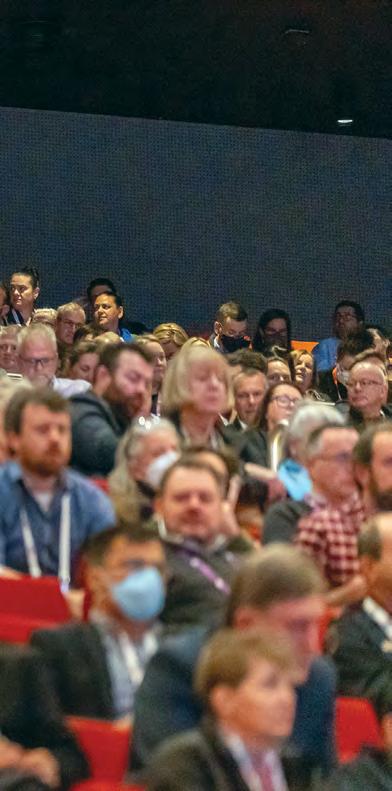
Right: From the conference plenary stage to the exhibition demonstration zone, there is something for everyone at AFAC23.
FROM PAGE 14
The AFAC23 conference program runs over eight streams, offering a diverse selection of speakers and topics to explore. Four streams will be dedicated to the AFAC Conference, spanning topics such as aircraft, workforce and volunteering, community safety, First Nations engagement, resilience, emerging technology, and predictive services. The presentations, offered over two days, will come together under the theme ‘Creating a sustainable future: the challenges and opportunities’
Running concurrently with the AFAC Conference are three co-located conferences: the Australian Disaster Resilience Conference, the Institution of Fire Engineers (Australia) National Conference, and the Women and Firefighting Australasia Conference.
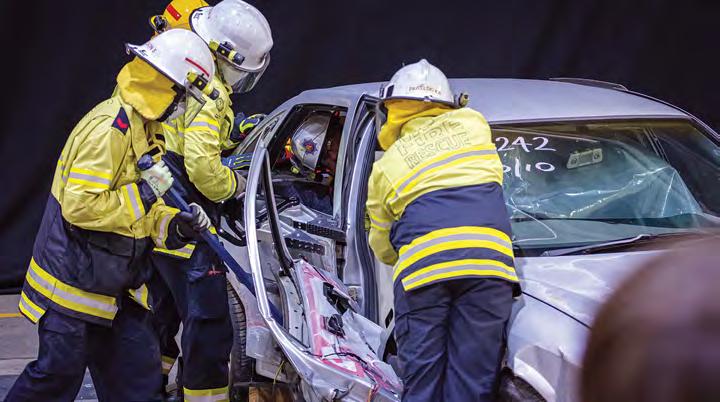
The Australian Disaster Resilience Conference returns for its fifth year to explore what is possible when we reimagine resilience. Prioritising creative and collaborative approaches being taken across our country, the conference will hear from fresh voices that propose new, innovative ways to foster the disaster resilience our nation needs to thrive in a complex future. The Australian Disaster Resilience Conference program will be offered over two streams and two days, with a focus on resilience building, reducing disaster risk, and supporting recovery practices.
The Institution of Fire Engineers (Australia) National Conference will comprise one stream of the AFAC23 program over two days. This conference will focus on the key issues facing the fire engineering community, including building in bushfire zones, communicating fire safety, smart firefighting, regulations, and alternative and renewable energy.
The Women and Firefighting Australasia Conference will also comprise one stream of the AFAC23 program over two days, with a focus on recruitment of women to the fire and emergency services. Topics will span inclusive workplaces, gender imbalance, leadership development, safety training, and career transition. Access to each of the three co-located conferences is included as part of the AFAC23 conference pass.
The conference is supported by the INTERSCHUTZ Trade Exhibition. This
year’s exhibition will feature hundreds of local and international exhibitors across 15,000 sqm of floorspace and a comprehensive Solutions Theatre program and Demonstration Zone.
Entry to the AFAC23 Exhibition is free and will provide a world-class forum of hundreds of exhibiting companies. In the Solutions Theatre, see first-hand the latest in emergency services equipment and technology from hundreds of manufacturers/suppliers, and insightful presentations from industry leaders and experts for frontline and operational personnel. Gain insight on the latest in research and practice in the Australian Institute for Disaster Resilience Knowledge Centre, meet the speakers from the AFAC23 program at the Meet the Speaker Lounge, and network and meet like-minded peers on the Exhibition show floor.
This year, AFAC23 is pleased to launch Resilience Lane as part of the Exhibition, showcasing not-forprofit and low-income organisations working to build Australia’s resilience to disasters. Resilience Lane is proudly sponsored by NRMA Insurance.
An impressive offering of forums and workshops is included in the AFAC23 Professional Development Program, including:
Timber Construction Forum–Delivered by key researchers and industry representatives who have been involved in validating the safe design and construction methods for timber buildings, this forum will provide an update of what current fire safety knowledge for timber construction has delivered for safe design, and what are the next stages.
Firefighter health and safety, best practice–This session will provide an opportunity to discuss a range of issues regarding firefighter health and safety, including best practice, nationally and internationally. These discussions will include topics such as personal protective equipment (including
respiratory protective devices), cleaning and maintenance, health and safety issues, and standards.
Hydrogen Fire Safety Forum–Fire safety around hydrogen production, transportation, storage, and handling is an emerging issue. With the growth of the hydrogen energy sector in Australia, it is essential that the questions around fire safety principles are considered. Industry engagement and mobilisation is necessary to ensure regulation is fit for hydrogen and effective guidance is available.
EMSINA presents—Technology transitions and challenges, how spatial technologies are supporting our adaption to protracted and complex emergencies–Through full presentations, lightning talks and facilitated discussions, the Emergency Management Spatial Information Network Australia (EMSINA) will present examples of the use and the growing demands of mapping and location technologies as applied in past emergencies within the emergency services organisations, by local/state/ federal governments, and in response to public demands for information.
National DRANZSEN Forum–The Disaster Resilient Australia-New Zealand School Education Network (DRANZSEN) annual event will draw on leading examples from across the states and territories, enabling participants to benefit from the diverse experiences of experts and educators from all around the country. Australian students will share personal reflections on disaster resilience learning experiences and suggestions for development.
We also have a couple of field trips:
Queensland’s PICAC Hydrogen Centre of Excellence Tour–Attend a tour of Queensland’s first Hydrogen Centre of Excellence, the Plumbing Industry Climate Action Centre (PICAC), including an introduction to Queensland Government’s hydrogenpowered electric vehicles. Find out more about the $20 million vocational training centre in Beenleigh that was
built by apprentices, for apprentices to help grow Queensland’s renewable hydrogen industry.
FireTech Connect–FireTech Connect is an initiative of the Peregian Digital Hub, a leading technology incubator based in Noosa on Queensland’s Sunshine Coast. This field trip will provide agency and industry personnel with a passion for technology development an opportunity to engage with the solutions for prediction, detection, analysis, coordination, and communication, which are being developed and trialled.
The Exhibitor Networking Drinks and Awards are held on 21 August, the day before the event commences, and are our way of thanking exhibitors and sponsors of AFAC23 powered by INTERSCHUTZ. This informal gathering of exhibitors will also include a short awards ceremony, speeches, and—of course—much-needed networking, food, and refreshments.
The Delegate Welcome Function on 22 August takes place across the exhibition and allows conference delegates, speakers, and VIPs the
opportunity to meet with the exhibitors. Again, held in an informal atmosphere, there will be drinks and refreshments served.
The AFAC23 Gala Dinner on 23 August provides an opportunity to meet new connections and reconnect with colleagues from across the emergency management sector. This event is an annual crowd favourite and is sure to be a highlight of the AFAC23 social program in Brisbane.
Our greenest conference yet
This year, AFAC23 has partnered with Trace—a sustainability consulting company that removes the barriers to climate action and empowers businesses to take immediate steps forward. The AFAC23 team is thrilled to continue our existing efforts and introduce sustainable practices at the event, such as:

making multiple water stations available throughout the event to mitigate the amount of single-use plastic bottles purchased
producing biodegradable and recyclable event materials, such as the event lanyards, badge pouches, delegate satchels, pocket guides,
carbon offsetting all speaker and staff flights booked
co-locating the Institution of Fire Engineers (Australia) National Conference, the Australian Disaster Resilience Conference, and the Women and Firefighting Australasia Conference to reduce the carbon footprint involved with travelling to multiple events.
At the conclusion of AFAC23 powered by INTERSCHUTZ, the team will examine the event data to calculate our carbon footprint using the Trace program. Credits will be purchased to offset this impact and contribute towards a variety of sustainability initiatives. Our sustainability efforts and the projects supported will be shared online by AFAC after the event, as well as feature in the event’s post-show report.
Registrations are now open for AFAC23 powered by INTERSCHUTZ Conference and Exhibition. Visit the conference website to explore registration options and secure your place at this year’s event: www.afacconference.com.au
In Australia, as in other Western countries, deaths and injuries from residential fires remain a significant public health problem, despite ongoing efforts to reduce the number of fatalities and the burden of injury.
According to National Coronial Information System (NCIS) data released in September 2022, on average more than one preventable fire-related death occurs in Australian residential buildings every week.
These fatalities are usually related to the effects of fire, such as smoke inhalation, burns, or a combination of causes, but there is compelling evidence that most incidents and injuries are preventable.
The devastation and destruction of such fires have both a direct and indirect effect on human life, impacting the social, economic, and psychological well-being of individuals, families, and communities. Those who survive but suffer injuries will have their lives altered forever.
The trauma of these events also affects firefighters and emergency responders who place themselves at higher risk of psychological distress and conditions such as post-traumatic stress disorder than the general population.
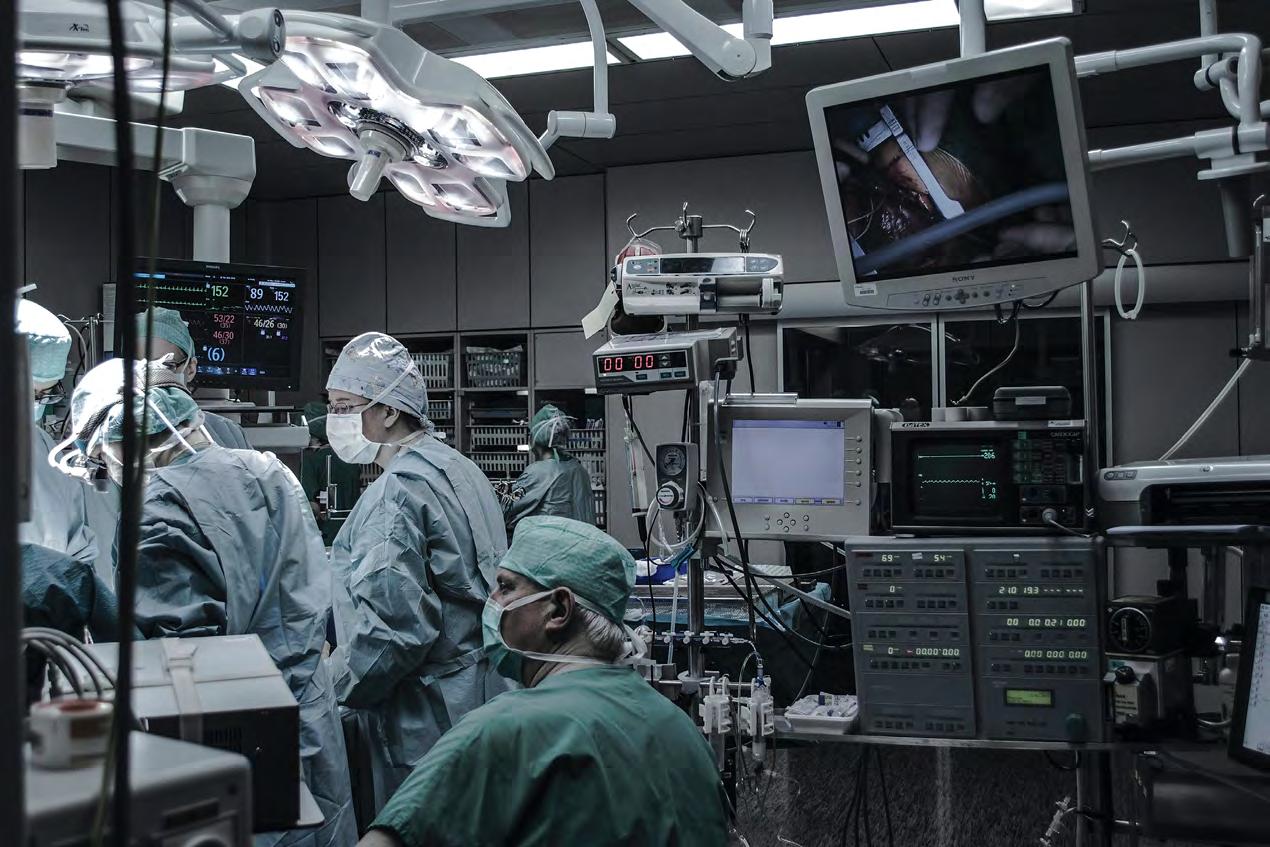
Burns are painful, complex, and traumatic injuries. While advancements in burns care have reduced mortality rates and improved patients’ chances of survival, the burden is lifelong due to the combination of physical, psychological, and physiological scarring.
Research conducted by the Fiona Wood Foundation (FWF) has revealed a link between burns events and a higher risk of patients developing secondary health conditions such as cancer, nervous system disorders, and mental health conditions, many of which can arise long after recovery. While every intervention after a burn injury may reduce lifelong scars, prevention is far better than the cure.
From a healthcare perspective, burn injuries are one of the costliest areas of healthcare. Recent analysis of patient records between 2013-23 by the WA Burns Service found that flame burn injuries accounted for 37% of burn inpatient admission and were the most common cause of burn injury in adult patients. Of the 98 inpatients that suffered such injuries in a residential fire, the average length of stay in the hospital was 10.7 days.
Additionally, with approximately 75% of the cost of burn care primarily funded by the Australian Health Care Agreement, it is not unreasonable to consider the sustainable impacts that fire protection and fire safety education can have on the health budget.
The risk of fire fatalities and injuries disproportionately impacts certain population groups.
Australian and international researchers found that residential fire statistics have a high representation of people experiencing social and financial disadvantages, low
educational attainment, and low income. Occupants of homes without fire protection equipment, such as working smoke alarms, are five times the risk of fire-related death or injury than households who adopt safety measures.
Conversely, people of higher socioeconomic status and income are more likely to purchase and maintain fire equipment, reducing their risk of being involved in a house fire incident.
As Australians contend with the rise of inflation and the cost of living, it is understandable that financial constraints may pose challenges for people in improving their home fire safety standards. However, we must continue to educate the public about the importance of installing and maintaining fire protection technology as a worthwhile investment to protect lives, property, and the environment from the damaging impacts of fire.
Older people are another socially vulnerable cohort overrepresented in statistics in residential fire events. Numerous studies have reported that even in the presence of working fire alarms, it takes older people longer to detect and evacuate from fires in the home, increasing their risk of death or injury.
While survivability of burn injuries continues to improve across all age groups, elderly burn patients are the most susceptible to poor patient outcomes and higher mortality rates.
As Australian demographic trends continue to project rapid growth in population ageing, and government-led ageing-in-place strategies have resulted in more older people living alone than in previous generations, this is increasing the potential for tragedy.
Several studies suggest that a failure to adopt fire protection measures by the elderly could lead to an escalation in the risk to this population. Prevention education, early detection devices such as specialist smoke alarms that link to personal alarms, and the promotion of devices for people with sensory impairment (hard of hearing, blind, low vision) can play a vital role in ensuring the safety and well-being of individuals in their home.
FWF believes that fire safety and burn prevention is a collective responsibility. Although most residential fires are accidental or unintentional, they are still preventable.
Creating a momentum for change requires cross-sectoral collaborative partnerships that adopt a preventative rather than reactive approach to residential fire safety.
The FWF research team is working tirelessly to deliver scarless healing in mind and body to ensure that the quality of the outcome is worth the pain of survival, but evidence-based initiatives that improve fire safety behaviours and technologies in the home are far more important to minimise or prevent the devastating effects of residential fires.
If a fire does occur, quick action to apply first aid to a burn injury is integral in reducing scarring, infection, and the need for surgery. The gold standard burns first aid treatment is to apply cool running tap water to the burn for 20 minutes, ideally as soon as the injury has occurred, but it is still effective within three hours.
As industry experts, we all see firsthand the ripple effects of fire-related
events and injuries on individuals, communities, and population groups.
FWF acknowledges the importance of the work of AFAC, FPA Australia and their members—together, we can make a difference in protecting life, property, and the environment, and minimise the devastation caused by poor fire protection.
Fallen fire and emergency service personnel were commemorated at the 2023 National Memorial Service in Canberra on 15 May.
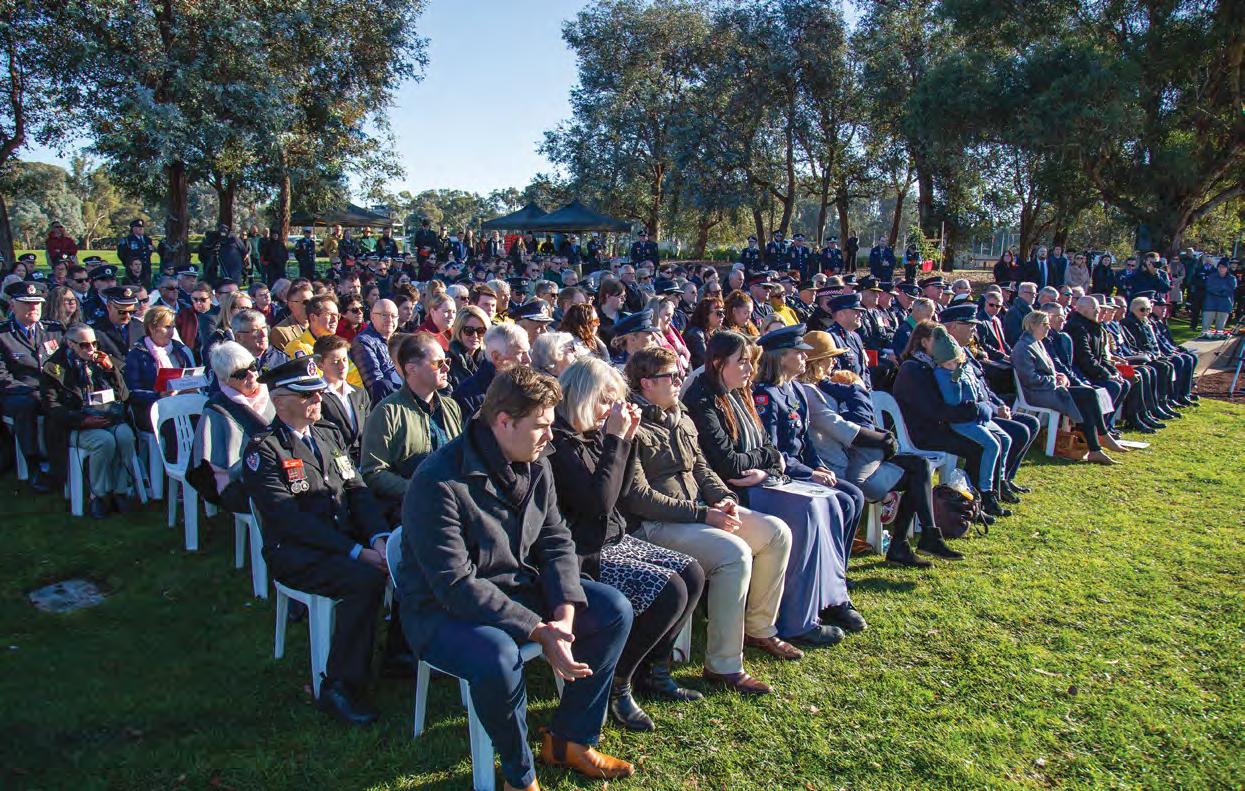
Family, friends, and the fire and emergency services sector came together on the banks of Lake Burley Griffin at the National Emergency Services Memorial to acknowledge those who have made the ultimate sacrifice while keeping their communities safe across Australia and New Zealand during disaster and emergency events.
The Governor-General, His Excellency General the Hon. David Hurley AC DSC (Retd) and High Commissioner of New Zealand the
Hon. Dame Annette King attended the service, as did Senator the Hon. Murray Watt, Federal Minister for Emergency Management.
The annual memorial event honours the commitment of all fire and emergency personnel, the tragic loss of those who have died in the line of duty, and the families they leave behind. This year, Australian and New Zealand fire and emergency services stood side-byside to commemorate those who have died, including two Fire and Emergency New Zealand volunteer firefighters who
died in February 2023 during Tropical Cyclone Gabrielle.
They were commemorated alongside their Australian colleagues from Fire and Rescue NSW; NSW Rural Fire Service; NSW National Parks and Wildlife Service; WA Department of Biodiversity, Conservation and Attractions; and Tasmania Fire Service.
In recognition of their sacrifice, an AFAC Memorial Medallion was presented to each family of the 11 fire and emergency service personnel commemorated during this year’s event.
The National Memorial Service also acknowledged an additional 22 names that have been engraved onto the Memorial Wall. Established in 2018, the Memorial Wall is a permanent reminder of the more than 620 fire and emergency personnel who have lost their lives while keeping communities safe in Australia and New Zealand since records began.
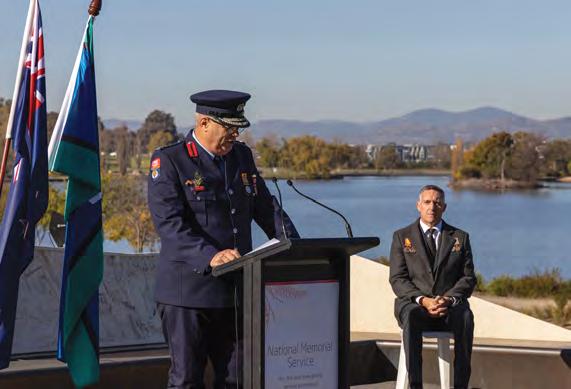
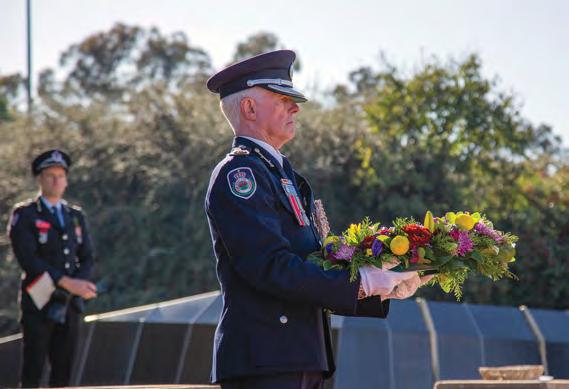
During the service, the GovernorGeneral reflected on the values of community and the hope that fire and emergency service personnel provide.
“To the families particularly, I cannot overstate the importance of your loved one’s contribution to making our community stronger. In my role, I have had the great privilege of engaging with thousands of fire and emergency services personnel,” he said.
“I enjoy their company and hearing about their work—the ups, the downs, the challenges. They are humble people who have big hearts for the community. That service sometimes comes at a price, as the work is often risky and dangerous.”
In his address during the memorial, Fire and Emergency New Zealand
Chief Executive Kerry Gregory acknowledged those who had been lost as whānau, or family, who will be honoured for the sacrifices they made.
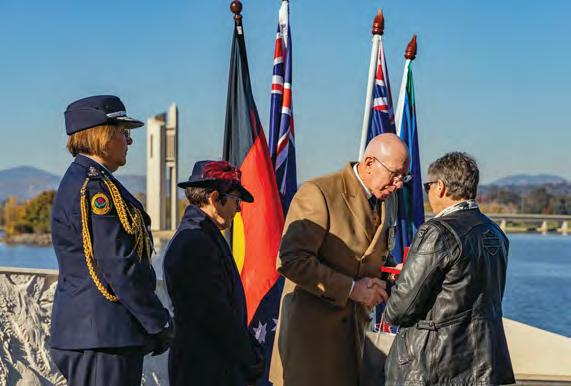
“In the milestones of their life, joining the emergency services would have been up there, I’m sure, and honouring them on this day is befitting of that commitment. It is days like today that remind us they are also ordinary individuals, as vulnerable as we are— people who just want to help others in their time of need, and sometimes there are tragic outcomes to this,” he said.
“And you, their loved ones, will always be with us too. We are not able to change what has happened, but we can thank you for supporting them in their time with us and we continue, where we can, to support you as you keep going without them around.”
Now in its ninth year, the National Memorial Service provides an opportunity to acknowledge the service and sacrifice of fire and emergency personnel. The annual event is timed to coincide with St Florian’s Day (4 May), the Patron Saint of Firefighters.
2023 National Memorial Service commemorations:
Morgan Cook, Fire and Rescue NSW, 8 March 2022
Bruce Holz, NSW Rural Fire Service, 30 November 2022
Paul Norton, NSW Rural Fire Service, 25 November 2021
Tony Hardy, NSW Rural Fire Service, 1 February 2023
Randall Macarthur, NSW Rural Fire Service, 18 September 2022
Michael Holland, NSW Rural Fire Service, 19 December 2022
Richard Oswald, NSW National Parks and Wildlife Service, 22 June 2022
Wendy Bearfoot, Parks and Wildlife Service at the Department of Biodiversity, Conservation and Attractions WA, 1 November 2012
David Young, Tasmania Fire Service, 26 June 2017
Craig Stevens, Fire and Emergency New Zealand, 16 February 2023
David Van Zwanenberg, Fire and Emergency New Zealand, 14 February 2023
The National Memorial Service livestream and honour roll are available online:
https://memorial.afac.com.au

After a successful inaugural year, National Fire Protection Month will return this September. A series of events and articles will recognise and celebrate fire protection and its role in keeping people and property safe from the effects of fire.
PAUL WATERHOUSE FPA AustraliaThree hundred and fifty-seven years ago, a major event changed how we see and respond to urban fires.
The Great Fire of London, which broke out shortly after midnight on Sunday, 2 September, 1666, led to new approaches to regulation, insurance, and firefighting, and led to what has now become fire protection.
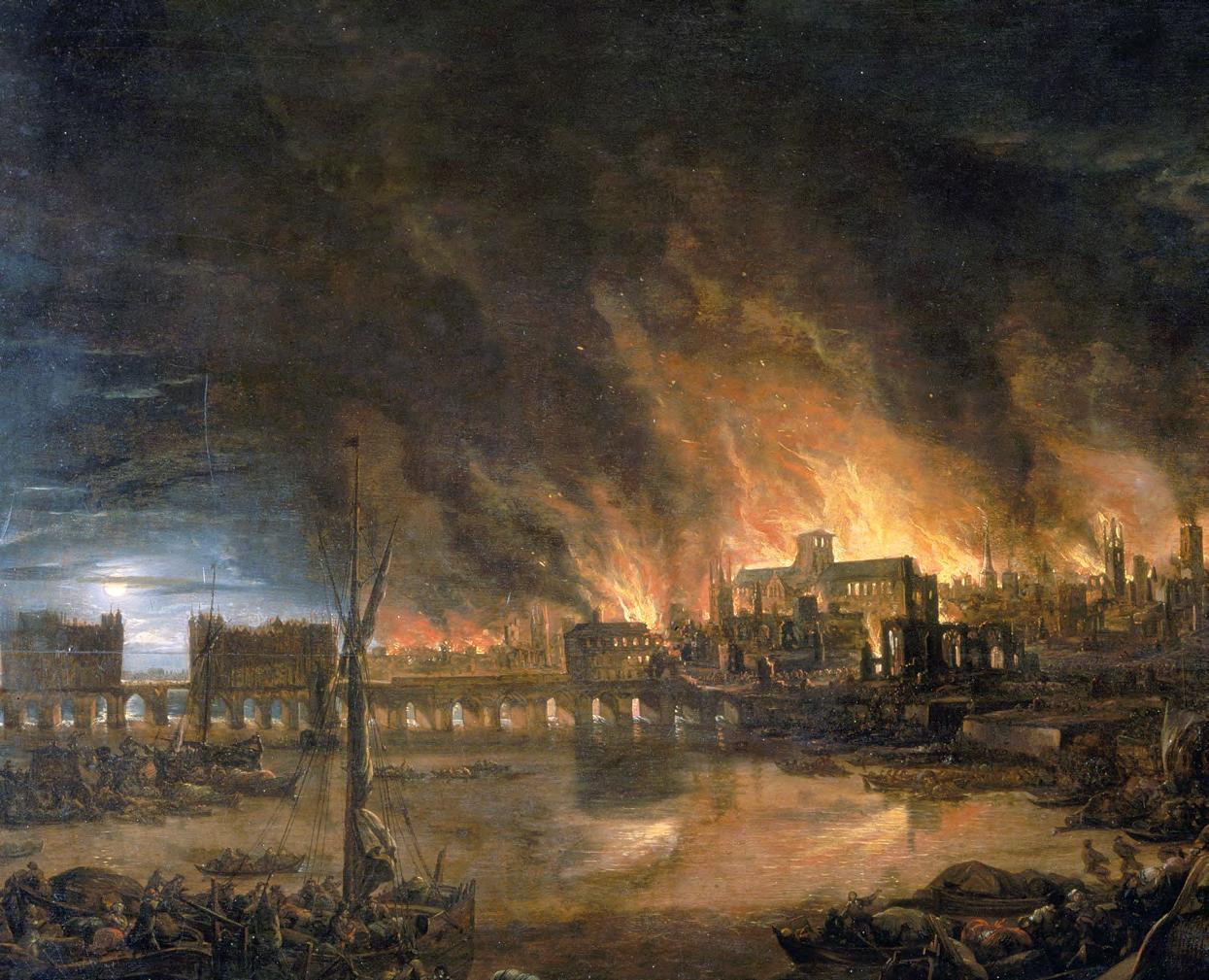
The fire broke out in a bakery on Pudding Lane, situated among medieval housing in the City of London, and ravaged the northern bank of the
River Thames for five days.
It was fuelled by closely packed, largely wood and thatch buildings, dried out after a long, hot, dry summer, and high winds fanned it into a firestorm.
Inaction and indecision from the city’s leaders (Lord Mayor, Sir Thomas Bloodworth, famously dismissed the threat, saying, “A woman might piss it out!”) and depleted water supplies needed to fight the flames, because of the hot conditions, exacerbated the problem faced by residents.
On top of that, the exodus of people from the city clogged the streets, preventing fire brigades’ efforts to get to the fire.
By Thursday, 6 September, the strong east wind dropped and the garrison from the Tower of London managed to create effective firebreaks using gunpowder, allowing them to halt the spread and extinguish the fire.
When the final flames were extinguished, parts of the city had been devastated, with an estimated £10,000,000 worth of damage (£1.72 billion in today’s terms) and the displacement of as many as 200,000 people.
Little was spared as the conflagration ripped through the city, with a variety of buildings destroyed including:
“God grant mine eyes may never behold the like, who now saw above ten thousand houses all in one flame, the noise & crakling & thunder of the impetuous flames, the shreeking of Women & children, the hurry of people, the fall of towers, houses & churches was like an hideous storme, & the aire all about so hot & inflam'd.” – John Evelyn, 1666
13,500 houses (15% of the city’s housing)
87 parish churches
44 company halls
the Royal Exchange
the Custom House
St Paul’s Cathedral
the Bridewell Palace and other city prisons
the General Letter Office
the three western city gates— Ludgate, Newgate, and Aldersgate.
Today, the site of the Great Fire is marked by a memorial plaque on Pudding Lane, with a monument designed by Sir Christopher Wren standing nearby.
From this seminal event has come much of what we recognise today as fire protection, from building regulations and passive fire protection to organised fire brigades and even insurance.
The lessons learned from the fire allowed the rise of modern cities, as many iconic buildings could not have been created without effective fire protection.
The Great Fire of London serves as a reminder of the devastating impact that fires can have, the importance of fire protection, and the ongoing need to remain vigilant in the face of the risks of fire.

Fire protection is an essential part of safety that is often overlooked or taken for granted.
After all, most people do not pay attention to sprinklers, hydrants, fire detection systems, and passive fire features until it comes time to face a fire emergency. Many see fire protection as a compliance cost rather than essential for saving lives.
In fact, the most engagement that many have with fire safety is an annual emergency evacuation drill.
So, this September, National Fire Protection Month will highlight the importance of our industry to the ongoing safety of the community, the support it provides to firefighters, and
the protection of life, property, and the environment.
Through a mix of in-person seminars, webinars, articles, and community engagement, we will demonstrate the importance of our industry and those who help to protect the community, showing how far we’ve come since the disaster of 1666.
With the support of our patron, His Excellency General the the Hon. David Hurley AC DSC (Retd), Governor-General of Australia, and our ambassador, Professor Fiona Wood AM, as well as a variety of people within our sector, including those who use its services, we will be telling the story of fire protection—where it has been and what the future holds.
National Fire Protection Month will bring the important work of our sector out into the open, revealing the risks faced by building occupants and how they are mitigated, highlighting some of the strategies used to keep people safe, and showcasing possible career pathways for new entrants.
With this initiative, we can continue to build on the legacy of the Great Fire of London and strive to improve fire protection even further.
FPA Australia’s state and territory committees are developing an extensive program of events of interest both to practitioners and to the community at large, which can be found on our event website: https://nationalfpmonth.com.au.
The topics will be of broad interest and should provide interesting insights into how fire protection keeps you safe.
We hope to see you at one of our events.
For more information, contact FPA Australia at engagement@fpaa.com.au.
and clarity of information about water bodies by adding recently observed water and currency attributes to datasets used by firefighters.
Natural Hazards Research Australia
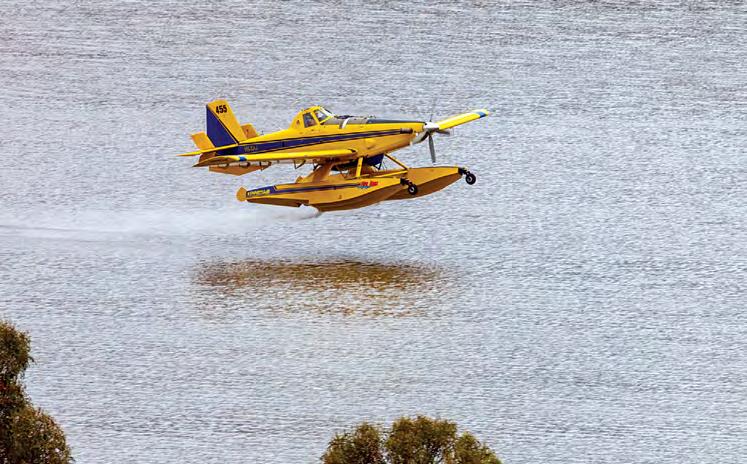
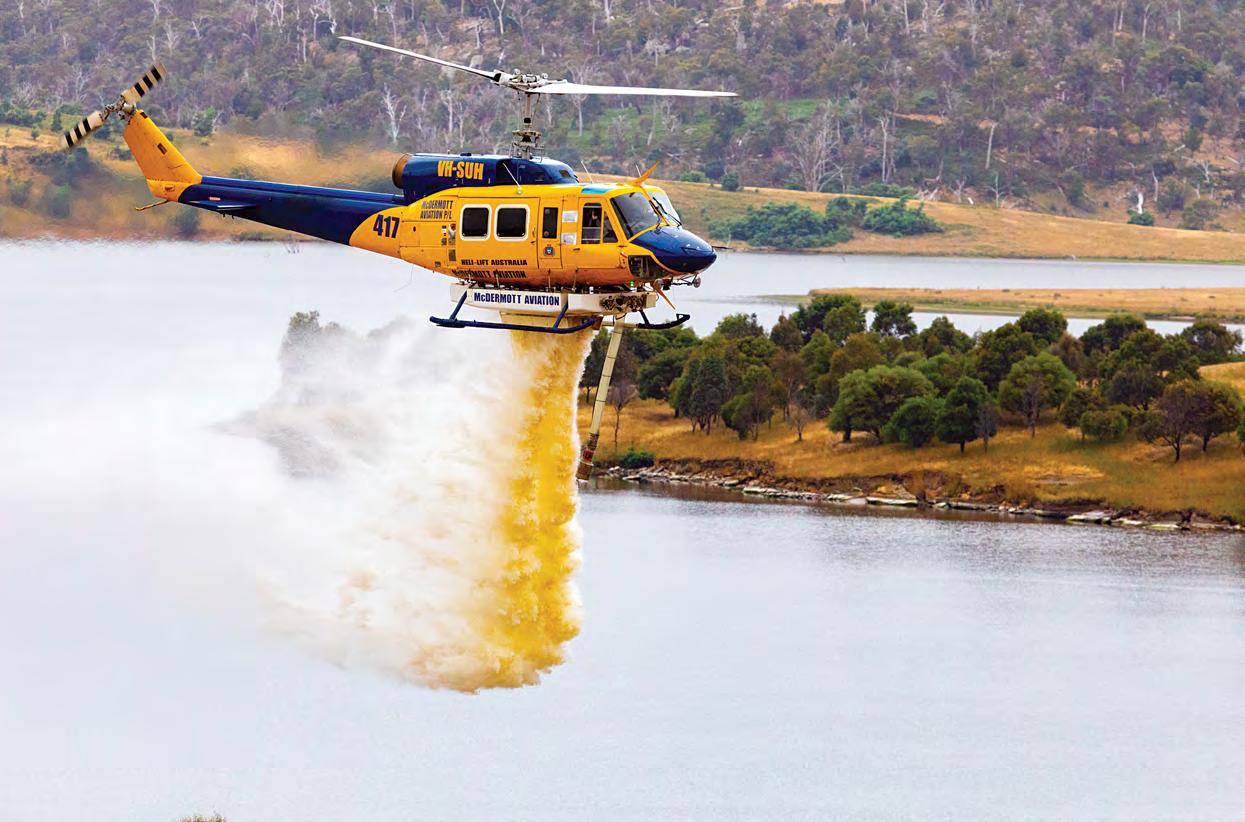
During active bushfires, aerial firefighting units are dispatched by members of the National Aerial Firefighting Centre (NAFC) through an online system called ARENA. NAFC members use a variety of data sources to find suitable nearby water sources for firefighting helicopters and fixedwing aircraft. It is critical for effective decision-making that the most current and accurate data about the location of water is available as quickly as possible.
The Identifying Water Sources for Aerial Firefighting project is a collaboration between NAFC/AFAC, Natural Hazards Research Australia (NHRA), Geoscience Australia (GA) and FrontierSI. It is improving the reliability
The team comprises researchers Dr Caitlin Adams, Madeleine Seehaber, Dr Fang Yuan, and Roshni Sharma from FrontierSI, alongside key end users Sandra Whight and Project Manager Anthony Gallacher from NAFC, and Norman Mueller and Bex Dunn from Geoscience Australia. Sam Ferguson, AFAC and Danielle Wright, Victoria Country Fire Authority provided additional sector and technical advice to the team.
CEO of NHRA Andrew Gissing highlighted the benefit of collaborative research when advancing Australia’s bushfire planning technology.
“This project is a great example of ways that we can work together to serve emergency management and the community through high-impact research,” he said. “The project team from NHRA, NAFC, GA and FrontierSI has delivered new scientific knowledge that is actionable and useful in keeping our communities safe from bushfire.”
The first phase of this project (now complete) focused on extending
an earlier proof-of-concept project developed through the Bushfire and Natural Hazards CRC. An interactive user-needs workshop, hosted by FrontierSI in February 2023, gathered perspectives from several key emergency management agencies across Australia on the ways they use water-body datasets and how these datasets might be improved for bushfire pre-planning decisions.
Users provided insights into new information and software requirements, operational suitability, and additional water-body attributes (such as water- body features, dataset currency, surrounding environment and biosecurity risks) that would strengthen the relevance and accuracy of existing water-body datasets.
Using the earlier proof-of-concept product and this new user information, the project team—managed by Mr Gallacher at NAFC—has delivered a method to augment GA’s Digital Earth Australia (DEA) satellite-based data products with latest water availability information to meet the needs of NAFC’s Arena system, implemented in a prototype workflow that can be adopted by GA to improve the current product.
A collaborative research project is improving the data accessible by aerial firefighters to locate nearby water sources.
Current and accurate data about the location of water is critical to aerial firefighting decision making.
This presents a significant improvement to the accuracy of agencies’ knowledge about nearby water, providing critical support to disaster management planning to facilitate rapid and effective bushfire response. Whereas previously the data about nearby water bodies might have been months or years old, now this information is updated regularly and can be easily accessed.
This prototype workflow can now be implemented by NAFC and GA to:
identify aircraft-accessible water bodies
contribute to aircraft selection and allocation based on access to water
contribute to efficient use of aircraft
provide information to air desks, air bases and air crews to assist in their situational awareness and decisionmaking.
Mr Gallacher highlighted the ways in which this project will increase the chances of protecting communities and landscapes from fire.
“Not only do these results provide a pathway forward for NAFC to develop a water-bodies solution to suit the needs of NAFC and sector agencies, but they also equip GA with recommendations
and a prototype workflow for wider application, which provides exciting opportunities for the sector and beyond to harness this data,” he said.
This project has successfully identified and implemented user-driven improvements to the DEA water-bodies product, including several recommendations to NAFC and GA provided in the project’s final
report. Implementation and deployment of this improved data will help users plan the placement of aircraft for future fire seasons.
Find out more about this project and read the final report (including recommendations) at www.naturalhazards.com.au/research/ waterbodies-aerial-firefighting.
Previous data about nearby water bodies may have been months or years old.
Now this information is more up-to-date and more accessible.



Backed by our network of 500+ branches Australia wide. With more locations opening soon.




















KARA TONITTO AND PAUL WATERHOUSE
FPA Australia
In the weeks leading up to Fire Australia 2023, it became clear that we were going to have a lot of participants. We always hoped for it, but we could not quite believe our eyes.
Registrations started pouring in and —all of a sudden—the records started to break:
the largest number of tradeshow visitors
the most plenary session attendees
the largest number of exhibitors
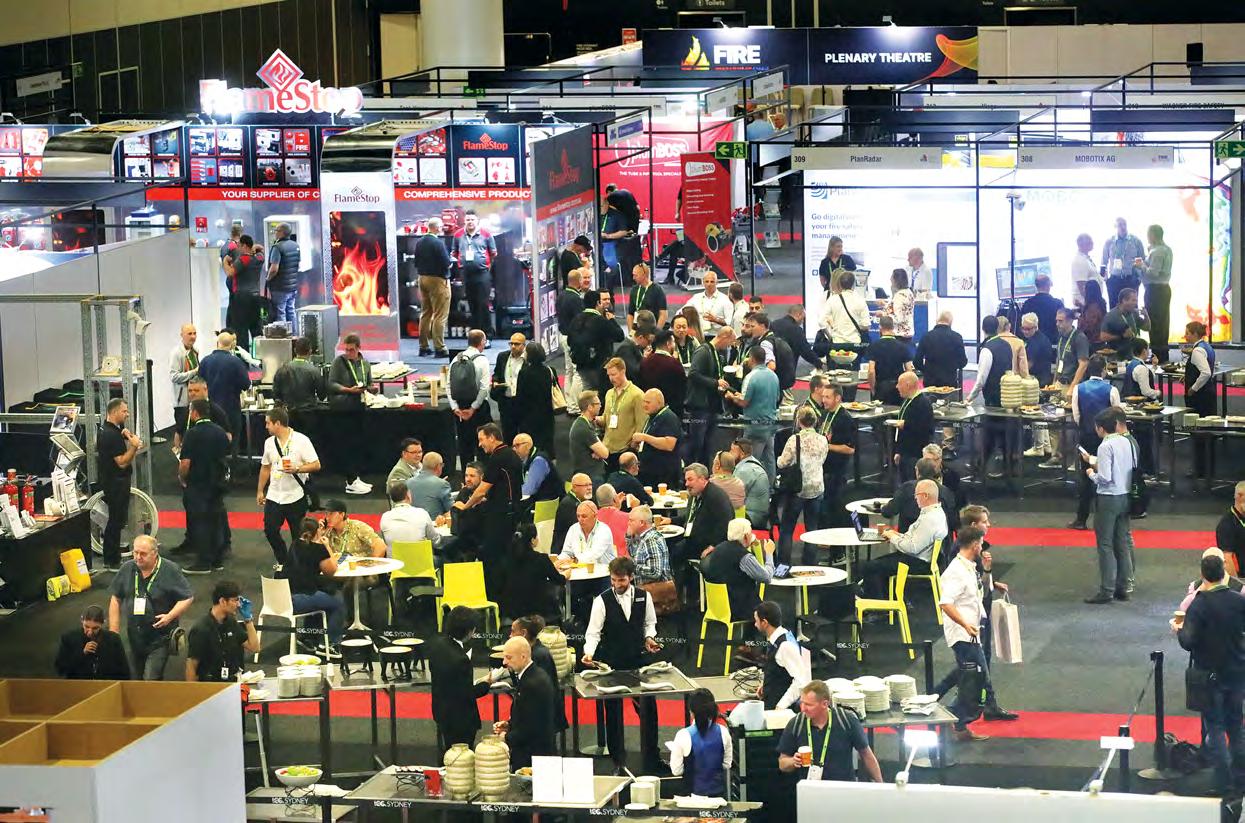
the biggest international delegation
the biggest Conference and Awards Gala Dinner.
After three years of COVID restrictions, the industry was coming
back, and in bigger numbers than ever before.
Some may recall that our previous conference in Sydney received a lastminute hurdle, thanks to a resurgence of the coronavirus, requiring attendees to wear masks and comply with social distancing rules—not ideal conditions for a major event.
But this year, no such restrictions were in place, and the industry turned up in droves.
Over three days, practitioners experienced a range of topics and speakers designed to stimulate discussion and inform attendees.
Highlights of the conference program were numerous: Dame Judith Hackitt DBE, who shared her perspectives on how regulators have reacted to the
Grenfell Tower fire, David Chandler OAM, international fire protection association speakers, and leaders from government and industry discussing the past, present, and future of fire protection.
One of the best-attended sessions included a forum on the routine servicing of fire systems, an area that will be more prominent in next year’s event. It was packed to the brim, perhaps giving evacuation experts a case study on fire safety risk.
Other popular sessions looked at the Victorian big battery fire, residential sprinklers for bushfire safety, data centres, sustainability, the consequences of fire, and what is happening with AS 1851.
The mix of presenters from Australia and overseas put a spotlight on the need to learn from others to ensure that people, property, and the environment continue to be protected from fire.
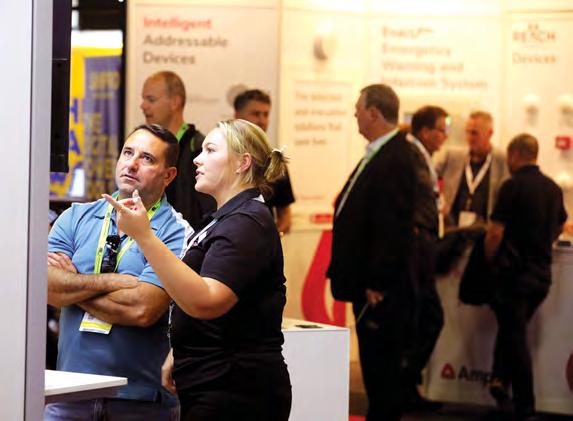
Our tradeshow did not disappoint, with a wide variety of the latest products and services from some of Australia’s leading suppliers.
More than 80 exhibitors showed their wares, and the show’s open layout made it easier for attendees to move between the booths and stages despite the huge increase in foot traffic.
The position of the Plenary Stage at the back of the hall gave attendees a reason to stop off along the way to see what exhibitors had to offer, and the many different pathways to get there meant visitors could take different paths to get to sessions, visiting new stands on the way.
This year we reintroduced the Exhibition Stage, providing those exhibitors who were interested an opportunity to discuss their products, services, or issues within the industry. We hope to revisit this in 2024 and make it even better.

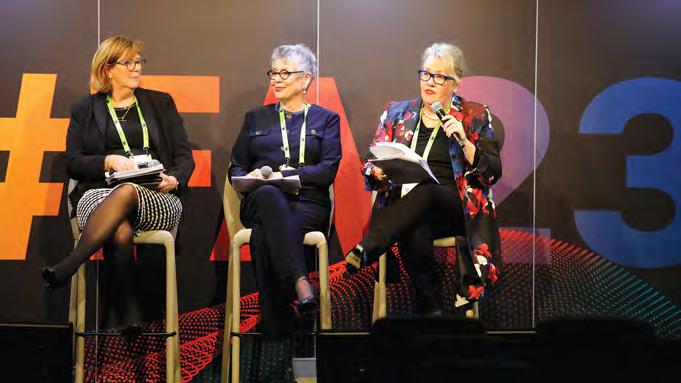
Networking opportunities were prioritised throughout the event.
From the free morning coffees and the fare on offer at morning/afternoon tea and lunch, to the welcome cocktail reception on day one and the Reece happy hour drinks at the end of day two, not to mention the fabulous gala dinner, there was a lot of opportunity
to relax, have a bite, and catch up with peers.
Delegates came together to acknowledge the tradeshow awards winners, reflect on the day, and reconnect with their colleagues.
The Conference and Awards Gala Dinner continued our tradition of recognising the best in the industry and raising money for the Fiona Wood Foundation.
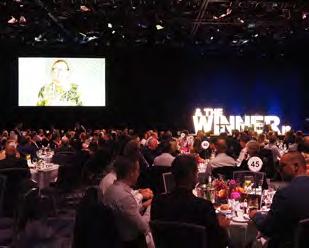
This year we collected $36,210, which will go to a scholarship for a PhD student, who will support further research and clinical work in the care of burns victims.
Winners of the Fire Protection Industry Awards for 2023 were:
The AV Viscogliosi Award
Kathryn Kinnear, Bio Diverse Solutions
The Barry Lee Technical Excellence Award
Stevan Glanville, Civil Fire
Fire Protection Project of the Year
i-Fire Engineers
The Harry Marryatt Fire Protection Company of the Year Award
Civil Fire
The Innovative Product and Technology Award
Diverse Fire Systems
The Ron Coffey Award for Excellence in Bushfire Protection
Wayne Tucker, Australian Bushfire Consulting Services.
Finally, our offsite tours.
The WestConnex operations room pulled back the curtain on how the drivers and passengers of thousands of vehicles per day are protected, revealing the steps that need to be taken just to maintain the protection systems in the many tunnels of the road network.
The Sydney Cricket Ground and Allianz Stadium showcased the management of fire safety in large entertainment precincts, looking at some of the key state-of-the-art features protecting local sports fans.
It was a truly memorable event, and we continue to receive overwhelmingly positive feedback from all who attended.
On behalf of everyone at FPA Australia, we thank the speakers, exhibitors, sponsors, delegates, and visitors to this year’s Fire Australia Conference and Tradeshow for their support and participation.
We look forward to doing it all again next year, seeing you on the Gold Coast for Fire Australia 2024!
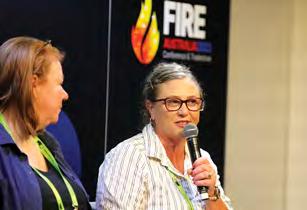
Casey, and Samantha Woodward, discuss the role of women in fire.
2. The Fire Australia 2023 saw a record number of attendees, who got to witness the latest in fire protection.
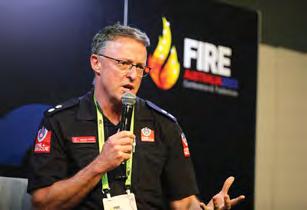
3. Mick Forbes, FRNSW, talking about the consequences of poor fire protection.
4. Yin Man, DCS, explains how regulators are adjusting to digitisation.
5. Anita Kingdom and Kathryn Kinnear share their thoughts about the Conference.
6. The Gala Dinner had its best attendance yet and raised over $36k towards the funding of a PhD burns research student.
“I think complacency is dangerous … I think it’s vitally important at this stage that no one—anywhere in the world—looks at what happened at Grenfell and jumps immediately to ‘that couldn’t happen here’.”
“Unfortunately, some of those people have taken their own lives, and many of them who haven’t have gone on to suffer significant problems throughout their careers, and well into retirement. That’s a terrible shame.”
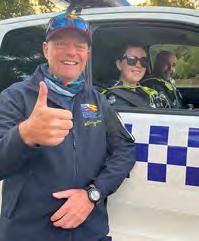
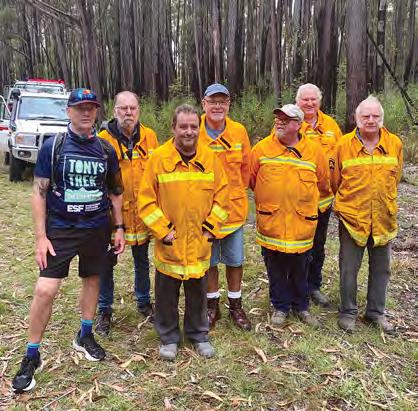
Tony Pearce trekked 1,506 km over 50 days to raise funds for, and awareness of, mental health.
Mr Pearce, Chair of Victoria's Emergency Services Foundation (ESF) and Inspector-General for Emergency Management, took his first step of the journey in Melbourne on 10 March, leaving Victoria’s State Control Centre and trekking toward Sale and Bruthen on his way to Mallacoota.
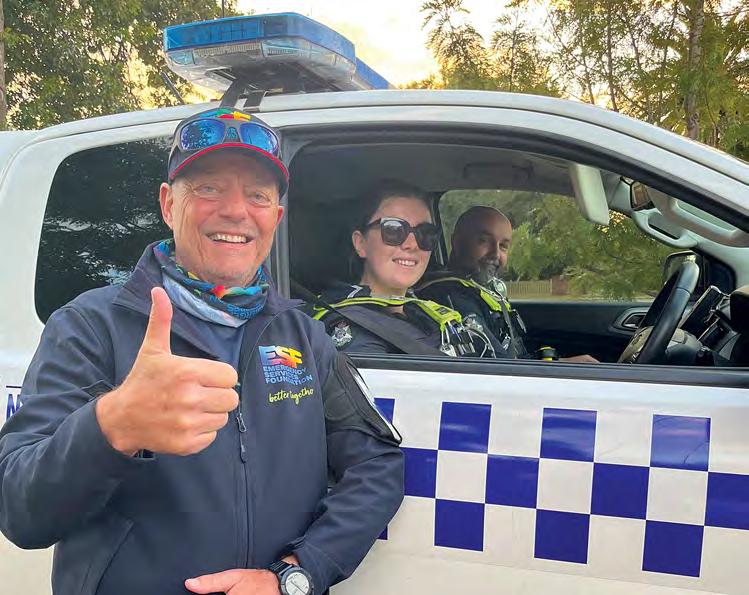
He then travelled north through Victoria’s alpine region, visiting Omeo and Mt Hotham before reaching Wodonga, then passing through Wangaratta and Seymour to close the loop back in Melbourne.
The final steps of his journey were greeted by a guard of honour at the Melbourne Cricket Ground on 10 May. The route was specifically chosen to cover much of the area where the Victorian Black Summer bushfires
occurred. Mr Pearce’s trek retraced the places where those fires had, and continue to have, significant mental health impacts for emergency workers and community members.
Throughout his almost 40 years in the emergency management sector, Mr Pearce has seen many of his colleagues suffer from trauma that often results in mental ill-health, with sometimes lasting and even drastic impacts.
It is an issue that drove his decision to take on the voluntary role of chair of the ESF, an organisation that brings 15 agencies together to collaborate and focus on early intervention to drive positive change and action for the well-being of the fire and emergency service workforce.
“Over my career, I’ve seen way too many people who have suffered trauma as a result of the work they’ve done in the emergency services sector,” Mr Pearce said.
Fire and emergency service workers see and do things that are often hard to cope with emotionally, and the impact of this can accumulate over time. Benchmark research undertaken by Beyond Blue has shown that people in the fire and emergency services sector had substantially higher rates of psychological distress and probable post-traumatic stress disorder compared to the Australian population and workers in other industries, including the Australian Defence Force. Communities across Australia rely on fire and emergency services during tough times. Because of the difficult work they must do every day, it is important that fire and emergency service workers be supported so that they can proactively manage their mental health and continue to assist their communities in times of need.
Tony’s Trek has raised funds for ESF to deliver two pioneering, evidenceinformed prevention and early intervention-focused initiatives to support the mental health and well-being of fire and emergency service workers:
A lived experience program that will see ESF establish a program to train mental health ambassadors from across the sector to safely share their stories of mental health injury and recovery. This will help to reduce the mental health stigma that pervades the sector and discourages people seeking early help when the chance of recovery is greatest.
A pilot residential wellbeing program to bring together emergency workers who are mentally struggling (but not diagnosed with a mental injury), to help them process accumulated trauma and develop resilience skills supported by trauma experts with deep understanding of their work
environment. This will help them effectively self-manage to reduce the cumulative effect of trauma and flourish, and reduce the risk of developing serious mental health injury.
“It’s important that we don’t just think about treating people who have actually already suffered an injury—we’ve actually got to start thinking more about the preventative side and trying to stop people getting into a situation where they’re so badly affected in the first place,” Mr Pearce said.
“We’re certain that both initiatives will have a significant impact and benefit the 139,000 paid and volunteer staff working in the emergency services sector in Victoria. Too often they come away from their work deeply affected by what they’ve seen and what they do, and we need to get on top of that potential harm.”
Tony’s Trek gained interest and support as it moved across Victoria, with emergency service representatives and community members supporting his mission and standing shoulder to shoulder with Mr Pearce as he undertook the journey.
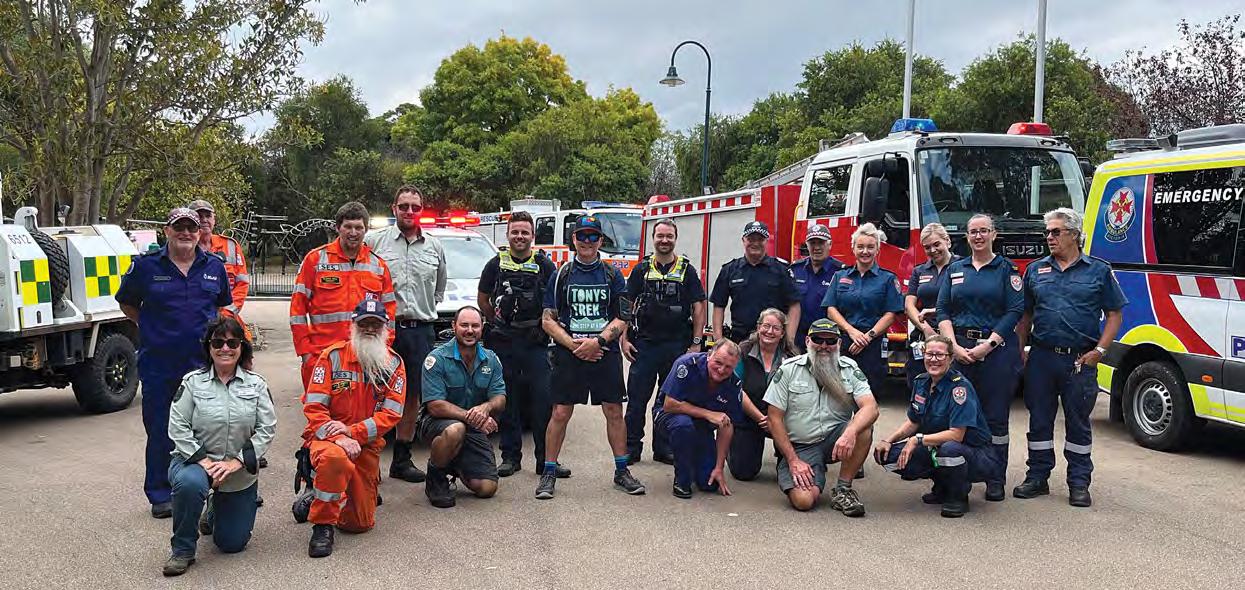
Along the way, he spent the night in Fire Rescue Victoria, Country Fire Authority, State Emergency Service and Forest Fire Management locations. He was supplied meals and received a warm welcome from gatherings of emergency service and community members, with strong support from Rotary in each of the 50 locations he visited.
As the trek took Mr Pearce to paths less travelled, Forest Fire Management Victoria accompanied him and the team along fire trails, and Ambulance Victoria kept an eye on Mr Pearce’s
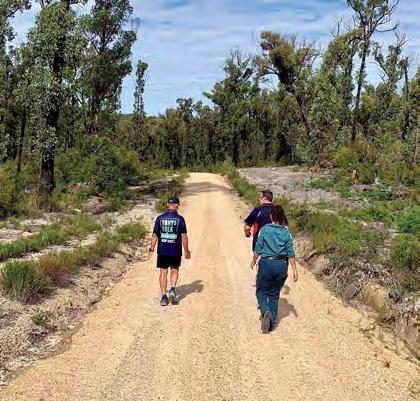
health throughout the journey. Victoria Police also provided their support and the occasional motorcade for the walk.
Over the 50 days, more than 140 walking companions and 46 escort vehicle drivers joined Mr Pearce. He thanked everyone who supported him to make the distance.
“When the journey ahead looked too long, focusing on taking one step at a time helped me achieve the goal of 1,500 km,” Mr Pearce said. “Recovery from mental health injury is also a personal journey that also involves taking one step at a time.”
Tony’s Trek generated support from those who could not join him on the journey, with supporters making donations to the fundraising campaign, becoming sponsors and ambassadors, forming partnerships, and providing their unique support.
At the end of his journey, Mr Pearce and the Tony’s Trek team raised almost $200,000 to put toward the ESF lived experience program and the residential well-being program. These funds are a promising step in the right direction to supporting the mental health and wellbeing of fire and emergency service personnel.
ESF CEO Siusan MacKenzie said the trek was one step towards making a big difference. “The trek was a massive logistical undertaking, but we achieved our goals so feel very satisfied with the outcomes, which went way beyond fund and awareness raising. We need to bring these initiatives to life to support those who support us, and their families and loved ones who invariably share the impact of the harm felt by emergency workers,” she said.
“These aren’t things that a single agency can effectively do on their own, so it makes absolute sense to
collaborate and take a sector- wide approach for these important initiatives.”
Find out more about the ESF initiatives and visit the Tony’s Trek blog for more details about the journey and the support it received:
https://esf.com.au/tonys-trek
Dr Denise Meuldijk is a member of Black Dog Institute’s Workplace Mental Health team. She was drawn to working with emergency service personnel after she began volunteering with Surf Life Saving. Dr Meuldijk is currently trialling the Build Back Better app—a new digital preventative tool that will be offered by Black Dog Institute's National Emergency Worker Support Service.
Black Dog Institute
Emergency service workers are regularly exposed to trauma as part of their work, and we know that this type of work can have an impact on the first responder’s mental health. Studies show that one in ten emergency service workers have symptoms of mental health problems such as post-traumatic stress disorder, depression, or anxiety. If emergency service workers can receive appropriate support when they first begin to experience difficulties, then the risk of them developing a mental disorder is reduced. Black Dog Institute’s new integrated services within the National Emergency Worker Support Service will ensure that any first responder, both active and retired, can be easily linked to the right type
of mental health care when and where they need it.
The Bush Fire Support Service, launched in 2019, originally focused on post-traumatic stress disorder (PTSD) support for those impacted by the Black Summer bushfire season of 2019-20. It has recently transitioned to the National Emergency Worker Support Service, after the need for it to be available for all first responders was identified.
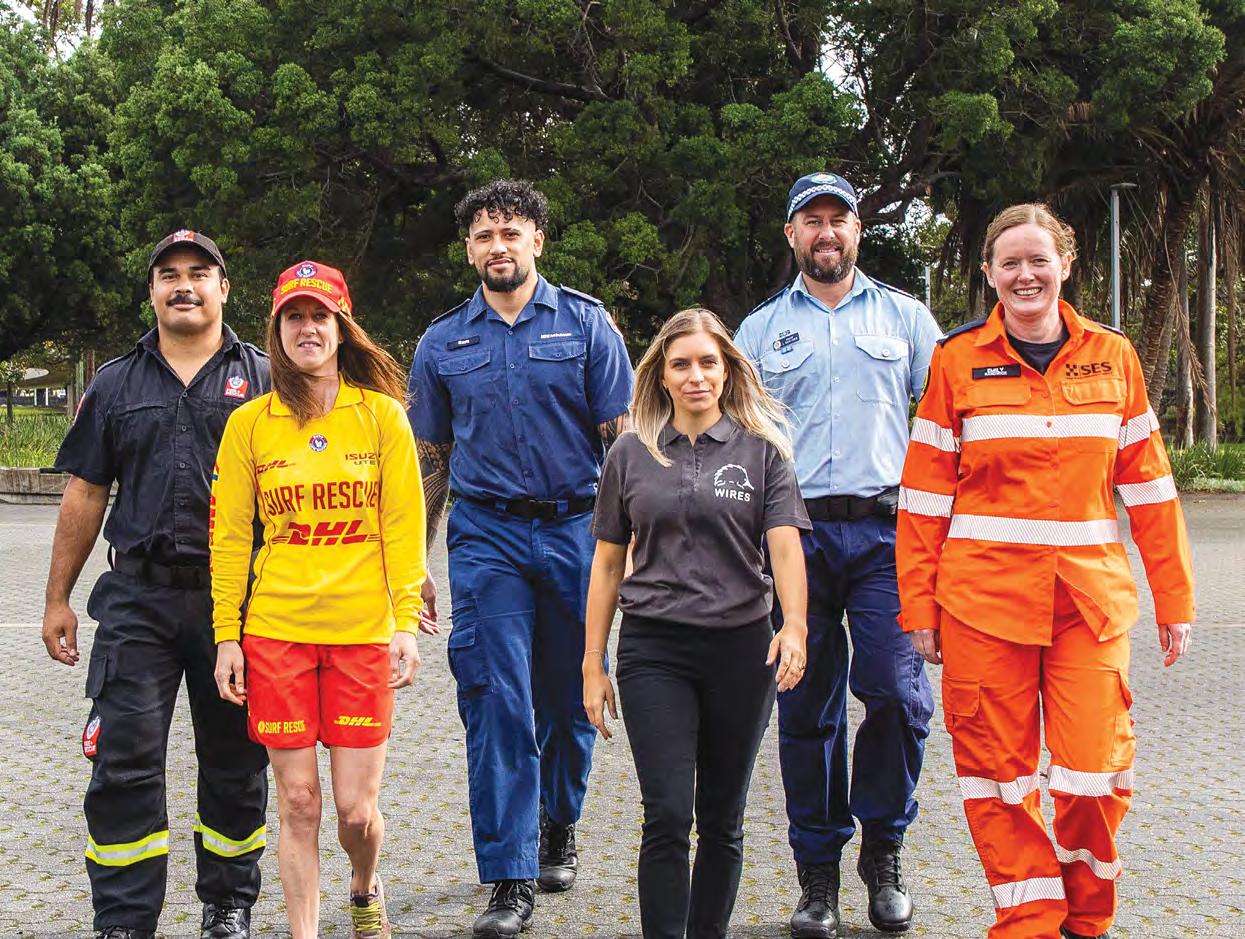
The National Emergency Worker Support Service is funded by the Australian Government and run by the Black Dog Institute. It provides a suite of mental health and PTSD services and resources including:
a quick and confidential mental health assessment to check in how you’re going and receive recommendations for a range of free specialist support options
online face-to-face clinical support using videoconferencing with some of Australia’s best mental health clinicians at Black Dog Institute and UNSW Sydney
access to professional development in the latest mental health evidence for healthcare professionals
access to the Build Back Better prevention smartphone app to support emergency service workers in managing mental health challenges and help them prepare for any future stressful events. This app is currently only available as part of a research trial.
With the Build Back Better app, Black Dog Institute aims for all emergency service workers to have something they know they can access at any time for practical tools and activities that benefit their mental health. The app content uses therapeutic tools, such as cognitive behavioural therapy and positive psychology, and there is also advice on mindfulness and how to become fitter or more physically active.
The app has recently been launched as part of a large randomised controlled trial. Current and former emergency service workers aged 18 years and older are invited to participate to evaluate the efficacy of the new Build Back Better prevention app, designed to reduce mental distress and improve the wellbeing of emergency service workers.
Participation involves engaging with the Build Back Better app for at least 30 days and completing some surveys before and after using the app
at different time points. You might also be invited to participate in an interview with the research team to discuss your experience using the app. At any time, you can withdraw from participating in this research.
This study has been approved by Human Research Ethics Committee at the University of New South Wales [reference number HC220566].
Working collaboratively with emergency service agencies and related organisations across Australia, Black Dog Institute is rapidly rolling out this new integrated service in stages. If individuals or agencies want the latest information on the service development and to access resources, they can visit our website: www.blackdoginstitute.org.au/nationalemergency-worker-support-service
Emergency service workers or volunteers who want to undertake an online assessment and get a
“[T]hat Black Dog Institute introduced a program for first responders kind of excites me—in the sense that now I know there is something there, help is available and accessible for all emergency service workers. Something is available that is not going to share judgement, since it is a confidential service that offers you the ability to accept help without anyone knowing or having to be referred by your GP. So, it is that confidential line of attack that basically you’re allowed to speak about how you are feeling without that fear of being judged or being worried that talking about your feelings will come back to hurt you at any point in your career.”
Tracey, NSW Police, shares her experience with PTSD and how she is finding herself again.

personalised mental health report can complete a quick and confidential mental health check online here: https://nationalemergencyworkers upportservice.blackdoginstitute.org.au
Emergency service workers who prefer a face-to-face assessment videoconference can book a consultation with our clinical team here: www.blackdoginstitute.org.au/nationalemergency-worker-support-service/ consultation, or directly contact one of our clinical services on 02 8627 3314.
24-hour phone support is available via Lifeline (13 11 14) and Beyond Blue (1300 224 636).
For more information about the Build Back Better research study please visit the research study website: www.blackdoginstitute.org.au/ research-studies/improving-mentalhealth-support-for-emergency-workers or contact buildbackbetter@blackdog.org.au to connect with the research team.
“It is up to individuals themselves to find help and understand it is ok to try to find some support from some or any organisation at all. I thought about asking for help for about two weeks, [and] every minute for two weeks I was thinking: ‘Do I make the phone call, yes or no?’ I was at the point where I only wanted to help myself and felt ashamed to reach out for help. But I am glad I did. As was explained by the therapist, it is like having a bookcase full of books, with no room for one more book, and to put it away. There wasn’t room in my head to put one more trauma event there—the library was full. The clinical treatment gave me that needed mental tune-up, a reset. I am now able to continue to contribute to others, and to family and friends.”
Garry, Rural Fire Service—accessed clinical treatment for PTSD and explains his difficulty in asking for help when he needed it.

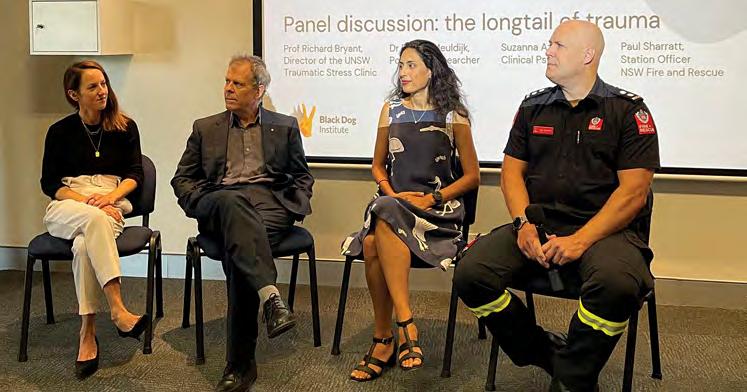
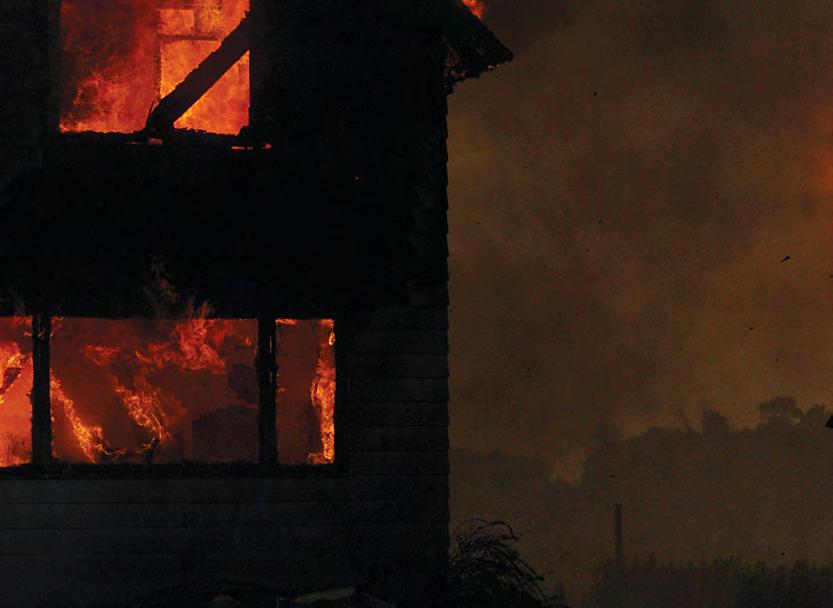
We need to explain to clients that a pressurised system that is not subjected to its five-yearly test, in line with recognised standards, could fail when needed, potentially even killing the firefighter who is trying to use it.
And we need to explain that a building whose systems are properly designed, installed, and maintained is going to be looked upon more favourably by insurers, lowering premiums and adding value.
Fire safety systems work in concert to protect buildings, their occupants, and the environment. They alert the fire brigade and people within the building about the outbreak of a fire, reduce its spread, limit heat and toxicity, and give a fighting chance that the building, and everyone within it, can be saved.
PAUL WATERHOUSE FPA AustraliaNobody wants to be found wanting when a fire system fails. Nobody wants to front up to the Coroner’s Court to explain how and why decisions they took potentially led to injury or death.
So, why does it seem that property owners don’t appear to value fire safety? Why is there a common complaint from our sector that clients want to get the design, installation, maintenance, and assessment of fire safety systems done too cheaply?
It is a problem that’s been around for a long time, and our industry has, in many ways, been its own worst enemy.
We frequently hear anecdotes from practitioners about clients shopping around for the cheapest price, and of required work subsequently being done poorly, if at all. And it’s an issue of significant concern—a race to the bottom could likely lead to system failure, damage to buildings, injury, and even death.
What, then, is the solution? How do we reframe the discussion and reposition our industry so that the beneficiaries of our services appreciate them and value them?
FPA Australia has been thinking about this for a long time. We recognise that a service not valued is a service not delivered, and we’re keen to change perspectives.
Since mandatory accreditation was introduced for design and annual assessment in NSW, there’s been a lot of discussion about the quality and performance of fire protection.
Stories abound about buildings with ‘phantom’ systems (listed on the schedule, but nowhere to be found), assessments thrown in for free on the promise of other work, and “inspections” where the practitioner has never even entered the building. Fortunately, these types of breach are being stamped out as the industry becomes better at identifying what needs to happen, and as it begins to hold itself to a higher standard. Increasing the professionalism and accountability of our industry and all those who work in it is at the top of FPA Australia’s agenda.
A valued service has nothing to do with politics, demarcation, or racing for the minimum level of compliance. It’s about providing the best service—one that works when you need it most.
To be truly successful, those who use our services need to understand their importance and start to value them. After all, fire protection measures installed in buildings are no different to safety features installed in cars— we know we need anti-lock brakes, airbags, and the like, and we wouldn’t dream of driving in a car that hadn’t been maintained … so why should safety measures in buildings be any different?
Fire protection needs to come out of the shadows. It has to stop being seen as a cost item on a facility manager’s accounts, and start being seen as an essential contributor to the building’s value.
We need to talk more about how sprinklers can suppress a fire effectively, long enough to let the fire brigade turn up and extinguish it.
Obviously, this doesn’t mean that a building will always escape damage, and sometimes the act of suppression can cause harm itself.
But we need to ask ourselves— is $40,000 worth of damage worth avoiding the loss of a $4 million building? And its neighbours? What about protecting the lives of the occupants? What cost is worthwhile to save individuals, who from a purely financial perspective are estimated by the Australian Government to be worth over $5 million each?
A few years ago, FPA Australia proposed a project to change the narrative. Our plan is to create awareness around fire protection, and its importance.
Part of this initiative can be seen in last year’s launch of National Fire Protection Month (NFPM), returning again this September (see page 22), where we’re highlighting fire protection and its importance.
The other part is collateral, something we can share with clients and the broader public to educate them about the vital role played by the industry.
During NFPM, we will hold a roundtable of stakeholders to discuss how to emphasise the value of fire protection. We aim to shift thinking away from compliance towards a greater recognition of how fire systems help their owners.
In short, we don’t want it only to come to mind when a disaster happens, or when it’s time to pay the bill.
Our industry is too important to hide in the shadows. It plays a pivotal part in minimising the loss of life, injury, and damage to property and the environment.
We just need to let others know it.
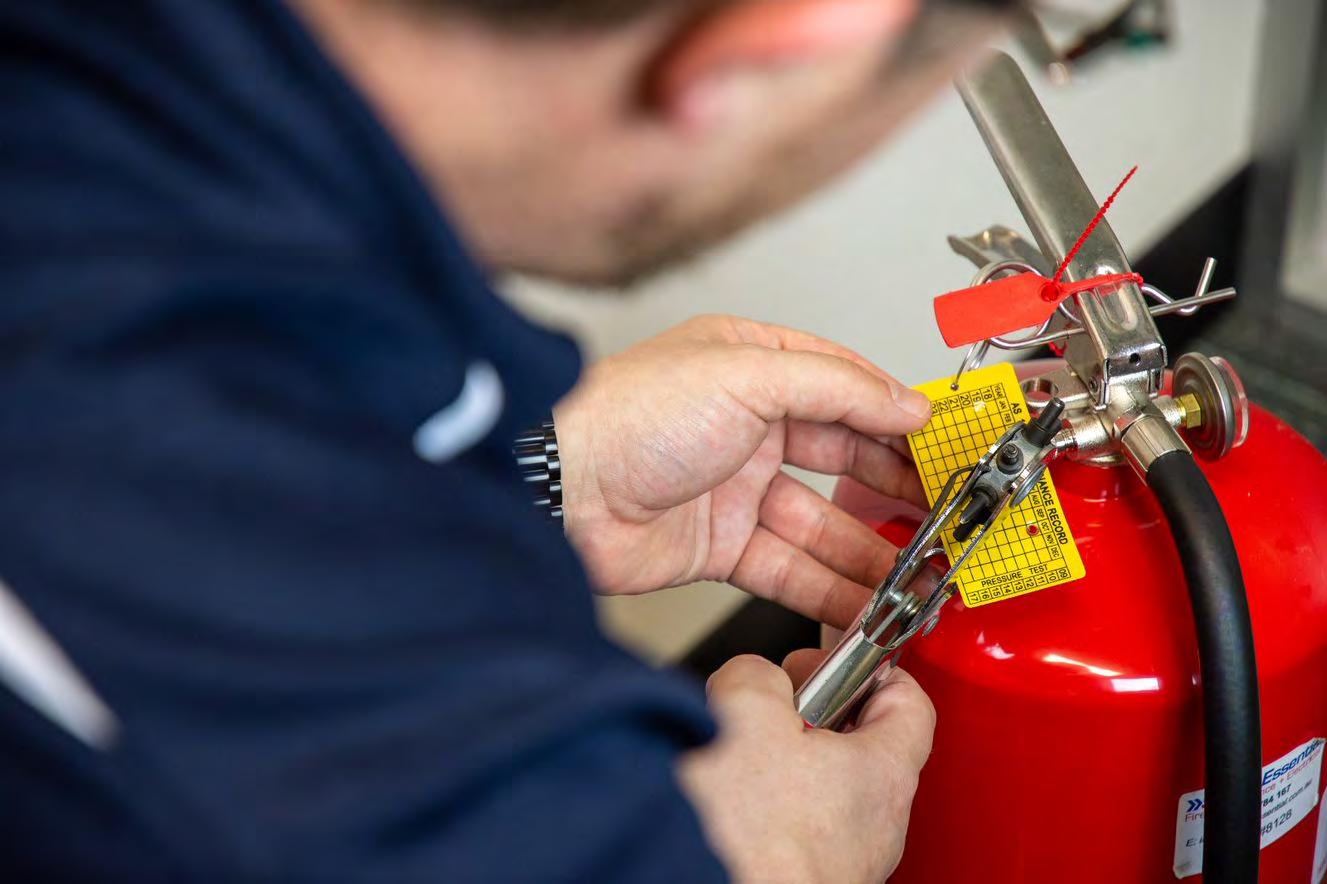

The Shergold–Weir Building Confidence report exposed widespread non-compliance in constructed buildings, and failures by authorities, designers, and government regulators. Performance-based design solutions were a specific concern. Many facilities have complex performance-based fire safety strategies that require certain maintenance and testing procedures, but inadequate documentation and insufficient operation and maintenance practices have led to poor understanding and significant compliance problems.
The performance-based Building Code of Australia (BCA) was introduced in 1996 as macroeconomic reform to building construction, delivering millions of dollars of savings each year.
Now known as the National Construction Code (NCC), it allows designers to choose between using Deemed-to-Satisfy (DtS) Solutions and/ or Performance Solutions to meet the Performance Requirements of the Code.
Through fire engineering, a designer can consider all the features in a particular building—including structure, fire systems, and building management—when assessing its fire safety, to deliver customised and costeffective building solutions.
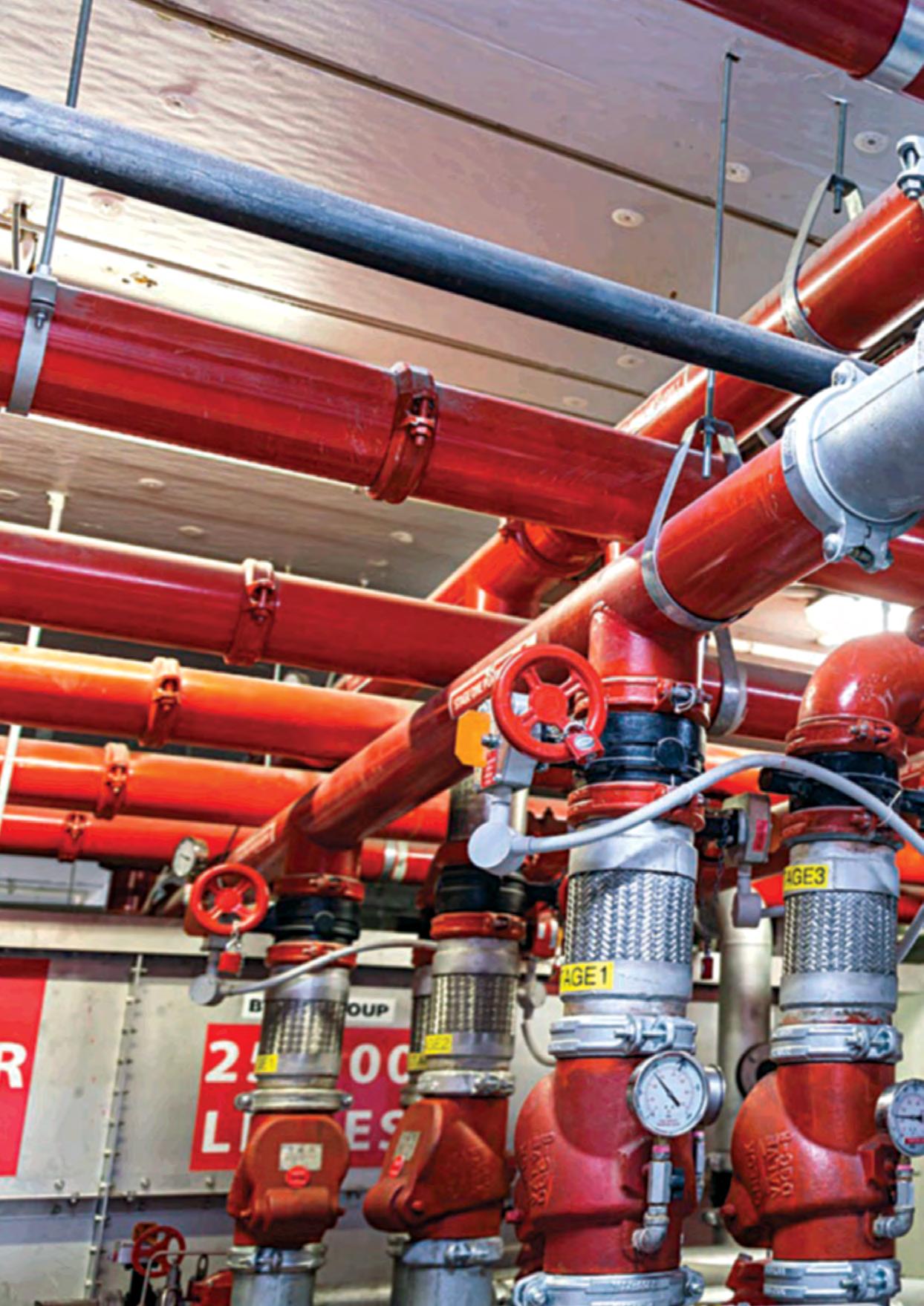
But at what cost to maintenance?
What is fire engineering?
Performance Solutions can be applied to new and existing buildings, but in the latter (e.g. major building refurbishments, tenancy fit outs, etc) there is an added layer of complexity.
A fire engineer first assesses the building’s performance to identify potential deficiencies, before preparing a design that delivers the most appropriate fire safety for the existing building.
The Performance Solutions from this strategy are detailed in a Fire Engineering Report (FER).
The Shergold–Weir report— exposing the truth about the construction industry
Events such as the fires in the Lacrosse tower and Neo 200 tower, and the structural problems with Opal Tower, have raised many questions of the state of the Australian construction industry.
The 2018 Building Confidence
report, written by Professor Peter Shergold AC and Bronwyn Weir, highlighted major compliance failures and underperformance by authorities, designers, and government regulators.
The report made 24 recommendations across a variety of issues to improve construction and deliver better quality buildings for consumers, including:
the approval of documentation and amended documentation throughout the construction process (Recommendation 16)
the independent third-party peer review of a Performance Solution design (Recommendation 17)
mandatory on-site inspections of building work at identified stages of the construction works (Recommendation 18)
a process for the approval of Performance Solutions for constructed building work (Recommendation 19)
a comprehensive building manual for commercial buildings (Recommendation 20).
The rise of D&C contracts: what
Over the past 15 years, there has been a growing emphasis on design and construct (D&C) projects.
These contracts minimise the consultant engineer’s involvement in the design stage, shifting design responsibility to the contractor.
Typically, in these projects, work gets tendered to the lowest bidder, with little regard to their ability to understand and successfully install the fire engineer’s solutions.
Whereas previously the consultant engineer ensured that the fire engineer’s requirements were included in the design, now this has fallen upon the contractor to implement, ensure it works, and provide a compliance statement for
the relevant building surveyor or certifier. As there is often little to no input from the relevant fire safety engineer to ensure the proposed Performance Solution is suitably amended to keep pace with the evolving building and services design, this can lead to discrepancies between design documentation and the finished product, due to fire engineering requirements either being misinterpreted or not implemented at all.
The FER is essentially the bespoke Building Code for the structure—if its requirements are not implemented during construction, the final building is likely to be non-compliant. This, in turn, can lead to operational and maintenance issues and the inability of systems to meet annual performance assessment targets.
Ultimately, it can make it very difficult for practitioners to endorse essential (fire) safety measures for the building, which may lead to the building owner receiving infringement notices from the local council or the fire authorities.
This is not to suggest that the problems flow only one way.
It is increasingly becoming evident that some fire safety engineers have very little understanding of what systems may be required for a building and how they work. This can lead to a reliance on active fire safety systems for use in certain applications (e.g. hot layer smoke control system on a commercial office floor) that were never intended for those purposes.
If the fire safety systems proposed are not fit for purpose or are unnecessarily complex, it can negate the Performance Solution and undermine the safety of the building.
For example, some smoke hazard
A.G. Coombs Advisorymanagement strategies may have little chance of being correctly commissioned or maintained to the design intent. So, the project will be completed by the design and construct team, but it will then create a significant problem for the building owner and operations team for the life of the building. The solution usually requires costly rectification works.
In Recommendation 19 of the Building Confidence report, it was argued that:
“The use of performance solutions has led to fire safety systems becoming more complex in commercial buildings. Active fire protection systems are being favoured over passive fire systems. Proper installation and maintenance of these systems is critical to occupant safety.”
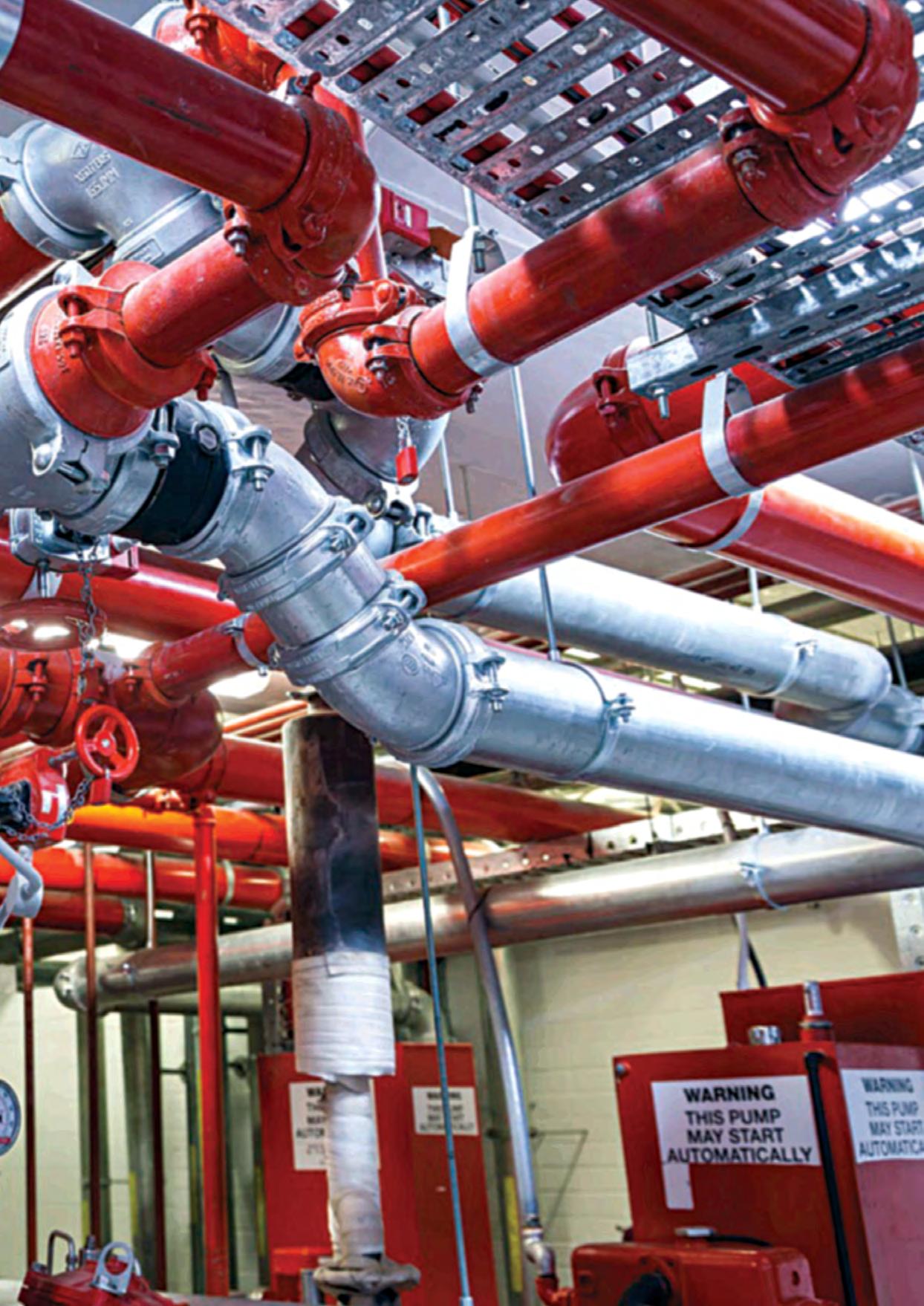
If these systems are to be operated and maintained effectively, there should be a greater emphasis on going back to basics—using the ‘keep it simple, stupid’ approach—and returning to well-documented, detailed design requirements and maintenance regimes that are proven and understood globally.
Any work to an existing building should require the building’s documentation (e.g. baseline data) to be assessed before the start of new works but, as it is often not readily available, this rarely occurs.
Often it requires significant resources to track down the documentation or to reassess the building if a benchmark cannot be established.
A lack of building documentation can result in works being carried out on the building in isolation without regard for the capacity of the base building systems. This may lead to new fire safety design solutions compromising the base building systems, increasing maintenance costs, or having an adverse impact on the original Performance Solution.
As FPA Australia explained in its submission to the Shergold–Weir review:
“The often overlooked importance of design and documentation is its role in the life cycle of the building beyond occupancy approval. Poor design documentation makes verification that essential safety systems and equipment continue to perform to the standard expected throughout the life of the building extremely difficult.”
While maintenance contractors generally have a good understanding of the practical requirements associated with maintaining fire systems, they may not necessarily understand, or be aware of, a holistic fire safety strategy, particularly if it departs significantly from known codes and standards.
So, given that Performance Solutions depart from known standards and usual operation, it is critical to have clear, concise documentation. Without it, there is a risk of confusion, leading to inadequate maintenance.
Alternatively, maintenance activities may result in building systems migrating back toward DtS design solutions, undermining the fire safety strategy.
The purpose of the System Interface Test (SIT) is to fulfil the requirements of fire protection maintenance in accordance with AS 1851-2012.
In Victoria, this will form part of the Essential Safety Measures (ESM) that include the annual compliance. In NSW, the performance of Essential Fire Safety Measures (EFSM) is evaluated as part of the Annual Fire Safety Statement (AFSS) process.
Unfortunately, the purpose of a SIT is not widely understood, and it is left to a maintenance contractor to carry it out with little or no supervision or coordination. A SIT is meant to set out the recommended procedures for concurrent ‘end-to-end’ testing of the system interfaces to confirm that they operate in accordance with the approved design. It is not just documenting what occurs during testing, but also verifying it against details in the FER approved by the relevant building surveyor/certifier when issuing the occupancy permit.
In accordance with AS 1851-2012, a SIT matrix should exist for the building, which verifies the interface of the building’s fire protection systems with other systems to ensure that everything functions as specified by the approved design (e.g. function and performance).
Although the building owner or their appointed agent can organise the SIT to be conducted by their maintenance contractor on their behalf, the building owner is still responsible for maintaining ESMs at the property. This is to ensure, in the event of a fire, occupants can evacuate safely without impeding the fire brigade.
Using an independent practitioner to review the whole design and construct process gives the best opportunity to verify that systems have been installed and commissioned in accordance with the fire engineering strategy, design documentation, and base building allowances.
This can be done by:
reviewing tenancy fit-outs incorporating Performance Solutions to determine their impact on base building capacity
seeking to use NCC DtS solutions where possible, in lieu of Performance Solutions, to minimise long-term operation and maintenance costs
reviewing FERs to identify compliance requirements for fire safety systems within the building before, during, and after construction
reviewing the commissionability and maintainability of the fire safety design at the concept stage
developing an integrated fire mode test matrix that includes fire engineering requirements
investigating the design if fire engineering requirements cannot be achieved to identify remedial actions
documenting the fire safety systems of a building, and their specific operation and performance requirements, in a building/fire safety manual
recovering building permits and approved documentation from the council to verify compliance
organising for an independent witness to be at the AS 1851-2012 System Interface Test to verify the approved design.
Fire engineering is still very much in its infancy as a discipline, compared with the other traditional building services disciplines. It can be a friend or, if not conducted in a way that produces holistic/practical solutions, a foe.
Early action may be required to customise fire engineering solutions so that they meet the new or existing building’s compliance and maintenance requirements.
Marcus Royle is a registered engineer in Fire Safety Engineering, Fire Protection Services and Mechanical Services. He is experienced in office, industrial, residential, retail, and public assembly buildings, and is Leader –Fire at A.G. Coombs Advisory.
In this two part series, Mike Willson will be exploring issues surrounding the phasing out of PFAS-based firefighting foams.
The European Chemicals Agency (ECHA) Committee for Socio-Economic Analysis (SEAC) recently published its draft opinion on proposed restrictions to the use of firefighting foams, following public consultation. Final opinions and appropriate PFAS-free or fluorine-free foam (F3) transition periods are expected to be announced early in 2024.
The draft opinion considers both the socio-economic analysis and earlier comments from diverse stakeholders, proposing a number of transitional
periods or derogations for continued use after the regulation comes into force. However, many see these as too short in crucial sectors.
The proposal (paraphrased) suggests: where PFAS as a constituent in firefighting foams exceeds 1 mg/L (1 ppm), the foam shall not be placed on the market or formulated ten years after entry into force, except portable fire extinguishers, which shall be six months after coming into force.
“Such foams shall not be used after these specified periods, following entry into force:
18 months for firefighter training and testing (except system functional testing)
18 months for municipal fire services (except large industrial [Seveso III] sites)
three years for civilian ships including tankers, ferries, tugboats, and other commercial vessels
five years for civilian aviation and
defence (including in civilian airports)
ten years for establishments covered by Directive 2012/18/EU i.e. Seveso III upper and lower tier sites (major oil and petrochemical processing, major bulk storage sites)
five years for all other industrial uses (including offshore installations, fuel distribution terminals, mines, bulk transportation etc)
five years for portable fire extinguishers as defined by EN 3-7, EN 1866 and EN 16856.”
SEAC accepts some of these transition periods may need to be extended, but it has requested more evidence to justify specific changes.
and human exposures
This draft opinion also proposes:
“Six months after entry into force users of firefighting foam mixtures
where the PFAS concentration exceeds 1 mg/L (1 ppm) shall ensure they are only used for fires involving flammable liquids (Class B fires), emissions to the environment are minimised, as are direct and indirect human exposure to firefighting foams as far as technically and economically feasible. A site specific ‘PFAS-containing firefighting foams management plan’ will also be established with justifications for use of each mixture, details of conditions of use and disposal and this plan shall be reviewed at least annually.
“Any collected PFAS-containing waste resulting from the professional and industrial use of PFAS-containing firefighting foams shall be collected, contained and handled safely for adequate treatment and disposal, minimising release to the environment as far as technically and practically possible, which shall exclude sewage treatment, irrespective of any pretreatment. Similar arrangements will apply to PFAS-foams held in stock, washwater rinsate and firewater runoff. All such PFAS-containing waste shall be labelled ‘WARNING: Contains perand polyfluoroalkyl substances (PFAS)’.”
This should also include F3 firewater runoff, since it is likely to contain PFAS waste from other sources consumed in most fires (e.g. furnishings, clothing, carpets, computers/electronic devices, process control systems, cabling, valve seals/gaskets, magazines, food packaging, sunscreen, mobile phones etc).
SEAC acknowledges that:
“Fluorine-free foams behave differently compared to PFAS-containing foams and show more variability in their performance. Therefore, they seem to be more specific to different types of fuel or water [incl. seawater], which complicates the management of fluorine-free foams … making more uncertain the effectiveness of alternatives on the very wide range of fuels and flammables that can be found.”
It also recognises concerns about important high-hazard site risks:
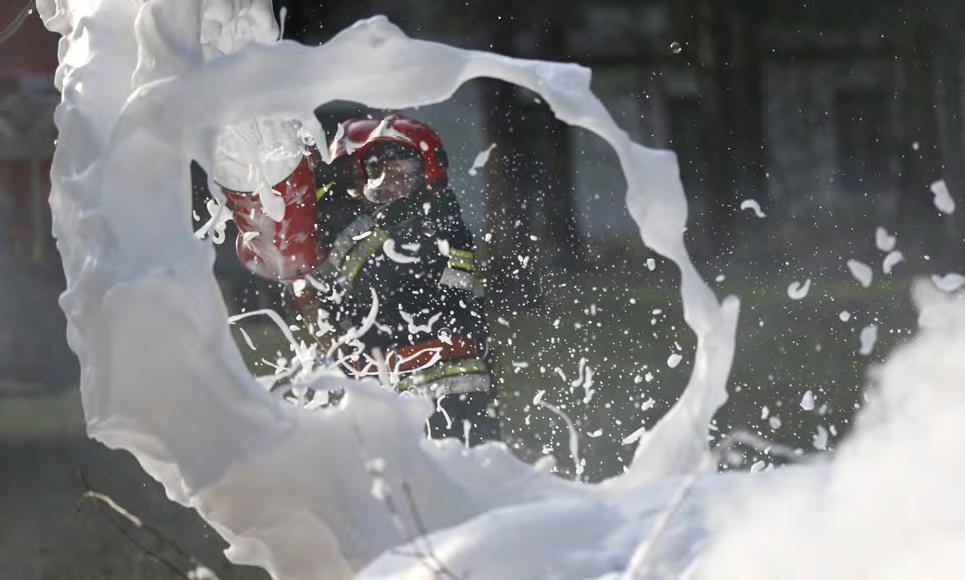
“However, there is a concern that the transition times proposed by the Dossier Submitter might not be sufficient to ensure the development, full testing and adoption of [F3] alternatives suitable for the most challenging types of fires. Given the potential very high impacts of even a single catastrophic fire on human health and the environment, the proportionality of the proposal is uncertain if risks of such catastrophic fires are not kept as low as they are currently. SEAC recommends in this context to adopt a no-regret strategy; that is, a restriction option that remains justifiable whether catastrophic fires take place or not.”
Importantly this accepts C6-foams remain critical in high-risk applications. While SEAC accepts that some sector transition periods may require extending, it needs extra evidence and
justification before accepting ongoing use in:
offshore exploration and exploitation
defence
shipping
bulk transport of flammable liquids by rail, road, and pipeline
municipal fire brigades
other industrial uses, e.g. ‘neighbouring establishments’ in proximity to Seveso III sites, thereby increasing the risks or consequences of a major accident
PFAS-containing fire extinguishers.
SEAC seems genuinely concerned to ensure that life safety and critical infrastructure are not unintentionally compromised, alternatives are equally effective, and fire performance risks are not increased by the premature or ‘over-ambitious’ restriction of C6-PFAScontaining foams in future.
Regulators are encouraged to take a similar life safety and critical infrastructure protection approach by ensuring equivalent functionality before forcing any transition, so that existing fire protections are not unintentionally compromised by any proposed regulatory changes.
In the next edition, Mike will discuss the 15 key questions you should be asking to understand the risks of fluorine-free foams.
Fluorinefree foams (F3s) behave differently compared to aqueous-film forming foam, showing more variability in performance, higher application rates at expansions below 7:1, and are more vulnerable to flashbacks particularly on flammable fuels like gasoline, requiring effective protection.
Warringtonfire Australia
Across the country, from NSW to WA, there are major demands for new buildings and public infrastructure.
Putting it into numbers, there is $237 billion worth of projects currently in a five-year pipeline, and $15 billion worth added just last year. As Infrastructure Australia’s Market Capacity 2022 report indicates, this equates to 6.7% growth, which is fantastic for the country’s prospects and outlook.
But it also means there is a significant opportunity to get all new buildings, and any upgrades to existing stock, right the first time. This is particularly important when it comes to fire safety products, as they represent a critical aspect of upholding building and occupant safety while mitigating the need for costly rectification works further down the line.
While third-party certification is a valuable tool for architects, specifiers, consultants, and other building stakeholders, across the construction sector it is far from standard practice and remains somewhat misunderstood, with the benefits yet to be fully recognised or unlocked.
If we are to deliver on government’s ambitious infrastructure plans, this will need to be addressed.
Australia’s built environment has grown exponentially in recent years, but there remains significant traceability challenges around the building products being used.

For example, for passive fire protection (PFP) products such as fire doors, fire collars, sealants, or door hardware to be accepted, they typically require either a test report or an assessment report to show that the product complies with the relevant standard.
However, a test report is not a full representation of a manufacturer’s factory processes or quality control procedures, but a one-off snapshot of a product line.
By comparison, independent thirdparty certification provides traceability and demonstrates that products— whether manufactured locally or sourced from overseas—are compliant with standards and the National Construction Code (NCC).
Without it, there is a risk that noncompliance may go unnoticed.
So, while testing is important, product certification provides an added layer of certainty for building certifiers, and for those who have specified, procured, or installed the products.
To manage these concerns, and to provide added reassurance throughout the supply chain, the industry should be using products that are third-party certified by approved bodies and experts.
By specifying a certified product or product line, stakeholders can be confident it is fit-for-purpose, it has been properly evaluated, the
manufacturer’s factory has been through a Factory Production Control (FPC) audit, and the product has been sampled and tested.
This increases traceability and ensures any products that are defective can be recalled and issues with quality can be remedied.
Third-party certification also brings a level of risk mitigation. If products only have first-party testing and assessment, the onus is on the building designer, specifier, or building certifier to understand them and to determine whether they can be used. This means ensuring they meet the relevant standards and NCC before signing off on their use, which is likely done by combing through lengthy test and assessment reports, slowing down decision-making and construction projects.
With $237 billion in the pipeline, any activity that can be simplified while improving life safety should be considered.
We are currently in one of the construction industry’s most exciting, expansive, and progressive eras. As we head into these next five years of development, it is important that those who have responsibility for our buildings do what they can to ensure they are safe for years to come, without unnecessary costs or delays.
Third-party certification can help to solve all these challenges.
Industry should use products that have been certified by third-party organisations and specialists.
It is vital for the construction industry to standardise adopting third-party certification for fire protection products to offer greater life safety, ensure compliance, and avoid costly remedial works.
CHAD MCLEANPHOTO: WARRINGTONFIRE AUSTRALIA
Workplace health and safety is one of the biggest concerns for Australian businesses, regardless of industry. Safe Work Australia recorded more than 130,000 serious claims in 2021 and more than 169 fatalities Australia-wide, according to the latest data.
The consequences of accidents at work can be devastating, including the catastrophic loss of life. They can also lead to significant costs for businesses in time and money lost, as well as potential reputational damage. It is essential that businesses take the time to ensure their workplaces are safe and secure, and that their people are protected as best as possible to mitigate the potential risks.
Fire presents a major risk to many organisations and industries. It can be especially damaging and dangerous regardless of the situation or industry. However, it poses unique risks to organisations that operate mobile and transportable equipment, such as mining, quarry, construction, civil, timber, waste, and heavy vehicle industries.
The Australian Standard AS 5062 was the first of its kind in the world when it was introduced in 2006. It then gained recognition in North America and Europe, and was first revised in 2016. It provides guidelines for fire protection in mobile and transportable equipment, and is an essential regulatory instrument that helps ensure safety on-site for workers and businesses.
Compliance with this standard is crucial to ensure that fire suppression systems will perform correctly in the event of a fire. This can help save lives, as it gives operators a chance to safely exit the vehicle. It can also help save the vehicle itself by minimising the damage a fire can do.
AS 5062 underwent a significant update in 2022 with the release of the third edition, which was necessary to address specific subjects that required upgrading. Some sections have been enhanced, details strengthened, and new information introduced throughout the standard.
One of the most notable changes to AS 5062 is the revision of its name to Fire prevention and protection for mobile and transportable equipment, reflecting a renewed focus on the prevention of fires in the first instance. This is reinforced in changes to the standard, which advise that machinery designs should eliminate potential ignition sources for the entire time a machine is in service.
Other key changes include:
Testing regimes—previously, AS 5062 only provided performance testing protocols for foam water spray suppression systems. However, testing regimes have now been introduced for systems that use agents other than foam water spray. This means other extinguishing agents can now be tested to specific methods and best practices that conform to relevant standards, such as FM 5970 and UL 1254, and identified by the revised AS 5062.
Routine service schedules AS 5062 has introduced new routine service schedules for preengineered systems. It now includes daily service frequencies, as well as the capacity for servicing at shift changes. The standard also includes service schedules of six-monthly, yearly, and five-yearly.
Special competencies—all servicing of fire protection systems, including daily inspections, must also be performed by a competent person
according to the revised standard. Additionally, all fire protection equipment must be designed and installed by a competent person, and manufacturer or product-specific training is required. Evidence is required to confirm competency in line with the Australian Qualifications Framework and original equipment manufacturer of the fire suppression systems.
It is essential that Australian businesses keep up to date with the key changes in relevant regulatory and industrial standards, especially when it comes to worker health and safety. Working with an organisation that is aligned with the new safety standards and regulations is an effective way to remain compliant.
The updates to AS 5062 have been made to further enhance fire protection and prevention measures in mobile and transportable equipment and keep Australian workers and sites safe across industries.
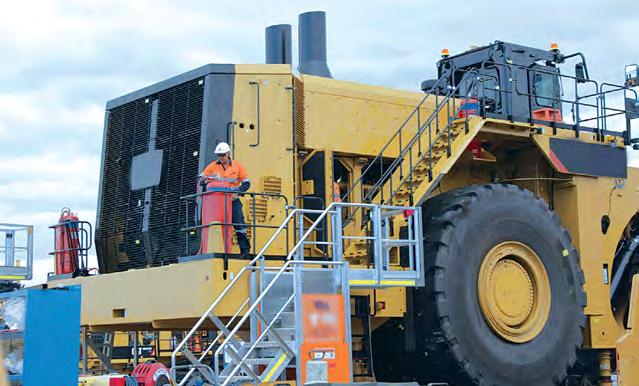
Businesses must have the necessary qualifications and competencies in place to comply with the revised standard and keep everyone safe on-site at all times.
Wormald has been protecting Australian people and property for 130 years and is now Australia’s largest independent fire company. See www.wormald.com.au
PlanRadar
Digital transformation is becoming essential for every industry to help streamline processes and uncover efficiencies.
In the fire safety sector, platforms for project management and documentation are key tools used by fire safety workers to keep people and their sites safe. A new generation of digital solutions and the rapid adoption of new technologies has seen a transformation in the way that data and information are used for improved safety outcomes.
The latest smart solutions are designed to align with changing regulations across industries, ensuring that savvy businesses can remain up to date and compliant.
On a fundamental level, the biggest benefit of digital platforms in the fire safety sector is the capacity it provides for site inspection teams to gather site data quickly and efficiently.
With the support of smart technologies such as artificial intelligence (AI) and automation underpinning innovative solutions, this significantly reduces the amount of time workers need to process and present relevant data to key stakeholders.
Fire safety is essential for every organisation, and ensuring that fire safety processes remain up to date is crucial for maintaining compliance. There are four primary ways digital tools are helping to transform the fire safety sector:
Digital solutions let users digitise fire risk assessment forms, eliminating paper-based processes and reducing time spent on paperwork while simultaneously helping to create digital audit trails for compliance.
The latest digital solutions let organisations build custom checklists and assessments within the platform
so relevant team members can complete them in the field. Forms can be updated centrally and in real time, allowing businesses to react quickly to ensure best practice and compliance if there is a change.
Forms can also be securely stored and exported in custom reports, providing the organisation with rapid access to all data if needed for audits.
Users can leverage software solutions to standardise inspections across sites, using bespoke fire inspection checklists and reports. This ensures all team members can collect the necessary data in the same way each time, ensuring consistency across operations for best practice fire safety.

With the support of digital solutions, users can gain access to a single, centralised platform that lets them conduct inspections, log evidence, generate reports, and even communicate advice and recommendations with ease.
All relevant documented processes and procedures can also be created and stored digitally for quick access, providing a comprehensive record of each document.
The latest digital solutions allow businesses to rapidly create and store necessary fire safety documentation, including fire risk assessments and checklists, reports, full communication histories, and other associated documents. Cloud-based solutions also ensure documentation is securely stored in the cloud in the event of future claims. Modern digital solutions also let organisations issue fire safety certificates digitally, as well as share them with stakeholders for signatures before storing them securely for future reference.
PlanRadar is a cloud-based softwareas-a-service (SaaS) management platform for documentation and communication in construction and real estate projects.
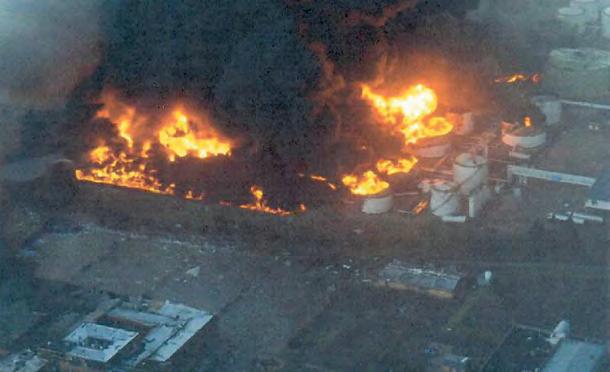
Early in the morning of Sunday 11 December 2005, a petrol storage tank was being filled from a pipeline at an oil storage depot in Buncefield, near Hemel Hempstead, Hertfordshire, some 40 km north-west of London.
Failure of a level sensor and highlevel switching devices led to about 300 tonnes of petrol overflowing from vents in the tank roof, cascading over the wind girder and tank sides, falling about 15 m to the ground, and flowing over the bund wall. As the liquid fell through the air, it partially evaporated and produced a dense vapour-rich cloud.
The incident occurred in cold nilwind conditions , permitting the lowlying explosible cloud to flow off-site.
CCTV showed that the cloud rapidly reached a diameter of approximately
360 m, enveloping a car park and a tank containing aviation kerosine. Within 25 minutes it covered an area roughly 500 m by 40 m to a depth of 2–4 m. It was noticed by tanker drivers who alerted depot staff.
At 6.00am the fire alarm was operated, and the fire pump started. Almost immediately an unconfined vapour cloud explosion (UVCE) rocked the site.
News reports described the explosion as the largest of its kind in peacetime Europe, registering 2.4 on the Richter scale and audible in Belgium, France, and the Netherlands. It was certainly the largest such explosion in the UK since the 1974 Flixborough disaster (see ‘Blast from the Past’, Fire Australia Issue Four, 2020). Multiple explosions followed, causing extensive damage to unrelated
businesses nearby, and the resulting fire engulfed 20 large storage tanks. There were 43 people injured, but fortunately no fatalities.
In Hemel Hempstead, “hundreds fled from their homes and gathered on streets in shock and disbelief, convinced that there had been a terrorist attack or a plane crash. There was a wild medley of car alarms, home alarms, barking dogs, and frightened people, while on the horizon the pitch of darkness was broken by soaring fireballs and further explosions.”
In Buncefield, all dedicated on-site firefighting equipment and most of the water supplies were destroyed by the explosions. Fuel and firefighting chemicals flowed from leaking bunds on- and off-site, causing significant environmental, social, and economic loss. Liquids also flowed onto the M1 motorway, which was temporarily closed. Fire water, foam, and fuel product runoff polluted an underlying potable water aquifer.
The Hertfordshire FRS reported that the main fires were extinguished in three days, but the overall response lasted 26 days. 642 fire appliances were moved in the incident. The UK Health and Safety Executive report listed 25 recommendations for design and operation of oil storage sites, 32 recommendations on emergency preparedness, and 21 recommendations about land use and control of societal risk.
The Buncefield explosion and fire highlighted, among other things, the need to reassess the risks posed by fuel depots around the world. Similar incidents had previously occurred in Naples Harbour, Italy (1985) and Sri Racha refinery, Thailand (1999). In October 2009, a massive UVCE ignited 17 storage tanks in San Juan, Puerto Rico. Six days later another UVCE occurred in Jaipur, India.
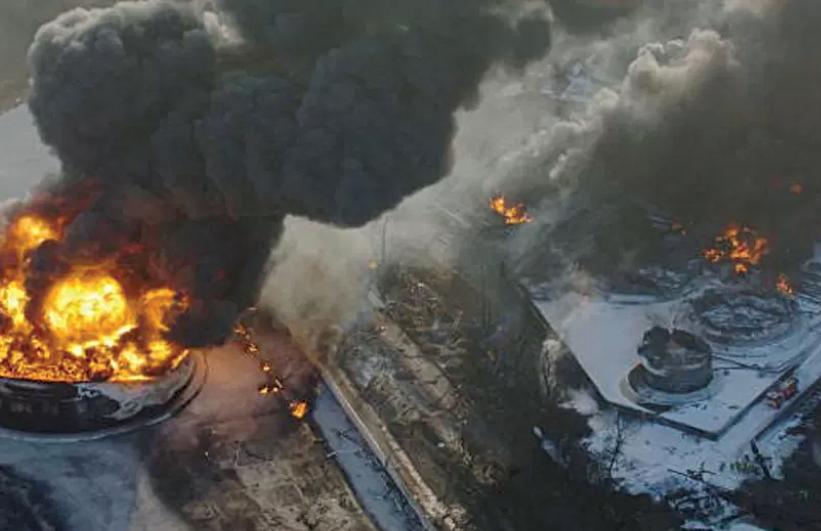
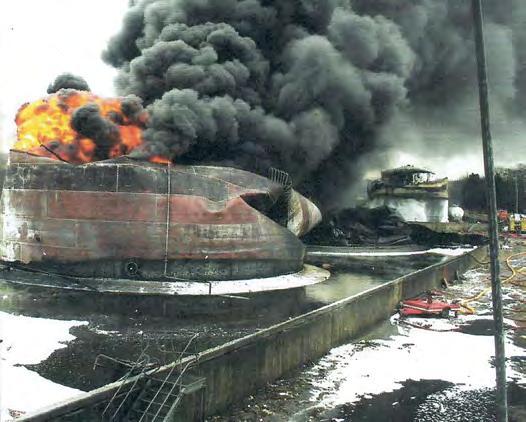
much we can learn from each other’s experiences. The priorities and strategic intent for AFAC were mirrored in the agenda for the Metropolitan Fire Chiefs Conference, demonstrating our alignment with global activity.
This presents us with exciting opportunities for international collaboration and learning, notably on:
inclusive workplaces
well-being
In early June, AFAC CEO Rob Webb travelled to North America to attend the Metropolitan Fire Chiefs Conference in Columbus, Ohio, and to visit the Canadian Interagency Forest Fire Centre (CIFFC) and observe the wildfire response effort in Edmonton, Alberta.
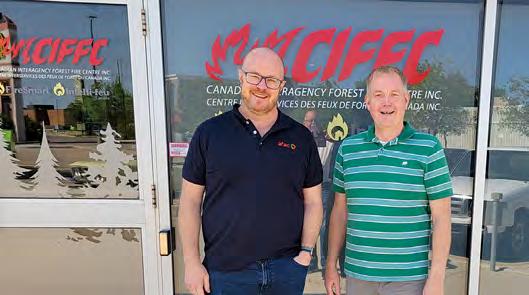
I was recently invited to the annual Metropolitan Fire Chiefs Conference in the United States, held in Columbus, Ohio, which drew attendees from across the world.
Although it was my first time attending this event, AFAC as the National Council has a strong history with the Metropolitan Fire Chiefs Association. Some AFAC National Council Members, including former Metropolitan Fire Board (MFB) Chief Jeff Godfredson and former Fire Rescue Victoria (FRV) Commissioner Ken Block, have previously served as president.
Metropolitan Chiefs is a group that falls beneath the International Association of Fire Chiefs and the National Fire Protection Association. It is a global association with membership limited only to those fire departments with more than 350 paid firefighters. The association provides an environment for like-minded leaders to collaborate and share developments with each other. Many of our urban agency commissioners and chief officers are members.
The annual conference offered a valuable opportunity to network and build connections with equivalent
agencies across the Americas and Europe. Representatives come from the UK Fire Chiefs Council, the Federation of European Fire Officers, the International Association of Fire and Rescue Services, the National Fire Protection Association, and various chiefs of major fire departments across the US, Canada and Mexico.
What struck me was the similarities of the challenges and changes that fire services are navigating, the shared journey we are on, and how
leveraging data
professional development
emerging technology
increasing wildfire challenges on the urban interface
Australasian agencies have much to offer our international counterparts.
Fire departments in the US are doing some incredible work on diversity, equity, and inclusion in their workplaces, including a governmentfunded inclusivity toolkit for fire chiefs currently in development, which was showcased at the conference. In a thought-provoking and, at times, confronting presentation, speakers addressed not only gender but also racial diversity, discussing the persisting barriers faced by the African American community. As an audience member, it was not just the content of this presentation but also the power of the delivery that resonated.
I was also struck by the strong understanding in US fire departments of the link between mental health and behavioural health. The US approach to behavioural health provided a holistic approach to issues such as well-being, suicide, substance abuse, family violence, discipline at work, and risk-taking behaviour.
Digital change and emerging technologies are disrupting the ways we work, and I learnt a lot about how these new challenges are being faced by our global counterparts. The practical use of data in metropolitan fire
departments was discussed, as was the transformation process to become a data-informed fire department. As our capacity to capture and store data increases, the next challenge will be to find ways we can share this safely and efficiently with each other—both AFAC members and global colleagues in fire and emergency management—to support data-driven decision-making.
Similar to discussions in Australasia, the potential risks associated with emerging energy technologies in the built environment were discussed prominently at the Metropolitan Fire Chiefs Conference. I took confidence in the intent of the Association to address safety considerations for battery energy storage systems and electric vehicles, and I was glad to see much of AFAC’s current guidance and focus on emerging technology aligned with global positions.
Overall, it was a valuable week spent at the conference and I felt welcomed and connected to this community of our peers. There is a genuine thirst for knowledge among the attendees and I see great value in nurturing and growing these networks to accelerate the development of the fire and emergency services sector in Australia and New Zealand. Doing so will position AFAC members as global leaders and learners.
Of course, I was not the only AFAC representative travelling to North America during this time. Since late May 2023, more than 500 firefighters and incident management specialists have deployed to Canada through the AFAC National Resource Sharing Centre, following a request for assistance from the Canadian Interagency Forest Fire Centre (CIFFC). Canada is experiencing significant fire activity early in the season and has reached national preparedness level five, the highest level. The devastating events in Canada have evoked memories of the Black Summer bushfires experienced in Australia in 2019-20. Once again, the impacts of smoke are being felt over a wide area, and we have seen a global show of support in a time of need.
AFAC members have joined firefighters from across the US, South Africa, Europe and South America to assist Canada’s suppression efforts. The Australasian contingent is made up of specialist personnel from fire, land management and state emergency
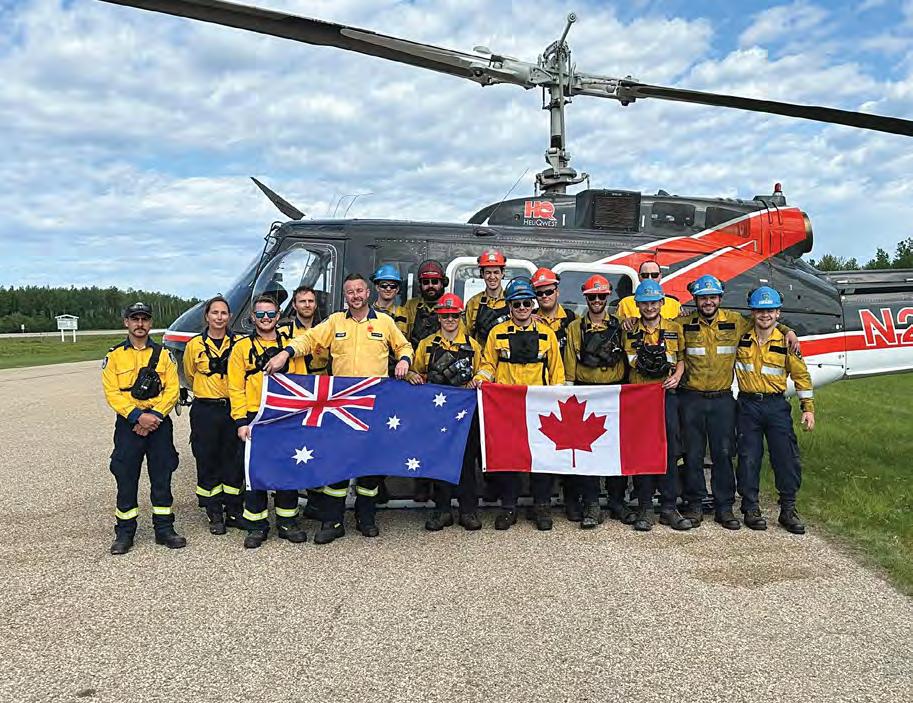
service agencies across all regions in Australia and New Zealand, comprising experienced firefighting crews, incident management teams, and specialist roles including supervision and aviation management.
Following my time at the conference in Ohio, I took the opportunity to travel to Canada to give support for our colleagues at CIFFC and connect with CIFFC Executive Director Kim Connors. We reflected on the value of our international partnerships and how important it is to foster our national
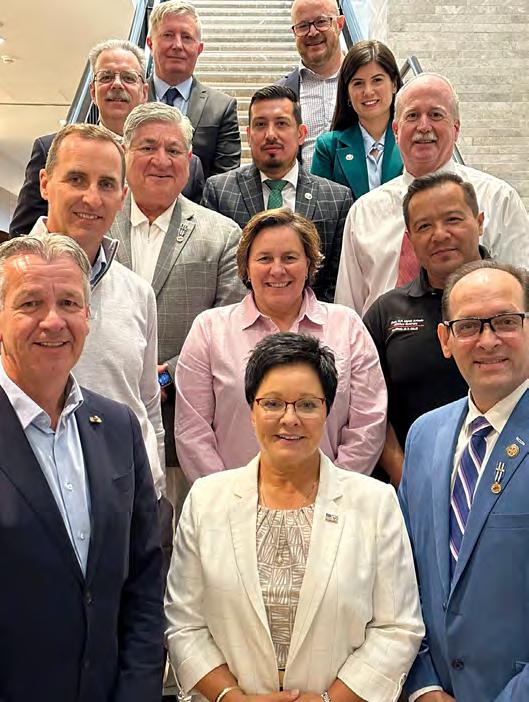
arrangements with each other. I am grateful to Kim and his team at CIFFC for their hospitality during such a busy operational time.
We are proud to support our colleagues in Canada and are indebted to our Australian and New Zealand personnel who have deployed to assist the wildfire suppression response. Be safe, take care of one another, and know that you are participating in a truly international effort that is sure to bring our global fire and emergency community closer together.
The Champions of Change Fire and Emergency Group was established in 2017 with support from AFAC.
The group includes organisations located throughout metropolitan, rural, and regional communities across Australia and New Zealand, with 29 members leading some 280,000 employees and volunteers. Members are focused on advancing gender equality, women in leadership, and professional, respectful, and inclusive workplaces across the fire and emergency sector.
A particular priority for the Champions of Change Fire and Emergency Group is building the representation of women in frontline service delivery positions—a critical pathway to leadership positions in the sector.
Over the last year, the Champions of Change Fire and Emergency Group has identified—and worked towards removing—barriers to women entering and progressing their careers in the fire and emergency sector in recruitment, promotion, and career advancement.
The following case studies share the experience of fire and emergency service personnel taking action to grow the sector’s talent pool.
provided her with many opportunities to give back to the community and build her career.
“Working within a very supportive team, amongst diverse people, colleagues, volunteers, stakeholders, and community members is a very rewarding part of my current role. Having a role in the fire sector is a real passion of mine. Ten years ago, I was fortunate to participate in a volunteering leadership program, which kickstarted my professional career in fire.”
“I feel very privileged to be supporting our young women. It can be hard being a woman firefighter. Some women still experience sexism, which makes them feel like they don’t belong. I do believe we are coming to a crossroads now with what people find acceptable behaviour. I can see a shift, with more younger women calling out inappropriate behaviour. It’s good to see them empowered and not just putting up with it.”
After 23 years in the fire service, Liane Henderson has dedicated herself to mentoring and empowering young women in the sector.
Liane Henderson has been part of the fire service for more than 23 years, starting out as a volunteer in her local rural fire service. Being both a volunteer and a staff member has
Ms Henderson has held many roles over the past ten years at QFES and had various role models and mentors, both men and women. Now, she is mentoring other women.
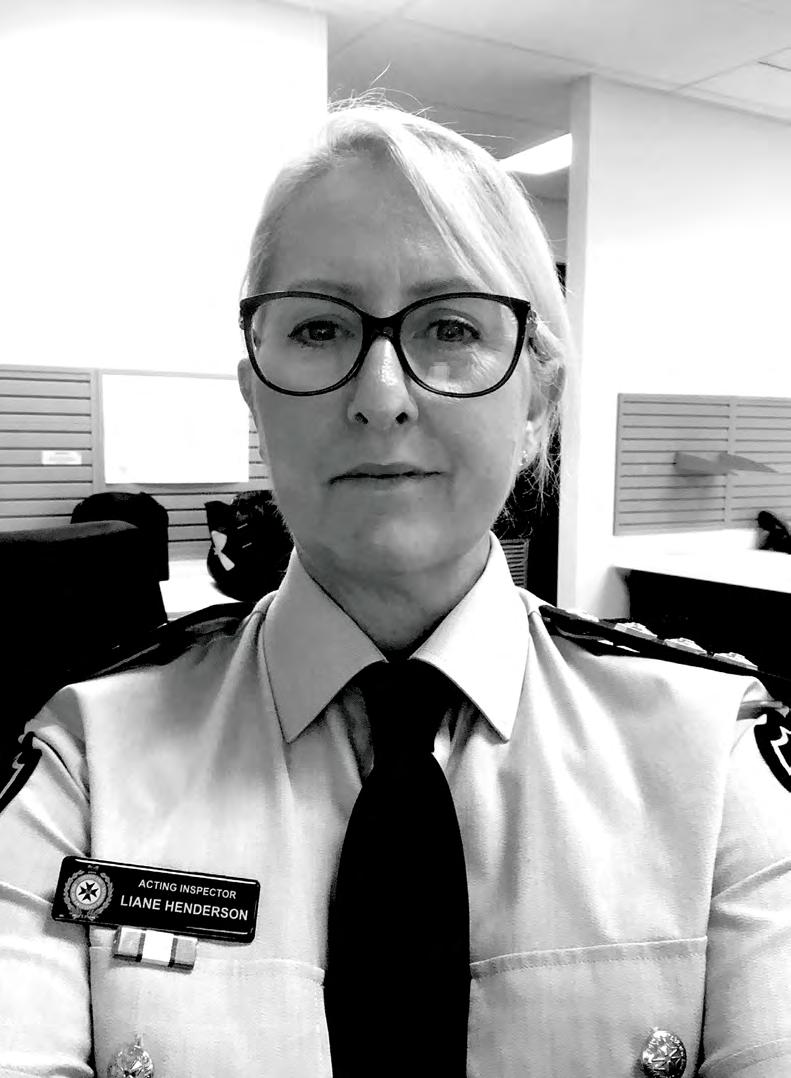
From Ms Henderson’s perspective, a contributing factor to this shift has been the introduction of the Gender Equity Advisory Group (GEAG) to QFES.
“The GEAG is one of the most significant initiatives I have seen in
Liane Henderson
Bushfire Safety Officer, Queensland Fire and Emergency Services
“Ultimately, we are creating a culture where you can feel safe to speak up and respected for your opinion, even when it may be different from others.”
my ten years. We have had great discussions in the workshops, and you also hear it in the corridors and meetings, how everyone wants to create a safe and inclusive environment. Prior to this there was no safe place to discuss gendered issues. The visible support from the Commissioner has really had an impact.”
An area she believes needs attention is the lack of female career firefighters coming through the recruitment process. “We need to understand what the barriers are, including in the rural areas. I hope the work in the GEAG will evolve our approach, resulting in a greater diversity of people and perspective.”
“We need to remember that all the simple things add up, such as who is represented in leadership positions, focusing less on years and more on merit for progression, communication matters and focusing on people before process. I am driven to create an environment where women feel more included and safer at work and, ultimately, part of the team.”
Wayne Phillips has had extensive experience in the fire and emergency sector with 32 years at Fire and
Rescue NSW and, more recently, at ACT Emergency Services Agency. As someone who has worked in operations and now in the corporate side, he has made gender equality in the workplace both a personal and collective goal.
When it comes to workplace equality, he is determined to see more women at all levels. His commitment to challenge and change includes personal initiatives such as Women Leading @ Fire and Rescue NSW, a six-month leadership program designed to increase women’s representation in the pipeline.
“There is still a lot of work to do. If we want to create inclusive environments, we need to achieve gender diversity. The culture I grew up with was to keep silent, but this is changing. There are men who are supportive. It’s about encouraging self-reflection on their behaviour, communication, even body language and doing it differently—using more inclusive language, less command and control, acknowledging and respecting your peers.”
Mr Phillips was awarded the Women and Firefighting Australasia Male Champion Award in 2020, in recognition for mentoring and coaching women, actively promoting an inclusive work environment for women across the industry.
“Any avenue I get to talk about gender diversity, I will. I will always ask about gender representation, advocate for their inclusion, and consciously invite women in. I like to support the women in the service. If I see a
leadership or learning opportunity, I will forward it on and encourage women in their career.”
There are several key areas Mr Phillips believes need further review, including the recruitment process. “The biggest solution for gender equality is at the start of the conveyor belt. We need to review recruitment practices and the inherent physical requirements for the role. It needs some rethinking because women just simply aren’t applying.”
Another concern is the workplace support and opportunities for women due to parental leave. “We need to provide women with worthwhile work when they are pregnant and return from parental leave. In addition, [we need to discuss] how we can support those on parental leave to update their skills and knowledge to continue their progression. Their career could be on hold for years and when they return, they are playing catch-up—which is even harder if they are wanting to work part time.”
These profiles feature in the Champions of Change Fire and Emergency 2022 Progress Report The report provides transparency and accountability for the individual and collective actions taken by member organisations to accelerate gender equality.
See the full report online: https://championsofchangecoalition. org/resource/champions-of-changefire-and-emergency-2022-progressreport
CE-030 Maritime structures
AS 4997 Guidelines for the design of maritime structures is being drafted by the Standards Committee.
EL-031 Alarm and electronic security systems
Public consultation occurred on the open supervised device protocol (OSDP) in AS/NZS IEC 60839.11.5 Alarm and electronic security systems, Part 11.5: Electronic access control systems closed on 3 February 2023, but no comments were received. AS 4421 Guard and patrol security services is being drafted by the Standards Committee.
EM-001 Electric Vehicle Operation
Progress continues on the revisions of SA TS 5396 Technical Specification—Electric vehicle (EV) chargers for residential use and SA TS 5397 Technical Specification— Electric vehicle (EV) chargers for commercial applications.
FP-002 Fire detection, warning, control, and intercom systems
The Standards Committee is drafting AS 4428.17 Fire detection, warning, control and intercom systems—Control and indicating equipment, Part 17: Fire services key and AS 7240.2 Fire Detection and Alarm Systems, Part 2: Fire detection control and indicating equipment (ISO 7240-2:2017, MOD).
FP-004 Automatic fire sprinkler installations
Progress continues on drafting the revision of AS 2118.6 Automatic fire sprinkler systems, Part 6: Combined sprinkler and hydrant systems in multi-storey buildings and AS 2118.4 Automatic fire sprinkler systems, Part 4: Sprinkler protection for accommodation buildings not exceeding four storeys in height.
FP-018 Fire safety
The Standards Committee is drafting:
◆ AS 1530.1 Methods for fire tests on building materials, components and structures, Part 1: Combustibility test for materials.
◆ AS 1530.4 Methods for fire tests on building materials, components and structures, Part 4: Fire-resistance tests for elements of construction.
◆ AS 1530.8.1:2018 Methods for fire tests on building materials, components and structures, Part 8.1: Tests on elements of construction for buildings exposed to simulated bushfire attack - Radiant heat and small flaming sources.
◆ AS 1530.8.2:2018 Methods for fire tests on building materials, components and structures, Part 8.2: Tests on elements
of construction for buildings exposed to simulated bushfire attack - Large flaming sources.
FP-020 Construction in bushfire-prone areas
Work continues on parts 1 and 2 the new handbook for Maintenance of construction in bushfire-prone areas (SA HB 208).
AS 3959 Construction of buildings in bushfireprone areas is being drafted by the Standards Committee.
LG-007 Emergency lighting in buildings
Two documents are being drafted by the Standards Committee:
◆ AS 2293.1 Emergency lighting and exit signs for buildings, Part 1: System design, installation and operation
◆ AS 2293.3 Emergency lighting and exit signs for buildings, Part 3: Emergency luminaires and exit signs.
ME-002 Gas cylinders
Revisions of AS 2030.1 Gas cylinders, Part 1: General requirements and AS 2030.5 Gas cylinders, Part 5: Filling, inspection and testing of refillable cylinders are being drafted.
ME-015 Storage and handling—liquefied petroleum gases
The Standards Committee is drafting:
◆ AS/NZS 1596 The storage and handling of LP Gas
ME-062 Ventilation and airconditioning
The Standards Committee is drafting:
◆ AS 1668.2 The use of ventilation and airconditioning in buildings, Part 2: Mechanical ventilation in buildings
◆ AS 1668.4 The use of ventilation and air conditioning in buildings, Part 4: Natural ventilation of buildings
◆ AS 4902 General conditions of contract for design and construct
◆ AS/NZS 3666.1 Air-handling and water systems of buildings—Microbial control, Part 1: Design, installation and commissioning
◆ AS/NZS 3666.2 Air-handling and water systems of buildings—Microbial control, Part 2: Operation and maintenance
◆ AS/NZS 3666.3 Air-handling and water systems of buildings—Microbial control, Part 3: Performance-based maintenance of cooling water systems
◆ AS/NZS 3666.4 Air-handling and water systems of buildings—Microbial control, Part 4: Performance-based maintenance of air-handling systems (ducts and components)
◆ AS 4740 Natural ventilators—Classification and performance.
FPA Australia is advised about standards by our Technical Advisory Committees. Members interested in contributing can find out more at www.fpaa.com.au/advocacytechnical/technical-advisory-committees.
FPA Australia’s technical documents can be found at www.fpaa.com.au/advocacytechnical/technical-documents.
The Lithium Battery Special Interest Group (LB/SIG) has been working on a variety of issues in relation to the fire risk of lithium-ion batteries, including discussing:
◆ a Good Practice Guide in collaboration with National Fire Protection Association
◆ off-gas type detectors
◆ fire safety needs for electric vehicle charger locations
◆ fire spread mitigation measures
◆ building structural integrity post a laserinduced breakdown spectroscopy (LIB) fire event
◆ current usage of LIBs
◆ maintenance and disposal
◆ additional wording for AS 1851 to include LIB hazards
◆ communication, collaboration, and education.
Issues being examined by different TACs are outlined below.
National Technical Advisory Committee (NTAC)
◆ rules for the operation of TACs and SIGs
◆ a review of the inter-relationships between TACs, SIGs, ARGs, and state committees
◆ a 2023 review of TAC Chairs, Deputy Chairs, and FPA Australia Standards representatives
◆ a summary and review of NCC issues and local state legislation issues
◆ a summary and status of standards under each TAC.
TAC/1 — Maintenance of fire protection systems and equipment
◆ an AS 1851 issues register
◆ a project proposal for AS 1851, which was submitted to Standards Australia on 14 October.
TAC/2 — Fire detection and alarm systems
◆ evidence of suitability
◆ fire detection control and indicating equipment (FDCIE) monitoring set-ups
◆ IP access level ratings
◆ Building Occupant Warning Systems.
TAC/3/7 — Portable and mobile equipment
◆ lithium fire extinguishers, ways to test them, and FPA Australia document TAN-09 V1 Portable Fire Extinguishers: Lithium Batteries
◆ revisions of AS 1841 and AS 1850, in preparation for a revision of AS 2444.
TAC/4/8/9 — Fire sprinkler and hydrants systems, tanks, and fixed fire pumps
◆ the spacing of sprinkler heads in concealed spaces
◆ hydrostatic testing of hydrant systems.
TAC/11/22 — Special hazards fire protection systems
◆ the review of the current FPA Australia technical document IB-06 V3 Selection and Use of Firefighting Foams
◆ a future webinar or information session on AS 5062.
TAC/17 — Emergency planning
◆ an AS 3745 issue register
◆ a position statement on lifts used during evacuations
◆ a guidance note on emergency plans for independent and public schools (including kindergartens).
TAC/18/19 — Passive fire protection
◆ a document on cavity barriers
◆ an updated guide on intumescent coatings
◆ an updated version of PS-05 Product Compliance and Evidence of Suitability.
TAC/20 — Bushfire safety
◆ bushfire resilience and protection external lithium-ion battery installations (new item)
◆ continued work on a series of projects on effective slope calculations
◆ guideline on assessment and classification of vegetation
◆ bushfire behaviour webinar
◆ ABCB class 9 proposals.
Australasia’s most comprehensive emergency management conference and exhibition returns to Brisbane on 22–25 August 2023. This year, AFAC23 powered by INTERSCHUTZ takes a forward-looking focus to explore the theme: ‘Creating a sustainable future: the challenges and opportunities’. The multi-award-winning conference will include the Australian Disaster Resilience Conference, the Institution of Fire Engineers (Australia) National Conference, and the Women and Firefighting Australasia Conference, as well as the expansive exhibition space showcasing the latest in equipment and services.
AFAC23 is supported by host agencies Queensland Fire and Emergency Services and Queensland Parks and Wildlife Service.
More information is available online: www.afacconference.com.au.
This September, FPA Australia is hosting the second annual National Fire Protection Month (NFPM).
Designed to highlight the importance of fire safety systems to the protection of people and property, NFPM will deliver a series of events and activities across the country, aimed at both the industry and the broader community.
The program is currently being developed and will be released soon on the event website, www.nationalfpmonth.com.au.
FPA Australia runs technical events catering to the fire protection industry on a range of relevant and interesting topics. Covering the whole of the sector—wet systems, dry systems, passive fire, mechanical fire protection, special hazards, bushfire, and emergency planning—these seminars
and technical webinars provide useful opportunities for practitioners to pick up continuing professional development points. Presented by leading experts, these events provide all the information you need about relevant fire safety topics.
Recent events have covered baseline data, insurance, defects, and bushfire design, and we have further seminars on mechanical smoke control, detection systems, and sprinklers in the pipeline.
For a full list of upcoming events, visit www.fpaa.com.au/events.

Fire practitioners are busy people who cannot always make time to attend a live event. For this reason, FPA Australia has made its recorded webinars available through its online portal, FPA+.
This user-friendly website allows members and non-members alike to purchase our content and catch up on any events they have missed, earning continuing professional development points in the process. Free webinars can also be accessed through the portal, providing access to popular topic areas such as the requirements of the Fire Protection Accreditation Scheme (FPAS).
It is a great way to access technical content in your own time and at your own leisure, without having to interrupt your workday.
Visit www.fpaaplus.com.au to browse our recorded webinars.
For those interested in correctly assessing Bushfire Attack Levels (BAL) and to determine the construction requirements that apply, our dates have been selected for 2023:
Melbourne: 21-25 August and 13-17 November Perth: 24-28 July and 6-10 November
Due to personal circumstances, Fire Rescue Commissioner Ken Block stepped down from his role as the head of Fire Rescue Victoria (FRV), effective 29 March, 2023. He has returned to Canada due to significant health issues with his family and wishes to put his family first.
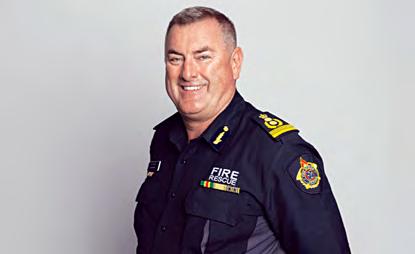
Mr Block started as Victoria’s inaugural Fire Rescue Commissioner in 2020 and has been instrumental in establishing and leading FRV. He has served as a firefighter since 1980, previously as Chief Fire Officer of Edmonton Fire Rescue Services, as well as President of the Metropolitan Association of Fire Chiefs, and President of the Canadian Association of Fire Chiefs, prior to his appointment to FRV.
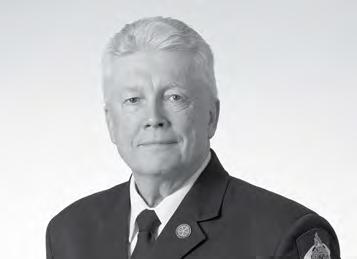
Stephen Griffin is moving on from his role as Victoria State Emergency Service (VICSES) CEO at the end of his current term. Mr Griffin started his role as VICSES CEO in May 2014 and has provided exceptional leadership over almost a decade across the organisation and Victoria’s emergency management sector.
He has been instrumental in delivering a significant number of new VICSES units while leading the agency throughout some of the busiest operational years in the organisation’s history. He has also overseen some of the largest reforms and changes in VICSES’ history, including his work campaigning for increased support for volunteers and ensuring the organisation’s ongoing sustainability and viability.
Gavin Freeman AFSM has been appointed as the permanent Commissioner of Fire Rescue Victoria (FRV).
He was a Victorian State Response Controller during the 2019-20 bushfire season and has been deployed across Australia and internationally in response to major fires. Mr Freeman also spent more than 30 years in the Tasmania Fire Service, where he held several senior roles including Deputy Chief Officer and was awarded the Australian Fire Service Medal in 2011.
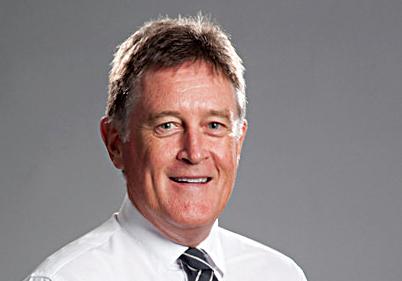
Prior to this appointment, Mr Freeman held the position of Deputy Commissioner— Operations at FRV and has been Acting Commissioner since March 2023. Previously he held the position of Deputy Chief Officer with the Country Fire Authority.
PAUL WATERHOUSE (FPA AUSTRALIA)
Tel +61 3 8892 3133 paul.waterhouse@fpaa.com.au
ALANA BEITZ (AFAC)
Tel +61 3 9418 5233
alana.beitz@afac.com.au
Emergency Management Commissioner
Andrew Crisp AM APM will retire at the conclusion of his five-year term, effective 4 August 2023. Mr Crisp started as Victoria’s Emergency Management Commissioner in 2018 and throughout his tenure has provided exceptional leadership and a calm, familiar face for Victorians during some of the most significant emergencies the state has faced, including the 2019-20 bushfires, the COVID19 pandemic response, the June 2021 storm event, and the October 2022 flood event.
During his time as Commissioner, Mr Crisp has been instrumental in leading the
FIRE PROTECTION ASSOCIATION

AUSTRALIA (FPA AUSTRALIA)
ABN 30 005 366 576
PO Box 1049 Box Hill VIC 3128
Australia
Tel +61 3 8892 3133
Fax +61 3 8892 3132
magazine@fpaa.com.au
www.fpaa.com.au
AFAC
ABN 52 060 049 327
Level 1, 340 Albert Street
East Melbourne VIC 3002
Australia
Tel +61 3 9419 2388
Fax +61 3 9419 2389
afac@afac.com.au

www.afac.com.au
establishment of a permanent 24/7 workforce for the State Control Centre, as well as the establishment of Emergency Recovery Victoria and ongoing work to reform the operating model and legislative framework for managing emergencies.
Prior to his appointment, Mr Crisp served a distinguished 40-year career with Victoria Police, where he held several senior leadership roles before completing his time at Victoria Police as Deputy Commissioner, Regional Operations.
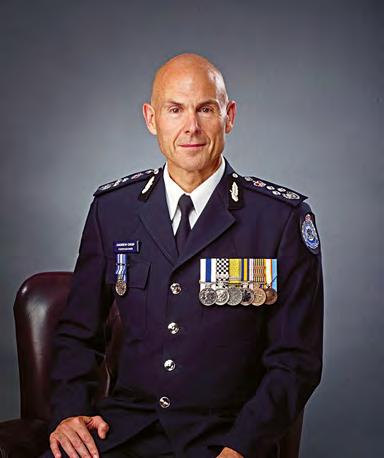
TO
TEL +61 3 8892 3133
magazine@fpaa.com.au
PRODUCTION AND DESIGN:
CORETEXT
Tel +61 3 9670 1168
www.coretext.com.au
Dedicated Insurance Team
NSW, ACT, WA & TAS.
As a professional working in fire protection, you need specialised insurance to protect yourself and your business. We offer a range of insurance solutions that can be tailored to suit your specific needs.
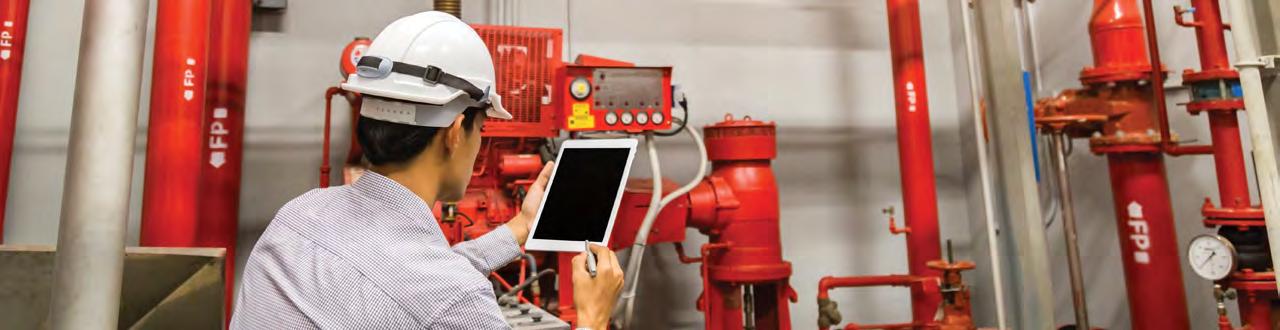
Talk to us about • Public liability • Professional indemnity • Contract works • Management liability • Business insurance • Motor fleet
Tools of trade • BPAD insurance requirements • Any other insurance requirement
Jana Day Account Manager (02) 8765 9176 / 0499 224 024 jday@wmib.com.au
QLD & NT.
Stephanie Thomson Account Manager (07) 3230 9312 / 0437 554 594 sthomson@wmib.com.au
SA.
John Mangos Account Manager (03) 9320 8544 / 0438 333 886 jmangos@wmib.com.au
VIC.
Danny Gasbarro Account Manager (03) 9320 8542 / 0439 003 363 dgasbarro@wmib.com.au
Windsor Management Insurance Brokers is FPA Australia’s preferred insurance partner and manages the FPAA Insurance Program for members. wmib.com.au