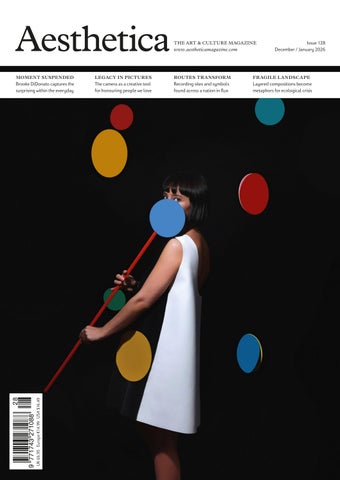
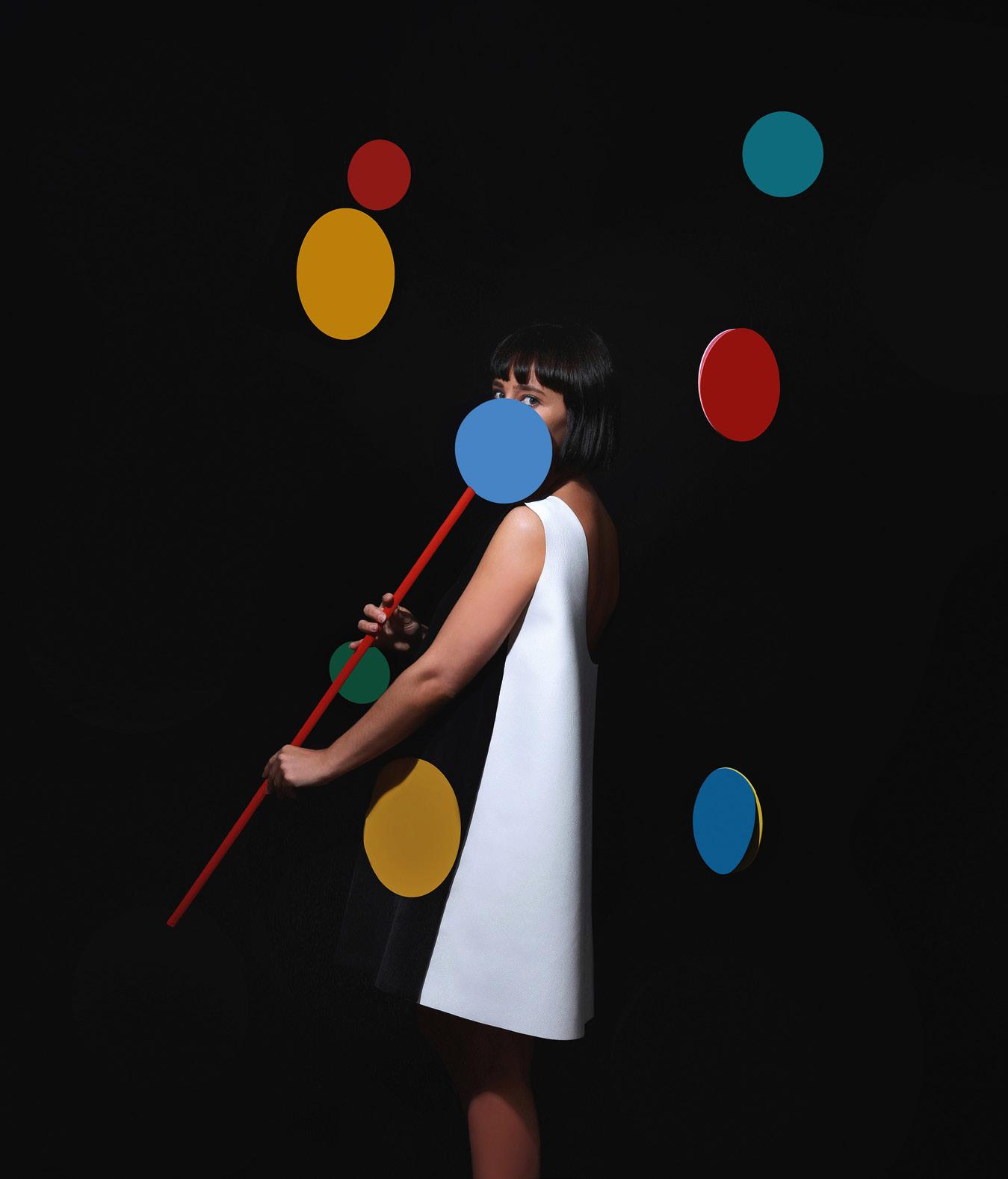
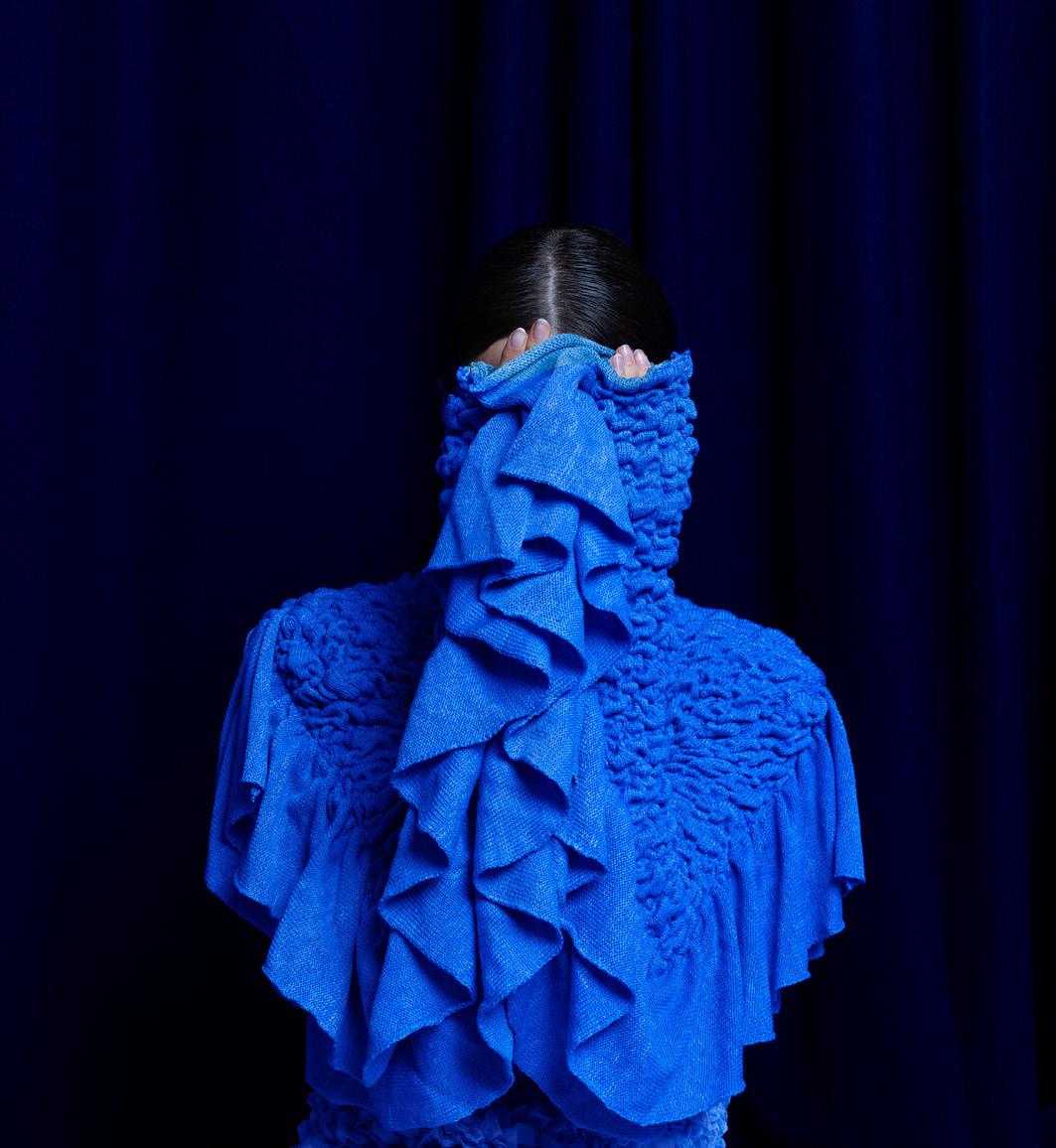
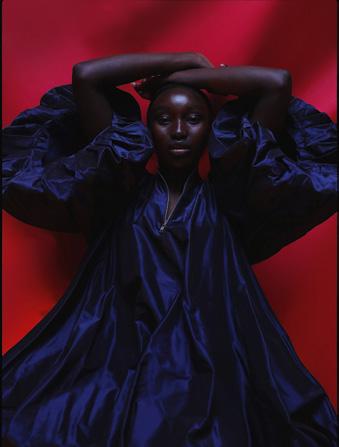
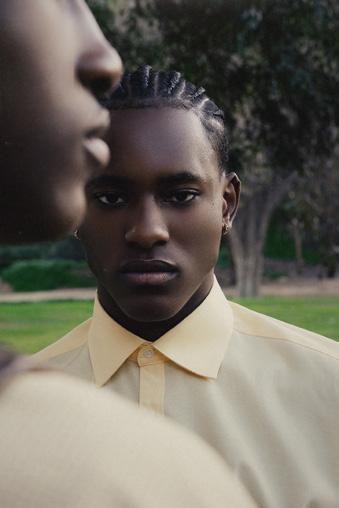
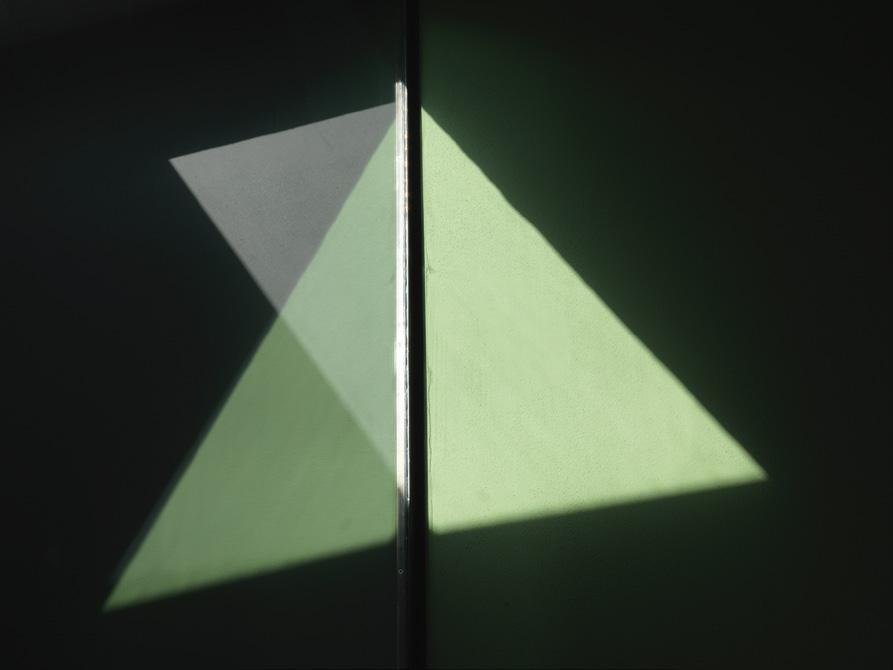
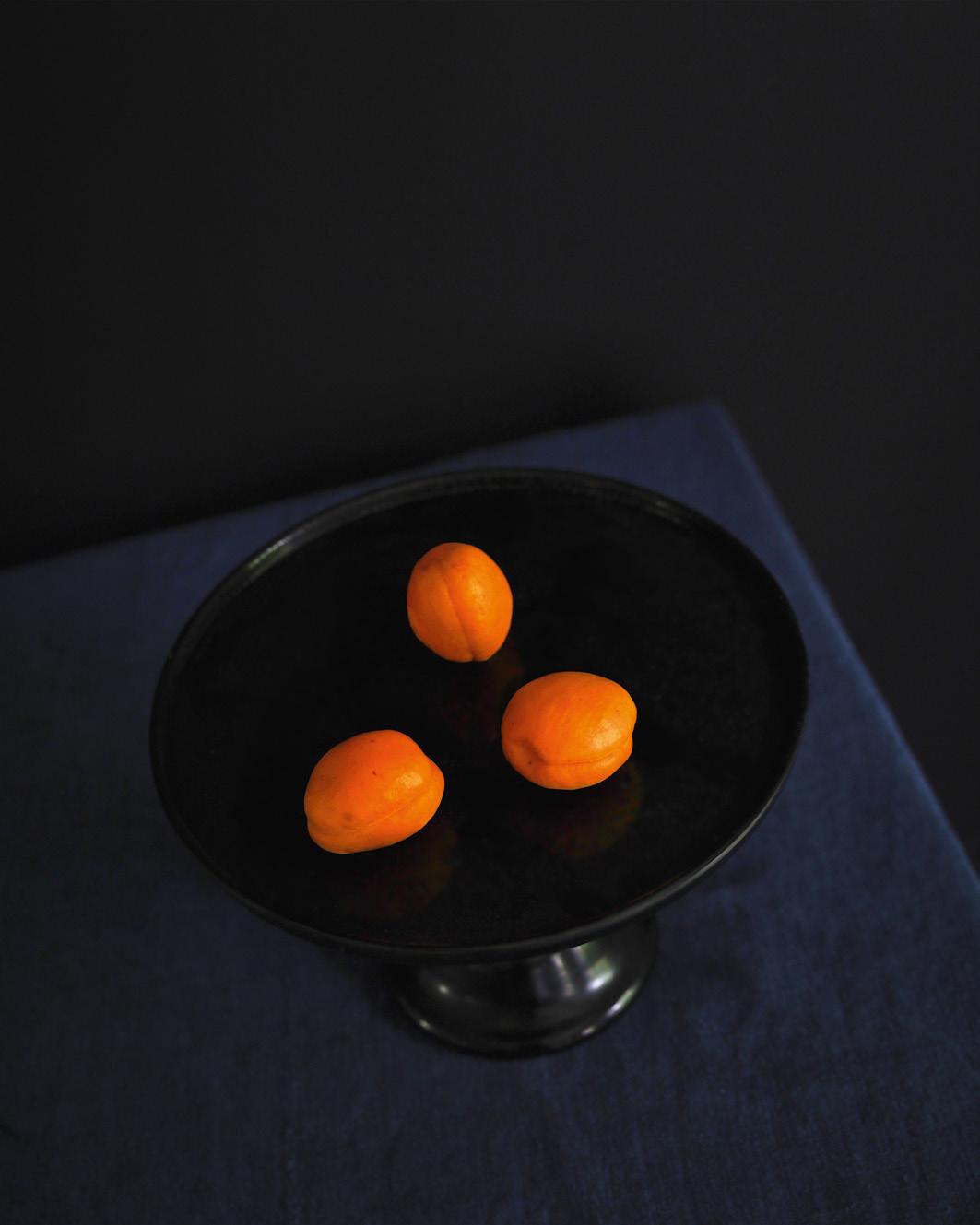
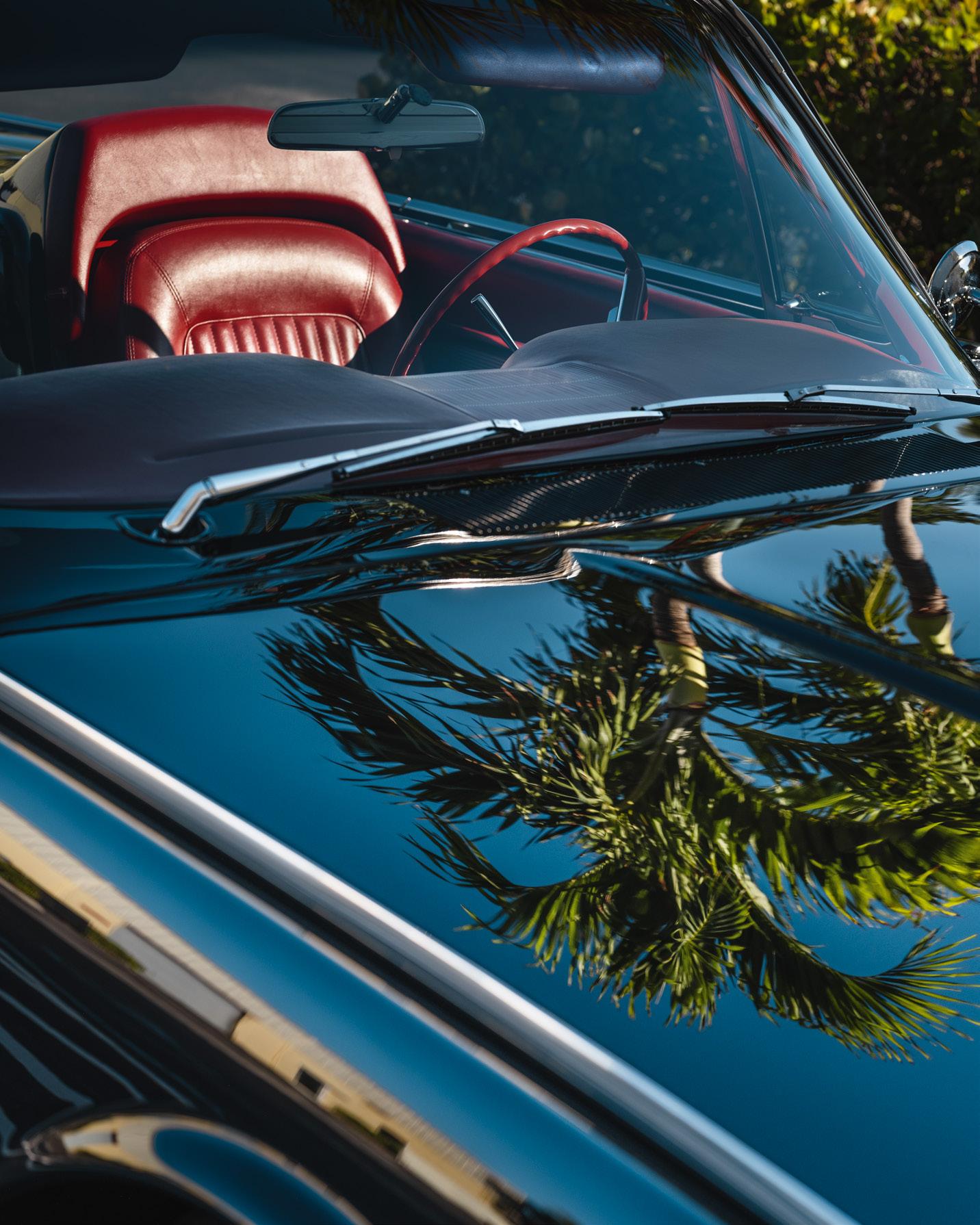
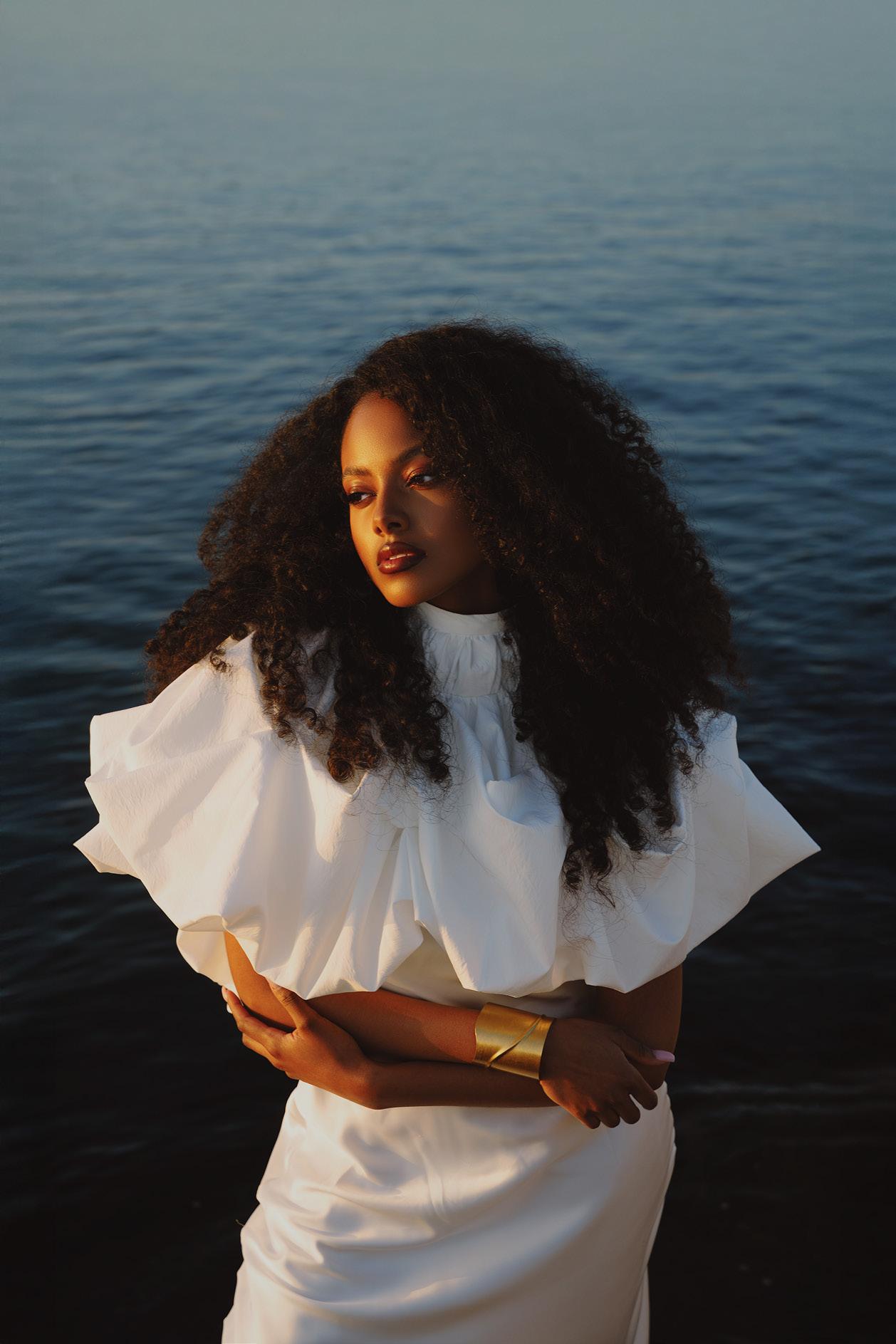
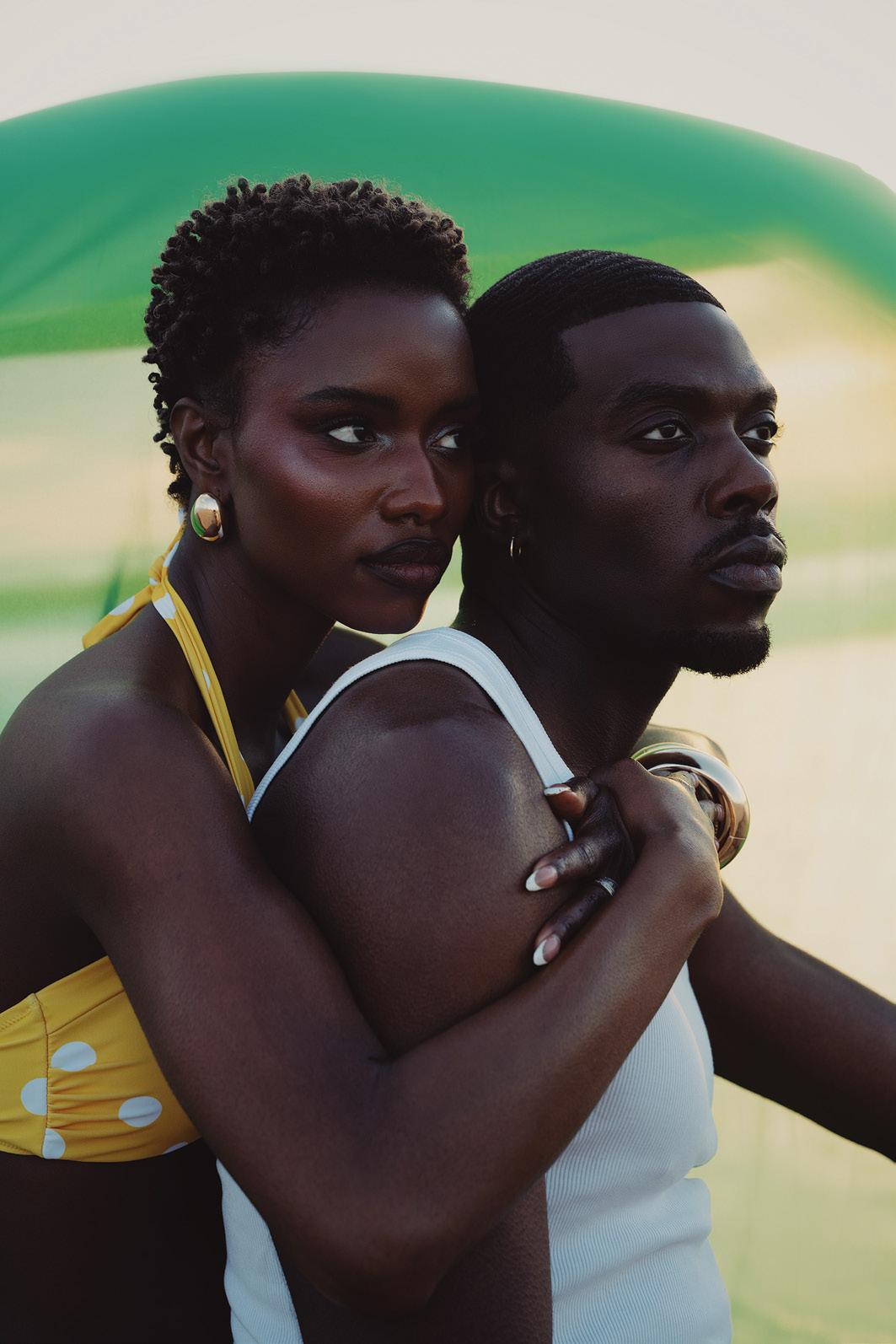
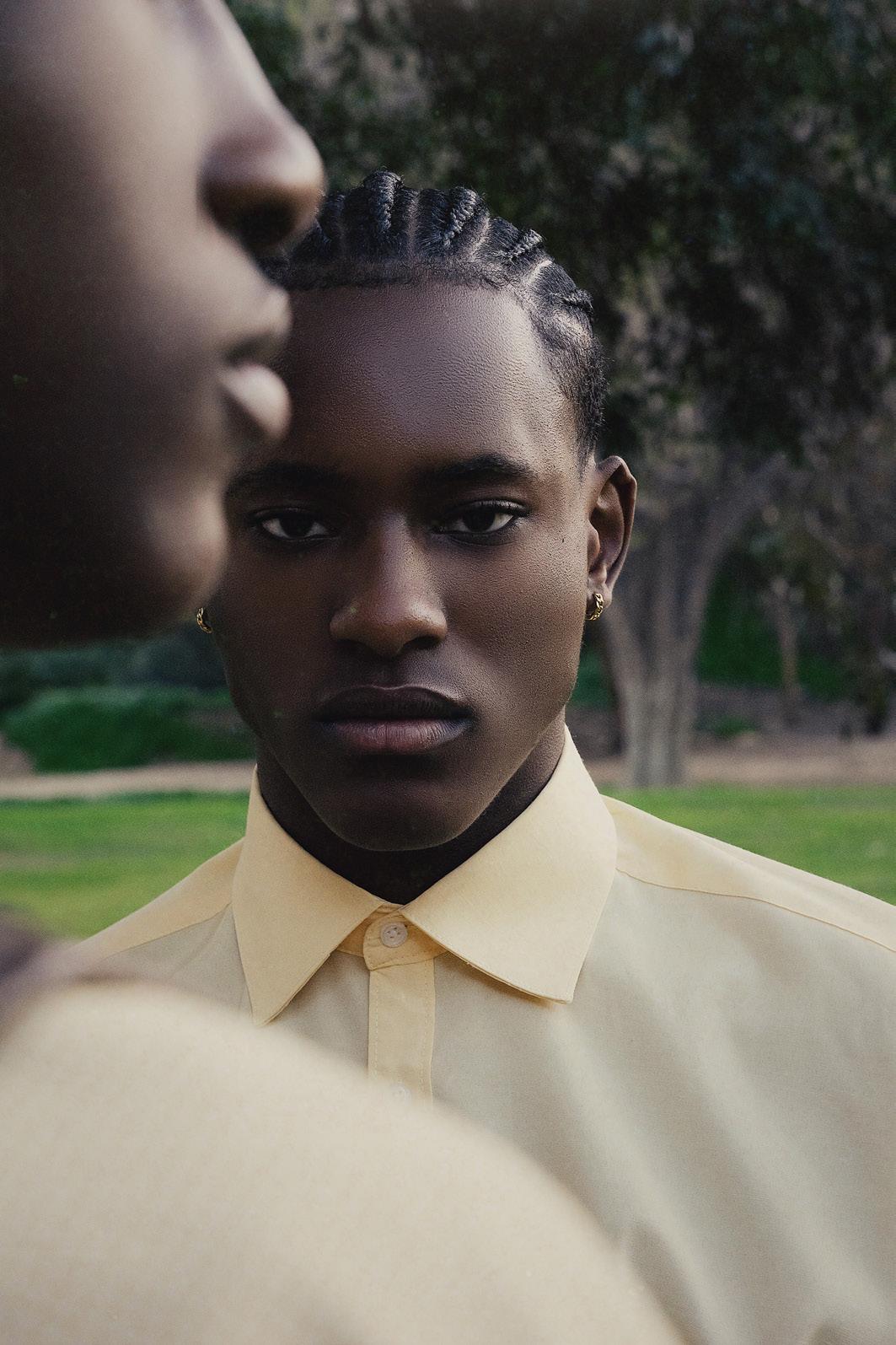
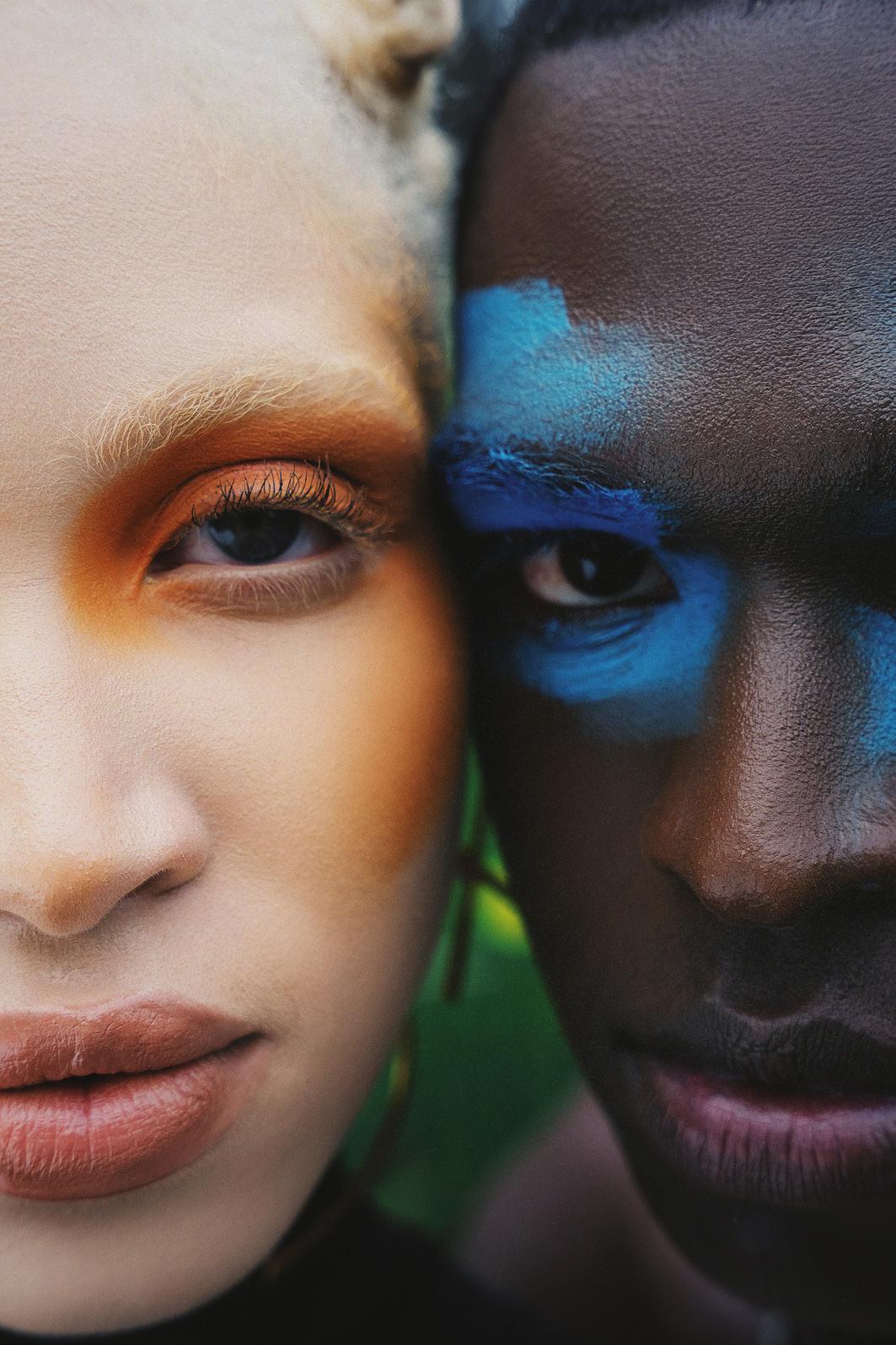
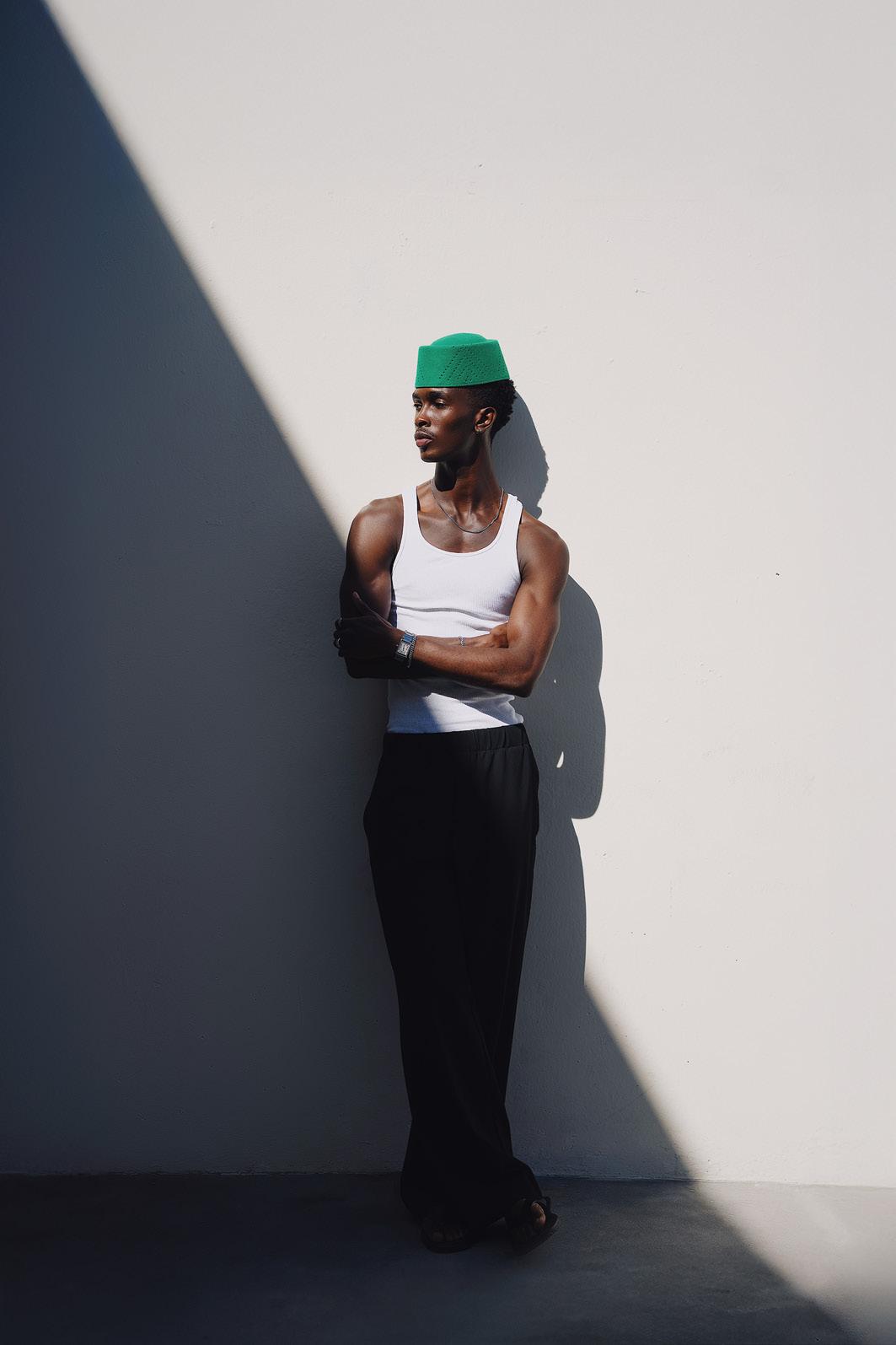
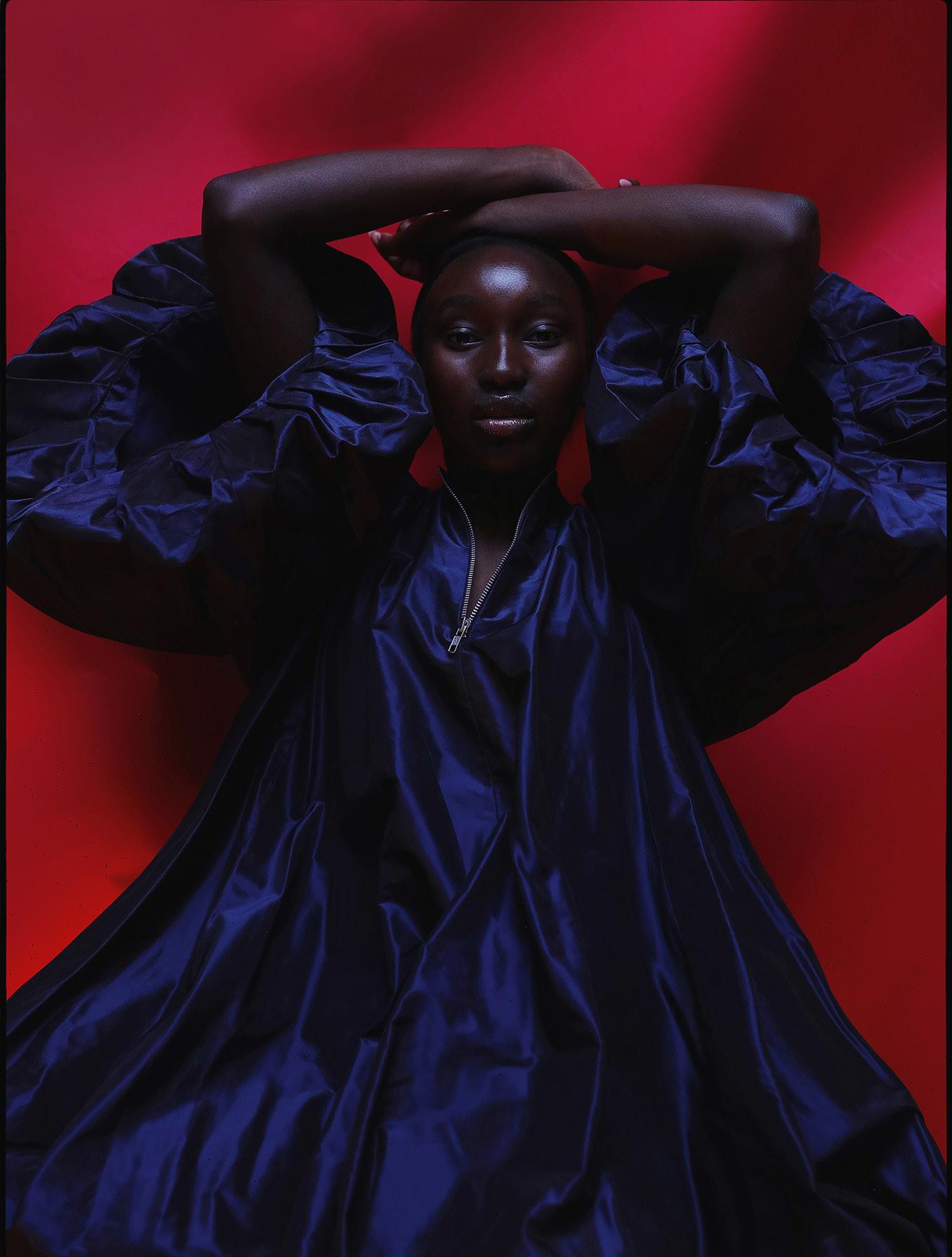
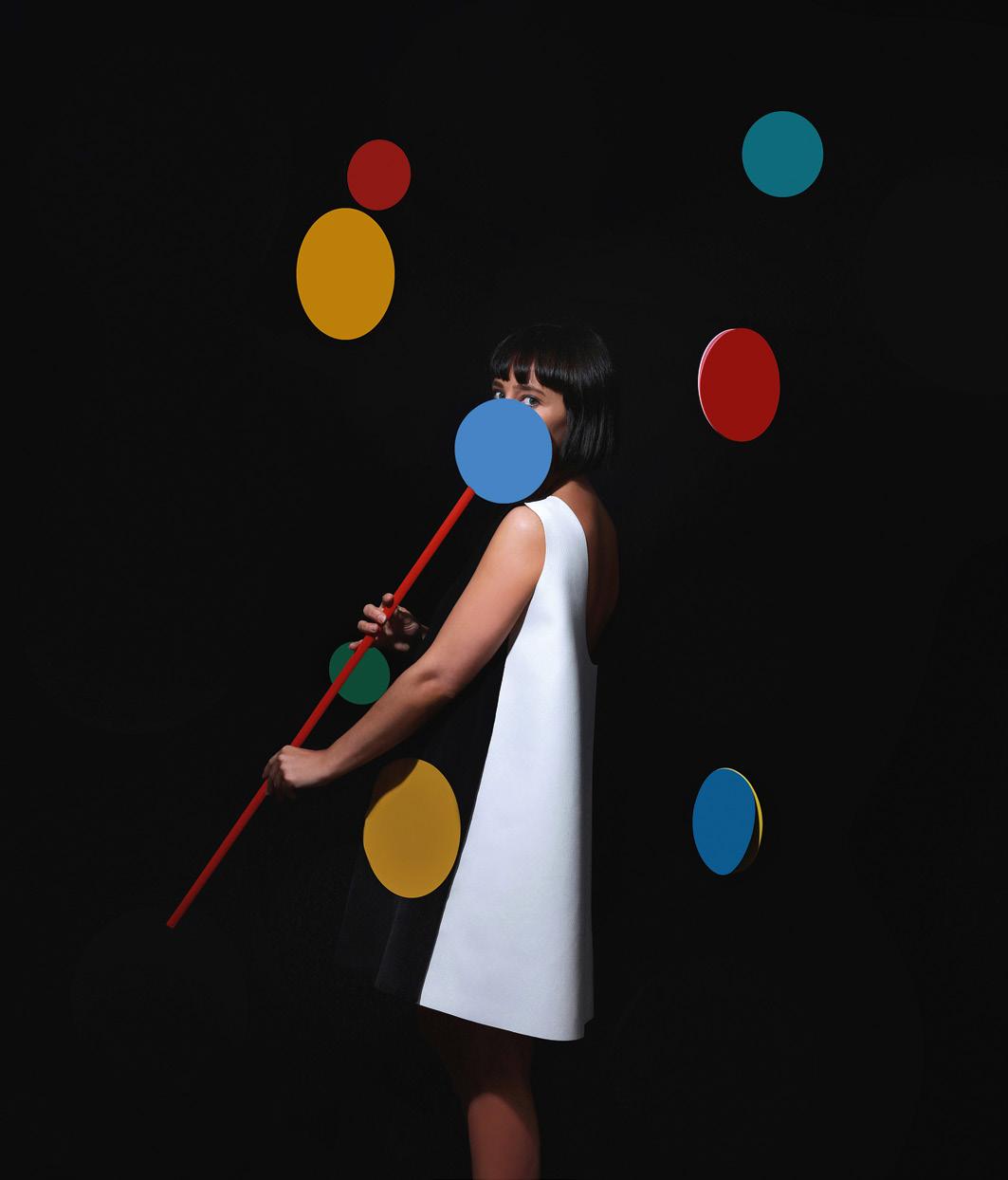
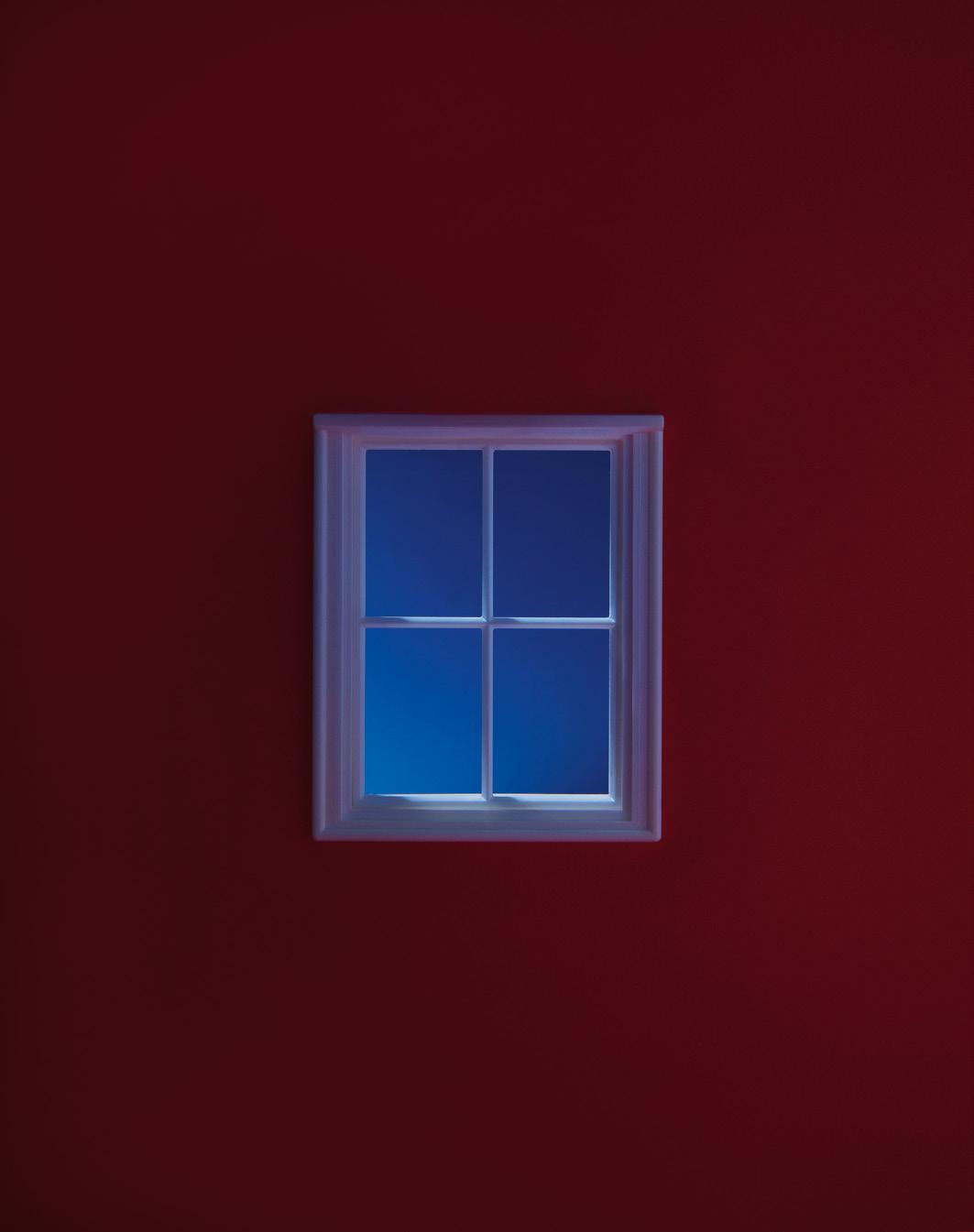
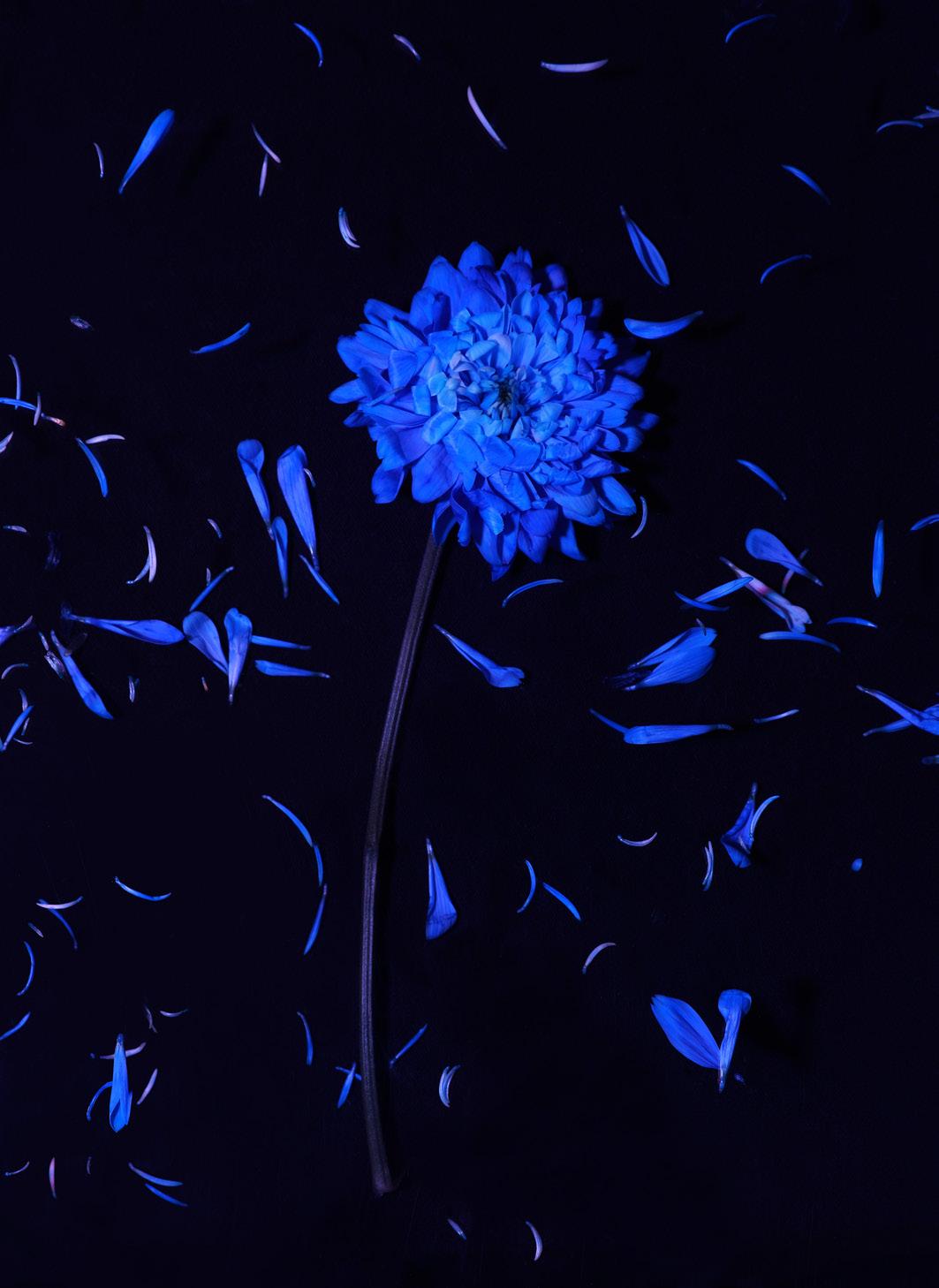
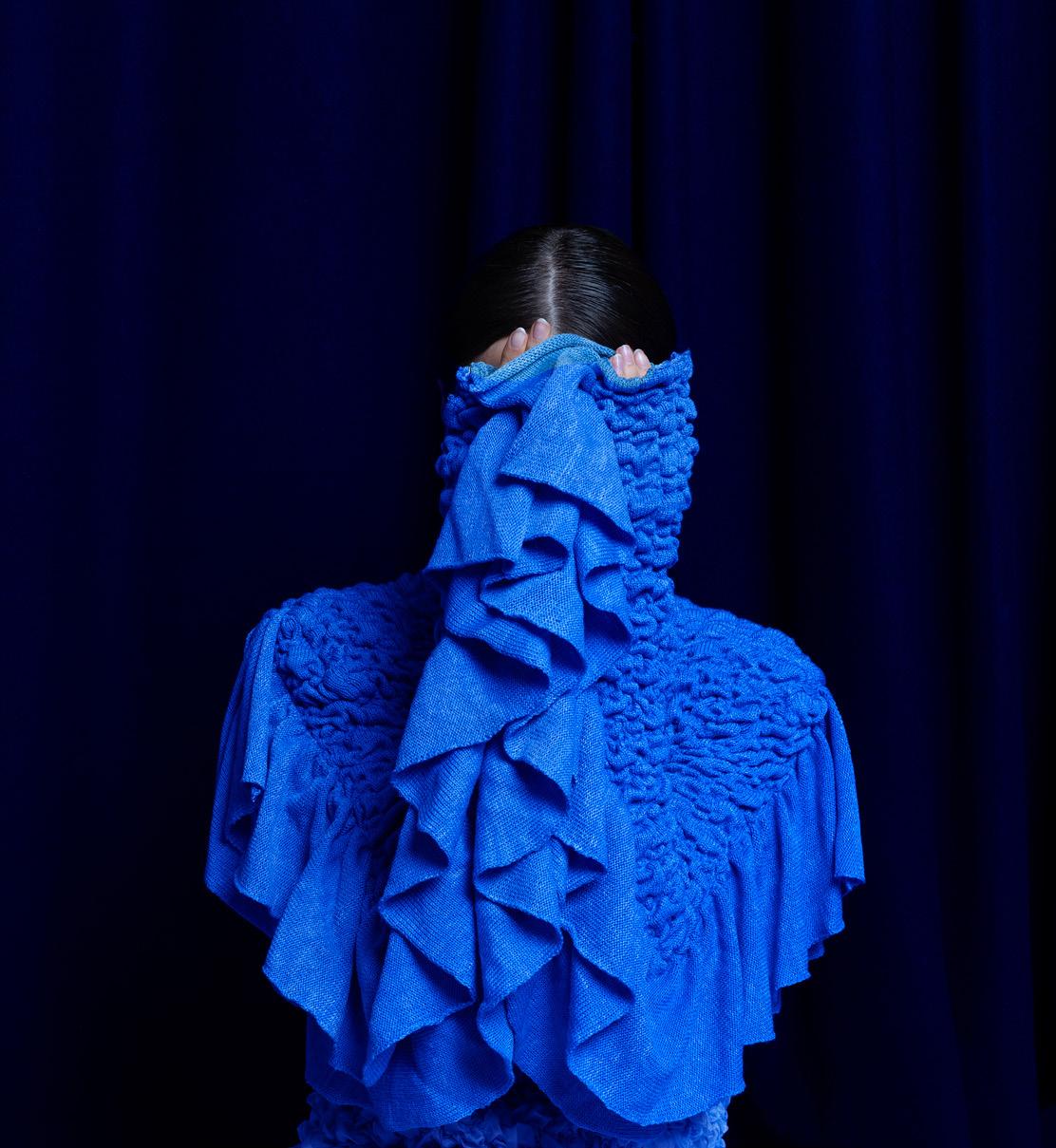
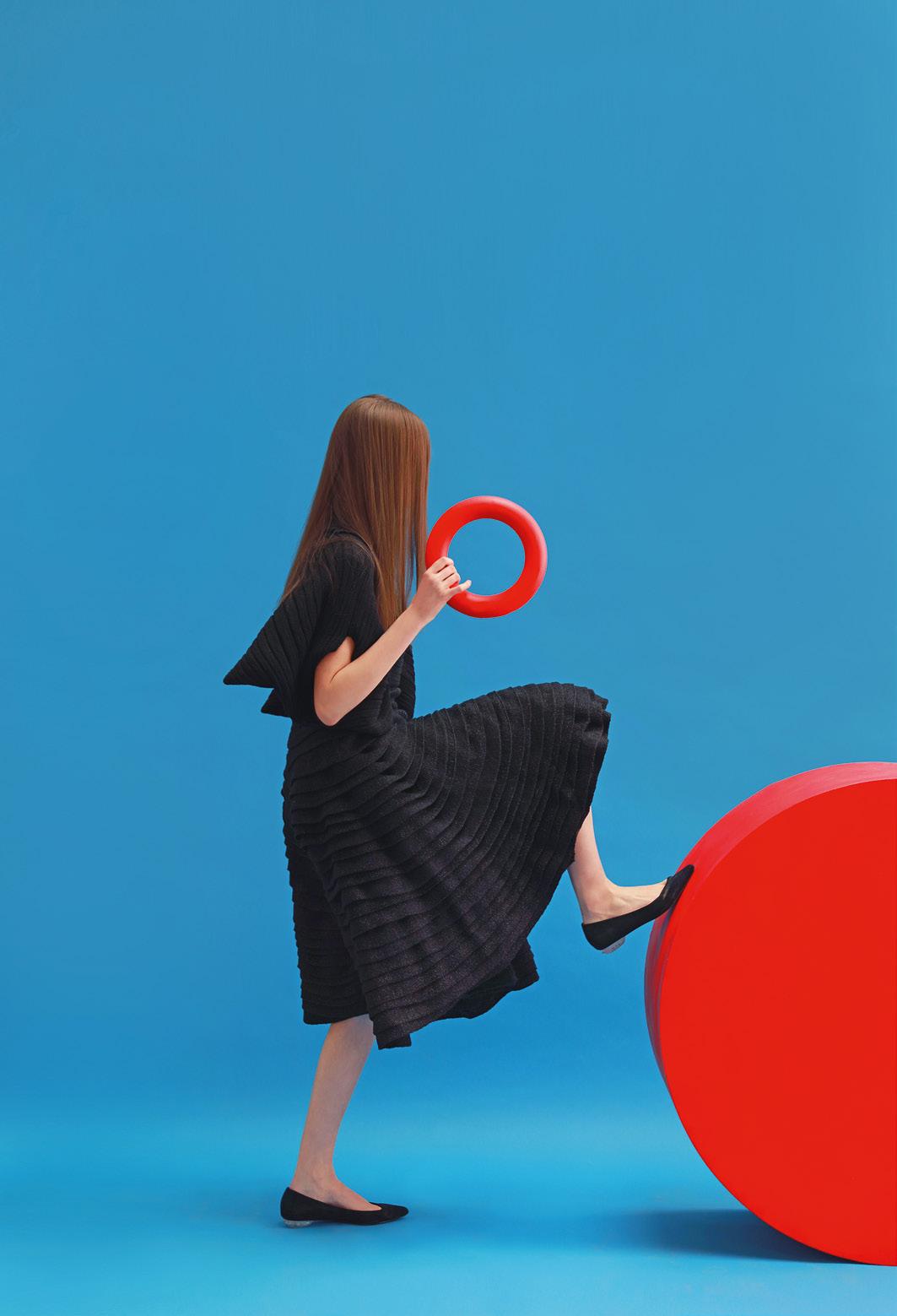
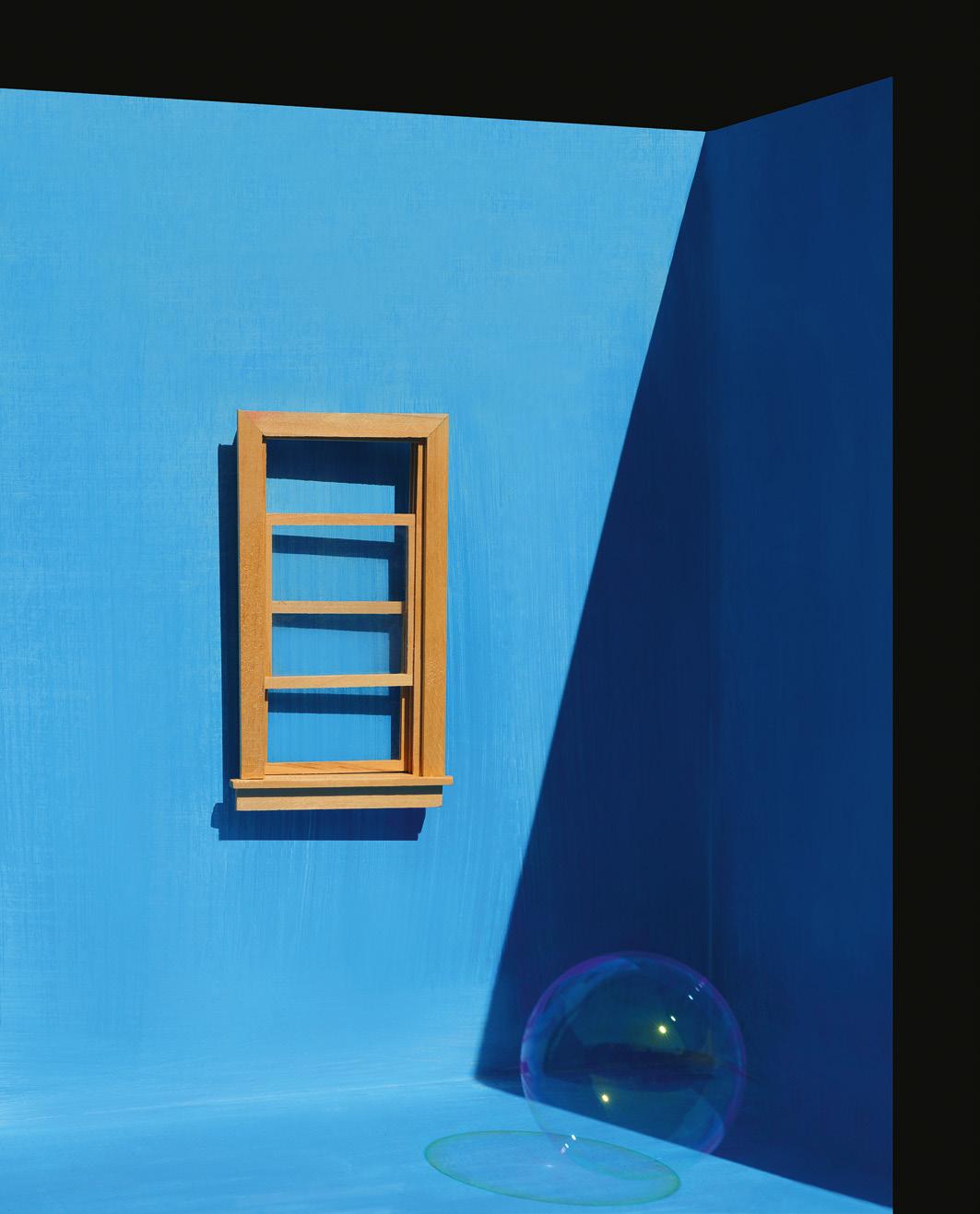
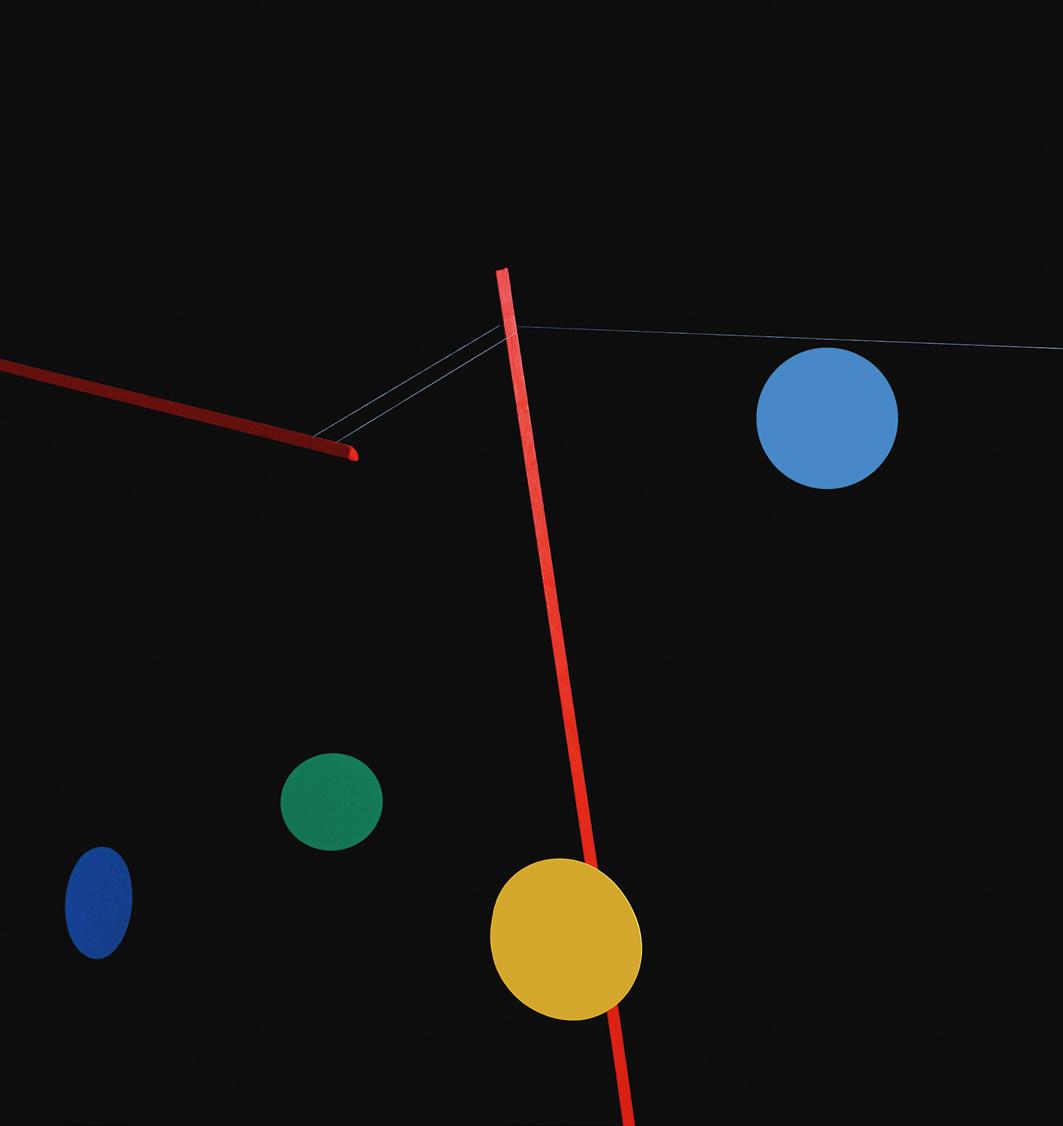
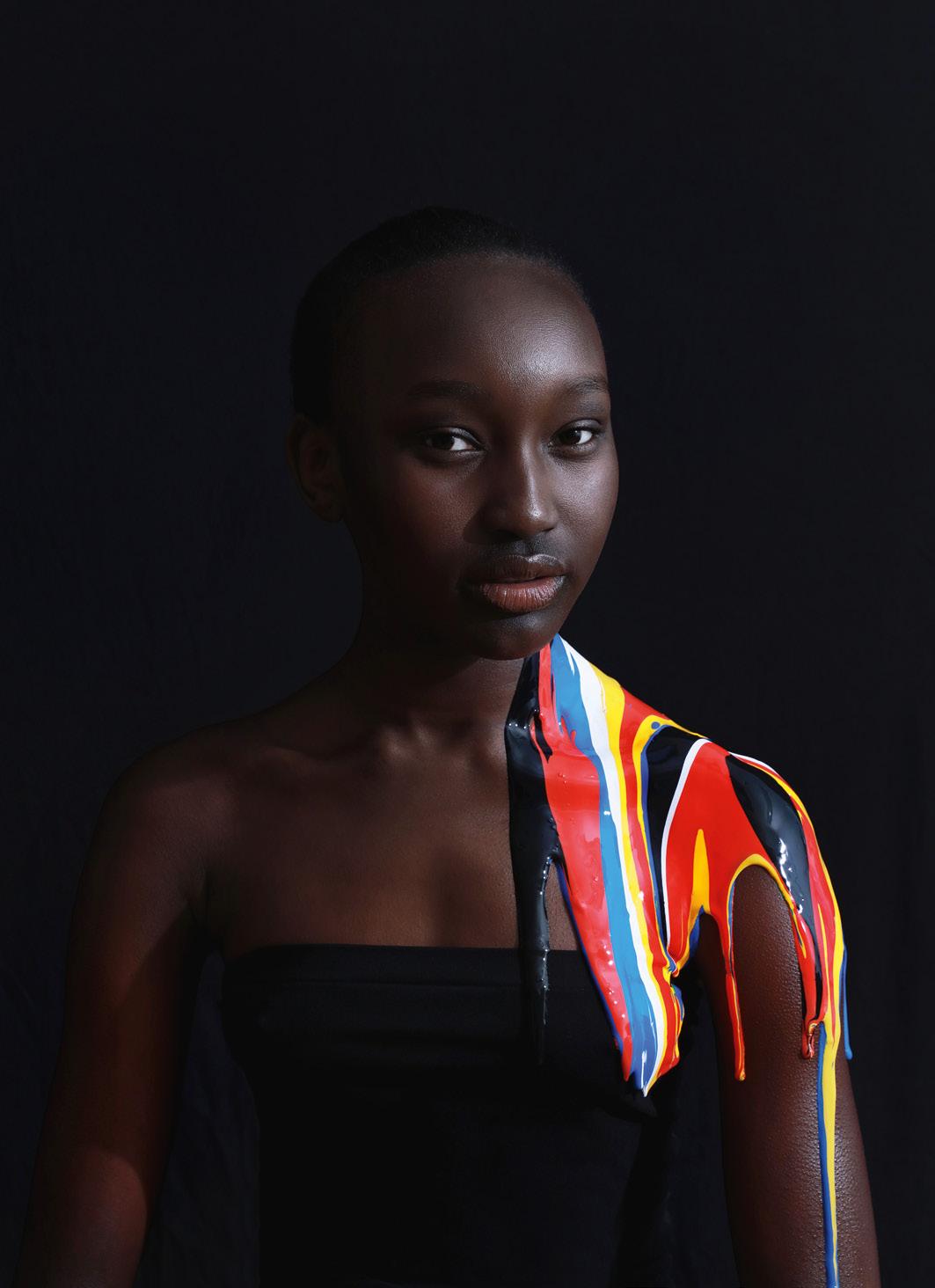
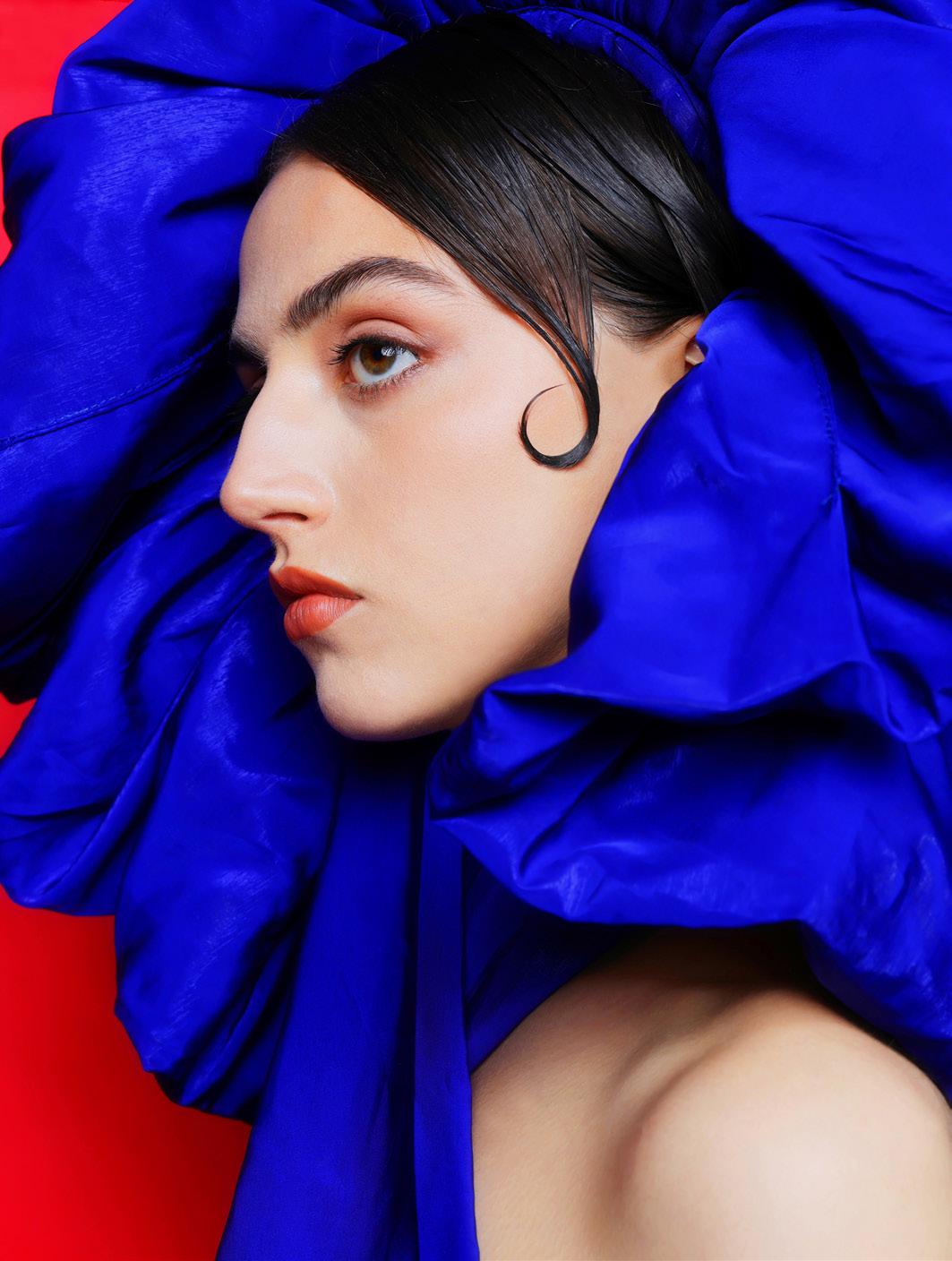
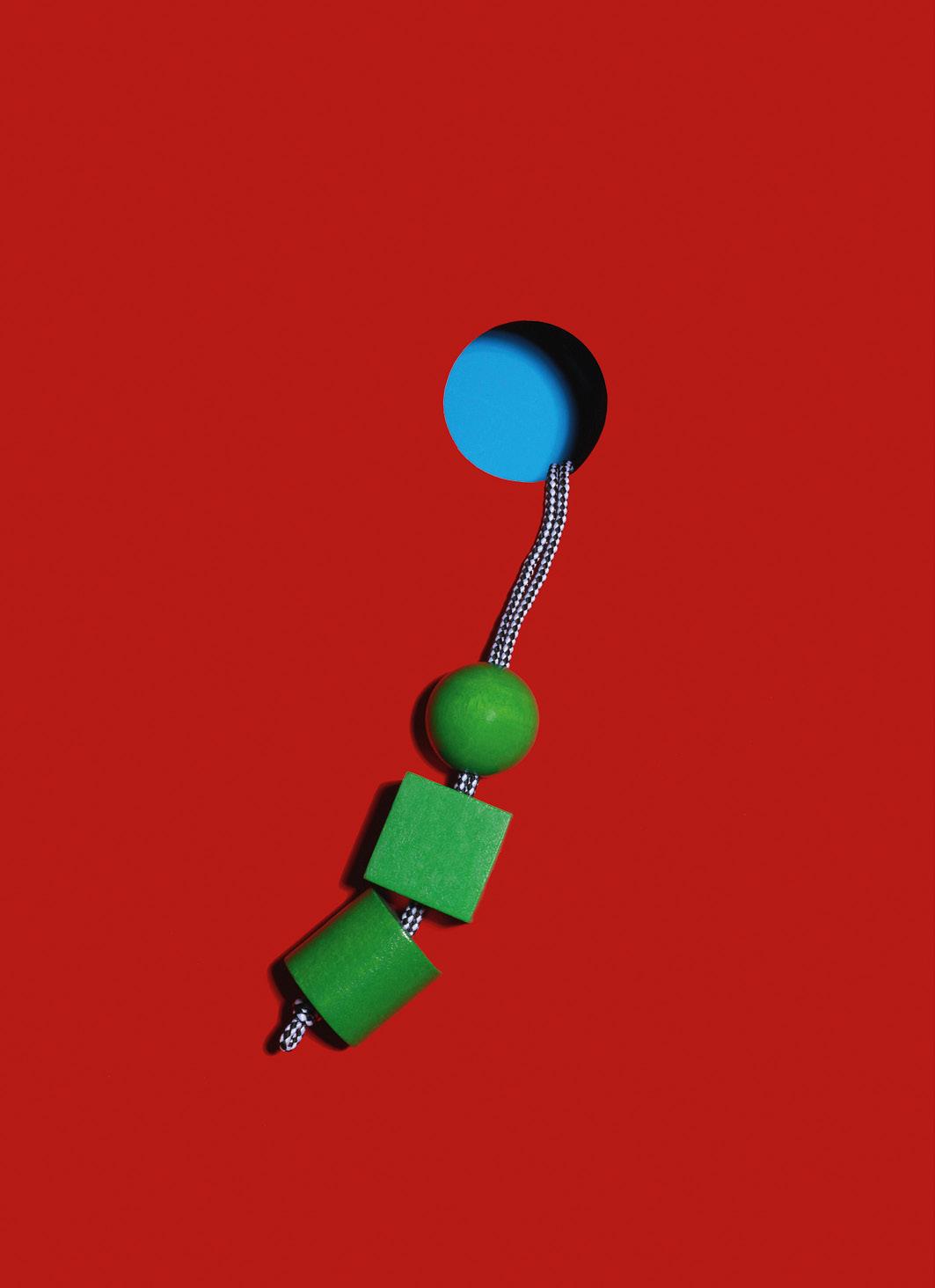
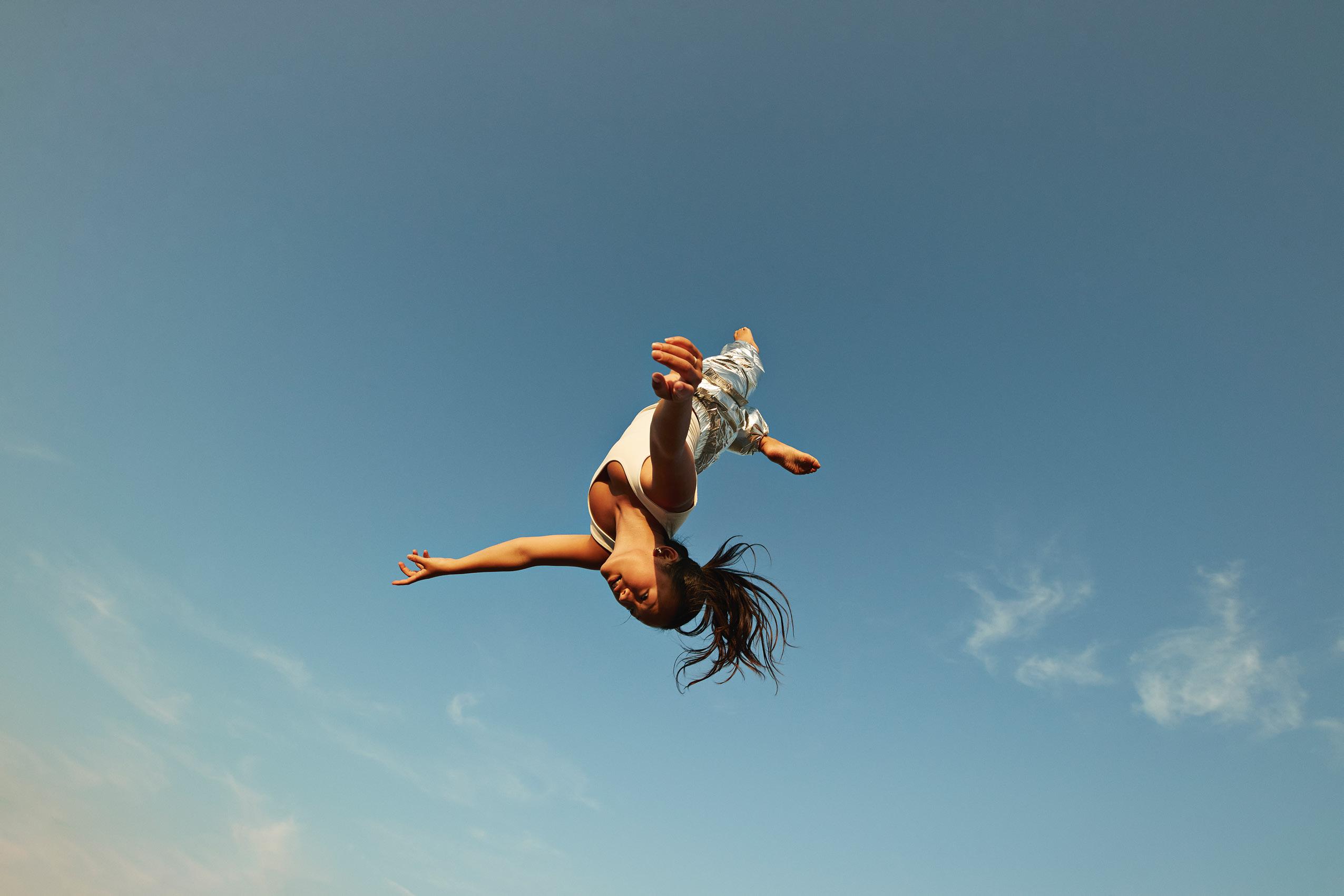
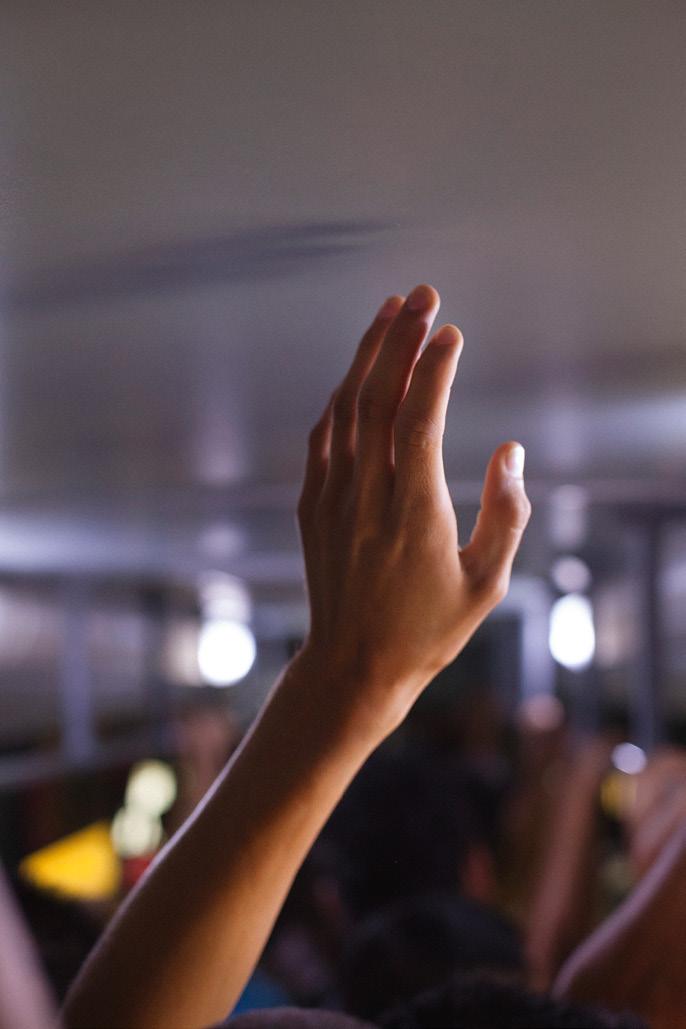
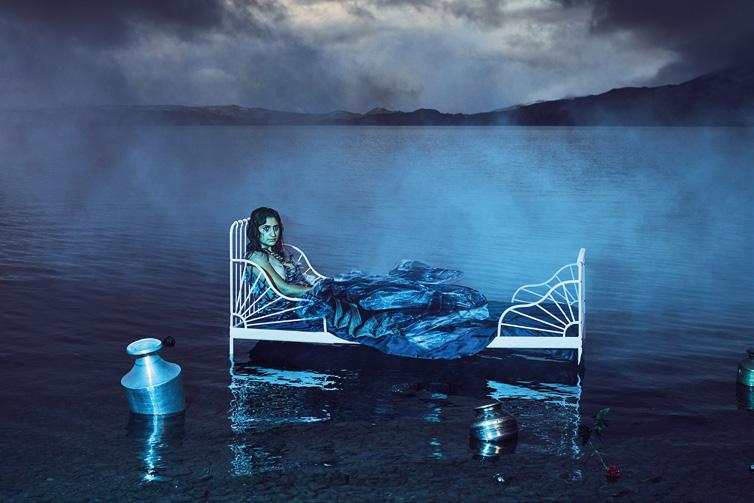
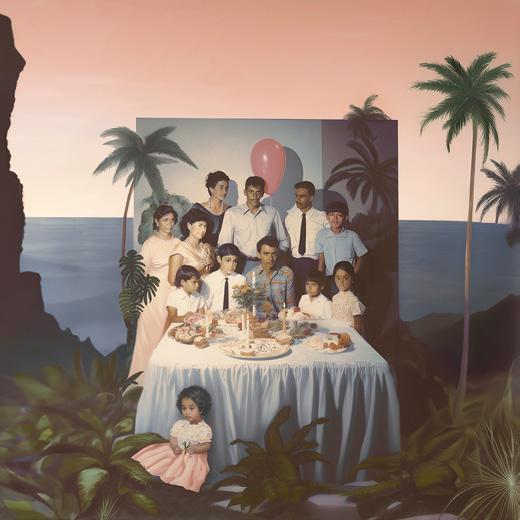
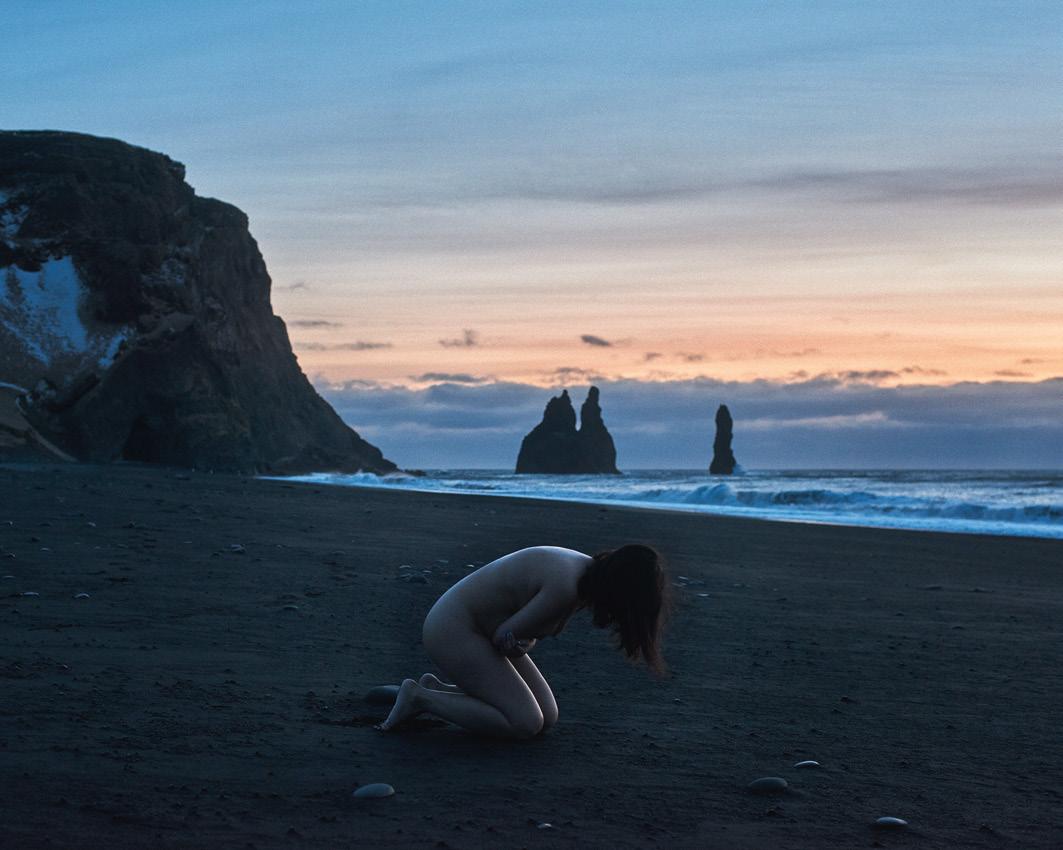
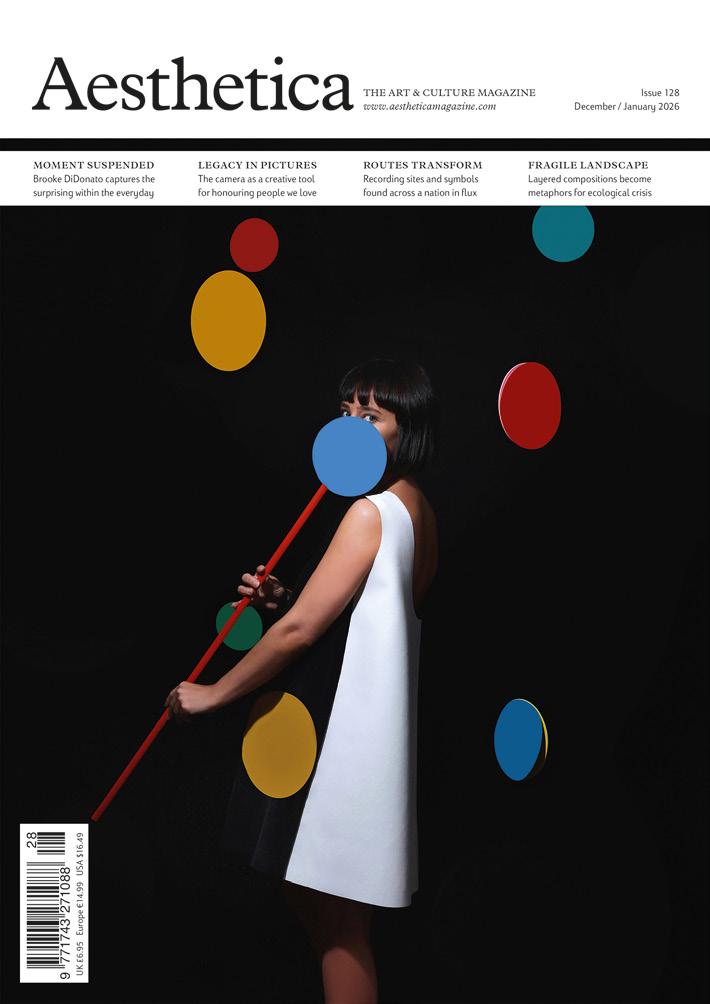
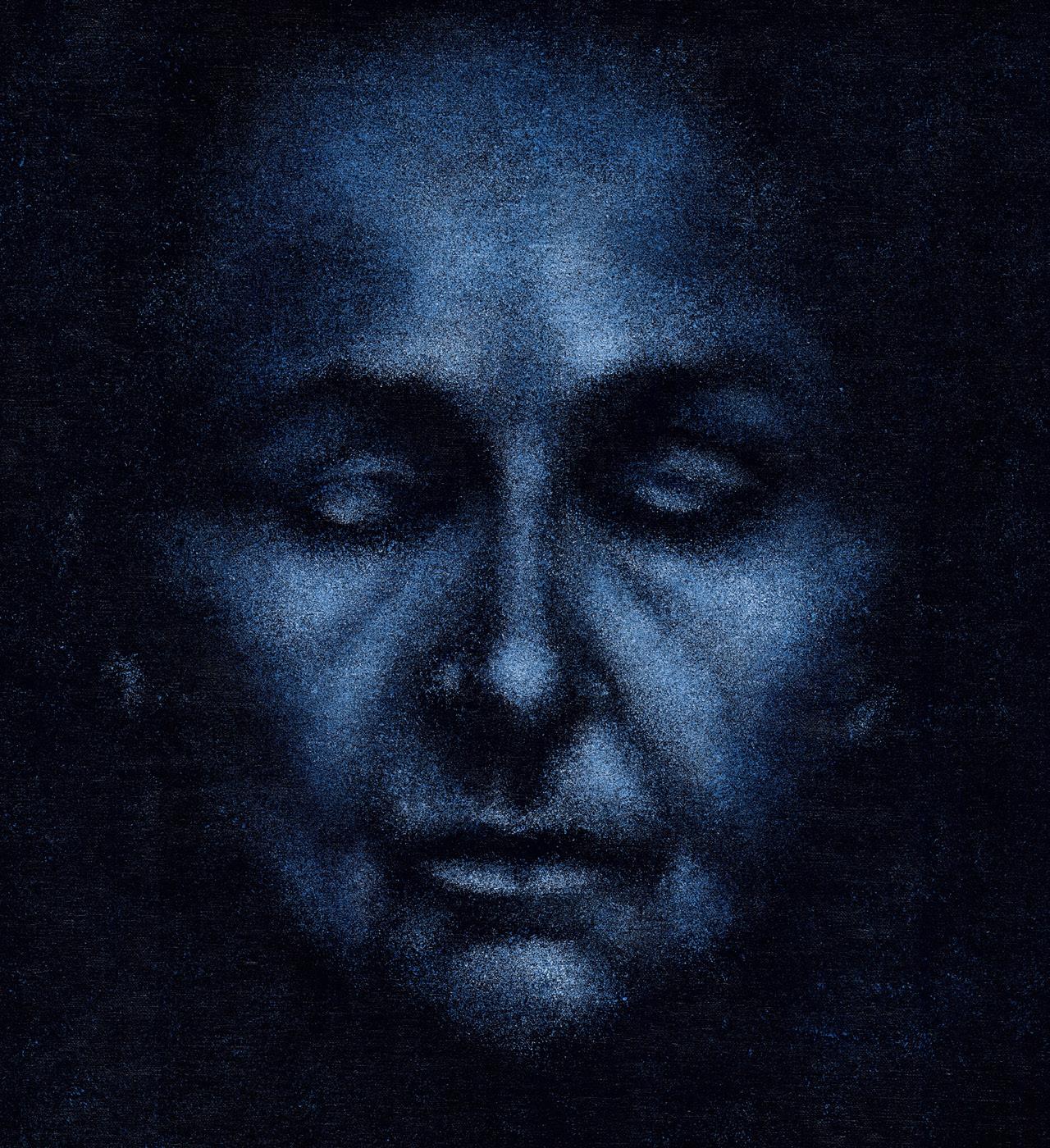
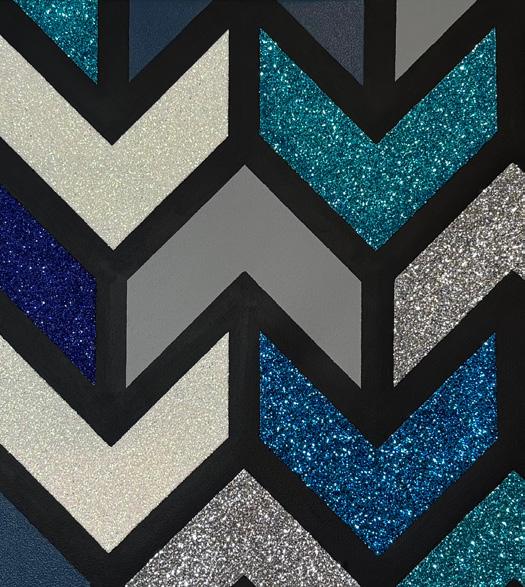
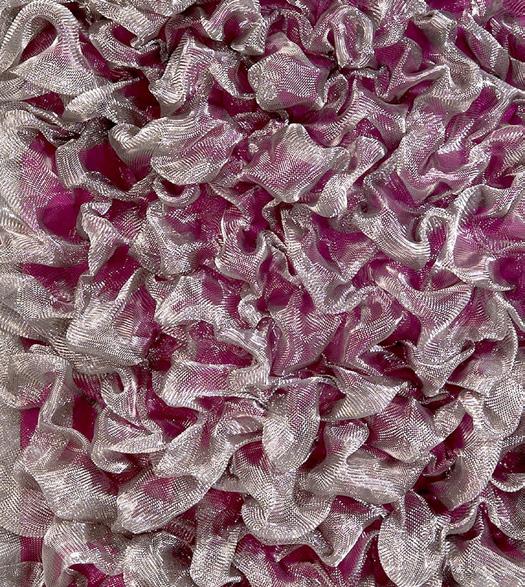
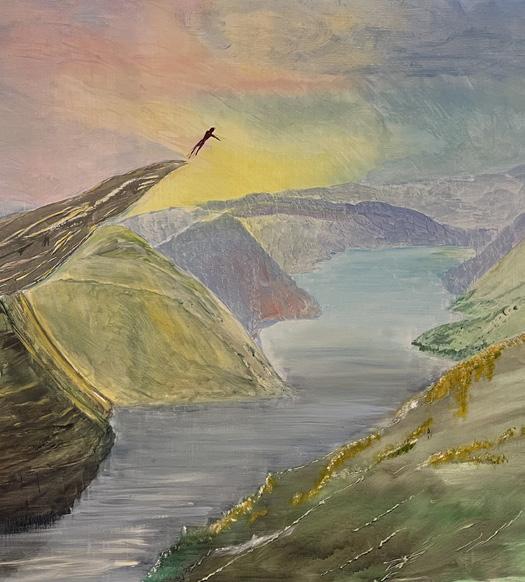
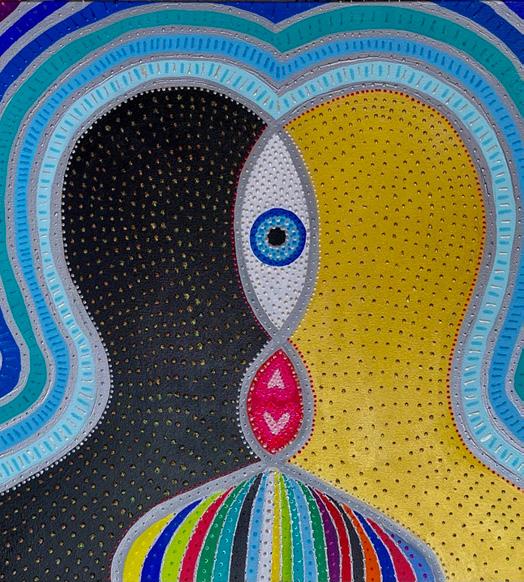
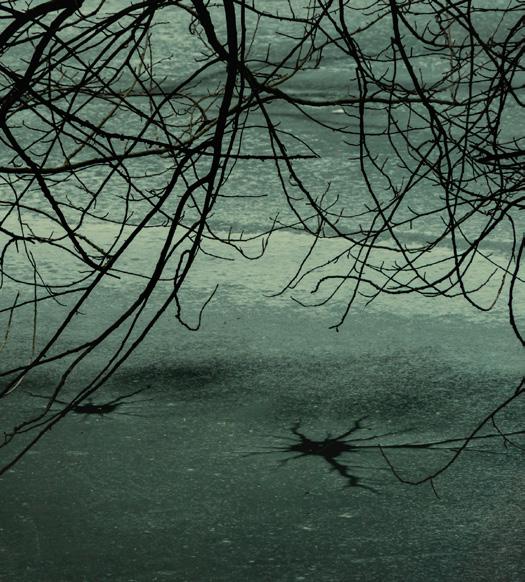
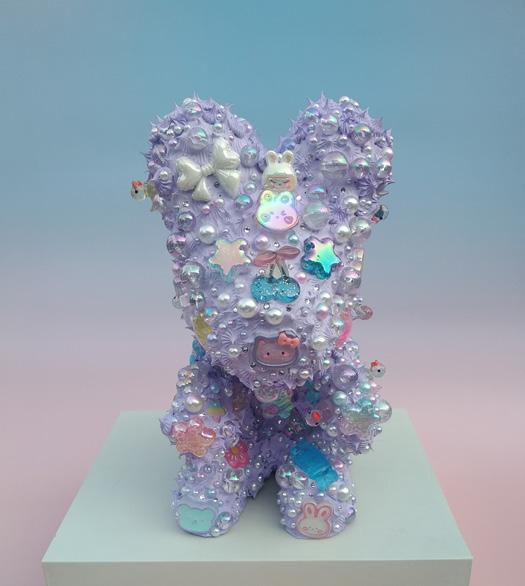
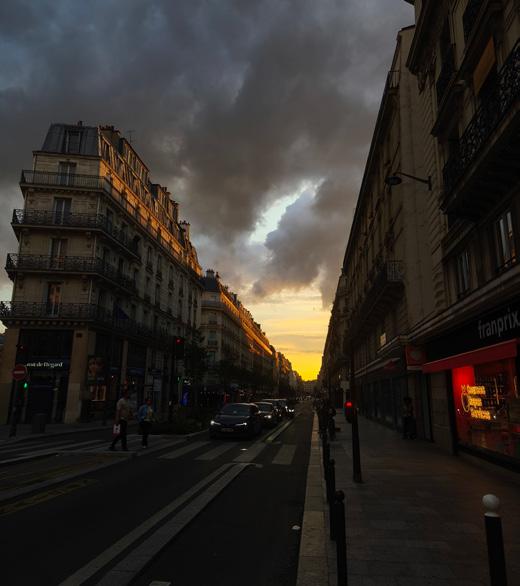
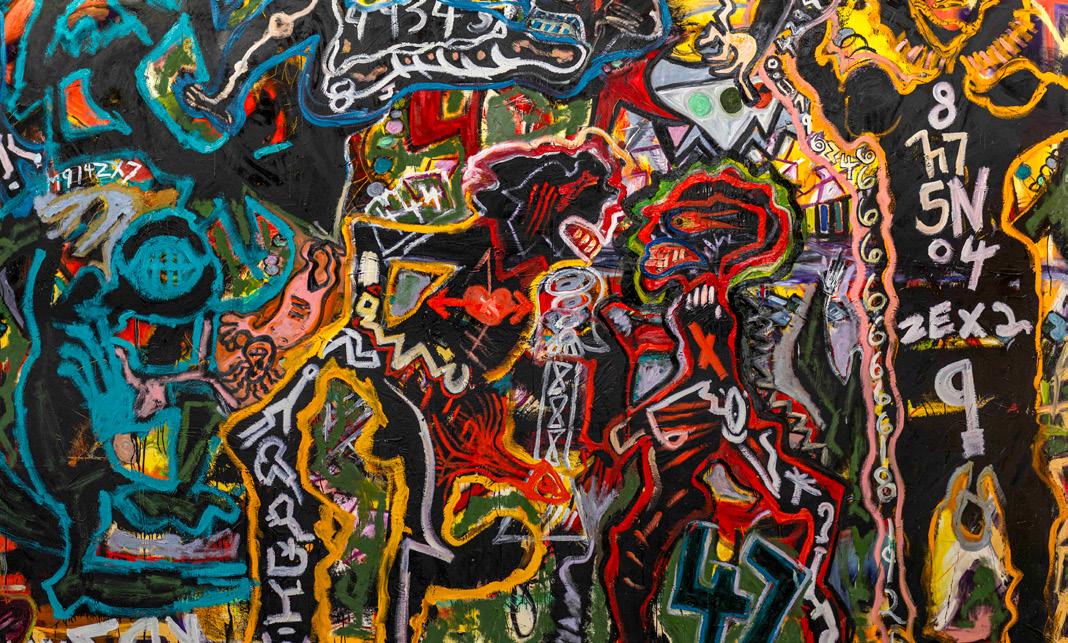
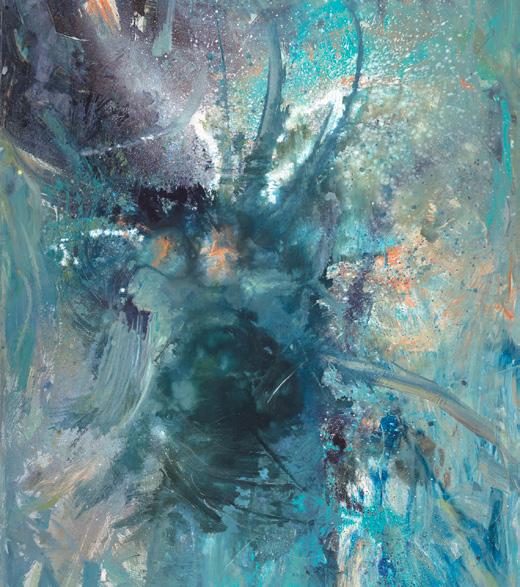
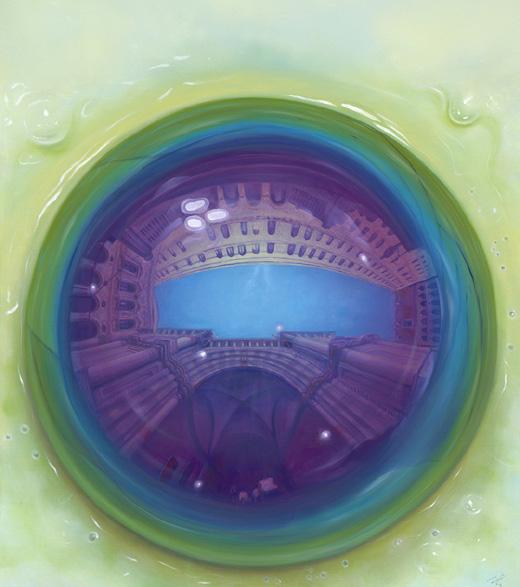
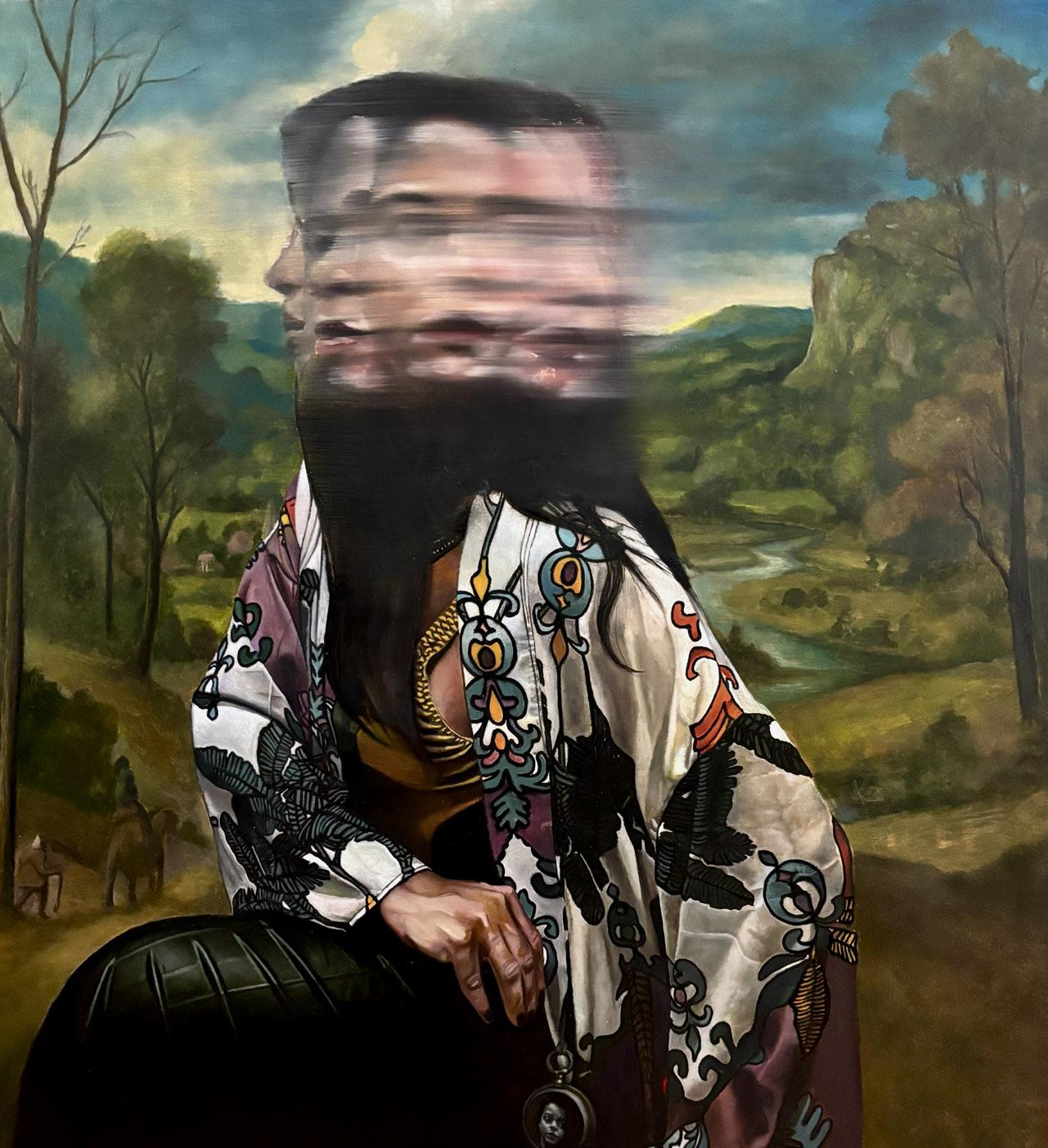
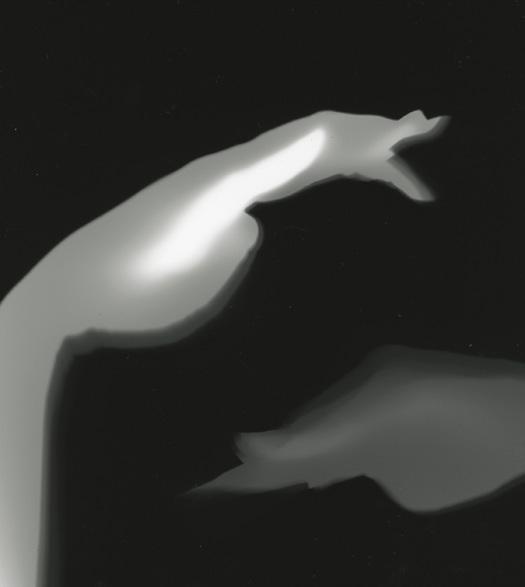
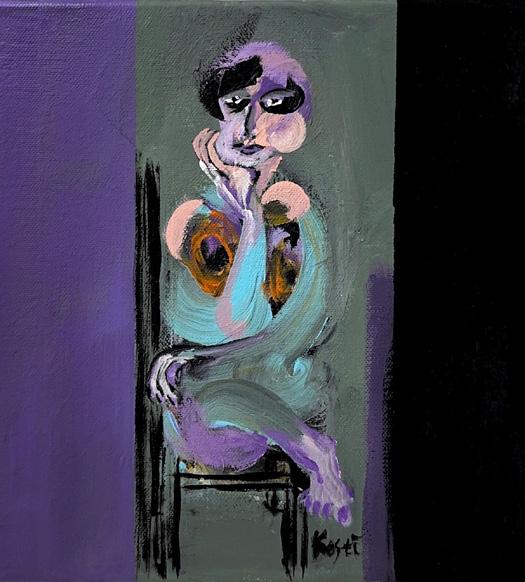
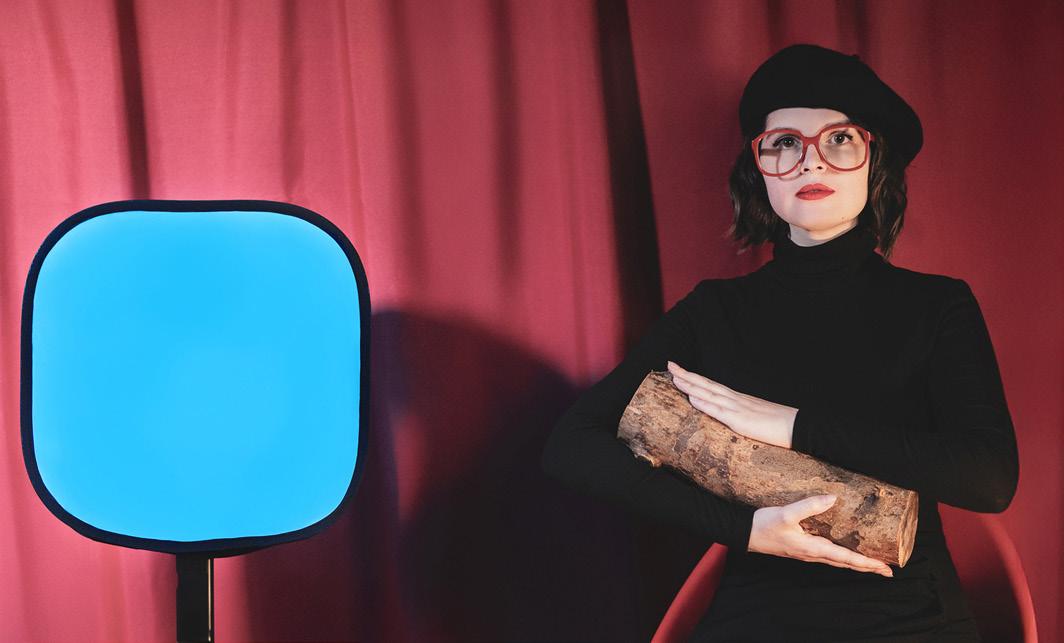
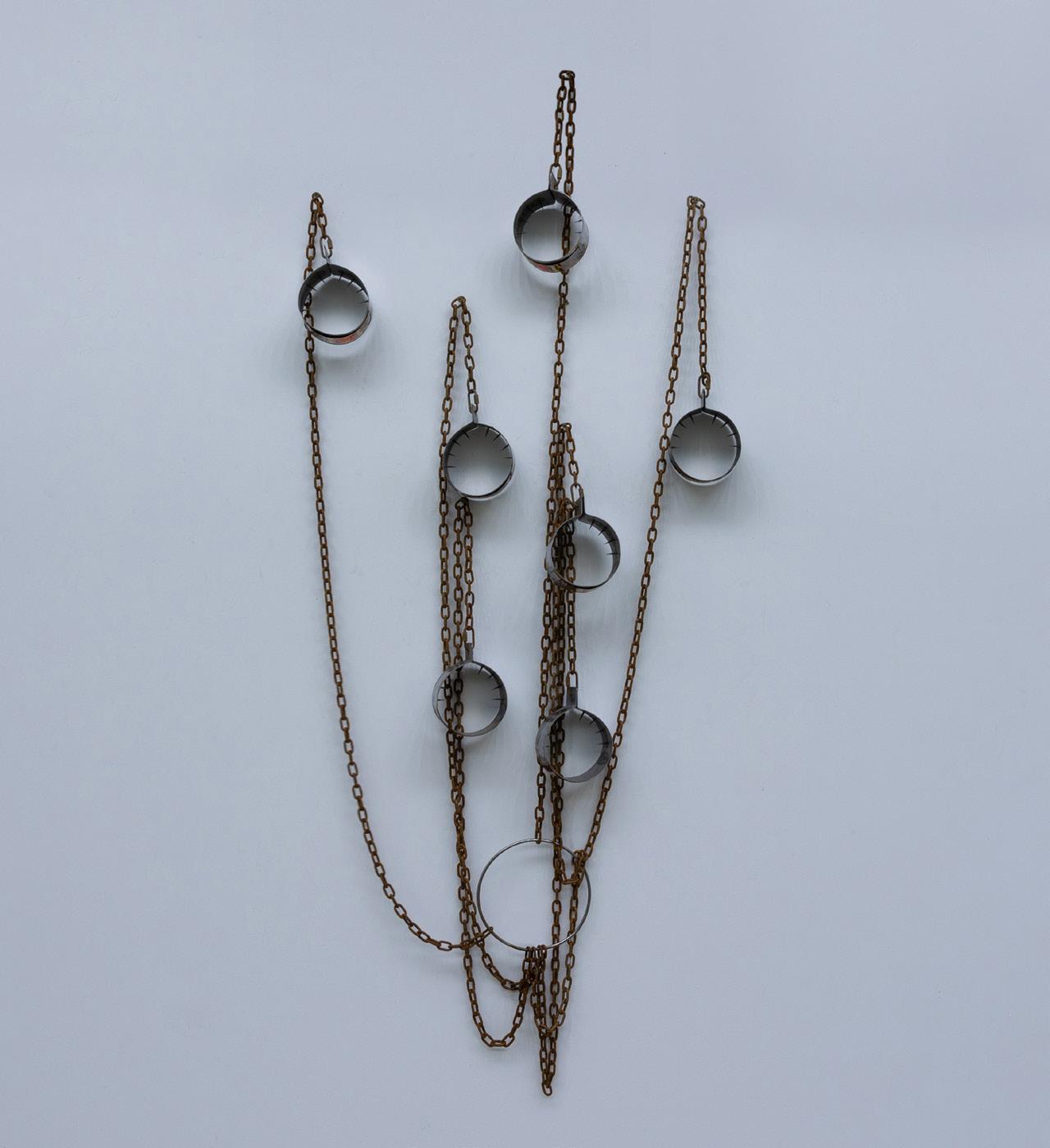
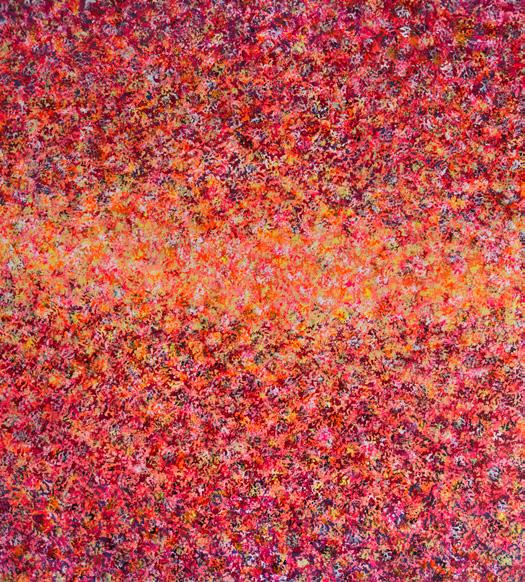
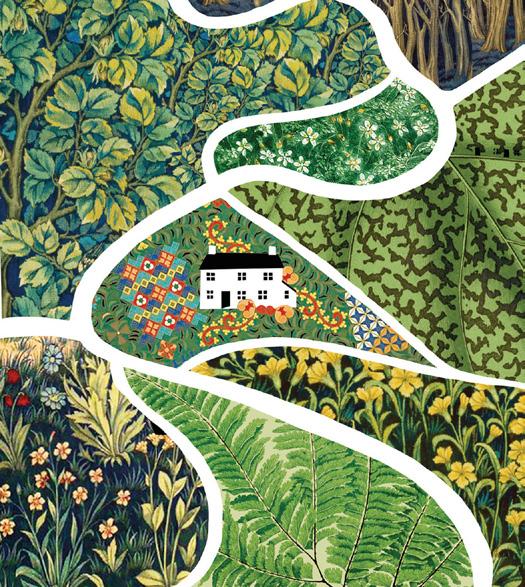
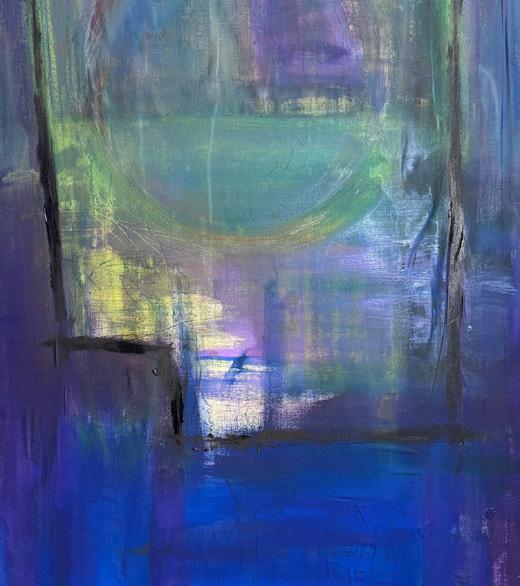
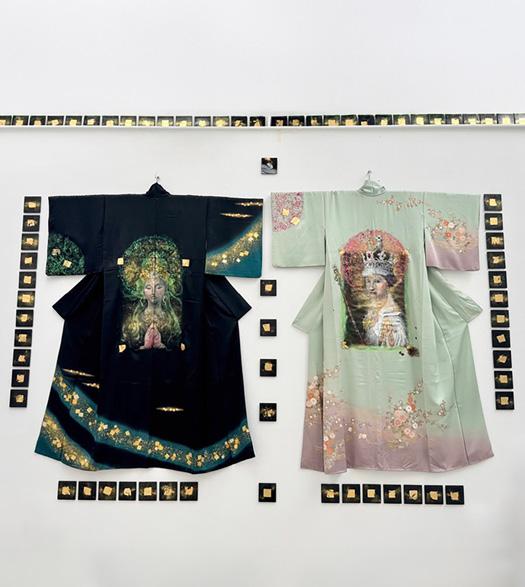
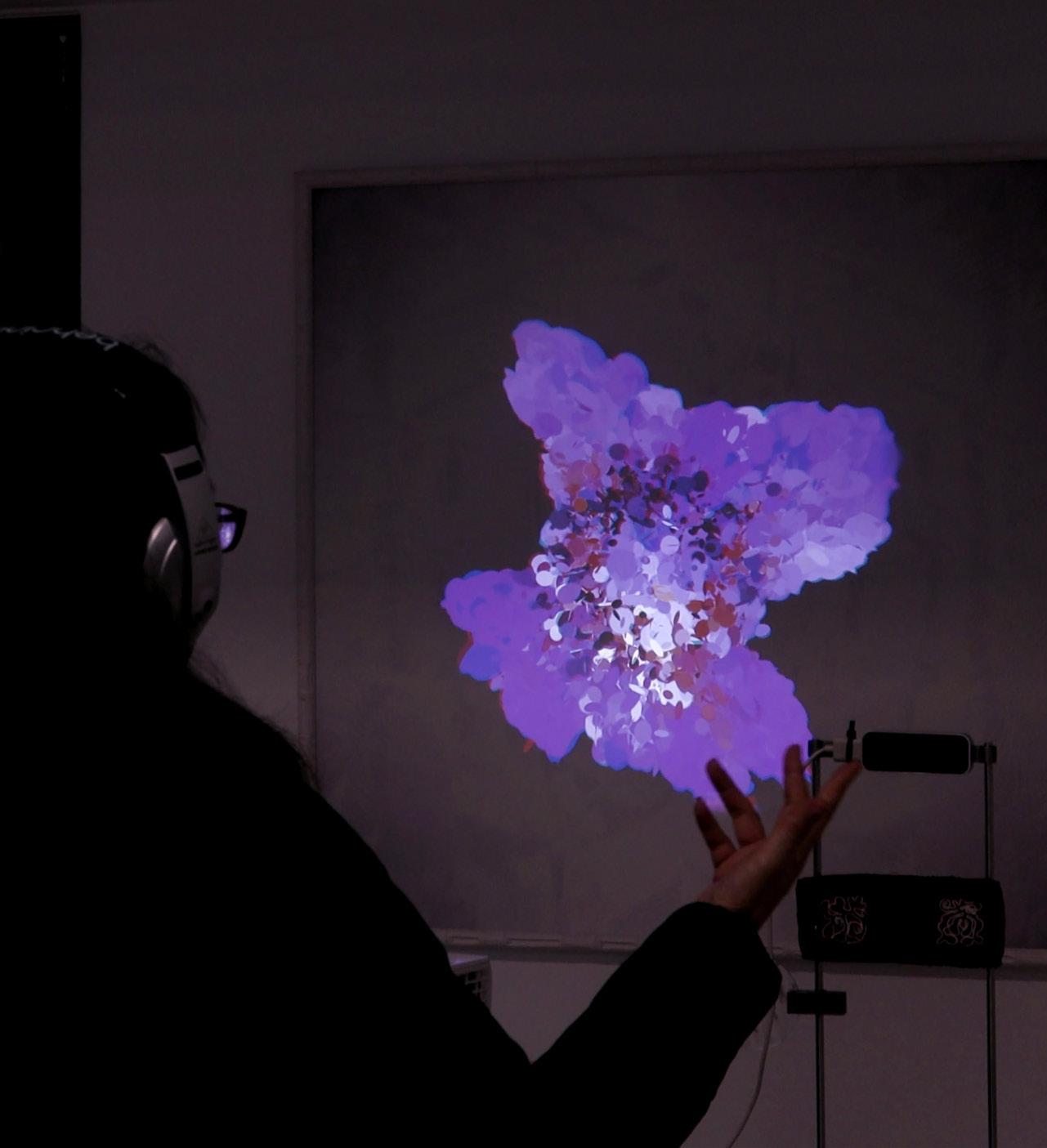
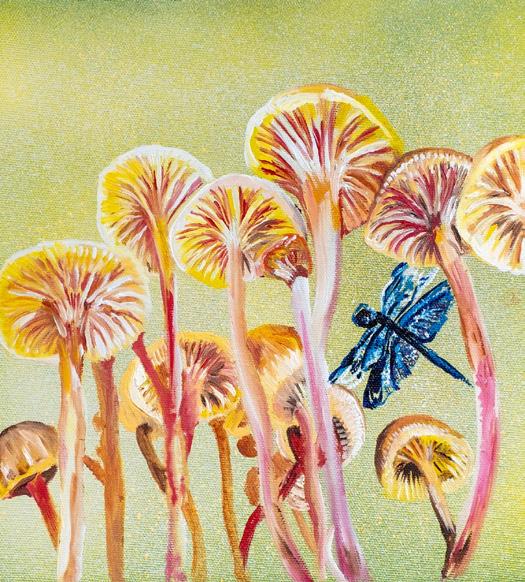
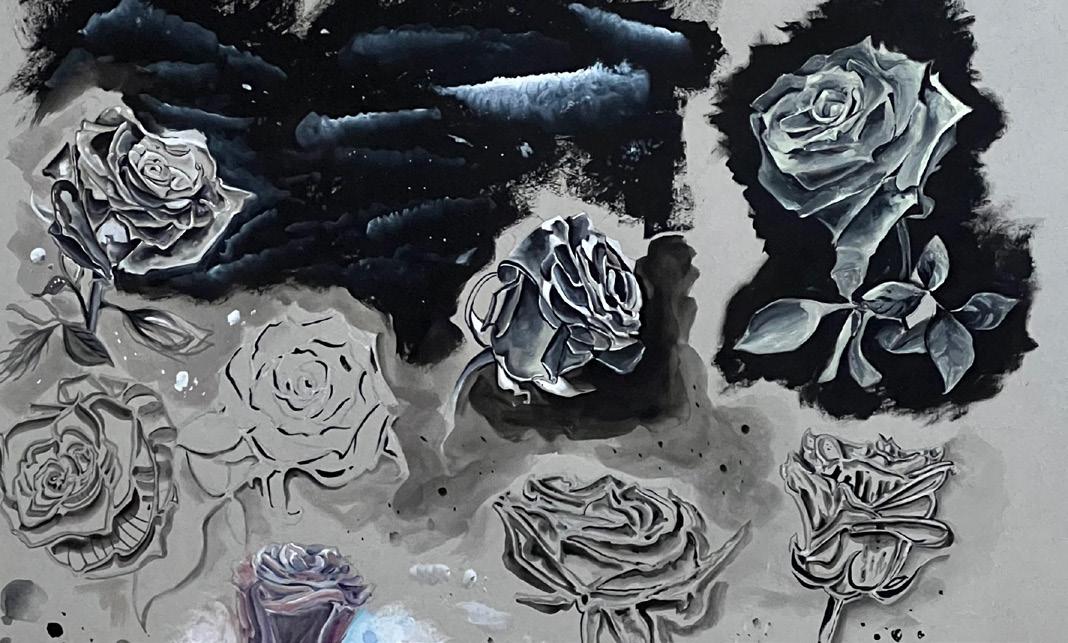
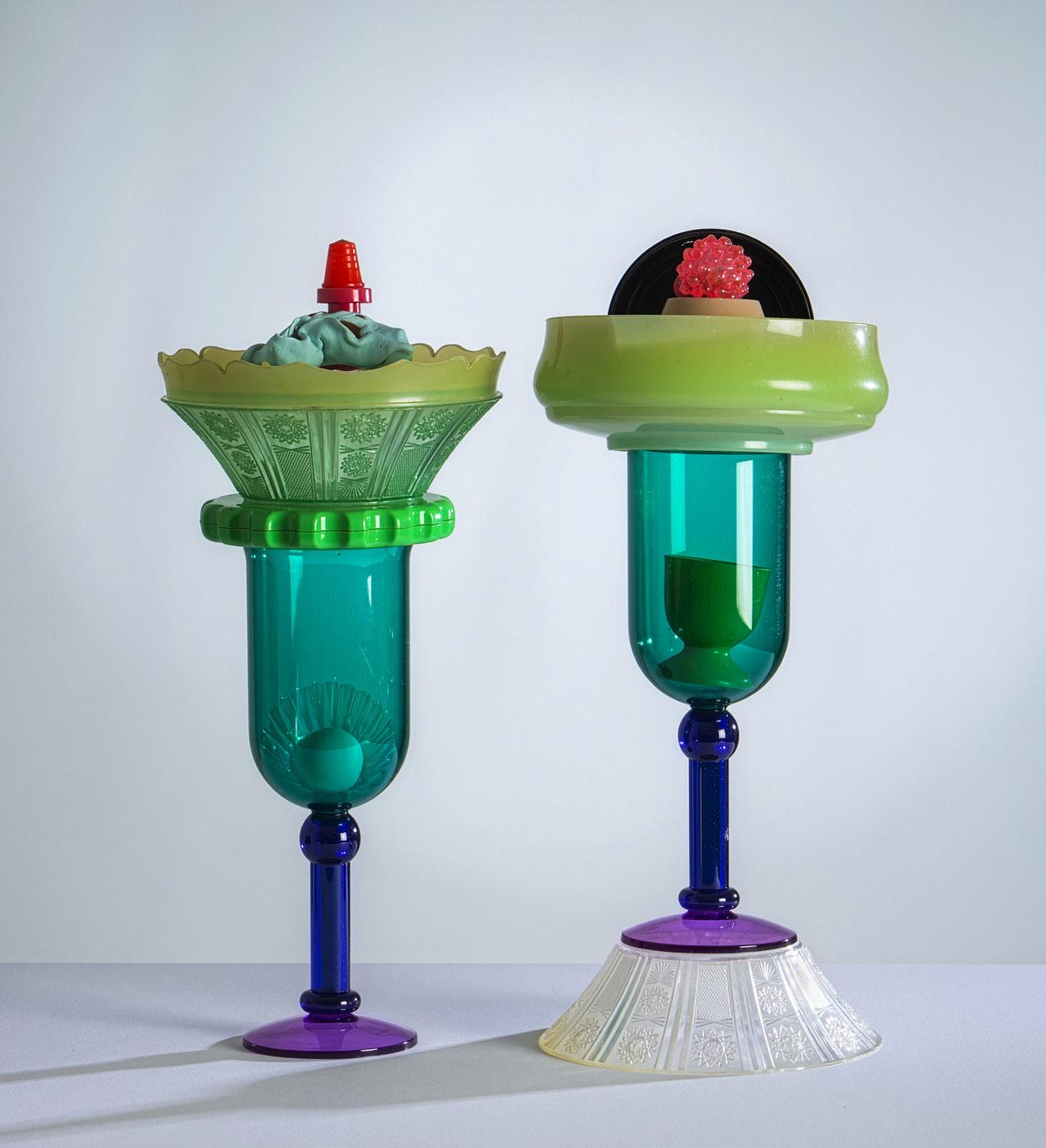
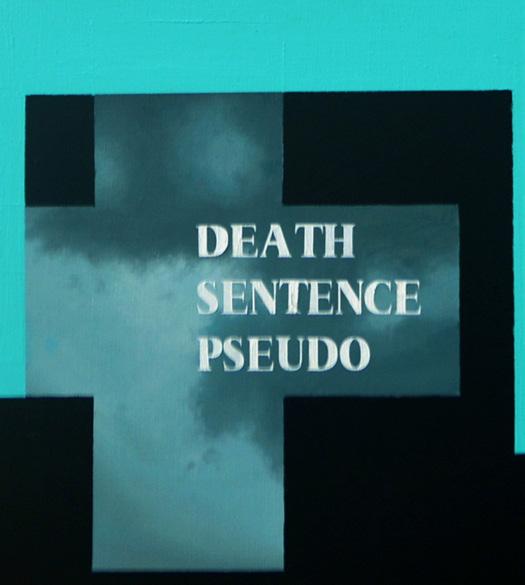
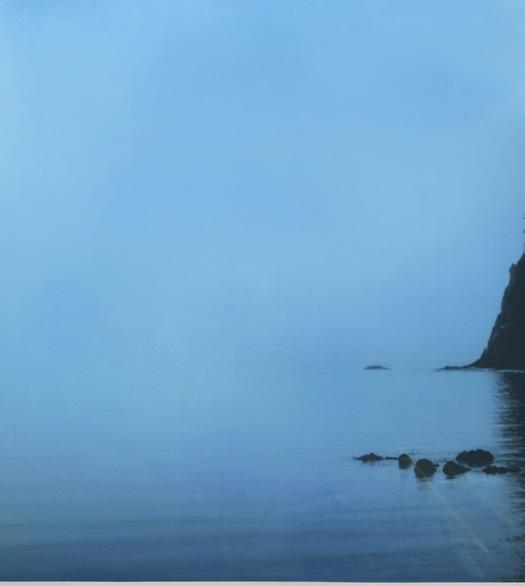
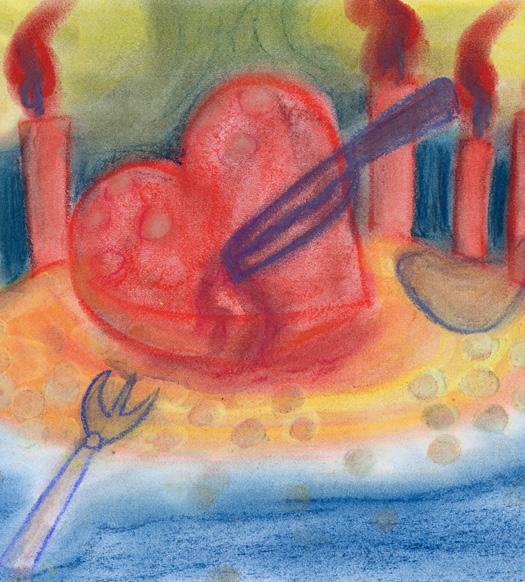
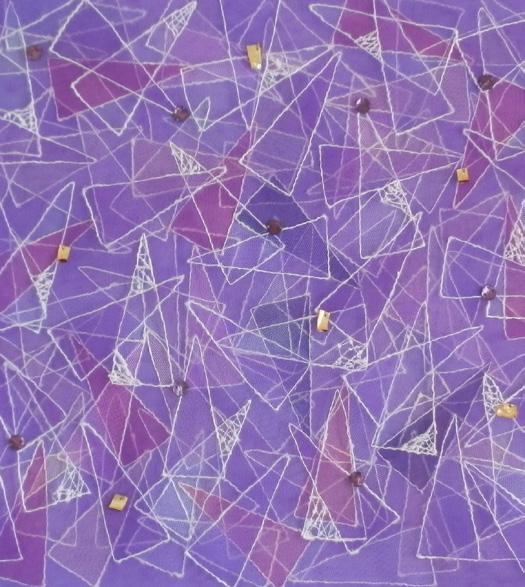
Sarah Doyle is experimenting with the relationship between shapes and colour. Across her compositions, multi-toned spheres are suspended against stark black backdrops, models hold scarlet rings aloft, whilst various shades of thick paint spill out across portraits. (p. 92)
Editor’s Note
This year closes with an expansive sense of possibility, where reflection sharpens our vision for what comes next. As we look back on the creative breakthroughs, experiments and challenges of the past months, we also look forward to new ideas. This issue embraces that in-between moment, a space to pause and celebrate how contemporary art and photography reflect our world and imagine its future.
Inside this issue we feature three exceptional artists. Anastasia Samoylova's immersive photographic practice captures environments under pressure – from flood-prone communities to the sensory overload of urban landscapes. She invites us to consider how place, politics and memory intersect. Meanwhile, Brooke DiDonato bridges photography and sculptural installation, exploring materiality, form and the body in ways that reveal the subtle poetry of everyday objects. Andoni Beristain, hailing from the Basque Country, channels vivid colour and careful composition to navigate themes of loss, vulnerability and human connection. Together, their work traces a shared preoccupation with perception, presence and transformation – looking back at what shapes us whilst envisioning what might lie ahead.
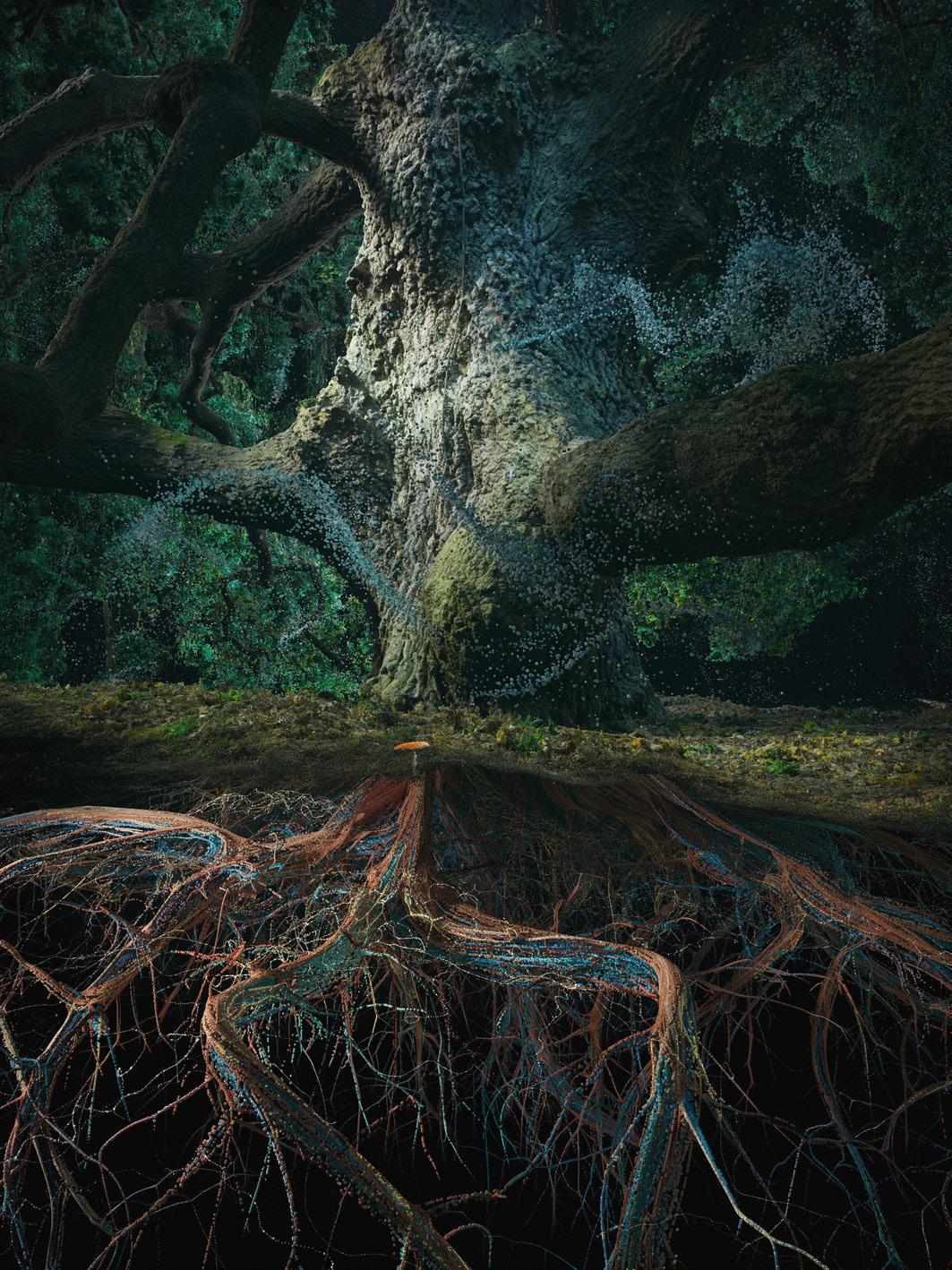
The photography featured in this issue continues that conversation. Cig Harvey, Ingrid Weyland, Jordevity, Klaus Vedfelt and Marco Wilm each interrogate how the camera negotiates cityscapes, nature, identity and imagination. Complementing these voices, our cover image by Sarah Doyle serves as a focal point for this ongoing dialogue, pushing the boundaries of experimentation through colour play. Finally, the Last Words go to Ersin Han Ersin of Marshmallow Laser Feast on Of the Oak, an immersive, multichannel installation commissioned by Royal Botanic Gardens and now on view at Yorkshire Sculpture Park. It is a work that perfectly embodies the same duality of endings and beginnings that frames this issue. It reminds us that art, like the turning year, is always a cycle of reflection, renewal and possibility.
Cherie Federico
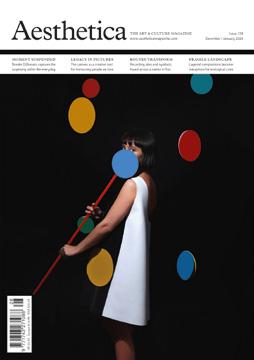
Cover Image: Sarah Doyle, Lou , from the series Out of Shapes
Art
11 Welcome
Key themes from our December / January issue help us to take stock, reflect upon and focus on possibilities in the new year, as we look ahead.
34 Fragile Landscape
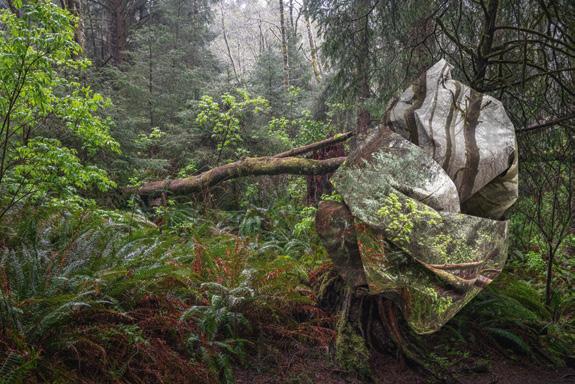
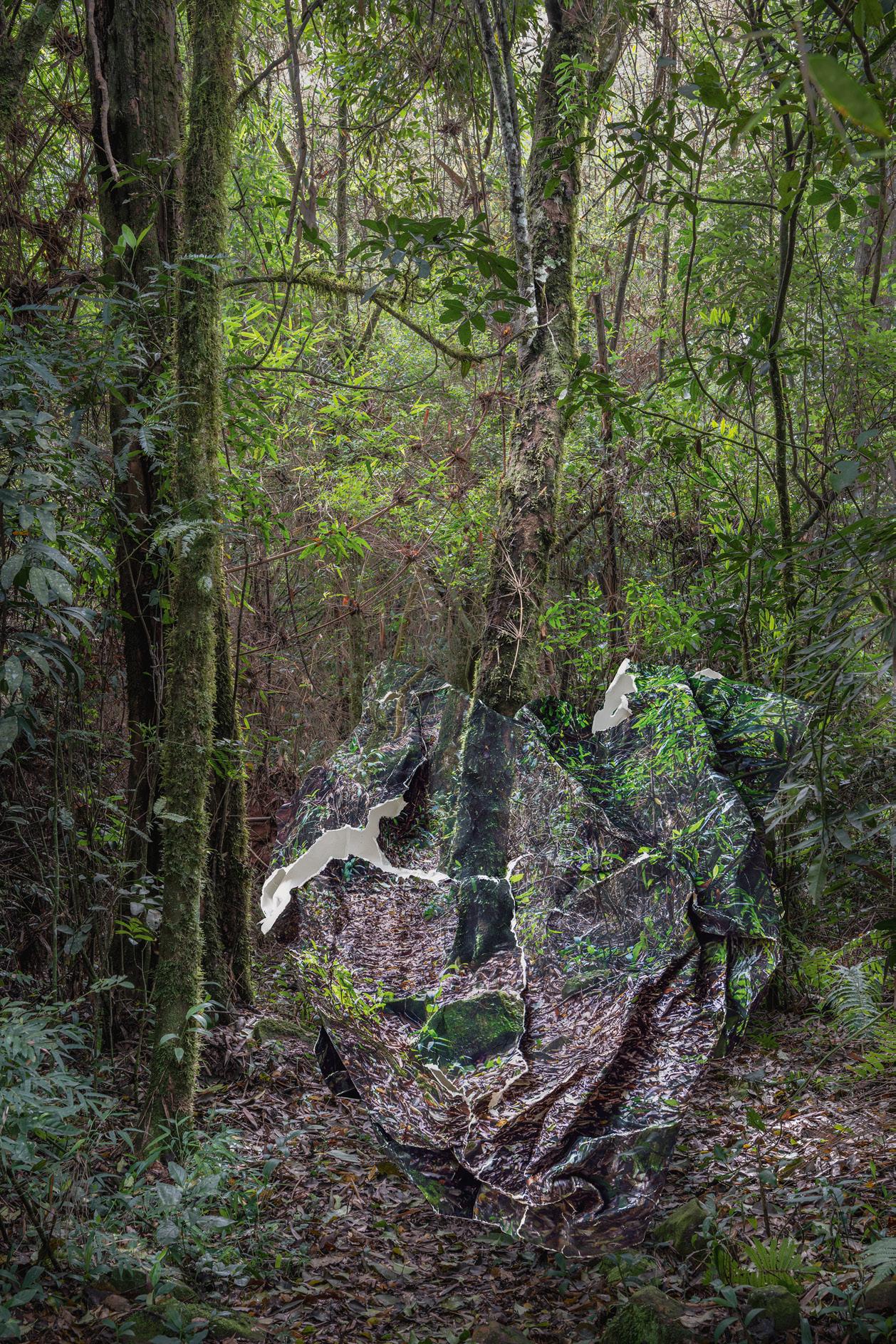
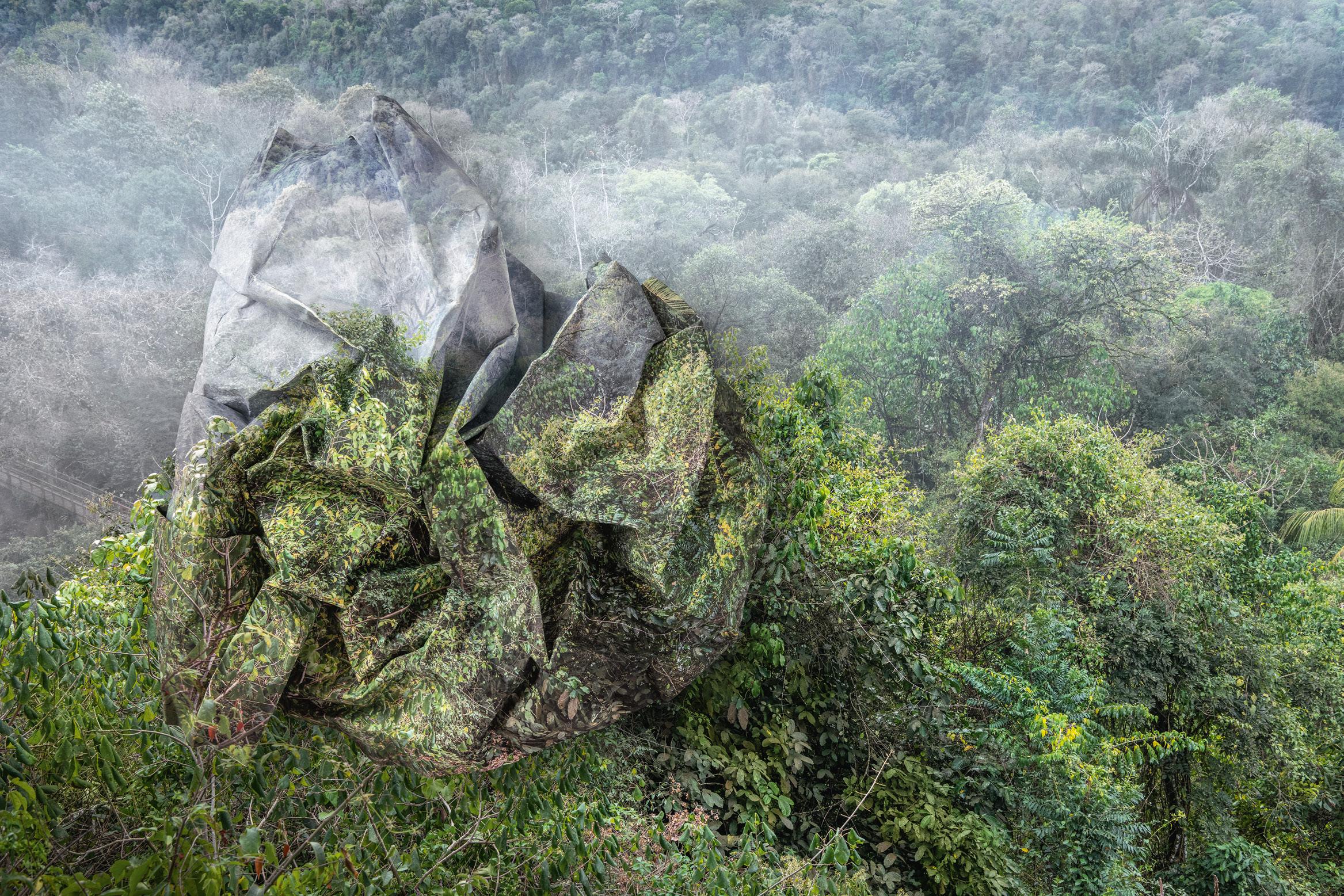
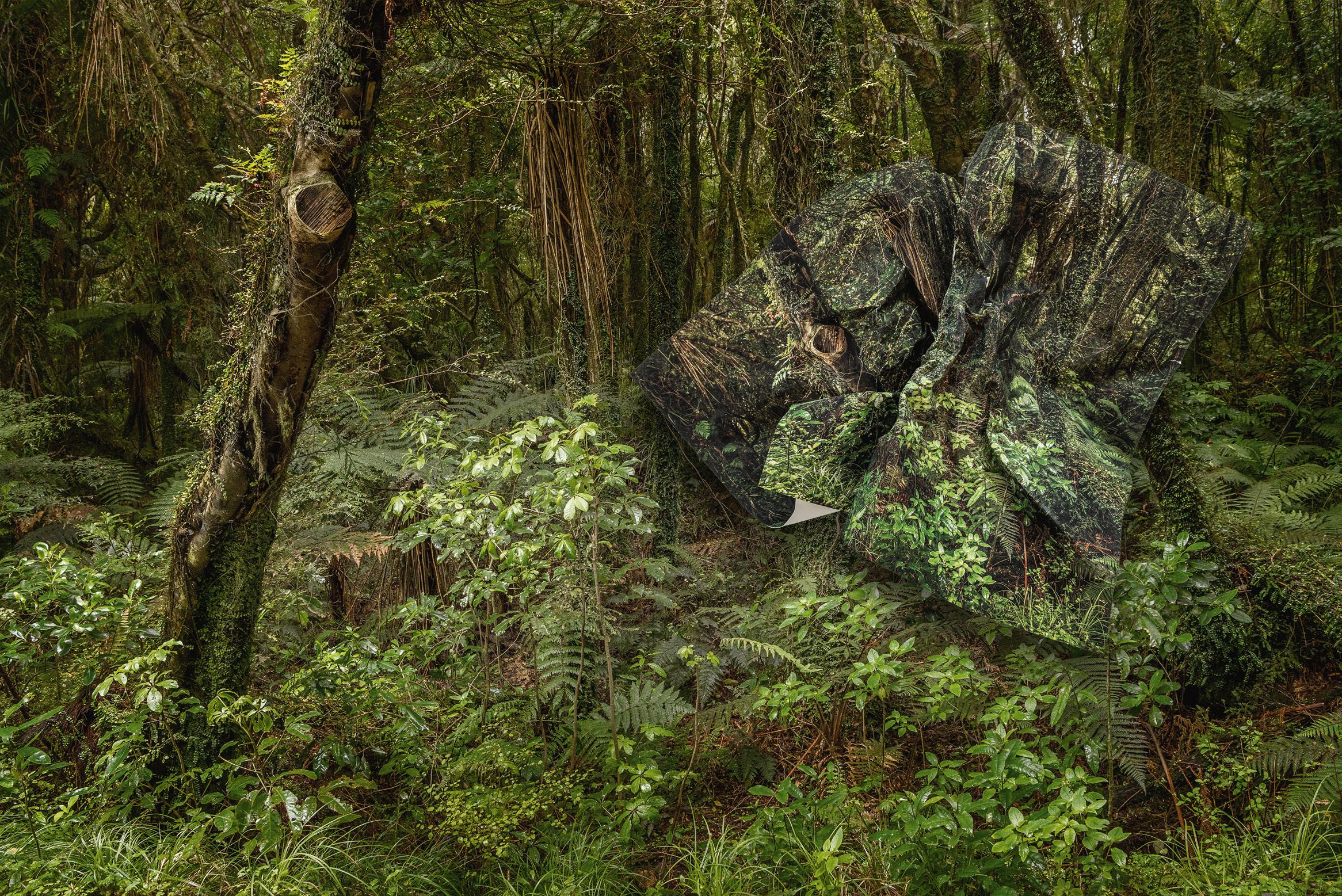
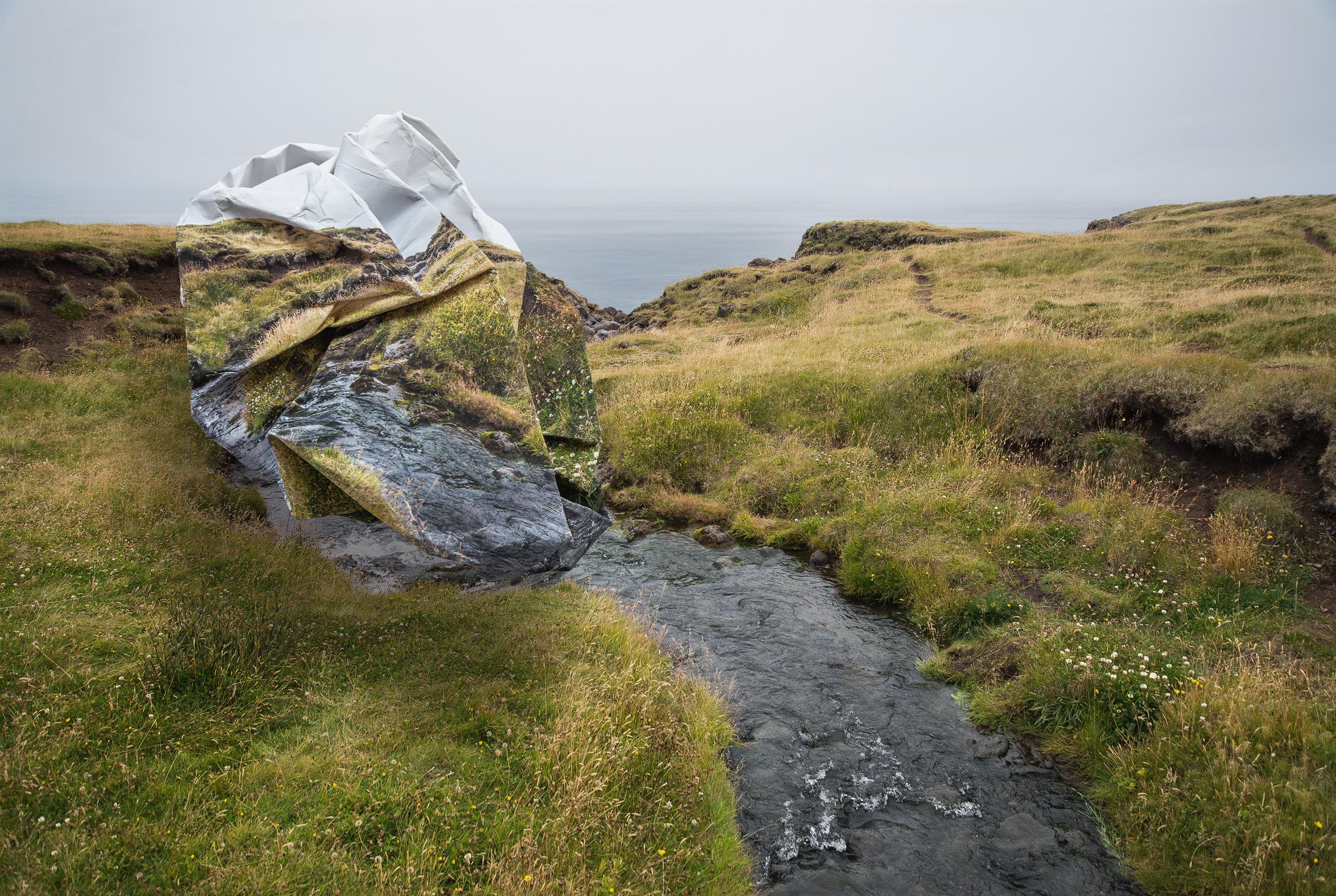
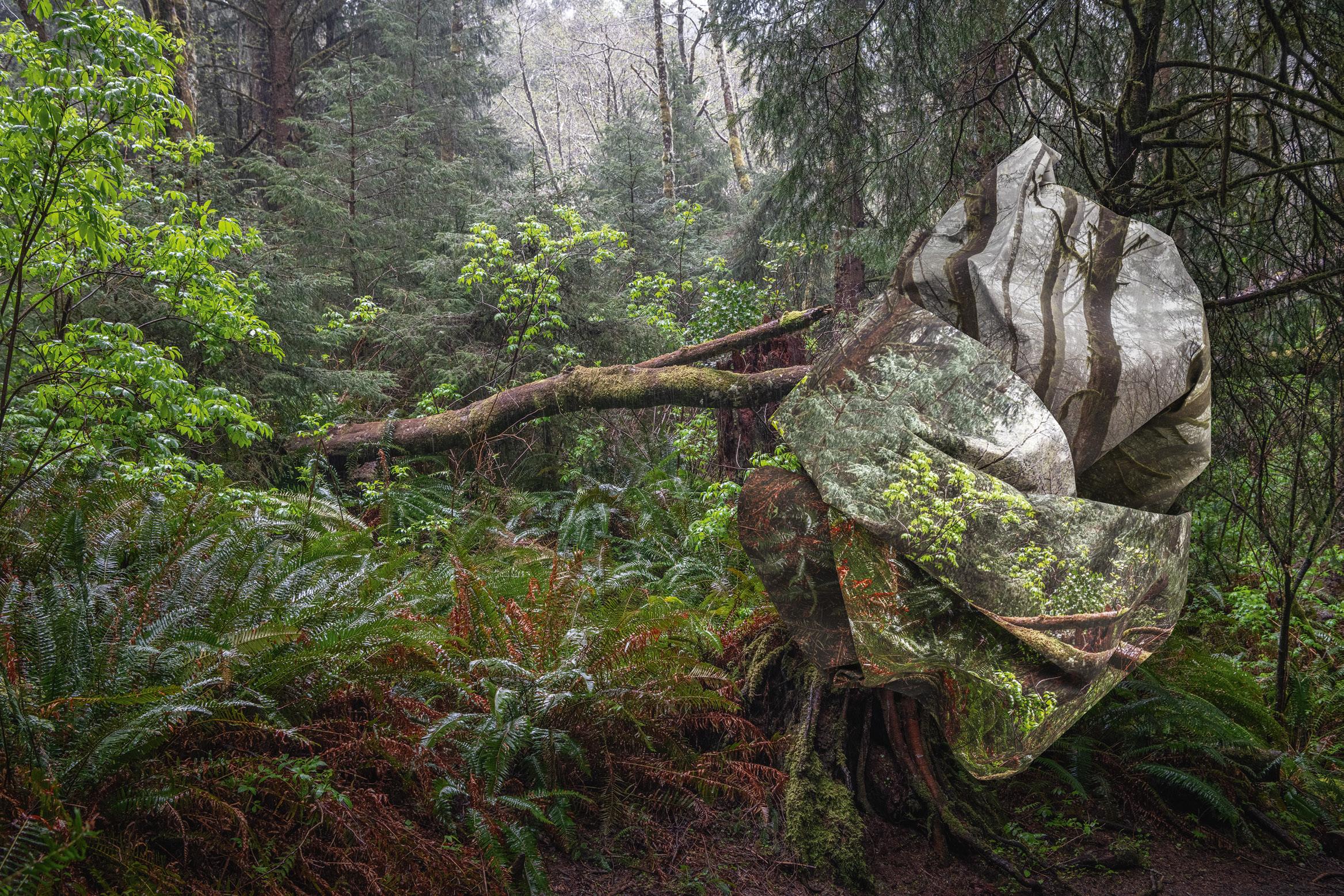
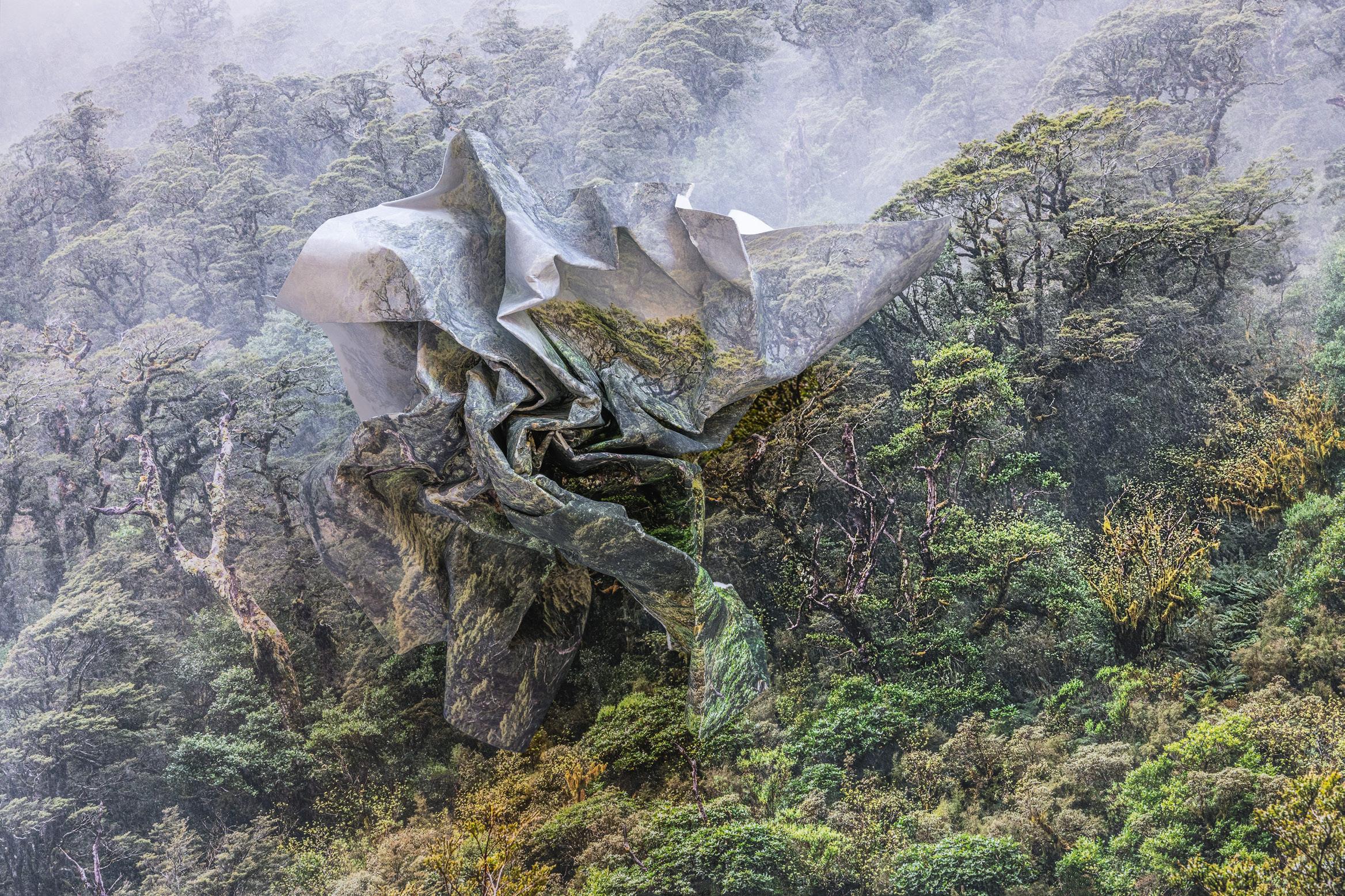
Ingrid Weyland harnesses scrunched-up paper as a metaphor for humanity's impact on nature, overlaying forest scenes with twisted print-outs.
64 Urban Geometry
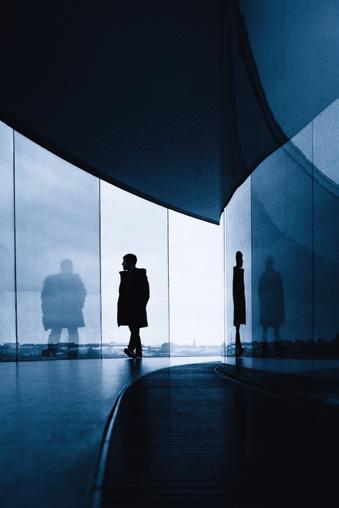
Blue tones, dark contrasts and buildings are the hallmarks of Marco Wilm's visual style, finding symmetry and balance within busy cityscapes.
92 Playing in Colour
The imaginative contemporary photography of Sarah Doyle plays with shapes and colours, to offer up a bright and joyful viewing experience.
Reviews
122 Exhibitions
Surveying the latest retrospectives of Alejandro Cartagena, Erwin Olaf and Lee Miller, as well as a London show about collage's political power.
Books
131 The Latest Publications
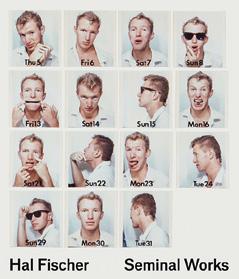
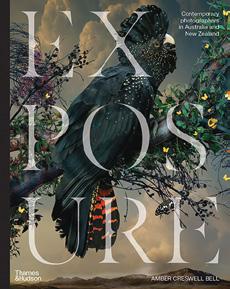
A close look at landmark 20th century creatives Hal Fischer and Louise Bourgeois, and the new compendium from Australia and New Zealand.
Outstanding construction forms the backbone of the Manggha Museum of Japanese Art and Technology, where visionary design meets cultural ambition. From its inception, the institution has been shaped by collaborations with architectural luminaries, beginning with Arata Isozaki and continuing through to Krzysztof Ingarden’s facility, which now hosts a new programme of exhibitions highlighting the work of Japan’s leading designers. It is a fitting choice that Shigeru Ban inaugurates this series. Over four decades, Ban has consistently demonstrated how architecture can transcend aesthetics, serving communities and addressing urgent global challenges. His paper tube shelters and other humanitarian structures – deployed in Haiti, Japan, Rwanda, Ukraine and beyond – combine elegance, ingenuity and practicality, transforming ephemeral materials into spaces of safety, dignity and hope. His ongoing commitment to designing for the public good, rather than for privileged clients, exemplifies an ethical approach that is as instructive as it is inspiring. Visitors encounter both landmark projects and experimental interventions, all of which demonstrate how functional, visual and humanitarian concerns converge in his work. Curators and museum directors alike celebrate Ban not only as a designer but as a force within architecture whose practice challenges boundaries and prioritises human needs. In presenting this selection at the Manggha Museum, the exhibition underscores a fundamental truth: buildings can be visionary and a force for change, influencing the urban environment with conscience and creativity.
Cinematic Atmosphere
Giampaolo Abbondio, Milan | Until 30 January giampaoloabbondio.com
Yannis Bournias’s new exhibition, A Manual for Solitude, with a moment that feels both calm and unsettling. The photo graphic sequence begins with a city frozen in the aftermath of an unseen explosion. Various objects hang in midair – a sheet of paper, a crumpled cup and a CD scattering fragments of light. Born in Athens in 1971, Bournias studied at the University of the Arts London and has since built a career spanning editorial and commercial photography. His work has appeared in Wallpaper and FT alongside campaigns for international brands and institutions. Over 20 years, Bournias has developed a visual language attuned to subtle disruptions in everyday life, reveal ing moments where the ordinary can feel fragile and uncertain.
As the exhibition unfolds, the city’s façades glow with the nightly rhythm of inhabited rooms. Figures appear in doorways and windows, caught between exposure and retreat. Bournias treats architecture as a psychological lens, exploring the tension between intrusion and invitation. Viewers take on an ambiguous position, where the lines between observer and observed blur.
Bournias’s practice resonates with contemporary photog raphers such as Todd Hido and Laura Letinsky. Hido’s noctur nal suburban landscapes explore solitude within architectural spaces, whilst Letinsky’s still lifes reveal traces of human pres ence in paused moments. There are also echoes of the late David Lynch. All four probe the boundary between reality and artifice, exploring vulnerability and memory. Here, Bournias constructs a world where light, matter and gesture destabilise the familiar.
YANNIS BOURNIAS
Rewriting the Narrative
Various Locations, Lagos | Until 23 January
The LagosPhoto Festival, long established as Nigeria’s foremost platform for contemporary photography, enters a new phase as it transitions into a biennial. Curated by African Artists’ Foundation founder Azu Nwagbogu, this iteration adopts , embracing the physical, mental and ideological types of captivity that shape modern existence. “Incarceration can take many forms – imposed externally or selfinflicted,” Nwagbogu reflects, positioning the festival as a site for dismantling the dominant narratives that now govern our times. This year's featured artists contribute to this exploration. Geremew Tigabu examines urban architecture, as a subtle mechanism of exclusion, tracing how cities inscribe belonging and marginalisation into their very foundations. Ayobami Ogungbe offers intimate portraits that reveal the emotional and psychological pressures of navigating social expectation. The collaborative duo César Dezfuli and Stefan Ruiz tackle the global reality of systemic incarceration, foregrounding human testimony to expose the fragile dividing line between liberty and its absence. This evolution unfolds within Lagos’s rapidly accelerating cultural landscape. The city has become one of Africa’s most dynamic creative hubs. Figures such as Yagazie Emezi, Kadara Enyeasi and Nwagbogu himself – alongside institutions like ART X Lagos, Rele Gallery and Future Lagos – form an artistic ecosystem with increasing international impact. Building on this momentum, LagosPhoto Biennial asserts itself not merely as a site of production, but as an important generator of global discourse.
LAGOSPHOTO FESTIVAL
Enduring Perspective
Saatchi Gallery, London | Until 1 March saatchigallery.com
Forty years on from its opening, Saatchi Gallery remains a defining force in modern culture. It is a place where art shapes how we see, think and feel. Since launching in 1985, it has been a crucible of experimentation, where audacious ideas and raw emotion collide. From launching the Young British Artists in the late 1980s to igniting debate with Sensation in 1997, the gallery has continuously redefined the parameters of contemporary art. The Long Now extends this legacy not through nostalgia but through renewal. At its centre is Richard Wilson’s iconic 20:50, which fills a chamber with recycled engine oil. The work transforms reflection into illusion and architecture into echo, becoming a mirror for fragility, climate anxiety and human invention. Materiality threads through the exhibition – from Alice Anderson’s copper-wrapped sculptures to Carolina Mazzolari’s immersive textile-sound installations – underscoring the human impulse to leave a mark in an increasingly digitised, online world. Participation and encounter shape other works. Allan Kaprow’s YARD and Conrad Shawcross’s Golden Lotus (Inverted) invite viewers to move within the piece, whilst artists including Chino Moya, Mat Collishaw and Gavin Turk probe technology, surveillance and environmental fragility. Light becomes a medium in Olafur Eliasson and Chris Levine's work, whilst Tom Hunter reframes British life as scenes from famous paintings. The Long Now is a continuum – linking history, innovation and global perspectives. Saatchi affirms that art thrives not by closing time but by opening it, offering an urgent and enduring vision of the present.
THE LONG NOW
Southbank Centre, London | Until 18 January
Southbank Centre’s outdoor art trail is back for 2025, uniting international artists to rethink the idea of traditional festive illuSixty Minute Spectrum (2017), which turns the roofs of the Hayward Gallery, Queen Elizabeth Hall and Royal Festival Hall into an enormous colourful clock. Pyramid-shaped lights move gradually through the entire visual spectrum – beginning the hour as a vivid red, then changing to appear orange, yellow, green, blue, purple or pink. Also featured is Liz West, the Aesthetica Art Prize finalist whose Future Tense show at York Art Gallery. In London, audiences can experience Hymn to the (2021), an octagonal rainbow structure comprised of transparent panels whose colours blend as visitors move around. New for this year is Lee Broom’s recycled glass chandelier, . The monumental structure illuminates on the hour, as Big Ben strikes across the river. Likewise, Jakob Kvist’s Dichroic (2022) casts multicoloured light in every direction, whilst bright geometric forms by Nathaniel Rackowe animate Thamesside trees. Two neon works by France-Lise McGurn pay homage to fashion adverts from the 1990s, joining computer-coded contributions from creatives Samia Halaby and Rafaël Rozendaal. Windows are sites for play and experimentation: local Lamberth school children have designed illustrations for the Queen Elizabeth Hall, whilst Polish artist Otecki transforms the Royal Winter Light offers moments of discovery, calm and reflection as the nights draw in.
Breaking New Ground
Lomé, Togo| 12 -30 December @togophotofestival
Togo Photo Festival 2025 has arrived. Founded and directed by Ako Atikossie and Giulia Brivio, its goal is to provide interna tional visibility and create new opportunities for emerging pho tographers from Togo and West Africa. “For centuries, the rep resentation of Africa has been filtered through a colonial lens that turned the other into an object, stripping it of its voice,” they explain. “Today, a new generation of African curators, artists and thinkers has overturned that perspective, restoring photography to the centre of an autonomous language capable of influenc ing the worlds of contemporary art, fashion and architecture.”
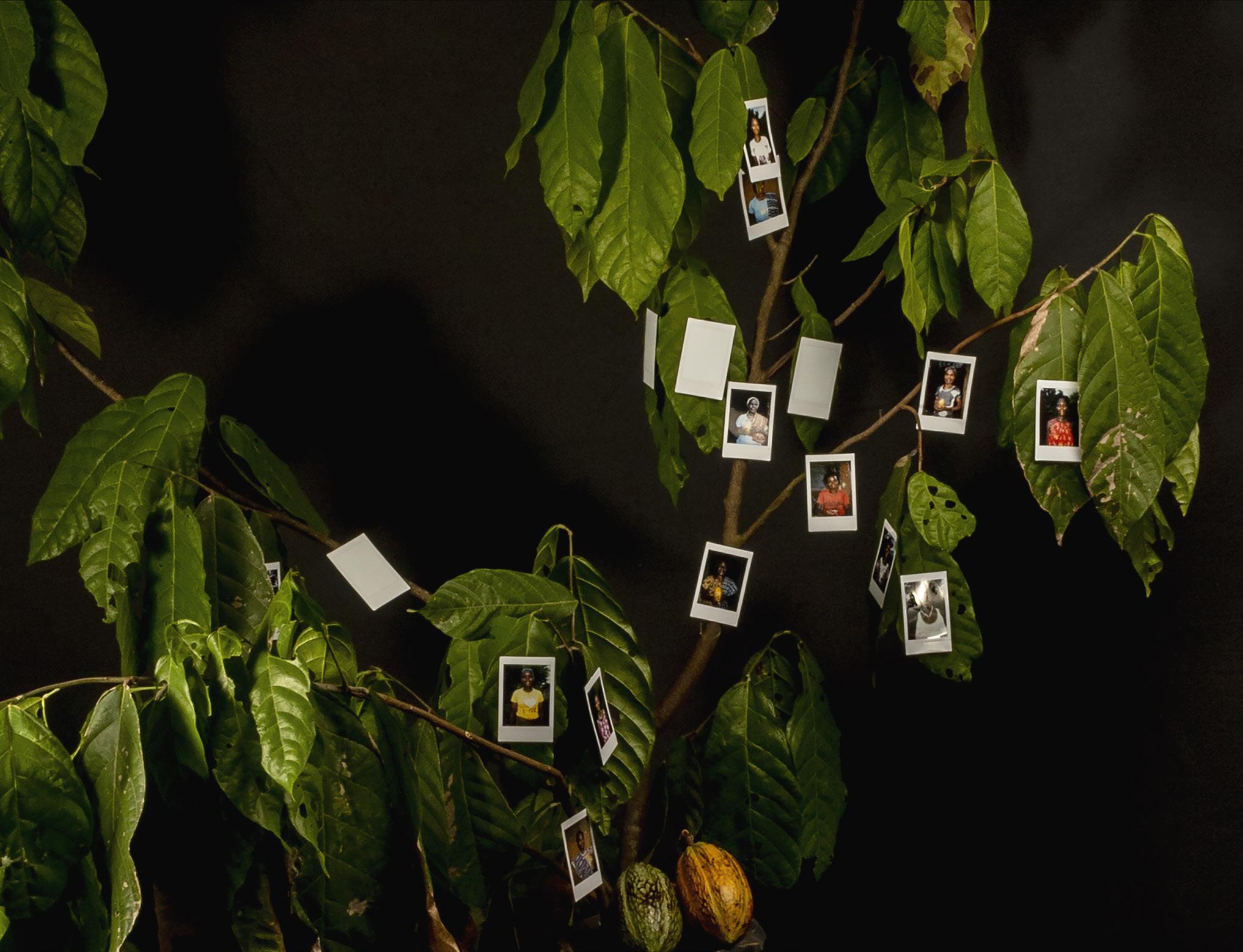
The line-up includes Delali Ayivi, a Togolese-German photog rapher and Forbes 30 Under 30. She is internationally recog nised for a visual language defined by colour, movement and fashion – pushing beyond outdated, singular narratives of Togo and its diaspora. There are also contributions from Lina Mensah. She turns her lens on a group of extraordinary women in the cocoa-growing community of Amanikro, Côte d’Ivoire, who are committed to environmentally friendly agriculture. Elsewhere, David Nana Opoku Ansah’s Area Boys explores themes of free dom, vulnerability and the meaning of truth for Ghanaian youth.
The festival launches with three photography shows, featur ing 15 such creatives, which will be accompanied by inspiring masterclasses and workshops. Moreover, Harmattan doesn’t end in Togo. The works will be published in a catalogue in April 2026, before the festival evolves into a travelling display with stops in Lugano, Switzerland, and Milan, Italy. This is surely one to watch.
HARMATTAN
Future of Agriculture
GREGOR SAILER: COCKAIGNE
Kehrer Verlag | Published December 2025 kehrerverlag.com
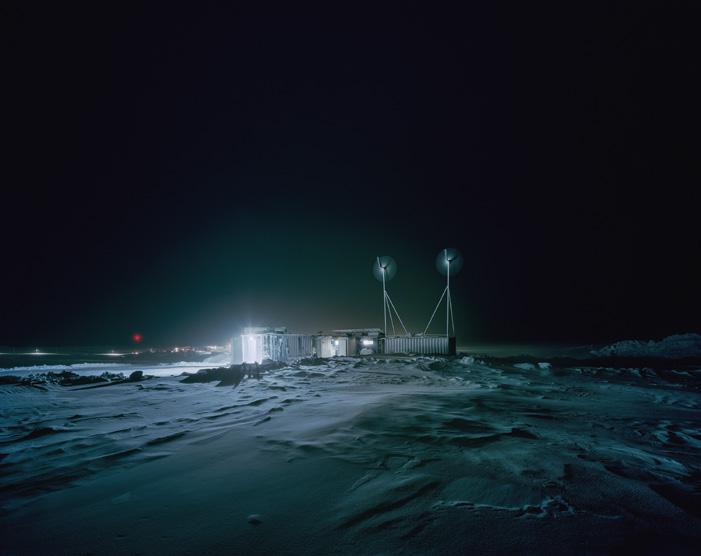
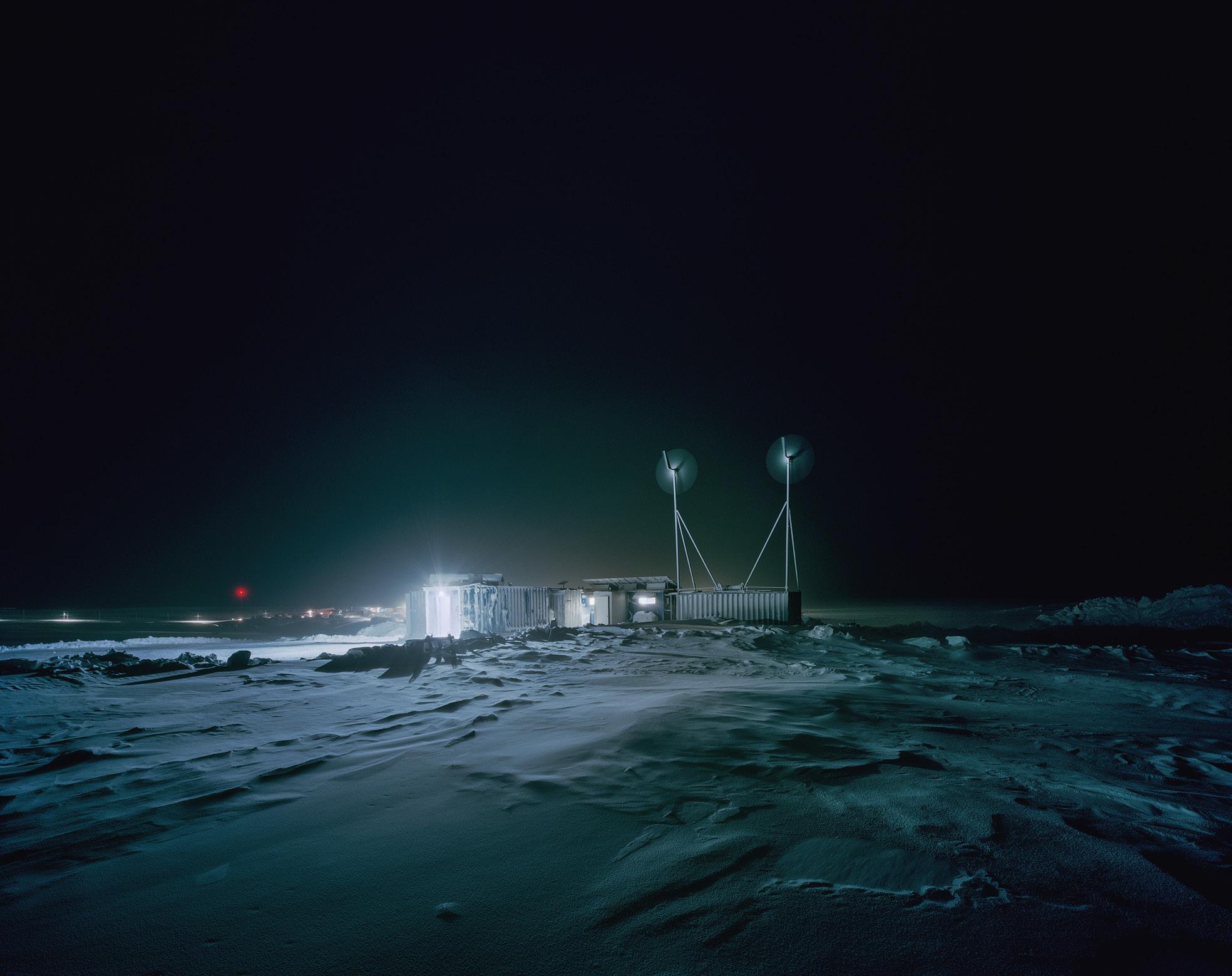
Tyrolean photographer Gregor Sailer (b. 1980) has long been fascinated by landscapes shaped by human intervention: unusual structures, remote places and restricted areas. The Polar Silk (2017-2022) dealt with the economic exploitation of Arctic regions, whilst the haunting The Potemkin Village (2015–2017) series captured “fake” architectural facades – from military field exercise centres in the USA to European city replicas in China. Now, Sailer turns his attention to agriculture in Cockaigne, a new book and exhibition at the Natural History Museum in Vienna. Here, Sailer employs an analogue view camera to capture large-format images of food infrastructure the world over. His subjects include massive greenhouses in the USA, Swedish data centres, as well as algae, insect and jellyfish farms in Austria, France and Germany. These are just some of the innovative ideas being actioned to address the impact of growing populations and climate crisis on global food production and consumption. One such initiative is the Naurvik project – a community-led hydroponic system in Gjoa Haven, Nunavut. The settlement is located about 250km north of the Arctic Circle. Winters are long, and high-quality, fresh and affordable produce is not always available. Naurvik is a solution: three recycled shipping containers have been converted to sustainably grow food year-round. Sailer’s images are cinematic and hyperreal. Often devoid of people, they depict glowing pink windows, endless rows of seedlings and structures rising from ice. It may seem like science fiction, but this is a real insight into ideas shaping the here and now.
Histories Constructed
Fahey/Klein Gallery, Los Angeles | Until 17 January faheykleingallery.com
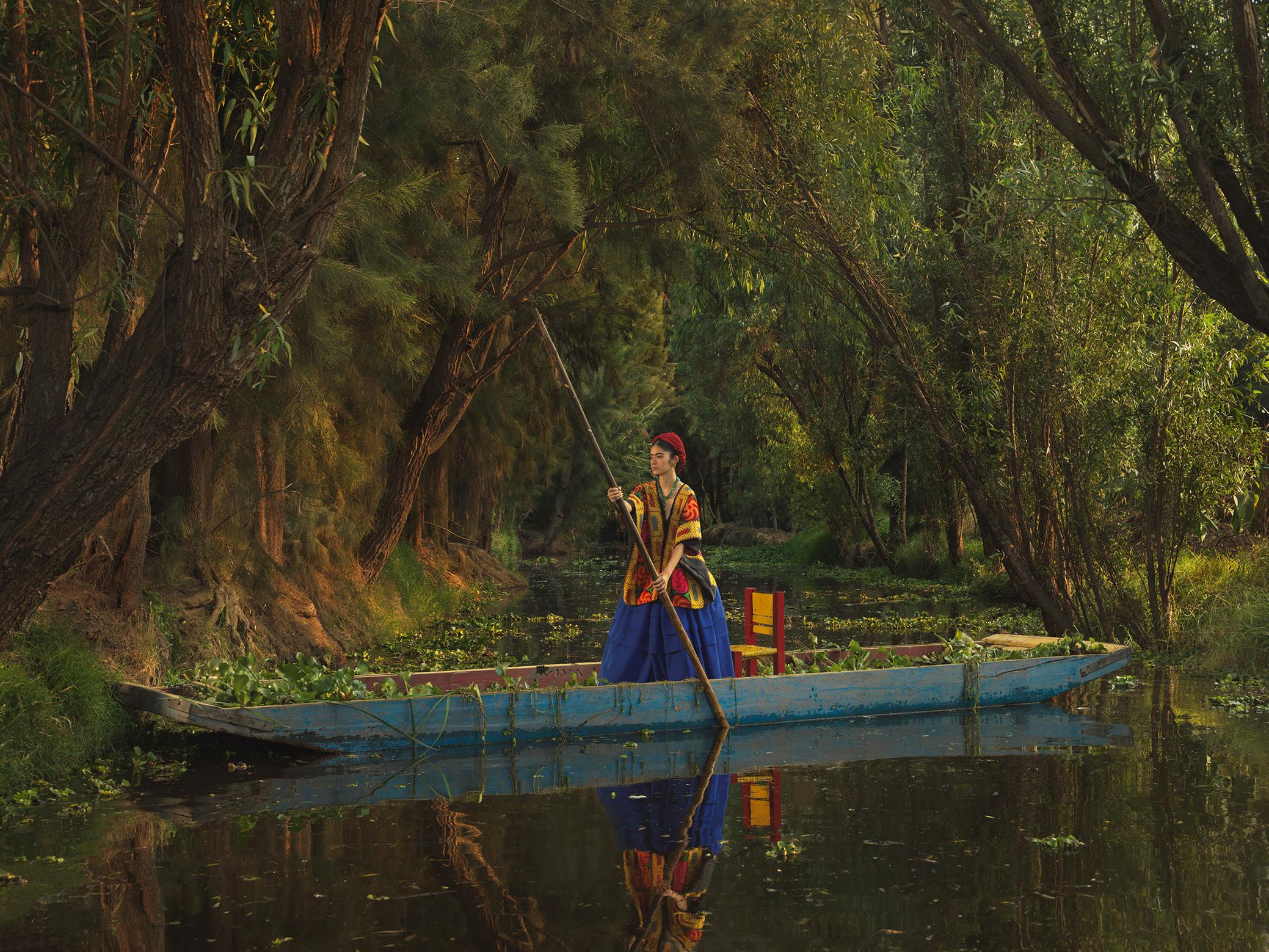
Julia Fullerton-Batten’s Tableaux is an exploration of history and identity, featuring meticulously staged narratives that hover be tween memory and myth. She invites viewers into worlds where light, costume and gesture convey stories that feel at once time less and immediate. The exhibition draws from two major series. In Old Father Thames, the river emerges as a living archive of London’s history. Fullerton-Batten reconstructs moments rang ing from Frost Fairs and baptisms to darker tales of tragedy and survival, transforming historical research into immersive visual storytelling. Each photograph unfolds as a miniature drama, shot with a sense of immediacy that renders the past palpable, as if witnessed first-hand. The Thames becomes a stage, a con duit for exploring the human experiences – idiosyncratic, whim sical and often tragic – that define a city shaped by its waterway. The series Frida is a profound engagement with artistic legacy, inspired by the fearless self-expression of Frida Kahlo. For this project, Fullerton-Batten worked with authentic Tehuana dresses and locations across Mexico, including Luis Barragán’s architec ture and the canals of Xochimilco. The photographs celebrate Kahlo’s cultural identity amidst lush contemporary dreamscapes.
Fullerton-Batten forms part of a contemporary female canon that includes artists such as Sophie Calle and LaToya Ruby Fra zier, who converge staged narrative and explorations of identity. As an Aesthetica Art Prize alumna, she bridges historical refer ence, cinematic storytelling and psychological insight, showing photography’s power to reframe past events, people and places.
JULIA FULLERTON-BATTEN
10
to See
RECOMMENDED EXHIBITIONS THIS SEASON
Our top shows for December and January reveal the political within the personal. They examine identity, belonging and memory, considering how our shared history has hidden, excluded and misrepresented certain stories and how that continues to shape contemporary lives.
1
M icaiah Carter – Tender Heart Amerikahaus, Munich | Until 18 January amerikahaus.de
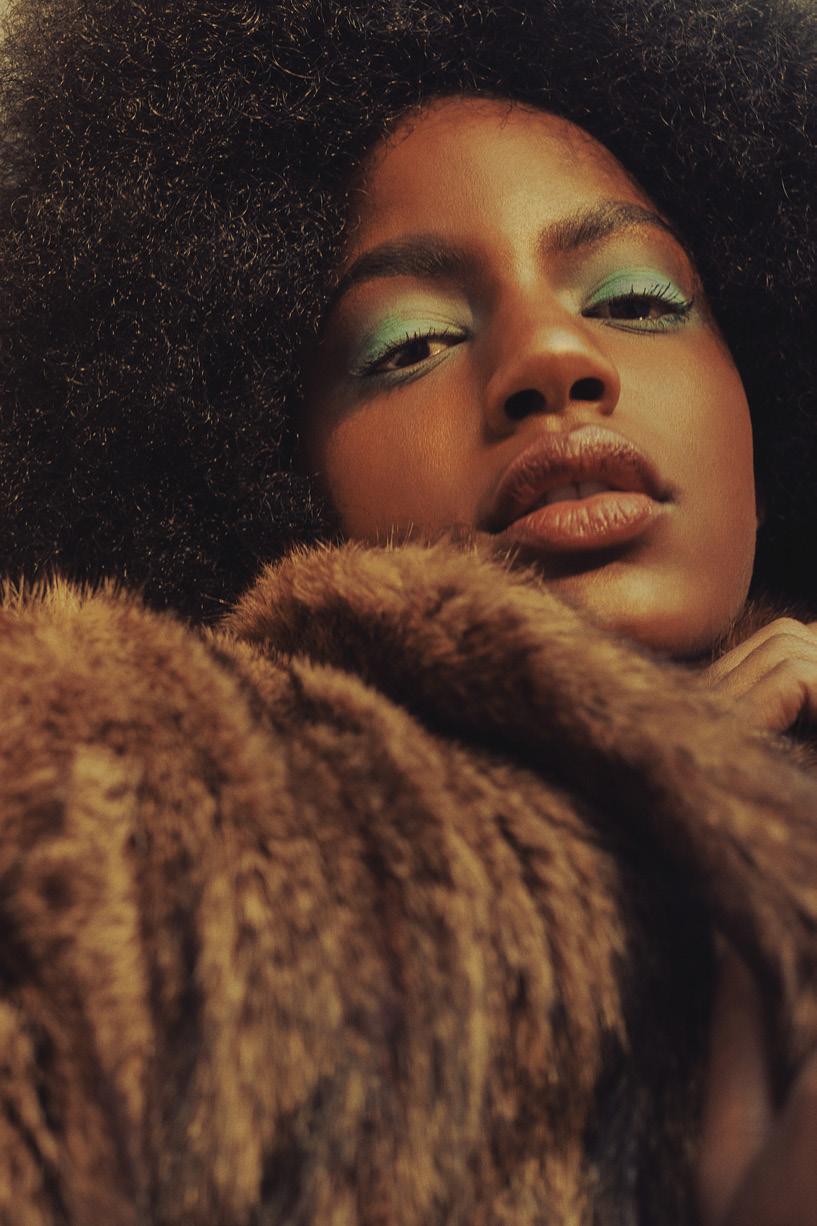
Micaiah Carter is one of the most exciting photographic voices of recent times, making work that blends youth culture, fine art and street style, and with the aim of building "a quality platform for representation of people of colour that hasn’t been seen before." Tender Heart is a visual meditation on legacy, memory and the evolving nature of identity across generations. The images on display move between archival and contemporary, portraying family members and strangers who are set against domestic interiors and surreal backdrops.
2C hen Chuanduan: The Tacit Measure Fotografiska, Shanghai | Until 11 January shanghai.fotografiska.com
Chen Chuanduan’s solo exhibition The Tacit Measure: Caves, Comets, and Dreams Uncollapsed presents the Everett’s Notes series, a poetic exploration of dreams, memory and the cosmos. The series, which traverses meteorites, stars and parallel universes, originates from the artist's childhood visions – of interstellar spaces, bubble universes and weightless floating – which began to fade as he grew older. The show considers imagination and humanity's enduring fascination with space, inviting audiences to reconnect with their own innate sense of wonder.
3
S hilpa Gupta. we last met in the mirror Kunsthalle, St. Annen | Until 1 March kunsthalle-st-annen.de
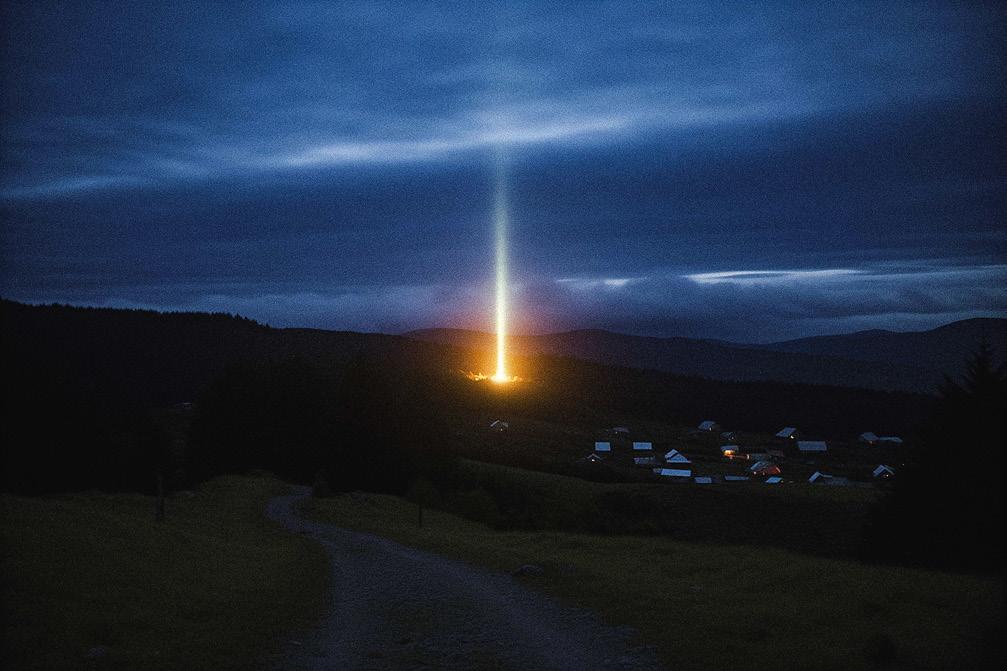
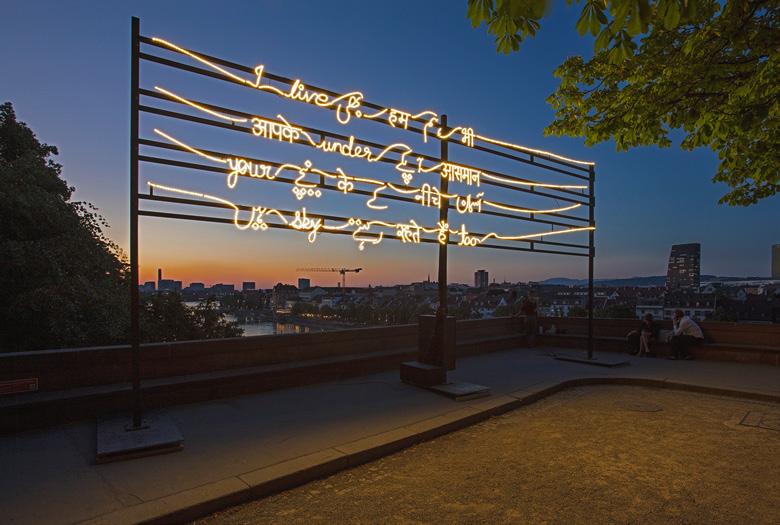
Indian artist Shilpa Gupta addresses crucial questions facing today’s world: belonging, censorship, freedom of expression, human rights, language, religion and security. Borders are central to her practice, and, for over two decades, she has explored their impact on public life. This show is an overview of Gupta's work, spanning several decades and multiple media, from interactive sound videos and robotic installations to light works and public performances. Here, Gupta connects the local and global, challenging Eurocentric narratives in the process.
4
M inimal
Bourse de Commerce, Paris | Until 19 January pinaultcollection.com
Minimal is an expansive survey of 50 international artists who have redefined form, space and perception from the 1960s to the present-day. Works by Donald Judd, Eva Hesse and Sol LeWitt sit alongside pieces by Mono-ha, neo-concrete and Arte Povera practitioners, emphasising simplicity, materiality and the integration of viewer and environment. The exhibition illuminates Minimalism’s global resonance, revealing how diverse practices across Asia, Europe and the Americas converged to challenge ideas of art, presence and perception.
5 S aodat Ismailova: As We Fade Baltic, Gateshead | Until 7 June baltic.art
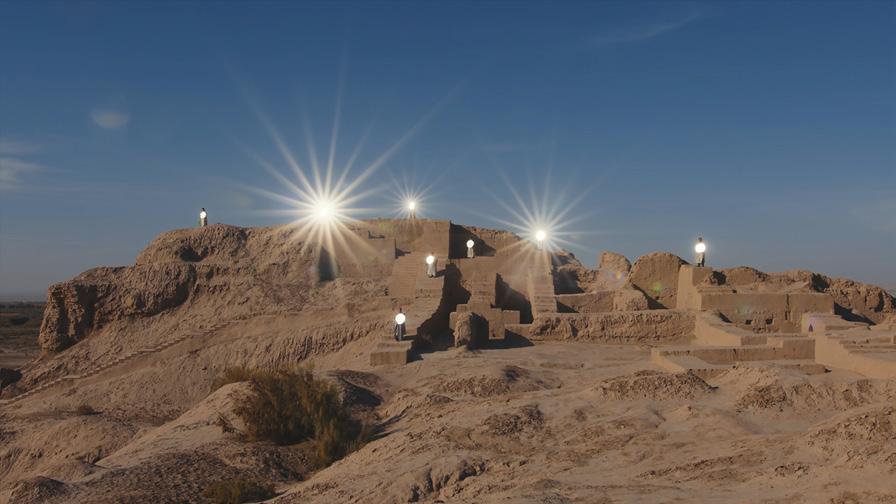
As We Fade is a haunting meditation on memory, transition and the unseen currents of history. Saodat Ismailova’s first UK solo exhibition features the world premiere of Swan Lake (2025) alongside key works from her two-decade practice. Film, sound, installation and sculpture intertwine with rituals, myths and oral stories to trace the spiritual memory of post-Soviet Central Asia. The works dwell on thresholds, transformation and collective consciousness, evoking a suspended space between hope, loss, liberation and the lingering traces of change.
6Tawny Chatmon: Sanctuaries of Truth, Dissolution of Lies
NMWA, Washington D.C. | Until 8 March nmwa.org
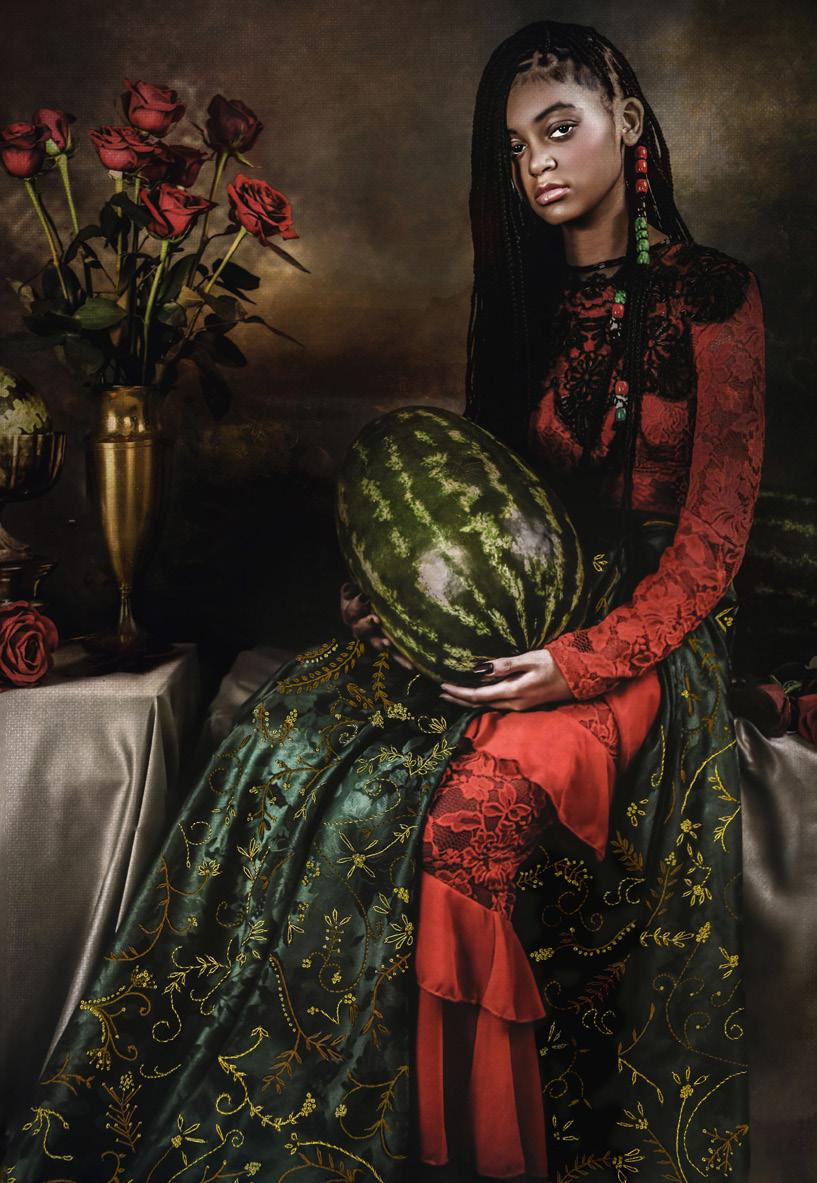
Tawny Chatmon creates lush, powerful portraits that challenge racism and erasure. Central to her work is the celebration of Black childhood, resistance and self-determination, often using family members as models. The artist combines photography with meticulous staging, digital manipulation and hand-applied embellishments such as paint, gold leaf, beads and stones. Her gilded baroque-style frames offer her subjects gravitas, confronting the devaluation of Black bodies in western art history, whilst asserting the redemptive power of visual storytelling.
7 S cience / Fiction: A Non-History of Plants
Foto Arsenal, Vienna | Until 18 January fotoarsenalwien.at
What if plants were more intelligent than we imagined, able to observe, communicate and even dream? Science / Fiction invites viewers into this speculative realm, where early photography meets contemporary AI-driven practices. Featured works such as Elspeth Diederix’s gleaming bronze foxglove from The Miracle Garden hover between the real and the otherworldly. The exhibition is alluring, mysterious and almost extraterrestrial, curated to follow the structure of a science fiction novel. This is a brand new take on the history of plants in art and culture.
8D ream Rooms: Environments by Women Artists
M+, Hong Kong | Until 18 January mplus.org.hk
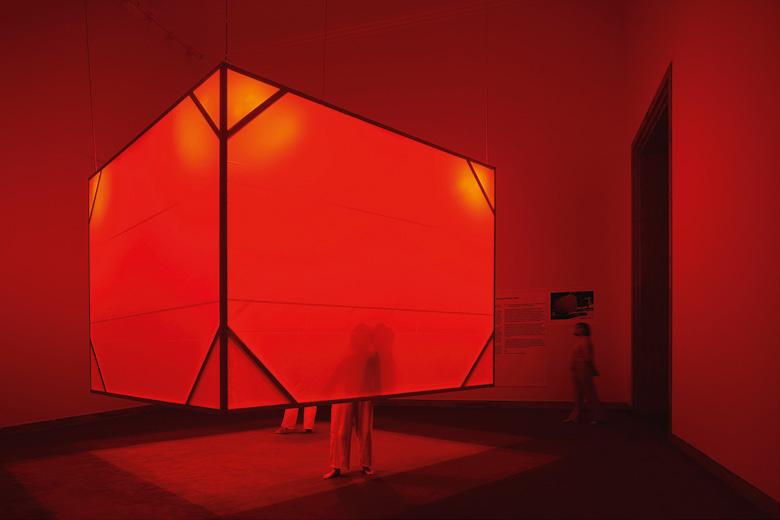
In 1958, Allan Kaprow coined the term “environment,” using it to describe large-scale artworks which transformed interiors. They would later become known as installations: structures, often ephemeral in nature, which combined art, architecture and design. Dream Rooms foregrounds the visionary contribution of women to this movement. The show presents 12 pieces by trailblazing figures from Asia, Europe and North and South America, including three brand new commissions from contemporary artists: Chiharu Shiota, Kimsooja and Pinaree Sanpitak.
9D avid Farrell: Solastalgia
International Centre for the Image, Dublin | Until 23 December image.museum
Artist David Farrell describes his work as a blend of “lebenskünstler,” a German term for the art of living, and “gesamtkunstwerk,” meaning a universal artwork. His latest exhibition foregrounds the quiet beauty of everyday life, reflecting on love, loss and endurance. Farrell lost a significant aspect of his home and archive during the 2023 Emilia-Romagna floods, an experience that shapes how he presents his artwork at International Centre for the Image. Here, audiences are offered a haunting mediation on what it means to embrace the moment.
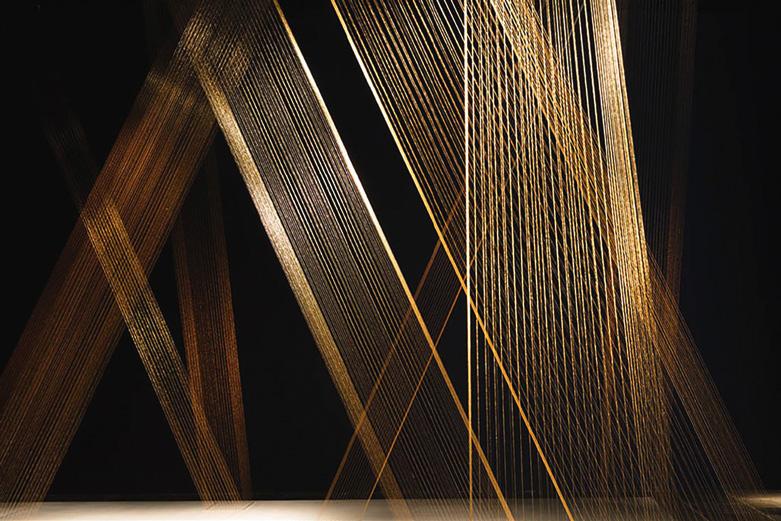
This is what we have all been waiting for – teamLab opens a groundbreaking immersive permanent art museum in Kyoto. Visitors step into a space where boundaries between body, perception and artwork completely dissolve. Floating sculptures, luminous spheres of light and ephemeral forms constantly respond to movement. Biovortex spans over 10,000 square metres and features more than 50 artworks, inviting audiences to explore the fluid interplay of existence, energy and consciousness in a city where tradition meets cutting-edge innovation.
A screwed-up piece of paper can hold serious meaning. In 1995, Martin Creed scrunched a sheet of A4 into a ball and presented it as a sculpture. Meanwhile, in photomontage, the technique adds texture and narrative, tapping into feelings of conflict, disruption or frustration. Now, in Topographies of Fragility, a series nominated for both the Prix Pictet 2025 and the Aesthetica Art Prize in 2022, Ingrid Weyland (b. 1969) harnesses it as a metaphor for humanity’s impact on nature. Here, it “represents our destructive marks on the landscape.” The Argentinian artist depicts forests, mountainscapes and icebergs, spanning the Arctic to Cape Horn. Each scene is overlaid with a creased, twisted version of the same location. “It at times feels like a tribute and possible farewell to the havens these places provide. I invite viewers to reflect on our fragile yet resilient relationship with the land. Once crumpled, my print will always bear its marks. Our Earth will retain our actions too.” ingridweyland.com | @ingridwey
Ingrid Weyland, Topographies of Fragility XXVIII, (2021). Image courtesy of the artist.
Topographies of Fragility XXVII (2021). Image courtesy of the artist.
Topographies of Fragility I Image courtesy of the artist.
Topographies of Fragility VI , (2020). Image courtesy of the artist.
Topographies of Fragility XXXV Image courtesy of the artist.
Ingrid Weyland, Topographies of Fragility V, (2019). Image courtesy of the artist.
Sense of Magic
Cig Harvey
Cig Harvey’s (b. 1973) photography is devoted to the question: “what it is to feel?”
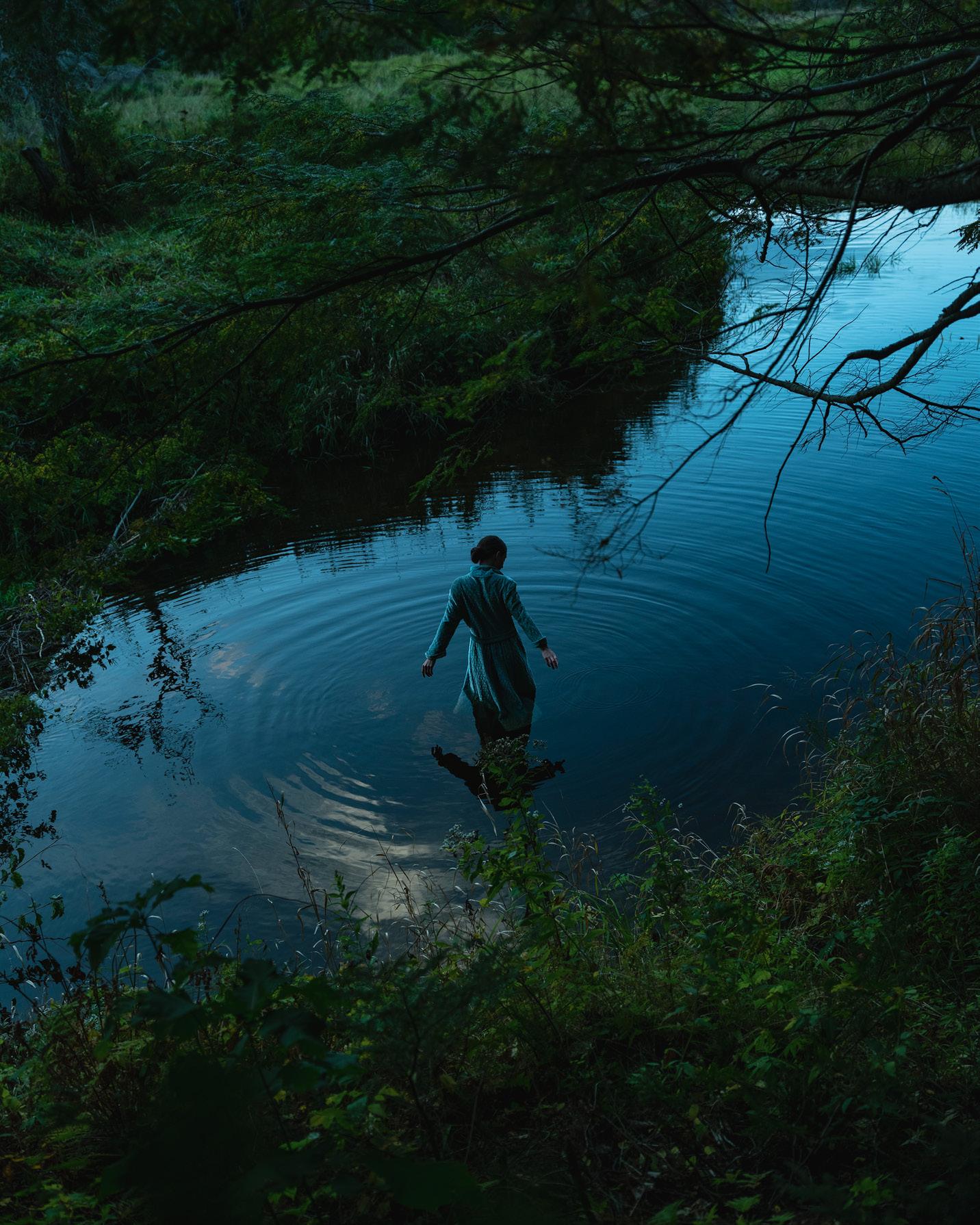
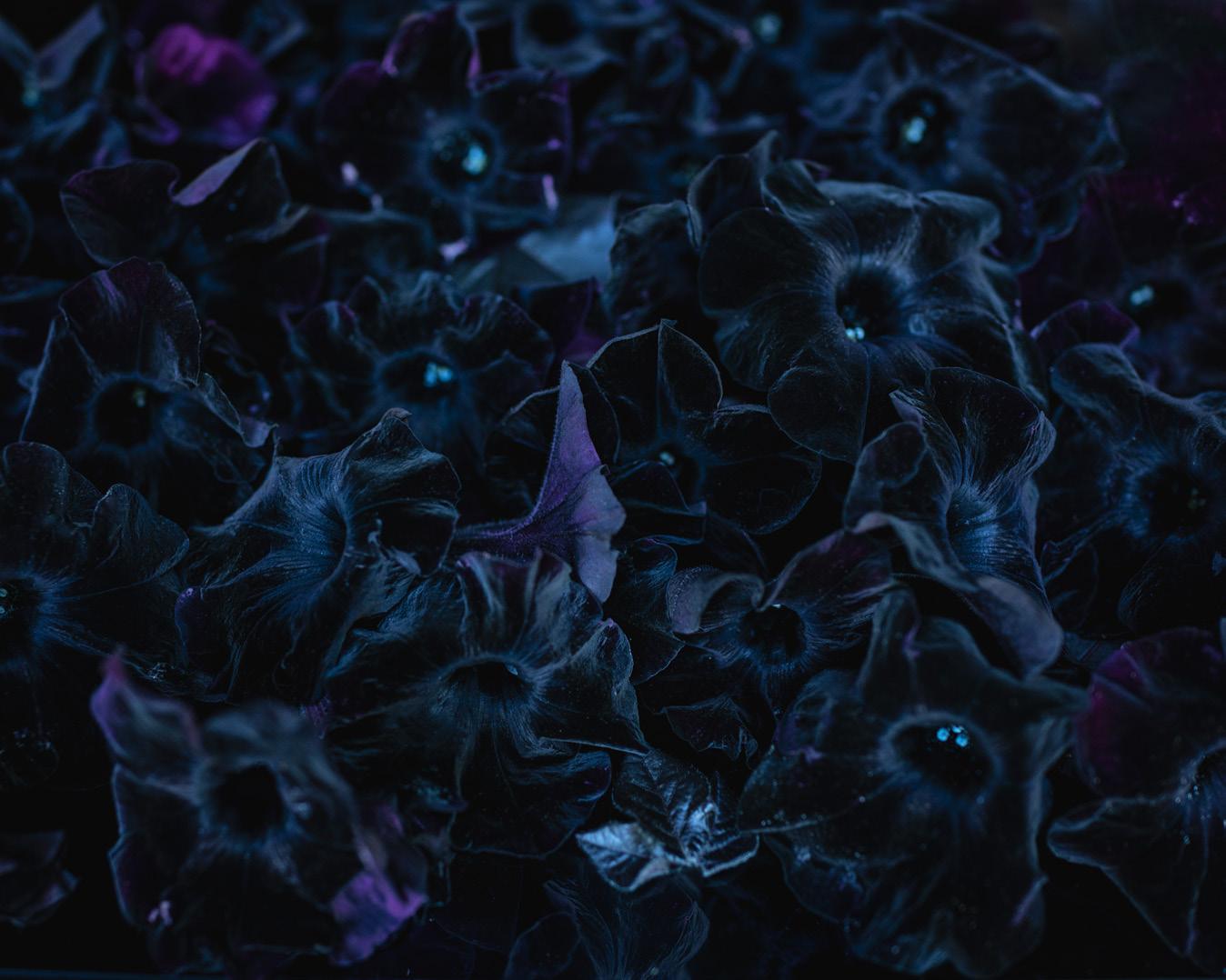
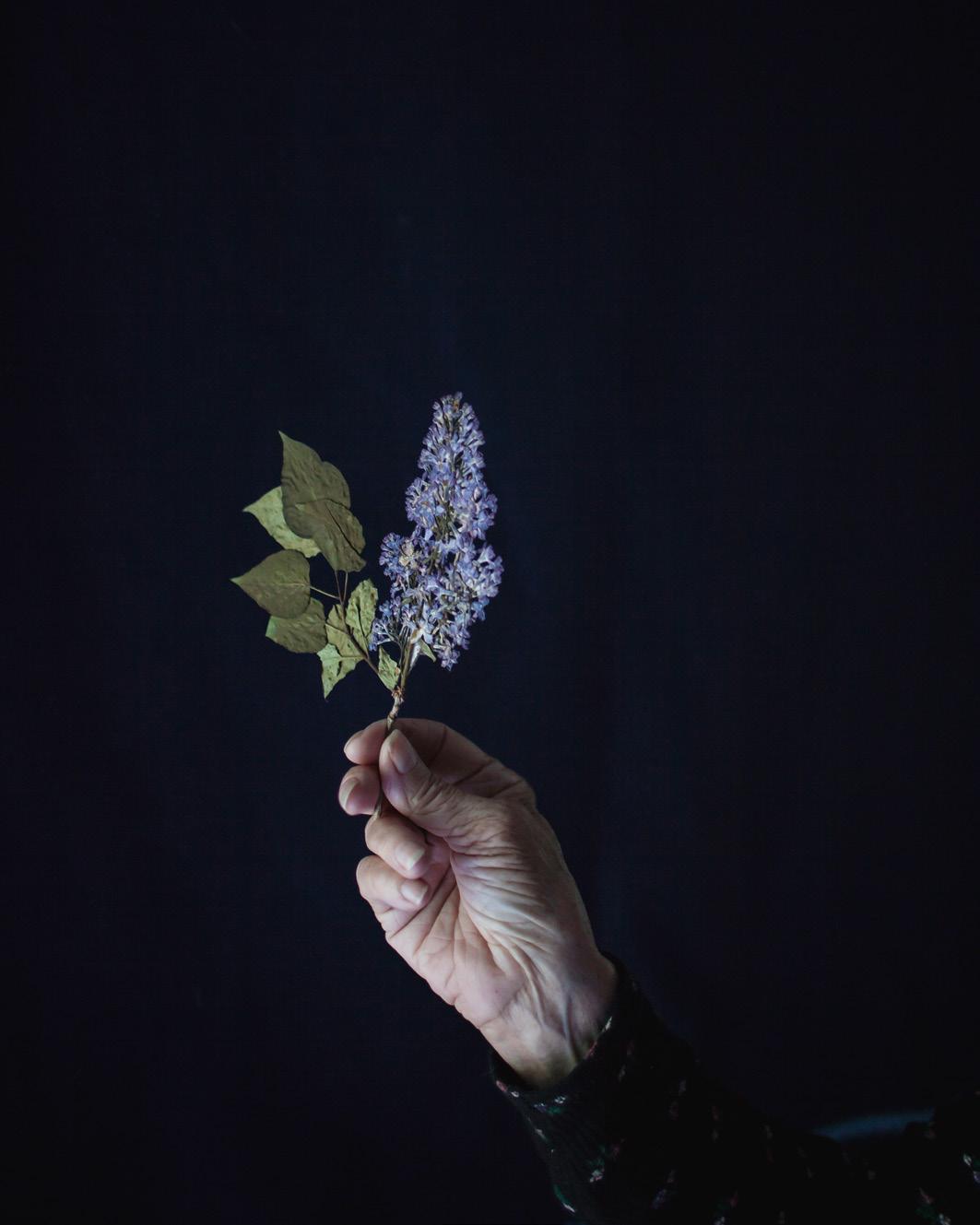
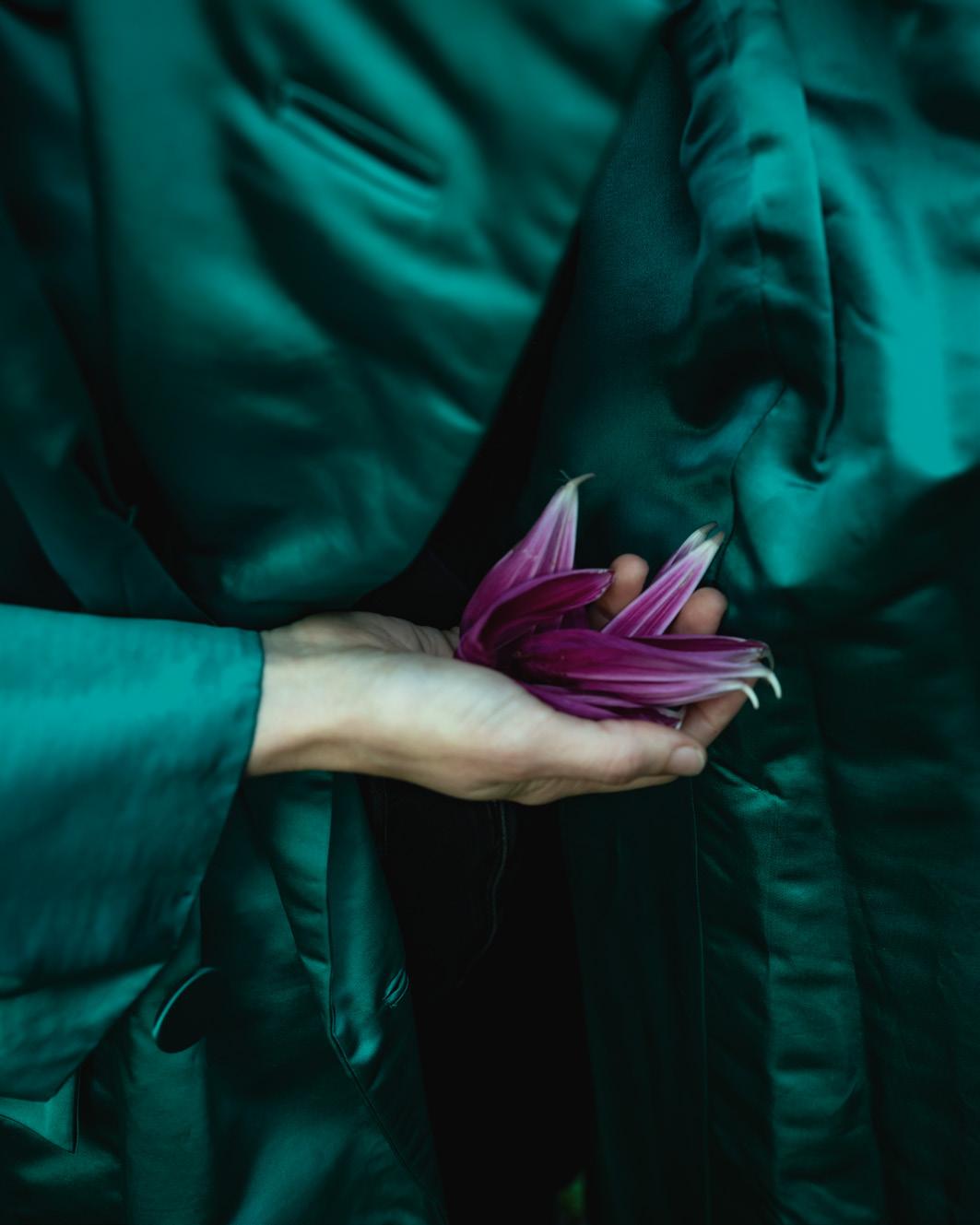
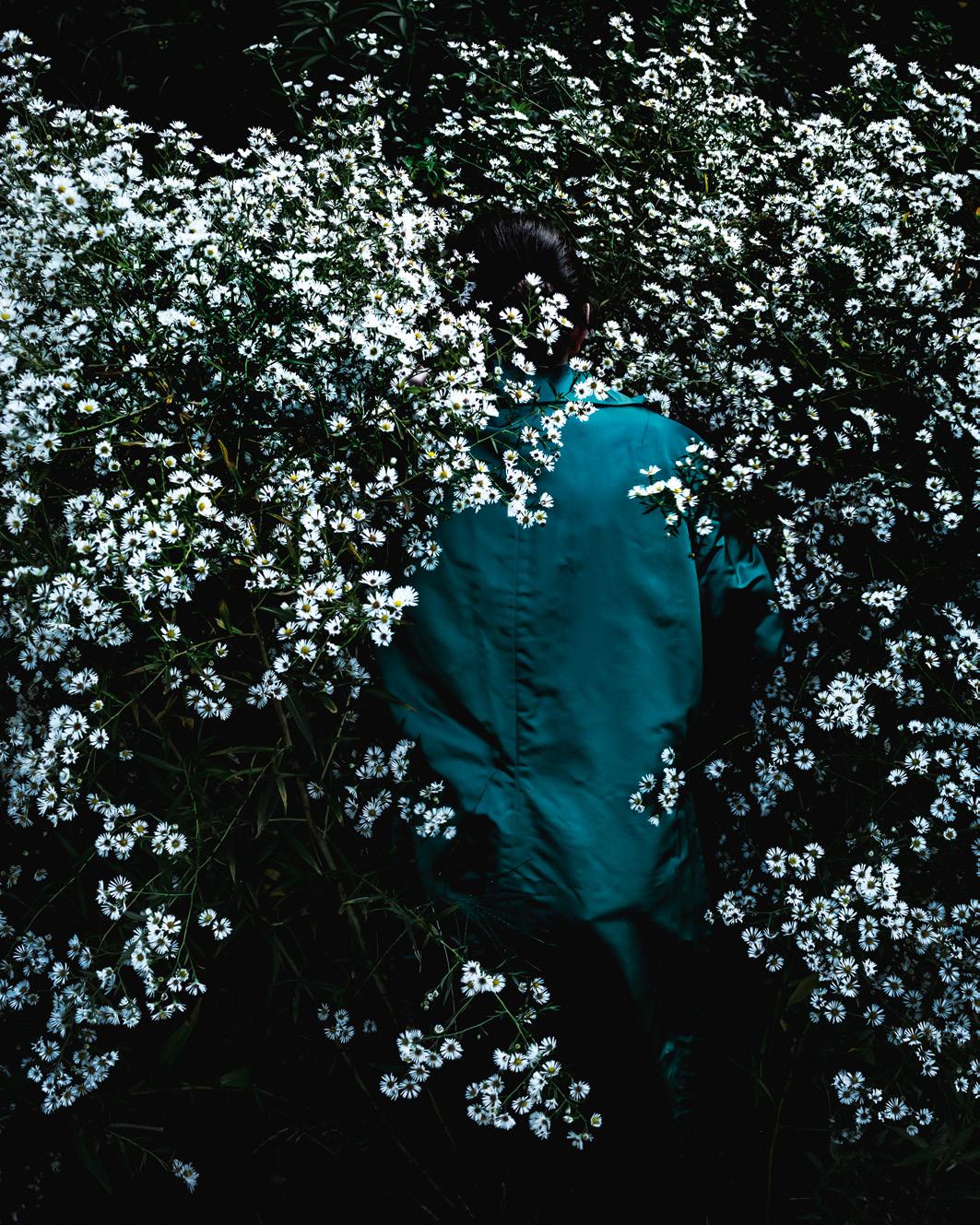
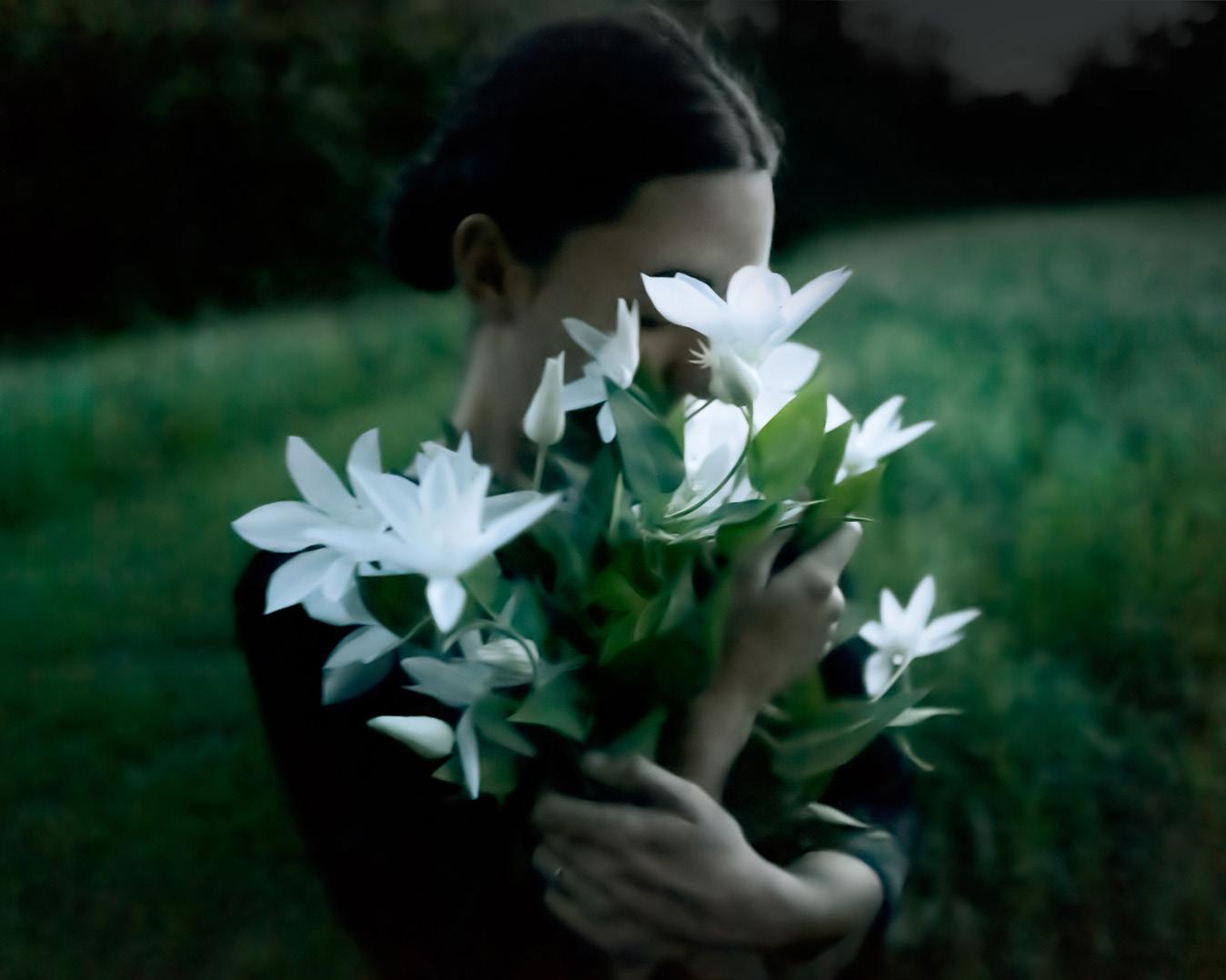
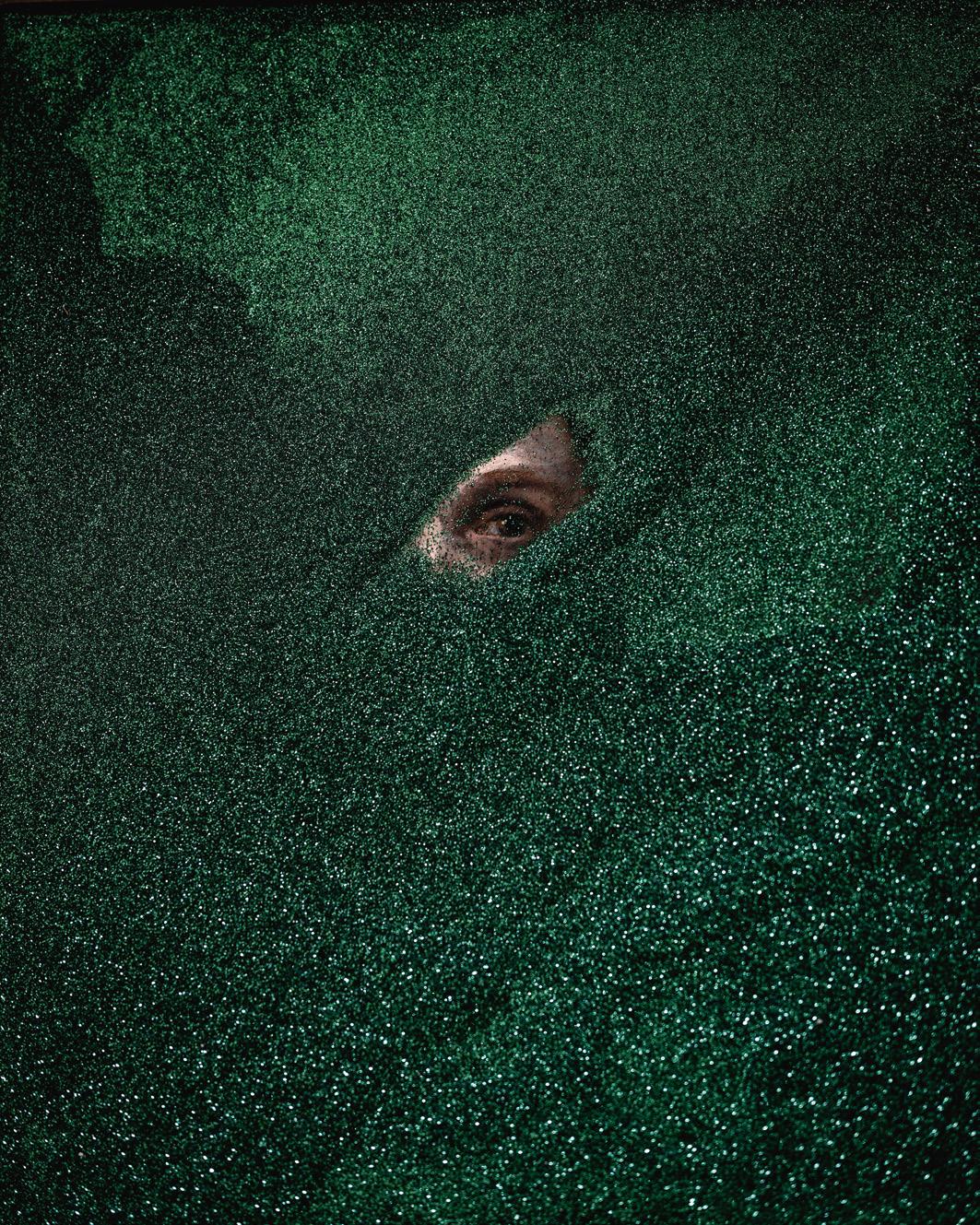
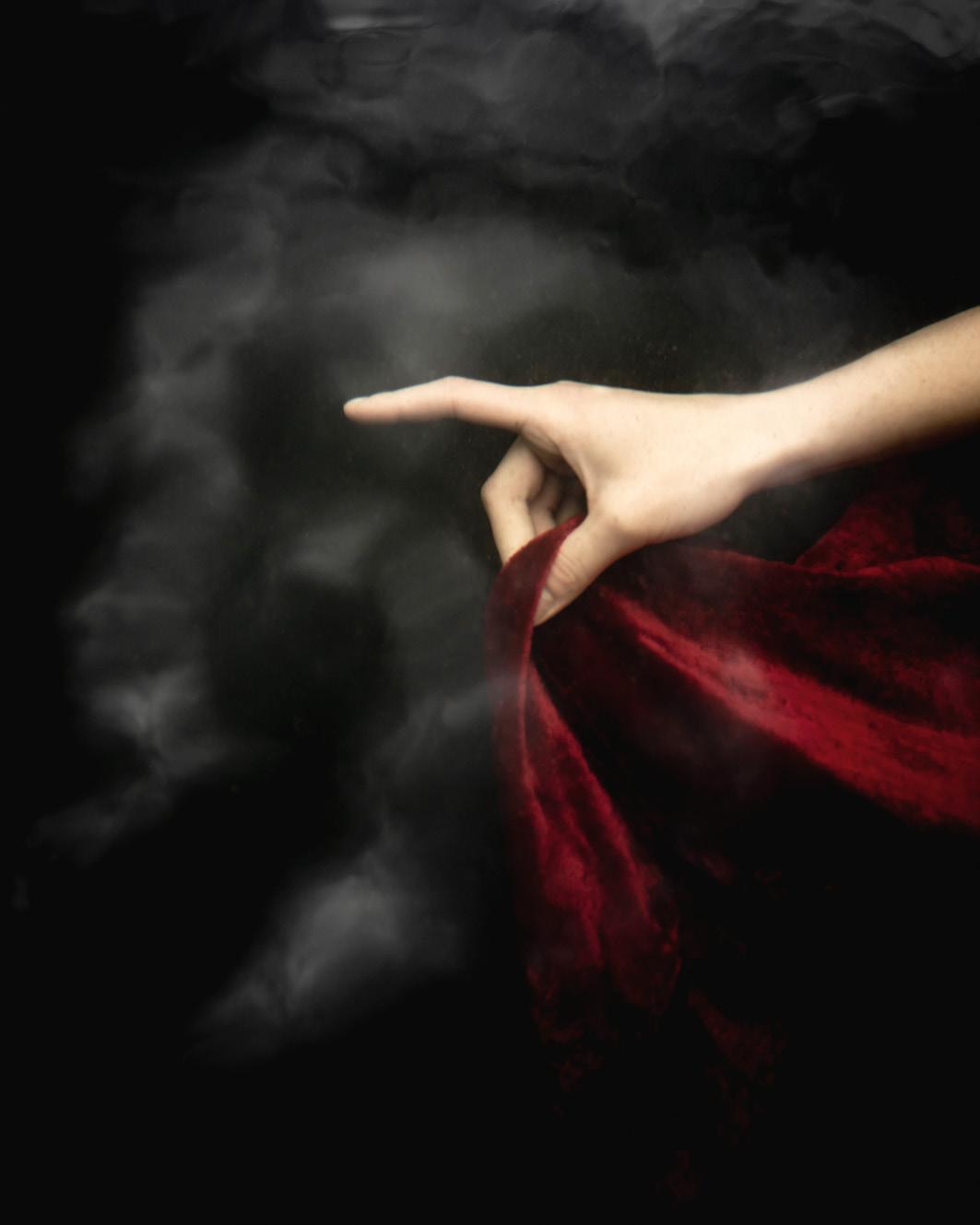
The British-born artist and writer now lives in Maine, USA, working in large-scale colour photography and creative non-fiction. The following pages are replete with images from her latest books, Emerald Drifters (2025) and Blue Violet (2021), which are dedicated to the natural world and finding magic in everyday life. Here, Harvey’s signature subjects – flora, domestic interiors and figures in the landscape – take centre stage. Characters stand waistdeep in ink-blue rivers under moonlight. Hands clutch blooming clematis flowers, reach out for thick red velvet and emerge from lush green shrubbery. Elsewhere, eyes peer from under shiny emerald pigment. The scenes are designed to engage all five of our senses, brimming with colour, light, shadow and texture. Crucially, they ask us to find joy and wonder in the small day-to-day moments that might otherwise pass us by. cigharvey.com | @cigharvey
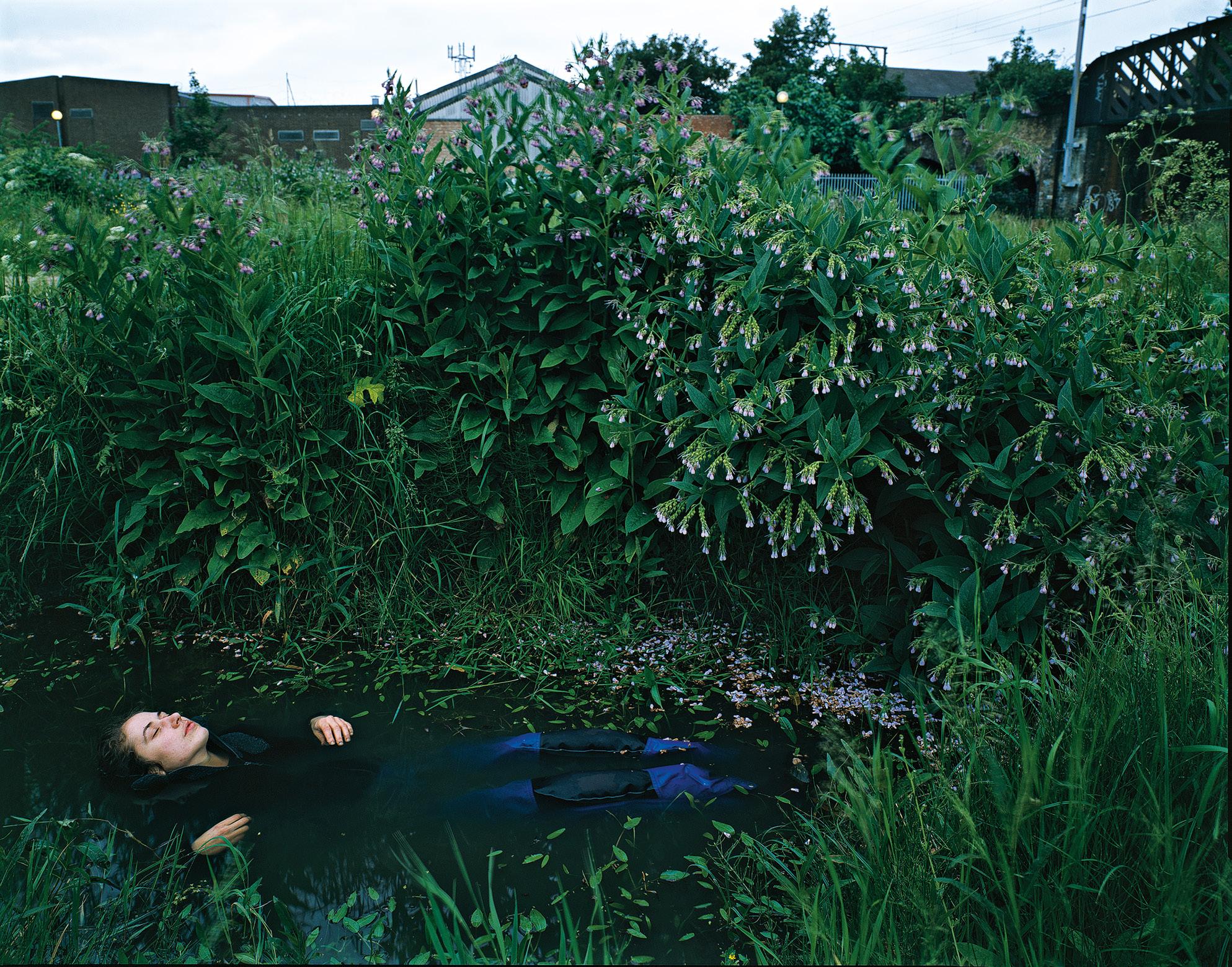
Cig Harvey, Emily in the River (2019). Image courtesy of the artist.
Cig Harvey, Petunias , (2020). Image courtesy of the artist.
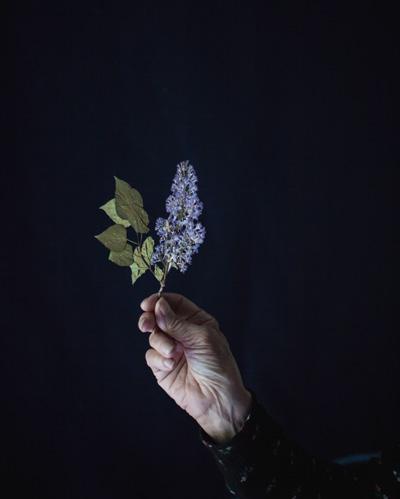
Cig Harvey, Pressed Lilacs (My Mother's Hand) . Image courtesy of the artist.
Cig Harvey,
Cig Harvey, Full Moon , (2021). Image courtesy of the artist.
Cig Harvey,
Cig Harvey,
Cig Harvey, Clematis (Emily Clutching) (2021). Image courtesy of the artist.
Cig Harvey,
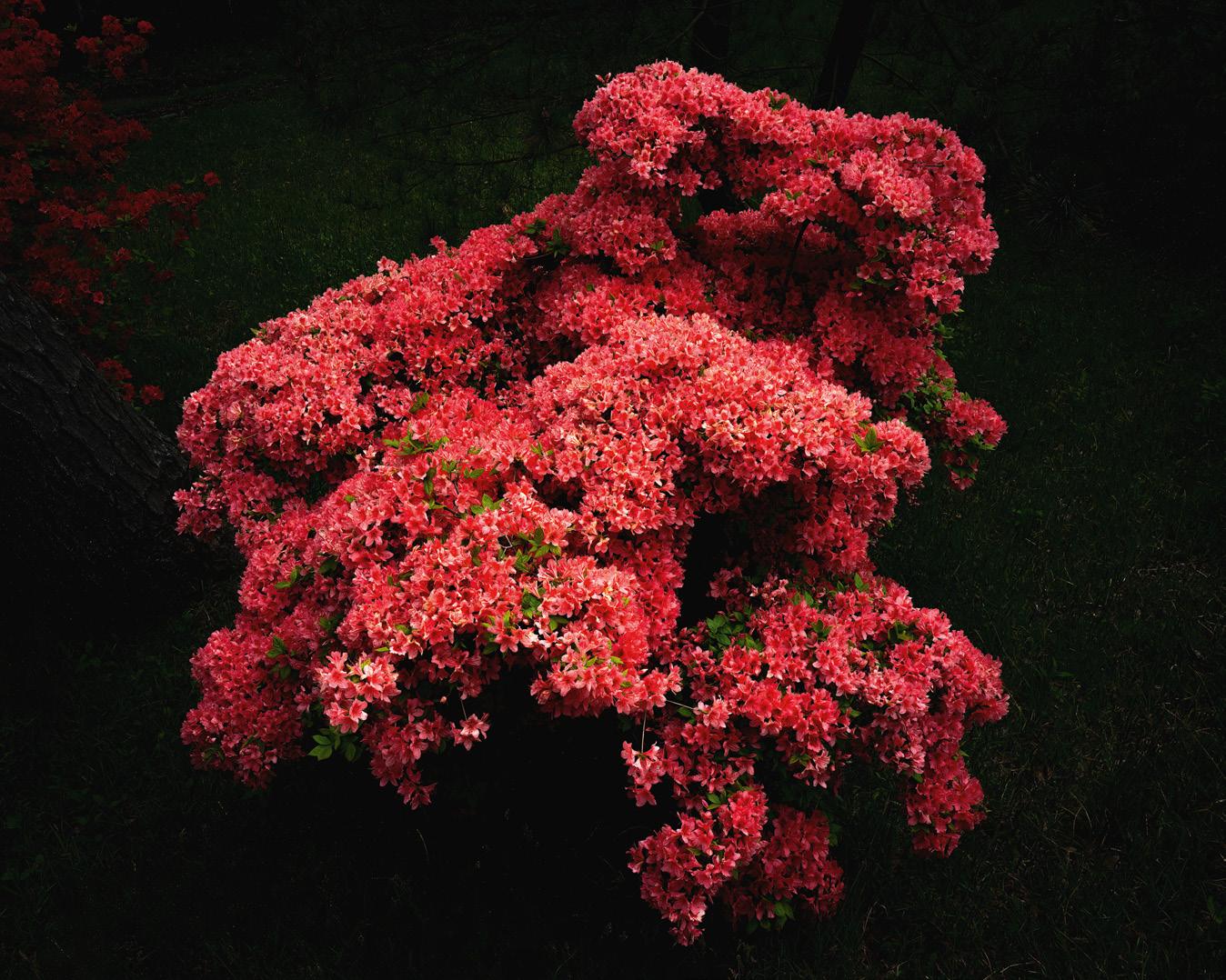
Cig Harvey, Azalea Bush , (2023). Image courtesy of the artist.
Cig Harvey,
Routes Transform
Anastasia Samoylova
THE PHOTOGRAPHER JOURNEYED FROM FLORIDA TO MAINE, EXAMINING THE NATIONAL LANDSCAPE AS A SITE OF BOTH MYTHMAKING AND FRACTURE.
The acclaimed photographer and artist Anastasia Samoylova (b. 1984) produces images that aim to capture the “emotional complexity of the American landscape today.” This is an overwhelming endeavour, to say the least. She describes herself “as an immigrant who has now spent half her life in the United States.” Born in Moscow in 1984, in what was still the Soviet Union, Samoylova studied environmental design in Russia, using digital photography to record her 3D constructions whilst growing curious about it as a narrative tool. She then moved to Illinois to pursue an MFA at Bradley University, and began to develop an artistic lens-based practice.
"My path into photography has been shaped by movement between places, languages, and ways of seeing,” Samoylova says. “I have always been interested in how images construct our sense of space.” In 2016, the artist settled in Miami Beach, Florida, and consequently learned more about the climate’s critical state. Miami’s glossed image, aggressive urbanising and tourist-driven consumerism is inherently unstable. Ecological and social crises fester beneath the pursuit of the beautified, photogenic and picturesque. For instance, apartments are built with sea views – more beautiful, more expensive – whilst discounting that they are in high-risk flood zones. So many constructions flirt with unexpected collapse.
“I am drawn to the ways beauty, aspiration and vulnerability intersect in the landscape and to how images can reveal the fragile balance between what we desire and what we risk losing,” Samoylova says. These visual investigations have taken different shapes across her practice. The Landscape Sublime series disrupts how we consume ubiquitous nature
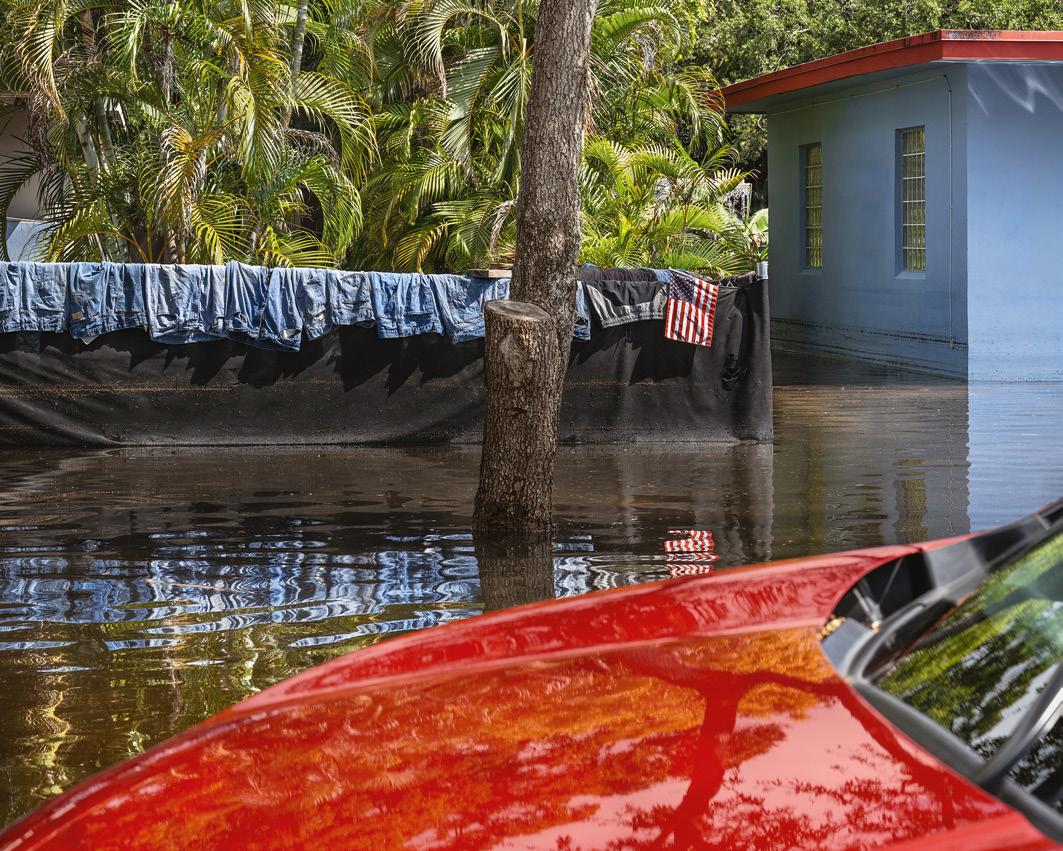
photographs, from desktop screensavers to luxury billboard ads, which affect our perceptions of nature. Meanwhile, FloodZone, Samoylova’s first monograph, published in 2019 by Steidl and presented at Eastman Museum, specifically explores the looming pall of rising sea levels on south Florida. Meanwhile, the Floridas series comprises photos from many road trips across the state, documenting pluralities and fault lines via buildings, objects, symbols and more. “I have always been aware of how the built environment reveals the values and pressures of a society,” Samoylova says. Her photos record a community not in disaster, but perpetually anticipating one. This is a landscape that has been built upon and continually exhausted, all whilst steadily losing a fight with the ocean. It treads hyper-utopia and ruination at once.
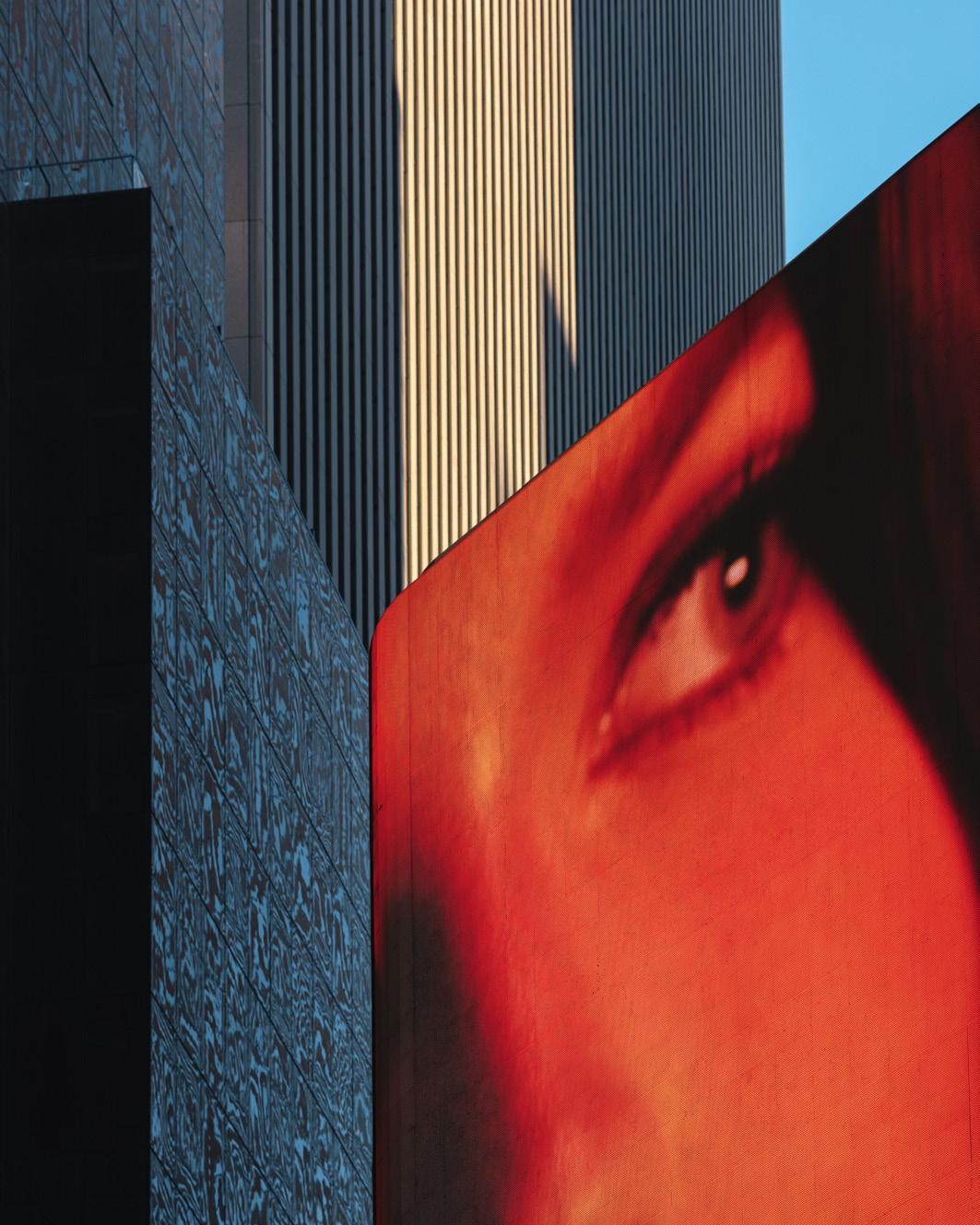
What's striking about this is that, the more you keep looking, the more you begin noticing that same unnerving sheen in your own environment – and in so many cities across the world. The question: is it all becoming one big metropolis?
Samoylova’s Image Cities goes deeper into this, recording how major hubs like New York and London try to assert their distinctiveness, yet succumb to appearing the same due to generic, homogenised advertising and architectural aesthetics. “These projects are connected by a continuous interest in how people inhabit vulnerable landscapes,” the artist says. Shooting on location is thus essential. Samoylova, in fact, views it as a form of field work. “Being physically present in these locations lets me see how the atmosphere of a place shifts, how history leaves its mark, and how people can adapt."
In her latest project, Atlantic Coast – presented at the
“I wanted this sequence to unfold through atmosphere rather than strict geography: flags, fences, scaffolding, hand painted signs, and those fragile edges where land meets the water.”
Norton Museum of Art and as a monograph published by Aperture – “the themes are similar, but the scale is different.” It is also the first where portraits of people play a significant role. Atlantic Coast comprises colour and blackand-white documentary photographs taken along the historic US Route 1 running from Fort Kent, Maine, to Key West, Florida, inspired by Berenice Abott’s 1954 project on a road trip along the same route. Both Abbott’s work and Atlantic Coast capture the American nation at a particular historical moment. Samoylova explains how the magnitude of doing such a project required a different tempo. She spent more time in smaller towns and quieter neighbourhoods, meeting and photographing people along the road, and hearing their stories and how intimately tied they are to the land and coast. As an immigrant and American citizen, with a dual perspective, Samoylova mentions she related to Abbott’s affectionate-critical approach to America. That carries into her images, which are less judges of the nation than they are mirrors. A coat hanger twists into the words "affordable healthcare" against a rose-tinted golden hour sunset. A shadow of a boy or a man is engulfed – or caressed – by a large American flag. Gun Ring, Brooklyn, NY (2024) zooms in on the aged hands of a white woman wearing an American flag scarf, matching bracelets, and a bedazzled gun-shaped ring. There's a quiet, ordinary violence embedded into "fun fashion." The viewer has to ask: What is the real weight of the symbols we wear?
Atlantic Coast brings to mind other great photo projects that sought to visually bottle some of the mythmaking scaffolding the story of America. Robert Frank’s The Americans; Stephen Shore’s Uncommon Places; Joel Sternfeld’s wideranging work. Samoylova emphasises that, whilst these art-
ists “were all looking at the mythology of America through the open road, [she is] looking at it from the shoreline, a place of arrival and departure, fragility and defense.” It was also important for her to offer a female perspective within a genre that has been shaped largely by men. Part of this, for Samoylova, is imbuing the shoot, and the finished image, with emotional sensitivity. Her pictures do not relish in brutality, dysfunction or despair. They discuss these aspects of their subject, but make their impact without necessarily stoking violence or rupture between the image and its audience.
The pictures in Atlantic Coast are organised by theme, similar to Frank’s The Americans. “The project was never meant to be a literal record of a route. I wanted the sequence to unfold through ideas and atmosphere rather than strict geography. Organising the work in this way allows viewers to feel the shared rhythms and tensions that define the Atlantic Coast. Flags, fences, scaffolding, floodlines, hand painted signs, and those fragile edges where land meets water ... people whose stories were inseparable from their environments.”
Samoylova takes a more fluid approach to the oft-masculine "on the road" project of documenting America. It's important to note, also, that it is far less safe for women to travel as they please across any country. Like the Caribbean theory of tidalectics, which uses the movement of the ocean to understand history and culture, Samoylova’s visual framework theorises from the coast rather than the road or land, “where the horizon becomes both a mirror and a quiet warning.” In her images, we see the fruits of waiting in stillness, of observing something long enough for it to reveal other narratives. These stories may be of political tension or division; infrastructural collapse or rising water; or simply an uneasy
Anastasia
Previous page:
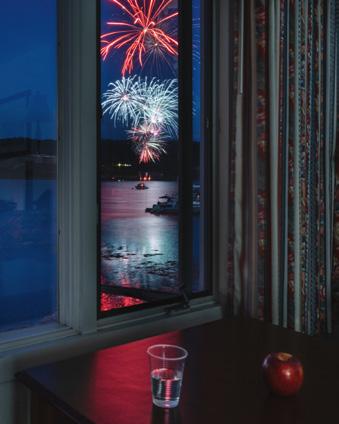
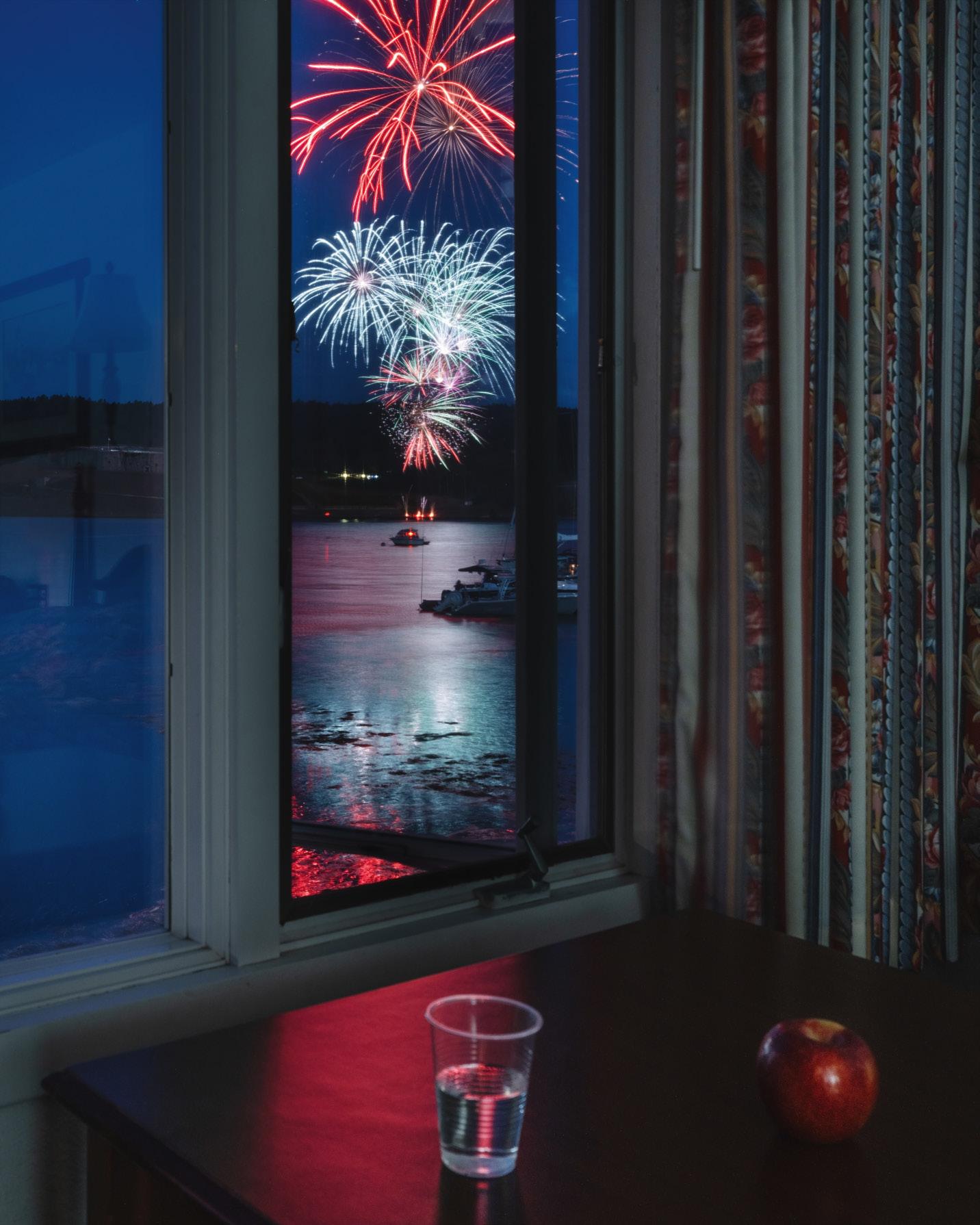
Anastasia Samoylova, Fireworks, Fort Knox, Prospect, Maine, (2024).
America Great Again" calls for a return to a mythical, ide
show chloride levels above 10,000 mg/L, making the water essentially undrinkable. Factor in the growing reliance on artificial intelligence, the data centres for which use millions of gallons of freshwater a day in some regions, worsening local shortages and overall negatively impacting the climate crisis.
“Travelling along Route 1 made it clear that the past is not a single story,” Samoylova says. “It is complex and often contradictory. That tension between nostalgia and reality shapes the mood of many places.” There are other contemporary photographers who are telling stories that complicate the image of America and its multiple regions and communities, especially through the lens of the climate crisis. Camille Seaman’s The Big Cloud (2008-2014), for instance, involved the photographer chasing a specific thunderstorm called a
ally rewrites it as a hero's road, tread with extraordinary courage and strength. To do so, the artist combines documentary photography with constructed images and archival material. Creative minds like Samoylova, Seaman and De Middel are helping to forge a new path for younger generations of image-makers, especially female artists, who can take up the mantle, or responsibility, of observing, listening, and documenting the many different stories that contribute to US mythmaking. Such work holds up a mirror but also serve as a force to keep ourselves, as humans, accountable to each others’ struggles and stories. As Samoylova puts it: “The future of the coast is uncertain, but not without possibility.” It is vital, amid growing despair, that we advocate for the future of our homelands and communities with this very same spirit.
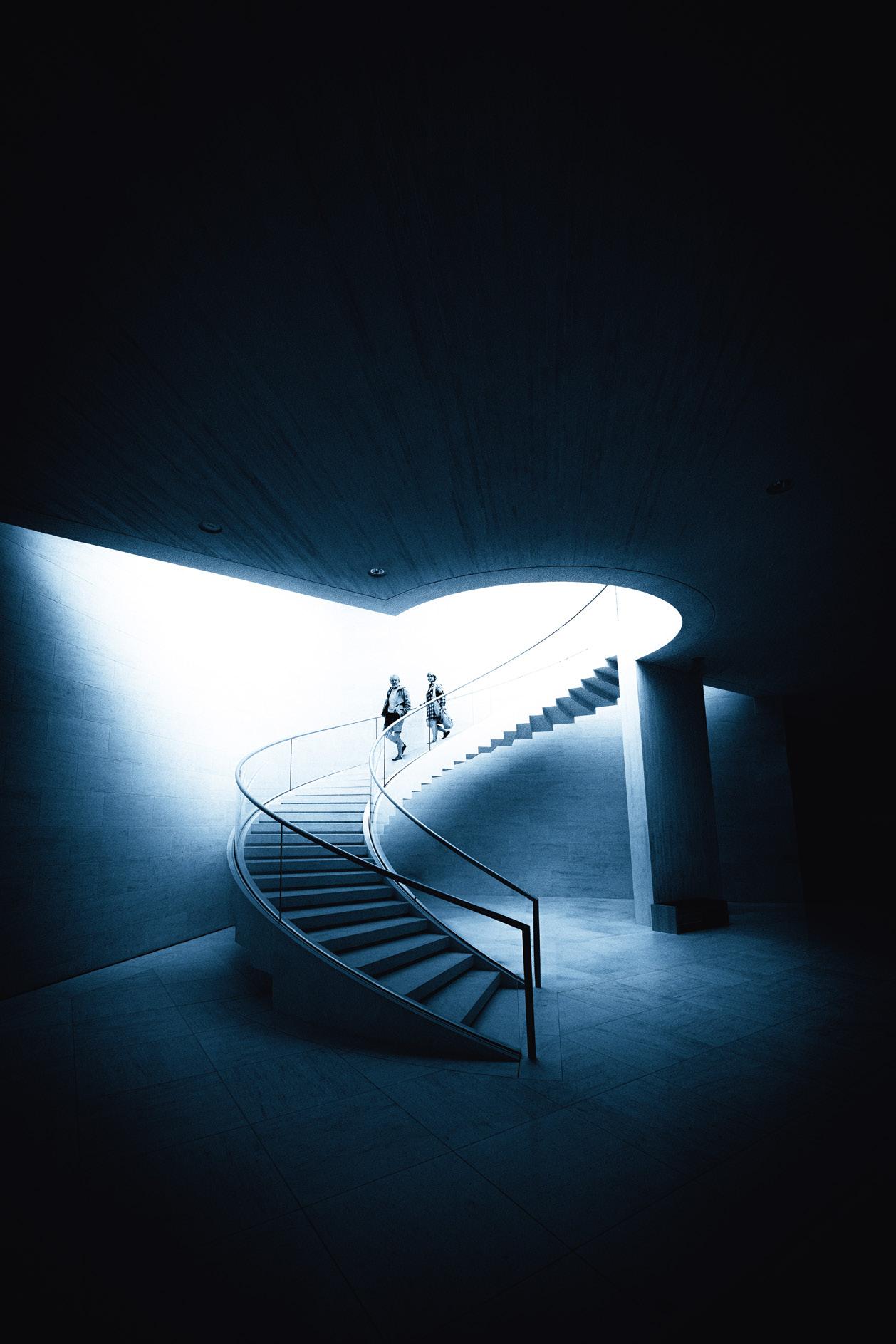
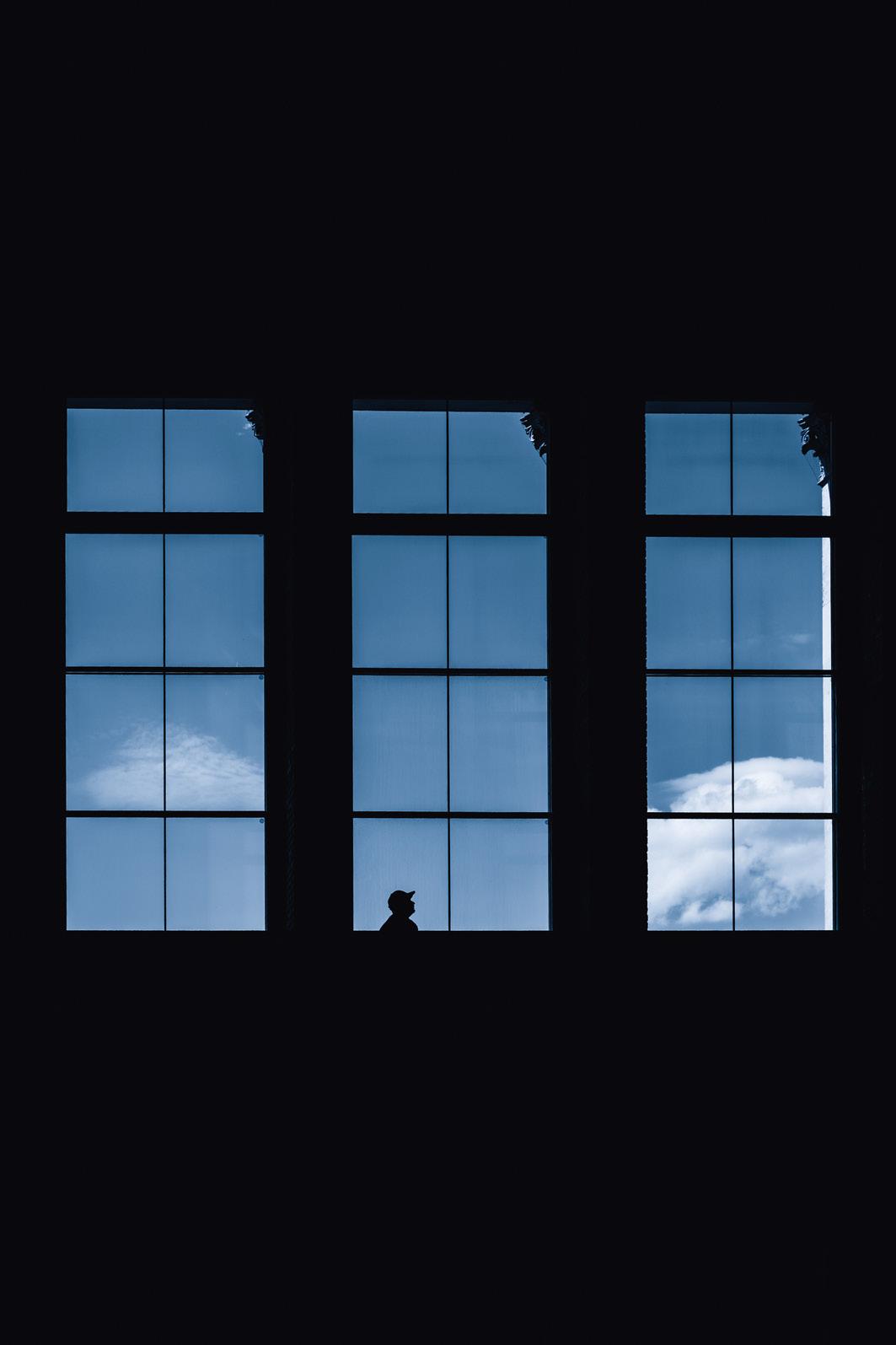
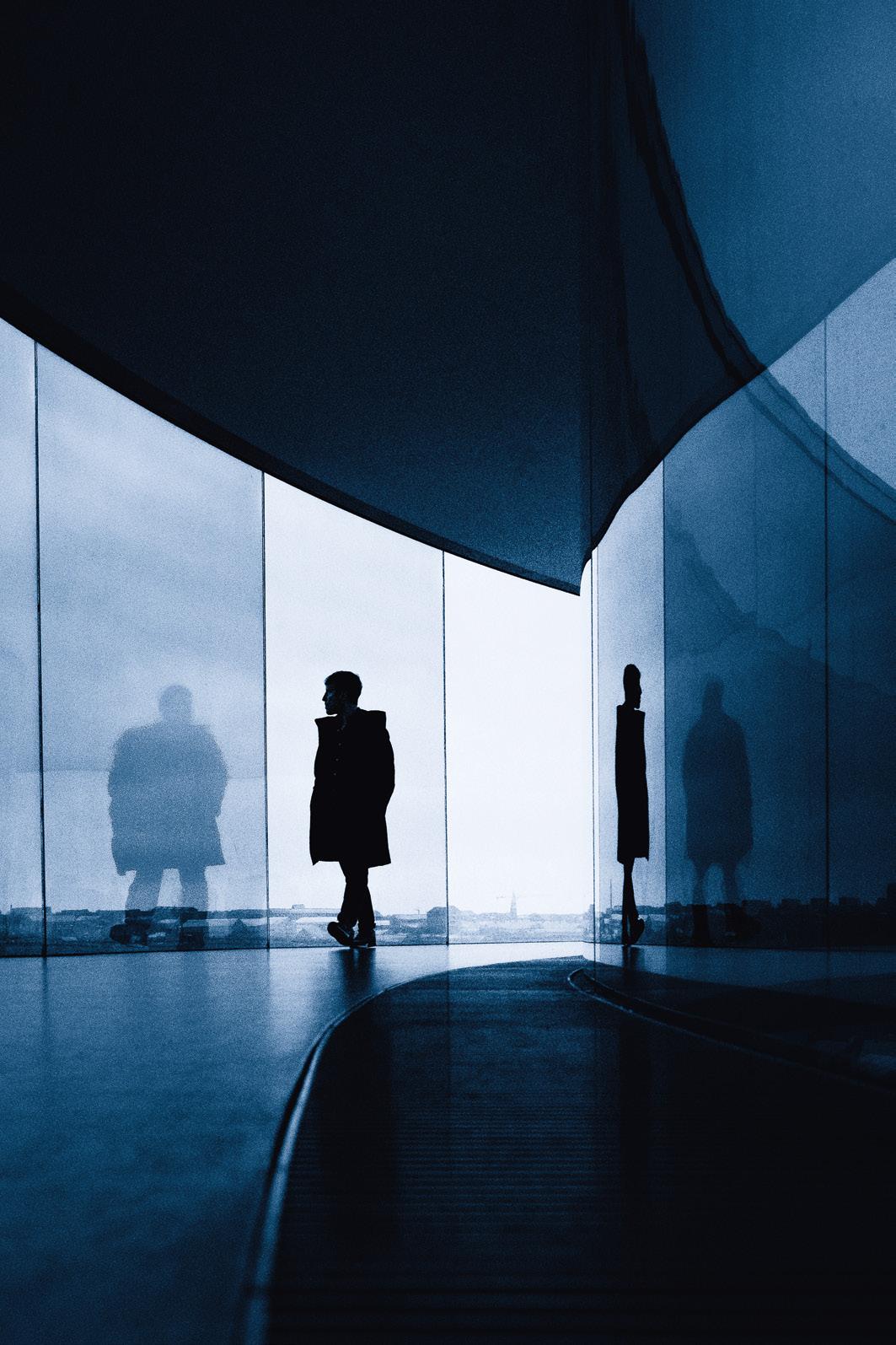
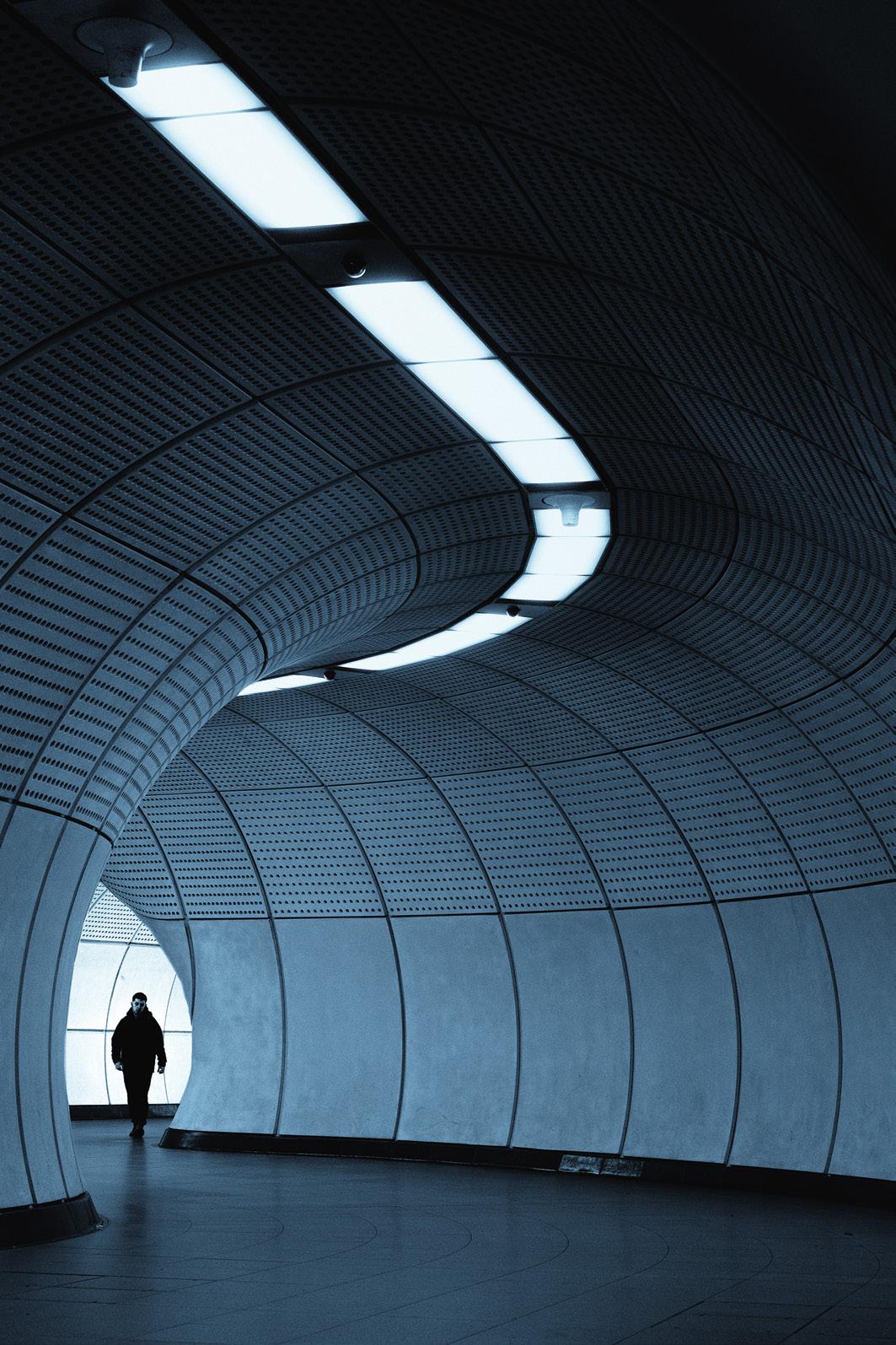
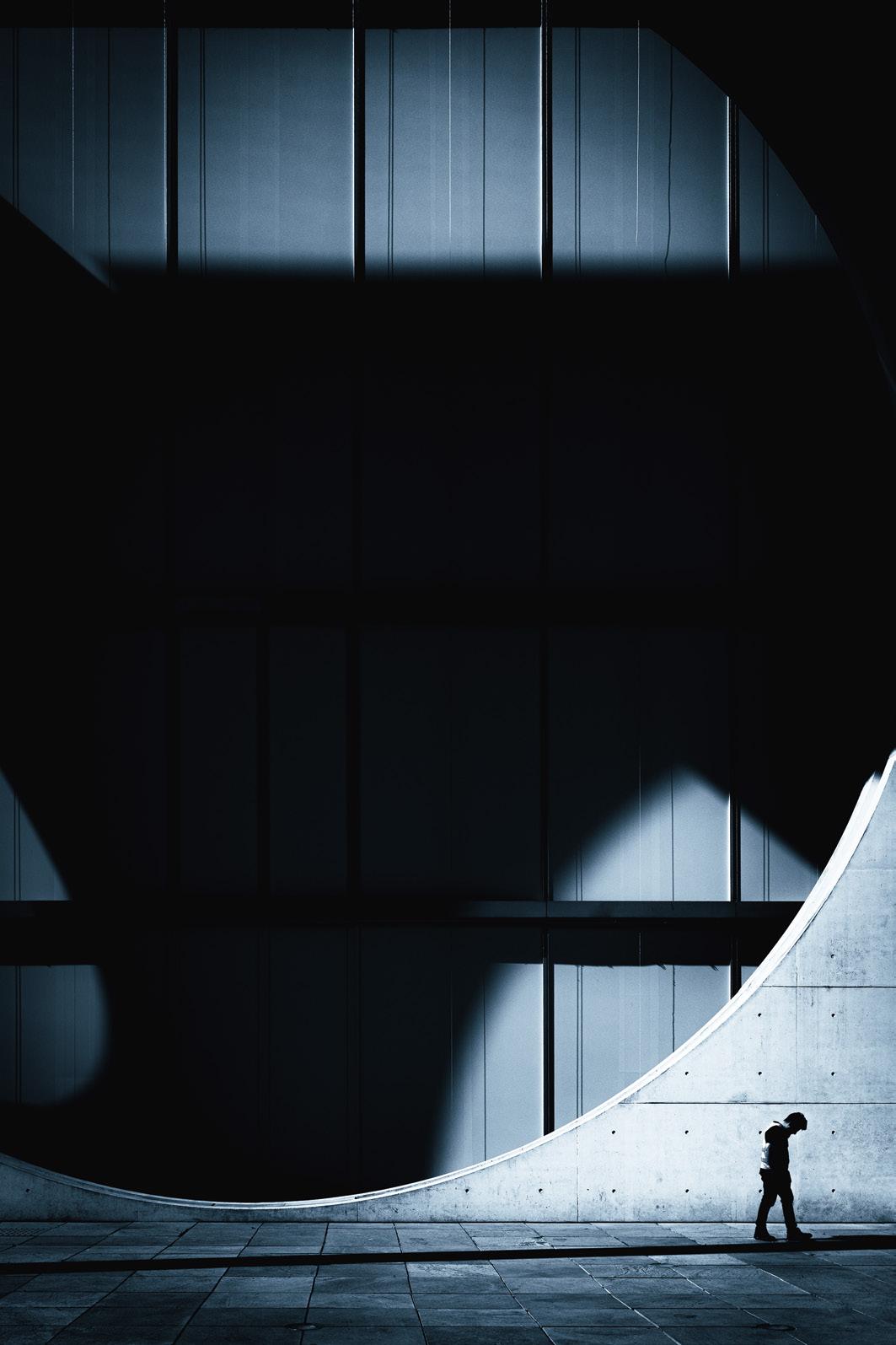
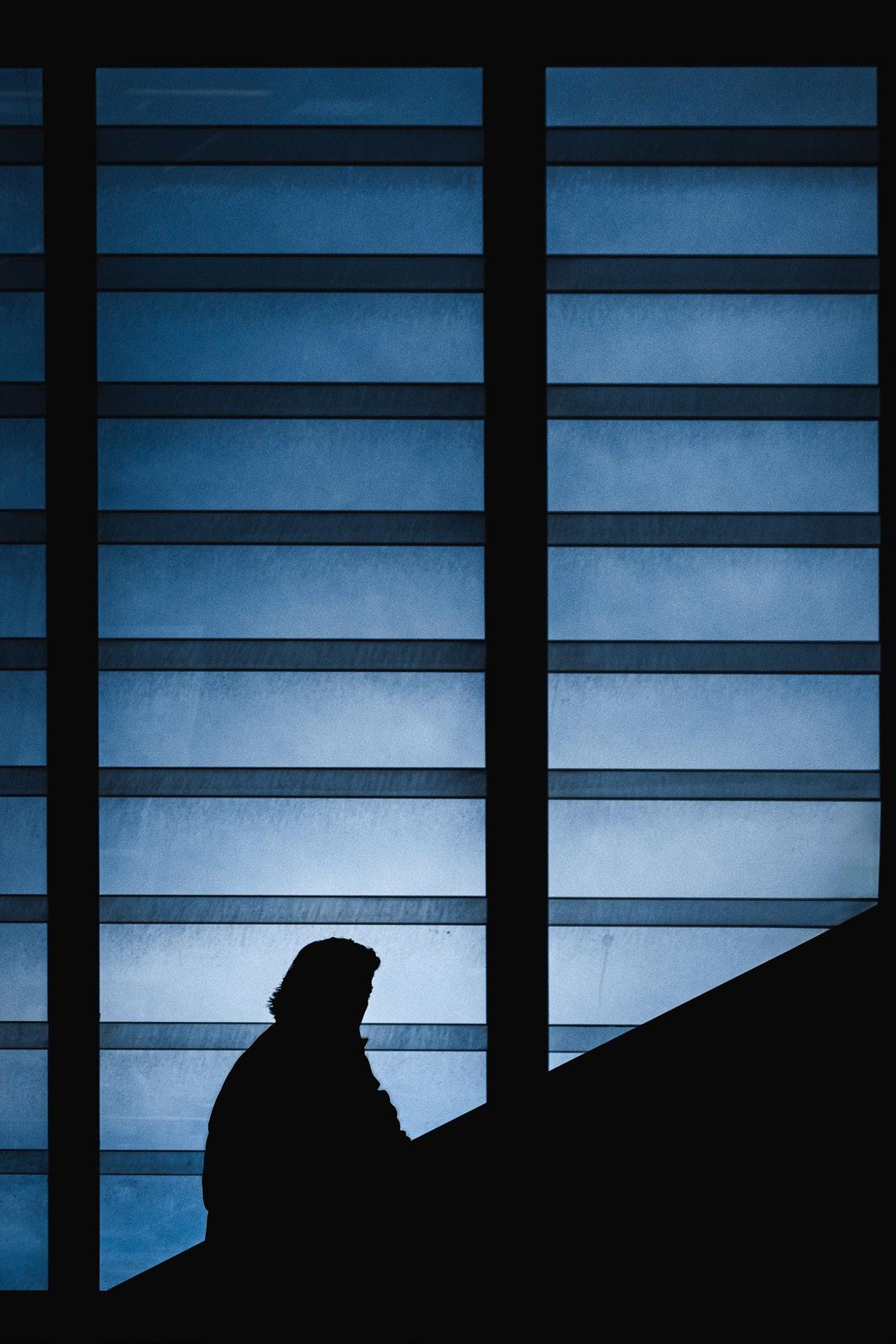
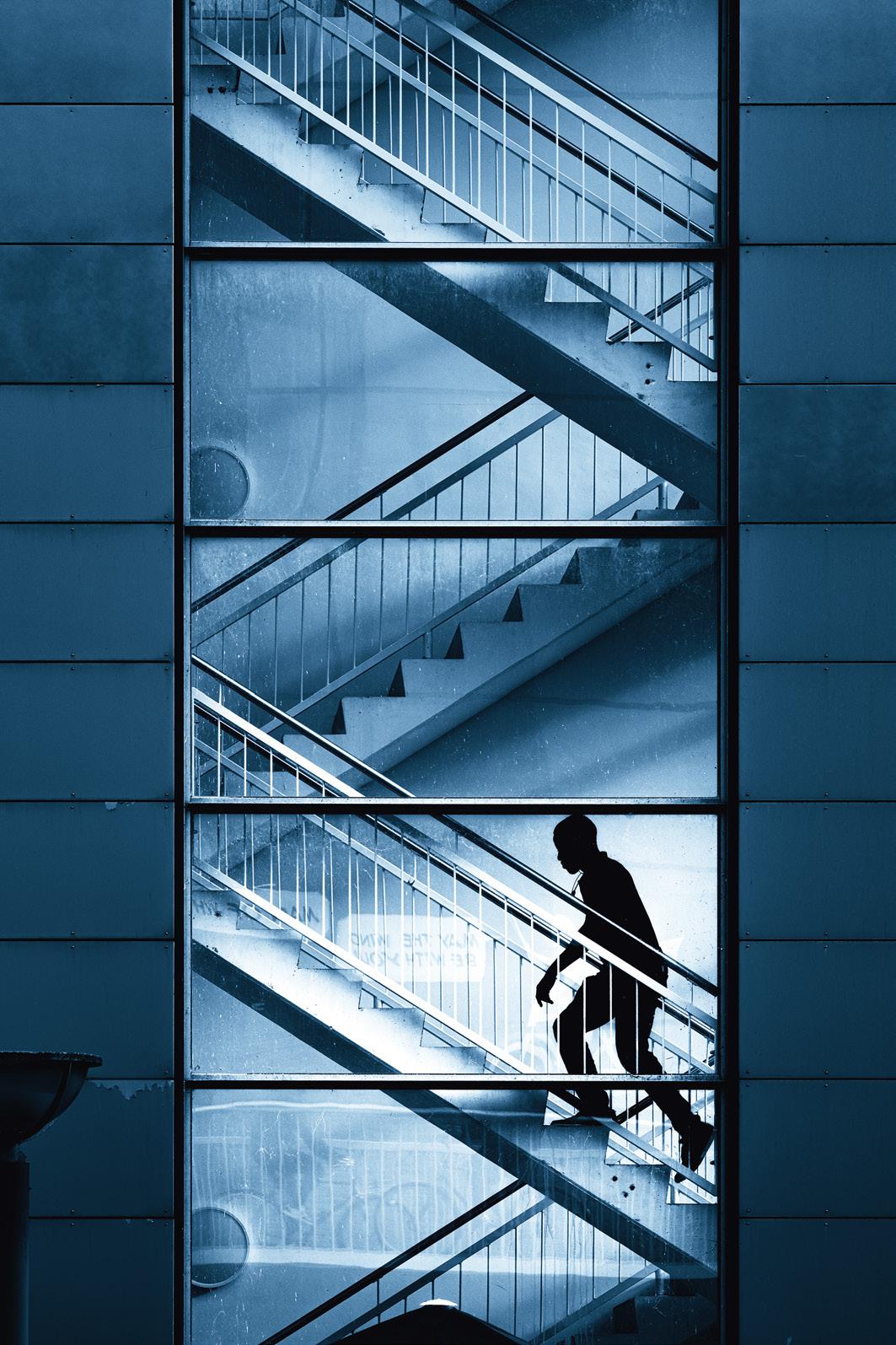
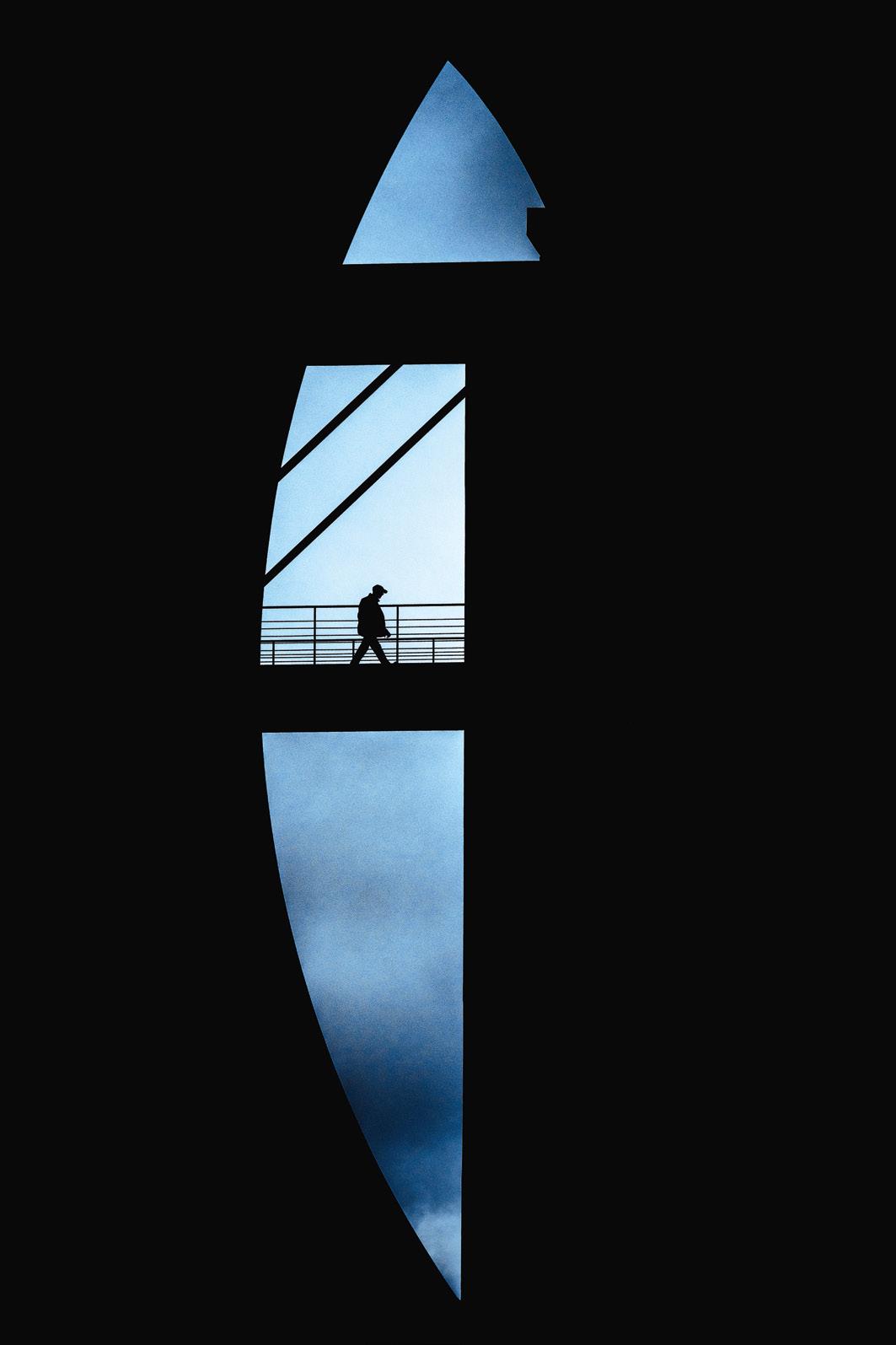
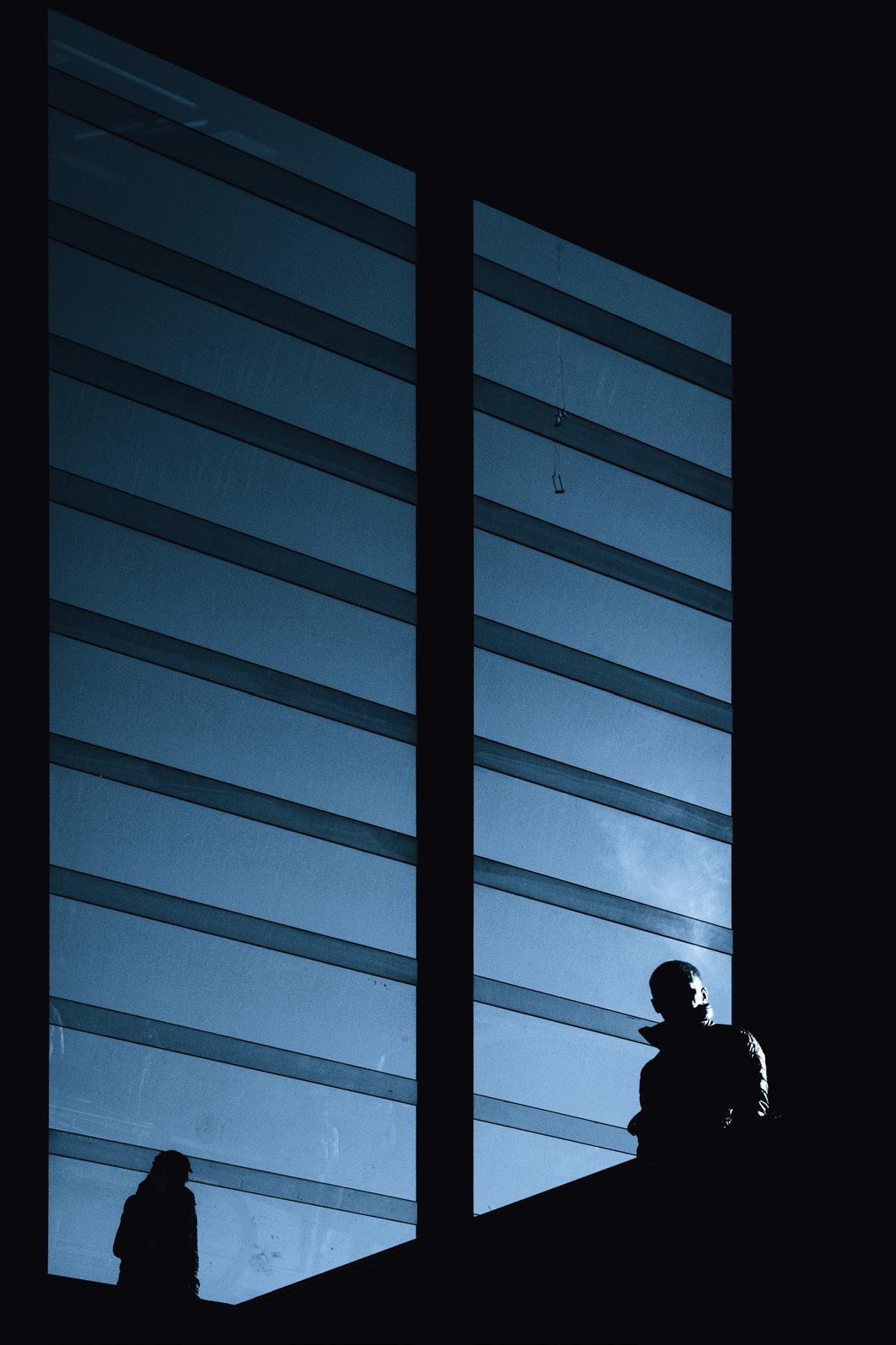
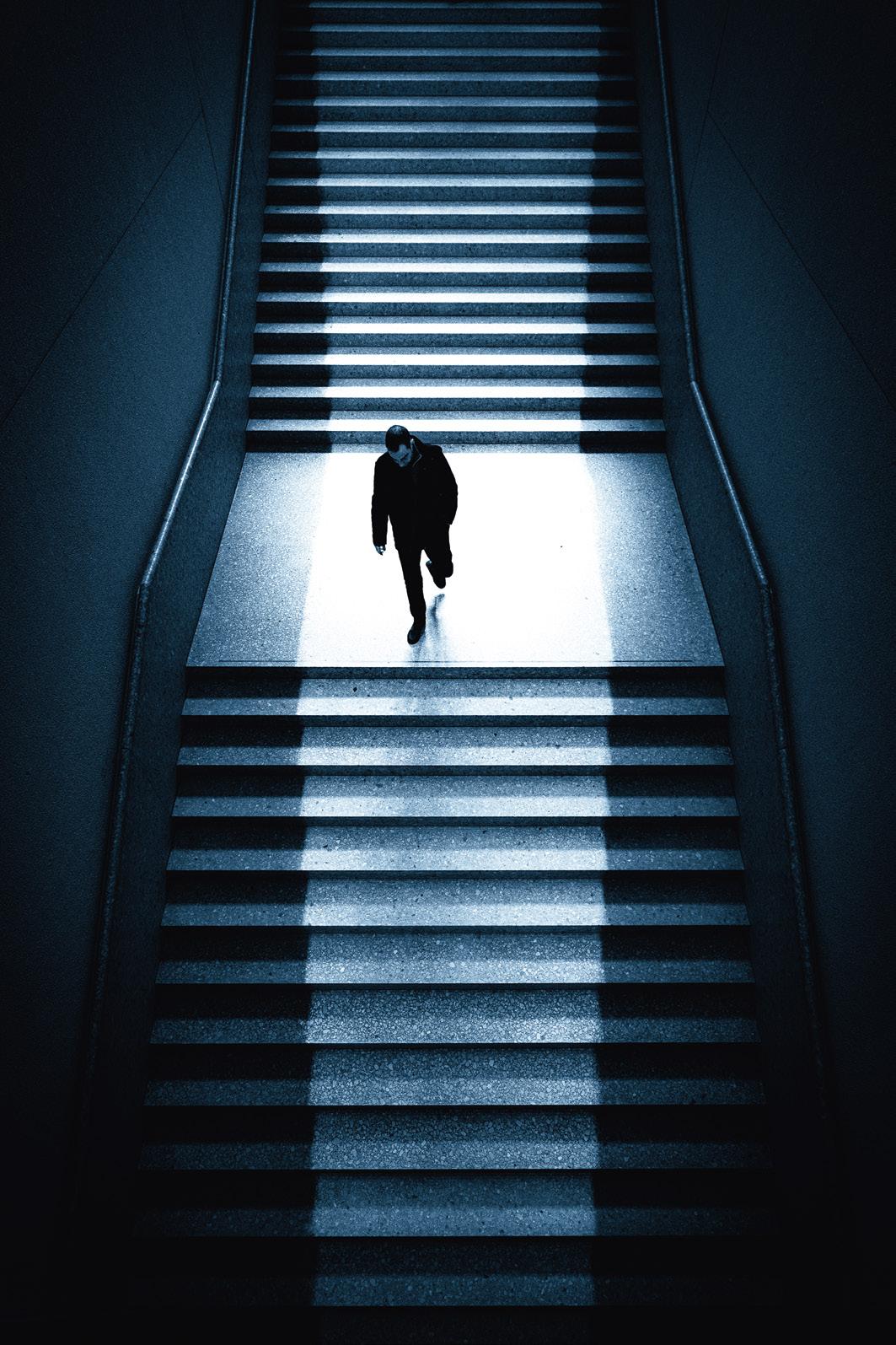
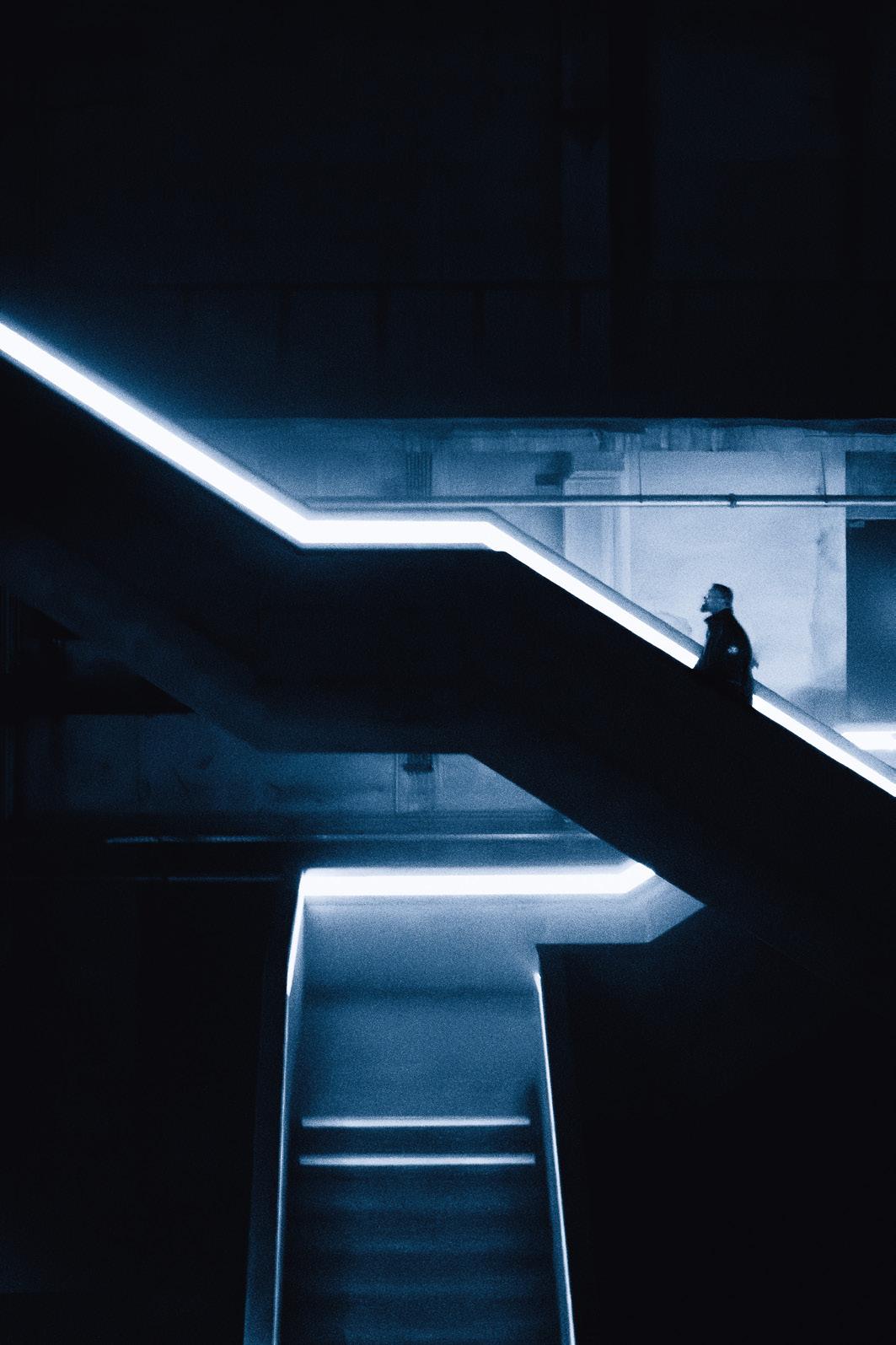
Blue tones, dark shadows and built structures are hallmarks of Marco Wilm’s visual style. The Berlin-based image-maker captures “the quiet tension between people and architecture," drawing on elements of street photography, fine art and minimalism. For Wilm, buildings are more than a backdrop. They are central protagonists, lending clean lines, curves, reflections and scale to compositions. Figures, often depicted in silhouette, emerge from neon-lit tunnels, cross towering bridges or become overshadowed by huge urban constructions. Meanwhile, people climb winding staircases that lead to dark voids, or stare into clouds through huge glass panes. Here symmetry and balance are crucial; Wilm’s framing is meticulously composed – finding quiet moments of reprieve within the bustle of the city. The shots are candid and unposed, capturing “the raw authenticity and the unpredictability of life in public spaces.” marcowilmphotography.com | @marco.wilm
Marco Wilm, Winding Staircase, Luxembourg, July 2025. Image courtesy of the artist.
Marco Wilm, Just a Thought Berlin, April 2024. Image courtesy of the artist.
Marco Wilm, Through the Tunnel London, April 2024. Image courtesy of the artist.
Marco Wilm, Small Berlin, June 2024. Image courtesy of the artist.
Marco Wilm, Shapes and Lines 1 , Berlin, February 2024. Image courtesy of the artist.
Marco Wilm, Shape of Blue Berlin, February 2024. Image courtesy of the artist.
Marco Wilm, Downwards , Berlin, April 2024. Image courtesy of the artist.
Creative Portraiture
Jordevity
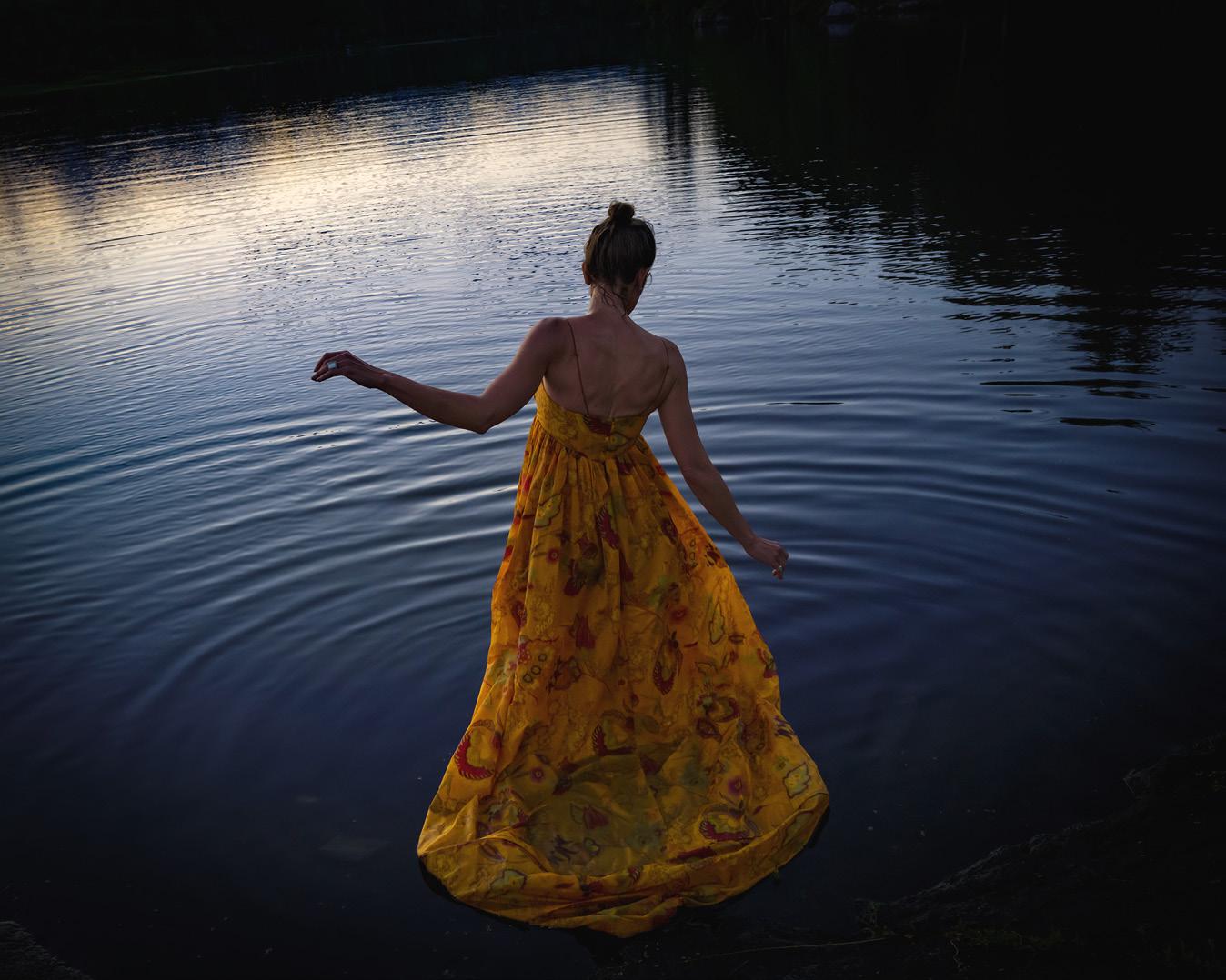
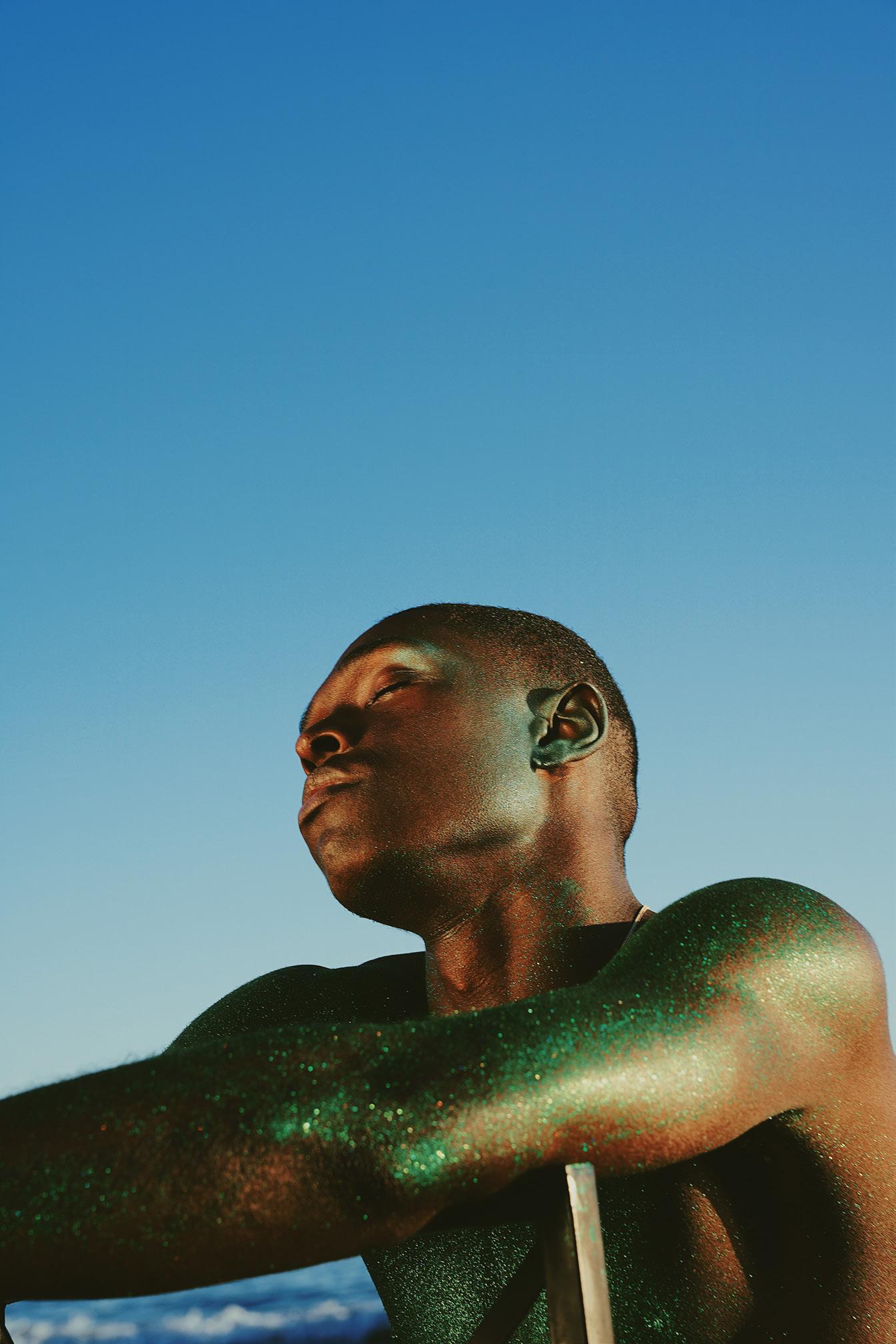
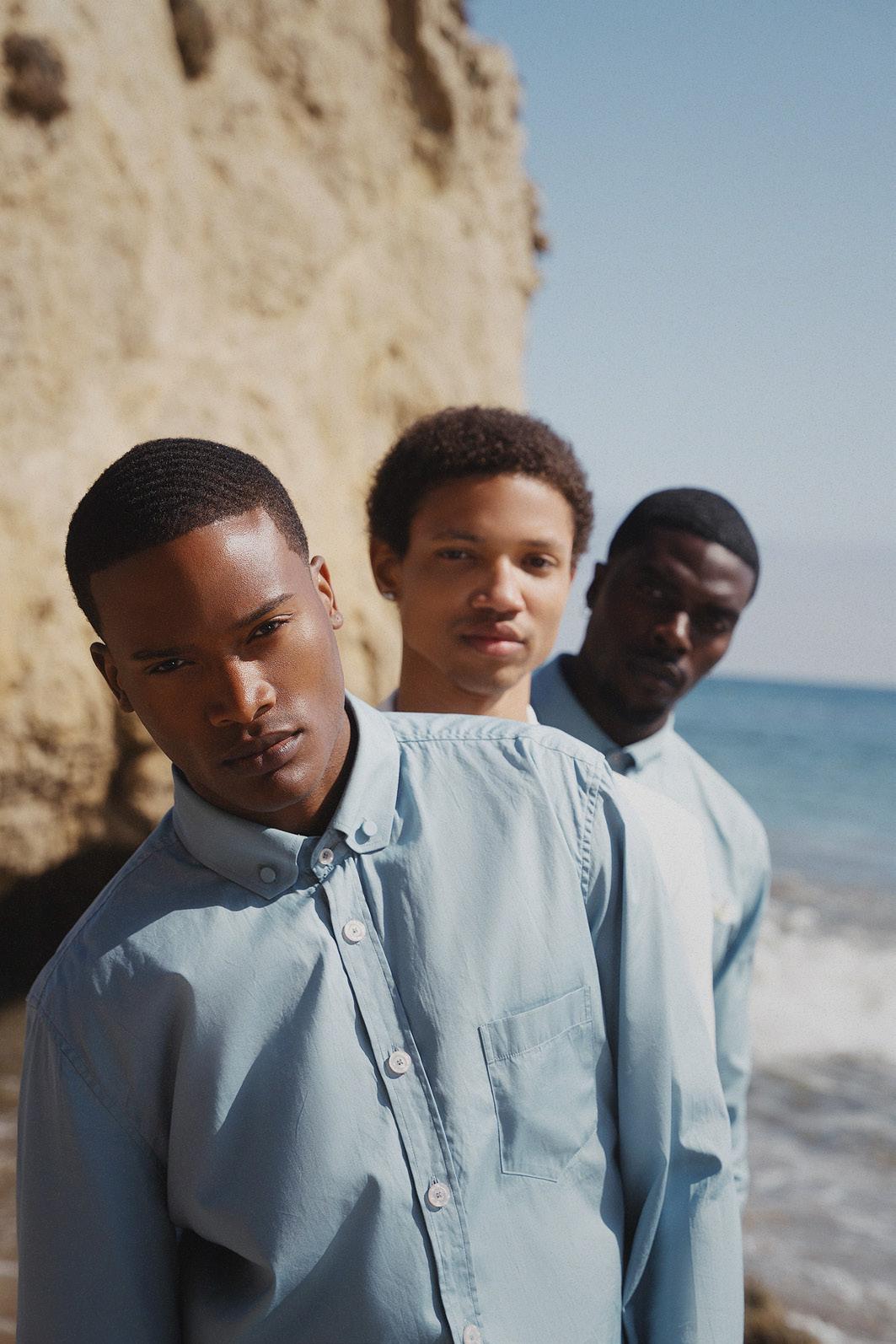
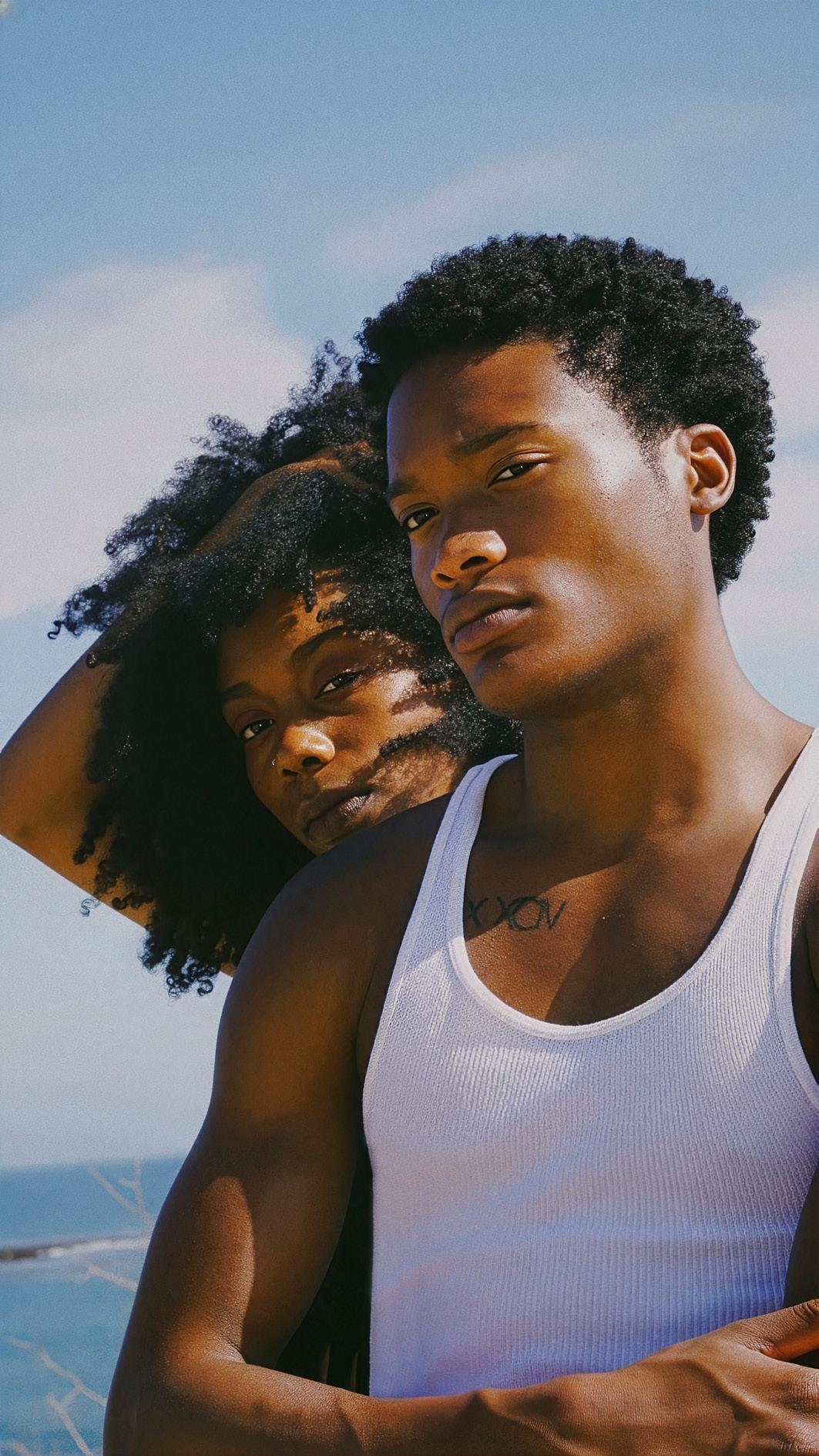
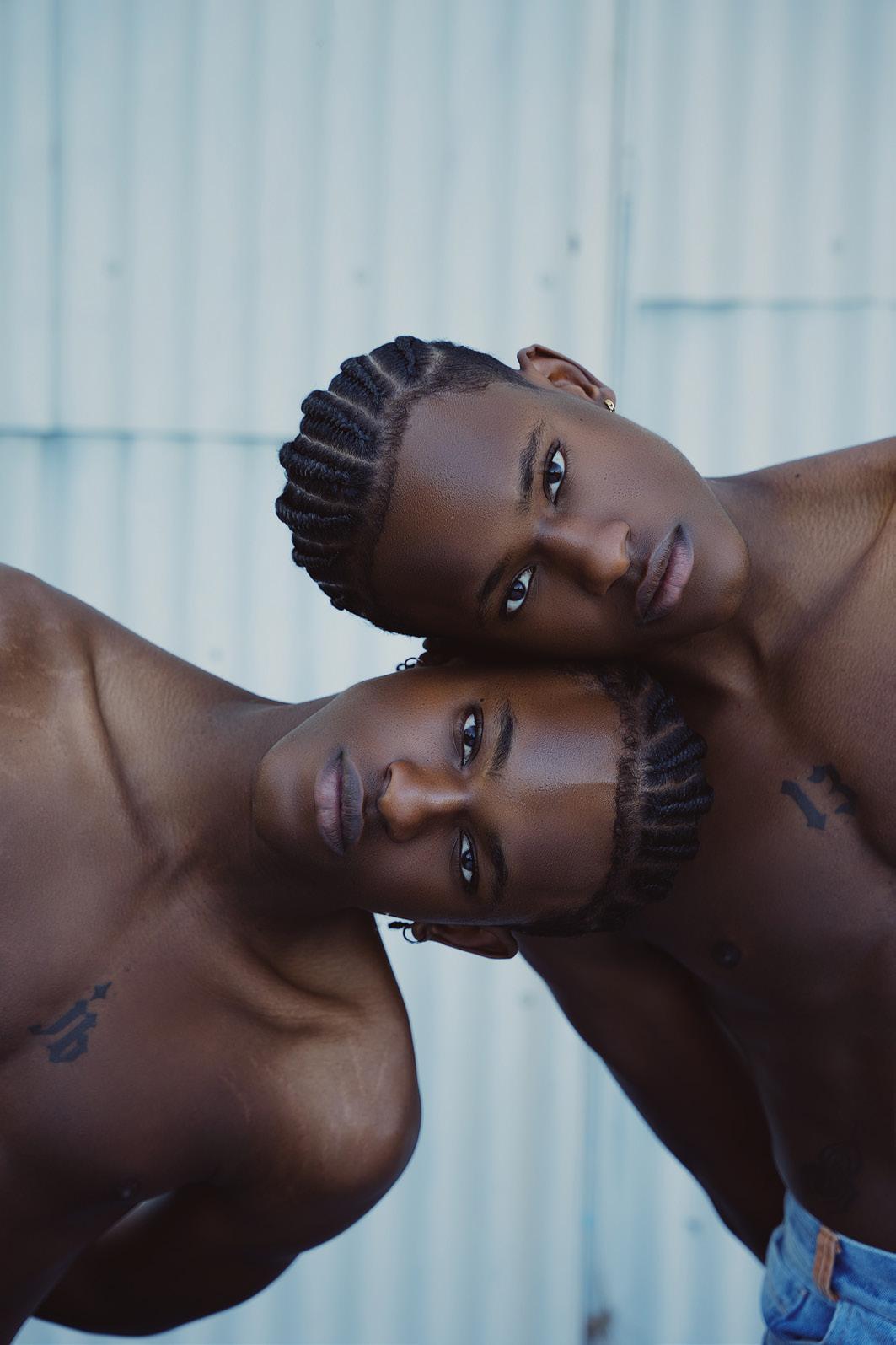
Jordevity is Jordan Diomandé, a photographer and director from Côte d’Ivoire, West Africa. Diomandé was born and raised in Abidjan, and is currently based in Los Angeles, creating work with the aim to “inspire, heal, enlighten and promote the beauty of diversity and kindness.” Several years ago, he made the shift from modelling to photography. Since then, he’s developed a stand-out collection of portraits – driven by the goal of bringing his personal visions to life. The following images are taken from various series, including Earth, Queen & Slim and Trapped in Plain Sight, and are filled with emotion and implied narrative. Diomandé has a masterful command of natural light, often shooting at golden hour, capturing sunlit reflections off water, or dramatic architectural shadows. His styling is equally bold: models are adorned in glitter body paint, wear complementary orange and blue eye make-up, or are pictured with fabrics billowing behind them. jordevity.com | @jordevity
Jordevity, Water (2025).
Location: Los Angeles. Model: Sara Ali. Image courtesy of the artist.
Jordevity,
Jordevity, Blue Sky (2021). Location: Los Angeles. Model: Yun Thomas. Image courtesy of the artist.
Jordevity, (June 2019). Location: Los Angeles. Models: Jase Battiste & Tiffany Lupien. Image courtesy of the artist.
Jordevity, Trapped In Plain Sight , (July 2025). Location: Los Angeles. Model: Kareem Fadiga. Image courtesy of the artist.
Moment Suspended
Brooke DiDonato
PHOTOGRAPHS STRETCH THE BOUNDARIES OF POSSIBILITY, PROMPTING A SECOND LOOK AT DOMESTIC SETTINGS, LANDSCAPES AND EVERYDAY OBJECTS.
Uncanny. Surreal. Nostalgic. Disorientating. Fantastical. All these words and more can be used to describe the world of Brooke DiDonato (b. 1990). The inimitable visual artist, originally from Ohio and now based in New York City, has established a singular photographic vision over the past decade –one rooted in a playful imagination and the desire to inspire a double take. Her scenes, constructed using real locations, objects and people, teeter on the edge of possibility, occupying a place that is familiar yet off-kilter. But their popularity also comes from their relatability: tapping into contemporary anxieties and universal experiences of love and loss.
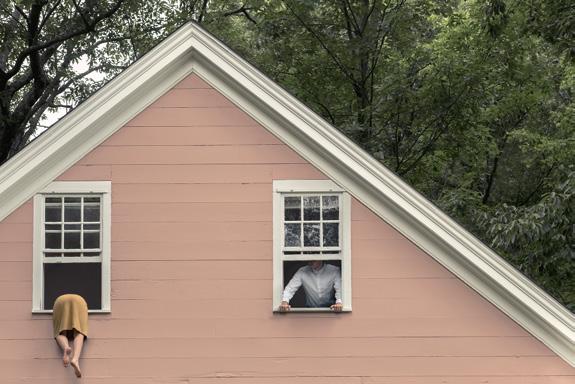
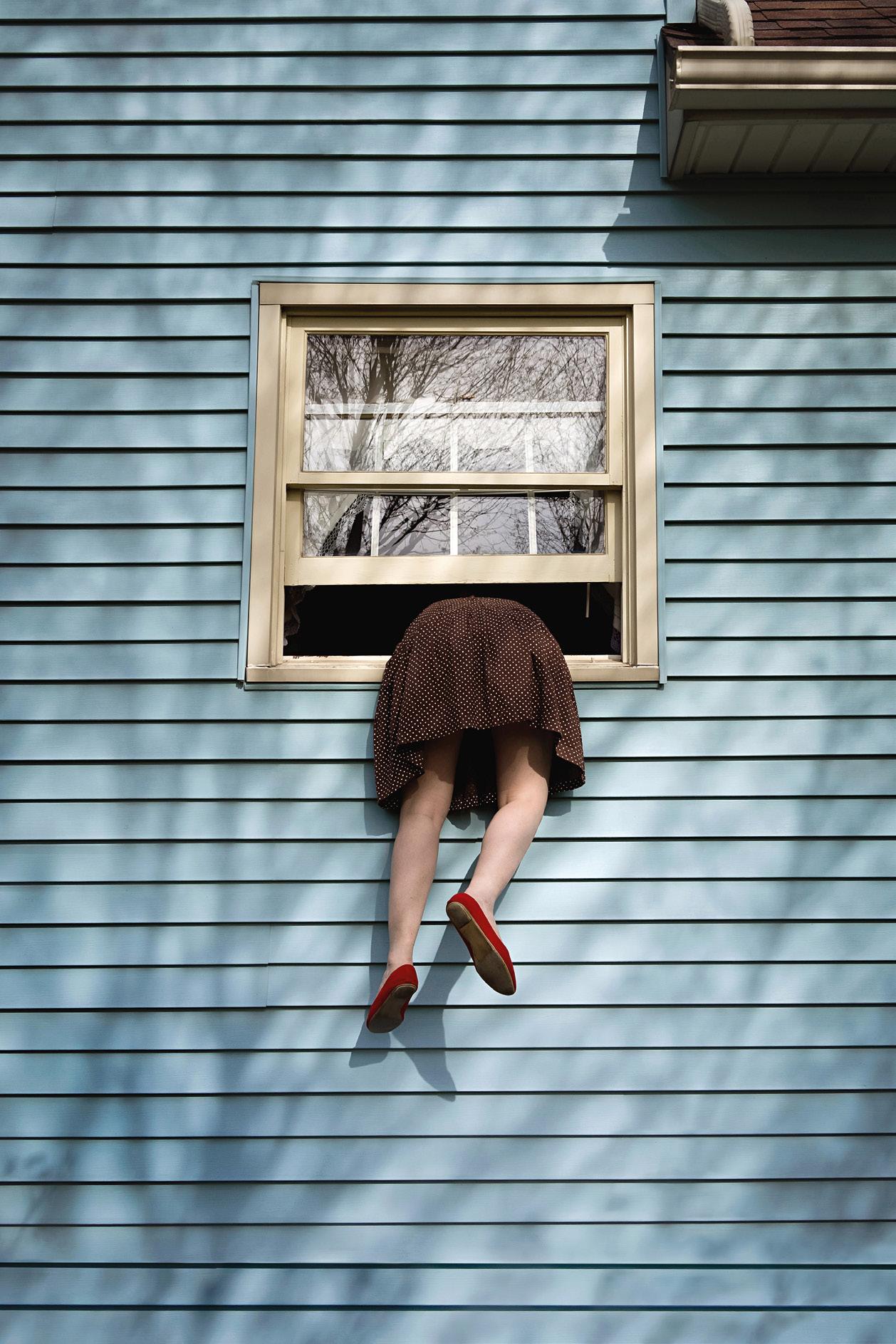
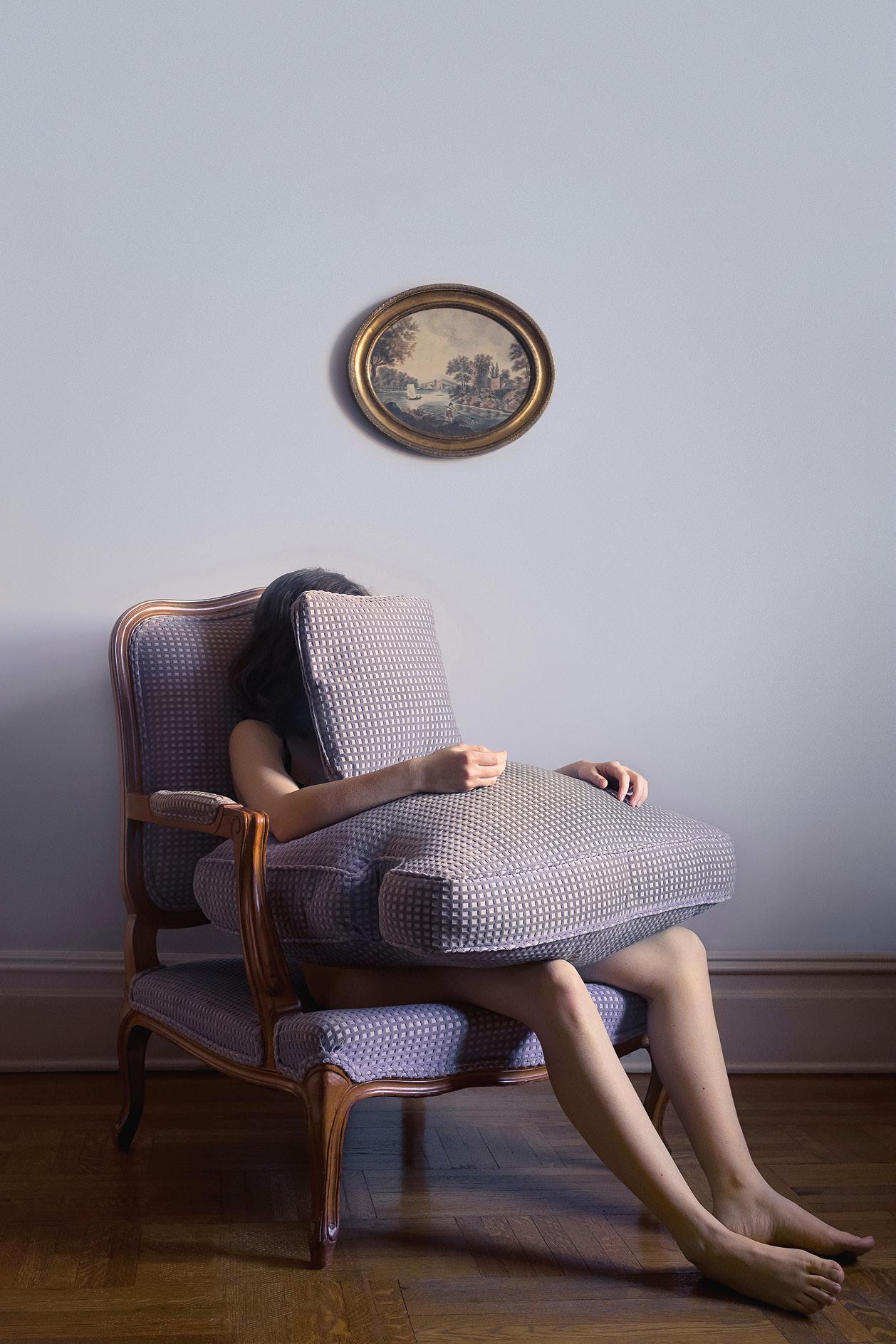
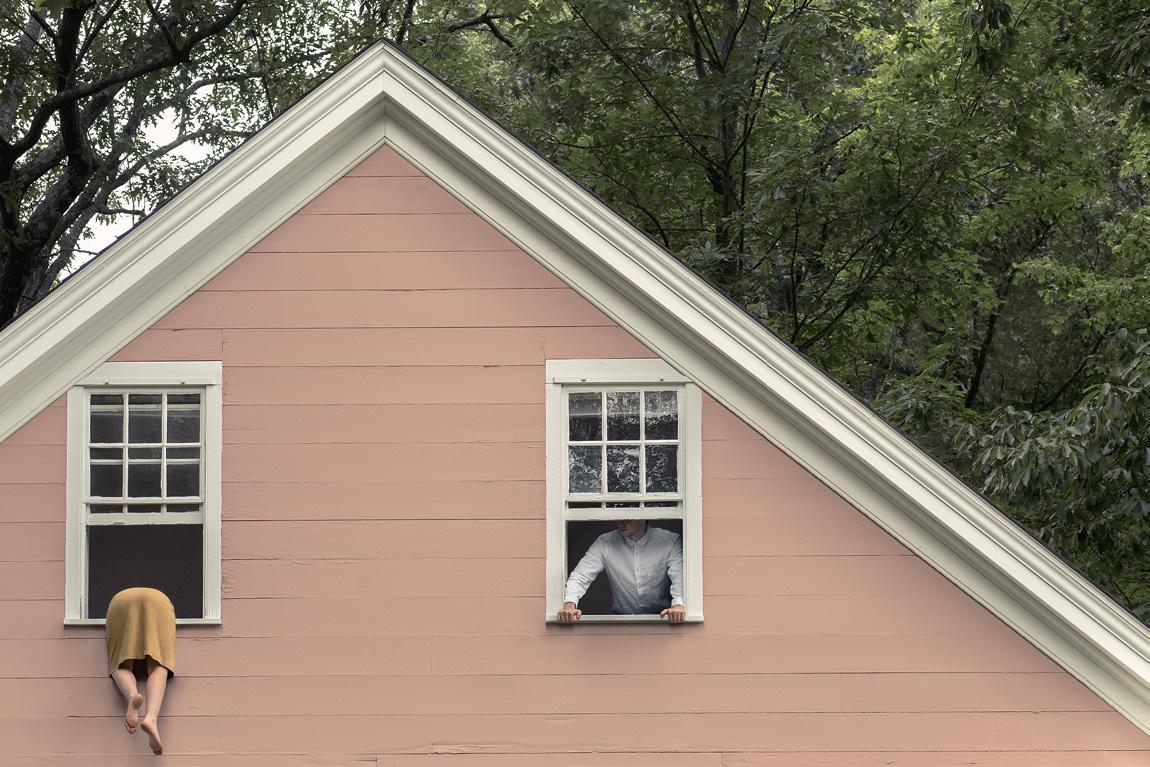
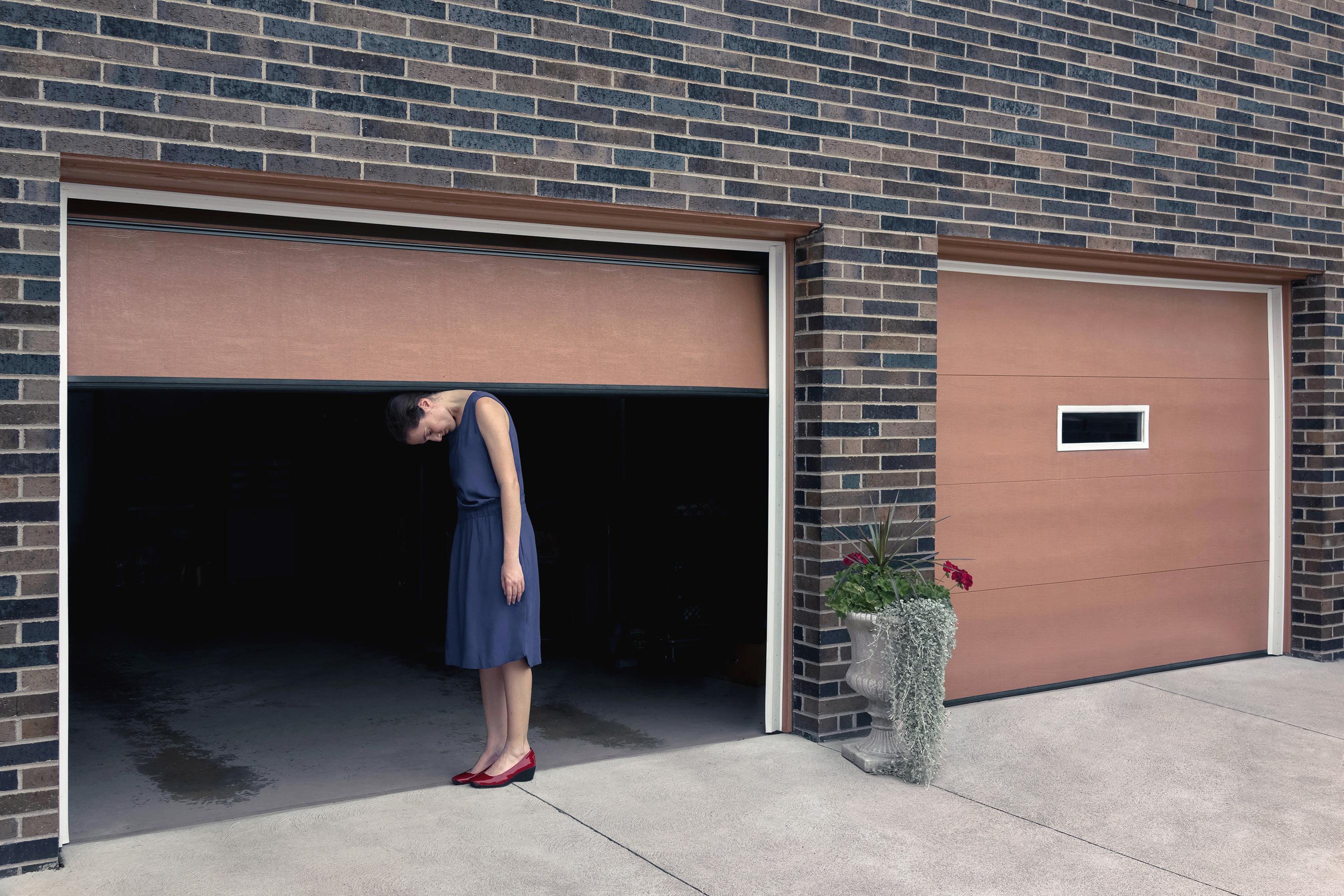
Family homes and domestic settings offer DiDonato endless inspiration. Cosily decorated rooms and pristine gardens are imbued with danger, humour and intrigue, encouraging us to look again. In one shot, legs kick from an open window. Elsewhere, garage doors and white picket fences close in around characters, whilst curtains, footstools and sofas engulf bodies whole. Meanwhile, attics, cupboards, fireplaces and kitchen cabinets are locations to be occupied and explored. The outdoors offers a similar playground for ideas, where figures are subsumed by cacti, arch backwards into shrubbery or fold forwards into iron railings. One thing is made clear: DiDonato looks at a setting and asks, "what if?"
Take a Picture, It Will Last Longer, from Thames & Hudson, is DiDonato’s debut monograph. It brings together several of her most well-known bodies of work, alongside new photographs that have never been seen before. We sat down with the artist ahead of the launch, to discuss her inspirations, creative process and the experience of making this first book.
A: Do you remember the first time you picked up a camera? What drew you to start making photographs?
BDD: It was my dad's Polaroid. He worked for Nationwide as a claims adjuster, and would take pictures of houses that had storm damage. Sometimes I would go with him, and I thought it was cool that he spent his day taking pictures. At the time, I would've been 10 or 11. When he wasn't working, he’d let me use this camera. I took pictures of our cat, Tiger, posing in different areas of the house. I built sets around him – like in a bathtub surrounded by bottles – and wrote captions on the bottom of the Polaroid, such as “which shampoo should I use?” It took me a long time to realise there was a strong throughline to what I'm making today – a constructed scene with a funny caption. But it's what I was doing aged eleven.
A: Your pictures are so distinctive and imaginative. Where do your ideas usually begin? And are there any particular artists, filmmakers or thinkers who influence you?
BDD: I love Gregory Crewdson’s work – I discovered him in my early twenties. He has spoken about wanting his stories to remain unresolved, and I like the idea of a moment suspended in time, where we don’t really know what happened before or after. I was also influenced by Francesca Woodman early on in my career: her work is eerie, somewhere between a dream and a nightmare. Other than that, I go to vintage stores a lot – sometimes I buy things, and I don't know what I'll do with them yet, but they'll appear in a picture later down the line. Sometimes it's as simple as reading a quote and then thinking of ways to visualise it. I really like idioms, too.
“The majority of my images are possible, and they did happen. I have constructed the scenes myself. So, in a way, it's not surreal –just unexpected. They are almost always practical effects, and I'm not trying to trick the audience.”
A: Could you walk us through the making of one of your compositions? How does an image take shape from concept to completion? Is there a process you tend to follow?
BDD: I often reshoot: maybe the picture didn't have the mood I wanted, or the lighting could have been better. I have a background in journalism, which is a bit more “you missed the moment.” But I can be a perfectionist about the way I work. The legs hanging out the window is a good example. That’s my dad's house, and I have unlimited access to the location. When I first shot this, it was overcast and I had no movement in my legs. I wanted it to feel more playful. So I went back out, three more times, until I got the shadow of the tree on the on the façade, which adds a little bit more dimension to the image. It makes it clear this is a real place, not a studio. I also kicked my legs around to make the scene feel more active. Now, the viewer is asking: is she going in? Climbing out? We don't know, but something is happening. Those little changes can completely alter the meaning of the photo.
A: Your pictures transform domestic settings into uncanny spaces. Why use ordinary locations as your backdrops?
BDD: I grew up in a rural area, where you know what's going to happen: who your neighbour is, what time the mailman is coming. So it’s the perfect stage for something that you don't expect. I've shot a lot of work at my dad's house, and that comes from a sense of familiarity with the place. I'm always returning, and noticing it change in these subtle ways: maybe he painted the fence or replaced the carpet in the bedroom. I became especially drawn to this phenomenon when I moved to New York – a place where you walk out your door and have no idea what's next. It gave me a different perspective.
A: These photos are often described as “surreal.” Do you identify with that term, or not? Where do you feel your photography fits within the movement's rich lineage?
BDD: I do identify with it. I didn’t go to art school, so a lot of my background in photography was journalism. But I've become more interested in the movement over the years –especially discovering artists like René Magritte. Surrealism was birthed out of discontent with reality, so I can identify with the intent. Somebody once referred to my work as magical realism, and I can see both definitions. The majority of my images are possible, and they did happen. I have constructed the scenes myself. So, in a way, it's not surreal – just unexpected. They're almost always practical effects, and I'm not trying to trick the audience. If something is hanging, I’ve used fishing line. Oftentimes, I’ll leave that in the final image.
A: You tend to challenge expectations of how space can be occupied – sometimes defying physical logic. What fascinates you about manipulating spatial relationships?
BDD: I have a curiosity about how things should work, versus how they can work. The fun thing about shooting indoors is that the space stays the same: it's always going to look like this. Either I have to alter it, or change how I show it to you. Some of my favourite photos are set in the same corner of my room, that I’ve revisited repeatedly, over and over again. In my bedroom in Austin, I would go to sleep every night below the attic and wonder how many ways I could get up there. Could I stand on somebody's shoulders? That became a photo. Then: I wonder if I could stack 60 books and make it 10 feet tall? That became yet another photo. It’s all about troubleshooting, and asking: how many ways can this work?
Previous page: Brooke DiDonato, Next-door, (2014). Image courtesy of the artist.
Left: Brooke DiDonato, Living Room , (2015). Image courtesy of the artist.
A: What was the process of looking back and curating Take a Picture, It Will Last Longer like? Did you observe developments in your creative approach over the years?
BDD: I definitely noticed differences in my process, from then to now. I used to work a bit more spontaneously and the work was less controlled. I've always been interested in depicting domestic spaces – one of the earliest images in the book is from 2012 at my mom's house – but I don't think I nurtured that idea quite as much as I did during the pandemic. In 2020, I moved into a house in Austin, and that is when things really took off. I was living alone, and I thought: I can make anything here. I can do whatever I want. I'd put up wallpapers, hang stuff from the ceiling and just leave it there for a week and think about it. I had my friend spray herself in the face with a hose, in my bed. I used my living space as a studio. The work became more unhinged during that time.
A: What element of making the book did you enjoy most?
BDD: It was fun to figure out how all my work would live together. When I was living in New York, in my early 20s, I would collaborate with dancers or models who I met on Instagram. So those photos are quite different to the work in Austin. When we started the book, I thought: how are these things going to match? It was a pleasant surprise for me that they did. We've used wallpapers as a signifier that you're moving into a different thematic section – it feels like you're travelling through rooms in a house. It shifts from work that is, for example, an expression of pillows, to a section about limbs, bodies and wacky contortions. Even though I don't really shoot with a series in mind, there are different threads within the book. It was very satisfying to see it fit as a whole.
A: Was there a part of the process that stood out to you?
BDD: Raquel Rei, who is the designer of the book, had an uncannily good sense for the work. I was shocked by the way she put things together. She understood the timeline of things and matched up the images well. For example, she placed a photograph I made when I was deep in grief next to a lighter expression of loss. She somehow managed to sense that just by looking at the pictures. It's interesting when you think a piece is so personal to you, but someone else gets it.
A: The publication includes an interview between your father and Emmy Award-winning filmmaker and writer Eve Van Dyke. What did you take away from those conversations? Did they prompt you to see your work anew? BDD: It made me see things in a fresh light. There’s a funny passage where my dad speaks about how his neighbours never say anything when I'm out in the yard doing odd things – like lying face down on like a white picket fence. They’ll just say: “I see Brooke's home.” I won’t spoil it, but it was fun for me to hear his point of view by reading those conversations.
A: Finally, what are you working on now? Are there new ideas, formats or directions you’re excited to explore?
BDD: Making Take a Picture has meant looking constantly at completed work. That's made it harder to sit with anything unfinished, as it doesn’t yet have a home in the way the images in the book do. I’m going to do other things and see what comes of it: read more, go on runs and engage in activities that aren’t photography for a while so I can renew. I definitely want to explore video in future: a short film would be a good challenge. But I don’t have any concrete plans just yet.
Right: Brooke DiDonato, Closure , (2016). Image courtesy of the artist.
Playing in Colour
Sarah Doyle
In 1923, Wassily Kandinsky handed out a questionnaire to his Bauhaus students. Their task: match the three primary colours with basic shapes. The responses fed into the artist's wider investigations into colour-form theory, which linked yellow to triangles, red to squares and blue to circles. Today, contemporary photographers, including Dublin-based Sarah Doyle, are continuing to play with the relationships between geometry and palettes. Across the compositions, multi-toned spheres are suspended against stark black backdrops, models hold scarlet rings aloft, whilst various shades of thick paint spill out across portraits. Elsewhere, cerulean is layered over navy in a remarkable display of colour-blocking. Doyle's work, which is defined by its bright aesthetic and imaginative approach, has been featured by Hunger, The Observer, Tatler, Time, Vogue and others. Her clients include Max Factor, Sony, Universal & Urban Outfitters. sarahdoylephotography.com | @sarahdoylephotographer
Sarah Doyle, Portrait of Appiok Hair & Make-Up by Leonard Daly. Image courtesy of the artist.
Sarah Doyle,
Sarah Doyle, Blue Room. Image courtesy of the artist.
Sarah Doyle, Play . Image courtesy of the artist.
Sarah Doyle,
Sarah Doyle, Green Necklace by Louisa Jane. From the series
Human Expression
Klaus Vedfelt
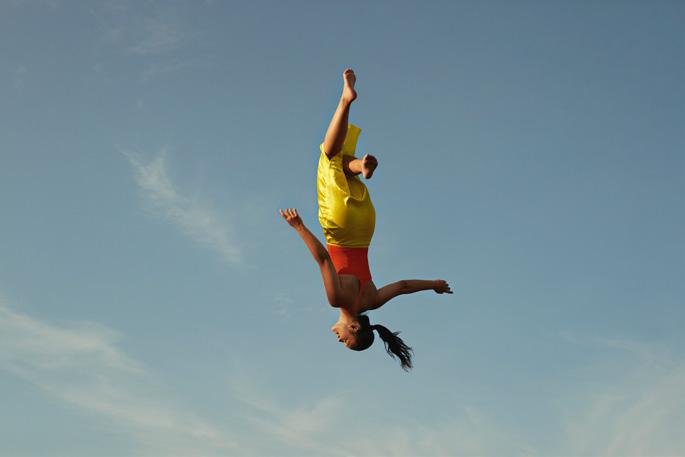
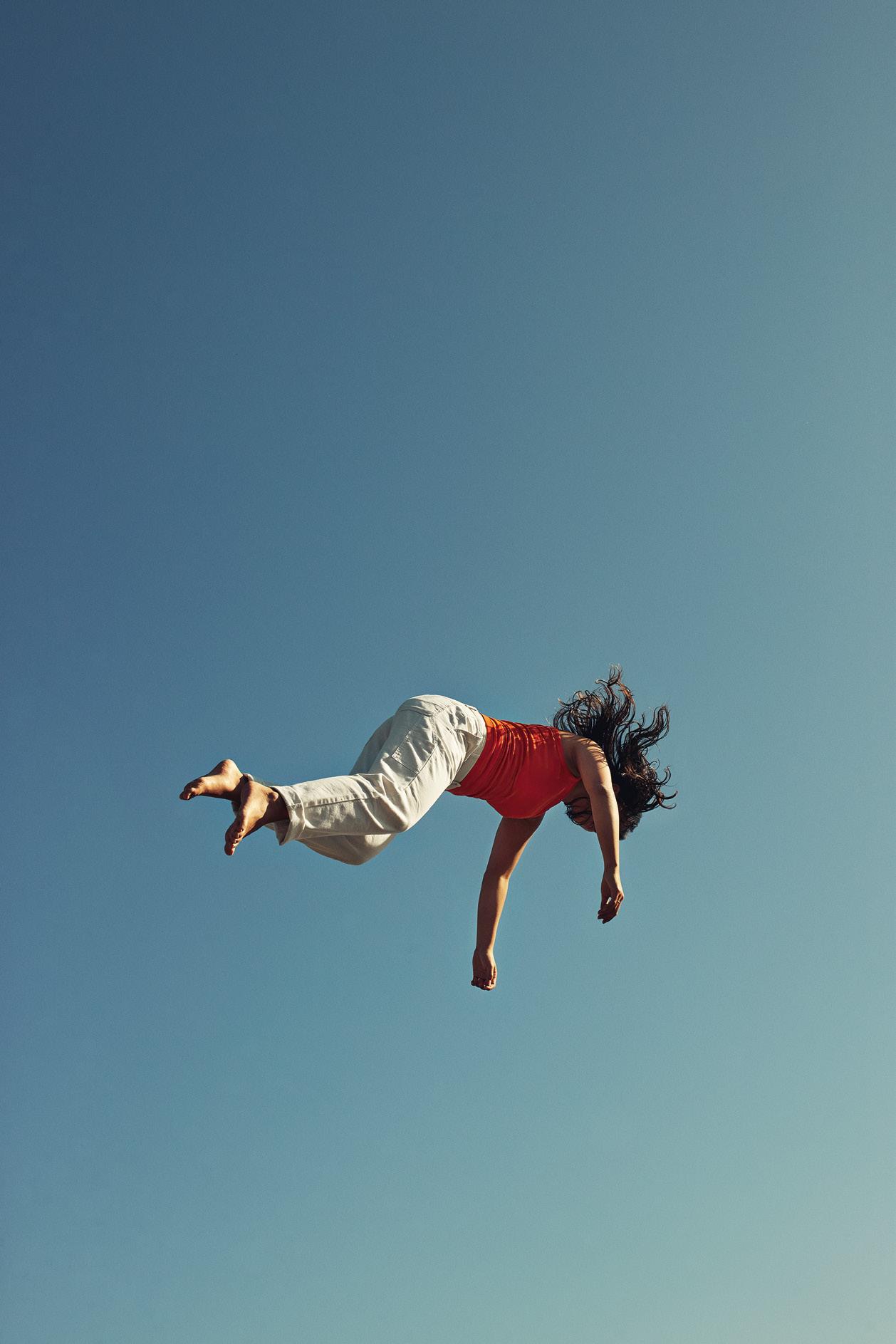
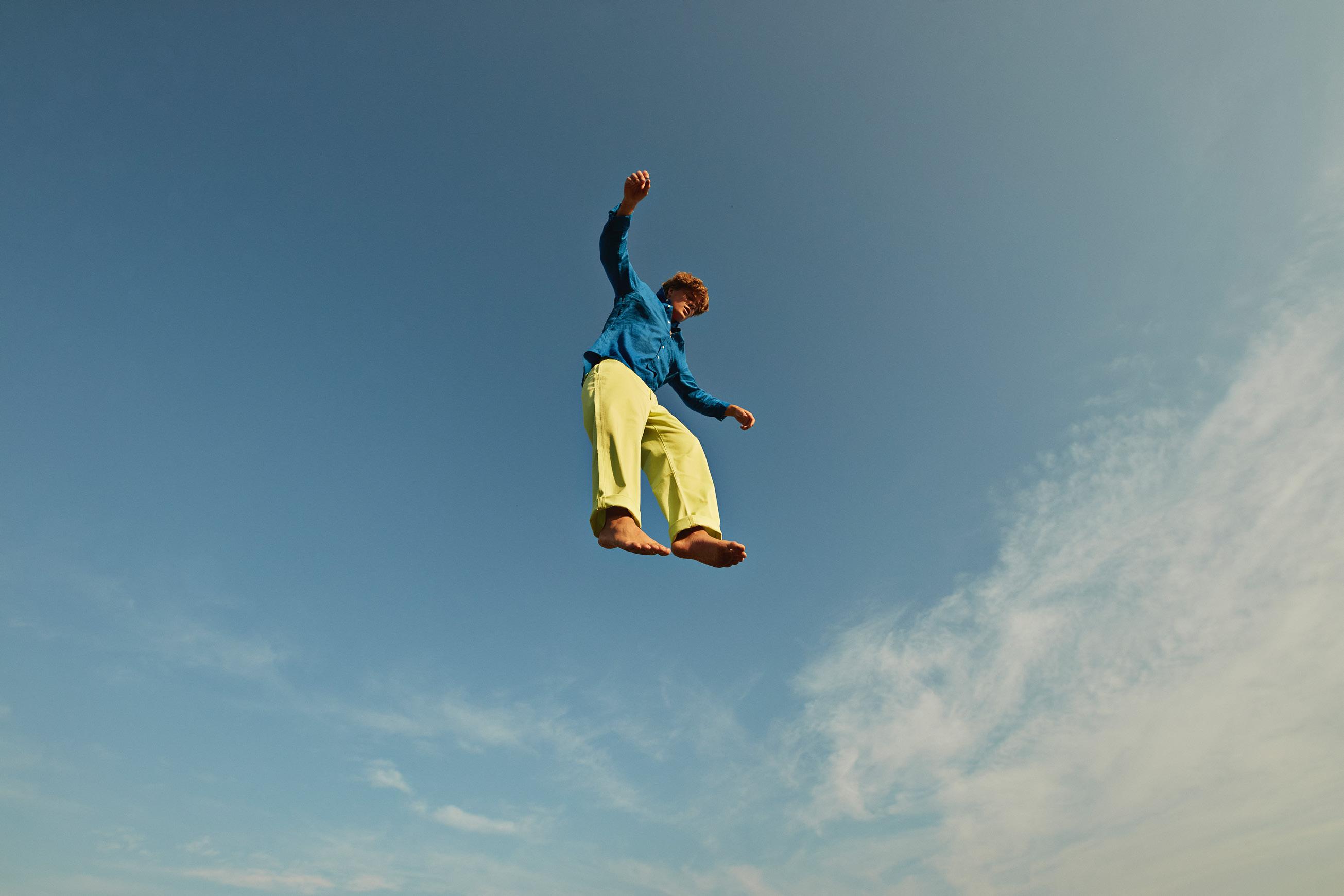
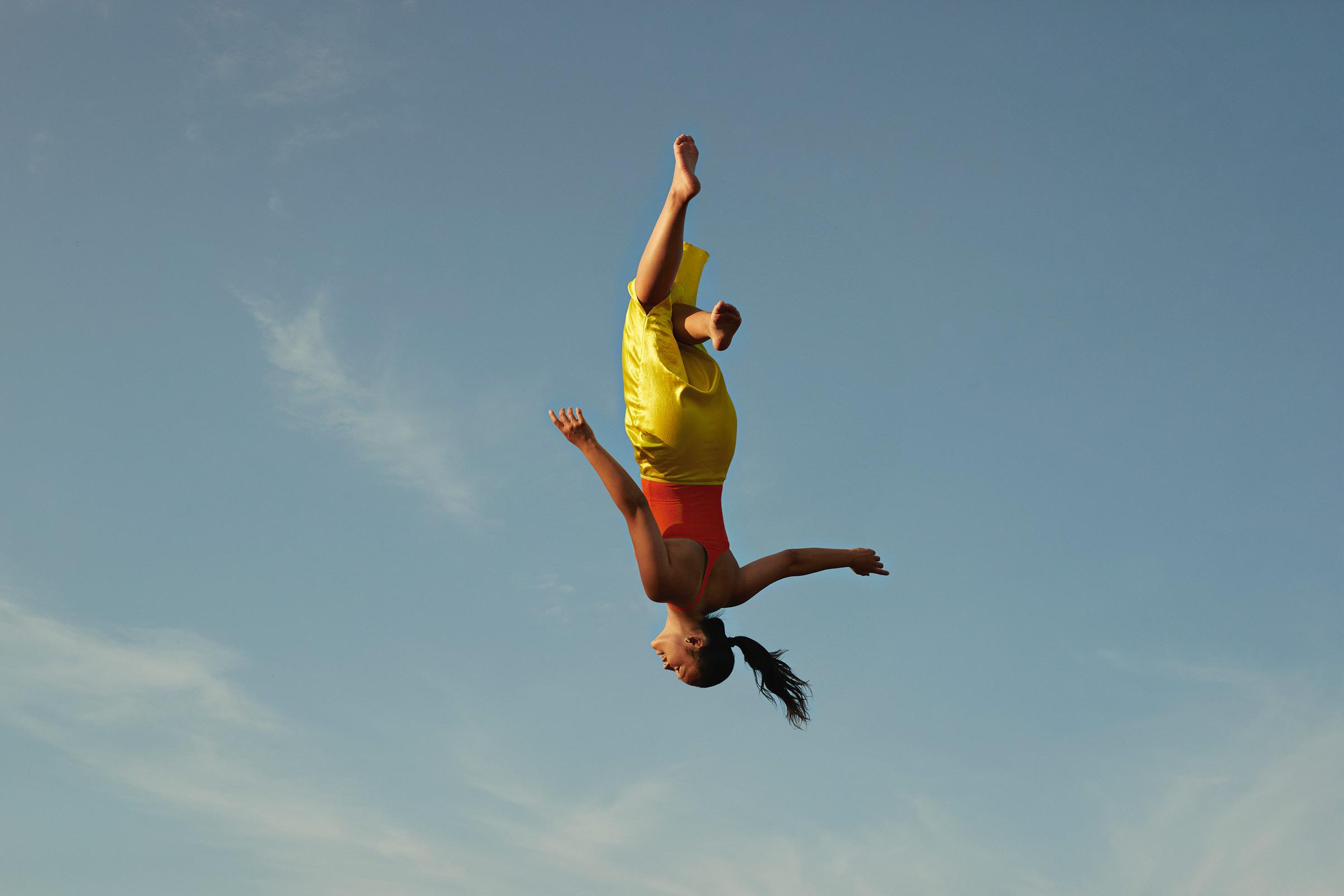
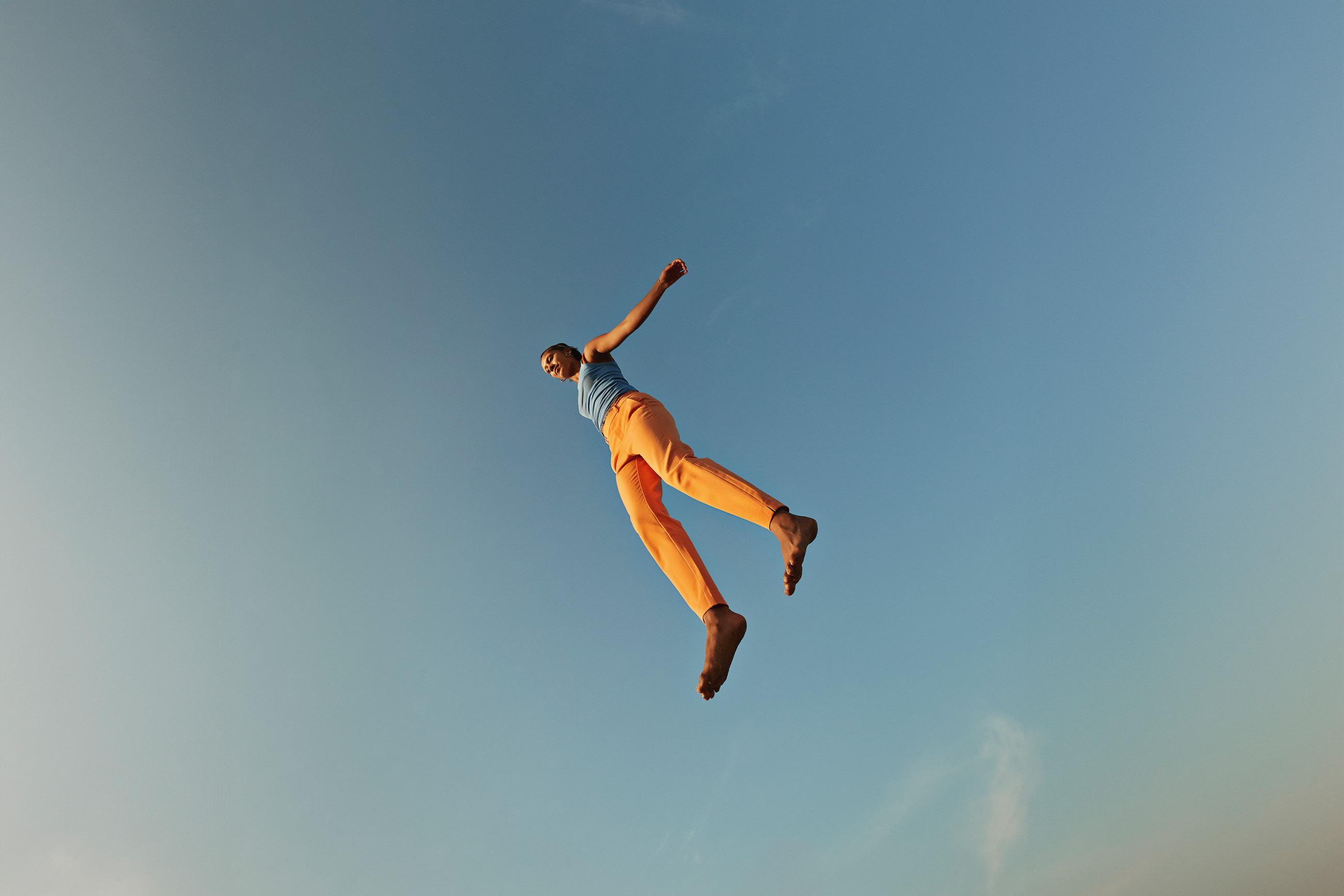
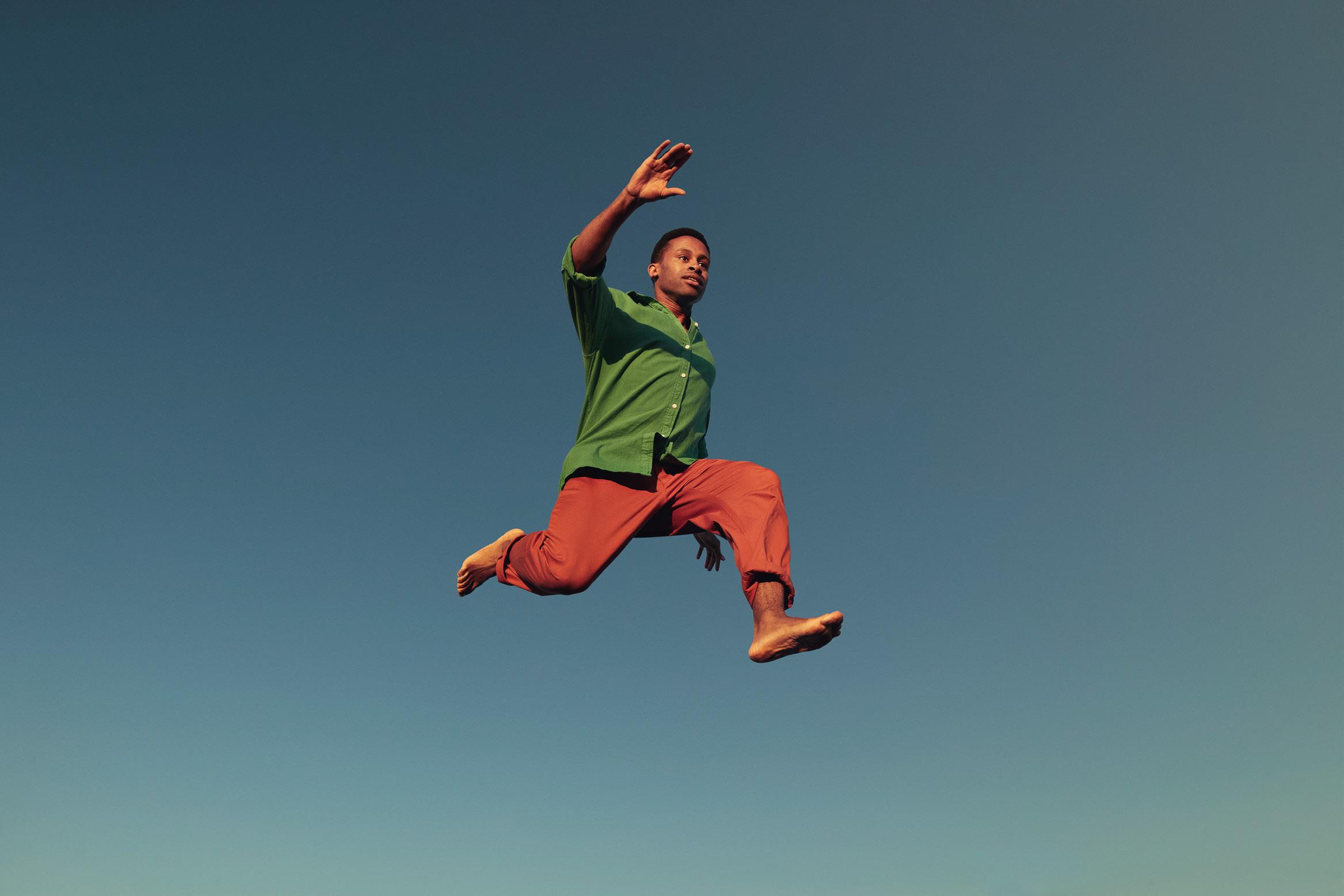
Klaus Vedfelt’s Elevate invites us to step into open horizons, where people rise and fall, jump and fly. The series was made in collaboration with art director Josie Gealer, as well as dancers and acrobats who hover, flip and leap against blue skies. Each picture shows an individual who is seeming to defy gravity: in a state between descent and ascent. This is a space which, in Vedfelt’s words: “echoes the tension inherent in growth, ambition and creative risk-taking.” Elevate revels in the unplanned moments between control and release, focusing on freedom and spontaneity rather than technical precision or perfection. Vedfelt, a Copenhagen-based photographer, is interested in human expression, particularly in movement as a means of communication. He is recognised for a minimal and conceptual approach, with a practice that spans portraiture, editorial commissions and ongoing studies of the body in motion. klausvedfelt.com | @vedfelt
Klaus Vedfelt, from Elevate
Art director: Josie Gealer. Stylist: Tine Berg. Make-up & hair: Julie Prødel. Image courtesy of the artist.
Klaus Vedfelt, from Elevate Art director: Josie Gealer. Stylist: Tine Berg. Make-up & hair: Julie Prødel. Image courtesy of the artist.
Klaus Vedfelt, from Elevate
Art director: Josie Gealer. Stylist: Tine Berg.
Make-up & hair: Julie Prødel. Image courtesy of the artist.
Klaus Vedfelt, from Elevate Art director: Josie Gealer. Stylist: Tine Berg. Make-up & hair: Julie Prødel. Image courtesy of the artist.
Klaus Vedfelt, from Elevate
Art director: Josie Gealer. Stylist: Tine Berg.
Make-up & hair: Julie Prødel. Image courtesy of the artist.
Klaus Vedfelt, from Elevate Art director: Josie Gealer. Stylist: Tine Berg. Make-up & hair: Julie Prødel. Image courtesy of the artist.
Legacy in Pictures
Andoni Beristain
THE CAMERA AS A TOOL FOR REMEMBRANCE AND HEALING, HONOURING LOVE AND LOSS THROUGH SYMBOLIC IMAGES THAT TELL A PERSONAL HISTORY.
Andoni Beristain was born in a small village in northern Spain in 1989. He’s been fascinated with shapes and colours since an early age, observing the world and what it means to fit in. Today, Beristain is a creative director, photographer and graphic designer. He works between San Sebastián and Barcelona, collaborating with brands like Adobe, Kenzo, Louis Vuitton, Netflix and Veuve Clicquot. Above all, he’s passionate about telling stories: using images to navigate life-changing events, take a political stance, or give shape to human emotion. He does so through large-scale outdoor still life, studio projects and a signature sense of optimism.
Beristain started his creative journey with the series Pieza Redonda (Round Piece), which spoke about weight, obesity and the social pressure around size. This was followed by Pieza Rota (Broken Piece), whose central issues were disease, cancer and stigma. Now comes Pieza Madre (Mother Piece), a body of work navigating unconditional love, loss and death.
In 2022, Beristain’s mother, Ángeles Isidora Zabalo, sadly passed away aged 63. She left suddenly, “without leaving a manual to understand how to go on without her.” Pieza Madre emerged from this moment. It’s an homage to Ángeles – “a woman who gave when she had none and helped when she had no time for herself.” She was generous and communityminded: caring for the elderly, collecting clothes and food for refugees and assembling first aid items for the homeless.
Now, the series is published by Setanta Books – realising one of Beristain's dreams. We spoke with the artist about this deeply personal, symbolic collection, which reveals photography's power as a tool for both communication and healing.
A: How did your journey into art and image-making begin? And in what ways has it developed over the years?
AB: It all started by chance. A professor noticed I had a talent for photography whilst I was studying design in Barcelona, and encouraged me to pursue it and keep going – so I did. I learned mostly on my own. Commercial projects began to come in, and I also started exploring my ideas through personal series. The passion has grown gradually, too: understanding the medium, enjoying each small step. To this day, I haven’t stopped making pictures, and I hope it stays that way.
A: How would you describe your visual style? What are your favourite aspects of being behind the camera?
AB: I always find this hard to explain. I’d definitely say that my work, at first glance, is colourful with a touch of surrealism. Looking closer, I’d also describe it as minimalist: a blend of the poetic, the everyday and the emotional, but without dramatics. In my personal projects, my intention is to express what I feel, what I’ve lived and what troubles me. Through that, I sometimes break taboos, or talk about the experience of simply being alive from a positive perspective – no matter how raw the subject may be. I really enjoy thinking and imagining how I can translate what I feel into images. I get truly excited when I sketch ideas in my mind and sense that these concepts might actually work in reality, in the tangible world.
A: Who, or what, have been your most significant creative inspirations? How have they influenced your approach?
AB: I’d say Surrealism is a key artistic movement. But without
“Photography has story visually. I think that's where I feel the in their own ways.”
design on the computer. I was fascinated by fashion and dance. I guess creativity stirred something inside me very early on, and little by little, everything has found its form.
A: Your mother, Ángeles Isidora Zabalo, who passed away in 2022, is at the heart of your new book, Pieza Madre. Could you share some insight into her story and what led you to dedicate this very personal series to her?
AB: My mother meant everything to me. We had a very close relationship; we got along incredibly well, and with her I always felt safe. She was my home, my unconditional love. She taught me to be who I am, what humour was, and without ever needing to say it, she was an example of strength, perseverance, patience and kindness. She was a special woman, very sensitive, with a heart far too big for her chest. I know every son would say that, but in her case it was genuinely true. She was extraordinary. Her death turned my life upside down. I suffered, and still do, deeply. But somehow, the experience filled me with strength to keep going and look ahead. Pieza Madre also began by chance: on the day of her funeral, I decided to photograph the flowers to give as a keepsake to everyone who attended. And in the days that followed, I
started capturing my memories with her, who she was, what we lived together. Later, I decided the series would be 63 photographs, and that a “dream” outcome of this tribute would be for it to become a book – a tangible object that
A: This collection comprises one image for each year of her life. What was the process of putting these compositions together like for you, both creatively and emotionally?
AB: It was intense and painful, but healing at the same time. I think the series became my therapy, and my mourning was painted in yellow. It enabled me to start conversations with my father and my family, to become aware of certain emotional gaps, and to take care of my mental health. It helped me to cry, but also to learn how to laugh again. Pieza Madre allowed me to share what I was feeling, in my own way, with others. It was something unexpected, but it has allowed me to grow, develop my career further, and understand what I want to do with my work in future. It helped me realise what truly matters in life, and to recognise the strength we all carry within us when we go through difficult or painful moments.
A: Yellow appears as a throughline across the entire body of work. What significance does this shade hold for you?
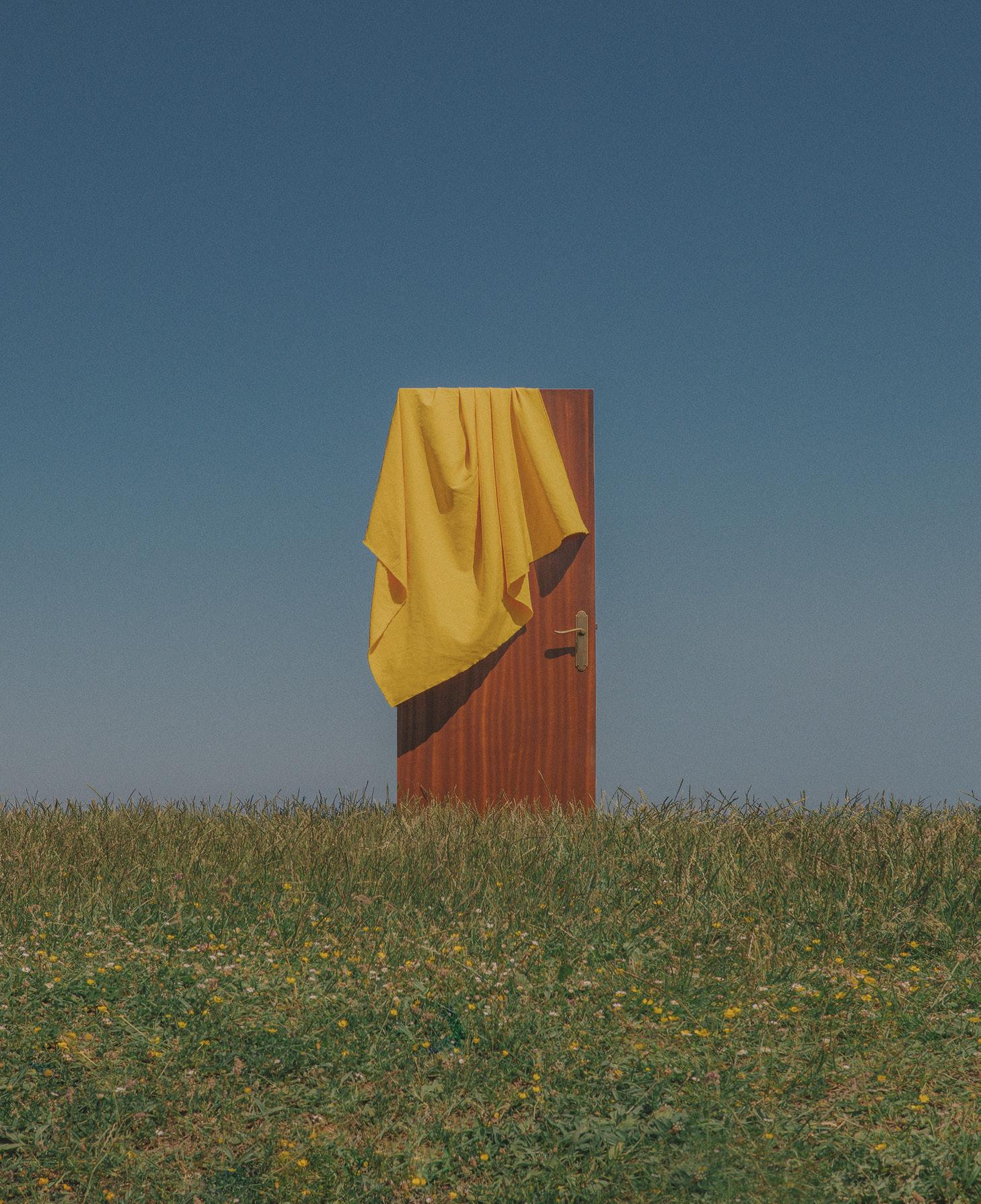
AB: It has always been my favourite colour, and my mother liked it too. I have been drawn to it ever since I was very little. I recall having a yellow coat that I absolutely loved. Although I also remember people saying that it is the colour of bad luck, at least here in Spain. But in terms of what it represents for me: it is about light, joy and warmth. That's why I decided to use it as the guiding thread across the Pieza Madre series.
Previous page: Andoni Berstain, Door from the series Pieza Madre Image courtesy of the artist.
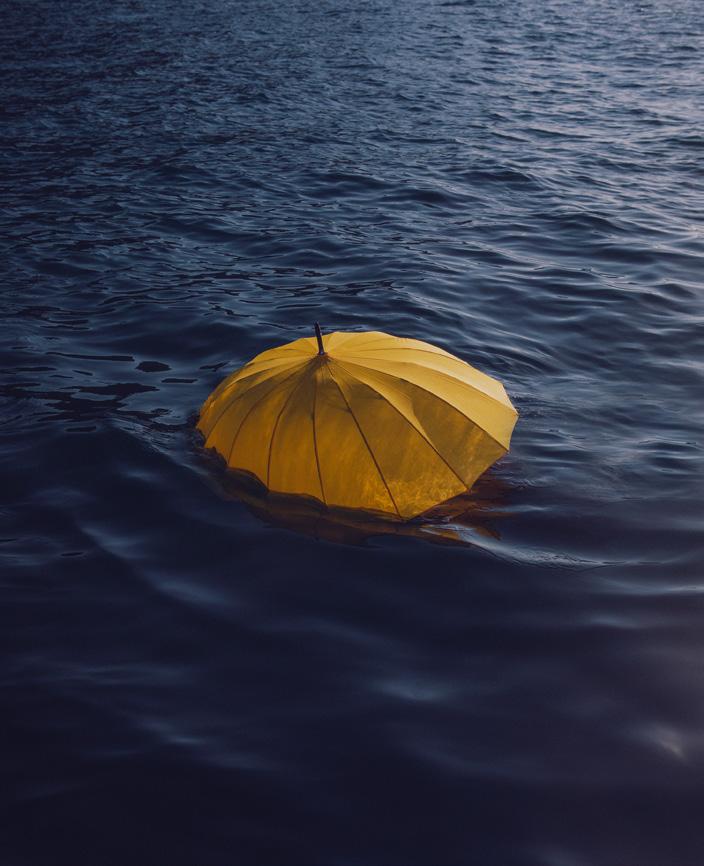
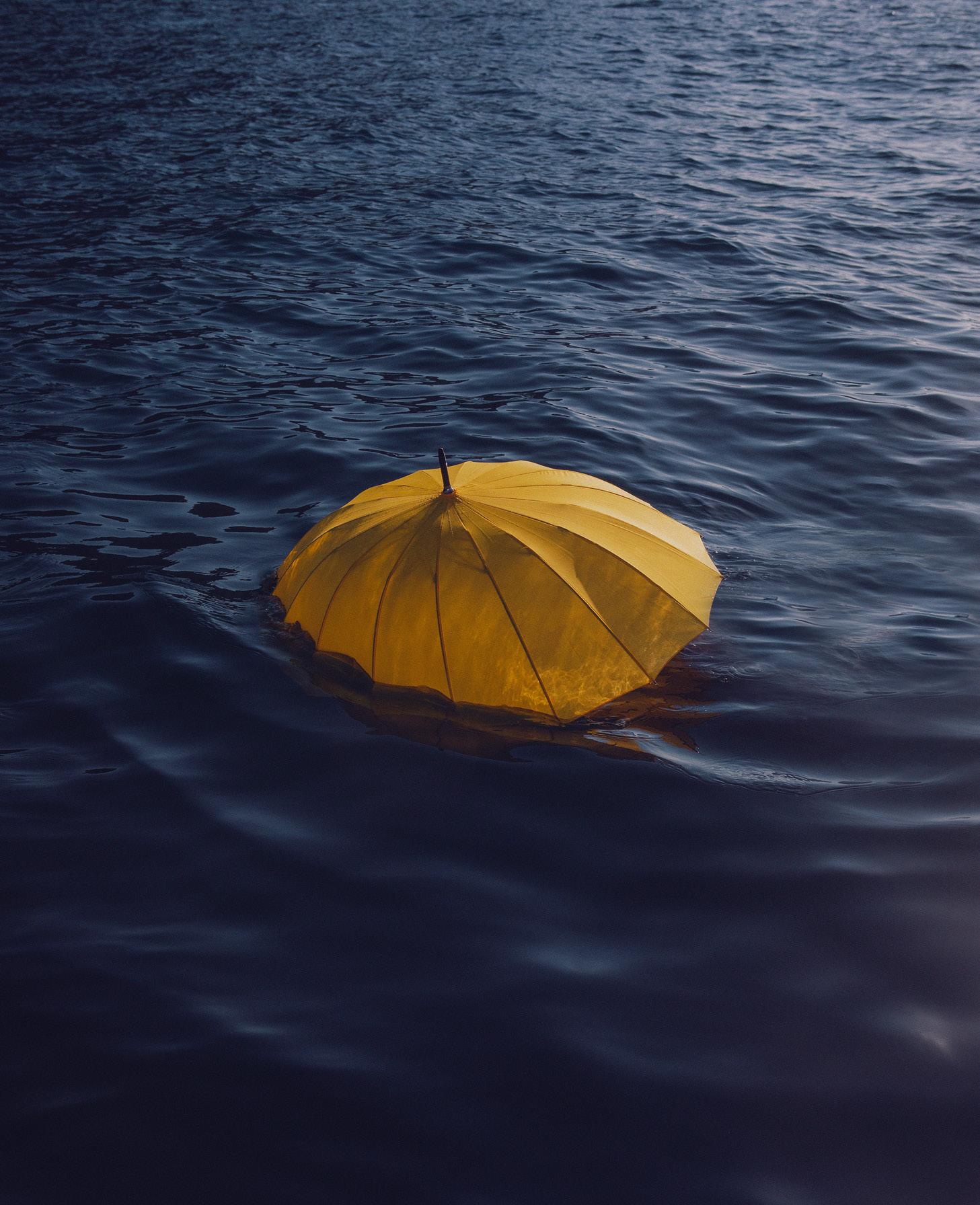
Left: Andoni Berstain, Umbrella from the series Pieza Madre Image courtesy of the artist.
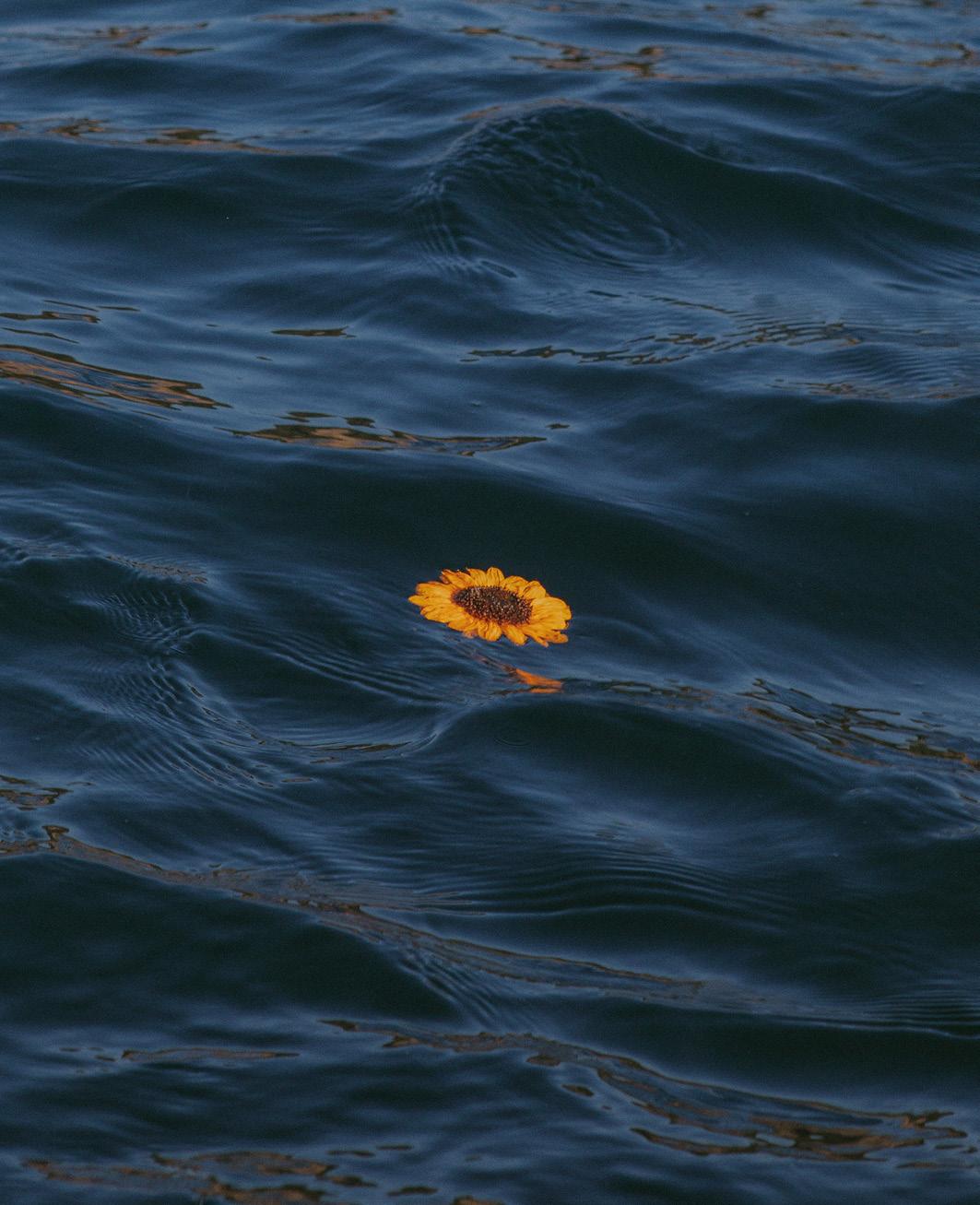
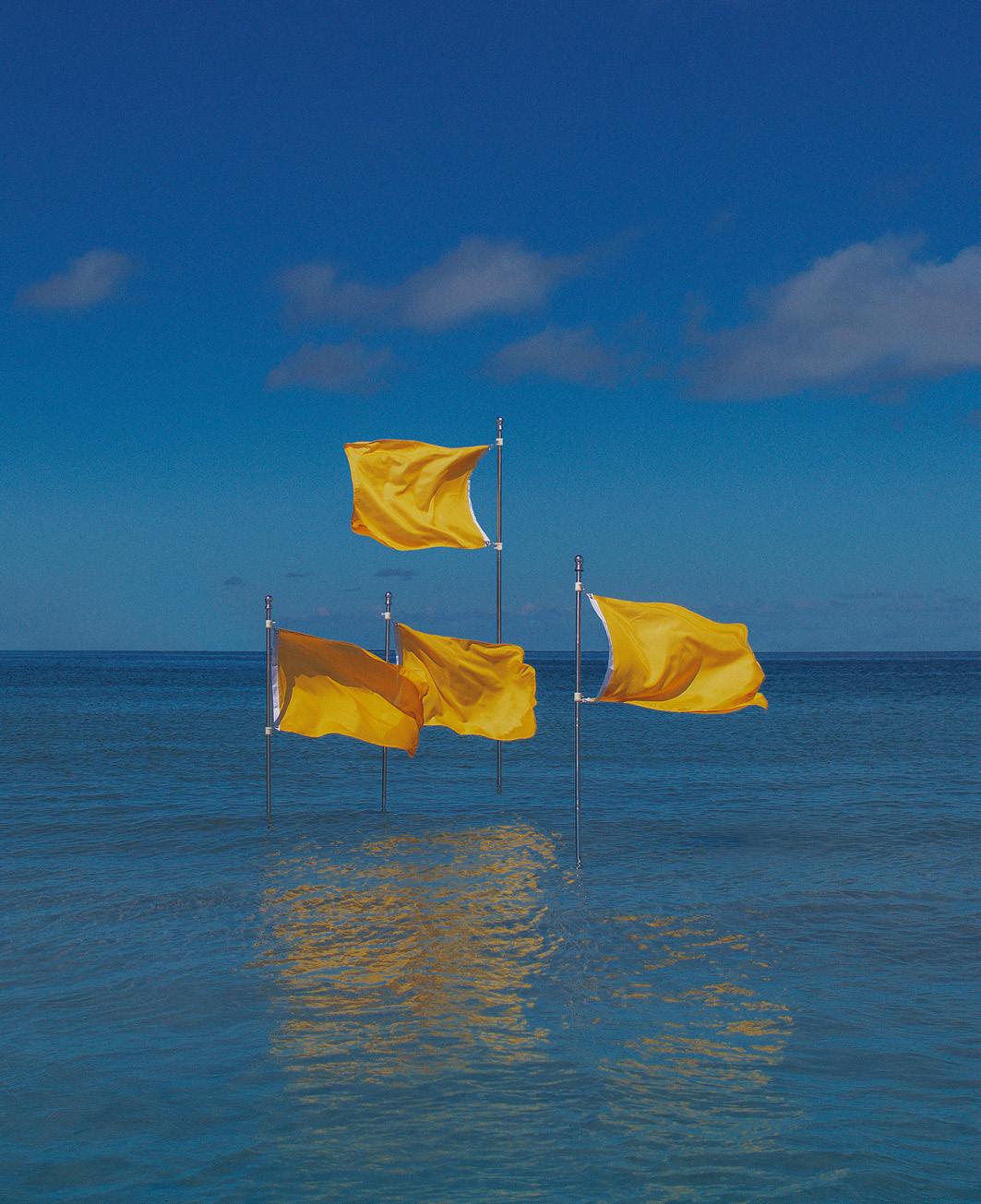
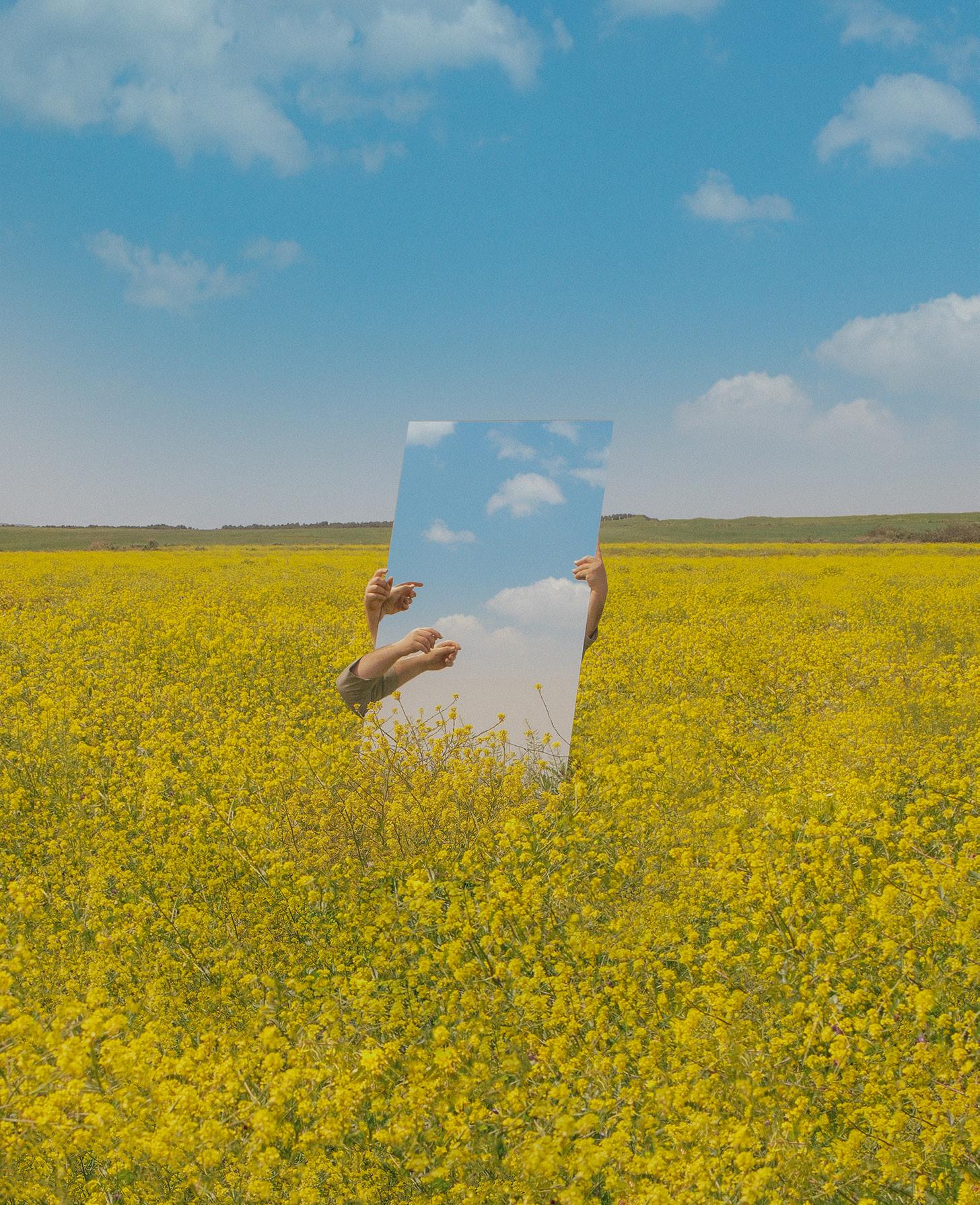
A: Doorways, mirrors, umbrellas, flags and plastic seats
AB:
They refer to the storm my mother lived through for many years for different reasons. But they are also a reflection of the Basque weather: it rains a lot here, and so umbrellas are characteristic of our roots. The broken mirror, meanwhile, expresses a message that is very simple and relatable: it's about not liking what you see, not feeling comfortable in your own skin and not accepting your body. These are everyday items I’ve filled with meaning to help communicate wider concepts.
A: The sea, coasts and waves are also key motifs throughout. What does water represent within this body of work?
AB: It is part of our heritage. The Basque Country is a very special and incredibly beautiful place. I love it – its culture, gastronomy, character and language. We live by the sea – a very rough one – and so water is a key part of this narrative. My mother spent her whole life dealing with insecurities and feeling ashamed of not having a “normative” body. Even though she loved the water and swimming, she rarely did –because of the stares, the teasing, and not feeling comfortable in her own skin. The same thing happened to me. When I was a child, I dealt with mockery and a constant battle to lose weight. I eventually stopped swimming too, when I was
A: What makes the camera such a powerful tool for exploring themes of grief, memory and personal histories?
AB: Photography has helped me express what I can’t put into words, and to tell a story visually. I think that’s where I feel most comfortable. It also allows viewers to understand the images in their own way. I love the idea that everyone can have their own interpretation of what they see. Some people look at the photographs and simply see something “beautiful,” and that’s great too. But the fact that those who want to dig deeper can find the real meaning fulfils me most of all.
A: Finally, what’s next for your practice? Are there any new projects or ideas you’re now beginning to explore?
AB: It’s been three long years, and this time period had left me feeling a bit “empty” and sometimes lacking in inspiration. But since the Pieza Madre was published, I’ve felt that it’s done. I’ve closed that chapter, the mourning – and this book, ultimately. Right now, I’m starting to feel the urge to start telling stories again. It’s likely that my next project will focus on bullying. It’s a complex and delicate subject, but I believe I have a lot to say about it, and I would really like to do so.
Andoni Berstain, Flags from the series Pieza Madre Image courtesy of the artist. Words Eleanor Sutherland
Andoni Beristain Pieza Madre Setanta Books
Exhibition Reviews
1Poulomi Basu PHANTASMAGORIA
This season, Fotomuseum Winterthur presents Poulomi Basu's (b. 1983) first institutional solo show in Switzerland. She is one of the most compelling voices in contemporary visual culture, a documentarian and visionary whose work surpasses traditional forms of representation to interrogate structures of power, exclusion and gender-based violence experienced by women, particularly across the Global South. Phantasmagoria is a transmedial exploration. It encompasses film, installation, photography and VR, blurring boundaries between lived experience, speculative futures and emancipatory fantasy. The exhibition title recalls 18th century optical illusions and magic lantern spectacles, a metaphor apt for Basu’s practice. The display investigates female bodies as battlegrounds for political, ideological and climate struggles – interrogating systemic inequalities,
2A lejandro Cartagena GROUND RULES
Alejandro Cartagena (b. 1977) has called Mexico home since the age of 13, and, for the past 20 years, its shifting landscapes have driven his practice. The Ground Rules retrospective spans more than 20 extensive projects, with the multiyear Suburbia Mexicana (2005–2010) serving as a centre point. The acclaimed series examines the relationship between inner cities and suburbs, looking at how rapid growth has altered ecosystems and affected residents through depictions of dried-up riverbeds and rows of identical box-like houses. Likewise, no exhibition of Cartagena would be complete without Carpoolers (2011–2012), which documents labourers who commute to work in the city centre via pickup truck flatbeds – some sleeping, others reading, often surrounded by the tools of their trade. Sometimes there are up to 10 people per vehicle. Cartagena’s vantage point stands out:
whilst offering paths to self-empowerment and imagination. In Sisters of the Moon (2022), for example, Basu focuses on environmental precarity and its intersection with oppression. Her fantastical self-portraits conjure magical realist landscapes in which women form alliances with nature, emphasising both the ecological and feminist stakes of resource scarcity. Blood Speaks and Fireflies (2019 - ongoing), meanwhile, trace the legacies of intergenerational trauma whilst promoting acts of self-care, autonomy and narrative reclamation. Basu’s work is a clarion call for resistance to patriarchal structures and prevailing hierarchies. Phantasmagoria is an exhibition that refuses complacency, demanding engagement with the intersecting complexities of gender, ecology and violence. Crucially, it reveals the activist potential of different media to champion the rights of marginalised groups.
Words
Shirley Stevenson
Fotomuseum, Winterthur Until 15 February
fotomuseum.ch
the pictures were taken from a pedestrian overpass above Mexico's Highway 85, which connects the wealthy areas of Monterrey with its surrounding suburbs. Many of these workers do not have access to a direct bus, so the series asks: what happens when urban sprawl outpaces public infrastructure?
The daily commute is also the subject of Suburban Bus (2016), for which the artist travelled nonstop for three days and nights, retracing the route to his family’s restaurant in Juárez. Some of the most poignant images are those that depict hands reaching overhead; cropped and out of focus, bus-riders could almost be raising their arms in celebration.
SFMOMA brings Cartagena's story up-to-date with recent experiments in collage and AI. Overall, this is a worthy tribute to a prolific photographer with an unwavering dedication to Mexico’s pressing social, economic and environmental issues.
3I Still Dream of Lost Vocabularies
P OLITICAL DISSENT THROUGH COLLAGE
I Still Dream of Lost Vocabularies, currently on display at Autograph, London, is forensic. The presentation brings together 13 contemporary artists, including Arpita Akhanda, Qualeasha Wood, Sabrina Tirvengadum and Sunil Gupta to examine notions of borders, identity and migration. Collage – whether that is paper cut, generative AI or tapestries – is the common medium linking these pioneering image-makers. Tirvengadum trained an AI model to reconstruct the lost stories of her Mauritian ancestors, using whatever photos remain of her family prior to the 1960s. The condition of the original pictures isn’t revealed. For all one knows, faces might have faded over time, leaving nothing but a sepia-tinted blur. The resulting portraits – although garish and artificiallooking – are the only tools at Tirvengadum’s disposal to understand this part of her ancestry. Akhanda’s A Veil of
Memory is a response to the partition of India in 1947, and the independence of East Pakistan in 1971 – to form Bangladesh – after a brutal war. The artist weaves together cut up strips of her grandparents’ photographs with pieces of maps, a meditative process of combining individual and national histories. The resulting pixelated image of Akhanda’s grandparents is an attempt at piecing together personal memories and forgotten stories from a complex and traumatic legacy. Contested lands, turbulent pasts, identities in flux – these are the mainstays of I Still Dream of Lost Vocabularies. The show will undoubtedly resonate with people who can trace a connection – however faint – to the timelines that are meticulously recreated on the gallery walls. For others, I Still Dream of Lost Vocabularies invites them to engage with alternate, and perhaps unfamiliar, narratives at a human level.
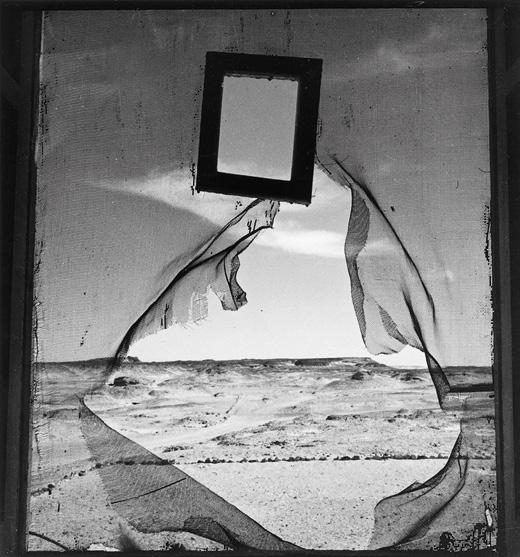
4b. Lee Miller, Portrait of Space, Al Bulwayeb near Siwa, (1937). Lee Miller Archives.
Lee Miller Archives, England 2025.
Film still from Lucy Raven, Murderers Bar , (2025), Courtesy of the Artist and Lisson Gallery,
Lucy Raven.
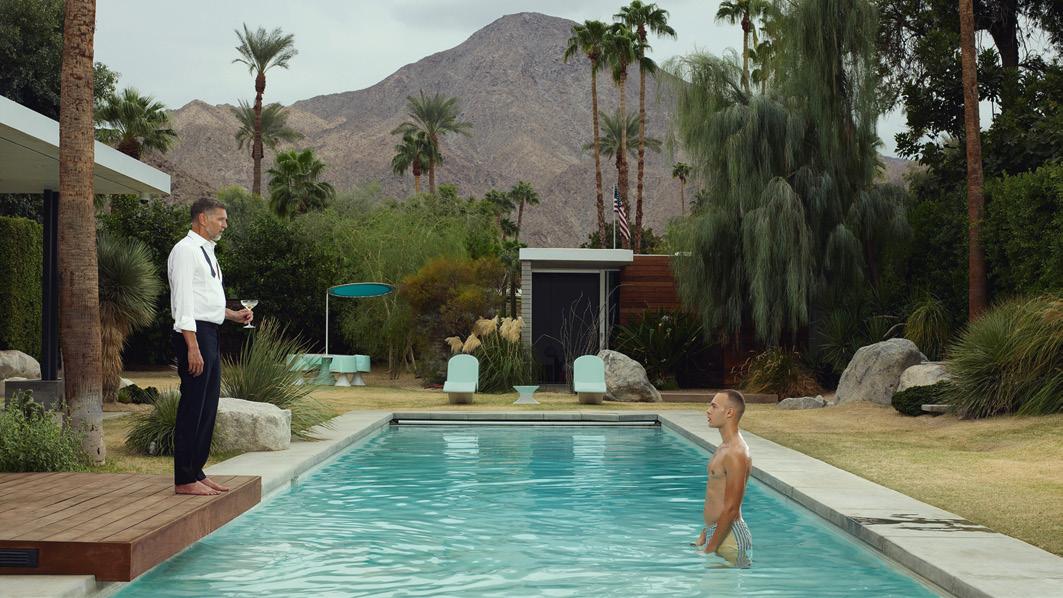
Erwin Olaf, Palm Springs, American Dream, Self-Portrait with Alex
(2018).
Estate Erwin Olaf, courtesy Ron Mandos Amsterdam.
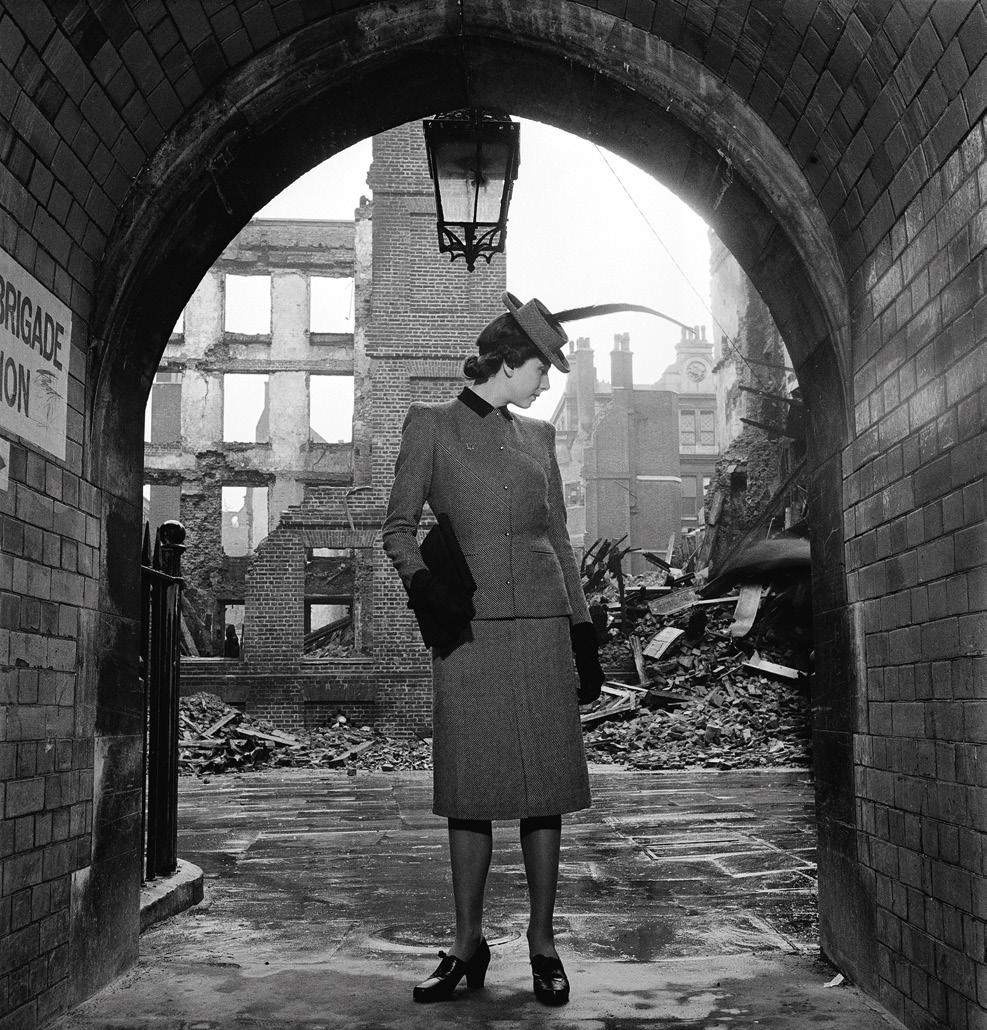
Lee Miller’s life is familiar to many by now. The Vogue model turned war correspondent is perhaps best-known for an infamous photo shot in Hitler’s bathtub – taken on the day he committed suicide – but Miller was an artistic pioneer in her own right. It would likely have been tempting for Tate Britain to rely on the lurid fascination of her biography to draw in crowds to their new retrospective, but what follows is an attentive show that cements not only her legacy as a brilliant war photographer but also as a Surrealist visionary. Born in New York in 1907, Miller began her career in front of the camera before moving to Paris in the early 1920s. There she met Man Ray, studied under his tutelage and became his lover. Tate’s room devoted to their joint work from 1929 to 1932 is filled with eerie images of torsos, necks and breasts, including one striking photograph of Miller in a BDSM collar. After a brief period in Cairo with her new husband, Aziz Eloui
5Lucy Raven: Rounds
LANDSCAPE IN FLUX
Rounds is a commanding exploration of force, materiality and environmental transformation. Lucy Raven (b. 1977) is known for working across film, installation and sculpture, investigating the histories of industrial infrastructure and natural landscapes, particularly in the western USA. Upon entering the show, visitors encounter Hardpan, a newly commissioned kinetic installation. Drawing inspiration from centrifuges, the piece spins an electronic arm within a concrete and aluminium enclosure, projecting arcs of light. The artwork's rapid movement evokes the extremes of acceleration, simulating the forces that alter bodies and matter alike, whilst keeping viewers outside the immediate danger. The effect is both disorienting and awe-inspiring: the industrial scale, combined with the intensity of spinning light, transforms the gallery into a sensory experience of power and motion. Complementing this is Murderers Bar (2025), the final instalment in Raven’s The Drumfire series, shown in
6Erwin Olaf FREEDOM
Erwin Olaf’s (1959-2023) work has always demanded more than a glance. His photography probes identity, social codes and the quiet, often uncomfortable spaces between them. Freedom, the first major posthumous exhibition of Olaf at the Stedelijk Museum, Amsterdam, captures this tension with clarity, reaffirming both his global significance and the museum’s reputation for bold and dynamic programming.
The retrospective traces Olaf’s evolution from early blackand-white reportage to the highly staged, cinematic tableaux, which became his signature. In Grief, the weight of absence is tangible, each image rendered with a stillness that magnifies sorrow. Rain explores intimacy and social expectation with subtle provocation, whilst Berlin juxtaposes historical opulence against contemporary austerity, highlighting Olaf’s ability to fuse formal beauty with conceptual depth. Throughout the exhibition, light and shadow operate as more than compositional tools, they shape narrative, articu-
Bey – where she reportedly found expatriate society to be rebarbative and unbearable – Miller returned to Europe in 1932 with the artist Roland Penrose, whom she married shortly thereafter. The couple eventually settled at Fanley Farm in East Sussex, although they maintained close links to Miller’s avant-garde circles throughout their lives: Jean Cocteau, Leonora Carrington, Max Ernst and Pablo Picasso. Miller’s war photographs are, in no word of a lie, captivating. The exhibition presents rooms upon rooms filled with images of masks and decrepit buildings, clouds of napalm, and, of course, the photographer in Hitler’s bathtub. The final section, devoted to portraits of Miller’s famous friends, is less spectacular, less formally innovative, than the impressive work that precedes it. Yet, Tate’s retrospective is, as the best are, an ambitious and exciting attempt to capture and curate a life lived both fully and fearlessly – and what a life it was.
Words Katie Tobin
Tate Britain, London Until 15 February tate.org
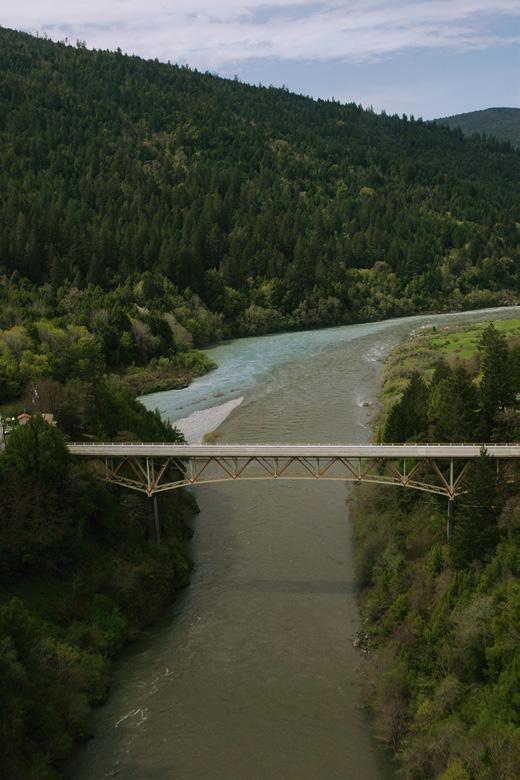
the UK and Europe for the first time. The video traces the undamming of California’s Klamath River, documenting the rush of water from reservoir to ocean and back upstream through drained sediment beds. Using aerial, drone, lidar, and sonar imaging, Raven captures both the physical and ecological transformations of the river. The installation also foregrounds Indigenous histories and activism, connecting environmental change with social and political narratives. Expertly curated, Rounds demonstrates Barbican’s commitment to commissioning ambitious, interdisciplinary works. The juxtaposition of Hardpan’s visceral movement and energy with the immersive, contemplative feel of Murderers Bar underscores Raven’s engagement with cycles of force, violence and regeneration. The artist challenges audiences to honestly confront the ever-worsening consequences of industrial and ecological intervention, creating an experience that is as intellectually rigorous as it is sensorially arresting.
Words Anna Müller
Barbican, London Until 4 January barbican.org.uk
late emotion and reveal vulnerability in every meticulous frame. The curation is precise and immersive, guiding visitors through decades of work, whilst preserving thematic cohesion. Each room balances private reflection with public performance. Olaf’s subjects are never passive; they participate in a visual dialogue that challenges the viewer’s perception, changing each photograph into a space for contemplation. Freedom affirms Olaf’s belief in photography, as both confrontation and consolation. His images linger in the mind, compelling reflection on our own assumptions, desires and fragilities. At the Stedelijk, his work is presented not just as a historical survey but as a living encounter – an invitation to witness the world through the artist's extraordinary calibration of vision and emotion. By revisiting his oeuvre, it becomes clear that Olaf’s images do more than distil moments; they illuminate the unseen, challenge perception and continue to shape how we understand the human condition.
Words Simon Cartwright Stedelijk, Amsterdam Until 1 March stedelijk.nl
1Folktales
H EIDI EWING AND RACHEL GRADY
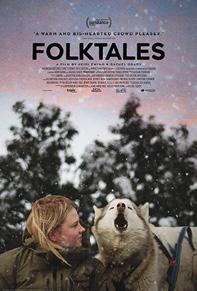
It’s hard to a think of a more wholesome winter watch than this charming documentary. Set in a Norwegian residential high school, 200 miles above the Arctic Circle, Heidi Ewing and Rachel Grady’s empathetic film follows a group of teenagers who have come to the snowy wilderness to learn survival skills and, perhaps, to find themselves. Unfolding like a kinder, more wintry version of those grim desert “brat camps” which were all over reality TV in the early noughties, Folktales presents a heartening vision of young people finding new resilience through solo camping, lighting fires and bonding with the gorgeous husky dogs who become their companions over the course of this deeply unconventional gap year. Amongst the individuals who find themselves at the school are Hege, who beneath her placid exterior is secretly mired in grief after the recent death of her father;
2Sentimental Value
JOACHIM TRIER
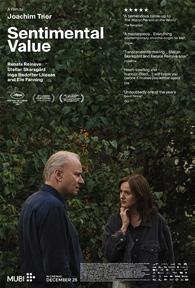
Few directors can get to the heart of a modern domestic life like Joachim Trier. His last film, The Worst Person in the World (2021), garnered both critical acclaim and mass audience popularity for its candid portrayal of “an imperfect woman with an imperfect life,” as she bounces from relationship to relationship in an attempt to find a sense of self. Now, the Norwegian director takes complex family dynamics as his focus. The home is as much a character in Sentimental Value as the people living in it. The death of their mother brings Nora (Renate Reinsve) and her sister Agnes (Inga Ibsdotter Lilleaas) back to their childhood house, where they are confronted by their past and forced to navigate difficult relationships. Here, they reconnect with Gustav, their elusive father, an arthouse film director, who left the family when the girls were just children. His reappearance is triggered
3Dreamers
JOY GHARORO-AKPOJOTOR
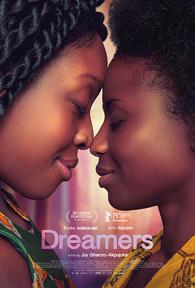
“How can I be sure that you’re gay?” It’s a confrontational question for anyone to face, but in the midst of an interview to confirm asylum-seeker status, it’s tantamount to cruelty. That’s the crux of Dreamers, a potent debut from producer-turned-director Joy Gharoro-Akpojotor, as Nigerian refugee Isio (Ronkẹ Adékọluẹjọ) finds herself free-falling through the complex British asylum system. The film is inspired by Gharoro-Akpojotor’s own experiences; aged 24, she faced a similar dilemma when an assessor questioned her sexuality when she sought asylum.
The majority of the story is set inside Hatchworth Removal Centre, a bleak and oppressive prison-in-all-but-name, where people are treated as numbers to be processed.
“In here people, they come, they go – it’s not easy to know anyone,” Isio’s told, but she does find comfort in her roommate, Farah (Ann Akinjirin), a relationship that
sweet Romain, whose overwhelming timidity has curtailed his education; and the unintentionally abrasive Bjorn, who struggles to make and keep friends. Their road to self-discovery is not easy – the young people face barriers ranging from wet shoes and restless dogs, to unresolved trauma and crises of confidence – but thanks to the filmmakers’ scrupulously warm-hearted, humane approach, the film is never less than soothing. Aside from a brief glimpse of a Norwegian army boat (the school is situated close to the border with Russia), Folktales presents a cosy world insulated from the troubles of outside forces by kindly teachers, and an unshakable belief in nature's healing power. Its subjects are able, temporarily, to cut off from the distractions of modern society thanks to their surroundings. And, for the duration of this thoroughly lovely film, so are the audience.
Words Rachel Pronger Dogwoof dogwoof.com
by a new project, inspired by his own mother’s unhappy life in the house. After Nora refuses to play the lead role, Gustav casts American star Rachel Kemp (Elle Fanning) who, despite her best efforts, inevitably fails to transform into the soulful Norwegian woman that the filmmaker imagined. All of this pressure provides the perfect cocktail for the family to crumble under the weight of old jealousies, miscommunications and bitter resentments. Sentimental Value has the signature slow, pensive, literary feel of Trier's work. He seems to draw from classic playwrights like Anton Chekhov and fellow Norwegian Henrik Ibsen. In particular, echoes of A Doll's House (which also features a heroine named Nora) are abound in Trier's quiet, domestic epic. Throughout this story, painful familial traumas stretch back through time and embed themselves into the actual walls that surround us.
Words Meg Walters MUBI mubi.com
evolves into something more romantic. Their room is a safe haven from the cold-hearted guards and an unfeeling system. Isio’s backstory is slowly unpacked across a narrative with little in the way of fleshing out. Arguably, it doesn't need it. Coming from Nigeria, where homosexuality is illegal, she has already faced a tormented upbringing. Her religious mother discovered that she was gay and attempted to crudely convert her sexuality, with the assistance of a number of men from her local church.
A film that sits comfortably alongside other British asylum dramas, like Limbo and Last Resort, it is an intimate viewing experience, made more so by the tender performances from Adékọluẹjọ and Akinjirin. There is crisp editing throughout, especially one scene that uses cuts to emphasise just how invisible these people are made to feel. The result feels both personal and political.
Words James Mottram
We Are Parable weareparable.com
The guitar music of the Tuareg diaspora has been enjoying a quiet resurgence. It first reached an international audience in the early 2000s thanks to Tinariwen, whose self-described “Saharan Blues” merged traditional Tuareg rhythms with classic American rock. In the years since, artists such as Mdou Moctar, Etran de L’Aïr and Les Filles de Illighadad have carried this sound. Yet, as the genre’s profile grows, its tales of exile, rebellion and endurance risk being lost in translation. On their fourth album, Essam, Algerian band Imarhan strive to bring those stories back into focus. They balance heritage and modernity, expanding beyond the familiar desert-guitar sound and fusing modern production with a deep sense of place. Their sound roams with the same nomadic spirit that defines Tuareg life, restless and alive. The group’s vision comes through most clearly on lead
2FlarePLANTOID
Prog-rock trio Plantoid throw time signatures out of the window in Flare, creating lush, cinematic chaos from the relative peace of a writing retreat in rural Wales. Lead vocalist Chloe Spence arrives replete with dreamlike, Bjork-esque vocals that add a unique, floaty twist, but the true heart and soul of this operation are the drums. Louis Bradshaw shows mastery in every bar. You could listen to a song a hundred times and not be able to recreate the absolute brilliant insanity of the snares during moments where he hits full speed. The exception is the aptly titled Slow Moving, where the more pedestrian patterns make you crave the heavy moments featured on other tracks.
Guitarist Tom Coyne has fun in the spaces in between, with heavily pedalled rock twangs on playful songs like The Weaver. This is a musician who clearly feels equally as at home in the wall-of-sound as he does in these breezy,
single Derhan N’Oulhine, a stirring folk-rock meditation on displacement and belonging. Its heartbeat rhythm, created by channeling traditional percussion through modular synths, feels equally ancient and otherworldly. However, Imarhan has not entirely abandoned the raw energy that has come to define modern Tuareg rock. Tracks such as Téllalt and Tin Arayth, with their rolling basslines and call-and-response vocals, confidently fuse West African polyrhythms with a rock’n’roll swagger. Meanwhile, closing number Assagasswar honours the often overlooked role of women in the genre’s history; featuring tindé drumming from female musicians based in the Algerian city of Tamanrasset. Essam effortlessly balances renewal and preservation, embodying the restless soul of the Tuareg people, who, like the dunes of the Sahara, are carried by the winds but never broken.
Words
Patrick Gamble
City Slang cityslang.com
spacious moments. The raucous Splatter feels like we are getting a sneak peak in to the garage, unbridled and unhinged, pure and punky. Sounds like this should be nurtured and encouraged in all of its experimental nature and nods to the musical talent that came before. Daisy Chains is a real album highlight, screeching and flowing, and true to the feeling behind album title Flare It blinks with brightness, then disappears back in to the quiet moments like it almost didn’t happen at all. The push and pull is glorious. This is a detailed, yet poppy and fun album, echoing classic East Coast punk, with off kilter filth and million-miles-an-hour drum rolls from minute one. The opening song, Parasite, is somehow delicate, gorgeous and riotous. This is a project that exists somewhere in the gap between Hiatus Kaiyote and Q and Not U, packed with songs that beg to be heard live.
3Death in the Business of Whaling SEAROWS
American singer-songwriter Alec Duckart, aka Searows, returns with his sophomore album, Death in the Business of Whaling, following the release of 2022 debut, Guard Dog. It marks the first time Duckart has recorded outside the safety of his bedroom and the finished product is an expansive and haunting record. The opening track, Belly of the Whale, is a grandiose tale of guitars and drum claps, with Duckart’s lamenting vocals layered over the top. The song perfectly sets the tone for the rest of the album, which has a distinctly mythological feeling to it.
Kill What You Eat is almost five minutes long, allowing Duckart to experiment with a more melodic sound, invoking the howling sea and wind before crashing down in the final moments. In comparison, Photograph of a Cyclone is the artist's unique take on a country song, with guitar twang and non-lexicable syllables
peppered gently throughout. The previously released single, Dearly Missed, is one of the album's strongest moments. Duckart says: “I wrote this song for the part of me that desires retribution for all the ways I and every marginalised person has been harmed and betrayed by society.” There is an edgy guitar sound as the melody ramps up, echoing these feelings of retribution and empowerment, making for a truly cathartic experience. Duckart offers a slightly more coded look at his life through the songwriting this time, with many of the tracks veiled in symbolism, allegories and metaphors. This is a more guarded, mature approach to storytelling. Nonetheless, the imagery his lyrics create is what makes Death in the Business of Whaling so impactful and emotional. Both tragic and liberating, the second project from Searows is one that is full to bursting with feeling.
Words Kyle Bryony Bella Union bellaunion.com
Words Issy Packer
Last Recordings on Earth communionmusic.co.uk
1Knife-Woman
T HE LIFE OF LOUISE BOURGEOIS
Marie-Laure Bernadac’s Knife-Woman: The Life of Louise Bourgeois offers an illuminating portrait of one of the 20th century’s most influential and enigmatic artists. In this meticulously researched work, Bernadac unravels the life and creative evolution of Louise Bourgeois (1911–2010), whose art defies categorisation and whose personal history is inseparable from her creative practice. It is structured across 11 compelling chapters, tracing Bourgeois’s remarkable journey from her early years in Paris to her emergence as a towering figure in modern and contemporary art. Drawing on an unprecedented range of sources including private diaries, letters, psychoanalytic notes and interviews, Bernadac constructs a deeply intimate narrative that reveals both the vulnerability and the strength at the core of Bourgeois’s work. The inclusion of personal photographs and reproduc-
2Hal Fischer SEMINAL WORKS
For gay men in 1970s San Francisco, the street was a site of self-expression and sexual encounter. In 1977, the same year that Harvey Milk, the first openly gay politician in the USA, was voted city supervisor, Hal Fischer’s Gay Semiotics went on display. It’s a typology of gay street styles of the day – from leather to 1940s trash, breaking these into their signifiers. The earring. The white sports socks. The handkerchief tucked in a back pocket. A decade earlier, gay men had begun migrating to San Francisco. The city became a centre for queer culture and community at a time when the gay rights movement was gathering momentum following the 1969 Stonewall Riots in New York. Even so, when Hal Fischer moved there in 1975 to study photography, violence and repression persisted, and police harassment was the norm. This new publication brings together photographs taken in these
3Exposure
PHOTOGRAPHERS
tions of her sculptures and sketches enriches the text, allowing readers to engage visually with the evolution of her ideas. This book delves into the key influences that shaped Bourgeois’s career trajectory: her complex family dynamics, her early training in Paris and New York, as well as her lifelong fascination with psychoanalysis. Throughout the publication, the author demonstrates how Bourgeois blurred the boundaries between art and life. The artist once said: “Sculpture is the body. My body is the sculpture.” This sentiment echoes through every page. By the end of the biography, readers will feel that they have come to know Bourgeois not only as an artist but as a woman who transformed her fears and desires into timeless forms. Bernadac’s beautifully written study is a profound and essential tribute to a singular creative force that shaped the nature of contemporary art forever.
Words Anna Müller
Yale University Press yalebooks.co.uk
formative years, as Fischer recorded the libertine era before the AIDS epidemic and the rise of online dating changed the face of queer life forever. 18th near Castro St. x24 chronicles the comings and goings on a bench, a known meeting point, over the course of 24 hours. Meanwhile, Boy-Friends (1979) combines text and image to catalogue men with whom the photographer interacted. Other series take us elsewhere, to California or Pennsylvania, bringing still lifes into dialogue with portraits and revealing how Fischer’s photographic eye developed. Pictures taken during the AIDS epidemic of the 1980s and 1990s document how a period of excitement and possibility melted into grief and loss. Seminal Works records and reflects on a moment in history that, as Fischer once put it, has developed in popular culture to take on “an aura that is equal parts reality, fantasy and nostalgia.”
IN AUSTRALIA AND NEW ZEALAND
When Amber Creswell Bell began interviewing people for a new project, she asked them one key question: what makes a “good” image? Two answers appeared time and time again. The first, that it stays with you beyond the initial viewing. The second, it must prompt you to see the world differently. There is no doubt that the works featured in this publication do just that. As the author describes, this is not an “elitist anthology of ‘best in show’ artists,” but an exploration of “the very humanness of art.” Exposure features 40 contemporary photographers from Australia and New Zealand, each sharing an insight into their practice, revealing how they cut through the noise of today's society to create works that speak to audiences. The artists are hugely disparate in theme, aesthetic and background, but there is a clear unity in their ability to capture the nuance and complexities of
modern life. wani toaishara transforms ordinary urban settings into stages for exploration and reflection, producing colourful celebrations of Black bodies, whilst Gerwyn Davies’s self-portraits in elaborate, structural costumes are “queer, photographic self-representation.” Others strike a chord with the political and social history of the two nations. In her interview, Brenda L Croft describes how she “started as a photographer to help represent Australian First Nations communities and individuals from a culturally appropriate standpoint.” Similarly, Nici Cumpston foregrounds the Aboriginal Barkandji people's enduring connection to the land, whilst Naomi Hobson invites viewers into the world of Queensland's First Nations groups. Exposure highlights the bold perspectives, original voices and striking visual language of both Australia and New Zealand's photographic scene.
Words Rachel Segal Hamilton
Aperture aperture.org
Words Emma Jacob
Thames & Hudson thamesandhudson.com
Assaya
Assaya is an interdisciplinary artist examining transitional states, perception and the dissolution of form. Her practice merges philosophical inquiry with visual experimentation – examining how matter, consciousness and energy interact within the act of creation itself. The Open Your Eyes series contemplates moments of inner awakening, when seeing becomes an act of presence rather than observation. Working with a pointillist technique using handmade horsehair brushes, Assaya transforms the canvas into a “vibrating field” where each mark records the rhythm of time and being. Her work has been shown internationally and recognised with several awards in the field of contemporary art.
assaya-artist.com
assaya_artist
Abby Kapp is a UK-based visual artist whose practice melds geometry, texture and iridescent finishes. In Frozen Arrows, she explores direction and stillness – layering sharp lines with surfaces that refract light. The work pushes the boundaries between abstraction and material resonance.
Amelia Hawk
abbykappstudio
Amelia Hawk is a socially engaged artist based in Yorkshire, where she explores how to create situations that hold space for others. Integrating counselling strategies within the process of making, she develops projects that aim to start a conversation – particularly around mental health.
Spain-based sculptor Almudena Torró uses metal mesh to create works of abstraction and reflection – exploring the relationship between space, light and projected shadows. These changing compositional elements underpin her focus on transformation through continuous change.
almudena.torro
Avril Haubrich translates personal global journeys across all continents into oil landscapes of light and memory. Her brush and palette knife work help to evoke atmosphere and emotional depth. One of Haubrich’s pieces was selected to the shortlist stage for the John Moores Painting Prize 2025.
Photo: Fiona Finchett
Brett Dyer is the Senior Director, Gallery & Live Events at Dallas College. His widely-exhibited work combines figures with evocative colours and patterns – revealing complexities of the human spirit. Dyer is represented by Kush Art Gallery, Fort Worth, as a featured artist.
Eva Berler
brettleedyer
brettdyerart.com
Eva Berler’s photography reveals the poetic in everyday moments – inviting quiet reflection on emotion, memory and nature. Her work won the 2024 Sony World Photography Award, was longlisted for the Aesthetica Art Prize and is also held in The Museum of Avant-garde’s collection.
Emilia Switala
Emilia Switala explores the rediscovery of childhood joy after fertility challenges. Playful mixed-media Teddy Bear sculptures transform deeply personal experiences into uplifting expressions of hope and delight – inviting the viewer to reconnect with innocence and optimism.
Flora Chiaroscuro
emiliaswitala
emiliaswitala.com
Unexpected beauty found in the mundane is at the centre of Flora Chiaroscuro’s photography practice. She combines numerous layered details of everyday life in Paris with personal observations of the city’s light to create images – her goal is to share a unique view of the world though art.
gordon massman
gordon.massman
Gordon Massman is a painter and poet based in Massachusetts. He uses ‘thickly layered paint and abstracted imagery to tell stories of survival, dominance, procreation, power, security, ego and vanity. Moving just one person through art humanises the world. If I can do that, then I am fulfilled.’ Massman has exhibited in the USA, and his work is in the collection of the deCordova Sculpture Park and Museum. gordonmassman.com
Jane Lawton Baldridge
Sea Stories are paintings illustrating Jane Lawton Baldridge’s unconventional life on the water: ‘Perfect days spent scudding along on the wavelets that reflect diamonds or bashing headlong into waves, trying to survive the storm.’ The artist’s aim is to convey water’s importance and fragility. artspeaks.com janelawtonbaldridge
Jerome Chia-Horng Lin
Surrealist artist Jerome Chia-Horng Lin uses paintings to roam between the spiritual cosmos and the material world. The current Look @ the Eggs series explores surroundings that appear as reflective images: “When we look at the eggs, the eggs are also looking at us.”
jeromechiahorng
jeromelin.net
Kurt Stimmeder
Austrian artist Kurt Stimmeder is based in Linz, where he has worked as a visual artist since 2008. His psychologically-charged figurative paintings explore gesture, silence and inner tension through a contemporary post-romantic lens. He notes: “The way I perceive reality doesn’t fit fully into conventional explanations. That’s why I expand my thinking through mythology, philosophy and systemic psychology. I’m especially drawn to tensions – those that exist between people, within groups or inside ourselves. These tensions become building blocks in the composition of my images.” Following recent presentations in Tokyo and New York, Stimmeder’s work will be featured at Art Miami in 2025 as well as Frieze New York and Frieze House Seoul in 2026.
kurtstimmeder
kurtstimmeder.at
Heroines Journey oil on canvas.
Juanrie Strydom
Juanrie Strydom works with photography and digital processes to explore her lived experience with Cerebral Palsy Spastic Quadruplegia. Her art practice considers accessibility and challenges, and how, by an adaptive approach to support her hand functions, she embeds her disability into art.
Ksenia Shupenya
juanrie_photography
KOSTI is a Seoul-based painter who considers the existence between collapse and endurance. The works feature the layering of paint, and the paintings “can shift direction, meeting moments of transition through hesitation, until uncertainty begins to breathe into endurance.”
black.samovar
Ksenia Shupenya is a Tallinn-based photographer whose practice moves between observation and construction. After a start in street photography, she currently specialises in portraits that embody a dreamlike, cinematic intensity and emotional ambiguity. Her work has been featured in exhibitions, theatre productions and online platforms such as PhotoVogue and Photographize ksenia.shupenya
kostiid
Mai Muraguchi
Mai Muraguchi is a London-based artist exploring the oppression of women through appearancebased discrimination and sexual violence. Rooted in her experience as a Japanese woman raised in a patriarchal society, her practice spans sculpture, installation and film, using materials such as metal, silicone, language, sound and photography. Muraguchi notes: “I examine the mechanisms of violence that persist in silence within specific communities. By drawing attention to the invisible systems of control embedded in society, I aim to expose their cruelty and challenge the assumptions that shape how we see and behave. My work connects personal memories with broader social contexts, revealing the quiet tensions between the individual and society.”
maimuraguchi
maimuraguchi.com
Lilit Marukyan
Lilit Marukyan is a contemporary abstract artist from Yerevan who explores the language of colour. Her work has been exhibited internationally, including Paris and New York. Marukyan notes: “Painting, for me, is a dialogue between inner emotion and the universal human experience.”
Michelle Heighway
lilit.marukyan
Step Into My Flow is the debut poetry book from critically acclaimed filmmaker Michelle Heighway. Raw intimacy and minimalist style are used to explore self-discovery, healing and the divine feminine – inviting the reader to pause, reflect and embrace transformation.
Micaela Cometa
Micaela Cometa is an Italian neo-expressionist artist whose work explores emotional intensity through bold colour and layered texture. Her multidisciplinary practice merges personal narrative with symbolic imagery – blurring the line between internal experience and external form. micaelacometa.com
Nahoko Komatsu O
micaela_cometaxerra
lynnhatzius
i4visuals
Available at Waterstones, Amazon and i4visuals.com
Artist Nahoko Komatsu O is based in Japan and the UK. She uses painting to explore thoughts on topics within current affairs, human anatomy and Japanese culture. Whilst pursuing her master’s degree in painting at the Royal College of Art, she began working on projects for local hospitals. nahokokomatsuo.com
art77nananahoko
Cover Art: Lynn Hatzius.
Mi Misha Lin
Mi Misha Lin is a London-based artist and PhD researcher at the Royal College of Art. Her project Generative Unravelling reimagines Miao piling embroidery through multisensory, hybrid art. It comprises two installations: Thousand Threads, Thousand Universes and Hand in Thought – Unravelling the Intangible. Bridging textile, intangible cultural heritage, digital art and immersive experiences, her work has been featured in a variety of exhibitive spaces, including the IEEE ICME AIART Gallery, Nantes and London Craft Week. The work had led Lin to receive a 2025 C2A Creative Communication Award; she has also been shortlisted for the Design Values Award (DVA), which celebrates contemporary Chinese art and design.
mi_misha_lin
linkedin.com/in/milin
milin.myportfolio.com
London-based artist Sezin Aksoy explores the transpersonal through colour, symbolism and nature. Painting and performance reveal reflective worlds that bridge intuition and observation –inviting the viewer into these reflective spaces shaped by connection and inner exploration.
suha badri
aksoy.sezin
sezinaksoy.com
Simon Raines
Artist Simon Raines creates works that are “part sculpture, part object” and driven by the joy of making and experimenting with materials. His work asks questions about the notion of inherited skill and the expectations of craft and making within the field of contemporary art.
s.a.raines
simonraines.net
suhabgallery
Fine artist Suha Badri explores human-nature relativity and existentialism through paint. Acrylics, oils and watercolours are used to express the richness and complex depth of nature. This can be seen in Winter – an acrylic work on grey-toned paper – which imagines the timeliness of the season “when nature helps us realise that our Earth takes longer to recover from damage and rejuvenate.” suhabadri.tumblr.com
Miria Miria
Miria Miria is an interdisciplinary artist who explores the shifting boundaries between human and non-human worlds. She works with uranium glass, found plastics, wood and fabric – creating intuitive assemblages that balance gravity, light and material histories. The sculptures and installations often extend into costume and performance, transforming discarded objects into poetic, sensory encounters. Luminous compositions invite the viewer to reconsider what we call ‘nature’ and ‘waste’ – revealing their coexistence within a shared environment. Miria’s practice reflects a quiet dialogue between time, material and perception, offering moments of stillness, playfulness and transformation.
miriamiria.art
miriamiria.com
Woon hyoung choi
Woon Hyoung Choi explores the complexities, contradictions and transience of the human experience – desire, failure, happiness and humour are embued in paintings, sculptures, installations and writings. Choi holds an MFA from Yale University and is based in South Korea.
woonhyoung.com
Yimeng Li
London-based artist Yimeng Li uses comics, soft pastel drawings and emotional visual storytelling to create publications, greeting cards and other small-press work. Her practice explores human connection, healing and quiet internal worlds through gentle textures and narrative imagery. jeanjeanzhenzhen.com
jeanjeanzhenzhen
Yoko Ichimura
Yoko Nishimura
Japan-based Yoko Ichimura is an award-winning artist. She interprets landscapes as layers of memory and identity using photography printed on washi with resin and pigment. The scenery is transformed into abstract surfaces that evoke invisible depth and perception.
yoko_ichimura
yokoichimura.com
Yoko Nishimura explores the ephemeral nature of perception. She uses fibre art to translate sensory experiences – visual, aural, tactile and olfactory – from daily life. Nishimura holds degrees from Kunitachi College of Music and the Musashino Art University (MAU) Junior College of Art and Design.
nishimura_yoko
Ersin Han Ersin
Artist & Director, Marshmallow Laser Feast
“Our practice is rooted in telling stories that deepen our relationship with the living world. We use emerging technologies to expand understandings of what it is to be something other than human. Trees have been a central line of enquiry for the past decade. Of the Oak brings to light what so often goes unseen. For more than a million years, oaks have taken root in Britain’s soil. Their story is woven into the fabric of the land. It is really exciting for us to take this piece to Yorkshire Sculpture Park, after its run at Kew Gardens. YSP holds a special place for us, as it brings art, land and story into a single expression where human and more-than-human worlds meet. We are thrilled to transform the Park's Chapel and offer a new way of engaging with nature." Of the Oak is at Yorkshire Sculpture Park. 6 December – 15 March. ysp.org.uk.
Marshmallow Laser Feast, Of the Oak, (2025). Commissioned by Royal Botanic Gardens Kew.