Aesthetica
UNITED ECOSYSTEMS
A call to action for stewardship of landscapes and knowledge
CREATIVE ADVOCACY
Aïda Muluneh’s surreal pictures show art as an agent of change
THE ART & CULTURE MAGAZINE
www.aestheticamagazine.com
ACTIONS BY DESIGN
Surveying the ways light and colour exert forms of control
AERIAL PERSPECTIVE
Photographers depict industrial impact upon the Earth’s surface
Issue 114 August
September 2023
/
UK £6.95 Europe €12.95 USA $16.49
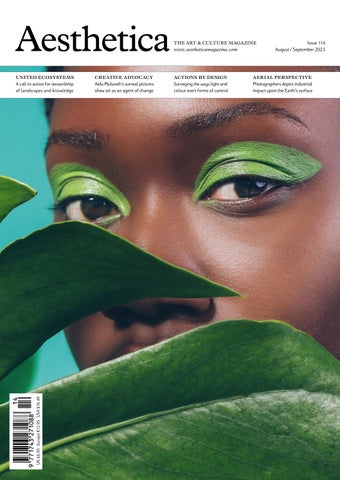
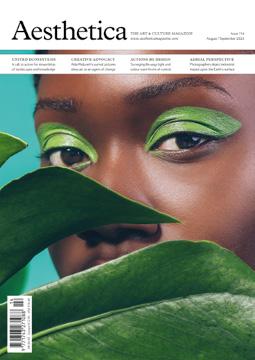
On the Cover
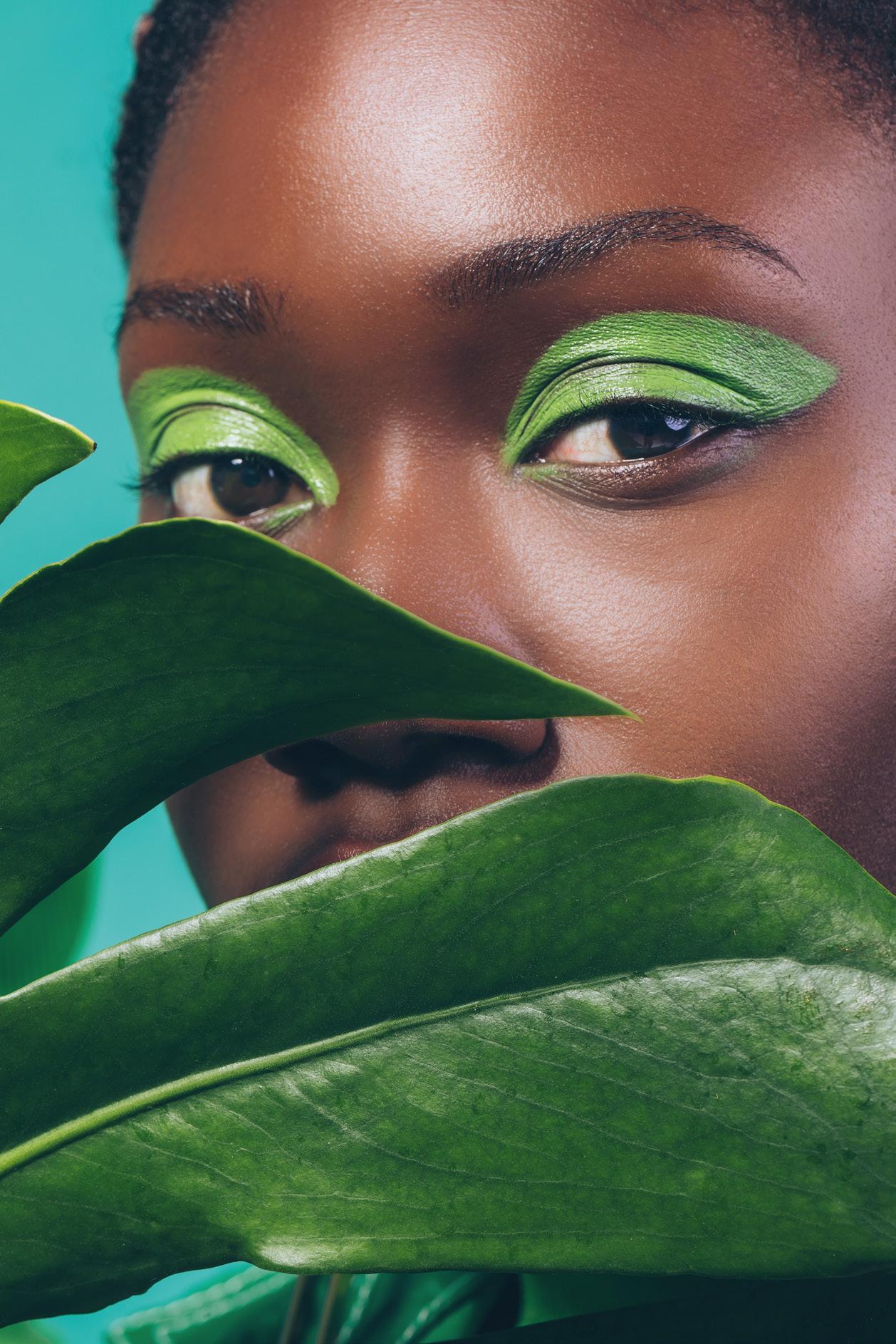
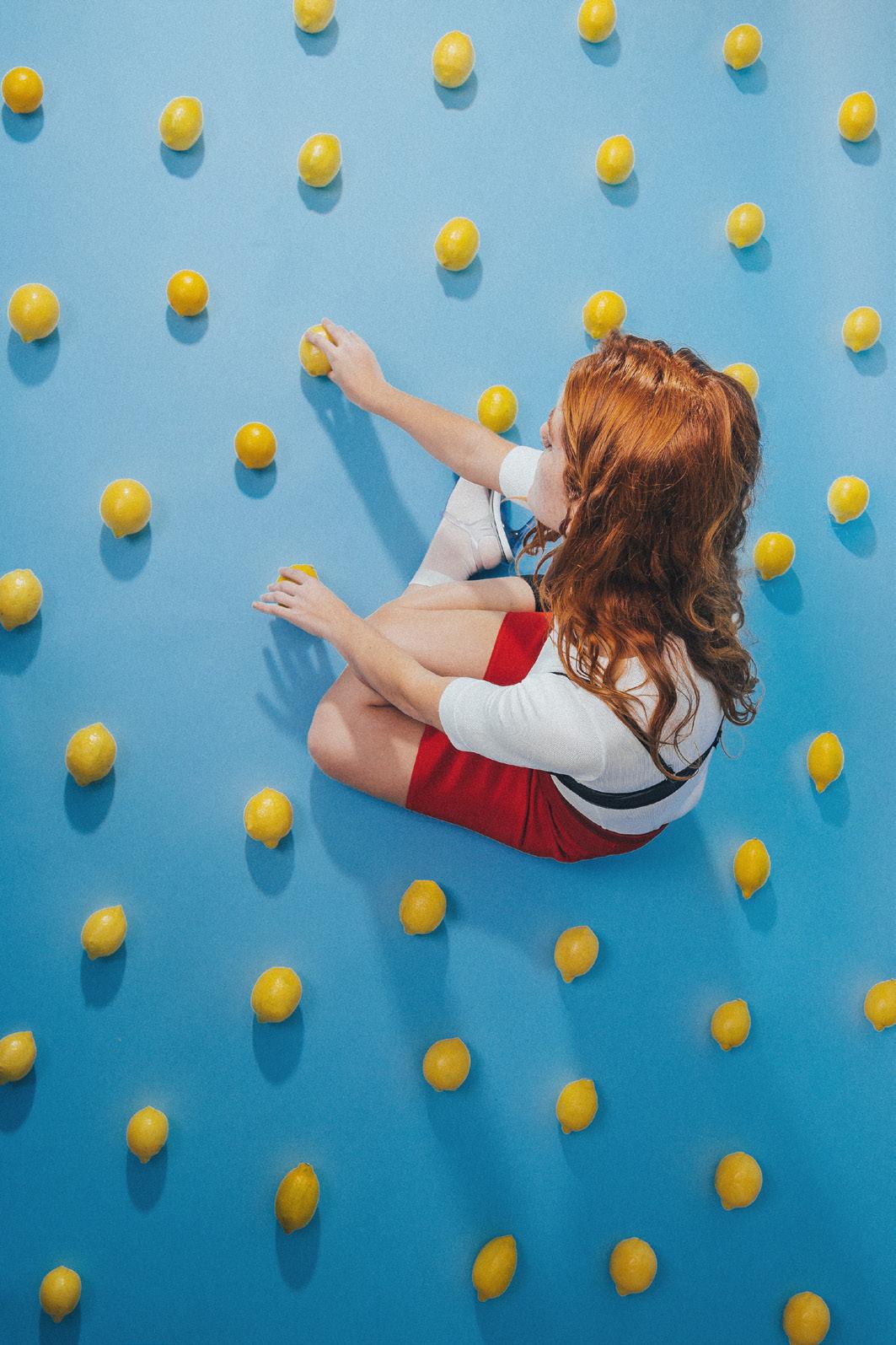
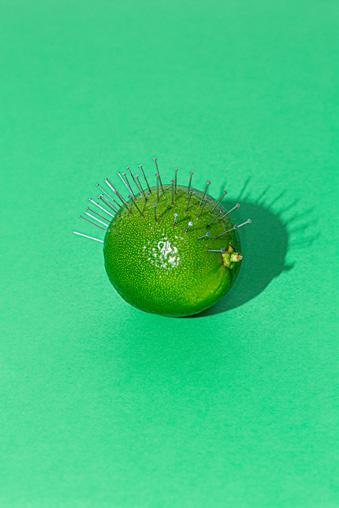
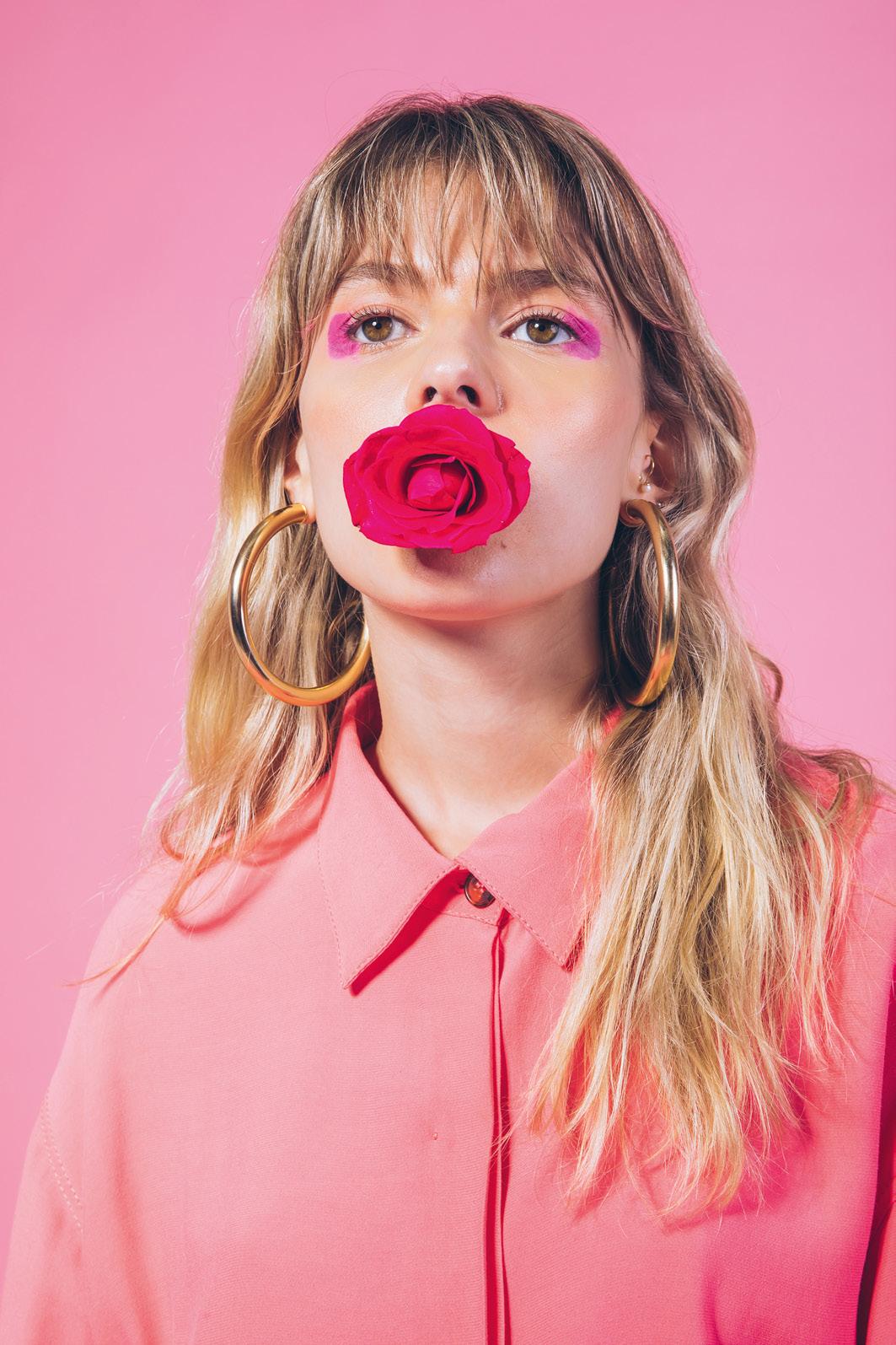
For Estúdio Bingo, visual narrative is key. Their portfolio is filled with colour, joy and fun. Each shot is rooted in a story, and is visually satisfying in its co-ordination: clothing, eyeshadows and props are carefully matched with bright pop backgrounds. (p. 114)
Storytelling is how we recall the past and imagine possible futures. There are stories we tell about ourselves and stories we tell about each other. Every layer adds more detail to the texture of life, and each experience expands the rich tapestry of our time in history. I collect memories and hold them dear. This helps to make sense of our experiences. We can reach each other on a visceral level, and remind ourselves of the commonalities we share as humans. This issue is about reflection, memory and choice. For me, some of the smallest decisions have turned into the biggest life changes, such as missing a train
Civilization: The Way which is at the Saatchi Gallery, London. This landmark exhibition tracks humanity’s everchanging and complex systems across the world, through the eyes of 150 photographers. We also chat with Tomás Saraceno, who is making strides by blurring the lines between activism, art, ecology, engineering and science. Next, we speak with Aïda Muluneh, an Ethiopian photographer known for her powerful portraits, which use bold primary colours and show us the power of the female gaze. She speaks about the breadth and scope of her work, as well as future plans. Elsewhere, Kapwani Kiwanga uses colour and material to reinterpret history from a new perspective whilst questioning power structures.
In photography we feature Gleeson Paulino, JeeYoung Lee, Margeaux Walter, Maria Leonardo Cabrita, Sarah Doyle and our cover photographers Estúdio Bingo. These fantastic lens-based artists take us on a voyage of discovery through surrealism and pop colours. Finally, the Last Words go to Curator Raúl Muñoz de la Vega about the Carrie Mae Weems exhibition currently on show at Barbican, London.
Cherie Federico
Aesthetica 11
Cover Image Estúdio Bingo, from We Need Colours (2019).
12 Aesthetica 74 64 48 102 114 42 96 28 80 58
Art
15 News
Andreas Gursky’s retrospective revisits seminal large-scale compositions, whilst a major photo festival returns to selected cities across Spain.
42 United Ecosystems
Global temperatures are set to reach new highs. Tomás Saraceno’s exhibition champions shared stewardship of the land, people and knowledge.
64 World of Abstraction
Dublin-based Sarah Doyle harnesses bright colours and experimental shapes as a way of travelling to and inventing vast new horizons.
96 Aerial Perspective
A landmark show tracks humanity's 21st century story, drawing attention to photo artists who are portraying the impact of industry on the Earth.
Reviews
124 Exhibitions
We visit teamLab’s Tokyo space, as well as key surveys of Ajamu, Chris Killip, Norman Foster and Snezhana von Büdingen-Dyba.
Books
133 The Latest Publications
Featured art books include Hong Kong After Hong Kong, The Mongolian City of Nomads and a compendium of Danish photography.
24 10 to See
Global exhibitions consider depictions of Black femininity, creativity and music, offering a crucial rethinking of the established western art canon.
48 A Sense of Renewal
Brazilian image-maker Gleeson Paulino brings an evocative collection of pictures: a dreamlike chronicle about, and ode to, his native country.
74 Actions by Design
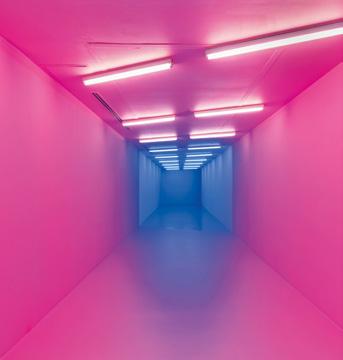
Colour is tied up with the architecture of power and control. Kapwani Kiwanga shows us how, in aesthetically pleasing, immersive installations.
102 Building a Universe
Origami boats sail through seas of paper-cut leaves in JeeYoung Lee’s constructed studio scenes, acting as windows to an inner world.
28 Planetary Expeditions
Maria Leonardo Cabrita imagines the discovery of a lost cosmos found in-between the Sun and Mercury, filled with neon skies and rising steam.
58 Creative Advocacy
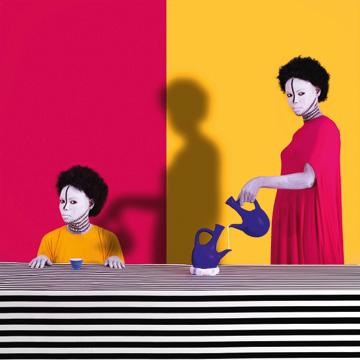
Media representations of Africa are all too often based on clichéd views. Aïda Muluneh is pushing past these narratives with her surreal storytelling.
80 Outdoor Performance
Margeaux Walter’s fun, humorous self-portraits bring joy whilst responding to, and reflecting on, complex ways humans interact with landscapes.
114 Beyond Narrative
We Need Colour is satisfying in its visual style and co-ordination: eyeshadows, backgrounds clothing and props are all carefully matched.
Aesthetica
Magazine
All work is copyrighted to

129 Film
Inland marks Fridtjof Ryder’s directorial debut, drawing on old English folklore, whilst Lie with Me adapts a bestselling French novel for screen.
Artists’ Directory
138 Featured Practitioners
Inside this edition we foreground artists across an array of media, from painting to digital, who hold up a mirror to life in our connected world.
The Aesthetica Team
Editor: Cherie Federico
Creative Producer: Eleanor Sutherland
Editorial Assistant: Fruzsina Vida
Digital Content Assistant: Chloe Elliott
Junior Content Creator: Diana Bestwish Tetteh
Media Sales & Partnerships Manager: Megan Hobson
Artists’ Directory Manager: Katherine Smira
Production Director: Dale Donley
Operations Manager: Helen Osbond
Designer: Matt Glasby
Contributors
Diana Bestwish Tetteh Eleanor Sutherland
Iman Sultan
Vamika Sinha
Reviewers
131 Music
Emile Mosseri, Madeline Kenney and Skinny Pelembe present fresh releases, navigating stories of grief, vulnerability and heartache.
Last Words
146 Carrie Mae Weems
Raúl Muñoz de la Vega, Barbican's Curator, introduces us to Weems, a creative force for justice who is consistently ahead of her time.
advertising@aestheticamagazine.com
Artists’ Directory Enquiries Katherine Smira directory@aestheticamagazine.com
Subscriptions subscriptions@aestheticamagazine.com
General Enquiries info@aestheticamagazine.com
Press Releases pr@aestheticamagazine.com
Aesthetica 13 contents
is
Adam Heardman, Chloe Elliott, Eitan Orenstein, Eleanor Sutherland, Fruzsina Vida, James Mottram, Kyle Bryony, Matt Swain, Nikita Dmitriev, Shirley Stevenson, Stephanie Watts. worldwide. ©
trade marked
Aesthetica Magazine Ltd 2023.
the author
artist. All rights reserved.
part of
magazine
be
without
from the publisher. Published by Cherie Federico and Dale Donley. Aesthetica Magazine 21 New Street York, YO1 8RA, UK
ISSN 1743-2715.
or
No
this
may
used or reproduced
permission
Warners Group Publications plc. Gallery & Specialist Distribution Central Books. Printed by Warners Midlands plc.
Newstrade Distribution
Advertisement Enquiries Megan Hobson (0044) (0)844 568 2001
Connect aestheticamagazine.com facebook.com/aestheticamagazine twitter.com/AestheticaMag pinterest.com/AestheticaMag instagram.com/AestheticaMag
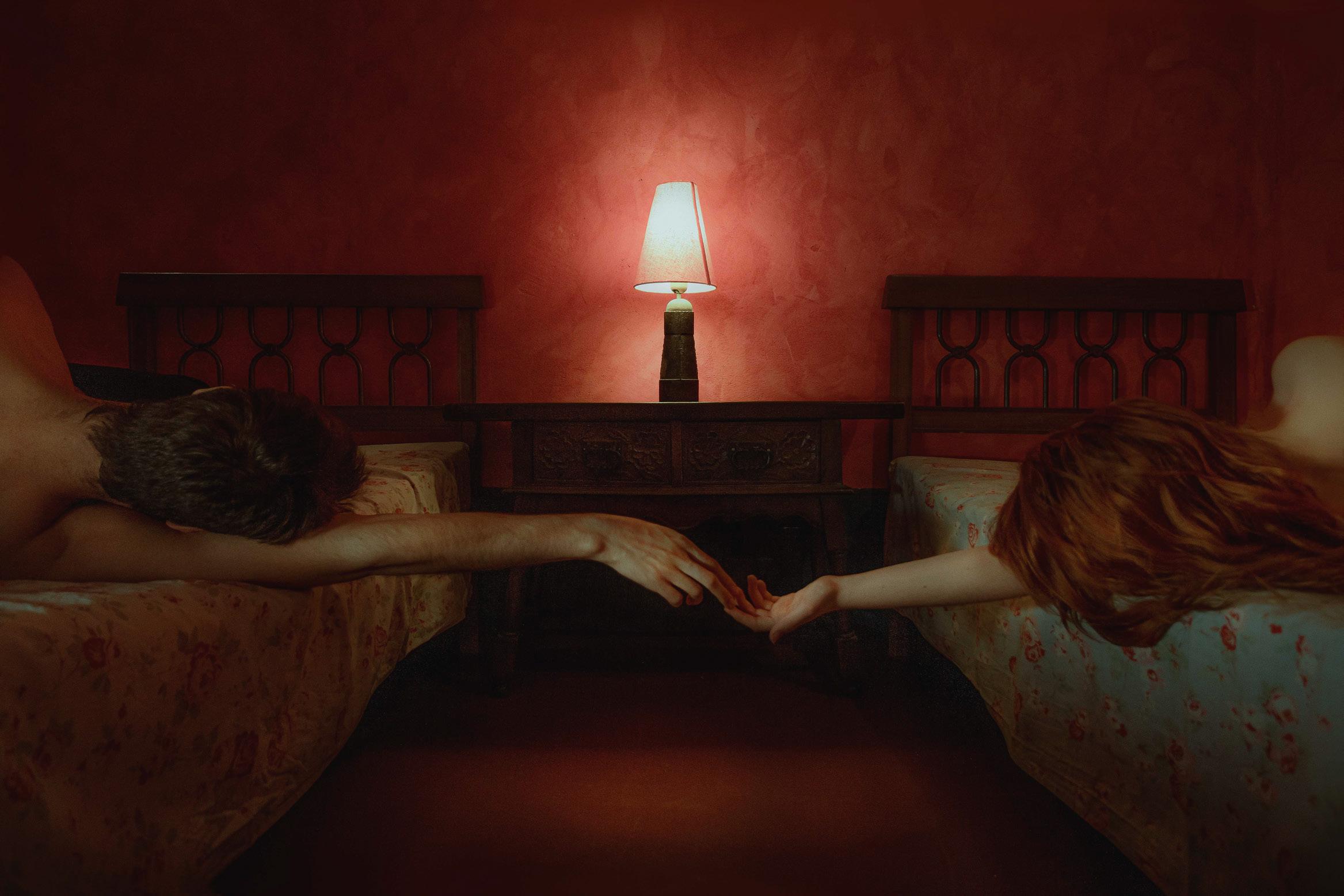
14 Aesthetica Andrea Torres, Los Amantes. news
Encountering New Viewpoints
PHotoEspaña, Spain | Until 3 September phe.es
The international photo-festival returns, as it takes visitors across a range of cities including Barcelona, Madrid, Santander and for the first time, the virtual “New Art City.” Ninety-six exhibitions feature in this year’s programme, and over 300 photographers reflect on themes related to art, gender and local environments. At the Royal Botanical Garden, Madrid, José Manuel Ballester’s (b. 1960) exhibition Of Evergreen Trees looks at how symbols of interconnectedness, longevity and universality inspire humanity to unite with nature. The Museum of Romanticism provides the setting for Alice Austen (1866-1952), one of America’s earliest and most prolific female photographers. Undo Gender presents more than 8,000 images and highlights the challenges women faced in Victorian society. Elsewhere, viewers can discover fresh outlooks on Arab societies, showcased as part of Shifting Sands (2023). Practitioners from across the Middle East and North Africa explore environmental problems and solutions from their respective regions. Wafaa Samir’s What Remains (2016-2017), for instance, centres on the sustainable village of New Gourna, Egypt, by the pioneering architect Hassan Fathy (1900-1989). Opposite is The Lovers (2022) by Andrea Torres Sánchez. A couple reach across two separate beds, hands bathed in a deep red light. Virtual attendees can see the piece as part of Contemporary: How to be a Photographer, the culmination of an open call for women artists working in the growing NFT space. Sánchez says: “Through photos, I give form to forbidden emotions and thoughts that I am unable to express any other way."
Aesthetica 15
PHOTOESPAÑA 2023
Elements from Nature
HUMMING EARTH
Kunst der Westküste, Alkersum | Until 3 September mkdw.de
Time outdoors is recommended as an antidote to modernday problems. The Lancet reported in April 2023: “Nature prescriptions can provide positive benefits on blood pressure, symptoms of depression and anxiety.” Despite these advantages, Guardian reported that 2.8 million people in the UK live more than a 10 minute walk away from a green space. In a fast-paced contemporary society, we are engulfed by concrete jungles that leave us more and more disconnected from the natural world.
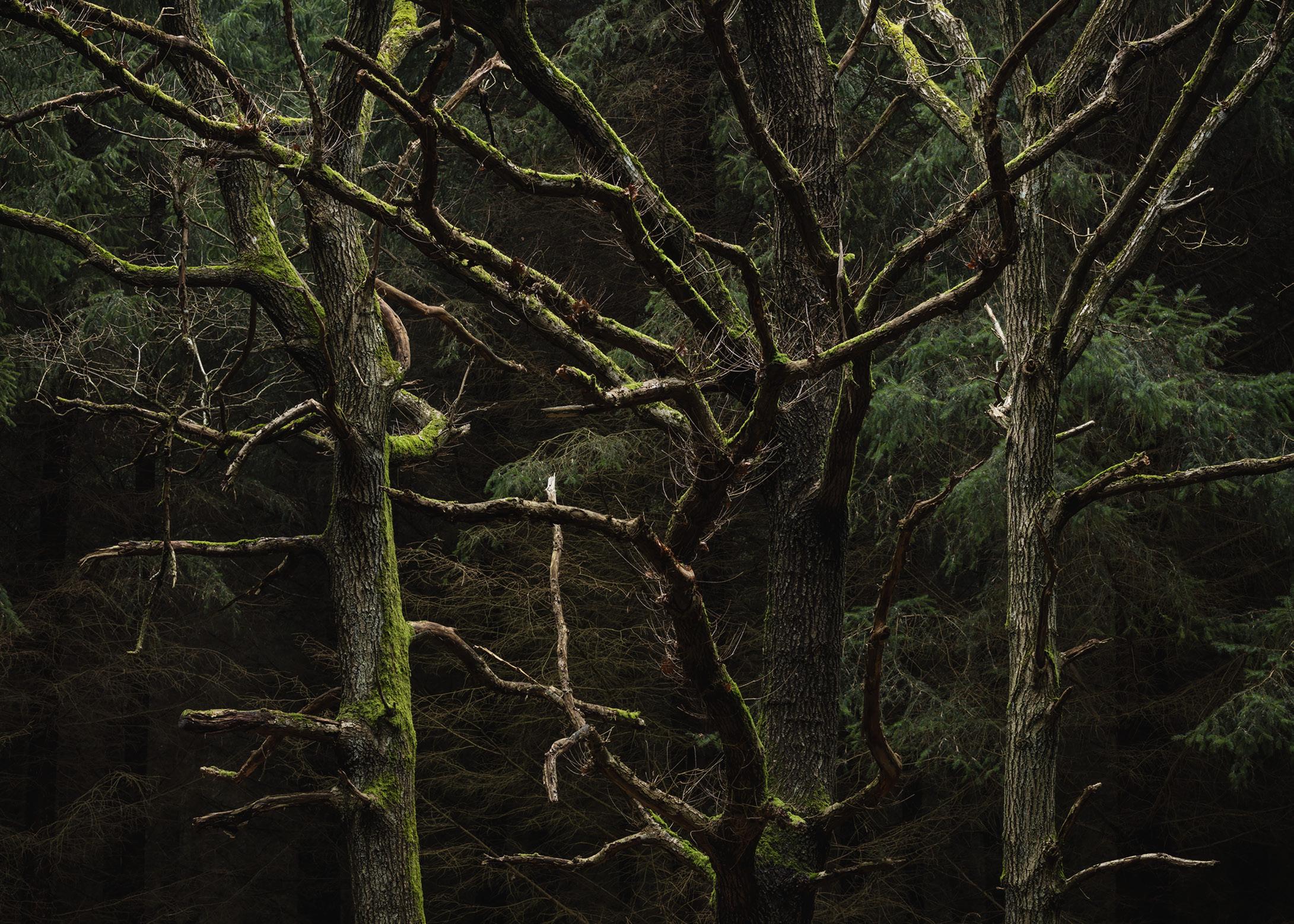
Per Bak Jensen’s (b. 1949) images highlight the overlooked patterns, shapes and textures that exist in our environment. The exhibition Humming Earth brings together a selection of early and recent large-format work. He expertly directs attention, through lighting and vantage point, to things we often ignore. Leafless branches extend from moss-covered tree trunks. A low camera angle follows a river-like crevice on the forest floor. Rocks forge unpredictable shapes on craggy surfaces. This work aligns with other contemporary image-makers who pay attention to details of the outside world, like Helene Schmitz (b. 1960), Jasper Goodall (b. 1973) and Alexis Pichot (b. 1980). In Photomonitor, Jensen stated that photography “can be likened to meditation in that I immerse myself deeply in the process.”
This exhibition persuades viewers to pay careful attention. Jensen's photographs are a testament to the process of spending time in, and connecting with, our surroundings. These landscapes ask: can we recognise the subtleties around us? Jensen believes this is possible, but only once we are willing to understand them.
16 Aesthetica news
Aesthetica 17
Per Bak Jensen Erindring, Memory, (2018), © Galleri Bo Bjerggaard And The Artist, VG Bild-kunst, Bonn 2023.
18 Aesthetica news
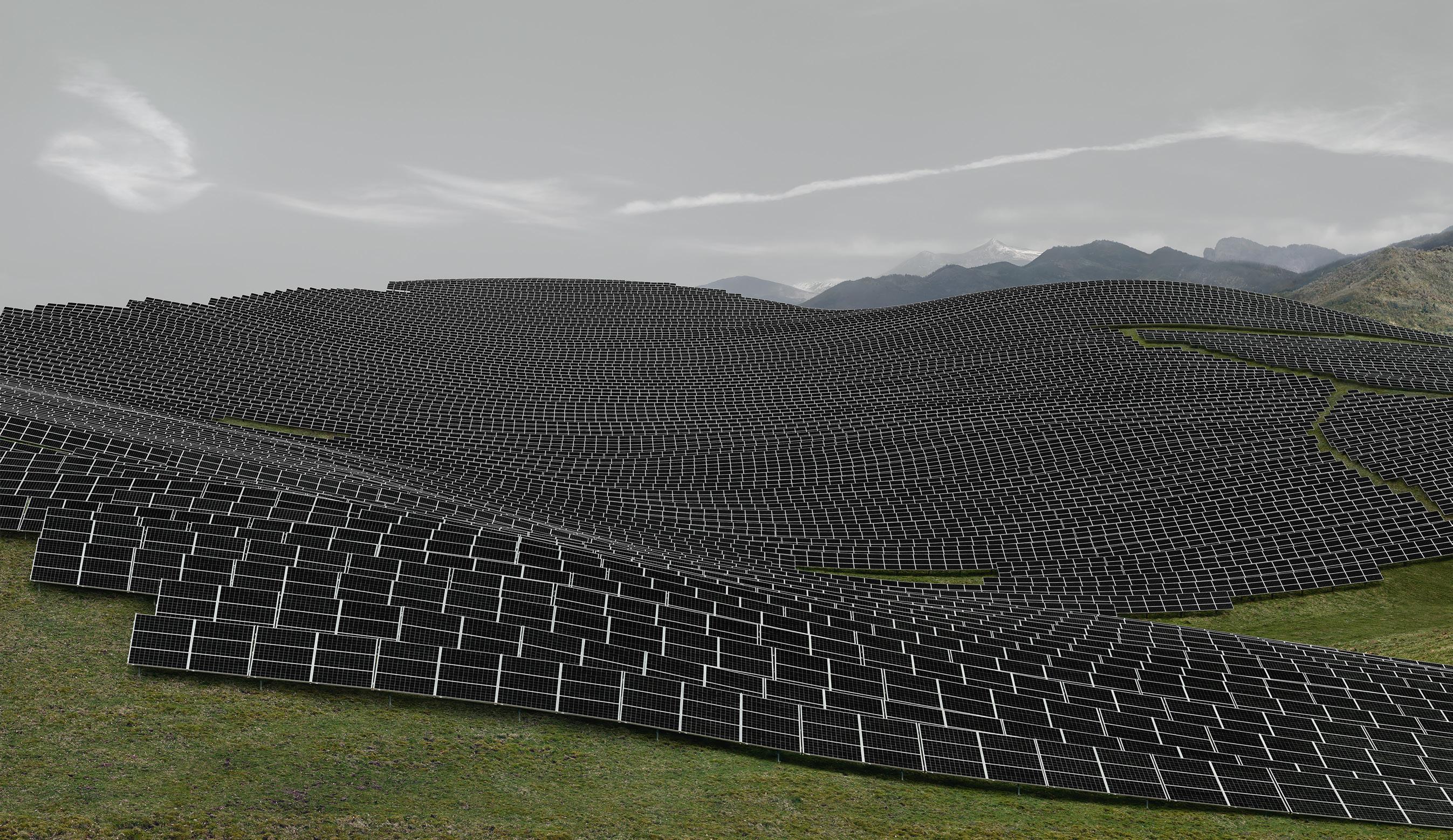
Andreas Gursky, Les Mées (1996)
© Andreas Gursky, By SIAE 2023, Courtesy: Sprüth Magers
Markers of Industry
VISUAL SPACES OF TODAY
Fondazione MAST, Bologna | Until 7 January mast.org
Rows of solar panels encase the hillside, overseen by grey mountains in the distance. Typically, these natural monoliths would represent the might and magnitude of nature, yet here they only peek out from the background. This photograph, Les Mées (2016), makes human-made structures the focus and provides a view of the Les Mées Solar Farm, where over 112,000 solar modules cover 200 hectares of grassy French countryside. Andreas Gursky (b. 1955) rose to prominence in the 1990s for his large-scale photography. The image Salerno I (1990) marked a pivotal departure from his previous shots of people. Instead, a vast number of cars, cranes and shipping containers occupy the foreground of the frame. Despite its enormous scope, everything within the composition appears in vivid detail, inviting viewers to look deeper. Gursky’s prolific career has taken him around the world, from Hong Kong to Monaco and Qatar. Wherever he goes, his lens is focused on markers of industry, which serve as indicators of civilisation and dominance over landscape.
The “industrial aesthetic” is a hallmark of Gursky’s oeuvre, and gains new relevance at a time of climate awareness. These interests match Fondazione MAST’s mission to unify technology and art, making it the perfect setting for his debut in Italy with Visual Spaces of Today. The major retrospective presents 40 images from a three-decade career. The artist says: “All my landscapes are manmade. My interest lies in people, civilisation, human presence and activity. I couldn’t imagine taking a photograph of a mountain just by itself, though this is, of course, possible.”
Aesthetica 19
20 Aesthetica news
Aesthetica 21

22 Aesthetica news
Power of Collaboration
Portland Museum of Art | Until 10 September portlandmuseum.org
In 1949, the August issue of Life magazine published a feature on Jackson Pollock (1912-1956), asking “is this the greatest living painter in the United States?” Despite intending to mock the artist, the article propelled him into stardom. The idea of solo success grips society, as we laud individuals across art, business, culture and science. In reality, however, creativity can be driven by helpful mentor feedback or sustained by community support.
Maine Media Workshops + College upholds this philosophy. The school is passionate about photography and its capacity for storytelling. Since 1973, it has been a fundamental voice for the acceptance of lens-based media as an art form. Drawn to the Light looks at five decades and over 100 works from artists like Craig Stevens, Kate Carter and Mary Ellen Mark. It highlights the enduring influence of the organisation and showcases how image-makers have experimented with and refined their lens-craft.
Ernst Haas (1921-1986) was one of the first instructors at Maine Workshops. Reflection, Revolving Door, New York City (1975), shown here, depicts the grandeur of everyday structures. His essay Images of New York (1953) was Life’s first colour print feature and, in 1958, he was voted by 243 eminent critics, teachers and industry professionals as one of Popular Photography Magazine’s 10 Greatest Photographers. From the 1970s, he taught students around the world and encouraged them to use the camera as a means of expression. The impact of his teaching – from the opportunity to learn new stylistic techniques, to tailored criticism – is still felt with reverence today.
Aesthetica 23
DRAWN TO THE LIGHT
10 to See
RECOMMENDED EXHIBITIONS THIS SEASON
Our must-see shows this August and September include a crucial rethinking of the photog raphy canon, as well as one artist's story of finding a voice in post-revolutionary Cuba. Else where, global exhibitions look at evolving depictions of Black femininity, creativity and music.
1
Black Venus
Somerset House, London | Until 24 September somersethouse.org.uk
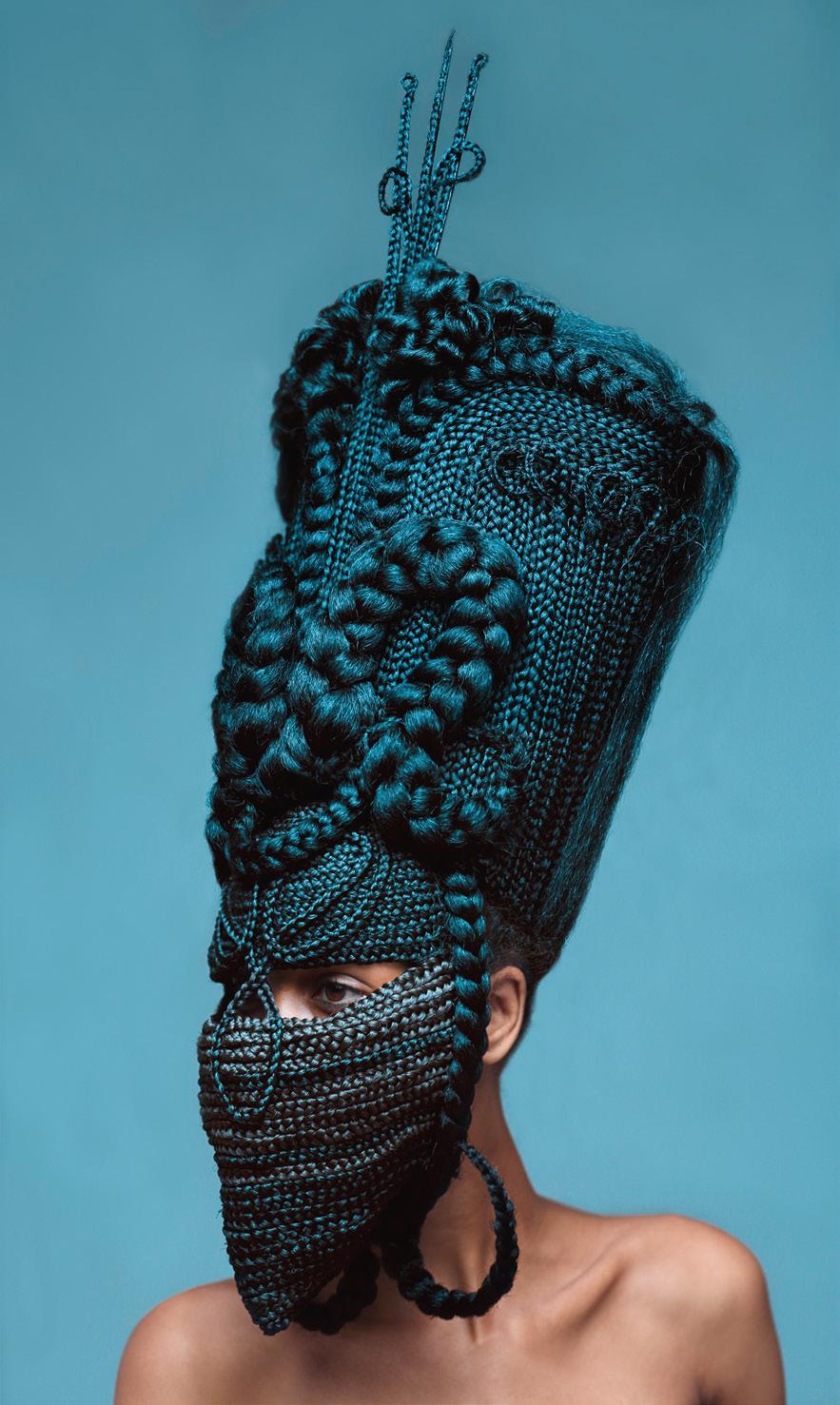
Black Venus celebrates the many faces of Black femininity, with over 40 contemporary and primarily photographic artworks from creatives including Delphine Diallo, Lorna Simpson and Sonia Boyce. This show's powerful selection of works offers a radical affront to a centurieslong dynamic of objectification and othering, whilst showcasing all that Black womanhood is and always has been. Curated by Aindrea Emelife, this survey brings together 18 Black women and non-binary artists to reclaim narratives around the definition of Black femininity.
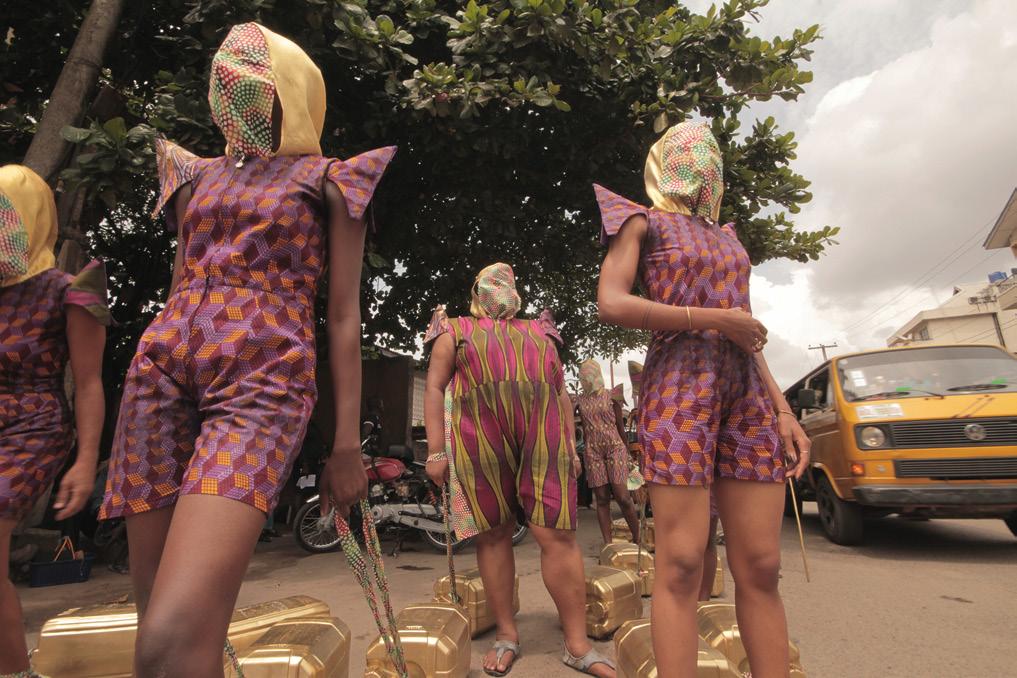
2C ontemporary African Photography
Tate Modern, London | Until 14 January tate.org.uk
Since the invention of photography in the 19th century, Africa has been broadly defined by western, colonial depictions of the continent’s cultures and traditions. Now, 36 African artists from different generations and geographies provide an alternative view, exposing how images allow the past and the future to co-exist in powerful ways. The show draws on cultural memory and collective identity, featuring the performance of Wura-Natasha Ogunji, historical exploration created by George Osodi and acts of remembrance from the late Khadija Saye.
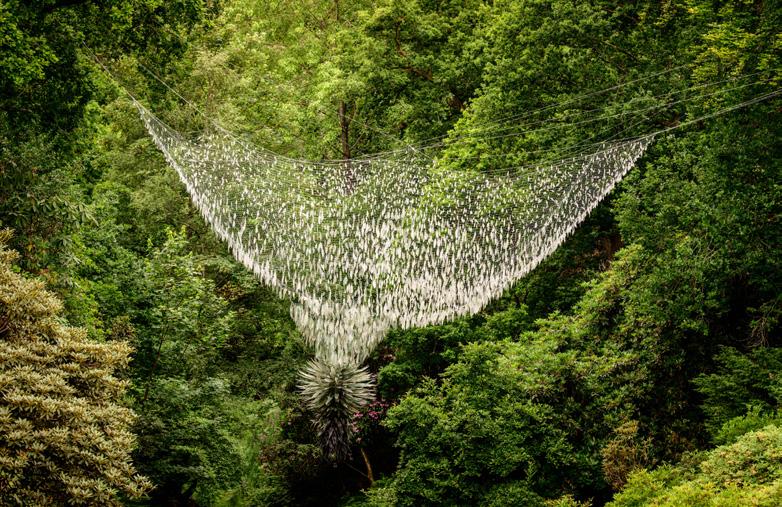
3R ooted
Kew Gardens, London | Until 17 September kew.org
Trees are vital to human existence. They support life on the planet: from storing carbon and sheltering wildlife to providing shade and being scientifically proven to ease stress. To acknowledge the impact woodlands have on our ecosystem, a group of artists showcase outdoor installations at the 535-acre site of Kew Botanical Gardens. Each multisensory work responds to aspects of ecology. John Grade’s sculpture spans 24 feet, drawing attention to the vital importance of water by collecting rain and forming a spectacular chandelier shape.
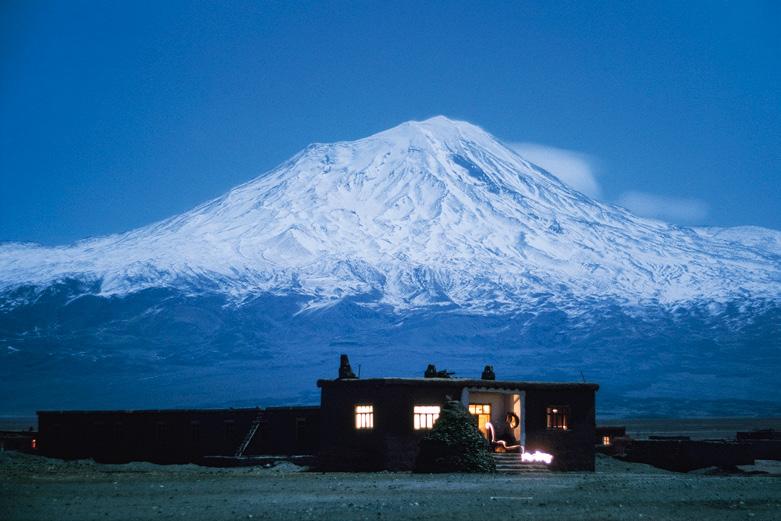
4A ra Güler: A Play of Light and Shadow
FOAM, Amsterdam | Until 8 November foam.org
Ara Güler (1928-2018) was one of Turkey's most legendary photographers and often referred to as the “The Eye of Istanbul.” This exhibition pays tribute to his creative vision and provides an opportunity for visitors to dive into his rich body of work. Güler recorded the intricacies of the country’s cultural, economic and social structures. The show is organised into four sections: The Ambassador, The Historic, The Iconic and The Personal. The displays document congested cities, as well as intimate monochrome portraits and symbolic natural landscapes.
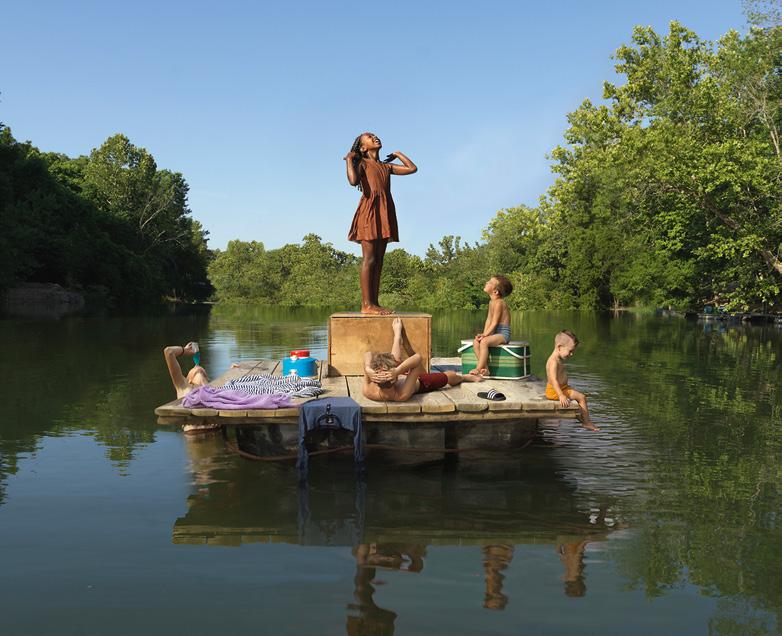
5 Summer Lovin'
Robert Mann Gallery, New York | Until 18 August robertmann.com
Curated by Gallery Director Caroline Wall, Summer Lovin’ intertwines photographs of serene landscapes with unsuspecting sunbathers, free-fall divers and swimsuits hanging out to dry. The work sparks nostalgia, recalling a time of youth and innocence when life seemed simpler. Images by Larry Fink and Julie Blackmon record the freedom of adolescence. Meanwhile Cig Harvey's surreal compositions present objects in pastel-coloured settings. The exhibition foregrounds the joy of summer, freedom and the social activities we associate with relaxation.
24 Aesthetica art
1 2
Aesthetica 25 5 4 3
26 Aesthetica 6 7 10
9 8
6M aría Magdalena Campos-Pons
Brooklyn Museum, New York | 15 September - 14 January brooklynmuseum.org
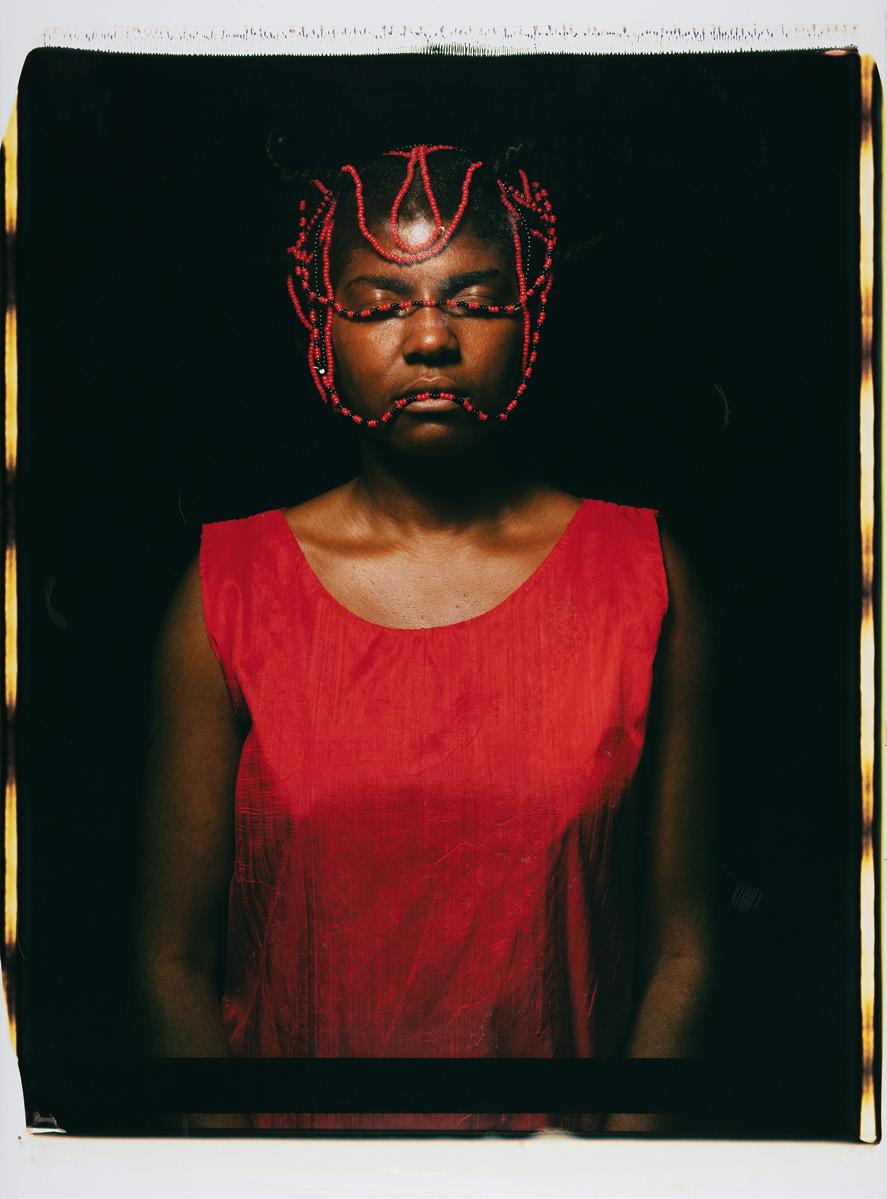
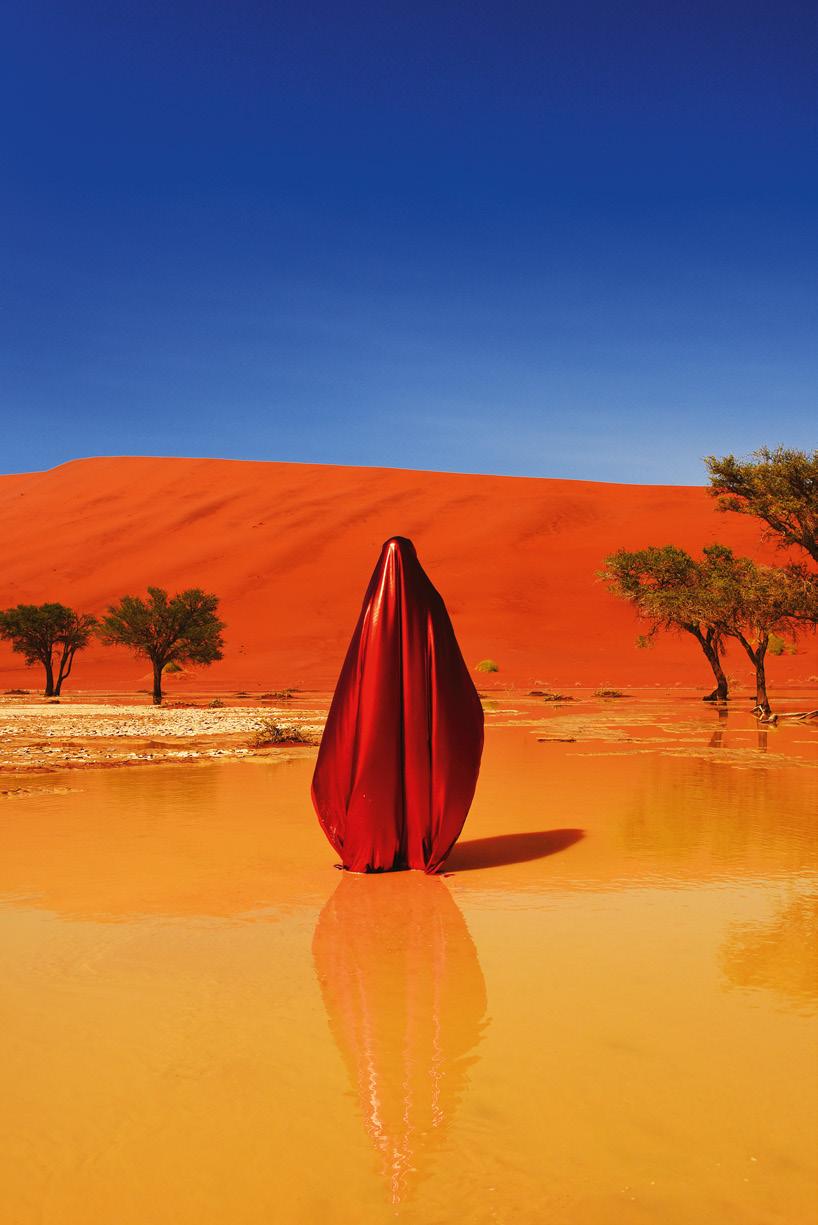
María Magdalena Campos-Pons was born in Matanzas, Cuba, in 1959. This was the same year Fidel Castro came into power. She grew up during a time of experimentation and artistic freedom, and, as such, found her voice in a post-revolutionary environment. This survey includes works across installation, moving-image, painting and photography. The result is an exhibition that spans nearly 40 years. Campos-Pons' narratives reflect on diaspora, memory and migration, amplifying the intricacies of feminism and Yoruba-derived Santería symbolism.
7G arden Futures
Vitra Design Museum, Weil am Rhein | Until 3 October design-museum.de
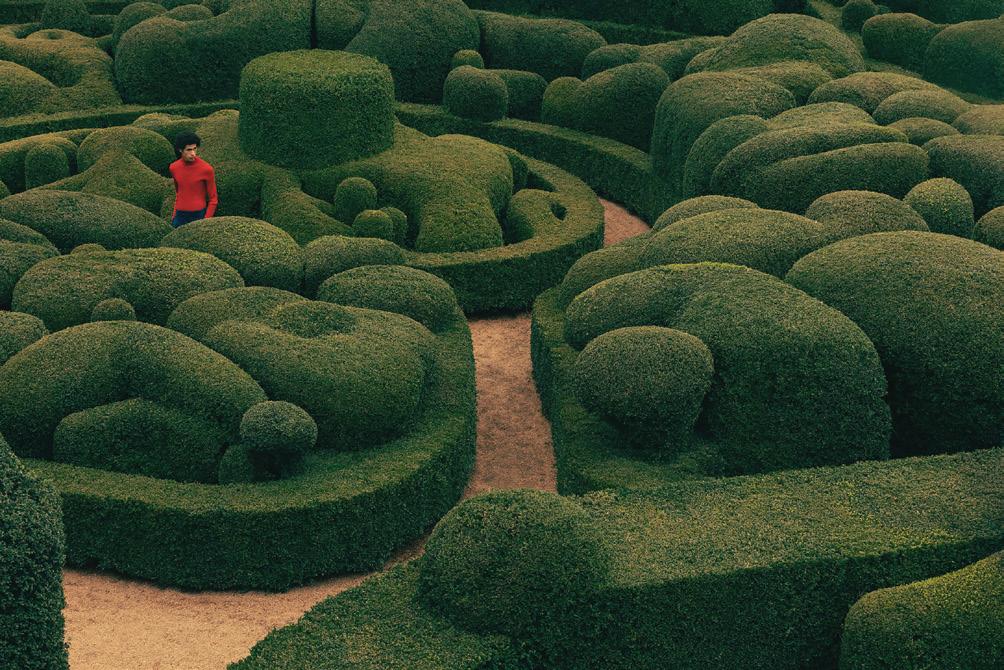
Every public garden bears the marks of social development, political and commercial interests, as well as cultural value systems. Recent trends in horticulture have focused less on outdoor settings as places of beauty, and more on testing key concepts of biodiversity, equality and sustainability. Projects by creatives Alvar Aalto (1898-1976), Derek Jarman (1942-1994) and Mien Ruys (1904-1999) investigate the history and future of green space. Visitors will learn about colonial plant trades, guerrilla gardening and landscape architecture.
8M ous Lamrabat
Galerie Le Chateau d'Eau, Toulouse | Until 27 August chateaudeau.toulouse.fr
Moroccan-Belgian photographer Mous Lamrabat shapes a universe where he explores his own multicultural identity through humour, empathy and irreverence. He debunks North African stereotypes and expertly layers western brands and pop culture with symbols drawn from his Euro-African heritage. Colours, audacity and skilful staging define his work, creating a positive energy that is irresistible and provocative. His transcultural vantage point breaks down barriers and spreads a message of inclusion and diversity: “I am a citizen of the world.”
9Yayoi Kusama: 1945 to Now
Guggenheim, Bilbao | Until 8 October guggenheim-bilbao.eus
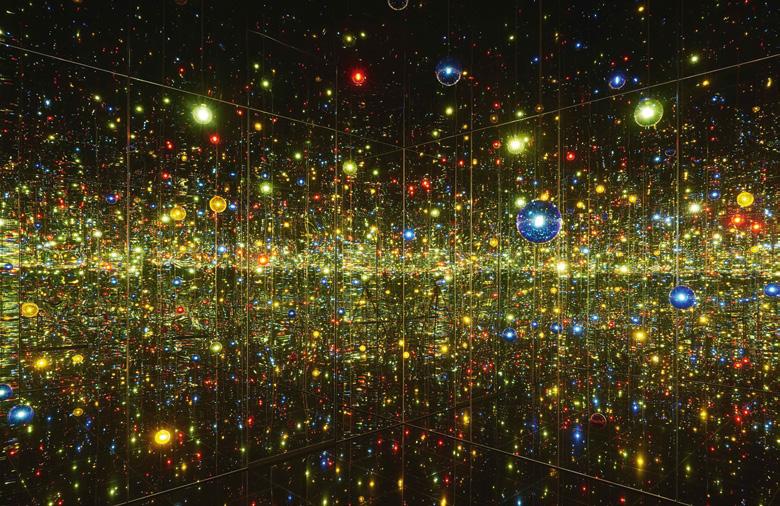
This retrospective surveys the six decade-long career of Yayoi Kusama. It draws attention to the artist’s recurring themes: accumulation, biocosmic, death, force of life, infinity and radical connectivity. Through archival material, drawings, happenings, installations, paintings, performances and sculptures, the exhibition asks existential questions that drive her practice. Bright-coloured objects reveal Kusama's fondness for nature whilst shining a light on the complexities of mass consumerism, counter cultural identities, as well as racial discrimination.
10Mu sical Thinking
Smithsonian, Washington D.C. | Until 29 January americanart.si.edu
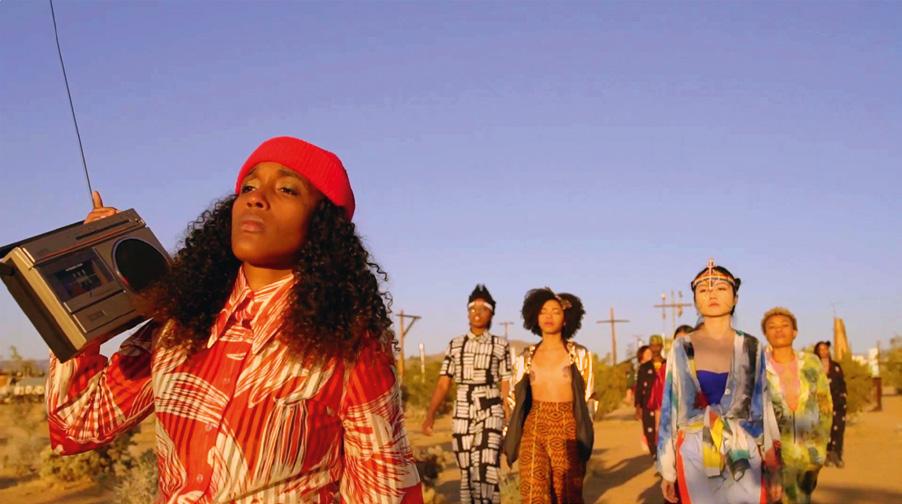
This striking show juxtaposes recent video art with popular music to explore cross-media connections. Rich with cultural references, works by Cauleen Smith, Mariam Ghani and Simone Leigh use melody to capture attention and inspire engagement. Immersive installations, photographs, prints and sculptures reference the legacy of American music –from early chorales, jazz and mid-century musical theatre to film soundtracks and hip-hop. The participating artists document the purpose of music and what it means to our daily lives.
(detail), from the series Los Caminos (The Path), 1997. Triptych of Polaroid Polacolor Pro photographs, framed: approx. 32.3 × 22 × 2 in. (82 × 56 × 5 cm) each; approx. 32.3 × 66 × 2 in. (82 × 168 × 5 cm) overall. Collection of Wendi Norris. (Photo: courtesy of the artist and Gallery Wendi Norris). 7. Julien de Cerval, The Gardens of Marqueyssac , France, designed in the 1860s Photo: Romain Laprade, 2020. 8. Mous Lamrabat X-Rated #10 , 2022 Courtesy of Loft Art Gallery. Image © the artist. 9. Yayoi Kusama, Infinity Mirrored Room - A Wish for Human Happiness Calling from Beyond the Universe 2020 Mirrors, wood, LED lighting system, metal and acrylic panel 293.7 × 417 × 417 cm © YAYOI KUSAMA. Courtesy Ota Fine Arts. 10. Cauleen Smith, Sojourne r, 2018, digital video, color, sound, 22:41 minutes, courtesy of Smithsonian American Art Museum and SJ Weiler Fund © 2020, Cauleen Smith.
Aesthetica 27
1. Delphine Diallo, Highness Blue (Hybrid 1), 2011 © Courtesy of MTArt and the artist. 2 . Wura - Natasha Ogunji, Will I still carry water when I am a dead woman 2013 Single - channel digital video; 11min, 57sec Fridman Gallery © Wura - Natasha Ogunji. Photo Credit Ema Edosio. 3. Isla at Wakehurst by John Grade © RBG Kew. 4. Mount Ararat , 1965 © Ara Güler Museum, courtesy of Ara Güler. 5. Julie Blackmon, Flatboat , 2022 Archival pigment print © Julie Blackmon, Courtesy Robert Mann Gallery. 6. María Magdalena Campos-Pons (born Matanzas, Cuba, 1959). Red Composition
Planetary Expeditions
Maria Leonardo Cabrita
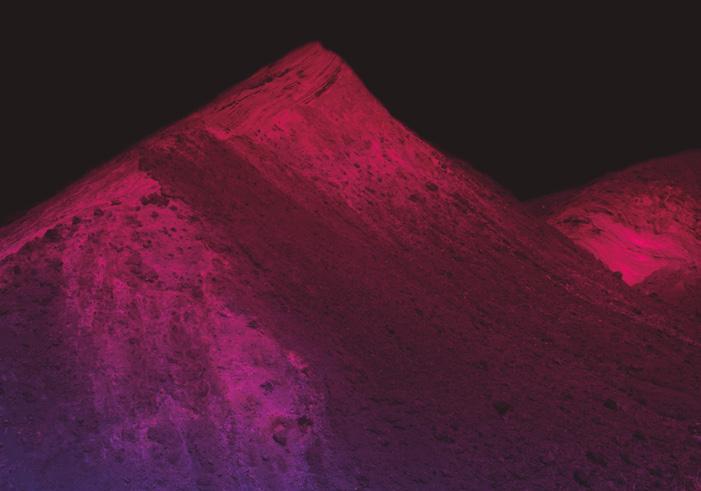
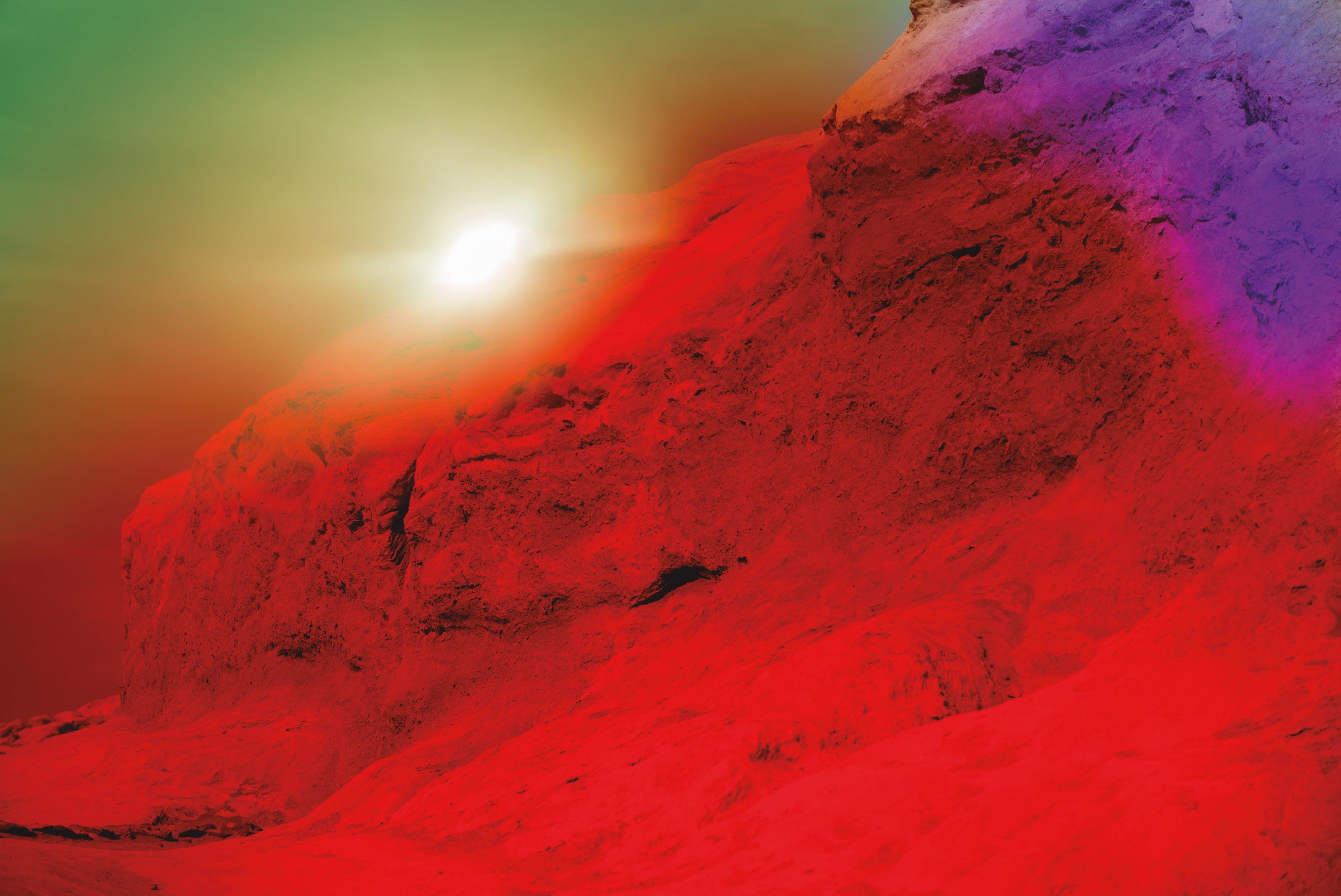
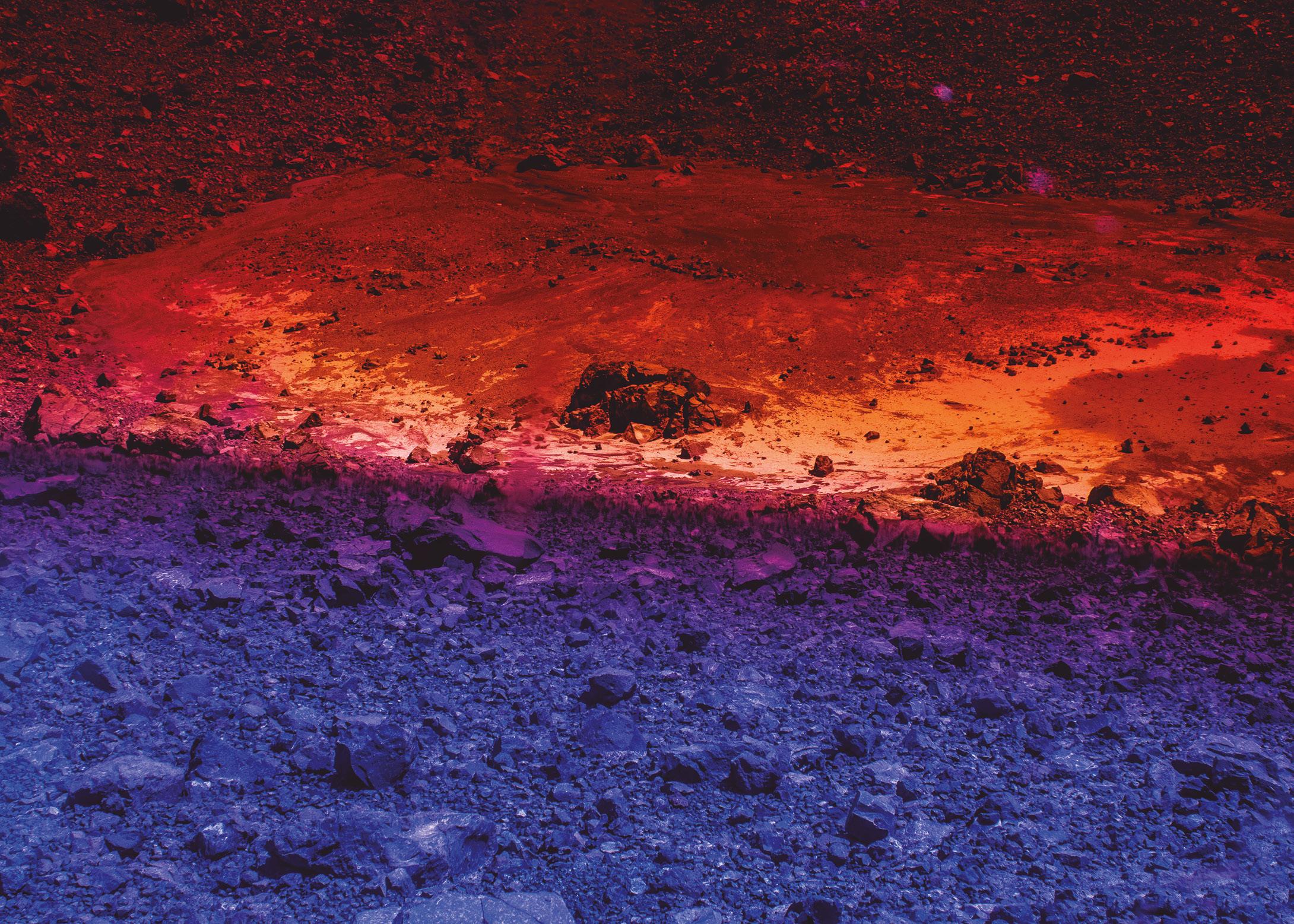
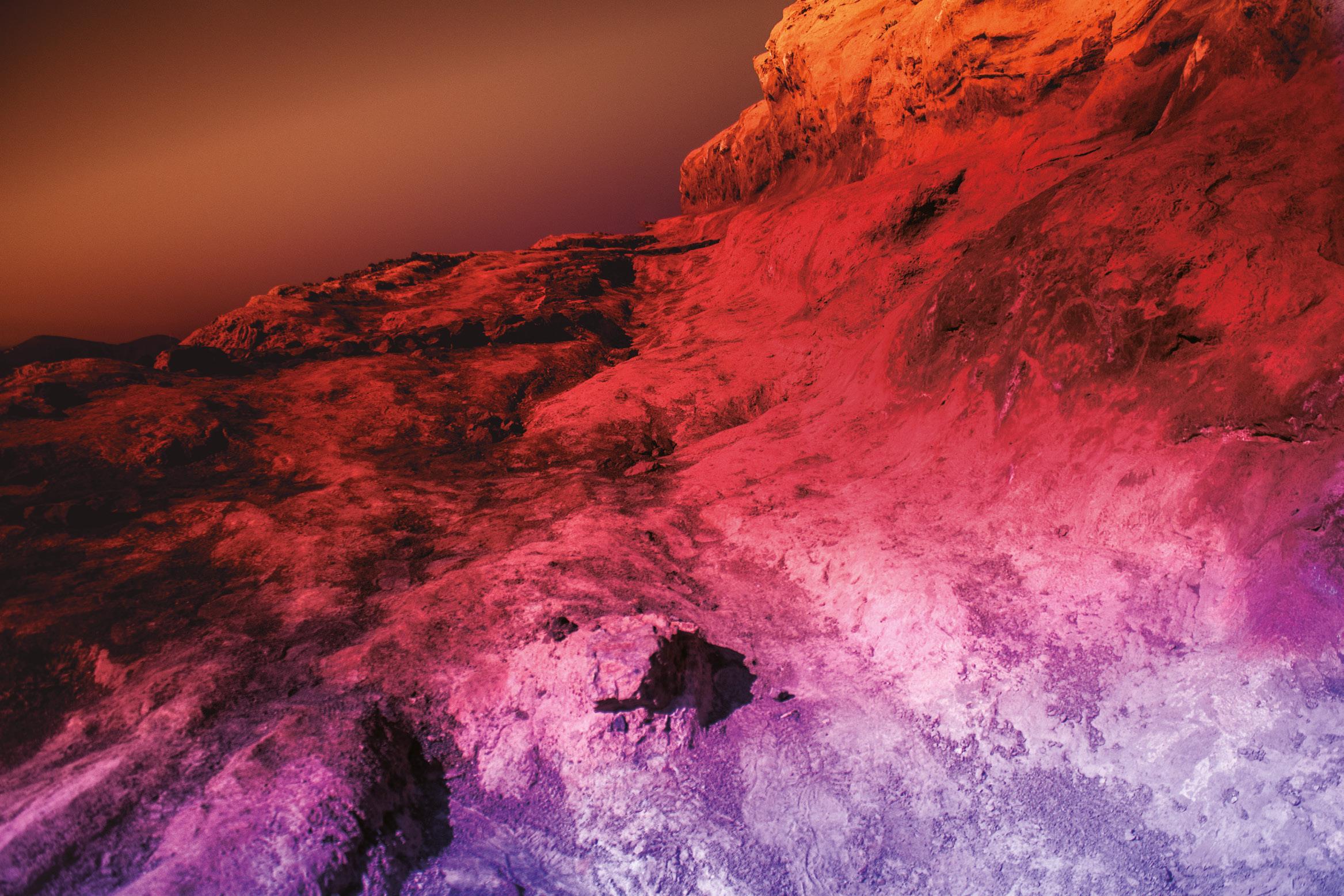
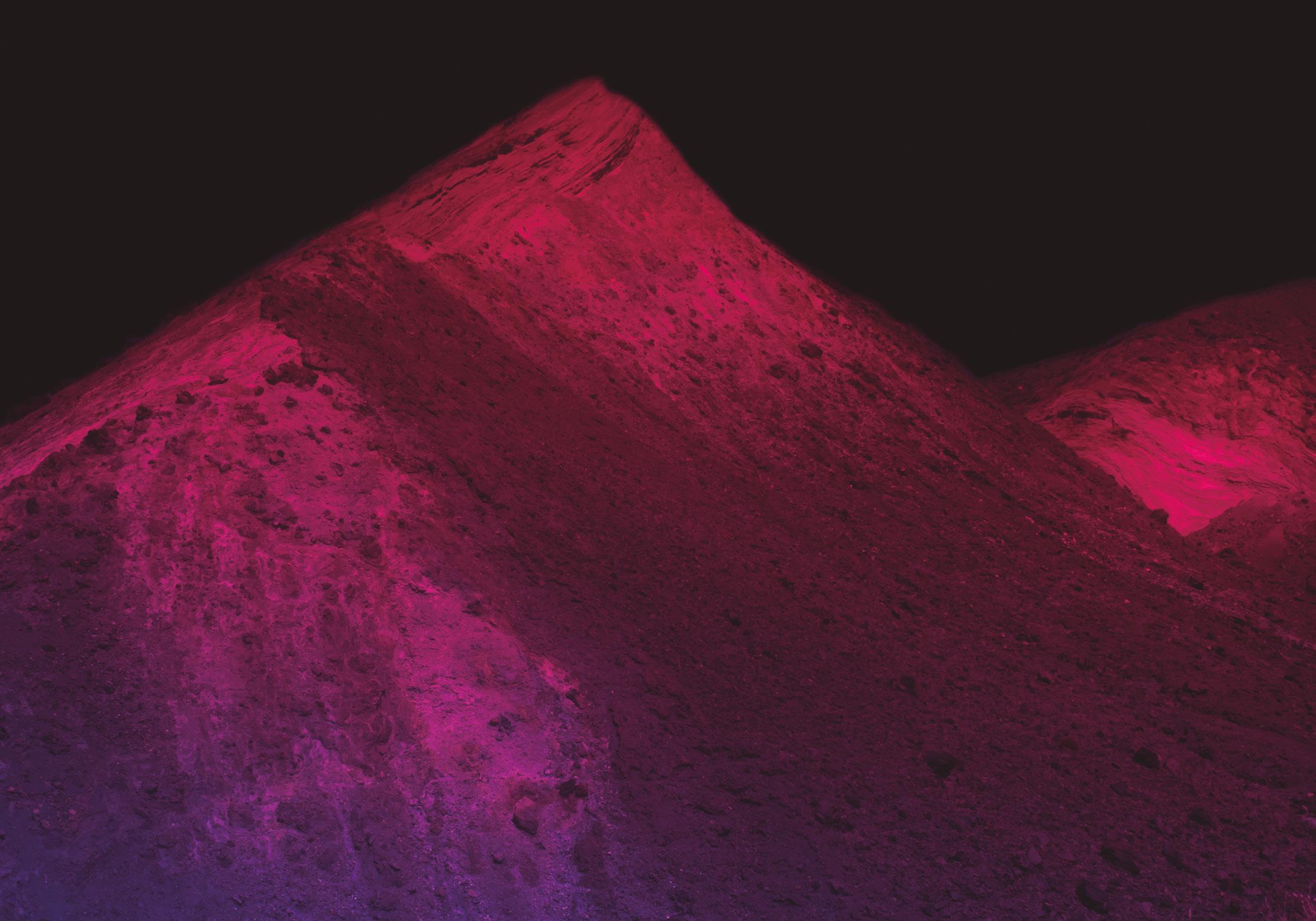
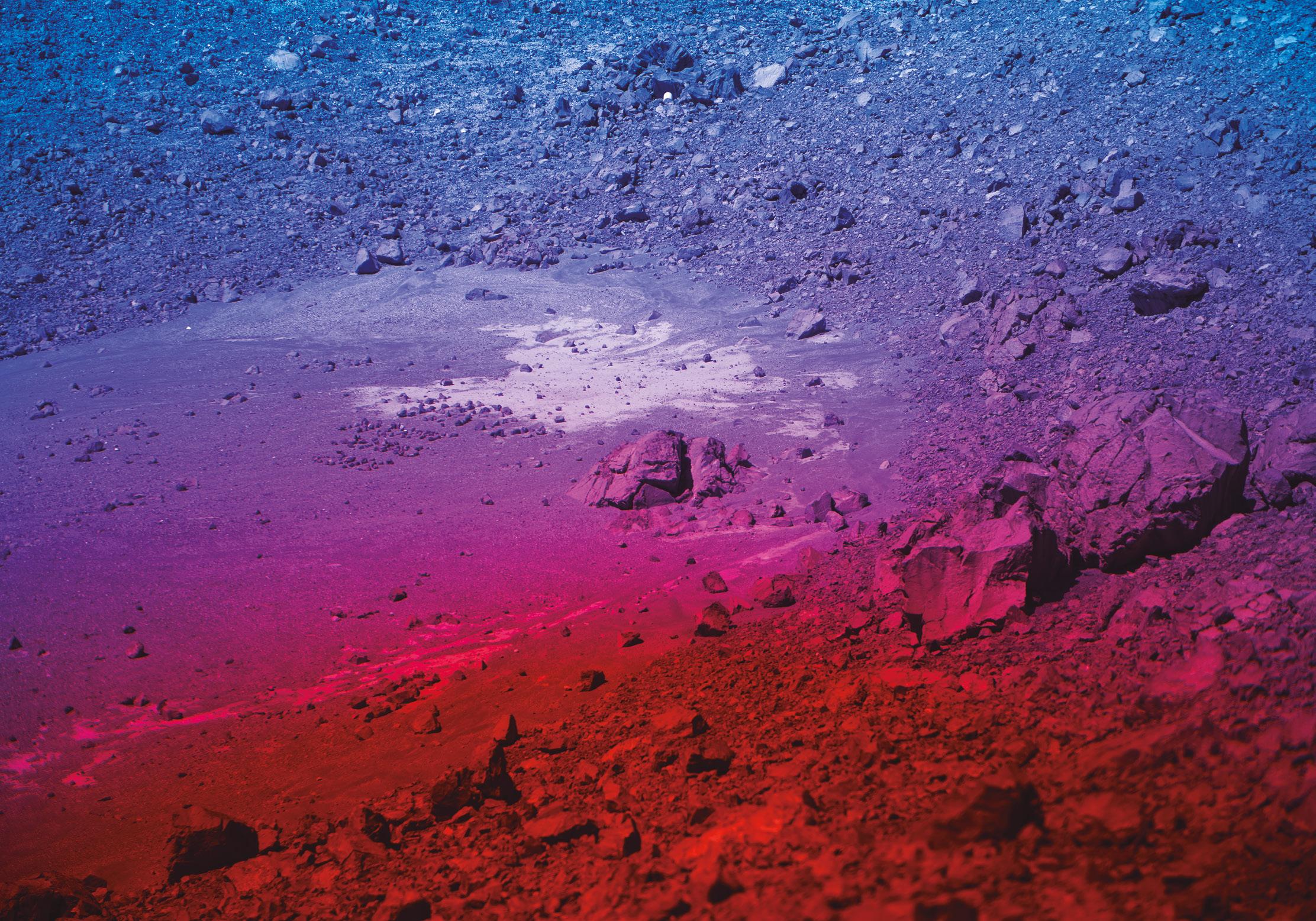
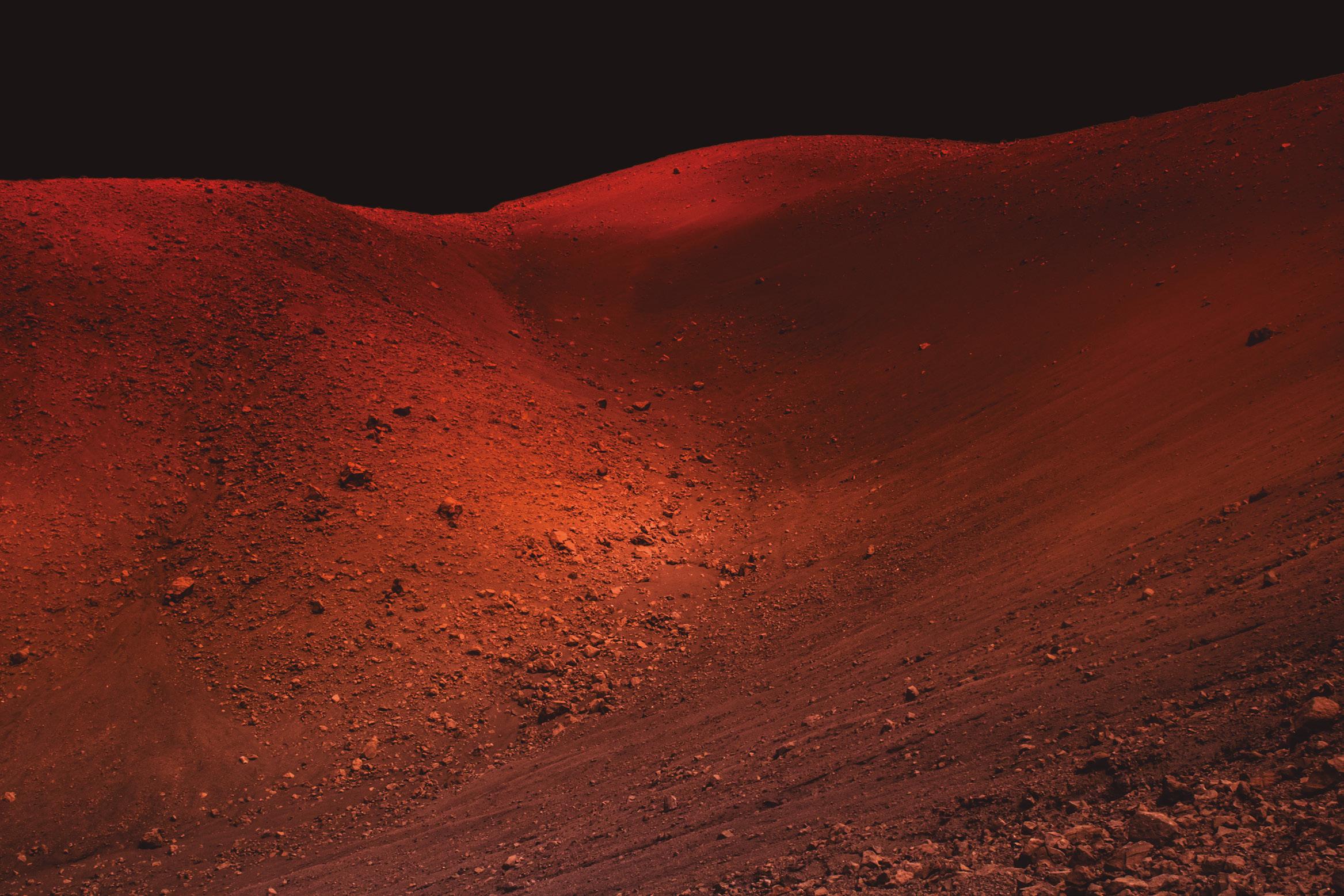
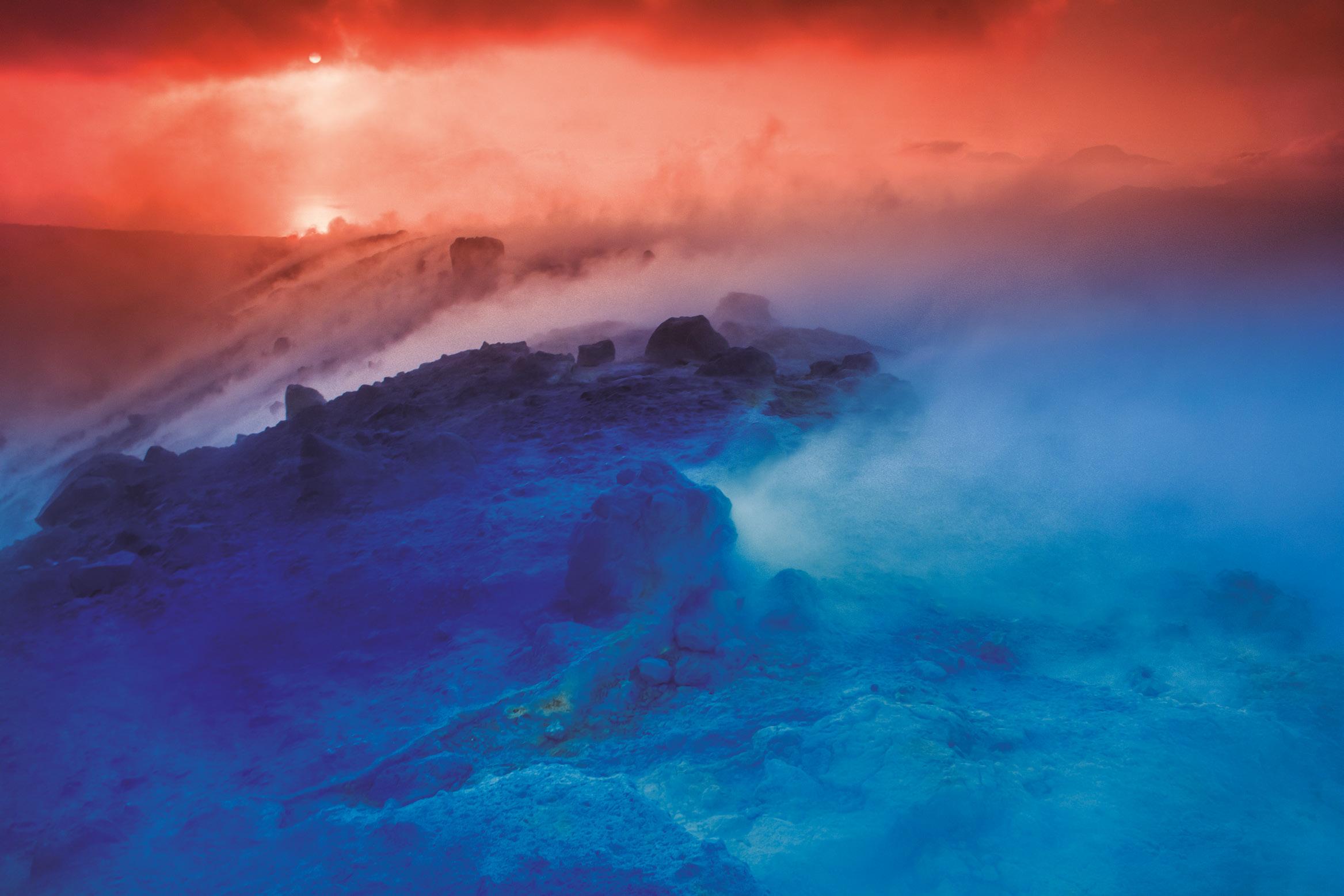
In the 19th century, French astronomer Urbain Le Verrier (1811-1877) presumed the existence of a planetary mass located between the Sun and Mercury, and named it Vulcan. By the mid-1800s, the idea gained traction, with others joining the hunt to find the lost planet. Yet, nothing was ever located. Vulcan was not there. In the following pages, however, Maria Leonardo Cabrita (b. 1989) turns back the clock. She imagines the discovery of a new cosmos and captures Vulcan’s geology on camera. These photographs were made on the real island of Vulcano, 20km north of Sicily. Steam rises from its volcanic surface, bathing barren landscapes in mist. Pictures are flooded with otherworldly neon hues; skies turn red, blue, orange, pink. Cabrita’s research-led project is particularly prescient right now. We are learning more about space than ever before, with innovations like NASA’s Curiosity Rover and the James Webb Telescope sending images back to Earth. marialeonardocabrita.com
28 Aesthetica art
Maria Leonardo Cabrita, from Vulcano (2017-2020). Image courtesy the artist.
30 Aesthetica
Aesthetica 31
Maria Leonardo Cabrita, from Vulcano (2017-2020).
Image courtesy the artist.
32 Aesthetica
Maria Leonardo Cabrita, from Vulcano (2017-2020). Image courtesy the artist.
Aesthetica 33
34 Aesthetica
Aesthetica 35
Maria Leonardo Cabrita, from Vulcano (2017-2020). Image courtesy the artist.
36 Aesthetica
Maria Leonardo Cabrita, from Vulcano (2017-2020). Image courtesy the artist.
Aesthetica 37
38 Aesthetica
Aesthetica 39
Maria Leonardo Cabrita, from Vulcano (2017-2020).
Image courtesy the artist.
40 Aesthetica
Maria Leonardo Cabrita, from Vulcano (2017-2020). Image courtesy the artist.
Aesthetica 41
United Ecosystems
GLOBAL TEMPERATURES WILL REACH NEW HIGHS. IN RESPONSE, CREATIVES ARE CHAMPIONING SHARED STEWARDSHIP OF THE LAND, PEOPLE AND KNOWLEDGE.
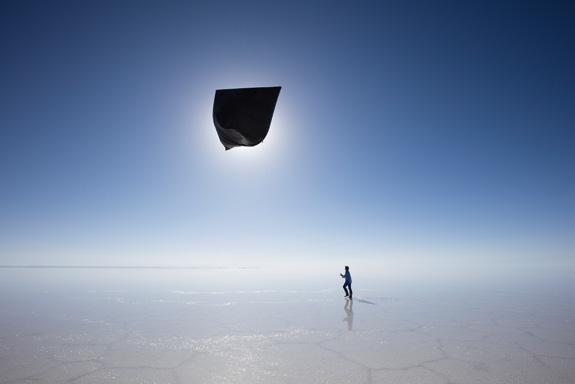
Flying gardens. Cloud cities. Oceans of air. Aerocene performances. These are works by Argentina-born, Berlinbased Tomás Saraceno (b. 1973), a creative whose practice spans art, activism, innovation and scientific research. As founder of Aerocene Foundation (2015 - present), he is dedicated to working towards a society free from carbon emissions, guided by a just and eco-social energy transition. It’s a response to stark facts about air pollution, which is expected to double – even triple – if unmitigated by 2050.
Saraceno is also committed to rethinking the prevailing, and often western, threads of knowledge that dominate the “Capitalocene era.” This concept entered the vernacular in 2016, after historian Jason W. Moore’s Anthropocene or Capitalocene? Nature, History, and the Crisis of Capitalism was published. The book argues that global 21st century crises are, all too often, rooted in “The Age of Capital” and driven by consumerism. To do so, Saraceno and his studio work in collaboration with global communities, like the Indigenous populations of Salinas Grandes and Laguna de Guayatayoc, Jujuy, Argentina, to share different ways of thinking about nature with wider audiences. The artist is an advocate for our responsibility as stewards and active participants of the diverse ecosystems in which we live. He continues to engage with protests against lithium extraction in his home country.
Now, Saraceno presents his first UK solo show at London’s Serpentine Galleries. It comes as the World Meteorological Organization (WMO) reports that global temperatures are set to reach new records in the next five years – exceeding the 1.5°C threshold established by the Paris Agreement in 2015.
A: The idea at the core of Web(s) of Life is that we're all connected. When did your interest in ecosystems begin?
TS: I come from a family of scientists, which has influenced my work and inspired collaborations with other researchers. I’m inspired by spiders and the concept of webs, and for many years have encouraged galleries to recognise spiders as artists in their own right. I find it interesting that they produce complex geometries yet are not able to see them because of their very poor vision. It’s a process – almost like synaesthesia – of being able to perceive something through other senses rather than sight alone. I’m exploring other ways of knowing, as inspired by these creatures and communities across the world, and re-examining certain categories in order to question what is living and what is not.
A: Arachnophilia – meaning the love of spiders – is central to the show. Can you tell us more about this?
TS: I read a statistic that the average house is likely home to more than 60 spiders; older houses may have hundreds. There are 650 species living in the UK, which might scare people – many have a big fear of arachnids. Whilst working in the Somié village in Cameroon, we found that there are other cultures who do not suffer the same arachnophobia as many in Europe do. Nggàm is a type of divination found amongst groups in western Cameroon, in which the actions of spiders are interpreted. I have worked closely with diviner Bollo Pierre Tadios. He asked if I could build a webpage through which people could ask spiders questions. We have spent almost three years discussing the site, which has now
42 Aesthetica art
Tomás Saraceno
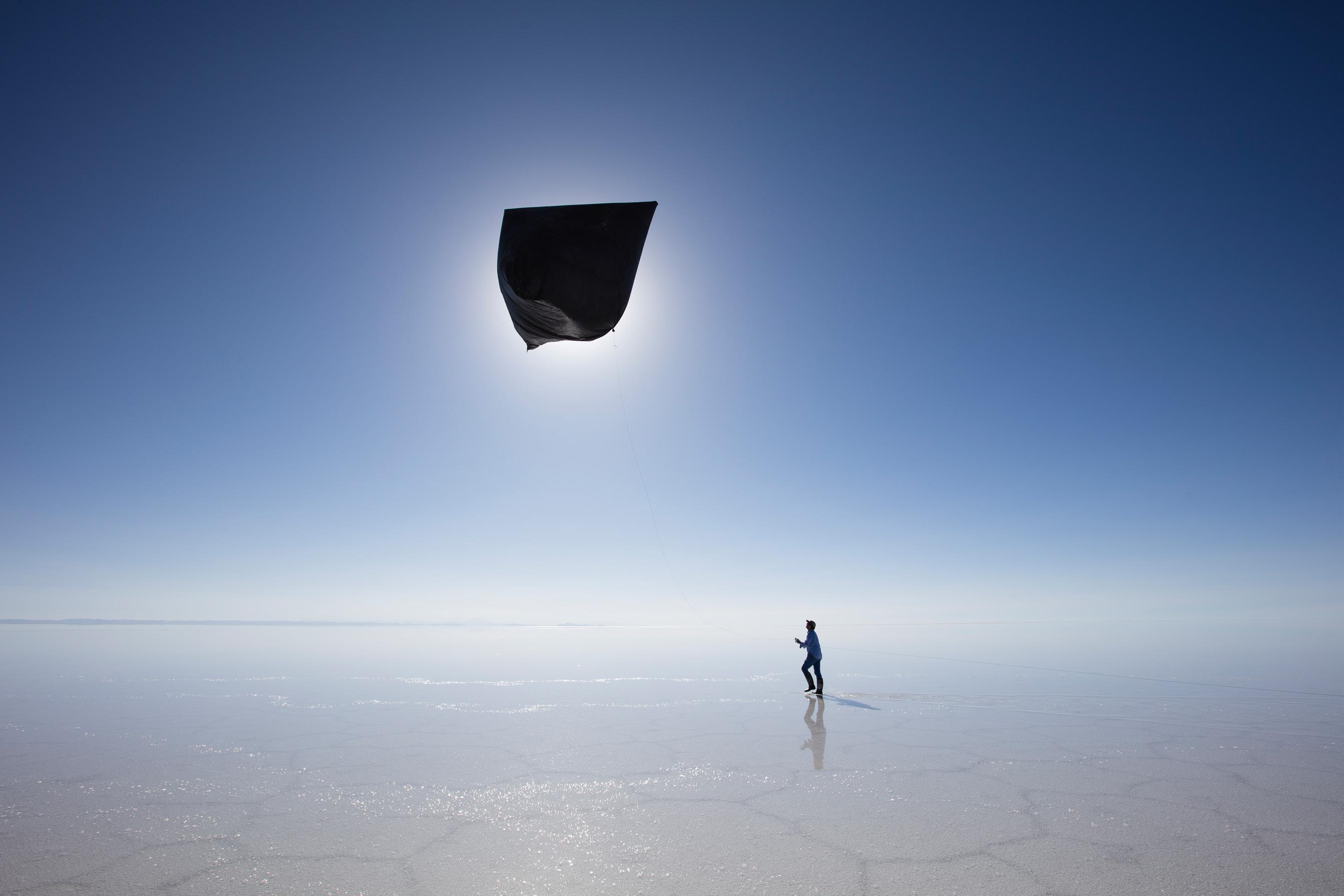
“Humans have always dreamed of flying, but that dream is becoming a nightmare as petrocapitalist structures pollute and destabilise our planet. As an ecosocial movement, we are trying to imagine other possible modes.”
launched at nggamdu.org and is accessible at Serpentine South. The intellectual property belongs to him and the village; it's really about knowledge sharing. Some cultures have relationships with others based only on extraction: not only of minerals, but also data. When it comes to digital privacy and how information is circulated it’s often in ways that are beneficial only to the few. The website, conversely, connects Tadios to people around the world whilst preserving an important traditional practice. You can consult the diviners directly, and 100% of income goes to their community.
A: It's estimated that 99% of UK residents aged 16-24 own smartphones, up from 29% in 2008. Serpentine invites us to give up devices when visiting the show. Why?
TS: The idea was to draw attention to the lithium inside our phones and to encourage visitors to activate their eyes, not their screens. This part of the show was conceived in solidarity with the Indigenous communities of Salinas Grandes and Laguna de Guayatayoc, who are fighting against the Global North’s industrial lithium mining in their ancestral lands. Neo-colonial extractivism is depleting the water supply and displacing people and ecosystems. For many, being without smartphones is an activity in itself, and it was encouraging to see how pleased visitors were to give up their devices. Many forgot to collect them, or noted how enjoyable it was to not view an exhibition through a camera. Personally, I was spending too much time on my devices: I had become addicted. Every week, your phone sends a screen time report – mine was growing too much. I began to leave it in the kitchen and go to bed without it. I slept better and started to notice the birds and magpies which were nesting outside.
A: On 25 January 2020, Aerocene launched the “most sustainable flight in human history.” What's the story?
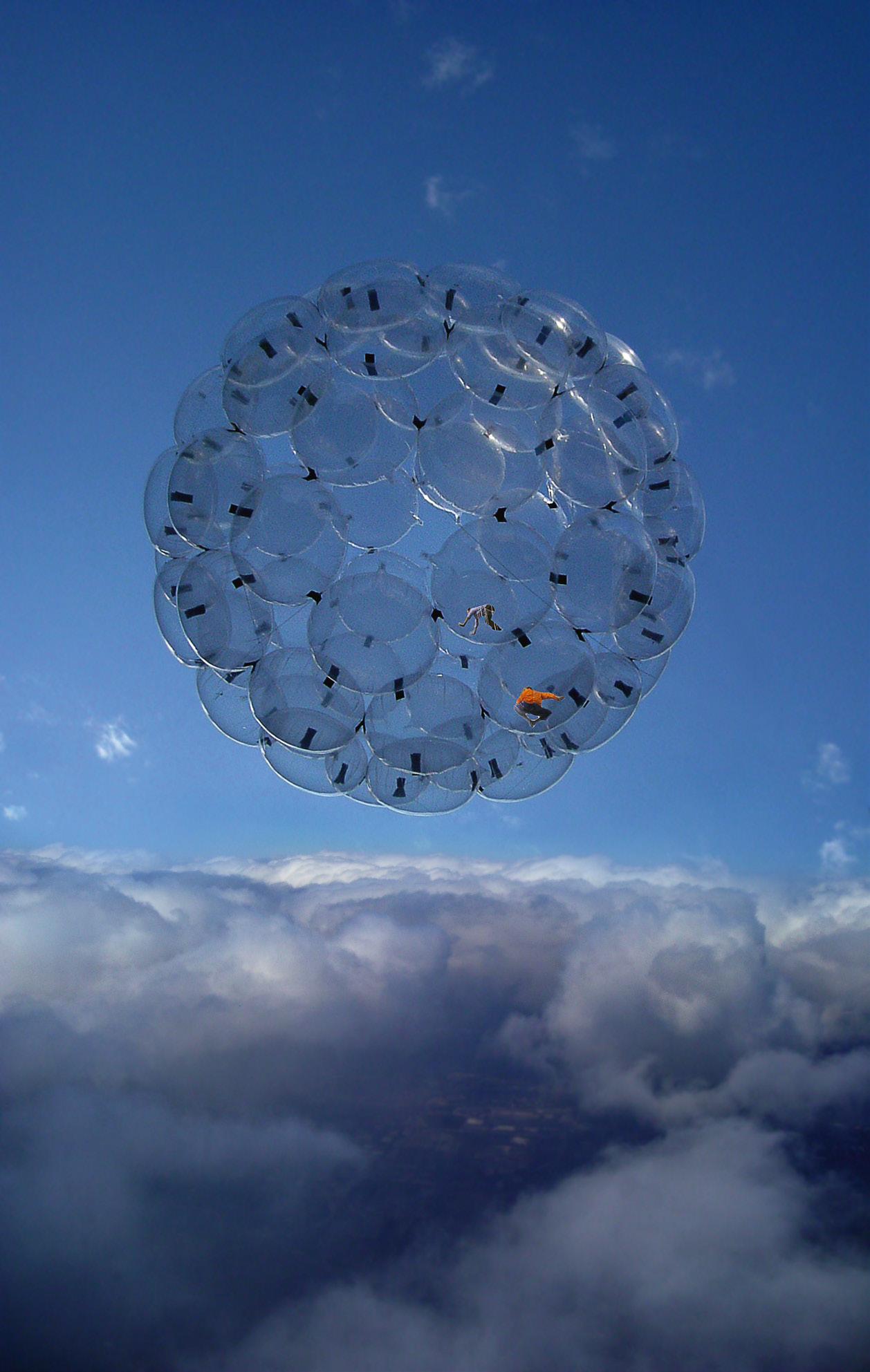
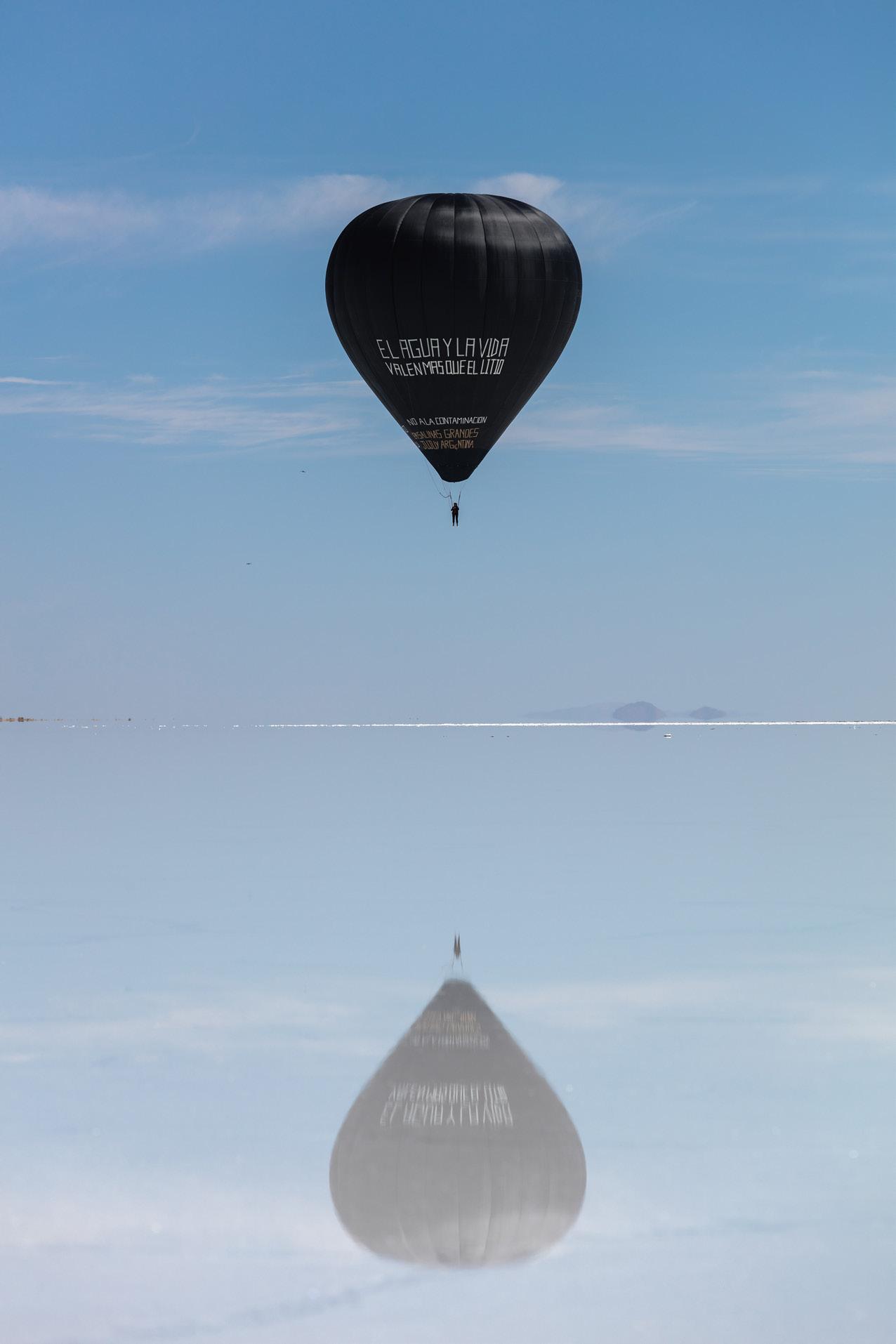
TS: If we could enter an "Aerocene era," a key indicator would be the maintenance and care of all inhabitants and ecosystems, not only those in the Global North. It would constitute the most sustainable flight in human history: billions of inhabitants floating together on planet Earth, spinning around the sun. This is something that seems to be forgotten but that Aerocene recognises. Humans have always dreamed of flying, but for many, that dream is becoming a nightmare as petro-capitalist structures pollute and destabilise our planet. As an eco-social movement that brings together artists, activists, philosophers, balloonists, dreamers, birds and spiders, we’re trying to imagine other modes which are not so dependent on fossil fuels or hydrocarbons. We use the laws and principles of floating, just like when building boats to traverse water. Instead, we travel through something less dense: the air. We heat it using only the sun, and float with the Earth’s air flow. Aerocene has floated 7,060 minutes free from carbon in 110 tethered, 15 free and eight human flights. It’s an environmental and ethical collaboration, an interdisciplinary community that looks towards another era: post-anthropocentric, postCapitalocene. The purpose is to move towards a world in which water, air and life are valued more than lithium or carbon. Ultimately, Aerocene is a movement for resistance, for solidarity and for a more just, equitable society for all.
A: How is your green ethos reflected in the staging of Web(s) of Life? Did you work with Serpentine on this?
TS: We managed to reduce the energy consumption of the
Aesthetica 45
Previous page: Tomás Saraceno, Eclipse of the Aerocene Explorer, Bolivia (2016). Courtesy the artist and Aerocene Foundation. Photography by Studio Tomás Saraceno.
Left: Tomás Saraceno, Sunny Day, Airport City (2009). Courtesy the artist. Photography by Studio Tomás Saraceno.
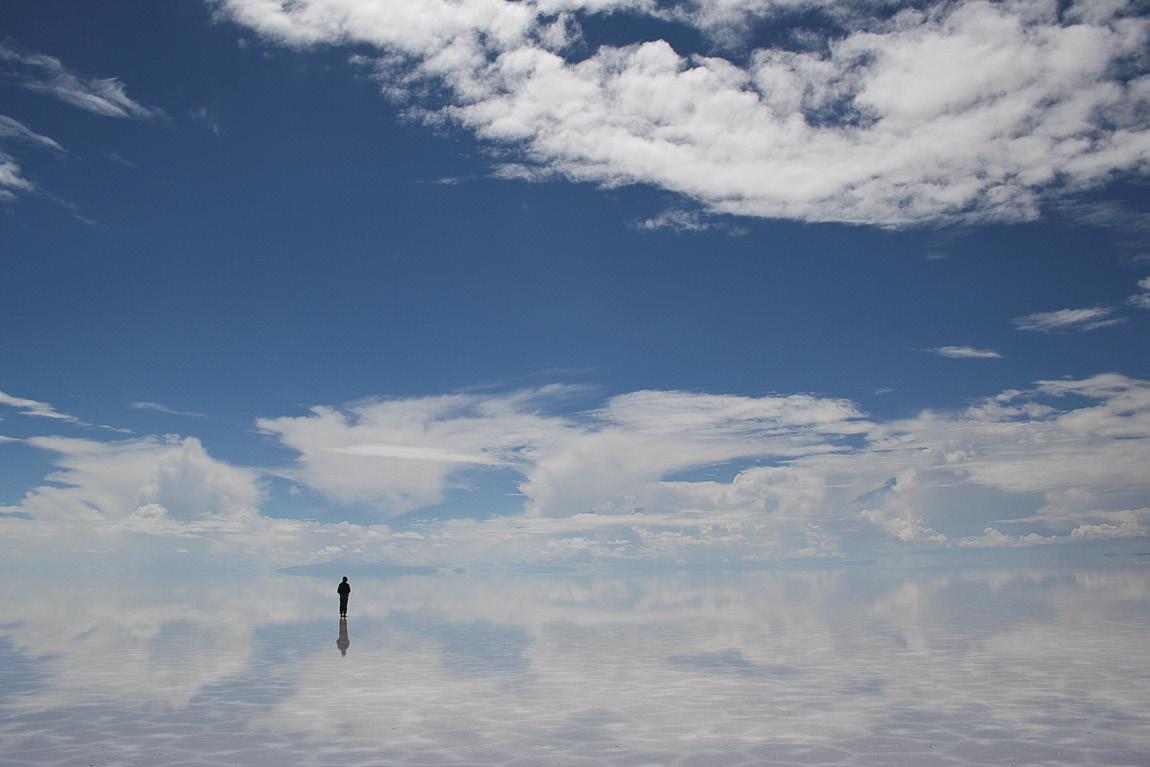
Tomás Saraceno, Endless Blue II (2006). Courtesy the artist. Photography by Studio Tomás Saraceno.
exhibition by switching off air conditioning and installing solar panels. One challenge was to not consume more than the panels could give. The show expends only two thirds of the energy produced; the rest is given back to the grid. I feel that if we are going to produce energy for a show, it should be done locally. Web(s) of Life is wholly reliant on solar: depending on the weather, it may enter different modes, Sunny, Partly Sunny, Cloudy or Heat Wave – leading certain installations to switch off, dim, or run at lower frequency.
A: Recently, Alexandra Daisy Ginsberg collaborated with Serpentine on a garden designed to sustain bees. What local non-human perspectives do you consider?
TS: Serpentine is located within Kensington Gardens, so it’s surrounded by more wildlife than many museums in London. You can see ducks, foxes, insects and squirrels. By talking with biodiversity specialists, we realised that many regional birds have entered the red list for extinction. Why couldn’t museums a be spaces for encountering and safeguarding them? Most local creatures had been there since before the show started, some before humans have been on this planet – as much as 300 million years ago. Modern humans are only 160,000 years old. It’s about understanding the delicate relationship we need to weave to sustain and maintain life on Earth. We agreed with park authorities that, if a bird’s nest is built inside a sculpture like Cloud Cities: Species of Spaces and Other Pieces (2023), the piece would not be moved. We are developing a new relationship between collectors, galleries, artists and birds called partial common ownership – or partial common stewardship. It is a way of life that many cultures have respected for a very long time.
A: You spoke of communities fighting to protect their lands from lithium mining. What's your involvement?
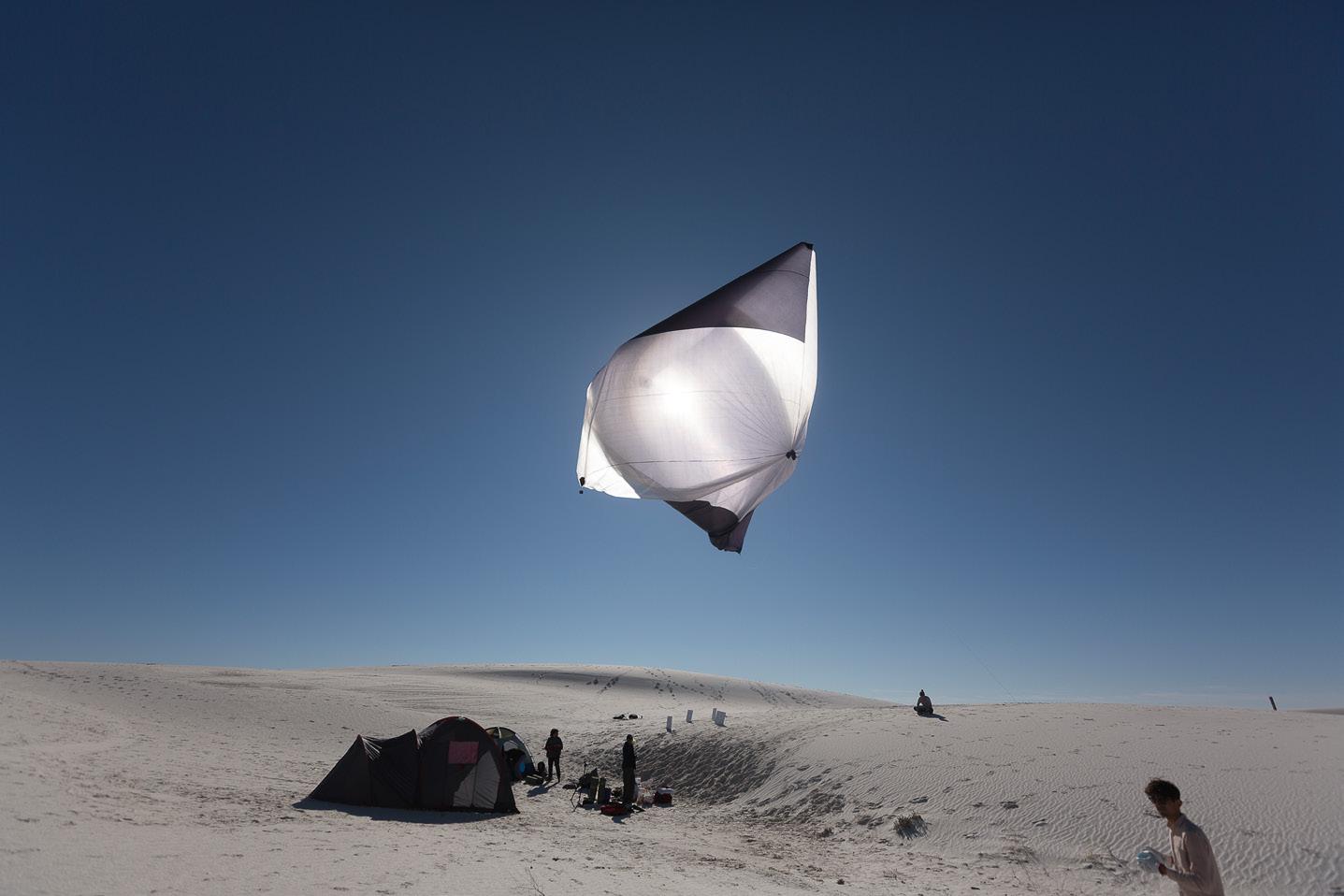
TS: Two million litres of water are required to extract one tonne of lithium. Since 2017, Aerocene has collaborated with communities in Jujuy to help spread their urgent message. In January 2023, with Maristella Svampa, we brought together lawyers, activists, writers and poets for a gathering in Alfarcito, where the communities declared their ancestral lands as a Subject of Rights. This followed a 2020 flight, where the message “water and life are worth more than lithium” was lifted above the salinas on a huge flying sculpture, achieving the world record for the most sustainable flight in human history. During Web(s) of Life, visitors can better understand this by watching Fly with Pacha - into the Aerocene (2017 - ongoing). Most recently, we arranged a meeting between James Cameron and Verónica Chávez, a community president, who informed him of these grave violations of human and environmental rights. We have also received support from activists such as Greta Thunberg
A: Web(s) of Life is ecological, political and philosophical, all at once. What do you hope audiences take away?
TS: We try not to treat people as an “audience." It can make them feel alienated. Instead, I ask: how can we involve others more actively? This doesn't mean visitors can’t be contemplative, but it’s about being present. Hopefully, we reveal different ways of knowing and of being human. These are not necessarily western perspectives, and it’s important to do this with respect. We must recognise that 5% of the world – First Nations people, Indigenous communities – are those who maintain 80% of planet Earth's vast biodiversity.
Words Eleanor Sutherland
Web(s) of Life
Serpentine, London
Until 10 September
serpentinegalleries.org
46 Aesthetica
Right: Fly with Aerocene Pacha was produced by Aerocene Foundation and Studio Tomás Saraceno. Project supported by Connect and BTS, and curated by DaeHyung Lee.
A Sense of Renewal
Gleeson Paulino
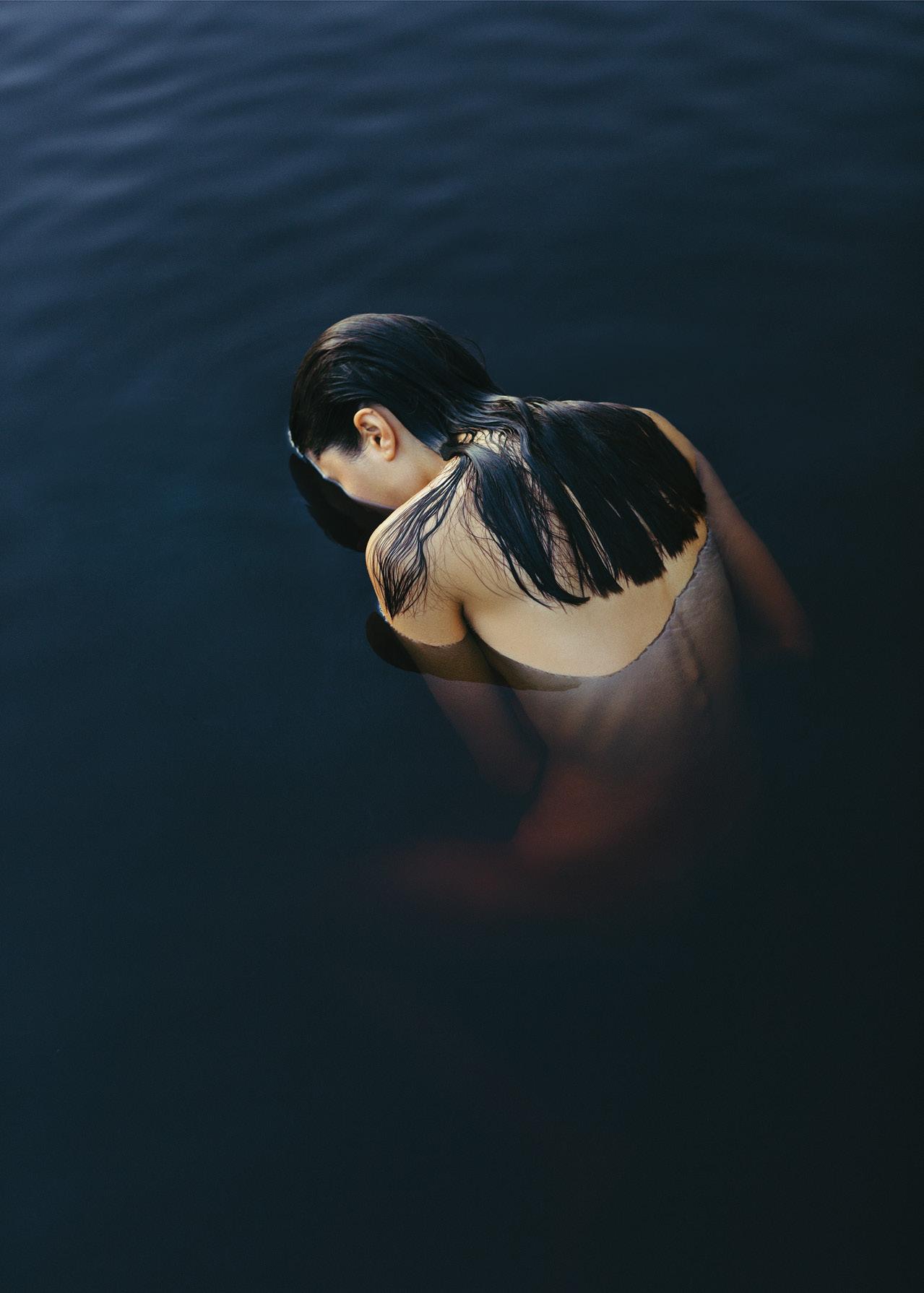
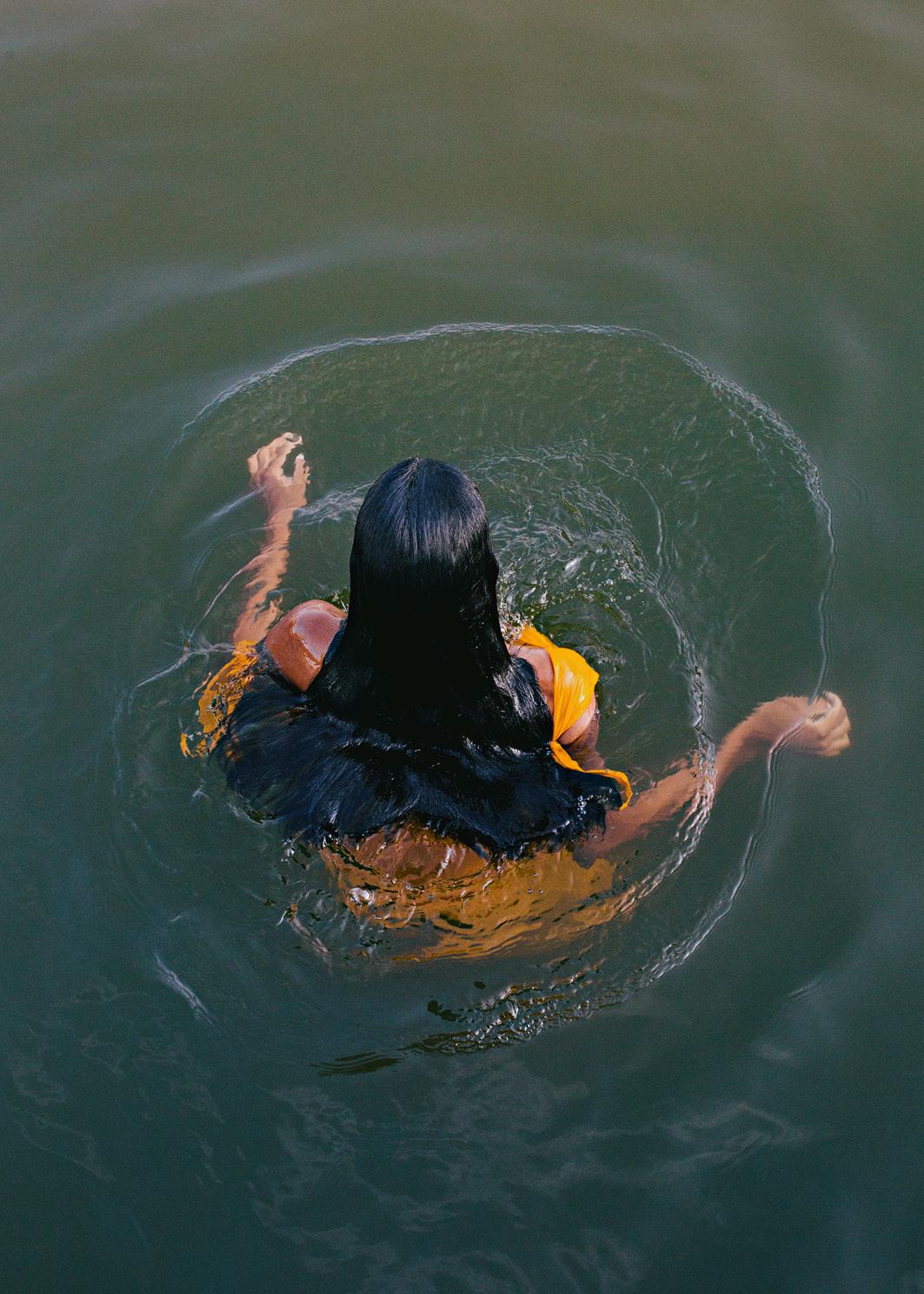
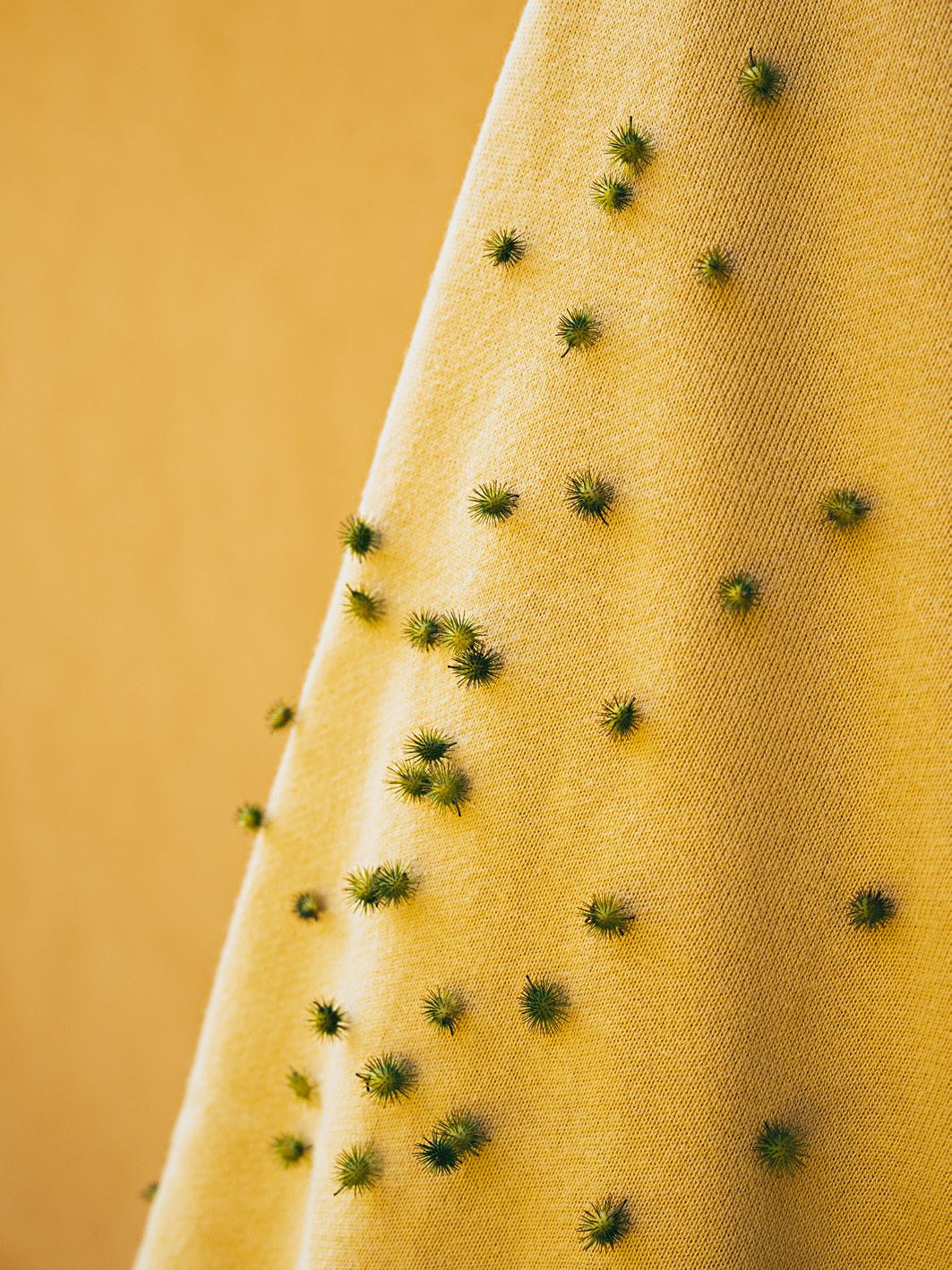
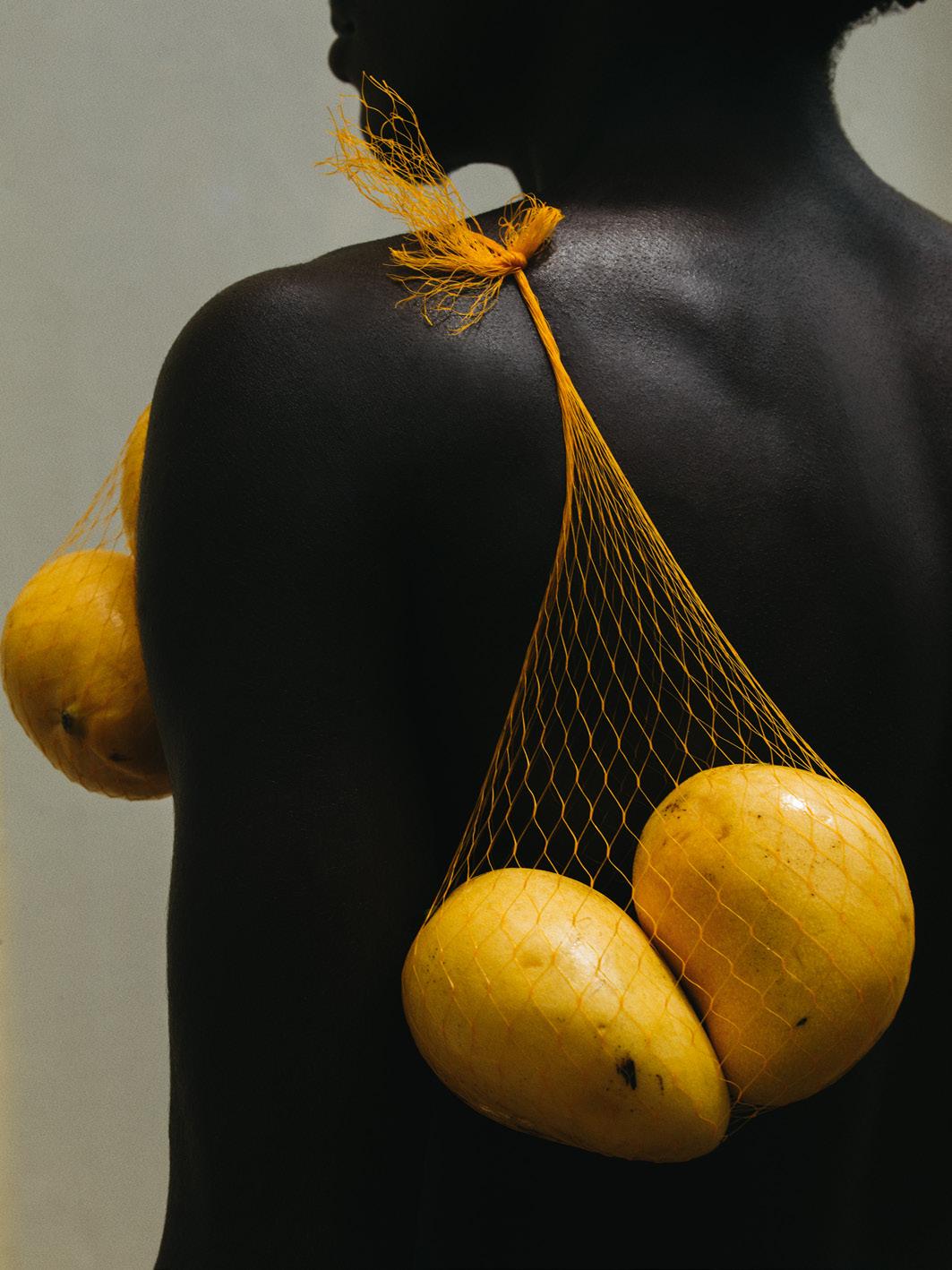
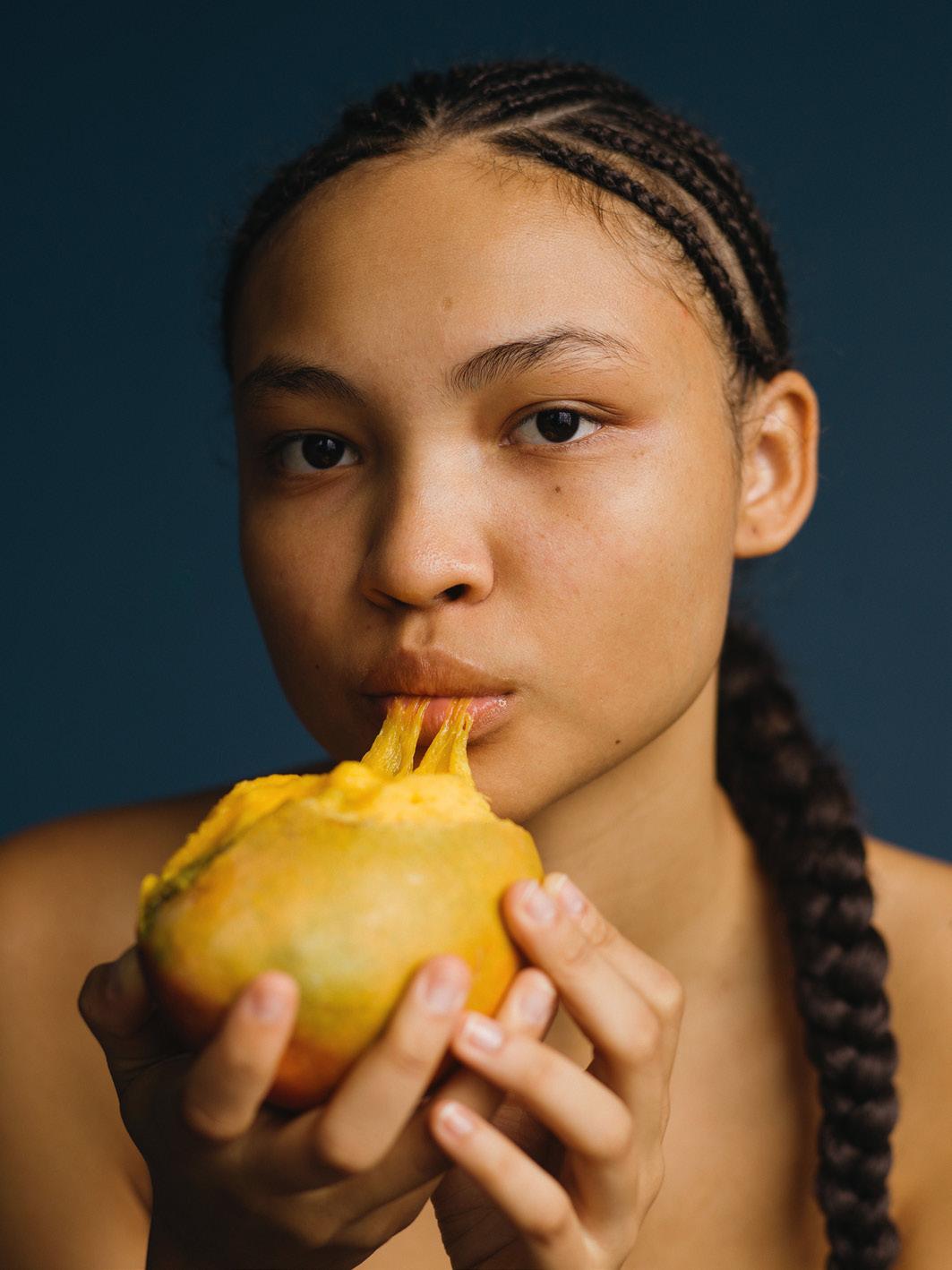
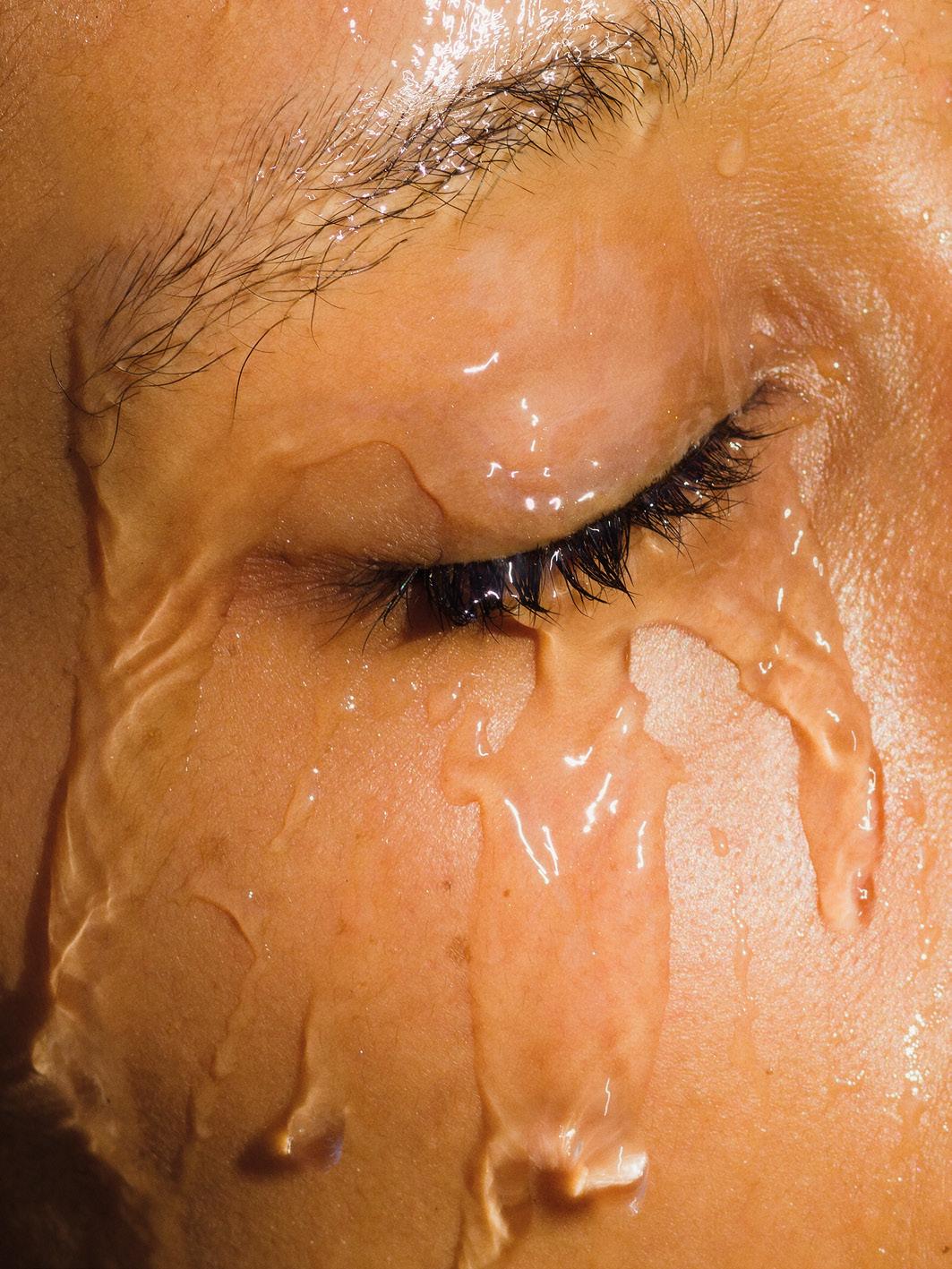
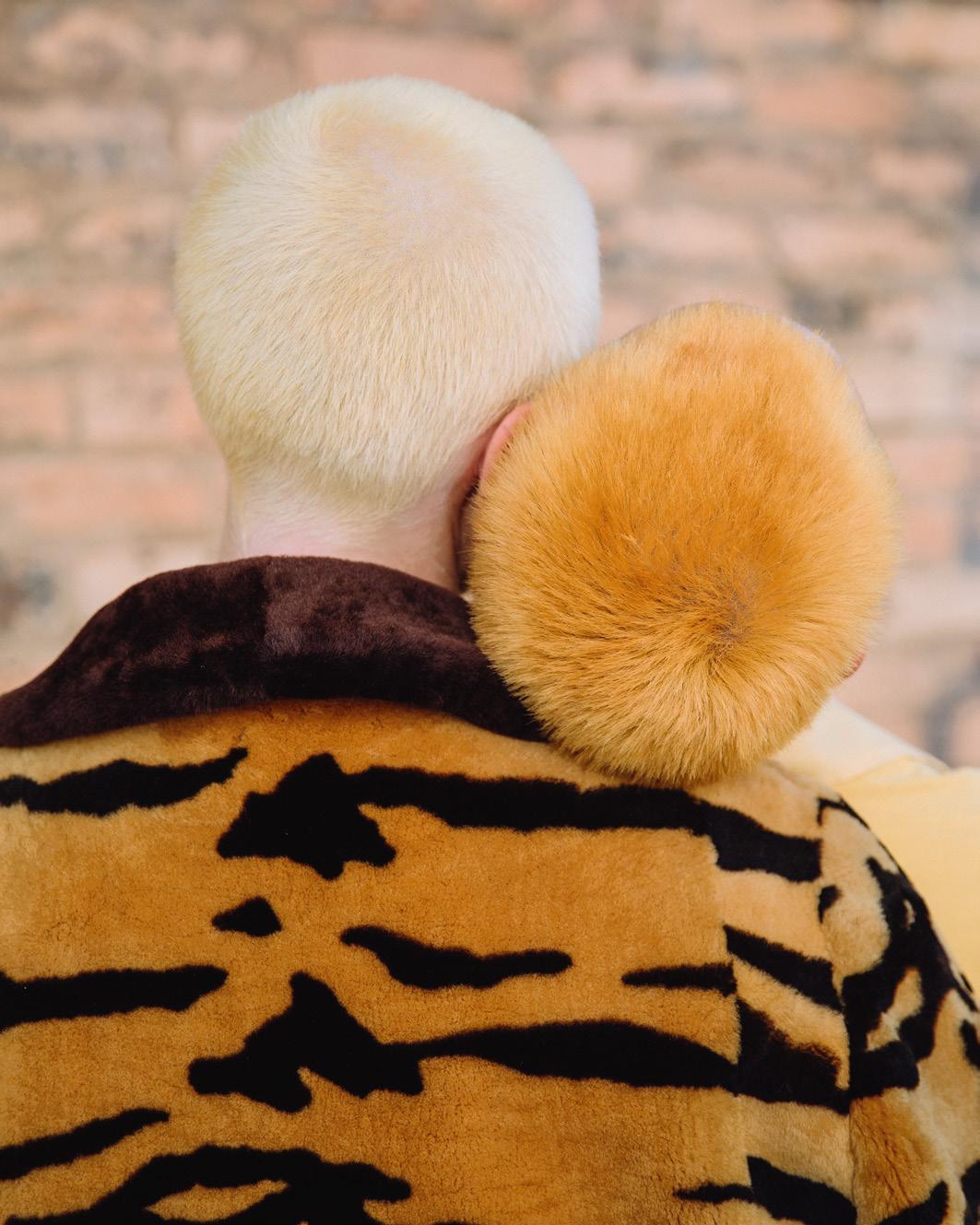
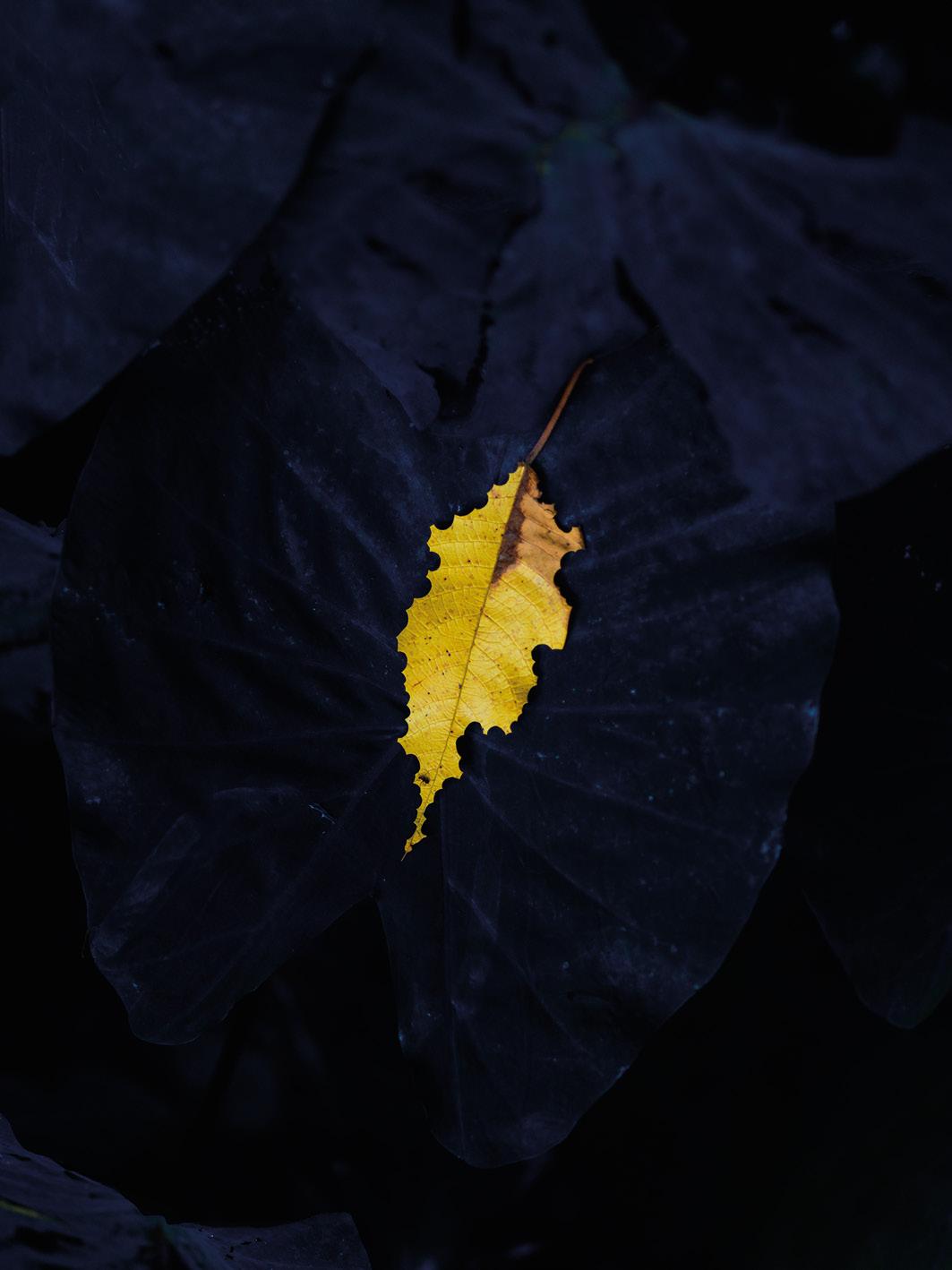
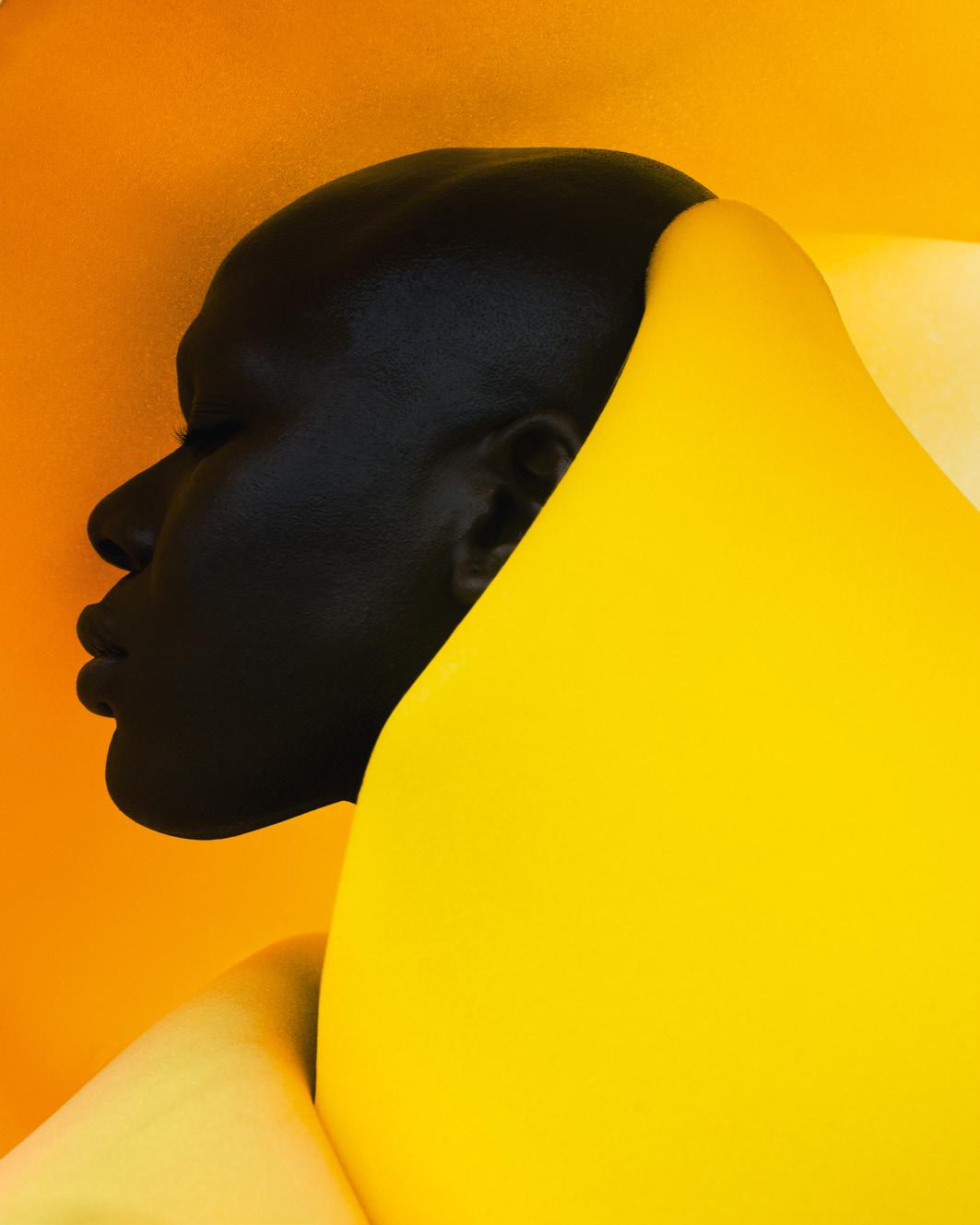
Brazilian image-maker Gleeson Paulino (b. 1988) brings us a rich and evocative collection of photographs. The series Batismo is an ode to his native country, offering a dreamlike chronicle of its inhabitants and biodiverse ecosystems. Water is a constant here, as figures make ripples in turquoise pools and emerge from deep rivers. Elsewhere, shimmering droplets cascade down close-up faces and leaves bob atop dark blue lakes. The artist left Brazil aged 17, so themes of renewal and reconnection are central to these images. There’s a sense of discovering a place with fresh eyes, as if for the very first time. Elsewhere, Paulino’s wider body of work brings together elements from across the creative spectrum: fashion collides with fine art, documentary and still life. The command of colour is striking, with canary yellow popping out from deep navy hues, indigoes and olive greens. gleesonpaulino.com | @gleesonpaulino
48 Aesthetica art
Gleeson Paulino. Untitled Image courtesy the artist.
50 Aesthetica
Aesthetica 51
Gleeson Paulino. Untitled
Image courtesy the artist.
52 Aesthetica
Gleeson Paulino. Untitled
Image courtesy the artist.
Aesthetica 53
Gleeson Paulino. Untitled
Image courtesy the artist.
54 Aesthetica
Gleeson Paulino. Untitled
Image courtesy the artist.
Aesthetica 55
Gleeson Paulino. Untitled
Image courtesy the artist.
56 Aesthetica
Gleeson Paulino. Untitled
Image courtesy the artist.
Aesthetica 57
Gleeson Paulino, MJournal , 007. L’homme Statue . Image courtesy the artist.
Creative Advocacy
A ïda Muluneh
MEDIA REPRESENTATIONS OF AFRICA ARE TOO OFTEN BASED ON CLICHÉD VIEWS. NOW, A GROUP OF CONTEMPORARY PHOTOGRAPHERS PUSHES PAST THIS NARRATIVE.
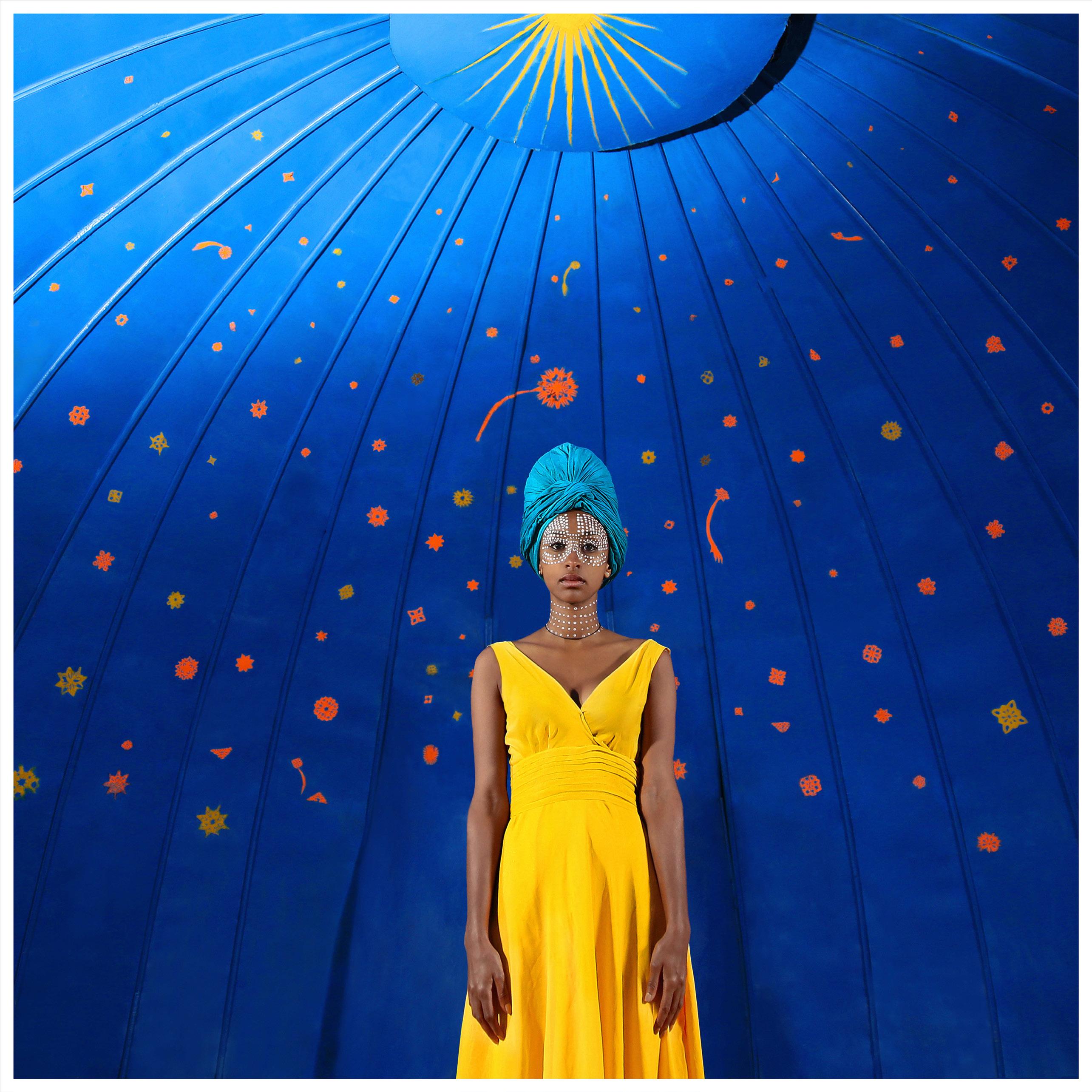
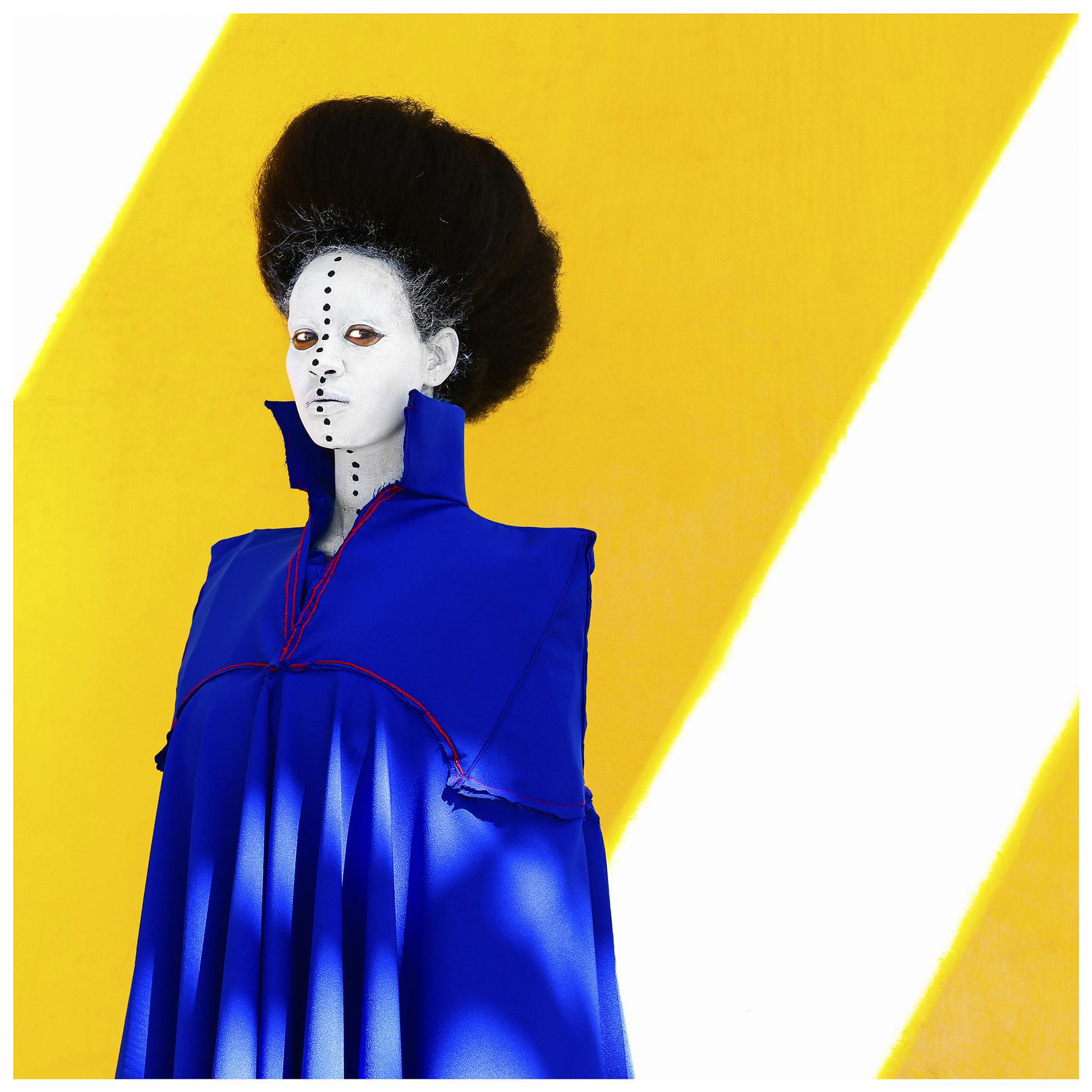
Aïda Muluneh was born in Addis Ababa in 1974, the year of the Ethiopian Revolution. She left the country at a young age, growing up between Yemen and England, later spending time in Cyprus, Canada and the USA. Fast forward to 2023, and Muluneh has returned to live and work in Ethiopia’s capital. She is now a photographer, critically acclaimed for a unique visual language that draws on her personal, crosscultural experiences. Bright colours, body paint and symbolic motifs are hallmarks of her style, appearing in portraits that respond to famous artistic movements including Surrealism, Renaissance painting, West African studio portrait photography, Ethiopian church wall painting and body ornamentation. Muluneh is the architect of her own landmark cultural moments. In 2019, for example, she became the first Black woman to co-curate the Nobel Peace Prize exhibition. She’s also founder of the Addis Foto Fest, the first international photography festival in East Africa. The event is part of a wider catalogue of entrepreneurial and educational activities run by Muluneh across Ethiopia and Côte d’Ivoire. Crucially, the artist is an advocate of African creativity, championing emerging talent across the continent whilst contributing a valuable perspective to charitable campaigns with WaterAid. Her vibrant portraits, which often focus on the perspectives of women, can be found in the permanent collections of the Museum of Modern Art, New York, and the Smithsonian National Museum of African Art, Washington D.C., amongst others. Recent projects include This is Where I Am, which took over bus shelters in Abidjan, Boston, Chicago and New York. Like much of her work, it brought allegorical stories
into the public realm. Right now, she joins contemporaries Atong Atem, Lebohang Kganye and Maïmouna Guerresi in A World in Common: Contemporary African Photography at Tate Modern, London. The show is dedicated to artists reimagining Africa’s diverse cultures and histories through the lens.
A: Your portraits are instantly recognisable: bold, colourful and surreal. How would you describe your signature style? Did you have a moment when you knew “this is it?"
AM: I started as a photojournalist, and it took me a long time to feel comfortable with colour. Initially, I was passionate about black and white photography, as I found it challenging to see things in colour. For me, it was all about light, shadow and lines. However, when curator Simon Njami asked me to create a collection of work for his exhibition The Divine Comedy at the Smithsonian National Museum of African Art, Washington D.C., I decided to explore an artistic form that I had experimented with in college. The creation of The 99 Series (2013) – which responded to Dante Alighieri’s 14th century epic poem – marked the beginning of a journey during which I finally found a visual language that allowed me to express what lay within, and to create my own universe.
A: There certain symbols, patterns and colour palettes that recur across each series. Can you give us an example? Where did it come from, and what does it signify?
AM: My inspiration comes from my history and cultural heritage as an Ethiopian. I also look at the various traditional cultures across Africa and Global South. In each piece, the
58 Aesthetica art
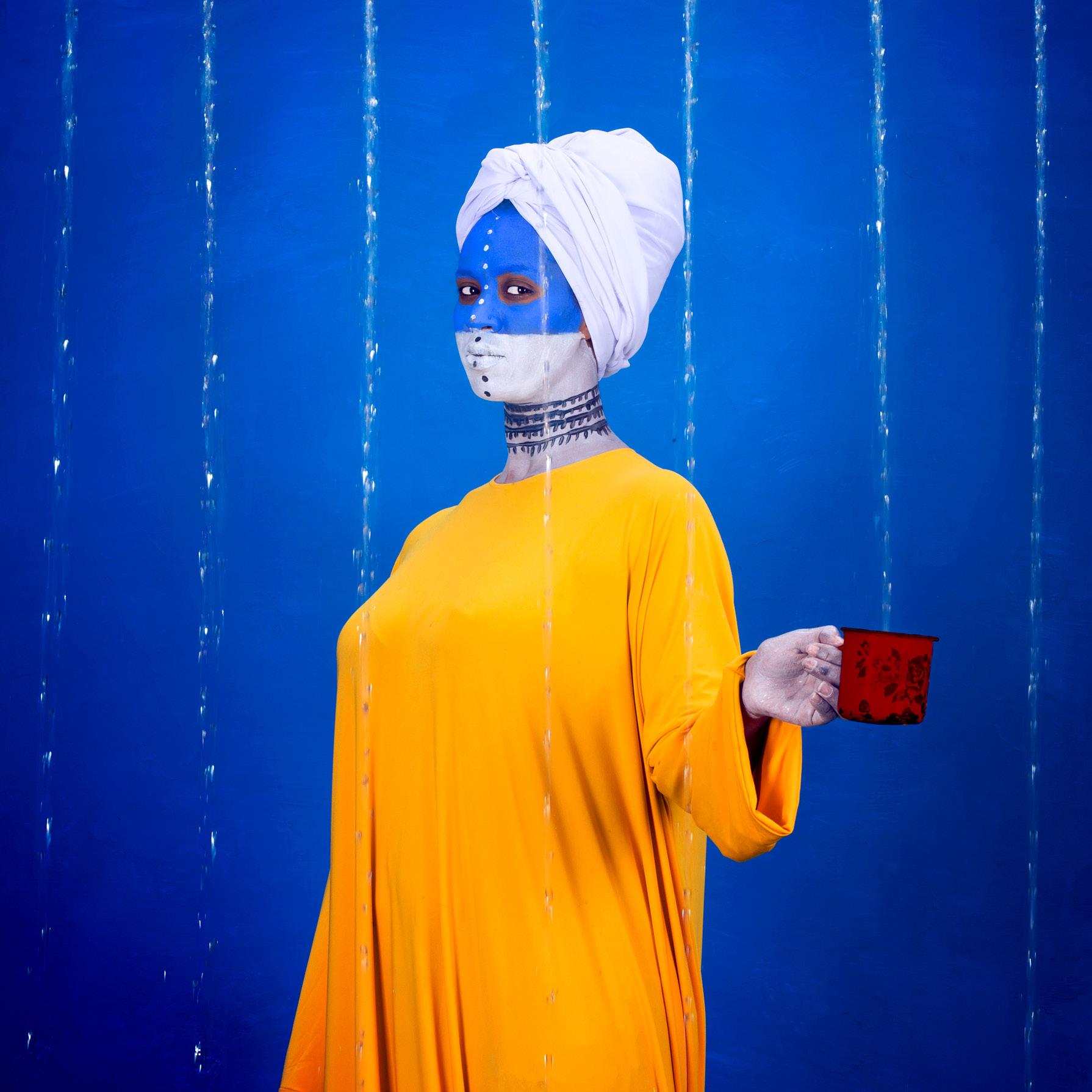
For me, coffee ceremonies are moments when families get together, community gathers and conversations take place. In this sense, the pot has many different meanings. The significance of symbolic objects in my artworks can change depending on how they are inserted into the composition.
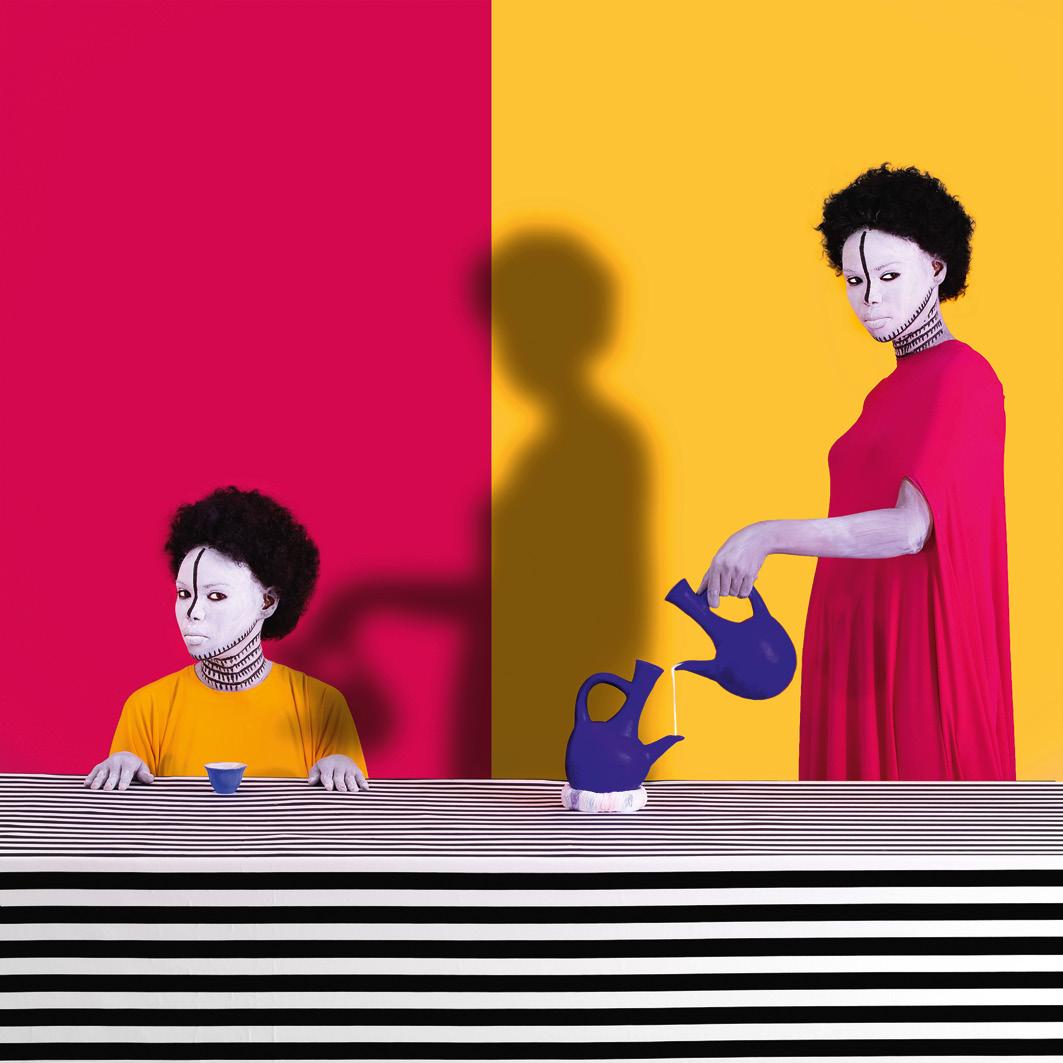
A: The figures in your pictures present, predominantly, as female. Why is this? What do you want to say about the representation of women's lives and their identities? AM: I simply share my own experiences and thoughts related to being a woman. Each piece serves as a visual diary, offering an intimate glimpse into my conscious and subconscious selves. You can see this in The World is 9 (2016), which is a response to one of my grandmother’s expressions. She would say: “The world is 9, it is never complete and it’s never perfect.” I thought it was interesting, but it wasn’t until much later as an adult that her voice echoed in my thoughts. Can we live in this world with full contentment? The resulting 28 images explore my questions about life, love and history. The following year I made The Distant Gaze (2017), which looks more broadly – and critically – at the ways in which women have been represented throughout history. It was inspired by images of Ethiopian and Eritrean women documented at the turn of the century by foreign photographers. It was evident that many of these were designed to fulfil the fantasy of the foreign gaze as it relates to the Black female body, becoming postcards for sale in the European market.
A: You have said: “we are in a time in which passivity is not an option.” It is clear that, from your point of view, photography is more than just taking pictures. It's a tool
AM: It is not just a passion for activism, it is a matter of living a life of purpose and meaning. I make my work as a witness of these times and as someone who believes that, if we are to make change happen, we must find ways to be part of that shift. I utilise photography as a tool to advocate for various topics: history, environment, health, modernity and the role of women in society. In the international media, these themes are often documented in ways that are based on a clichéd view of Africa, so we are always consuming images related to stereotypes. But Ethiopia has so much complexity, and I’m witness to that. There are so many subcultures, so many contemporary things happening here, so many cities with interesting people who are trying to make step changes.
A: Water Life demonstrates this. Can you tell us more?
AM: The Water Life (2018) series was made in collaboration with the NGO WaterAid to address the plight of water access as it relates to women’s liberation, sanitation and education. During my work in several Ethiopian regions, I had encountered streams of women travelling on foot, carrying the heavy burden of transporting water. Women spend a great deal of time – collectively more than 200 hours a day –fetching water for the household, which has an adverse effect on their progress and has greater implications for Ethiopia’s future as a nation. I believe that art and artists play a key role in global society as agents of change. We have the power to harness our creativity to shift perceptions and perspectives.
Aesthetica 61
Aïda Muluneh, The Amusement at the gate (2017). The Memory of Hope Collection.
“I make my work as a I believe that art and in global society as agents of change. We have the power to harness our creativity to shift perceptions and perspectives.”
Previous page: Aïda Muluneh, For All They Care, The World is 9 Collection, (2016).
Left:
Aïda Muluneh, Unfilled Promises, Water Life Collection, ( 2018). Commissioned by WaterAid.
A: Your pictures have been compared not only to West African studio photography, but to surrealist paintings.
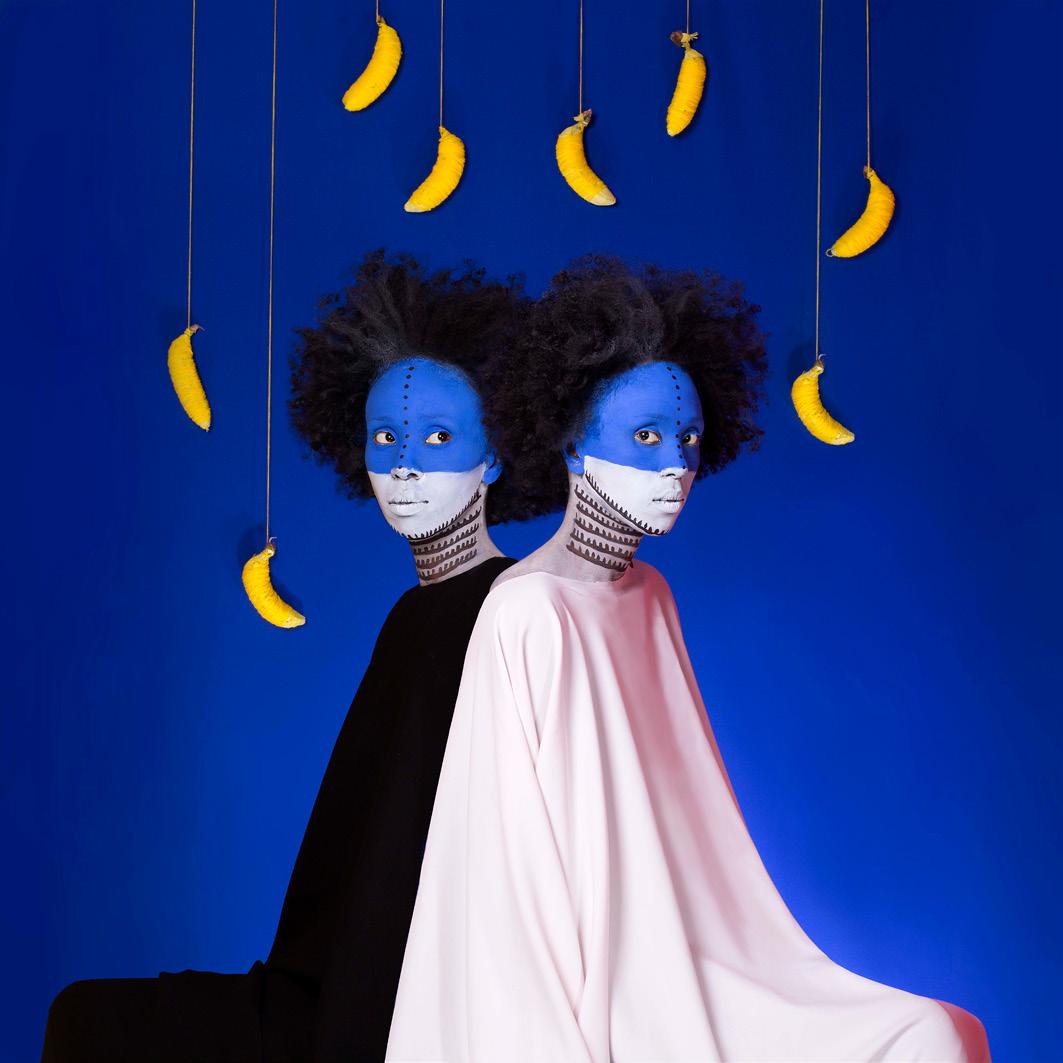
AM: Hope
to create a body of work that addresses the post-colonial ex perience in Africa and the ongoing ramifications for its local communities and the diaspora globally. I am the extension of all those who have taught me, mentored me, or influenced my work. In this sense, I don’t define where I will sit as it relates to the wider history of portraiture. My focus is on presenting an authentic vision of my vulnerabilities to the world.
A: Tell us about some of your other activities. You’ve established Africa Print House, for example, as well as Africa Foto Fair and Addis Foto Fest, and continue to develop projects with institutions in both Ethiopia and Côte d'Ivoire. Why did you decide to launch these initiatives?
AM: I started Addis Foto Fest in 2010 in Addis Ababa, Ethiopia, and Africa Foto Fair in 2022 in Abidjan, Côte d’Ivoire. The focus of these events has always been to develop new talent, to present images from across Africa on an international stage and, ultimately, for us to be more competitive in the art market. I set up Africa Print House, meanwhile, to bring standardised international printing to Abidjan. In all my years of teaching, printing has remained a key component of education: students need it to complete their programmes.
My projects span Ethiopia and Côte d’Ivoire. For me, it was important to connect East and West Africa because of the colonial history that has divided us. I’ve found this to be our greatest barrier. I have had the opportunity to work with photographers in Mali, Senegal, South Africa and the USA, and during his time I have encountered obstacles in language, culture and perception. These factors have obscured our view of the continent’s creative richness. What brings East and West Africa together is the deep roots of our heritage and now a parallel expansion in our contemporary creativity.
A: Addis Foto Fest has been running since 2010, taking place every two years in Abidjan. What has the reception been like so far? Are you planning the next instalment?
AM: The Addis Foto Fest takes place every two years; the first edition was well received with over 7,000 visitors. The next one will be in 2025. Africa Foto Fair, meanwhile, takes place 5 November - 17 December 2023. I am developing an online virtual education programme with portfolio reviews and lectures. In addition, I will continue to showcase in various institutions across the world. I will also be curating exhibitions in Dubai and Milan next year. My book launches in November.
Words Eleanor Sutherland A
62 Aesthetica
World in Common
Tate Modern, London Until 14 January. aidamuluneh.com
Aïda Muluneh, Both Side (2017). The Memory of Hope Collection.
World of Abstraction
Sarah Doyle
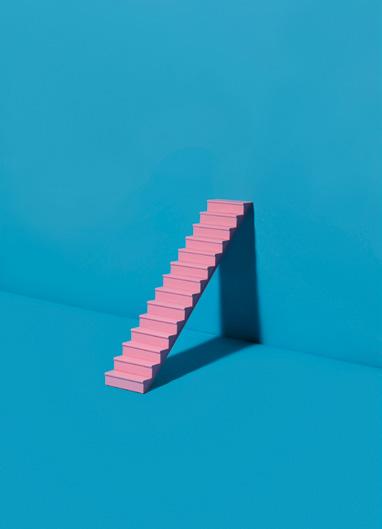
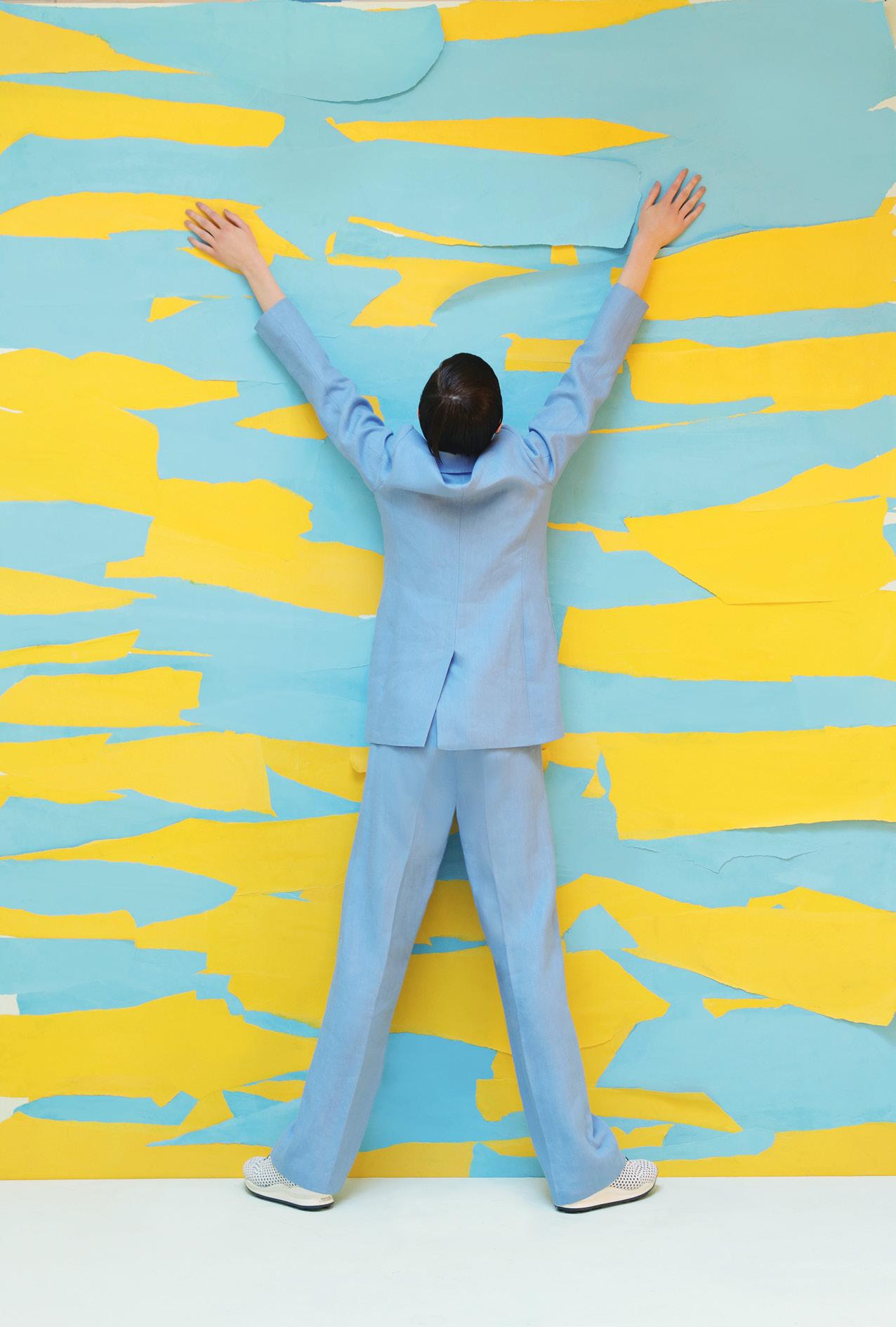
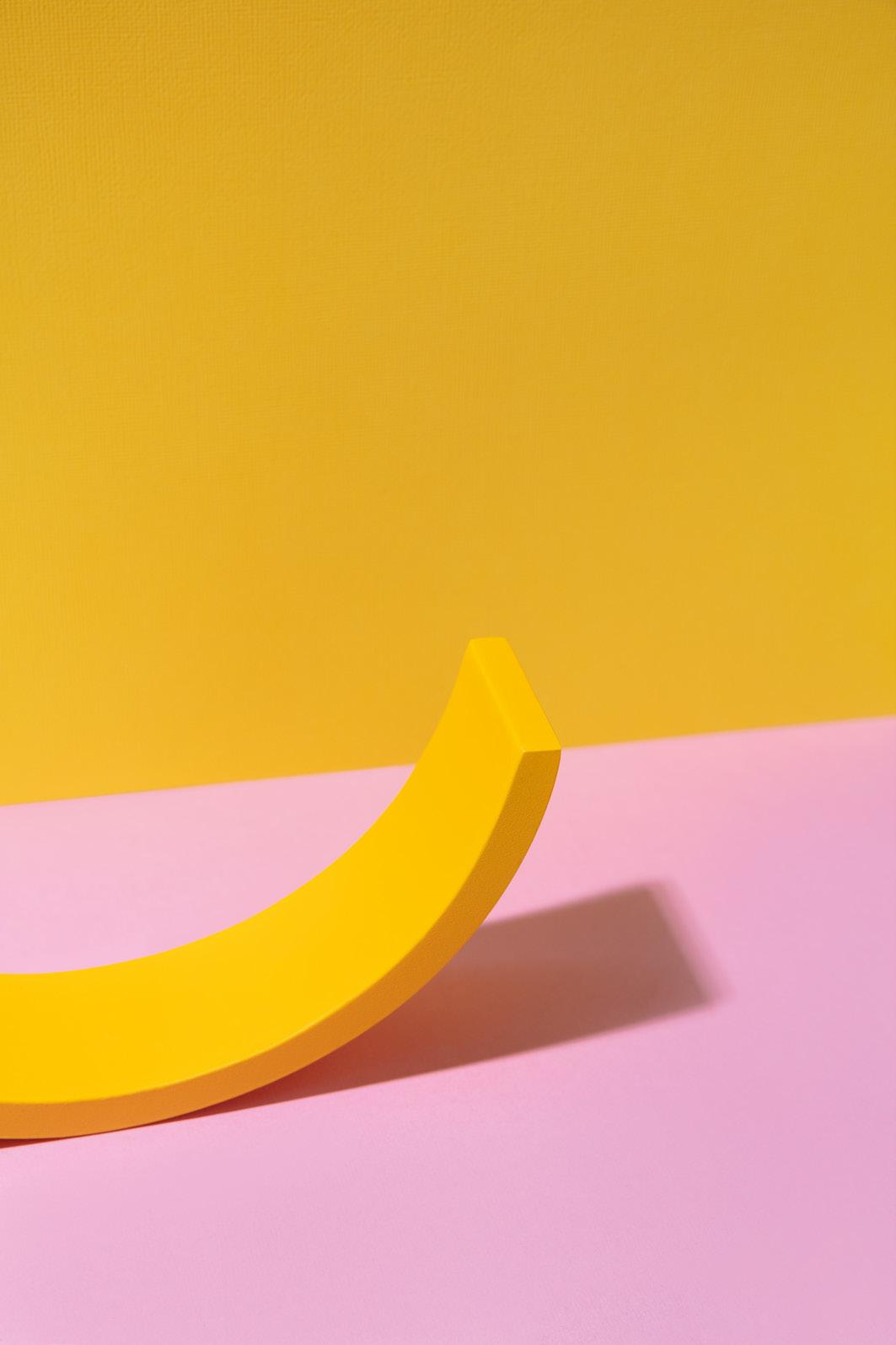
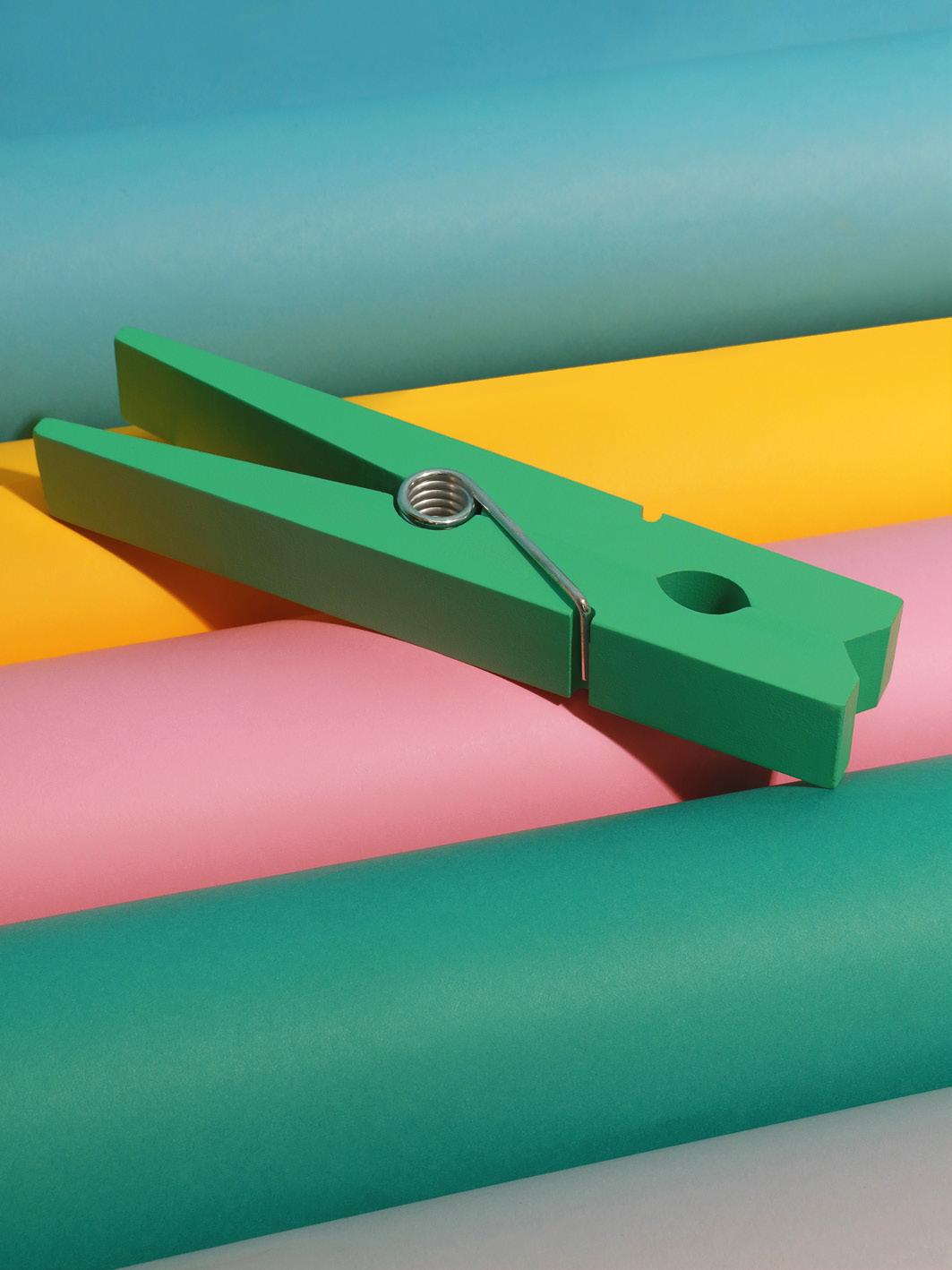
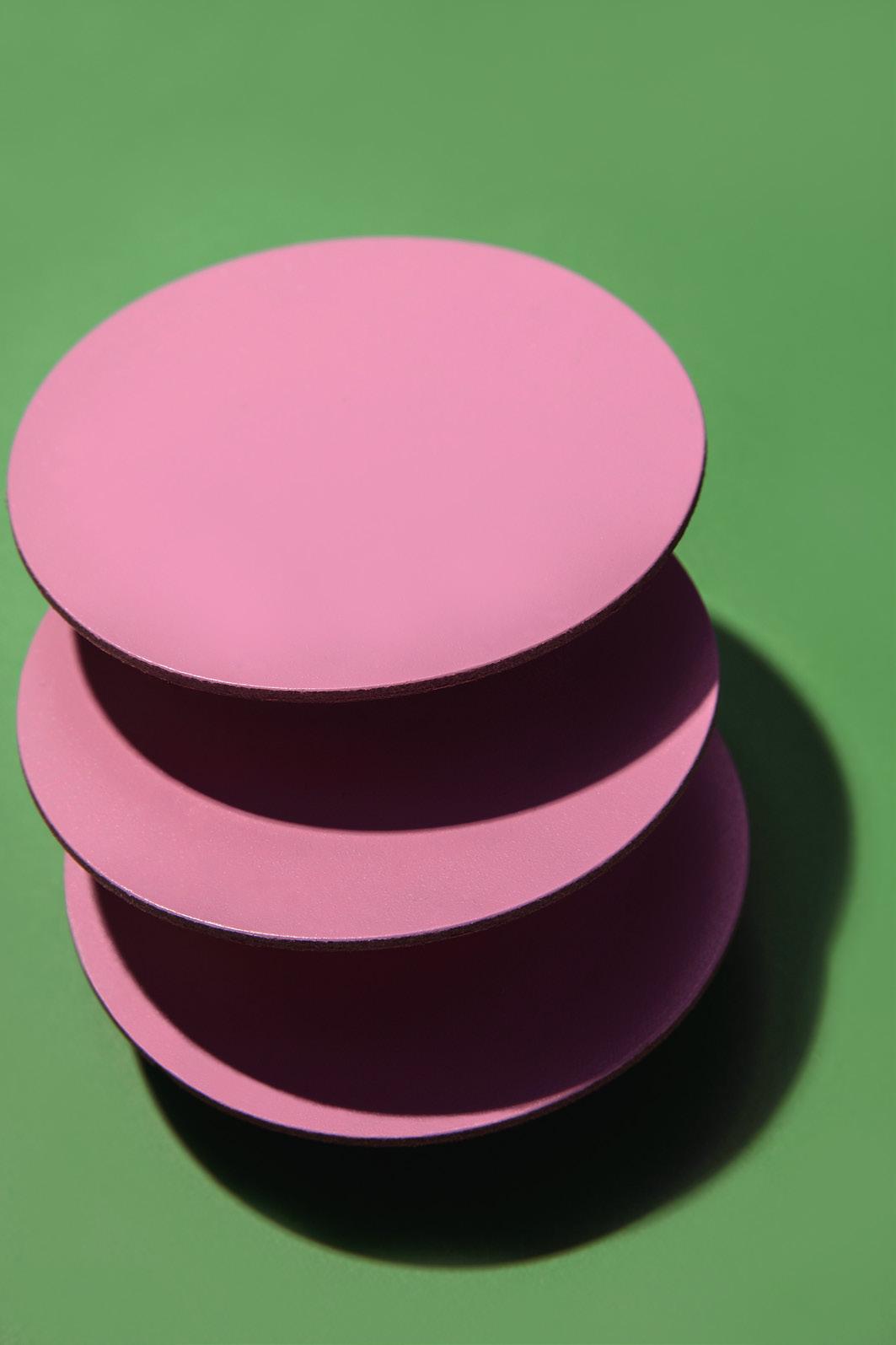
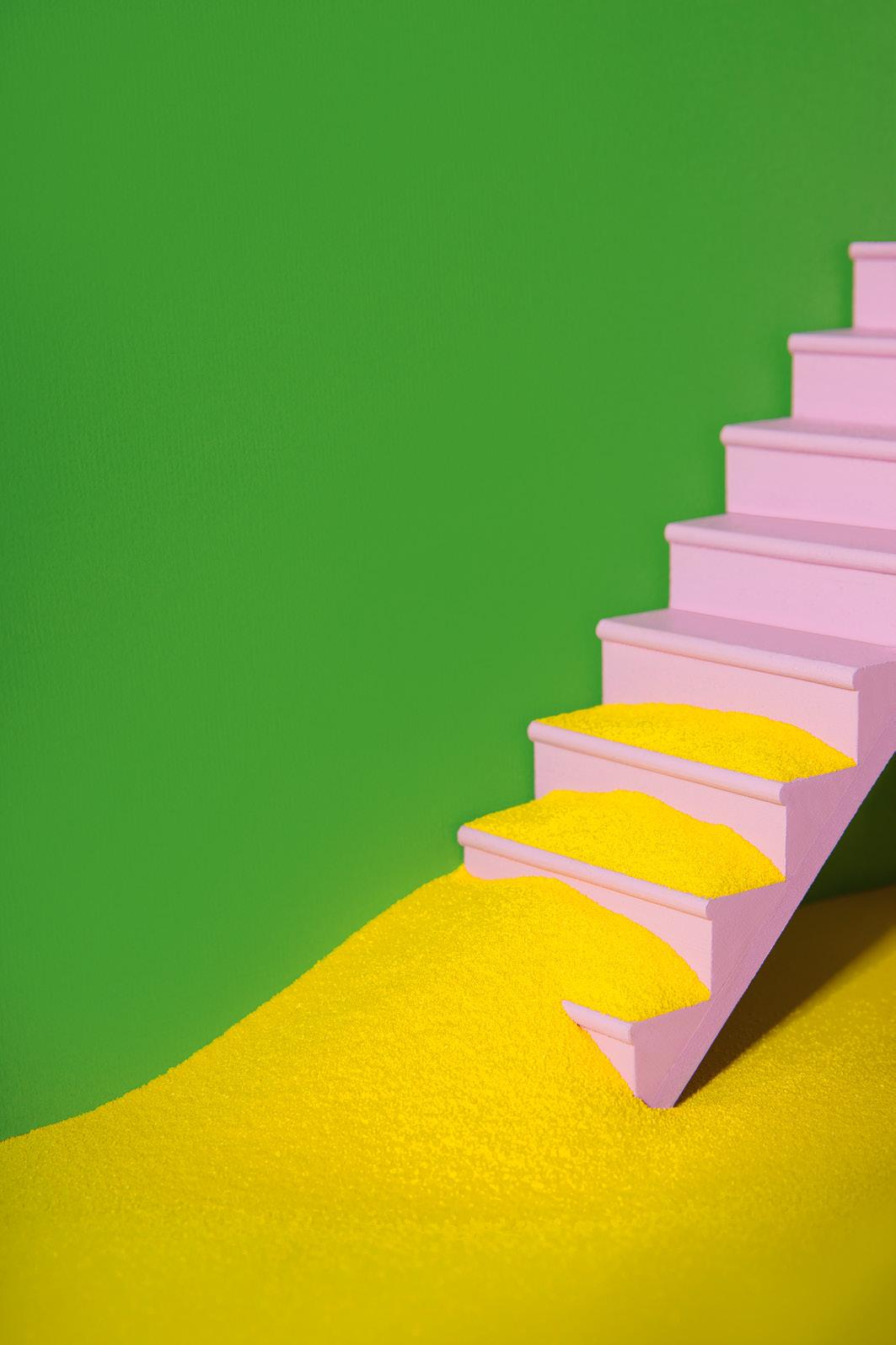
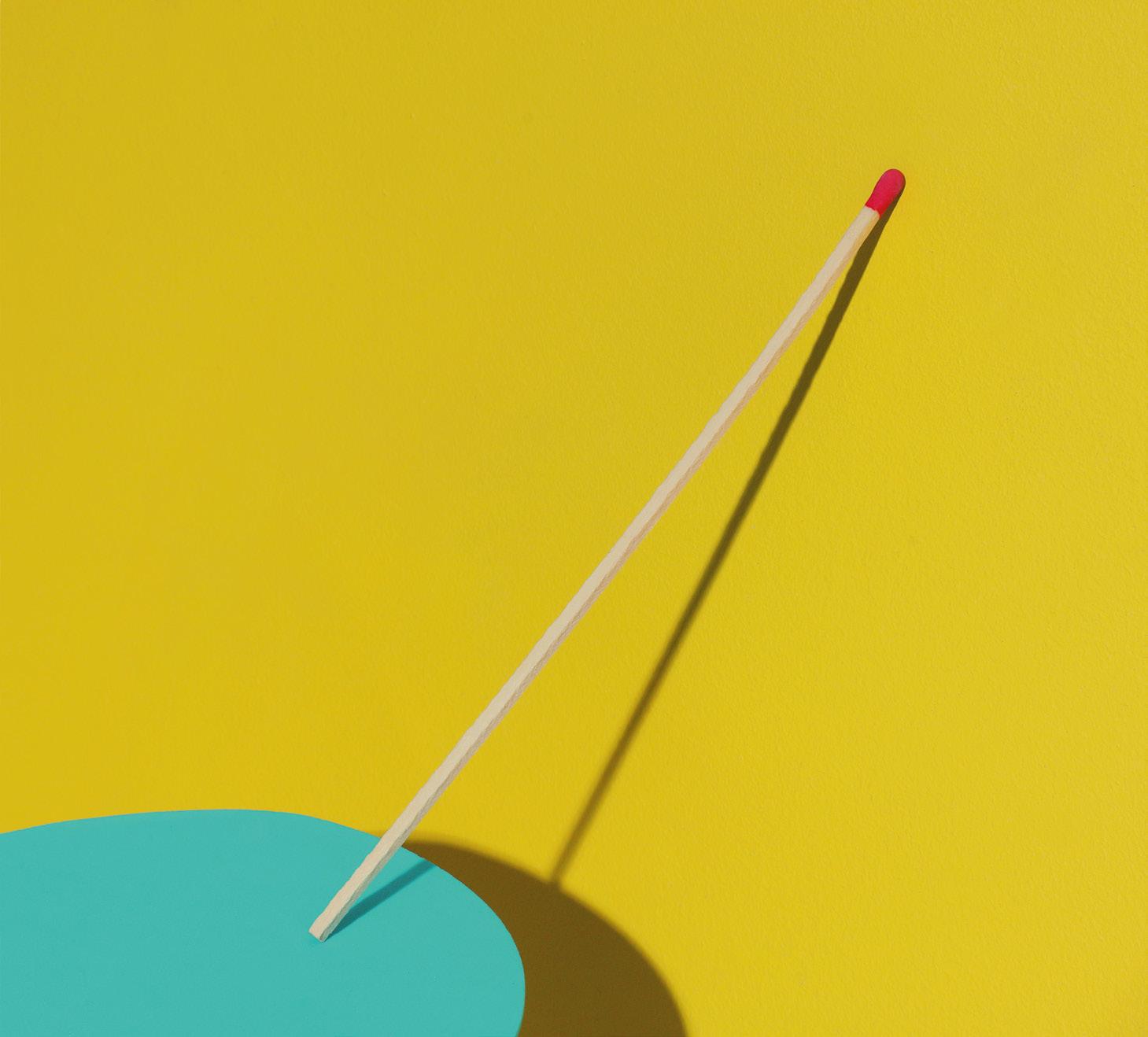
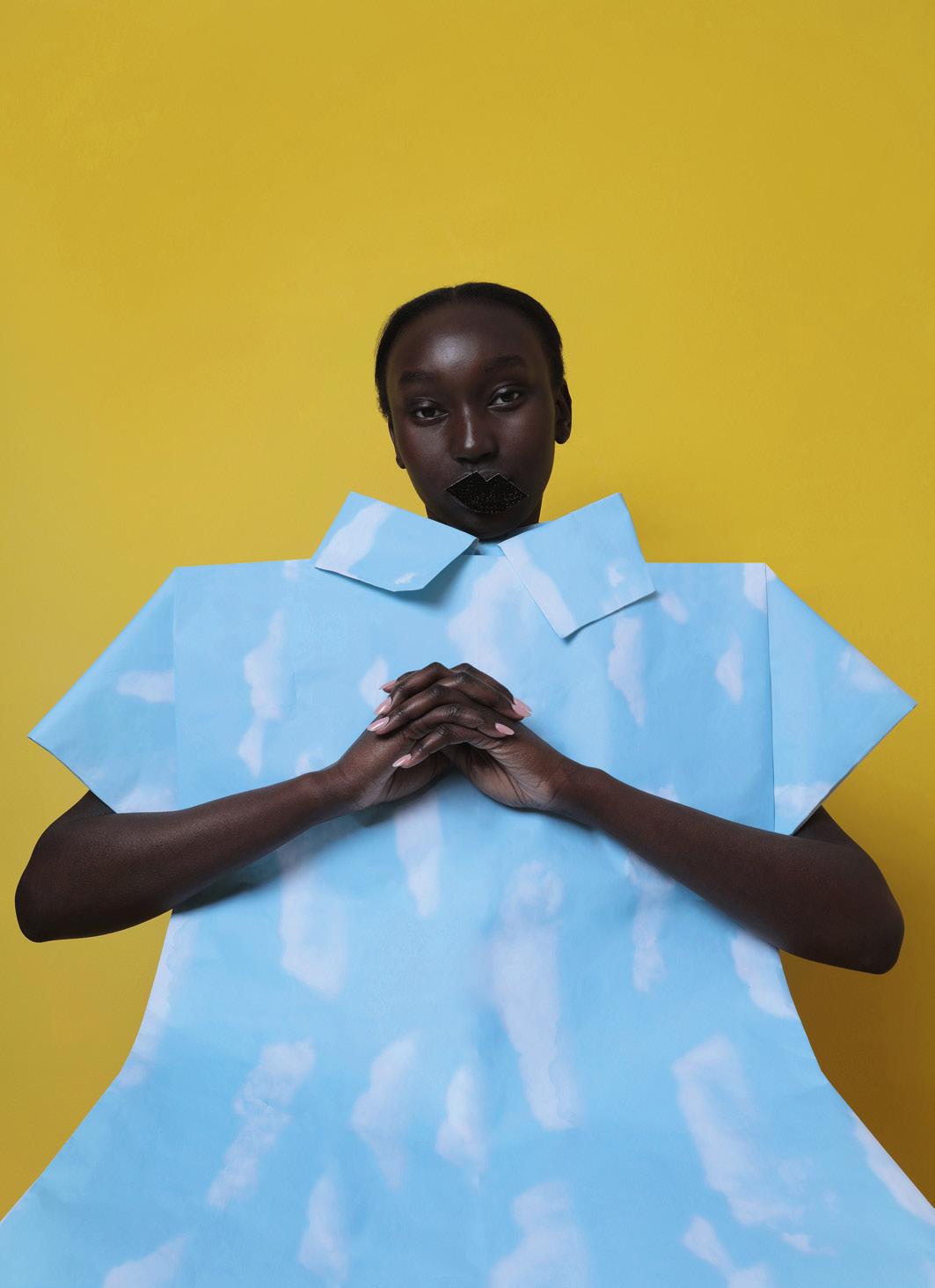
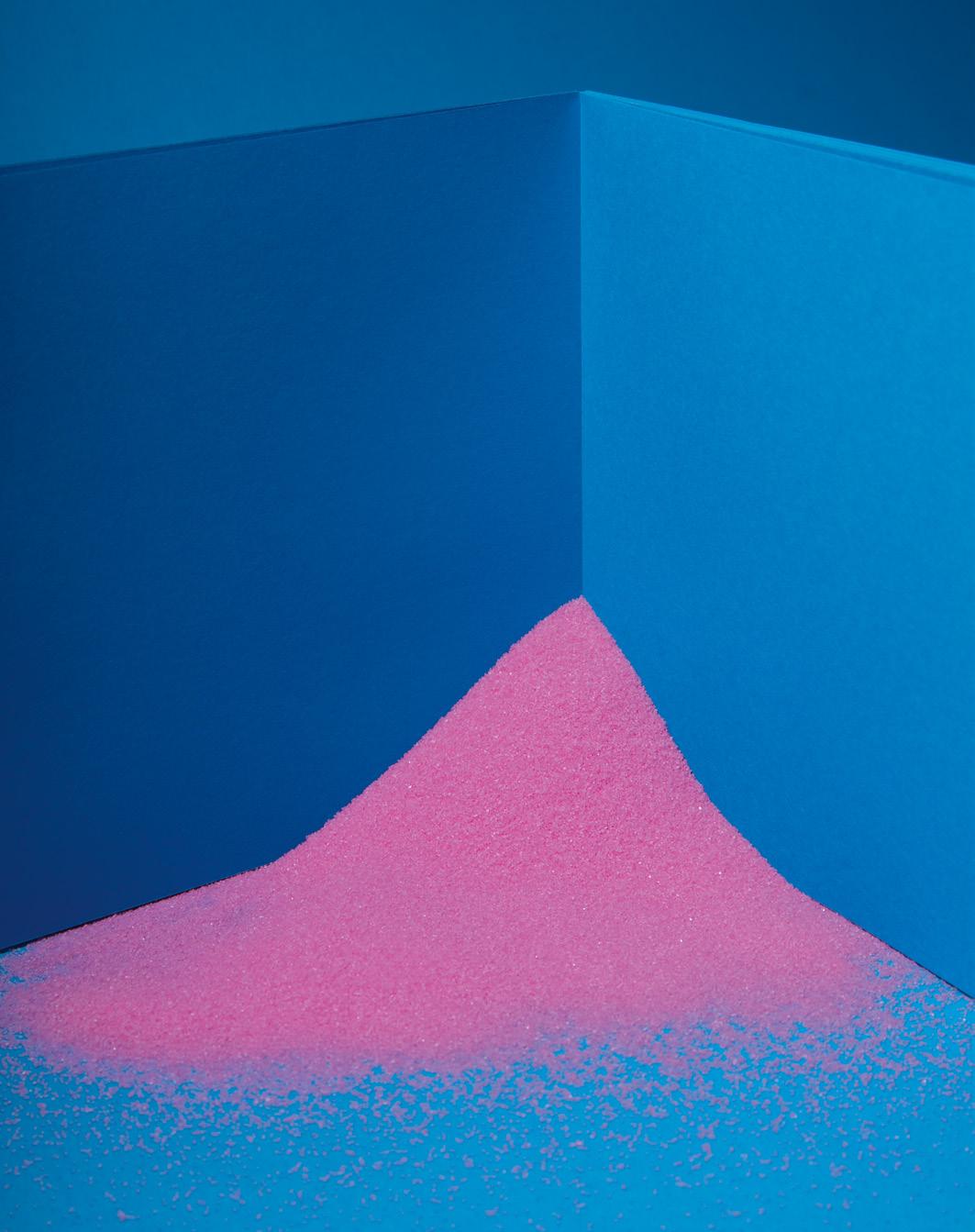
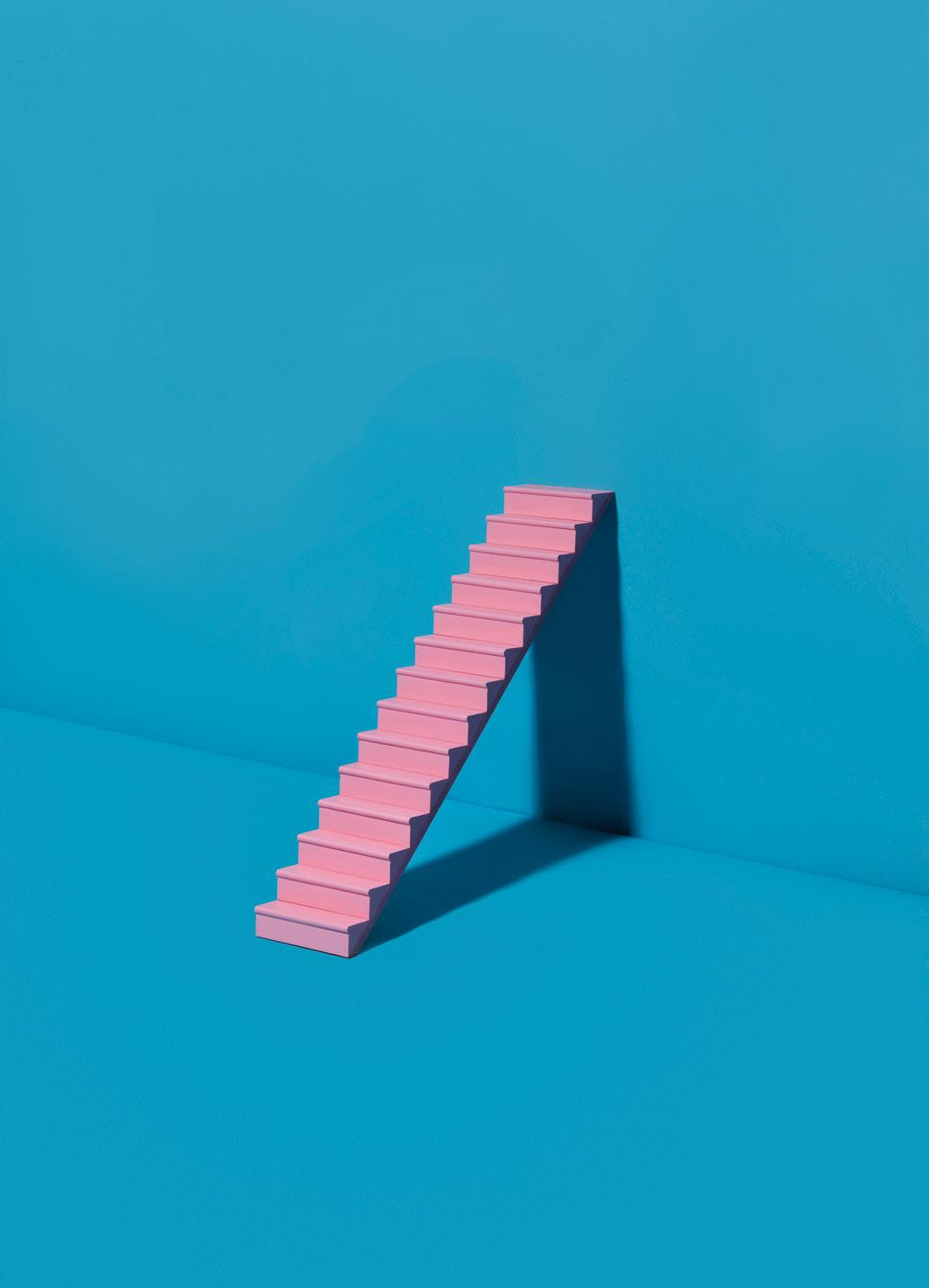
In early 2023, Forbes reported that burnout – a state of physical and emotional exhaustion – is on the rise globally. For photographer Sarah Doyle (b. 1981), whose clients include Urban Outfitters and Sony Music, abstraction has been a release from everyday stresses. “I’d find myself visually overwhelmed by other work, and maybe by the world, too,” she recounts. “This is what I did in return.” Make the World Go Away is playful and fun. Sand-covered staircases, teetering matches and stacked pink discs are positioned against bright pop and pastel backgrounds. Doyle, who is Dublin-based, uses experimentation as a way of travelling to – and inventing – new places. “I’m engaged in an exchange with the objects, they feel like characters to me. These colours, lines, light and shadow are all expressions of a place where things can be worked out and possibilities are endless. It’s about creating your own world.” sarahdoylephotography.com |
@sarahdoylephotographer
64 Aesthetica art
Sarah Doyle, Blue Suit , from the series Getting Warmer.
Image courtesy the artist.
66 Aesthetica
Sarah Doyle, Arch (Yellow) from the series Make the World Go Away. Image courtesy the artist.
Aesthetica 67
Sarah Doyle, Peg from the series Make the World Go Away. Image courtesy the artist.
68 Aesthetica
Sarah Doyle, Pink and Green , from the series Make the World Go Away. Image courtesy the artist.
Aesthetica 69
Sarah Doyle, House on Sand , from the series Make the World Go Away. Image courtesy the artist.
70 Aesthetica
Sarah Doyle, Match , from the series Make the World Go Away. Image courtesy the arist..
Aesthetica 71
Sarah Doyle, Paper (Single Use) Shirt, from the series Out of Shapes . Model: Appiok. Hair & Make Up: Leonard Daly @ Not Another Agency.
72 Aesthetica art
Sarah Doyle, Sand , from the series Make the World Go Away.
Image courtesy the artist..
Aesthetica 73
Sarah Doyle, Pink Stairs from the series Make the World Go Away.
Image courtesy the artist.
Actions by Design
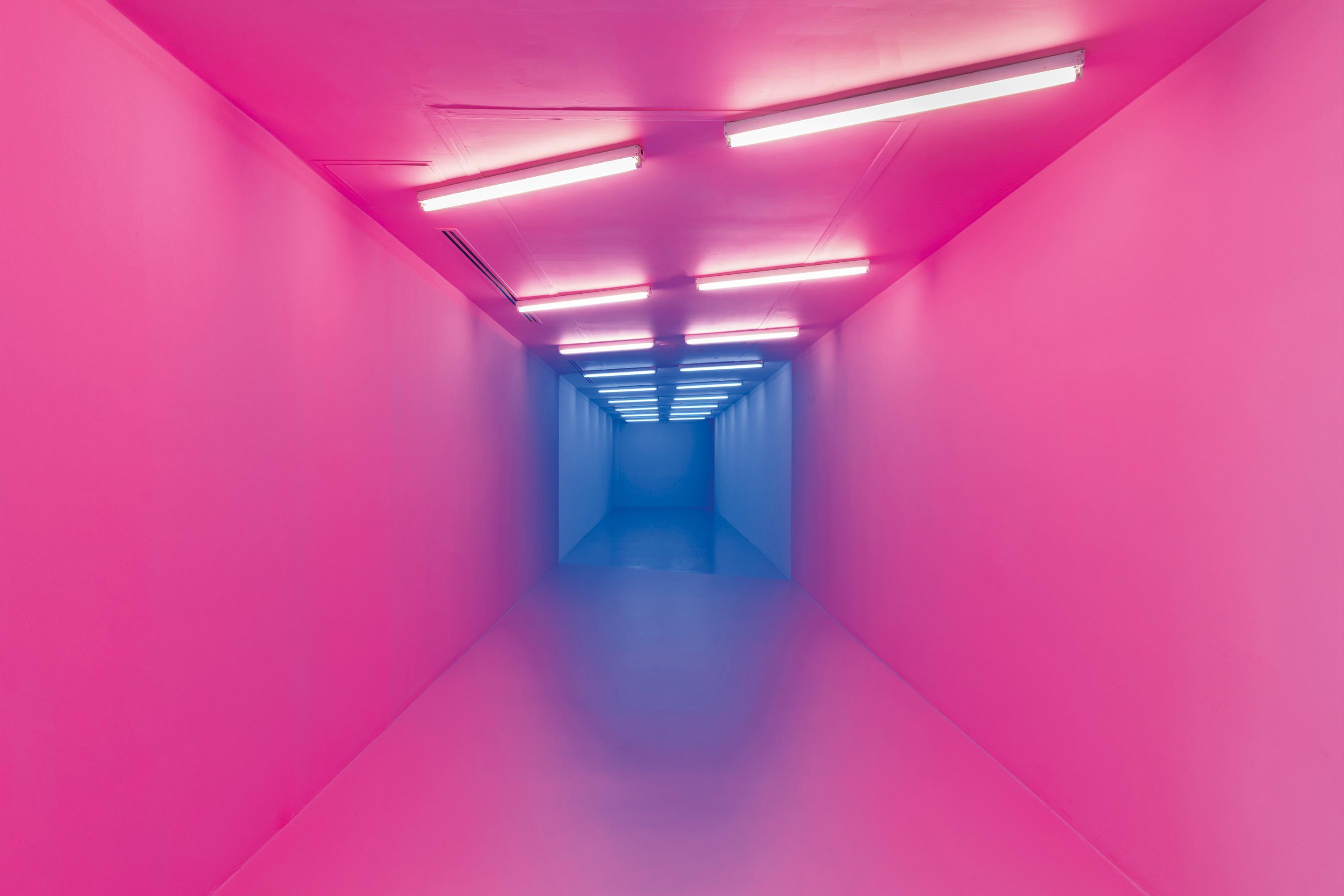
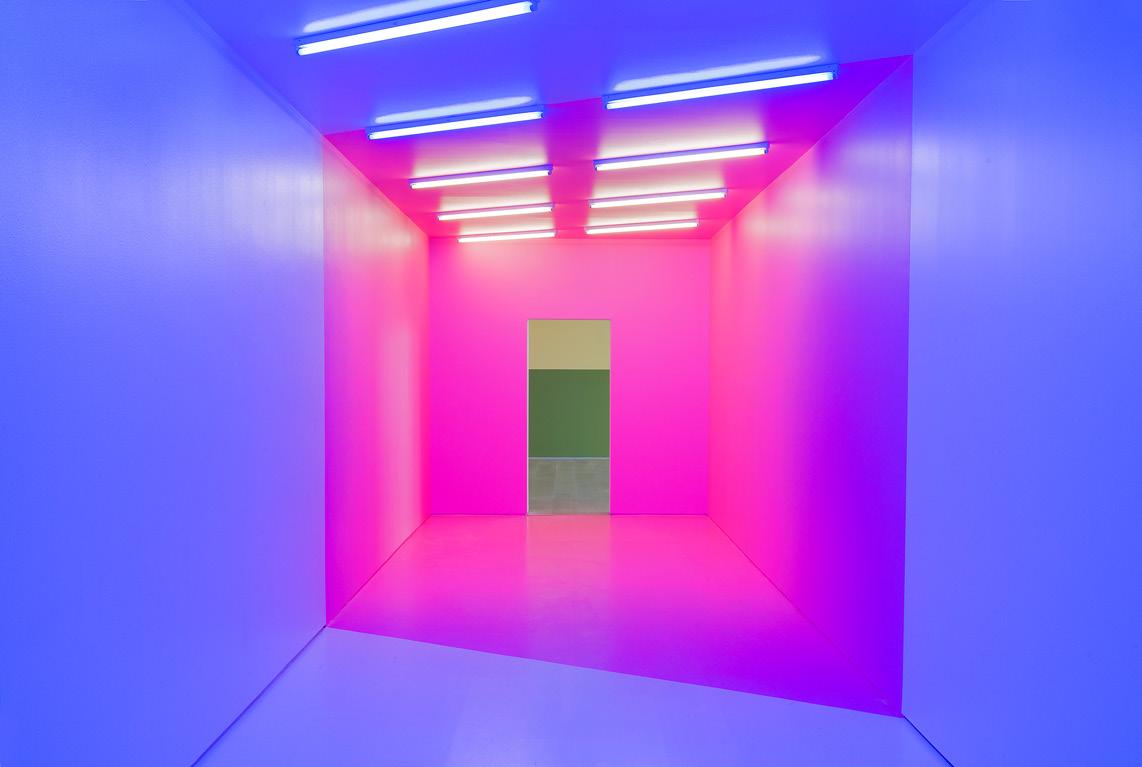
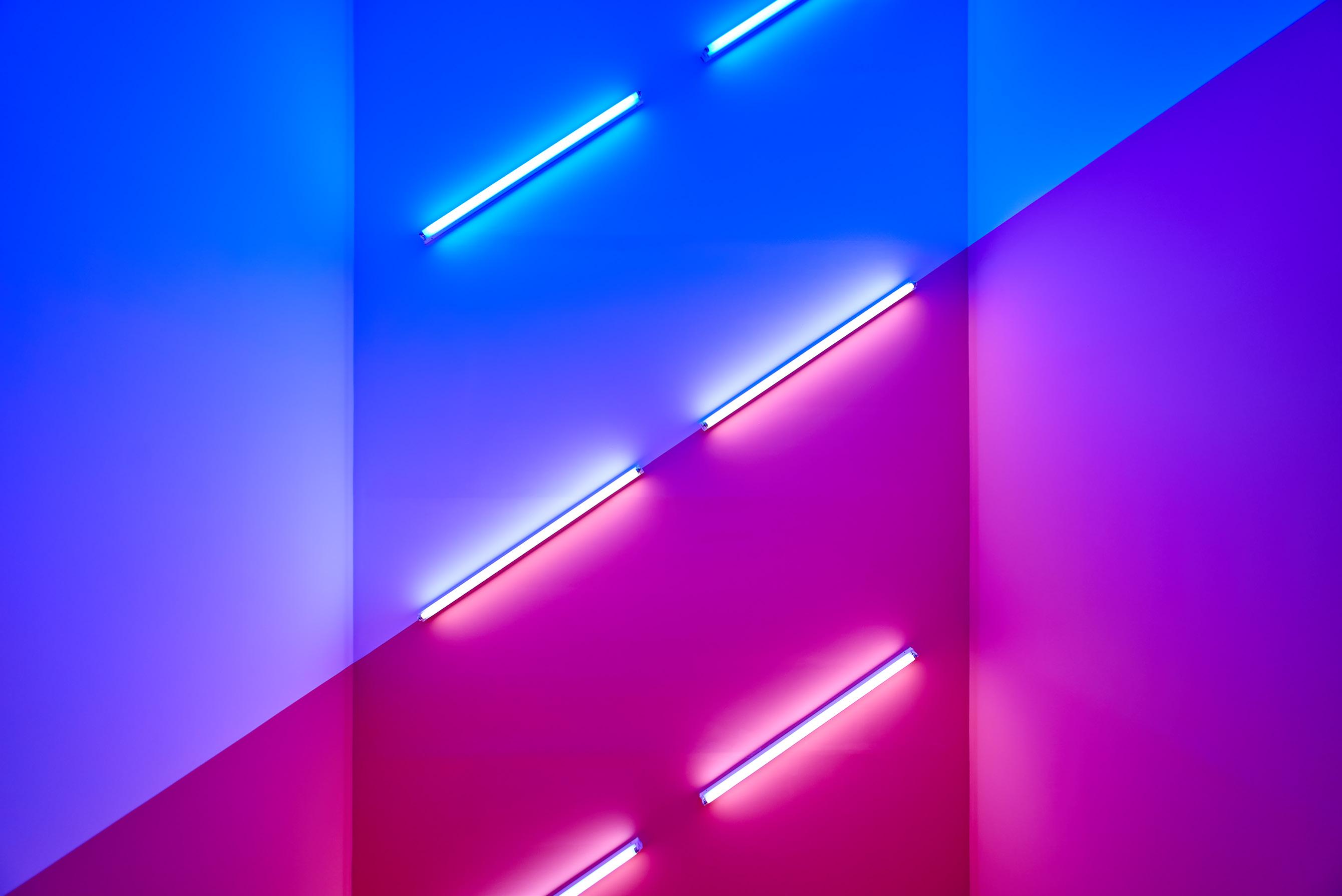
In Kapwani Kiwanga’s (b. 1978) pink-blue, an installation at the Kunstmuseum Wolfsburg in Germany, visitors walk down a soothing, deep pink corridor as horizontal fluorescent lights beam from the ceiling. The colour is intense and enthralling, and in popular culture it is mostly associated with luxury and femininity, like that of recent marketing for Greta Gerwig’s new and highly anticipated Barbie film (2023). Yet, Kiwanga chose it for different reasons. This particular hue is popularly referred to as Baker-Miller pink, P-618, or even “drunk-tank pink”, due to roots in an experiment at a correctional facility in Seattle in 1979. “Baker-Miller pink was said to have an effect on people’s heart rate and make them more docile,” the Canadian and French artist says. “It was experimented with in jails, first in Seattle at a military prison, and it was shown to make hostile or agitated prisoners calm down.” These tests demonstrated that painting confinement cells Baker-Miller pink subdued inmates effectively, pacifying their anger and aggression and reducing the likelihood of revolt. Rebellion was a central anxiety at the time. The late 1960s and 1970s witnessed the rise of organised resistance in American prisons in the wake of the Black Power movement, culminating with the Attica Prison Uprising in 1971. Prisoners seized control for four days in protest of brutal, inhumane treatment, before a bloodbath – led by law enforcement –took place to punish the insurrectionists. A couple of weeks prior, George Jackson (1941-1971), a prolific writer and icon of the movement, had been shot dead in Soledad Prison in California in an escape attempt. Three prison guards and two incarcerated men were killed. “The most direct effect of the
George Jackson murder was the rebellion at Attica prison –it came from long, deep grievances,” Historian Howard Zinn writes in A People’s History of the United States (1980), a book celebrated for "throwing out" the official narrative of "men in high places" commonly taught in USA schools. Instead, Zinn's account centres American individuals and communities working to make meaningful change at a grassroots level. “Fifty-four percent of the inmates were Black; 100 percent of the guards were white. Prisoners spent 14 to 16 hours a day in cells, their mail was read, their reading material restricted, their visits from families conducted through a mesh screen.”
The study at the Naval Correctional Facility in Seattle, conducted eight years after the tragic pinnacle of the prison movement, was developed to control and weaken incarcerated people. Today, Baker-Miller pink continues to modulate human behaviour, appearing in psychiatric wards, youth clinics and cells designed to hold people under the influence of drugs or alcohol. In 2017, Kendall Jenner painted her bedroom walls Baker-Miller pink in an attempt to suppress hunger pangs and achieve weight loss. The colour, seemingly hypnotising, remains a fixture of debate amongst scientists as to its effects on feelings, behaviours and impulses.
The role of colour in architecture and social control recurs in Kunstmuseum Wolfsburg’s The Length of the Horizon, a mid-career retrospective bringing together Kiwanga’s major works for the very first time. She is an anthropologist by training, and her deeply researched pieces stem from a fascination with how societies are built, and how they function. This approach puts her in the company of other multidisci-
74 Aesthetica art
COLOUR IS INTERTWINED WITH ARCHITECTURE OF POWER AND CONTROL. THIS RELATIONSHIP IS REVEALED IN AN AESTHETICALLY PLEASING IMMERSIVE EXHIBITION.
Kapwani Kiwanga
“I’m not someone who really believes in boundaries, per se. I do think everything is connected and permeable. Art and science, as with many other disciplines, are more similar than they are different.”
plinary artists Lydia Nakashima Degarrod, Maya Stovall and Ruby Chishti, whose installation-based works interrogate the inflections of colonialism, migration, power and race. “My curiosity about the world and the structures that buttress our societies led me to study anthropology, and there were a couple of things I took from that which influenced my artistic practice,” Kiwanga recounts. “I’m not someone who really believes in boundaries, per se. I do think everything is somewhat connected and permeable. Art and science, as with many other disciplines, are more similar than different.”
Kiwanga discovered the political dimensions of design whilst researching disciplinary architecture – alternatively known as “hostile architecture” or “defensive architecture” –and the ways in which housing can be used to control bodies, or restrict and manipulate the behaviour of the people living within. “I was looking at how colour was used in different institutions. Schools, prisons, hospitals, factories, all these places that surround us use it in ways we don’t necessarily think about. I came across colour theorist Faber Birren (19001988), who created a hypothesis meant to construct a more convivial work setting, or to protect people that were working with heavy machinery by encouraging them to [stay] alert.”
Birren contended that colour and light both have a meaningful impact on human psychology, an edict that guides the curation and experience of The Length of the Horizon In Linear Paintings (2017), for example, canvases painted in dual tones – teal blue and white, maroon and beige, bubblegum pink and white – mirror the interior design of hospitals. “I was particularly interested in two-tone palettes used on walls, and where that came from,” Kiwanga recalls. “Looking back at a 1905 conference on tuberculosis in Paris, there
was this suggestion by architects to treat walls with different paints at the height of 160 centimetres from the floor, in hopes of having a more washable area, and therefore eliminating the bacteria and different germs that lead to disease.”
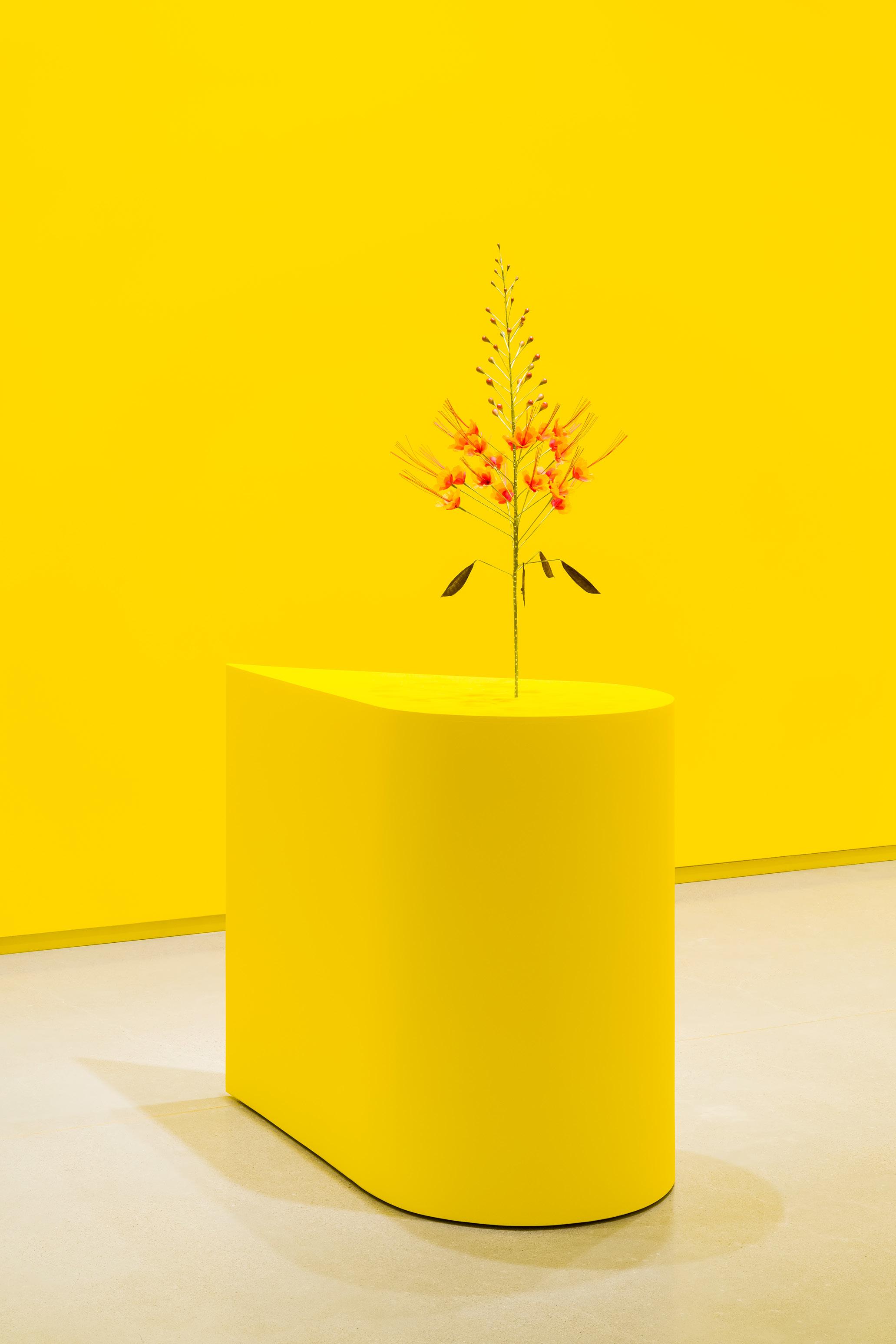
Kiwanga found that green was often used in medical settings due to its “healing effect” and ability to evoke the tranquillity of nature. The verdure of plants appears in Kiwanga’s Flowers for Africa: Rwanda (2019), an installation that mirrors the triumphal arch erected in Kigali for festivities surrounding the proclamation of the Republic of Rwanda in 1961. Swathed in eucalyptus, native to the country, Kiwanga’s arch withers over time, conveying the haunting hope of independence, which was later ratified in 1962. The wider Flowers for Africa (2012 - ongoing) series sees Kiwanga recreate other decorative arrangements from archival imagery, namely those commemorating the liberation of African countries from colonial power. These include white and red gladioli, marigolds and chrysanthemums, withered bouquets tied in ribbon that, eventually, wilt and droop towards the floor. The series perhaps signifies the mixed fortunes of the continent post-independence, not least the devastation of the Rwandan Civil War (1990-1994) and genocide. A silent, desolate feeling hangs in the air. Doubtlessly, these installations hold sacred ground, but there’s a sense that independence in and of itself is a dream deferred, the sacrifices of anticolonial struggle giving way to numerous other kinds of human suffering, from mass poverty to civil war and political corruption. Botany appears once again in The Marias (2020), a yellow room in which paper flowers are positioned on pedestals. “The peacock flower is seen as decorative for those of us in Europe, but it also has toxic capabilities,” says Uta Ruhkamp
Aesthetica 77
Previous page: Kapwani Kiwanga, pink-blue , (2017). A wall is just a wall The Power Plant, Toronto, (2017).
Photo: Tony Hafkenscheid.
Left: Kapwani Kiwanga, The Marias (2020). An apology, a pill, a ritual, a resistance Remai Modern, Saskatoon (2021).
Photo: Blaine Campbell.
(b. 1974), Curator of the Kunstmuseum Wolfsburg exhibition. “A woman called Maria Sibylla Merian travelled in the 18th century to Suriname and wrote a whole book about plants: Metamorphosis insectorum Surinamensium (1705). Merian describes how this flower was used by enslaved women to protect themselves. These plants were used for abortion.” Here, Ruhkamp describes an early way for enslaved and / or Indigenous women to exercise agency over their bodies. In Kiwanga’s show, the peacock flower is surrounded by a stressful blaze of lemon yellow. The all-encompassing colour field reflects the bright sunlight that these plants need to grow, whilst, at the same time, triggering a feeling of sensory overwhelm, claustrophobia and a desire to escape.
“What is so interesting about Kiwanga is that her works are highly aesthetic, and her installations are accessible,” Ruhkamp continues. “It’s very enticing because art has always been about aesthetics. But on another level, once you get more background information, you realise how complex and historically charged the works are.” The contrast of visual beauty and the realities of historic violence recur in Kiwanga’s oeuvre, notably in Glow (2021): geometric black marble sculptures with integrated LEDs light sources. They stand against a royal purple background, and signify the candle lanterns that Black, Indigenous and bi-racial enslaved people were forced to carry at night to identify themselves in 18th century New York, if not accompanied by a white person. Light was thus used to expose people to racist violence, as well as as a mode of surveillance. "Lantern laws" were an enforced form of illumination, which controlled the movements and visibility of people of colour around the city after dark. This form of visual power likewise appears in pink-blue. In
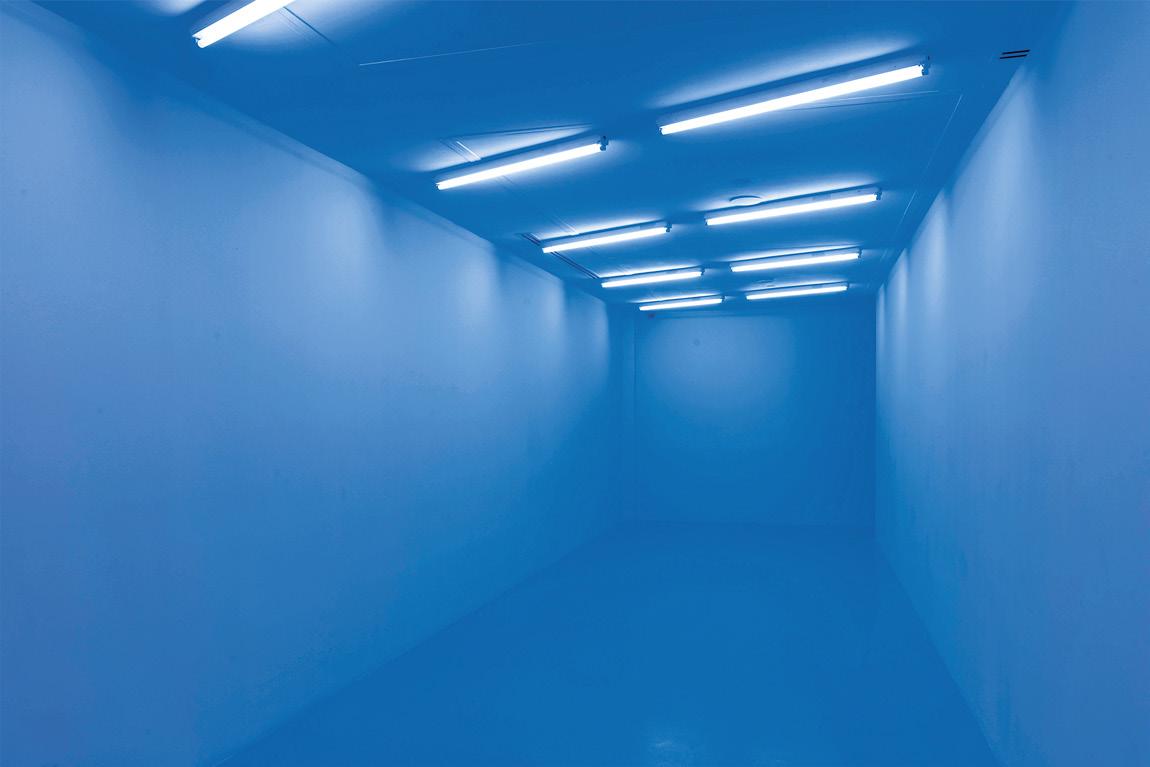
the second half of the corridor, the walls transform into a deep, ghostly blue, and the fluorescent bulbs overhead emit a similar glow – different from the blinding white of the pink portion of the installation. It echoes those used in public bathrooms, coffee shops, bus stations and underpasses to confuse and discourage drug users from injecting substances directly into their veins, which appear blue against the skin. Whether this method actually does deter drug use is a matter of debate; experts have pointed out that the resulting lack of visual clarity can lead to messier injections, risking injury and infection. A 2013 study published in the Harm Reduction Journal found that half of drug users interviewed would still use a blue-lit restroom, and the Centre for Disease Control in British Columbia advises against installing these kinds of lights. It cites a heightened risk of unsafe injections and the escalated vulnerability of an already-stigmatised group. The Length of the Horizon is about revealing architectures of control, however subtle, to wider audiences. Ruhkamp emphasises: “pink-blue is very immersive. You feel what the colour does in your whole body. This is a big quality of Kiwanga’s work – to experience it yourself and sharpen your knowledge and conscience about how you’re guided [by colour and light] on a daily basis.” As visitors pass through the corridor, hyper-sensory, transfixing pink gives way to a dreamy, almost depressing blue. Extreme coolness after crushing warmth signals a veritable vibe switch, demonstrating the tangible effects of colour on human physiology in real time. This can’t be understated. It's clear that aesthetics are in a constant, ever-evolving relationship with power. Shadow and light can be used to subvert and rebel, just as they are employed, institutionally, to subdue and command.
Words Iman Sultan
The Length of the Horizon Kunstmuseum Wolfsburg 16 September – 7 January kunstmuseum.de
78 Aesthetica
Right: Kapwani Kiwanga, pink-blue , (2017). Alternate Realities, Arsenal Contemporary Art, Montréal (2019).
Photo: Romain Guilbault
Outdoor Performance
Margeaux Walter
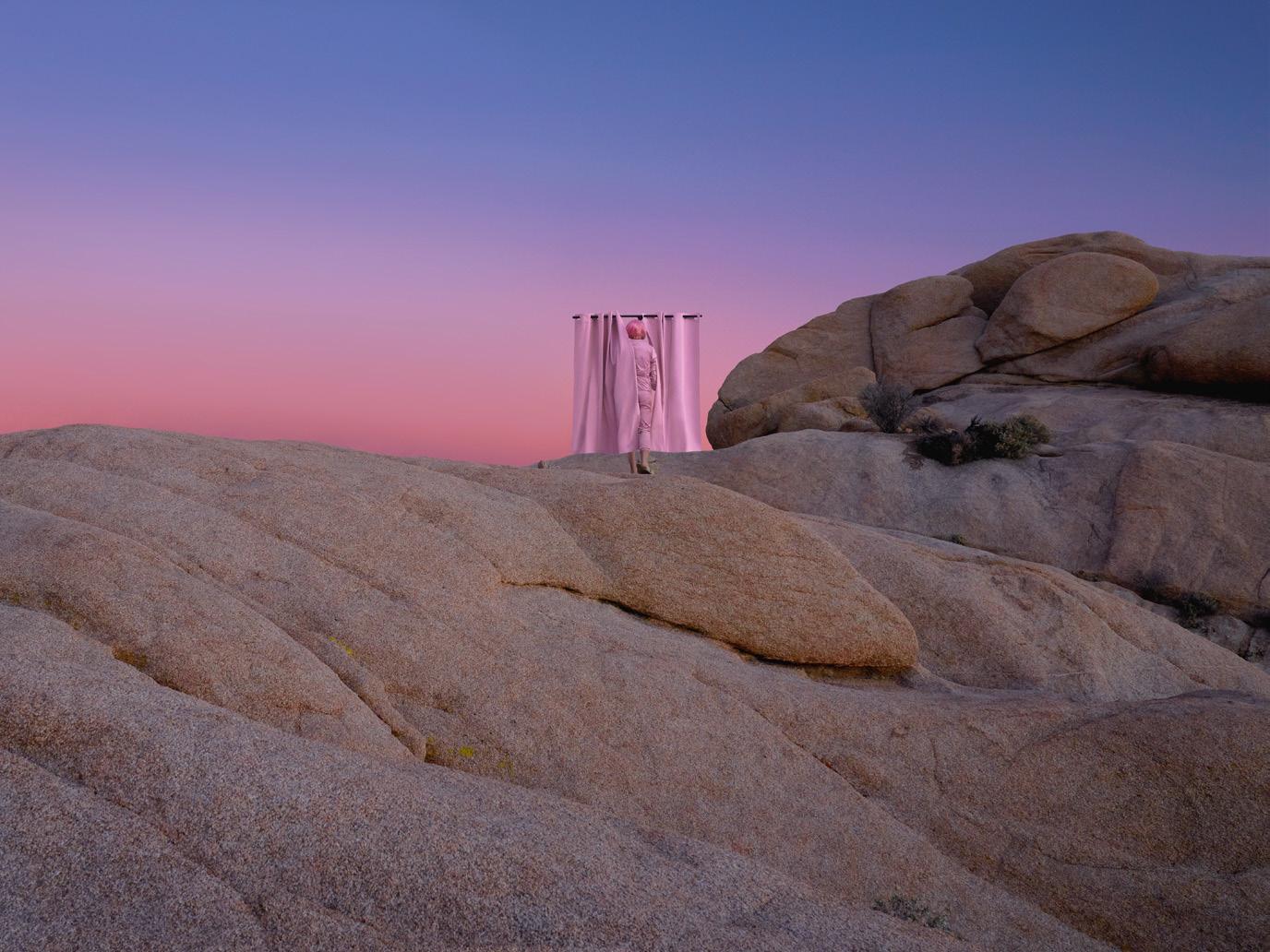
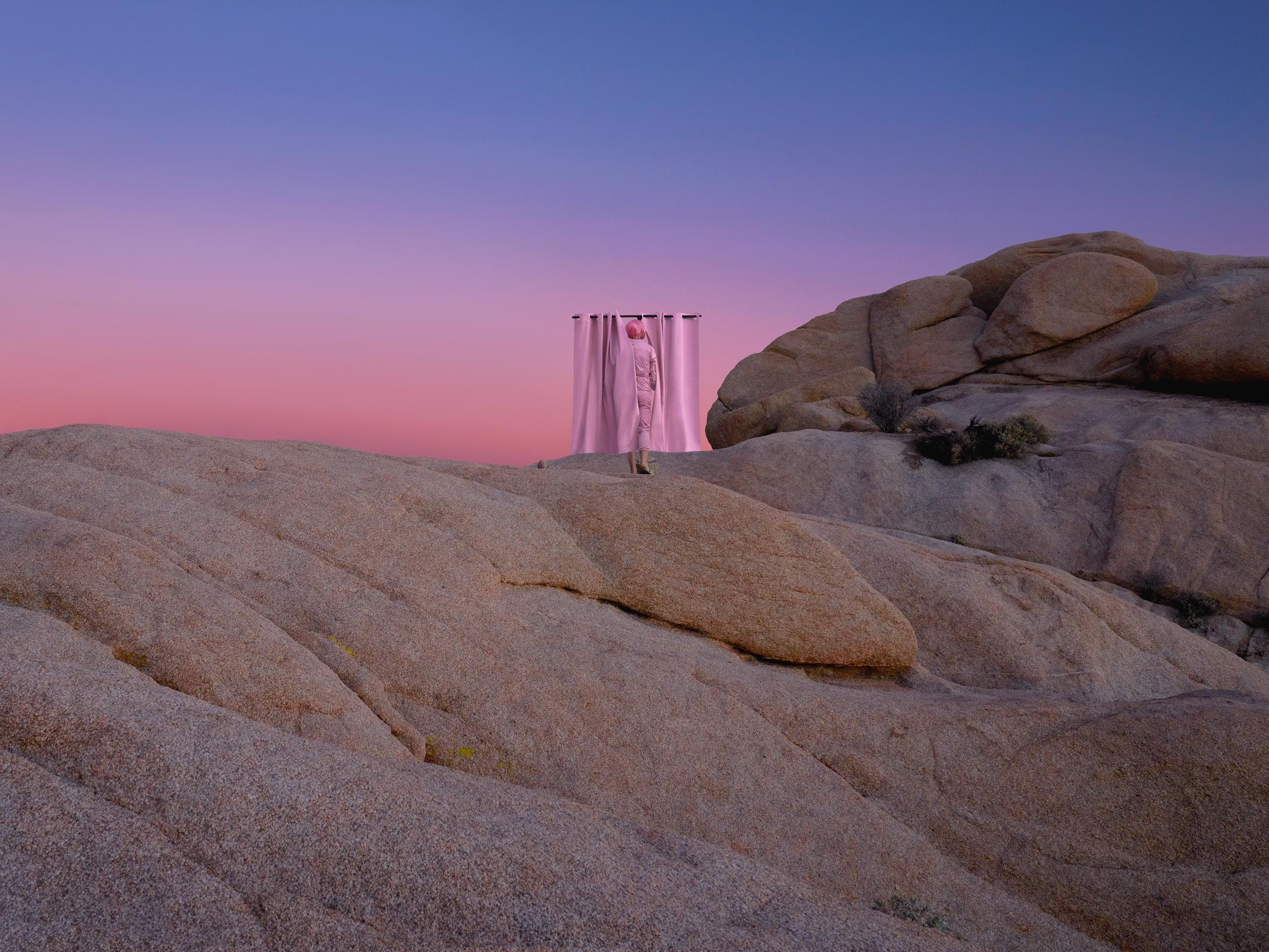
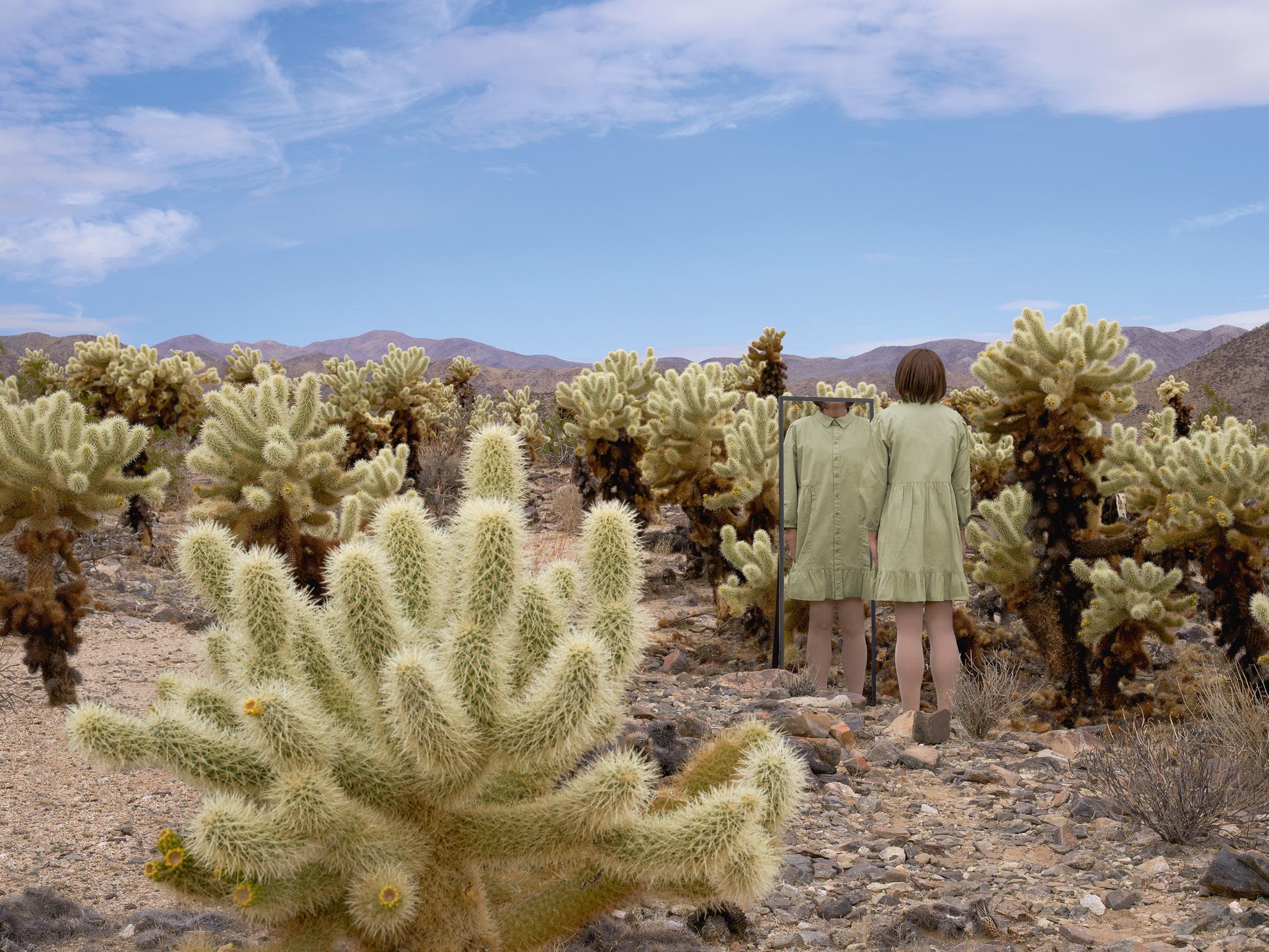
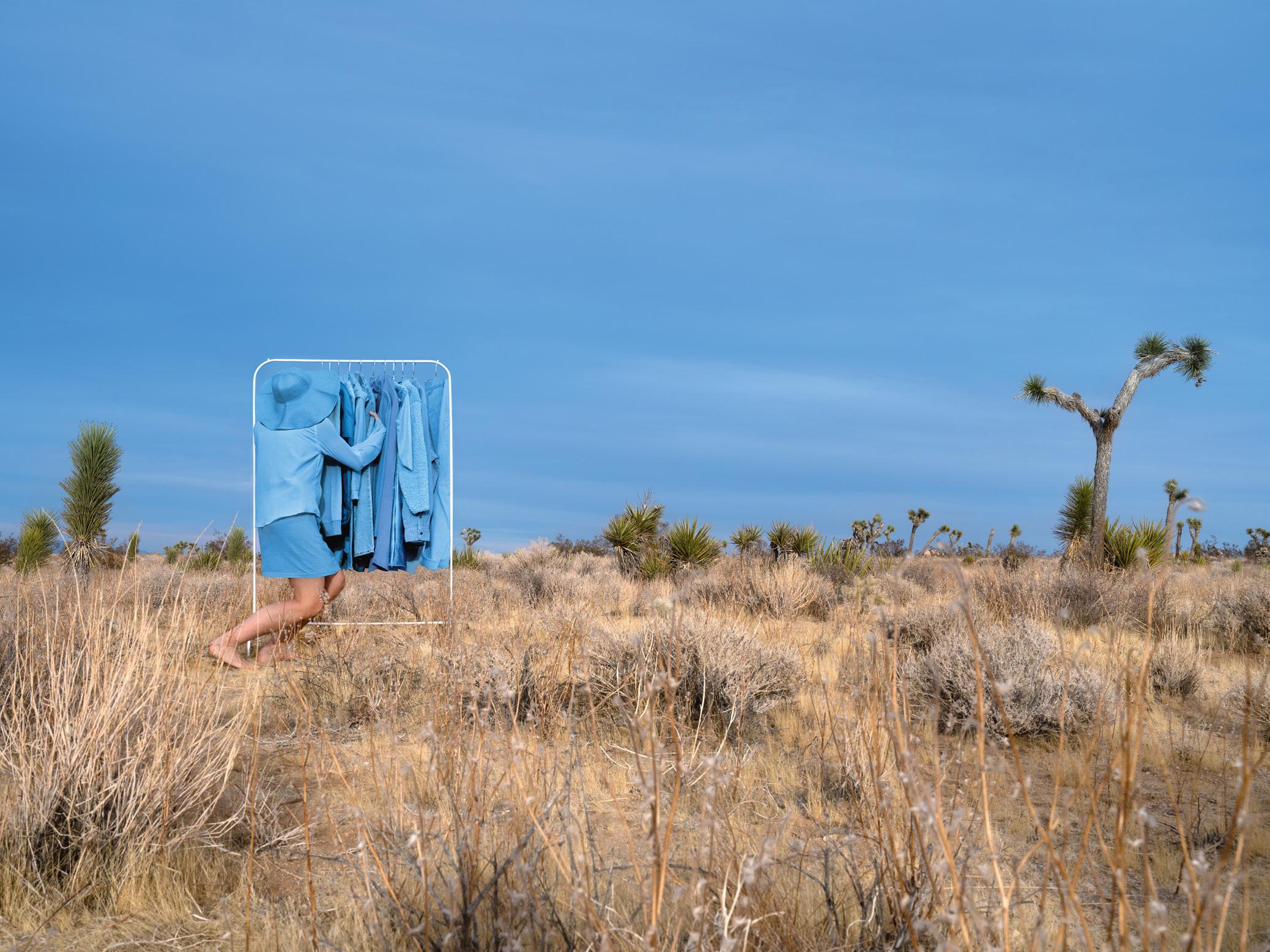
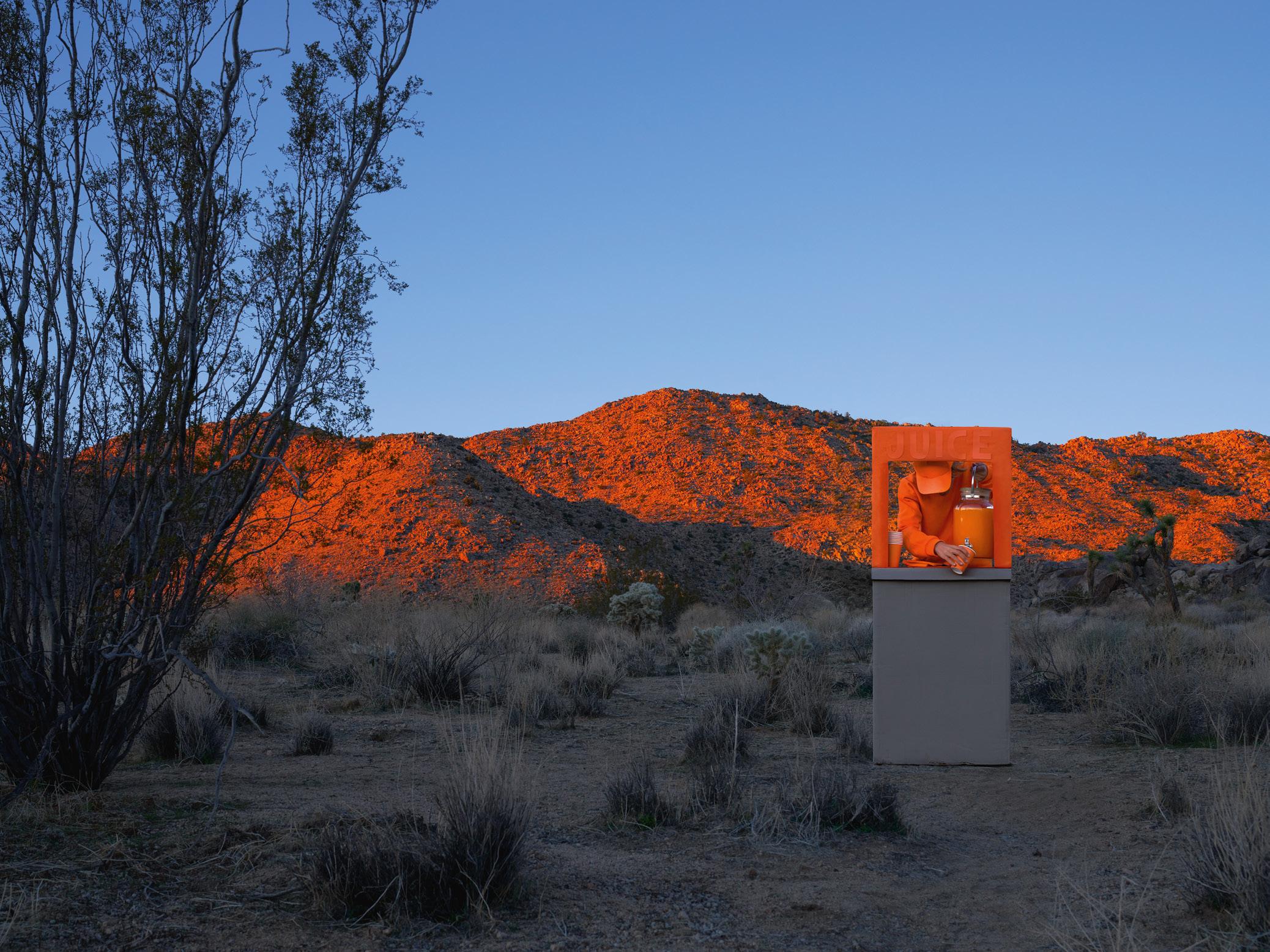
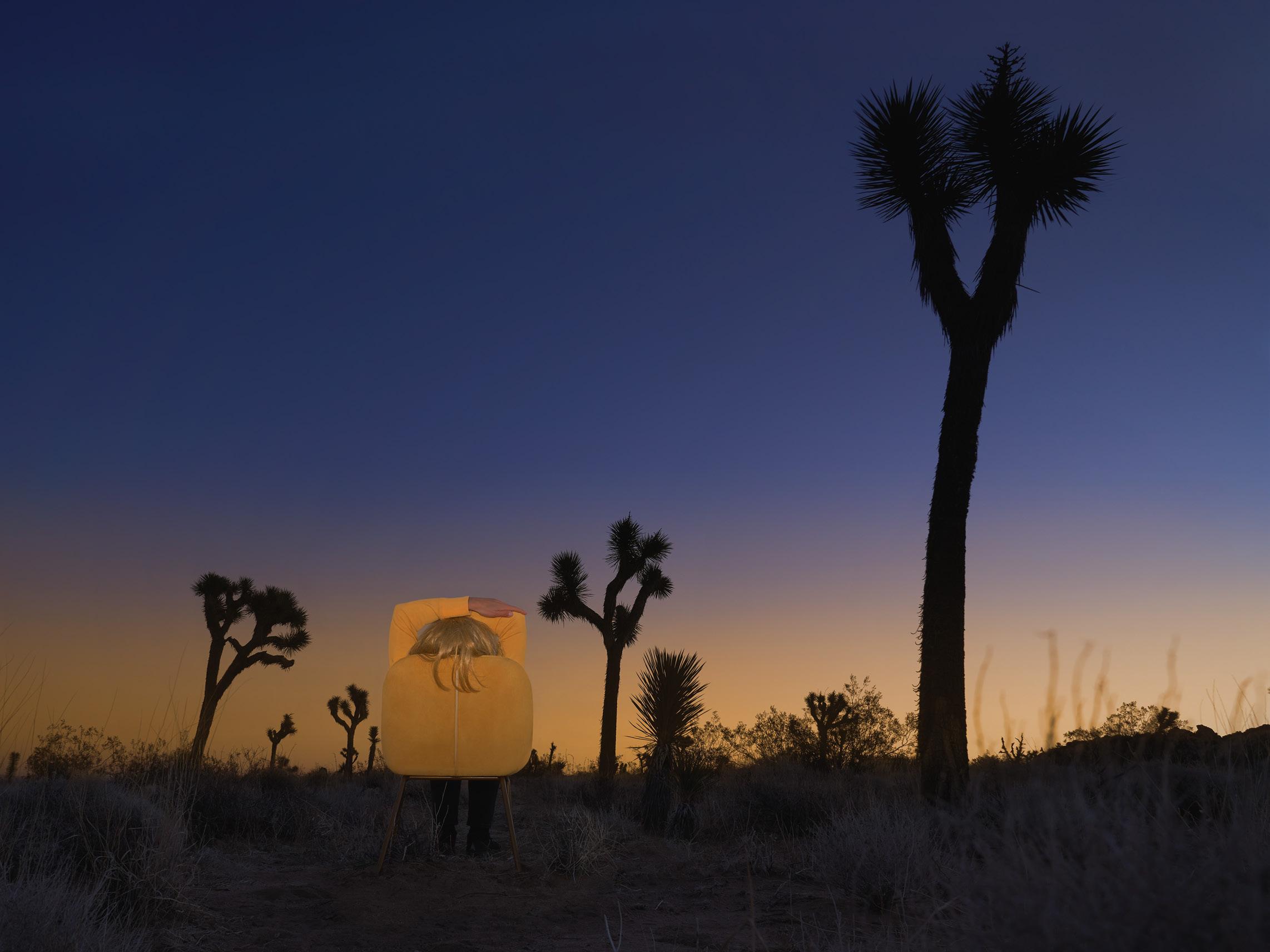
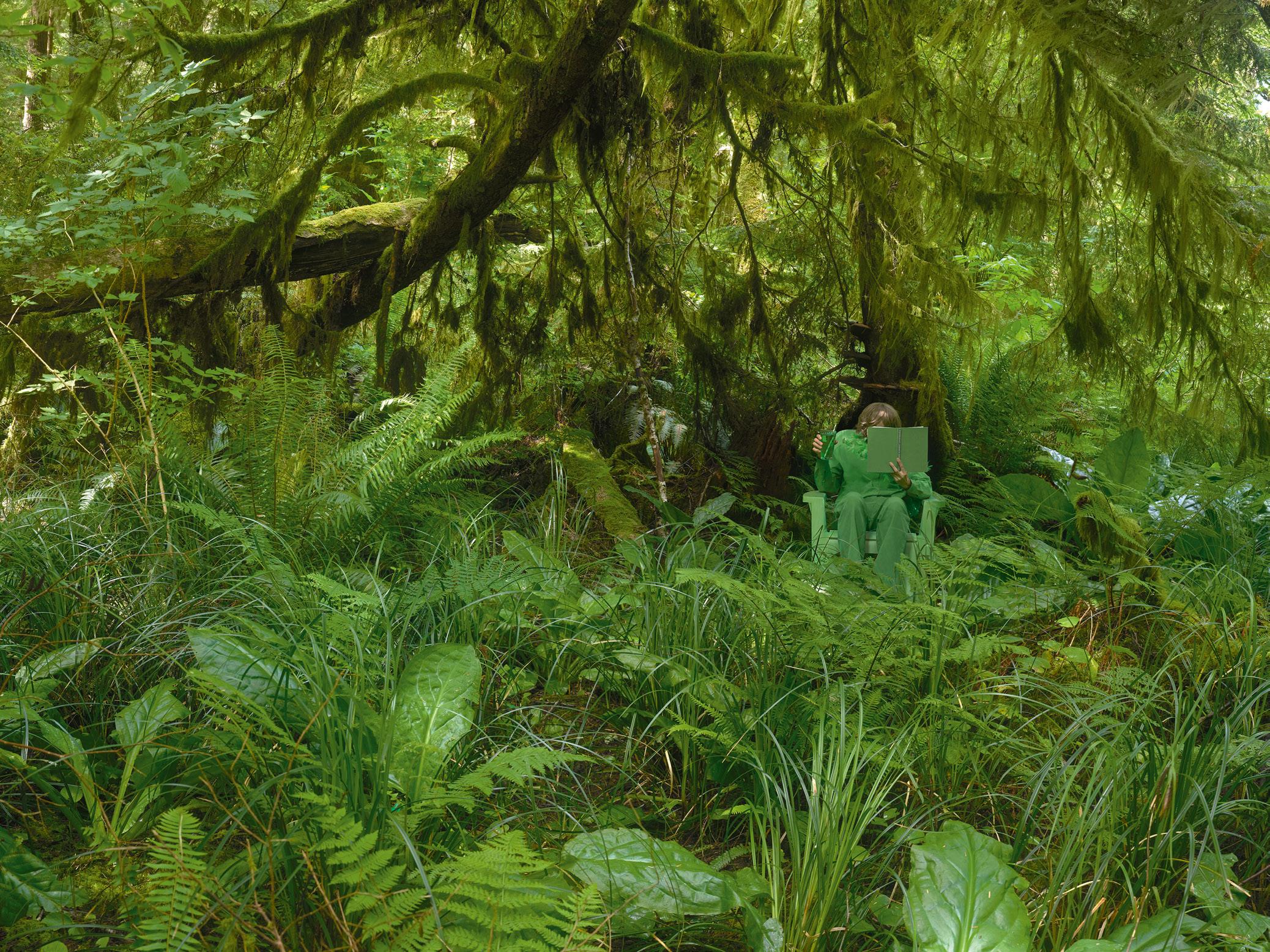
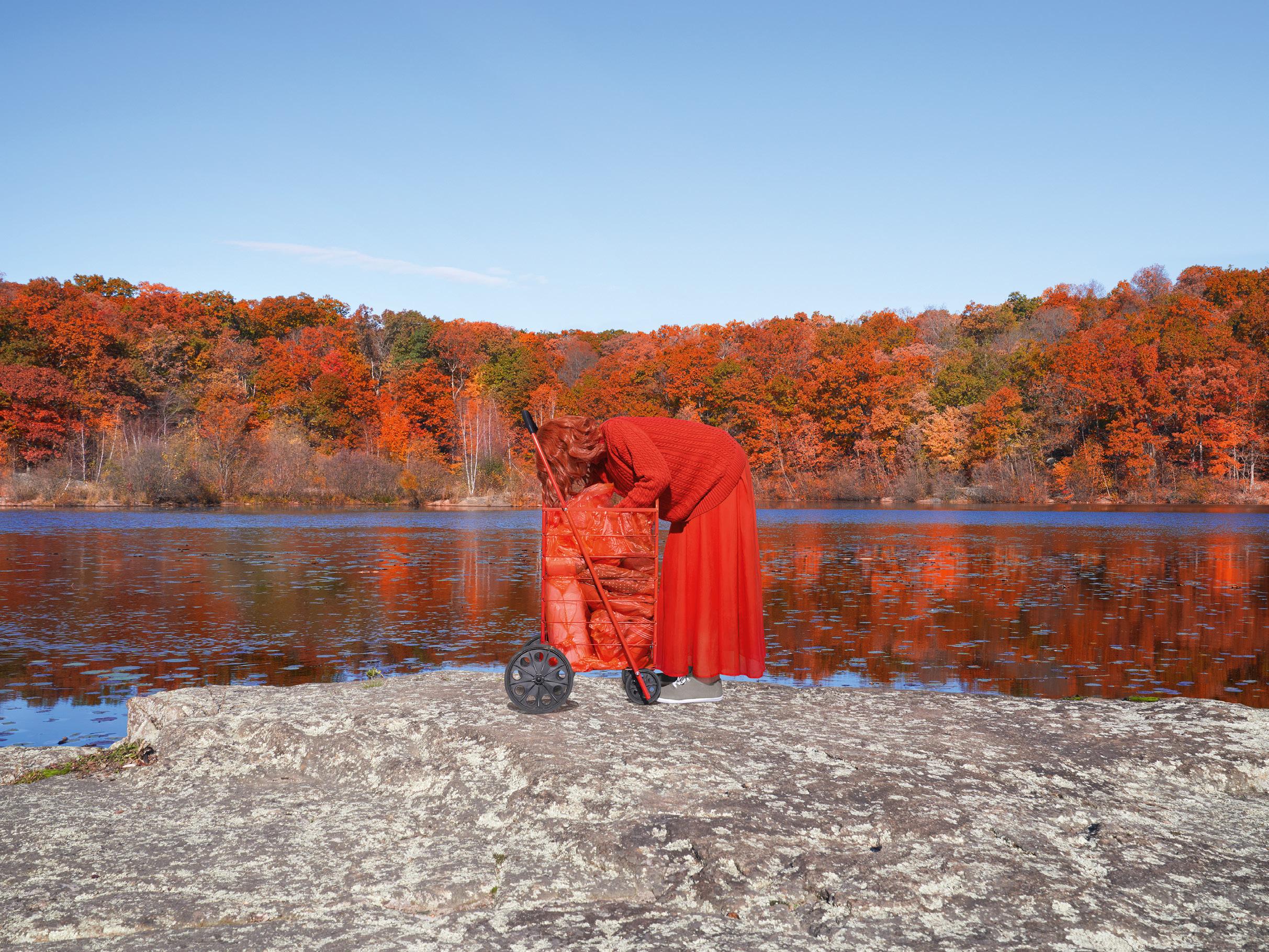
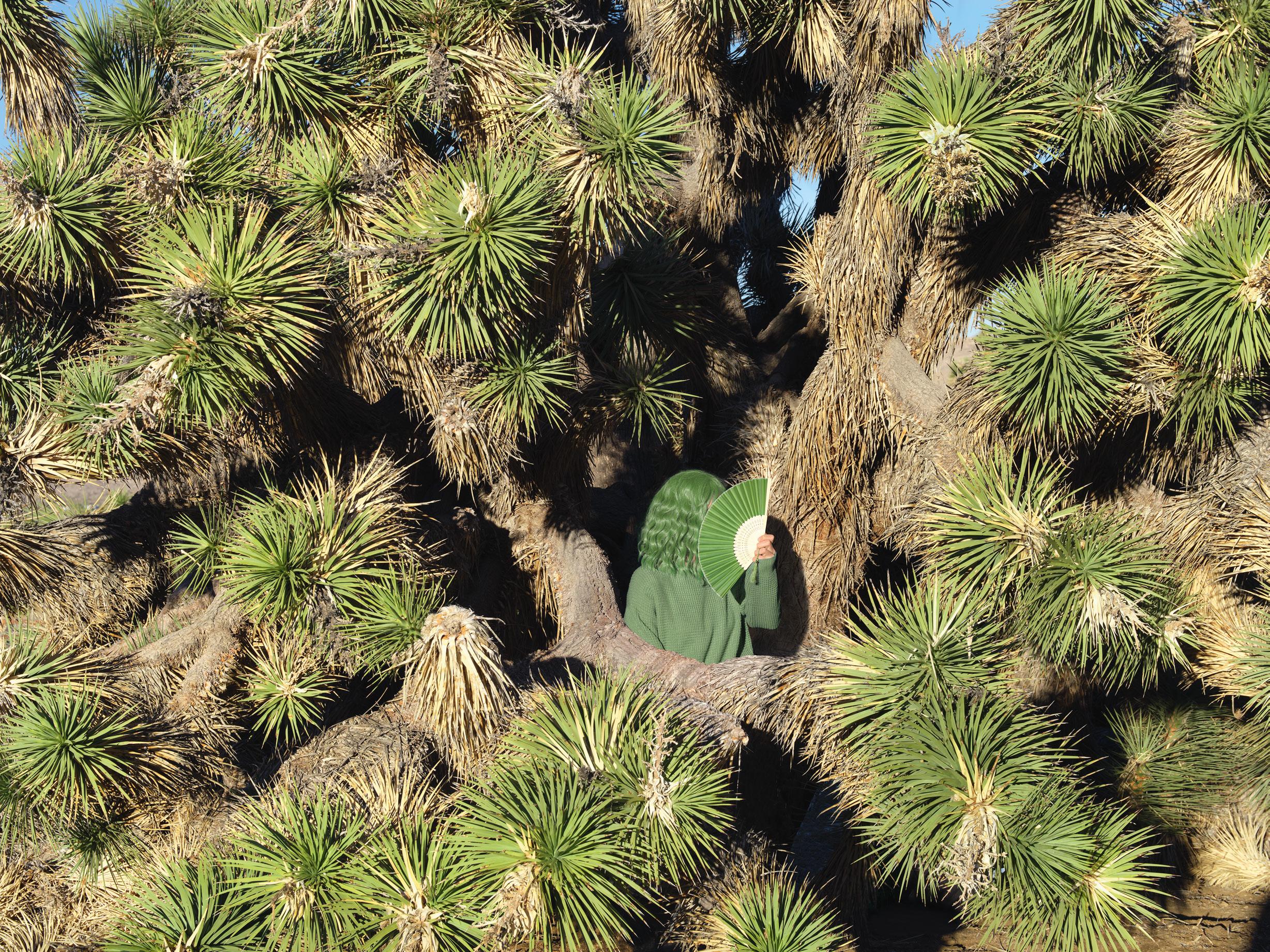
“I see the Anthropocene age as a glitch in time,” says Margeaux Walter (b. 1982), based between Los Angeles and New York. “It is so short, and yet has caused so much havoc.” The following self-portraits – Don’t Be a Square – respond to, and reflect upon, the ways in which human beings interact with the land. “We are both camouflaged into and completely disconnected from it,” she explains. Red shopping trolleys blend in with autumn leaves. Plastic fans echo the spiky texture of Joshua trees. Clothes on a washing line fade from blue to beige, mimicking the sky and stones behind. Each set is built on-site by Walter, who erects clothes rails and curtains in the middle of vast deserts and rocky canyons. The results are humorous and surreal, bringing visual joy whilst encouraging us to reflect on our place in the world. Ideas around work-life balance, consumerism and power are brought into focus, with ballot boxes and office desks placed outside in the wild. margeauxwalter.com |
@margeauxwalter
80 Aesthetica art
Margeaux Walter, Backstage , (2022). Image courtesy the artist.
82 Aesthetica
Aesthetica 83
Margeaux Walter, Cholla Garden (2022). Image courtesy the artist.
84 Aesthetica
Margeaux Walter, Blue Collection , (2020).
Image courtesy the artist.
Aesthetica 85
86 Aesthetica
Aesthetica 87
Margeaux Walter, Juice Bar, (2022). Image courtesy the artist.
88 Aesthetica
Margeaux Walter, Rise and Shine (2023).
Image courtesy the artist.
Aesthetica 89
90 Aesthetica
Aesthetica 91
Margeaux Walter, Green Juice (2022). Image courtesy the artist.
92 Aesthetica
Margeaux Walter, Checkout (2021).
Image courtesy the artist.
Aesthetica 95
Margeaux Walter, Yucca (2022). Image courtesy the artist.
Aerial Perspective
Civilization
“What is the way we live now?” In a complex, globalised and increasingly digital world, such a gargantuan anthropological question feels almost futile. How do we even begin to answer it? There are so many cultures and communities that make up global societies, each with different ways of life and individual experiences. Yet, every so often, a compilation of documentary work arises that trains a fixed gaze on the present, in an attempt to diagnose what “the way we live now” is, and how it has come to be. Some of the 20th century’s most ambitious, large-scale photography projects – Edward Steichen’s The Family of Man (1955), Robert Frank’s The Americans (1958) – are the first to spring to mind. Today, key initiatives like Portrait of Humanity from 1854 media and British Journal of Photography celebrate our commonalities.
Now, Civilization, curated by acclaimed author William A. Ewing and museologist Holly Roussell, is a mammoth gathering of 150 of the world's finest contemporary photographers, including established, mid-career and emerging talents. The exhibition, running at London’s Saatchi Gallery in collaboration with the Foundation for the Exhibition of Photography, comprises over 350 original prints from the likes of Candida Höfer, Edward Burtynsky, Mandy Barker, Michael Wolf, Nadav Kander, Richard Mosse and Yan Wang Preston. Together, the images aim to enshrine the current global moment, with a particular focus on unprecedented levels of change spurred by technological and urban developments. There are eight thematic chapters – Hive: where we live; Alone Together: how we relate to one another; Flow: how we move our bodies and goods; Persuasion: the power of influence; Escape:
how we relax; Control: maintaining order and discipline; Rupture: breakdown and disorder; and Next: new worlds on the horizon. This major show has already toured throughout Asia, Australia and Europe, and is now in the UK alongside a comprehensive Thames & Hudson publication of the same name.
It is telling that this project is not named “humanity”, or titled after a particular time period or age. Instead, “civilization” draws a much broader picture. “It is one of those terms everyone can agree upon, until someone dares define it,” states Ewing in the essay The Clear Mirror. The word might suggest ancient, fallen civilizations: Maya, Mesopotamia, the Roman Empire, and so on. These are centuries-long trajectories that, at first glance, might seem to be the stuff of history, bearing little relation to our 21st century tech-driven moment. Yet we, in turn, are facing serious threats to our diverse ways of life. In November 2022, the global population surpassed eight billion for the first time. According to the United Nations’ World Population Prospects 2022 report, “each new billion people has arrived faster than the previous billion.”
Right now, we are living in a packed room. New concerns are also emerging regarding technology, as more and more people feel threatened by machines and AI. In 2023, The Guardian reported that “leading researchers have signed an open letter urging an immediate pause in [AI] development, plus stronger regulation, due to their fears that the technology could pose ‘profound risks to society and humanity’.”
“Each day and every hour human civilization evolves, dissolves, mutates. Some days, that adjective human sounds suspect,” Ewing writes. This statement exemplifies perhaps
96 Aesthetica art
A LANDMARK SHOW TRACKS HUMANITY’S 21ST CENTURY STORY, DRAWING ATTENTION TO ARTISTS WHO ARE REVEALING THE ENDURING IMPACT OF INDUSTRY ON THE PLANET.
“Despite exponential growth, we are in a race against our own disappearance. Global warming’s fist shakes harder; the European continent is a stove with an ever-turning knob; New York City turned orange from faraway wildfires.”
Civilization’s, and our own, most fundamental anxiety: that despite exponential growth, we are in a race against our own disappearance. Global warming’s fist shakes harder; the European continent is a stove with an ever-turning knob; New York City turned orange from the effect of faraway wildfires. We have endured a multi-year deadly pandemic. Many would argue we have not taken the chance to grab the steering wheel and turn this ship around. Apocalypse now, or not?
Many of the shots in Civilization are aerial, embodying an “all-seeing” perspective we can rarely inhabit from the ground. Philippe Chancel’s Construction of the Burj Khalifa Tower, Dubai (2008) chronicles the building of the world’s tallest structure under a growingly insolent sun. Elsewhere, Mintio captures glimmering night-time city roads in Concrete Euphoria, Bangkok from the Baiyoke (2008), and Victoria
Sambunaris turns the lens on the USA, with sweeping shots of trains crossing Utah’s Great Salt Lake. Alex MacLean’s (b. 1947) Loaded Coal Train Cars, Norfolk, VA (2011), meanwhile, implies economics, power and commodities in movement. Ironically, from above, it looks like something from nature: the zoomed-in striations of tree bark. Shipping Containers, Portsmouth, VA (2011) is a scene that produces a similarly clever effect. It's like an endless Lego playground that might appear in childhood dreams – a darkly playful composition.
MacLean is a 76-year-old American photographer and pilot, originally trained as an architect. Over a more than 40-year-long career, he has been documenting changing landscapes, particularly of large-scale agricultural patterns and city grids. His images expose how human and technological intervention, as well as the Earth’s own natural responses, have wrought physical environmental change on
various topographies. The author of 11 books, MacLean has also won several prestigious awards, including the Corine International Book Award, and grants from the National Endowment for the Arts and Pulitzer Center for Crisis Reporting. In 1973, MacLean earned his Masters in Architecture from Harvard Graduate School of Design, where a core programme in land planning would prove particularly influential to his photo-based work. “I was really understanding where architecture sat in relation to the larger environment,” he recalls. MacLean began flying during the same time period, and would “stoop [his] camera on the plane and take pictures.” The results started to evoke 3D models and architectural typologies. “I could fly in close and see façades and sidewalks or go up to a higher altitude and see the site in its urban context. It was a great tool at the time … people just weren’t utilising this kind of photography for planning purposes.”
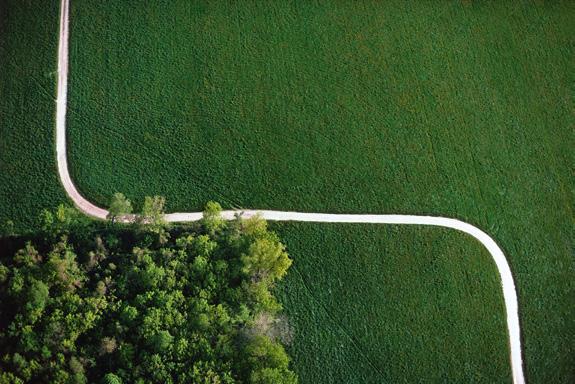
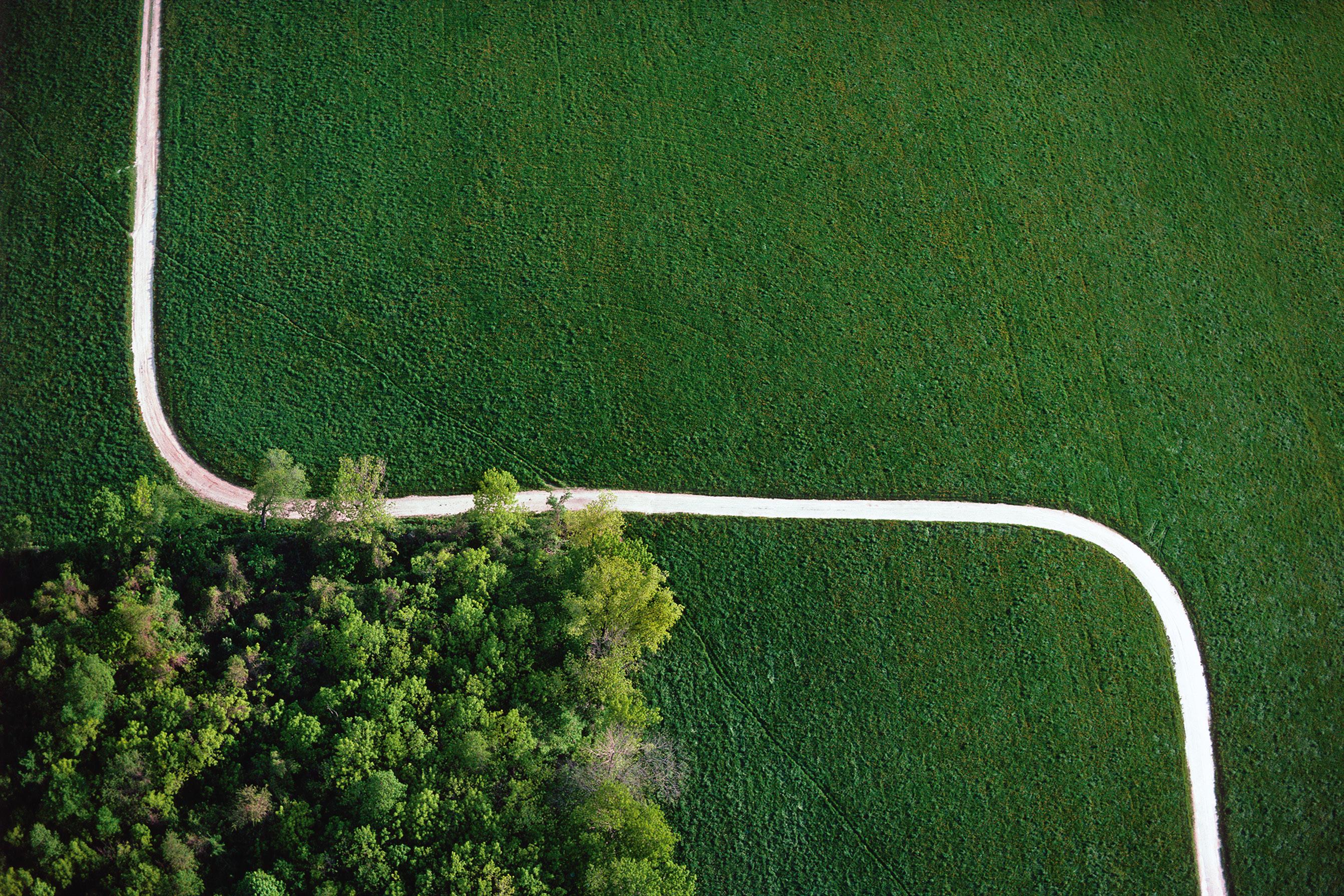
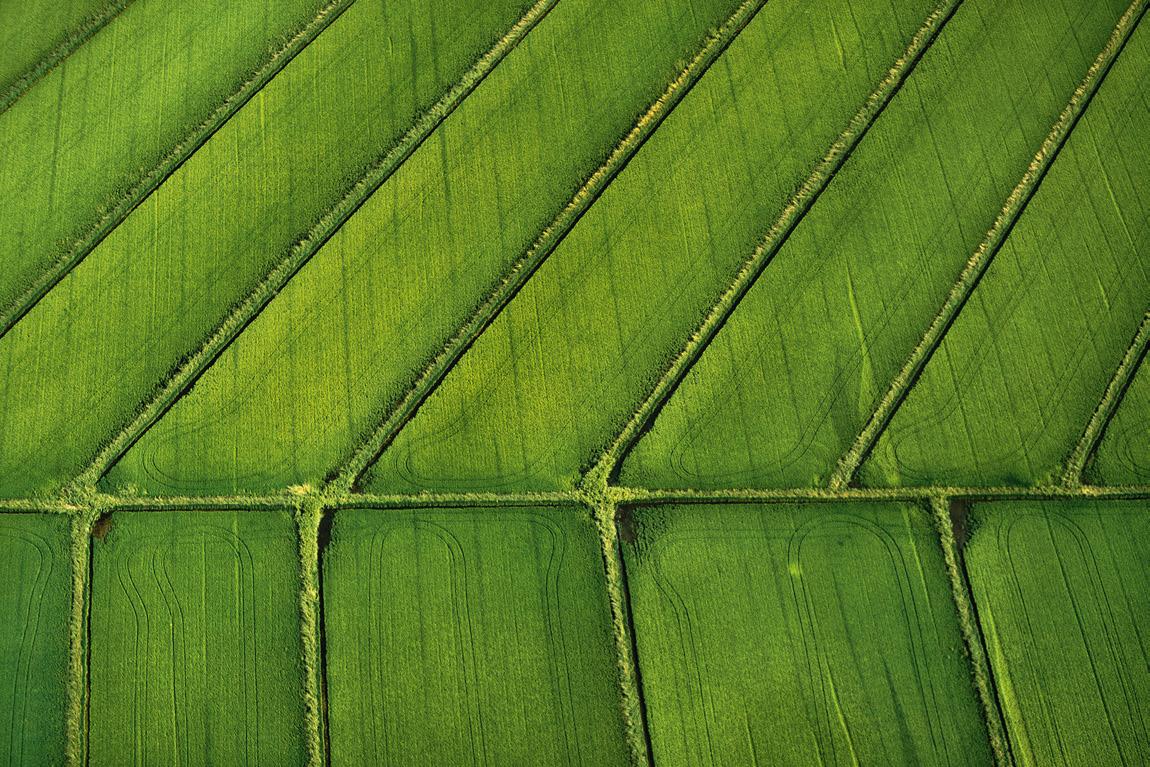
MacLean has spent thousands of hours in the sky with his camera. He has been particularly drawn to farmlands, recording not only their material and environmental realities but also their aesthetics. In one shot from the Agriculture series, vast, neatly bifurcated green fields look like an extremely magnified close-up of a leaf. There’s an obvious tension between reality and abstraction here, and one that MacLean intentionally manipulates into the art of the final image – he admits he enjoys the “play.” Such a technique can be seen in the work of other well-known aerial photographers, like Edward Burtynsky’s Manufacturing #17, Deda Chicken Processing Plant, Dehui City, Jilin Province, China (2005). A sea of factory workers under sterile lighting cut and package chicken; yet the Barbie pink of their uniforms – the cherry red tins and deep blue aprons – creates a strange, dis-
Aesthetica 99
Previous page: Alex MacLean, White Road and Trees , Adams, MA, (1987).
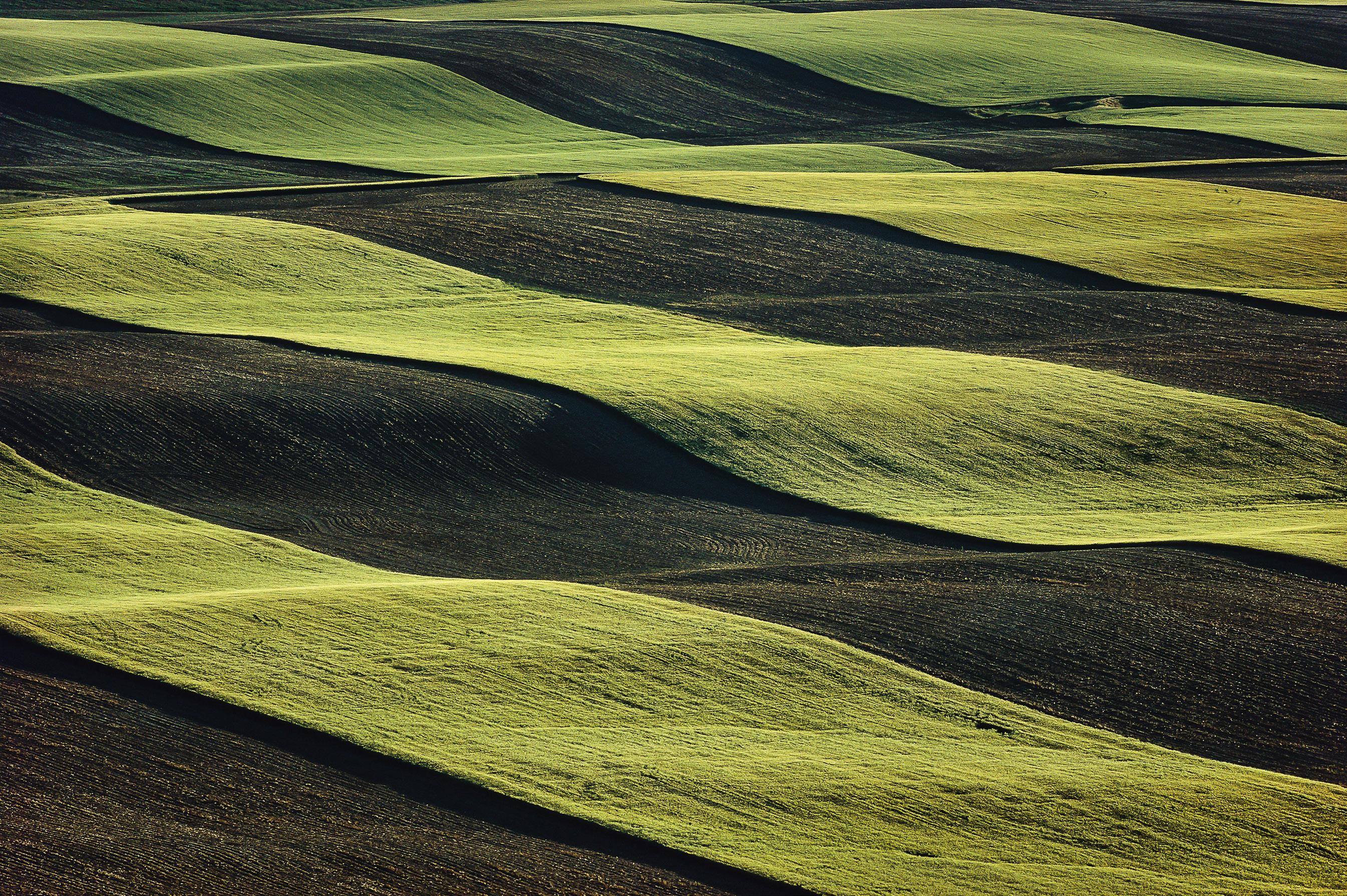
Left: Alex MacLean, Dryland Farming Near Shelby , MT, (1991).
comforting sense of whimsy, even beauty. Mandy Barker is another stand-out example; she creates visually pleasing arrangements of plastic waste salvaged from global shorelines.
From a high vantage point, MacLean shows us the precisely ruled lines, geometric and curving patterns that are marked into enormous, buttery spreads of soil, grass, sand and more. The images betray the extent to which we have attempted to organise and impose on wilderness for material benefit. However, they also reveal cultural and economic changes within particular societies, and open up questions of why.
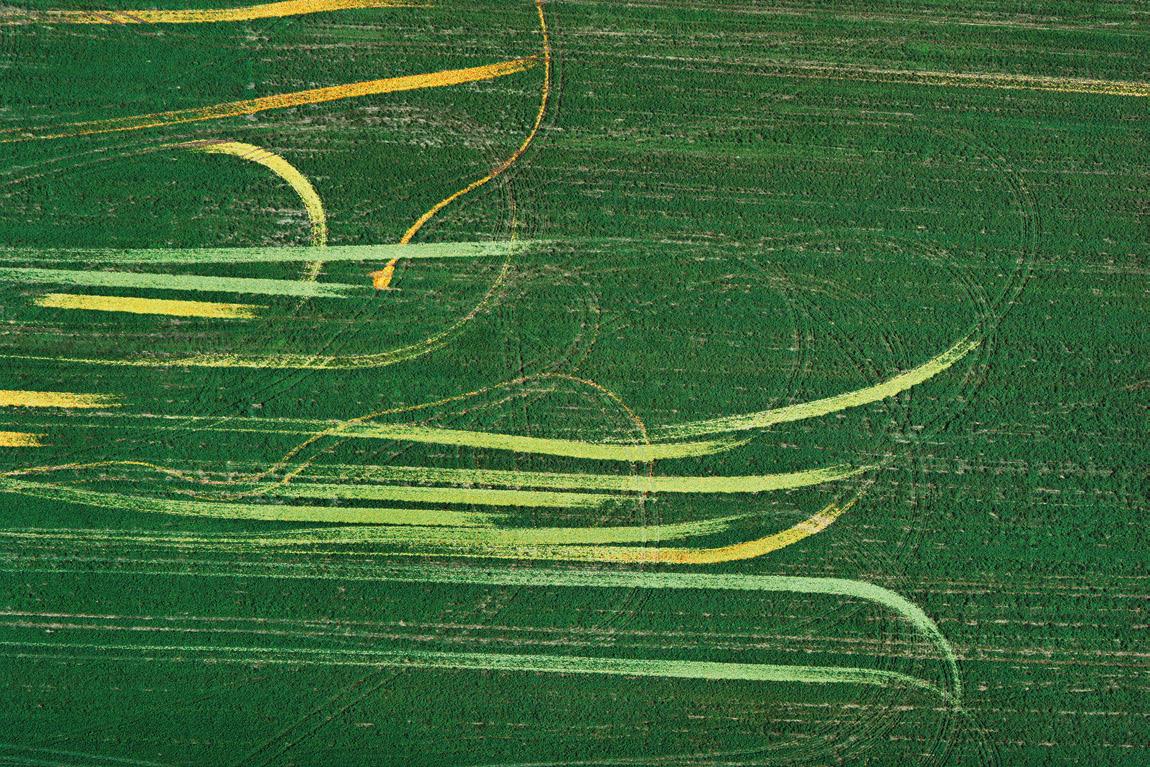
When starting out, MacLean remembers seeing a mill pouring out a red dye into a river. “They were obviously dying some kind of fabric, but they were dumping it out into the river … It really had me looking at these types of issues more carefully,” he explains. MacLean’s approach has led to the exposure of other key environmental issues, too, such as agriculture’s “excessive use of water in groundwater pollution” and the damaging effects of ploughing and fertilisers. Yet, despite these pressing issues, the artist maintains a generous perspective. His gaze accommodates “the romance and beauty of seeing landscapes and how they’re being farmed – how they’re feeding people – seeing different farming technologies. So, at the same time, these are exciting patterns.”
What do we do with such work, and with a book and exhibition like Civilization? This is not the first art project to offer an implicit treatment for the world, and it certainly won’t be the last. We’ve seen multimedia artist Vivien Sansour’s Palestine Heirloom Seed Library, combatting privatisation of Palestinian agriculture and policies destructive to local biodiversity, and Edward Burtynsky’s The Anthropocene Project, a larger, collaborative, immersive multimedia approach to climate
crisis. The art world is in constant engagement with all that is pressing society forward into overcrowding, overwhelm, and indeed, possible collapse. Civilization does offer Ewing’s “clear mirror” through which to look at ourselves. Seeing this rich collection of photographs – entirely accomplished, startling reflections of our world and its diverse sub-worlds –achieves that goal. It is hard to look away from such pictures; each one is unpleasant and beautiful, hopeful and foreboding, all at once. But is it enough just to see ourselves in the mirror? What do we do once we've faced up to our reflections? Do we act, or are we stunned into silence and stillness?
Todd Brandow, Executive Director of the Foundation for the Exhibition of Photography, and Bartomeu Mari, Director of Seoul’s Museum of Modern and Contemporary Art, urge that there is value in the “sweeping overview” Civilization brings, despite recent curatorial reluctance. “Photographers are at work everywhere, looking at everything.” For Brandow and Mari, it's not up to artists to say where we are going, but to show where we are. They are able to present us with truths, but alone are not agents of change – that’s where we come in.
“We can assimilate information so quickly through a picture,” MacLean says. “It’s not linear in the sense of reading from one sentence to the next. It’s one of the joys of photography, framing a picture and then assimilating a scene and putting it together.” When MacLean points to the construction of a composition, even within the apparent “veracity” of the lens, he reminds us of something perhaps more crucial than whatever distressing or oddly compelling truth his work reveals: how we could change the scene before us. This is the central question of Civilization: can we imagine, compose and execute an entirely new image – before it’s just too late?
Words Vamika Sinha Civilization Saatchi Gallery, London Until 17 September
saatchigallery.com
100 Aesthetica
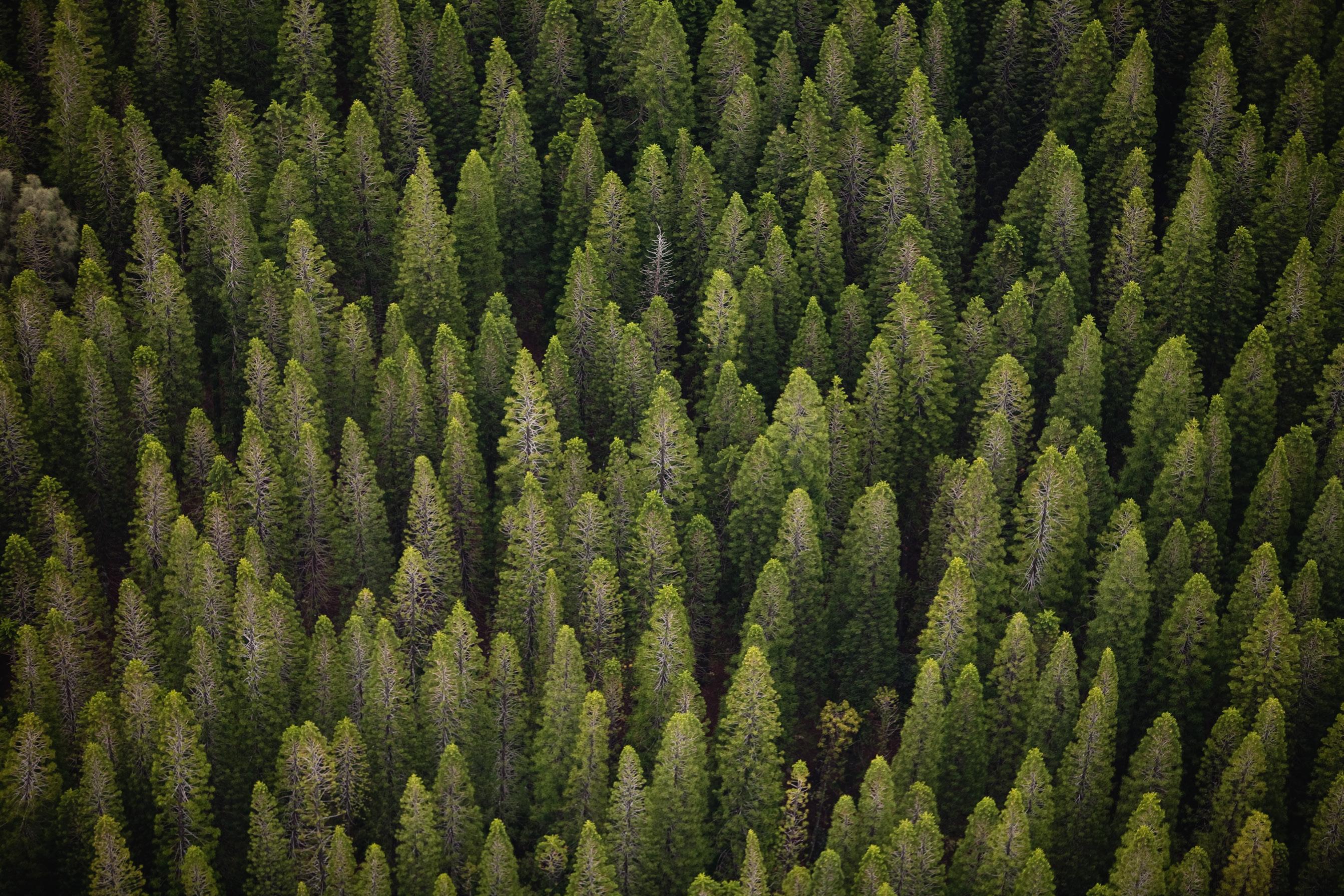
Right: Alex MacLean, Pine Forest , Hawaii, (2006).
Building a Universe
JeeYoung Lee
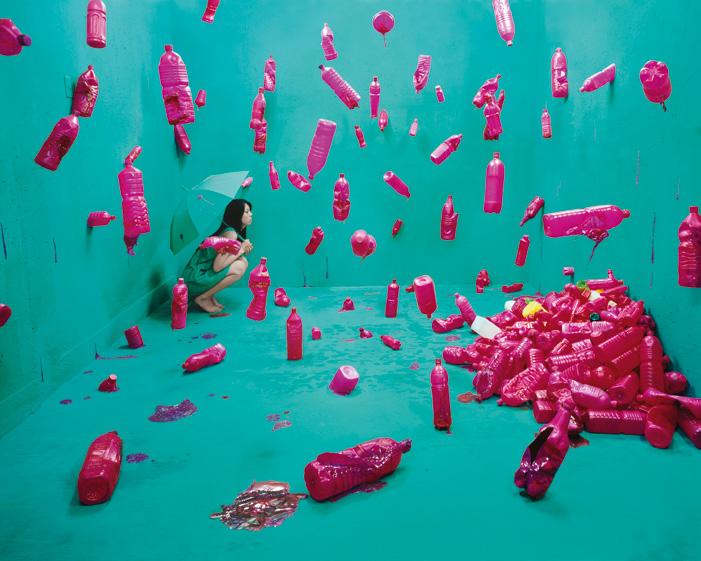
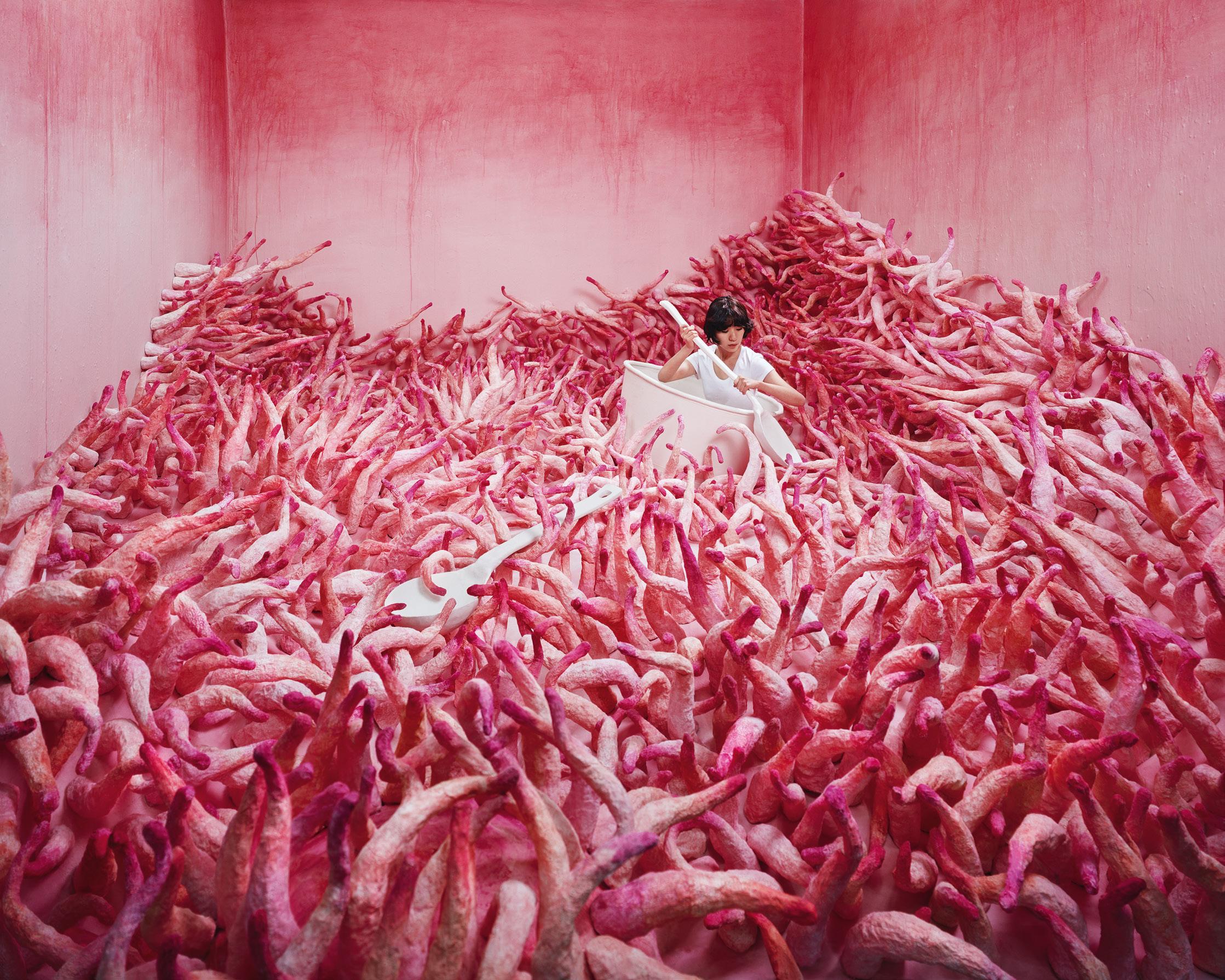
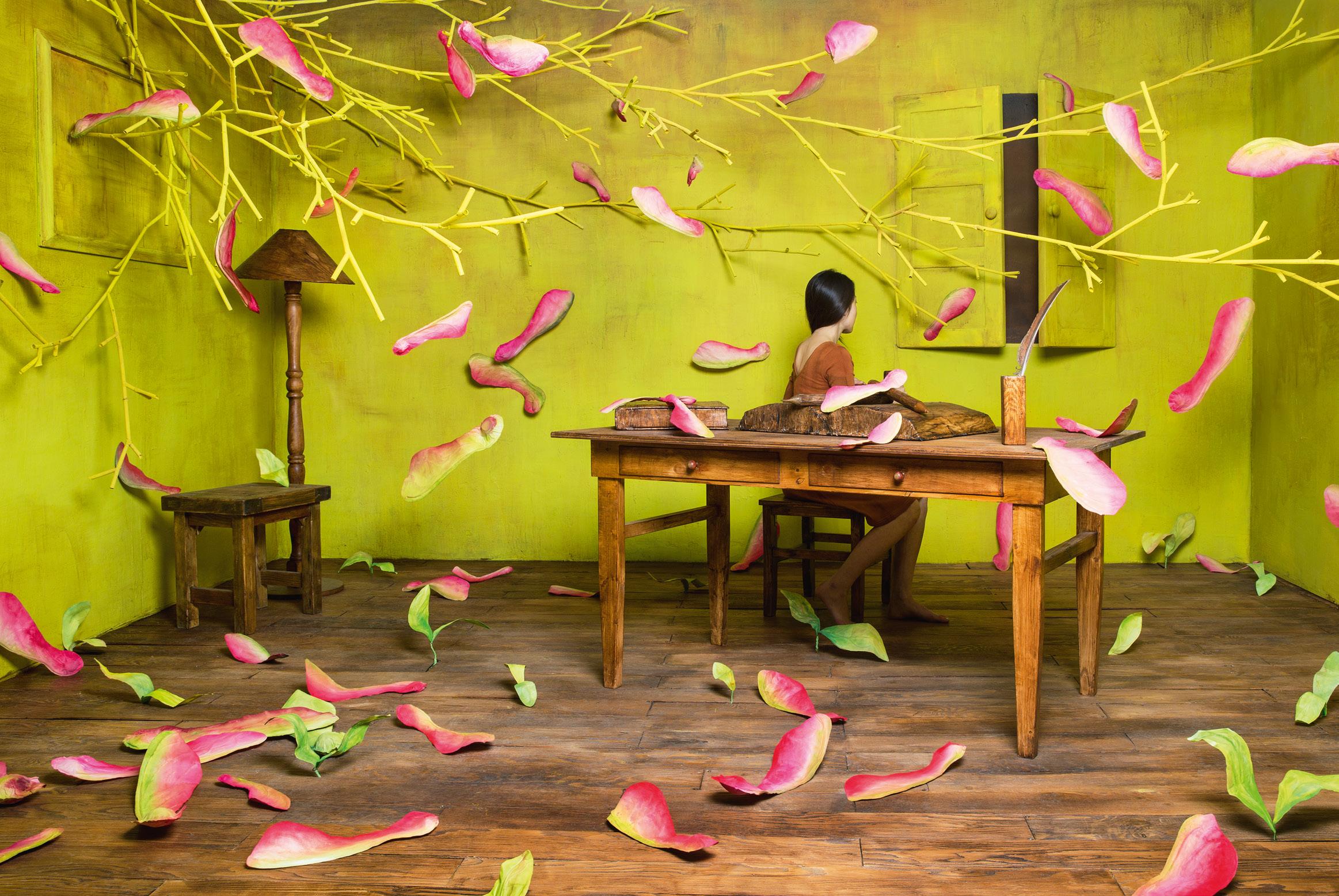
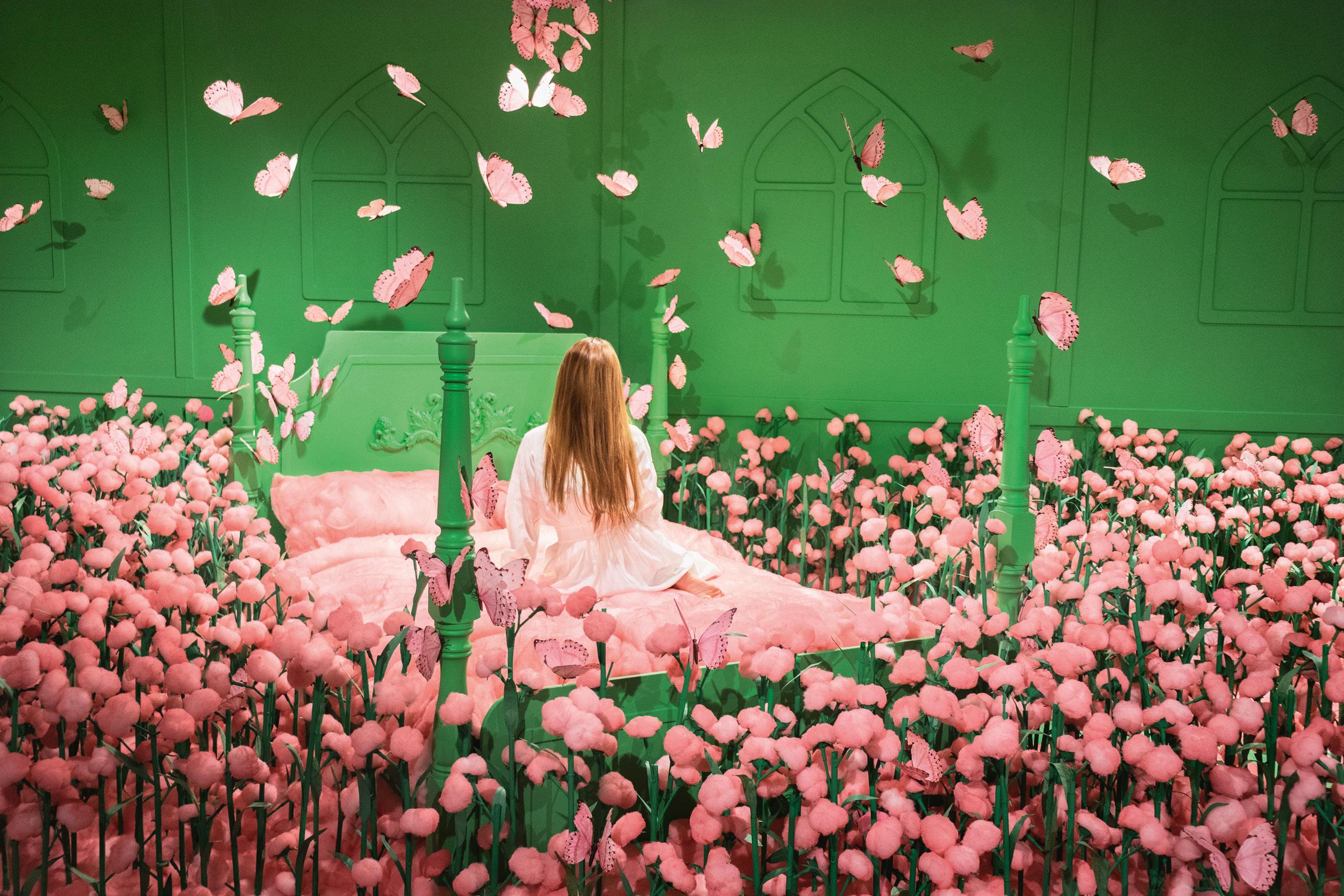
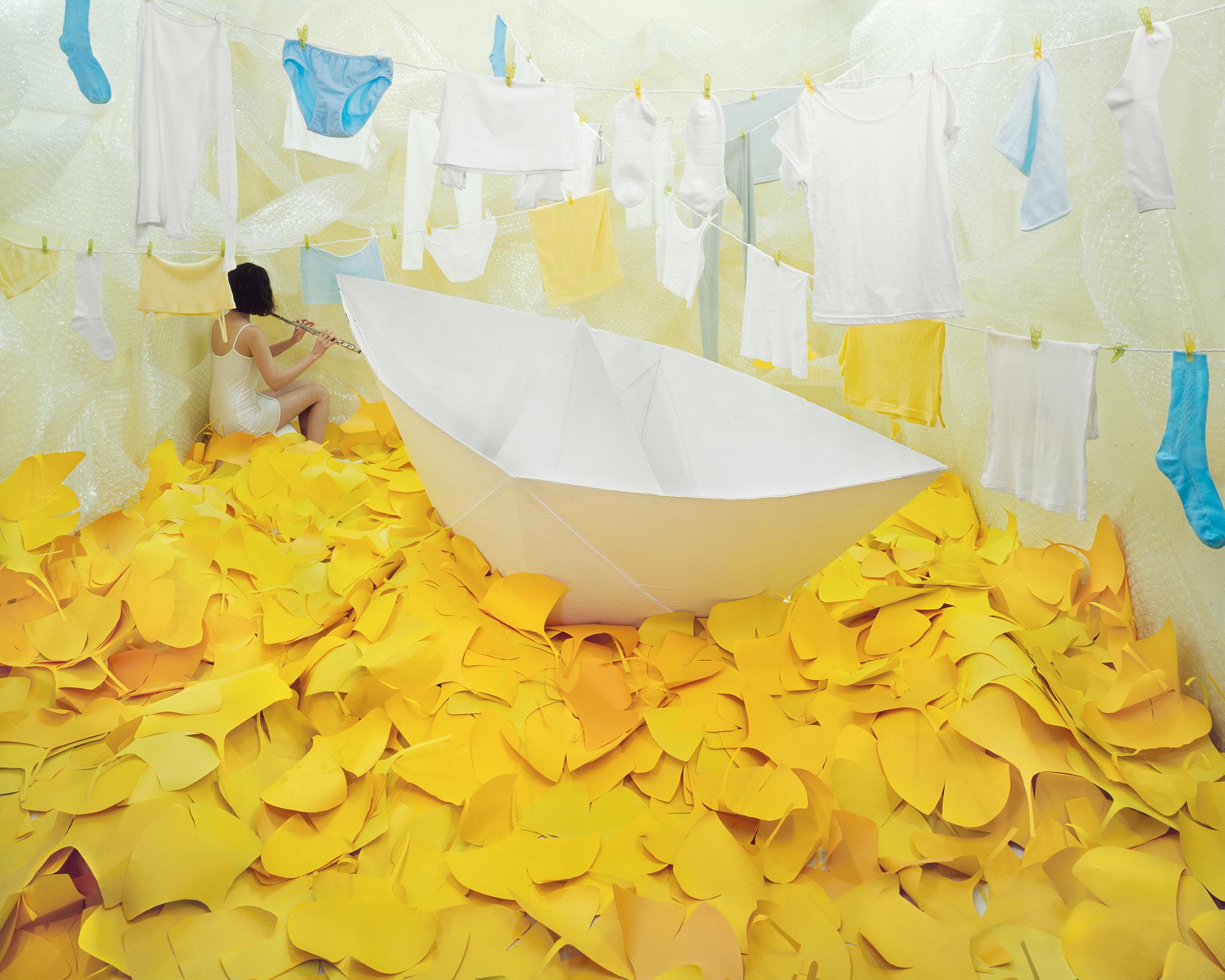
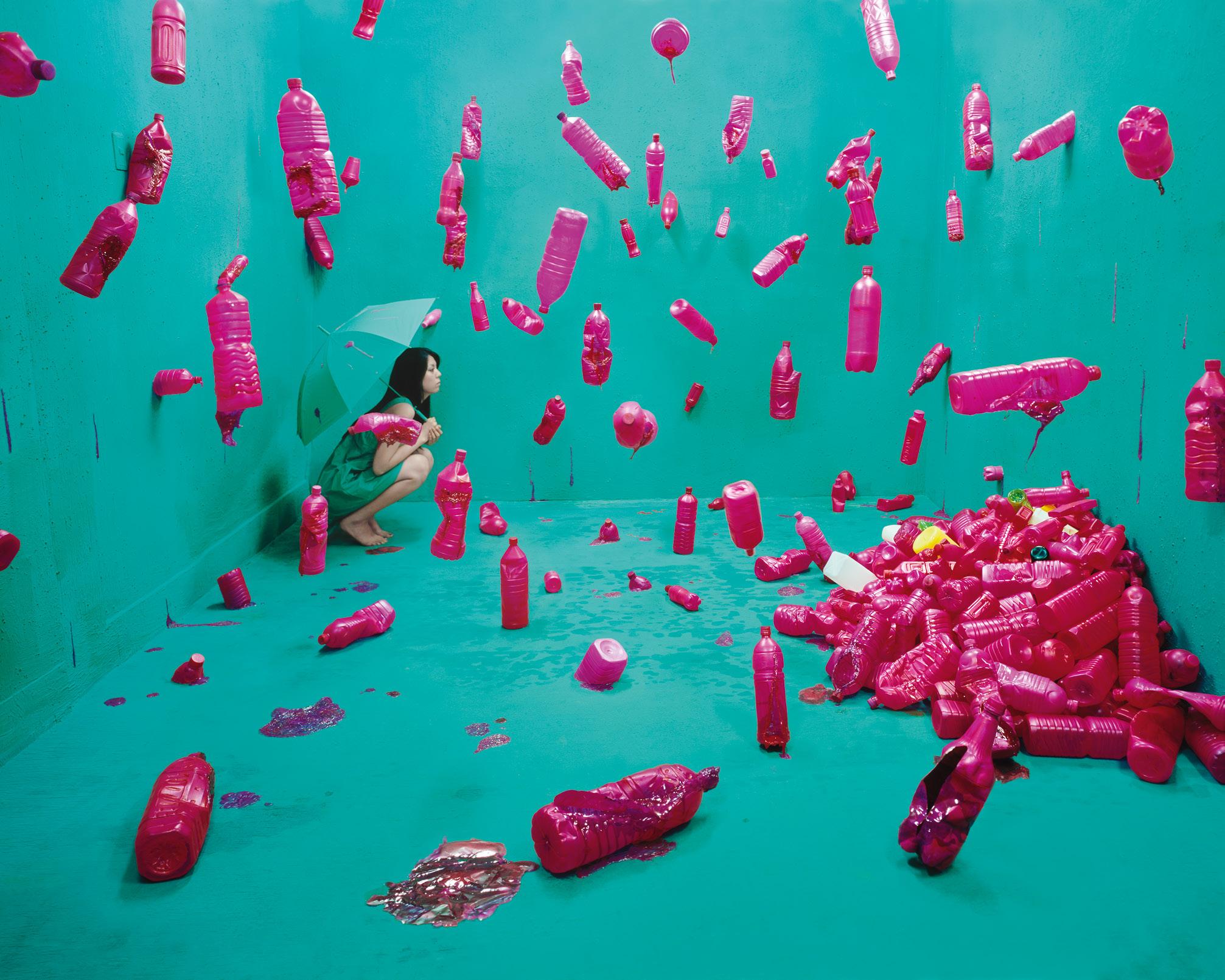
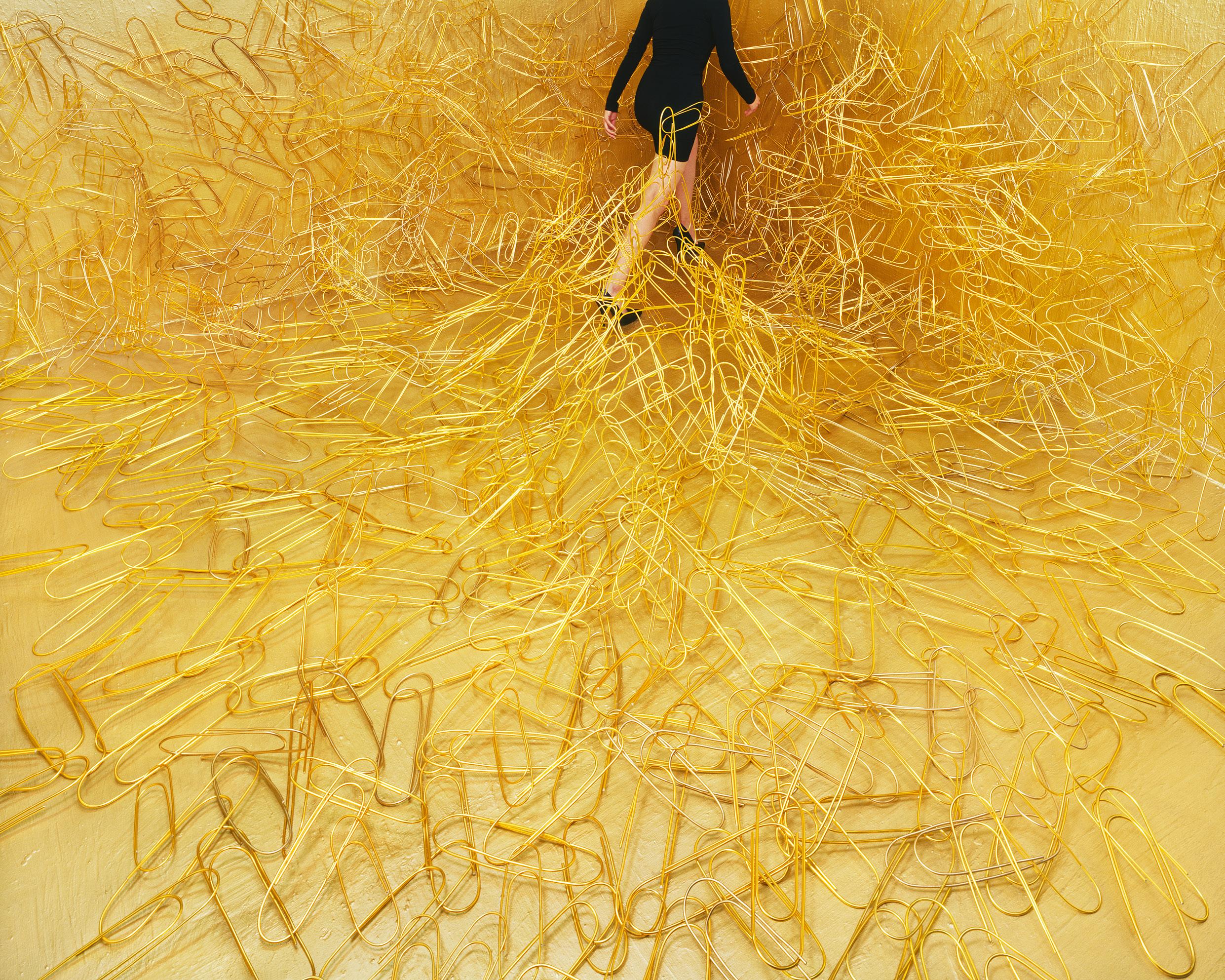
JeeYoung Lee (b. 1983) is a South Korean multidisciplinary artist who works in the studio for weeks, sometimes months, to construct entire universes from her mind. In the following pages, you’ll see oversized sycamore leaves rain down from the ceiling. Origami boats sail through seas of paper leaves, and gold paperclips fill the frame. Elsewhere, bright pink paint bottles splash against walls and butterflies flutter around four poster beds. A figure appears in each scene, navigating fictional worlds with nothing but an umbrella, spoon or paper oar. Lee’s elaborate sets sit within the tradition of surrealist photographers like Sandy Skoglund (b. 1946), who place crowds of objects within block-colour rooms. Yet, there’s something deeply personal about Lee’s compositions; the spaces are windows to her inner thoughts. “These creations act as a catharsis,” she explains. “It's a quest for identity, desire and frame of mind.” jeeyounglee.com | @jee_young_lee
102 Aesthetica art
JeeYoung Lee, Monsoon Season (2011). Image courtesy the artist.
104 Aesthetica
Aesthetica 105
JeeYoung Lee, Loveseek , (2014). Image courtesy the artist.
106 Aesthetica
JeeYoung Lee, Secret Garden, (2018).
Image courtesy the artist.
Aesthetica 107
108 Aesthetica
Aesthetica 109
JeeYoung Lee, Maiden Voyage, (2009). Image courtesy the artist.
110 Aesthetica
JeeYoung Lee, Flu , (2008)
Image courtesy the artist.
Aesthetica 111
Aesthetica 113
JeeYoung Lee, Nightmare , (2010). Image courtesy the artist.
Beyond Narrative
Bingo
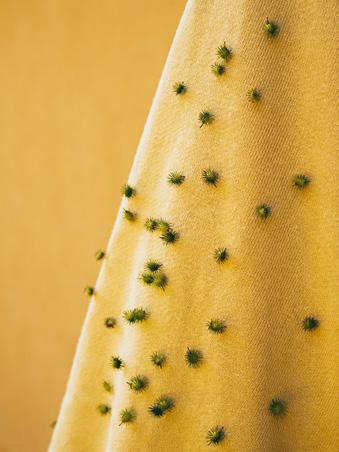
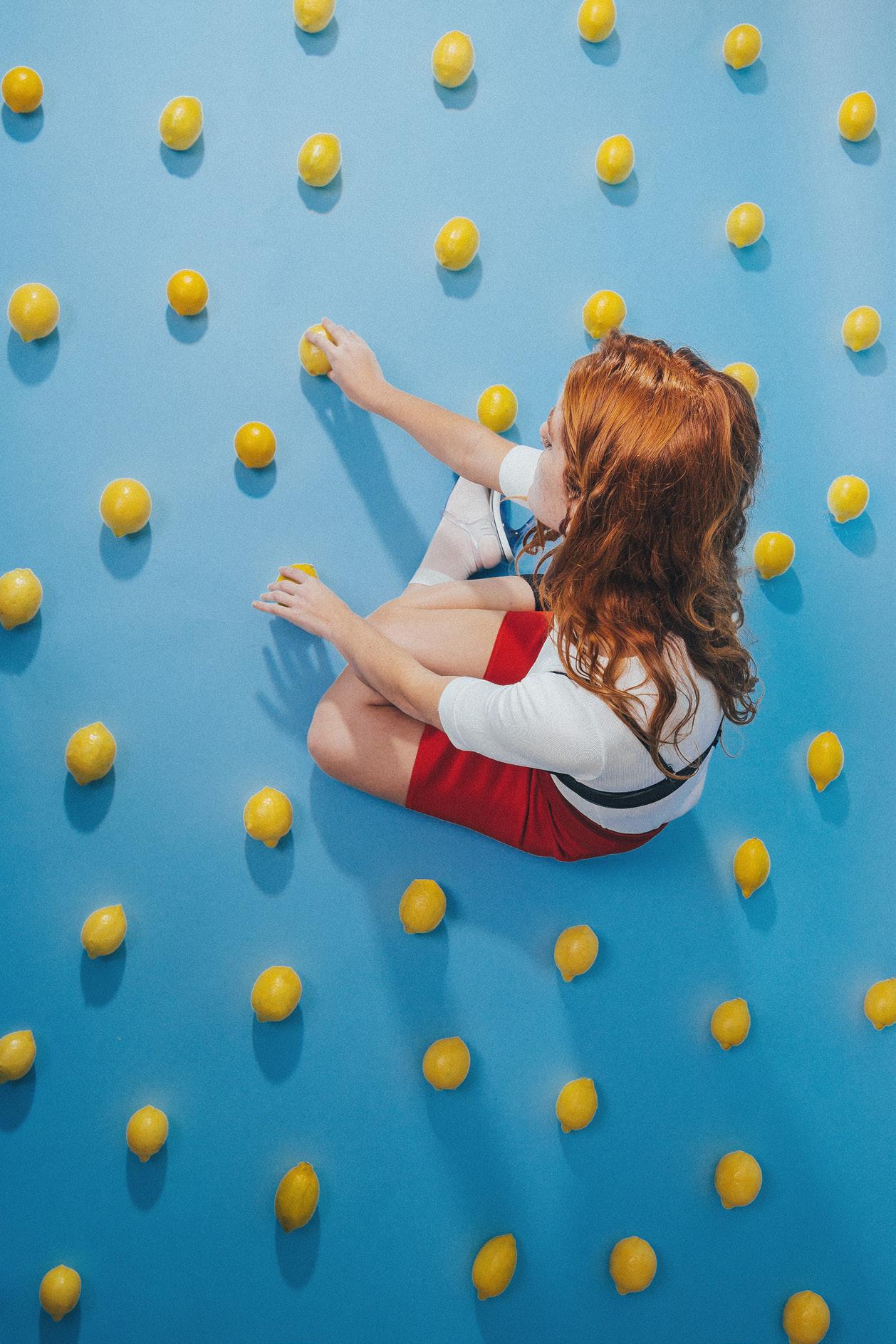
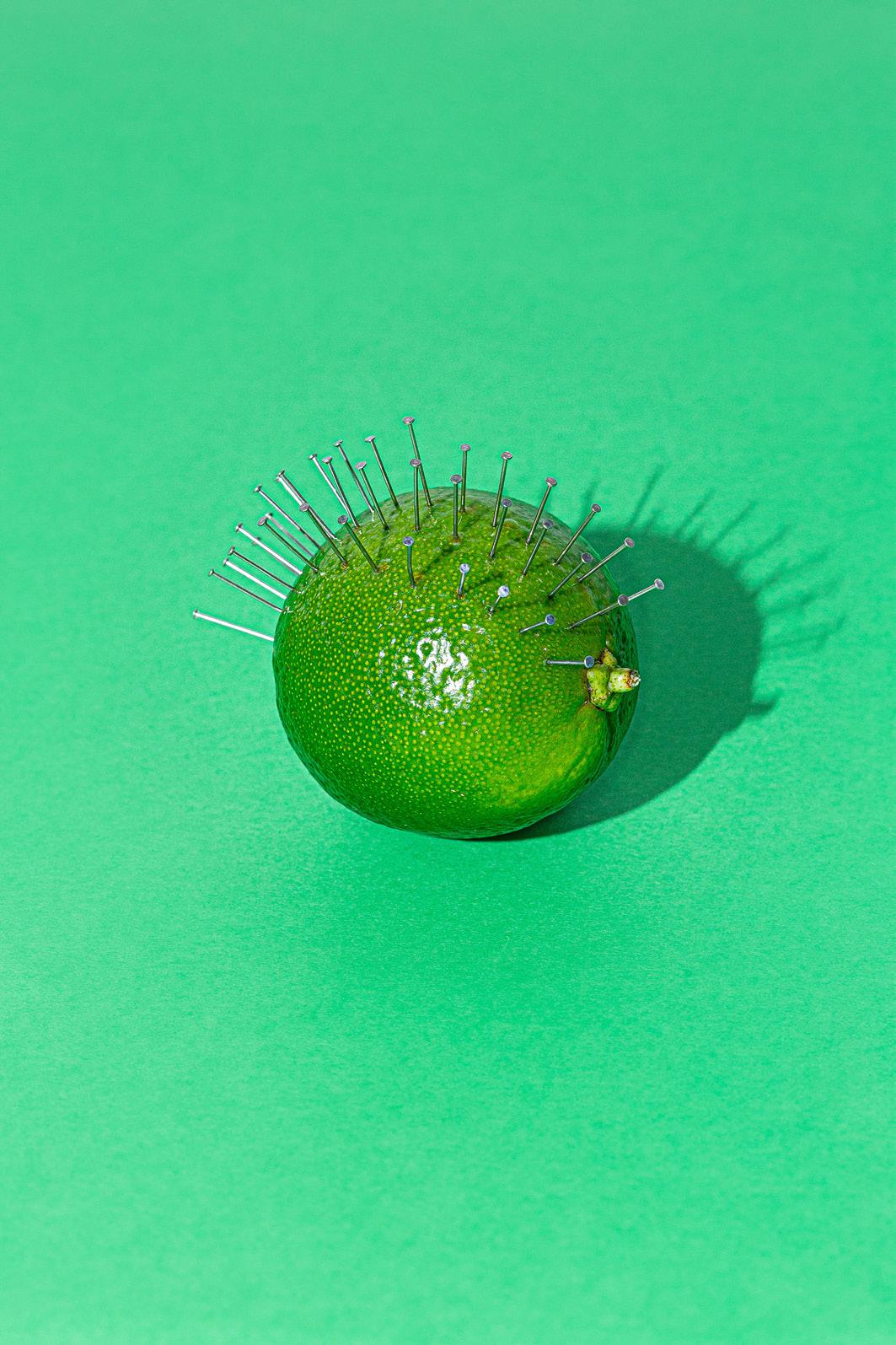
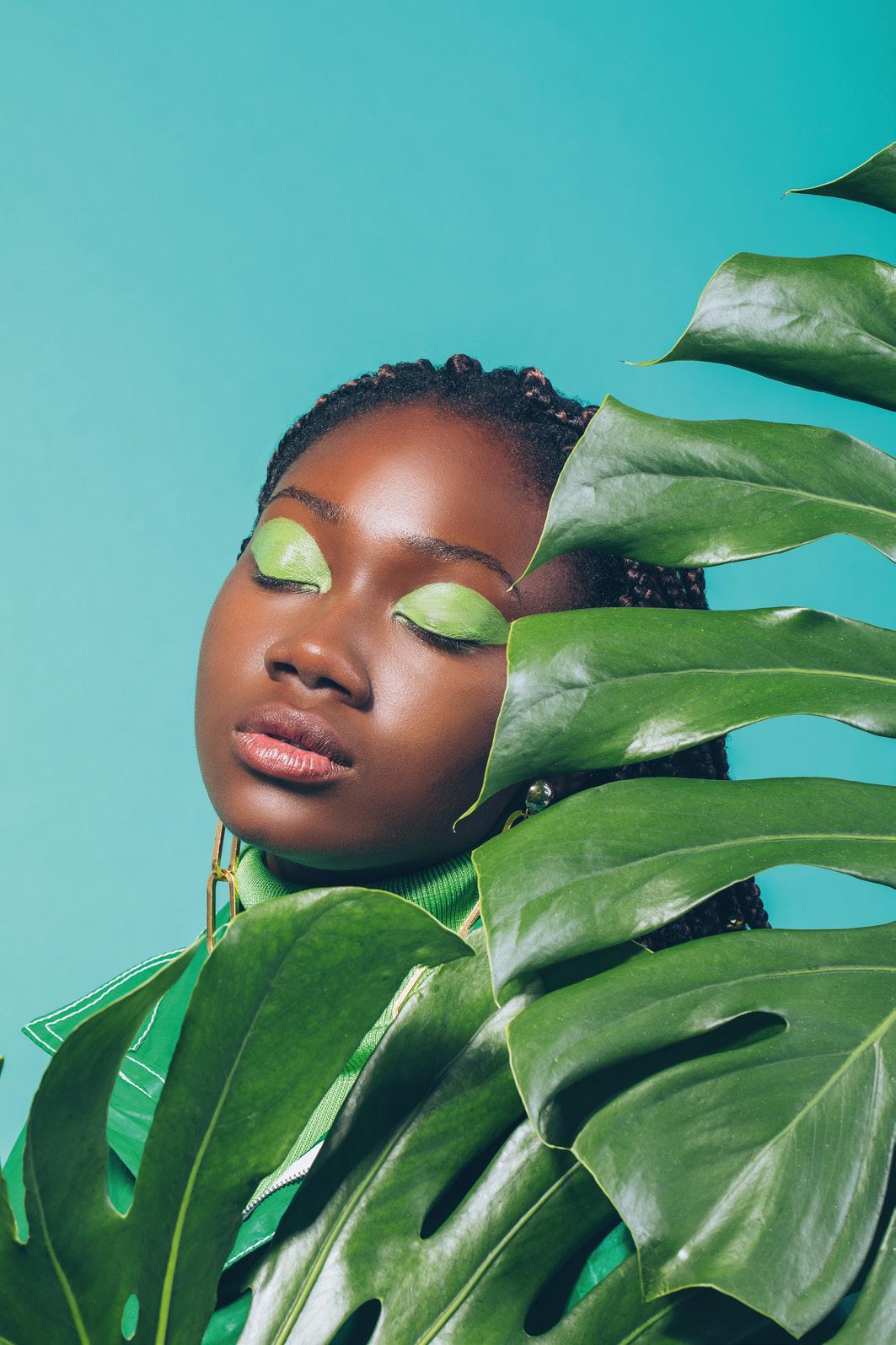
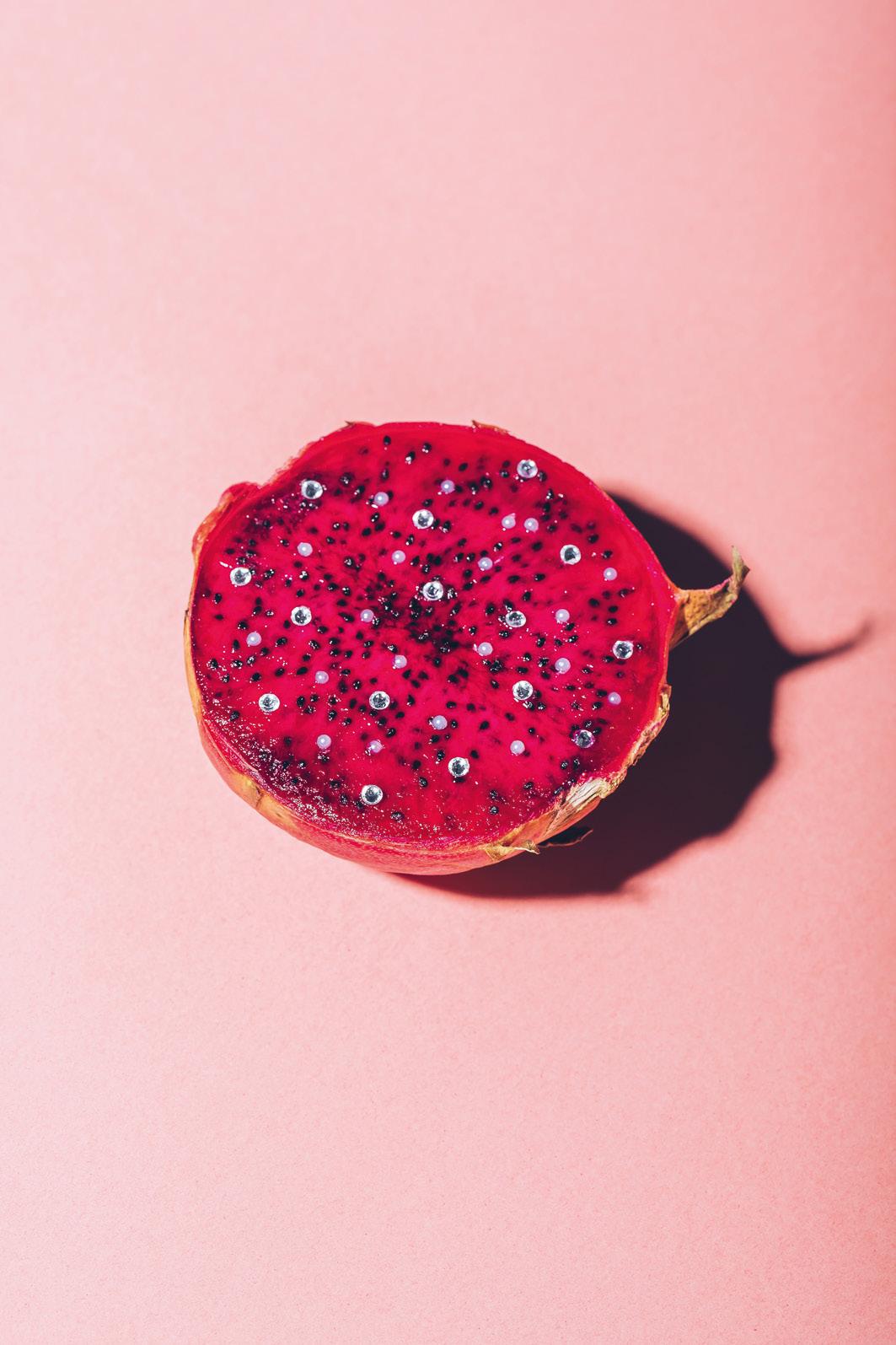
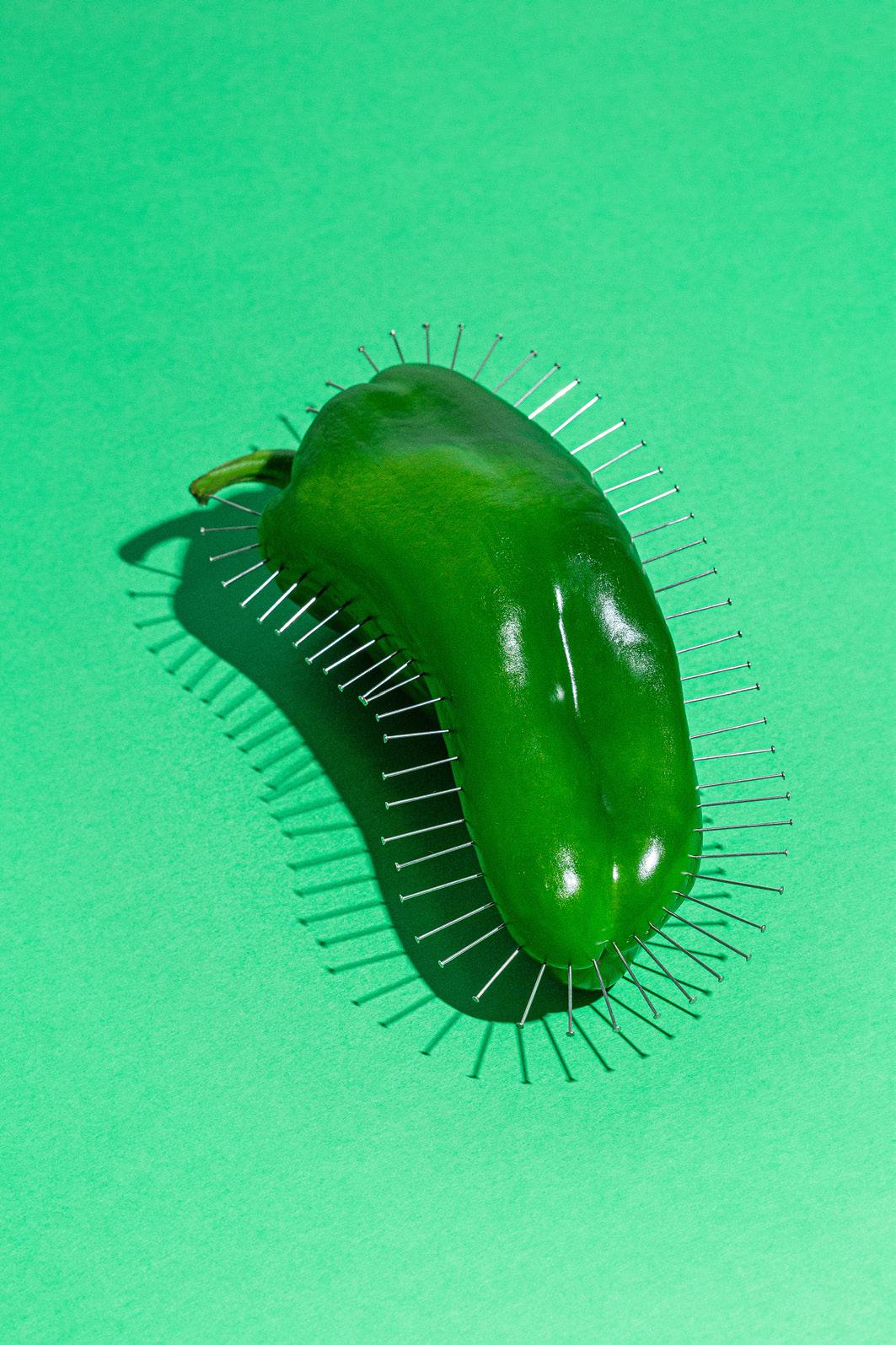
“We are a studio made by women who are fascinated with stories.” Estúdio Bingo was established in 2015 by co-founders Eliza and Mariel. “At the time, the market in Brazil didn’t feature photoshoots with people who weren’t professional models, or of different ages and body types,” they recollect. “We worked with people outside of this narrow lens to make Instagram content for brands. It was revolutionary.” Since then, the duo has continued to fabricate bold and compelling project design, art direction, visual and post-production. Their portfolio, filled with colour, joy and fun, remains responsive to social and political issues. For Estúdio Bingo, narrative is key. We Need Colours (2019) is satisfying in its co-ordination: eyeshadows, backdrops, clothing and props are carefully matched. Spiky limes and peppers, meanwhile, recall the unsettling objects of artist Méret Oppenheim (1913-1985), where opposing textures collide in something off-kilter. @estudiobingo | behance.net/estudiobingo
114 Aesthetica art
Estúdio
Estúdio Bingo, from We Need Colours (2019). Image courtesy the artist.
116 Aesthetica
Estúdio Bingo, from We Need Colours (2019).
Image courtesy the artist.
Aesthetica 117
Estúdio Bingo, from We Need Colours (2019).
Image courtesy the artist.
118 Aesthetica
Estúdio Bingo, from We Need Colours (2019). Image courtesy the artist.
 Estúdio Bingo, from We Need Colours (2019).
Image courtesy the artist.
Estúdio Bingo, from We Need Colours (2019).
Image courtesy the artist.
120 Aesthetica
Estúdio Bingo, from We Need Colours (2019).
Image courtesy the artist.
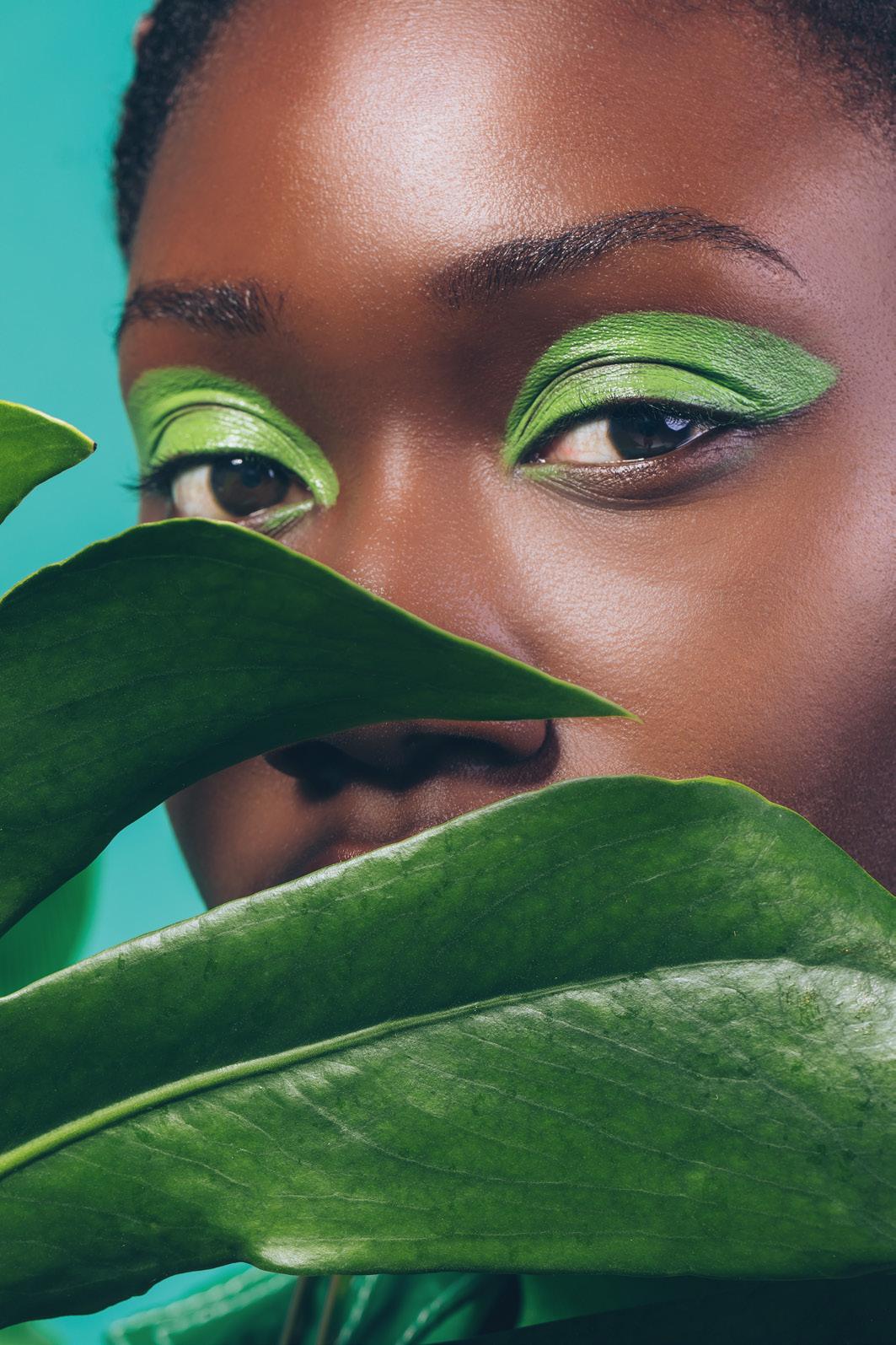
Aesthetica 121
Estúdio Bingo, from We Need Colours (2019).
Image courtesy the artist.
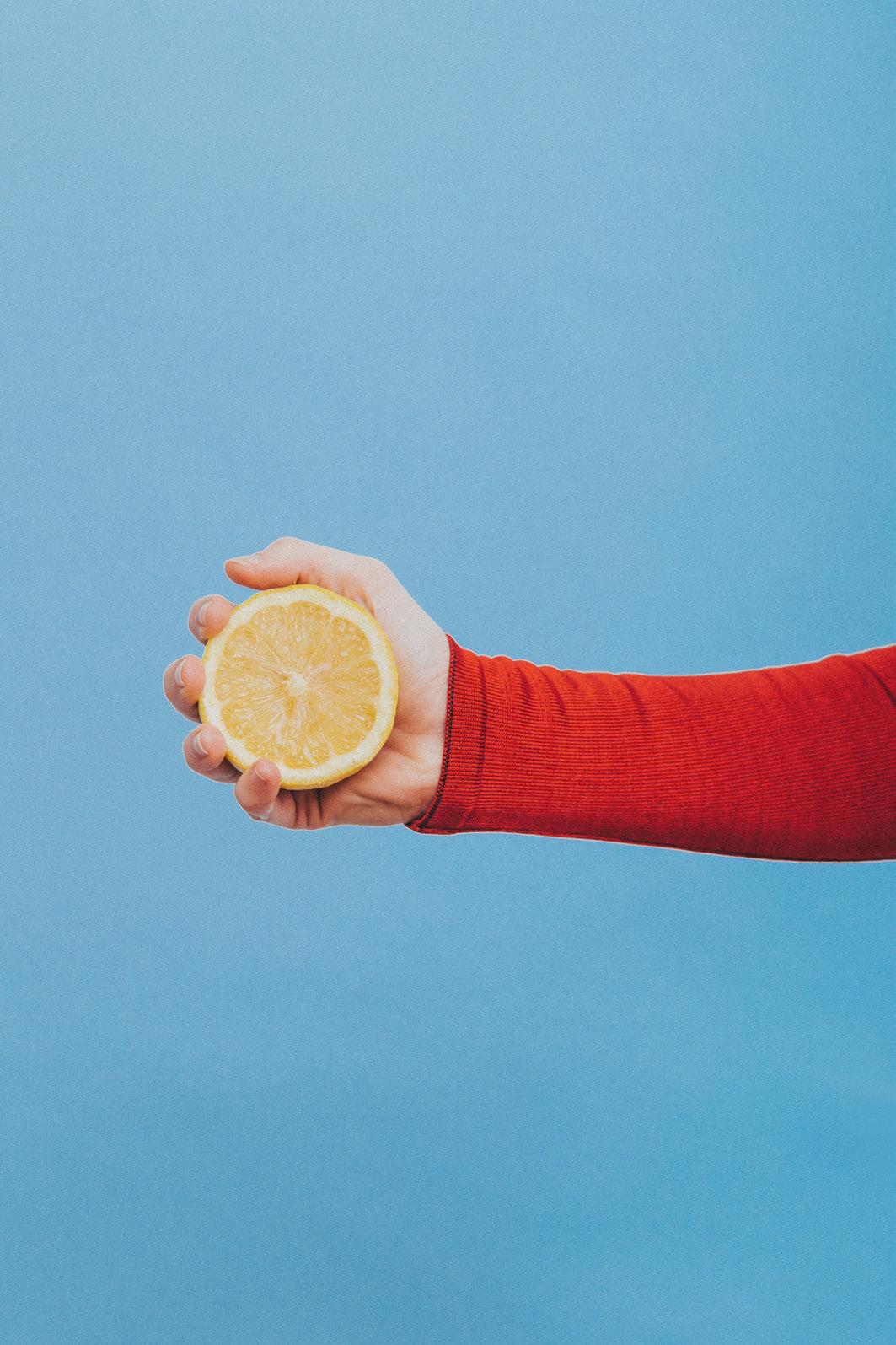
122 Aesthetica
Estúdio Bingo, from We Need Colours (2019).
Image courtesy the artist.
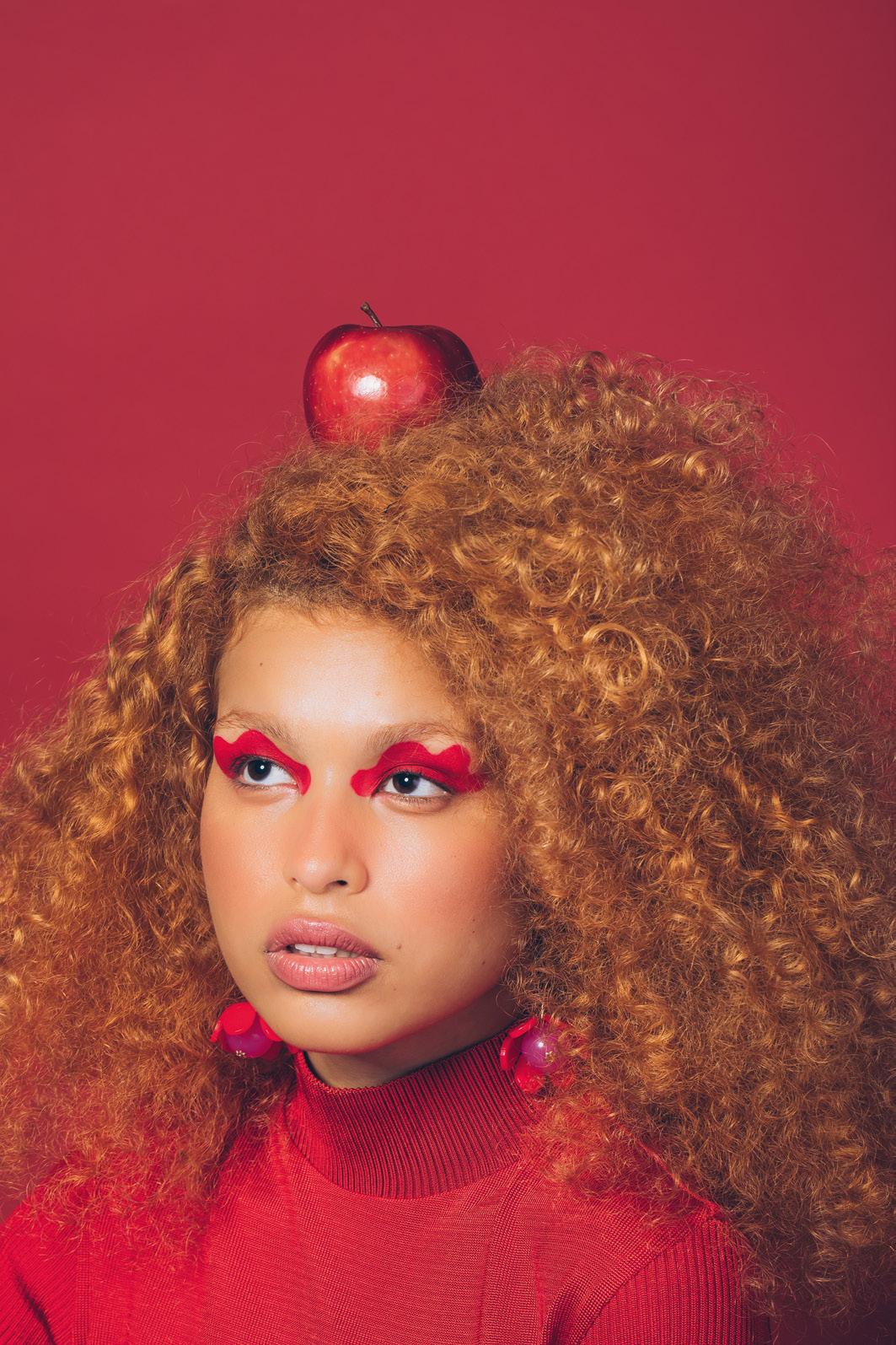
Aesthetica 123
Estúdio Bingo, from We Need Colours (2019).
Image courtesy the artist.
Exhibition Reviews
1teamLab: Planets A WORLD OF IMMERSIVE ART
Photographs of teamLab’s art installations are plentiful. On Instagram, the various hashtags – #teamlab, #teamlabborderless, #teamlabplanets – have amassed over one million posts. And rightly so: they are colourful and captivating, glimmering dreamlands that exude excitement and wanderlust. As a result, the international art collective’s Planets is high on many Tokyo “must-see” lists. The reality of visiting is likely to exceed expectations. It is as mesmerising as it looks online. Crucially, though, it reaches beyond social media likes and shares, encouraging audiences to think about their place in the world. Visitors are prompted to not only take pictures but to reconnect with themselves and other humans.
The museum offers an all-encompassing sensory experience. Attendees walk barefoot, stand knee-deep in water, play with bouncing balls, smell a mass of floating flowers.
2Africa Fashion
MULTIDIMENSIONAL PERSPECTIVES
The global impact of African fashion is surveyed from the 1950s to the present-day in this groundbreaking exhibition. The show, originally produced by V&A, makes its first stop in North America. It celebrates the outstanding creativity and ingenuity of the industry today. These works investigate how attire, alongside culture, music and visual arts, played a pivotal role for the continent during its independence years.
The exhibition is split into seven chapters, spanning 45 designers and 20 countries. In Vanguard, pioneers such as Moroccan designer Naima Bennis feature. Here, projects broach tradition and innovation. Elaborate trimmings from old caftans are applied to new outfits, whilst male "bernous" capes are transformed into outer garments for women. Elsewhere, Chris Seydou adapts Mali's bogolan fabric to haute couture. The mud-dyed cloth is transformed into jackets and mini-
3Meeting Sofie SNEZHANA
VON BÜDINGEN-DYBA
It’s rare for a photographer to capture the true essence of a person. It’s not easy to build mutual trust between the artist and sitter, but in the series Meeting Sofie, Snezhana von Büdingen-Dyba has delivered this special bond for all to see. The mesmerising portraits tell the story of Sofie’s coming-of-age. She lives with her family in a picturesque farm in the village of Eilenstedt, Germany. The photographs focus on the ups and downs of teenage years, chronicling the euphoria of first love and the heartache of a first heartbreak. The images are expertly crafted and invite you into Sofie’s world. She was born in her home on Christmas Eve 1998. Three weeks later, at a routine doctor’s appointment, her mother, Barbara, was told that her daughter had Down’s syndrome. Through this exhibition von Büdingen-Dyba is levelling the playing field by bringing disability to the fore.
Many artworks change upon interaction. In Drawing on the Water Surface Created by the Dance of Koi and People – Infinity, koi carp can be found swimming on the surface of a seemingly infinite pool, dissipating into cherry blossoms when they collide with hands, legs and feet. The piece is rendered by computers in real time, and there’s a real sense of magic as fish and water lap against your rolled-up trousers. Perhaps most well-known is The Infinite Crystal Universe, a beautifully disorientating light and sound sculpture that extends as far as the eye can see. Visitors are likely to get lost in this dazzling maze, which continuously changes pattern. Movement and interaction are at the heart of teamLab: Planets. As you struggle to traverse the undulating floor of Soft Black Hole, for example, you might make eye contact with a stranger – laughing, falling and crawling towards the exit.
Words Eleanor Sutherland
teamLab Planets, Tokyo Until 31 December
planets.teamlab.art/tokyo
skirts, striking a balance between local culture and worldwide markets. No two prints are the same. Patterns are made in a method Seydou referred to as "decoding," using a single arrangement that isolates the form without fully changing it.
"The contemporary African fashion scene is as diverse and dynamic as the continent itself," writes Christina Checinska in the accompanying catalogue for the exhibition. In Africa Fashion, cutting-edge artists make their way to the fore. The show speaks to wider movements of decolonisation and echoes international programmes such as Contemporary African Photography at Tate Modern and The Missing Thread at Somerset House, which explore the untold stories of Black British fashion. These exhibitions are essential. They redress a history and legacy that has previously gone unseen, creating space for diversity, inclusion and wider representation.
Words Fruzsina Vida
Brooklyn Museum, NY 23 June - 22 October brooklynmuseum.org
It’s important that a series such as Meeting Sofie is being exhibited at institutions like Fotografiska. The digital age has a lot to own up to for skewing self-esteem and body image for girls, and this exhibition presents a beautiful young woman as she navigates the shift from adolescence into adulthood. Sofie reminds us to slow down and pay attention to the details around us. This is something that we need to be reminded of in modern-day life. The exhibition contributes to themes of wider social acceptance and inclusivity. Viewers have the opportunity to enter “Sofie’s world” and experience the joy of everyday beauty. Von Büdingen-Dyba has created a lifelong relationship with Sofie. This is important in today’s world when the ethics of documentary is often called into question. Meeting Sofie is an enthralling show, and Fotografiska should appear on any list of what to visit this season.
Words Shirley Stevenson
Fotografiska, Tallinn 3 March – 17 September
fotografiska.com
124 Aesthetica
reviews
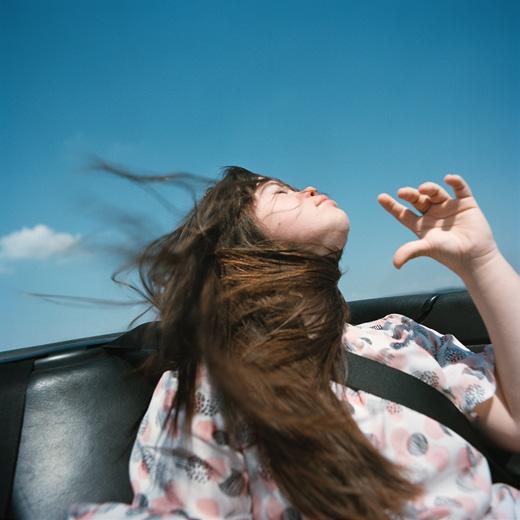
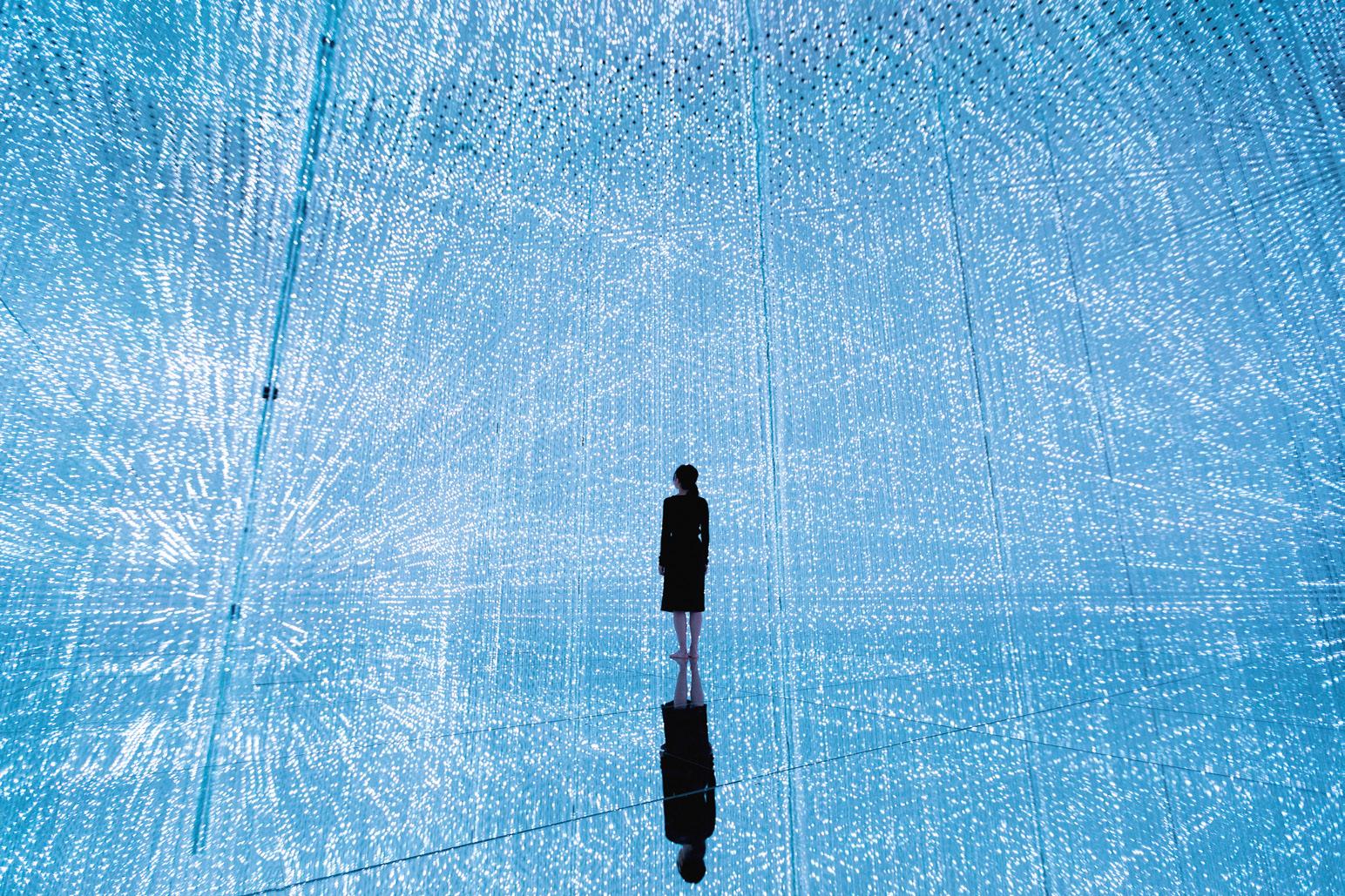
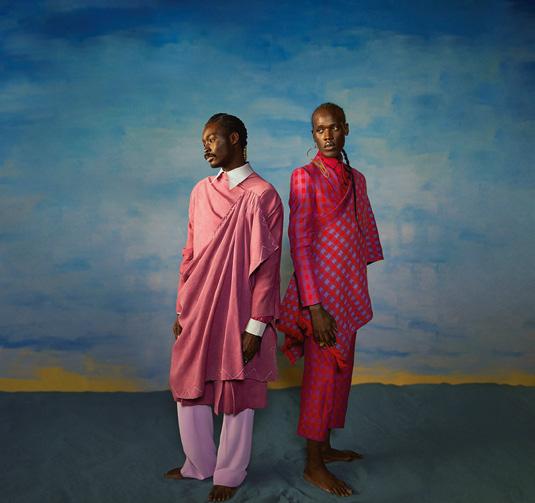
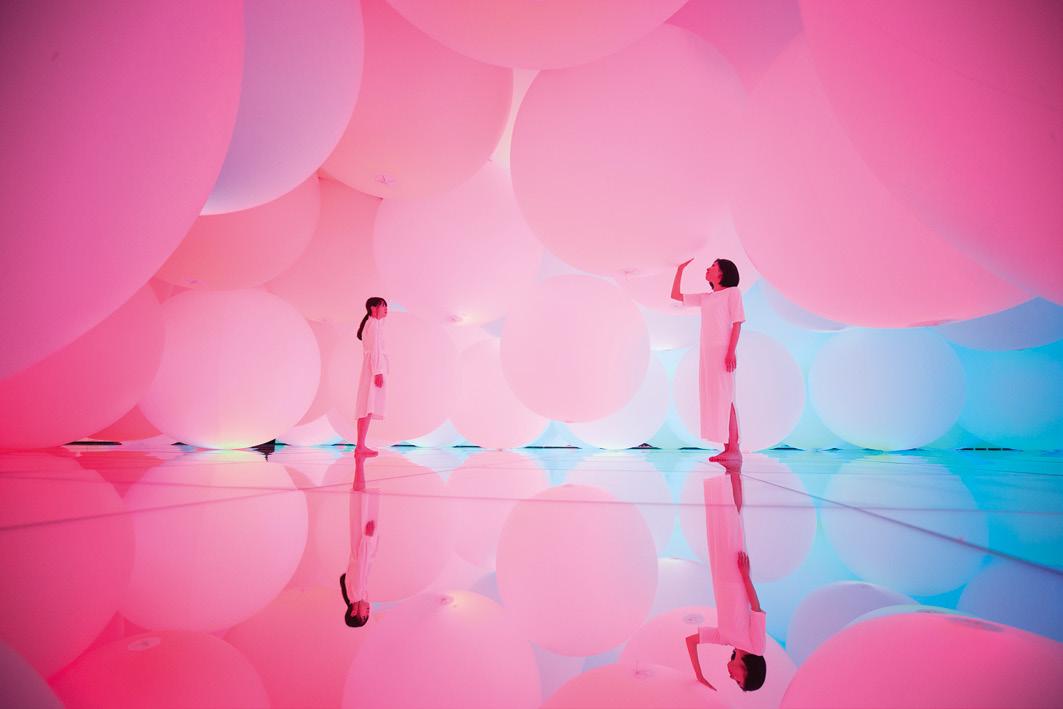
Aesthetica 125 1a 2 1b 3 1a. teamLab, The Infinite Crystal Universe , 2018, Interactive Installation of Light Sculpture, LED, Endless, Sound: teamLab © teamLab, courtesy Pace Gallery . 1b. teamLab, Expanding Three-Dimensional Existence in Transforming SpaceFlattening 3 Colors and 9 Blurred Colors, Free Floating 2018, Interactive Installation, Endless, Sound: Hideaki Takahashi © teamLab, courtesy Pace Gallery. 2. Photo by Lakin Ogunbanwo, image courtesy of Nataal. 3. © Snezhana von Büdingen, Sofie in the car , 2019.
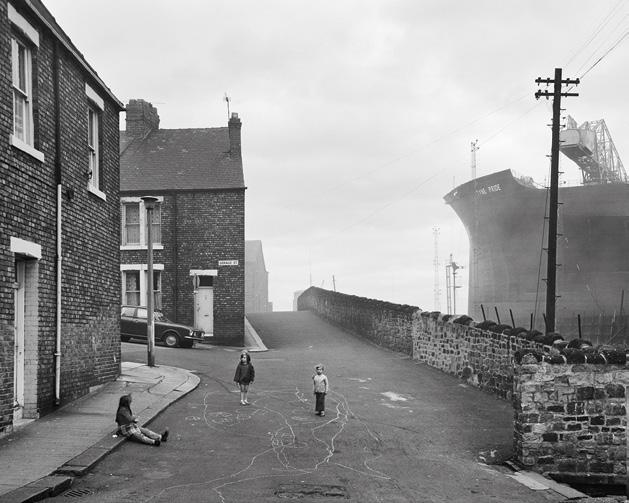
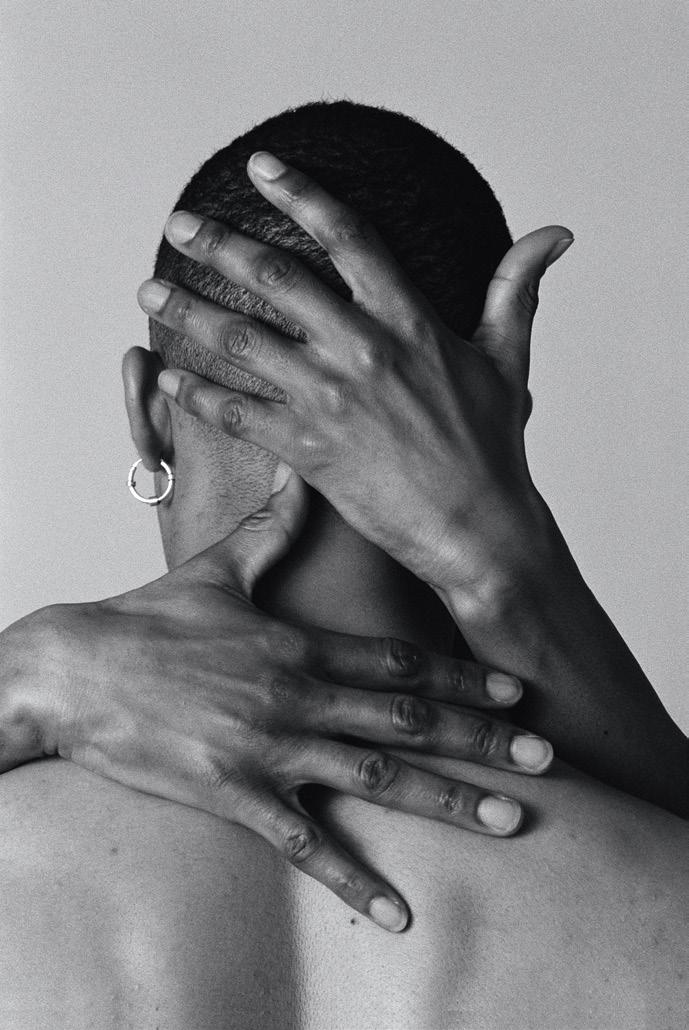
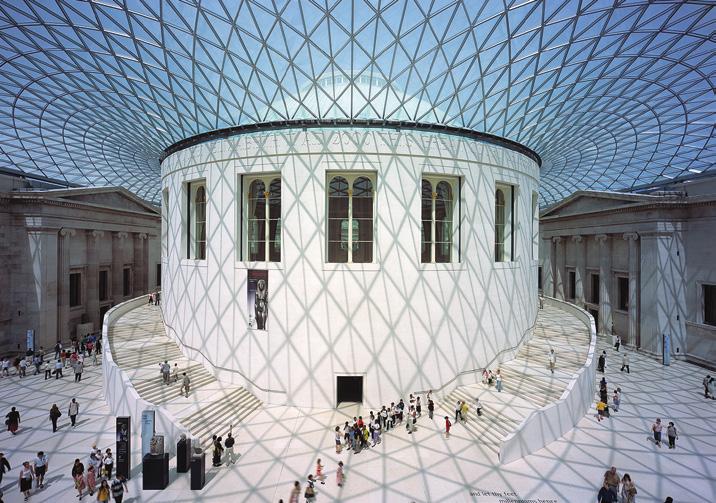
126 Aesthetica
Autograph.Courtesy
Autograph,
+
4. Ajamu, Malcom and Chris from the series Black Bodyscapes , 1992. Commissioned by
the artist and
London. Copyright © Ajamu Foster
Partners, Great Court at the British Museum, London (UK), 1994-2000
4 6
Photo
© Nigel Young / Foster + Partners. 5b. Foster + Partners, le Viaduc de Millau, Millau (France), 1993-2004 Photo © Ben Johnson. © Chris Killip Photography Trust/Magnum Photos, courtesy of Martin Parr Foundation.
5b
5a
4T he Patron Saint of Darkrooms IMAGINATION ACCORDING TO AJAMU
Photographer and activist Ajamu's picture of his friends
Malcolm and Chris, taken in 1992, is a kind of anti-portrait. This striking image depicts one figure facing away from the lens, the skin on his back smooth, whilst the other "figure" is represented only by his hands, exploring his partner’s lowered head with firm tenderness. The photographer’s intimate eye and the texture of the monochrome silver gelatin print collide to create something with real presence. The image is at once inviting and anonymous, inciting a compulsion to bridge the gap between viewer and subject.
At other times, Ajamu’s wit and sexiness can be caustic. The current show at Autograph includes many of his photos from the 1990s, carnal and carnivalesque. They feature circus ringmasters brandishing whips or powerful sex-masters sitting on thrones, resting their feet on cowering submissives as seen in Master Aaab (1997). For decades, Ajamu has made a
5Norman Foster ARCHITECTURE WITH PURPOSE
The largest-ever exhibition of Norman Foster (b. 1935), is on now at the Pompidou Centre, Paris. Foster is known as the leader of the "high-tech" trend. Over the last six decades, he has designed iconic buildings worldwide. This includes hundreds of structures, such as Apple's Headquarters in Cupertino, Beijing Airport, the Faculty of Law at Cambridge, the Hearst Tower in New York, as well as the Reichstag in Berlin.
This exhibition extends over 2,200 square metres and features a large range of drawings, prototypes and workbooks. It offers attendees an overview of 100 projects in both architecture and design. The range of modern and contemporary artwork is fascinating, as it demonstrates how disciplines collide in the architect's practice. It highlights clear and decisive aesthetic periods focusing on sustainability and technology.
Foster is head of the eponymous London-based practice and employs 2,000 architects, engineers and urban planners. Contemporaries such as Rem Koolhaas, Renzo Piano
6Chris Killip: A Retrospective DOCUMENTARY PHOTOGRAPHY
In 1982, Chris Killip (1946-2020) travelled to the town of Lynemouth and began to photograph “sea-coalers.” The term refers to people who harvested coal washed up on beaches from local mines. For a year, he lived in a caravan on the sea coal camp, documenting the lives of those around him. Today, the artist is recognised as a key and deeply influential UK documentary photographer. This retrospective serves as one of the most comprehensive surveys of his work to date.
In his monograph Seacoal (2011), Killip describes the harsh Northumbrian seaside: “Men were using small wire nets attached to poles to fish out the coal from the water beneath them. The place confounded time.” In Gordon on Critch’s Cart (1982), a man drives a wagon through the breaking surf. Waves crash against his tyre wheels into seething foam. In Boo on a horse (1984), a young boy sits on a white pony. He stands over a pile of black sea coal, as the bare grey hills are
sexy stock-in-trade of reclaiming bondage and playing with power dynamics to examine Black masculinity and identity. However, there’s always a tangible feel for intimacy, with a faith that the hand, eye and camera can be sublimated into vehicles of love. Images such as Umbrella (2023) are an homage to Ajamu’s late friend and artist Rotimi Fani-Kayode. Often, however, the dialogue between image and viewer comes from the sheer and unshackled humanity in which Ajamu depicts his subjects. Bound by leather gear, there is always a monochrome palette and / or an objectifying gaze.
Just look at the self-portraits of Ajamu giving the most warm and conspiratorial smile imaginable. Or the series Ecce Homo [Behold the Man]: Portraits of Black Trans Men (2023). Ajamu allows these moments to give way to smiles, heldback laughter, pride, determination – making visible those often-hidden moments that make humans most connected.
Words Adam Heardman
Autograph, London 28 April - 2 September
autograph.org.uk
and the late Zaha Hadid worked alongside the figure to develop a specific design brand, known as the “International Style” of the 1920s-1970s, characterised by its experimental and sleek approach. Foster's innovation emerges through his creative use of shape, working with asymmetric curved silhouettes instead of strict, more traditional, rectangular forms. After wandering though the expansive exhibition, a few key questions remain. Why, amongst thousands of others, is it precisely Foster who became the world's foremost architect? He is arguably more famous than Le Corbusier, Palladio and Vitruvius combined. Who were his main rivals? What were his tools for success? One fact remains in spite of these musings – Foster is a significant figure amongst supporters and critics. He has always placed the idea of environmental control and preservation at the heart of his creations. This is one of the most extensive museum shows of 2023. It’s only an institution such as the Pompidou that could pull it off to this scale.
Words Nikita Dmitriev
Centre Pompidou, Paris
10 May - 7 August centrepompidou.fr
outlined behind him. These are moments of devotion, where pictures are made according to empathy and observation. Killip’s photographs are surprisingly tender, captured at a time of social and economic crisis, echoing the work of regional contemporaries such as Tish Murtha (1956-2013). The series In the time of Inflagrante (1976-1987) examines the effects of declining industries, such as coal mining and shipbuilding on working-class communities. In one photo, miners gather for the annual Durham Gala, holding banners from the local pits. A woman bears a placard that reads "we can win." In another, a father hoists his son onto his shoulders to watch a Tyneside parade, their arms and legs entangled. Baltic’s retrospective is a visual record of loss and strength. At its core is a sense of a community. These images are powerful, as they record the resilience of individuals. Killip's work understands history, as well as what it means to survive.
Words Chloe Elliott
Baltic, Gateshead 1 April - 3 September
baltic.art
Aesthetica 127
 F RIDTJOF RYDER
Inland marks the directorial debut of young GermanEnglish filmmaker Fridtjof Ryder. It is a psychological drama drawing on elements of old English folklore. Shot in Gloucestershire, in a rural landscape close to the Forest of Dean, it sees newcomer Rory Alexander play a twentysomething – simply known as “The Man” in the credits – who has been away in a psychiatric institution.
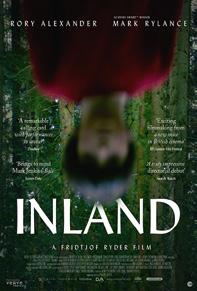
Gradually, Ryder parses out the backstory, with Alexander’s character previously embroiled in a violent altercation with a family friend named Toby (Sebastian Orozco). When he leaves the confines of this white-walled institution, he returns to see a Dunleavy (Mark Rylance), a father-figure in his life who gives him a job helping out in his small auto-repair shop. Yet Alexander’s character is haunted by the loss of his mother, who has seemingly disappeared without trace. Her voice (Kathryn Hunter)
2Love Life
Love Life is an admirable portrayal of a woman trapped by her own duty to care. Taeko (Fumino Kimura) is a social worker, helping the most vulnerable members of society by giving food and clothes to the homeless. At home, she looks after her husband Jiro (Kento Nagayama) and her bright young son Keita (Tetta Shimada), even arranging a surprise party for her abrasive father-in-law, who is unsupportive of Taeko’s child from a previous marriage, often wishing for what he calls a "legitimate" grandson.
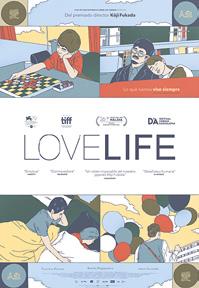
When a tragic accident brings Keita’s estranged father back into her life, Taeko’s guilt pushes her into nursing her ex-partner in order to start her own grieving process. Her relationship with Jiro must navigate unfamiliar territory. Fukada’s story is knocked sideways by death, as it places Taeko at the centre of these characters, each destabilised by the tragic events at the heart of the film.
3Lie With Me
OLIVIER PEYON
Olivier Peyon’s Lie With Me is adapted from the French bestseller by Philippe Besson, published in English in 2019 (and translated by former Brat Pack star Molly Ringwald). Set in the sleepy Bordeaux town of Baussony, celebrated author Stéphane Belcourt (Guillaume de Tonquédec) returns to where he grew up 35 years after he left. He’s back, accepting the role of brand ambassador for the local cognac distillery's bicentennial celebrations. He has a big speech to deliver, but that soon gets interrupted when he meets Lucas (Victor Belmondo), the son of his first love with whom he was intimate at school. As memories are triggered, Peyon’s film flashes back to the past, when 17-year-old Stéphane (Jérémy Gillet) begins an affair with Thomas (Julien De Saint-Jean). Thomas, who still finds girls attractive, is paranoid that anyone, particularly his family, might find out. “Only you and
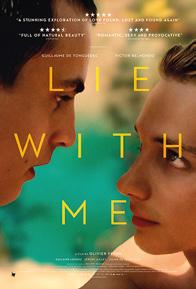
continually rings out in his mind, especially the closer he gets to the woodland enclosing their living environment. Like Ben Wheatley’s In The Earth (2021) and Alex Garland’s Men (2022), Inland nods to the ancient legend of the Green Man. The idea of birth and rebirth, and the relationship between the matriarch and Mother Nature are tentatively explored. Some moments are particularly effective, thanks to a smart use of sound design. At points, when Alexander moves, we hear a creaking noise, as if his very limbs are crackling like tree branches in the wind. Inland wears its influences proudly, such as David Lynch and Nicolas Roeg. Audiences looking for concrete answers will be left frustrated, but Ryder holds his nerve to create an ambiguous psychodrama. While Alexander is convincing as a character, it’s his exchanges with Rylance that elevate the film towards something profound.
Words James Mottram
Verve Pictures vivaverve.com
Keita’s long lost father Park (Atom Sunada) is homeless and deaf, meaning that much of the dialogue is conveyed beautifully through sign language. Viewers might draw some comparisons to the tender and expressive use of sign language in Ryusuke Hamaguchi’s 2021 drama Drive My Car. Fukada also uses this unique connection between Taeko and Park to show Jiro’s isolation; in one particularly poignant scene, he sits between his wife and her ex, unable to understand a word of their conversation.
Love Life was inspired by jazz singer Akiko Yano’s song of the same title and it feels greatly satisfying to hear her voice float over the final of many long, meditative shots that provide space to breathe during the film’s narrative twists and turns. Melodramatic, but funny and tender at the same time, Fukada’s film effectively brings the intricacies of a grief-fuelled love triangle to cinematic scale.
Words Stephanie Watts BFI bfi.org.uk
me know,” he yells, ensnared by feelings he can’t control. Gradually, Lucas comes to realise the indelible connections between Stéphane and his father, who abandoned his family years earlier. Desperate to understand, all Lucas has is the fact Thomas collected all of Stéphane’s books and would light up the moment the writer was ever on television. Meanwhile, Stéphane is a man floundering with personal issues. Or, as an ex-lover once described him, “a wonderful writer about love … incapable of love.” Subtly directed by Peyon, Lie With Me is an impressive look at the painful nature of closeted sexuality, and tells of the powerful nature of memory. Led by two cast-iron performances by de Tonquédec and Belmondo, Peyon also draws energetic work from the younger Gillet and De Saint-Jean. A scene of their joy dancing in “our kingdom”, a name given to the bedroom, is hugely touching.
Words James Mottram
Peccadillo Pictures peccapics.com
Aesthetica 129
film reviews
KOJI FUKADA
1I nland
1Hardly the Same Snake
SKINNY PELEMBE
Skinny Pelembe’s second album follows his 2019 record Dreaming Is Dead Now, a meditation on grief and heartache. Instinctive and soulful, the new release is characterised by assembly. Songs consist of samples from instruments originally recorded live, including restless beats played by Malcolm Catto of The Heliocentrics.
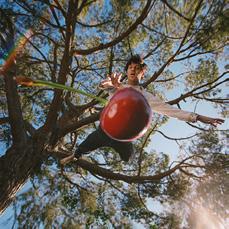
The Johannesburg-born, Doncaster-raised artist defiantly looks outward in Hardly the Same Snake, contemplating family, love, religion and major life events. Opener Same Eye Colour, characterised by a pounding, jungle-inspired rhythm is propelled by a stream-of-consciousness approach to the lyrics. Elsewhere, Deadman Deadman Deadman contemplates the transient nature of life and the legacy we leave behind. Musically, it is the perfect night driving soundtrack, a minimalist beat that relentlessly pushes forward, like the aural equivalent of
2A New Reality Mind
M ADELINE KENNEY
Painful break-ups undoubtedly produce, through their incalculable grief, some of the most poignant art. Writing as therapy to process loss is exactly what Oakland-based rocker Madeline Kenney does here in A New Reality Mind Kenney masterfully untangles where things went wrong in a rich, varied soundscape that is dotted with piano twinkles and massaging drumbeats. The album bears a unique and brutally solitary feeling, recorded and produced by the artist in her basement on her own. And yet, the driving force behind it is forgiveness – not just of others but most importantly of the self. On the standout Superficial Conversation, lyrics add a cutting sardonic swing. The line “I do not need to be reminded of what I did,” acknowledges a personal toxicity that is difficult to face. On the multi-harmonied The Same Again, an electronic James Blake is evoked, drawing new emotion
3Heaven Hunters
E MILE MOSSERI
Cinema lies at the heart of Emile Mosseri’s musical project. A composer as well as a songwriter, Mosseri’s soundtracks have framed the narratives of films ranging from Jesse Eisenberg’s When You Finish Saving the World (2022) to Lee Isaac Chung’s Minari (2020), for which Mosseri was nominated an Academy Award for Best Original Score. His latest project, Heaven Hunters, makes a cinematic world of interior space, as it transforms the myriad changes of daily life into a rollercoaster of emotional turbulence and deeply personal vulnerability. This album represents an attempt from Mosseri to unlock his full sonic capacity. It is the culmination of a six-month residency at Los Angeles music venue Zebulon, a stint which offered the opportunity to work with full 32-piece orchestras. Tracks such as My Greedy Heart tend toward simple acoustics and hushed intimacy in way that
bright lights rippling across a motorway in darkness. In contrast, there is a more mellow side to Don’t Be Another that grapples with ideas of familial responsibility or Like A Heart Won’t Beat, recalling both Gabriels and Michael Kiwanuka. In an exploration of mortality, saloon-style piano notes play against frenzied guitar chords, culminating in Secret Hiding Place, a dedication to Pelembe’s childhood den, as performed by Doncaster choir Rainbow Connections. In a moment of pure equanimity, Pelembe reflects on his lived experience, as he thinks forward to the artist into whom he is evolving. This album reveals a whole range of musical layers inspired by thought-provoking themes. It's strengthened by an arcane beauty in the brevity of nine tracks. Emboldened by forceful and magnetic vocals, it is a bold re-introduction to an artist whose journey has just begun.
Words Matt Swain
Partisan Records partisanrecords.com
from janky synthesisers and loose hand percussion. These swathes of vintage sound provide colour in slow moments. Kenney’s voice stays monotonal throughout, as production expertly dips and rolls on the short track.
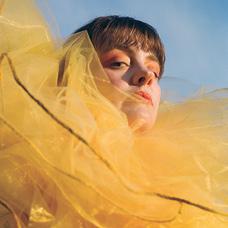
Plain Boring Disaster shows Kenney’s vocal range, whilst the forlorn chorus on Leaves Me Dry is a singa-long for building energy to move on after troubling times. Closing song Expectations embodies the end of a relationship, as it rounds out a romantic journey in pleas to “start over again.” It mirrors a post-breakup analysis, as listeners contemplate a partnership that has ended. Although at times a little bumbling, Kenney creates a consistent listen that feels like a hand of guidance on the road to recovery. Whilst feeling repetitive in terms of delivery, the record reflects the experience of living through the pain and hurt that a broken heart can inflict.
Words Kyle Bryony Carpark Records carparkrecords.com
is similar to composers such as Sufjan Stevens. Plaintive acoustics and whispered vocals dissipate into churning electric guitars, as the catchy song finally resolves: “But I‘m with you all my days / I’m with you all my days / And in my greedy heart / You‘ll always have your place.”
This album is expansive and richly produced. Booming piano chords and driving rhythms swell in-between tracks, as they bolster densely layered vocals. In Oklahoma Baby, heady lyrics such as "There was a time that I thought I could use your heart / As a warm and empty room," convey a domestic struggle, driven by a deep and unfulfilled search for a kind of love that cannot be met.
Kenosis is the resolution. The final track is an emptying of the self that encourages compassion and kindness with other human beings. Here, in a version of acceptance, relinquish and surrender, the album finds answers.
Words Eitan Orenstein
Greedy Heart Records emilemosseri.com
Aesthetica 131
music reviews
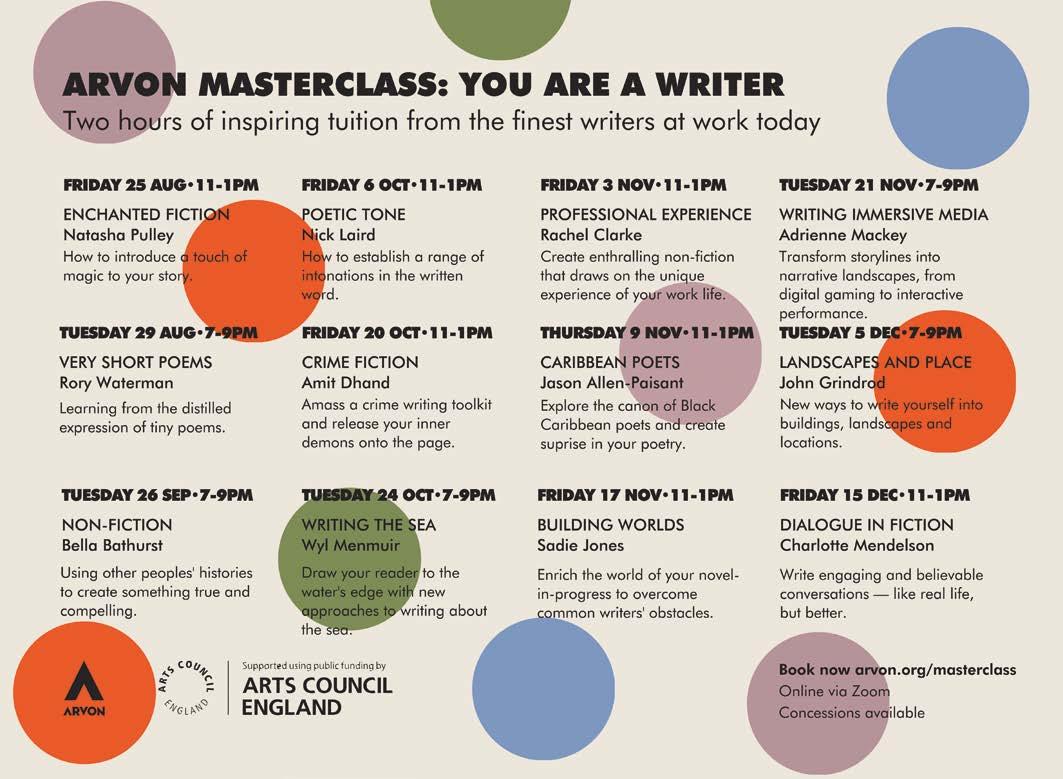
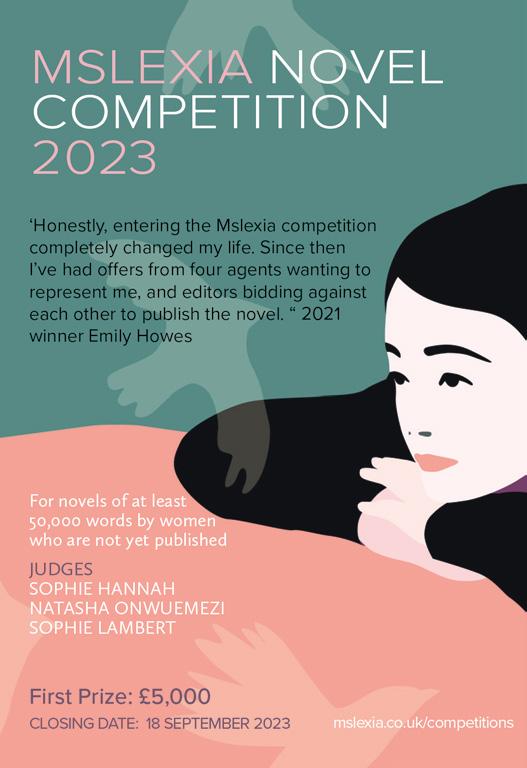
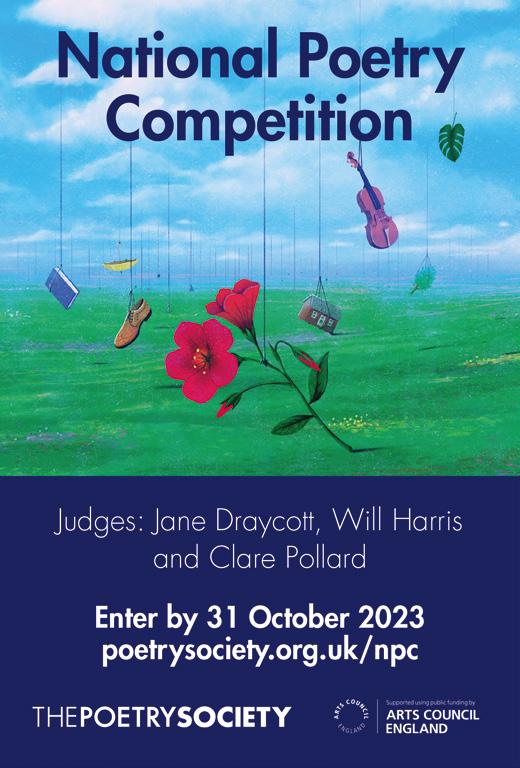
132 Aesthetica
1The Mongolian City of Nomads
JOSHUA BOLCHOVER
For thousands of years, nomads have called Mongolia's vast and treeless grasslands, known as The Steppe, their home. Families have resided in "yurt-like" structures made of canvas, felt and timber, ideal for this mobile lifestyle. However, in recent years, hundreds of thousands of people have relocated to the capital, Ulaanbaatar. The impetus for internal migration mirrors the global trend of populations shifting from rural to more urban areas.
In April 2023, UNICEF’s report showed that temperatures in the area have risen by 2.24°C between 1940 and 2015. Frost days have declined and summer periods have increased. This has accelerated urbanisation, with 1.7 million inhabitants residing in the capital. When put into perspective, this is one third of the total population.
Becoming Urban unpacks the story of Mongolia’s ongoing transformation and explores the challenges of
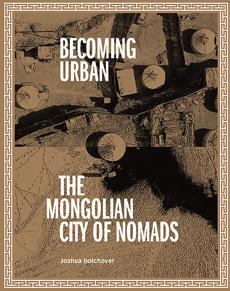
architecture in this fast-changing world. Professor Joshua Bolchover documents the characteristics of densely occupied districts. Photographs of teeming tents, dingy from thick smoke, articulate the urgency for a viable resolution in the country’s infrastructure. In Ulaanbaatar, residents burn raw coal to heat their homes in the winter months. In 2019, BBC documentary Mongolia: A Toxic Warning to the World stated that the poor quality of the air could lead to a lung cancer epidemic in the region. Bolchover proposes crucial strategies and prototypes to improve living conditions. He looks at urgent issues such as the climate crisis and global pandemics. Throughout the book, a question repeats: how can we grow and live together in metropolitan areas? Becoming Urban explores how architects, planners and communities grapple with these issues in today’s changing world.
2Hong Kong After Hong Kong
WONG CHUNG-WAI
At midnight on 1 June 1980, in the town of Shajing, China, a couple wait for border guards to rotate their positions. At the right moment, they sneak into the water of Shenzhen Bay, beginning their illegal escape to Hong Kong. And so begins the story of photographer Wong Chung-Wai – starting with the departure route of his parents, before moving to his own migration to the UK.
Since January 2021, there has been a minimum of three flights every day from Hong Kong to the UK. Thousands of people have taken up the British government’s offer of a route to citizenship, following a national security law imposed by China. The new law undermined a wide range of civil liberties such as freedom of speech and the ability to protest. Chung-Wai’s exhibition, So Long Hong Kong (2021) sets out a visual farewell letter, the result of which emerges here. “This is no longer the
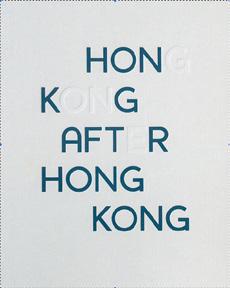
3Danish Photography 01
city I once knew,” he writes. Images of abandoned cars, drained swimming pools and unattended shrines capture a landscape of loss, framed by emotional uncertainty. If pictures feel deserted, characterised by empty apartment blocks, similarly, words feel hollow. Chung-Wai explains: “My works always shift between photography and writing.” Language deteriorates, as it spreads across rusting Tai Pak restaurant signs and steel doors that scrawl out “The End” in black paint. On the final page, an ebbing tide erases a heart drawn in the sand, removing half of a lovers’ inscription. The impression is of a ruptured relationship, mourning what once was a home. The work, however, does not succumb to nostalgia, but presents the complexity of Hong Kongers' identities. It only tells “the first half of the whole story,” as it gestures toward a future generation who now refuse to be silenced.
D OCUMENTING REALITY THROUGH THE CAMERA
In 2018, Sigrid Nygaard and Emil Ryge established the newsletter Dansk Dokumentarisme to showcase the array of contemporary artists experimenting with documentary photography. Volume one of their bi-annual journal is a timely selection of 12 Danish practitioners who survey the ecological and ethical problems affecting our world.
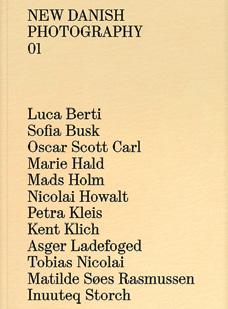
Luca Berti’s (b. 1978) monochromatic series Jordfast comprises portraits and pumpkin fields, showing how the lives and labour of farmers from the island of Samsø, Denmark, are etched into the landscape. In one image, a child stares into the camera holding freshly picked vegetables, surrounded by a bucket, mud and pigs. Nicolai Howalt (b. 1970), meanwhile, engages with ecology in Old Tjikko. He depicts a 9,600-year-old tree in Dalarna, Sweden, printing it on 97 types of photographic paper. The work draws attention to how snapshots are made,
their cultural significance, as well as the region's history. Elsewhere, photographers such as Oscar Scott Carl (b. 1995) look beyond Nordic countries towards other parts of the world. Focusing on a hospice in New Mexico built by his grandmother, the artist captures a small oasis where the elderly are treated with care, dignity and respect. Here, a woman with grey hair reclines peacefully in a red t-shirt, basking peacefully in a ray of sunshine. This collection is poignant. It brings viewers closer to people and places that seem far away. There are disturbing and alarming news stories, such as the injustices of private healthcare systems and the climate emergency, which reflect everyday crises. It does so with empathy, moving beyond objectification and shock value. The book invites readers to see photographs as more than visual documents, but as a crucial means of connection.
Words Fruzsina Vida
Oro Editions oroeditions.com
Words Chloe Elliott GOST gostbooks.com
Words Diana Bestwish Tetteh
Disko Bay diskobay.org
Aesthetica 133
book reviews
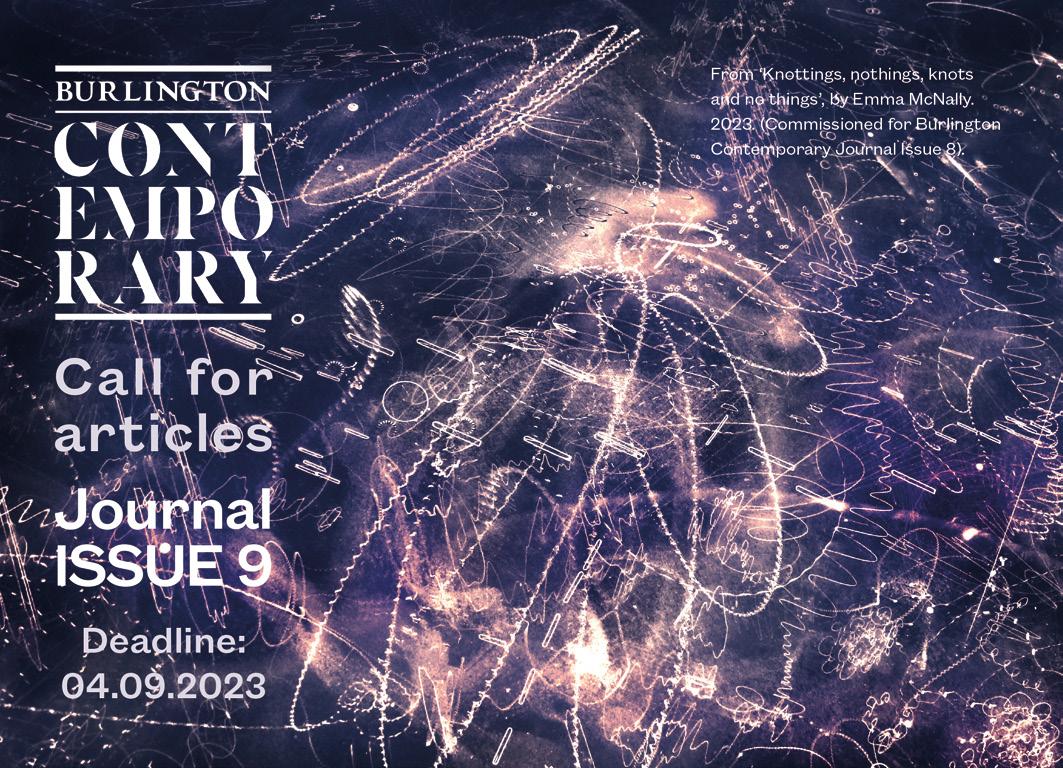
134 Aesthetica
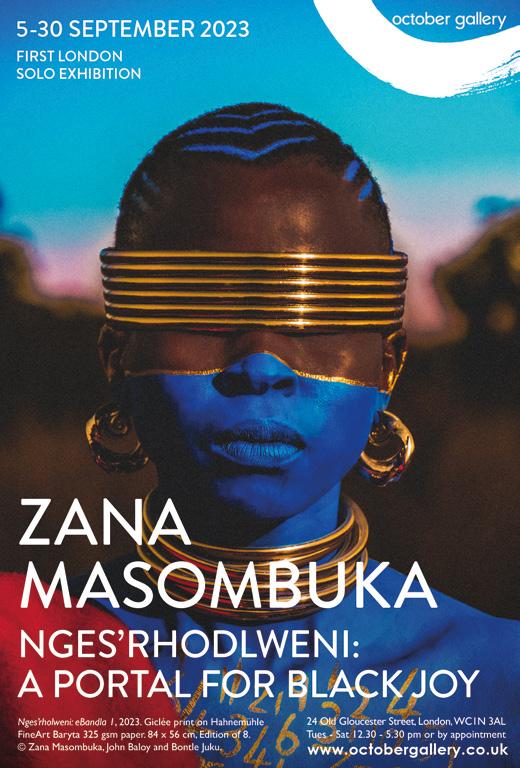
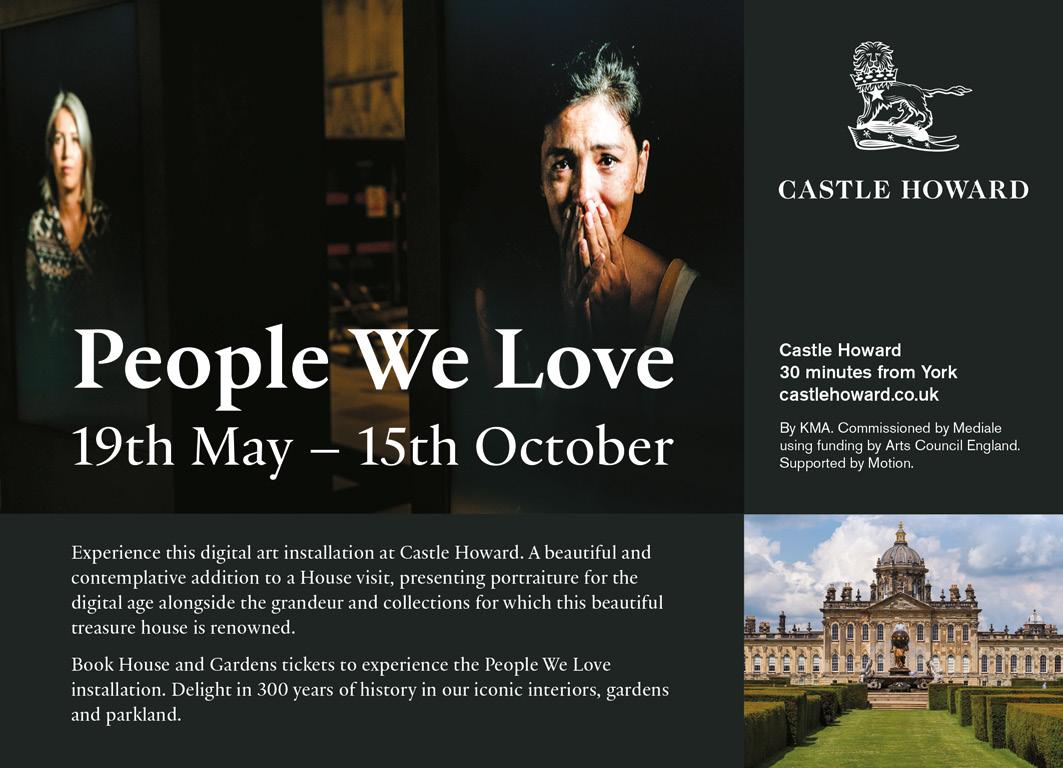

Aesthetica 135
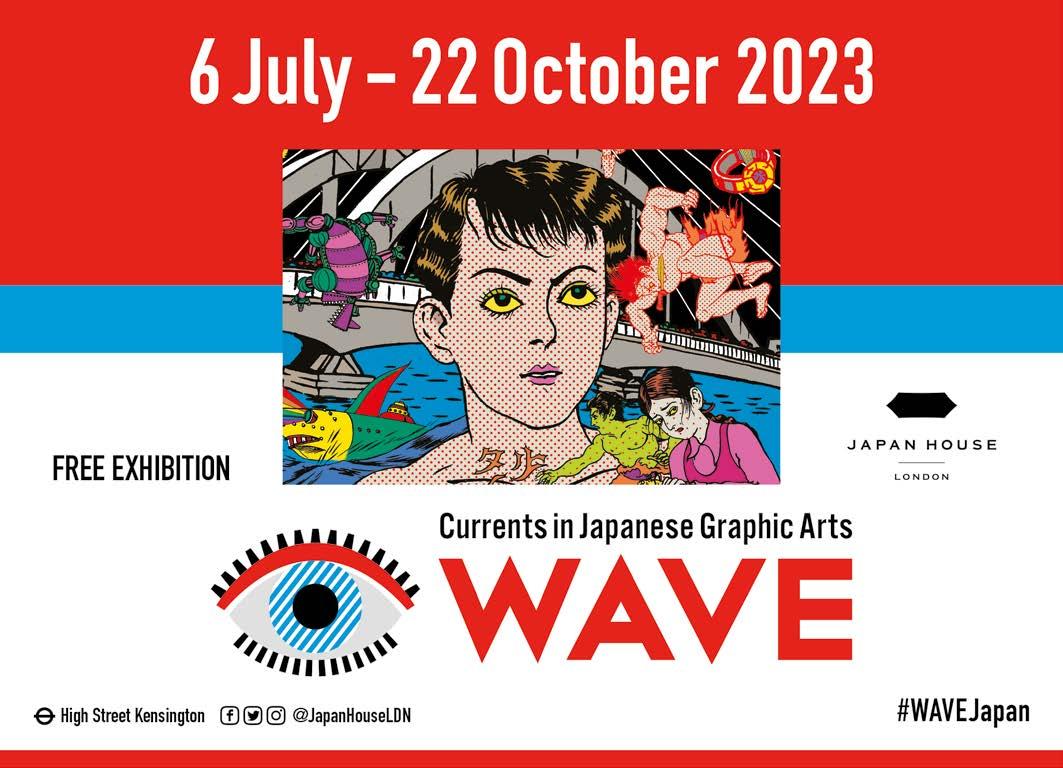
136 Aesthetica
Aesthetica 137
ALEKSEY OVSYANNIKOV
Oil painter Alexey Ovsyannikov lives in Minsk, where he explores self-identity. Bold, colour-rich brushstrokes show a depth of personal emotions and memories. He notes: “I, like a transformer, pass the outside world through my internal perceptions and express the picture that I depict. It’s important to express yourself – your feelings and sensations, as these belong only to you. My art is my breath and my life. I fill my world with colours and shapes to give a feeling of uniqueness in each of my works. I simply express myself through art to show the world how I see it.”
Instagram: @al.eksey972 I aleksey.86.00@mail.ru
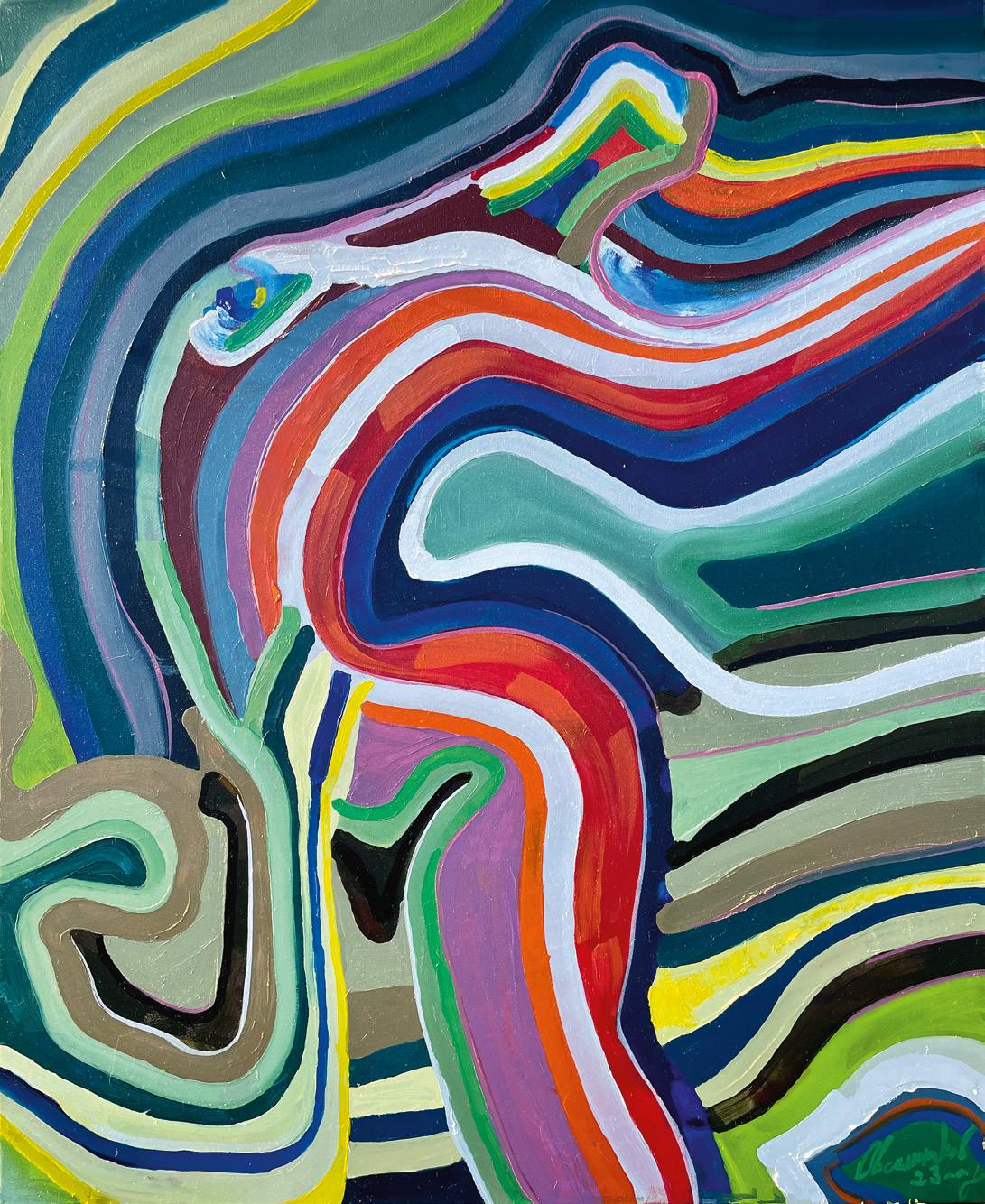
138 Aesthetica artists’ directory
KLÁRA SEDLO
Klára Sedlo lives and works in Prague, where she is a graduate of the Academy of Fine Arts. Her paintings explore the subconscious –dreams and the psychology of human interactions. Sedlo has participated in numerous solo and group exhibitions throughout Europe and the USA; she has also been a finalist at international competitions such as the BBA Artist Prize 2019 and MOSTYN Open 21. klarasedlo.com I Instagram: @ klarasedlo
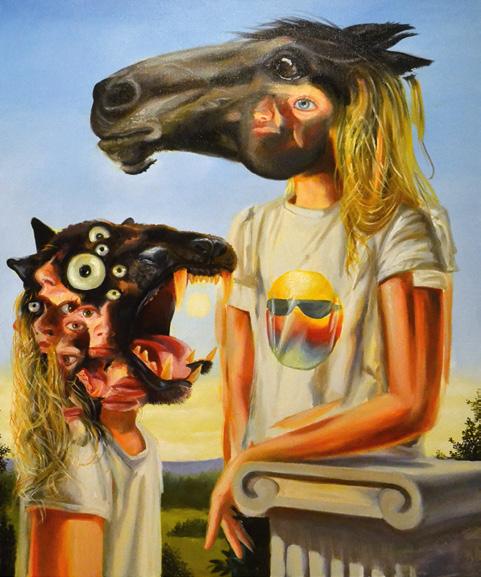
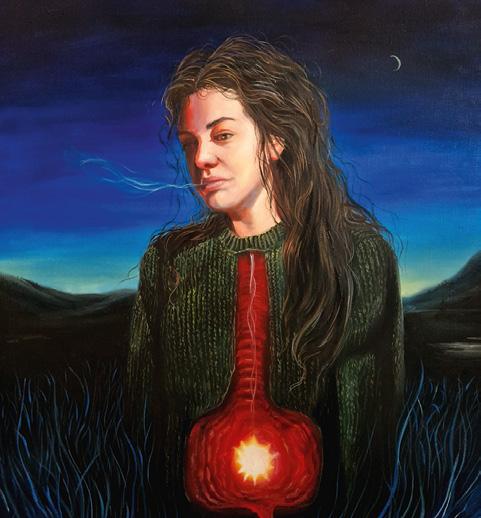
LENKA PAVUK
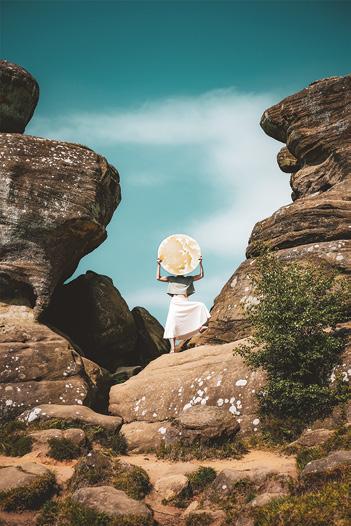
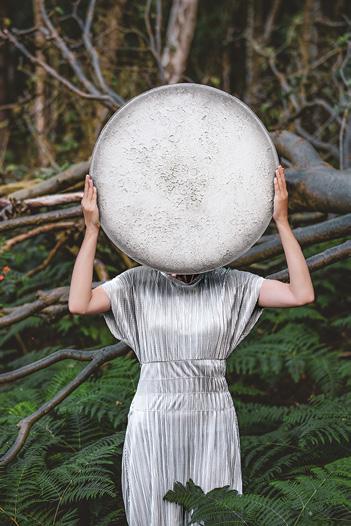
Lenka Pavuk’s artistic journey began in her mother’s ceramic studio, where she developed a deep interest in creative expression. She later gained a master’s degree in Fine Arts before embarking upon an exploration of diverse mediums and styles in which epoxy resin is a key element. An intuitive artist, Pavuk combines a sense of detail with experimental techniques to express a unique vision. Photos: Paul Pavuk. lenkapavuk.com I Instagram: @ lenkapavuk
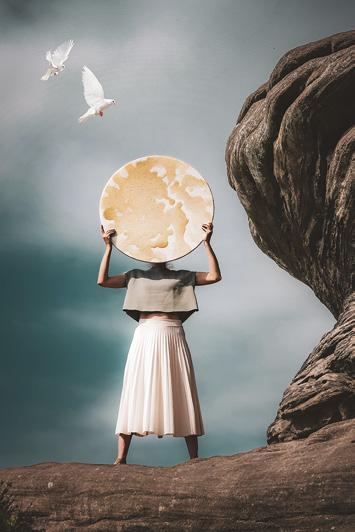
Aesthetica 139 For submission enquiries regarding the Artists’ Directory, contact Katherine Smira on directory@aestheticamagazine.com
BAI LIU
Bai Liu is an artist, designer, illustrator and writer based in China whose multidisciplinary work is shown throughout the world. 馍 / Mo was showcased at the London Design Festival in 2022. Why Do We Love Cats? has launched on the VRChat platform; it is a unique collaboration with Jiaxun Cao, Qingyang He, Zhuo Wang et al. and is led by Professor Xin Tong of the Duke Kunshan University Human-Computer Interaction Lab and Professor Ray LC of the City University of Hong Kong.


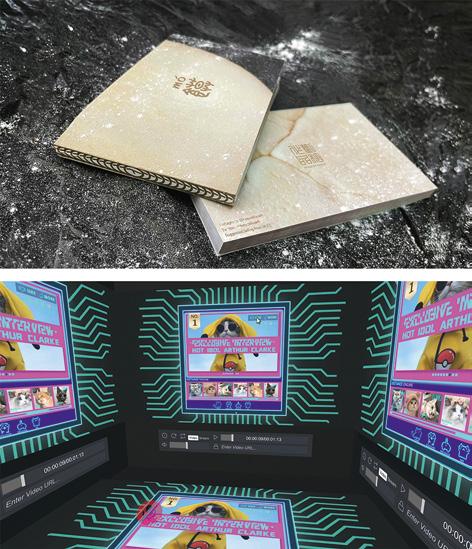
www.behance.net/boyceliuart I Twitter: @boyceliuart
UK-based artist and art psychotherapist Ceinwen Birrell creates colour-rich, otherworldly paintings that play with the liminal space between reality and fantasy, balanced with a bittersweet space between beauty and a quality that holds an edge of uncomfortable tension. They note: “I am concerned with questioning and subverting classical archetypal understandings around family, tradition, faith and magick.” Birrell’s training adds a depth of understanding to a practice which is a space of personal reflection and growth. ceinwenbirrell.com I Instagram: @ceinwenbirrell
DAVID REGO
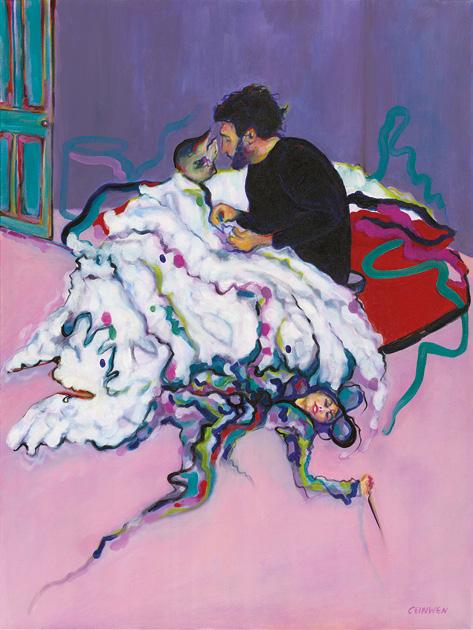
David Rego is a Spanish photographer based in Berlin, the city where he develops his unique style. In his photographs, diverse objects, spaces and abstractions are used to create a pure and direct dialogue with the viewer and their emotions. Rego notes: “It’s all a matter of playing with observation and the mind.”
d-rego.com I Instagram: @regoimages
JANNY JI
Janny Ji is an award-winning designer with a background in graphic design, illustration and fine art. Her wide-ranging practice includes brand identity, exhibition design and editorial design. Her work has been recognised by the Art Directors Club, the Type Directors Club, Graphis, Adobe, STA 100, Graphic Design USA, Applied Arts, 3×3 and the Society of Illustrators, amongst others.
jannyji.com I LinkedIn: janny-ji-10096056
140 Aesthetica artists’ directory
LIDIJA RISTIĆ
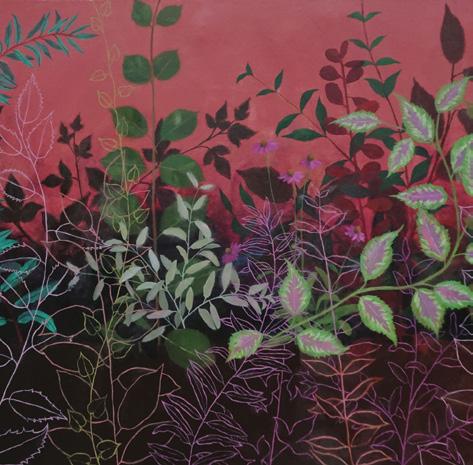
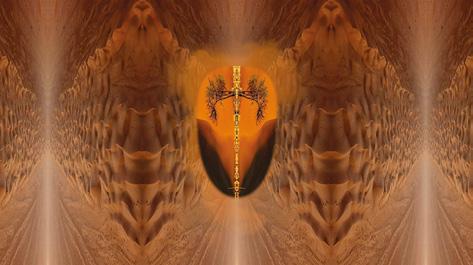
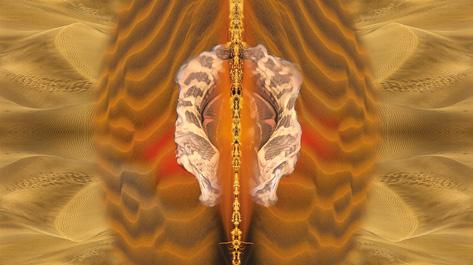
Lidija Ristić is a Serbian-American artist working across sculpture, digital collage, installation, video work, audience-led participation and performance. She is also the Founder and Director of the international creative hub I:BICA –it connects artists with experts across disciplines to produce innovative projects. lidijaristic.com I ibica.online I Instagram: @lidija_ristic
MARKOS KAMPANIS
Markos Kampanis is based in Athens. His multidisciplinary art practice – which includes painting, printmaking and murals – is broadly realistic, with elements leading to abstraction. Latest creations relate to ruined local industrial sites and the topography of The Odyssey . Kampanis is currently preparing for a retrospective exhibition in December at the National Library of Greece as well as the Odyssey project at the Benaki Museum, Athens in 2024. markoskampanis.gr I Facebook: kambanis.markos
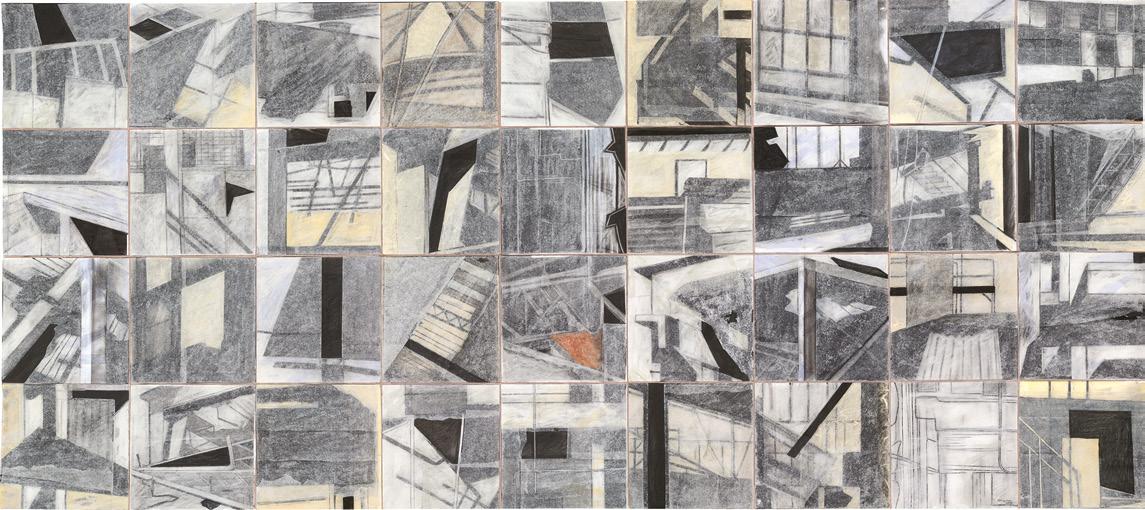
MICHAEL G. PRAIS
American artist Michael G. Prais is stimulated by the juxtaposition of the organic and the designed, and explores both human constructions in nature and the coincidental in the midst of structure. He uses photography to examine how random acts create structure. Prais’ current project, Out of Context , examines the idea that all photographs are taken out of context and the distinct concepts of resemblance and recognition in photography, in an upcoming book of images and ideas. michaelprais.me I Instagram: @michaelprais
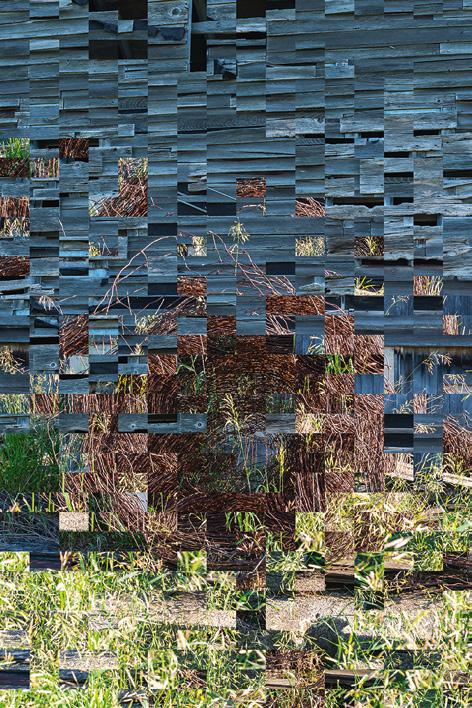
TAMARA ENGLISH
Tamara English is an award-winning contemporary artist based in the USA. Her work explores themes of re-enchantment and the buoyancy that arises through connecting with what has sacred meaning. Oil paintings reveal inner worlds as vibrant landscapes, and explore how these realms of awareness are like gardens that can be cultivated through attention to one’s spiritual life. English’s pieces have been exhibited throughout the world, including the New Orleans Museum of Art, the New York Armory, the Seattle Art Museum and the US Embassy in Riga, and is held in numerous public and private collections. tamaraenglish.com I Instagram: @tamaradenglish
Aesthetica 141 For submission enquiries regarding the Artists’ Directory, contact Katherine Smira on directory@aestheticamagazine.com
eric wiles
California-based Eric Wiles' fine art and landscape photography reveals dynamic images of natural beauty. His goal is to bring awareness to the variety of wondrous places in the world, in the hope that we will be inspired to contribute to global conservation efforts. He emphasises: "In showing the magnificence of our home, we can recognise that every day is Earth day." ew-photo.com I eric-wiles.pixels.com I IG: eric.wiles.photo
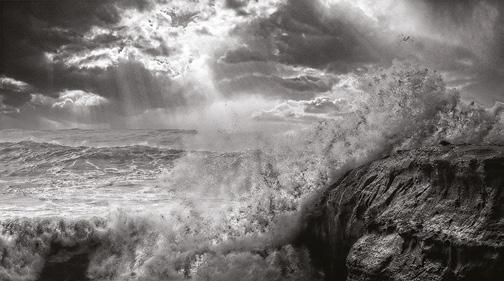
Jingyi wang
New York-based Jingyi Wang specialises in oil paintings that focus on the relationship between nature and culture. Dualities – the fragile and the acute, the serious and the humorous, the poignant and the longing – are explored. The depiction of cacti "symbolise my feelings and attitude towards life; for me they signify a helpless state and nervous emotions." jingyiwangart.com I Instagram: @jingyiwang.jenny
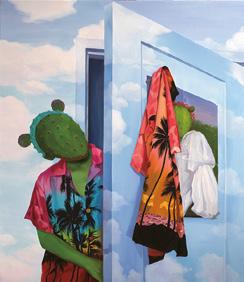
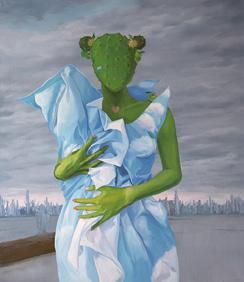
lea Hope Bonzer
Kerry Ann Moffat is a British artist based in York. She currently paints in oil – her practice encompasses a variety of subjects including landscapes, still lifes and self-portraiture. The key objective is to observe and capture reflections and light falling onto the selected subjects. Nature, travel and a collection of found objects provide continuous inspiration. kerryannmoffat.co.uk I Instagram: @kerryannmoffat
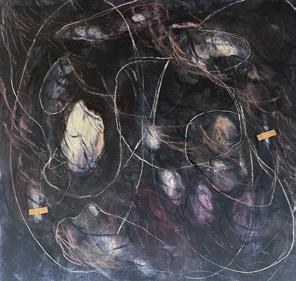
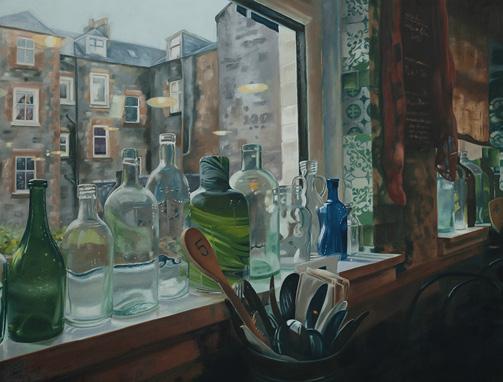
Lea Hope Bonzer is a photographic artist born and raised in Zagreb; she currently lives and works in Colorado. Her work is focused on minimalistic, inspirational and motivational sentiments. Key sources of inspiration are the creation of unique, energised surroundings and the personalisation of art to fit a client's individuality. Bonzer's art is used in home decor as well as her earring line Rêvere. linktr.ee/leahopebonzer
María Sánchez
María Sánchez creates surreal environments that aim to give the sensation of being immersed in a dreamlike or meditative state. Influenced by psychoanalysis, neuroscience, quantum phenomena and mysticism, her work explores different levels of consciousness and the worlds that exist within the self. Sánchez is currently based in Jupiter, Florida. mariasanchez.art I Instagram: @mariasanchez.art
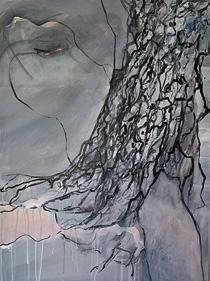
Ukrainian conceptual artist Natalia Millman is based in the UK. Her key inspiration is nature and interconnection – she explores the transience of time and space, the role of memories as well as energies between living and non-living beings through manipulation of found and non-organic materials. Burning, cutting and mending techniques are used as a way to ground and heal. nataliamillmanart.com I IG: @nataliamillmanart
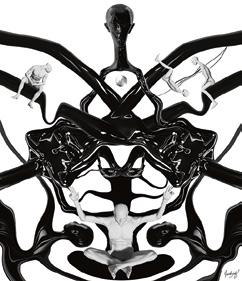
142 Aesthetica artists’ directory
Natalia Millman
neil McClure
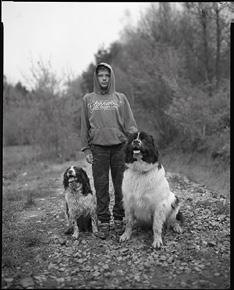
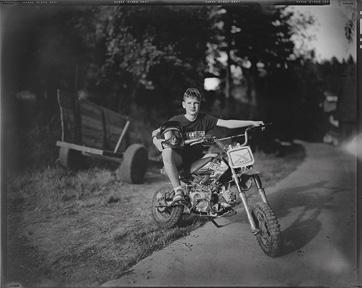
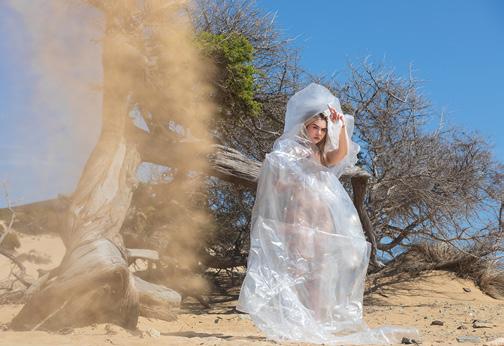
Australia-based artist Neil McClure uses art to explore the motivations behind travel: aeroplanes and caravans are depicted as symbols of hopes and dreams, capitalism and consumerism – inspiring emotions ranging from dread to aspiration. He notes: "My paintings are an examination and a critique of a bourgeois Australian existence in the 21st century." neilmcclurepainting.wordpress.com I Instagram: @neil_mcclure_painting
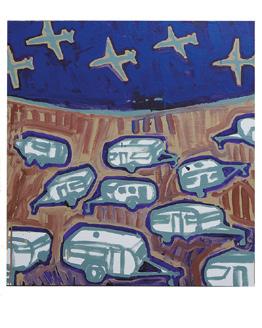
Rich DiSilvio
The work Parisian Ponderance won the Best in Show award in Camelback Gallery’s Artist Invitational VI international competition in April 2023. It is a prime example of Rich DiSilvio’s imaginative, eye-catching and thoughtprovoking work, where surrealism meets technical expertise. The artist is represented by Artifact and Artavita galleries, amongst others. richdisilvio.com
sara Floris
UK-based Sara Floris an artist whose practice is rooted in social and environmental themes such as drug abuse, feminism and the climate crisis. Directorial and conceptual photography are used create thoughtprovoking projects with the idea that "art can make the world a better place." Floris won the 2023 Aesthetica York St John Degree Show Award. saraflorishp.wixsite.com/my-site-2 I Instagram: @sara.floris_hp
Greek artist and musician Sofia Archangelou is based in Athens. Inquisitiveness and a restless personality has led her to devote a major part of her artistic endeavours in the field of visual arts and handcrafting. Known for abstract works derived from imaginary patterns boldly woven in unique forms and ethereal shapes, Archangelou explores a variety of media and forms. Instagram: @la.poesie.de.l.oeuf
Krakow-based artist Yehor Lemzyakoff views his experimental practice as an unrestricted journey of self-discovery and exploration. He searches for elusive answers to universal questions about art and truth which are often more difficult to understand than to answer. Lemzyakoff notes: "Art is an expression in itself. Just as much as reality is just merely our perception." lemzyakoff.photo I lemzyakoff.co.uk
South Korea-born Yula Kim is based in London, where she harnesses the experiences and memories of an intercontinental upbringing to express a gaze of humanity and our connection to nature. Paintings feature fluid lines, bold colours and shapes to denote natural and urban spaces. Kim's work has been widely exhibited, most recently during the Coronation Concert at Windsor Castle. yulastudio.com I IG: @yurajoanrobinakim
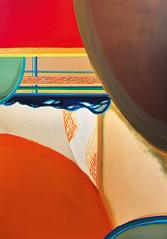
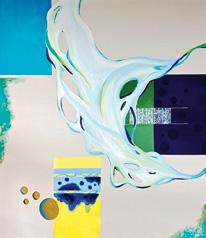
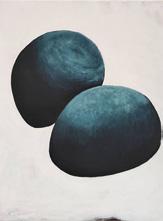
Aesthetica 143 For submission enquiries regarding the Artists’ Directory, contact Katherine Smira on directory@aestheticamagazine.com
Sofia Archangelou
Yehor Lemzyakoff
yula kim
Aaron Knight
American art photographer Aaron Knight celebrates confident and inspiring women by blending sensual imagery with a painterly style. Elements of sensuality mix with classic art and theatricality to form an unorthodox aesthetic somewhere between sensuality and modesty. The works are designed to appeal to emotionally and intellectually engaged collectors. aaronknightgallery.com
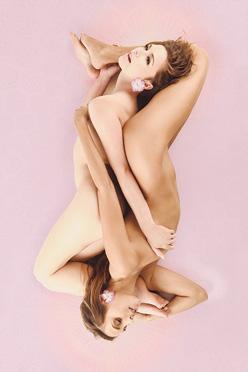
Instagram: @aaronknightartist
Elena Ploetz
Elena Ploetz explores aspects of personal identity in relation to war, conflict and other current events. A preference for traditional tools and techniques allows her to embrace sudden ideas and strong emotions whilst on the move. Ploetz then shares the resulting compositions with the wider world, noting that if art makes the viewer stop and stare, it is the viewer, not the artist. elena-ploetz.net
Instagram: @hohkeppel_ploetz
Jasmin Genzel
The art of Jasmin Genzel focuses on the emanation of form and the interaction with imagination – the "songline" – to poetically integrate and weave images into material. Her recent series, Bundles and Planches, develop printmaking into objects that bridge and create a moment in the gathering of pieces. Genzel has participated in various exhibitions throughout Europe. jasmingenzel.com
Instagram: @jasmin.genzel
Norton Pease
USA-based artist Norton Pease is an Associate Dean of College of Arts & Humanities at Georgia Southern University. In his award-winning painting practice, he examines complex topics such as privilege and social division. Pease notes: "I create figurative portrayals that connect the past with today's world... duality is also part of my process, which is both additive and reductive." nortonpease.com
Instagram: @norbertnorton
Crystal Marshall
Crystal Marshall is based in Atlanta. Originally from Kingston, Jamaica, her contemporary fine art paintings pay homage to experiences rooted in cultural disparities within the African diaspora. Works such as Colonial Garden II – Enchanter embody distinctive style references, biblical imagery and scientific concepts to create dreamscapes and visually engaging storylines. crystalamarshall.com
Instagram: @crysart1983
gunilla daga
Gunilla Daga is a Stockholm-based painter whose work is drawn out of private emotions of universal experiences. Rich, earthy tones in both oils and acrylics are often mixed with dry, raw pigments before application to canvas. The resulting works show unique and striking textures within geometric forms. Daga has exhibited paintings throughout Europe and the USA. gunilladaga.se
Instagram: @gunilladaga
kyle Hackett
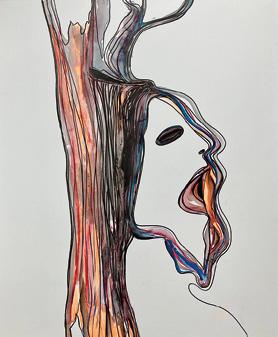
Kyle Hackett is an artist based in the USA. His bold, confident paintings explore local issues of race, class and social standing through approaches to self-representation and the constructed image. Works such as After Attenuation emphasise conflicts between inner and outer whilst relating image-making, inflection and fixedness to the concept of double consciousness. kylehackettstudio.com
Instagram: @kylehackettstudio
olga Baryshnikova
Ukrainian artist Olga Baryshnikova was born and raised in Mariupol. Her paintings are a form of personal therapy in which serenity is sought through a harmonious combination of colours and images. The artworks raise deep questions about climate change as well as the nature of joy, love, self-identity and the strength of the human spirit. Baryshnikova has participated in numerous shows. www.abundanceart.space
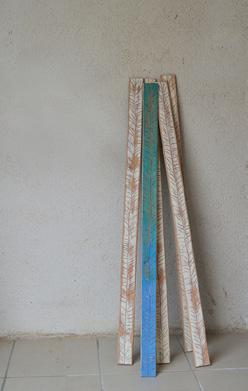
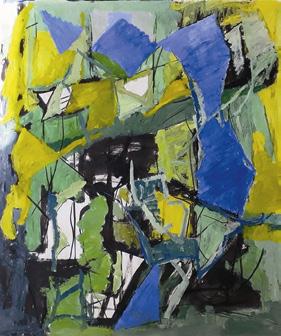
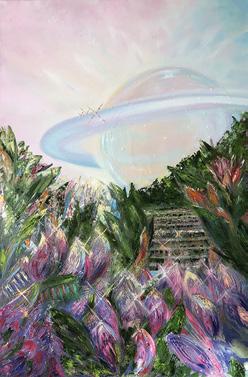
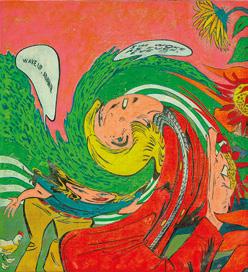
Instagram: @_olgabaryshnikova
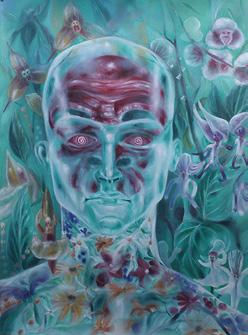
144 Aesthetica artists’ directory
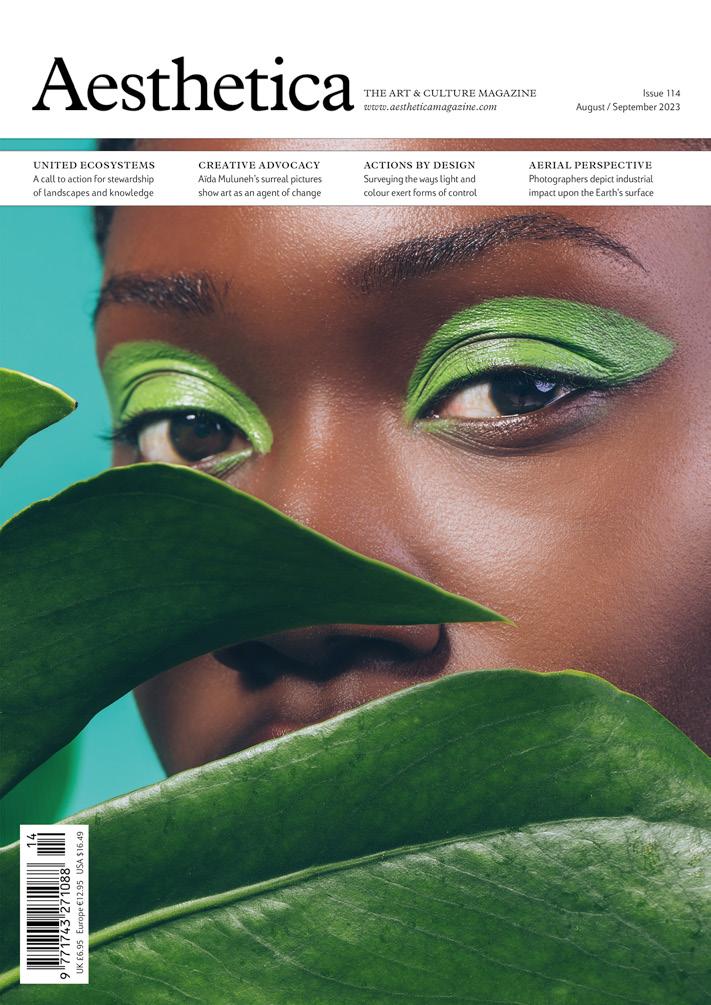
Aesthetica 145 For submission enquiries regarding the Artists’ Directory, contact Katherine Smira on directory@aestheticamagazine.com 12 months from £24.95 + p&p. Available in both print and digital formats. www.aestheticamagazine.com/subscribe Subscribe & Save 40% The Destination for Art and Culture
Raúl Muñoz de la Vega
Curator, Barbican
"Carrie Mae Weems has consistently proved to be ahead of her time in anticipating intricate conversations around cultural identity, systems of oppression and social justice, which we are still trying to solve. The exhibition highlights how the performative, cinematic side of her practice has been fundamental. We look at how she uses her body to represent something larger than herself, allowing her to navigate and challenge history, question predetermined archetypes and confront political, religious and cultural power. We aim to provide a space to discover how, over 40 years, Weems has created work that reflects upon the lived experiences and histories of the African diaspora in the USA and establishes a dialogue with multiple communities."
Carrie Mae Weems is at Barbican, London, until 3 September. barbican.org.uk
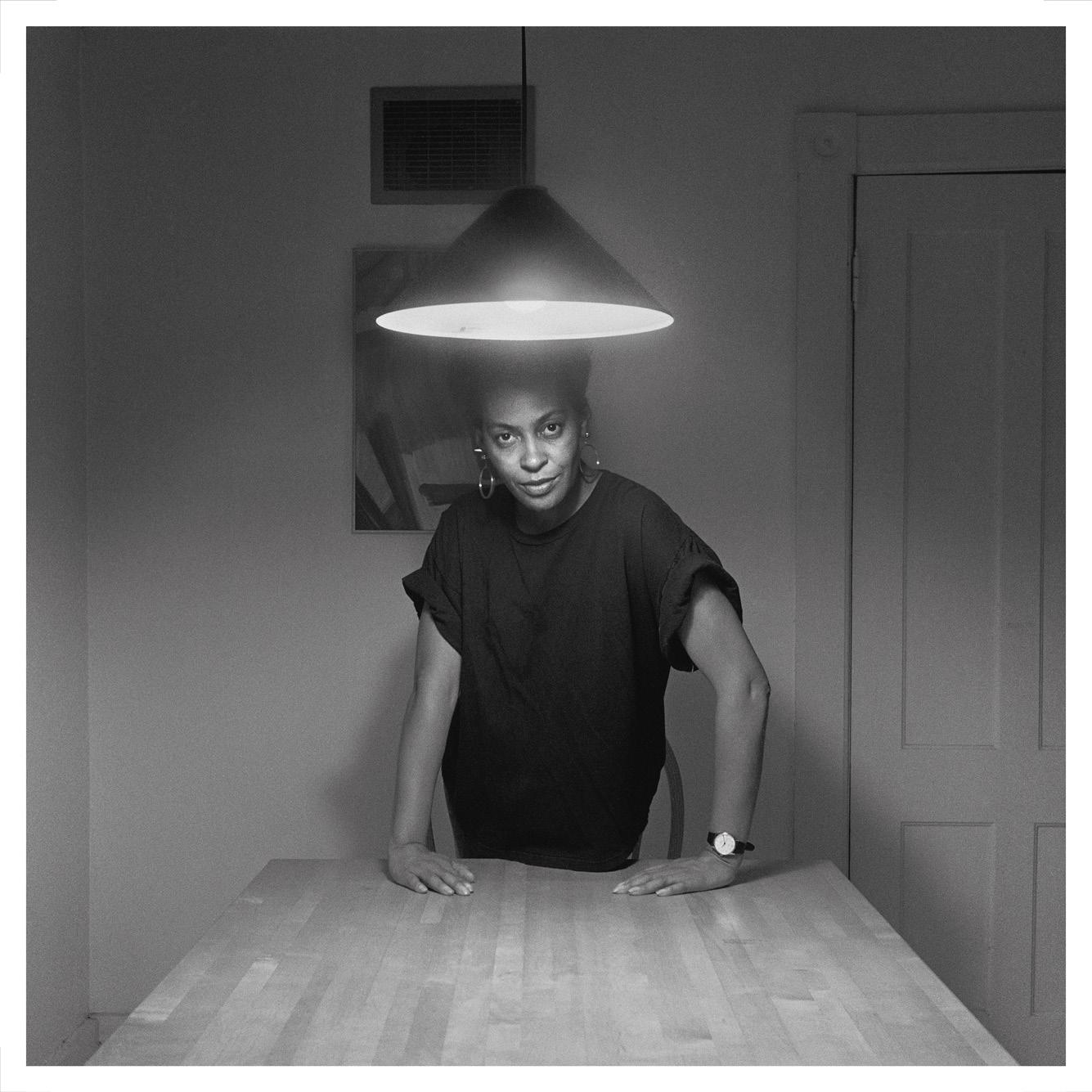
146 Aesthetica
Carrie Mae Weems, Untitled (Woman Standing Alone ). From Kitchen Table Series (1990).
Gelatin silver print. © Carrie Mae Weems. Courtesy of the artist, Jack Shainman Gallery,New York / Galerie Barbara Thumm, Berlin.