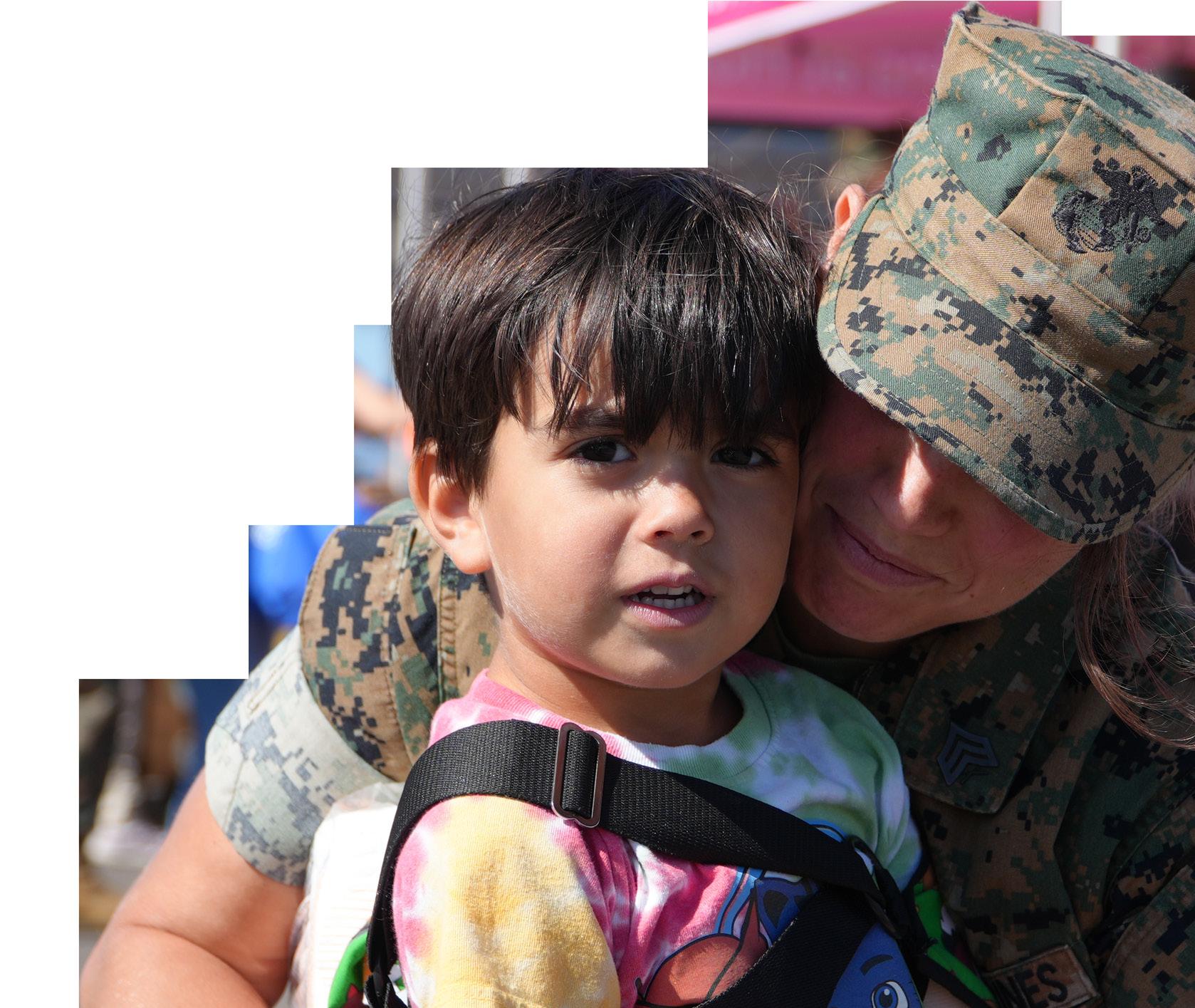
Everything we do is inspired by the military service and sacrifice of our members. We’re grateful for our 2 million+ Veteran members and their commitment to our country—and we’re proud to support them with member-exclusive offers, financial resources and award-winning service. See All We Do



A FEDVIP Vision plan designed with your eyes — and lifestyle — in mind is just a few clicks away. UnitedHealthcare offers:
• $0 exam copay on both the High and Standard Plans
• Access to 175,000 providers and major retailers*
• Up to $225 frame allowance
• An additional annual eye exam and pair of glasses for expectant mothers and children**


SDVM is a veteran-focused magazine throughout ALL San Diego & Southern California. It serves to assist all veterans, active military as well as their spouses and families.
It is the leading veteran magazine emphasizing resources & support and focusing on topics and issues facing today’s veteran community. SDVM focuses on resources, support, community, transition, mental health, inspiration and more...
The content is the driving force behind our magazine and the connection it makes with our veterans, service members, military families, and civilians.
The magazine is supported by the city of San Diego and a distinguishing list of veteran organizations & members, resource centers, coalitions, veteran advocates, and more. We are honored to share the work of so many committed and thoughtful people.
Despite all the challenges, our team has upheld their focus and let not one opportunity go to provide resources and support to our veterans & military personnel.
On behalf of our team, we wanted to take this moment to say THANK YOU to the readers and our military-veteran community for supporting our magazine. With that support we aim to make a difference and continuing to make a profound impact on the quality of life for our veterans, military personnel and their families.
If you want to catch up on the current and past issues, please visit: www.sandiegoveteransmagazine.com/archives
Mike Miller
Editor-In-Chief
mikemiller@sdvetsmagazine.com
www.sandiegoveteransmagazine.com
Publisher
Editor-In-Chief
Mike Miller
Monthly Columns
What’s Next Transition
Eve Nasby • Kristin Hennessy
Human Resources
Paul Falcone
Franchise Dreams
Doug Dwyer
Successful Transitioning Stories
Dr. Julie Ducharme
Veterans in Business
Barbara Eldridge
Risky Business
Hadley Wood
Real Talk: Mental Health
Hope Phifer
PTSD: Reclaiming Control
Robert ‘Bob’ Cuyler, PhD
TLC Caregiving
Kie Copenhaver
Legal Eagle
Kelly Bagla, Esq.
Veterans Chamber Commerce
Joe Molina
Midway Magic
David Koontz
Veterans Chamber Commerce
Joe Molina
Contributing Writers
Wounded Warrior Project
Disabled American Veterans
(In-House) Correspondents
Holly Shaffner
CJ Machado
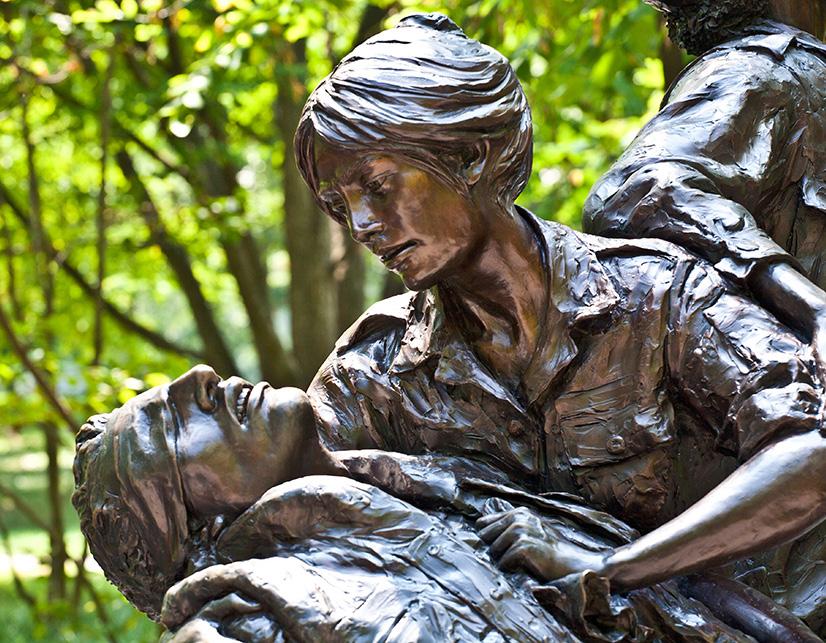
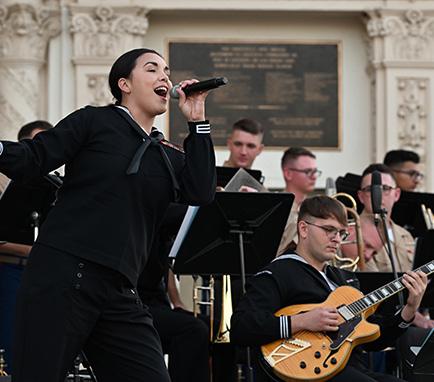
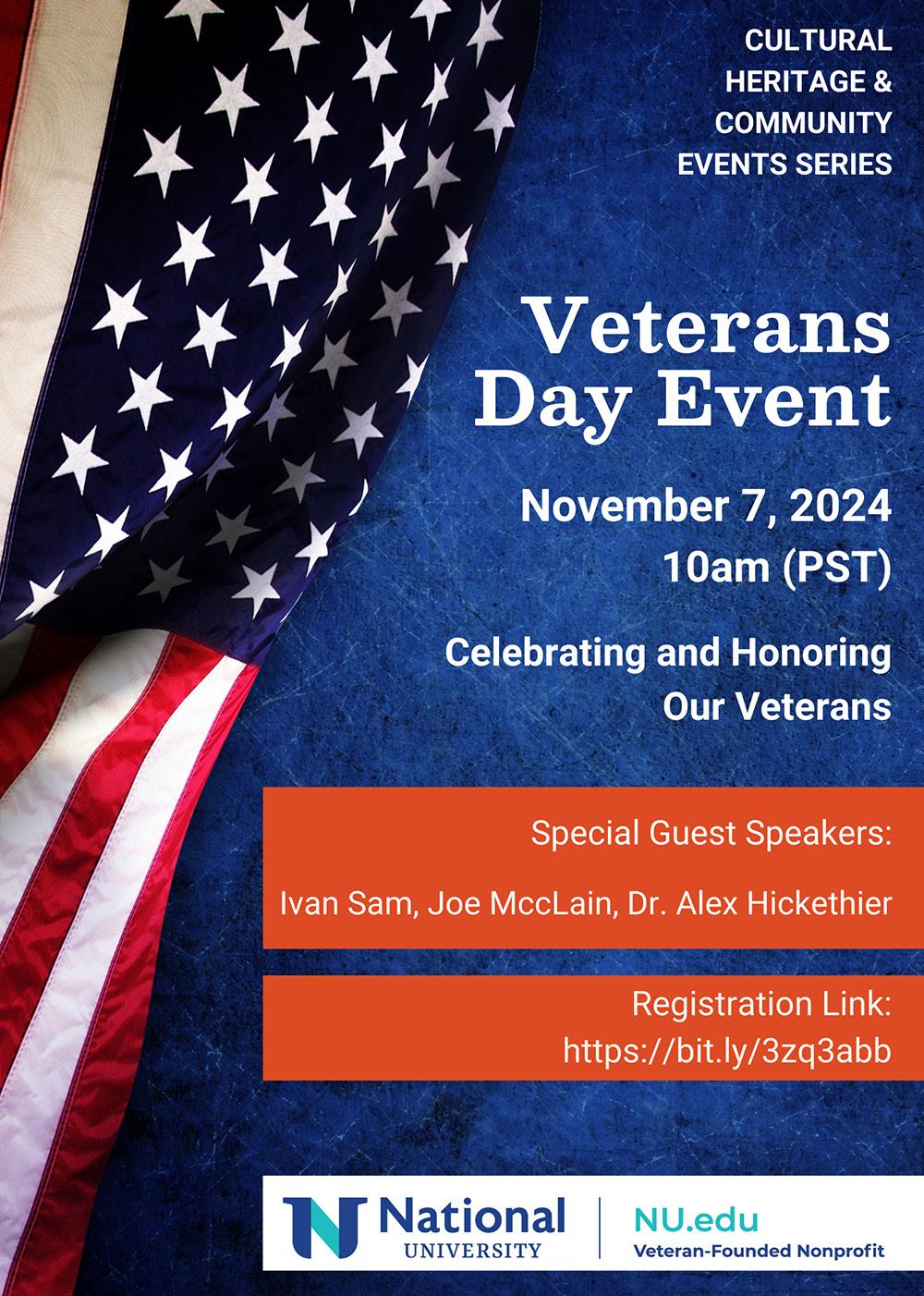
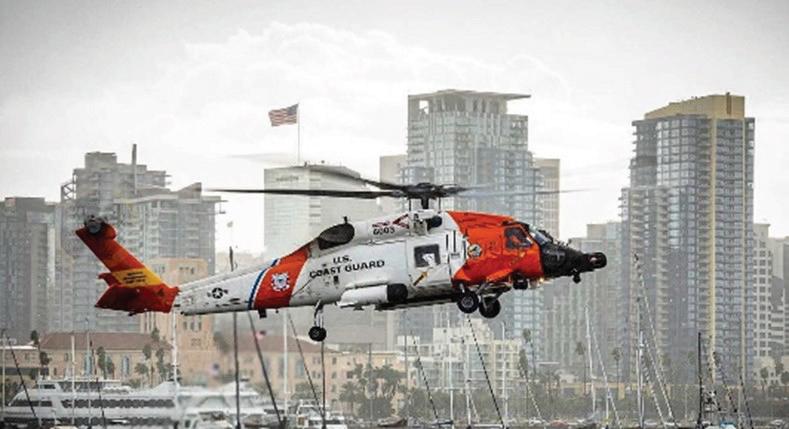
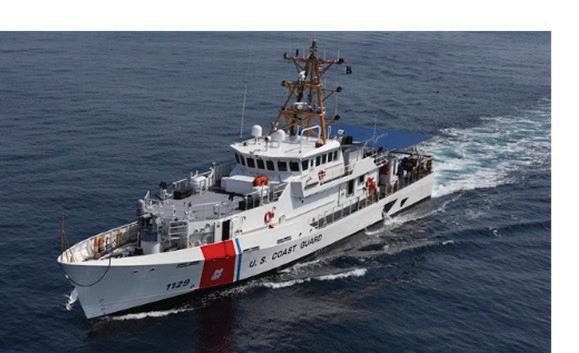
Please join us on Monday, November 11 at 4 p.m. at Miramar National Cemetery
Keynote Speaker: Rear Admiral Joseph Buzzella Commander, Eleventh Coast Guard District

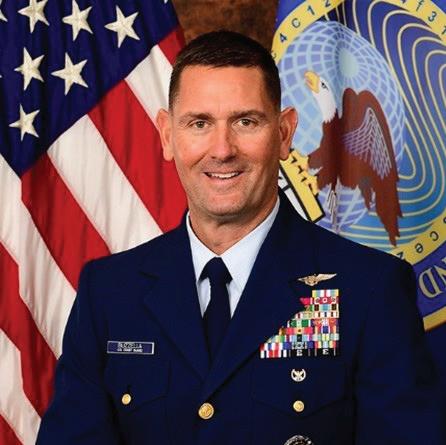
The ceremony is open to the public, and free to attend. For more information, go to: www.miramarcemetery.org

He came into this world at the start of the Great Depression. Life was not easy growing up during one of the most devastating economic times in the country’s history, but there was something special about him. Even as a kid, he saw light instead of darkness.
Later, his older friends and relatives served in the military during World War II, but he was too young to join the fight. In 1948, however, after a few unfulfilling semesters at college, he enlisted in the Navy.
Having learned to play multiple instruments in his youth, Bill earned a coveted spot in the Navy’s School of Music in Washington D.C. It was there that he met Bea, who would become the love of his life.
The daughter of an American diplomat, born and raised in Europe, and speaking three languages, Bea only came to the United States as a 10-year-old to escape the Nazis at the start of the Second World War.
After a chance meeting in 1949, their casual conservations blossomed into a romance. A few years later, after tying the knot in the nation’s capital, they moved to Norfolk, Va., where Bill was assigned to the USS Midway (CV-41) as member of the ship’s band.
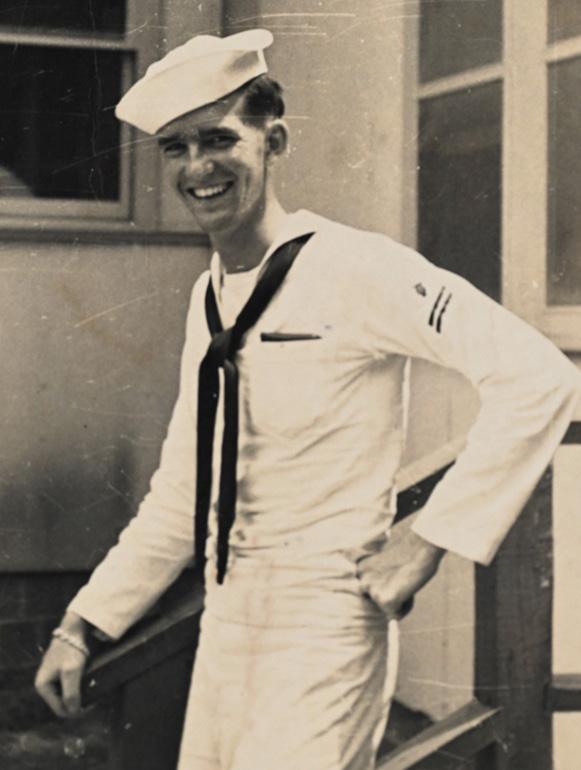
In May 1951, Midway pushed away from the pier in Norfolk. The ship would be at sea for most of the next two years. Bill and Bea would routinely be separated by hundreds to thousands of miles. Thus began a long-distance letter writing crusade – letters of love – that would ensure the two would remain united in spirit regardless of how far they were apart.
Dozens of other letters and cards were written between 1951 and 1952 while Bill was assigned to Midway. For more than 50 years, they remained hidden. It wasn’t until 2007, shortly after Bea’s death, that the letters were discovered.
“The night of Bea's memorial service, my sister, cousins and I retreated to the upper loft, our hang-out space at my grandparents' house,” said Peyton Roberts, Bill and Bea’s granddaughter. “My older sister was rummaging through old family artifacts and found a small, fireproof box. Inside the box was a neat stack of love letters.”
With Bill still alive, Peyton and her relatives didn't feel comfortable reading the letters. However, since Bea had made the point to save them for more than five decades, they knew they were significant.
Sadly, Bea’s death was very difficult on Bill. It was only after he passed away a few years later that the letters resurfaced.
“My mom brought the letters to our duty station in Virginia Beach,” said Peyton, whose husband is currently in the Navy. “I remember feeling absolutely astonished when I discovered the letters were written just weeks after Bea and Bill were married. The letters were such treasures, and I instantly wanted my mom, aunt, sister and cousins to be able to read them. I spent the next year transcribing them, researching their contents, and editing it all into a book just for family and close friends.”
It would take a few more years before elevating her efforts into a book available to all. The re-sult is an intimate examination of the relationship between her grandparents through his letters when he was deployed on Midway. The book titled “My Dearest Bea” was published earlier this year.
“I worked on this book over the next 10 years,” said Peyton. “The project morphed and changed as time passed, and the significance of the letters took on new meaning. During the past two years, I revised the story for readers who didn't know my grandfather personally, but might take interest in the love letters
or in his story. Turning the letters into a book was such a worth-while process because of the time spent savoring every sentence my grandfather wrote.”
For Peyton, it’s hard to say which of the letters is her favorite as each one holds a special meaning. However, the constant thread woven through each letter was how much he loathed being away from his darling Bea.
The book has been both an emotional and personal journey for Peyton, one that has helped her become even closer, albeit now in spirit, to her grandparents. It has also been a rare opportunity to share with others a poignant love story, a story that spans the ages.
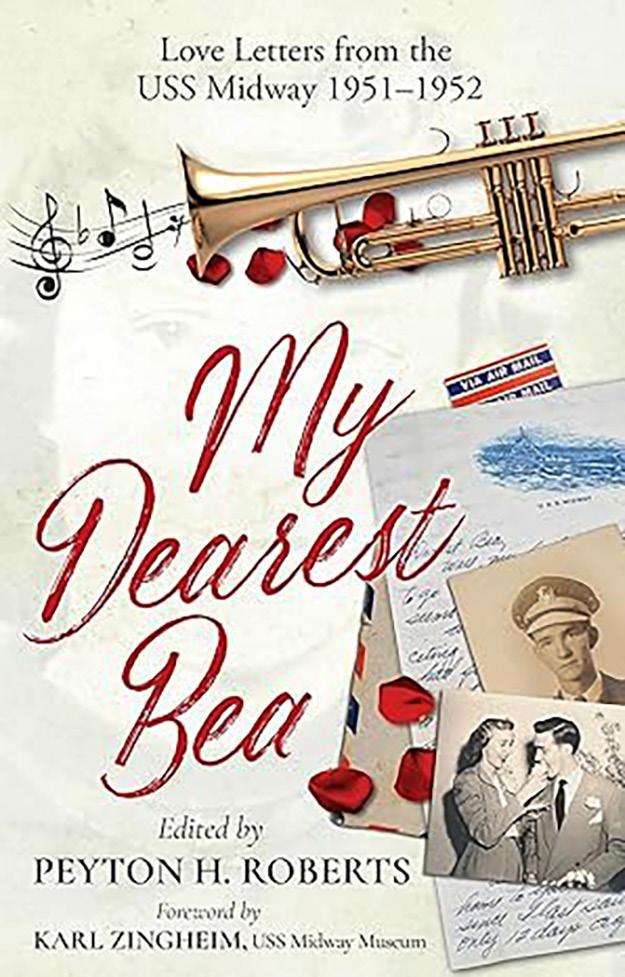
“When I spend time with these letters, I feel the warm glow of a love that crossed oceans,” said Peyton. “I hope “My Dearest Bea” will be an encouragement to couples, especially those who are enduring a season of separation. I also hope all readers, no matter their background or season of life, will see the tremendous, lasting value of writing down what you appreciate about someone and sharing those words with them.”
“My Dearest Bea” is available at the USS Midway Museum’s gift shop and on Amazon.

www.midway.org/contact/volunteer-opportunities
www.midway.org
The San Diego Fleet Week Foundation is celebrating its 23rd consecutive year producing Fleet Week San Diego.
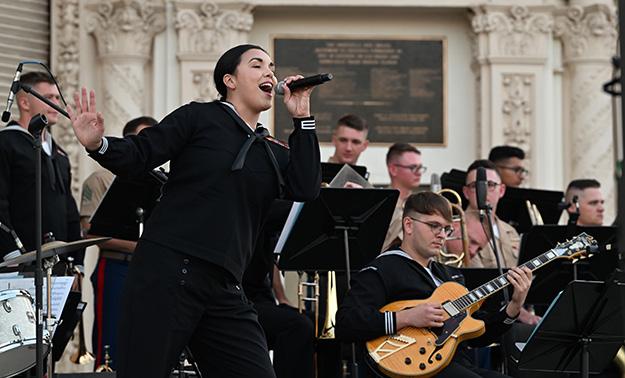
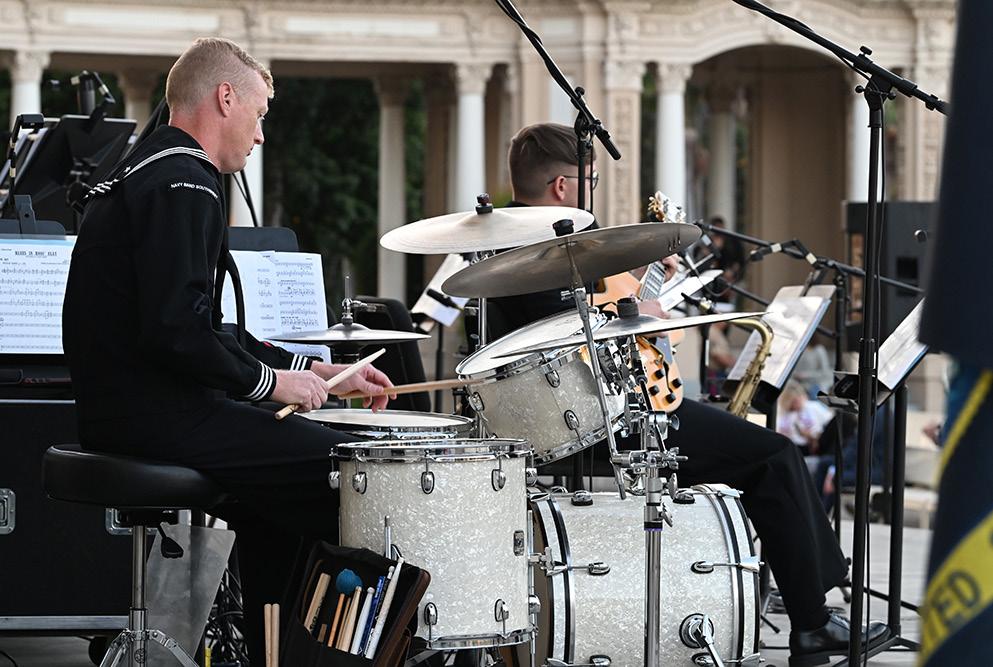
This year’s series of events will run from 1 November through Veterans Day 11 November. When you read this article two of the events will have already taken place on 1 November. They are the long-standing Enlisted Recognition luncheon at the San Diego Zoo which hosts 300 active duty Sailors, Marines and Coast Guardsmen plus 200 members of the community, and the Military and Veterans Appreciation Concert at the Spreckels Organ Pavilion in Balboa park featuring a combined Band of Navy and Marine Corps musicians from Navy Band Southwest and Marine Band San Diego. We hope that you were able to join in these two events.
On Saturday 2 November a brand-new event to the Fleet Week San Diego lineup called “Meet the Fleet At 32nd Street will take place at Naval Base San Diego. CAPT Bob Heeley Commanding officer of the base will open the base to the public from 9:00 A.M until 3:00 P.M for public visitors. Guests will be able to tour several US. Navy ships and Navy displays, listen to the Navy band, plus lots of fun and games for the youngsters.
Additional details can be found at Meet The Fleet at 32nd Street - Fleet Week San Diego 2024 fleetweeksandiego.org/meet-the-fleet-at-32nd-street
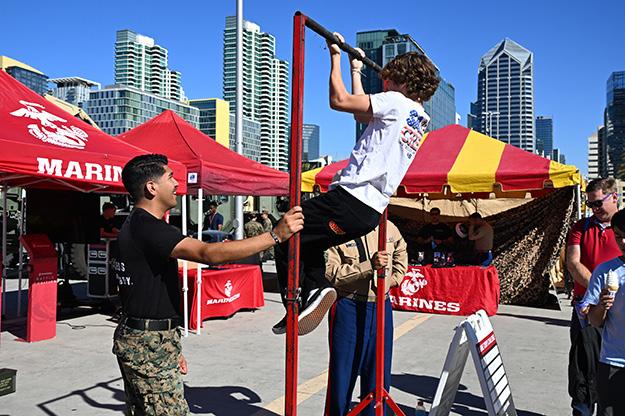
On Tuesday 5 November the action shifts to the Broadway Pier in downtown San Diego with the arrival of the USS Germantown (LSD 42) and the US Coast Guard Cutter Forrest Rednour (WPC 1129) along with Marine Corps equipment and lots of Military and High tech Displays both on the Pier and inside the Pavilion at the “Alaska Airlines Innovation Zone.
Many of the Military Displays from previous years will be retuning this year including a complete Marine Corps Field Hospital tent from Camp Pendleton, along with additional Medical displays from Naval Medical Center San Diego. The Naval Information Warfare center San Diego will have an extensive lineup of interactive High tech displays along with some of the latest technology from San Diego’s leading innovation companies. A couple of new and exciting interactive displays this year include Alaska Airlines Flight Simulator, and the U.S. Navy’s latest high tech virtual reality recruiting experience called the “Navy Strike Group Experience”.

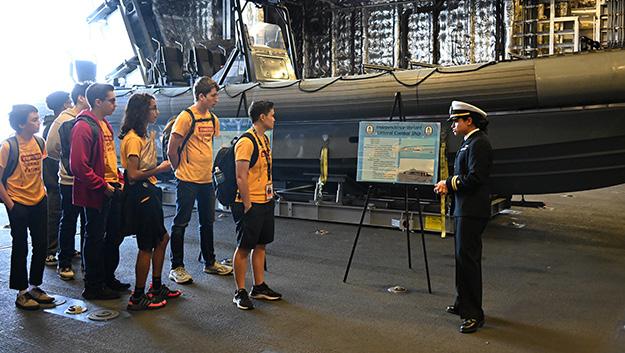
Wednesday and Thursday 6 and 7 November and half a day on Friday 8 November will be exclusively reserved as Student STEM Days. Literally thousands of San Diego School children grade 5 thru 12 will have the opportunity visit the ships and displays.
On Friday at 1:00 P.M. Broadway Pier will be open to the general public. Also, on Friday the US Coast Guard Cutter Munro (WMSL 755) will arrive at the Pier and be open for tours. Munro is one of the Coast Guards newest National Security Class Cutters and is named after Signalman First Class Douglas Munro, who is the only Coast Guard Medal of Honor winner.
Public visiting hours are from 1:00 P.M until 4:00 P.M. on Friday and from 10:00 A.M until 4:00 P.M. on Saturday through Monday Veterans Day.
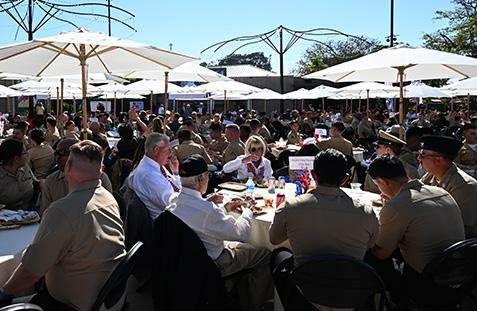
All events on the pier are free and family friendly. In addition to the ships and displays there will be food vendors and musical entertainment daily on the Fleet Week Stage, as well as Search and Rescue Demonstrations by the U.S Coast Guard in San Diego Bay.
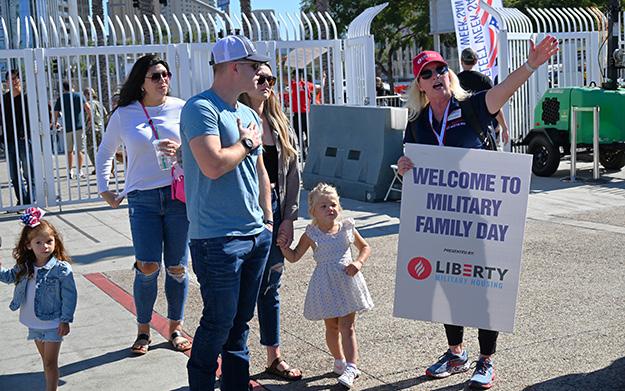
On Sunday 10 November Fleet Week will host Military Family Day with special entertainment and games for the children. We will also celebrate the U.S. Marine Corps 249th Birthday with a special Birthday Cake Cutting Ceremony.
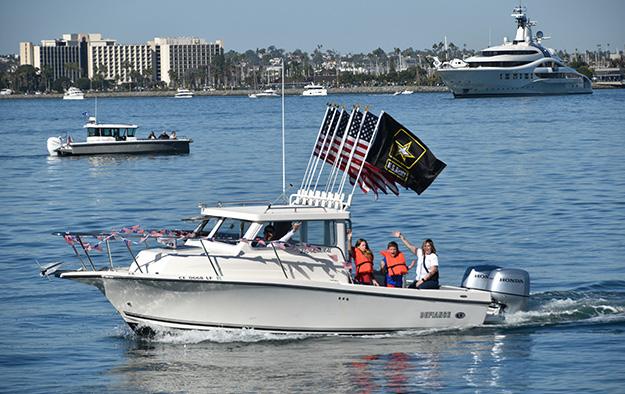
On Monday Veterans Day the traditional Veterans Day Foot Parade on Harbor Drive will start at 10:00 A.M. at the County Administration building and end at Seaport Village. The Foot Parade will be immediately followed by the Fleet Week Boat Parade in San Diego Bay which will start at the Southern end of Shelter Island, proceed past Harbor Island and the Embarcadero, the Midway Museum and Cesar Chavez Pier, cross the channel and end in the vicinity of the Coronado Ferry Landing.
The Boats will all be decorated in Patriotic themes and will compete for trophies representing the five Military branches.
Fleet Week 2024 will wrap up with a midafternoon concert on the Fleet Week stage featuring a local San Diego band. Bring the whole family and enjoy this unique San Diego event.
For more information on Fleet Week San Diego, visit the Fleet Week website at: fleetweeksandiego.org/meet-the-fleet-at-32nd-street
As is tradition, Veterans Day ceremonies honor the service of all Veterans and provide us all an opportunity to thank our Veterans for their selfless sacrifices and service to our Nation.
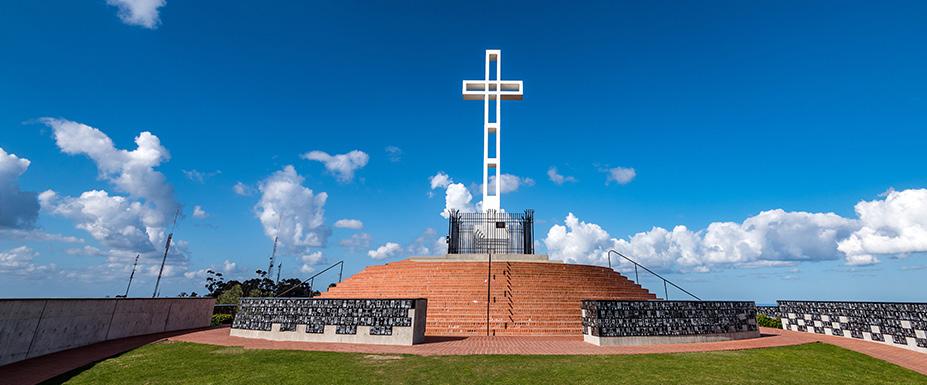
This year The Mt. Soledad National Veterans Memorial will pay a special tribute to those Veterans who served and fought during the Korean War as well as those still Missing in Action. We will also host and recognize all Veterans and their families and as well as recognize those Veterans from the San Diego Korean community. As part of a national commemoration under Presidential proclamation, we proudly recognize with distinction former Prisoners of War and the families of those who are still listed as Missing in Action and the service, valor, and sacrifice of our Veterans.
All are welcome to attend the annual Veterans Day Ceremony being held on Saturday the 9th of November at 11 am atop Mt. Soledad in La Jolla. The ceremony will feature an aircraft flyover and patriotic musical performance by the Marine Band San Diego, Italian Tenor and Soloist Rosario Monetti along with Soprano and Soloist Helen Oh. The Master of Ceremonies is Brad Wills, FOX 5 News and the Keynote Speaker is Major General Mark MacCarley US Army (Ret.)
The community is encouraged to gather atop Mt. Soledad to commemorate the service and sacrifice of all Veterans, with a special focus on those American and Korean veterans who fought and served during the Korean War. These veterans are often referred to as the "Forgotten Heroes" of a conflict that, though less
discussed, was a pivotal moment in U.S. military history. Their courage and determination helped secure peace and stability in the Korean Peninsula, and their legacy continues to inspire new generations of servicemen and women.
At the Mt. Soledad National Veterans Memorial, their memory is enshrined among the over 6,600 plaques displayed on 18 walls, each telling the story of a life dedicated to service. These plaques, proudly surrounding the iconic cross atop Mt. Soledad, serve as a permanent reminder of the bravery and commitment of our armed forces. This Veterans Day, we will not only celebrate those who returned home but also remember those who never made it back, ensuring their stories are never forgotten.
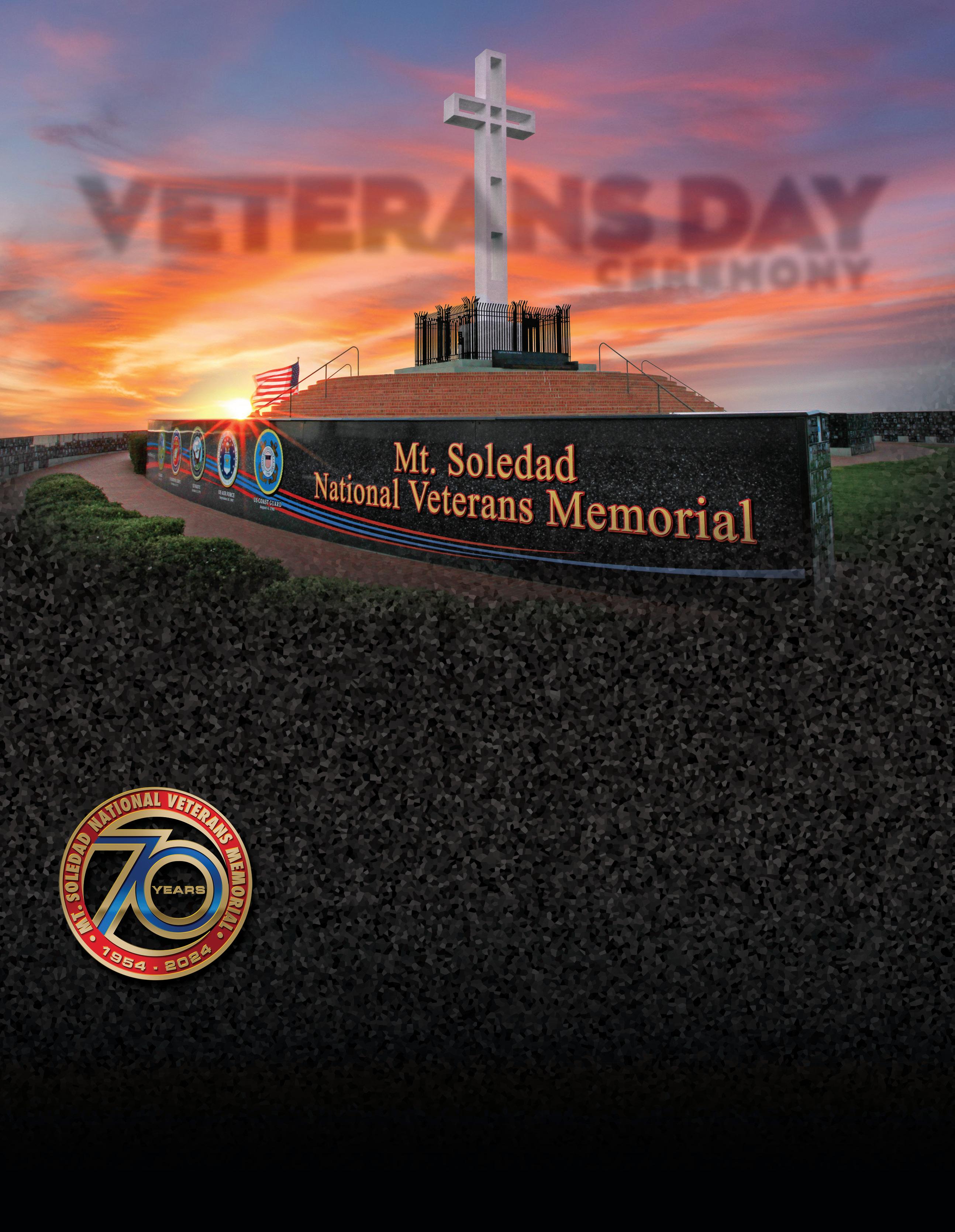
This year’s ceremony is significant as it coincides with the 70th anniversary of the Mt. Soledad National Veterans Memorial. Established in 1952 by Veterans, local business leaders, and families from the La Jolla community, this majestic site has stood as a beacon of honor and remembrance for seven decades. From its breathtaking vantage point, the Memorial offers a place for reflection and gratitude, inviting visitors to pay tribute to both living and deceased veterans. As we mark this milestone, we look forward to continuing our mission to preserve the legacy of our nation’s heroes, ensuring their service is remembered for generations to come.
The memorial is located at 6905 La Jolla Scenic Drive South, La Jolla, CA. Visit www.soledadmemorial.org to learn more or call 858-384-3405.
Honoring Veterans of the Korean War
Saturday • Nov 9 • 2024 • 11AM - 12PM
https://soledadmemorial.org/donate/
By Kie Copenhaver CSA, RHIA, SHSS, RCFE Aging 123
Veterans Day is Saturday, November 11, 2024. This day is an opportunity for us all to pay tribute to the men and women – living or dead – who have served our country; but specially to honor those living veterans who served to protect our freedoms.
San Diego is home to over 240,000 veterans, one of the nation’s largest concentrations of veterans. And with roughly 100,000 active service members, San Diego is a highly desirable destination for active and retired service members from all branches of the military. With such a large population of military members and their families, programs like the VA Homemaker/Home Health Aide Program, In-Home Respite Care Program, and the Aid and Attendance benefit program can play a significant role in caring for our veterans.
The VA Homemaker/Home Health Aid Program will pay a partnered in-home care agency for non-skilled assistance services with activities of daily living (ADLs) provided directly to the veteran.
Theses ADLs include things such as:
• Bathing and personal care
• Assistance with dressing and grooming (i.e., shaving, brushing teeth, hair care)
• Verbal medication reminders
• Meal preparation and feeding (if needed)
• Light laundry related to incontinence care
This program is very specific to services provided directly to the veteran and does not include the following:
• Companionship services
• Travel services or mileage reimbursement
• Heavy or non-essential housekeeping
• Yard care
• Medication dispensing
• Services when veteran is away from home
• Services outside of the veteran’s place of residence
• Services provided for other persons or pets in the residence
RetirementWhat’s Next


Eligibility for this service is assessed and determined by VA staff and a VA social worker will coordinate with the veteran and/or family member to set up services once approved.
The VA In-Home Respite Care Program provides much needed respite (a break) for an unpaid family caregiver, who is often the significant other or spouse of the veteran. The veteran is eligible to receive up to 30 days of 6 hours per day respite per calendar year. A VA Social Worker will initiate this service and the approval process is the same as the VA Homemaker/Home Health Aid Program. Additional respite days can be requested, and approval will be determined by VA staff.
The VA Aid and Attendance benefit provides veterans or surviving spouses monthly financial assistance to help pay for the costs of in-home care (assistance with activities of daily living) or offset the cost of an assisted living home or community. The Homebound allowance provides financial assistance for those veterans who are receiving a VA pension and spend most of their time at home due to a permanent disability.
To find out more about any of these veteran benefits, contact your local VA representative or call us at (619) 378-6895 We can help find an VA approved vendor who can assist with eligibility and the application process. Often, these VA approved vendors can get applications submitted and benefits approved in a fraction of the time the process typically takes. Get the help you need. Get the help you deserve.
You answered the call to serve our country; now it’s time to make the call and make your health and well-being a priority.

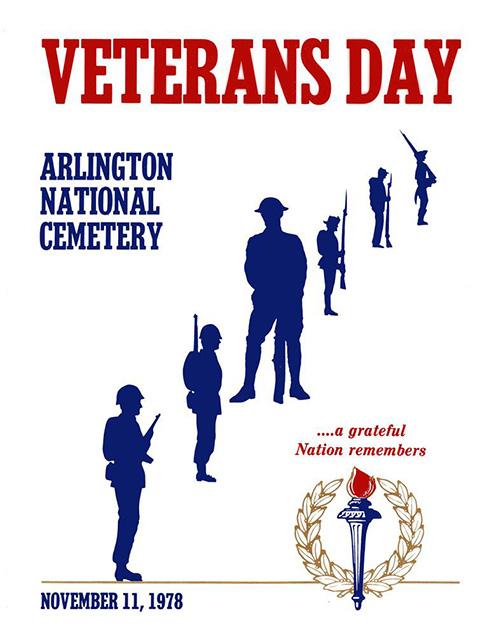
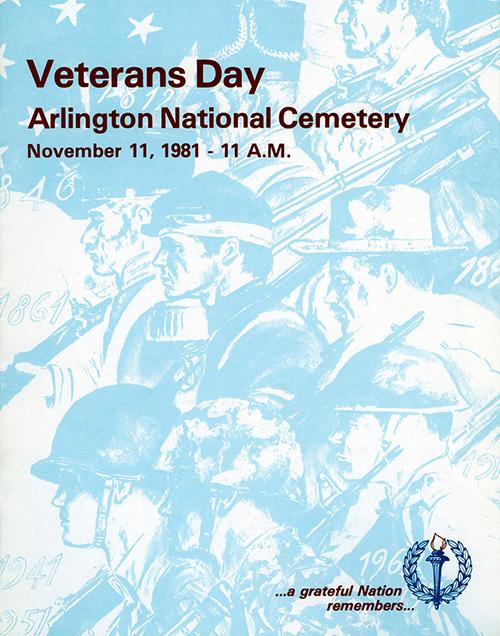
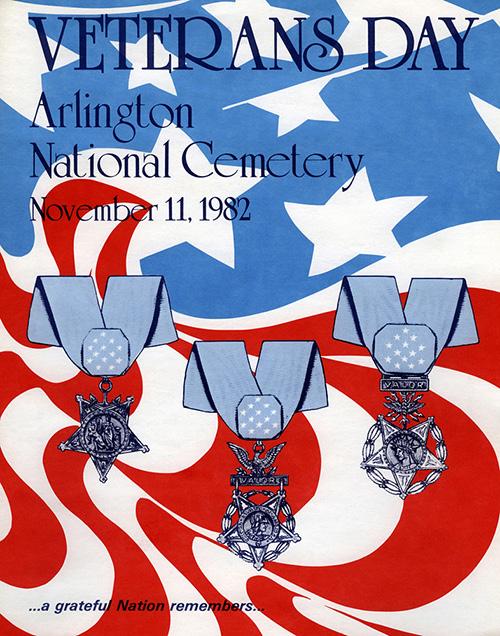
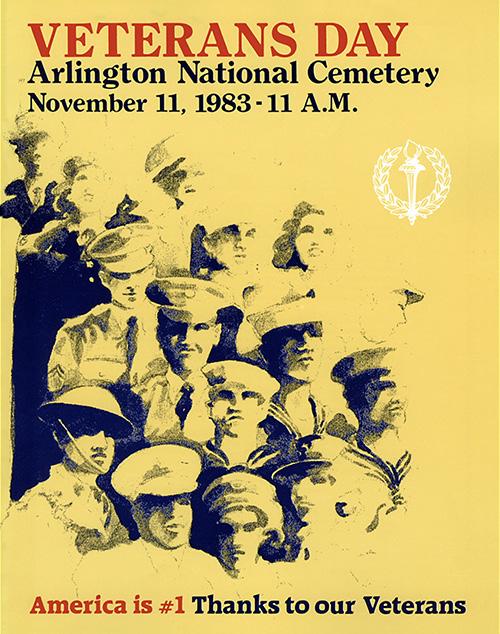
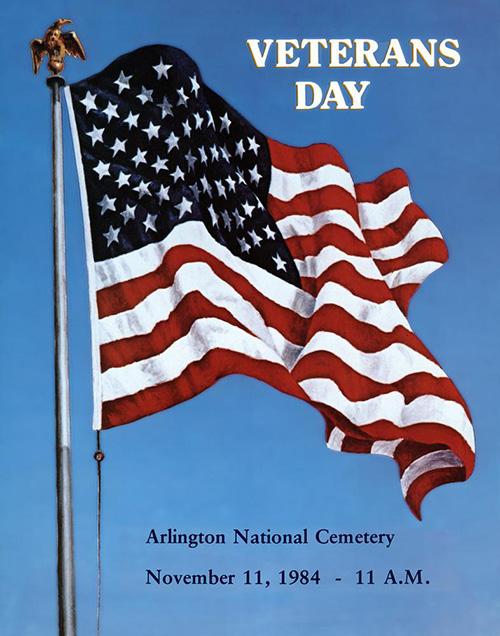
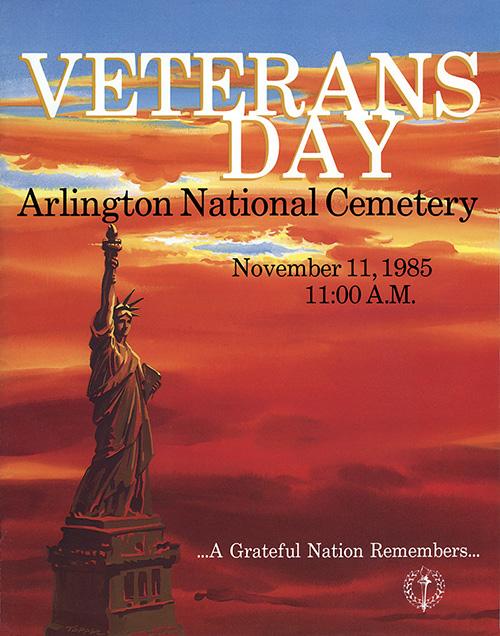
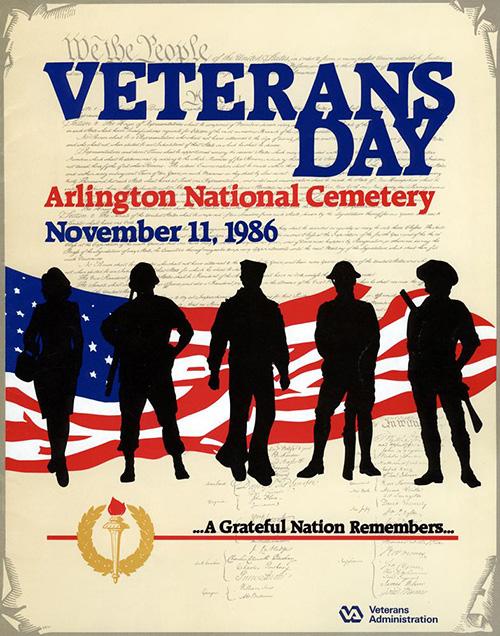
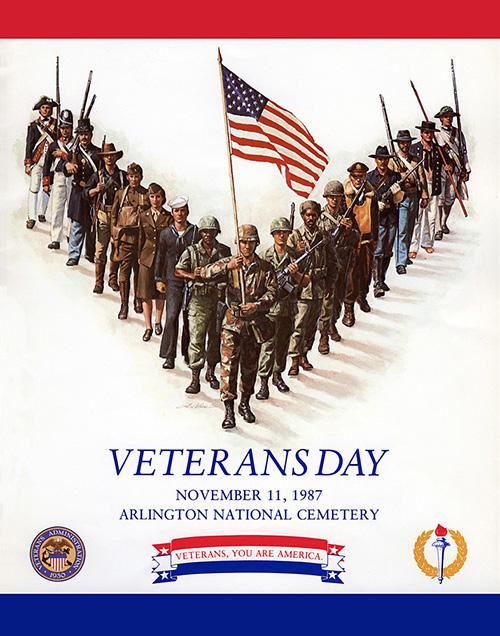
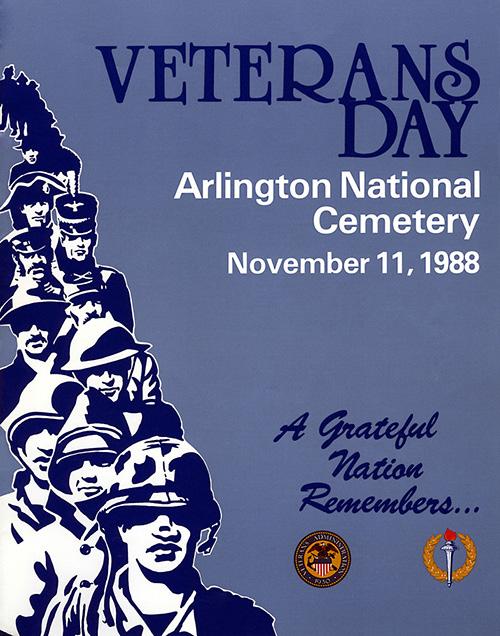
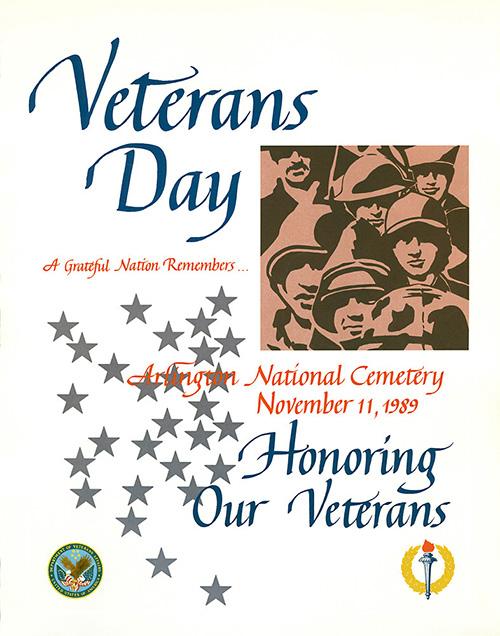
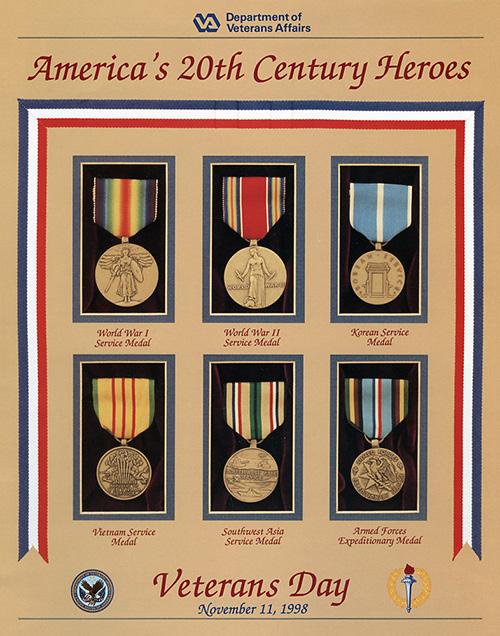
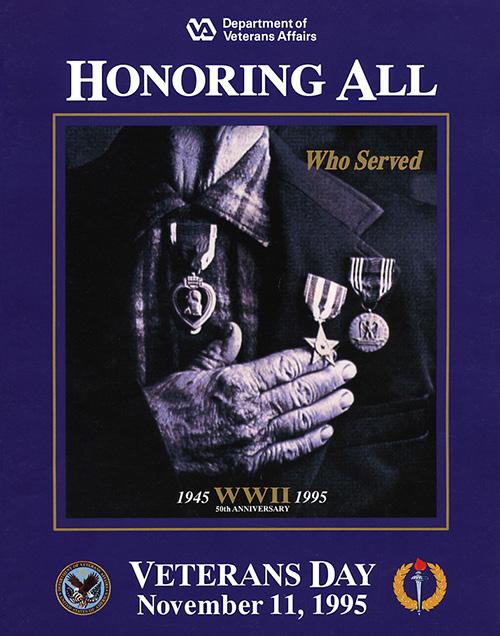
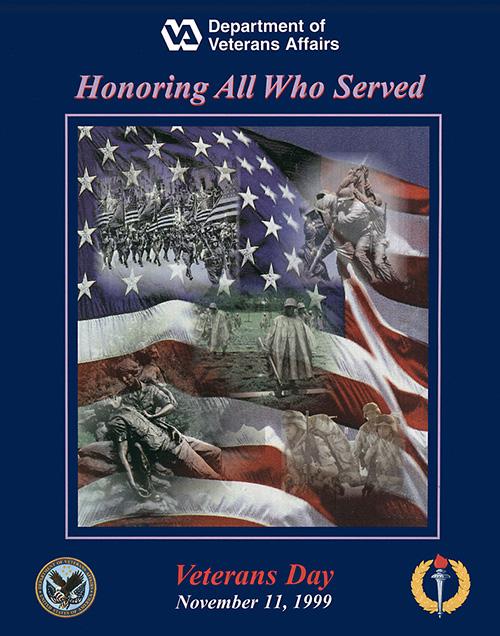
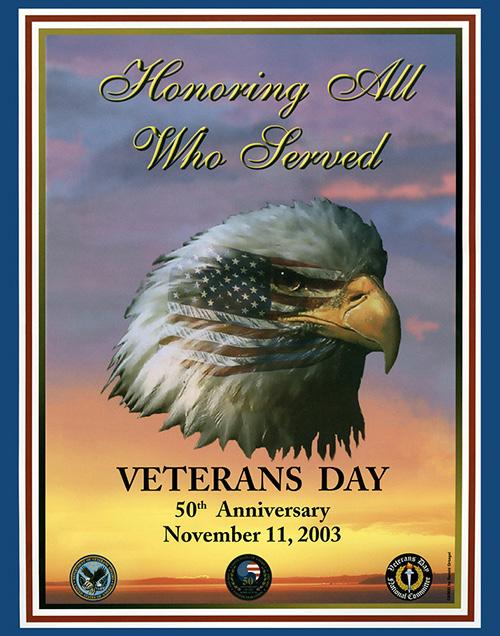
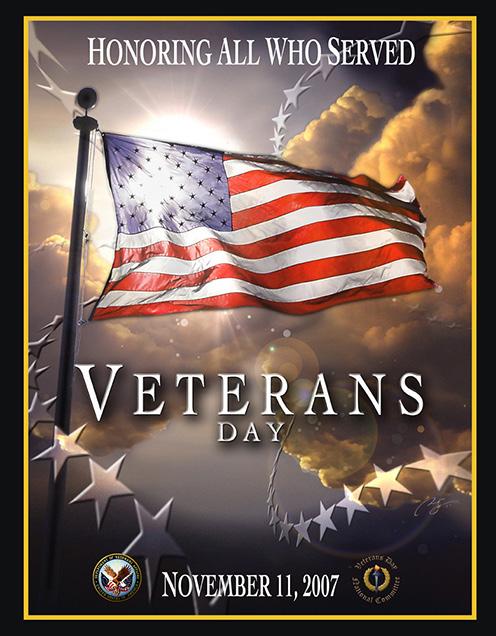
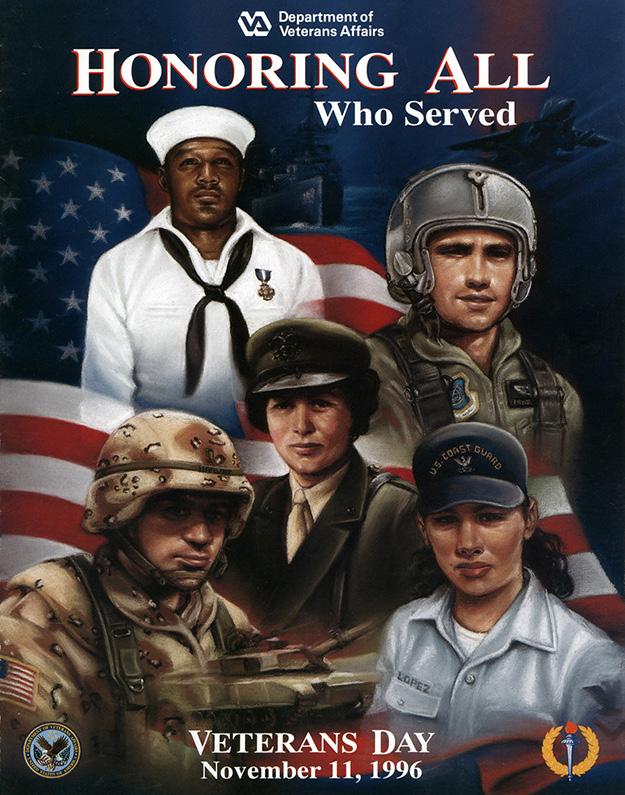
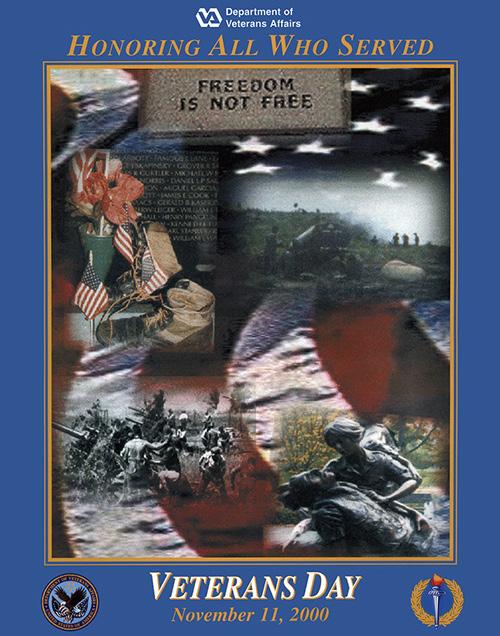

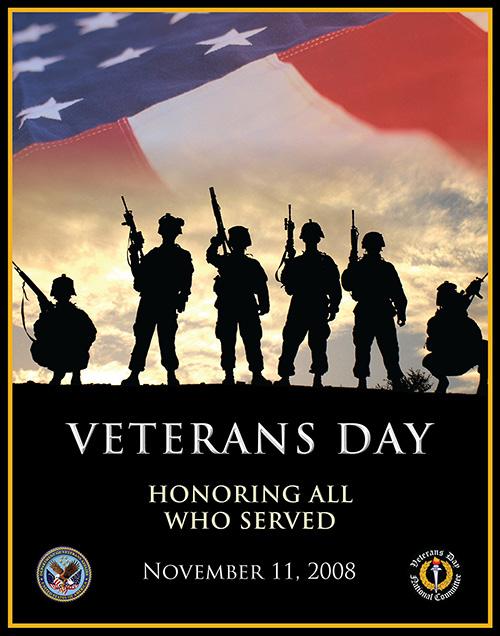
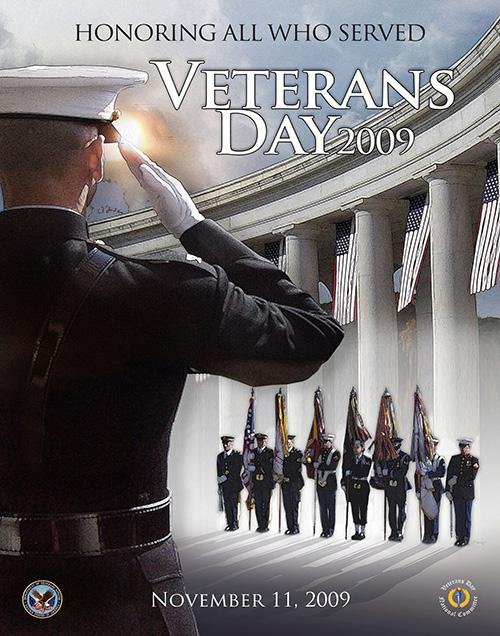
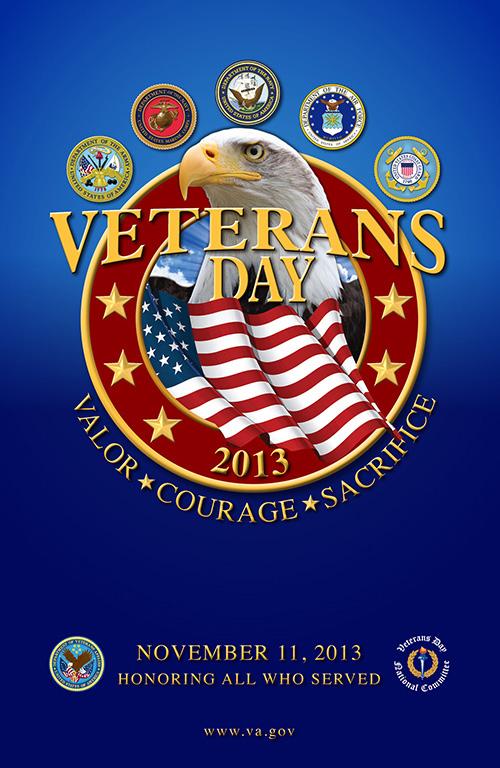
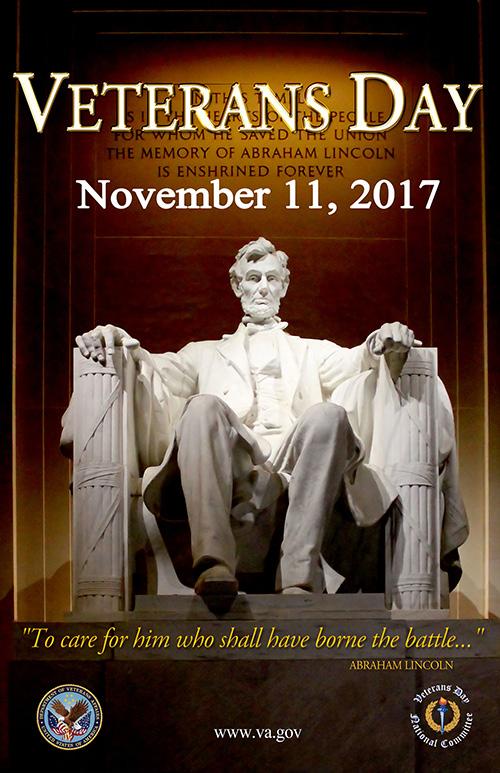
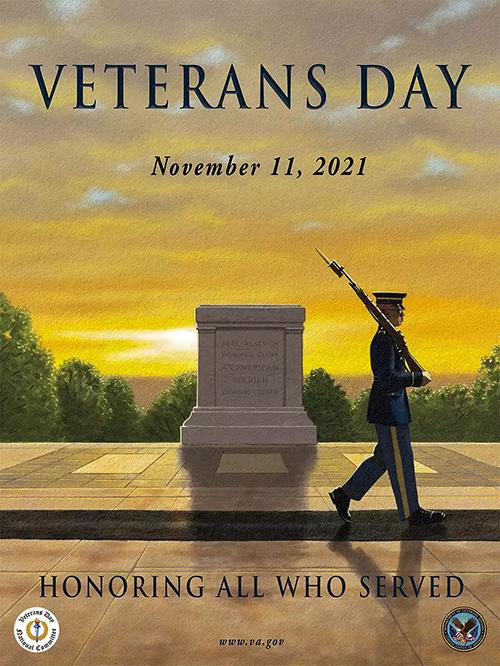
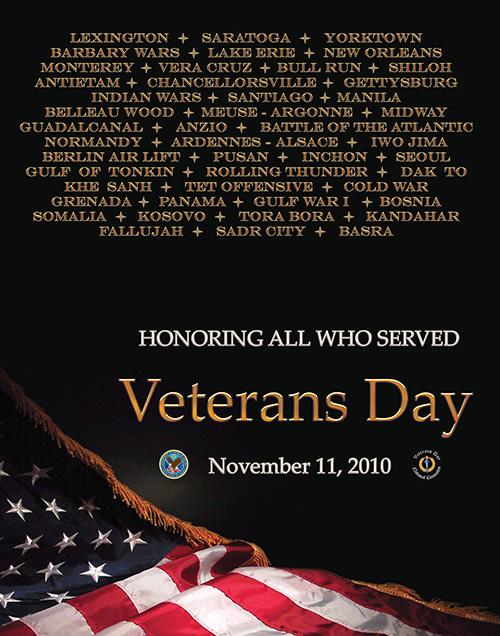
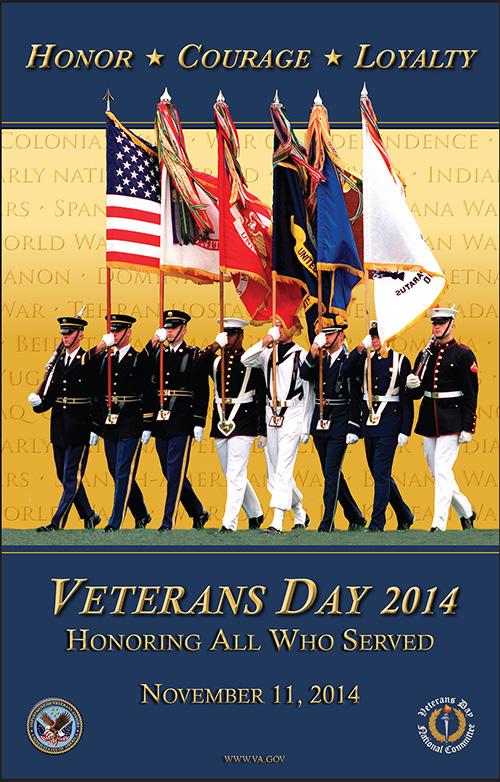
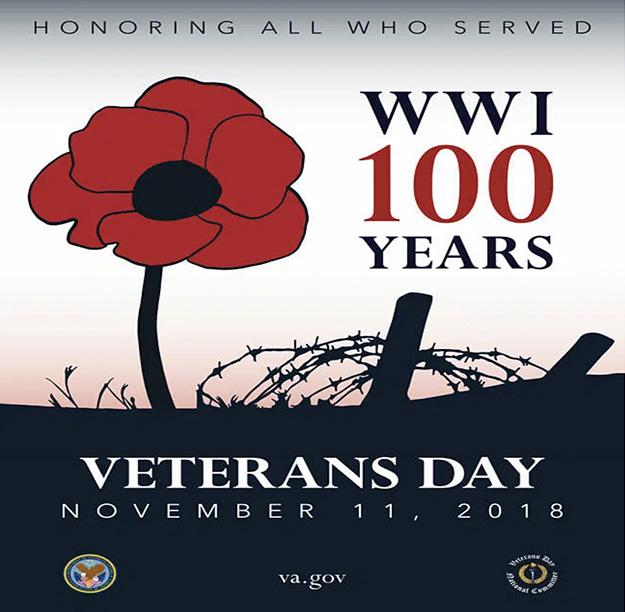
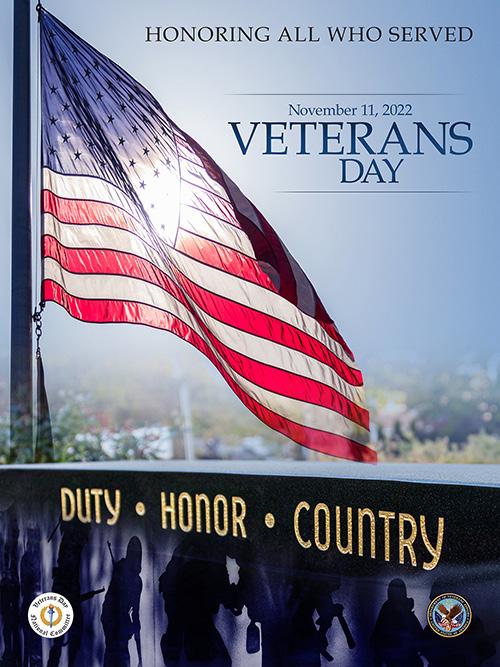
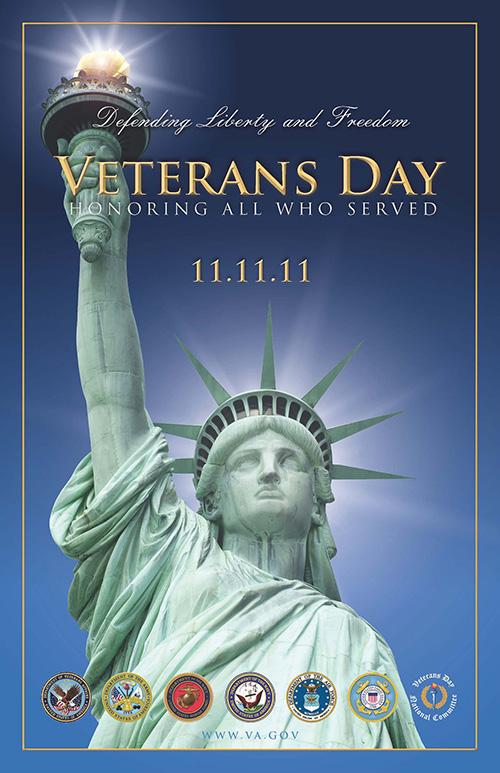
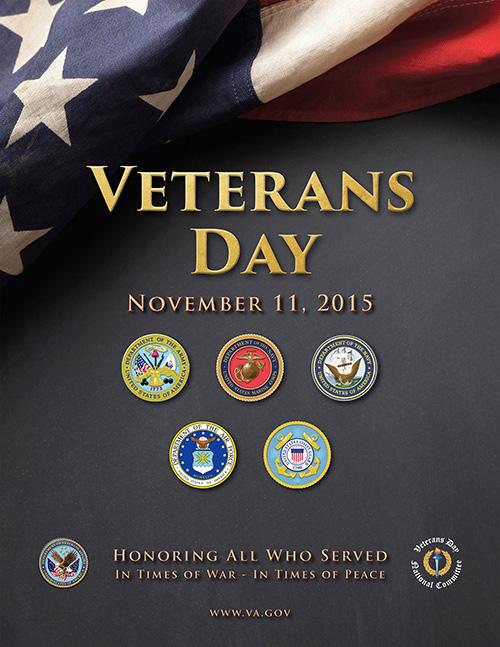

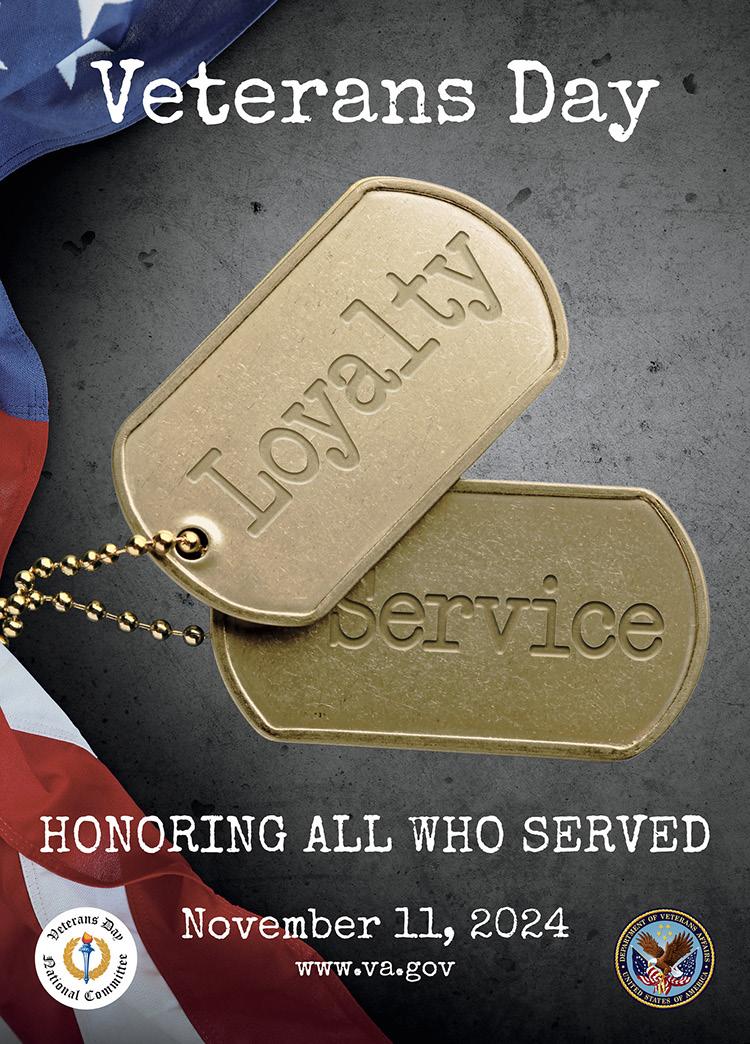
VETERANS DAY - MEMORIAL DAY

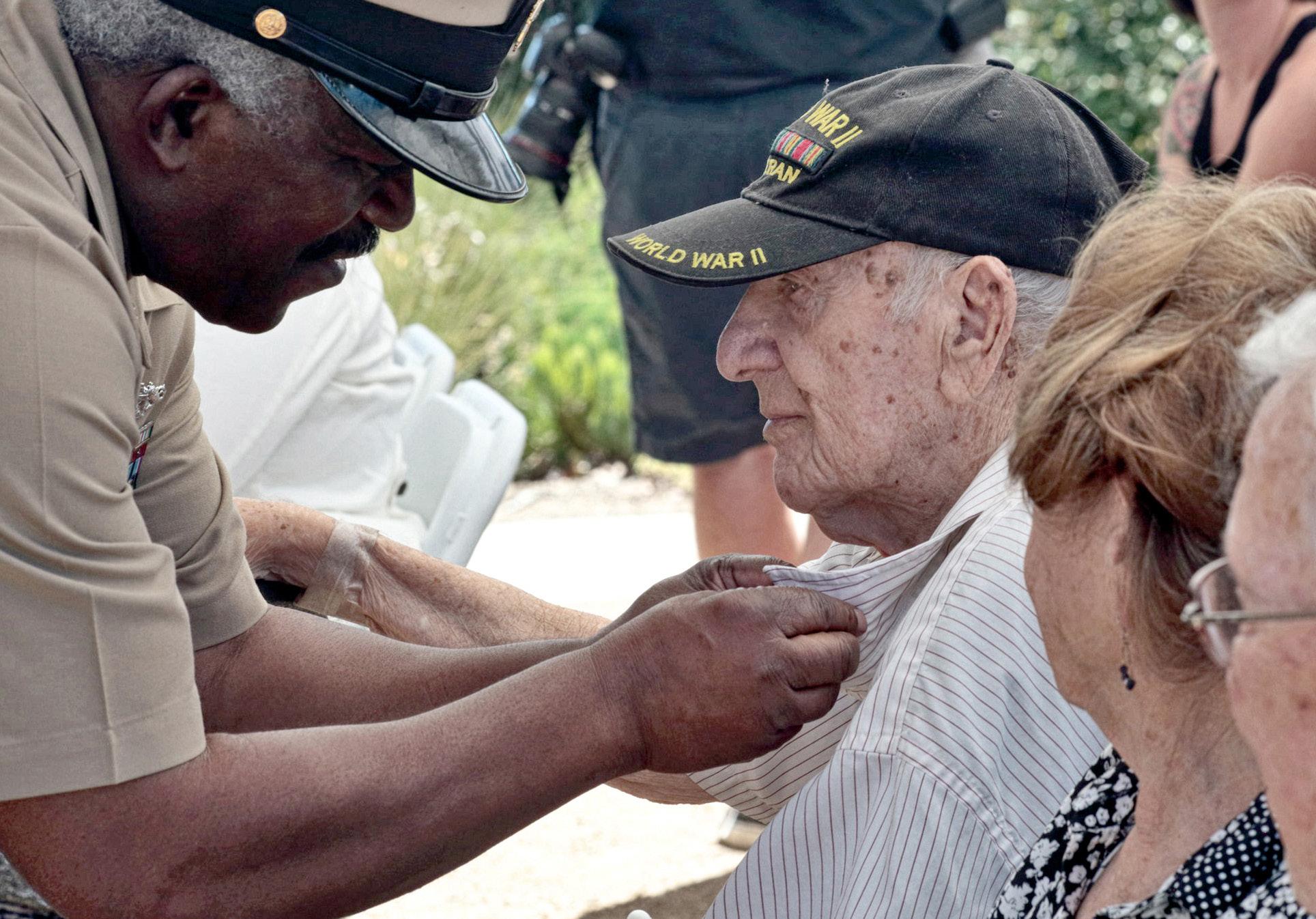
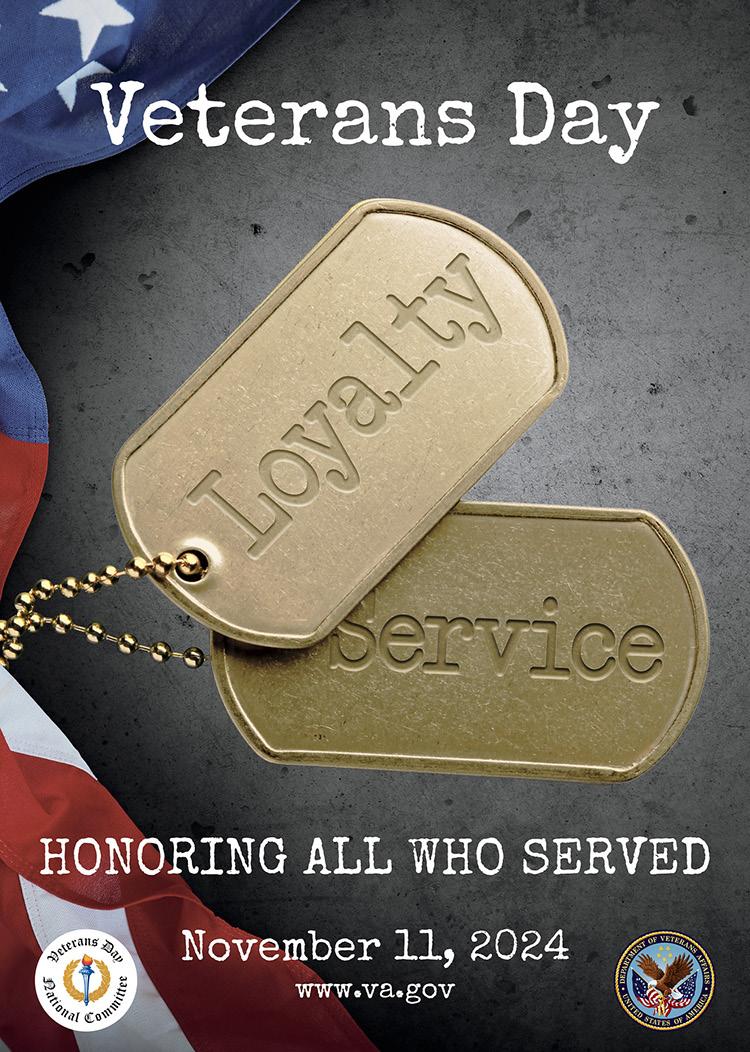
Veterans Day, a federal holiday that falls on November 11th, is designated as a day to honor the more than 21 million men and women who have served in the U.S. military.
It was first observed on November 11, 1919, as Armistice Day in honor of the first anniversary of the end of World War I, which officially ended on the “eleventh hour of the eleventh day of the eleventh month” in 1918. In 1926, Congress called for an annual observance of the anniversary and by 1938 it was an official federal holiday. A few decades later, in 1954, President Dwight D. Eisenhower officially changed the name of the holiday from Armistice Day to Veterans Day, as it is currently known today.
Thanks to the Uniform Holiday Act of 1968, the holiday was moved from its November 11 date to a less-defined “fourth Monday in October” so workers could enjoy a long weekend. However, this move didn’t last long. In 1975, President Gerald Ford returned the solemn day back to its original November 11 to honor the global historical significance of the day.
While it is important to thank all those who have served or are serving on a regular basis, on Veterans Day it’s especially important to take an extra moment to show military members gratitude for their sacrifice.
Memorial Day, which is celebrated on the last Monday in May, honors service members who have died in military service to the nation. The holiday has roots dating back to the post-Civil War era, when citizens would informally place spring flower memorials on the graves of fallen soldiers.
On May 20, 1868, over 5,000 first-ever National Decoration Day participants decorated the graves of the 20,000 Union and Confederate soldiers buried at Arlington National Cemetery. By the late 1800s, cities and communities across the United States began to observe the day and several states declared it a legal holiday. Over the next few decades, the day transitioned from being called Decoration Day to its current name of Memorial Day.
In 1968, Congress passed the Uniform Monday Holiday Act, which established Memorial Day as the last Monday in May instead of a set calendar day. By 1971, the threeday weekend for federal employees went into full effect.
Today, Memorial Day is often associated with the start of summer, discount sales and cookouts with friends. But you have the power to educate those around you and take a few moments to pay tribute to the fallen while still enjoying the sunshine and outdoors.
By Katie Lange DOD Historical Collection www.defense.gov
Thanksgiving is a hallowed American tradition filled with family, food, football and fun, but did you know we can attribute its creation largely to the military?
While conventional wisdom dates the first Thanksgiving back to 1621, when pilgrims in Plymouth, Massachusetts, joined in with local Native Americans to celebrate the fall harvest, it wasn’t a celebration that continued from year to year.
In fact, Thanksgiving didn’t really become any kind of tradition until we were trying to unify the nation during two of our biggest early struggles – the Revolutionary War and the Civil War.
During the revolution, the Continental Congress decided to declare several days of thanksgiving to help inspire our troops to victory. The first such day fell on Nov. 1, 1777, when news of some victories against the British reached their ears.
Gen. George Washington also called for a day of thanksgiving on Dec. 18,1777, as a victory celebration for the colonial army’s win during the Battle of Saratoga that October. He later issued the first
formal Thanksgiving Day proclamation for the U.S. when he was president, setting the date for Nov. 26, 1789.
While that date fell around that of our current-day holiday, Thanksgiving still failed to become an annual tradition until about 75 years later – when President Abraham Lincoln decided to renew the celebration in 1863, during the height of the Civil War.
Even as war raged across the country, Lincoln called for a day of thanks to be held on the last Thursday in November. The day would be known as Thanksgiving – and the tradition finally became official.
For many years, the presidents who came after Lincoln kept Thanksgiving on that final Thursday of the month. But during World War II, there were two years in a row in which November had five Thursdays, confusing a lot of people and causing a lot of arguments about which date Thanksgiving would fall on.
In 1942, Congress passed a resolution to clarify that every fourth Thursday of November would be Thanksgiving Day.

No matter where you’re celebrating Thanksgiving this year, know that the tradition grew out of your predecessors’ efforts to bring unity to the United States.
We can all be thankful for that!


Camille Harrison’s rendition of “America the Beautiful” offers a heartfelt tribute that resonates deeply with veterans and military families.

In a time marked by division and uncertainty, this powerful interpretation serves not only as a celebration of the nation’s beauty but also as an homage to those who have sacrificed or its freedom.
For veterans, the song encapsulates a myriad of emotions tied to their service. The lyrics, originally penned by Katharine Lee Bates in 1893, reflect the ideals of hope, unity, and the splendor of the American landscape—elements that veterans hold dear. Camille’s version reinforces the bond between the land and those who have fought to protect it, reminding listeners of the resilience and bravery that define the military community.
Harrison shares. “I wanted to honor those who paid the ultimate price and fought for our freedom,” she shares, emphasizing the importance of remembering the sacrifices made in the name of liberty. This sentiment resonates profoundly with veterans, who often carry the weight of their service long after their duty ends.
In her performance, Camille highlights the beauty of camaraderie and mutual respect that is cultivated in the military. Her message comes at a critical moment, as the nation prepares for an election year filled with divisive rhetoric. “I wanted to remind us to see the beauty in America, as well as in our friends and neighbors,” she states, urging a collective focus on the shared values that unite rather than divide. This call for unity echoes the experiences of veterans who have fought alongside their comrades, transcending political and social barriers.
The production of her rendition reflects a commitment to honoring the song’s legacy. Collaborating with skilled musicians, Camille has crafted a sound that balances nostalgia with inspiration. The arrangement enhances the emotional depth of the lyrics, creating an uplifting experience that resonates with audiences, especially veterans who find solace and strength in music.
As military families gather to reflect on their shared experiences, Camille Harrison’s “America the Beautiful” stands as a poignant reminder of the freedom and beauty that the armed forces protect. For veterans, the song is not just a melody; it’s a heartfelt acknowledgment of their sacrifices and the enduring spirit of unity. In a world that often emphasizes division, her rendition inspires listeners to come together, honoring the values that make America truly beautiful.
As we move forward, let us embrace the message of hope and unity encapsulated in Harrison’s performance, fostering a sense of belonging and recognition for our veterans. Camille’s dedication to honoring military service through her music exemplifies the profound impact that art can have in bridging gaps and healing wounds, creating a future built on understanding and shared ideals.
For more information and to connect with Camille Harrison, please visit:
Website: CamilleHarrison.com
Instagram: @CamilleHarrisonMusic
Facebook: @CamilleHarrison
Spotify: CamilleHarrison
YouTube: CamilleHarrisonMusic
Stream “America the Beautiful” at camilleharrison.hearnow.com/america-the-beautiful

With 230,500 veterans and their families who call San Diego home, November is one of the busiest times of year with ample opportunities for parade-watching and marching, ceremonies and celebrations. When you want a quieter time in, KPBS has you covered.
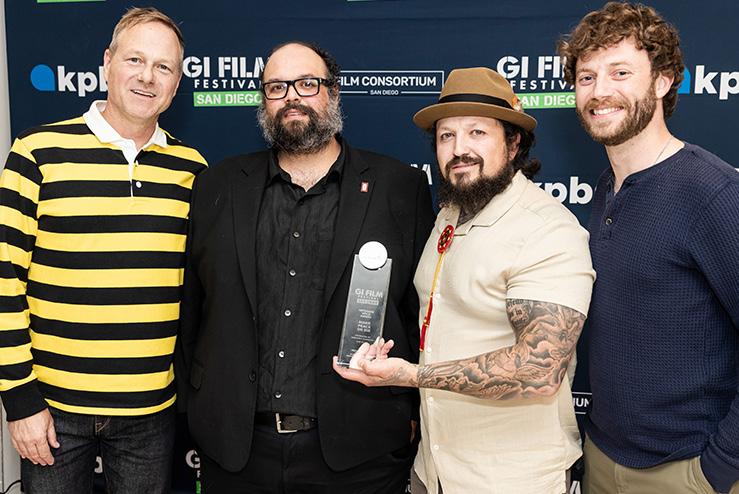
Starting on November 10, the public TV station will present “Military Stories Week.” An extension of the annual GI Film Festival San Diego (GIFFSD), Military Stories Week on KPBS will include a concert special plus local stories and documentaries that were featured over the years at GIFFSD. With nine different titles, there’s plenty of ways to honor our nation's veterans through film.
Watch these stories on KPBS TV or stream them with the PBS app.
Sunday, Nov 10
11 p.m. | Salute to Service 2024: A Veterans Day Celebration
Join country music star Mickey Guyton for a heartfelt Veterans Day celebration honoring our nation's heroes with inspiring military stories and performances by Craig Morgan, Christian McBride, Aubrey Logan, and the U.S. Army Field Band.
Monday, Nov 11
10 p.m. | Independent Lens: Make Peace or Die: Honor the Fallen
A powerful tribute to sacrifice and healing, this personal documentary follows U.S. Marine Corps Veteran Anthony Marquez as he revisits the families of his fallen comrades. GIFFSD 2024 Veterans Voice Award Winner.
11:30 p.m. | BY MY SIDE
Three veterans and their families share their pain and find hope in the heart of a faithful service dog. GIFFSD 2023 Official Selection.
Tuesday, Nov 12
9 p.m. | Interpreters Wanted Award-winning filmmaker and Army combat veteran
Robert Ham follows two Afghan brothers from their childhood growing up during the Russian/Afghan war, through their service as interpreters alongside U.S. led forces, and their ultimate escape from the Taliban. GIFFSD 2024 Founders’ Choice Award.
10:30 p.m. | Scramble the Seawolves
Discover the story of the HA(L) -3 Seawolves and the events that led them to become the most decorated squadron in the Vietnam War and arguably in all of Naval aviation history.
Wednesday, Nov 13
10:00 p.m. | To What Remains
A small team of accomplished scientists, oceanographers, archaeologists, historians, researchers, and military veterans search for, recover, and repatriate the remains of Americans missing in action since WWII. GIFFSD 2023 Best Documentary Feature.
11:30 p.m. | The Metal Detector
An Austrian retiree discovers a World War II B-17 wreckage site and sets out on a mission to bring a group of international strangers together for healing and connection. GIFFSD 2023 Official Selection.
Thursday, Nov 14 (Local Stories Night)
8:30 p.m. | Fresh Glass: A Thirst for Giving
Meet a former Navy search and rescue swimmer and owner of the only Black beer company in San Diego. His desire to pay it forward through brewing shows his dedication and commitment to his country and community.
9:00 p.m. | JULIAN: A Jiu Jitsu Story
An Oceanside Marine, struggling to come to terms with the loss of his legs from an IED in Afghanistan, discovers the healing power of jiu-jitsu. He fights to regain his physical strength and reclaim his sense of identity and purpose. GIFFSD 2024 Best Local Film.
GIFFSD returns May 7-9, 2025 with an all-new lineup of films. Submissions are welcome though November 11
By Scott Hermann, CEO of IdentityIQ®
If you or a family member is a veteran, you may be at a higher risk for identity theft and other scams. Veterans are popular targets because of their valuable benefits, including pensions, healthcare, and other government resources. Awareness and caution are essential to help protect your personal information and finances.
From phishing attacks to fake charities, these scams can cause significant financial loss and emotional distress.

Many scammers pose as representatives of the Department of Veterans Affairs (VA) in targeted phishing scams. They may send emails, text messages, or make phone calls pretending to be from the VA to try to trick you into revealing sensitive information, such as your Social Security number, login credentials, or banking details.
Even if a scammer doesn't directly ask for your personal information, they may send links or attachments loaded with malware that can extract sensitive data from your device. Scammers use official-looking logos and language to appear legitimate. It's crucial to remember that the VA will never ask for personal information through unsolicited emails or phone calls.
Another common scam involves fake charities claiming to support veteran-related causes. These scammers take advantage of veterans, their family members, and people who want to help veterans, collecting donations that never reach those in need. Fake charities often surface around Veterans Day and at other times when the public is more likely to contribute to veteranfocused causes.
• Verify Communications: Always verify the legitimacy of communication you receive regarding your VA benefits. Official government organizations like the
VA will never askfor sensitive personal information via unsolicited emails and phone calls. If you receive possible suspicious communication, contact the VA directly through their official website or phone number to validate.
• Be Cautious of Unsolicited Offers: Be wary of anyone offering unsolicited help or claiming they can provide special services related to your benefits. If something sounds too good to be true, it likely is. Common red flags include unfamiliar email addresses, a forced sense of urgency, misspellings, and suspicious links. Take your time to verify unsolicited offers.
• Check Charity Legitimacy: Thoroughly research any charity before you make a donation. Scammers often set up fake charities with names that sound similar to reputable ones. The Better Business Bureau offers charity reviews to help verify a charity’s legitimacy.
• Monitor Your Identity: Veterans are popular targets of identity theft, making it essential to stay proactive. Using an identity theft monitoring service helps alert you to possible suspicious activity, such as new accounts or unauthorized transactions in your name. This early detection can help prevent significant financial damage and protect your personal information before scammers can cause long-term harm. Regular monitoring offers peace of mind and strengthens your defense against fraud.

Military members, veterans, and their families can begin protecting themselves now with IdentityIQ identity theft protection services. These services include identity and credit monitoring, real-time fraud alerts, device privacy and security, and $1 million in identity theft insurance, underwritten by AIG.
In appreciation of your service, IdentityIQ offers a 25% military discount to military members, veterans, and their families. For more information, visit www.identityiq.com/veterans.

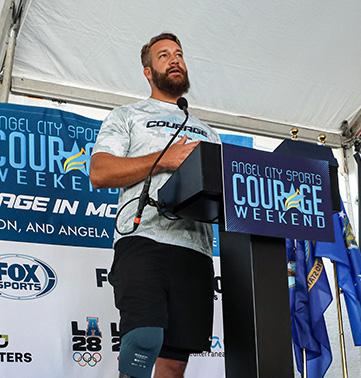
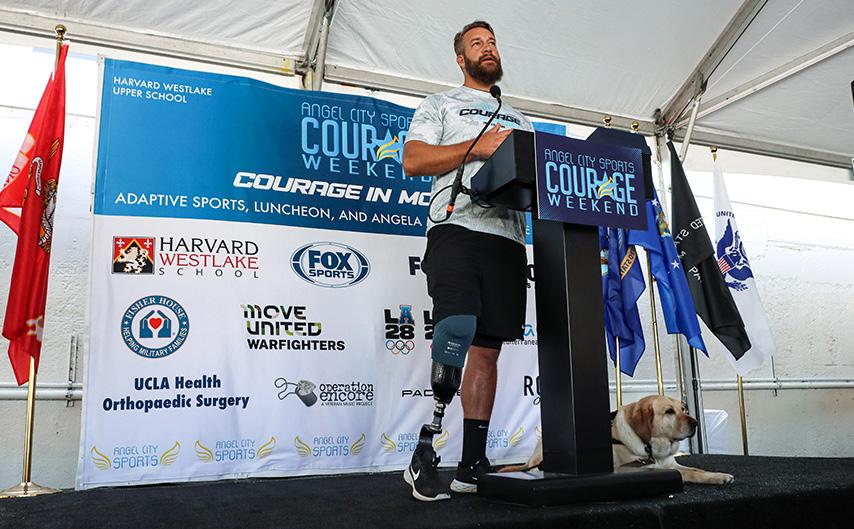
San Diego Veterans Magazine sat down with U.S. Navy Veteran Max Rohn to share his story and work with nonprofit organization Angel City Sports to help create adaptive sports opportunities for anyone with a physical disability or visual impairment. Recognizing his commitment to the adaptive sports community, Angel City Sports honored Rohn at its recent Courage Weekend event for veterans and first responders.
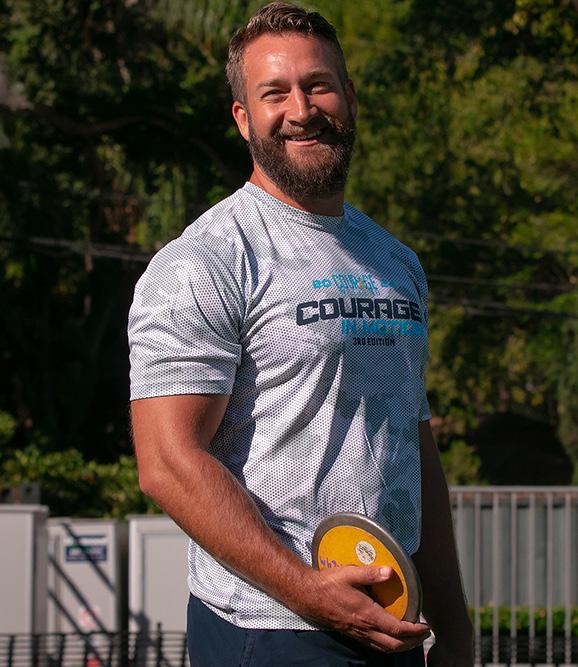
Rohn was severely injured serving as a corpsman in Fallujah, Iraq, resulting in multiple years of limb salvage and the eventual amputation of his right leg below the knee. Despite his injuries, he has pursued his passion for sports and serves as an inspiration for future generations of adaptive athletes – all while training to compete for Team USA in men’s discus.
Rohn’s story will be aired nationally by FOX Sports during its FOX NFL SUNDAY Veterans Day show as part of the company’s longstanding support of Angel City Sports and commitment to creating and advancing fighting chances for our nation’s military heroes. The company’s time-honored tradition of anchoring FOX NFL SUNDAY from a military installation on
Veterans Day weekend continues this year on Sunday, Nov. 10 when the show will be hosted from Naval Base San Diego, the world's second largest surface ship naval base.
Our interview was conducted in Max’s new home that was generously provided to him by Homes for Our Troops, a national nonprofit which builds and donates custom homes for severely injured post-9/11 veterans.
SDVM: Tell us about your service in the military.
Max: I joined the Navy because I knew I could help. I was an EMT in high school. One of my instructors told me that if I really wanted to know medicine, that I should go to the front lines. I initially wanted to join the Army because they had a bonus, and my mom said absolutely not. So, then I kind of tricked her – told her I was joining the Navy because she didn't know that I could go with the Marines and end up in the same spot.
My rate in the Navy was Hospital Corpsman, 3rd Class Petty Officer, or HM3 – stationed out of Camp Lejeune, North Carolina with the 2nd Marines. On my deployment I was attached to a police transition team and my role was to be the Corpsman attached to a squad size element, normally about 12 Marines, and provide medical coverage. While I was in Iraq, I supported my team as well as the Iraqi police, and I also took care of the detainees or the people that we apprehended doing all of our work.
SDVM: What advice do you have for veterans that are in the midst of their transition to civilian life?
Max: You need to go out there, you need to ask for help – everyone's going to tell you that. My message is that you also have to accept the help. What that means is that you have to break down your pride, and you have to be willing to accept things that you can't possibly know. You have this problem, and you think that you can solve it. If that were true, you wouldn't have the problem anymore. So, what you have to do is get outside your comfort zone. Experience some things that you're not comfortable with because it's only when we're not comfortable that we actually grow. This is the success that comes through struggle. You have to struggle a little bit before you can actually succeed.
So, if that means going to the VA and getting the help you need, even though you really don't want to, this is the step that everyone needs to recognize. But the help doesn't need to come from the VA. It can come from the community around you. What I do with Angel City Sports is that we have built this community up so that when you ask for help, we have the resources to provide it. You don't have to struggle alone. There's an entire community out here that's willing to help. You just have to be accepting of the help.
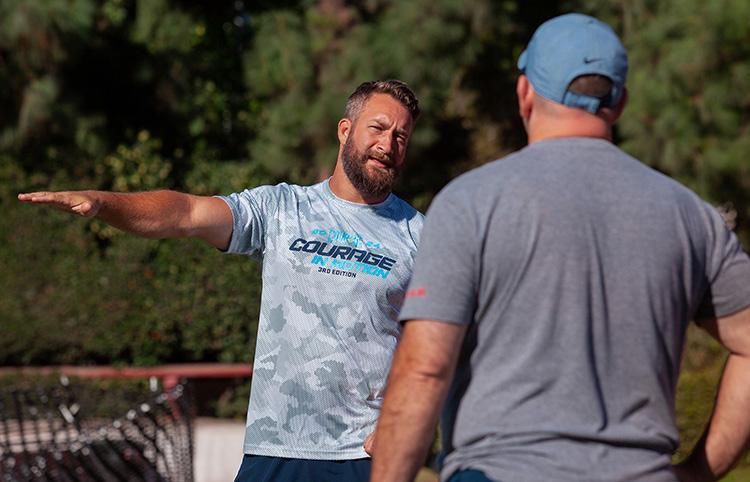
SDVM: Describe the impact that Angel City Sports has on veterans with service-connected injuries and the importance of their programming for this community.
Max: This community is very odd in so far as its visibility. You don't really know about disabled sports until you're disabled. Then, when you're disabled, you just expect that there's this huge infrastructure and programs built for you to participate – and that is not really the case. There are some bright spots in the country – one of the best organizations is Angel City Sports. They take athletes from introductory levels all the way to the Paralympic level and give you all the tools that you need to be successful in the sport, and that includes surrounding you with people that can help you along the way.
If you shrink it all the way down – at the heart of this –sports just teach you how to set up a routine and make your world make sense again. You just went through this horrible endeavor, either trauma, illness, etc... and your life is just chaos and you're trying to make sense of it. The best way to do it is to get out into the world and start moving again. And that's what sports does.
https://angelcitysports.org
By Tony Teravainen, CEO and Co-Founder, Support the Enlisted Project
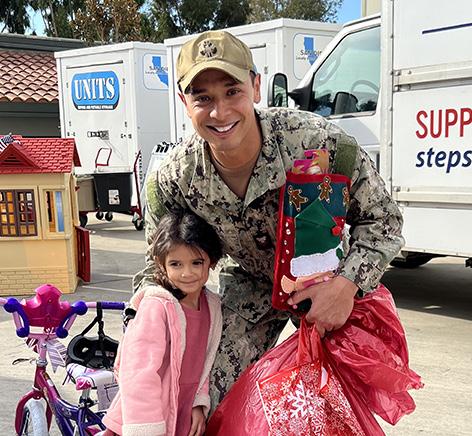
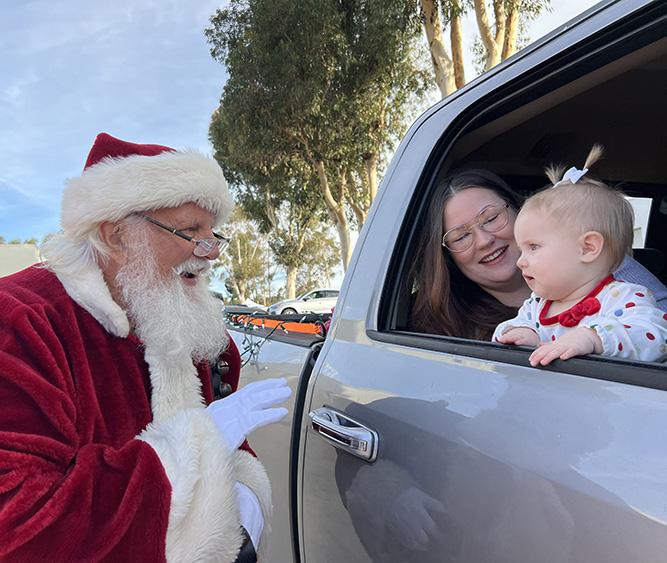
The holidays can be a magical time, but for military and veteran families, it often comes with added stress. Beyond the “normal” stressors unique to military life— frequent moves, deployments, unreimbursed expenses, and low pay—holiday spending can strain tight budgets and worsen anxiety at a time that should be joyful.
For many, especially in high-cost areas like San Diego, balancing our desire to spend with our budget limitations is no easy task. Add the emotional toll of being apart from loved ones or struggling to make ends meet, and it gets even harder. Military life is unpredictable; worrying about finances shouldn't add to the stress.
Support the Enlisted Project (STEP) provides financial support services for military and veteran families, helping them build budget plans that reduce stress and achieve goals—during the holidays and year-round. Here are four reminders to help build and maintain your financial security this holiday season.
1. Make a plan and stick to it. Whatever your holiday expenses include, start by jotting down your plan.
> If you love to give gifts, list the people you’d like to buy presents for and your estimated budget for each.
> If you plan to travel, give yourself a daily budget for meals.
> If you’re hosting or feeding a big group of people, determine the costs you can cover and the items you’ll ask your guests to bring.
It sounds simple, but getting these details down on paper can paint a full picture of your spending plan to see where you need to adjust. Once you set your budget, stick to it. There are about a million “can’t miss” deals and opportunities this time of year, but promise yourself you’ll stay the course.
2. Prioritize your expenses.
What are your most meaningful holiday experiences? Talk with your family and allocate spending to your main holiday priorities rather than spreading your budget too thin across a list of non-essential items or activities. Consider alternative ways to create memorable experiences, like homemade gifts or low-cost family activities, that don’t stretch your finances.
3. Avoid relying on credit cards and loans. It’s easy to turn to credit cards or loans during the holidays, but avoiding them can save you a lot of stress down the road. While swiping a card may feel like a quick fix for gift shopping or last-minute travel, the debt—and those interest rates—can hang around long after the season’s over.
Instead, follow the plan you created that focuses on what matters most to you and your family. Use cash or savings whenever possible. This way, you can enjoy the holidays knowing you won’t be dealing with a pile of bills in the new year.
4. Ask for help when you need it.
Families facing financial challenges often feel overwhelmed by emotions like shame, fear, anxiety, and frustration. As a result, they may avoid asking for help until they're desperate. Curtis, an E6 Navy Sailor, and his wife Monica had struggled with financial hardships for years, feeling stuck and losing hope. When they ran out of food, they turned to STEP for help.
With guidance from their STEP social worker, Rena, and the support of their four teenage daughters, they developed a personalized financial plan, which helped them make their finances cash-flow positive, pay off debt, and start saving for retirement. STEP also provided emergency food and grocery gift cards.
Three months later, Curtis and Monica had cut expenses, stayed on top of bills, and paid most of their debt. Curtis reflected, “Before it felt like every time I dug out of the hole, more dirt was thrown in. Now, I can see our progress and feel hope.”
STEP is a nonprofit organization created by veterans who understand the lifestyle challenges that come with volunteering to serve your country. As a communityfunded agency, STEP has positively impacted 250,000 military lives since its inception in 2012. We created the
Emergency Financial Assistance (EFA) program to help young military and veteran families establish or enhance their financial security. The program offers more than a band-aid solution to a personal financial crisis. It ensures your family doesn’t lose access to basic needs while a customized plan is developed for your overall financial well-being, now and in the future.
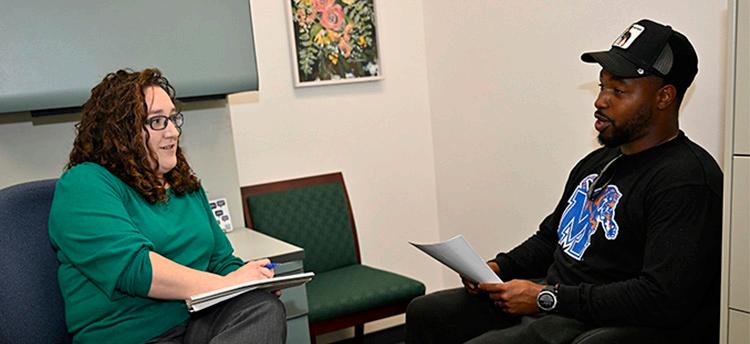
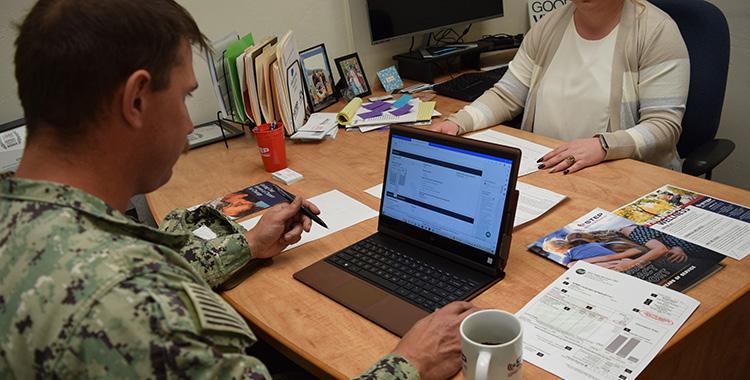

The program includes a social worker, who is also a certified financial counselor with lived military experience, who works one-on-one with you to tackle your unique financial situation. Families who work with STEP grow the confidence and skills to improve their financial wellness, permanently.
We’ve served more than 8,600 families nationally, and our EFA program has proven 90% effective. The financial wellness that STEP builds combats food insecurity, homelessness, mental and physical health conditions, suicide, and other crises through counseling, education, and financial support.
If you are constantly trying to keep your head above water financially, contact STEP and ask about our EFA program.
Looking to give back to the military community this holiday season? STEP is always looking for donations and volunteers to help the thousands of military and veteran families who have benefited from our services.
Tony Teravainen is CEO and Co-Founder of Support the Enlisted Project (STEP). All photos are courtesy of Support the Enlisted Project www.teamstepusa.org



For 37 years Southern Caregiver Resource Center (SCRC) has been the leading nonprofit organization in San Diego and Imperial Counties, providing free, vital services to family caregivers of frail older adults and those living with Alzheimer’s disease and related disorders. Additionally, San Diego also stands as a vibrant hub for military and veteran families, reflecting its deep-rooted connection to military service and community. Throughout the years, SCRC has been a source of support for veterans and their families navigating the complex tasks of caregiving.
November is a poignant month for honoring and celebrating the immense contributions of both veterans and family caregivers. As we observe Veteran’s Day, we pay tribute to the brave men and women who have served our country with valor and sacrifice. This month also marks National Family Caregivers Month, a time to recognize and appreciate the unsung heroes who provide daily care and support to others, often juggling numerous responsibilities with unwavering dedication. It’s a moment to shine a spotlight on their resilience and commitment, acknowledging the unique challenges they face and the profound impact of their care. By coming together to celebrate these individuals, we not only honor their extraordinary services but also reinforce our collective commitment to supporting and valuing their essential roles in our lives and communities.
Caregiving is a profound act of love and dedication, but it can also be an overwhelming experience, particularly for those supporting loved ones with chronic conditions or dementia. This is where SCRC steps in, offering a comprehensive suite of services designed to alleviate the burdens faced by caregivers. From individual counseling and support groups to legal and financial consultations, education, care planning, case management, and respite care, SCRC is a one-stop resource for families in need.
With its mission to help families and communities master the challenges of caring for adults with chronic and disabling conditions, SCRC plays a crucial role in
enhancing the quality of life for both caregivers and care-receivers. This support is especially meaningful for families caring for veterans, who often face unique challenges due to the specific needs arising from military service.
One of SCRC’s standout initiatives is the TLC (Thrive, Learn, Connect) program. This evidence-based program is specifically designed for caregivers managing the complexities of caring for someone with memory loss, Alzheimer’s disease, or other forms of dementia. The TLC program teaches caregivers a range of strategies to cope with stress, manage challenging behaviors, and address mood fluctuations. Caregiving can be fraught with moments of frustration and isolation. TLC addresses these issues head-on by teaching caregiver’s techniques to bounce back from crises and manage daily challenges effectively. The TLC program recognizes that in order to provide the best care, caregivers must first take care of themselves. These techniques not only help caregivers manage the care-receiver’s condition, but also promote their own emotional well-being. The TLC program is more than just a set of strategies; it’s a lifeline that empowers caregivers with practical tools and emotional resilience.
Veterans and their families often face unique caregiving challenges, including those related to service-related injuries, mental health issues, and the general complexities of aging. SCRC’s services are particularly beneficial for this community, providing tailored support by State Licensed Counselors and Master Level Clinicians that address their specific needs. By focusing on both the caregiver’s and the veteran’s needs, SCRC ensures that the care provider is both compassionate and effective.
The dedication of SCRC to reducing caregiver burden and improving caregiver health has been demonstrated through its extensive services and programs.
For nearly four decades, SCRC has been a guiding light for families, helping them navigate the challenges of caregiving with expertise and empathy. SCRC is more than a service provider, it is a vital ally of caregivers, particularly those supporting veterans and their families. With its comprehensive range of services and its impactful TLC program, SCRC continues to make a profound difference in the lives of those who dedicate themselves to caring for others.
For those family caregivers in San Diego County seeking support and guidance, SCRC stands ready to assist. Through its mission of helping families and communities’ master caregiving challenges, SCRC ensures that no caregiver faces their journey alone.
If you would like to support Southern Caregiver Resource Center to continue providing free supportive services to family caregivers, you can participate in SCRC’s virtual 5K Caregiver Strong. You can complete this 5K at your own pace, tracking your distance as you go. By participating, you will receive a printable bib and a Finisher’s Certificate. This virtual 5K is open to the public and you can learn more and register at: www.caregivercenter.org/5K
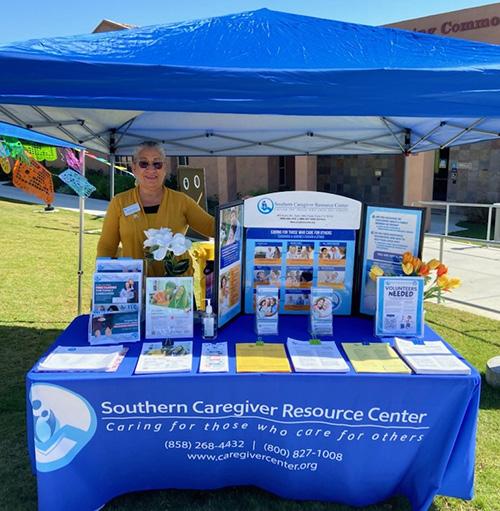
If you would like to contact Southern Caregiver Resource Center, you can call us toll free at (800) 827-1008. We are available Monday through Friday from 8 a.m. to 5 p.m. If you call outside those hours, you can leave us a message or email us at scrc@caregivercenter.org

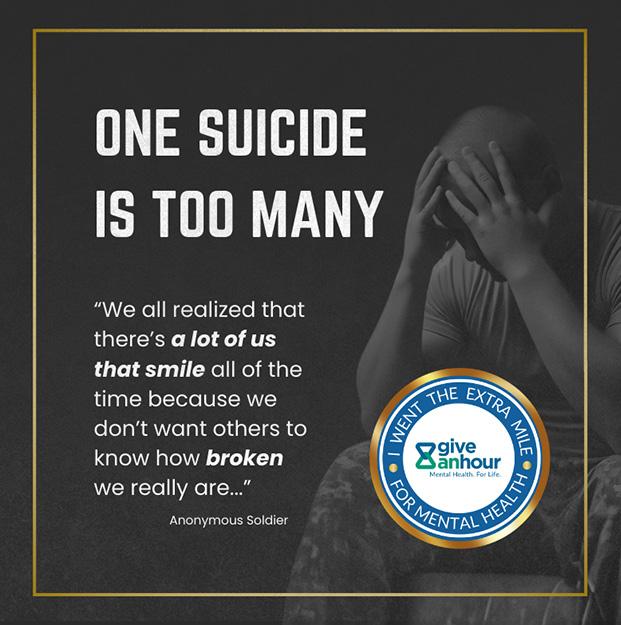
For the past 19 years, Give an Hour has been dedicated to supporting our military community by providing confidential, no-cost mental health services. Founded in the aftermath of 9/11, we recognized the urgent need for life-saving mental health support for those who had sacrificed so much. Our work has saved lives, offering hope when and where it’s needed most. Today, that need remains critical, as suicide rates continue to rise. Suicide is a deeply painful and complicated topic, yet it’s one that almost all of us can agree must be addressed openly and urgently. At the heart of this conversation is a critical truth: hope can be a lifeline. The presence of hope—or its absence—plays a profound role in someone’s mental health. When hope fades, despair and hopelessness can take its place, leading to dangerous consequences, including suicidal thoughts.
The Alarming Reality of Suicide
Suicide is a growing crisis, including in the military community. According to the Department of Defense, 2022 saw the highest number of active-duty suicides in recent history, with rates increasing by over 40% in the past five years. For every 100,000 active-duty service members, 24.6 took their own lives—a statistic that underscores the gravity of this issue. In the general population, suicide is the 10th leading cause of death in the United States, with over 48,000 Americans dying by suicide each year. These numbers are more than just statistics; they represent lives cut short and families
Hopelessness is a significant risk factor for suicide. Research shows that individuals experiencing intense feelings of hopelessness are at least twice as likely to attempt suicide compared to those with higher levels of hope. A study published in the journal Suicide and Life-Threatening Behavior found that hopelessness was a more accurate predictor of suicide than depression itself. This underscores the critical need to instill hope as a protective factor.left in grief.
Hope, on the other hand, is powerfully connected to mental health and resilience. Studies have shown that individuals with higher levels of hope tend to have better mental health outcomes, including lower
levels of anxiety and depression. Hope feeds the sense of possibility and a belief that the future can be better than the present. This belief is essential in combating the feelings of despair that often lead to suicidal thoughts.
At Give an Hour, we’ve made it our mission to stand in the gap for those who feel hopeless, offering support, connection, and care when it’s needed most. Our latest initiative, the Military Mile Project, is a powerful example of how we’re working to protect our activeduty soldiers from suicide.
In every service member, there is a deep sense of dedication and strength—skills honed to serve and lead. But who supports them through the challenges they face each day? The rise in active-duty suicides has exposed a critical vulnerability—one that cannot be ignored. High-stress environments, traumatic experiences, and daily challenges contribute to an alarming mental health crisis.
Give an Hour, with over 19 years of experience, has been at the forefront of providing responsive, evidence-informed mental health care to our service members, veterans, and their families. Now, we’re taking it a step further.
The Military Mile Project is an initiative aimed at training 2,000 service members across 10 military bases. This project empowers our warriors
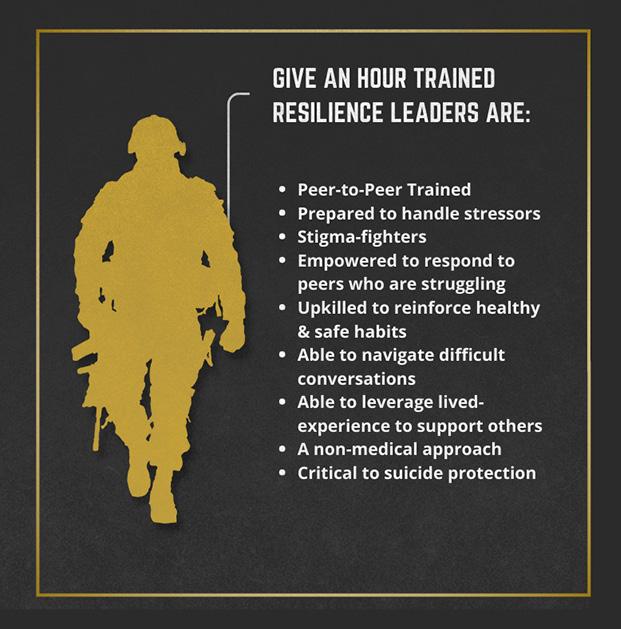
to support 6,000 of their peers, breaking stigma and building resilience. Through three 90-minute traumainformed training sessions, we prepare these leaders to handle stressors, fight stigma, navigate difficult conversations, and support their peers. Every soldier trained becomes a fighter against the silent enemy within and a perpetuator of the hope that we all need.
Every dollar you give not only enhances resilience and diminishes stigma but also significantly increases the potential to save lives. Imagine the impact of preventing just one loss—your investment pays for itself in immeasurable ways.


We invite you to join us this Veterans Day in rolling out this vital program to military bases nationwide. Your commitment today can shape the future of military resilience tomorrow. Donate now at: (https://giving.classy.org/campaign/613243/donate)

Hope is not just a word; it’s a powerful force that can save lives. By supporting initiatives like the Military Mile Project, (https://giveanhour.org/militarymile) you’re helping to restore hope to those who need it most.
Let’s stand together against the tide of hopelessness and build a future where every service member knows that there is always hope, even in the darkest times.

By Renee Fernandez
Something that bridges all Marines, Sailors, Soldiers, Airmen, Coasties, and Guardians is Courage. It bridges the warriors of WWI, WWII, Korea, Vietnam, the Cold War, Desert Storm, and all of the future survivors. The Courage to take that first step. That first step leads to the second and basic training, then tech school, then your “hopefully” chosen path and finally you are a Veteran. Transitioning to Veteran was hardest.
Imagine a world where you were only comfortable at home and work, where outside of that was reliving your memories (nightmares) and constantly waiting for something to happen. A world where it is a onehour trip to the grocery store at 6:00am with a list one item long. A world where you could only go out, halfway at ease, with someone you know (i.e., my husband, daughter, aunt, or uncle). A world where your hyper vigilance is slowly killing you with the voices in your head. A world that was getting smaller and smaller because my husband has to work, and my daughter has to move on into the world. Knowing you need someone by your side, to watch your back, to open doors you can no longer open and to turn on the lights because you are afraid of the dark.
The largest obstacle in my way was me. Just like any other Veteran before me and after me, we can talk ourselves into anything. I can handle this. I can do anything. At the grand old age of 20, I survived conflict whether it was in the Philippines as the only female in my unit or labeled as a Desert Storm Veteran. I thank Lt Col. Walton and Capt. Connor for surviving George AFB. But could I survive being a Desert Storm Veteran as a daughter, sister, then as a wife, mother, and grandmother. The pressure I placed on myself was tremendous. If I ask for help, in my mind, I am a failure. Who will watch my grandkids? What will my family think? What will my work think?
I took the Courage to take the first step and was only told PTSD and MST wasn’t something that the 15 groups I contacted worked with, in fact no group work with, but they will keep you on their waiting lists and waiting on other assistance lists. Why bother since no one really cared, the Veterans Affairs didn’t care because I was a pre-9/11 veteran. Maybe this world would be better without me.
Then I got a new neighbor, a professional dog trainer, who donated her time training Service Dogs for a small organization called Pawsitive Teams.
I met Rocky, her dog in training. She said, “Apply!” Could I do it, could I admit to someone I was a Failure? I couldn’t help myself. Could I get the Courage to reach out? With the help of my husband and doctor and a swift kick in the behind, I took the leap…the leap of faith that this wouldn’t be another door slammed in my face.
Discovering Pawsitive Teams had not yet started their PTSD program, but I may qualify for their mobility program. Now I had to come up with the Courage to try again. The Courage to list all of my faults, the Courage to list the things I couldn’t do. I did finally find the Courage to come out of the deep well of despair and apply. A seemingly strange set of circumstances and stars falling into a pathway that led to getting my “Courage” to go out into the world.
Pawsitive Teams gave me the books, the videos, my trainer, and Courage. My trainer gave me the knowledge, multiple tasks/assignments and pushed me outside of my small comfort zone. Courage has given my family members the peace of knowing I am being taken care of when they cannot see me. My sponsor, George Salazar, aptly named my service dog Courage and that is what he has given me.
My service dog Courage has opened not only doors and drawers, but also the world for me. Your family being surprised when you contact them to see if they need anything from one of the two stores you will be going to after work. Being able to walk in a store with a full list of items and getting out in less than an hour with a shopping cart of everything on the list and a couple of items more. Your neighbors being impressed that they don't need to come over at night to turn the lights on because your Courage does it for you.
You are not embarrassed because your hands quit working and you keep dropping your keys, wallet, purse, books, etc. Then having to ask a stranger to pick everything up for you because Courage gets the dropped items for you. A world that when people walk by you do not panic because Courage has already let you know they are approaching.
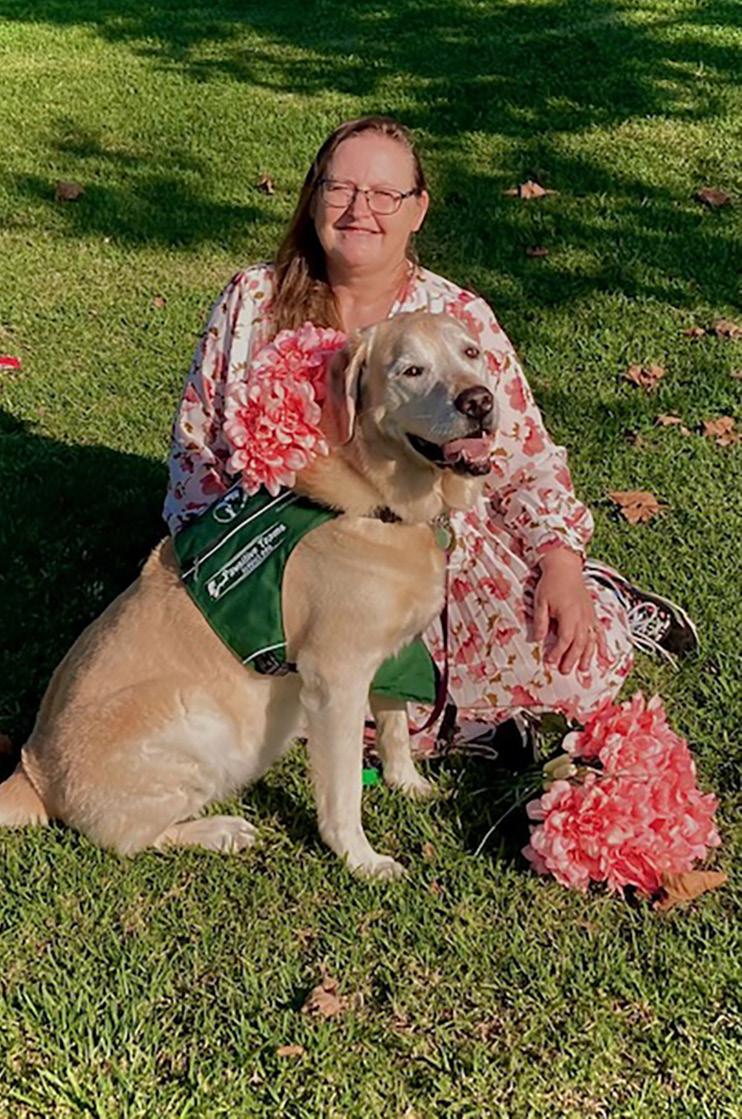
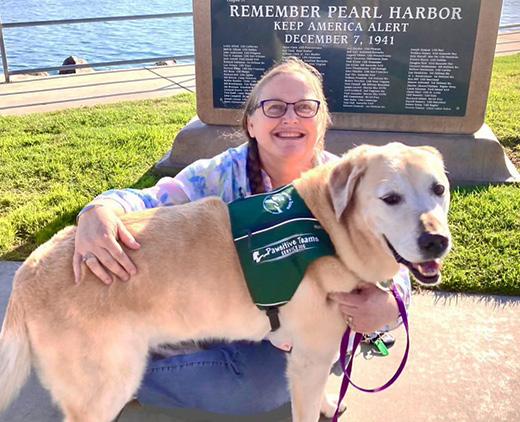
My Courage creates a comfort zone when a stranger approaches and asks questions about service dogs.
I have Courage to be alone in my home and know that although I have to vacuum every day, my new world only slows down when there is no more poop to pick-up.
Seven years later and my Courage is 10 years old. We are a little slower, but my Courage is continually training me on new things.
He has discovered that my heart doesn’t work right, and he was correct. I discovered his larynx doesn’t close correctly so he can’t get overheated. My Courage discovered my lungs can’t breathe as well and he tells me to sit down. When my brain swirls and I become dizzy he stands next to me, so I am secure. How long we have I don’t know, but I am going to have to have my courage to begin again in this odyssey of ensuring I have the tools to live my life to the fullest. But I will always remember it took a lot of Courage to take the first step.
Thank you for reading about Renee’s journey and how she found Courage. If you’d like to know more about Pawsitive Teams’ programs and services, including CICR, visit our website at https://pawsteams.org
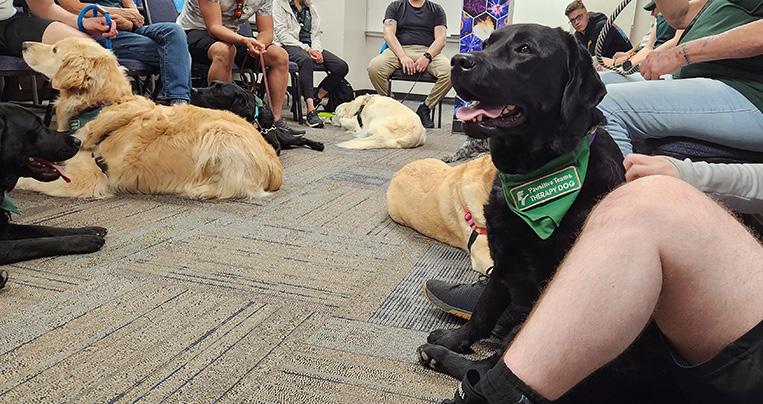
Want to know more about how dogs can contribute to our healing? We are pleased to provide you with a link to our recently released webinar, The Healing Power of Dogs. It is a free, 30-minute YouTube video that will give you amazing insights into our dogs and your own!
Healing Power of Dogs https://youtu.be/B32cuqgQJpc
Our programs are accomplished through a very dedicated group of volunteers, and we depend heavily on donations to fulfill our mission and secure our future.
Donate to Pawsitive Teams today and experience the joy of giving the gift of independence. To learn how, visit our website at https:pawsteams.org/donate
Pawsitive Teams is a 501(c)(3) nonprofit organization in San Diego, California. EIN 33-0851474
www.pawsteams.org/donate

For more information please contact us at: (858) 558-7297
(Email) paws@pawsteams.org
(Website) https://pawsteams.org (Donations) - https://pawsteams.org/donate
“Some days, I thought I was okay again. Then, as I was getting ready for bed, the anxiety would creep in. Every night without fail I had just horrific nightmares. Nothing was helping.”
Deployed in a joint operation with the Army at Camp Phoenix, Afghanistan, U.S. Air Force veteran Karen Steelman was tasked with working with the Afghan national police. She was in a convoy that would go off base to work on warehousing, water and electricity projects.
Her convoy had just come through the gate to base when there was an explosion. Shrapnel flying, Karen’s protective vest was forced against her abdomen, triggering an existing medical issue. She was medevacked for treatment. However, this incident wasn’t the only event that left her living with severe post-traumatic stress disorder (PTSD) – she survived multiple sexual traumas during her service.
“I ended up self-medicating,” Karen says of returning to civilian life. “I didn’t realize how much I needed help.”
For 14 years, Karen didn’t sleep through the night. She knew as soon as her eyes closed, the nightmares would start again. She didn’t leave her bed most days, except to care for her children. Someone had to accompany her to public places.
Luckily, Karen found Canine Companions. She hoped a service dog could provide the security she needed both at home and in public, and that somehow, just maybe, she could get relief from her night terrors. Service Dog Trapper did just that and saved her life.
“Without Trapper, I would still be a shell of myself. I wouldn’t have the confidence I needed to give life the justice it deserves,” Karen states. “Trapper’s training in nightmare and anxiety interruption has allowed me to rely on him – not another human – and be happier and more confident.”
Trapper has figured out how to prevent Karen’s worst nightmares. On good nights, he stays on his own bed. When nightmares do occur, he knows to place his body firmly against Karen’s to reduce the severity. While PTSD is still a challenge, life is looking brighter for Karen, thanks to Trapper.
“My anxiety is still a struggle, but Trapper is trained to interrupt it and he does so throughout the day. He also retrieves my medication – something I never remembered to take before Trapper. Now that he gets them, taking my meds is something I look forward to doing.”
Trapper has changed everything for Karen. She says his help makes her a better wife and a better mom to her family.
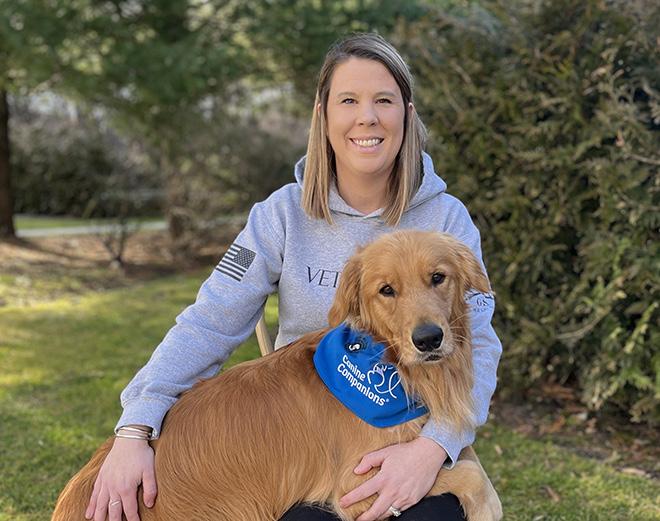
“As a woman in the military, we’re pressured to not ask for help or seem weak,” says Karen. Now that she has Trapper, she urges other veterans: “If you need the help, don’t be afraid to ask – it’s going to change your life.”
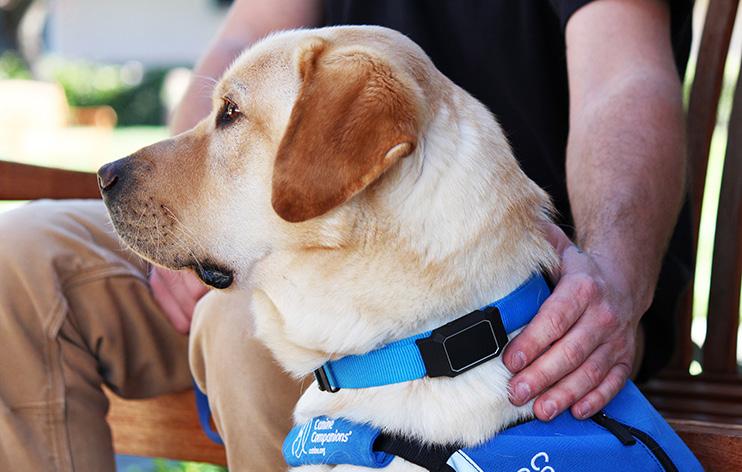
A Canine Companions service dog wears the new CanineAlert™ Device on its collar.
Imagine if you could stop a nightmare before it starts. For veterans living with PTSD, it means no longer reliving traumas night after night. It’s not just a dream. Pairing the expert skills of a Canine Companions service dog with our patented CanineAlert™ Device makes increased independence possible, night and day. 85% of veterans report a decrease in nightmares since graduating with their service dog.
Over 500 veterans have turned to Canine Companions to regain the hope of a brighter future. With bestin-class service dogs and our patented wearable technology, a life of increased independence is possible. The recently released CanineAlert™ Device is designed to do just that – revolutionize the way service dogs support individuals with disabilities.
Developed in-house in collaboration with experts in the field, the patented CanineAlert System uses biometric data, monitoring the handler’s heart rate through wearable technology that wirelessly communicates with the service dog’s collar device with the help of an app. When irregularities in the wearer’s heart rate are detected, the device triggers a gentle vibration, prompting the service dog to intervene. Through specialized training, the service dog performs specific tasks tailored to the handler’s needs, such as interrupting a nightmare or aiding in their recovery process.
"Not every nightmare I have am I vocalizing or moving around. That's what Service Dog Dubs watches for. Sometimes there are nightmares where that doesn't happen. That's why I love the CanineAlert device - it just takes my heart rate rising to get him to react. Before, he may not have noticed that."
– U.S. Army veteran Megan and Canine Companions Service Dog Dubs
This innovative approach not only provides essential assistance, but also facilitates faster and more effective responses from the service dog, ultimately preventing escalation.
With the implementation of the CanineAlert Device, cutting-edge technology in tandem with expertly trained service dogs enhances the quality of life for our nation’s heroes.
Learn more about FREE service dogs for veterans at canine.org/veterans.
• Volunteer to raise a future service dog • Help raise awareness at events • Join your local volunteer chapter
• Learn more about Canine Companions and our best-in-class service dogs for veterans
• Make more matches possibleDonate now! canine.org/veterans









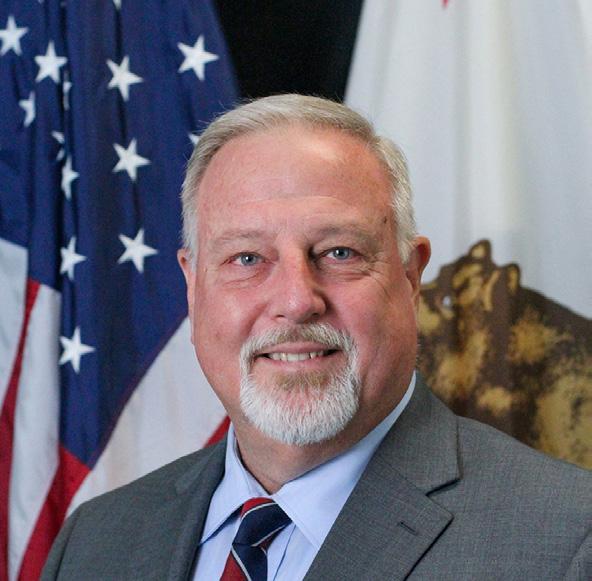
By Bill Feigles, Deputy Secretary of Home Loans, CalVet
Meet United States Army veteran Jose Chavez. He earned a Bronze Star for heroism and two Purple Hearts while battling insurgents in Iraq in 2009. His wounds sent him into a months-long coma in a hospital back home, and he is now is 100 percent disabled. He is also 100 percent thrilled to be a homeowner--and CalVet is 100 percent honored to have him as a Home Loan client.
In late August, Jose and wife Melissa moved into the Sacramento-area home they financed through CalVet. Nearly a half-million deserving California veterans and their families have taken advantage of CalVet’s Home Loan Program since the California State Legislature created the program in 1921. (www.calvet.ca.gov/calvet-programs/home-loans)
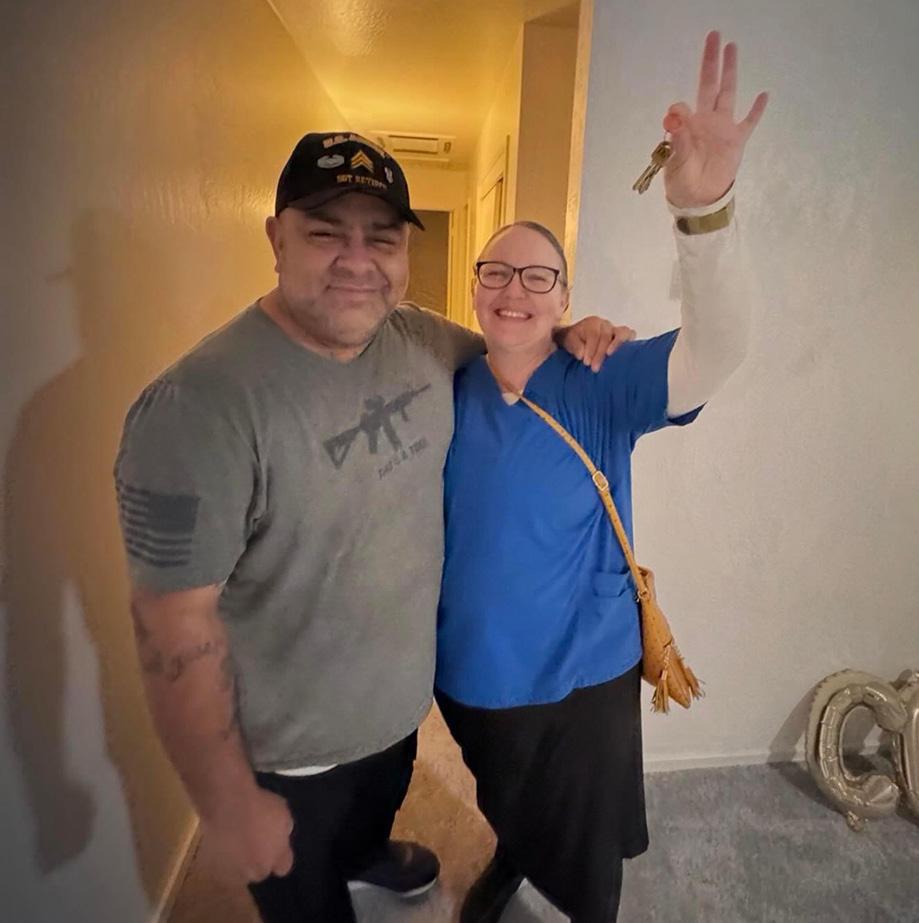
“What can I ever say but thank you so much CalVet for making my dream come true,” Chavez said. “I almost died in Iraq. But can you believe it? Now I own a part of this country I love so much.”
Jose, Melissa and their children encapsulate CalVet’s vision that California’s 1.5 million veterans and their families become the most connected, most protected and most respected in the nation.
Among the ways we can do that:
We connect them to the American dream of home ownership through the benefit of a CalVet Home Loan.
We protect them by helping them enjoy the security of a roof overhead, doors they can lock and a place where they can raise their children and realize their futures. A home. And we respect them by fulfilling the promises we made to them when they took the oath to defend the nation and our Constitution.
As Deputy Secretary of our Home Loans Division, I love our mission because CalVet truly cares about veterans. Nothing gives me greater satisfaction than when another veteran and family are handed the keys to their CalVet-financed home.
Our Home Loans are only for veterans and their families. We understand the unique needs of the veteran community and tailor our lending and our loan servicing to meet those needs.
In fact, we manually underwrite every loan. By doing so, we can provide veterans the opportunity of home ownership when other lenders won’t. Our Home Loans staff can give the veteran the opportunity to explain issues that trip up “automated” lending systems, such as credit history or not being at the same employer for two years.
Unlike most lenders, CalVet doesn’t rely entirely on credit scores to determine creditworthiness. Rather, our agents review the veteran’s credit history, and then talk with the veteran in order to understand the full picture before making a determination on eligibility.
Our agents also work with veterans and their families to develop a game plan to pay-down outstanding debt that might stand in the way of qualifying for a CalVet Home Loan. In some cases, these plans can take
several years. Our agents keep in contact to monitor progress and offer encouragement along the way.
CalVet makes and keeps all loans through payoff. Therefore, when we extend credit to a veteran, we also take the risk of default and hence our desire to help the veteran succeed in paying off his/her loan. Further, by servicing the loan from start to finish, it offers us and the veteran an opportunity to develop a long-term relationship in which we work together to aid veterans in purchasing and keeping their home.
By repaying their loans, they provide the financial fuel for us to continue helping other veterans. Payments received from our veteran borrowers allow us to pay our operating expenses and repay our bonds. That makes the program self-sustaining and thus able to continue serving veterans without the use of any taxpayer dollars.
Finally, CalVet provides property insurance for most homes purchased with a CalVet Home Loan. We all know what a difference maker that can be at a time when insurance companies are refusing to write new policies or leaving the state altogether.
Our insurance program enables veterans to purchase homes that might otherwise be out of reach for those using commercial financing and insurance options. This is a wonderful, and increasingly valuable, benefit for our veterans.
We at CalVet are blessed to have the resources, the passion and the sense of duty that enables us to fulfill those promises that we, as a nation, made to these veterans when they signed on to serve.
Veterans like Jose Chavez, whose Bronze Star and two Purple Hearts reflect his heroism and sacrifice in battle, and long recovery back home. A connected, protected and respected California veteran.
And, as CalVet is proud to say, a client and homeowner.
For more information on obtaining a CalVet home loan, please call us directly during regular business hours at (866) 653-2510. or please visit our website www.calvet.ca.gov/calvet-programs/home-loans We are happy to help.

By Hope Phifer, Cohen Veterans Network
The Steven A. Cohen Military Family Clinics at VVSD www.vvsd.net/cohenclinics


A new survey from Cohen Veterans Network (CVN), a not-for-profit philanthropic organization that serves post-9/11 veterans, service members and their families through a nationwide system of mental health clinics, is exploring the civilian-military divide, revealing that civilian’s perceptions of veterans stand in stark contrast to how veterans view themselves.
The CVN Civilian-Military Divide Survey found that the most common words civilians use to describe veterans are courageous/brave (27%) and hero/heroic (12%). Yet only a fraction of veterans would use those terms to describe themselves (2% and 1%, respectively). While civilians focused on terms related to acts of bravery, veterans identify with traits that reflect their deeper values such as proud (17%), patriotic (10%) and honorable (10%.)
I sat down with Shawn Grant, a U.S. Marine Corp veteran and Clinical Fellow at the Steven A. Cohen Military Family Clinic at VVSD, San Diego, to get his thoughts about the recent findings and this upcoming Veterans Day holiday.
Tell us a little about your service. When did you join the military?
I joined the Marine Corps in March 2000. I was feeling very patriotic and had to get into the Marine uniform I saw on the advertisements. I took the military exam and scored a job as an Aviation Operation Specialist. I was honored to work in the field of Aviation Operations for 20 years serving in Iraq and Afghanistan.
Would you say that you’re proud of your service? If so, why?
I am proud of my service and if I could do it all again, I would. It is how I met my wife and started my own family. I joined the military before I was married and had children of my own. When I finally started my own family, I was happy I could fight for my country to help keep major world threats away from my family and all American families.
What's the first word that you would use to describe yourself as a veteran? And why?
Experienced is the word that comes to mind. I was privileged to interact with people from all over the world and learn about so many different cultures. What was most important about these experiences with other cultures was the similarities that tie us all together.
As a veteran, how do you like to spend Veterans Day?
I love to spend veterans’ day with my family and friends I met during my military service. I like to give honor to those who are currently serving and those veterans who have already served our great nation.
In your opinion, what is the best way to honor veterans on this commemorative holiday?
I think the best way to honor veterans on their special day is to give honor to those you know have served. Pay for a veteran’s meal or just say thank you.
There is honestly no way we can ever do enough to show our appreciation because without the people who served we would not have the freedoms we currently enjoy.
The most common words civilians use to describe veterans are courageous/brave and hero/heroic –how do you take that?
www.cohenveteransnetwork.org/suicideprevention
It takes a high level of bravery to join the Armed Forces of America – so, courageous, brave and heroic does fit. I think these men and women who serve our great nation have paid for our current state of freedom. Some have given the ultimate sacrifice, so hero is very fitting.
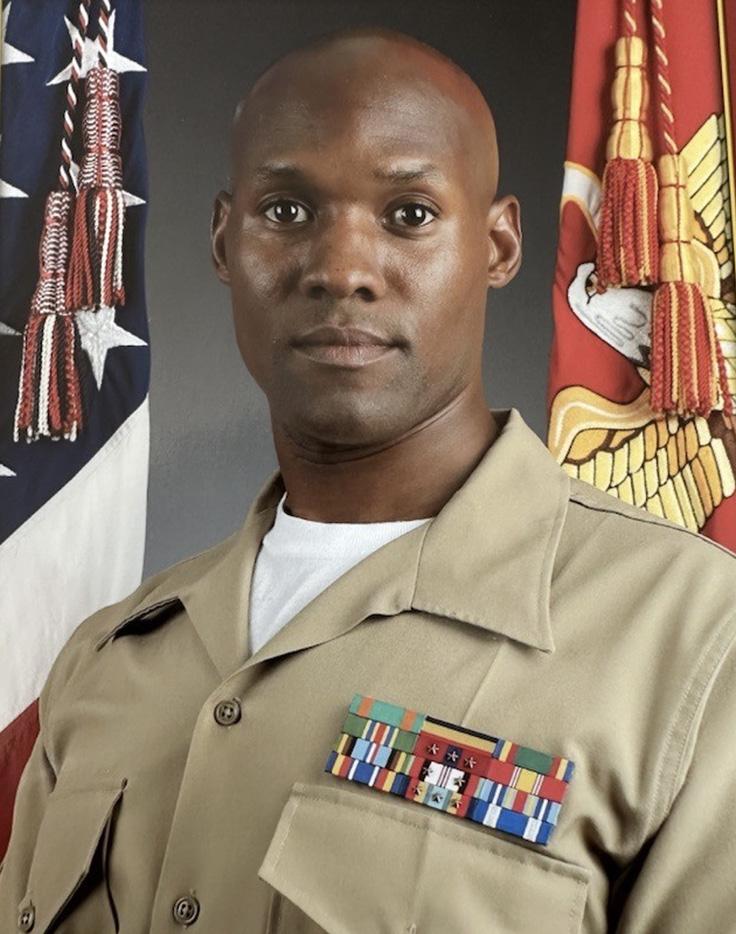
As a Clinical Fellow at the Cohen Clinic at VVSD, San Diego, Shawn helps the clinical team to assess and provide therapy to veterans, service members and military family members. He is an Associate Marriage and Family Therapist, having earned a master’s degree in counseling from National University (2023), as well as a master’s degree in psychology research from Ashford University (2020). During his time in the Marines, Shawn worked in the field of Aviation Operations for 20 years, serving one tour in Iraq and two tours in Afghanistan.
Shawn says that, in his experience, the services at the Cohen Clinic at VVSD, San Diego, are greatly needed for military families. “ I had the honor and privilege of serving with the Marines, leading and learning from them. And I know what it’s like to be active duty and all the hardships that go along with it,” he said.
This Veterans Day, CVN is encouraging Americans to go beyond “brave,” to recognize veterans’ full spectrum of qualities that help define their contributions and sacrifices. In an effort to encourage more meaningful connection with, and support for, our veteran community, the network is sharing a number of resources civilians can utilize to gain a better understanding of veterans and military service at coheneveteransnetwork.org/veteransday.
By: Robert ‘Bob’ Cuyler, PhD Psychologist and Trauma Expert

Last month I highlighted some key points from the book The Body Keeps the Score by Bessel van der Kolk, MD, which was published in 2014. One measure of how this book resonated with the public was 141 weeks on The New York Times nonfiction best-seller list, 27 of those at No. 1. The author begins with his experience with veterans struggling with post-war psychological injuries before our profession began to come to grips with PTSD. He also bridges the gap to discuss how common but under-recognized the condition is among civilians, who are exposed to crime, accidents, abuse and other single or multiple life-changing traumas. We can put this in perspective when we recognize that 10 times as many civilians in the U.S. suffer from the condition across the lifespan.
In last month’s column, I introduced the concept of ‘top-down’ and ‘bottom-up’ approaches to therapy. The ‘top-down’ approaches are tremendously varied talk therapies, but in general focus on verbal interchanges between therapist and client and involve processing thoughts, feelings, memories, choices, and plans. While I’m always a bit skeptical of explanations of how brain function explains behavior, Dr. van der Kolk does a fine job of detailing how trauma can compromise the higher brain functions that are integral to the processing of information and emotion in talk therapies. He says, “Trauma results in a fundamental reorganization of the way mind and brain manage perceptions … it changes not only how we think and what we think about, but also our very capacity to think.”
With this in mind, it comes as no surprise that many people can’t tolerate and therefore can’t benefit from the best-proven talk therapies for PTSD that ask clients to gradually re-experience traumatic memories. In a blunt metaphor, a medicine can’t help if you can’t swallow it. I also say this as a very experienced talk therapist who has learned over the years that what I offer in the office isn’t the right fit for everyone.

Dr. van der Kolk reviews compelling information that, in the traumatized brain—the areas most involved in verbal processing, the ability to step back to take perspective, delay action and consider alternatives— are inactivated while the ‘emotional brain’ takes over, getting stuck in fight, flight or freeze reactions that are applied in objectively safe situations. To quote the author again: “Trauma victims cannot recover until they become familiar with and befriend the sensations in their bodies … physical self-awareness is the first step in releasing the tyranny of the past.”
The ‘bottom-up’ approaches take a different approach, in essence focusing on bodily sensations and building skills that promote safe relaxation, self-regulation, and mindful awareness. A challenge for the ‘bottomup’ therapies is separating the hype from the real. Meaningful evidence is out there for yoga, heart rate variability feedback, neurofeedback, and our Freespira treatment, all of which are linked by approaches to the development of new skills that use awareness of the body to befriend the body. The VA gives access to in-person and online classes through the Veterans Yoga Project. (veteransyogaproject.org) Many veterans, but not all, may prefer programs that are developed for and used by fellow veterans. Another is the Mindfulness Coach, (mobile.va.gov/app/mindfulness-coach) also developed for veterans and endorsed by the VA.
Being a psychotherapist, maybe it comes as no surprise I believe full recovery has an important place for talk therapies to help develop meaning and perspective around one’s trauma, as well as to address the many life and relationship challenges that are part of the collateral damage of PTSD. If you are struggling, find a safe way to start your journey for recovery. Maybe ‘bottom-up’ can become a starting place.
Dr. Cuyler is chief clinical officer of Freespira, an FDA-cleared nonmedication treatment that helps people with panic and PTSD manage their symptoms by learning how to regulate their breathing. www.freespira.com

www.freespira.com/veterans


Zero8Hundred is working with the U.S. Department of Veterans Affairs (VA) to prevent Veteran suicide in San Diego County.
VA’s Staff Sergeant Parker Gordon Fox Suicide Prevention Grant Program (SSG Fox SPGP), a three-year program that provides funding to community-based organizations with innovative approaches toward preventing Veteran suicide. Zero8Hundred’s goal is to help reduce suicide risk for Veterans in San Diego County.
Zero8Hundred’s mission is to offer compassionate, evidence-based support to service members and their families, helping them navigate the unique challenges of transitioning from active duty to civilian life through a peer based social work model.
To learn more about Zero8hundred visit www.zero8hundred.org


You May Qualify for a Research Study T he research study will investigate the effectiveness of meditation and therapy as treatments for PTS.

To Qualify, You Must...
• Be a veteran of the U.S. armed forces or first responder
• Have symptoms of Posttraumatic Stress for at least 3 months
• Be available for both in-person and additional online sessions
Interventions
• You may receive intervention for your PTS symptoms in the form of either Transcendental Meditation (TM) or Present Centered Therapy (PCT).
• Neither intervention involves medication or discussing traumatic experiences.
Compensation
• Qualifying participants will be financially compensated over $800.
Find a Research Study Location Near You





By Sazha Ramos VP of Military and Veteran Affairs American Addiction Centers
I joined the Navy in 2008, eager to leave New Jersey and explore the world. However, only a few years into my service, I got into a serious car accident in Italy, incurring a traumatic brain injury and nearly losing all sight in my right eye. I spent months in an Italian hospital, blind and needing multiple surgeries. Unable to speak Italian and not yet stable enough to fly, I found myself a world away from home, in constant pain and under immense stress at 21.
I was prescribed opioids for searing migraines and chronic pain. They helped at first, but eventually the prescribed amounts weren’t enough and I began taking more. Now, I realize I wasn’t only trying to
manage the physical pain: I was also trying to numb my emotional pain. I went from planning my future—what I’d hoped would be a life in the military—to being told I’d never set foot on a ship again.
I was medically discharged from the Navy in 2011, and my addiction took hold. No longer able to get opioids from doctors, I began getting them from the streets.
Despite this, I maintained appearances. I took an internship for the Pentagon and began working in Washington D.C. My future looked bright, but I was falling apart internally. I’d had friends overdose and die. I knew that if I didn’t stop, I’d suffer the same fate. But I couldn’t do it on my own. I needed help.
My sister drove me to the nearest VA hospital, where I arrived sick, vomiting, and nearly suicidal. Instead of being rushed in for emergency care, I was directed to another VA location two hours away to begin Suboxone, a medication I was already using without a prescription to manage withdrawal. I felt at the time like I was being turned away at my lowest point.
I began frantically searching for a treatment center. Luckily, I found one willing to admit me into 90-day treatment immediately and waive some of the fees. During treatment and early recovery, I finally confronted all the emotions, thoughts, and behavioral patterns I’d been avoiding. I also developed new, healthy coping skills.
On November 8th, I’ll celebrate 10 years sober. I think a large part of what has strengthened my recovery has been finding my purpose in helping other servicemembers and Veterans experience the same joy recovery has brought me.
Over the past decade working with Veterans as a social worker and advocating for their care, I’ve seen firsthand how proper, timely treatment can turn someone’s life around. I’ve also learned that there are many, like me, that are not getting the help they need.
While numerous factors are at play, part of the reason it took me years to ask for help is that in the military, I was trained to carry on and do what it takes. After service, in active addiction, I lived each day doing just that: what it took to get by. And in active addiction, doing what it took meant getting more opioids, a daily chore that made me miserable and put me in dangerous situations.
From the moment you begin serving in the military, the service dictates your entire life, from how to wear
your hair and how to make your bed to the way you carry yourself. This is done to make sure you remain detail-oriented; when you’re on a mission, you follow directions exactly or it could mean someone’s life.
But when we talk about asking for help, there's no roadmap. With all the strides we’ve made as a society, addiction stigma still exists, and many Veterans fear being seen as weak for needing help. The military leaders we look up to are often physically strong and seemingly invulnerable, and we want to model that. In my case, I hesitated to even identify as a Veteran since I was medically discharged a few years into my service. Feelings of inadequacy, internalized stigma, and ingrained cultural norms kept me from seeking treatment until it was almost too late.
Today, my healing remains a journey, and I don’t take my recovery for granted. It took me a while to realize it, but true strength lies in admitting you’re not okay and asking for help.
I now try to use the training I got in the military to serve, rather than hinder, my recovery. I do what it takes to stay sober. Recently, this meant knocking down the door of the VA for four months to get a therapist. I am relentlessly committed to recovery.
For other Veterans out there who struggled like I did, I’d tell them that reaching out for help is the strongest thing you can do. The fight against addiction is an honorable mission.
November 2024 Issue
- ONWARD OPS: Military Transition Support
- Beyond TAP: Transitioning to Civilian Life
- What’s Next: Employee or Entrepreneur
- A Blueprint for Transition
- The “Manager Coach” in Action
- New Beginnings: Agricultural Training
- Franchise Resources for Veterans
- Lessons for Small Business Owners
- 4 Ways to Legally Terminate a Contract
- Careers in Law Enforcement


For editorial & monthly columns regarding transition, career advice, tips, workshops, transition to education, entrepreneurship, straight-forward legal tips for military and veteran business owners and more, visit Veterans In Transition. sandiegoveteransmagazine.com/category/veterans-in-transition


By Maurice D. Wilson, MCPO (Ret), Pres/ED National Veterans Transition Services, Inc. aka REBOOT
People often conflate the problems veterans face during their transition to civilian life with the Department of Defense's (DoD) Transition Assistance Program (TAP) because TAP is one of the most visible aspects of the military-to-civilian transition process. This confusion arises from several factors:
TAP is designed to provide a broad overview of the transition process, covering topics like resume writing, financial planning, and VA benefits. However, people often believe TAP is a comprehensive solution to all the challenges veterans face, which is not the case. TAP provides valuable information but cannot address the more complex, personal challenges many veterans face, such as:
• Mental health issues like PTSD, depression, and anxiety.
• Long-term financial instability or the struggle to find meaningful employment.
• Cultural adjustment difficulties in civilian society.
Many people assume that since TAP exists, it should resolve all these transition issues. When veterans continue to face challenges, the blame is sometimes unfairly placed on TAP.
TAP is a standardized program for all service members leaving the military, which can lead to the perception that it is addressing every individual's needs. In reality, transitioning veterans have diverse experiences and challenges depending on factors like:
• The length of their service.
• Whether they are enlisted or officers.
• Their combat experience.
• Their personal and family situations.
Because TAP cannot be tailored to every individual’s unique situation, some veterans may feel inadequately prepared for the complexities of civilian life, even though TAP has been part of their transition process. However, the program’s limitations get conflated with the broader issue's veterans face, leading to the misconception that the root of the problem is TAP itself.
Many transitioning veterans and civilians alike assume that the information provided in TAP should be sufficient to enable veterans to transition smoothly. However, TAP cannot fully prepare veterans for the cultural and psychological shift from military to civilian life. Veterans may struggle with:
• Loss of identity as they leave the structured military environment.
• Difficulty translating military skills into the civilian job market.
• Isolation from losing the camaraderie and support system found in the military.
These deeper, long-term issues often aren’t covered in detail in TAP, leading people to mistakenly believe that if TAP were improved, these problems would disappear.
TAP is typically delivered over a short period, usually a few days to a week, which can make it feel rushed or superficial. Many transitioning service members are still on active duty and balancing the demands of their military roles while attending TAP sessions. This compressed timeline can leave veterans feeling underprepared and overwhelmed once they fully face the realities of civilian life. Observers may mistakenly conclude that the program itself is ineffective when, in reality, the problem might be that the transition process needs long-term support beyond what TAP can offer.
As a DoD program, TAP is seen as part of the government's responsibility to help veterans. When veterans struggle with issues like unemployment, homelessness, or mental health crises posttransition, there is often a tendency to assume that the government has not done enough, specifically through TAP. However, TAP is only one piece of the broader system of support that includes the VA, state and local organizations, nonprofits, and community groups.
People may conflate TAP’s role with the entire government’s responsibility for veterans, assuming that improving or expanding TAP would resolve all transition problems. This leads to the misconception that veterans’ difficulties stem from a failure in the TAP system rather than the need for a more comprehensive and coordinated support network.
The challenges veterans encounter during their transition from military to civilian life are multidimensional and extend far beyond what the Transition Assistance Program (TAP) can cover in a f ew short days. While TAP offers essential foundational tools and resources, it is only the starting point. Veterans face significant emotional, psychological, and cultural shifts during this process—shifts that require ongoing, comprehensive support far beyond initial employment guidance.
Effectively addressing these challenges demands a holistic, long-term strategy involving the collaboration of multiple stakeholders, including the VA, employers, local communities, and nonprofit organizations. Acknowledging the limits of TAP is crucial in avoiding the misconception that it alone can solve the complex reintegration challenges veterans face. Instead, personalized, continuous support is necessary to ensure veterans successfully reintegrate into society, maintain mental health, and thrive post-service.
In my next article, I will delve into how the San Diego Veterans Coalition (SDVC) has taken concrete steps to address this national issue through the creation of the Shore-based Transition Assistance and Reintegration Readiness (STARR) Program. This innovative solution offers a model for how veterans can be supported not just in the days immediately following separation but throughout their entire transition journey.


By Eve Nasby & Kristin Hennessy www.bandofhands.com

For America's veterans, the transition to civilian life presents a stark choice: step into the corporate ranks or forge their own path as entrepreneurs. While many opt for the predictable trajectory of corporate employment, a bold new initiative is tipping the scales toward business ownership—without the traditional risks of starting from zero.
"Every service member faces that moment of truth," says Jordan Cordova, a former Navy specialist, leaning forward in his San Diego home office. "You can take the safe route, working for someone else, or you can bet on yourself. The problem is most of us don't know how to take that entrepreneurial leap without risking everything."
Cordova chose the conventional path initially, landing an IT role at a defense contractor that mirrored his military function. The paycheck was steady, but after four years, something was missing. "I felt like I was living someone else's dream," he admits.
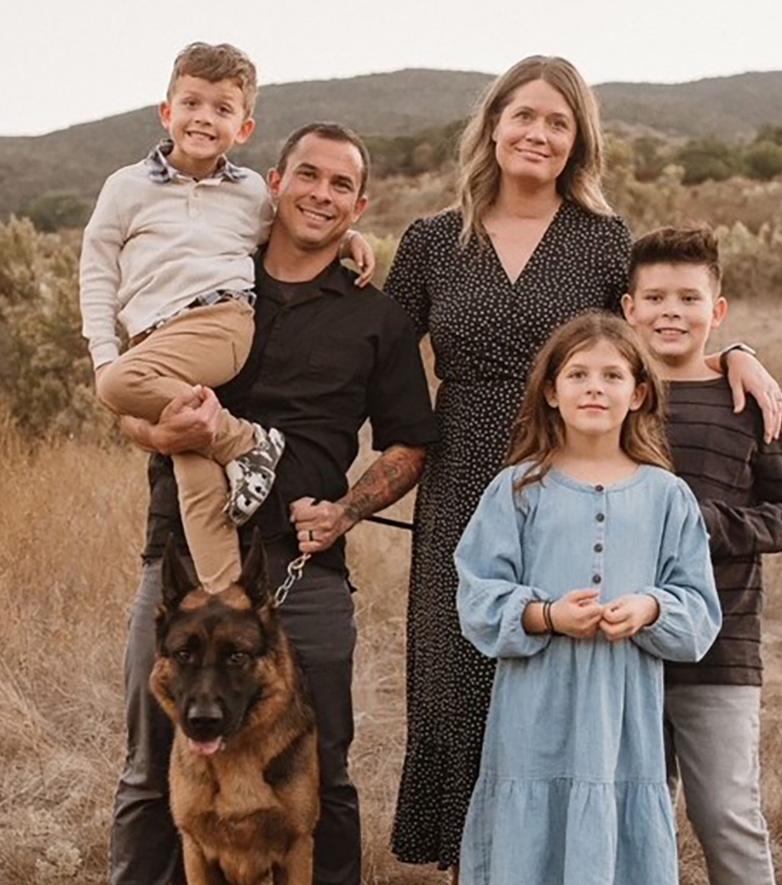
Enter Owners in Honor, a revolutionary nonprofit that's rewriting the playbook for veteran entrepreneurship. Their approach? Don't start a business—buy one.
"We're eliminating the classic false choice veterans face," explains Patrick Flood, an Army Special Forces veteran who co-founded the organization with Joe Lerner. "It's never been about choosing between security and entrepreneurship. It's about finding the right vehicle for transition."
The numbers make a compelling case. With approximately 6 million small businesses expected to change hands over the next decade, and 70% lacking succession plans, the opportunity is massive. Without intervention, experts predict half of these profitable enterprises could disappear—creating what Flood calls a "perfect match" opportunity for veterans seeking their next mission.
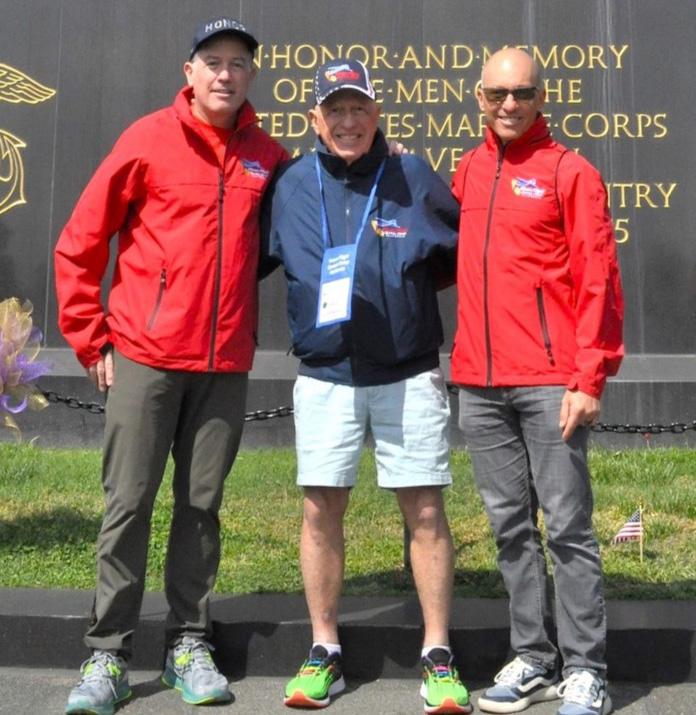
"Think about it," Lerner interjects. "You have disciplined, leadership-trained veterans looking for meaningful work, and you have successful business owners seeking worthy successors to preserve their legacy. It's a $10 trillion transfer of wealth waiting for the right stewards."
Their solution, known as Entrepreneurship Through Acquisition (ETA), has gained significant traction in private equity circles. But Owners in Honor has adapted it specifically for veterans, creating a comprehensive support system that includes business matching, financing assistance, and long-term mentorship.
The results are turning heads. In just nine months, the organization has welcomed 17 veterans as Fellows, with two nearing their first acquisitions. Nearly 100 more candidates are in the pipeline, each eyeing their own piece of Main Street America.
For Cordova, a homeschooling father of three, the program offered something previous transition paths couldn't: the chance to build generational wealth while maintaining control over his time and future. "They're not just showing us the path to business ownership," he says. "They're walking it with us."
The investment—$10,000 per veteran annually—has attracted corporate sponsors like Cold Bore Capital and Gatorz, with 80% of funds directly supporting transition services. A growing network of advisors from
transition services. A growing network of advisors from advisors from private equity, M&A, and consulting fields provides additional expertise. In fact, they are seeking additional funding through these sponsorships to help additional service members thrive.
"We're giving veterans a third option," Flood explains. "It's not just about choosing between employee or entrepreneur anymore. It's about becoming an owner with purpose, with support, and with a clear path to success."
As corporate America grapples with the great resignation and small business owners face the silver tsunami of retirement, Owners in Honor's model offers a compelling solution. It's transforming the traditional veteran's dilemma into an opportunity for both those who've served and the communities they seek to impact.
For veterans like Cordova, it represents more than just another career choice—it's a chance to continue serving, this time by preserving American dreams, one business at a time.
Whether you’d like to participate in or sponsor this compelling program, check out their website: www.ownersinhonor.org
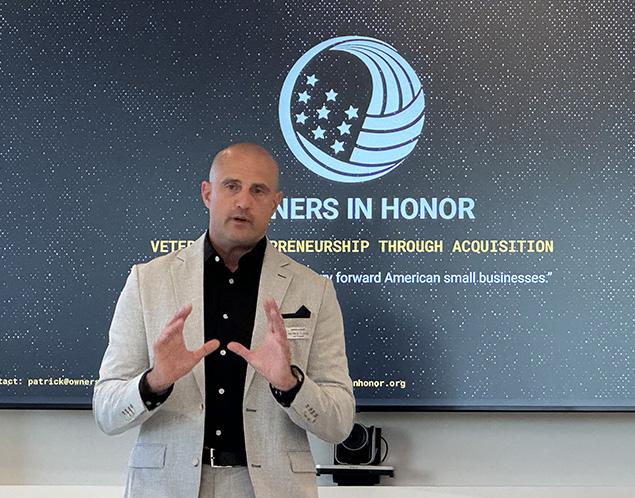
Need help with your transition? Have questions?
Contact Eve Nasby, Band of Hands president and passionate military supporter to learn more.
eve@bandofhands.com www.bandofhands.com



San Diego Veterans Magazine sat down with Dr. Jeff Harley Senior Director of Military Engagement, Western Governors University to share his story and blueprint for veterans transitioning.
SDVM: What influenced your decision to join the United States Navy?
Dr. Harley: I was very blessed to serve the United States for 37 years. I enlisted in the Navy right out of high school because it felt like a chance to give back and be part of something bigger than myself, to learn a skill trade and to serve my great nation.
SDVM: What were your responsibilities and duties during your time in the service?
Dr. Harley: I began my career as an E1 and worked my way up to Rear Admiral Upper Half. I was blessed along the way to command six different organizations, including serving as Director of the White House Situation Room and President of the U.S. Naval War College.
In the military, responsibilities revolve around collaborative team building and leading others. I had the privilege of doing challenging, demanding work alongside extraordinary individuals who shared an unwavering sense of camaraderie and dedication to the mission. “Honor, courage, commitment” is what we called it in the U.S. Navy. That sense of purpose and teamwork was the most rewarding part of my role.
SDVM: Describe the transition from being a highly dedicated military leader to having a career outside the military and challenges you faced.
Dr. Harley: That transition is difficult. Military members are part of a world built on strong camaraderie and shared values, and that sense of connection is something you deeply miss after leaving. You miss interacting with so many young people whose lives you feel you can positively impact, which is really what everybody wants to do.
One of the biggest challenges I faced was applying for jobs. Translating military skills into terms that resonate with employers can be incredibly tough. Many of us are also naturally humble, which makes it harder to confidently speak about ourselves—which is an essential skill in the interview process. Translating a commendation medal into the civilian equivalent is incredibly hard.
SDVM: Were there any mentors or resources that helped guide you through your transition from service to civilian life?
Dr. Harley: I had an extraordinary number of mentors and some of them were people who were in the military, and some weren’t. Mentors are critically important during the transition phase because they work to help you understand how to highlight your value and how to translate your skills meaningfully to employers. It’s a value proposition, after all.
In addition to mentors, there are a lot of helpful resources for veterans that provide valuable support with resumés, mock interviews and connecting with potential employers. Transitioning from a military structure to the ambiguity and uncertainty of a civilian job search makes having a strong support system essential to a successful transition.
SDVM: What inspired you to pursue a career in higher education?
I was eager to find a role where I could continue giving back. I like the idea of education as a way to work with young people and help be a part of creating the future.
SDVM: Why did you choose Western Governors University?
Dr. Harley: There are a lot of elements that make WGU special. The degree programs are designed to accommodate students’ different life circumstances, including those of the military community. 85% of military students pursue their education online. WGU’s real differentiator, though, is its competency-based education model, which allows students to progress toward their degrees at their own pace based on how quickly they meet the competencies.

I’ve found that the camaraderie and teamwork at WGU are as extraordinary as when I was in the military. I also appreciate that students gain practical skillsthat can be immediately applied to current, in-demand roles.
SDVM: As senior director of military engagement at WGU, how do you support veterans in their educational journey?
Dr. Harley: My team manages the entire military student journey ecosystem—from pre-enrollment to graduation and beyond. Many military students want tuition assistance and scholarships, but they also need a support organization that understands them and their needs. My team’s job is to provide that one-on-one support based on shared experience. We help military students navigate their educational requirements to ensure their retention, success, and achievement of their degree.
SDVM Why is it important for veterans to continue learning?
Dr. Harley: Lifelong learning paves the way for greater opportunities. With each degree I earned, my career advanced, opening new doors for success. For example, achieving a high school degree allowed me to join the Navy. Once I earned my bachelor’s degree, I had the ability to become an officer in the military. Once I obtained my master’s, I had access to even more senior roles. It’s about continuously seeking and achieving more for your future.
SDVM: What advice would you give to veterans and active-duty service members about pursuing higher education or translating their military skills into civilian careers?
Dr. Harley: Regardless of whether you’re pursuing a degree or a civilian career, your skills are transferable. Skills that are critical in the military, like the ability to be on time, work with a team and communicate effectively, will translate across almost any job and are attributes that most employers seek out. If you’re still struggling, education can be another way to transfer those skills – don’t be afraid to pursue both job opportunities and education opportunities.
Be less humble in defining what value you can bring to other organizations; what veterans can offer is so extraordinary.

Finding a job in the civilian workplace may seem easy at first. After all, you have learned skills, practiced leadership and demonstrated initiative that will make you successful wherever you go.
The reality, though, is that it can be difficult. In fact, it can be downright depressing demotivating and you may feel totally disillusioned. We can help.
In our Veterans In Transition archives you will find helpful and informative articles about what’s next in transition, veterans in business, career, advice, tips, workshops, transition to education, entrepreneurship, veteran franchises, legal tips & resources for veteran businesses and much more...
For assistance in your journey please visit: SDVMagazine-Veterans-In-Transition sandiegoveteransmagazine.com/category/veterans-in-transition
www.pitbullsnPearls.com
By Paul Falcone www.PaulFalconeHR.com

Veterans’ Day is a celebration to honor America's veterans for their patriotism, love of country, and willingness to serve and sacrifice for the common good. Such “otherness” finds its way into the private sector workplace as well in the relationships that managers develop with members of their teams. If you’re transitioning into management or into an individual contributor role, let your leadership brand shine! But remember that we’re all leaders, regardless of whether you officially manage or supervise anyone. Here’s how the best managers in corporate America lead effectively.

“Executive coaching” is a formal consulting function that exists outside of the typical corporation. Executive coaches may be hired to help company leaders perform at a higher level, build stronger interpersonal relationships, or scale their careers as they take on new and broader responsibilities. But every operational manager and individual contributor is likewise a “leader” and can demonstrate “coaching” skills to help others grow and develop professionally. Any manager or staff member can display leadership wisdom, especially from your military experience. It’s all about how to develop a bond of trust with others, how to push appropriately in order to stretch someone’s mindset about what they’re capable of, and how to respectfully challenge assumptions and narratives that people sometimes tell themselves that must be unlearned.

The leader-as-coach model is built upon concepts from Robert Greenleaf’s “The Servant Leader” white paper, which was originally published more than half a century ago in 1970 (available on Amazon for $10). Its teachings are just as relevant today as they were back when they were originally published:
• The servant leader is servant first (by putting others’ needs ahead of their own and expecting others to respond in kind).
• All people being coached—no matter what their point of origin—can come away more self-aware and selfconfident than when they began.
• Good coaches listen with their eyes and hearts in addition to their ears.
This all falls perfectly in line with Gen Y and Gen Z priorities, which include, among other things, career and professional development and working for a management team that cares about them personally. It’s this “personal touch” in the coaching relationship that pierces people’s hearts, that makes them fall in love with their company, and that builds strong ties to a leader who can ultimately become the best boss they’ve ever worked for.
All motivation is self-motivation. As a leader, you’re not responsible for motivating your employees because, by definition, you cannot. But you are responsible for creating the right and certain conditions where people can motivate themselves. That may sound like a subtle difference, but it’s actually fairly profound: know your people, understand how they’re motivated, set them up for success, and simply step out of the way. Everyone needs room to master their craft and learn their trade just like you did. And rarely will you find a healthy manager-employee relationship on better footing than when that leader is asking questions that foster the individual’s achievement and career and professional development needs. Think about one-onone opportunities where you can ask or share questions like these:
• How can I help you tie your professional development plan or a stretch assignment to what interests you most at this point in your career?
• How can we build an “achievement mindset” together where you’re focusing on building out your resume, bio, LinkedIn profile, or annual self-review by focusing on increasing revenue, decreasing expenses, improving customer satisfaction, or saving time? (How can we quantify your achievements going forward?)
• Are you able to do your very best work every day with peace of mind?
The coaching construct comes from a good place—a willingness to put your employees’ and peers’ needs ahead of your own, a stated intention of helping others grow and develop in their careers over time, and a willingness to “pay things forward” to a new generation of emerging leaders who will follow in your footsteps. “Growing leaders,” it turns out, is an outstanding investment in your own career and a noble goal because the universe knows that you cannot give away anything that you do not already have. Read that: to make great leaders, you have to already be one yourself.
What emanates from you returns to you. By giving away leadership wisdom, you confirm that you already have it to give. And in that, selfless leadership and the leader-as-coach model confirm your achievements and benevolent intentions in paying things forward. Become known as a great people developer and “turnaround” expert. You may just find that it will help you scale your career better than just about anything else. In addition, you may likewise find that team retention and productivity soar: after all, no one wants to leave a great leader or team for a twenty percent increase elsewhere where a new boss may spit fire and throw chairs. Set your goals around becoming a “leader coach,” and simply watch things fall together in your management practices and team alignment smoothly and naturally.
You can connect with Paul on LinkedIn at www.linkedin.com/in/paulfalcone1
Paul Falcone (www.PaulFalconeHR.com) is a management trainer, executive coach, and bestselling author on hiring, performance management, and leadership development.

www.harpercollinsleadership.com/catalog/paul-falcone/
At the Center for Land-Based Learning (CLBL), we believe that agriculture provides not only a meaningful career but also an opportunity to reconnect with the land, build community, and find purpose. Through our California Farm Academy (CFA) programs, veterans are discovering new ways to grow—both personally and professionally.
The California Farm Academy offers two distinct paths designed to help veterans transition into fulfilling careers in agriculture: our Beginning Farm Manager Apprenticeship Program and the Beginning Farmer Training Program.
For veterans seeking a structured, guided route into agriculture, our Beginning Farm Manager Apprenticeship Program partners with farm operations statewide to provide education and training with established farm mentors. Apprentices are hired on as paid employees of the farm operation where they’ll complete their apprenticeship. Over the course of roughly 18 months, apprentices complete 3,000 hours of on-the-job training plus 250 hours of coursework to gain practical experience, valuable skills, and professional connections that will propel them into a successful career in ag.
The apprenticeship is designed to cover both the practical and theoretical sides of farming, offering a comprehensive curriculum including irrigation management, plant science, and integrated pest management, as well as social science. Veterans emerge from the program with the skills needed to confidently step into farm management roles, prepared to lead operations and adapt to the everevolving agricultural landscape.
As Navy veteran Bobby Regan shared "I wish I would have found this program when I first got out [of the military]. Farming is a healing environment for me, so I wanted to pursue it." Since the program, Bobby has stepped into a role of Director of Cultivation.
The program is Veterans Administration (VA) approved, so eligible veterans can use their education assistance benefits while enrolled in the coursework. Veterans can also access their Veteran Readiness and Employment (VR&E) benefits, when applicable
For veterans who have dreams of starting their own farm business, the Beginning Farmer Training Program offers a series of hands-on courses covering essential topics like business planning, financial management, irrigation systems, and animal husbandry. Participants can choose the subjects that most align with their goals or take the full series for a holistic understanding of what it takes to run a successful agricultural enterprise.
The flexible nature of the program can support veterans at different stages of their agricultural journey. Whether they're just beginning to explore farming or are ready to launch their own business, the program provides the knowledge, resources, and community connections necessary for success.
“I have been carrying around this plan in my head for some time... The program helped to put ideas on paper in the form of a business plan,” said Thelma Kisabuli, a 2024 graduate and Air Force veteran.
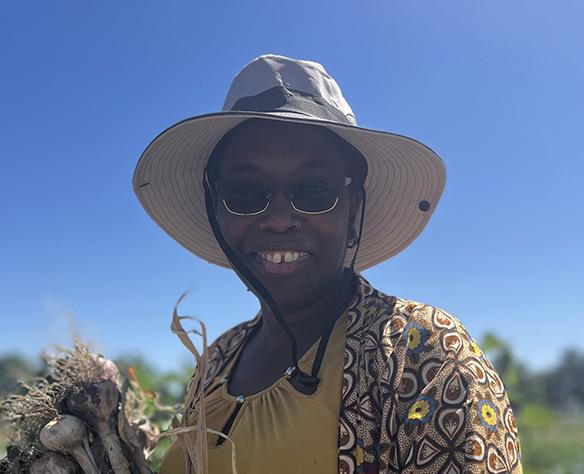
2025 classes will vary from hybrid to in-person courses in Woodland, CA. Additionally, we offer scholarships for veteran participants, eliminating financial barriers to success.
For many veterans, farming offers more than just a job—it provides a sense of purpose and a way to continue serving their communities. The discipline, leadership skills, and adaptability cultivated during military service naturally transfer into agricultural work. Farming requires precision, problem-solving, and a commitment to sustainability, all qualities that veterans embody.
At CLBL, we are committed to ensuring that veterans have the opportunity to thrive in this rewarding field. Agriculture provides a way to reconnect with the natural world, create sustainable systems, and make a tangible impact on the environment and local food supply.
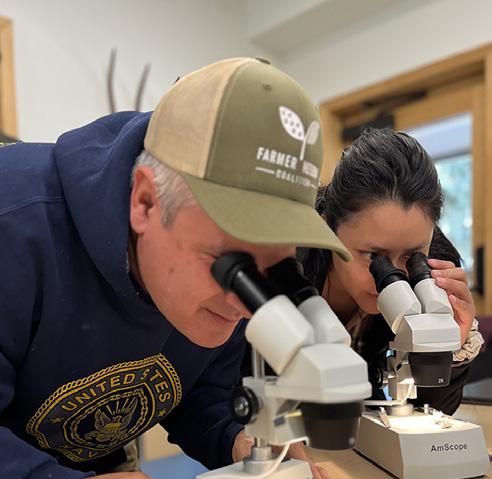
The California Farm Academy is just one part of the Center for Land-Based Learning’s larger mission. For over 30 years, CLBL has been building both adaptive people and ecosystems by inspiring and training agricultural leaders. Our programs focus on sustaining natural resources while fostering the next generation of farmers, ranchers, and environmental stewards.
By supporting veterans through our specialized programs, we’re not only helping them succeed but also strengthening the future of agriculture.
As a nonprofit organization, our ability to provide these programs—and offer full scholarships for veterans—depends on the generous support of our community. Whether it’s donating funds, spreading the word, or partnering with us to offer opportunities for veterans, every contribution helps us continue this important work.
The Center for Land-Based Learning is proud to offer programs that empower veterans to grow, lead, and thrive in agriculture. If you or someone you know is a veteran interested in learning more about our California Farm Academy programs, visit our website at landbasedlearning.org for details on how to apply.
Your donations and support help us continue offering these opportunities to the men and women who have served our country.

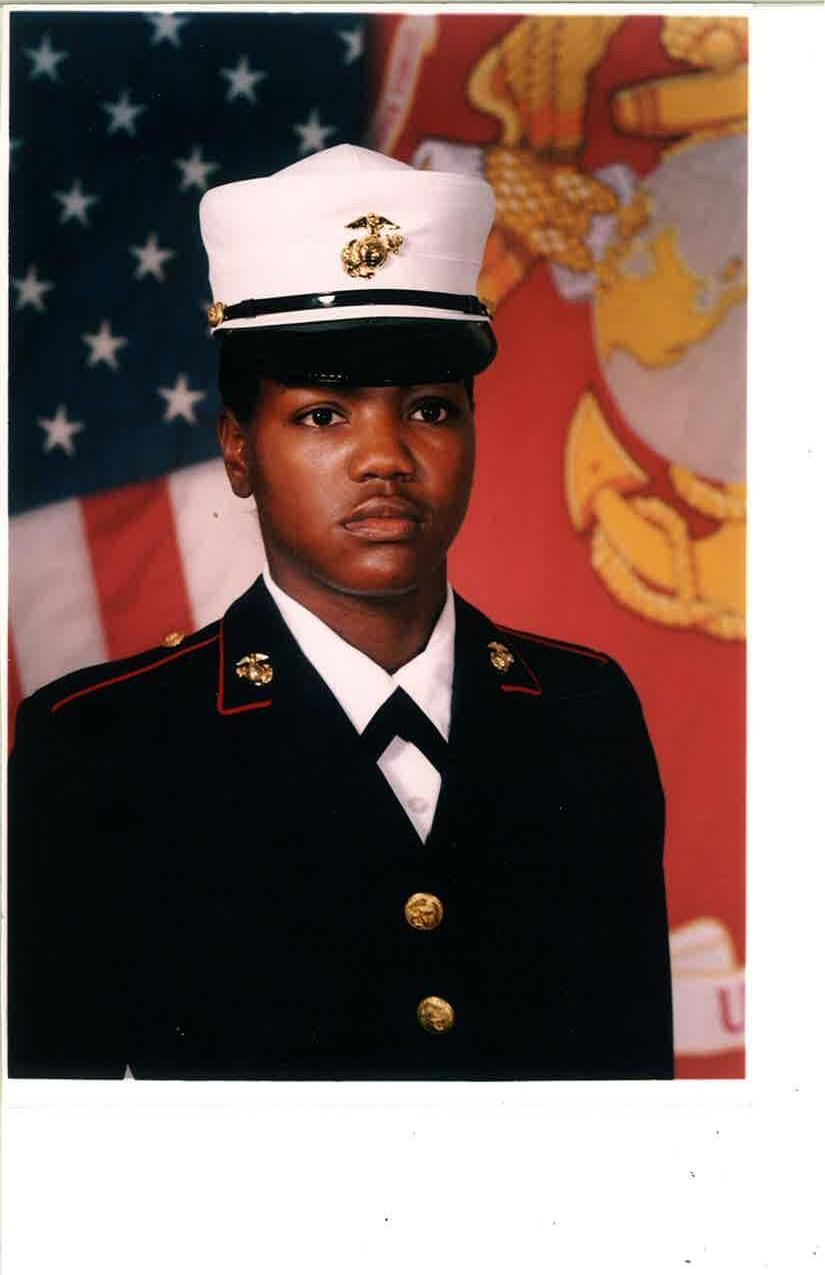
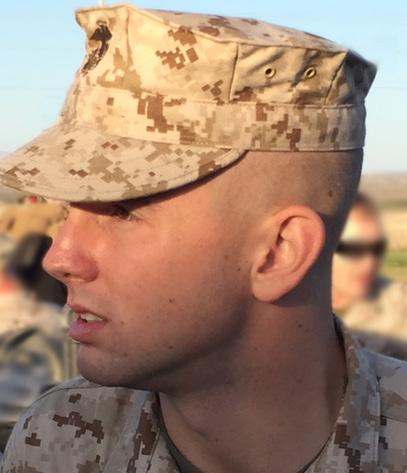
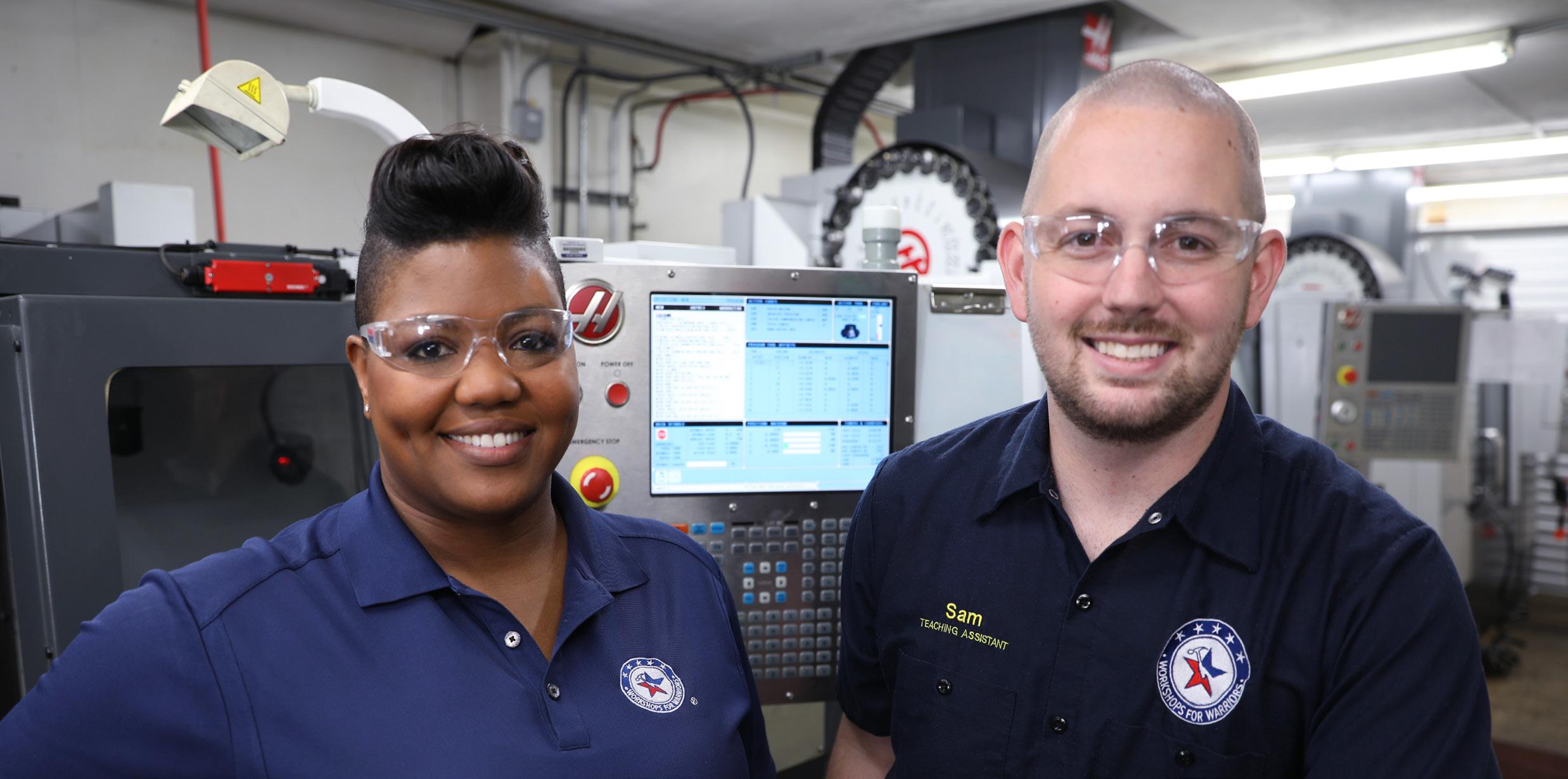






By Doug Dwyer doug.dwyer@dreammakerbk.com
It’s no secret that I have a passion for veterans in franchising. This passion partly comes from my father (USAF Ret.), who was the founder of the Dwyer Group (now Neighborly) and an active member of the IFA (International Franchise Association). As a former veteran, he founded an organization called VetFran to support veterans returning from the Gulf War transitioning to the civilian economy.
Today, VetFran includes over 500 franchise brands offering financial incentives, education, and support to veterans interested in franchise ownership and/or a career path in franchising. In fact, the VetFran program is increasing in popularity. Franchisors who are looking to grow and expand are increasingly more aware of how important veterans can be to their success, and with the help and encouragement of the VetFran initiative, they are actively looking for veterans like you!
Why are so many franchise brands interested in Military Veterans? Although veterans make up only about 7% of the population, they account for a whopping 14% of all franchisees in America. They’re more likely to hire other vets and spread the opportunity, prosperity, and job creation that has made franchising one of the fastest growing sectors of the US economy.
VetFran’s mission is to continue to grow these numbers and continue to connect talented and patriotic veterans with so much to offer with franchise business ownership opportunities. With over 500 franchise brands participating with VetFran, military veterans can expect significant veteran discounts from their initial franchise fees. DreamMaker Bath & Kitchen is one of these brands. If you meet the qualifications to purchase a DreamMaker franchise and are honorably discharged, we offer a 20% discount off the initial franchise fee. Find out more about the resources and brands available through VetFran at www.Vetfran.org.
Another organization that helps military veterans explore entrepreneurship opportunities (including franchising) is ZeroMils. Founded by veterans for veterans, their mission is to create military thriving


cultures and communities. ZeroMils works with several military non-profits to help connect veterans and their spouses with entrepreneurial, franchising, and employment opportunities. They offer numerous resources including educational webinars and face-toface events to help the military community thrive. Find out more about ZeroMils at www.Zeromils.com
A recent VetFran survey showed that a whopping 99% of surveyed franchisors think that veterans are a good fit as employees within their company, while an equally impressive 97% say that veterans make excellent franchisees. 70% have brought on a veteran franchisee or corporate employee in the last year alone!

The franchise business model allows military veterans to go into business for themselves, but not by themselves. Veterans emerge from service with strong leadership skills and a thorough understanding of teams; both are great skills to launch and grow a franchise business. Organizations like VetFran and ZeroMils recognize that franchising can be a fantastic option for transitioning veterans, and offer numerous resources to those who are interested in entrepreneurial opportunities.
Doug Dwyer is the President & CSO of DreamMaker Bath & Kitchen, a company dedicated to helping its remodeling franchisees achieve Strong Margins and a Quality of Life. doug.dwyer@dreammakerbk.com





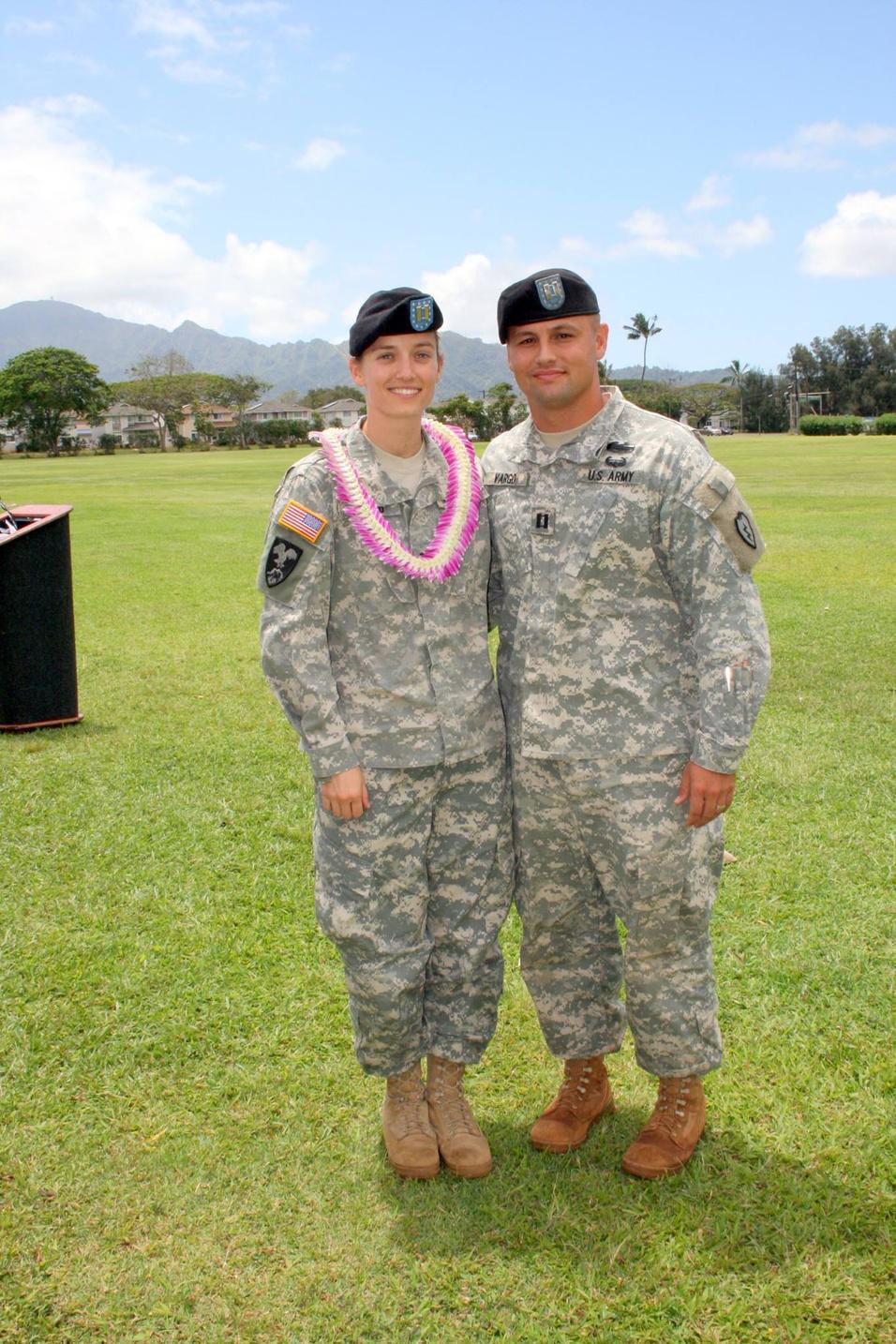
By Hadley Wood www.hlinwood-insurance.com
Insurance coverage for business owners is a necessary part of protecting assets and employees. When insurance policies are quoted, the information provided is generally on a projected basis, whether it be for liability coverages or workers comp coverages. Since we don’t have a crystal ball, we are best guessing what our gross sales/receipts, sub-out costs, operating costs or payroll will be for the next 12 months - and even with the most tenacious scrutiny, the projections are rarely right on target. Because of this, most carriers will conduct an end of term audit which sounds scary but is standard practice and can be completed quickly and smoothly.
• The upside to an audit is that you could receive money back from the insurance carrier if you over projected. This is always the case in work comp situations but can also apply to liability coverages.
On or near your policy term, you should expect a notice/letter from the insurance carrier that an audit will be performed to reconcile your projections against actual end of term figures. Insurance companies will generally hire out 3rd party audit companies to perform this task and most of the time these are done over the phone or through email. It is rare these days to have an in-person audit although they are not unheard of especially in the case of very large premiums or very risky types of operations. In some cases, they will simply have you complete a form stating what your actual figures are and rely on good faith that you will not cheat them. These are the easy ones, but they are becoming rarer these days. Most of the time they will need back up documentation to show your actual final numbers. Common asks are:
Michael Kidd
Profit/ Loss reports
Payroll Reports/ Timecards
Bank Statements for the policy period
End of Year/Quarterly Tax Forms



Typically, the Auditor will reach out by phone and email to collect the information and will give a set amount of time for audit completion – usually 30-60 days post policy term. My experience is that they are very easy to work with and will assist you along the way as long as you are cooperative. I instruct my clients to be prepared for the audit by making sure information is organized throughout the year and if they work with a bookkeeper, to reach out to them with a heads up that this audit is coming.
Whatever you do, do not ignore the audit requests and think they will just go away. They will not go away and if the audit is ignored, it will be sent back to the insurance company as a non-cooperative audit and will either be sent to collections (which would affect your credit) or you will be uprated to a much higher premium (they will best guess what your final payroll/ sales were at based on market standard) and you will be sent a bill. If this happens, you will likely be nonrenewed for the following policy term or even have your current policy cancelled. Reopening an audit is possible, but it will take time and end up being much more of a hassle in the long run.
Preparation and patience will get you through it.
Happy Veterans Day to All that have given to our Great Nation!
If you have any Business Insurance questions, please reach out to me. www.hlinwood-insurance.com
By Barbara Eldridge www.mindmasters.com

In his book Good to Great, Jim Collins’ findings emphasize that greatness in leadership isn’t about ego or a larger-than-life personality, but rather a combination of humility and professional will. This means great leaders prioritize the success of the business over their own personal recognition, maintaining a modest, team-centered approach while demonstrating an unwavering commitment to the company’s mission.
Let's break down the five keys in this context for small business owners:
1. Face the Brutal Facts:
The ability to honestly confront the reality of your business is crucial. By looking critically at limitations, biases, and areas for improvement, you’re able to make informed decisions. Systems and metrics—such as Collins’ "red flag mechanisms"—can help identify what's holding you back, ensuring you're putting time, money, and effort into the right places.
2. Understand Your Core Focus:
As a business owner, you need clarity on three essential questions:
- What can your business be the best at?
- What drives your financial engine?
- What are you passionate about? Answering these questions helps define your strategy and guides decisions on which opportunities to pursue or reject. It ensures your focus remains aligned with your strengths and goals.
3. Technology as an Accelerator, Not a Creator:
Technology should not be viewed as the solution but as a tool to boost your momentum. The challenge is discerning which technology aligns with your vision, mission, and values. For small businesses, investing in the right tools can help drive efficiency, improve customer engagement, or streamline processes—but only if it serves your core objectives.

Introspection and Adaptation:
Business growth requires regular reflection. What are you doing that hinders progress? What habits or processes no longer serve your goals? Identifying what to stop doing is just as important as knowing what to start.
The challenge Collins presents is to review your Vision, Mission, and Values. These are foundational to determining what will drive your business from good to great, and they provide the framework for decisionmaking and long-term focus.
By applying these principles, you can develop the discipline and clarity to move your business to the next level—fueled by purpose, strategic focus, and technology that supports your growth plan.

Barbara Eldridge President/ Founder of Mind Masters created groups for business owners to tap the synergy of energy, commitment and excitement for each other. The beauty of Mind Masters is that participants raise the bar by helping each other implement goals, brainstorm ideas, create solutions, and offer mutual support. Checkout how a Group can enhance your business while also creating personal and professional and financial growth. www.mindmasters.com
Straight-forward legal tips for Military and Veteran Business Owners
By Kelly Bagla, Esq. www.BaglaLaw.com



Disruption is common in the business world with unforeseen events or difficulties meaning that contracts sometimes cease to be beneficial or even possible. If you have entered into a contract that you later wish to terminate, it is important to follow the correct procedure. Failure to do this could constitute a breach of contract which could result in liability for damages.
There are a number of ways in which a contract can be terminated:
A contract can be terminated for breach if one party fails to fulfill their obligations as outlined in the contract. This can happen if the breaching party is unable to perform their responsibilities or they don’t perform them to the expected standard. Where a contract is substantially breached, the breach needs to be sufficiently serious, known as a “repudiatory breach.” In determining whether a breach was repudiatory, the court will look at whether the term that has been breached was vital to the performance of the contract. If it is, then termination is permissible, and damages can be claimed. If an intermediate term is not complied with, it will only justify termination of the contract if the breach goes to the root of the contract, frustrating its commercial purpose or depriving the other part of substantially the whole of the benefit of the contract.
If one party refuses to perform the contract or part of the contract, then the other party can hold the contract to be terminated. If this happens before the contract has been performed, it is referred to as an anticipatory breach. Nonperformance exists where a reasonable person would conclude from the conduct of the party in breach that there is no intention of carrying out the contractual obligations.
A contract can be terminated by performance when both parties fulfill all of their obligations under the contract. This is the most common way for a contract to end. For a contract to be terminated by performance, the following conditions must be met: (i) all terms and conditions, both expressed and implied terms of the contract, must be met; and (ii) the terms must be met to the expected standard of performance. Even after a contract ends by performance, some obligations may still apply, for example, the contract may require the parties to keep certain information confidential.
A contract can be terminated by agreement when both parties consent to end it. This can be done through a process in the contract or by mutual agreement if there is no termination clause. To terminate a contract by agreement, the parties can openly communicate about the desire to terminate the contract or propose an alternative arrangement that benefits both parties
A termination of contract by agreement is a legal document that cancels the contract and release the parties from their contractual obligations. To be legally binding, a termination by agreement must be supported by new consideration. For example, if both parties still have performance obligations under the contract, an agreement to discharge each other from further performance is usually enough consideration. .
A contract can be terminated by “frustration” when an unforeseen event occurs that makes fulfilling the contract’s obligations impossible or radically different from what was intended, essentially rendering the contract useless.
Frustration is a legal doctrine applied by courts even if not explicitly mentioned in the contract. Frustration applies when an event fundamentally changes the nature of the contract, making performance impossible. Frustration usually results in automatic termination of the contract.
A contract can be terminated due to “force majeure” when an event outside of a party’s control makes it impossible or extremely difficult to fulfill their contractual obligations. Force majeure is a contractual clause that allows for termination or suspension of obligations when an event beyond the parties’ control prevents performance, typically outlined in the contract itself.
When a force majeure event occurs, the affected party is usually requited to provide prompt written notice to the other party. The notice should include details of the event and how long it’s expected to impact the party.
Some contracts may state that if a force majeure event prevents a party from performing their obligations for longer than a specified period, the contract can be termination. Some examples of events that could constitute force majeure include but are not limited to, war, pandemics, earthquakes, typhoons, and other acts of God.
If you have questions on how to protect your small business, schedule your consultation with the Queen of Business Law® Kelly Bagla, Esq. today and secure your peace of mind.
For more information on how to legally start, grow, and exit our business please visit my website at www.BaglaLaw.com

When it comes to investing in real estate, your hard-earned assets are at risk! YOU NEED THE RIGHT ATTORNEY ON YOUR SIDE!
Kelly Bagla, Esq., and her team at Bagla Law Firm, APC, a Business Formation and Asset Protection firm, have over twenty years of experience protecting real estate for rental owners. They customize your asset protection plan to ensure that your rentals are protected in case of a lawsuit. Build your real estate empire
strategies.
Disclaimer: This information is made available by Bagla Law Firm, APC for educational purposes only as well asto give you general information and a general understanding of the law, and not to provide specific legal advice. This information should not be used as a substitute for competent legal advice from a licensed professional attorney in your state.
By Joseph Molina www.vccsd.org

Buying a home is a significant milestone, but for many, the down payment presents a major hurdle. Fortunately, a range of assistance programs can help you overcome that financial barrier and make homeownership attainable. Whether you’re a first-time homebuyer or a veteran, these down payment assistance programs are designed to provide support tailored to your unique needs. Below, we explore the top five programs available in 2024 & 2025.
This program is designed to help first-time buyers make the leap into homeownership. With the goal of easing financial strain, the program provides a substantial grant that can be applied toward your down payment. Unlike loans, these grants do not need to be repaid, making them an attractive option for those who qualify. The eligibility requirements vary by region, but typically include income limits and a mandatory homebuyer education course.
This program works by matching a portion of the funds you contribute toward your down payment. For every dollar you save, the program provides a match up to a specified limit. This type of assistance is ideal for buyers who have already been saving but need an extra financial boost to reach their down payment goal. The match can range from 2:1 to 4:1, significantly increasing the funds available for your home purchase.
If you qualify for this program, you’ll receive a loan that covers your down payment, with repayment deferred until you sell the home or refinance the mortgage. This option can be a perfect fit for buyers who expect their financial situation to improve in the coming years. Since the loan doesn’t require immediate payments, it reduces the upfront burden, allowing you to focus on other costs associated with homeownership.
This program offers a loan to cover your down payment, but unlike traditional loans, it carries zero interest. That means no monthly payments and no additional cost

over time. The loan is typically repaid when the home is sold or when you refinance. For many buyers, this allows for a greater degree of financial flexibility while also helping to secure a home sooner than anticipated.
This program focuses on offering financial support to buyers who are purchasing homes in specific communities. Typically, the goal is to promote homeownership in underserved or revitalizing neighborhoods. The assistance can come in the form of grants, forgivable loans, or other financial benefits, provided the buyer agrees to live in the home for a designated number of years. It’s a fantastic option for buyers looking for affordable homes in up-andcoming areas.
Navigating the world of down payment assistance can be overwhelming, but with the right guidance, you can find a program that aligns with your financial goals. These five programs are just a few of the many options available. Find out which Down Payment Assistance Programs Match your Style – Take a look at leadership.my.canva.site/downpayment

To learn more about these programs or if you have questions contact us at Housing for Heroes at veteransccsd@gmail.com – write on the subject line Down Payment Assistance we will be happy to help you navigate the process
Disclaimer: The information provided is for educational purposes only. Make sure to consult with a real estate financing Loan expert who can provide valuable guidance in navigating these decisions and finding the right solution for you.
https://forms.gle/6ZTt4QCK8EVFvkW18

THE SAN DIEGO VETERANS COALITION IS A COALITION OF OVER 150 UNIQUE NON-PROFITS, BUSINESSES, GOVERNMENT AGENCIES AND EDUCATIONAL ENTITIES ALL UNITED BY THE GOAL OF SUPPORTING MEMBERS OF OUR COMMUNITY WHO SERVED OUR COUNTRY IN THE ARMED FORCES, THEIR FAMILIES, AND THEIR CARETAKERS.
The San Diego Veterans Coalition was organized in 2009 and incorporated as a non-profit on May 24, 2011. Using the Collective Impact Model, SDVC is a premier San Diego County-wide monthly convener of over 150 unique member and participating organizations, businesses, and agencies, as well as convening many of that body in our four action groups, and other activities and events. The Collective Impact Model is based on leveraging relationships with other veteran and family serving organizations so that we may provide veterans and their families with a complete array of services and other opportunities.
Many of the organizations that belong to SDVC specialize in one field (education, housing, employment, healthcare). Knowing what services each other provides, we can offer comprehensive support to our local Veteran community. We are proud to work alongside a wide variety of non-profit and for-profit organizations, as well as governmental agencies and individuals. The SDVC is a catalyst that inspires collaboration and cooperation among service partners to deliver premier support for Veterans in the San Diego region and beyond.


SDVC is proud to have partnered with ONWARD OPS, which has partnered with the Veterans Administration, the Department of Defense, and local communities to support service members through the process from military to civilian life by matching them with one-on-one sponsors in their specific community.
ONWARD OPS Sponsors all complete a VA-Certified Sponsor Training Course and the Community Integration Coordinators are all validated as best-in-class, trusted, and capable partners in their local region. Our national network, working with the department of defense, the department of veterans affairs, and the department of labor, brings a team together in one common mission: to securely provide the information and relationships needed to help every transitioning service member successfully make the journey out of the military and into civilian life.

A strong America dedicated to preserving and advancing American Ideals and Founding Principles.
The Military Order of the World Wars serves our nation and local communities by providing and supporting activities that promote and encourage responsible citizenship, patriotism, youth leadership, military and public service, veteran support, and strong national security.
The Military Order of the World Wars (MOWW), founded in 1919, is a non-political, patriotic Veterans Service Organization (VSO).
We are a group of patriotic commissioned officers from all uniformed services, our spouses, and descendants. We believe in America and live our motto, “It is nobler to serve than to be served.”. Our tag line is “Serving Youth, Community, and Nation”. We love and continue to serve our nation and all of its peoples. We do this through our outreach programs including Patriotic Education, Veteran Affairs, Scouting, JROTC/ROTC, Public Safety/Law and Order, Homeland Security, and National Security.
“It is nobler to serve than to be served.”
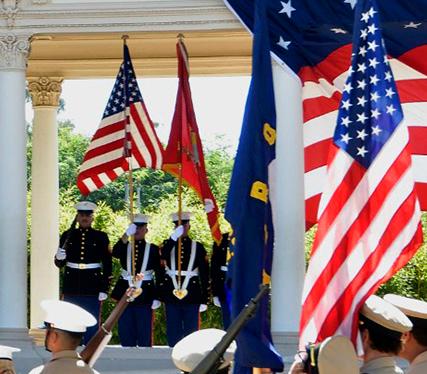
TODAY AT
https://ams.moww.org/fundraising/donation
We have been serving the San Diego area since 1926. Our chapter has sponsored many events that have become constant in community life in San Diego. The San Diego chapter has also been quite active on the MOWW national stage. We are quite proud that the first female MOWW Commander-in-Chief, Capt. Debbie Kash, USAF (Ret), is a member of our chapter. We have also provided MOWW with two other Commanders-in-Chief.
• Annual free Youth Leadership Conferences for high school students. Student teams and Staff interactively explore, learn, and practice leadership, patriotism, American government, American history, and free enterprise.
• Massing of the Colors and Service of Remembrance. Recognizing our youth, community, and nation through honoring our country, flag, active military and veterans, their families, and community patriotism.
• Wreaths Across America. Honoring our deceased veterans through co-sponsoring an annual patriotic ceremony.
• Recognizing youth leadership and sponsoring JROTC, ROTC, and Scouting events.
• Partnering with many community veteran groups.
For more information please visit our website at: https://moww.org/
Facebook: The Military Order of the World WarsMOWW-San Diego Chapter
Please feel free to contact us:
Debbie Kash debbie.kash@gmail.com Kathleen Winchester kathleen.a.winchester@gmail.com
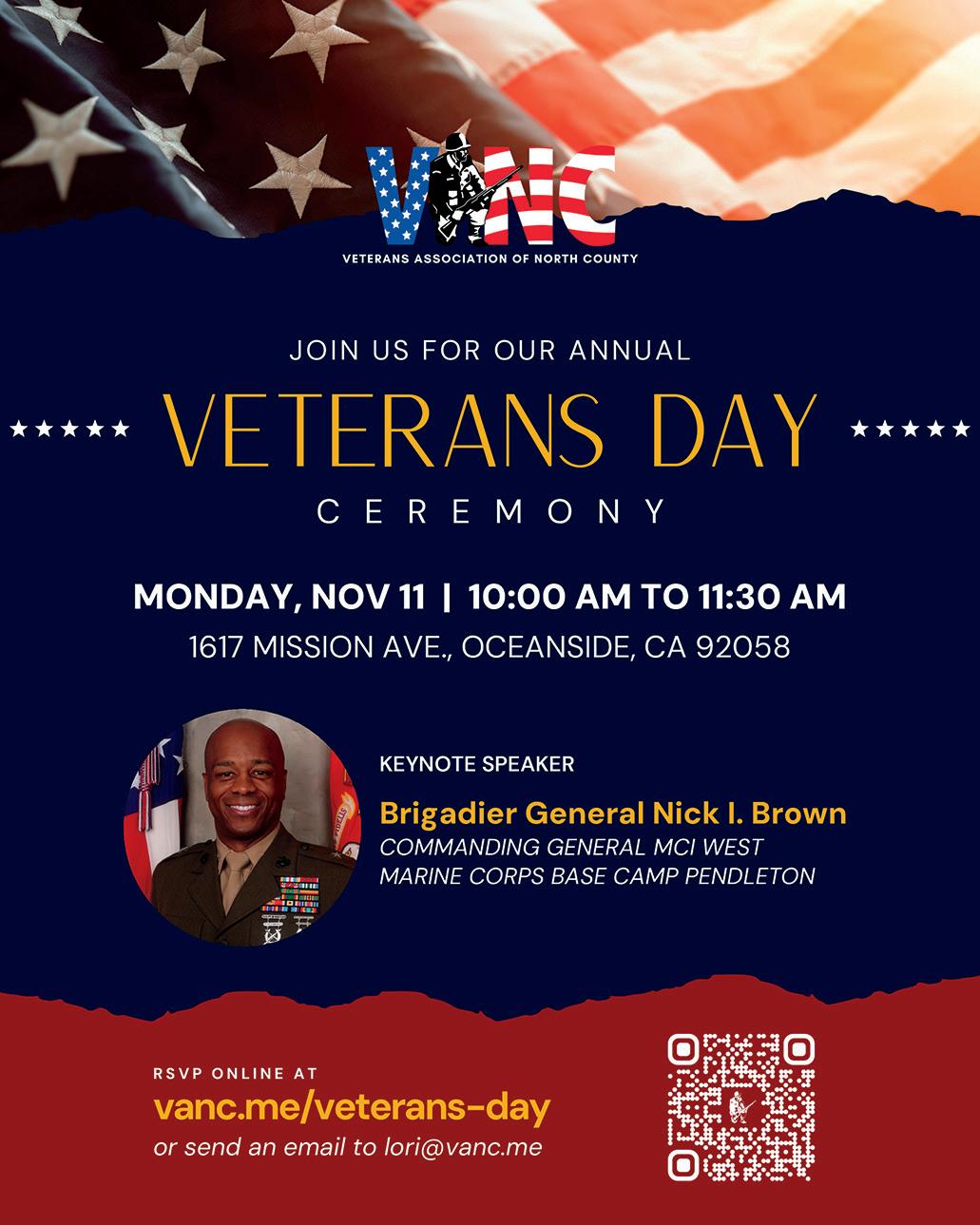

You’ve served your country, now serve your community!
Military and law enforcement have had a longstanding relationship with overlaps in training exercises, equipment, and, most important, personnel.
It is not uncommon for a service member to make the jump from the military to law enforcement as both professions look for the same characteristics; leadership, fidelity, chain of command, and teamwork are all common themes in both professions.
Quite understandably, many American military veterans often gravitate to a career in law enforcement when the time comes to rejoin the civilian workforce.
The two professions have many fundamental similarities; from the uniforms they wear with pride, to the firm command structure they serve under, to great personal risk they endure while protecting those who cannot protect themselves.

The following agencies are actively hiring & proudly support our veterans, active military and the families that keep together.
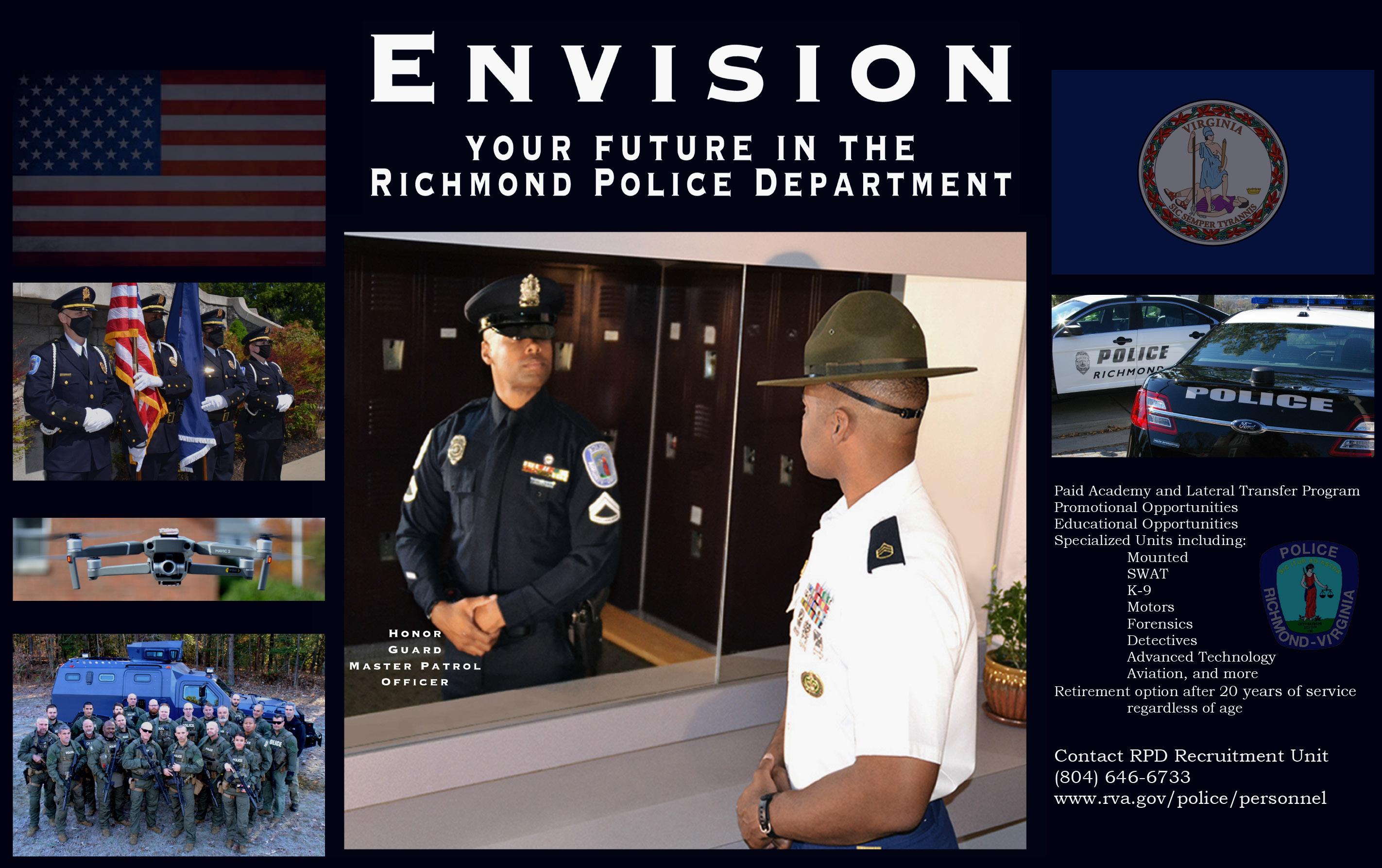
U.S. Customs and Border Protection’s (CBP) San Diego Field Office (SDFO) has established the Employee Wellness & Engagement (EWE) Unit to foster a workplace that promotes all-inclusive health – physical, mental, social, and spiritual. This unit is dedicated to helping the whole employee and one of the unit’s primary focuses is the wellbeing of military veterans.
CBP understands the need to relate to its workforce and that is why the driving force behind the SDFO Veteran Support Program (VSP) initiative to serve military veterans is a military veteran who served in the U.S Army.
The attack on U.S. soil on September 11th, took place during VSP Coordinator Edwin Diaz’s sophomore year at Morse High School. This attack amplified his desire to serve and protect our nation. After graduating, he enlisted in the U.S Army as a 11B, Infantryman with intention to deploy and engage in combat. VSP Coordinator Diaz attended basic training in Ft. Benning, GA, the ‘Home of the Infantry,’ received orders to Ft. Hood, TX, 1st Cavalry Division (1-8 CAV Mustangs), and deployed to Operation Iraqi Freedom (OIF) in East Baghdad, Combat Outpost Hope and Forward Operating Base in Rustamiyah (2006-2008). After Diaz completed his contract, he was honorably discharged, returned home to San Diego, CA, and continued to serve by gaining employment with CBP in 2011 at the San Ysidro Port of Entry.
VSP Coordinator Diaz has led SDFO in its mission to support military veterans and their families by bringing them resources such as benefit awareness, equine therapy, alternative mental health programs, CBP resources, and local community programs.
The EWE Unit believes in uniquely helping each employee; and in this case, the VSP Coordinator has spread educational materials for Veteran Affairs (VA) educational benefits, Military buy-back, and Disabled Veteran Leave to assist veterans during their transition into their career with CBP.
This positive work environment that is built on wellness and education has been established for SDFO’s 655 veteran preference employees and has led to a healthier CBP community. This vast network has made SDFO a prime location for military veterans and has become a recruitment tool to promote more veterans to apply to CBP’s SDFO and to be served while they serve.
Also, SDFO has 5 onsite clinicians in which 2 of these clinicians has extensive experience helping military veterans and 1 being a veteran herself. The EWE unit also utilizes its Chaplains and Peer Support Members (PSM) to walk alongside military veterans and their families through various life transitions. Chaplains and PSMs participate in routine training (i.e., CBP Safe Harbor, Suicide Prevention Training, Copping Strategies, Self-care, etc.) to better serve the workforce and CBP SDFO military veterans.
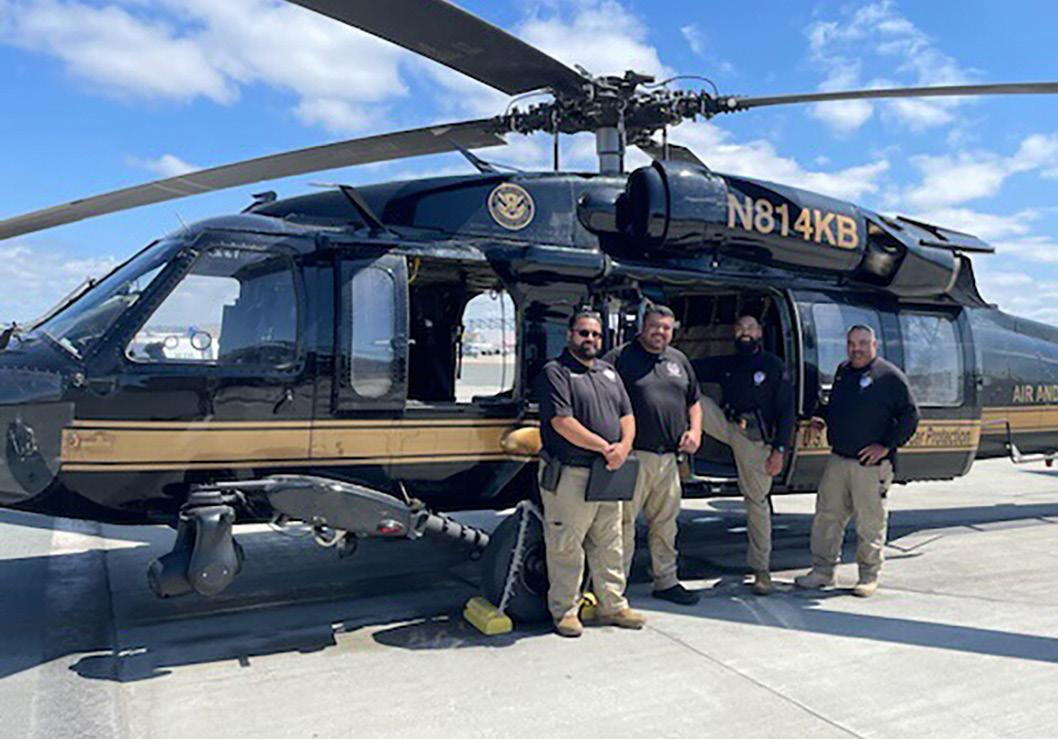
VSP Coordinator Edwin Diaz is supported by Peer Support Program Coordinator Enrique Rodriguez, Honor Guard Program Coordinator Rene Munoz, and Chaplaincy Program Coordinator Robert May.
This specialized team tirelessly collaborate with their programs to help employees, veterans, and their families.
The views expressed are the authors’ own and do not necessarily reflect the views of U.S. Customs and Border Protection, the Department of Homeland Security, or the U.S. Government.”



By Holly Shaffner
Changing careers can be exciting, exhilarating, and filled with trepidation. Meet Officer Cindy Ovares who has made the transition numerous times – from active-duty service member, to student, massage therapist, teacher, and now police officer.
The life experience she gained in those previous longterm jobs set her up to be successful today. She is doing what she’s always wanted to do – have a career that is challenging and rewarding.
Cindy was like many seniors in high school as she contemplated what she would do after graduation. When the Navy recruiter called the house looking for her brother, the recruiter instead got an eager, independent 17-year-old woman who wanted to find adventure. Just a few months later, she was off to “see the world” and start her first career.
As an Aviation Machinist’s Mate, Petty Officer Ovares was a jet engine mechanic. It was a male-dominated job, and she wanted to prove that anything a man could do, she could do better. She attended military schools in Florida and Virginia to learn her trade, and was later stationed in Lemoore, California. She was attached to VFA-22, an F/A-18 Super Hornet squadron, that deployed on ships. After serving four years on active duty, she earned Post 9/11 GI Bill education benefits, and chose to leave the Navy to attend college.
After completing her bachelor’s degree in Secondary Education and being a fluent Spanish speaker, she was hired to be a high school Spanish teacher. The job was gratifying; but also, under resourced, understaffed, and had little room to grow professionally. She wanted something new and challenging, was drawn to the community where she grew up, so, in her late 30s she applied to be a police officer.
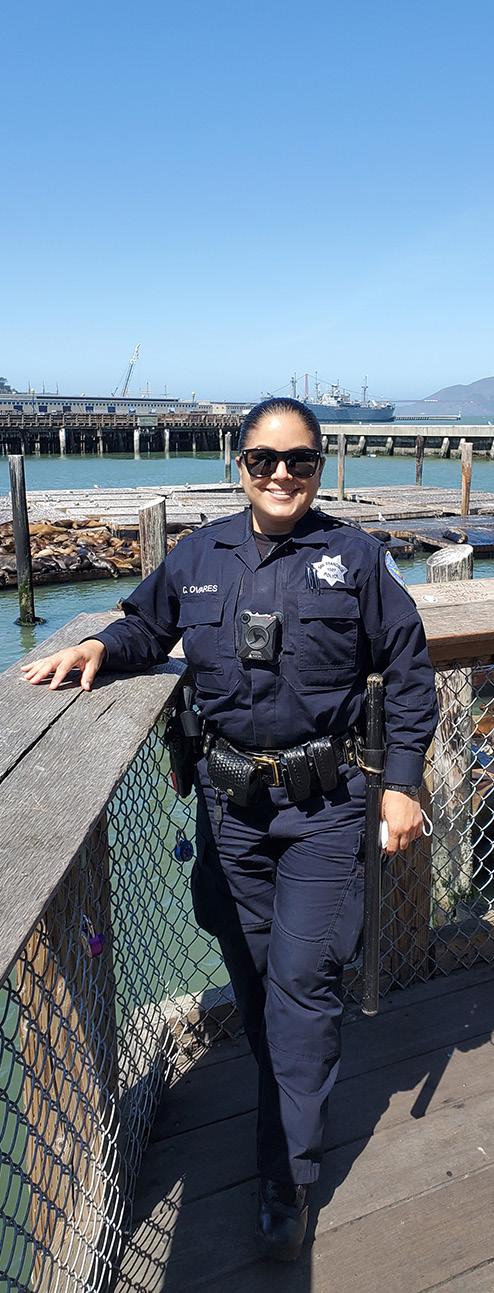
“Being able to talk to people, figure out what they are going through, and what they need is a huge portion of the job. I enjoy interacting with the public, and engaging in what I call verbal judo.”
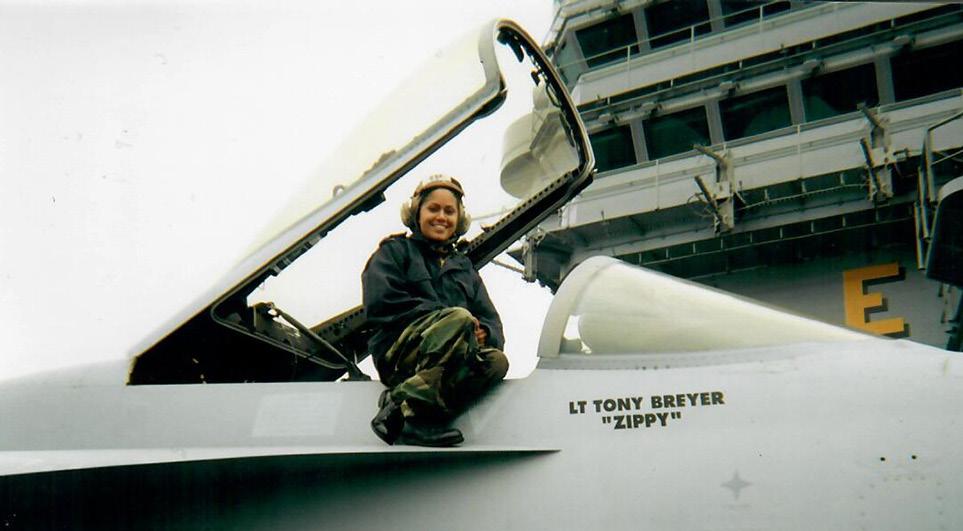
Officer Ovares was accepted to the San Francisco Police Academy and has been an officer for the last three years. She is a foot patrol officer working in the Tenderloin District – a 50-block area that has a storied history, and has been known for homelessness, drugs, and crime.
“Being able to talk to people, figure out what they are going through, and what they need is a huge portion of the job. I enjoy interacting with the public, and engaging in what I call verbal judo,” said Officer Ovares.
For Officer Ovares, the parallels between serving in the military and serving in law enforcement made the transition go smoothly:
• Routine – You know what to expect before your shift begins (what time to report, what uniform to wear, the structure of the day).
• Camaraderie – The bond between fellow officers is like the bond between your fellow military brothers and sisters.
• Variety – Every day is different with different assignments and duties, so the job is never boring.
• Benefits – Include a competitive salary, paid vacation days, floating holidays, and sick days, healthcare, retirement, and special pay for certain assignments and being bilingual.
As a Latina giving back to her community, she admits that the job comes with highs and lows. Officer Ovares recommends a career in law enforcement for those military members looking to make a smooth transition to a new chapter.
To learn more about the San Francisco Police Department, or to connect with recruiter, go to: www.sanfranciscopolice.org/your-sfpd/careers

By Amber Robinbson San Diego Veterans Magazine
When I asked to go on a ride along with the San Diego Police Department, making a special request for any veterans-turned-cops, I expected a really serious, possibly dangerous, afternoon of shadowing our city’s toughest crime fighters.
What I got was an afternoon of heartfelt service to our San Diego community, honorable humility and a lot of respect.
When I asked whether former Marine Sergeant Major, Mark Wright, and his partner, former Marine Staff Sergeant, Sean Bunch, had rank or titles he said their titles were just San Diego police officers. They are relatively new partners, but act like they’ve known each other for years, which is usually the case when you get Marines together.
Wright is a newer addition to the force, coming on board two years ago, with Bunch only having two years left.
Currently, these brothers-in-arms spend their days patrolling the entirety of Balboa Park.
Although neither men are taking fire or kicking in the enemy’s door on this beat, like during their time in Iraq or Afghanistan, they still work hard to serve their local community. Service which can range from tracking down criminals to answering questions from lost pedestrians, to giving out stickers to kids and never backing down from a chance to turn on those flashing red and blues just to make one of them smile.
Most of our particular day was cruising around beautiful Balboa Park running car tags to see if they were current, from cars not displaying proper plates and placards to those double parked. Bunch says they often catch parole violators or even stolen cars doing just this. I was struck as I watched both officers go out of their way to look in and around vehicles to find plates or disability placards not displayed correctly so as to avoid issuing superfluous tickets.
“We try to give everyone the benefit of the doubt,” said Wright. “We’re not out to get anybody.”
Although, both officers confirm that enforcing even the most basic of park rules can yield large payoffs. During a recent patrol Bunch spotted an individual smoking in the park, which is illegal. As he circled back round, the individual turned and rapidly tried to walk away, which activated immediate suspicion. He was detained and came back with a warrant for numerous kidnapping and child molestation charges.
Both men say a lot of what they do is talk with museum owners and those living in the neighborhoods surrounding the park about their concerns. A shared concern by all is the park’s homeless population.
Bunch says their posture towards the homeless is mostly that of assistance, adding there are many resources available for those who would take them.
The city spends a lot of money on resources,” said Bunch. “The biggest problem we run into is whether or not the [homeless] people want them, and a lot of them don’t.”
Thus, the men tend to run into the same issues with the same people pretty often. Although frustrating, they have learned that respect goes a long way when challenged with these repeat offenders. Bunch recalls spotting one such offender in the park, who was in violation of his parole and wanted on warrant. He was unable to get to the offender immediately, but still apprehended him with a verbal request. The parolee waited patiently to be hand-cuffed and arrested, simply out of the respect he held for the law man.
“Being respectful of everyone despite their lot in life goes a long way in this job,” said Wright.
Both men say a huge part of their work is being able to connect and communicate with the myriad of people they meet daily.
Bunch says he feels he and Wright are lucky to come to the force later in life, given it means they have a wider frame of reference for those they meet and serve daily. “We deal with people who are going through all kinds of things in life,” said Bunch. “And it’s helpful to be able to say, ‘hey I know what you are going through, I’ve been there.”
As the day progressed, I realized that both gentlemen definitely had a long list of tough and unique life experiences to pull from. Both proudly served the United States Marines for years, traveling to war and all over the world, experiences that yield much wisdom as well as many a story.
Bunch, for instance, did not come to the force straight from the Marines, but from Hollywood. Surprisingly, he is a member of the Screen Actors Guild, working as a military advisor on various productions, like Lonestar 911, and appearing in some as well, such as one of the most recent Men in Black movies.
“I grew up outside of LA,” said Bunch. “So, I’ve always just kind of been around the business and found a place for myself there with all my military experience.”
Bunch hopes to return to work in Hollywood after he leaves the force, bringing with him a new level of experience and respect.
Wright, who retired from the Marines as a Sergeant Major never worked in Hollywood, but he does have plenty of stories about being a proud grandfather, father and new amputee. When I entered the Central Division Station and met him, he said he was just getting back to work after some time off after losing his leg.
Wright remained unscathed during his over-20-years in service, overseas deployments and endless combat train ups. It wasn’t until after service that he lost his leg in a motorcycle accident late one foggy night a little over a year ago. Wright says it had been an eventful second watch and he was leaving the station about 2 AM on his motorcycle when it happened.
“It was only about two minutes from work,” said Wright. “I was coming around a curve and entered into what I thought was fog, and as I’m entering, I see a headlight and side mirror in my lane.”
That headlight and mirror became an entire car that was blocking Wright’s entire side of the road.
“I was a heuy crew chief in the Marines and reverted to my training from that, grabbed my shoulders, braced for impact and went flying like a human lawn dart over my handlebars,” said Wright.
Wright landed in the ditch on the side of the road. He says he realized immediately that he had a back and leg issue. He learned that a bystander had called 911, but he requested they call back and state that the injured motorcycle rider was a policeman with the San Diego Police Department and expedite services. This one request would become pivotal in saving Wright’s life.
Continued on next page >
“What I didn’t know at that time was that I had severed two arteries in my leg, and I was bleeding out,” said Wright.
What Wright would learn later is his heel had also been torn off on the wrecked car as he sailed past it into the ditch. After much pain and many surgeries, Wright would finally lose his leg from the knee down. says he doesn’t let it get him down, though. He’s proud to continue to serve as one of our city’s finest.
Both he and Bunch take much pride in their time as Marines and as San Diego Police Officers. Each officer comes from strong military stock, with Wright’s grandfather being a World War II veteran and Prisoner of War and Bunch’s father a decorated veteran of Vietnam.
All in all, this Army vet’s afternoon with two Marines was an impressive one. Both seasoned public servants, these honorable men have discovered you must give respect to get it, that violence is often not the answer and the most important thing to keep in mind along the way, is a good, human dose of empathy.
more information visit www.joinSDPDnow.com or email us at SDPDrecruiting@pd.sandiego.gov

Feeding San Diego is proud to support local heroes by providing nutritious meals to military families and veterans.
To learn more about our Feeding Heroes program, scan the QR code or visit feedingsandiego.org. Thank you for your service.