
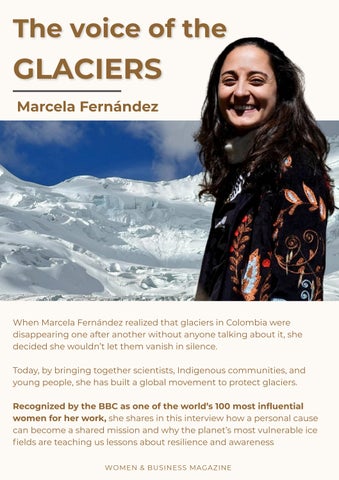
When Marcela Fernández realized that glaciers in Colombia were disappearing one after another without anyone talking about it, she decided she wouldn’t let them vanish in silence.
Today, by bringing together scientists, Indigenous communities, and young people, she has built a global movement to protect glaciers.
Recognized by the BBC as one of the world’s 100 most influential women for her work, she shares in this interview how a personal cause can become a shared mission and why the planet’s most vulnerable ice fields are teaching us lessons about resilience and awareness
Today, many people know you as a glacier advocate, but let’s start at the beginning.
What kind of child were you growing up in Medellín?
What have you carried with you from Colombia that still shapes who you are today?
I was a very active child and often took the lead in different sports. I even started the football team at my school.
When I was 14, I travelled to Norway to represent my school’s environmental project at a youth event focused on climate and sustainability.
It was my first time in Europe. Our project centred on a native plant growing in the forest surrounding our school, as well as recycling and water conservation.
Looking back, that early message about caring for water feels especially meaningful today. In many ways, the path I am following now had already begun to take shape back then.
.
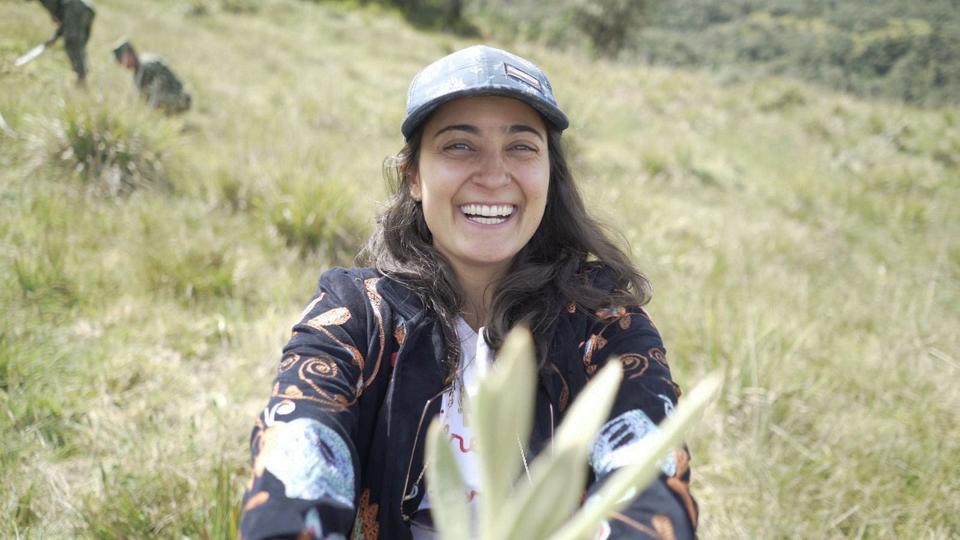
You once said that reading about Colombia’s disappearing glaciers completely changed the course of your life.
What happened inside you at that moment?
Why couldn’t you simply turn the page and move on?
What struck me most was learning that eight glaciers had already disappeared in Colombia during the previous century and that we had never been taught about them Our grandparents had never told us what it was like to witness the disappearance of a glacier.
That ignorance and frustration turned into a loud whisper inside me. The next step felt clear: to bring together a multidisciplinary team, create documentaries and produce a book as a tribute to our glaciers.
We began searching for those who understood what was happening, using science as the backbone of our work while creating a dialogue between different forms of knowledge.
That was how the movement began in Colombia. I never imagined it would grow into a global movement so quickly.
Your work combines science with storytelling, photography and filmmaking.
Why do you believe that a powerful story can sometimes inspire more change than scientific data alone?
At the heart of our work is the desire to reach people emotionally Science speaks to the mind, but information alone can sometimes feel overwhelming or increase eco-anxiety A powerful story can open a different door: it can help people feel connected and recognise that they have something meaningful to contribute.
Our movement gives people an opportunity to offer their time, creativity and talents in service of a cause. They do not need to be experts. They need only the desire to help and the willingness to act.
This is also a deeply spiritual path. In the Andes, glaciers are regarded as apussacred spirits and in the Himalayas they are associated with Shiva.
When you stand before a disappearing glacier, you enter a contemplative space where everything seems to speak to you. You begin to listen to yourself, and the glacier teaches you about resilience, impermanence and change.
You were named one of the BBC’s 100 Most Influential Women.
What did that recognition mean to you personally?
Has it changed the way you see your responsibility as a leader?
The recognition was completely unexpected and arrived during a deeply personal period, while I was grieving the loss of my mother.
There is a saying: “Nobody is a prophet in their own land.” In many ways, that recognition helped people in Colombia finally see the largely invisible work Cumbres Blancas had been doing. It gave us credibility and opened new doors. Soon afterwards, the first International Year of Glaciers’ Preservation created further momentum around our mission.
Our work had already expanded to Peru, Ecuador and Mexico, and through Glacier Nation it began to grow into a truly global movement.
Recognition brings visibility, but it is also an invitation to remain humble.
Leadership is never about collecting awards or standing in the spotlight. It is about using every opportunity to continue doing the work that needs to be done.
“Leadership is never about collecting awards or standing in the spotlight.”
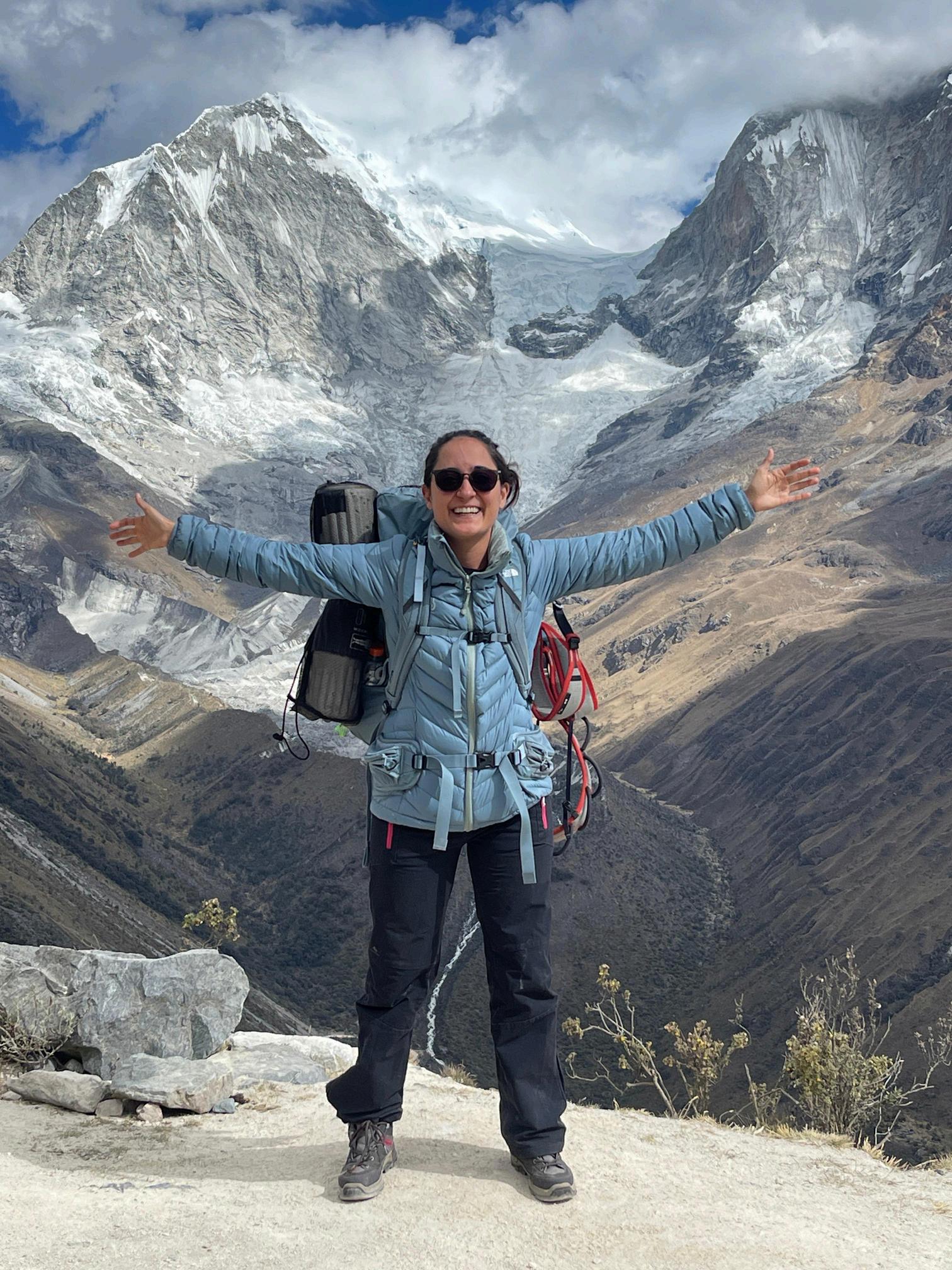
For someone who has never seen a glacier, why should they care?
What do glaciers represent beyond their environmental importance?
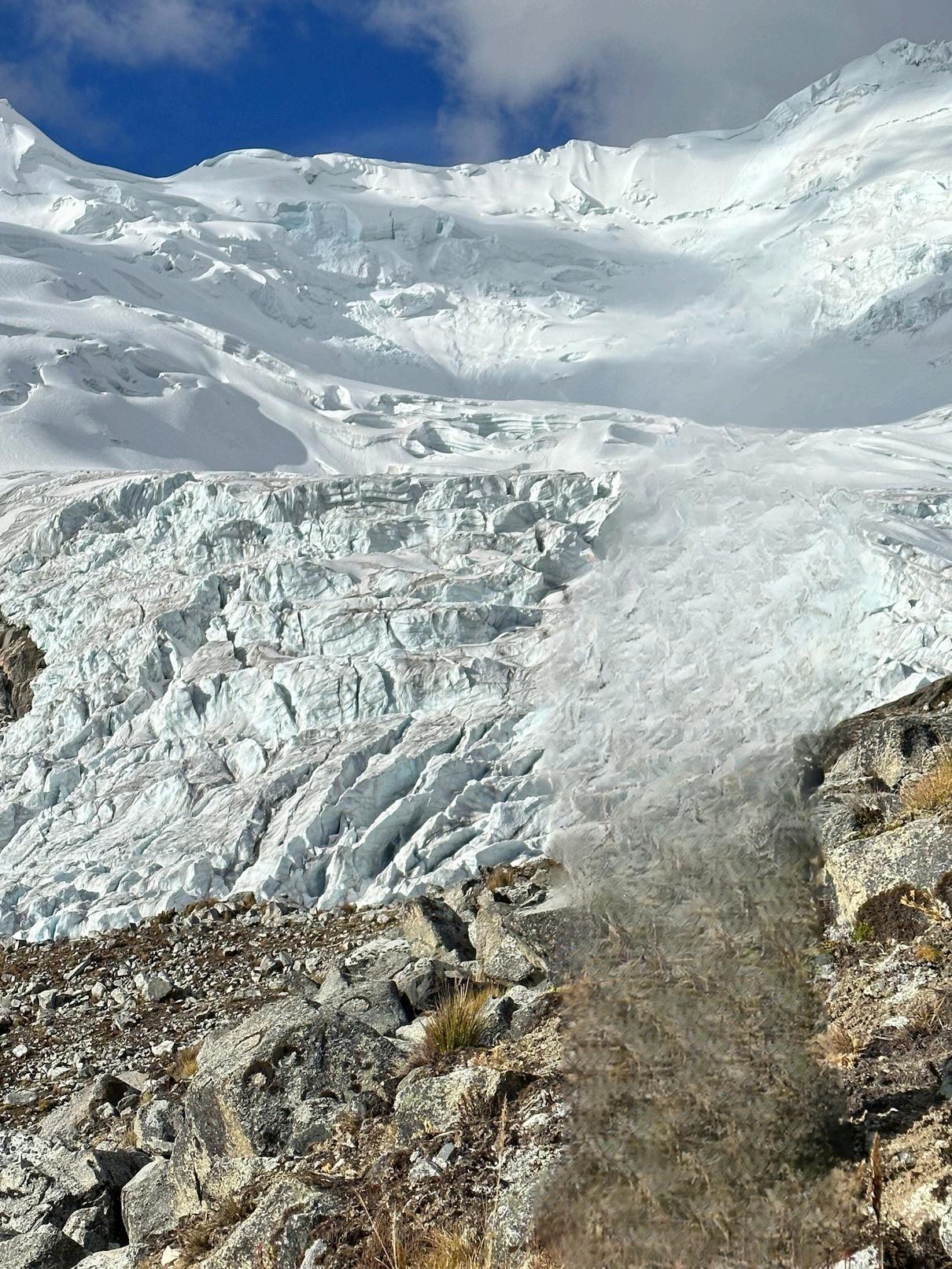
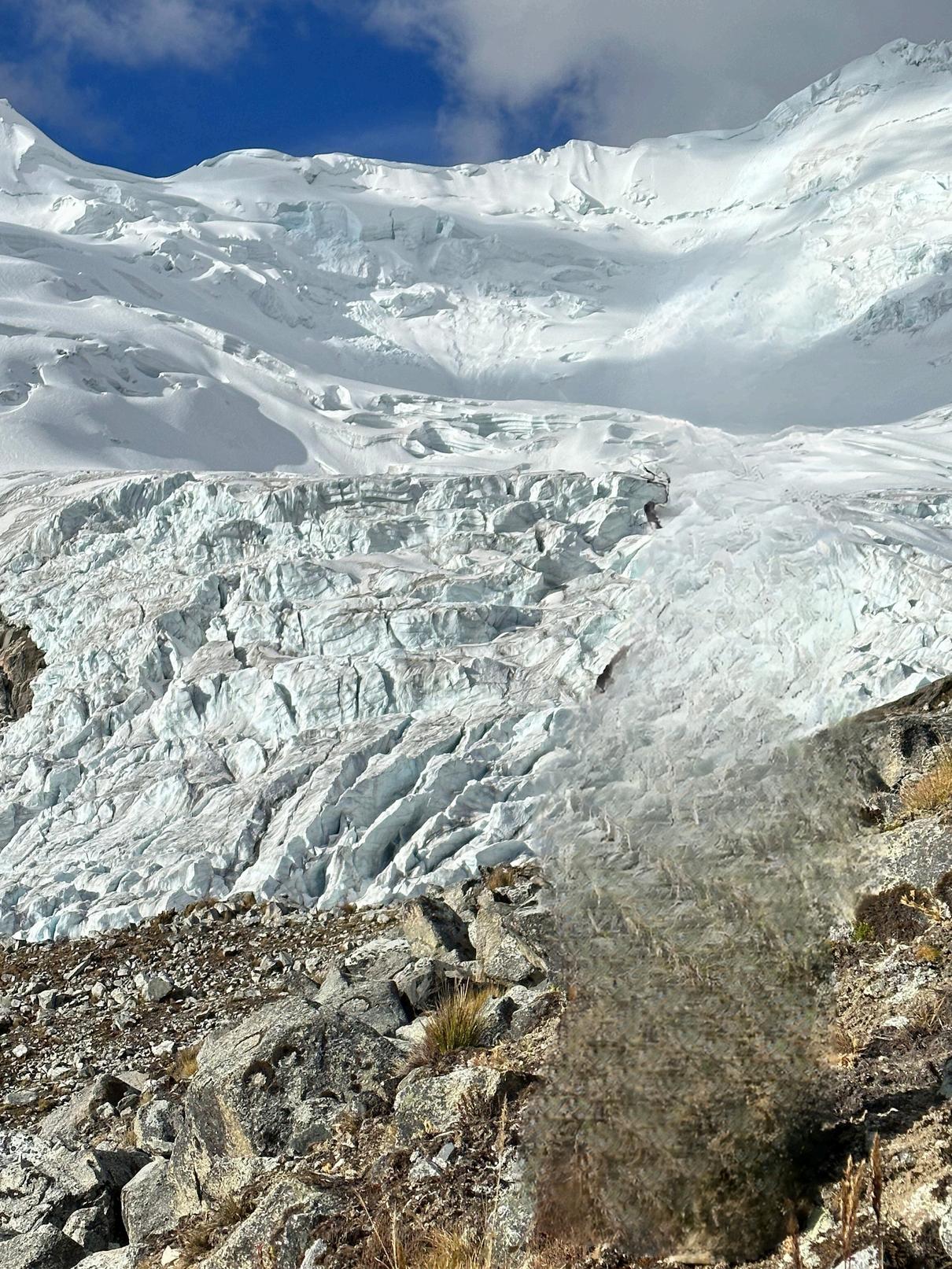
Glaciers are the thermometers of our planet. They reveal what is happening to the climate with undeniable clarity, and they are the only ecosystem that cannot be restored or regenerated once it disappears. Photographs taken fifty years apart show the truth: glaciers do not lie.
Standing before a glacier is an emotional experience. You are facing a majestic being that is giving its life to us drop by drop. Glaciers are the cathedrals and temples of humanity. For many ancestral communities, they are sacred beings and sources of spiritual wisdom.
They also teach us about grief, impermanence and constant change. Their disappearance asks us to feel more deeply, expand our awareness and pay attention while there is still time.
The expeditions you organize are about much more than visiting glaciers.
They are about connection, reflection, and transformation.
What do you hope women will take away from sharing this experience with you?
I I would love to create more expeditions designed especially for women. These journeys can become pilgrimages experiences that touch and transform us.
At the glaciers, we hold ceremonies of gratitude rather than fun l W l i water c togethe glaciers water a
These r reconn to their recogn betwee
We enter these sacred places with reverence and walk through them with devotion.
After encountering a glacier, you cannot return as exactly the same person. There is a clear before and after.
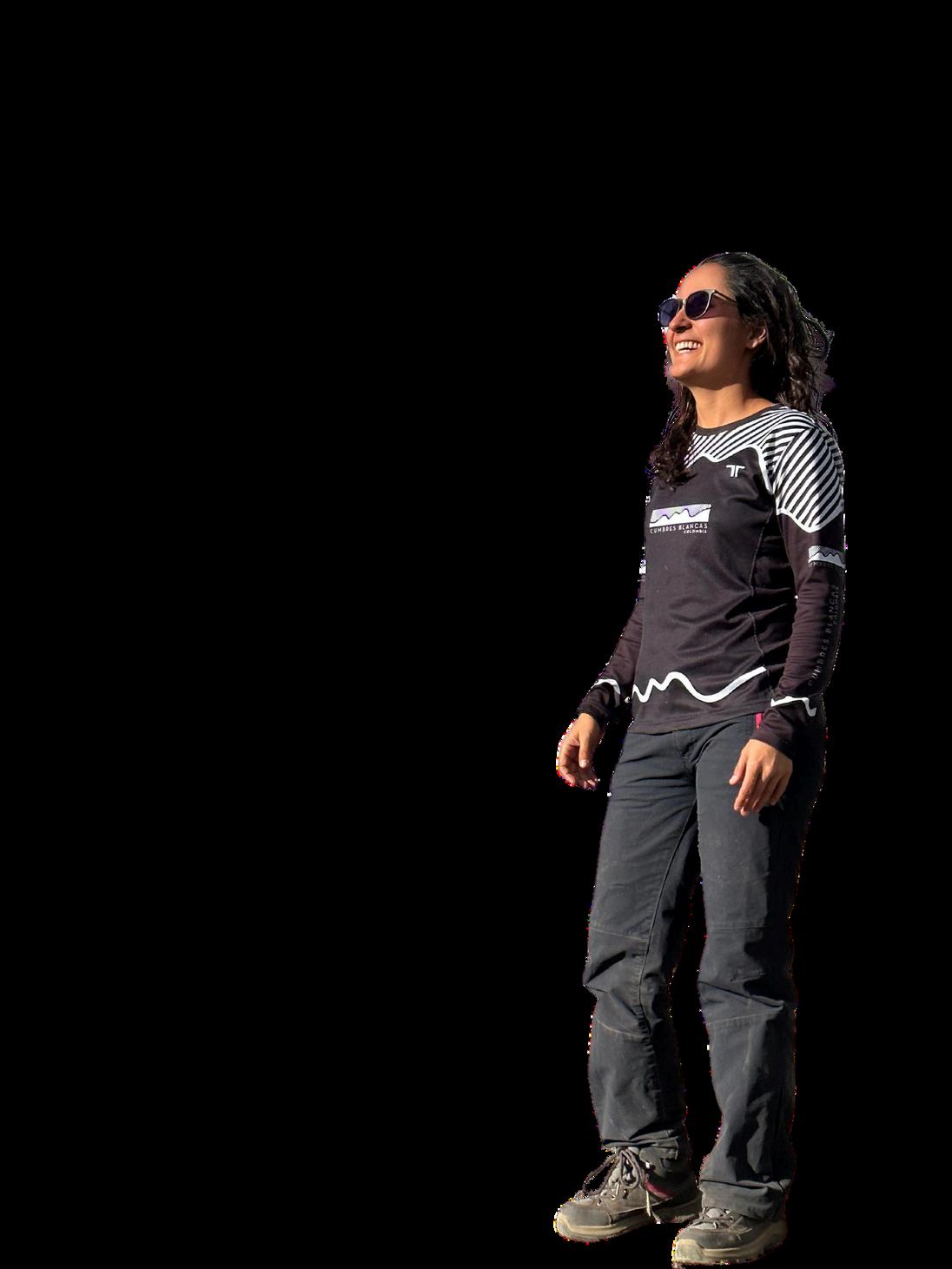
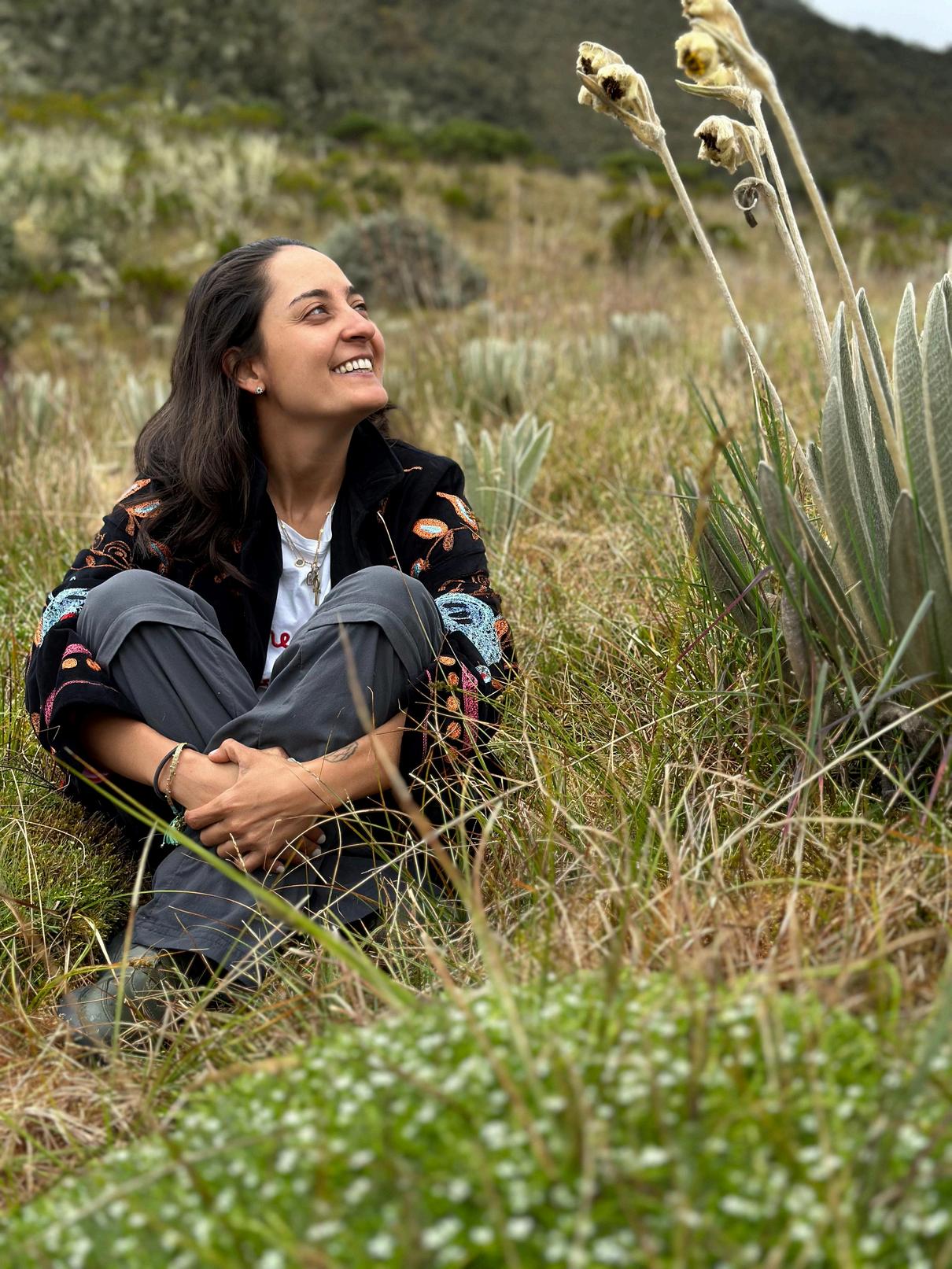
If you could leave our readers with one message that they would still remember ten years from now, what would it be?
Let yourself be truly touched by a cause.
My cause is the protection of glaciers, and perhaps it is a cause we can share. There is a place for everyone in this movement: we need helping hands, open hearts, talent and creativity.
If my story has spoken to you, you now have an opportunity to take action. The Glacier Nation Global Challenge 2026is open to emerging leaders from glacier regions who are ready to contribute to the protection of the cryosphere through storytelling, science, community engagement and field experience.
Participants will complete the challenges in their home countries, and 18 selected leaders will join the Cumbres Blancas team for a 15-day experience in Colombia. Applications close on July 31, 2026. Colombia experience: September 11–26, 2026.
If you feel that this could become your cause too, give yourself permission to take the next step.
Discover the full details and apply at glaciernation.org