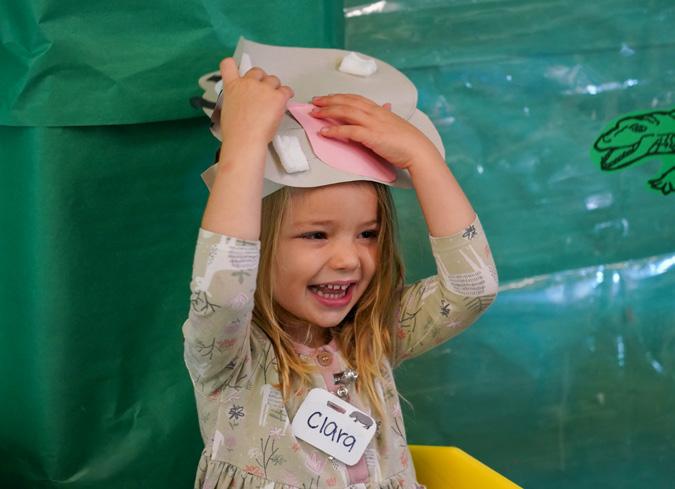
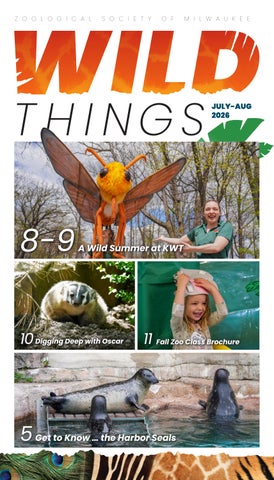
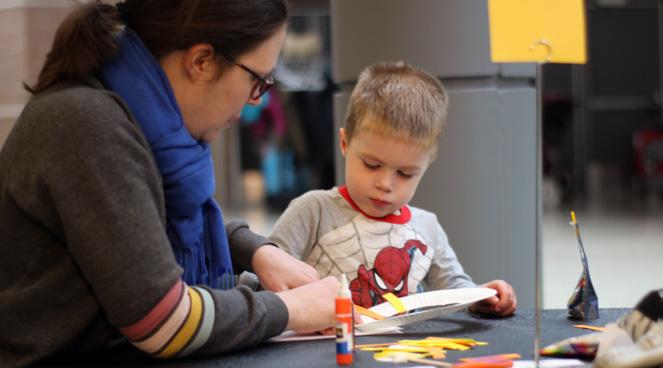
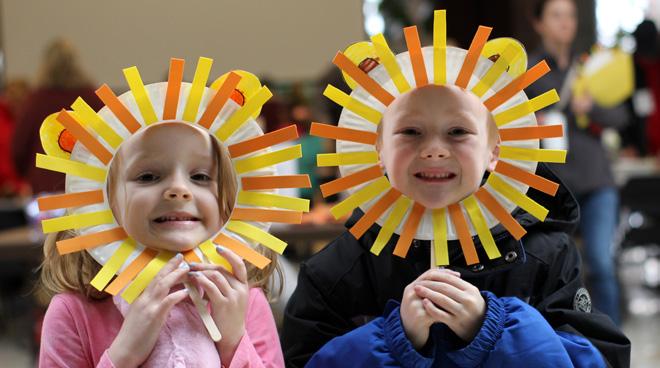
Much like how a caterpillar becomes a butterfly, the Zoological Society’s Kids Conservation Club is undergoing a metamorphosis of its own. The program is now renamed Kids in Conservation, as its focus will be on family conservation and connecting people to the diversity of animals. Kids in Conservation will link family experiences to Zoo conservation initiatives — engaging children and adults with empathy for wildlife.
With this transition, some of the current KCC membership benefits will be changing. For now though, all families who purchased KCC from October last year through the end of May will still receive the fall workshop at no additional cost. Future Kids in Conservation purchases will also feature an exciting change, as instead of receiving an invitation to Animal Safari as part of membership they will instead be receiving invitations to additional fun Zoo conservation activities!
Check out Page 16 in the Fall Education brochure to learn more about how to register.

We value your relationship with the Zoological Society of Milwaukee. The Society does not sell member/donor information to third parties, but may share limited information with the Milwaukee County Zoo for the purpose of confirming membership status.
Zoological Society office hours:
9 a.m.-5 p.m. through Sept. 7, 2026
Zoo hours: 9:30 a.m.-5 p.m. through Sept. 7, 2026
Note: Admissions closes 45 minutes prior to Zoo closing time; animal buildings close 15 minutes prior to Zoo closing. Many outdoor animals are brought in 45 minutes prior to Zoo closing.
Company picnics: For members visiting the Zoo with a company picnic, Zoo Pass members’ free admission or free parking benefits do not apply. The fees paid for company picnics include admission and parking and usually include additional Zoo-visit benefits.
Problems renewing or transacting online: If you experience any difficulties transacting a Zoo Pass renewal or animal sponsorship online, please contact us at 414-258-2333 so we can assist with your transaction. Our staff is available seven days a week.
Reciprocal zoos and aquariums: We update our list of zoos and aquariums that offer reduced or free admission to our members with the Association of Zoos & Aquariums in spring each year. We only reciprocate with AZA-accredited facilities and reserve the right to not reciprocate with zoos and aquariums located within close proximity of the Milwaukee County Zoo. Please be sure to contact the zoo you plan to visit prior to your travels.
Moving? Please call us when you change your address or name. The call saves us money because when the post office returns your mail with a forwarding address, we pay twice for mailing: to the old address and the new.
Zoo admission: Please remember to have your Society Zoo Pass and identification ready when you arrive at Zoo Admission. If you’ve lost your card, replacement cards may be purchased for $5. Zoo Pass admission is valid for regular daytime Zoo hours and many events.
Who can use member cards? The person(s) named on the Zoo Pass is the owner of the card, and benefits are not transferable to anyone else. We need to have the number of minor children/ grandchildren in your household reflected in your membership records for Zoo Admission. Foster children are covered on your membership. Your Zoo Pass membership does not cover children for whom you provide baby-sitting or day-care services. The Society and the Zoo retain the right to invalidate any membership being used inappropriately.
JULY 14-16
Members-Only Kids Nights
Sponsored by Lifeway Kefir
5-8:30 p.m.
Kids rule at the Zoo! Exclusive for Zoo Pass and Platypus Circle members, Kids Nights are three nights in July filled with delicious food, live entertainment and your favorite animals. Enjoy performances from Main Street Song & Dance Troupe and Kip’s Fun Show, presented by stage sponsor Children’s Wisconsin. New to Kids Nights this year, don’t miss Kid Boogie Down, presented by stage sponsor Great Clips. Also keep an eye out for Wild Willy’s juggling act, and make sure to check out fun and educational performances at Kohl’s Wild Theater.
This event is only for Society members and their minor children and/or grandchildren covered on their membership. Admission and parking is free!



We’re always looking for new ways to make your Zoo visits even more memorable, and this summer, there’s a tasty new dining spot!
Crust & Copper is now open along the shores of Lake Evinrude (between harbor seals and the bears). Enjoy bites fresh from the brick oven like hand-crafted pizzas and baked pastas, as well as seasonal sandwiches, salads, burgers and crispy hand-breaded chicken tenders. With a variety of tasty options, you’ll find food that will please the whole herd.


Don’t forget your appetite, Crust & Copper will be open during Members-Only Kids Nights!
Vegetarian, vegan, gluten and dairy-free options available.
Animal Safari
Sponsor Tours run 10 a.m. to 3 p.m.
Here at the Zoological Society, we greatly appreciate all of the animal sponsors who help support their favorite animals and keep them healthy and happy — from the Eastern black rhinos to the Inca terns and everything in between. That’s why every year the Society shows its thanks to our animal sponsors at Animal Safari.
This special event for animal sponsors will feature behind-the-scenes tours*, animal talks, examples of animal enrichment, animal-themed crafts and more. Look for your invitation in the mail. Not an animal sponsor yet? You can sponsor an animal on the day of the event and still take part in the tours, or you can sponsor an animal today at zoosociety.org/SponsorAnimal. Sponsorship packages start as low as $25.
*Tours are not necessarily in the area of your specific sponsored animal.
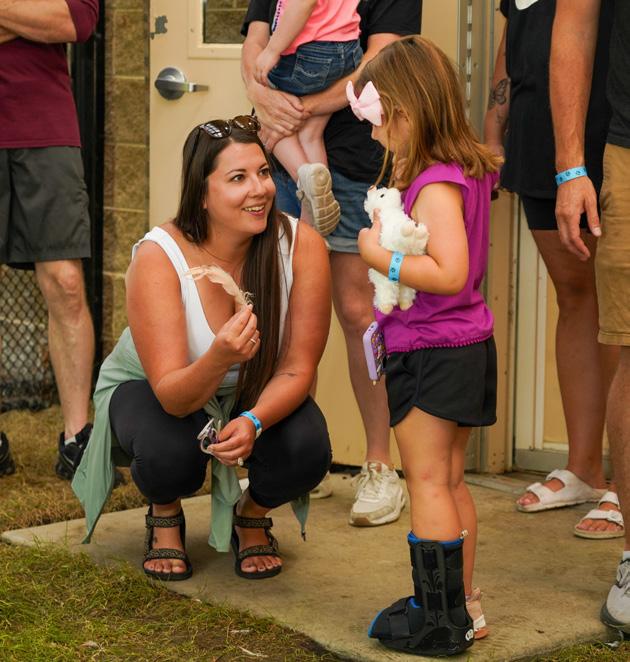
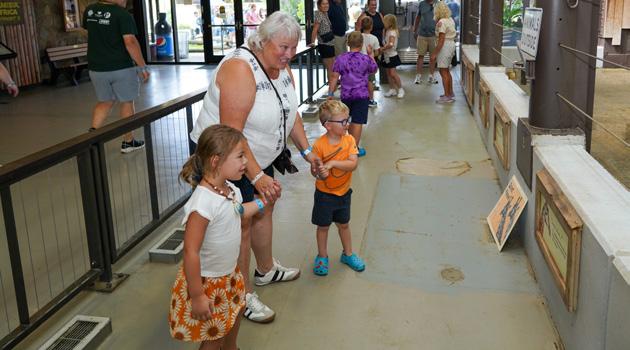
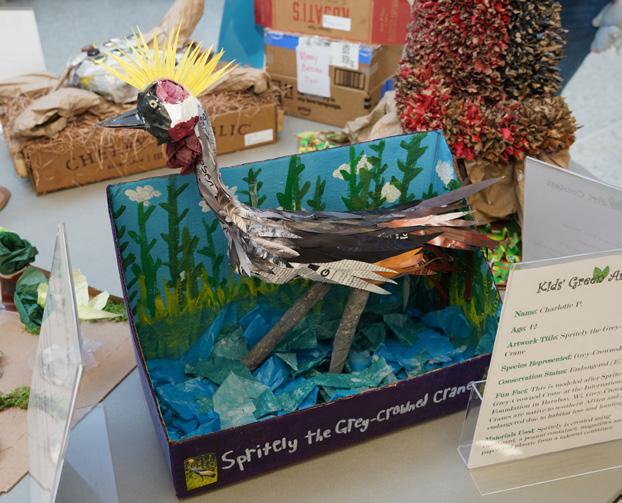
What happens when you combine clutter, conservation and creativity?
You get the Kids Green Art Contest!
This trash-to-art contest inspires children to transform everyday discarded materials into unique artistic creations. Young artists will be showcasing the extraordinary abilities or adaptations of animals as part of this year’s theme: Animal Superpowers. This year, all projects should be done in the style of a diorama or a mosaic. The contest is open to kids ages 17 and under, with all projects showcased on Aug. 29 during the Animal Safari event. After the event, entries will be displayed in a virtual gallery on the Society’s website. Go to zoosociety.org/greenart to register and learn more about this year’s contest and theme. Dates to Remember:
• Register by Aug. 16
• Deliver artwork between Aug. 22-28
• Artwork displayed Aug. 29
• Winners notified the week of Aug. 31
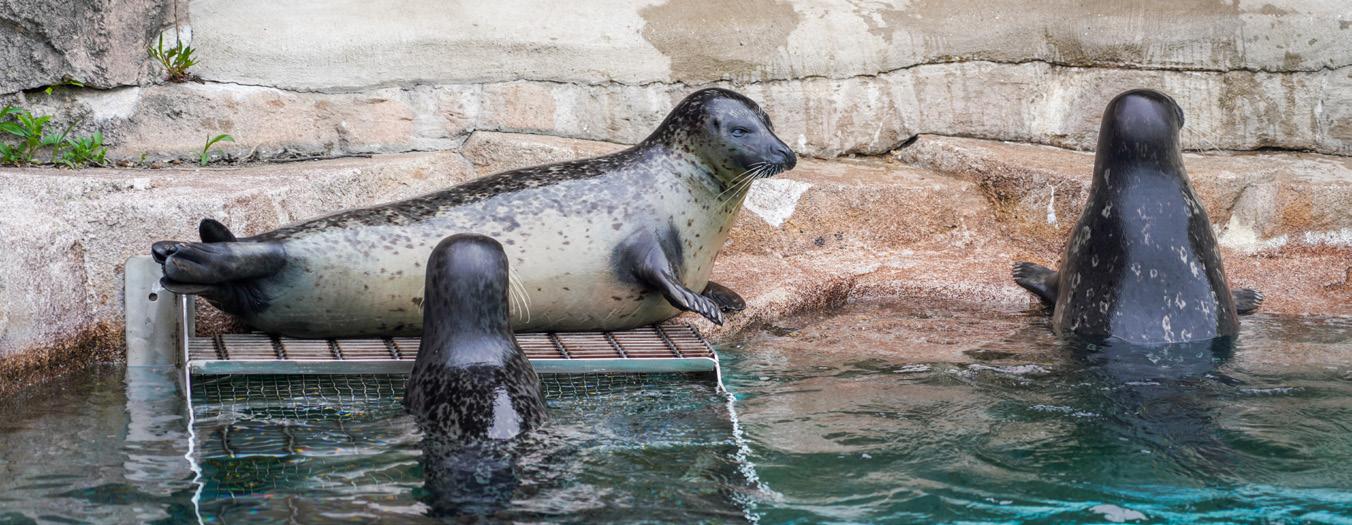
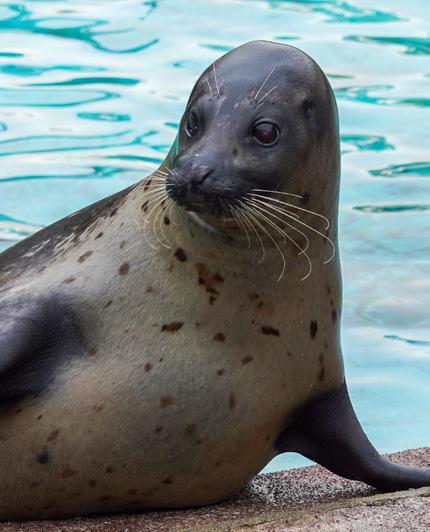
Zooming through the water in their habitat next to Crust & Copper, the harbor seals are one of the most exciting animals to visit at the Zoo. Cossette, Leia and Mira delight guests as they splash at the surface of the water or when they swim by the underwater viewing windows. But which seal is which? Here’s how you can tell on your next visit!
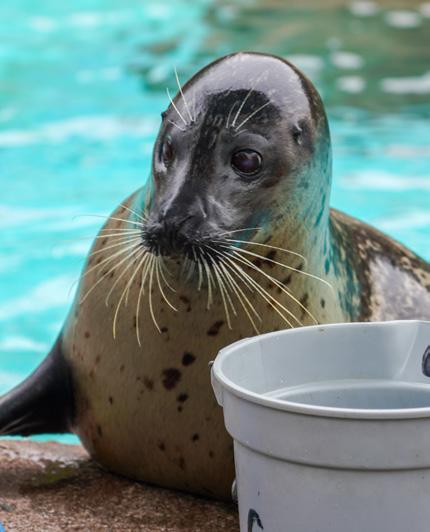
Born: June 16, 2015 at Alaska Zoo
Arrived: April 15, 2016 from Alaska Zoo
Physical characteristics: Cossette is the largest of the three seals, weighing 153.2 pounds as of April. Like her daughter, Leia, Cossette has mostly gray fur with dark-colored rosettes, or spots.
Personality: The animal care team says that compared to the younger two seals, Cossette can tend to be a little more mature and reserved at times. However, she can still exhibit inquisitive and playful behaviors — just not as often as Leia and Mira.
Born: May 24, 2022, at Milwaukee County Zoo
Physical characteristics: Leia has gray fur with dark-colored rosettes, like her mom, and is a little smaller than Cossette, weighing 129 pounds in April.
Personality: According to zookeepers, the three seals, Leia tends to be the most confident of the group, and her and Mira both tend to be very energetic. They also describe Leia as being very playful when swimming near guests at the underwater viewing windows.
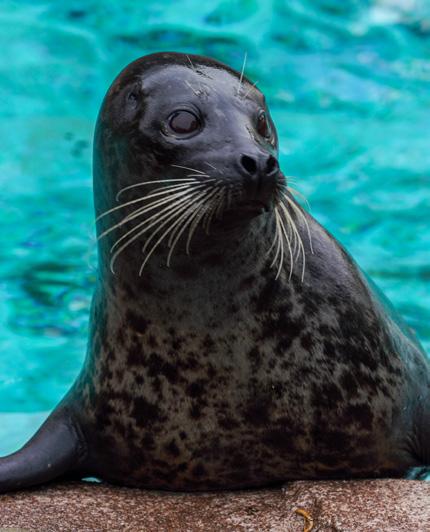
Born: Aug. 7 2021, at Blank Park Zoo of Des Moines, IA
Arrived: April 6, 2023, from Blank Park Zoo of Des Moines, IA
Physical characteristics: Mira is the easiest one to identify out of the group. Not only is she the smallest, weighing 95.9 pounds in April, the coloration of her fur is almost the exact opposite of Leia and Cossette. Mira has black fur with light-colored rosettes.
Personality: Mira’s animal care staff says that she loves spending time interacting with guests at the underwater viewing window. She will swim up to the window and sometimes follow people as they walk by her.
According to zookeepers, sometimes guests will be concerned when they see the seals lying on the bottom of the pool. Not to worry though, as they are just taking a nap! Harbor seals can hold their breath for over a half an hour, and will use that ability to take a short nap at the bottom of the pool.
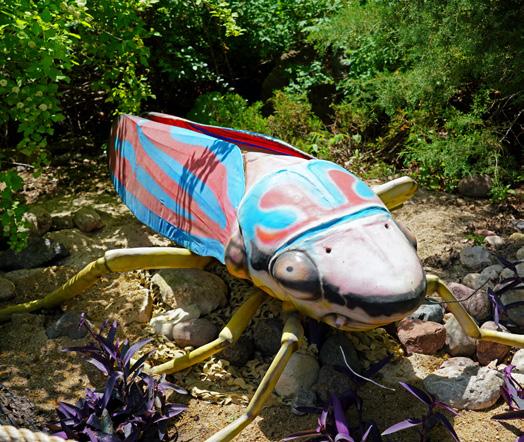
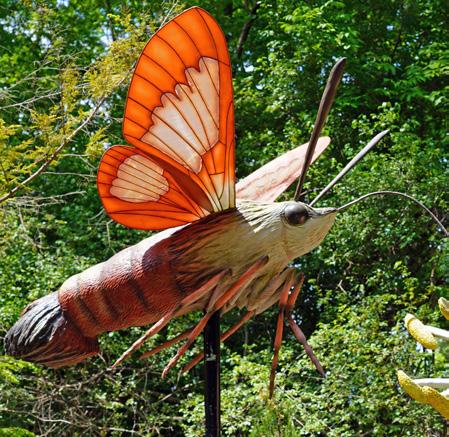
You see them around you every day — butterflies, bees, beetles and other insects. Do you know just how much of an impact they have on the world around you? This summer you can learn all about these insects and more and how they shape our environment at the Zoo’s summer exhibit, Powerful Pollinators, presented by Meijer. Walk around and visit the more than 20 larger-than-life animatronics of key pollinators like the endangered rusty-patched bumble bee, the goldenrod crab spider and the red-banded leafhopper. As you get an up-close look at them, learn some fascinating facts like how the red-banded leafhoppers can jump 100 times their body length or how the adult rosy maple moth doesn’t have a mouth and adult green lacewings “talk” to each other by vibrating their abdomens.
One of the best parts of spring and summertime is listening to the many calls of the wild songbirds that live in our neighborhoods. You might not realize it since you see these birds every day, but they can use your help to stay happy and healthy all year round! Check out these easy conservation actions you can take in your backyard to help your flying musical neighbors.
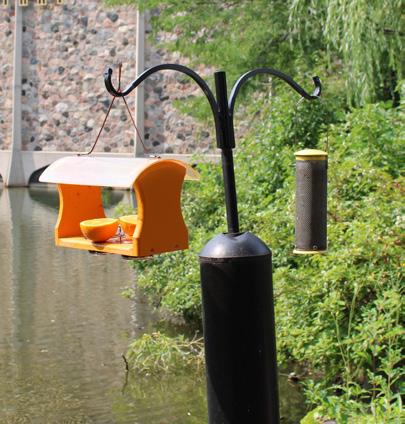
• Choose your feeder food wisely! You might already have a birdfeeder in your yard — great job by the way! — but did you realize the type of food you use can make a difference? Regional conservation specialist Toby Seegert says that during the summer months, you can use a variety of seeds, but there is another option if you are willing to get your hands dirty. “Bugs are great if you can handle dealing with them, because a lot of the birds that are around here during the summertime are insectivores,” he says. “You’ll get a lot of really good activity at your feeders if you do that.” Seegert also recommends putting out sliced oranges and jelly to attract orioles to your yard. But what about during winter? That’s when Seegert says you should use high-fat sources of food like suet, black oil sunflower seeds and Nyjer seeds to help birds while resources are scarce.
You can catch these Powerful Pollinators every day from now through Oct. 4. Admissions is $4 for the exhibit (after regular Zoo admission). Zoo Pass members can use their electronic coupons pre-loaded on their cards to see the exhibit for free!
When you visit, make sure to pick up your rare trading card pack featuring some interesting pollinators. There are only a small number of packs available daily, so keep an eye out for this limited opportunity.
You can also enhance your experience by visiting Powerful Pollinators on Wednesdays from 10 a.m. to 2 p.m. for special Activity Series days! Explore, solve challenges and interact with hands-on, pollinator-themed activities. Then make sure to explore the rest of the Zoo to spot real pollinators around you and also pick up some tips on how to support the pollinators in your backyard!
• H-2-Oh Boy! Having a source of water for birds in your backyard is a big deal according to Seegert. “Birdbaths, any source of water they can have in their backyard — especially in the summer but also in the winter,” Seegert says. “Heated birdbaths are great in the winter. It provides water when there is not as much open water for birds, and people don’t always think about that either. It’s a really easy and good way to help support birds.”
• Observe and report: Download an animal identification app, like eBird or iNaturalist, and track and report the bird activity that you see in your yard. “That helps researchers know what is going on in your yard, and it helps us know how climate change is affecting bird migration, like when they’re in certain areas and when they’re not,” Seegert says.
• Give unwanted guests a distraction: Worried about other animals like squirrels eating out of your bird feeder? There are different methods you can use to prevent squirrels, such as using hot pepper suet in your feeder and putting baffles around your feeder pole to prevent them from climbing up. Seegert also suggests another option that would leave all of your backyard neighbors happy: Put up another feeder that’s lower to the ground and more accessible for squirrels and fill it with inexpensive seed.
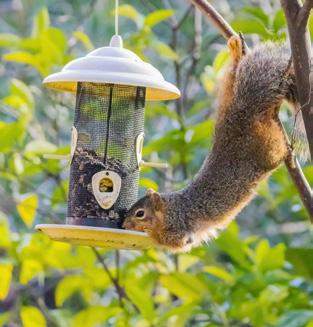
Check out zoosociety.org/conservation to learn more about how you can support your backyard birds and other conservation efforts.
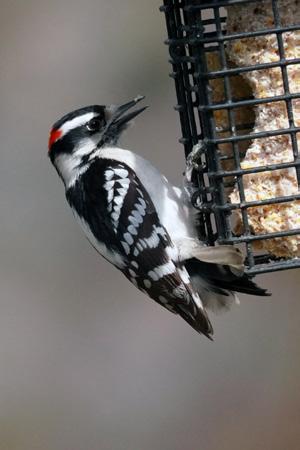
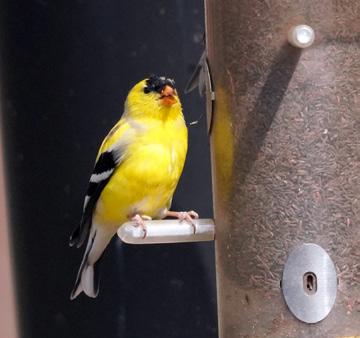
BIRDS YOU MIGHT SEE IN YOUR BACKYARD! DownyWoodpecker
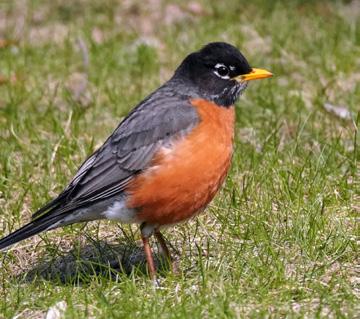
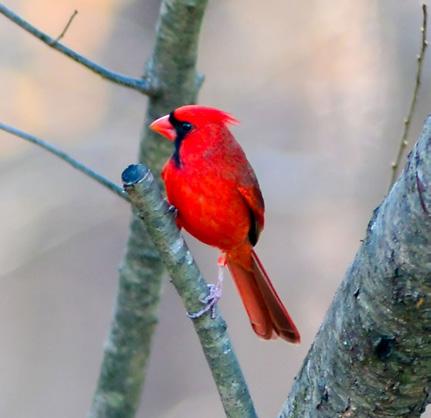
Robin Cardinal
I
f you’re looking for a wild time at the Zoo this summer, make sure to head over to Kohl’s Wild Theater! KWT is open once again with daily performances of two conservationthemed shows, including a brand-new show about rhinos. Here’s everything you need to know about what’s new this summer at Kohl’s Wild Theater!
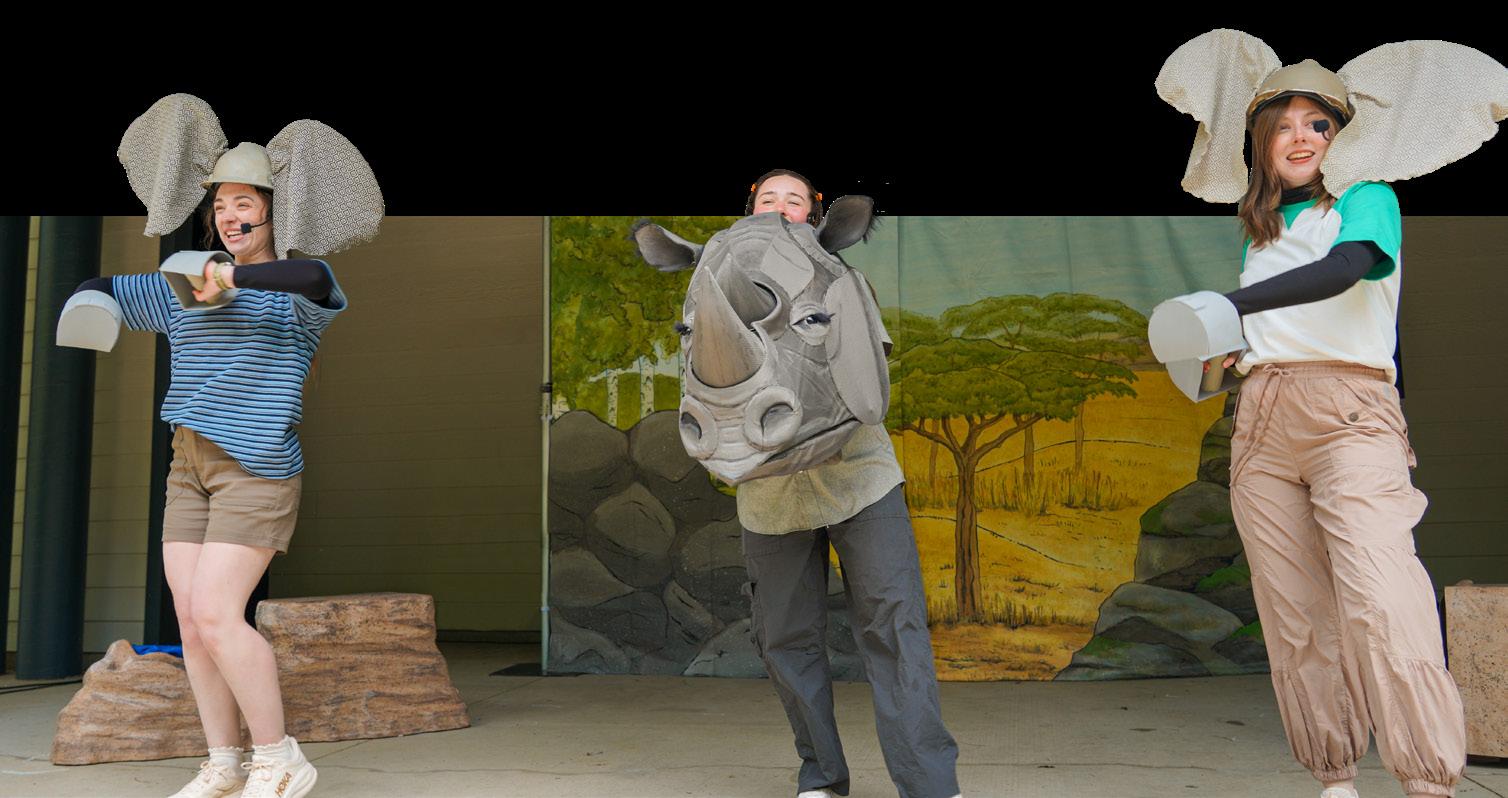
NEW! — A Rhino’s Role: In this brand-new show, Charlie and Parker — two creative but competitive siblings — get whisked away from their bedroom all the way to Kenya, where they meet an Eastern black rhino named Dice. After learning about the ways rhinos support their local ecosystem, Charlie and Parker come face-to-face with the greatest threat to rhinos: the Drought Monster. Watch as they figure out how to defeat the monster and how you can help protect the rhinos.
“A Rhino’s Role” is written by Nicole Greevy — who wrote one of the first-ever shows
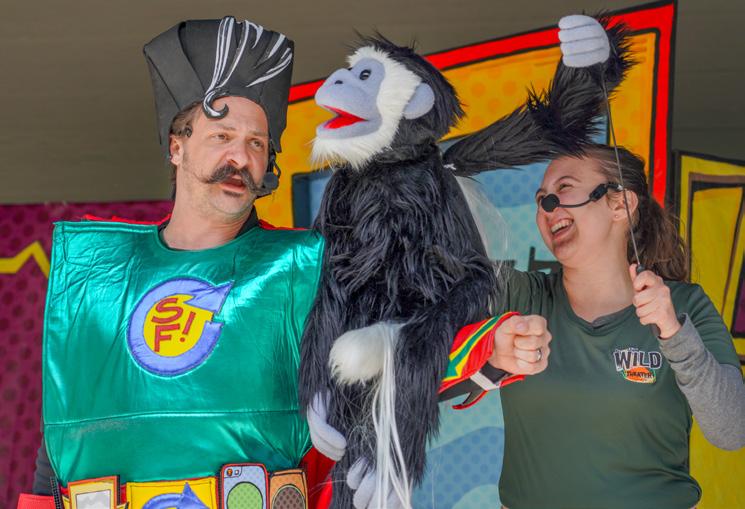
Captain Superfantastic and the Coltan Conundrum: As a super villain threatens rainforests in the Congo, Captain Superfantastic and his sidekick, Kapow the colobus monkey, need your help! But it soon turns out that the true villain, coltan, isn’t a scary super villain at all — it’s a mineral found in the Congo and used in everyday electronics like cell phones, tablets and video game systems. As the audience learns to follow the principles of “Reduce, Reuse and Recycle,” they will join Captain Superfantastic and Kapow to be a hero to all the animals who call the rainforest their home.
“Captain Superfantastic and the Coltan Conundrum” is written by Doug Jarecki and directed by Marion Frank, with music and lyrics by Brian Myers.
Check out our temporary stage!
While the Kohl’s Wild Theater stage is undergoing renovations, KWT performances will be held at the Generac Zoo Terrace, located over by the Penzeys Carousel and North Shore Bank Safari Train Station. Check Zoo signs for daily performance location updates.
Kohl’s Wild Theater provides educational and fun-filled, conservation-themed performances for audiences young and old to enjoy and to help inspire greater empathy for animals. Because of this work, the Society recently received a grant from the Woodland Park Zoo’s Advancing Empathy Grant program. The grant helped make possible the creation of the new show, “A Rhino’s Role,” as well as funded the creation of the new Poweshiek skipperling backpack puppet.
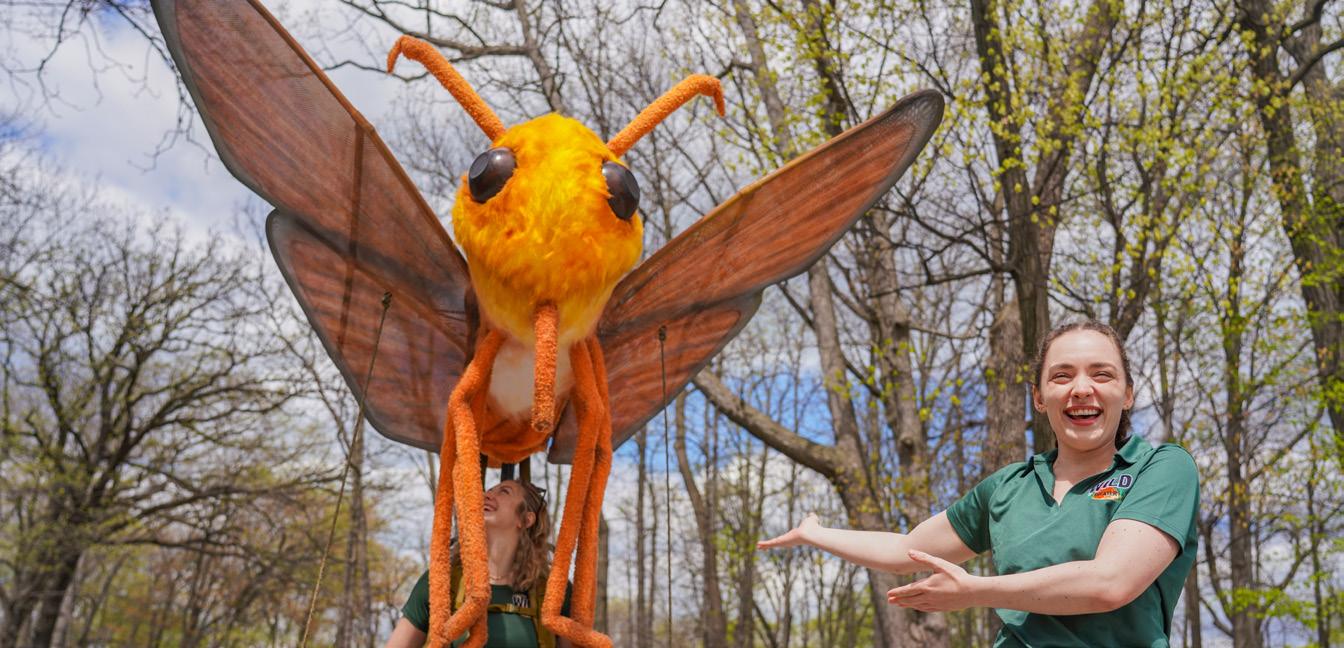
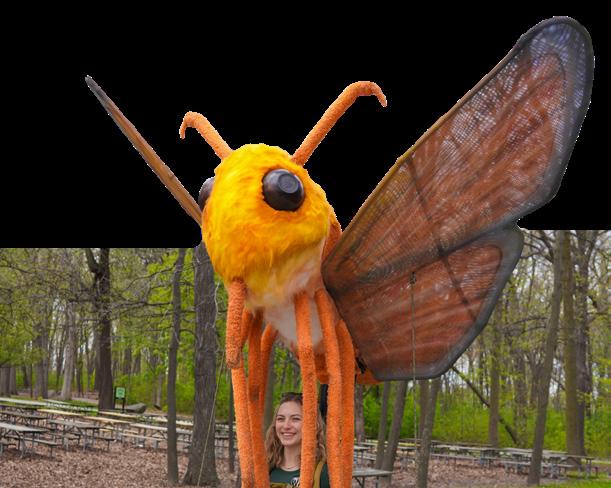
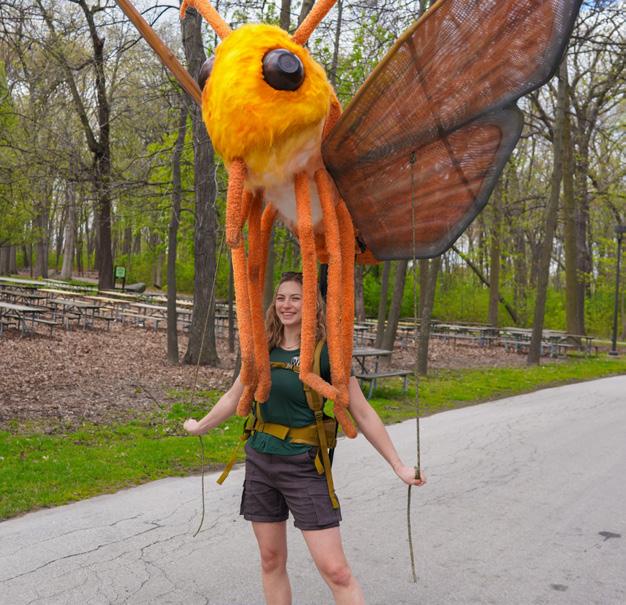
The Poweshiek skipperling is a small species of butterfly that was once commonly seen in the prairies of Wisconsin and other areas through the midwest, but is now considered endangered and could be close to extirpation here in Wisconsin. You can see the new backpack puppet and learn more about this endangered pollinator this summer from 11-11:20 a.m., Tuesday through Sunday (weather depending), over by the Zoo’s summer exhibit, Powerful Pollinators, presented by Meijer.
Extirpation: When a species is completely eliminated in a region but still exists elsewhere.

A Stage Makeover: The stage at Kohl’s Wild Theater is also getting a new look this summer, thanks to a grant from the Rotary Club of Milwaukee. The stage got a new painted mural, created by ZSM graphic designer Erika Sjoblom, and new sunshades are now being installed to provide a more comfortable audience and actor experience. When coming up with the design for the new mural, Sjoblom was looking to bring a bright and playful look to the stage. The final look is an abstract-inspired landscape, incorporating elements from habitats around the world to represent the diverse locations that KWT shows take place in. The mural features imagery depicting jungle, ocean, mountain and prairie habitats.
Kohl’s Wild Theater turned 15 years old on May 28. In its first summer, KWT featured three shows: “The Mysterious Case of the Disappearing Bees,” where guests learned about how they can help bees; “Lights, Camera, Arctic!” where guests learned about the impact of carbon footprints; and “A Climb Through Time with Clues and Rhyme,” where guests learned what they can do to help the orangutans.
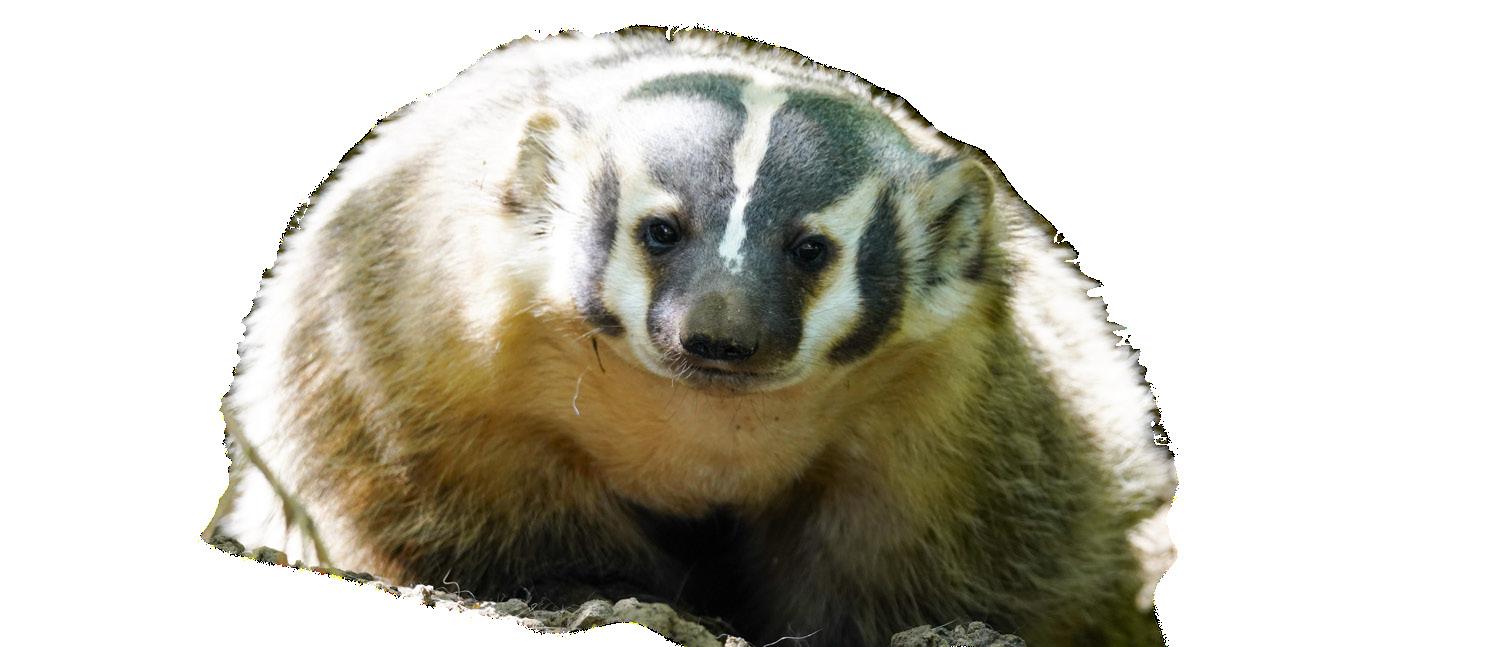
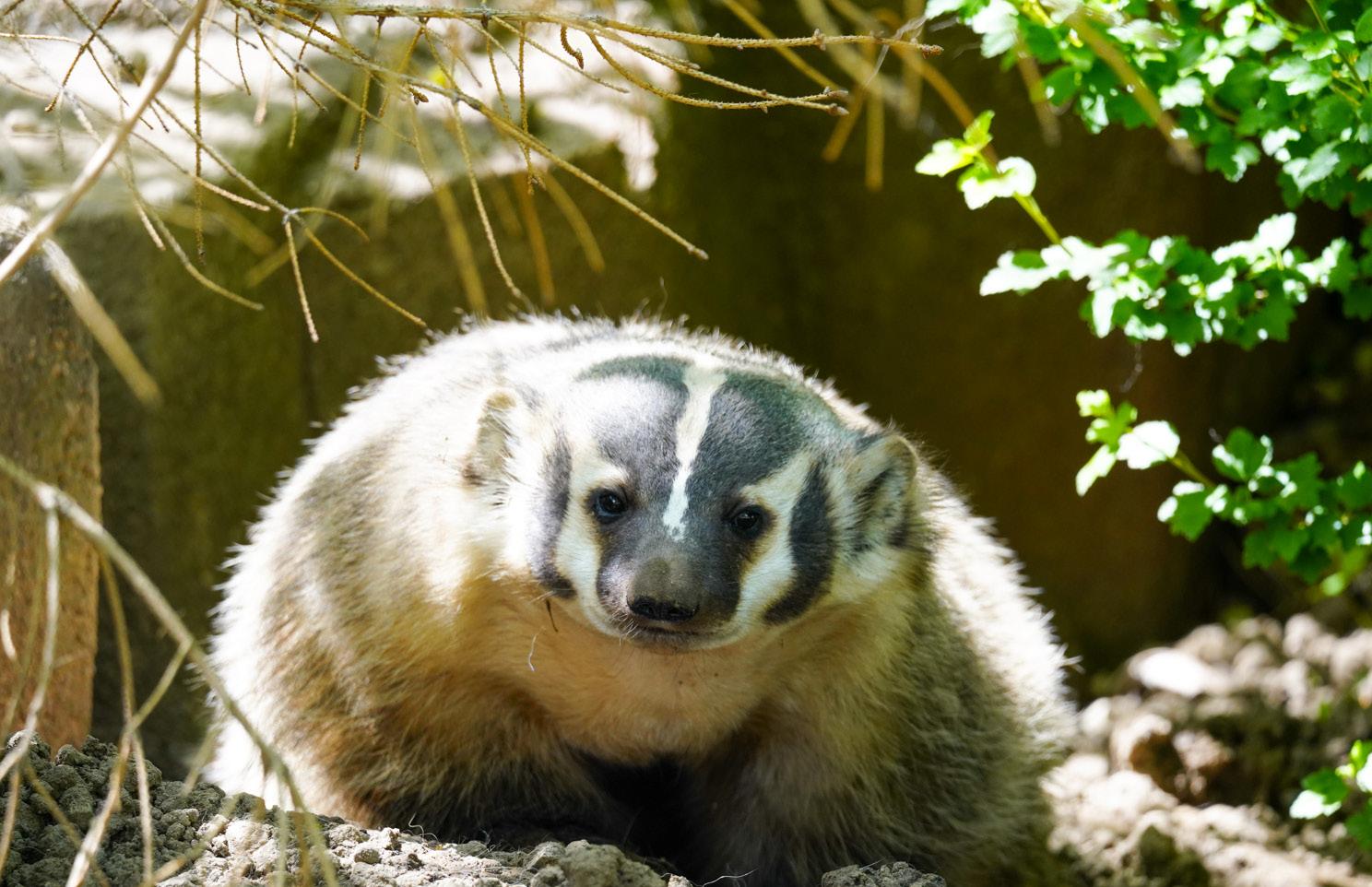
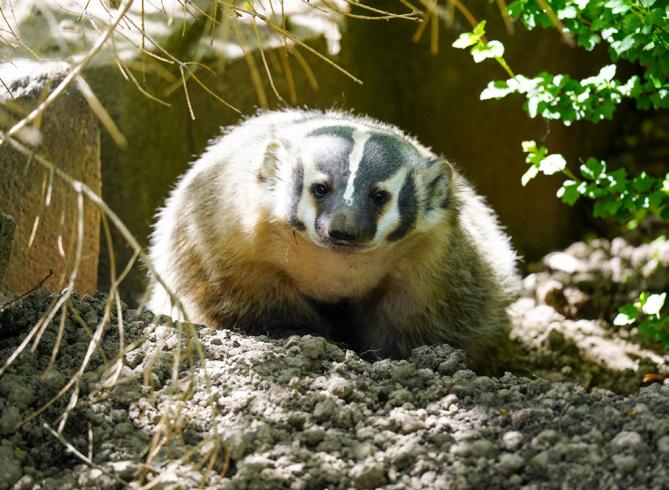
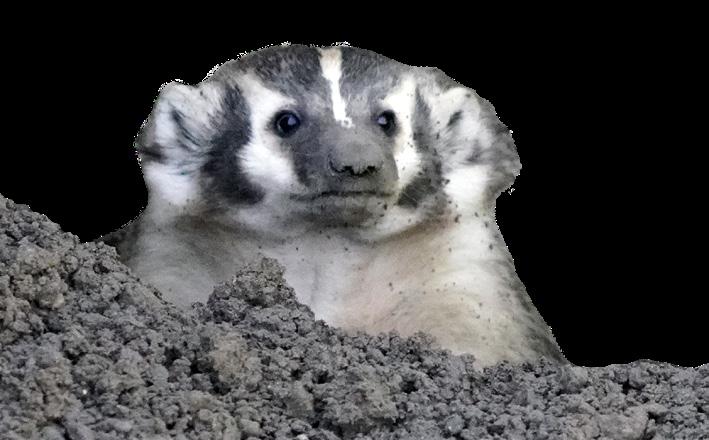
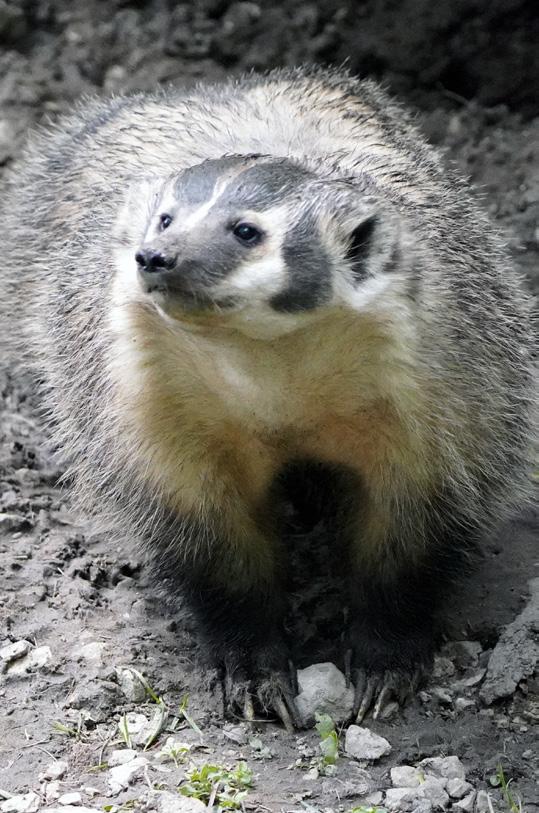
As you walk down the hill from the Aquatic & Reptile Center and head toward the new Crust & Copper, you will pass by what might seem at first to be an empty habitat next to the Alaskan brown bear habitat. But don’t be fooled — there is an animal living there. He just might be underground at the moment. Oscar the American badger is the Zoo’s tunneling expert. Using his 2-inch claws on his front paws, he’s able to easily dig through the dirt in his habitat and create the perfect burrow to sleep in during the day. Since badgers are mostly nocturnal, Oscar typically isn’t very active during the middle of the day. However, if you’re wanting to catch a glimpse of him on your next visit, North America zookeeper Katie Prinsen suggests trying to stop by his habitat either before 10:30 a.m. or after 3 p.m. Not only does that match with his natural nocturnal sleep pattern, but those times are also right around when Oscar gets fed. Prinsen also says that on really hot summer days Oscar will likely spend most of the day underground in his cooler tunnels, and on really rainy days he will be hanging out in his den behind the scenes.
When Oscar isn’t digging or sleeping, he’ll be searching around his habitat for enrichment items hidden by the zookeepers. This enrichment helps stimulate Oscar’s excellent sense of hearing and smell that badgers use
in their native range to find prey like mice or prairie dogs. “Because his sense of smell is so good, we hide things around the habitat — a lot of different diet items — and he’ll go and find them pretty quickly,” Prinsen said. “And then we have this clear little tote box that has holes cut out on the side of it and he has to stick his claws in or roll it around to get mice out of it. He likes that as well.”
Even if you don’t see Oscar directly, you can take a pretty good guess where he’s been by looking for the loose dirt that he’s tossed up — and sometimes you can even see the dirt flying out of the hole as he digs! Prinsen said that one of her favorite moments of working with Oscar is when she sees him come out of his tunnel, climb up onto the mound of dirt he dug out and he will, “lay flat on it like a pancake.”
So, on your next visit to the Zoo, keep an eye out for flying dirt and you might get the chance to see Oscar the terrific tunneler!
How do zookeepers monitor Oscar when he’s underground? Prinsen said that when they want to bring Oscar back up, they just ring a bell that he’s been trained to respond to. “So if he hears that bell he will come up into his back dens and we can hand feed him and get an eye on him.”



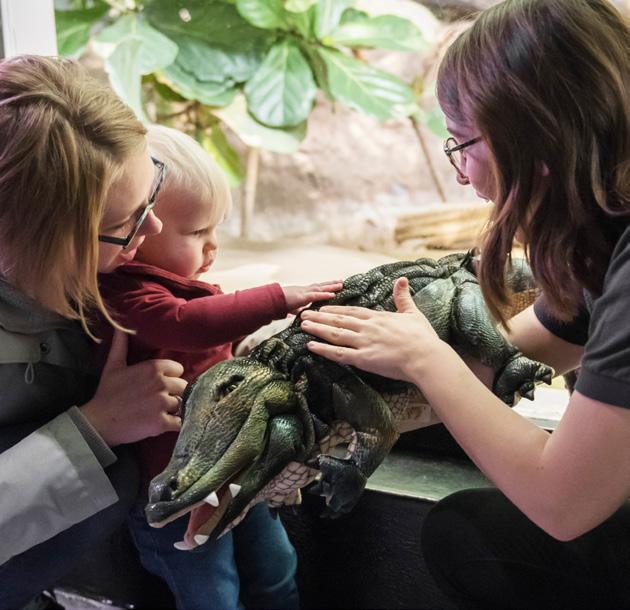



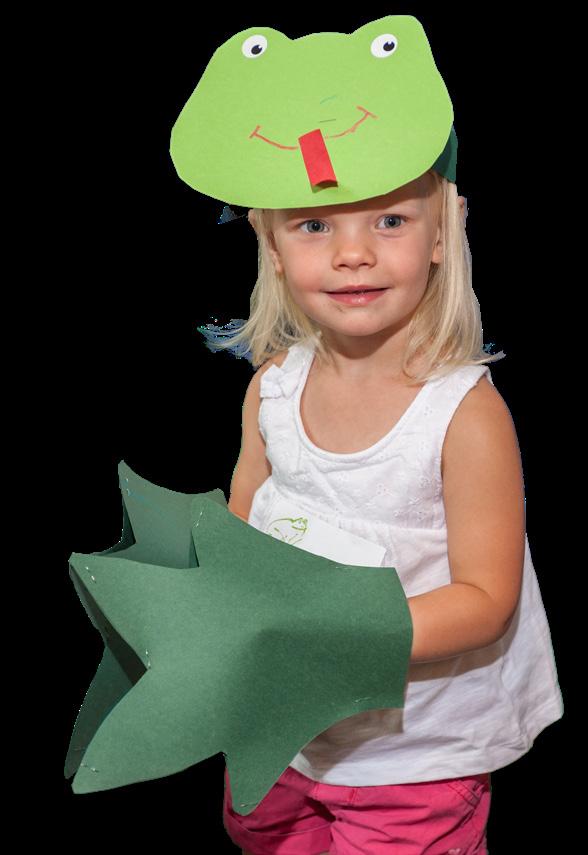




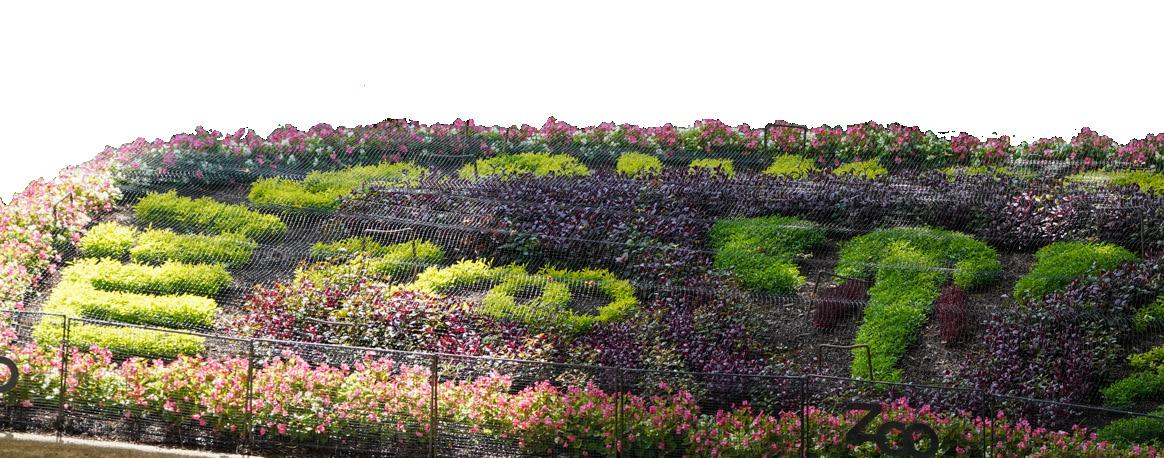

When you visit the Zoo, the first thing that you’ll be looking for is, of course, the animals. But while you’re saying hello to the flamingos or walking past the zebras, you should take another look at what’s around you. You’ll soon realize that there are many interesting and beautiful plants surrounding you from inside the habitats to planters along the walking paths. You can thank the hard-working team in the Horticulture department for the fantastic fauna around the Zoo.
“Our role with horticulture at the Zoo includes all of the outdoor landscaping that you can think of: Annual flowerbeds, perennial flowerbeds, lawns, shrubs,” Horticulture supervisor Noah Huber said. “We also do some specialty horticulture.
One variety is interior scaping, where we have tropical plants in building lobbies and public spaces and containers and so forth. We also do tropical landscaping in animal habitats, for example in the Aviary and Primates of the World buildings.”


Along with growing plants, the horticulture department will also help with putting together decorations for Zoo and Society events like Egg Day, Boo at the Zoo and Zoo Ball. This can include providing live plants for decorative centerpieces, as well as utilizing props to help enhance the plants’ presentation.
There is a lot of thought and discussion that goes into selecting plants to place around Zoo grounds. For example, when working in animal habitats, the horticulture department will coordinate with animal care teams and the veterinarians to decide which plants best represent the native range of the animals and will not make the animals sick if they eat it. In other areas of the Zoo, plants will be chosen based on their ability to help in erosion and drainage control.
“A lot of work goes into picking plants for the right reasons,” Huber says
According to Huber, the Horticulture department gets off to an early start each day, arriving several hours before the Zoo opens. After a team meeting to discuss ongoing projects, each member of the department heads out onto the Zoo grounds to work in their areas of specialty. Huber says that the goal of the department is to get all of their big projects for the day accomplished before guests arrive at the Zoo. Once the doors open, the horticulture team will typically head back to the behind-the-scenes area of the Zoo to work in the greenhouses. This is where they work year-round cultivating plants of various sizes and colors that will eventually be placed around the Zoo in planters and animal habitats.
Many individuals and organizations play a vital role in advancing the Zoological Society of Milwaukee’s mission to conserve, educate and support the Milwaukee County Zoo. On May 6, the Society invited many of its most generous supporters for an evening of celebration and appreciation. We were also honored to welcome Dr. Celso Poot of The Belize Zoo & Tropical Education Center who gave a presentation about the great conservation work that is being carried out by The Belize Zoo and the Pat Gives Back program.

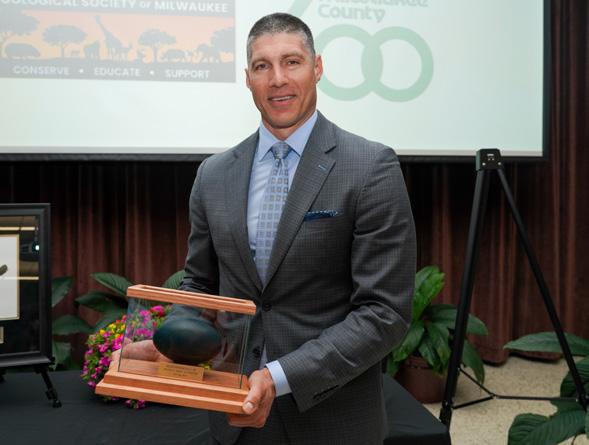
Nezih Hasanoglu, Jr., Emu Egg Award — presented to anyone who demonstrates significant support of the Zoological Society.
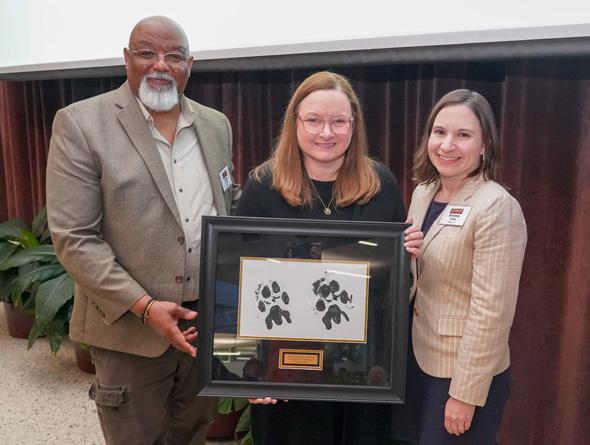
Johnson Controls Foundation, Panthera leo Award presented to an individual or organization for their extraordinary leadership and support of our conservation education programs.

BMO, Loxodonta africana Award — presented to an organization that has shown exemplary support and commitment to our mission.
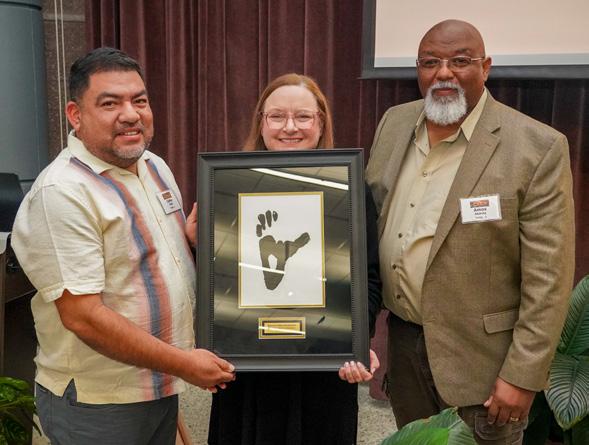
The Belize Zoo & Tropical Education Center, Pan paniscus Award — presented to an individual or organization that demonstrates support of and commitment to the conservation efforts of the Society and the Zoo.

Because of supporters like you, the future of wildlife conservation is brighter than ever.
As a nonprofit organization, the Zoological Society of Milwaukee looks for support not just for today, but for tomorrow as well. The most popular ways in which people support the Society are through Zoo Pass and Platypus Circle memberships, Animal Sponsorships and donations to the Annual Appeal. But another option for supporting the Society is by naming the Zoological Society as a beneficiary in your estate plans.
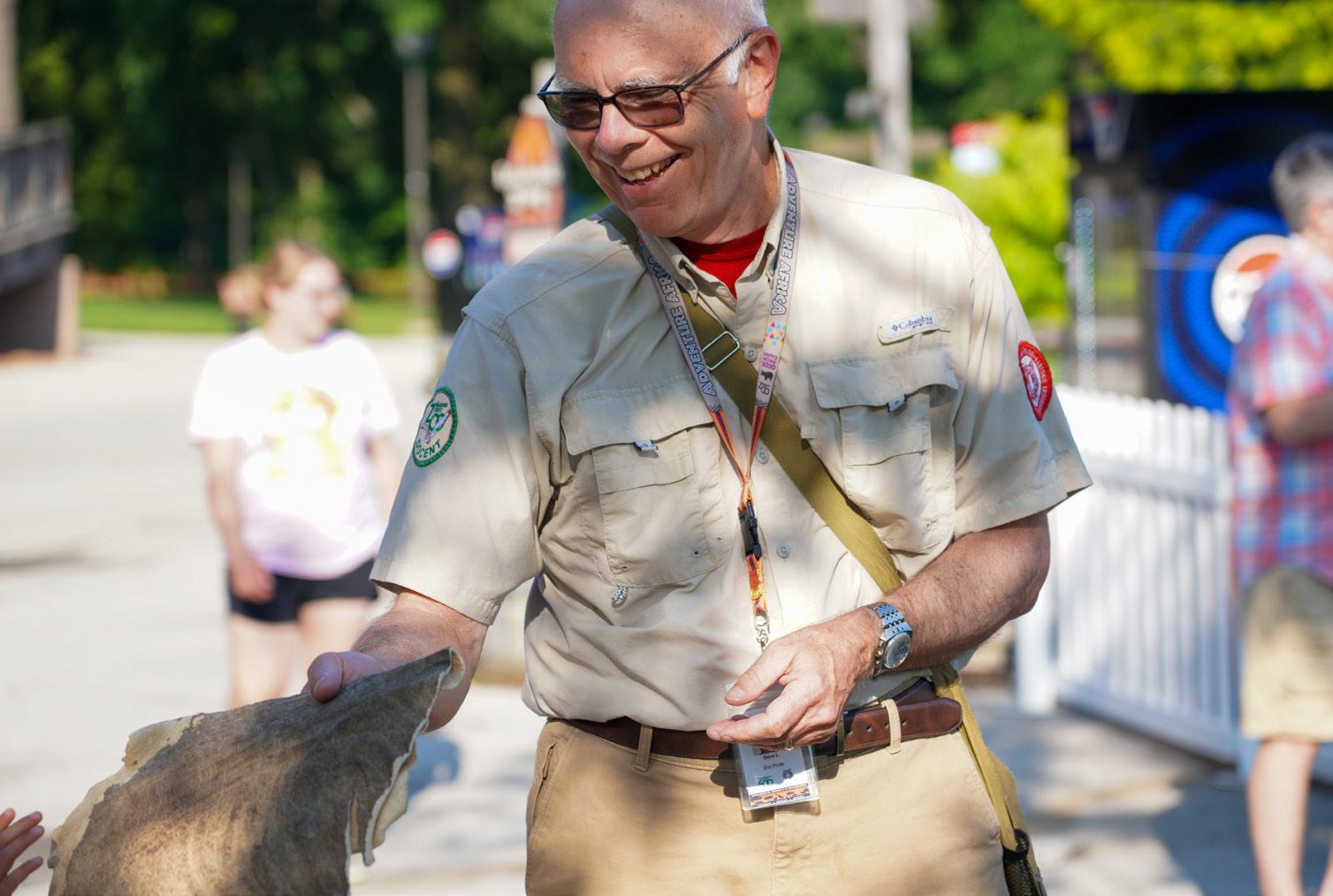
Zoo Pride volunteers Dave and Lynn Loosen are members of the Simba Circle — the group honored for including the Society in their will or estate plans. For the Loosens, committing to help support the Society and the Zoo is important to them so that they can do their part in helping care for the Zoo’s animals and supporting conservation of our global environment.
“I always planned to have the Zoo as part of our will,” Dave Loosen said. “By becoming a Zoo Pride member, it has certainly cemented that relationship
and interest in the Zoo. I strongly believe in what the Zoological Society promotes, and that includes the best possible care for the animals who reside here.”
“We need to preserve species and support the work that’s done here,” Lynn Loosen added. “Our Earth and our animals and climate and everything else is just so vulnerable. To be able to help a little part of that with the Zoological Society is really, really nice.”
“There’s an old saying that I have taken to heart for many years, and that is, ‘I shall only pass this way but once, therefore if there’s any good that I can do let me do it now, for I will not pass this way again,’” Dave Loosen said. “And I think there’s a lot of truth to that, so I try to live by those standards and both of us are very heavily involved in volunteerism. “This is an opportunity for us to do something when we’re not here. And so it is a way to continue to give even though we’re only here one time.”
Visit zoosociety.org/Simba for more information and answers on how to start.
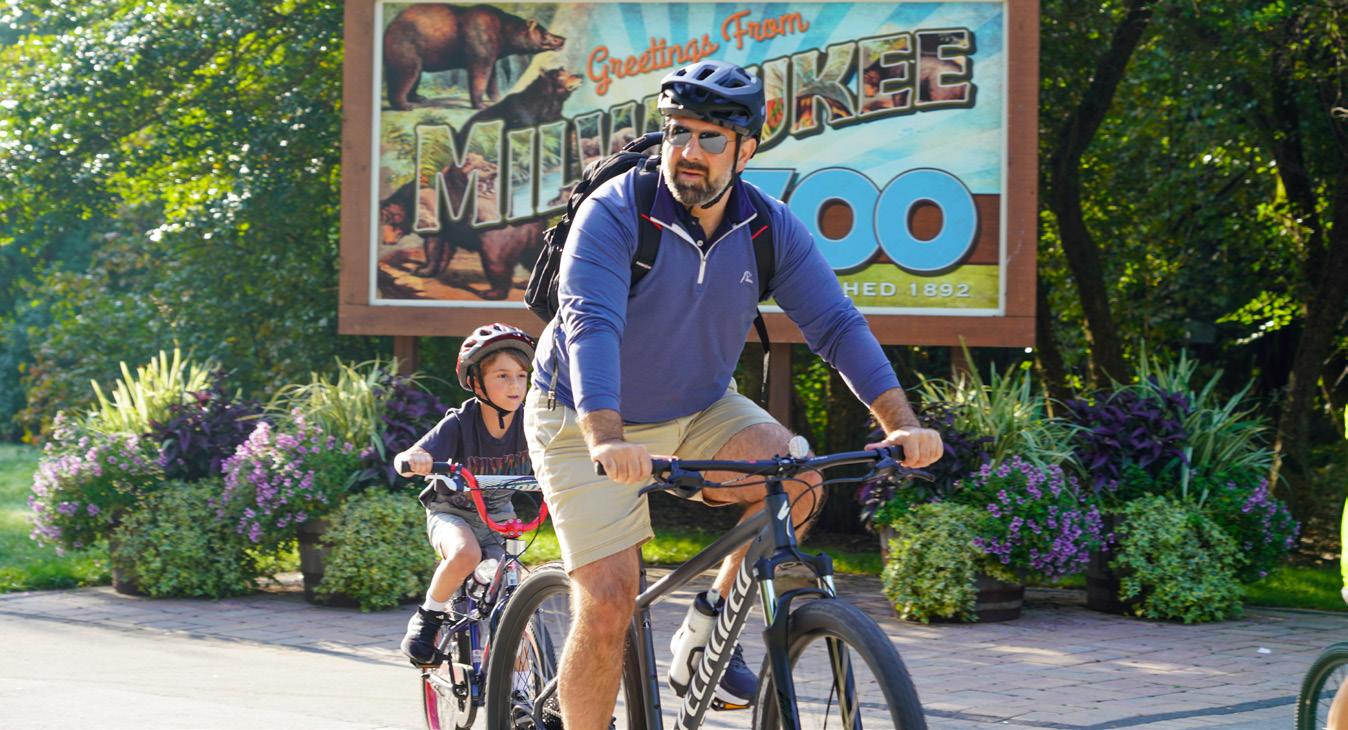
Ride on the Wild Side
7 a.m.-1 p.m.
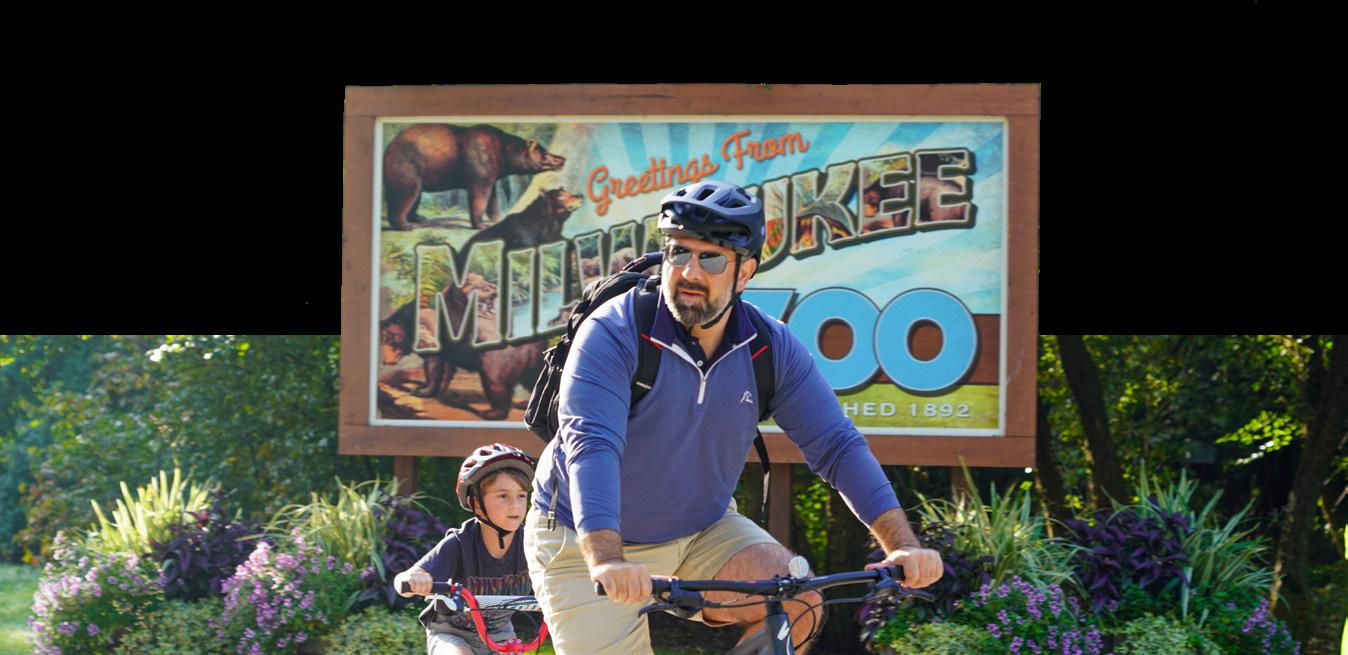
On your marks, get set — PEDAL! Get ready for Ride on the Wild Side — the one time each year where you get to ride your bike around the Zoo. Whether you’re taking a cruise on the family-friendly loop through Zoo grounds, or challenging yourself with longer distance routes that start and end at the Zoo, this is a unique experience you won’t want to miss out on.
All participants will receive a long-sleeved event day T-shirt, a delicious breakfast to fuel your ride, lunch and a full day at the Zoo! New this year, make your ride even wilder by signing up to bike as part of one of our animal-themed teams.
20-23
A La Carte at the Zoo
Presented by Meijer
Thursday-Saturday: 9:30 a.m.–9 p.m.
Sunday: 9:30 a.m.–8 p.m.
Grab your friends and head on out to the Zoo for some tasty food plus tunes! Celebrating 40 years, A La Carte at the Zoo is four days of live entertainment and the best foods from your favorite places around Southeastern Wisconsin — all at your beloved Zoo. You won’t want to miss out on the delicious offerings from places like Brew City Snowballs, MIL-WOK-EE, Po’ Manz Food, BelAir Cantina and more!
Zoo Pass and Platypus Circle members receive free admission to the event.

*Members must log in to their Zoo Pass account in order to receive member pricing.
A benefit to having a Zoo Pass is being able to come for free throughout the year. And now, members can get in even faster! Thanks to the Zoo’s free-flow parking system, members can skip past lines of guests purchasing daily admission. You do not have to wait at ticket booths at the U.S. Bank Gathering Place or the West End lot. Less waiting… and more otter splashing, jaguar spotting and rhino stomping.
After parking, members can head straight to any admission staff to have their Zoo Pass scanned. It’s simple to start your Zoo day!
Do you find yourself sliding your Zoo Pass back into your wallet after activating parking? Keep it handy along with your driver’s license. To enter the Zoo, members will need their physical or digital Zoo Pass ready to scan, plus a valid ID.
Zoo Pass members* can use our step-by-step guide to access their digital Zoo Pass at zoosociety.org/digitalpass.
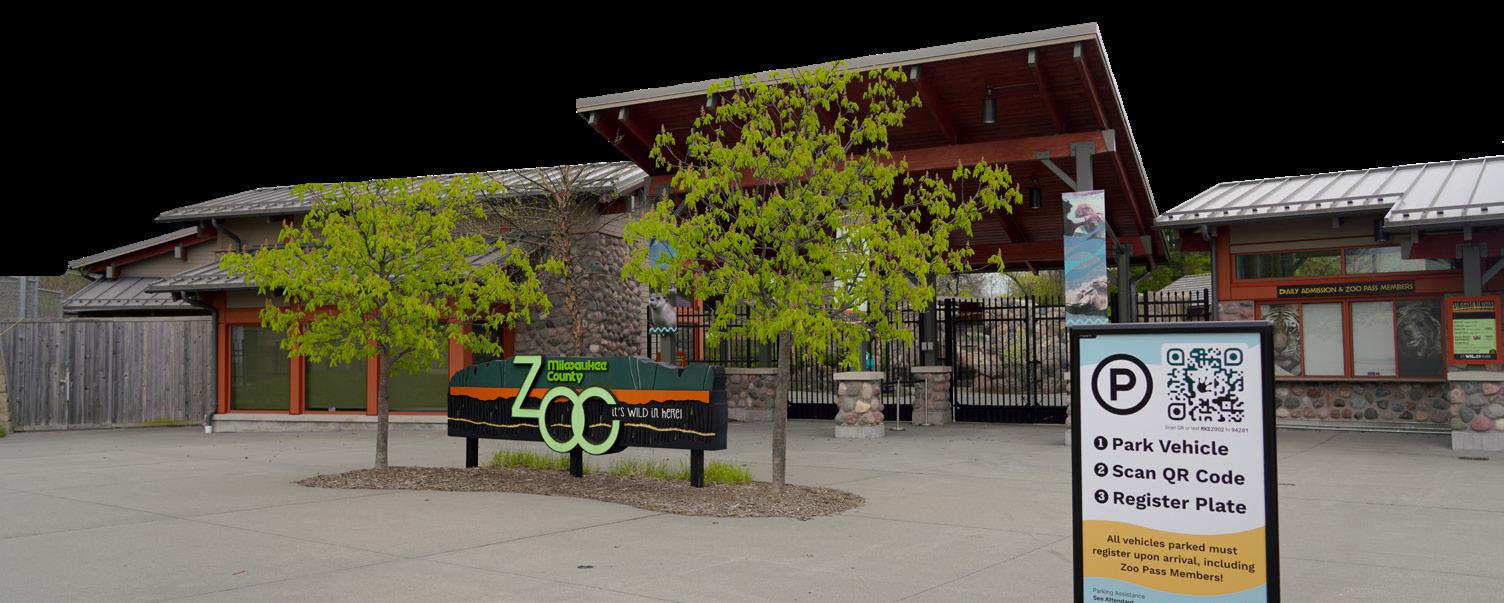
*Feature applies to Zoo Pass cards only and is not available for Platypus Circle cards.

Badgers have been observed working together with coyotes in their natural range while hunting prey like squirrels, mice and prairie dogs
Page 10
July 4
$4 on the Fourth, presented by Meijer*
July 5
Military & Veterans Family Day+
July 14, 15 & 16
Kids Nights, a members-only evening event, sponsored by Lifeway Kefir*
July 27
Birdies & Eagles Golf Tournament, presented by GRAEF (pre-register)
August 13, 14 & 15
Snooze at the Zoo, sponsored by Educators Credit Union (Sold Out)
August 20, 21, 22 & 23
A La Carte at the Zoo, presented by Meijer*
August 29
Animal Safari for animal sponsors
September 20
Ride on the Wild Side
October 3
Family Free Day, sponsored by Tri City National Bank and FOX6
October 8
Zoo Brew (pre-register)
*Zoo Pass and Platypus Circle members get free regular admission and parking with their Zoo Pass. Remaining members who hold a 1-year Basic Zoo Pass do not receive free parking.
+Free admission is not available at the Zoo entrance. Guests must get their tickets in advance through a CVSO.