Forest benefits for ARMENIA
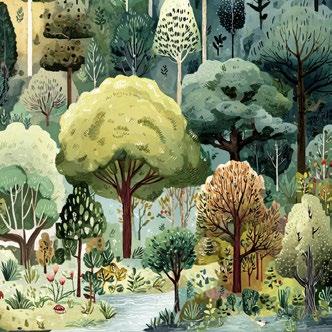
Forests are among the most important ecosystems on earth. These diverse communities develop as the branches and leaves of trees form a canopy, intercept falling raindrops, and cast shade, thus creating the conditions for forests to establish themselves. Among the plant species that occur are fungi, mosses, lichens, ferns, herbs, climbing plants, and grasses. Forest animals include numerous insects, mammals, amphibians, birds, and reptiles. Altogether, more than 80 per cent of land plants and animals live in forests.
In Armenia, natural forests are composed of beeches, oaks, hornbeams, and many other tree and shrub species. The particular composition of a forest reflects local soil and climatic conditions as well as land use
Summary of forest benefits in Armenia
Protection
and forest management practices. Over decades and centuries, forests develop naturally through ecological succession and changing environmental conditions.
Throughout the history of Armenia, forests have played an important role in supporting the country’s rich biodiversity and providing natural resources. Their importance extends beyond Armenia, as they are part of the wider Caucasus region, which is recognized globally for its high biodiversity and ecological value.
Within Armenia, forest cover is limited, currently accounting for 11–14% of the territory, and highly fragmented, mainly concentrated in the northern regions of Tavush and Lori as well as in the southern region of Syunik.
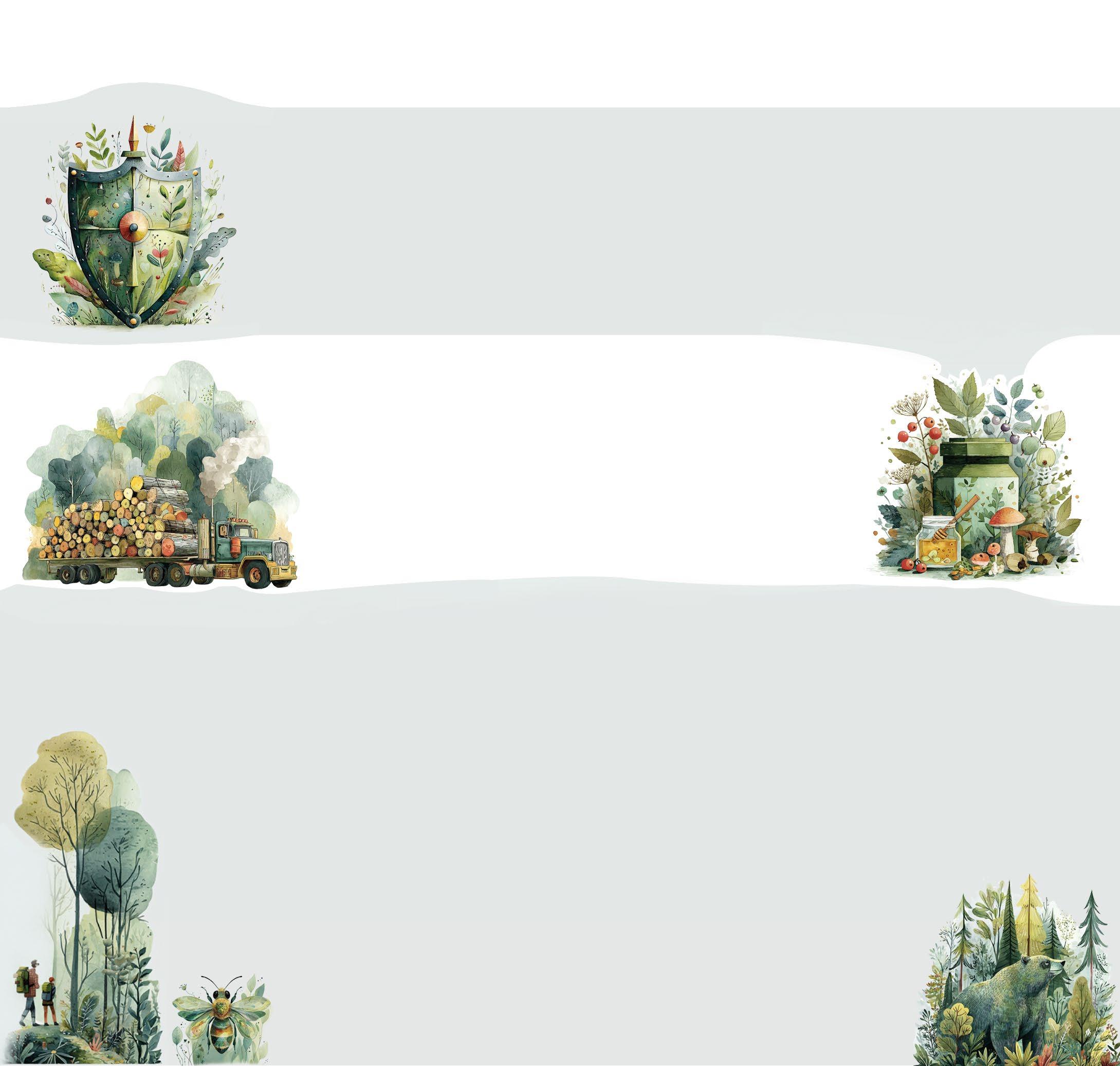
Provision of…
• Against land degradation and desertification
Against landslides, avalanches, rockfall, entry of mud and driftwood into rivers in mountainous areas
• Against floods
Well-being
Biomass and wood for fuel and construction
• Non-timber products
- Berries, herbs, mushrooms, honey, resin
- Medicine plants
- Seeds
• Water regulation, storage, and availability
• Stabilisation of local temperature and moisture conditions
Elimination of pollutants from water, air, and soil
• Soil formation and stabilisation
• Conservation
- Habitat for native species, pollinators and beneficial organisms
- Separation of wildlife, especially bears, from settlements
• Oxygen production
• Carbon sink
• Space for recreation, leisure, sports, and adventures
• Job creation (forestry, tourism)
Forest biodiversity is essential to the continuous provision of forest benefits. The mostly dry and continental climate of Armenia consisting of hot summers, cold winters, low rainfall and frequent drought periods requires consistent efforts for keeping a stable forest cover. Maintaining these benefits for future generations needs responsible management and respect for forest boundaries.
Forests support agriculture in many ways. They are home to pollinators such as bees and wasps, and provide water regulation and storage, reduce pollution, protect against flooding, and help stabilise local temperatures. In Armenia, where harsh environmental conditions are common, forests are essential for ensuring long-term agricultural productivity. Trees can mitigate extreme weather conditions by providing shade and acting as windbreaks to reduce the effects of heatwaves and strong winds. In many situations, planting trees and hedges on agricultural land makes good sense.
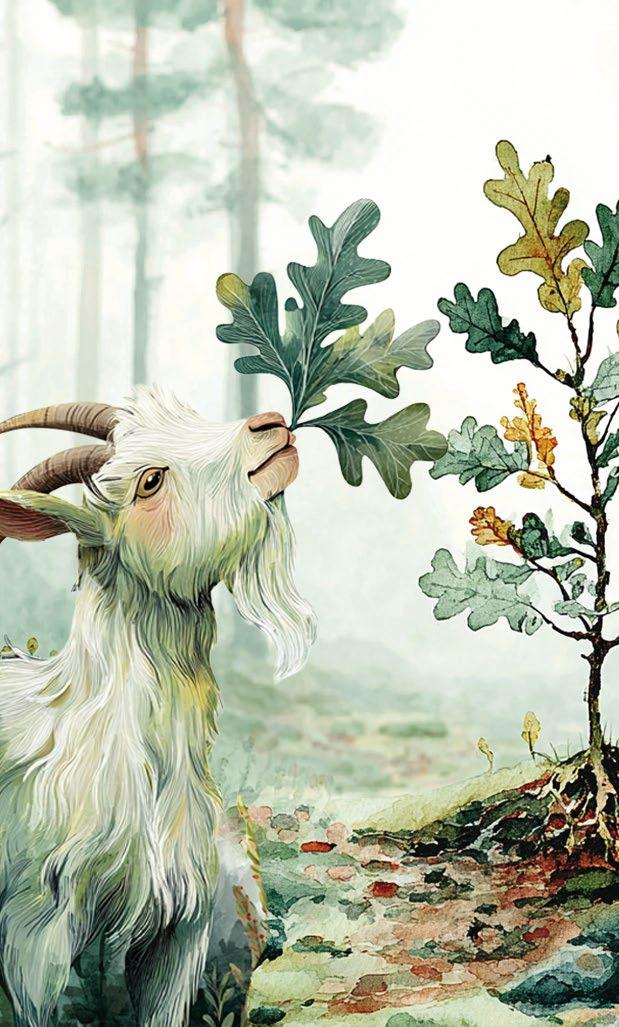
Over a million livestock are grazing the hillsides of Armenia. They should not be introduced into the forest. Cattle, sheep, goats, pigs, horses, and many other animals cause enormous damage to seedlings and small plants by trampling, browsing, and resting. This damage supresses natural regeneration, which is already limited due to Armenia’s challenging growth conditions. As a result, only older trees remain. In the absence of younger trees, tree mortality leads to gaps in the forest canopy. As these gaps continue to grow, a forest can no longer provide protection and other services. Several decades
of livestock pressure destroying regeneration will eventually cause the forest to collapse. Keeping livestock out of the forest is the only way to prevent this collapse.
Besides reducing cattle pressure, you can decrease the impact on forests by preventing forest fires. In Armenia, forest fires are responsible for the destruction of large, forested areas. Preventing forest fires is therefore extremely important. Always make sure that fires are kept under control and never allowed to spread. Nevertheless, when we respect the boundaries of the forest, it will provide us and future generations with wood, clean water, and food. When we protect the forest from our cattle and forest fires, it will protect us and our children from floods, strong winds, and soil degradation.
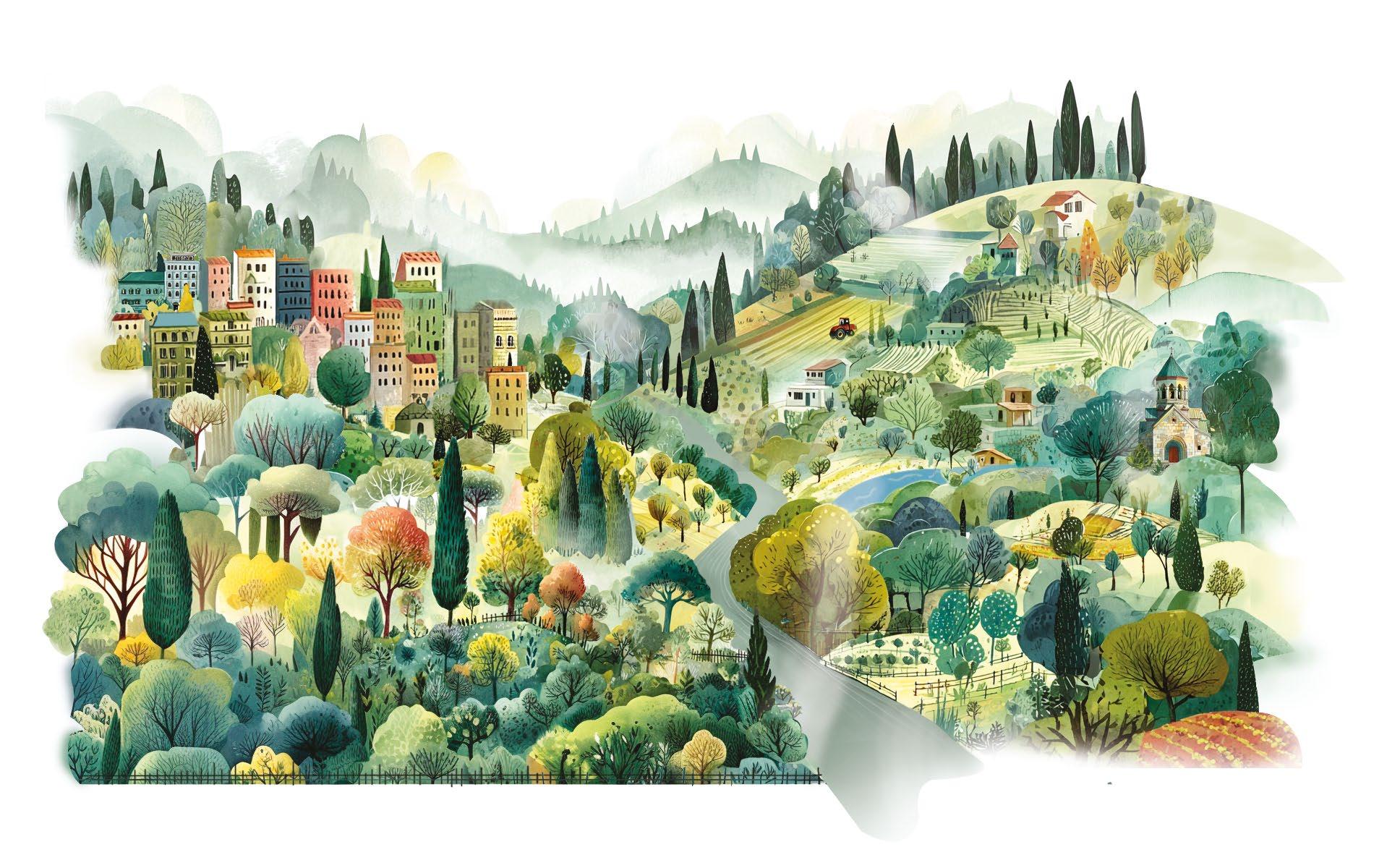
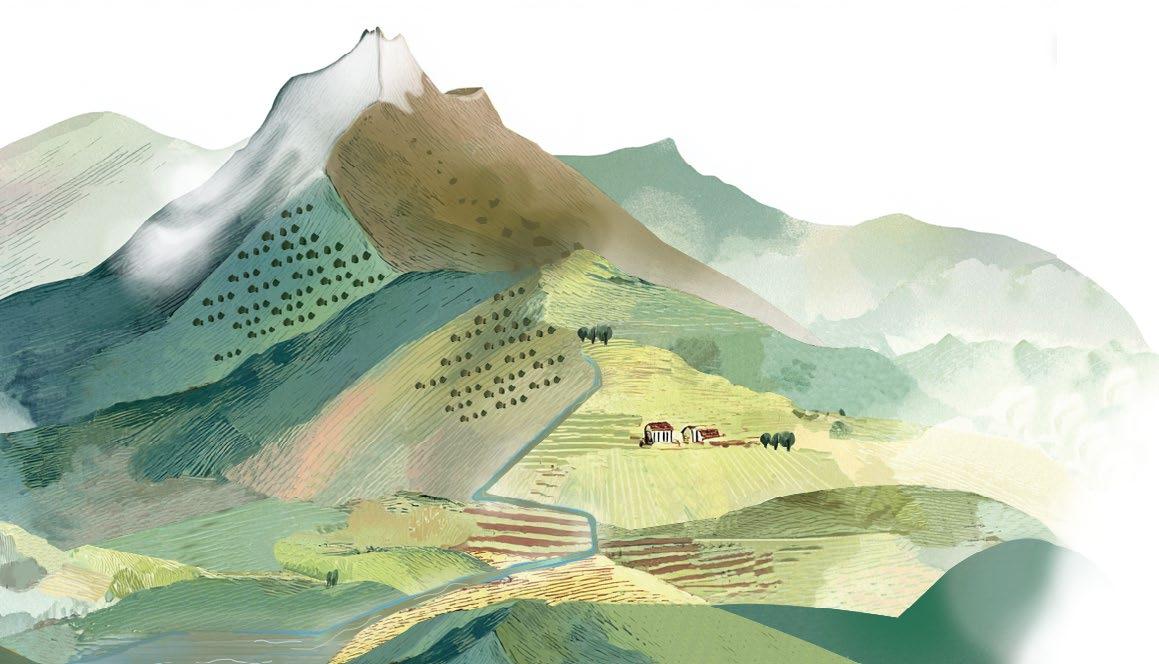
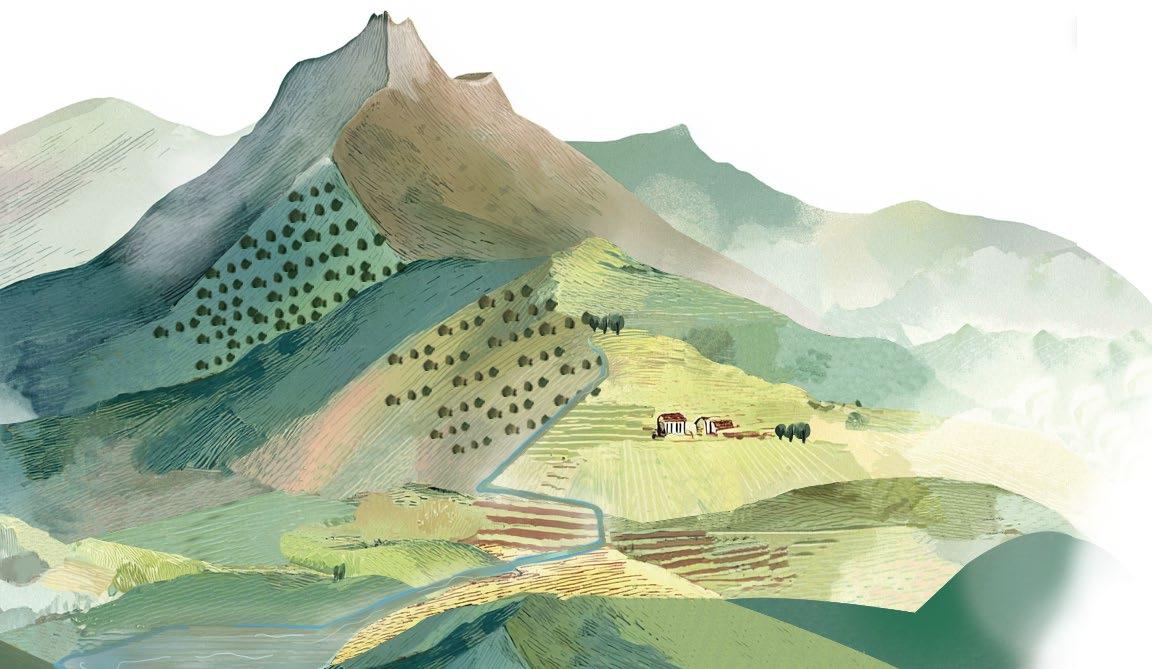
Coexistence of settlements, agriculture and forests


Early years: investments
0 - 10 years
Plantation
High investments - irrigation - fencing - weeding
Midterm: equilibrium
10 - 20 years
Maintainance
Investments - irrigation - weeding - replacement planting
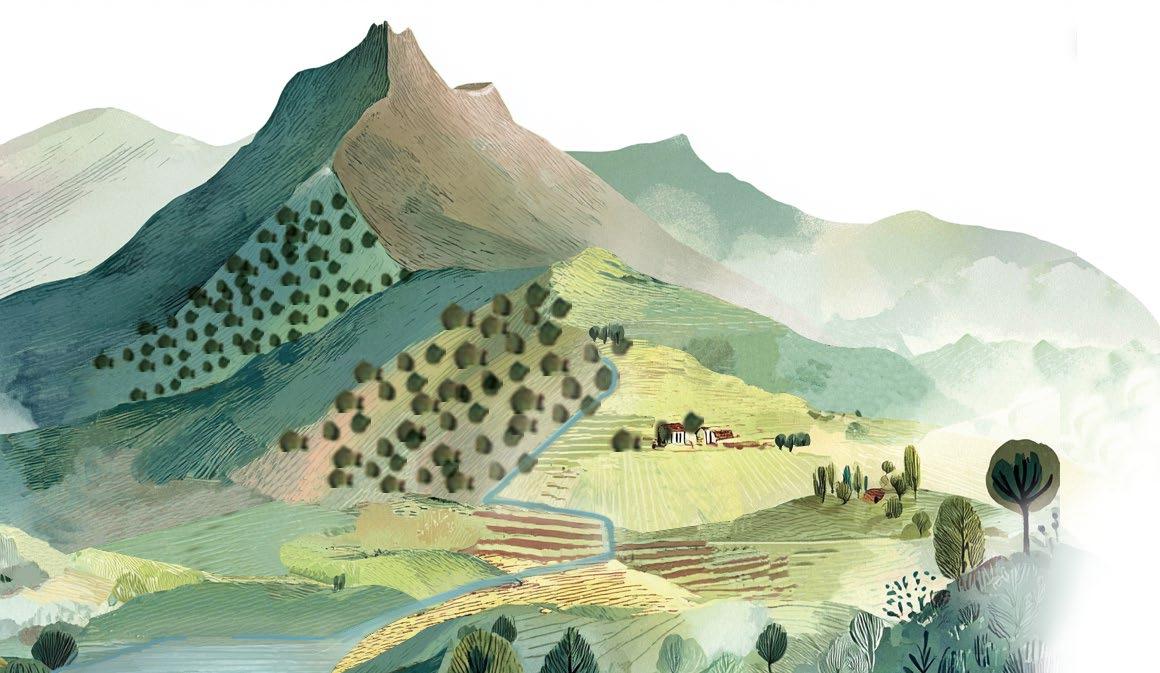
High risks - landslides - avalanches - dryness - waterloss - storm/wind degradation
Certain risks - landslides - avalanches - dryness - waterloss - storm/wind degradation
Mature: benefits predominate, investments are rewarded
20 - 60 years
Thinning & natural regeneration
Investments - dependance on use of wood
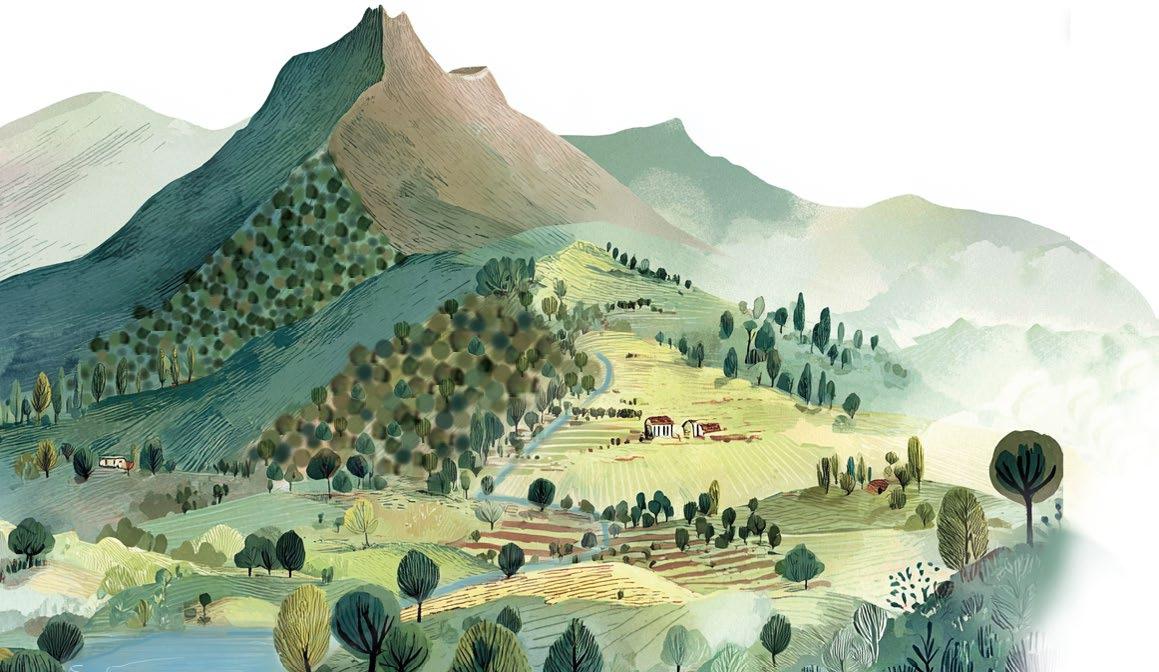
Lower risks
Longterm: sustainable close-to-nature forest management
60 - 140 years
Forest management
Promote - natural regeneration - species diversity
Income - sustainable forestry
Minor risks
Forest benefits : Increase with time
0 - 20 years
Provisioning : berries, herbs
Wellbeing : formation of soil, photosynthesis (CO2 sink, O2 source)
20 - 60 years
Provisioning : mushrooms, thin pole wood, production of seeds
Wellbeing : formation of habitats, purification of water, air and soil, recreation
Where land is afforested, initial investments through planting as well as continuous management of the forested area are needed before a community can profit from forest benefits. In our next factsheet, we will explain practical measures for establishing and managing successful forest plantings.
60 - 140 years
Protection : from wind, avalanches, landslides
Provisioning : large round wood
Wellbeing : climate regulation, water quality
Concept and contents: Tobias Kühnhanss, Kathrin Streit (Swiss Federal Institute for Forest, Snow and Landscape Research — WSL)
Production management, editing and design: Nickolai Denisov, Geoff Hughes, Carolyne Daniel (Zoï Environment Network)
Review and inputs: Swiss Development Cooperation, Shen, ARNAP, My Forest Armenia, Armenia Tree Project
WSL Project Coordination: Dominik Braunschweiger, Marco Pütz
(Swiss Federal Institute for Forest, Snow and Landscape Research — WSL)
This document has been produced with the financial support of the Swiss Agency for Development and Cooperation (SDC). The contents of this document are the sole responsibility of WSL and can under no circumstances be regarded as reflecting the position of the SDC.
This factsheet is intended for local communities living near forest or reforestation areas or engaged with these areas. Further information is elaborated in the corresponding report.
The Forest Restoration and Climate Change in Armenia” (FORACCA) project is funded by the Swiss Agency for Development and Cooperation (SDC). The project is implemented by the Swiss Federal Institute for Forest, Snow, and Landscape Research (WSL) in collaboration with Zoï Environment Network as well as the Forest Alliance of Armenia.