A periodic publication by UNEP/GRID-Arendal
he links between the environment and poverty are complex and often invite misunderstanding. Catchy titles such as “Poverty is pollution” and “Healthy environment, prosperous people” are misleading: they generalize the intricate interrelationships between poverty and resource mismanagement and fail to say that environmental degradation is an inevitable consequence of economic growth, that it is driven by predominantly commercial interests and is a major cause of poverty.
The Environment & Poverty Times aims to explain the complex links between poverty and the environment. It shows, through short texts, maps and other illustrations,some of the manifestations of poverty and environmental conditions. It explains how environmental degradation contributes to poverty and how poor people are trapped in such a cycle. And it provides references to key publications and initiatives on sustainable development and poverty alleviation.
This first issue of the Environment and Poverty Times may cover too many issues and seem “gloomy”. This is because of the complexity of the issue,
and because the world does continue to sink deeper into environmental and poverty decline. While the overall trends are dismal,there are clear opportunities for achieving much greater progress at all levels of action and several “success stories” to point to.
We expect future periodic issues of the Environment and Poverty Times to focus on approaches being used to tackle environment and poverty issues and on initiatives that are successfully dealing with reducing poverty and improving the environment.
We hope that the Environment & Poverty Times will increase understanding of the links between poverty and the environment, stimulate debate and provide a basis for action. This issue is intended to provide impetus for negotiations during the WSSD (World Summit on Sustainable Development) and help set priorities for subsequent initiatives to reduce economic and environmental pressures.
Svein Tveitdal Managing Director,UNEP/Grid-Arendal tveitdal@grida.no
AN ALTERNATIVE VIEW OF THE WORLD
he Norwegian Government hopes that the WSSD in Johannesburg will give new momentum to efforts to bring about sustainable development. The Summit is to chart a course for sustainable development in the next ten to twenty years. Norway is seeking to ensure that the Summit adopts an effective action plan for a global effort in which the fight against poverty is one of the main tasks.
We want the plan to translate into action after the Summit. The implementation of Agenda 21 and the Millennium Development Goals must be central elements of the plan.
Creating a better world is not just a matter of fighting poverty or protecting the environment.Rather,environmental problems are themselves an important underlying cause of poverty. Millions of people live in areas that are in ecological crisis. Poverty and environmental problems are two sides of the same coin. This is why Norway has focused on areas where an integrated approach is used to deal with both problems.
We have given particular priority to health, especially improvements in environmental health, and to natural resource management, especially fresh water and energy issues. This is in accordance with the key areas where UN Secretary-General Kofi Annan has said that he would like to see results in Johannesburg. He suggested a simple acronym: WEHAB, meaning water and sanitation, energy, health, agriculture and biodiversity.
The role of the UN in efforts to bring about sustainable development must also be strengthened. If we can agree to give the UN a mandate to monitor and update the entire field of sustainability,we will be able to achieve a great deal.
At the Summit, new initiatives and partnerships will be launched to help implement the action plans. We will
actively support new initiatives in priority areas - initiatives that can make a difference to the poor people of the world and to the environment.
The Summit must find ways to improve people’s living conditions and also protect the environment. We can make Johannesburg a turning point,provided that we achieve clear commitments to change and start new initiatives that will ensure that these changes take place. We must hold on to the hope of a decent life for future generations.
The environment is particularly important to poor people.They rely on it for subsistence and employment and suffer disproportionately from disease and premature death if it is degraded. They are more vulnerable to natural disasters and are often driven from good land to marginal areas.
he links between the environment and poverty are complex. They are affected by a variety of factors: global to local institutional arrangements, policies, markets, gender relations, property rights, access to technology and
information (1). The wealthy are only 20 percent of the world’s population but they consume 70 to 80 percent of it’s resources: most institutional arrangements accomodate the wealthy at the expense of the poor (2).For example,Subsidies that favor upper and middle income consumers are particularly damaging to poor people since they overexploit important natural resources and degrade land that the poor depend on. This degradation can in turn cause malnourishment (low agricultural yields), displacement (ecological and economic migration) and inadequate education (children may leave school to help support their families).
(continued on page 6)
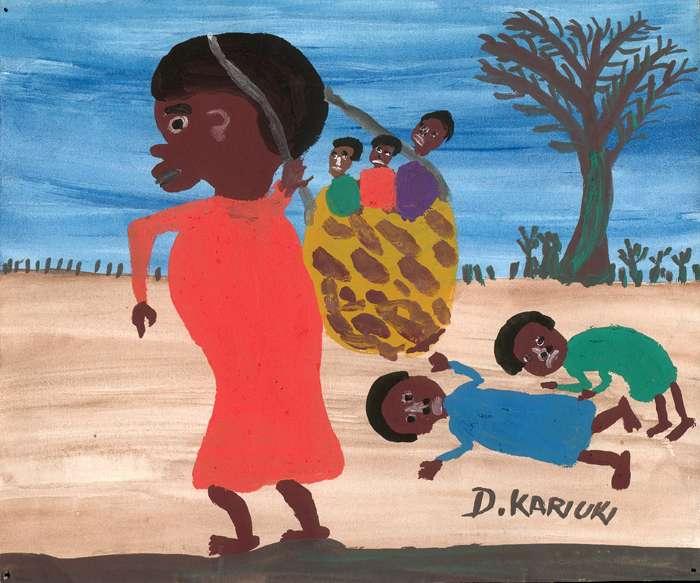
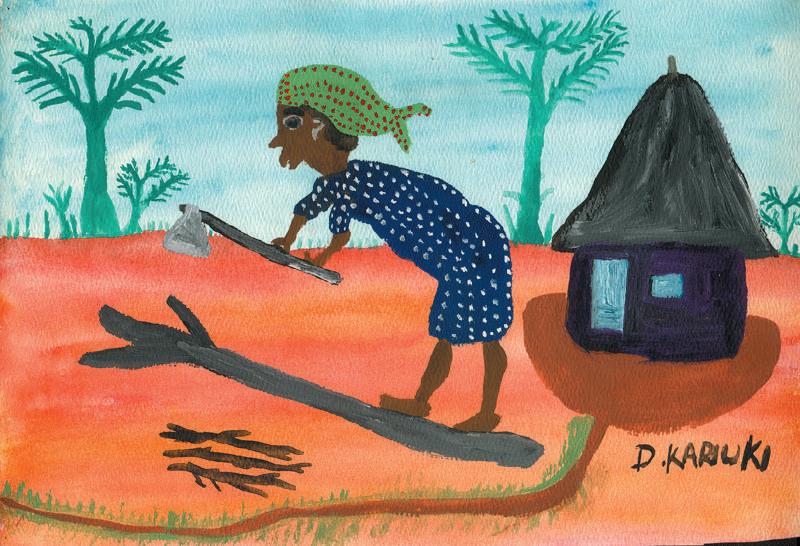
DANIEL KARIUKI - “Taking people the way they are” (1992)
New momentum PAGE 2 and 3 Expressions of poverty Quotes by the poor Photos by children of Nairobi slums Human development indicators PAGE 4 and 5 Assessing the environment Stockholm to Johannesburg Global environmental indicators PAGE 6 and 7 How environment means Poverty The key links Eco-refugees PAGE 8 and 9 Degraded environment, fewer choices “Water is life and we have none” Thinking green The disappearing Aral Sea PAGE 10 and 11 Pollution means bad health “When the water is brown, we call it tea” Hazardous wastes in Albania When the indoor air is bad PAGE 12 and 13 Natural disasters, insecurity “At the whim of nature” Niger: hunger warning Hurricane Mitch PAGE 14 and 15 Restricted land, disempowerment “Poverty is because of land” India’s villages need proper power Women’s rights PAGE 16 The use of poverty maps Poverty in Johannesburg Daniel Kariuki
Hilde Frafjord Johnson Minister of International Development, Norway utviklingsminister@mfa.no
T T HIGHLIGHTS EDITORIAL Special Issue for the Johannesburg Summit &
Times No. 1 - First issue - 16 pages, AUGUST 2002
2 Euros
live
Less than 2,000 2,000 to 4,000 4,000 to 7,000 7,000 to 10,000 10,000 to 15,000 15,000 to 20,000 20,000 to 25,000 More than 25,000 This square represents 100 billion US dollars GDP (Gross Domestic Product) per capita, 2000 in PPP (Purchasing Power Parity), US$ Value UNEP G R I D Arendal MAY 2002 VLADIMIR S. TIKUNOV No data G R I D Arendal UNEP
T
Environment POVERTY
Almost three billion people (half of the global population)
on less than 2 Euros a day. North America Western Europe Japan and South Korea
The key links
Expressions
Poor people do not have enough food, clothing, education or healthcare; they live in areas that are prone to disease, crime and natural disasters.Their basic civil and human rights are often nonexistent .
Being poor means being deprived economically, politically and socially. It means:
few assets or opportunities; low achievement as a result of inadequate education, healthcare and other basic social services; higher vulnerability to natural disasters, conflict, crime, disease and other dangers;
little to no power over decisions that affect people’s lives (1).
How do poor people describe poverty?
In Ethiopia they say it is “[living from] hour to hour”; in Jamaica “living in
WHAT BEING POOR MEANS
Few opportunities
Lack of employment
Limited assets (money, property)
Lack of access to education and other social services
Social/cultural barriers (towards women)
Disadventage
Poor health
Inadequate nutrition
Lack of drinking water
Insufficient heating
Limited education
Lack of mobility (to markets)
Disability
Insecurity
Insecure settlements prone to disease, crime, conflict and natural disasters
Unclean and unsafe shelter
Food insecurity
Disempowerment
Lack of representation and participation
Poorly defined land tenure
Limited or no access to information and technology
Corruption
Lack of respect for spiritual and cultural practices
Low status of women and other marginalized groups
Low self-esteem
Adapted from the World Bank, Poverty and Environment, Washington DC, 2000
bondage, waiting to be free” (1); in Cambodia “working for more than 18 hours a day, but still not having enough to feed [yourself]” (2).
Poverty is multidimensional. It varies in scale and context (political, social, cultural, ecological, historical, economic). The rural poor face different challenges from those in urban areas: they are concerned with natural resources (access, quality), whereas the urban poor care about access to energy, housing and sanitation, and about the quality and availability of water.
Poor people have few economic opportunities due to lack of jobs, limited or unaffordable access to credit and markets, inadequate education, and restricted access to land and water. The rural poor often subsist through agriculture, fishing and gathering forest products,while many urban poor generate meagre livings from wage labour, petty hawking, provision of low-cost transport services and other activities. For lack of other options, poor people are sometimes forced to scavenge, beg
or engage in illegal activities (drug trafficking, prostitution).
The poor suffer from sickness,illiteracy, limited mobility or disability. They have inadequate nutrition, lower life expectancy, higher risk of disease, and lack access to affordable healthcare and basic education, resulting in low school attendance and achievement. Yet it is the poor who often work the longest hours, in the most dismal conditions.
Poverty leads to insecure livelihoods because poor people are often forced to live in unsafe, unclean housing and in areas prone to crime,conflict,natural disasters and pollution. Many urban poor can only afford badly built housing in areas where pollution and crime rates are high,while the rural poor often live on the less productive, degraded lands.
The poor are disempowered because they usually do not have legal representation or take part in decisionmaking; they suffer from social and cultural disadvantages, even feelings
of personal shame. They have to deal with corruption in the social service (for instance they may have to pay bribes to obtain land titles, or accept that medicine is unfairly distributed or sold illegally).
Poor people have managed to overcome some of these handicaps through their resilience and resourcefulness, often helped by their spirituality and love of family. Until the 18th century poverty was seen as inevitable. But since the 1880s the reduction in extreme poverty – from three-quarters to one-fifth of the world’s population – shows that the number of poor people in the world can be further reduced, if not eliminated.
Mathilde Snel UNEP/GRID-Arendal snel@grida.no
1. World Development Report 2000/2001 The World Bank, Washington DC, 2001.
2. Poverty Trends and Voices of the Poor The World Bank, Washington DC, 2001
GLOBAL HUMAN DEVELOPMENT INDICATORS
FACTS AND FIGURES
Health
A hundred and fifty million children in developing countries are underweight. The proportion of underweight children is decreasing everywhere except in Africa where rates have doubled since 1970 (1, 2).
Access to drugs is as low as 20 percent in some less developed countries, compared to over 90 percent in most developed countries (3).
Education
An estimated 100 million schoolaged children, mostly in the developing world, do not go to school (4).
Based on a study of 41 countries, the number of girls from poor families enrolling at primary school is significantly lower than from richer families (5).
Income and public expenditure
The gap between per capita GDP in rich countries and developing countries has substantially increased. In 1960 the per capita GDP was 18 times higher in rich countries than in low-income countries; in 1995 this gap increased to 37 times (5).
In Zambia debt repayment took 40 percent of GNP (Gross National Product: GDP plus exports) in 1997; basic health, education, water, sanitation, family planning and nutrition only counted for seven percent (6).
1. A Better World for All; Progress Towards the International Development Goals, IMF, OECD, UN and The World Bank, Washington DC, 2000.
2. Global Environment Outlook 3, UNEP (United Nations Environmental Programme), Nairobi, 2002.
3. Human Development Report 2001, UNDP (United Nations Development Programme), New York.
4. Poverty Trends and Voices of the Poor, The World Bank, Washington DC, 2001.
5. World Development Report 2000/2001,World Bank, Washington DC, 2001.
6. Towards a New Global Deal, DEA&T (Department of Environmental Affairs & Tourism), Pretoria, 2002.
:
2 - ENVIRONMENT AND POVERTY TIMES
and related discussions and events. World Bank poverty website: www.worldbank.org/poverty Provides data and information on understanding and alleviating poverty and electronic copies of and links to numerous poverty and
reports and publications (including
monthly poverty newsletter). World Development report series available at www.worldbank.org/poverty/wdrpoverty Voices of the poor series available at
Poverty strategy reduction papers series available at
Source Human Development Report 2002 United Nations Development Programme (UNDP), New York. Pacific Ocean Atlantic Ocean Indian Ocean Pacific Ocean HDI (Human Development Index) value in 2000 0.94 0.9 0.8 0.7 0.5 0.26 No data GDP index in 2000 1 0.9 0.8 0.7 0.5 0.15 No data UNEP G R I D Arendal This index measures the relative achievement of a country in terms of an individual’s ability to reach old age. It is based on established global minimum and maximum values. 0.93 0.9 0.8 0.7 0.5 0.22 Life expectancy index in 2000 The education index uses an adult literacy (weighted two-thirds) and primary, secondary and tertiary gross enrollment (weighted one-third). This index is based on established global minimum and maximum values. 0.99 0.9 0.8 0.7 0.5 0.15 Education index in 2000 No data The GDP (Gross Domestic Product) index is calculated using per capita GDP (PPP US$, Purchasing Power Parity) adjusted accordingly to a global maximum value (of US$ 40,000) and minimum value (of US$ 100). No data
The HDI is a measure of human development and represents an average of indices on life expectancy, education and GDP. UNDP poverty page
www.undp.org/poverty Describes UNDP poverty alleviation programs and initiatives,publications,good practices and facilitates poverty
poverty-related
a
www.worldbank.org/poverty/voices
www.worldbank.org/poverty/strategies What does it mean to be poor?
JUNE 2002 PHILIPPE REKACEWICZ ASSISTED BY LUCIE DEJOUHANET
of poverty
Through their own eyes
Shootback: Photos by children from the Nairobi slums
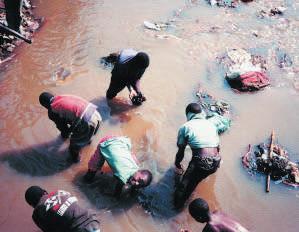
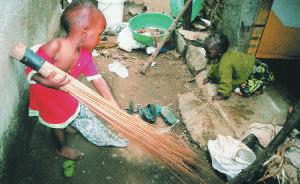
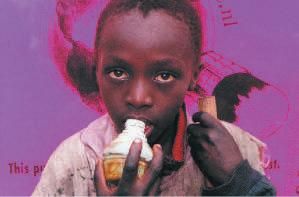
Lana Wong, a photographer trained at both Harvard and London's Royal College of Art, got Ford Foundation and UNEP support to give 30 one-dollar plastic cameras to 31 Mathare teenagers aged 12 to 17. The boys and girls, all players in Africa’s largest youth football league, the Mathare Youth Sports Association (MYSA), had never held a camera. Each got one roll of film a week, and on Saturday mornings the group critiqued their photographs with Wong. Their arresting, often heart-wrenching pictures are now on view in a travelling exhibition as well as in the book.
Lana Wong, lanawong@yahoo.com
Shootback: Photos by Kids from the Nairobi Slums, Booth-Clibborn Editions, London, 1999. available at www.harvardmagazine.com/on-line/110197.html

Captions for the pictures are by the children themselves.
How can we estimate poverty?
There are various ways of estimating poverty: monetary poverty is expressed in (absolute or relative) economic terms; human poverty relies on social indicators; social exclusion broadly implies marginalization (involving political considerations).
There are six billion people in the world: 2.9 billion of them live on less that two dollars a day and 1.2 billion live on less than one dollar a day. In Egypt, 3.1 percent of the population survive on less than a dollar a day, and 52.7 percent live on less than two dollars (1). How can you compare a dollar’s worth of goods worldwide? And how can you estimate poverty, with its broad economic, social and political dimensions?
Absolute monetary poverty indicators: Estimating poverty in terms of purchasing power is one of the most common measures of poverty. Thresholds, called poverty lines, are built on the pricing of a basket of goods that would satisfy a person’s basic nutrition needs (1). These are converted into purchasing power parity units* to secure international comparability. A headcount poverty index can then be calculated, showing the percentage of poor people in the total population. The muchpublicized headcount poverty index is then highly dependent on the level of the poverty line (the higher the poverty line, the larger the number of the poor).
“A
“When you wake up in the morning the important thing to do first is to find out where are your shoes so that you can do the rest of your work. Why shoes are useful: when you walk without them your legs can get injured by anything dangerous like bones, thorns, and many others. So I will suggest that shoes are the most useful objects in our home”. Serah Waithera, 15.
“A man intoxicated on
A World Bank-funded Voices of the Poor initiative surveyed more than 60,000 poor men and women from over 60 countries to document how the poor describe their own experiences of poverty and ways to deal with it. These men and women were asked to describe what poverty
IN THEIR OWN WORDS
is, the problems and priorities they face, the institutions that most affect their lives and changes in gender relations.The study showed how the poor across the world experience the psychological trauma and impacts of poverty.
Poverty is pain; it feels like a disease. It attacks a person not only materially but also morally. It eats away one’s dignity and drives one into total despair.
A poor woman, Moldova (1)
Poverty is like heat; you cannot see it; you can only feel it; so to know poverty you have to go through it.
A poor man, Ghana (1)
Poverty means working for more than 18 hours a day, but still not earning enough to feed myself, my husband and two children.
A Woman, Cambodia (2)
Poverty is “like living in jail, living under bondage, waiting to be free.”
A young woman, Jamaica (1)
The rich person is the one who says “I am going to do it” and does it. The poor, in contrast, do not fulfill their wishes or develop their capacities.
A poor woman, Brazil (1)
Poverty makes us not believe in ourselves.
A young man, Jamaica (3)
It is low salaries and lack of jobs. It’s also not having medicine,food,and clothes.
A discussion group, Brazil (4)
Je ne voulais pas de cette vie-là, ce n'est pas vraiment un choix et nous la vivons seulement parce que jusqu'à présent, toutes les autres solutions ont été pires que celle-ci. On sait bien qu'il n'y a aucune issue, aucune chance pour nous, on est pas idiots mais on décide souvent de l'oublier et de rire. On prend le bon du pire tant qu'on peut.
Amadou Bâ, 14 years old “l'envers du jour, Poèmes à l'infect”, Éditions Léo Sheer, Paris, 2001.
1. Raj Patel, Kai Schafft, Anne Rademacher, and Sarah Koch-Schulte, Can Anyone Hear Us?, Voices of the Poor series, The World Bank, Oxford University Press, New York, 2000.
2. Deepa Narayan, Robert Chambers, Meera Shah and Patti Petesch, Crying out for Change, Voices of the Poor series, The World Bank, Oxford University Press, New York, 2000.
3. Dying for Change: Poor People’s Experience of Health and Ill-Health, World Health Organization and The World Bank, Washington DC, 2002.
4. Poverty Trends and Voices of the Poor, fourth edition, The World Bank, Washington DC, 2001.
5. World Development Report 2000/2001 The World Bank, Washington DC, 2001.
Relative monetary poverty indicators: Absolute poverty measurements give no indication as to the relative position of the poor. Not only are the poor of the poorest countries generally poorer than those living in richer countries, but their position in society also depends on income distribution inequalities Relative poverty indicators allow for interesting international comparisons. For example, the average income in the richest 20 countries is 37 times higher than that of the poorest 20; in Brazil, the income of the poorest ten percent of the population is only 0.9 percent of the total national income, while the richest ten percent get 47.6 percent. Relative monetary poverty indicators may help us understand the subjective dimension of poverty: it may be less tolerable to be poor when there is plenty of wealth on display at the top levels of society than when there are no visible opportunities of upward mobility.
Social indicators and human poverty: Monetary poverty indicators, represented by income or consumption, do not express the true dimensions of destitution. For example, less than one percent of children do not reach their fifth birthday in rich countries, but in poorer countries the number reaches 20 percent. The UNDP developed a multidimensional poverty indicator, the Human development Index, to account for social factors such as health, nutrition, life expectancy, access to water, school attendance and literacy. Social indicators may be used as complementary data to monetary poverty estimates, or they can form an approach in their own right.
Poverty as a denial of human rights: Human poverty means that people cannot lead a secure existence, make use of opportunities, have choices, freedom, dignity and self-respect, or have access to resources needed for a decent standard of living. In western industrialised countries social exclusion, the cumulative dynamics (end result) of marginalisation, means denial of human rights (citizenship rights). The human poverty approach, seldom used in the developing world, allows for a better analysis of the political dimension of poverty, conspicuously absent in oversimplified monetary measurements.
Blandine Destremau URBAMA, Centre National de la Recherche Scientifique destrema@club-internet.fr
* A Purchasing Power Parity (PPP) dollar estimates the cost required to buy the same amount of goods in any country. The PPP then is below the value of a US dollar in countries where the general price index is lower than that of the United States, and above it where the prices are higher.
1. All data quoted taken from the World Bank World Development Report 2000/2001, Washington DC, 2001.
POVERTY AND UNEMPLOYMENT IN NEW YORK CITY
ENVIRONMENT AND POVERTY TIMES - 3 1979 1981 1983 1985 1987 1989 1991 1993 1995 1997 1999 0 5 10 15 20 25 30 Population under the poverty line Unemployment Percentages The United States Census Bureau sets the poverty thresholds according to money income before taxes, excluding capital gains and noncash benefits, family size and number of children under 18 years old. These thresholds were developed by the Social Security Administration (SSA) in 1964, then revised by interagency committees (1969, 1981). They are adjusted each year using the annual average Consumer Price Index (CPI). For example, a single person under 65 years old who earns less than US$ 9,214 in 2001 per year is considered living under the poverty line (www.census.gov).
US
Source:
Census Bureau, 2002.
youth with a glue bottle. “They sniff glue so that they cannot feel ashamed when they are begging for money”. Serah Waithera, 15.”
chang'aa sleeps on trash. Chang'aa is a cheap, sweet, illegal brew made in Mathare, dangerous because its ingredients include contaminated water, mortuary preservatives and washing detergents. “They know it is harmful to their body, but they ignore this and drink it anyway. And that's why others sleep anywhere because they can't move anymore”. James Njuguna, 15 and Maureen Atieno, 15.”
“Street boys searching in water for nails and waste metal. Hassan Tom Kaseki, 16. ”
Assessing the
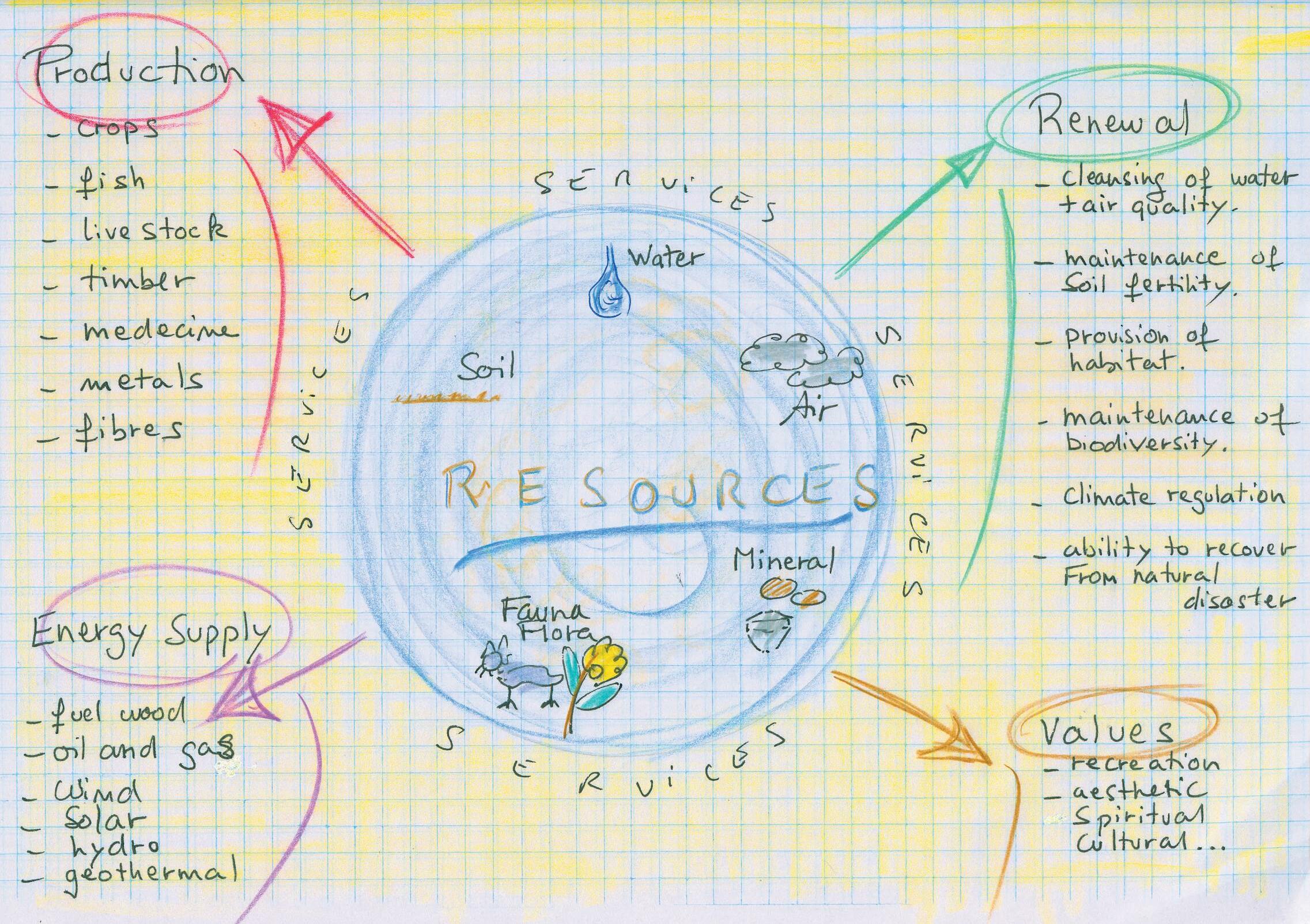
The environment includes natural resources (fauna, flora, water, soil and minerals) and ecosystem services (crop production, energy supply and soil maintenance). These resources and services are being degraded mainly because of increasing population and consumption
he term “environment” refers to all elements of the physical and biological world (including humans), as well as the interactions between them. These elements may be categorized as ecosystem: goods, meaning the actual natural resources themselves (flora, fauna, soil mineral, air, water), and services, including the harvestable products (crops, timber),
processes essential to sustain the provision of these resources (nutrient cycles, climate patterns, flooding control) and aesthetic and cultural benefits of ecosystems (recreation).
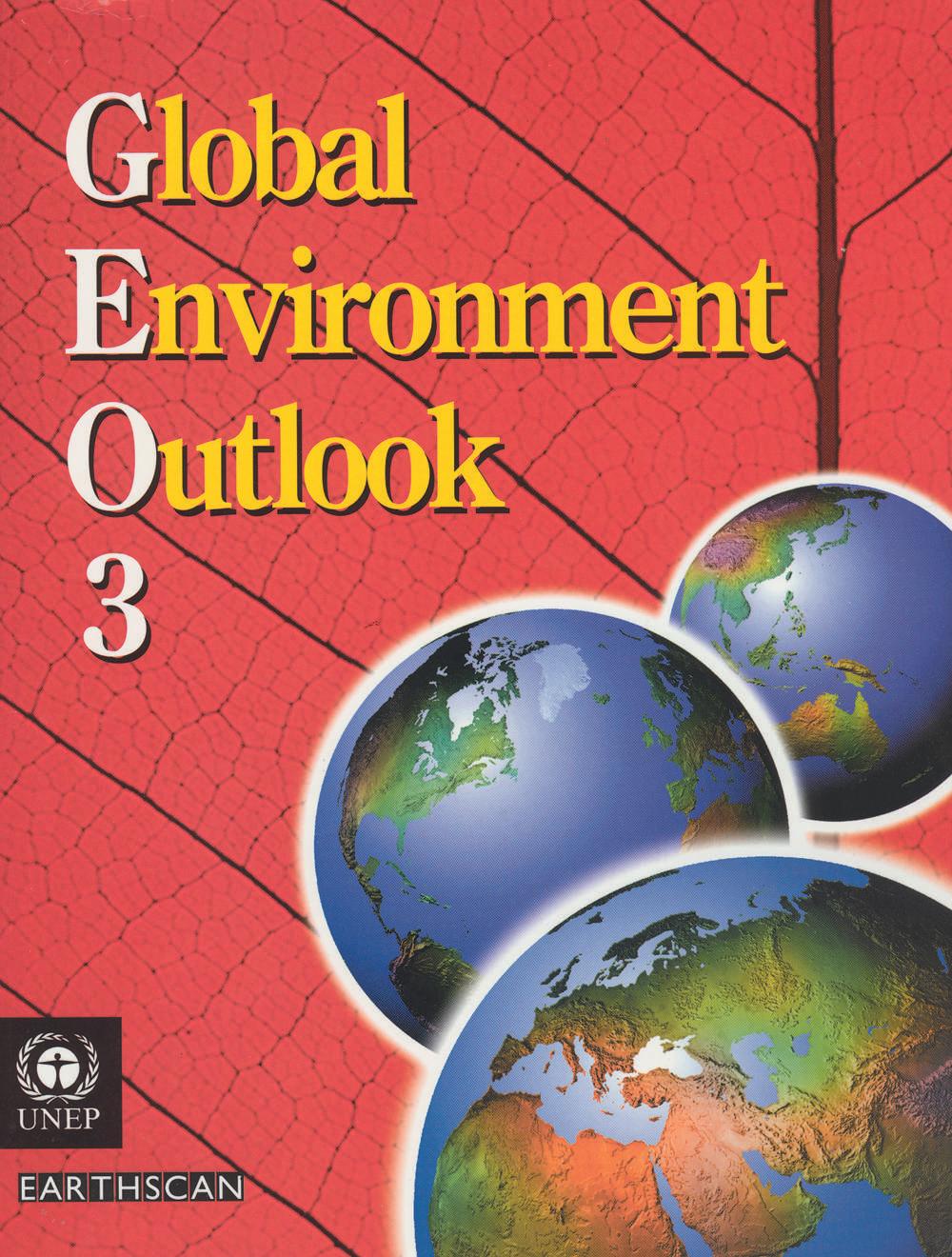
The UNEP’s Global Environment Outlook 3 shows that the environment is deteriorating in many regions due to natural and man-made pressures. Such pressures include climate variability, rapid population growth and rising consumption trends that are leading to over-harvesting of resources, and the pollution of air, water and land (1). The report also points out that these environmental changes impact human livelihoods by reducing food security, increasing vulnerability to natural ha-
zards and disease, and limiting opportunities for economic growth.
The report also indicates that there have been successful attempts to improve the environment during the past 30 years: including the ratification of over 150 international environmental agreements, implementation of national environmental action plans, and the establishment of environmental institutions across the public and private sectors. Furthermore, many countries currently have a ministry of environment and environmental reporting has become a standard practice from the corporate to regional level.
GEO 3 concludes that there are many
ENVIRONMENTAL GOODS AND SERVICES
What is the state of the environment? Stockholm to Johannesburg
challenges ahead:
emissions of greenhouse gases are having an increasingly detrimental impact on the atmosphere;
urban air pollution is a growing health concern, triggering or exacerbating respiratory and cardiac problems;
surface and groundwater resources are being rapidly drained;
many species are becoming endangered or extinct;
the oceans are being harvested at unsustainable rates;
land degradation is accelerating and intensifying, particularly in developing countries;
forest ecosystems are being degraded, cleared or fragmented, with the greatest losses in Africa;
the world’s largest cities are badly affected by inadequate housing, air and water pollution and solid waste disposal;
the growing frequency and intensity of natural disasters over the past 30 years has put more people, especially the poor, at greater risk.
Ballance
Anna
UNEP/GRID-Arendal ballance@grida.no
1. Global Environment Outlook 3, UNEP, Earthscan publication, Nairobi, 2002.
GROWING AWARENESS
he last century has witnessed growing awareness that a healthy environment is critical for human and economic development.The United Nations Conference on the Human Environment (Stockholm, 1972) was a turning point in global environmental awareness. It was the first international conference on the environment whose agenda – at the request of developing countries – included development issues. Twenty years later, the Earth Summit (Rio, 1992) emphasized the importance of economic and environmental development and developed a global action programme Agenda 21 –a blueprint for environmental management. While many countries have shown indifference to environmental commitments made at Rio, the summit
significantly helped legitimise environmental issues in political agendas worldwide: over 50 countries currently have national constitutions recognizing the rights of citizens to a healthy environment and many have national legislation to protect the environment.
Although there have been achievements, especially to build awareness and develop legislation on environmental management, the world continues to sink deeper into environmental and poverty decline. According to the World Wide Fund for Nature, today’s consumption is 30 percent higher than the earth’s resources can sustain; and millions of people are still undernourished, unemployed and lack access to resources. The WSSD in Johannesburg
HUMAN INFLUENCES ON
ATMOSPHERE DURING
will review progress in environmental management and provide new impetus for commitment of financial resources towards global sustainability.
Milestones in global environmental awareness:
1970s: Stockholm Conference on the Human Environment; First Global Climate Conference.
1980s: World Conservation Strategy launched; International Decade of Drinking Water Supply and Sanitation; UN Convention on the Law of the Sea, Montreal Protocol to Protect the Ozone Layer and the Basel Convention; Panel on Climate
Change established; Brundtland Report.
1990s: GEF established; Earth Summit in Rio; Convention on Biological Diversity, UN Convention on Climate Change; World Business Council for Sustainable Development created.
2000s: Millennium Summit; WSSD Johannesburg.
An. Ba. and Ma. Sn.
FACTS AND FIGURES
Soil
An equivalent of 15 percent of the earth’s land area (2,000 million hectares) have been degraded through overgrazing, deforestation, agricultural activities, overexploitation of vegetation and industrial activities (1).
Forests
During the 1990s there was a global net loss of 2.4 percent of total forests (94 million hectares) (2). Tropical forested areas are being deforested at almost one percent each year (2). In Africa an equivalent of five million hectares – the size of Togo – is deforested each year (3).
Water
Water use in the 20th century increased six-fold, more than double the rate of worldwide population growth (2). In West Asia, five of the seven countries in the Arabian Peninsula have depleted renewable water supplies and are now relying on non-renewable reserves (2).
Drylands
About 70 percent of the world’s drylands (3,600 million hectares), excluding hyper-arid deserts, are degraded (4).
Air
In many of the world’s largest cities (Beijing, Calcutta, Mexico City, Rio de Janeiro, etc.) WHO World Health Organization) air quality guidelines are not met. In 1996 global emissions of carbon dioxide were nearly four times the 1950 total (5).
Biodiversity
Twenty-four percent of all mammal species and twelve percent of birds are threatened worldwide (3).
1. World in Transition: The Threat to Soils, Annual Report, German Advisory Council on Global Change, Bonn, Economica Verlag GmbH, 1994. Cited in UNEP, Global Environment Outlook 3, 2002.
2. Global Environment Outlook 3, UNEP, Nairobi, 2002.
3. Global Forest Resources Assessment 2000 in FAO Forestry Paper 140, FAO (Food and Agriculture Organization), Rome, 2001. Cited in UNEP, Global Environment Outlook 3, 2002.
4. Action Programmes on National (NAP), Sub-Regional (SRAP) and Regional Level (RAP), United Nations Convention to Combat Desertification (UNCCD), 2000.
5. Global Environmental Outlook – 2000; UNEP’s Millennium Report on the Environment, UNEP, Nairobi, 1999.
World Resources 2000-2001
4 - ENVIRONMENT AND POVERTY TIMES
50 25 0 1984 1997 % Source: A Better World for all 2000, IMF, OECD, UN and World Bank.
ENVIRONMENTAL STRATEGIES Percentage of countries that have implemented an environmental strategy UNEP G R I D Arendal 750 1 000 1 250 1 500 1 750 CH4(ppb) Methane 1000 1200 1400 1600 1800 2000 Sources: Climate Change 2001, Synthesis Report, data compiled by Michael Prather. 260 280 300 320 340 360 CO2 (ppm) 1000 1200 1400 1600 1800 2000 Carbon Dioxide N2O(ppb) 250 270 290 310 1000 1200 1400 1600 1800 2000 Nitrous Oxide
DEVELOPING COUNTRIES WITH
THE
World Resources
2001 www.wri.org/wr2000
THE
INDUSTRIAL ERA
Institute,
as well as
the
major
This report provides a thorough assessment
recommendations to safeguard
world’s
ecosystems.
The environment includes goods, meaning natural resources themselves (soil, water, air, minerals, flora and fauna), and services, such as harvestable products (crops, fish, fuel, oil), processes to sustain resources (water and air cleansing, climate regulation) and provision of aesthetic and cultural benefits (recreation, spiritual value).
T T
environment
GLOBAL ENVIRONMENTAL INDICATORS POISONED FOOD
Severityoflanddegradation
The Arctic under threat
DISAPPEARINGFORESTS
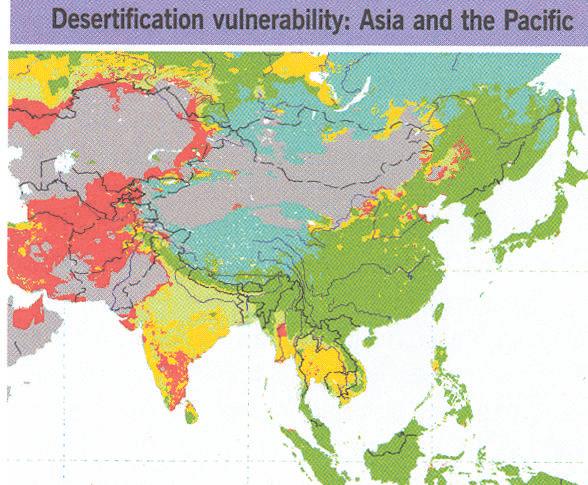
areas with high population pressure (China, Mexico, India) and regions undergoing deforestation (Indonesia).
affected by
Astudy conducted by the Arctic Monitoring and Assessment Program’s (AMAP) Human Health Expert Group shows that the traditional food of the Arctic indigenous people is severely exposed to environmental contaminants (1): people who eat meat and blubber from marine mammals are exposed to Persistent Organic Pollutants (POPs) (dioxins, Polychlorinated Biphenyls (PCBs), pesticides, etc.) and heavy metals (mercury, cadmium, lead), often in excess of the levels reported in the industrialized countries where these chemicals are produced, used and released. Environmental contaminants reach the Arctic by means of air and water currents. They are then easily incorporated into the polar food web where species with higher levels of fatty tissue (to adapt to the cold) are particularly susceptible to environmental chemicals. The effects of these contaminants are not fully understood, but there is concern about the effects on development, reproduction and the immune system (2).
The AMAP study (Phase 1) monitored POPs and heavy metal levels in pregnant women throughout the Arctic, since fetuses are especially sensitive to environmental chemicals. For the first time it was possible to compare circumpolar data, collected and analyzed to a single standard. Phase 2 studied other effects of contaminants; its results will be published in autumn 2002.
Based on these findings, it was proposed that local health authorities work with exceptionally exposed Arctic populations – such as in Greenland, eastern Arctic Canada and the Arctic part of Russia – and give dietary advice to minimize future risk of contamination, yet maintain the nutritional benefits of traditional diets. Swift action and global awareness is needed to restrict emissions,especially of the most dangerous chemicals, which affect even the most remote areas on earth.
From 1970 to 1990 there was significant deforestation of both primary and secondary forests in Thailand: during this thirty year period, the area covered by primary and secondary forest declined by more than half.Many other regions of the world are affected by deforestation: namely in South America (Brazil),Central Africa (Congo), Southeast Asia (Indonesia) and Eastern Europe.
UNEP website: www.unep.org and UNEP/GRID: www.grida.no
Provides information on and links to environment and related reports and publications, environmental data and maps, UN environmental and affiliate organizations and initiatives and environmental conventions and treaties.
National and regional State of the Environment reports available at http://www.grida.no/soe
GEO report series available at http://www.grida.no/geo
WRI: www.wri.org and Earth Trends: earthtrends.wri.org
Provides environmental data, tables and maps on the world’s ecosystems and regions and links to WRI publications and initiatives.
World Resources 2000-2001 report available at http://www.wri.org/wr2000
Pilot Analysis of Global Ecosystems (PAGE) series available at http://www.wri.org/wr2000/page.html
Millennium Assessment: www.millenniumassessment.org
Describes the millennium assessment and its agenda and provides links to collaborating institutions.
World Watch Institute: www.worldwatch.org
Provides information and links on numerous environmental and related issues and on World Watch institutions publications. Annual State of the World and Vital Signs reports available at http://secure.worldwatch.org/cgi-bin/wwinst
World Watch Magazine features available at www.worldwatch.org/mag
Consultative Group of International Agricultural Research (CGIAR): www.cgiar.org
Describes CGIAR initiatives and provides on-line publications and links to CGIAR research centers.
Jens Hansen
Chair of the AMAP Human Health Expert Group, jch@mil.au.dk
Andrew Gilman
Vice-chair of the AMAP Human Health Expert Group andy_gilman@hc-sc.gc.ca
1. AMAP Assessment Report: Arctic Pollution Issues Arctic Monitoring and Assessment Programme (AMAP), Oslo, Norway, 1998.
2. Global Environment Outlook – 2000, UNEP, Earthscan Publications Ltd., London, United Kingdom, 1999.
Global Environment Outlook 3
This report describes the state of global environmental conditions,trends,and policy responses over the past 30 years; evaluates human vulnerability to environmental change; and presents future visions of the environment and options for action for the next 30 years.
A UNEP-Earthscan publication www.grida.no/geo/geo3/index.htm
ENVIRONMENT AND POVERTY TIMES - 5
Tagish Cape Dorset Alert Heimaey Island Svanvik Ny-Ålesund Dunai ‘Clean’ air ; low chlordane and PCBs across the Arctic Ocean ‘Clean’ air ; low toxaphene over Northwest Pacific Elevated toxaphene from US/Canada west coast Elevated chlordane originating from US/Canada east coast Elevated PCBs and HCH originating from Europe and western Russia Elevated PCBs and HCH from Russia/Siberia Elevated PCBs and HCH from Russia/Siberia Source: UNEP, International Soil Reference and Information Centre (ISRIC), World Atlas of Desertification, 1997. Indian Ocean Malaysia Indonesia Vietnam Cambodia Thailand Laos Burma South China Sea Indian Ocean South China Sea Malaysia Indonesia Vietnam Cambodia Thailand Laos Burma 0 500 km Primary forest Secondary forest m3 per capita per year, 2000 0 to 1,000 1,000 to,2 000 2,000 to 5,000 5,000 to 15,000 15,000 to 50,000 50,000 to 605,000 479,000 605,000 Suriname Iceland Egypt United Arab Emirates 26 61 Countries with the least freshwater Countries with the most freshwater (m3 per capita per year) DEPLETING FRESHWATER RESOURCES Pacific Ocean Pacific Ocean Atlantic Ocean Indian Ocean Source: World resources 2000-2001, Table FW1, World Resources Institute(WRI), Washington DC.
deforestation Source: World Atlas of Desertification, UNEP, International Soil Reference and Information Centre (ISRIC), 1997. Developing countries with arid climates Developing countries with humid climates Developed countries Forecast Assessment 1960 1980 2000 2020 0 20 40 60 80 100 Percentage Water Availability
Source: Igor A. Shiklomanov, State Hydrological Institute (SHI, Saint Petersburg) and United Nations Educational, Scientific and Cultural Organisation (UNESCO),1999; World Resources Institute (WRI), Washington DC, 1998. SouthAmerica Europe Asia Africa NorthAmerica 0 5 10 15 20 25 Percentage
Areas
Trends
Source: Global Environment Outlook 3, United Nations Environment Programme (UNEP), 2002. Extremedegradation Moderatedegradation Stable soil Without vegetation Very degraded soil Degraded soil Pacific Ocean Pacific Ocean Atlantic Ocean Indian Ocean
DEGRADINGSOILS
Very degraded soils are found especially in semi-arid areas (Sub-Saharan Africa, Chile),
1990 1970 Water availability in developing countries (with and without arid climates) has declined by about 65 percent since the 1960s and continues to do so. Adapted from Géographie universelle, Asie du Sud-Est Hachette, 1995. Source: AMAP, 1998. 80 60 40 20 Percentage 0 Air SnowSeawater(10m)Seawater(225m)ZooplanktonAmphipodsArcticcod BelugaRingedsealPolarbear CONCENTRATION OF PCBs (POLYCHLORINATED BIPHENYLS) IN THE POLAR FOOD CHAIN TRANSPORT OF MAJOR POPs (PERSISTANT ORGANIC POLLUTANTS) TO THE ARCTIC
JUNE 2002
PHILIPPE REKACEWICZ
The figure (see right) describes four key links between poverty and the environment (3, 4), although interrelations are far more complex and need further research:

Link 1: Poor people rely on natural resources for subsistence and employment (see pages 8 and 9). The poorest are often landless laborers who depend on soil, fish and other natural resources for food and income. But large companies and states that cater to consumer needs of urban and industrial centers often deny poor people access to these resources or allow resources to become degraded.
Link 2: Poor people are more likely to be exposed to polluted water and air, which cause illness and premature death (see pages 10 and 11).Many poor people live in or close to factories that pollute the air and water. Disease (cholera, malaria) frequently removes people from the workforce for long periods and can even result in premature death. Respiratory infections and water-borne diseases (due to the low quality of air or water) are one of the biggest causes of death among the poor.
Link 3: Poor people are more vulnerable to environmental disasters and changing climate (see pages 12 and 13). They suffer more losses, injuries and deaths from natural disasters than the rest of the population since they are more likely to live in unsafe housing and in areas prone to disasters such as floods, landslides and drought. For example, in 1992 a cyclone caused 100,000 deaths in Bangladesh, whereas only 32 died in a cyclone of similar magnitude in the U.S. (5). The impacts of global climate change – that could include declining water supplies, poor harvests and increased spread of disease – will further affect poor people who already live in areas susceptible to disease and have few savings, food and other assets (to sell and consume) to help them cope in the event of fluctuating climates and extreme weather.
Link 4: Many poor people have illdefined land rights (see pages 14 and 15). If they had secure land tenure, companies or states would not be able to drive these poor people – who have proved careful guardians of natural resources – from the land they live on. Access to information and technology would also help them secure the land or natural resources they rely on.
Ma. Sn.
1. Duraiappah, Anantha, Poverty and Environmental Degradation: A Review and Analysis of the Nexus, in World Development. Vol. 26, No. 12, 1998.
2. Human Development Report 1998, UNEP (United Nations Environment Programme), Earthscan Publications,London,1999.
3. Linking Poverty Reduction and Environmental Mangement: Policy Chal-lenges and Opportunities, DFID (Depart-ment for International Development, United Kingdom), EC (Directorate General for Development), UNDP (United Nations Development Programme) and The World Bank, Consultation Draft, 2002.
4. Julia Bucknall, Christiane Kraus and Poonam Pillai, Poverty and Environment, in Environmental Strategy Papers, The World Bank, Washington DC, 2000.
5. Bojö, J., J. Bucknall, K. Hamilton, N. Kishor, C. Kraus and P. Phillai. Environment, in Poverty Reduction Strategy Sourcebook: Core Techniques and Cross Cutting Issues, Vol. 1, The World Bank, Washington DC, 2001.
The key links
How environment
FACTS AND FIGURES
Degradation of natural resource and poverty
By the mid-1990s almost 40 percent of the world’s population, mostly in developing countries, were suffering from serious water shortages (1).
Twenty-three percent of all usable land, excluding deserts and mountains, has been degraded and its productivity reduced (2, 3).
Pollution and poverty
Inadequate water supply and contaminated water is responsible for ten percent of all disease in developing countries (4).
About 1.3 billion people, most of them in developing countries, live in towns and cities that do not meet the minimum WHO standards for Suspended Particulate Matter (SPM) (5, 6).
Natural disasters and poverty
Since 1970 three million people, mostly in low-income countries, have died as a result of natural disasters (6).
Land tenure and poverty
A quarter of poor people are landless and more than half of the rural poor have landholdings too small to provide an adequate income (7).
1. Comprehensive Assessment of the Freshwater Resources of the World, Report for the Secretary-General, United Nations Economic and Social Council,CSD,1997. Cited in Global Environment Outlook 3, UNEP, Nairobi, 2002.
2. World Atlas of Desertification, UNEP, Arnold, London. 1992. Cited in UNEP, Global Environmental Outlook 3, 2002.
3. Oldeman, L., R. Hakkeling and W. Sombroek, World Map of the Status of HumanInduced Soil Degradation, Wageningen, International Soil Reference and Information Centre, 1990. Cited in UNEP, Global Environmental Outlook 3, 2002.
4. Poverty Trends and Voices of the Poor, Fourth edition, The World Bank, Washington DC, 2001.
5. Poverty and Environment, The World Bank, Washington DC, 2000.

6. Global Environment Outlook 3, UNEP, Nairobi, 2002.
7. An Urbanizing World: Global Report on Human Settlements United Nations Center for Human Settlements (UNCHS), Oxford University Press, Oxford, 1996
IN THEIR OWN WORDS
Restricted lands, disempowerment
All our problems derive from lack of land. If we have enough land we will be able to produce enough to feed our households, build houses, and train our children.
A man, Nigeria (1)
Pollution, poor health
I am tired of going to the municipality [about the water contamination] and insisting that they do something. Of course we are ill.
A man, Bulgaria (2)
Natural disasters, insecurity
How can we sow anything without water? What will my cow drink? Drought is so often here. Water is our life.
A resident, Russia (1)
Degraded environment, fewer choices
It is necessary to use every inch of the land. An elderly man, Uzbekistan (1).
1. Deepa Narayan, Robert Chambers, Meera Shah and Patti Petesch, Crying out for Change, Voices of the Poor series, The World Bank, Oxford University Press, New York, 2000.
2. Dying for Change: Poor People’s Experience of Health and Ill-Health World Health Organization and The World Bank, Washington DC, 2002.
6 - ENVIRONMENT AND POVERTY TIMES
DANIEL KARIUKI - “Light colors” (1992)
(continued from page 1)
means poverty
Each year thousands of people flee from advancing deserts, dwindling forests and industrial disasters such as Chernobyl and Bhopal.
hat do the Chernobyl disaster, the Three Gorges dam in China and the spread of the Sahel have in common? In each case natural and manmade influences have forced thousands, sometimes millions of people, to leave their land or country of origin. According to the United Nations Population Fund’s (UNFPA) 2001 report, natural and manmade disasters caused an estimated 25 million eco-refugees in 1998.
Environmental disasters have forcibly displaced large populations throughout history. Volcanic eruptions, tidal waves and droughts have caused thousands to abandon homes and fields. The filling of the Akosombo reservoir in Ghana displa-
ced 80,000 people in 1964, while in Egypt and Sudan the Aswan dam uprooted 100,000 people (1). The Chinese government plans to move a million people to help it use the Yangtze River dam.
The depletion of natural resources, destruction of the environment, population growth and other factors are causing unprecedented movements of population. Of the nine million refugees in the Commonwealth of Independent States (12 of the 15 states after the break-up of the Soviet Union), 700,000 had to leave their homes because of environmental damage: 375,000 people were displaced after Chernobyl; 100,000 left Kazakhstan due to pollution of 35,000 square kilometres of the Aral Sea; and more than 150,000 fled the Semipalatinksk area (north of Kazakhstan) where one of the largest nuclear test sites is located. New Zealand is preparing to take in refugees from the
Eco-refugees
Tuvalu islands next year: they cover 26 square kilometres, are home to 11,000 people and are at high risk of serious flooding due to rising sea levels. A similar fate awaits the 300,000 inhabitants of the Maldives.
The world is facing new challenges: how are we to deal with all these people forced into environmental exile? If people are driven off land due to environmental catastrophes, is it the fault of humans (climate change) or natural disaster (flooding)? And if the former, should we consider these people to be refugees and should the international community take care of them?
Under current law there is no such thing as an environmental refugee. In Article 1 of the 1951 Geneva Convention, the term “refugee” applies only to a person who, “owing to well-founded fear of being per-
secuted for reasons of race,religion,nationality, membership of a particular social group or political opinion, is outside the country of his nationality and is unable or ... unwilling to return to it.” If people are displaced due to environmental damage, there is no question of persecution. And these “eco-migrants” do not cross borders; rather, they travel as short a distance from the disaster zone as they can.
Many people forced into exile for ecological reasons have to claim political refugee status. For instance, in 1992 the thousands of people who fled the drought in Mozambique had political refuge status in Zambia. Gaining this status was easy since Zambia needed to increase its refugee population to qualify for more international aid (3). After the drought ended, the eco-refugees returned to Mozambique before official repatriation started.
The problems faced by ecological refugees are unique. Their status as such needs to be legally acknowledged. The world – as well as individual countries – need to take responsibility for these mass migrations and take care of their victims – and prevent the environmental damage that may exile many more.
Marina Julienne Journalist marina.julienne@wanadoo.fr
Translated by Harry Forster
Article published in Québec-Sciences available at www.cybersciences.com
1. Déplacés et réfugiés, la mobilité sous contrainte, in the Colloques et Séminaires collection, Institut de Recherche pour le Développement (IRD), 1999.
2. Hervé Domenach and Michel Picouet, Population and Environment, in the Que-sais-je? no. 3556, PUF(Presse universitaire de France), 2000.
3 Interview with Véronique Lassailly Jacob.
World Bank: www.worldbank.org
Provides papers and publications on poverty and environment linkages. Environmental Strategy Papers E-discussion and background papers on poverty and environment
CIFOR: www.cifor.cgiar.org
Provides information on key forest, forest policy and related issues, particularly how these effect poor people and indigenous communities.
POLEX, policy briefs available at : www.cifor.cgiar.org/polex/index02.htm www.cifor.cgiar.org/publications
UNEP: www.unep.org Includes papers on the linkages between poverty and the environment and poverty and environment guidelines.
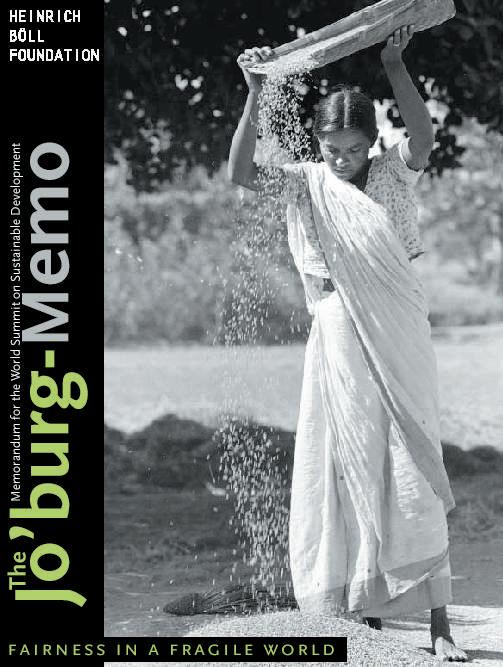
Duraiappah, A., A Conceptual Framework and Planning Guideline for Poverty Reduction through Ecosystem Management, draft, UNEP, 2002.
Poverty and Environment
Living on the edge
Many poor people live in marginal areas such as degraded coastal areas and fragmented forests.
he dependence of poor people on natural resources in marginal areas often leads to further poverty. In such fragile areas productivity is naturally low. But when poor people rely on natural resources for subsistence, those resources are more readily degraded and become less productive; that in turn causes even more poverty.
Marginal drylands: Over a billion people live in areas prone to desertifi-
cation, and half of these are in Africa. Often poor people have no choice but to cultivate or graze in these desert margins. Declining productivity and food insecurity in marginal dryland areas increase tensions and can even cause conflict (1).
Degraded coastal areas: Two-thirds of the world’s population live within 100km of the coast, populations that may depend on marine resources for subsistence. Commercial fishing activities have grown exponentially in the last half-century: nine out of the 17 major fish stocks are now exploited beyond their sustainable limits. Overfishing has a big impact on subsistence, especially of poor coastal communities
– as the numbers of fish decline, so do the harvest levels and protein intake of those who depend on them (2, 3).
Fragmented forests: The variety of goods and services from forests (food, medicines, fibre, construction, crops, livestock) are important in sustaining community needs across seasons and in times of shortage. The pressures of commercial and subsistence activities on forests degrade them and further reduce their productivity. This in turn creates greater levels of poverty among rural communities and can create conflict with private forest enterprises and the state (4, 5).
Threatened mountain ecosystems: Mountain ecosystems are diverse and productive; they are home to a tenth of the world’s people.Freshwater collected in mountain forest catchments supplies over half the global population. Yet many mountain ecosystems are very fragile and even slight changes in wind, precipitation or temperature can affect their productivity. People who live in mountain areas do not usually have other sources of income and materials; they rely on local resources to meet their food and energy needs and suffer greatly from disturbances to these ecosystems (6).
An. Ba.
1. Eswaran, H., Lal, R., & Reich, P.F., Land degradation: An Overview, in: Bridges, E.M., I.D. Hannam, L.R. Oldeman, F.W.T. Pening de Vries, S.J. Scherr, and S. Sompatpanit, Responses to Land Degradation, Proc. 2nd, International Conference on Land Degradation and Desertification, Khon Kaen, Thailand. Oxford Press, New Delhi, India, 2001.
2. Gomez, E., Fragile Coasts: Our Planet, in Oceans, UNEP, Nairobi, 1998.
3. Paul Harrison and Fred Pearce, AAAS Atlas of Population and Environment, Victoria Dompka Markham, editor, American Association for the Advancement of Science and the University of California Press, 2001.
4. Shepherd, G., Forests and Poverty: Can Poverty Reduction be Reconciled with Conservation?, talk given at ODI, London, 2 June 1999.
5. Arnold, J.E.M., & Bird, P., Forests And The PovertyEnvironment Nexus, prepared for the UNDP/EC Expert Workshop on Poverty and the Environment, Brussels, Belgium, January 20-21 1999, Revised June 1999.
6. Mountain People, Forests, and Trees: Strategies for Balancing Local Management and Outside Interests, in Synthesis of an Electronic Conference of the Mountain Forum, April 12-May 14, 1999, The Mountain Forum Network, 1999.
This publication assembles evidence on the linkages between environmental management and poverty alleviation and proposes policy opportunities.
a
This publication describes an agenda for equity and ecology and proposes changes in institutional frameworks to strengthen environmental stewardship and alleviate poverty.
Heinrich Böll Foundation, 2002 www.joburgmemo.org
ENVIRONMENT AND POVERTY TIMES - 7
DANIEL KARIUKI - “Fetching firewood” (1994)
Fairness
The Jo’burg Memo
in
Fragile World
5,000,000 10,000,000 15,000,000 20,000,000 25,000,000 30,000,000 0 2000 1995 1990 1985 1980 1975 1970 1965 1960 1955 1951 2000 1990 1980 1970 1960 1951 EVERGROWINGNUMBERSOFREFUGEES DISPLACEDPEOPLEANDASYLUMSEEKERS 100 200 400 600 800 1,000 1,200 1,400 1,300 1,100 900 700 500 300 Index 100 in 1951 Evolution of the world population Evolution of the population under the protectionoftheUNHCR Number of persons under the protection of the UNHCR Sources: UNHCR (United Nations High Commissioner for Refugees; Norwegian Council for Refugees, Geneva. W T
DFID, EC, UNDP, World Bank Linking Poverty Reduction and Environmental Management
Degraded environment,
The degradation of water, soil, air and other natural resources affects poor people in particular.
Natural resources are crucial to the rural poor for food, income and employment: farmers depend on fertile soil and water, fishermen rely on healthy water ecosystems. Large-scale commercial enterprises are often responsible for the unsustainable use of natural resources. As a result fishermen sometimes have to give up their livelihoods because of commercial over-fi-
Poor women rely on natural resources to gather food, grow crops and collect wood for fuel to support their families
shing and indigenous communities may be forced to abandon hunting and gathering on common land due to unsustainable use of forests by concessions.
All this often results in a downward spiral of poverty: food insecurity and joblessness may cause malnutrition, disease or push dependents into dangerous or illegal activities. Poor women are especially affected by degradation of natural resources since they heavily rely on these to gather food, grow crops and collect wood for fuel to support their families.
The poor are particularly dependent on natural resources, yet they generally live in the most marginal areas. Private and state firms have forced many of them off better land, which is often used to cater to the demands of people with middle- and upper-incomes (who use 84 percent of the world’s paper and consume 45 percent of its meat) (1).
Resource mismanagement (for instance, by logging concessions or mining corporations) or competition for natural resources (such as gold, coffee or gemstones, where rebel groups often vie with the state) further threaten poor communities who have few assets to help them if conflict or even war breaks out.
Improved environmental conditions would reduce the plight of the poor. Local employment could be generated by developing organic agriculture (mixed cropping,terracing),sustainable forestry, renewable energy, pharmaceutical prospecting and carbon trading initiatives. This could be coupled with the restructuring of policies - such as tighter controls on subsidies - to help promote a more equitable distribution of benefits to local communities.
Ma. Sn.
1. The Jo’burg-Memo: Fairness in A Fragile World, Heinrich Böll Foundation, Berlin, 2002.
Water is life, and because we have no water, life is miserable.
Anonymous, Kenya (1)
We know that cutting down trees will cause water shortages and that making charcoal can cause forest fires, but we have no choice.
A resident, Vietnam (2)
Subsistence
FACTS AND FIGURES
In Tanzania, half of poor people’s cash income comes from the sale of forest products such as charcoal, honey, wild fruits and firewood (5).
In 1984, due to land degradation, 135 million people could not produce enough food (1).
In Africa 65 percent of cropland is currently affected by soil degradation; this has mostly affected subsistence farmers (2).
In the least developed countries 46 percent of the population use traditional fuels; only one percent use them in the developed world (3, 4).
In Ghana, forests provide 16 to 20 percent of the food supply of the local population (3).
Over-grazing has damaged about 20 percent of the world’s rangelands and pastures, most severely in Africa and Asia (3).
Africans living in rural areas spend a large part of their time searching for water: 28 percent of people without access to water live in Africa (3).
Fish provides 20 percent of the animal protein intake of Sub-Saharan Africans (3).
Income generation
In the poorest countries, agriculture accounts for 40 to 60 percent of GDP, compared with two percent in rich countries.
Agriculture accounted for 60 percent of the total labor force in 1996; in the 1990s it made up 17 percent of Africa’s GNP (3).
… lack of fish is making us suffer from hunger… In the past we had more fish than now…. Participants, Malawi (2)
In Zambia,charcoal production provides the sole income for 60,000 people; it generates US$ 30 million (6).
The fisheries sector makes up more than five percent of GDP in Ghana,Madagascar,Mali,Madagascar,Namibia, Senegal and the Seychelles (7).
In 1997 tourism to South Africa’s wildlife parks generated a total of US$ 4.1 billion (8).
1. World Atlas of Desertification, UNEP, Edward Arnold, London, 1992. Cited in UNEP, Global Environment Outlook 3 2002.
2. World Development Report Indicators, The World Bank, Washington DC, 2001.
3. Global Environment Outlook 3, UNEP, Nairobi, 2002.
4. Human Development Report 2001 UNDP, New York.
5. Tanzania Poverty Reduction Strategy Paper, 2000. Cited in DFID et al., Linking Poverty Reduction and Environmental Management 2002.
6. Kalumiana, O., Woodfuel Sub-Programme of the Zambia Forestry Action Programme, Lusaka, Ministry of Environment and Natural Resource, 1998. Cited in UNEP, Global Environment Outlook 3, 2002.
7. Review of the State of World Fisheries Resources: Marine Fisheries, in Fisheries Circular No.920 FIPP/C920,Food and Agriculture Organization, Rome, 1997. Cited in UNEP, Global Environment Outlook 3, 2002.
8. Tourism, South African Development Community Mbabane, Swaziland, 2000. Cited in UNEP, Global Environment Outlook 3, 2002.
There are no fertilizers, and soil is getting more and more barren.
Participant, Kyrgyz Republic (2)
Finding firewood for cooking is the problem. Very soon we may have to go to the town to buy firewood. A woman, Sri Lanka (2)
There are many ways to improve the environment and reduce poverty: they include developing renewable energy and promoting organic agriculture.
ooking after the environment goes hand in hand with reducing poverty. Green alternatives (renewable energy, organic agriculture, sustainable forestry, eco-tourism, invasive plant control) can create job opportunities and recycle money in low-income countries. For instance, solar energy may in the future fulfill the energy needs of countries in the South and provide an important new source of revenue through energy exports and local consumption.
Renewable energy
Renewable energy can help both the poor and the environment. In many developing countries the cost of extending central electricity supply to remote villages is too high and means further dependence on fossil fuels. But energy generation from renewable energy can fulfill energy needs, recycle income and
maintain local jobs because of its shorter supply chain. In turn increased investment in local- and regional-level economies may discourage migration from the countryside to the cities (1). Countries in the South can avoid the unsustainable development of industrial countries by building new infrastructure for renewable energy use (2).
Organic agriculture and sustainable forestry
A number of countries have successfully introduced organic agriculture and sustainable forestry to help reduce poverty. In Chile, the successful aquaculture of scallops has created job op-
portunities and helped increase marine biodiversity; in the Amazon, the sustainable harvesting of hearts of palm has created work and prevented further deforestation (3).
Eco-tourism
Few poor communities have naturebased tourism, but well-planned, ecotourism has the potential to conserve the environment and simultaneously create opportunities for local and rural communities. Eco-tourism needs a long-term strategy - which includes careful monitoring, evaluation and preventing damage to fragile ecosystems by visitors - to ensure that tourist ex-
GLOBAL POTENTIAL OF SOLAR ENERGY
penditure (currently US$ 444 billion worldwide) strengthens local economies and does not just benefit commercial ventures and rich countries (4).
Invasive plant control
Initiatives to control invasive, alien plants have helped create work and also improved the environment. In South Africa, the Working for Water Program had great success in reducing the impact of alien vegetation on water availability and increasing jobs in some of the country’s most underprivileged areas. The nationwide alien plant control program uses mechanical, chemical and biological control methods, and has created jobs for 21,000 people and cleared 238,000 hectares of alien infested land (5).
An. Ba. and Ma. Sn.
1. Disaster Reduction,Biodiversity,Renewable Energy United Nations General Assembly, Fifty-sixth General Assembly, Resolution GA/EF/2970, Second Committee, 31 October 2001, New York, 2001.
2. The Jo’burg-Memo: Fairness in A Fragile World, Heinrich Böll Foundation, Berlin, 2002.
3. Support to Investment: Land Management, Soil Conservation and Soil Fertility, The FAO Investment Centre, FAO, Rome, 2002.
4. World Resources Report 2000 - 2001, WRI, Washington DC.
5. Working for Water, 2000, in Annual Report, Department of Water Affairs & Forestry, Pretoria.
“Water is life and we have none”
8 - ENVIRONMENT AND POVERTY TIMES
Thinking
green
IN
Million tons of oil equivalent 20 46 8 North America Western Europe Australia New-Zealand India China Former Soviet Union and Eastern Europe North Africa and Middle East South America Sub-Saharian Africa Asia and Oceania
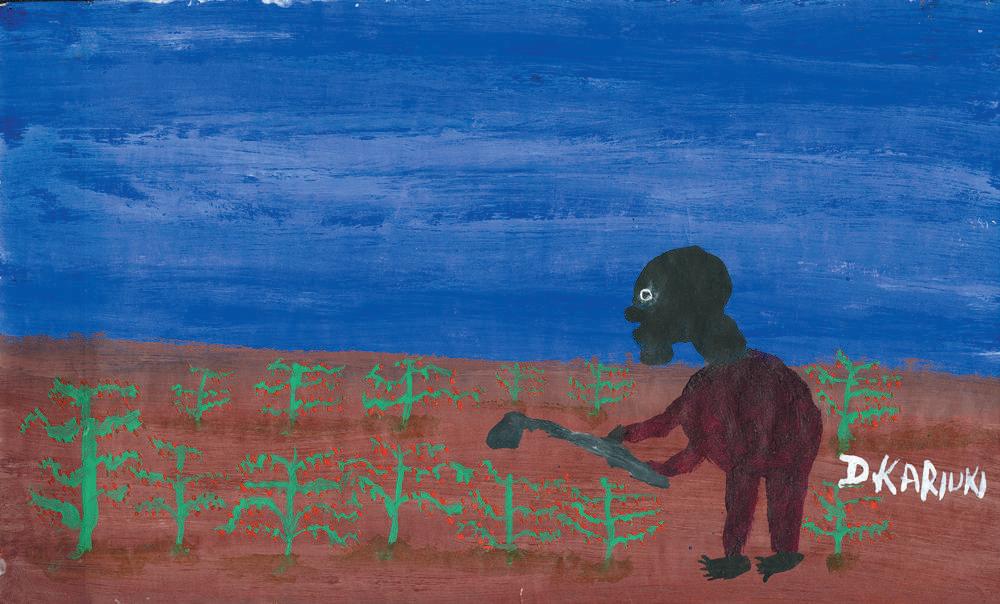
DANIEL KARIUKI - “Weeding” (1993)
THEIR OWN WORDS
1. Raj Patel, Kai Schafft, Anne Rademacher and Sarah Koch-Schulte, Can Anyone Hear Us?, Voices of the Poor series, The World Bank, Oxford University Press, New York, 2000. 2. Deepa Narayan, Robert Chambers, Meera Shah and Patti. Petesch, Crying out for Change, Voices of the Poor series, The World Bank, Oxford University Press, New York, 2000.
L
Solar energy may in the future fulfil the energy needs of countries in the South and provide an important new source of revenue
fewer choices
he destruction of the Aral Sea is a well-known example of unsustainable development. Atlases used to describe the sea as the world's fourth largest lake, with an area of 66,000 square kilometres and a volume of more than 1,000 cubic kilometres. Its waters supplied local fisheries with annual catches of 40,000 tons and the deltas of its tributaries hosted dozens of smaller lakes and biologically rich marshes and wetlands covering 550,000 hectares.
In the 1960s, planners in the former Soviet Union gave Central Asia the role of supplier of raw cotton. Irrigation was imperative, and the Aral Sea and its tributaries seemed a limitless source of water.Irrigated land was expanded from about 4.5 million hectares in 1960 to almost 7 million hectares in 1980. The local population also grew rapidly, from 14 million to about 27 million in the same period. Water withdrawal almost doubled to an annual 120 cubic kilometres, more than 90 percent of it for agriculture.
The result was the collage of the prevailing water balance in the basin. Waterlogging and salinization eventually affected about 40 percent of irrigated land.Overuse of pesticides and fertilizer polluted surface water and groundwater, and the delta ecosystems disappeared: by 1990 more than 95 percent of the marshes and wetlands had given way to sand deserts and more than 50 delta lakes, covering 60,000 hectares, had dried up.
The surface of the Aral Sea shrank by one-half and its volume by three-quar-
The disappearing Aral Sea
ters. The mineral content of the water has increased fourfold and most of the sea's fish and wildlife have died. Commercial fishing ended in 1982. Former seashore villages and towns are now 70 kilometres from the present shoreline.
Communities face appalling health problems. In Karakalpakstan, Uzbekistan, drinking water is saline and polluted, with a high content of metals that causes a range of diseases. Over the past 15 years there has been a thirty-fold increase in chronic bronchitis and in kidney and liver diseases, especially cancer and arthritic diseases have increased sixty-fold. The infant mortality rate is one of the world's highest.
Five newly independent Central Asian states are jointly working on innovative solutions through the International Fund for Saving the Aral Sea (IFAS). Focus is currently on demand management, such as through reducing water withdrawal by raising irrigation efficiency. While new approaches are being used to manage the Aral Sea Basin, increased water use in Afghanistan is anticipated to encourage the Central Asian states to revitalize old Soviet plans to divert water from northward-flowing rivers in Siberia toward Central Asia (1).
Modified from Time to Save the Aral Sea? Agriculture 21, FAO, 1998 in UNEP, Global Environmental Outlook 3, 2002.
1. Glantz Michael, Water, Climate and Development Issues in the Amudarya Basin, Report from the Informal Planning Meeting, Philadelphia, 1819 June 2002.
There is an acute need for safeguards before foreign fleets are allowed into developing countries waters. UNEP has found that these countries which open up their waters to foreign fishing fleets may lose more than they gain.
UNEP case study on Mauritania revealed that trade liberalization led to increased octopus and shrimp exports to European and Japanese markets. The fishing sector accounted for around 54 percent of foreign exchange inflows. But increased trade and over-fishing have depleted octopus and serranid stocks,which have significantly fallen in 15 years, and sawfish have disappeared. Local direct employment in the artisanal octopus fishery dropped from nearly 5,000 to 1,800 between 1996 and 2001.
The study shows that international fishing agreements is one of the primary causes. For instance in the shrimps fishery, these agreements have given foreign fleets the possibility of using more productive equipment (smaller mesh size) and have created competitive pressures on Mauritanian
producers. The study concludes that strict safeguards must be in place before fishing activities are increased. There is an acute need for tighter controls on subsidies and agreements that provide access to foreign fleets as well as for closer monitoring and enforcement of existing regulations.
Other UNEP country studies, including Senegal and Argentina, also indicate that the eventual costs, in terms of loss of income for local fishermen, environmental damage and the depletion of native fish stocks, can far outweigh the short term financial gains generated from foreign governments and fleets.

UNEP, Geneva anja.jaenz@unep.ch 1. Effets environnementaux de la libéralisation du commerce et des measures liées au commerce dans le secteur de la pêche en République Islamique de Mauritanie, Draft, UNEP, February 2002.
2. Well
he effects of war can be greater than loss of life and destruction of property. Wars can affect the air we breathe, the water we drink, the soil our agriculture depends on and the biodiversity that sustains us. These environmental impacts are felt particularly by the poor, especially poor women in rural areas, many of whom are the sole provider for families with the loss of adult male members from the conflicts.
Unless the environmental damage of conflict is acknowledged and remedied, human health, welfare and sustainable economic development will be threatened long after peace agreements are signed. The political and social stability of a post-conflict country can be undermined in the long term if the links between poverty, sustainable resource management and the equitable allocation of resources are not taken into account during the recovery process. Recent experiences from Yugoslavia and Afghanistan have shown that conflict can affect the environment in a number of ways in both the short and long term.The poor are particularly affected due to their greater reliance on environmental services, lack of access to information and inability to move from impacted sites or purchase non-contaminated goods.
During the 1999 Kosovo conflict,images of blazing refineries, toxic chemicals leaking into the Danube River, and bomb craters in protected areas began to compete with those of thousands of refugees fleeing their homes to escape the crisis. Neighbouring countries in the Balkans also began to fear the effects of transboundary air- and waterborne pollution. While some people could move away from the sites, or buy safe food and water,impoverished people had no such option.And they lacked the resources to call national attention to the issues. Assistance was eventually provided by UNEP by raising US$ 11.2
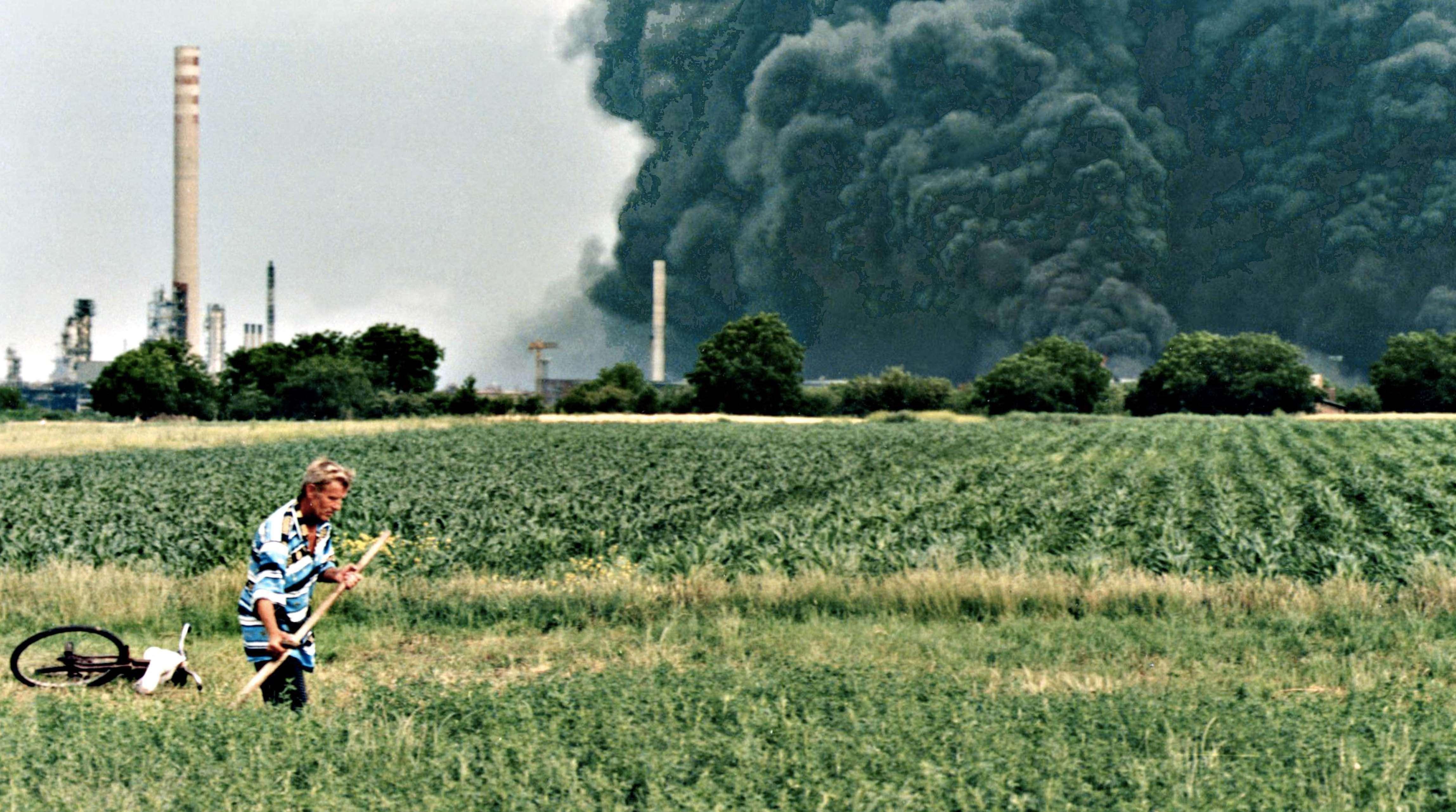
million for clean-up operations.
While Yugoslavia faced immediate health threats from bombed industrial sites, Afghanistan faces a legacy of environmental neglect, over-exploitation and an almost total lack of natural resource management due to thirty years of conflict. Loss of forests reduces the availability of a range of products. Deforestation also increases soil erosion and affects the availability of groundwater. Lack of sanitation and waste management is polluting water resources and causing serious epidemics and deaths. Overgrazing, soil and water mismanagement and drought are crippling the productivity of agricultural areas and undermining the ability of the country to feed itself. As Afghanistan is a country where nearly 80 percent of the population depend on the environment for their daily survival, assistance is urgently needed to address these problems. Failure to do so will exacerbate the extreme poverty faced by the Afghan people. This is especially true for the two million refugees that are expected to return in 2002, who will
rely on managed sustainability to meet their immediate and longterm needs. Experience gained from Yugoslavia and Afghanistan shows that post-conflict countries share one predominant characteristic: there are strong and critically important links between environmental damage, human health and sustainable development. These links must be made clear to the international community,central and regional government bodies and local communities so that the environment will be firmly placed on the recovery agenda and integrated into the reconstruction process.
Failure to do so will undermine sustainable development in the long term, create disputes over diminished resource bases and lead to greater poverty and instability – the prerequisites for further conflict.
Jensen and Peter Zahler UNEP Post-Conflict Assessment Unit david.jensen@unep.ch peter.zahler@unep.ch
David
Rough seas for Mauritania's fish In the ashes of conflict ENVIRONMENT AND POVERTY TIMES - 9
Anja Jaenz
Managed Fisheries Vital for Environmentally Friendly Development in Poor Parts of the Globe UNEP, Press Release 15 March 2002.
Nukus Kyrghyzstan Almaty Bishkek Tashkent Saratov Samara Ufa Cheliabinsk Magnitogorsk Omsk Barnaul Novokuznetsk Zaizan Semei (Semipalatinsk) Ekibastuz Pavlodar Karaganda Astana Kiziliar (Petropavlosk) Dzhezkazgan Ateraou Oral Aktobe (Aktyubinsk) Kustanay Rudnyy Chimkent Karataou Tourgai Arkalyk Aral Kokchetau Aktau Ayaguz Kazakhstan Dushanbe Samarkand Bukhara Uzbekistan Khodjent Tajikistan Ashkhabad Iran Afghanistan Pakistan Caspian Sea Turkmenistan Russia Lake Balkhash China Karakalpakstan Russia Djamboul KENKYAK TENGUIZ KARAZHANBAS Kyzyl-Orda Saryshagan Tyuratam Emba Oksemen (East-Kamenogorsk) Aksu Turkestan Volga KOTUR-TEPE Ferghana Baku Kurgan-Tyube Osh Mary Chardzou Navoi Nebit-Dag Tashauz Urgentch Taldy-Kurgan Temirtau Lake Tengiz Aral Sea Oural Tobol Ichim Irtych Syr-Daria Amu-Daria Ochkydyk Shores of Aral Sea in 1950 Oil exploration Dangerous defence industries (chemical, nuclear and biological) Lakes, seas (1), rivers (2) and groundwater (3) contaminated by industrial or agricultural pollution Salinization Wind erosion Desertification Overgrazing Seriousatmospheric pollution Radioactive contamination Dangerous industrial waste storage (1) (2) (3) Sources:RubenMnatsakanian, L’Héritage écologique du communisme dans les républiques de l’ex-URSS Frison-Roche, Paris, 1994 ; Atlas of the USSR (in Russian), Moscow,1985. 200 400 0 600 km Between June 2000 and 2001, Vozrojdeniya Island joined the mainland in the south. 1957 based on a map 1977 based on a satellite image 1982 based on a satellite image 1984 based on a satellite image 1993 based on a map November 2000 based on a satellite image June 2001 based on a satellite image In 1989-1990 the Aral Sea separated into two parts, creating the “Large Aral” and the “Small Aral”. Sources: Nickolai Denisov, GRID-Arendal, Norway; Scientific Information Center of International Coordination Water Commission (SIC ICWC); International Fund for Saving theAral Sea (IFAS); The World Bank; NationalAstronautics ans SpaceAdministration (NASA); United States Geological Survey (USGS, Earthshots : Satellite images of environmental change); United States Department of the Interior, WILL THERE BE WATER LEFT IN THE ARAL SEA BASIN ? CENTRAL ASIA IN
T A T “The effects of war fall disproportionately upon the poor - rural farmer in Yugoslavia” JUNE 2002 PHILIPPE REKACEWICZ
DANIEL KARIUKI - “Training how to catch fish” (1993)
PERIL
Polluted water and air cause ill- health and premature death and poor people are the main casualties.
ndustries that supply goods primarily to the world’s middle and upper income groups are largely responsible for air and water pollution. Yet it is the poor who suffer most of the ill-
also exposed to environmental contamination, particularly through agrochemicals. Since the Green Revolution the pesticides, insecticides, fungicides and herbicides used by large-scale farms have contaminated ground and surface water, and in turn fish, birds, animals and people. Illiterate farmers who use dangerous agrochemicals without proper training or preventative clothing are at high risk of chemical exposure (5).
1. The Jo’burg-Memo: Fairness in A Fragile World, Heinrich Böll Foundation, Berlin, 2002.
2. Oodit, D. and U. Somonis, Poverty and Sustainable Development, in Sustainability and Environmental Policy, ed. Ditetz, U. Somonis, and J. van der Straaten, Berlin, 1992. Cited in Duraiappah, Poverty and Environmental Degradatation: A Review and Analysis of the Nexus,1998.
Pollution means
3. Poverty Trends and Voices of the Poor, The World Bank, Washington D.C., 2001.
4. Murray, C and A. Lopez, The Global Burden of Disease Harvard University Press, Cambridge, MA,1996. Cited in DFID et al., Linking Poverty Reduction and Environmental Management, 2002.
FACTS AND FIGURES
5. DFID et. al. Linking Poverty Reduction and Environmental Management: Policy Challenges and Opportunities, 2002.
6. Esrey, S., J. Potash, L. Roberts, and C. Shiff, Effects of Improved Water Supply and Sanitation on Ascariasis, Diarrhea, Dracunhliasis, Hookworm, Infectionary Schistosomiasis and Tracoma. Bulletin of WHO 6515, 1999.
health, injury and early death caused by this environmental contamination (1). Two-fifths of the world’s population – mostly in developing countries – live in towns and cities where pollution levels (outdoors and in) are unsafe (2). Inadequate water supply and contaminated water are responsible for ten percent of all disease in developing countries (3).
The urban poor often live close to factories where they are exposed to dangerous emission levels. People living in urban slums further face the hazard of insufficient potable water, water sanitation and waste removal: each year three million people in developing countries die from water-related diseases such as cholera and malaria (4).
Poor communities in rural areas are
Improving water facilities (latrine development etc.), giving industries incentives to reduce pollution (imposing taxes) and supporting organic agriculture and mixed cropping could reduce environmental contamination. A study of 144 water sanitation initiatives, for example, found that improving water facilities can reduce death (from diarrhea etc.)
Water degradation
Hundreds of millions of people are affected by waterrelated diseases and five million people die from them each year, mostly in developing countries (1).
Ninety percent of wastewater in developing countries is discharged untreated directly into rivers, streams, lakes and coastal waters (2).
The number of people with improved water supplies increased from 4.1 billion in 1990 to 4.9 billion in 2000. But still 1.1 billion people – mostly living in Africa and Asia – do not have access to potable water and 2.4 billion lack adequate sanitation (3).
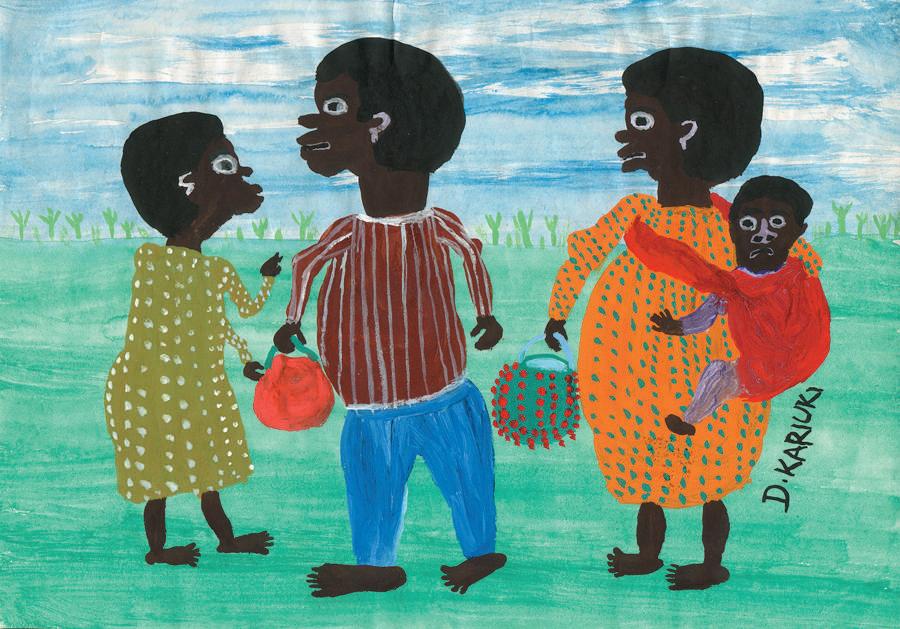
3. Global Water Supply and Sanitation Assessment 2000 Report, World Health Organization and United Nations Children’s Fund, Geneva and New York, 2000. Cited in UNEP, Global Environment Outlook 3, 2002.
4. Environment in the European Union at the Turn of the Century, in Environmental Assessment Report, No. 2, EEA (European Environmental Agency), Copenhagen,1999. Cited in Revenga et al., Pilot Analysis of Global Ecosystems: Freshwater Systems, 2000.
5. Gwatkin, D. and M. Guillot, The Burden of Disease among the Global
Poor: Current Sanitation, Future Trends and Implications for Strategy, Working Paper, Global Forum on Health Research, 1999. Cited in World Bank, Poverty and Environment, 2000.
6. Guidelines for Air Quality, World Health Organization, Geneva, 1999. Cited in UNEP, Global Environment Outlook 3, 2002.
7. World Resources 1998-99, World Resources Institute, Washington DC. Cited in UNEP, Global Environment Outlook 3, 2002.
by 65 percent and that improved hand washing can reduce under-five mortality rates by 60 percent (6). Many industrialized countries have adopted such measures and have managed to reduce air and water pollution.
Ma. Sn.
In Western Europe the percentage of heavily polluted rivers declined from 24 percent in the late 1970s to six percent in the 1990s (4).
Air pollution
Respiratory infections are one of the biggest causes of death amongst the poor, responsible for 13 percent of deaths (compared with five percent of deaths among those not classified as poor) (5).
In 1992 76 million people living in urban areas were exposed to air pollutant concentrations exceeding WHO guidelines (1).
In developing countries 1.9 million people die each year because of indoor air pollution exposure and 500,000 die as a result of outdoor pollutant levels (6).
In Columbia and Mexico women are 75 times more likely than the average person to develop chronic lung disease due to indoor air pollution (7). To help deal with indoor air pollution in India in 2000, 22 million improved cooking stoves were provided and 3 million biogas planted. This has resulted in reducing firewood use by 21 million tonnes (8).
Pollution from sulfur oxides declined in Western and Central Europe during the past ten years (9).
1. Global Environment Outlook 3, UNEP, Nairobi, 2002
2. World Resources 1996-1997, WRI, New York. Cited in WRI et al., World Resources Report 2000 – 2001, Washington DC, 2000.
TRANSBORDER POLLUTION OVER EUROPE
Radiation and sulphur emissions
8. Indian Ocean Haze Traced to Chulha Smoke, Aerosols, Times of India
17 October 2000. Cited in UNEP, Global Environment Outlook 3, 2002.
9. Global Environmental Outlook – 2000; UNEP’s Millennium Report on the Environment, UNEP, Nairobi, 1999.
“When the water is brown, we call it tea”
10 - ENVIRONMENT AND POVERTY TIMES
DANIEL KARIUKI - “Happy family” (1992)
Each year three million people in developing countries die from waterrelated diseases. Improved hand washing can reduce under-five mortality rates by 60 percent.
Norwegian Sea North Sea Mediterranean Sea BlackSea Atlantic Ocean English Channel France Croatia SloveniaHungary Austria Czech RepublicSlovak Republic Poland Italy Latvia Lituania Denmark Belgium Germany Netherlands Switzerland Romania Lux. Belarus Ukraine Moldova Finland Estonia Russian Federation Norway Sweden Kazakhstan Greece United Kingdom Ireland Spain Sources: Atlas des dépôts de césium 137 en Europe après l’accident de Tchernobyl, rapport EUR 16733, Bureau des publications de la Communauté européenne, Luxembourg, 1996.Adapted from Le Monde Diplomatique, July 2000. 0 500 1 000 km UNEP G R I D Arendal less than 2 2 to 10 10 to 40 40 to 185 more than 1,480 KiloBecquerels (KBq) per square metre 185 to 1,480 No data Chernobyl plant Sources: UNEP/GRID-Arendal, European Environment Agency; AMAP Assessment Report : Arctic Pollution Issues, Arctic Monitoring and Assessment Programme (AMAP), 1998, Oslo; European Monitoring and Evaluation Programme (EMEP); Co-operative programme for monitoring and evaluation of the long range transmission of air pollutants in Europe, 1999. Adapted from Le Monde Diplomatique, July 2000
2,000 7,000 25,000 75,000 50 100 200 500 1,000 2,000 Sulphuremissionsattheendof1990’s(tonsperyear) Sulphur emissions in 1997 (mg per m2 and per year) I ENERGY EFFICIENCY GENERALLY IMPROVES WITH ECONOMIC GROWTH... BUT GREENHOUSE GASES INCREASE TOO 0 0.5 1.0 1.5 2.0 2.5 3.0 0 5 10 15 20 25 30 Energy use (kilograms of oil equivalent) Per unit of GDP (1995 dollars) Industrial CO2 in 1998 Metric tonnes per capita Low income High income Low income High income South Asia Sub-Saharan Africa East Asia and Pacific Europe and Central Asia Middle East and North Africa Source: A Better World for all 2000 IMF, OECD, UN and World Bank Latin America and Caribbean High-income countries Sub-Saharan Africa South Asia East Asia and Pacific Middle East and North Africa Europe and Central Asia Latin America and Caribbean High-income countries Greenhouse Gases Energy use and Wealth RADIATION FROM CHERNOBYL JUNE 2002 PHILIPPE REKACEWICZ JUNE 2002 PHILIPPE REKACEWICZ
bad health
In 2000 UNEP called the former Albanian pesticide and chemical plant at Durrës “an environmental disaster”. The plant is responsible for acute human suffering.
n 1990 Albania legalised migration after 40 years of government repression and poor people (mostly from the mountainous north of the country) left their villages in search of better economic prospects near the two largest cities Tirana and Durrës. That year the Durrës plant, which had manufactured pesticides such as the now banned lindane and thiram,and sodium dichromate for leather tanning, was closed during an economic downturn. Today thousands of people live on the contaminated land surrounding the plant.
The area of greatest concern is the site of the plant itself. The grounds are contaminated with lindane and chromium residues. Families have built homes using contaminated bricks from the disused factory; children play on toxic soil; and cows, goats and sheep that supply milk and food to residents graze the contaminated grounds and drink polluted well water.
Lindane (gamma-HCH) is one of the most dangerous chemicals and is associated with liver cancer. It persists in the environment and accumulates in the food chain. UNEP soil samples at the Durrës site showed extremely high HCH isomer concentrations, in the range of 1,290 mg/kg to 3,140 mg/kg. In Holland intervention is required when soil concentrations of HCH isomers exceed 2 mg/kg.
UNEP took a water sample from a well at the site and found 4.4 mg/litre of chlorobenzene, over 4,000 times the acceptable level for drinking water in some EU countries. Repeated exposure to large quantities of chlorobenzene can affect the nervous system, bone marrow, and internal and reproductive organs.
Chromium contamination of groundwater supplies is another major concern.Thousands of tons of soil contaminated by chromium and other waste have been dumped near the former factory, and there are no barriers to prevent leaching of contaminants to the water table below.
The situation at the Durrës site has not improved since 2000 when UNEP called it “one of the worst environmental hot spots in the Balkans” (1). Although UNEP called for an emergency response, evacuating the area and putting up barriers to prevent inhabitation, the authorities have taken no action, and access to the site is still unrestricted.
Poverty remains a persistent problem in Albania. The country’s 2001 Growth and Poverty Reduction Strategy stated that in 1998 nearly half of all Albanians (46.6 percent) were living on less than two dollars a day. One in six (17.4 percent) were living in extreme poverty on less than a dollar a day. Poverty in Albania’s rural regions is twice that of urban areas, and about half of the country’s poor are self-employed in agriculture. Not surprisingly the poor – such as those living at the former Durrës factory – have higher disease rates and lower access to medical services.
WHEN THE INDOOR AIR IS BAD
The real cost of fuel
The burning of biomass causes respiratory diseases and problems related to pregnancy, and results in illness and premature death among poor women and children.
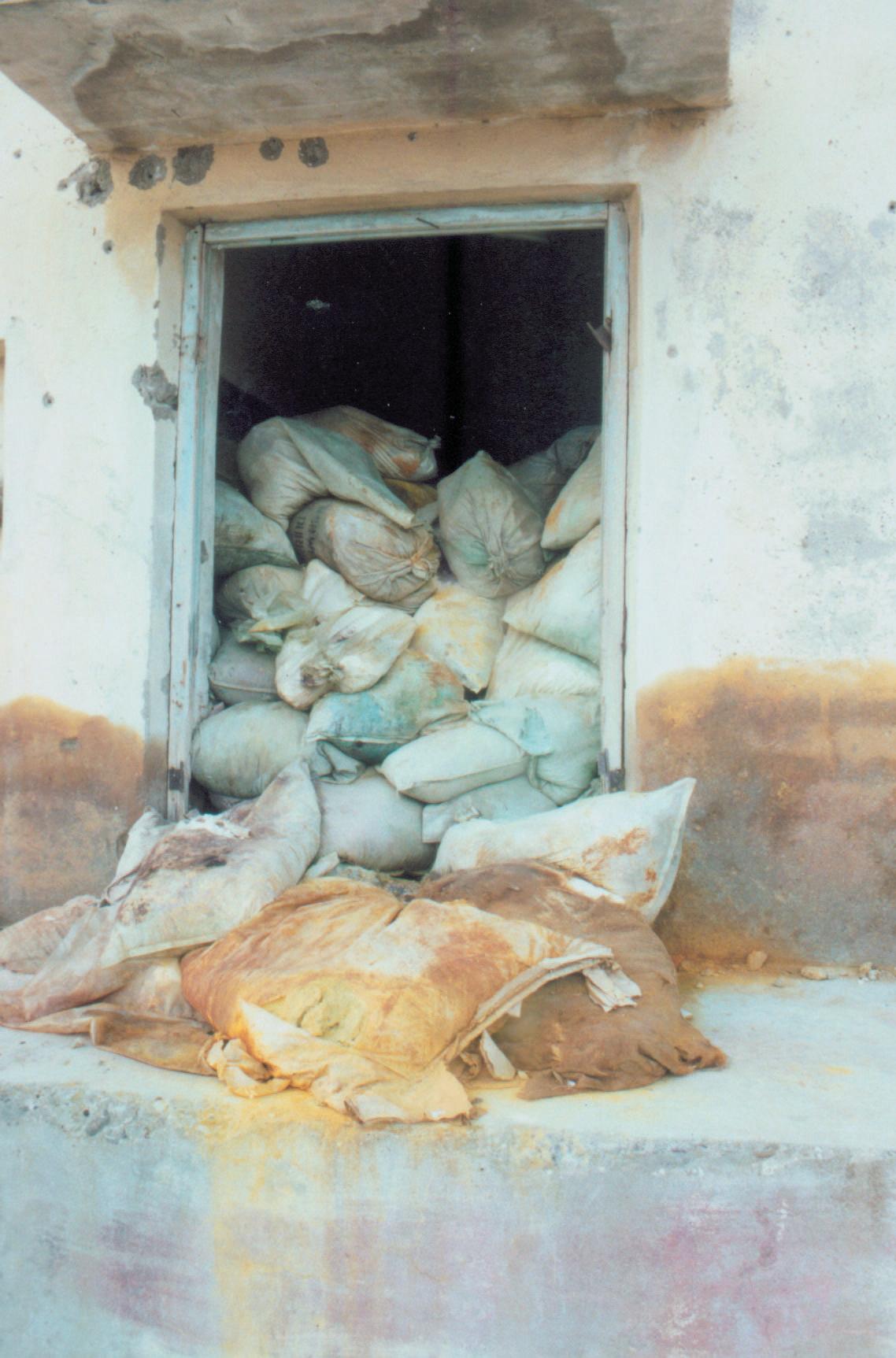
n rural areas the lack of access to electricity and its high cost (as well as that of electrical appliances) force many poor communities to use traditional biomass fuels such as wood, crop residues and dung for cooking and heating. Burning this biomass releases harmful air pollutants (SO2, CO2, NOX, hydrocarbons, soot particles) that are associated with acute respiratory infections, chronic lung diseases, cancer and pregnancy-related problems (1).
Women are particularly susceptible to the health consequences of indoor air
Indoor air pollution, resulting from the burning of wood and other biomass fuels for cooking and heating, is estimated to kill two million women and children each year.
pollution since traditionally they do the cooking – often in poorly ventilated spaces. Babies and children, who spend much of their time at home, are also vulnerable to indoor smoke. In India, three-quarters of all households use traditional fuels and half a million women and children die each year from related health problems (2). And in the Gambia, children strapped to their mother’s backs during cooking are six times more likely to develop respiratory infections (2).
In addition to the severe health consequences of indoor pollution, the gathering of traditional biomass (fuel, firewood) has resulted in the degradation of forests and woodlands, in turn causing soil erosion and watershed protection loss. The use of more efficient stoves and alternative energy sources (hydroelectric, solar, wind) are ways to minimize the health impact –and the ecological consequences – of the gathering, use and burning of biomass.
An. Ba. ballance@grida.no
1. World Resources 1998-99: Environmental Change and Human Health, WRI, UNDP, UNEP & World Bank, Washington DC, 1998.
2. Indoor Air Pollution: Fighting a Massive Health Threat in India, World Bank, Washington DC, 2000.
There have, however, been some positive developments. In 2001 Albania created its first environment ministry and committed itself to meeting poverty reduction targets and intervening in key hot spots. And the World Bank is considering a project to clean up the Durrës site. With government funds in short supply, the help of the international community means families in Durrës could look forward to a brighter day.
John Bennett Bennettandassoc@aol.com
1. Post Conflict Environmental Assessment, Albania, UNEP, 2000.
IN THEIR OWN WORDS
Sometimes... the water is brown, We call it tea, but we drink it anyway
Anonymous, Cameroon (1)
Poor places keep people poor. And poor places also kill. Anonymous (2)
Everything is contaminated, land, water, plants, and people A community member, Ecuador (2)
One of the worst environmental hot spots in the Balkan Health and haze
POVERTY MAPPING IN SOUTH AFRICA
Containing cholera
ata and maps on poverty,sanitation,safe and clean water and the incidence of cholera were used to help contain the spread of cholera in the Kwazulu Natal province in January 2001. Poverty and cholera data sets showed that the cholera outbreak followed a river flood plain and moved through and towards poor areas (1).
The use of the data sets helped to produce a swift, well-coordinated response from national to local government departments (health, water, etc.), who agreed to:
provide safe water in tankers and portable toilets in affected areas; develop refresher epidemiology training and reassign health personnel to affected areas;
develop health education and awareness of good hygiene practices in both affected and other potentially high-risk areas; provide health material and additional health services in affected areas.
This response led to the containment of the outbreak within three months. It meant that fewer people died (the death rate was 0.22 percent among 100,000 cases) and helped prevent a massive outbreak across the country. The collation and use of information from different research and administrative sources encouraged collaboration between various institutions, provided an opportunity to offer integrated services, and prompted calls for further research on social and environmental data to help future planning and mitigation activities (to respond to flooding, fires and drought).
Miriam Babita Statistics South Africa, Miriam@stats.sa
1. Mathilde Snel and Norbert Henninger, A Review of the Development and Use of Poverty Maps: 14 Case Studies, draft, WRI and UNEP/GRID-Arendal, 2002.
FOREST FIRES IN INDONESIA
n 1997 and 1998 dry weather conditions, coinciding with a severe El Niño and land-clearing activities, resulted in the most extensive forest
fires on record in Indonesia
In 1997 alone haze caused by air pollutants from fire spread for more than 3,200 kilometers, covering six Southeast Asian countries. In the Malaysian state of Sarawak, air pollution reached one the highest recorded indices at 839 g/m3 (levels over 301 g/m3 are equal to smoking 80 cigarettes a day). The fires in Southeast Asia put 20 million people at risk of respiratory problems and cost US$ 1,400 million in healthcare (1).
In June 2002 the environment ministers of the Association of Southeast Asian Nations signed the ASEAN Agreement on Transboundary Haze Pollution, providing the first regional arrangement to tackle haze from land and forest fires.
Surendra Shrestha UNEP Regional Resource Center, Asia Pacific surendra@ait.ac.th
1. Global Environment Outlook – 2000; UNEP’s Millennium Report on the Environment, UNEP, Earthscan, London, 1999.
ENVIRONMENT AND POVERTY TIMES - 11
0 100 km Nkanala Hlabisa Lower Umfolozi Eshowe Lower Tugela Durban Port Shepstone Alfred Very High High Medium Low Very Low Household poverty Core zone of illness Direction of illness District reporting of cholera cases (January 2001) Localisation of cholera
Sources: Statistics South Africa (www.statssa.gov.za), World Bank and South African Department of Health. Adapted by UNEP/GRID-Arendal “Chemicals stored Durrës, Albania 2000.”
POVERTY AND CHOLERA IN KWAZULU-NATAL JANUARY 2001
1. Julia Bucknall, Christiane Kraus, and Poonam Pillai, Poverty and Environment Environmental Strategy Papers,
2001. 2. Dying for Change: Poor People’s Experience of Health and Ill-Health, WHO and The World Bank, Washington DC, 2002. 0 1 000 km Source: Global Environment Outlook (GEO 2), UNEP-Earthscan, London, 1999. AerosolIndex 1.0 1.5 2.0 2.5 3.0 3.5 4.0 Indonesia Philippines Malaysia Australia Papua New Guinea Mainfires I I D I SMOG OVER SOUTHEAST ASIA IN 1997
Smith, K., Pollution Management in Focus The World Bank, Washington DC,1999.
The World Bank,
Natural disasters,
the whim of nature”
Environmental disasters affect poor countries in particular, with disproportionate numbers of deaths,displacements and damage to infrastructure. Furthermore, adapting to the negative impacts of global climate change – that could include declining harvests, spread of disease and decreasing water supplies – will be more costly for low-income countries.
he poor suffer most from environmental disasters and are more vulnerable to fluctuating climate because:
they live in areas that are at high risk to natural disasters and extreme weather ;
they live in poorly built,shelter that is easily damaged in the event of a disaster;
they live in areas with few or no early warning programmes; they have few assets and a weak social safety net to help them cope with disasters and variable weather.
From 1990 to 1998, 97 percent of all deaths related to natural disasters were in developing countries (1). Hurricanes, earthquakes, landslides etc. caused unnecessarily high death tolls and damage in low-income countries. But poor people have also been especially vulnerable to less sudden, long-term environmental
changes: millions have suffered from undernourishment or died of hunger during droughts and flooding.
There is growing evidence that degradation of the environment will cause further long-term climate change and extreme weather. Rich industrialized nations emit most of the carbon responsible for climate change,but low-income countries will suffer most from the impacts of climate change. Climate change could result in a decline of agricultural production in many tropical and subtropical areas that already face food deficits, and could displace millions of people, decrease water availability and allow for the greater spread of diseases such as Malaria. In India alone, climate change by 2020 may decrease wheat, maize and rice yields by five to ten percent (2).
To mitigate the impacts of natural disasters and decrease the likelihood of climate change,we need to improve urban planning, encourage afforestation and water conservation, enforce stricter building standards, strengthen social support programmes and develop long-term initiatives to combat climate change.
Ma. Sn.
1. World Development Report Indicators 2001, The World Bank, Washington DC, 2001.
2. DFID et al., Linking Poverty Reduction and Environmental Management: Policy Challenges and Opportunities, 2002.
Deaths and displacement
FACTS AND FIGURES
More than 90 percent of all deaths caused by natural disasters were from droughts, floods and windstorms (1).
In 1999 the US reported two to three times as many disasters than Bangladesh; yet in Bangladesh disasters caused 34 times more deaths (2).
Agrochemical use affects 25 million agricultural workers each year and kills hundreds of thousands (3).
Unsafe settlements
One billion people live in unplanned shanty towns; 40 out of the world’s 50 fastest growing cities are in quake zones; ten million people live under constant threat of floods (1).
Changing climate
Global climate change is predicted to increase the risk of flooding in Bangladesh by 20 percent –affecting especially poor people that currently live in flood plains (4).
Developing countries in semi-arid zone are speculated to be particularly hard hit by reduced water availability resulting from global climate change (5).
Between drought and flood
ver the last 30 years increasing numbers of people have been affected by severe flooding, drought and variable climate in the Sahel.
Millions of Africans have sought refuge from these disasters. These peoples have often had to settle on marginal areas; where some have faced social tensions with new neighbouring communities (1). Poor people all over Africa are vulnerable to droughts and floods since many depend on rain-
fed agriculture as their main means of subsistence and often live in degraded areas susceptible to rainfall variation (cleared of trees and vegetation).
Poor harvests due to rainfall variability have led to famine and have badly disrupted African economies (that rely on agricultural exports as a major source of foreign earning). There have also been outbreaks of disease - due to poor sanitation - after floods, cyclones, volcanic eruptions, and earthquakes. Many African countries cannot afford to import food and medical supplies or repair infrastructure when there are natural disasters.
Drought: The most prolonged and widespread droughts occurred in 1973 and 1984, when almost all African countries were affected, and in 1992, when all southern African countries experienced extreme food shortages. In 1973 alone, drought killed 100,000 people in the Sahel (2).
Flooding: In 1998 many parts of East Africa experienced record rainfall (up to ten times the usual amount) and disastrous flooding. In Uganda alone more than 10,000 people were affected, directly or as a result of ensuing cholera epidemics; 40 percent of the main roads were destroyed and the country became
Economic damage
During the 1984 drought in Burkina Faso, the income of the poorest third rural households dropped by 50 percent in some areas (7).
The average cost of natural disasters as a percentage of the GDP is 20 percent higher in low-income countries than in rich industrialized countries. During the 1991-1992 drought in Africa, agricultural growth and total output slowed in Malawi, South Africa, Zambia and Zimbabwe. In Zimbabwe alone GDP declined by 9.5 percent in 1992 (6).
1. World Disaster Report 2001: Focus on Recovery,IFRC (International Federation of Red Cross and Red Crescent Societies). Cited in UNEP, Global Environmental Outlook 3, 2002.
2. Assessing Human Vulnerability due to Environmental Change: Concepts, Issues, Methods and Case Studies, UNEP, DEWA and TR, Nairobi 2000. Cited in UNEP, Global Environmental Outlook 3, 2002.
3. Scherr, S., Poverty-Environment in Agriculture: Key Factors and Policy Implications, in Poverty and Environment Initiative Background Paper 3, UNDP, New York,1999. Cited in DFID et al., Linking Poverty Reduction and Environmental Management, 2002.
4. DFID et al., Linking Poverty Reduction and Environmental Management, 2002.
5. Frankhauser, S., Valuing climate change: the economics of the greenhouse, Earthscan, London, 1995.
6. World Development Report 2000/2001. The World Bank, Washington DC.
heavily dependent on food imports and aid (3).
Cyclones and Storms: In May 2002 Cyclone Kesiny hit Madagascar affecting more than half a million people, making them homeless or in need of emergency food, shelter and drinking water. Up to 75 percent of the crops were destroyed, 20 people died and 1,200 were injured (4).
Volcanic Activity: In January 2002 Nyiragongo erupted affecting most inhabitants of Goma (350,000), and killing 147 and displacing 30,000 (5).
Earthquakes: In December 1999 an earthquake hit northwest Algeria, measuring 5.2 to 5.5 on the Richter scale, killing 22 people and hospitalizing 49. Three thousand houses were destroyed and 5,000 families (25,000 people) were affected (6). An. Ba
1. Statistics Database, OFDA (United States Office for Disaster Assistance), 2000.
2. Gommes, R. and Petrassi, F., Rainfall Variability and Drought in Sub-Saharan Africa Since 1960, in FAO Agrometeorology Series Working Paper, No 9, FAO, Rome, 1996.
3. State of the Environment Report for Uganda 1998, NEMA Kampala, 1999.
4. International Disaster Situation Reports, Centre for International Disaster Information,2002,available at http://www.cidi.org/disaster.
5.Global Environment Outlook 3, UNEP, Nairobi, 2002
6. Algeria Earthquake, OCHA (United Nations Office for the Coordination of Humanitarian Affairs), Situation Report, No. 1, December 23, 1999.
IN THEIR OWN WORDS
The poor live at the whim and mercy of nature.
Anonymous, Kenya (1)
As if land shortage is not bad enough we live a life of tension worrying about the rain: will it rain or not? There is nothing about which we say, “this is for tomorrow.” We live hour to hour.
A woman, Ethiopia (2)
The atmosphere is not rewarding us; lately the climate has been adverse.
A poor male farmer,Bolivia (2)
1. Raj Patel, Kai Schafft, Anne Rademacher, and Sarah Koch-Schulte, Can Anyone Hear Us?, Voices of the Poor series, The World Bank, Oxford University Press, New York, 2000.
2.Deepa Narayan,Robert Chambers,Meera Shah and Patti. Petesch, Crying out for Change,Voices of the Poor series,The World Bank, Oxford University Press, New York, 2000.
“At
12 - ENVIRONMENT AND POVERTY TIMES
0 500 km Ghana Nigeria Togo Burundi Kenya Uganda Rwanda Tanzania Cameroon Central African Rep. Congo Gabon Equatorial Guinea Sao Tome e Principe Democratic Republic of the Congo Djibouti Ethiopia Somalia Egypt Sudan Angola Malawi Mozambique Zambia Zimbabwe South Africa Botswana Lesotho Namibia Swaziland Comoros Madagascar Eritrea Algeria Libya Morocco Tunisia Burkina Faso Mali Mauritania Niger Chad Gambia Guinea GuineaBissau Liberia Senegal Sierra Leone Benin Ivory Coast Western Sahara Somaliland Halaïb Casamance Touaregs Mayotte (France) Sources: Map originally created by Sylvie Brunel and Cécile Marin. Human Development Report, UNDP, 1996; Ramsès 1994, Dunod; Total Call of the HCR Examination of the Programs, HCR, 2001; The State of Food Insecurity in the World, FAO, Rome, 1999; Populations en danger, Médecins sans frontières - Lepac, La Découverte, 1995; Interventions, Action internationale contre la faim, 1994; Le Monde peut-il nourrir le monde?, Les Clés de la planète, hors-série no.1, Croissance, Paris, 1998. Main areas of famines during the last thirty years Food shortages Chronic malnutrition (less than 2,300 calories per capita daily, in 1995-1997) Main conflicts in the 1990s
Source: The Office of US Foreign Disaster Assistance (OFDA); The Centre for ResearchontheEpidemiologyofDisasters (CRED); International Disaster Database, available www.cred.be/emdat; Université Catholique de Louvain, Brussels, Belgium. PEOPLE AFFECTED BY NATURAL DISASTERS IN AFRICA FROM 1971 TO 2001 HUNGER AND CONFLICTS IN AFRICA Drought Flood Famine Epidemic related to natural disasters
O Millions of people affected Ethiopia:57 Less than 0.1 0.5 1 5 10 More than 10
T
insecurity
he term "food security" has a different meaning according to where you are. In a rich country it means concern about the quality of the food on your plate. In a poor country it means uncertainty about whether there will be anything to eat at all.
Niger: hunger warning
In Niger, one of the world's poorest countries, people are far more concerned about the availability of food than its quality. In some areas, particularly in August and September when one crop runs out and the next is not ready to harvest, people eat very little – some days nothing at all. When they run out of proper food, they eat roots. Every year many die of hunger in Niger.
Yet income from the country's uranium reserves had once made people hopeful of economic and social development. But landlocked Niger has been hit by an unprecedented economic crisis that has ended almost all uranium mining activities. And it has suffered greatly from erratic climate over the last 30 years, with severe droughts in 1974, 1976 and 1983. There have been numerous international initiatives to prevent the population from being drawn into a spiral of worsening poverty – but it is African countries themselves that have launched the most innovative initiatives to fight starvation (with financial support from rich countries).
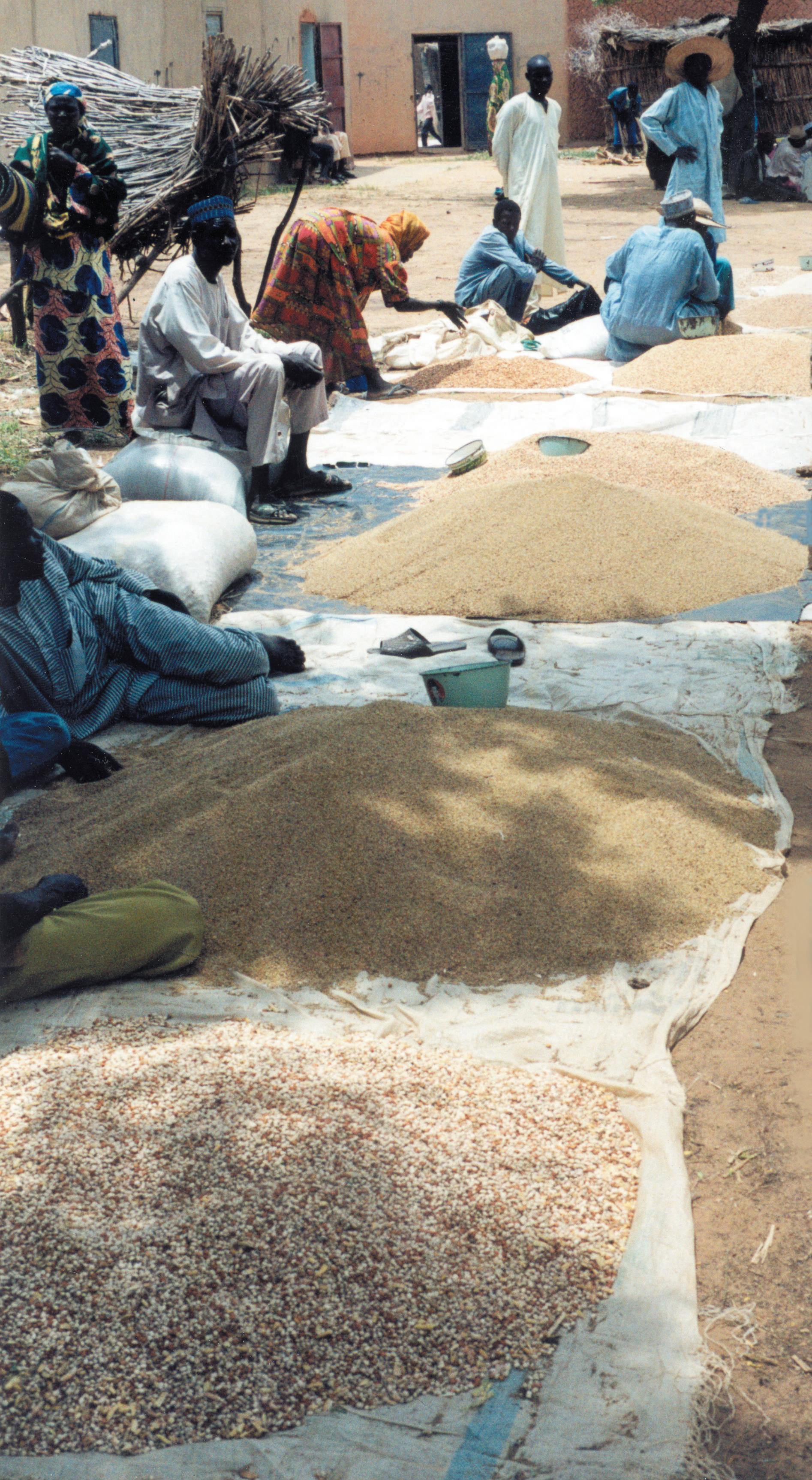
The Agrhymet centre in Niamey – the technical arm of the Permanent Interstates Committee for Drought Control in the Sahel (CILSS) – has developed a method for detailed analysis of food and farming risk prevention.It involves comparing databases, land surveys, agro-climatic models and satellite images.Most of Niger is desert and only a thin strip in the south can be farmed. Even here farming is difficult since rainfall is irregular, spread over a rainy season of two to four months, and overall rainfall has substantially decreased over the last 20 to 30 years.
For a short period every year there is a surge of farming activity in Niger to reconstitute reserves of millet and sorghum. The rest of the year is given over to raising stock and market gardening. Particular attention is paid to building up village reserves in order to survive till the following crop. The most common technique for getting the crop off to a good start – despite light and localised initial rainfall – is to sow the largest possible area as soon as enough rain falls. If the first crop fails, farmers start all over again. As sowing is done by hand, it involves a great deal of work – often with success. But bad years (when rainfall is low and infrequent) are a serious threat to crops and people’s survival. Farmers can still plant manioc, but it is a poor consolation. Sometimes low rainfall affects one area, yet nearby there is too much rain, aggravating contrasts within an administrative district.
In the worst cases (particularly when they recur), some regions are forced into debt. The only solution is to draw on reserves, and even to use seed grain set aside for the following year. With no other options, men leave for a year or two to look for work on the coast or in less desolate areas. The women, children and old people stay behind in the villages, destitute. Sometimes social and family structures break down altogether. From Maradi to Zinder, as the markets close in the evening, it is not unusual to see crowds of women and children gathering round traders as they pack up their goods, waiting to pick up any grain that has fallen on the ground.
To prevent recurrent disasters, the Agrhymet centre has started issuing early warnings. Drawing on the comparative data it collects, the report gives the authorities immediate warning of the situation in the fields. Agrhymet
engineers can even identify areas at risk,demanding outside assistance, several weeks before the harvest. When this happens, local authorities and international bodies can initiate emergency measures in advance (release of national reserves, purchase of grain or rice abroad or planting of alternative crops).
Agrhymet engineers carry out field trips to check information and validate models. They travel slowly round the country, following predetermined transects. Using Global Positioning Systems (GPS) they can locate crops and assess their development. They transfer the data to a map, which makes it easier to pinpoint areas at risk. Although the method is fairly effective, there are shortcomings. It is difficult for Agrhymet to obtain all the localised information it requires, crucial to drawing up detailed maps. Some local authorities exaggerate the gravity of problems and submit misleading data during surveys, in the hope of receiving aid. Rainfall, too, is hard to evaluate. When it is light and localised, it does not appear in the meteorological records. In contrast heavy rain can wash away recently planted seeds.
For all these reasons it is hard to assess food security in Niger.Although the problem is clearly a national one, intervention is often local and so affected by the balance of power at that level. There are now tools for assessing the future food supply. Although they are fairly accurate, they need to be perfected. In a country where people are used to coping with climatic disasters, and fatalism is common, the best information systems will never replace the determination to act by local, national and international authorities.
Yann Legros Agrhymet, Niger legros@altern.org
Resistant to disease
which now claims millions of deaths, mostly in Africa.
n late October and early November 1998, Hurricane Mitch moved through Central America, dropping as much as six feet of rain on some regions. Mitch was felt most harshly in Honduras and Nicaragua, and to a lesser extent on Guatemala, El Salvador, Belize, Costa Rica and Chiapas (Mexico). More than 22,000 people were killed or went missing and three million were made homeless or otherwise affected.
Most of Mitch’s victims lived in precarious conditions. Of the homes destroyed in Tegucigalpa (Honduran capital), "many were one-room hovels that blanketed the steep hills surrounding the city, poor areas long since denuded of trees by residents needing fire-wood. The soil had poor drainage and the waters from Mitch's downpours had nowhere to go, so thousands of homes were simply swept away in flash floods and mud slides"(1).
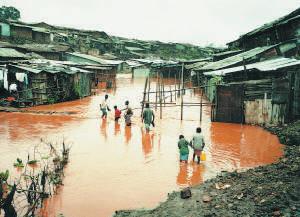
While the rains were "natural", the death and destruction from Hurricane Mitch cannot be blamed simply on a "natural disaster". There are also economic and ecological reasons. The Guardian reports that :"One of the reasons that the flooding [in Nicaragua] was so bad was that much of the land had been previously deforested, and the soils therefore eroded due to bad land-management practices, based on economic gain alone"(2). Clear-cutting logging, hillside farms, and rampant housing development caused further mudslides and floods. The damage was most extreme in Honduras, where loggers and farmers annually stripped away about 225,000 acres of forests (3).
Washington Post, November 14. 1998
1.
Modification of the environment has contributed to the increased spread of disease.For instance,deforestation, desalination of mangrove areas and, some say,climate change have caused much of the resurgence of malaria,
The poor are most affected by resistant strains since they usually do not have access to preventative measures (potable water, vaccinations) and cannot afford them.Many urban poor live in crowded, polluted areas that invite disease. Vigorous control programmes and consistent, holistic epi-demiological strategies are needed to help curb this growth of disease, especially among the poor.
An. Ba. and Ma. Sn.
1. World Resources 1998-99; Environmental Change & Human Health, WRI in collaboration with UNDP, UNEP, World Bank, Washington DC, 1998.
Poor countries suffer greater losses from natural disasters. In 1992, for example, a cyclone in Bangladesh caused 100,000 deaths, while a cyclone in the United States of similar intensity – Hurricane Andrew – caused 32 deaths.
DANIEL KARIUKI - “Worries” (1988)
Hurricane Mitch: not just a natural disaster ENVIRONMENT AND POVERTY TIMES - 13
he widespread use of pesticides and antibiotics to control bacteria, parasites and vectors are accelerating insect and bacteria resistance and the spread of disease. According to the WRI and others, some 30 new infectious diseases, such as Lyme disease, Ebola and Lassa fever, have emerged in the last two decades (1). Moreover, previously controlled diseases are returning in more virulent forms.
2.
3.
Selling grain at the weekly market. Mirria, Niger, 2000. ” Ayorou Gabou Tillaberi Niamey Dosso Tahoua Illela Konni Dogondoutchi Madaoua Keita Dakoro Guidan-Roumji Mayahi Tchadaoua Tessaoua Matamey Magaria Maradi Zinder Loga Koutoufani Filingue Kobi Louga Hamdalley Torodi BAD HARVESTS IN SOUTH NIGER FIELD SURVEY RESULTS Sources: Field Survey 2000, Agrhymet, Niamey, Niger. High risk area judged marginal after analysis High risk area confirmed after analysis High Moderate Low Risk of a bad harvest (each dot represents a GPS measure) 0 50 100 km Burkina Faso Nigeria Benin “Mathare in the wake of the torrential El Niño rains (1997)” Source: Shootback: Photos by Kids from the Nairobi Slums, Booth-Clibborn Editions, London, 1999 (see page 3). T T I
Grahame Russell Rights Action www.rightsaction.org, info@rightsaction.org
The Guardian, November 18. 1998
David Marcus, Boston Globe November 11. 1998
Restricted land,
“Poverty is because of land”
Inadequate land tenure, inequitable institutional support and lack of access to information are particular problems for the poor.
oor people are powerless as a result of:
lack of participation in decision making;
poor access to information and technology;
unfair,inefficient administrative and judicial procedures (that are intimidating, expensive and inaccessible);
lack of respect for social and cultural practices and knowledge (1).
Poor people depend on natural resources and land, but they often have illdefined (or non-existent) land tenure and restricted rights to resources.Many poor people in rural areas live on land that is traditionally theirs but is not recognized as such by the state; many of the urban poor have settled in illegal slums (2).
Powerful companies are increasingly free to locate wherever they want and states frequently lay claim (through colonial law) to traditional resources; together they have forced weak rural and urban communities off the better land onto infertile land, polluted flood plains and other marginal areas. Indigenous communities, who depend heavily on access to forests and water, are particularly threatened. Once they are displaced,they cannot avoid further degrading the new land on which they find themselves (3).
The absence of rights to land,resources, information and institutional support particularly affects poor women. The
customary laws of patriarchal land ownership and inheritance often require women to leave land or deny them access to resources when they are widowed or divorced (4). The lack of property rights, coupled with illiteracy, inadequate access to information and weak institutions, makes women and other marginal groups vulnerable to corruption and loan deferments.
The evidence shows that securing local community rights to land tenure and resources will encourage the sustainable use of resources.To secure those rights, they must be integrated into national and international law, environmental information needs to be freely disseminated, and local communities must be able to take part in decisions about land and resource through greater decentralization and the strengthening of local government.
Ma. Sn.
1. World Development Report 2000/2001, The World Bank, Washington DC, 2001.
2. The Jo’burg-Memo: Fairness in A Fragile World Heinrich Böll Foundation, Berlin, 2002.
3. DFID et al., Linking Poverty Reduction and Environmental Management: Policy Challenges and Opportunities, Consultation Draft, 2002.
4. Modules on gender, population & rural development with a focus on land tenure & farming system, FAO, Rome, 1995.
Marginal land
FACTS AND FIGURES
In developing countries twice as many rural poor live on marginal land than on “favoured” land (1).
In Columbia many poor farmers have to carve out a living on steep slopes prone to soil erosion and deforestation; commercial farmers use the fertile valley bottom (2).
In the Western Indian Ocean states poor farmers struggle to make a living from less productive land, while the best land is allocated for commercial crops (3).
Common resources
Worldwide 350 million people depend on forests for their livelihoods – more people than live in the United States and Canada combined (4).
Rural households in Africa get 35 percent of their energy needs from fuel wood, most of it collected from forests and common land (4).
Marginalized groups
Women carry out two-thirds of the world’s work hours, they receive one-tenth of its income and own less than a hundredth of the its property (5).
South Africans of African origin own slightly more than one hectare of land per person; those of European origin own 1,570 hectares per person (6).
Women who could better gauge potential damage of the 1992 drought in Zimbabwe were required to seek permission (via letter) from their husbands to sell cattle.
IN THEIR OWN WORDS
The men who had migrated to urban areas, but who retained property rights, were not willing to sell the cattle. As the drought progressed, pressure on grazing areas increased and large losses of cattle resulted (7).
Access to technology and information
One in six people in the world have never used a telephone. There are more telephone lines in Manhattan than on the entire African continent (5).
1. CGIAR (Consultative Group on International Agricultural Research), Report of the Study on CGIAR Research Priorities for Marginal Lands, Technical Advisory Committee Working Document, TAC Secretariat, FAO, Rome, 1997.
2. Heath, J. and H. Binswanger, “Natural Resource Degradation Effects of Poverty and Population Growth are Largely Policy Induced: The Case of Columbia”, in Environment and Development Economics, Vol. 1, Part 1, 1986. Cited in Bojö et al., Environment, 2001
3. Global Environment Outlook 3, UNEP, Nairobi, 2002.
4. The Jo’burg-Memo: Fairness in A Fragile World, Heinrich Böll Foundation, Berlin, 2002.
5. People, Planet, Prosperity: Africa’s Approach to the Agenda of the World Summit on Sustainable Development in Johannesburg 2000, South African Department of Environmental Affairs and Tourism and the Johannesburg World Summit Company, 2002.
6. Human Development Report: Challenges and Opportunities for Regional Integration SARIPS [stands for…], Harare, SAPES Trust, 2000. Cited in Global Environment Outlook 3, UNEP, 2002 [p. 72].
7. Vivian, J., NGOs and Sustainable Development in Zimbabwe: No Magic Bullets”, in Development and Environment: Sustaining People and Nature, Dharam Chai, ed., Cambridge, Blackwell Publishers,1994. Cited in World Bank, Poverty and Environment, 2000.
Poverty is because of land,the person who doesn’t have any must obligatorily leave to do day labour. Anonymous, Ecuador (2)
There is no hope of someone to help us. I wanted a loan, but they are requiring the land title, but I can’t provide it A man, Ecuador (2)
Women’s rights
Women in decision-making positions in government in 1998
…To make things worse, our farmland is continuously decreasing as a result of concessions given to poultry farms by private investors.
A group of poor men and women, Ethiopia (2)
Property ownership and poor credit
Getting credit or loans is difficult, if not impossible, for poor women who do not have proof of property ownership or sufficient stable income (collateral is required by most lending institutions).
Land rights and patriarchal control
Women are responsible for most household work (and in many parts of the world the majority of agricultural production), but women’s rights to own land or control resources are constrained, often by traditional customs and religious laws. In societies with patriarchal land ownership women, when widowed or divorced, are often driven off land or denied future access to land and resources on which they rely (1).
1. Modules on gender, population and rural development with a focus on land tenure & farming system, FAO, Rome, 1995.
Guardians and gurus of biodiversity
n many agricultural and gathering communities, women select and preserve seeds and gather a wide variety of plants. Vegetable, tree and flower species diversity help ensure that different species can grow under various climatic and soil conditions and in turn help communities through periods of variable rainfall and food shortages.
The manufacturing of genetically engineered seeds (that cannot be replanted etc.) threatens the role women play to maintain biodiversity. Companies that seek gene patents are exploiting women’s genetic indigenous knowledge (1).
Ma. Sn.
1. The Jo’burg-Memo: Fairness in a Fragile World, Heinrich Böll Foundation, Berlin, 2002.
14 - ENVIRONMENT AND POVERTY TIMES
1. Raj Patel, Kai Schafft, Anne Rademacher, and Sarah Koch-Schulte, Can Anyone Hear Us? Voices of the Poor series, The World Bank, Oxford University Press, New York, 2000. 2. Deepa Narayan, Robert Chambers, Meera Shah and Patti. Petesch, Crying out for Change, Voices of the Poor series, The World Bank, Oxford University Press, New York, 2000.
Pacific Ocean Atlantic Ocean Indian Ocean Pacific Ocean Source: World Development Report 2002, The World Bank, Washington DC; UNECE, 2000. WOMEN IN GOVERNMENT DECISION-MAKING POSITIONS IN 1998 Judgeships are the only positions of power and influence in which women have reached parity in a number of countries. Percentage of women in government ministerial or equivalent positions 0 2 to 5 6 to 10 11 to 15 16 to 29 No data 41 to 43 UNEP G R I D Arendal
Sweden Turkey United States Italy Austria Spain Czech Republic Ukraine 0 20 40 60 80 Women as a percentage of judges
P I JUNE 2002 PHILIPPE REKACEWICZ ASSISTED BY LUCIE DEJOUHANET
disempowerment
India’s “joint forest management” programmes have been widely touted as giving communities greater control over forests and a higher share of forest revenues.State forestry departments sign agreements with local representatives in which the government promises to finance local plans, forest guards, tree nurseries and other activities and to let residents keep some of the earnings from selling forest products. The local representatives in turn agree to conserve their forests and to follow the programme’s rules. The World Bank and other agencies have spent hundreds of millions of dollars on these programmes.
In many places the results have proba-
India's villages need proper power
bly been positive. But Madhu Sarin’s “Disempowerment in the name of participatory forestry? - Village forests joint management in Uttarakhand” points out the dangers of applying one single model in diverse contexts and of participatory schemes that do not take account what people are already doing.
The Uttarakhand region in Uttar Pradesh has over 6,000 community forests, one of which is located in Pakhi. In 1958 the elected forest council of Pakhi received the right to manage a 240 hectare forest, which women use to collect fuelwood, fodder, leaf litter and other products for their families. For years the local women’s welfare association control-
led the forest and kept it in good condition. The association decided how to use the forest and paid a woman guard, through voluntary contributions, to fine anyone not observing the rules.
When the village leaders agreed (without consulting village women) to enter the Village Forests Joint Management programme in 1999, the women lost control of their forest. The local men, who had previously showed little interest in the forest, used project money to hire three male forest guards and fired the woman guard. Conflicts broke out over the funds for the village forest plan and the tree nurseries.
The Forestry Department now makes key decisions about how the forest will be used. It has marginalized the women’s welfare association and turned the men and women in the village into wage laborers. The villagers need money but they did not realize this would come at the cost of no longer being able to manage their forest.
The Village Forest Joint Management programme looks good on paper. Unfortunately the villagers of Pakhi do not live on paper.
Madhu Sarin CIFOR msarin@satyam.net.in
Extract from CIFOR’s POLEX newsletter, available at www.cifor.cgiar.org/polex/01June21.htm
Kenya’s disenfranchised pastoralists
Most of Kenya’s Great Rift Valley, an area too dry for cultivation but free of the tsetse fly, was traditionally used as grazing land by the pastoral Masai and Samburu tribes. The tribes’ seasonal migratory grazing patterns maintained the savanna as a suitable habitat for wildlife – currently the cornerstone of Kenya’s profitable tourism industry.
were displaced from these new reserves, where human activity was prohibited, disrupting traditional management of the savanna and restricting access to vital water sources.
Under colonial rule, many of the traditional grazing areas used by the Masai and Samburu tribes were declared wildlife reserves or acquired for large-scale cultivation
Under colonial rule, many of the traditional grazing areas used by the Masai and Samburu tribes were declared wildlife reserves or acquired for largescale cultivation. Many pastoralists
Each Masai now has about 100 hectares –not enough for the average herd of cattle. Restrictions on the entry of livestock into nature reserves coupled with the ability of wildlife (vs. fenced herded livestock) to leave unfenced nature reserves onto land used by the Masai has degraded the Masai’s current grazing areas (1). Herdsmen have, as a consequence, been forced to use other
grazing areas that were traditionally avoided (areas with parasites etc.).
Recognition that the seasonal grazing of livestock can maintain savanna areas and adoption of a “landscape” approach to conservation (where wild and domesticated animals graze in the same areas at different times of the year) could lead to constructive partnerships between pastoralists and the tourism sector. Decentralization – which will encourage tribal representation, marginalized since colonial rule – will be critical in ensuring that tribes are no longer displaced from their traditional lands and that Kenya’s savannas are retained and managed (2, 3).
An. Ba. and Ma. Sn.
1. Personal Communication: Ole Kamuaro Ololtisatti, Purko Maasai, Kenya 2001.
2. Cheeseman, T., Conservation and the Maasai in Kenya: Tradeoff or Lost Mutualism? 2002, www.environmentalaction.net/kenya.
3. Sindiga, I., Tourism and African Development: Change and Challenge of Tourism in Kenya, African Studies Centre, Leiden, 1999.
Computerization and land registration Andhra Pradesh, India
Buying property in Andhra Pradesh used to be complex and take a long time. After the purchase the buyer visited the local office of the Sub-Registrar of Assurances in person, had the property valued and stamp duty calculated, purchased stamp paper and had a writer draft the deed in the requisite legal language. The purchaser also had to provide additional documents related to income and other properties owned. All these documents were then scrutinized by the registrar, and recorded, before an exact copy of the final deed was copied by hand and certified.
In Andhra Pradesh, 387 subregistrar offices registered about 1.2 million documents a year, 60 percent of them for agricultural land. A yearly manual update of property information was carried out, since hundreds of thousands of property files were updated with the new sales from the year.
Land registration offices throughout the state are now equipped with computerized counters under the Computeraided Administration of Registration Department (CARD) project, initiated and financed by the state government to improve efficiency and increase duty collections. Starting with a pilot project in 214 locations over 15 months, the entire database was transferred to computers, the copying and filing system was replaced with imaging, and all backoffice functions were automated.Standardization and greater transparency in property valuation procedures boosted stamp duty revenues. Registration processing time was cut from ten days to one hour.
Source: Subhash Chandra Bhatnagar, Indian Institute of Management, Ahmedabad, World Bank, E-Government Focus Group, 2000, available at www1.worldbank.org/publicsector/egov/cardcs.htm
The Aarhus Convention
Access is the key Justice is our right Information is power Participation enriches
The UNECE (United Nations Economic Commission for Europe) Convention on access to information, public participation and access to justice in environmental matters - known as the Aarhus Conventionaims at strengthening the role of the public and NGOs in protecting and improving the environment. Through recognition of people's rights to information, participation and justice, it aims to promote greater accountability and transparency in environmental matters.
Biodiversity and Communities The Equator Initiative
The
www.unece.org/env/pp www.undp.org/equatoriniative
Biodiversity contributes to poverty reduction and livelihoods of rural and urban communities through crop diversity; preventative and curative medicines and supplements; use or sale of plants, wood, seeds, skins and other products and genetic resources; buffering the impacts of extreme events such as floods, droughts, fires and other hazards and many other means.
Equator Initiative is aimed at strengthening community partnerships for poverty reduction through conservation and sustainable use of biodiversity in the equatorial belt.
ENVIRONMENT AND POVERTY TIMES - 15
DANIEL KARIUKI - “Woodland mothers” (1992)
DANIEL KARIUKI - “The giraffes” (1994)
What
NEP’s Governing Council (GC 21/15) undertook to develop, promote and provide:
understanding of the linkages between poverty and the environment;
understanding on ways of making people’s livelihoods more productive and environmentally sustainable;
policy options for governments to address poverty reduction through an ecosystem approach.
There are compelling reasons why UNEP should address these issues.
To achieve sustainable development, there needs to be a comprehensive plan to reduce poverty. This would include environment and natural resources management. It is not enough to acknowledge that the environment is a key factor in poverty: we need to understand the limitations of the environmental system and take them into
can do to reduce poverty
account when devising programmes to reduce poverty. For this we need an organization that understands ecological systems and the role they play in preserving life support systems for the poor.
Poor people are more dependent on basic amenities (clean air, healthcare, nutrition, energy) since they have few assets to help them cope if resources are degraded. Environmental systems provide basic resources. So we must introduce patterns of development that will help build sustainable natural resource management for local communities in the battle to reduce poverty.
As the Norwegian State Secretary for International Development, said at a UNEP meeting in Oslo in March 2002, “While the importance of the environment for poverty reduction may be obvious, we face major challenges in [turning] the notion of ecosystems goods
and services into decision-making, as a means of alleviating poverty and addressing the poverty-environment linkages in a coherent and consistent manner.”
This explains UNEP’s decision to develop guidelines on these issues. The guidelines will provide developing countries with a step-by-step process to better integrate environmental concerns in their poverty reduction strategies. The guidelines will be tested in five African countries from March 2003 and finalized between late 2005 and early 2006). The Norwegian government has proposed an International Partnership with UNEP on Poverty and Environment in Africa based on the guidelines.This partnership will be officially launched during the upcoming WSSD meeting in Johannesburg and the guidelines will be presented in a draft form as a working document.
o draw up poverty reduction policies and redistribute economic benefits and power, we need to understand who the poor are and where they live. Poverty maps are important tools to help identify and locate poor areas and populations.Though these maps (based on Human Development Indicator (HDI) and other basic-needs indicators) have been used for several decades, recent strides in statistical methods have greatly improved our ability to locate the poor.The World Bank in particular has developed and refined a sophisticated method of poverty mapping that integrates census and survey data (1).
A recent evaluation shows that poverty maps have been extensively used in: poverty alleviation programmes; emergency response and health strategies; restructuring national to local-level policies; allocating national budgets and social investment funds (2).
The Poverty Environment Partnership (PEP) is an informal network of development agencies, which seeks to improve the co-ordination of work on poverty reduction and the environment.
There is a growing international consensus on the links between poverty and the environment and on the need to address these links in a more integrated manner than in the past. The partnership seeks to build on that consensus. The starting point is the recognition that environmental problems are a significant cause of poverty, and
generally hit the poor hardest – therefore better environmental management is essential to lasting poverty reduction. The partnership aims to:
build a consensus on the critical links between poverty reduction and environmental management;
review the activities of development agencies to build on common themes and address gaps in knowledge;
enhance economies of scale and influence through effective collabo-
Daniel Kariuki was born in 1942 in Ngecha VillageMahinga, Limuru Division, Kiambu District, Kenya. He left school at the age of 15; he only reached Standard 4
Kante Director, UNEP DPDL bakary.kante@unep.org
Bakary
ration and speaking with a united voice. The partnership is open to development agencies with an interest in the relationship between poverty and the environment.
The most recent meeting of the partnership – in March 2002 – was attended by a number of bilateral agencies, the European Commission,the World Bank, UNDP, UNEP, the Asian Development Bank, the African Development Bank and the IMF.
Pete Shelley, DFID p-shelley@dfid.gov.uk
Poverty maps have, on some occasions, influenced the allocation of large amounts of money, for example the allocation of US$1.1 billion in capital spending in Nicaragua (from 2001 to 2005) and US$305 million in South Africa under a municipal grants programme (from 2001 to 2002). Poverty maps have had an impact on decision making by making resource allocation more accountable,transparent and fair.They have also validated geographic targeting of poor areas, prompted national to local-level debate and awareness on poverty, encouraged broader participation in decision making, facilitated coordination between and within institutions and improved the credibility of numerous institutions.
Ma. Sn.
1. Hentschel, J., J. Lanjouw, P. Lanjouw and J. Poggi, Combining Census and Survey Data to Trace the Spatial Dimensions of Poverty: A Case Study of Ecuador, in The World Bank Economic Review, Volume 14, Number 1, The World Bank, Washington DC, 2000.
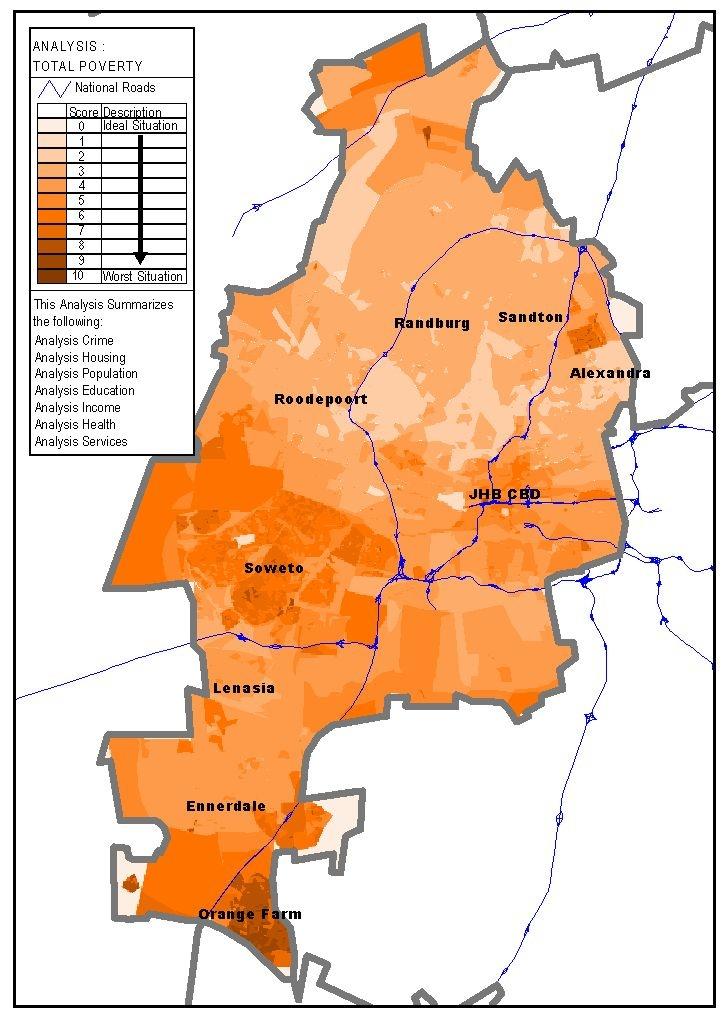
2. Norbert Henninger and Mathilde Snel, Where are the Poor?: Experiences with the Development and Use of Poverty Maps, draft, World Resources Institute (WRI) and UNEP/GRID-Arendal, Washington DC, 2002.
because his parents could not pay his school fees (there were more children in the family). In 1963 he got involved in politics and in 1966 he joined the Kenyan army. He served in the army for eight years, resigning when his parents were unable to take care of the family without him.
In 1977 he worked in a laundry business in Ngecha Town, but the business closed down in 1987 through lack of income. He began to do manual work and worked for the Rural Road Construction for four years.
Daniel began to think about becoming an artist in 1988. That year he thought of trying to find a market for a picture he had drawn of a Masai house. A friend directed him to Gallery Watatu,where he found Mrs.Ruth Schaffner who took all of his 14 drawings.
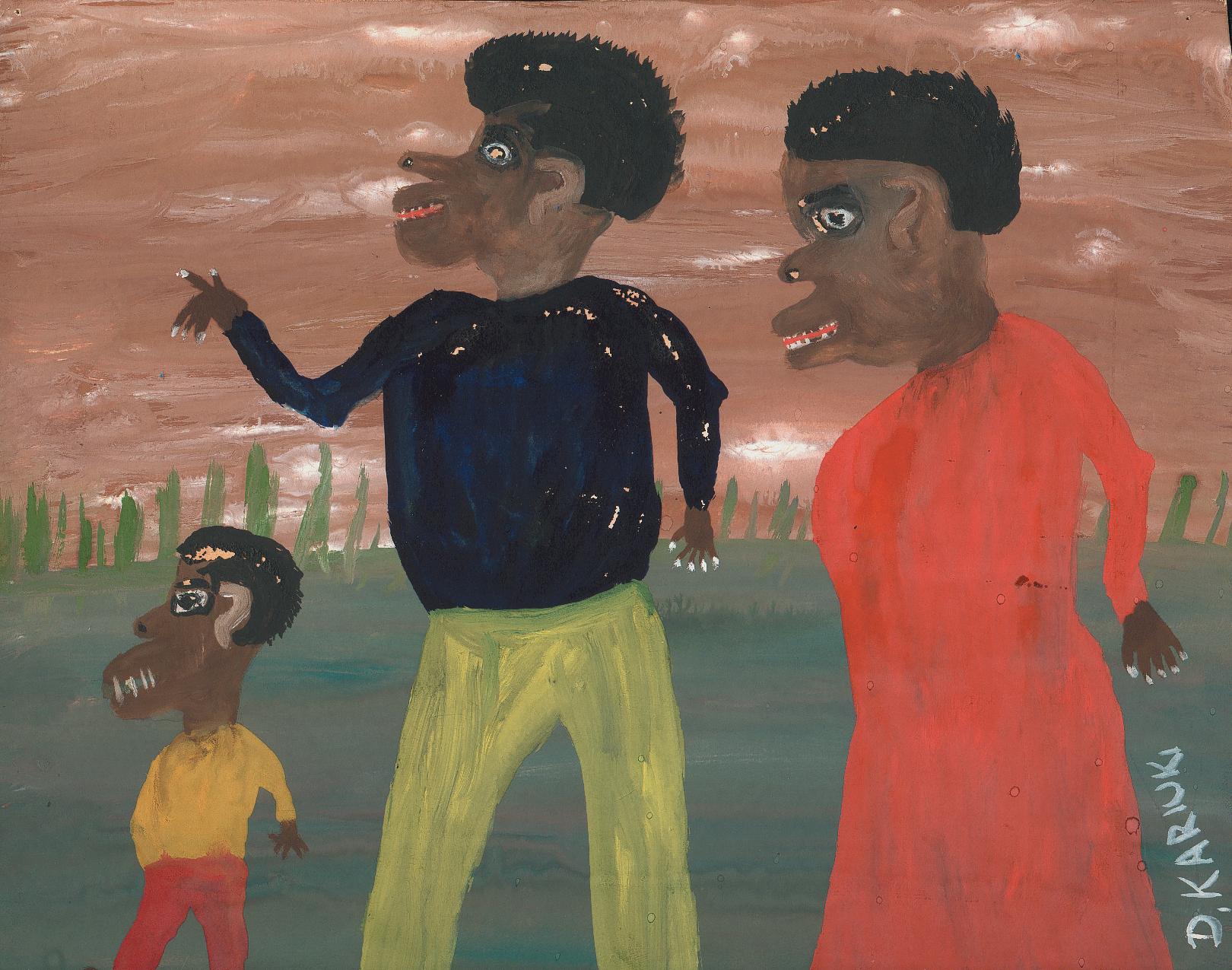
Daniel is now drawing good pictures of different situations and cultures and has also become a sculptor in stone and wood. As a member of the Baptist Church in Ngecha, he says that he had never dreamed of becoming an artist: the glory goes to God.
Daniel Kariuki - written by the artist
Published by UNEP-GRID Arendal, Longum Park, Service Box 706, N-4808 Arendal, Norway. Tel : +47 370 35 714 - Fax : +47 370 35 050 - email: ept@grida.no
Chief Editors: Mathilde Snel, Philippe Rekacewicz, Otto Simonett.
Editors: Anna Ballance, Kathrine Johnsen, Janet Fernandez Skaalvik, Wendy Kristianasen.
Contributors: Miriam Babita (Statistics South Africa), Subhash Bhatnagar (Indian Institute of Management, Ahmedabad), Blandine Destremau (URBAMA-CNRS, Paris), Andrew Gilman and Jens Hansen (AMAP, Oslo), John Bennett, Anja Jaenz, David Jensen and Peter Zahler (UNEP, Geneva), Bakary Kante (UNEP, Nairobi), Deepa Narayan (The World Bank, Washington), Marina Julienne (Paris), Yann Legros (Agrhymet, Niamey), Grahame Russell (Rights Action, Canada), Madhu Sarin (CIFOR, Bogor), Pete Shelley (DFID, London) Surendra Shrestha (UNEP, Bangkok), Svein Tveitdal (UNEP GRID-Arendal).
Reviewers: Ergin Ataman (FAO, Rome), Anantha Kumar Duraiappah (IISD, Winnipeg), Margaret Kakande (Ugandan Ministry of Environment, Kampala), Ruth Haug (NORAGRIC, Aas), Peter Hazlewood (UNDP, New York), Norbert Henninger (WRI, Washington), Glenn Hyman (CIAT, Cali), Simon LeGrand (DG Developement of the EU, Brussels), Nicolas Lucas (Millenium assessment, Washington), Thierry Oliveira (UNEP, Nairobi), Paul Steele (DFID, London).
Cartographic and Graphic design: Philippe Rekacewicz.
Illustrations: Daniel Kariuki, Lana Wong and the ‘Shootback’ kids (Nairobi).
Funded by: The Norwegian Ministry of Foreign Affairs through the joint FAO/CGIAR/UNEP Poverty Mapping Project
The designations employed and the presentations do not imply the expression of any opinion whatsoever on the part of UNEP, GRID-Arendal or cooperating agencies concerning the legal status of any country, territory, city or area of its authorities or of the delineation of its frontiers or boundaries. Mention of a commercial company or product in this paper does not imply endorsement by UNEP or GRID-Arendal. The use of information from this publication concerning proprietary products for publicity or advertising is not permitted.
PAGE 16
Printed by Agderposten Trykk AS, Arendal, Norway, August 2002 (10,000 copies).
UNEP
Where are the poor?
Glory be to God
Times G R I D Arendal UNEP DANIEL KARIUKI - “Let’s go there” (1994) U T ideal situation worst situation National roads Analysis total poverty This map is based on a multivariate analysis using crime, housing, population, education, income, health and services indicators. Source: Greater Johannesburg Metropolitan Council, available at ceroi.net/reports/johannesburg/csoe/navpoverty.htm networkpoverty maps policy making institutions dedicated to analyze and map the spatial distribution of poverty to and to promote their use in targetting assistance hole hole and show linkages between poverty and food insecurity, the environment and development poverty mapping joint initiative by FAO, UNEP and the CGIAR consisting of evop r ty m a p @g r i da. no www.povertymap.net Poverty mapping A joint initiative by FAO, UNEP and the CGIAR to produce and promote the use of poverty maps for policy making and targeting assistance. www.povertymap.net
DISTRIBUTION OF POVERTY IN CENTRAL JOHANNESBURG The Poverty Environment Partnership
&Environment POVERTY
