
EMPOWERING
TOMORROW’S LEADERS
ZAPATA HIGH SCHOOL CAREER & TECHNICAL EDUCATION
PROGRAMS OF STUDY
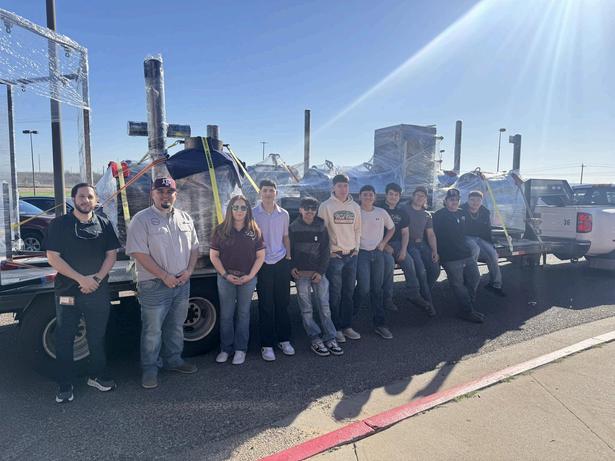
The Agriculture, Food, and Natural Resources (AFNR) career cluster focuses on the essential elements of life, food, water, land, and air. This career cluster includes occupations ranging from farmer, rancher, and veterinarian to geologist, land conservationist, and florist.
The Agricultural Technology and Mechanical Systems program of study focuses on occupational and educational opportunities associated with applying engineering technology and biological science to agricultural problems related to power and machinery, electrification, structures, soil and water use, and processing agricultural products. This program of study includes diagnosing, repairing, or overhauling farm machinery and vehicles, such as tractors, harvesters, dairy equipment, and irrigation systems.

Level 1
Level 2
Level 3
Level 4
• Principles of Agriculture, Food, and Natural Resources
• Agricultural Mechanics and Metal Technologies
• Agricultural Structures Design and Fabrication
• Agricultural Equipment Design and Fabrication
Work-Based Learning and Expanded Learning Opportunities
Work-Based Learning Activities
Expanded Learning Opportunities

• Participate in a farm mechanic apprenticeship at an equipment production company
• Intern at an equipment manufacturing facility working with agricultural engineers
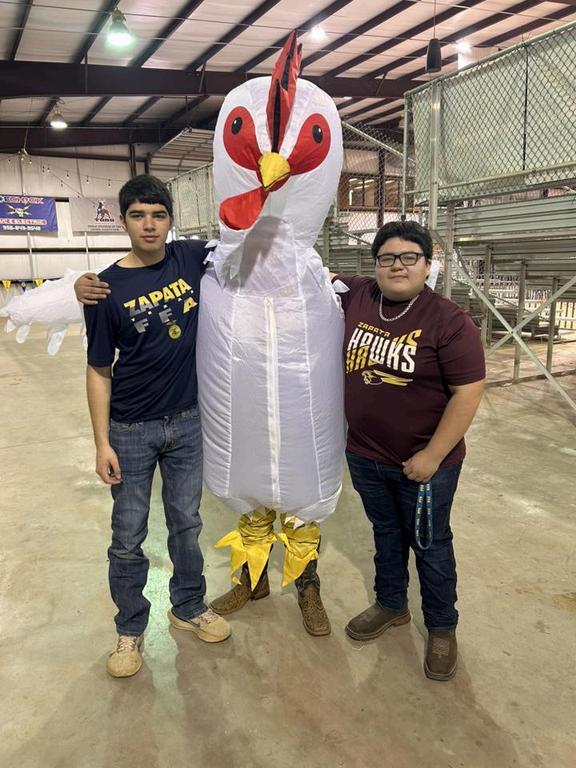
• Participate in an FFA career, leadership, and speaking contest like an agriscience fair
• Participate in an agriculture robotics event
Aligned Industry-Based Certifications
Successful completion of the Agricultural Technology andMechanical Systems program of study will fulfill requirements of the Business and Industry endorsement.

Student Name: ________________________
Student ID: ___________________________
Parent Signature: ______________________
Student Signature: _____________________
Date: ________________________________



Example Postsecondary Opportunities
Apprenticeships
• Farm Equipment Mechanic I
Associate Degrees
• Diesel Mechanics Technology

• Industrial Mechanics and Maintenance Technology
Bachelor’s Degrees
• Agricultural Engineering
• Agricultural Systems Management
Master’s, Doctoral, and Professional Degrees
• Agricultural Engineering
• Industrial Technology
Additional Stackable IBCs/License
• Diesel Equipment Technology-Off Highway Specialization CER1
• Accredited Farm Manager

Example Aligned Occupations
Farm Equipment Mechanics and Service Technicians
Median Wage: $41,258
Annual Openings: 315
10-Year Growth: 23%
Mobile Heavy Equipment Mechanics
Median Wage: $60,005
Annual Openings: 2,315
10-Year Growth: 31%
Farmers, Ranchers, and Other Agricultural Managers
Median Wage: $79,064
Annual Openings: 30,363
10-Year Growth: 4%

Prerequisites: None
Corequisites: None
Recommended Prerequisites: None
Recommended
(1 credit)

Prerequisites: None
Corequisites: None Recommended
(1 credit)
Prerequisites: None
Corequisites: None
Recommended Prerequisites: Agricultural
Recommended Corequisites: None

Prerequisites: None
Corequisites: None
Recommended Prerequisites:
The Agriculture, Food, and Natural Resources (AFNR) career cluster focuses on the essential elements of life, food, water, land, and air. This career cluster includes occupations ranging from farmer, rancher, and veterinarian to geologist, land conservationist, and florist.
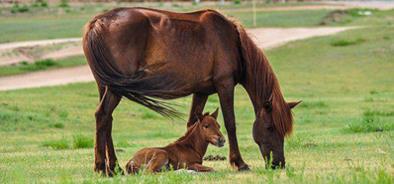
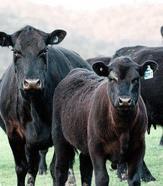
The Animal Science program of study focuses on occupational and educational opportunities associated with the science, resear ch, and business of animals and other living organisms. This program of study includes applying biology and life science to real -world life processes of animals and wildlife, either in laboratories or in the field, which could include a veterinary office, a farm or ranch, or any outdoor area harboring animal life. Students will research and analyze the growth and destruction of species and research or diagnose diseases and injuries of animals.

Level 1
Level 2
Level 3
Level 4
• Principles of Agriculture, Food, and Natural Resources
• Small Animal Management
• Equine Science
• Livestock and Poultry Production
• Advanced Animal Science
Work-Based Learning and Expanded Learning Opportunities
Work-Based Learning Activities
Expanded Learning Opportunities
• Shadow an animal scientist in a biology lab to learn about applying science to understand animals and wildlife
• Intern in a veterinary clinic, caring for animals and wildlife being treated in the clinic
• Participate in an FFA career, leadership, and speaking contest like an agriscience fair
• Attend an agricultural industry seminar
Aligned Industry-Based Certifications
• Elanco Fundamentals of Animal Science Certification
• Equine Management & Evaluation Certification

Student Name: ________________________
Student ID:
Parent Signature:
Student Signature:
Date:
Example Postsecondary Opportunities
Apprenticeships
• Reproduction Technician
Associate Degrees
• Biological and Physical Sciences
• Entomology
Bachelor’s Degrees
• Animal Science
• Zoology/Animal Biology
Master’s, Doctoral, and Professional Degrees
• Marine Sciences
• Biotechnology
Additional Stackable IBCs/License
• Veterinarian
• Certified Veterinary Technician


Example Aligned Occupations
Veterinary Assistants and Laboratory Animal Caretakers
Median Wage: $33,581
Annual Openings: 1,953
10-Year Growth: 24%
Veterinary Technologists and Technicians
Median Wage: $35,698
Annual Openings: 1,820
10-Year Growth: 24%
Veterinarians
Median Wage: $125,030
Annual Openings: 435
10-Year Growth: 26%

|
Principles of Agriculture, Food, and Natural Resources*
(1 credit)
Small Animal Management 13000400 (0.5 credit)
Prerequisites: None
Corequisites: None
Recommended Prerequisites: None
Recommended Corequisites: None
Equine Science 13000500 (0.5 credit)
Prerequisites: None
Corequisites: None
Recommended Prerequisites: Principles of Agriculture, Food, and Natural Resources
Recommended Corequisites: None
Prerequisites: None
Corequisites: None
Recommended Prerequisites: Principles of Agriculture, Food, and Natural Resources
Recommended Corequisites: None
Prerequisites: At least one course from the Agriculture, Food, and Natural Resources career cluster Corequisites: None
Recommended Prerequisites: Principles of Agriculture, Food, and Natural Resources Recommended Corequisites: None
Advanced Animal Science
13000700 (1 credit)
Prerequisites: Biology and chemistry or Integrated Physics and Chemistry (IPC); Algebra l and Geometry; and either Small Animal Management, Equine Science, or Livestock and Poultry Production Corequisites: None
Recommended Prerequisites: Veterinary Science
Recommended Corequisites: None
* Indicates course is included in more than one programof study in this career cluster.
Statewide Program of Study: Graphic Design and Interactive Media Page 1
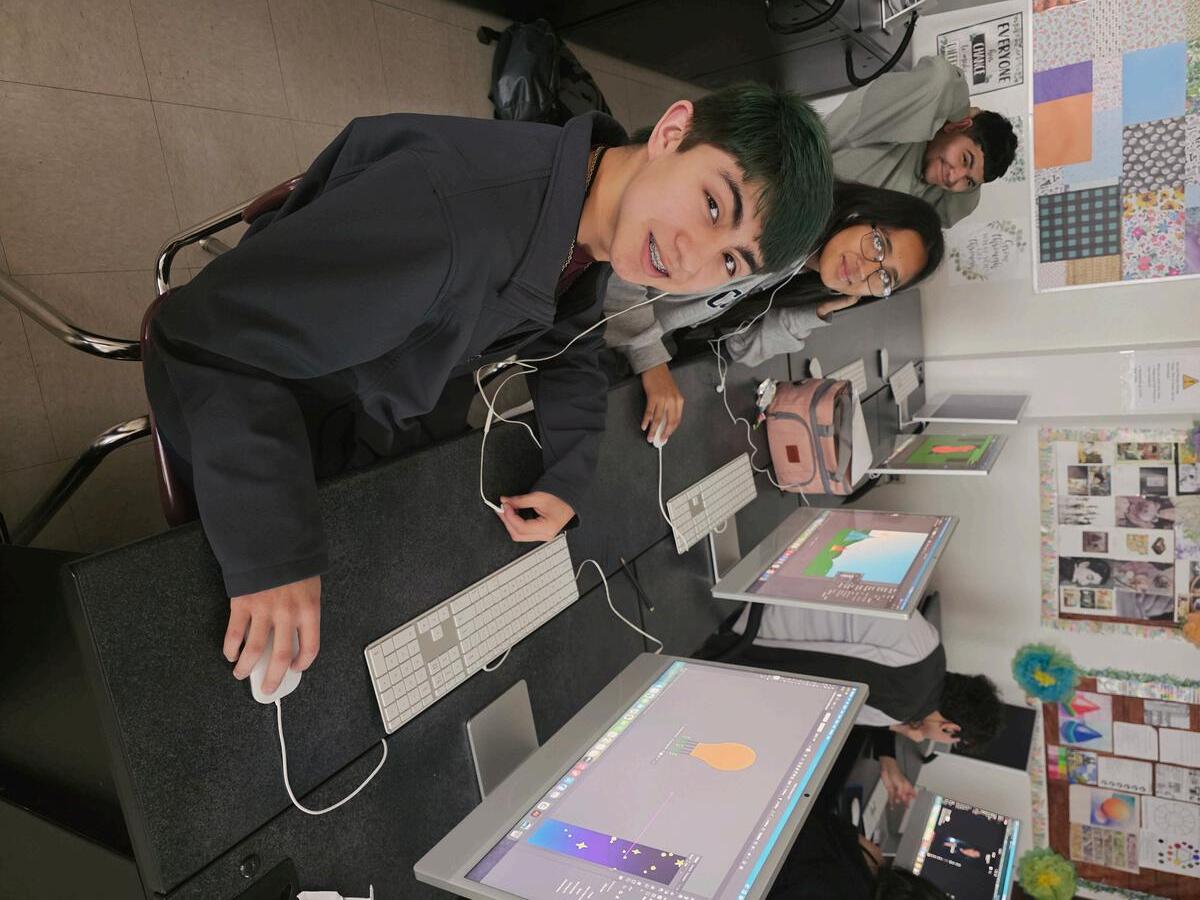
The Arts, Audio Visual Technology, and Communication (AAVTC) career cluster focuses on designing, producing, exhibiting, performing, writing, and publishing multimedia content requiring creative aptitude, fluency in computer and technology applications, and proficiency in oral and written communication. This career cluster includes occupations ranging from camera operator, audio and video technician, director, and producer to graphic designer and web and digital interface designer.
The Graphic Design and Interactive Media program of study focuses on occupational and educational opportunities associated with designing or creating graphics to meet specific commercial or promotional needs, such as packaging, displays, or logos. The program of study includes designing clothing and accessories and creating special effects, animation, or other visual images using film, video, computers, or other electronic tools and media for use in computer games, movies, music videos, and commercials.

Level
Level
Level
Level
•
•
•
•
Work-Based Learning and Expanded Learning Opportunities
Work-Based Learning Activities
Expanded Learning Opportunities
• Shadow an art director at a branding firm or design agency
• Intern in the marketing and communications department of a technology company
• Participate in SkillsUSA or TSA
• Participate in Student Television Network
• Join a related co-curricular or extracurricular club such as web development or computer coding Aligned Industry-Based Certifications
• Adobe Certified Professional in Graphic Design and Illustration Using Adobe Illustrator
Successful completion of the Graphic Design and Interactive Media program of study will fulfill requirements of the Business and Industry endorsement.
Student Name:
Student ID:
Parent Signature:
Student Signature:


Example Postsecondary Opportunities
Associate Degrees
• Graphic Design
• Digital Arts
Bachelor’s Degrees

• Web Page, Digital/Multimedia and Information Resources Design
• Design and Visual Communications
Master’s, Doctoral, and Professional Degrees
• Game and Interactive Media Design
• Animation, Interactive Technology, Video Graphics, and Special Effects
Additional Stackable IBCs/License
• Certified Textile Designer (CTD)

Example Aligned Occupations
Software Developers
Median Wage: $127,000
Annual Openings: 12,350
10-Year Growth: 36%
Graphic Designers
Median Wage: $53,100
Annual Openings: 1,758
10-Year Growth: 10%
Art Directors
Median Wage: $80,944
Annual Openings: 1,025
10-Year Growth: 18%

Course Prerequisites | Corequisites
Principles of Arts, Audio + Video Technology, and Communications* 13008200 (1 credit)
Prerequisites: None
Corequisites: None
Recommended Prerequisites: None
Recommended Corequisites: None

Course Prerequisites | Corequisites
Prerequisites: None
Graphic Design and Illustration I*
13008800 (1 credit)
Corequisites: None
Recommended Prerequisites: Principles of AAVTC
Recommended Corequisites: Graphic Design and Illustration I Lab
Course Prerequisites | Corequisites
Prerequisites: Graphic Design and Illustration I
Graphic Design and Illustration II 13008900 (1 credit)
Corequisites: None
Recommended Prerequisites: None
Recommended Corequisites: Graphic Design and Illustration II Lab
Course Prerequisites | Corequisites
Practicum in Graphic Design and Illustration
First Time Taken: 13009000 (2 credits)
Second Time Taken: 13009010 (2 credits)
Prerequisites: Graphic Design and Illustration II + Graphic Design and Illustration II Lab
Corequisites: None
Recommended Prerequisites: None
Recommended Corequisites: None
* Indicates course is included in more than one programof study in this career cluster.
The Business, Marketing, and Finance career cluster focuses on careers in planning, organizing, directing, and evaluating business functions essential to efficient and productive business operations. This career cluster includes occupations ranging from business owner and entrepreneur to accountant, retail manager, and market analyst.
The Business Management program of study focuses on occupational and educational opportunities associated with planning, directing, and coordinating the administrative services and operations of an organization. It includes formulating policies, managing daily operations, and allocating the use of materials and human resources. This program of study also introduces students to mathematical modeling tools and organizational evaluation methods.

Level 1
Level 2
Level 3
Level 4
• Foundations of Business Communication and Technologies (BIM I)
• Business Communication and Technologies (BIM II)


• Practicum in Business Management
Work-Based Learning and Expanded Learning Opportunities
Work-Based Learning Activities
Expanded Learning Opportunities
• Intern at local business in the HR department
• Shadow the COO of a local business or chamber of commerce
• Participate in BPA,DECA, FBLA, Young Billionaires Club, or related UIL events
• Explore student membership in related professional organizations
Aligned Industry-Based Certifications
• Microsoft Office Specialist: Microsoft Word Expert (2019+ or 365 Apps)
Successful completion of the Business Management program of study will fulfill requirements of the Business and Industry endorsement.
Student Name: ________________________
Student ID: ___________________________
Parent Signature: ______________________
Student Signature: _____________________
Date: ________________________________


Example Postsecondary Opportunities
Associate Degrees
• Business Administration and Management
• Human Resources Management
Bachelor’s Degrees
• Business Analytics
• Accounting and Business

Master’s, Doctoral, and Professional Degrees
• Business Administration and Management
• Organizational Leadership
Additional Stackable IBCs/License
• Professional Certificate in Team Leadership
• Property Tax Professionals Example Aligned Occupations

First-Line Supervisors of Office and Administrative Support Workers
Median Wage: $61,735
Annual Openings: 18,874
10-Year Growth: 9%
Human Resources Specialists
Median Wage: $62,049
Annual Openings: 8,652
10-Year Growth: 23%
General and Operations Managers
Median Wage: $96,046
Annual Openings: 44,419
10-Year Growth: 23%

| Corequisites
Prerequisites: None
Principles of Business, Marketing, and Finance* 13011200 (1 credit)
Business Communication and Technologies 13011500 (1 credit)
Corequisites: None
Recommended Prerequisites: None
Recommended Corequisites: None


Prerequisites: Foundations of Business Communication and Technologies
Corequisites: None
Recommended Prerequisites: Touch
System Data Entry
Recommended Corequisites: Business Lab
Practicum in Business Management*
First Time Taken: 13012200 (2 credits)
Second Time Taken: 13012210 (2 credits)
Prerequisites: None
Corequisites: None
Recommended Prerequisites: Touch System Data Entry and Business Management, or Business Communication and Technologies
Recommended Corequisites: None
* Indicates course is included in more than one programof study in this career cluster.
For additional information on the Business, Marketing, and Finance career cluster, contact cte@tea.texas.gov or visit https://tea.texas.gov/cte
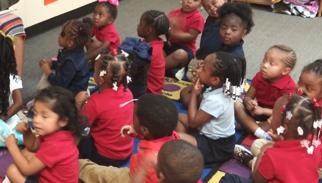
The Education and Training career cluster focuses on planning, managing, and providing education and training services and related learning support services. All parts of courses are designed to introduce learners to the various careers available within the Education and Training career cluster. This career cluster includes a diverse spectrum of occupations, ranging from teaching assistant, classroom teacher, to school administrator.
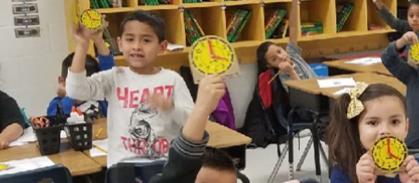
The Teaching and Training program of study focuses on occupational and educational opportunities associated with careers related to teaching, instructing, and creating instructional and enrichment materials. The program of study includes recognizing a variety of student groups and their corresponding needs, identifying processes for developing curriculum and coordinating educational content, and coaching groups and individuals.

Level 1
Level 2
Level 3
Level 4
• Principles of Education and Training
• Communication and Technology in Education
• Instructional Practices
• Practicum in Education and Training
Work-Based Learning and Expanded Learning Opportunities
Work-Based Learning Activities
Expanded Learning Opportunities
• Serve as a camp counselor to learn mentoring, facilitation, and lesson planning skills
• Volunteer in a tutoring center to learn lesson planning and skills assessment
• Participate in FCCLA
• Participate in TAFE
• Participate in Future Coaches of Texas Association
Aligned Industry-Based Certifications
• Educational Aide I
Successful completion of the Teaching and Training program of study will fulfill requirements of the PublicService endorsement.
Student Name: ________________________
Student ID:
Parent Signature:
Student Signature:
Date:
Example Postsecondary Opportunities
Apprenticeships
• Teacher Apprentice
Associate Degrees


• Adult and Continuing Education and Teaching
• Educational/Instructional Technology
Bachelor’s Degrees
• Elementary Education and Teaching
• Secondary Education and Teaching
Master’s, Doctoral, and Professional Degrees
• Educational Leadership and Administration, General
• Curriculum and Instruction
Additional Stackable IBCs/License
• Generalist, Grades EC-4

Example Aligned Occupations
Teaching Assistants, Except Postsecondary
Median Wage: $29,358
Annual Openings: 13,725
10-Year Growth: 15%
Secondary School Teachers, Except Special Education and CTE
Median Wage: $64,009
Annual Openings: 8,338
10-Year Growth: 14%
Education Administrators, Kindergarten through Secondary
Median Wage: $86,768
Annual Openings: 2,734
10-Year Growth: 14%

Principles of Education and Training* 13014200 (1 credit)
Communication and Technology in Education 13014310 (1 credit)
Prerequisites: None
Corequisites: None
Recommended Prerequisites: None
Recommended Corequisites: None

Instructional Practices 13014400 (2 credits)
Prerequisites: None
Corequisites: None
Recommended Prerequisites: Principles of Education and Training
Recommended Corequisites: None
Prerequisites: At least one credit in a course from the Education and Training career cluster
Corequisites: None
Recommended Prerequisites: Principles of Education and Training, Human Growth and Development, or Child Development
Prerequisites: Instructional
Corequisites: None
First Time Taken: 13014500 (2 credits) Second Time Taken: 13014510 (2 credits)
Recommended Corequisites: None * Indicates
Recommended Prerequisites: Principles of Education and Training, Human Growth and Development, and Child Development
Recommended Corequisites: None


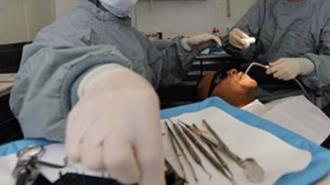
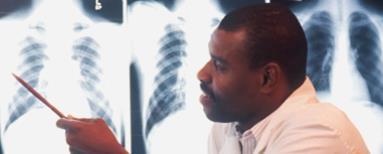
The Health Science career cluster focuses on planning, managing, and providing therapeutic services, diagnostics services, health informatics, support services, and biotechnology research and development. This career cluster includes occupations ranging from medical assistant, registered nurse, and physical therapist to forensic science technician and athletic trainer.
The Diagnostic and Therapeutic Services program of study focuses on occupational and educational opportunities associated with diagnosing and treating acute, episodic, or chronic illness independently or as part of a healthcare team. This program of study includes exploration of patient treatment and rehabilitative programs that help build or restore daily living skills to persons with disabilities or developmental delays.

Level 1
Level 2
Level 3
Level 4
• Principles of Health Science
• Medical Terminology
• Anatomy and Physiology
• Health Science Theory + Health Science Clinical
• Practicum in Health Science
Work-Based Learning Activities
Expanded Learning Opportunities
• Intern with a medical assistant at a community clinic, hospital, assisted living, or long-termcare facility
• Participate in job shadowing experiences such as Emergency Medical Services (EMS) ride along or hospital/clinical job
• Participate in Health Occupation Students of America (HOSA) or SkillsUSA
• Participate in Advanced Medical Ambulance Bus (AMBUS) eventor Community Emergency Response Team (CERT) event
Aligned Industry-Based Certifications
• Certified Dental Assistant
• Certified Occupational Therapy Assistant
• ECG Technician
• Medical Assistant
• Patient Care Technician
• Phlebotomy Technician
Student Name: ________________________
Student ID:
Parent Signature:
Student Signature:
Date: ________________________________

Apprenticeships
• Medical Assistant
Associate Degrees
• Emergency Medical Technology
• Radiologic Technology/Science
Bachelor’s Degrees
• Emergency Medical Technology
• Medical Insurance Coding

Master’s, Doctoral, and Professional Degrees
• Medicine
• Occupational Therapy
Additional Stackable IBCs/License
• Registered Diagnostic Medical Sonographer

Example Aligned Occupations
Medical Assistants
Median Wage: $37,568
Annual Openings: 11,247
10-Year Growth: 29%
Dental Hygienists
Median Wage: $89,155
Annual Openings: 1,047
10-Year Growth: 32%
Physician Assistants
Median Wage: $131,082
Annual Openings: 887
10-Year Growth: 41% Successful

Prerequisites | Corequisites
Principles of Health Science* 13020200 (1 credit)
Prerequisites: None
Corequisites: None
Recommended Prerequisites: None
Recommended Corequisites: None

Medical Terminology* 13020300 (1 credit)
and Physiology*
(1 credit)
Health Science Theory + Health Science Clinical* 13020410 (2 credits)
Prerequisites: None
Corequisites: None
Recommended Prerequisites: None
Recommended Corequisites: None
Prerequisites: One credit in biology and one credit in chemistry, Integrated Physics and Chemistry (IPC), or physics
Corequisites: None
Recommended Prerequisites: A course from the Health Science career cluster
Recommended Corequisites: None
Prerequisites: One credit in biology and at least one credit in a course from the Health Science career cluster
Corequisites: None
Recommended Prerequisites: Medical Terminology
Recommended Corequisites: None

Practicum in Health Science*
First Time Taken:
13020500 (2 credits)
Second Time Taken: 13020510 (2 credits)
Prerequisites: Health Science Theory and biology
Corequisites: None
Recommended Prerequisites: None
Recommended Corequisites: None
* Indicates course is included in more than one programof study in this career cluster. For additional information on the Health Science career cluster, contact cte@tea.texas.gov or visit https://tea.texas.gov/cte
The Health Science career cluster focuses on planning, managing, and providing therapeutic services, diagnostics services, health informatics, support services, and biotechnology research and development. This career cluster includes occupations ranging from medical assistant, registered nurse, and physical therapist to forensic science technician and athletic trainer.
The Exercise Science, Wellness, and Restoration program of study focuses on occupational and educational opportunities associated with assisting patients with maintaining physical, mental, and emotional health. This program of study includes researching diet and exercise needed to maintain a healthy, balanced lifestyle and exploring techniques to help patients recover from injury, illness, or disease.

Level 1
Level 2
Level 3
Level 4
• Principles of Health Science
• Medical Terminology
• Kinesiology I
• Entrepreneurship I
• Health Science Theory + Health Science Clinical
• Anatomy and Physiology
• Kinesiology II
• Practicum in Entrepreneurship
• Practicum in Health Science

Example Postsecondary Opportunities
Apprenticeships
• Medical Assistant
Associate Degrees
Work-Based Learning Activities
Expanded Learning Opportunities

• Participate in an internship with a physical therapist, occupational therapist, or speech therapist
• Shadow an athletic trainer from a local sports team
• Participate in the Texas State Athletic Trainers Association
• Participate in HOSA, SkillsUSA, or Future Coaches of Texas Association
• Volunteer at a hospital or rehabilitation center
Aligned Industry-Based Certifications
• Pre-Professional Certification in Nutrition, Food, and Wellness
Successful completion of the Exercise Science, Wellness, and Restoration program of study will fulfill requirements of the Public Services endorsement.
Student Name: ________________________
Student ID: ___________________________
Parent Signature: ______________________
Student Signature: _____________________
Date: ________________________________


Bachelor’s Degrees
• Associate of Applied Science

• Nutrition Sciences
• Exercise Physiology and Kinesiology
Master’s, Doctoral, and Professional Degrees
• Exercise Science and Kinesiology
• Physical Therapy
Additional Stackable IBCs/License
• Physical Therapy Technician/Aide Certification

Example Aligned Occupations
Exercise Trainers and Group Fitness Instructors
Median Wage: $38,847
Annual Openings: 6,767
10-Year Growth: 41%
Physical Therapist Assistants
Median Wage: $75,957
Annual Openings: 1,603
10-Year Growth: 44%
Athletic Trainers
Median Wage: $61,264
Annual Openings: 287
10-Year Growth: 13%

Principles of Health Science* 13020200 (1 credit)
Course
Medical Terminology* 13020300 (1 credit)
Kinesiology I N1302104 (1 credit)
Entrepreneurship I 13011101 (1 credit)
Health Science Theory + Health Science Clinical* 13020410 (2 credits)
Prerequisites: None
Corequisites: None
Recommended Prerequisites: None
Recommended Corequisites: None
Prerequisites: None
Corequisites: None
Recommended Prerequisites: None
Recommended Corequisites: None
Prerequisites: None
Corequisites: None
Recommended Prerequisites: None
Recommended Corequisites: None
Prerequisites: None
Corequisites: None
Recommended Prerequisites: Principles of Business, Marketing, and Finance
Recommended Corequisites: None
Prerequisites: One credit in biology and at least one credit in a course from the Health Science career cluster
Corequisites: None
Recommended Prerequisites: Medical Terminology
Recommended Corequisites: None
Anatomy and Physiology* 13020600 (1 credit)
Kinesiology II N1302124 (1 credit)
Practicum in Health Science*
First Time Taken: 13020500 (2 credits)
Second Time Taken: 13020510 (2 credits)

Prerequisites: One credit in biology and one credit in chemistry, Integrated Physics and Chemistry (IPC), or physics Corequisites: None
Recommended Prerequisites: A course from the Health Science career cluster Recommended Corequisites: None
Prerequisites: None
Corequisites: None
Recommended Prerequisites: Kinesiology I Recommended Corequisites: None
Prerequisites: Health Science Theory and biology Corequisites: None
Recommended Prerequisites: None
Recommended Corequisites: None

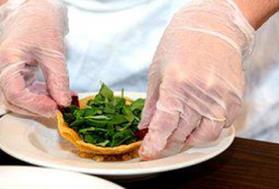
The Hospitality and Tourism career cluster focuses on the management, marketing, and operations of restaurants, lodging, attractions, recreation events, and travel-related services. This career cluster includes occupations ranging from reservation and transportation ticket agent to event planner and general manager.
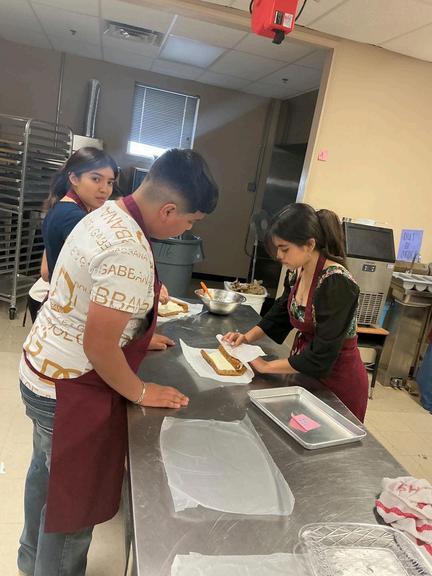
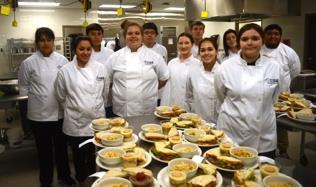
The Culinary Arts program of study focuses on occupational and educational opportunities associated with the planning, direct ing, or coordinating activities of a food and beverage organization or department. This program of study includes opportunities invol ved in directing and participating in the preparation of food.

Level 1
Level 2
Level 3
Level 4
• Introduction to Culinary Arts
• Culinary Arts
• Food Science
• Practicum in Culinary Arts
Work-Based Learning and Expanded Learning Opportunities
• Shadow a director of a non-profit that produces and delivers food for communities in need

Work-Based Learning Activities
• Intern at a catering company and learn about food production for large-scale events
• Work part-time in a restaurant as a line cook or chef
• Participate in FCCLA
Expanded Learning Opportunities
• Participate in SkillsUSA
• Participate in Texas Restaurant and Foodservice Management Organization
• Culinary Meat Selection & Cookery Certification
• Food Safety & Science Certification
Student Name: ________________________
Student ID: ___________________________
Parent Signature: ______________________
Student Signature: _____________________
Date: ________________________________

Example Postsecondary Opportunities
Associate Degrees
• Culinary Arts
• Baking and Pastry Arts
Bachelor’s Degrees
• Hotel/Motel Administration/Management
• Culinary Science
Master’s, Doctoral, and Professional Degrees
• Organizational Leadership

• Foodservice Systems Administration/Management
Additional Stackable IBCs/License
• Food Manager License

Example Aligned Occupations
Food Service Managers
Median Wage: $61,748
Annual Openings: 2,941
10-Year Growth: 15%
Chefs and Head Cooks
Median Wage: $48,557
Annual Openings: 2,699
10-Year Growth: 37%
General and Operations Managers
Median Wage: $96,046
Annual Openings: 44,419
10-Year Growth: 23%

Prerequisites: None
Corequisites: None
Recommended
(1 credit)
Practicum in Culinary Arts
First Time Taken: 13022700 (2 credits)
Second Time Taken:
(2 credits)

Prerequisites: None
Corequisites: None
Recommended Prerequisites: Principles of Hospitality and Tourism and Introduction to Culinary Arts
Recommended Corequisites: None
Prerequisites:

Corequisites: None
Recommended
Recommended
Prerequisites: Culinary Arts
Corequisites: None
Recommended Prerequisites: None
Recommended Corequisites: None
The Law and Public Service career cluster focuses on planning, managing, and providing legal services, public safety, protective services, and homeland security, including professional and technical support services. This career cluster includes occupations ranging from all aspects of the military, police officer and firefighter to political scientist and lawyer.
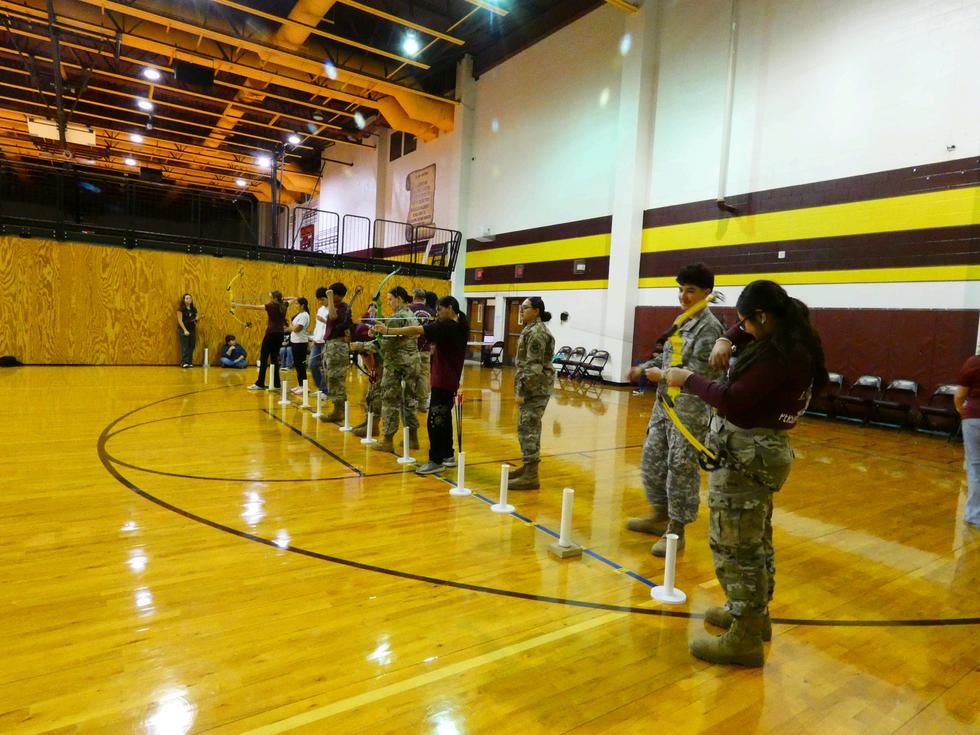
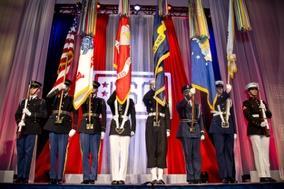
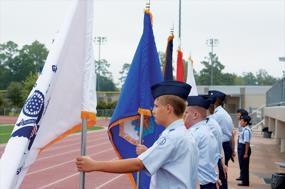
The JROTC program of study emphasizes leadership development, civic responsibility, and personal growth through a structuredmilitary framework. Students explore the history, organization, and purpose of military service at local, state, and federal levels, while gaining a foundational understanding of the U.S. Constitution and the role it plays in shaping civic life. The courses fosters discipline, teamwork, and decision-making, encouraging students to become engaged citizens and future leaders in their communities.

Level 1 JROTC I
Level 2 JROTC II
Level 3 JROTC III
Level 4 JROTC IV
Work-Based Learning and Expanded Learning Opportunities
Work-Based Learning Activities
Expanded Learning Opportunities
• Leadership internships
• Drill and Ceremony
• Leadership academies and camps
• School events and competition
• Service-learning projects
• Job shadowing with military personnel
• Mentorship and peer leadership programs
Successful completion of the Junior Reserves Officers’ Training Corps program of study willfulfill requirements of the Public Services endorsement.
Student Name: ________________________
Student ID: ___________________________
Parent Signature: ______________________
Student Signature: _____________________
Date: ________________________________


United States Armed Forces Enlistment
• U.S. Air Force
• U.S. Army
• U.S. Coast Guard
• U.S. Navy
• U.S. Space Force
Military Academies
• U.S. Military Academy – West Point
• U.S. Naval Academy – Annapolis
• U.S. Air Force Academy – Colorado Springs
• U.S. Coast Guard Academy – New London

• U.S. Merchant Marine Academy – Kings Point
University – ROTC Programs
• Basic Course – Freshman / Sophomore
• Advanced Course – Junior/ Senior

Example Aligned Occupations
Military Police Investigator
Median Wage: $55,598
Annual Openings: 325
10-Year Growth: 5%
Aviator
Median Wage: $233,909
Annual Openings: 1,268
10-Year Growth: 6%
Military Construction Mechanic
Median Wage: $47,385
Annual Openings: 4,301
10-Year Growth: 6%

(1
Prerequisites:
The Law and Public Service career cluster focuses on planning, managing, and providing legal services, public safety, protective services, and homeland security, including professional and technical support services. This career cluster includes occupations ranging from all aspects of the military, police officer and firefighter to political scientist and lawyer.
The Law Enforcement program of study focuses on occupational and educational opportunities associated with the development and enforcement of laws by various branches of law enforcement. This program of study includes the history, organization, and functions of local, state, and federal law enforcement. Students will understand the role of constitutional law at local, state, and federal levels; the U.S. legal system; criminal law; and law enforcement terminology and the classification and elements of crime.

Level 1
Level 2
Level 3
Level 4
• Principles of Law, Public Safety, Corrections, and Security
• Criminal Investigation
• Law Enforcement I
• Correctional Services
• Forensic Science
• Practicum in Law, Public Safety, Corrections, and Security
Work-Based Learning and Expanded Learning Opportunities
Work-Based Learning Activities
Expanded Learning Opportunities
• Shadow a detective to learn about investigations and the role of detectives in law enforcement
• Intern in dispatch at a local law enforcement agency to learn about first responder roles and processes
• Visit a police department
• Participate in TSA or SkillsUSA, or TPSA
Aligned Industry-Based Certifications
• Non-Commissioned Security Officer Level II License
Student

Apprenticeships
• Security Specialist
Associate Degrees
• Criminal Justice
• Law Enforcement
Bachelor’s Degrees
• Forensic Science
• Criminal Justice

Master’s, Doctoral, and Professional Degrees
• Criminal Justice
• Criminology and Criminal Justice
Additional Stackable IBCs/Licensures
• Jailer – Basic County Corrections
• Basic Telecommunicator

Example Aligned Occupations
Police and Sheriff’s Patrol Officers
Median Wage: $74,014
Annual Openings: 5,461
10-Year Growth: 13%
Detectives and Criminal Investigators
Median Wage: $89,394
Annual Openings: 1,555
10-Year Growth: 8%
First-Line Supervisors of Police and Detectives
Median Wage: $105,836
Annual Openings: 526
10-Year Growth: 12%

Prerequisites | Corequisites
Principles of Law, Public Safety, Corrections, and Security*
13029200 (1 credit)
Law Enforcement I 13029300 (1 credit)
Criminal Investigation 13029550 (1 credit)
Prerequisites: None
Corequisites: None
Recommended Prerequisites: None
Recommended Corequisites: None
Prerequisites: None
Corequisites: None
Recommended Prerequisites: Principles of Law, Public Safety, Corrections, and Security
Recommended Corequisites: None
Prerequisites: None
Corequisites: None
Recommended Prerequisites: Principles of Law, Public Safety, Corrections, and Security
Recommended Corequisites: None
Prerequisites | Corequisites
Prerequisites: None
Corequisites: None
Correctional Services 13029700 (1 credit)
Forensic Science* 13029500 (1 credit)
Practicum in Law, Public Safety, Corrections, and Security*
First Time Taken: 13030100 (2 credits)
Second Time Taken: 13030110 (2 credits)
Recommended Prerequisites: Principles of Law, Public Safety, Corrections, and Security
Recommended Corequisites: None
Prerequisites: One credit in biology, one credit in chemistry, Integrated Physics and Chemistry (IPC), or physics
Corequisites: None
Recommended Prerequisites: None
Recommended Corequisites: None
Prerequisites: None
Corequisites: None
Recommended Prerequisites: None
Recommended Corequisites: None