WhatistheScienceofReading&Early Learning?
HowtoBridgetheKindergartenReadiness Gap
Thetransitionintoformalschoolingisoneofthemostsignificantmilestonesinachild’slife. Yet,formanyparents,thefirstdayofschoolcomeswithahiddenanxiety: Is my child actually ready?
Thisuncertaintyhighlightsagrowingglobalchallengeknownasthekindergartenreadiness gap—thedevelopmentalandacademicdividebetweenchildrenwhoenterschoolwith foundationalskillsandthosewhostruggletocatchup.
Datafromrecentglobaleducationalstudiesrevealsanalarmingtrend.Accordingtothe foundational School Readiness Census,thepercentageofyoungchildrenenteringtheclassroom underpreparedhasclimbedsignificantlyoverthelastfewyears.
KeyTakeaway:Thisupwardtrendhighlightsthattraditionalpre-kindergarten preparationmethodsarefailingtokeeppace.Nearly4outof10childrennowenter schoolmissingessentialearlyliteracy,logic,andcountingbenchmarks.Thisgap createsanimmediateinstructionalburden,witheducatorslosinganaverageof2.4 hoursofteachingtimeeverysingledaytryingtocatchlaggingstudentsup.
Intoday'sdigitallandscape,toddlersareexposedtodevicesearlierthanever—withcensusdata showingthat58%ofchildrenowntheirowntabletbyage4.Thechallengeisn'tkeepingthem entirelyawayfromscreens;it'stransformingpassivemediaconsumptionintoanactive,safe educationalappforkids.Bychoosinghigh-intenteducationaltools,parentscanbridgethis learninggapeffortlessly,ensuringtheirchildstepsintotheclassroomaheadofthecurve.
UnderstandingtheScienceofReading&EarlyLearning
Fordecades,earlychildhoodeducationreliedheavilyonrotememorization—forcingchildrento repeatflashcardsuntiltheinformationstuck.However,moderncognitivesciencetellsa completelydifferentstory
Accordingtothescienceofreading,youngchildrendonotnaturallydecodewordsby memorizinghowtheylookvisually.Instead,theirbrainslearnlanguagestructurallythrough phonologicalawareness—connectingspokensoundstowrittenletters.
TheNeurologicalReality:Betweentheagesof3and6,achild’sbrainishighly receptivetospatialandvisualreasoning.Cognitivedevelopmentintoddlers thriveswhenacademicconceptsarepresentedthroughplay-basedlearninggames ratherthanstaticworksheets.
Whenachildinteractswithstructuralpuzzles,theirbrainbuildsstrongerneuralpathwaysfor logicandproblem-solving.Thisevidence-basedapproachformstheframeworkofhow successfulmodernearly-learningplatformsarebuilt.
Featurevs.Benefit:CountingMadeEasyfora5-Year-Old
Whenevaluatingeducationaltools,manyplatformsadvertisetheirfeaturesbysimplystating, "We have math games." Butachecklistoffeaturesdoesnotguaranteealearningoutcome. Parentsmustfocusontheconcretebenefit: How does this actually help my child learn?
Considerthetraditionalwayofteachingnumbers:forcingachildtositandcountto50outloud. Whiletheymightmemorizethesequence,theyoftenlackatrueconceptualunderstandingof quantity.
Thisiswhereadvancedinteractivekidslearningmodelsshifttheparadigm.Insteadofabstract memorization.Forexample,achilddoesn'tjustlookatthenumber"5";theyhelpafriendly charactercollect5virtualapplestofeedahungrypuppy.
Byturningabstractnumbersintotangible,rewardinggoals,mathgamesfor5yearoldsmake countinganintuitive,stress-freemilestone.Thechildisn'tjustrecitingwords;theyaremastering mathematicallogic.
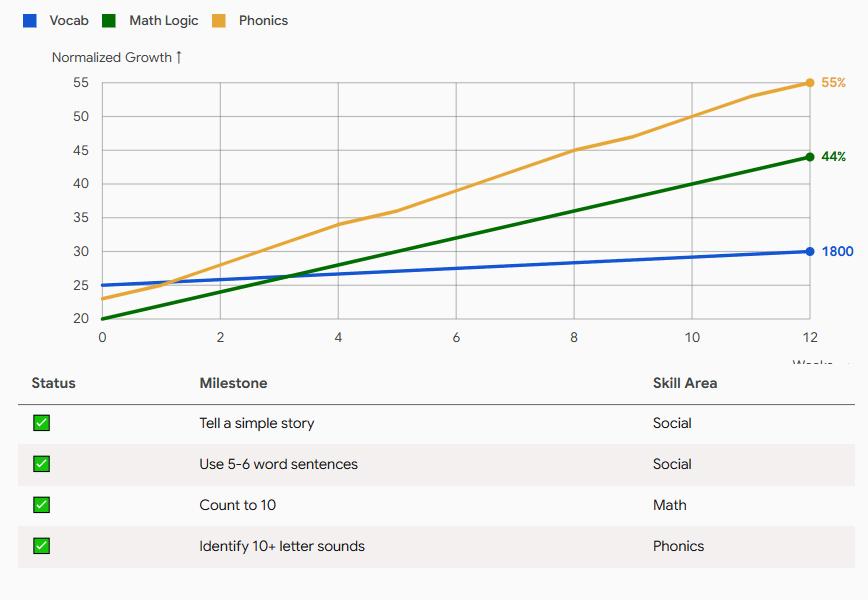
CalculateYourChild'sLearningMilestones
Usetheinteractivetrackerbelowtounderstandhowstructureddailyplaytimeacceleratesyour child'scorekindergartenskillsovera12-weekperiod.