

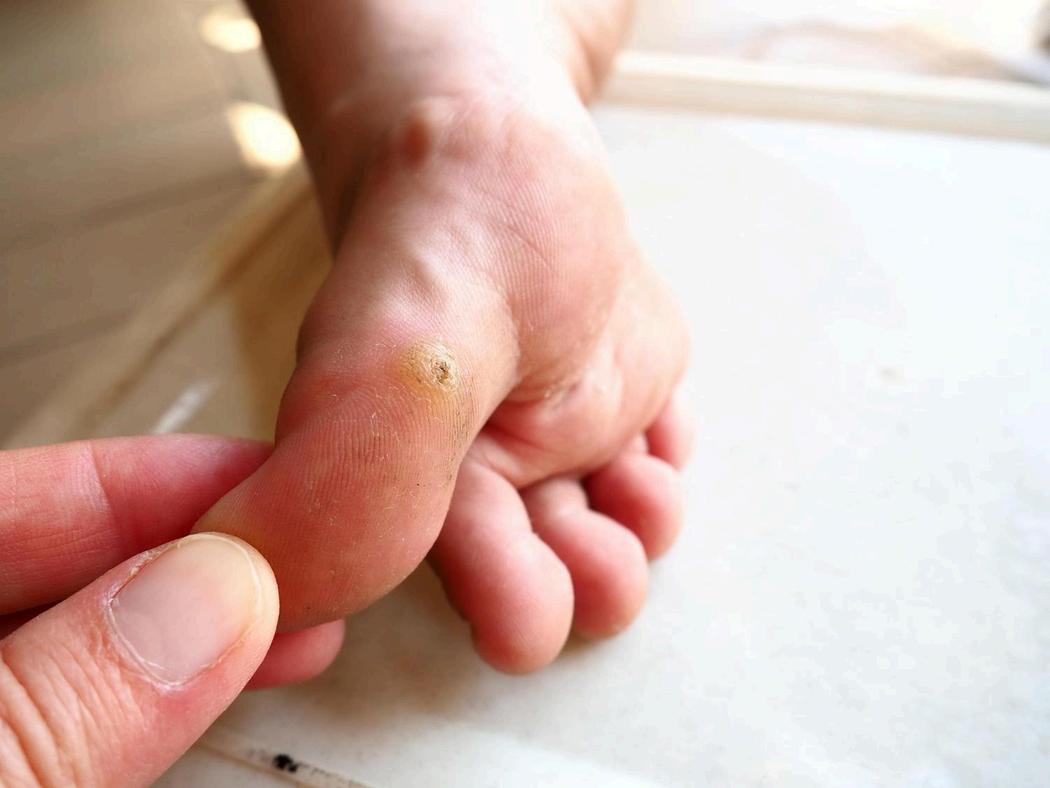

Is a painful spot on your foot making it hard to walk comfortably? This presentation helps you recognise a verruca early and understand the signs you shouldn’t ignore.Verrucas can start small, but over time, shoes may rub, standing can feel uncomfortable, and everyday activities may become painful. Many people ignore them at first, hoping they’ll go away, but verrucas usually don’t disappear on their own. At YourSkin MK, we often see people who feel worried because they didn’t realise it was a verruca early on. This blog explains the signs in a clear, simple way, helping you understand what your skin is telling you so you can take the next step with confidence
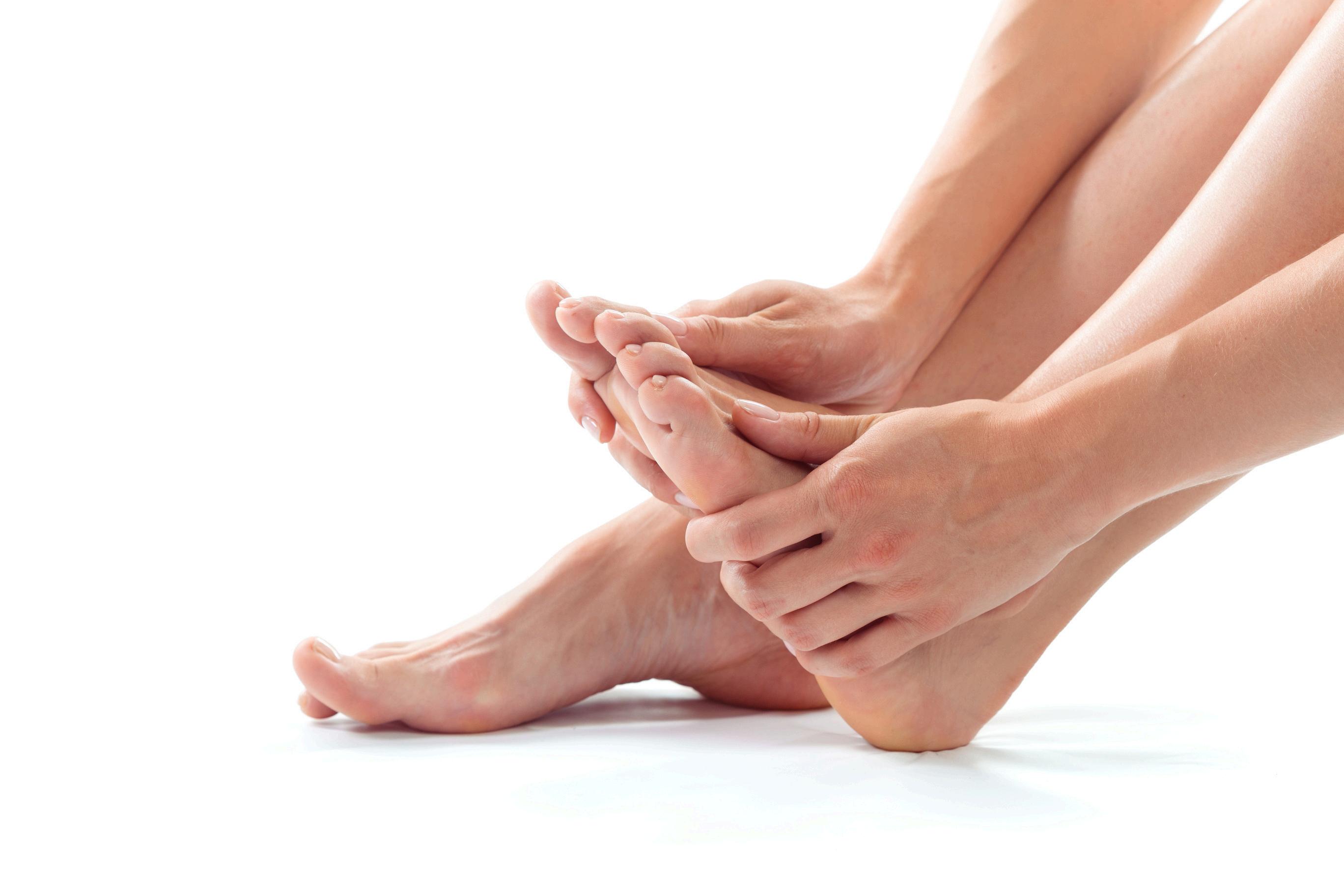
Knowing how to identify a verruca implies spotting small changes before they become painful. It forms gradually, so they are often mistaken for hard skin or a callus. In our experience as a reputable dermatology clinic in Milton Keynes, the most common signs include rough patches, small black dots, and pain while walking. These symptoms tell you that you act before the problem worsens.

A verruca usually develops as a small rough patch on the back of the foot. The skin feels thicker and firmer than the surrounding area. When you touch it, it doesn’t feel smooth or flexible. Many people assume it’s just dry skin or hard skin from pressure. We regularly see patients who tried creams or pumice stones with no improvement. Unlike dry skin, a verruca does not soften easily. Spotting this difference early during a skin treatment can prevent future discomfort.

One of the clearest signs of a verruca is the presence of tiny black dots. These dots are not dirt. They are small blood vessels trapped inside the verruca. They may only be visible when you look closely. At YourSkin MK, we often use this sign to help distinguish a verruca from a corn. Corns do not contain these dots. This detail alone can provide helpful clarity and reassurance.
A verruca usually hurts when pressure is applied, unlike normal hard skin. Many individuals complain of a sore or aching sensation during walking. Long sitting can also prove to be painful. This is so because the verruca does not develop outward but inwards.
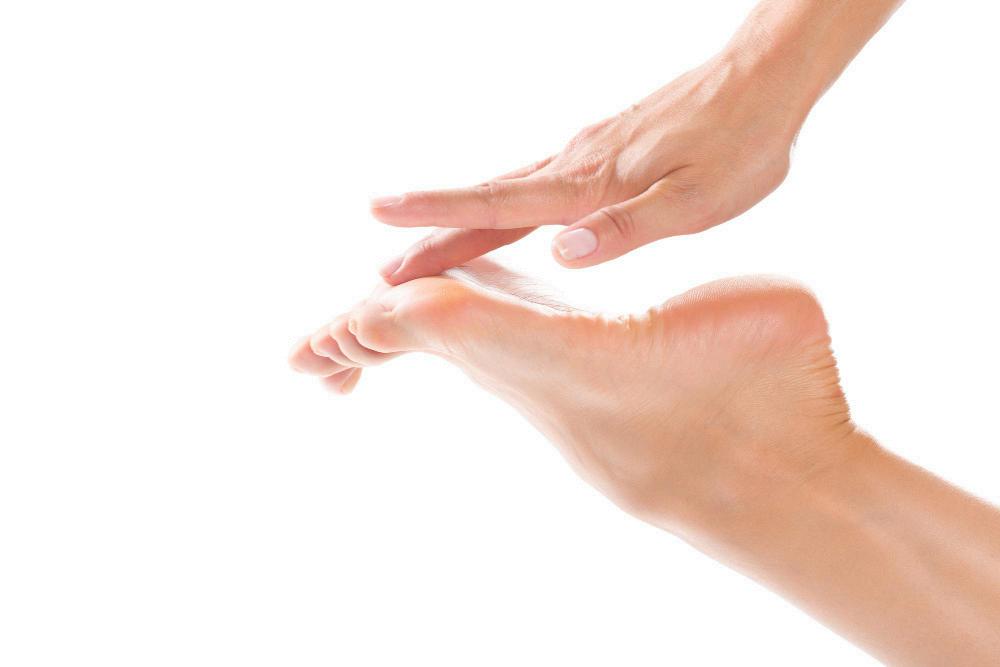
Healthy skin has natural lines that flow evenly across the surface. A verruca interrupts these lines. Instead of continuing smoothly, the lines stop or bend around the affected area. This is a subtle sign, but an important one. During assessments at our Milton Keynes dermatology clinic, we always look at skin patterns closely. Changes like this often confirm that the lesion is more than simple hard skin.
A verruca rarely stays the same. There are other times when more verrucas cluster around them. This is because verrucae are caused by a virus transmitted by skin contact.
Understanding how to identify a verruca early helps prevent ongoing discomfort and worry.
Small signs matter. A rough patch, broken skin lines, or pain when walking are your skin’s way of asking for attention. Ignoring these signs often makes things harder than they need to be.
At YourSkin MK, we are here to support you every step of the way. As one of the most reliable Milton Keynes dermatology clinic, we provide our clients with professional skin care in a relaxed, professional atmosphere. Book an appointment with us today, and let our team of skin experts prioritise your comfort and skin health.