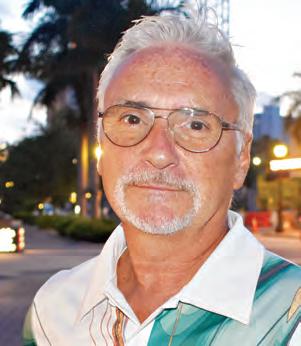
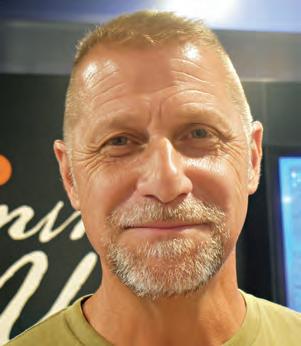
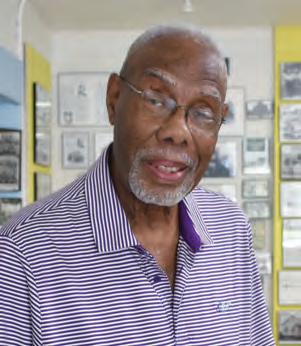
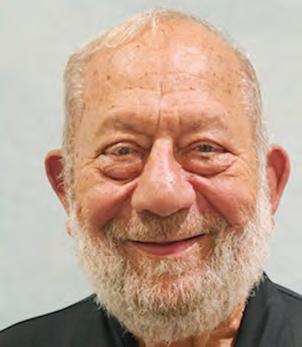
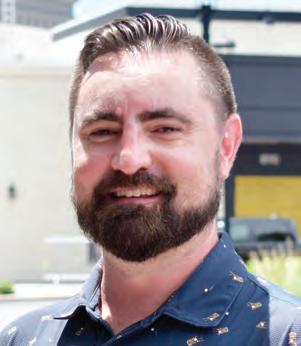
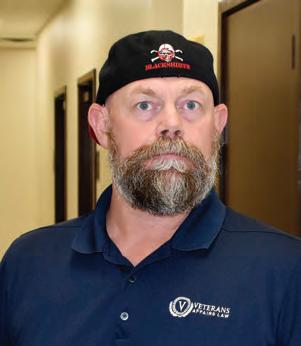
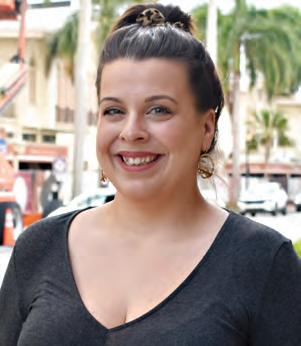
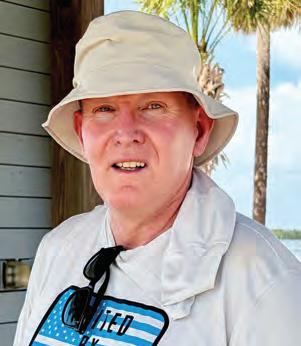
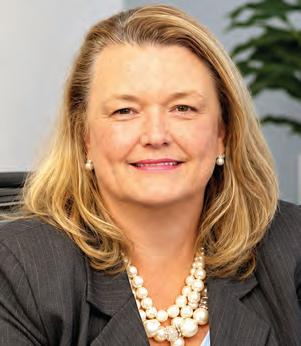
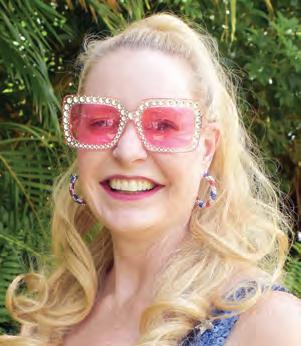
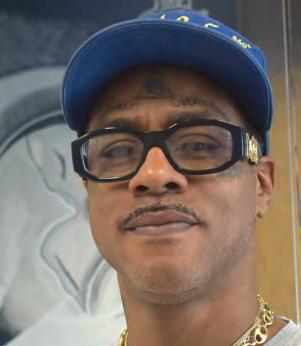
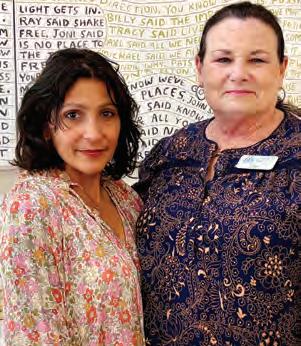
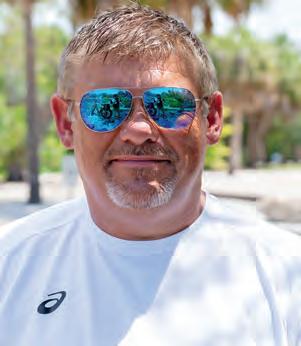
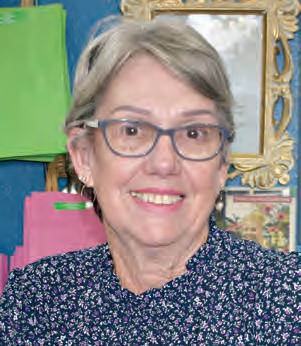
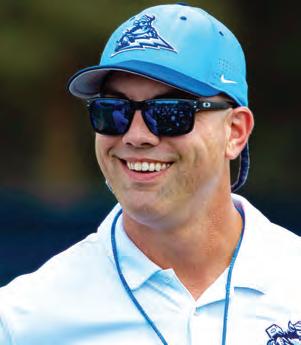
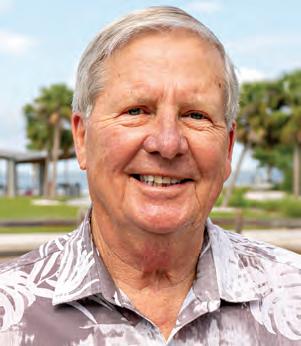





Sure, we have our own thoughts about our country. But we’re all Americans.
KAT WINGERT EXECUTIVE EDITOR
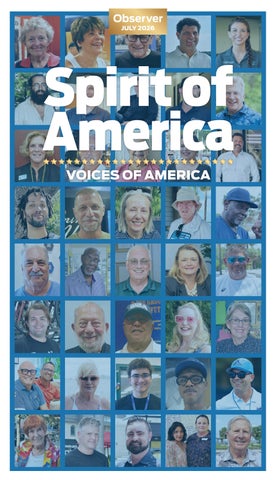
When we set out on this project — to ask Americans nine questions about all things America — we weren’t quite sure how it would go. Would people be open? Thoughtful? Candid? Would they even want to talk to us?
The answer to the last question is no. A lot of people did not. I don’t know if you’ve ever approached a stranger with a camera and a notebook, but folks are understandably not welcoming in this scenario.
However, lucky for us, for more than 40 people, the answer was yes — they did talk to us. And, even luckier for us, the answer was yes to all the other questions above as well.
Thank you, by the way.
Because what you helped us create is a tapestry of voices, each with a unique perspective and experience, starting on page 14.
Our questions ran the gamut, from quite serious (“What is a patriot today?” and “What do you think America will look like in another 250 years?”) to the more fun (“What’s your favorite American invention?” and “In what era of America would you like to have lived?”).
What emerged were both shared sentiments between many people, as well as some differing opinions.
But, even those who said they were unhappy with the current state of the country — or its past — still expressed the same thing as those who felt more positive: A deep recognition and appreciation for the uniqueness of the American experiment, and a hope that it continues strong.
As I read through all 42 people’s responses, I was impressed by both how different they were, but also how this appreciation provided a foundation of commonality across all the answers.
And, I hope, reading what they had to say, you come away with the same feeling I had: respect.
It is the thing that allows us to think differently, to disagree, but to still thrive together as a united country. Without respect, we lose our bond and the understanding we have as fellow Americans.
One respondent, MJ Price, even said this was how she shows her patriotism: “... while I might dislike or disagree with what someone else is saying, I will defend their right to say it with my dying breath.”
As I look around the political and media landscape of today, that respect has taken a beating. It has become left vs. right, winners vs. losers, us vs. them. But we’re all on the same team, remember? Team USA!
So, as we celebrate our wonderful country’s 250th anniversary, perhaps we can also remember that what has made it wonderful is us — Americans. And the fact that we’re all in this together.
Reading through your fellow Americans’ sentiments, you may disagree with some of the things they say. But I think you’ll find, more often than not, that we have a lot in common.
(If you’re skeptical, just see question 6 on American traditions: Thanksgiving! Football! Halloween! Need I say more?)
And, at the heart of it all, is the most important thing we have in common: A love for our country, no matter how we choose to celebrate it. That is worthy of our respect.






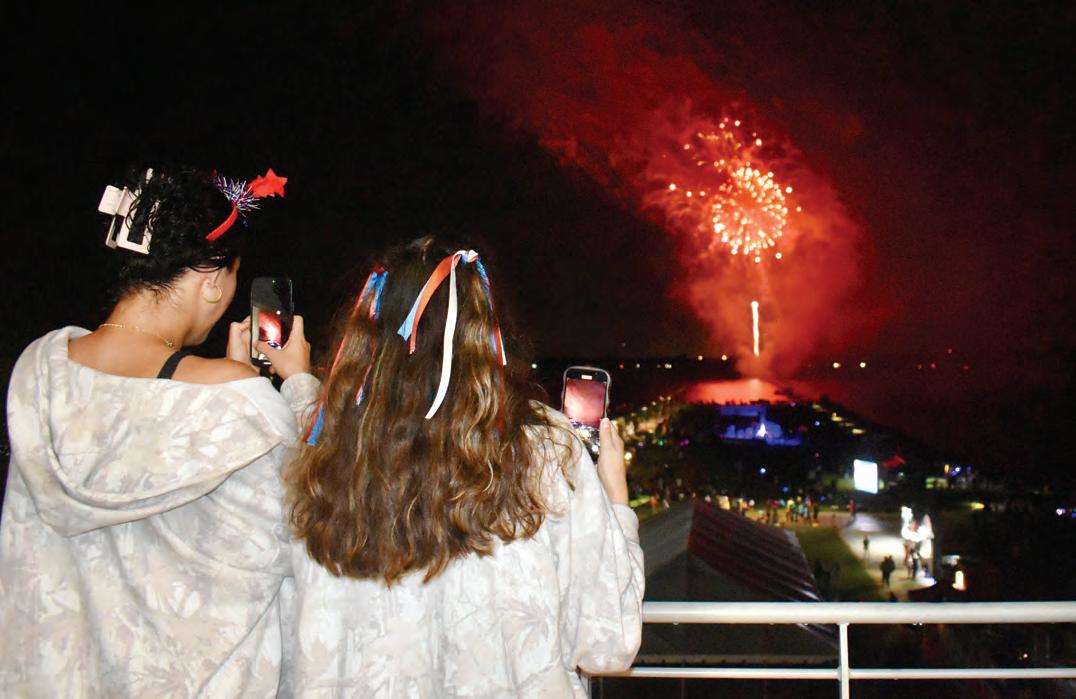
From parades to the classic fireworks, check out these events to help you celebrate Independence Day right.
FRIDAY, JULY 3
FIREWORKS ON THE LAKE
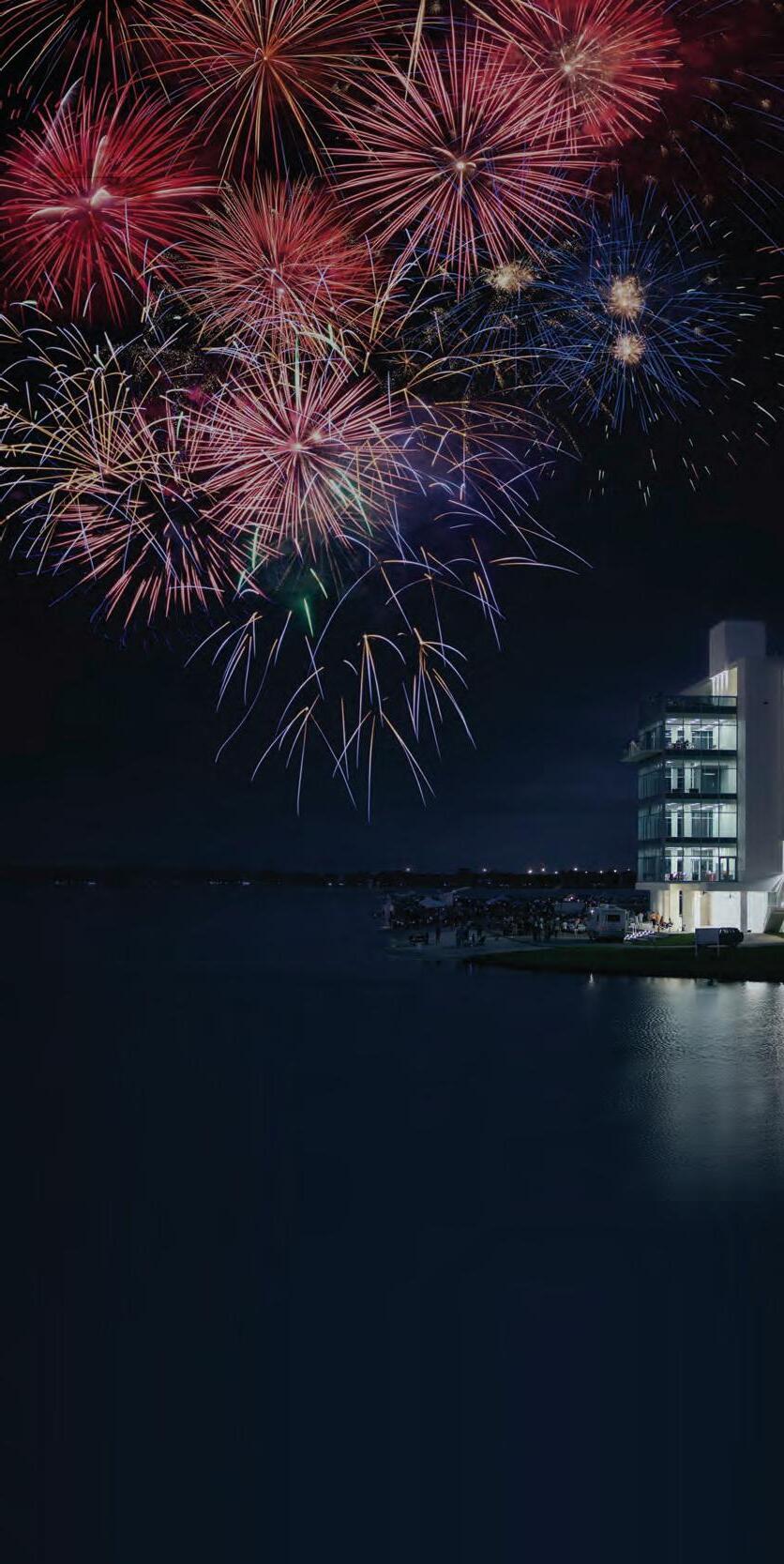
Runs from 5-10 p.m. at Nathan Benderson Park, 5851 Nathan Benderson Circle, Sarasota. Fireworks on the Lake returns with live music by Sugar Vibe and The Pops Orchestra, a kids zone, family-friendly activities and food and beverage trucks. The fireworks show begins at 9:15 p.m. VIP Viewing Experience tickets from the finish tower are available at $105 per adult and $65 per child for ages 12 and under. The ticket includes complimentary food and beverages, an open bar with beer and wine, and access to the air conditioned finish tower. Parking is $25-$60. Visit FireworksOnTheLake.com.
SATURDAY, JULY 4
PALMETTO FOURTH FEST
The city of Palmetto’s Fourth Fest features live music from 5-10 p.m. by Soul Circus Cowboys, as well as food and drinks and a kids zone. The event will be held at Riverside Park, 801 Riverside Drive, Palmetto. Fireworks over the Manatee River, sponsored by the cities of Palmetto and Bradenton, begin at approximately 9:15 p.m. from the Green Bridge Pier. Admission and parking are free. Visit PalmettoFL.org.
BRADENTON ALIVE
INDEPENDENCE DAY
CELEBRATION
Bradenton Alive hosts a free event from 5-9:30 p.m. at Rossi Park, 444 Third Ave. W., Bradenton. Enjoy live music, food trucks, a kids zone and merchant vendors. All-inclusive VIP tickets are available. Fireworks, sponsored by the cities of Bradenton and Palmetto, over the Manatee River begin at approximately 9:15 p.m. from the Green Bridge Pier. Visit Bradenton-Alive.com.
STAR-SPANGLED SPECTACULAR
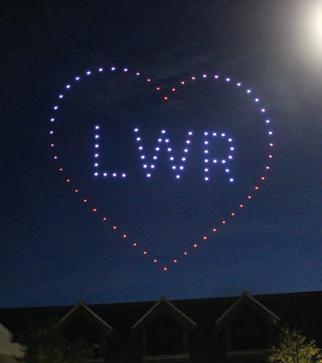
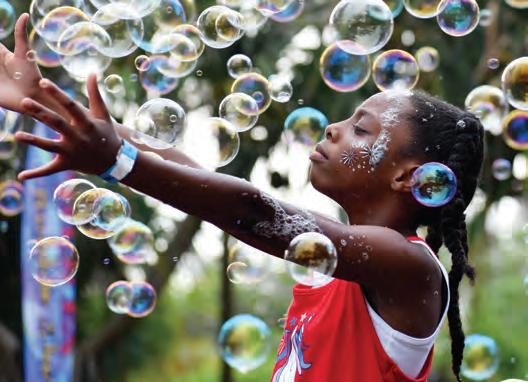
Lakewood Ranch is pulling out the stops for Independence Day this year with its second Star-Spangled Spectacular. Runs from 6-9 p.m. at Waterside Place, 1560 Lakefront Drive, Lakewood Ranch. A 7 p.m. performance from variety artist Noah Royak, an 8 p.m. show by Circus Arts Conservatory and a 9 p.m. drone show are the highlights of the free holiday event at Waterside Place. The event will include carnival games, vendor booths, food and family-friendly fun that includes a kids zone. All parking is free, and a trolly will run continuously between Waterside Place and lots at Grace Community Church from 5:30-10 p.m. Visit LakewoodRanch.com.
NORTH PORT FREEDOM
FESTIVAL
The city of North Port’s annual Fourth of July celebration begins at 6 p.m. at CoolToday Park, 18800 W.
than 40 food vendors, crafters and local businesses, as well as a view of the fireworks at Nathan Benderson Park. The event is in Parking Lot 4, on the east side of the mall. Parking and entry are free. Visit FloridaPenguinProductions.com.
SATURDAY, JULY 4
LONGBOAT KEY’S FREEDOM FEST AND HOT DIGGITY DOG CONTEST
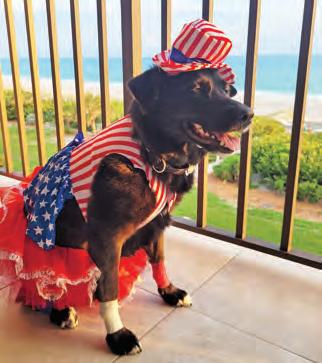
Celebrate the Fourth of July with the “shortest parade in America,” by the Longboat Key Chamber of Commerce. The parade along Bay Isles Road begins at 9 a.m. at Bicentennial Park, 500 Bay Isles Road. Enjoy the parade, then head into the park for the annual celebration, featuring a butterfly release, entertainment by Chucko the Clown, music, a petting zoo and other family-friendly activities. The Rotary Club of Longboat Key is also holding its “Hot Diggity Dog!” competition after the butterfly release at 10 a.m. Prizes are awarded for the most patriotic, most creative dog costume and for the best owner-dog combination. Admission is free. Kids are welcome to decorate their bikes, wagons and themselves and march in the parade. The best float or group will win a $500 prize. Visit LongboatKeyChamber.com.
VENICE PARADE & PICNIC
As part of the 250th celebration, the city of Venice will host a parade, which will begin at 9:30 a.m. from West Venice Avenue and Ave des Parques, travel east through Historic Downtown Venice and end near West Blalock Park along Pensacola Road. View the parade along the westbound lane of West Venice Avenue, both sides of Nassau Street and areas surrounding West Blalock Park. Visit Venice.gov.
AMI PRIVATEERS FOURTH OF JULY PARADE
Villages Parkway, North Port. There will be local food and merchandise vendors, as well as free kids activities including bounce houses and lawn games. Live music will be provided by Dukes of Brinkley. The fireworks show will be at approximately 9 p.m. Visit NorthPortFL.gov.
SARASOTA JULY 4TH FIREWORKS CELEBRATION
9 p.m. at Bayfront Park, 5 Bayfront Drive. Free. The city of Sarasota continues the Fourth of July tradition of fireworks over Sarasota Bay. Viewing is free along the bayfront. Visit SarasotaFL.gov.
SIESTA KEY COMMUNITY FIREWORKS
The Siesta Key Community Fireworks show draws families and friends to Siesta Key’s white-sand beaches for an evening of fun. The Siesta Key Chamber of Commerce hosts the community event from 8-9:30 p.m. on Siesta Beach, 948 Beach Road, Siesta Key. Fireworks start at dusk. Viewing is free, but the event has sponsorships available that provide free parking, free beverages and snacks, as well as preferred seating at the hospitality area for the best view. Visit SiestaKeyChamber.com.
VENICE FIREWORKS
There are few better ideas than traveling down Tamiami Trail to catch the impressive fireworks show launch from North Brohard Beach around 9 p.m. The free 20- to 25-minute show can be checked out at several area beaches from Caspersen to Nokomis. Humphris Park and South Jetty will be closed to the public. Visit VeniceGov.com.
FRIDAY, JULY 3
BRADENTON MARAUDERS INDEPENDENCE DAY CELEBRATION
The Bradenton Marauders host the Daytona Tortugas starting at 6:30 p.m. at LECOM Park, 1611 Ninth St. W., Bradenton. Gates open at 5 p.m. and the first 1,500 fans receive a free Marauders T-shirt. Fireworks follow immediately after the game. Visit MILB.com/bradenton for ticket information.
SUNCOAST LARGEST FOOD
TRUCK FESTIVAL
Start your Fourth of July holiday weekend with a tailgate party at The Mall at University Town Center, 140 University Town Center Drive, Sarasota. From 4-9 p.m. Friday and noon to 9 p.m. Saturday, enjoy more
The Anna Maria Island Privateers host the biggest event on Anna Maria Island, with a parade and water fight starting at 10 a.m. at Coquina Beach, 2650 Gulf Drive S., Bradenton Beach, and ending at Bayfront Park, 316 N. Bay Blvd., Anna Maria, with a picnic celebration. Parade entry is $25 per Jeep. Attendance is free. Visit AMIPrivateers.org.
ALL-AMERICAN COOKOUT
5:30-9:30 p.m. at Marie Selby Botanical Gardens’ downtown campus, 1534 Mound St. If you prefer a more natural venue for your Fourth of July merriment, check out Selby Gardens’ All-American Cookout. The event will have barbecue favorites and desserts for purchase and a number of activities and games before the fireworks. General admission is $25 for members, $35 for adults, $10 for ages 5-17 and free for children 4 and younger. All-inclusive tickets are also available with on-site parking, a buffet, an open bar and prime fireworks seating. Visit Selby. org.
FST IMPROV: ‘FREEDOM! THE MUSICAL’ Feeling patriotic but looking for a laugh? Florida Studio Theatre Improv explores “Life, Liberty and the Pursuit of Laughter” in this comedy musical with a promise to share an untold story of the American Revolution. Begins at 7:30 p.m. at FST’s Bowne’s Lab, 1265 First St. Tickets $15-$18. Visit FloridaStudioTheatre. org.
SUNDAY, JULY 5
LIBERTY LITTER CLEANUP
If you’re wanting some civic engagement to follow your Fourth of July festivities, try the Keep Sarasota County Beautiful’s annual cleanup event. Liberty Litter Cleanup has hundreds of volunteers picking up trash and refuse at 16 locations, including Longboat’s Bayfront Park, Lido Beach, Ted Sperling Park, Siesta Beach and North Jetty Park. The cleanup starts at 7 a.m. sharp and wraps by 9 a.m. Registration is required. Visit SCGov.net.




Kids say the darndest things ... especially when you ask them about Independence Day, U.S. History and what it means to be a good citizen.
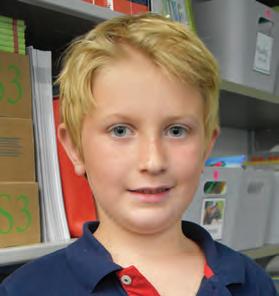
THOMAS VOLDAHL, A SECOND GRADER AT TUTTLE ELEMENTARY
What’s your favorite part about the Fourth of July?
The fireworks. My favorite fireworks are the ones that pop, and then also the sparklers. Those are my two favorite kinds.
What do you like to do on that day?
We will watch the fireworks and do a few. Not like those big fireworks, just like sparklers, the smoke ones, and then the Pop-Its.
What does being a good citizen mean?
Following the laws, like paying and doing rightful things, like picking up trash if it’s not in the right spot, so you’re not littering.
How does it feel to live in America?
Loving that all my family lives in the United States. I don’t know any other family members that do not live here, so I feel happy to be, at
IAN SWABY
least, in the same country as all my family members. I might not be in the same city as them, but I can still see them. It wouldn’t be that long. You only have to take like a few hour ride to Washington so I can see my grandma.
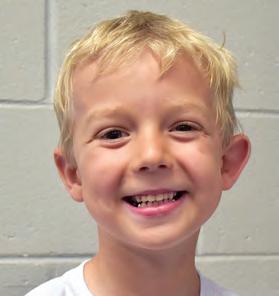
CARTER ANDRZEJEWSKI, KINDERGARTNER AT FREEDOM ELEMENTARY
What would you do if you were president of the United States? Make sure nobody kills other people
What does freedom or independence mean? To do what you want if you can.
Who is a famous American and what do you know about them? George Washington, he is a president.
What have you learned in school about America? That Abraham Lincoln got shot.
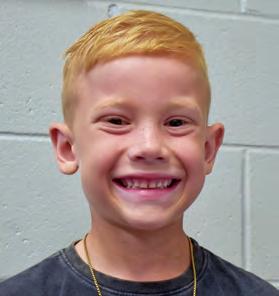
BECKETT SAXEY, KINDERGARTNER AT FREEDOM ELEMENTARY
What kinds of things do you see and hear on the Fourth of July? You see a lot of American flags. Also first responders in the parade — police, ambulances, firetrucks. Makes me happy.
What would you do if you were president of the United States? Make sure everybody is following the laws.
What have you learned in school about America?
There’s 50 stars and all those 50 stars represent a different state. What does it mean to be American? Being nice to others.
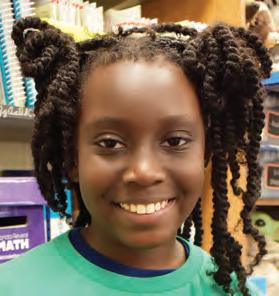
ANEESAH TURNER, A THIRD GRADER AT TUTTLE ELEMENTARY
What do you like to do on the Fourth of July? We get to celebrate and go places and get cool stuff. Sometimes we go to the aquarium, and if it’s super hot, we go to
the beach, and then at night we stay at the beach, and it’s nighttime at sunset, and mom has these little headbands, and then my mom records and we say “The Fourth of July!” together. We get to go to the store and go shopping, and the stores have a lot of stuff at that holiday.
What does the holiday mean to you?
Exciting, good, nice, and a fun holiday.
What does it mean to be a good citizen?
Respectful, helpful, helping our community, and voting.
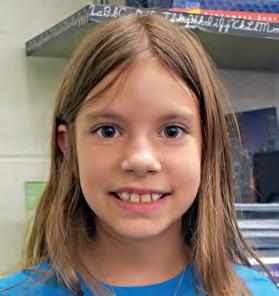
PALOMA EYLER, A THIRD GRADER AT TUTTLE ELEMENTARY
Do you have a favorite kind of fireworks?
The ones that they start off really tiny, and then they get bigger.
What do you like to do on the Fourth of July?
We always get new T-shirts. They’re always, like, American types, like they’re made of red, white, and blue, and sometimes they say “Fourth of July” on them.
How do you feel on that day?
I feel that someone found this place, and now we have all our freedom.
How does it feel to know that the country is celebrating its 250th birthday this year?
That feels good, because we didn’t know that we’ve been around for over 100 years.

CUSTOM


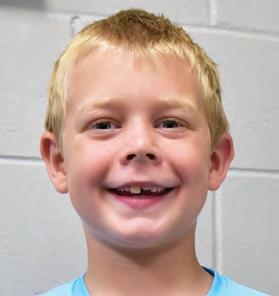
JASON JONES, KINDERGARTNER AT FREEDOM ELEMENTARY
What kinds of things do you see and hear on the Fourth of July? Fireworks that go “Boom, boom, boom!” They sound like popcorn.
What would you do if you were president of the United States?
I would make sure everybody is safe and make sure everybody goes the same speed that every car goes.
What does freedom or independence mean?
It means being free. You can do anything you want instead of listening to other people.
Who is a famous American and what do you know about them? Abraham Lincoln was the 16th president. He wears a coat that is black and white.
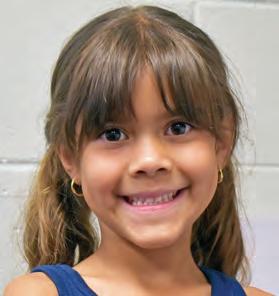
VICTORIA BARRETO, KINDERGARTNER AT FREEDOM ELEMENTARY
What have you learned in school about America? It has 250 years.
Who is a famous American and what do you know about them? George Washington. He was the first president.
What kinds of things do you see and hear on the Fourth of July? Firetrucks.
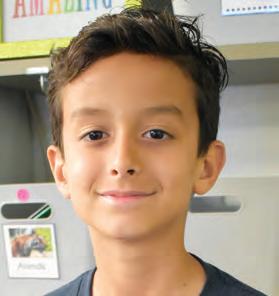
DYLAN SILVA, A SECOND GRADER AT TUTTLE ELEMENTARY
What is your favorite part of the Fourth of July?
All the fireworks, and just celebrating it. It just feels like such a memorial moment for America.
How do you feel on that day?
I feel like so just, happy, that we have all of our freedom and liberty, and all this stuff.
What do you do to celebrate that day?
We do fireworks, we do a celebration, we have like, a feast too.
What do you like to eat on that day?
Some steak, maybe? I like mediumwell.
What do you like about living in America?
What I like about living in America is we get freedom, liberty, like we can kind of do whatever we want, and plus, we don’t have to like be ruled by any king.
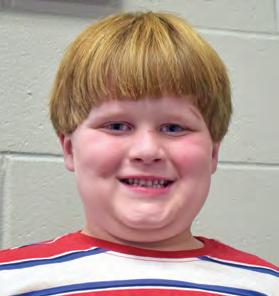
ALEX TAYLOR, KINDERGARTNER AT FREEDOM ELEMENTARY
What would you do if you were president of the United States? I’ll make sure everybody follows the laws by making a list of the laws. Make sure everyone follows the speed limit.
What have you learned in school about America?
We have 50 states. America is the best one.
What kinds of things do you see and hear on the Fourth of July? Fireworks. They are noisy and hurt my ears.
Who is the most famous American and what do you know about them? Abraham Lincoln, he let everybody be free.
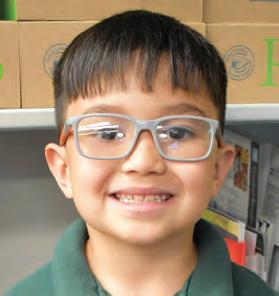
DANTE JURA DO, A SECOND GRADER AT TUTTLE ELEMENTARY
What is your favorite part of the Fourth of July? My favorite part of Fourth of July is the fireworks and apple pie... It’s delicious. My mom makes it.
What does the holiday mean to you? Freedom. Freedom and democracy.
How does it feel to live in America?
I feel good, because I don’t have to get bossed around like other states.
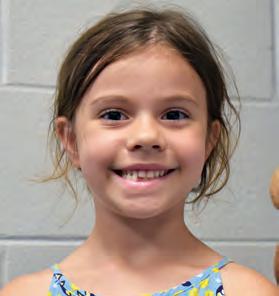
LILY WHITEAKER, KINDERGARTNER AT FREEDOM ELEMENTARY
What would you do if you were president of the United States? Make sure no one gets hurt.
What kinds of things do you see and hear on the Fourth of July?
The fireworks are very loud.
What does it mean to be American?
It means to be a great person, being kind and nice.
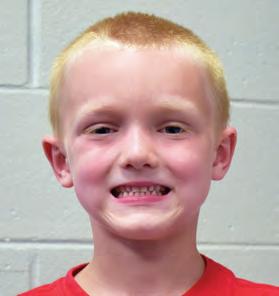
KARTER CURTIS, KINDERGARTNER AT FREEDOM ELEMENTARY
What kinds of things do you see and hear on the Fourth of July? Shooting stars.
What would you do if you were president of the United States? Make sure everyone is safe.
What have you learned in school about America? That Abraham Lincoln was the 16th president.
Who is a famous American and what do you know about them? President Trump, he is president now.
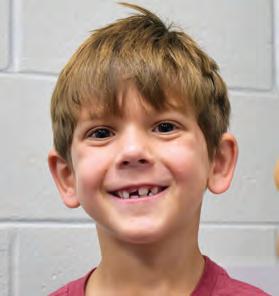
EASTAN MITCHELL, KINDERGARTNER AT FREEDOM ELEMENTARY
What kinds of things do you see and hear on the Fourth of July? Fireworks and people screaming. Because they’re getting excited for the fireworks.
What would you do if you were president of the United States? Make sure everybody is being respectful and sharing.
What does it mean to be American? Helping people and making them happy.
Who is a famous American and what do you know about them? George Washington, he wears a red and black shirt.


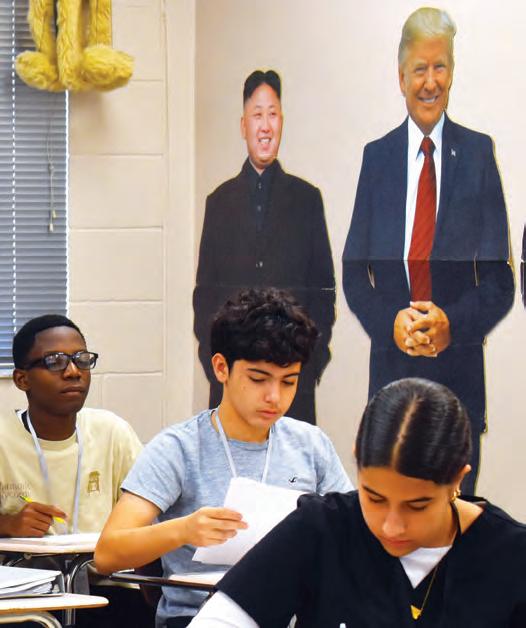
Manatee and Sarasota teachers follow state standards but have leeway to engage students.
ERIC GARWOOD DIGITAL NEWS EDITOR
Like virtually everything today, the instruction of American history goes deeper than the days when a catchy verse told us all we needed to know about one of the world’s most momentous events.
“In fourteen hundred and ninetytwo; Columbus sailed the ocean blue.
“He had three ships and left from Spain; He sailed through sunshine, wind and rain.”
The remarkably packed-withinformation ditty goes on to name Christopher Columbus’ three ships (Nina, Pinta, Santa Maria) and their time spent at sea (70 days), the fact that the Italian mariner found not a seaborne trade route to Asia as intended, but rather a New World inhabited by natives, and gold was somehow involved.
It concludes … “The first American? No, not quite. But Columbus was brave, and he was bright.”
As high schoolers today might say, “the Vikings would like a word.” And possibly fans of St. Brendan The Navigator who might actually have discovered America 500 years earlier.
They might question the intentions of The Conquistadors who followed Columbus to South America, Central America and even Florida. But in 1919, our man from Genoa and an earworm jingle about the discovery of America would have to do.
Today, students still learn key dates and historical figures of the nation’s first 250 years, to be sure, but there is a greater emphasis on understanding more than just the “when” and the “who.” Getting to the “why” and the “what’s next” often involves studying primary-source documents, examining different viewpoints, asking questions and consider-
History Day is a science fairlike event that promotes study and interpretation of history in a variety of ways for students in elementary level and secondary level grades. At state level in May, one local student placed in the top three in her category.
JUNIOR HISTORICAL PAPER
Mia Spiro (Third place): From Idea to Reality: The Creation of Pain-Free Surgery through Anesthesia. Sarasota Middle School
ing the answers. In many cases, the answers aren’t binary. Sometimes, a range of approaches and analyses are valid, if they’re backed up with facts, educators say.
“We want them to analyze and interpret and figure out these fundamental documents and where the perspectives are coming from,” said Stella Karas, a high school social studies curriculum specialist with Sarasota County Schools. “What was the impact? What is the consequence?”
MUST PASS TO GRADUATE
To graduate, students must take four history-related courses: a full year of world history typically in 10th grade; American history in 11th and semester-long classes on economics and government in 12th. Each comes with an end-of-course exam. C-Palms, Florida’s source for state-sanctioned course descriptions, lists 23 classes for the teaching of American history, including honors, Advanced Placement, Cambridge and International Baccalaureate offerings. Most of them are considered electives and not all are taught in every school or even district. Among them, a history of the Vietnam War.
Karas said all the courses are built around Florida’s educational standards, which form the backbone of every subject taught in the state, designed to ensure that students in Sarasota County learn the same material as students in Manatee County, urban Miami-Dade, bucolic Liberty County or any of Florida’s remaining 63 counties.
“So, in the state of Florida, we have K-12 social studies standards, and actually, our most recent social studies standards for many of the courses were written by teachers in partnership with community stakeholders, including college and university partnerships, but primarily teachers served on those committees,” said Tiffany Spradling, director for secondary curriculum and instruction at the School District of Manatee County. “But the why and the how really comes from our students doing analyses and looking at primary sources, having good discussions, collaborating, considering different sides of arguments, all that happens more organically in the classroom.”
With the guidance of curriculum specialists and experienced educators, classroom teachers are often assisted through a school year in a number of ways, such as pacing suggestions to ensure topics receive needed emphasis and classwork doesn’t run out of time by the end of the year. They also might share ideas on how best to present material. Karas said primary sources of information like key documents are made available to teachers.
Local stakeholders also can take part, such as a veterans’ group invited to send a speaker to address a key segment of learning. In Sarasota County, for instance, Holocaust survivors have been invited to speak to classes. The idea is to keep students engaged while following the mapped-out curriculum, said Greg Liggett, an American history teacher in Manatee County.
“So a curriculum map is a guideline, and that’s created by each individual county,” he said. “Here’s what our county suggests that you
teach those topics, the order that you teach them in. The teacher then has a lot of leeway to come up whatever they think are the most engaging activities and lesson plans to teach those topics, so there’s quite a bit of teacher autonomy in choosing what to teach, but there’s also state standards to provide them guidance on what to teach on the topics to teach.”
Students can also take part in History Day, which works much like a science fair, but with such recent topics as Turning Points in History; Rights and Responsibilities in History and Revolution, Reform and Reaction in History.
Among the Sarasota-created works that were recently received successfully: “The Morning America Saw More Than One Sun Rise: How the Bombing of Pearl Harbor was a Turning Point in History” and “The Selma Marches: A Turning Point in the Civil Rights Movement.” A Sarasota Middle School student in May finished third in statewide judging.
While senior-to-be Tatiana Moskalenko attends the private Out-ofDoor Academy, she said she’s experienced a lot that same kind of teacher leeway in learning what is becoming one of her favorite high school
Students are encouraged in modernday American history classrooms to look for answers on how things work and what longerterm impacts might be.
classes. She said a teacher in her sophomore year made a game-showinspired exercise for students to study for final exams.
The effects were to inspire deeper dives into something as simple as a day, month and year.
“He taught in a way that was so engaging,” she said. “He overprepared us in every way possible. The last few weeks before our exams, he had these sticks and he would randomly draw our names and we would have to choose a date. And we’d go around and see how many dates we could get correct, and he would do this for every class, and there’d be this scoreboard.”
Although the Sarasota County student said she’s likely to pursue dramatic arts in college when she graduates in 2027, the foundation built with such a classroom experience solidified her connection with something well outside of her primary area of interest.
“I’m very interested in the arts and also how our society has changed throughout the years, and something I would love to do in the future is incorporate those in my career,” she said.

Historians say few braved the brutal Sarasota environment when our forefathers were signing the Declaration of Independence.
It’s likely in the past month, you’ve been walking around the Sarasota or Manatee counties area and have heard someone say, “We live in paradise.”
In 1776, though, Florida historians say nobody was calling the region
paradise.
“There were lots of mosquitoes, gators and snakes,” said Uzi Baram, professor emeritus of New College of Florida. “This area was seen as a frontier. It was a very small population.”
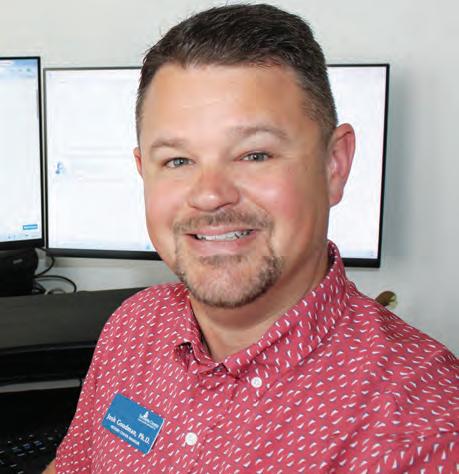
“It’s not that there was nothing here,” said Josh Goodman, the manager of the Sarasota County History Center, which is part of the county’s Libraries and Historical Resources Department. “But what was going on was not organized. There were no municipalities ... no settlements.”
Although the area was made up mostly of Cuban fishermen in 1776, the region was a British colony. But the British had little interest in trying to govern or control the area.
They had their hands full with their other colonies in the New World.
If you were waking up in the Sarasota area of 1776, and you weren’t a Seminole or an escaped slave, you weren’t speaking English even if the British did own the land.
Spain swapped Florida to Great Britain in 1763 as a result of the Seven Years War and received Cuba in return. Cuban fishermen continued to fish the coast of this area because there was a big market for fish in Havana, and no Brits. Jack Davis, a professor of history for the University of Florida and a Pulitzer Prize winning author of “The Gulf: The Making of an American Sea,” said the Cuban fishermen were mostly seasonal residents
whose catch was being shipped to Havana for slave holders.
Davis agreed there were very few, if any, British living in the area at the time. He said the Cuban fishermen and the Maroons were among the few residents of the region other than a few indigenous people.
“The Maroons were the escaped slaves,” Davis said. “And the fishermen were hiring Seminoles to work with them.”
In 1776, fishing was king in the area now known as Sarasota. But you didn’t have to eat it every day.
“I am assuming (the fishermen) also traded with (the Seminoles), and hunted to supplement their diets,” Davis said. “I don’t think the cracker cattle (were down this far in southwestern Florida).”
Davis also noted that most of the native population in the area, such as the Calusa people, had been “significantly thinned out” by disease (much of which was brought to the area by the Europeans) and enslavement.
He said while it was a hard existence, it was mainly peaceful.
“The Maroons and the Seminoles were basically the same (in terms of being oppressed). And the Cubans weren’t seen as a threat,” he said.
“They traded with each other,” Baram said in agreement. “The Seminoles hunted deer and mammals, and the Cubans had fish. They respected each other. The people who were living here were the ones



“The origin of Sarasota is a hot debate that never has been explained to any satisfactory degree. I want proof, and no one has given me any proof. Everything I heard sounds like nonsense to me.”
Uzi Baram, professor emeritus of New College of Florida
who could do it.”
The fishermen were catching mullet, sea trout, redfish, pompano and shark (the livers were used for oil).
They would use skiffs for the daily fishing trips and they had larger ships to transport the catch to Havana. The makeshift villages were more a place to build drying racks, salting racks and their boats than for people living together. Those areas were called ranchos.
None of the inhabitants were living in high-rise, luxury condos.
“They built simple huts out of thatch,” Baram said of the Cuban fishermen. “And they left before hurricane season. There were no real structures here. It definitely was rugged. Nothing was easy with the mosquitoes, the heat, and the constant danger.
“They built their hamlets right on the water,” Baram said. “The rancho would be there or the tides would take it all away.”
But the Cuban fishermen stayed, at least part of the year, because the Gulf was rich with fish, and the market was hot in Cuba.
“Havana had an important role in administering the New World,” Goodman said. “They needed a lot of food and supplies to feed all those Spanish soldiers. One of the most lucrative trades was commercial fishing. They were here, catching fish, drying, salting and smok ing them, and then the fish went back to Havana for distribution.”
A WORLD AWAY
Historians agree that the few residents of the Sarasota area in 1776 had their hands full with day-to-day life, but the histo rians differ a bit when they talk about whether the residents of the time knew what was going on in Philadelphia.
“Communication back then just wasn’t what it is now,” Davis said. “My guess is that anybody living in that part of Florida wasn’t aware of what was going on (in terms of the Declaration of Independence). They maybe heard about a war between the British and the patriots, but this was a very small population, and the British (Florida residents) were mostly concentrated in
St. Augustine and Pensacola. They hadn’t come down to this part of Florida, which was really wild. Even up here in Gainesville, there were not a lot of settlements in the interior. What you had (in the Sarasota area) were people who wanted to escape from conventional society.”
Baram, however, said research indicates that those living in the area were aware of what was transpiring with the American revolution. He said because of circumstances, the call for freedom would have resonated with those in the area.
“It is surprising how much (the residents of the Sarasota area) knew was going on,” Baram said. “People were sharing the news, and they had heard about the Declaration. They were happy the colonies were declaring independence.”
THE NAME GAME
It is unlikely we will ever know how Sarasota got its name.
“Historians look at archives,” Goodman said. “But the material for this area mostly starts in the 1770s.”
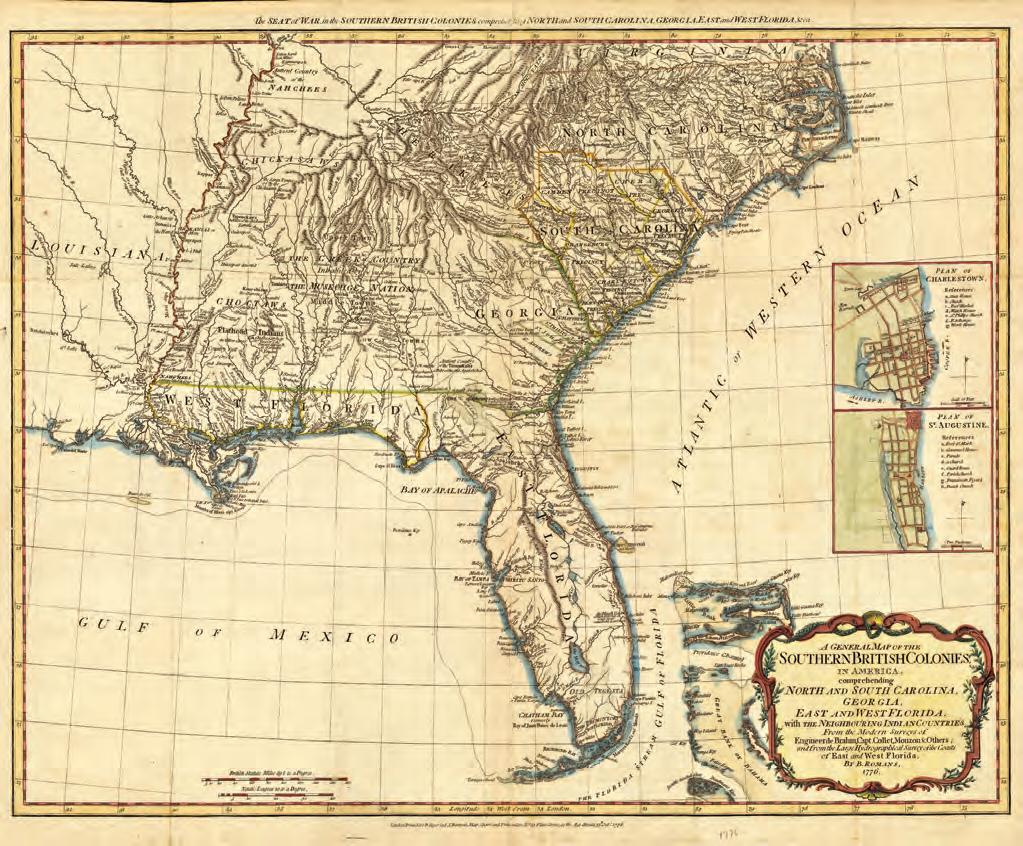
Baram noted that Bernard Romans (a pioneering cartographer), mapped
that Romans’ map was engraved by Paul Revere.
Romans published “A Concise Natural History of East and West Florida” in 1775.
“We know that Sarasota (or some form of it) was showing up on maps as early as the 1760s,” Goodman said. “Spanish maps were the first to show the name. There are similar place names in other Spanish areas of the world. Or it could be a Spanish corruption of a native American name.”
Forms such as Sarasote, Zarazote and Saraxote were showing up on maps.
“When we go back 250 years ago, a lot of map making is conjectural,” Goodman said. “A lot gets lost and twisted in translation. Map makers are copying each other. European countries were jockeying for position on the North American continent. The French were coming up with their own map, as were the English and the Dutch. They all were translating these names back and forth.”
John Barth Jr. wrote a paper on the subject that is part of the Sarasota County Historical Resources archives. Barth wrote “Residents of Sarasota have long speculated about the origin of the name. A plausible sounding daughter, Sara, was invented for explorer Hernando de Soto, who landed in the Manatee River in 1538, complete with a tragic love story to dramatize a 1916 “Sara de Soto” pageant. The pageant became an annual weeklong celebration climaxed by a circus parade, and declined when the Barnum and Bailey winter camp was moved to Venice in 1960. But Sara is not a Spanish given name, and there is no known historical basis for the story. It is probably just a pleasant
There are several other
“The origin of Sarasota is a hot debate that never has been explained to any satisfactory degree,” Baram said. “I want proof, and no one has given me any proof. Everything I heard sounds like nonsense to
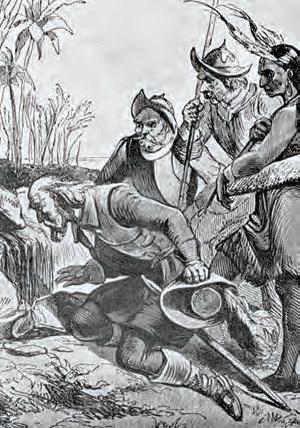
Spanish explorer Juan Ponce de León in 1513 made the first textual records of Florida, which became the first mainland area of the future United States to be settled by Europeans, but there was no actual Spanish rule as the explorers found no gold or silver and the conditions were harsh. Spain didn’t make its claim on the land until 1565. The Spanish Empire ruled Florida from 1565 to 1763 and then again from 1783 to 1821. Great Britain took control of Florida from 1763 to 1783 following the Seven Years’ War. Great Britain had captured Havana, and then traded Havana back to Spain for Florida. The area, which was much larger than the current Florida, was divided by the British into East and West Florida, which included portions of Georgia, South Carolina, North Carolina, Alabama, Mississippi and Louisiana. The area was returned to Spain in 1783 by the Treaty of Paris. By 1812, Florida had been reduced to its current borders. In 1821, Florida became a U.S. territory and it became the 27th state in 1845.

“Someone who leads by example honoring our heritage and those who have sacrificed for our safety and freedoms.”
The thing that is most responsible for shaping America is … well, Americans. Which is why in our celebration of the country’s 250th birthday, we decided to talk to those who make America what it is — its citizens. The biggest takeaway? We’re not all the same. But that’s also the thing that makes us great.
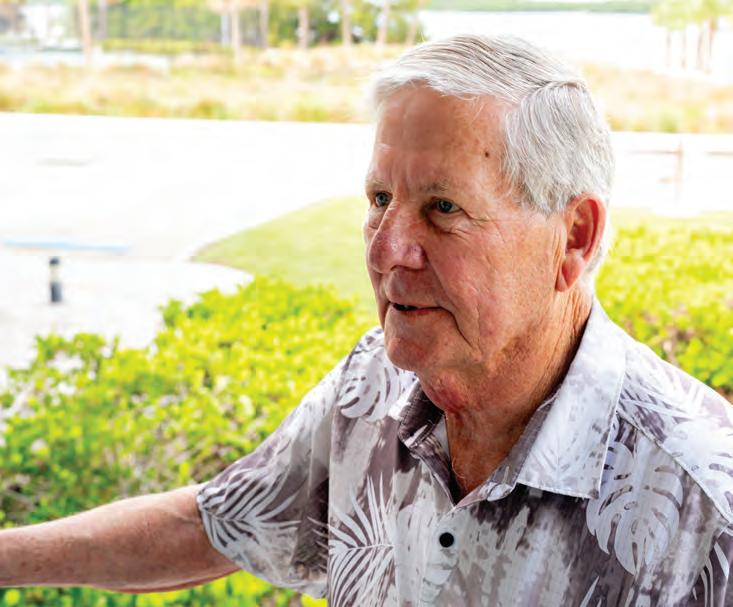
That’s somebody who believes that the United States is the greatest country there’s ever been. We certainly have our ups and downs and our difficulties to deal with, but when you compare to every other country, there’s no question we’re at the top of the list. I think that’s the kind of thing patriots believe in.
I believe the true patriot seeks equality for all people, not just in one country, but throughout the world. That’s a true patriot.
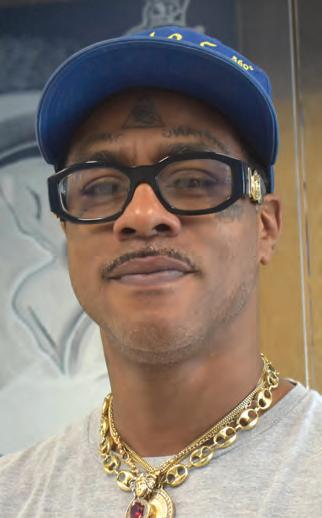
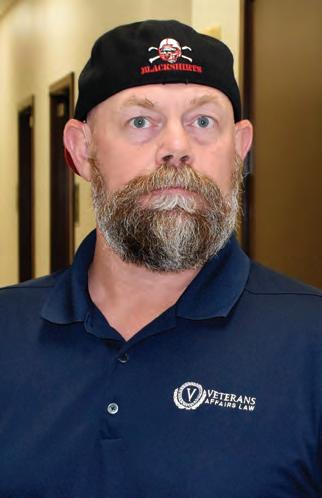
I guess it’s somebody that’s just doing the right things, ready to take up for those that can’t do it for themselves.
A model citizen. Whether a patriot is a first responder or someone who is active in the community and just a good light for people in life. I think we need more of that. We’re seeing less and less of that these days. People who can help change people’s lives and make things better.
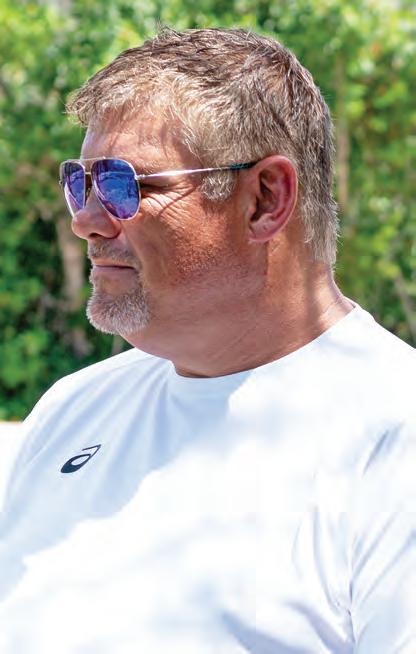
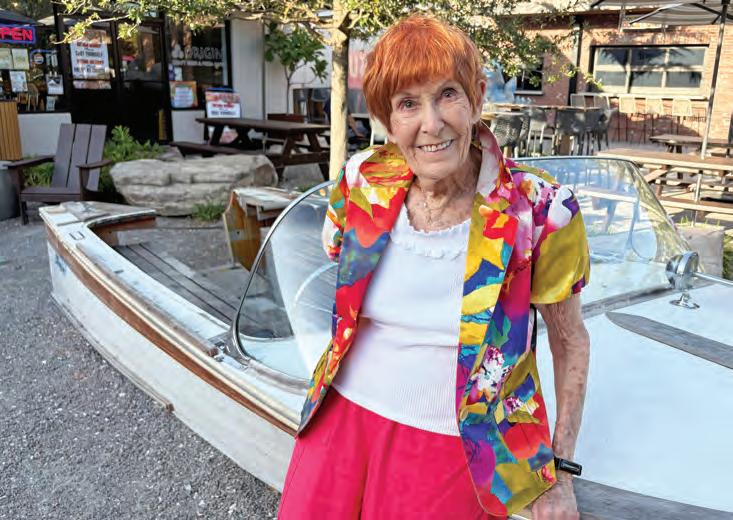
A patriot can be described in many different ways. It can be a citizen voting or running for office, serving his country, speaking out against negative actions, but mostly standing up for every human’s rights.
A patriot is someone who believes in American standards, is driven to work hard, and believes in the American dream. They believe they can achieve anything, if they put their mind to it. They also believe in being a good citizen and doing their due diligence to help the community. It’s important to do your part.
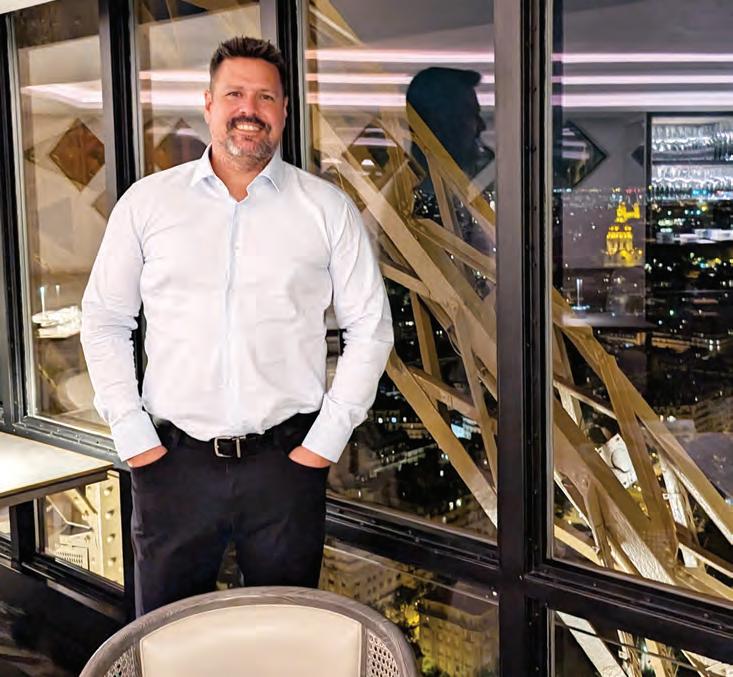
Today’s patriot still believes in the protection of the nation, even if the politics are so divided. 9/11 showed that when under attack, we can still come together to protect what we’ve fought so hard to achieve through these 250 years.
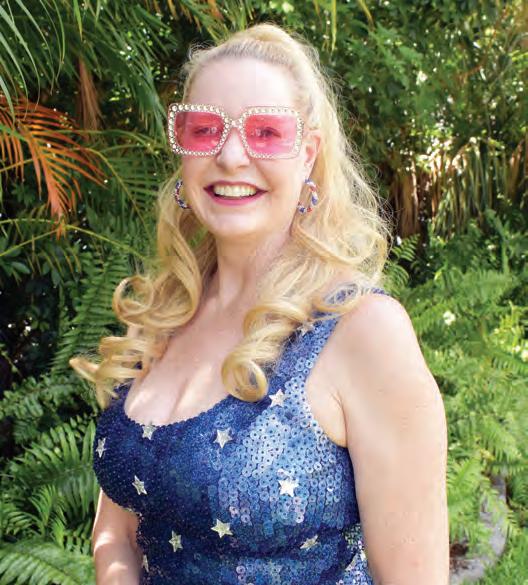
My patriotism begins with casting my vote every Election Day. It is such an important role that I have. If I do disagree with my representatives, I never hesitate to let them know by contacting them.
I’m a very patriotic person. I think one of the most notable things about me is that while I might dislike or disagree with what someone else is saying, I will defend their right to say it with my dying breath.
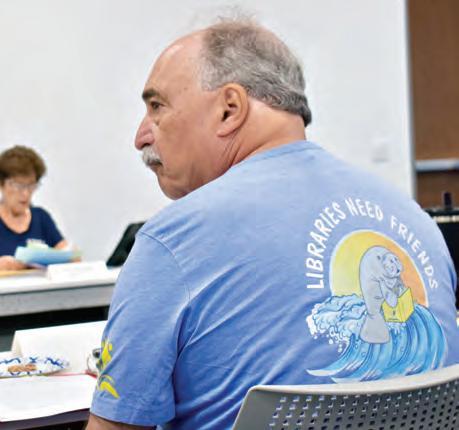
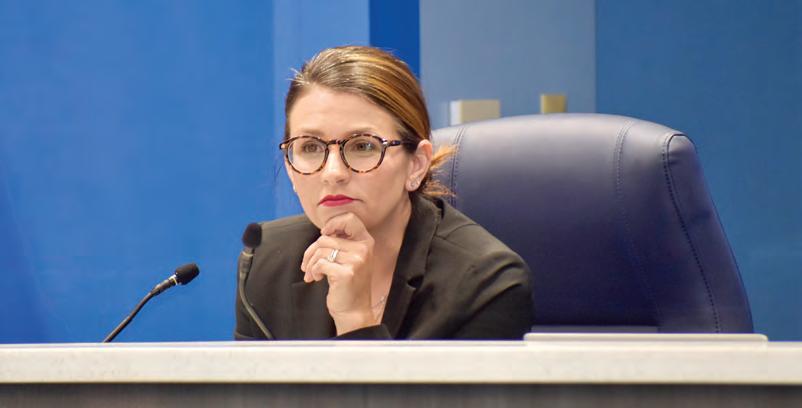
I love being American and am proud that my family has deep roots in this country since its founding. I’m actually working on becoming a member of the Daughters of the American Revolution. However, I also think that it’s really important to remember that the American story is built on not only our culture and history, but also a shared set of values and beliefs. That’s the great thing about this country. An immigrant can be just as American as someone like me, whose family has been here over 250 years.
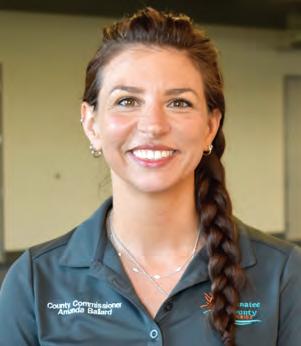
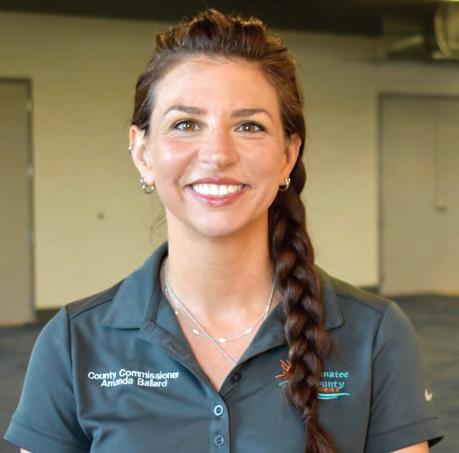
Amanda Ballard, Manatee County commissioner
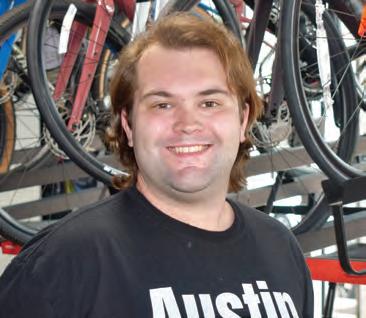
I try to go to events, be involved in my community and do certain things that make me feel like, “This is what an American is supposed to be.” I think I’m doing an all right job with that.
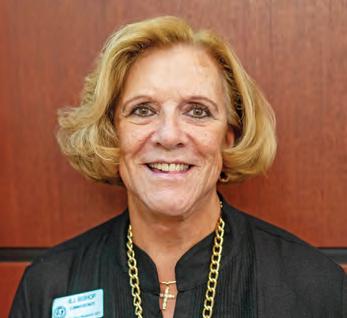
I’ve been in public office for 37 years, and so I guess I would say serving my community and being more concerned about the needs of others than the needs of myself.
We don’t have anything in common with people living even 100 years ago, because our quality of life is so much more comfortable than theirs was. I think they had a deeper appreciation for religion and stuff too, just because their lives were constant struggles, constant battles.
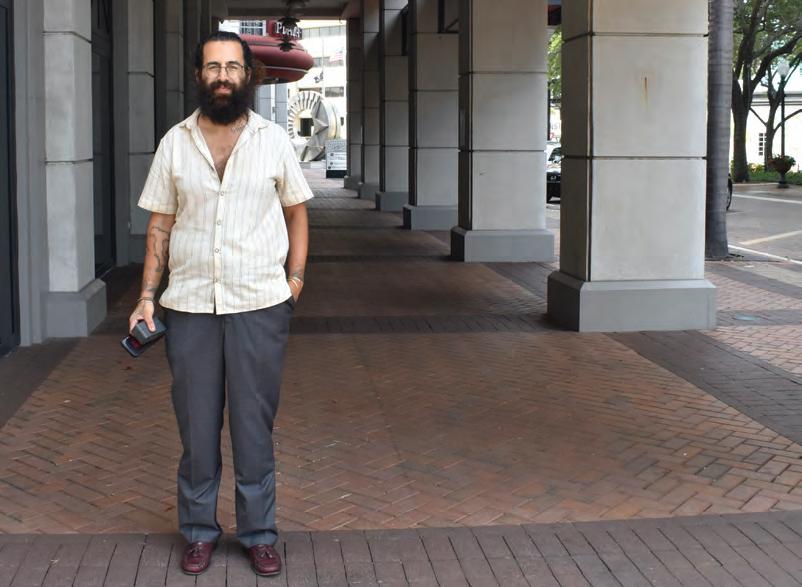
Probably nothing other than the fact that I agree with less government interventions, small government self-reliance, personal responsibility, all the basic tenants.
I think Americans today still want the same things — freedom, opportunity, security for their families and a chance to build a better future.
Struggle. I think we’re living in a civil rights moment now with the way the politics are, and I think 250 years ago, they were dealing with the same thing, because my people were trying to get their freedom, and it was always denied to us. So, it’s been a movement to deny our freedoms now, and our progress, in this beautiful society of the United States.
I know I would have fought for our freedom like they did and been proud to do it, no matter what it took.
The desire for freedom. Those were a lot tougher times and a lot simpler times than we live in now, but I think of the sense of country, family, and God values.
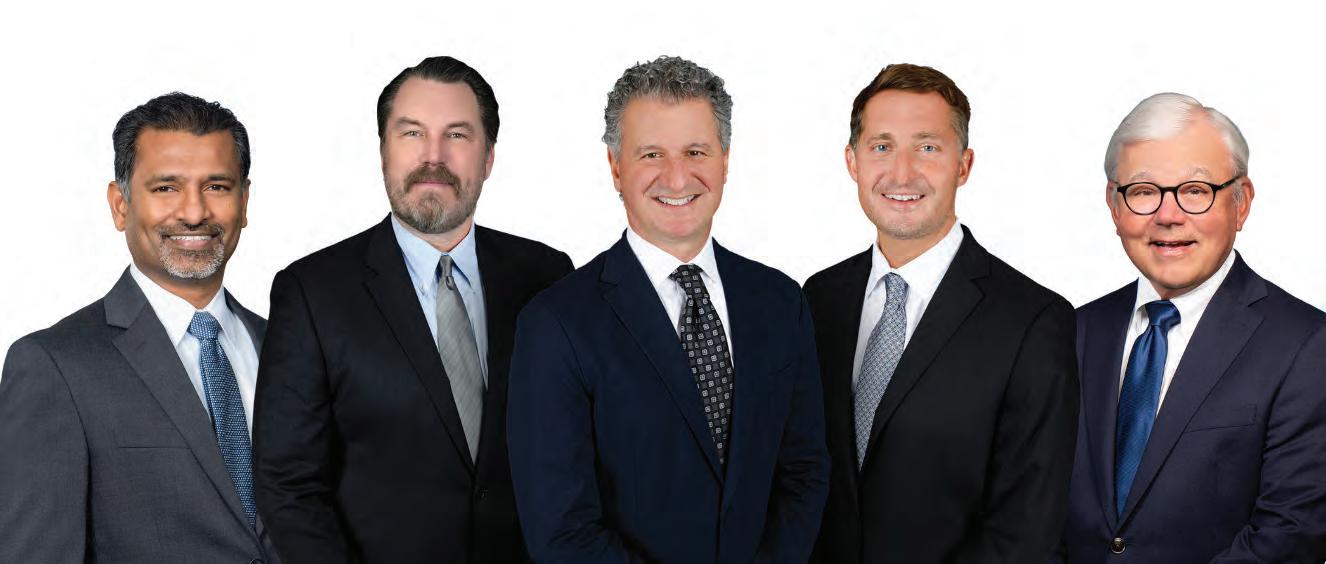

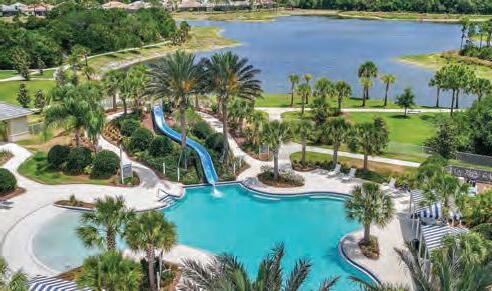

Neal Communities is proud to reflect on more than 55 years of building homes and neighborhoods across Southwest Florida. Since 1970, we’ve remained committed to helping families achieve the American dream of homeownership while creating communities where neighbors connect and memories are made.
As a family-owned company rooted in Southwest Florida, we’re honored to continue building quality homes, supporting local communities, and helping generations of families find a place to call home. Because where you live matters
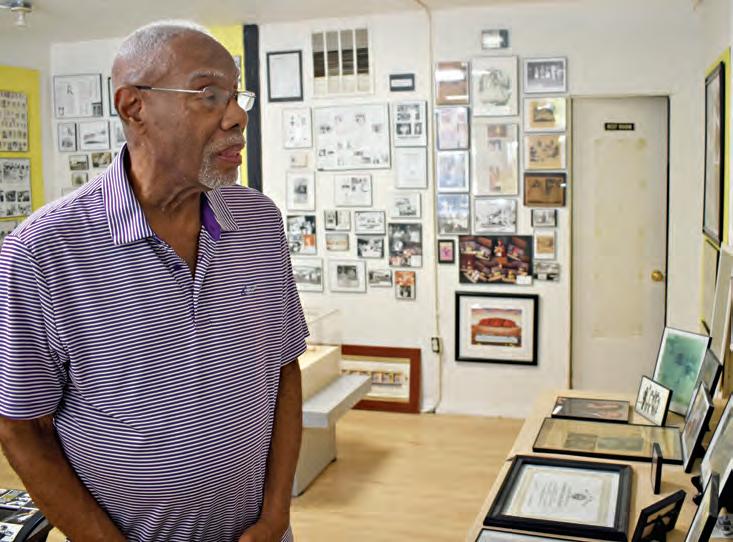
I would like to say Dr. King’s birthday. I do the Dr. King birthday each year, but I need to think in the past: a family reunion.
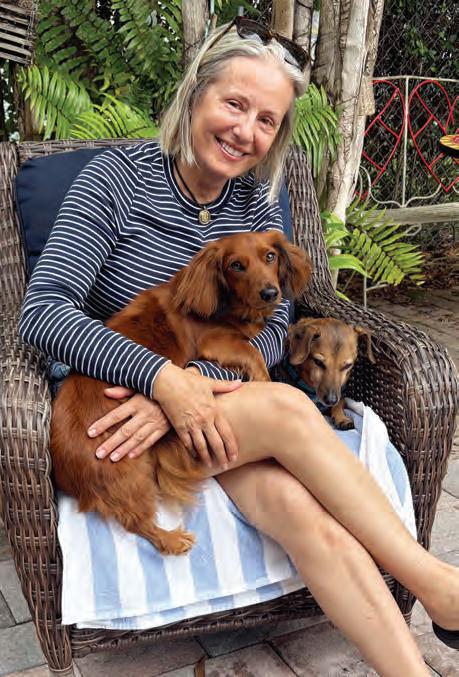
Halloween. Every year, I decorate my house, dress up and sit outside to hand out candy to the trick-ortreaters in my neighborhood.
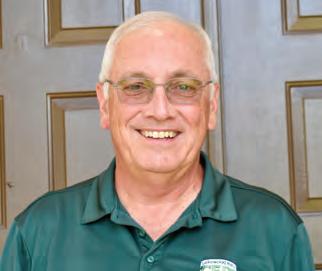
Voting. It’s something I’ve done since I turned 18. Whether it’s voting for my neighborhood’s HOA rep or the president, it’s an American tradition I never take for granted. Having a say in the direction of my community is something I appreciate every single time.
Jim Emanuelson, president of Lakewood Ranch CERT
Fourth of July is my favorite because it’s one of the few days where you can make as much noise as possible and still not get a noise complaint.
The classic summer family road trip. Growing up, we would pile into the station wagon and head out ... There was something special about seeing the beauty of this country firsthand, and creating unforgettable family memories along the way. It wasn’t just about the destination — it was about the journey together.
Thanksgiving is about family and the harvest. We gather with family and friends before the Christmas season begins. Lots of great food and wonderful memories of those no longer with us. A time of reflection.
Joy Smeraglia, Lakewood Ranch resident
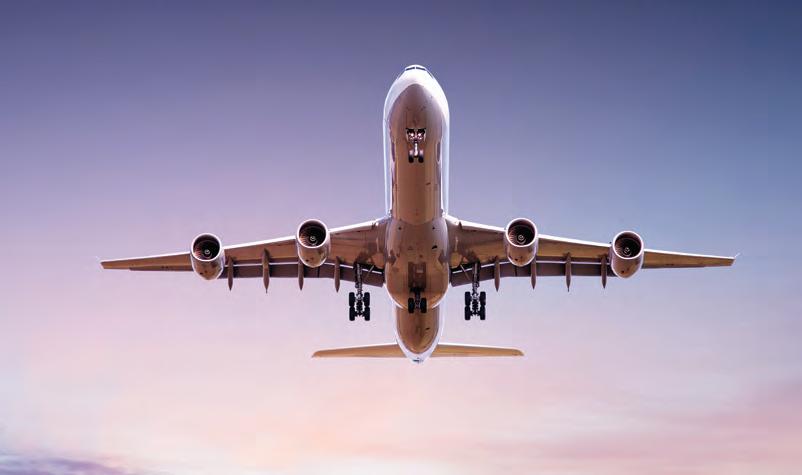
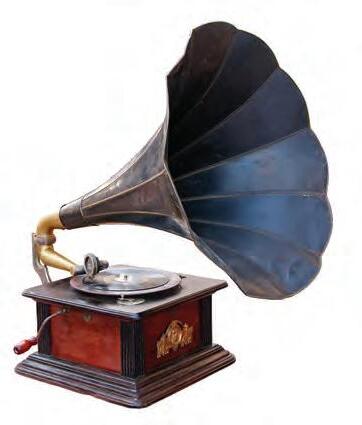
I always had a fascination with airplanes, and being able to travel a long distance in a

















The


My favorite American invention would have to be the television. What a transformative inven-
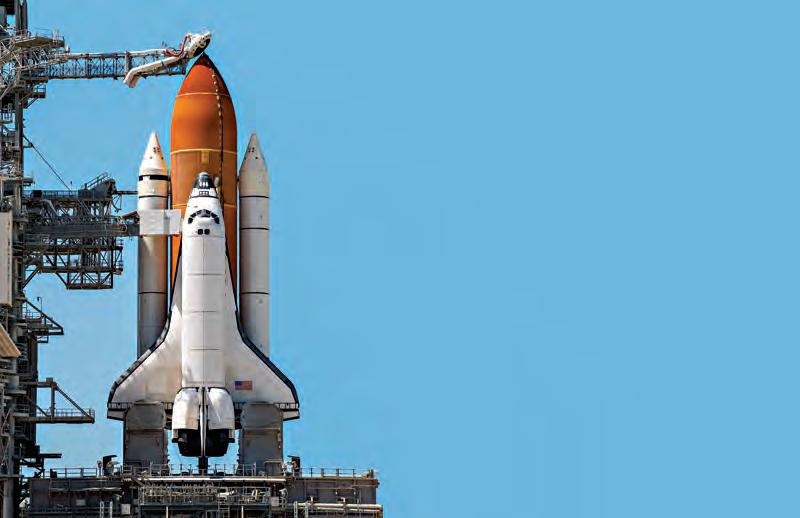
Mine would be space rockets. It’s amazing that they can go all the way to the moon. My dad works with guidance systems, so that’s why it comes to mind.
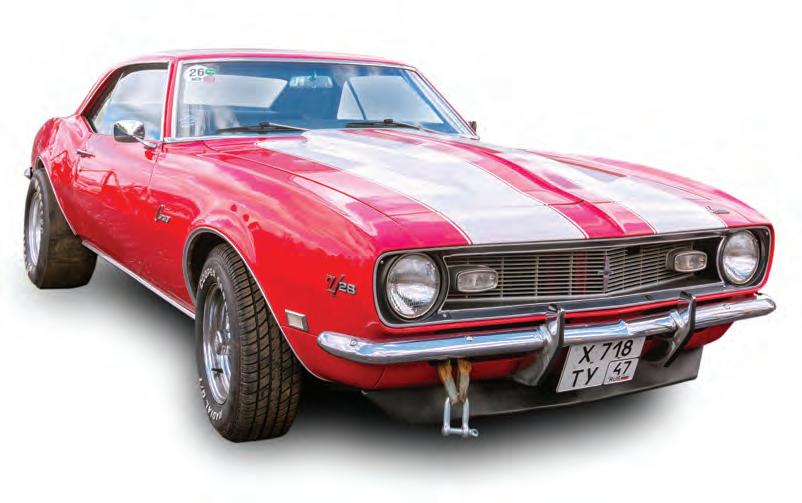
I like muscle cars in particular. Camaros.
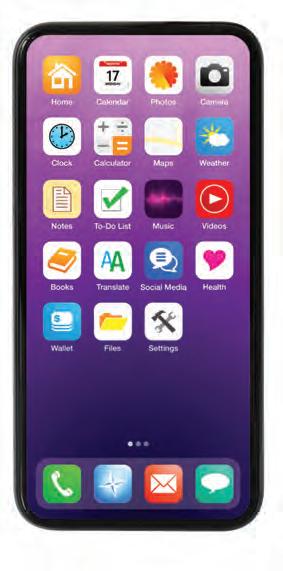
It would have to be the smart phone. I can’t imagine doing business or keeping in touch with loved ones without it.
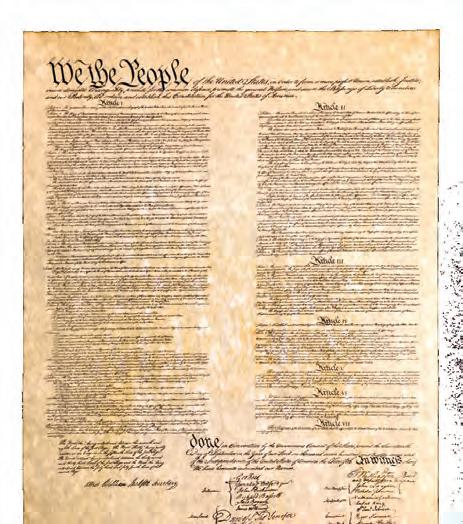

As a Floridian, I have to say,
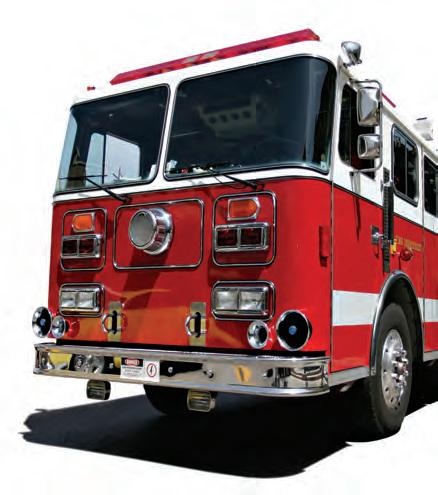
The American fire service (specifically Benjamin Franklin founding the Union Fire Company in 1736) because they do so much, especially now. It’s grown from such humble beginnings from just putting out fire to unbelievable different types of rescue — medical and paramedics — it’s so far-reaching.
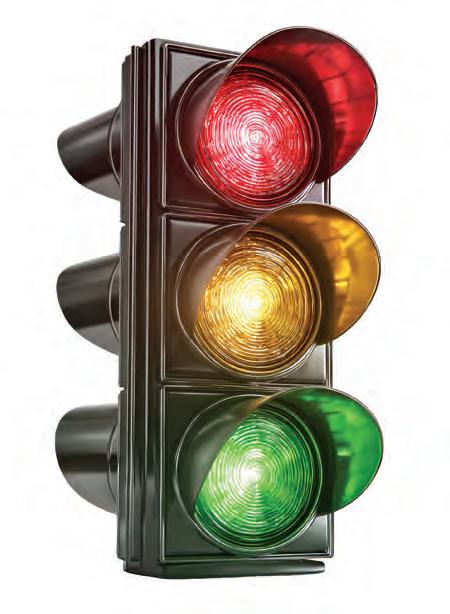
I have many, but I would say one that I can actually say is my favorite American invention would be the streetlight (three-way traffic signal). It was made in America by a Black individual (Garrett Morgan). We still get in accidents, but without it, there would be more.
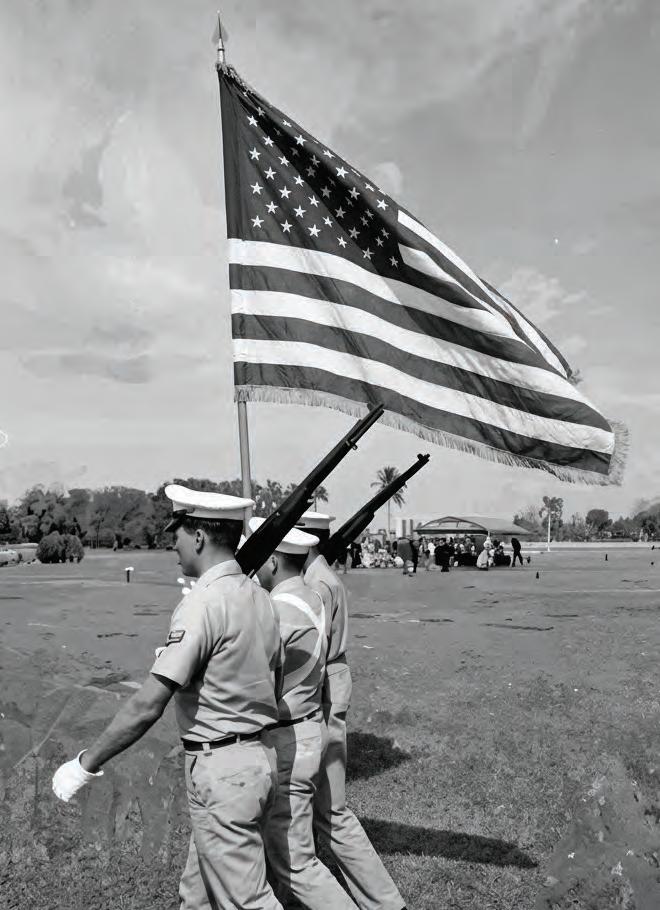
More than 100,000 veterans call our community home. Through the Tidewell Honors Veterans Program, over 2,000 veterans across Sarasota, Manatee, Charlotte, and DeSoto counties have received specialized hospice care that recognizes the unique experiences and sacrifices of military service.
For Navy veteran William “Bill” Fitzpatrick, that recognition meant everything.
...he rose from his wheelchair to return the salute.
To celebrate Bill’s 91st birthday, his Tidewell care team planned something more meaningful than cake and candles — a Tidewell Honors Veterans pinning ceremony. Surrounded by care and gratitude, Bill rose from his wheelchair to return the salute.
“I can’t explain how happy and touched we were,” his wife, Joan, shared.
Moments like this are possible because of specially trained veteran volunteers and compassionate donors who believe every veteran deserves to be seen, honored, and cared for with dignity.
The Tidewell Honors Veterans Program is 100% donor-funded.
Help ensure no veteran faces the end of life without the recognition and support they deserve.
If you know a veteran who could benefit from special care, call 941-552-7546

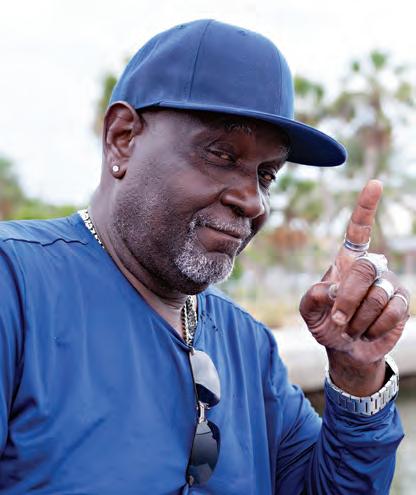
His name is George Clinton. Why is he my American hero? Because he’s the Godfather of funk. Yeah man, I’m into that music. George Clinton, they know who he is. Mr. parliament funkadelic. That guy was awesome.
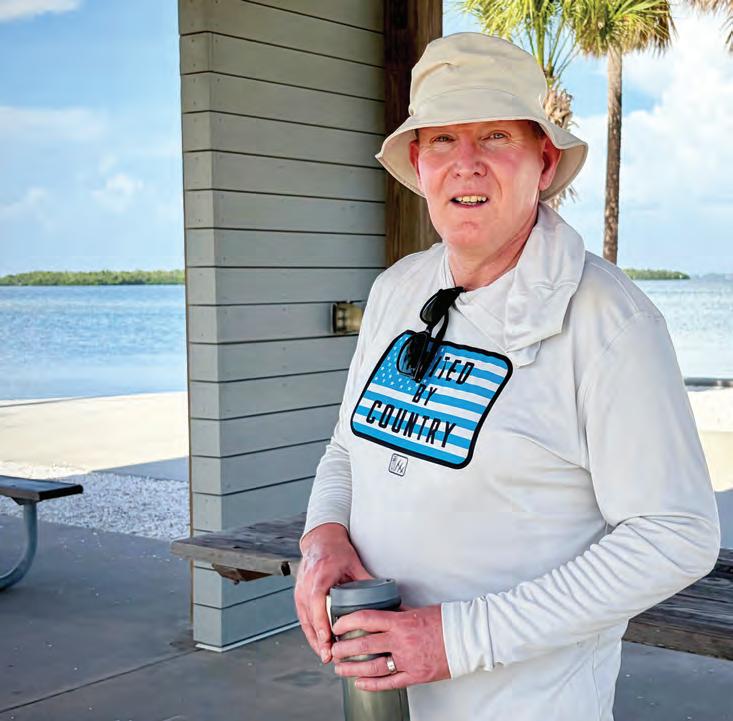
Franklin D. Roosevelt is one of the best presidents we’ve ever had. He was a transformative leader. He changed America so much and was a force of nature. He defined the presidency.
George Washington, just because the amount of courage that it takes to revolt against an oppressor is extremely powerful. That’s why America gets messy, because they fought for something actually really, really righteous. We’ve taken it and just used it, and that way everything the government does is in the name of the Founding Fathers. I don’t think they would approve of anything that’s going on now. They were actually fighting against what we’re doing now.
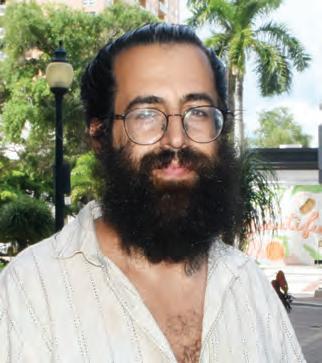
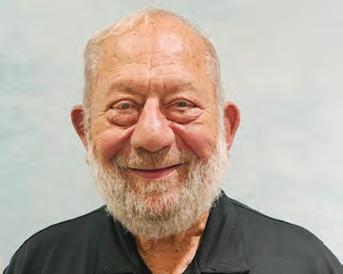
The person whose example has stayed with me most closely was my grandfather, William R. Baker (Oct. 29, 1885 – Dec. 12, 1973). He was a roving school teacher serving remote agricultural communities in South Alabama and later became the driving force behind building a school, a church and a small township through volunteer effort. He was a man of faith, admired by everyone who knew him, and deeply devoted to his country and community. As a young man, he interviewed veterans of the Civil War and developed a lifelong admiration for those who served. He inspired me by the way he treated people, served others, and quietly demonstrated what it meant to be a good American.
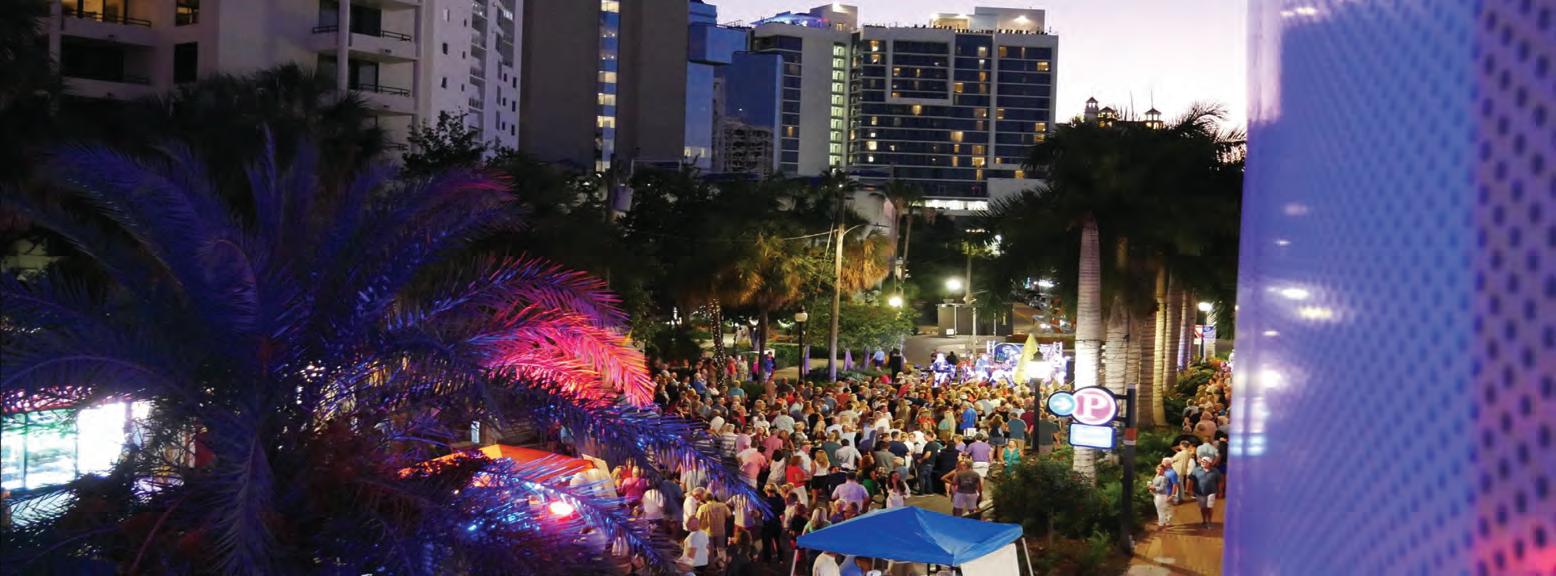
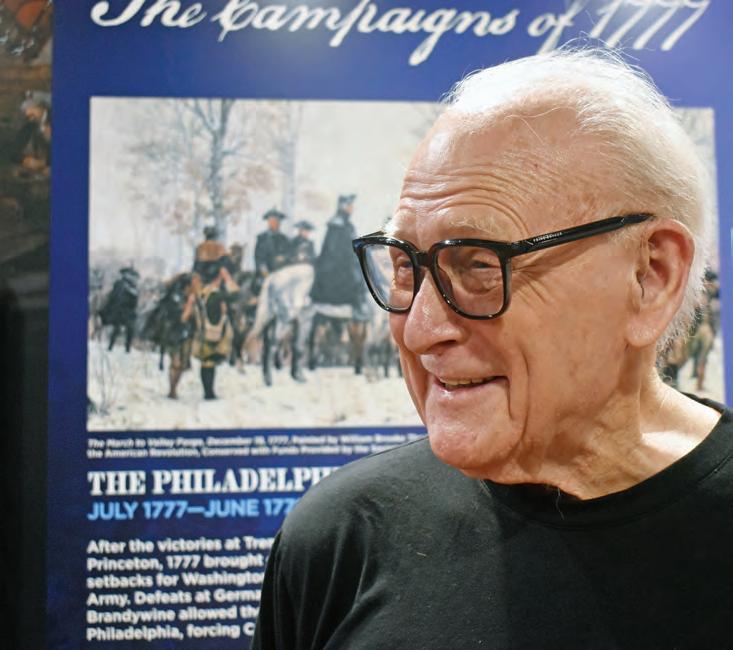
One of my heroes is Clint Eastwood, but my real American hero is George Washington. He depicts all of the leaders after his reign of what it is like to be an American and what you have to do to defend this country. He was a primary example.
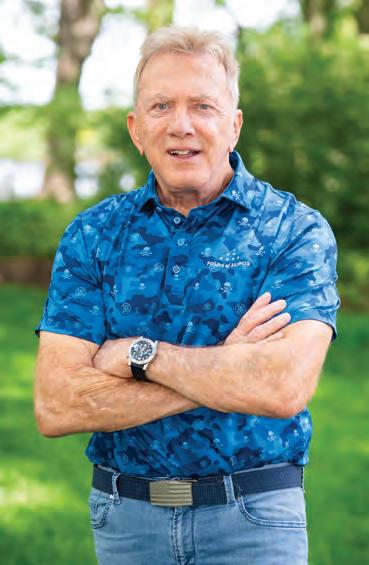
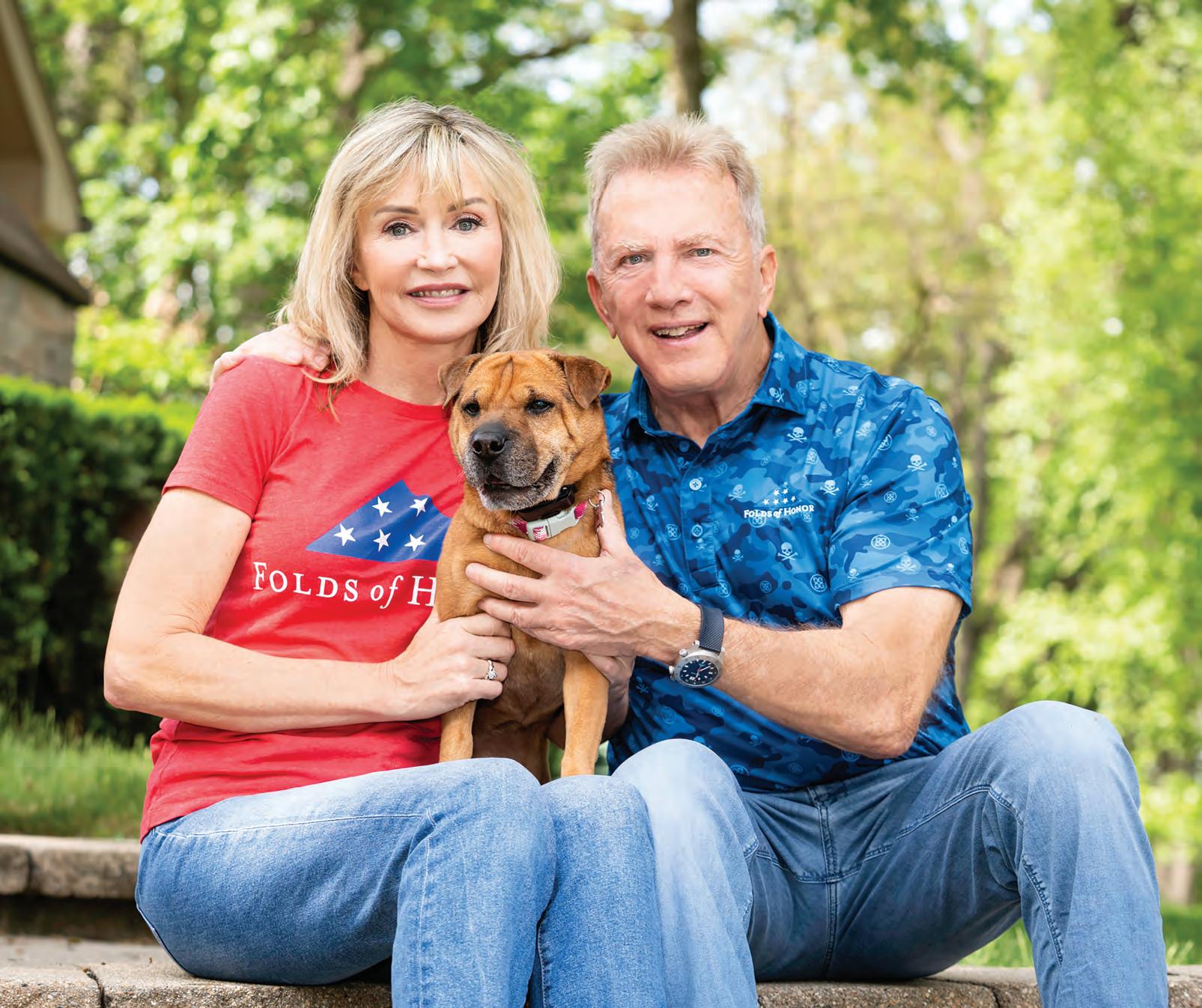
Gary Woodland. He is a professional golfer who has made a remarkable comeback from brain surgery and manages PTSD daily. He is a respectful individual and a major supporter of veterans and Folds of Honor. He represents the best of our country.
Even though he passed before I was born, my grandfather. He was a West Point graduate and one-star general in the Army. A chief engineer, he built the infrastructure for numerous military bases around the world, including in Pearl Harbor (also where my father was born during World War II). He was there during the initial kamikaze attacks on the island. I couldn’t be more proud to be his grandson.
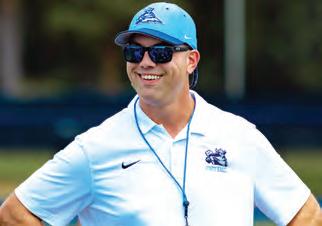
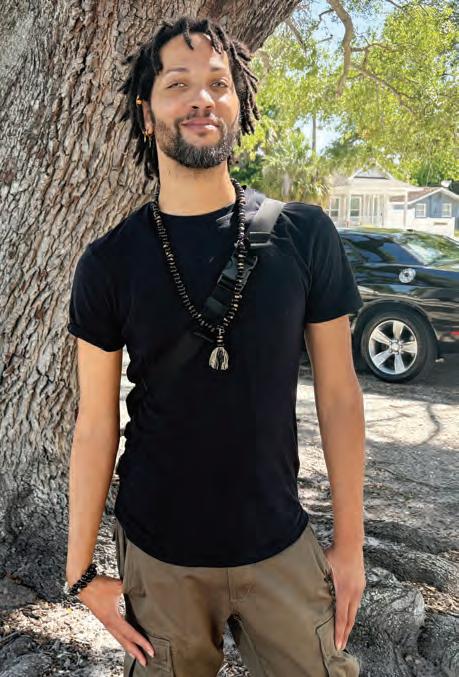
This might sound strange, but I’m my own hero. I’m here every day trying to be the best self I can, no matter what’s going on around me.
John Wayne. I love everything about him. He was a good actor, a good dad — just everything. And then my next one would be Lucille Ball. I love her.

IF
The 1940s. Despite the fact that there was a big war going on, it looked like a very fun time — the swing music, the culture. It wasn’t perfect either, but nevertheless, that would have been a fun culture to live in.
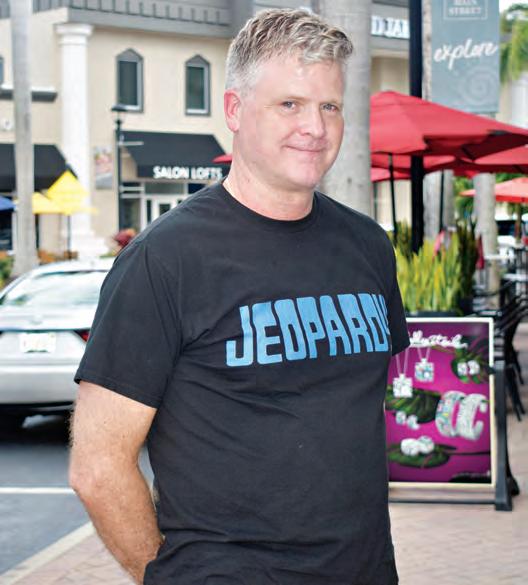
There is no other time than today. The best time is now.
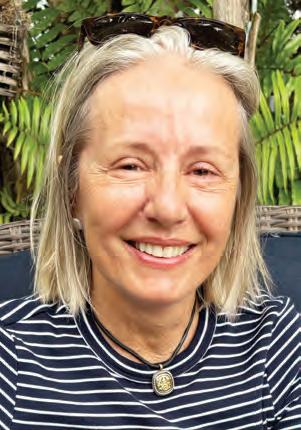
I kind of like the 1980s because it was just enough technology and enough freedom. You could still go outside, run around and play, but you had to mind your P’s and Q’s and grow up and be responsible. We had quarters in our pockets to call our mom and say, “Hey, come pick us up,” or, we would do the collect-call thing. “Mom, the movie’s over, come pick us up.” But at the same time, we weren’t so attached to devices and stuff.
U.S. Marine Corps veteran and case manager with Veterans Affairs Law
The ’60s, just because I feel that in that 10-year span, from 1960 to 1970, the country changed so drastically. Throughout that era, so many great and terrible things happened, from the moon landing to assassinations, but it really shifted minds, and it definitely shattered what life was like, and what was coming.
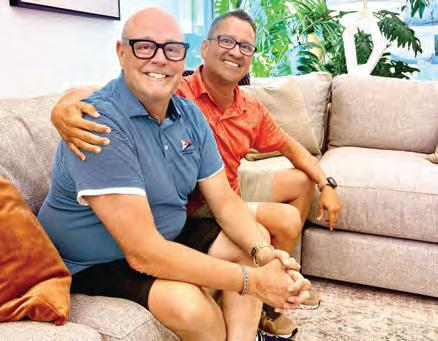
I don’t know if I would have liked to live then, but it would have been interesting to see when the country was founded in the 1700s. The only thing is that people didn’t live very long.
The Industrial Revolution. That was probably the peak growth in the economic history of America that I would like to see. It would be interesting seeing the factories pop up, and everyone fighting in the race to grow.


As America celebrates 250 years of independence, we celebrate something equally enduring—the power of local communities and the stories that bring neighbors together.
For more than 30 years, family-owned and operated Observer Media Group has been dedicated to serving the communities we call home. We’re passionate about providing a trusted, relevant source of local news and information that helps you connect with your neighbors, your neighborhood and the issues that matter most.
Just as America’s strength has always been rooted in its communities, our mission remains the same: To inspire our communities with extraordinary local content and to help our partners prosper.
Observer Media Group. Proudly local. Proudly independent. Proudly serving our community.
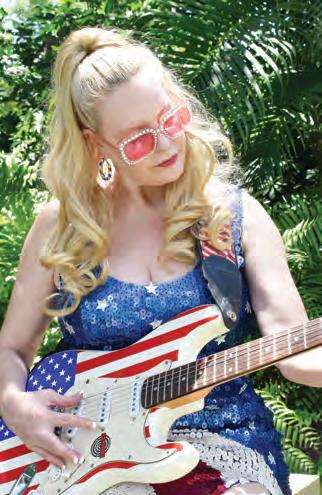
My favorite thing about America is that you can have so many mulligans, so many do-overs here. You’re not locked into any one career path or any one way of life, and I do feel that that really is truly across the boards, across all socioeconomic demographics, all ethnicities. I think if someone has the will, the way is provided, and that’s not always the case in other countries.
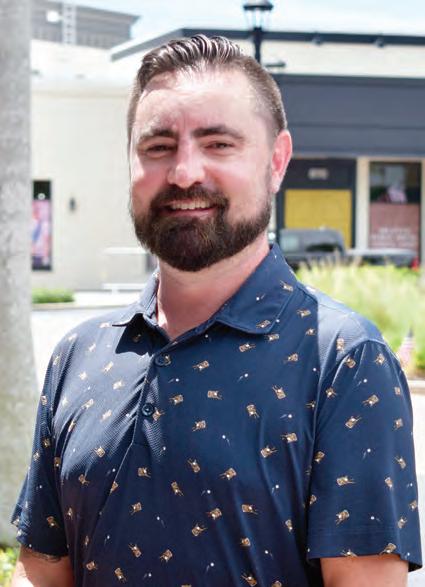
The thing that I like the most is, as people, for the most part, we’re able to travel around and get to experience different parts of our culture and different parts of the states — doesn’t matter if you’re from Nebraska, North Dakota, New York, Florida. I think people are generally welcoming and so I appreciate, any time I travel, people are generally nice.
Sean Keith, payroll and HR advisor
Working
The national anthem. We have the most beautiful national anthem. You always see and feel the unity in the crowd around you when it’s played, whether it’s in times of sadness or joy.
Christopher Hunt, artist
That anybody can succeed. Yes, some have longer roads to travel, but if you have a creative idea, set your sights on a particular goal and outwork your peers, you can create any type of life that you wish for yourself. It’s the American Way, where literally anything is possible, with a little bit of luck.






Beautiful, strong, prosperous. I hope our country will grow.
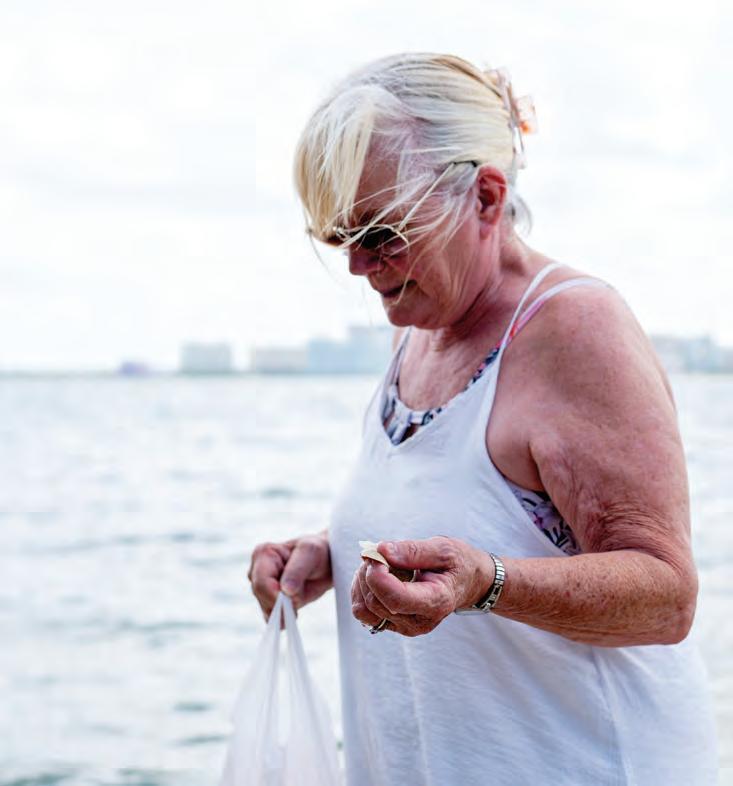
Well, America, what it’s gonna look like in 250 years depends on what America does today, and all the years from now until then. We have to maintain our patriotism. We have to maintain our determination to keep this country the way it is. We can’t allow any big changes and make sure that we have a very, very strong military to protect our country. I don’t think the children of this world now are educated enough about our country, and about the meaning of patriotism.
Steven Merriman, Bradenton resident and retired police officer and fireman
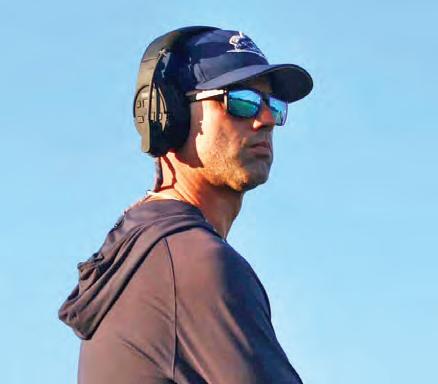
I hope it’s an improved version of what we have today, and that we still live in a land where we’re free.
Rob Hollway, The Out-of-Door Academy football coach
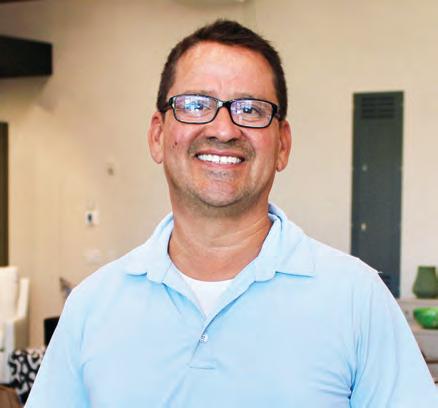
We’ll probably have flying cars. I think robots will do all of our house cleaning.
Noel Ladd, co-owner of Couch LBK
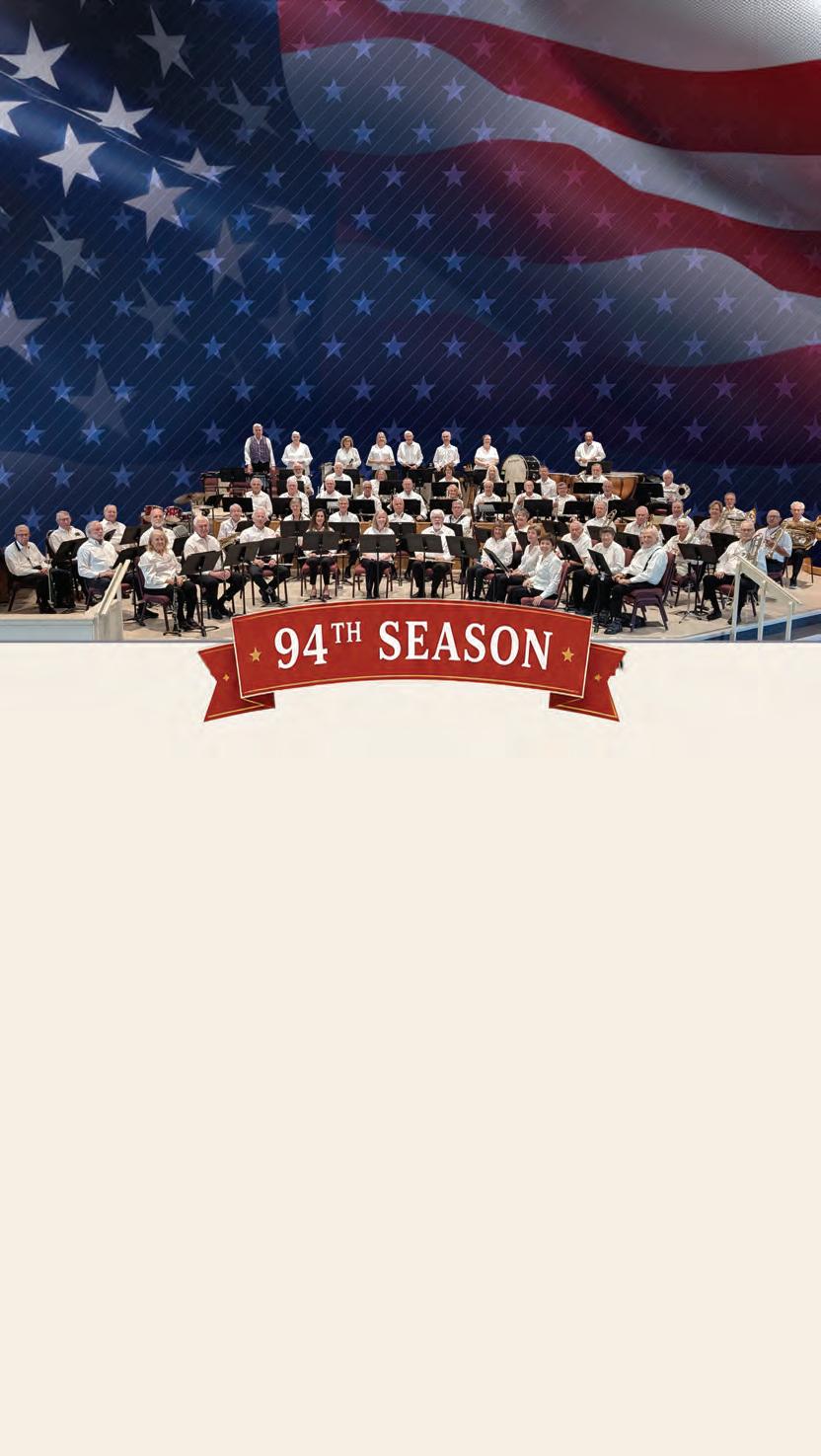
JOIN ONE OF SARASOTA-MANATEE’S MOST BELOVED MUSICAL TRADITIONS AS WE PROUDLY CELEBRATE OUR 94TH SEASON.
Experience a season filled with patriotic favorites, Broadway classics, cinematic scores, jazz selections, and inspiring community performances presented by the Suncoast Concert Band and Jazz Ambassadors.
2026-2027 Concert Season
November 2026 - April 2027
All concerts held at Northminster Presbyterian Church
For nearly a century, the Suncoast Concert Band has brought people together through the power of live music and community spirit. Come be part of the tradition.
I honestly do not know, but I hope America continues to grow into a nation that values both our differences and our shared humanity. While today’s divisiveness can feel discouraging, I hope future generations remember the sacrifices made for our freedoms and continue striving toward a more compassionate, united country. My hope is that America remains a beautiful melting pot — one where people care deeply for one another and for the planet we all share.
At Grooms Motors, we believe the true spirit of America is found in hard work, dedication, and community. Every day, our team is proud to keep local families moving forward safely with the skill, grit, and heart that defines our country. We don’t just service vehicles; we serve the people who make our community great. Thank you for trusting us to keep you safe on the road - today and every day.
5608 Marina Drive Holmes Beach
(Next

I’m
we do not outsource our critical thinking to machines. It is also important that we gather often, in person with other humans, in low-tech environments and that we transfer these values to the next generations. I believe that communities all over the nation being extremely intentional about preserving what makes us human is imperative to the future of our Republic, and frankly, civilization as we know it.



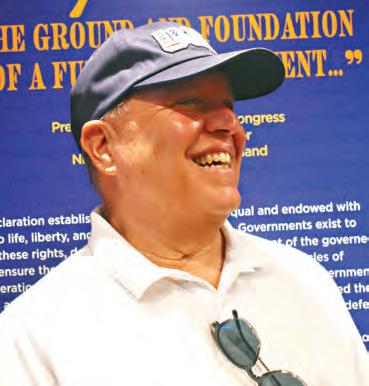
Hopefully better than where we are today. We’re so divisive today. I never thought we would be where we are today.
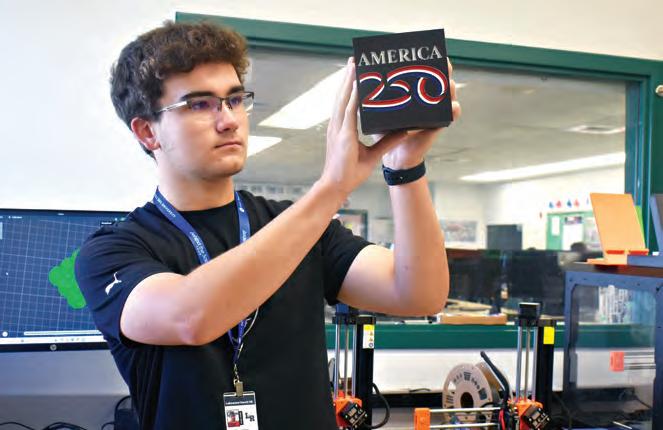
Hopefully America will look the same as it does today in 250 years without some of the major problems like the push to make everyone the same and have the same culture and values. Everyone being different and having their own cultures is what makes America, America. If everyone is suddenly the same, then the people lose their individuality.
Paul Jordan, student at Lakewood Ranch High and member of Technology Student Association
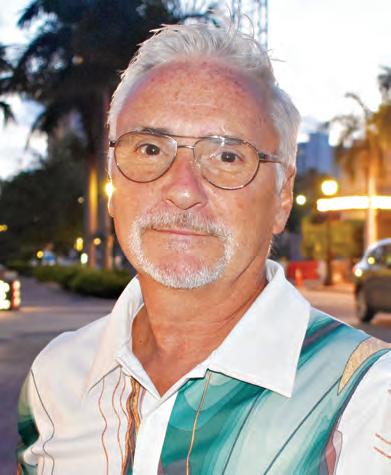
It’s borderline scary, because I have to say it, AI is a fascinating thing that’s developing. You always were protechnology and whatnot, but where is it going to take us, and how is that going to spill out?
I’m thinking five years from now, it’s going to be like, how are we dealing with this, because what we’ve created is going to outthink us exponentially, so honestly, it’s borderline scary.
I’m Mr. go-go, think it out, make it happen, be all you can be. It’s still a little daunting. So 250 years from now, your guess is as good as mine. Maybe we’re not even here. I don’t even know.
Brian Quinn, Sarasota resident
ERIC GARWOOD
side from residency and other requirements, prospective naturalized citizens must pass an oral test as part of the process of becoming Americans.
An examiner asks 10 questions from a list of about 100 possibilities. To pass, an applicant must score six of 10. Applicants who are 65 and older and have been a legal resident of the United States for 20 years or more receive a shorter list of potential questions from which to study.
About 90% pass on the first try, and 95% in one or two tries.
Here are 15 examples of what might be asked during the examination, all of which would be also included in the truncated selection of questions for those 65 or older and have been in in the country legally for 20 years. (Answers are at the bottom).
4In what month do we elect a president?
5
What is the capital of your state?
6
How old do citizens need to be to vote for president?
7
What is the last day you can send in federal tax forms?
8Who was the first president?
9Name one important accomplishment of President Abraham Lincoln.
10Name a war fought by the United States in the 1900s.
Name one accomplishment of Dr. Martin Luther King Jr.
What is the capital of the United States?
Where is the Statue of Liberty?
Why does the American flag have 50 stars?
When do we celebrate Independence Day?
COMING TO
Fast facts about naturalization. 1Who is one of your state’s U.S. senators? 2What is the economic system of the United States? 3What are the two parts of the U.S. Congress?
2) Both “market economy” and “capitalist economy” are acceptable as correct answers.
Residents of U.S. territories or the District of Columbia get credit for answering that their residence has no U.S. Senate representation. (If asked today in Florida, the correct response is U.S. Sen. Rick Scott (since 2019) or U.S. Sen. Ashley Moody (since 2025).
1) The answer obviously would vary from state to state and over the years.
3) House of Representatives and the Senate 4) November 5) The answer obviously would vary from state to state. Residents of U.S. territories and the District of Columbia get credit for answering that their residence has no capital. (In Florida, the correct answer is Tallahassee.) 6) November 7) April 15 8) George Washington 9) Freed the slaves (Emancipation Proclamation); Saved (or preserved) the Union; Led the United States during the Civil War 10) World War I; World War II; Korean War; Vietnam War; (Persian) Gulf War 11) Fought for civil rights; Worked for equality for all Americans 12) Washington, D.C. 13) Several responses are accepted as correct: New York (Harbor); Liberty Island; New Jersey; Near New York City; on the Hudson River. 14) Each represents a U.S. state 15) July 4
■ About one in 10 registered voters are naturalized citizens.
■ There are between 23 million and 25 million naturalized citizens living in the United States.
■ In fiscal year 2024, field offices of U.S. Citizenship and Immigration Services in Houston (3.3%), Dallas (3.3%), Chicago (3.3%), Newark (3.2%), and San Francisco (2.9%) field offices naturalized the largest number of the 818,500 citizens.


■ In fiscal year 2024, 55% of naturalized citizens were women, and the largest age bracket was 65-and-older. For men, the largest age bracket was 35-39-year-olds.
■ Among the requirements of becoming a naturalized citizen: ability to read, write and speak basic English; have knowledge and understanding of history, principles and form of government; show good moral character; be at least 18 years old; demonstrate legal permanent residency for five years.