
The science behind movement, inflammation, and staying in the game.
In today’s world of performance and longevity, recovery is no longer passive.
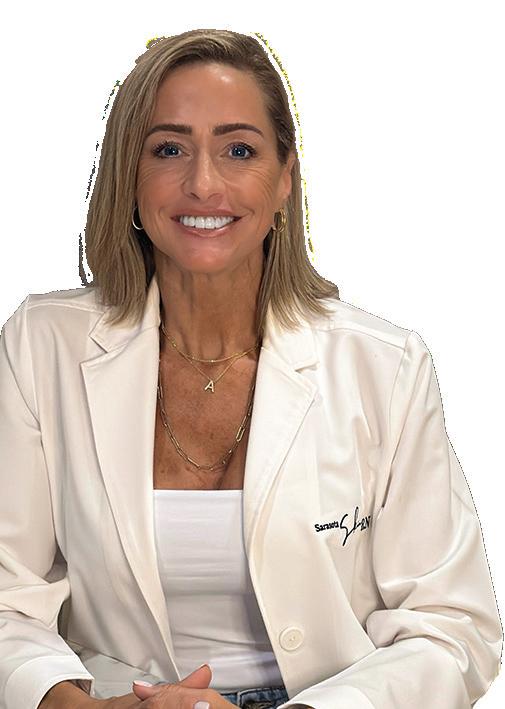
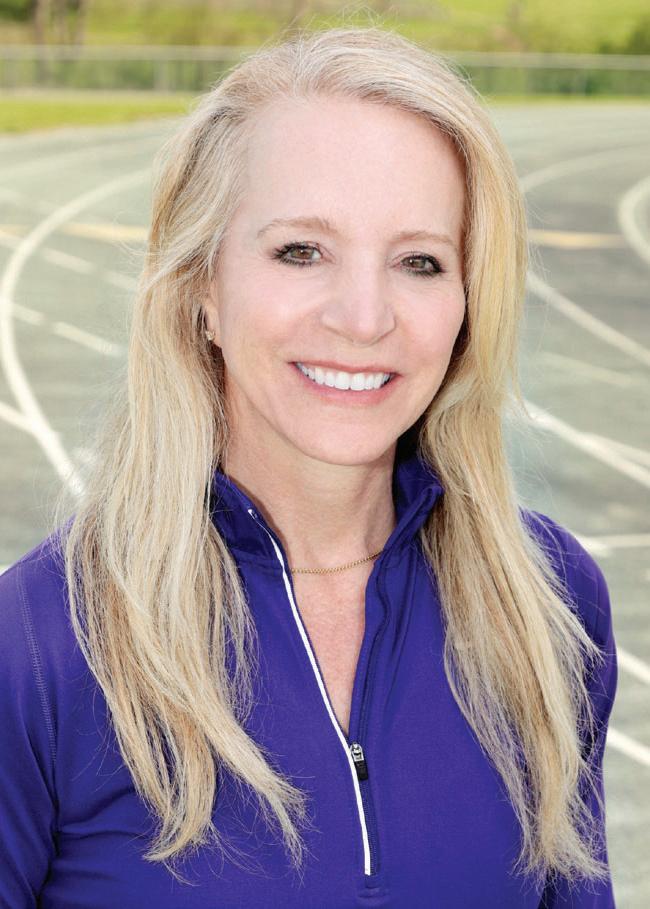
Dr. Christine Foss believes healing happens not in stillness, but through intentional movement that strengthens the body from within.
“The focus in movement and healing today is active recovery,” she explains. “It’s not about simply resting. Rest can be stagnant. When we use intentional, restorative movement, we enhance circulation, support healing, and ultimately improve performance and longevity.”
The principle applies to any active person, whether a competitive athlete or someone who enjoys golf, pickleball, tennis, or daily fitness. “For recovery we need to keep blood flowing, support metabolism, and help muscles rebuild after exertion” says Foss. A light walk instead of a hard run. Mobility work instead of the couch. Active recovery improves circulation, supports glucose control, reduces inflammation, and promotes longevity.
Movement itself is the key to longevity, she says. Even 15 to 30 minutes a day can improve fitness, protect brain health, and reduce disease risk. Dr. Foss encourages everyone to see themselves as athletes. “Shades of gray,” she says.
Active recovery helps the body repair, rebuild, and perform at its best. Dr. Christine Foss recommends incorporating simple strategies into your routine:
■ Keep blood flowing with light movement such as walking or mobility work.
■ Increase activity gradually to avoid “too much, too soon” injuries.
■ Prioritize sleep, nutrition, and stress management.
■ Support recovery with therapies that improve circulation and reduce inflammation.
To learn more about active recovery and performance therapies, visit EliteSportsMedicineandRecovery.com or call to schedule a consultation.
If you move your body consistently, you are an athlete. And athletes understand one truth: today’s performance equals yesterday’s recovery, nutrition and sleep quality.
One of the biggest mistakes she sees is “too much, too soon.” Many people go from inactivity to two hours of pickleball, followed by tennis and a bike ride, only to end up injured and sidelined. Slow, strategic progression allows muscles and tendons to adapt. “Slow and steady wins the race,” she says.
Inflammation, she notes, is the first step in nearly every disease process. Managing it is essential for health and high performance. Nutrition plays a role, as do sleep and stress management. “You have to give back to the body,” she says. “You can’t always take.”
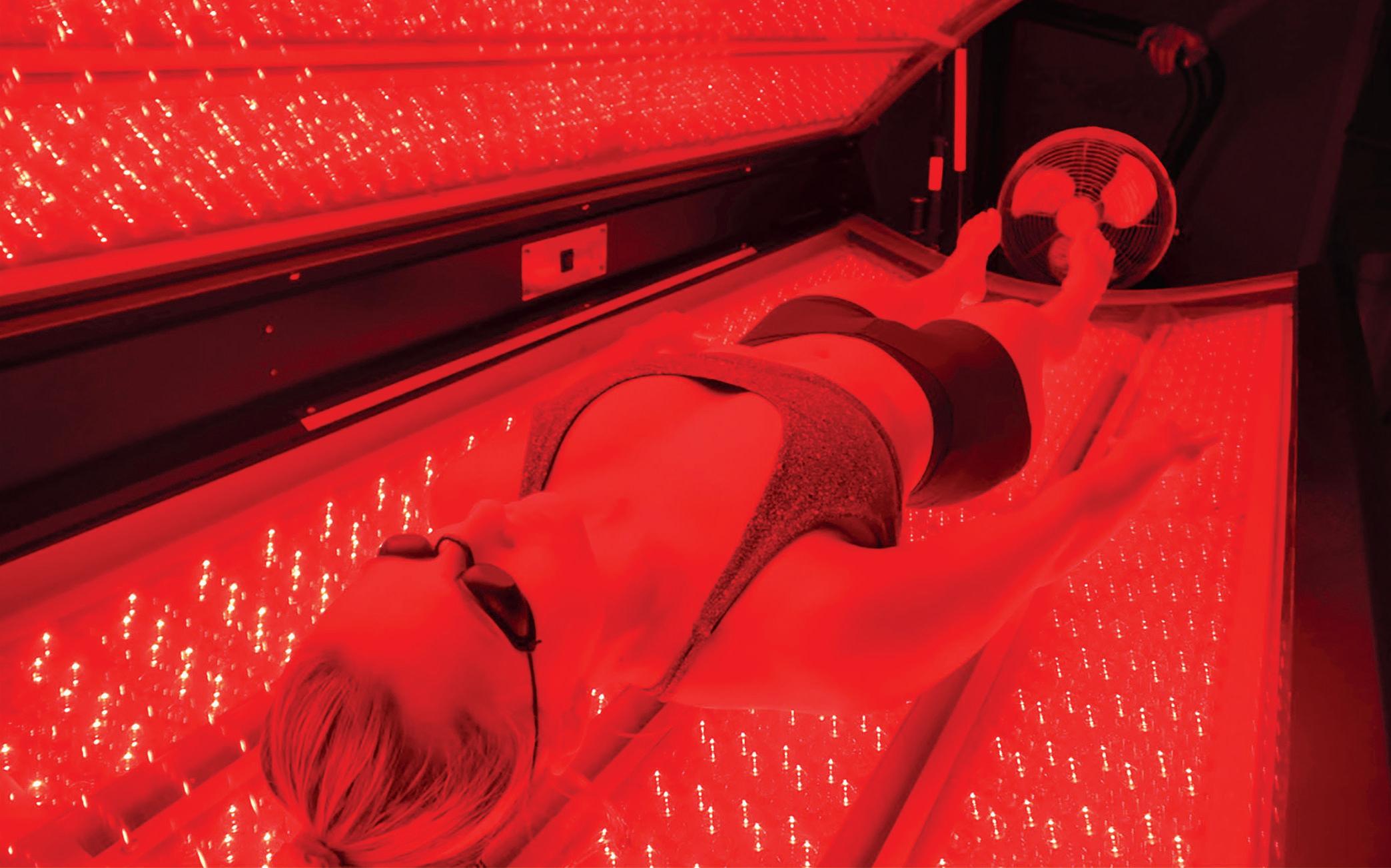
To enhance active recovery, Elite Sports Center offers advanced therapies once reserved for professional athletes and now available to everyone. Pulsed Electromagnetic Field therapy stimulates cellular healing and helps reduce inflammation. Red and Infrared Light Therapy enhances mitochondrial function and promotes tissue repair. NormaTec compression boots improve circulation and decrease muscle soreness after activity.
But technology is only part of the equation. Paying attention to what your body is telling you is critical. “Listen to the whispers,” Dr. Foss advises. “Don’t wait for the scream.”
Active recovery isn’t about doing nothing. It’s about using intentional movement to improve circulation, support healing, and help the body perform better over time.”
— Dr. Christine Foss
ELITE SPORTS RECOVERY CENTER
OFFICE ADDRESS: 8534 Heritage Green Way, Bradenton, 34212
PHONE: 941-761-4500
WEBSITE: EliteSportsMedicineandRecovery.com





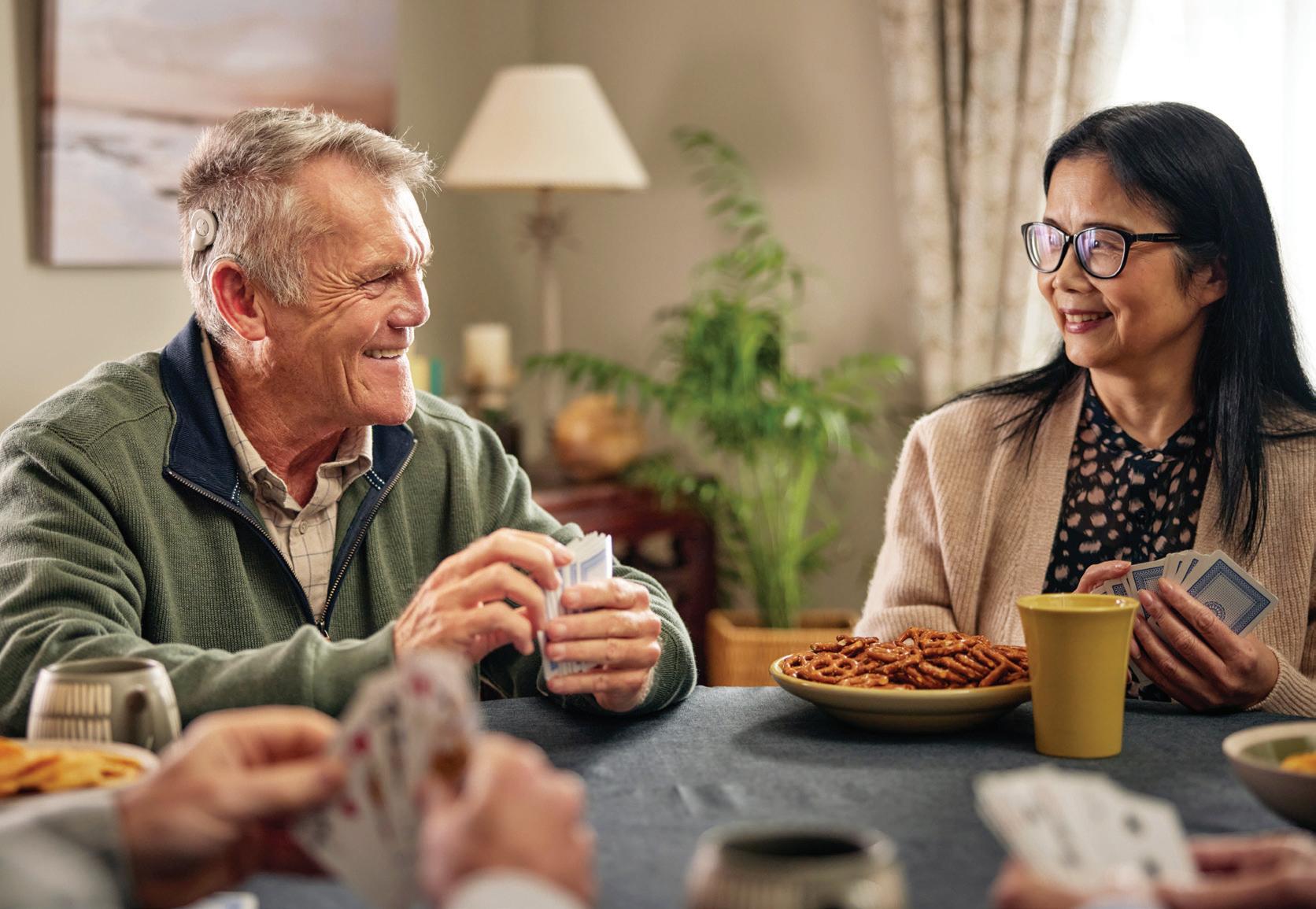
Hearing loss affects more than your ears. Addressing it early can support cognitive function, emotional well-being, and long-term vitality.
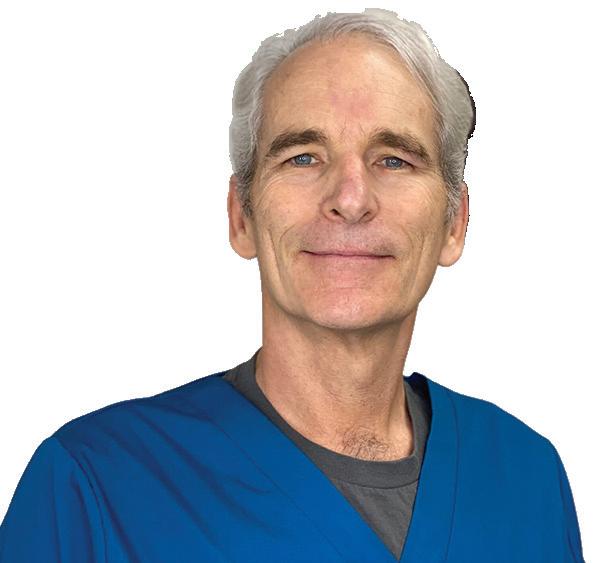
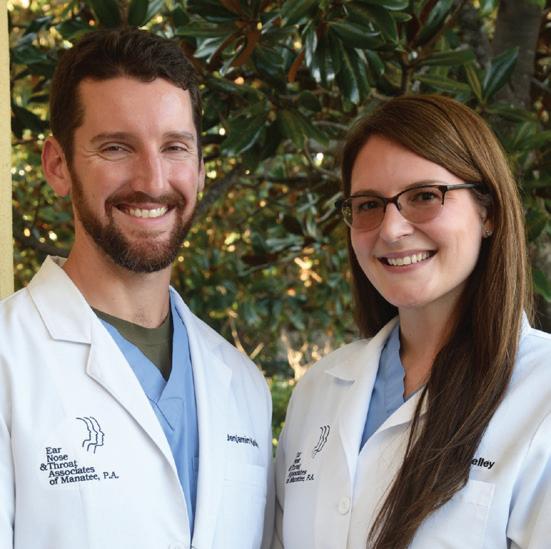
Dr. Benjamin Kelley
EAR, NOSE & THROAT ASSOCIATES OF MANATEE
Downtown Bradenton Office: 701 Manatee Ave W, Ste 202, Bradenton, FL 34205
Bradenton Office: 1838 Rye Road, Bradenton, FL 34212
LWR Office: 8340 Lakewood Ranch Blvd, Suite 180, Bradenton, FL 34202
PHONE: 941-748-2455
WEBSITE: ENTManatee.com
If you’ve started avoiding restaurants because you can’t follow the conversation… if your spouse says you keep turning up the TV… if you find yourself nodding along, hoping no one asks you a direct question, you are not alone.
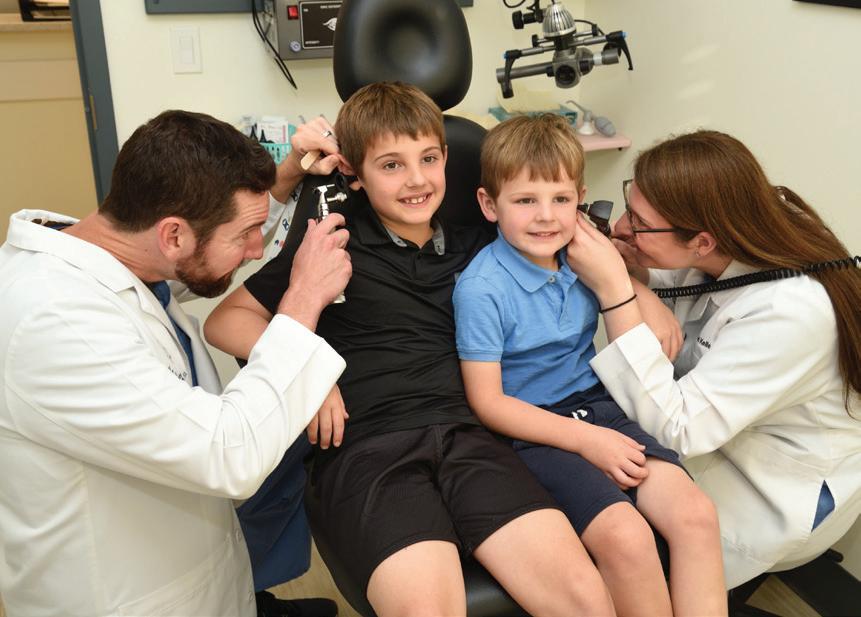
According to ENT Associates of Manatee’s Dr. Benjamin Kelley, most patients fall into two groups: those who come in because someone else insisted, and those who quietly know they’re struggling. Both deserve answers.
“Hearing loss isn’t just about volume,” he explains. “It’s about connection.” As we age, casual back-and-forth conversations, the ones that challenge your brain, help keep cognitive pathways sharp. When hearing declines, people socialize less. They withdraw from noisy settings and may even pretend to hear. Over time, that isolation can accelerate cognitive decline, affect mood, and strain relationships at home. Raising your voice just to be heard can sound like anger, even when it’s not.
The good news? The first step is simple: a thorough evaluation at ENT Associates of Manatee. Sometimes the solution is straightforward—for example, removing earwax or addressing fluid behind the eardrum. In
WHY
■ Hearing loss can impact memory and cognitive function.
■ Social withdrawal may accelerate decline.
■ Modern hearing aids are more advanced than ever.
■ Cochlear implants can restore access to sound.
■ Bone conduction systems help when sound can’t reach the inner ear.
■ Early evaluation improves long-term outcomes.
Call 941-748-2455 to schedule a hearing evaluation!
the absence of an easy fix, often modern hearing aids are remarkably effective, and if you tried them 10 or 15 years ago, today’s technology is dramatically better.
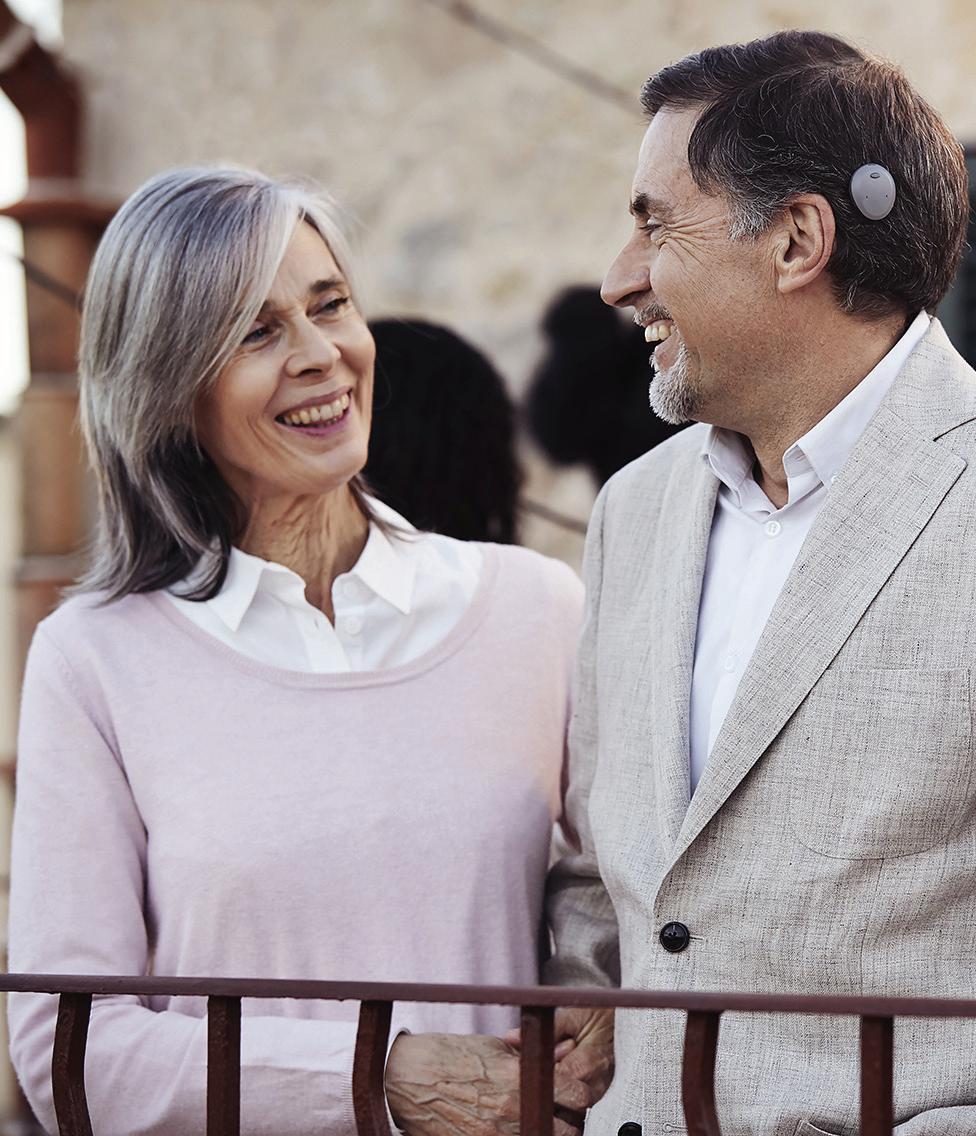
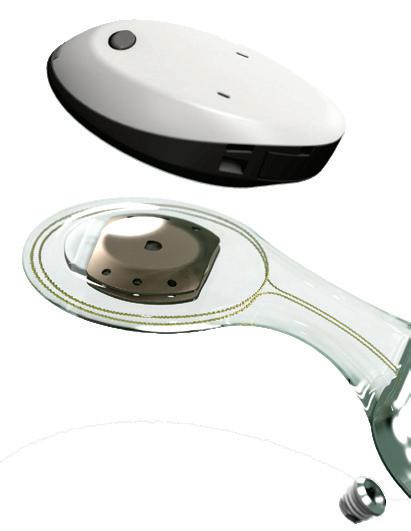
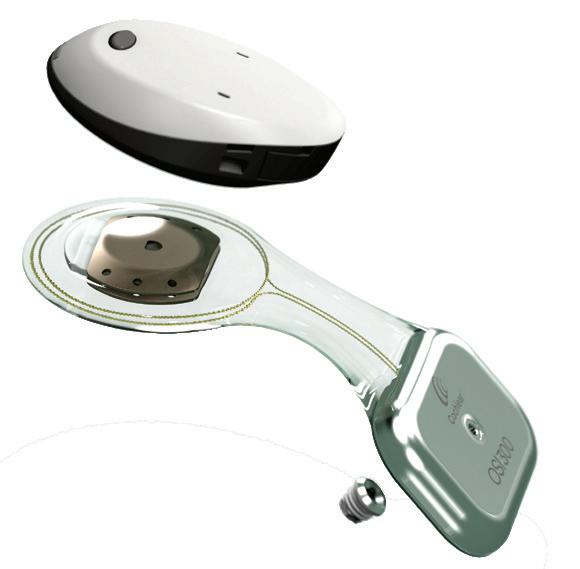
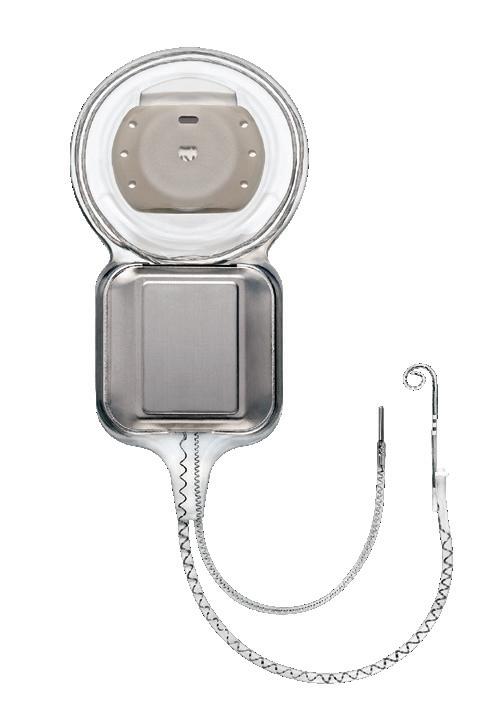
But for some patients, hearing aids aren’t enough. That’s when Dr. Kelley introduces more advanced and highly effective options: cochlear implants or bone conduction Osia® System.
A cochlear implant is designed for people whose inner ear no longer functions well. Tiny electrodes are placed into the cochlea to directly stimulate the hearing nerve—essentially restoring access to sound. Dr. Kelley recalls a 65-year-old woman who had worn top-tier hearing aids successfully for years but eventually couldn’t function socially. Six months after receiving a single cochlear implant, she was back in restaurants, engaged and confident. “We likely bought her years of cognitive health,” he says.
For others, the inner ear works but sound can’t properly reach it. An Osia® is implanted behind the ear and sends sound vibrations through the skull directly to the inner ear. It’s especially powerful for patients with chronic ear infections, eardrum damage, or multiple ear surgeries. One 36-year-old patient experienced such dramatic improvement on one side that she’s eager to treat the other.
Hearing loss isn’t just about volume. It’s about connection.”
Dr. Benjamin Kelley
The message is clear: don’t ignore hearing loss. The earlier you protect the connection between your ears and your brain, the better your quality of life: today and tomorrow. Learn more about hearing better at ENTManatee.com.
After months
But while moving boxes during a relocation, he twisted his back. The injury resulted in bulging discs that triggered debilitating sciatica pain.
At first, he didn’t even fully understand what had happened.
Then he looked in the mirror.
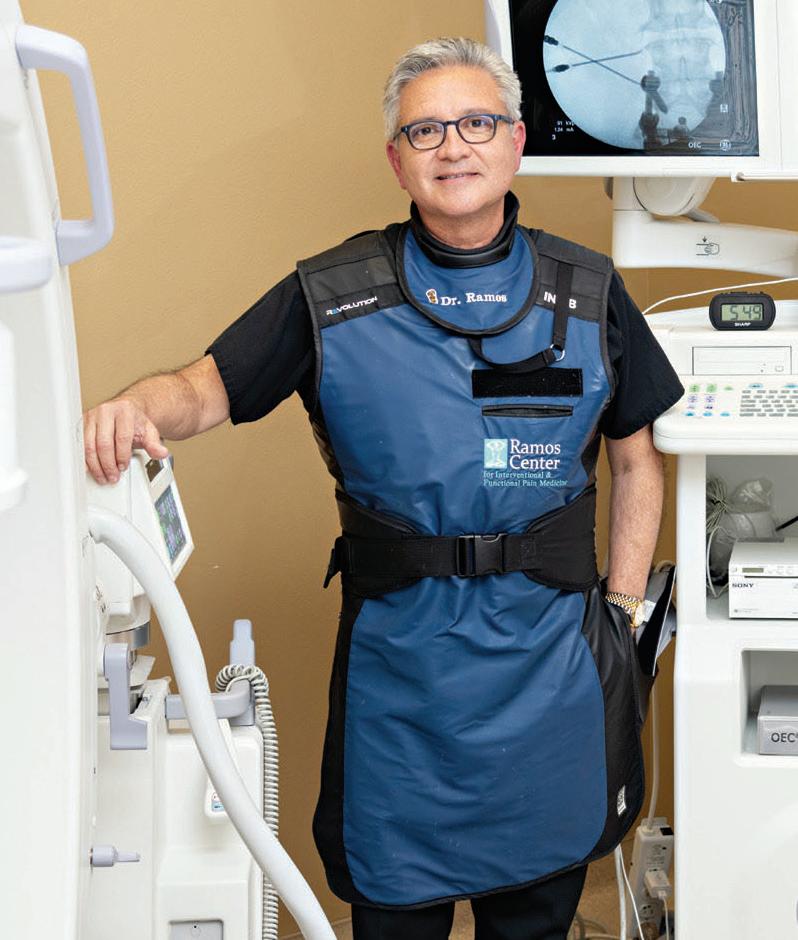
Luis Suarez wants people to know that the Ramos Center for Interventional and Functional Pain Medicine gave him his life back.
At 24 years old, Suarez was in top form. He had just completed his M.S. degree in Global Affairs from New York University and was preparing for his next chapter.
“I was so twisted that I took a picture,” Suarez says. “My hip had shifted all the way to the right, and I couldn’t straighten myself back to normal.”
He visited his primary care physician, who ordered an MRI and recommended hot and cold therapy at home along with physical therapy.
But the pain persisted.
“I had just moved to Miami to work for Senator Marco Rubio as
a staff assistant, and the pain wouldn’t let me sleep,” Suarez recalls. “I couldn’t play soccer. I couldn’t even sit in my car for more than an hour. It was bad.”
Fortunately, his uncle in Sarasota, who was dealing with a similar issue, told him about the Ramos Center.
“They gave me a thorough examination and explained exactly what was going on,” Suarez says. “Then they recommended a series of three injections to reduce the inflammation and relieve the pain. They were super nice. They told me everything they were going to do, what to expect, and how to continue improving afterward.”
Even after the first shot, I felt so much better. By the third one, my body felt realigned.”
— Luis Suarez
The difference was almost immediate.
“Even after the first shot, I felt so much better,” he says. “By the third one, my body felt realigned.”
But Suarez emphasizes that the injections were only part of the
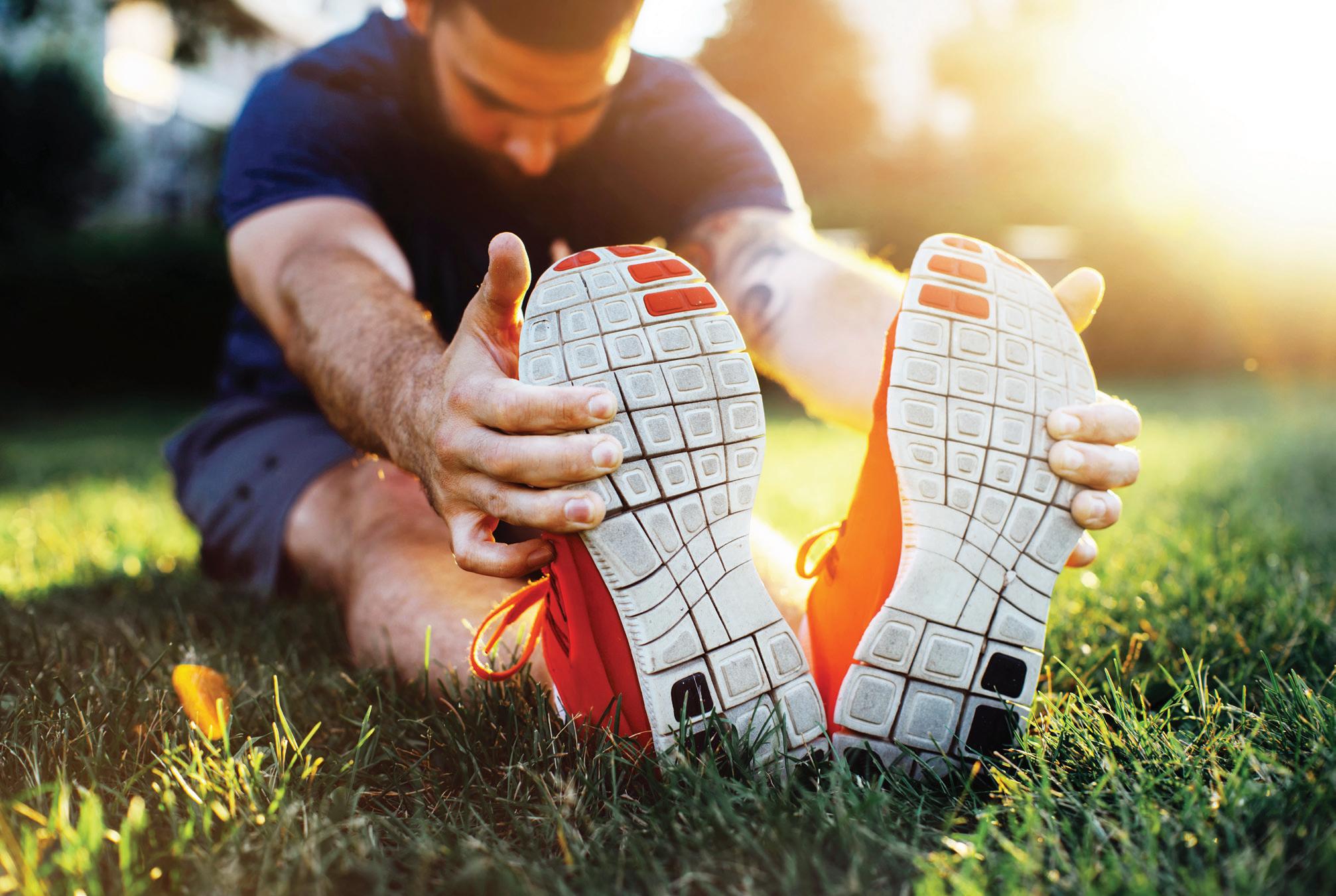
Sciatica occurs when the sciatic nerve becomes irritated or compressed, often due to bulging or herniated discs in the lower spine. Symptoms may include:
■
■ Tingling, numbness, or weakness in the leg or foot.
■ Difficulty sitting,
solution. After the treatments, the Ramos Center team instructed him to continue strengthening and stabilizing his back through targeted exercise and physical therapy.
“The shots themselves aren’t going to save you,” he explains. “You have to listen to what Ramos tells you to do and follow the plan.” Today, Suarez is back living in New York — recently navigating blizzard conditions without issue — and has had no trouble shoveling snow to dig his car out of the driveway.