

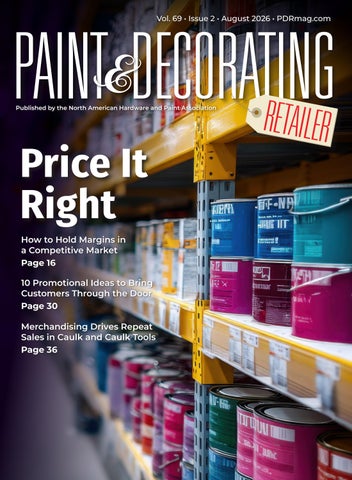
How to Hold Margins in a Competitive Market Page 16
10 Promotional Ideas to Bring Customers Through the Door Page 30 Merchandising Drives Repeat Sales in Caulk and Caulk Tools Page 36



How to Hold Margins in a Competitive Market Page 16
10 Promotional Ideas to Bring Customers Through the Door Page 30 Merchandising Drives Repeat Sales in Caulk and Caulk Tools Page 36

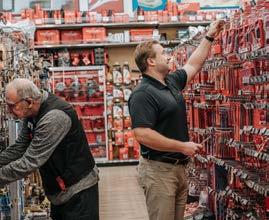


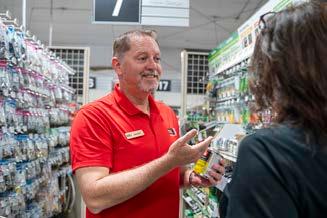






THREE MEDIA BRANDS. ONE MISSION. HELPING INDEPENDENT HOME IMPROVEMENT RETAILERS BE BETTER AND MORE PROFITABLE.
For more than 125 years, NHPA has been the trusted resource for independent retailers across North America. Today, that commitment is stronger than ever. With the addition of Hardware Connection to the NHPA media network, independent retailers now have access to the industry’s most respected collection of media brands. Together, these brands provide unmatched coverage, trusted expertise and practical solutions for hardware stores, home centers, lumberyards and paint retailers. When the independent channel needs insight, education, benchmarking, product information or business guidance, it turns to NHPA.

The leading publication serving independent hardware retailers. The leading source dedicated to paint and decorating retailers.

The industry’s premier digital publication delivering timely news, retailer stories and merchandising insights.
1025 E. 54th St. Indianapolis, Indiana 317-275-9400
NHPA@YourNHPA.org YourNHPA.org
Lindsey Thompson lthompson@YourNHPA.org Editor and Director of Content Development
Austin Vance avance@YourNHPA.org Director of Sales & Marketing
Jacob Musselman jmusselman@YourNHPA.org News & Digital Editor
Annie Dameworth adameworth@YourNHPA.org Content Development Coordinator
Autumn Ricketts Senior Graphic Designer
Olivia Shroyer Marketing Manager
Samantha Mitchell Production & Design Assistant
Freda Creech Sales & Production Assistant
ASSOCIATION PROGRAMS
800-772-4424 | NHPA@YourNHPA.org
Cody Goeppner cgoeppner@YourNHPA.org Director of Education & Training
Jesse Carleton jcarleton@YourNHPA.org Training Manager & Editor
Christina Kane ckane@YourNHPA.org Member Services & Event Coordinator
Jordan Rice
217-808-1641 | jrice@YourNHPA.org Regional Sales Director
Jake Cutter
317-363-0776 | jcutter@YourNHPA.org Regional Sales Representative—Central
Dan Beck
518-852-9624 | dbeck@YourNHPA.org Regional Sales Manager—West
CIRCULATION, SUBSCRIPTION & LIST RENTAL INQUIRIES
CIRCULATION DIRECTOR
Richard Jarrett, 314-432-7511, Fax: 314-432-7665 gcscs8@gmail.com

In the September issue of Paint & Decorating Retailer, meet the 2026 class of Young Retailer of the Year honorees and read how each is making a positive impact in the channel, their stores and their communities. Plus, hear from honorees from the past 30 years of the Young Retailer of the Year program and where they are now.
PAINT & DECORATING RETAILER
Paint & Decorating Retailer (ISSN 0011_8910), Copyright © 2026 by the North American Hardware and Paint Association (NHPA), is published four (4) times per year (January, April, July, October) by the North American Hardware and Paint Association, 1025 E 54 St, Indianapolis, IN 46220.
Subscription rates: Hardware Retailing (Payable in advance): U.S. & possessions $50/year. Canada $75/year. All other countries $110/year. Single copy $7. The Annual Report issue can be purchased for $30.
Business and Editorial Offices: 1025 E 54 St. Indianapolis, IN 46220
Accounting and Circulation Offices: The North American Hardware and Paint Association, 1025 E 54 St., Indianapolis, IN 46220. Call 317-275-9400 to subscribe.
Periodicals postage is paid at Indianapolis, IN and additional mailing offices.
POSTMASTER: Send address changes to Paint & Decorating Retailer, P.O. Box 16709, St. Louis, MO 63105-1209.
OUR MISSION
The North American Hardware and Paint Association (NHPA) helps independent home improvement, paint and decorating retailers, regardless of affiliations, become better and more profitable retailers.
NHPA EXECUTIVE STAFF
Bob Cutter CEO
Scott Wright President & Publisher
Dan Tratensek Chief Operating Officer
David Gowan Chief Financial Officer & Executive Vice President, Business Services
NHPA BOARD OF DIRECTORS
CHAIRMAN OF THE BOARD
Joanne Lawrie, Annapolis Home Hardware
Building Centre, Annapolis Royal, Nova Scotia
EXECUTIVE VICE CHAIRMAN
Ash Ebbo, Clement’s Paint, Austin, Texas
IMMEDIATE PAST CHAIRMAN
Ned Green, Weider’s Paint & Hardware, Rochester, New York
DIRECTORS
Christian Herrick, Randy’s Do it Best Hardware, Jackson, Virginia
Michelle Meny, Meny’s True Value, Jasper, Indiana
Jeremy Peterson, Family Hardware, Florida
Katie Prus, Abbotsford Paint and Decorating, British Columbia, Canada
Michael Sacks, FLC Holdings, LaGrange, Texas
Emily Wood, Wood’s Ace Hardware, Bolts & Brews
SECRETARY-TREASURER
Bob Cutter, NHPA
NHPA CANADA
EXECUTIVE ASSISTANT
Rebekah
Competing in a price-driven market can be a challenge for paint retailers. The most effective strategy is to shift the focus to value and service while protecting your margin and building customer loyalty.
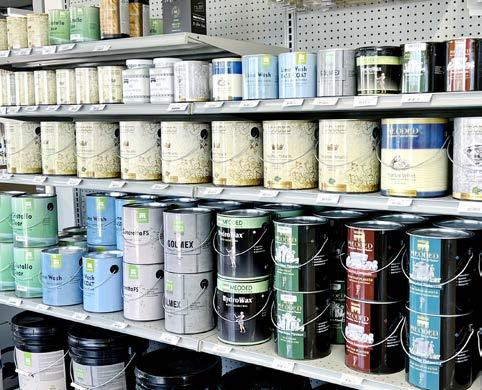
Private label does more than just enhance margins—it’s a powerful opportunity for independent retailers to differentiate themselves. Discover how to leverage private label programs to strengthen your brand identity, increase customer loyalty and drive greater profitability.
Uncover 10 innovative promotional strategies tailored to key selling seasons that can help bring more customers through your doors, build customer relationships and boost overall sales performance.
From a former contractor’s online how-to videos to a Massachusetts store’s “good, better, best” display strategy, discover the tactics driving repeat sales in the caulk and sealant category.








Dan Tratensek dant@YourNHPA.org

“With buying market season upon us, I would encourage every retailer to spend more time and give more thought to how they prepare for these events.”
If you haven’t said it yourself, you’ve probably heard it from one of your colleagues. In fact, this statement has to be near the top of the list when it comes to the most common complaints I’ve heard retailers make over the past five or so years: “Promotional buying opportunities just aren’t what they once were.”
The claim is usually wrapped up in a conversation about how the lack of lucrative deals makes it more difficult to entice customers into stores, stifling traffic counts and limiting selling opportunities.
And while I don’t doubt that the global supply chain disruption we all experienced in the wake of COVID-19 may still be impacting the availability or size of promotions, I might also suggest that those promotions are still available—for retailers willing to put in the time and discipline to look for them.
Even if we assume that promotions might not be as generous as they were five years ago, we are getting ready to enter the fall buying season, a time when distributors and manufacturers are putting full energy into producing high-impact buying events.
When I talk with wholesale and manufacturing executives, they often lament the fact that retailers do not maximize the opportunities presented during these events.
I also hear many of these same people say when retailers miss out on special buying opportunities around shows or events, it isn’t because they didn’t want the deal—it’s because they hadn’t adequately prepared for the event in advance.
Whether or not promotions are more meager than they have been in the past, they are still out there. With buying market season upon us, I would encourage every retailer to spend more time and give more thought to how they prepare for these events.
Are you looking at your past orders and buying history to determine what you need to buy? Are you working with your distributor’s sales team to identify the “can’t-miss” deals? Are you willing to buy a little more than you need in order to capture special pricing?
Like most things in retail, success is rarely easy, and in a time when buying right can make a significant difference in your ability to attract customers and drop dollars to the bottom line, emerging from buying market season successfully simply takes more discipline and planning.
I know there is more to do and fewer resources to do it with when running your business, but look at it as putting in incremental effort to produce incremental progress. This year, spend an extra hour or two preparing for the buying events you attend, targeting promotions, special deals, new products and more.
I think you might be surprised by the results that even this small amount of additional attention can yield and you might find that some of those promotions are out there, you just have to look harder to find them.

Dan M. Tratensek Chief Operating Officer
1883






























swright@YourNHPA.org Scott Wright

There’s a lot going on at your association right now. So here’s a rundown, in classic Top 10 Countdown fashion…drum roll please:
For the past 126 years, the North American Hardware and Paint Association (formerly the National Retail Hardware Association) has had the same mission—to help hardware stores, home centers, lumberyards and paint stores, regardless of affiliation, become better and more profitable retailers. This mission statement has proven to be timeless and our North Star.
If you’re a member of Ace, Do it Best Group or Home Hardware Stores Ltd., you are member of NHPA through our group membership programs and have access to the industry’s leading training content through Ace Learning Place, Do it Best’s Learning Zone, True Value University and Home Hardware’s Connect learning management sites. We also have a group membership program for Orgill customers through NHPA’s LearnUpon site. As a group member you have full access to our online training programs, from product knowledge to customer service, selling skills and much more.
For the past 13 years we have also staged the industry’s leading retail management school—Retail Management Certification Program—a 6-month, college-level, in-person experience like no other. If online learning is more your style, our Foundations of Retail online series covers Financial Management, Merchandising Management and Leadership. In addition, we will be launching Foundations of Succession Planning in Q4 to round out the series.
Later this year we will launch the NHPA Foundation, a formal 501(c)(3) charitable organization dedicated to providing scholarships for students attending our advanced education programs, but who need help with tuition expenses. We will also use funds from the foundation to conduct major industry research projects, like NHPA’s Merchandising for Profit study that was released last year, to benefit independent retailers, manufacturers and wholesalers across the entire channel.
We currently run and moderate multiple roundtables focused on marketing, merchandising, finance, human resources, training and IT, and we’re always looking to start more. If you want to connect with your peers in a nonbiased and inclusive environment to share best practices, let us know and we’ll find a roundtable that fits your needs.
Six months ago, we launched NHPA’s Strategic Consulting program with a handful of industry experts who have spent their entire careers in key roles at leading independent home improvement retail stores. These folks have walked miles in your shoes and are ready to help you tackle your biggest operational and growth-related challenges.
4. Keeping a Pulse on KPIs
We recently rebranded our Independent Retailer Index to the Quarterly Independent Performance Report to monitor how independents are performing on a quarterly basis, just as our Cost of Doing Business Study does on an annual basis.
3.
Last year NHPA launched a daily industry newsletter that hits 40,000 industry inboxes every weekday at 7 a.m. Stay up to date on the latest industry news, events and happenings, as well as what’s on tap from your association.
In June, NHPA acquired Hardware Connection magazine, the industry’s leading digital publication, to round out our stable of media brands that includes Hardware Retailing and Paint & Decorating Retailer magazines. This publication is sent to 40,000 industry retailers and professionals twice a month.
1. Check Out Our New Website
YourNHPA.org is updated, streamlined and offers information on everything listed above, plus a whole lot more.

Scott Wright NHPA President and Publisher





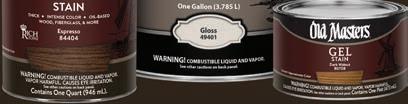
See three ways to create top-notch customer experiences to keep your customers coming back at PDRmag.com/service-strategies


Jim Robisch has been working in the home improvement channel for over 40 years. He is retired from The Farnsworth Group, where he was a senior partner and adviser focusing on retail research and consulting. He directed various activities for the firm, including customer intelligence, brand image and positioning, market expansion, customer satisfaction and growth and strategic planning. Jim has worked with more than 1,000 independent retailers and over 50 of the top industry chains and largest wholesale groups. In retirement, Jim remains active with consulting work and serving on numerous advisory boards.
CONNECT
jrobisch@thefarnsworthgroup.com
Jim Robisch
Emotions rarely answer questions, let alone solve critical problems. Yet, too often, retailers let their emotions get in the way when making critical strategy decisions. Directly or indirectly, emotions lack key information central to the planning process and planning successful retail mix strategies. These can include financial, operational, locational, merchandise mix, marketing, staffing, future growth planning and more.
Emotions cloud strategic thinking about recent technology and shifting customer behavior. Emotionally influenced “errors” in tactical planning, implementation and execution are problematic and too common. When it comes to strategic planning, letting emotions corrupt strategic thought can be dangerous and unforgiving.
The “I think” basis for strategy development is subjective and prone to bias. In short, it is most dangerous if not used in combination with fact-based information. “I think” strategy decisions have to be evaluated and confirmed against facts and fact-based market realities. Most importantly, they should be tested against the “voices of your customers” litmus test.
The market has and is continuing to change too rapidly to rely solely on instincts learned from past managerial and market situations. Remember when some management pushed back on things like eliminating print advertising and viewed social media as a fad, when budgeting for a strong web presence was continually pushed aside, when robots on the salesfloor were considered a joke and when there was endless questioning of AI’s capabilities to assist across so many areas of improving productivity and customer satisfaction? Where did that get you? And where are we today? If you blink, you are already behind and playing catch up.
I have always preached that when you are making critical decisions, you need to listen to the customer. To please customers, you need to understand how they shop, what they want and what they need. Converting non-shoppers and increasing the loyalty of current customers is always the goal.
Actionable customer information and insights abound. Obtaining invaluable customer information doesn’t have to be difficult or expensive. NHPA, the Department of Commerce, seminars at industry events, distributors and wholesalers, monthly newsletters, The Farnsworth Group and more are all valuable resources. Drilling down on your own customers may be more challenging but worth the effort and costs.
Customer information is always power, only if you choose to obtain and use it. You can’t efficiently distribute strategy resources if you don’t really know where to put them. Listen to the customer.
Till next time.
Jim Robisch
Senior Partner & Adviser, Ret. The Farnsworth Group
NHPA now offers one-on-one consulting that connects independent retailers directly with trusted industry experts who’ve spent their careers leading top-performing home improvement and paint and decorating operations.
Our consultants are seasoned pros—unbiased, vetted by your association, and deeply experienced in every major area of running a successful retail business. They’ve been in your shoes, led teams, solved complex challenges and driven growth from the ground up.
With NHPA Strategic Consulting, you get practical, real-world solutions tailored to your store’s needs. It’s our mission to connect you with experts who can strengthen your operation, solve challenges and move your business forward faster, with confidence.
As a trade association, it’s our mission to connect you with the best retail minds in the industry who can provide the best solutions for your specific needs.
Decades of experience in leadership roles at leading independent home improvement stores.
Each consultant specializes in core areas that drive your business.
Proven Industry Thought Leaders
Renowned experts shaping NHPA’s programs, education and trade magazines.
Trusted & NHPA-Vetted
Active in NHPA’s roundtables, guiding key industry discussions for independent retailers.
Mission Focused & Non-Biased
Our consultants are NHPA-focused and loyal only to your business.

Houzz recently released the 2026 U.S. Houzz Emerging Summer Trends Report, detailing upcoming design trends based on the latest research from U.S. home professionals, homeowners and design enthusiasts. The report found homeowners are leaning towards tactile, sensory-rich environments that combine nature-inspired elements, curves and warm color palettes, as well as spaces designed for wellness, connection and play. See the top trends noted in the report to stay on top of customer preferences this season.

Rich, earthy hues are taking center stage this summer as homeowners embrace palettes that feel cozy, grounding and timeless.
Scalloped Tile
Arched Range Hood
Rounded Kitchen Island
Arched Pantry Door
Curved Staircase
Curved Peninsulas and Islands
Wave Tile
Rounded silhouettes and wave-like details, which have been popular in furniture, are now gaining momentum in architectural features and other areas as homeowners move away from rigid lines in favor of softer, more fluid forms. +
TACTILE TEXTURES
Touch is becoming as important as sight in home design as homeowners seek out highly sensory experiences where traditionally flat surfaces become rich, touchable dimensions.
Wainscoting
Terracotta Flooring
Travertine Flooring
Seagrass
Source: 2026 U.S. Houzz Emerging Summer Trends Report, Houzz

NHPA’s RetailWise Plus, an AI-powered program, delivers 365 two-minute lessons in English, Spanish and French-Canadian. Built for independent hardware, paint and lumber retailers, it fits seamlessly into your store’s day—no long classes, no complicated schedules. Strengthen skills, service and team culture, one lesson at a time.

Have Questions? Contact Cody Goeppner at cgoeppner@YourNHPA.org
“Two minutes may seem short, but when that time is intentional and focused, it becomes incredibly powerful. These micro-lessons help retailers strengthen their teams without pulling them off the salesfloor.”

Cody Goeppner Director of Education and Training, NHPA
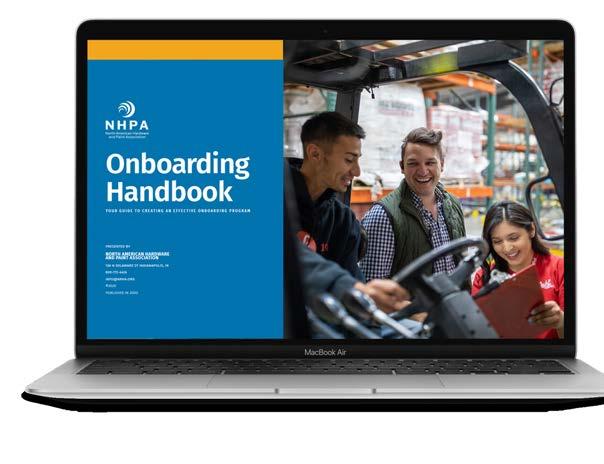

Send a note to editorial@YourNHPA.org about products you can’t keep on the shelf. Include your name, your business name and why you love it.
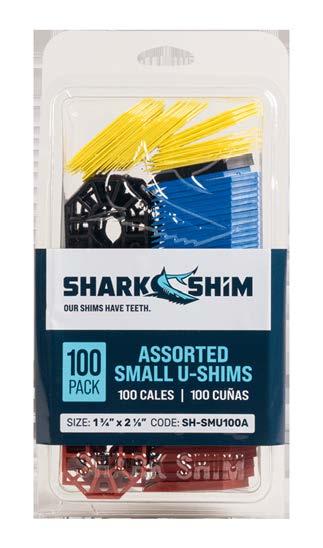
The Assorted Small U-Shim Clamshell from Shark Shim is a set of plastic U-shaped shims designed for leveling, spacing and alignment around fasteners and anchors. The assortment includes multiple shim sizes for use in windows and door installation, cabinetry and general construction. The shims are color-coded for identification and designed to provide consistent spacing and load support. Shark Shim | sharkshim.com
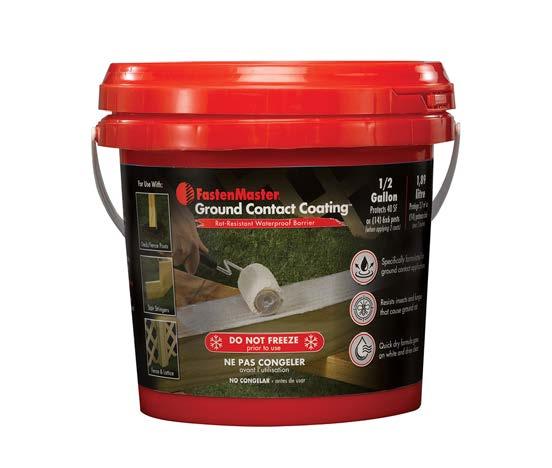
Deck Frame Coating from FastenMaster is a rubberized waterproof coating designed for treated lumber and deck framing components. It is intended for use on joists, beams, ledgers, stair stringers and posts to help protect against moisture exposure that can contribute to wood rot and decay. The coating is applied directly to framing surfaces before deck board installation. FastenMaster | fastenmaster.com
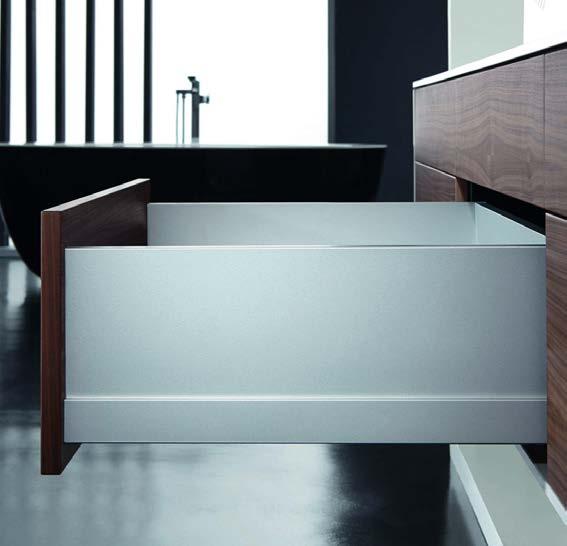
The Nova Pro Scala Drawer System from Grass is a double-wall steel drawer system designed for residential and commercial cabinetry. It features synchronized full-extension slides with a soft-close mechanism and is available in multiple drawer heights, lengths and finishes. The system is designed for undermount installation and supports dynamic load capacities of up to 154 pounds.
Grass America | grassusa.com
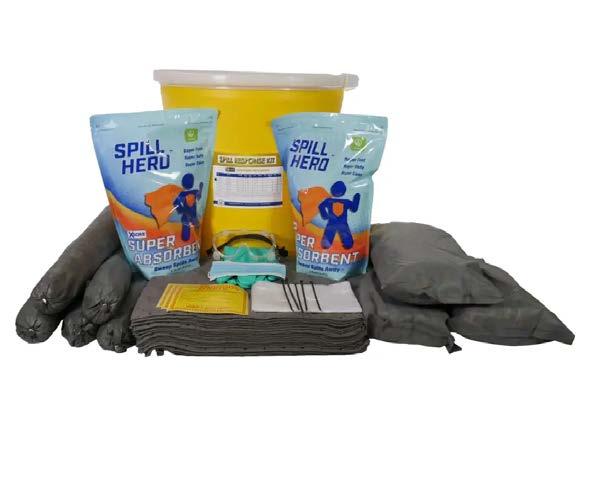
The Universal Spill Kit from Spill Hero is a spill response kit designed to contain and clean up oil-, chemical- and water-based spills. The 20-gallon kit includes granular absorbent pads, socks and pillows, along with personal protective equipment and disposal bags. The contents are packaged in a UN-certified drum for storage and emergency response.
Spill Hero | spillhero.com
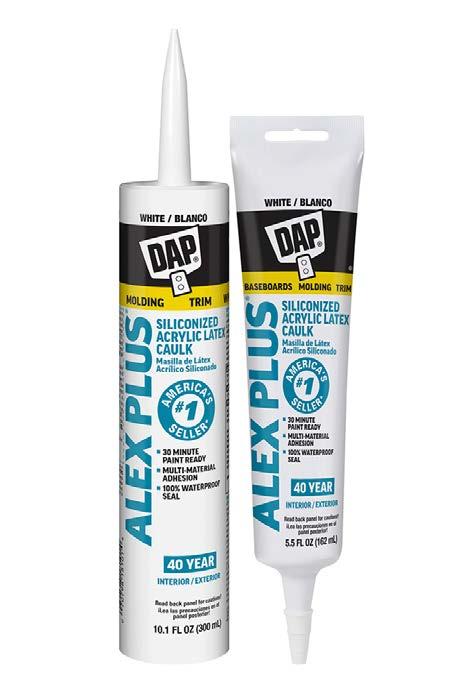
ALEX Painter’s Acrylic Latex Caulk Plus Silicone from DAP is a paintable sealant designed for filling gaps and cracks around trim, molding, windows and doors. The acrylic latex formula includes silicone for flexibility and adhesion and can be painted after curing. It is intended for interior and exterior applications.
DAP | dap.com
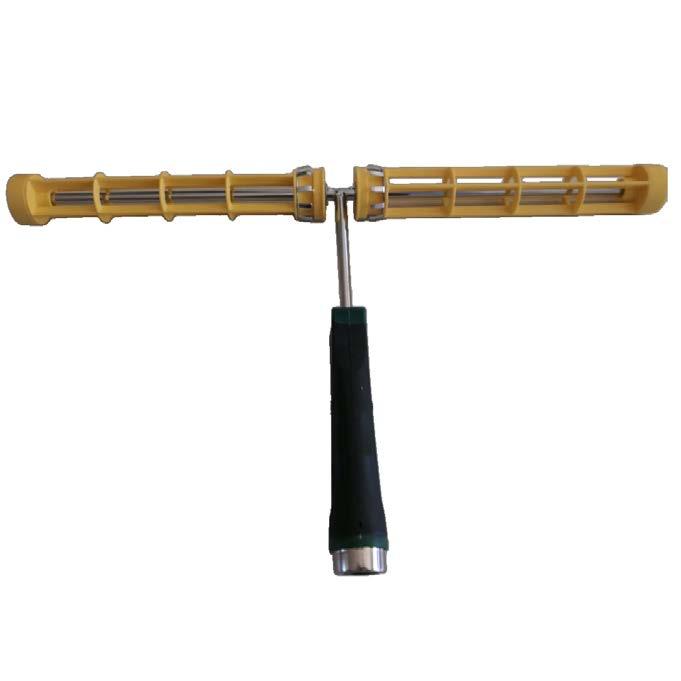
The 18-Inch Dual Roller Frame from Corner Roller is a paint roller frame designed to apply paint to inside corners and adjoining surfaces simultaneously. The frame uses two rollers positioned at an angle to improve coverage in corner applications on walls, ceilings and other painted surfaces where corner coverage is required. STARKE LLC | cornerroller.com
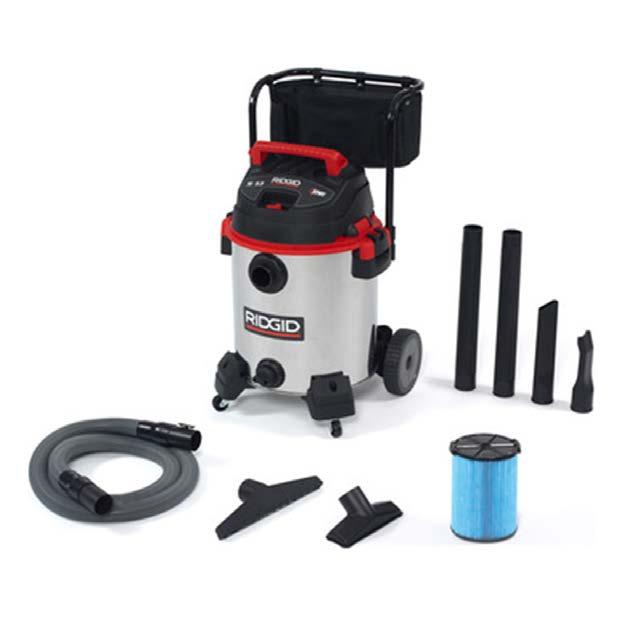
The 16-Gallon Stainless Steel Wet/Dry Vac with Cart from RIDGID is a shop vacuum designed for wet and dry cleanup applications. It features a 16-gallon stainless steel drum, a wheeled cart for mobility and onboard accessory storage, and it is ideal for use in workshops, garages and jobsites for collecting debris, dust and liquids.
RIDGID | ridgid.com



The BC5 5-in-1 Painter’s Tool from Allway Tools is a handheld multipurpose tool designed for painting and surface preparation tasks. It combines several functions, including scraping, spreading, putty application, paint can opening and crack cleaning. The tool features a steel blade construction for heavy-duty use. Allway Tools | allwaytools.com









Selling on Value
differences

BY JESSE CARLETON
When it comes to pricing in paint retailing, it may feel like the big boxes and factory stores write the rules, especially when the economy dominates the conversation and consumers are squeezed for cash. But while they can drop prices, that’s usually the only card discount merchants hold. Independent paint and decorating retailers win when they switch the conversation to value and service, while carefully monitoring their price image.
Paint & Decorating Retailer spoke with two retailers who have been able to increase their profitability and build their customer base in markets dominated by low-price leaders. An effective pricing strategy is less about having the lowest prices and more about how you position your brand and product’s value for the customer.
For a deeper dive into how to gain the loyalty of contractor customers through service and discount pricing, see the July issue of Paint & Decorating Retailer
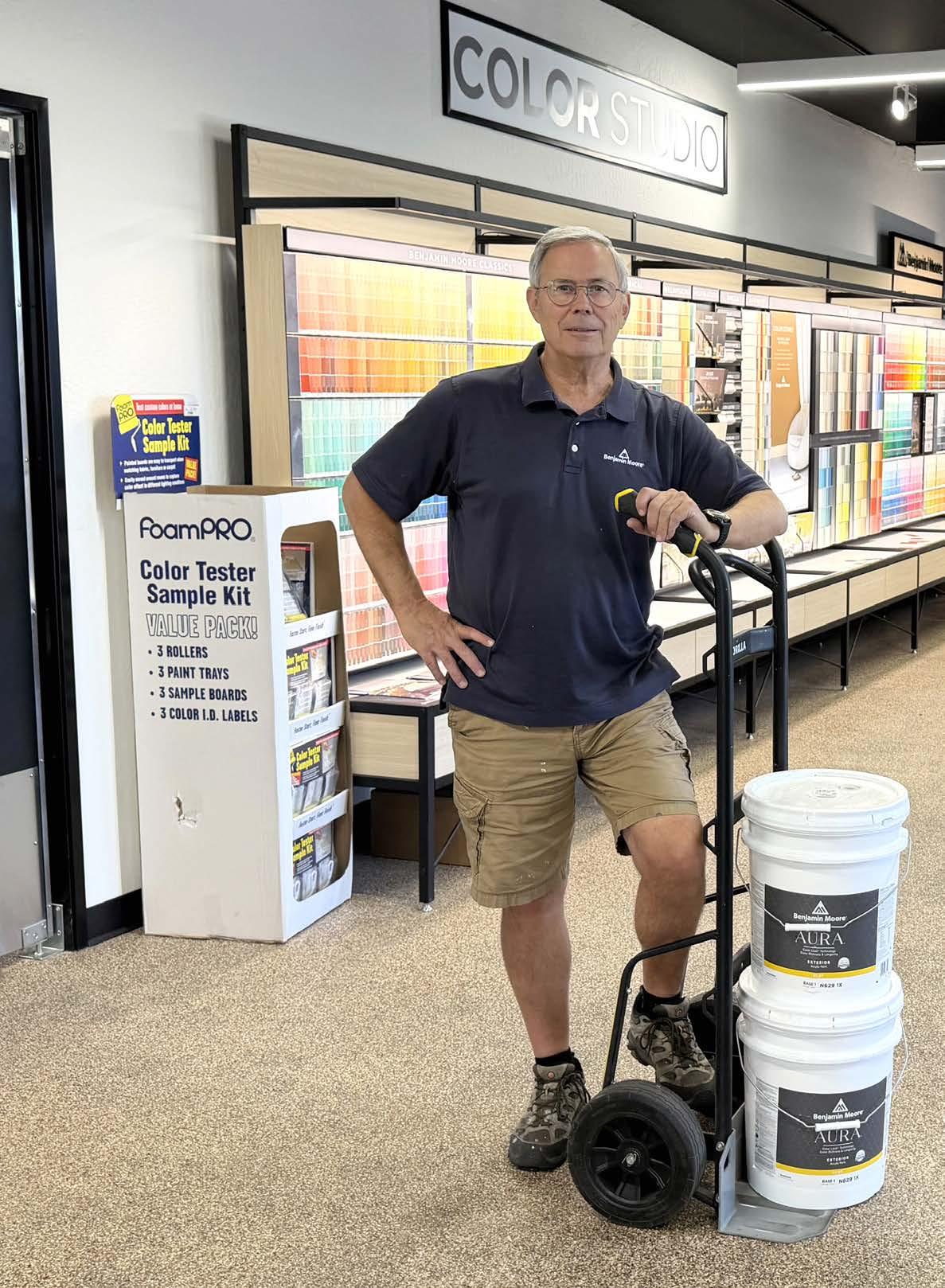
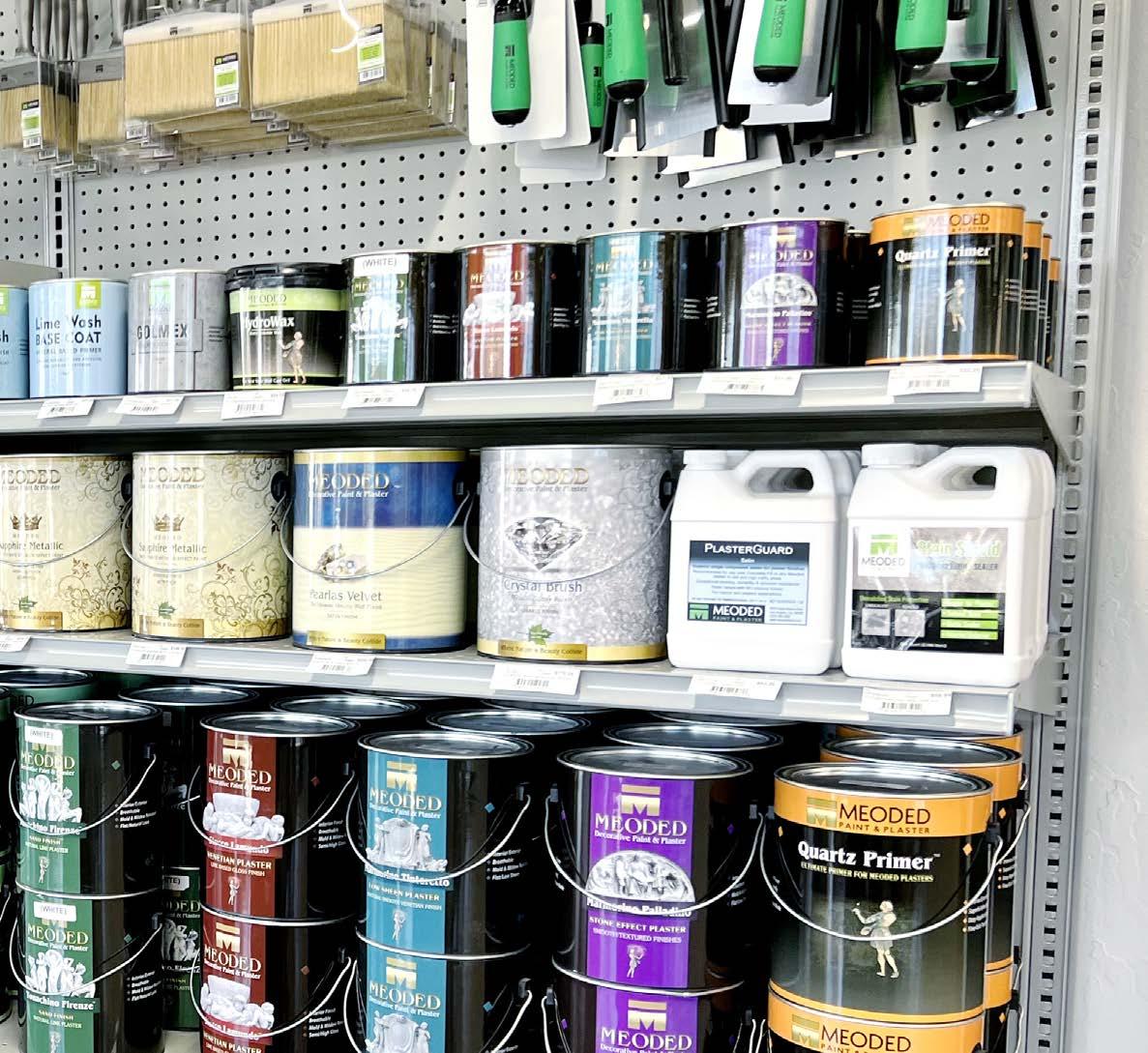
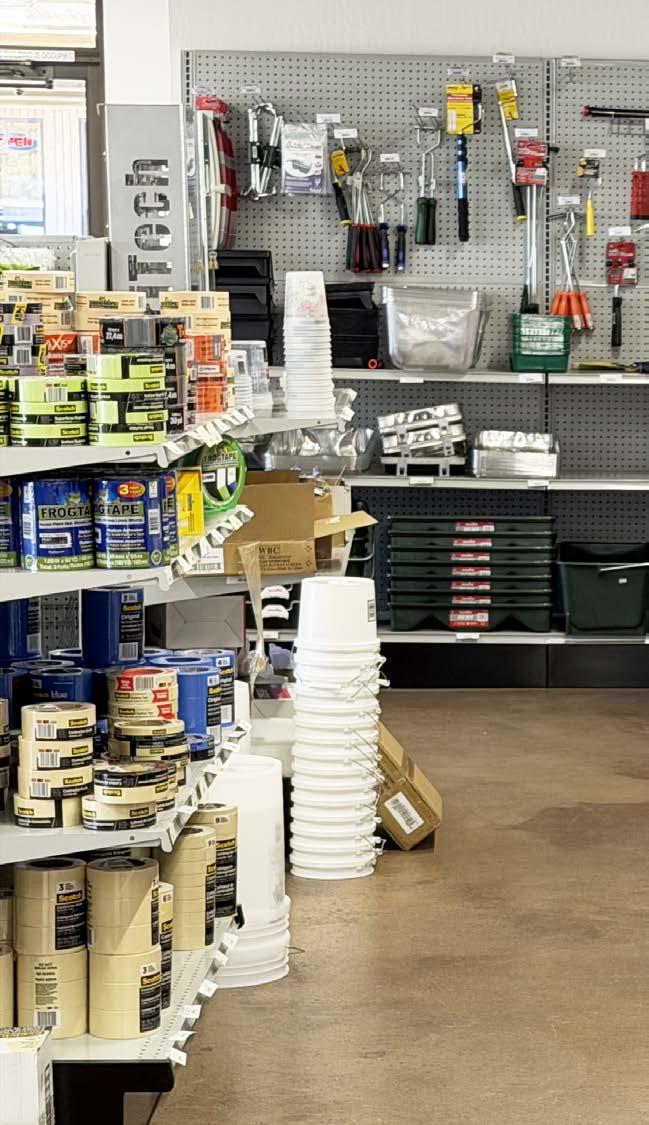
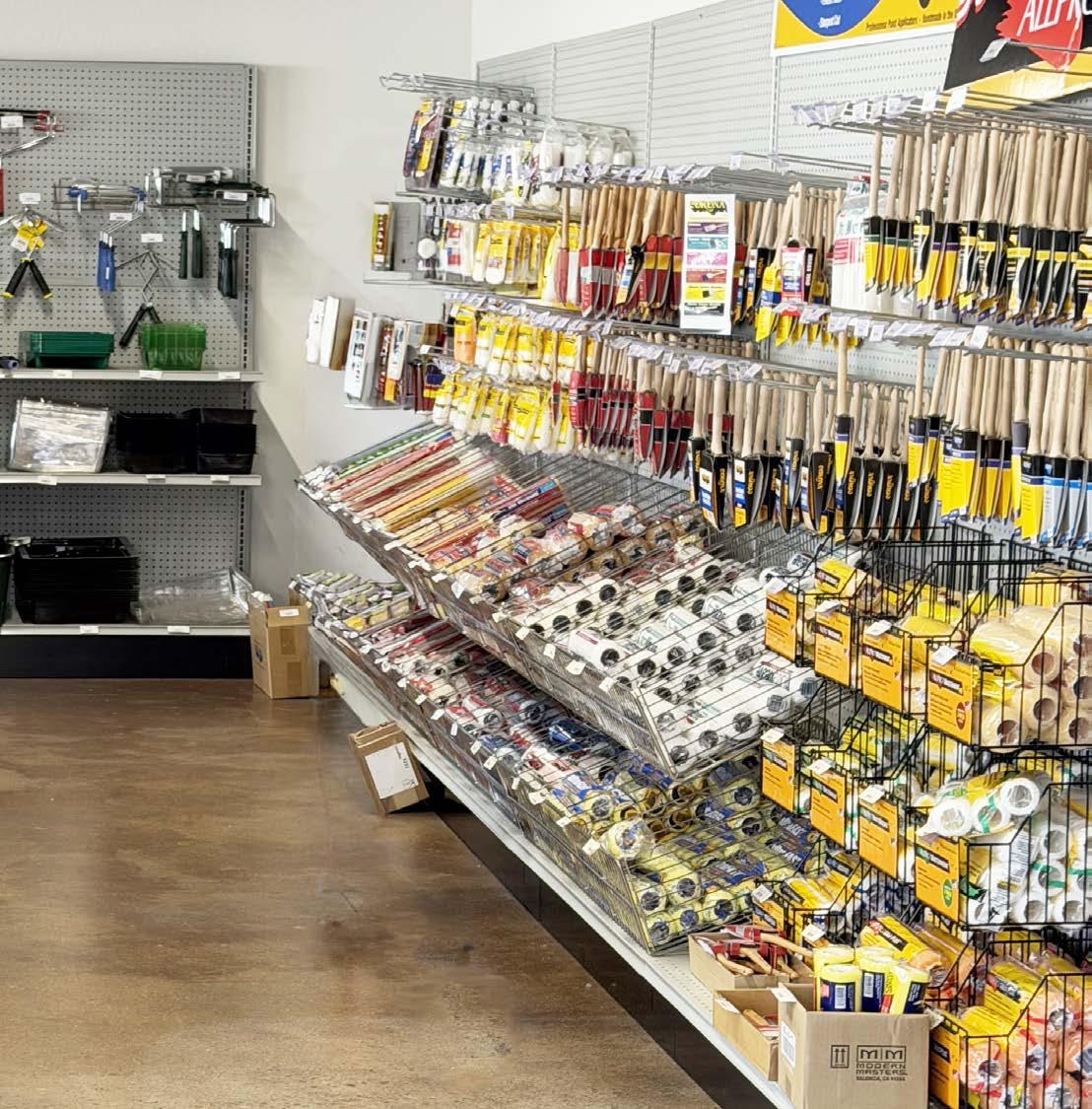
As David Rippy, owner of Arizona Paint Supply, was breaking into the paint market in Scottsdale, Arizona, he discovered there were some pro painters who didn’t understand differences between grades of paint, so he had to spend a lot of time educating his customers.
“We don’t even have the bottom level paint used by a lot of contractors, so you can’t let someone compare a $12-gallon paint with a midlevel paint. It’s just not the same product,” he says.
He differentiates himself in the market in that he doesn’t go after the budget paint buyer. The price war isn’t one he desires to play. Rather, he positions his store for painters who want a better product.
“If we’re comparing apples to apples, then we are actually competitively priced. But our competition wants to put a lower quality product against our higher-end paint.”
—David Rippy, Arizona Paint Supply
“We sell on qualities like durability, cleanability, color and color retention,” he says. “We’re selling a Lexus, but customers come in wanting a luxury product for an economy car price. We have to explain what we are and what we’re not.”
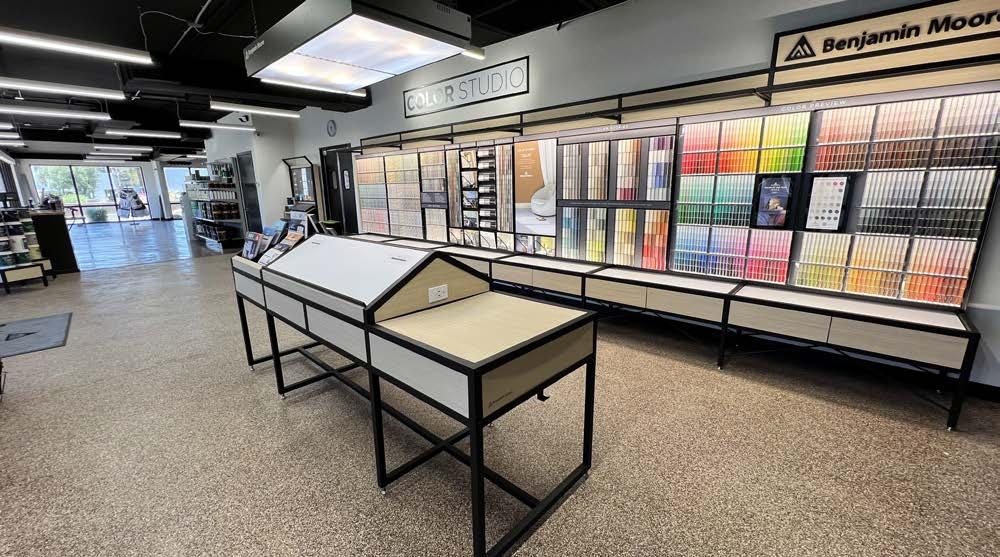
When Magnolia Paint Company opened in Charlotte, North Carolina, ten years ago, it faced what seemed like a tough fight for customers. Factory paint stores dominated the market and not only did local do-it-yourselfers and contractors hold ingrained shopping patterns, but they also were accustomed to frequent discounts on their favorite paint. In order to match prices, they would have to give away their paint, says Ben Wyatt, director of business development and sales for the company, which now includes four retail
locations in the Charlotte area. A better strategy, he says, is to educate customers so they understand the quality of the product they’re buying.
“Sherwin-Williams does a good job of marketing and a really bad job of comparing products,” he says. “If we’re comparing apples to apples, then we are actually competitively priced. But our competition wants to put a lower quality product against our higher-end paint, just so they have that price image.”
To effectively sell paint, Wyatt says it’s important to make sure customers are comparing similar products before considering price. Customers need to understand the performance of the paint they’re buying and what they can expect when they use it for their project.
For a homeowner hiring a painter, the cost of the paint is small compared to the cost of the labor. Paying a few dollars more per gallon of paint is a small increase compared to labor cost. And if the paint lasts longer and makes the painter’s job easier, the customer saves money over the long term.
“When it comes to pricing, we are actually playing with a strong hand,” says Wyatt. “If you consider the value to the customer versus what we charge, there’s an astronomical difference between the two, because if the paint fails early, or the color is wrong or it’s the wrong product for the job, then you will not have a successful project.”
Neither Rippy or Wyatt recommend a race to the bottom with a competitor when it comes to price. However, they both understand the power that discounts have on shaping their price image.
Rippy uses discounts to encourage customers to try his premium paint. Arizona Paint Supply is also in a market dominated by factory paint stores who often sell paint at a discount. For pro painters who may be reluctant to try his product just because it was priced higher, Rippy found a different way of getting it into their hands. He offered homeowners his contractor pricing if they bought paint for their whole house, even if they were hiring someone else to do the work. With the homeowner prescribing the product their painter should use, Rippy finally had a way for the contractor to try it. When he was first breaking into the Scottsdale market 10 years ago, that tactic allowed him to build his contractor customer base.
“Once the contractor used our paint, if they were honest, they would admit it was a much better product,” he says. “It’s what we’d been trying to tell them, but once they actually experienced it, they finally understood it. That was more effective than giving them a free gallon of paint, because you can only do that for so long. They need to use our paint on a real job so they can really understand it.”
Rippy also understands that everyone likes to think they’re saving money, so he offers a courtesy discount to customers willing to share their contact information. In exchange, he offers a small discount off retail price any time they come in the store. Having their name in his POS system gives him a
record of what they purchased along with color choices, making it easier to help them with touch-ups and repaints.
He offers better pricing for repeat contractor customers and is willing to negotiate a price for high-volume jobs. In those cases, he recommends approaching vendors for price breaks. That allows him to retain some margin while offering a good price to his customers.
At Magnolia Paint, Wyatt says discounts have been a necessity both as they were breaking into a new market and in maintaining contractor relationships. Refusing to budge on prices wasn’t going to gain new customers.
“We’ve used discounts to extend an olive branch to potential customers,” he says. “Then once we get our foot in the door, we can generally do well building the overall relationship by increasing the number of products we sell them.”
Magnolia Paint also offers volume discounts to contractors, but gives preference to repeat customers.
“We don’t want people who are only going to buy from us occasionally to receive our best pricing,” Wyatt says. “We expect a certain amount of volume in exchange for those discounts.”
Even if margins are tight, Wyatt says it’s important to understand discounts as a long-term investment. He suggests
“You might think you’re helping out a customer by not raising your prices, but in reality, you’re not helping him out because pretty soon you’re going to go out of business.”
—David Rippy, Arizona Paint Supply
looking at profit in terms of gross margin per customer, not just margin on inventory.
“When we have a customer who wasn’t a customer at all a year ago, even if we are not perfectly comfortable with the pricing we’ve extended them, at least we have them as a customer now and we’ve become a valuable part of their supply chain,” he says.
Failing to keep up with price changes will quickly erode margin, limiting your ability to offer discounts. When your cost of goods goes up, whether it’s an increase from the vendor or a fuel surcharge, don’t delay in making that change to your retail price.
Rippy changes his price at retail as soon as his costs go up. Customers are accustomed to price increases. He price shops his competition, so he knows increases happen there too, as well as everywhere else in retail, whether at the gas pump or in the grocery store. The best tactic, he says, is to be upfront and honest about price increases. Rippy says some of his competitors have raised prices on contractors without telling them. That erodes trust, and eventually Arizona Paint picks
up customers who are looking for someone who will be honest with them. He gives customers as much advance notice as he can about coming increases so they’re not surprised when it happens.
“At this point in our economy, people understand price changes,” he says. “You have to raise prices to keep your margin. Otherwise, you’re leaving money on the table. You might think you’re helping out a customer by not raising your prices, but in reality, you’re not helping him out because pretty soon you’re going to go out of business.”
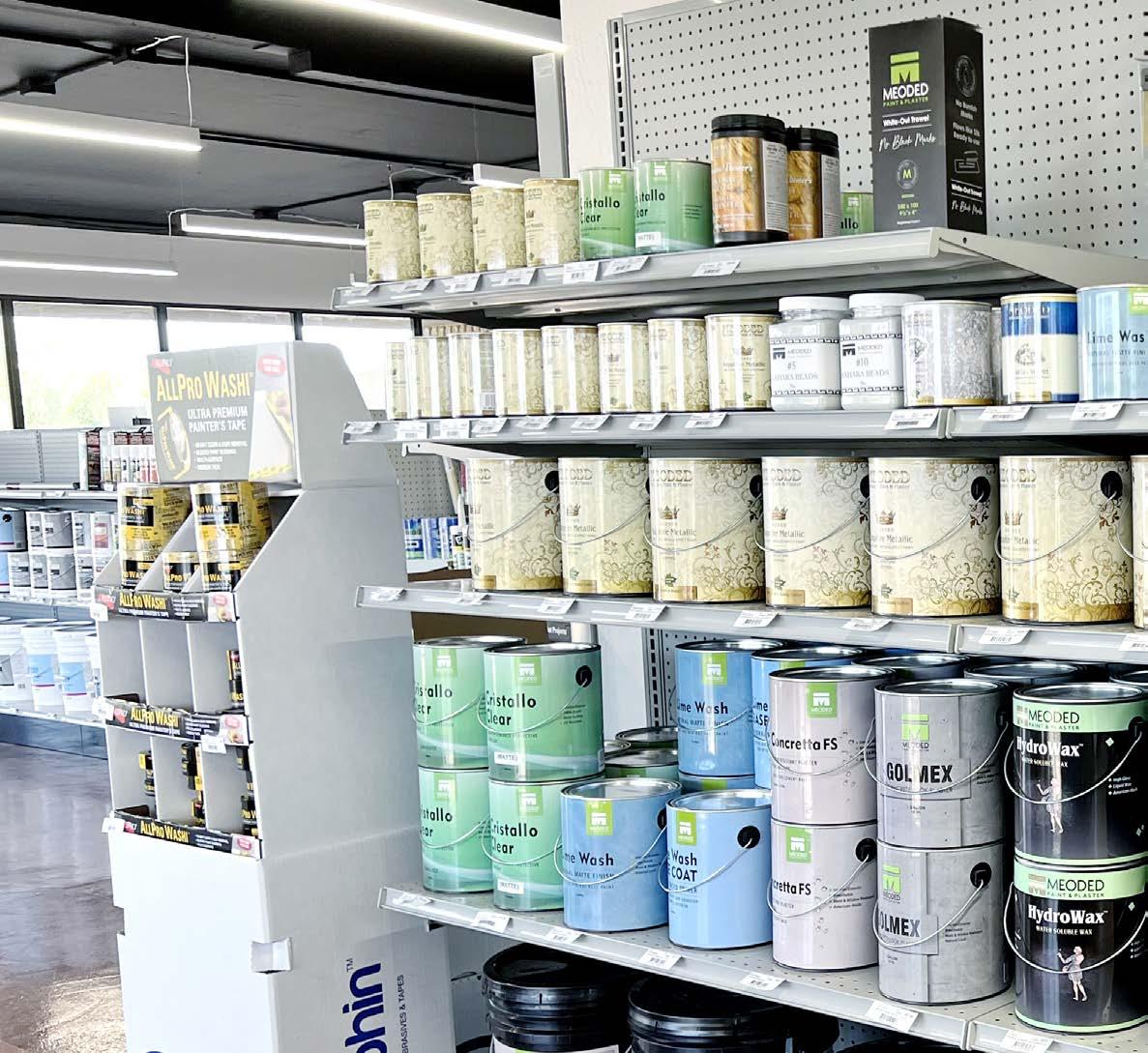
Done right, paint sundries present a way to increase gross margin and broaden your customer reach. Magnolia Paint offers everyday low prices on sundries, which helps the business establish a positive price image with customers as soon as they walk in the door and sets the mood for the whole store.
“A contractor is going to check the prices on some of the items they buy every day,” Wyatt says. “They have an idea in their head of what that price should be, so we don’t want to disappoint. We’re trying to set the mood that we
care about the professional painter and want to build a relationship and deliver value in all dimensions.”
Even if he has to lose a little margin on sundries, the low-price strategy helps build relationships with customers. One way to mitigate against that margin loss is lowering costs, he says. Magnolia Paint recently joined a sundries wholesaler group, and Wyatt says that has already had a meaningful impact in helping them lower costs.
When doing his market research to determine what products are the most price sensitive in the market, staff at Magnolia Paint just watch the customers. Whenever they get out their phone to price check a product, that’s an item where the pricing better be sharp. Other times, their reaction when they see a new product and its price tells him right away if their price is too high, says Wyatt.
“We carry a bigger selection of products than our competitors,” he says. “Stores like Home Depot may have cheap sundries in some cases, but most painters prefer not to have to go there. When painters find a product that works well for them, it becomes important enough that they won’t really consider buying something different as long as they can get a fair price.”
BY CODY GOEPPNER
For years, private label has been viewed primarily as a margin play. Across the independent home improvement channel, retailers consistently point to higher margins and price competitiveness as the primary reasons for carrying private label products. In many stores, private label serves as a lower-cost alternative to national brands, often focused on commodity categories or price-sensitive customers.
The financial benefits are real. Retailers routinely report stronger margins on private label products, while direct import programs can create even greater opportunities. Depending on the category and sourcing model, those programs can generate margin improvements ranging from 15% to 35%.
More Americans are embracing private label as well. According to Ipsos Consumer Tracker data, 69% of consumers report purchasing more private label products today than they did previously, up significantly from just a few months earlier.
Yet focusing solely on margin may be causing retailers to overlook the greatest opportunity private label offers.
Through conversations with independent retailers and insights gathered from the North American Hardware and Paint Association’s Marketing & Merchandising Roundtable, a common theme emerges. Most retailers make private label decisions based on price, supplier reliability and margin expectations. Success is often measured by sell-through rates and cost savings rates rather than customer perception or brand impact.

In many cases, private label products receive little dedicated marketing support. Instead, they rely on shelf placement, staff recommendations and side-by-side comparisons with national brands to drive adoption. While those tactics can be effective, they also reinforce the idea that private label exists primarily as a value alternative.
The retailers creating the greatest long-term value, however, are those who are approaching private label differently. They are treating it as a branding strategy, not simply a sourcing strategy.
One of the clearest examples of this shift comes from lessons learned within the farm and ranch channel.
Earlier in my career, while serving as director of retail operations at Bleyhl Co-op, a multistore farm and ranch retailer in the Pacific Northwest that has since become part of Valley Wide Cooperative, I saw firsthand what happens when private label is treated as a branding strategy rather than simply a margin opportunity. There, private label was not viewed as a program that needed to exist across every category.
Instead, it was deployed strategically in areas where it could strengthen both the business and the brand.
In the orchard and vineyard segment, private label focused on products customers used every day in the field. Tree paint, electrical tape, vine guards and wire were all opportunities to place the retailer’s brand directly into the customer’s own operation.
The objective was not simply to sell a product. It was to create a recurring brand touchpoint.
When customers reached for those products throughout their workday,
the retailer’s brand remained visible. When supplies ran low, contact information was often printed directly on the packaging, creating a natural path back to the store. Private label extended beyond products as well. Apparel, buckets and utility items reinforced the same brand presence long after customers left the salesfloor.
Just as importantly, categories with strong brand loyalty were left alone. Power tools, equipment and other highly branded products continued to leverage the trust and equity built by national manufacturers. Instead
of competing against those brands, private label opportunities were identified in adjacent categories where loyalty was lower and differentiation was easier to establish.
The lesson was simple: Not every category should be private labeled. The most effective private label strategies are selective, intentional and aligned with the role each category plays in the customer’s buying decision.
One of the most common challenges retailers face with private label is positioning. Too often, private label is presented as the “good” option while
national brands occupy the “better” and “best” tiers. While this approach may simplify assortment decisions, it can also reinforce the perception that private label is inherently inferior.
The most successful private label programs challenge that assumption. In many cases, private label products can be positioned as the recommended choice, offering the right balance of quality, value and trust. When customers view private label as a retailer’s endorsement rather than a compromise, the conversation changes entirely.
The strongest evidence that private label can be more than a margin play comes from outside the independent channel. Some of retail’s most successful brands have proven that private label can become one of the most powerful drivers of customer loyalty, differentiation and long-term growth.
Grocery chains, warehouse clubs and mass merchants have spent decades building private label portfolios that drive customer loyalty, reinforce brand identity and create meaningful competitive advantages. In many cases, customers actively seek out these products not because they are less expensive, but because they trust them.
Packaging, merchandising and marketing play a central role in that success. Private label products are positioned as brands with their own identity rather than alternatives to national brands.
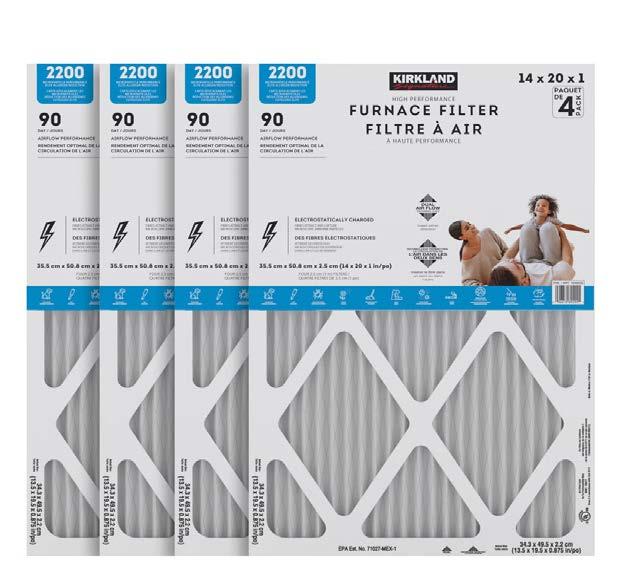
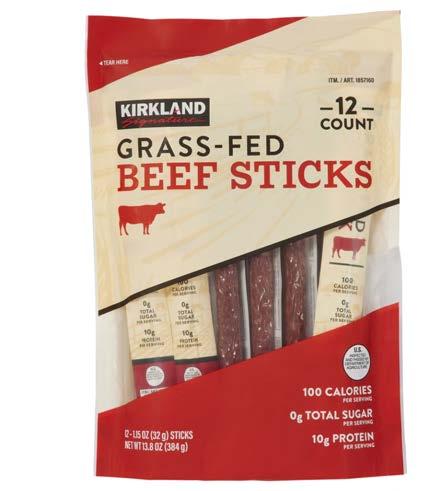
One of the most compelling examples is Costco’s Kirkland Signature brand. What began as a private label program has become one of the most recognized and trusted brands in retail. Customers routinely purchase Kirkland products not because they are the least expensive option, but because they believe they deliver exceptional value and quality. In many categories, Kirkland enjoys a level of loyalty that rivals or exceeds national brands.
The significance isn’t simply that Costco created a successful private label line. It’s that Kirkland reinforces the Costco brand every time a customer uses one of its products. The private label strategy and the retailer’s identity work together to strengthen trust, loyalty and customer retention.
Independent retailers may not have the scale of these organizations , but they possess something equally valuable: deep relationships within their communities. The opportunity is not to replicate big-box retail. The opportunity is to apply the same principles by creating products that reflect the store’s expertise, reputation and promise to customers.
Retailers such as Target, Aldi and Costco have demonstrated that private label can become a competitive advantage when it is treated as a brand rather than a product. Consumers increasingly view these offerings as destinations in their own right, not simply substitutes for national brands.
Independent retailers may not have the scale of these organizations, but they possess something equally valuable: deep relationships within their communities. The opportunity is not to replicate big-box retail. The opportunity is to apply the same principles by creating products that reflect the store’s expertise, reputation and promise to customers.
The connection between private label and brand building became particularly evident during a major brand refresh
at Bleyhl Co-op. While the company retained its name, it introduced a new visual identity, logo and overall brand system. As with many rebranding efforts, customer adoption did not happen overnight.
Private label products accelerated that transition.
Customers didn’t just see the new logo on advertisements or storefront signage. They encountered it in the products they used, the apparel they wore and the supplies they relied on every day. The brand became part of their experience rather than simply part of the retailer’s marketing.
That is the true power of private label.
The retailers that will gain the most from private label in the years ahead will move beyond viewing it as a margin tool. They will treat it as a strategic extension of their brand. They will position it with purpose
rather than price, merchandise it with confidence and market it as part of the customer experience.
Margins will always matter. But private label represents one of the few areas where independent retailers have complete control over their assortment, pricing and brand presence.
In an increasingly competitive marketplace, that level of control is rare. The retailers that recognize it will discover that the greatest return on private label may not come from the margin it generates, but from the brand equity it builds.
Private label is not just a way to improve profitability. It is one of the most powerful tools independent retailers have to strengthen customer loyalty, differentiate themselves from competitors and build a brand that extends far beyond the four walls of the store.
BY LINDSEY THOMPSON
Serving as a key driver of customer counts and transaction size, promotions bring customers into your store and encourage them to make more or larger purchases. As the busy summer selling season wraps up and retailers begin to promote upcoming holidays and fall maintenance projects, Paint & Decorating Retailer compiled a list of 10 promotional ideas for the upcoming months to get customers in the door.

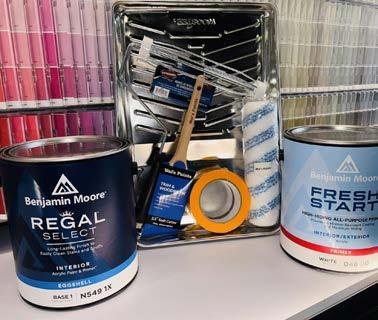
Painter’s kits—that include everything needed for a painting project—are a great way to automatically increase basket size and provide an extra level of customer service. At Wal’s Paints in Parma Heights, Ohio, DIYer paint bundles include everything a homeowner needs to tackle a painting job, including 1 gallon of paint, 1 gallon of primer, a roller tray, a roller arm and sleeve, a paintbrush and a roll of painter’s tape.
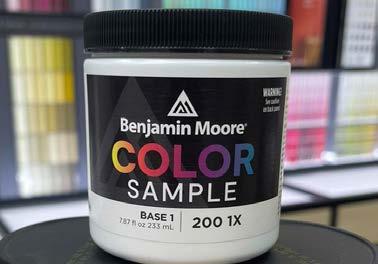
Meldrim’s Paint Center, which has three locations in upstate New York, offers free paint samples on Tuesdays. The promotion, which allows customers to choose two free Benjamin Moore samples every Tuesday, drives traffic to the stores during the slower season and increases year-round retail business.

Each year, Florida Paints in central Florida brings hope to families in need, one diaper at a time, by contributing to HomeAid Orlando’s Builders for Babies diaper drive. This year, the drive concluded with a “Wrap Up and Rally” community event hosted at Florida Paint’s Winter Garden location. Volunteers gathered together to package up diapers and celebrate the successful fundraiser with activities and community building. Hosting a collection drive not only allows you to connect with your community, but brings customers in your doors.

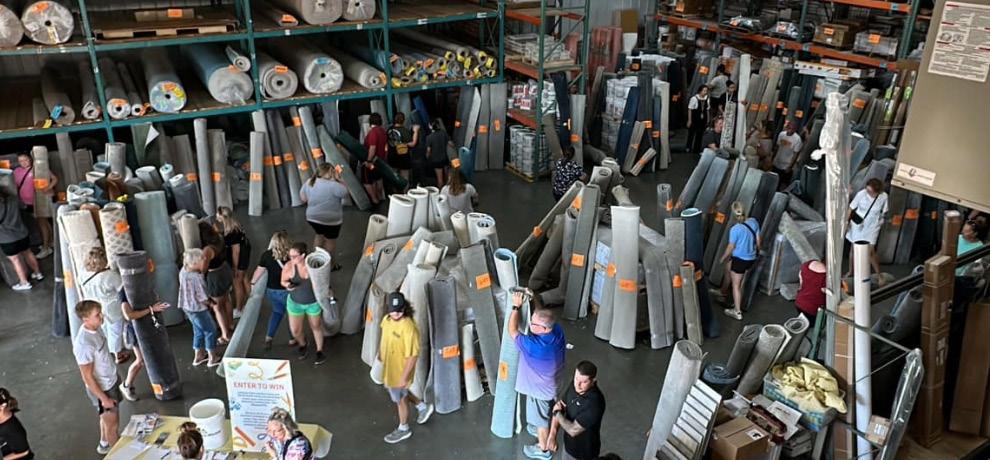
Johnston Paint & Decorating in Columbia, Missouri, hosts a rug giveaway event for local teachers. About a decade ago, co-owner Melissa Murphy started donating carpet remnants to local schools as a way to clear out the warehouse. The rug giveaway takes place in the store’s warehouse over a two-and-a-half hour period and each remnant is back-rolled so the teachers can see the colors, textures and patterns of the rugs. Employees help the teachers carry the rugs to their cars. After they pick out their rugs, many spend time in the store chatting and browsing.
For even more promotional inspiration, check out these additional promotional events and sales that independent home improvement retailers offer.
01 Sell new homebuyer and home project kits
02 Give away food in the store (popcorn, coffee, etc.)
03 Set up a booth promoting your store at community events
04 Bucket sales
05 Discount to first 50 customers on a day that normally has slower traffic
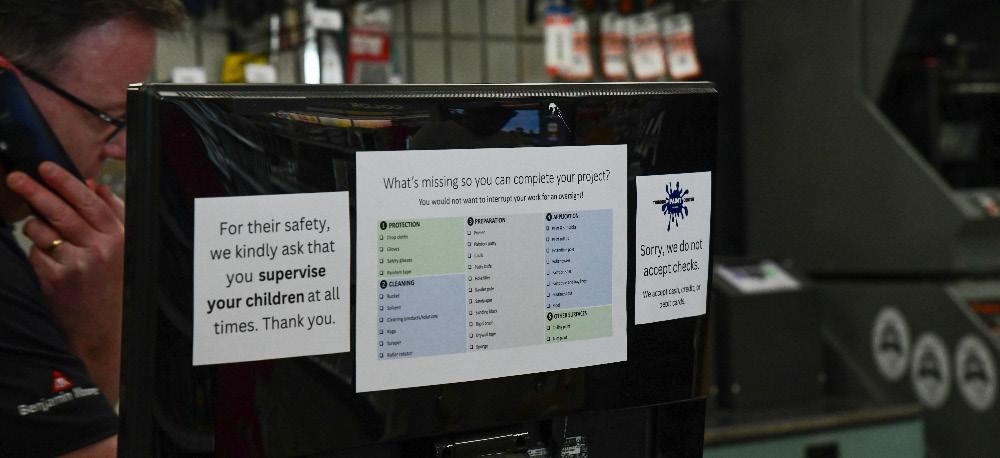
Simple but highly effective, the cash register checklist at Triboro Paint Center has boosted add-on sales and added another layer of customer service to the operation, which has three stores in Warwick, Rhode Island, and North Attleborough and Foxboro, Massachusetts. The checklist includes a comprehensive overview of many commonly overlooked add-on items. It is divided into five sections—protection, cleaning, preparation, application and other surfaces—so customers can easily see what items they may need based on the type of project they are working on. Suggested add-on products include drop cloths, gloves, scrapers, rags, putty knives and caulk.
As owners of Anderson Paint & Decorating, the only independent paint store in the small town of Anderson, South Carolina, Daryl and Charity Campbell understand the importance of supporting other local businesses and feature those businesses on the store’s Facebook page.
John McKenna and his brother Buddy McKenna are the owners of The Paint Shoppes, a five-store operation in the Providence, Rhode Island, area and sell mistint paints in a unique way. Employees paint the top of each mistint paint container with the color of the paint inside, allowing customers to easily see at a glance the color inside.













BY ANNIE DAMEWORTH
Caulk and caulk accessories can contribute significantly to independent paint retailers, no matter the size of operation.
According to HIRI’s Annual U.S. Homeowner


Project Activity Tracker Report 2025, out of the building material and structural system products homeowners used for a renovation project,

47% purchased adhesives, caulks and sealants. The key to winning sales in the caulk category is treating it as a strategic opportunity rather than a secondary section in your store. See how two retailers promote this category with creative education and a focus on improved product selection, bringing in repeat customers.









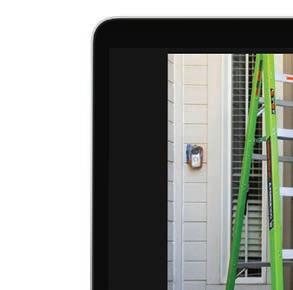
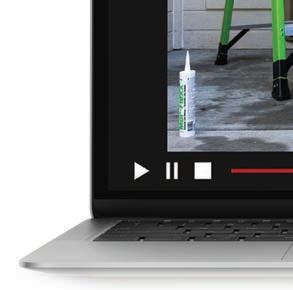
With over 20 years of experience as a professional contractor, Chris Berry, owner of Paint Life Supply Co. in Boise, Idaho, shares his expertise through a popular YouTube channel and comprehensive online courses, ensuring that both professionals and DIY enthusiasts have access to the best tools, products and techniques for mastering caulking.

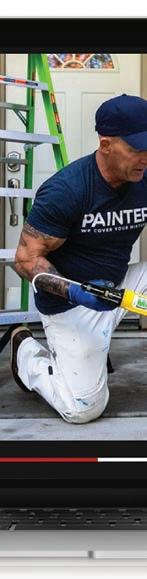
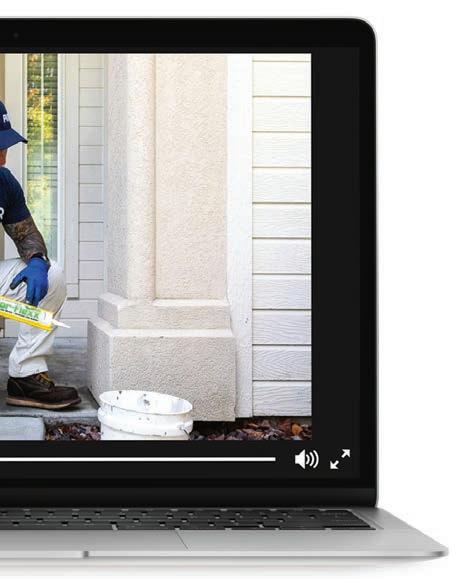
food off your own plate,” Berry says. “Everybody is your competition.”
when I first started as a contractor, nobody would talk to each other because the mindset was if you tell somebody something that will make them better, you’re taking

Determined to change this mindset, Berry began creating YouTube videos to share his hardearned knowledge. Over the past 15 years, his channel has grown to boast over 600,000 subscribers and amassed nearly 190 million views across almost 2,000 videos.
“When I walked into a paint store nobody would talk to each other across almost 2,000 videos. of paint industry.
In 2019, Berry sold his contracting business to pursue his dream of owning a paint supply store and continuing to share the knowledge he had gathered throughout his 20 years in the
online courses, Paint Life Academy, offer a wide range of paint knowledge, including multiple videos on caulking and an online caulking program. In the first lesson, Berry covers professional tools used for caulking.
“Whether you’re a professional or not, you have to have the tools professionals use,” Berry says.
“There are a lot of options out there, many of which are good ones, but there are also many bad options. In the caulking course, I talk about the tools I use that made me successful in applying caulking and sealants in various scenarios.”
Paint Life TV, Berry’s YouTube
Paint Life TV, Berry’s YouTube channel, and his more in-depth
Berry then delves into the specific products he trusts.

From tube tips to stop caps, see four caulking accessories to stock to grab extra sales at PDRmag.com/caulk-accessories
“There’s good caulking and there’s bad caulking,” Berry says. “You’re never going to have success if you’re using bad sealants. In one of my videos, I show which sealants I trust and go in depth on why I use that specific brand.”
After covering the tools and products needed, Berry addresses specific techniques and special situations.
“Sponge-caulking a door jam is an art in itself,” he says. “I also walk the student through how to properly caulk a window and other DIY scenarios.”
Berry’s course offers a comprehensive overview of how to become more efficient at caulking, incorporating the techniques he’s honed over the years.
“Our online program is very structured and much more detailed than our YouTube videos,” he says. “The course has quizzes throughout, as well as a final exam, but everything is self-paced, so it’s easy to navigate.”
Berry hopes students will feel more confident in their caulking skills and ready to tackle any project, upon completing the online program and receiving their Paint Life Academy certificate.
“The end goal of the course is to help them make more money if they’re a pro or be proficient at what they’re doing and get professional results if they’re a DIYer,” he says.
The caulking course and all of his online courses aren’t just meant for professionals. He promotes his courses at his store and on his social media accounts.
“We had a customer come into our store who was painting his whole house, and I told him about our exterior painting course and explained the course and how the knowledge gained from it will cost less than if he had a professional come do the job,” Berry says. “He purchased the course and came into the store after he finished and told us everything went great.”
Berry also uses the course to train his employees.
“We require our employees to take the course and give us feedback,” he says. “They’ve all taken the quizzes and passed the final exam, and it’s interesting how much knowledge they gain from taking the course.”
Berry said the courses helped his employees be proficient in answering customers’ questions in-store and through their chat system on their website. Since all of his employees have taken his courses, they’re able to answer customers’ questions without him, and he trusts them because they have the same knowledge he has.
“Over 95% of the time, our employees can answer any questions our customers have,” he says. “If they can’t, they can contact me, and I’m able to help.”
Berry’s store isn’t like most paint supply stores. He sells everything a customer would need to be successful at a project, but focuses his business more on sundries than on paint and coatings.
“We only sell products that I believe in 100%,” Berry says. “I’m not going to sell a caulking or sealant that I haven’t used or tested and trust.”
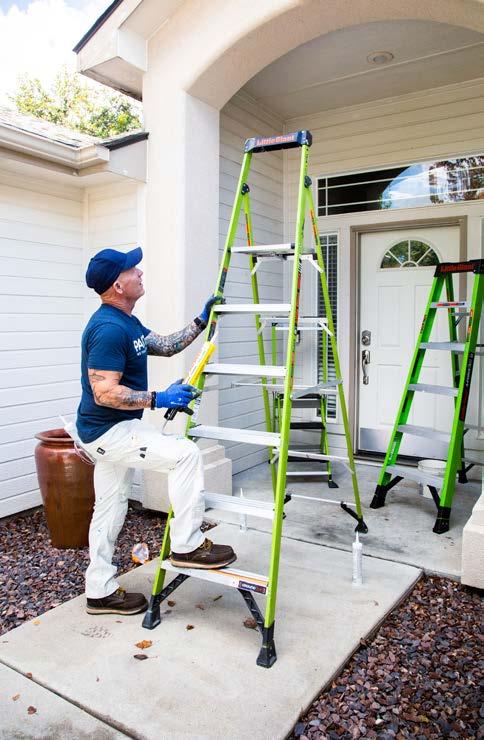
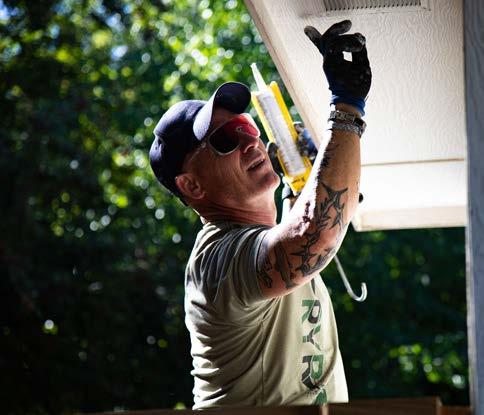



From increasing demand for sustainable products to simplified technology for quicker use, the caulk category has evolved and expanded in recent years as new products enter the market. Recent data from The Farnsworth Group details the top trends in the adhesives, caulks and sealants market in the past year, outlining customer purchasing patterns, product innovation and industry trends among both contractor and DIY customers. See the top insights that are shaping the caulk market and what to keep in mind when curating and selling this category.

Professionals and DIY homeowners tend to purchase caulk and sealants based on brand loyalty. According to Farnsworth Group research, several brands have strong aided awareness (70% or more), but that doesn’t coincide with brand use—meaning conversion rates fall for many brands as they get to mid or bottom of the sales funnel. Providing a variety of caulk and sealant options and having a trained team that can sell products to customers regardless of brand is essential for retailers to win caulk sales.



As homeowners continue to gain more awareness about their health and well-being as it relates to their surrounding environment, manufacturers and suppliers are developing construction adhesives and sealants that are VOC-free, promote sustainability and reduce health and environmental concerns. This has driven growth in certain adhesive segments, like the water-based caulks, and will likely continue growth in coming years.


Around a third of homeowners have concerns about their home’s energy performance, with energy costs and wasteful energy use being the primary concerns, according to data from The Farnsworth Group’s Healthy Home Report study. These concerns have influenced the type of improvements and upgrades homeowners have completed or are planning to complete. Adhesives, caulks and sealants are a critical part of properly sealing a building, which impacts the overall energy efficiency of the structure. There is demand among homeowners for general or advanced air sealing and insulation, and this was among the top completed projects in the past year for contractors, according to the study.


Building envelopes with reduced air flow are being widely used in the construction industry to limit VOC levels and improve indoor air quality. As a result, manufacturers are moving to more emulsion acrylic product formulas, an environmentally friendly alternative to solvent adhesives.



The demand for more advanced sealant formulas is increasing to keep up with modern construction practices. Manufacturers are developing hybrid adhesives to maximize strength and bio-based and nano-adhesives are also coming to the market. Digitalization is also making its way into adhesives and sealants manufacturing, allowing for more precise resource management and speeding up development of new materials and chemicals, according to Adhesives & Sealants Industry magazine.

As rising labor costs and shortages impact project timelines, contractors are looking for products and brands that save time, have simplified applications and on-site support in the adhesives category.



Providing a curated caulk product selection helps customers choose the best option for their project without becoming overwhelmed by choices. Narrow it Down
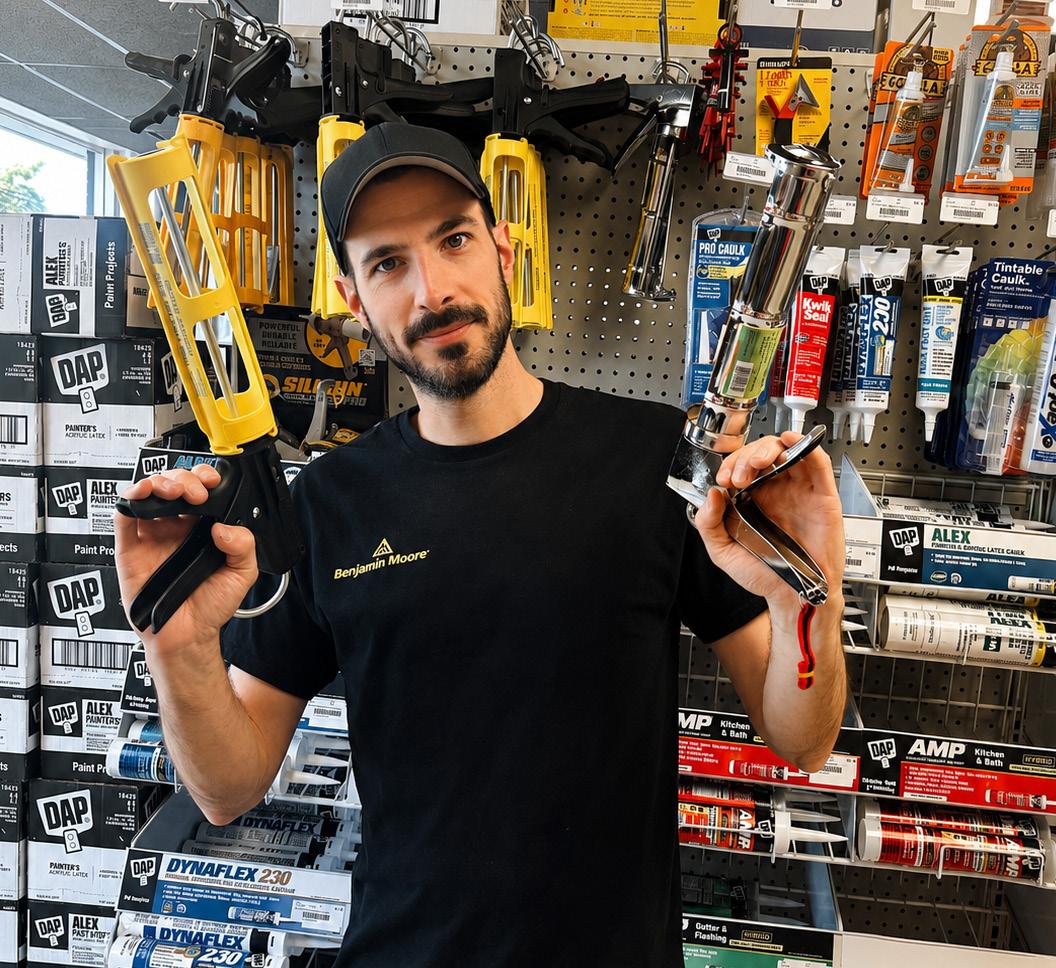
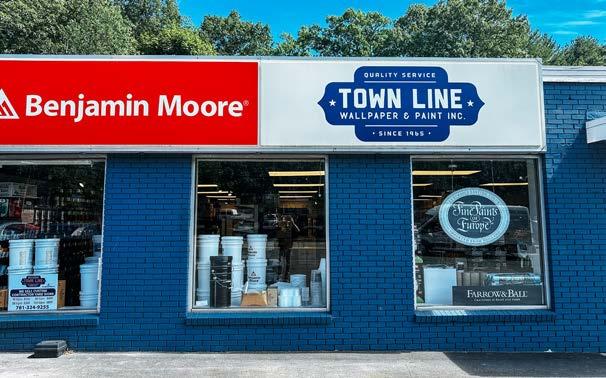
At Town Line Wallpaper and Paint in Malden, Massachusetts, manager and buyer
Gerard MacNeil’s 25 years of experience has provided him the knowledge and skill to expertly merchandise the caulk category. MacNeil shares how he sells caulk and caulk tools in his store and how other retailers can better showcase these products.
With an overwhelming amount of caulk, caulk guns, tools, accessories and removal products on the market, choosing the right item can often be intimidating for customers. Providing the highest quality products and not confusing customers
with a dizzying array of choices is important to MacNeil and his customers.
Town Line Wallpaper and Paint carries just a few lines of caulk from select vendors the operation has strong relationships with. MacNeil only purchases around $50,000 worth of caulk per year, not including caulking accessories or tools. The store also carries three to four caulk gun varieties.
“We sell a tremendous amount of caulking guns,” MacNeil says. “We sell removal tools and accessories too, but caulking guns are our No. 1 bestsellers apart from the caulk itself.”
MacNeil works to ensure his customers are educated about the quality of a caulk or caulking product before purchasing.
“Most painters are going to choose a caulk usually by price, not necessarily by what the application is trying to achieve,” he says. “Some contractors will always default to the cheapest caulk and you can have some issues with that down the road, so we encourage them to look at the better products we offer.”
Aiming to prevent decision paralysis among customers and educating them about each product, MacNeil markets
many of his caulking products with a good, better, best model. This allows customers to easily see the differences in performance and quality for each item, giving them the opportunity to learn about the options and choose the most practical one for their job.
“I’m not making it too confusing for the customer,” he says. “Having a good, better and best option seems to work well for us. I know some stores have a gazillion different options. I even see that when I go to order products because there are a million brands out there.”
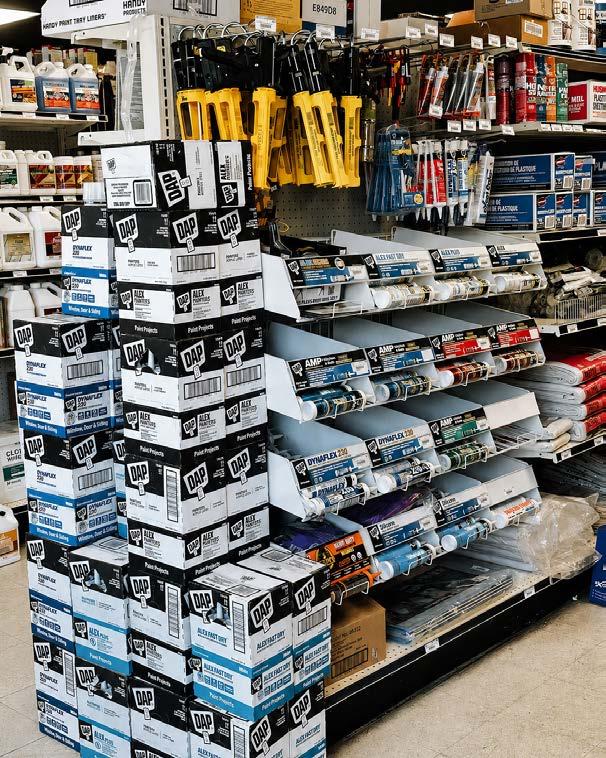
Selling strategies for caulk and caulk tools is similar to selling impulse items. The key to showcasing this product to the best ability is placing it in clear view for the customer at the entrance of the store.
“Product placement is key,” MacNeil says. “If you’re a paint contractor walking into a paint store and you do this professionally for a living, or even a homeowner working on a project, you should have a tube of caulking. It almost seems to be an impulse item. It took us some time to figure out, but putting it exactly where it is in my store now has worked wonders for us.”
Town Line has multiple power aisles which are shelf-lined walkways filled with high-impact paint necessities that lead straight to the store’s cash register at the back of the store, MacNeil says. The store’s caulking selection is located near this aisle, allowing customers to see these products right away.
“This category is something that needs to be out in the open,” he says. “You don’t put it in aisle three. We found putting caulking products within the first 15 feet of the store works the best for us.”
In addition to strategic product placement, customers are more likely to purchase items if they can see how they work in person in the store. MacNeil likes to include caulking product demonstrations in his store, and recommends other retailers do the same.
“Some of our vendors provide nice endcap displays, and we have a demonstration with some product applied under a backer rod hanging off the channel strips on the shelves,” he says. “Once a customer can touch it, feel it and see it, they can fully understand the product. It’s a guaranteed sale every time.”
Subscribe to our weekly newsletters at PDRmag.com/subscribe to get the latest news and trends.
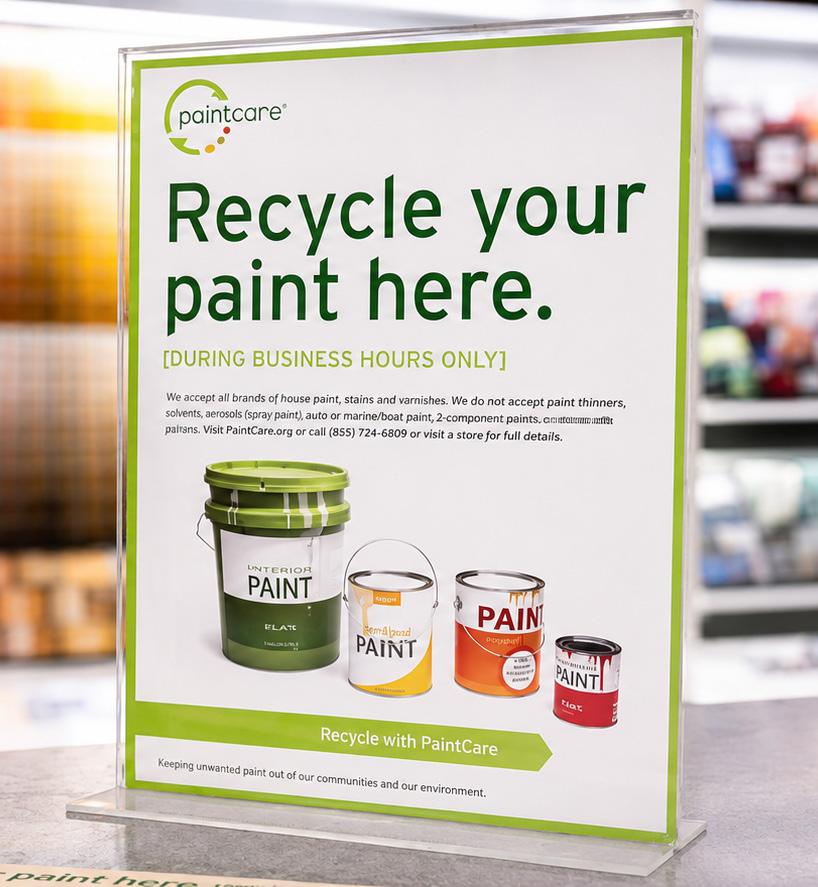
PaintCare, the nonprofit organization created by the American Coatings Association to make it easy for households and businesses to recycle leftover paint, recently announced the launch of a new artificial intelligence–powered product recognition tool designed to help paint consumers quickly determine whether their leftover products are accepted at PaintCare drop-off locations.
Developed in partnership with the technology company Rubbish, the tool uses image recognition to identify common paint and paint-related products and provide guidance on whether they are covered by the PaintCare program. By uploading or taking a photo, users can receive instant feedback on whether their item is accepted for recycling, reuse or proper disposal at a nearby PaintCare drop-off site.
“PaintCare’s new product recognition tool reflects the coatings industry’s long tradition of forward-thinking innovation and responsible product stewardship,” says Mike Johnson, president and CEO of the American Coatings Association.
“By pairing PaintCare’s proven stewardship model with cutting-edge AI, we’re giving paint users a simple, intuitive tool to understand what they can bring to PaintCare’s drop-off sites. It’s another example of how the coatings industry and PaintCare continue to lead with solutions that reduce waste, increase reuse and make recycling more accessible for everyone.”
The tool is designed to complement PaintCare’s existing online resources, including the Drop Off Site Locator, which connects users to more than 3,000 year-round drop-off locations across 12 states and the District of Columbia. The new tool adds a new layer of convenience by helping users identify products before they arrive at a site, reducing confusion, improving efficiency and supporting a smoother recycling experience.
“When people are sorting through leftover products in their garage or basement, it can be hard to know what’s accepted. This tool removes that confusion by providing instant guidance on post-consumer paints and coatings, strengthening communication about program products,” says Marjaneh Zarrehparvar, president of PaintCare. “We are excited to offer this tool to help streamline the paint recycling process and save time for paint consumers.”
The tool is designed for broad use, from homeowners sorting through old products in their garage to
contractors managing job site leftovers. Community partners, including municipalities and environmental organizations, can also use the tool to support public education.
“Technology like this product recognition tool helps us meet people where they are,” says Brett Rodgers, PaintCare’s vice president of communications. “Whether someone is cleaning out a garage, wrapping up a renovation or sorting through old supplies, this tool gives them a quick way to understand what they can recycle. It’s another step toward making responsible paint management the norm.”
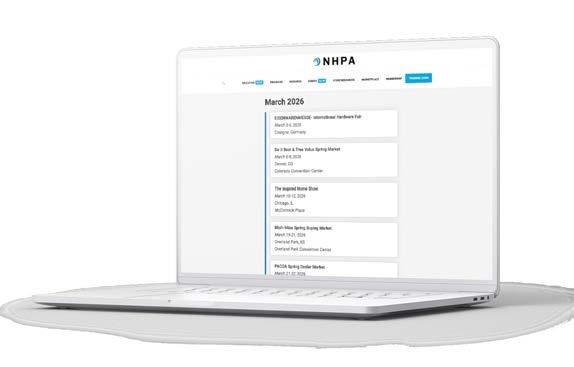
Orgill Fall Buying Event
Aug 3-16 |
House-Hasson Hardware
August 6-8 | SEVIERVILLE, TN
Home Hardware Fall Homecoming
September 16-18 | TORONTO, CANADA
Blish-Mize Fall Buying Event
September 17-19 | OVERLAND PARK, KS
Ace Hardware
September 22-24 | ORLANDO, FL
Do it Best and True Value
September 25–28 | INDIANAPOLIS, IN
Wallace Fall Dealer Market
September 30-October 1 | SEVIERVILLE, TN
Discover how retailers use technology to simplify and fortify the returns process at PDRmag.com/returns-technology

When adding new technology to your store operations, it’s essential to pair advancements with solid strategies.
New research has found in-store tech is not always effective and can even slow down the customer experience if not used correctly.
According to The State of the Connected Store 2026 report from x-hoppers, while 52% of consumers surveyed say in-store technology makes their experience somewhat or much better, 48% say it makes no difference or makes the experience worse. The survey also found 44% of U.S. retailers are operating without a formal connected-store strategy, even as they continue investing in advanced communications tools, store monitoring, AI, inventory systems and labor technologies.
“Retailers have made meaningful investments in modernizing the store, but shoppers are telling us something important: technology only earns its place when it actually makes the experience easier,” says Lyndal Newman, head of marketing at x-hoppers. “The stores that stand out are not the ones with the most devices or dashboards. They are the ones where teams can respond quickly, stay present with customers and turn technology into a support system rather than another point of friction.”
See insights into customer opinions on in-store tech and what they actually want to experience when it comes to innovation.
• Nearly eight in 10 retailers (79%) say associates must leave the customer’s side to use store systems
• 63% of consumers say they get frustrated when they still need employees to fix or override in-store technology such as self-checkout
• 50% cite long checkout lines as a top frustration
• 48% say they will leave a store if they wait too long for help
• 40% say not being able to find a staff member when they need one is a significant source of frustration
• 95% say getting help quickly matters to their in-store experience
• 84% say consistency across locations improves their perception of a brand
• 67% say it is important that associates can provide instant answers without leaving their side