
Your mag
Recognized in Spring 2012, YOURMAG ’s goal is to promote knowledge of the magazine industry by giving students the opportunity to be responsible for all aspects of a monthly lifestyle publication. With an audience of urban college students in mind, members create content across a broad range of topics and mediums, including style, romance, music, pop culture, personal identity, and experiences. YourMag’s overarching aim is to foster a positive, inclusive community of writers, editors, and artists.

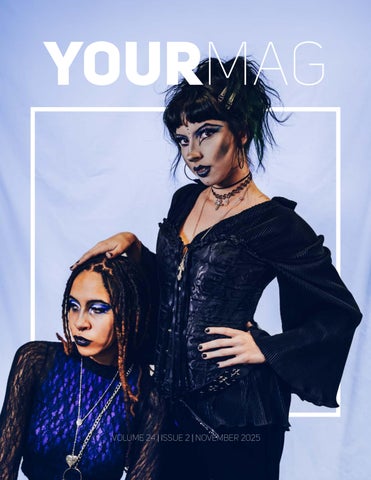
volume 24 | issue 2 | NOVEMBER 2025
LAUREN MALLETT
Managing Editor
Molly dehaven Head Designer
Emilie Dumas
Photo Director
emma fisher Asst. Photo Director
sienna Leone Art Director
Izzy maher Asst. Art Director
ALexandra Azan YMTV Director
Lucy Latorre Web Editor
Izzie Claudio Editor-in-Chief
Mckenna smith Editorial Director
RYAN WILLIAMS
Asst. Editorial Director
Emily Hamnett Head Stylist
isaiah flynn Asst. Head Stylist
Payton Montaina Copy Chief
Anna chalupa Head Proofreader
Emma Bowen Creative Director
JAVIER GOMEZ
Asst. Creative Director
Molly peay Romance Editor
Heather Thorn Asst. Romance Editor
KAT BOSKOVIC Style Editor
Isabella Castelo Living Editor
Olivia flanz A&E Editor
ELLA DONOGHUE Asst. Web Editor
Copy editors: KRISTIN BARRETT, JULES TELFORT, OLIVIA MAZZOLA
GRAPHIC designERS: audrey coleman, izzie claudio, liz liatsos, sydney beliveau, isabella rocha, lauren mallett, abigail tangonan, tehya tenasco, mckenna smith
Proofreaders: Alexandra Azan, Kat Boskovic, Anna Chalupa, Grace Chandler, Tiana DiStasio, Gia Ioele, Kylie Lohse, Bella Nordman, Jules Telfort
LettersfromtheEditors
Dear readers,
It’s that time of year when we enter the depths of fall, and the cold wind starts to bite at our cheeks. We seek the warmth of our beds, the warmth of our friends, and the warmth of our hearts. The line between real and ideal is blurred in autumn; it’s a time of mysticism. In this issue, we connect with our bodies, we look into the warm memories of the past, and we question today’s romance landscape. We create, we play, we watch. In this issue, we relish in the grandeur that is the opportunity to live.
Ah, delusions of grandeur. The beauty of the unreachable. The surrealness of dreaming. The disposition of a harsh reality and a flicker of an idea—it’s ambitious, passionate, raw, prone to failure. But delusions of grandeur are not the fools who walk away, it’s the artists who confront it. Through thick and thin, we create, we inspire, we birth our dreams into reality. We find comfort in our insecurities and recognize fear as a strength rather than a weakness. We keep dreaming among the nightmares because the dreams are oh, so sweet. Sweet dreams, YourMag. Enjoy.
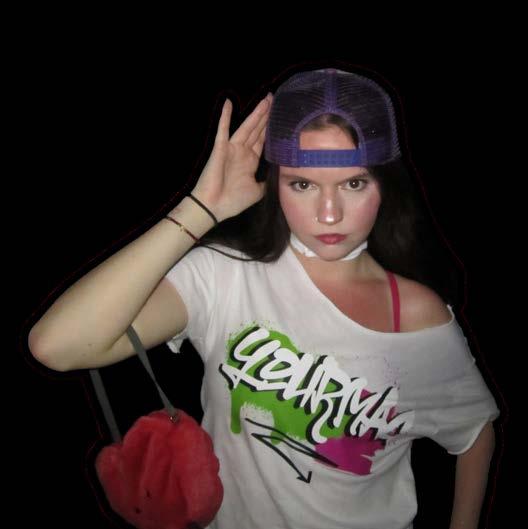
With love, Izzie Claudio
Xoxo, Emma Bowen
WHEN HARRY MET KOMBUCHA
WRITTEN BY KAT BOSKOVIC
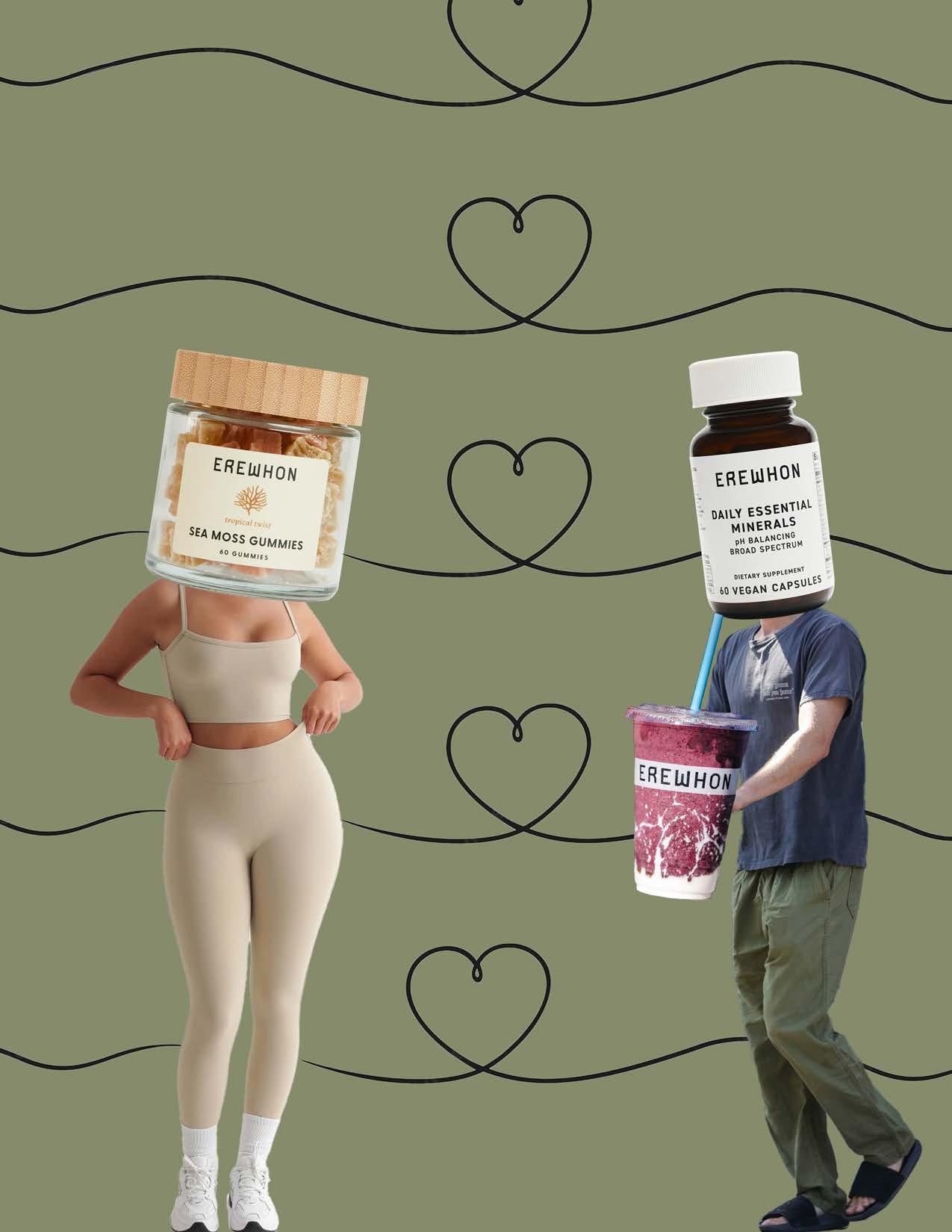
Modern romance has a new aisle: it’s not Tinder, the window table of a coffee shop, or trivia night at your local bar three margaritas in, but an upscale grocery store where, alongside $34 sea moss gummies, love is now something you can shop for! Erewhon, Los Angeles’ gleaming temple of wellness, has become the poster child of this shift, a place where asking, “How’s the soup?” doubles as a courtship formality. The appeal is obvious: meet someone who already lives the lifestyle, spends the money, and speaks the language of probiotics and hyperproductivity. But beneath the illusion of organic flirtation between the non-GMO limes and avocados is something far more curated—a dating economy where compatibility is prefiltered by purchasing power.
Erewhon markets itself as the antithesis of the dating app. It’s the place you go when you’ve just about had it with the creeps in your Hinge DMs and want to let fate take the reigns. When 70 percent of Americans report having tried online dating at some point in their adulthood (Pew Research Center), and roughly half of these users feel negatively towards these apps (The New York Times), it’s no surprise that we’ve gone back to the basics. Now, there are TikToks instructing singles on how to loiter near the tonic bar, how to hover by the hot bar without looking desperate, and how to hold a wellness shot like a prop of intrigue. The flirtation script is so widely circulated it’s practically ritual: “How’s the soup? It’s hot.” Two lines, delivered among eucalyptus steam and kimchi jars, meant to signal spontaneity. A meet-cute with a receipt.
Except nothing in Erewhon is spontaneous. The romance only feels organic because everything else has already been curated for you: the lighting is soft, the carts are minimalist, and the produce is impossibly misted. The other shoppers are uniformly luminous, Pilates sculpted, and holding something containing cordyceps. It is a closed ecosystem where unpredictability has been airbrushed out. You are not encountering strangers, but rather brand-aligned mirrors.
The irony? Erewhon sells itself as “real life” while functioning like an application. The aisles might be physical, but they are no less filtered. The premium subscription is your $200 membership, the profile photo is your $300 athleisure set, and your bio is implicit: I juice. I journal. I do not microwave. It is a romance available in three flavors—Sofia Richie’s Sweet Cherry, Hailey Bieber’s Strawberry Glaze, and Bella Hadid’s Kinsicle—and none of them are a mystery.
When you order these drinks at the smoothie bar with your monthly complementary discount with your $200 membership—on top of the $50 jar of chicken noodle soup in your cart—you’re not just ordering a drink but signaling an ideology. A potential partner doesn’t
ART BY IZZIE CLAUDIO
ask what you like when they can easily glance at your smoothie and know everything, from your podcast queue to your supplements to even how often (or little) you go to the bathroom if you’re sporting Kourtney Kardashian’s Poosh Potion Detox, rich with activated charcoal to help you go.
In this ecosystem, the ideal relationship becomes a co-branding opportunity. Two individuals who share gut health protocols, infrared sauna memberships, and a mutual distrust of seed oils finally find each other in a tragic dating pool of gluten consumers. Love is marketed as optimization, because what should a partner be if not proof that you track your macros? Compatibility is prepackaged and all you must do is select someone with parallel presets. The goal is not intimacy, but synergy.
Yet, this promise of “organic IRL connection” comes with an unspoken terms of service: only certain bodies, budgets, and zip codes may apply. In the exclusive neighborhoods of Beverly Hills, Calabasas, Pasadena, and the Pacific Palisades, behind guarded entrances and between manicured palm rows, weathered romance tropes like “we met at the grocery store” become a gentrified myth. Just under 10 miles south of Pasadena’s Erewhon in Lincoln Heights, one of the first neighborhoods for immigrants of Los Angeles, that glossy ideal collapses; the nearest “meet-cute” aisle isn’t a curated Erewhon produce section but a corner store in a food desert.
Only the wealthy and the white can subscribe to this new dating approach. The $21 jar of pesto, the $26 bag of trail mix, and the $30 pack of ice cubes are less products than velvet ropes. To linger in these aisles, you need time, disposable income, and the confidence that you belong in your matching ALO set. Leisure becomes a mating display and so does literacy in wellness language—ashwagandha, biodynamic, adaptogenic. Class is not hidden, but aestheticized.
So when cult shoppers say they’re ditching the apps to meet someone in real life, what they often mean is: I want a partner prefiltered by privilege. The fantasy of spontaneity, yes. But only with those who can afford to purchase spontaneity in recyclable glass.
Contrast this with the places where romance once unfolded: the corner bodega, the messy bar, the public park, even the uninspired fluorescent lights of a regular grocery chain. In Spain’s Mercadona, there’s a running joke that flirting happens across carts full of pineapples, a tip that the shopper is looking for love. These encounters are awkward, unscripted, and embarrassing, but that is precisely why they feel human. They require vulnerability, not performance. At Erewhon, nothing can go wrong. And so, nothing can truly begin. YM
NudE
WRITTEN
BY
IZZIE CLAUDIO
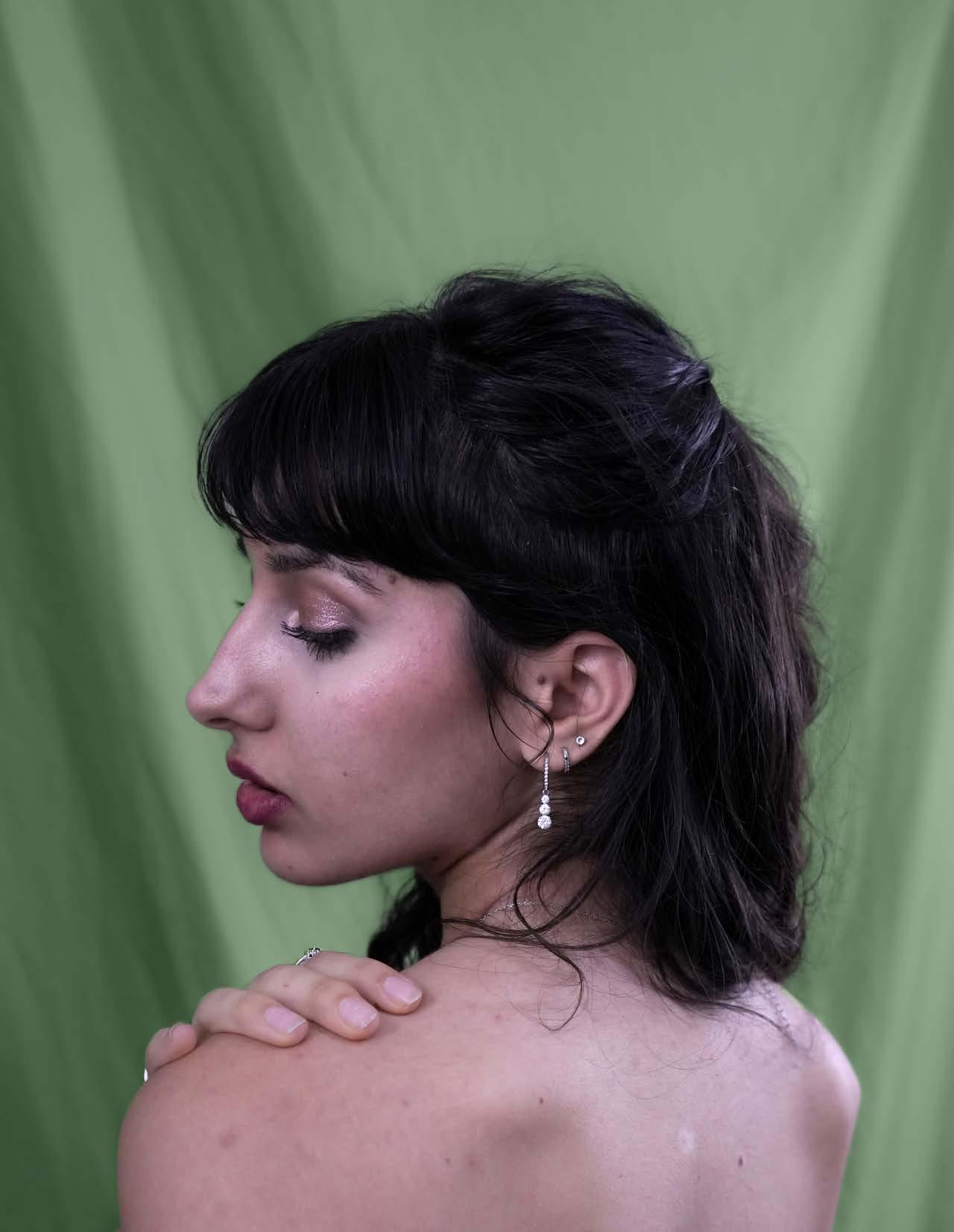
Do you have anything on underneath?” asked the bouncer.
PHOTOGRAPHED BY
BIRDIE NELSON
“Yes,” I nodded with confidence. Hidden underneath my black slacks and sweater was an outfit sure to match the dress code. He handed my ID back and waved me in. I walked through the vine-covered trellis and arrived at a mysterious door with no handle. I pushed it open and entered another world: my second time at KitKatClub and my first time clubbing solo.
KitKatClub is a well-known club in Berlin and has been around since 1994. KitKat is known first and foremost as a sex club. But, its vast size allows for sex and regular ongoings of a club to coexist. Sex wasn’t what I was seeking. I simply wanted a space where I could dance without the constraint of clothes.
I love being naked. I was never instilled with the misconstrued idea that nudity is equal to sex. Instead, I was taught to appreciate the freedom of nudity and let go of any insecurity surrounding it. I do the nude bike ride every year in Chicago and have the time of my life letting my boobs feel the fresh air.
I walked to the bag check area where everyone was getting undressed. It was a sea of leather and lace and I couldn’t wait to jump in. I took off my pants, revealing garters and my favorite pair of black satin underwear. I unbuttoned my sweater and my boobs were once again free to feel the air; only black X’s covered my nipples. I felt a unique mix of exhilaration and calm wash over me.
Once I was free of my belongings, including my phone, I wandered into the wonderland of KitKat. Another bouncer gave me an approving nod confirming I met the dress code. I wove through the crowd with complete ease, brushing past G-strings and tight latex shorts. No judgment, no care. The body was free, as was the mind.
From what I observed and experienced, KitKat is a consent-based space. No truly means no at one of the most famous sex clubs in the world. With no problems, I turned down people aiming for something more with me that night. A quick “no” and they were gone. Not only was it shockingly easy, but I felt a sense of renewed power. Even with only my nipples covered by tape and my ass cheeks hanging out, a simple “no” should always indicate I do not want to engage in any sexual activities. Consent was respected at KitKat, and that is tough to find in many other places, including the United States. It felt paradoxical that a sex club gave the most comfortable clubbing experience thus far. I didn’t feel predatory eyes on me; everyone was simply there for a good time. KitKat makes it clear that consent is at the core of their policies. On their website they state: “We are not a swingers club. Touching without the other person’s consent, or while passing by, will result in a ban from the premises for life.” They’re not playing around.
KitKat embraces a sex-positive environment. It’s not a place where you must have sex, it’s a place where you can have sex, if that’s what you’re in the mood for. Cleavage doesn’t mean “fuck me,” short skirts don’t mean “fuck me,” nothing means “fuck me,” except “yes, I want to have sex.” Clothes can’t speak and lack of clothes can’t speak either. At KitKat, my voice was taken seriously, and this power drove my joy through the roof. Not only was I happy to be naked, but I was happy to be in power.
I walked to the side of the dance floor, where there was an elevated stage. Dancing on an elevated surface is my drug of choice, so I stepped up and let loose completely. I closed my eyes and swayed to the trance beats blasting from the speakers. I spun around. I jumped. I moved my hips. All with an empowering feeling of safety. I was drunk on freedom. I laughed with strangers, I danced with strangers; the physical and mental release of nudity is what brought us all together.
Did I see a blow job on the dance floor? Yes. Did I see a threesome about to occur on one of the beds up on the balcony? Yes. But, I felt no pressure to engage. I just let my boobs bounce and my thighs jiggle, dancing into the early morning. YM
WRITTEN BY MEG RICHARDS
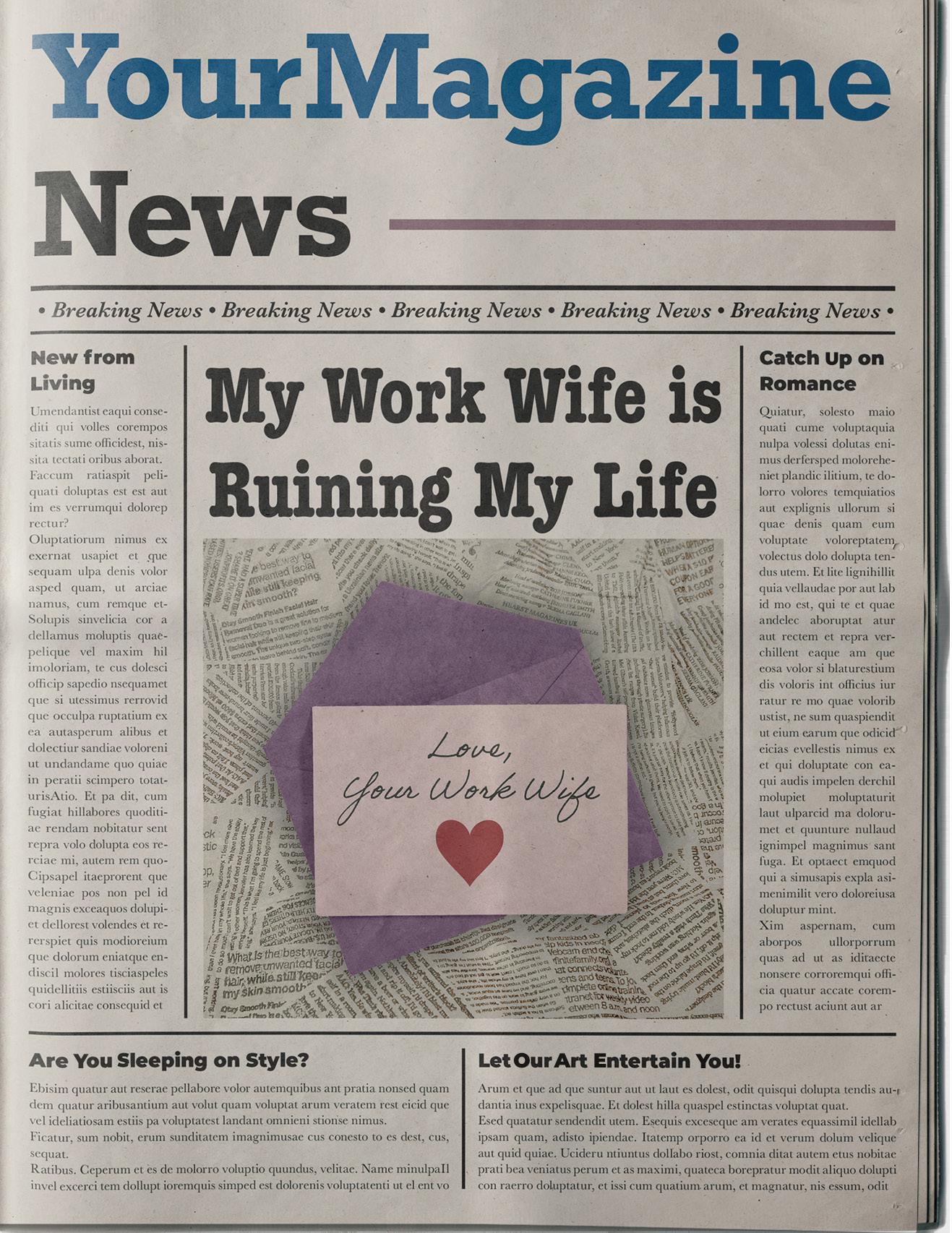
My work wife is the biggest bitch I know. Let me tell you why. For starters, I can barely focus on my studies. Just knowing she’s watching and waiting for me to give her attention tears away all concentration. She’s so demanding of my time. Hours a day, easily over a dozen hours a week, just spending time together. And when we’re not together, I’m thinking about her—as if I don’t give her enough time to begin with! It’s not the fun kind of thinking, either. No smiling to myself and daydreaming, no. It’s grinding my teeth in class, laying awake at night, and waking up with scratch marks on my chest from night terrors. She’s the first thing I think about in the morning and the last thing I think about before I go to sleep. It’s an existential feeling of dread that the story is far from over. It gnaws away at me, but I can’t divorce myself from her.
Because she’s not a real person.
No, my work wife is not a human woman at all, but the looming presence of what I consider “my work.” As a budding writer and student leader of a school news organization whose lifeblood is writing, it feels like every piece of work I now produce will dictate how successful the rest of my life will be. Every decision is more consequential than the last. Each passing day the deadline of my young adulthood creeps closer and closer. It started when I first stepped foot on Emerson College’s campus, when I wrote my first article for the school newspaper, the first time I applied to be an editor, and now, with every piece of writing I produce. I toil over each adjective, noun, adverb, oversharing-anecdote and over-used adage, imagining future employers reading my words and deciding whether or not to give me the kind of job I want after graduating: something that pays well, impresses people on LinkedIn, and fulfills my career aspirations—and also something I can wrap up with a bow at the end of the day and put away until the next morning. A job I can separate myself from enough to feel like when I leave work, I actually leave work. No carrying it around in my pocket, no seeing it in passing and desperately trying to avert eye contact with it, and certainly not losing any sleep over it.
But here’s where the central conflict is: my work is not just a ball-and-chain partner whose nags I can’t get out of my head. When I write, I open myself up (literally, in an open heart surgery kind of way) and let my blood pour out onto the page (or MacBook Pro, in this case). My words are my DNA; my work is my child. It’s a child who evolves with each iteration of my blog, Substack, Notes app, or the school newspaper. Anywhere I can slap my DNA and leave my mark, I’ll do it. It’s my futile attempt to fly towards the sun. With each sling of my words and hurl of my paragraphs, I convince myself
that I’m that much closer to my dream job. I just hope my wings don’t melt off before I get there.
And what would that look like? Simply put, burnout. Except “burnout” is not a strong enough phrase to describe the feeling, nor the reason I’ve never burned out the way I burned out this year. Juggling being a student with being a journalist, a student leader, and a writer, I’m no longer just burning the candle at both ends; I’ve opened up a new dimension of candle ends using quantum reasoning to burn ends of candles never previously comprehended by the human mind.
The thing is, I’m not alone. This is simply the college experience, right? It’s the 21st century; we are coming of age at a time where the internet is the most advanced it’s ever been, and capitalism the most unregulated. This is hustle culture, baby.
For workaholics, starving artists, tortured poets, or misunderstood geniuses (with those categories, I’ve named every type of Emerson College student), your work never leaves you. When I close my eyes at night, my words flood my mind, dancing behind my eyelids, taunting me with the faraway prospect of sleep.
I imagine The Birth of Venus tormenting Sandro Botticelli in this same way: a mirage of roses, myrtles swimming among golden locks of hair, begging him to rip his eyemask off, pop his retainer out, and start vomiting that shit onto paper. I wonder if his vision of success was impaired by ingesting the same cocktail of imposter syndrome and burnout as the rest of us. It provides some solace to know that Botticelli was nearly 40 years old when he painted Aphrodite, meaning the rest of us still have time. In fact, with those numbers, most of us are only half the age we’ll be when we paint our own Births of Venuses. But Botticelli was not inundated with LinkedIn updates and “POV: you got your dream job at 21” TikToks to inhibit his motivation every time he opened his phone, as if to say, “You may feel good about where you’re at, but look at where everyone is. That could be you!”
However, it provides some consolation that—though he was one of the great artists of the Renaissance—Botticelli also struggled as much as the rest of us who strive for greatness. He pissed away his money and never married. His longest, most withstanding love, like so many of us, was his work. His greatness was eclipsed by the likes of Leonardo da Vinci and Michelangelo after his death. But he also has an asteroid named after him. So, maybe we can be comforted by the thought of the artists who precede us sacrificing for their art, only to be compared to their peers (even in death) and have their Venuses overshadowed by a Sistine Chapel. YM
ART BY LAUREN MALLETT
YOURQuiz What’s your view of love?
At the same time, you receive a message from your best friend asking for love advice and a text from your crush finally asking you on a date! Who do you respond to first?
a.) Respond to your Crush; you’ve been waiting for this moment!
b.) Respond to your Best Friend; you hope that they will offer you love advice in return!
You go out for coffee with your best friend and pay for both of your drinks. They say, “Thank you! How can I pay you back?” How do you respond?
a.) “No, it was my treat! I’m happy to do it.”
b.) “Wanna get the next one?”
You take your crush out on a date at a new restaurant in town. It’s time to pay the bill—what do you do?
a.) Offer to pay for the whole meal!
b.) Ask to split the bill…
Valentine’s Day is just around the corner! You’re getting flowers for your partner and see two bouquets with different prices. Which one do you get?
a.) The more expensive bouquet.
b.) The cheaper bouquet—the flowers will eventually die.
You’ve been craving chocolate all day and finally you come home to find your roommate ate your last chocolate bar. What do you do?
a.) You shrug it off because you know they just went through a breakup.
b.) You ask them to run to 7/11 to get another chocolate bar.
After a long day at work, your back is aching and you ask your partner for a massage. Do you offer one in return?
a.) Only if they ask you for one.
b.) Yes, you don’t want them to feel like they are being used.
You and your partner stay in for date night and they cook a delicious meal! Now it’s time for dishes…
a.) You let them soak in the sink, enjoy the rest of the night, and see who does them in the morning.
b.) You offer to clean them since your partner did all the cooking.

Mostly a.)
You view love as transactional but only expect affection in return. You find balance through taking care of each other and giving freely without expectation.
Mostly b.)
You expect a return on your investments and view love as a two-way street. You’re looking for equal partnership and a love that’s 50/50.
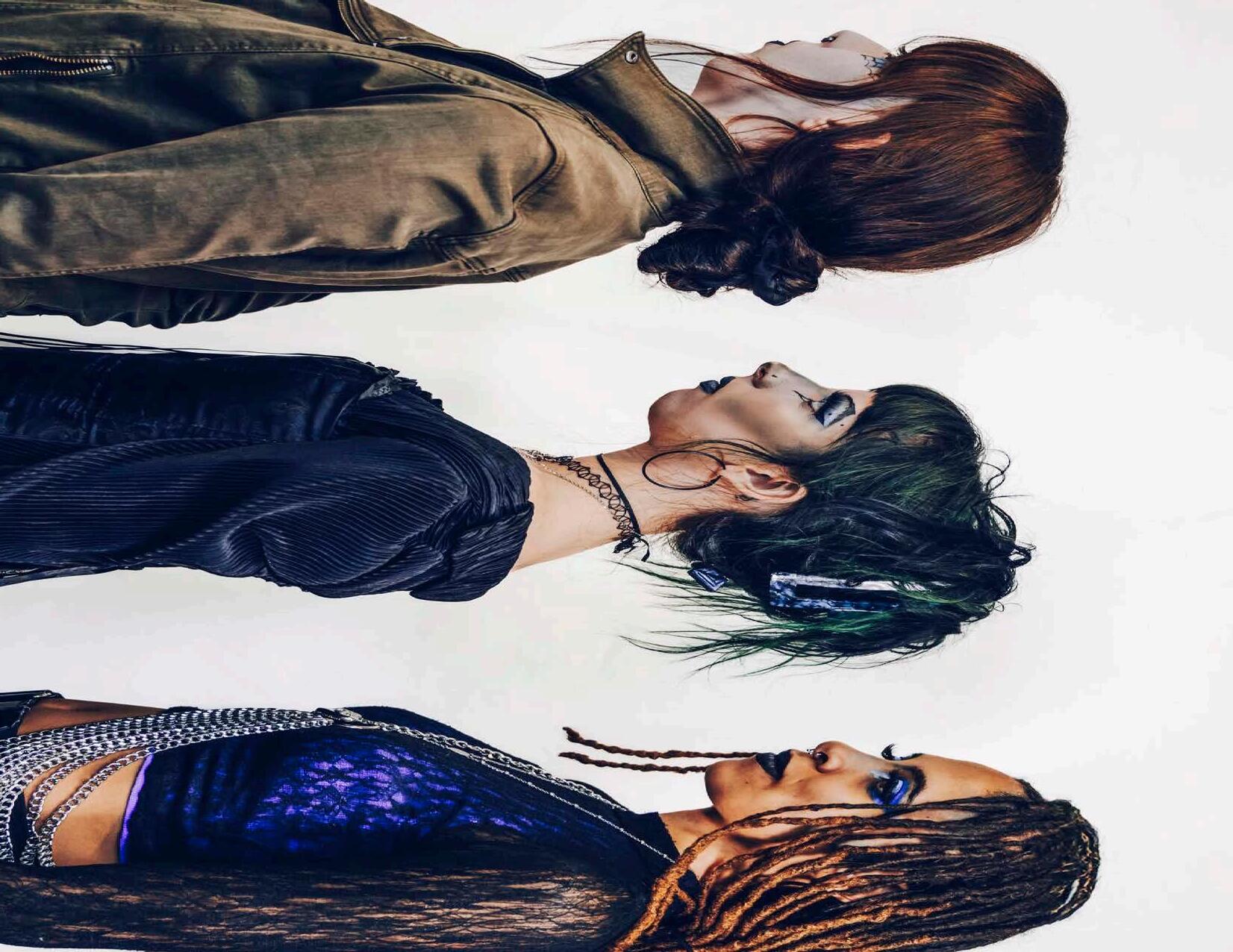
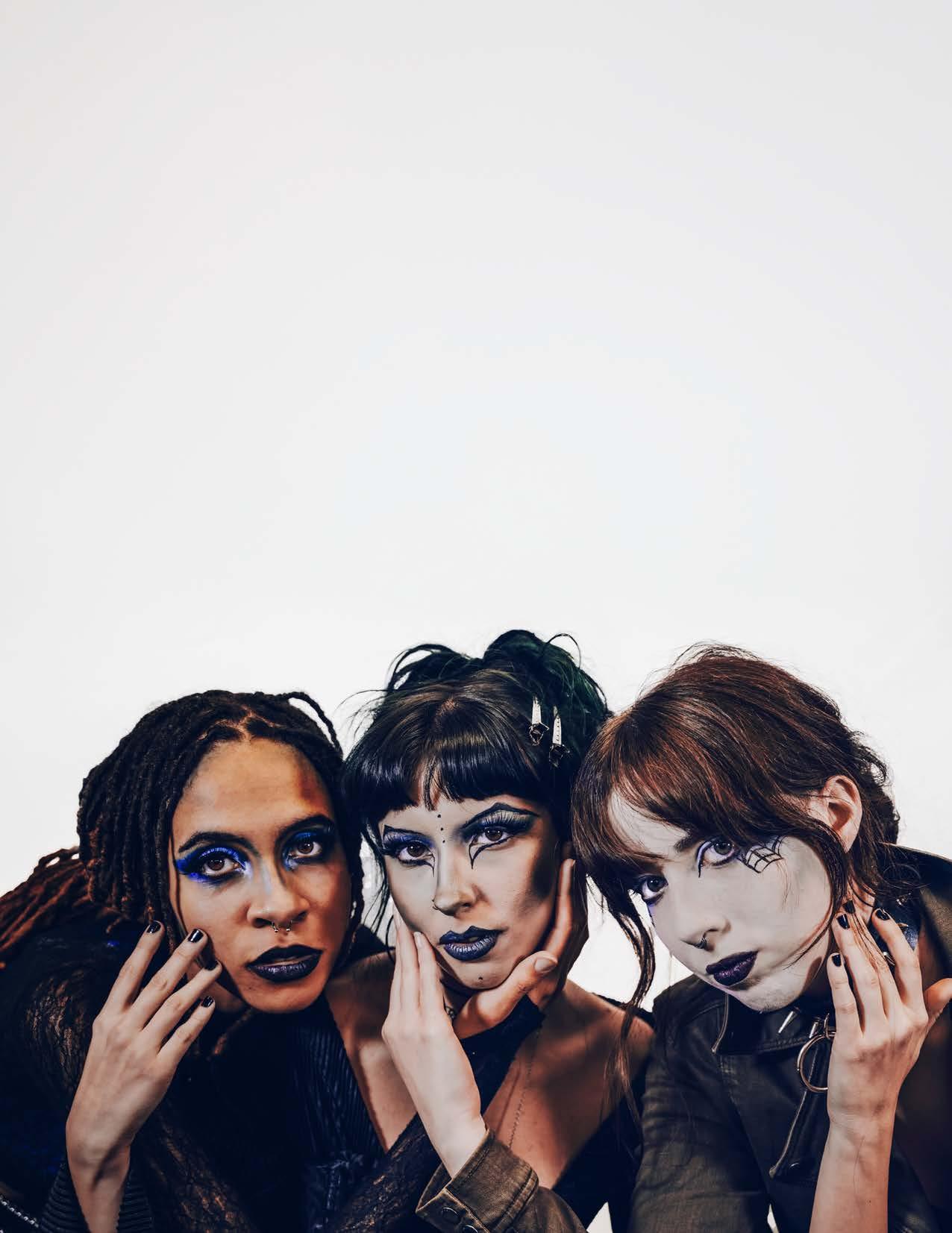
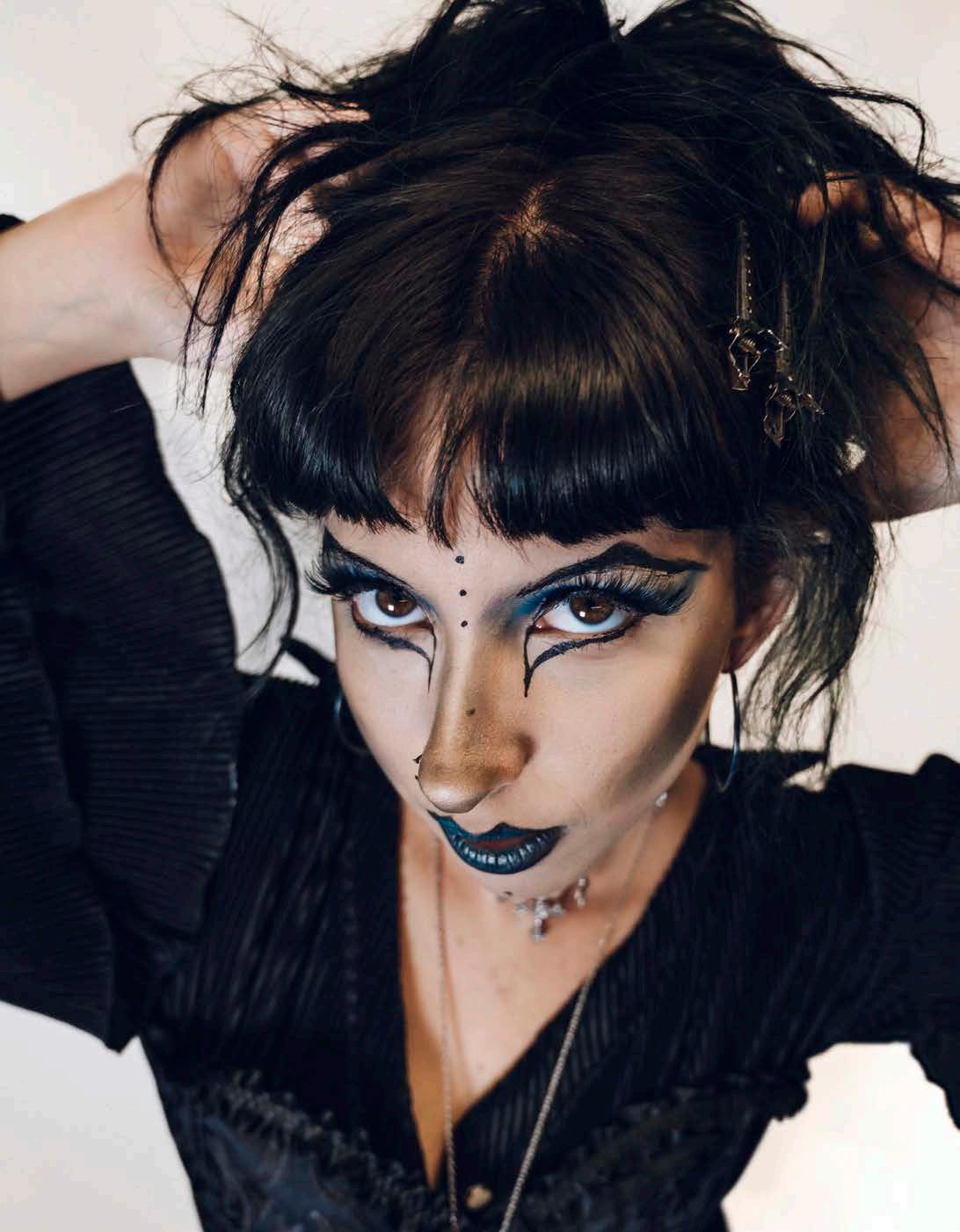
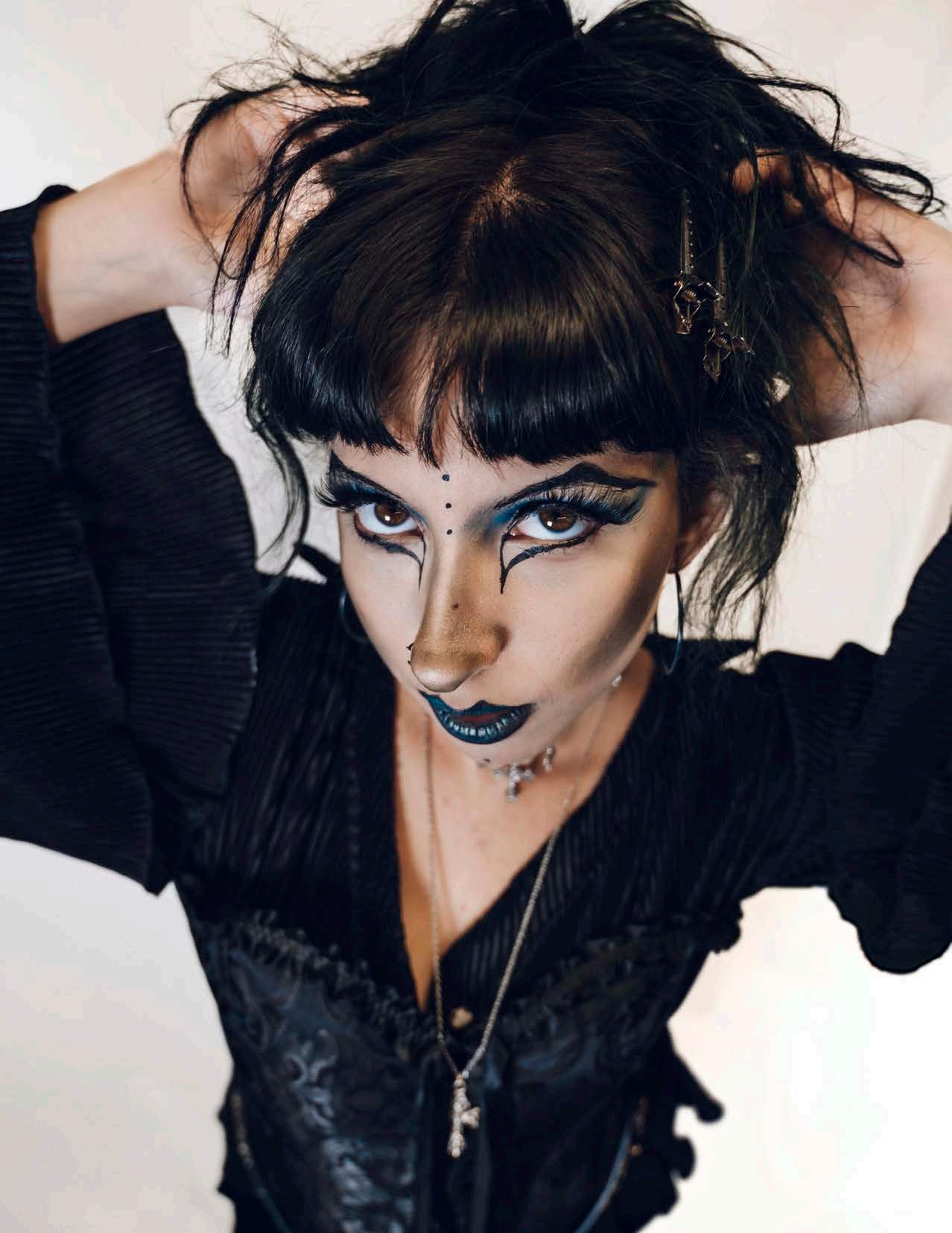
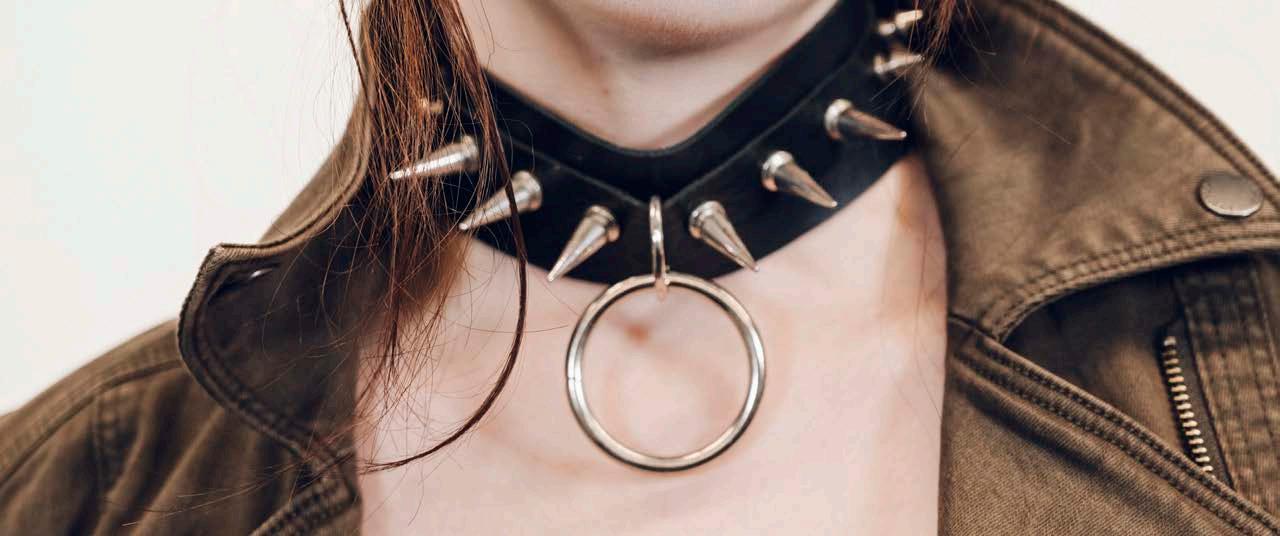
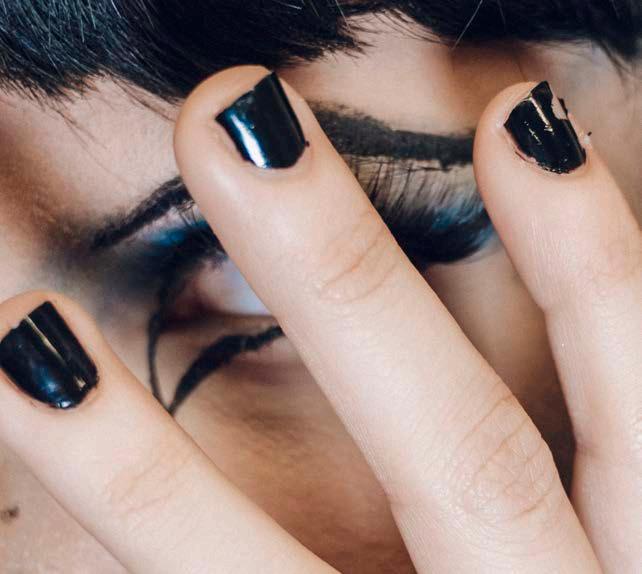
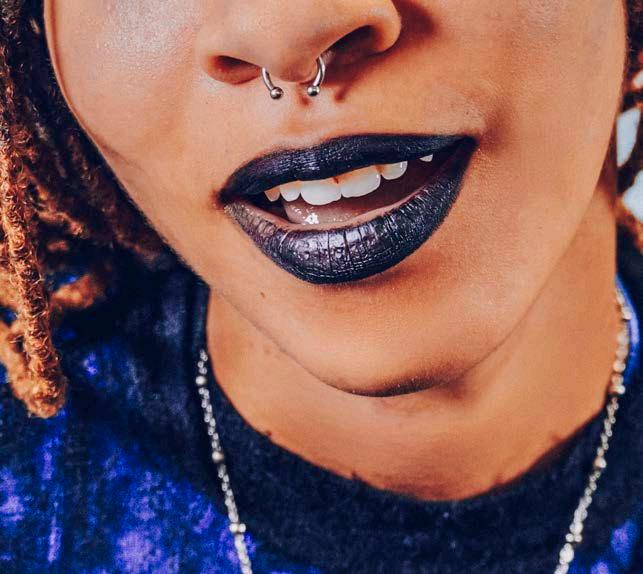
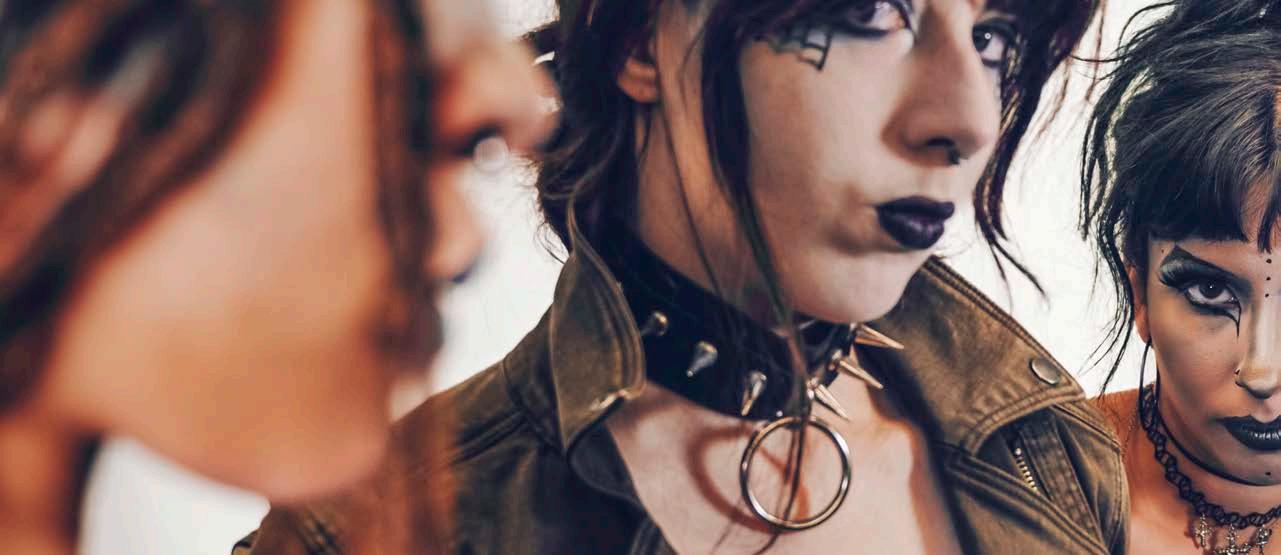
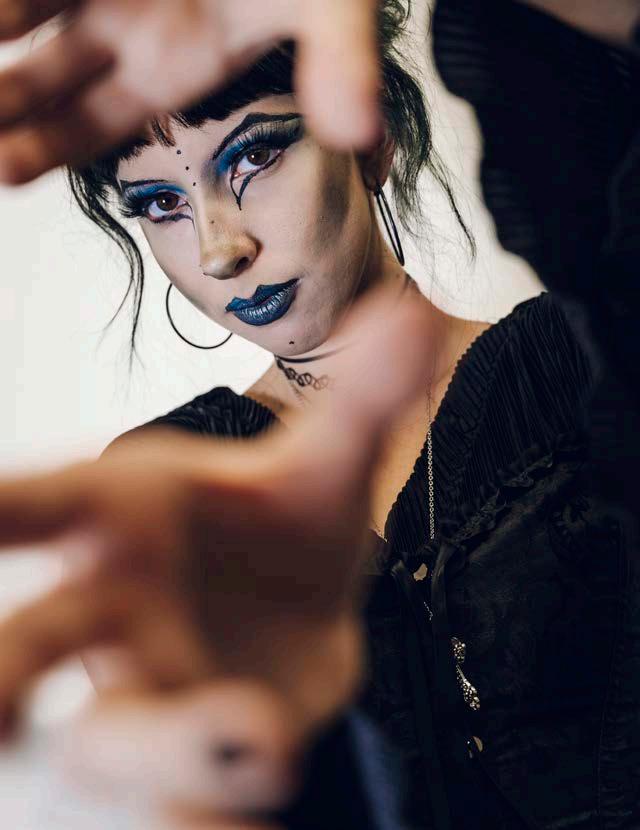
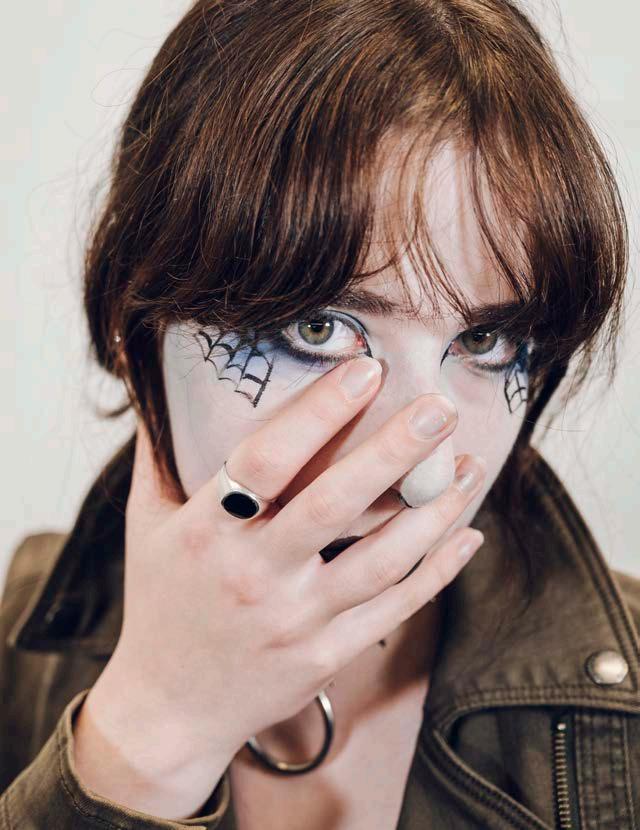
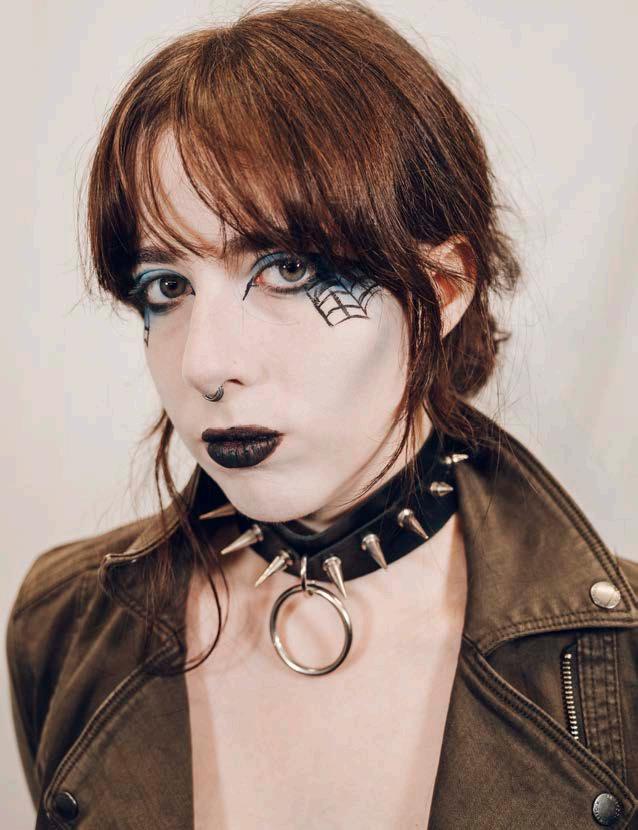
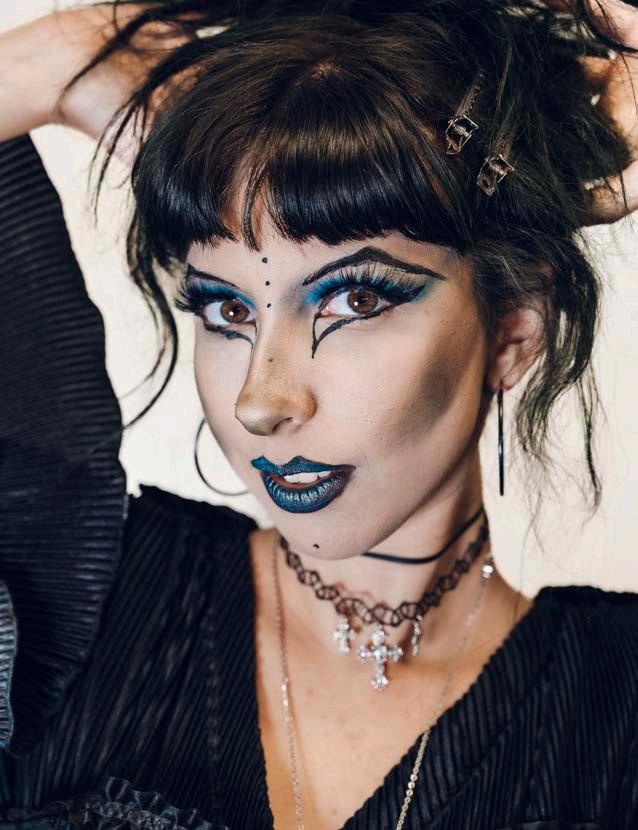
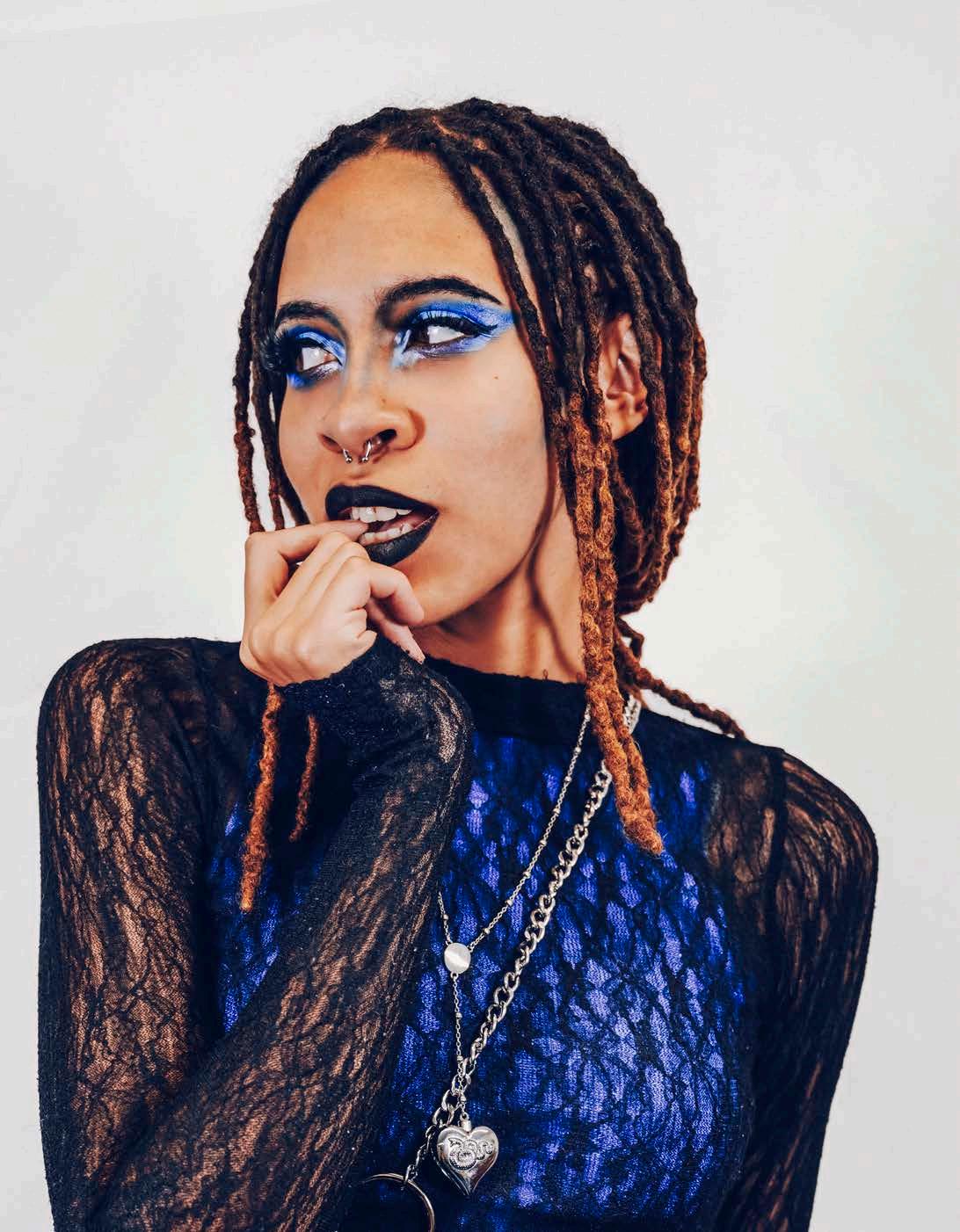
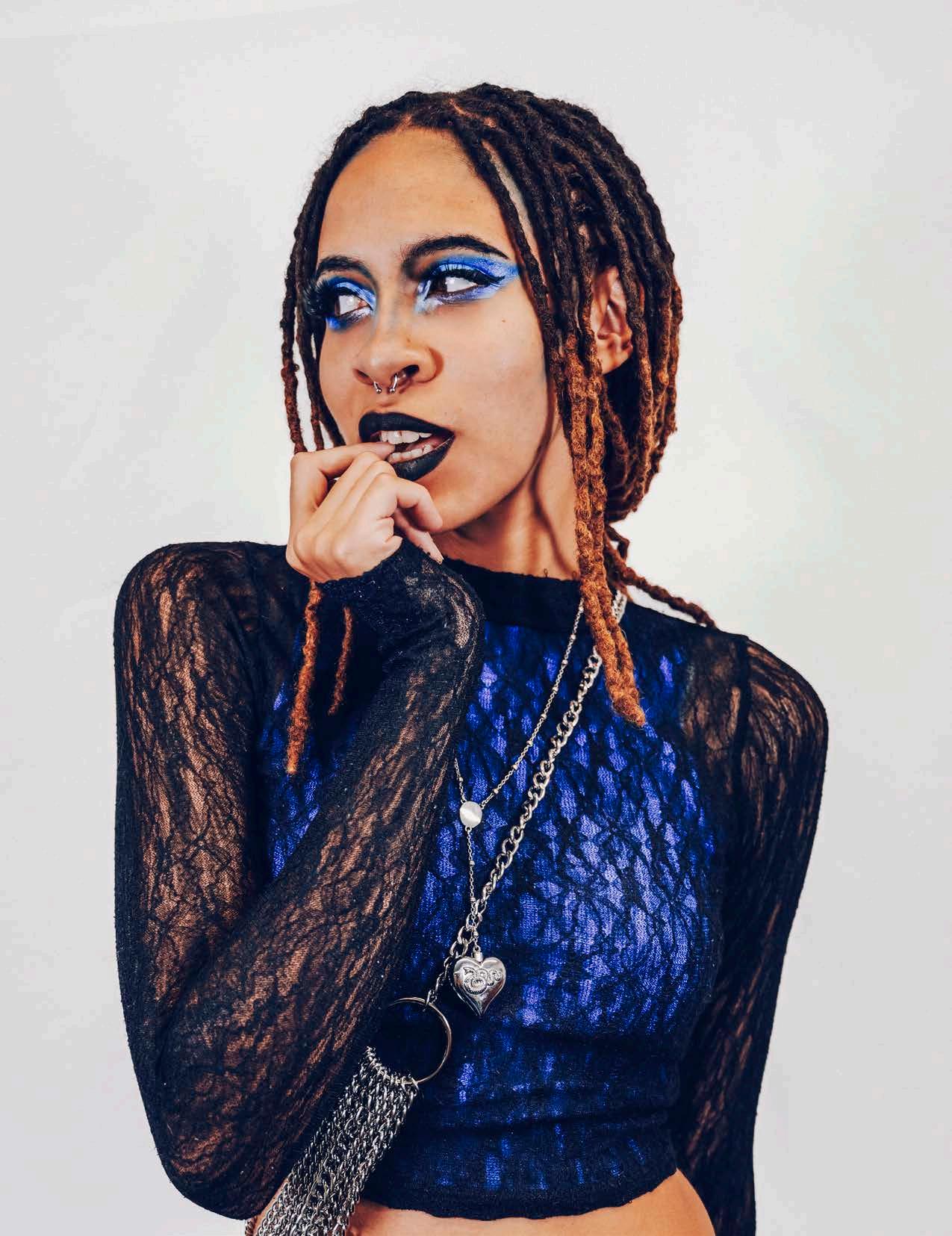
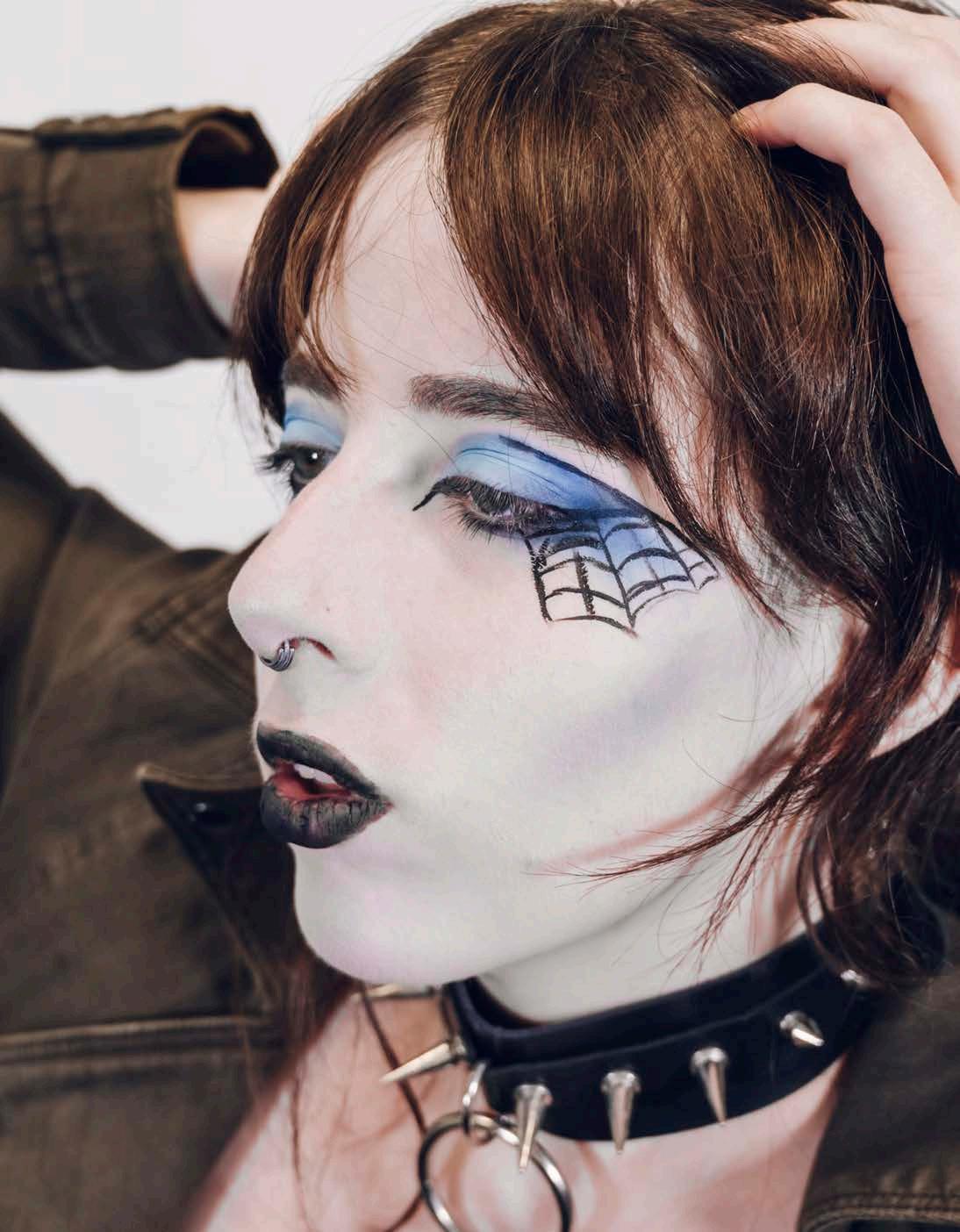
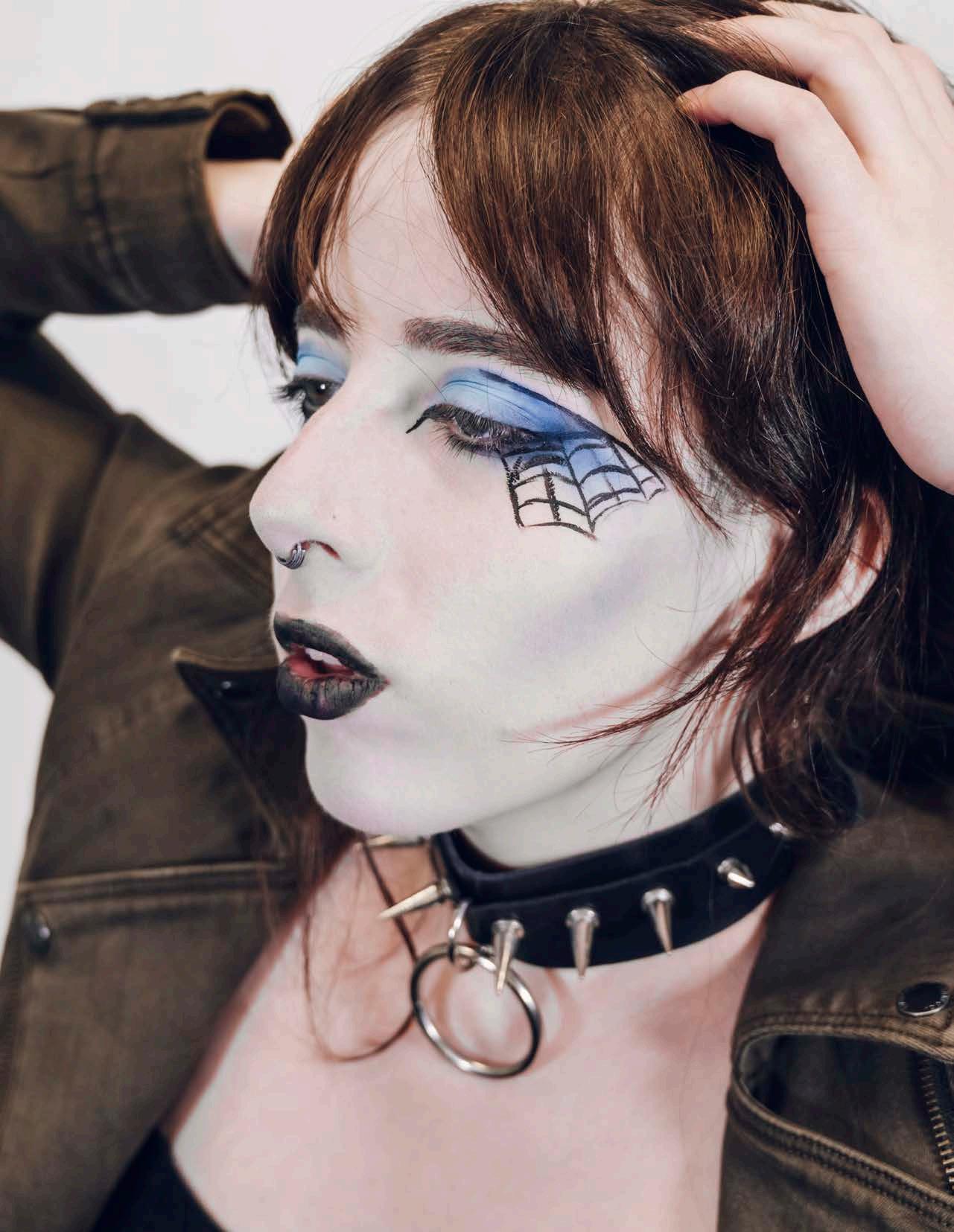
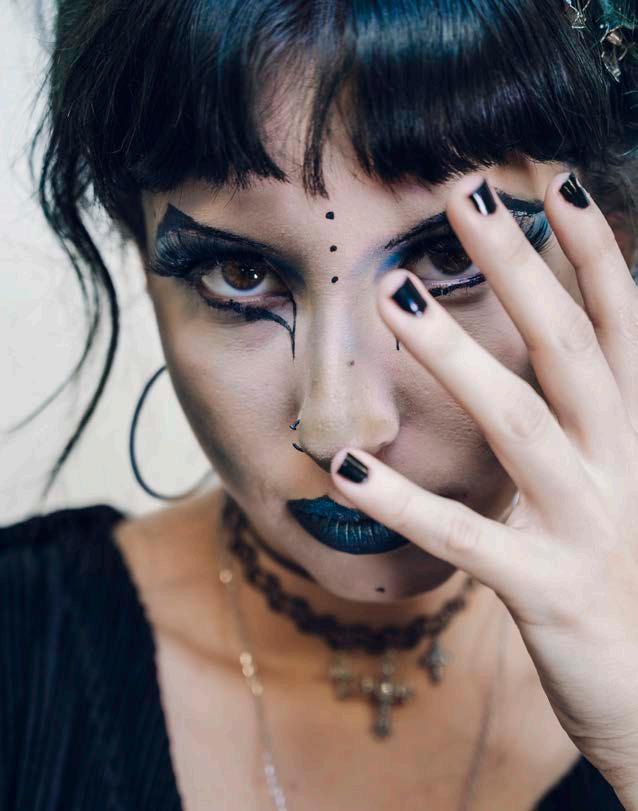
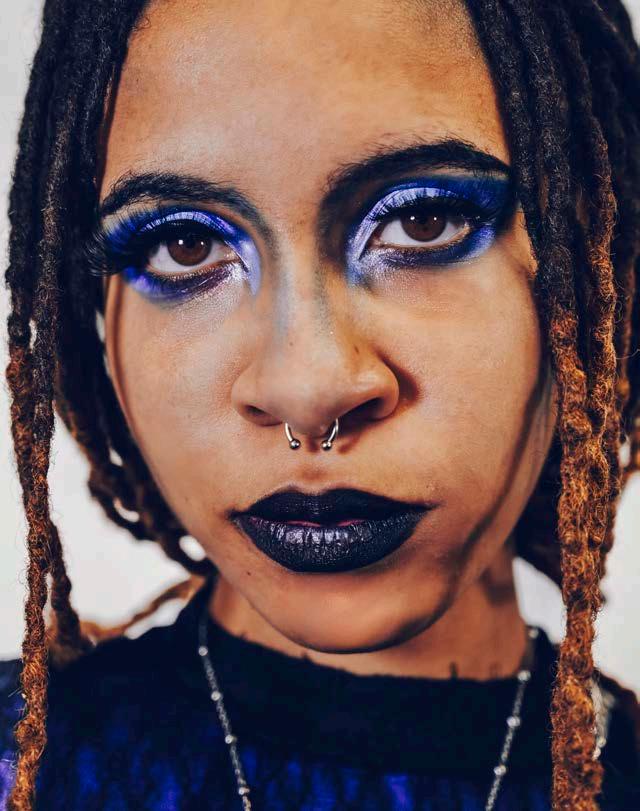
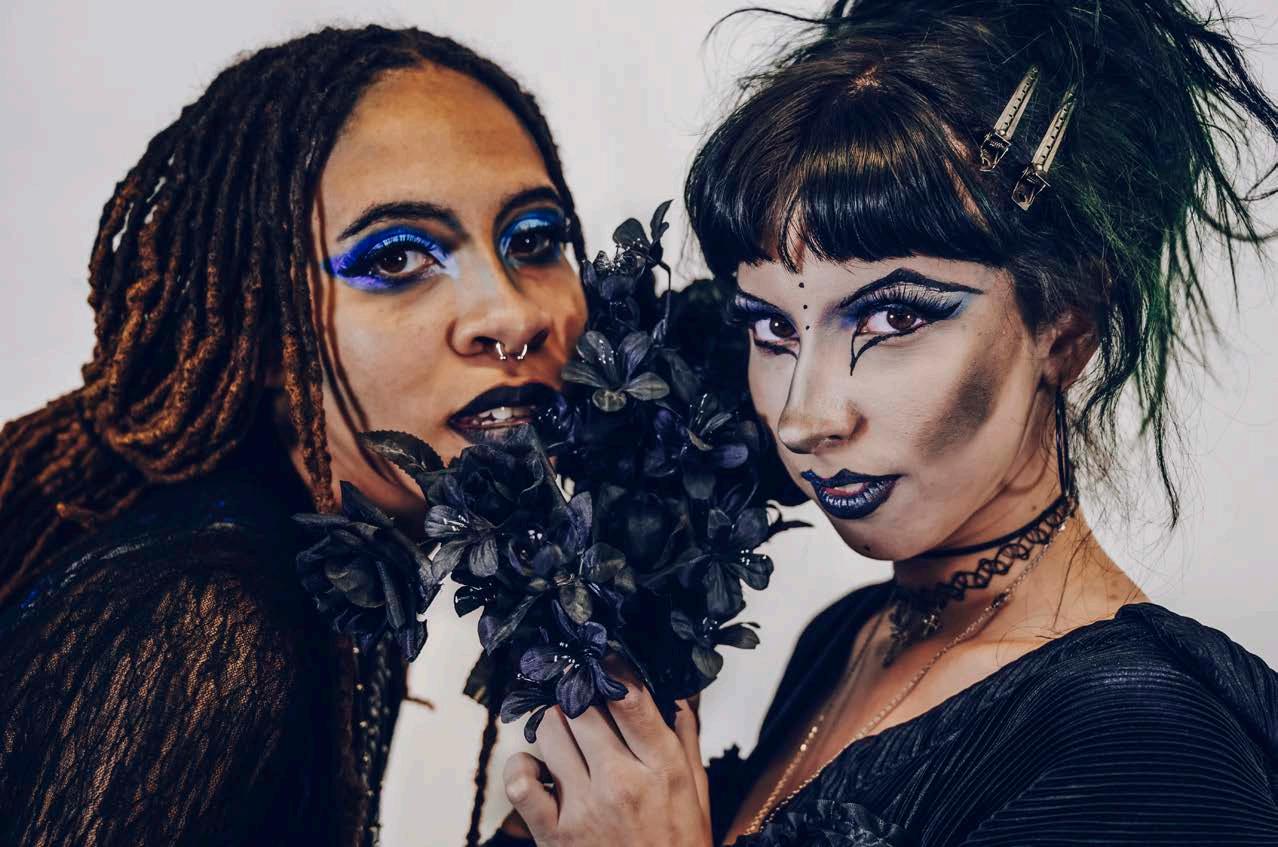
INSPIRED BY THE WORKS OF PICASSO’S BLUE PERIOD, “& THE BANSHEES” DRAWS FROM TRAD GOTH SUBCULTURE TO SUBVERT EXPECTATIONS AND EXPRESS THE DEEP ROOTED EMOTIONAL CORE OF THESE WORKS. PULLING FROM IDEAS OF THE MELANCHOLY AND SOCIAL ISOLATION IN PICASSO’S ART, THIS SHOOT BALANCES THE GRANDIOSE AND EXAGGERATIVE ELEMENTS OF GOTHIC FASHION AND MAKEUP WITH THE NATURE OF THE OUTCAST.
DIRECTED BY LAUREN MALLETT
PHOTOGRAPHED BY EMILIE DUMAS
MAKEUP BY LAUREN MALLETT AND JAZZY COMPTON
STYLED BY EMILY HAMNETT
MODELED BY JAZZY COMPTON, ABIGAIL LINCKS, NICOLE GILBERT

Prepping for a New Day
WRITTEN BY JAGGER VAN VLIET
TART BY IZZY MAHER
Preppy is back in style! Or so says the fashion world anyway. But is this really true?
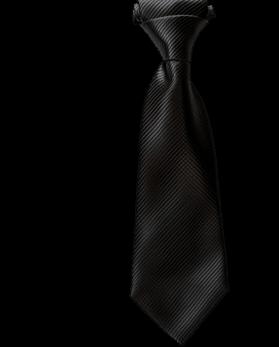
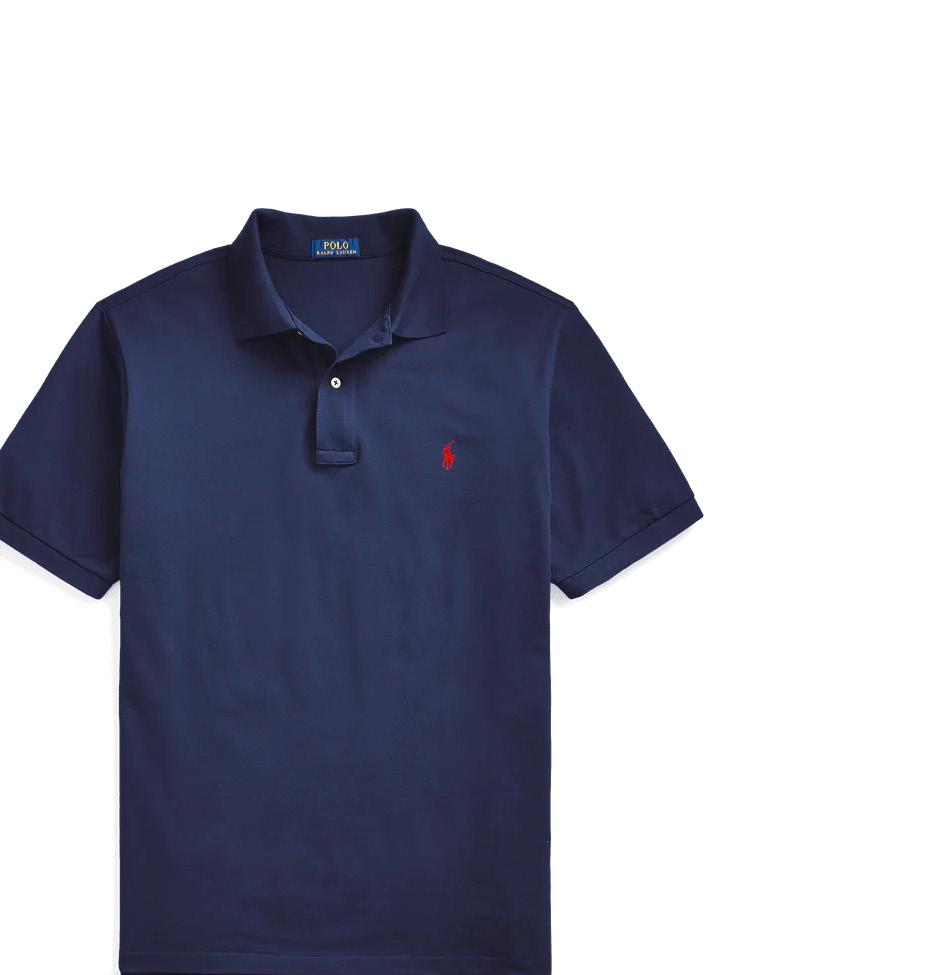
hroughout this season’s Spring/Summer shows, you’d be hardpressed to ignore a profusion of blazers, collared shirts, ties, and still more ties. Increasingly, fashion weeks have looked more like a cross between yacht-club and fraternity. If you told a hypebeast of days gone by that this year’s New York Fashion Week highlights would include J.Crew, Ralph Lauren, and Calvin Klein, they’d likely clutch their Supreme Tee in shock, wondering why anyone would ever want to swap a runway for a country club.
It’s no surprise that prep is returning to the mainstream. For months now, TikTok and Instagram have been overrun with content lauding the “old money” aesthetic. These compilations usually feature any number of dapper trustafarians wearing Brooks Brothers’ ties or otherwise reclining on their family’s second (or third) yacht. Old money, as an aesthetic, has been steadily gaining more traction via films like Saltburn, shows like The White Lotus, and the near-innumerable internet fanfictions that feature inexplicably handsome billionaires and their debonair sons.
It was only a matter of time before this recurrent aesthetic reached a sartorial audience. Jonathan Anderson’s much awaited debut at Dior showed the earliest glimmers of what was to come, as the criticallyacclaimed designer presented a show that loosely embodied a theme of “Rich Kids Across Time.” Pannier ruffles met Nantucket chinos met denim Spencer jackets, for a show that sent wide-reaching waves
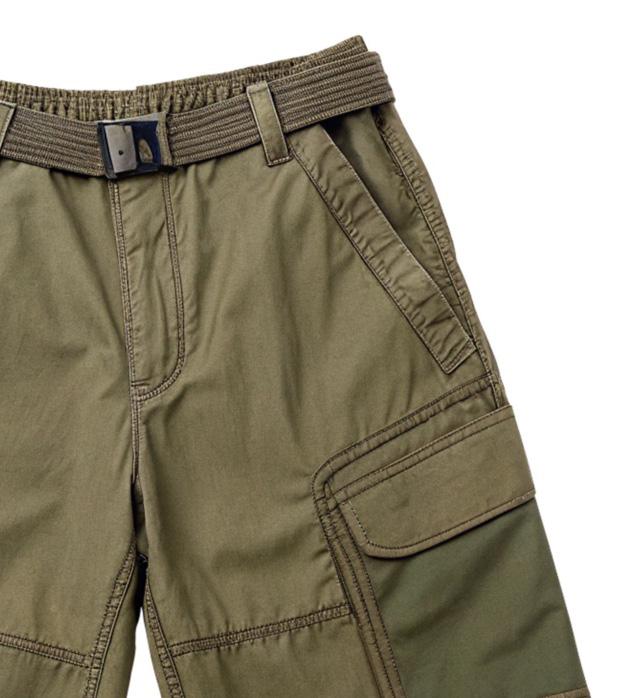
The hype didn’t stop here. In fact, it only surged ahead. In September’s New York Fashion Week, the talk of the town was all Polo Ralph Lauren, J.Crew and even, to a lesser extent, Calvin Klein. These shows each offered an unadulterated dose of prep; a decided shift away from the logo-heavy streetwear, instead moving toward a refreshing dose of classic American tailoring. When the late Virgil Abloh predicted that streetwear would soon meet its demise, no one could have predicted that it would come in the form of American flag argyle
sweaters, and cargo shorts. Yet, here we are.
This turn toward a style seen by many as “timeless” shouldn’t come as a real shock. Already 64 percent of Gen Z have begun attempting to reduce their spending on non-essential items. So, what do you do when you don’t have the money to camp out in front of the Nike store for the newest pair of Travis Scott dunks? The answer is: buy a sensible pair of “timeless” loafers. Maybe even a good belt to match. This idea that preppy styles are timeless, while true in a sense, is also infused with a tangible decrease in the standard of living for many young people. If anything, this trend is more so a coping mechanism—a way of cosplaying financial stability. Even if you’re barely able to afford rent, you can, at the very least, look like a million bucks.
Stylist to the stars, George Cortina, attempted to explain the rationale, stating, “I think that people are looking at prep right now because, where else do you go…Celebrities are wearing these ridiculous outfits, and you almost have to go in the other direction.” While this may be the case, it underscores a deeper truth of the matter; this current revival of prep is all aesthetic. It is a clear response to loud logos, flashy collaborations, and name-brand numbness. The reality is that most young fashionheads can’t afford to drop full paychecks on the Off-White releases. The natural course correction seems to be moving toward more constant fixtures in fashion: a good white button-down and a crisp navy blazer.
Yet, this change also goes hand in hand with a global shift toward conservative ideals. Increases in far-right rhetoric are not merely exclusive to America and have now cropped up in Germany, Italy, and France, among others. In America, the resurgence of traditional standards falls neatly in line with reemerging preppy styles. A recent, now-infamous American Eagle ad comes to mind as a potent example of increased movement toward making fashion itself “great again.”
Another factor to bear in mind: preppy style is innately and overtly heteronormative. In a fashion world that has always been steeped in individual expression, preppiness marks a return to a set of rigid gender identifiers. In a simple sense, men wear suits, women wear dresses, and modesty trounces the queerness that has informed much of modern fashion. This is another damning indication that the fashion world is not immune to external influence, or worse yet, that it is actively promoting designs that fall in line with the reactionary right.
Dressing up regressive politics in respectable fits is nothing new.

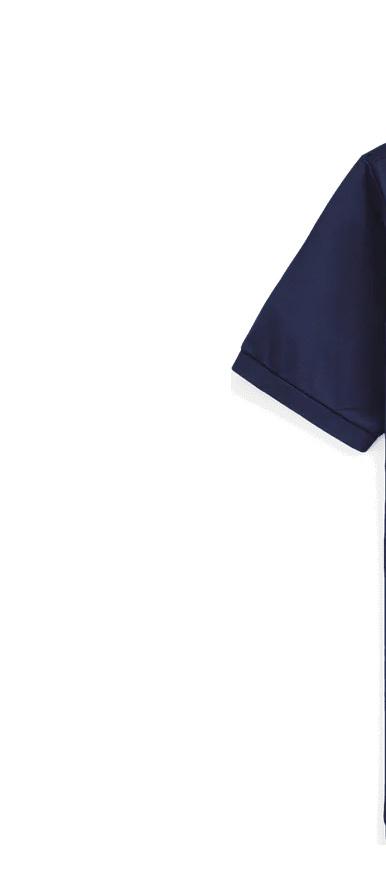
During the Nazi’s rise to power, the Ordnung (Order) ideal was heavily embraced by the emerging fascists. They promoted “wholesome femininity” and flat-out rejected what they deemed degenerate or foreign styles. Often these were those born of jazz culture, fueled by metropolitan areas, people of color, and immigrants. Compare that to modern-day comments made by the late right-wing propagandist Charlie Kirk, who proposed that society, “Stop listening to rap music, and this degenerate hip-hop stuff.” Consider also the widely accepted media blitz from the American right-wing that has painted urban cities as “cesspools of blood.” The state of preppy pride starts to make a lot more sense when held up to a historical mirror. The American flag has replaced your favorite logo, and this is not an accident.
Still, there are staunch optimists who have pointed out that designers like James M. Jeter are taking preppiness and doing it
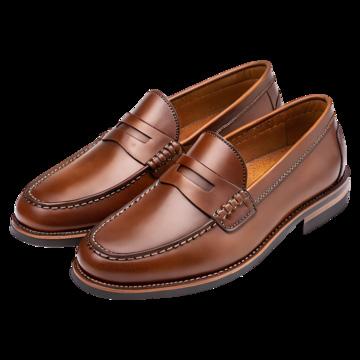
in nostalgic seaside tailoring. But here again, the idea of preppiness as an accessible status symbol is proven to be a facade. While the Oak Bluffs community does harbor a deep history of black excellence, the collection that Jeter put out drew criticism for being pricey and ironically out of the price range of the same aspirants that he was trying to honor. If nothing else, it is presenting a false, white-washed version of Black history—one that aims to make Black people seem more white (ergo more “respectable”), and one that promotes a rose-colored vision of America’s segregated heyday.
As the world continues to ravenously thirst over Jacob Elordi in Ivy League polos, it would seem that preppiness is coming back whether we like it or not. If the internet’s obsession with “old money” was the start, Jonathan Anderson’s opulent Dior show sealed the deal. By now, the new preppy movement has already seeped into every corner of the cultural landscape, but for all its cable-knit charm, preppiness is hardly ever harmless. YM

WRITTEN BY HEATHER THORN
In 7th grade, I got braces put on and for each and every following day, I pulled my lips back to inspect my changing mouth in the mirror. Huffs of my breath fogging the glass as I searched for something I never found: a perfect smile. I didn’t discover a perfect smile on the day the metal finally came off, either. My dissatisfaction with my teeth began long before the braces and lives on long after—a tongue-tying confession that left me perpetually smiling with my lips sealed.
The first time I remember thinking something was wrong with my teeth was when my adult bottom row grew in at all different angles: less of an even horizon and more of a crooked mountain landscape emerging from my gums—minus the pretty view. I used to run the bottom of my tongue over each tooth’s jagged edge, impatiently awaiting the day my teeth would be smooth.
My serrated row of teeth was eventually drilled down, but it wasn’t without a little dignity; I remember a dental hygienist whirring the tool under the bright light and filing my teeth down without any warning. With the number of hours spent in waiting rooms or sitting in chairs while my orthodontist tightened my braces, all of those tiny rubber bands, and my retainer as a parting gift, I felt like I’d lost years from my lifespan by the end of it.
Four years of braces later, it was difficult to acknowledge I still wasn’t happy with my smile. The lengths I had gone for a perfect smile were astounding.
As I continued to be unhappy with my teeth, I saw perfect smiles all around me—Demi Moore’s blinding whites, Miley Cyrus’s flashing veneers, Selena Gomez’s new grin. I noticed the lost art of imperfection. Whatever happened to the toothgap trend popularized by Georgia May Jagger’s “Get the London look”? Authenticity is vanishing in a world where there seems to
BY IZZIE CLAUDIO
be a remedy for every self-perceived flaw. More and more people are caught red-handed and open-mouthed, their teeth no longer a unique element of character, but now bulky, straight, and blaringly white.
The irreversibility of veneers demonstrates an interesting shift in cosmetic surgery—one that cannot be undone. More than that, though, the rising popularity of beautifying operations insists that imperfections no longer be accepted. English actress and star of The White Lotus’s third season Aimee Lou Wood gained substantial attention earlier this year for her natural teeth: a noticeable overbite, wide spacing, and irregular alignment. Wood attracted even more publicity when Saturday Night Live mocked her teeth in a skit mimicking The White Lotus
As it grows increasingly easier to fix our flaws by going to other countries for cheaper surgical procedures—the aptly named “Turkey Teeth” referring to travel plans in which one returns with a completely new set of pearly whites—where do we draw the line of modification if we can change anything about ourselves we don’t like?
Teeth are unique to each person; everyone’s smile is their own and a special element of character. I began to look at other people’s teeth and noticed what made them unique: the gaps, the shapes, the alignment, the chips, everything. As I fell in love with everyone else’s imperfect teeth, I began to fall in love with mine, too. That’s not to say I think my smile is perfect; it’s not, no one’s is. But today I’ve grown to accept the imperfections of my teeth and have found myself flourishing in authenticity—no longer embarrassed when smiling or shielding my mouth when I laugh. After all: if we can’t take pride in our smiles, then we have nothing to smile about. YM
ART
The Lost Art of Imperfection: Modification of the Mouth
I Perfect, Therefore I Am
BY MIA CASSIDY WRITTEN BY MOLLY PEAY
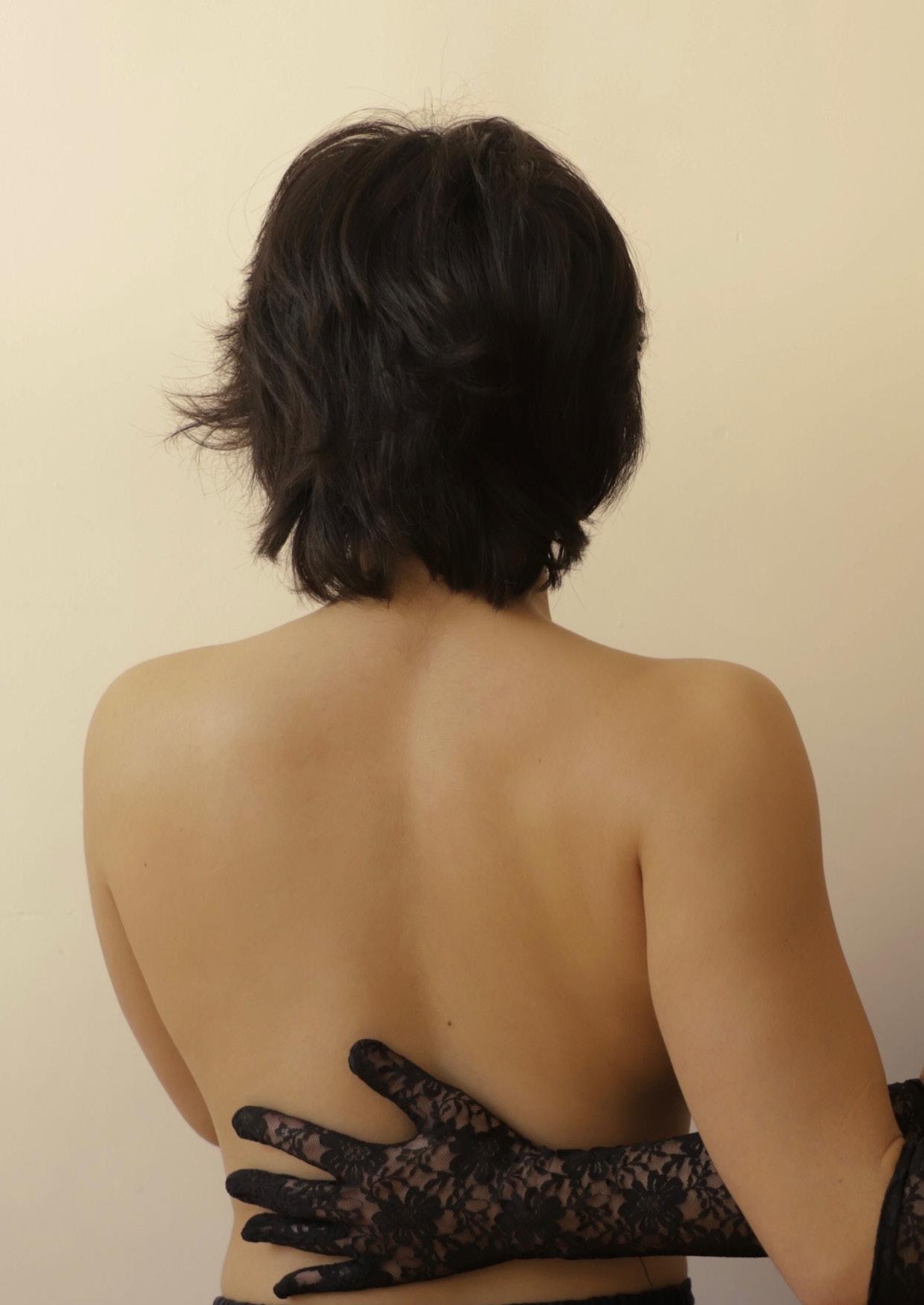
My body is an hourglass. My color palette: soft summer. I look best in light blues, butter yellows, and baby pinks. Feminine clothes look best. Do not wear anything baggy. Work out 3 to 5 times a week. Never less. Make sure you work your arms so “the girls” are perky. Work your butt so you are never called “flat.” Work your abs so you can never look “bloated.” Eat well. Manage your carb-to-protein-to-vegetable ratio. Braid your hair at night. Or, curl it in the morning. Wear eyeliner, mascara, lip liner, lip gloss, tinted sunblock, and eye shadow, achieving the best no-makeup makeup. On occasion a red lip. But never too dark. Remember you are a soft summer. Pink looks best.
But there is a line, is there not? At what point does styling our body to “look our best” and “feel our best,” bump into overworking, over-exhausting, criticizing, and breaking down, even in menial ways? My best friend complains about my attempts to avoid certain colors because a color analysis told me black and brown are not my friends. Yet, I’ve seen this same tendency in others: obsessing over their bodies and refining their appearances; often not for themselves, but for the world.
In high school I was on the dance team. Dancers have the connotation of being fit. Skinny. Flat stomachs. Lean thighs. My teammates would compare notes to conform to this image, sitting in the back seat of the car asking, “What is the best way to throw up?”
“Oh, in the shower so nobody will hear you,” was the response.
The naturality of glorifying bodily abuse to feel beautiful or skinny, to better yet be called beautiful and skinny, has infiltrated right down to our internal dialogue. It goes beyond simple beauty standards: it is easy to romanticize overworking our bodies in the pursuit of perfection.
None of us would like to admit that we would rather hound for the unattainable than confront the anxiety-inducing thought that we can actually be at peace if we accept
ourselves where we are. This hyperindividualism distracts us, convincing us that there is value in self-optimization.
As Harvard Business Review puts it in their article “Why We Glorify Overwork and Refuse to Rest” by Tony Schwartz and Eric Severson, “We often experience a greater sense of our own value when we’re working than we do when we’re not.” We work to extract value from ourselves, treating our bodies as projects—in exercise, diet, beauty, and fashion. These facets become sites of optimization, a productivity metric that we disguise as our “personal style.”
Except this is only a misguided label for the restlessness that drives us to overwork—the logic of capitalism itself! We must improve, refine, and continuously become: we exercise till exhaustion. We exercise when exhausted. We exercise when we are sick; many times I have witnessed people coughing and sputtering all over the Emerson gym floors. The choice to exercise extends beyond the bounds of movement, to a controlled performance or compensating for the food we eat; even self-care becomes an act of production.
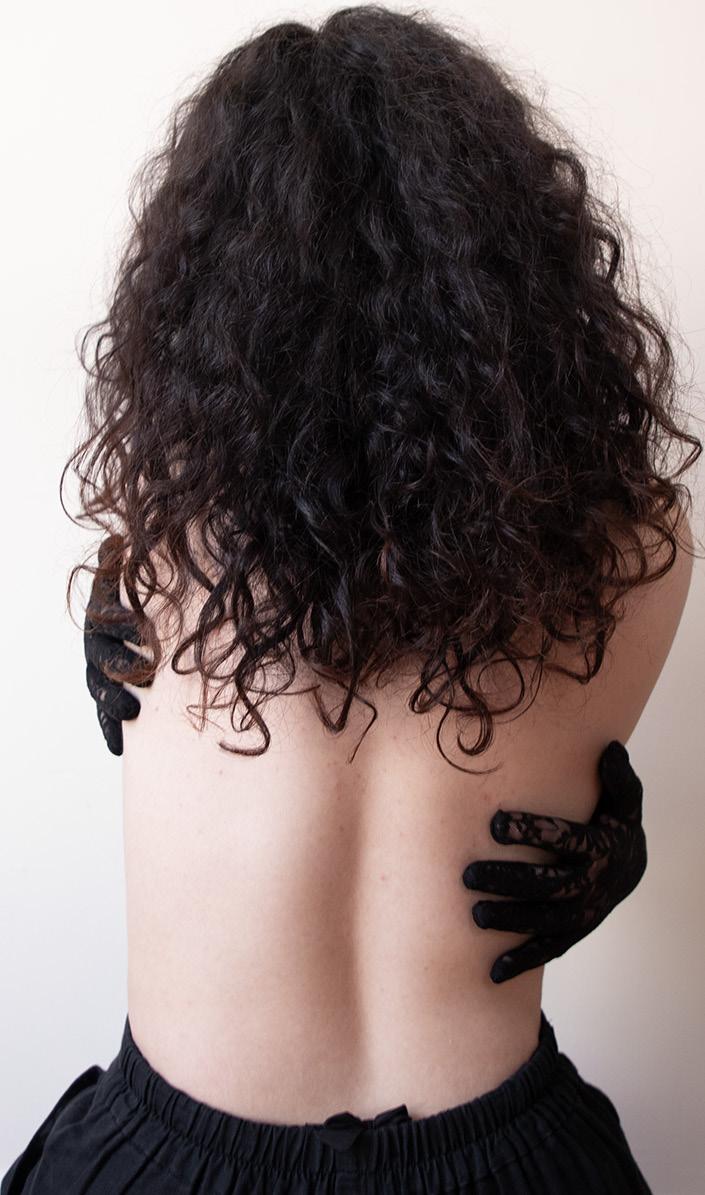
Instead of eating intuitively, we cut out carbs, even when our body screams CARBS! CARBS! CARBS! “Oh it will help my acne,” my friend told me. “Oh it will help me feel better about my body,” another said. Each confesses their dissatisfaction with their appearance. Still, while attempting to reconcile bodily dissatisfaction, preoccupying ourselves with the unattainable, we ignore the nutrition truth of carbohydrates. Keto—removing these vital nutrients entirely from our diet—was created for epilepsy, but the diet industry saw this as an opportunity. It sunk its teeth into it. Now, we are being sold Keto Diet plans from Forbes Health among so many other companies. By this misguided promotion, it is hard to discern that carbs are our bodies main source of fuel. They are essential for creativity, good sleep, and producing great work!
PHOTOGRAPHED
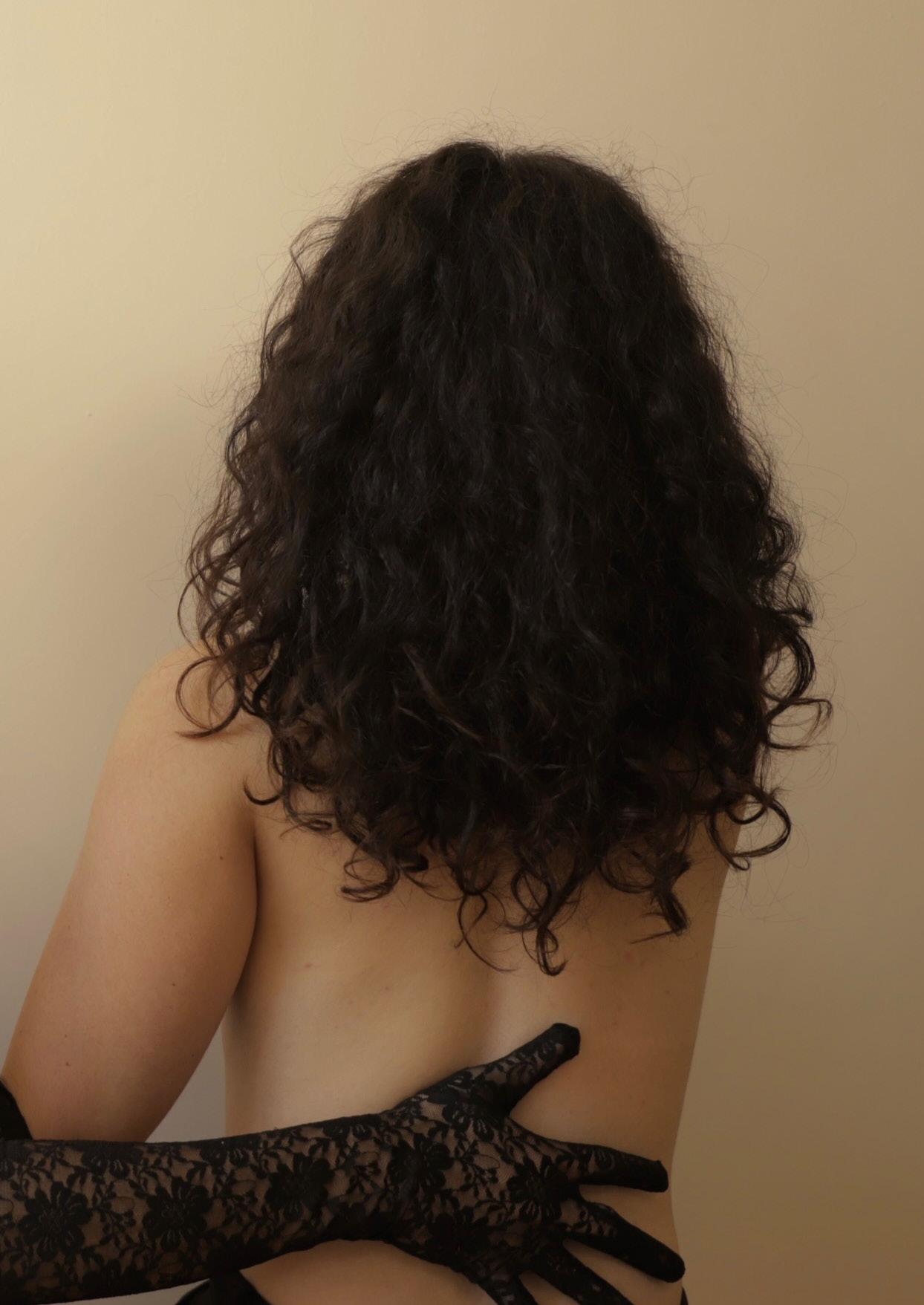
It’s normal to want to feel good and look good for ourselves. However, the “for ourselves” and “for others” part is typically conflated. Our bodies do not think about the slope of our stomach or the curvatures of our thighs. Our brain, though, is highly sensitive to the level of social acceptance our appearance brings; no wonder we easily fall prey to trends when it gives us the illusion of belonging. And for those who can afford more permanent solutions to diet and skincare fads: surgery, botox, laser.
Take Kris Jenner; seventy years of age on November 5th, Jenner has paid for a significant face lift. Many social media accounts have likened her “new” appearance to her daughter, Kim Kardashian, forty-four years of age. One face lift reduced almost thirty years (in appearance alone).
We’ve built an economy around denying age. Every serum, filler, and filter is a small payment toward a semblance of timelessness—a semblance governed by an outdated, uninclusive, overly white, and overly infantilized or masculinized beauty system. The trends and fads we follow fill in the gaps of what we can’t afford. Still, neither option serves our bodies or our relationships to them.
The Fashion Times article, “How inclusive is the fashion industry and how does it impact capitalism today?” by Loanne Secula, states that fashion access is limited to the part of the population that can afford the societal standard of beauty. Even with the push for inclusivity and the significantly lower priced dupes of top runway looks, fashion is run by class driven hierarchies which continue to dictate this beauty standard.
Moreover, plus-sized runaway content has plummeted since the Spring/Summer 2020 season. This normalization of openly exclusionary content is symptomatic of our country’s current shift toward conservatism. Rightwing values systematically oppose anything that deviates from the traditional binary. The party’s fashion, beauty, and aesthetics, is a tell-tale sign; on Inauguration Day, Donald Trump emerged alongside ‘uniform’ women. They stood in high heels with “bouncy blonde blowouts, overdone makeup, and ultra-traditional skirt suits,” Madeleine Schultz wrote in Vogue Business’s article “How the Conservative Era will Change Beauty Standards.”
For upper-class conservative women, right-wing fashion can approximate variations of ‘corporate feminine couture.’ Corporate America pushes women to have a clean appearance: straight hair, youthful skin and hair, waxed facial hair, white teeth, and a lean body. Rohina Katoch Sehra nods to in a HuffPost Life article. “Right wing style is largely defined by perfectionistic, heavily aestheticized elements: over-symmetry, overharmony, edge avoidance. In the top ranks, the result is bland, frisson-free dressing.”
Although appearing to differ from upper-
class conservative women, constituents often dress with ultratraditional domesticity and motherhood in mind. These aesthetic shifts have taken over social media, the “tradwife” a prime example. We see Hannah Neeleman making food from scratch in prairie dresses after abandoning her passion for dance to embrace the domestic life of raising eight kids on her farm, Ballerina Farm. In the same HuffPost Life article, UC Berkeley Gender & Women’s Studies professor Minoo Moallem explains that they feel the use of these commodities reinforce gender binaries that reflect a future aligned with the ‘good old days,’ a time where Republicans believe patriotism, traditional family structures, and faith were widely upheld.
Simultaneously, as conservative politics flood our government, people have begun sharing exclusionary views. Dazed’s article, “The Beauty Backslide,” explains that conservative outlets frame “the oncecelebrated body positivity movement as ‘emotionally manipulative,’ accusing them of gaslighting the public into accepting unhealthy lifestyles.” So, instead of body positivity, we see #SkinnyTok, heroin chic, and Ozempic chic videos—the “SkinnyTok” hashtag reaching 2.4 billion views.
These aesthetics keep us occupied, focused on self-surveillance rather than community-building—our individual choice clearly an illusion when we are so influenced by capitalist market choices and structures of inequality. The Center for American Women and Politics states that “self-objectification is negatively correlated with political efficacy, interest, and information-seeking.” By trying to conform to beauty standards, we objectify ourselves, treating our bodies primarily as an object to be evaluated by others. And, if we are so fixated on our own flaws, we have far less capacity to organize.
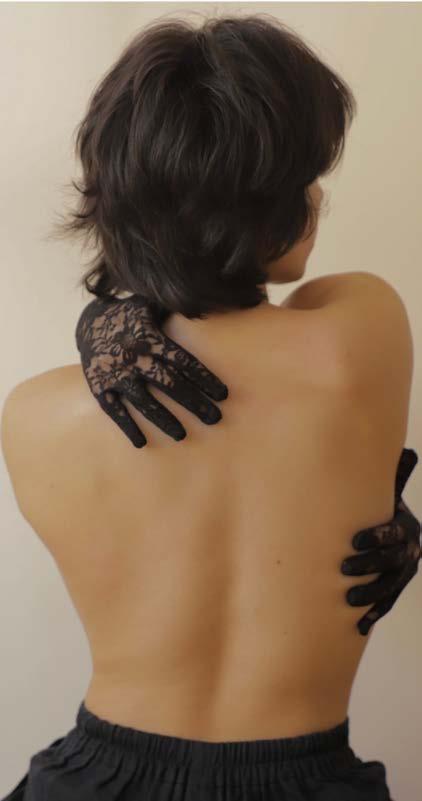
So, while our bodies are our temple to decorate and adorn and adore, to dress in the colors we like, we must know the line. Once styling ourselves breaches the sanctum, and becomes a preoccupation with should or should not—following fads that do not suit your inner self, but that of an unattainable classist beauty ideal—we have found the line. That line separates us from community and truth. It separates us from the sociopolitical values we performatively post online instead of organizing in meaningful ways that create change. Remember, capitalistic and oppressive regimes thrive when we are so focused on our own dissatisfaction that we do little to question the systems that keep us oppressed.
So, I ask: have you de-capitalized your relationship with your body? Or do you still care for it only as a means to conform to a standard of beauty, and abuse it when it does not comply? YM
YOUR CLOSET YOUR CLOSET
INTERVIEWED
BY
KAT BOSKOVIC
Imogen she/her
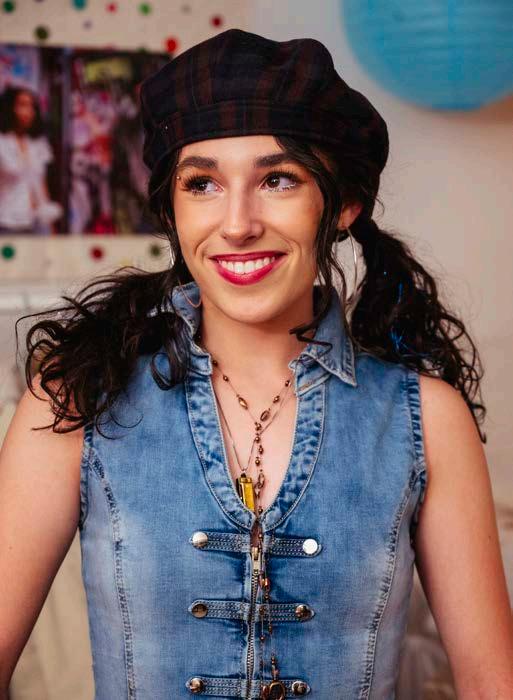
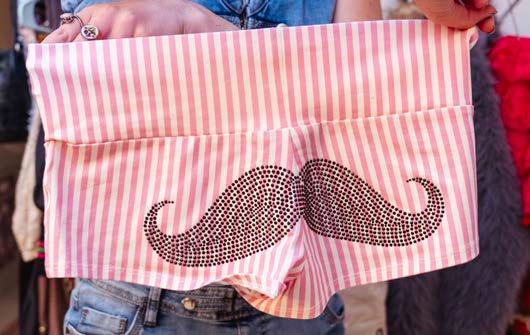
PHOTOGRAPHED BY EMILIE DUMAS
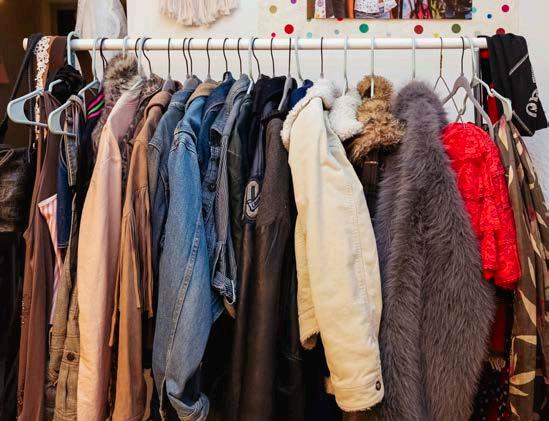
How would you describe your personal style in three words?
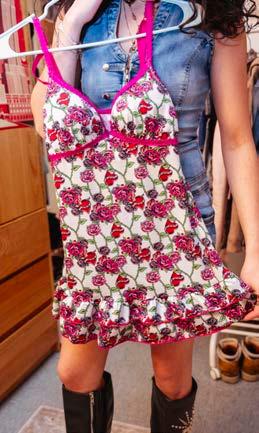
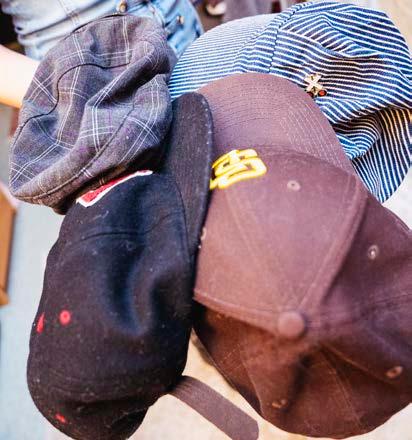
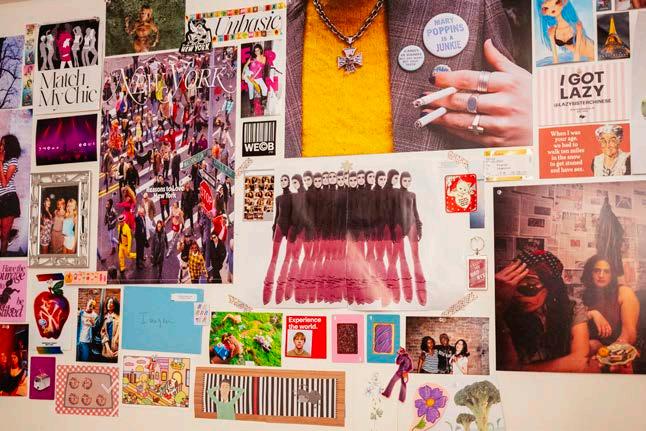
Vintage eclectic unicorn. Where do you typically get outfit inspiration from?
Although I source inspiration from social media platforms like Pinterest and Instagram—I usually draw the most from my friends or outfits I saw in the street. I like to think of it as carrying pieces and influences of the people I love each day, whether it manifests in the way I style an outfit, or take expressionist risks like they do!
What song do you think best represents your style?
“Spit it Out (Feat. Rochelle Jordan)” by KAYTRANADA. Who’s your celebrity style icon?
Effy from Skins (UK).
If you could only shop at one place for the rest of your life, where would it be?
Saver’s.
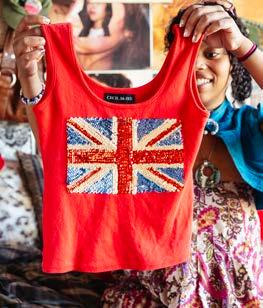
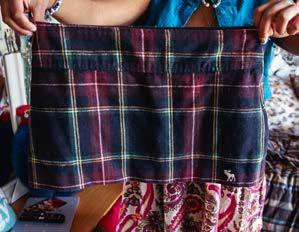
What are three pieces of your wardrobe you can’t live without?
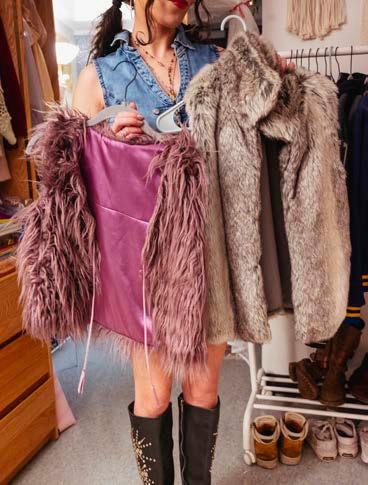
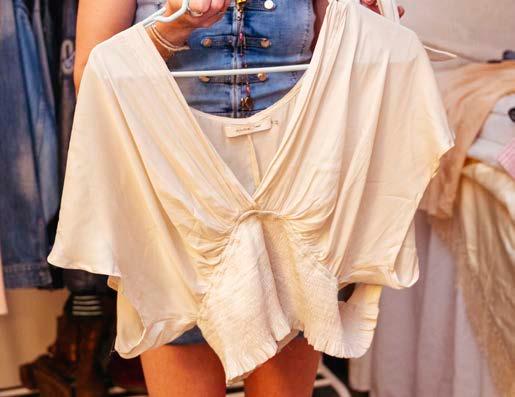
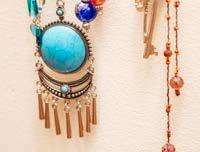
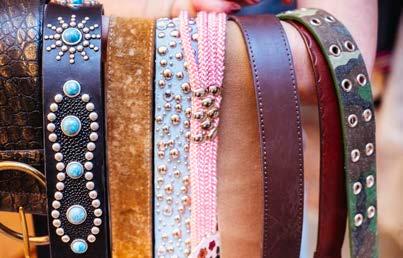
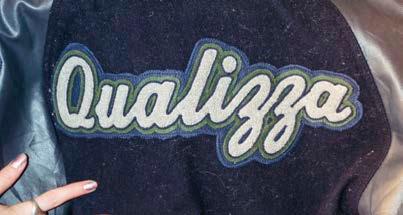
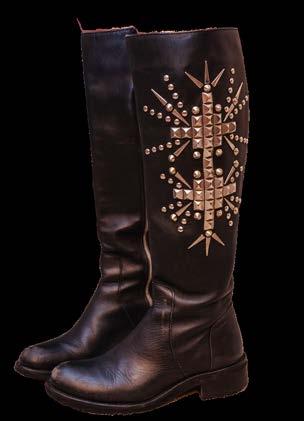
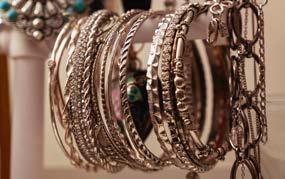
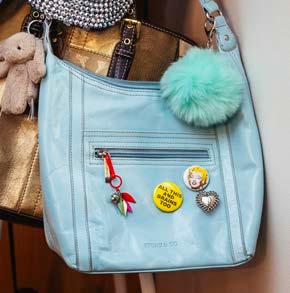
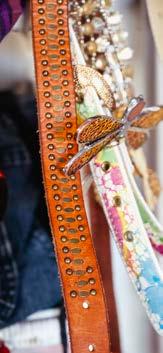
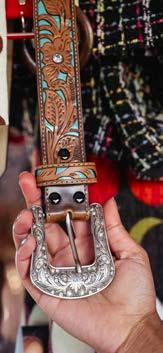
My garment district letterman jacket, my black studded boots, and ofcourse, my statement belts. If you were a cartoon character, what would your outfit from your closet be?
A heeled boot (always), patterned polka-dot tights, a mini pleated skirt, and a fur jacket. ;)
What’s your biggest fashion splurge?
My ‘80s monogrammed bomber. What’s one thing you would tell your younger self about fashion?
Having confidence to take risks with your style pays off!!

YOUR CLOSET YOUR CLOSET
INTERVIEWED
BY
KAT BOSKOVIC
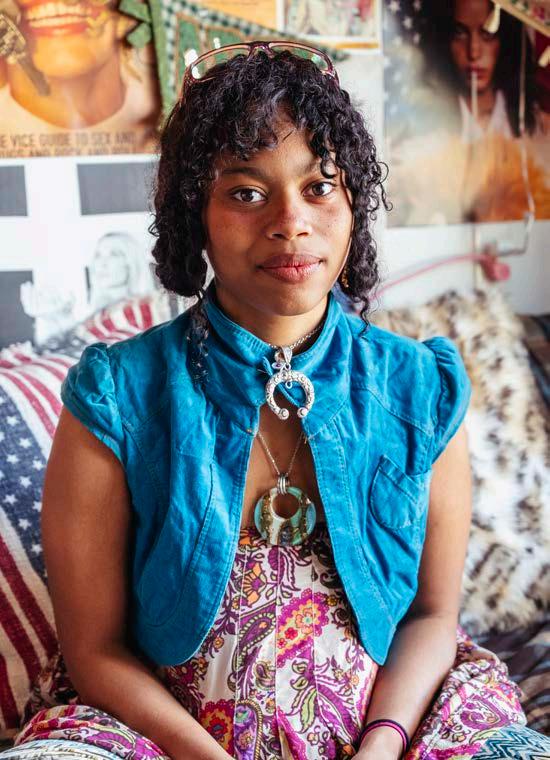
Ariel
How would you describe your personal style in three words?
Everything, Everywhere, All at Once. Where do you typically get outfit inspiration from?
Disney Channel and the late ‘60s. What song do you think best represents your style?
“Art” by Tanya Davis or “Life on Mars” by David Bowie.
Who’s your celebrity style icon?
Declan McKenna and Harper from Wizards of WaverlyPlace
If you could only shop at one place for the rest of your life, where would it be?
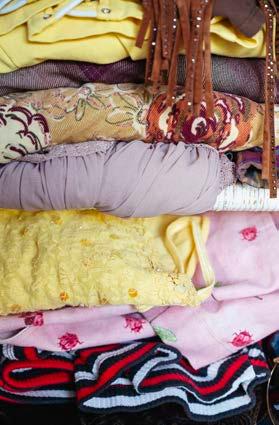
My Nana’s closet
What are three pieces of your wardrobe you can’t live without?
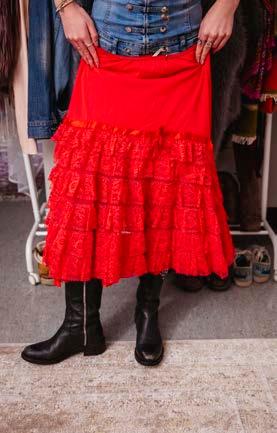
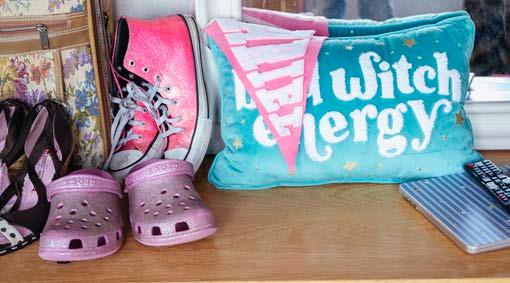
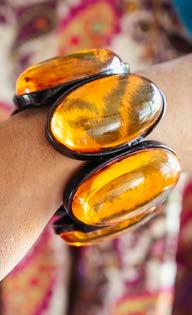
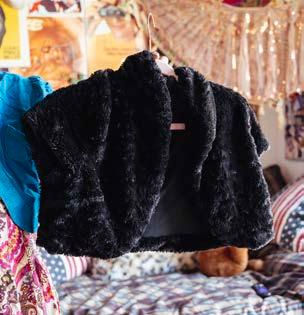
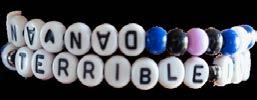
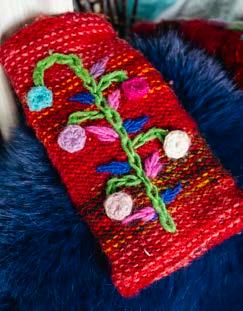
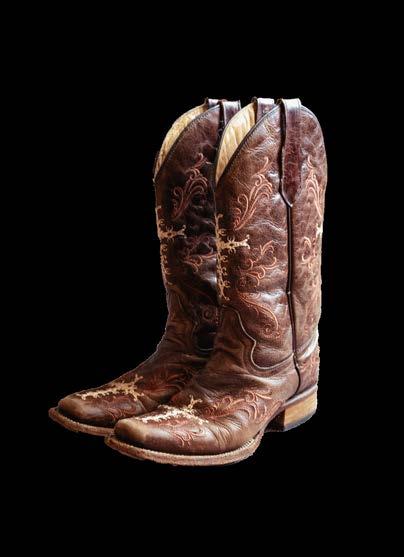
My pink sparkly Converse, my cowboy boots, my mom’s red tulle tutu, my friendship bracelets.

PHOTOGRAPHED BY EMILIE DUMAS
If you were a cartoon character, what would your outfit from your closet be?
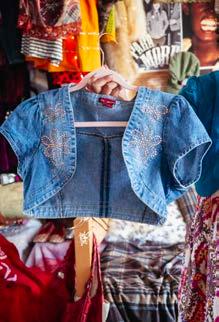
Embroidered jeans, a short flowy skirt, and a collared long sleeves and my brown flower shoes. Lots of jewelry. There would have to be glitter, lots of patterns. What’s your biggest fashion splurge?
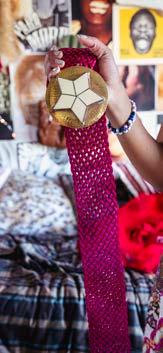
My cigarette belt from Nana the anime. What’s one thing you would tell your younger self about fashion?
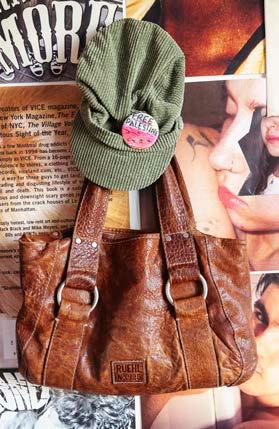
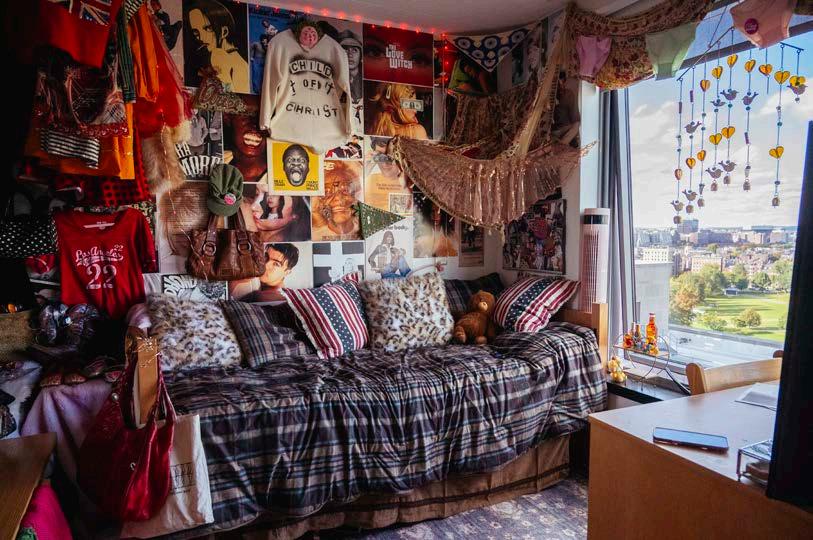
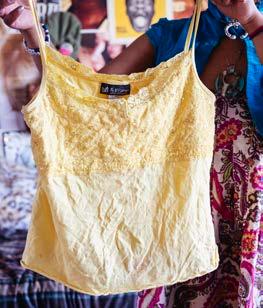
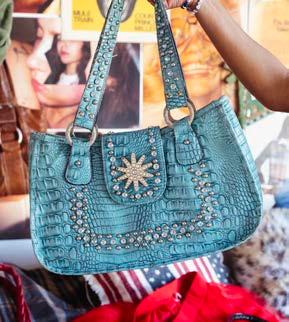
Nothing. I won best dressed in 5th grade. Is there anything else you would like us to know? My closet is completely thrifted. I have a leather bag that is older than I am. (Also, LMK if you want pictures from my Nana’s closet or shoe collection because it’s crazy).

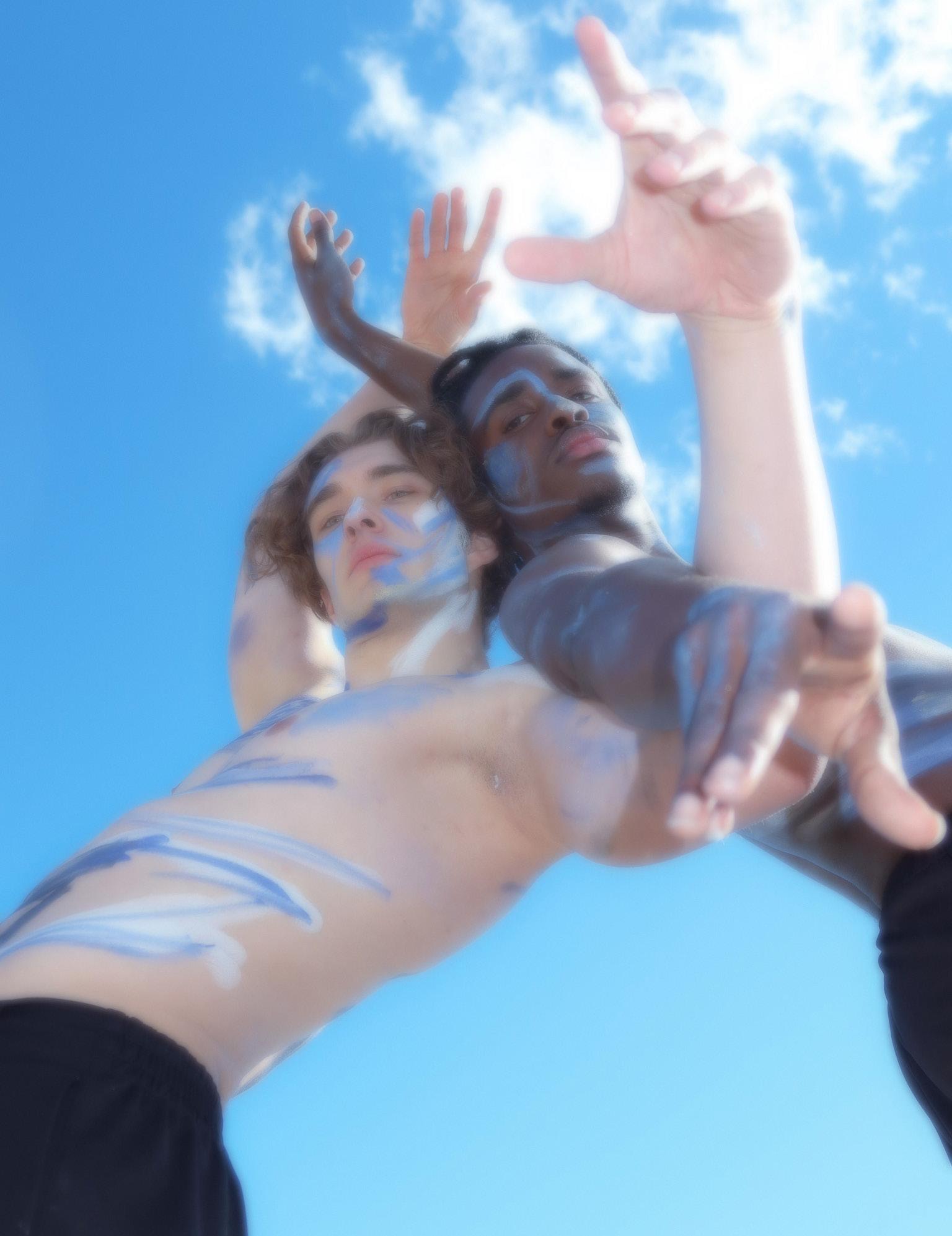
fl ow
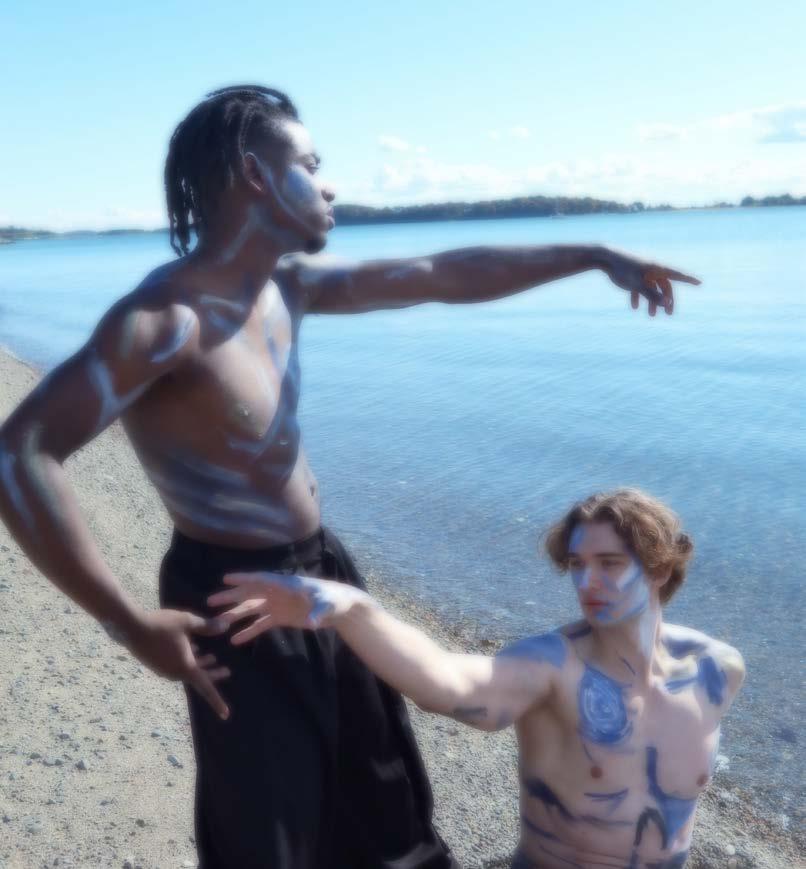
DIRECTED BY IZZY MAHER
PHOTOGRAPHED BY IZZY MAHER STYLED BY EMILY HAMNETT
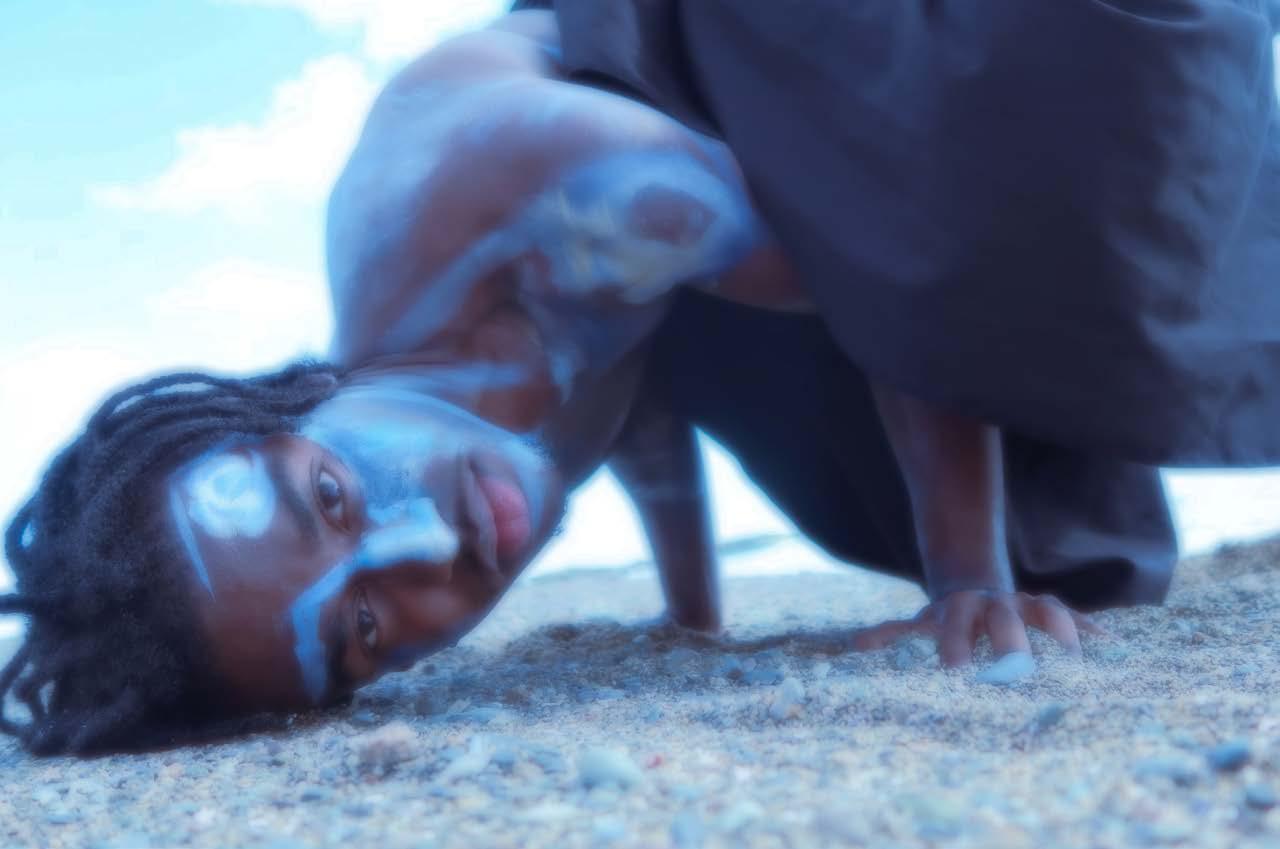
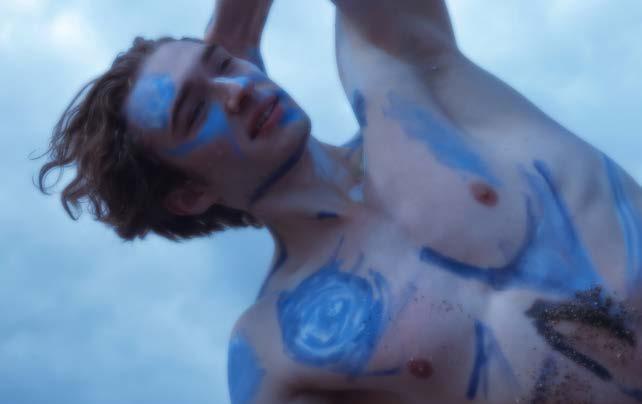
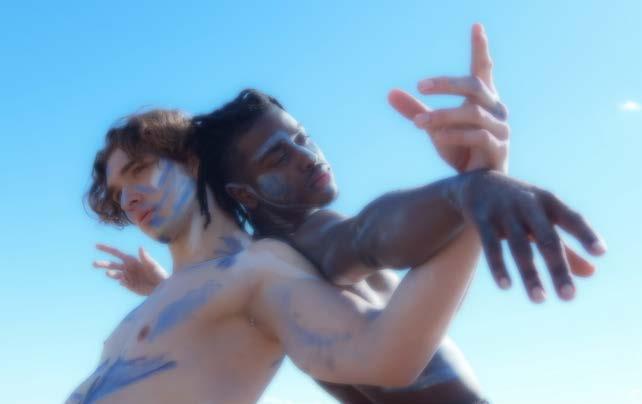
MODELED BY MATTHEW BISER AND SEMAJ’ BYRD
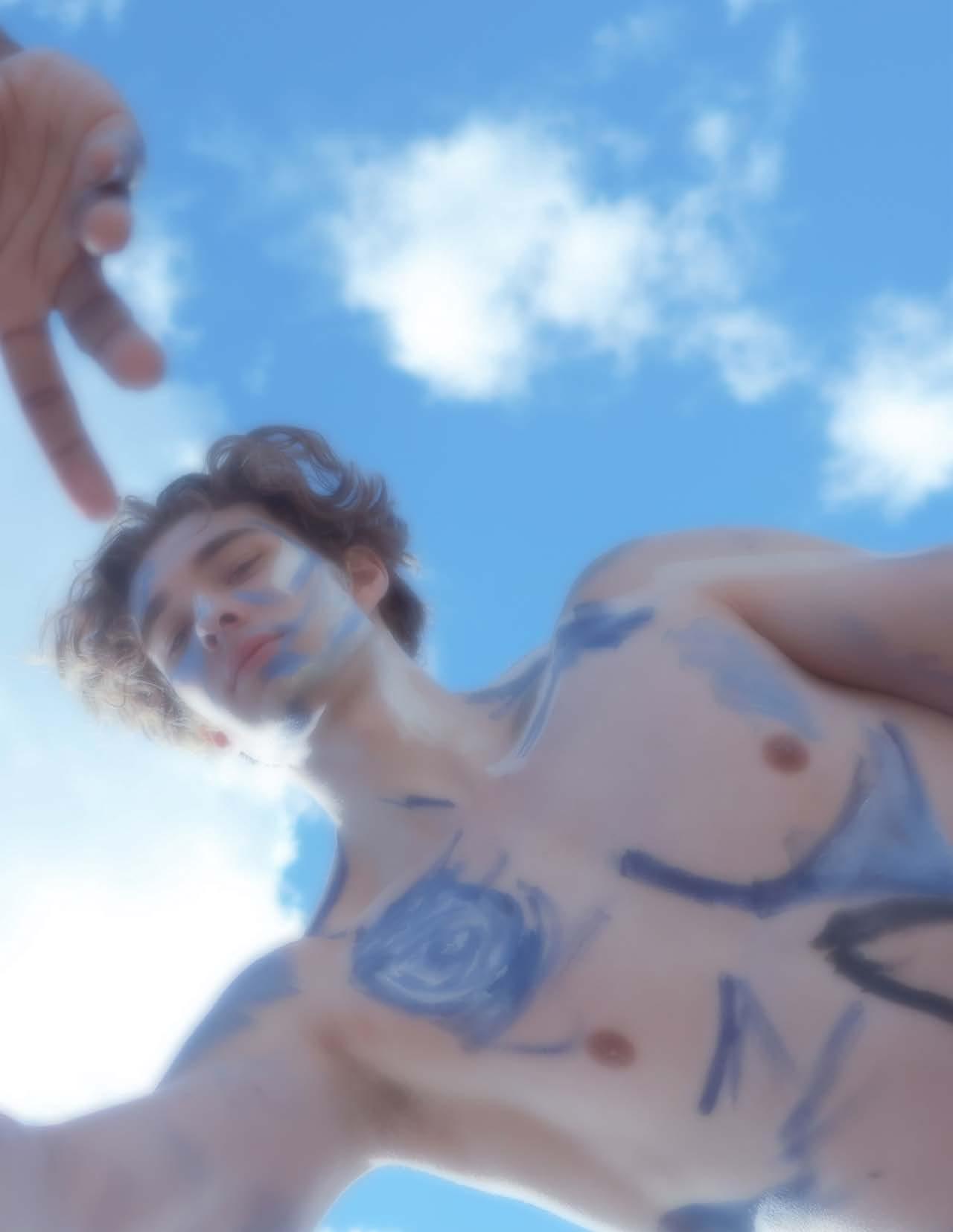
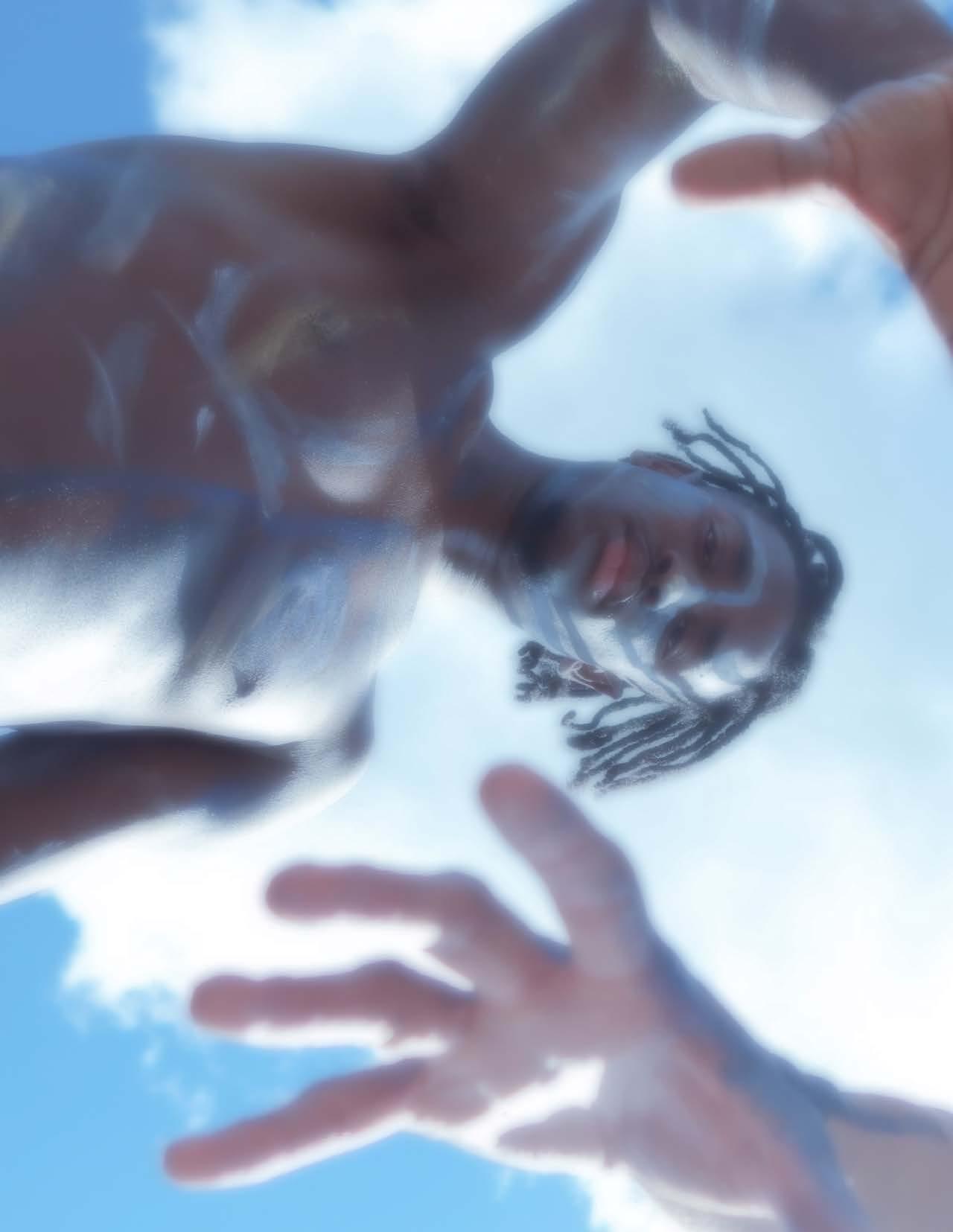
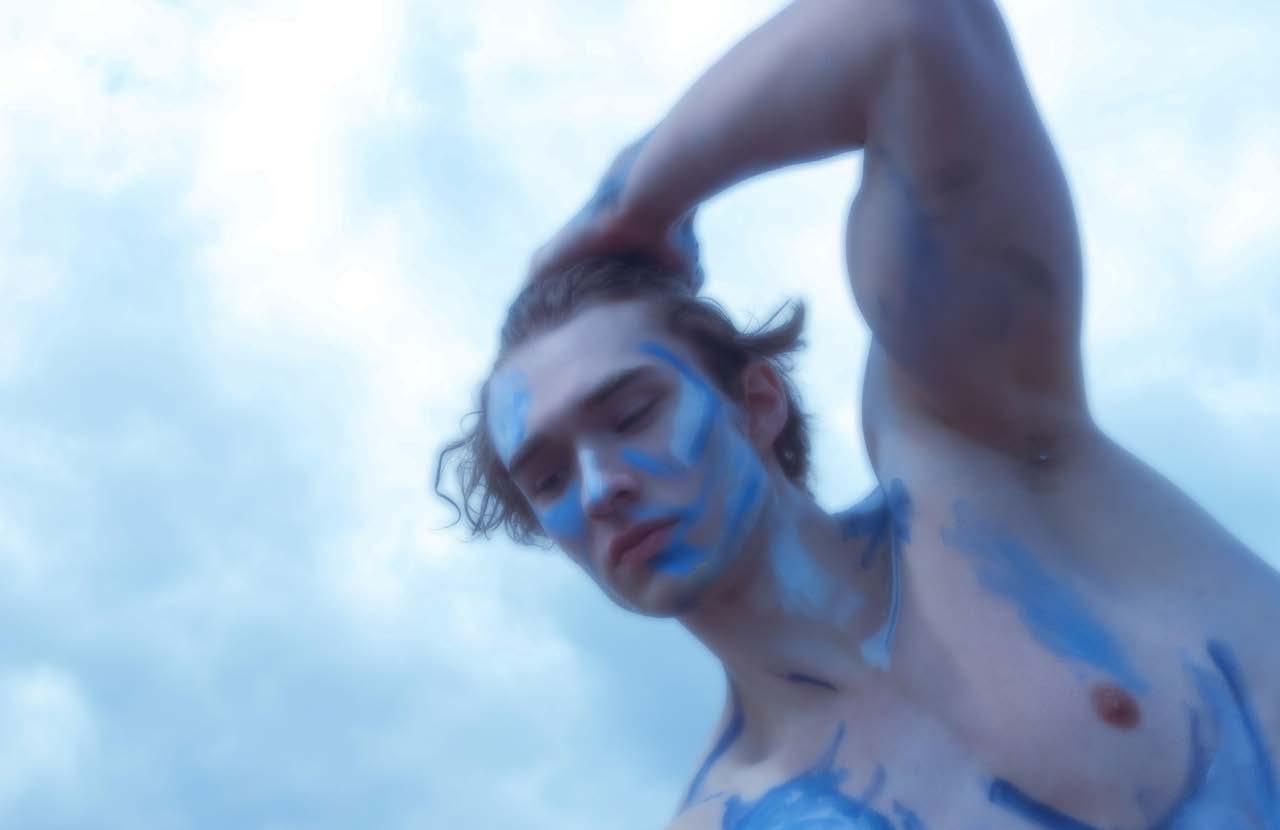
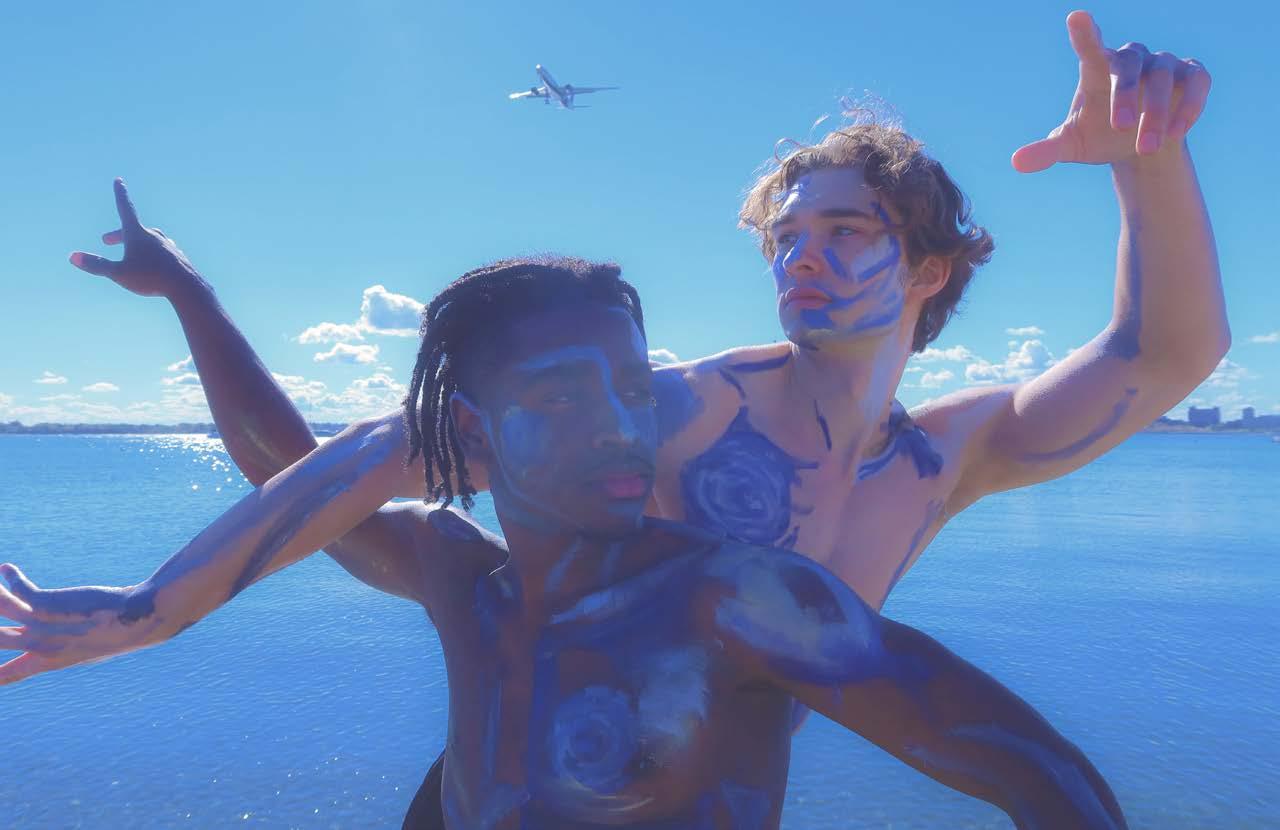
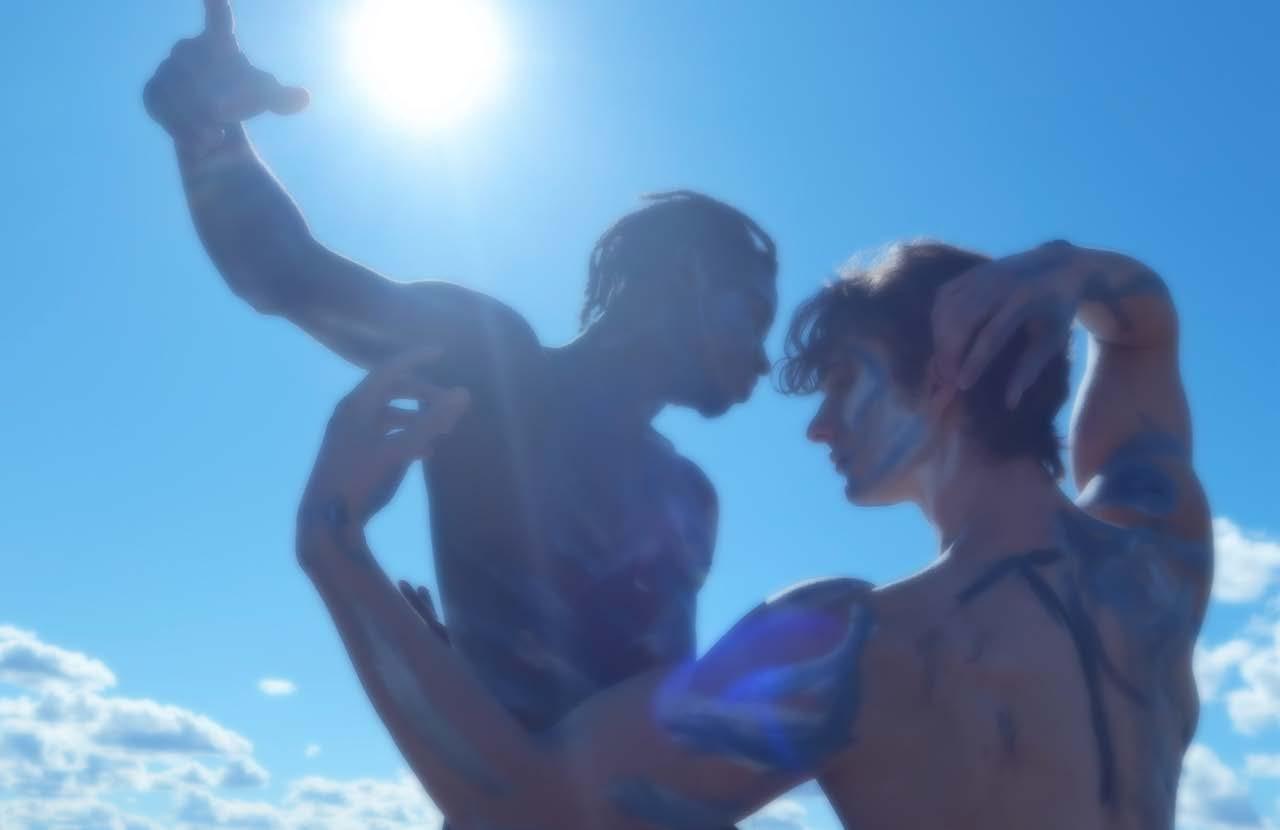
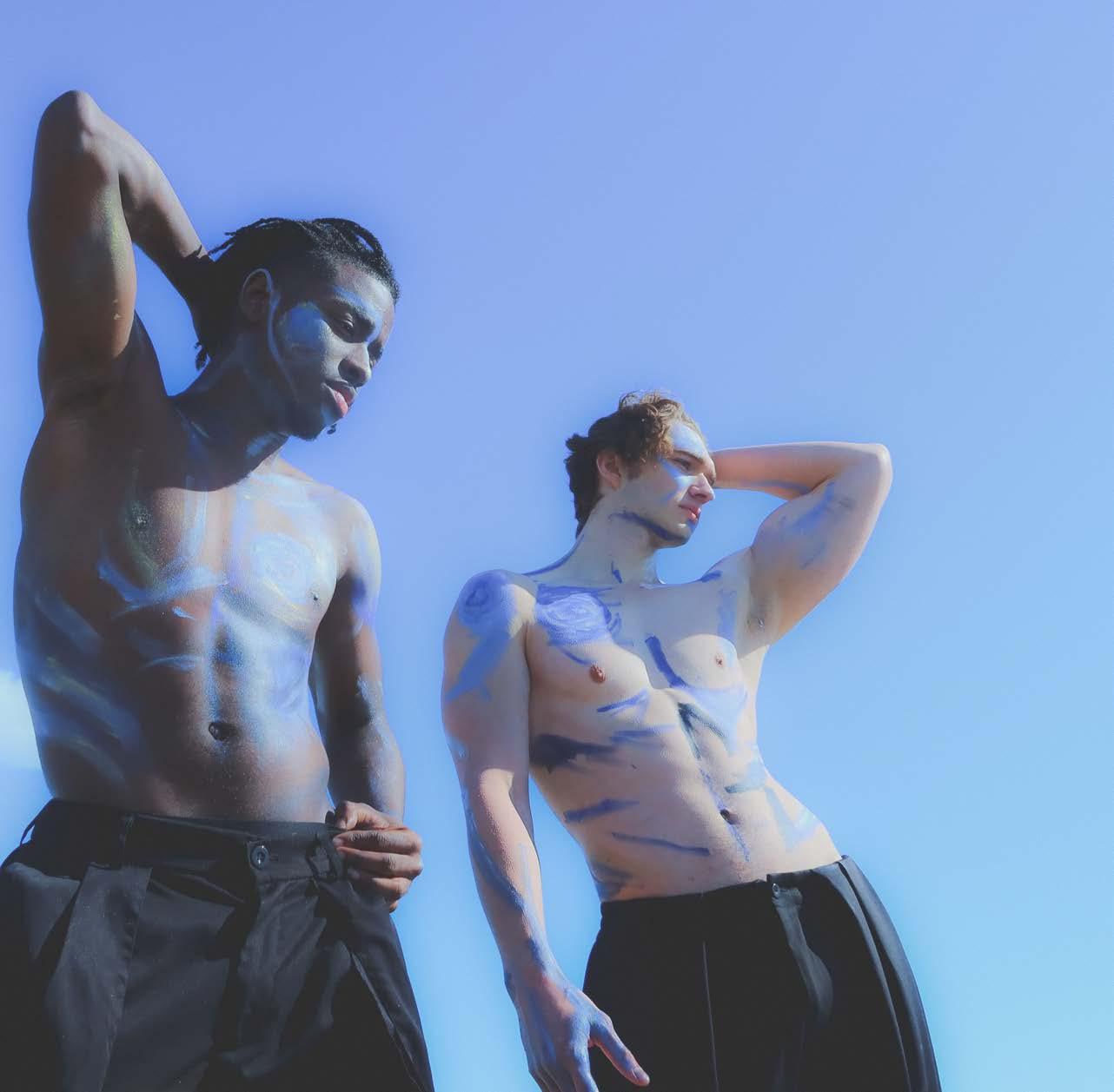
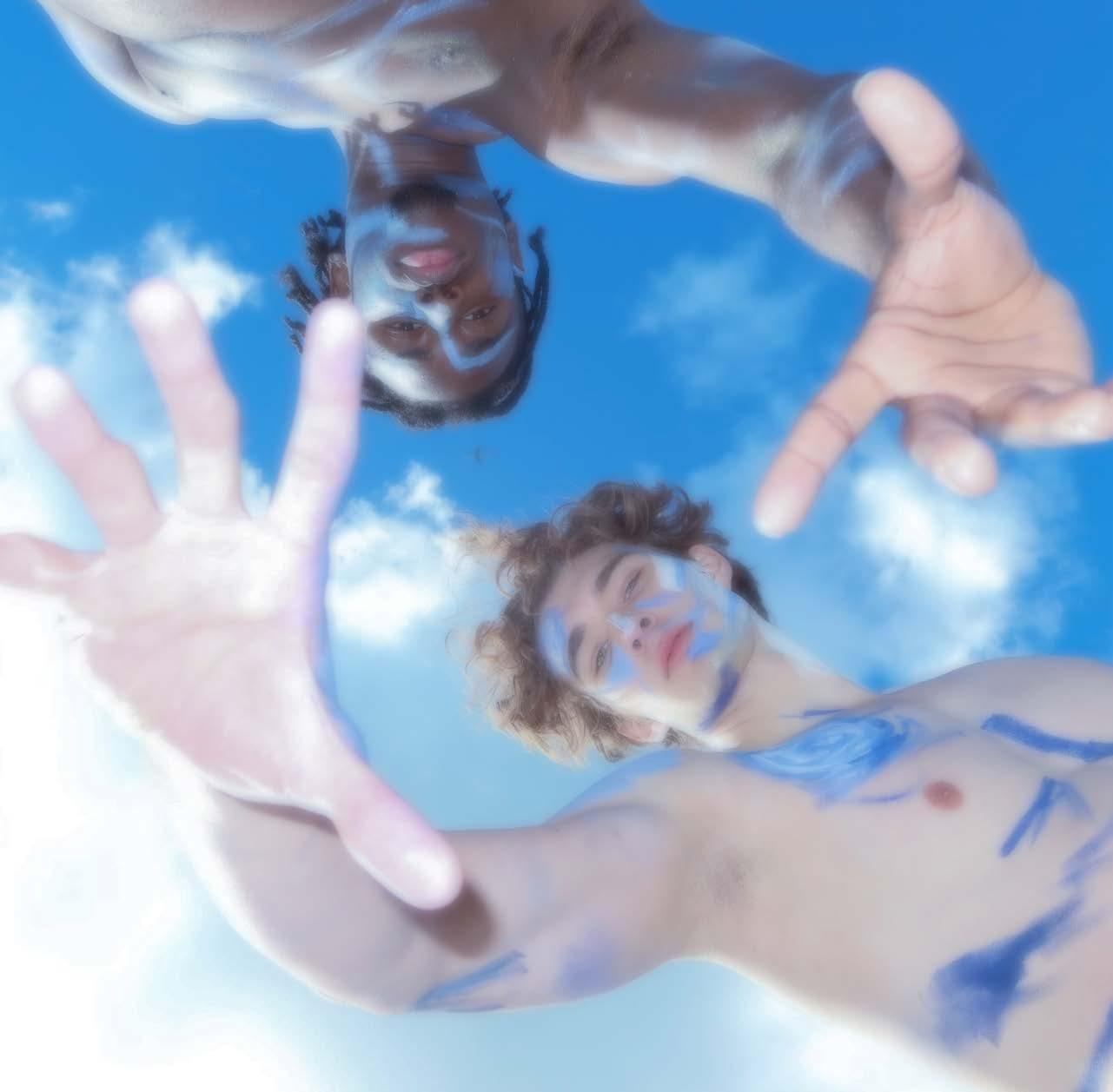
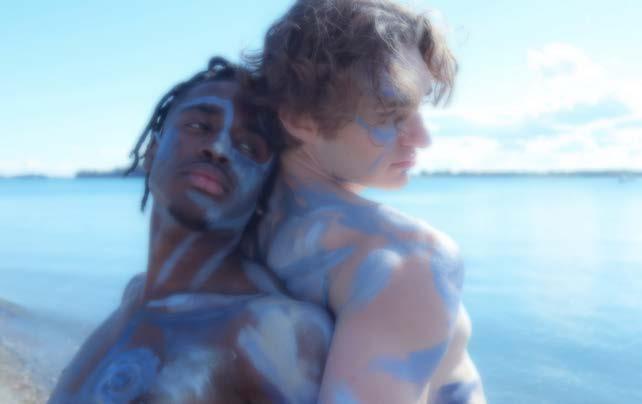
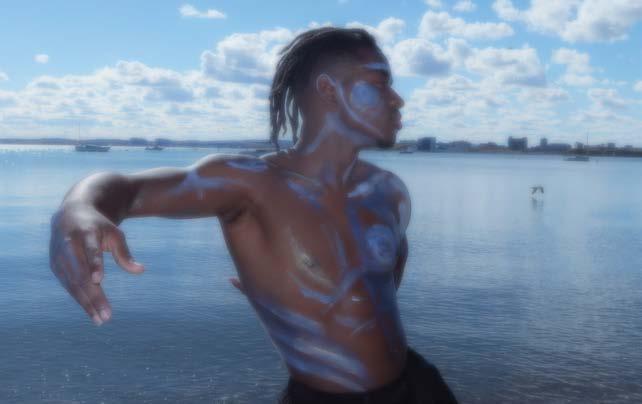
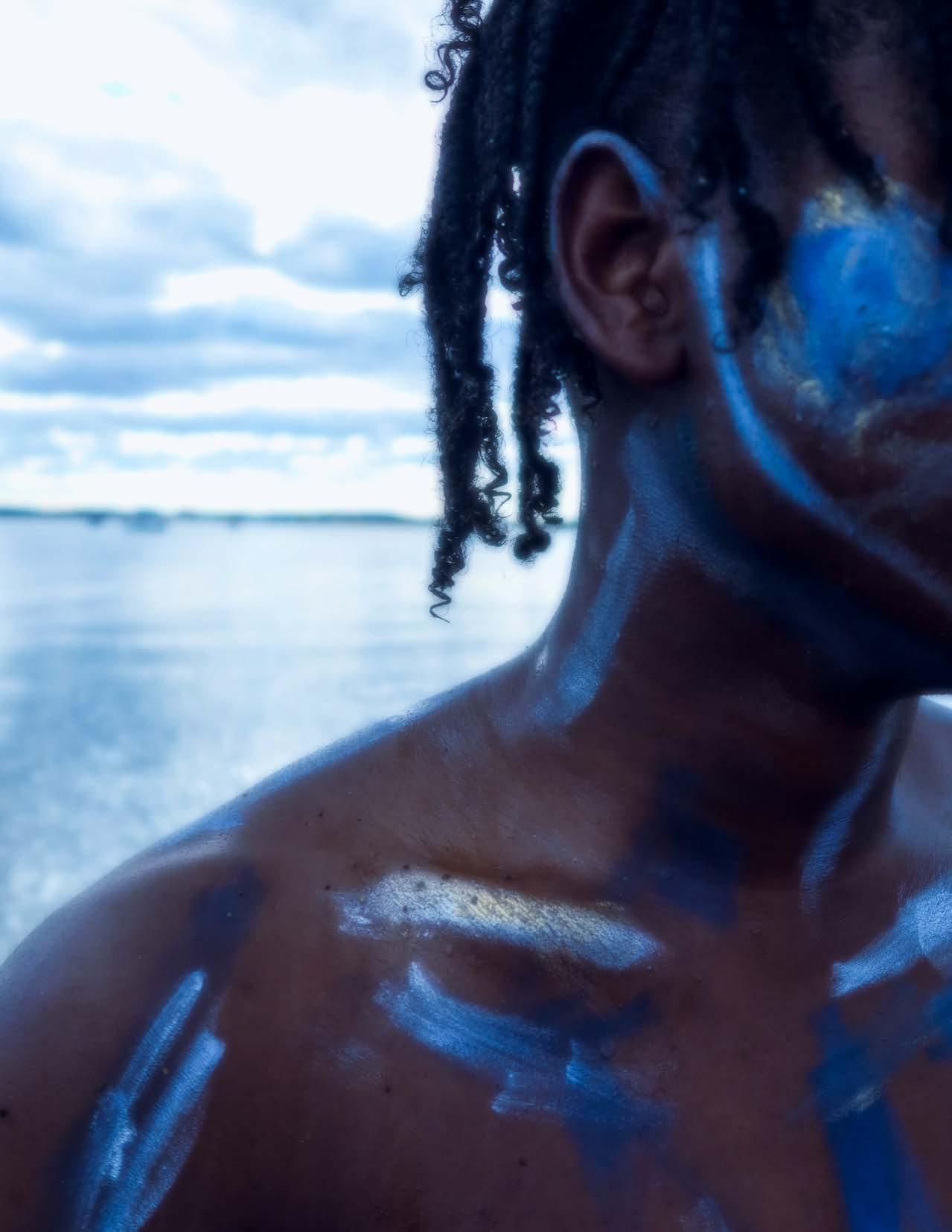
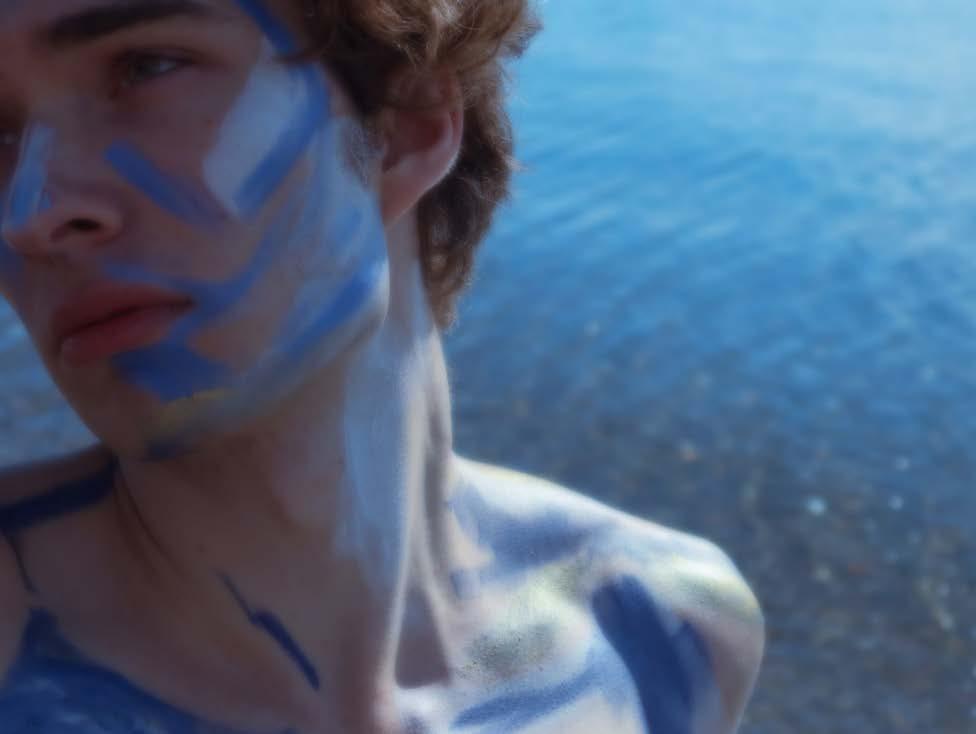
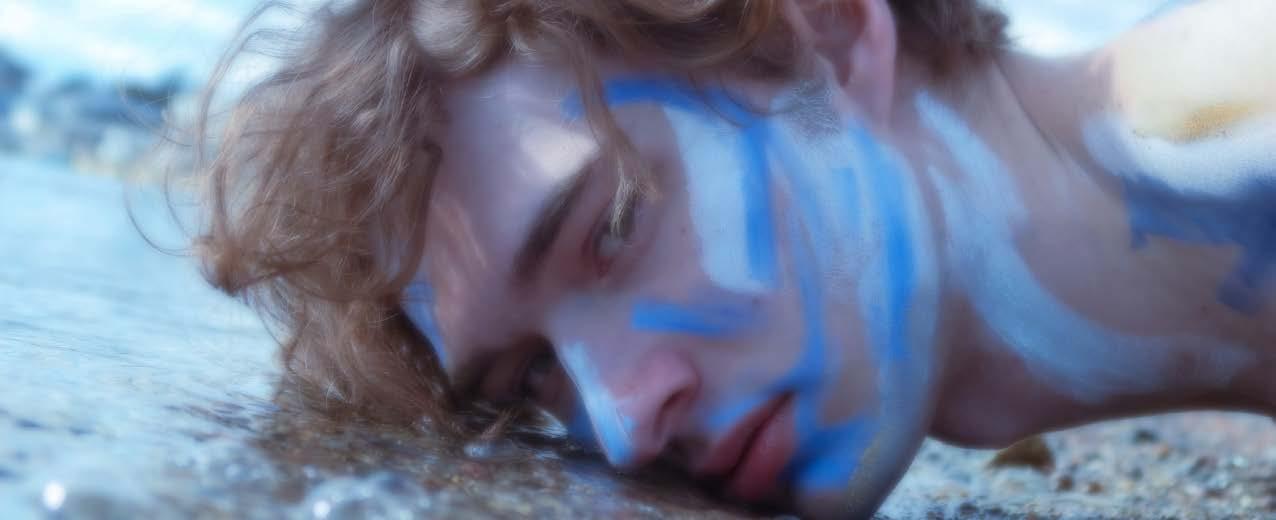
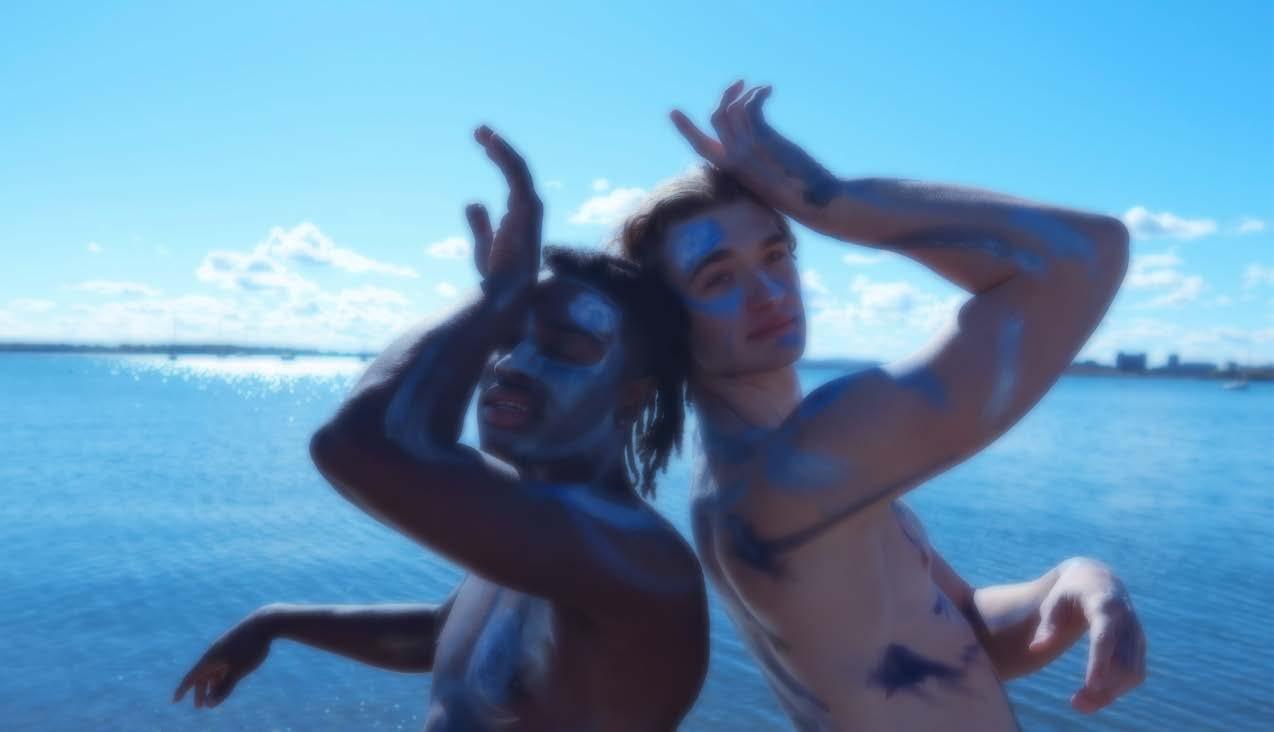
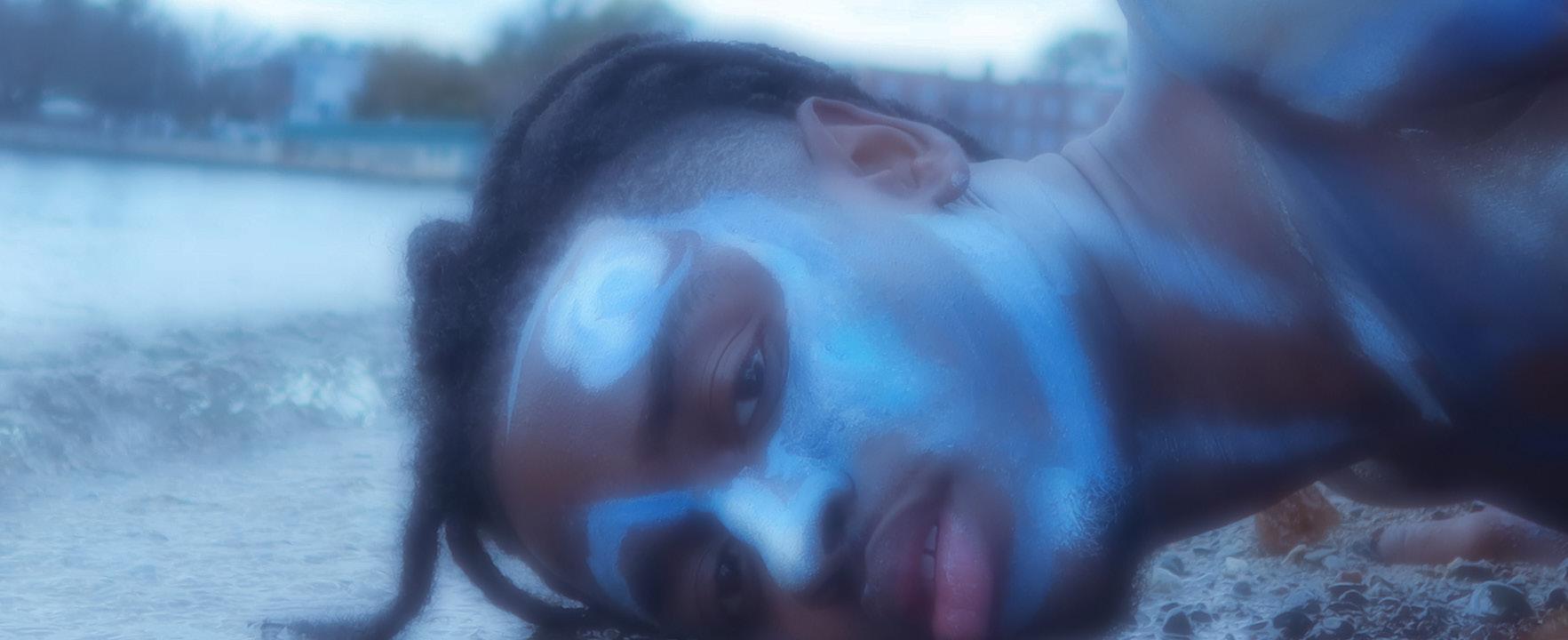
“FLOW” USES THE HUMAN BODY AS A CANVAS, AIMING TO ADD NEW DIMENSIONS TO THE CONCEPT OF THE PORTRAIT. WITH FOCUS ON THE ART OF MOVEMENT AND SELF EXPRESSION, THIS SHOOT USES COLLABORATION BETWEEN MODELS TO CAPTURE A DANCER’S ESSENCE THROUGH MOTION AND FLUIDITY, CREATING AN ENVIRONMENT WHERE CREATIVITY CAN FLOW LIKE WAVES CRASHING INTO OUR MINDS.



WRITTEN
BY
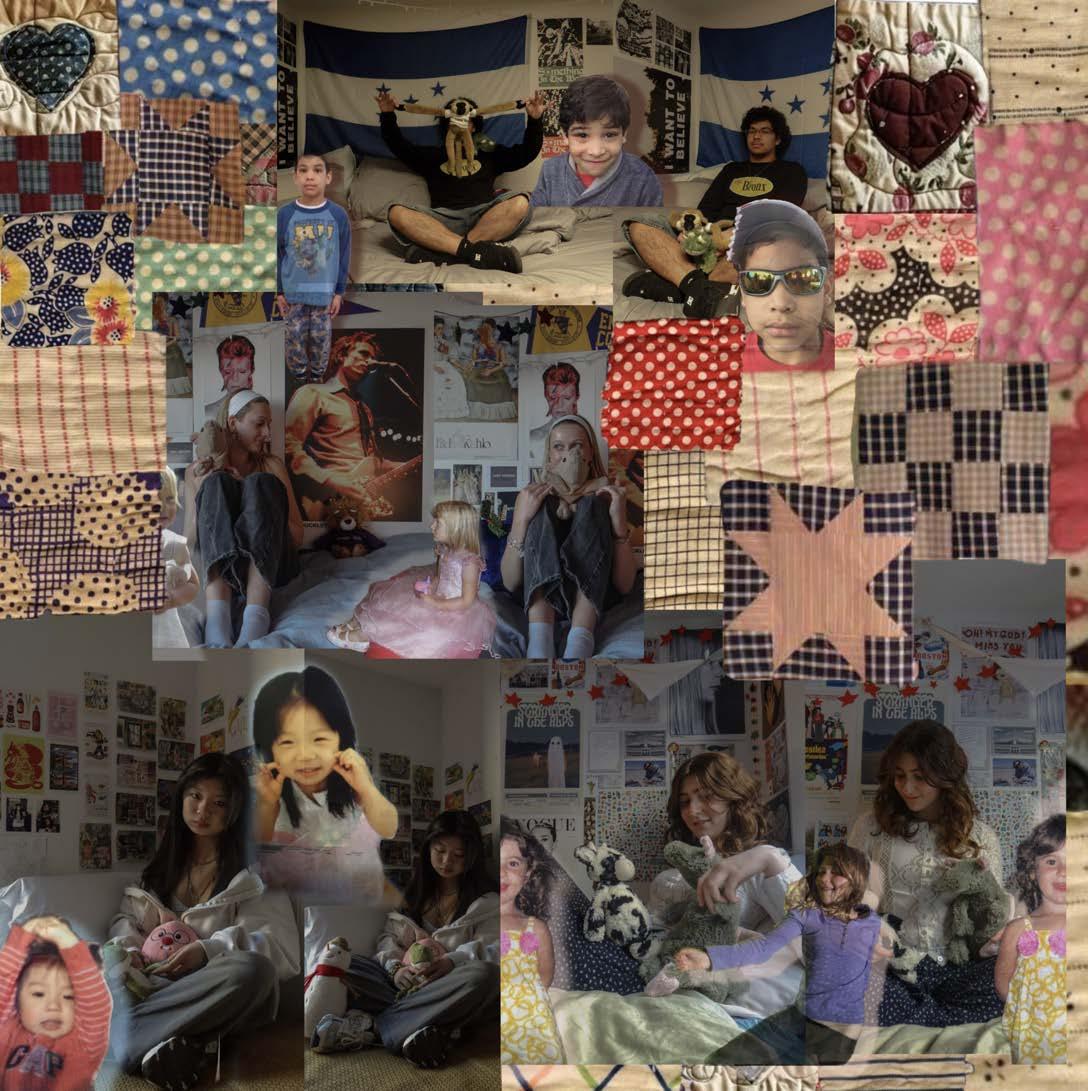
IAt Seven Years Old
ZYON LINDEBLAD PHOTOGRAPHED
t was all swingsets with friends and watching Hannah Montana on VHS tapes. It was shrieking on playgrounds and switching schools again and again and again. It was loving classrooms more than the apartment my family shared. It was recess with teachers, and wearing a bright purple leopard print outfit on the first day of third grade because of an obsession with the eighties. It was “Sunday Sundaes,” watching Newsies or Anne of Green Gables or Now and Then, and loading up on sugar because nobody was there to say otherwise. It was learning how to sleep in cars most comfortably. It was going to swimming holes when classmates invited me, but never learning how to swim.
It was holding my aunt’s hand to cross the street instead of my mother’s.
It was all late nights playing make-believe with my parent’s dreadlocks while they slept unmoving and facedown on couches. It was shaking them until, bleary-eyed, they’d tell me to stop. It was wondering why my friend’s parents didn’t move like them, act like them, speak like them. It was thinking that one day, I’d turn out like them. It was tracing the tattoos on their arms while they fiddled with tools I knew, but didn’t know. It was wanting to use them so I could be ‘just like Daddy,’ whom I loved without reason.
It was all silence that followed the phone calls saying Dad would be “home soon,” and seeing him two weeks later.
It was all singing my little brother to sleep, and the beginning of a life of motherhood with gentle calloused hands. It was letting him cling to me while I got our gas station food. It was shielding him from what I could. It was wishing there was somebody to shield me. It was watching him sleep in cozy blankets with cigarette burns and teaching him how to play with boxes and feeling over and over like I was not doing enough. It was running after my mother for a hug and promising never to make my brother do the same. It was me and him against the world.

It was all taking notes from my teacher meant for my mother and explaining, “She’s not responsible,” and subsequently learning what awkward smiles were. It was that teacher

BY
MARI SILVA
ushering me into class every day, and staying in with me during recess. It was that teacher helping me discover a love of reading, and figuring out that I could use it to help me escape. It was a little red motor car on a lawn filled with needles. It was learning what those needles did to my parents, and growing to hate them because of it. It was that beloved little red car getting pawned at a shop and crying for days after, only to be consoled by s’mores around an illegal fire. It was forgetting about that red little car I loved so much because adults were always telling me to be grateful for what I had. It was feeling like I didn’t have much.
It was a loud little girl turning into a quiet older one.
It was all the smell of spray paint and cookie dough and dogs—so many dogs—and the innocent sound of my little brother’s laughter. It was learning what it was to love beyond measure. It was helping my father garden plants I’d never seen before, but would become accustomed to, in our basement. It was watching the pretty blue and red lights through their leaves. It was thinking that those lights were holiday lights, perpetually strung around just for my family. It was meeting Macklemore at a Narcotics Anonymous meeting with my mother, and their slow smiles over warm mugs of hot chocolate. It was my father’s best friend pressing me down and down and down into a bed with the upbeat notes of Bob Marley still hanging suspended in the air after a dance party where I wore my best boots and prettiest dress. It was never wearing that dress again. It was mandala tapestries that fluttered against my cheek at night.
It was all fumbling hands over braids and flyaway curls and reading the rocks.
It was learning my name means “a place of peace and refuge,” yet not knowing what that was.
It was the sway of Reggae music, the smell of incense, and Buddha candles.
It was praying for a miracle.
It was the loss of religion.
It was laying curled up outside of doors and rooms and life, waiting and waiting and waiting. YM


LESPERANCE
Istarted journaling as soon as I developed both the fine motor skills to hold a crayon as a toddler and the ability to shakily write my ABCs just before kindergarten. I’m self-reflective and analytical to a fault, but after 15 years of putting my thoughts to paper, I somehow still don’t have journaling—something that’s (allegedly) an incredible and meditative tool—figured out.
After a multiyear hiatus, I tried to start journaling again last fall, but it spiraled into feeling inauthentic and performative. I was at Kasteel Well, and I thought it would be so cool to look back on more than just photos from my study abroad days. I wrote through my weekends in Bruges, Berlin, Paris, and Prague. And then I stopped. It felt fake. I wasn’t doing it for myself, but I couldn’t figure out who I was writing for. I’m not giving my journal to anyone. I’m not posting photos of it online. Who’s watching me but myself?
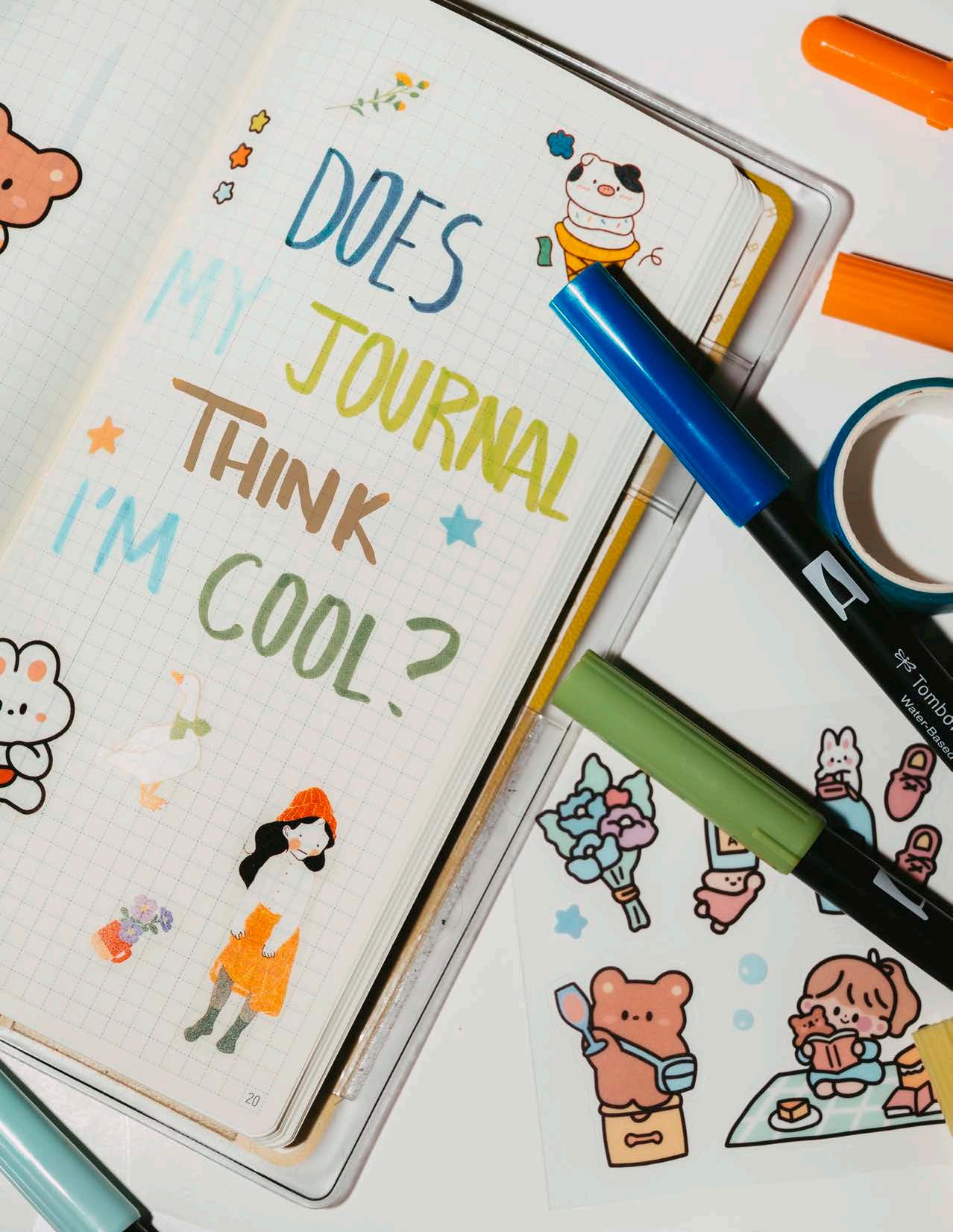
Does my journal need to think I’m cool?
At five and six years old, I didn’t care. Journaling entailed filling my pink fuzzy notebook, complete with a pink feathered border and a bedazzled outline of a princess crown on the cover, with incoherent doodles, spelling practice, and two-sentence recaps of my best and worst days. I described things as “osm” (awesome) and explained stressful dentist visits with drawings of my teeth to match. I journaled freely then, uninfluenced by the eyes or thoughts of anyone else.
But, in 4th and 5th grade, my best friend and I shared journals. My journal (read: my friend) did need to think highly of me. Our composition notebooks were adorned with stickers and our names in cursive, and we traded back and forth each day, documenting nasty comments from the boys who judged my Pokémon card collection and the fallout of an embarrassing spelling bee. We wrote through ten of those classic composition books, if not more. It was just us and endless crisp, lined pages tackling the complex emotions of tweenagerhood.
While our years of journal swapping made for a cute story, it changed how I view this reflective practice for the worse. Journaling didn’t belong to me anymore. I’d gotten used to putting every emotion into writing to be seen by somebody else—and I don’t think I’ve ever broken that habit. I still open my notebook and step on to a stage, performing my soul-searching for an invisible audience.
By 8th grade, the pressure to romanticize introspection was in full force. Bullet journaling YouTubers like AmandaRachLee influenced me like no other. I collected the classic Leuchtturm1917 A5 notebook, washi tapes and sticker packs, and countless brush pens. I recreated every Pinterest spread, and my best work went straight to my Instagram story. Smudged lines and botched drawings—errors to be ashamed of—were kept secret. I wasn’t expressing myself through words, but the vulnerability of art bore the same weight. The aesthetic pressure never went away, and still, I wasn’t journaling entirely for myself.
I want to be a girl-who-journals so badly it hurts. I want to sit down at the Thinking Cup, whip out my brown canvas-covered notebook with a cute button closure, pull a pen from my leather jacket
pocket, and write. I want to pour my soul into the off-white lined pages and make some profound statements about my 20s. I want a record of who I am, who I’ve been, and who I want to be. I want to reflect. I want to grow.
Except, like clockwork, I stop journaling shortly after I start. There’s nobody watching me, but I feel the pressure to meet invisible standards for how aesthetically pleasing or “deep” each entry should be. As much as I want to, I don’t journal anymore, at all. I write personal essays like this, which could be a form of journaling—ironically, one that’s published for anyone to read. Maybe journaling alone wasn’t meant for me, and putting my thoughts into the world is what will really help me grow.
Or maybe I’ll read this in a few years and think: Norah, what on earth were you talking about? Who were you performing for this time?
And, based on my track record with journaling, that would make complete sense. YM

The Skeleton Dance
WRITTEN BY JAY GUARINO
It is Halloween, and I am six years old. Mrs. Dufault turns the lights out and starts the projector. I sit ensconced in darkness as she opens YouTube and pulls up a song about the human body. A fleet of animated skeletons begins dancing on the screen. Dem bones, dem bones, dem dancing bones doin’ the skeleton dance.
The foot bone’s connected to the leg bone. Doctor Pelto tells me he could cut a sliver of bone from each ankle and insert metal stops. I wonder if I’ll be able to go through a metal detector, if the six months in a wheelchair would ruin my life. I think about being 12 and having my gym teacher shame me for not being able to run the mile. I walked the three laps in silent anger, discovering the meaning of the word “bitch.” The aching of my ankles mixes with the hot venom in my throat, and the lack of answers means I’m left without tools to defend myself. I stand empty-handed in the middle of a war zone. I am destined to lose.
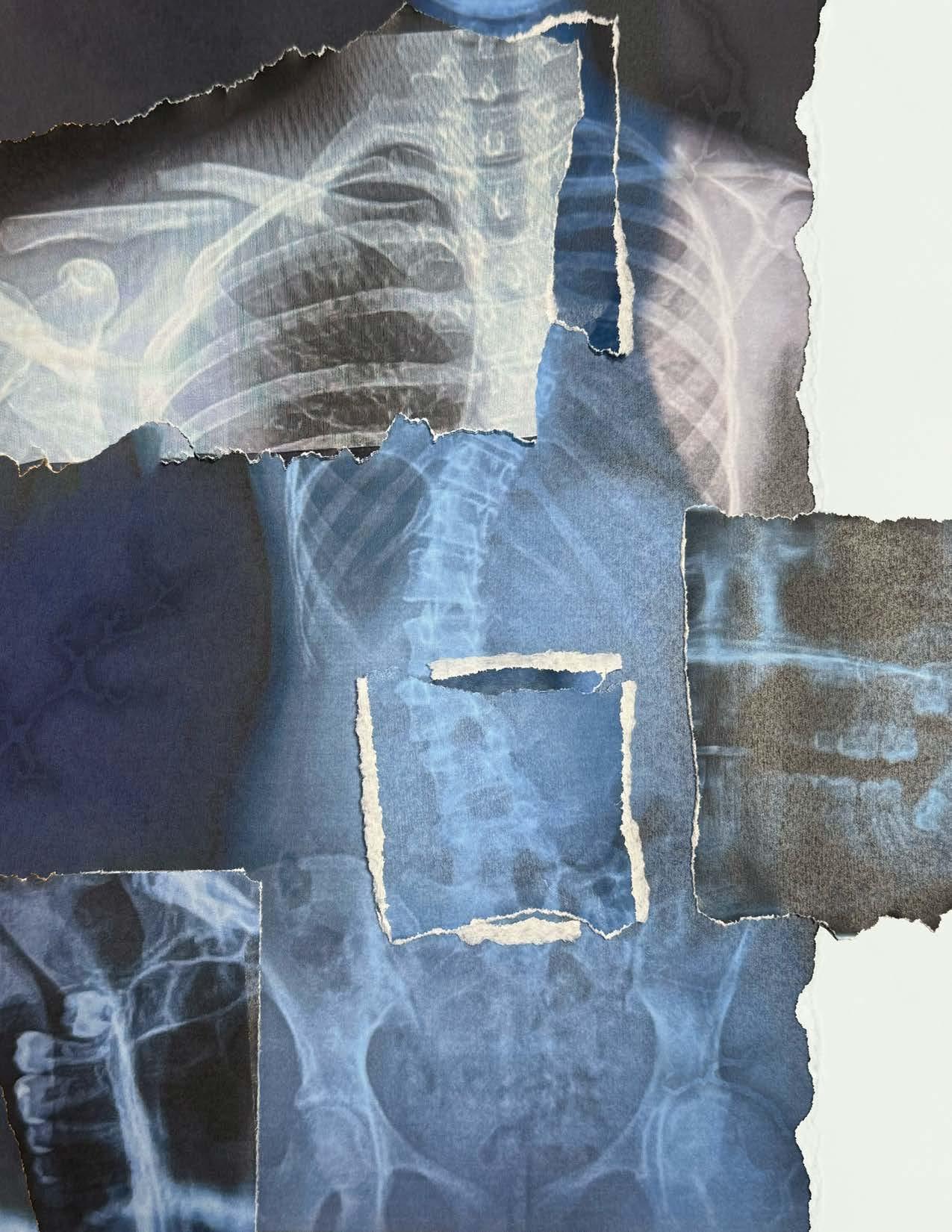
The thigh bone’s connected to the hip bone. My physical therapist lays me back on the table and tweaks the position of my legs. She takes me by the knee and laughs. “Normal people can only move their legs this much,” Michelle begins, turning my leg clockwise, my foot circling the edge of my body to point toward my neck, “But you can go aaaaalll the way here.” My leg bends over 200 degrees. I could put it comfortably behind my head if I so choose. I remember this as I look in the mirror at my naked body, the bones jutting out of my skin like an animal trapped beneath a blanket. A skeleton with double hipbones. Would I survive childbirth, or would my body tear itself in half, split down the seam like thumbs on an apple?
The hip bone’s connected to the backbone. I call Mom in tears because I can’t stop the pain. Doctor Patel prescribes diclofenac sodium gel, and I wince as my underwear sticks to my lower back. I wonder if doing a better job correcting my posture in middle school could have prevented this. I can no longer drive longer than an hour without searing pain overtaking my back. I used to think I’d travel the world, sitting in the car for days at a time to catch a glimpse of what lies beyond the Massachusetts state lines. Now, I wonder if this pain is a prison sentence, if I’ll ever check off a single item on my bucket list.
The backbone’s connected to the neck bone. My neck twists this way and that, crackling like fire. I remember when I first discovered its tenderness, pressing the pad of my thumb to the dip in the center—fragility hidden just out of sight. Another nauseating realization added to the list. Doin’ the skeleton dance
Shake your hands to the left. Shake your hands to the right. Doctor Vanhelene makes me a set of custom splints that pass for jewelry. A stranger compliments my rings as I pay for coffee, and I smile, a lengthy explanation weighing on my tongue. I wonder if she
ART BY LAUREN MALLETT
knows that I can no longer use chopsticks or open soup cans. I wonder if she knows how many blisters are hidden beneath the metal bands, or how I’ve had to relearn how to tie my shoes. It’s like being transported back to infancy and losing all your motor functions. I wonder if I’ll ever stop feeling like a sickly child as I plaster on a smile and slide the cup across the counter.
Put your hands in the air. Put your hands out of sight. I lay frozen in bed, the left side of my body overcome with numbness. Migraine aura dances across my room, swirling and growing like some kind of hypnotic millipede. If I don’t move, I don’t have to acknowledge it. If I look away, I can pretend that it isn’t happening. It’s a bit like praying, willing every atom in my body to get it over with. I bargain with an invisible force to take it away, but there are no miracles here. I am not so lucky. My nose burns with rubbing alcohol, and I try not to throw up.
Wiggle, wiggle, wiggle. Doctor Birbara pulls on a pair of blue plastic gloves. The parchment paper crinkles under me as I scoot to the edge of the table. He prods at my limbs in silence while I contemplate how many doctors I have seen since the age of four. I am staring at glass paperweights on his desk when he condemns me to death with three little words, “Ehlers-Danlos Syndrome.” How strange it is to get diagnosed in a single appointment. To walk to my car in a daze as I feel my world shatter. To learn that everything about my body I thought was normal is, in fact, an abnormality. I’m a test subject, fetishized at the hands of stupidly naive doctors who have never seen a body fail someone so badly.
Wiggle, wiggle, wiggle. I fidget uncomfortably as Doctor Stanley probes my left breast with her ultrasound. The warm gel glides over my skin. I hear her murmuring explanations to a trainee, craning my neck to look at the screen. My heart beats in black and white while she discusses my mitral valve prolapse. The trainee says she’s unfamiliar, and I laugh bitterly. Ignorance is privilege. I hold my breath when prompted, forcing my expression blank as she pushes harder. Funny, that I feel ashamed of my body as I lie bare on the exam table. I didn’t think you were supposed to feel guilty for things you can’t change. I feel guilty a lot these days.
Wiggle. I think about how many doctors have put their hands on me, how many have seen me naked. I think about getting chest pain in the ER, how part of me had already accepted dying at 18. Wiggle. I think about being the only person under 60 in a waiting room. I think about the dirty looks I get when I park in a handicapped spot. Wiggle. I think about how I am meant to trust people who were not taught about me in their textbooks. I think about dying at the hands of their ignorance. Dem bones, dem bones, dem dancing bones. Doin’ the skeleton dance YM
YOURPets
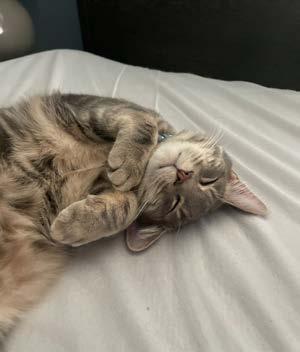
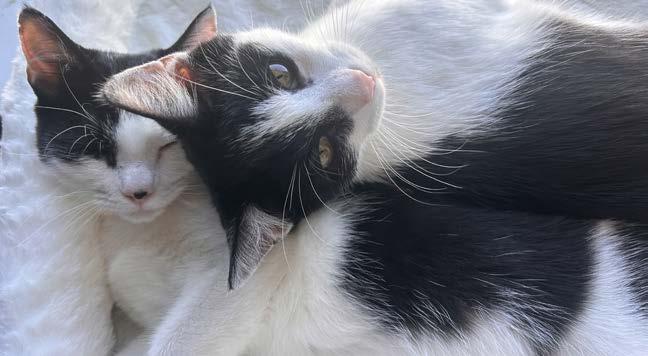
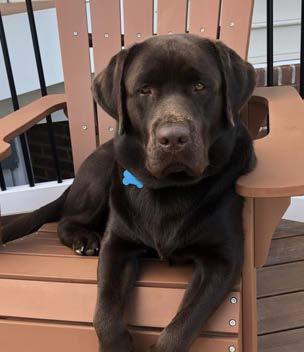

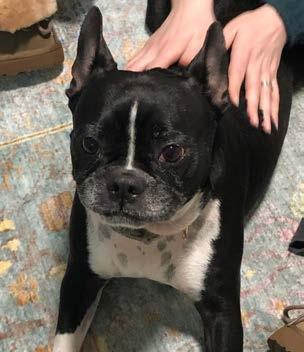

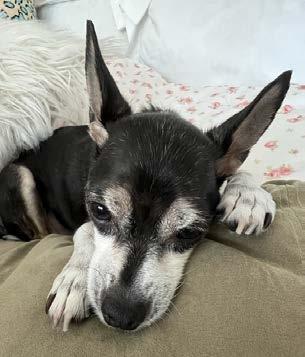
Libby & Riley
Minnie Simon Bodhi
Apollo & Athena
Luna Lola

Violet & Rocket

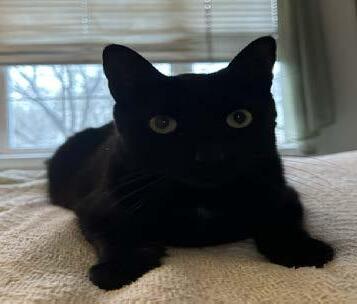

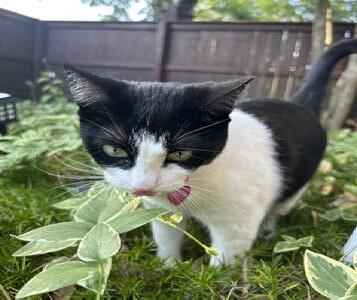

Peaches
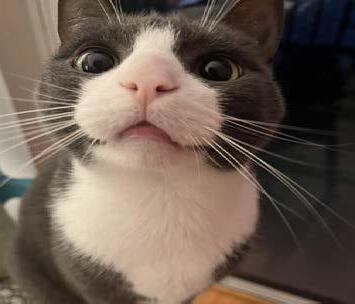

Buzz
Aurora
Milo
Lele
Lucy Marshall
YOURPets

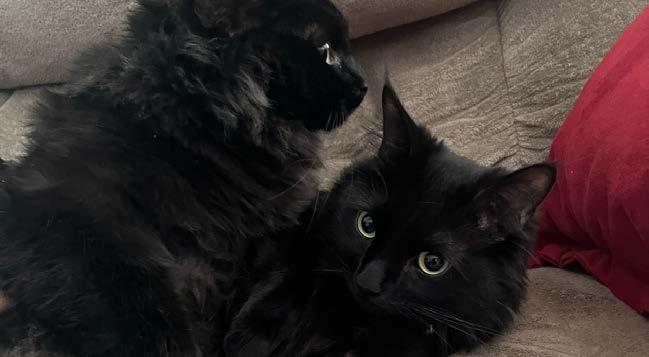
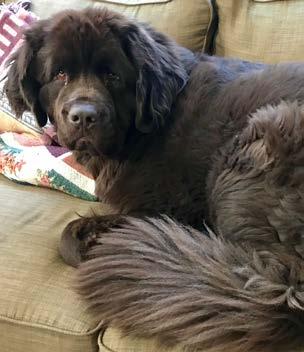
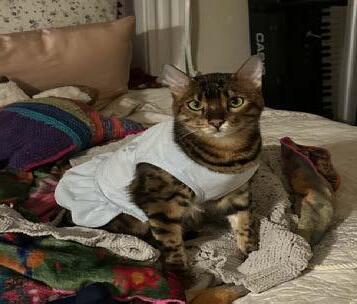
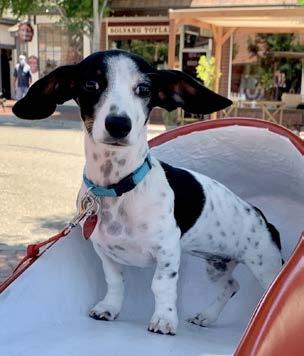

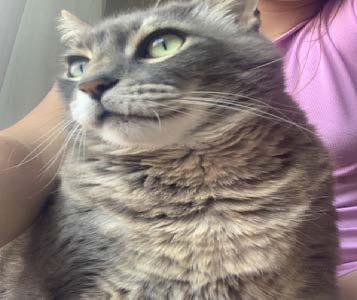
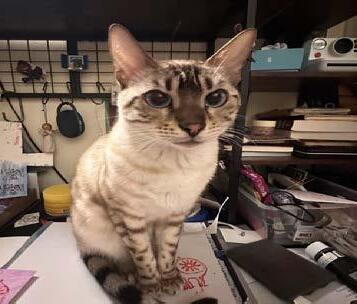
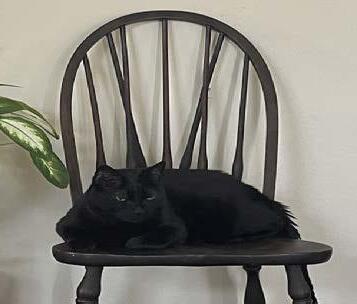
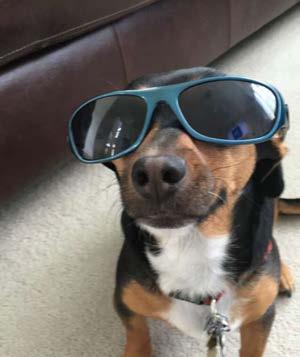



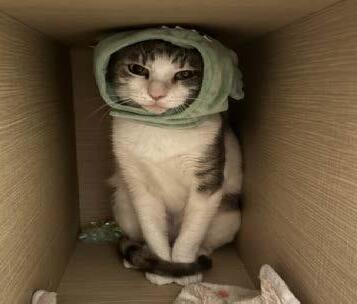
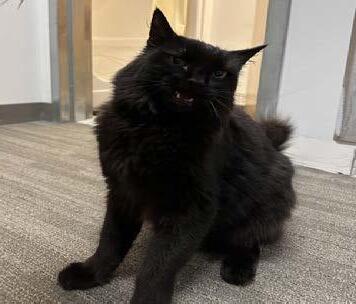
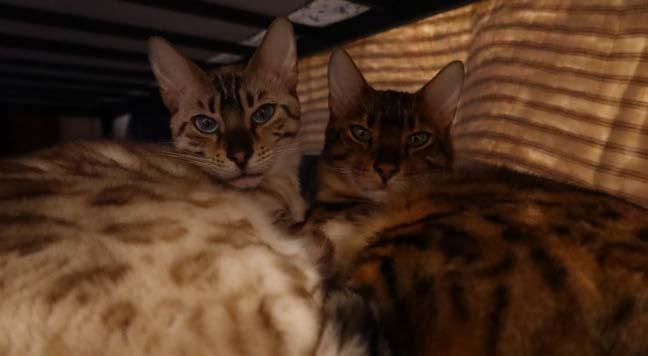
Gemma
Jinx
YOURPets

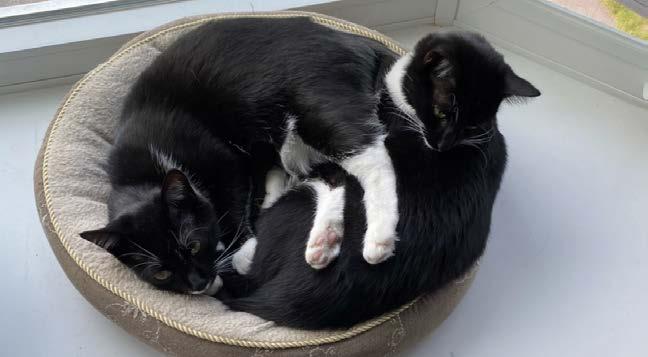
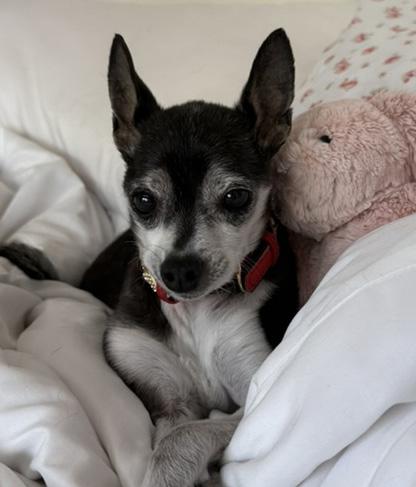



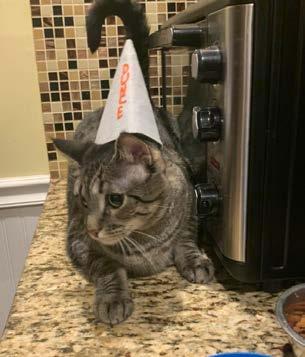
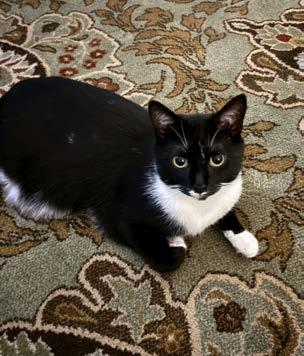
Puck & Mochi
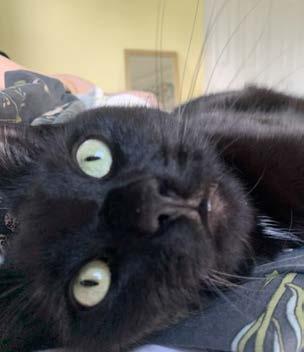

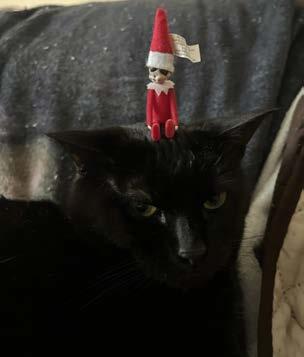
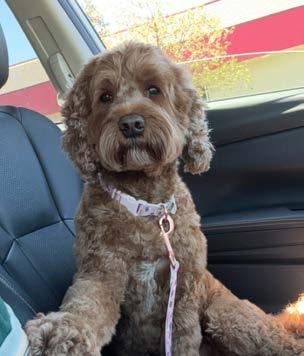

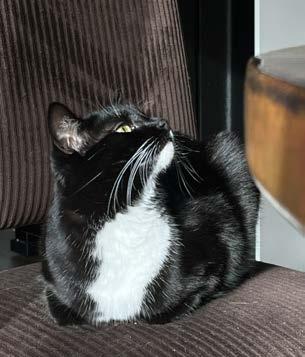
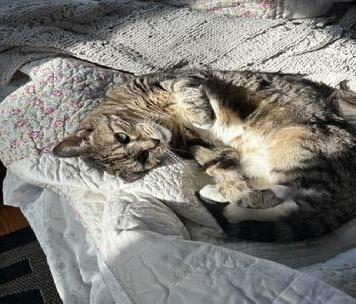
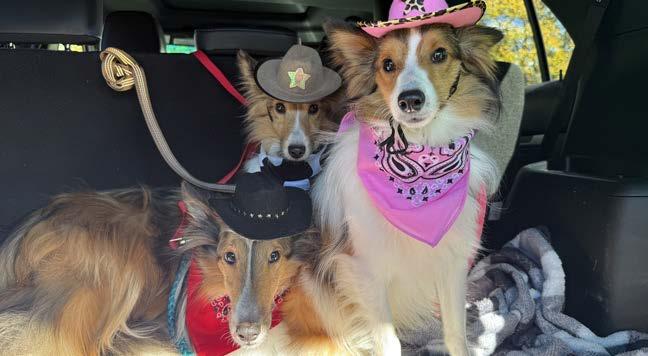
Aurora
Peaches Buzz
Bailey
Kitty Babycat Mochi
Chance, Dunkin, & Lily
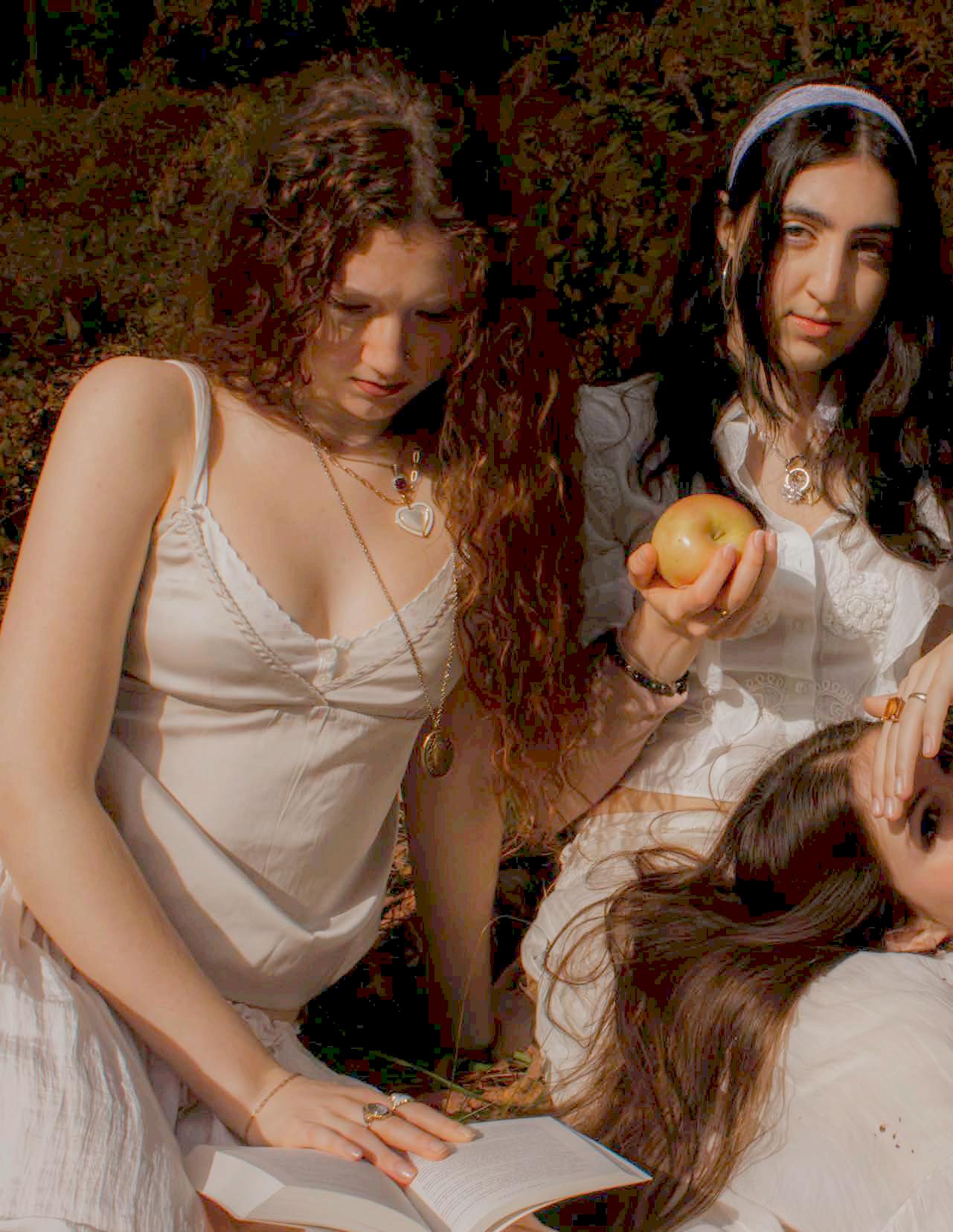
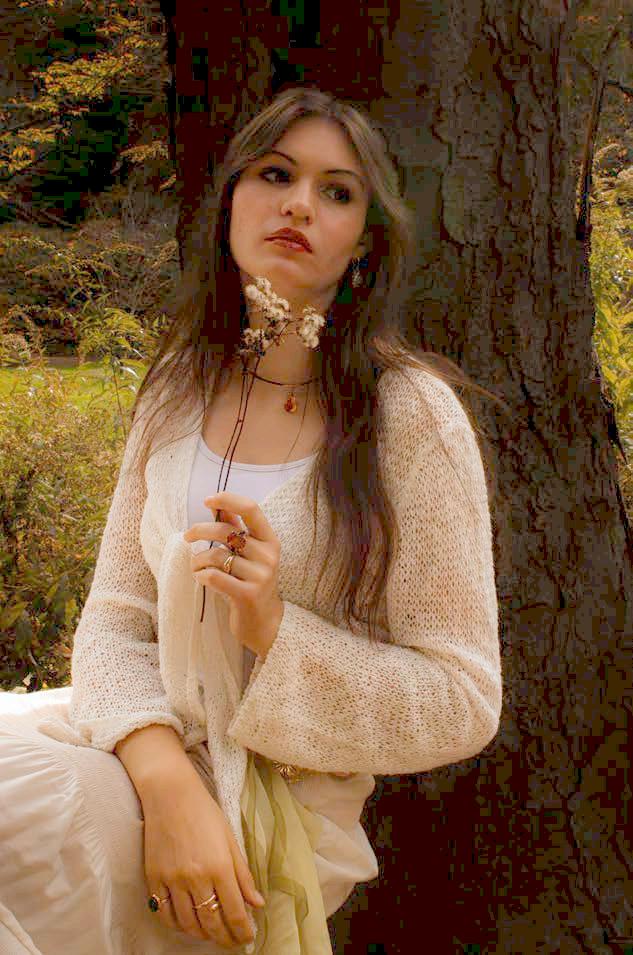
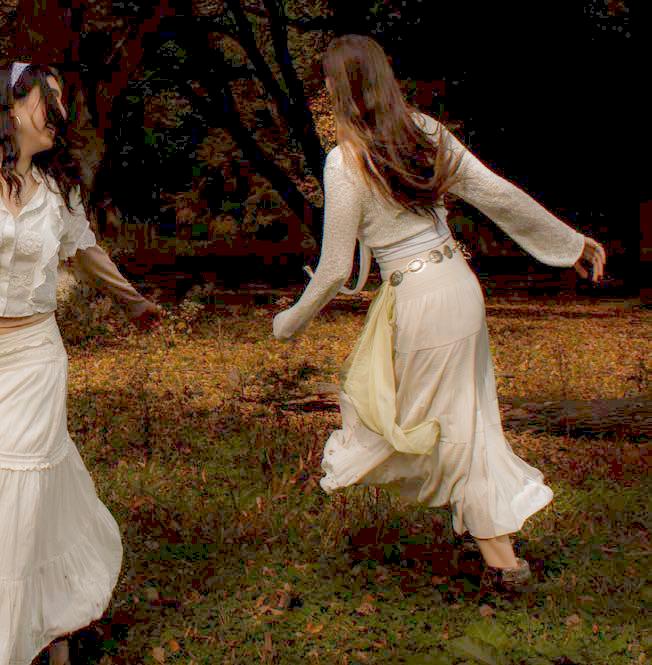
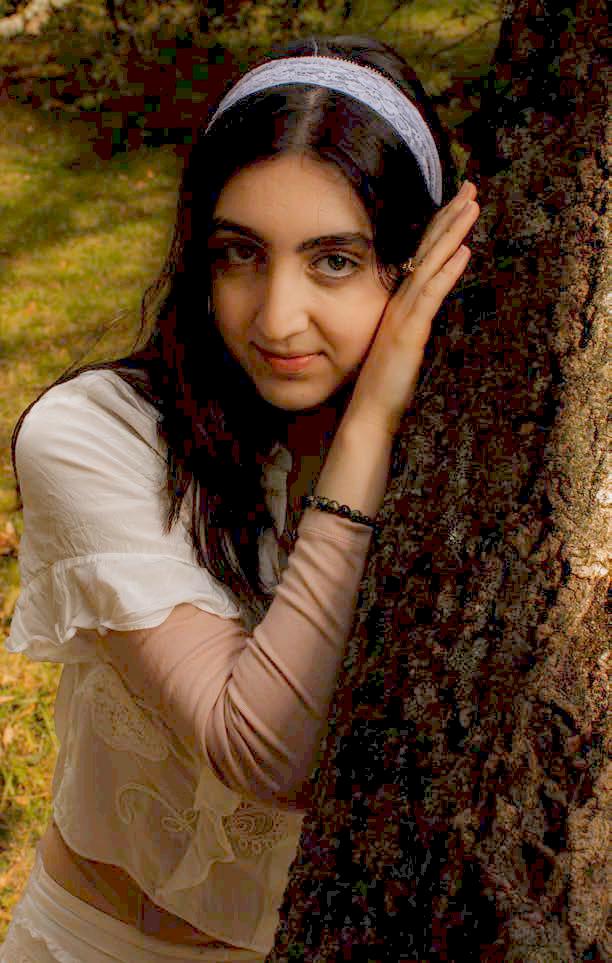
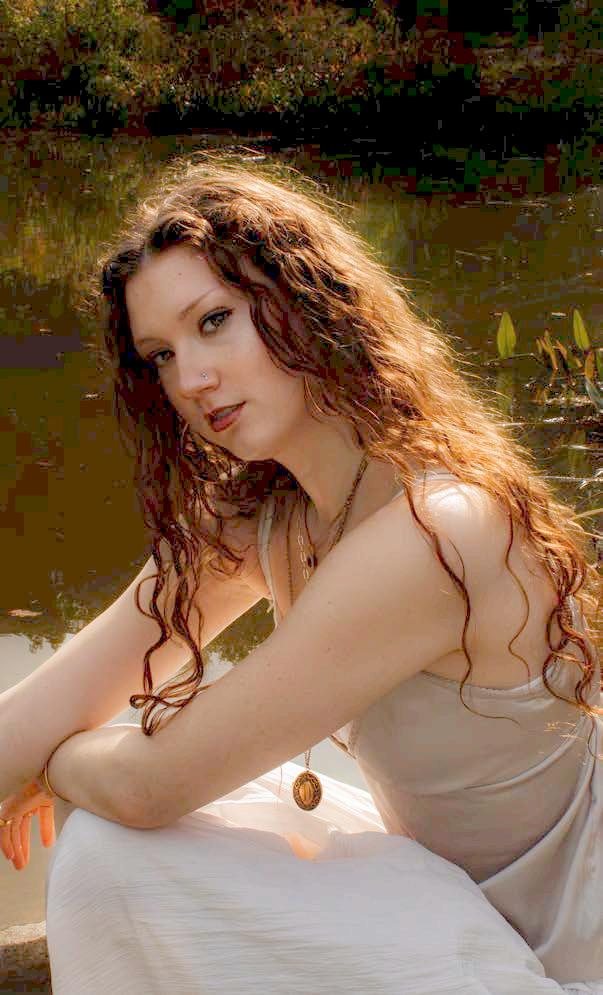
DIRECTED BY GRACE CHANDLER
PHOTOGRAPHED BY MCKENNA SMITH
STYLED BY EMILY HAMNETT
MODELED BY CLAIRE DORE, TIANA DISTASIO, DAPHNE CHANDLER
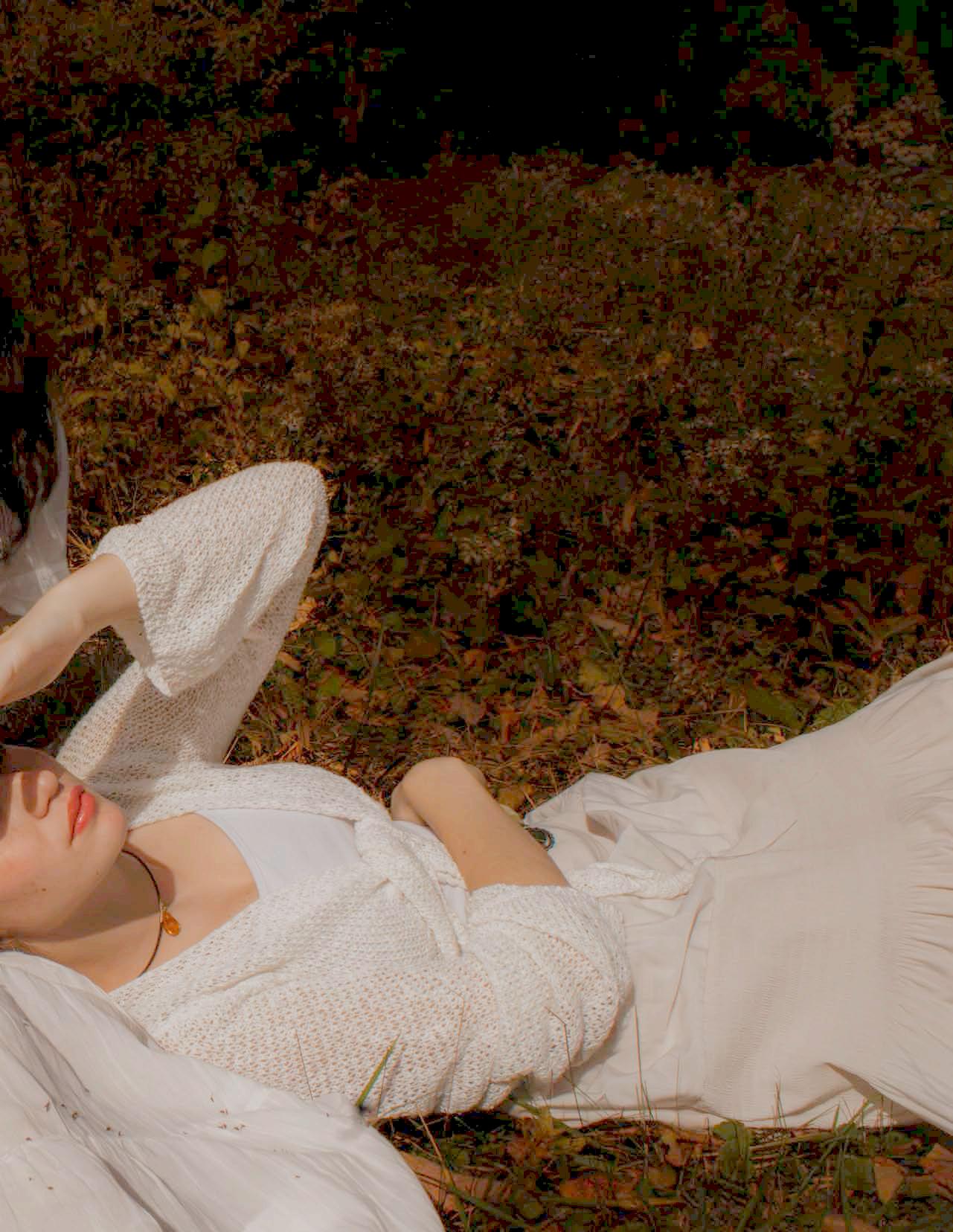
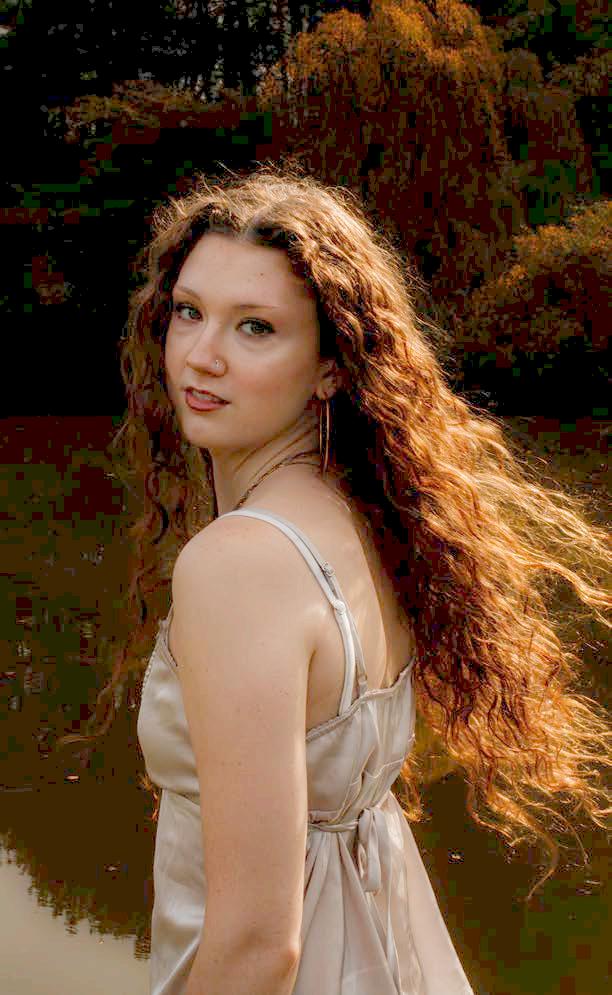
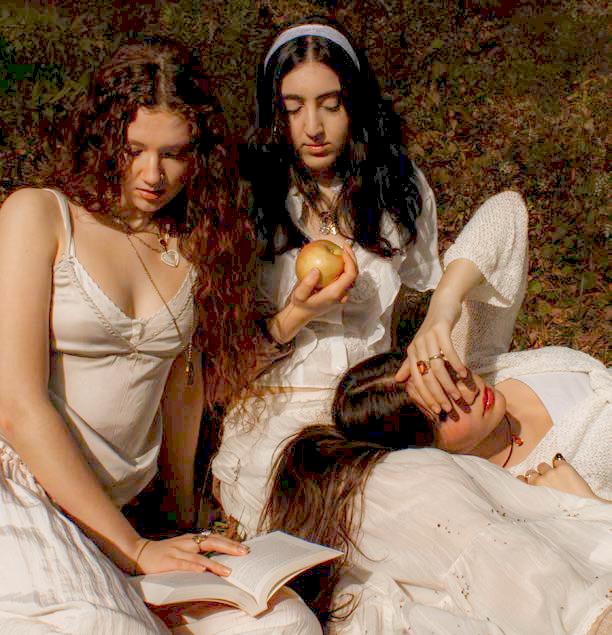
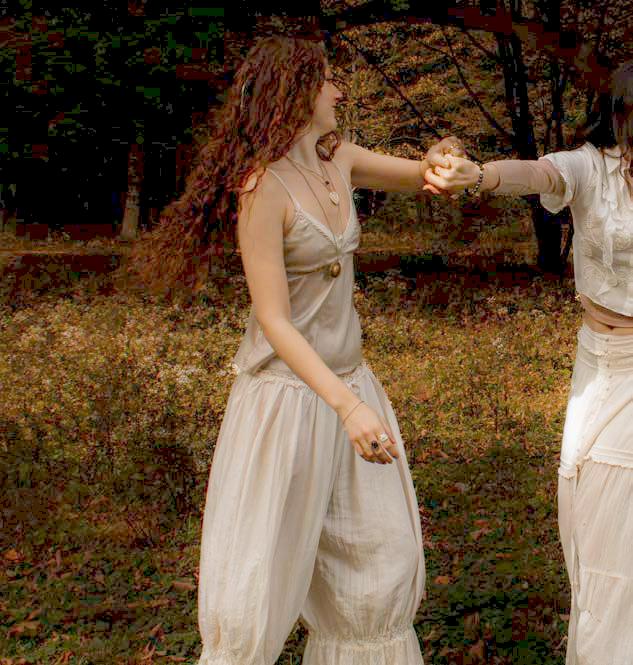
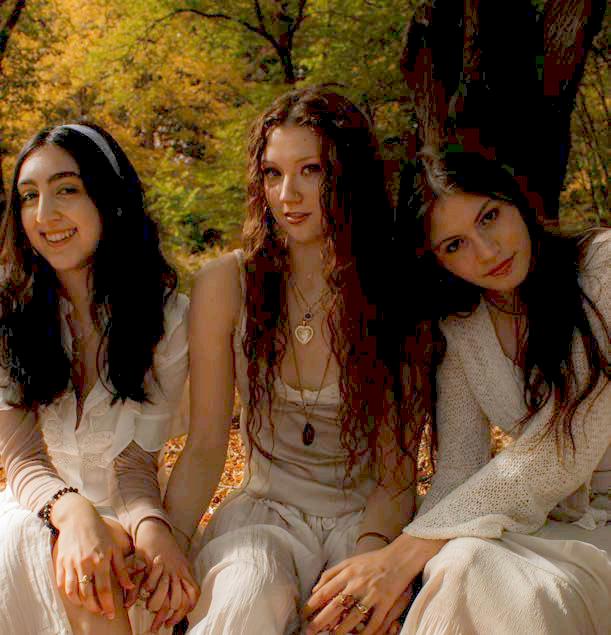
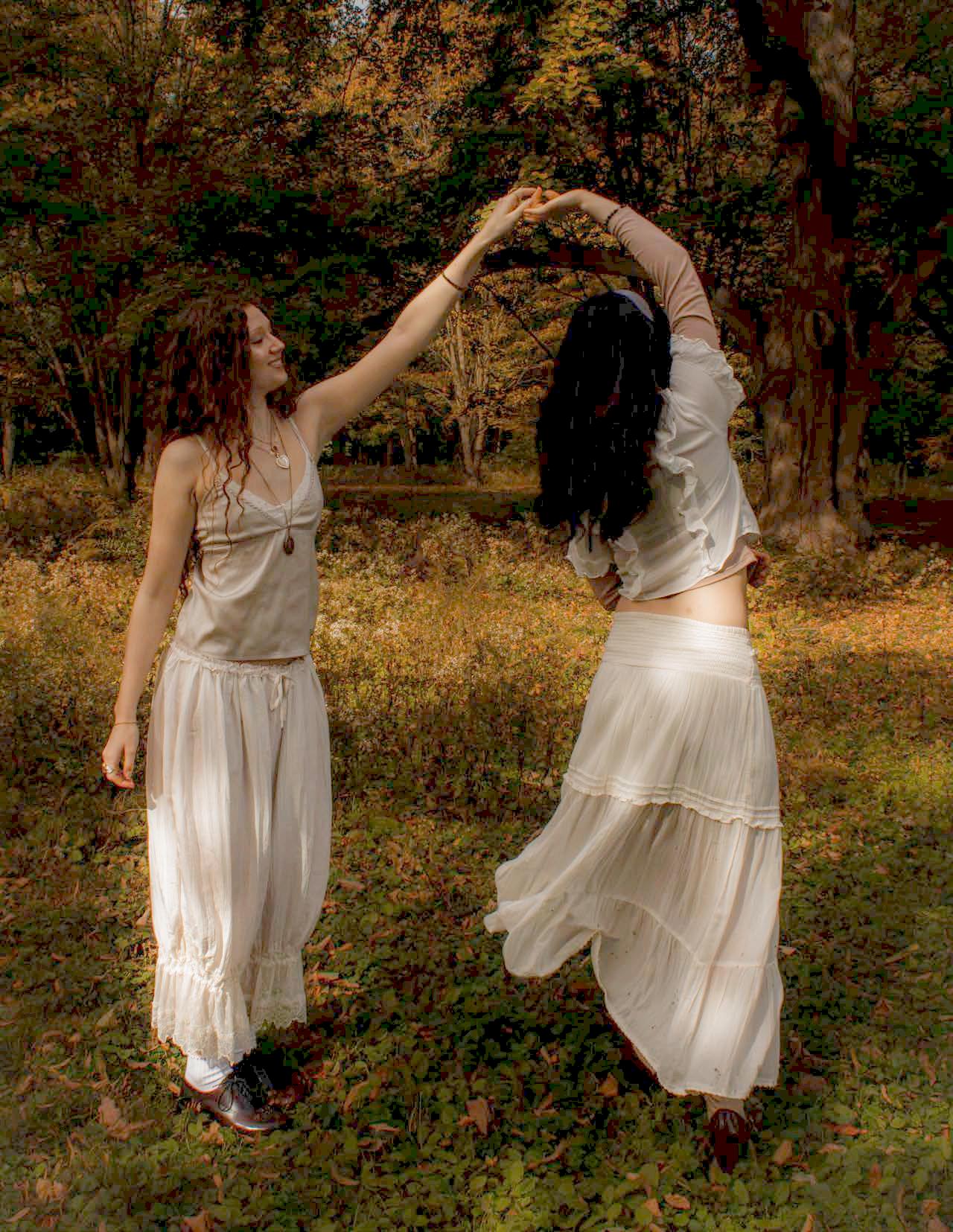
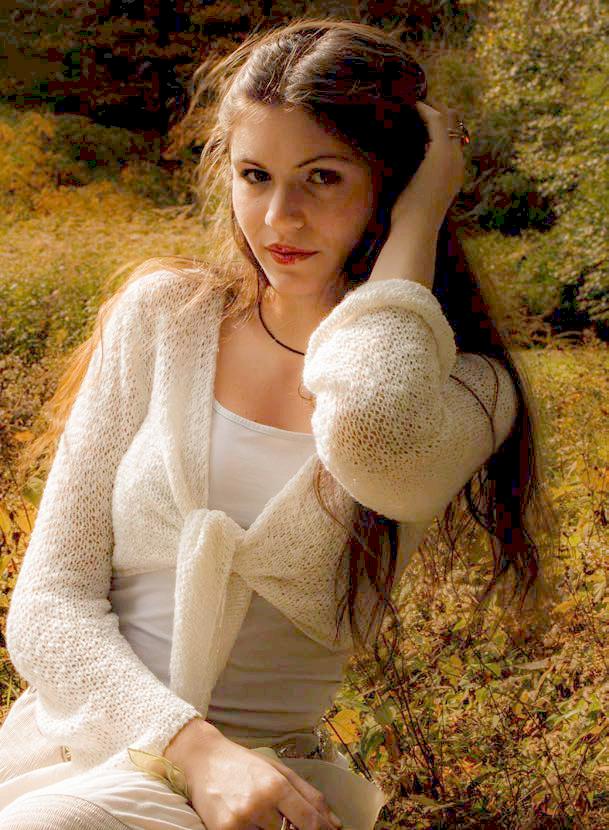
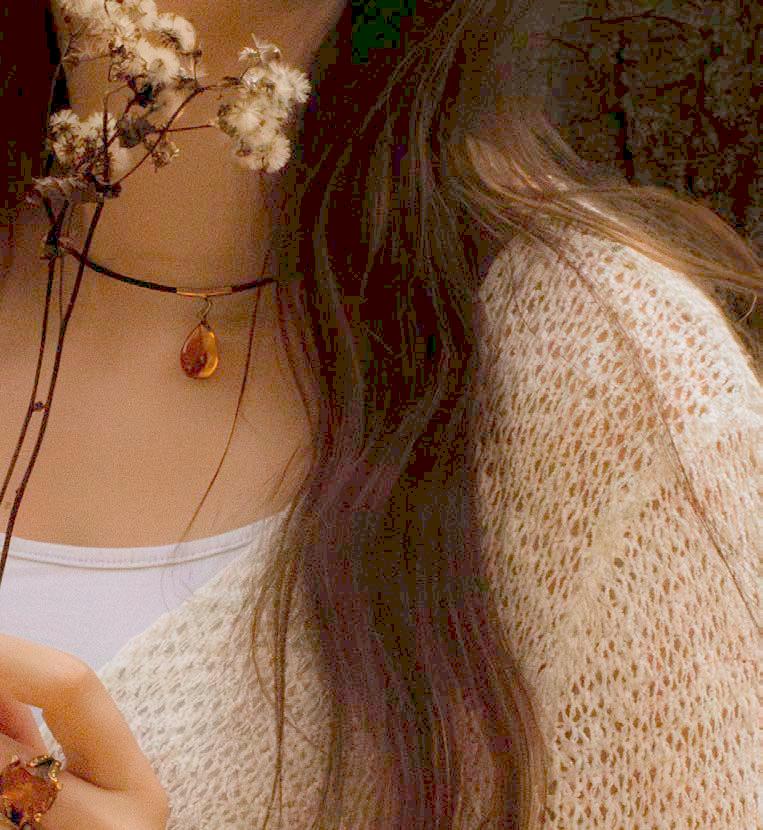
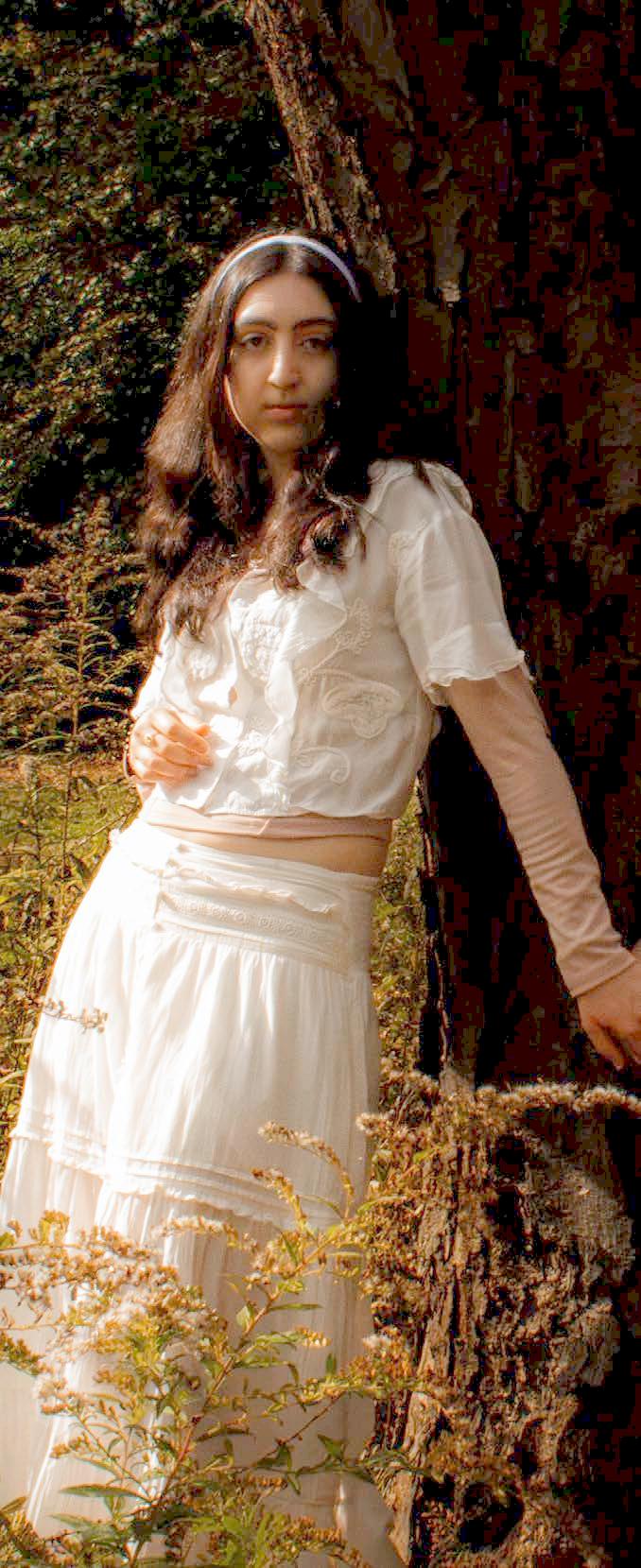
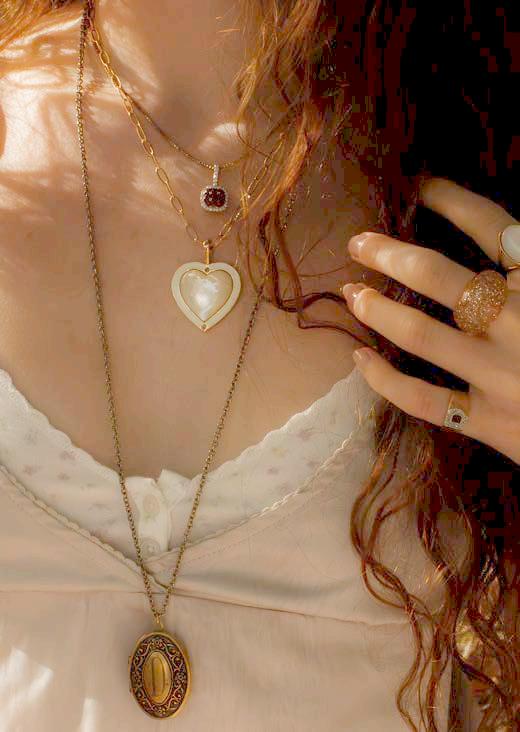
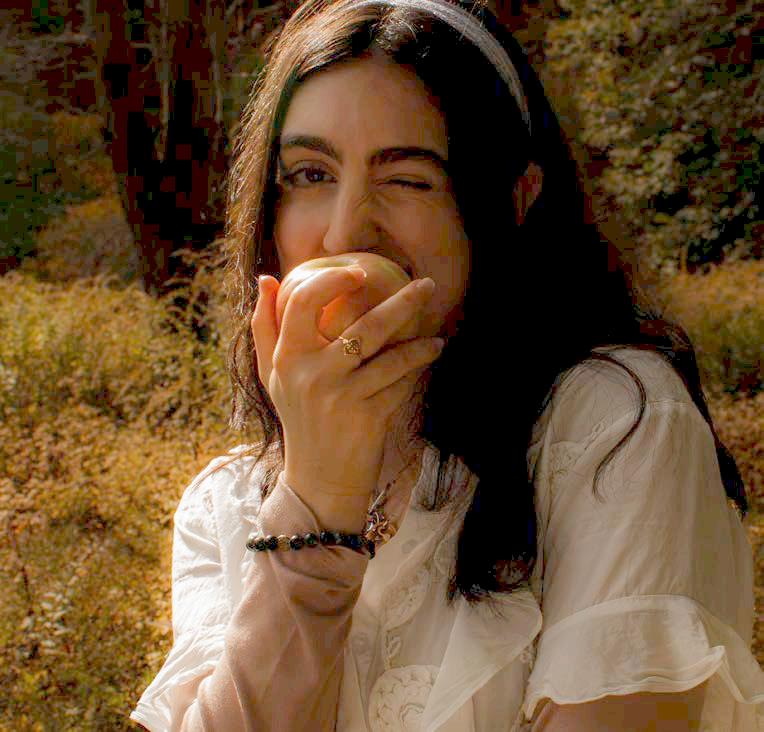
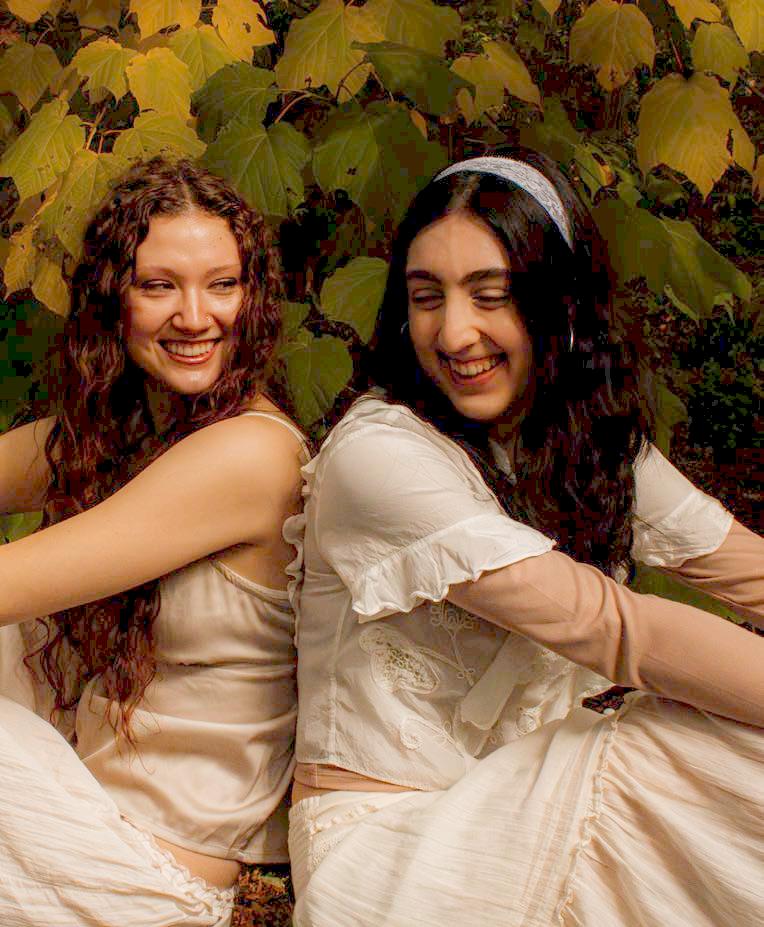
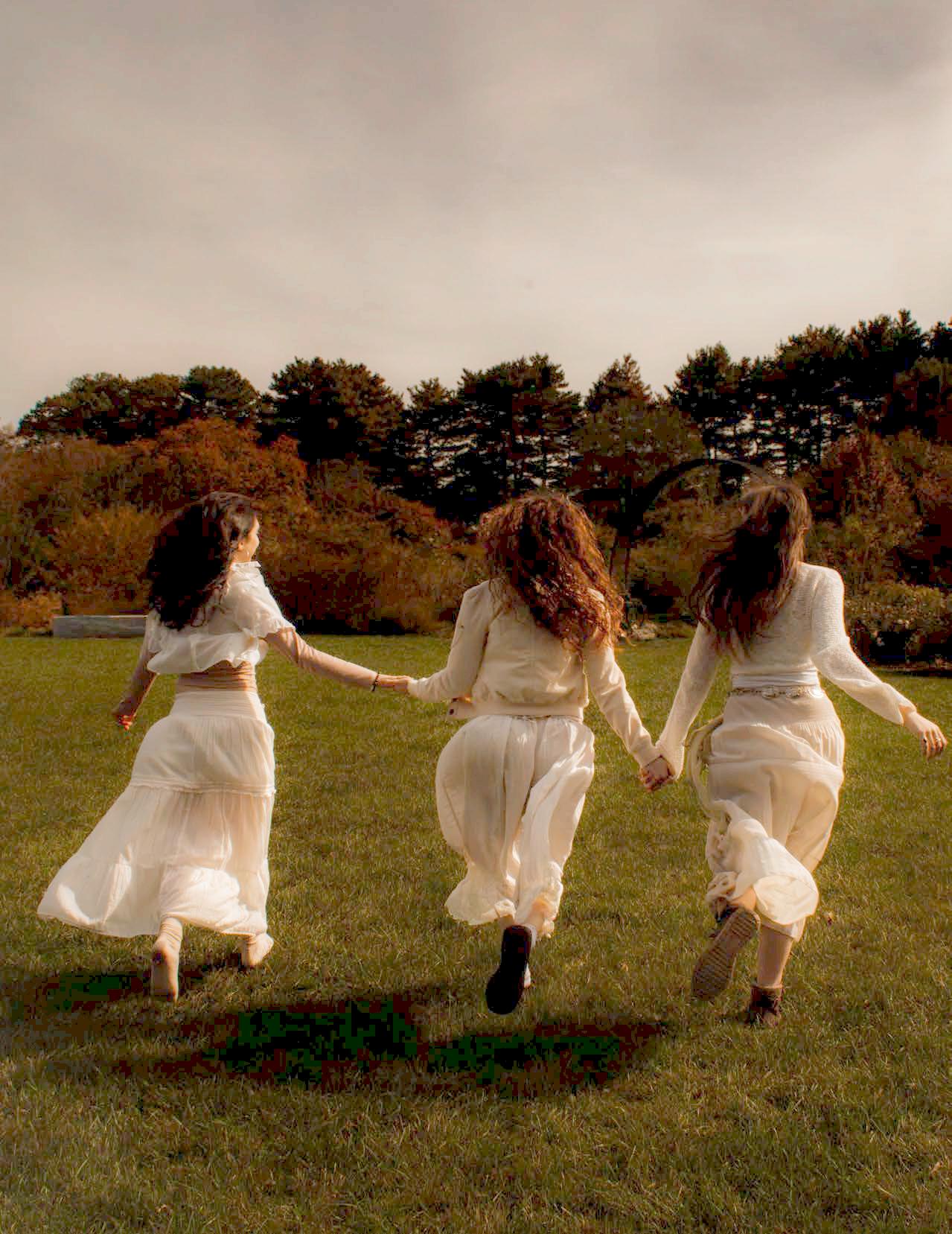
“FOOL’S GOLD” REFLECTS ANCIENT DEPICTIONS OF GIRLHOOD, TAKING INSPIRATION FROM THE NINE MUSES OF GREEK MYTHOLOGY AND BUILDING UPON THEIR IDENTITIES AS WOMEN. WHILE MOUNT OLYMPUS IS WRAPPED UP IN GLITTERING OPULENCE, IT DISGUISES VALIDITY, AND THE MUSES HAVE A CHANCE TO REALIZE THE TRUE BEAUTY IS IN THEIR POTENTIAL AND EACH OTHER.
fool’s gold




Money, Money, Money, Must be Funny, in Ticketmaster’s World
WRITTEN BY SAM SHIPMAN
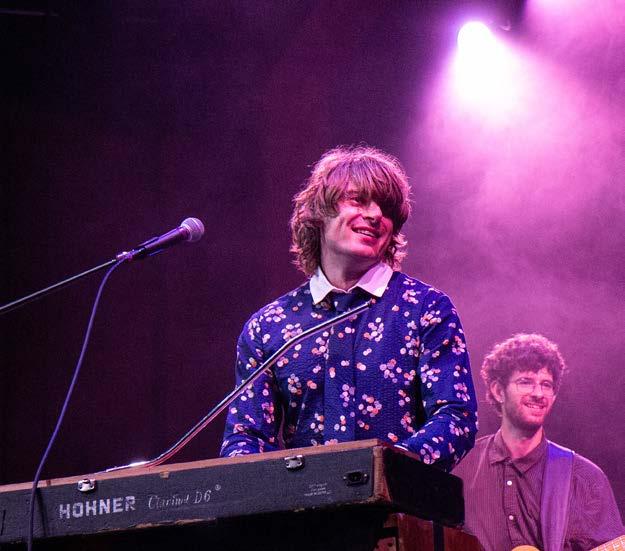
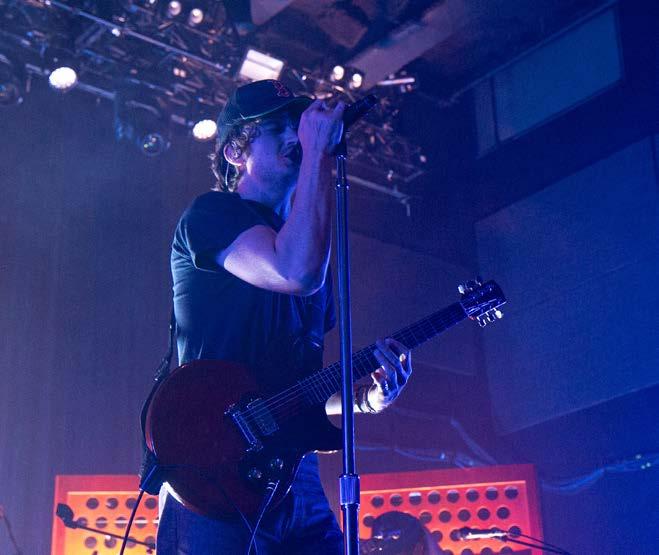
Any good marriage to live music demands the inevitable affair with Ticketmaster. Since 2021, I have been inching steadily closer to the milestone of 200 live musical performances, having personally attended shows ranging from King Crimson’s final tour, four Clairo concerts, 10 Phish concerts, two Tyler, The Creator concerts, and shamefully, Undertale LIVE and Machine Gun Kelly performances. And throughout it all, it’s Ticketmaster who always holds my hand, leading me to my seat before the show begins.
We all know the drill: Click, swipe…“Samuel, you’re in!” When you buy the ticket, “Your Event is Happening Soon—Here’s how to access your mobile tickets” a couple of days before, and of course, when you arrive, the barcode the person scans with their little thing,
and boom—walk in and enjoy!
But that cutesy seamless process comes at a cost: live music is a monopoly, and everyone knows it.
Any decent news consumer might have already heard about market inflation and the recent increases in bot usage, which can often make ticket prices skyrocket. If you don’t believe me, just look at Reddit, where users regularly complain about Ticketmaster’s outrageous “service fees.” As a journalist, I am lucky to occasionally avoid the scourge of ticket-pricing via press passes. It’s only when I’m sitting amongst the poor saps who spent hundreds of dollars on Boston Calling tickets that I begin to see the true problems of the Live Nation/Ticketmaster monarchy.
Those problems also come with a price: Water is $7, beer
PHOTOGRAPHED BY SAM SHIPMAN
and mixed drinks are between $10-$20, and when you want to grab a VIP ticket for someone like Travis Scott, it ends up being roughly $800. (With an added bonus that Travis Scott will berate you in front of the whole crowd that he hates you for buying VIP tickets.) Regardless of how you want to tackle the modern concert experience, it’s clear that the different artists and genres attract various audiences. Whether it’s tweens tripping over themselves at J.I.D or retired rock stars bobbing their heads to the final Genesis tour, different age groups (and tax brackets) address the shows put on by our Ticketmaster overlords differently.
The only people who could possibly see more live shows than me are the actual people who work in venues. So I talked to some of them to tell me the type of concert-goers they’ve interacted with over time, in hopes of getting a better understanding of what type of crowd is going to different shows, and each crowd’s behavior in a concert setting.
Matteo Finnerty, a biology student at Boston University (BU), is often found working as a barback in the intimate walls of Paradise Rock Club, located on the edge of BU’s campus. Finnerty can usually be found running around with a case of beer to restock the supply of one of Paradise’s seven bars. According to Finnerty, the wide variety of music genres at the venue drastically influences the crowd he sees.
“I see a huge variety in terms of age and the way they present themselves,” said Finnerty. “In terms of politeness, there are some shows where people are awesome—they’ll move out of the way, they’re really nice to the bartenders, and they tip really nicely. And then there are other shows where people are just mean, won’t move out of the way, and they think they’re better than you.”
Finnerty says the primary distinction is age; the older people are generally nicer, and the younger people are not necessarily mean, but definitely wild.
“There are some shows where the median age is 15—those nights suck,” said Finnerty. “Security was getting into little tussles with the crowd, they refused to move out of the way for me, towards the end of one night, for no reason at all, kids were chirping at me, shit talking me for no reason.”
Even in classier settings like Boston’s Wilbur Theatre, people are still acting out. Sam Lawerence, a Journalism Student at Emerson College, works in the Box Office and as security at the historic theater. Similar to Paradise, the Wilbur gets all types of artists, but Lawrence doesn’t think the age of the crowd makes much of a difference in terms of behavior or how much they spend.
“Each crowd that comes it’ll have its outliers and it’ll have people who are acting inappropriately in the theater, but I don’t really think that’s reflective of the demographic, I think that’s just reflective of people,” Lawrence said. “Because at almost every single show we have there’s somebody that’s disrupting it, there’s somebody who gets too drunk, or just kind of disrupts the performance.”
If it wasn’t already clear that Ticketmaster acts as entertainment overlords, the company also tracks the age and gender demographic of each artists’ fans, and this information is given to venues like the Wilbur’s staff before their work at each event begins. Lawrence, however, finds himself kicking out people of all ages and in every seating section, for things like vaping.
While talking about the types of event-goers Lawerence works with, he mentioned dealing with people who often purchase their tickets through third-party websites. When they approach him to experience that “easier” scan-in process, where Lawrence has to deliver the news that they actually don’t have tickets.
“An easy way to get around that is by coming directly to the box office because we can sell you a ticket through Ticketmaster,” Lawrence said.
But just remember…this oh-so seamless process is your only choice, and for the foreseeable future it will be your only choice to experience live events.

That same attitude can also be found in Mansfield, MA, at the Xfinity Center. Alexander Giberson, a computer science student at UMass Boston, who worked as a sustainability coordinator sorting trash at concerts, recounted his time working at a 21 Savage show.
“21 Savage was basically all adolescent kids, and it was one of the few shows that we had a security issue because people were throwing hands,” Giberson said.
But it’s not just young people causing security issues; Giberson noted that the crowds for Phish were among the worst he’s ever had to interact with.
“They actually ended up breaking a fence because a bunch of them were hopping it, and eventually the fence fell down. No other concert-goers were doing that,” Giberson said, “They were definitely a bunch of people tripping out while the concert was going on, so it was extra hard to navigate. I remember distinctly these people would not move out of the way when I was moving a bunch of trash away from the venue.”
All three workers I talked to are Live Nation/Ticketmaster employees, and all three are routinely put in the same situation again and again. It doesn’t matter if you’re like Giberson, who personally wouldn’t spend more than $45 on an event, or one of those people who buys another several-hundred-dollar ticket on the spot at the Wilbur when their StubHub ticket didn’t come through in time. Whether you have just enough money to get into a show, mosh, break stuff, and insult the employees, or if you’ve got the funds to happily ignore Live Nation screwing you, nobody really wins except the people on the very top.
It creates situations like the one Lawerence told me happened to him during a shift. A man approached him saying, “In 1973, I bought a Led Zeppelin ticket for $3, now each of these tickets are hundreds of dollars.” Lawrence, a middleman for Ticketmaster, stared blankly back at him, unsure what to say. The man pointed out to Lawrence that we didn’t always have to empty our wallets for something we enjoy. It’s true. The price has crept up due to inflation, and it’s all because the same company that’s held our hand for years through this “seamless process” is now calling literally all the shots. From buying the tickets to owning the venues and even concessions, it’s Ticketmaster, every step of the way. So as I renew my vows with live music, I’ll always make sure to remember that whether it’s me, the youth, the wealthy, or the employees—Ticketmaster can take turns fucking us all. YM
Weird Autumn
WRITTEN BY RILEY MILES
PHOTOGRAPHED BY MCKENNA SMITH
We are now in the midst of autumn, and in my opinion, it couldn’t feel less like it. Instead of the changing leaves and the chill in the air bringing me the comfort and coziness it once did, it’s a reminder that time is continuing to march on. Each browning leaf that falls serves as a reminder that my time as a college student is almost up, and only the unknown stands before me. It’s not a hot take that change is scary, and I am sure I’m not alone in this feeling. The 2017 video game, Night in the Woods, not only reaffirms this philosophy through the protagonist Mae Borowski’s character, but also offers solace on how to confront the fear of life’s next step.
Night in the Woods is a video game that delves into various topics, including mental health, secret cults, and the systemic and economic hardships faced by a small mining town. However, for the sake of this piece, I will focus on only one theme: the theme of moving forward. Mae explores what would happen if someone cut their life short in order to return to the comfort of their adolescence. We begin the game on a crisp autumn night, just as Mae is getting off the bus. She is returning to her hometown, Possum Springs, just after dropping out of college. Her parents forgot to pick her up, so she takes the long way home through the woods, reminiscing about the trees she used to climb and passing by abandoned infrastructure she had once played in and explored during her youth.

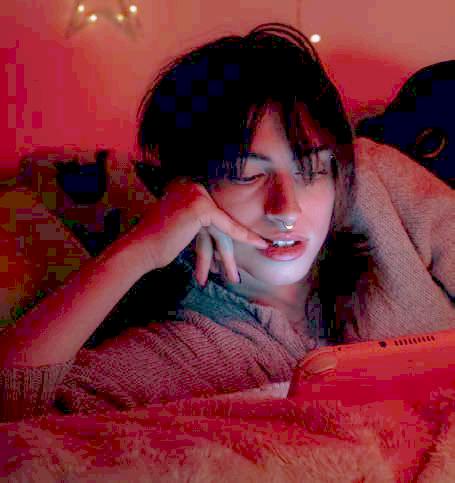
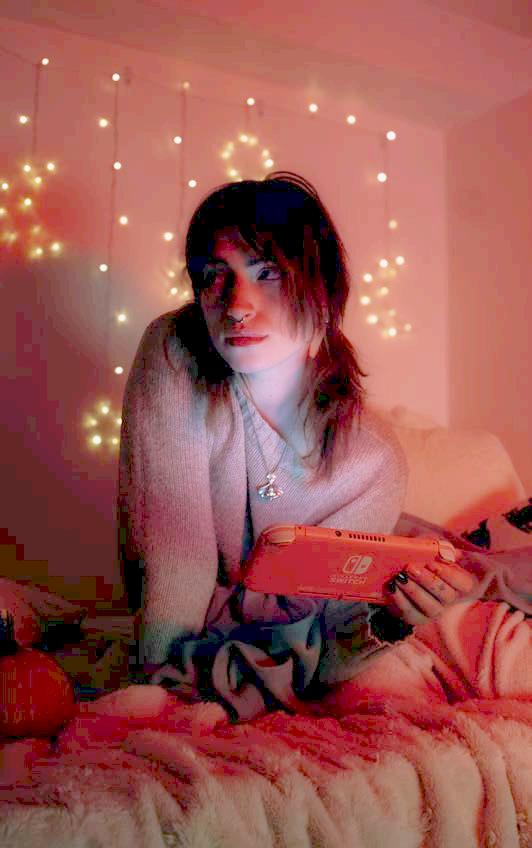


Over the next few in-game days, Mae runs around Possum Springs, interacting with past neighbors, hanging out with old friends such as Gregg and Bea, and dwelling on all her life used to be. This is all in an attempt to chase down the nostalgia of a simpler time, when the uncertainty of adulthood wasn’t looming over her. She soon realizes that her small town was not as standstill as she thought. Her favorite restaurant has closed, all of her friends have lives and jobs that will soon lead some of them out of Possum Springs, and the town as a whole has outgrown what Mae initially expected of it. She stays stuck at home, living with her parents, with absolutely no direction on what to do next. Suddenly, any factor of nostalgia had dissipated for Mae. Possum Springs was now another place where she was expected to grow and change along with it.
Surely, Mae’s dilemma is not an uncommon one among college students. Even returning home for Thanksgiving break can result in this almost melancholic nostalgia for what adolescence was. Suddenly, all of the hardships of your youth fade to the background, for only the good times are remembered. What if you never returned back to school from Thanksgiving break? What if you just stayed snuggled up at your parents’ house, in your own bed, faced only with the responsibilities of the child you once were? It’s an enticing thought to flirt with.
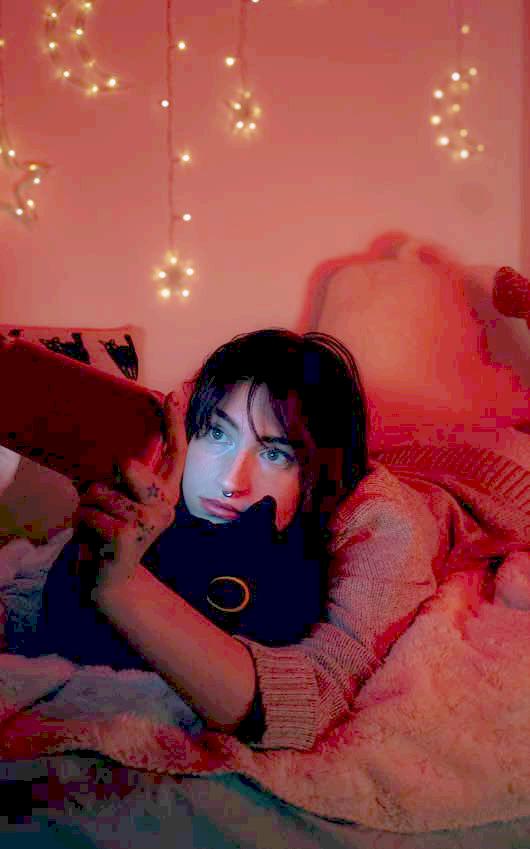
grown enough to make it mean something in the first place. It is a privilege we receive every so often to look back at how far we and the environment we once knew have come.
So yeah, we are now in the midst of autumn, and in my opinion, it couldn’t feel less like it. But maybe that doesn’t have to be such a terrible thing. This can be just a new type of autumn. An autumn of transitions and growth and new experiences that only my 20s can bring. An autumn where each tug of nostalgia isn’t a beckon to regress into who I once was, but a chance to look back fondly as I progress in my life. And, I have the years in my future to look forward to, when I remember this un-autumnal autumn with only the good parts and feel that same nostalgic feeling all over again. YM
Though, as we see with Mae, your old life is not yours for the taking. And you know what? That’s okay. It’s been said time and time again, and I’m going to say it once more: Change is the only constant you will face in your life. Nothing will ever be how it was forever— which can be a daunting and scary fact to grapple with, I know. But how many times has it felt like we would never get through something? Like a shift in our life was far too much to handle? Yet we did it anyway, and were a happier and better person because of it. If we spend our lives chasing old memories, we’ll be too busy to create any new ones. Nostalgia is an emotion that unveils itself sparsely, only after we’ve
THE GATEKEEPING OF HORROR
WRITTEN BY OLIVIA FLANZ

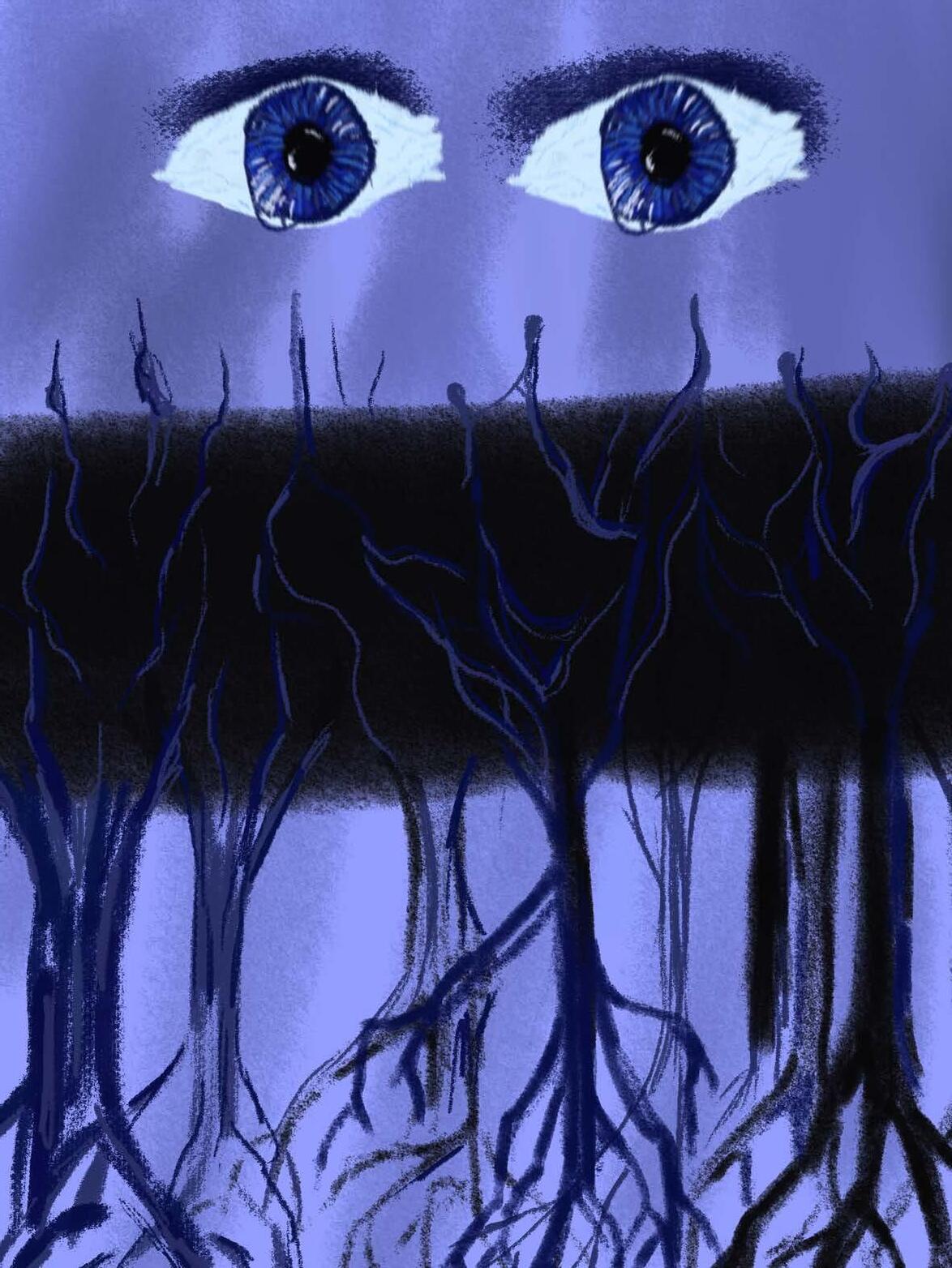
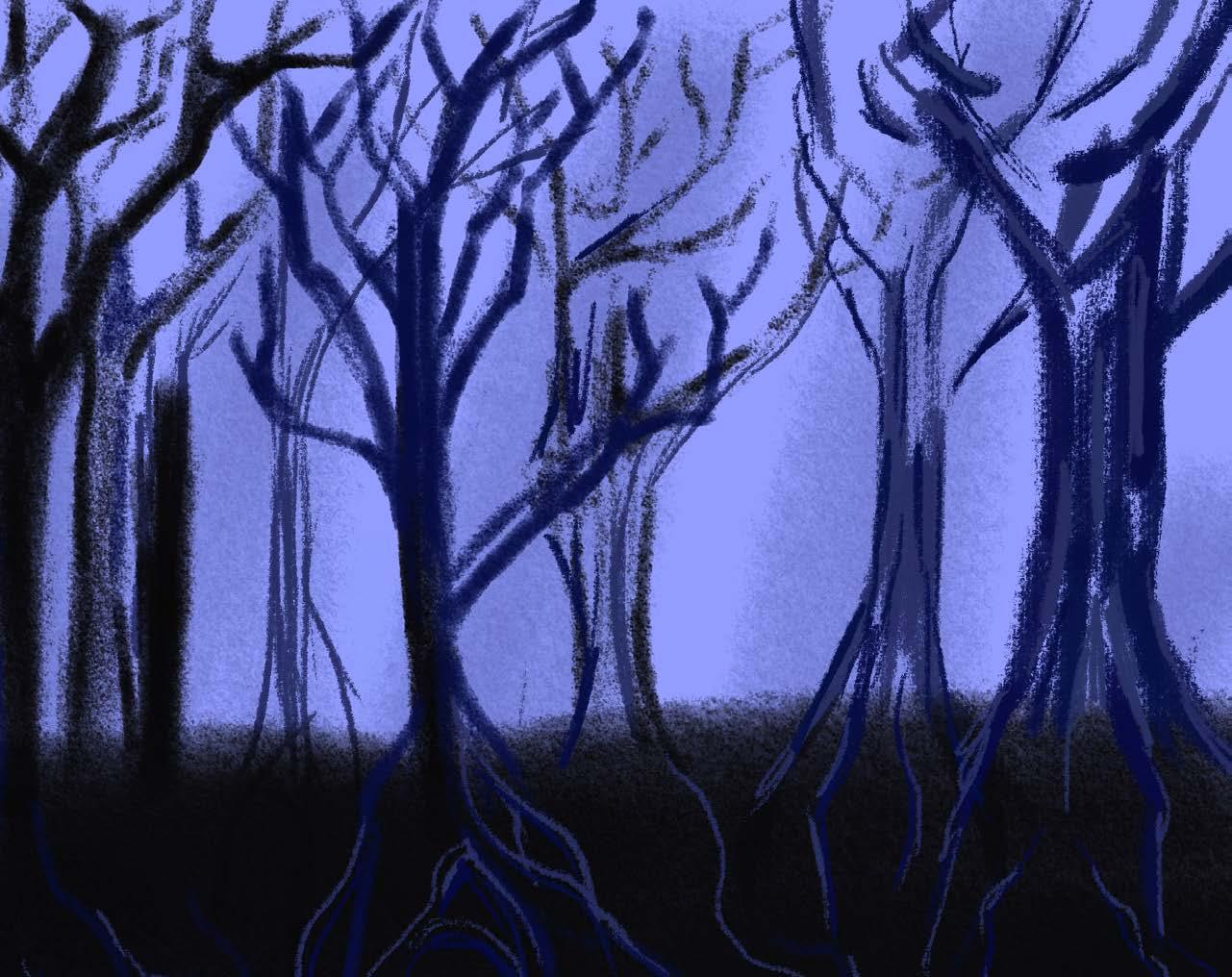
Recently, I watched The Blair Witch Project. I had very low expectations of the movie, because people who’ve watched it before often called it “boring” and said “nothing happens until the last 10 minutes.” While things do heat up at the end of the movie, I would never describe it as boring. The viewer feels they are a part of the group, with it being from the camera’s point of view, and you feel sick to your stomach as you watch the group fall into despair as they get further and further lost in the woods. I was talking to my friend about the revelation I had about the movie, saying I wish I could’ve watched the horror movie sooner, and they replied, “Yeah, it’s a good thriller movie, but I wouldn’t call it horror— it just wasn’t scary.” Now, keep in mind, this movie is about a group of people making a documentary about a witch that haunts the forest, and the documentarians get lost in the woods and end up being hunted by said witch. Does that not sound like horror to you? Sure, I didn’t go to bed not being able to sleep, but does the scare factor really determine what is considered undeniably “horror”?
So how do we traditionally define horror? We think of the supernatural horror and the “real” horror. Some movies stick solely to realistic possibilities (which in itself can be terrifying because it could happen in real life, like the movie Hush), while others play with the supernatural. Horror movies are meant to awaken a sense of fear and dread. Traditionally, with horror movies, we think of jump scares, not being able to sleep after, and that lingering fear that stays with you after watching one.
Of course, not every horror movie is going to create that reaction, and sometimes a horror movie is going to need more than a couple of cheap jump scares to actually create “horror.” The Conjuring and The Ring have many jump scares, but they were used wisely. They were well-timed, created unpredictability, and let the tension build and the atmosphere of the movie do its thing in order to make the jump scares worth it.
But some movies don’t even bother using jump scares. Hereditary, which, in my opinion, is one of the best horror movies out there, creates horror without really using any jump scares throughout the movie. It mixed real dread in with horror, (SPOILERS AHEAD) like early on in the movie, when a brother is speeding down the road to get help after his sister went into anaphylactic shock. Her head is out the window, trying to get any air she can, and the brother hits a pole in a rush, decapitating her. The whole scene is literally imprinted into my mind, even though I watched this movie years ago. The movie just lets the scene happen, drawing out the slow dread of the incident happening, and the slow realization of what he has done. How he drives home with his sister’s corpse in the car, out of shock, and just gets out of the car and goes to bed, to wake up to the screams of his mother. This all happens before the movie delves into the supernatural elements, blending realism and psychological horror, relying on the horrors of trauma, grief, and guilt. The slow-burning tension and disturbing images of
Hereditary are what make the movie so terrifying.
But the thing is, though I think Hereditary is a great example of what a horror movie can be, there are movies that didn’t keep me up at night, yet I still believe they are great examples of what the horror genre can create. This can be seen in Sinners, which people also debate whether it’s a horror movie or a thriller. Going into Sinners, I knew it was a horror movie; I watched trailers before where it was obvious that was how the movie was being advertised, and I was very excited going into theatres last May to watch the film. But for a good half of it you almost forget you are watching a horror movie. You are introduced to all these great characters—really get to know and get attached to them. But when you start to notice the “horror” aspects of the film creep into the latter half, you remember what kind of movie you are watching and realize none of the characters or their relationships are safe. There is that dread that stays with you throughout the rest of the movie.
I applaud Sinners for expanding what the horror genre can do since it focuses on creating a compelling narrative over cheap writing with horror aspects. I feel like the problem with the horror genre is that writers focus so much on shock value that they forget to actually make a good movie. Sinners to me had it all. It was funny, it had romance, it built important relationships and friendships that made you root for the characters, the music was unreal, and yes, it also had horror. From what I saw, people walked away from Sinners either loving the movie or just not getting it, but the Southern Gothic film that Sinners was, to me, is exactly what it was meant to be.
Some argue that some of the horror aspects of the movie were “campy,” but personally, I think it was supposed to be that way. First of all; vampires—yeah, it’s going to be campy. Second of all: Scream—which no one is ever going to deny is horror—is one of the campiest horror movies out there, yet is still seen as a classic. I don’t think campiness in horror is a bad thing, as it is honestly just another aspect of the genre, but gets dismissed when viewers are only watching horror on that scare-factor-basis.
Horror is considered one of the most subjective genres, but I think that only happens when we are basing the quality of a movie on what terrifies one person and bores the other. Maybe genre classification shouldn’t depend on audience reaction, but on authorial intent. To me, Brokeback Mountain is a horror movie, but I am not going to write an opinion piece, screaming out my lungs that it’s a horror movie, because it’s not. Some aspects of horror undeniably belong to the genre—whether we find them scary or not. The danger of gatekeeping what movies can be “allowed” into the horror genre only dismisses so many movies that might not keep you up at night, but are still great movies. Especially when horror movies are expanding the genre and trying new things, they should be applauded, because so much of horror has already been done before. We should be uplifting movies that are experimenting with the horror genre, even if it’s not seen as traditional horror. YM
ART BY IZZY MAHER


YOUR ENTERTAINMENT
RECOMMENDATIONS
Movies: Materialists
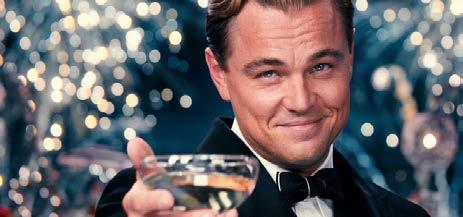
The Great Gatsby
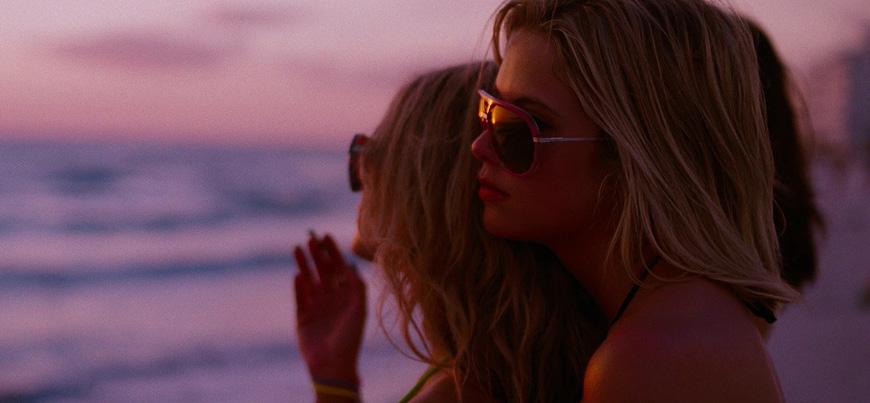
Spring Breakers
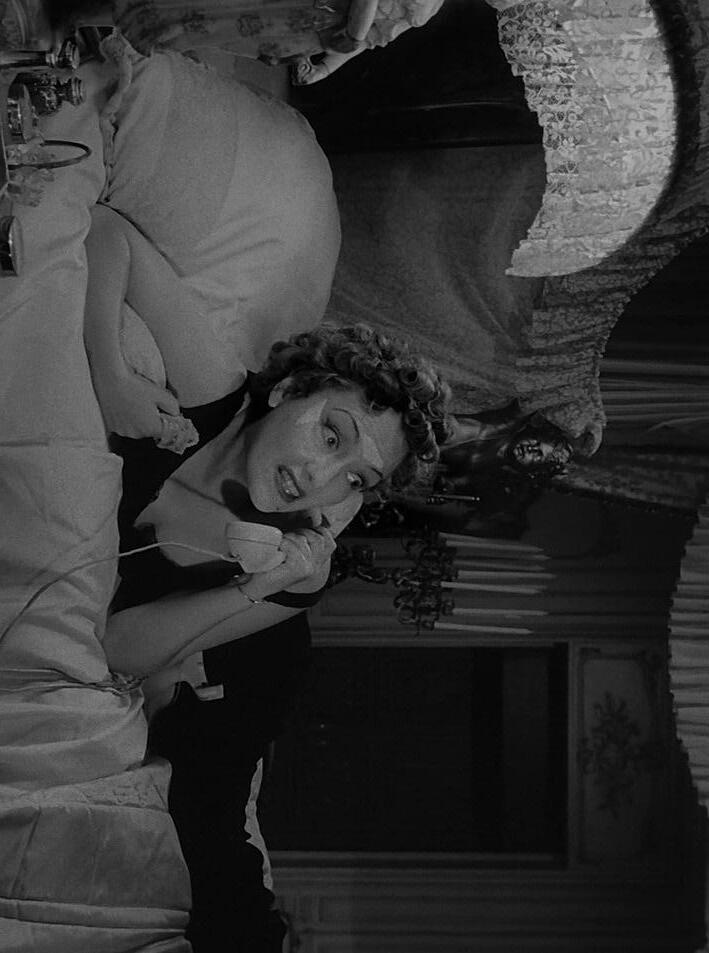
Sunset Boulevard
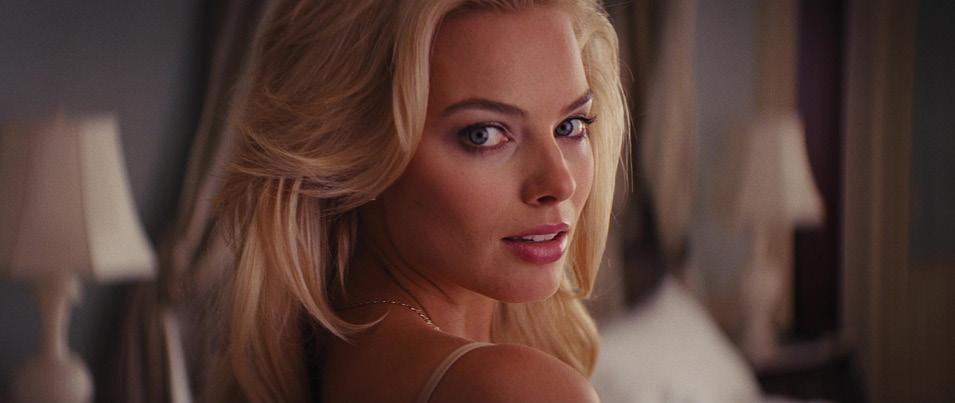
The Wolf of Wall Street
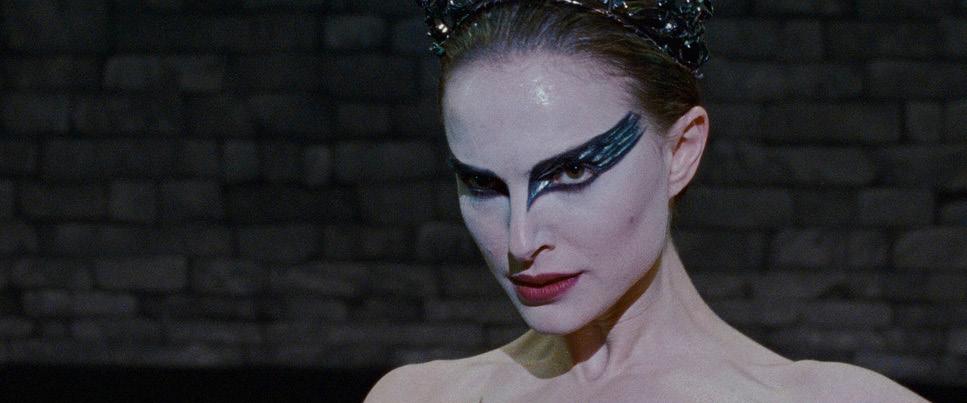
Black Swan
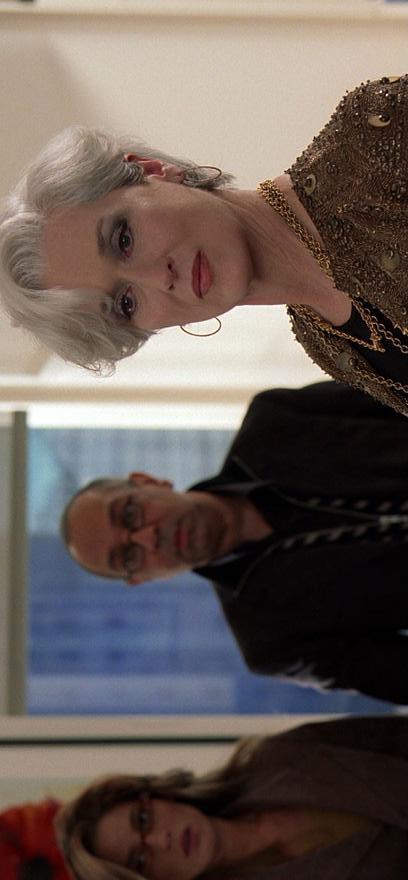
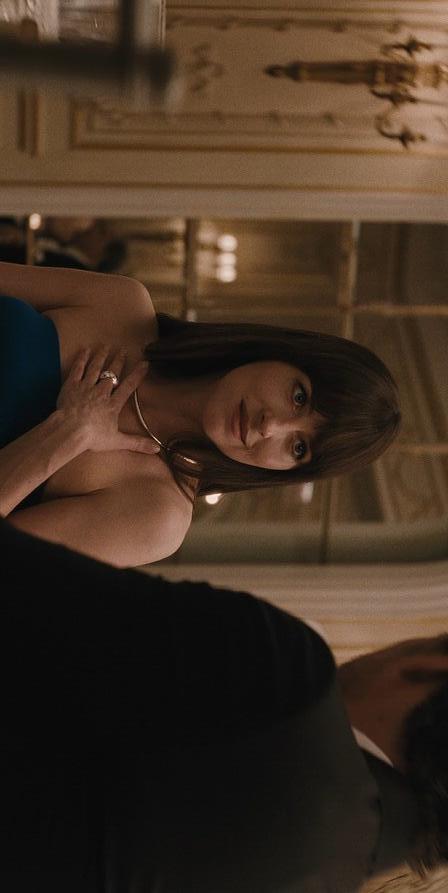
The Devil Wears Prada
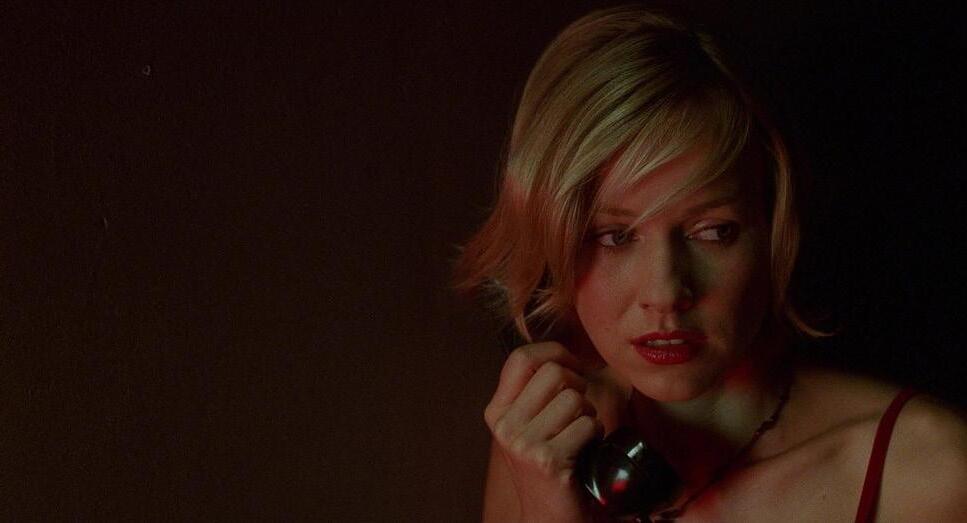
Mulholland Drive
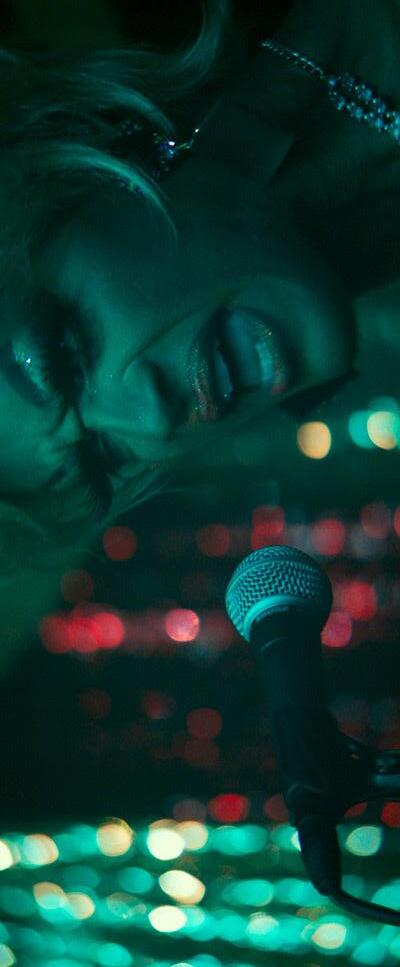
A Star Is Born
Shows:
The Hunting Wives
Succession
The White Lotus
Euphoria
Gossip Girl
The Crown
Emily in Paris
Killing Eve
Schitt’s Creek
Dynasty
Bridgerton

super
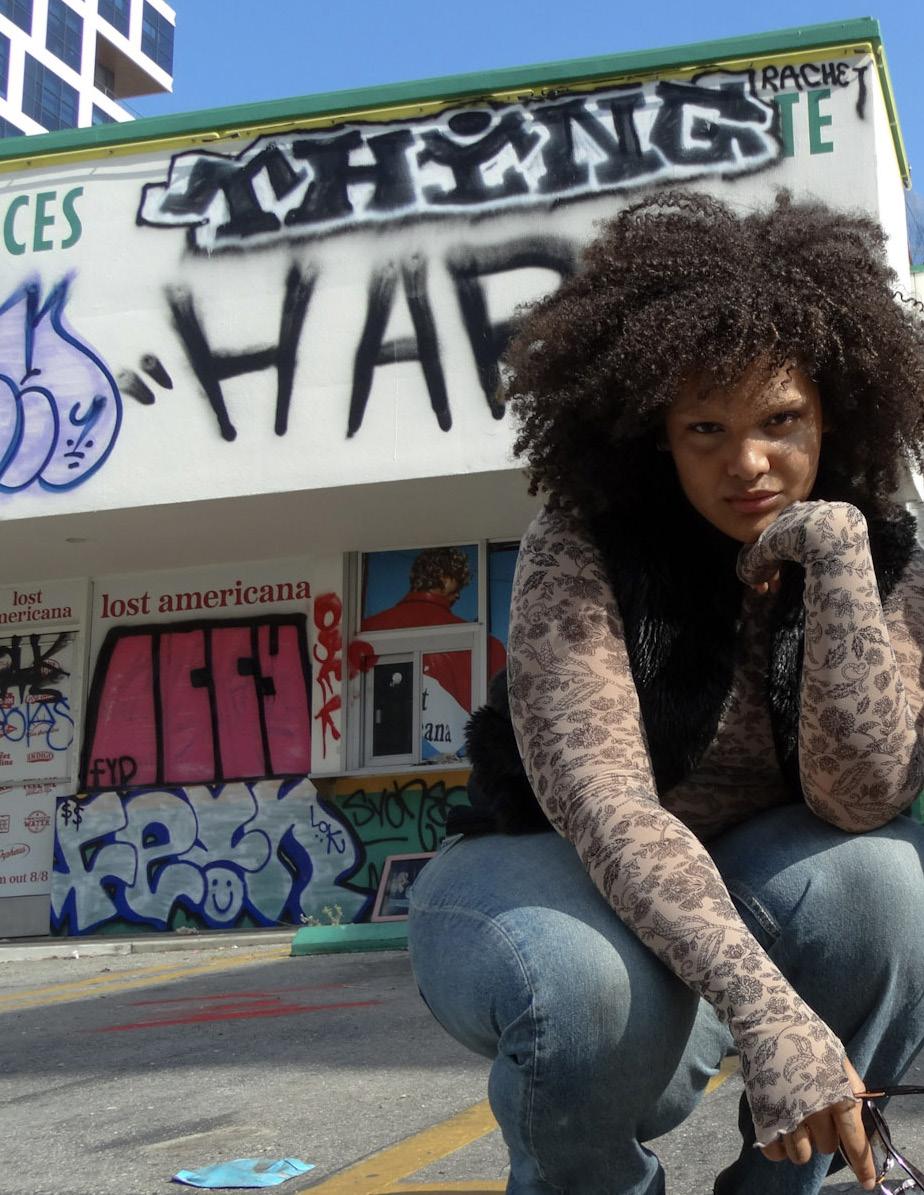
AROUND THE WORD, LOS ANGELES IS KNOWN AS THE HEIGHT OF GLAMOUR. L.A. IS A DARK DREAMLAND—IT’S SURREAL, INVOKING PICTURESQUE SNAPSHOTS OF BEAUTY, AGELESS YOUTH, STARDOM, RICHES, AND FAME. HOWEVER, THE PERFECTION IS A TRUE ILLUSION. HOLLYWOOD ALSO BREEDS GREED, LUST, JEALOUSY, SHAME, AND ISOLATION. “SUPERNOVA” VISUALLY EXPLORES BOTH THE ILLUSION AND THE REALITY, THE DIFFERENCES BETWEEN THE GRITTY AND THE DREAMY THROUGH THE LENS OF A FEMALE ‘STAR’ NAVIGATING THE CITY. A SUPERNOVA IS THE BRIGHT EXPLOSION THAT HAPPENS WHEN A STAR REACHES THE END OF ITS LIFETIME.
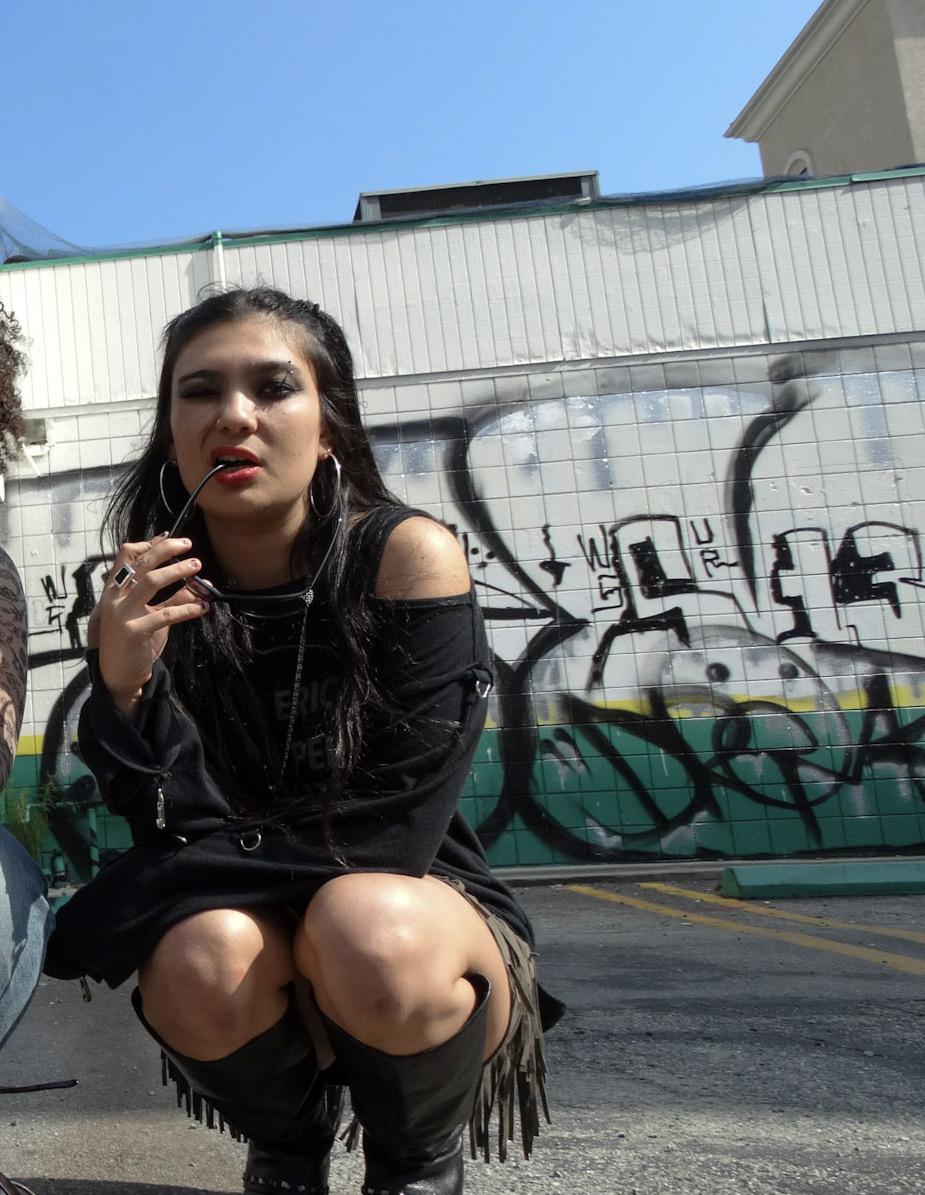
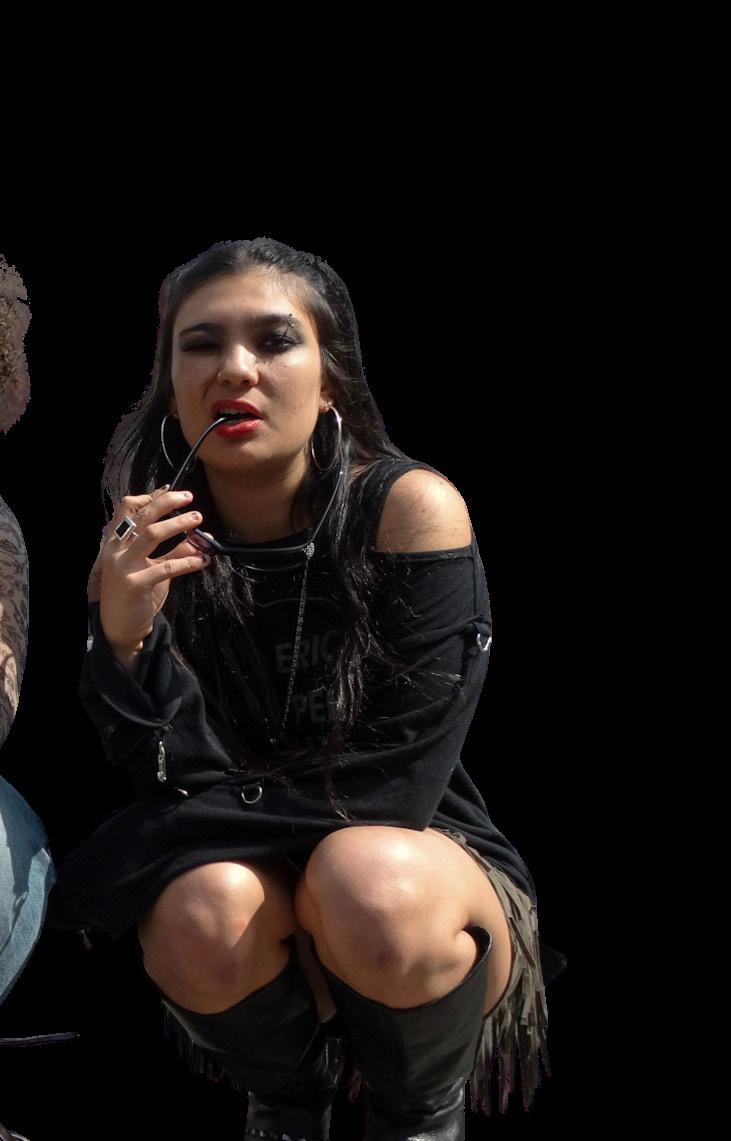
DIRECTED BY NATALIA OPRZADEK
PHOTOGRAPHED BY NATALIA OPRZADEK
MODELED BY SIENA YOCUM AND KASEY ARMSTRONG
nova

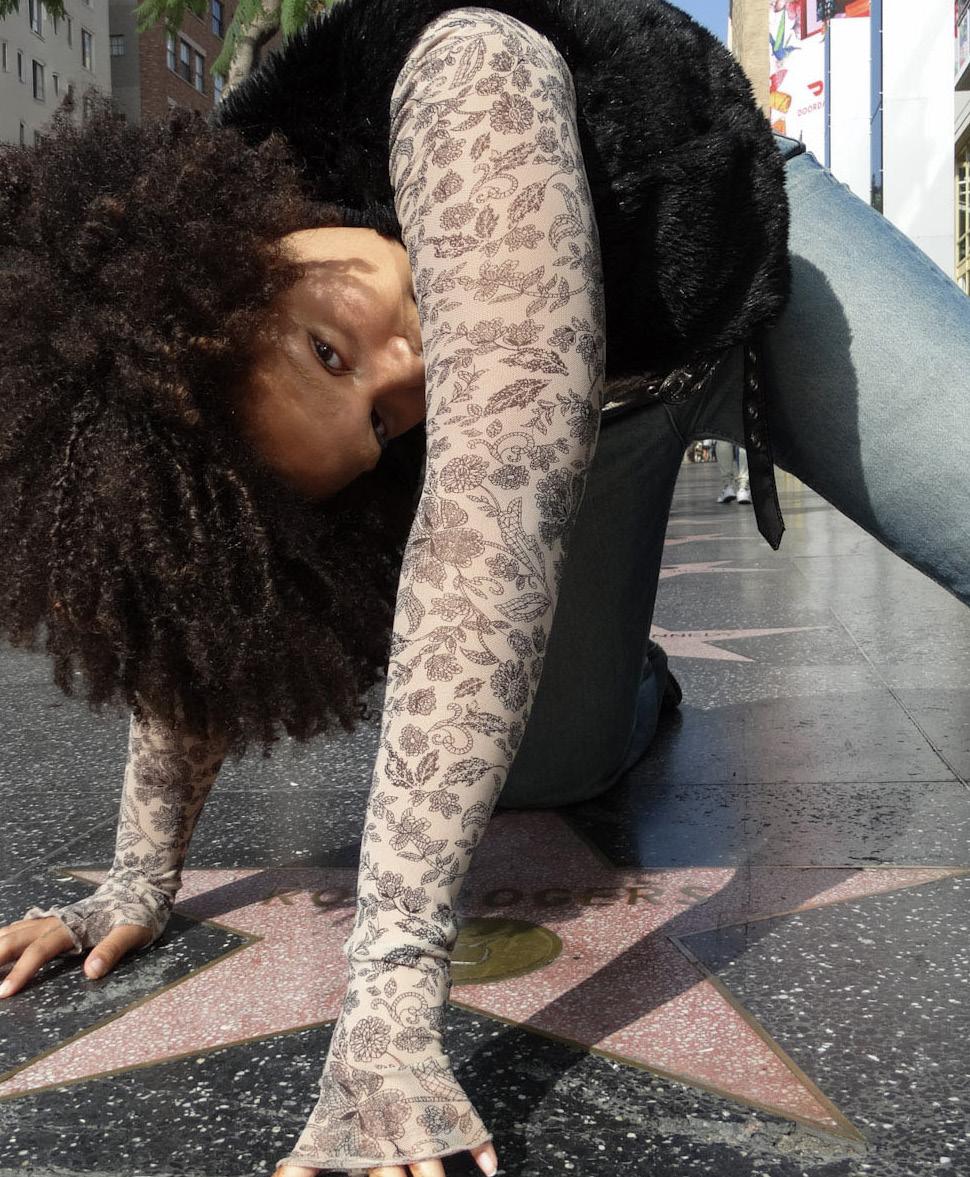
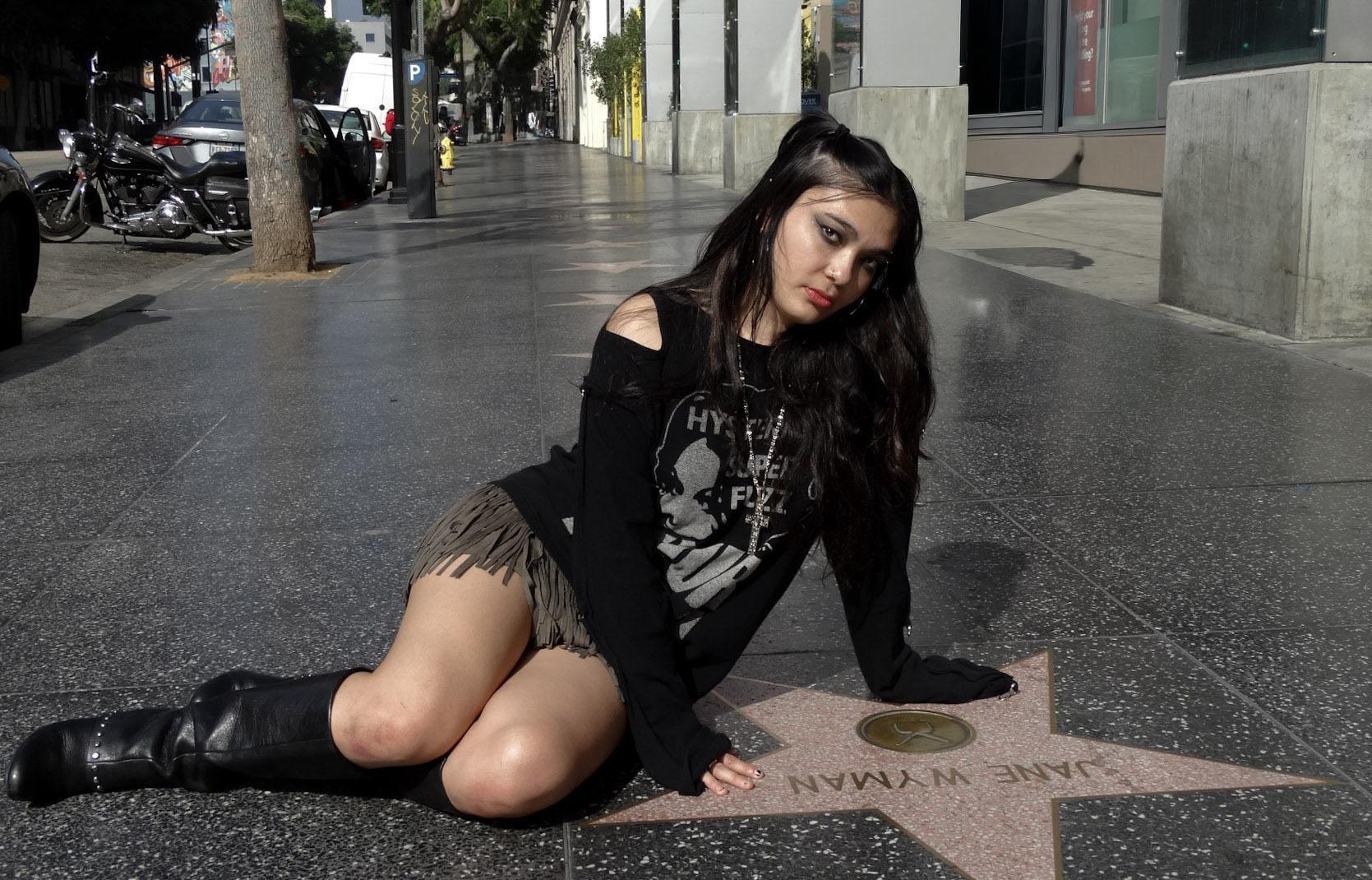
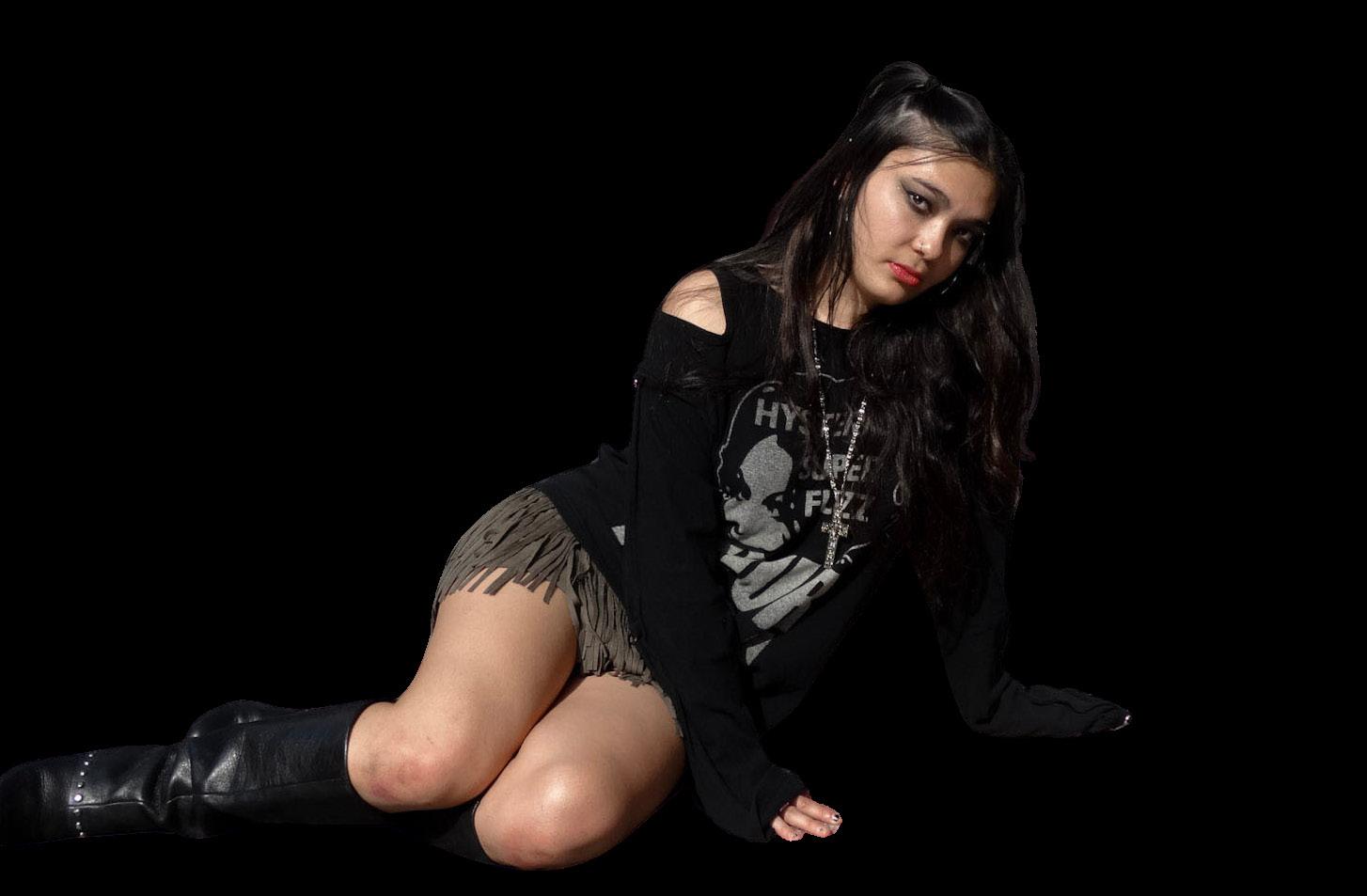
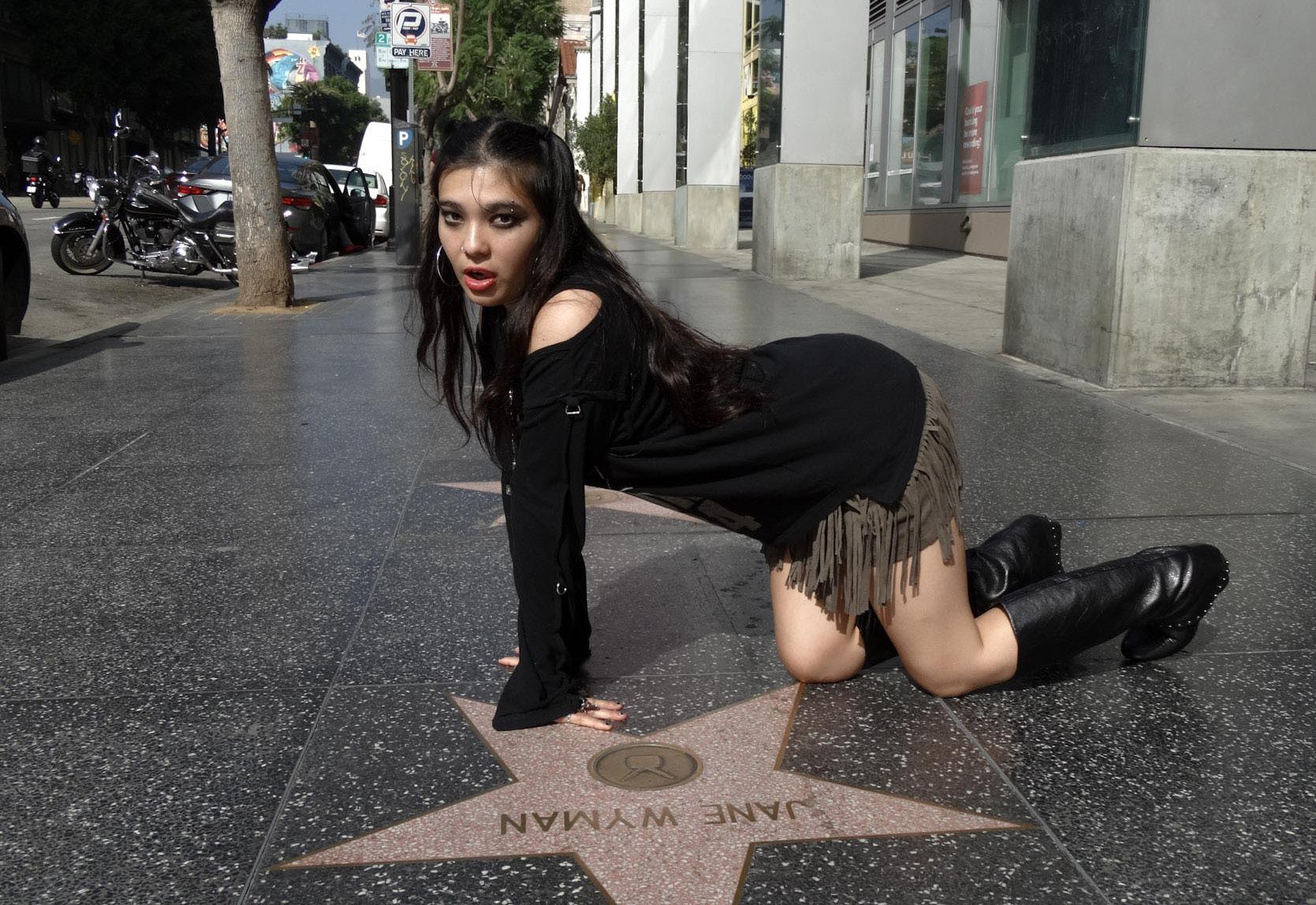
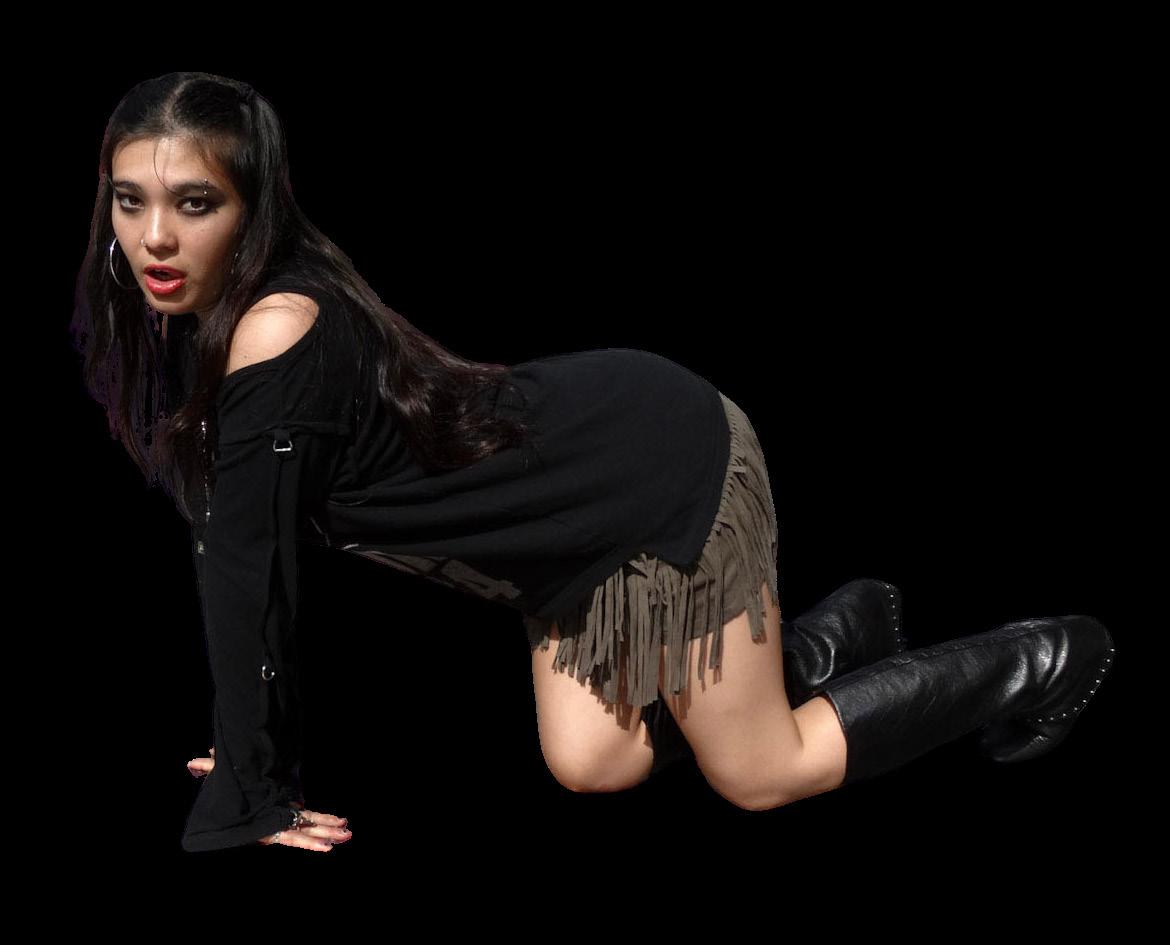
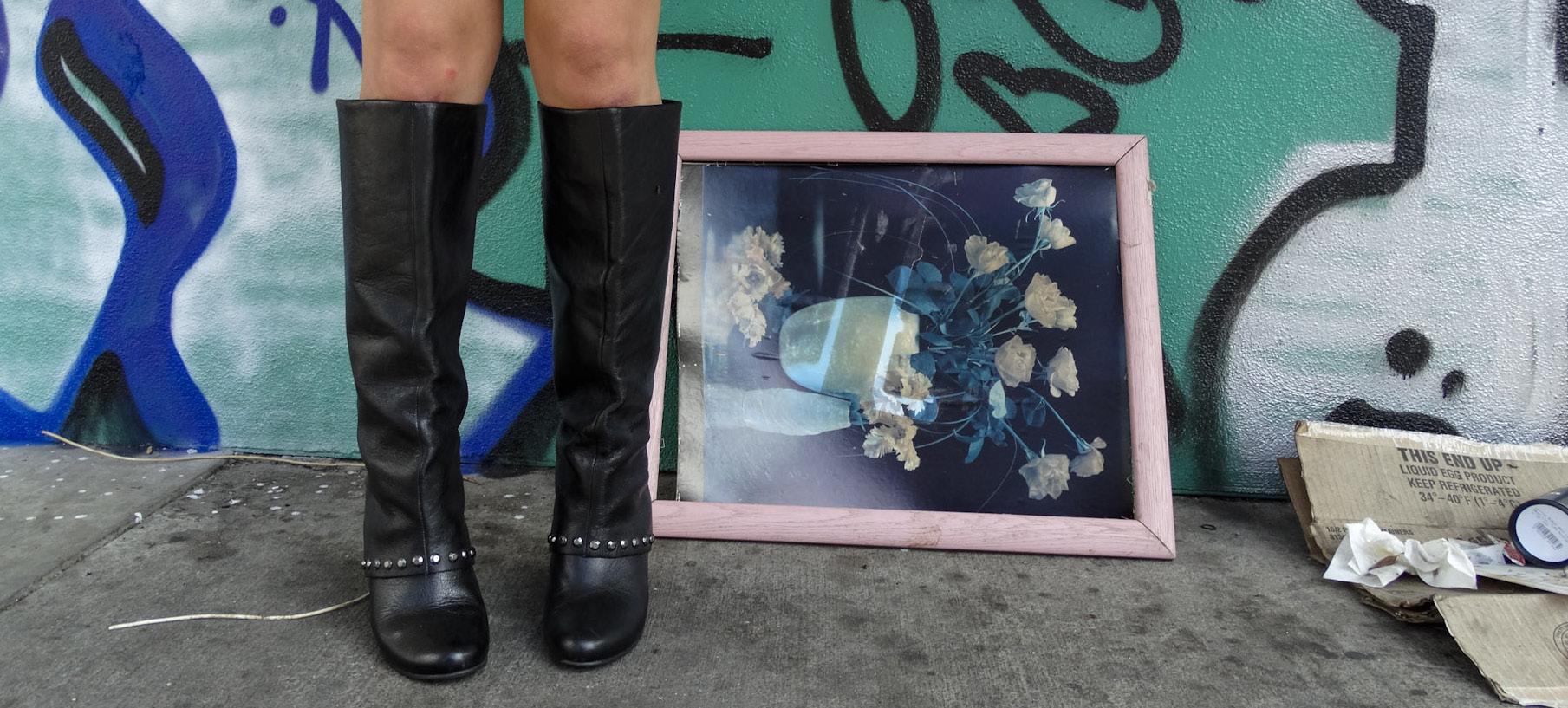

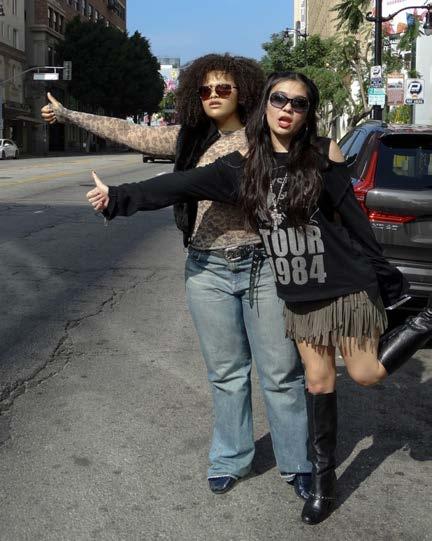
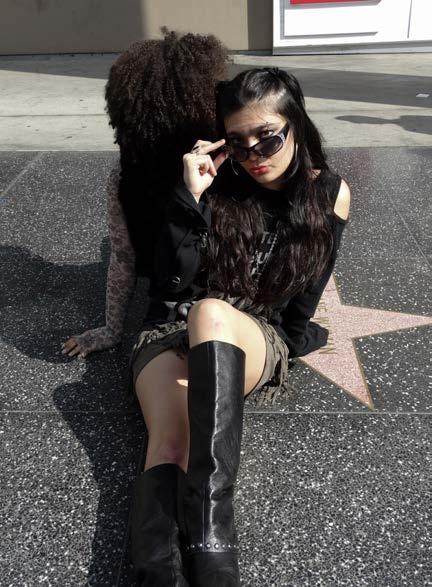
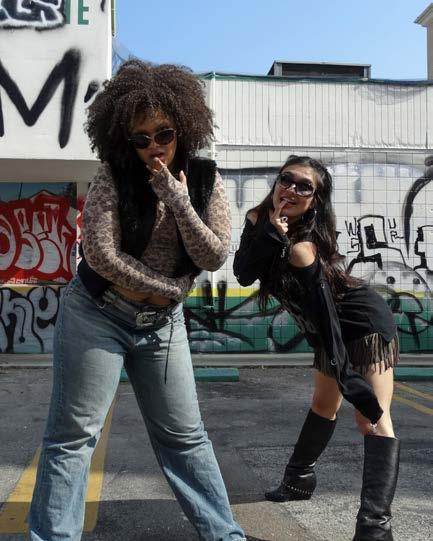
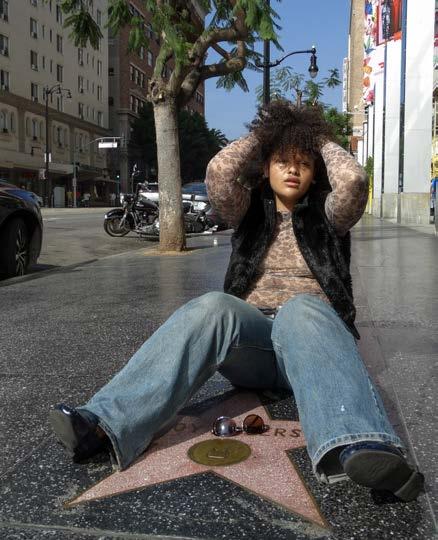
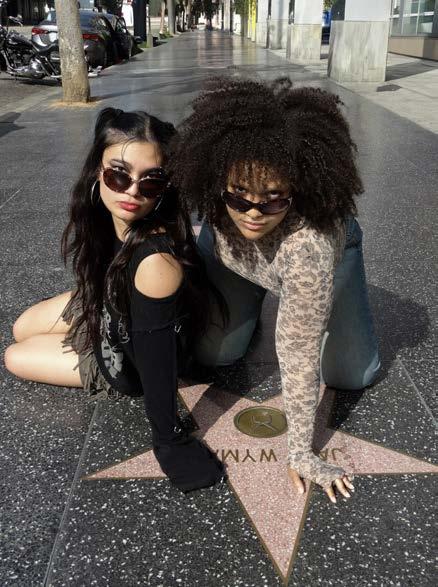
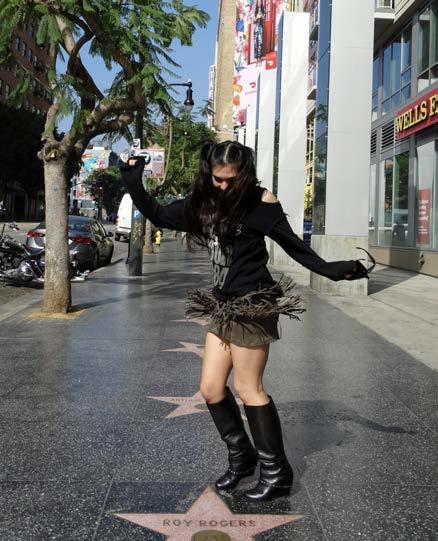
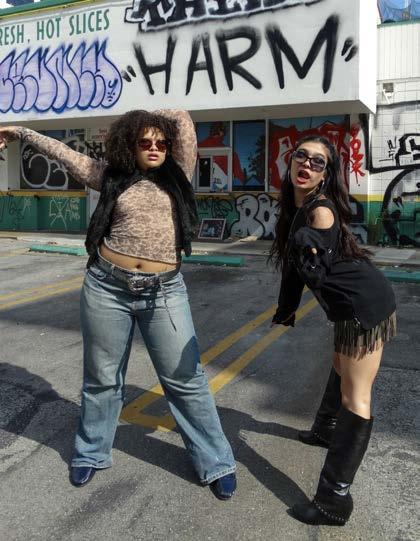
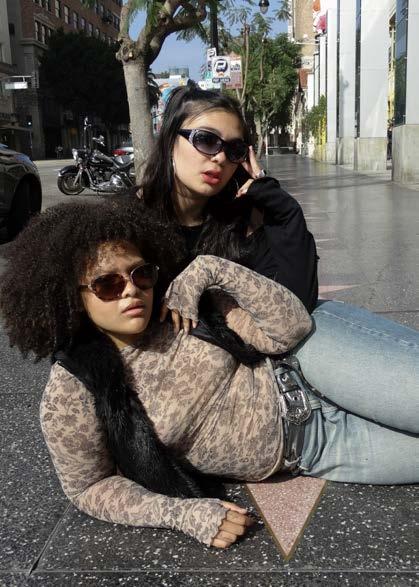
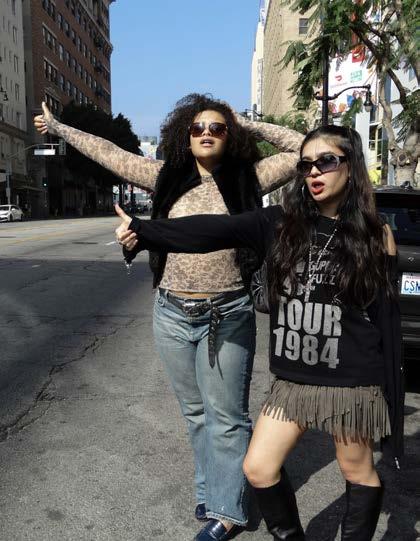
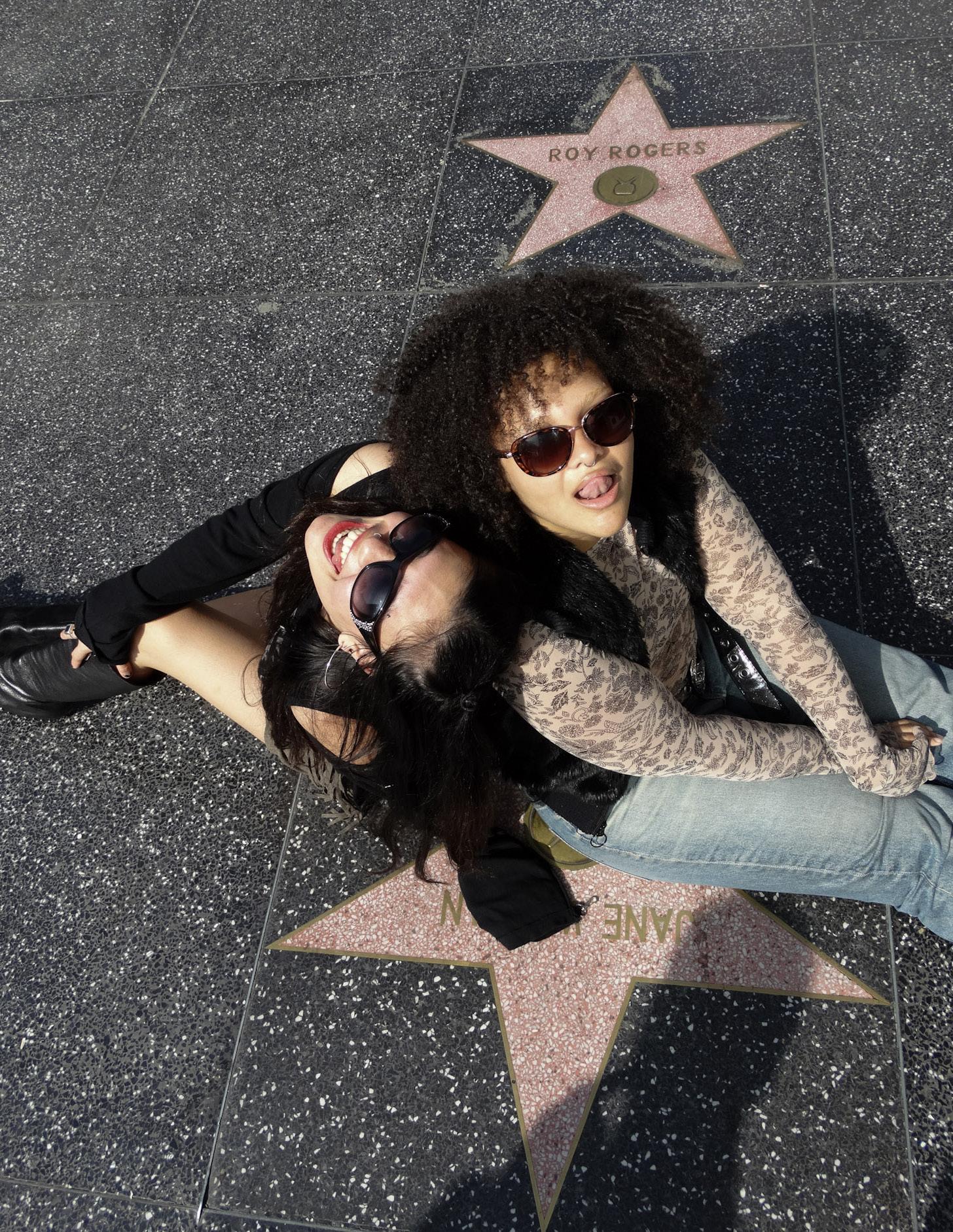
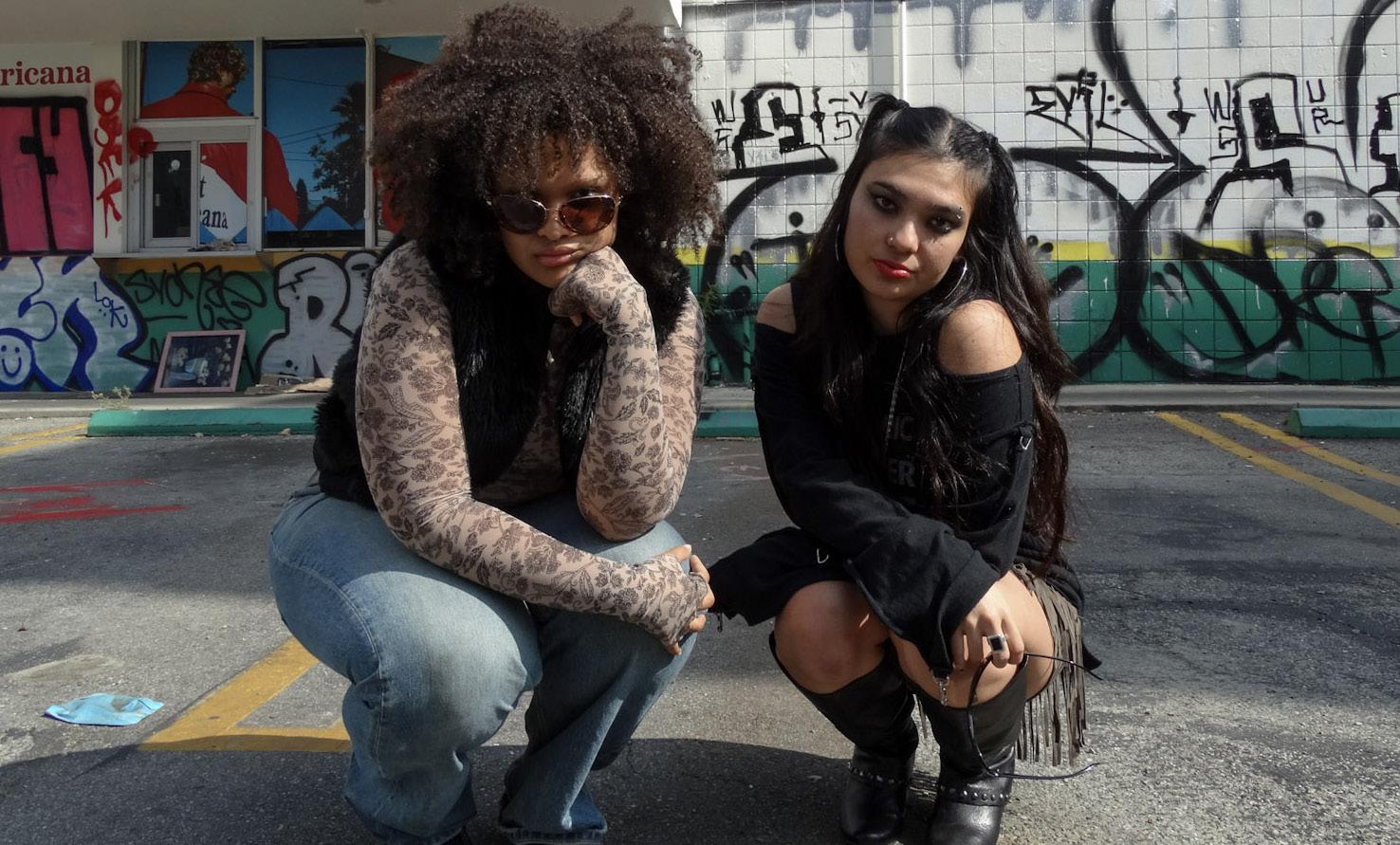
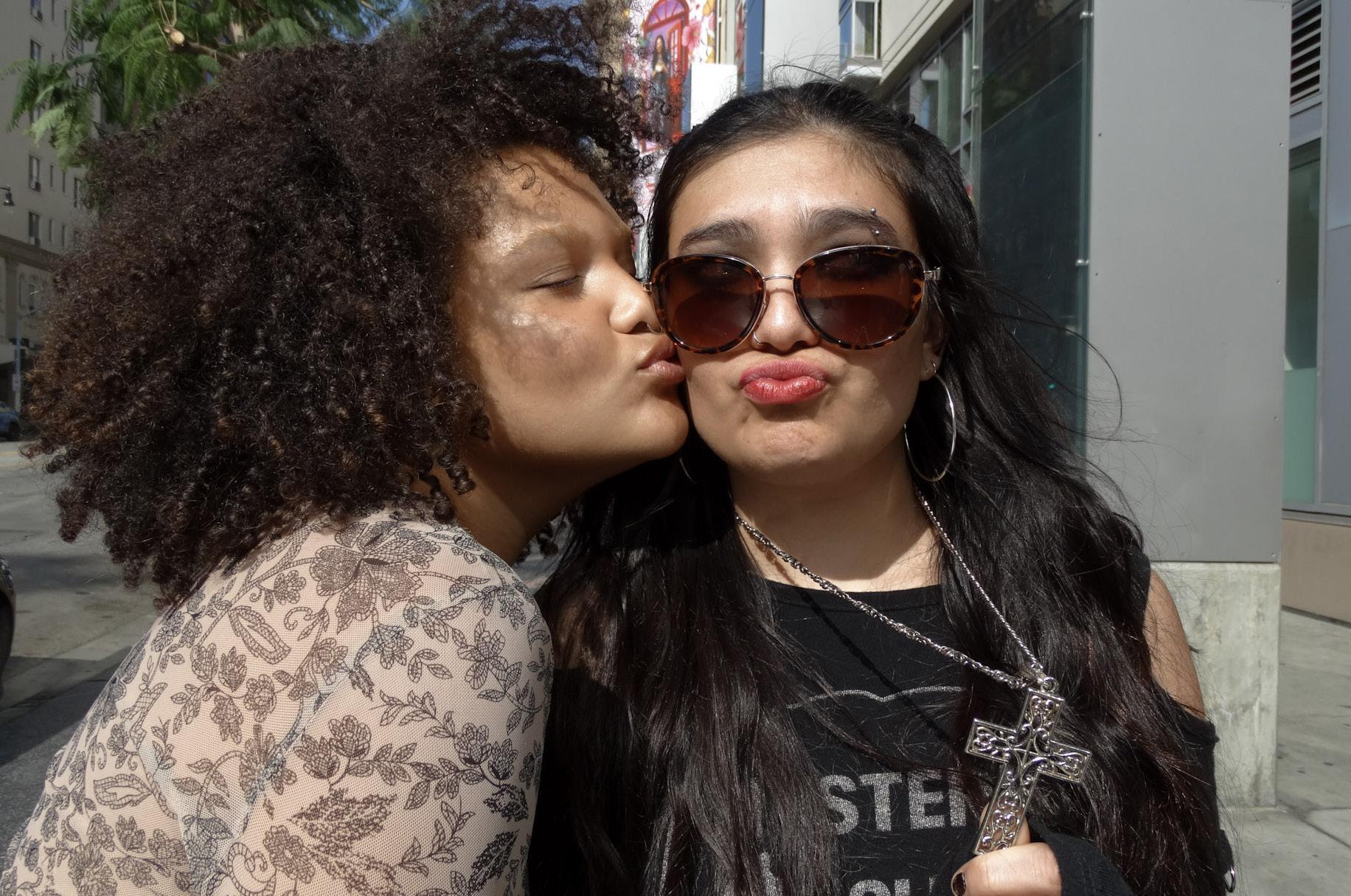
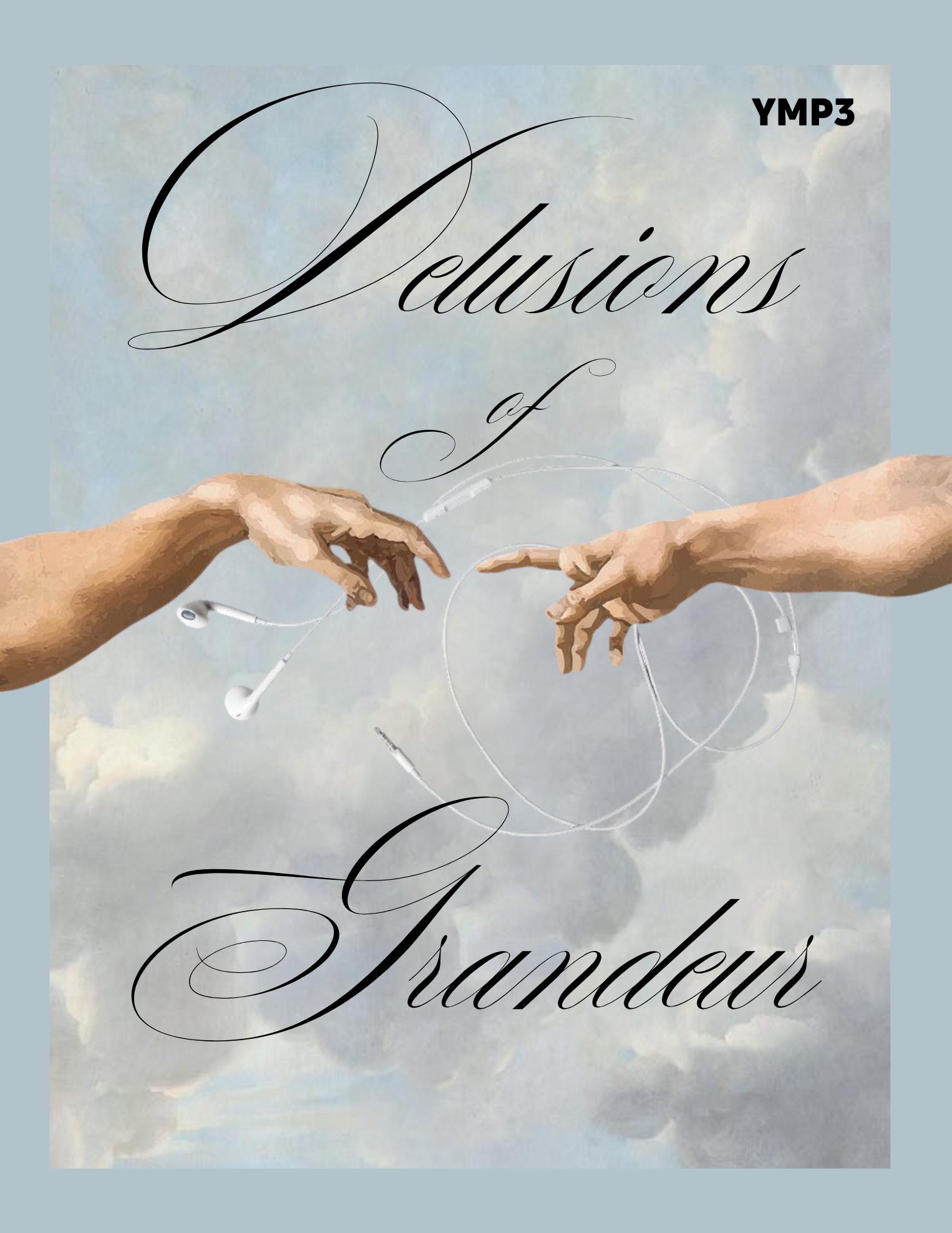
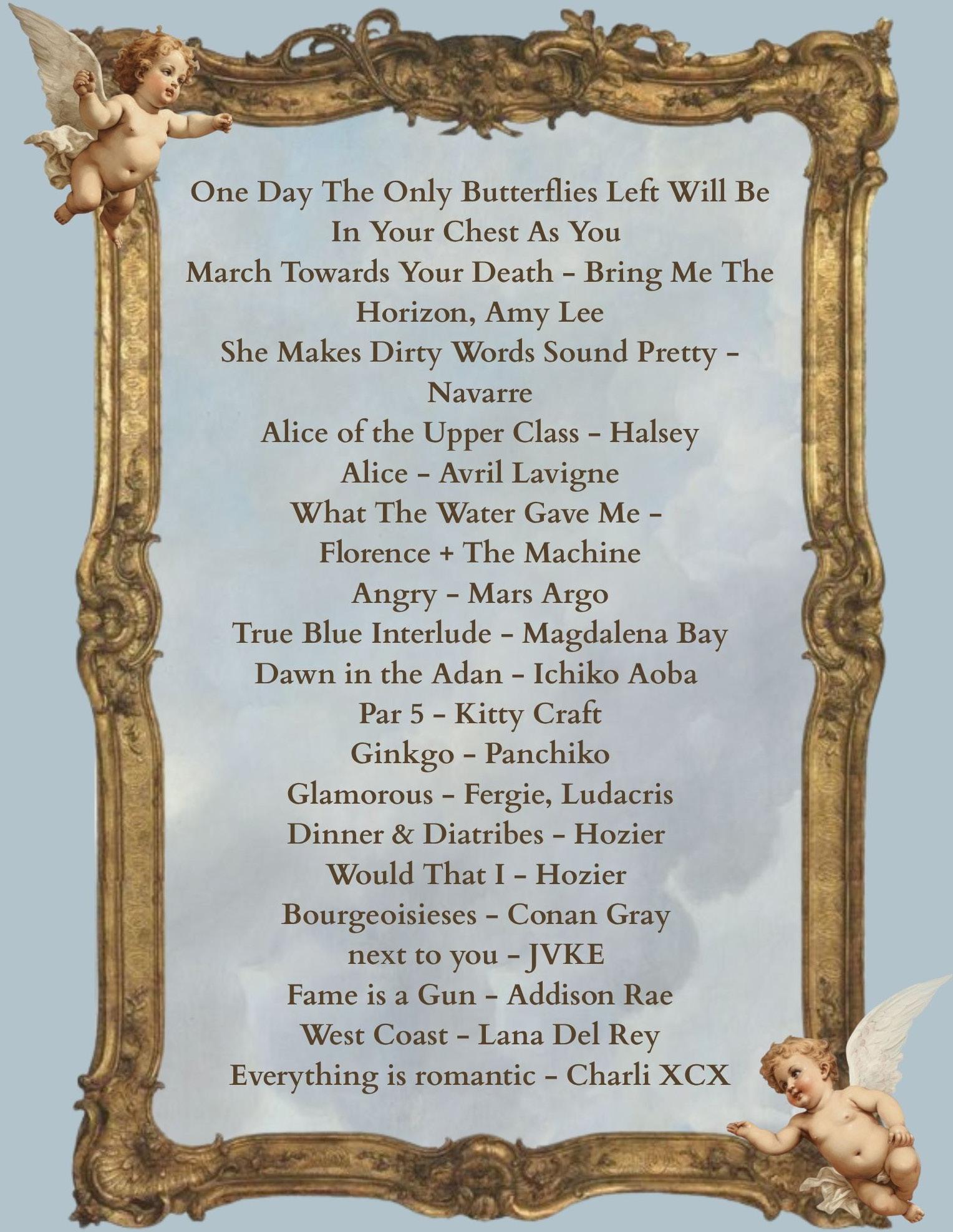
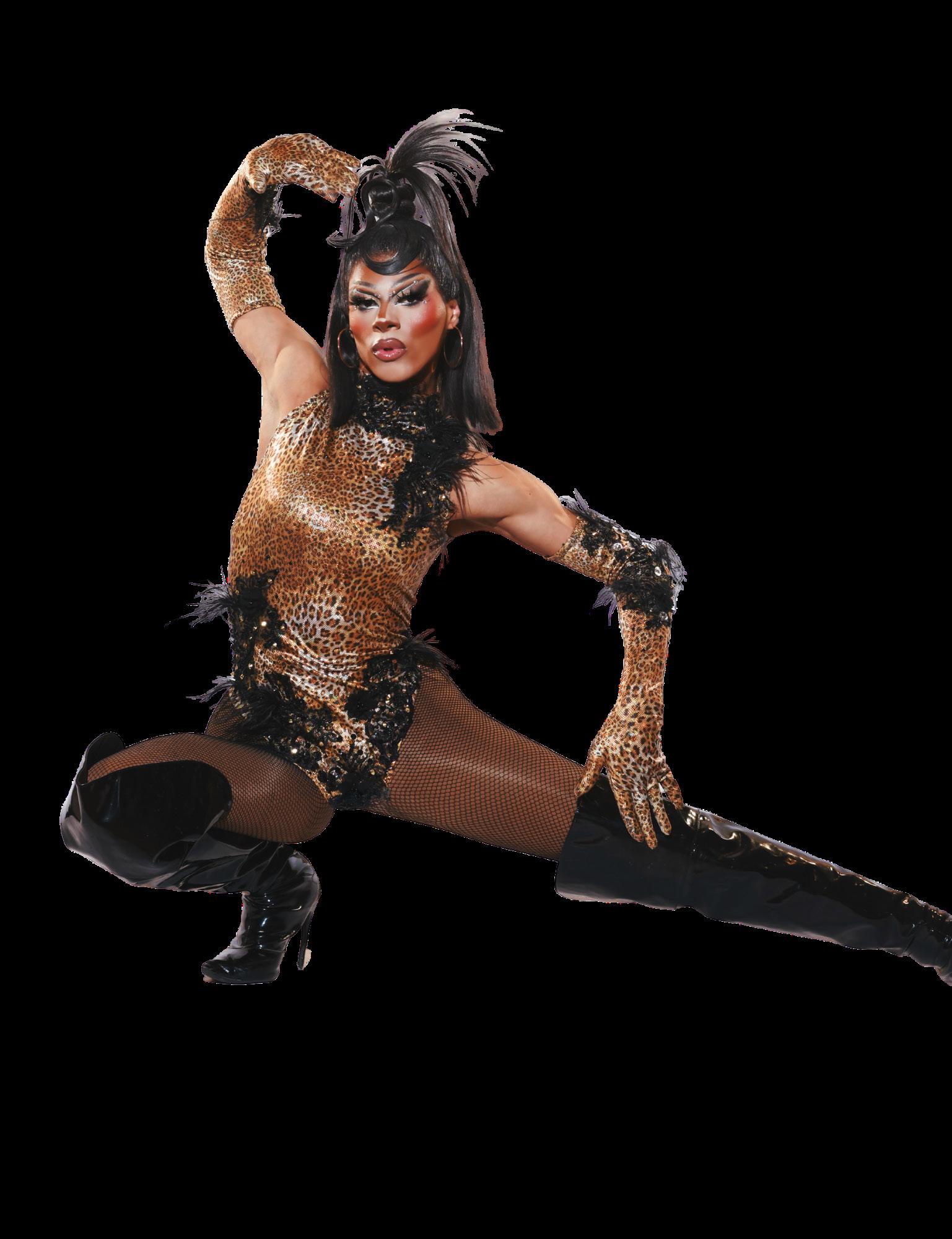
ARTIST STATEMENT CARRION E’CLAIRE SHE/HER
DESCRIBE YOUR WORK IN ONE SENTENCE.
I’m a queen who transforms art and performance into what I like to call a powerful expression of identity and unapologetic self expression.
WHAT INSPIRES YOU TO DO DRAG?
When I was younger I met a drag queen and she fed me when I was homeless. She sadly passed away during COVID: so honestly, holding up her legacy and continuing to thrive and grow for her is my biggest inspiration.
WHO INSPIRES YOUR WORK?
My chosen family.

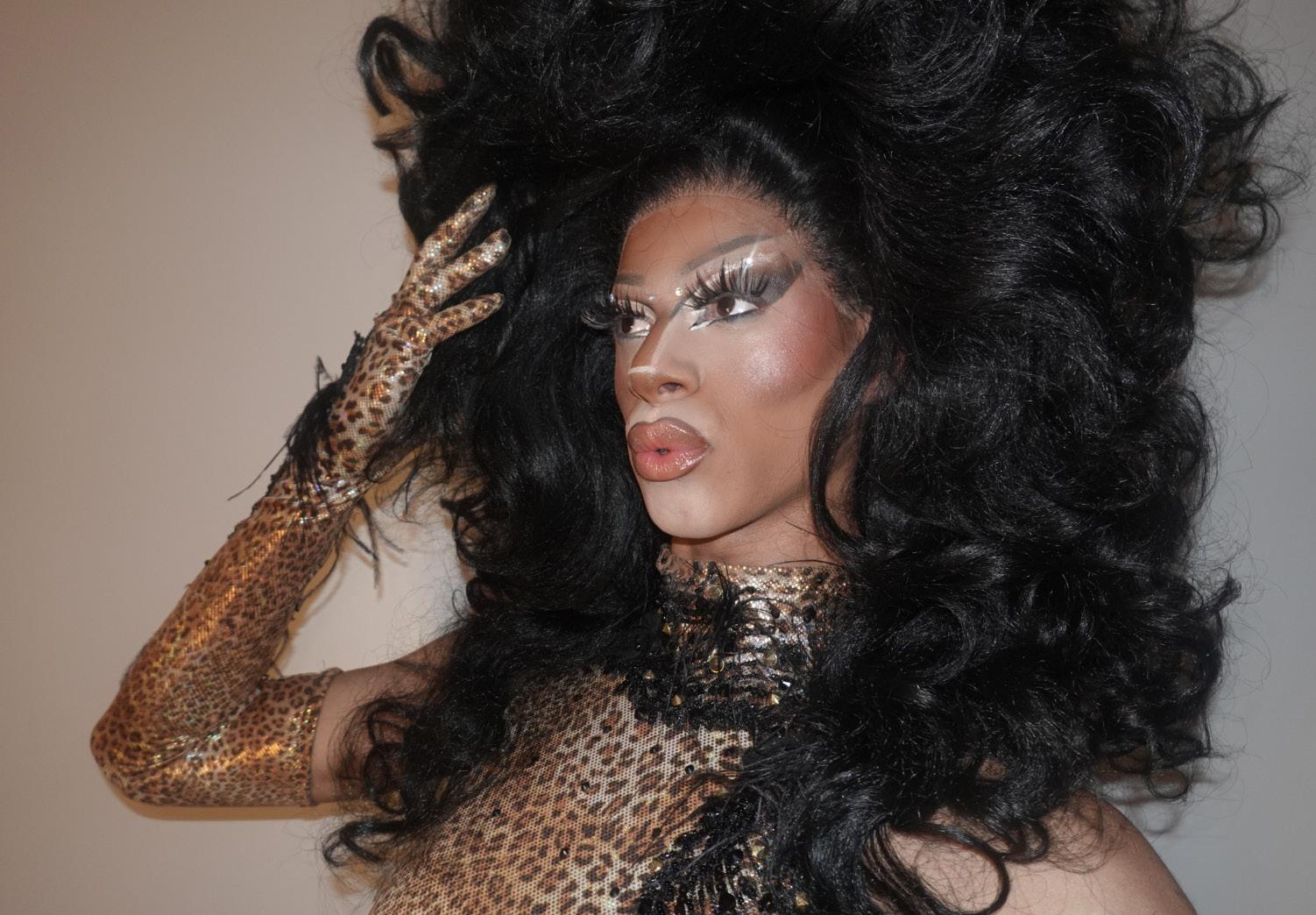
WHAT IS YOUR HISTORY WITH DRAG?
I had a huge connection with a drag queen. She took me in when I was homeless and she inspired me so much. She’s the reason I’m where I am today.
WHAT DOES DRAG MEAN TO YOU?
Drag means family to me.
“HONESTLY, MY DRAG PROCESS IS SO SIMPLE. I MEDITATE BEFORE GETTING INTO DRAG BECAUSE SOMETIMES I NEED TO TAKE A DEEP BREATH
BEFORE LOOKING SO C*NTY.”
WHAT IS YOUR FAVORITE PIECE YOU HAVE EVER WORN IN DRAG?
Oh my goodness! My favorite piece ever was a hand made custom cheetah outfit by the talented Ethan cross and Shontell Sparkles.
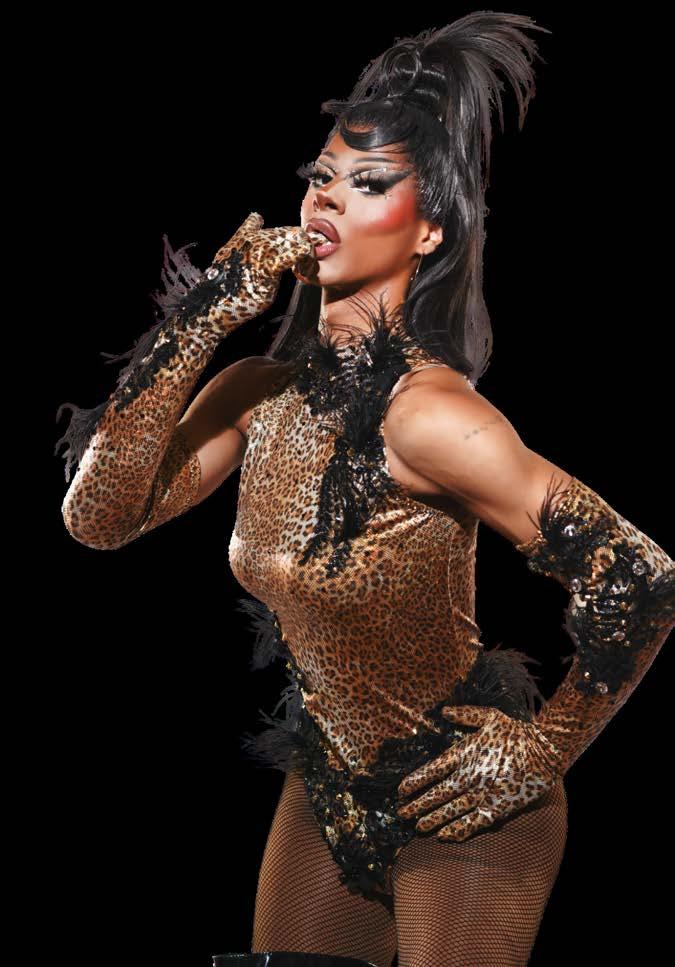
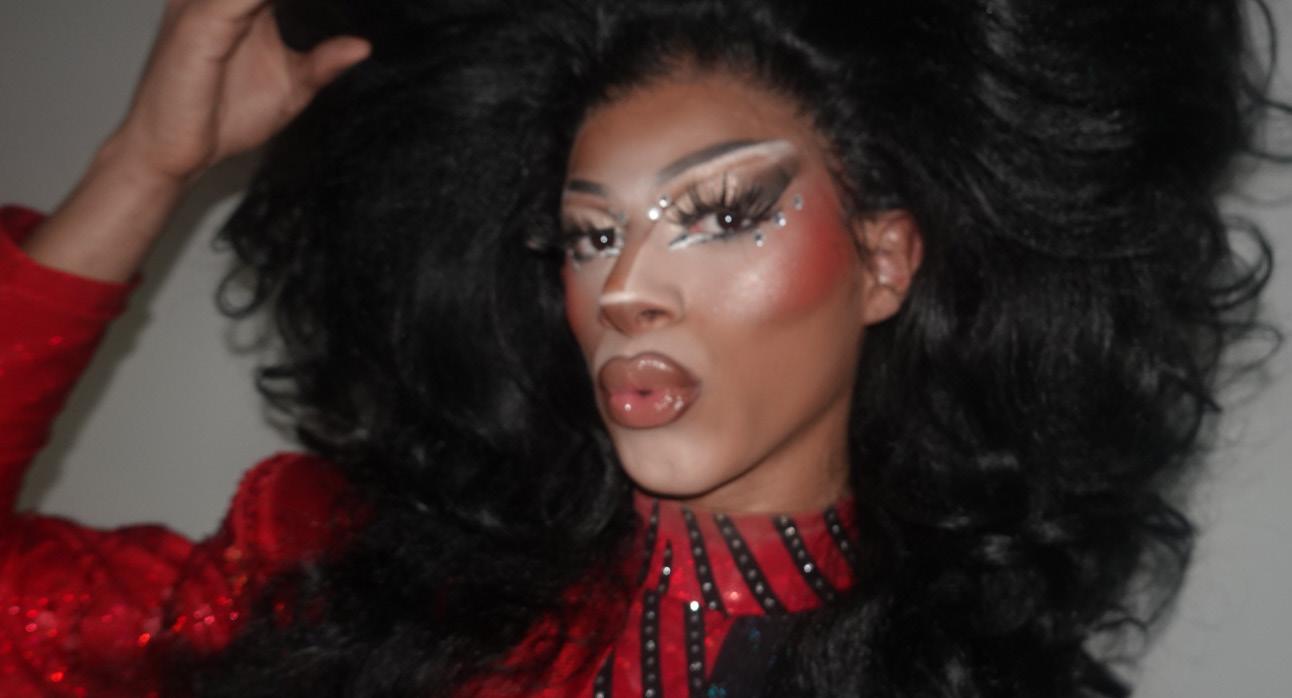

WHAT ADVICE WOULD YOU GIVE TO ARTISTS INTERESTED IN DRAG?
Be yourself and DO NOT compare yourself to other queens. We all have different paths and experiences, so please don’t let your work go unnoticed.
WHERE DO YOU SEE YOURSELF IN 10 YEARS?
Hopefully as the winner of RuPaul’sDragRace touring as America’s next drag superstar and inspiring the world of drag!
WHERE CAN READERS FIND MORE OF YOUR WORK?
Instagram @itselijahcarrion. And hopefully on RuPaul’sDrag Race in a few years! :)



DIRECTED BY MCKENNA SMITH
PHOTOGRAPHED BY MCKENNA SMITH


ASSISTED BY EMMA BOWEN AND EMILIE DUMAS
STYLED BY EMILY HAMNETT
MODELED BY IZZIE

CLAUDIO, EMMA BOWEN, MCKENNA SMITH, EMILIE DUMAS, SIENNA LEONE, EMILY HAMNETT
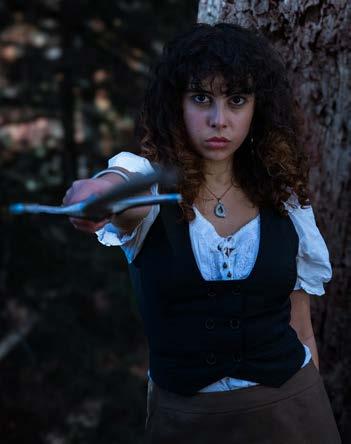
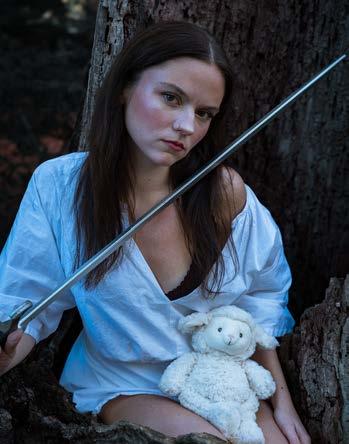

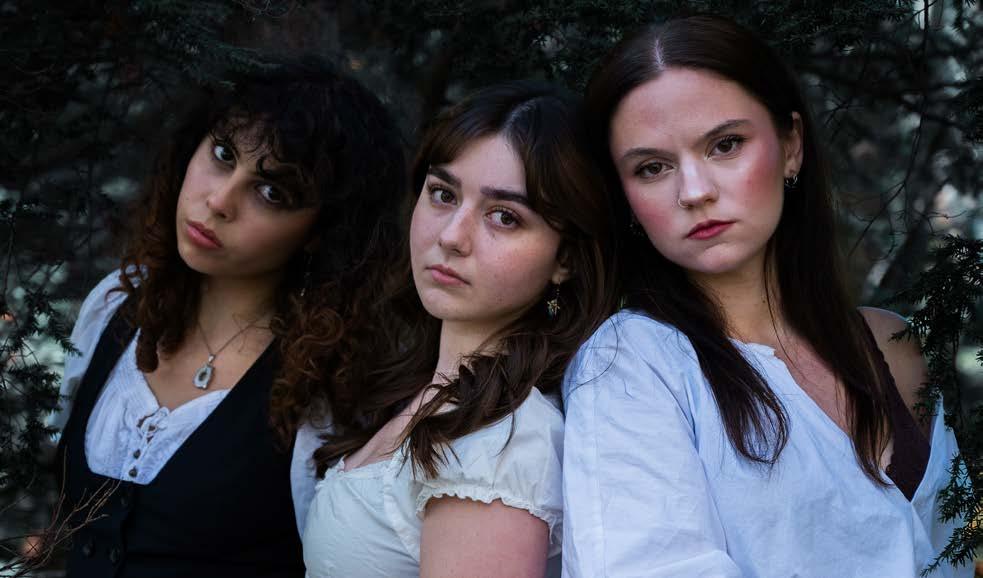
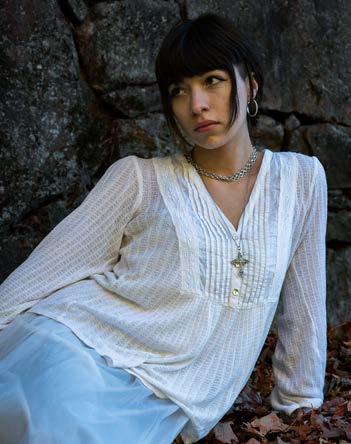
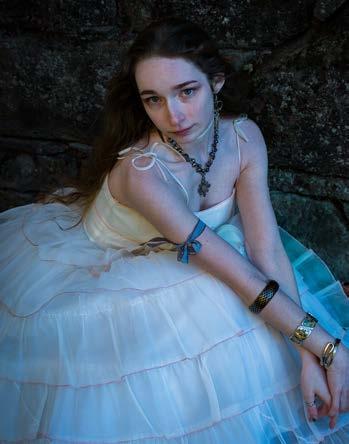
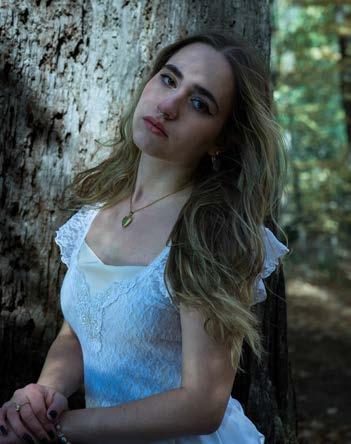

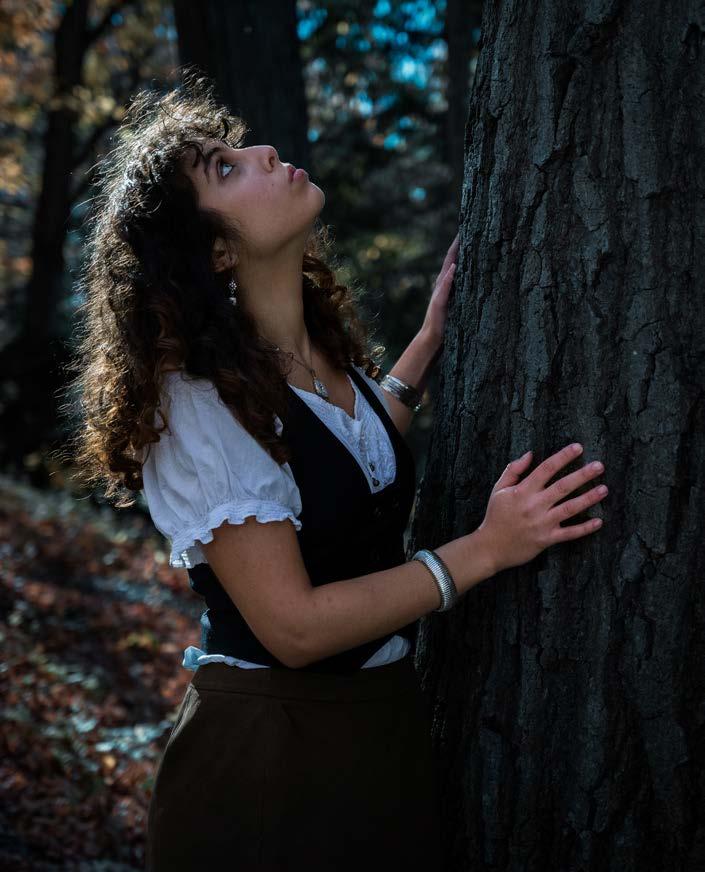
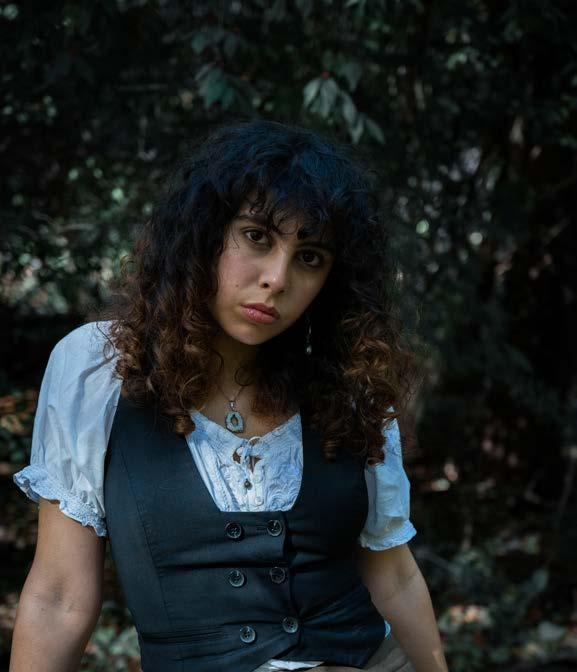

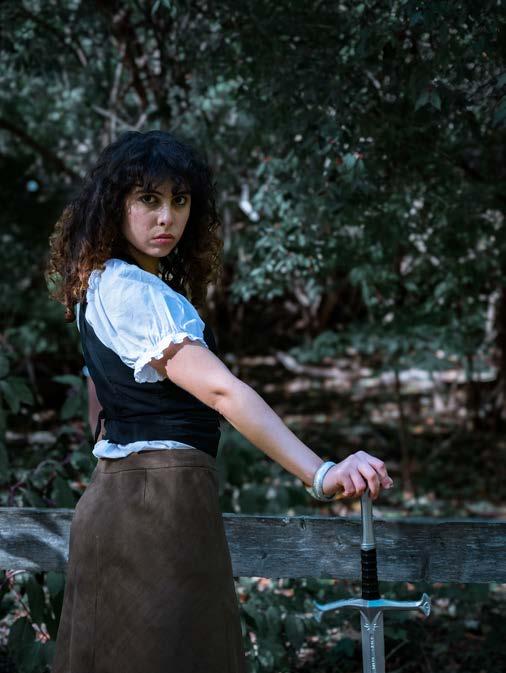

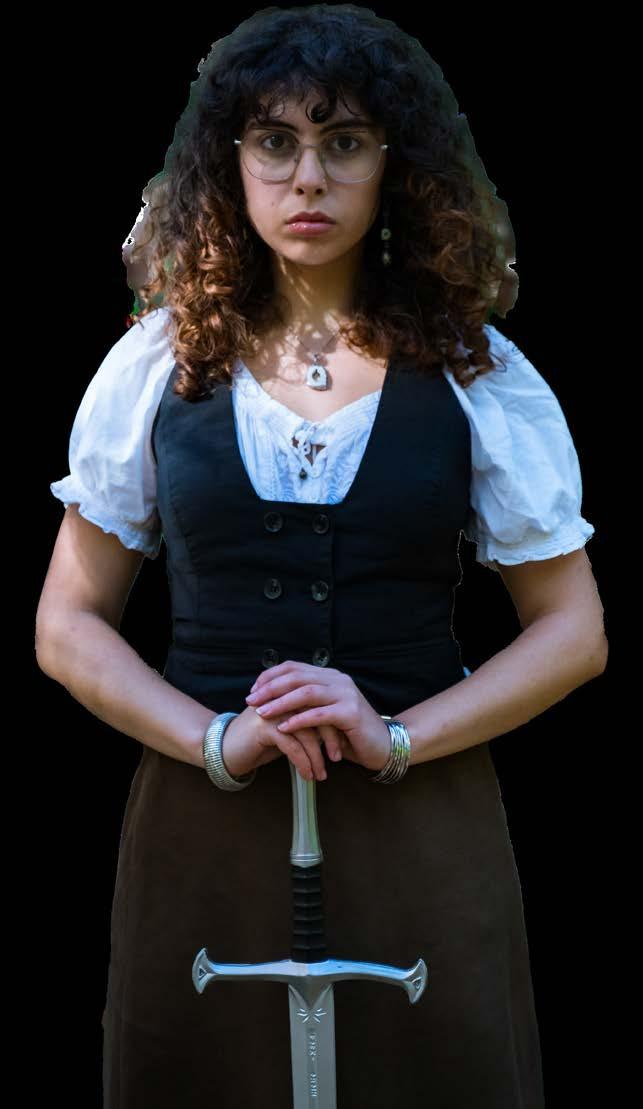
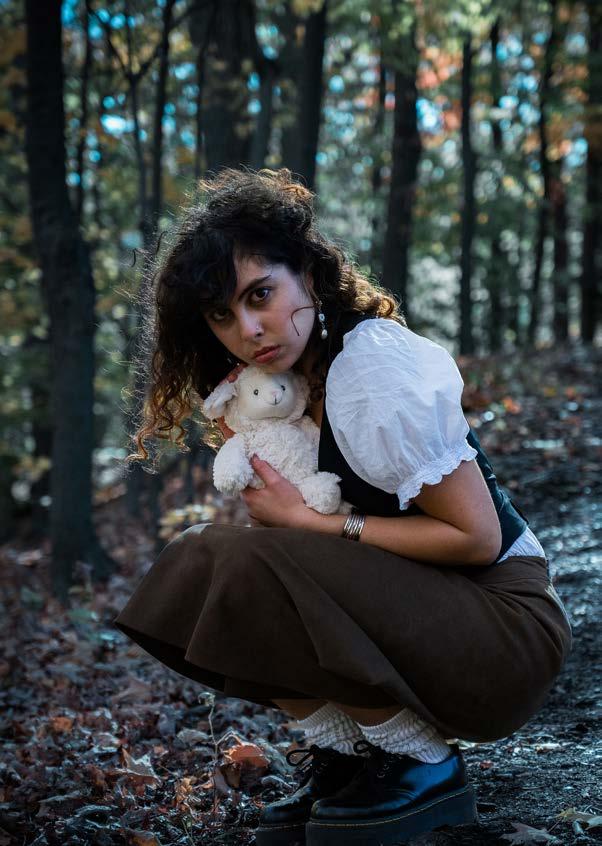
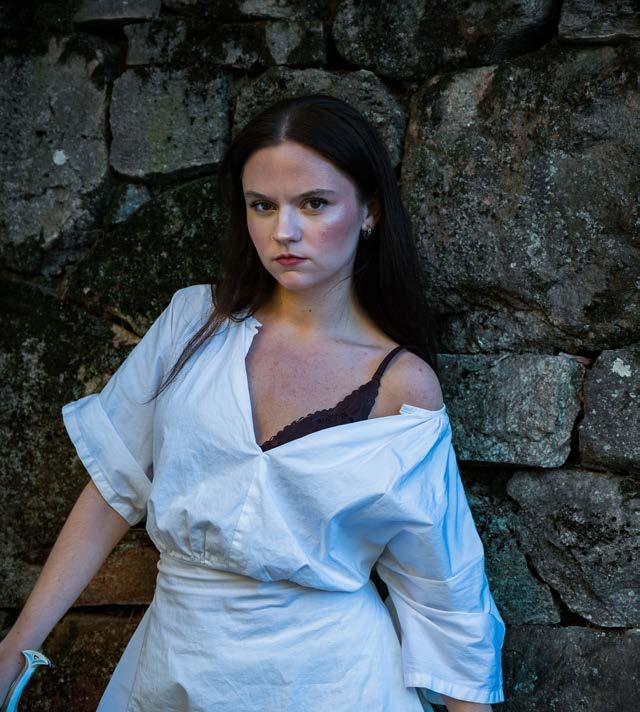
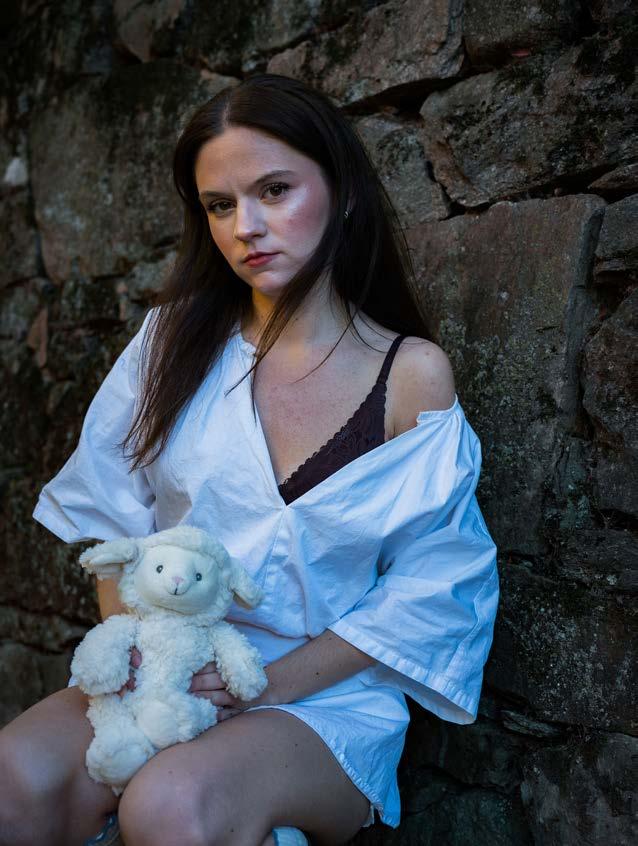
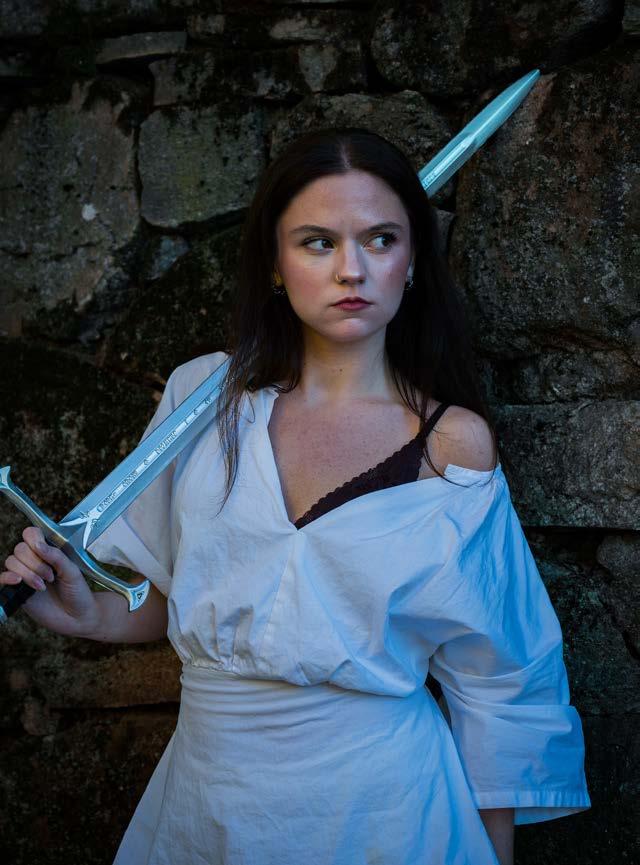

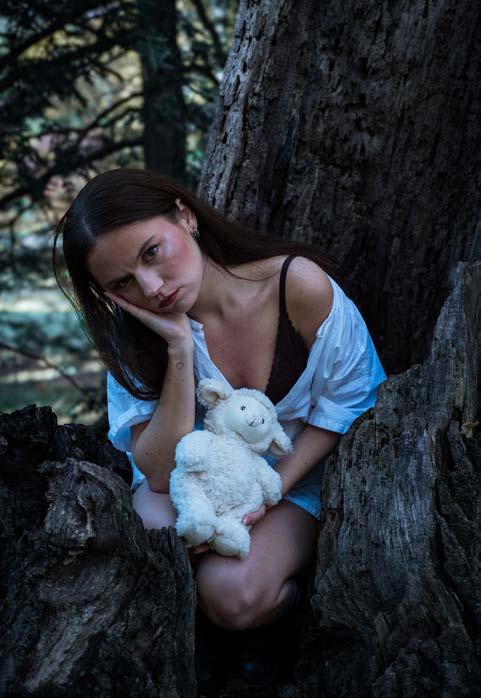
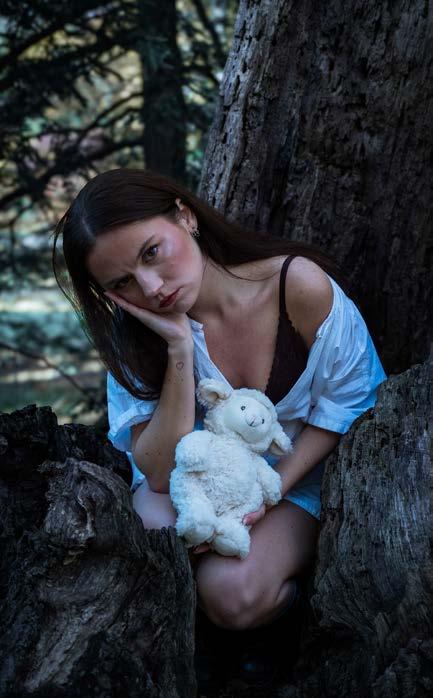
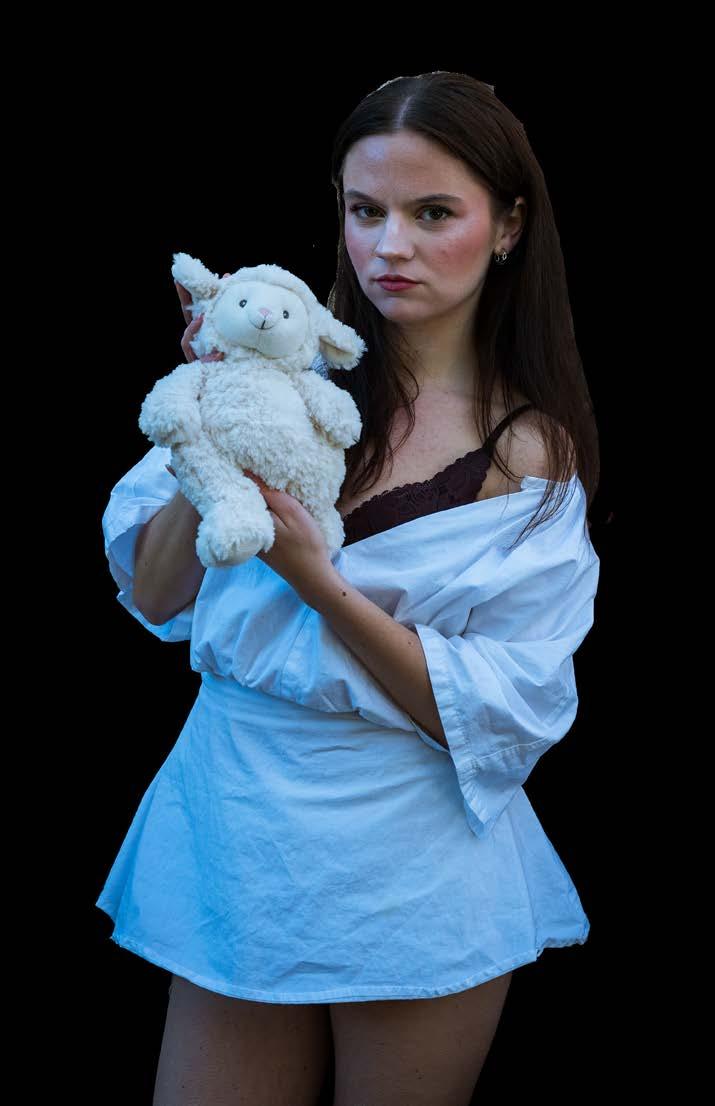
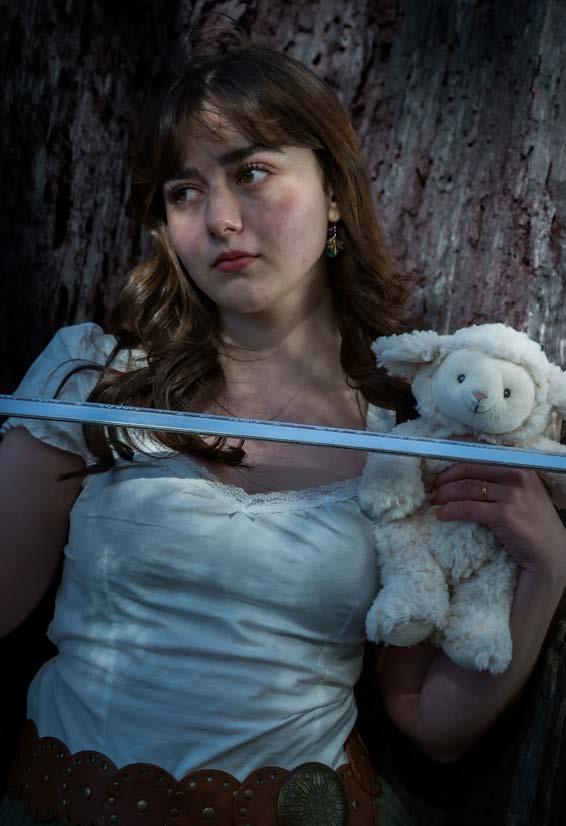
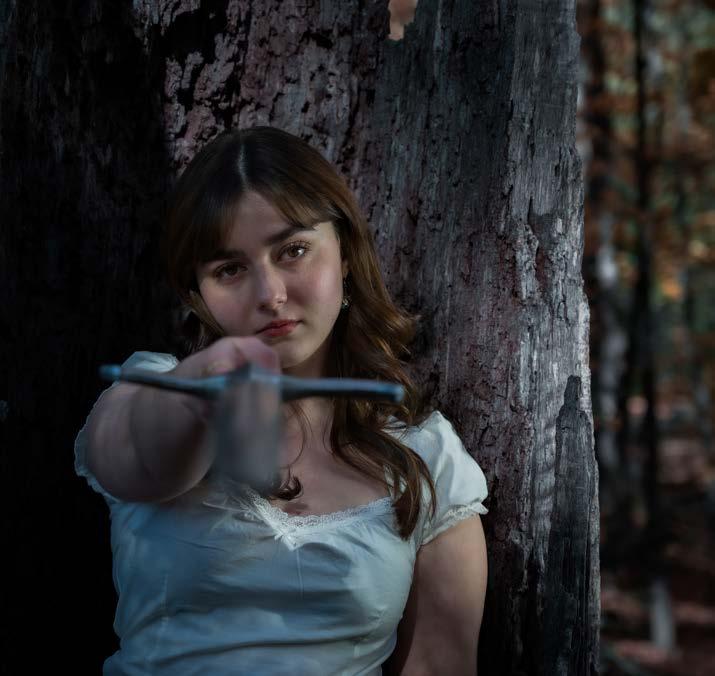
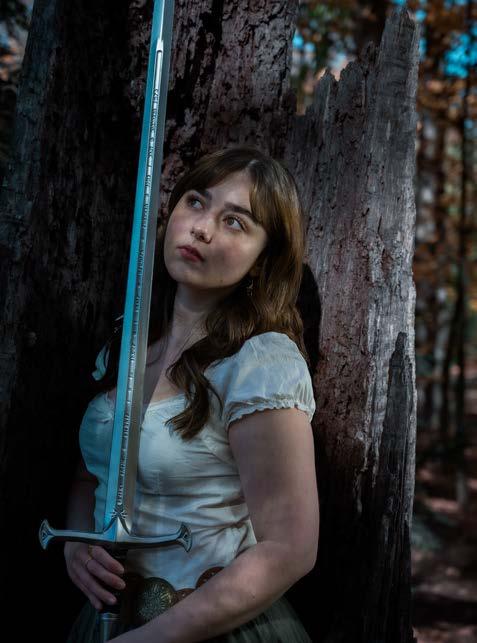
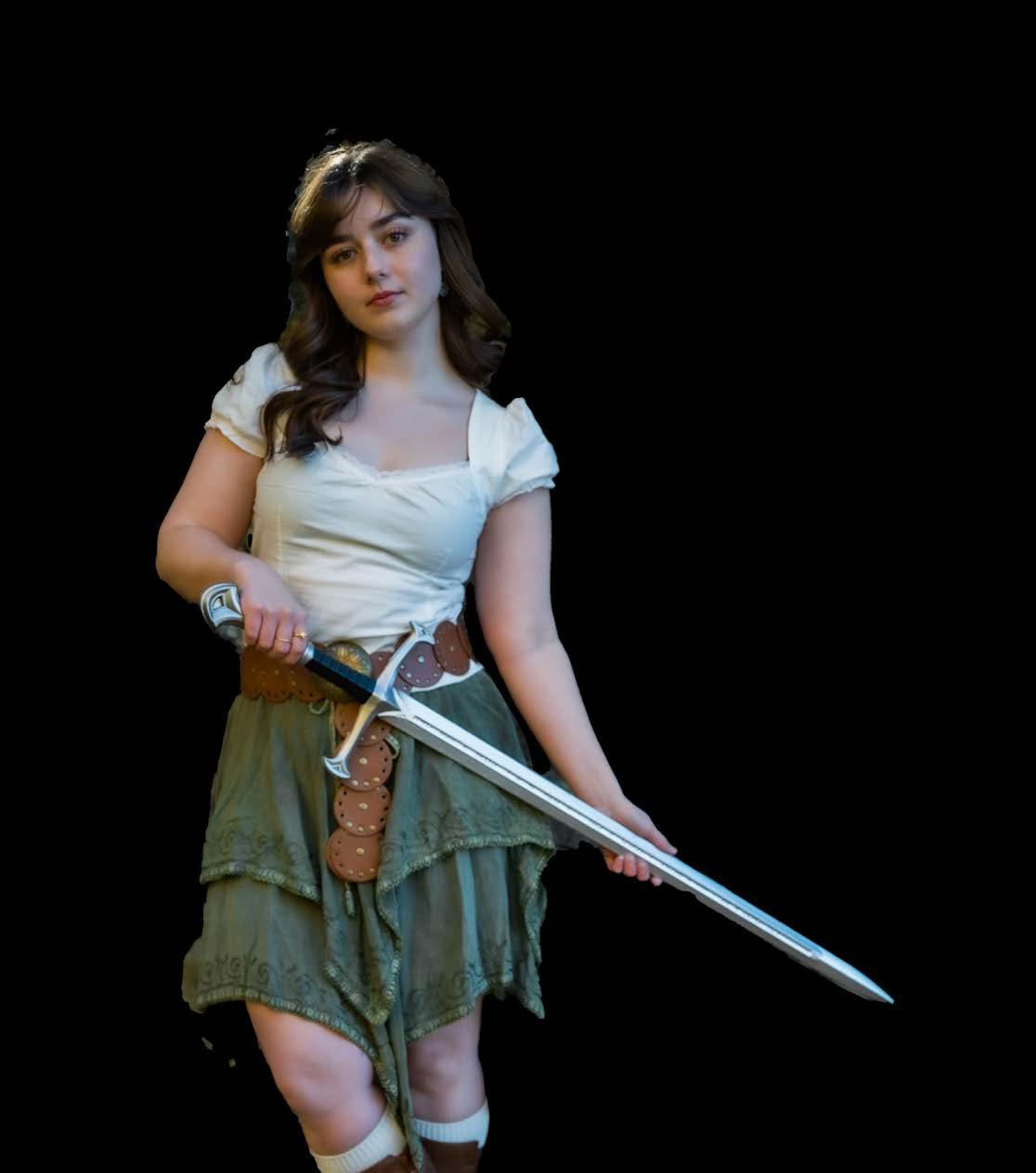
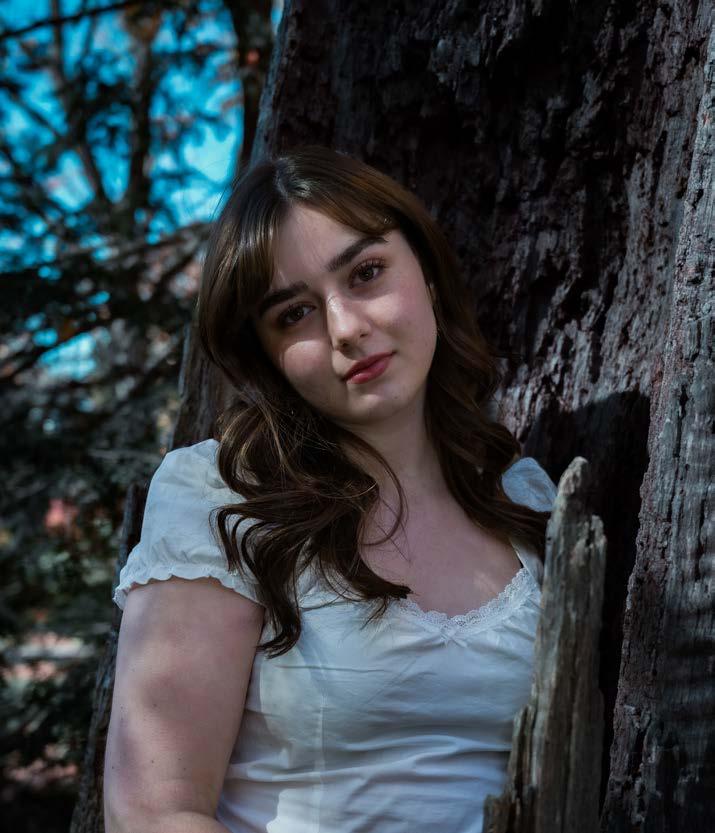
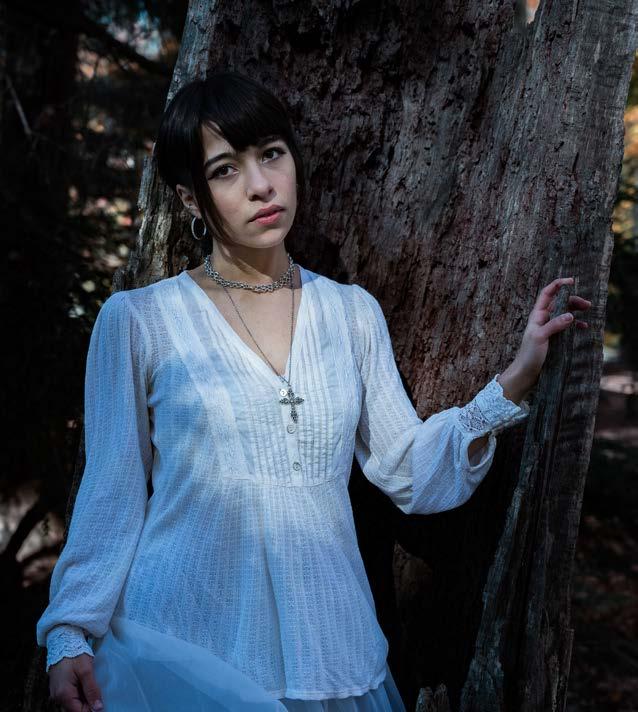
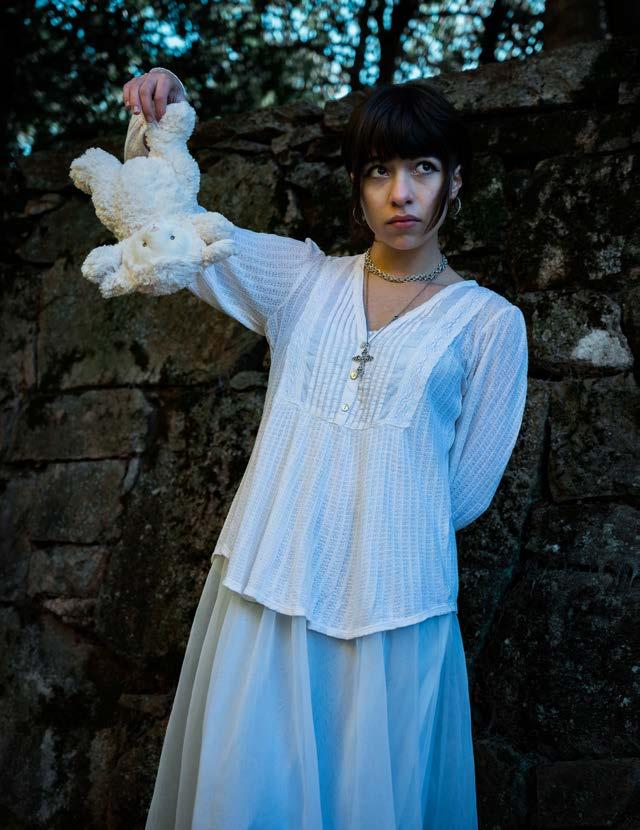
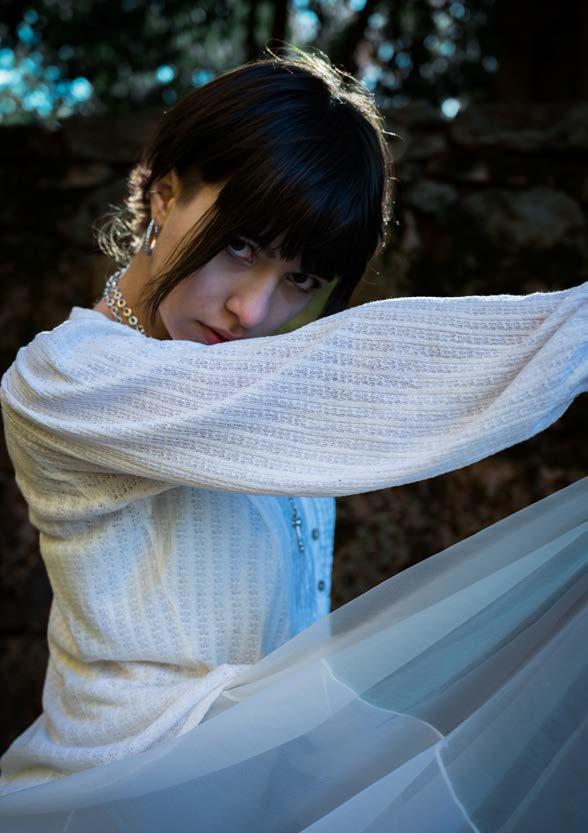
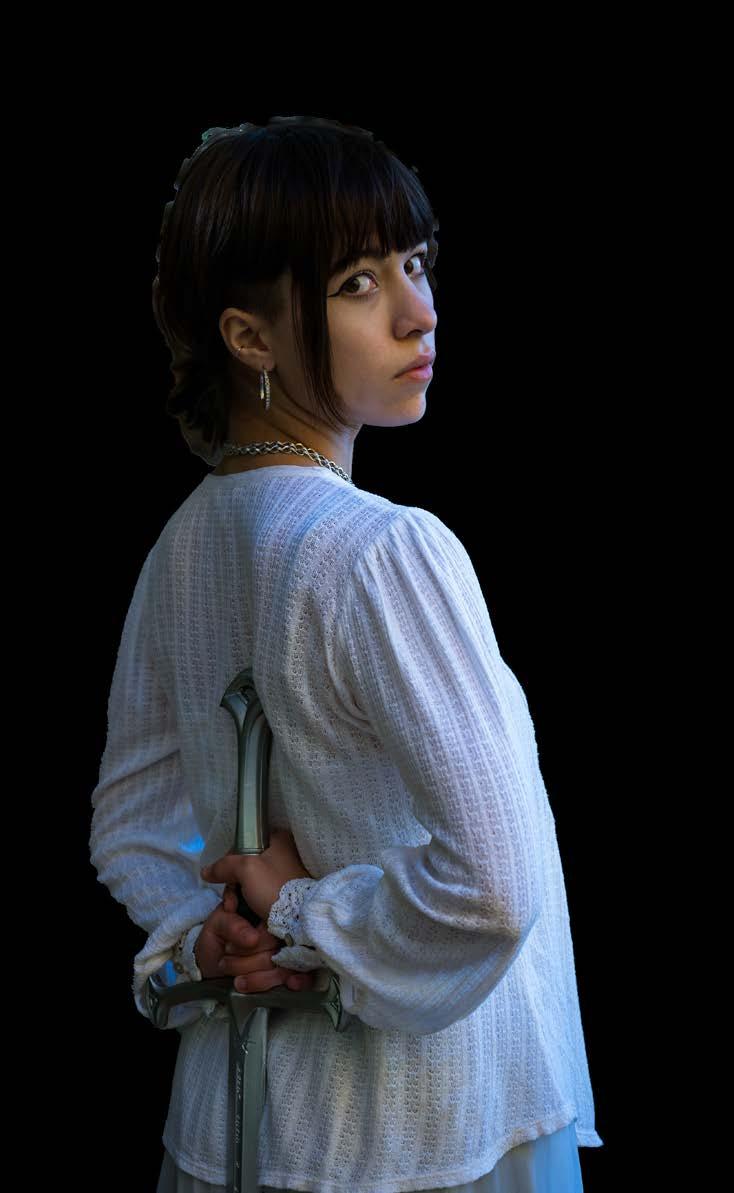
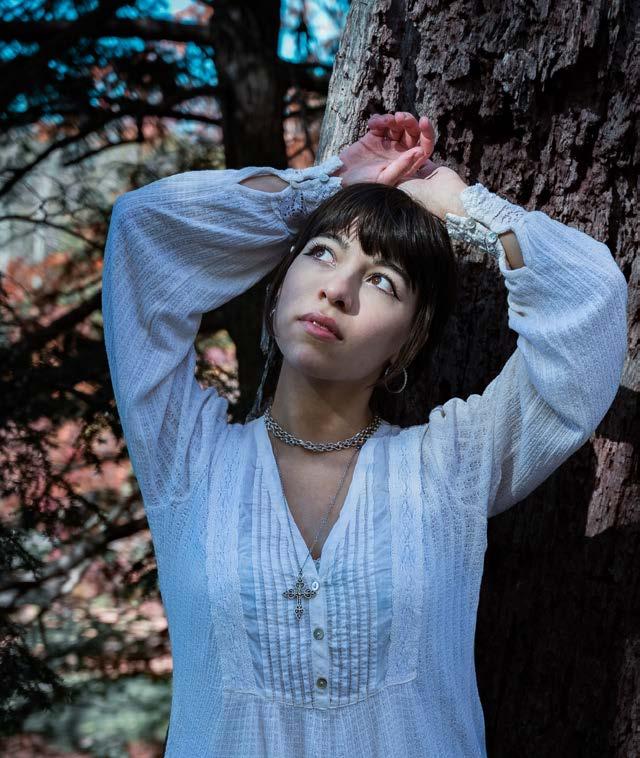
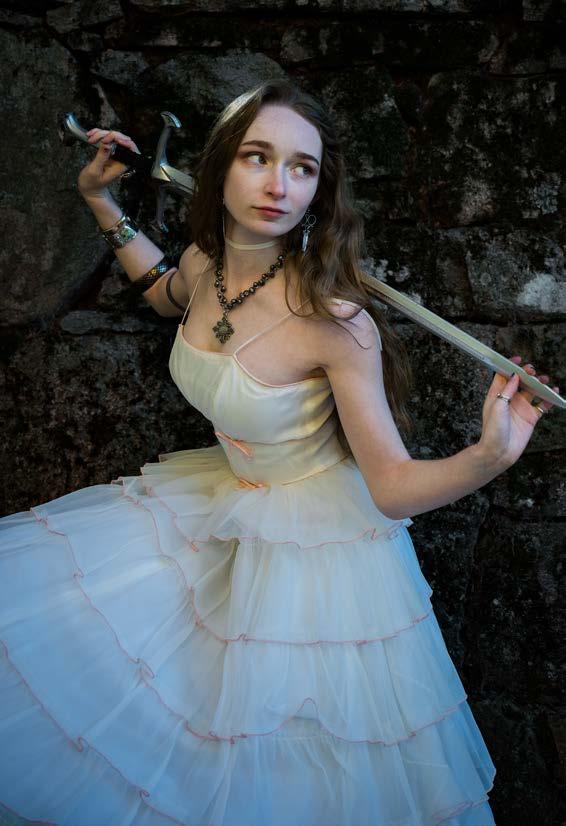
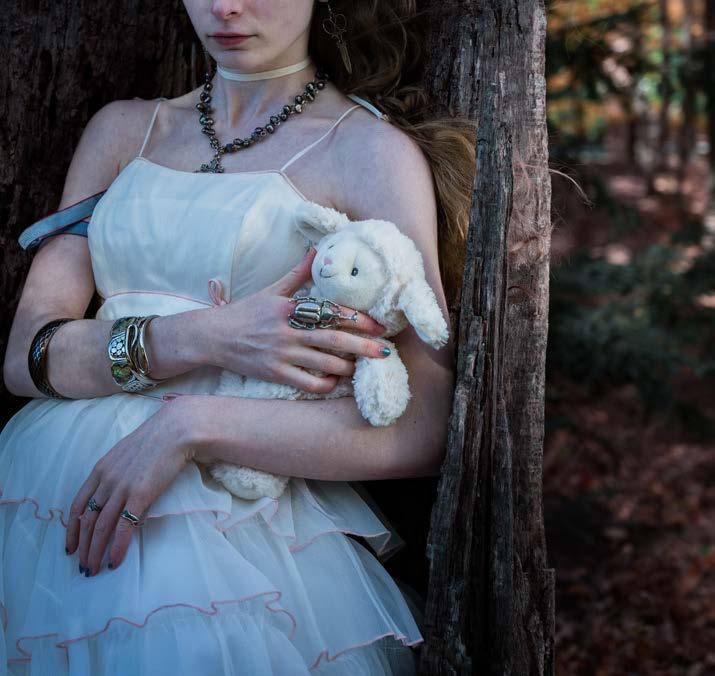
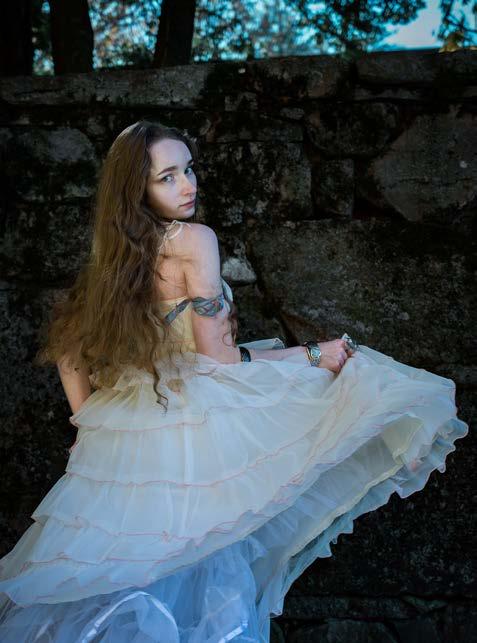

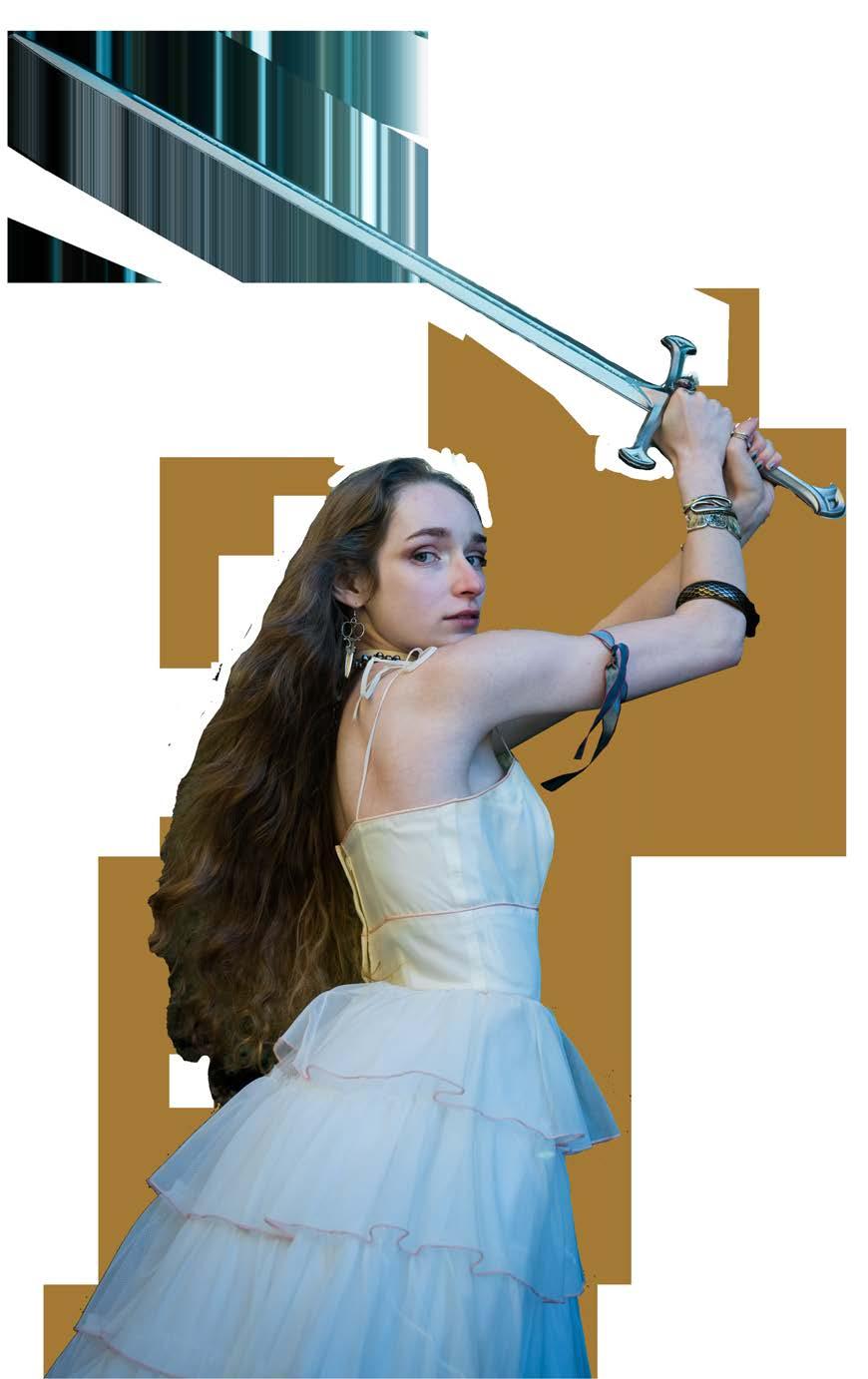
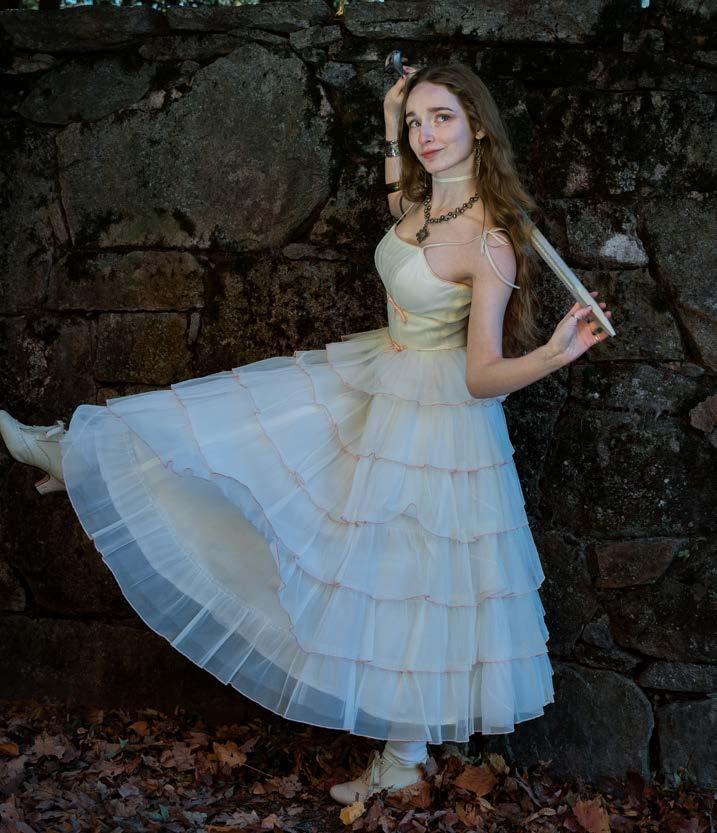
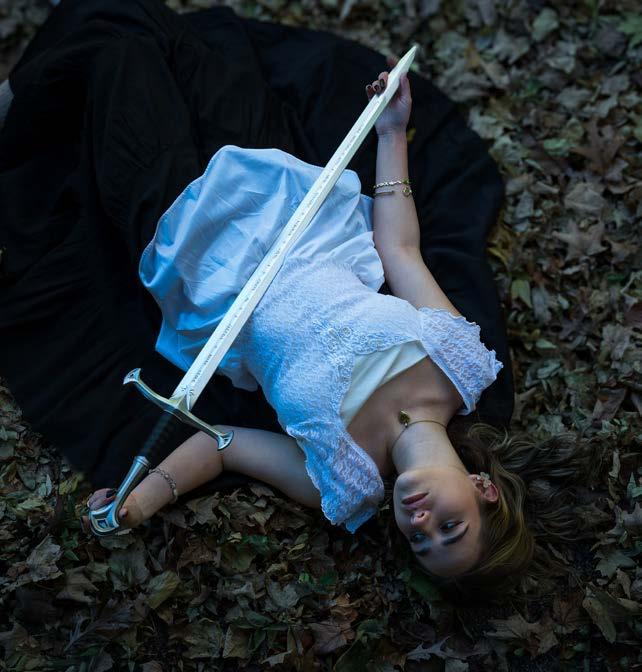
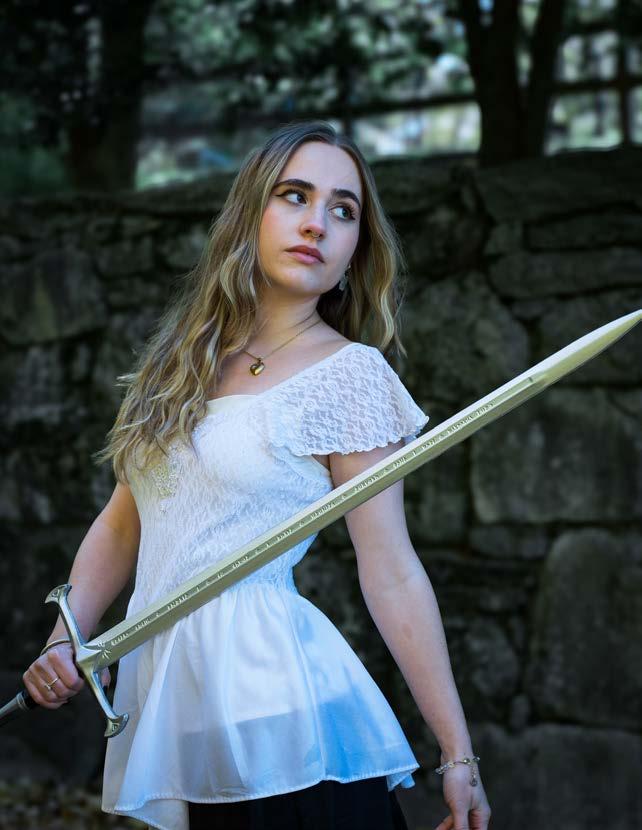

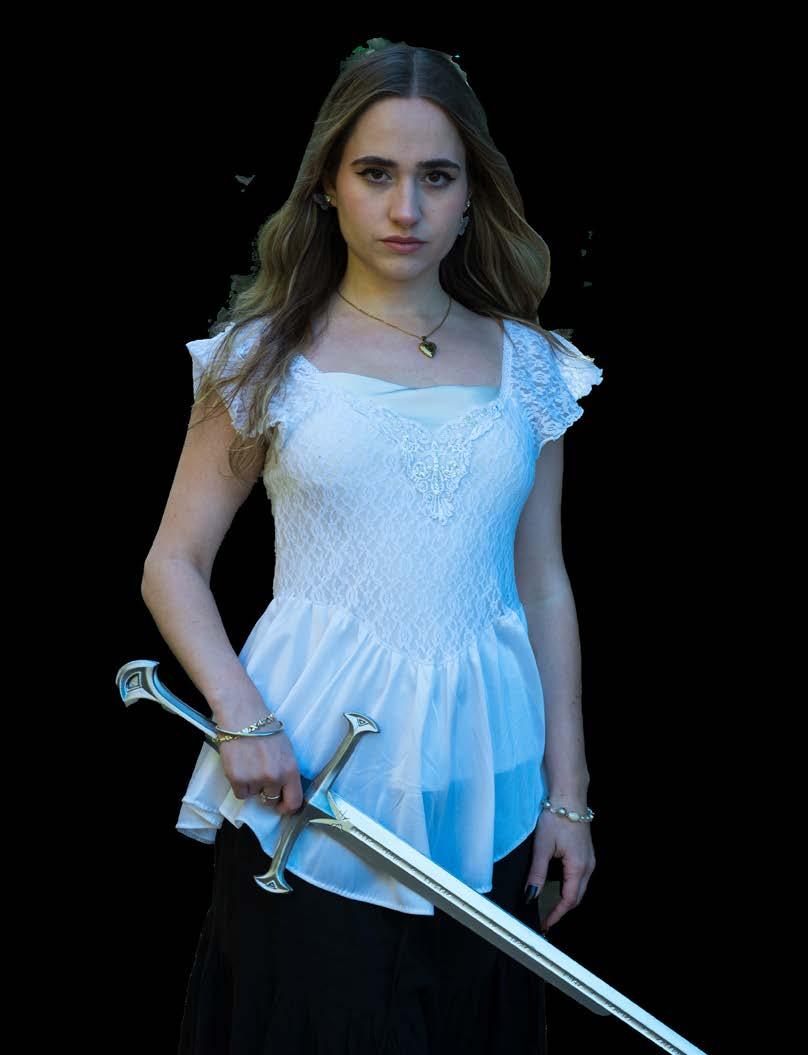
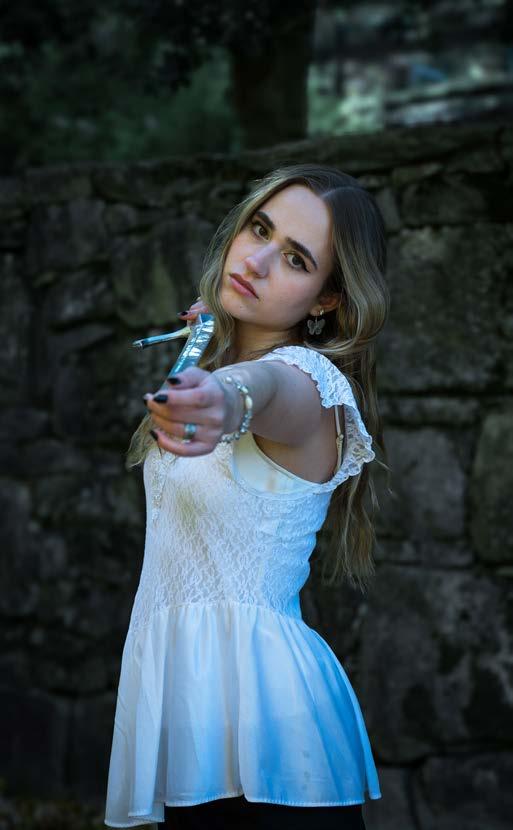

To my dear YourMag family,
It’s surreal to be leaving the magazine that guided me to where I am now. I look back at the immense amount of growth I’ve experienced while being a part of this amazing publication. I was always giddy receiving my proofreading assignment every month. I buzzed with excitement when I joined the E-Board as Head Proofreader, and I had to pinch myself when I learned I was next in line for Editor-in-Chief. YourMag is hard work, and the resilience I have seen throughout my time here is incredibly inspiring. We work so hard to create! We keep pushing for the sake of art, and that is something I will carry with me for the rest of my life: Resilience through art; art as resilience. To my YourMag family, past, present, and future, thank you from the bottom of my heart. YourMag 4 ever and ever and ever and ever and ever.
When I pitched my very first editorial last fall, I had no idea how deeply that moment would take root in my life. What began as a spark of curiosity has grown into something far more, an ever-blooming garden of self-discovery, creativity, and community. YourMagazine has been the soil where I learned to nurture my ideas, to let them sprawl and twine together into forms I never expected. It has watered my mind in ways I didn’t know I needed, often reminding me that creativity is not just something we do, but something we grow into when surrounded by others who inspire us to keep reaching toward the light.
Now, as I prepare to hand the watering can to another seed ready to sprout, I feel an overwhelming sense of gratitude. For the stories we told. For the pages we filled. YourMagazine has allowed me to flourish, and for that, I will always be thankful.
With endless love, Mckenna Smith
Dear YourMag,
It’s so easy to get wrapped up in the comparison and competition of creative fields. When I entered YourMagazine, I felt fulfilled but anxious—excited and fearful. While I’ve always known I was a “creative,” I never knew what that word or profession or title meant for me. I knew I wanted to tell stories in every medium possible, I wanted to curate worlds and fantasies to get lost in, and I wanted to turn my insides out to embed myself in every inch of art I create. So while I wanted all of this, I kept myself from pursuing any of it. I was afraid of failing, misrepresenting myself, or coming to terms with the fact that maybe I wasn’t that creative at all. But then, I found YourMagazine, and in turn, I found myself as an artist. While my time with YourMagazine was regrettably brief, the lessons and virtues will live on forever, with the YourMag condom that sits on my bed side at home. I’m so blessed to have made YourMag OurMag, alongside Izzie and Lauren.
XO, Emma
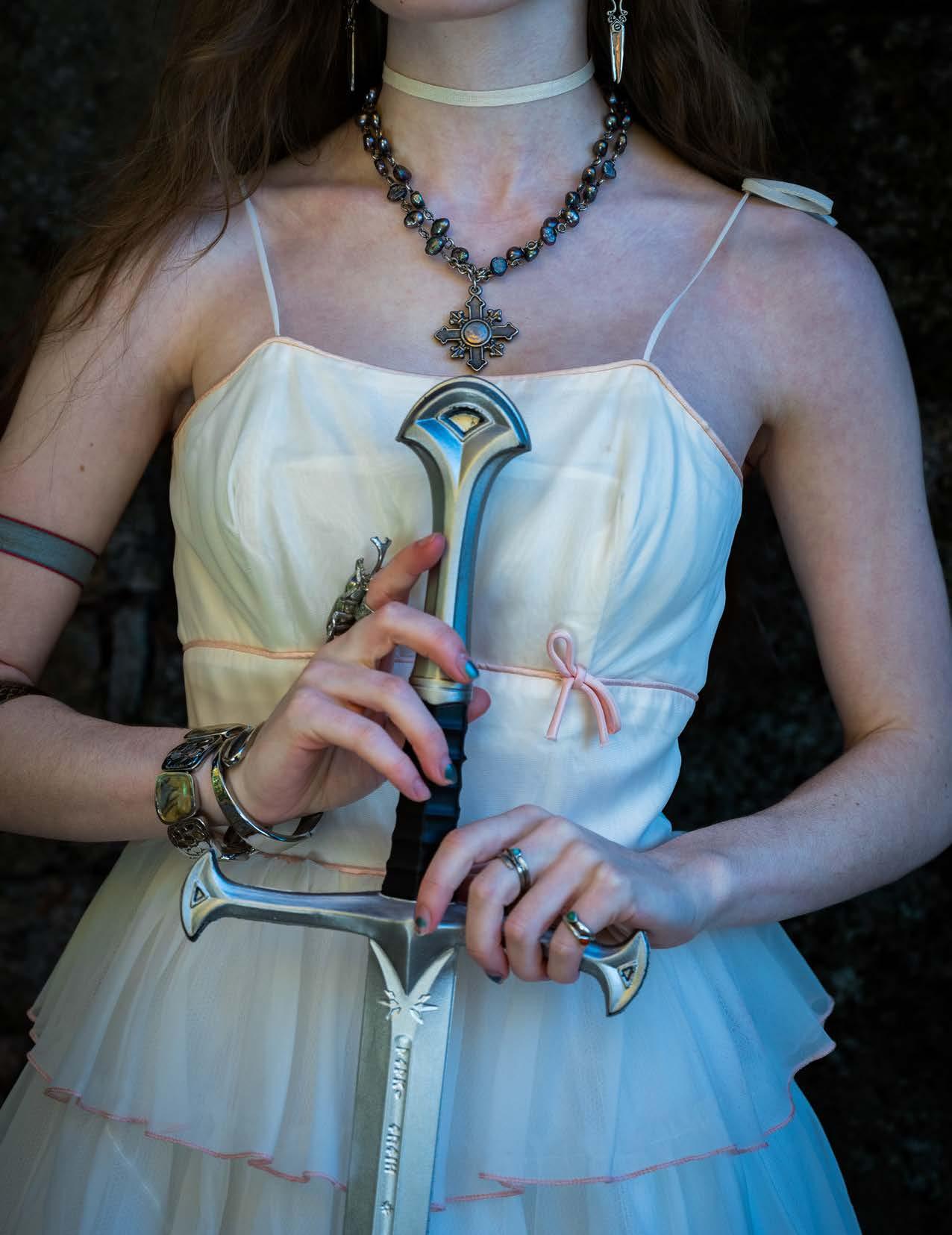
<3 Izzie
Dear YourMag,
Thank you for providing me with a creative outlet for fashion styling in 2025. Since I joined last spring, YourMagazine has taught me so much about the work that goes into producing a photoshoot, led me to create, direct, style, and photograph my own editorial shoot, “Proper Etiquette”, as well as the hard work and communication that goes into the styling process. As a stylist, it has taught me more about my own unique style, that fashion is powerful, and how to communicate and lead effectively. I am grateful for all the lovely people I have had the chance to collaborate with and the connections I have made. At first, I was nervous stepping into this role, but I encourage everyone to take that jump and dive into things they are new to. Even if you are further in your college career (junior or senior), it’s never too late to join something incredible. Take that risk!
Love, Emily Hamnett (Head Stylist <3 signing off)

This team is a goldmine of kindness, support, and talent unlike anything I’ve seen. Thank you for helping me feel so beautiful and emboldened both in front of the camera and behind it.
Sienna

I joined YourMagazine in the fall of my junior year, so I came in a bit later than most. I’d only heard about the magazine through my freshman-year roommate and now best friend, Lauren Mallett, whose dedication to the publication was so palpable that it ultimately convinced me to join.
Becoming Photo Director was one of the most defining parts of my college experience. It pushed me to grow not just as a photographer, but as a collaborator and mentor. There was something incredibly rewarding about seeing contributors light up when they saw their photos in a publication, often for the first time.
What made YourMagazine meaningful wasn’t only the work we produced, but the people I got to create it with. It was a space that taught me how creativity can build trust, conversation, and community—how something as simple as a photoshoot or an issue review meeting could turn into friendship and connection. Those experiences continue to shape how I approach collaboration, as I take my next steps beyond Emerson College. YourMagazine, continue to be expressive, innovative, imaginative — Emerson thrives with spaces like yours. XOXO, Emilie