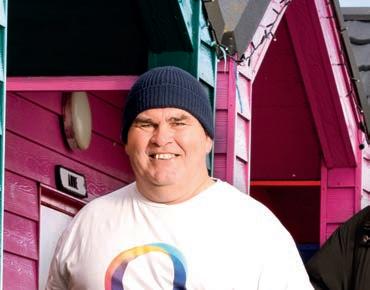

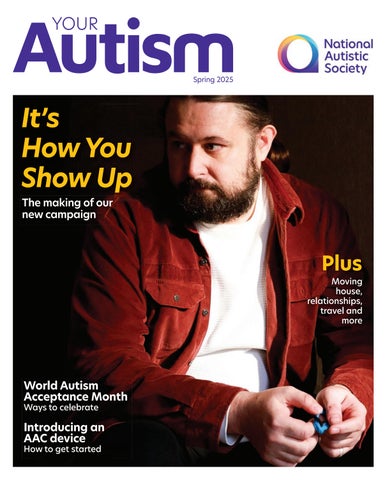


The making of our new campaign

Moving house, relationships, travel and more Plus


World Autism

Acceptance Month
Ways to celebrate
Introducing an AAC device

How to get started



EDITOR
Suzanne Westbury YourAutismMag@nas.org.uk
CONTRIBUTORS
Helen Wilson, Grace Liu
PHOTOGRAPHERS
Alex Heron, Amber Rondel
HEAD OFFICE
National Autistic Society
Weston House 42 Curtain Road London EC2A 3NH autism.org.uk
SUPPORTER CARE TEAM
0808 800 1050 membership@nas.org.uk
ADVERTISING
James Pembroke Media
Tel: 020 3859 7100 jacob.tregear@jamespembroke media.co.uk
SUBSCRIPTIONS
Only available to members of the National Autistic Society. To join, visit autism.org.uk
DESIGN AND PRODUCTION
CPL One
01223 378000 cplone.co.uk 1 Cambridge Technopark, Newmarket Road, Cambridge CB5 8PB
Warners Midlands 01778 391000
National Autistic Society is a charity registered in England and Wales (269425) and in Scotland (SC039427) and a company limited by guarantee, registered in England (No.1205298), registered office Weston House, 42 Curtain Road, London, EC2A 3NH
© Your Autism magazine Spring Vol 59, No 1 National Autistic Society ISSN 2055-0413
The views expressed in Your Autism and any enclosures or advertisements are not necessarily those of the National Autistic Society. In the interest of providing readers with the widest range of information, we may include details of some of the many approaches to autism. However, this does not imply our charity’s endorsement of any particular approach or product. The inclusion of a website does not necessarily imply that our charity endorses or supports the group or individuals running the website, nor does the absence of a website imply that our charity does not endorse or support the group or individual running the website.










A round-up of the latest news
Find out about our new public awareness campaign
The stories behind our campaign
We talk to the real stars of our new film and adverts
Real stories
Celebrating World Autism Acceptance Month
Being a DJ
Jamie’s passion for radio
Introducing Ethan to AAC
Getting started with a communication device




Empowering autistic travel
Insight from our research project
My diagnosis
Leanne tells her story
Readers to the rescue
Asking for reasonable adjustments at work
Moving house
Practical advice on how to make it easier
Navigating relationships
Ashley shares her advice
Notebook
Things to read, do and see
Nice to meet you... Mark
“Only 6% of autistic people think most people have a understandinggood of autism”
Our round-up of the latest news and views
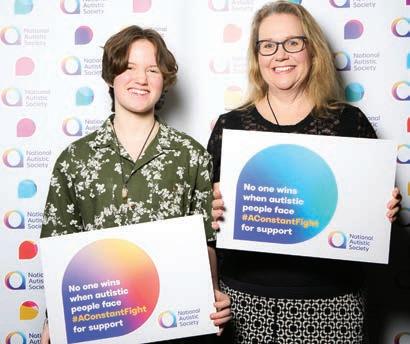
Thank you for helping us show MPs that autistic people face #AConstantFight to get support.
Thanks to our campaigners sending 3,250 invitations, we welcomed 52 MPs to our event in Parliament on 23 January.
MPs heard directly from autistic people about the battle to get a diagnosis and to access support in education, employment, mental health and healthcare. They also received a copy of our report, A constant fight
Social Security and Disability Minister Sir Stephen Timms spoke about Government plans to address the inequalities autistic people face and acknowledged there is “a great deal to be done and a need to work together on solutions”.
We also heard from Dr Marie Tidball, Chair of the
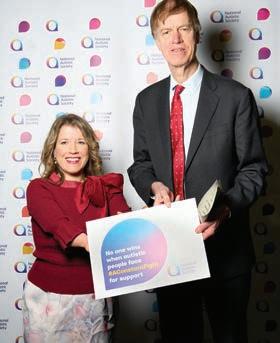
All-Party Parliamentary Group on Autism, who highlighted the recommendations in our report as being “not just aspirational –they are achievable” along with our “collective responsibility to act and achieve the roadmap
We’ve launched a new employment hub on our website, full of evidencebased advice and practical resources for autistic people and their families.
There is advice for autistic people during recruitment and in the workplace, including guidance on what support is available and deciding whether, and when, to disclose autism to employers.
Resources include letter templates to request reasonable adjustments
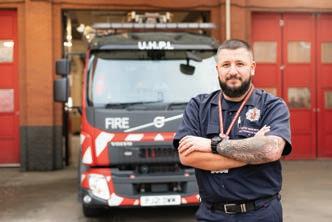
as well as a list of common examples of adjustments. Lee (pictured), a Fire Safety Inspector,
to change the report sets out”. We want to thank all the autistic people who shared their experiences with us.
Find out more about our campaigning and read the report at autism.org.uk/a-constant-fight
features in our accompanying video about adjustments at work.
Employment is a key issue for autistic adults, and the current statistics are disheartening –only 30% of autistic people are in employment.
There is an overwhelming need for support to help autistic adults who want to find and keep work.
Visit the advice hub at autism. org.uk/employment
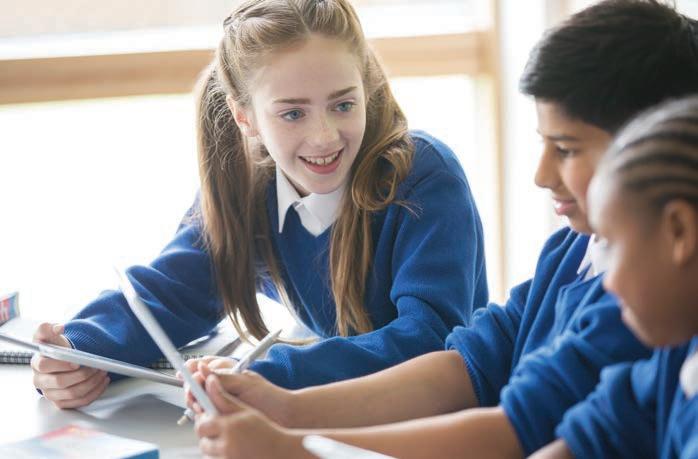
We’re delighted that the Education Secretary has set up a Neurodivergence Task and Finish Group to understand the issues facing autistic and neurodivergent children in mainstream schools in England.
This taskforce was a key ask in our Education report 2023 to make sure every autistic child gets a school place that meets their needs.
The National Autistic Society is part of the new group. Together with other organisations, we will advise the Department for Education (DfE) on how to make schools more accessible, effective and inclusive for neurodivergent children and young people.
In February, as a first step to make sure that autistic voices are heard, we asked you to share what school was like for you. Thank you to everyone who responded to our survey; we’ve shared the results with the DfE. Sign up for campaign updates at autism. org.uk/campaign
When the Government announced its benefits proposals in March, we stated: “Thousands of autistic people who rely on benefits to live their life will be really scared about what today’s announcement about changes to the welfare system will mean for them – especially the proposed changes making it harder to get PIP. We will work closely with the Government to make our views clear and we will continue to do all we can to protect autistic people from these potentially devastating cuts.”
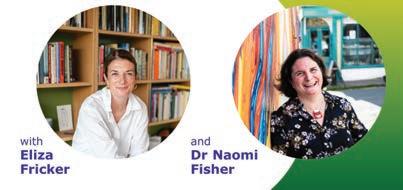
A new webinar series for parents and carers from Autism Central explores lowdemand parenting approaches and how to apply them in areas such as screen time, eating or sleep.
Presented by Dr Naomi Fisher and Eliza Fricker, the series is available at autismcentral.org.uk/parenting
Brand new for 2025! Our 60 Miles in June challenge will be launching in May. This flexible fundraising challenge allows you to complete your miles anywhere and any way you’d like. If you’re looking for a personal challenge this summer, follow our socials for more information coming soon!




Looking to embark on an adventure with your family? It’s time to experience PGL family breaks.
With three locations across the UK and France open during the school holidays and more than 20 thrilling activities for all the family to enjoy, find your all-inclusive family adventure with PGL today.
Discover the PGL magic on a family activity day, enjoy a weekend or midweek staycation, or set off on the break of a lifetime to Disneyland Paris – the choice is yours.
Whichever you choose, you’ll be in safe hands. PGL believes adventure is for everyone, with each centre developed with accessibility and inclusivity in mind.
With SEND advisers at every centre and all meals included, PGL makes it simple for everyone to experience an unforgettable family break.

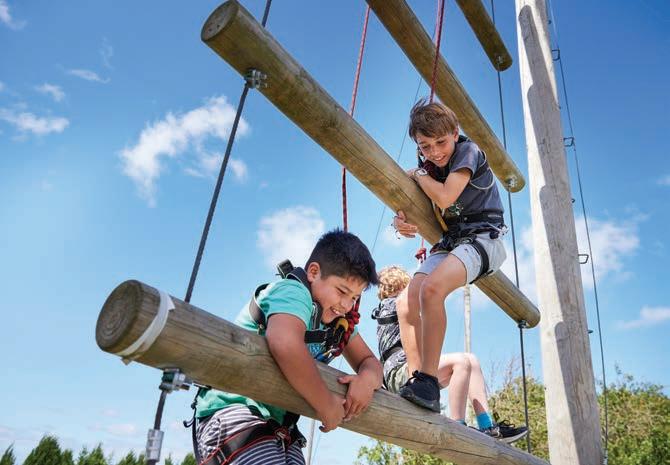
Save 15% on UK breaks and 10% on French breaks using promocode NAS25 via pgl.co.uk/en-gb/family-adventures or call 0333 321 2114 and quote NAS25 when you book. Terms and conditions apply.
Do you live in Wales and want to meet other autistic people in your area?
You may be interested in our peer-to-peer support project. Funded by the Welsh Government, it aims to support autistic adults to form, run and attend social groups.
Emrys is a member of the Conwy group. He told us: “It’s nice to actually meet people on the spectrum – like minds to talk to. It has really helped my confidence over the past year.”
Charlotte, another group member, added: “I feel happy when I am at the club – very happy. I get to meet people, so I’m not always in the house, I’m actually getting out there and doing things.”
If you are interested in starting a group, we have created a toolkit that contains a range of resources, step-by-step visual guides and instructional videos.
Find out more and watch our Conwy group video at autism. org.uk/what-we-do/welsh-peersupport-groups
… is our powerful new public awareness campaign.
Chrystyna Chymera-Holloway, our Assistant Director of Communications, tells us all
Hi Chrystyna! How did this campaign come about and what’s the background to it?
It began with a survey about public understanding of autism, which we carried out in June 2024. We had 8,238 responses: 4,231 from autistic people and 4,007 from non-autistic participants, who were mostly parents or carers of an autistic person.
The clear message from autistic people and their families was that, while most people have heard of autism, the general public doesn’t have a good understanding. In fact, one of the key findings was how
discrimination and negative experiences are a regular part of daily life for autistic people, and that they avoid going out and are isolated as a result.
What did the survey respondents want to see from the public?
They wanted the public to:
● make small changes in their environments – eg, at work and in public spaces – that could have a big impact on autistic people
● educate themselves about autism
● become more open-minded in the way they think everyone should behave.
What happened next?
We held focus groups to get the public’s perspective. These showed that people are worried about their lack of autism knowledge and ‘doing the right thing’, and this generally results in them doing nothing at all. People also said that they don’t know enough – they want to know how to recognise autism and to understand what autistic people need from them.
So, what’s the key message of the campaign?
It’s that showing up for the autistic people in your life can be easier –and more rewarding – than you might think. There are so many simple, everyday ways you can make a huge difference to help build a kinder, more supportive world for everyone.
As part of the campaign, people can share how they show up for others and make their own ‘showing up’ pledge on our website. Our new campaign film and adverts give people some examples of day-to-day positive interactions between non-autistic and autistic people that are already happening in a wide
variety of ways – ways that are making substantive differences to autistic people’s lives. This campaign takes those interactions and celebrates them.
It’s about cultivating a greater sense of community between non-autistic people and autistic people (and sometimes their parents or carers). It’s not about giving non-autistic people a pat on the back. It’s about a virtuous circle of positive interaction.
‘Showing up’ as we are defining it can be as practical as turning down the music or as straightforward as sending an email; as subtle as learning someone’s body language or as philosophical as abandoning your previously held idea of what ‘normal’ means, and whether it matters as a concept. It will also include examples of ways to show up that relate to many kinds of needs and aspects of autistic experiences.
How does the campaign film reinforce this message?
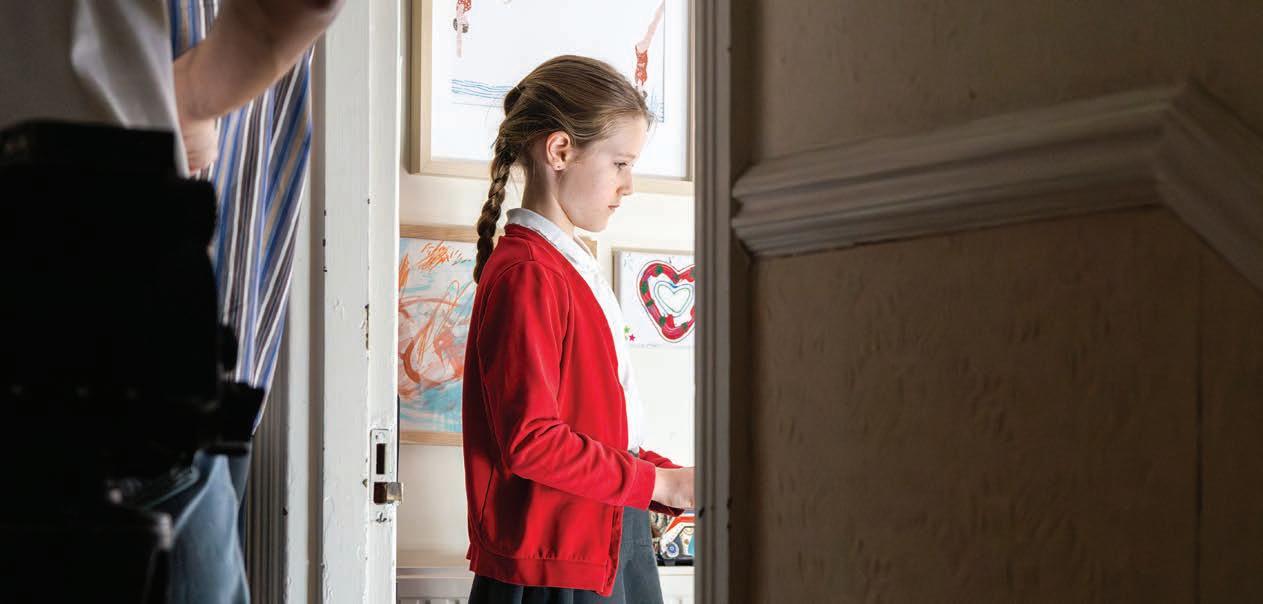
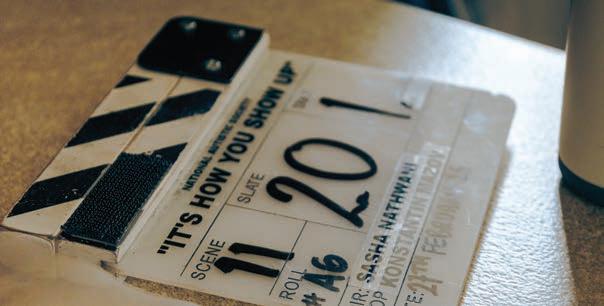
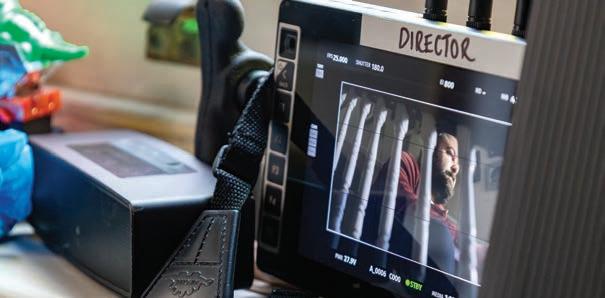
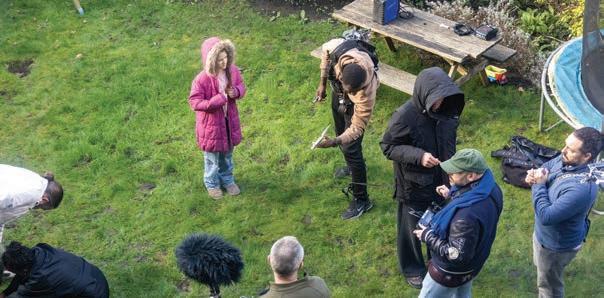
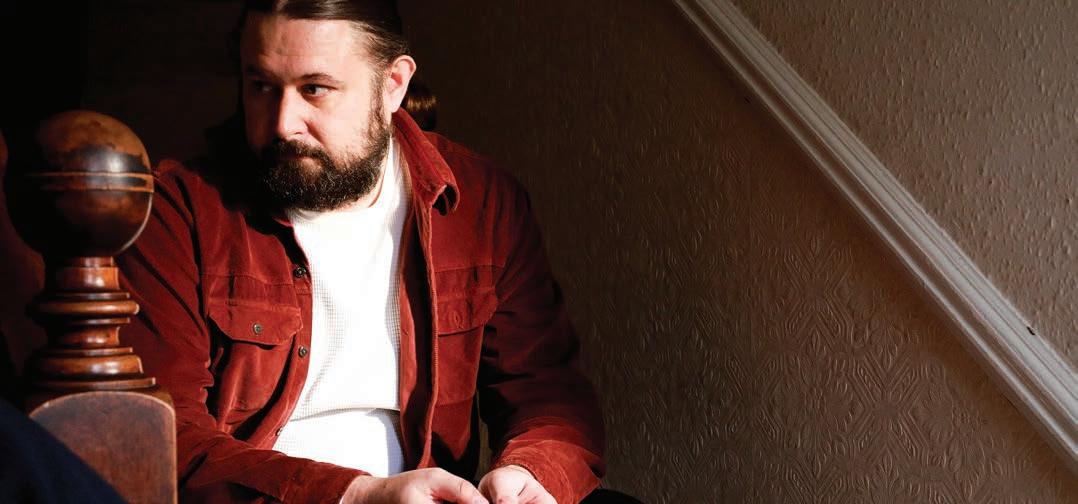
It stars Chris and his daughter Penny, who are both autistic. It’s a very moving film, showing the bond between them. The film is a powerful, unique and emotional story that aims to show the ways that the world is becoming more accepting of autistic people despite the ongoing challenges. It shares the difference between Chris’ and Penny’s experiences through the generations. It also aims to show that more needs to, and can, be done to make the world a better and friendlier place for autistic people.
What else should we look out for and how can members get involved?
There will be lots of campaign activities to get involved with and share in April. We will be sharing a new report highlighting the challenges autistic people face when the public doesn’t show up for them. Our Celebrity Ambassadors will be voicing their experiences and we’ll be spreading our message on bus stops and billboards!
We really hope that our film will encourage more people to share their experiences and start a positive conversation about how to
what’s it all about?
For each autistic person you meet or know, even the simplest day-to-day gestures of support can make a huge difference. How you take little steps to understand our experiences. How you make time for us to process and space for us to regulate. Shift your expectations of us and make it clear that that’s okay. Advocate for us in the workplace and the world, step by step. It’s the way the combined effect of these interactions can transform our capacity to move through what can be a uniquely challenging life. Because for every autistic person…It’s How You Show Up.
The stats behind the campaign:
Missing out
● 55% of autistic people say they have avoided going out because they are worried about how people they meet will treat them.
● Almost eight in ten carers say the autistic person they care for has been unable to attend leisure activities because of other people’s attitudes or perceptions of autism. Three-quarters say the autistic person they care for is lonely.
● Nine in ten autistic people have experienced poor mental health because of other people’s attitudes or perceptions of autism; 84% have experienced social isolation.
Public assumptions
● One in four autistic people say that when they tell a member of the public they are autistic, they usually get a negative reaction.
● Almost a third of autistic people avoid telling members of the public they are autistic.
● Almost all autistic people and those supporting autistic people reported negative assumptions being made frequently about them by members of the public. The most common assumptions were that the autistic person was weird, strange, rude or anti-social.
● Almost nine in ten autistic people say most people they meet have heard of autism. However, only 6% of autistic people think that most people they meet have a good understanding of autism.
support autistic people, and especially encourage more people to pledge how they will show up on the digital pledge wall on our website.
Finally, what are you most proud of in this campaign?
I am proud that the campaign has taken so many real-life stories and created a compelling and straightforward message for the public. Quite rightly, every advert and the film features autistic people, and every element of the film has been worked on with autistic people –from a steering group of autistic people and parents who oversaw the campaign direction to our own autistic colleagues who have been involved throughout. In terms of the campaign message, I am proud of how clear and actionable it is. Despite us being so aware of how complex autism is, the campaign simply says there is something you can do to make the world a kinder, safer and more welcoming place for autistic people.
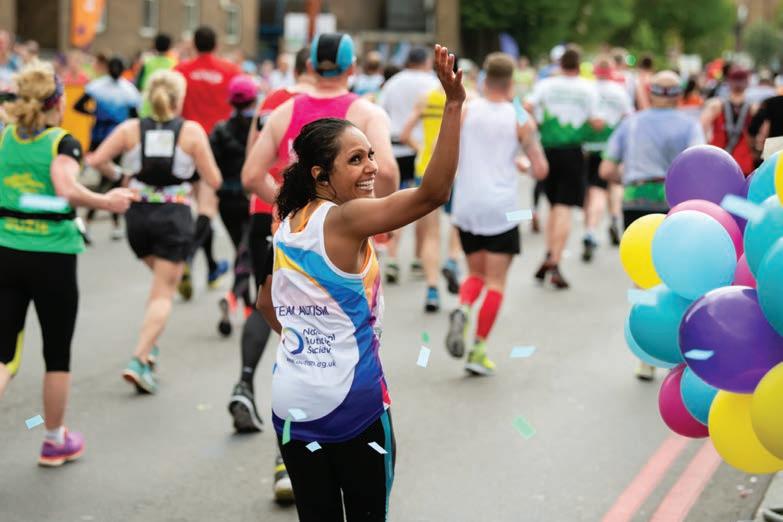
Great North Run – 7 September 2025
JoinTeamAutism onthe streetsthrough Newcastleto South Shields onthis atmospheric, fun-filled marathon.
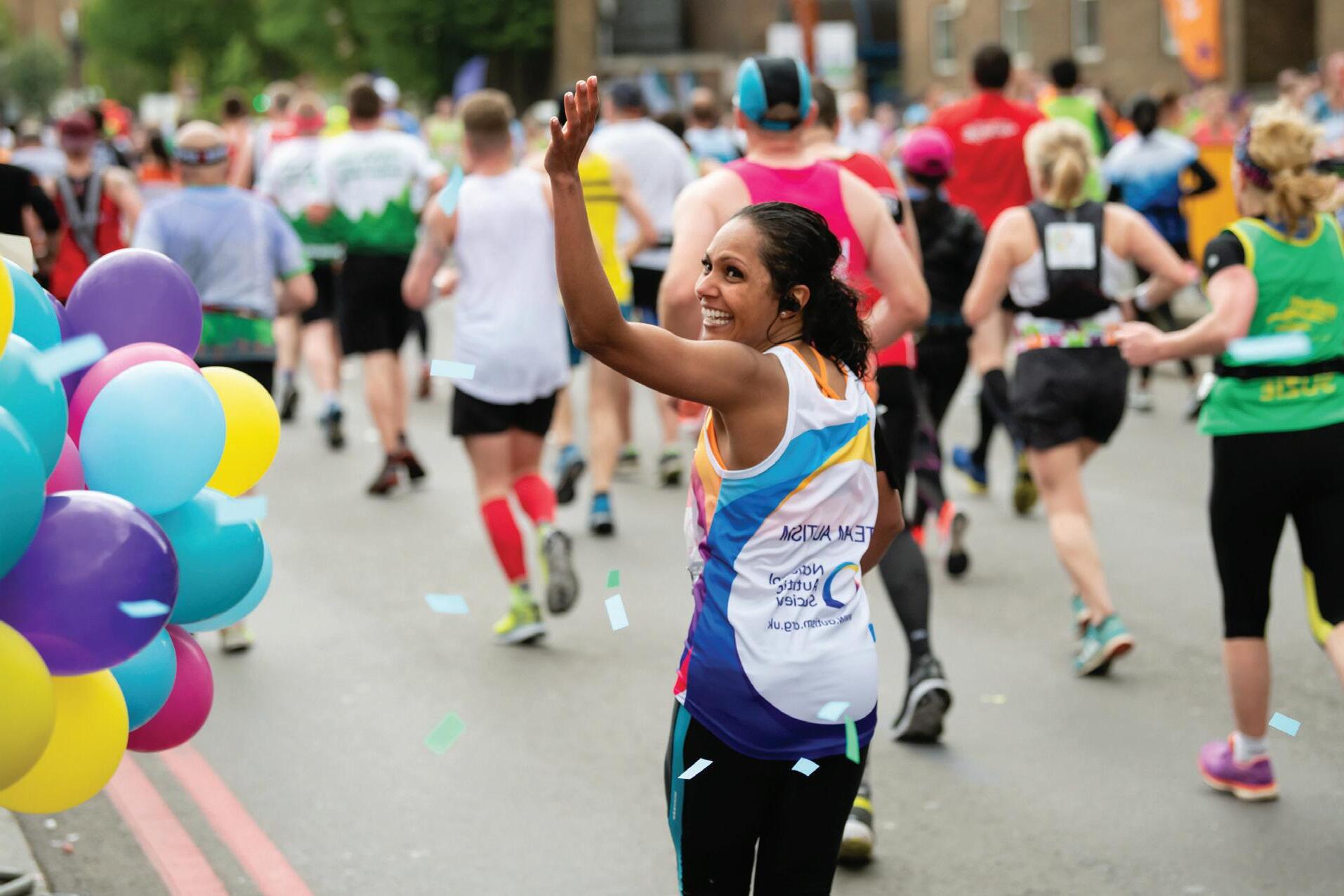
Royal Parks – 12 October 2025
Take part inthe greenest half marathon London hasto offer,takingyouthroughthe magnificent gardens of fourRoyal Parks.
“I enjoyed every aspect ofthe race and support fromthe NationalAutistic Society.” 2022 runner
Secureyour spot onthe start line and help us race towards a brighter future for autistic people:
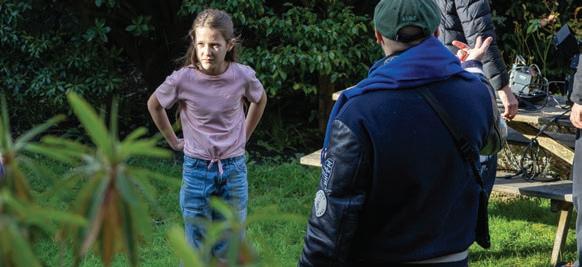
We spoke to Chris about starring in our new film with his daughter Penny, and to Ranga and Eden-Rose about being in the adverts
Chris and Penny’s story
Penny and I are both diagnosed as autistic and as having ADHD. I was only diagnosed in February this year, while Penny was diagnosed two years ago, when she was seven.
When I got my autism diagnosis, I had an overwhelming sense of relief. To have the feedback that confirms your suspicions was a relief. It also made me feel like I wasn’t alone. What the diagnosis also does, in the best possible way, is give me permission to drop the façade. It gives me permission to stop trying to fit in. If I’m responding to noises, it gives me permission to think ‘I don’t like that’ and leave. Do whatever you need to do.
With Penny’s diagnosis, it felt really freeing. It
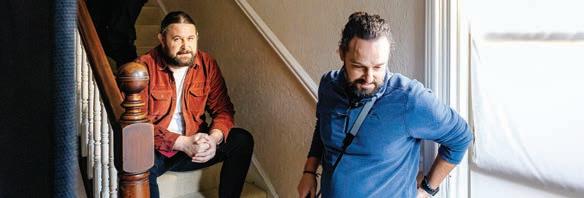
took a load of pressure off us; we were worrying we were doing something wrong. I’ve since spoken to other parents who said you’re always in a state of grief to some extent because you recognise your child is always going to have the deck slightly stacked against them; you want to do whatever you can to redress that balance, and you will. You’ll try and try, but it will never be enough. The world will always seem at odds with what they really need. It gave a sense of ‘at least we know what we’re dealing with’, but also a sense of what we’ll be dealing with forever.
As much as I feel things are harder, I wouldn’t change it for a second. Even when I dwell on things like being an over-thinker and, at times, how I don’t feel like I’m a participant in the world – I feel like I’m an observer of it – I would much rather be this way.
We wanted to be part of this campaign to raise awareness. There’s no suggestion that this is what it’s like for all autistic people. The point is that this is what it’s like for these autistic people. We loved the opportunity to represent what we live and put it out there for people.
For me and Penny, people show up for us by giving us time. Time to respond to questions, for example, because they know we’re listening, processing what they’ve said, boiling it down and preparing a response. At work, it goes without saying that if one of my close colleagues asks me a question, they know I’m going to respond when I finish what I’m doing. I’ve got colleagues around me who respect that and don’t make a big deal of it. These are little things, but they make a massive difference.
Ranga and Sriman’s story
We go to our local temple and then to our favourite vegetarian restaurant once a month. The manager turns down the lights and music in the restaurant for Sriman. This helps him to calm down and focus on the food. We had to tell the restaurant what our needs are, and then they made these changes. When someone makes changes like these, it makes you feel so comfortable and you want to go back again. We know they will support us, so it’s like going back to our house, where we can be ourselves.
We wanted to be in this campaign to spread as much awareness as possible, to tell the public that there are kind people and places that understand and accommodate our needs. I am always proud to say that autism has changed my life and made it more meaningful and purposeful. My purpose is to create more awareness through all possibilities. The new campaign will be a real success by acknowledging acts of kindness by the public.

“Autism acceptance is being kind”

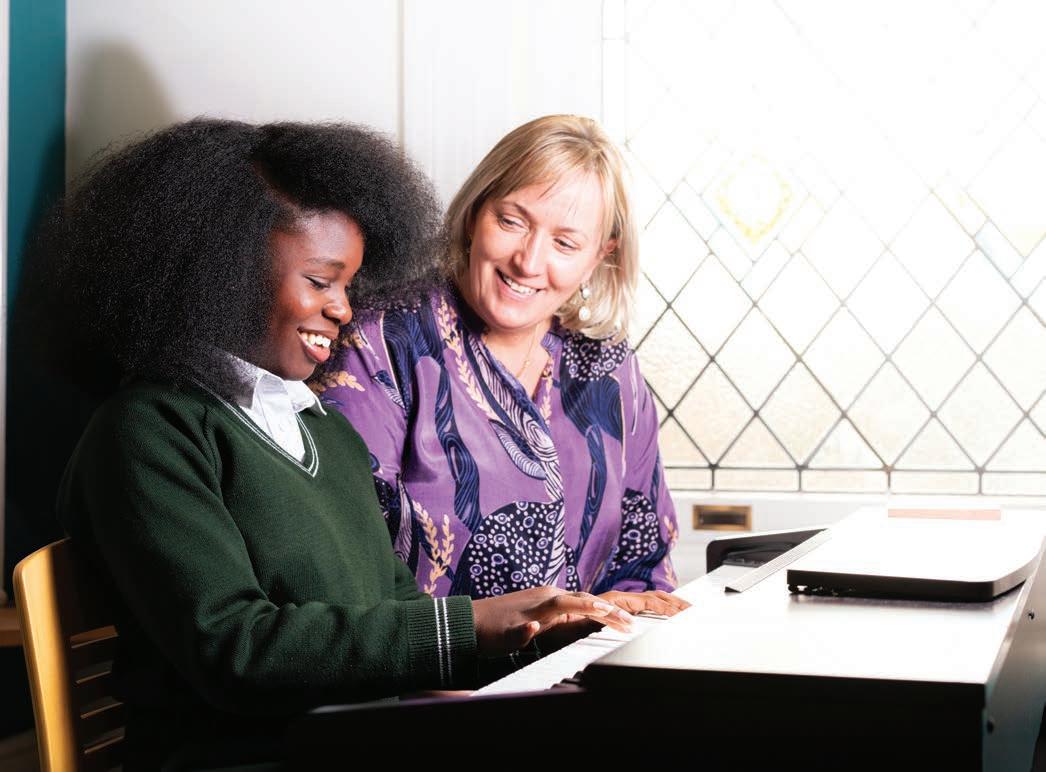
Mrs Czajkowska is my Learning Support Assistant. She is very kind and always goes out of her way to help me in class. She is my LSA at my school’s safe space for students with a range of needs. As an adjustment for me, we have our walk and talk sessions in the school chapel where I can play piano. She always listens so intently, compliments my talent and genuinely enjoys my original compositions. It really brightens up my day and boosts my confidence.
I wanted to be part of this campaign, first because I was really proud of the ‘back to school’ article I wrote a couple of years ago and so I was happy for another opportunity to do something impactful for the autism community.
I also like the idea of recognising allies of the autism community and sharing my personal story. I really hope that people learn that being kind goes a long way. Autistic people are loving people but often misunderstood, so, when someone shows us kindness, it really means a lot. It really makes us happy. Being kind can be something as simple as choosing to smile at an autistic person instead of staring. Being kind can be saying something kind to them that will make them happy or even learning about something they enjoy.
For me, when someone chooses to show love and kindness, it means they are accepting of my autism diagnosis and it shows that they care about me and all the things that make me Eden-Rose. Autism acceptance is being kind and showing love.
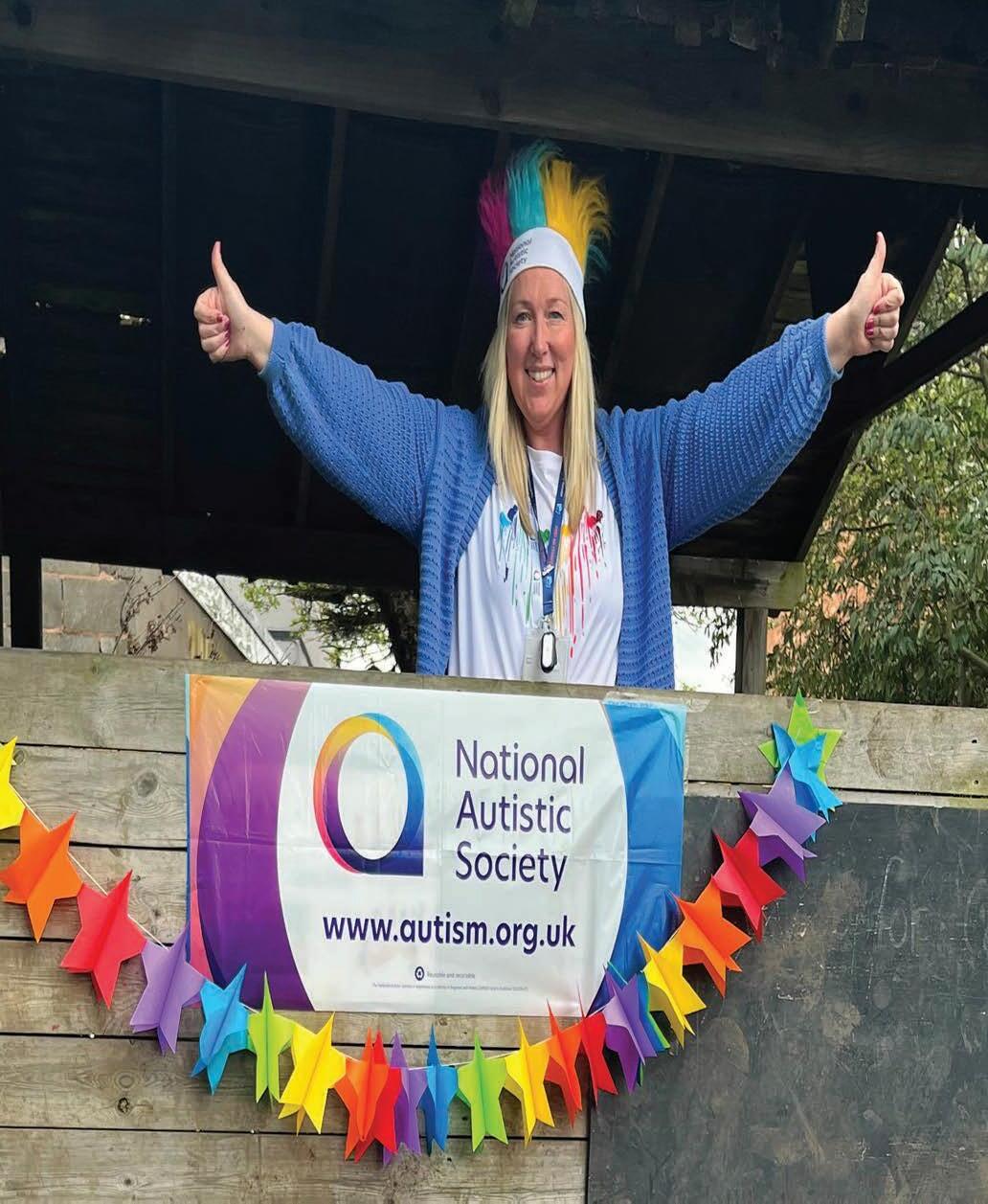




























Emily and Beth tell us about marking the month and what autism acceptance means to them



What’s your connection to autism, Emily?
I’m autistic myself.
How long ago were you diagnosed?
Not until secondary school. Even though my mum kept telling my primary school that I was struggling, they wouldn’t listen to what she was saying, and I just kept getting ignored. It wasn’t until I was in secondary school, when I’d had an operation and I was in a building called Success+ because I was in a wheelchair, that they noticed differences and that I was struggling. That’s when CAMHS [Child and Adolescent Mental Health Services] diagnosed me, back in 2010. My mum knew the whole time, but no one would hear what she had to say.
Do you think autism acceptance has got better over that period?
There are still times I find it challenging. Sometimes you don’t always feel accepted or you have anxiety because you feel you have to be like everyone else to fit in. But I find that you need to be who you are to fit in, and you don’t need to change because of other people. I do find that can be a struggle.
What are some of the other challenges you face?
Crowds can be challenging, and sometimes certain loud sounds that I’m not expecting. Or sudden changes I don’t know about. And when people are shouting or suddenly start to make comments when I’m walking
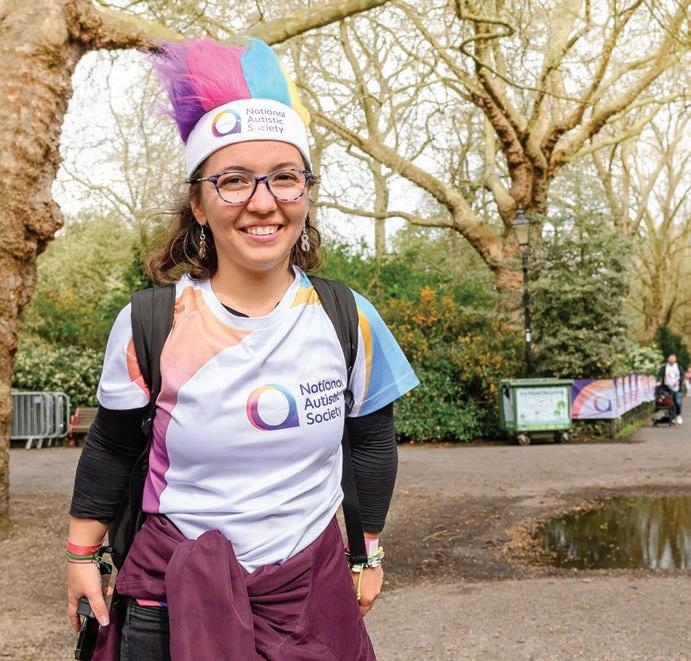
down the road. I try to ignore it, but it can be difficult.
What did you do last year to celebrate World Autism Awareness Week?
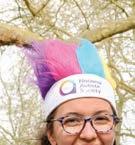
I joined the Spectrum Colour Walk around Battersea Park. We were walking to help the charity and fundraise to get more help in schools for everyone who is autistic. The walk was quite easy, just walking at a casual pace, and there wasn’t any rush or stress about it. We dressed in bright clothes to be colourful and to represent that we’re the National Autistic Society.
Would you recommend it to people?
Yes. If you like walking and going out, it’s a good way to come out,
meet other autistic people and bring your family and friends.
You did your own walk, too. Tell us about that.
I did the ‘Do Your Own Spectrum Walk’ in Bristol with my aunt and uncle, and I got donations from that. Plus, I sold some jewellery I made at my workplace, and everyone there has donated. So I do thank them and all my work colleagues who support and accept me.
What are your plans for World Autism Acceptance Month?
This year, we’re doing a skydive!
Anything you’d like to say to fundraisers taking part this year? Thank you everyone for accepting autism – you are helping us be who we are.
What’s your connection to autism, Beth?
My son, George, is autistic, and I’m a SEN teaching assistant.
What did you do to celebrate World Autism Acceptance Week last year?
At our school, Oasis Academy Warndon, we did a sweet sale and raffle. The school also dressed in rainbow-spectrum-themed colours, so it was a whole day of rainbow fun! We raised £335, and it was a big success.
We also made a presentation so the children learned what autism means, and it really established that it’s okay to be different. It started off a lot of conversations between children who perhaps didn’t know that their schoolfriend was autistic, so it broke down some barriers.
Why did you decide to take part?
I’m a member of the National Autistic Society. George was diagnosed when he was five, and I’ve been on this journey of learning as I’ve gone along. As I’ve learned more, I’ve wanted to help more.
We did a Spectrum Colour Walk a few years ago and loved doing that as a family. Last year, when I got Your Autism, the World Autism Acceptance Week celebration ideas were in there. I thought: ‘What could I do that would bring awareness?’
Why is autism acceptance so important?
I think that the more people who understand autism and break down barriers to talk openly about people’s
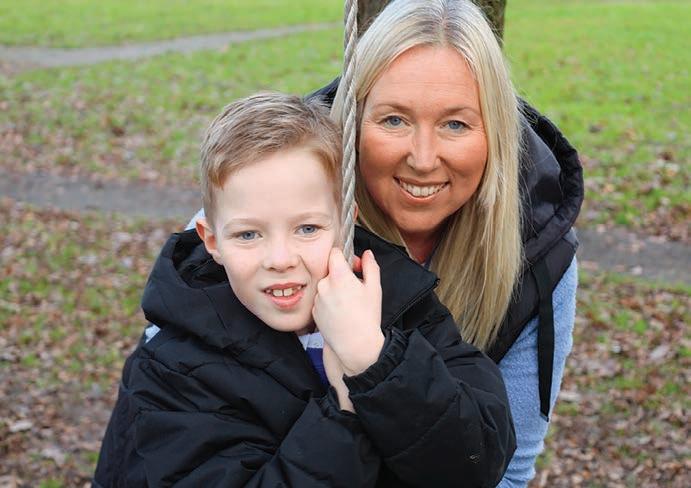
experiences – so it’s not a taboo subject – the more included autistic children will feel, making a difference for everyone.
If you think someone’s different, it can be a little intimidating because you don’t always know what the right thing to do is. So you may just avoid them, which we don’t want because that child can become isolated.
Why do you think it’s important for teachers and schools to understand autism?
Knowledge is power, isn’t it? The more it’s coming into schools, the more you learn and can help.
And if you can get people to be in a safer environment to be themselves, I think it helps stop the dysregulation and upset that young autistic people can experience.
My son’s in a mainstream school at the moment, and I just want him to fit in and be as happy and comfortable as he can be.
What is one thing you would like more people to understand about autism?
It’s okay to talk about it. I don’t mind people asking me questions, especially from a parent’s point of view. I think it needs to be more ‘it’s okay to ask’, and it’s okay not to understand and not be frightened to ask. I would rather someone ask me if there’s something they can do, rather than stare and make me feel uncomfortable.
What does autism acceptance mean to you?
Everything. I want the world to be a better place for everyone. We’re all human. We’ve all got feelings. We’re still important, whether we’re autistic or not.
It’s so important to respect others’ thoughts and feelings, regardless of their religion, race or disabilities. It all goes hand in hand. Just be kind.
What will you do this April?
Find out about walking 5k your way, using our free educational resources and getting involved at home, work and school at autism.org.uk/waam














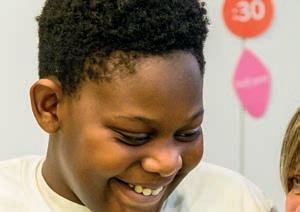



Jamie shares how he got his start in radio, working with the Sound Vision charity, and what it means to be told you have something worth saying
Interviewer: Helen Wilson
Could you tell us a bit about what you do?
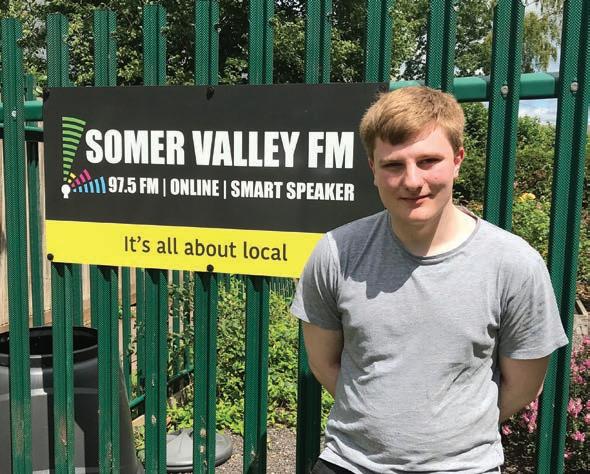
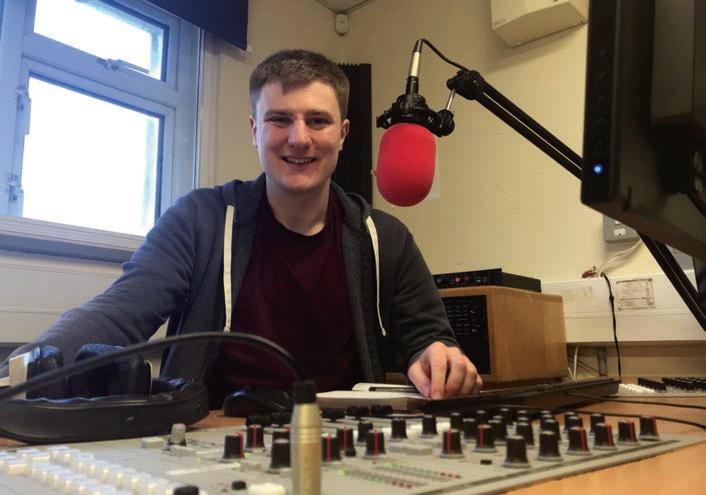
I’ve been volunteering at Somer Valley FM for 12 years and I’ve been doing my show there for almost 11 years.
The show is called Just a little bit random Film is the focus, but every now and then it’s just two hours of nonsense, with me rambling on and playing far too much Billy Joel.
I also help some of the students at the Sound Vision charity, which started from, and is linked to, Somer Valley FM.
When did you find out you were autistic?
I’ve always known from a young age, but the full confirmation and understanding was when I was around 11 or 12. The specialist asked me afterwards: “Now you’ve got it all confirmed, how do you feel?” I said: “Fine. I kind of always knew. Nothing’s changed.”
Could you explain a bit about the Sound Vision charity?
Sound Vision’s tagline is ‘Empowering voices less heard’. It might be people on the autism spectrum, disabled people or people who just feel they don’t have a voice.
Sound Vision is a way for people to grow skills related to radio that they can then adapt to other parts of life and forge into careers. For me, it’s about growing people’s confidence and making them realise that they do have something worth saying.
How did you get started in radio?
I got into the radio side of things well before the charity existed, because of an open day at a school. It wasn’t some big, revelatory life decision. It was just: “Well, that sounds like something nice to do.”
Dom Chambers was the Station Manager then and is now the CEO of Sound Vision. He said: “You have this interest in film, so why don’t you talk about that to start with and do a feature around it?” From there, I found myself going to film festivals, becoming a film journalist, introducing film screenings and writing for magazines and websites – all because of that initial point.
To go to a place of safety where you’re told that you have something worth saying – that’s a wonderful feeling to have.
“To go to a place of safety where you’re told you have something worth saying –that’s a wonderful feeling”
You recently performed in the Sound Vision showcase. What was that like for you?
Anything I do, my mind will go to the worstcase scenario. In the buildup, I was absolutely bricking it, constantly.
Then, when you’re in the moment, you’re not overly thinking about it, because you’re focusing on what you’re doing. I was answering Dom’s questions rather than thinking about all the people there. I love the Paddington films and I did name-drop them during the conversation with Dom.
One or two people came up to me afterwards. Someone just wanted to talk about the Paddington films, which really dimmed down that panic and worry about how I did.
The more I’ve done these things, the more it helps, because you’re forming those skills and getting better. Sometimes, people just need that push.
What advice would you give to other autistic people interested in working in radio?
If you’re looking for a way in, the community stations are great. Pretty much all community stations are presented and hosted by volunteers who build up skills. It can
also help launch skills in other careers, not just radio.
What has been the long-term impact of being at Somer Valley FM? How do you feel about the future?
I went there as the quiet, autistic child who was too afraid to speak. Now, I’m that still slightly awkward autistic person who won’t shut up if you talk to him about films; I was on BBC Somerset a couple of weeks ago talking about the Oscars.
I don’t think I’d have the confidence to do all the film screenings and festivals I do if it weren’t for Somer Valley FM and Sound Vision. My show, and all the interviews I do for podcasts, wouldn’t have come about if I hadn’t found that voice and been told that I have something that’s worth saying.
Laura writes about how her family got started with an Augmentative and Alternative Communication (AAC) device for their son Ethan – plus, a few important things they’ve learned along the way
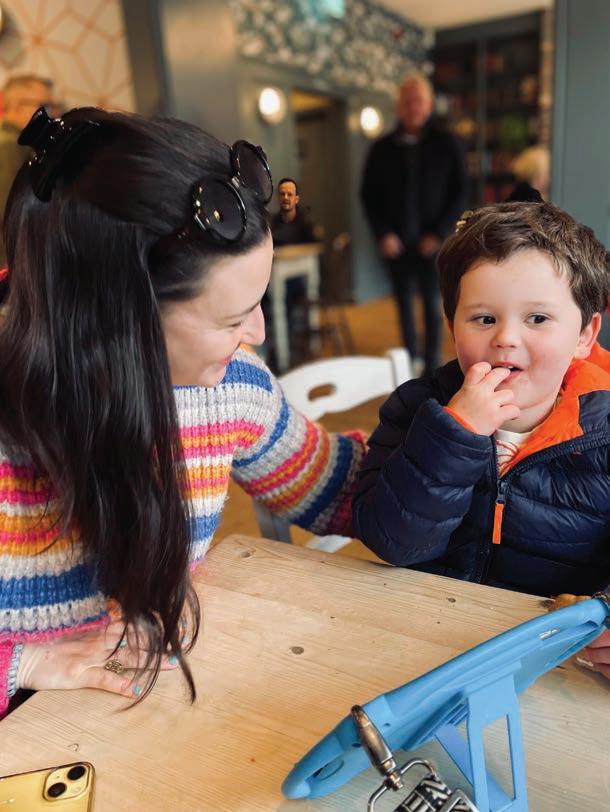
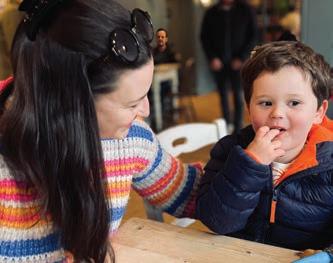
Introducing an AAC device to our nonspeaking, autistic five-year-old Ethan has been hands down the best thing we’ve ever done for our family. It’s been life-changing for Ethan. He can now communicate his food and activity requests, tell us when he’s poorly and advocate for himself in situations that he may find overwhelming. He’s been known to press buttons such as ‘finished’, ‘home’ and ‘let’s go to the car’ to communicate his needs to us, and that he is struggling in that specific situation, which is just incredible.
But Ethan’s AAC has also been life-changing for us as his parents. We can finally serve up a meal or do an activity we 100% know our child wants. We get a wonderful insight into his mind by watching in awe as he navigates his device, and we feel more confident sending him off to his specialist school, knowing he can communicate his needs.
When Ethan was as young as two years old, I always imagined him using an AAC device in his future; he’s a whizz with technology. He’s always had a desire to communicate his needs, such as with hand-leading, and he has clear likes and dislikes that he would share with us via non-verbal communication. His strong desire to communicate was something we were keen to harness, and we wanted to make robust communication a reality in his life as soon as possible. Robust communication means that Ethan can be understood by everyone and he has access to a huge amount of language that can grow and adapt with him as he gets older.
We wondered if Ethan’s short attention span and high sensory-seeking nature – meaning he
rarely sits still – would hold us back, but I’ve since learned there are no prerequisites for introducing AAC. I can almost guarantee any negative comment or myth you may have heard about AAC is totally untrue, such as the device will stop a child speaking or they must have certain skills before they can use it.
When it came to introducing an AAC device, we found the right time for Ethan and our family (this is important, as it’s definitely a whole family commitment), and we’ve now been using his AAC device for almost a year. It’s firmly part of our world. We take it everywhere we go. Modelling on the device feels totally natural for all of us, and we would be totally lost without it.
We are now lucky enough to be using an in-built AAC device called the TD Navio, which uses the TD Snap App. But to get started, we cracked on ourselves. We were kindly given an old iPad from Ethan’s grandma. We downloaded the TD Snap App and – hey presto – we had an AAC device. That’s another myth to bust; you absolutely don’t need to wait for anyone to give you permission to begin AAC. A child is never too young. The child doesn’t need to prove anything, and you can get started yourself with an iPad and an AAC app. One decision we made early, which has been really beneficial to us, was to keep Ethan’s AAC iPad purely for communication. We call it Ethan’s talker, and from day one, this was all it was used for – no YouTube, no games (we watched and played elsewhere, of course, but this iPad was just for communication). Within TD Snap, we use the Motor Plan 30 page set, which means that each word appears only once on the device with a distinct path to find it, which can be memorised – this is what suits Ethan best.
Here are a few things we’ve learned on our AAC journey:
● Get used to taking the AAC device everywhere you go and, at first, just make this your only goal. Make the device part of your family – buy an iPad strap to wear it, buy a case with a stand, and make sure it’s always charged and ready to go.
“You can get started yourself with an iPad and an AAC app”

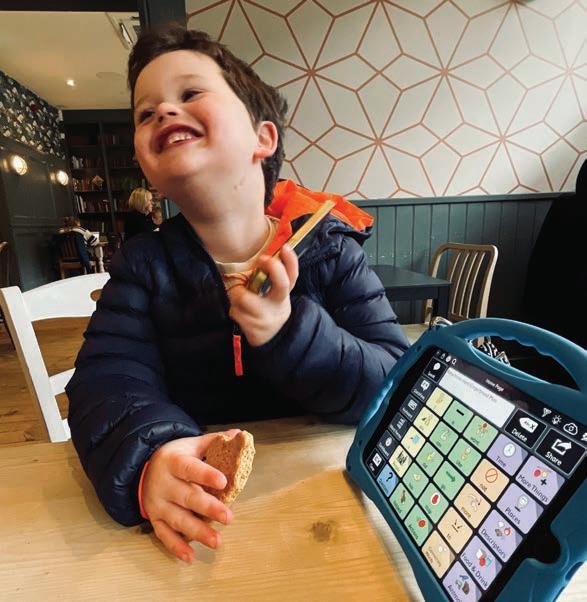
● AAC is a joint family effort. It’s your job to model, model, model as much as possible. It’s a new language to learn, so make sure you’re in the right place mentally before taking on this task. It’s okay to delay until the time is right for all of you.
● Start first by modelling highly motivating items, such as favourite food and activities. Don’t expect instant success – keep going, keep modelling, keep connecting. During lunchtime, you could model by pressing the buttons for the food they are eating alongside descriptors such as ‘I’m hungry’, ‘hot’ or ‘yummy’.


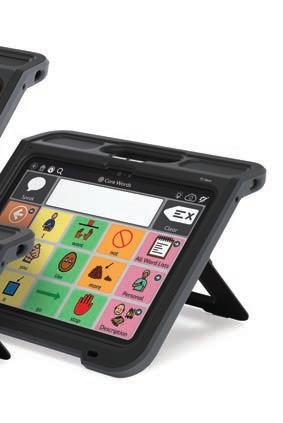


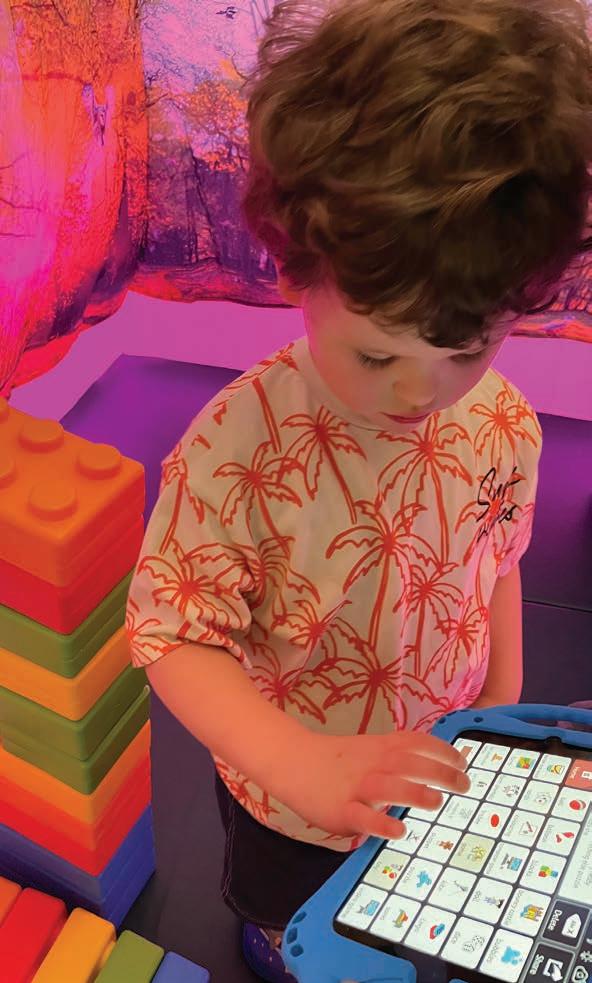
● AAC is your child’s voice – it’s not just for requesting. It’s a chance for all communication – let them babble via the device (repeatedly hitting the same word), hit all the buttons and have fun with it. Don’t make it a chore or a demand. A no-pressure approach, while celebrating all wins, has worked well for us. Make it fun, make it exciting, and make it a wonderful way to connect with your child.
● It’s your child’s device! Let them use it, drag it around, have it while eating, use it while playing – hence the sturdy case! It needs to be accessible at all times.
● Personalise the device to include your child’s favourite things, from food, to family pets and favourite phrases. This is so important to keep it fun. You can also personalise the buttons with photos of the particular item, venue or activity if you think your child would respond to this better.
● Keep the AAC device as it is in terms of all the language and words available – don’t be tempted to simplify the device or delete words and buttons. Presume competence always. The more language they see, the more language they will use.
Lastly, here are a few important AAC statements for you to remember as you embark on your AAC journey. Be prepared: you may hear otherwise, but hold your own when advocating because you know your child best.
● AAC can be introduced at any time; it’s never too early to give your child a chance to communicate.
● AAC is not screen-time, it’s your child’s voice and should never be limited.
● Your child does not need to prove anything before they can access an AAC device –please don’t let yourself be told otherwise.
Here’s to robust communication! You’re now an AAC advocate, so enjoy the wonderful journey and the incredible places it will take your family.
You can follow along with Laura and Ethan’s AAC journey on Instagram @SpinningWorldOfAutism.
Read more about the benefits of AAC at autism.org.uk/advice-andguidance/professional-practice/ aug-alt-comm
Our website has comprehensive information about supporting communication at autism.org.uk/ advice-and-guidance/topics/ communication








• Learn how to make your workplace more inclusive.


• Access free resources, including workplace posters and toolkits.




• Join our webinar: Unlocking potential: An introduction to autism in the 5pm workplace on 15 April at .





















autism.org.uk/world-autism-acceptance-month-work



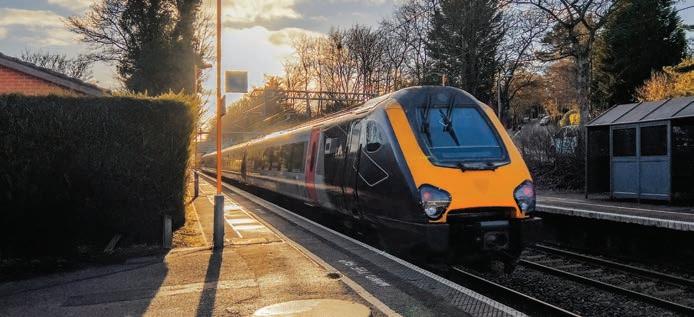
Last summer, we introduced readers to our Empowering Autistic Travel project, funded by the Motability Foundation. After a non-stop period of information gathering, our work is now drawing to a close. Here, our Evidence and Research Team share some early insight from autistic transport users, parents and carers, focusing on what they have told us about barriers to travel and the impacts of difficult journeys
Scoping and insight surveys, May to September 2024
We began this research project with a survey to find out how comfortable different forms of travel were for autistic people. We heard from 466 autistic people, alongside 94 friends, family members or supporting professionals.
We found that walking and driving were easiest or most comfortable, with tube/metro, buses and coaches coming out most difficult or uncomfortable. It was also clear that trains, buses and taxis/rideshares were the most significantly impacted
transport modes for autistic adults. With this knowledge and the support of our co-design group (made up of autistic people), we selected these travel methods as the focus of our study.
In our main survey, we set out to understand the greatest challenges autistic people face using trains, buses and taxis/rideshares. We also explored how these difficult experiences impact their lives and what could be done to change things. From 3,375 responses, the data revealed the most common and impactful experiences to be:
● crowding on platforms and services (90% of autistic people struggle with this)
● sensory discomfort or overload, particularly from light, noise, smells and temperature (87%)
● strangers being close or seated beside them (86%)
● unexpected delays and cancellations (85%)
● feeling anxious or unsafe outside the home/in public (81%)
● struggling to travel without planning first (80%).
User interviews, July to September 2024
During last summer, our team conducted 20 interviews. The majority of participants were diagnosed autistic people, along with four people who self-identify, and four parent/carers of adult children.
The interviews allowed for in-depth exploration of individual experiences and thoughts. Here, we share some of those common themes about barriers to travel and their impact.
Barriers
Sensory:
● crowds and lack of physical space
● stimuli (eg bright lights, noise, smells, heat)
● uncleanliness/germs.
Certainty/predictability:
● anxiety about things that can’t be predicted ahead of a journey
● changes made to a familiar journey (eg a new train/ bus timetable)
● taking a new/unfamiliar journey
● unexpected change to a journey (eg cancellations/ delays/diversions).
Information (and accuracy):
● confusing or conflicting information (eg timetables; next bus/train announcements, including audio information)
● unclear signage (eg to navigate a train station)
● lack of information when there are changes
● navigating ticket purchasing/use at barriers
● not knowing who to approach for help.
Social communication:
● having to interact (pressure to converse; to process; fear of judgement)
● expectation to socialise (eg to chat with a taxi driver)
● can’t effectively communicate genuine mistakes (eg bought the wrong ticket).
Safety:
● fear of antisocial behaviour from other passengers
● fear of travelling at night
● feeling unsafe using taxis
● fear of discrimination or judgement
● hypervigilance.
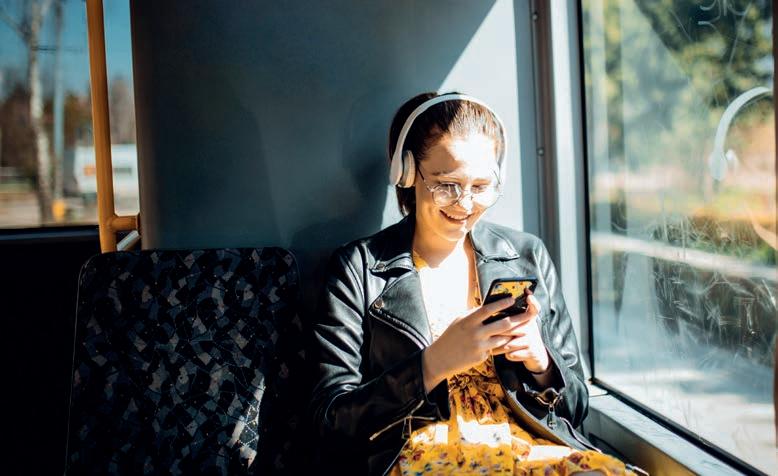
“They keep asking me to prove I’m autistic”
Young autistic adult
Autism understanding:
● lack of understanding of autism/ all hidden disabilities
● needs dismissed by others
● difficulty advocating for self for fear of negative response (eg if using a priority seat)
● can result in masking.
Confidence and independence:
● missing out on opportunities (social life; education)
● reluctance/phobia of travelling
● dependence on help from others to avoid travelling independently
● rumination about bad experiences, low self-esteem and sense of failure.
Stress and anxiety:
● overwhelm that can trigger meltdowns and shutdowns
● exhaustion and dysregulation
● reduced functionality
● need for recovery time
● stress and frustration
● sense of ‘high alert’ and inability to relax.
If you took part in a survey or interview – thank you! Many findings were unsurprising but have hugely helped to paint a picture of the issues autistic people face. To read the full findings from the project in our upcoming report, please email anna.taylor@nas.org.uk with the subject line ‘Travel insights’. We also asked autistic people and families about solutions to travel. In recent months, we have had some good discussions with transport professionals – presenting what we have heard from autistic people and beginning to shape some realistic and feasible solutions. Look out for our next article, where we’ll be sharing some of our solution-focused findings and recommendations.
Read our travel advice at autism. org.uk/travelling-by-train-or-bus
We offer:
•specialist assessments – using DISCO, ADOS-2 and NICE-recommended tools for all ages
•expertise in complex cases – co-existing conditions, forensic needs and atypical autism profiles
•flexible referrals – via GP, local authority or self-referral (private/self-funded).
Find out more: autism.org.uk/diagnosis




“The
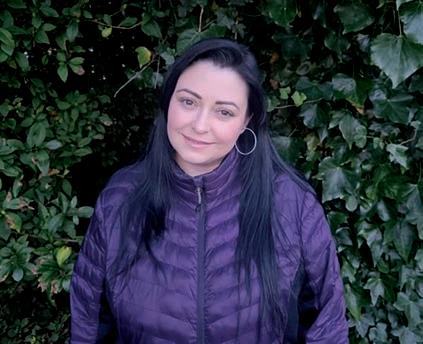
Leanne talks about being misdiagnosed with bipolar affective disorder before she received her late autism diagnosis
A few years ago, I was given powerful antipsychotic medications I didn’t want or need for an illness I didn’t have. This harmed me, and my cognitive functioning never recovered. I wasn’t psychotic – I was autistic. The misdiagnosis caused lasting harm. The medications led to significant weight gain; I didn’t recognise myself. They almost doubled my body size, which exacerbated my breathing problems, and the additional weight bearing on my joints worsened my arthritis. They made me slow and sluggish; I lost friendships and vital social connections because of how heavily sedated I was.
The misdiagnosis cost me my driving licence, my independence and my career. The ability to pay my mortgage was taken from me – I struggled to support my family, and the impact on my home life was horrific.
Mentally, I was unfairly blamed for not trying hard enough – when, in reality, autism is not something to be ‘fixed’. It’s a lifelong condition and nobody’s fault. My self-esteem took a huge hit from the approach taken towards me.
I complied with everything professionals told me to do, so blaming me for not helping myself felt like victim blaming; it scarred me and was the reason I was sent away from the crisis team in a state of despair. They saw nonengagement, but the reality was an autistic person being treated through a neurotypical lens, with no adjustments to accommodate my autism. I couldn’t do things, not because I didn’t want to help myself, but because they were not made to fit my needs or abilities.
I am working hard to unlearn an identity I spent years of my life struggling to align with, an identity that never really fitted. And I need to rediscover me, the real me, at an age when I should already feel secure in who I am.
I decided to study an autism qualification to learn about, understand and find ways of coping with being neurodivergent.
I have since discovered, through social media awareness, that there are many more people just like me. Thousands are being failed socially, emotionally, mentally, physically and spiritually. The medical field still struggles to correctly identify autism, leading to delayed diagnoses and harmful consequences. The trauma of misdiagnosis is real; it causes serious harm and damages lives. This is why I’m sharing my story, because change is urgently needed.
Our Women and girls on the autism spectrum online training module is just one of the ways we train professionals to identify autistic women and girls. Visit autism.org.uk/e-learning
Do you have an issue our readers can help with? Get in touch and benefit from the experience of your fellow members
QWhat reasonable adjustments have you requested at work, and how did you ask for them?
Anon
AI submitted a flexible working request and now work a nine-day fortnight. It means I get an extra day off every two weeks to decompress, and it’s super valuable. I also wrote a ‘working with me’ guide for colleagues. It details the way I work, what to expect from me (such as I might be a bit blunt) and what I will find useful from them (such as written meeting summaries). I have fixed one-to-one and team meetings on the same day at the same time, and they can’t be moved.
Post your problems or answers on Facebook at the National Autistic Society members’ group or email YourAutismMag@nas.org.uk
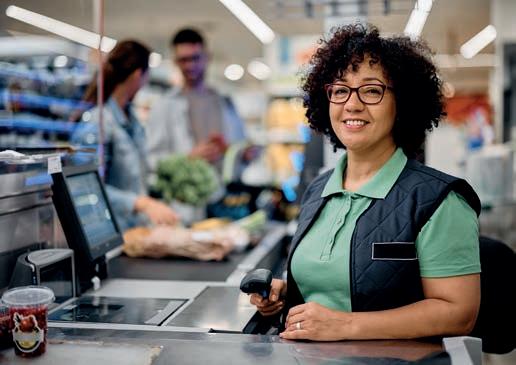
Our new Employment Advice Hub has detailed information about reasonable adjustments, plus common examples and template letters to help you request them. Visit autism.org.uk/ employment
conversation with my line manager about adding flexibility, using headphones in the office and clear communication to my reasonable adjustments. They agreed, and the adjustments were implemented. This has made my life so much easier.
Kay
My manager also implemented a form that people have to fill out to submit a request for work from me. It helps me ensure I have the information I need and avoids people messaging with random requests. Charys
I work for the Civil Service. The Cross-Government Autism Network provided information on asking for reasonable adjustments if you are undiagnosed, which I was at the time. I had assumed I couldn’t ask for reasonable adjustments until I was diagnosed. I had been waiting six years for a diagnosis by that point. I then had a
I emailed the deputy head of the school where I work. Adjustments I asked for included: a weekly meeting with my line manager, sensory breaks (when needed), meeting notes in advance, telling me of schedule changes in advance, having my lunch break at a set time, and staff awareness that I need clear instructions and that I’m more tired at the end of the week. I got a very positive response!
Daisy
I work one-hour stints on tills and get a 15-minute break during my shift. I also have a safety word when I need to get out.
Caroline
My autistic daughter is in her 40s. She works and has her own home. When we die, she will have to cope with our deaths, funeral, finances and house sale on her own. What could we set up now to help her? Anon
Send us your advice for a chance to win an autism-related book of your choice.
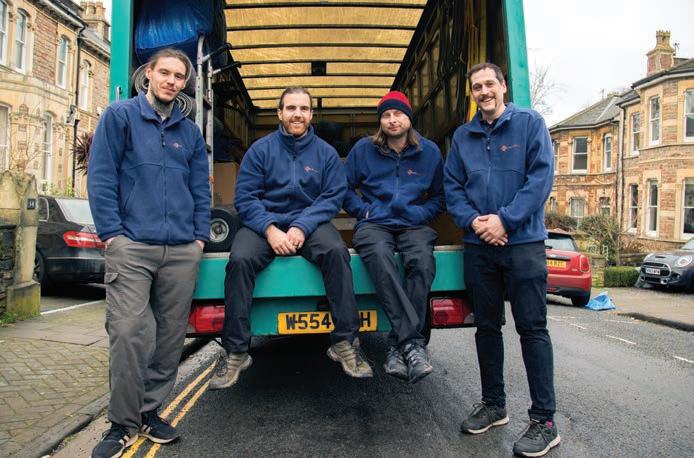
Jay Newton, Director of Painless Removals in Bristol, gives some practical advice on moving house, based on his company’s experiences helping families with an autistic child or adult
Moving home is stressful for anyone, but for autistic individuals, it can be especially overwhelming. Disrupting familiar routines and adjusting to a new environment can trigger anxiety – but with the right approach, you can minimise its impact. Below is a list of simple steps to help make the moving process easier and less stressful for an autistic person.
Before the move
Create a visual timeline – Use a calendar or pictures to illustrate and break down each step leading to the move. This helps provide predictability and reduces anxiety. If the autistic individual enjoys
drawing, you can draw the steps of the process, creating an illustrated timeline together.
Use stories and play – For young children, storytelling is a great way to introduce the concept of moving. Read books about characters successfully moving homes or play ‘moving day’ games to help them become familiar with the process in a fun, low-pressure way.
Communicate clearly and early –If the person is too old for games, explain the move using clear, direct language suited to their level of understanding. Answer questions patiently, identify their biggest
concerns and provide reassurance tailored to their specific anxieties.
Involve them in decisions – Let them choose aspects of their new space (like the colour of their room or where their belongings go) or involve them in organising the move - like deciding which items go into each box.
Familiarise them with the new environment – If possible, visit the new home and neighbourhood in advance. Find something exciting about the new home that they can look forward to.
Packing and organising
Start packing early and consider a professional packing service –Avoid last-minute chaos by packing gradually, keeping favourite items accessible until the last moment. Using a professional packing service can make a difference, letting you carry on with your usual daily routine right up until moving day.
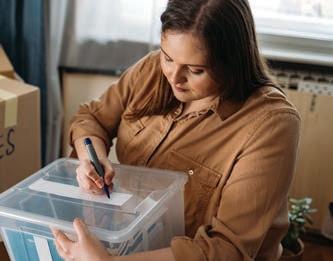
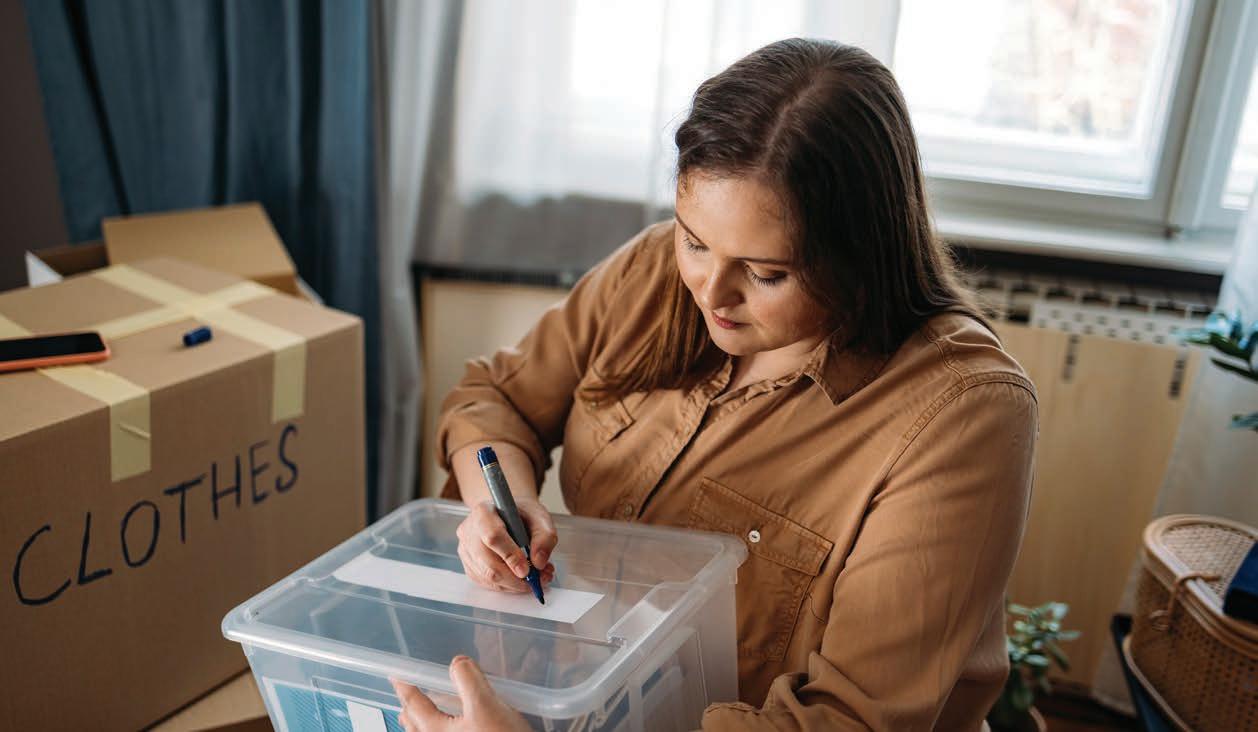
Use colour codes and labels – Clearly label boxes to reduce anxiety about items being lost. A colour-coded system helps maintain a sense of control and makes it faster to recreate a familiar environment in your new home.
Keep essentials handy – Prepare a ‘comfort kit’ with favourite snacks, toys and sensory items for easy access.
Designate a ‘safe space’ – Choose a quiet room and pack it in a way that keeps it calm and functional. Instead of emptying it completely, leave a familiar setup with comfortable seating, soft lighting and key sensory or comfort items. Keep packed boxes neatly stacked and clearly labelled Choose
to maintain order. Pack this room last and unpack it first in the new home to ensure a smooth transition.
Inform the removal team or use specialist providers – Choose a well-reviewed removals company and inform it in advance about any specific needs or sensitivities.
Have a clear schedule – A written or visual guide for the day can help reduce uncertainty. However, avoid using exact times, as home removals are unpredictable, and delays can be frustrating - especially for autistic individuals. Instead, create a flexible schedule with broad timeframes to maintain structure without causing unnecessary stress.
Minimise overwhelm – If possible, arrange for the autistic individual to stay with a trusted friend or relative during the busiest parts of the move.
If this isn’t an option, give them a task they’ll enjoy.
Set up their space first – Prioritise setting up their room before tackling the rest of the house. Recreating familiar arrangements and surroundings as quickly as possible helps create a sense of stability.
Provide comfort items – Ensure they have immediate access to sensoryfriendly items to help manage stress, such as noise-cancelling headphones, weighted blankets, favourite comfort items and sensory objects to aid self-regulation.
Stick to routines – Even in the chaos
“Avoid last-minute chaos by packing gradually, keeping favourite items accessible until the last moment. ”
of unpacking, try to keep mealtimes, bedtime and daily activities as consistent as possible.
Encourage expression – Provide outlets like drawing, journalling or storytelling to help process the change, then work together to find practical solutions.
Introduce the community gradually – Explore the area at a comfortable pace – visit parks, schools or community spaces without pressure. Online or in-person groups can also offer helpful insights and support during the adjustment period.

Ashley received a late autism diagnosis and her husband is neurodivergent. She shares her advice on the foundations of a healthy relationship
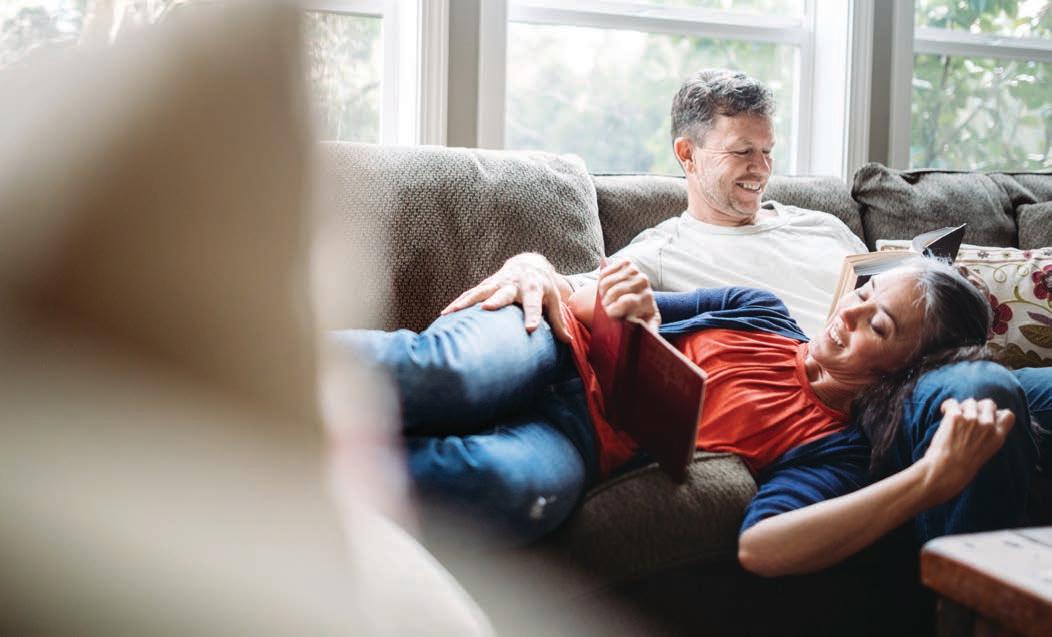
Being in a relationship where one or both partners are autistic can bring unique positives and challenges. For my husband and I, our neurodivergent traits have added depth to our bond. We love engaging in meaningful conversations and sharing passions that enrich our connection.
However, communication differences can pose challenges. Early in our marriage, my husband’s need for ‘alone time’ left me feeling confused and even abandoned, as I didn’t initially understand how
1. Embrace your authenticity.
2. Express your needs.
3. Find like-minded communities.
4. Practise self-kindness.
With open communication, mutual respect and a supportive partner, relationships can be incredibly rewarding. Your unique perspective as an autistic person is a strength − embrace it!
important it was for him to recharge. Another example was when he hinted that he wanted to use the gaming chair that I was curled up in, but I didn’t move because I didn’t pick up on the cue. These moments taught us the value of being direct and honest about our needs. By learning to communicate more openly, we’ve built a stronger, more understanding relationship.
Effective communication and clear boundaries are the foundation of any healthy relationship, but they can be particularly transformative for neurodivergent couples. One of the most empowering lessons I’ve learned is that setting boundaries isn’t about pushing people away − it’s about creating space for both partners to thrive.
For example, I’ve found that sharing my sensory needs, such as preferring quiet time after a busy day, has made our home more harmonious. My husband now uses headphones while gaming, so I can relax without being overwhelmed by noise. These small adjustments allow us to meet each other’s needs without conflict or resentment.
Boundaries mean understanding
how your partner communicates and ensuring your own voice is heard. For autistic individuals, this might include asking for clear language or extra processing time. By having these conversations early and often, you can avoid misunderstandings and build a relationship that feels supportive and respectful.
Autistic people often express love in ways that may differ from societal norms, but these gestures are deeply meaningful. For me, it could be sharing a YouTube video that made me think of my husband or enjoying ‘parallel play’ − spending time together while each of us focuses on our own activities.
We also connect deeply through ‘info-dumping’ about topics we’re passionate about. These expressions might not align with traditional expectations of love, but they highlight the thoughtfulness and emotional depth we bring to relationships. Another way we express love is through ‘support swapping’ - offering practical help and anticipating each other’s needs. My husband supports me by taking our children to social occasions such as parties, while I help him by
remembering important dates and appointments. These small acts of care strengthen our bond in a way that feels natural to us.
Recognising red flags is essential for protecting your wellbeing. If a partner dismisses your feelings, makes you feel anxious or pressures you to change who you are, these are clear signs that something isn’t right. A healthy relationship should allow you to feel accepted and valued for who you are − without compromise. Trust your instincts; if something feels off, it probably is. Prioritising your mental and emotional health is crucial, and being with someone who respects and values you is the foundation of a fulfilling and supportive partnership.
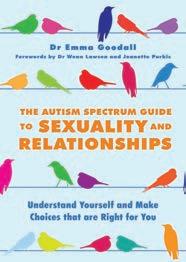
We have a copy of The autism spectrum guide to sexuality and relationships: Understand yourself and make choices that are right for you, by Dr Emma Goodall, to give away to a member. For a chance to win, email your name and postal address to YourAutismMag@nas.org.uk by 20 May, putting ‘Relationship’ in the subject line. The winner will be announced in the next issue.
Hear more from Ashley on Autism
Central’s relationships podcast. Listen at autismcentral.org.uk/podcast
Explore relationship advice and guidance on our website at autism. org.uk/advice-and-guidance/topics/ family-life-and-relationships

Everything you need to read, do or see
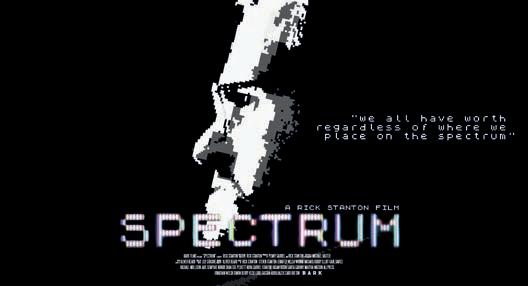
Spectrum
WRITTEN AND DIRECTED BY: Rick Stanton
STARRING: Wunmi Mosaku (Loki, Deadpool & Wolverine and Black Mirror), Hasan Dixon (War Horse) with Rick’s brother, Steven Stanton, in the lead role VERDICT: This moving film delivers an authentic portrayal of autism, featuring Steven and a supporting cast of untrained actors, all of whom are neurodivergent.
We met Rick and Steven to talk about the film Congratulations on the phenomenal response to Spectrum. How would you describe the film?
Rick Spectrum is a 30-minute drama about Steven, an autistic man. It’s a very honest take on an autistic life; we’ve set out to show a different side to what is normally presented on screen. Often, it’s been shown almost like a childlike quality. We wanted to step away from that and show the daily struggles an autistic person goes through. It’s a very authentic story in that it has taken elements from experience, not only with Steve growing up but also myself, being his brother, watching how he dealt with situations.
We’ve had 15,000 views and 300 comments now. People have been responding to certain scenes. For example, there’s one where Steve simply goes to buy a pint of milk and struggles with the change. On paper, streaming platforms would probably just be like, ‘No, we can’t have a guy buy a pint of milk for three minutes.
That’s just ridiculous.’
But that’s a scene people are really, really responding to. It’s because it’s a challenge for some autistic people every day.
Steven, was that scene in the shop something that happens to you?
Steven Yeah, pretty much all my life. I used to go to the shops, and I would always ask my friends how much money I should give them. Sometimes, I even used to just put the money on the counter, and the bloke would do it for me. It was quite a struggle at times.
And Rick, how did you write the film? Obviously, you got a lot of inspiration from Steven.
Rick The writing process was interesting because it started from the end of the film. In the end, there’s a big dramatic sequence where Steve’s character encounters a woman who’s been attacked, and then it’s up to him to decide whether to help or not. That happened to me in real life when I was walking home at 2am. And as I wrote that final scene, I thought, what if this had happened to Steve? How would he respond?
From there, I basically just started writing about Steve’s progression over the past few years. And an important part of that has been getting employment. He now works at a football ground as a cleaner after the games. That progression
from him just having that job once a week, his whole life turned around because a job gives you self-worth. And I wanted to highlight that jobs aren’t always just about making some money. It’s important for people to have a place, a reason to get up in the morning, and that’s one of the main plotlines in the film.
As I was writing the script, when I was trying to write dialogue for Steve, it felt wrong. So I wrote some suggested lines of dialogue, but, on the day, I would just give Steve an idea of what the scene involved and then let him freely improvise the lines. And that’s where we got the best moments because all the people in the film are free to express themselves.
Steven There are some films about people with disability that some people think, ‘Oh, yeah, it’s going to feel quite depressing and a hard watch to get through’. It’s good that there’s not been any negativity like that and that people can relate to it very well. It’s good to have that great feedback.
Watch Spectrum at rickstanton.co.uk/spectrum
AUTHOR: Sarah Hendrickx
PUBLISHER: Jessica Kingsley
Publishers
PRICE: £17.99
VERDICT: A must-read for anyone seeking to understand the diverse experiences of autistic women and girls
Sarah Hendrickx spent five years working in the field of autism before realising she was autistic at age 43 – showing just how hard it can be for professionals to recognise autism in women, even in themselves, without the appropriate knowledge. This comprehensive yet approachable book combines the
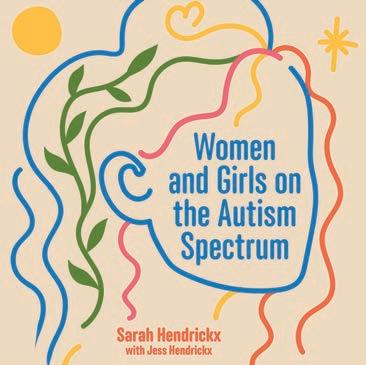
latest research with relatable stories from Hendrickx and other autistic women and girls. It offers valuable insights for anyone seeking a clearer picture of what life can be like for autistic women, from infancy to later years.
For those familiar with the first edition, this updated version delves deeper into topics such as masking, gender identity, eating and autistic women’s health.
While Hendrickx purposefully seeks to validate the often misunderstood experiences of autistic women, this book offers a broader understanding of autism as a whole.
Helen Wilson, Copywriter at the National Autistic Society
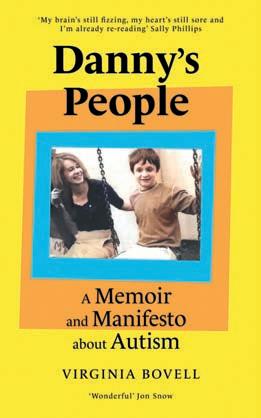
AUTHOR: Virginia Bovell
PUBLISHER: OneWorld
Publications
PRICE: £10.99
VERDICT: A powerful and insightful memoir
I recommend this engrossing memoir from Dr Virginia Bovell, mother to Danny, who has a diagnosis of autism and learning disabilities. It’s the story of her struggle and of the people who have helped with Danny’s care.
It is a story, too, of unimaginable courage on Virginia’s part and the friendships she has made in the autistic world, plus the tale of the support
she earned from Arsenal FC in the founding of the Treehouse School.
This book deserves a permanent place among the many books written by parents.
Michael Baron, one of the founders of the National Autistic Society
We have a copy of Women and girls on the autism spectrum, second edition, to give away to a member. For a chance to win, please email your name and postal address to YourAutismMag@nas.org.uk by 20 May putting ‘Women and girls on the autism spectrum’ in the subject line. The winner of last edition’s giveaway, for a copy of Autism is not a disease: The politics of neurodiversity, is Dan Navarra. The winner of Parenting when you’re autistic is Sarah Dawson. Congratulations!
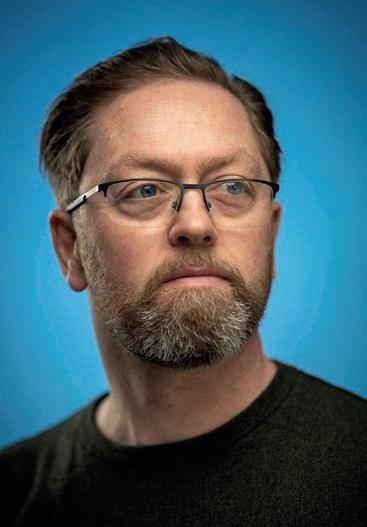
Lambeth Branch Committee Member Mark writes about his 15-year-old son Louie and how he inspired Mark’s Boxing for Autism class
We live in Lambeth, London, and Louie was born at King’s College Hospital. He was diagnosed as autistic and with a speech and language delay aged five, but went to a mainstream primary school and then secondary school for two years. In Year 9, he moved to his current specialist school. Socially and academically, school has not been easy for him. Like many families, we’re constantly trying to get appropriate support to help him through that process.

Setting up a boxing club
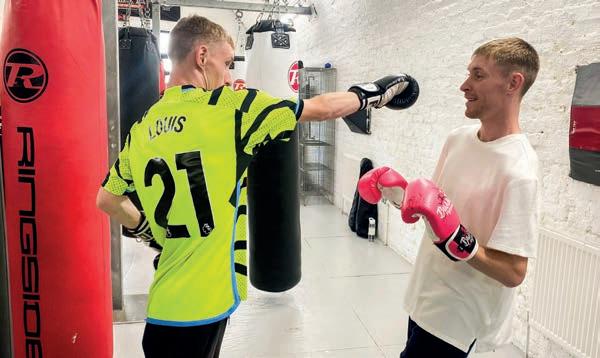
I set up Boxing for Autism with Louie in mind because he has so much energy and needed somewhere to channel it. I thought boxing would be a positive way for him to let out his frustrations and develop his social and listening skills while improving his fitness. I didn’t know of a local boxing club for autistic young people. So, like many things, Boxing for Autism came out of one person’s feeling that these things don’t exist, and we have to make them happen ourselves. During lockdown, I saw members of Miguel’s Boxing Gym doing their workout in the park. I went over to Keshia, who was running the session, and asked if they did a kids’ class. I introduced Louie and said I thought he’d really enjoy boxing.
It turned out her mum had fostered an autistic girl, so Keshia was very understanding about autism. As soon as lockdown lifted, I asked the Lambeth Branch managers whether we could start a new boxing club, and Miguel’s Gym welcomed us in.
The club has now been running successfully for three years, and families join us from Lambeth and neighbouring boroughs. We’ve expanded to do one class for children up to age 12 and another for teenagers and adults following successful funding applications with the Changing Lives Social Value Fund. This year, I was shortlisted for a Lambeth
Civic Award for Volunteer of the Year – the award ceremony is in April.
The young people want to come back week after week. They enjoy that we have a consistent, structured programme and that they know what to expect. I created a visual timetable banner, which shows the sequence of activities: first we’re going to do a warmup, then we’re going to put our gloves on and we’re going to do some races etc.
They enjoy the group participation. If you’re doing sit-ups and press-ups, you’re doing it on your own and alongside others in class.
Participation encourages listening skills as we’re constantly offering short instructions on what needs to be done. There are discipline and technical skills, such as remembering your boxing stance and to keep your gloves up by your cheeks.
If I say, ‘okay, left, right-left, left, right’, they have to be able to listen and process. We keep it simple and bite-sized, but following those short instructions has given the young people a certain level of confidence.
Unfortunately, the education system often knocks their confidence. Teachers are often telling them they’re getting something wrong. Finding an opportunity where they can build some confidence and feel they’re not being judged is vital. It might be the one time in the week when they have that opportunity. It’s really important to find a space like that so the child doesn’t feel that most of their experiences are negative.
I joined the Lambeth Branch [of the National Autistic Society] seven years ago. The branch turns 18 this year and we still run things such as a parents’ and carers’ coffee morning, autistic adults’ coffee morning and Sensory Sunday. Last year, we got the London Eye lit up in purple for Autism Week. We’ll be doing that again this April.
Being on the committee has encouraged me to be an active member of the local autism community. Going to coffee mornings,
participating in activities and then running my own group has put me in contact with other parents, and that is the most valuable information-sharing network. Naturally, we all come into contact with SENCOs, GPs and maybe CAMHS. But I often find that more useful information for me has come from other parents and what has worked for them.
“The young people enjoy that we have a structured programme”
Sometimes, you feel like you’ve tried everything to resolve an issue and a parent, in a casual conversation, might just give you a pointer and say: “Well, have you thought about this? Have you tried that?”
That community support keeps you going. When things feel tough, knowing that other parents understand and are going through it can be totally invaluable.
Find out more about Boxing for Autism at autism.org.uk/what-we-do/branches/ lambeth/events/boxing
We have 80 volunteer-led branches across the UK. We also have online branches for autistic people with a shared interest, identity or experience. Search for a branch near you at autism.org.uk/branches