BRIEFINGBOOK BRIEFING BOOK
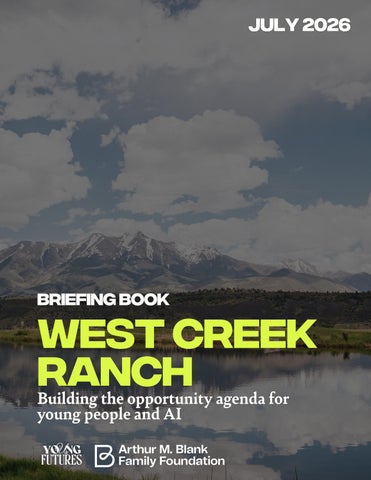
BRIEFINGBOOK BRIEFING BOOK
Building the opportunity agenda for the opportunity for young people and AI young AI

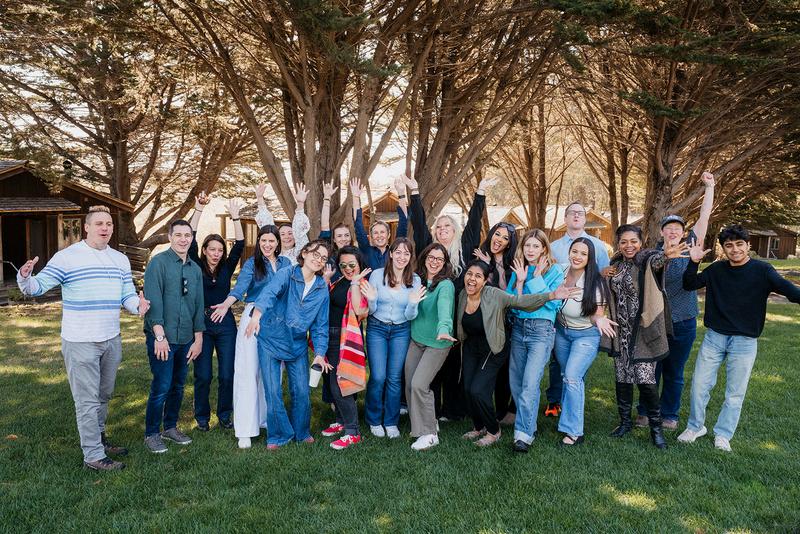
We're thrilled to gather in Montana to spend time together on a question that feels both urgent and full of possibility: what does it take for young people to thrive in a world shaped by AI?
First, a genuine thank you. Taking a full work week to travel and be present with us is no small thing, and we don't take it lightly. The fact that you ' re here says something about how seriously you take this moment.
This gathering brings together an extraordinary group of youth leaders, educators, researchers, funders, technologists, nonprofit leaders, and community builders. We each arrive with different experiences and perspectives. What we share is a belief that the future not predetermined, and that the choices we make today will shape how young people learn, connect, belong, and flouris in the years ahead.
We will no doubt have an amazing time together. There will be enlightening conversations, unexpected connections, and ideas that stretch our thinking.
We want to be frank about our primary goals:
1) We are here to learn from a diverse group of experts, especially youth leaders.
2) We are here to leave with a framework for collective action. Not a set of principles to file away, but a living structure that each of you can find your place in, and actually do this work together.
That is what we are building this week. We hope you'll arrive curious, open, and ready to engage, and that you'll leave with a clearer sense of where and how you fit into what comes next.
With deep appreciation,
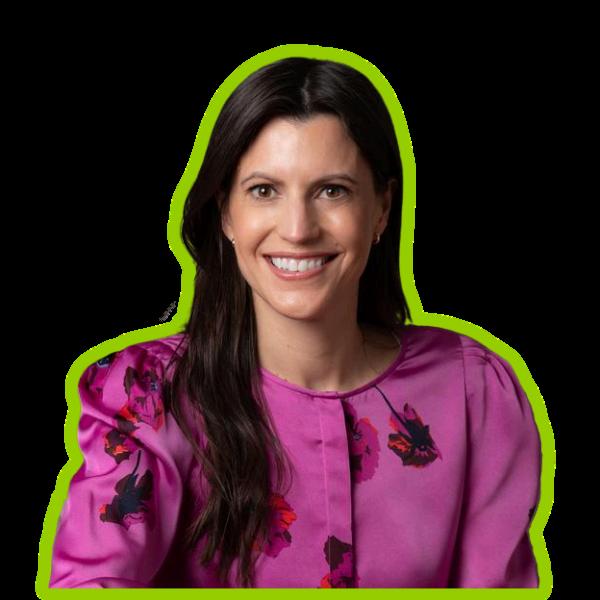
Katya Hancock Founder & CEO, Young Futures

At West Creek, we are not gathering to arrive at one fixed answer. We are gathering around two north star questions that will help guide our time together, inviting curiosity, reflection and a shared sense of possibility as we explore what it takes for young people to thrive in a world shaped by AI.

What does it look like for young people to grow up with AI in ways that strengthen belonging, agency, trust and contribution, while supporting healthy identity development, critical thinking, social skills and civic preparation?
How might we cultivate a connected learning ecosystem across schools, families, libraries, afterschool programs, faith communities, third spaces and online youth communities, where young people explore AI in human, relational and community-centered ways?
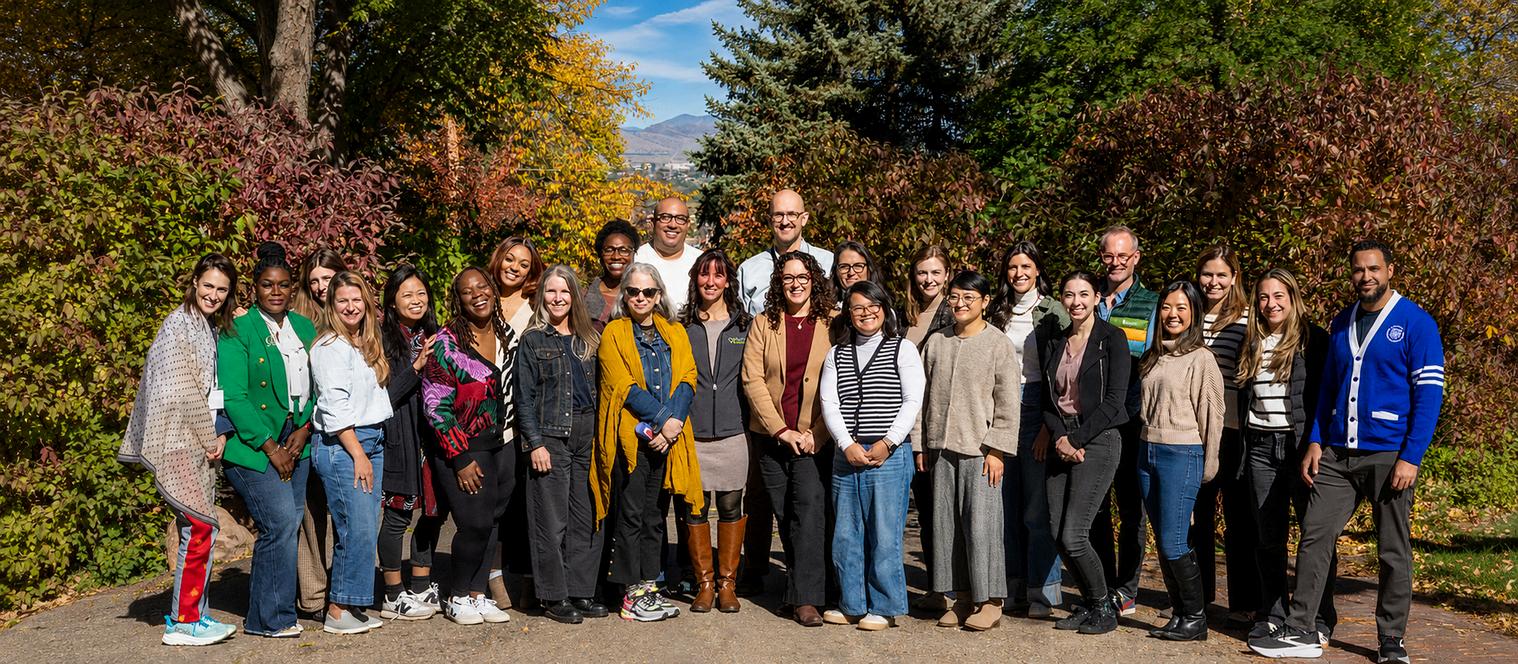
07 Who’s in the Room
18 What We’re Building

The Young Futures Groundwork Initiative
22 What We’re Reading

Young Futures’ West Creek Ranch: Program Schedule
MONDAY (7/6)
Arrival & Presence
10:30am – 4:30pm Ranch Arrival Time
TUESDAY (7/7) Defining The Problem
6:45 – 8:00am
WEDNESDAY (7/8) Building For The Future
Continental Breakfast at Reception 6:45 – 8:00am
THURSDAY (7/9) Bringing It All Together
FRIDAY (7/10) Closing
Continental Breakfast at Reception 6:45 – 8:00am Continental Breakfast at Reception 6:45 – 8:00am Continental Breakfast at Reception
7:00 – 8:00am Sunrise Activities 7:00 – 8:00am Sunrise Activities 7:00 – 8:00am Sunrise Activities 7:00 – 8:00am Sunrise Activities
8:00 – 9:00am Breakfast in the Lodge 8:00 – 9:00am Breakfast in the Lodge 8:00 – 9:00am Breakfast in the Lodge 8:00 – 9:00am Breakfast in the Lodge
9:00am – 12:00pm Reflective Horse Session 9:00am – 12:00pm Choose Your Own Adventure 9:00am – 11:00am Improv in the Sunrise Studio 10:00am Cabin Check-out
12:00 – 12:30pm Break 12:00 – 12:30pm Break 11:00am – 12:30pm Break 8:00am - 12:00 pm Departures and Transports to Bozeman and Livingston 12:00pm – 2:30pm Lunch in the Lodge 12:30 – 1:30pm Lunch in the Lodge 12:30 – 1:30pm Lunch in the Lodge 12:30 – 1:30pm Lunch in the Lodge
4:00 – 5:00pm Welcome Activity at the Heart Pond 1:30 – 4:30pm Defining The Problem in the Lodge 1:30 – 4:30pm Building For The Future in the Lodge 1:30 – 4:30pm Bringing It All Together in the Lodge
5:00 – 5:30pm Hors D’oeuvres & Live Music at the Pavilion 4:30 – 5:30pm Break 4:30 – 5:30pm Break 4:30 – 5:30pm Break
5:30 – 6:00pm West Creek Ranch Orientation at Pavilion 5:30pm – 6:30pm Hors D’oeuvres on the Lodge Deck 5:30pm – 6:30pm Hors D’oeuvres at Pavilion 5:30pm – 6:30pm Hors D’oeuvres on the Lodge Deck
6:00 – 7:00pm Welcome Dinner at Pavilion 6:30 – 8:30pm Dinner in the Lodge 6:30 – 8:30pm Dinner in the Lodge 6:30 – 8:00pm Dinner in the Lodge
7:00 – 8:00pm Group Time at the Pavilion 10:00pm Bar Close 8:30 – 10:00pm Live Music and Line Dancing 10:00pm Bar Close
Note: Most activities will occur in the lodge, including meals and afternoon programming All activities will have signs up the evening before with clear meeting instructions
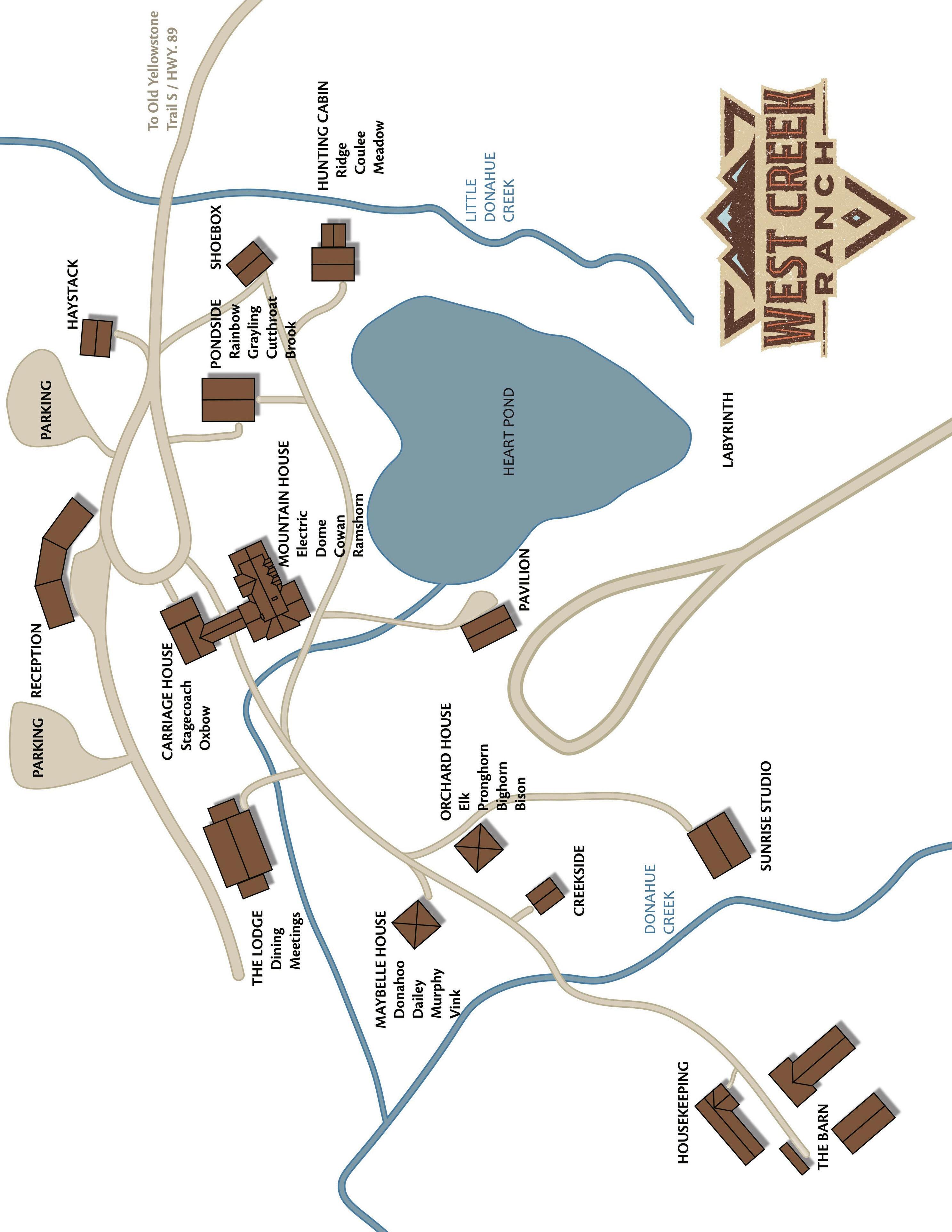
M a p o f t h e R a n c h

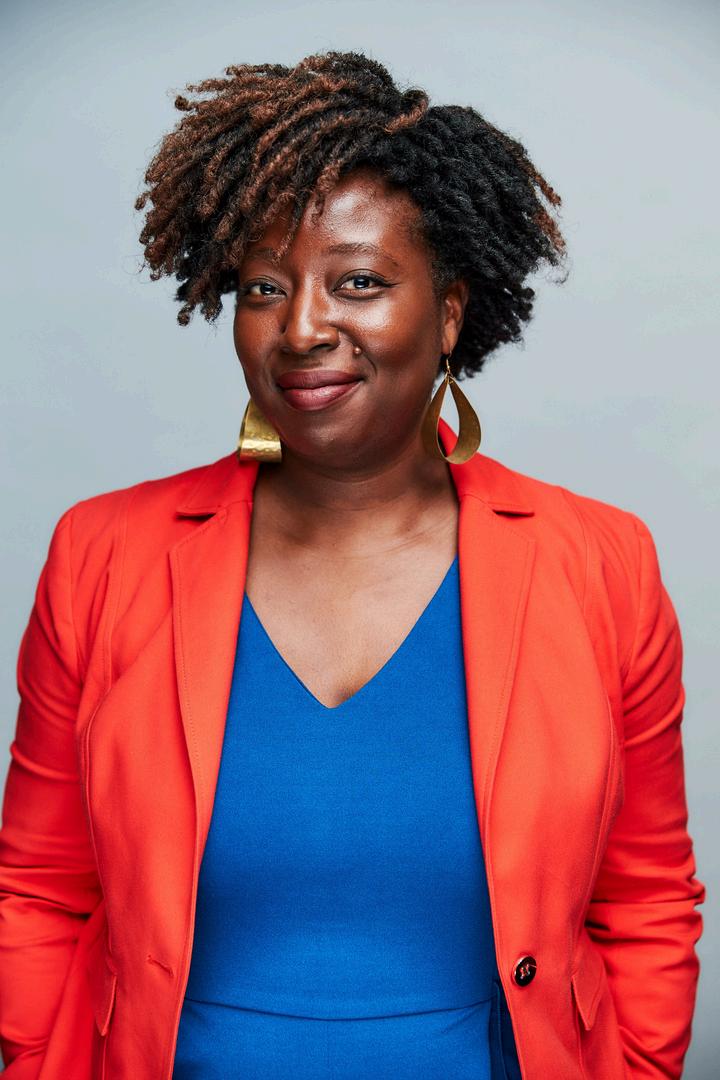
Afua Bruce is a leading voice at the intersection of technology, strategy, and impact. With a career spanning the public, private, and nonprofit sectors, she has advised organizations on leveraging technology responsibly to drive meaningful change Afua is the Founder and CEO of ANB Advisory Group, where she helps organizations across sectors strengthen their technical and data strategies
Prior to founding ANB Advisory Group, Afua held senior science and technology roles at the White House, the FBI, and IBM Afua is a sought-after speaker and author, known for her insights on ethical technology, responsible AI, and innovation for social enterprises
Afua was honored with a statue in the If/Then Exhibit, highlighting women in STEM, which was displayed in the Smithsonian She is an affiliate at Harvard Kennedy School’s Berkman Klein Center, sits on the board of Code the Dream, and is a member of the Center for Democracy and Technology’s Advisory Council. Afua holds a degree in Computer Engineering from Purdue University and an MBA from the University of Michigan. Her debut picture book, ‘Bessie the Inventor: The STEMinist who Forged Her Own Path,’ is now available for pre-order.
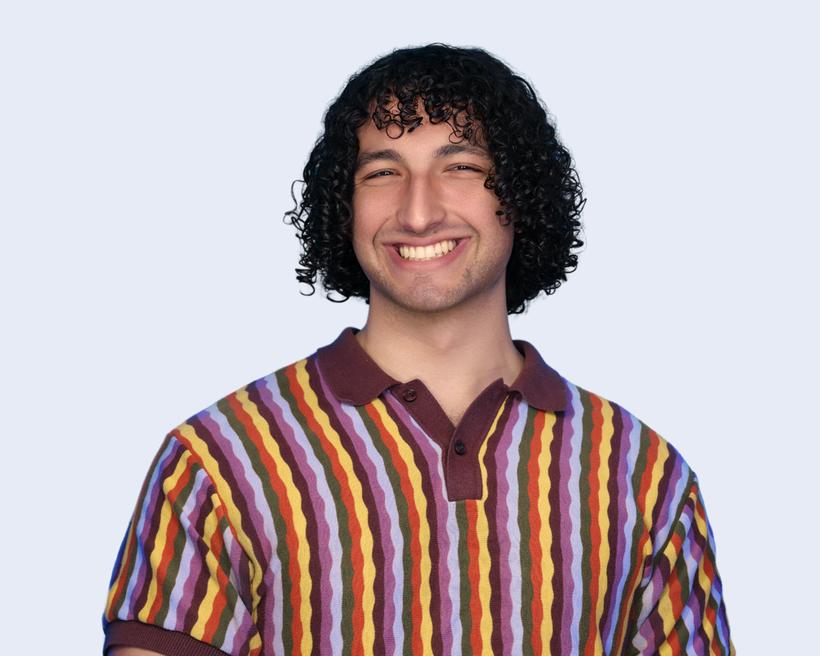
Alex Edgar is a Gen Z social entrepreneur focused on reimagining pathways for young people to achieve economic mobility, develop their civic identity, and build lives of purpose in our rapidly changing world. As Co-Founder of Youth250 at Made By Us, he has helped position young people as central leaders in shaping the nation’s 250th anniversary, reaching more than 9 million people and engaging 7,500 organizations nationwide. He led the Youth250 Bureau, a network of 100 paid Gen Z advisors who contributed over 10,000 hours of youth-centered advising to national partners.
He currently serves as the inaugural Losey Visiting Voice at the SHRM Foundation, where he provides strategic insight on next-generation workforce dynamics and the future of work He also advises the Higher Education Democracy Exchange, a collaboration between Campus Compact and AAC&U focused on strengthening civic ecosystems through higher education In addition, he serves as the sole youth advisor to a foundation with an over $1B endowment, helping guide a multi-year expansion of its youth development investment strategy
He is a Forbes 30 Under 30 honoree, and recipient of the John Lewis Youth Leadership Award from the National Association of Secretaries of State and Hidden Hero Award from the Andrew Goodman Foundation. He serves on the Board of Directors for Points of Light and CoGenerate, and was the youngestever advisor in the U.S. Department of Commerce History through his service
U.S. Census Bureau’s 2030 Advisory Committee.
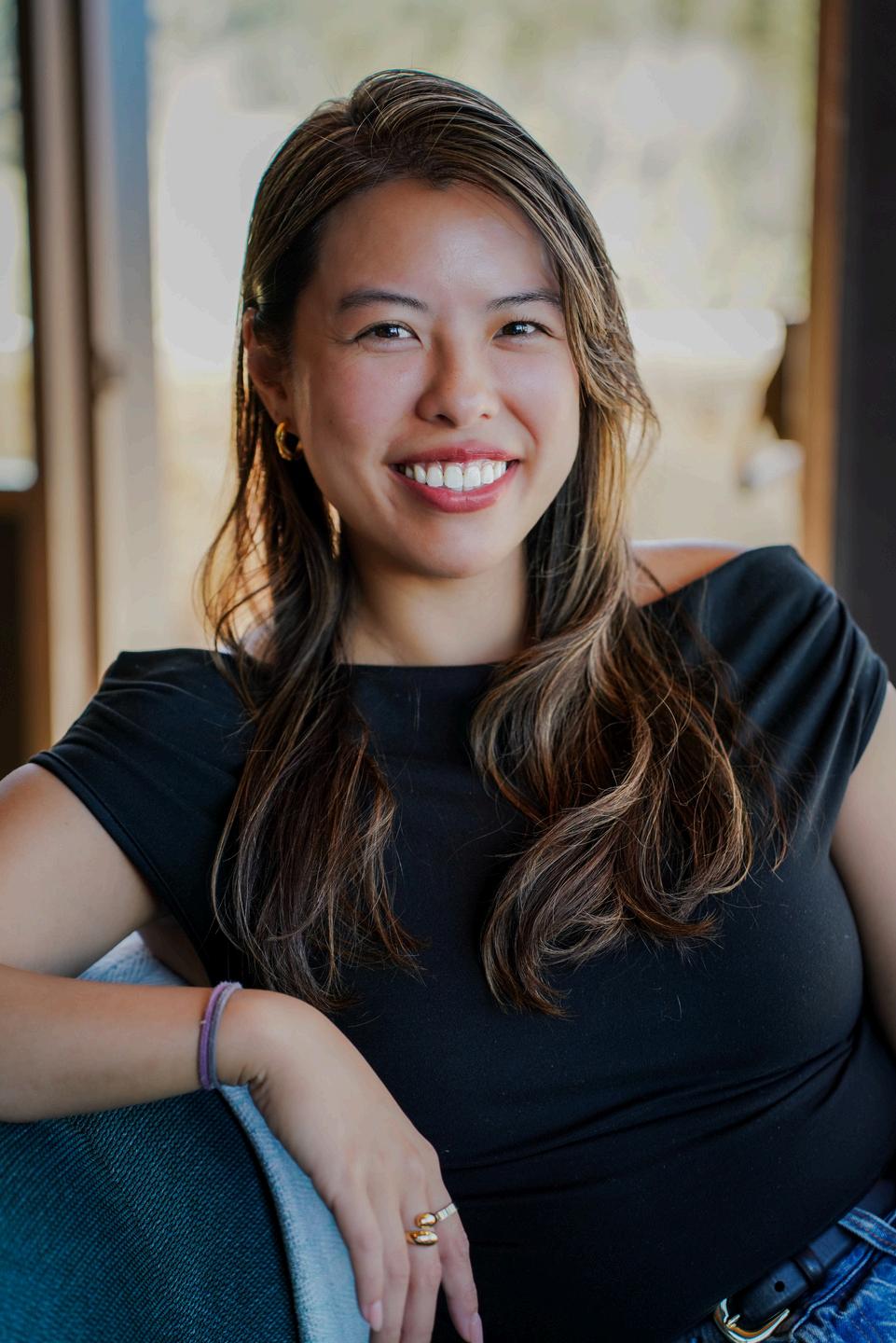
Alison Lee is the Head of R&D at The Rithm Project, leading youth-centered research as well as emerging tech foresight to fuel a powerful generation equipped to rebuild and evolve human connection in the age of AI A researcher, cognitive scientist, and product strategist, Alison’s spent her career studying and designing for youth belonging and safety Her work spans from liberatory educational models, to researching trust & safety and responsible AI at Meta and Instagram, with a laser-focus on supporting youth thriving in a tech-powered world Alison holds a Ph D in Cognitive Science in Education and Masters in Learning Analytics (Machine Learning in Education) from Columbia University
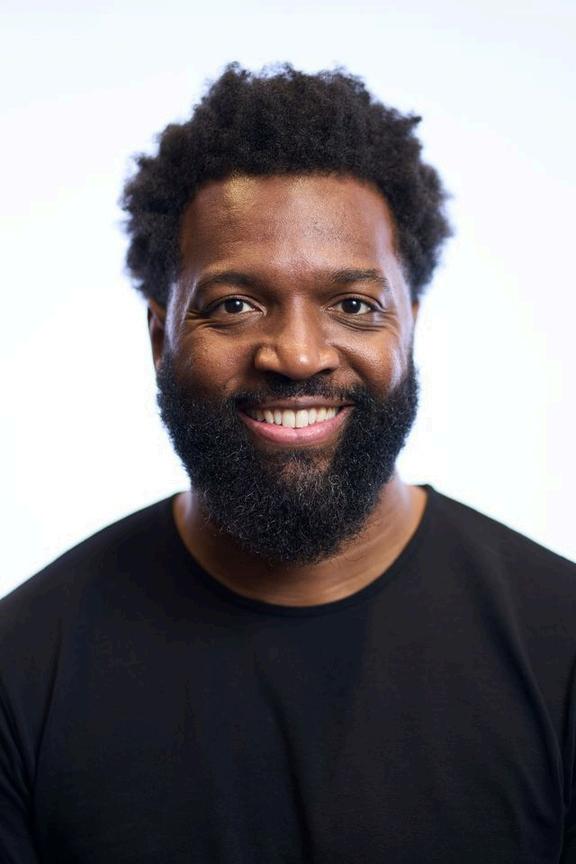
Baratunde Thurston is an Emmy-nominated host, New York Times bestselling author, public speaker, and comedian telling stories of our relationships with technology, each other, and the planet His latest project, the Webby Award-winning Life With Machines, is focused on how we live well with AI, and don’t just endure it. Baratunde also hosts the PBS series America Outdoors and co-created the podcast How To Citizen. He lives between Palm Springs and Paris and serves on the board of Civics Unplugged.
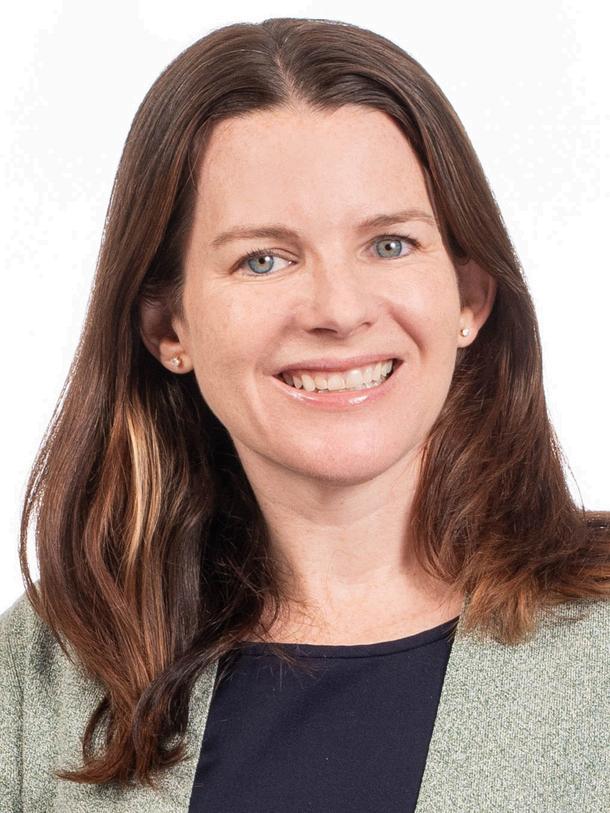
As co-director of brain health for the McKinsey Health Institute, Cheryl’s work spans mental health, neurological health, and addiction and recovery She brings a cross-sector perspective on how investment in the brain shapes longterm health and economic opportunity, with a special focus on advancing youth mental health and resilience
Prior to joining McKinsey, Cheryl worked in education as both a classroom teacher and a researcher Most recently, she served as a senior advisor on behavioral health and Medicaid at the US Administration for Children and Families, where she supported the development of policies to strengthen systems for children and families
Cheryl’s work is grounded in the belief that investing in the brain can deliver better outcomes across the life course. She is committed to bridging research, policy, and practice to help institutions make smarter, more equitable decisions.
Cheryl holds a Master of Public Policy from the University of Chicago and a bachelor’s degree in economics and philosophy from Wellesley College.
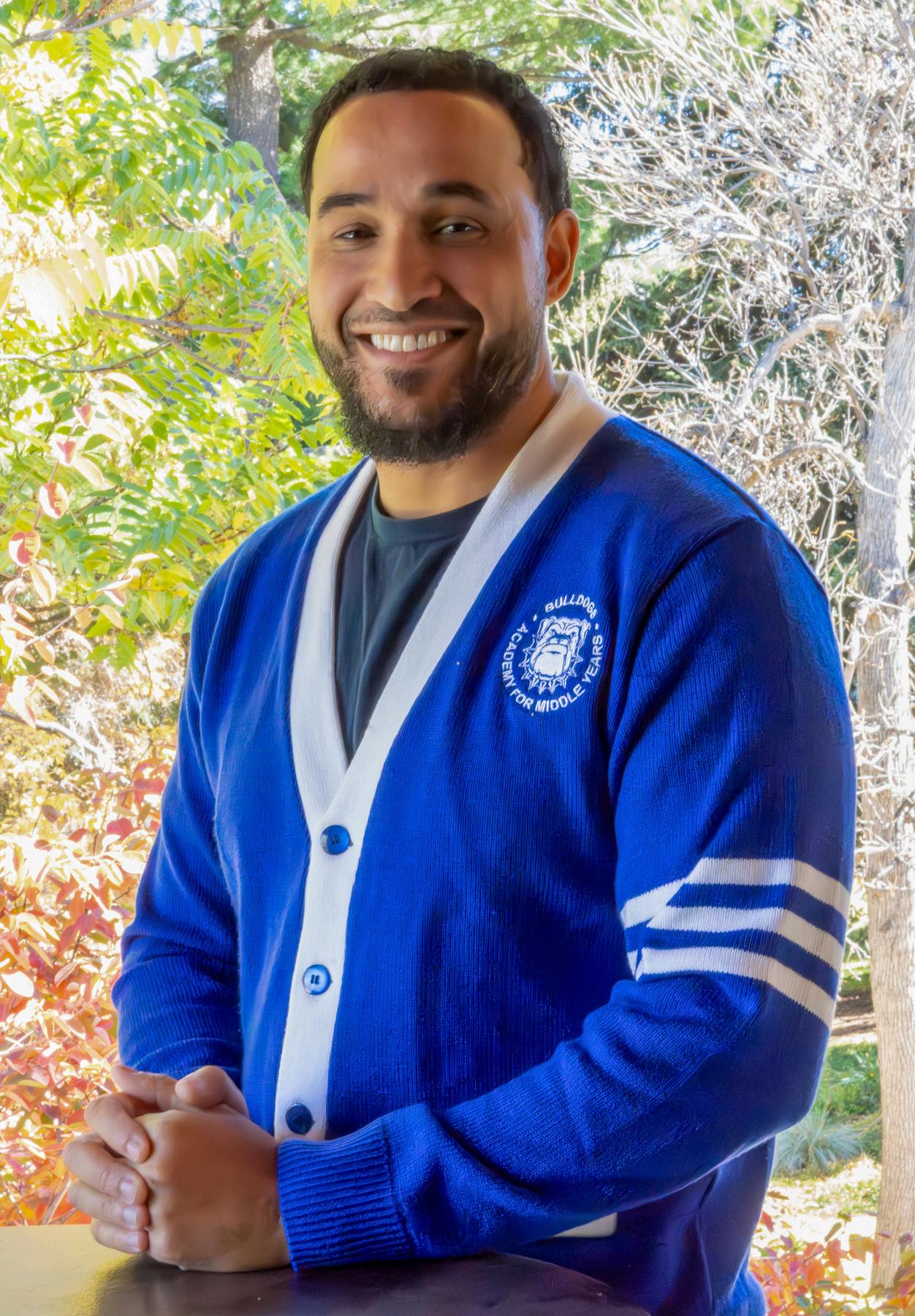
Daniel Merin serves as the Assistant Director of School Climate and Culture Coach within the Office of School Climate and Culture at the School District of Philadelphia (SDP) In this capacity, he leads a team of 15 coaches and partners with SDP schools to establish frameworks for safe, equitable, and restorative disciplinary practices Daniel is a trainer in conflict resolution, trauma-informed practices, and restorative justice
His professional focus includes a deep interest in restorative justice, liberation pedagogy, and trauma-informed care He is particularly dedicated to youth and workforce development, entrepreneurialism, and social policy issues related to urban education, digital technology, and urban development.
Prior to his current role, Daniel served as the Community School Director for Comegys Elementary School through the University of Pennsylvania’s Netter Center for Community Partnerships. He also brings international perspective to his work as a former Peace Corps Volunteer in Costa Rica (2008–2010). He is an avid hiker, gardener, and father of two children.
M.S. in Social Policy: University of Pennsylvania
B.A. in Criminal Justice: Temple University
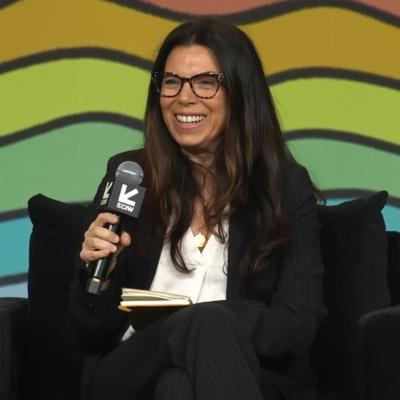
As Chief of Staff at the Bezos Family Foundation, Eden serves as a strategic partner to the President, helping align people, ideas, and investments in support of the Foundation’s work She collaborates with researchers, practitioners, policymakers, and fellow funders to bridge research, practice, and policy, translating learning into action that strengthens more equitable systems for children, youth, and families
Her work increasingly centers on a defining tension of this moment: as AI and other technologies accelerate, human connection becomes both more fragile and more essential She is particularly interested in how we design for both, ensuring innovation strengthens, rather than erodes, the relationships at the core of learning and development
Before joining the Foundation, Eden spent a decade at Deloitte, where she helped launch Deloitte Digital and worked alongside founding leaders to build and scale a new model at the intersection of technology, design, and strategy. Known for connecting people, ideas, and execution, Eden brings a systems perspective to complex challenges and a bias toward turning promising concepts into practical action.
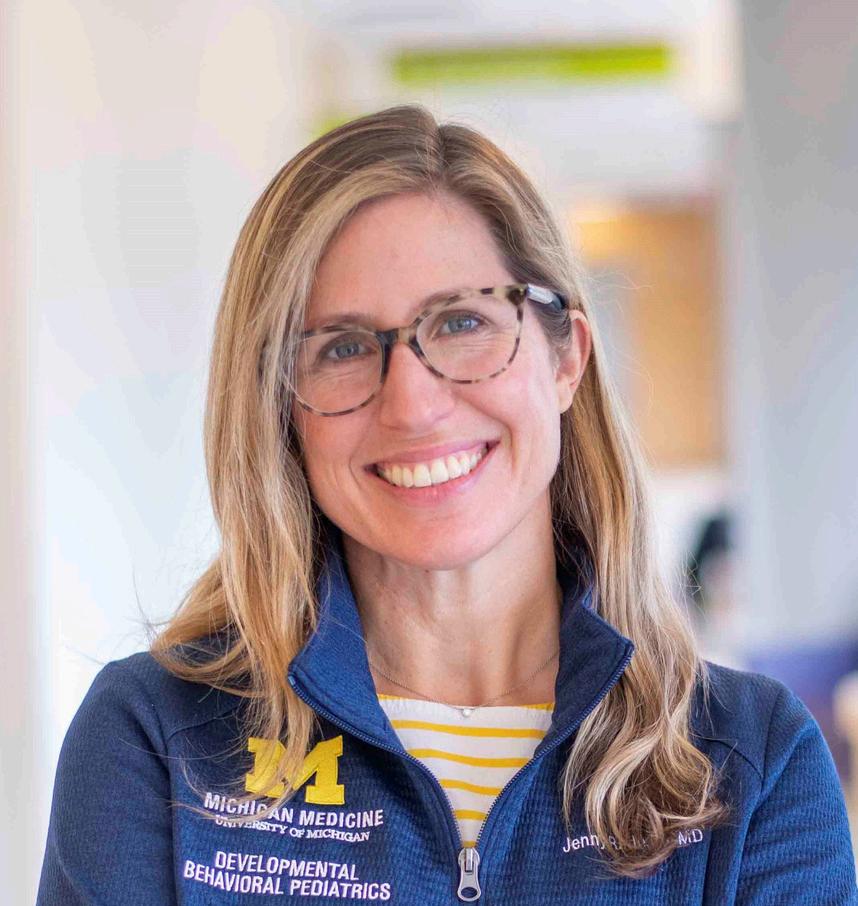
Dr Radesky is the David G Dickinson Legacy Professor of Pediatrics at the University of Michigan Medical School Her NIH-funded research examines the use of mobile and interactive technology by parents and young children, parent-child relationships, and child social-emotional development. She has authored policy for the American Academy of Pediatrics (AAP), where she served as Chair of the Council on Communications and Media from 2023-2025. Since 2022 she has acted as co-Medical Director of the AAP Center of Excellence on Social Media and Youth Mental Health, which aims to translate research evidence into family-centered guidance. Dr. Radesky led the first Behavioral Team at the U.S. Federal Trade Commission in 2024-2025, supporting teams on cases related youth online harms. She currently serves as a Senior Advisor to the Common Sense Media Youth AI Safety Institute and has a forthcoming book Connecting: Raising Kids in a Digital World.
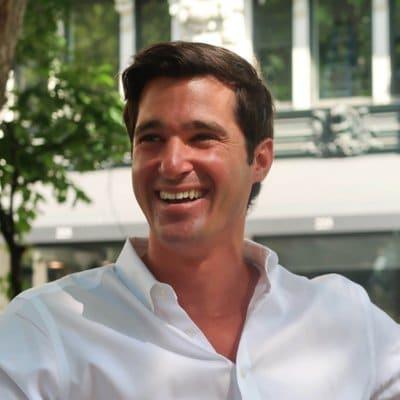
Josh is a New York based serial entrepreneur and investor with over 15 years of experience across ed tech, venture capital, impact investing, and blockchain He specializes in early stage companies and public-private partnerships
He founded Civics Unplugged, now the largest and most effective democracy building movement in the world. Through it, he launched the Dream DAO, which Coinbase highlighted for its potential to rewire philanthropy and impact.
Josh is a partner at Aera VC, an early-growth fund investing in deep tech since 2016. With Gotham Labs, which he co-founded, and Aera VC, he launched Aera Force, a DAO of climate investors, founders, scientists, and civic leaders accelerating a regenerative world through web3.
As a Venture Partner at Human Ventures, he founded Onward Labs, a venture studio using emerging technologies to tackle pressing global issues
Early in his career, Josh worked in American politics, becoming in 2017 the youngest NYC mayoral candidate in over 140 years A longtime homelessness advocate, he pioneered a blockchain system in 2018 that lets aid recipients verify the impact of services they receive
Josh has helped raise over $400M for nonprofits and campaigns and $150M+ for startups He is also a minority owner of Ipswich Town Football Club He is a father to his daughter Sawyer
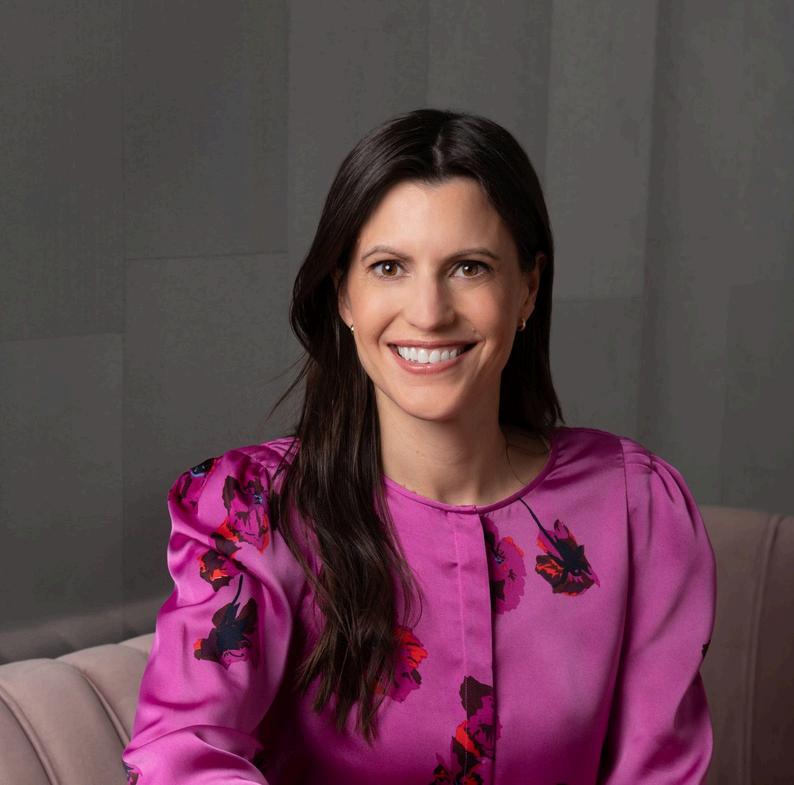
Katya Hancock is a mission-driven executive, entrepreneur and public health champion with over two decades of impact leadership across healthcare, technology and philanthropic ventures Leveraging all she has learned helping build startup ecosystems to solve health moonshots, she is dedicating the next chapter of her career to the urgent need of improving youth mental health in today’s rapidly evolving world. She is the Co-Founder and CEO of Young Futures (YF).
Prior to Young Futures, Katya spent a decade as a founding team member and Chief Impact Officer of StartUp Health, an organization dedicated to achieving health moonshots: the world’s most pressing health challenges, including Mental Health, Health Equity, Access to Care, Children’s Health and Women's Health. During Katya’s tenure, StartUp Health’s portfolio grew to 500 companies in 30 countries.
Prior to StartUp Health, Katya worked as an operator across multiple startups, including helping build two successful fintech startups from seed stage to acquisition by Fortune 500 companies She started her career at investment bank CIBC helping impact-driven families achieve their goals
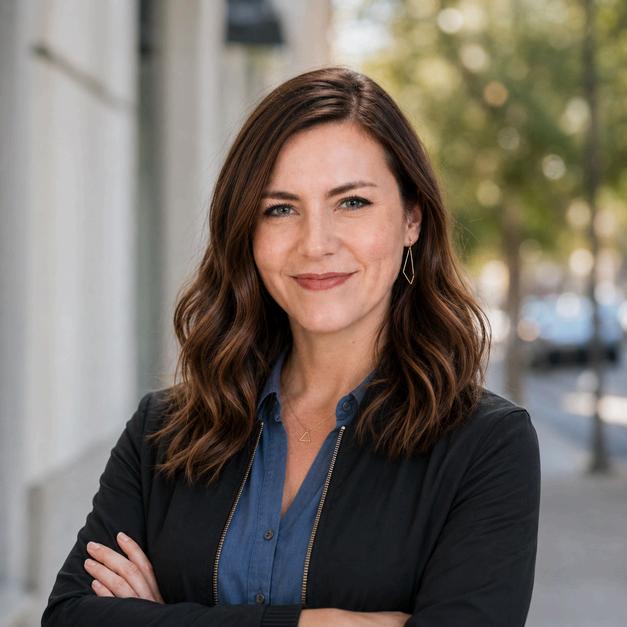
Kelsey is Director of Adolescent Mental Health at Pivotal, a company founded by Melinda French Gates to advance social progress for women and young people. Her work supports the social, emotional and mental wellbeing of adolescents, centered on BIPOC and LGBTQ+ youth and their caregivers. She is particularly passionate about the impact of digital life on young people, and how to empower young people to prioritize their wellbeing amidst rapidly changing technologies.
Kelsey’s background is in behavior change programming, having previously worked in global health and community governance programs in conflict zones, including Syria, Iraq, South Sudan and Afghanistan Despite the differences between country settings, Kelsey has always been galvanized by the way that young people shape norms and drive movements as they come into their own power as a generation
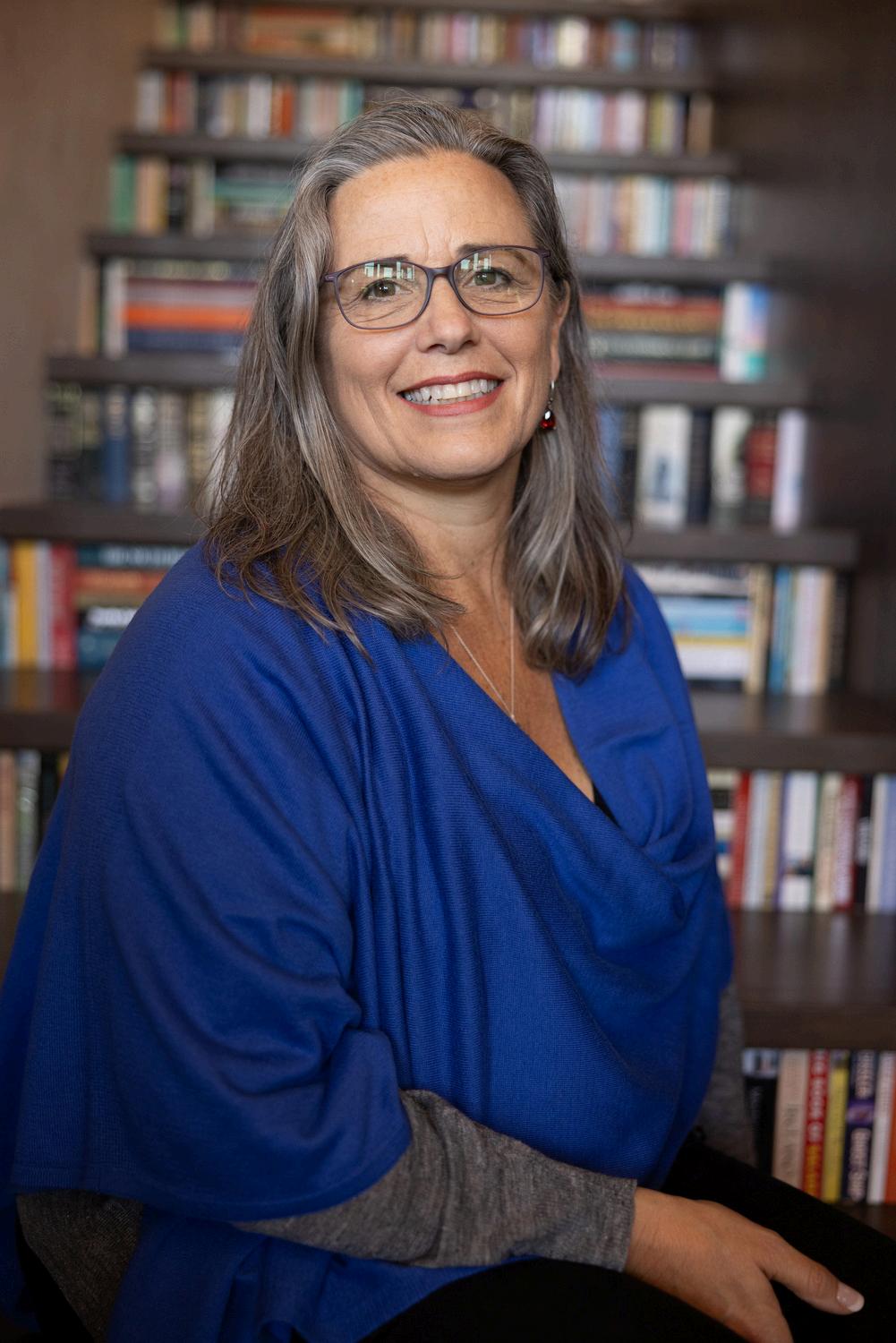
Kim is the founder and CEO of LearnerStudio, a nonprofit intermediary focused on accelerating progress toward the future of learning. A catalyzer of leaders, ideas and networks, Kim Smith is passionate about ensuring all of our young people have access to the knowledge, skills and experiences they need to flourish in the age of AI: as individuals, in careers, and in democracy.

Dr Kristine Gloria is a recovering academic, social impact entrepreneur, and dedicated steward of technology for good Kristine’s expertise sits at the intersection of the human condition and technology with specific interest in youth mental health and wellbeing
Kristine is a Co-founder & Chief Operating Officer for Young Futures (YF) Kristine leads day to day operations ensuring efficiency across the organizations systems, processes, and teams She also leads matchmaking efforts to connect the YF’s mission with like-minded organizations, forging alliances and meaningful collaboration that drive the ecosystem towards innovative solutions for young people to thrive in today’s fast-changing digital age.
Prior to Young Futures, Kristine served as the Head of Data at Blue Fever, where she led the development of Blue Fever's first chatbot, "Blue," whose bigsibling energy helped guide users to reflect on their mental and emotional needs. She also served as the Director of Artificial Intelligence for the Aspen Institute, leading multi-stakeholder initiatives on various issues from Trustworthy AI to Empathic Research and Innovation. She is the key architect for the Institutes portfolio on Wellbeing and Technology. Kristine holds a doctorate in Cognitive Science from Rensselaer Polytechnic Institute (RPI), specializing in semantics and knowledge engineering She is also a former fellow with the Internet Policy Research Institute at MIT and formerly served on the board for Foundation for Social Connection
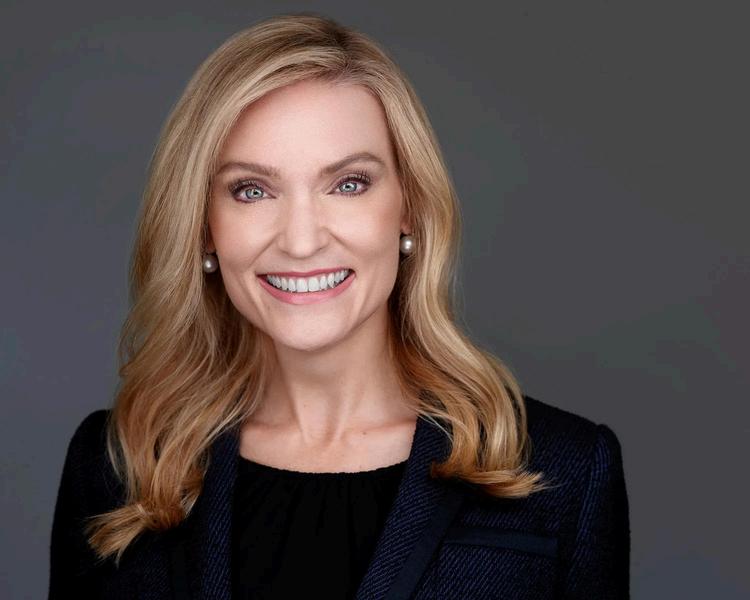
A clinical psychologist by training, Dr. Murray spent 15+ years as Senior Faculty at Johns Hopkins Bloomberg School of Public Health, where she built and led one of the most productive global mental health research programs in the world. She developed and tested multiple systems of care from assessment, treatment and evaluation - while bringing partnerships across policy, NGOs, private sector, medical field, and communities. Dr. Murray focuses on how to solve some of the most difficult problems in mental/behavioral healthcare, such as the silo’ed fragmented system and workforce challenges. She has worked on the cutting edge of how to use technology across high and low income areas, ensuring tools are built for real-world problems and directly benefit communities Some examples include a precision-based algorithm for mental health transdiagnostic care, and a multi-agent AI simulator for training She founded a company and recently joined Google as Head of Global Mental Health, where she now works at the frontier of what technology companies can and should do to address the world's most underfunded health crisis Dr Murray is passionate about understanding how AI is and will fit within the larger mental health ecosystem in the U S and globally
Laura Murray, Ph D Head of Global Mental Health, Google | Affiliate Faculty, Johns Hopkins Bloomberg School of Public Health
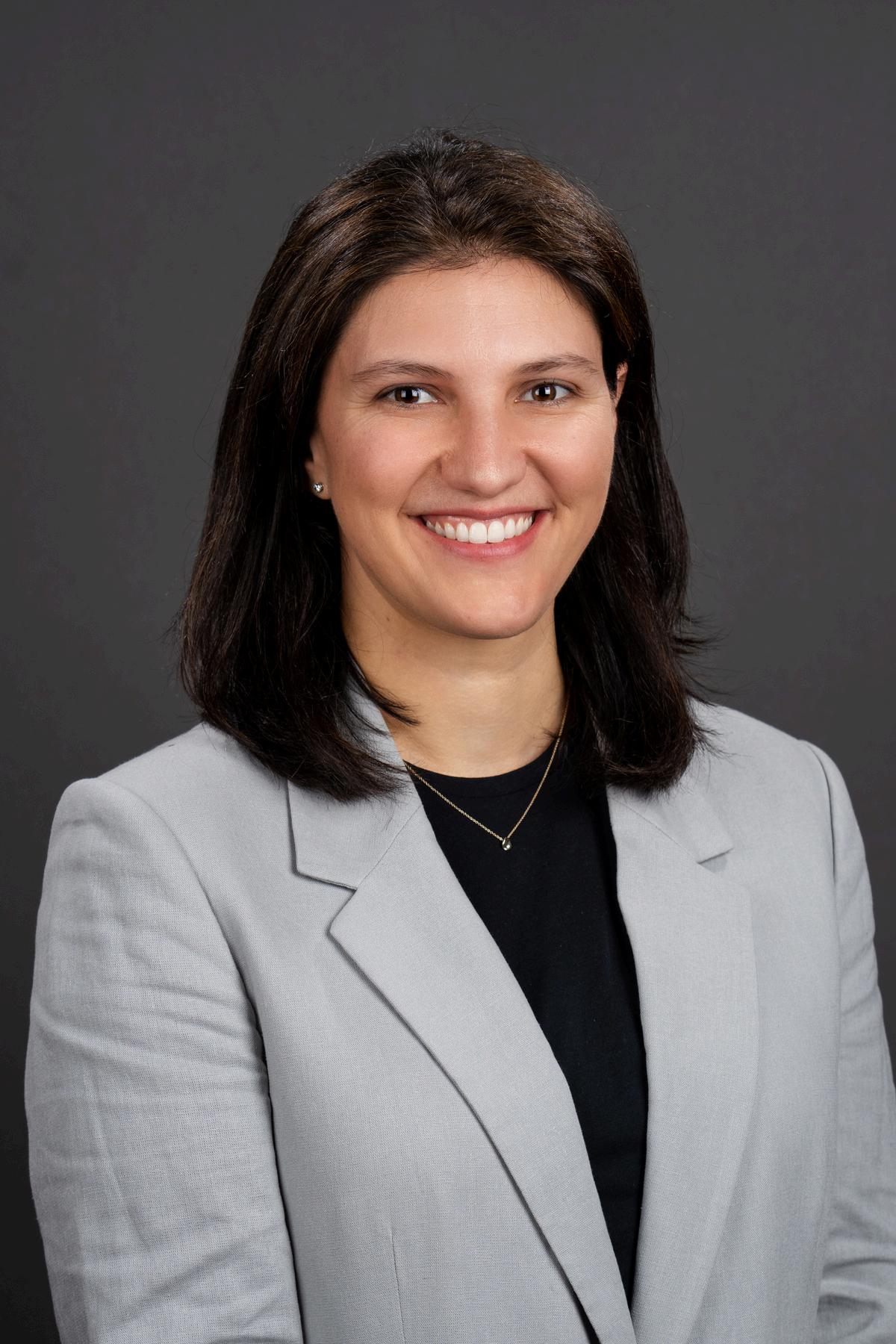
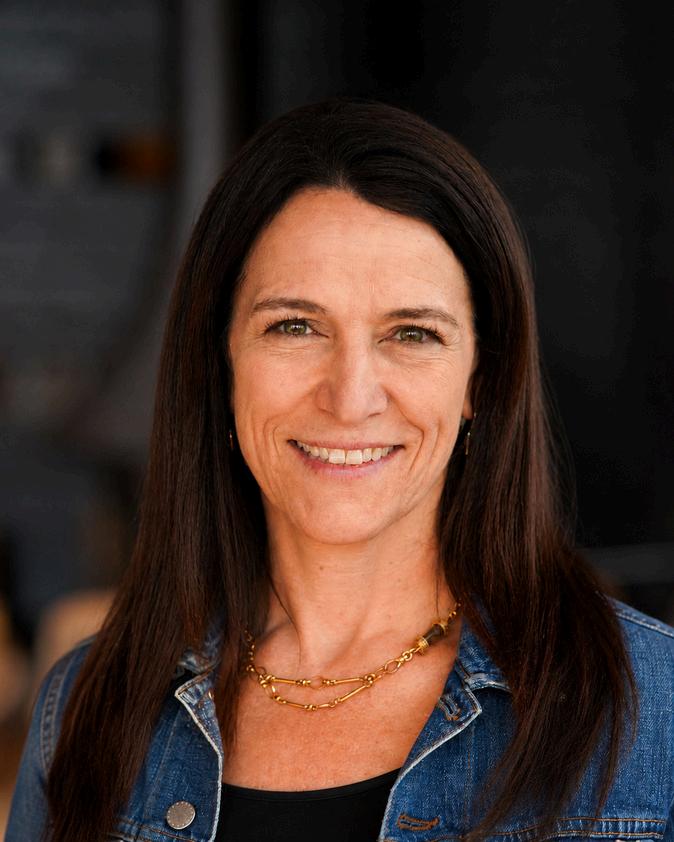
Lisa Zook serves on the Effective Philanthropy and Learning team at the Arthur M Blank Family Foundation, where she helps lead strategy development, organizational learning and measurement and evaluation efforts across the foundation’s philanthropic portfolios She partners with colleagues and grantees to strengthen learning practices, clarify outcomes, and use evidence to support strategic decision-making and continuous improvement
Before joining the foundation, Lisa spent nearly a decade leading her own consulting firm, supporting nonprofits, philanthropies, and international organizations working across global health, education, poverty alleviation, and community development. Her work has focused on helping organizations design practical, equity-informed approaches to learning and evaluation that strengthen both strategy and impact.
Margaret is Executive in Residence at Hopelab, where she served as President and CEO for the last decade Hopelab is a social innovation lab and impact investor working to support the mental well-being of adolescents, especially BIPOC and LGBTQ+ young people Through philanthropic funding, collaborations, and intergenerational partnerships, Hopelab works at the intersection of tech and mental health alongside entrepreneurs, funders, researchers, and young change-makers to create systems change and build a thriving future
Prior to Hopelab, Margaret spent 17 years at the California HealthCare Foundation in a number of roles, including Director of Public Financing and Policy and Director of the Innovations for the Underserved program. She founded the CHCF Health Innovation Fund, a mission-focused fund investing in health care technology and service companies that improve access to and lower costs of health care. Prior to CHCF, Margaret held positions with Accenture, the World Health Organization, Mentor Clinical Care and the Commonwealth of Massachusetts.
Margaret holds a Master’s degree in Public Policy from Harvard University’s John F. Kennedy School of Government and an A.B. in English Literature from Princeton University. Margaret is a lecturer in entrepreneurship at the Stanford Graduate School of Business She serves on the boards of Health Leads, United States of Care and Project Glimmer, and is an adviser to Town Hall Ventures, Acumen America, Galileo Health and a number of early stage health care and mental health companies
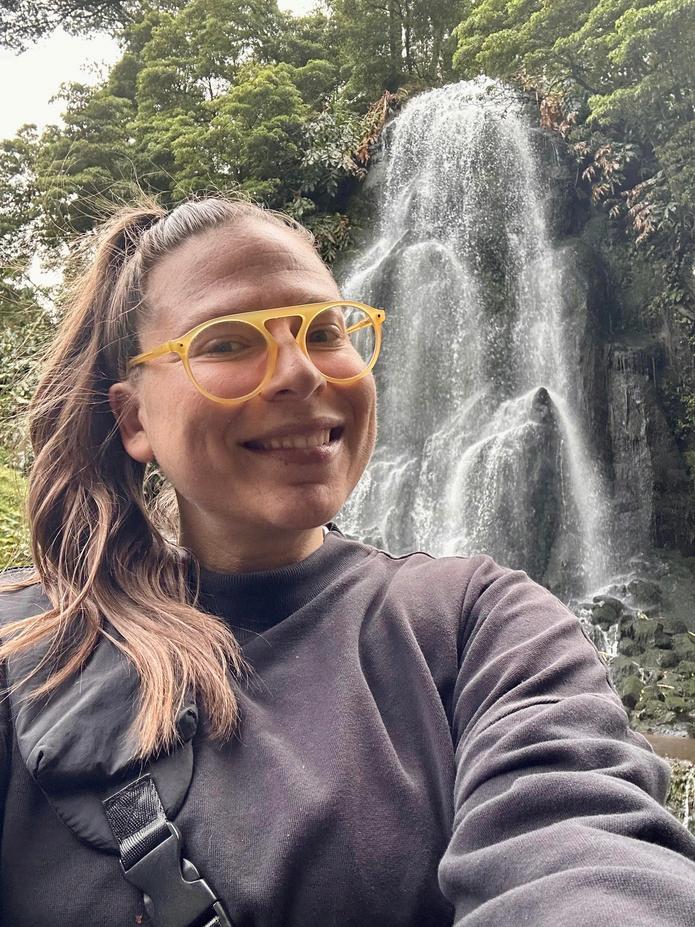
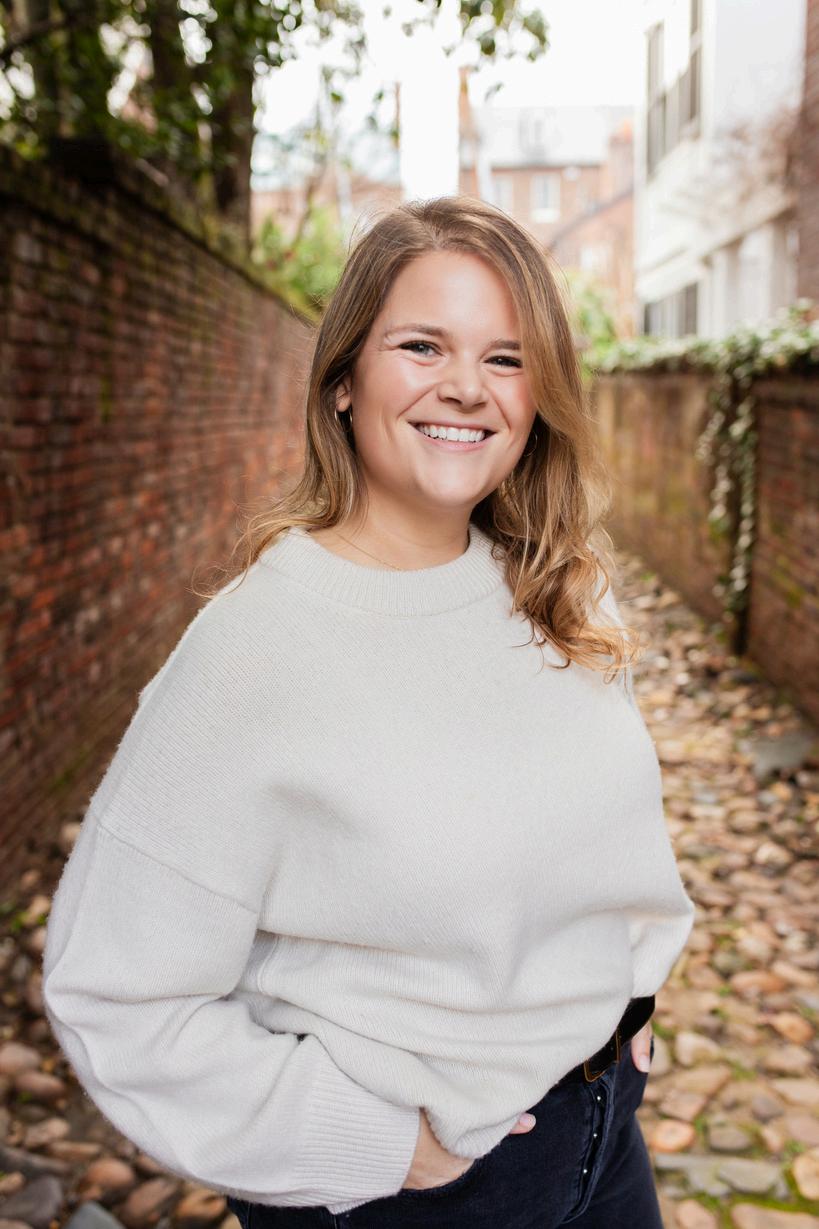
Michelle Shevin is the Founder and Principal of the Future Preservation Society, where she advises leaders and organizations that are seeding better futures This work follows a seven year term at the Ford Foundation, where Michelle managed the Public Interest Technology Catalyst Fund, a five-year, $50 million field-building and ecosystem cultivation play that operated in partnership with other foundations and forms of capital She is the co-creator of the National Science Foundation’s Responsible Design, Development, and Deployment of Technologies Program (ReDDDoT), the co-architect of the Public Interest Technology Infrastructure Fund, and the co-author of a recent report on AI and Democracy published by the David and Lucile Packard Foundation. Michelle is a proud member of the Board of Directors at both TechTonic Justice and CODE2040. She earned a master’s degree in Security Studies from the Naval Postgraduate School and a bachelor’s in Anthropology (Ecology, Evolution, and Environmental Biology) from Barnard College, Columbia University. A technologist, researcher, and strategic foresight practitioner, Michelle is passionate about shifting systems and paradigms to better reflect interconnectedness and the centrality of relationships.
Morgan Marler is the Director of Partnerships at Young Futures, where she works to build the relationships, collaborations, and learning communities needed to help young people thrive in a rapidly changing world
Her work sits at the intersection of youth development, social connection, and emerging technology She is particularly interested in how communities, institutions, and relationships can help ensure that advances in AI expand opportunity, belonging, and agency for young people rather than deepen existing divides.
Before joining Young Futures, Morgan served as Associate Director of Network & Partnerships at the Foundation for Social Connection, where she led national initiatives focused on strengthening connection and belonging across communities. Throughout her career, she has brought together practitioners, researchers, funders, policymakers, and young people to turn big questions into practical action.
At Young Futures, Morgan helps steward partnerships across philanthropy, education, technology, and youth-serving organizations, with a focus on building a future in which every young person has the relationships, support, and opportunities they need to flourish
Based in Washington, D C , she can usually be found planning gatherings, in her community garden, exploring creative projects, or searching for new ways to bring people together
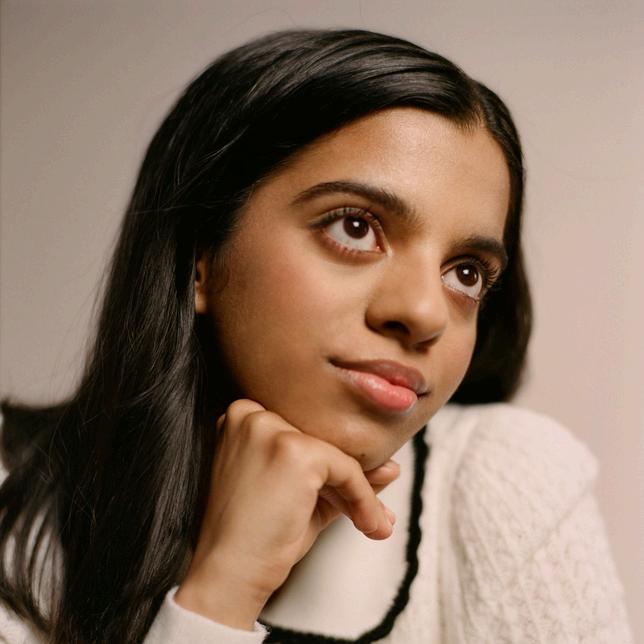
Neha Shukla is 21 years old and an AI ethicist, activist, and researcher fighting for a more responsible future of tech She is the founder of Innovation For Everyone, a youth-led movement reaching over 70,000 students across 35 countries, mobilizing to bridge the AI ethics literacy gap and prioritize youth safety and mental health in the design and deployment of AI Innovation For Everyone has partnered with the UN Foundation, New York Hall of Science, Algorithmic Justice League, and schools, museums, and community centers across the country She served as the Chair of the World Economic Forum’s first-ever entirely youth-led AI advisory body, the Generation AI Youth Council, and advocated for ethical and child-safe AI systems alongside policymakers. She is the bestselling author of “Innovation for Everyone: Solving Real-World Problems with STEM” and “A Kids Book About AI” (Penguin Random House), equipping youth with practical tools for civic innovation. Her innovations and activism are recognized in the New York Times, Forbes, CNN, Harper’s Bazaar, Financial Times, ELLE, and commended by President Biden, Vice President Harris, and the British Royal Family. She served as the Youth Advisor to the US Department of Education, advising a $5 million budget for the largest White House STEM engagement program. She is a student at Duke University, studying Computer Science and Sociology.
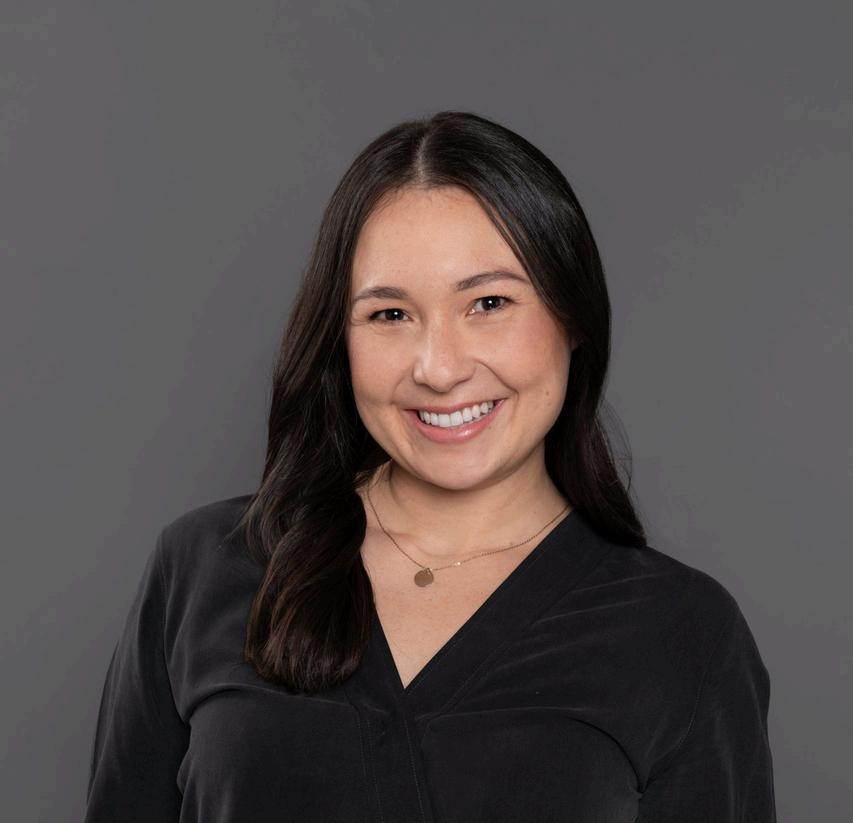
Sierra Malia Fox-Woods (she/her/hers) leverages her experience in program management, grantmaking, and partnership development to design and lead programs that promote youth wellbeing
As Director of Programs on the founding team of Young Futures, she manages grantmaking and the Young Futures Academy, an accelerator for grantee partners to level up their impact.
She comes to Young Futures most recently from Panorama, where she helped launch The Upswing Fund for Adolescent Mental Health. In that role, she managed more than $12 million in grantmaking, developed programming for grantee partners, and produced insights about culturally responsive mental health care for diverse adolescents.
Previously, she served as a project manager and consultant focused on improving the wellbeing of Native Hawaiians. In her time at Kamehameha Schools, she served a variety of Hawaiian culture-based youth development and education programs and managed a multi-year research publication defining and documenting the holistic wellbeing of Native Hawaiians
Sierra earned her MBA from Chaminade University and holds two BA degrees in Business Management and Hawaiian Studies from the University of Hawai‘i at Mānoa
She is a certified mindfulness-based yoga instructor and lives in Silverdale, Washington, with her husband, daughter, son, and Chihuahua Terrier
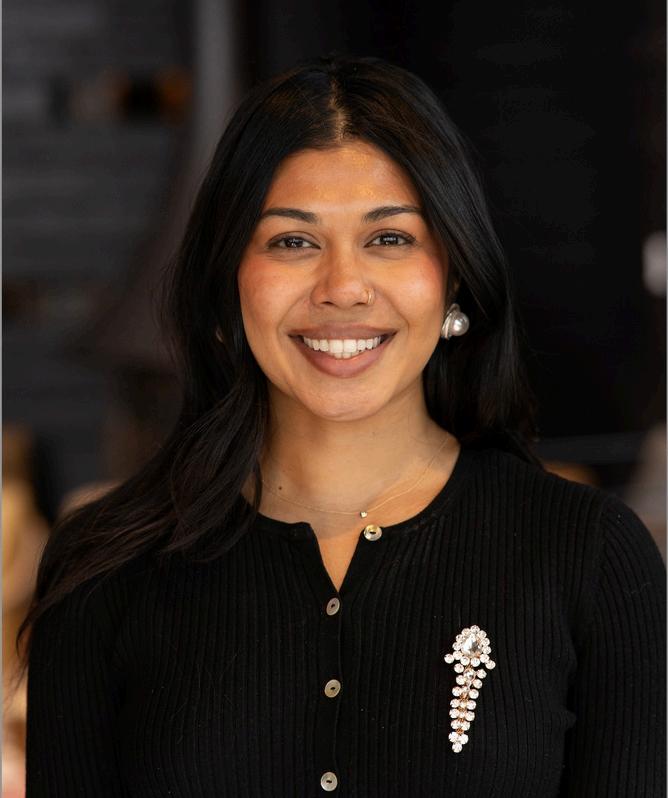
Tazin Khan is the founder and CEO of Cyber Collective, a New York nonprofit that trains and certifies a new workforce to protect communities from digital harm, equipping people to recognize, resist, and recover from it A cyber risk and cyber security strategist with over a decade in the field, she works at the front of harms like AI-generated image abuse, which is now spreading through middle and high schools faster than any institution can respond.
Cyber Collective is building the standard for what a digital safety practitioner is, work that most institutions still handle ad hoc, if at all It trains the staff inside the agencies and nonprofits on the front line of this, including ACS, OCFSfunded nonprofits, and city council offices, the bodies responsible for child and family welfare in New York. Its programs have reached more than 5.5 million people across 7 countries, with support from funders including Safe Online, the Responsible Technology Youth Power Fund, and Young Futures
Tazin holds a master’s in cybersecurity, cybercrime, and global conflict from NYU and is a German Council on Foreign Relations fellow As a Mozilla Fellow she is producing No Clear Remedy, an investigation into the legal justice gap for survivors of AI-generated image abuse, which will also yield a law enforcement training curriculum hosted on Cyber Collective’s platform. Her work has been featured by CNN, Forbes, and People, and in 2026 she received the Leadership in AI Award from the New York State AAPI Summit
Her premise is direct: protecting young people from AI-driven harm means building the people equipped to protect them.
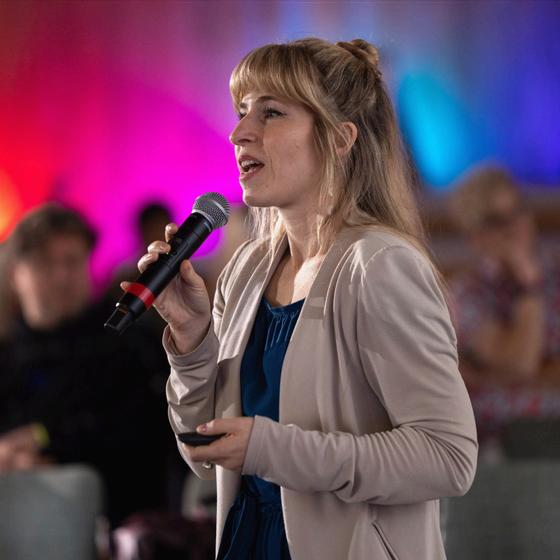
Tess Posner is a social entrepreneur and founder of Resonance, a nonprofit strengthening human connection and civic capacity in communities navigating the AI transition. She has spent nine years working on responsible and inclusive AI, including serving as founding CEO of AI4ALL, where she reached thousands of students through responsible AI education in partnership with leading AI research labs and AI companies Tess currently serves as a Board member and strategic advisor to AI4ALL and other nonprofits Prior to AI4ALL, she was Managing Director of TechHire at Opportunity@Work, a national initiative launched out of the Obama White House to increase opportunities in the tech economy. Prior to Opportunity@Work, Tess built and led Samaschool, an educational initiative to build technical skills and confidence for the future of work that she scaled across the US and internationally
Alongside her work as a social entrepreneur, Tess is an award-winning music artist whose work explores healing, empowerment, and social change. Her songs often focus on resilience, feminine power, and personal transformation. For Tess, music is not separate from her work in culture and systems change; it is another way of helping people feel, imagine, and move toward new possibilities As she has said, “Art can change the world by helping us feel and imagine new ways of thinking and dreaming that don’t exist yet ”
Tess’s social impact work has earned recognition including her selection as the winner of the VentureBeat Women in AI Award and one of the 100 Brilliant Women in AI Ethics Tess has been featured by the Wall Street Journal, Forbes, CNBC, Entrepreneur, Fortune, USA Today, the Atlantic, Business Insider, TechCrunch, and Fast Company and funded by top national foundations and influencers including Melinda Gates, Jensen Huang, Google org, Microsoft, Capital One Foundation, JPMorgan Chase Foundation, Autodesk, and the Robin Hood Foundation. She is co-author of "The People Centered Economy: The New Ecosystem For Work" and holds a master's from Columbia University.
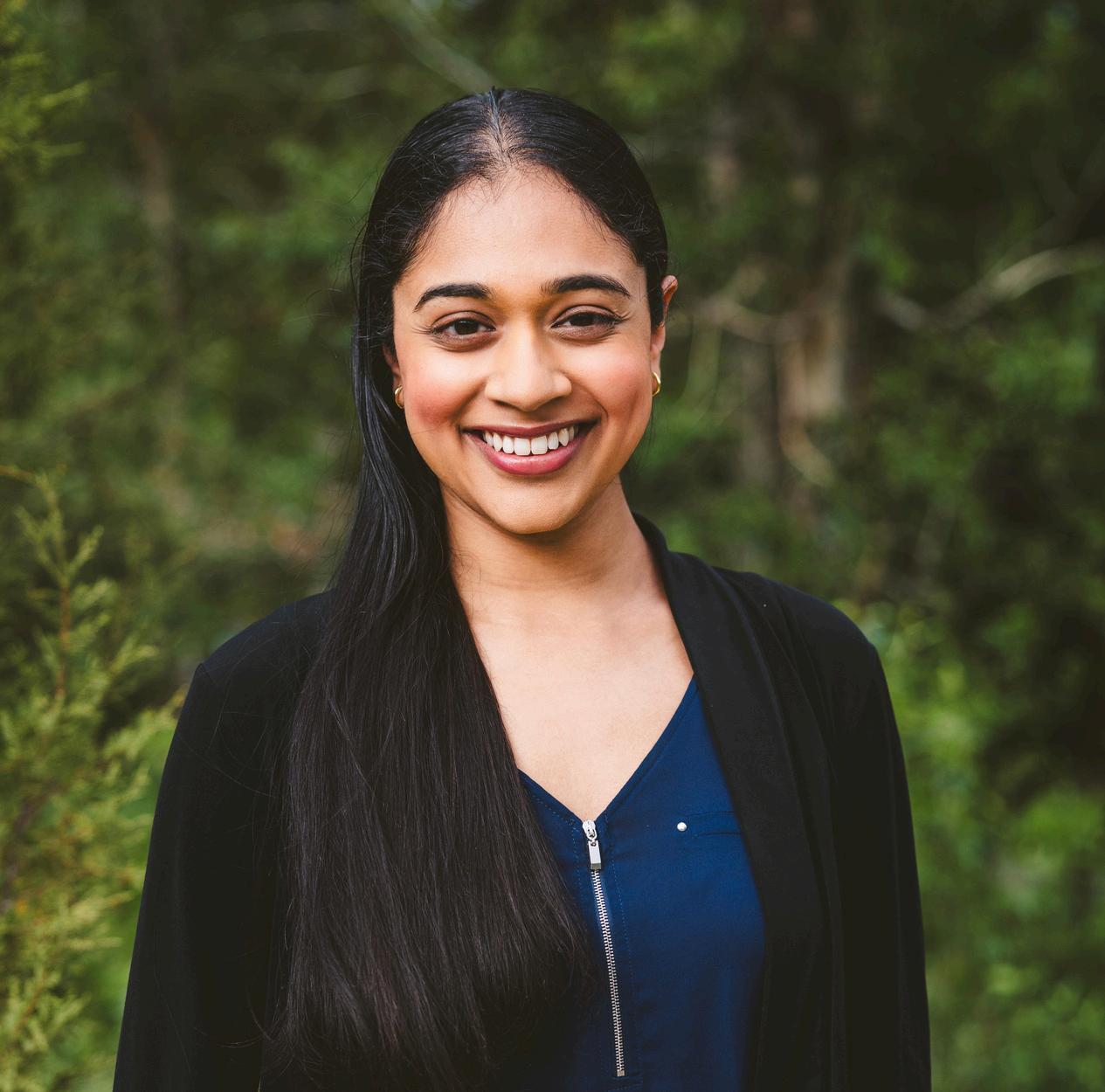
Trisha Prabhu is a 26-year-old global responsible technology advocate who is widely recognized as one of the first young, Gen Z voices to rethink our digital status quo–and demand a safer, kinder internet. Trisha's journey began in the 8th grade: at just 13, she invented ReThink, a technology that aims to proactively stop cyberbullying. Trisha's message to "ReThink hate" was ultimately shared with digital citizens around the world, from the UK, to Lebanon, to India ReThink was featured at Google, The White House Science Fair, on ABC's Shark Tank, and more
Today, Trisha leads ReThink Citizens, which is working to support a new generation of young digital changemakers in creating the digital world they deserve By equipping young people with the education to be responsible digital citizens, giving young digital innovators the resources and community to pursue their ideas to make the internet better, and enabling intergenerational conversations about online safety, ReThink Citizens is building a healthier digital world in real time To date, the organization has impacted tens of thousands of youth across the country and been recognized/celebrated by Prince Harry and Meghan Markle.
Trisha is a passionate public speaker and has delivered 120+ talks in cities around the world (including a TED talk) about reclaiming our humanity in the digital age. She is also the author of ReThink the Internet, a first of its kind "by youth, for youth" guide to responsible digital citizenship. ReThink the Internet was a 2023 ILLINOIS READS pick. Trisha was also recently featured in the documentary Your Attention Please, which premiered at SXSW 2026.
Trisha received her BA summa cum laude and Phi Beta Kappa from Harvard College She received a Master of Science and MPP at the University of Oxford, both with Distinction, as a United States Rhodes Scholar She is now a JD-MBA joint degree candidate at Yale Law School and the Stanford Graduate School of Business, where she is a Knight-Hennessy Scholar
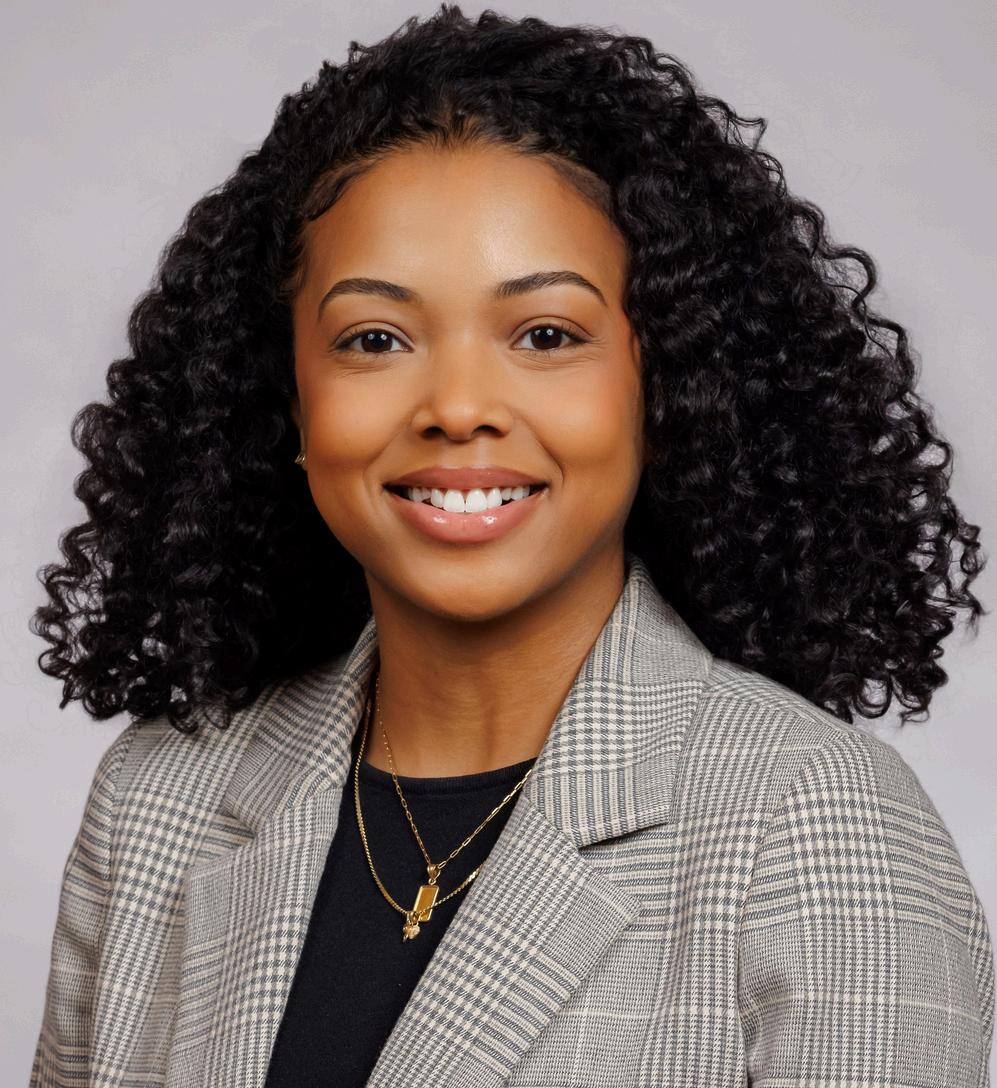
Tyiesha Short serves as Senior Program Officer for Mental Health & WellBeing at the Arthur M. Blank Family Foundation. In this role, she oversees a portfolio of grants focused on advancing youth mental health and well-being, including efforts to help teenagers build healthy relationships with technology.
Prior to joining the foundation, Tyiesha held senior roles at the U.S. Department of Health and Human Services. Most recently, she served as an adolescent health policy advisor in the Office of Population Affairs, and previously as deputy director of science and policy in the Office of the U.S. Surgeon General.
Outside of her professional work, Tyiesha is an avid reader who enjoys hiking, traveling, exploring new foods, and trying new hobbies
We’re witnessing a revolution in real-time, and young people are experiencing it first: artificial intelligence is reshaping the environments where young people learn, communicate, socialize, and develop, both inside and outside of school, faster than institutions can adapt. The decisions made over the next several years will shape whether AI strengthens student agency, engagement, and opportunity, or unintentionally deepens disconnection, inequity, and developmental risks.
At Young Futures, we believe no one sector or community can meet the scale of this opportunity alone. As a grantmaker, accelerator, ecosystem builder and storyteller, we work across communityrooted and national nonprofits, funders, media, and systems leaders. Our work focuses on helping education and youthserving systems respond to emerging challenges earlier, with stronger feedback loops from young people, educators, and communities. By integrating the perspectives of young people, educators, and community organizations, we help ensure that implementation decisions are

Informed by real-world experience and diverse student needs.
If you ’ re seeing this document, it’s because we believe you have something critical to contribute to our next big leap: the Groundwork Initiative. We invite you to help shape a big-picture blueprint for how AI shows up in young people’s lives, with a focus on strengthening wellbeing, belonging, and agency alongside innovation, particularly in education. Partners can engage through coinvestment, learning design, and shared stewardship of a field that is being built in real time.

Invest directly in community-rooted and national nonprofits developing practical approaches that help young people build AI agency, critical thinking, social connection, and healthy decision-making in a rapidly changing learning environment With deliberate inclusion of communities most often left out of technology design, our partners bring deep, contextual insight into how AI is actually showing up in young people’s lives, classrooms, and relationships
Identify and synthesize field-level signals and emerging patterns about AI’s impact on learning and youth wellbeing. Through engaging a wide network of school-based and community-rooted organizations, alongside educators, families, and young people, we create a national learning and feedback infrastructure that translates lived experience across diverse contexts into insights the field can act on, without treating young people or communities as data points.
Translate those signals into practical tools, frameworks, storytelling and field guidance that shape how AI in education is understood and applied. By centering youth agency and lived experience, we move the field beyond fear-driven narratives and compliance-only frameworks toward approaches that strengthen judgment, trust, and participation. Together with our partners, we’ll respond to the real impacts of AI in the classroom and beyond, at a moment when human judgment matters most.
Groundwork approaches AI not only as a technological shift, but as a developmental and institutional one. AI is increasingly shaping how students learn, solve problems, communicate, receive feedback, and experience school itself.

Currently, much of the public discourse treats safety, compliance, and policy guardrails as the "ceiling" of our ambition. We believe these protections are essential, but they act as the floor the necessary baseline that allows us to contemplate the longer-term goal of building capacity. The true objective must be ensuring that AI integration strengthens, rather than weakens, the core drivers of healthy development: the capacity for critical thinking, the building of deep social skills, the persistence needed to tackle complex problems, and the independent judgment required to navigate the world.
There is both tremendous opportunity and real risk: students may gain new capabilities and efficiencies while receiving fewer opportunities to practice these essential developmental milestones. If we allow immediate protective measures to overshadow the work of long-term preparation, we risk setting young people up to be passive users of the tools that will define their lives, rather than the architects of them.
Learning happens across kitchen tables, friend groups, classrooms, libraries, afterschool programs, faith communities, third spaces, and online youth communities. How can we support young people across these spaces and relationships as they explore AI, ask hard questions, build judgment, and strengthen the relationships they’ll need to thrive?
Groundwork treats these dynamics as educational, developmental, and civic questions, not simply technical ones.
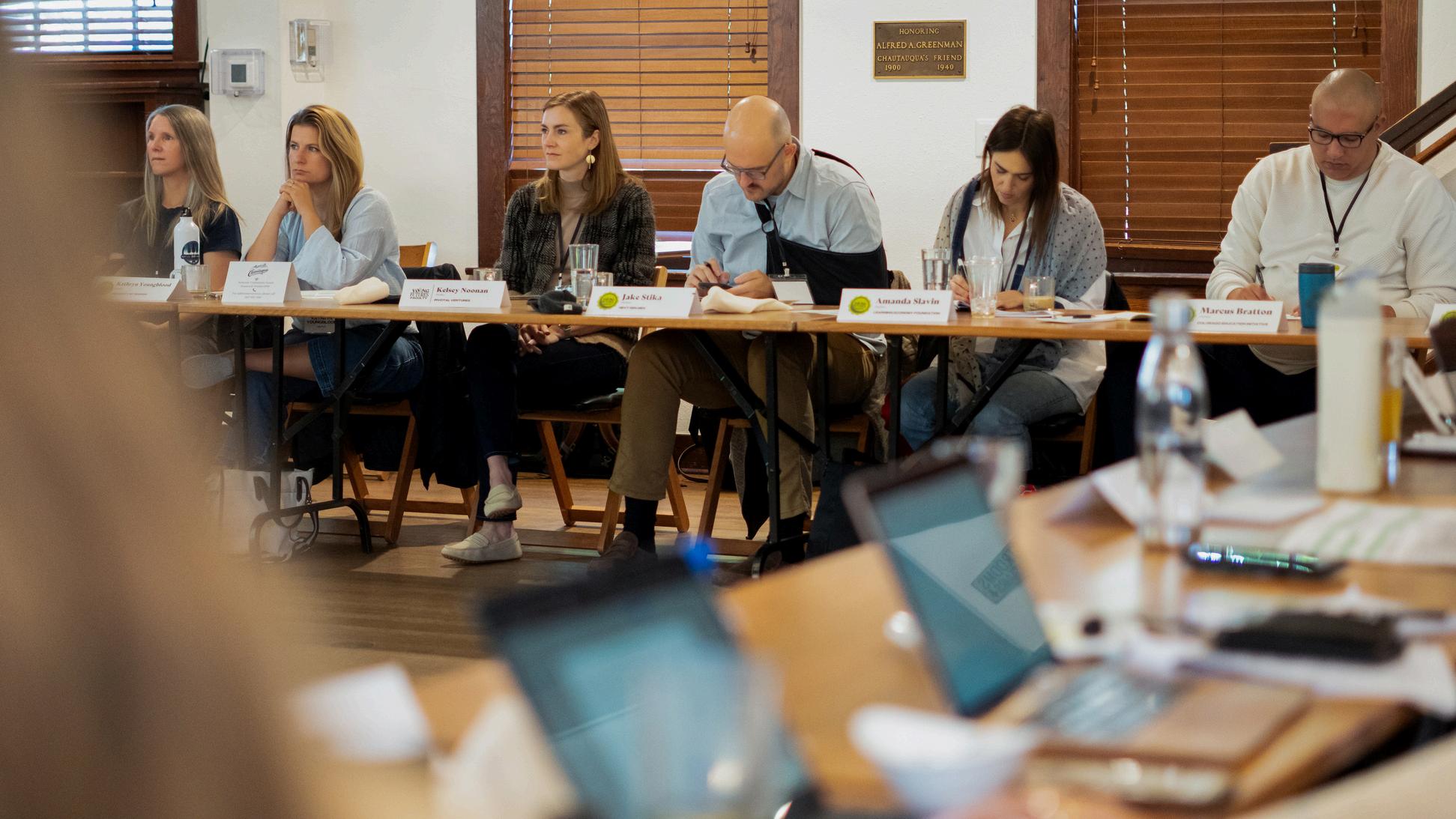
Young Futures is positioned to lead this because of how we work. We’re a grantmaker, accelerator, and ecosystem builder that works across school-based, community-rooted, and national organizations, alongside funders and systems leaders.
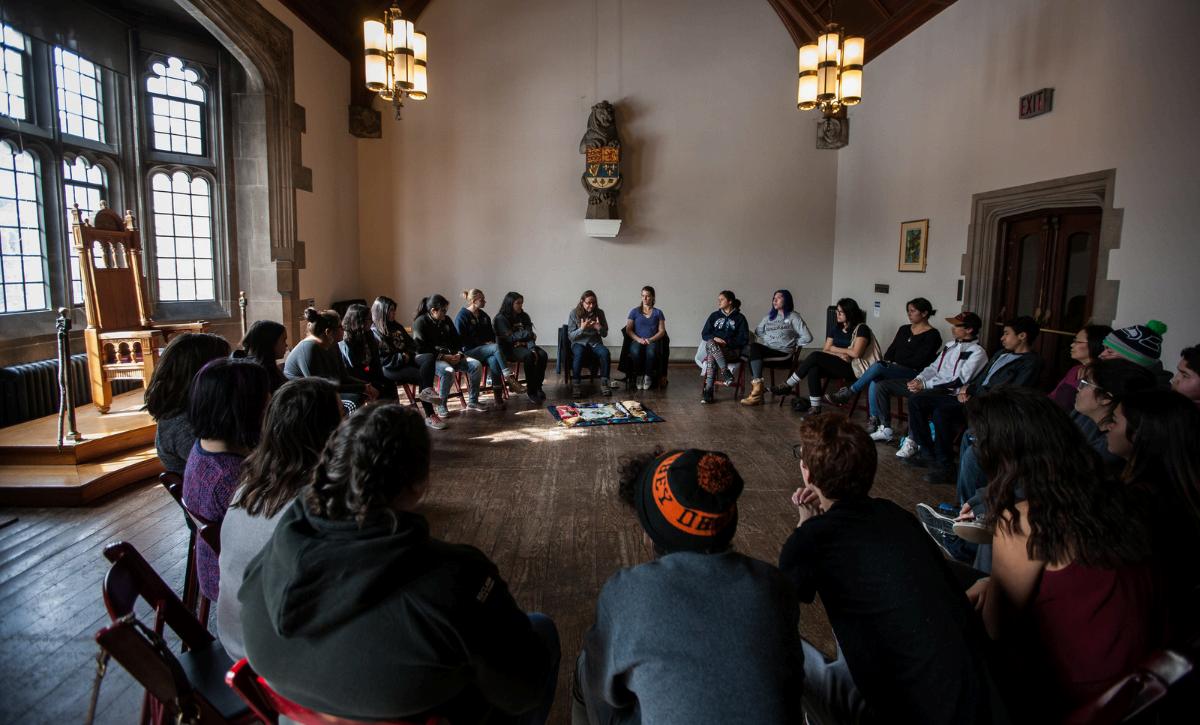
Our approach starts with listening to young people and the organizations closest to them, then translating that insight into investment, learning, and narrative across the field. We’ve already convened 17 funders around youth wellbeing and funded over 50 nonprofits, building the kind of cross-sector alignment this work requires. Through our funding challenges, youth listening tours, and accelerator model, we ’ ve built mechanisms to surface early signals from the field and translate them into actionable learning for practitioners, funders, and ecosystem leaders.
This work is part of our broader YF500 goal to support 500 nonprofit leaders over five years, building the infrastructure and community needed to help young people thrive in a digital world.
Groundwork is a multi-phase initiative designed for significant national impact and deep field-building.
Focuses on seeding the field through direct grants to community-rooted organizations, building national listening infrastructure, and synthesizing emerging field signals.
2:
Concentrates on scaling effective approaches, expanding partnerships, and deepening institutional adoption.
This phase prioritizes the development of practical tools, implementation guidance, and narrative resources, alongside partnerships across schools and youth-serving systems.
This phase aims to strengthen the long-term national ecosystem, ensuring that healthy AI integration becomes a standard support for young people across the country.
The next several years will shape how AI becomes integrated into the daily experiences of millions of students.
This moment presents enormous opportunity, but also raises urgent questions about agency, equity, learning, wellbeing, and human development.
No single organization or sector can answer those questions alone. The field needs stronger infrastructure for listening, learning, testing, and adapting in real time.
Groundwork is an opportunity to help build that infrastructure and ensure that the future of AI in education and youth development is informed not only by technological possibilities, but by what young people need to thrive.
We invite you to help shape what comes next.

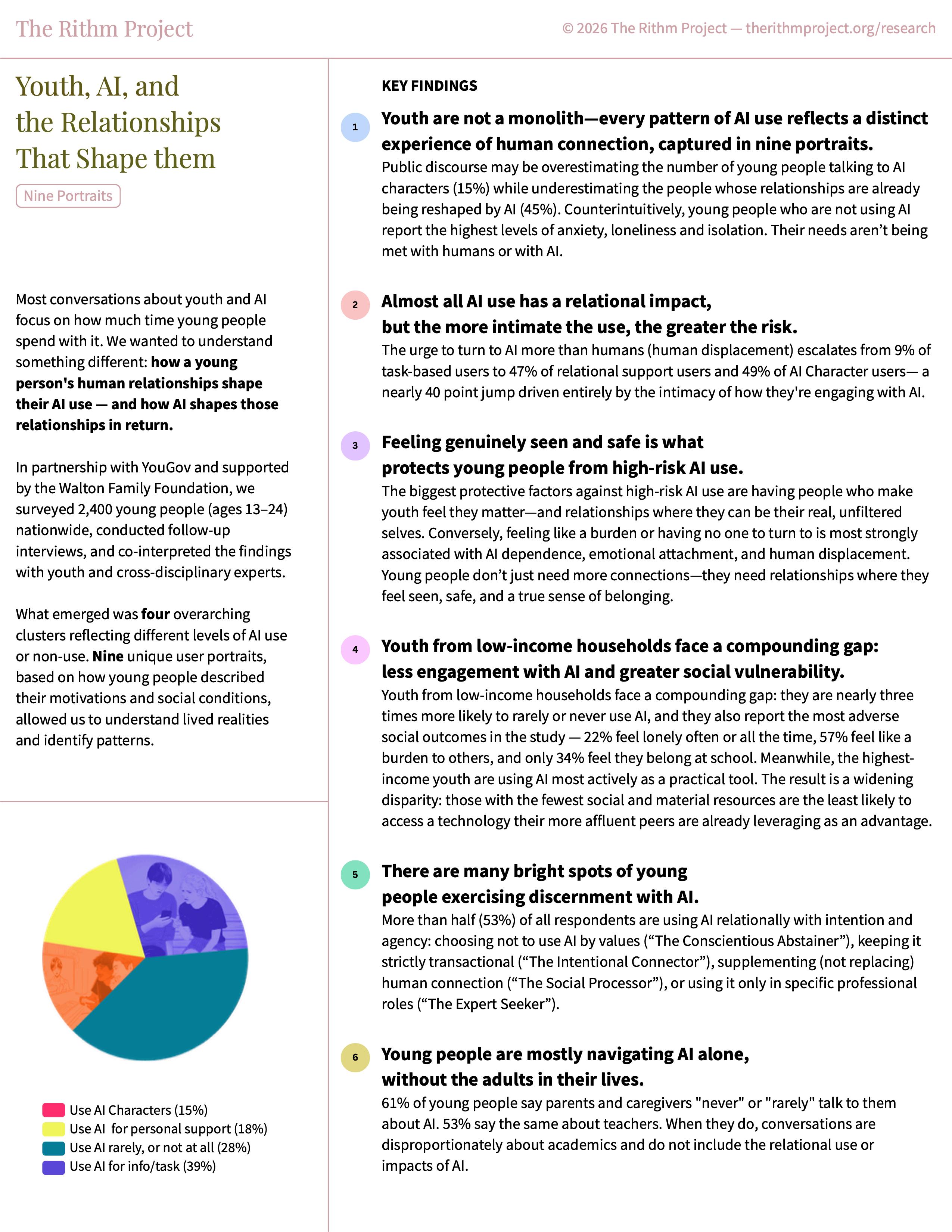
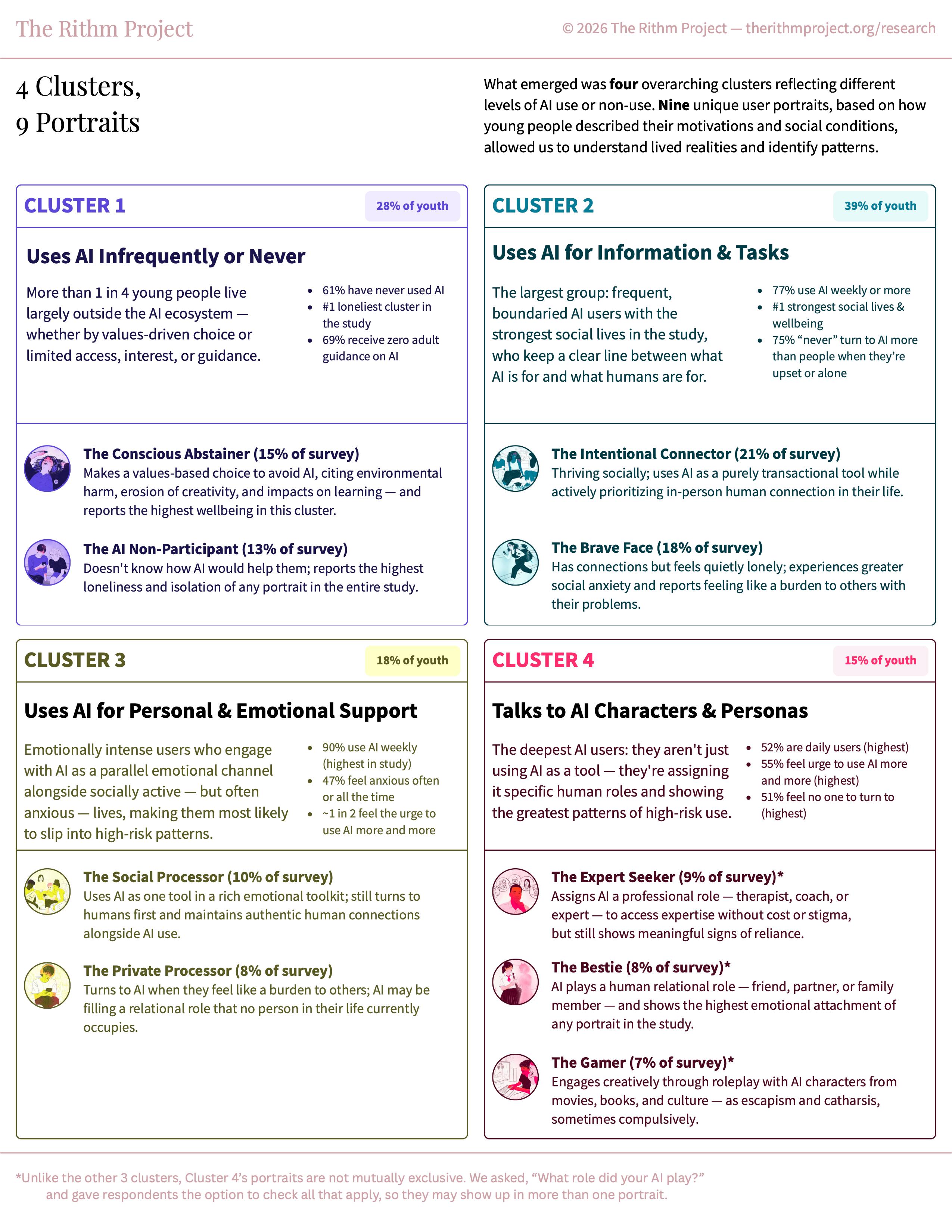

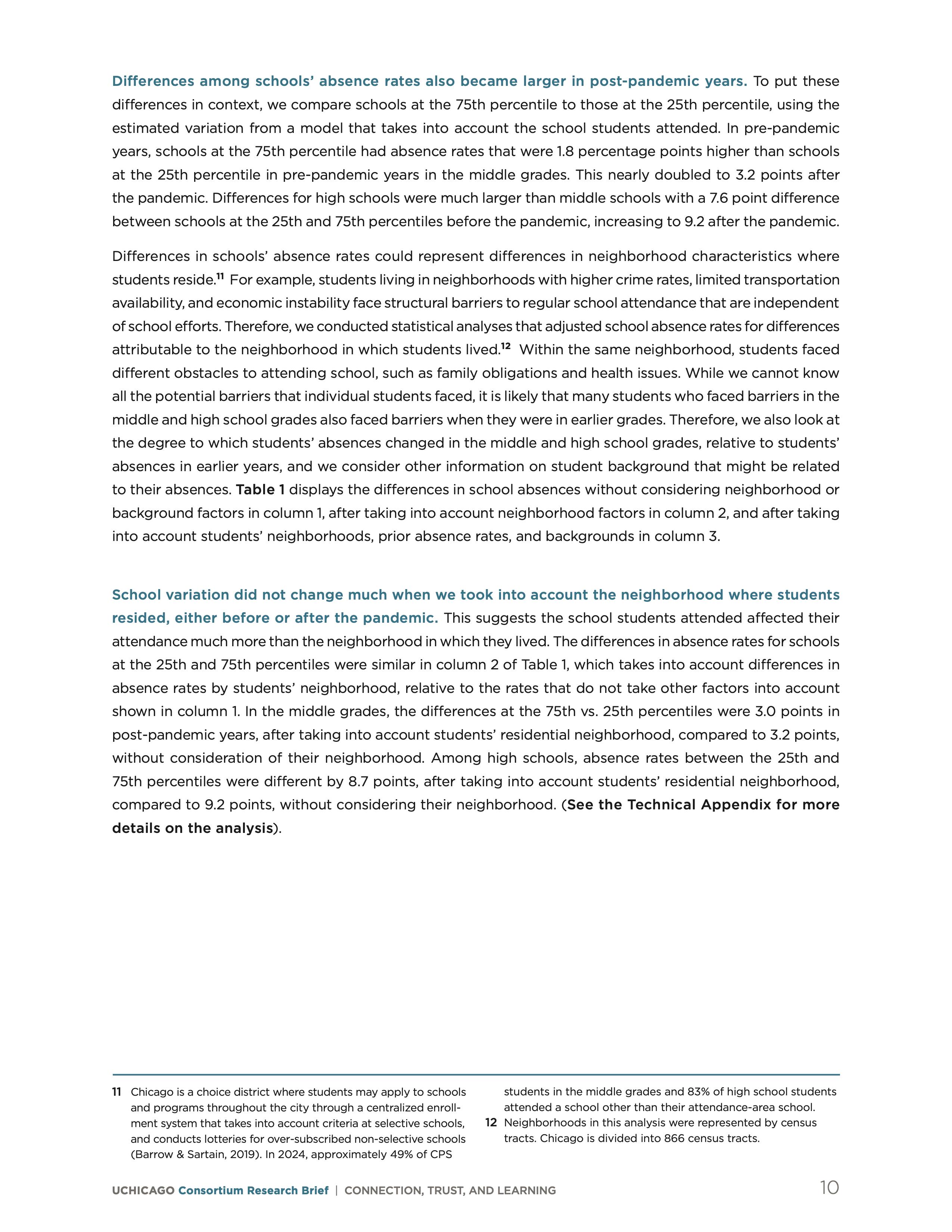
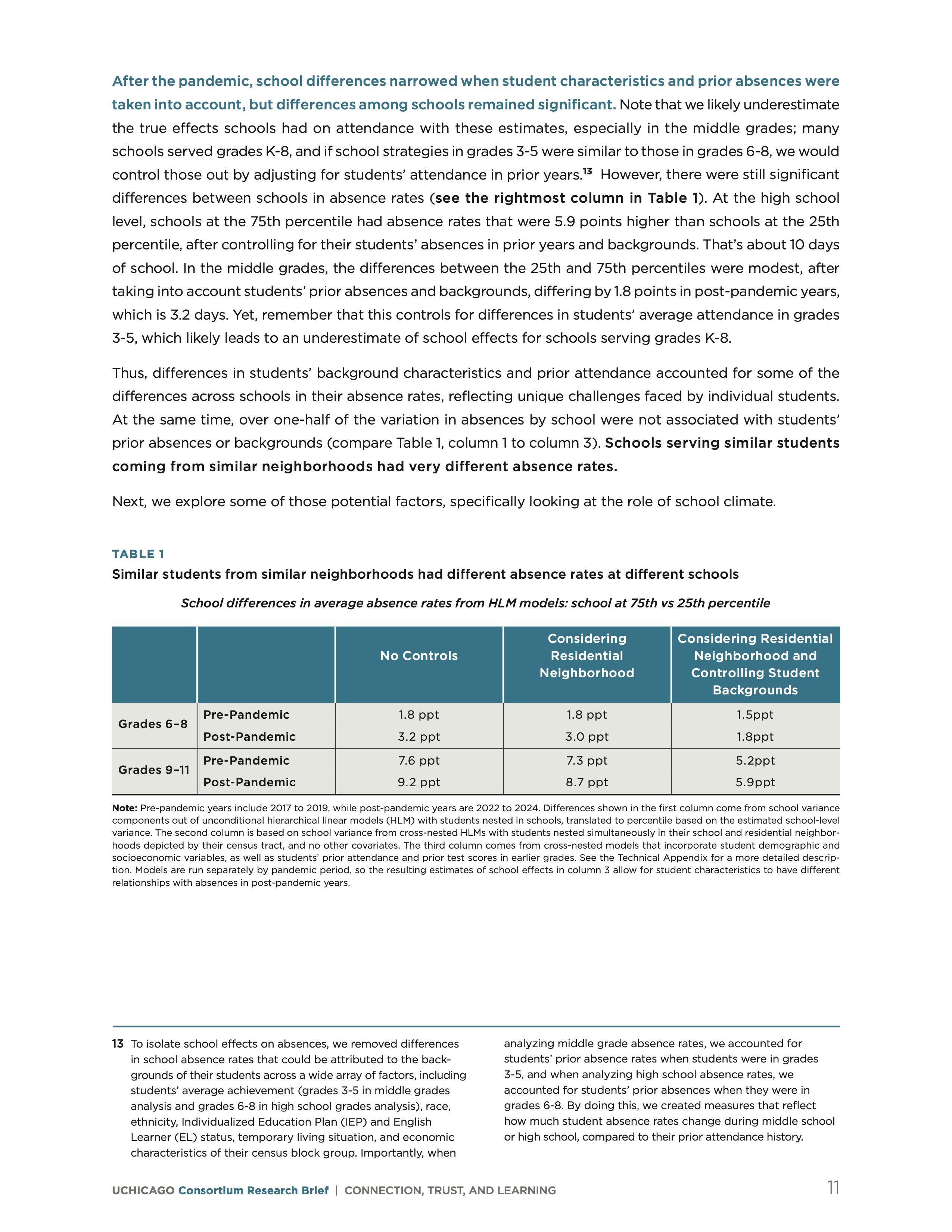
Rebecca Winthrop, Brookings
May 19, 2026
Keypoints:
AIhasthepotentialtoencouragecognitiveoffloadingamongyoungpeoplelike neverbefore.
WhenAIiswidelyusedbeforecertainskills criticalthinking,writing,analysis havedevelopedontheirown,kidsriskshortcuttingtheprocessofcognitive developmententirely:aprocesstermed“cognitivestunting.”
Narrow,targetedAIusecancircumventtheseissuesandevensupportthinkingand learning.
Metricsshouldbedevelopedtotrackandmeasurechildren’shealthycognitive development,particularlyinrelationtoAIuse,tobetterdeterminewhethertools arehelpingorhurting.
Cognitivedevelopment,likelearningtorideabike,cannotbeoutsourced.
Forthepasttwoyears,Ihavebeendeeplyengaged throughleadingtheBrookings GlobalTaskForceonAIandEducation inexamininggenerativeartificialintelligence andwhatitmeansforstudents’learninganddevelopment.Throughoutthisprocess conductinginterviews,reviewingstudies,anddebatingwithcolleagues oneissuehas consistentlytroubledme:howtoaccuratelydescribetheriskAIposestochildren’s thinkingskills.
GenerativeAIisalearningtoollikenonewehaveeverseen.Itcangenerateideas,write, design,composemusicandpoetry,andtrainitselftoimprove Preciselybecauseofthis power,manyhavesoundedthealarmaboutitspotentialtoencouragecognitive offloadingamongyoungpeople.Ourtaskforceraisedthisconcernaswell.
At the time, my coauthors and I debated how best to describe this phenomenon. In truth, we have never before encountered a moment in which, across so many domains, the task of thinking itself can be so easily outsourced. We ultimately used the terms cognitive offloading and cognitive decline because that is how participants described their experiences. But neither term fully captures the risk we are facing.
Human beings have always cognitively offloaded as we invent new tools. From the wheel, which reduced the effort required to move people and goods, to the written word, which freed knowledge from the limits of memory and oral tradition, humans have continually adapted as tools reshaped how we use our minds.
What is different now is when and how offloading occurs
When young people systematically use AI to complete schoolwork or other thinking tasks, they are not offloading skills they already possess. They are shortcutting the process of developing those skills in the first place. Nor is this best described as cognitive decline a term typically used for age-related loss of function. Children are on the opposite side of the curve. They are building cognitive capacity and strengthening skills through sustained practice and experience.
Cognitive development, like learning to ride a bike, cannot be outsourced. Children cannot learn to ride by having an AI chatbot outline the steps or by having someone else pedal for them. In the same way, they cannot learn to think if AI routinely suggests ideas, writes text, designs solutions, or solves problems on their behalf. Struggle, practice, mistakes, observation, reflection, and adaptation are not inefficiencies to be optimized away; they are the core of learning
For these reasons, I have begun to describe the risk AI poses to children not as cognitive offloading or cognitive decline or even cognitive debt or atrophy but as cognitive stunting.
The concern is straightforward: Overreliance on AI reduces children’s opportunities to engage in effortful thinking, thereby stunting their cognitive development. Students may never fully develop the suite of thinking skills that educators, and other caring adults in children’s lives, work to help them cultivate.
The analogy to physical stunting is instructive. Pediatricians in the United States routinely track children’s physical development, measuring height and weight against age-based norms Low growth rates are not diagnoses in themselves but signals that something may be wrong and warrants further investigation.
Whatifaparalleldynamicisemerginginrelationtochildren’stechnologyuseand cognitivedevelopment?
Whatifchildren’swideuseofAI direct,unstructuredinteractionwithgeneral-purpose chatbotsandAIcompanionsnotdesignedforlearning,ineffect“give-me-the-answer machines” isreducingthenumberofeffortfulthinkingmomentsrequiredforhealthy cognitivedevelopmentandundercuttingthedevelopmentofindependent,critical thinkingskills?
Learningscientistsdescribecriticalthinkingasasetofinterrelatedprocesses,including buildingdeepknowledge,analyzingideasbyidentifyingassumptionsandrelationships, evaluatingevidence,anddrawingreasonedconclusions.Foryoungpeoplewhoarestill learninghowtheworldworks,theseskillsaredifficulttoacquireandneedintentional, scaffoldedpractice.
WhileitisstillearlyinthedevelopmentofgenerativeAIanditsuptakebychildren, emergingevidenceraiseslegitimateconcerns Multiplestudiessuggestthatheavy relianceonAItoolscannegativelya users.
Theseoutcomes,however,arenotin
When AI is used narrowly for example, intentionally deployed by teachers within high-quality pedagogy it can support students’ thinking rather than replace it.
Narrow AI use, when embedded in strong instructional design and vetted content, can enrich learning. In contrast, wide AI use unmediated interactions with general-purpose tools poses greater risks to students’ learning and development.
Noeducator,parent,orpediatricianwantschildrentouseAIinwaysthatundermine theircognitivedevelopment.Nordoemployersorpolicymakers.Technologycompanies donotsetouttoharmlearningeither.Yettodaythereisnosystematicwaytoassess whichAIproducts,orpatternsofuse,mayposedevelopmentalrisks.
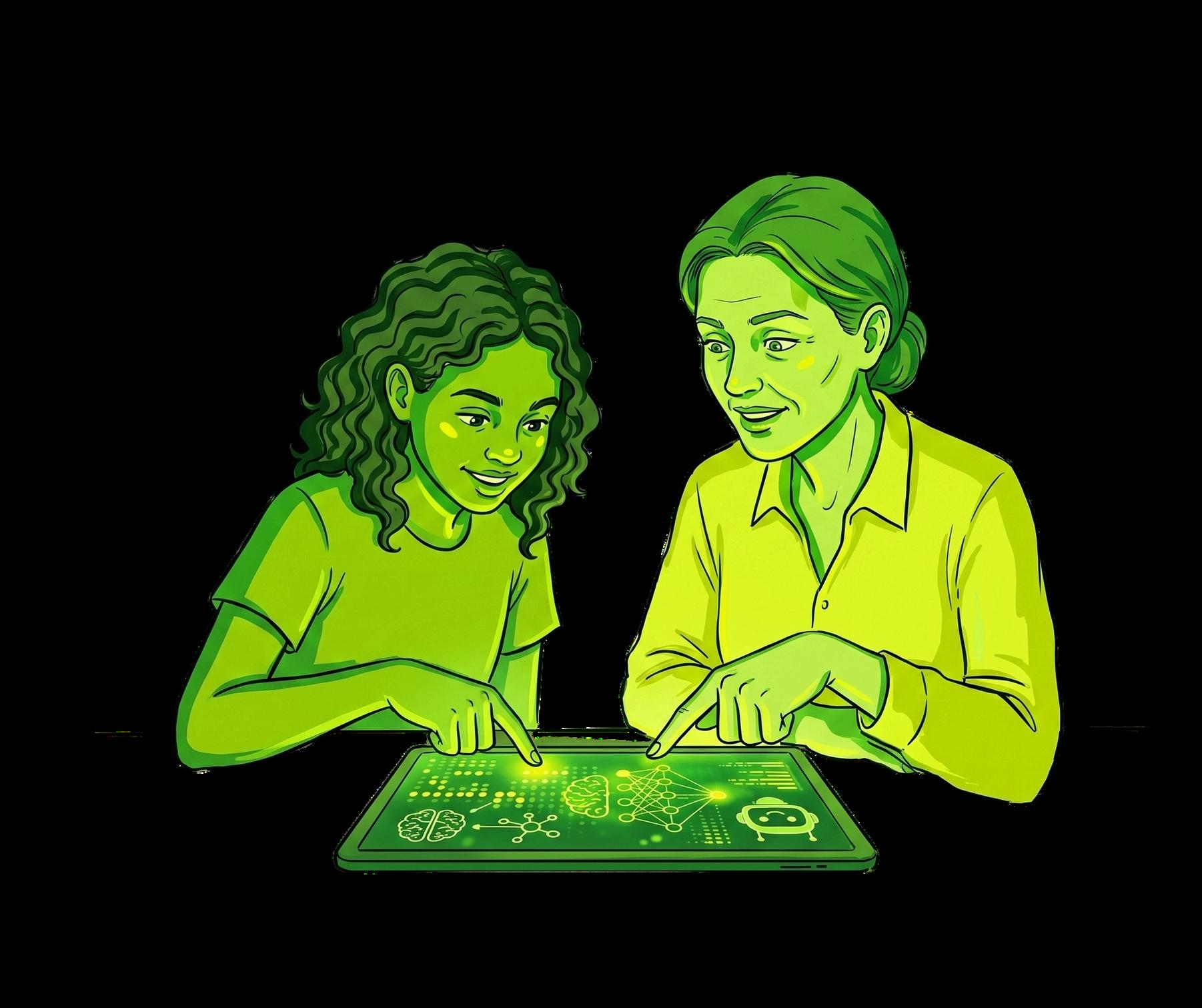
Thisiswheretheconceptofcognitivestuntingcanbeuseful.Developingsystematic waystotrackandmeasurechildren’shealthycognitivedevelopment,particularlyin relationtoAIuse,isagoodfirststep.
Childrenareresilient.Withtherightenvironments,guidance,andprotections,theycan adapt,grow,andflourish evenalongsidepowerfulnewtechnologies.Butonethingis clear:wemustensurethatchildrenlearntothinkbeforetheylearntoprompt.
Jon Hamilton, NPR
June 11, 2026
Anewstudyfindsthatthesocioeconomicsofapreteen’sneighborhoodcanleavea distinctivepatternintheirbrain.
Themostpowerfulfactorsaffectingachild’sbraindevelopmentinvolvesocioeconomic opportunities,accordingtoastudyinthejournalScience.
Theanalysisofmorethan2,3009-and10-year-oldsfoundthatenvironmentalfactors rangingfromhouseholdincometoeducationtoneighborhoodqualityareassociated withbraindifferencesthatcanclearlybeseeninMRIscans.
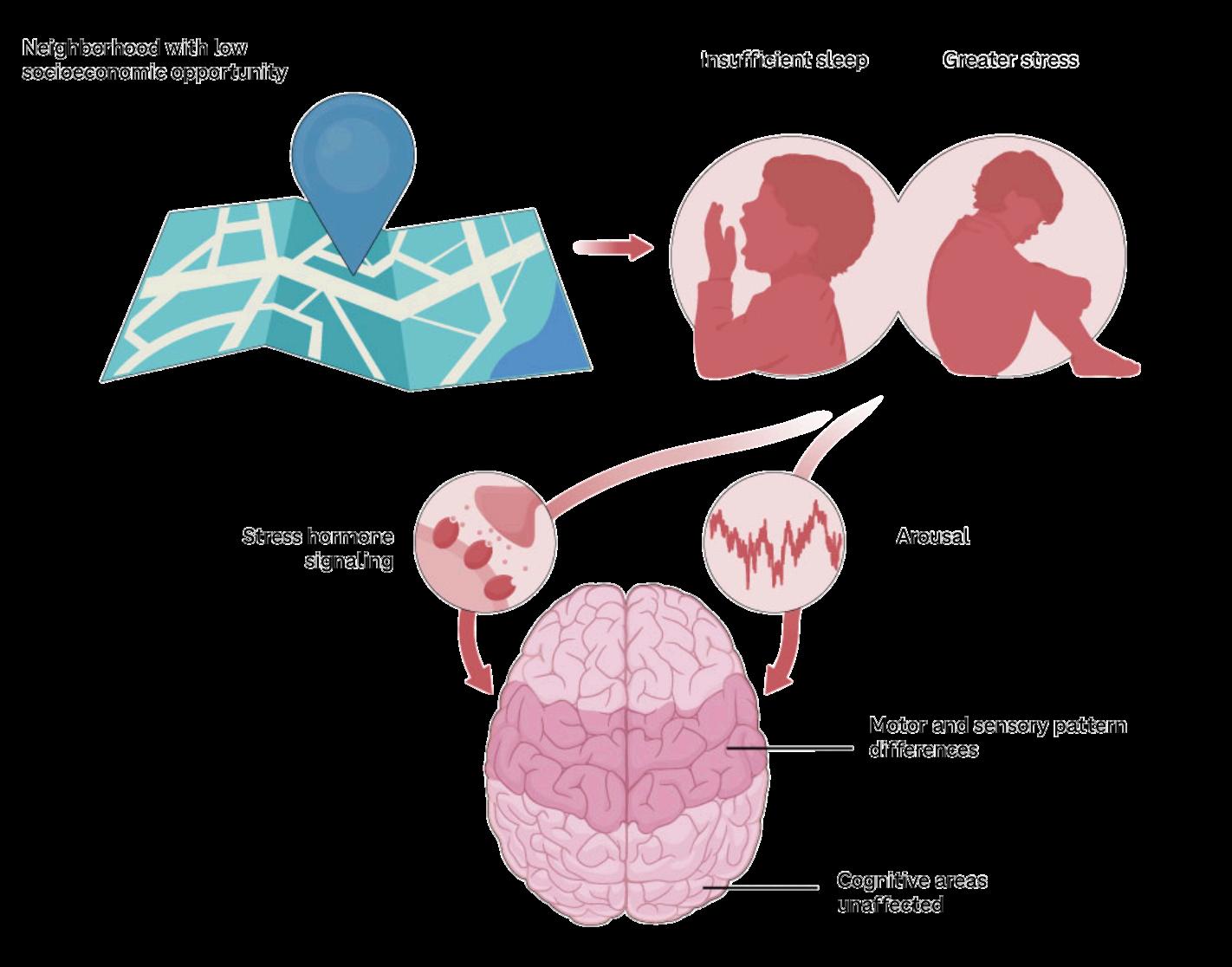
The researchers also found that preteens who’d grown up in neighborhoods with lower incomes and limited social support had brain differences associated with less sleep and more stress.
“Something is going on in these neighborhoods,” says Scott Marek, the study’s first author and an assistant professor of radiology at WashU School of Medicine. “We need to find out how socioeconomics is becoming biologically embedded.”
The research highlights the fact that the environment in which we grow up and live has powerful impacts on our brain. It also challenges earlier research that focused on links between brain development and factors like IQ and mental health.
Those factors do appear to have a small influence on brain development, says Dr. Nico Dosenbach, an author of the new study and a professor at WashU Medicine in St. Louis.
“But socioeconomics was, by a wide margin, absolutely the dominant variable,” Dosenbach says.
As a result, some earlier studies linking cognitive performance to brain differences may require reevaluation. Those studies focused on factors like IQ or mental health without accounting for socioeconomics, so a reevaluation including that variable could weaken or even negate the findings.
The new study adds to a rising tide of research suggesting that childhood environment has a powerful influence on brain development.
The goal of the new research was to take an unbiased look at brain development and consider every factor that might have an influence.
Data came from the federally funded Adolescent Brain Cognitive Development Study, which is tracking thousands of children starting at ages 9 and 10.
The researchers used brain scans to identify differences in the organ ’ s structure and communication networks. Then they looked to see whether those differences were associated with factors like a child’s environment, cognitive abilities and mental health.
Finally, the team ranked each factor by how strongly it was associated with brain differences.
Nearlyallofthetop-rankedfactorswereinsomewayrelatedtosocioeconomic opportunity.Thesefactorswereassociatedprimarilywithbraindifferencesinareas involvedinsensoryprocessingandmotorcontrol,nothigherfunctionslikeattentionor memory.
Sotheteamworkedtofigureouthowfactorslikeincome,preschoolenrollment, healthcareaccessandneighborhoodqualitymightbeaffectingbraindevelopment.
Theapparentanswerinvolvesbraincircuitsinvolvedinkeepingsomeoneawakeand alert.Thesecircuitsarealteredwhenchildrengetlesssleep,experiencemorestress,or spendalotoftimeusingsocialmedia.
Theteamfoundthatallofthoseenvironmentalfactorsaremoreprevalentin neighborhoodswherechildrenlackeconomic,educationalandsocialopportunities.
Thefindingdoesn’tprovethatthesefactorsareactuallycausingthebraindifferences, Mareksays.Butthedatasuggestresearchersshouldbelookingatsleep,stressand screens.

PubliceducationintheUnitedStateswasenvisionedasagreatequalizer:awayfor everychild,regardlessofcircumstance,tohaveafairchanceatafulfillinglife.In practice,however,thatvisionwasneverfullyrealizedoruniversallyextended.
Theworldhaschanged,technologically,economically,andpolitically,andyetschools havestayedremarkablystatic.Atthesametime,youngpeopleareincreasinglyskeptical ofthe“schooldeal”:thepromisethatyearsofhardworkinschoolwilltranslateintoa stable,securelife.
Inthismomentoferodingtrust,wecannotaffordtotreateducationasanincremental project.Thequestionbeforeusisnotjusthowweimproveschools,butwhywehave them whatpurposestheycanandmustserve.
Ifweareseriousaboutfulfillingeducation’sdemocraticpurpose,wemustbewillingto buildandtryradicallydifferentmodels:whereyoungpeoplehelpshapewhatandhow theylearn,connecttheirstudiestotherealworld,anddeveloptheskillstothriveina rapidlychangingsociety.
PubliceducationhasalwaysreflectedbothAmerica’saspirationsanditscontradictions. Ithasopeneddoorsformillions,yetithasalsomirroredandreinforcedtheinequitiesof thebroadersociety.
Public education has always reflec America’s aspirations and its contradictions. It has opened doo millions, yet it has also mirrored a reinforced the inequities of the br society.
Too often, we ’ ve talked about edu something you pursue for yoursel ahead, to earn more, to climb high to secure your own success. But w education is treated as a private transaction rather than a shared p good, it becomes harder for peopl why everyone should support and it.

Reclaiming the purpose of education begins with understanding that thriving individuals and thriving communities depend on one another. Education is how we prepare young people to lead meaningful lives while strengthening the communities and democracy they inherit.
When students learn to think critically, to collaborate across lines of difference, and to contribute to something larger than themselves, they not only shape stronger futures for themselves; they strengthen the civic fabric that binds us together.
For that reason, the next chapter of education cannot narrowly focus on raising test scores or recovering learning loss, important as those goals are. It should focus instead on building the capacities that sustain a healthy democracy: discernment, collaboration, ethical reasoning, empathy, and the courage to shape solutions for problems we cannot yet see.
Preparing young people for the demands of today’s world will require school models that are fundamentally different, not just marginally better.
These models are structural redesigns rethinking schedules, partnerships, assessment, and the role of community to ensure that learning is connected to contribution and long-term possibility. In doing so, young people aren’t just gaining skills; they’re expanding their sense of possibility and developing a deep sense of purpose that will carry them through their lives.
As technology continues to reshape how we live, work, and learn, the most essential skills are the ones that make us human. Critical thinking, ethical reasoning, creativity, empathy, and discernment have always mattered, but in an age of artificial intelligence, they’ve become indispensable.
The next generation of learning must help young people understand not only how to use AI and emerging technologies, but how to think about them: conceptually, tactically, and ethically.
Used thoughtfully, AI can deepen personalization, free teachers’ time for connection, and expand opportunity. Used carelessly, it can magnify bias, spread misinformation, and narrow learning to what can be easily measured.
There is vast potential in AI to personalize practice, surface insights, and extend access to learning in powerful ways. But not every problem can or should be solved by a machine. Human judgment and moral reasoning will remain essential skills for both the workplace and democratic life.
If we treat school as a set of measurable outputs, AI will be deployed to optimize for those outputs, such as test scores, whether or not they reflect what students actually need to learn or who they need to become. But if we start from a broader purpose human thriving in community
AI can be used in service of that aim, supporting deeper learning rather than replacing it.
Themostpromisingnewschoolmodelsusetechnologytoexpandlearningintangible waysbyprovidingtimelyfeedback,openingaccesstoreal-worldproblemsand resources andpersonalizingpathways Atthesametime theyanchorschoolinhuman connectio
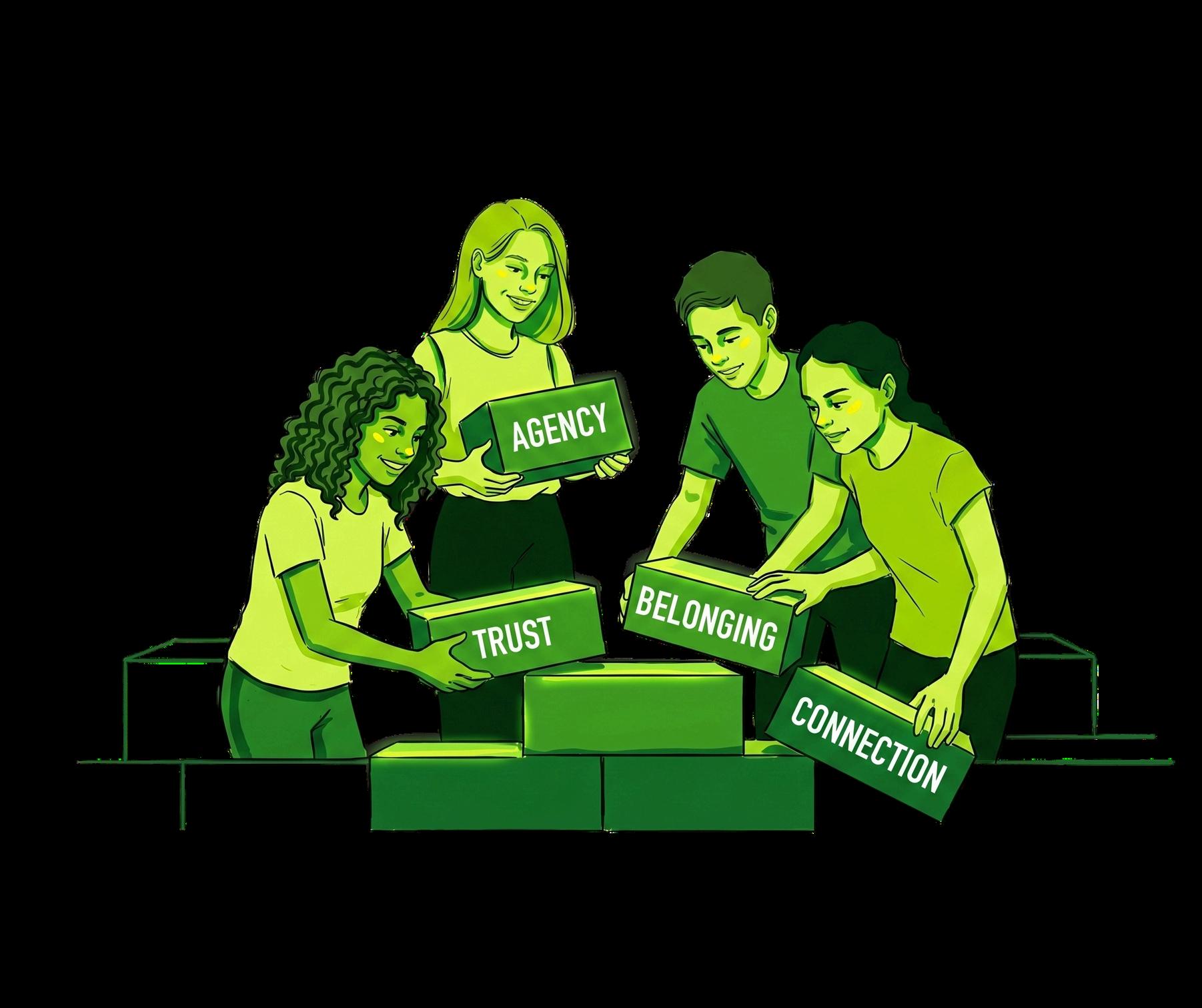
Inthesee nt,andthat theskills
Aswedesignandscalenewmodelsoflearning,wealsoneedtoreexaminethecorerole oftheteacher.Ifwewantstudentstoexperiencesomethingradicallydifferent,wehave tocreatesystemsthatallowadultstoworkdifferently,too.
Inthesenewmodels,teachingbecomesasharedendeavor,extendingbeyondthewalls ofaclassroomandinvitingabroadercircleofpeopletosupportyoungpeople’sgrowth. Communityleaders,industryexperts,andcaregiversallhavearoletoplayinhelping studentsconnectlearningtolife
Whenwebroadenwhocountsasaneducatorandpositionteachersasfacilitatorsof learningratherthandeliverersofinformation,webuildstrongerschoolsandstronger communities.Studentsgainaccesstoreal-worldexpertise,andteacherscanfocuson guidingthinking,buildingrelationships,andsupportingdeeperunderstanding.
Publiceducationcannotaffordtoretrench.Wehavetheopportunity,andthe obligation,tobuildschoolsthatearnpublictrustbyfulfillingapurposepeoplecan recognize,value,andbelievein.
Inthisfuture:
Eachyoungpersondevelopstheknowledge,skills,agency,compassion,andmoral judgmenttocharttheirownpath,sustainwell-being,andcontributetoshared prosperity.
Learningexperiencesarerootedinreal-worldpurpose,helpingyoungpeoplesee whotheyareandhowtheymatter.
Communitiesworktogetherwithschoolsandotherlearningsettingstocultivate belonging,agency,andtrust seeingeveryyoungpersonasafuturemakeranda wholeperson,notjustastudent
Educationservesdemocracy,nurturingthecapacitytoworkacrossdifferences, discerntruth,andactforcollectiveflourishing.
Education can fulfill its purpose by investing in individuals and equipping them to build strong communities and contribute to a healthy democracy. But reinvention will not happen through aspiration alone. It requires building a new architecture for how we collaborate, invest, and define success.
Education is how a society renews itself. If we choose reinvention over retreat, our schools can help create a prosperous future defined not by scarcity or fear, but by opportunity, shared prosperity, and democratic vitality one where young people find purpose, communities find connection, and every child knows they belong.
That is the promise of public education. And it is still within reach.