How to Create and Facilitate a Mentorship Program
Young Architects Forum an AIA member group
Authored by:
YAF Community Focus Group
V2 April 2026
Young Architects Forum an AIA member group
Authored by:
YAF Community Focus Group
V2 April 2026
This toolkit is designed to help AIA members build successful and scalable mentorship programs. Drawing from programs across the country, it provides guidance, examples, and resources that can support you in building your program. See a star on the map below near you? Check out the AIA Mentorship Program Inventory to find your local AIA mentorship program!
For a full AIA component program summary of active programs, refer to the AIA Mentorship Program Inventory in the appendix of the toolkit.
In addition to component led mentorship programs, the AIA facilitates mentorship on the national and international stage to advance, empower, and connect AIA members across the globe.
Large group meetings/1:1 mentoring, 9 months
Gain professional development, learn leadership strategies, and learn how to enhance workplace culture in this global profession. This is a 9 month program which pairs Mentors and Mentees across the globe. In small and large group settings, the program hosts virtual sessions on professional development topics.
Eligibility: Open to students, recent graduates, those pursuing licensure, and architects.
Click HERE for more information.
Monthly virtual meetings, In-person events, 10 months
To create an architecture profession that serves everyone, we must include everyone. That’s why we created Next to Lead—an association and professional leadership program that removes barriers to AIA volunteer leadership positions for racially and ethnically diverse women in architecture.
Next to Lead is the first program of its kind to support association leadership for ethnically diverse women aspiring to be leaders of AIA. This program is part of AIA’s ongoing commitment to advancing racial equity within our organization, the architecture profession, and our communities.
The cohort will engage in a ten-month program aimed at enhancing their association leadership acumen, tackling challenges faced by women in the workplace and the architecture profession, and refining their leadership skills. Participants benefit from monthly virtual learning opportunities and in-person workshops, led by expert speakers and AIA staff.
Eligibility:
• Be a current AIA Architect or Associate AIA member located in the U.S. and in good standing.
• Identify as a woman in mind, body, spirit, and/or in any form of human expression.
• Be racially or ethnically diverse.
Click HERE for more information.
This annual event exists to support and empower women on their leadership journeys and break down the barriers that get in the way. It’s education, networking, inspiration, and the opportunity to connect with the industry’s largest network of diverse women in architecture, design, and the allied building industries.
Click HERE for more information.
Monthly Pod Mentoring, 3+ Years
The Young Architects Forum and College of Fellows Align Mentoring Program is a long-range initiative (think ten years, not one) that connects young architects with AIA Fellows. Through a grouping system referred to as “pods”, the program pairs four to six young architects with two to three fellows, facilitating professional and leadership development. Align began as a pilot program in the late 2019, launching its first open call for applications and cohort in 2022.
Eligibility:
• Young Architect Members: The program is open to registered architects within the first ten years of licensure. AIA membership is not a requirement but is encouraged.
• COF Members: The program is open to AIA College of Fellows members in good standing.
The program’s objectives are:
• To support young architects in defining their legacy within the profession while navigating their career paths.
• To create a vehicle for mentorship and career development that connects young architects and Fellows with peers across the country.
• To accelerate contributions of young architects and develop regionally diverse collectives to contribute more in the future.
Each pod begins with four to six young architects and two to three fellows; the number of pods organized each year depends on the amount of member interest. Pods are organized by focus area and consider experience level as a factor.
Click HERE for more information.
Annual Event, K-12
Architecture Week celebrates the profession of architecture and invites everyone—especially K-12 students—to explore architecture and design. We all play key roles in educating and inspiring the next generation of architects. Let’s build the pipeline together.
Want to get involved? Explore your options
It’s never too early to start thinking like an architect! ArchWeek is a nationwide celebration recognizing the power of good design, with a goal of inspiring hopeful architecture and design professionals and K-12 students.
Get involved in Architecture Week by sharing our posts, contributing to a wish list, inviting students to your firm, sending a letter to your local schools or libraries, or actively engaging with students throughout the week.
For more information and to find an ArchWeek Program near you, check out the AIA K-12 Initiatives Page HERE
Creating an ArchWeek Program?
Add your program to the AIA’s Architecture Week Program HERE.

The AIA is proud to support various mentorship programs across the country to advocate and advance the profession. Click on a program below for more information, and to find a program near you!
Annual Event, K-12, Summer Camp
The National Organization of Minority Architects (NOMA) hosts local summer camps to provide 6th-12th grade students of color with the opportunity to learn the fundamentals of architecture and design. Students that participate in the camps work closely with architects and designers to create the designs they would like to see in their communities. Not only do students create designs, but they are also connected with mentors in the architecture field to help guide their interests. For many students, Project Pipeline is their first introduction to the design world.
Click HERE for more information and to find a Project Pipeline program near you!
Weekly Mentoring, 10 week course, Emerging Professional and Young Architects
This fully online program aims to support immigrant architects by pairing them with experienced professionals like yourself. Over the course of 10 weeks, mentees will have the chance to learn from you, receive guidance, and grow in their professional careers. We are looking for 10 dedicated mentors who can make a lasting impact on our mentees.
Click HERE for more information.

Weekly Mentoring, K-12, Emerging Professionals, Seasonal
The ACE Mentor Program of America, founded in 1994, is a no-cost after-school program that prioritizes workforce development for high school students by connecting them with experts from the design and construction industry.
ACE Mentor addresses pressing workforce needs, offers a range of exciting opportunities for students, and plays a crucial role in bridging the skills gap, with continuous mentor opportunities from high school through to full-time employment.
Click HERE for more information and to find an ACE program near you!
This guide is modular. Not every step will apply to every program. Use the sections that align with your goals and community, and revisit them as your program evolves.
Why this toolkit was created
The Mentorship Toolkit was developed by the Young Architects Forum in response to a growing interest in structured mentorship opportunities at the local and national level. Over several years, YAF leaders observed successful programs emerging independently across the country—each tailored to its community, yet often facing similar challenges around planning, scale, and continuity.
Under the leadership of Sarah Woynicz, then Community Director, the effort began to formally capture best practices and lessons learned. Conversations, informed by firsthand experience organizing mentorship programs, reinforced the need for a shared resource that would help future leaders avoid starting from scratch.
This Toolkit would not have been possible without the many YAF leaders that have spent countless hours volunteering and sharing their expertise.
A special thanks to YAF Community Members that contributed to this toolkit
Sarah Woynicz | 2022-23 YAF Community Director | 2025 Chair Seth Duke | 2024-25 YAF Community Director
Kumi Wickramnayaka, AIA | 2026-27 YAF Community Director
State Representatives
Samantha Markham, AIA Texas
Brian P. Baril, AIA Connecticut
Jorge Basulto, AIA Idaho
Levi Pfeil, AIA South Dakota
Shawna Mabie, AIA North Carolina
Elliot Brown, AIA Alabama
Efren Lopez, AIA New Mexico
Jordan Kravitz, AIA Arizona
Jack Whalen, AIA Delaware
Ben Hansen, AIA Iowa
Sarah Page, AIA Tennessee
Magdalini Vraila, AIA California
Define why your program exists before deciding how it operates. A clear purpose ensures alignment with organizational priorities and participant expectations.
Long-term aspirations and impact.
• Example: “Foster emerging leadership and professional growth among young architects in sustainable design practices.”
• Recommendation: Keep it concise, inspirational, and forward-looking
MISSION
Current actions and focus.
• Example: “Provide structured mentorship, learning opportunities, and networking events to support professional advancement.”
• Recommendation: Ensure alignment with the vision; reference existing programs where possible.
Broad outcomes participants should gain.
• Example: “Enhance career readiness, leadership skills, and professional confidence.”
• Recommendation: Focus on growth areas that mentors and mentees can actively develop.
Specific, measurable outcomes.
• Example: “Participants will complete a 1:1 mentorship project, attend at least two workshops, and receive constructive feedback.”
• Recommendation: Make objectives concrete, achievable, and trackable.
Metrics used to measure success.
• Example: Number of participants, mentor-mentee pairings, satisfaction ratings, skill improvements.
• Recommendation: Collect both qualitative and quantitative data.
Stop! Before proceeding to Step 2, is the Vision and Mission of your Mentorship Program already being served in a local existing program? To check, refer to the AIA Mentorship Program Inventory in the appendix of the toolkit. Don’t reinvent the wheel if you don’t have to!
Meeting frequency and start-end:
• Planning timeline: Start 3–6 months in advance for larger programs.
• Program duration: Determine single-event or multi-month mentorship series.
• Recommendation: Map out milestones and deadlines for registration, preparation, and follow-up.
Budget and materials
• Space: On-campus, firm offices, or community spaces.
• AV/Technology: Projectors, virtual meeting accounts, microphones.
• Materials: Handouts, worksheets, name tags.
• Food: Consider refreshments for networking events.
• Recommendation: Prepare a detailed budget and identify potential sponsors or in-kind donations.
• Accessibility accommodations for participants: Examples include captioned videos, accessible text formatting, sensory, breaks for participants, preferential seating, and venue accessibility assessment.
Identify required talent:
• Program leads: Responsible for overall execution.
• Facilitators: Guide sessions and discussions.
• Volunteers: Assist with logistics, check-in, and materials.
• Subject Matter Experts: Provide specialized knowledge or mentorship.
• Recommendation: Clarify roles, responsibilities, and time commitments for each participant.
Design the program to match your audience and learning goals.
Focus Group
• K–12 students, college students, emerging professionals, young architects, or affinity groups.
• Recommendation: Tailor content and complexity to the audience’s level. Collaborate with schools or professional groups for outreach.
Structure
• One-time: Workshops, lectures, or networking events.
• Short series: 2–4 sessions over several weeks.
• Long-form mentorship: Ongoing pairings, project-based learning, or formal programs.
• Recommendation: Choose a structure aligned with program goals and participant availability.
Location
• In-person: Facilitates networking but requires logistics.
• Virtual: Broadens access, reduces cost.
• Hybrid: Combines flexibility with face-to-face engagement.
• Recommendation: Ensure technology and space are tested ahead of time.
• Mentors, mentees, partner organizations, allied industry professionals.
• Recommendation: Tailor messaging to each group emphasizing benefits and expectations.
• Host virtual or in-person info meetings.
• Recommendation: Give participants the opportunity to ask questions and understand expectations.
Utilize all available AIA channels for advertising your program, including:
• Local Component: Work with component staff to advertise your workshop on regular email blasts, newsletters, and website.
• Regional/State Component Network: Coordinate the advertisement of your workshop on state and regional level communication, including neighboring or nearby components
• Social Media: Establish content for regular release on component social media channels, including options for participants to register directly through those channels
• Newsletters, social media (LinkedIn, Instagram, Facebook), partner outreach, and direct invitations.
• Recommendation: Use multiple channels to reach a diverse audience; provide clear registration instructions.
As you develop relationships with professionals, networks, and agencies beyond the AIA, don’t forget to follow up and share the results of your workshop.
Deliver the experience with intention and clear learning outcomes.
• Define learning objectives per session.
• Align activities to objectives.
• Include discussion and reflection opportunities.
• Recommendation: Prepare facilitator notes and prompts for guided conversation.
• Registration & agenda shared ahead of time.
• Roles assigned for staff/ volunteers.
• Materials prepared, including digital copies for virtual participants.
• Data collection planned to capture engagement and outcomes.
• Recommendation: Conduct a run-through before the event and ensure contingency plans for virtual or in-person disruptions.
• Be prepared for difficult conversations, especially in 1:1 Mentorship spaces.
• Provide accessibility accommodations as needed for participants.
• Refer back to mission statement of program each session.
• Perform Quality Assessment/ Quality Control, especially when mentoring across pods.
• Monitor progress towards learning objectives, and adjust as needed.
• Sessions should include routine structure that is reliable and predictable to participants.
Evaluate impact and share outcomes to support continuous improvement.
Did you meet your goals and serve your mission? Find out by:
• Reviewing benchmarks and learning objectives.
• Compile qualitative and quantitative feedback from mentors and mentees.
• Share findings publicly or internally when appropriate to highlight successes.
• Recommendation: Use results to refine program structure, learning goals, and recruitment for future cycles.
The conversation doesn’t end at the last session. Build continuity and strengthen the mentorship network.
• Give thanks through social media and newsletters.
• Announce upcoming program information to maintain engagement.
• Re-engage past participants as mentors, mentees, or facilitators.
• Recommendation: Create a communication schedule and maintain a contact list to track alumni and program growth.
• Recommendation: Build program community by hosting a postprogram celebration event.
• Give thanks through personal notes and group messaging.
• Share upcoming program to maintain engagement.
• If applicable, share new volunteer and leadership opportunities with the program.
• Recommendation: Build program community by hosting a post program celebration event exclusive to mentors and volunteers.
• Space:
Vision:
Mission:
Learning Goals (2-3)
• Goal 1:
• Goal 2:
• Goal 3:
Learning Objectives (2-3)
• Objective 1:
• Objective 2:
• Objective 3: Benchmarks (2-3)
• Objective 1:
• Objective 2:
• Objective 3:
5
• Equipment:
• Materials:
• Food:
• Accessibility: Talent:
•
• • Structure Focus Group: Structure: Location(s): Advertise
6
Execute
Lesson Planning:
Execution:
• Registration:
• Materials:
• Data Collection:
• Consistency/QAQC:
Present Your Results
Compile and Review:
Share: Follow Up
Give Thanks:
Share:
•
Format Timeframe:
Audience(s):
• Establish Your Purpose
Channels:
Key Resources Needed:
Information Session(s)?
• Program Retention Strategies:
This section covers a variety of example mentorship programs broken down into two formats, events and recurring programs. From small to large lift, we hope these help give you a sense of what it takes and lessons learned of creating a program.
Description: A brief summary of the event
Leadership: Who within your Component leads the organization of the event
Frequency: How often during the year is this event hosted
Attendance: On average, how many people attend this event
Timeline: What does the agenda for this event look like
Structure: How is the event organized
Funding: Does this event require sponsorships, paid registration, or is it free
Advertising: How do you communicate this event to your membership
Location: Is this event hosted virtually or at a physical location
Support: Do you have AIA staff or local partners that help coordinate the event
Lessons Learned: Anything that could be helpful for other members or Components looking to host a similar event
LIFT
Program facilitation lift/difficulty is indicated by the following symbols: = Low = Medium = High
Events may be offered as one-time engagements or as a small series conducted over a limited period. These events require minimal long-term commitment and often provide an informal, welcoming environment for participants to explore mentorship. Although typically brief in duration, such events can facilitate valuable connections that encourage attendees to pursue more sustained, long-term mentoring relationships.
Description Modeled after speed dating, speed mentoring focuses on a quick exchange of information in the form of small group discussions on goals and professional challenges. It’s an efficient way to rapidly build your professional network and share successful ways to excel in the profession. You might just find someone that is a good fit for an on-going mentor relationship!
Leadership Women in Architecture (WiA) Committee
Frequency Once a year
Attendance 30
Timeline 5:30pm Networking 6:00pm-7:30pm Speed Mentoring Sessions
Structure During the timed mentoring sessions, you’ll meet with a number of inspirational women in the field of architecture and design (usually have about 10 mentors). Each session will last 10 minutes. Advanced registration is required.
Funding Sponsorships and Registration (usually $10 and $5 for students)
Advertising Social Media; Word of mouth; Email/E-blasts
Location In person at a restaurant or firm’s office
Support Our local AIA staff supports this event by managing the money and sponsorships and helping advertise
Lessons Learned Many other chapters run a Speed Mentoring event (AIA Dallas, AIA Brazos, AIA NY). This is a great event that can be scaled to fit your local size and needs.
AIA Connecticut | WiA 4x10 Events
Description The AIA Connecticut Women in Architecture 4x10 mentorship groups focusing on career advancement, business of the practice, work/life balance, and professional development. We have 2x/year large group presentations with speakers and 6x/year small group mentoring with focused topics.
Leadership The Women in Architecture
Frequency Twice a year for the 4x10 Large Group Mentorship Meetings (all members are welcome, even if not in a 4x10 mentorship small group).
Attendance 20
Timeline 1 hour with presentation, then dialogue
Structure We gave 2x/year large group presentations with speakers and 6x/year small group mentoring with focused topics.
Funding It’s included in our component’s operating budget each year. AIA CT/Allied Members: FREE and for Non-Members: $25.00
Advertising Social Media; Word of mouth; Email/E-blasts
Location All virtual via Zoom
Support
Our local staff helps with the logistics planning and coordinating of the events.
Lessons Learned Sometimes another committee will co-host this event which can help with organizing/ providing topics for the presentation.
Description The Mid-Career Discussion Panel brings young members together to hear from speakers who are about 5-10 years ahead in their careers. We want those listening to hear about the next steps they face from architects who have not already “made it.” These are architects who’ve strategically charted a career and are in the midst of making it happen.
Leadership Leadership Forum Steering Committee
Frequency Once a year
Attendance 35-70
Timeline 2 Hours
Structure It is a panel discussion, usually 4-5 speakers with a moderator and is followed by a reception for networking. The space is generally donated and the speakers are not well known so there is not a speaker-fee. The biggest hurdle is finding a moderator who can dig into panelist answers and bring out impactful bits of advice and stories that will impact our young members. We generally target architects who’ve had early successes and ask what steps lead to that success.
Funding
The event happens with donated catering and speaker time.
Advertising Social Media; Word of mouth; Email/E-blasts
Location All in person, generally at the Center for Architecture and Design
Support Our local staff help us promote the event to local memebers and we partner with the local Young Architect Forum group.
Lessons Learned
We’ve found that the concept for this event is easy to grab onto and that our members have always come out to support it. This is a great event to get people out and then to introduce other events. We have our local Leadership Development Panel plan and host this event as part of their program but open it up to the wider membership.
Description The aim of the MWA (Mentorship for Women in Architecture) seminars is primarily to support emerging practitioners via mentoring, sharing of information and lauding architecture as viable career, with the goal of energizing leadership, encouraging retainage and engagement in the profession, elevating the field, and helping everyone succeed. The seminars also serve to raise the visibility of seasoned women architects; to highlight their accomplishments; to show how they have successfully navigated their paths and risen in the field for decades.
Leadership
The three MWA founders lead the planning efforts: Anik Pearson, Angelique Pierre and Nancy Kleppel
Frequency The seminar conducts individual 2-hour sessions, roughly once every 6 to 8 weeks, at the end of the workday.
Attendance 40 to 80 participants meet during each seminar. We have repeated engagement from attendees and mentors alike, with participation of over 1,000 members, with national and international reach.
Timeline 2 hour sessions, intended to have the dual purpose of presenting anecdotal information about the myriad of different successful career trajectories and establishing long-term relationships among the attendees.
Structure
2-3 mentors to 40-80 mentees, with the 3 MWA founders acting as moderators. The mentees and mentors register for the event online, enter their names, contact information, and answer a few questions so the organizers can understand best how to serve the mentees’ needs and aspirations via acuityscheduling.com
Funding Self-funded for now. Attendance is free.
Advertising Social Media; Word of mouth; Email/E-blasts; Other organizations in and out the AIA promote our events (mentors within their offices and organizations, MoveOverBob, Architexx, Architecture Departments within universities etc)
Location Mostly virtual currently, with upcoming in-person networking events. When held in person, sessions were hosted in a different space each time, occasionally in the office of one of that evening’s speakers. Since the pandemic, all seminars have been virtual.
Support Not yet. We believe we’ve created a program that’s easy to replicate, allowing it to scale in a meaningful and frictionless way.
Lessons Learned We designed the program to enable early to mid-career professionals to develop agency and direction towards a fulfilling career in architecture. Session attendees meet female architects and role models in the industry that they can talk to.
Description Pizza + Professionals brings a group of professionals to the local community colleges and university with some pizza and refreshments to answer questions students have about architecture careers, portfolios, software, life/work balance, etc. This casual conversation happens once per semester with each of the schools. This is often coupled with a studioDROP where we also give the students a bag of studio supplies to let them know we care. The studioDROP supplies include exacto blades, scale figures, mini-glue, bandaids, candies,etc. and also have a QR code that directs them to the AIAT EP/YAF Task Force website for more info after they graduate.
Leadership Our AIA Triangle EP/YAF Task Force
Frequency Once per semester
Attendance 30-40 students at each event
Timeline
Structure
1.5 hours for the mentorship and q&a portion, but sometimes this event happens with a school lecture which is an additional hour
Casual Q & A session over pizza and refreshments with students and professionals once per semester at the local community colleges and university. Professionals usually arrive early to setup the pizza, then students trickle in and begin eating, after the first 15-20 minutes, the professional make introductions and provide a brief introduction to what the EP/YA Task Force does then launch into questions, which usually take another hour. Sometimes this event occurs with AIAS before a school lecture or during their monthly all member meetings. Sometimes this is coupled with studio crits, portfolio reviews and goodie bags (studioDROP), but always with pizza/refreshments.
Funding This has been funded by grants (AIA College of Fellows Component Grant), but also by the component operating budget
Advertising Social Media; Word of mouth; Email/E-blasts, reach out directly to college/university school leaders to advertise to students and via AIAS
Location In person at Wake Tech Community College and North Carolina State University
Support Our AIA local staff include the annoucement in emails to membership and include it in the weekly newsletter.
Lessons Learned
The trickiest part is having the event when it is convenient for both the students and the professionals. We have found with the community college that we need to work directly with an instructor to have it during class time, while at NC State we can do it during studio time, or in coordination with an AIAS student body meeting or coupled with the school lecture.
AIA Fort Worth & UTA | AIAS Camp
Description Partnering with University of Texas at Arlington’s AIAS CAPPA Architecture Mentorship Program (CAMP), their AIAS recruits volunteers from our chapter to be paired with a student to mentor and they follow a set program. AIA FW helps with marketing and funding the Kick off Mixer reception. The program runs for the semester and then the pairings can choose to continue or mentors can get paired with a new student the next year.
Leadership UTA’s AIAS leads the effort. Our LiA chair who also teaches at UTA supports it and works directly with AIAS.
Frequency About 4 times (once a month) during the spring semester. Usually it kicks off with the CAMP Mixer Event where the mentor pairings are announced then each pairing is encouraged to meet at least once a month or more if desired.
Attendance 30 mentors/ 40-50 students
Timeline Usually AIAS does a call for applications from professionals to be mentors and students to be mentees in late fall semester/early spring semester. Then the CAMP program usually kicks off in early spring semester with the Mixer and runs through May.
Structure 1 mentor (a professional) per 1 - 2 students. They also host a student to student version of the program which pairs underclassmen students with upperclassmen students. Sometimes professionals can encourage their mentee to invite their underclassmen mentee pairing to join their conversations. This allows for additional mentorship opportunities and creating a great “stepped” mentorship pairing from underclassmen to upperclassmen to professional.
Funding The Mixer/Reception funding comes from AIA Fort Worth, no other funding needed.
Advertising Social Media; Word of mouth; Email/E-blasts
Location The Mixer is hosted in person at UTA. Afterwards, the pairings can choose to meet in person or virtually.
Support
AIA FW and AIA Dallas also help with the marketing and volunteer recruitment.
Lessons Learned This program is an opportunity for other chapters to replicate that are near architecture schools and to partner with their local AIAS
AIA Chicago | WING Mentorship Program
Description Wing mentorship pairs 25 university students with 25 alumni of the Bridge Mentorship Program for a semester-long program that provides students with guidance on their studies and career direction, development reviews for their studio projects, portfolios and resumes, exposure to what architects really do in the office and in the field, and relationships to aid the transition from academia to the working world.
Leadership Carl Sergio assisted by two other co-leaders and the AIA Chicago Director of Outreach
Frequency The Program runs annually, with the intent that the pairings meet monthly.
Attendance 15-25 pairs of students and mentors, or 30-50 people total
Timeline Starts with a virtual kickoff meeting, an in-person mixer at AIA Chicago, a mid-semester portfolio review, and a closing session at the school studios
Structure
One-on-one meetings, with a virtual kickoff meeting, an in-person mixer at AIA Chicago, a mid-semester portfolio review, and a closing session at the school studios. We have a one-pager asking for basic personal information, and why they’re applying.
Funding It currently is not funded.
Advertising Word of mouth; Email/E-blasts
Location It’s a combo of virtual events and in person. When in person, usually at AIA Chicago, and the architecture schools
Support The AIA Chicago Director of Outreach helps with communications, scheduling, and planning.
Lessons Learned
Students can be hard to get ahold of, can disappear on you, and are very focused on school...until the Spring that they’re graduating and realizing they need a job (and thus a portfolio and resume). Our job is to help them realize that EARLIER, and then help them figure out what to do about it.
AIA Atlanta | EP’s in School Program
Description
Leadership
Frequency
Attendance
Timeline
Structure
Funding
Advertising
Location
Support
Lessons Learned
The Emerging Professionals in School Mentorship Program (EPSMP) is an academic year long program in which students are paired with professional mentors to help guide the students through their architectural careers. The program is a committed relationship developed to as much of an extent as desired betweeen the student and professional, but it comes with minimum milestones that each pair must meet month to month.
Director of Programs (Programs Manager) at AIA Atlanta, the (EPSMP) Advisory Council, and AIAS Leadership.
The Program runs annually. Participants meet minimum (1) a month, but as much as desired between the pairs.
Only in its second year, we have ~50-55 mentors paired with ~6065 students
Only in its second year, we have ~50-55 mentors paired with ~6065 students
1:1, but mentors can take on more mentees if they desire and can meet the minimum requirements. There is an application process which can be seen here: https://www.aiaatl.org/mentorship/ or https://airtable. com/shrr8tslAvQDvfkga
No funding besides for events - split between AIA Atlanta and AIAS Georgia Tech
Word of mouth; Email/E-blasts; AIA Website + Marketing
A combo of in person and virtual. Pairs are free to determine where to meet
No dedicated staff, but the Programs Manager helped with pairing mentors with mentees, hosting the application, and planning events.
Currently host with AIAS Georgia Tech, but looking to expand.
Recurring programs are structured engagements conducted over a defined timeframe and guided by established learning objectives and measurable end goals. Unlike single or short-term events, mentorship programs emphasize sustained participation, enabling mentees to progressively develop knowledge, skills, and professional competencies. This ongoing model supports accountability and continuity, fostering meaningful mentor–mentee relationships and creating opportunities for long-term growth and development.
Description We host a kickoff happy hour at the beginning of the year to introduce the 5x5x5 Mentorship Program to registered participants. It is not necessarily a mentorship session, but an introductory event to kick off the rest of the year. The five mentors are present and participants meet their groups (groups are broken into 5 people and 5 groups for a total of 25). Participants fill out a questionnaire prior to the event so that the rest of the group knows experience level, background, etc.
Leadership We actually have a Mentorship Program Committee called the 5x5x5 Mentorship Program. It takes about 6 volunteers to run and works well because it doesn’t overburden a single person to coordinate. AIA staff also help with flyer production and event planning.
Frequency The program runs annually. Participants meet about once every 6-8 weeks.
Attendance Around 35 people. 25 Mentees, 5 Mentors, 5 Committee Members who also act as group coordinators.
Timeline
All learning groups will agree on their own meeting schedule (once every two months) throughout the year. Each mentor will rotate throughout the groups until they have met
Structure 1 mentor, with 5 mentees, and 1 group coordinator (committee member). There is no application process. Just a registration fee of $50. We do however, try to screen mentees by sending out a questionnaire to mentees to field their work experience and career aspirations. These questionnaires are only issued to the Mentors.
Funding Yes, registration spots sold. $50 each
Advertising Social Media; Word of mouth; Email/E-blasts
Location We highly encourage in-person meetings but some teams do run hybrid meetings depending on circumstance. When in person, it’s usually hosted at the Mentors office or a local pub or restaurant.
Support AIA staff assist us with creation of flyers and marketing. They also help to plan out kick off event.
Lessons Learned
The registration fee is key. The $50 fee we find is good to keep mentees engage. Otherwise without a registration fee it doesn’t hold mentees accountable to attend meetings. Group meetings work the best when most if not all of the group members are present.
AIA Chicago | Bridge Mentorship Program
Description Bridge connects AIA Fellows and rising professionals who are within their first five to ten years of practice. It offers an eight-month curriculum of curated programs coupled with informal, one-on-one meetings between mentors and mentees. Each selected participant is paired with a local AIA Fellow as their mentor. The program incorporates informal social events and organized mentorship discussions focusing on past experiences, career development, and the future of the architectural profession. Throughout the program, the mentors and mentees will also meet in a one-on-one setting to informally discuss specific professional goals while further developing and strengthening their relationship.
Leadership The Bridge program has 3 co-directors, supported by AIA Chicago’s Director of Education
Frequency The program runs annually.
Attendance 16-20 pairs of Fellows and mentees (so 32-40, annually)
Timeline Participants meet monthly as a group, monthly-ish one-on-one.
Structure Evening sessions include speakers to the whole group, small group breakout sessions of 5-7 people, and then the one-on-one mentorship pairs meet separately outside the program.
Funding AIA Chicago provides supplementary funding for food and beverage, that is primarily provided by the hosts of each evening event. AIA Chicago’s funds are providing by programming sponsors.
Advertising Social Media; Word of mouth; Email/E-blasts
Location A combo of virtual and in person. Events are held at host firms’ offices, and occasionally a vendor or other sponsored event space.
Support AIA Chicago helps with communications, scheduling, confirming event locations and logistics, and F&B.
Lessons Learned
Keep the group small and manageable. Make the program and sessions formal/structured enough that they are getting concrete value, informal/loose enough to allow for lots of socializing, which is actually often the most important thing. Emphasize the importance of mentees getting to know their peers, but also reaching out to any mentors they’d like to get to know. One-on-one pairings are important, small group discussion are important too. Talk about hard topics. Give mentees equal voice in the conversation- the mentors have a lot to learn from them!
Recurring Program Examples
AIA Iowa | Mentorship Program
Description The AIA Iowa Mentorship Program is a six-month program with a virtual kick-off event with all participants, then monthly meetings of geographically similar groups. Discussion topics are sent out by Emerging Professionals Committee members and AIA Iowa staff, and survey data is collected at the end of the program to inform changes for the next year.
Leadership Emerging Professionals Committee (with help from AIA Iowa staff person)
Frequency The Program runs annually. Participants meet monthly.
Attendance Between 35-40 participants. The mentoring program is open to all AIA Iowa members, Student Affiliates, Associate Members, and AIA members. It is designed to offer every interested mentee the opportunity to communicate directly with an AIA Iowa member who is further along in their career than the mentee. All interested members may participate in the program.
Timeline It is a six-month program that typically runs from May-October.
Structure 1 mentor : 3 mentees. There is a survey that is required to be filled out by all interested applicants
Funding No funding needed.
Advertising Word of mouth; Email/E-blasts
Location Combo of virtual and in person - Varies depending on geography of group...firms, coffee shops, restaurants, etc.
Support AIA Iowa Staff sends out promotions and email blasts, also forwards on monthly topic discussions to group leaders & distributes end-of-year review questions.
Lessons Learned
The goal of this flexible program is to connect experienced architects and leaders with emerging professionals and students.
AIA Connecticut | WiA 4x10 Program
Description The AIA Connecticut Women in Architecture 4x10 mentorship program is a peerto-peer mentorship program brings people together to discuss engaging topics in the AEC industry. Bi-monthly, small group conversations will establish relationships as participants share their personal stories, address professional challenges, and celebrate individual successes.
Leadership WIA 4x10 Group Leaders and their Staff Coordinator
Frequency Bi-monthly meetings with the small groups.
Attendance 6 in each of the two groups and growing!
Timeline
The large group meetings occure twice a year, and the small groups meet bi-monthly.
Structure Mentor leads the discussion topic amongst the 6 attendees usually focused on a theme such as work/life balance. There is no application, just sign up. All are welcome!
Funding It’s included in our AIA CT operating budget.
Advertising Social Media; Word of mouth; Email/E-blasts
Location A combo of virtual and in person. If in person it could just be at a park or coffee shop.
Support
Lessons Learned
AIA CT helps with advertising and setting up registration, does not attend
Our program has also covered themes such as the Business of the Practice, Career Development, and Community Engagement When held virtually as webinars via Zoom, we sometimes host them in the mornings (at 9 am local time) and encourage attendees to grab their favorite morning beverage and join the conversation.
Click HERE to be taken to the mentorship program inventory.
AIA has formatted the mentorship program inventory in an easy to explore location map to discover existing programs near you. You can also explore other programs across the country and get ideas for starting a mentorship program of your own. A great place to start is looking at components that have similarities to yours, such as size or geography.
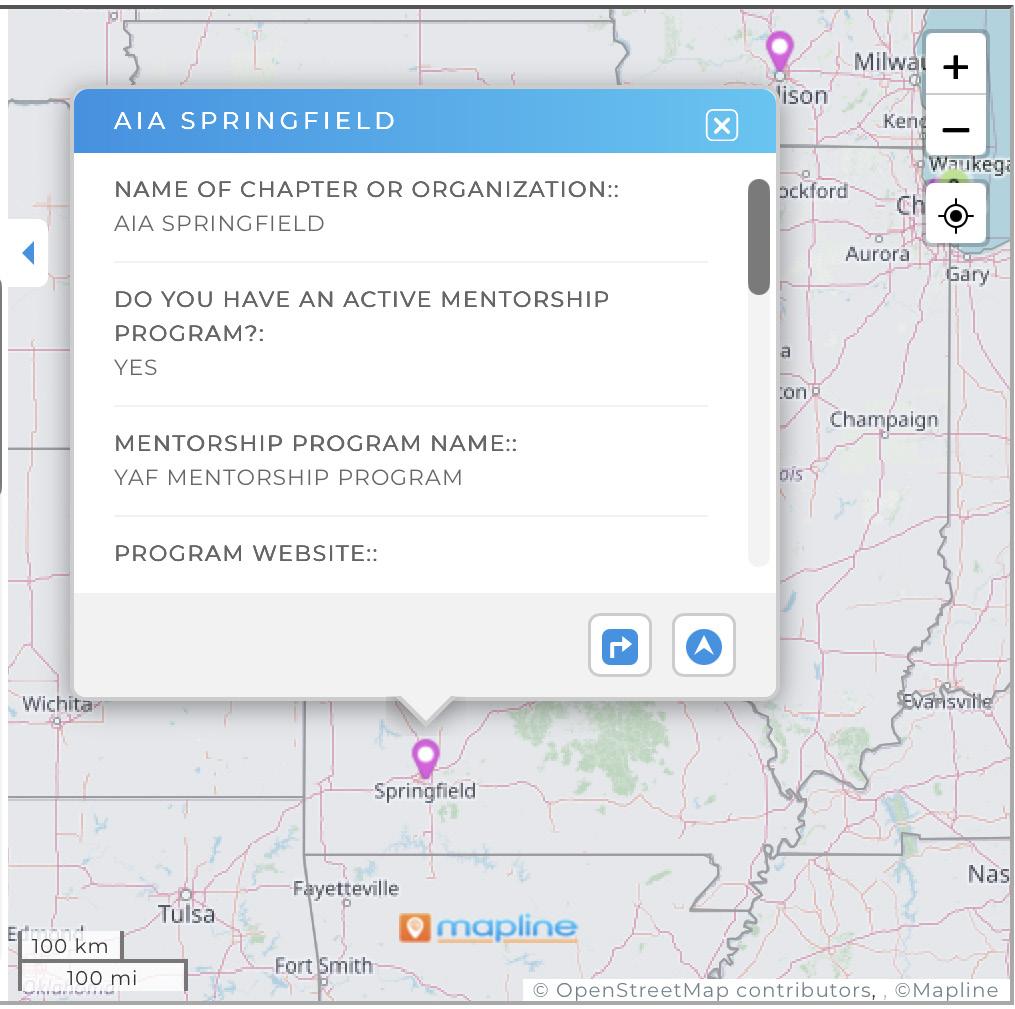
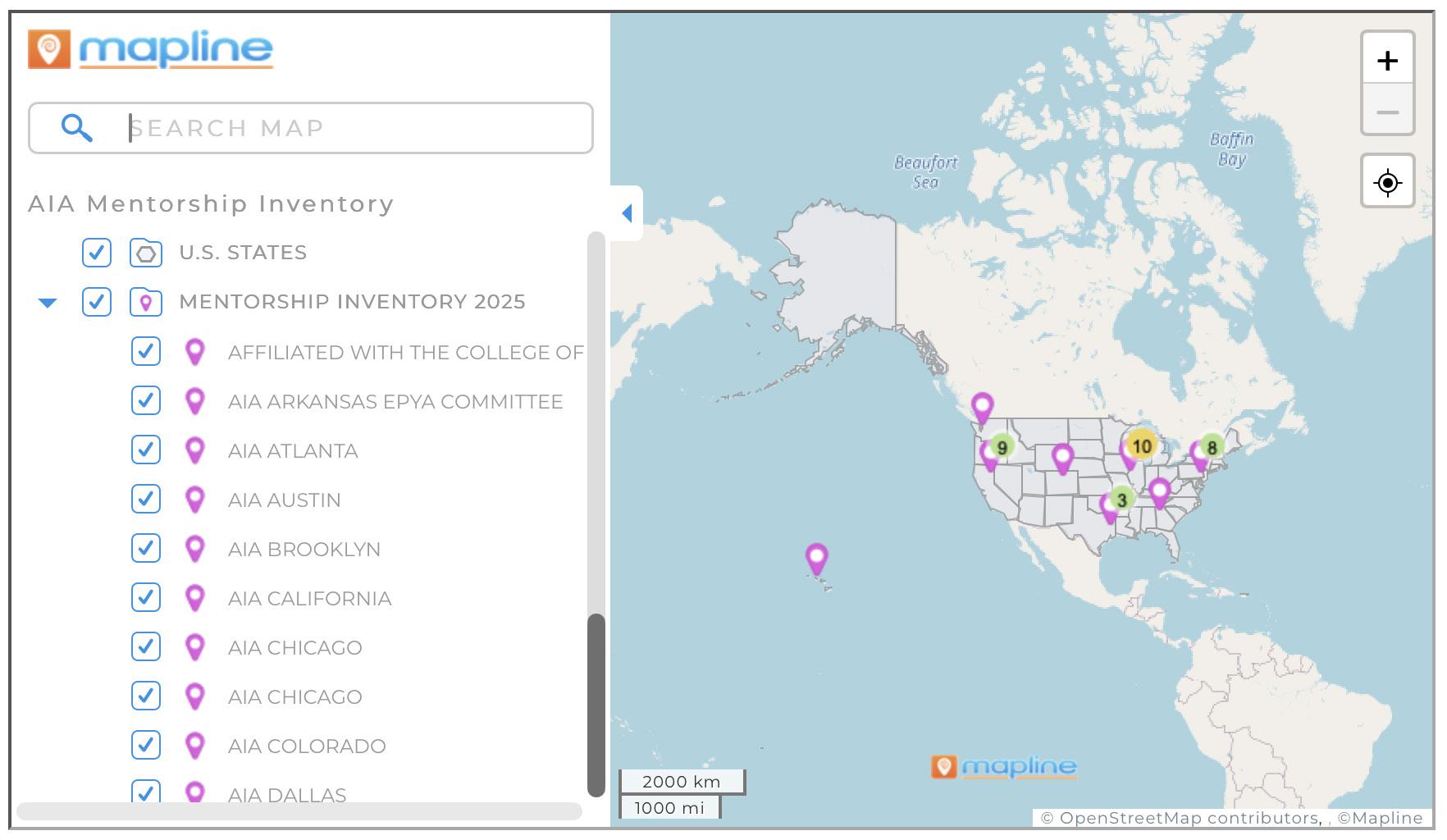
Have a new program, don’t see an existing local mentorship program, or need to make an update to a component’s available programs? Fill out the form, and it will be reviewed for addition to the inventory.
Check out the AIA K-12 Inititatives page HERE for the ArchWeek Program Tracker.
Facilitate
Mentorship Program
Resources referenced and used to create this toolkit include:
AIA Articles on Mentorship
Beyond the handshake: Building Meaningful professional relationships by Lori Apfel Cardeli, AIA
Three rules for empowering early-career architects and professionals by Gabriella Bermea, AIA
How to be an exemplary mentor by Jack Whalen, AIA
The benefits of a mid-career mentor by Wanda Lau
AIA Guides
Mentorship and Sponsorship
AIA Guides for Equitable Practice, Chapter 6 by The University of Washington for the AIA Equity and the Future of Architecture Committee
K-12 Volunteer Guide by Devon Davis
HS Internships Guide by the AIA HS Internships Committee
External Guides
Your Guide to Helping Students Consider a Career in Architecture by ASCA, AIA, AIAS, NAAB, NCARB, & NOMA
Facilitate a Mentorship Program
A special thanks to the many components and organizations that submitted documentation to help build this toolkit:
Component/Organization
ACE Mentor Program Program Program, Transformative Partner Program, Externships
American Institute of Architects (AIA) Next to Lead, Women’s Leadership Summit, ArchWeek, K-12
AIA Arkansas MERGE
AIA Atlanta EP’s in School Program
AIA Chicago WING Mentorship Program, Bridge Mentorship Program
AIA College of Fellows ALIGN Mentorship Program
AIA Connecticut WiA 4x10 Events
AIA Flint Hills Talking Tuesdays
AIA Fort Worth, UTA AIAS Camp
AIA Honolulu 5x5x5
AIA Houston WiA Speed Mentoring
AIA Iowa Mentorship Program
AIA Kansas EDGE
AIA New York TORCH
AIA NY, Long Island, Brooklyn & NYS Mentorship for WiA
AIA Philadelphia Philadelphia Emerging Architects (PEA), Portfolio Review
AIA Triangle Mid-Career Panel, Pizza & Professionals
AIA New York TORCH
Alamo Architects Mentorship Program
National Organization of Minority Architects (NOMA) Project Pipeline
See below for examples on how to advertise and facilitate your program. Examples include flyers, applications, seminar roll out instructions, and more!
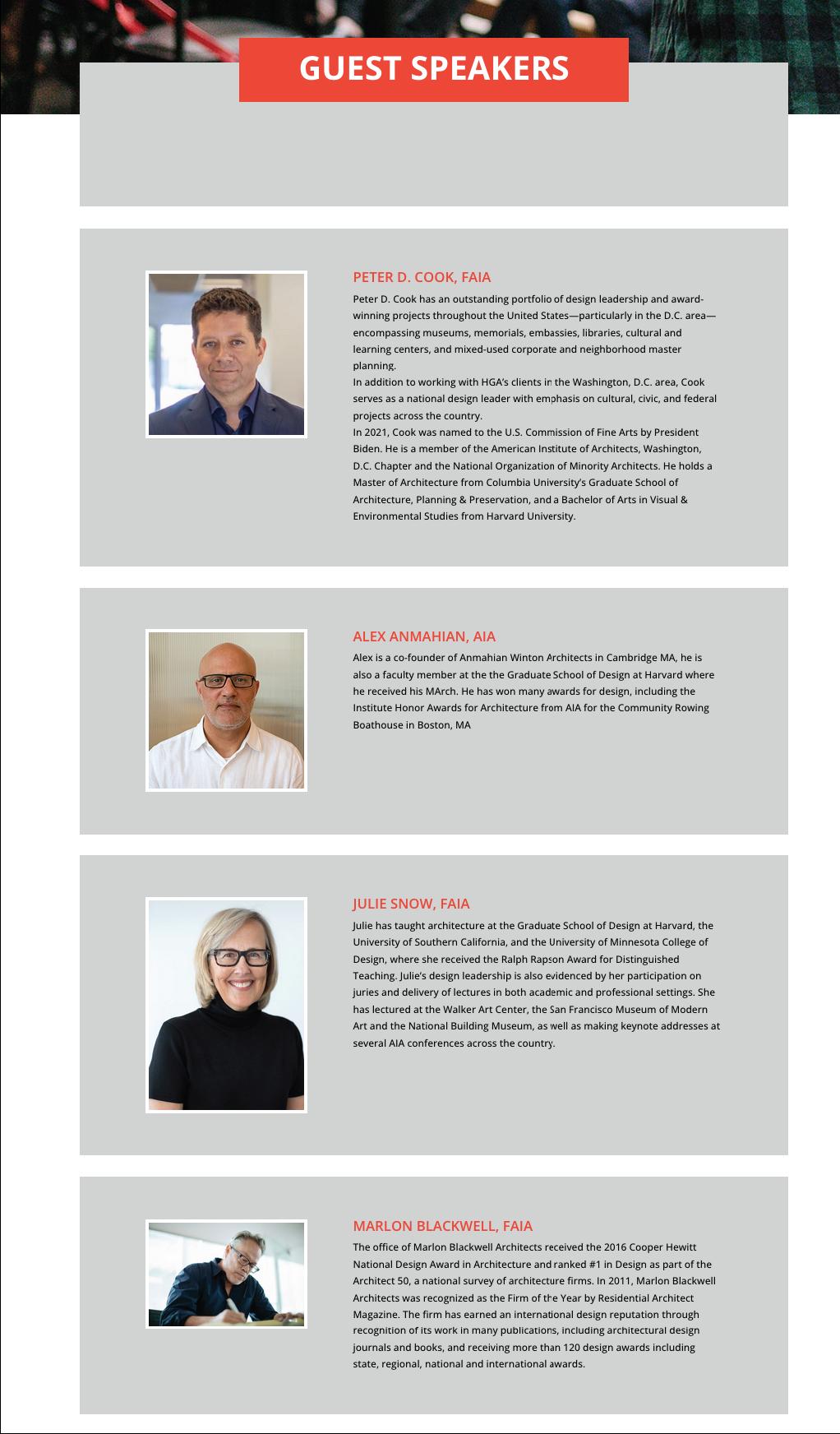
(This is a take-away sheet generated by past participants)
Meeting: May 20, 2021 | Mid Career Panel/ LF Alumni panel
Author: Colin McCarville, Kaitlyn Wrenn
Simon Sinek, optimist and visionary thinker, says, "Be the leader you wish you had." There is no such thing as a perfect leader, but who or what in your career influenced you to become the leader you are today or the leader you strive to be?
• Ask encouraging questions
• Have patience
• Work with a diverse group of people
• Set people up for success by trusting them to succeed
• Get to know your team
How has your perspective of leadership changed from when you first entered the profession to now, being a leader?
• Servant leadership works best
• Responsibility to our team and the community
• Understanding time management becomes a lot more important because it is your responsibility
• You are still designing after hours
• Learn to make decisions faster and how to proceed
• Learning to lead people more than design
• Learning what your strengths and weaknesses are.
• Know your career goals and aspirations may change during your career.
We often talk about "moving up the career ladder" as if our careers only go in one direction. In what ways have you embraced the opportunities that may have veered you off course but still advanced your career?
• Any position around your goal is still beneficial and could redefine what the goal is
• There is a path for everyone
• Earn trust by working well with your team
• Success is perspective and perspective is yours to define
• Set goals, if you don’t achieve some then evaluate if they are still valid
How much of your career was goal-driven vs. following where certain tasks and opportunities took you? How do you balance following your goals and ambitions while also letting things happen as they may?
• Goals are important but be open to other opportunities
• Don’t worry about other people’s reviews
• Annual reviews are worthless if you let them be dictated at you and do not let them drive your goals, remember to review the reviewer and push for what you need/want
• Worry about your own goals
• Take breaks
How do you advocate for yourself without being pompous or being overly zealous?
• Be honest with yourself then others
• Not every opportunity is your opportunity
• If you wanted something speak up
• Articulate why you want something and where you’re the right person for it
• Be strategic and what you ask to do and be passionate about it
• Don’t pigeonhole yourself
With diversity, equity, and inclusion being an important societal issue, how can we as design leaders address this? Does it change the projects we chase after? Does it affect how we hire? Does it affect how we support each other?
• Be self-aware of your company
• Be intentional, either you do it or you don’t
• Your company should reflect who your building for
• Everyone is trying to figure it out. Be brave and step up. Even the senior people are still trying to figure it out.
• You need to learn how to delegate. Learn to let go.
• You need to communicate. Learn how to communicate.
• Set priorities
• When your boss or supervisor sees how invested in yourself, the boss/company will invest in you to accomplish your goals.
• You will be better at your own strengths than anyone else. Dive into those.
• How to get others started?
o Get the ball rolling.
o Precedents will help to start the process.
o Allow for mistakes
• Connect people together
• Are you doing what you love?
Sample Questions
Personal/Professional Development
● Briefly describe your career path to this point and your most important career plans for the next 5-10 years.
● What contributed most to discovering your unique talents and passions? How do to engage your passions?
Profession and Practice
● Where do you think the profession is headed in the next 10+ years? Leadership
● How do you connect with the community?
Conclusion
● What is one thing you would do differently if you were starting your career today?
● What is one piece of advice you have for emerging professionals?
Reserve Questions (if needed)
Personal/Professional Development
● How do you continue the process of learning, professionally or personally?
● Was there a particular decision or change you made that shifted your career path?
Profession and Practice
● How do you feel the profession has changed in the past 20 years?
● During your 20-30s, how did you connect with experienced professionals? Have these relationships endured in a valuable way?
Leadership
● How would you describe leadership?
● Leadership looks different throughout career stages. How has your involvement in leadership transformed from your early career to today?
FOR 3 YEARS MWA HAS INTRODUCED WOMEN PRACTITIONERS IN ALL STAGES OF THEIR CAREERS TO THE VIBRANT COMMUNITY OF EXPERIENCED AND PASSIONATE FEMALE PROFESSIONALS. THESE PROFESSIONALS ARE DELIBERATELY SELECTED FROM DIVERSE ETHNIC AND CULTURAL BACKGROUNDS, HAVE ALL RISEN IN THE FIELD, BALANCED THEIR CAREERS AND FAMILY, MANAGED TO MAKE A LIVING WHILE PURSUING A CAREER IN ARCHITECTURE, AND/OR PROCEEDED TO SUCCESSFULLY RISE IN THE RANKS, PROVING THAT THERE ARE MANY WAYS FOR WOMEN TO PERSEVERE AND PREVAIL IN THE PROFESSION OF ARCHITECTURE. THE PROGRAM OFFERS RESOURCES, INSPIRATION AND INSIGHTS, AS WELL AS ONE-ON-ONE MENTORING TO ADDRESS THE NEEDS OF WOMEN IN PRACTICE, WITH THE GOAL OF RETAINING PRACTITIONERS IN THE FIELD OF ARCHITECTURE FOR THE LONG TERM.
3 years

17 seminars

42 mentors 1000+ attendees



How to roll out a mentoring seminar series in your city:
1. Invite mentors to participate:
a. Compile a list of distinguished female colleagues and peers in the industry with 20+ years of experience who are working in and around your city. They can be partners, principals, women on architecture “adjacent” paths. They can be friends, fellow alum, women you don’t know, but whose work and paths you are interested in, women whose stories you think younger practitioners can learn from. The more varied the career paths and experiences, the better.
b. Share the mission statement, objective and womeninarchitecture.net website with the women on your list. Explain why you think they’ll be a great mentor and ask if they would be willing to volunteer 2 hours of their time to tell their story, and to present a relevant topic that relates to their career path as a woman in architecture, answer questions and build relationships with mentees who may want further support and guidance in their careers beyond the seminar.
c. Explain what is involved: to produce a photo, a bio, a topic and abstract of a 15 minute presentation followed by a Q&A, possibly the use of their office space to host up to 20 women.
2. Plan seminar events:
a. Provide 5 dates, spread 6-8 weeks apart, for your mentors to select from as their seminar dates. 2 mentors per seminar is encouraged for diversity. Keeping consistent dates of the week and time slots are preferable, but not required (i.e. Wednesdays 6:30-7:30pm).
b. Determine who can host seminars and where.
c. Submit consolidated information to womeninarchitecture.net for publishing. Womeninarchitecture.net site provides automated registration to the events, gathers information from mentees, and sends reminders to registrants through Acuity.
3. Reach out to mentees:Email, call or approach
i. The women in your office
ii. Your local AIA, Women in Architecture group, or other AEC organization chapter
iii. Your alumni network
iv. Local architecture schools
v. Colleagues and peers in other offices who can spread the word to their employees
vi. Industry search consultants and head hunters (if you know them)
vii. AEC publications and social media
4. Prepare for each seminar:
a. Check-in with mentors appx 1-2 weeks prior to event to review logistics of venue, beverage and snacks, and format as well as address any questions or concerns.
b. Provide snacks and beverages if desired. The funding for snacks and beverages will depend on the generosity the organizers and/or mentors.
c. A sign-in sheet is recommended for each seminar to keep track of who attended and ensure follow up after seminars. Be sure to ask if the mentees are comfortable sharing their contact information with other mentees to stay in touch beyond the seminars.
d. Womeninarchiteture.net can provide a poster for your seminar series in .pdf format for your use to advertise the seminars or direct attendees on seminar day.
Mentoring Seminar for Women in the Profession of Architecture Seminar Guidelines
Statement: “Overall job satisfaction in the industry is, at best, moderate – with lower satisfaction for women and people of color.” AIA (Diversity in the Profession of Architecture – Key Findings 2015)
Challenge: After an equal number of male and female students graduate from architecture school, there are sharp drop-offs in the number of female practitioners in the early stages of their careers. The top five complaints? “Low pay, long hours, lack of opportunities, lack of role models, and challenges with work/life flexibility.” AIA SF (Equity By Design – 2014 Survey Reports)
The aim of the proposed seminars is primarily to support emerging practitioners via mentoring, sharing of information and lauding architecture as viable career, with the goal of energizing leadership, encouraging retainage and engagement in the profession, elevating the field, and helping everyone succeed. The seminars also serve to raise the visibility of seasoned women architects; to highlight their accomplishments; to show how they have successfully navigated their paths and risen in the field for decades.
Our program delivers content and provides mentoring opportunities for women in the profession of architecture. The seminars include the organizers, a group of senior and experienced women professionals in the industry serving as mentors, and young intern-level, early-career and mid-career women architects serving as mentees.
The seminar, which began running in the fall of 2019, conducts individual 2-hour sessions, roughly once every 6 – 8 weeks, at the end of the workday. Sessions are intended to have the dual purpose of presenting anecdotal information about the myriad different successful career trajectories and establishing long-term relationships among the attendees. When held in person, sessions were hosted in a different space each time, occasionally in the office of one of that evening’s speakers. Since the pandemic, all seminars have been hosted virtually.
Through this program, we offer one more resource addressing the needs of women entering practice, with the intent of illustrating different possible career paths, and offering insights, with the goal of retaining practitioners in the field of architecture for the long term.
Leaders:
• Women architects who have been in practice for more than 20 years
Intent:
• To mentor women coming into practice and early on in their careers
• To connect them to a community of experienced professionals
• To offer them information, insight and a sounding board
• To foster confidence, relationships that cross generations and last over time
• To pay it forward for them to offer similar later on in their careers
Format:
• Seminars meet every other month
• Admission to the seminar is free, by application, is currently held virtually by Zoom, which is able to accommodate 100 participants.
• Once the pandemic is over, it is our goal to hold hybrid in-person and virtual events, and to continue providing recordings of events for registrants who were not able to attend, or for attendees who would like to refer back to the conversations.
• Sessions are delivered in 3 parts: Short presentations from 2 to 3 speakers with significant time for discussion and Q&A
• Sessions include different women who talk about their personal career paths and different aspects of practice (working in a big firm, starting a firm, teaching and academic practice, public sector work, in-house as Corporate or University Architect or similar, niche career paths such as architectural journalism, architect selection services, etc.)
• Each mentor is offered 10-15 minutes to present their paths and trajectories, followed by discussion.
Topics to address:
• Advancing a career
• Learning from construction
• Navigating a job site
• Project Management
• Running a profitable business
• Business Development
• Mentoring staff
• Getting Licensed
• Balancing life and work
• Creating opportunities
• Being deliberate
• Changing paths
• Raising visibility
• Finding role models
• Becoming a role model
• Applying for Fellowship
• The psychosocial aspects of being a women architect
We ask the speakers to tell the audience about an experience in their career that has been impactful in setting direction and furthering success. We ask limited time of the participating speakers: to articulate what they want to discuss or to develop an outline, an evening to present it and subsequently, availability to continue the conversation with mentees.


The aim of the 5x5x5 group mentorship program is to provide partnership and develop productive dialogue across all members of the architectural community. Adding value to AIA Membership, the 5x5x5 program creates a peer network of engaged professionals and stimulates intergenerational and interdisciplinary dialogue. Participation in this program adds value to personal career and leadership development for the rising generation in the architecture profession and fosters continual learning to promote the Hawaii architectural community at large.
1. Establish a continuum of professional relations and learning amongst young practitioners and industry leaders
2. Allow participants to understand and utilize the wide range of services and benefits that the AIA Honolulu and AIA National can provide
3. Provide mentors a unique opportunity to positively influence an upcoming generation of future leaders through their perspective and experience
4. Increase membership value for AIA Honolulu members
FIVE MENTORS – Industry leaders involved in promoting the built environment through their work, research, writing, etc. Each Mentor is chosen for their expertise and ability to engage emerging architects and AIA members. Mentors provide a unique outlook on the field of architecture and bring to the table a specific set of interests and experience. The Mentors range from non-traditional architects, community leaders, academics, industry-related business leaders, and architectural practitioners.
FIVE LEARNING GROUPS – Each learning group consists of 5 mentees and 1 group coordinator. The learning groups are open to all levels of the professional practice: unlicensed emerging professionals to licensed seasoned professionals. A Team Coordinator will be assigned to each learning group. The Team Coordinator serves as the point of contact between the group and the mentors, helping to coordinate group sessions logistically as well as facilitate discussion during their meetings. Groups are divided equally based on experience, gender and career goals in order to provide a variety of perspectives and interests in each group
FIVE MEETINGS/YEAR - All learning groups will agree on their own meeting schedule (once every two months) throughout the year. Each mentor will rotate throughout the groups until they have met all five groups.
PROGRAM COST - $50. Price includes five mentorship sessions throughout one calendar year.
MISSION
1. To provide an organized (formal) platform and community for career and leadership development for the rising generation in the architecture profession
2. The focus will be on the transition from school/graduation to professional practice and ultimately licensure, with guidance from a wide range of industry leaders
3. GOALS
a. Establish a continuum of professional relations and learning amongst students, young practitioners and industry leaders
b. Allow participants to understand and utilize the wide range of services and benefits that the AIA can provide
c. Provide mentors a unique opportunity to positively influence an upcoming generation of future leaders through their perspectives
d. Institute an ongoing annual mentorship program as a benefit for AIA members and an introduction to the AIA for students
PROGRAM
FIVE LEARNING GROUPS – Each learning group consists of 5-6 mentees and 1 group coordinator; program comprised of 25-30 mentees. Program eligibility = Students or Associate AIA members. Groups divided equally based on experience, gender, career goals, etc.
MENTORS – leaders from architecture/construction industry:
o Ted Garduque, FAIA, Garduque Architects
o Glen Kaneshige, President, Nordic PCL Construction
o Troy Miyasato, AIA, Chair of AIA GCA Committee, Ferraro Choi and Assoc.
o Bettina Mehnert, FAIA, CEO, Architects Hawaii
o Dean Sakamoto, FAIA, Dean Sakamoto Architects/SHADE Group
GROUP COORDINATORS – Will facilitate group discussion and be assigned to one learning group. Coordinators will also be the point of contact between mentors and mentees. Group coordinators:
o Emile Alano, AIA, Architects Hawaii
o Julie Lam, Assoc. AIA, Fung Associates
o Jonathan Sim, AIA, RIM Architects
o Jason Takeuchi, Assoc. AIA, Ferraro Choi and Assoc.
o Ming-Yi Wong, AIA, Mason Architects
PROGRAM COST - $25 student/$50 Associate AIA. Price includes five mentorship sessions throughout 2016 and admission to Kickoff Pau Hana. The budget assumes 12 student and 18 Associate participants and allocates financial assistance to offset mentor food/drink tabs.*
SCHEDULE - All learning groups will agree on their own meeting schedule (once every two months) throughout 2016. Each mentor to rotate throughout groups until they have met all five groups.**
LOCATION/TIME - Thursday evenings at a venue in the Metro Honolulu area, typically over a meal or drinks and last approximately +2 hours. Thursday was preferable in order to accommodate student class schedules.
Thursday, February 25, 2016, 5:30 PM at Center for Architecture. Mentors and confirmed participants to meet each other, each mentee assigned to a group; explanation of program for 2016 and what to expect for the year. Pupus and beverages provided.
*A stipend will be given to each mentor at the beginning of the program as a “thank you” and to assist in covering personal food/beverage costs incurred during mentorship sessions. The amount is dependent on fees collected from all participants, projected to be $120-150.
**Mentor schedules will be carefully coordinated with desired group schedules and every effort will be made to accommodate both parties. In the event that a group is not able to meet a mentor, an outside mentor may be selected as a substitute.
From the AIA website (see links below)
The newer model is that of a "learning group" in which one mentor or learning leader works with a group of three to five protégés. The learning leader is viewed as a partner in the developmental process rather than as a patriarch. This model can be very effective when only a few mentors are available. Ideally, the members of the learning group should be diverse in gender, race, and career goals. Strengths of the learning group include the opportunity to learn various perspectives and to create a peer network for the protégés. The critical element of the learning groups is the development of dialogue in the Socratic manner.
RESOURCES
http://www.aia.org/careerstages/groups/epn/AIAS075219 http:// www.aia.org/careerstages/resources/AIAS078477
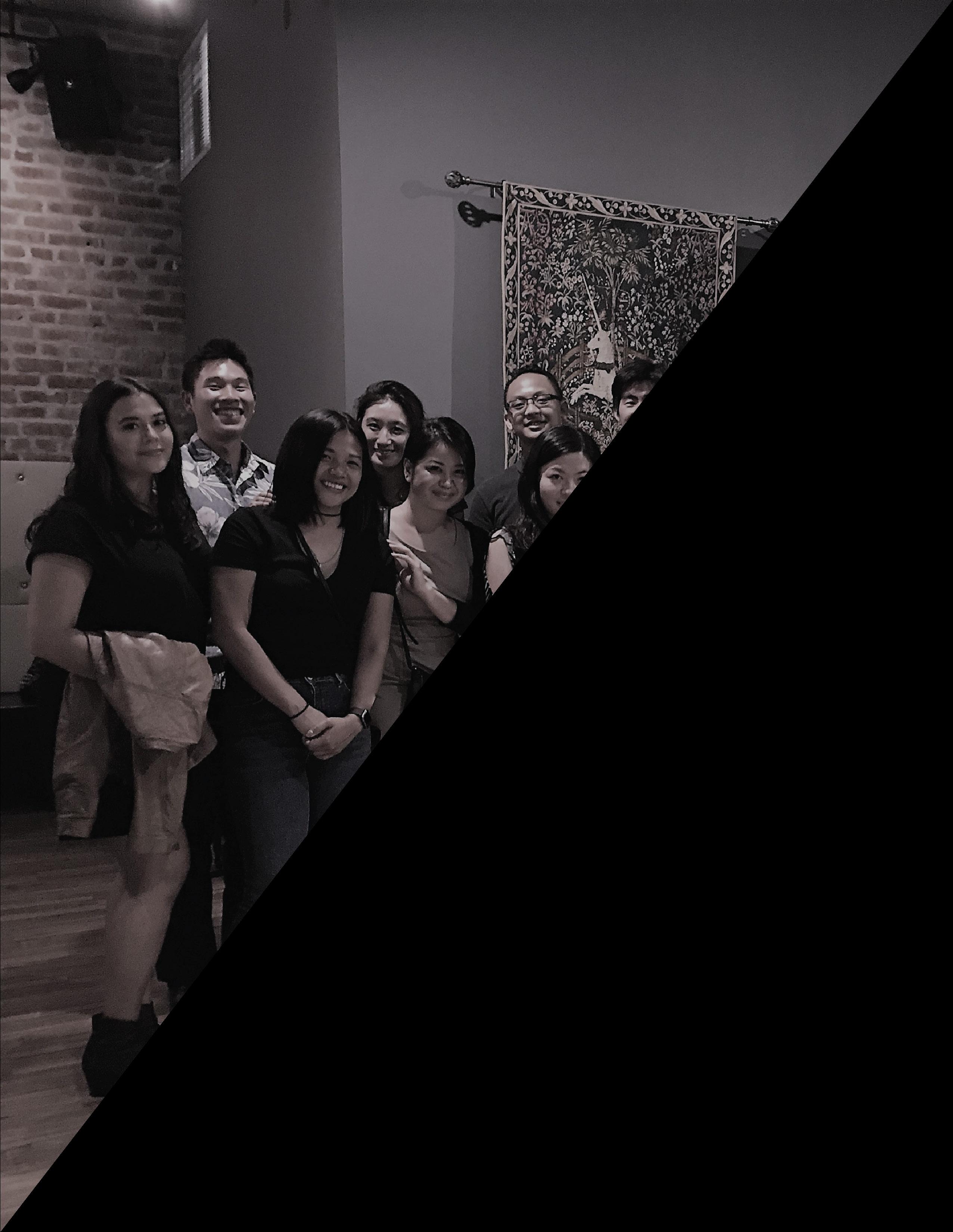
A formal platform and social group for emerging design and construction industry professionals to engage with industry leaders from diverse backgrounds.
•Five learning groups will engage a new mentor every other month in pau hana-style settings (five meetings total)
•Open to first 25 participants in the design and construction industry (AIA, Assoc. AIA, Allied AIA, Sister Organization Members, etc.)
Marion Philpotts-Miller & Lowell Tom, ASID, IIDA Partners, Philpotts Interiors
Charles Kaneshiro, AIA, LEED AP President and COO, G70
Pamela Nitta, LEEP AP Special Projects Division Manager, Nordic PCL
Ramsay Taum Cultural Sustainability Planner, PBR Hawaii
Christopher Oakes, J.D. Manager, Affordable Housing Stanford Carr Development
REGISTER TODAY at aiahonolulu.org (registration limited to first 25 participants)
$50 (Program cost includes Kickoff Pau Hana and Five Group Mentoring Sessions)
Wednesday, February 27, 2019
5:30 - 7:30 PM
Center for Architecture 828 Fort Street Mall, Suite 100
For questions email Kevin Loo-Chan at kloochan@uwarchitects.com

5x5x5
Pamela Nitta, LEED AP
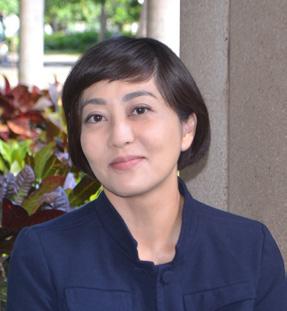
Pamela Nitta is the Special Projects Division Manager at Nordic PCL Construction, Inc. She oversees business development, estimating, preconstruction and operations for the department which focuses on projects up to $25 million in the commercial, entertainment, healthcare, hospitality, and retail markets.
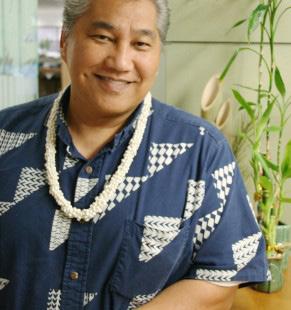
Ramsay RM Taum is a Cultural Sustainability Planner at PBR Hawaii. His work in promoting sustainable place based, and Hawaiian cultural stewardship principles and practices is acknowledged locally, nationally, and internationally.
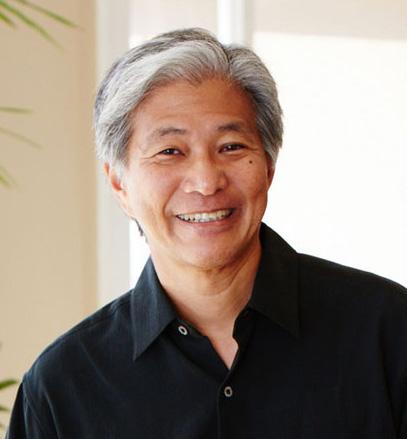
Charles Kaneshiro is an architect with a passion for sustainability, educational and inspired endeavors that transform communities. Charles was nominated as the Hawaii’s first green school advocate in 2007. Under his leadership, G70 was recognized as Pacific Business News’ inaugural winner of the “Best in Sustainability” award in the 2014 Business Leadership Awards.

Marion Philpotts-Miller is inspired by design that is rooted in people and place. She is known for her ability to connect the voices of her clients with culture and region to create distinctive designs. The ability to interpret these connections with craftsmanship and artistry is an important part of her work. Her award-winning portfolio includes hospitality projects like the Four Season Oahu at Ko Olina and the Royal Hawaiian Hotel, and an international collection of residential work.
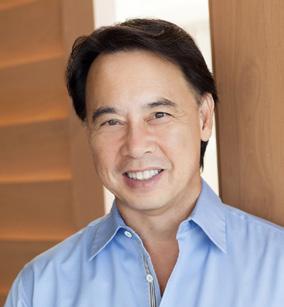
Every project should say something about the personality of the client,” says principal designer Lowell Tom. He doesn’t follow trends found in a catalog, but looks instead for unique designs that are specific to each client. He credits the wide range of projects he’s worked on to his years with founder Mary Philpotts McGrath.
Christopher Oakes is the manager of affordable multifamily housing at Stanford Carr Development, LLC. He runs the underwriting of such projects including due diligence, governmental entitlements, and financing as well as oversees their construction and stabilization. Recent projects include Halekauwila Place and Hale Kewalo.
A formal platform and social group for emerging design and construction industry professionals to engage with industry leaders from diverse backgrounds.
•Five learning groups will engage a new mentor every other month in pau hana-style settings (five meetings total)
•Open to first 25 participants in the design and construction industry (AIA, Assoc. AIA, Allied AIA, Sister Organization Members, etc.)
David Kaahaaina, AIA, CSI Project Architect FSC Architects
Sean Konishi Vice President, Project and Development Services JLL Hawaii
Wei Fang Co-Founder Interisland Terminal
Karen Sakamoto, AIA, IIDA Partner Next Design LLC
Rod Nagao Construction Manager Bowers + Kubota
at aiahonolulu.org (registration limited to first 25 participants)
$50 (Program cost includes Kickoff Pau Hana and Five Group Mentoring Sessions)
Wednesday, March 04, 2020 5:30 - 7:30 PM
Center for Architecture 828 Fort Street Mall, Suite 100
For questions email Kevin Loo-Chan at kloochan@uwarchitects.com
5x5x5
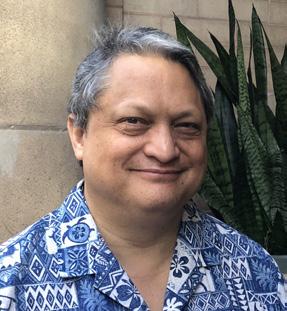
David Kaahaaina, AIA Project Architect, FSC Architects
David Kaahaaina, AIA enters his 33rd year of practice with a diverse background as an architect, sole-proprietor and designer, contractor and small business-owner. His interests as a citizen architect includes the blending of our shared cultures that forms the future of our built-environment.
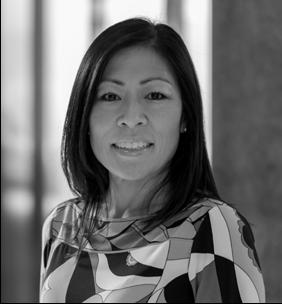
Karen Sakamoto, AIA, IIDA Partner, Next Design LLC
Karen Sakamoto, AIA, is a partner of Next Design, LLC based in Honolulu, Hawaii. The firms recent projects include Kapalama Center, The Lanai at Ala Moana, Holiday Inn Express Waikiki, University of Hawaii Manoa Football Facility, and University of Hawaii West Oahu Creative Media Facility.

Wei Fang
Co-Founder, Interisland Terminal
Wei returned home to Honolulu in 2010 to found the nonprofit arts organization, Interisland Terminal, which lead creative placemaking projects in Kaka‘ako with Kamehameha Schools. Wei currently focuses her attention on small scale, designdriven, infill development projects in Honolulu’s urban core. She serves on the Board of the Hawaii Community Development Authority and focuses on the Authority’s affordable housing and financial asset management strategies.
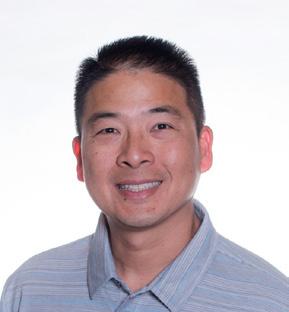
Sean Konishi
Vice President, Project & Development Services, JLL Hawaii
As Vice President of Project and Development Services for JLL Hawaii Sean oversees services including preconstruction and construction management. His typical duties include project planning and development, estimating, scheduling, budgeting, bidding, change management, site assessment, contract review and negotiation, and procurement.

Rod Nagao
Construction Manager, Bowers + Kubota
Rod Nagao is the Construction Manager for the Consolidated Car Rental Facility at Honolulu Airport. He provides general oversight for construction support services that include; schedule, cost, quality control, design coordination, payments and document control.
Check Web/ Proposed Event Date : Feb 2018 (Kickoff)
Choose Drop‐down Location AIA Mentorship Program 2018 Specific Event Times from___ to: 5:30 ‐ 7:30pm
AIA CES LUs: N/A
Member rate $50 Associate AIA/AIA member/outside org
Fees Non‐member rate non-members not eligible Food and Beverage Guideline B= $5‐ $10/person = food included
Stipend (TBD)
Web/ Proposed Event Date : 2/2016 (Kickoff)
Drop‐down Location AIA Mentorship Program 2016
Event Times from___ to: 5:30 ‐ 7:30pm
23/24 Bridge Class
Contact: bridge@aiachicago.org Please use this email to send notifications and announcements. Member Leadership and AIA Leadership will receive.
Document Storage: Link to storage folders w/ application, announcements, etc.
Google Drive: https://drive.google.com/drive/folders/1OIEsthigJ6OokDephCCc2DiSzYlhxkJ9
AIA Chicago SharePoint:
Member Leadership:
Carl Sergio, carlsergio10@gmail.com
AIA Leadership:
Ashley Spell, aspell@aiachicago.org
Rachel Killion, rmensah@hparchitecture.com Madison Young, myoung@aiachicago.org
Rebecca Brouk, rmbrouk1@gmail.com
Jessie LaFree, jllafree@gmail.com
June
Send draft schedule to AIA Leadership. (Becca)
Update Bridge Application if necessary. Establish application deadline. (Becca)
July
Confirm Bridge schedule and block dates in AIA Chicago calendar. (AIA Leadership) Update website. (AIA Leadership)
Solicit for FAIA Mentors. -Provide program dates, encourage 50% attendance at minimum. Ask returning mentors first. (Jessie)
Invite new FAIA members. (Jessie)
Bridge Applications Available Online -Applications made available via AIA Chicago website. Advertised via AIA Chicago emails and word-of-mouth.
August
Application Deadline
Select 15-20 program mentees. (Member Leadership)
Confirm 15-20 mentors. (Member Leadership)
Notify mentees and confirm AIA membership. (AIA Leadership)
Confirm location for kick-off event. (AIA Leadership)
Send calendar invites to all participants. (AIA Leadership)
September
● Bridge Mentee Orientation -Held at AIA Chicago office. Introductions to Member Leadership team and explanation of the program and mentee expectations.
● Kick-Off Event
● Invite mentees to Bridge Slack channel. Welcome! (Lead)
● Provide mentor/mentee list to participants for speed pairing research. (Lead)
October
● Speed Pairing -Virtual speed pairing via Zoom. All mentors and mentees must be present. Following speed pairing, mentors and mentees are asked to make time outside of the program schedule to meet one-on-one with each other a minimum of three times during that year’s program.
● Confirm location for Bridge Session 1. Update calendar event w/ location and topic. (AIA Leadership)
November
● Bridge Session 1: Discussion Topic
● Member Lead: Carl/Rachel/Rebecca/Jessie
● Confirm location for Bridge Session 2. Update calendar event w/ location and topic. (AIA Leadership)
○ Solicit speakers for Pecha Kucha. (Lead)
December
● Bridge Session 2: Discussion Topic
● Member Lead: Carl/Rachel/Rebecca/Jessie
● Confirm location for Bridge Session 3. Update calendar event w/ location and topic. (AIA Leadership)
○ Confirm speakers for Pecha Kucha.
January
●
Bridge Session 3: Pecha Kucha
● Confirm location for Bridge Session 4. Update calendar event w/ location and topic. (AIA Leadership)
● Confirm guest speaker(s) for Bridge Session 5 event. (Lead)
February
● Bridge Session 4: Discussion Topic
● Member Lead: Carl/Rachel/Rebecca/Jessie
○ Confirm location for Bridge Session 5. Update calendar event w/ location and topic. (AIA Leadership)
March
● Bridge Session 5: Guest Speaker
● Confirm location for Bridge Session 6. Update calendar event w/ location and topic. (AIA Leadership)
April
●
Bridge Session 6: Discussion Topic
● Member Lead: Carl/Rachel/Rebecca/Jessie
● Confirm location for Closing Reception. Update calendar event w/ location and topic. (AIA Leadership)
○ End-of-program survey. (Lead)
May (?)
● Closing Reception
Mentoring is a method of developing people in their journey to become qualified professionals. In this case, we are referring to aspiring architects and emerging professionals in the beginning stages of their careers, but also to encourage application for lifelong learning throughout one’s career.
Mentoring is:
A trusting, positive, supportive relationship for mentees and mentors to share, try new things, make mistakes, get valuable feedback, and learn from each other.
A developmental process that mentors can use to support mentees through transitions of education, career choices, licensure, and employment opportunities.
Mission Statement
Founded on the successful practice of other mentorship programs across the nation and architectural mentoring throughout history, the AIA Iowa EP Mentorship Program is comprised of volunteer mentors who voluntarily meet with emerging professionals to share real world experiences and life lessons, develop friendships and offer guidance as the mentees further develop their careers as design professionals.
The mentoring program is open to all AIA Iowa members, Student Affiliates, Associate Members, and AIA members. It is designed to offer every interested mentee the opportunity to communicate directly with an AIA Iowa member who is further along in their career than the mentee. All interested members may participate in the program.
The AIA Iowa EP Mentorship Program is a voluntary program and there is no cost for members to participate. Mentors receive no continuing education credits and students receive no credit and no grades. There is a minimum standard for contacts (a minimum of 4 times per year) between the mentor and mentee and the relationship created between them will be as formal or as casual as decided mutually between the two. The commitment of the EP Mentorship program is one calendar year, but it may be extended due to a successful mentorship relationship.
Communication
We suggest that mentors and mentees communicate at least once a month, and more often if feasible, during the year. Email, social networks, and/or telephone correspondence are great communication channels that help connect you quickly and easily. Various mentoring programs have found the most successful experiences to be personal meetings and direct phone/email contact. We expect you will use a combination of techniques that meets both the mentor’s and mentee’s schedule and availability. AIA Iowa will support the mentorship network by hosting
various events, lectures or seminars throughout the year to encourage communication and development. There will be four quarterly brief evaluations each year by both mentors and mentees, for the continued success of the program.
Program participants are expected to meet the minimum 4 times per calendar year. It is also expected that each pair submit a quarterly evaluation (dates outlined on the form) so the committee can keep track of the participants. At the end of the calendar year participants can elect to end their relationship or continue on outside of the program. AIA Iowa’s EP Committee’s goal is to continue to make this program an annual program to increase relationships across the membership. Although relationships may evolve into these, internship placements, jobs, IDP mentorships, etc. are not an expectation of this program.
The AIA Iowa Emerging Professionals Committee will coordinate the efforts of the program to connect mentors and mentees based on their survey responses. The committee is open to all AIA Iowa Members who would like to participate. If you would like to become a member of the EP Committee please feel free to contact:
AIA Iowa Emerging Professionals Committee, co-chairs:
Kevin Wagner, Assoc. AIA
Substance Architecture kwagner@substancearchitecture.com
Sadie Kleppe, AIA
Simonson & Associates Architects, L.L.C. skleppe@simonsonassoc.com
For questions or issues regarding your mentorship relationship:
Email: communications@aiaiowa.org
We, the undersigned agree and commit to the time required to participate in this EP Mentoring Program. We further agree to meet the expectations outlined therein.
Mentor: ______________________________________________
Date:
Mentee: _____________________________________________
Date:
The MERGE program is open to all AIA Arkansas members. Members in good standing are eligible to participate and can apply to be a mentee, mentor, or both at any time during their career. Mentees and mentors will be paired and encouraged to meet one-on-one to discuss personal and professional development. A series of hybrid MERGE workshops will also be offered throughout the year on different topics for mentees to come together with a small panel of mentors.
To encourage mutually beneficial, cross-generational interaction that seeks to build a network for established and emerging professional beyond the office environment, and further the personal and career development goals of the next generation of design leaders in the State of Arkansas.
To strengthen the architectural profession in the State of Arkansas by developing AIA members who will be recognized as leaders and trusted advisors.
Learn how to engage with the architectural Community as a whole
Identify long-term professional development goals
Increase your knowledge by learning new skills and developing existing skills
Give back to the architectural community
Teach the mentee about topics outside their realm of experience
Demonstrate skills, knowledge, and commitment to the profession
Both the mentor and mentee will discuss and agree upon expectations for on-on-one meeting goals, types of meetings and their frequency, and on-going communications.
Personal and professional confidentiality is a requirement for both parties.
The MERGE program is not intended to be a recruitment or job searching tool for either party.
Both parties need to respect their other’s availability in addressing their outlined goals. Both parties need to follow through on commitments, prepare for meetings, and be sensitive to cultural or other differences.
Relationships between mentors and mentees, other than purely professional, are strongly discouraged.
While some relationships can last a lifetime, either party may discontinue the relationship at any time. Both parties must notify the other as well as the MERGE team if one wants to end the relationship during the current program year.
Demonstrate a desire to grow in the architectural profession
Make every effort to attend each MERGE session; missing multiple sessions illustrates a lack of commitment and respect of the mentors’ time
Prepare for one-on-one meetings with their mentor ahead of time with a few topics of discussion to start conversations
Demonstrate a passion for mentoring in the architectural profession and improving the emerging professional experience
Use personal experience to speak towards advancement of mentee goals; if you are unable to answer a specific question, aid the mentee in finding the resources that will help them
As possible, commit to sitting on at least one MERGE workshop panel
Applications Due May 1st

Gender Identity *
Mark only one oval.
Female
Male
Prefer not to say
Other:
7. Race/Ethnicity *
Select all that apply.
Check all that apply.
White
Black/African-American or African Descent
American Indian or Alaska Native
Asian
Middle Eastern/Arabic
Native Hawaiian or Paci�c Islander
Prefer not to disclose
Professional Experience
9.
Mark only one oval.
Small (1-9 people)
Mid-size (10-49 people)
Large (50-100 people)
Very Large (100+)
11. Firm Size (all offices) *
Mark only one oval.
Small (0-100 people)
Mid-size (100+ people)
Large (200+ people)
Very Large (500+)
12. Professional Certifications *
Check all that apply.
AIA/FAIA/RA
ASLA/ PLANCIDQ
AICP
LEED
Other:
13. Please provide a brief bio/personal summary: *
14. Why are you applying to this program? *
Check all that apply.
To start my own firm
To get a promotion
To get a raise
To get a job
To pursue my next career goal
To figure out my next career goal
Because why not?
Other:
15. Please upload your resume/CV:
Files submitted:
This content is neither created nor endorsed by Google.

Gender Identity *
Mark only one oval.
Other: Female Male
Prefer not to say
7. Race/Ethnicity *
Select all that apply.
Check all that apply.
White
Black/African-American or African Descent
American Indian or Alaska Native
Asian
Middle Eastern/Arabic
Native Hawaiian or Paci�c Islander
Prefer not to disclose
Professional Experience
8. Current/Most Recent Firm or Institution * (please also indicate if retired)
9. Local Office Size *
Mark only one oval.
Small (1-9 people)
Mid-size (10-49 people)
Large (50-100 people)
Very Large (100+)
Mark only one oval.
Small (0-100 people)
Mid-size (100+ people)
Large (200+ people)
Very Large (500+)
11. Market Sector *
Select all that apply
Check all that apply.
Aviation
Education
Government/Civic
Healthcare
Hospitality
Industrial
Residential
Retail
Other:
12. Professional Certifications *
Check all that apply.
AIA/FAIA/RA
ASLA/PLA
NCIDQ
AICP
LEED
Other:
13. What is your FAIA designation? *
Mark only one oval.
Object One: Design, Urban Design, or Preservation
Object Two: Education, Research, Literature, or Practice
Object Three: Leadership
Object Four: Public service, Government, Industry, or Organization
Object Five: Alternative Career, Volunteer Work, or Service to Society
14. Area of Interest in Mentoring *
Mark only one oval.
Academia
Small Practice Ownership
Firm Leadership
Pursuit of Fellowship
Increasing diversity in the profession
AIA/Other Association Involvement
Other:
15. What is your unique value-add as a Mentor? *
16. Please provide a brief bio/personal summary: *
17. Would you be willing to be a speaker during the program on an area of your expertise? *
Mark only one oval. Yes No Maybe So
18. Please upload your resume/CV: *
Files submitted:
This content is neither created nor endorsed by Google.

The AIA Young Architects Forum (YAF), a program of the AIA and the College of Fellows, is organized to address issues of particular importance to recently licensed architects (licensed less than 10 years).
• We ENGAGE recently licensed Architects in leadership to become agents of change within the Institute and the profession overall.
• We INSPIRE professional growth among recently licensed Architects through fellowship within AIA.
• We ADVOCATE for issues of particular relevance to recently licensed Architects to the Institute.
• We PROMOTE mentorship at all career stages to enhance personal growth, community involvement, and professional development.
Young Architects are represented across the country by local and national leaders on the Young Architects Forum Committee. These include:
Young Architect Representatives (YARs) are the primary connection between AIA chapters and the national YAF Advisory Committee.
YAF AdCom organizes, advocates, and leads initiatives of committee members. The YAF national committee is composed of several leaders and focus groups led by AdCom Directors, including:
• Chair
• Vice Chair
• Past Chair
• Focus Group Directors
- Community
- Communications
- Advocacy
- Strategic Vision
- Knowledge
- Special Projects
• College of Fellows
• The Council of Architectural Component Executives (CACE)
• The Strategic Council
• AIA Staff
Interested in getting involved in the YAF? Reach out to your local representative, AIA component, or check us out on our socials for more information!
Find Your Local YAF Representative
AIA Community Hub: AIA Young Architects Forum
YAF on LinkedIn
YAF on Instagram
How to Create and Facilitate a Mentorship Program
Young Architects Forum
an AIA member group