As we look ahead to the next 100 years in Yosemite, we're focusing on the park’s most urgent needs and addressing 21st-century issues Our Centennial Campaign has three areas of emphasis to enrich the visitor experience, support environmental resilience, and sustain Yosemite’s people Progress on top-priority projects is described below
Enrich the Visitor Experience for All
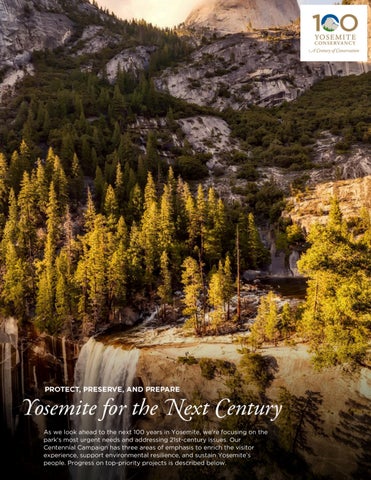
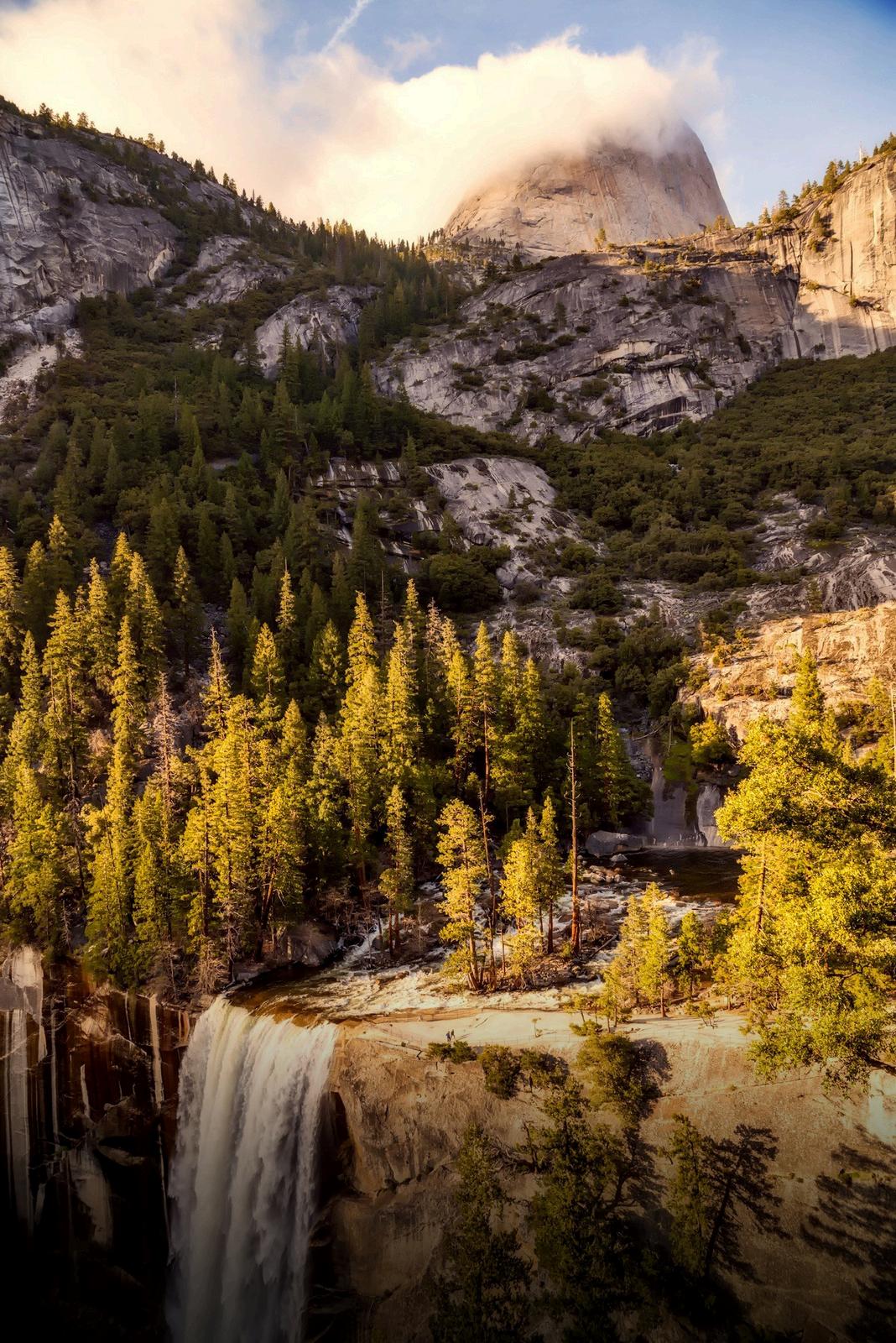
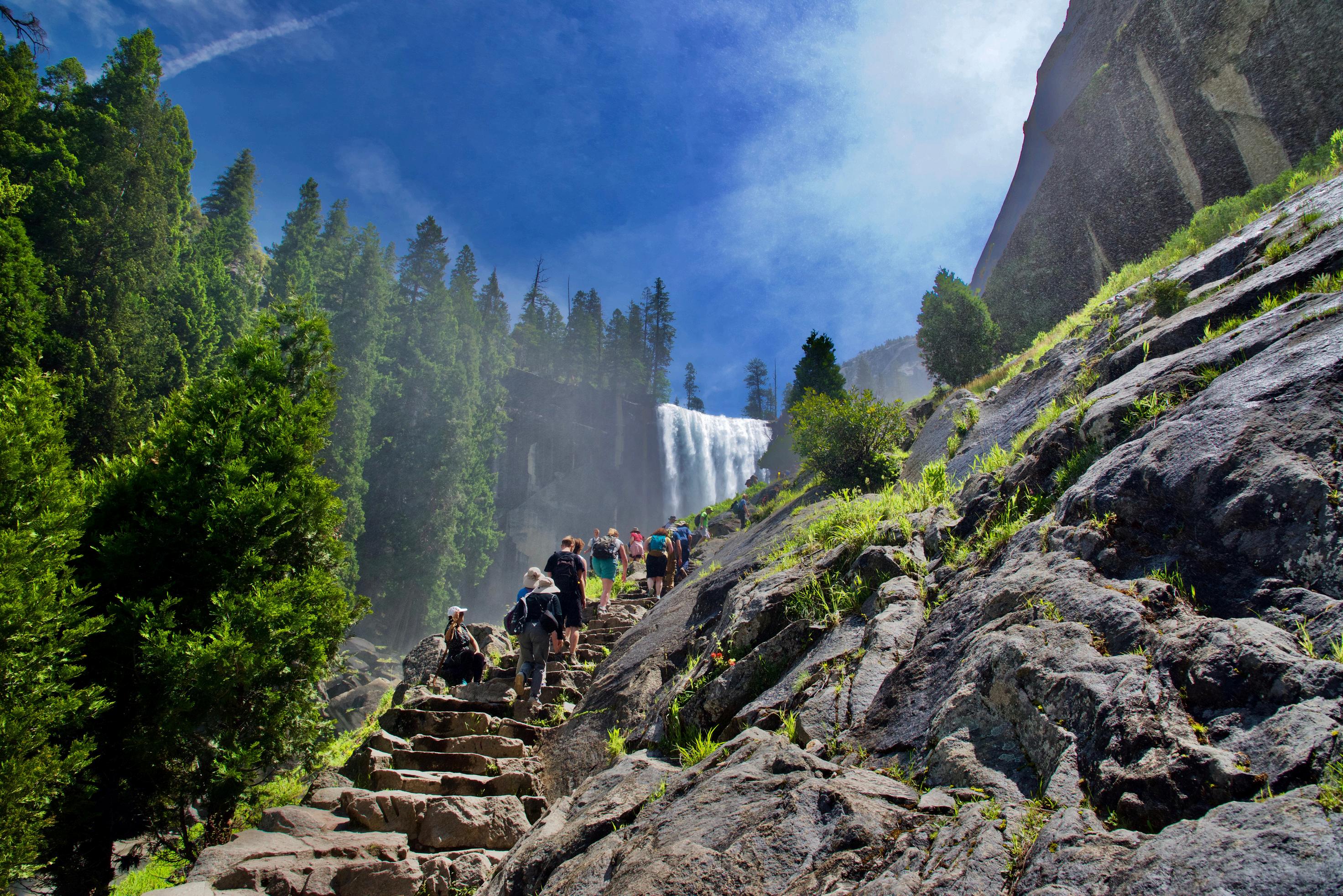
Yosemite is home to one of the most popular trails in the National Park System the Mist Trail. With fantastic views of Vernal and Nevada Falls and a finish atop Half Dome, the Mist Trail and larger Half Dome corridor attract hundreds of thousands of visitors each year. However, due to rushing water, slippery terrain, crowded paths, and hikers venturing beyond their experience level, more search and rescue incidents occur within this corridor than anywhere else in the park To improve the safety and enjoyment of all visitors, Yosemite Conservancy and the National Park Service (NPS) are addressing these issues
In 2023, an interdisciplinary NPS team selected Red Bridge Group as the design firm to study and offer recommendations for this high-priority project Over the course of seven months, Red Bridge worked with NPS staff on information-gathering and site analysis Red Bridge prepared a report outlining conceptual design solutions for safety enhancements, better pedestrian access, visitor amenities, and informational signage
In spring 2024, NPS began working on National Environmental Policy Act compliance. The process will take up to two years and include an environmental impact analysis and a public comment period As part of the analysis, NPS experts will prepare reports on cultural landscape and ethnography, hydrology and hydraulics, wetland assessment, topographical analyses, and surveys on rare plants, amphibians, and birds in the area These reports will inform recommendations and design solutions that will be presented to the public in fall 2025 for comment. In the interim, critical safety improvements are being addressed
Sequoia trees resilient for millennia have been dying in unprecedented numbers due to fire, insect activity, and drought Preservation of giant sequoias demands that we improve our understanding of these complex and compounding threats Centennial campaign gifts fund research into sequoias’ responses to these threats and their overall health in Yosemite In addition, your gifts support scientists working in Sequoia-Kings Canyon National Park and across the western Sierra Nevada through the Giant Sequoia Lands Coalition (GSLC), an alliance of land stewards working collaboratively to protect giant sequoia grove ecosystems
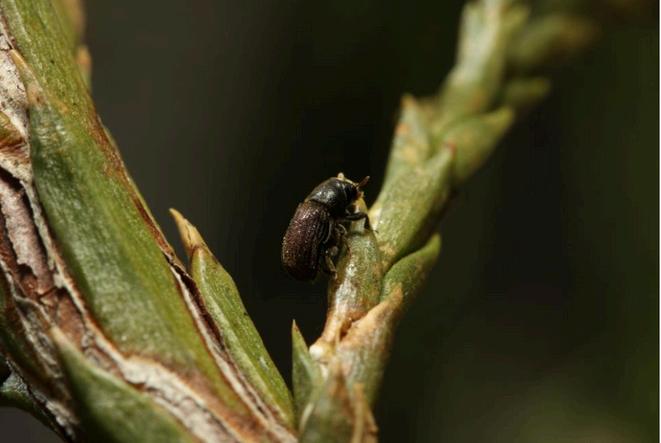
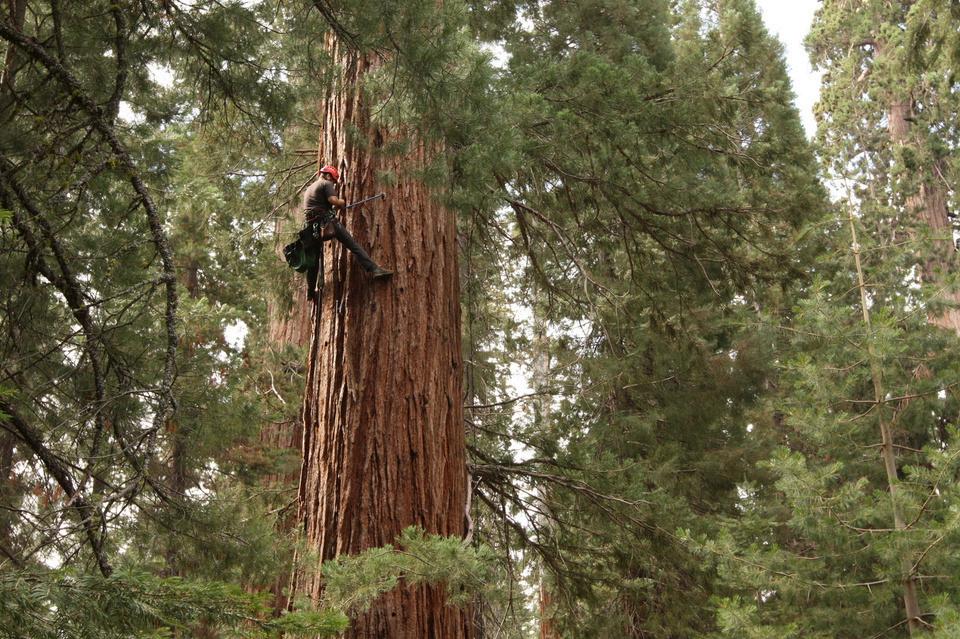
In 2023, Yosemite Conservancy donors fully funded Yosemite-based giant sequoia research efforts conducted in partnership with the Ancient Forest Society (AFS). The AFS team studied how sequoias utilize groundwater and respond to fire, drought, and native beetles that have been attacking the live crowns of mature monarch trees
The research will help identify which trees are vulnerable to drought and fire The AFS team conducted water isotope sampling and sap growth measurements in Yosemite and Sequoia National Park’s Giant Forest Preliminary results indicate that, contrary to prior expectations, giant sequoias have access to a fairly reliable and stable deep-water source
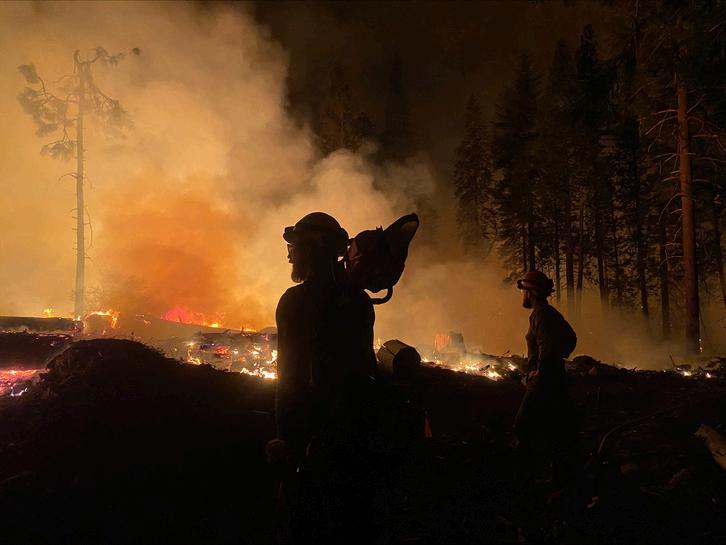
To research the trees’ response to prescribed, low-intensity burns, Yosemite Fire Management executed a prescribed burn in the lower area of Mariposa Grove near the Grizzly Giant; this burn has provided substantial protection to the area and allowed for cone collection to assess the potential for future growth of new sequoias
Work this year includes reducing fuels, placing insect traps, installing water sensors, gathering cones, and the final stages of a comprehensive three-year study on sequoia health for all trees in the three Yosemite groves Our partnership with the Giant Sequoia Lands Coalition continues to advance a landscape-scale solution to protect sequoias through collaborative research and action
[Top] Prescribed fire in Mariposa Grove [Middle] Adult bark beetle on downed giant sequoia preparing for swarming flight [Bottom] AFS scientist climbing a sequoia in Mariposa Grove
The traditionally associated Tribes have stewarded Yosemite for millennia, serving as the first stewards of the land But by 1969, the National Park Service had forcibly removed Tribal people from Yosemite and burned or removed the NPS-built cabins where they had lived for decades Since then, the Wahhoga Committee, composed of members of the Southern Sierra Miwok Nation, has worked to reestablish an Indian Cultural Center at the same site, west of Camp 4 in Yosemite Valley
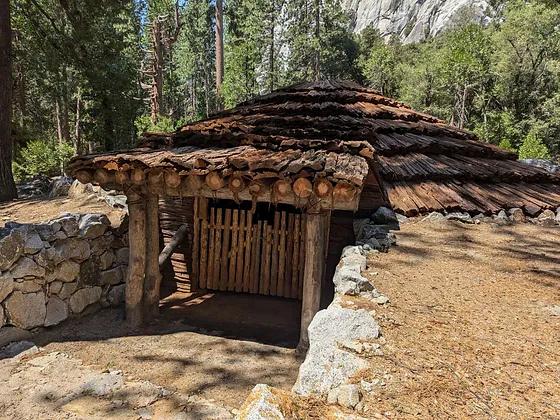
The Wilson Cabin, the last remaining structure from the original Wahhoga Village, was returned to its original site in 2023, and the Wahhoga Committee and the park’s Historic Preservation Team are rehabilitating the cabin Adjacent to the Wilson Cabin, Tribal crews completed a large, cedar-covered ceremonial roundhouse last summer Several umachas, traditional Miwok bark homes, have also been constructed, with plans to build more in the future. Recently, the Wahhoga Committee secured funding from Conservancy donors and federal Centennial Challenge Funds to design a utility corridor to provide water, sewer, and electricity to the site The design process will start next year and construction of the utility corridor is planned for 2026
The Wahhoga Committee is working with the park and Yosemite Conservancy to plan future amenities and programs at Wahhoga They have finished designs for a combined restroom and caretaker’s quarters, an open-air arbor for educational programs and communal meals, accessible pathways, and a “captain’s house” for ceremonial dancers, which are now awaiting approval from the National Park Service Investment Review Board Yosemite Conservancy is facilitating meetings between Tribes and the NPS to plan for future programming and site operations.
Expand Housing for Park Employees
Yosemite faces a severe housing crisis, with over 200 local housing units lost recently to short-term vacation rentals and wildfires Rising rental prices and long commutes from neighboring communities have made it difficult for staff to secure affordable, local housing, leading to one-third of National Park Service positions remaining vacant in Yosemite NPS Director Chuck Sams has cited staff housing as the top priority for the park service. Yosemite Conservancy has a long history of helping the NPS with housing, from the Ranger Club in Yosemite Valley to Tuolumne Meadows The Conservancy now owns a 40-acre parcel in Yosemite West, adjacent to the park boundary, which could support convenient housing for NPS rangers, seasonal employees, volunteers, and Conservancy staff Investing in housing will benefit park employees, as well as the millions of visitors they serve, for generations into the future