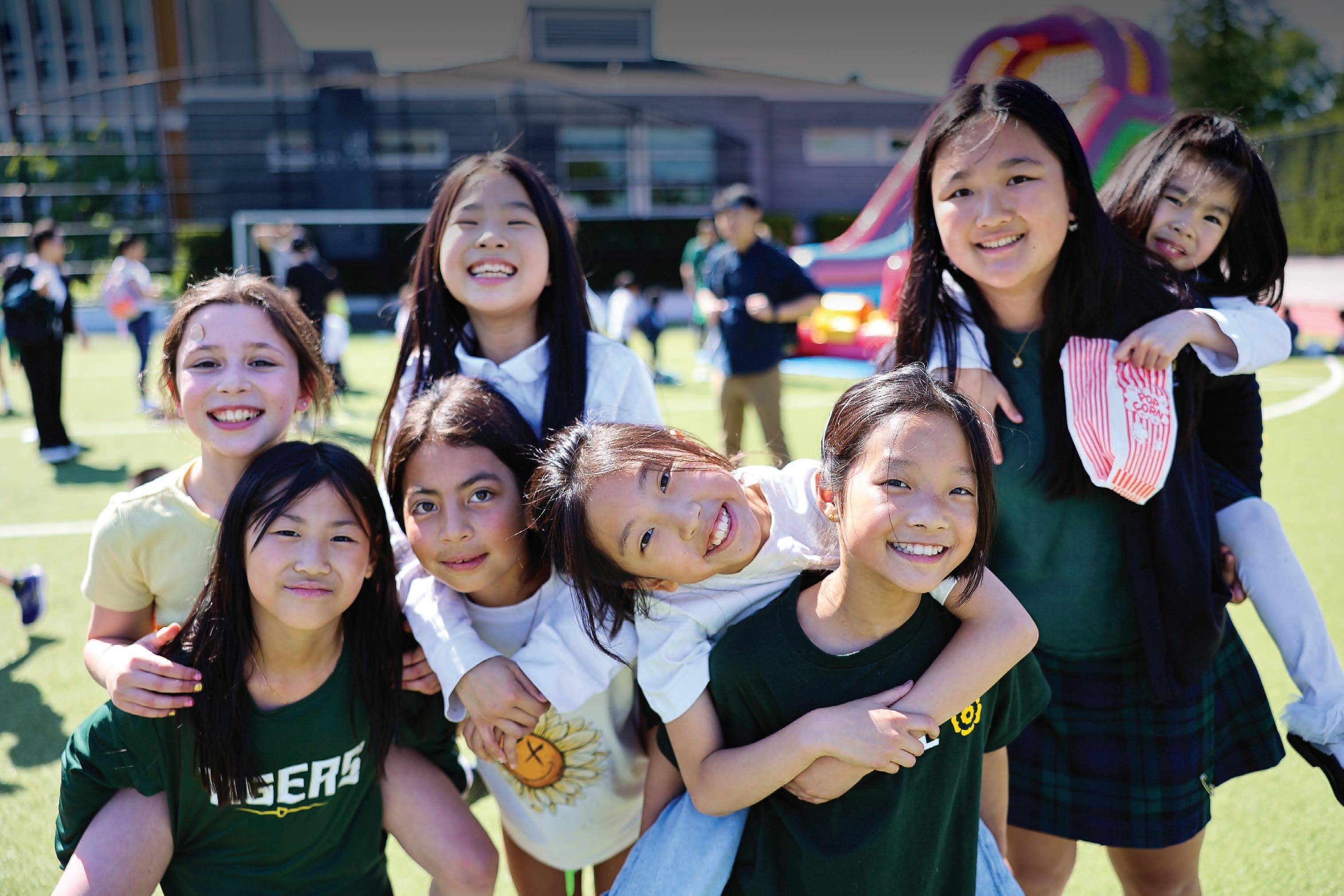
How the field, court, and track are forging future leaders
PLUS:
Environment as the Third Teacher
From Self-Silencing to Standing Tall
The Achievement Dilemma
How to Have Difficult Conversations
You cannot get through a single day without having an impact on the world around you. What you do makes a difference, and you have to decide what kind of difference you want to make.
JANE GOODALL
Grade 11 and 12 Yorkies on a three-day expedition to the Bamfield Marine Sciences Centre
Help Us Reach 100% Participation
YHS
Kelly Walker Schobel Director of Communications & Marketing
Karm Khunguray Communications & Marketing Manager
Monica Cheng Brand & Communications Manager
Elizabeth Facundo Communications & Marketing Intern
Nik Williams-Walshe Executive Director of Advancement
Ita Kane-Wilson Associate Director, Alum Relations
Sydney Facey, Director and Filmmaker sonderland.ca
Jennifer Foden, Writer jdfoden.com
Stephanie Gilman, Writer stephaniegilman.com
Alana Paterson, Photographer alanapaterson.com
Rachel Pick, Photographer rachelpick.ca
Marisa Procopio, Writer mcproco.wordpress.com
Lillien Waller, Writer lillienwaller.com
Ben West , YHS Parent and Photographer
WOVEN
Sheldan Wood Creative (SWCA) swca.ca
Navigating Pressure in an Age of Ambition
Whether a student is at York House for two years or fourteen, time as a Yorkie is an ongoing journey of selfdiscovery. An ever-growing range of courses, activities, and experiences gives our students the freedom to pursue what inspires them and grow in new directions as their passions evolve. There are infinite paths to fulfillment at York House—and no wrong turns.
And yet even with this abundance of opportunities comes a gentle word of caution. At YHS, and indeed at many independent schools across Canada, we are seeing a trend building as our opportunities flourish while driving forces in the world make parents anxious: stresses and strains with technology use, climate change, geopolitical situations, and a growing lack of civil discourse, to name a few. It’s a tough time to be a parent.
We are seeing the stress and strain children can be under as they try to manage all the wonderful opportunities at school plus the myriad of activities and even advanced courses or extra tutoring—sometimes at too early an age and developmental stage.
Instead of being able to probe deeply, discover connections, and apply new learning, they are in danger of skimming the surface. It becomes less about the joy of learning, making meaning, building friendships and relishing some time to just ‘be’. To explore this dynamic, this edition of Woven includes a feature on achievement culture and its impact on today’s students and families (p. 8). I encourage you to read it and discuss it with your family at home.
We also explore the topics of female expression and the role self-silencing can play (p. 46), how school athletics leads to future leadership success (p. 22), how intentionally designed spaces contribute to learning outcomes (p. 14), and a how-to guide to courageous conversations (p. 52). It is our hope that these articles inspire you to understand the many facets of the life skills we know our Yorkies need to have: self-awareness, agency, collaboration, resilience, empathy, and curiosity.
Warm regards,
Deryn Lavell Head of School
MISSION
To create an environment that elevates the mind, celebrates uniqueness, inspires creativity, and encourages discourse.
VISION
Seeing the world as it is, and imagining what it could be, York House School aspires to create a transformational experience for students who are empowered to reshape the future.
VALUES
Our values are the core foundation of our genuine relationships with students, parents, alums, and with each other. Together, we seek to provide a safe, inclusive, and healthy learning environment that prepares Yorkies to become bold and ethical citizens of the world.
Excellence
An outstanding academic program, highly skilled faculty and leadership, and an innovative learning environment empower a life-changing experience for students.
Diversity
YHS honours the individuality and uniqueness of each student and all who participate in our community. Treating each other with dignity, fairness, and kindness, building a learning environment that reflects the world, and advancing our quest to further diversify our community, deeply enrich our academic program.
Adventure
The freedom to be creative, embrace new ideas, and hone critical thinking
skills are the cornerstones of innovation. We make space for students to explore their passions and approach problem-solving with imagination.
Impact
YHS students share a mindset that places the betterment of others, our communities, and our planet as a top priority. Recognizing our privilege, we embrace the responsibility to be leaders of change.
Community
YHS has built a strong community that is meaningfully connected to the world beyond. It is an environment that engenders kinship with one another creating lifelong relationships. We actively seek connections with the diverse community beyond our doorstep that strengthen learning, build character, and foster empathy.
Sustainability
YHS promotes sustainability and environmental stewardship. Students, faculty, staff, and our community honour the land and take action to protect our planet.
LIFE SKILLS
YHS values the development of everyday skills and character traits that contribute to success, wellness, and happiness.
Collaboration
Harnessing the power of differing viewpoints, personalities and strengths working together to achieve goals, makes learning stick and reflects life beyond school.
Resilience
We celebrate courage and risk-taking while providing support for students to healthfully rebound from setbacks.
Self-Awareness
Holding ourselves accountable to others while honouring our own needs.
Agency
The autonomy to speak up allows students to build confidence and control of their own destinies.
Curiosity
Question conventional wisdom, explore the unknown, and approach life with a hunger to always be learning.
Empathy
We identify with and understand one another’s perspective and feelings.
longer confined to conventional metrics; instead, it requires creativity and the ability to innovate and interconnect ideas in ways that transcend traditional subject areas.
We value diverse student voices and experiences, and provide opportunities for students to have agency over their own learning. We cultivate brave spaces that invite discourse and encourage a plurality of thought. This provokes deeper conversations, broadens perspectives, and fosters an authentic culture of community and belonging.
Our educators challenge the traditional notion of the physical classroom, believing relevant and meaningful learning must also take place with field experts in the wider community. Faculty use a variety of methodologies depending on the learning outcome.
At any given time, you may see design thinking, project-based learning, inquiry, discussion tables, direct instruction, and principles of the Reggio Emilia Approach.
Engaging with current issues and projects that extend beyond textbooks and static learning, we create a dynamic educational experience that reflects the interconnectedness of our world. Empowered to be leaders and game-changers, our students live up to our motto, Not for Ourselves Alone
Equipped with self-awareness, agency, collaboration, curiosity, empathy and resilience, our students gain the essential skills to navigate the complexities of modern life with confidence. There may not be much we can predict about the world our graduates will enter, but we are wholly confident they will be ready whatever comes their way.
Editor’s Note
LOUD AND TRUE
I imagine a great dialogue. Conversations where no topic is off limits, learning, pushing, and challenging one another through different perspectives—even those sharply opposing one another. After all, the way we learn is by listening to as many people and sources as possible.
The Global Centre for Pluralism in Ottawa says the challenge to engage peacefully with one another is shared across human history. “Equally universal is the need to feel part of a community, to be recognized as who we are and to feel that we play a role in shaping our shared future and the world around us.”
Our students are ahead of most of us in this regard. They broaden my perspective every time I speak with them, and make it look easy to use their voice. This makes me wonder if safety and belonging are the most essential methods for civil discourse. If students don’t have to worry about what people think and know they belong, perhaps their voice can ring even more loud and true?
Onward, Kelly Walker Schobel Director, Communications & Marketing
Contributing Community Writers
LILLIEN WALLER
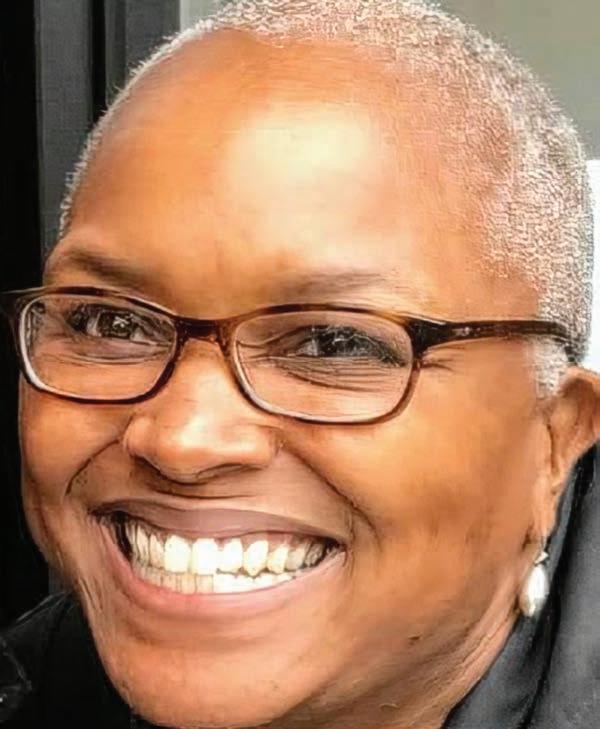
Detroit native Lillien Waller is a nonfiction writer, poet, and editor. Her work has been awarded a Kresge Artist Fellowship and an Arts Writers Grant from the Andy Warhol Foundation. “I thought I understood what self-silencing is. I certainly understood that I am one of the women it affects. But it wasn’t until I got stuck into the article that I realized how commonplace it is and how dangerous it can be for the health of women and girls.”
KATE CHANDLER
Kate is a communications consultant and writer with a long-standing interest in architecture and in how physical space can enhance or undermine its intended use. “Writing this piece brought together two long-running interests: education and design. Having seen how light, movement, and shared spaces quietly influence how people feel and connect, I view buildings not as backdrops, but as active participants in daily life.”
STEPHANIE GILMAN
Stephanie is a Toronto-based freelance writer who writes features, branded content, and editorial projects for a wide variety of Canadian publications and organizations. As a parent herself to young children, this story about academic pressure gave her the opportunity to explore how ambition and balance can coexist—and what it might look like to create healthier, more sustainable definitions of success for young people.
MARISA PROCOPIO
Marisa Procopio is a freelance writer, editor and proofreader with a specialty in education communications and advancement. “Women are changing the world for the better, and two stellar examples are alums Sally Clark '71 and Vicky Lopez MBE '96. It was an honor to share the voices and stories of these powerful women!”
JENNIFER FODEN
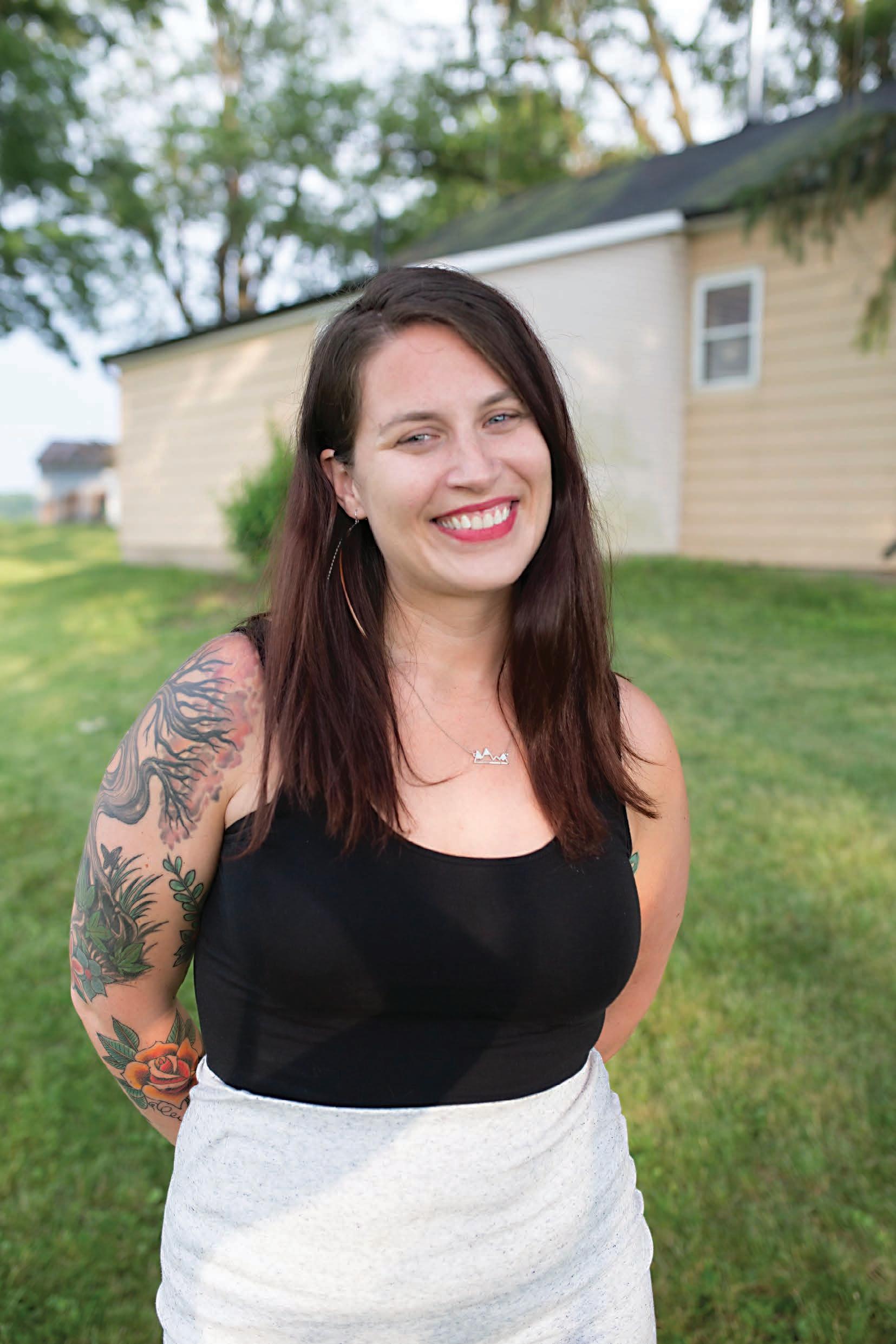
Jennifer Foden is an award-winning freelance writer and editor based in Toronto. As a lifelong participant in sport—mostly hockey and softball—she enjoyed writing this story and talking to other women about their experiences with athletics, too.
Above right, top down: Writers Lillien Waller, Kate Chandler, Stephanie Gilman, Marisa Procopio, Jennifer Foden
When Doing It All Still Doesn’t Feel Like Enough
A look inside the pressure shaping high-achieving students—and the mindset shift that can help
by Stephanie Gilman
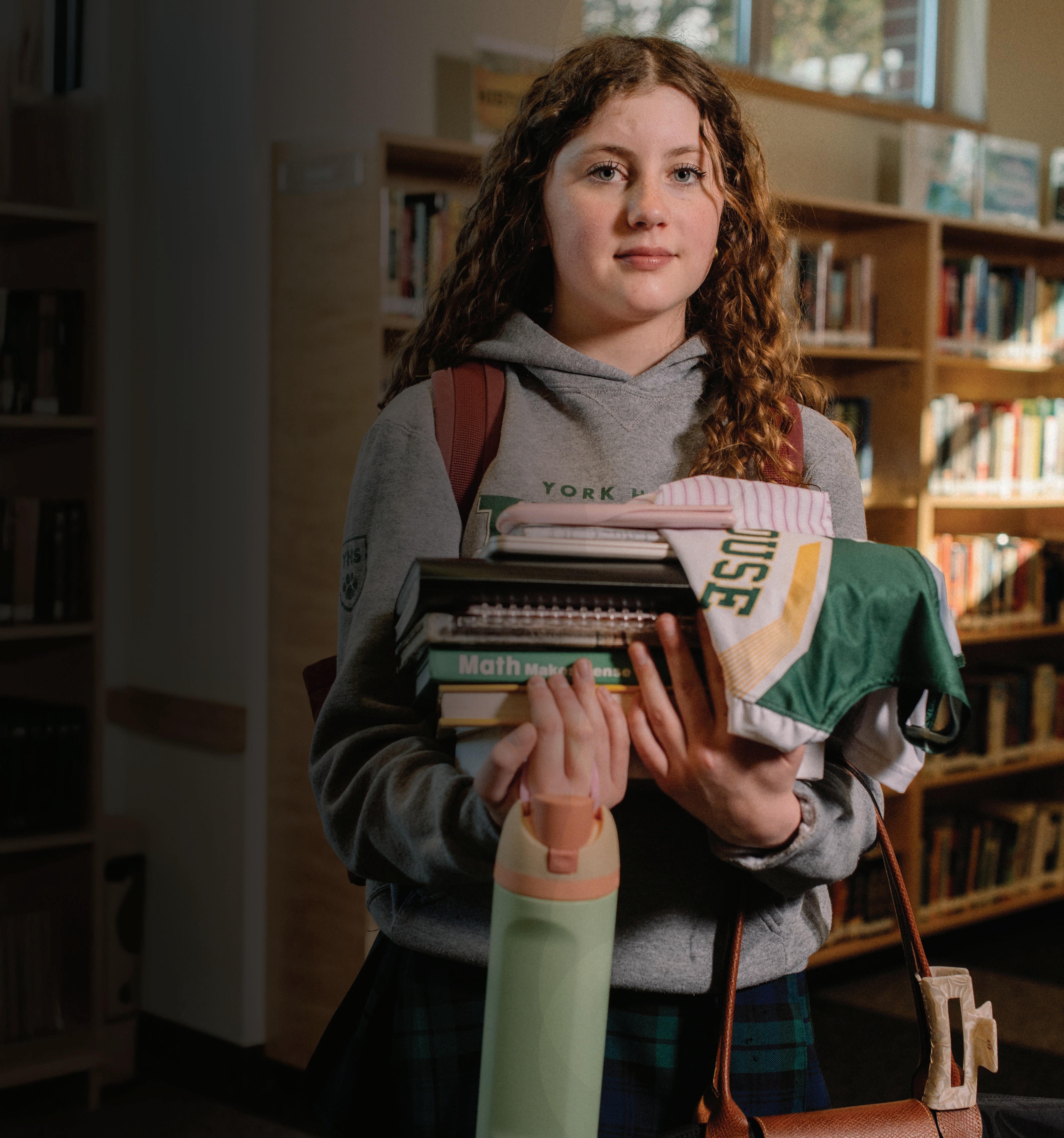
On most weekdays, Elise Nguyen arrives at York House School by 7:30 a.m. Her day unfolds in a blur of classes, meetings, practices, tutoring, and evening programs that stretch well beyond dinner.
On Mondays, she heads to the school’s yearbook club until 4:30 p.m., then teaches and tutors from 6 to 7. Tuesdays repeat the same schedule, with the addition of a philosophy class followed by competition math that finishes at 9:30 p.m. Wednesdays after school are reserved for debate meetings and public speaking classes. Thursdays and Fridays are long days packed with more classes and tutoring sessions.
On weekends, Elise often participates in debate tournaments—up to nine hours at a time—with writing class and debate practice scheduled late into the evenings.
“I think many kids at my school do a lot more than I do,” she says casually.
Elise is in Grade 10 and her schedule would be daunting for most adults. But for her it feels normal—and expected.
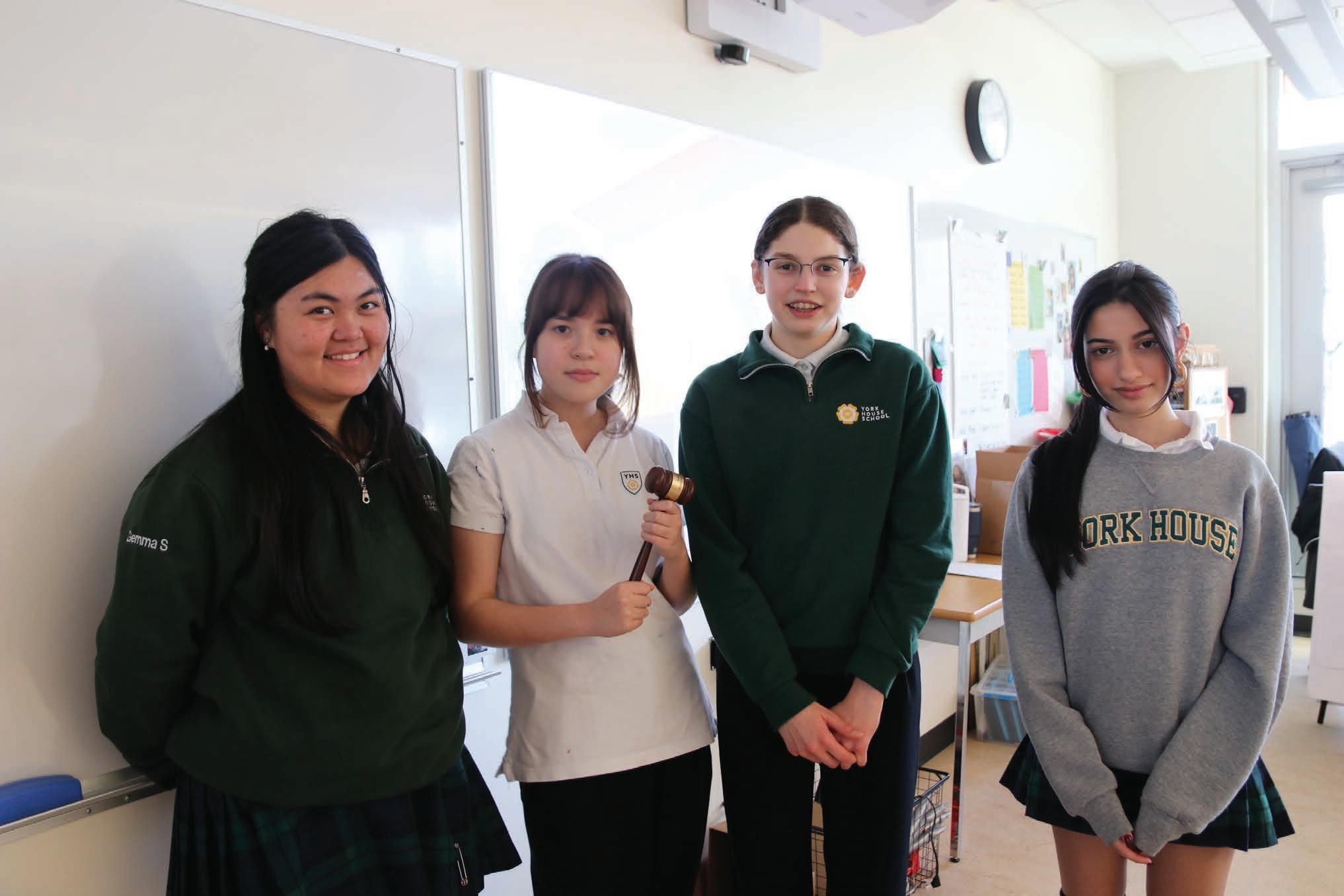
Norah Kotler '29
York House School sits within a broader ecosystem of highperforming independent schools across North America— communities that pride themselves on academic rigour, extracurricular depth, and preparing students for a wide range of future paths. But beneath the surface of impressive résumés and packed calendars, a quieter question is beginning to surface: what is the cost of constantly trying to do it all?
For Elise, that cost often shows up not in how busy she is, but in how she feels when the outcome doesn’t match the immense time and effort she’s poured into a subject or activity. “That’s when I feel the most burned out,” she says. “If I get good results, I feel pretty content. But if things don’t go well, it’s hard.”
That emotional swing is far from unusual. Data from York House’s 2024-25 Challenge Success
Wellbeing Survey shows that 76 per cent of students in Grades 8 to 12 now report high levels of academic worry—a ten per cent increase from the previous year. Grades and assessments are the top reported source of stress, followed closely by future plans and overall workload.
On average, students report spending 2.5 hours per day on homework throughout the week, and 3.5 hours on weekends—before factoring in non-school academic work like test prep and enrichment
programs. And more than half of surveyed students say they’ve had to drop an activity they enjoy because they are too busy.
Elise recognizes that academic pressure immediately. Last year, while preparing for AP exams, she often spent long stretches of time studying alone in the library. “I would just lock myself in,” she says. She explains that she often has to give up socializing and activities simply to keep up. “I see my friends at tournaments or fundraisers,” she adds. “We integrate our social lives into our academic lives. I did go to the mall with a friend during November break, but we don’t go on the weekends—we’re all extremely busy.”
Elise didn’t grow up in Vancouver. She moved to the city from Saskatchewan in Grade 8, after attending public school. That shift, she says, was eye-opening.
“There’s a lot more comparison here,” she explains. “The culture is very intense. A lot of parents make their kids take extra classes and extracurriculars with the intention of getting into a good university. ”
Social media only intensifies that pressure. Elise says her peers regularly post academic results and achievements on their social accounts, and many teens her age even maintain LinkedIn profiles where they share updates about their accomplishments.
“We’re friends, but we’re also competing,” she says. “You see what others are doing and you feel pressure to do the same.”
When the pressure feels like too much, Elise tries to step back in small ways. Sometimes she takes a walk, or asks for a break from class if she’s really overwhelmed. “My teachers are very kind and understanding,” she says. “And my friends get it, even if we don’t talk deeply about what we’re going through.”
Sarah Bennison has spent more than thirty years working in education and says stories like Elise’s are becoming increasingly common. She now teaches at New York University and co-founded The Mattering Movement, a nonprofit focused on fostering belonging and wellbeing in school communities. Bennison says these patterns reflect a wider cultural shift unfolding across high-achieving schools.
We’re seeing a significant rise in what researchers call ‘socially prescribed perfectionism’... the sense that your worth is defined by how others perceive you—and it’s being fueled heavily by social media.
SARAH BENNISON
“We’re seeing a significant rise in what researchers call ‘socially prescribed perfectionism,’” Bennison explains. “That’s the sense that your worth is defined by how others perceive you—and it’s being fueled heavily by social media.”
According to Bennison, anxiety is now the most common emotional experience reported by students in high-achieving environments. It often shows up as avoidance, burnout, or a “zero-sum mindset,” where anything less than perfection feels like failure. “If students feel they can’t do something perfectly, they start to believe it’s not worth doing at all,” she says.
Underlying that mindset is what Bennison calls “contingent mattering,” the belief that one’s value depends on external achievements. “Mattering is
about recognizing that your worth is inherent and unchanging,” she explains.
In her own work, Bennison has seen how shifting away from performance-based value can transform students’ wellbeing. Years ago, she created the Trinity School (NYC) Office of Public Service—a service learning initiative that connected students with meaningful community work on a weekly basis. The program was ungraded, non-competitive, and rooted in contribution rather than credentials.
“The students were being relied on to add value in meaningful ways,” Bennison says. “They kept telling me about the profound mental health benefits like lower stress levels, recognizing gifts they didn’t know they had, developing critical leadership skills, and feeling more connected and less isolated. It was ‘mattering’ in action.”
Much of today’s achievement culture, Bennison notes, is driven by parental anxiety—not by a desire to push children unfairly, but by fear of what happens if they don’t keep up. With the top colleges and universities now highly competitive, parents can unintentionally steer their children into pressure-cooker environments, worried they might otherwise fall behind.
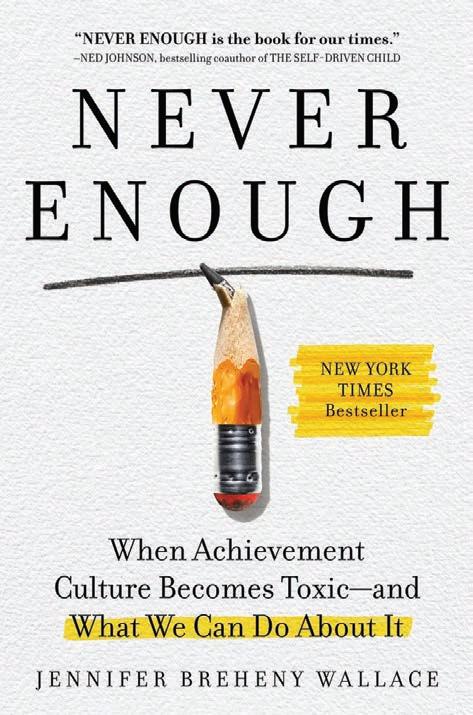
Jennifer Wallace—Bennison’s co-founder at The Mattering Movement and the author of Never Enough: When Achievement Culture Becomes Toxic—and What We Can Do About It—situates that fear within a broader economic and cultural shift. As financial precarity has grown and social safety nets have weakened, many parents have come to see elite education as a form of protection, making it difficult to step back from highachievement norms even when the pressure is harming their children.
In Never Enough, Wallace explores what that pressure can do to children emotionally. “When we talk about pressure, perfectionism, anxiety, depression, and loneliness in kids,” she writes, “what we are really talking about is an unmet need to feel valued unconditionally, away from the trophies, the acceptance letters, the likes, and the accolades.”
Instead, Wallace urges families to offer a counterweight to achievement culture at home. “Make home a ‘mattering haven’,” she writes. “Because our kids are bombarded with messages on the importance of achievement, home needs to be a safe place to land, a place where their mattering is never in question.”
York House School’s leadership team has observed many of these same patterns. In a message shared with the community, Head of School Deryn Lavell reflected on how students today are often too overwhelmed and stretched to fully absorb their learning or develop critical life skills.
“They are tired and in some cases not sleeping, stressed, and worried about disappointing everyone,” Lavell wrote. “It becomes less about the joy of learning, making meaning, building friendships, and relishing some time to just ‘be’.”
The Challenge Success Survey data echoes that reality. Only 10 per cent of Senior School students say they feel they can always meet parental expectations, while nearly 40 per cent say they sometimes, rarely, or never meet them.
York House has also taken steps to respond to these dynamics by creating more balance in students’ days. Across both the Junior and Senior Schools, there is a focus on building life skills like resilience, empathy, and curiosity, alongside structural changes such as a later start time on Friday mornings for students in Grades 8–12.
In the Junior School, homework is intentionally limited to protect downtime, family connection, and healthy sleep routines, while co-curricular offerings are balanced by age. In the Senior School, students receive guidance from University Admissions Counsellors around course loads and extracurricular commitments, and Student Success Centres in both schools help students with their social, emotional, and learning needs. York House also works closely with parents and guardians through Coffee Talks and workshops with leading experts, helping families better navigate the pressures facing young students.
“This is where it is so important for parents to be in close partnership with teachers and school leaders,” says Lavell. “When the parents, student, and school are working together, we can create learning pathways that are unique to what each student needs.”
For Elise, the idea of separating self-worth from outcomes resonates.
“It’s the biggest downside of achievement culture,” she reflects. “Sometimes you might not get a perfect result because of bad luck, but we take it so personally. It’s hard not to care as much as we do.”
Bennison says that the same culture of competition and pressure extends beyond the classroom into youth sports. She points to the growing trend of early specialization—with children committing to a single sport at increasingly young ages—as another expression of the zero-sum mindset shaping academics. The result, she notes, is that families often find themselves making sacrifices that run against their own core values: “Many parents value family time, but the schedules required can mean giving up time spent together.”
Rather than asking families to abandon ambition, Bennison hopes that by introducing the mattering framework and sharing research, parents can be supported in making small shifts—inviting children
SOMETIMES LESS IS MORE WHAT YHS IS DOING TO
to contribute, naming their inherent strengths, and making space for connection that isn’t tied to performance.
Research shows that students who feel they matter often experience greater wellbeing and stronger academic engagement, and that even small acts, like holding a door for someone, can boost happiness and a sense of belonging. At NYU, Bennison gives every student a role—such as being a greeter when classmates enter the room—not as busywork, but as a way to build pride and ownership.
“I always take time to foster connection in the classroom and prioritize mattering,” she says. “Even if they don’t learn as much, they learn better.”
REDUCE ACADEMIC PRESSURE
Stanford University’s Challenge Success 2024-25 survey of York House students revealed two contributing factors reduce academic worry: a sense of belonging and confidence in coping. Much of the work YHS is doing to reduce academic pressure is designed to help students feel they belong while teaching them skills to build resilience:
WEEKLY PROGRAMMING to build the life skills of agency, resilience, curiosity, empathy, self-awareness, and collaboration
SCHEDULING A LATE START at 9:20 a.m. on Friday for Grades 8-12
MINIMIZING HOMEWORK IN THE JUNIOR SCHOOL to ensure students have ample time in the evening to relax, connect with family, and maintain consistent bedtime routines
WE TRACK STUDENT EXTRACURRICULAR ACTIVITIES while advising them not to overload their schedule
WE BALANCE THE AMOUNT OF BEFORE AND AFTER SCHOOL CO-CURRICULAR ACTIVITIES in the Junior School for different age groups
UNIVERSITY ADMISSIONS COUNSELLORS work with Senior School students to identify the optimal course load for their unique needs
STUDENT SUCCESS CENTRES in both Junior and Senior School to support the student’s social, emotional, and unique learning needs
INTENTIONAL PROMOTION OF POSITIVE RELATIONSHIPS WITH ADULTS AND MENTORS through homeroom teachers in Junior School and teacher advisors in Senior School
COFFEE TALKS for parents and guardians to equip them with tools to support their children’s learning and wellbeing
WORKSHOPS for students, faculty, parents, and guardians with renowned experts:
• The Pressured Child: Helping Your Child Find Success in School & Life with Dr. Michael Thompson
• Under Pressure: Stress and Anxiety in Girls with Dr. Lisa Damour
PERFECTION
by Noele Chawla '29
There is a place between the mirror and the mind where perfection sharpens its teeth, aimed at the gap between who you are and who you’re told to be. It doesn’t whisper anymore. It hisses:
“Fix this. Fix that. Fix yourself.”
Perfection is a system. It survives on fear, feeds on comparison, teaches people early that being acceptable matters more than being real.
It doesn’t ask for effort. It asks for less.
Bone-deep stillness. Breathing measured. Emotions trimmed until nothing left can cause trouble.
Because trouble is anything that shows.
Perfect is never satisfied. Give it a gesture –it wants the whole body. Give it a day –it takes the year. Give it silence –it takes the voice.
And for what?
A gold star? A quiet nod?
Approval so thin one mistake shatters it like cheap glass?
It loves masks. They don’t speak.
It loves statues. They don’t move.
It loves polished surfaces because polish hides what pressure does to the inside.
This is how people learn to disappear quietly.
Stand straighter. Smile tighter. Fix faster.
Fail quieter.
Be sharper. Be smaller.
Be calmer. Be proper.
Don’t crack.
Don’t cry when the pressure keeps pressing your chest, don’t ask why the weight never gives you a rest.
Don’t breathe too loud don’t step off track don’t take up space Don’t fight back.
Stay ready.
Stay steady. Stay smaller. Stay softer.
Drilled into our heads Again. Again. Again.
And then the body remembers.
The pulse stutters. The jaw locks. The chest knots.
Because pressure always leaves a mark.
The truth folds smaller and smaller, creased by pressure, compressed by expectation, until it can’t hold without tearing.
They call it discipline. They call it strength.
They call it “living up to your potential.”
They never call it fear.
Perfection never pays the price.
People do.
Breath.
Sleep.
Spines bent into shapes they were never meant to hold.
Flawless things don’t breathe.
So return to the mirror. Not to fix. Not to correct.
But to notice what almost vanished.
The crack.
The resistance. The proof that something inside refused to disappear.
Perfection lives in the space between who someone is and who they’re told they must become.
Look past it.
Because perfection isn’t power. It’s control.
And choosing to stay visible, to stay loud, to stay human –
that is the refusal
Perfection was built to prevent.
Why Some Schools Just Feel... Different
HOW SPACE SHAPES LEARNING AND BELONGING
by Kate Chandler
Before a teacher speaks, the classroom has already made an impression. The light through the windows, the way desks are arranged (if there are desks at all), whether there is room to move or gather.
All of these details quietly shape how students experience learning. In recent years, research in neuroscience, psychology, architecture, and education has begun to show just how much these physical conditions matter, influencing everything from attention and stress to collaboration and wellbeing.
For much of the last century, schools were designed with a different assumption in mind: if you put students in a room with a teacher and a curriculum, learning would take care of itself. Buildings were meant to be efficient, orderly, and easy to manage. Rows of desks, long corridors, and closed doors reflected a model of education built around control and standardization.
What that model missed was how profoundly the environment affects the brain. Students do not arrive
in a classroom as blank slates. They arrive with nervous systems that respond to noise, light, crowding, and movement. They arrive with social instincts shaped by whether spaces invite interaction or discourage it. They arrive with different ways of focusing, processing, and participating, all of which are either enhanced or constrained by the spaces they spend their days in.
This has led educators, architects, researchers, and designers to rethink what school buildings are actually for and how they are used. Instead of treating them as neutral containers, many now see them as part of the learning itself, or, taken from the Reggio Emilia approach, a kind of third teacher that is an active participant in education and reinforces, or undermines, what schools say they value.
WHEN A BUILDING BECOMES PART OF THE LESSON
In early learning environments, this idea is almost taken for granted. Young children learn through exploration, play, and physical engagement with the world. They gather on the floor, work at low tables, drift toward windows, and turn staircases and corners into places of discovery. The space itself shapes what they notice and how they make meaning. However, as students age, school environments have historically narrowed into rows, schedules, and systems that assume learning happens primarily at a desk.
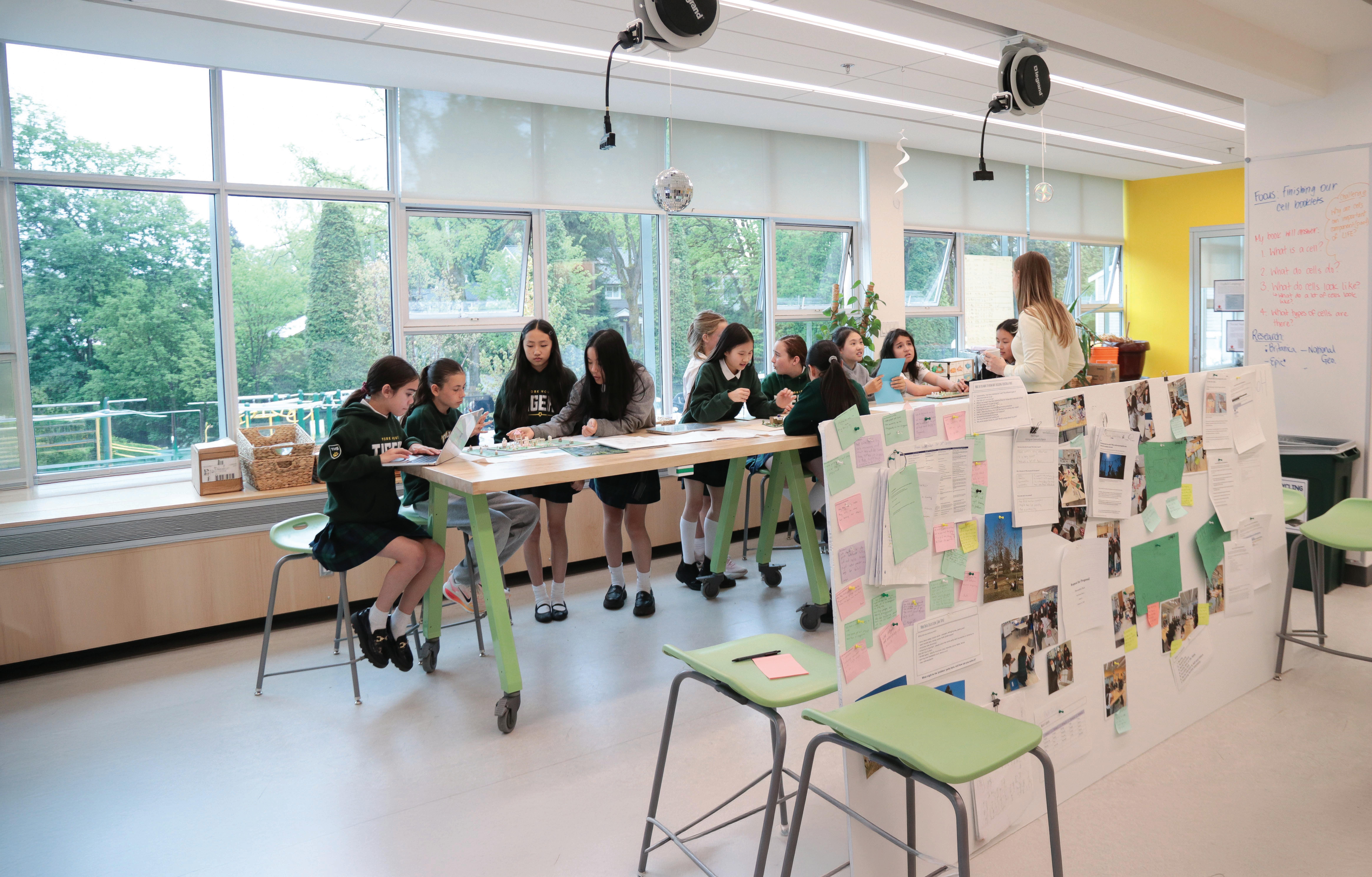
Above: Then Grade 6 students working on their personal inquiry Park Project in the Innovation Lab asking, “What do mathematicians do in our community?” and “How are parks built?”
For York House Head of School Deryn Lavell, this is precisely the assumption worth questioning. Design, she believes, is never just design. Influenced by the Reggio Emilia approach, she has spent years observing how architecture and design shape children’s attention and mood, and how even small details can change the way a day begins.
She recalls one school in Singapore that made a deliberate choice about how students entered the building. Each morning, children walked through a bamboo grove before reaching their classrooms. The walk created a pause between home and school. By the time students arrived, they were calmer, more grounded, and more ready to learn.
That kind of intentionality shows up in quieter ways as well. A staircase positioned to catch winter light. A window seat that invites a child to sit and think. A curved wall that softens a corridor and slows people down. A learning hub visible from the corridor becomes an invitation rather than a barrier. These are not architectural flourishes. They are signals that this is a place where attention, curiosity, and presence matter.
Up to this point, the argument can sound almost utopian: light, movement, invitation, visibility. But none of it works unless it is grounded in something practical. Students still need to focus. They still need boundaries. They still need places where they can hear one another think.
That tension between openness and structure requires a commitment to architecture and design that responds thoughtfully to context.
Some schools, he notes, have experimented with eliminating classrooms altogether, opening everything up into large, flexible spaces. The idea is attractive, but it often runs into a simple problem. Without acoustic separation and clear boundaries, attention collapses. Students struggle to focus. What looks freeing on paper may become exhausting in practice.
Percy’s approach has been to keep the classroom but loosen its traditional edges, allowing learning to flow into the spaces within and around it. Natural light, which benefits everyone, becomes a starting point.
So does the ability to move. Learning today is far more collaborative than it once was. Students work in groups, explain ideas to one another, and pick up information from one another informally as well as through direct instruction. Classrooms need to support that shift, and so do the spaces outside them.
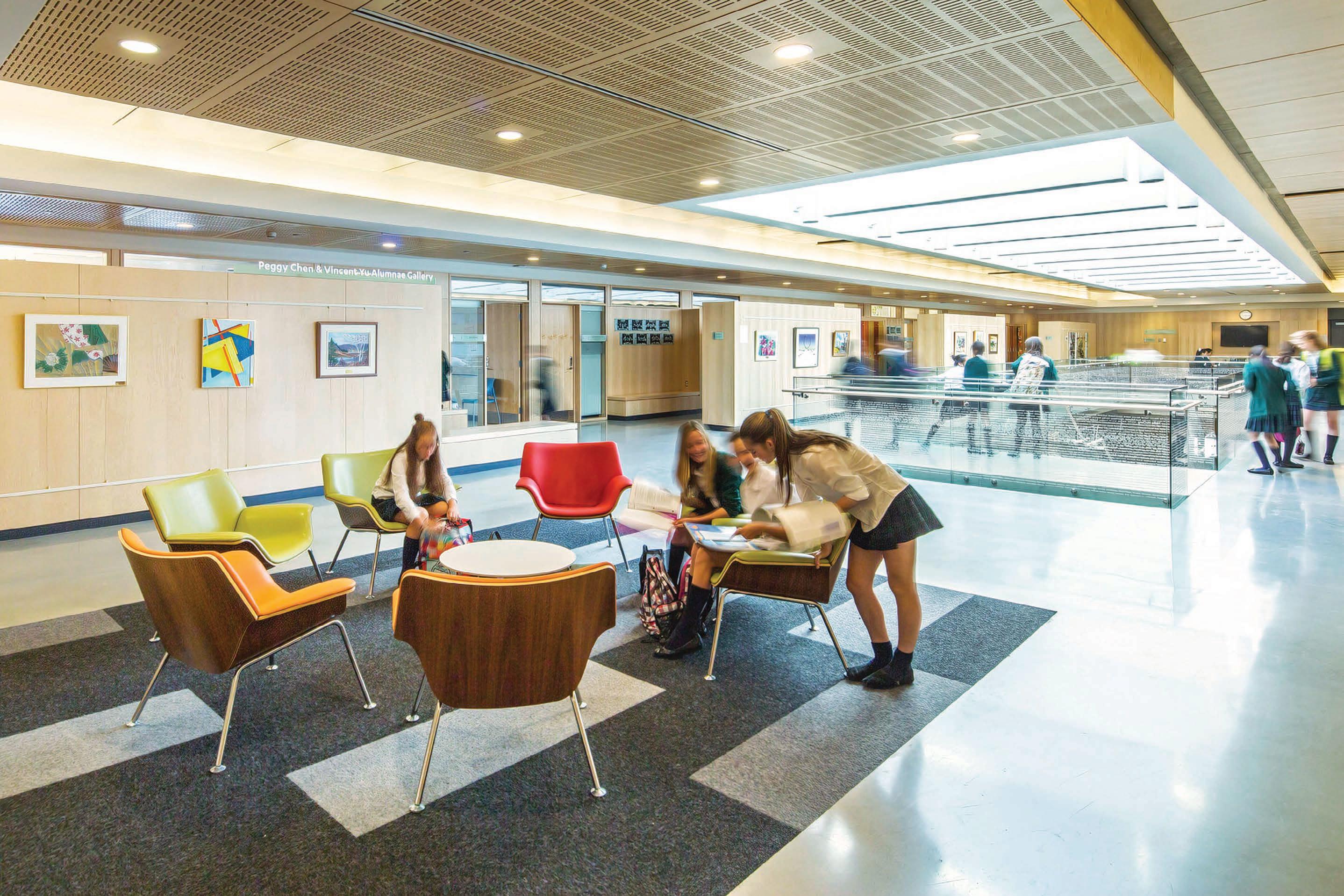
Instead of corridors that exist only for circulation, more intentional schools are carving out places to stop. Soft seating. Small tables. Breakout areas. Nooks where a student can talk through a problem or sit quietly with a friend. These spaces give students a way to find their own path through the school day and make movement part of learning.
REMAKING THE CLASSROOM
At York House School, these ideas took shape last year inside a pair of Grade 6 classrooms.
Two teachers, Emily Stoyles and Elisa Hall, both trained in early childhood and inquiry-based education, noticed a growing tension among their new Grade 6 students. By the time they reached middle school, many students were already carrying a new
kind of self-awareness and anxiety about making mistakes. The classroom, with its assigned desks and individual workspaces, seemed to reinforce that pressure.
So they started with the room.
“We reflected on how we wanted our students to feel in these spaces. Previous years had rooms that were “traditional”—teacher-led, with assigned seating and individual materials. We envisioned something more akin to our early years classrooms: communal materials, group tables, carpets, pillows, and a generally comfortable and safe space for our Grade 6 students. This renovation propelled us to challenge traditional, “factory-style” models of education1 and reconsider how the learning space reflects the evolving identities of middle school students.”
Over the course of the year, they gradually removed fixed seating and introduced shared supplies and flexible work areas. Students were invited into the process, sketching possible layouts and reflecting on how different arrangements made them feel. Some days they worked at grouped tables, other days on the floor, in window seats, at small individual stations, or even at the teacher’s table.
As the space changed, so did the students. Girls who had been quiet began to speak more. Others learned to recognize when they needed a quieter corner or a more social setting. The classroom became less about occupying a desk and more about choosing an environment that supported how they were thinking and feeling.
At a stage of life when confidence often wavers, this shift mattered. The room gave students a way to practice agency and to take responsibility for how they learned.
1 Davis, Brent, et al. Engaging Minds: Cultures of Education and Practices of Teaching (2nd Edition). Routledge, 2015.
SEEING WHO YOU CAN BECOME
In schools that serve Junior Kindergarten to Grade 12, the ability to see what older students are doing plays a quiet but powerful role. When younger girls turn a corner and glimpse older students training, rehearsing together, or working side by side on a project, they are not just observing activity. They are catching sight of their own futures in the school and of their path to graduation.
Lavell has long argued that these moments of visibility matter. Learning, she suggests, happens in the spaces between formal spaces, in shared studios, along staircases, and in the places where students gather without being told to. These are the environments where ideas surface, where collaboration takes shape, and where students and teachers connect, reflect, and ideate.
For Percy, this kind of visibility is especially important during the middle and senior school years, when students are beginning to imagine themselves in new roles. At York House, he and his team worked to introduce transparency between spaces so that younger students could see what older students were doing, whether that meant watching seniors collaborate on projects or come together in shared spaces.
For girls especially, those moments matter. Seeing older students take up physical and intellectual space makes confidence and growth visible. The building itself starts to suggest what is possible.
WHAT BUILDINGS TEACH
For Prakash Nair, a futurist, entrepreneur, and architect whose work spans the globe, these patterns point to a deeper truth. Schools often talk about creativity, individuality, and collaboration, but their buildings tell a different story.
When learning happens in rows of desks behind closed doors, the message is conformity. When students must ask permission to move or work together, the message is control. Over time, these physical signals become part of what students internalize about themselves and their place in the system.
Nair describes this as the hidden curriculum. The building is the hardware that makes certain kinds of learning easy and others difficult. Schools may aspire to personalized, student-centered education, but if the physical environment does not support it, those aspirations remain largely symbolic.
What makes this approach to school design significant is that it reveals how much is possible when the space itself aligns with the school’s values, an alignment that York House has made visible in practice.
WHEN THE PROGRAM OUTGROWS THE BUILDING
One of the clearest signals that a school is evolving is when its programs begin to strain against the physical spaces meant to hold them.
At York House, that pressure is increasingly visible. Over time, expectations around athletics, leadership, collaboration, and student life have grown, but one specific area of the campus has not expanded at the same pace. One gym serves students from the earliest grades through graduation. Teams train from early morning into the evening, often waiting for space. The ambition is there. The infrastructure is not.
Students who compete at high levels, students who want to train for fun and fitness, and students who simply want to be part of a team are all drawing from the same limited space. Elsewhere on campus, shared areas are being asked to do more than they were ever designed to do, hosting learning, gathering, and movement all at once.
What this reveals is not a flaw in the program, but its success. The life of the school has expanded beyond what the gym building was designed to support.
Looking ahead, Lavell imagines spaces that better reflect how the school now operates. Gyms that are filled with light and visible from across campus. Training and fitness areas that support both competitive athletes and everyday movement. A dining hall and commons that
As the space changed, so did the students. Girls who had been quiet began to speak more. Others learned to recognize when they needed a quieter corner or a more social setting.
can host students at lunch, families in the evening, and alums returning to campus. Learning hubs for younger students that reflect the same openness and care.
These changes are necessary to show a student walking across campus what is possible. To show a younger girl watching older students workout or collaborate that this is a place where effort and excellence belong. To tell the wider community that the school is building for the future it is already living.
WHAT THE SPACES SAY
School buildings are not just backdrops for education. They are another teacher with the potential to transform learning and connection.
They teach students that different kinds of learning are valued. They teach them about collaboration, movement, and new perspectives. They teach them about belonging.
As schools like York House look toward tomorrow, the spaces are not just shaping what students learn, but who they become.
ELEVATES THE MIND
INDIGENOUS
LEARNING IN PRACTICE
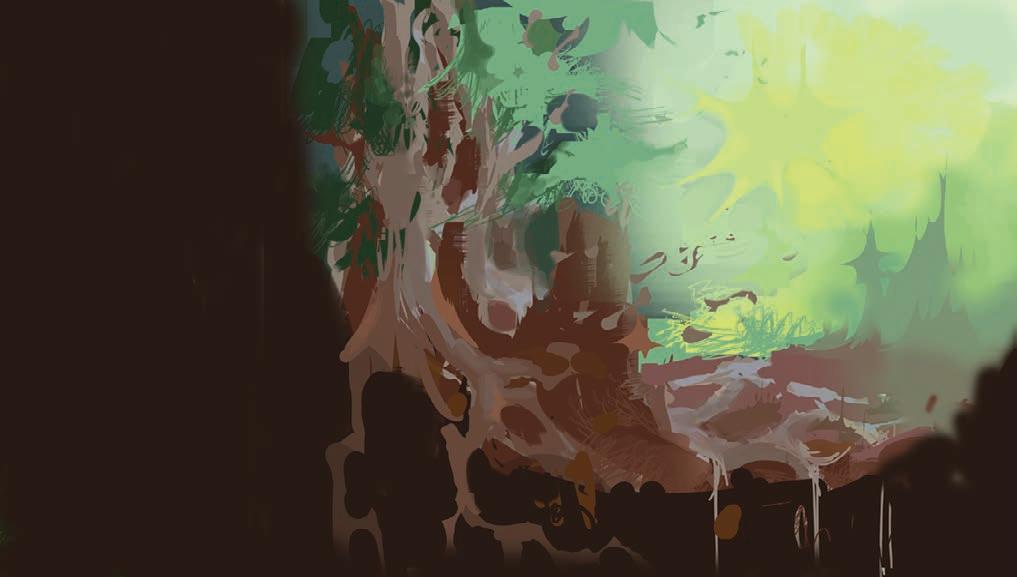
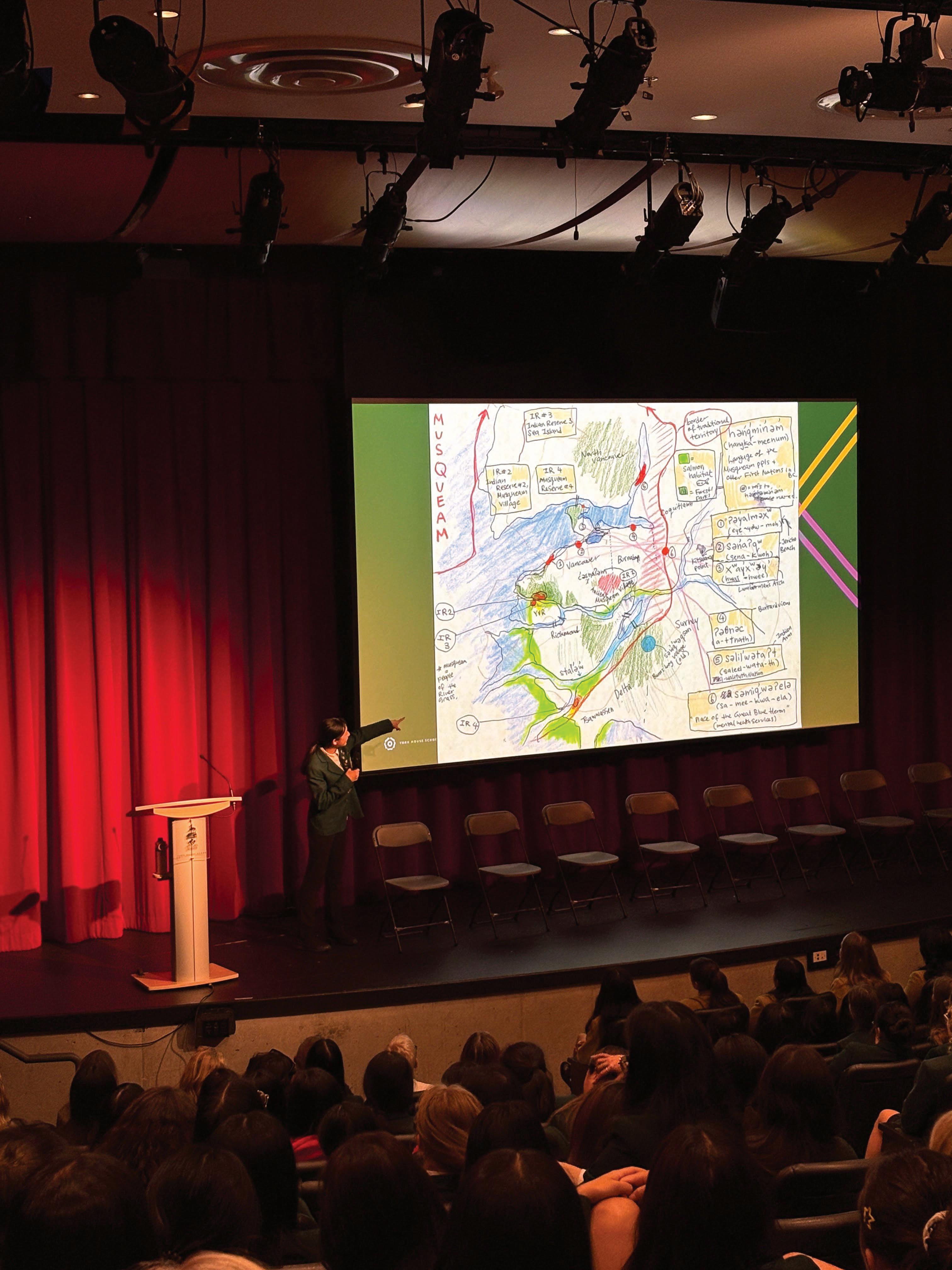
Grade 12 student DELPHINE LIU shared a beautiful land acknowledgement at Senior School assembly that revealed meaningful research, self-reflection, and personal connection through her preferred method of expression, art. After examining the land and mapping it, walking through Pacific Spirit Park to see it for herself and imagine life there in days past, Delphine was inspired to create her own works.
STORIES OF OUR TRANSFORMATIONAL PROGRAM IN ACTION, FEATURING STUDENT’S VOICE AND CHOICE
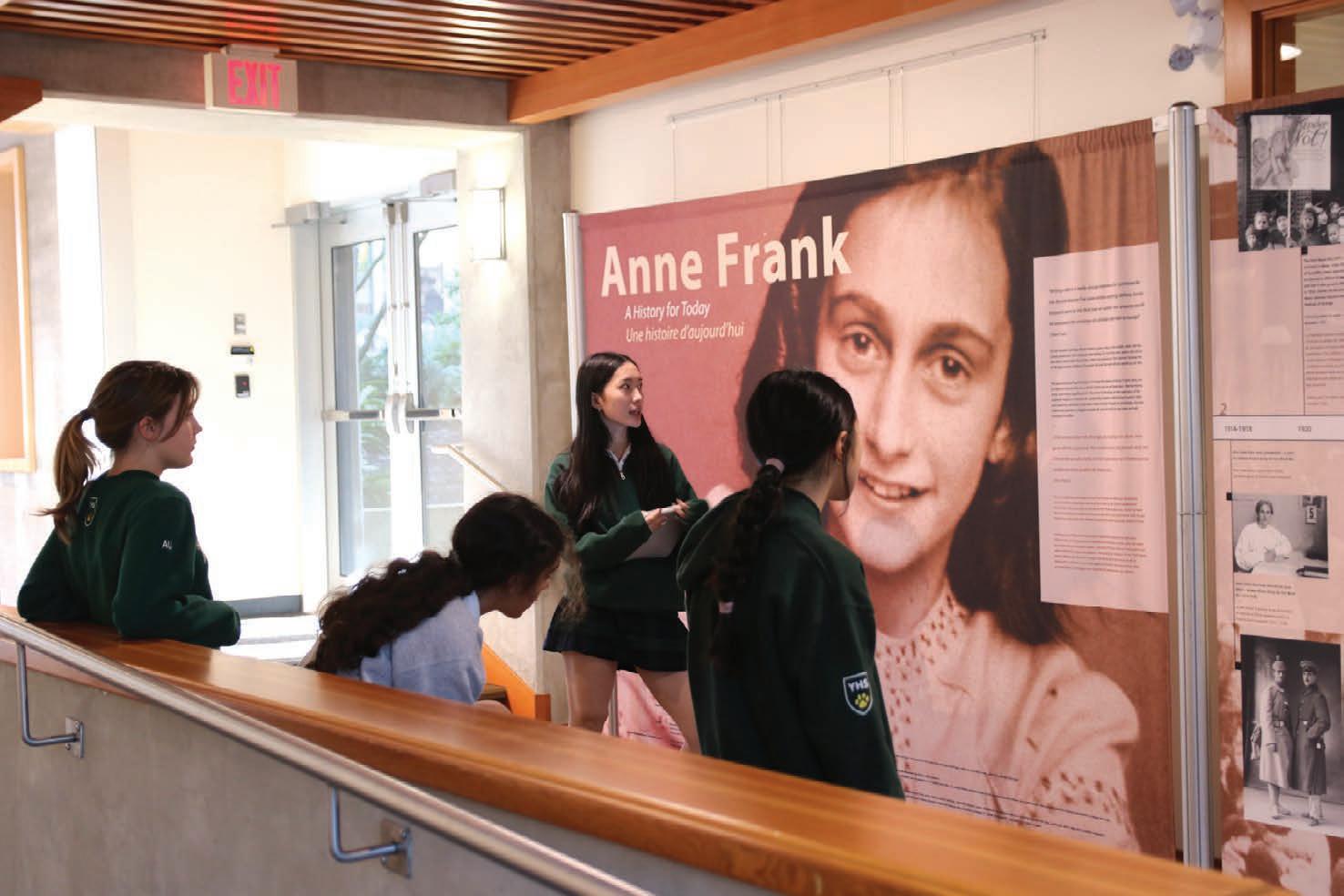
A powerful travelling exhibition from Anne Frank House arrived at York House in January, marking International Holocaust Remembrance Day and bringing Anne’s story to life for our students. This multimedia experience illuminated the history of the Holocaust and Second World War, welcoming
Our students didn’t just observe—they led. After receiving specialized two-day training from the Anne Frank House Museum, York House docents experience, bringing Anne’s perspective to life.
Anne Frank’s story reminds us that remembrance is not just about the past. It shapes how we recognize injustice, how we respond to hate, and how we choose to treat one another today.
AYLA GREENBERG
'27
GROWING LEARNING GARDENS
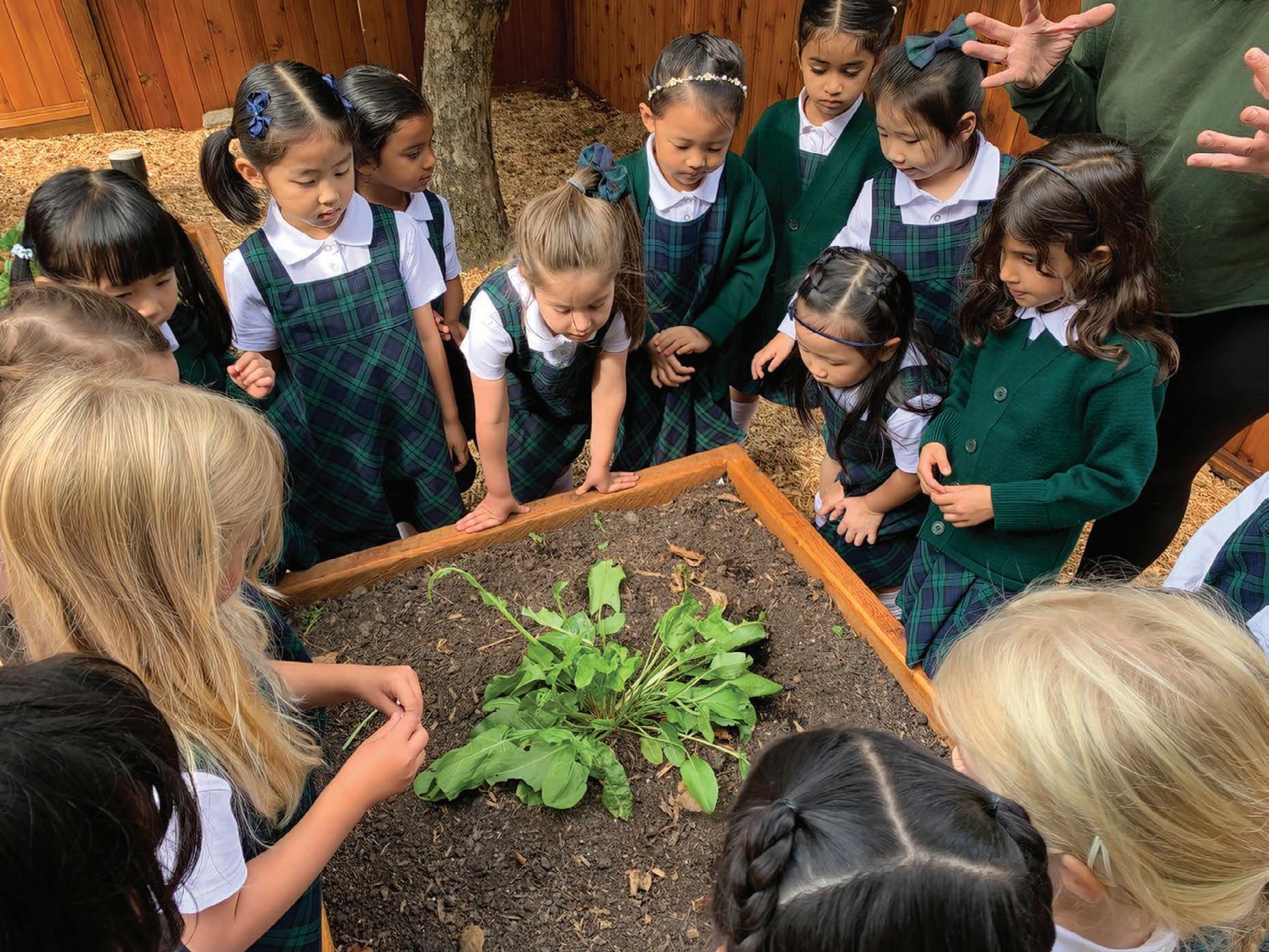
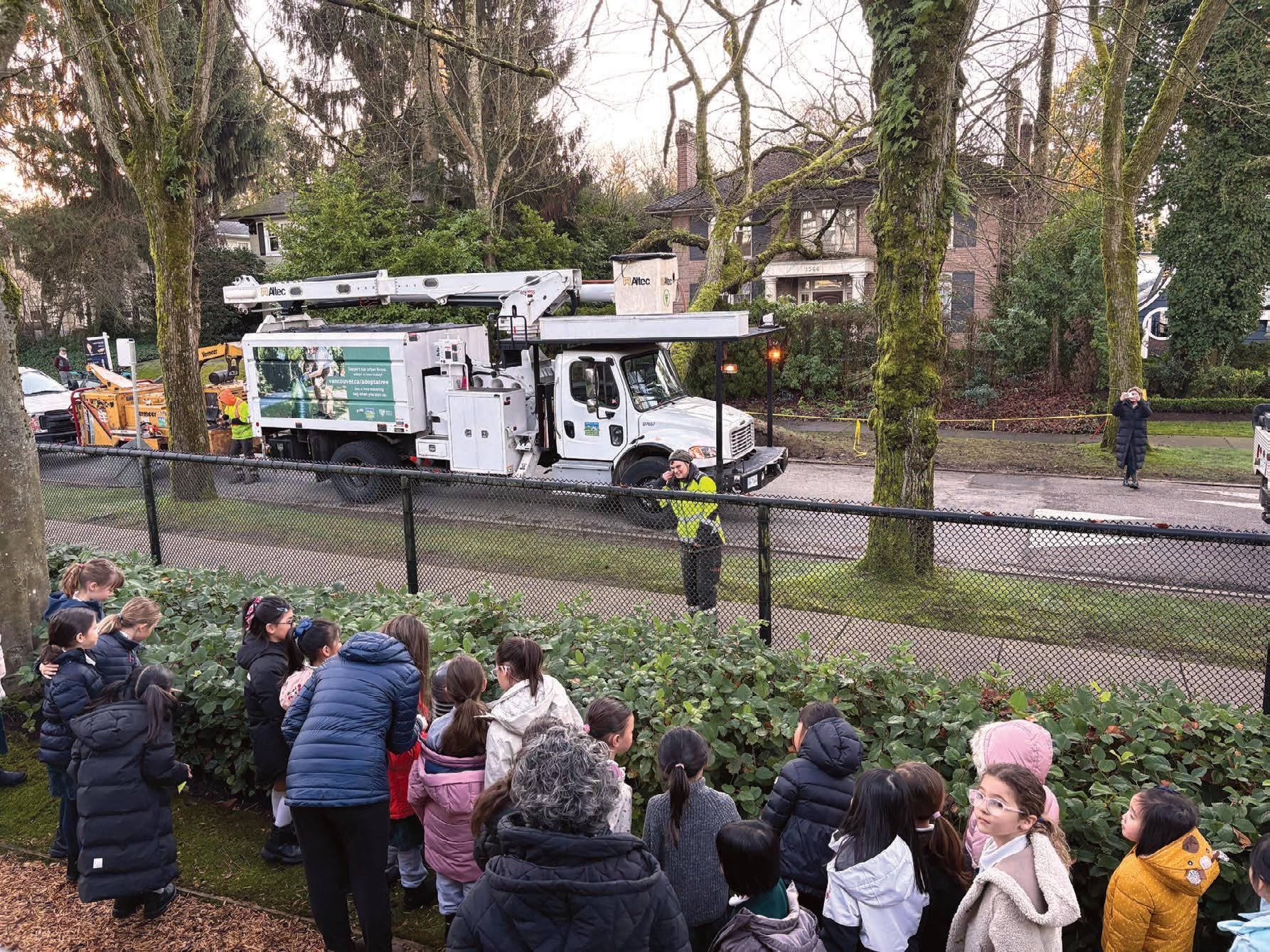
This fall, our Little and Junior School campuses unveiled newly revitalized learning gardens, successfully transforming these spaces into vibrant, experiential outdoor classrooms!
Embracing a Reggio Emilia-inspired approach, teachers continually reimagine the gardens through collaborative planning and documentation, ensuring the environment functions as a ‘third teacher’ that follows and extends children’s interests. From tracking seasonal changes to harvesting ingredients for weekly cooking lessons, students engage in active inquiry. What’s more, our young
YORKIES GO GLOBAL
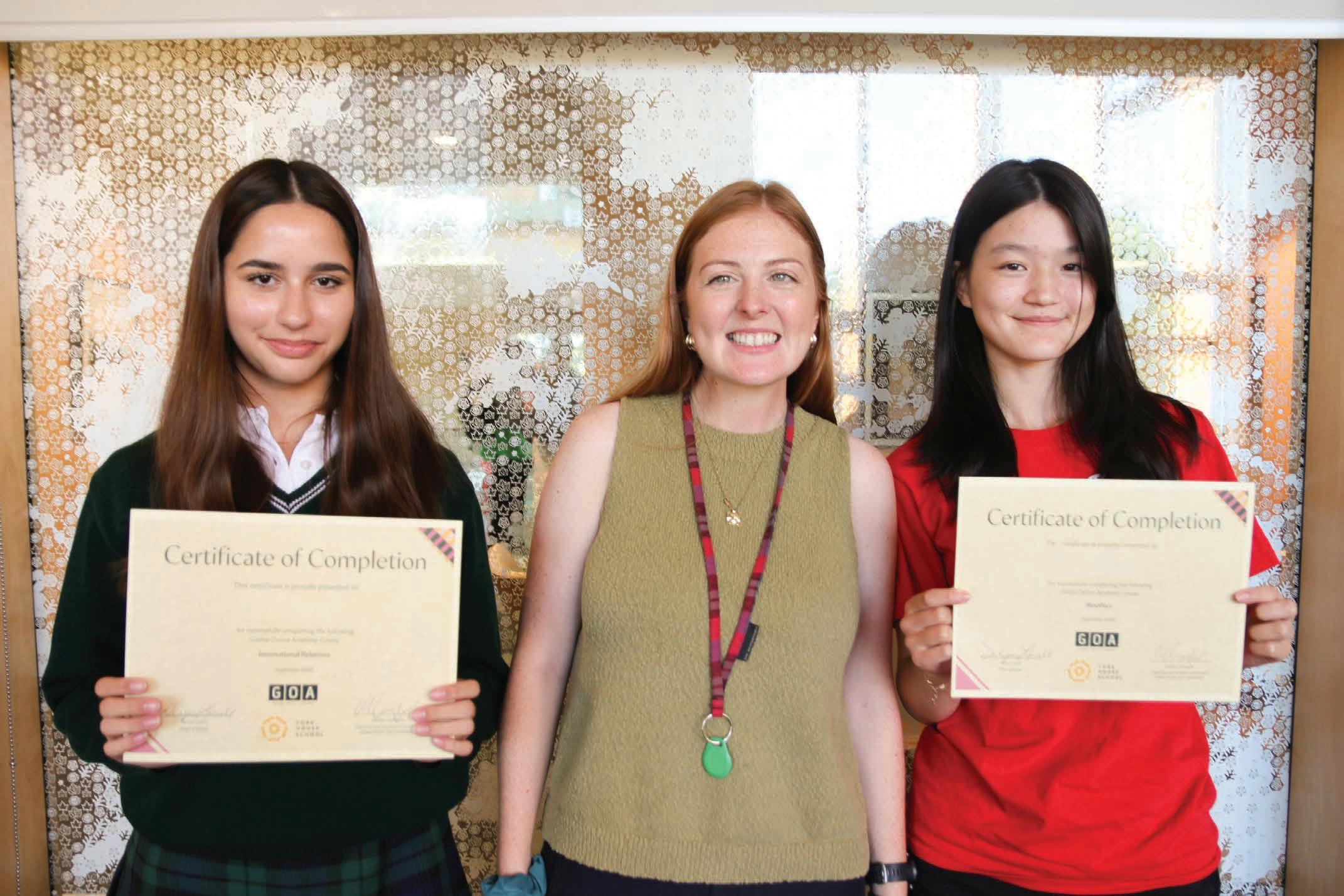
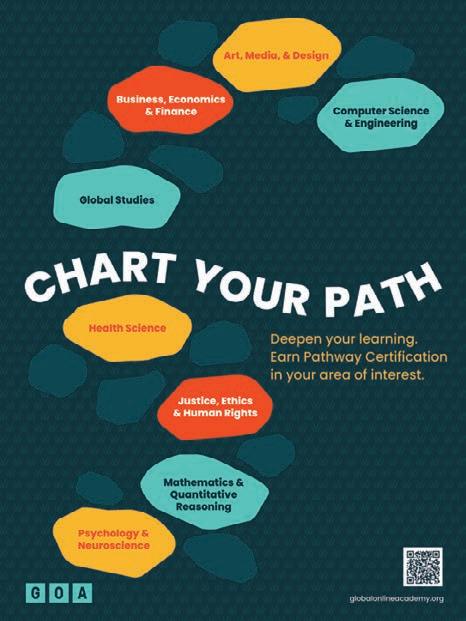
We’ve just completed the first full year of our partnership with Global Online Academy (GOA)—an innovative program that connects students from around the world to rigorous, thought-provoking virtual courses. Three students completed their chosen course last summer (see two in the photo above), and we currently have five students completing GOA courses this spring. They are all doing very well, with several recognized by GOA for having some of the highest levels of engagement in their cohorts. At our first GOA Showcase Night on May 20, students will share their experiences and insights about the program. Students, parents, guardians, and alums are invited to attend to celebrate this program that expands our course offering beyond the classroom.
Training Tomorrow
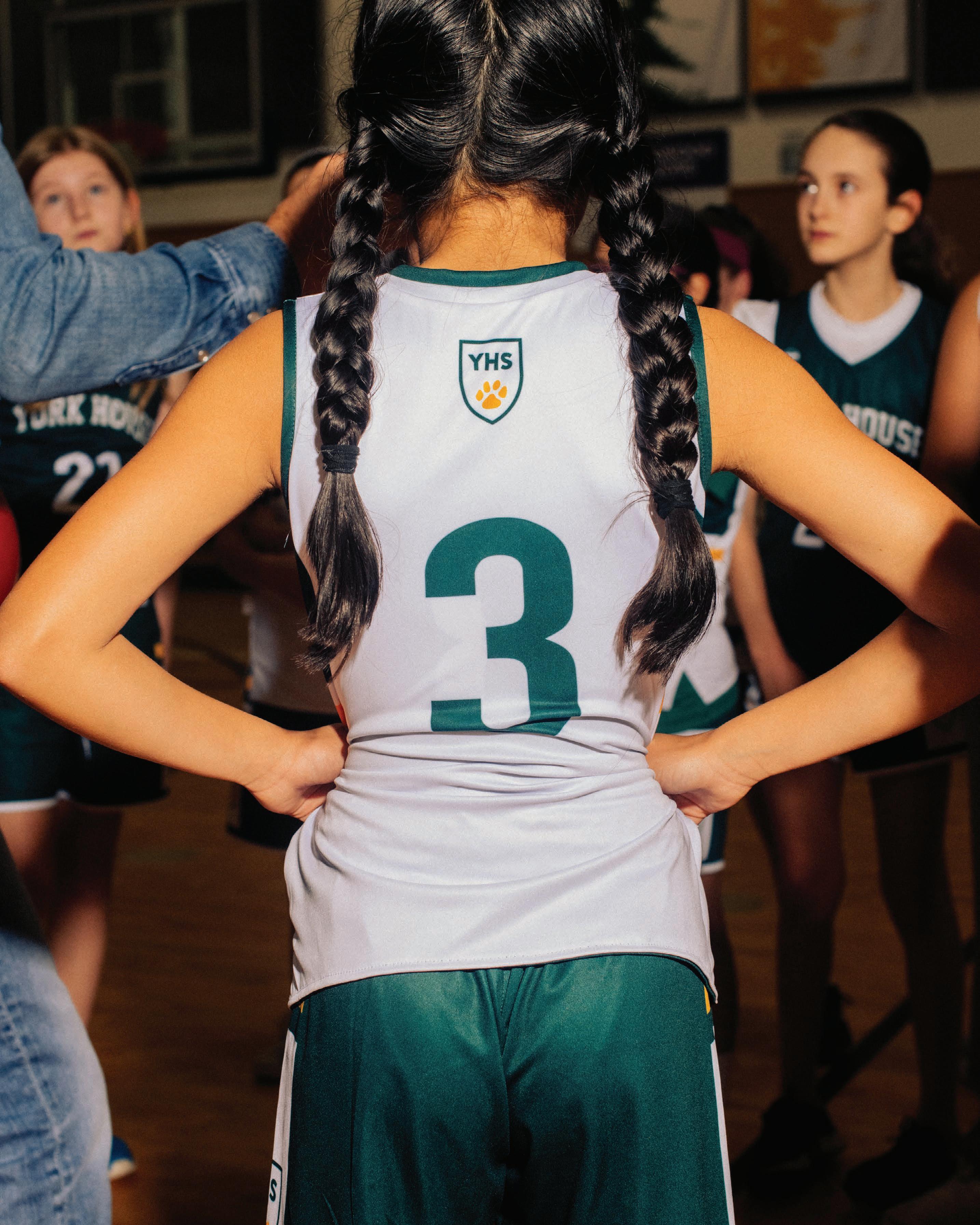
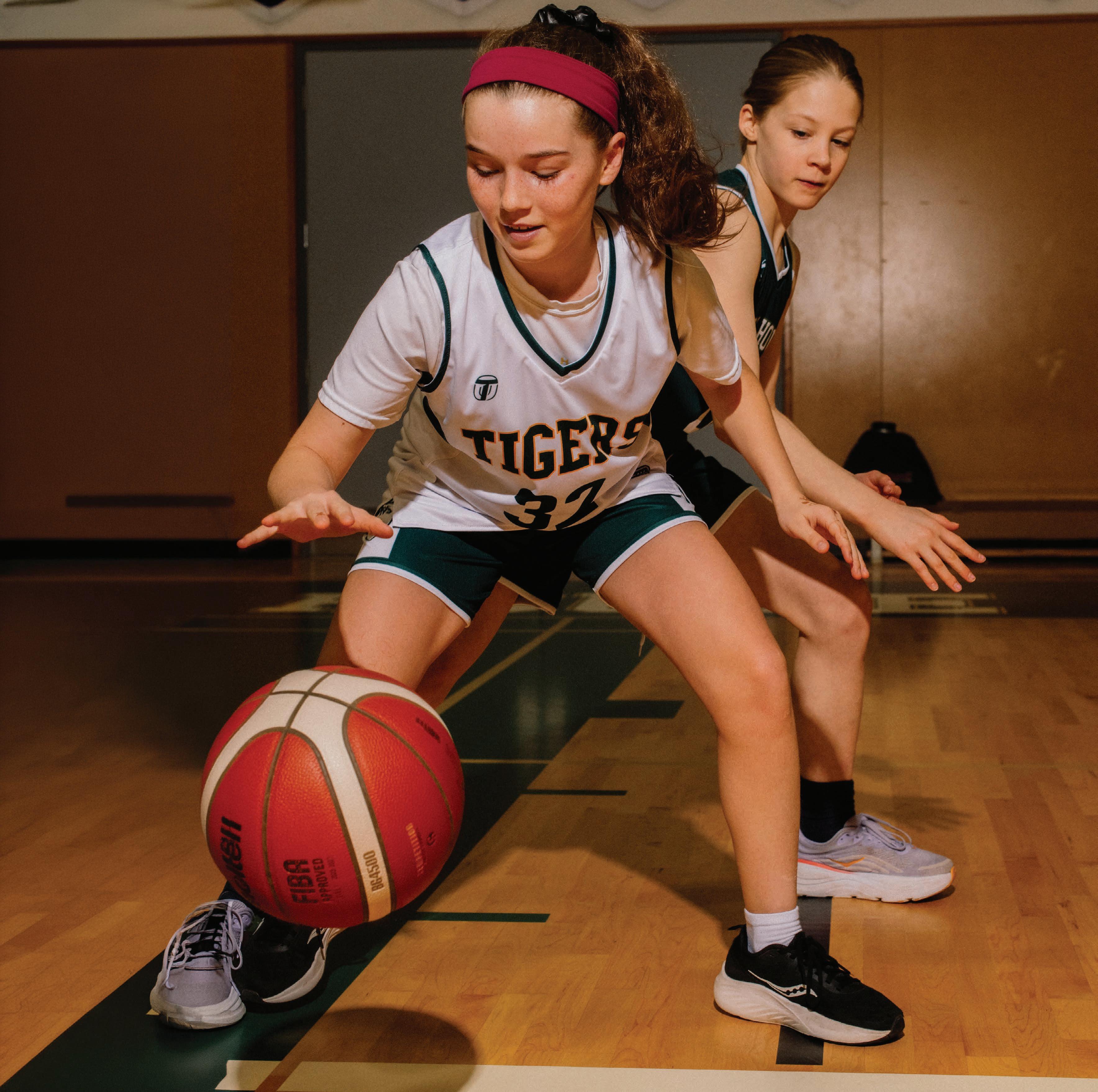
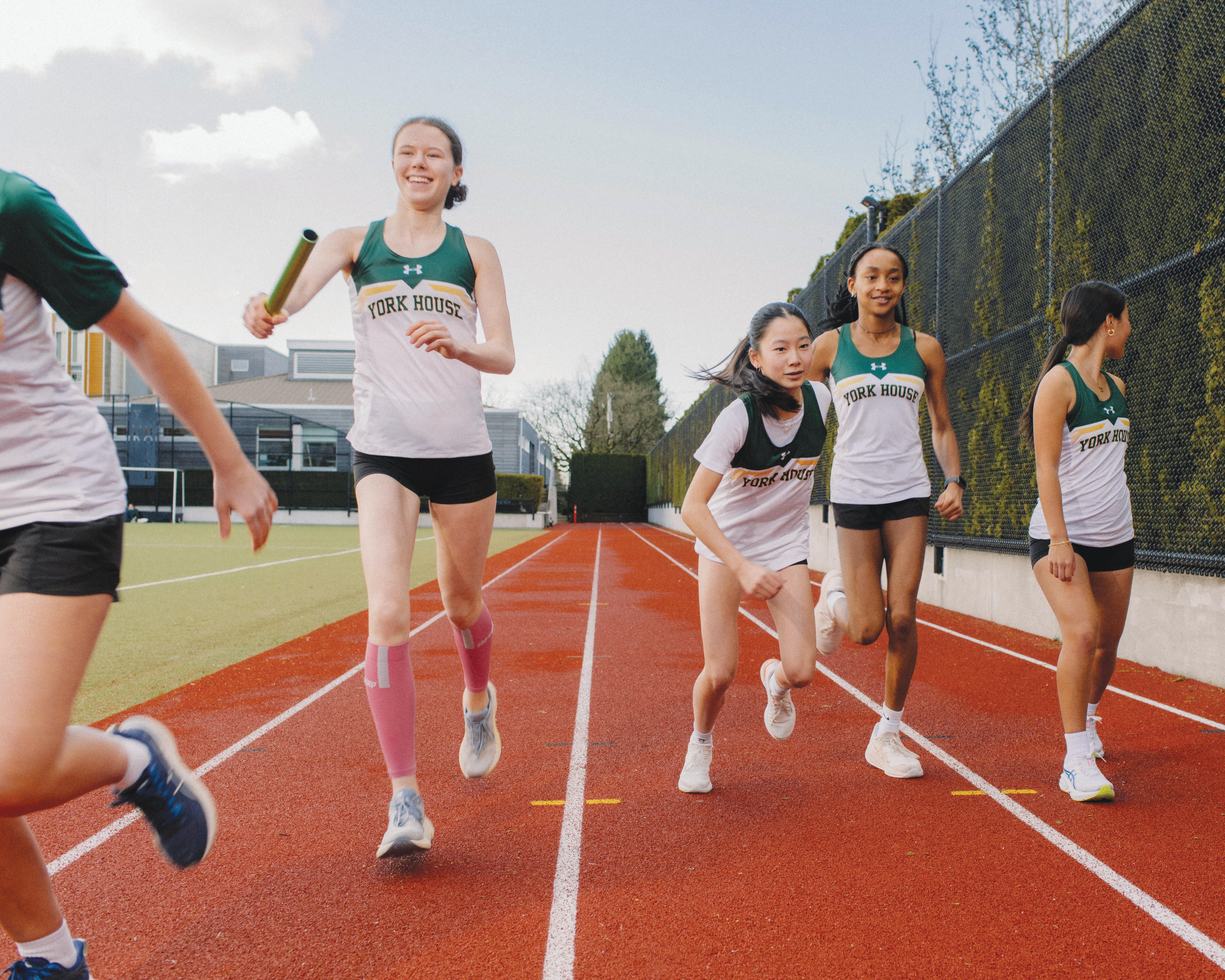
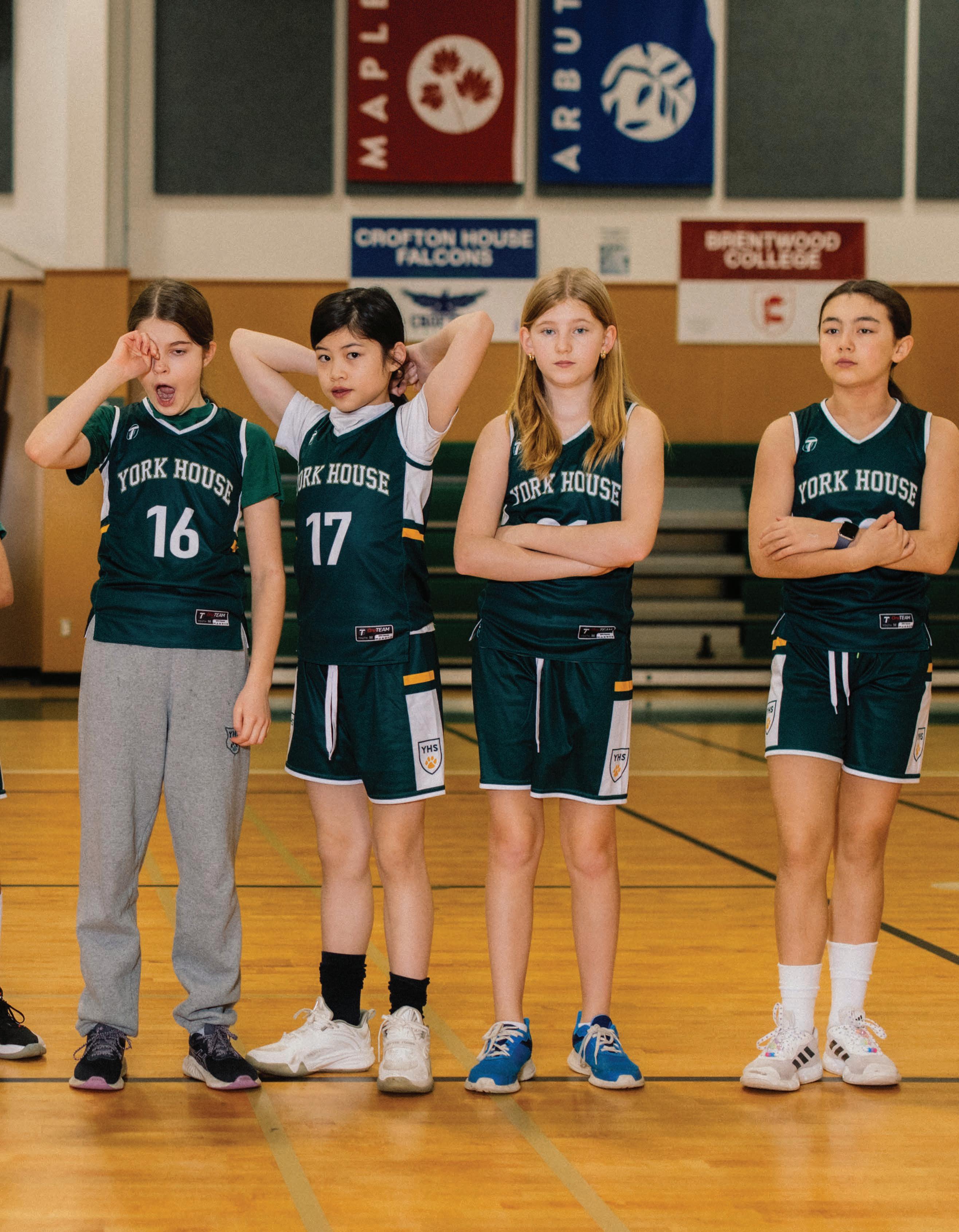
Almost two-thirds of Yorkies participate in school athletics. Here’s why that matters.
by Jennifer Foden
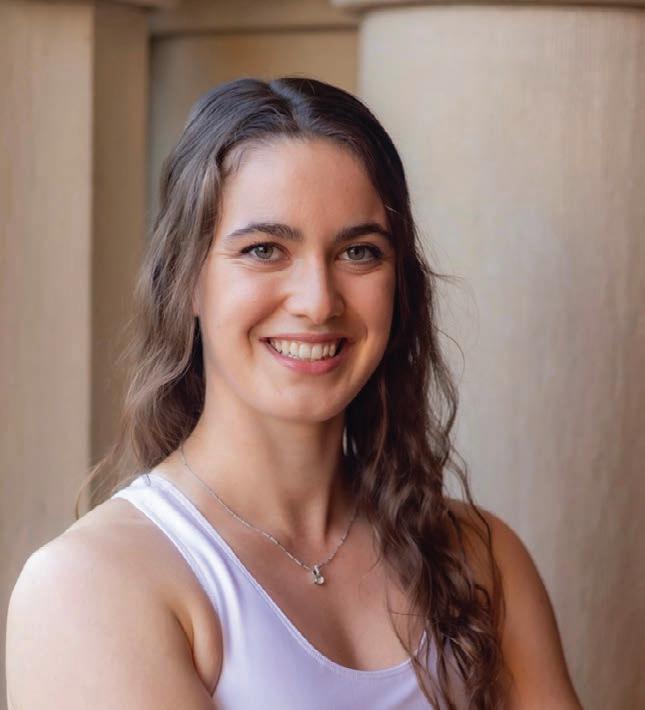
Who: ALEXANDRA TURVEY
Graduated: 2020
Sport: Swimming
Now: Medical student at Harvard Medical School and MIT
When Alexandra Turvey, a former “lifer” at York House who graduated in 2020, looks back at her time at school, she recalls being perpetually damp. “I was always showing up at school with soaking wet hair and a messy bun going back to practice at the end of the day,” she quips.
It should come as no surprise that this was thanks to Turvey’s long hours at the pool. Her love for swimming first blossomed inside York House’s walls in Grade three. “I did all the sports,” she says. “I got really serious about swimming pretty quickly, so I started exclusively doing that in grade four.” She then joined a local club that practiced at the University of British Columbia.
Turvey swam competitively up until last year, first for Vancouver Pacific Swim Club while still at York House and then for Pomona College and MIT.
In 2024, she not only competed at the Paris Olympic trials for Team Canada, but also won the prestigious NCAA Woman of the Year award. Although she’s now retired from swimming, she
still loves sports and is currently a medical student pursuing joint MD/PhD degrees at Harvard Medical School and MIT. She credits athletics for her ability to pursue a medical career.
“I’ll be graduating in 2032,” she says. “And I think a big reason why I was able to commit to this and pursue something this long… was because I made these commitments before with athletics and in high school. Especially for young women, athletics teaches you to set ambitious goals and not shy away from doing hard things. And believing that you are capable of doing [them].”
Turvey isn’t an anomaly. Many York House alums credit athletics to their current success.
Jade Christie and Biz Price are both former students who were very involved with school athletics. Christie graduated in 2000 and was on the provincial-winning basketball team in 1999. Now? She’s the Director of Workplace Planning at lululemon. After Price graduated in 1979, she made a career for herself in artistic—a.k.a. synchronized—swimming. First as Team Canada’s coach for 18 years and then for 13 years when she worked in the UK as Performance Director and Head Coach.
“I am pretty confident I wouldn’t be where I am in my life—specifically my professional life—if it hadn’t been through all of the experience I gained through sports,” Christie shares.
Carolyn Trono, Director of Quality Sport Division with Sport for Life, says participating in sports and learning valuable life skills—like resilience, teamwork, and time management—go hand-in-hand. “There is nothing wrong with the high-performance sport excellence pathway,” she says. “But it should not be at the expense of all of those life skills.” Translation: competition is great, but learning social skills and how to work together is just as vital. “Sometimes we forget about that. That’s probably the most important thing.”
ALEXANDRA TURVEY
playing sports, like leadership, teamwork, resilience, trying new things, alongside taking feedback, communication, time management, discipline, selfconfidence, among others.
And Trono adds it doesn’t matter what the sport is to learn these life lessons. What is most important is the culture, like a positive coach, whether you’re being challenged and having fun.
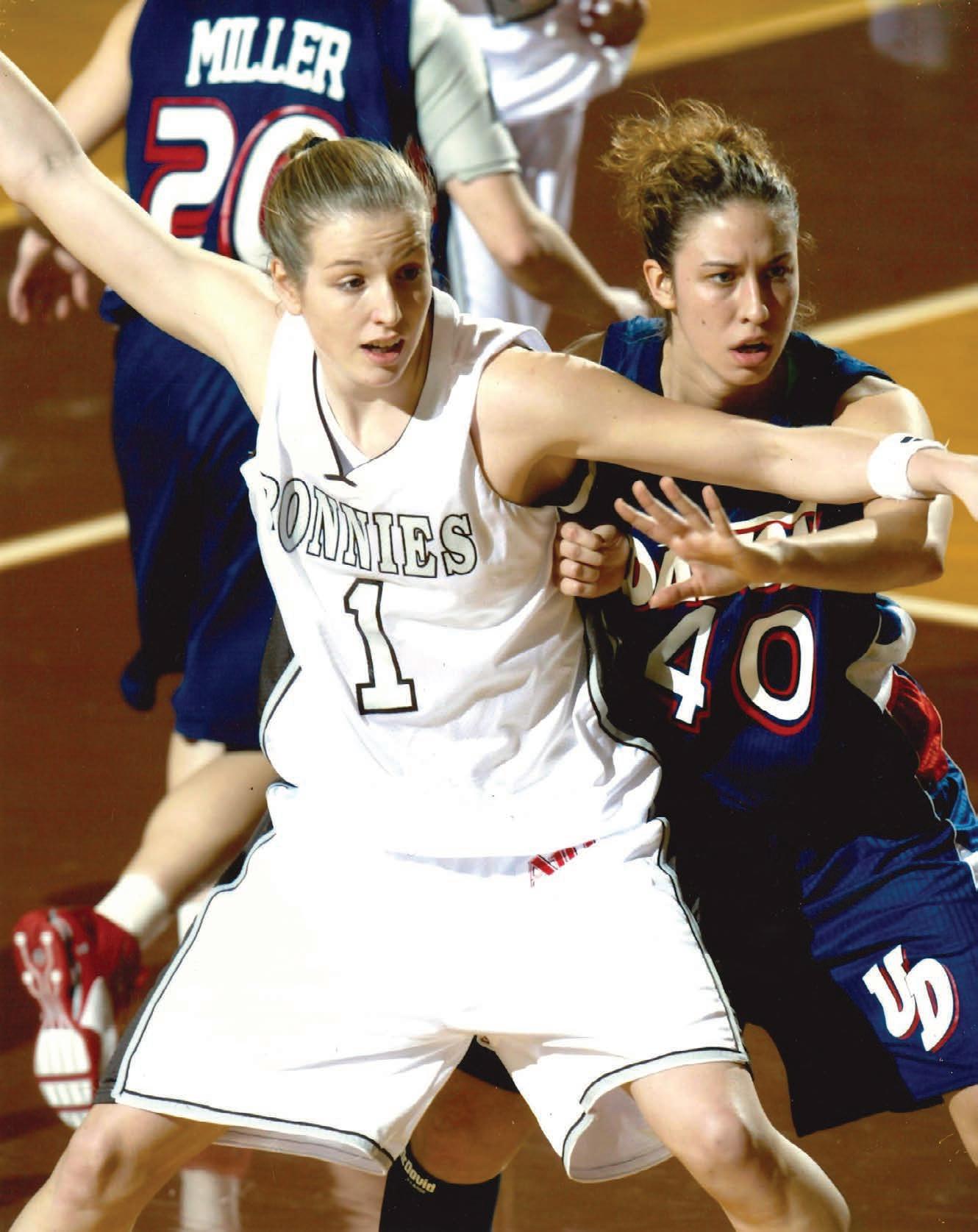
Who: JADE (HUMBLE) CHRISTIE
Graduated: 2000
Sport: Basketball; Jade was the first YHS athlete to go on to play for an NCAA Division One Basketball Team (St. Bonaventure’s University in New York).
Now: Director of Workplace Planning at lululemon
I wouldn’t be where I am in my life—specifically my professional life—if it hadn’t been through all of the experience I gained through sports.
Here’s how those lessons took shape for former Yorkies.
ON LEADERSHIP:
Christie was in a leadership position on her YHS basketball team. In fact, when she was in grade 11, she was often winning MVP at
tournaments. Then, in the regional qualifiers, she tore ligaments in her ankle and according to Christie “was devastated.” And while she was able to play in some key moments with a taped-up ankle during provincials, she played considerably less. Her team still won. And she took a key leadership life lesson along with her.
“It’s okay to step aside. There are moments where you can really rely on your team. And allow others to have the spotlight,” she says. “When you’re in the office or professional environment… as a leader, you need to know when to take space, but you also need to know when to make space. And that means stepping aside and letting someone else lead.”
ON RESILIENCE:
Turvey recalls between grade 9 to 11 that she was getting slower in the pool, not faster. Even though she was going to practice nine times a week. “You work every single day for multiple hours a day to maybe shave off a few tenths of a second in like a year’s time,” she says.
JADE CHRISTIE
Ultimately, as we all now know, her dedication and resilience in the pool did pay off.
“Athletics teaches you that things don’t always go your way,” she says. “And I think that’s a really important life lesson from a young age that sometimes you work really hard for things and it doesn’t turn out as you hoped. And how to come back to practice the next day and still show up even when you don’t feel like it is so translatable to any sort of job or career or life hurdle.”
ON FEEDBACK:
Price shares that participating in sport is about listening to constructive feedback without taking it personally. And in some cases, as a player or coach, giving feedback in stressful situations.
“[As a player] you have to decide what you’re going to act on and what you’re not going to act on or what you’re going to act on later… You learn how to take it a little bit less personally. And also give [feedback] that’s clear and concise and nonjudgmental. It helps me in all aspects of life, not just in sport, but in family life, in stressful situations and your other work life.”
ON TRYING NEW THINGS:
Turvey says athletics at York House was a safe space to explore. “I felt that it was always a safe environment in which to try and experiment with new sports,” she says. “And you know, maybe you fail and you find out that that’s not the sport for you, but you had the opportunity to try it.”
For her, that freedom to experiment was crucial. “I think that’s so important, especially for young women to have these environments where they feel that they can put themselves out there and try and fail. And that’s okay, because you might end up finding something that you love.”
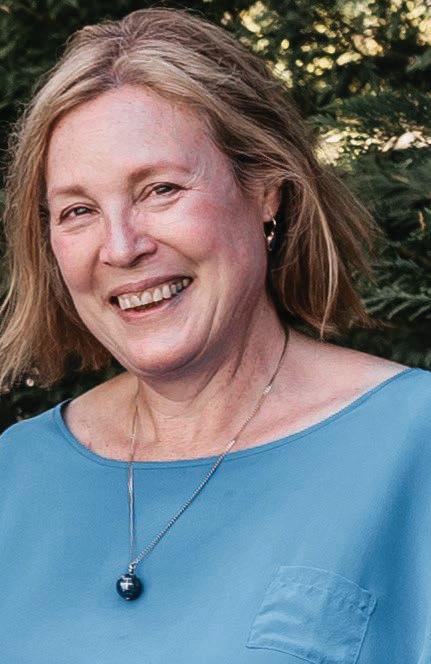
Who: BIZ PRICE
Graduated: 1979
Sport: Artistic Swimming
Now: Semi-retired, former Synchronized Swimming Coach for Team Canada, and British Swimming’s Synchronised Swimming Performance Director and Head Coach for the 2008 and 2012 Olympic Games
... decide what you’re going to act on and what you’re not going to act on or what you’re going to act on later… You learn how to take it a little bit less personally. And also give [feedback] that’s clear and concise and nonjudgmental. It helps me in all aspects of life, not just in sport.
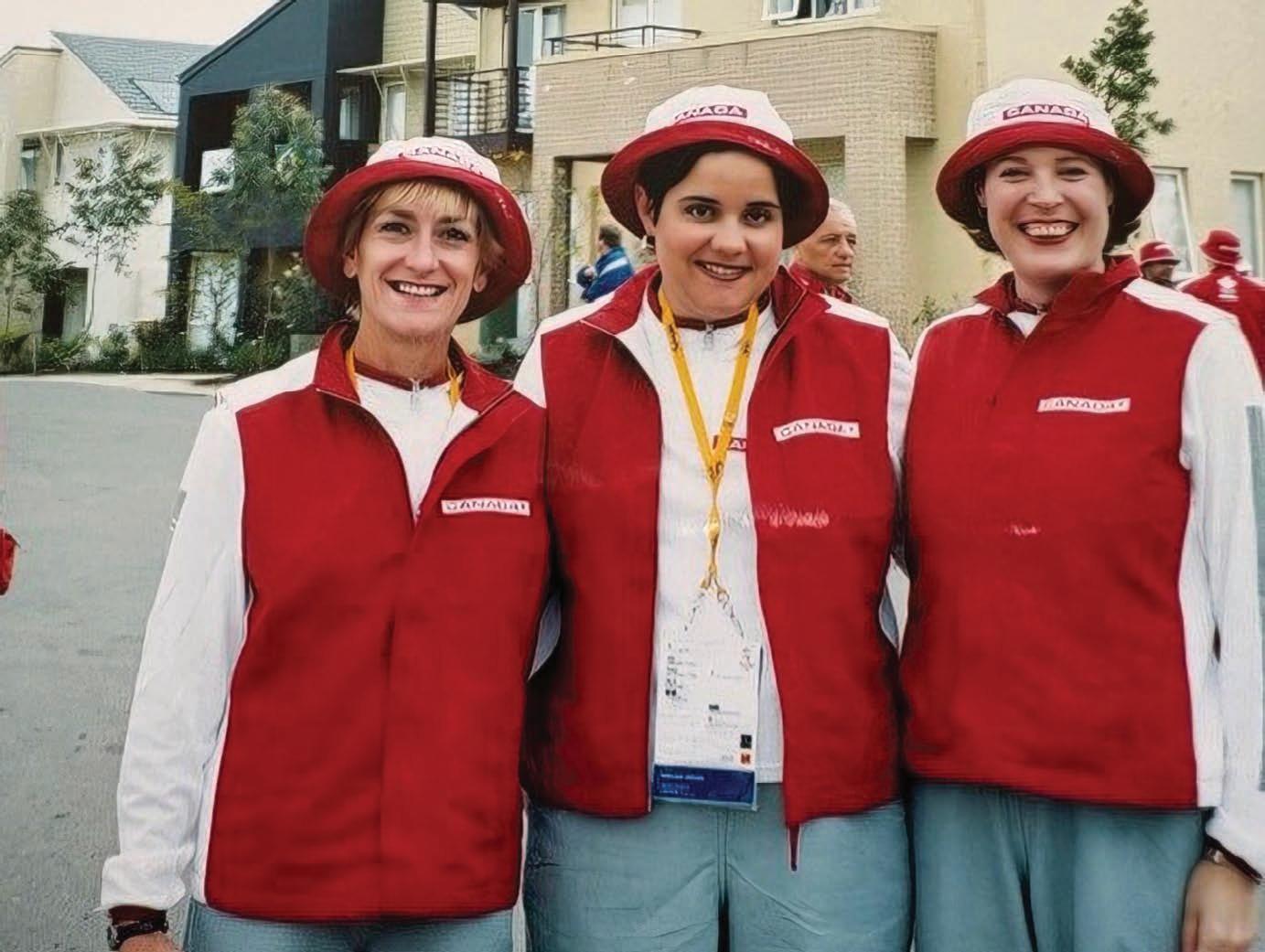
Biz (far right) and fellow Synchro Canadian Olympic Coaching staff at the 2000 Olympic Games in Sydney, Australia
BIZ PRICE
Especially for young women, athletics teaches you to set ambitious goals and not shy away from doing hard things.
ALEXANDRA TURVEY
ON TEAMWORK:
Christie has a preference for team sports and it’s easy to understand why: you have to learn to work together. “You might not be best friends with everybody, but you have a common goal and you need to figure out how to work together and how to leverage each other’s strengths in order to achieve that goal,” she says. “So, there’s conflict management, conflict resolution, knowing how to listen, and how to communicate… You don’t realize you’re honing these skills until you start finding yourself in more adult conversations or you’re a young professional in the workplace.”
THE ALL-GIRLS ADVANTAGE
Turvey, Christie, and Price are not the only ones who love sports: 63 per cent of York House students participate in school athletics, from swimming and basketball to field hockey, volleyball, tennis, golf, and beyond. This is well beyond the national average. According to Statistics Canada, 49 per cent of women aged 15 and older reported participating in sports.
Part of the reason for this may be thanks to the all-girls environment.
A 2024 report from the Sport Information Resource Centre
found girls-only spaces in sport are essential for folks who have historically “experienced discrimination within the sport spaces they do have access to and exclusion from sport completely.” These environments, the report says, have the opportunity to build confidence and belonging and potentially keep women in sports. Trono has noticed this in her work with the Winnipeg Newcomer Sport Academy, too. “What we found is the girls like to do sport with just girls,” she says. “Mostly because they have more opportunities to try things and then they build their confidence. When we moved the girls to a girlsonly environment, their engagement increased and they seemed to have considerably more fun.”
Turvey says the environment at York House helped her confidence. “No matter the situation, the smartest or the fastest or the strongest person in a room was a girl,” she says. “When we were picking teams at school, the first person picked was a girl. I think that was really impactful for me at a young age… I felt empowered to put myself out there and feel I could achieve anything any boy could and I think a lot of that can trace back to being in that allwomen’s environment.”
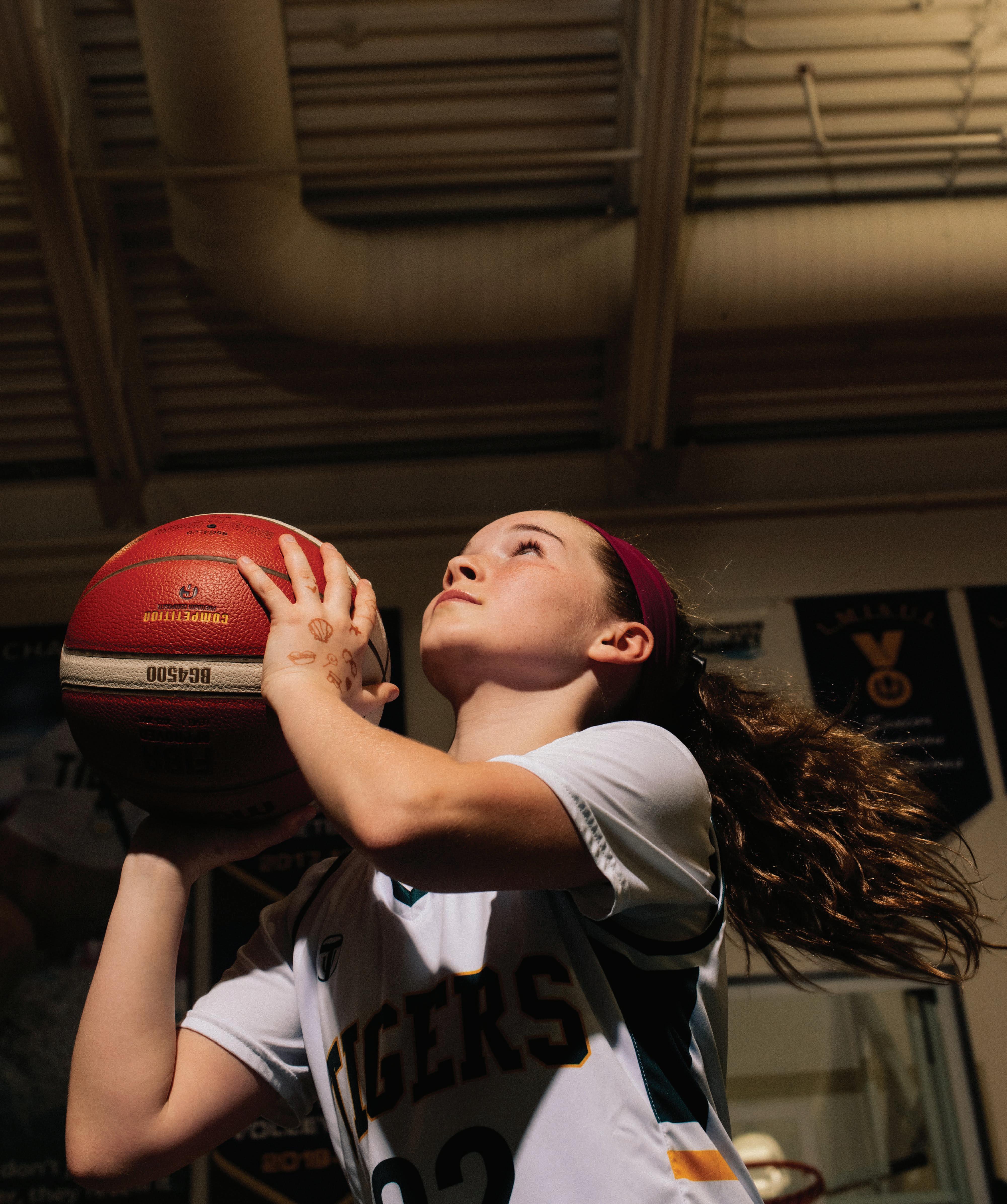
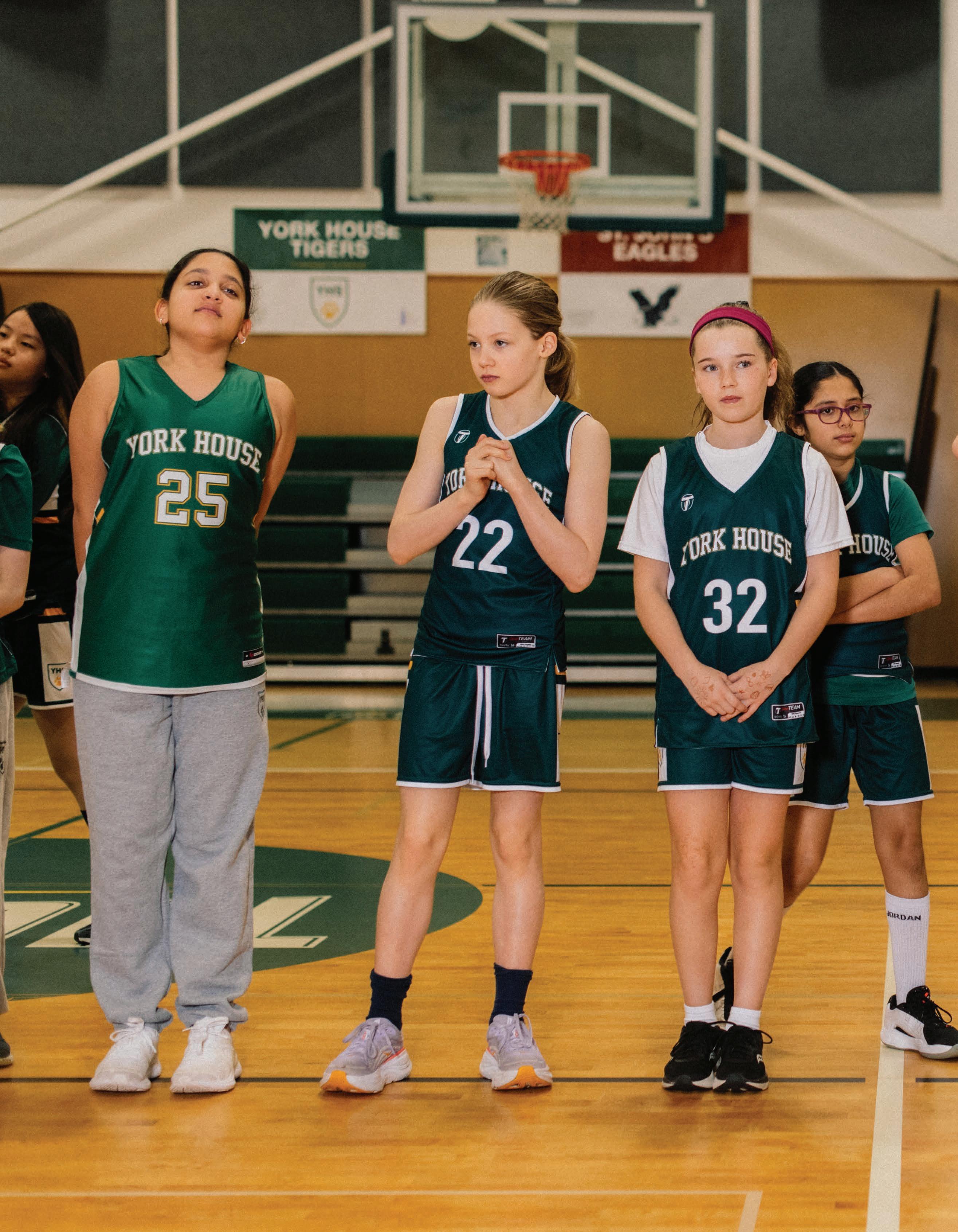
Grade 6 Basketball team players, Isabelle Martz and Everly Hursh
Tiger Territory: Recent Gains on the Field of Play
Yorkies tackle athletic challenges with the grit they are known for off the court. While we can’t include a comprehensive list of YHS athletic achievements here, we are proud to share a snapshot of the last year’s recent wins:
In May 2025—for the first time in school history—our Senior Tigers won the AA SOCCER PROVINCIAL CHAMPIONSHIP
For the first time since 2018, our JUNIOR SWIM TEAM (Grade 3-7) brought home the trophy at the ISEA Championships in 2025, shattering multiple meet records along the way. They then recently claimed the same championship title in 2026 as well.
Our Senior TRACK AND FIELD TEAM made eight new YHS records at the 2025 BC Track and Field Provincials, also placing third in AA in BC
Our small but mighty Senior TIGERS SWIM TEAM placed 2nd in the province at the 2025 BC Championships
SENIOR SKI AND SNOWBOARD team were 2026 VS2S South Zone Champions and placed 2nd at the 2026 BC Championships
JUNIOR BASKETBALL TEAM (Grades 8-10) placed first in 2026 LMISSAA League and won silver at the 2026 ISA Championships
SENIOR BASKETBALL team claimed the 2026 championship at the Britannia Bruins 51st Annual Tournament
The SENIOR SCHOOL CLIMBING TEAM gave their all at the ISA season closing competition in March 2026, each pushing themselves to achieve personal bests across the board
Threads
STORIES THAT HONOUR, VALUE, AND SUPPORT THE IDENTITY AND UNIQUENESS OF EACH STUDENT, STAFF, AND ALUM SO EVERYONE BELONGS AND FEELS INCLUDED
AFTER THE BELL
NOT FOR OURSELVES ALONE : WELCOMING SAMA & SEDIQA
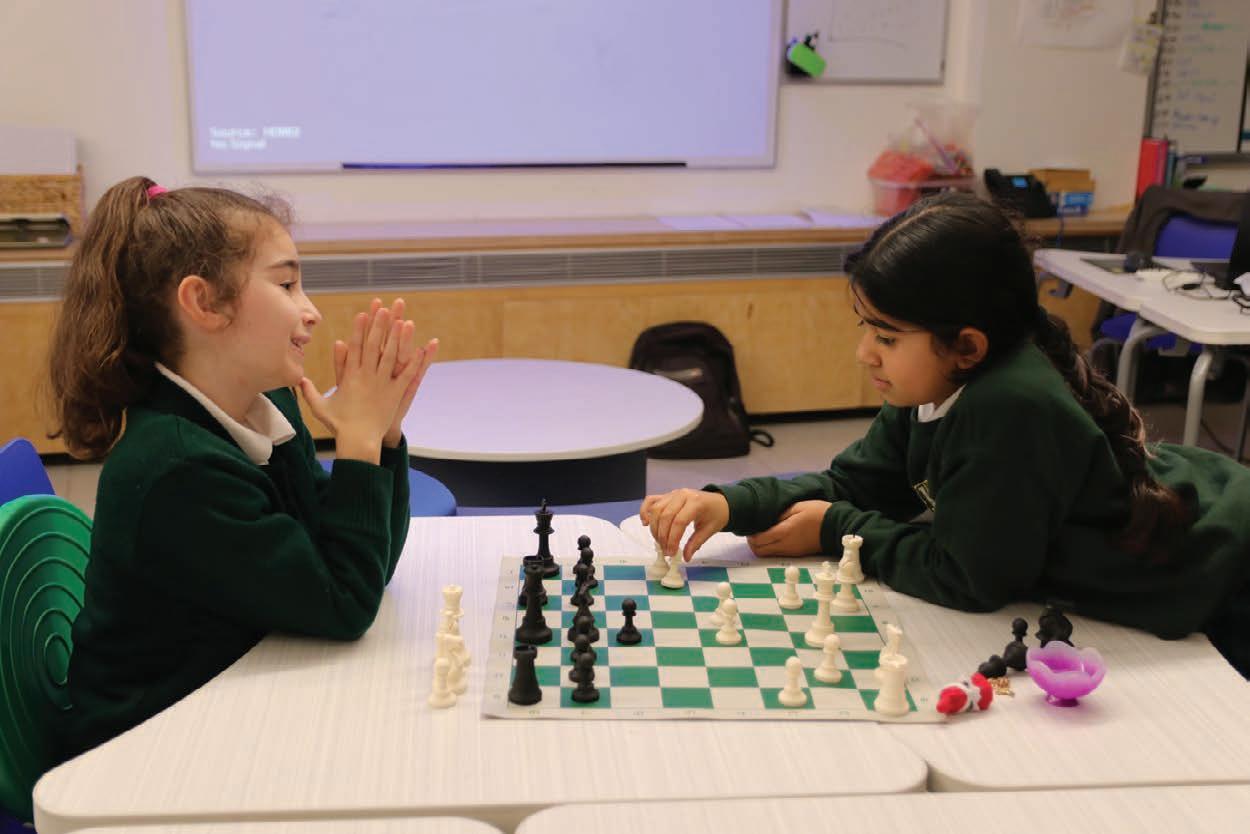
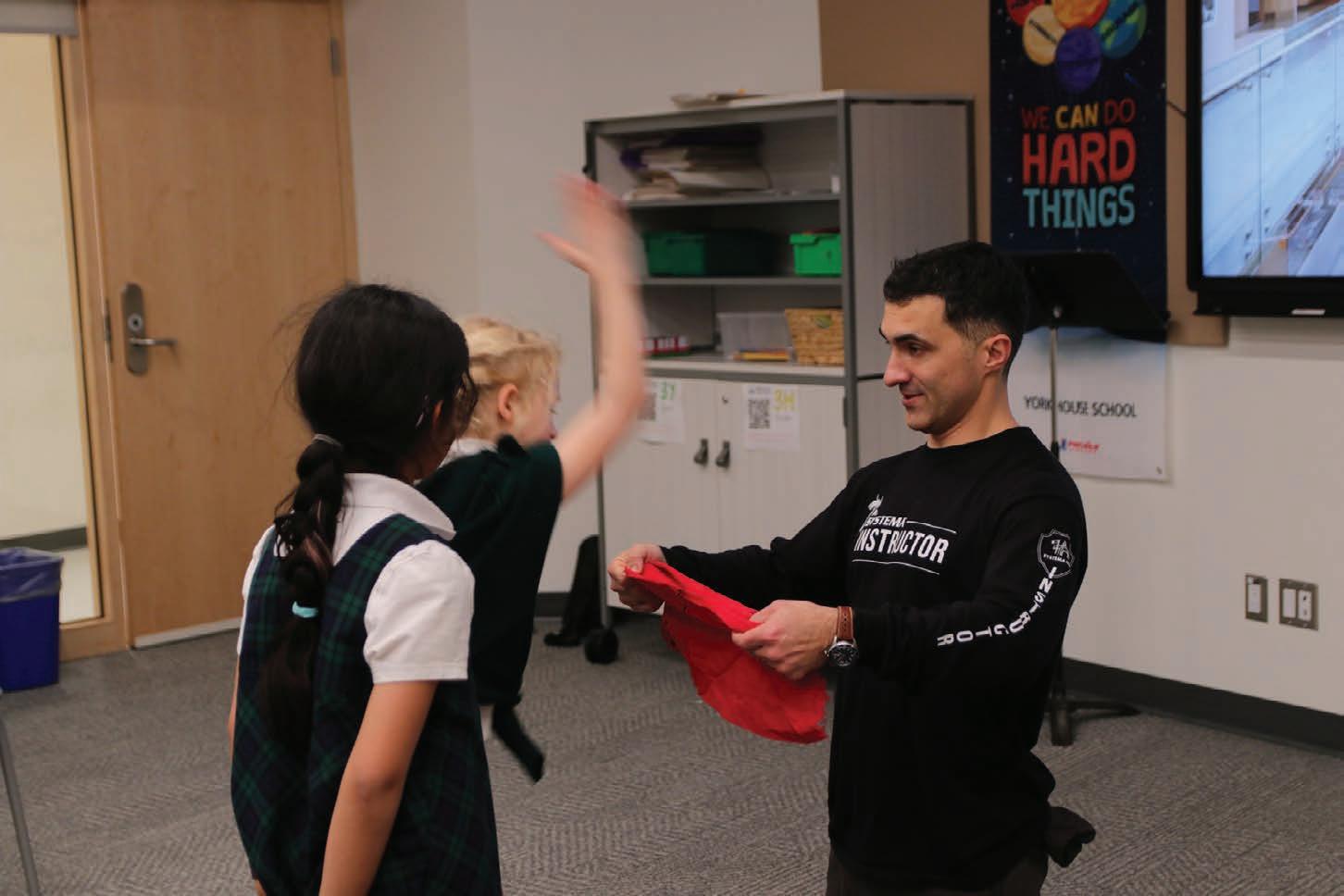
The Junior School has partnered with select organizations around Vancouver to launch a new series of Community Programs this past fall, allowing students to participate in a variety of activities after school. These activities extend student learning through fun activities, including cooking, martial arts, yoga, chess, architecture, and languages like Mandarin. By choosing activities that fit their unique interests, Yorkies have the chance to chart their own learning journey.
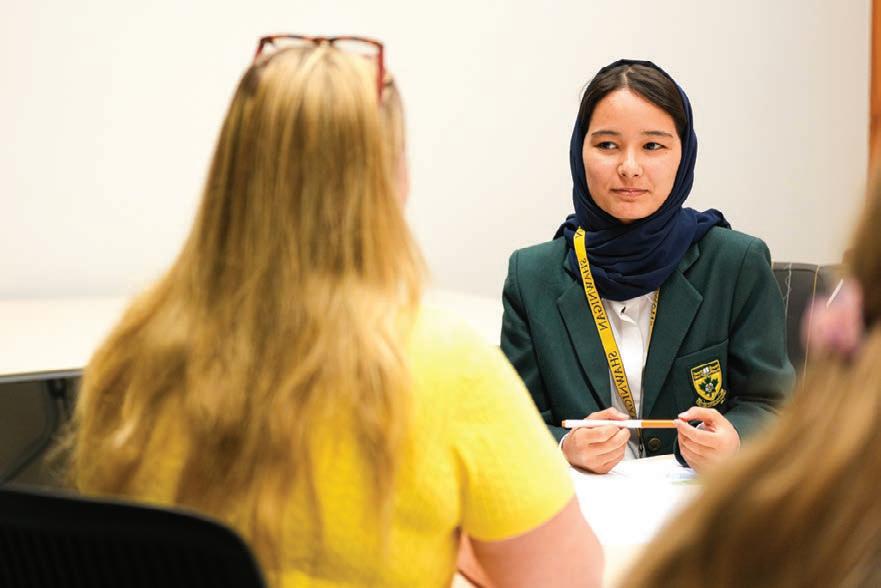
This year, the YHS community welcomed Afghan students SAMA '27 and SEDIQA '27 to the Women Leaders of Tomorrow program, a non-profit organization providing educational opportunities for qualified Afghan women. Upon attending York House School, they were amazed by the diversity, freedom, and kindness of the students and teachers. This experience contrasted the communities they grew up in, where women do not have the same freedom to express themselves. They also expressed their appreciation for the YHS community’s ability to see past the differences of others, and cultivate a supportive community for everyone. “We were very far from our family, so it was really hard for us, and the support really made it a bit easier,” says Sediqa. “Here there’s a sentence, ‘Not for Ourselves Alone,’ I can see that they’re applying it,” says Sama. We are so glad to have Sama and Sediqa at York House School, and their unique perspectives and experiences have truly made a positive impact on our community.
YOUNG LEADERS
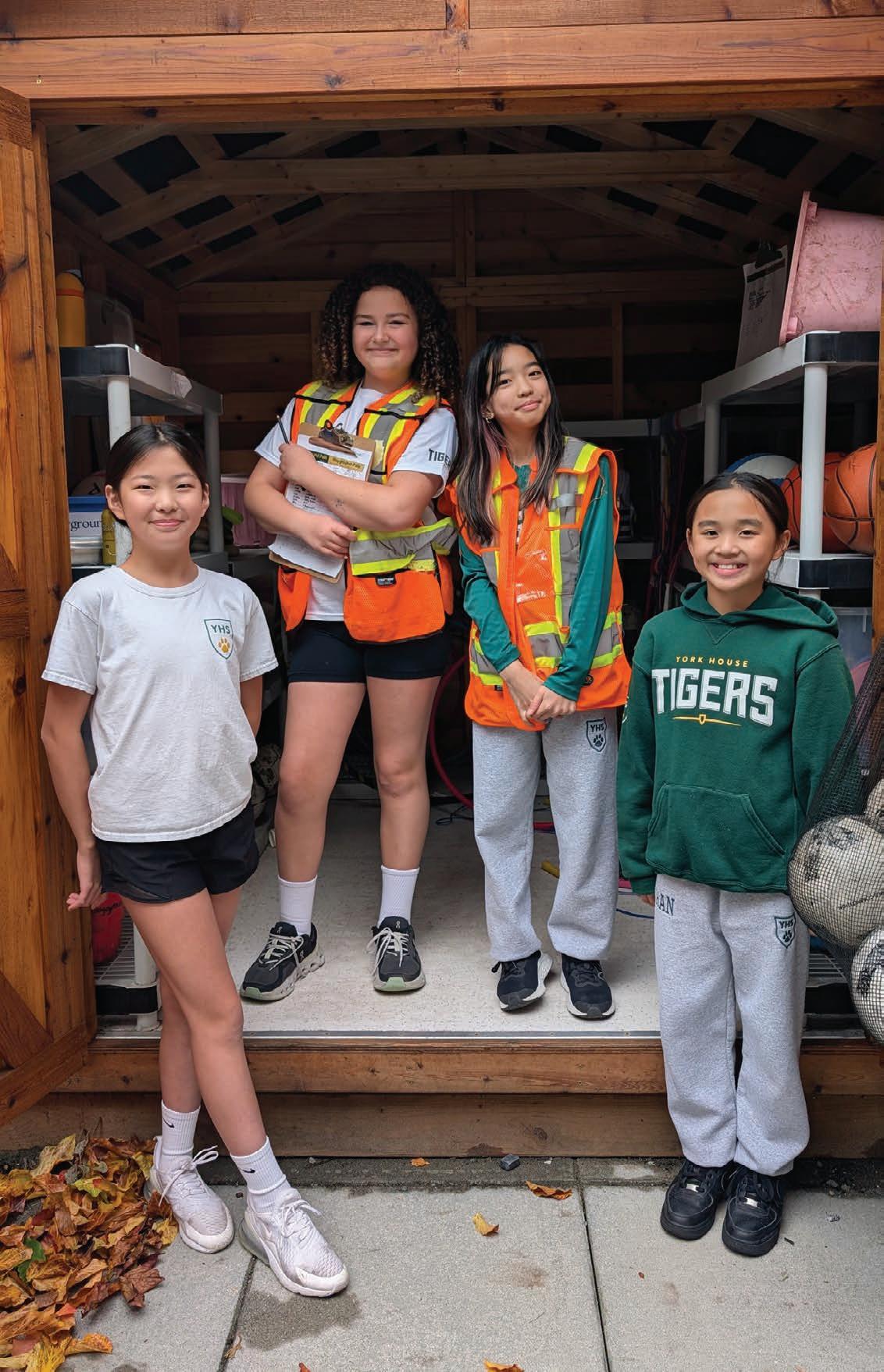
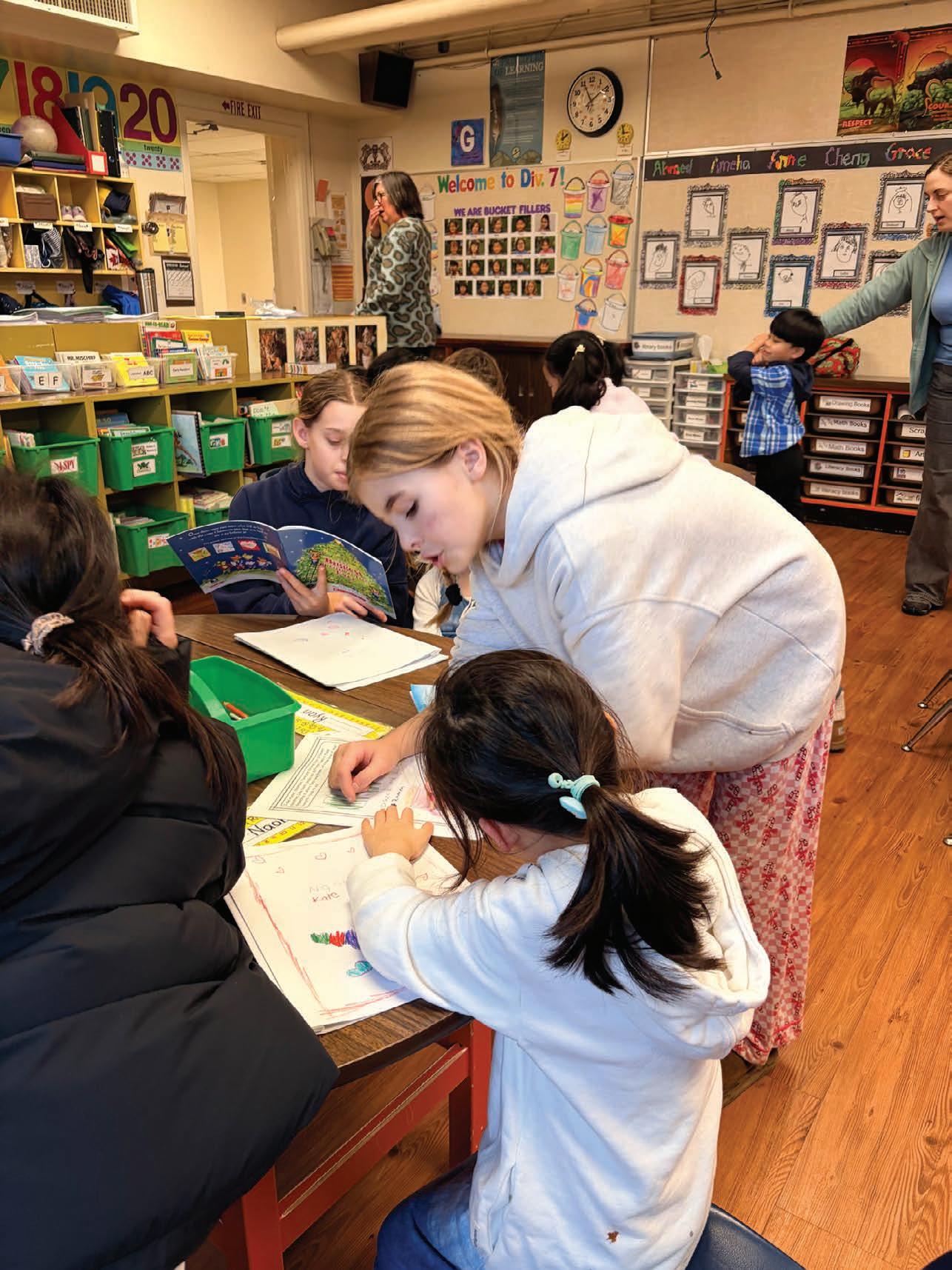
Our Playground Pals are on duty every lunchtime to manage sport equipment distribution and stand by for first aid support for our younger Yorkies. These Grade 6 student leaders receive first aid training, develop responsibility, build confidence, and grow to
TEACHING EXCELLENCE RECOGNIZED
We are delighted to share that former York House Science Teacher, MS. AMEL MISBAH, was awarded a Regional Certificate of Achievement for the 2025 Prime Minister’s Award for Teaching Excellence in STEM. This incredible recognition is both an honour and a proud moment for our school community—reflecting the exceptional calibre of educators who are and have been part of the York House family. Ms. Misbah concluded her time at YHS in June and is now inspiring students at Canadian College Italy. We couldn’t be more proud to see her excellence recognized on the national stage.
GETTING ACTIVE WITH OLYMPIANS
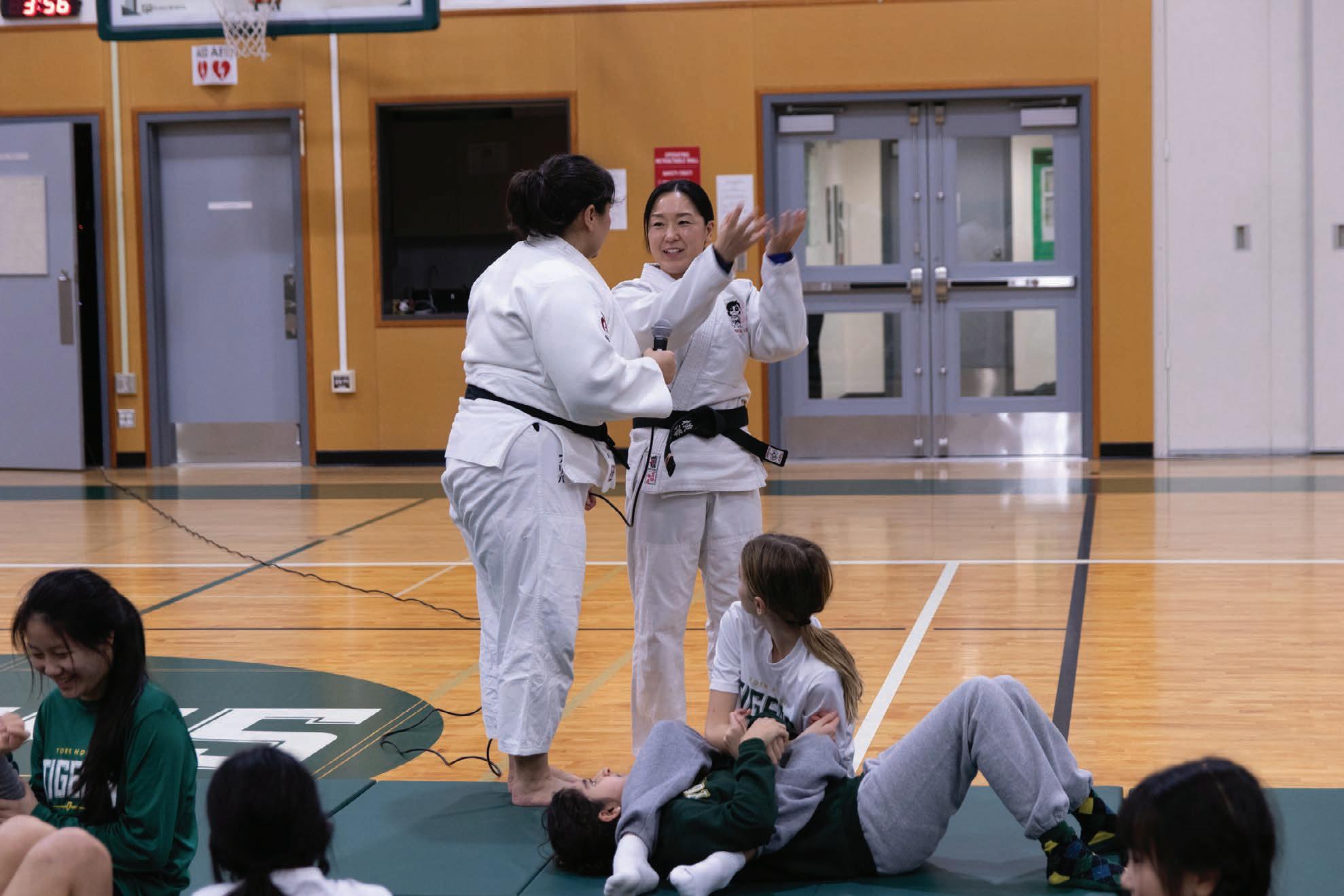
2004 Olympic silver medalist Yuki Yokosawa and Friba Rezayee—the first female athlete from Afghanistan to compete in the Summer Olympics—hosted a Judo session for Senior School students and staff in December. Bringing in experts like Yuki and Friba from outside our school community is essential for giving Yorkies a transformational education.
Active Living Judo session run by Yuki Yokosawa (Olympic silver medalist 2004) and Friba Rezayee (first women athlete from Afghanistan to compete in the Summer Olympics, and Executive Director of Women Leaders of Tomorrow)
CELEBRATES UNIQUENESS
The Uncensored Althia Raj
Beyond the poise of The National, Canada’s top political columnist gets real with Yorkies about grit, integrity, and why being respected beats being liked
By Kelly Walker Schobel
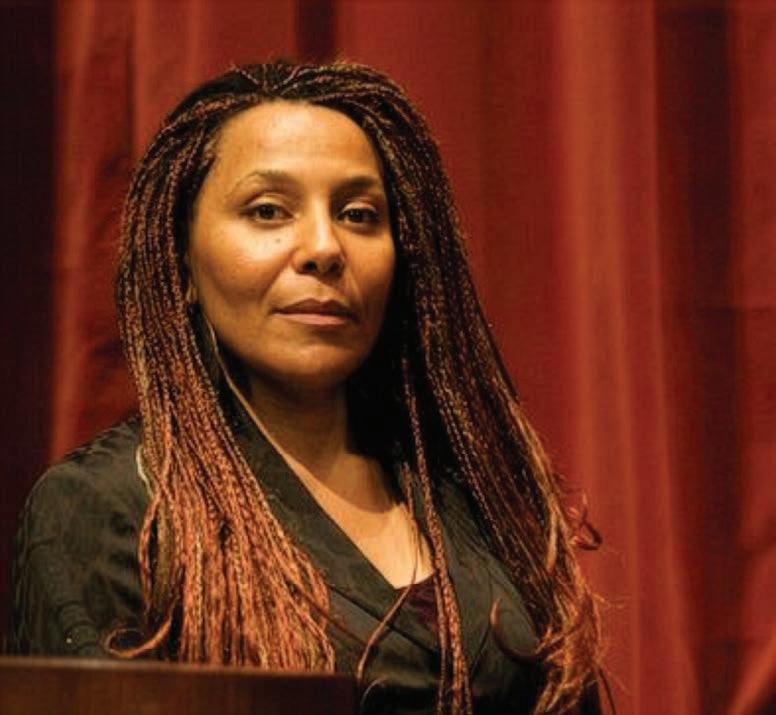
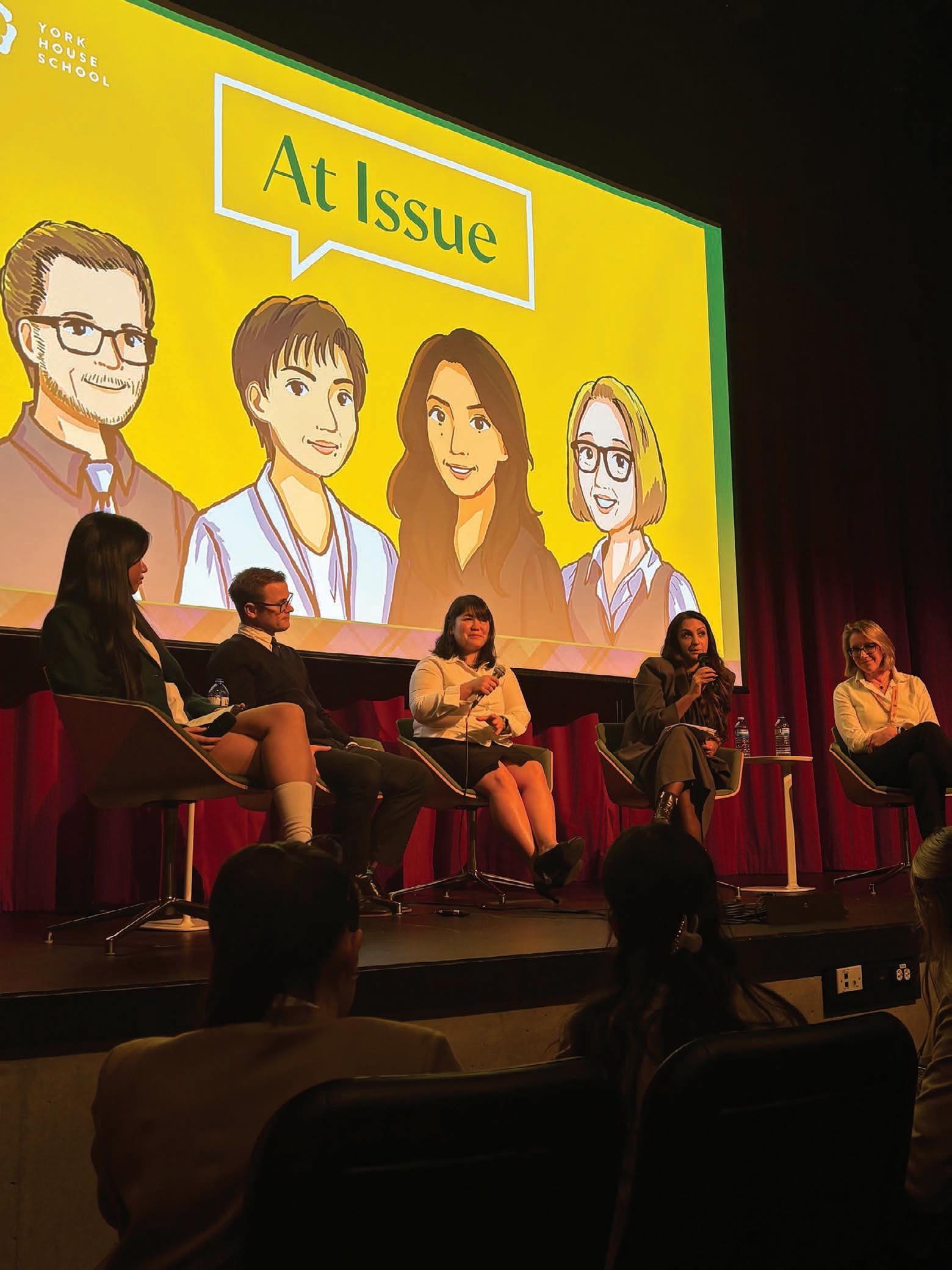
If you regularly watch CBC’s political panel on the evening news, The National, you are used to seeing Canadian journalist Althia Raj skillfully debate the latest Parliament Hill happenings. A fan of Raj myself, I expected the poise and polished persona I witnessed on television when Raj visited York House in December. What I observed during her visit was much more impressive: Raj is vibrant, gutsy, and passionate—not unlike the Yorkies she met that day.
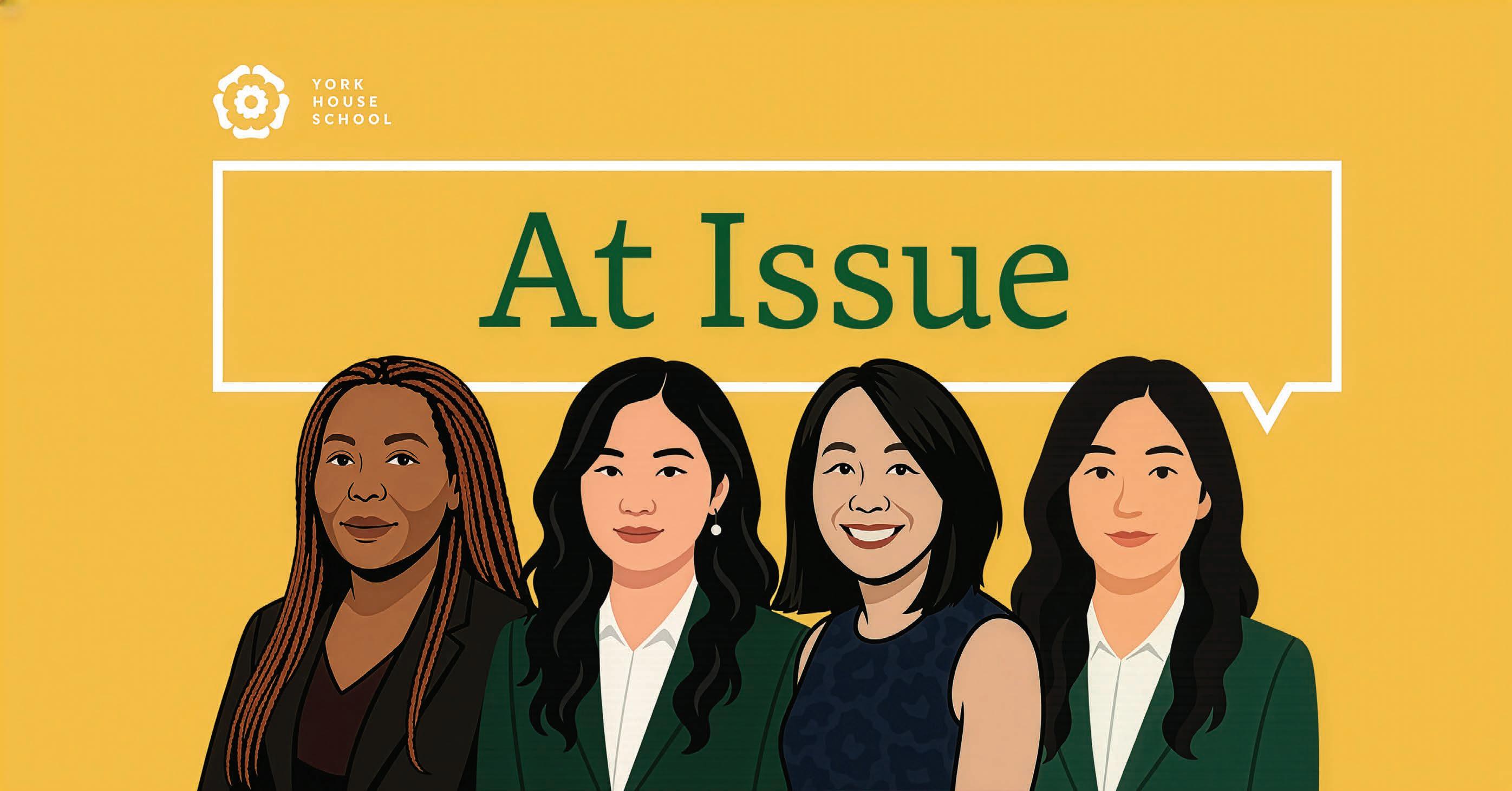
As a member of the CBC At Issue panel and political columnist and podcast host for the Toronto Star, Raj has made a career out of encouraging discourse. But when she sat down recently to speak with students, her message wasn’t a polished press release. It was, in her own words, “a little uncensored.”
“I’m not afraid to write things that nobody else has written before,” she says. “It’s more important to be respected than to be liked.” Raj acknowledged that women are asked to be nice, friendly, and polite, even in political journalism. “Everybody around you has an incentive to manipulate you—the politicians, their staffers—and it can be hard to cut through all of that,” she admits. “As a journalist we have a really big responsibility as the first drafters of history to get it right.”
Raj shared that the week prior to her YHS visit she discovered the Budget Implementation Act, Bill C-15, would give Canadian cabinet ministers the power to suspend any law for any individual or company that wants to test a product, service, or procedure—a move critics argued bypassed parliamentary oversight. “I wrote a report on it because no one else had and it is something people should be paying attention to,” she says. As a result of Raj’s coverage, the topic was then debated in the House of Commons and more reporters started writing about the legislation.
Originally, Raj dreamed of becoming a foreign diplomat or an ambassador. “I sorta became a journalist by accident.” A series of internships and roles at CBC, Foreign Affairs Canada, the United Nations, Maclean’s, CTV and more had led to senior roles as Ottawa Bureau Chief and Senior Editorial Manager at Huffington Post as well as the roles she holds today at CBC and the Toronto Star. Raj attributed her affinity to politics and journalism to the influence of her parents. As a young person Raj would wait up until her father came home so they could watch CBC’s The National together. “To this day I’m not allowed to call my parents between 6:30-7:00 p.m. because they are watching the news.”
As a journalist we have a really big responsibility as the first drafters of history to get it right.
Raj’s unique background has given her the perspective to navigate high-level roles. When asked about her ethnic heritage and how it shapes her approach to journalism, Raj chuckles at the fact that she may lack the culture you would think. “I didn’t grow up with a lot of other South Asians around me and my parents didn’t have any strong affiliations so there’s no strong pull,” she says. “The greatest influence on me growing up in a way was the CBC and how it tells the story of Canada.”
Raj shares that her father didn’t leave India for economic reasons, but rather he came to Canada in the 1960s to pursue a PhD. “My mother is Francophone and from a small town just outside of Quebec City,” she says. “She didn’t speak a lick of English and would have to bring an interpreter to my parent-teacher meetings.” Raj’s upbringing in Ottawa, road trips to Edmonton to see family at Christmas, travelling by car on camping trips in various cities and time spent in rural Quebec have influenced her understanding of Canada’s diverse landscape of perspectives. “On the campaign trail I’m often surprised at how many of my peers have not actually seen Canada,” she recalls. “Because of that, I don’t have a monolithic view and it’s given me a feel for the country.”
For students interested in journalism, Raj says it is harder for young people today than it was for her. “There are hundreds of media outlets that have vanished, and with calls from the Conservative [Party] to close the CBC, there aren’t a ton of journalism opportunities anymore.” A 2023 report from Toronto Metropolitan University confirms 516 local news operations have closed in 345 communities in Canada since 2008.
She continues by sharing that making a living as a journalist is becoming increasingly challenging. “Journalism is a fantastic career and our democracy depends on it,” she says, “But it doesn’t pay well unless you are at the very top.” Hesitant to further burst their bubble for any student dreaming of a media career, Raj also admits it is particularly challenging for women, especially in the context of traditional gender expectations. “If you want to have four kids and be [present] at home, journalism is not the career for you,” she says. “When I cover an election, I’m gone from home for at least 35 days which for most people would be too long to be away from family.”
For journalists like Raj committed to reporting on today’s news stories, the sacrifices are worth it.
Imagine a future that doesn't exist. Yet.
So what can Yorkies do?
Raj tells students the key to understanding an issue is to read. “Consume as much as you possibly can from as many different sources as you can.”
She shares that there are so many more siloes now— bubbles of people talking in echo chambers who all think the same. Raj knows that editorial decisions are being made about what stories get told and those that aren’t. “We are kind of manufacturing stories that we’re comfortable telling ourselves about each other.”
Students asked Althia about the polarization resulting from people increasingly consuming their news through short-form media like Instagram and TikTok. “I’m incredibly concerned about this because we don’t know who is producing content to influence you and neither do you,” she warns. “Back a hundred years ago there were war propaganda pamphlets falling from the sky, but now those messages are coming directly to you in your phone and are often very divisive messages that are meant to split us apart.”
“News on social media often has more hardened views and you’re then less exposed to counter messages that have different angles or information,” she continues.
So what can Yorkies do? Raj tells students the key to understanding an issue is to read. “Consume as much as you possibly can from as many different sources as you can,” she explains. “It’s really easy to have a very firm opinion when you don’t know a whole lot about the topic.”
“Often the truth lies in the gray and I find that the more I read, the more I can see different sides of an issue. People’s ways of approaching something is not necessarily false. Different views can be complementary to one another.”
When sharing her thoughts with us, Raj often apologizes. “Sorry I’m so rambly,” she says.
That rambling might just be what we want our students to see: an authentic and purpose-driven person in pursuit of knowledge, understanding, and discourse where differing perspectives on facts and the human experience can co-exist.
I started the day revering Althia Raj, perhaps envisioning her on a pedestal. Yet, the visit ended with the sense that she’s just like us—a person driven to do the right thing, asking important questions, doing the hard work, and taking bold risks to speak up even in the face of criticism.
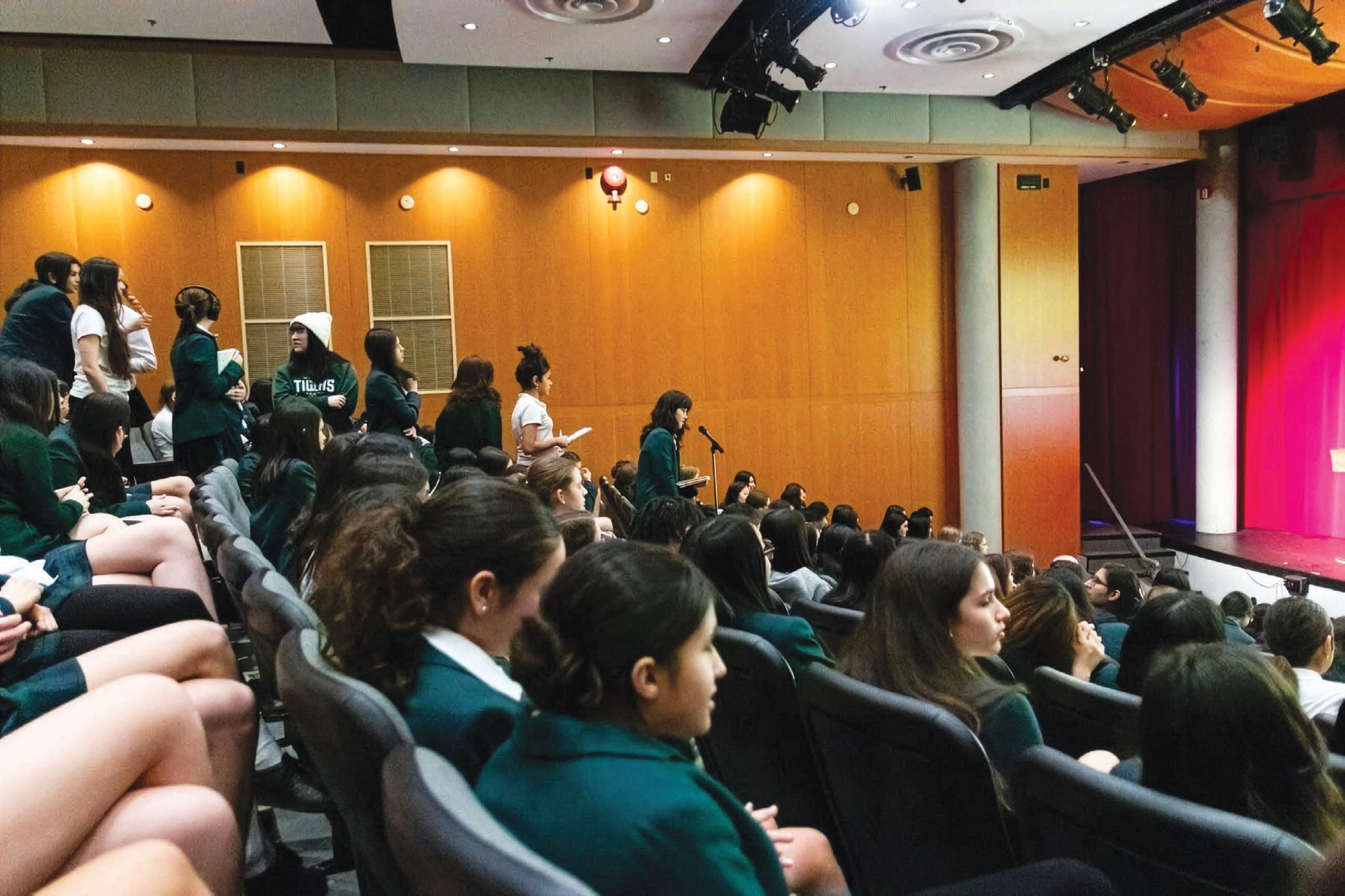
Senior School students speaking with Althia after her keynote address in December
Unstoppable
A partnerships expert gathers, listens, plans, and helps enact equitable policy
by Marisa Procopio
STRATEGIC COMMUNICATIONS, AND 2025
ACHIEVER
AWARD
WINNER VICKY LOPEZ
“I work in a team of 200 people in communications in the Government. For a long time, I was the only person of colour. Confidence, speaking up, and being able to have an opposing opinion is something you learned at York House School. To believe in yourself and in what you’re saying. If you have the evidence to back it up, if you’ve really listened to people and have an argument,
Vicky Lopez, a Yorkie since kindergarten (“a lifer,” she smiles), developed her splendid gumption as she eagerly sampled a broad swath of school opportunities—Class President, basketball, netball, athletics officiating,
“I think I tried to do everything,” she says. “I learned to speak French before I even learned to speak Filipino; my
“It was pretty idyllic to be at York House, to spend my whole life with the same friends—the same ones I have now,” continues Lopez. “The parents of my York House friends often took care of me. Any time I go back to Canada, they’re still the people I see. It wasn’t just a school; it was a whole support system and community
Lopez remembers the school as a place where any dream was both legitimate and achievable, and where the teachers were ready to help students see them through. While at York House, she set her sights on becoming an astronaut and dove into astrophysics. After an immersive experience at Space Academy, she told her science teacher, Michael Simmonds, that she wanted to design a lunar rover vehicle.
And she remembers his response: “‘Okay, we could do it after class.’ He helped me with my application. Those influences and relationships really helped shape the kind of person I wanted to become. It came from having the courage to do whatever I felt like I wanted to do— that there wasn’t really anything stopping me.”
Astrophysics didn’t turn out to be the right fit for Lopez, but the technical and communications skills she gained within the discipline translated beautifully into her chosen work in marketing and advertising. In her partnerships role with the Scottish Government, she advocates for disparate groups across the country and builds strategic messaging that endeavors to reach, and benefit, all its citizens.
“The world is in a really difficult place,” she says. “I work on community cohesion, parental employability, financial support, cost of living, [and] preventative healthcare. I head up partnerships across all the different campaigns we do, making sure no one is left behind, and getting key messaging
across to help them live happier, healthier, safer lives.”
Building and executing policies based on the perspectives of as many citizens as possible is an especially fraught topic in today’s world. But to Lopez, choosing to prioritize the needs of all the people she serves isn’t just kind or generous—it’s also smart business.
“Inclusivity brings a voice to everyone, ideally,” she says. “And those voices, collectively, make for better experiences. I do a lot of workshops on inclusive communications across Scotland, talking about what inclusivity means and what I think we should be doing. I show examples of how we can do that and what should be expected. It shouldn’t be an afterthought; it should really be at the beginning of any strategic plan and policy.
“If you employ people and they’re not heard,” says Lopez, “you’re really missing out.”
York House School’s emphasis on developing boldness, selfdetermination, and keen listening and observation skills in its students continues to guide Lopez and benefits her colleagues and constituents. And the relationships she cultivated at the school were an exceptional model for how to get things done—and done well.
“I learned from the incredibly intelligent people around me at York House,” she says. “You could learn at every step from anyone and everything around you. It’s quite humbling to be in such an environment. I try to make sure
that I remember that. And from a partnerships perspective, I get to be in the room with many people I can learn from. The challenge is to get that, take what I’m learning, and share it with others.”
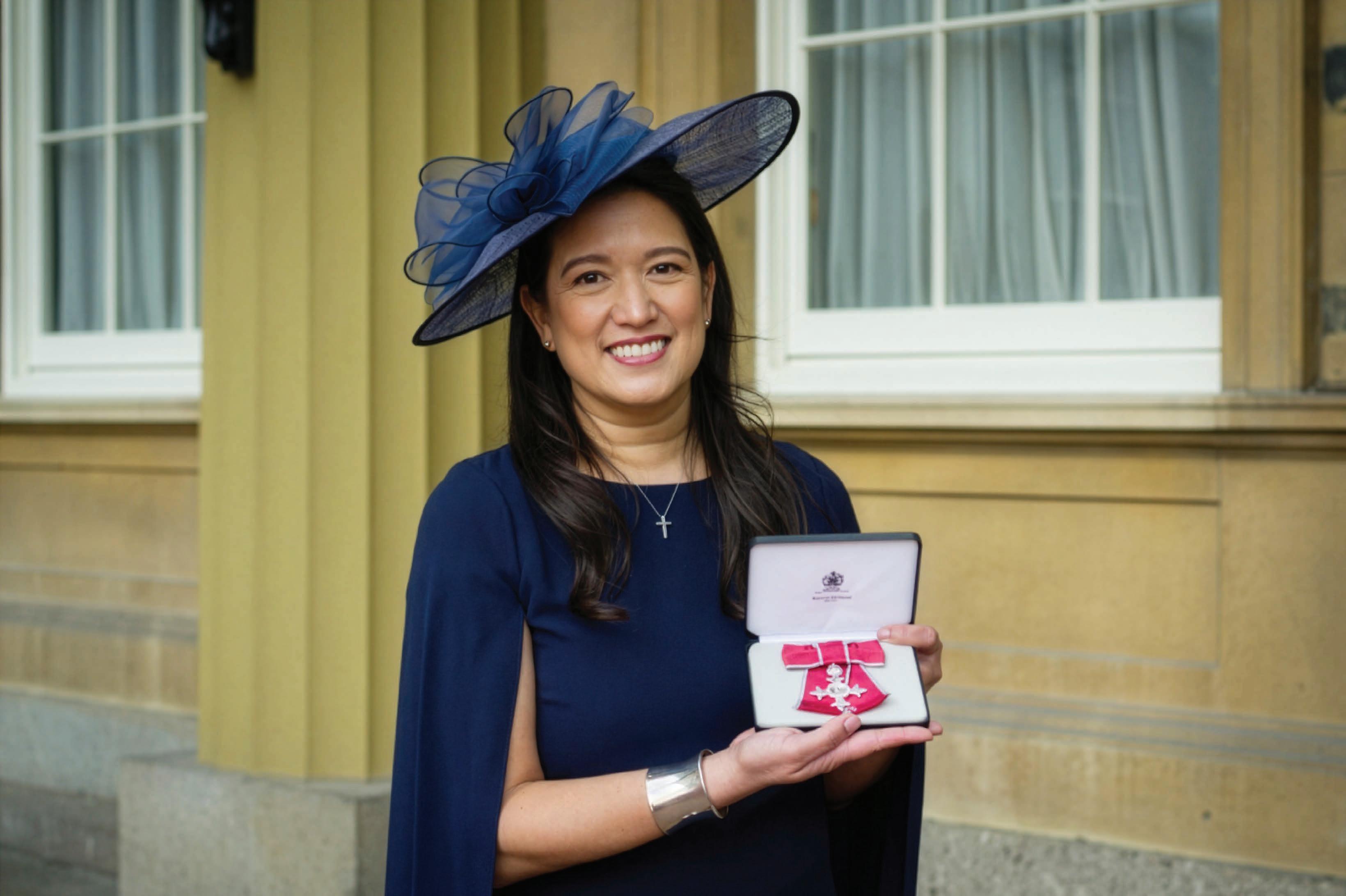
Her efforts to promote inclusivity and build strong communities have garnered meaningful recognition. In his 2024 New Year Honours list, His Majesty the King announced that Lopez would be awarded the Member of the British Empire (MBE) for services to Minority Ethnic Communities in Scotland. She was honoured at a royal ceremony that April, and in 2025, she received the 2025 York House School Alum Special Achiever Award.
Inclusivity brings a voice to everyone, ideally... and those voices, collectively, make for better experiences...
It’s a striking notion, thinking back to a young woman of colour at a new position in the Scottish Government, surrounded by dozens of colleagues who didn’t look like her, having a divergent point of view on a topic, and summoning the courage to speak her mind. How was she able to do this?
“I was taught that was okay,” she smiles. “The confidence I had from York House to try things, and just the feeling that I could do absolutely anything, was pivotal.”
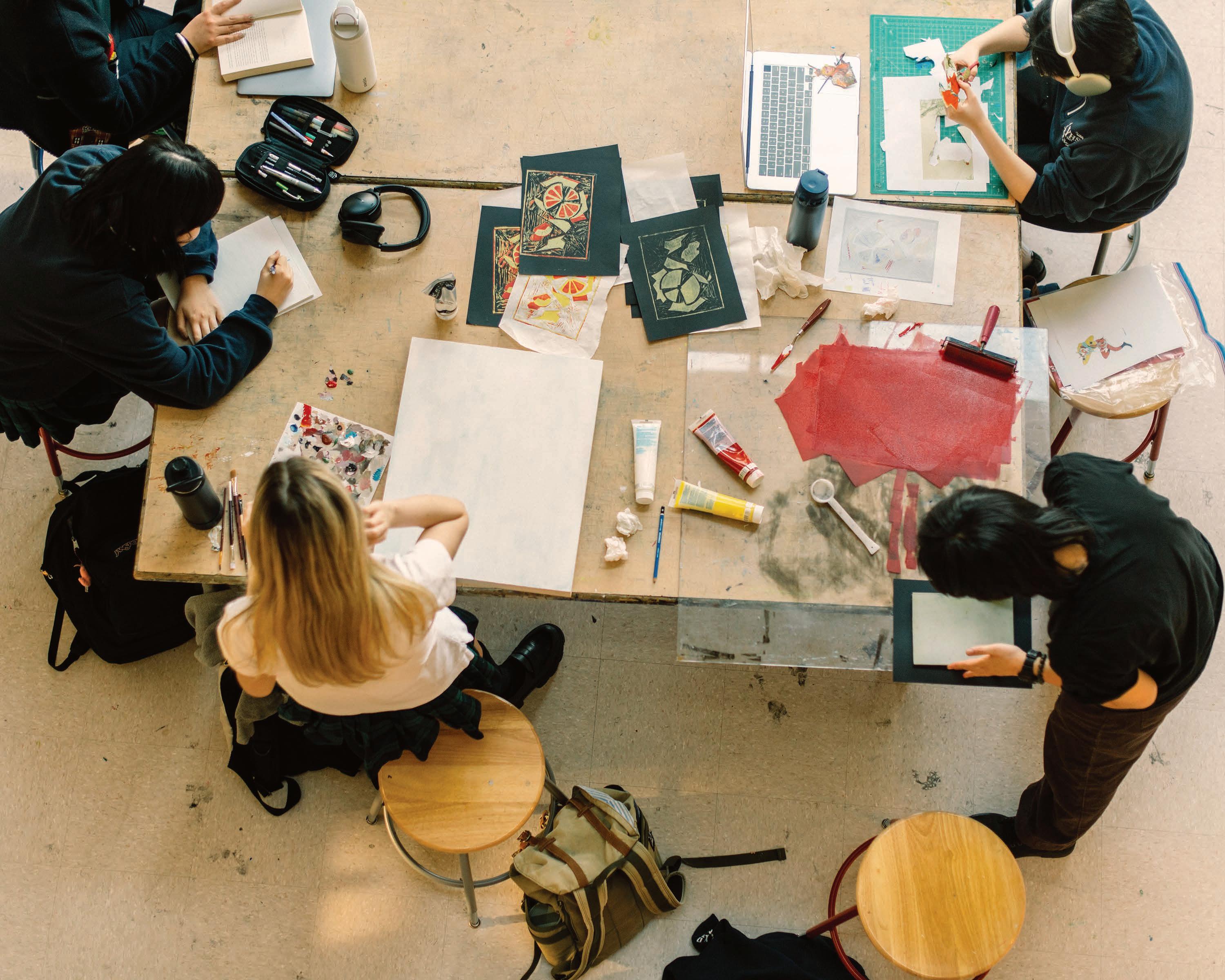
Room to Grow: Cultivating curiosity and connection in the new Junior School Atelier
SHIRLEY ZHAO AND ROC WU GIVE TO INSPIRE CREATIVITY & INDEPENDENCE
by Marisa Procopio
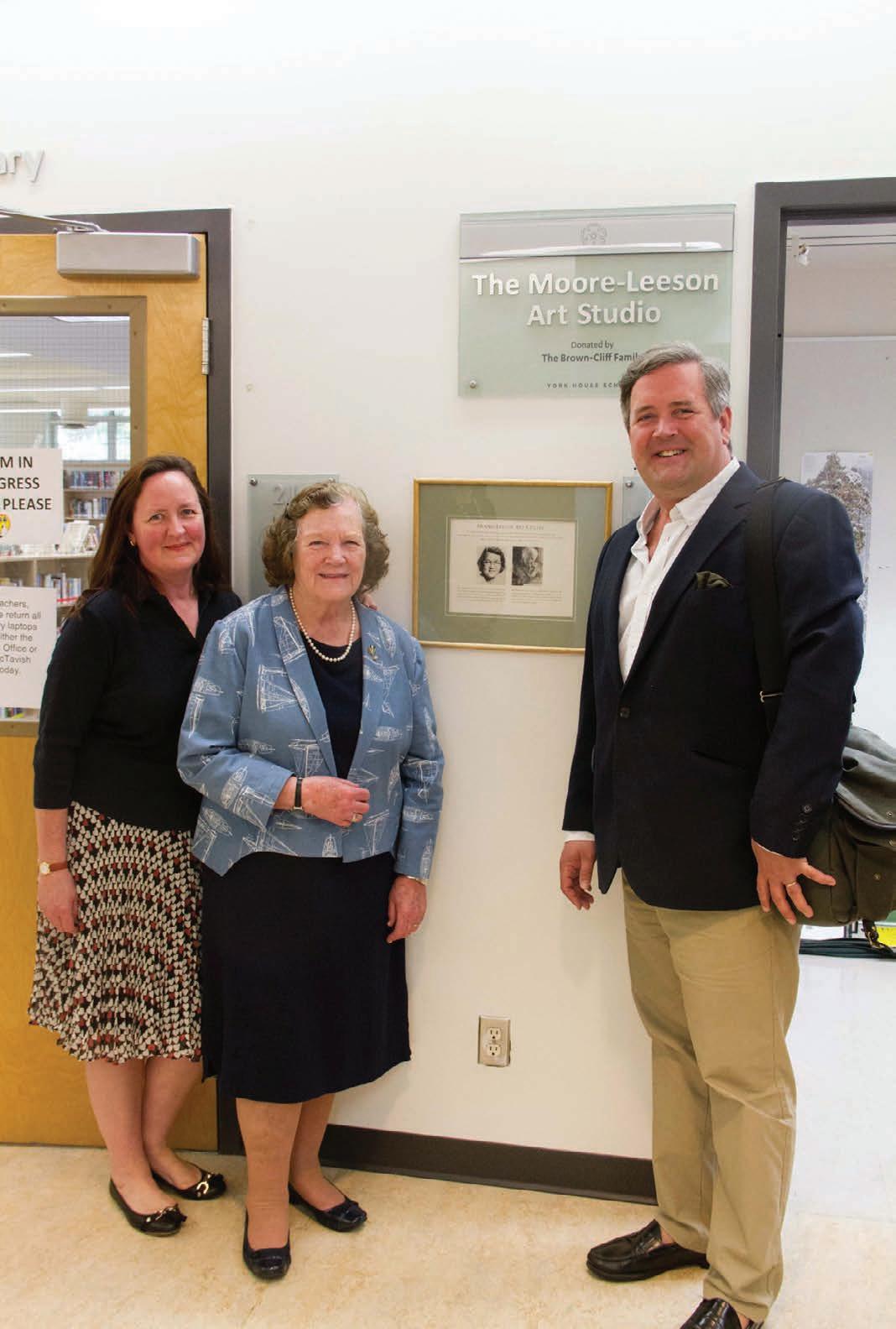
“We chose to support this classroom because it reflects our daughter Olivia’s
creative and independent spirit. The vision is incredible; the school is dedicated to fostering the students’ genuine artistic expression. I knew this would be an inspiring space for them.”
Shirley Zhao speaks glowingly of York House School’s new Junior School Atelier, built to nurture creativity and opportunities for holistic learning in a unique space. Zhao and her husband Roc Wu named the space through a generous gift to support the Junior School Transformation Project.
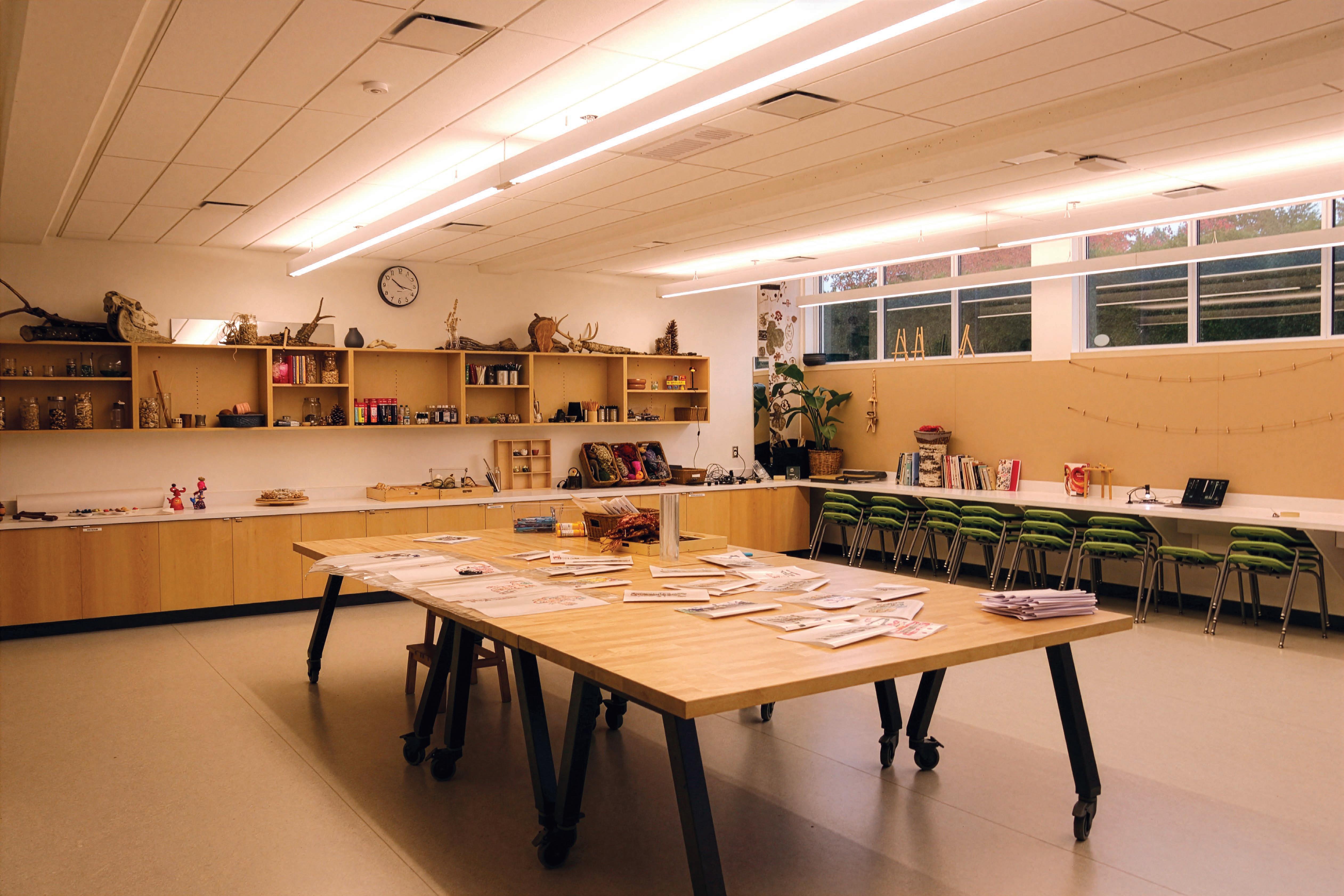
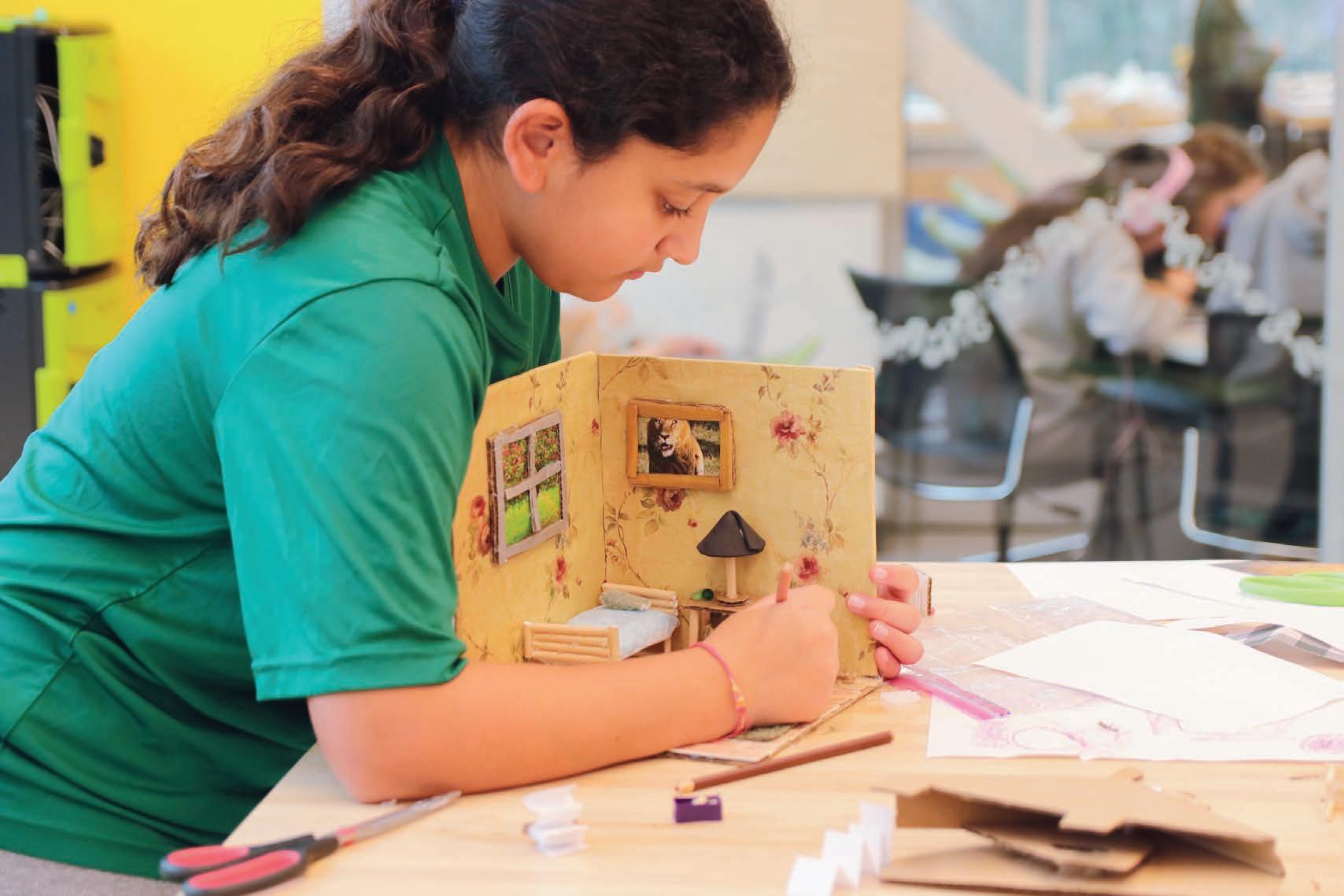
Completed in August 2024, the Atelier is more than just an art classroom. Inspired by Italy’s Reggio Emilia Approach, it’s a space dedicated to multimedia exploration and experimentation, where students can make
connections across and within disciplines as well as ask questions and answer them together. This year, Grades 1 through 7 create within the Atelier on a daily basis.
“Every time you walk into the Atelier, it looks different,” says Junior School Principal Rachel Hughes. “It’s constantly evolving. It’s dynamic.” As an example of the type of exploration the space fosters, Hughes describes a continuing gardening project that began in 2024: a third party visits the school to educate Grade 1–3 students and their teachers about growing, indigenous plants, and—more broadly—the ecosystem of a garden.
“In the Atelier, students are sketching, painting, and using natural materials like clay, twigs, and cardboard to explore plants,” says Hughes. “They’re examining the intricacies of the physical nature of the plants, how they differ from each other, and how they work together in an ecosystem.”
This project “is connected to their learning in science and in terms of First Peoples Principles of Learning and knowing,” she continues. “The Atelier is a space where students can experiment with different kinds of materials and ideas, versus going to an art classroom just to learn basic skills.”
Having said that, when it comes to providing art supplies for the space, York House eschews the generic tempera paint and Crayola markers found in typical school classrooms.
“We’ve been intentional about investing in quality paint brushes; quality watercolour paint, ink, and clay; Conté crayons; oil pastels,” says Hughes. “We want the students to have access to artists’ materials because they are artists as well.”
In August 2025, York House added a significant new resource to the Atelier: Rojia Dadashzadeh as atelierista.
Shirley, Roc, Ariel, Eton, Belle, and Olivia L. '35
“Students’ natural curiosity is fostered through a series of emerging, messy encounters and explorations in the Atelier,” she says. “They democratically resolve resulting creative and social challenges. The space allows a full spectrum of emotion and experience to emerge and unfold.”
Hughes believes the Atelier has deepened students’ capacity for curiosity and learning. “I think when we provide them with provocations, materials, and ideas to think about that are rich and interesting, then they are going to ask questions and dive into the ideas more deeply,” she says. “They’re going to be engaged in an authentic way.”
Zhao is inspired by what the Atelier offers Olivia and her schoolmates. “They can do their work with more tools, they can spend their after-school time there,” she says. “And as parents, we want to support our daughter—not just on the academic side. We want her to have time with her hobby, to spend time on it, and enjoy the time she spends in the Atelier.”
Artwork
(L-R): Chloe '35, Victoria '35, Eva Z. '36, Eva R. '36, Avery '37, and Alice '36
Potential knows no bounds—and neither should a York House education.
Every student with the drive to learn and lead deserves a chance to be a Yorkie. Our Financial Aid Program opens doors for bright minds and bold dreamers. It’s not just about providing access—it’s about enriching our entire community with diverse perspectives and unique talents that make York House extraordinary.
Visit yorkhouse.ca/ nancialaid to learn more
2025/26
Poet Laureate: Hellen He
Each year a student is chosen to be the Poet Laureate. This year, YHS has been lucky to experience the work of HELLEN HE '26
PRETTY
Isn’t it every girls dream to be called Pretty.
It was my favorite compliment.
I didn’t grow up pretty, if you define pretty as praise given from the boys in my class.
Pretty girls are only pretty when they are looked at, ‘Seen and not heard’ they said. So they sew our mouths shut and double knot the thread.
‘Pretty girls are only pretty because they aren’t anything else’
But one day, my body filled out and I bought mascara and boys started looking.
Male validation became obsession. How could it not?
Being pretty was easy. Society treated me like I was human.
But while I was pretty I learnt that being pretty becomes everything.
They lock pretty girls up and swallow the key; because pretty girls are only pretty when they are quiet.
We are barbie dolls put up for sale. And eventually, when our skin lose their complexion and ripples form on our bodies
We are cheap plastic.
Our hair torn from hungry hands, our dresses ripped open by the excuse of ‘Boys will be boys’.
I am not pretty. Because I refuse to identify myself by what shallow rapacious voices leading with lust instead of love.
I will never be pretty again, if it meant that my body meant more than my mind.
And I think I’m okay with that.
SPRING INCOMING
It was the winter of 2019
During first period
I watched as layers of thick, fluffy flakes drift their way onto the ground
Their dissent a quiet caress against the frozen earth
the school doors opened to an expansive landscape void of color
The familiar yard had been camouflaged under a plush, glittery blanket
From the first impact my snowboots made through the ice
I became utterly mesmerized by this strange phenomenon people call snow
A group huddled a few feet away walked up to me
Extending an invitation to build snowmen with them
My unskilled, clumsy hands were unaccustomed to the technique
Rolling half snow and half grass speckled soot
My clumpy and misshapen snowball was stacked at the bottom
While their pristine, spotless counterparts became the head and upper body
Nevertheless, I was ecstatic to be a part of the snowmen at all
It was evidently their habitat
The pallet of their skin seemed to integrate seamlessly into the surroundings
Their sharp features too
Strangely cohesive against the frigid, razor-edged atmosphere of this ecosystem
The snowmen never wore thick, clumsy snowpants
Their boots were pink and had My Little Pony characters
So I memorized Twilight and Applejack and Fluttershy’s names by heart
Just in case they brought up them up
Then I could pretend I was obsessed with them too
At home
My fever spiked to forty something degrees
The dandelion tea my mother brewed was bitter and scorching
How come the snowmen didn’t get sick wearing thin cotton leggings?
While the world around them seem to wither underneath the glacial, unforgiving sun
They seemed to thrive
It wasn’t until years later
When my body finally adjusted to the cold
That I realized no matter what I wore
I could never be a part of something I am by nature
Not
It’s hard to be fleshy and vulnerable when everything around you is quite the opposite
And so easy to hide the parts of yourself you can’t conform to
But no matter how long winters can seem
Be reminded of the early spring rain that will melt off the last traces of white
And remember that while snow might turn into ice
It is only a sign that change is coming
Magic Maker
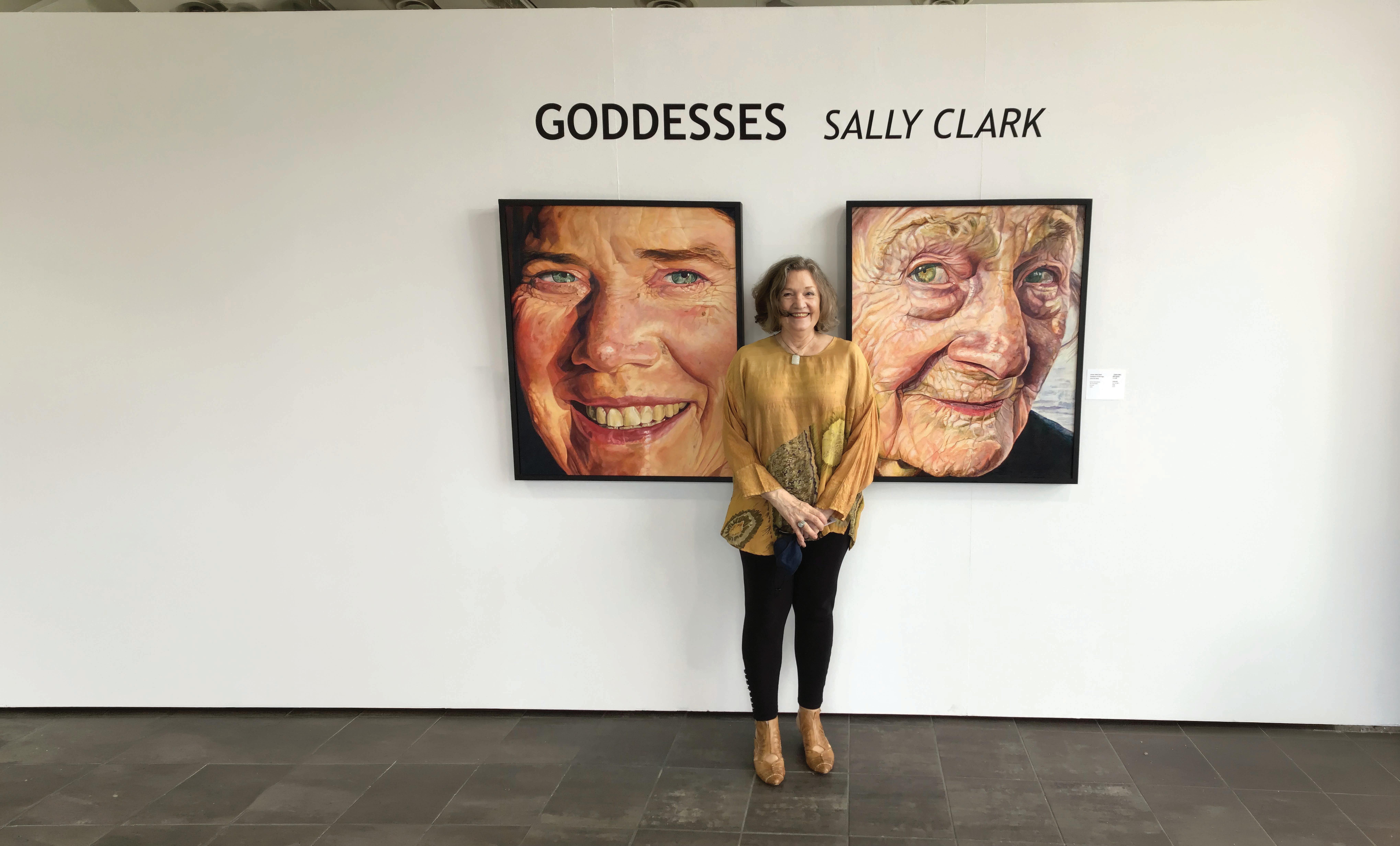
For Sally Clark '71, the path to a multi-disciplinary career began with the mentorship of a few key teachers
THE AWARD-WINNING PLAYWRIGHT AND FILMMAKER REFLECTS ON THE FORMATIVE INFLUENCE OF HER TIME AT YORK HOUSE
By Marisa Procopio
When Sally Clark '71 transferred from Quilchena Elementary School to York House School as an eighth grader, she knew she was in for a change. But she didn’t realize just how big it would be. Suddenly, a door to opportunity and achievement flung wide open.
“I was thrilled to be in a school where it was just girls,” she said. “I could just relax and be myself. That was fantastic.
“In public school, it seemed to be all about getting the boys’ attention and who was the smart boy,” Clark continued. “The girls weren’t supposed to be smart. But at York House, you could focus on what you wanted to do. I didn’t have to hide who I was. You weren’t ashamed of trying to be the best. You just went for it.”
Clark had also been accustomed to teachers who blandly went through the motions, relying on garden-variety, plain-vanilla classroom methods. Art class in particular left her lukewarm, despite her love of drawing.
But York House was a brand new world, populated by instructors who were serious about their subjects and genuinely excited to teach.
“York House had very unusual, unique teachers, and I liked it,” she smiled. “They all had theories and quirks and were fascinating. Mary Leeson was such a good art teacher. There were people in my class who, in public
school, were never artists, but Mrs. Leeson didn’t know that. She treated them like they were artists, and they suddenly started doing really great work.”
Teachers who were passionate about their subjects, who came in each morning energized about sharing their passion, and who assumed excellence in their students? Clark was awestruck and inspired—especially in art class.
“That completely turned me around, that anyone can learn to draw and be an artist if they choose it,” she said. “In the first class, Mrs. Leeson had us all setting up our own still lifes and drawing them. She taught us drawing, which you didn’t get taught [back then],” Clark added.
“York House was very disciplined,” she continued. “In my day, women were not trained to go for what they wanted or to think seriously about their own life path or career path. York House made that clear: you could take yourself seriously and decide what you wanted to do in life.”
Still, after graduating from university, Clark found herself in Toronto and at a professional crossroads. She eyed a career as a painter and tried to get her work into city galleries, but the representational style she preferred wasn’t de rigueur then—abstract was. It was time to pivot.
“I had taken theatre classes at York University and realized a lot of my friends were theatre people, so I
just started writing plays,” she said. At 20, she met an art teacher who suggested she take a part-time job that would support her as she wrote and continued to paint.
“Most women my age at that time would do a full-time job in the arts and art as a hobby,” said Clark. “It had never occurred to me to separate how you earn your money from what you love.”
Indeed, creating distance between earning money and making art can actually pay off. It did for Clark.
“I had a friend who was a playwright and worked in theatre in admin,” she said. “Nobody ever took her seriously. They liked her, but they never thought of her as a playwright. They would even read her play with a different attitude because they thought they knew her.” On the other hand, literary managers and other salient contacts had no preconceived notion of Clark or her work to influence their thinking before they opened her script.
“It worked out really well,” she said. “My play got taken up, and then I was able to leave my part-time job and spent most of my time focused on playwriting and painting.” She has since added novel-writing and screenwriting to the mix, and has found success and balance with all.
Clark believes art and the act of creation share a timeless relevance, inviting us to view and experience aspects of our humanity across generations.
Art, whether created centuries ago or yesterday, has the power to move us and bring us together.
“When you create a work of art, I think in some respects it is alive,” she said. “I remember going into the National Gallery when I was 14 and seeing a room of 16th-century paintings, all of these faces looking out, and I could connect with them. I felt like I knew these people. It was this miracle of communication, that whatever this person had to express was reaching me.”
Art offers us agency: through its creation, we can help shape our world, our perception of it, and our strategy for managing its challenges.
“Picasso said art is magic because it’s a way of dealing with the scary outside forces in life,” said Clark. Referring to African tribal artists, he was saying that “they couldn’t control the lions, so they would create masks as an intermediary between themselves and the mystery that was really frightening.” Creating an object in this way can help establish a relationship with it, exercising some control over that which you cannot control, she said.
“Art articulates some deep thing which you cannot express, other than through the work of art,” said Clark. “It’s a form of magic, I think.”
Threads
WHEN A TREE FALLS
A large fallen tree outside the main campus on 26th Avenue captivated our Grade 1s and 2s in the most unexpected way in January. Our young Yorkies turned this neighbourhood incident into an investigation, making many scientific observations, including:
“The floor is lifted up!”
“Maybe the sidewalk blocked the tree’s root.”
“Maybe it has to do with rain. There was too much rain.”
In response to our students’ wonders and inquiries, an arborist and representative from the City of Vancouver came to answer their curious questions during the tree removal. We are incredibly proud of our students for seizing this unique moment for learning.
. After training at UBC and the Royal Central School of Speech and Drama in London, Camille also earned her MFA at Loyola Marymount University’s School of TV and Film.
CREATING MONSTERS
Grade 6 Yorkies showcased their impressive skills and creativity in design and technology this year through the Applied Design, Skills, and Technology program. They coded and shared their very own video games with each other, created 3D prototype monsters out of 2D designs, and built intricate dioramas of unique settings using various materials such as fabric, string, cardboard, and wood.
LEARNING ENTREPRENEURSHIP
Local entrepreneur Eliza Trendiak visited our Grade 5 class to host a workshop as the students prepare for their entrepreneurship fair. The Grade 5s listened intently as our guest speaker detailed her career journey, from discovering her entrepreneurial spirit as a child, launching her own hair studio, and creating Lavoh, reusable makeup removers that only need water to work. Throughout this workshop, the Grade 5 students learned about what it takes to run a business, and that being an entrepreneur is more than just having a good idea.
YORKIES TAKE ON RELATIONAL AGGRESSION IN MEAN GIRLS
The York Rose Players presented Mean Girls in this year’s theatre production. From practicing the lines, music, vocals and choreography to setting up the stage and designing promotional materials, our cast, crew, and pit band supported by Ms. Keira Louis, Mr. Mathew Chyzyk, and Ms. Jacqueline Mirtic dedicated many hours to transform this fun and provocative play into four meaningful performances. This production invites us to think critically about social hierarchies, peer pressure, and the ways we treat one another. On Wednesdays, we wear pink!
Silencing the Self
SELF-SILENCING: WHAT IT IS, HOW IT AFFECTS WOMEN, AND HOW WE CAN HELP GIRLS FIND AND USE THEIR VOICES
By Lillien Waller
“It is the province of mothers to preserve the myth that we are unburdened with our own problems,” Terry Tempest Williams muses in the memoir When Women Were Birds: FiftyFour Variations on Voice. “Placed in a circle of immunity, we carry only the crises of those we love. We mask our needs as the needs of others.” In this passage, the author reveals one of the many ways women silence themselves: by prioritizing the needs of others over their own, often as caretakers.
Research tells us that self-silencing comes in various forms. But no matter how it shows up, it can cause serious mental and physical harm to women and girls.
Celine Yuan '28
WHAT IS SELF-SILENCING?
Depression. Anger. Anxiety. Social withdrawal. PTSD. These are a few of the mental health impacts for women and girls of self-silencing, but it doesn’t end there. Recent research1 reveals that suppression of emotions over the long term is linked to significant, even deadly, repercussions for women’s physical health, placing them at greater risk for a number of outcomes including “chronic pain, insomnia, fibromyalgia, long COVID, irritable bowel syndrome, and migraines.” Women account for nearly 80 percent of autoimmune diseases and are twice as likely as men to die after a heart attack.
Described by Dana Crowley Jack in her 1991 book Silencing of the Self: Women and Depression as “compulsive caretaking, pleasing the other, and inhibition of selfexpression” to maintain intimacy, self-silencing is a response by women and girls to engrained cultural norms. These norms define and delimit women’s behaviour in a number of ways, such as the expectations that they be agreeable, self-sacrificing and inhibit their own self-expression in favor of others’.
“How am I creating these feelings about myself? Am I doing it through people pleasing or trying to gain approval from others? Or, am I letting other people’s expectations dictate how I feel about myself?
When you can challenge those things, it just leads to an ability to deepen relationships,” explains relationship-expert Dr. Amber Price. After seeing a disturbing pattern of self-silencing behaviours in her own life, Dr. Price pursued a doctorate in Marriage, Family, and Human Development, and focussed her research on female self-silencing. Dr. Price now works with women to help them stop selfsilencing and reclaim their identity. Dr. Price points out that when we hear the word self-silencing, we often think of the phenomenon as simply not speaking up, not using one’s voice. That’s one aspect, she says.
“But it’s anything that you’re doing that suppresses who you actually are. People pleasing would definitely fall within this category because you’re making choices about how to spend your time or what to do—not to please yourself or because it’s what you want—but because it’s what you think other people want.”
Perfectionism is a form of selfsilencing, too. “Being agreeable and accommodating in a way that’s not natural. I think this is where it can get a little bit sticky,” says Dr. Price. “We want to have good relationships with other people. But in order to do that, we sometimes think we have to stifle who we are. Be agreeable. Don’t disappoint anyone. Make sure that everybody is taken care of. We spend all of our
1“Self-Silencing is Making Women Sick,” Maytal Eyal, Time, October 3, 2023 2Ruling Our eXperiences, Inc. The 2023 Girls’ Index™: New Insights into the Complex World of Today’s Girls. 2023, www.rulingourexperiences.com/research.
time doing that to the point where we lose the ability to know what we want for ourselves, to make decisions for ourselves, to speak up for ourselves, to pursue our own talents or hobbies or interests, to develop who we are. All of that can be encompassed in self-silencing.”
Sometimes people would give me the option to do things, and I would always just do what they wanted.
LUNA '31
It’s important to recognize that not only can self-silencing take many forms, it can also start early and go unnoticed. It has become particularly prevalent among adolescent girls. A 2023 study of 17,000 girls in Grades 5-12 in the US found that 66% of girls do not say what they are thinking or disagree with others because they want to be liked2. York House School students Luna Best and Camille Sinclair, who are both in Grade seven, offer examples of experiences they had when they were younger, although they wouldn’t necessarily use the word self-silencing to describe their behaviors.
“When I was in a group or even just at my house,” says Luna,
When we hear the word selfsilencing, we often think of the phenomenon as simply not speaking up, not using one’s voice. That’s one aspect.... but it’s anything that you’re doing that suppresses who you actually are.
DR. AMBER PRICE
“I would always say yes whenever someone wanted to sit in the front seat, for instance, because I didn’t want to get anyone mad or have any conflict.” While Dr. Price primarily studies romantic relationships, she points out that self-silencing in general is inextricably tied to behaviours girls engage because they are trying to preserve relationships with others, so conflict avoidance is common. “I’m not going to speak up with my opinion right now, because I’m worried that I’ll rock the boat. So I won’t say anything, which kills intimacy.”
So does the fear of being judged, a problem Camille experienced a number of years ago when she was in grades four and five, noting that sometimes public speaking would make her actually shake. “I was very
comfortable towards my friends only. But when it came to speaking in front of the class or speaking in front of a lot of people, that’s when I would be quiet. I didn’t want to talk. I thought, ‘What happens if I make a mistake?’”
What helps me now is that I try to think of the positive things and don’t think of it as a big picture.
CAMILLE '31
SENDING THE RIGHT MESSAGE
Resentment can be closely tied to self-silencing, Dr. Price points out, because of the anger one feels for not setting boundaries and giving up personal autonomy. If you feel resentment, she says, it’s usually a good indication that there is self-silencing happening underneath it. This was the case for Luna, who realized that she was not making her needs clear to her friends. “Sometimes people would give me the option to do things, and I would always just do what they wanted. But then afterward I’d be annoyed because I did what they wanted. So, some of my friendships were hurt from not speaking up when I needed something.
“It made me feel like I wasn’t the person controlling what I did. It was everyone else around me. [I felt like] I had no say in everything I did.”
As she got older, Luna realized that it “wasn’t a big deal” to speak up. And Camille went so far as to develop a personal strategy to help her combat self-silencing. “I had goals for myself to be more confident and how I was going to get there,” she says about editing herself in front of her classmates. “I was thinking about how, when we were doing reading groups sometimes, and we had four or five people
in one group. We were just reading articles together, right? [Thinking about it that way] got me comfortable. And then I just had to keep going and keep sharing my thoughts with everyone.
“What helps me now is that I try to think of the positive things and don’t think of it as a big picture. So, ‘Today I’m going to try doing this. Today I’m doing that right.’ I think of how to break it up [into smaller pieces], and I remember that I don’t like going back to where I was.”
ENOUGH WITH “ENOUGH”
Camille and Luna were both able to work through these early episodes of self-silencing. But what are some of the ways girls and young women can feel more confidence in expressing themselves and setting boundaries? A lot of it, Dr. Price explains, has to do with the language the older women around them use to frame their behaviors—that is, enough with “should” and enough with “enough.”
“We have to be careful with the messages that we’re giving to girls, especially because we as women are hearing those same messages and struggling with them ourselves. Anytime we say ‘I should do this’ or ‘I’m supposed to do this,’ we have to question why? Does this feel like the right choice for myself, or am I doing it because I want to be seen as the good friend or the good wife or whatever?
“Also the word ‘enough.’ Am I productive enough? Am I thin enough? Anytime we’re worrying about whether something is enough, we’re tying our sense of selfworth to things outside of ourselves, to other people’s expectations. We have to be careful with what we model to them and the words that we use to describe what a woman is. Because we want women to show up and be their good, powerful selves and bring their best gifts to the table and make the world a better place.”
Sarah Thompson '27 using her voice in this year’s production of Mean Girls
Threads
STORIES OF THOUGHTFUL CONVERSATIONS GROUNDED IN CURIOSITY, RESPECT, AND COURAGE
DECOLONIZING BEAUTY
The Women of Colour Club hosted an open forum called “Decolonizing Beauty” in November. In this discussion, students and faculty engaged in an open dialogue regarding the Eurocentric beauty standards of today, how they affect people of colour, and how we can take on a new perspective of beauty outside of the societal boundaries placed around it.
REMEMBERING AND RESILIENCE
The Grade 1 class hosted a thoughtful, reflective, and engaging conversation about remembrance, resilience, and community at the annual Remembrance Day Assembly. Students encouraged the audience to participate in the discussion with thought-provoking questions about resilience; what it looks like and what community means to everyone, creating a sense of learning and understanding throughout the theatre.
HEAD OF SCHOOL VISITS HONG KONG
Head of School Deryn Lavell represented York House in Hong Kong in November where she presented the Canadian Approach to Educational Excellence alongside David Young, the Head of St. George’s School, and Charles
LEARNING AND UNLEARNING
To observe National Day for Truth and Reconciliation and Orange Shirt Day on September 30th, Senior School dedicated a day of learning to explore Indigenous histories, languages, art, and relationships with the land. Students engaged in a range of activities on campus including film studies, short stories, bead bracelet art, and lacrosse. Students also went into the community visiting the Museum of Anthropology, Bill Reid Gallery of Northwest Coast Art, UBC Centre for Sustainable Food Systems, and the Squamish Lil’wat Cultural Centre.
Students in the Junior School wore orange shirts and explored the topics of celebrating differences, understanding others’ perspectives, and honouring Indigenous Resilience in assemblies.
Vancouver MUN in January, representing Belgium. Sophia is part of our Model United Nations Club who meet weekly to learn about the work of the United Nations, geopolitical issues around the world, and public speaking and presentation techniques.
A How-To Guide for Having Courageous Conversations
by Elizabeth Facundo
Whether it’s heated political debates with relatives during the holidays or angry comment sections on the internet, difficult conversations seem to be impossible to avoid. But what if the solution isn’t in avoiding these discussions, but tackling them head-on?
A team of students at York House School share their experiences engaging in topics that require bravery and vulnerability—here’s what you can learn from them.
With the rise of readily available information and connection through social media, it’s easier than ever to share personal opinions and to hear the opinions of others, which can be an uncomfortable experience for many. Students Angela Tan '25, Fiona Qian '26, Annie Liu '26, and Situ Li '26, noticed that discourse
tends to be polarizing and unproductive, and they sought to change that. “We’re not quite listening to each other,” says Angela, who recently graduated from YHS. “When you speak to the person but they’re not really responding, they’re just waiting for their turn to respond. I think that’s what most discourse has been,” she continues. To face this problem, they worked together with Genny Lee, Senior School Principal, to host the first Courageous Conversations.
WHAT ARE COURAGEOUS CONVERSATIONS?
Courageous Conversations are a platform for students and guest speakers at YHS to discuss divisive issues in a respectful and civil manner, while also being honest and unafraid of disagreement. Guest speakers are invited to provide their expertise, experiences, and insight on a particularly divisive topic, and discuss it with each other. Students are then encouraged to join the conversation by asking questions and engaging in discussion. “We wanted to make sure that we were providing a space where it could happen if it’s something that’s really hard to do in your personal life,” expresses Fiona. “We were also hoping that in modelling ourselves and the speakers having these more difficult conversations, we would be able to actively encourage the students to do so on their own as well.”
The students have hosted two Courageous Conversations so far, the first on women’s reproductive rights back in May and the second in December on gender identity and the definitions of femininity and masculinity in a patriarchal system. They all worked hard to prepare, research, and recruit experts to join the
panel. As part of this preparation, they came up with four agreements that all participants must follow in order to have a productive civil discourse:
1
AGREEMENT 1: STAY ENGAGED
To have an effective conversation, participants must be actively listening and participating to further their understanding and learning, which can’t be achieved alone or by checking out when differences come up. As Angela puts it: “I think just reading about [abortion] is way different than when someone is there talking with women who have gone through these events about their experience.” She felt that conversation was more helpful, going beyond theory in the classroom.
Additionally, the students emphasized the importance of talking to real people rather than via social media. It can be easy to disengage as soon as the social media conversation isn’t interesting or comfortable anymore. “Most people get their news from social media and if you like a reel or something, it’s all that pops up, so it kind of reinforces that you only wanna hear from one type of person or one type of opinion,” states Situ.
Students lining up to ask questions and participate during the second Courageous Conversation in December
2
AGREEMENT 2: EXPERIENCE DISCOMFORT
The first Courageous Conversation about reproductive rights was chosen during a time of uncertainty and fear, especially for women. Fiona. recalls, “Last year especially, right after the U.S. election, we were seeing a lot of backlash around the change in women’s reproductive rights and just women’s rights in general.”
“As a women’s school, we feel like we have a duty to address these issues and prepare students to exist in the real world, and talk about people who may have opinions that totally go against their conceptions of women’s rights,” Situ adds. “But it’s so important to learn how to coexist with that and manage it.”
The students know these conversations are difficult. But the goal isn’t to make them easy. “Our goal was to break out of an echo chamber because we find that we usually just talk with people that we want to hear [from] and we don’t really accept ideas from outside, especially on abortion,” says Annie.
The students invited two panelists to speak on the issue of reproductive rights: Angela Marie MacDougall, a pro-choice activist and Executive Director of Battered Women Support Services and Dr. Sherry Chan, a pro-life advocate and clinical instructor in the Department of Family Practice at the University of British Columbia. It was a sensitive and vulnerable
topic for many, but it was a truly genuine, real discussion for everyone, without the spectacle that public debates associated with these topics usually have. “I think for whatever it’s worth, people were uncomfortable and it wasn’t perfect, but we cultivated an event that had raw experiences,” says Angela Tan. “Both speakers spoke honestly about what they believed and I think it was very persuasive and compelling.”
3
AGREEMENT 3: SPEAK YOUR TRUTH
The fear of being judged for speaking up prevents many people from having difficult conversations because of the fear of being misinterpreted or ostracized. The students hope to mitigate those fears by demonstrating their own bravery. “I think a big fear of people speaking about it at all is just being ‘cancelled’, and that was scary for us too,” Situ admits. “But we feel like if we started it, we have to demonstrate it… we have to show that it’s okay.”
However, the students are also clear that speaking your truth in a disrespectful manner, spreading misinformation, or being unwilling to listen only worsens polarization and violence between sides. “Sometimes it’s easy to say something wrong, or express something when you didn’t really mean it that way,” says Annie. To avoid this, they encourage practicing engaging with others’ opinions with curiosity instead
Female Reproductive Rights panelists: Angela Marie McDougall (Battered Women’s Support Services and Community Organizer) and Dr. Sherry Chan (UBC and Christian Advocacy Society)
of assumptions in order to fully understand their stance. In an email to the YHS community, the students state, “We encourage you to exercise your right to civilly express [disagreement]. The important part is your willingness to hear the “other side” out.”
“It’s okay to agree to disagree, and it is okay to have different ideas on sensitive topics,” says Annie. “It’s important to also accept that other people have different opinions.”
4 AGREEMENT 4: EXPECT AND ACCEPT NON-CLOSURE
A common mindset that perpetuates the discomfort people feel when hearing differing opinions is zero-sum thinking, or
the belief that a person can’t gain anything without taking something away from someone else. This mindset can lead to thinking there has to be a clear winner or solution coming out of the conversation, which Courageous Conversations assemblies aim to steer people away from. They are not debates meant to convince people of a correct opinion or solution. Instead, they are meant to facilitate a better understanding of different viewpoints. As Angela puts it, “You can’t start a courageous conversation with the outcome or the expectation that the problem will be solved with just a 30 minute discussion.”
THE FUTURE OF COURAGEOUS CONVERSATIONS
Courageous Conversations assemblies are a relatively new initiative and the team has plans for more. They’ve expressed a desire to enhance the experience to ensure students are actively gaining something and not just seeing it as a spectacle. This may include allotting a larger amount of time for students to ask questions to encourage more participation or providing educational opportunities after the assembly to add to their learning.
However, this doesn’t mean that once the discussion is over, your job is done. “Having a conversation is just one step but it’s an important step,” continues Angela. “After the conversation, we need to self-reflect and revise our solution depending on the feedback from the issue.” A productive conversation should allow people who disagree to find a productive way to move forward despite the disagreement, rather than leaving a conversation with the same mindset they started with. Situ states, “It’s really important to be specific and know that disagreements are usually about something concrete that you can talk about rather than just you being fundamentally opposed.”
But what they truly hope for is that they can inspire others to be brave and keep the conversation going outside of school, even if it’s difficult.
“The best thing is to start, because that’s often the hardest step. There’s going to be a lot of fear and nerves around expressing something you think might be polarizing or cause a rift in your friendship. But we were trying to show that disagreement can happen respectfully,” says Fiona. “I think the important thing is just to have the courage to have that conversation.”
Panelists discussing gender identity and the definitions of femininity and masculinity in a patriarchal system: Althia Raj (Political Journalist), Friba Rezayee (Women Leaders of Tomorrow), Kait Weston (St. George’s School), and Chris Cropley (York House School Faculty)
In a beautiful expression of STEVENSON '65 recently gifted a piece of York House history back to the school: a painting by the beloved art teacher
From 1961 to 1970, Mary transformed the Art Department into a rigorous academic discipline while ensuring her classroom remained a haven for all. She nurtured unique talents through a mix of art history and technical skill, notably introducing the practical art of calligraphy, a gift many alums cherish to this day.
The painting carries significance for Janice, who fondly recalls Mary’s mentorship. “My most precious memories are days painting with Mary,” Janice shares. “We explored how the visual world informs and nurtures us.”
Today, Mary’s legacy lives on at YHS in the Leeson-Moore Art Studio and by gifting this artwork, Janice ensures that Mary’s artistic voice continues to nurture today’s Yorkies.
their younger buddies over time. The program offers valuable leadership opportunities while strengthening empathy, compassion, and belonging across our community. Our Grade 5s discover the joy of mentoring, while younger learners gain confidence and excitement about reading.
Through these monthly visits, our students learn that service creates connection, and that showing up consistently for others shapes who we become.
Lavell Thompson '85 with her mother Margaret Mary and brother Dickon Thompson '81, outside the Moore-Leeson Art Studio in 2015. Right: detail of donated painting
VANESSA GRAY-BIRD '89: LEADING THE WAY IN MENTORING
With over 25 years in global investment banking at firms like Goldman Sachs, VANESSA GRAY-BIRD '89 has recently been mentoring the next generation of Yorkies through YHS Connect. Her perspective on talent is refreshing; she prizes the “human” element over perfect GPA scores. “I’m often more interested in summer jobs. A student who has worked at McDonald’s shows resilience and leadership,” she explains.
Vanessa focuses on the unwritten rules of professional success, guiding graduates through the transition from university to the workforce. By honing soft skills, from refining a sharp elevator pitch to the art of the thank-you note, she builds real-world confidence. Her philosophy emphasizes networking and relationship-building above all.
This commitment recently came full circle when a former classmate she assisted offered to mentor Vanessa’s own son. It was a moment that perfectly captured the “pay it forward” spirit and lifelong power of the YHS community.
LIVING OUR MOTTO: HOLIDAY CARE KITS
What began as a single-class project has grown into a Junior School-wide tradition. This year, students in Grades 1-7 created 300 Holiday Care Kits for five community organizations supporting women, children, Indigenous families, and those facing housing or health challenges.
The heart of this initiative isn’t the number of kits we assemble but the care, thoughtfulness, and empathy our students bring to the process. With family-donated essentials like shampoo, toothpaste, clothing, and gift cards, students hand-decorated boxes and wrote personal notes of encouragement. They take great pride knowing their efforts will brighten someone’s day and remind them they are seen and valued.
Our Junior School Community Service
Captains led this initiative and will launch their own service project later this year, embodying our belief that service isn’t something we do once, but a way of being.
ROYA ASSADI '10: EMPOWERING YOUTH THROUGH SPORTS
Sports at York House weren’t just extracurriculars for ROYA ASSADI '10; they were where she learned to work in teams, lead selflessly, and push through challenges. Today, she applies those lessons as Treasurer of Aspire for Higher, a nonprofit founded by a university teammate. Aspire for Higher empowers youth through sports, often providing kids with their only opportunity for organized play.
Roya has found the perfect fit for her skills, using her background as a Chartered Professional Accountant to manage the organization’s finances. By supporting Aspire’s growth, she helps foster inclusive environments where young people can build confidence and community connections.
Building Community through Parents’ Association Events
PA events pictured here: Bid Night, Tiger Party, Holiday Market, and Welcome Back BBQ
Programming & Experiences
by Jacquelyn Dittrich and Karm Khunguray
Dave and Laura Pitsch see the future clearly; it belongs to creative thinkers who can tackle challenges with fresh perspectives. That’s why they’re committed supporters of the Annual Giving Campaign, the fund that powers innovative programming and experiences where these essential skills come alive.
“In my experience, the people who approach problems with curiosity and courage are the ones who go on to big things. Honing those skills now will be a difference-maker in our children’s future careers,” says Laura. That’s exactly what drew them to Annual Giving. It funds the programming, flexibility, and experiences that help every Yorkie develop these future-ready skills.
and thinks about the students holistically,” says Laura.
“Now it is about resilience, adaptability, critical thinking, and wellness,” says Dave. “To me, this will set up our kids for all kinds of opportunities. Regardless of what they choose, they will choose from a confident and optimistic place.”
With 13 years ahead of them in the YHS community, the Pitsch family looked for ways to make the greatest impact, both financially through the Annual Giving Campaign and through hands-on involvement.
Last year, Laura helped plan the Junior School Family Dance and loved watching the girls dance up a storm. As a JK class parent and active volunteer at Parents’ Association events, she shows up wherever she’s needed, now as Vice President of the YHS Parents’ Association.
most impactful ways to help because it supports the day-to-day programming and experiences that bring Spark to life,” he continues. “These are the things that directly impact our girls and their classmates every single day,” adds Laura.
The Pitsch family is proud to be part of the York House community. Dave was immediately struck by the commitment from the staff, faculty, and other parents. “It really feels like a community that is always thinking about what is best for the girls. It feels like this is the best place for McKinley and Quinn.”
Pitsch Family: Laura, Dave, Quinn '39, and McKinley '36
Scholarships & Financial Aid
OPENING DOORS: WHY THE CHAN FAMILY SUPPORTS
CURRENT & FUTURE STUDENTS
by Jacquelyn Dittrich and Karm Khunguray
For Connie Chan '95, York House isn’t just her daughter’s school; it’s where her lifelong friendships began and a network of inspiring women continues to grow.
As Alum Association Past President and parent to Adele in Grade 7, Connie understands firsthand how financial aid creates the vibrant, diverse community that makes York House special.
“There are a number of alums who have enriched my life that, without financial aid, I otherwise would have never met,” she says. That’s why she and her husband Herbert are committed supporters of Scholarships & Financial Aid through the Annual Giving Campaign.
The reality of Vancouver’s cost of living means talented students who would thrive at York House, including relatives of multi-generational alum
families, often can’t access this education without support. “It’s important to me that students who share YHS values and will benefit from a YHS education can become or remain members of the community,” Connie explains.
Their message to other families? Every gift matters.
For the Chan family, supporting Annual Giving reflects their belief in progressive education and gender equality. “In the spirit of ‘Onward and Upward,’ if we want YHS to continue to be a leading independent school, we can’t stand still,” says Connie. “We need to invest in current and future students.”
Chan Family: Connie, Herbert, Alexander, and Adele '31
Alum Scholar Profile: Michelle Chan '99
NOT FOR
OURSELVES
ALONE JOURNEY OF GRATITUDE AND GROWTH
by Ita Kane-Wilson
For Michelle Chan, Class of 1999, the academic rigour of York House was initially a shock to the system. She vividly remembers the summer before starting Grade 8 when her mother, anticipating the challenge ahead, painstakingly tutored her in French every single day. While she admits to grumbling and groaning her way through those summer lessons, her perspective shifted entirely once school began. She remembers sitting in French class that September, silently thanking her mother for every conjugation they had practiced.
That early experience set the tone for her time at the school. The high standards and robust academic program did more than just teach her subject matter; they built a foundation of resilience and discipline. When she later moved on to the University of British Columbia, Michelle realized just how well-prepared she was. Because she wasn’t drowning in coursework, she found she had the freedom to truly enjoy the university
graduation, she launched her legal career with Slaughter and May, a move that took her to Hong Kong and kick-started an international journey. While her work eventually took her to the financial hubs of London and New York, she ultimately felt the pull to return to Asia.
Today, Michelle calls Singapore home. She lives there with her husband, Sam, and their four-yearold daughter, Cleo. Professionally, she is a Managing Director at Ares Management Corporation where she
Michelle and her parents, Karen and Alain
serves as the Head of the Asia Funds Legal team. Her team focuses on fundraising across real estate, credit, and private equity strategies—a dynamic role that keeps her on her toes.
Despite the years and the miles travelled, the ethos of her high school remains with her. The school motto, Not for Ourselves Alone, stuck with her long after graduation. “If it were not for the YHS Foundation, I would not have attended York House,” she remarks. Indeed, her journey would not have been possible without the June Brown Cliff Scholarship. It opened the door to an education she would not otherwise have been able to access. When she graduated, she made a promise to herself: as soon as she was able, she would give back to help a student who, like her, needed that extra support to benefit from a York House education.
True to her word, Michelle has come full circle by becoming a donor to the June Brown Cliff Scholarship Fund, ensuring that the same door that opened for her remains open for others. For Michelle, paying it forward is a way to honour the opportunity she was given, ensuring the next generation of women leaders can find their own path to success.
Once a Yorkie, Always a Yorkie
Whether you're seeking guidance, offering expertise, or simply reconnecting with old friends, our worldwide alum network creates meaningful connections.
• Alum Business Directory & Updates
• Mentorship
• Events & Reunions
• Class Groups & Photos
Michelle with husband Sam and four-year-old daughter Cleo
Stephanie (Southam) Carlson '62
by Ita Kane-Wilson
STEPHANIE (SOUTHAM) CARLSON '62 in showing up for her community, her family, and her alma mater. A lifelong volunteer, Stephanie received a BC Community Achievement Award in 2006 and the YHS Alum Special Achiever Award in 2008. Stephanie dedicated herself to supporting children, women, and families throughout the Lower Mainland.
Stephanie attended York House alongside her sisters Carol '60, Martha Lou '61, and Nancy '74, and remained a deeply engaged alum throughout her life. She never missed the annual Golden Luncheon, especially once her granddaughters Lucy '28 and Lila '32 joined the school. When both girls were found to have learning differences, the Learning Strategies Department made a profound difference in their educational journeys, and Stephanie took notice.
Her daughter Jessie reflects: “Even as young girls, we saw our mum actively supporting her community; she taught us to see those who needed support and to give with a sense of gratitude and purpose. She was so happy that her granddaughters could attend her alma mater, and she made a point of supporting their learning differences, often saying, ‘My girls just need skills to access those brilliant brains of theirs.’”
Stephanie left a bequest in her will to York House, and this legacy gift led to the creation of The Stephanie (Southam) Carlson Learning Strategies Fund, ensuring future Yorkies with learning differences receive the specialized support they need to thrive.
ones and strangers,” said Stephanie. “I guess you’d call that grace.”
Stephanie’s grace lives on through her bequest, opening doors for generations of Yorkies to discover their brilliant potential.
Stephanie and her then six-year-old granddaughter Lucy, who is now in Grade 10
Clockwise from upper left: 1-London UK visit, November 2025; 2-Holiday Market Alum Booth; 3-Vancouver Island-Parksville Lunch; 4-The Class of 1995 celebrated their 30th reunion on November 15, 2025; 5-The Class of 2010 held their 15th reunion in September 2025
Clockwise from top: 1-The Class of 1985 celebrated their 40th reunion in June 2025; 2-Edinburgh visit, November 2025; 3-Dublin visit; 4-The Class of 2015 celebrated their 10 year reunion at York House in December 2025
Remembering
BELOVED MEMBERS OF OUR YORK HOUSE SCHOOL COMMUNITY IN MEMORIAM
MARILYN ( PIPES ) CASSADY '52
Marilyn Elizabeth (Pipes) Cassady passed away peacefully on April 11, 2025, surrounded by her family. The daughter of Winfield Scott Pipes and Eva Madeleine Clifton, Marilyn’s childhood was marked by the loss of her mother when she was just ten years old. She subsequently became a boarder at York House School, where she completed her secondary education and graduated in 1952. Following her time at UBC, Marilyn became a true trailblazer for women in business. She was one of the first women to graduate from the Management Training Program at Radcliffe College, a notable achievement during an era when the affiliate Harvard Business School did not yet admit women. On April 22, 1960, she married George “Skip” Perrin Cassady, with whom she raised three children in New Westminster.
Marilyn’s contributions as a community volunteer, advisor, and leader are incredibly extensive. She was awarded the Outstanding Citizen of the Year Award in 1981 by the New Westminster Chamber of Commerce for her outstanding service. Additionally, she was nominated for the YWCA’s “Women of Distinction” Award in 1991. At York House, Marilyn served as chair of the YHS Foundation, a governor of the York House School Society, a member of the Legacy/Planned Giving Committee, and was the recipient of the 2002 Alum Special Achiever award.
“Marilyn carried a natural confidence and possessed a brilliant mind. She held strong opinions on politics and almost every other topic, which—when combined with her petite stature—made her a true force to be reckoned with. Marilyn was driven by a constant desire to improve the world around her, yet she never lost her sense of fun. Her friends remember her wonderful humour and the joy of their annual shopping trips to New York City. Both York House and the wider community are better for her wisdom and her tireless work.”
- Diana Maughan '70, past Board Chair.
DIANE ( KITCHIN ) ST. JOHN '50
Diane St. John passed away peacefully on September 29, 2025, surrounded by her family and her beloved pup, Coby. Born in Los Angeles and raised in London, Diane’s experience of living through the Blitz as a child left her with a lasting gratitude for life’s simplest joys.
At fifteen, she moved to Vancouver and attended York House School, where she formed cherished friendships that endured for over seven decades. Her creative spirit led her to study art in Vancouver and San Francisco, eventually launching a career as a graphic designer. In 1956, Diane met the love of her life, Bill. Together, they shared a wonderful life filled with travel, spirited debate, and summers at their home at Hood Point on Bowen Island. Diane will be remembered for her intellectual curiosity and her ability to make friends feel like family.
CATHERINE “CASEY” ( MANNING ) FLETCHER '65
Catherine “Casey” Fletcher passed away peacefully at home, surrounded by the family she cherished. After attending York House School and UBC, Casey began her career teaching in Richmond before her adventurous spirit led her to Montreal. It was there, on a whitewater kayaking trip, that she met her husband, Jim, whom she quickly convinced to return with her to the West Coast.
Casey embraced every moment of life with eternal optimism. Whether she was skiing, sailing, or famously water skiing on her 70th birthday, she built a deep community of friends through her tennis, golf, bridge, and book groups. She was the ultimate host, known for holiday dinners so large they required swapping her living and dining rooms to fit everyone at the table.
PHYLLIS ( MCLORG ) GREENAWAY '51
Phyllis (Phyl) Greenaway passed away in Nanaimo, BC, leaving a legacy of spirit and adaptability. After graduating from York House in 1951, Phyl trained as an RN and married the love of her life, Lorne Greenaway, in 1956. Her remarkable journey from nurse to rancher’s wife to entrepreneur to stockbroker exemplified a life lived with courage and an unwavering spirit.
Phyl was a unique combination of delightfully impetuous and doggedly determined. While raising four children on a rustic cattle ranch in the Chilcotin, she balanced chores with teaching her children the Queen’s English. Her drive led her to launch Greenaway Granola before breaking barriers in Ottawa as one of the first female stockbrokers at Dominion Securities.
Don’t wait until you’ve reached your goal to be proud of yourself. Be proud of every step you take toward reaching that goal.
SIMONE BILES
instagram.com/yorkhousevan
facebook.com/yorkhouseschool linkedin.com/school/york-house-school 4176 Alexandra Street, Vancouver, BC V6J 2V6 yorkhouse.ca