CONNECTED MINDS





Connected Minds has reached an important moment in its evolution. What began as an ambitious, CFREF-funded initiative has grown into a dynamic research community where interdisciplinary collaboration and partnership are not parallel efforts they are intertwined and deeply embedded in how we work. This progress reflects the collective effort of our researchers, trainees, partners, and staff, whose commitment has shaped Connected Minds into a space where meaningful, socially engaged research can take root and thrive.
Over the years, we have strengthened this foundation through targeted investments in research, training, and knowledge mobilization. More recently, we have launched initiatives such as the Transformative Futures Grant, which supports ambitious, crosscutting research, and the EDI Committee Member-Initiated Fund, which ensures community-led priorities help guide our work. These initiatives reflect a shift toward interdisciplinary research that is intentionally co-created and socially responsive.
This report captures a moment of reflection and transition, highlighting the depth of work emerging across Connected Minds while marking our progression toward a more established and sustainable program. The impact reflected in these pages is the result of funded projects that are fostered within a culture that values partnership, critical inquiry, and a shared responsibility to understand how intelligent technologies intersect with human lives.
As we look ahead, our focus is on sustainability and continuity. We are working to ensure that Connected Minds will extend its impact well beyond the current CFREF funding cycle by strengthening and deepening engagement with our local and global networks of academic, industry, government, and community collaborators, and developing new ways to generate and mobilize knowledge. Central to this next phase is a commitment to bringing together diverse communities of faculty, trainees, and partners to better anticipate and respond to the complex societal implications of emerging technologies.
Connected Minds is well-positioned to continue evolving as a leading hub for interdisciplinary research, shaping more thoughtful and inclusive technological futures.
As you explore this report, I invite you to reflect on what this community has built together and on the possibilities that lie ahead.
SHAYNA ROSENBAUM SCIENTIFIC DIRECTOR
Connected Minds exists to understand and shape the evolving connections between how people think and interact, the intelligent technologies that influence them, and their anticipated impacts on society, so we can co-create ethical and equitable solutions, and advance a healthier, more just future for all.
Advancing ethical, socially responsible research and innovation

INCLUSION
Supporting more equitable and inclusive approaches to research and technology.

INDIGENOUS LEADERSHIP
The Indigenous Advisory Circle shapes Connected Minds through Indigenous ways of knowing.
HUMAN WELL-BEING
Advancing more equitable, connected, and human-centred futures in a digital age.
CO-CREATION
Co-creating research grounded in diverse expertise, lived experience, and shared responsibility
Fostering collaborative partnerships across research, communities, and sectors to support socially responsive innovation and impact
As you explore the rest of this report, you'll see how Connected Minds brings together people, partnerships, research, and community engagement to drive innovation, create meaningful impact, and shape a more connected future.

CAIS unites researchers who are collectively advancing state-of-theart theory and practice of AI systems, law, governance, and public policy. The research focuses on AI systems that address societal priorities in health care and smart cities, and are fair, reliable & trusted

The clinic offers IP and commercialization support such as consultations, preliminary freedomto-operate insights, IP clearance searches, trademark and patent searches, agreement reviews, and assistance with application drafting The Clinic is supported by Intellectual Property Ontario (IPON)
YORK CENTRE FOR VISION RESEARCH (CVR)
The Centre for Vision Research at York University pursues world-class, interdisciplinary research and training in visual science and its applications.
ITS is a global hub of interdisciplinary research and knowledge mobilization on the relationship between technoscience and society, especially the configuration of social power underpinning scientific claims and emerging technologies
CENTRE FOR INDIGENOUS KNOWLEDGES AND LANGUAGES (CIKL)
CIKL supports research grounded in Indigenous knowledges, bringing together Indigenous scholars and community knowledge holders to cocreate and sustain knowledge Its work re-centres Indigenous languages and ways of being across research and teaching
CNS serves as a hub for research and teaching aimed at improving our understanding of the brain, how it works, and how new therapies and diagnoses can play an important role in the prevention and treatment of diseases and conditions affecting brain health.
HEALTH SERVICES AND POLICY RESEARCH INSTITUTE (HSPRI)
HSPRI strives to understand and contribute to the rapidly developing fields of health services research, health program evaluation, and health policy analysis.
Neuroscience aims to explain the biological basis of human behaviour in health and disease. CIAN mobilizes research to address health, education, industry, and other applications important for the global community
Sensorium is a research centre for creative inquiry and experimentation at the intersection of the media arts, performance, and digital culture
INGENUITY LABS RESEARCH INSTITUTE
The Ingenuity Labs Research Institute is a collaborative research initiative focused on creating intelligent systems and robotic machines that enhance human productivity, safety, performance, and quality of life.
CENTRE FOR HEALTH INNOVATION (CHI)
CHI supports researchers, clinicians, trainees, and partners to advance health innovation through real-world impact CHI also strengthens interdisciplinary research and helps move ideas into practice across health systems transformation, digital health, and community-informed solutions.
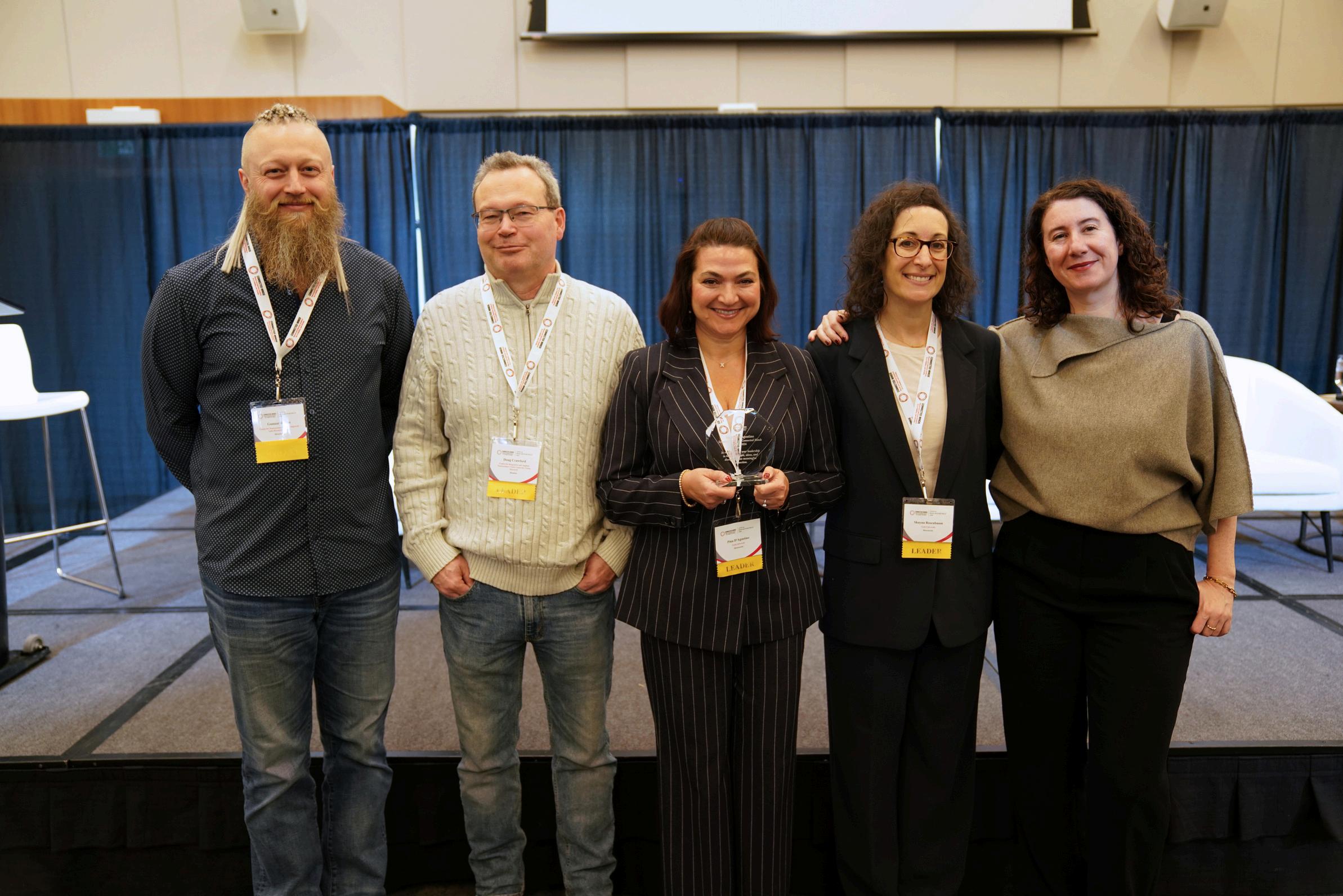
Shayna Rosenbaum
Scientific Director
York University
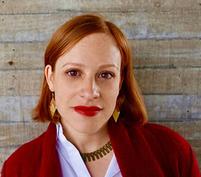
Laura
Levin Vice-Director York University
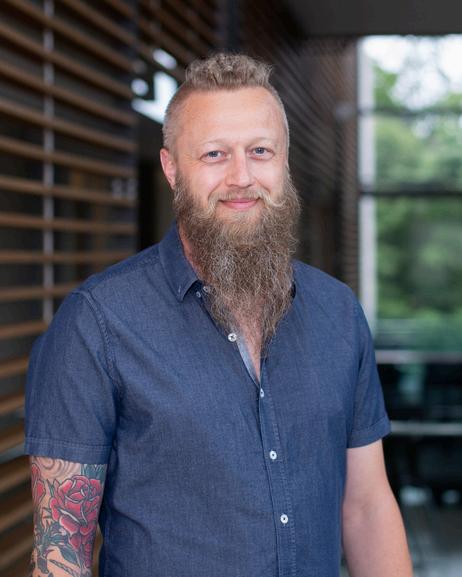
Gunnar Blohm
Vice-Director
Queen’s University
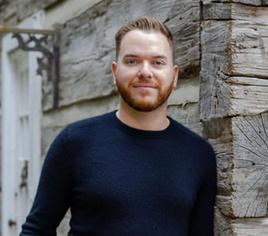
Sean Hillier
Associate Director
York University
As Scientific Director of Connected Minds, Dr. Shayna Rosenbaum guides the program’s scientific vision and strategic priorities, supporting interdisciplinary research excellence and continued growth and impact Building on her leadership as Vice-Director, she brings deep expertise in neuroscience and psychology to the role. Dr. Rosenbaum is a Distinguished Research Professor and York Research Chair in the Department of Psychology at York University, and an Associate Scientist at the Rotman Research Institute at Baycrest She continues to champion collaboration, training, and research translation across the program.
Dr Laura Levin serves as Vice-Director (York University) of Connected Minds and plays an important role in advancing the program’s interdisciplinary vision through research-creation, collaboration, and community engagement. A Professor in York University’s Department of Theatre, Dance & Performance, her research explores contemporary performance, digital and immersive media, activist and political performance, environmental justice, and research-creation methodologies. An accomplished scholar, editor, and curator, Dr. Levin’s work bridges artistic practice, critical inquiry, and public engagement while supporting innovative collaborations across research, art, technology, and social impact
Dr. Gunnar Blohm serves as Vice-Director (Queen’s University) of Connected Minds and has been instrumental in advancing the strategic vision of the program and strengthening the partnership between Queen’s and York. His leadership supports cross-institutional collaboration and alignment across the Connected Minds community. A Professor of Computational Neuroscience at Queen’s University, Dr Blohm studies how the brain plans and controls movement using experimental methods, modelling, and machine learning. He is also an award-winning educator and co-founder of Neuromatch Academy, bringing a strong commitment to accessibility and equity in science.
Dr Sean Hillier serves as Associate Director (York University) of Connected Minds, bringing leadership grounded in Indigenous health, ethics, and community-engaged research. A queer Mi’kmaw scholar and registered member of the Qalipu First Nation, he is an Associate Professor and York Research Chair in Indigenous Health Policy and One Health, and Interim Director of the Centre for Indigenous Knowledges and Languages He also brings deep expertise in Indigenous research ethics and governance through his role on the National Interagency Panel on Research Ethics and his leadership in establishing York University’s Indigenous Research Ethics Board
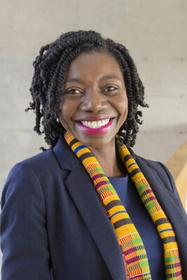
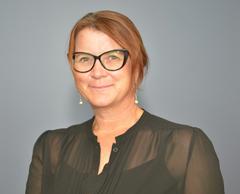
SYLVIA BAWA
York University
Associate Professor, Faculty of Liberal Arts & Professional Studies
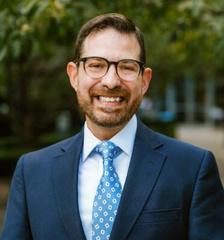
MURAT KRISTAL
York University
Professor, Schulich School of Business
NATALIE COULTER
York University
Associate Professor, Faculty of Liberal Arts & Professional Studies

ELHAM DOLATABADI
York University
Assistant Professor, Faculty of Health
MATTHEW PAN
Assistant Professor, Smith Engineering Equity,
Queen’s University
JUDYILLES
Chair,ExternalAdvisoryBoard Director,NeuroethicsCanada

DIANAAYTON-SHENKER
CEO&President,Leonardo/ISAST

GRAEMEMOFFAT
PrincipalResearcher,NikeMind ScienceDepartment

ALLISONSEKULER
President&ChiefScientist,Baycrest AcademyForResearchand Education

MARSHALLROTHSTEIN
FormerPuisneJusticeofthe SupremeCourtofCanada
BARRYSOOKMAN
SeniorCounselwithMcCarthy Tétrault

MARGARETMCGUFFIN CEO,MusicPublishersCanada
OHNWEIGELT
tionalTechnologyOfficer, crosoftCanada
DOUG CRAWFORD YORK UNIVERSITY
Senior Advisor
Primary Investigator
Inaugural Scientific Director (March 2023-February 2024)
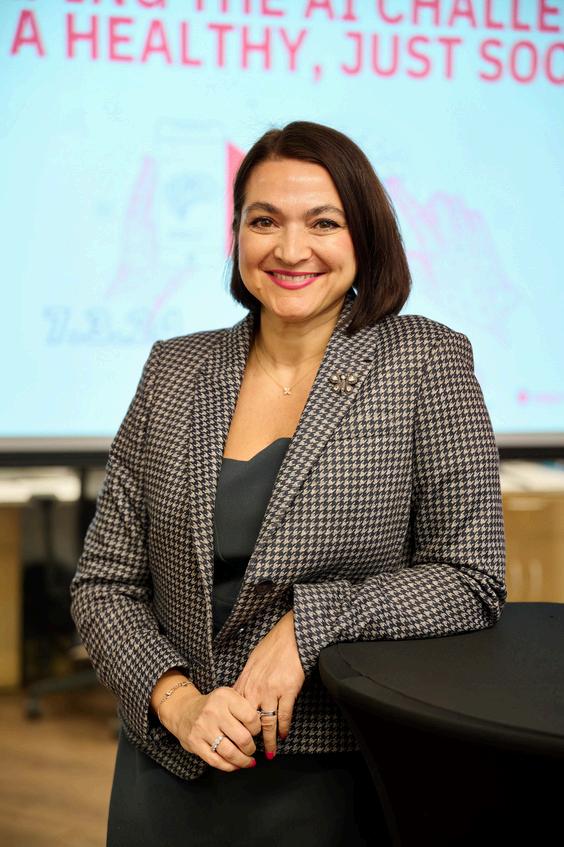
PINA D’AGOSTINO YORK UNIVERSITY
Senior Advisor
Scientific Director (March 2024February 2026)
Inaugural Vice Director (March 2023February 2024)
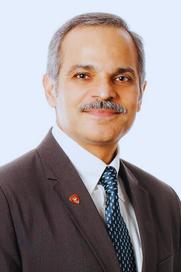
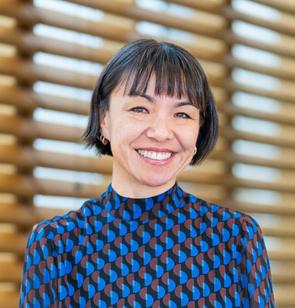
AMIR ASIF
BOARD CHAIR
VP, RESEARCH & INNOVATION YORK UNIVERSITY
LAINA BAYCHENG
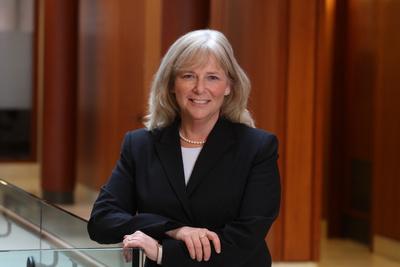
INTERIM VP, ACADEMIC & PROVOST YORK UNIVERSITY
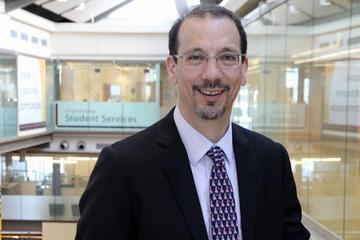
NANCY ROSS
VP, RESEARCH QUEEN’S UNIVERSITY

KEVIN DELUZIO
DEAN, SMITH ENGINEERING QUEEN’S UNIVERSITY

MARCO A. FIOLA
PRINCIPAL, GLENDON COLLEGE YORK UNIVERSITY

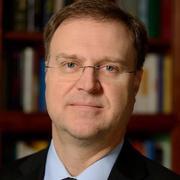
NARIN KISHINCHANDANI
VP, FINANCE & ADMINISTRATION YORK UNIVERSITY
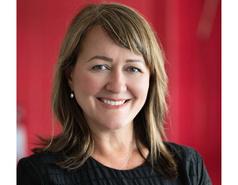
SUSANA GAJICBRUYEA
VP, ADVANCEMENT YORK UNIVERSITY
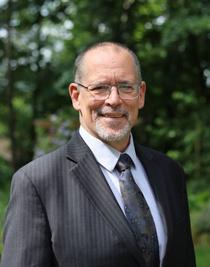
DAVID PETERS
DEAN, FACULTY OF HEALTH YORK UNIVERSITY
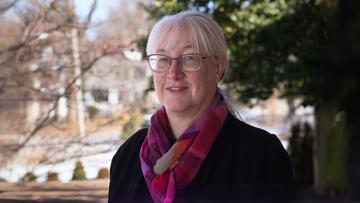
LISA TANNOCK
DEAN, HEALTH SCIENCES QUEEN’S UNIVERSITY
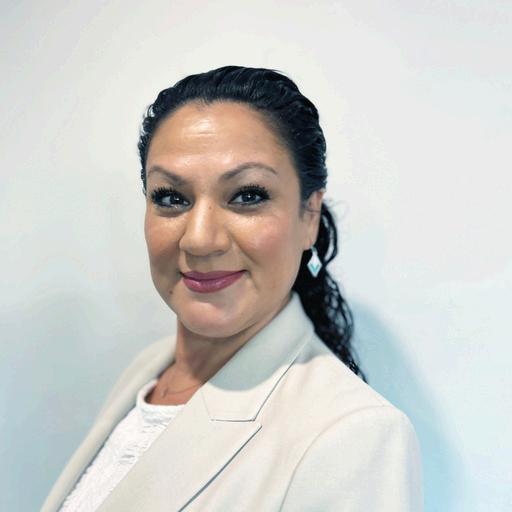

MAYDIANNE ANDRADE
DEAN, FACULTY OF SCIENCE YORK UNIVERSITY
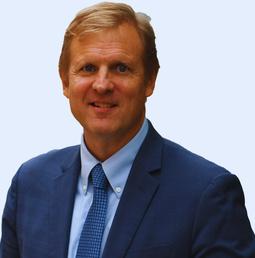

BOB LEMIEUX
DEAN, FACULTY OF ARTS & SCIENCE QUEEN’S UNIVERSITY
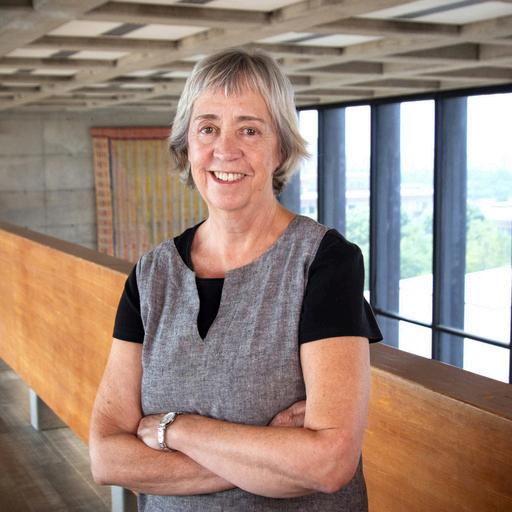
AUDREY ROCHETTE
ASSISANT VP, INDIGENOUS INITIATIVES YORK UNIVERSITY BRANDON VICKERD
DEAN, SCHOOL OF THE ARTS, MEDIA, PERFORMANCE & DESIGN YORK UNIVERSITY

TREVOR FARROW
DEAN, OSGOODE HALL LAW SCHOOL YORK UNIVERSITY
JANE GOODYER
DEAN, LASSONDE SCHOOL OF ENGINEERING YORK UNIVERSITY
KATHRYN MCPHERSON
INTERIM DEAN, FACULTY OF LIBERAL ARTS & PROFESSIONAL STUDIES YORK UNIVERSITY
PARISSA SAFAI
INTERIM VP, EQUITY, PEOPLE & CULTURE YORK UNIVERSITY
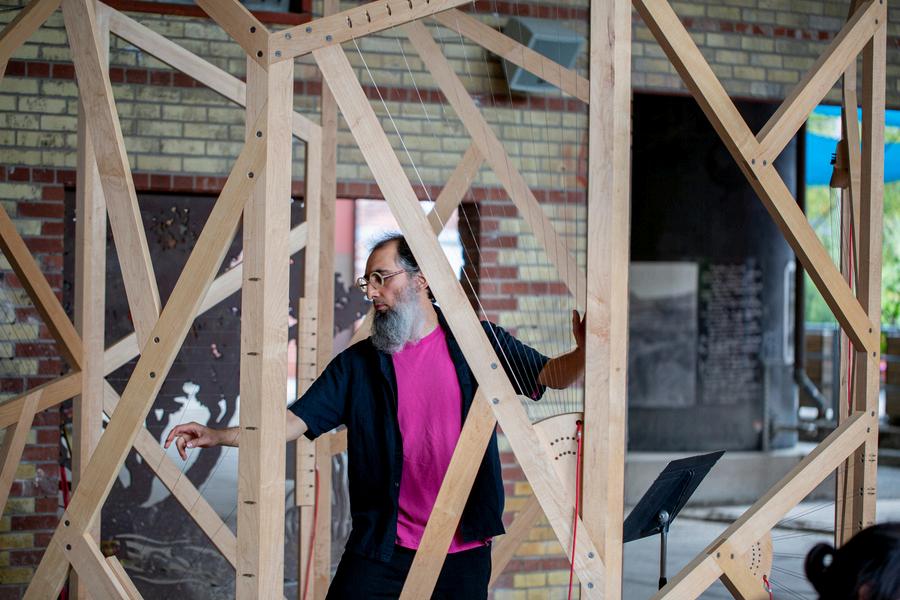
Mani Mazinani is a Toronto-based artist working across installation, video, film, sculpture, photography, sound, and music. His practice explores the translation of thought, perception, and memory across different media forms, with current research focused on ancient thought, human perception, and improvisation.
As a Connected Minds Artist-in-Residence, Mani’s work engages with questions at the intersection of art, technology, and human experience. Mani is leading a research-creation project exploring the physiological, emotional, and neurological impact of sound and music using AI, while supporting Connected Minds’ commitment to crossdisciplinary and community-engaged research.
In 2025, Connected Minds welcomed its first two Artists-inResidence, Ar Ducao and Gala Hernández López, who completed six-month residencies that brought new creative methods, community partnerships, and public engagement into the program.
Together, they:
Led cross-institutional presentations, workshops, and public talks engaging the Connected Minds network and the broader arts-science community
Engaged 400+ participants across York, Queen’s, and 18 community groups
Delivered 5 workshops, including a 4-part Biometrics and Cartoons series with the Jane and Finch Social Innovation Centre.

Presented at 4 events, including Digital Games & Justice and Marginal Futurisms (UAA Conference)
Completed 3 York-based class and program visits, engagingstudents through guest sessions in media and digitalstudies.
Expanded youth engagement through a mock lecture for middle school students, supporting pathways into higher education.
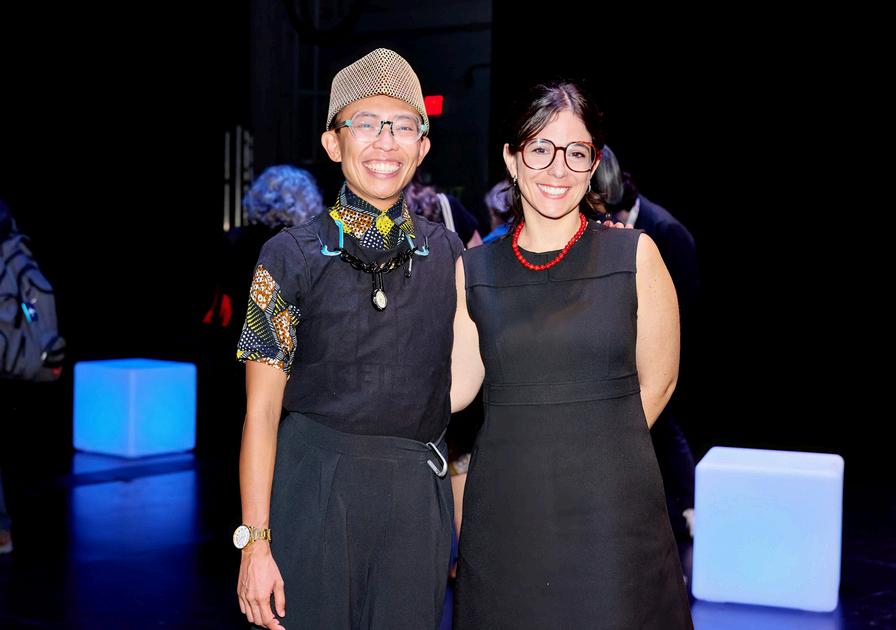
Completed 4 research trips to create a film, lead workshops, present work, and connect with labs and collaborators (Harvard, NYU, UQAM).

at

Delivered 2 “Dream Data” workshops exploring dream engineering and the digital age
Expanded interdisciplinary engagement by connecting neuroscience, digital culture, and artistic practice throughinternational exchange.

MAYA CHACABY
Associate Professor, Glendon College
York University
ADVANCING INDIGENOUS PRIORITIES THROUGH A CONNECTED MINDS TEAM GRANT
THE BISKAABIIYAANG INDIGENOUS METAVERSE
Biskaabiiyaang Indigenous Metaverse is an Indigenous-focused Team Grant led by Maya Chacaby and Rebecca Caines that brings Anishinaabe knowledge together with immersive technology to create an Indigenousgoverned Virtual Learning Environment Co-created with Indigenous communities and guided by OCAP principles, the project supports language revitalization, cultural resurgence, and healing through interactive digital storytelling and multiplayer experiences rooted in Anishinaabe teachings Biskaabiiyaang creates a culturally grounded digital space where knowledge can be shared on Indigenous terms, strengthening identity, connection, and intergenerational learning while protecting community control over cultural content and data.
REBECCA CAINES
Associate Professor, AMPD
York University
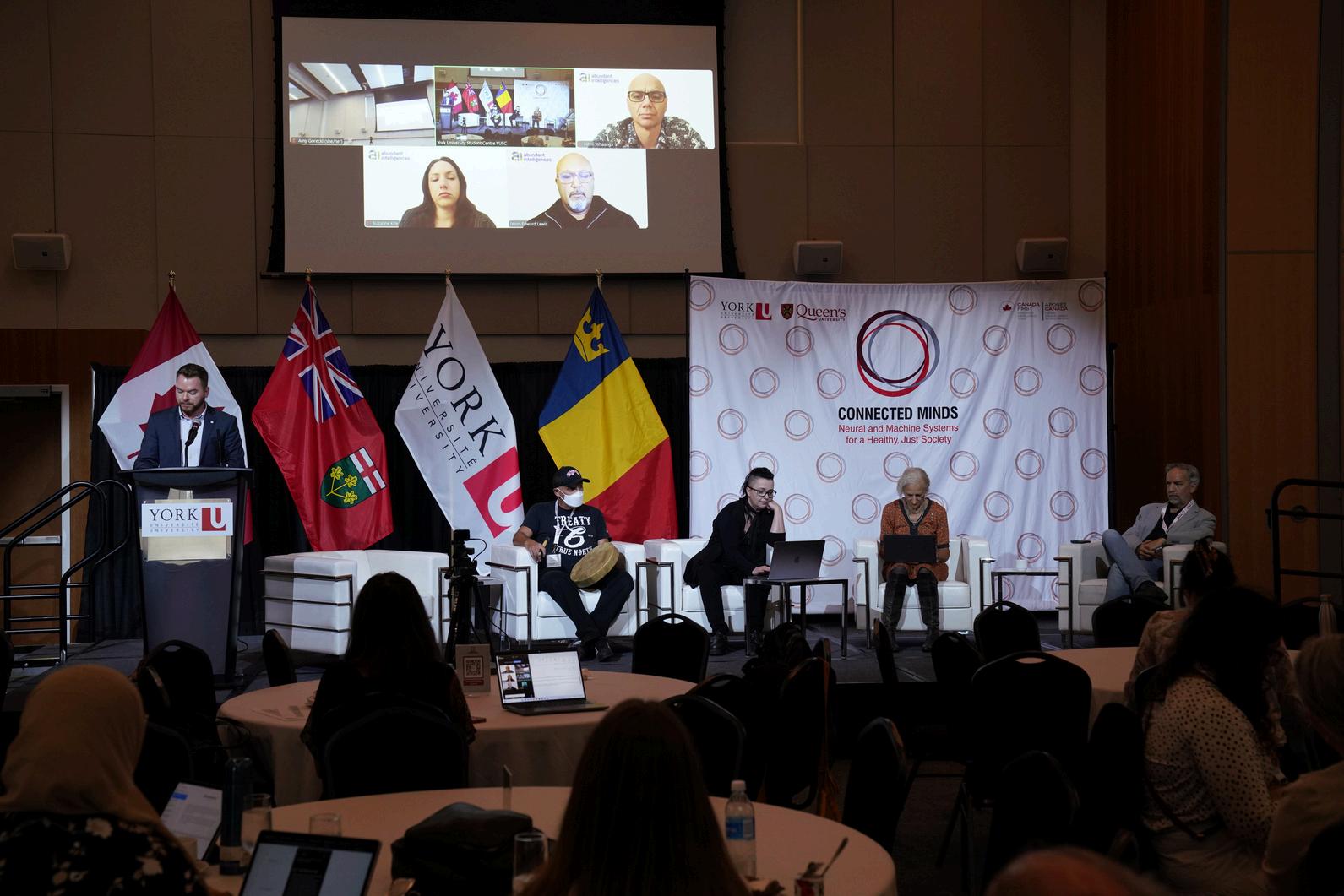
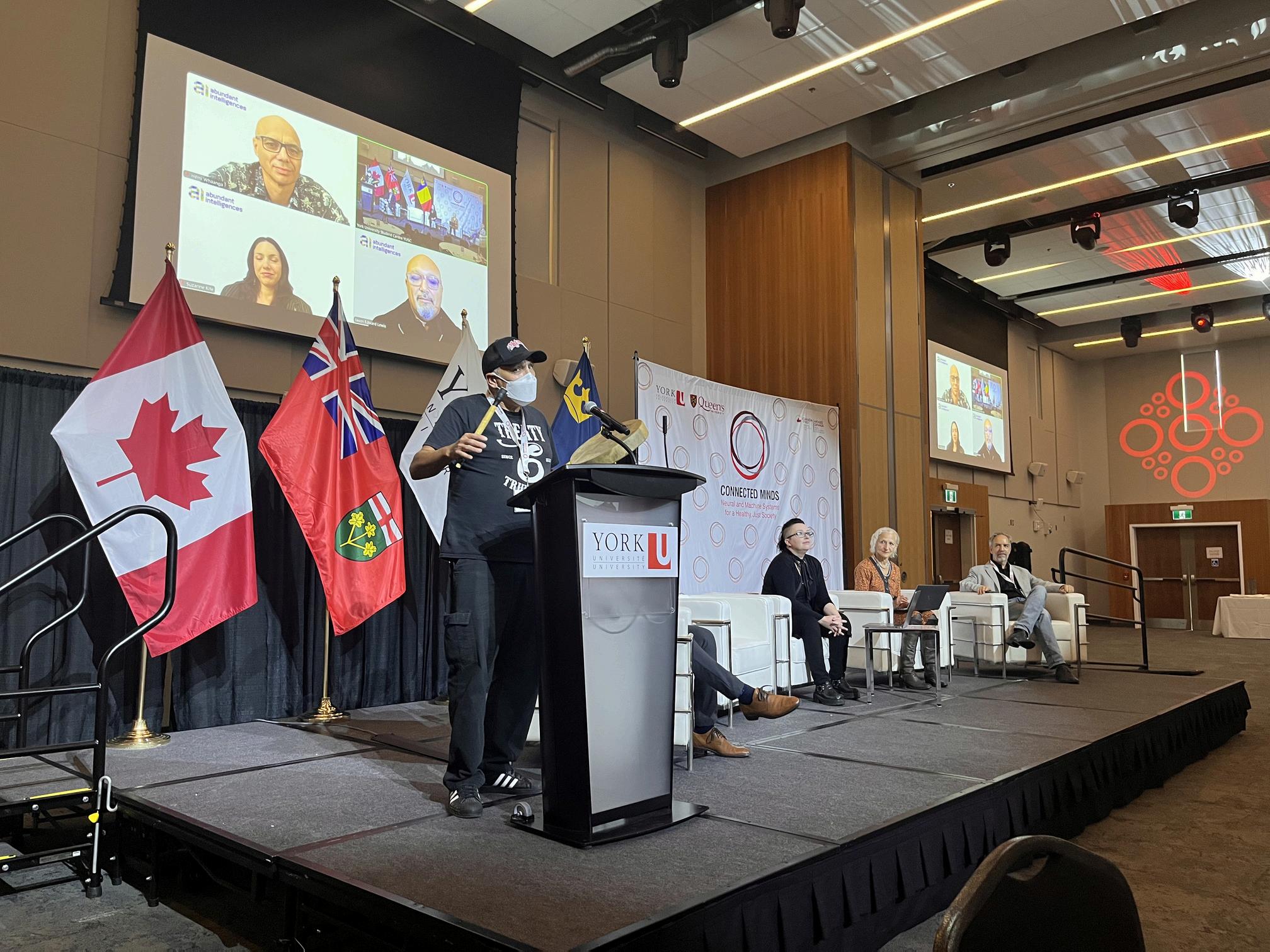
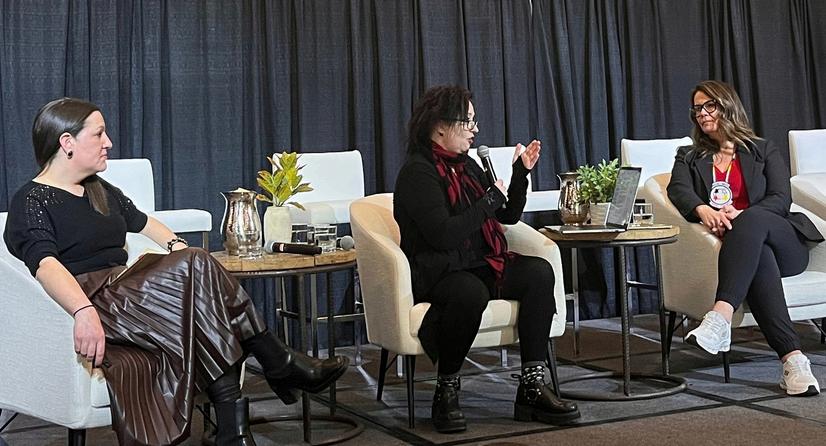
At the 2025 Connected Minds Conference, an Indigenous-led panel titled “Indigenous Data Sovereignty in the Techno-Social Age”, chaired by Dr. Sean Hillier, centered community, story, and responsibility in conversations about technology. Panelists from Abundant Intelligences, joined by additional Indigenous leaders and collaborators, explored what it means to build digital tools rooted in Indigenous knowledge systems and community values
The discussion highlighted data sovereignty as both an ethical obligation and a pathway forward, emphasizing that intelligence exists in relationships, language, land, and community. Through Abundant Intelligences’ Indigenous-led approach to AI grounded in Indigenous Knowledge systems, the panel offered a powerful model for more humane and inclusive techno-social futures
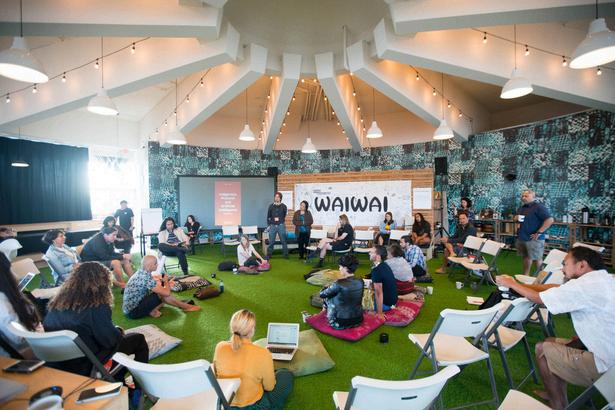
Abundant Intelligences is an Indigenous-led research program that designs and deploys AI grounded in Indigenous Knowledge systems. Guided by Indigenous epistemologies, it works with communities to support Indigenous flourishing and advance more ethical, inclusive, and humane approaches to AI rooted in relationship and responsibility.
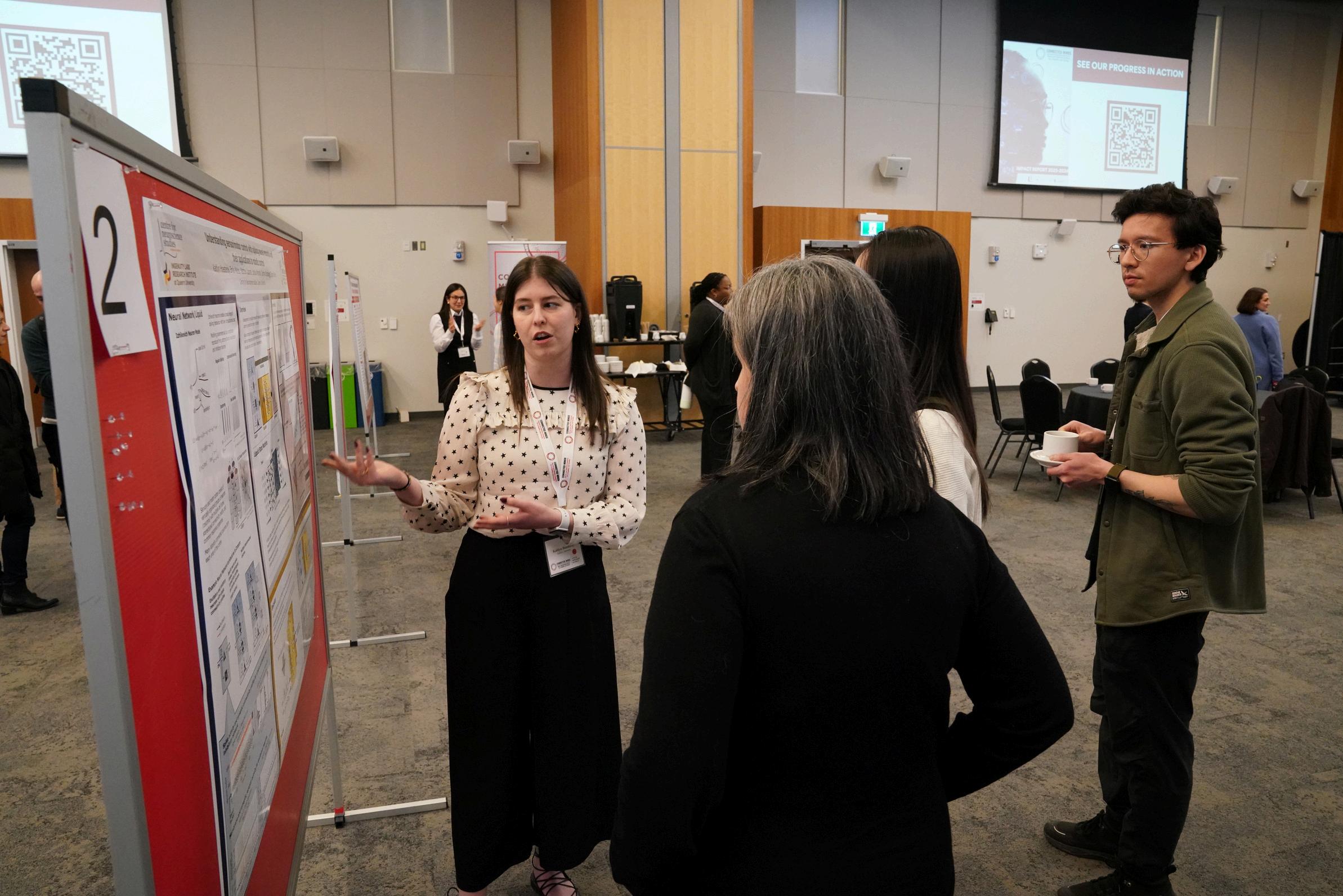
The Connected Minds Training Program prepares a new generation of scholars to address complex human–technology challenges through interdisciplinary training. Selected through a competitive process, trainees join a diverse cohort across York and Queen’s Universities, spanning neuroscience, AI and intelligent technologies, and society-focused research. Beyond traditional academic training, trainees gain hands-on experience through internships with industry and community partners, research exchanges, and networking opportunities. The program also offers specialized workshops in knowledge mobilization (KMb), co-creation, and EDI, equipping trainees with the skills to engage stakeholders, design collaborative research, and foster inclusive research environments. Dedicated funding further supports research travel, trainee-led KMb and EDI initiatives, and workshops. Together, these opportunities equip trainees with the interdisciplinary expertise and collaborative skills needed to translate research into meaningful societal impact.
50 Master’s Scholarships 67 PhD Scholarships 58 Postdoctoral Fellowships
ALICE ATKIN
School of Kinesiology and Health Sciences
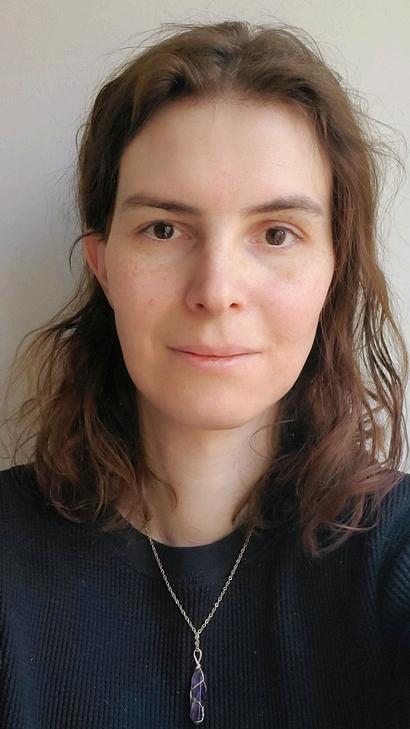
As a Connected Minds Postdoctoral Fellow, Dr. Alice Atkin has developed research that brings together neuroscience, intelligent technologies, and clinical practice through collaborations across York University, Queen’s University, and Sunnybrook Health Sciences Centre. Co-supervised by Denise Henriques (York University) and Qingguo Li (Queen’s University), her work investigates the cognitive, attentional, and sensorimotor demands of an exo-sensory augmentation device designed to reduce musculoskeletal injury risk among healthcare workers. The project integrates EEG and eye-tracking methods with engineering design and clinical testing in real-world hospital settings, enabling the research to be informed by both technological development and clinical expertise
This work has led to multiple peer-reviewed publications co-authored across institutions and contributes to growing evidence on how exo-sensory feedback affects cognitive workload and motor control during complex tasks. By examining assistive technologies within real clinical environments, Dr. Atkin’s research generates insights that are directly relevant to improving worker safety and informing the design of future healthcare technologies

FREDERIC FU POSTDOCTORAL FELLOW
Addressing the neurological and mental health impacts of homelessness requires research that connects data, lived experience, and service systems Dr. Frederic Fu, a postdoctoral researcher at York University supervised by Vijay Mago (York University), is examining how structural conditions such as housing instability, service gaps, and cumulative stress shape long-term brain and mental health outcomes among people experiencing homelessness in Canada
Working with partners, including the Lakehead Social Planning Council, Thunder Bay Indigenous Friendship Centre, and Covenant House Toronto, Dr Fu integrates epidemiological analysis with community-informed research approaches to generate evidence that supports local service planning and policy discussions. His recent PLOS ONE publication shows that people experiencing homelessness face a significantly higher risk of neurodegenerative disorders, underscoring the need for interventions that address both clinical and social determinants of health Supported by a Connected Minds Knowledge Mobilization Fund award, Dr. Fu is working with community partners to translate these findings into practical insights that can inform more equitable responses to homelessness across Canada.
LAUREL GREEN PhD TRAINEE
School of the Arts, Media, Performance & Design YORK UNIVERSITY
Laurel Green is a Connected Minds PhD trainee in Theatre, Dance, and Performance Studies, supervised by Laura Levin (York University), whose research brings critical game design into participatory performance to explore how play shapes collective life, work, and community She is the Creative Director of STUDIO FUNFUG and a core artist with asses.masses, an internationally touring live video game performed in theatres, most recently at the Sydney Opera House, where audiences actively participate in shaping the performance.

As a Research Assistant on the Connected Minds Team Grant Creative Collectivities, Laurel contributes to a multi-site co-creation project examining theatre as a space for understanding collective behaviour She also received Connected Minds support for Rituals of Reuse, a community-engaged workshop series that uses creative play and artistic practice to address the environmental and social challenges of planned obsolescence in video game hardware.
Connected Minds has been a vital interdisciplinary network throughout my PhD, supporting my work as both an artist and scholar Through this network, I’ve found collaborators, built my doctoral committee, and gained space to research, prototype, ntific methods for social change.
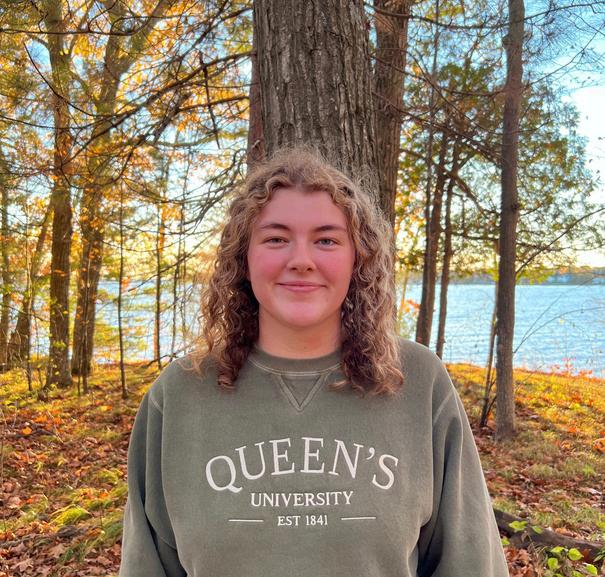
KATE MOSES
MASTER’S TRAINEE
Faculty of Arts & Science
QUEEN’S UNIVERSITY
Kate Moses is a master’s trainee at Queen’s University whose research explores how people acquire complex motor skills through music. Working under the supervision of Gerome Manson (Queen’s University), she studies the sensorimotor and multisensory processes involved in music-based sequence learning using piano-based tasks Her work investigates how musical experience, sensory feedback, and different practice strategies influence performance, skill development, and the ability to transfer learned skills to new contexts.
By examining how auditory, visual, and motor systems coordinate during piano performance, this research uses music as a model for understanding complex multimodal motor behaviour. The findings aim to extend motor learning research beyond simplified tasks toward more realistic models of skilled performance, with potential applications in music education and rehabilitation approaches that rely on effective motor learning and sensory integration.
Connected Minds has given me the opportunity to build connections with researchers and professors at both Queen’s University and York University. These relationships have provided valuable feedback and insight into my research, while also allowing me to learn about and discuss the wide range of work being done across both institutions.
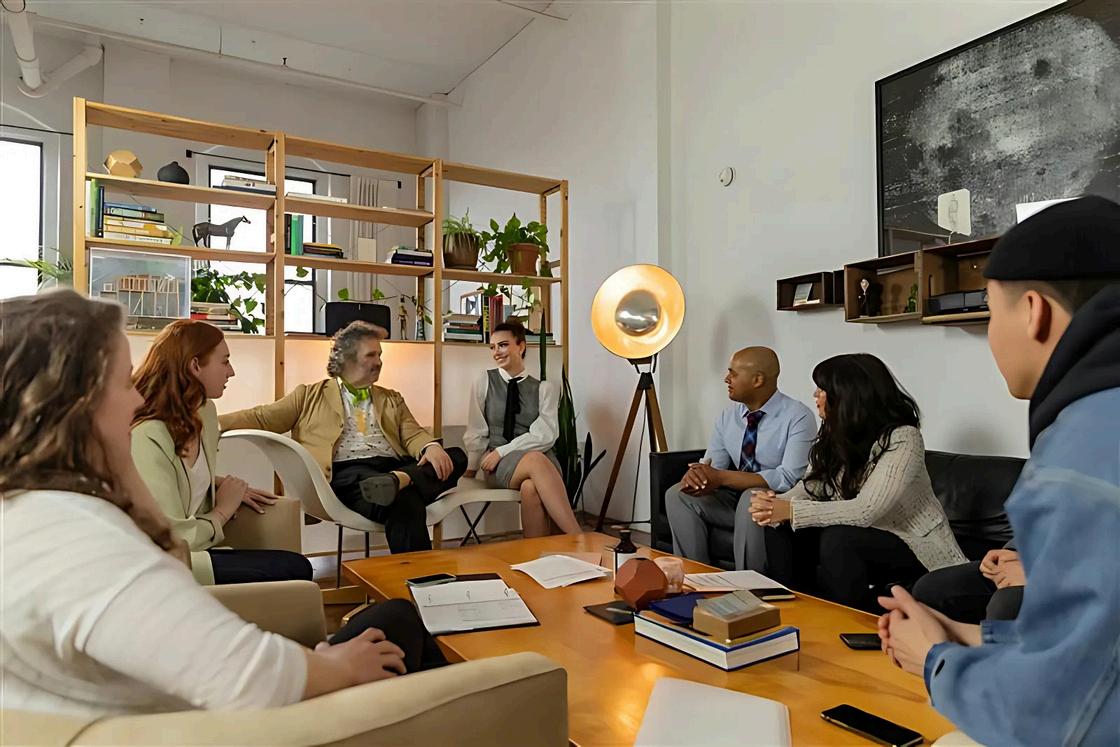
The Equity, Diversity, and Inclusion Committee (EDIC) at Connected Minds works to strengthen research by supporting meaningful engagement with communities most affected by emerging technologies. Through workshops, networking opportunities, and dedicated funding, the committee equips researchers with the tools and resources needed to build equitable partnerships, co-create research with community collaborators, and ensure that research findings are shared with and accessible to the communities involved. By emphasizing interdisciplinary collaboration and community-informed and driven approaches, the EDIC helps ensure that research on AI and neurotechnologies reflects a diversity of perspectives and experiences. In doing so, the committee advances research practices that are more inclusive, responsible, and responsive to the evolving techno-social landscape.
Thank you so much for putting together the AI in Higher Education Dialogues conversation series, it is a really important discussion happening and it’s great to connect and hear what others are saying, thinking and doing about the topic
I really enjoyed the trip today, especially the part where I got to see the bioluminescence, it really peaked my interest... I also loved learning about the mix of fields I could possibly take in the future – Workshop Participant – Go Green Youth Centre Campus Day Participant
SCAN TO VIEW OUR EDI ACTION PLAN GUIDE

Awarded $32,821 in EDIC Member-Initiated Funds, supporting mentorship, Afrocentric recruitment and accessibility initiatives.
Hosted 6 EDI workshops focused on strengthening inclusive and responsible research practices.
Published the Connected Minds EDI Action Plan Guide to share our values and goals with the community and beyond!
Hosted our Second EDI Survey and Focus Group Sessions with CultureAlly to better understand our members feelings of inclusion and belonging

How to Care: Mentorship,Wellness,and Community-Driven Initiatives for EDI
This initiative brought together scholars, practitioners, and community organizers to advance equity and inclusion in technology through carecentered, community-led approaches. Through a workshop at York University, a symposium at the University of Auckland, and an edited collection, it built a transnational network centered on mentorship and collective responsibility, prioritized leadership by emerging scholars from marginalized backgrounds, and strengthened Connected Minds’ commitment to co-created, ethical technology development.
I already see this event as a success. A PhD research assistant who facilitated and spoke on a plenary panel is now applying for a postdoctoral position, supported by growing confidence in knowledge mobilization. Two other students formed new research connections and received invitations to symposia, demonstrating how an exchange-focused event can create meaningful impact.
Post-Exhibition Strategies: Exploring Critical and Multisensorial Access to Digital Arts
This initiative partnered with the German grassroots organization, Zentrum für Netzkunst, to advance equity and accessibility in digital and new media arts. Through co-creation with community members with disabilities and collaboration with artists on accessibility-first design, the project strengthened inclusive curatorial practices, expanded access to immersive technologies, and supported more inclusive governance. Its open-access resources and accessibility models offer relevance beyond a single institution, with potential to inform arts and cultural spaces internationally.

Our event provided our community partners with resources to re-engage in the exploration of accessible exhibition strategies and allowed people with visual disabilities the possibility to attend an exhibition at their project space for the first time.
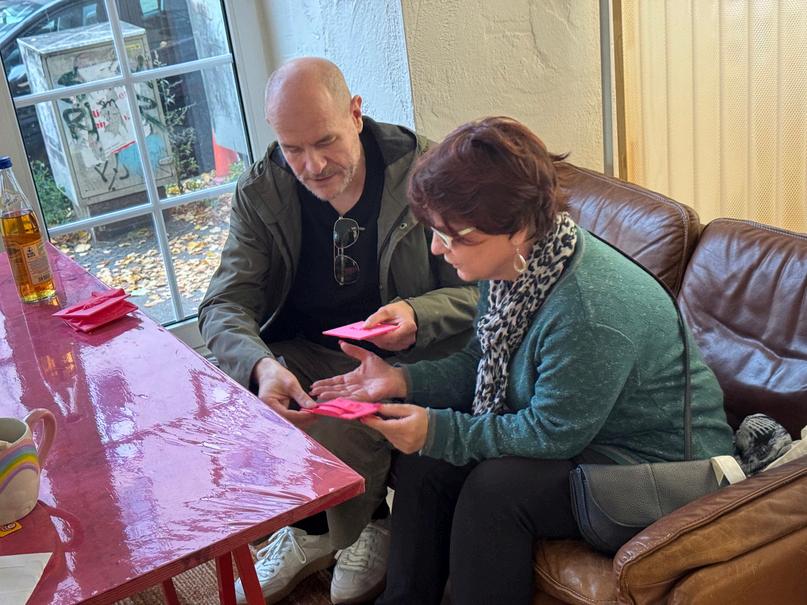
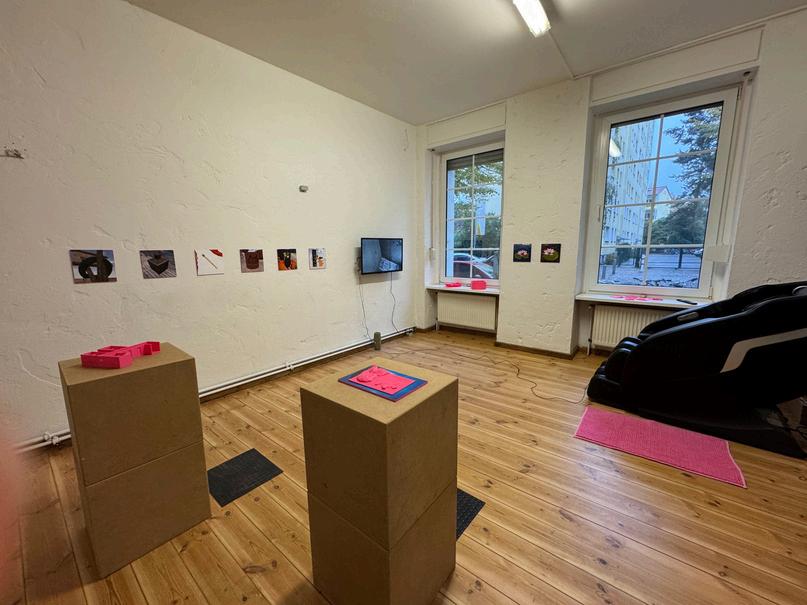
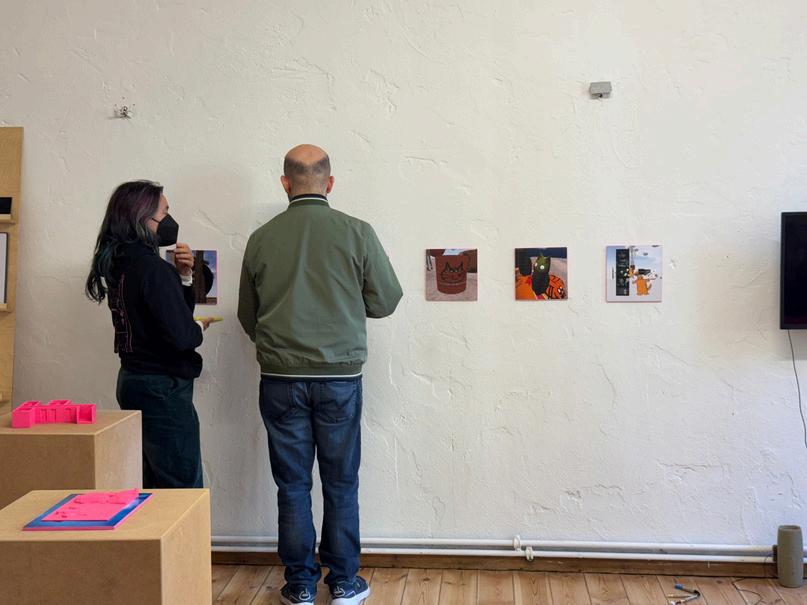
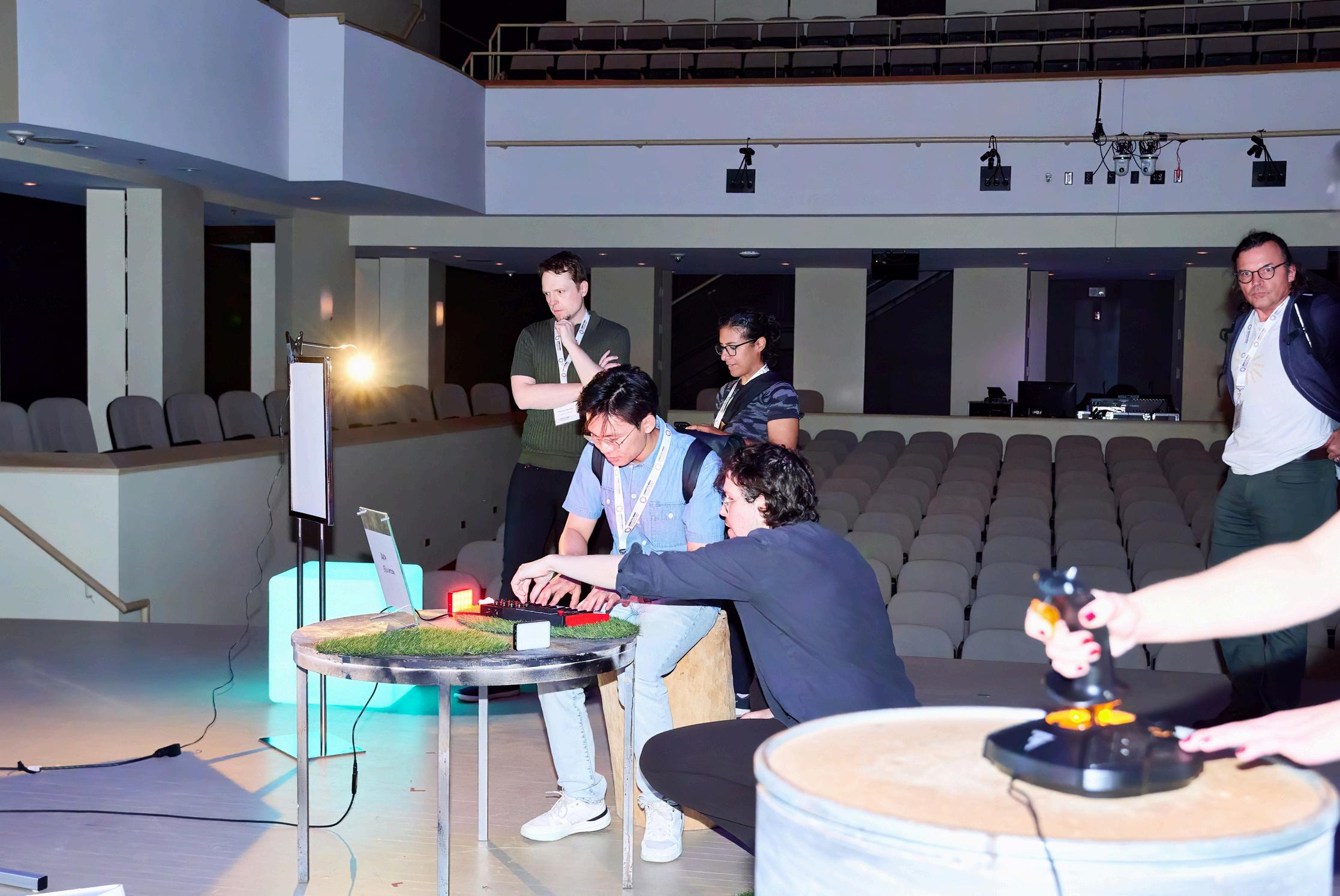
Knowledge Mobilization (KMb) at Connected Minds equips members with the resources to move research into action. Through funding for member-led workshops, events, and cross-sector collaborations, the KMb program reduces barriers to engagement and creates tangible opportunities for researchers to connect with communities, industry, and creative partners. By supporting initiatives that are collaborative and outward-facing, the KMb Committee helps ensure that Connected Minds research does not remain within academic spaces, but actively informs practice, dialogue, and innovation beyond the university.
April 3,2025
Awarded $39,172.04 in KMb Initiatives
Awarded $22,300 in KMb Initiatives
July 3,2025
November 14,2025
Awarded $26,000 in KMb Initiatives
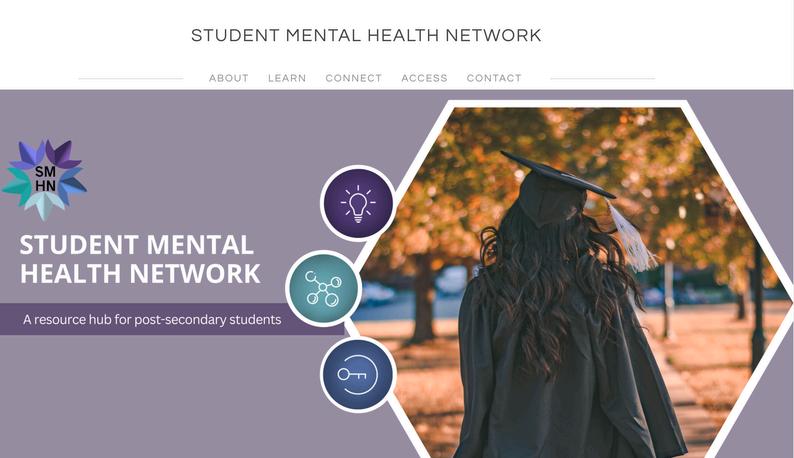
Canada’s Student Mental Health Network is an initiative that connects post-secondary students with evidence-based mental health resources through a centralized, accessible online platform. Funded through Connected Minds Knowlege Mobilization, the Network co-creates student-focused content “for students, by students,” bringing together research, lived experience, and practitioner expertise. By translating knowledge into practical, digital resources, the initiative expands access to mental health education and strengthens social support networks for students across Canada
BROOKELINDEN
AdjunctAssistant
Professor
QUEEN’S UNIVERSITY
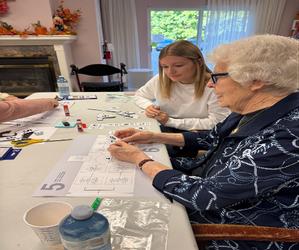
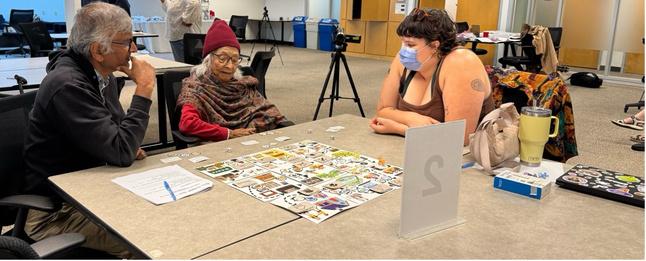
Talking SOX: Co-Creating Conversational Technologies for Dementia Care is an initiative that brought conversational AI research into direct dialogue with people living with dementia, caregivers, and community members. Through co-design workshops at York University and Shorthills Villa, participants engaged with the Talking SOX interface and shared feedback on what supports connection, trust, and wellbeing in daily life. This work helps guide the development of more humancentred, inclusive dementia-care technologies grounded in lived experience



AssociateProfessor
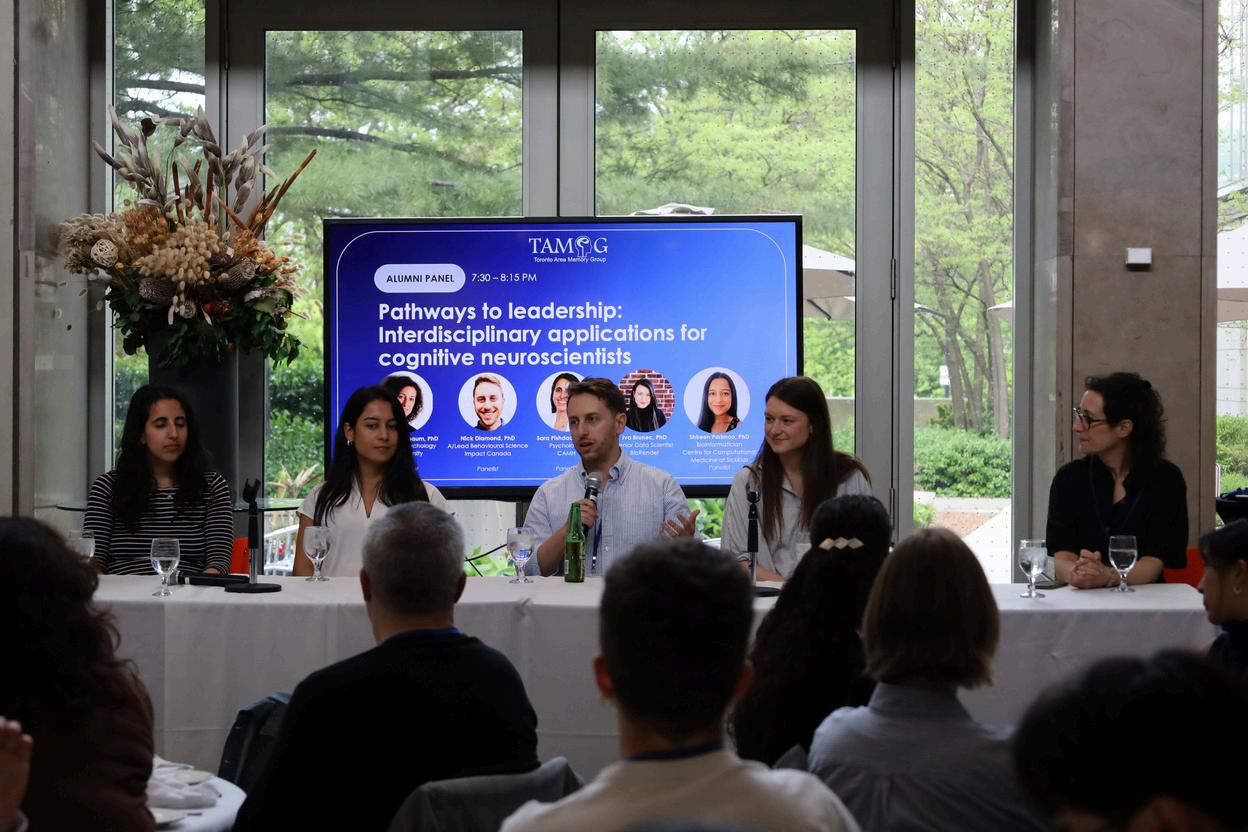
The Toronto Area Memory Group (TAMeG) Conference strengthens collaboration and knowledge exchange across academic and clinical communities. With support from Connected Minds, TAMeG offers an accessible, trainee-focused platform for graduate students and postdoctoral fellows to present research, build networks, and develop science communication skills, advancing high-quality memory research and its real-world applications.
SHAYNAROSENBAUM
Professor
YORK UNIVERSITY
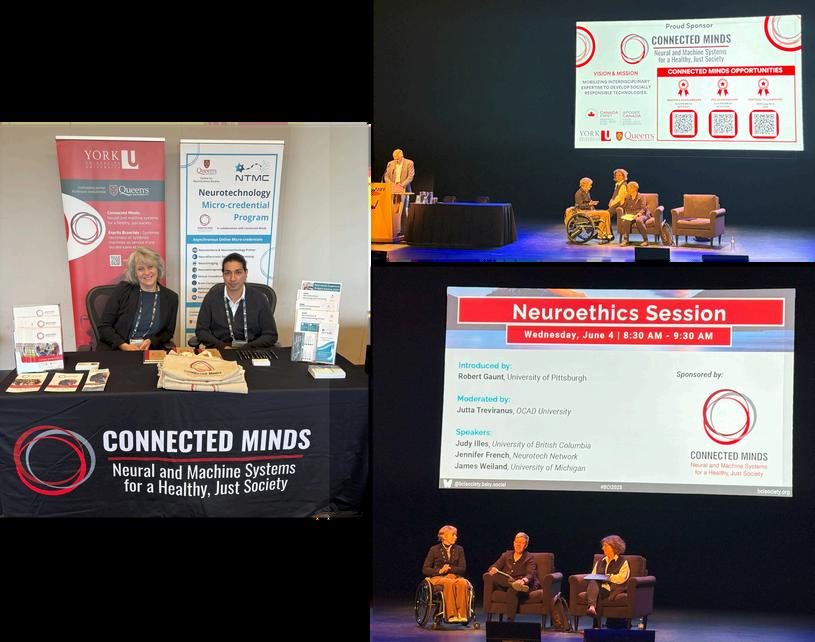
The BCI Society Conference in Banff was supported through Connected Minds, strengthening the program’s presence in the global BCI community and advancing strategic partnerships. The conference engaged over 500 researchers, clinicians, and industry leaders and included a timely Neuroethics Panel on BCI Device Abandonment, featuring Judy Illes, Chair of the Connected Minds External Advisory Board. The panel elevated urgent discussion on protecting BCI users and contributed to ongoing policy dialogue and partnership development in this rapidly evolving field.

SUSANBOEHNKE
AssociateProfessor
QUEEN’S UNIVERSITY
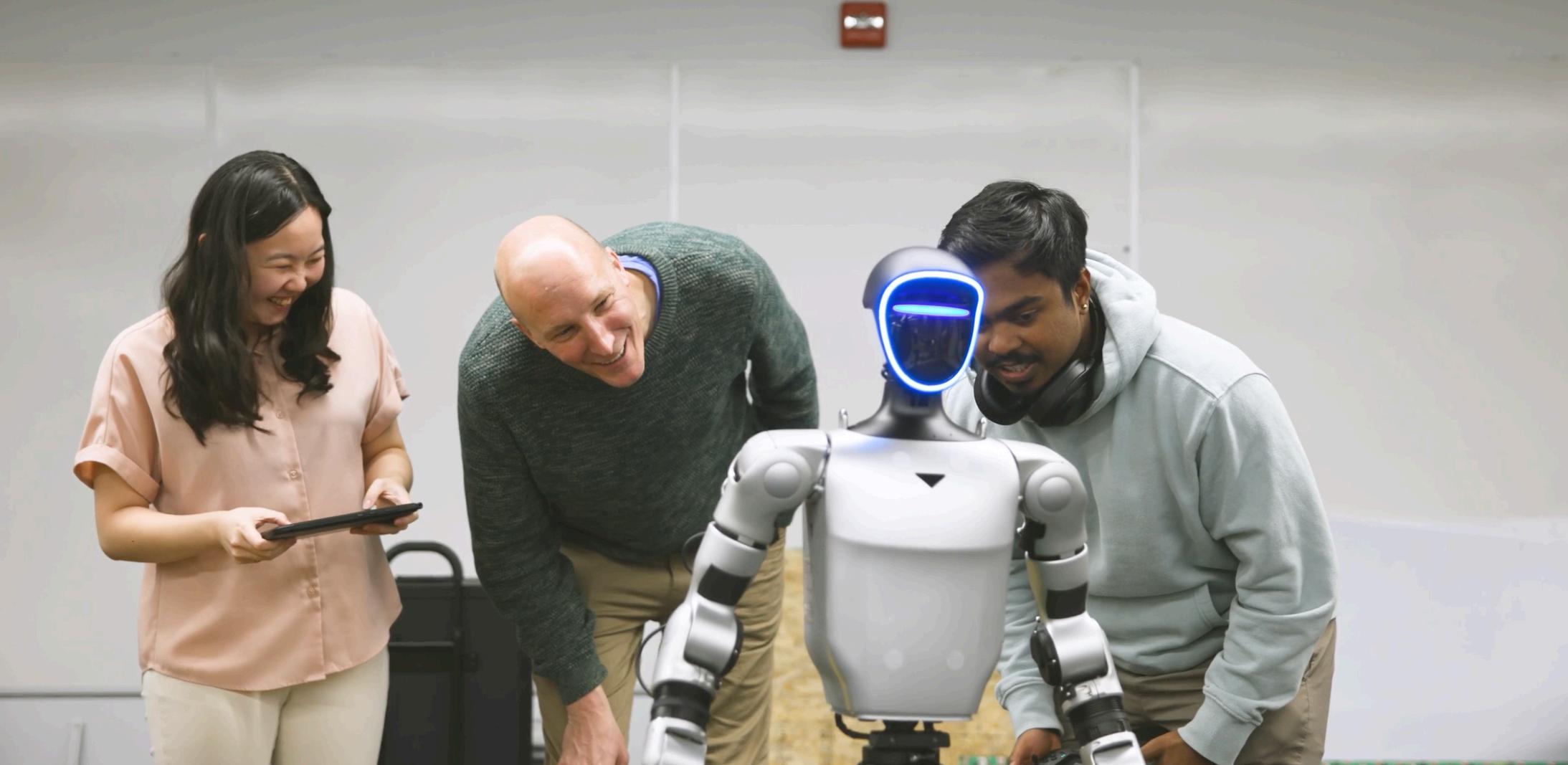
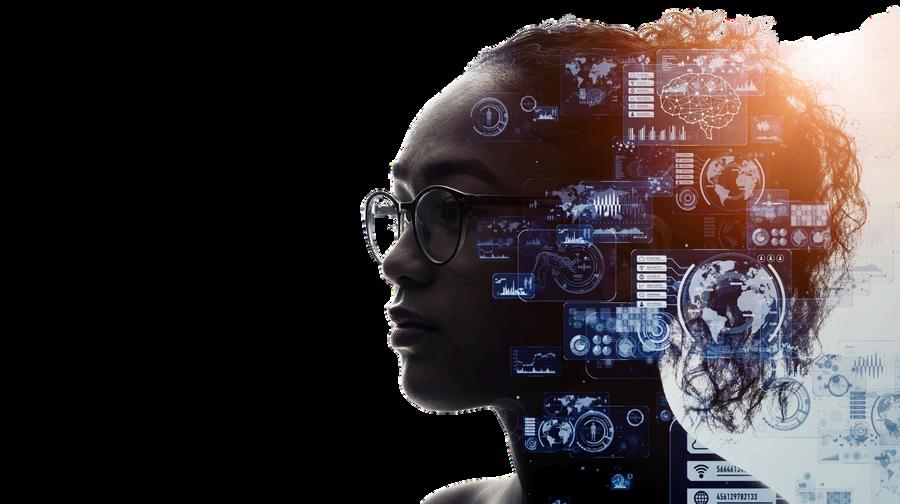
The Connected Minds Research Program supports bold, interdisciplinary research exploring the evolving relationship between people, technology, and society. Through seed and team grants, the program enables researchers from York University and Queen’s University to build new collaborations, strengthen partnerships, and co-create research with academic, industry, and community partners from the earliest stages of project development.
This funding helps advance innovative projects by supporting trainees, acquiring specialized research equipment, and enabling interdisciplinary teams to test new ideas and approaches. By providing resources to build teams, develop infrastructure, and collaborate across disciplines and sectors, the program helps transform early-stage ideas into impactful research initiatives. All funded research follows Connected Minds’ Social Impact Assessment Guidelines, ensuring that ethical reflection, equity, and community impact are embedded throughout the research process. Together, these investments strengthen a collaborative research ecosystem and position Connected Minds as a leading hub for interdisciplinary research on humans and intelligent technologies.

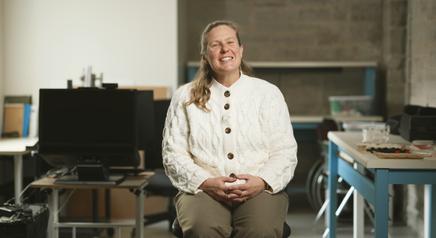
Co-creation is a cornerstone of Connected Minds’ approach to interdisciplinary, socially responsible research, strengthening how projects are designed and delivered with communities and partners. Michelle Charette, Research Associate at Connected Minds, advances this work by supporting more reciprocal and communitygrounded collaborations


She is leading the development of an academic paper and toolkit on co-creation across CFREF-funded programs, synthesizing insights from literature, program documentation, and engagement with other CFREF initiatives to identify best practices and actionable recommendations that strengthen co-creation planning across the community.
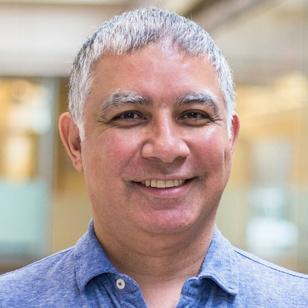
PI: USMAN KHAN (YORK UNIVERSITY)
SEED GRANT: MACHINE LEARNING INTEGRATED QUANTITATIVE MICROBIAL RISK ASSESSMENT FOR HEALTH RISKBASED WATER TREATMENT OPTIMIZATION IN HUMANITARIAN RESPONSE

Project: This project focuses on improving water safety in the Kyaka II refugee settlement in Uganda and co-creates a machine learning tool to optimize water treatment based on microbial risk assessments.
Impact: Collaborating with the Nsamizi Training Institute of Social Development, the project uses routine water quality data to reduce the risk of waterborne illnesses, particularly for vulnerable refugee populations.
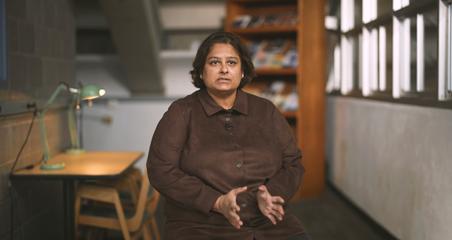
CO-PIS: CLAIRE DAVIES (QUEEN’S UNIVERSITY) & SHITAL DESAI (YORK UNIVERSITY)
TEAM GRANT: WHEN PEOPLE TALK, LISTEN COMPLETELY
PI: KEYVAN HASHTRUDI-ZAAD (QUEEN’S UNIVERSITY)
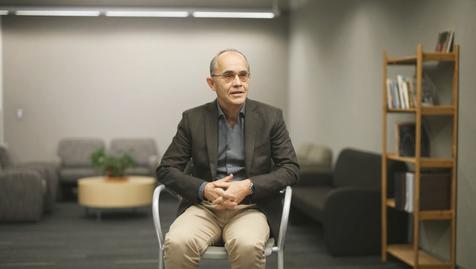
SEED GRANT: INTERACTIVE TOOLS FOR POST-STROKE TASK-ORIENTED UPPER-LIMB ROBOTIC REHABILITATION
Project: This research explores how interactive, home-based robotic technologies can support post-stroke recovery by enabling survivors to practice real-life tasks. The project is codeveloped with clinicians and stroke survivors to ensure the system is safe and responsive to diverse rehabilitation needs.
Impact: By combining robotics, health research, and lived experience, this work focuses on translating intelligent technologies into solutions that improve access to care.
CO-PIS: JAMES ELDER (YORK UNIVERSITY) & VINCENT DEPAUL (QUEEN’S UNIVERSITY)
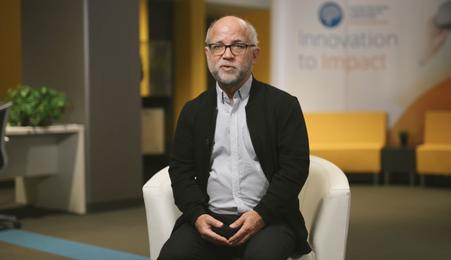
Project: This project develops AI-driven communication technologies, tools, and workplace strategies to improve employment access for Canadians with speech impairments. Grounded in the Accessible Canada Act and co-created with people with lived experience, clinicians, and employers, the project addresses stigma & structural workplace barriers Impact: By improving employment access for persons with speech impairments, this project sets a new direction for how tech can be harnessed to create more equitable employment systems.
PI: BENEDICTWEOBONG (YORK UNIVERSITY)
SEED GRANT: EMBODIED EMPATHY FOR BURNOUT AND ANXIETY: PARTICIPATORY DESIGN OF A NON-VERBAL ROBOTAUGMENTED LLM MENTAL HEALTH COMPANION
Project: This work combines LLMs with a non-verbal robotic companion and uses a mixed-methods, co-design approach to understand how young adults engage with AI for emotional support and to develop new forms of digital care alongside participants and community partners
Impact: The project underscores how collaboration across disciplines supports thoughtful, human-centred technology design.
TEAM GRANT: CO-CREATING INTELLIGENTNEUROTECHNOLOGIES FOR HEALTHY AGING (CINTHeA)
Project: CINTHeA collaborates with older adults, caregivers, and families to support healthy aging The team is developing AI-powered systems to monitor cognitive, physical, and social well-being while promoting independence and connection. Through a continuous co-creation process, the team designs tools that address mobility and cognitive function Impact: This project fosters dignified, autonomous aging by advancing innovative technologies that transform elder care and enhance quality of life for older adults
PI: POONAM PURI (YORK UNIVERSITY)
SEED GRANT: BEYOND THE LOSSES: MENTAL HEALTH IMPACTS OF CRYPTO FRAUD IN CANADA AND STRATEGIES FOR PREVENTION
Project: This project brings a mental health lens to the study of crypto fraud by centring the experiences of those who have been affected. Working with individuals who have experienced crypto fraud, the research documents how these events shape access to support and recovery
Impact: The project explores how intelligent technologies affect people’s lives and informs more humane responses to techno-social risks.


The Innovation and Commercialization Committee (ICC) supports ethical commercialization and socially responsible technology development across Connected Minds. Through the Prototyping Award, which offers two funding streams, Economic Benefit and Social Impact, the ICC provides tailored guidance that reflects the diverse goals of commercialization projects, from driving economic growth in Canada to creating meaningful societal change. In addition to funding, the ICC offers expertise in innovation strategy, business development, intellectual property, and partnerships, with dedicated commercialization support to help teams advance from prototyping to later stages of development.
Connected Minds has played a key role in enabling early-stage, crossdisciplinary innovation and supporting the translation of foundational research toward realworld impact Its emphasis on collaboration, accessibility, and societal relevance has been highly valuable in shaping the potential impact of the DePerio project
Associate Professor
Lassonde School of Engineering, York University
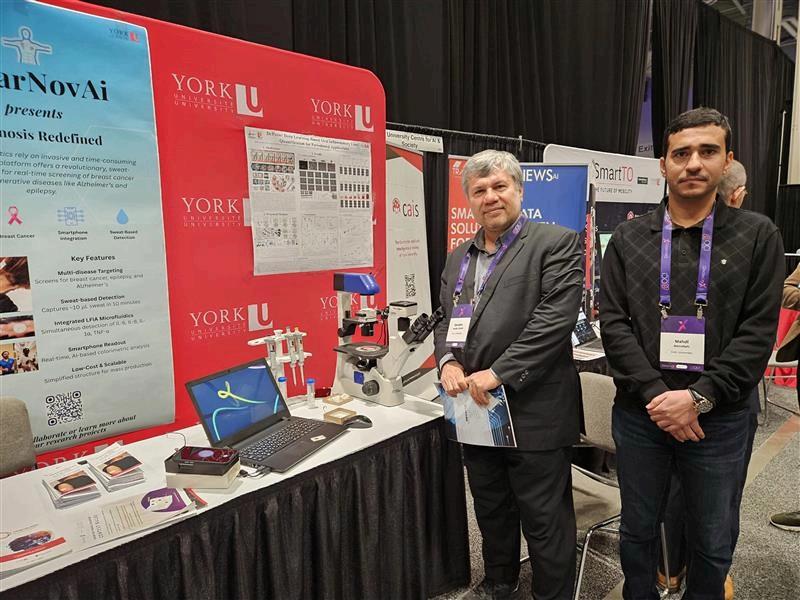
Connected Minds played a key role in advancing the commercialization pathway of DePerio, an AI-powered tech developed by Dr. Ebrahim Ghafar-Zadeh to improve how periodontal disease is assessed and monitored. A Connected Minds Prototyping Award helped move DePerio from proof-of-concept to a functional prototype, integrating bio-inspired surface design, AI-assisted dental image analysis, and lowcost optical hardware for testing in realistic conditions. With this stronger foundation and continued Connected Minds support for translation planning, Dr. Ghafar-Zadeh secured an NSERC Idea to Innovation (I2I) grant to validate and refine the system, strengthening DePerio’s potential as an accessible screening and early assessment tool for oral inflammatory load in clinical and community settings.
GARRETT MELENKA
Associate Professor
Lassonde School of Engineering, York University
Children with lower limb absence (LLA) face significant barriers in participating in physical activities due to the high cost and limited functionality of existing prosthetics Dr. Garrett Melenka’s prototype technology uses continuous fibre 3D printing to manufacture customized prosthetics, which offers improved durability, reduced costs, and enhanced adaptability to support active lifestyles for children. This technology could significantly enhance accessibility and long-term health outcomes for LLA youth. From this prototyping development, Dr. Melenka and his team have been able to secure further funding from the NSF, and establish collaborations with Dr. Sanders (George Mason) and Dr. Schofield (UC Davis) to continue prototype refinement for implementation into the prosthetics market.
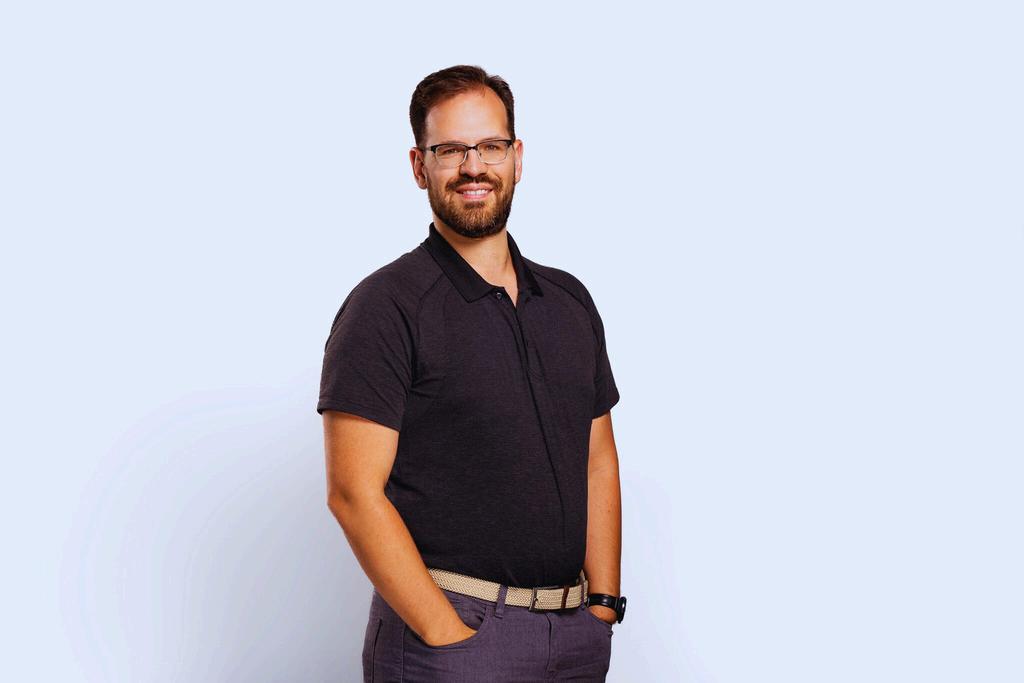

The Connected Minds Prototyping Award accelerated our transition from concept to deployable tech for physical activity, enabling prostheses for children using continuous fibre 3D printing. By reducing cost and replacement needs, this work expands access to sport for children with lowerlimb amputations and advances Connected Minds’ mission to translate research into real-world impact.
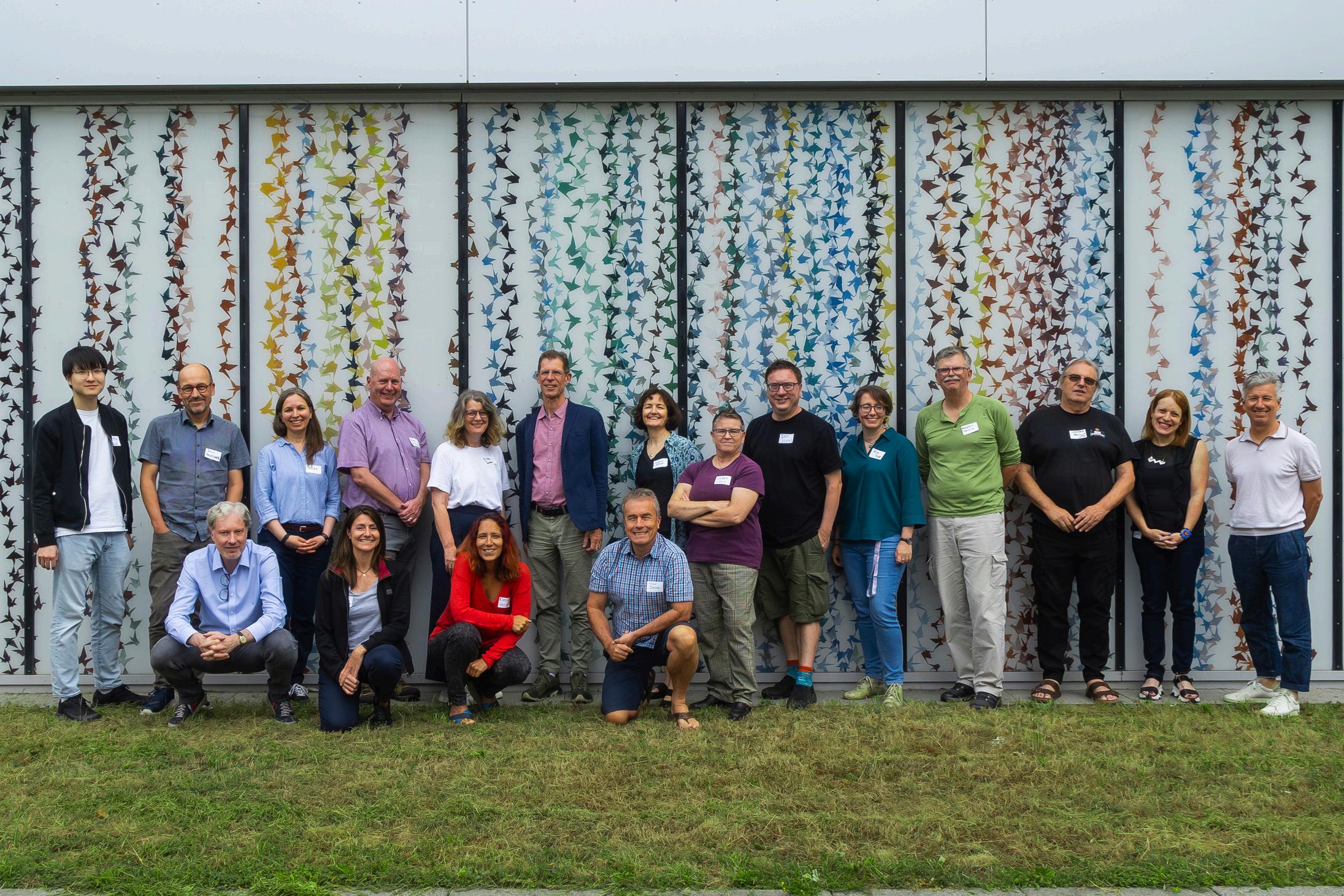
The Connected Minds Partnerships Committee provides strategic direction to the Leadership Committee and Directorate on partnership development. The committee is intentionally configured to represent our diverse expertise, including neuroscience, AI/technology, arts/humanities, and community engagement. They also conduct quarterly adjudications of our Connected Minds Travel Awards, a unique program that allows researchers, trainees and certain non-academic collaborators to embed within an organization for an extended period (1 to 6 months), either incoming to York or Queen’s to work with our members or outgoing to external organizations, thereby contributing to building or reinforcing our extensive network of multisector partnerships and collaborations.
Funded 45 travel awards, supporting member tr opportunities, and visiting researchers to York an
Committed $287,937 in travel award funding, strengthening mobility, partnership-building, and knowledge exchange across the network.
Hosted 15 incoming scholars, trainees, and non-academic visitors from across 5 continents.
Supported 30 outgoing scholars and trainees through travel and partnership opportunities across 5 continents.
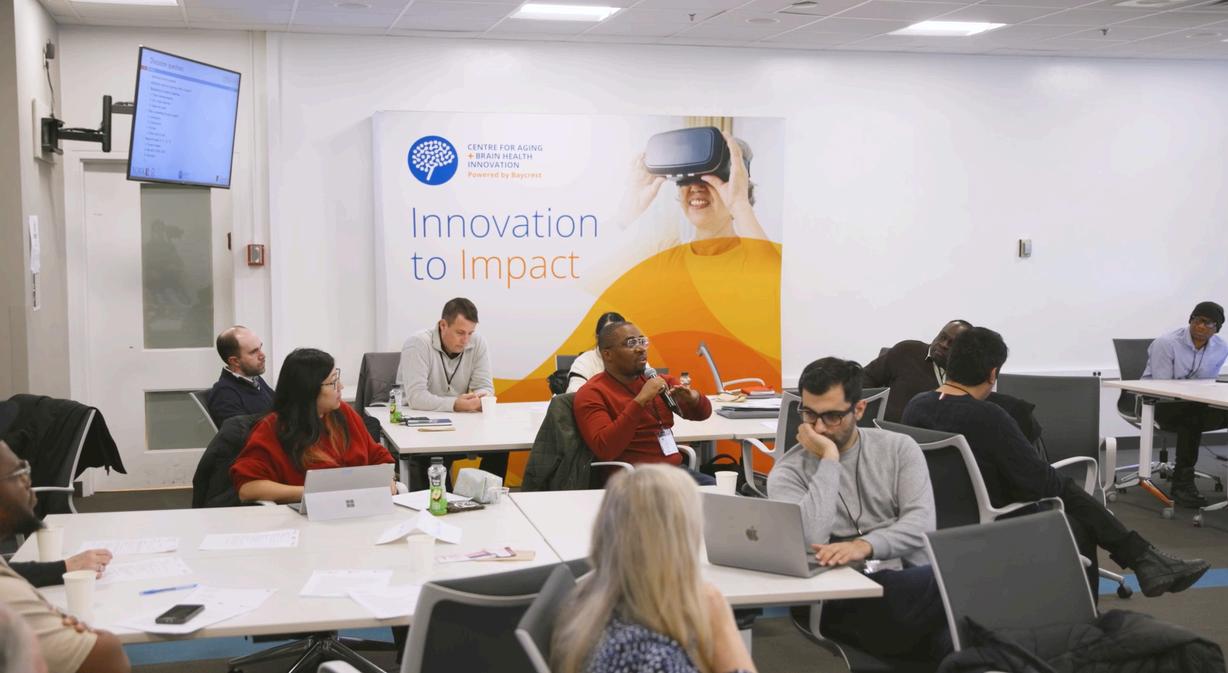
Baycrest Health Sciences is one of the key partners in Co-creating Intelligent NeuroTechnologies for Healthy Aging (CINTHeA), a Connected Minds Team Grant led by James Elder and Vincent DePaul. The project collaborates closely with older adults, caregivers, and families to co-create AI-powered tools, including mobile assessments and socially assistive robots, that support independence, connection, and well-being in later life.
Baycrest has played an active role in shaping the project from the outset. The first CINTHeA co-creation workshop was held at Baycrest, bringing researchers and community members together to ground the project in lived experience and realworld care contexts. The partnership draws on Baycrest’s expertise and research infrastructure, particularly the Kunin-Lunenfeld Centre for Applied Research and Evaluation (KL-CARE) and the Baycrest mobile lab, enabling rigorous, communityengaged studies with older adult participants. Through this collaboration, CINTHeA advances a model of innovation that translates research into technologies that meaningfully enhance quality of life and support dignified, autonomous aging.

At the heart of Biskaabiiyaang is a deeply rooted partnership with the Nokiiwin Tribal Council, grounded in years of relationship-building, trust, reciprocity, and mutual respect between Nokiiwin communities and York University, led by researchers at the Glendon and Markham Campus Led by Maya Chacaby and Rebecca Caines, this Team Grant builds on more than six years of collaboration with Nokiiwin communities, where Indigenous knowledge, governance, and lived experience guide every stage of the work.
Working with Elders, Youth, and community members from Nokiiwin’s member First Nations, the project co-creates culture-based digital quests, storytelling, and immersive environments through workshops held at the annual Nokiiwin Unity Gathering and ongoing community engagement Nokiiwin provides leadership and governance throughout the project, ensuring Biskaabiiyaang supports cultural resurgence, intergenerational knowledge transfer, and digital sovereignty. By establishing both virtual and physical spaces for collaboration at Nokiiwin, the partnership demonstrates how technology can strengthen community well-being and selfdetermination when it is shaped by Indigenous communities on their own terms.

March 4 - July 14, 2025
Connected Minds funded Hyeonseong Kim, a Master’s student from Korea University, to complete a four-month research visit at Queen’s University under Professor Matthew Pan. This travel support enabled hands-on access to advanced human-robot interaction facilities and mentorship, and helped advance his project on “playful deception” in robotic handovers, including a custom endeffector and a user study with 91 participants. The work has since been accepted to ICRA 2026, demonstrating how Connected Minds travel funding accelerates high-impact research and global collaboration.

Oct 9 - Dec 16, 2024
Trinity Leon, a Connected Minds York University, travelled to through a Connected vel Award to conduct ineldwork supporting her earch During her visit, nducted self-ethnography, and focus groups with nd members of the Batz n, exploring weaving and intergenerational knowledge transfer She is now using these insights to design a digital tool to help preserve and share weaving knowledge for future generations.

March 9 - 31, 2025

May 31 - June 29, 2025
Through a Connected Minds Travel Award, Felicia Tassone, a trainee at York University, travelled to Imperial College London to accelerate data collection and analysis for her research. During the visit, she tested 17 stroke/apraxia patients and 3 control participants, began early-stage data analysis, and helped re-create a motion-tracking setup in London to support future data collection. This work lays strong groundwork for continued recruitment, ongoing analysis, and upcoming manuscript preparation.
From Canada to Australia, new collaborations took shape through Connected Minds support Through a Travel Award, Ian Garrett, Associate Professor at York University, completed a month-long residency on AIenhanced ecoscenography, hosted by Dr. Tanja Beer at Griffith University’s Creative Arts Research Institute With additional visits to Sydney & Adelaide, Ian strengthened partnerships with NIDA, ScenoLab Australia, and the Adelaide Festival, laying the groundwork for ongoing researchcreation and future collaborations focused on ecological futures in performance
DANICA PAWLICK-POTTS
Assistant Professor, LA&PS
YORK UNIVERSITY
AREAS OF INTEREST
Indigenous Data Sovereignty, Issues in AI and Data Ethics
Danica’s research supports the development of data infrastructure that affirms Indigenous data sovereignty and examines the impacts of emerging data and technologies on Indigenous peoples She works closely with the First Nations Information Governance Centre’s Data Sovereignty Research Collaborative, and is a member of the National Indigenous Knowledge and Language Alliance, with expertise in AI and data ethics, data literacy, and public trust in AI

HANNAH TARDER-STOLL
Assistant Professor, Glendon Campus
YORK UNIVERSITY
AREAS OF INTEREST
Adaptive Behaviour, Memory, fMRI
Hannah’s research investigates memory, focusing on how we build structured knowledge about the world and use it to support adaptive behaviour She studies how memories guide prediction, attention, decision-making, and how episodic and schematic memory interact over time Her work combines behavioural experiments with neuroimaging (MRI, MEG), immersive virtual reality, and computational tools to study memory in naturalistic contexts.
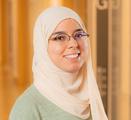
INES AROUS
Assistant Professor, Lassonde
YORK UNIVERSITY
AREAS OF INTEREST
Human-AI, Natural Language Processing
Ines' research is dedicated to advancing the field of human-centered natural language processing (NLP) As a Postdoctoral Researcher at the Mila–Quebec AI Institute and McGill University, she led projects on optimizing human feedback in language models to improve explainability and trustworthiness In recognition of her outstanding research, Ines received the prestigious Dimitris N Chorafas Award for excellence in scientific research in November 2023
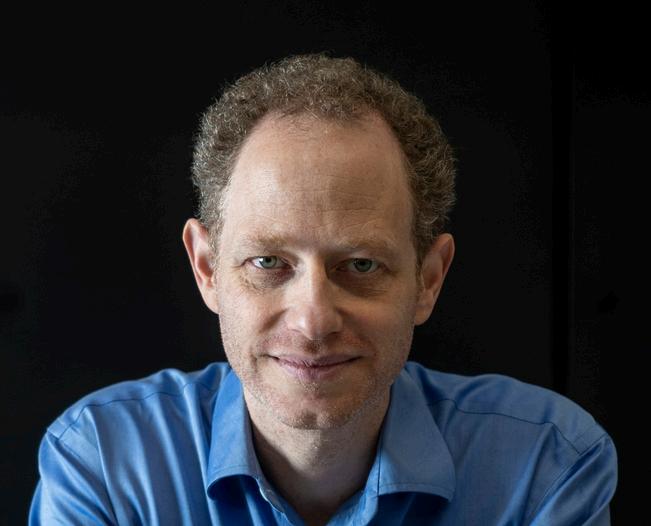
IAN KARLIN
Assistant Professor, Smith Engineering
QUEEN’S UNIVERSITY
AREAS OF INTEREST
Design & Optimization of Supercomputers, Performance and Energy Optimization of Applications using Supercomputers
Ian’s research supports the design of more efficient supercomputing platforms for diverse application areas, including scientific and AI use cases He also, works to improve the efficiency of their operation and the operation of applications on them, including both performance and energy efficiency He is part of the leadership team for the Queen’s bid to host the Canadian Supercomputing Infrastructure project funded by the AI Sovereign Compute Infrastructure Program (SCIP).

ANDREA PROTZNER
Associate Professor, Faculty of Health
YORK UNIVERSITY
AREAS OF INTEREST
Neurocognitive Aging, Depression, Precision Health
Andrea’s research focuses on understanding how individual differences in brain function shape cognition, behaviour, and disease. Her work examines cognitive aging, mental health, and dementia, with the goal of identifying how changes in brain networks relate to individual experiences and treatment outcomes Through her research and leadership in transdisciplinary partnerships, she helps advance collaborative approaches to improving brain health across the lifespan
LICHEN HAMRAIE
Associate Professor, LA&PS
YORK UNIVERSITY
AREAS OF INTEREST
Technology, Society, Disability
Lichen is the Director of the Critical Design Lab, a collaborative of disabled designers, artists, and researchers who approach accessibility through the frameworks of disability culture They are also the author ofBuilding Access: Universal Design and the Politics of Disability, a 2022 United States Artists Fellow in Media, and a public member of the U S Access Board

MICHAEL WHEELER
Assistant Professor, AMPD
YORK UNIVERSITY
AREAS OF INTEREST
Live performance, Robotics, Virtual Reality
Michael’s research explores performance, emerging technologies, and immersive artistic practices, focusing on how digital environments reshape storytelling, audience engagement, and collective experience Through interdisciplinary and research-creation approaches, his work investigates the intersections of live performance, virtual reality, robotics, neural signals, and collective behaviour, exploring how immersive media transforms contemporary performance.

SHWETA MAHAJAN
Assistant Professor, Lassonde
YORK UNIVERSITY
AREAS OF INTEREST
Computer Vision, Deep Generative Models, Machine Learning
Shweta’s research explores computer vision and machine learning, with a focus on deep generative models for multimodal representation learning Her work investigates diffusion models, variational methods, normalizing flows, and GANs to better understand how AI systems can interpret, generate, and reason across complex visual and multimodal data
SZE YUH NINA WANG
Assistant Professor, Glendon Campus
YORK UNIVERSITY
AREAS OF INTEREST
Computational Social Science, Misinformation, Political Polarization
Nina’s research centres on misinformation, political polarization, and how these dynamics play out in online environments Her work combines computational social science with experimental methods from social psychology She is particularly interested in how emotion and moralization influence the spread and belief of misinformative and polarizing content, fueling polarized attitudes and extremist behaviours, and how social media incentives shape our information ecosystems

BRITTANY INTZANDT
Assistant Professor, Faculty of Health
YORK UNIVERSITY
AREAS OF INTEREST
Biomarkers, Cerebrovascular Health, Female Health, Physical activity
Brittany’s research explores neurodegeneration, aging, and exercise physiology, with a focus on neurological, physiological, and healthrelated aspects of the aging process Her work also incorporates sex and gender-based analysis to better understand health outcomes across diverse populations
The York Research Chairs (YRC) program is York University's internal equivalent of the Canada Research Chairs program. YRCs recognize established and emerging research leaders for their excellence in research, scholarship, and leadership. Connected Minds further supports a cohort of YRCs by providing dedicated funding and resources that advance interdisciplinary research, foster collaboration, and strengthen research impact across the Connected Minds community.
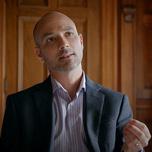




EREZ FREUD
Associate Professor, Faculty of Health
YORK UNIVERSITY
TIER 2 YRC - Visual Cognitive Neuroscience
ZHEN MING (JACK) JIANG
Associate Professor, Lassonde
YORK UNIVERSITY
TIER 2 YRC - Software Engineering For Foundation Model-Powered Systems
KEVIN LANDE
Associate Professor, LA&PS
YORK UNIVERSITY
TIER 2 YRC - Philosophy of Representation
LAURA LEVIN
Professor, AMPD
YORK UNIVERSITY
TIER 2 YRC - Art, Technology & Global Activism
Dr. Freud's research explores how the brain enables us to recognize, perceive, and interact with objects in our everyday environments. Using advanced brain imaging and behavioural methods, he investigates the cognitive and neural processes that support object recognition and visuomotor control, examining how these abilities develop across the lifespan and how they are affected by aging and brain injury.
Dr Jiang's research focuses on the performance and reliability of large-scale software systems His work develops innovative tools and techniques to monitor, analyze, and improve complex software infrastructures, helping organizations build more efficient, dependable, and resilient digital technologies
PINA D’AGOSTINO
Professor, Osgoode Hall Law School
YORK UNIVERSITY
TIER 1 YRC - IP Law, AI & Emerging Technologies
Dr. Lande's research examines the nature of perception, mental representation, and cognition. Drawing on philosophy and cognitive science, his work explores how the mind represents and interprets the world, contributing to a deeper understanding of human thought and experience.
Dr. Levin's research explores how performance can shape public life, social change, and cultural understanding. Working at the intersection of theatre, performance studies, and researchcreation, she examines topics including political and activist performance, gender and sexuality, environmental justice, digital media, and community-engaged artistic practices.
Dr. D'Agostino's research focuses on intellectual property, artificial intelligence, innovation, and technology governance Through her scholarship and leadership, she examines how legal and policy frameworks can foster responsible innovation, support emerging technologies, and address the societal impacts of AI in a rapidly changing digital world
AIJUN AN
Professor, Lassonde
YORK UNIVERSITY
TIER 1 YRC - Reliable AI
Dr. An's research focuses on applying artificial intelligence to solve complex real-world challenges. Her work spans data mining, machine learning, and natural language processing, and emphasizes collaboration with industry and global partners to develop innovative, practical solutions with broad societal impact.
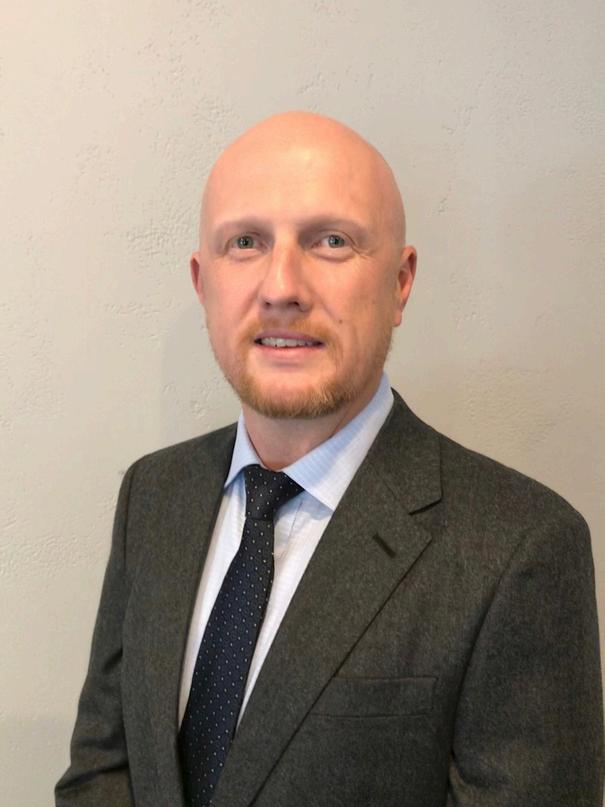
IAN STEDMAN
Associate Professor, LA&PS
YORK UNIVERSITY
TIER 2 YRC - Law, Policy & Personalized Healthcare



ELHAM DOLATABADI
Assistant Professor, Faculty of Health
YORK UNIVERSITY
TIER 2 YRC - Safe AI For Health Equity
Dr. Stedman's research explores the governance, ethics, and public policy implications of emerging technologies, with a particular focus on artificial intelligence and healthcare Drawing on expertise in law, public administration, and technology governance, his work examines how policy and regulatory frameworks can promote accountability, innovation, and more personalized approaches to health and public services
Dr. Dolatabadi investigates how artificial intelligence can be leveraged to improve healthcare and accelerate scientific discovery. Her work focuses on developing adaptive, interpretable, and human-centered AI systems that support evidence-based decision-making and enhance healthcare delivery while remaining aligned with human needs and values
SHAYNA ROSENBAUM
Professor, Faculty of Health
YORK UNIVERSITY
TIER 1 YRC - Cognitive Neuroscience of Memory
JONATHON PENNEY
Associate Professor, Osgoode Hall
Law School
YORK UNIVERSITY
TIER 2 YRC - AI, Data Governance & the Law
Dr Rosenbaum's research explores the cognitive and neural mechanisms underlying memory, decision-making, and human experience. Combining insights from neuroscience, psychology, and neuropsychology, her work advances our understanding of how memory shapes thought and behaviour, drawing on both neuroimaging and patient-based research to uncover how the brain supports everyday cognition.
Dr. Penney's research examines the intersection of law, technology, and human rights, with a particular focus on artificial intelligence, data governance, privacy, and digital surveillance Using interdisciplinary and empirical approaches, his work explores how emerging technologies shape society and informs legal and policy frameworks that promote accountability, security, and the protection of fundamental rights
The YRC position provides a course release, allowing me to focus more on research. The associated funding helps support graduate students and postdocs, and enables more students to attend conferences to present our work and connect with other researchers.
– Aijun An,Connected Minds YRC
Connected Minds funding enabled the launch of Open Grasp, an open-science initiative creating the first repository of human grasping behavior across the lifespan using advanced motion-tracking technology. The project has already collected data from over 200 participants and is supporting research with autistic individuals to identify distinctive motor patterns. Connected Minds funding made it possible to expand this work into a broader, community-oriented research program.
– Erez Freud,Connected Minds YRC
RESEARCH EXCELLENCE & VISIBILITY
LALEH SEYYED-KALANTARI
ASSISTANT PROFESSOR, LASSONDE
YORK UNIVERSITY
Laleh Seyyed-Kalantari, Assistant Professor at York University’s Lassonde School of Engineering and Connected Minds Research Enhanced Hire, recently received a CIFAR Solution Network for AI Safety grant. This milestone builds on early research supported through a Connected Minds Seed Grant investigating fairness and dialect bias in LLMs, which generated initial evidence on how AI systems can disadvantage certain communities. With the CIFAR grant, this work will expand to examine dialect bias affecting African communities in the Global South, bringing together AI researchers, linguists, policymakers, and community partners to co-create safer and more culturally grounded AI systems. This progression from seed-funded research to international collaboration highlights how Connected Minds supports the development of responsible, socially impactful AI research.
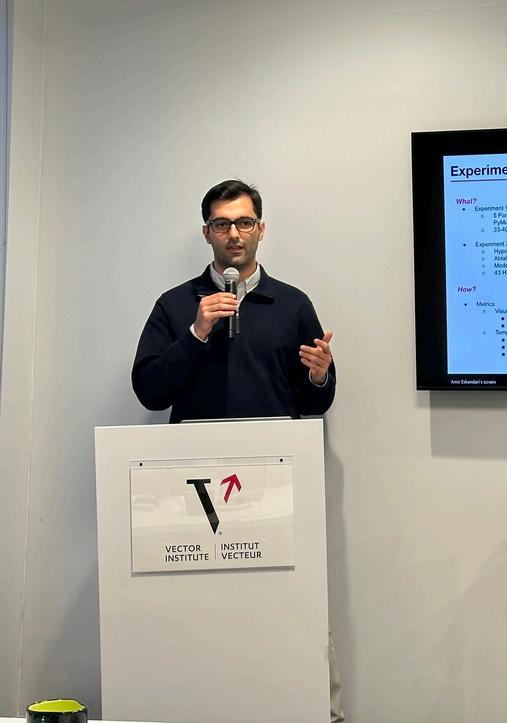
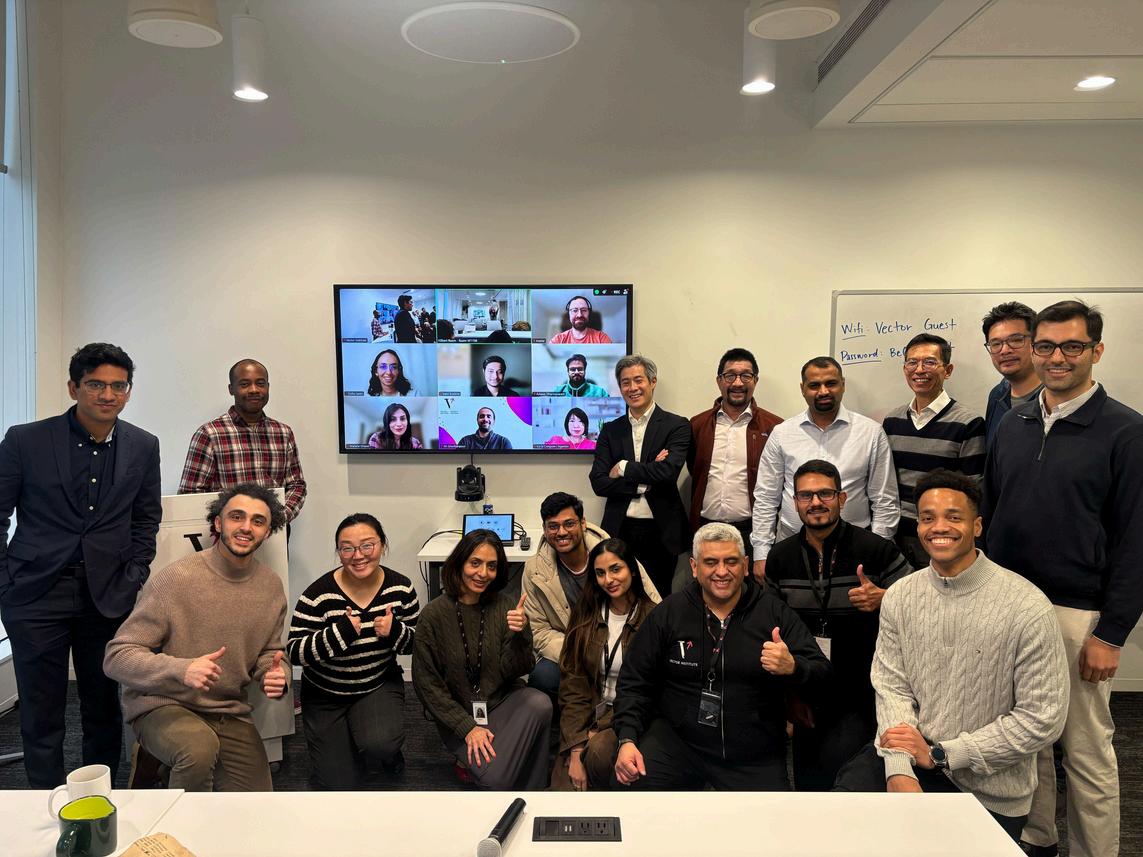
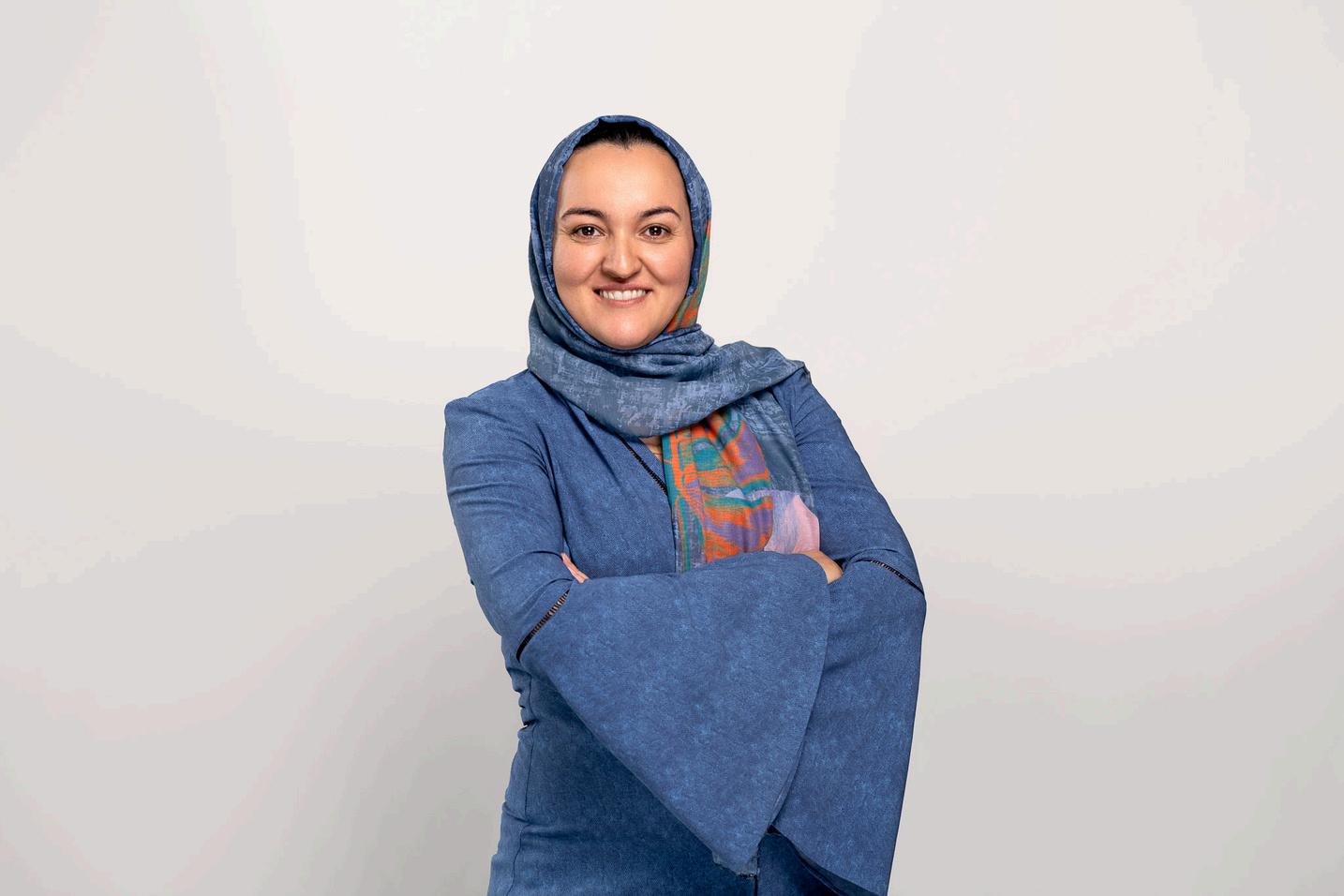
Amir Eskandari, a Connected Minds PhD trainee from the Faculty of Arts and Science at Queen’s University, completed a placement at the Vector Institute, where he worked with LLMs to develop a multi-agent system that automates the conversion of manual documents into digital templates. The work improved efficiency across sectors including healthcare, finance, and legal services, while strengthening Amir’s ability to translate theoretical AI methods into real-world applications that inform his ongoing PhD research.
Farhana Zulkernine, Professor in the School of Computing at Queen’s University, delivered a keynote address at the Kuwait International Conference on Life Sciences on Cognitive AI: Impacting Healthy Living. Her talk explored how advances in multimodal AI are shaping decision support and assistive technologies in healthcare, while emphasizing the importance of ethics and explainability. Drawing on her interdisciplinary research, she highlighted the responsibility of deploying intelligent systems to support inclusive, health-focused innovation worldwide.
OCTOBER 6-8, 2025
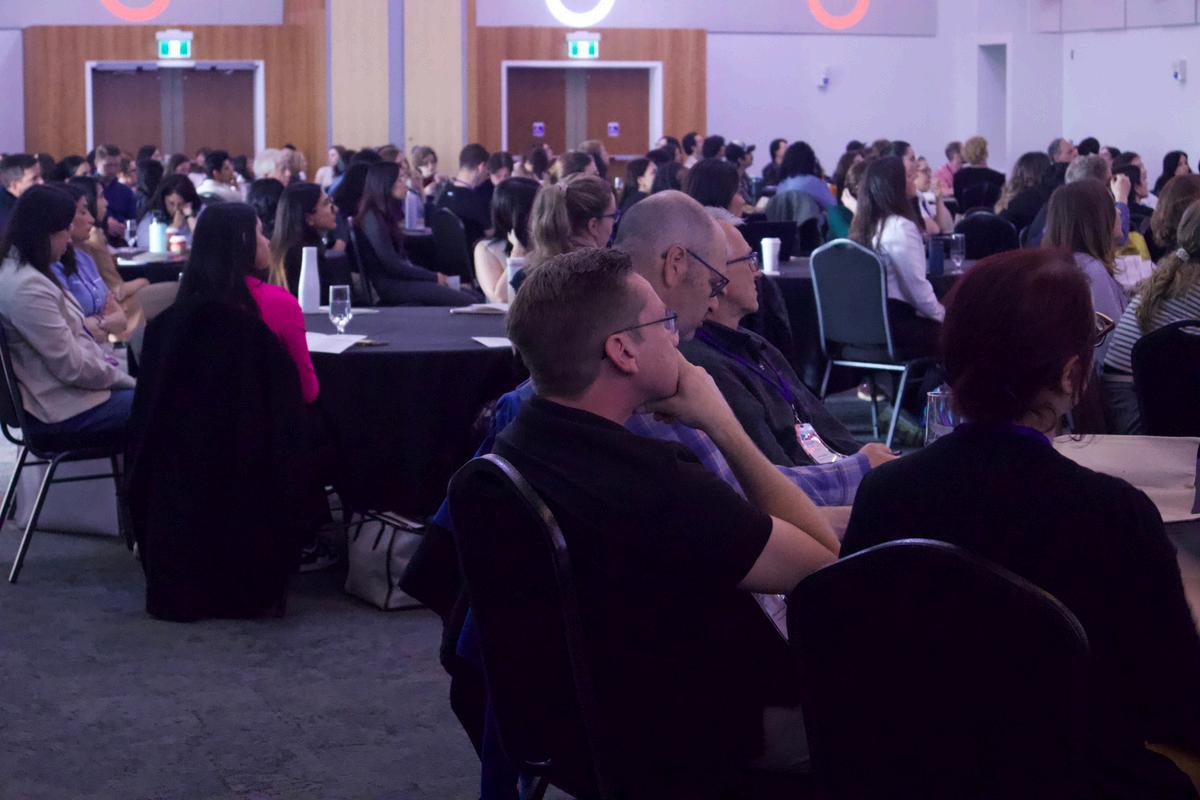
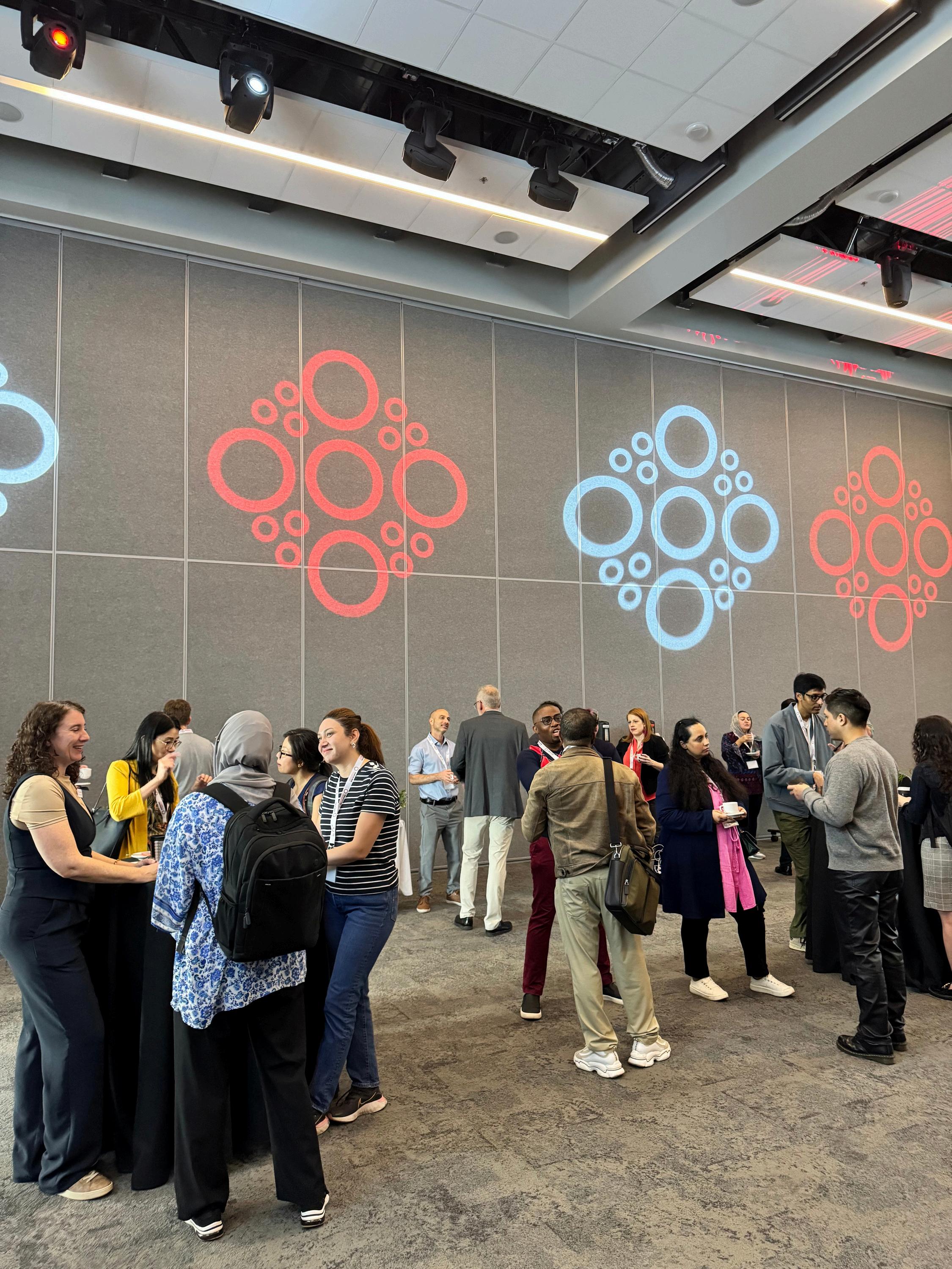
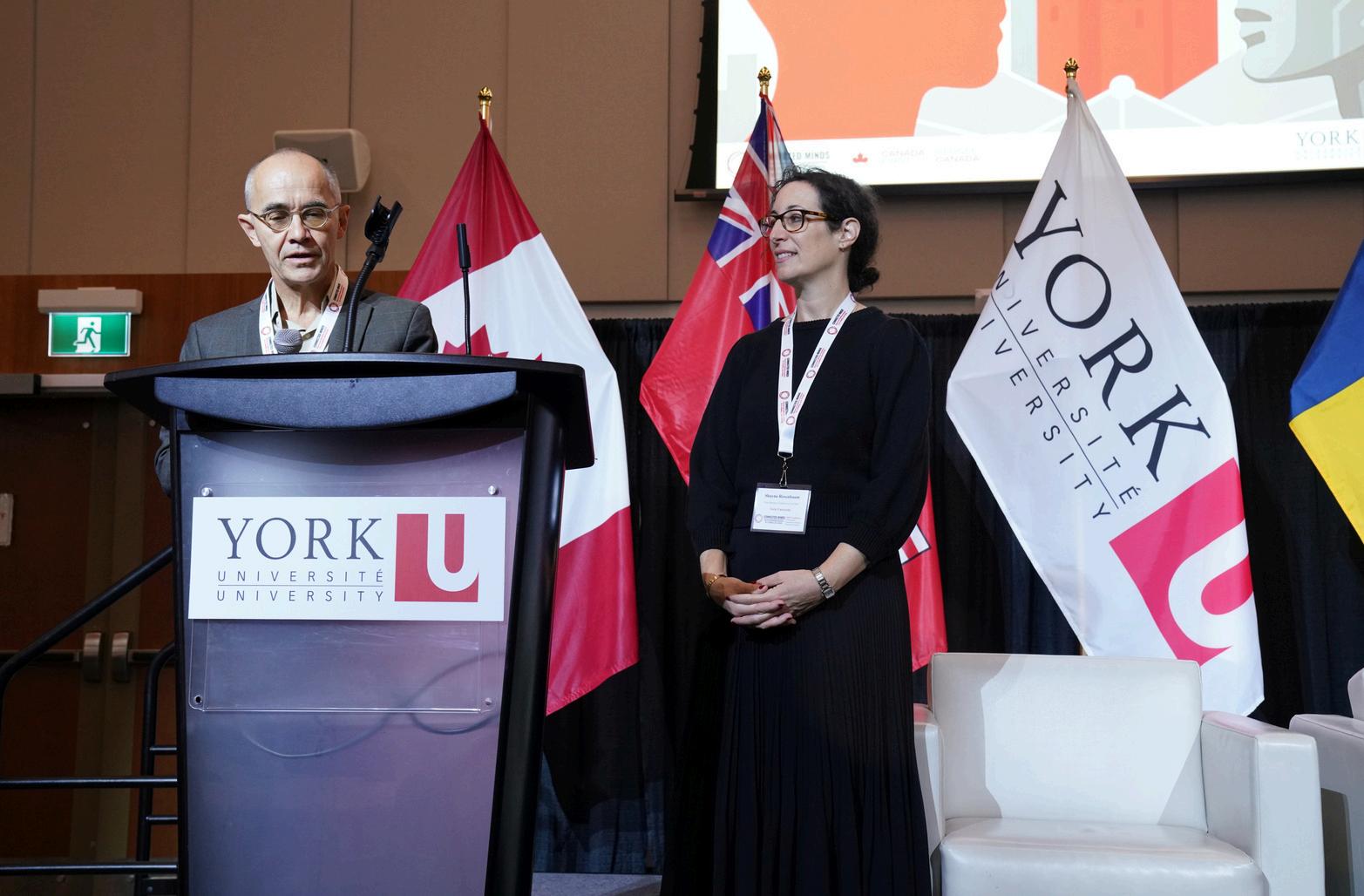
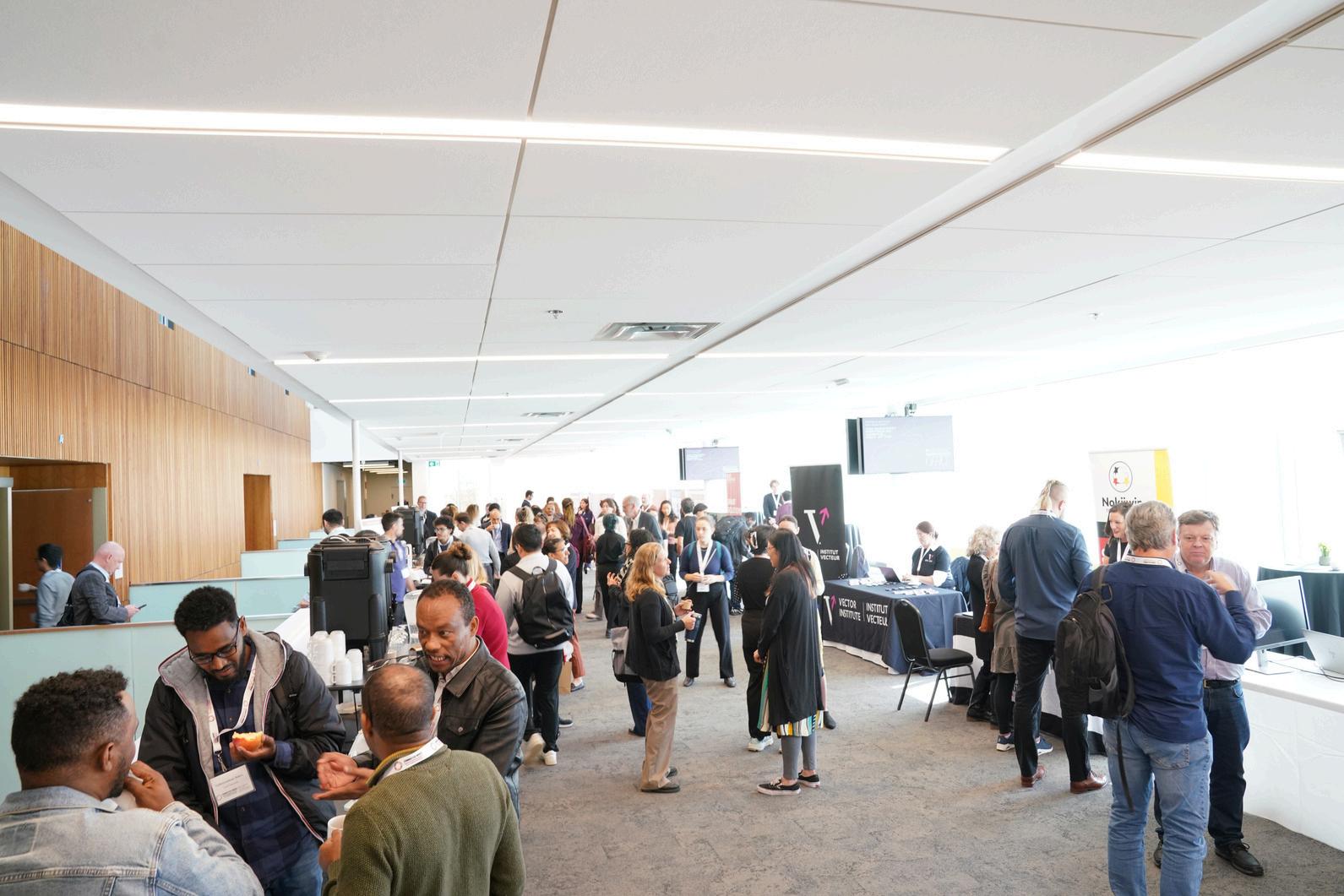
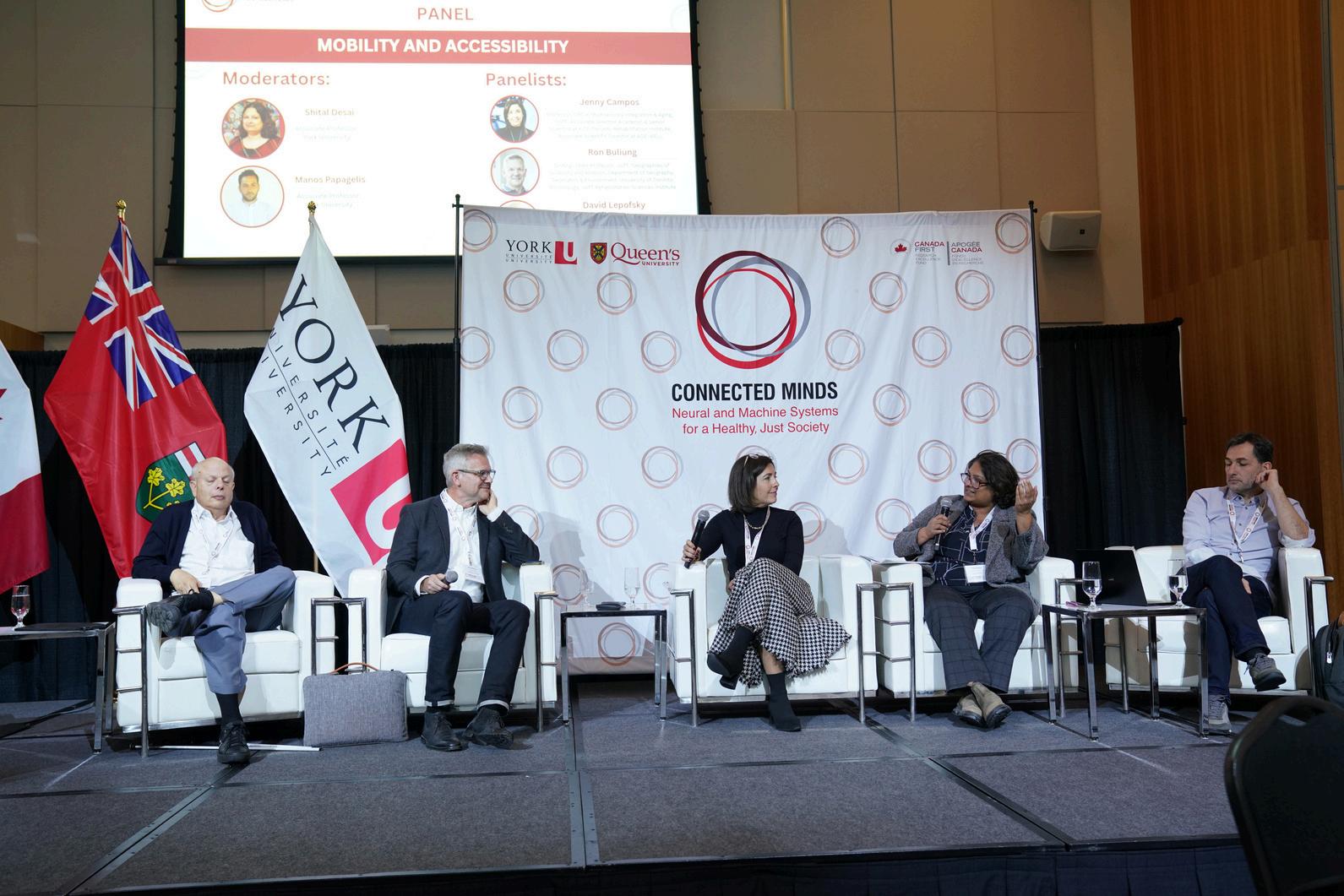
The 2025 Connected Minds Conference offered a powerful snapshot of how the program brings research and community together in practice. Across two days of panels, discussions, and exchanges, the conference highlighted work grounded in codesign, co-creation, and interdisciplinary collaboration, showcasing research shaped alongside clinicians, community partners, and people with lived experience
Rather than presenting technology as an endpoint, the conference centered the processes behind innovation, how questions are asked, who is involved, and whose values guide development. Through conversations spanning empathic AI, Indigenous data sovereignty, brain-computer interfaces, mental health, healthcare, accessibility, and human–machine interaction, participants explored both the opportunities and responsibilities that come with emerging technologies.
A recurring theme throughout the conference was that meaningful innovation cannot happen in isolation. Whether discussing AI governance, social robotics, digital health, or inclusive design, speakers emphasized the importance of collaboration across disciplines, sectors, and communities. The conference reflected Connected Minds’ commitment to research that is ethically grounded, socially responsive, and developed with, and not simply for, the people and communities it aims to serve.
NOVEMBER 17, 2025

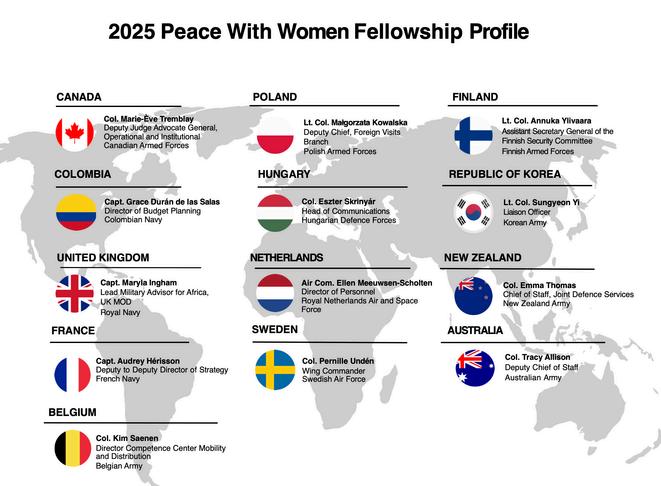
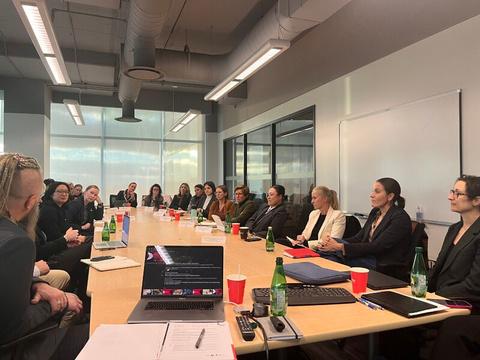
Connected Minds convened a high-level roundtable with the NATO-affiliated Peace With Women Fellowship (PWWF) at York, bringing defence leaders from 13 countries together with Connected Minds researchers to examine how AI, neurotechnology, and information systems are reshaping decision-making, autonomy, and trust in security contexts.
Grounded in real-world operational experience and interdisciplinary research, the discussion emphasized humancentered design, ethical governance, and co-creation, with conversations on human–AI teaming, misinformation, and cognitive vulnerability, highlighting that safeguarding cognitive autonomy is both a scientific and societal responsibility. The session marked the beginning of an ongoing relationship with the PWWF and reinforced Connected Minds’ role as a convenor connecting research, policy, and global security communities around shared challenges.
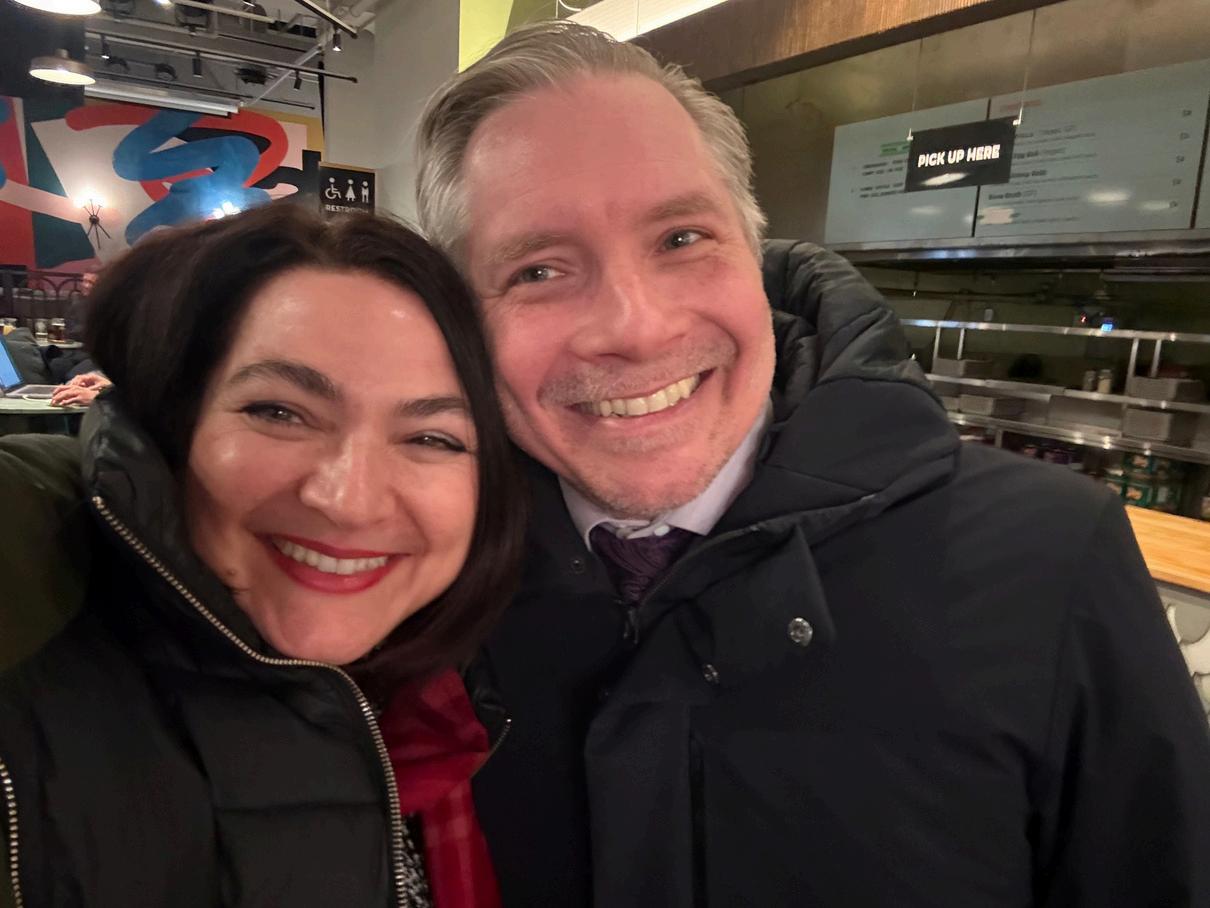
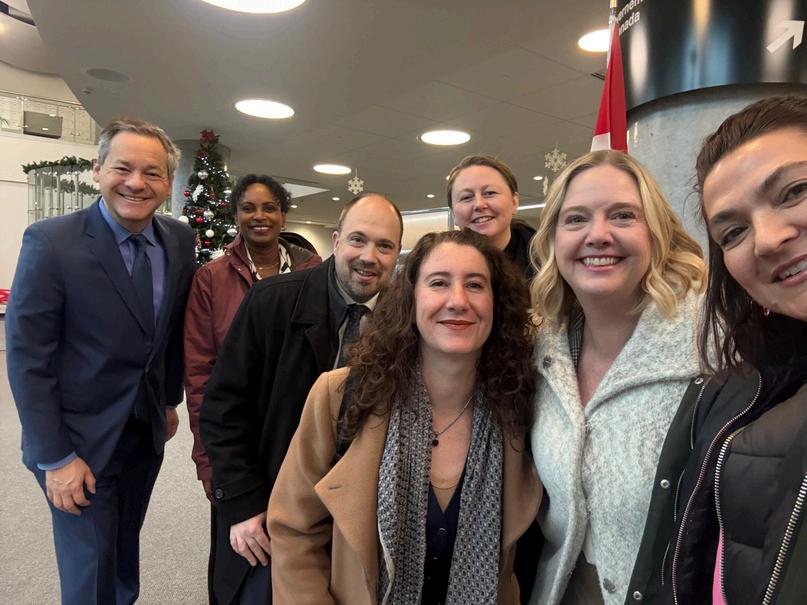
Connected Minds’ visit to Ottawa strengthened relationships across Canada’s policy, security, and governance communities at a pivotal moment for privacy, cognitive autonomy, and emerging neurotechnologies. The visit was anchored by a highlevel roundtable with the Centre for International Governance Innovation (CIGI), held at the Office of the Privacy Commissioner of Canada (OPC), examining how AI, biometric inference, and neurotechnologies are challenging protections around freedom of thought and mental privacy, and where governance frameworks must evolve.
Engaging alongside CIGI and the Neuro Rights Foundation, these discussions contributed to a significant milestone: Canada became the first country to recognize neural data as sensitive personal information requiring heightened protection, reflected in an update to the OPC’s Interpretation Bulletin. Connected Minds is proud to have been part of the dialogue that helped surface governance gaps and advance protections for mental privacy in the digital age.
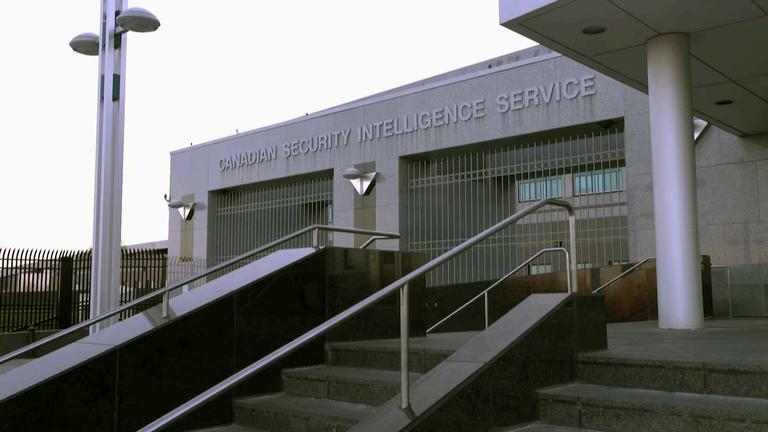
The visit also reinforced Connected Minds’ role as an interdisciplinary contributor to national conversations on cognitive autonomy. Kelly Anderson, Director of International Cyber and Critical Technology Policy at Global Affairs Canada, engaged with the program’s research on cognitive domain threats, neurotechnology misuse, and behavioural manipulation. At the Canadian Security Intelligence Service, René Ouellette, Director General of Academic Outreach and Stakeholder Engagement, and colleagues examined neuro-enabled risks such as inference attacks and targeted cognitive influence. Connected Minds also met with Mark Schaan, Associate Deputy Minister of AI and Digital Innovation at Innovation, Science and Economic Development Canada, to explore aligning AI policy with human-rights-based protections for mental privacy and addressing regulatory gaps in consumer neurotechnology.
JANUARY 17, 2026
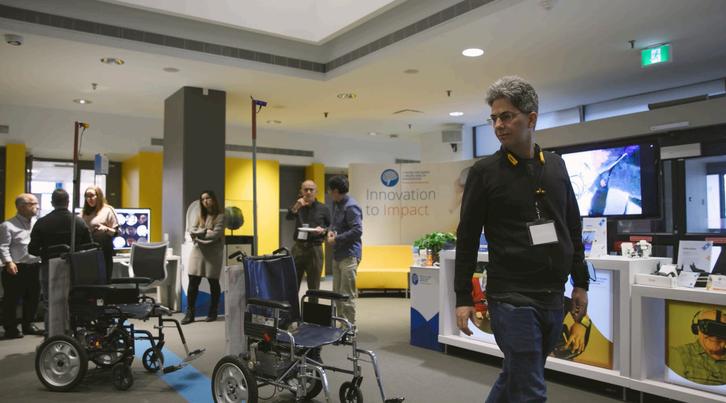
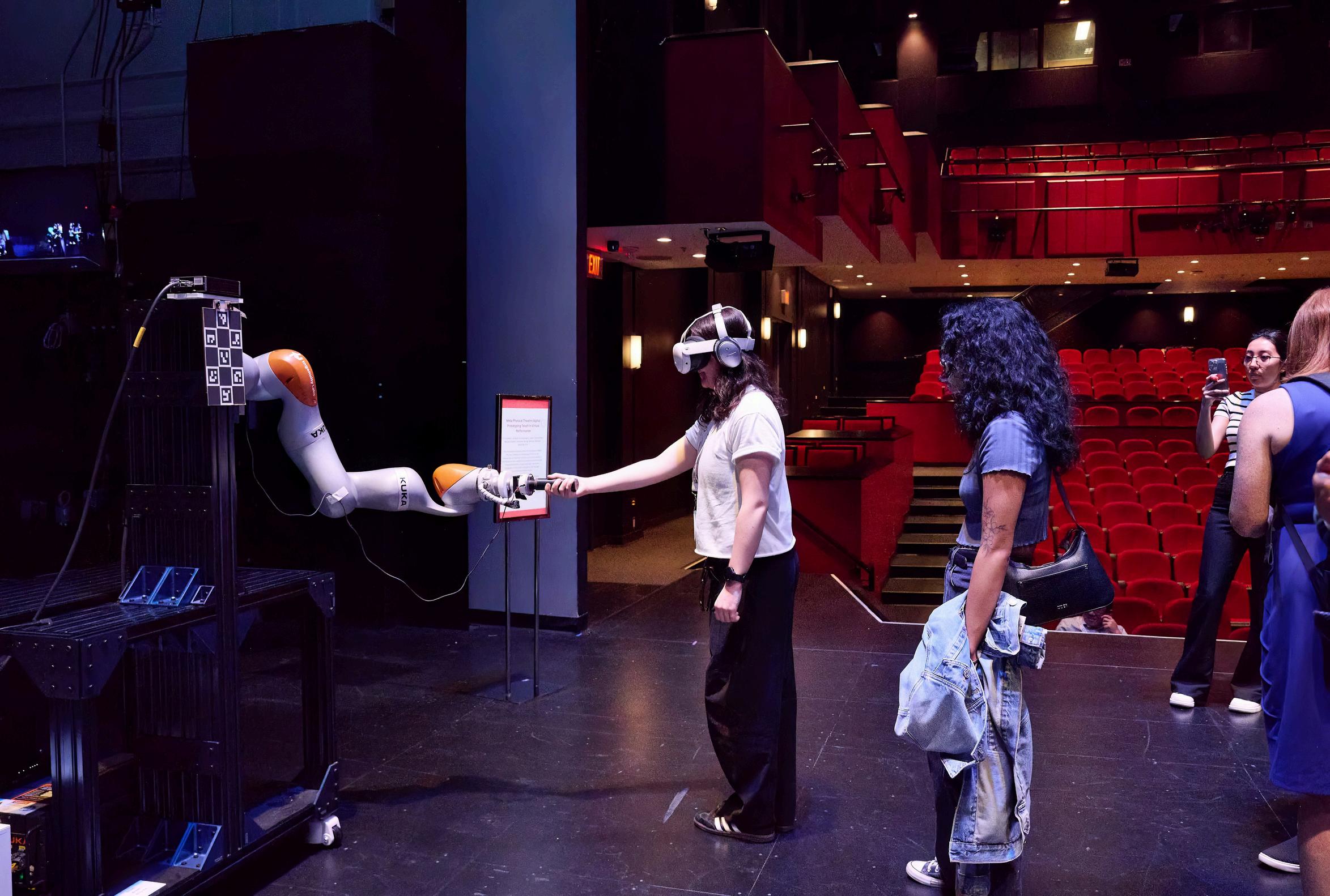
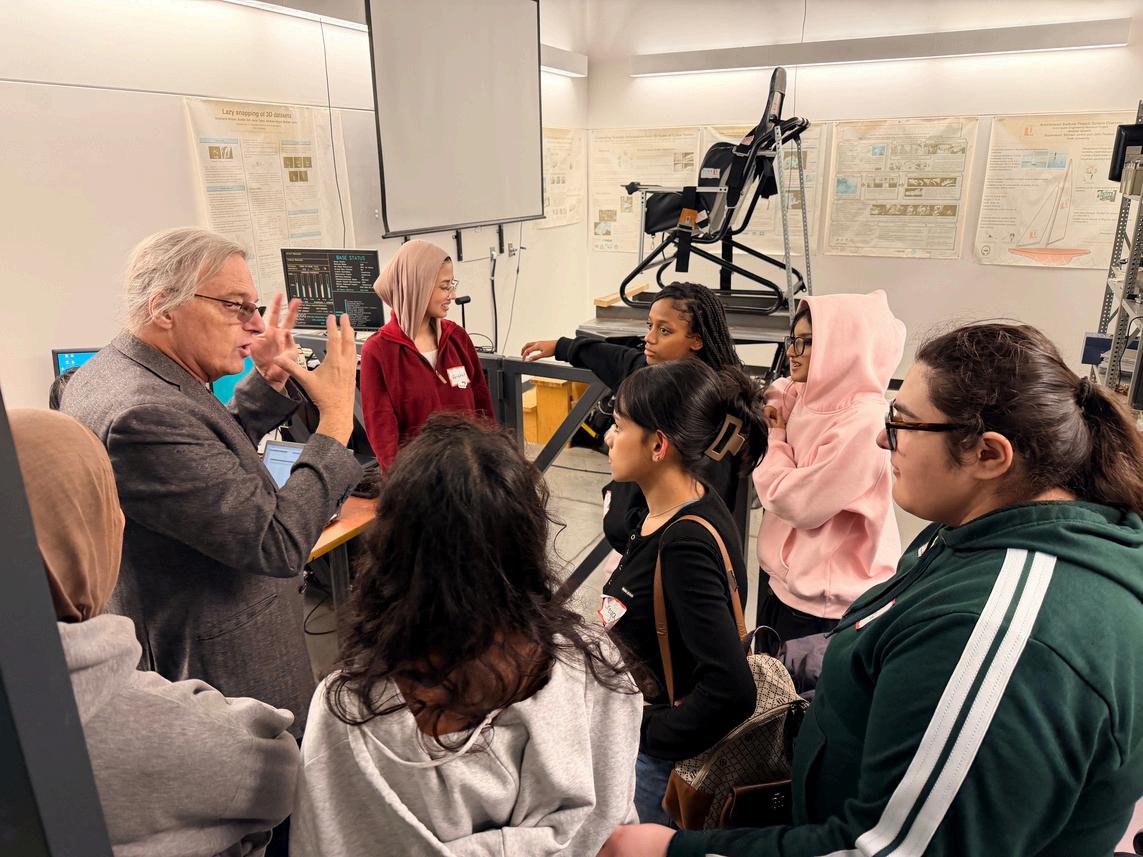
Opening its doors to the next generation, Connected Minds hosted students from the Go Green Youth Centre at York campus for an immersive research visit Through hands-on activities and interactive discussions, students explored work spanning digital literacy, virtual reality and perception, neurological movement, biophotonics, and multisensory cognition, experiencing firsthand how neuroscience, engineering, psychology, and ethics intersect. The visit underscored the importance of community-engaged research and how early exposure to research spaces can spark curiosity, build confidence, and expand students’ sense of what is possible

Smart & Biggar are Canada’s largest & highest-ranked IP firm, combining expertise with commercial strategy approaches to protecting, enforcing and commercializing client’s IP rights

OWN Innovation is a Canadian IP law firm working with clients to identify, protect and manage IP, including consulting with provincial as well as federal governments

True Impact specializes in neuromarketing research and analytics that employs BCIs to integrate eye tracking with other physiological signals
Trans-Plan is a leading Canadian firm in traffic planning and transportation engineering, specializing in smart city and traffic safety solutions

Distributive deploys highthroughput computing clusters at universities, using campus computers to power data science & scientific workloads

Esri is a Canadian company that provides enterprise GIS solutions, such as sustainable transportation simulation and modeling.
Alectra is an electricity and energy service provider with an active research centre.

UniVirtual is a metaverse education platform that hosts fully supported virtual learning environments for synchronous and asynchronous teaching

Kinarm employs interactive robotics to transform the assessment of brain injuries

OPTT is a Canadian start-up with the vision to transform mental health care using web-based tech and AI to make care more accessible and equitable
Norton Rose Fulbright is a global law firm developing advanced IP and AI curriculum focused on strategy, commercialization, licensing and legal risk in emerging technologies

Trellis is a hyper-efficient, ultralightweight autonomous elevated micro-rail transit system that obliterates legacy transit’s need for tarmac and concrete arteries

Dynamiris is a tech start-up specializing in clinical uses of eye tracking analysis

York University is a partner in the Vaughan Healthcare Centre Precinct, Vaughan's Smart City Initiative and their local innovation cluster.

Oasis Project is an interdisciplinary, intersectoral research collaborative that evaluates a unique approach to naturally occurring retirement communities

Mitacs is an internship program that provides research support and opportunities across Canada and abroad.

The Law Commission of Ontario is Ontario’s leading law reform agency and provides independent, balanced and authoritative advice on complex legal policy issues

This initiative supports Indigenous innovators in developing, testing, refining and scaling projects of importance to Indigenous communities.

The Nokiiwin Tribal Council, representing communities in the Robinson Superior Treaty area, is working with UniVirtual on an Indigenous metaverse project to create a living archive of Indigenous knowledges

CIGI is an independent nonpartisan think tank whose peer- reviewed research, foresight and trusted analysis influence policy makers to innovate
The Ontario Brain Institute is a provincially funded, not-for-profit organization that accelerates discovery and innovation, benefiting both patients and the economy

The Indigenous Friends Association is an Indigenous-led organization that creates and shapes digital techs grounded in Indigenous ethical and communal values

The Builders Association is a crossmedia performance group from New York staging the interdependence of life & tech
NeurotechX aims to facilitate the advancement of neurotech with 30+ global chapters and student clubs at universities

UHS provides innovative seniors' care in the Unionville community, including a long term care home, life lease senior apartments and a geriatric outreach team

SpiderWebShow is a live digital performance company that explores the intersection of live performance and digital innovation through artistic commissions and creations including VR
The First Nations Information Governance Centre (FNIGC) is a non-profit organization working on First Nations data sovereignty The FNIGC also provides education and training services on the First Nations principles of OCAP.
Baycrest is a local geriatric- focused continuing care hospital and houses Rotman Research Institute with strong neuroimaging expertise & infrastructure.
Neuroethics Canada is a national research resource for neuroethics including topics of neurotech

The Harquail Centre for Neuromodulation at Sunnybrook is a world leader in delivering comprehensive neuromodulation treatments for debilitating brain disorders.

The Neuromatch Academy provides inclusive education and networking opportunities to academic and industry professionals on topics of neuroscience and AI.
The Risk and Insurance Studies Centre Foundation is a Canadian not-for-profit advancing public education and research in risk management and insurance for the benefit of society

Vector's vision is to drive excellence and leadership in Canada's knowledge, creation and use of AI to foster economic growth and improve the lives of Canadians

SFU’s Institute for Neuroscience & Neurotech specializes in neuroscience data analytics and multiscale computational models of the brain in bodily and social contexts
The Adaptive Mind is a federally funded German consortium integrating psychology and AI to study how the mind adapts to change and when adaptation fails

MIT QfI addresses how human intelligence works in engineering terms and how an understanding of human intelligence can be used to build smarter machines for the benefit of society

CASCB studies collective behaviour across species and environments using behavioural, physiological, neural, ecological, and technological methods

CAITLIN MULLIN Executive Director

HERB GOLTZ Partnerships Manager



ANAHITA HAIDARI Communications & Engagement Coordinator

KELLY MOORE Program Manager

TARA THARANI Operations Manager

ANDREW CASTILLO EDI & Community Outreach Specialist
Director of Operations

Finance Manager

SAI LAU Commercialization Manager
CHARETTE Research Associate

KABA Administrative Assistant

ZHANG Financial Administrator
ARACHCHIGE Financial Coordinator

BERNARD Events Coordinator

SAIDU Administrative Assistant
Connected Minds is a dynamic and growing community where ideas, people, and projects are always in motion. Across our network, researchers, trainees, partners, and communities are advancing interdisciplinary work, sharing insights, and creating meaningful impact. From funding opportunities and research highlights to events, collaborations, and stories from the field, there is always something happening. We invite you to stay connected, follow along, and engage with us through the following channels:
Connected Minds CFREF
www.yorku.ca/research/connected-minds/
@connectedminds.bsky.social
Connectedmindsinfo@yorku.ca
Connected Minds is made possible through the support of the Canada First Research Excellence Fund (CFREF), with York University as the lead institution in partnership with Queen’s University. This investment enables ambitious, interdisciplinary research examining how emerging technologies shape society, health, culture, and equity. CFREF funding, alongside the institutional commitments of York and Queen’s, provides the foundation for large-scale collaboration, long-term research capacity, and meaningful engagement with communities in Canada and internationally.



Your paragraph text