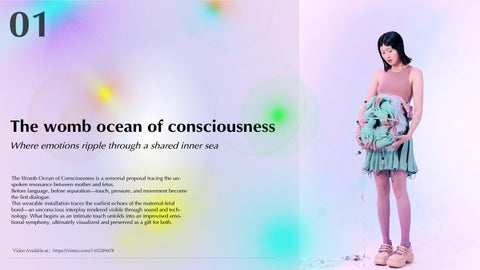
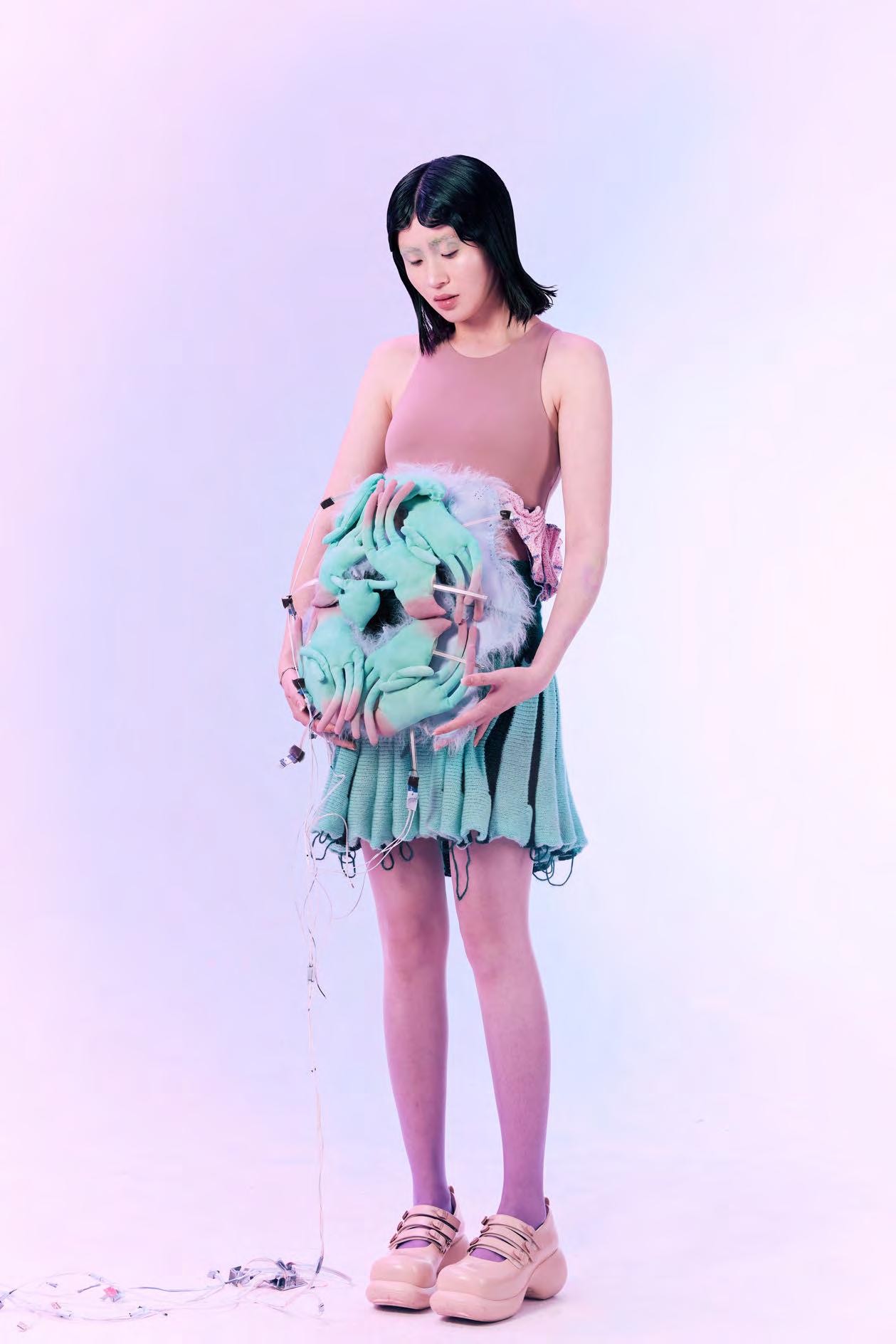
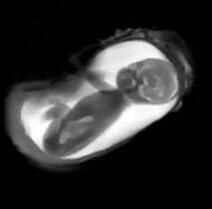
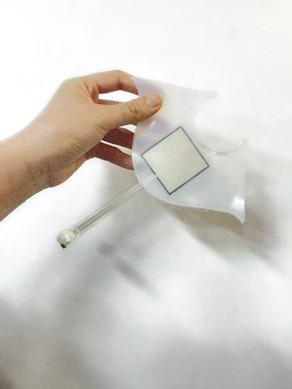
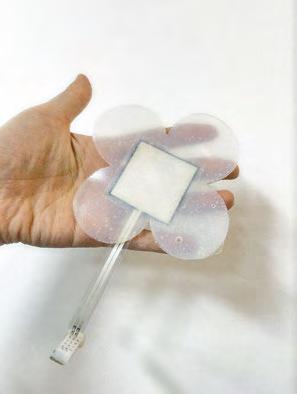
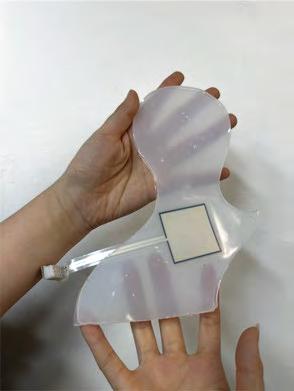
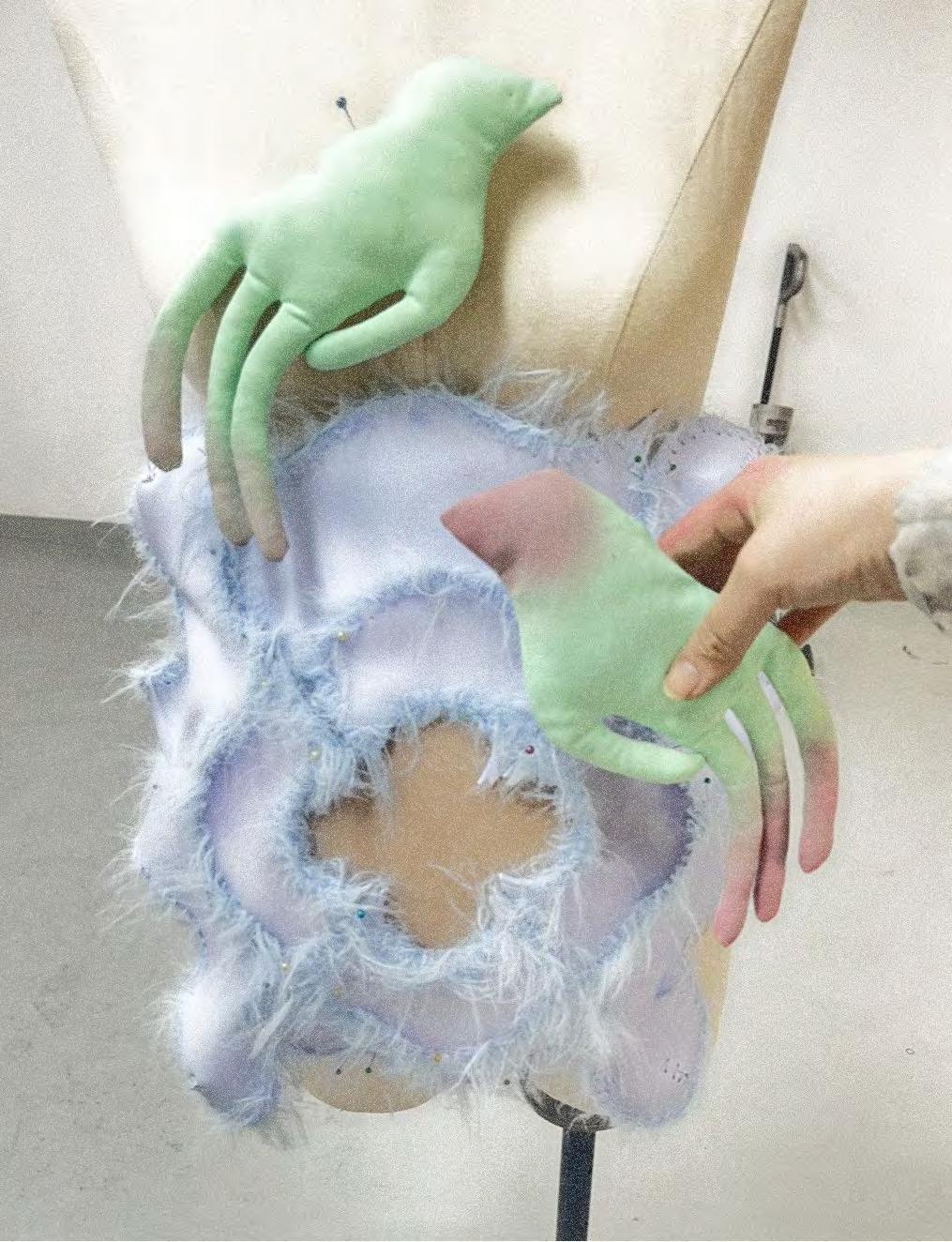
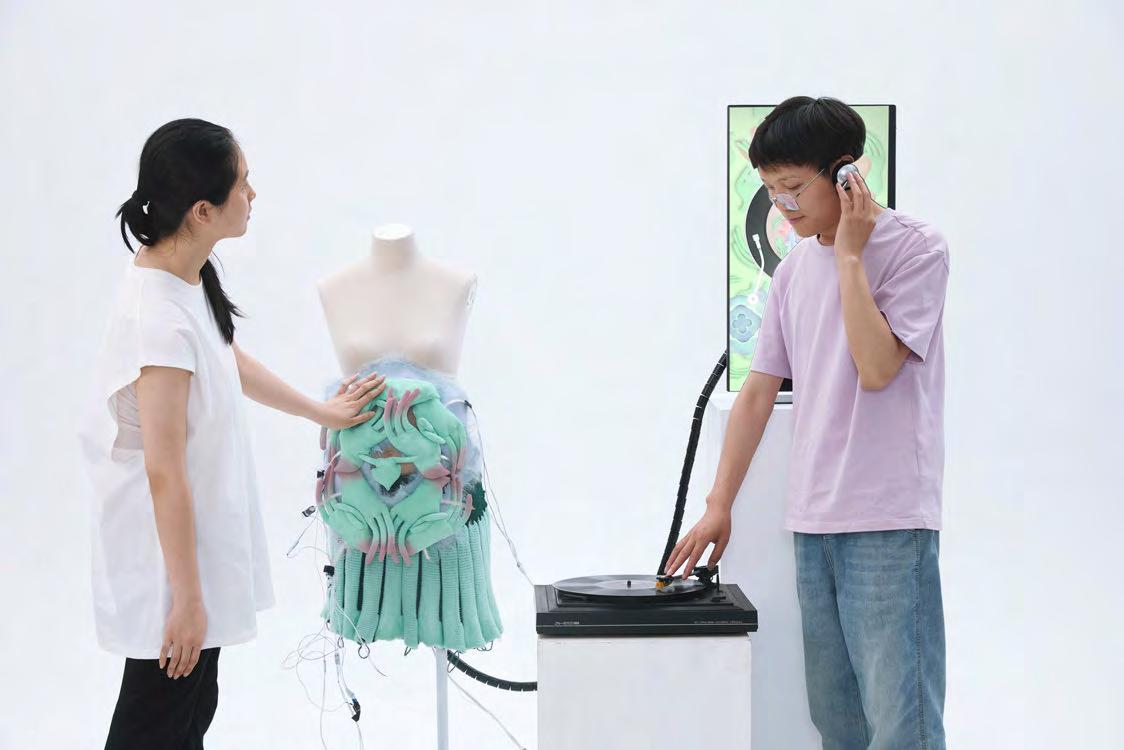
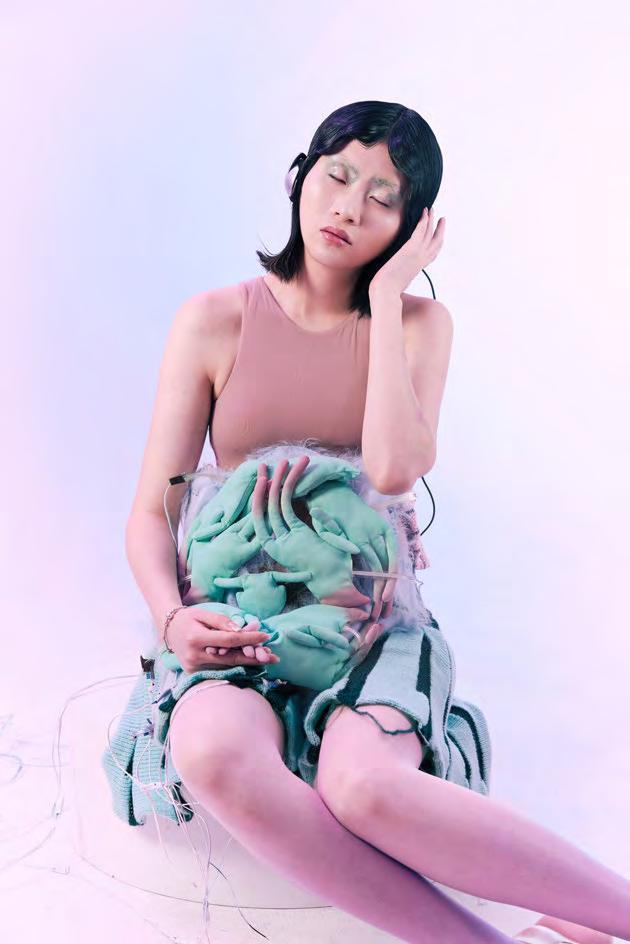
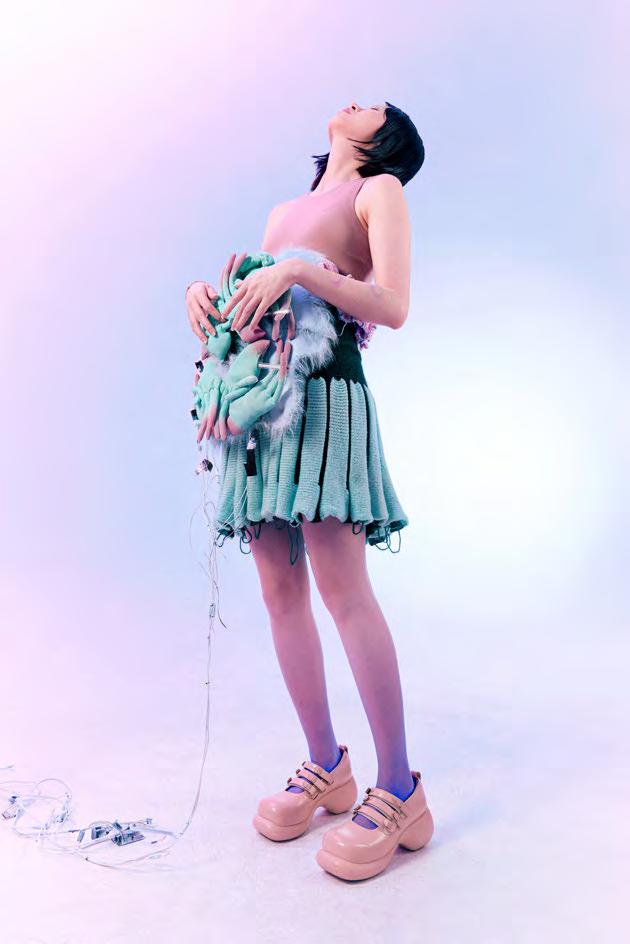
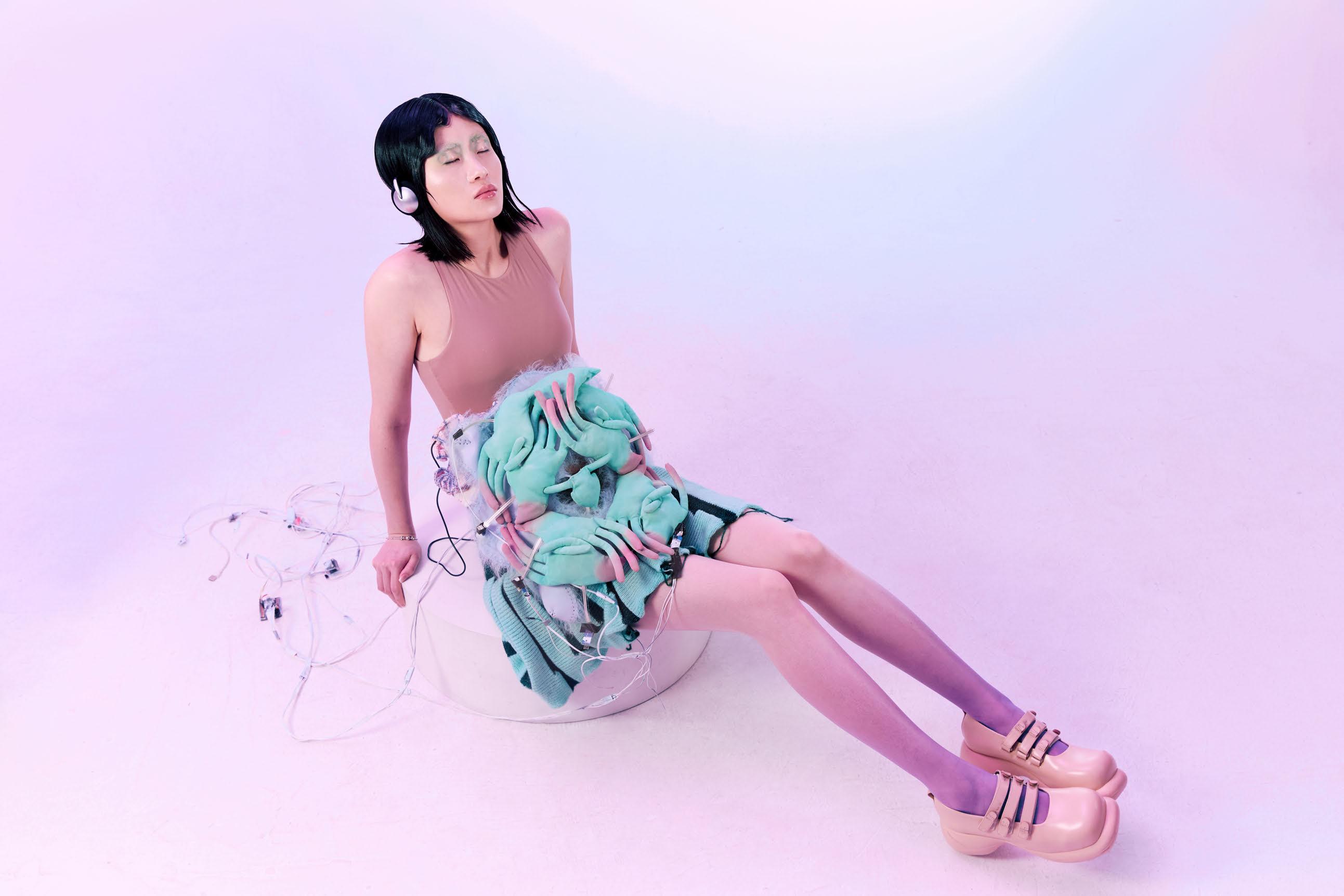
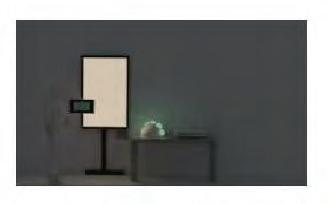
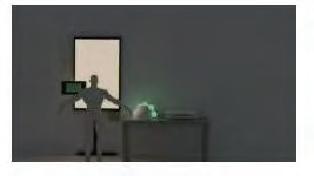
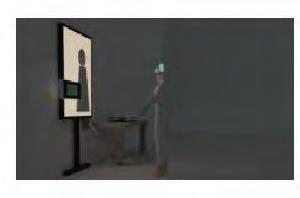
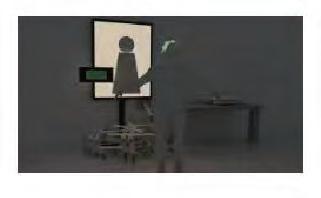
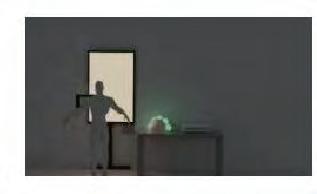
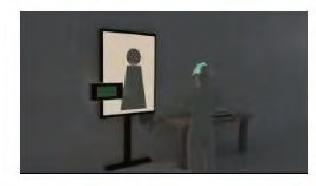
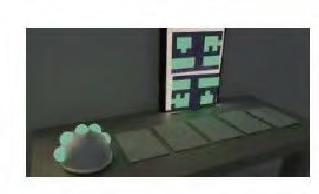
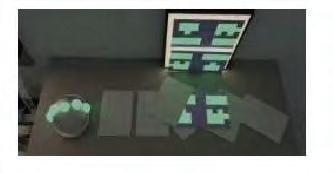
The Womb Ocean of Consciousness is a sensorial proposal tracing the unspoken resonance between mother and fetus. Before language, before separation—touch, pressure, and movement become the first dialogue.
This wearable installation traces the earliest echoes of the maternal-fetal bond—an unconscious interplay rendered visible through sound and technology. What begins as an intimate touch unfolds into an improvised emotional symphony, ultimately visualized and preserved as a gift for both.
Video Available at:https://vimeo.com/1102289478
Attachment
Pregnancy hormone
Behaviours
Conclusion:
touchable interaction to the belly
Needs of Responding to the Fetal Movements
Mothers feel the fetal movements
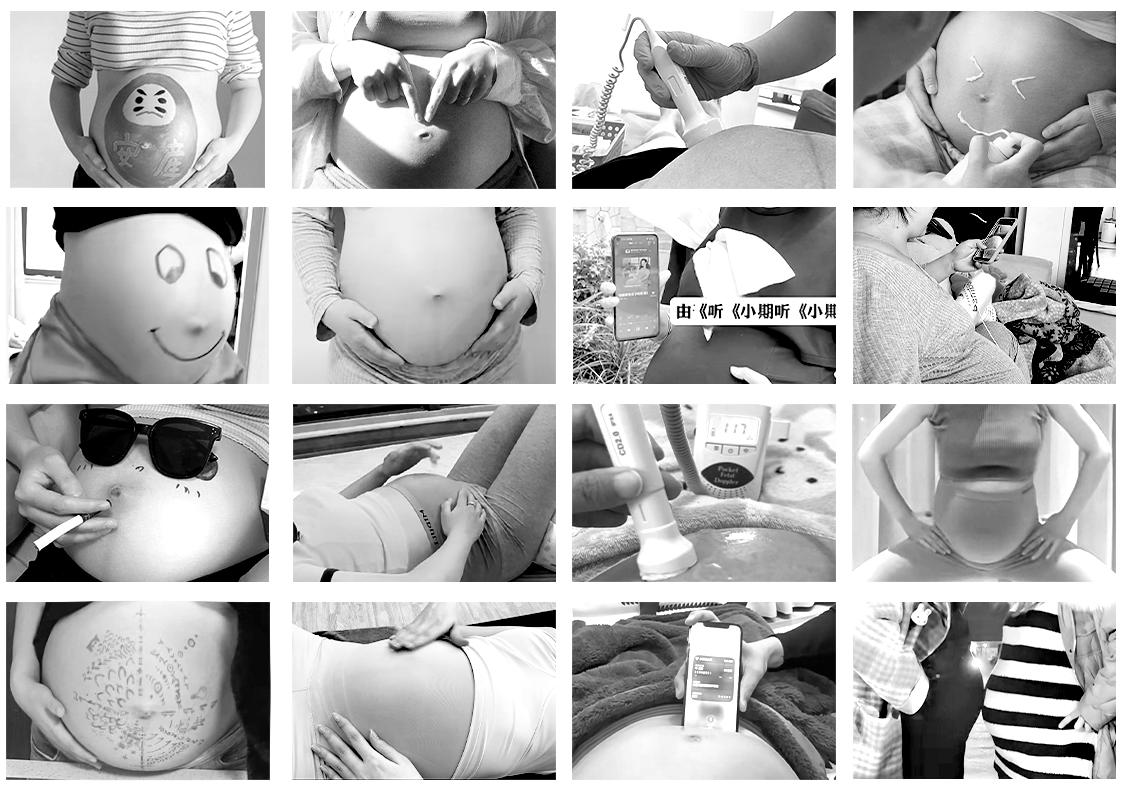
HOW DO PREGNANT MOTHERS TOUCH THIER BELLIES
Through a survey about mothers’ touching to bellies, I gained and analysed the data about the touch methods.
Participants: Mothers who have given birth or are pregnant.
Number of participants: 79 people
Mothers’ different ways to touch the belly.
Mix-using the above ways
Mothers deal with sensations by behaviours
Pregnant mother will bond a early close relationship with fetus and improve a fetus’ growth by interacting with the fetus in touchable way. In this period, the fetus often response by fetal movements. Maternal acutepositivemood
The duration of a touch/a group of consistent touches
Conclusion: Mothers' ways of belly touching are subjective and diverse, with stroking and patting being the most common gestures. These interactions typically last 10 to 20 seconds
How do mothers Interact with their fetus?
Force: even; Light to moderate.
Duration: Be moderate or long (more than 5s), Occasionally be short (less than 5s).
Speed: steady; change smoothly.
Force: Uneven; sometimes will be stronger than usual.
Duration: Varies, but is usually shorter than usual (less than 20s).
Speed : Relatively irregular; more dramatic changes; sometimes be still.
RESEARCH
DESIGN PROPOSAL
Insight
Conclusion:
Most mothers believe that FMS (the fetual movements) are signals of fetus' expression of emotions. In addition to the most common way, touches, many mothers also respond through sounds and thoughts.
How do FMS represent acute maternal moods?
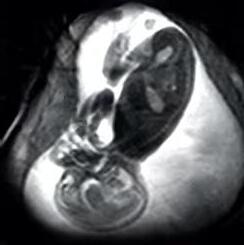
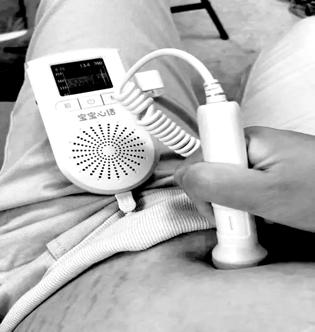
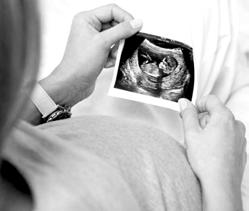
During prenatal check-ups, pregnant mother show stronger emotional reactions to hearing the fetal heartbeat than to viewing ultrasound images or reading biometric data. This suggests that, compared to visual information, sound is a more effective medium for evoking emotional resonance between mother and fetus.
Design Implication
Based on this insight, this project adopts sound as the final medium to express emotional interactions between mother and fetus.
Summary: Fetal movement reflects both the fetus’s condition and the mother’s emotions. It is an unconscious fetal behavior, and its modulation by maternal emotions is a physiological mechanism beyond conscious or rational control.
Conclusion: This phenomenon reveals a blurred psychological boundary between mother and child. Their emotions influence each other without conscious participation—an interplay impossible between any two independent beings. The uterine wall and skin form a shared spiritual realm, and during gestation, the deep emotional exchange between the intrauterine and external environments constitutes the earliest resonant experience between mother and fetus.
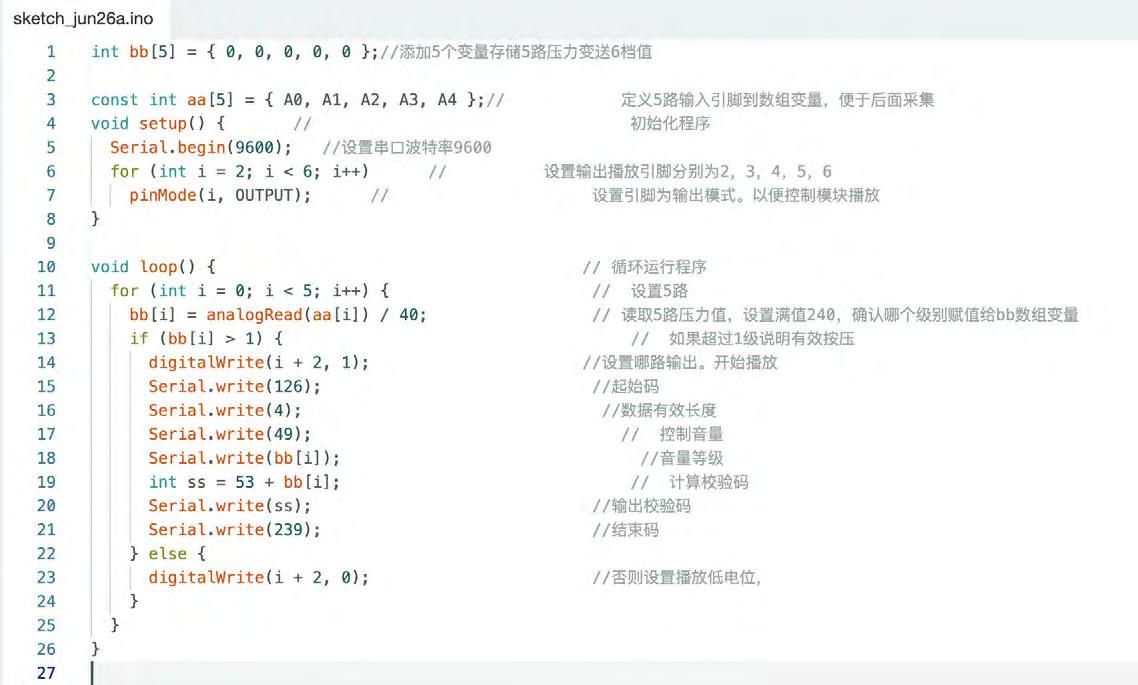
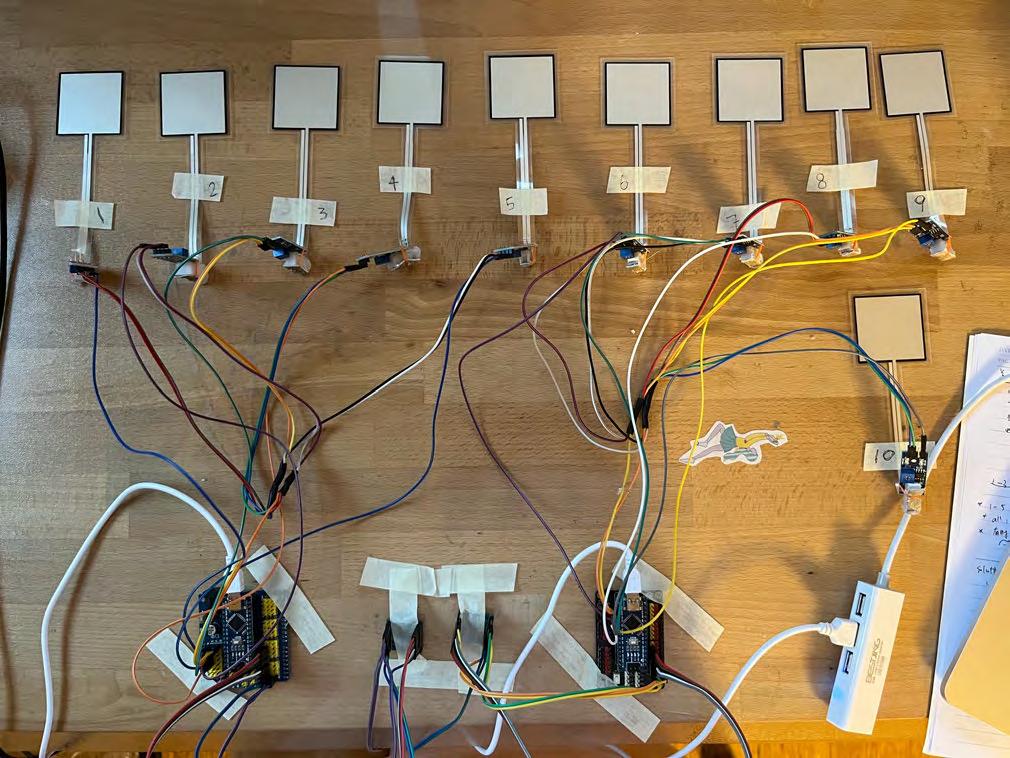
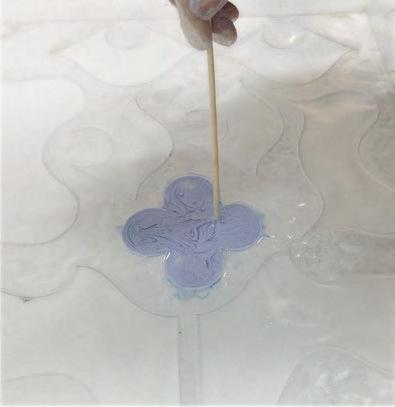
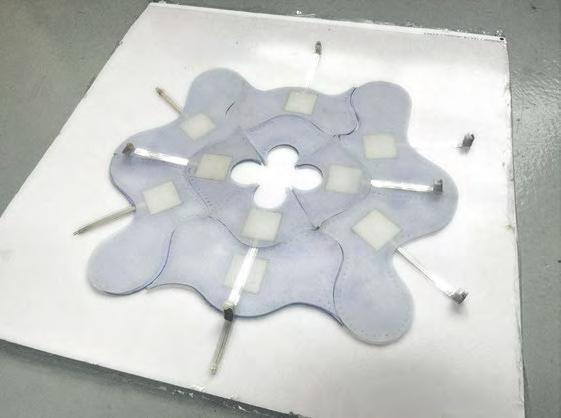
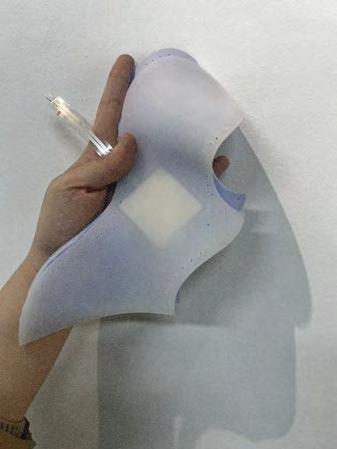
Pressure-sensitive sensors placed on the internal and external surface of the belly capture variations in touch and pressure—interpreted as manifestations of emotional states. These gestures are then translated into sound. The installation aims to artistically record and express the emotional interflow and fusion between mother and fetus. Ultimately, this process, which would have become increasingly blurred over time, was preserved.
*Data are from a rst-hand survey, Ying Qing, 2024
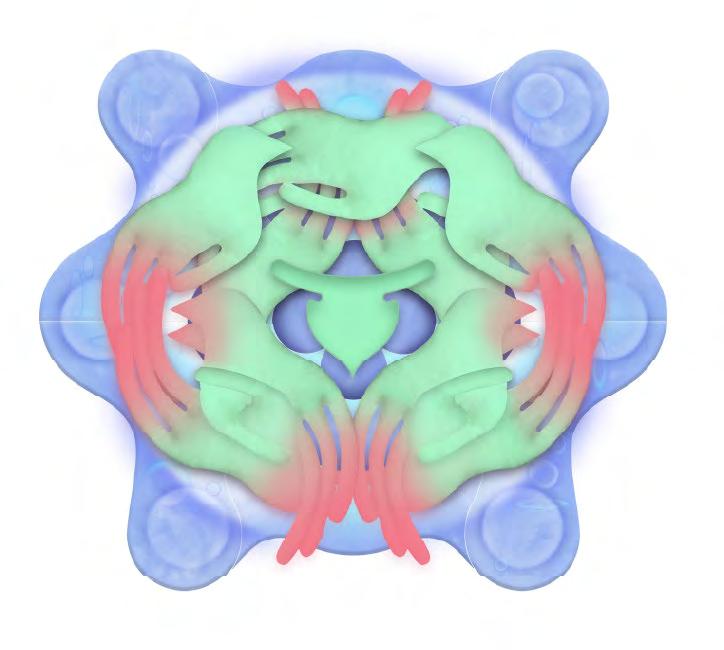
VISUAL CONCEPT: THE INITIAL OCEAN OF CONSIOUSNESS
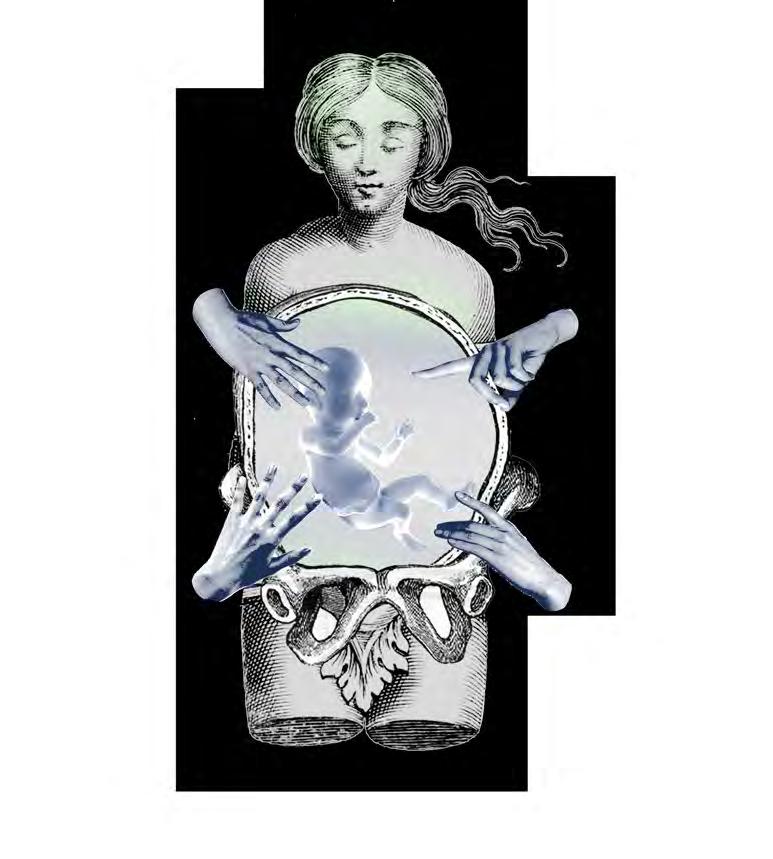
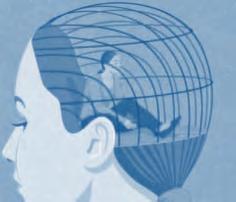
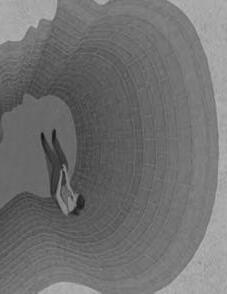
In Daoist thought, the 识海(Ocean of Consciousness). is a boundless inner ocean where emotions ripple. As the Internal Alchemy says: “True suchness gives rise to all phenomena according to conditions, like waves and bubbles in the sea.”
Ordinary minds remain separate—except in myth, where only immortals may connect their Shi Hai.
This idea echoes, but differs from, Freud’s iceberg theory: beneath awareness lies a vast unseen psychic depth. In my eyes, pregnant mother and fetus may share one Sea of Consciousness. With the spiritual inspiration, I developed my visual language.
DESIGN PROCESS_SOUNDS
Use Case:
DESIGN PROCESS_INSTALLATION
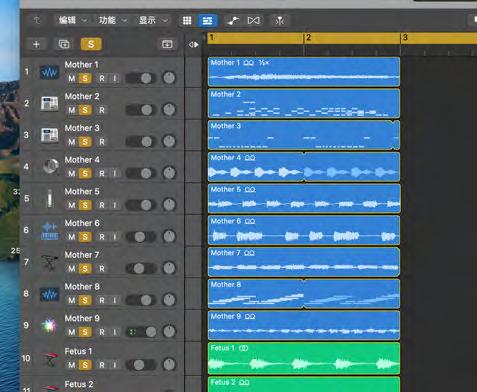
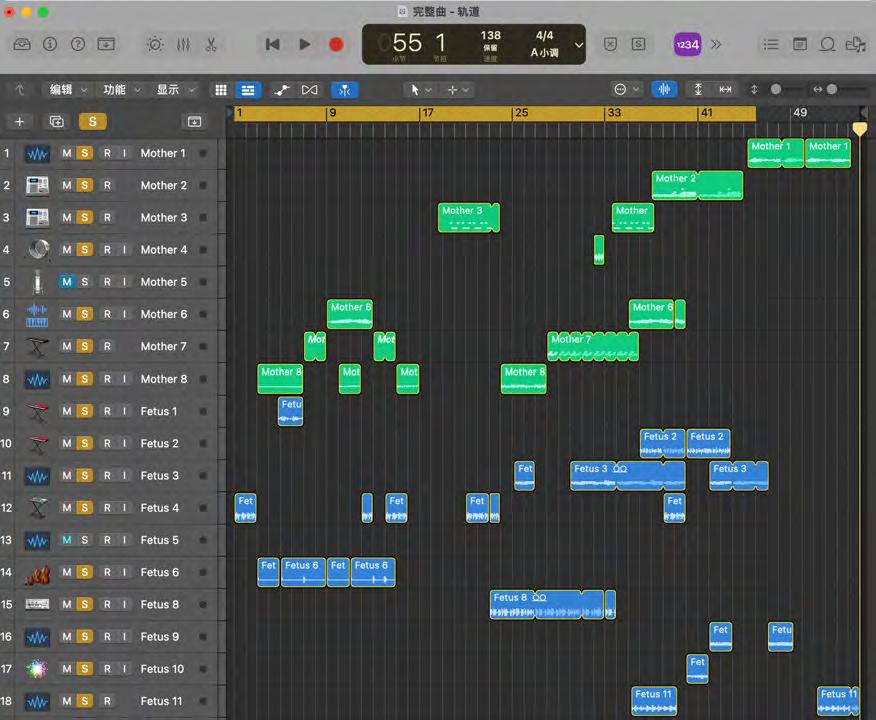
After the volunteer mother wore it for 1 hour, the music segment was formed
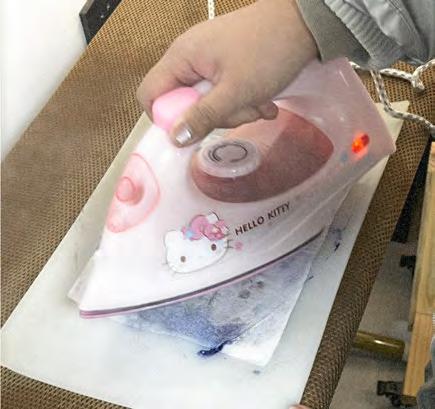
Sketch_the Dress
Sketch_the Dress
Mothers’ Music Clips
Fetus’ Music Clips
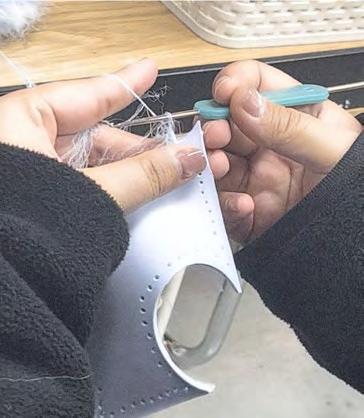
DESIGN PROCESS_INSTALLATION_SYSYEM BUILD
Code Writting
Video Link: https://vimeo.com/1102289478
Prescribed Bias
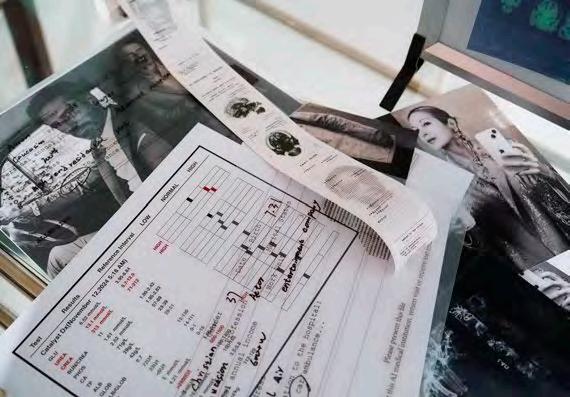
As AI takes a larger role in medical diagnosis, the promise of fair-ness and accuracy is often undermined by hidden biases in these systems. Prescribed Bias looks at how AI tools can carry and rein-force existing inequalities, especially harming marginalized groups whose symptoms are often overlooked or misunderstood. These biases, like invisible prescriptions, are built into algorithms that seem neutral but quietly affect who gets care and how.
This project is a thoughtful exploration of how technology and humanity interact, asking us to notice the unseen forces shaping our health in a world driven by data and automation. It shows that bias doesn’t disappear with technology; instead, it hides in the layers of code and design choices, often unnoticed.
In this changing landscape, Prescribed Bias calls on us to stay criti-cal and aware—reminding us that as AI shapes the future of medi-cine, keeping our independent judgment and humanity is more important than ever.
This phenomenon re ects not only technical issues but also the risk of AI models unintentionally using sensitive, non-clinical data in decisions, raising ethical concerns. Over time, Will such race-based labeling, including and beyond medical relevance, lead to unequal diagnostic experiences and outcomes?
The golobal development of AI program-assisted medical treatment usage
Hospitals and medical institutions are increasingly adopting and relying on AI for diagnosis.
The Embedded Bias
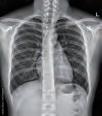
Higher misdiagnosis rates for Black and female patients in AI-assisted chest X-ray screening.
In US, AI X-ray diagnostics are entering hospitals at several cities.
Consistent underdiagnos is across large public datasets
Algorithms trained in all settings showed systematic underdiagnosis biases in Black patients, female patients.
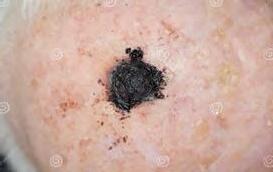
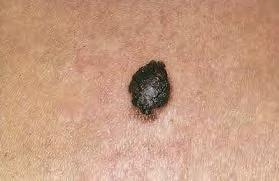
Melanoma shows higher misdiagnosis rates among people of color and low-income patients.
AI systems struggle to accurately diagnose melanoma in Black patients.
When AI systems encode biases across race, gender, or socioeconomic lines, people who belong to more than one disadvantaged group — may su er ampli ed harm from intersectional bias.
Due to the underrepresentation of Black skin lesion images in training datasets.
In some low-ecomoly area in America, the Black people tend to spend less on healthcare, despite being statistically more vulnerable to illness.
Melanoma in Asians signi cantly di ers from that in Caucasian
A healthcare decision-making algorithm that uses spending on health services as a proxy for health needs may inaccurately assess Black patients as healthier.
Pathogenesis Reasons
Morphology
Prognosis
A Leading company of deep learning algorithms
At the rst China Ultrasound Medicine Development Conference in 2018, doctors competed with Al robots, and artifcial intelligence defeated human doctors with 91 points.
What causes bias in ai algorithms?
Computer Assisted Diagnosis systems return less accurate results for African American patients than for patients of European descent.
Women under 55 presenting heart disease symptoms are 7 times more likely than men to be discharged from the ER without treatment.
Women with chest pain are less likely to receive ER triage or observation than men, and face an average wait time 11 minutes longer.
Female health care workers may be less empathetic to female patients than males
Most medical AI training data comes from large urban hospitals, while patient pro les and disease patterns in primary care settings often di er, reducing accuracy and care quality for underserved groups.
Photos of melanoma on black, white and yellow skin
“Unconscious bias”*
This bias is widespread among health care workersnot just men. McGregor points out that female health care workers may be less empathetic to female patients than males due to long-standing social in uences.
“Discrimination
Assumption
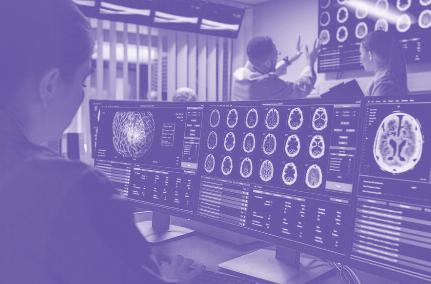
In the future, AI medical diagnosis rapidly iterate and become widely adopted, evolving from an assistant to an autonomous decision-maker. Unmanned hospitals emerge across regions, where AI replaces human healthcare professionals throughout the entire medical process.
Speculative Future
Over time, people notice that those who align with mainstream ideals of "superiority" are more likely to receive accurate diagnoses and quality care, while others face misdiagnoses, delays, or system rejection. As medical accidents grow, public trust in AI collapses. Eventually, the technology becomes exclusive to elite groups, its user base shrinking until no one remains.
Design sketch
Design Opportunity
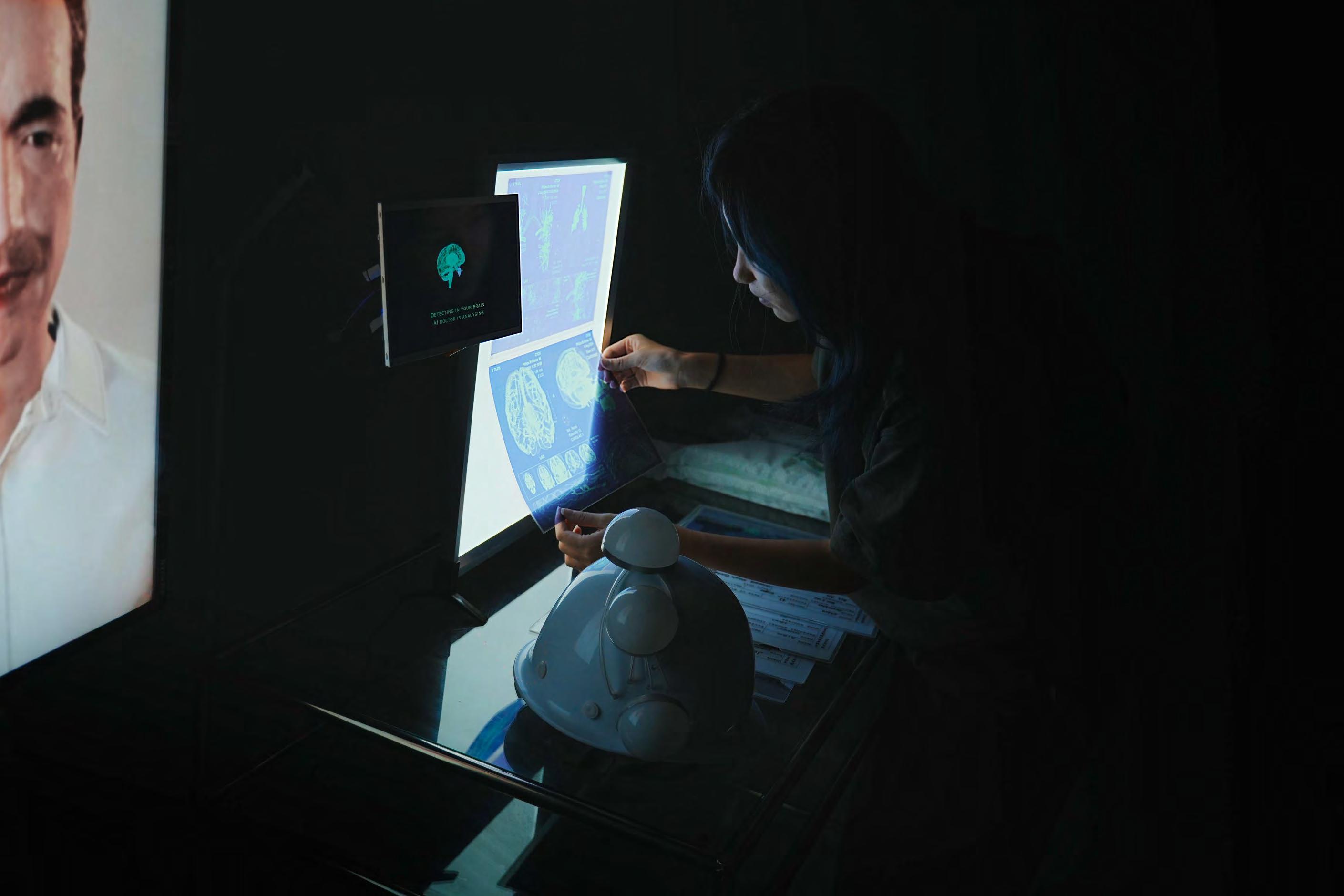
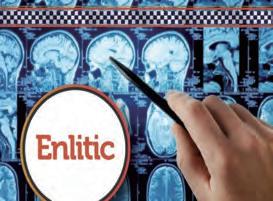
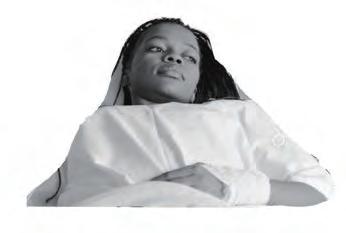
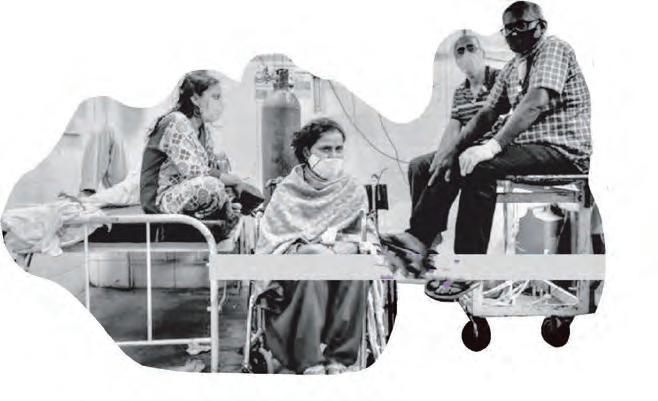
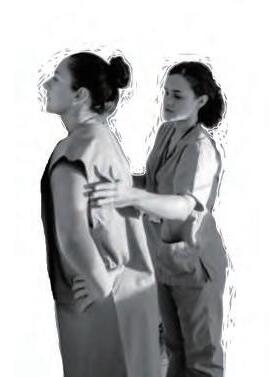
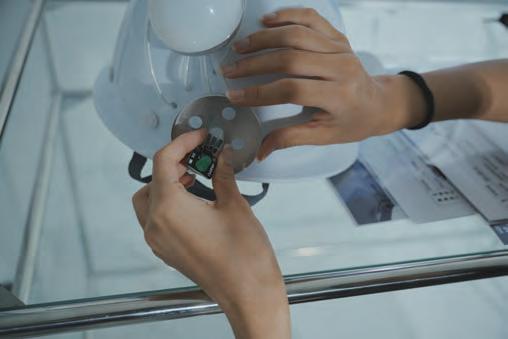
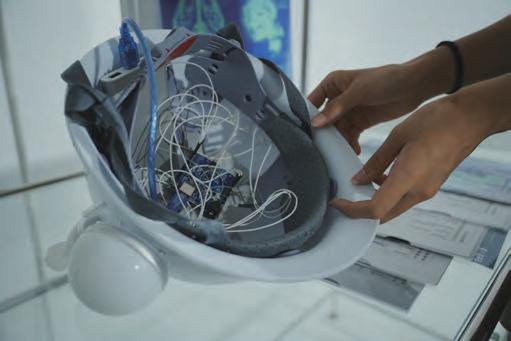
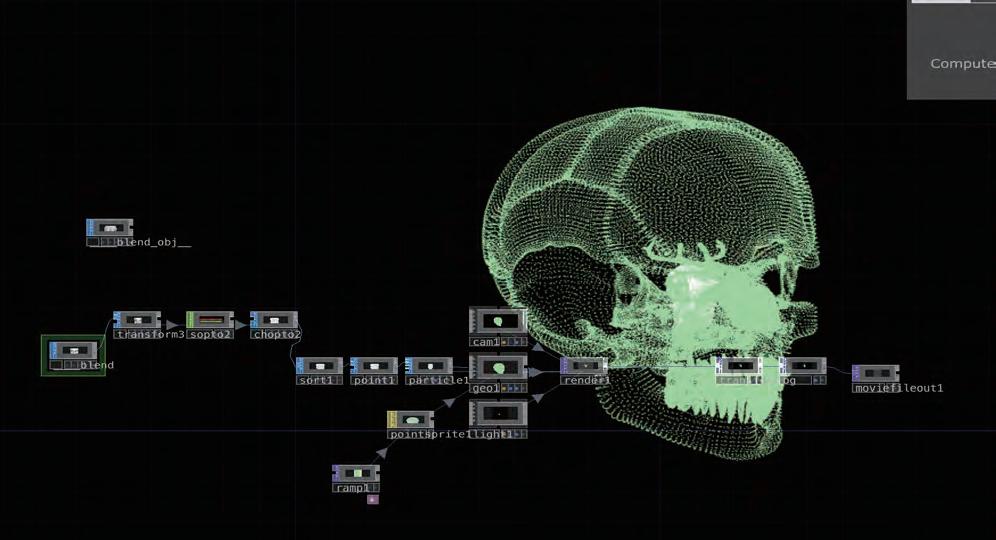
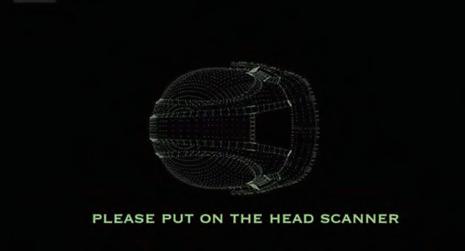
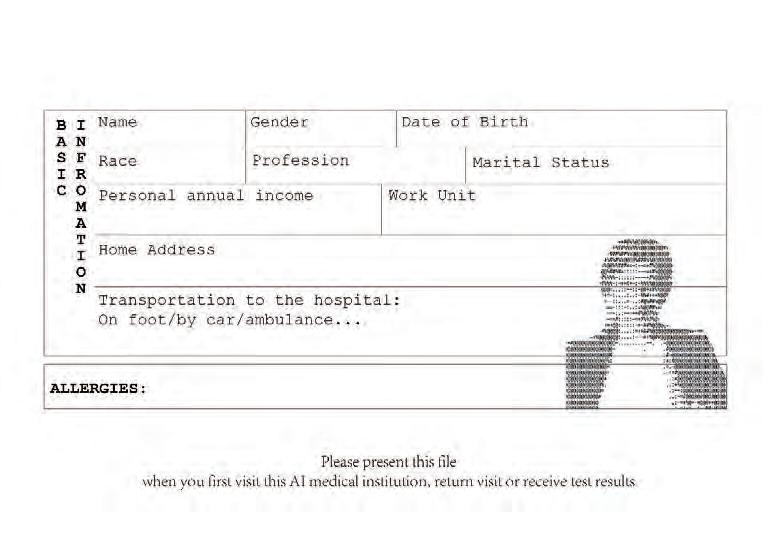
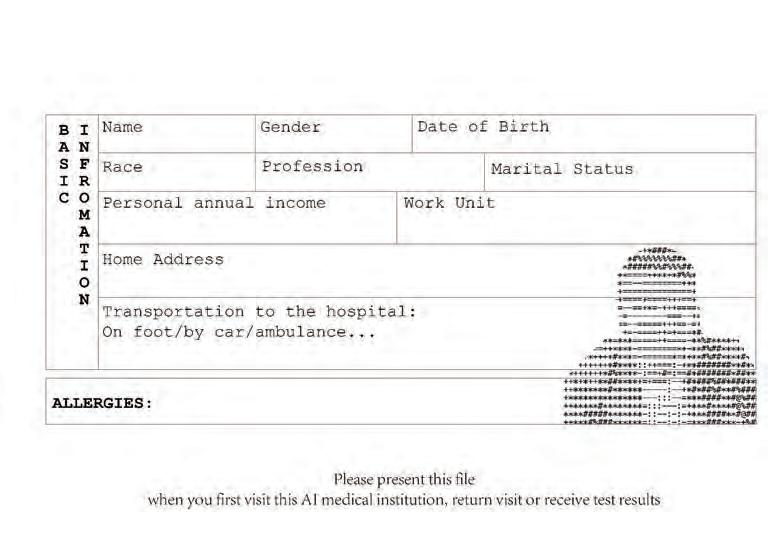
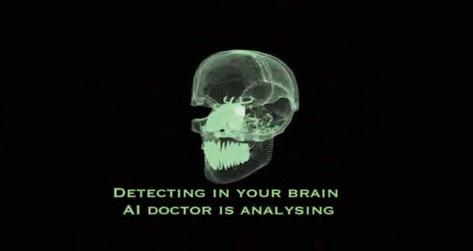
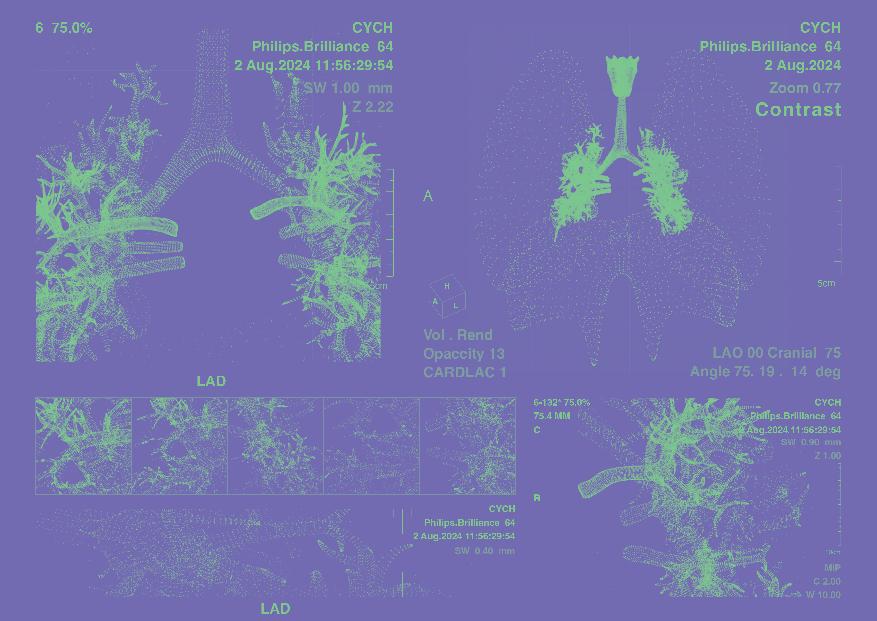
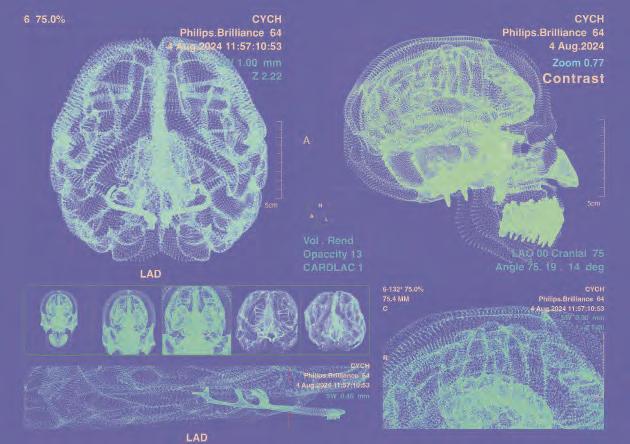
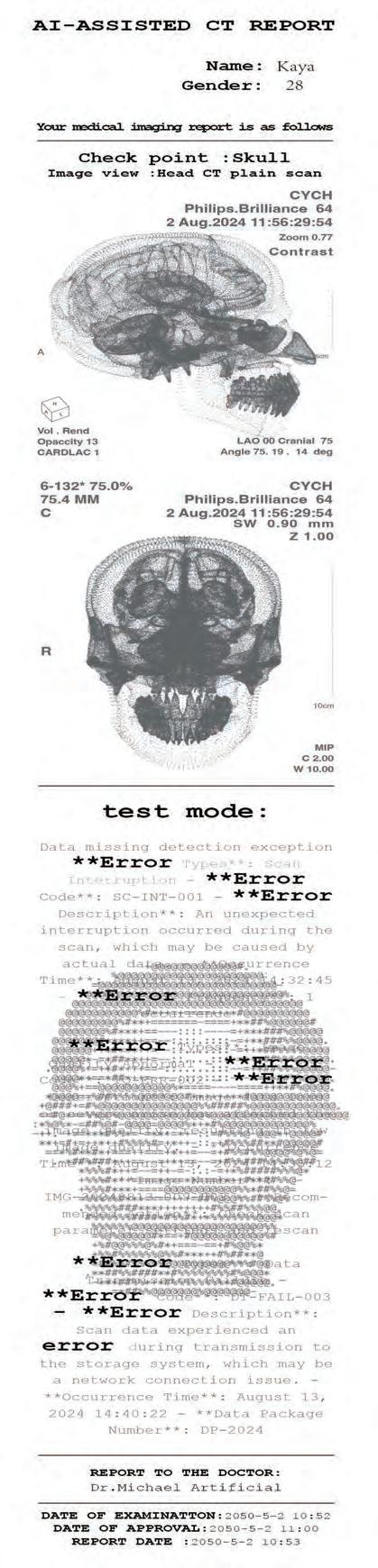
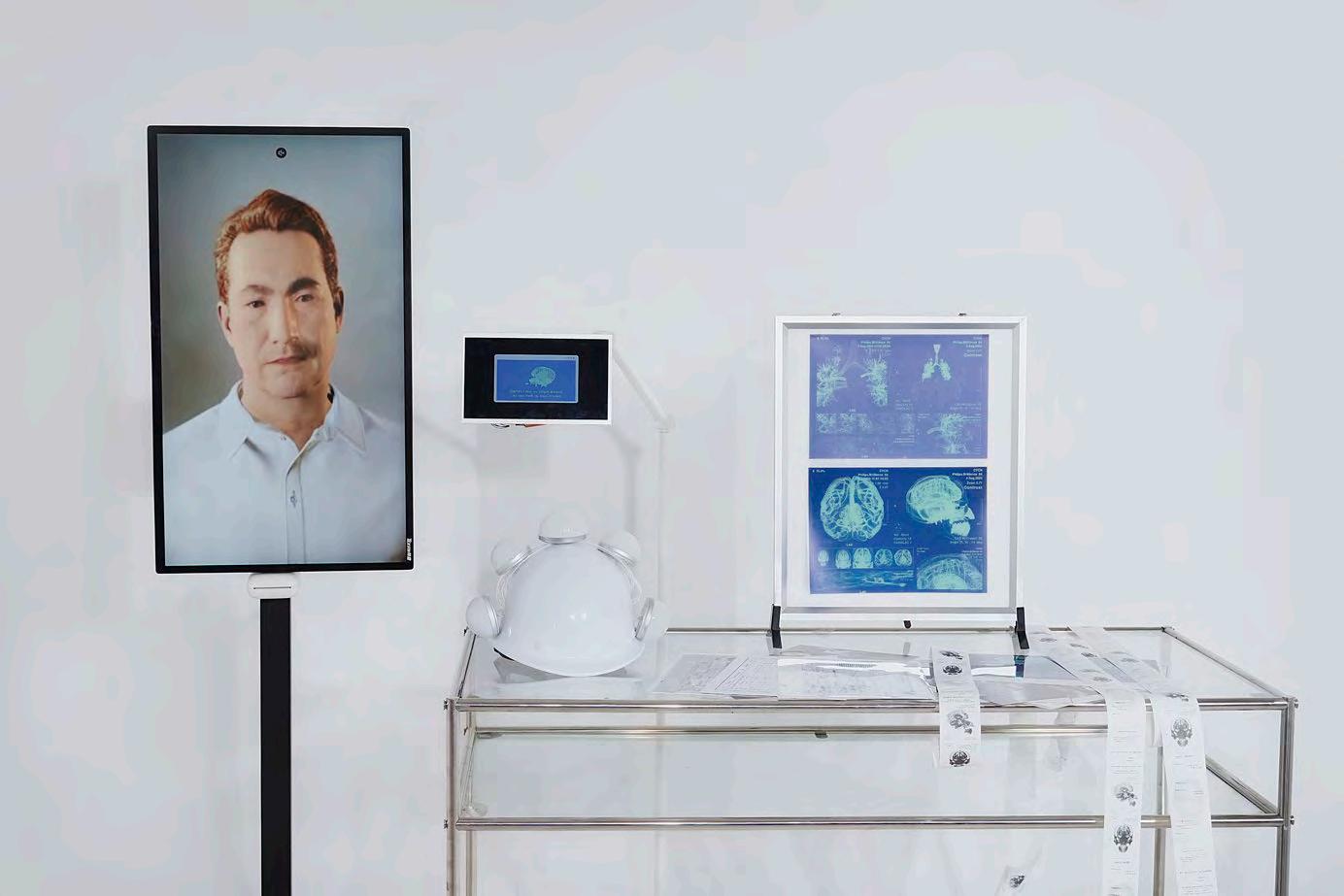
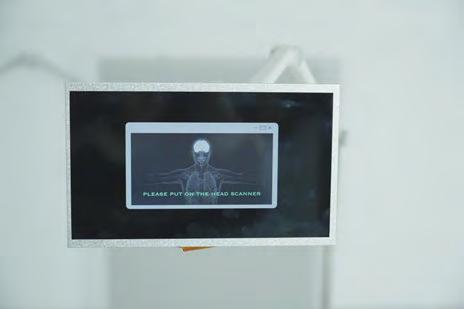
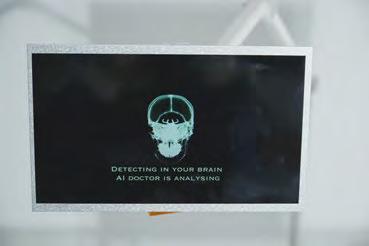
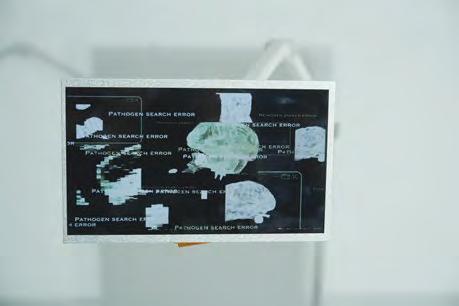
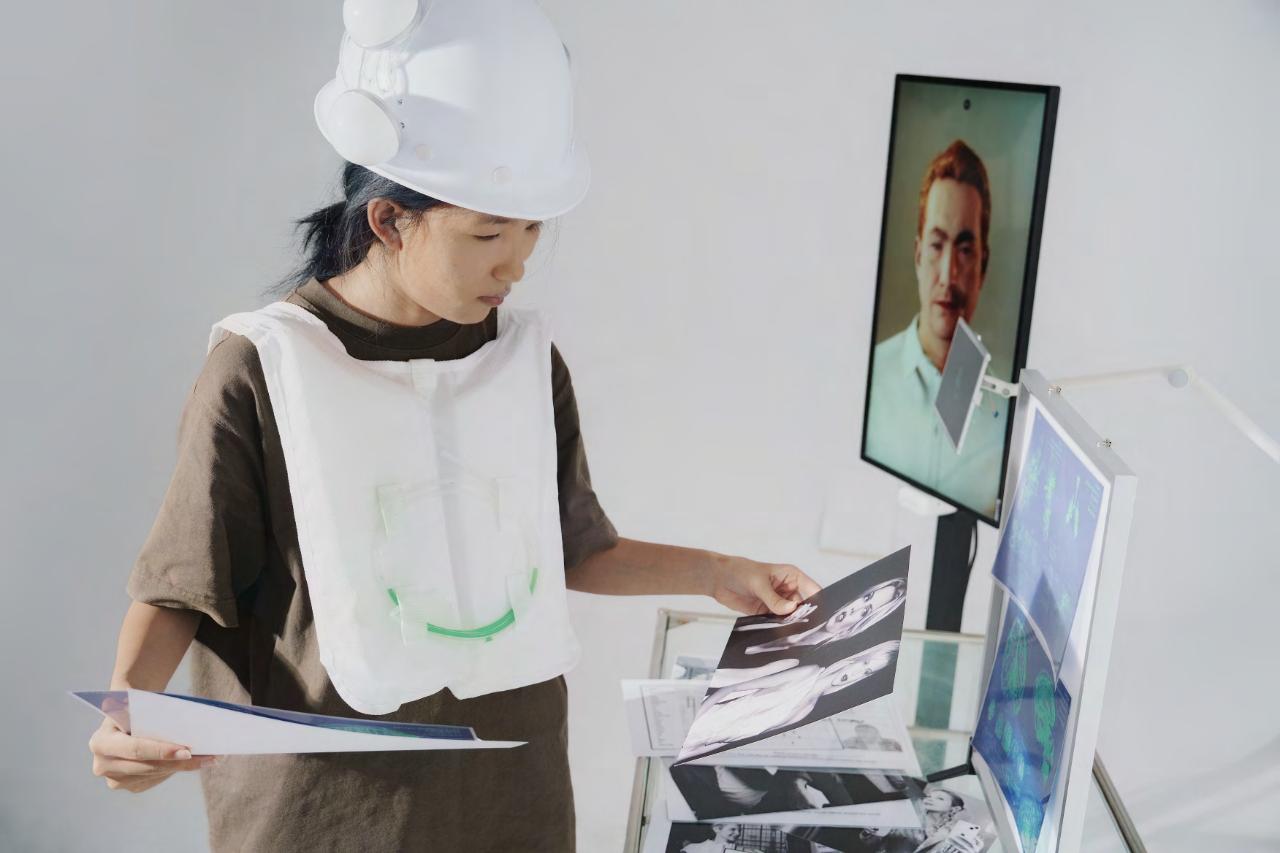
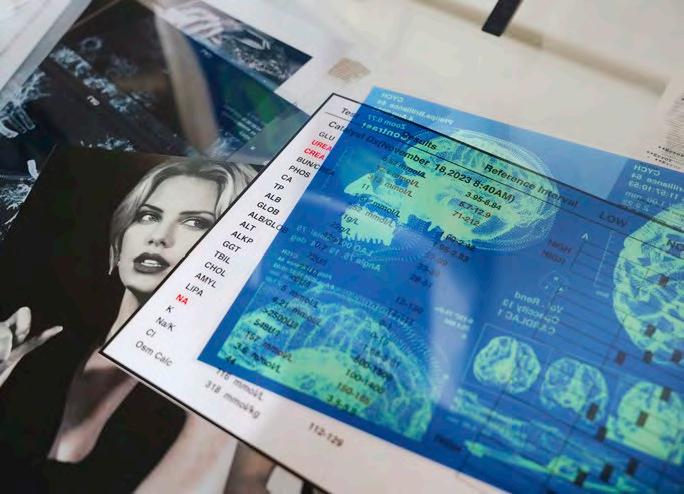
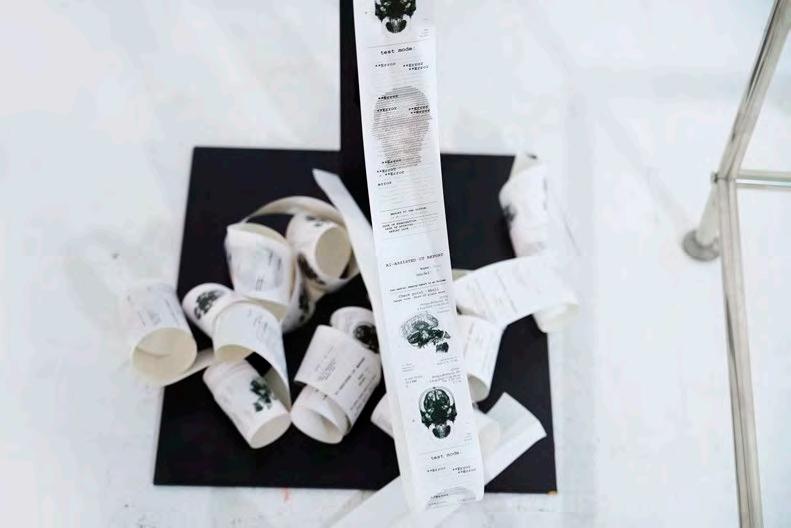
I propose an interactive installation simulating an AI-led diagnostic experience 50 years in the future. Through immersive elements—record folders, X-rays, and voice interfaces—audiences embody a “patient” navigating a cold, biased system, ultimately diagnosed but denied output.
Viewpoint
I hope the audience sees how bias quietly embeds itself into everyday systems through AI technology, and STIMULATE NEGATIVE
As we pursue innovation, we must ask: Do
Patient A approaches the small screen; AI doctor appears on the large screen.
AI greets. A puts on X-ray helmet following voice prompt. During scan, A converses with AI while waiting.
Storyboard
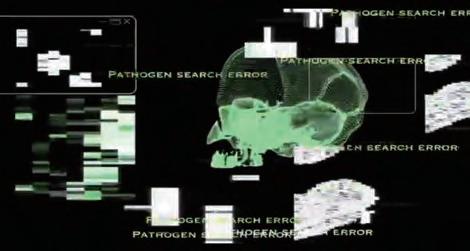
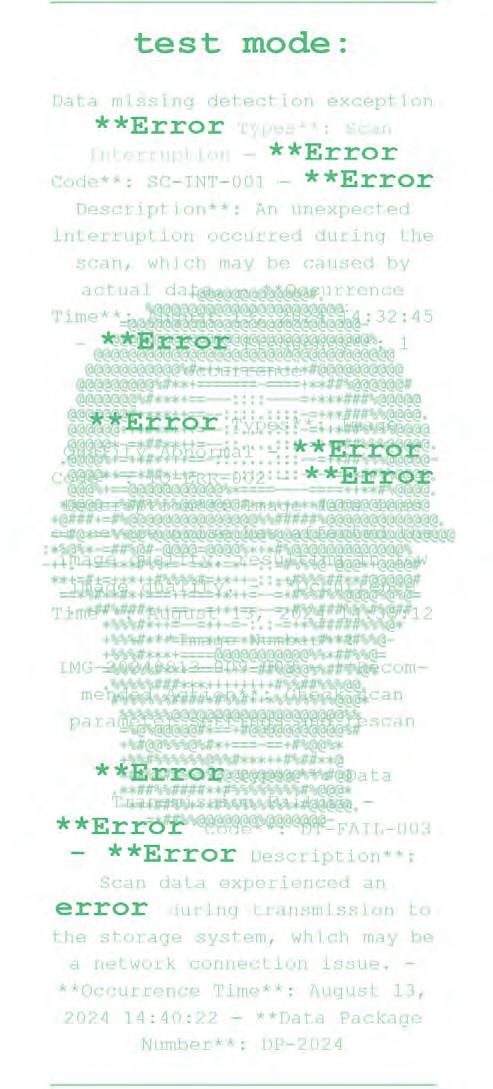
Scan ends. Small screen shows error; printer ejects invalid receipt.
Scene Display
Design Process
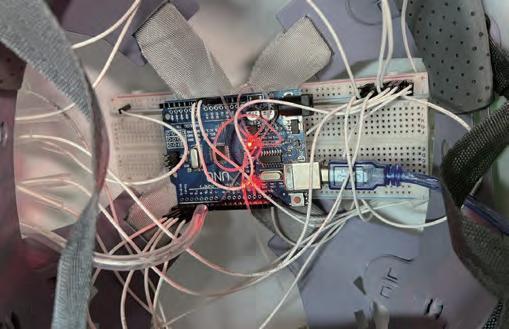
Physical computing
Control 5
// De ne LED pins
const int ledPins[] = {2, 3, 4, 5, 6}; // LED sconst int numLeds = 5; // LED quantity void setup() {
// Initialize all LED pins as output for (int = 0; i < numLeds; i++) { pinMode(ledPins[i], OUTPUT);
dig it alW rite(le dP ins[i] , LOW ); // In iti al state: all LEDs are o }
the last LED lights up alone for (int i = 0; < numLeds - 1; += 2) { digitalWrite(ledPins[i], HIGH); digitalWrite(ledPins[i + 1], HIGH); delay(5000); // wait 5 seconds
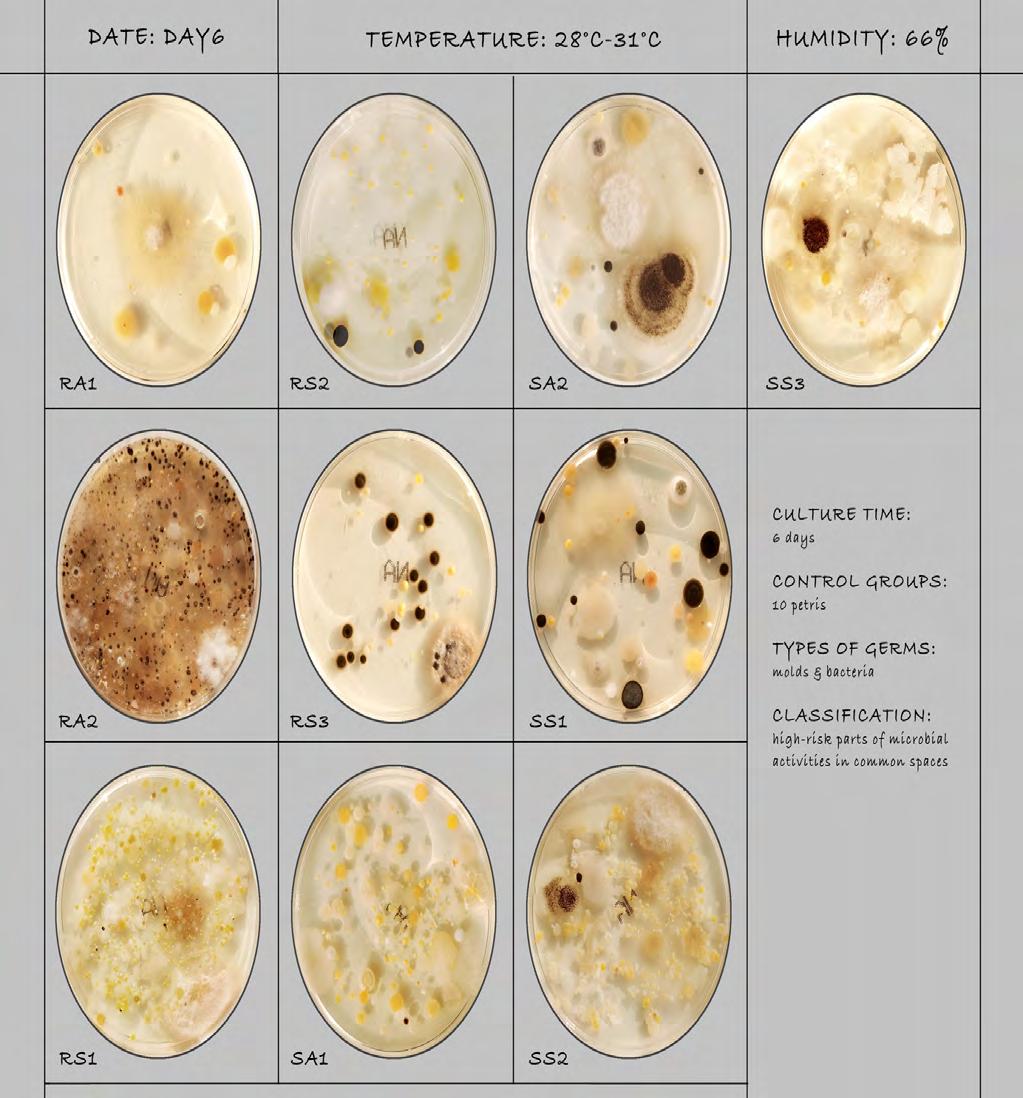
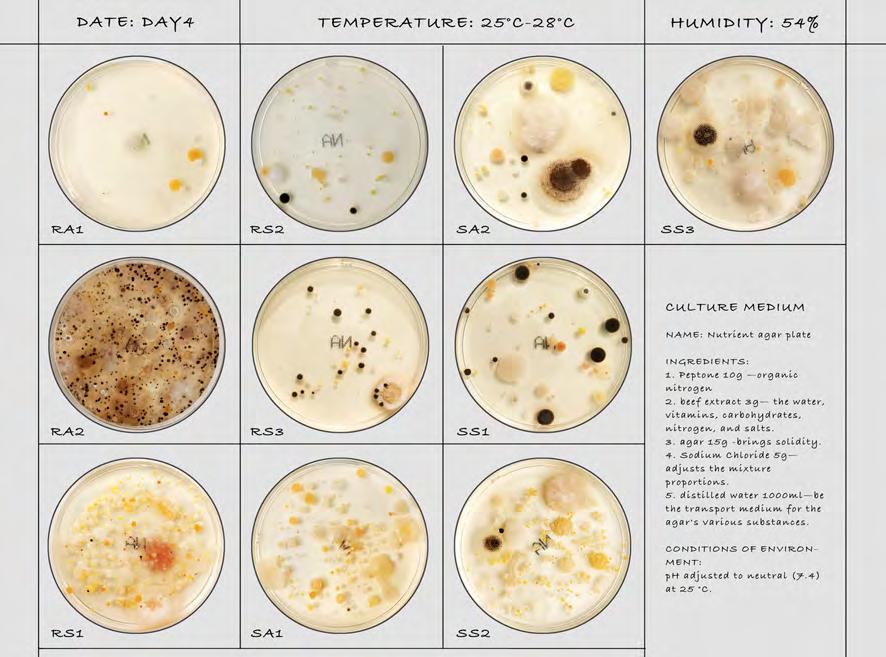
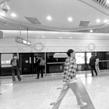
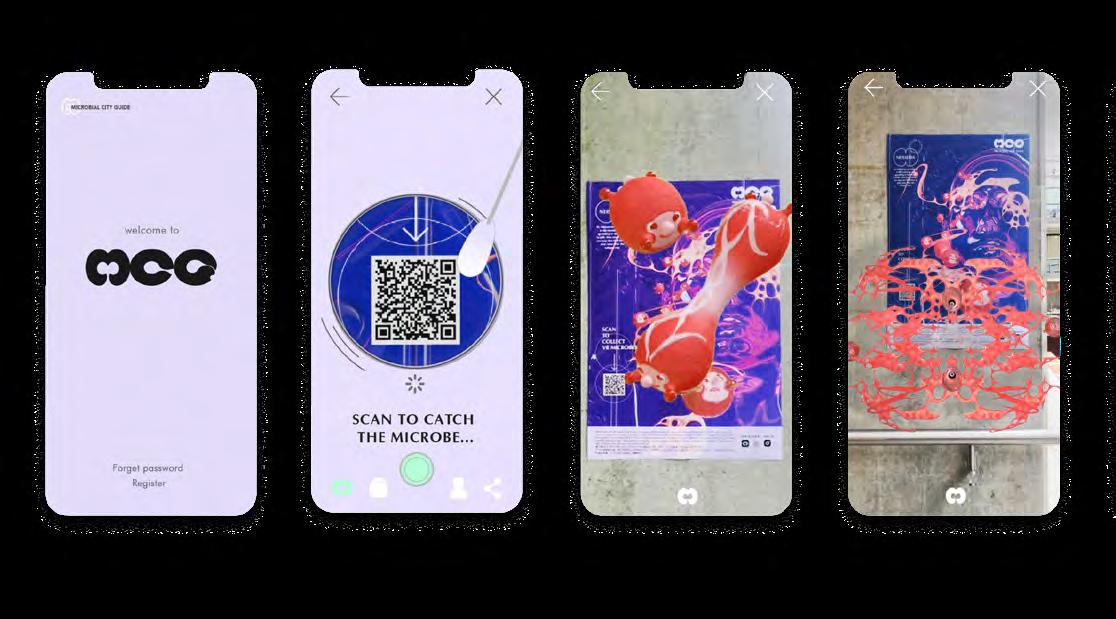
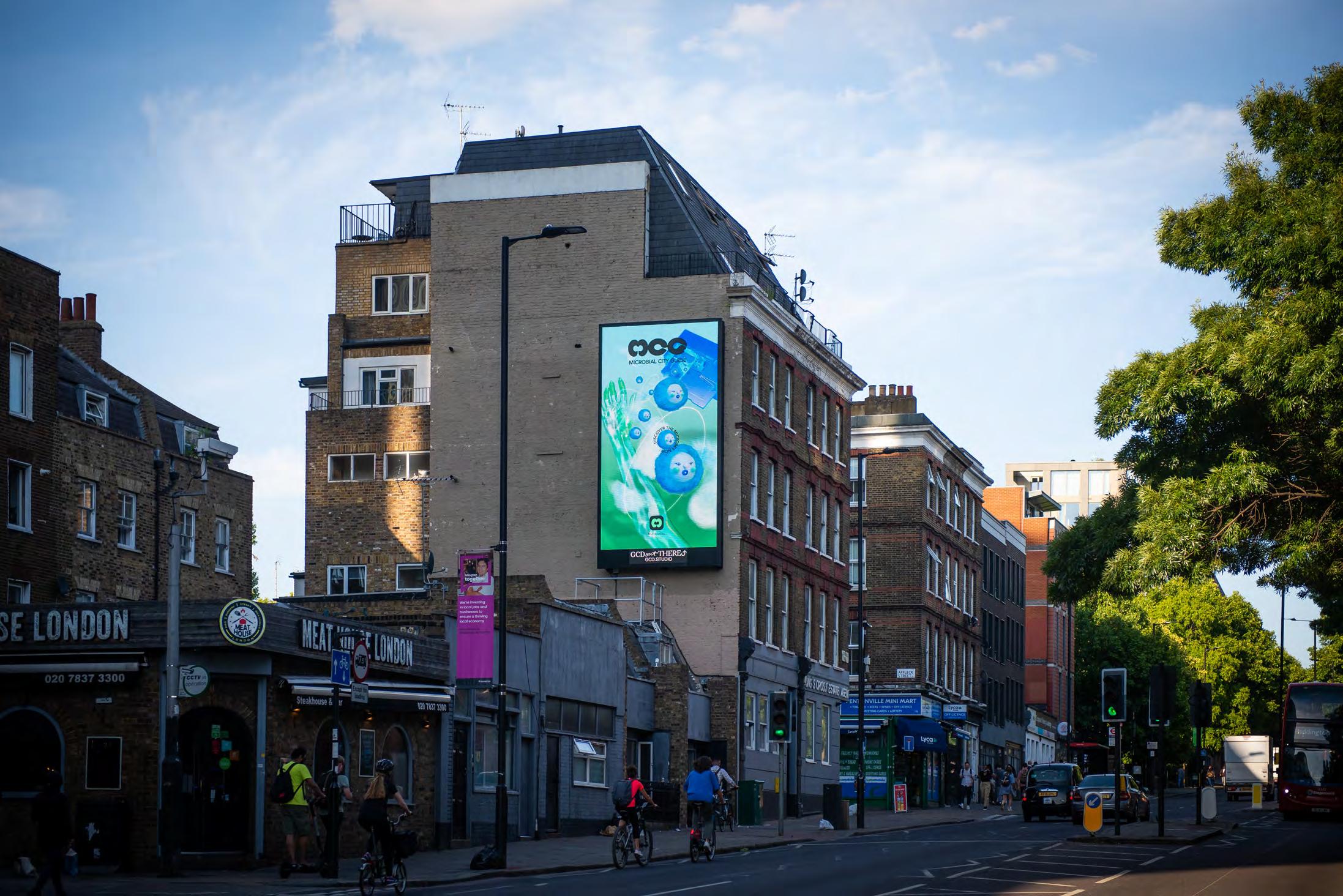
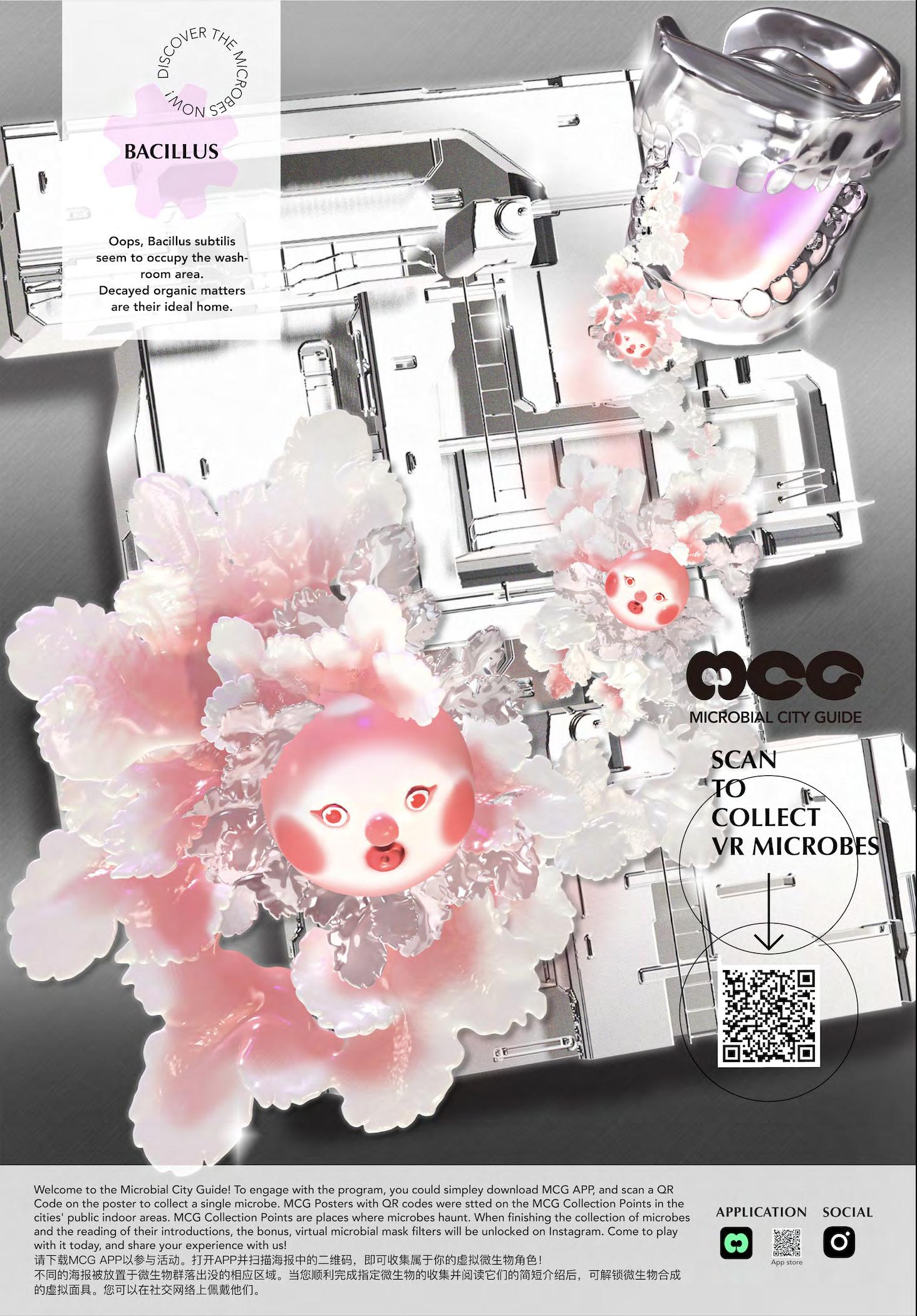
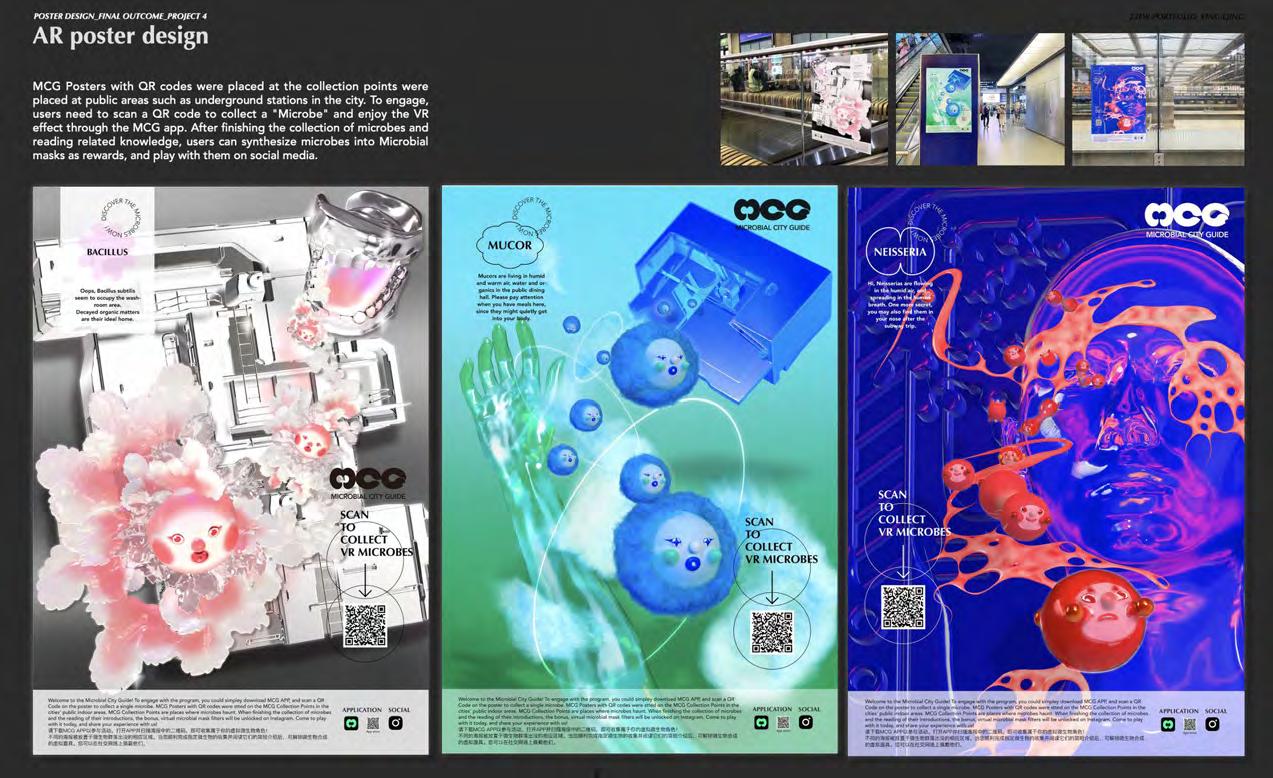
A city is a large-scale Petri dish for microorganisms. As the invisible neighbours of urban residents, microbes continuously adapt to and shape the changing urban ecology. In this project, I propose a digital public-interest program—Microbial City Guide (MCG), to encourage interaction between people, microbes, and the urban environment through an app-based experience.
The goal of the program is to explore how urban residents interact with a map of city microbiomes by designing a digital journey into the microbial world. This aims to spark interest in urban ecology and playfully raise awareness about public hygiene.
BACKGROUND
In recent years, China’s rapid urbanisation has led to a rise in “urban diseases,” with reported health issues increasing sharply in major cities.
Studies suggest that microbes in the built environment may contribute to these problems, and urban microbiomes are key indicators of ecological health.
As humans, microbes, and cities form an interconnected ecosystem, disruptions in microbial balance—caused by artificial environments—can impact human well-being. This reveals a hidden cost behind urban growth: ecological and public health risks. hope to explore this relationship and use design to rethink and address urban ecological imbalance.
Citizens
LOCATION OF THE EXPERIMENT
To better investigate the relationship between the urban environment, urban microbes, and citizens, conducted research in a rapidly urbanizing city with a large population and a climate highly suitable for microbial life. Chengdu, a fast-developing city in southwest China, serves as an ideal experimental site.
Allergies
Infectious diseases
Sick building syndrome(SBS)
Building-related diseases(BRI)
Immune and toxic reactionsgiesdiseases
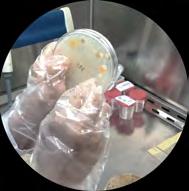
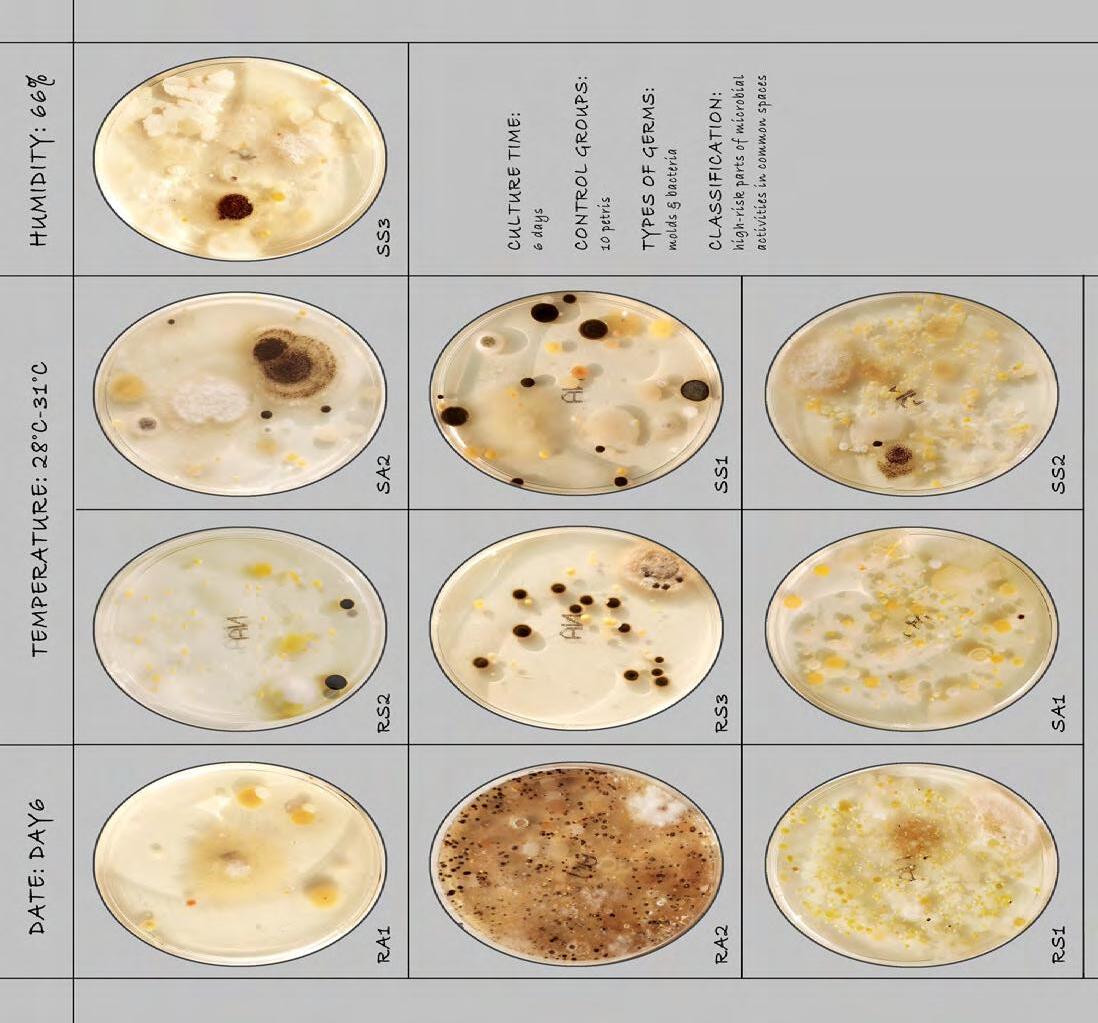
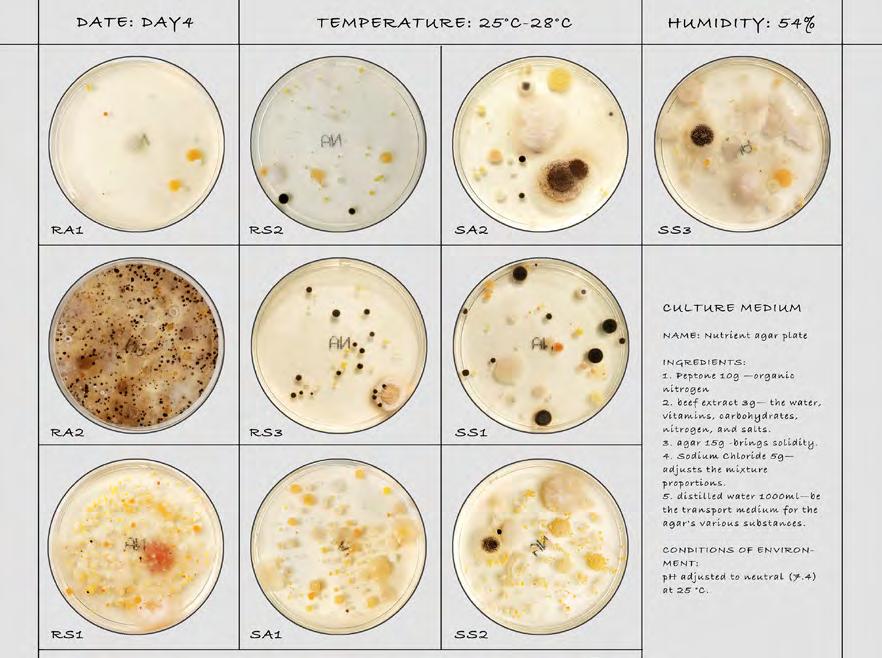
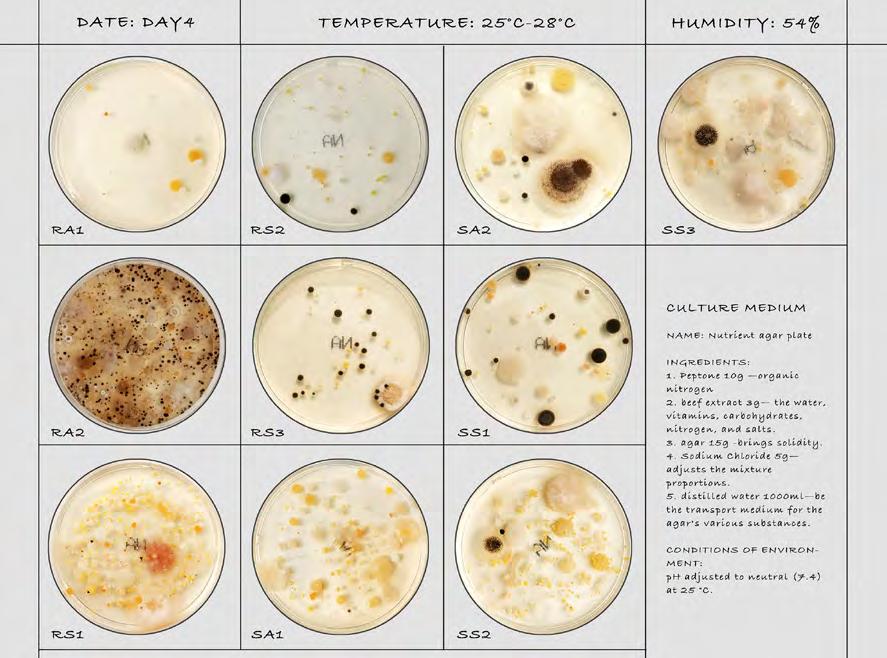
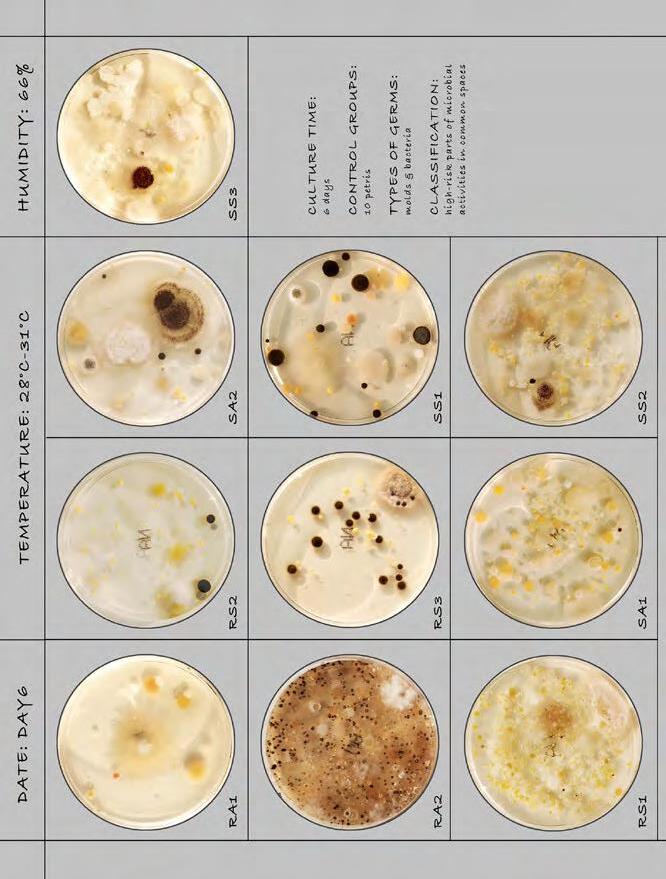
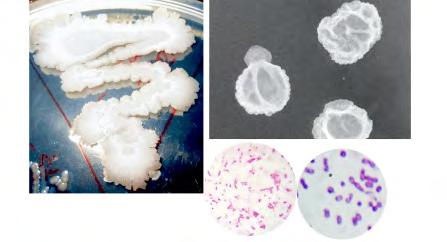
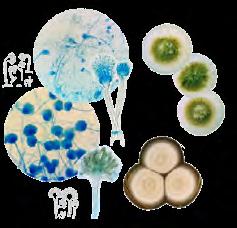
MICROBE CULTIVATION
INCREASED34%
MICROBE CULTIVATION
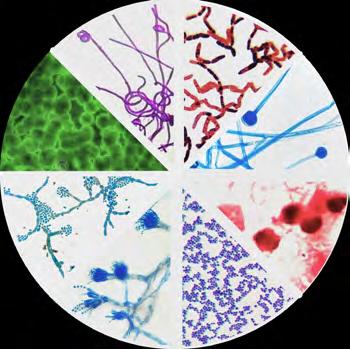
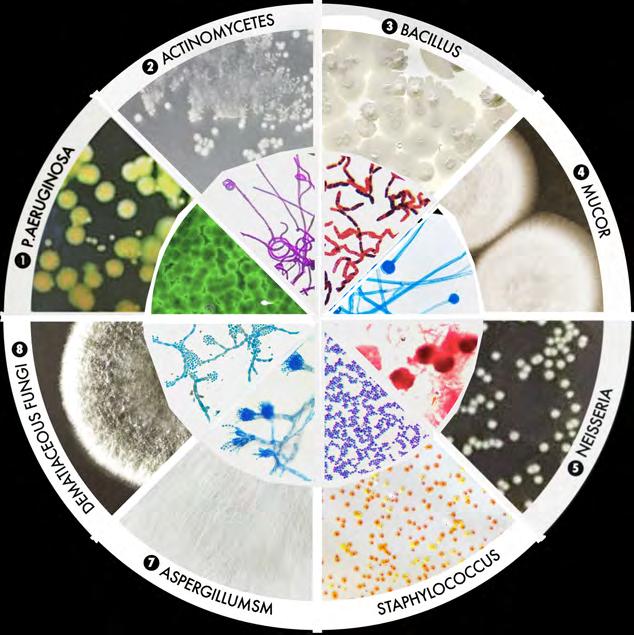
MICROBE IDENTIFICATION
MICROBE ANALYSIS
Concept Rationale
Urban microbes, as the invisible neighbors of city dwellers, continuously interact with humans and the built environment.
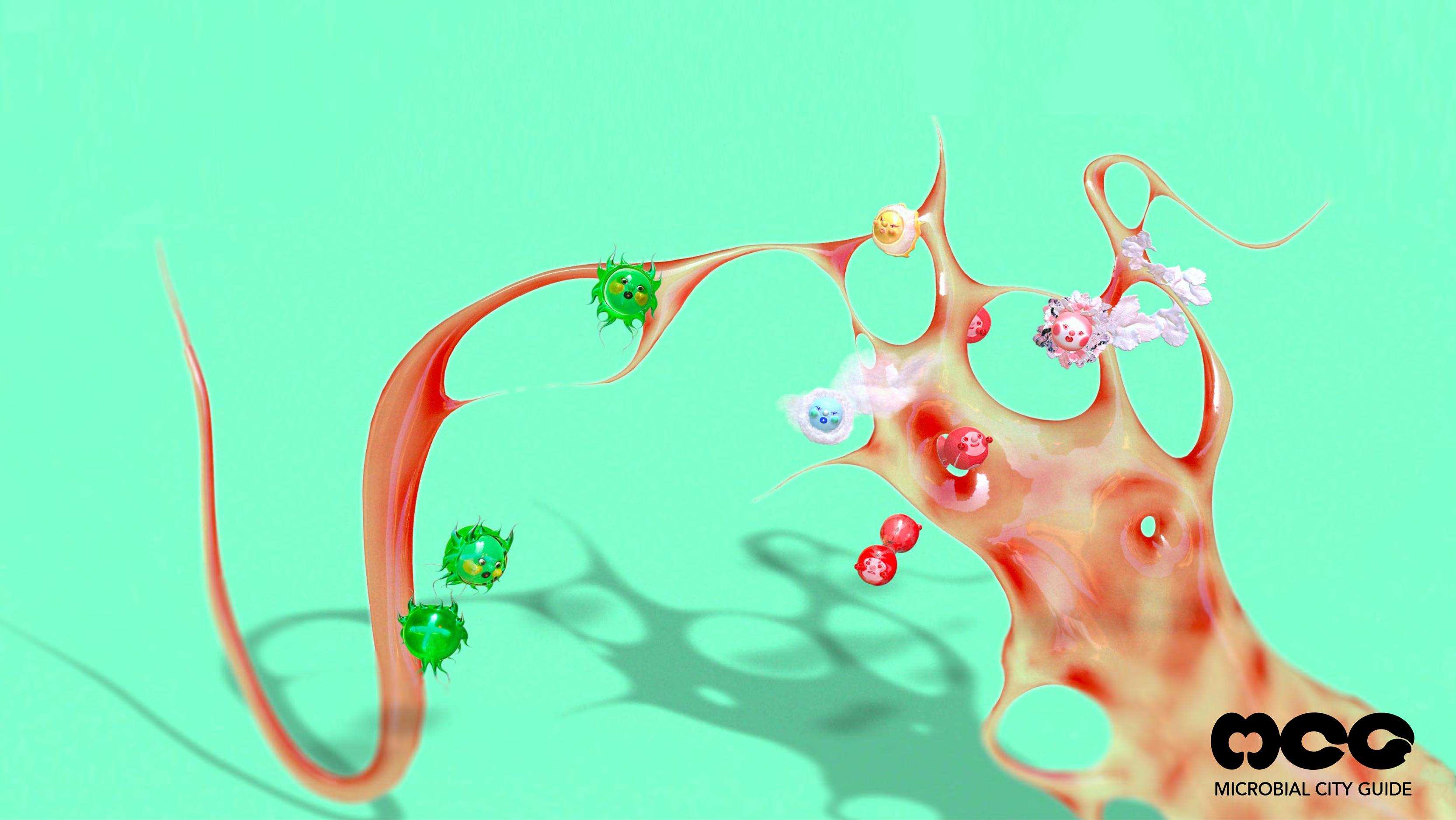
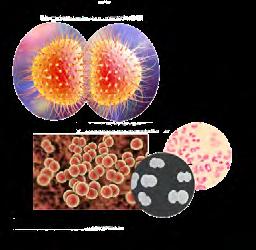
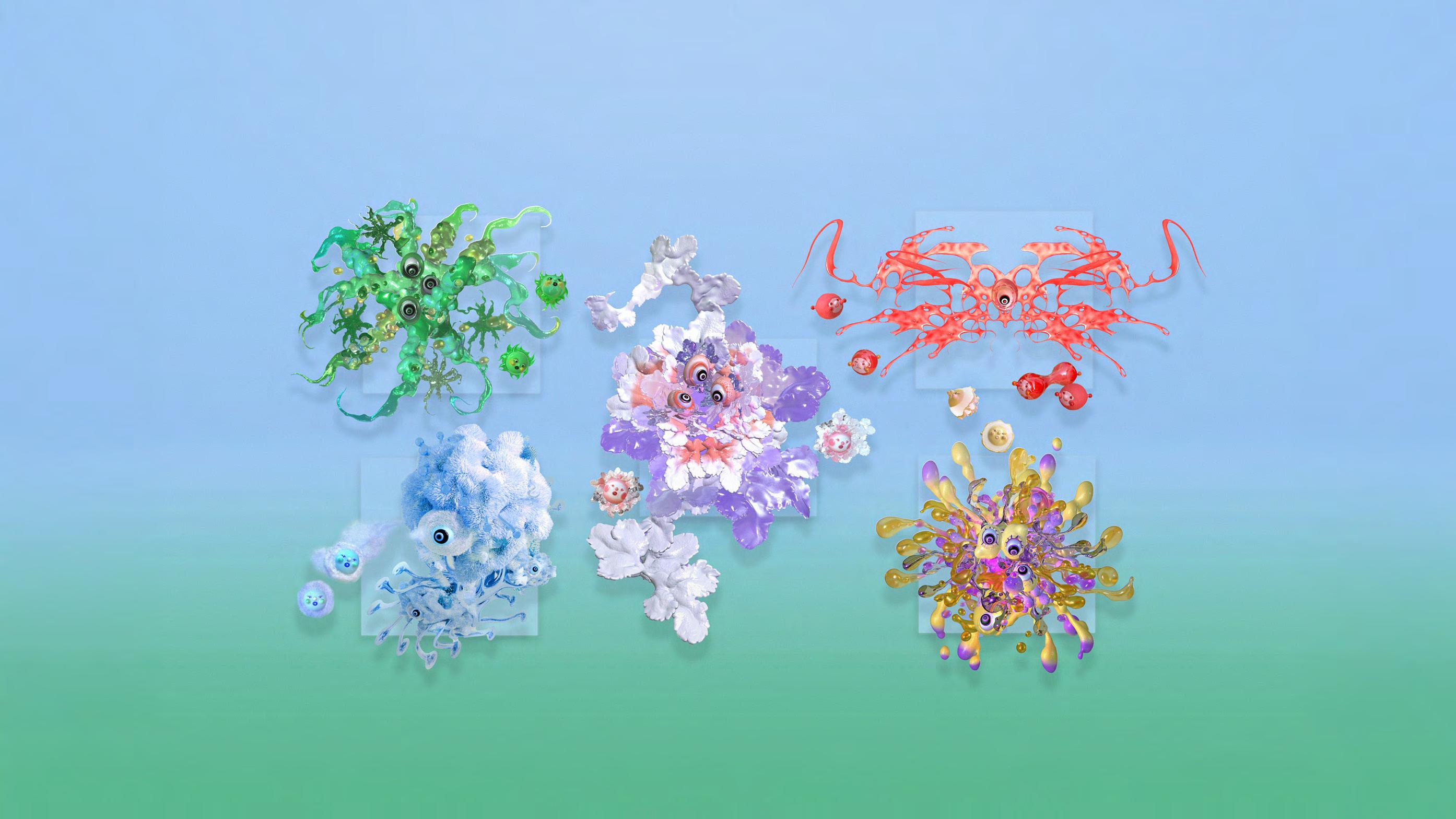
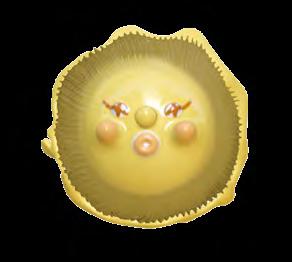
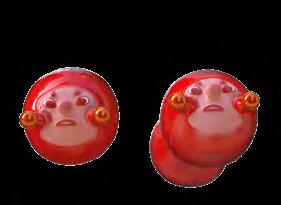
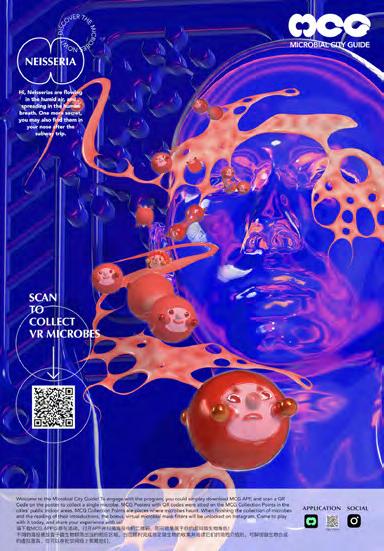
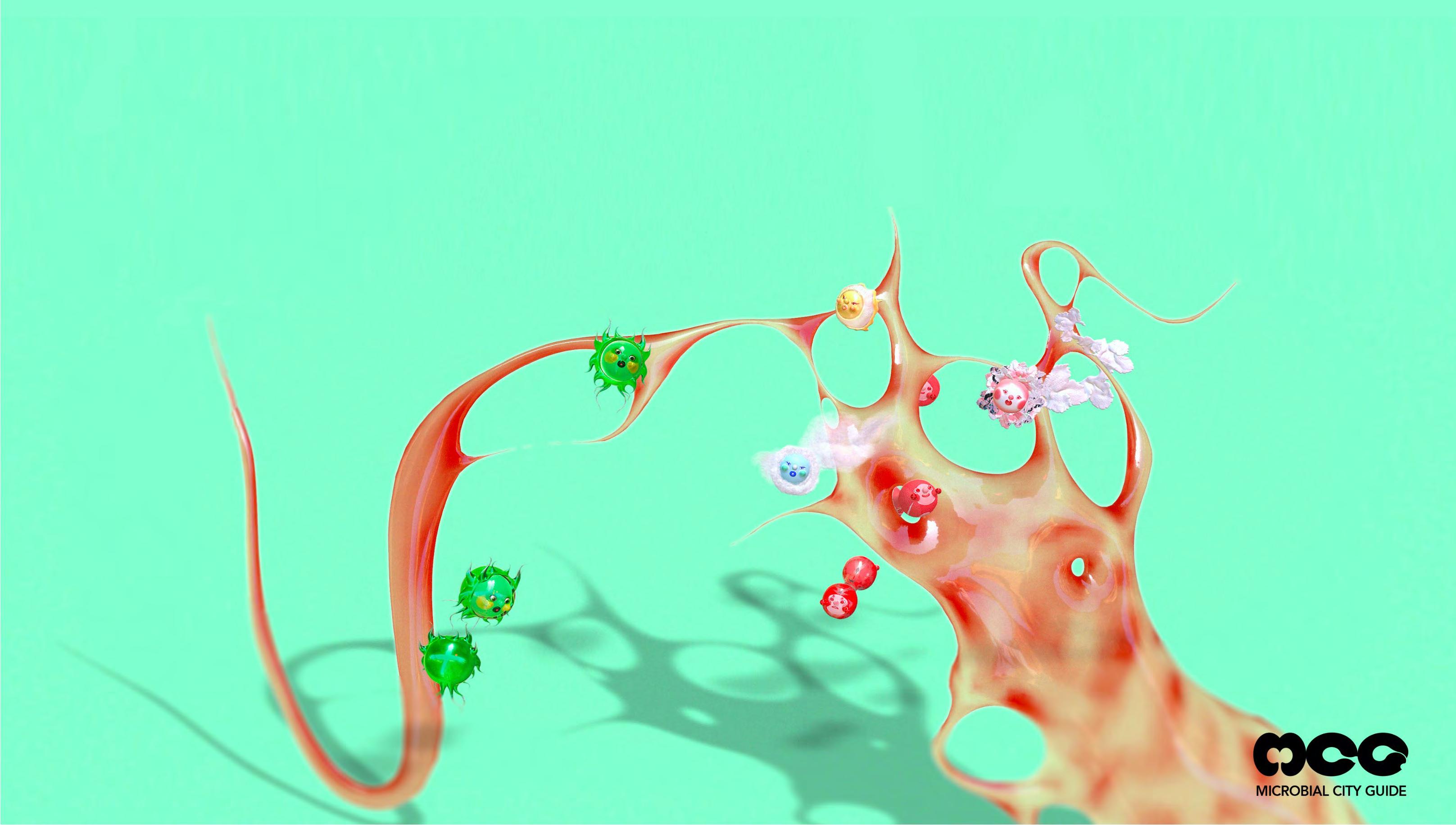
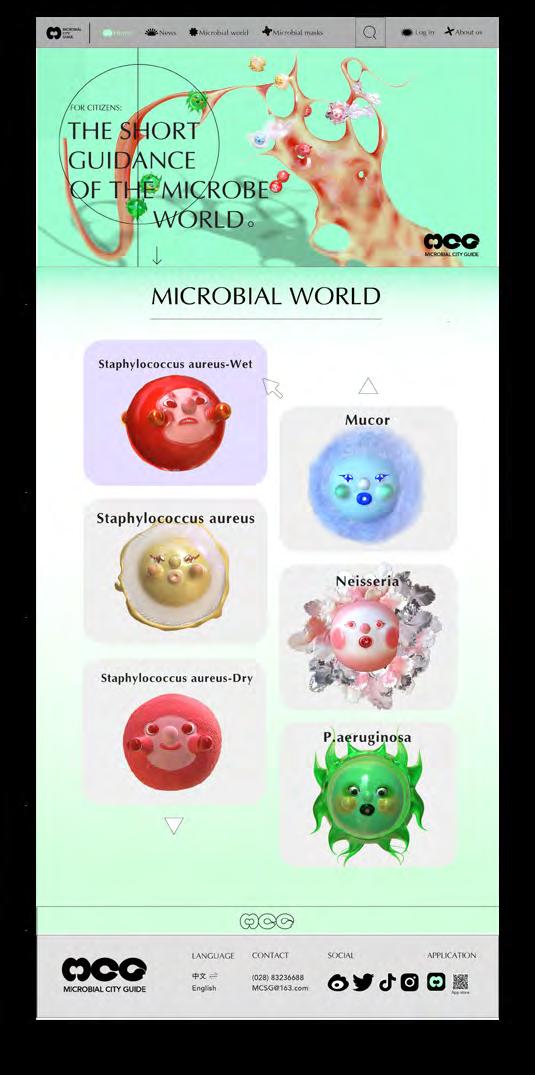
To make these unseen agents relatable and engaging for the public, I designed five microbial characters based on actual species collected in urban settings.
Character Design
Outcomes
Mucor Sketch
Visual feathers Mucor
3D
Mucor Sketch
Visual feathersr
3D
Staphylococcus aureus # Sketch
Staphylococcus aureus Visual feathers
Staphylococcus aureus
Neisseria Sketch Neisseria Visual feathers Neisseria 3D
Staphylococcus aureus
Neisseria
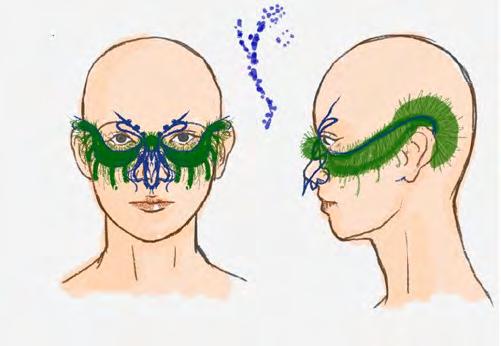
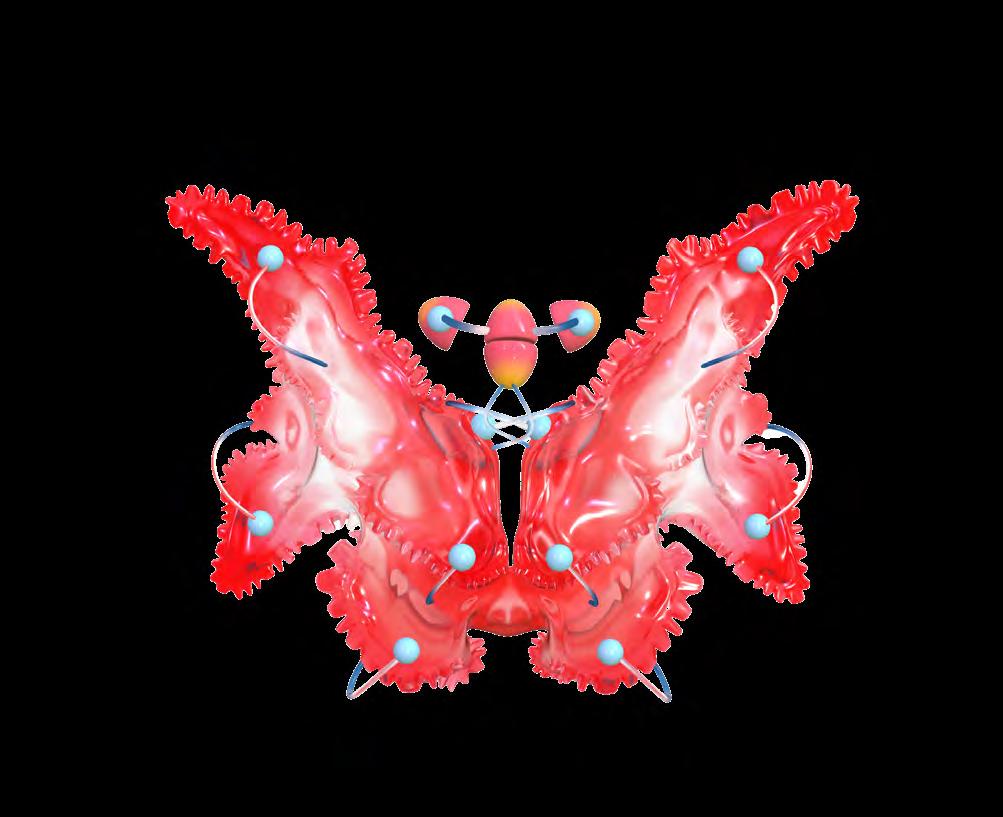
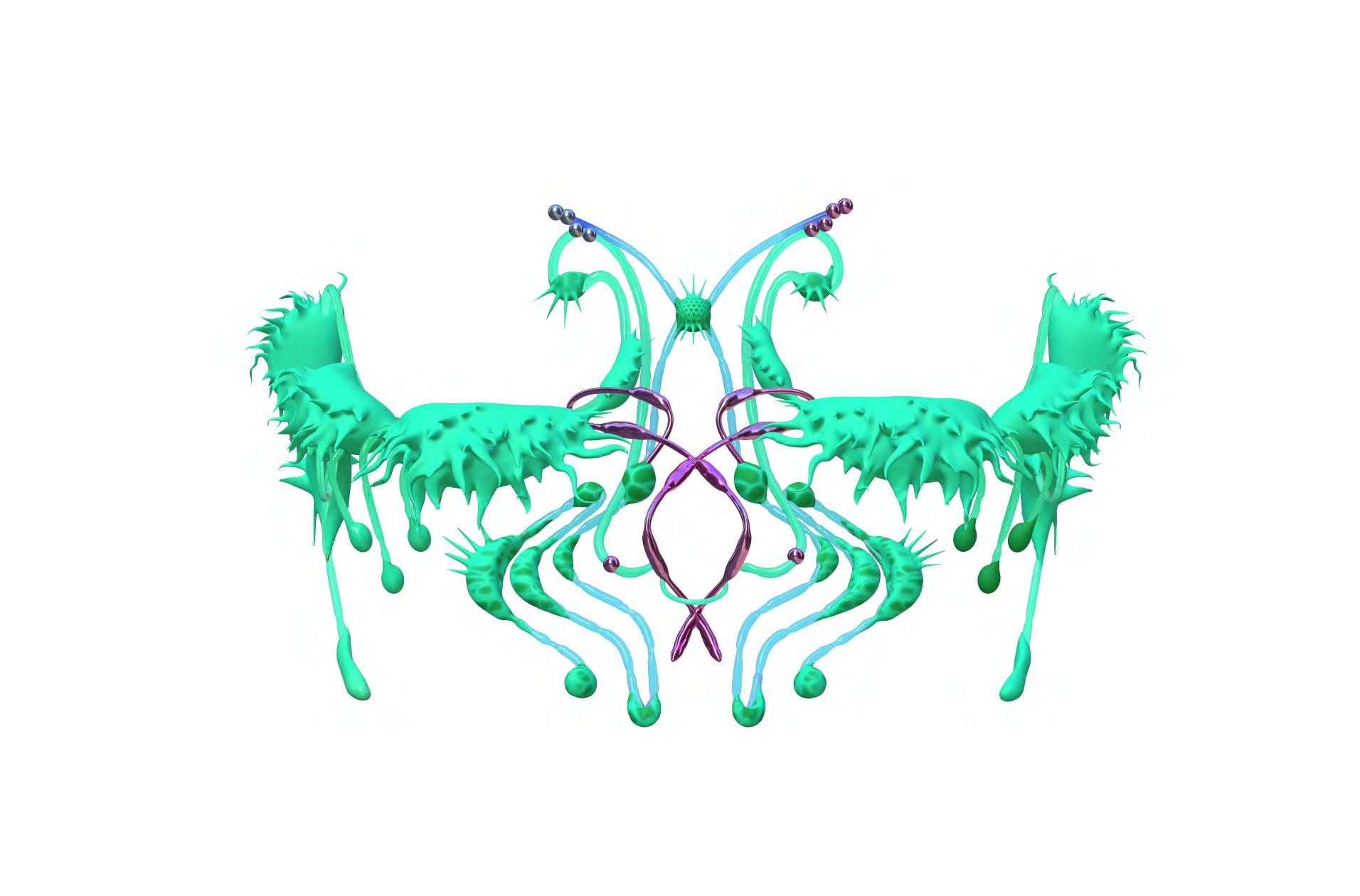
Virtual Microbial Masks
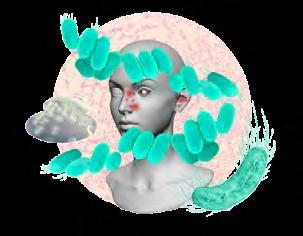
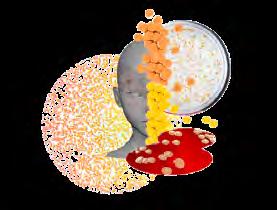
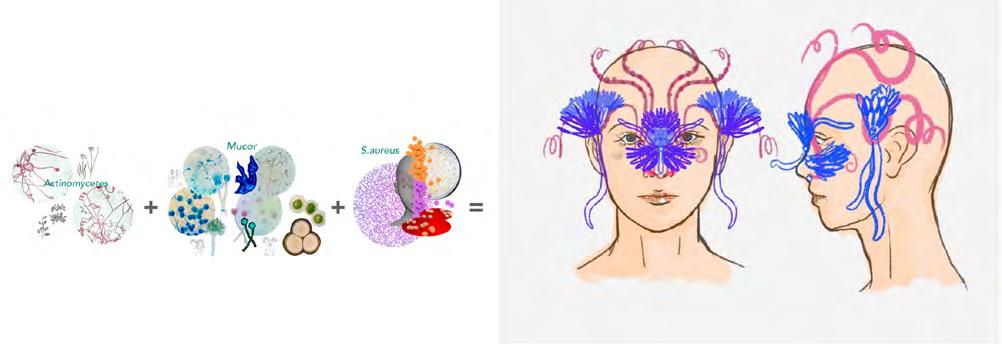
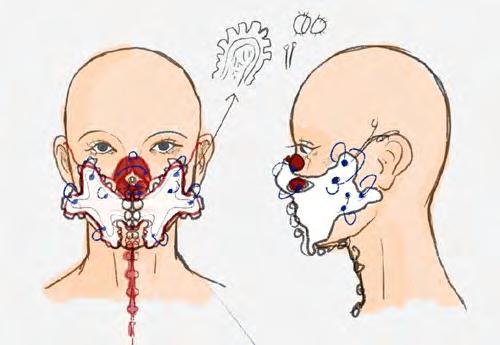
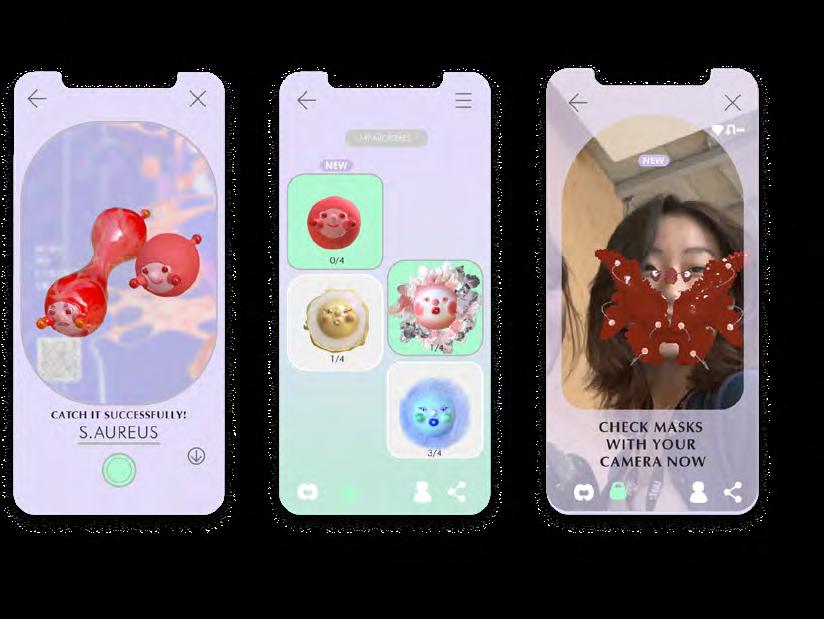
Research shows that microbes primarily interact with the human face—particularly the skin, eyes, mouth, and nose—as key entry points into the bloodstream or respiratory system. To visualize this process, I designed a series of virtual microbial masks that represent these interactions, allowing users to engage with scientific knowledge in a playful and participatory way
This step enriches the interactive experience and strengthens the sense of community among users.
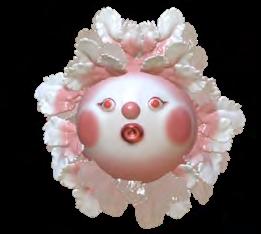
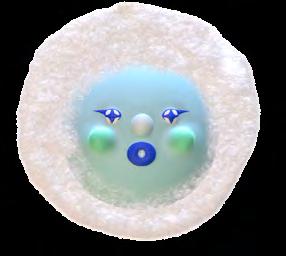
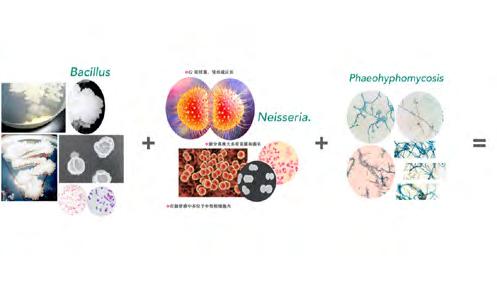
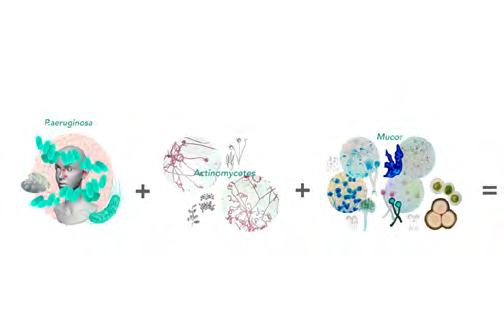
To support this, I designed three microbial masks.
Design Process Outcomes
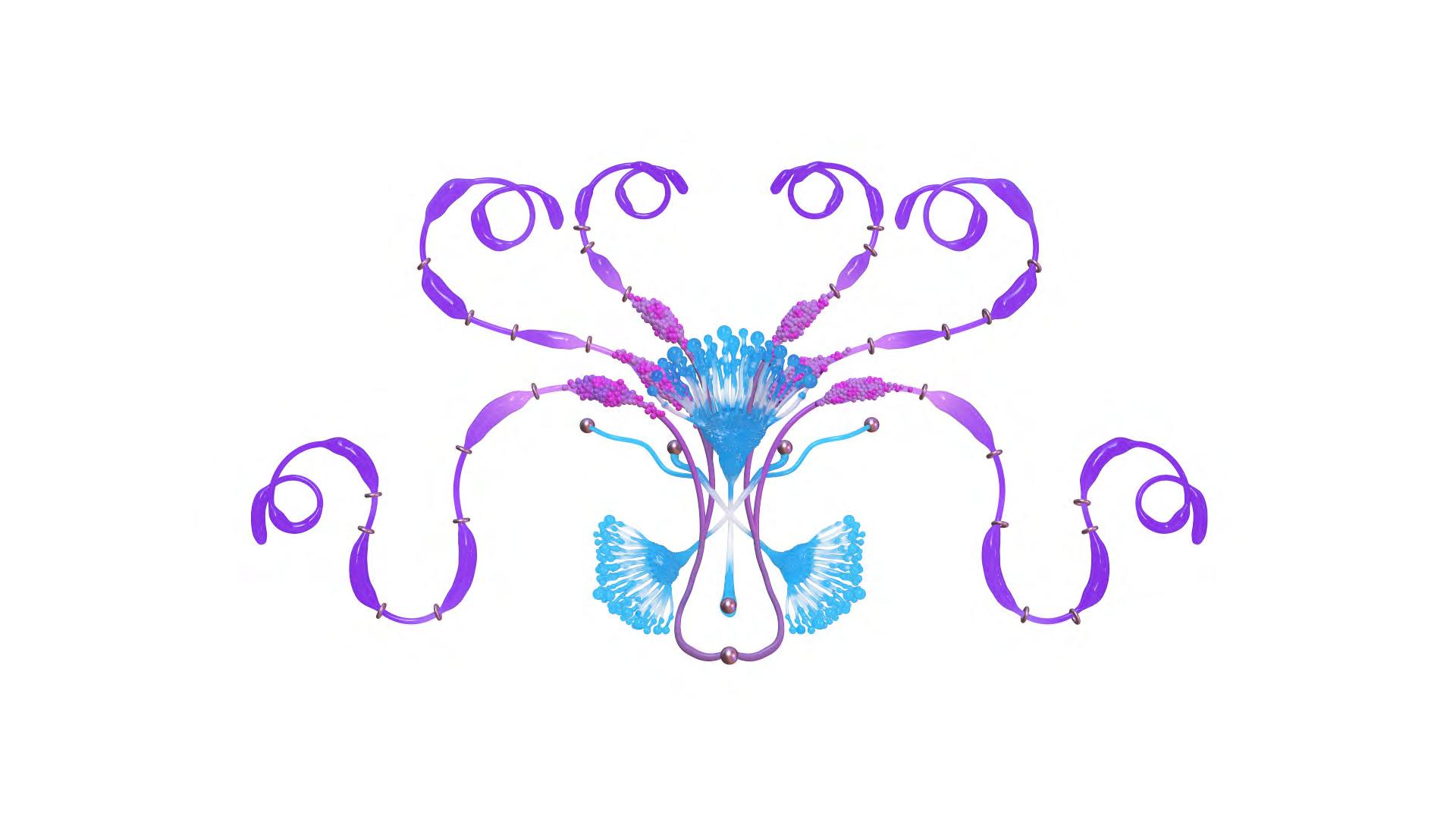
According to my research, most microbes interact with human facial skin and sensory organs. Therefore, created these masks by combining microbial visual characteristics, their relative sizes, areas of activity on the human face, and their natural or Gram-stained colours (purple/red). Each mask features three types of microbes and represents one of the collection sites in the city.
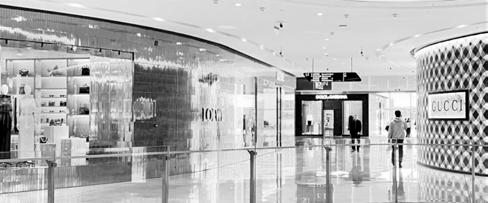
Shopping Centre
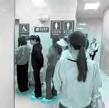
Station
User
Journey
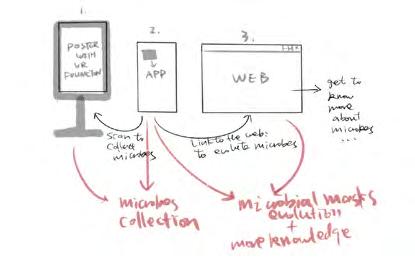
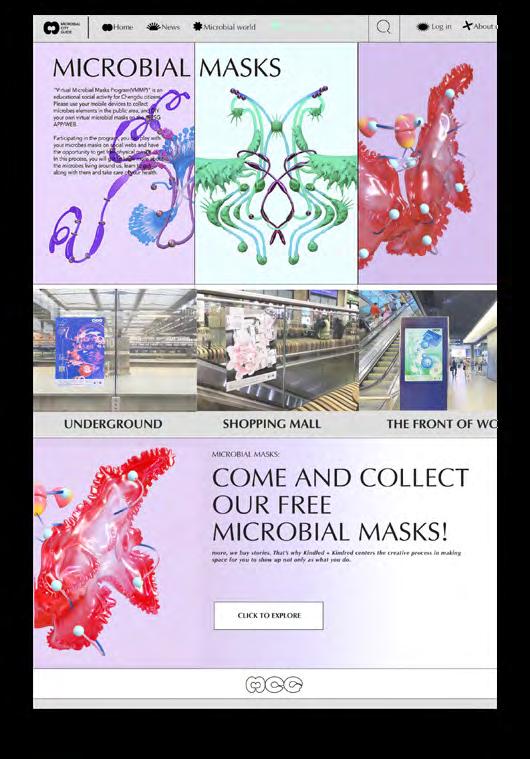
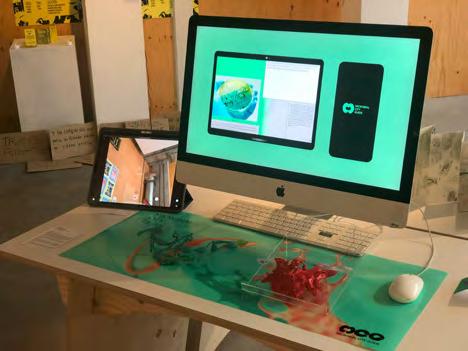
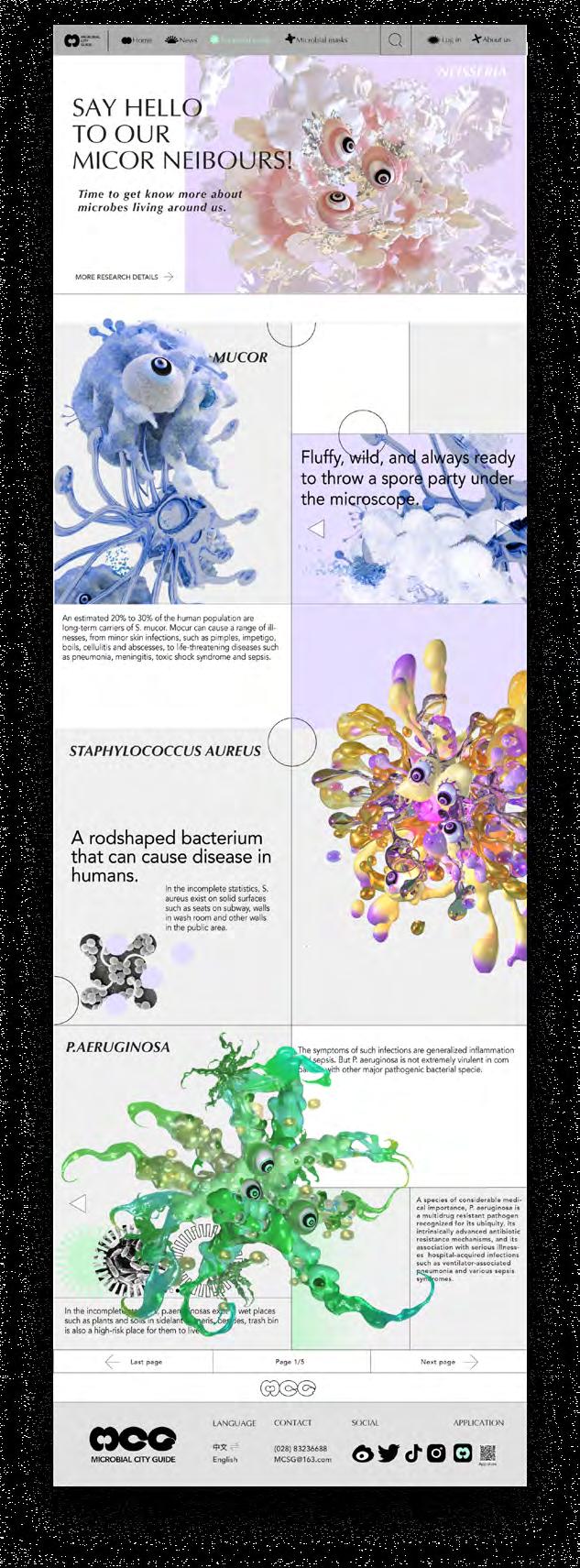
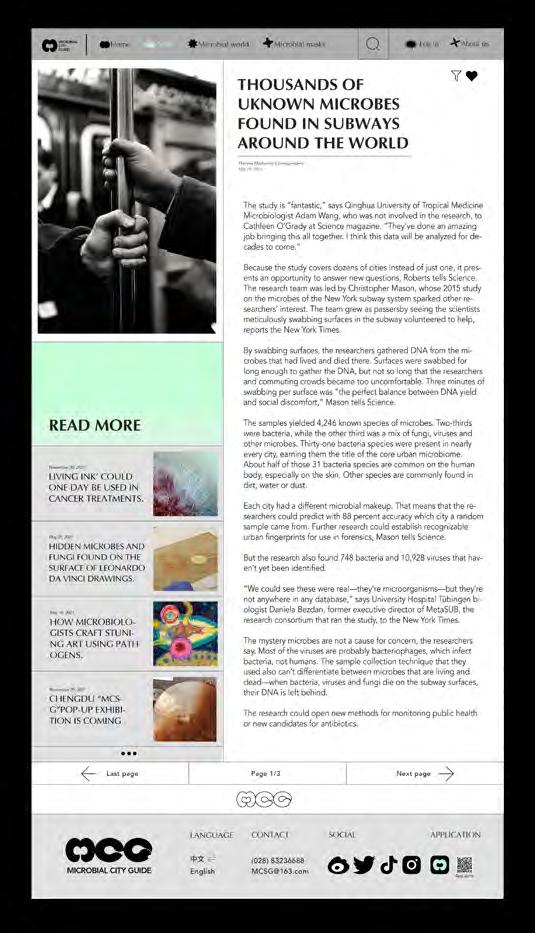
The two platforms, an app ad a web serve different purposes.
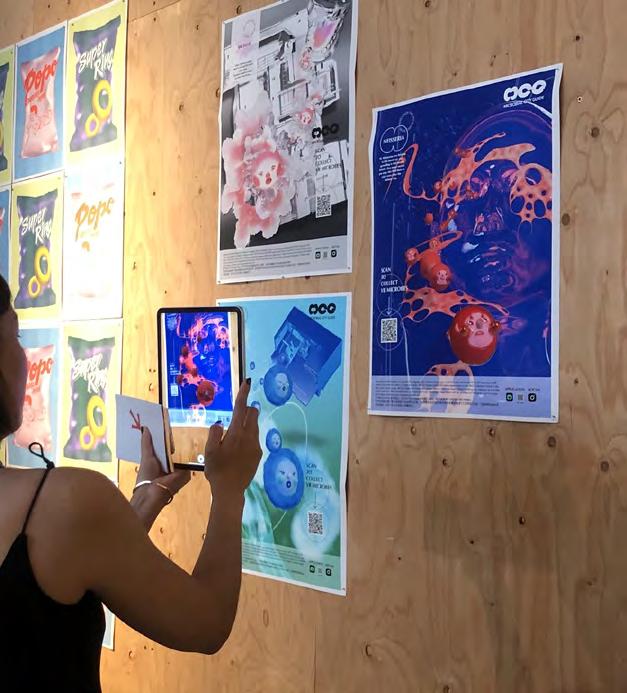
The app functions as a collection tool at designated points and offers AR microbe interactions.
In contrast, the website provides a comprehensive overview of the entire MCG Program.
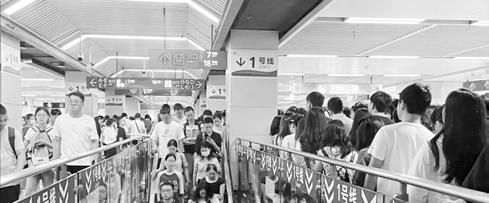
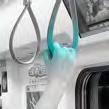
Railway
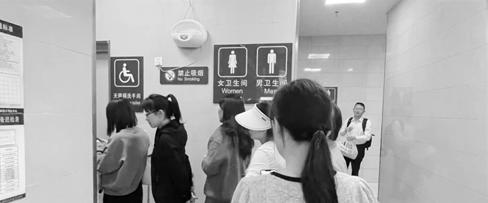
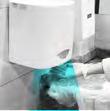
Public Washroom
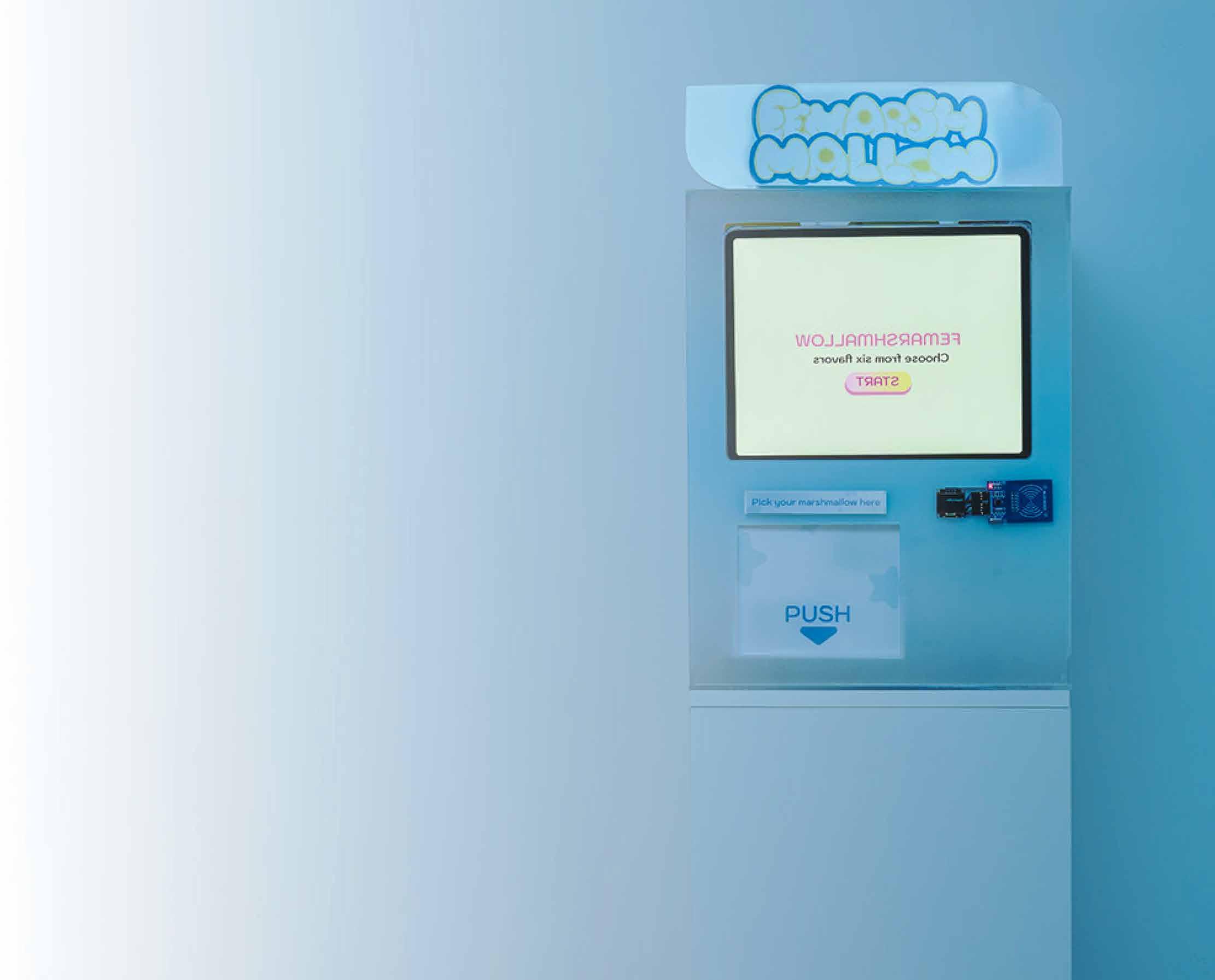
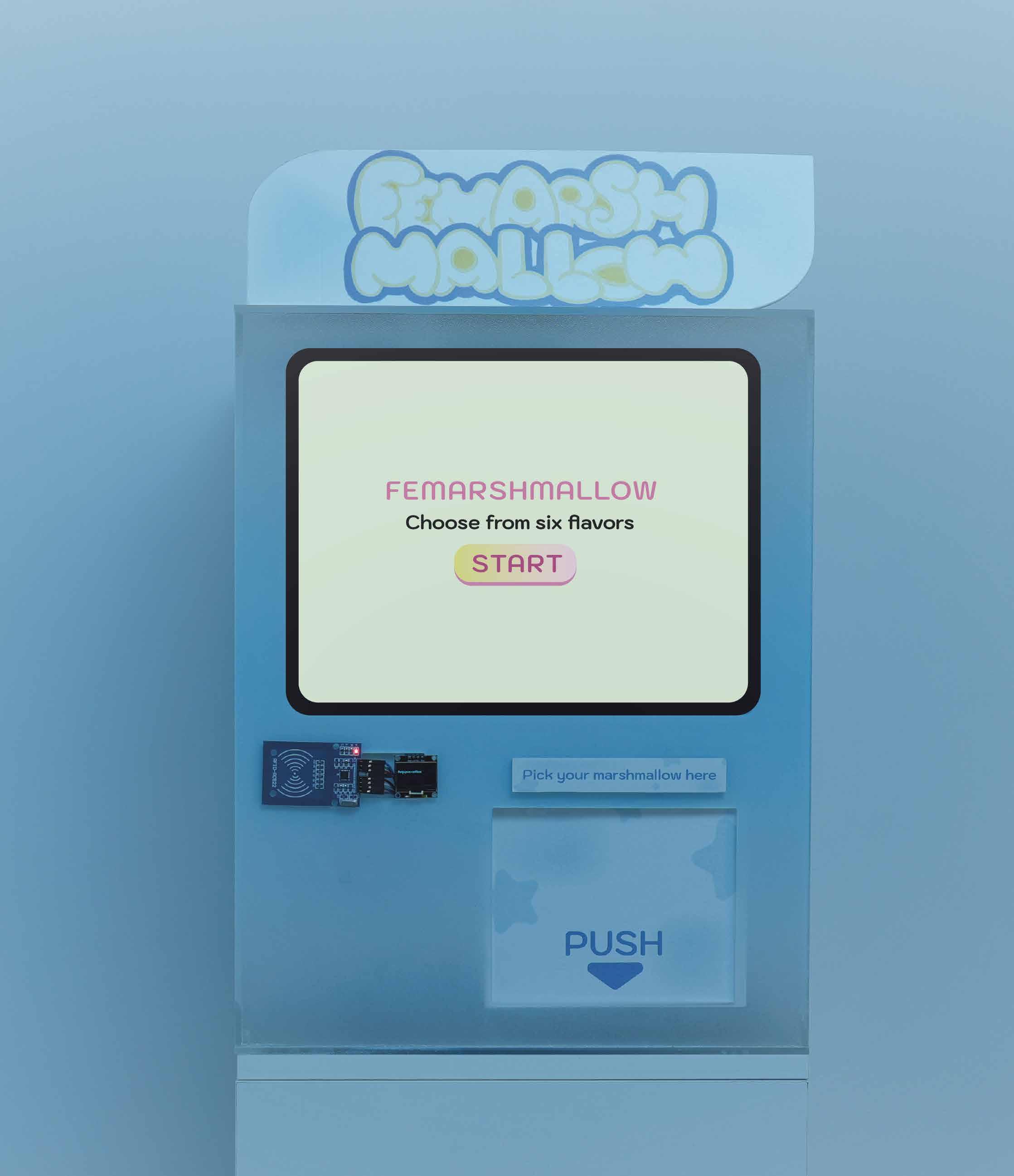
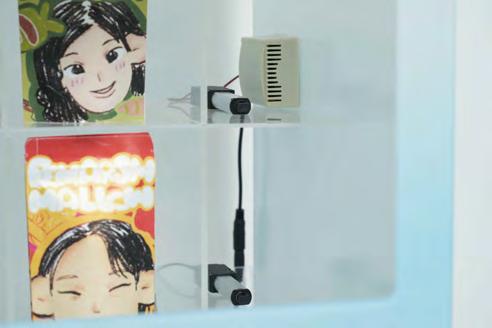
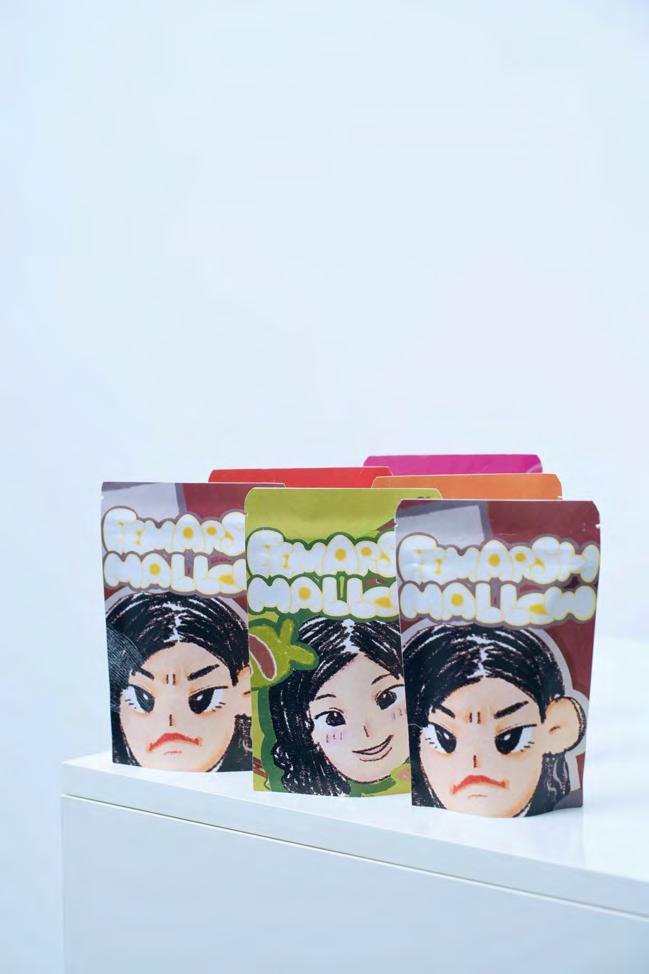
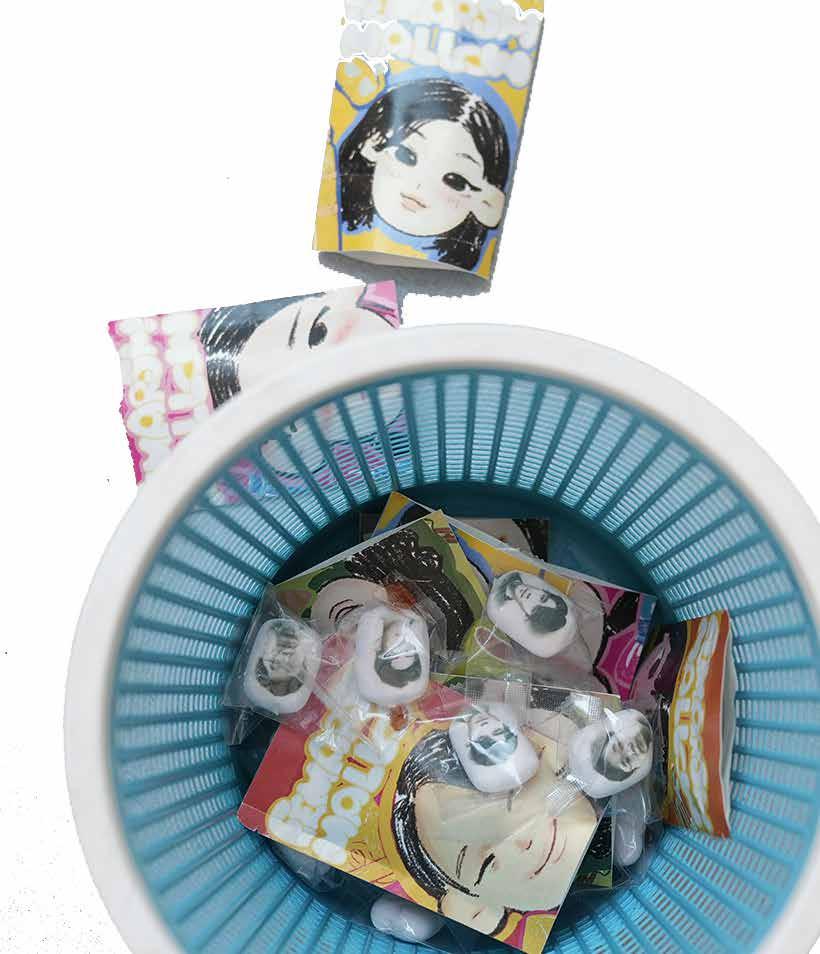
FEMARSHMALLOW
China’s film industry often capitalizes on feminism—using female-centered themes to attract attention and profit—while the actual content frequently misrepresents, belittles, or marginalizes women. This project uses the form of an interactive installation and a satirical approach to reveal the phenomenon of fake feminism in China’s film industry. It aims to draw attention, evoke more resonance, and inspire critical thinking.
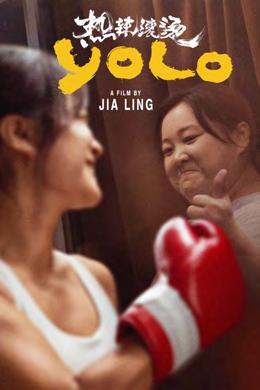
The 2024 Spring Festival lm YOLO earned a box o ce of 345,106.
Though it aimed to inspire women to lose weight, box, and become empowered, public attention shifted to sensational stories—like the director’s 100-pound weight loss and “quick slimming” tips. Media and brands ampli ed these angles, overshadowing the lm’s feminist message. After the festival, women’s weight loss became a trending topic.
But is YOLO truly a feminist lm—or just another example of consumerist feminism in disguise?
The distinction between consumerist feminist commercial films and authentic feminist cimema
What does it bring to film and television companies?
Commercial ms use women's bodies and women's rights as selling pointsand rely on publicity and claims to "speak for women" to gain more revenue andbox o ce.
Mother-daughter relationship
Lose weight
The counter attack of "Hello, Li Huanying" was not only the producer and stock price, but also Jia Ling and her Dawan Entertainment as the major share holder. "YOLO" leads the Spring Festival movie market with its unrivaled performance.
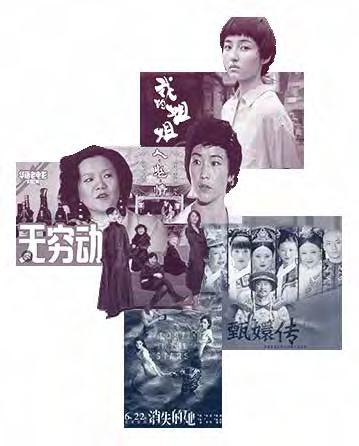
“My Sister”
The movie "My Sister" shows a strong feminist colour.
“Human Ghost Love”
Make female characters more vivid, and women's expression in movies is no longer marginalized and stereotyped.
“Infnite Motion”
The m depicts the aging of women's bodies and faces through close-up shots, hopingto use the ugliness of women's bodies to in uence men'sviews" of women.
“Empresses in the Palace”
In Empresses in the Palace, the concubines’ submission illustrates women’s internalized patriarchy, reinforcing gender asymmetry and alienation.
A real feminist-themed good movie
“She Who Disappeared”
By selecting an extreme case, an 'ideological object' is constructed to obscure the absence of women, instrumentalizing them as devices of sensationalism and narrative, thereby directing collective anxiety.
A
pseudo-feminist lm reinforcing traditional gender norms
Movies in the past 2 decades
Jia Ling lost 100 pounds topic
The more than ten years from the 1990s to the new millennium werea transitiona period for the reform of China's fim system.
1980
As the main members of the female director group in the 1980s, most ofthe fourth and th generation female directors found it difhcult to continue their female-oriented m creations after entering the 1990s.
The female-themed ms produced show a "trap" or regression in"female consciousness"
It accelerated its deepening after 1993.
As the entire country's economic system changes from a planned economy to a market economy, the lm production system has also shifted from the past state-controlled purchasing and under writing to the studio taking responsibility for its own profts and losses.
As lm school graduates in the 1990s, the sixth generation lost the opportunity to directly enter the system.
They had to raise their own funds toshoot their own ms. lwonder if it wasbecause of the di culties and risks involved that this generation becamea rebel against the system.Women are no longer to be seen among the directors leaping onto the stage.
1993 1990
Whether in terms of business, art, or importance within the mainstream cultural system, "female directors" and"female ms" appear to be quite marginalized.
After 1995,"women's ms"almost disappeared from the domestic m catalog.
1995
In a productionenvironment that placesmore emphasis on e ciency and proft, the living space for young directors and female directors has undoubtedly shrunk.
In a series of public events and public discussions, women have increasingly become a force that cannot be ignored,and as a result, women's lms have an increasingly largemarket. Women are no longer satisfed with the single "chick- ick"movies depicting romantic love in the past, but are longingfor a truly women's movie in which women write women's lives.
After 2000, the economic and cultural status of Chinese women,especially urban women, has been on the rise.
2000
The rise of market-oriented Chinese women after the 1990s brought increased consumer power—but also led to the commodi cation and objecti cation of “female consciousness.” Films about women often struggled at the box o ce, prompting female directors to adopt “feminism” as a promotional label, even when the content lacked genuine feminist themes. After China’s lm system reform in 1995, many female directors were pushed toward low-budget or state-sponsored lms, while male directors continued to pro t from low-cost, masculine-centered stories. Post-2000, as women’s social status improved, “feminist” lms gained popularity and commercial success—but often reduced feminism to a marketable theme, subtly consumed rather than genuinely expressed.
All senior executives with decision-making power, including the chairman and vice chairman, are male.
For example, director Li Ran’s A Moment of Love was featured at the 2023 Pingyao International Film Festival. The lm explores women's choices, middle-class living conditions, and the tension between romantic ideals and reality—all from a female perspective. After its release, some male viewers criticized it for promoting “incorrect views” and claimed it negatively in uenced women in real life.
Although the entertainment industry has entered a “female-oriented” era in recent years—with the rise of women-centered lms and TV dramas—most of these works are still directed by men. While women now have more opportunities to be represented on screen, it is still men behind the camera. The director’s gender may not determine a lm’s quality, but it does highlight the continued lack of female voices in lm and television creation.
When a non-commercial, auteur-directed lm lacks mass appeal, it is often dismissed by male audiences as promoting “incorrect views” once released.
VIEWPOINT
China’s commercial lm industry is male-dominated, leaving women with limited in uence in lm creation. As a result, many lms claiming to “give voice to women” merely use feminism as a marketing tool—consumer feminism—to serve self-interest.
A truly feminist lm should explore meaningful experiences tied to women’s growth and inner lives. However, such authentic “female consciousness” is rarely seen in commercial lms today. Instead, many so-called “female-themed” movies exploit trending topics to attract attention, often lacking substance.
This is why some female directors rely on “feminism” as a gimmick to draw female audiences, rather than creating lms with genuine feminist insight.
DESIGN IDEA
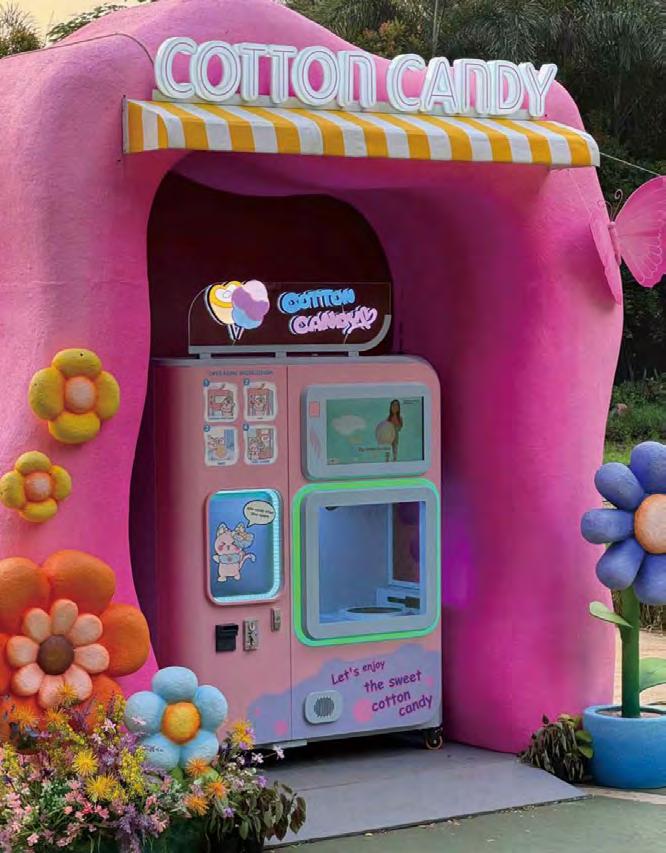
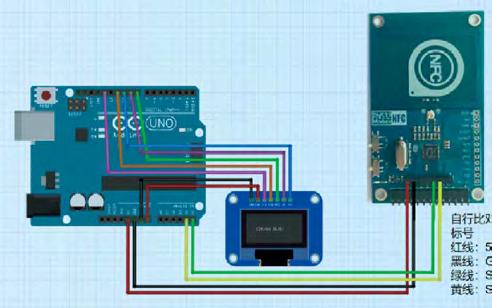
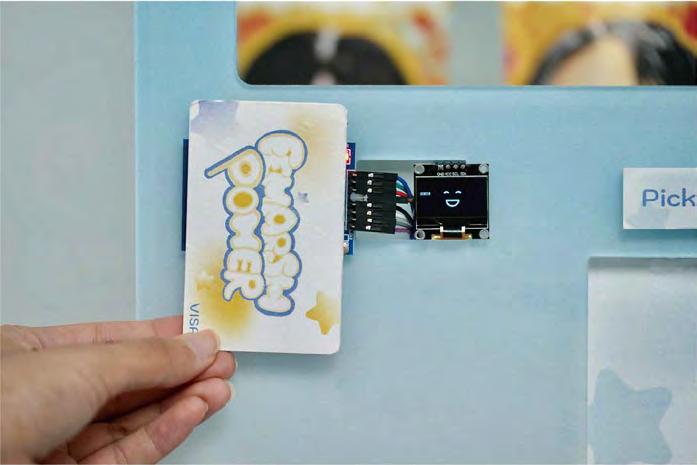
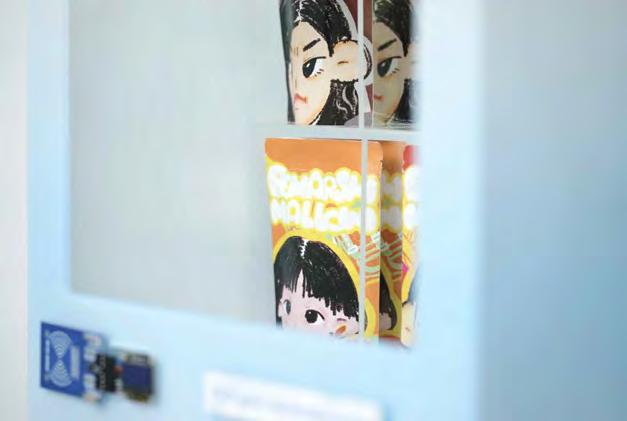
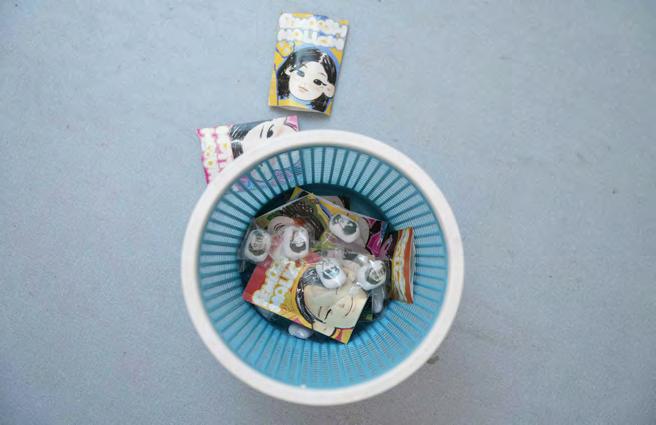
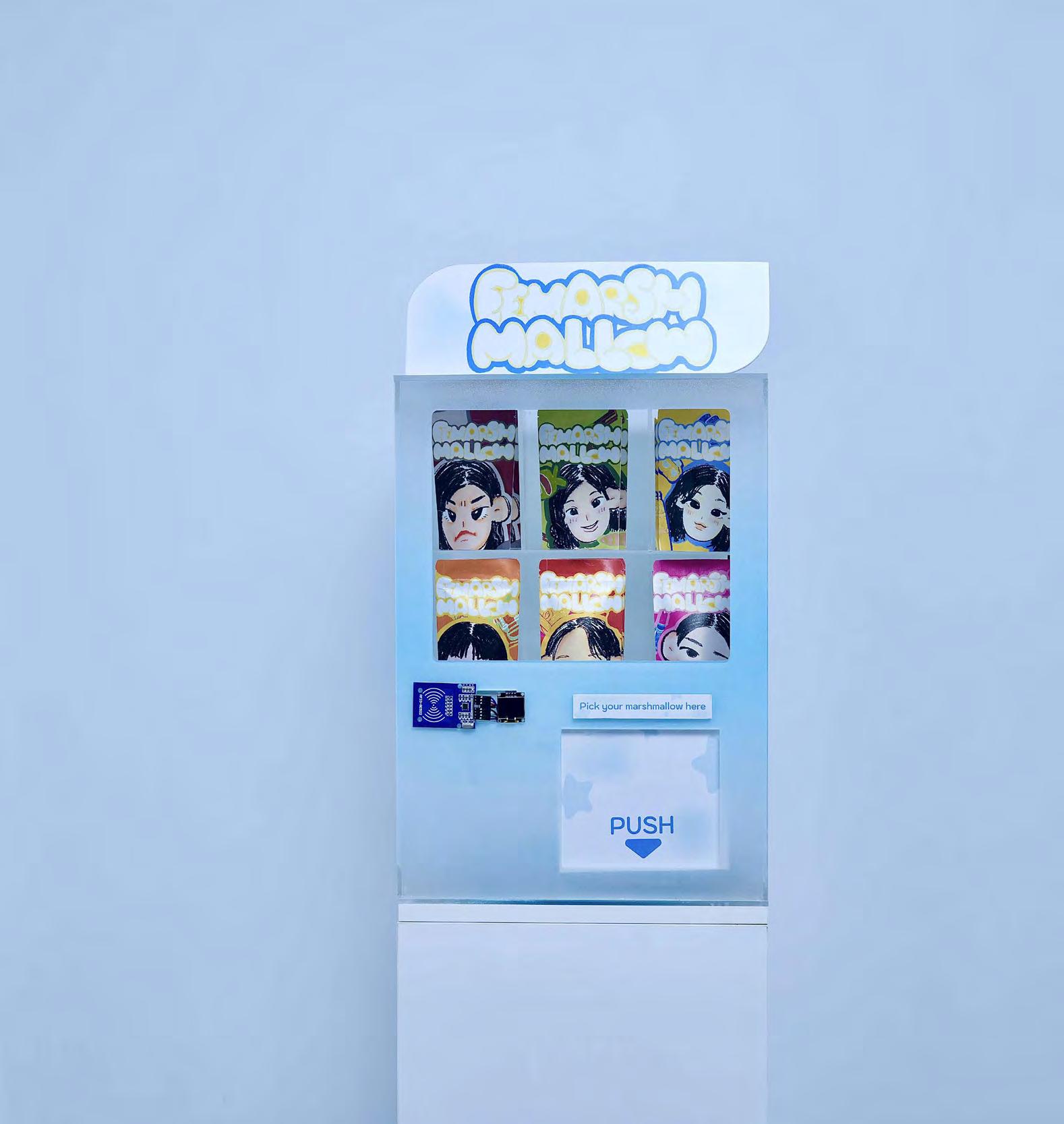
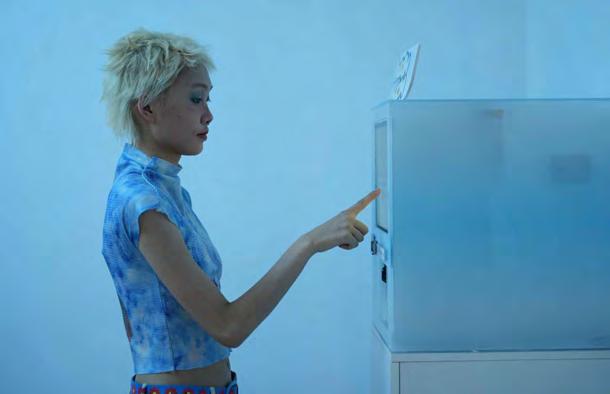
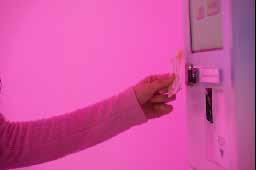
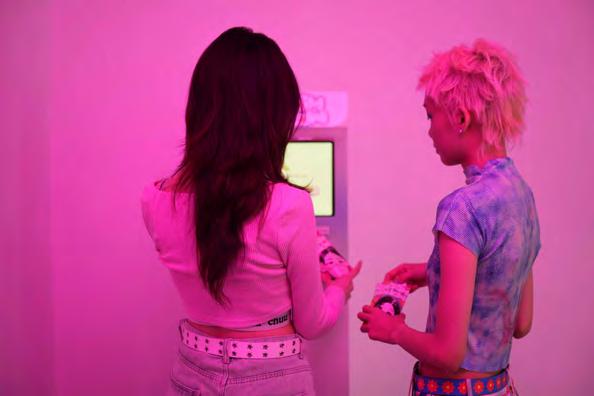
Scanning the NFC card triggers an interactive experience, followed by a push-pull lever that releases the product. The machine, made of layered acrylic with UV spray for a dreamy e ect, features graphic elements like card surfaces and marshmallow-themed signage to enhance visual and interactive appeal.
In contrast, within China's commercial lm industry, movies that claim to "speak for women" or bear the banner of feminism often merely exploit feminism to garner attention and box o ce revenue.
e revenue.
In recent years, women have become the dominant force in movie audiences. This project uses an interactive installation to help users re ect on whether they’ve unknowingly participated in commercialized consumer feminism, through interactive experiences and visual storytelling.
In 2024, the China Film Association released the 10th Constitution of the China Film Association
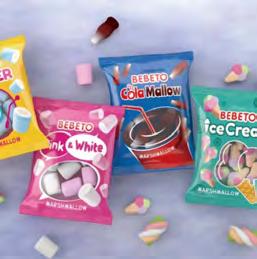
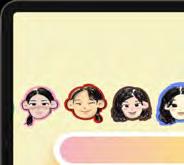
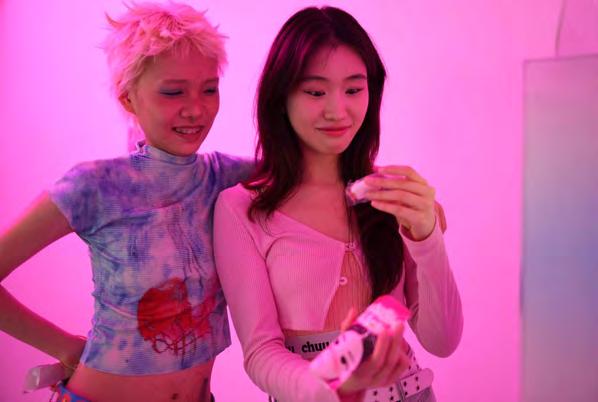
Selecting marshmallow packaging is like a process of customizing your favorite gift. Through this marshmallow machine, you can get this gift by customizing your favorite character.
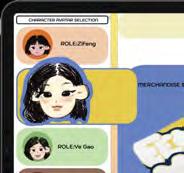
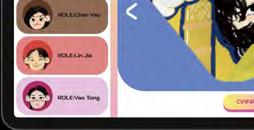
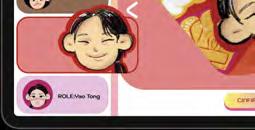
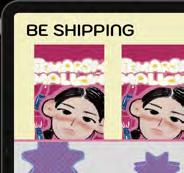
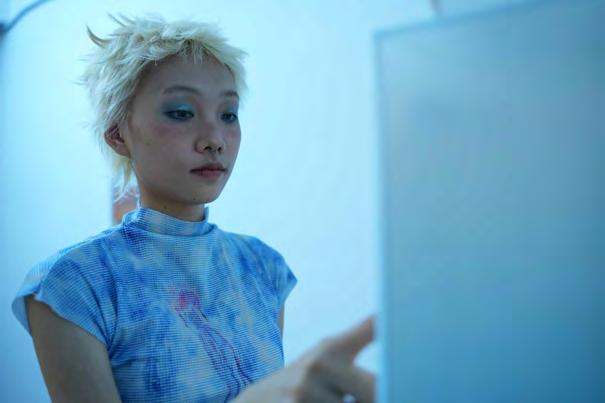
As part of the installation, I devel oped a touchscreen interface through which users could browse and purchase “female cotton candy” products.
u8g2. rstPage(); do page1(); }while(u8g2.nextPage());
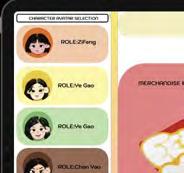
2.Swipe left or right to select a character, select your favorite character and confirm.
Video Avaliale at: https://vimeo.com/1100090387?share=copy
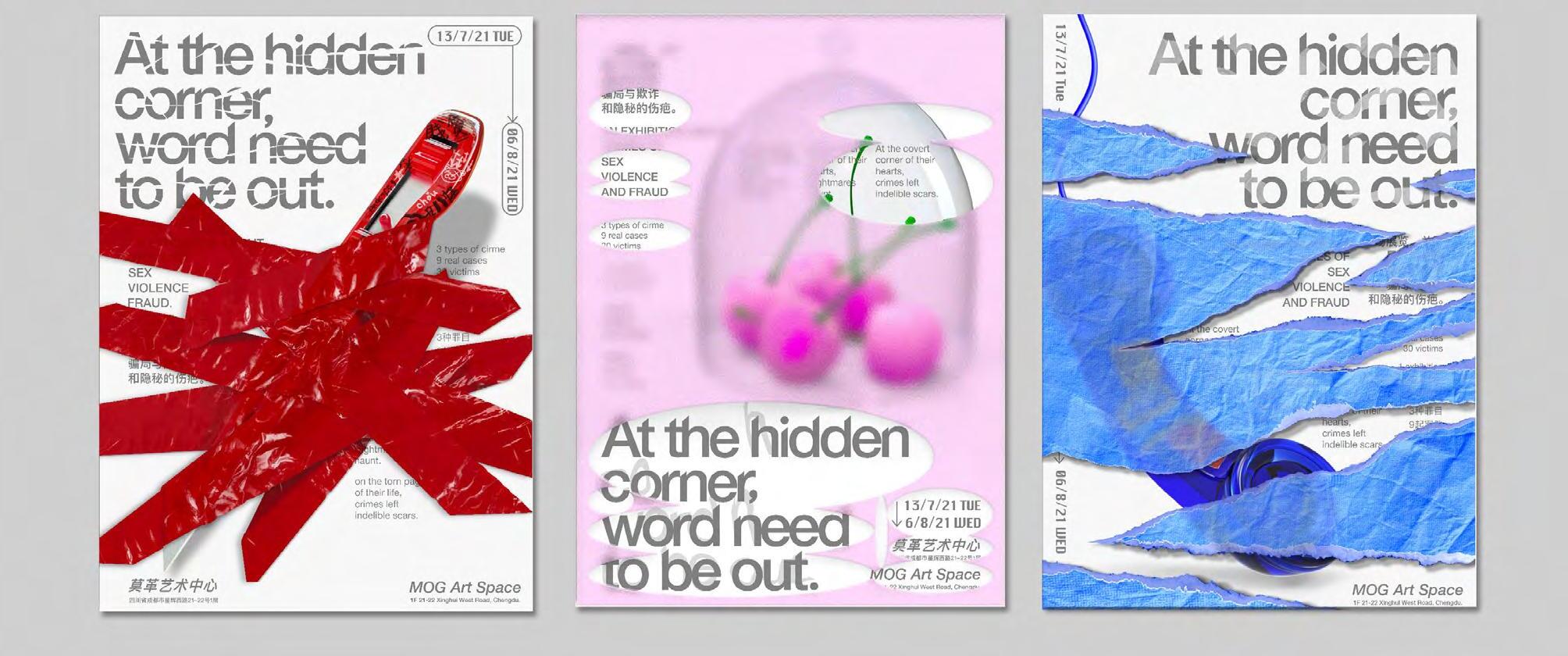
AT THE HIDDEN CORNER, WORD NEED TO
BE OUT.
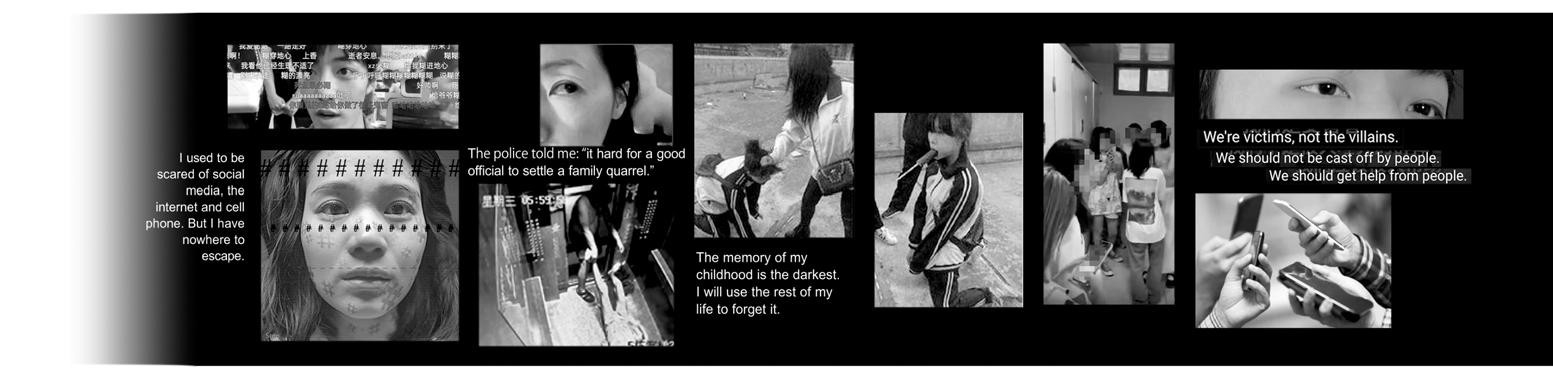
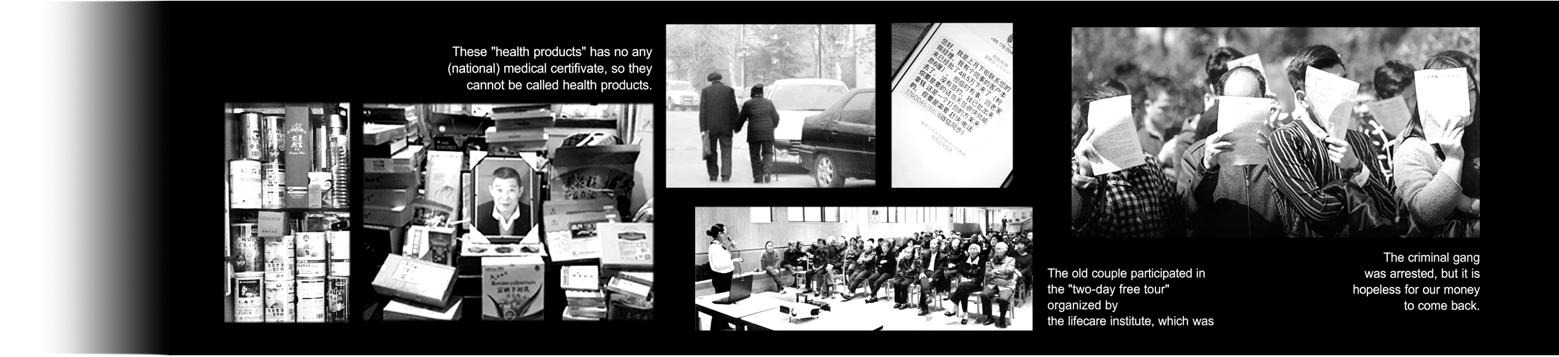
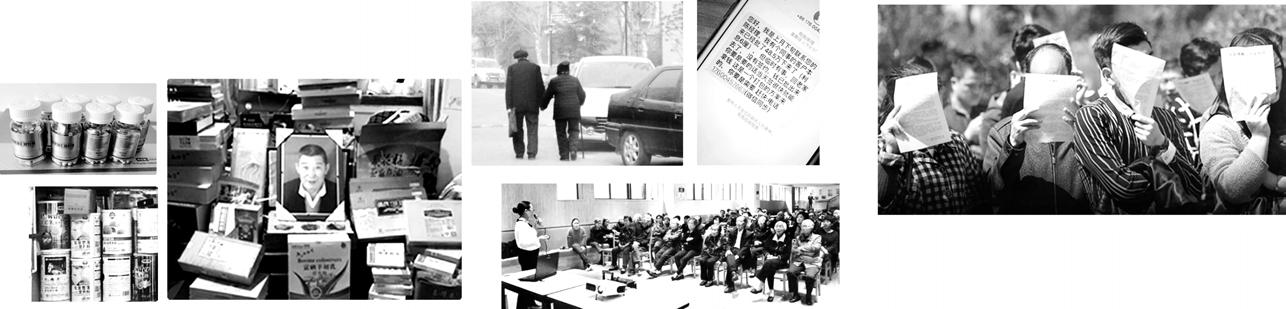
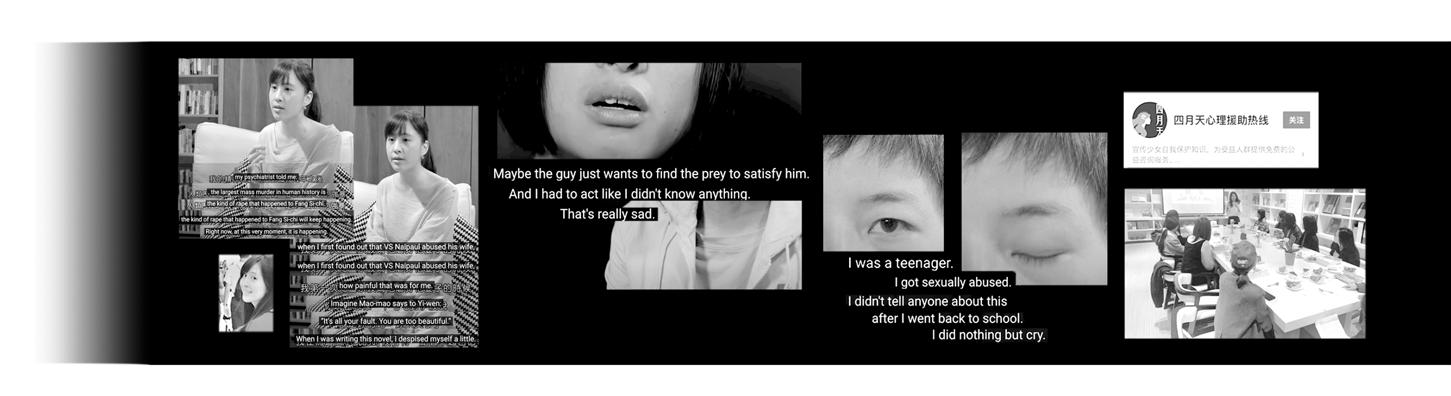
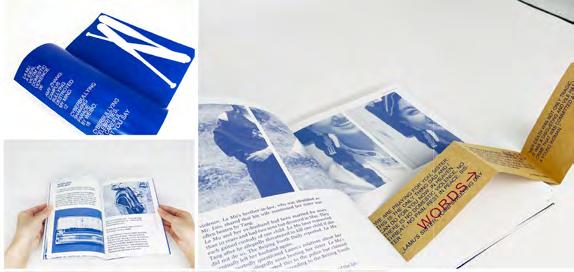
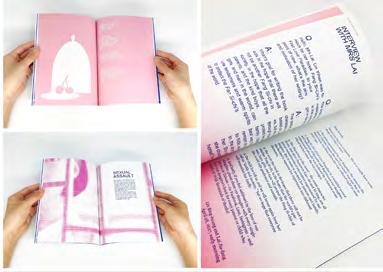
“the Hidden Victims” is a concept I developed to describe individuals who su er from crime yet remain unseen—due to fear, stigma, or lack of institutional support. In this project, I explore their stories through a publication that combines visual design with social research. Drawing on real cases, I aim to give voice to victims of sexual assault, domestic violence, and fraud against the elderly in modern China.
By transforming their experiences into readable, empathetic, and accessible formats, I hope to raise awareness among young audiences and advocate for a more attentive and just society.
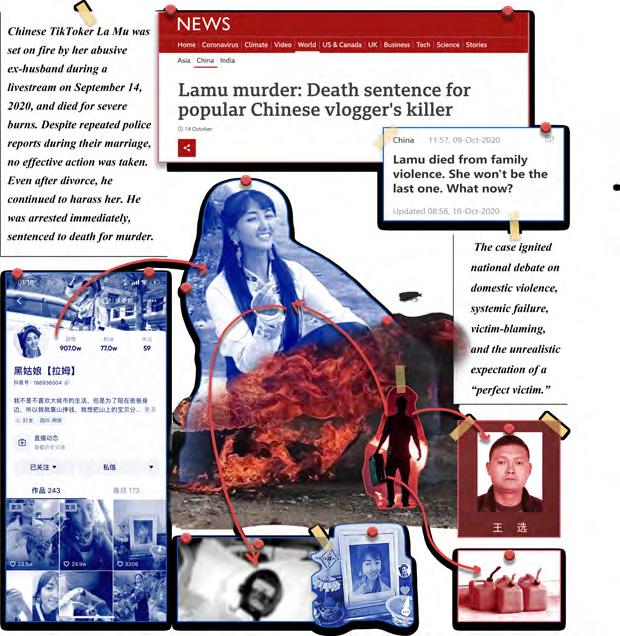
_CASE STUDY ON LA MU’S STORY
MIND MAP
The mind map aims to summerize the typicall crimecategory of "the hidden victims". They are Violance, sexual crime and fraud. Hence, zoom down my research field into the three types and continue to depth.
Inspired by the news of La Mu’s death, I noticed that in mainland China, many “victims” are either unable to speak out or receive no response when they do. This phenomenon may caused by various factors such as legal limitations or prevailing social attitudes. La Mu, being a popular TikToker, had her story amplified by the media, but ordinary victims often remain helpless, forced into silence and unable to escape tragic outcomes. Therefore, I decided to refer to them as “the hidden victims” in this project, and began to investigate their plight, aiming to speak up for them through design
RESEARCH_WHO ARE "THE HIDDEN VITCIMS"?
SUMMARY
discovered that more specific crime categories emerge from the three general types. For example, within violent crimes, "the hidden victims" of domestic violence and campus bullying are
prevalent. In cases of sexual assault, rape and child molestation victims often remain silent. Regarding fraud, elderly individuals are more likely to become "the hidden victims”.
ANALISYS_WHY IS IT DIFFICULT FOR VICTIMS TO ASK FOR HELP?
RESEARCH_CASE COLLECTION
DESIGN PROCESS_METAPHOR
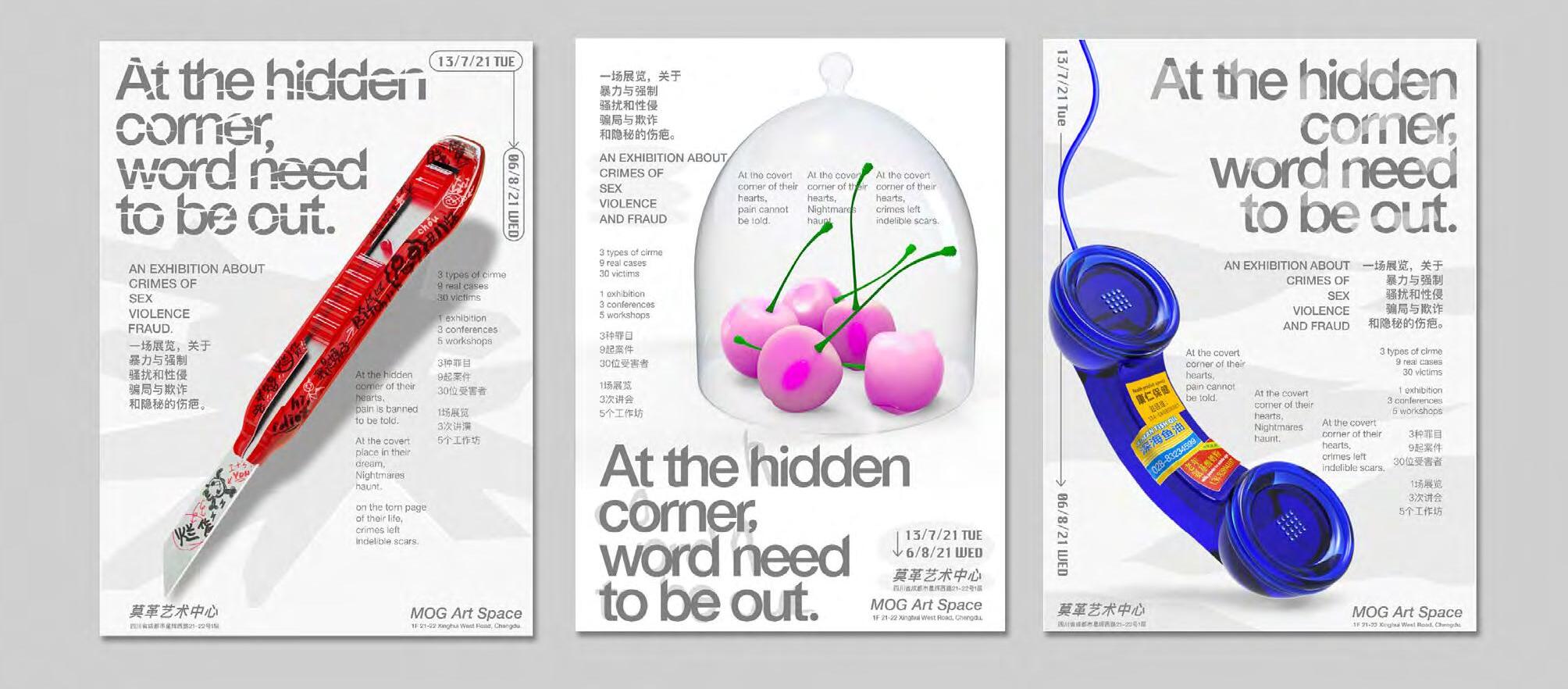
DESIGN PROCESS_VISUAL TESTING FINAL OUTCOME_MOTION POSTERS
Video Available at:https://www.youtube.com/watch?v=SVb2cY3tu7U
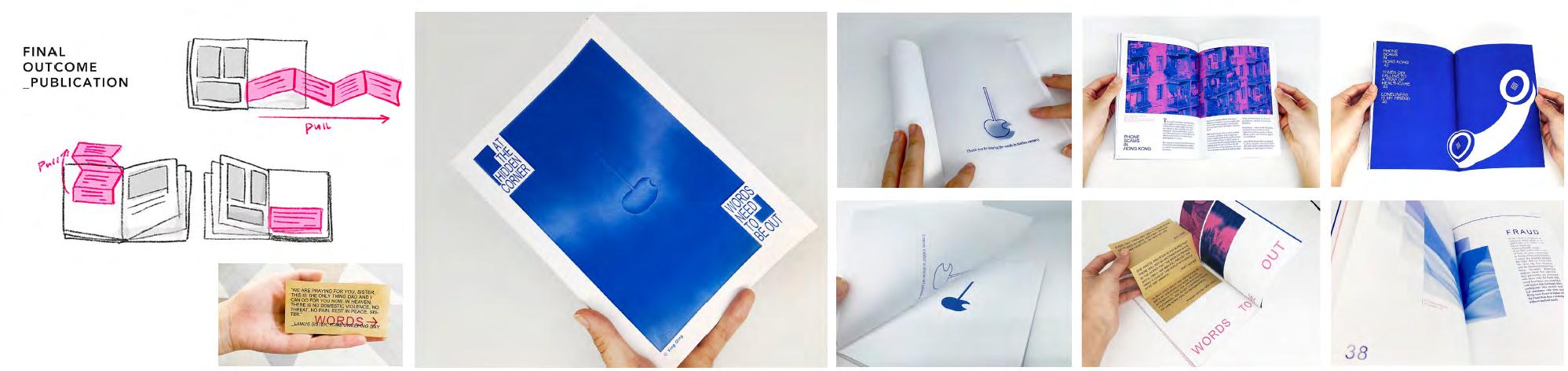
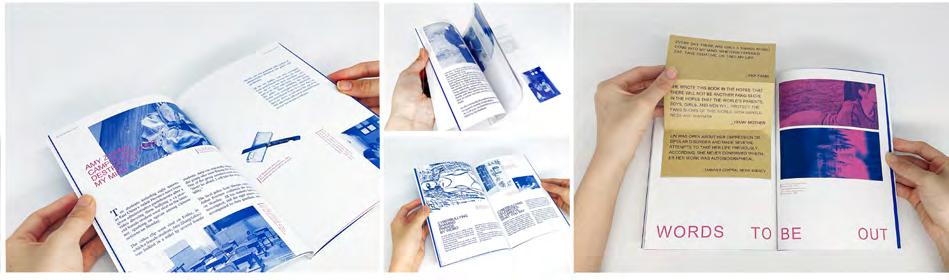
believe graphic design can document, organize, and evoke empathy. To that end, created At the Hidden Corner, Word Needs to Be Out, a publication that offers hidden victims in modern China a safe, respectful platform to share their stories. The title is inspired by Word Is Out (1977), a documentary about LGBT voices. While that film focused on one marginalized group, my project highlights another.
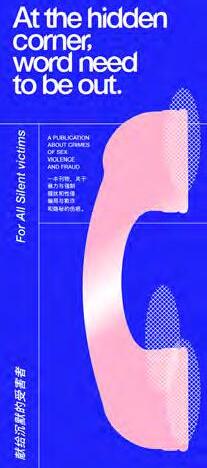
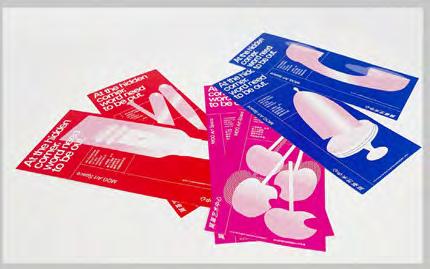
Before the publication launch and a thematic exhibition open, designed six bookmarks and a series of motion posters to enrich the visual language and enhance communication across both online and offline platforms.
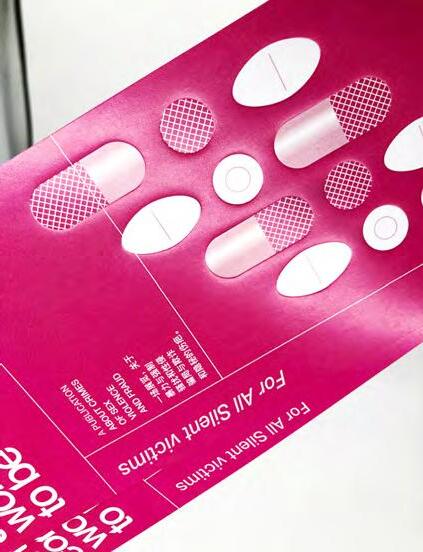
In terms of the printing method, used embossing to print leaflets as the concave-convex texture represent the contras tbetween the "hidden" and "exposed".
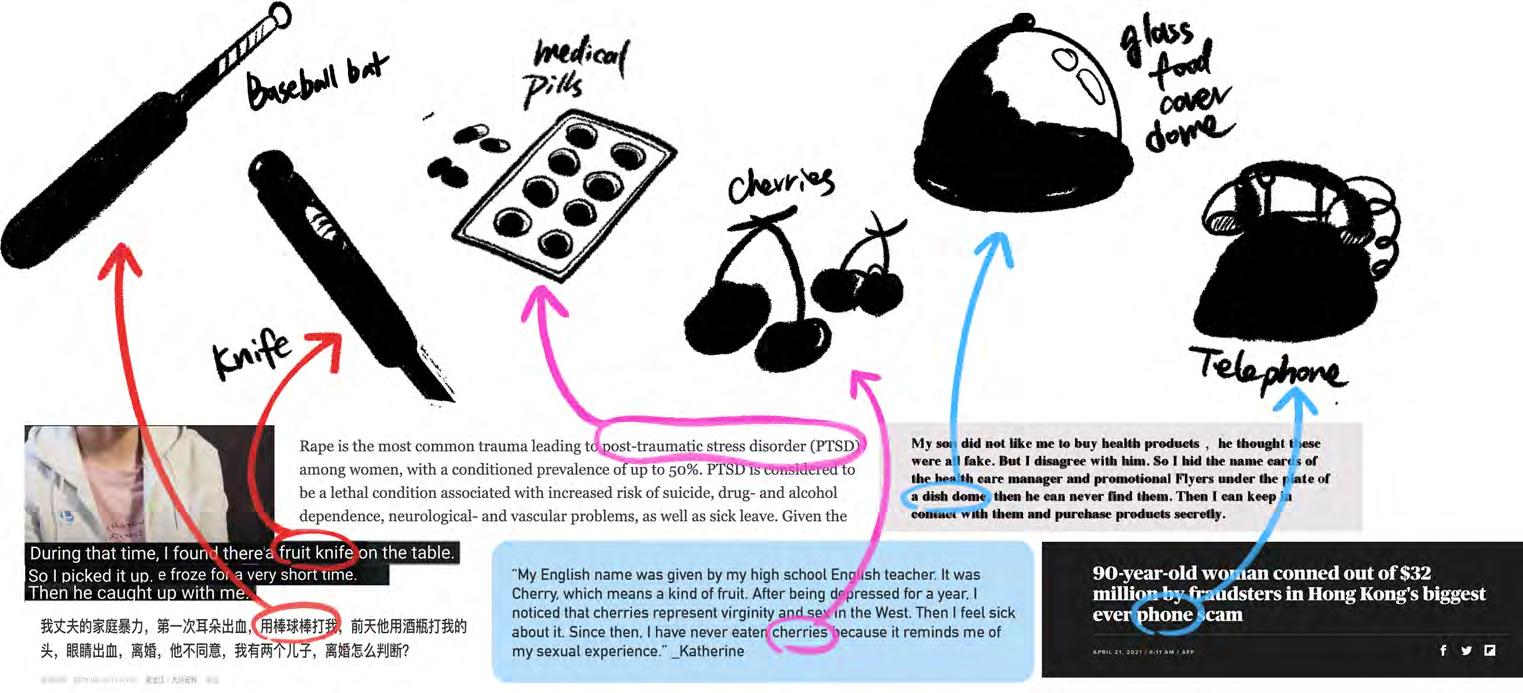
Metaphor
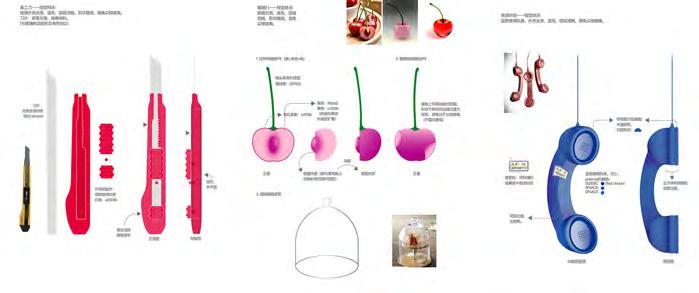
used metaphor to protect the hidden victims’ psychological safety and privacy, choosing symbolic yet concrete imagery to keep visuals accessible and emotionally resonant. These metaphors were illustrated in a representational style using both 2D and 3D styles.
Swiss Style
i. Targets yough adoults (16–30); needs a fresh, approachable look.
ii. Timely topic; requires a modern, engaging style.
iii. Swiss-style flat design offers clarity and strong impact
FINAL OUTCOME_ PUBLICATION
The publication includes about 30 victims, 11 cases, 3 types of crimes. It was decided into 3 sections with three crime categories, and each section includes 3 parts:
1. Victims stories, interviews and reflection.
2. Comments and voices from the public. (the press, netizens, victims' relatives and friends
3. Data and Reports that analysis social issues behind these phenomenons.
2019 — 2025 OTHER WORK
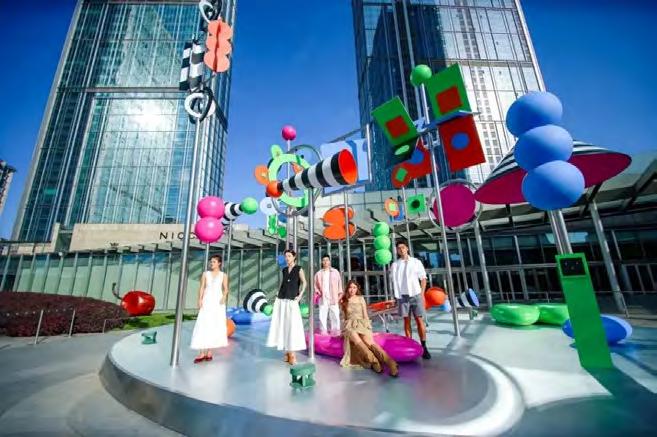
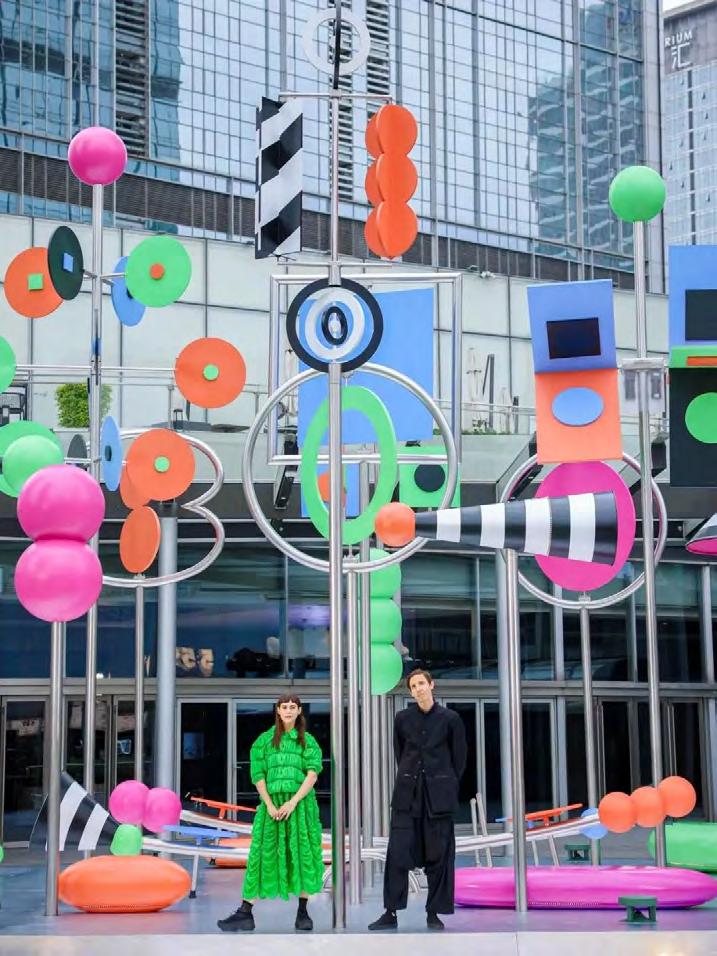
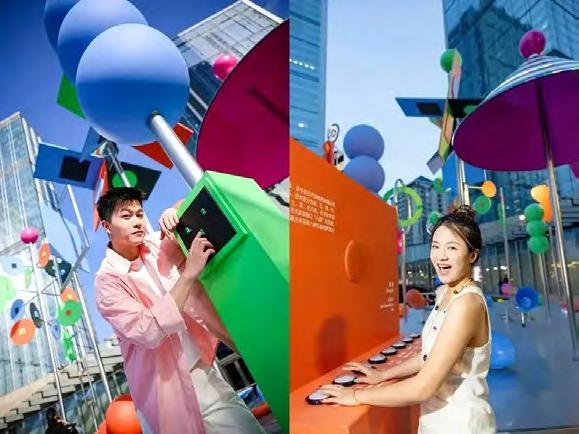
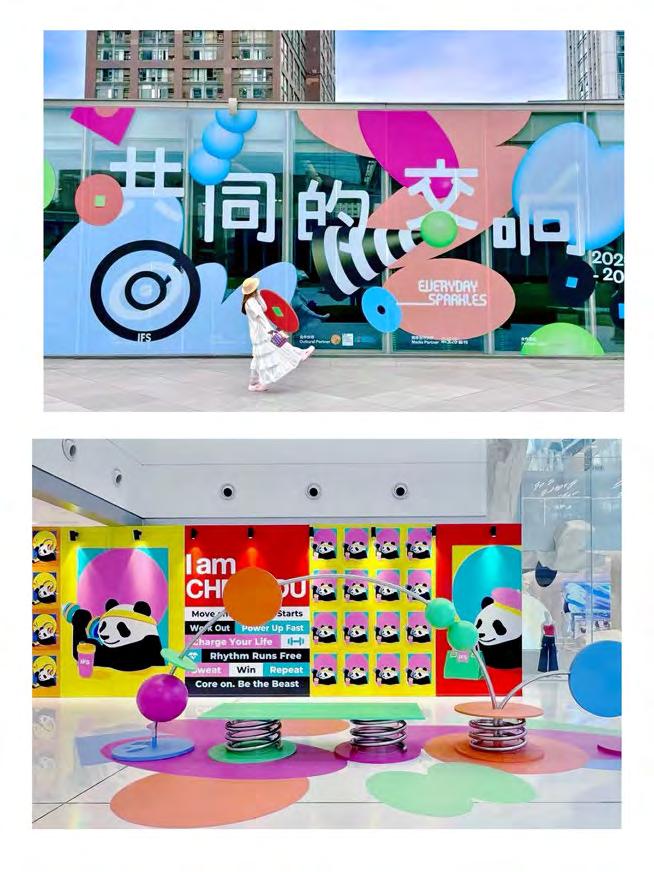
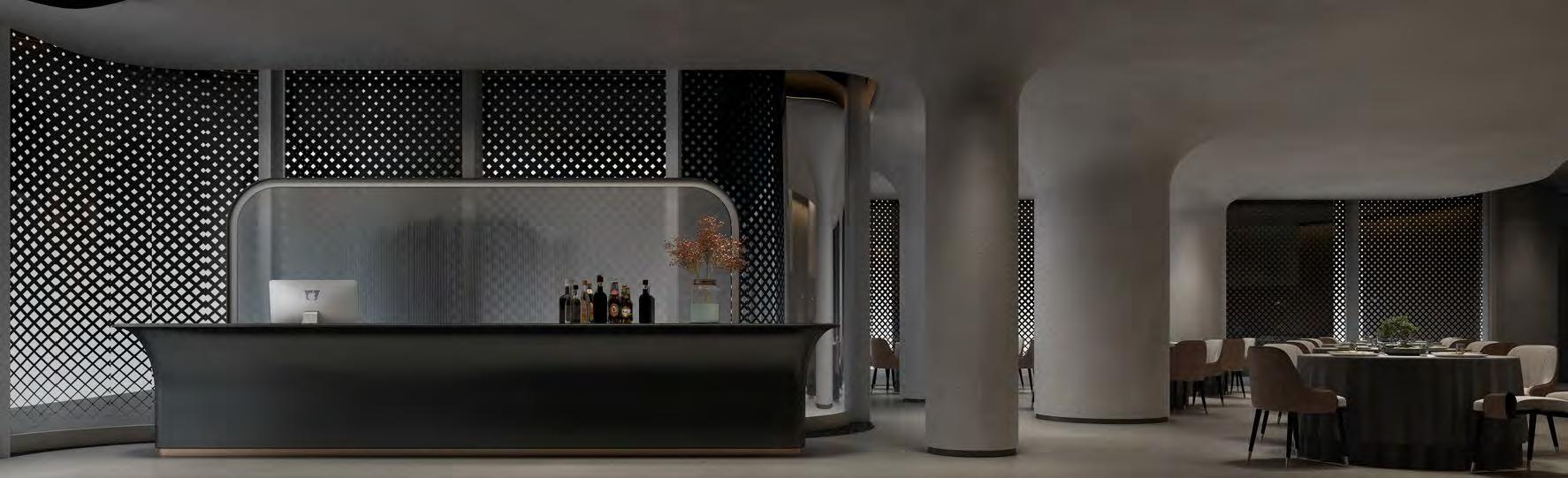
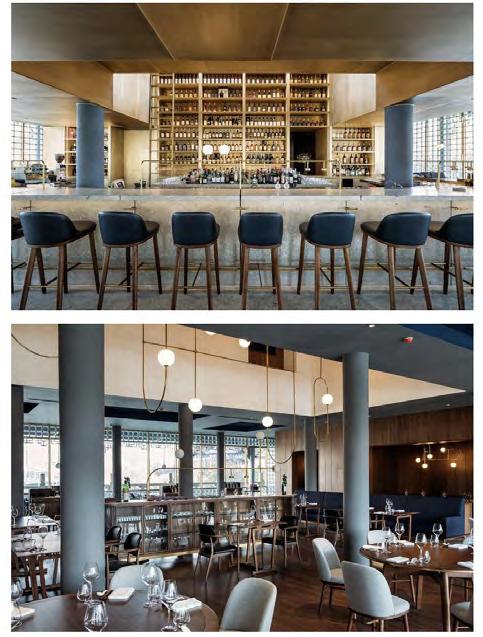
Customized early-stage concept proposals and visual design for the art installation.
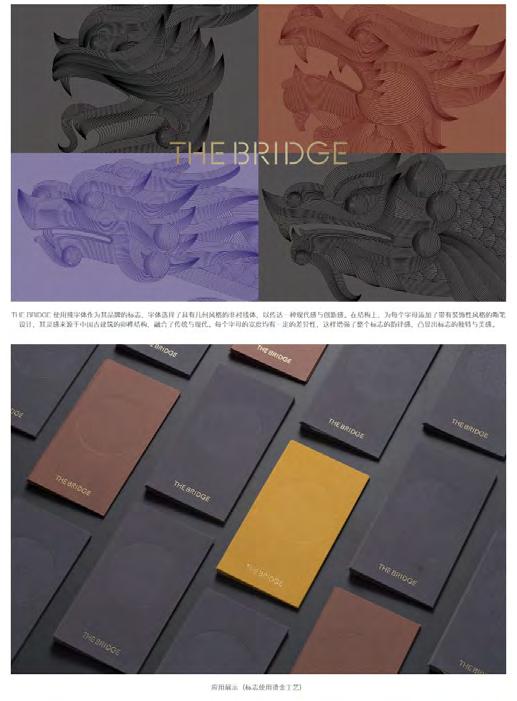
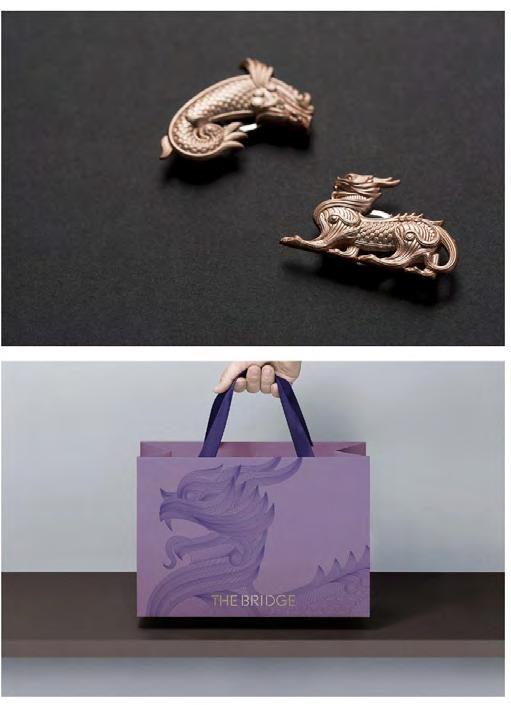
HTTP://WWW.THEBRIDGE.COM.CN/
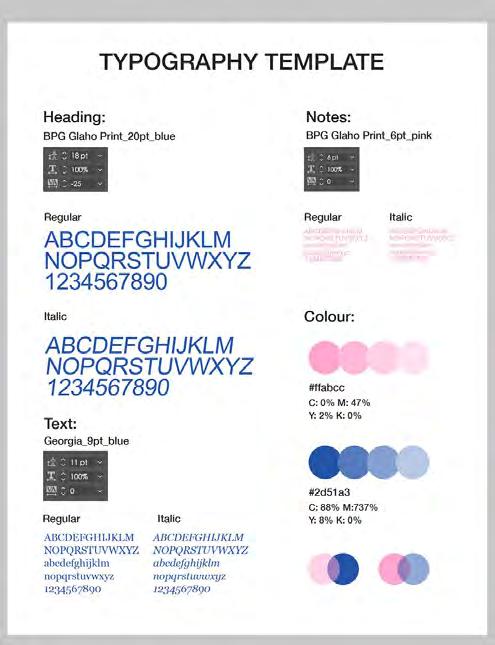
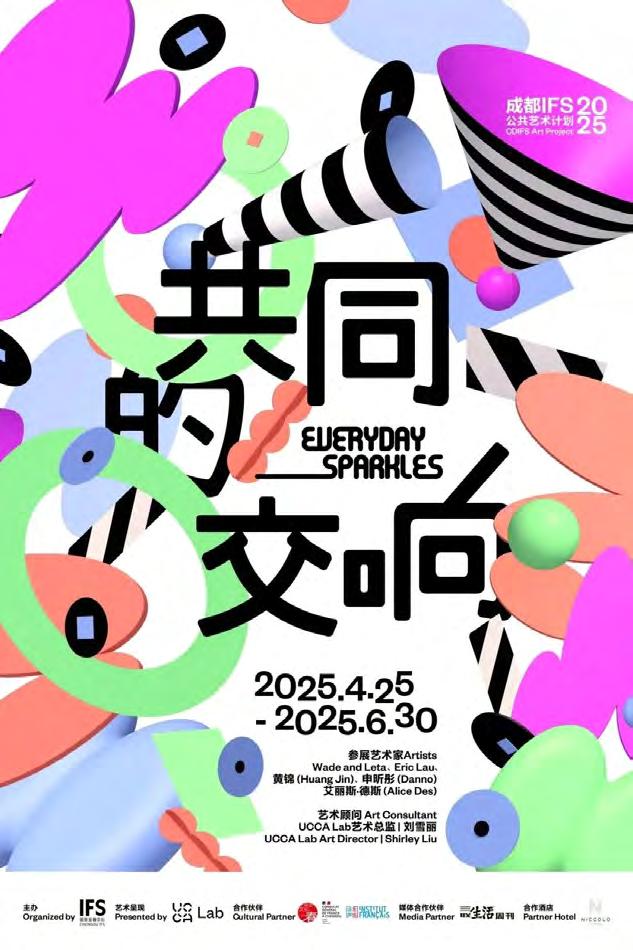
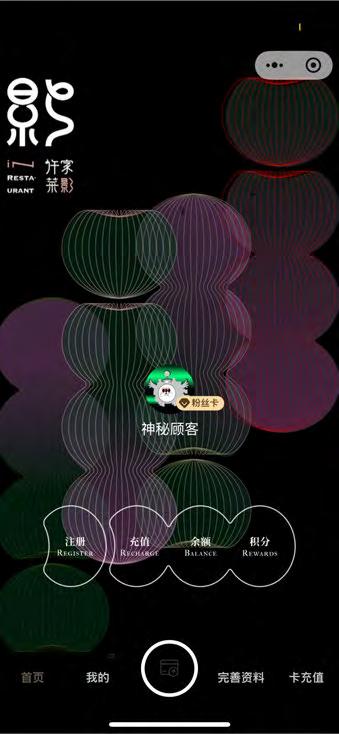
My Contributions: The design of the supporting graphic system (illustrations, color palette) as part of the visual identity.