2 minute read
Disrupting the Arch

An Addition for a Historic Landmark
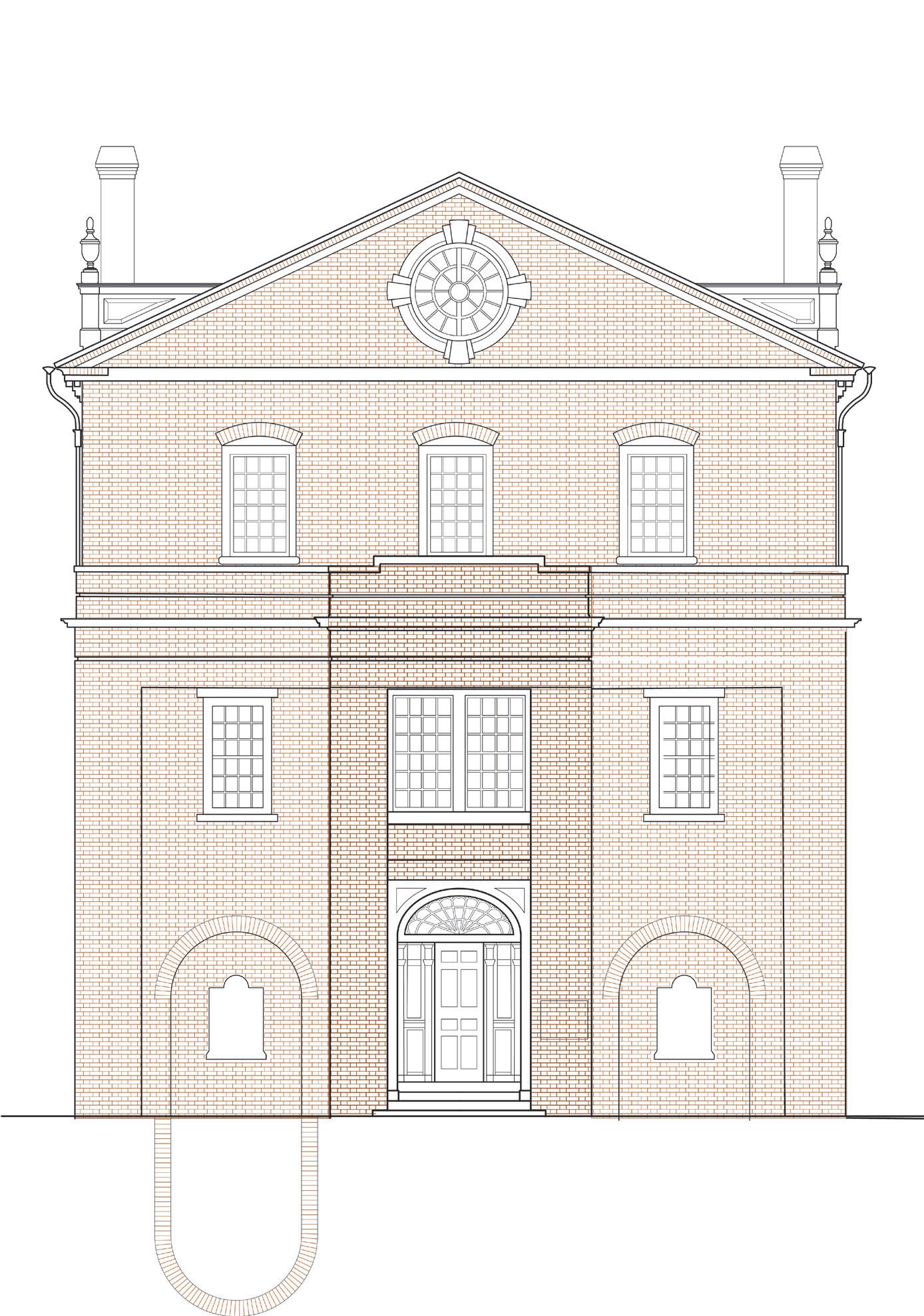
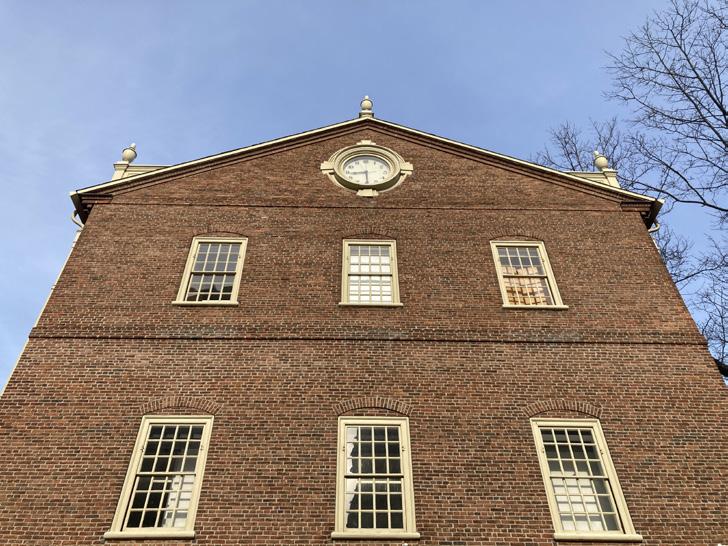
The Market House located on the edge of the college hill in Providence, Rhode Island, is a three-story Georgian brick building designed by Josep Brown and Stephen Hopkins and was built between 1773 and 1775. Through its long history it has been serving for various purposes including a market place, a meeting hall for masonic conferences, a city council, and later was acquired by RISD for academic use. Among the many roles it played in the history of New England, its significant role as the center for slave trade is easily neglected. By studying the inscriptions written on the exterior facades, one could wonder whether the history being recorded there was just partial history and question about the decisions made to determine what was to be recorded or not.
Advertisement
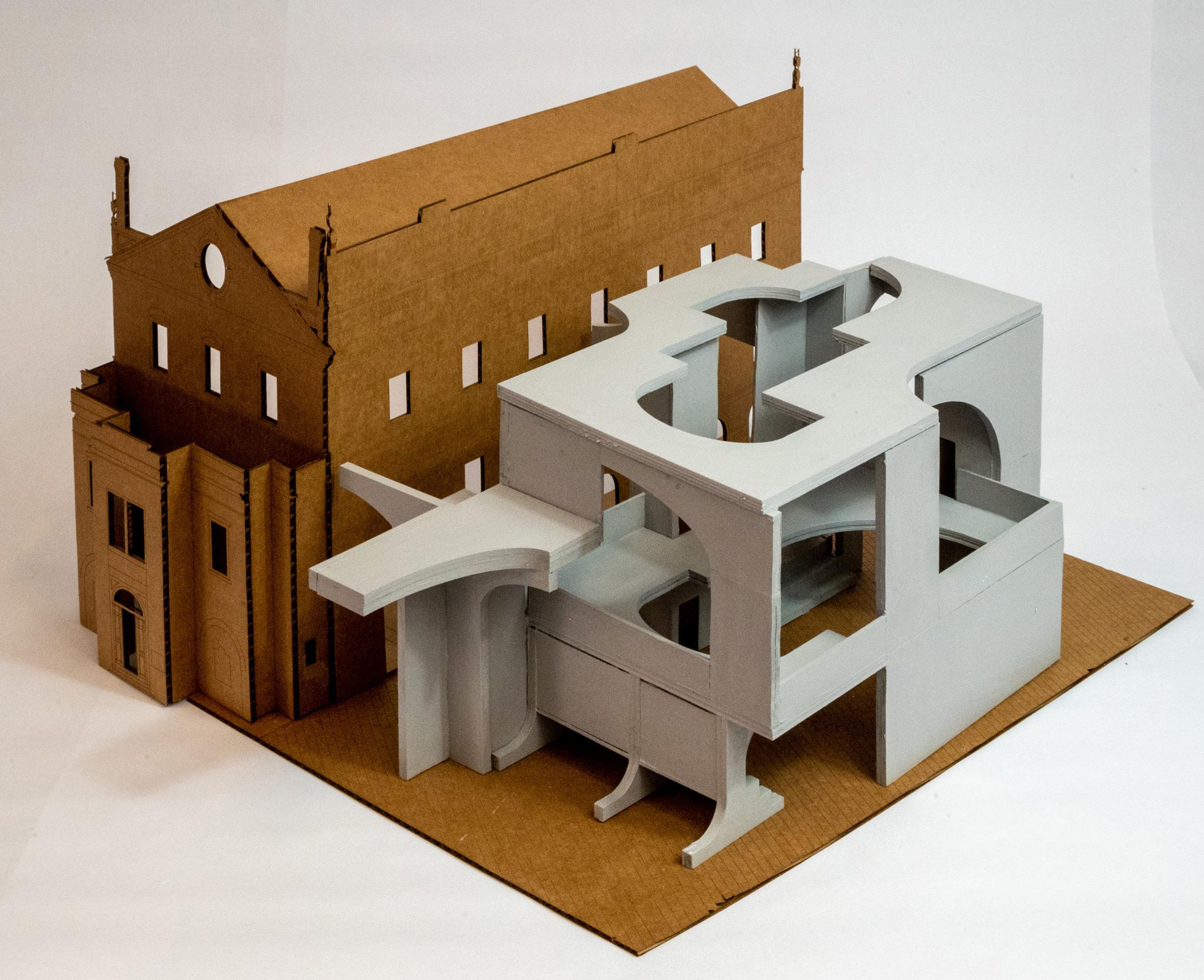
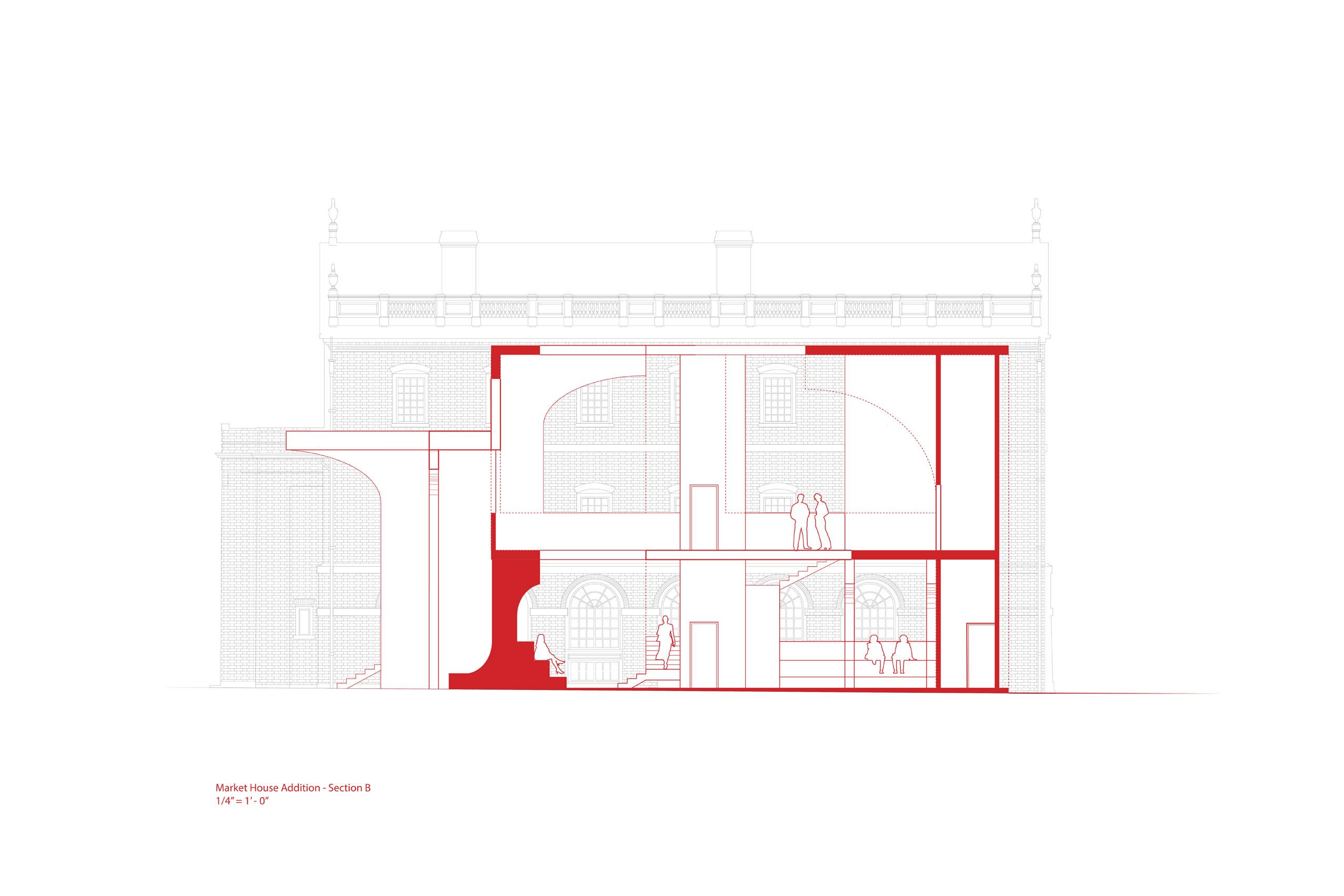
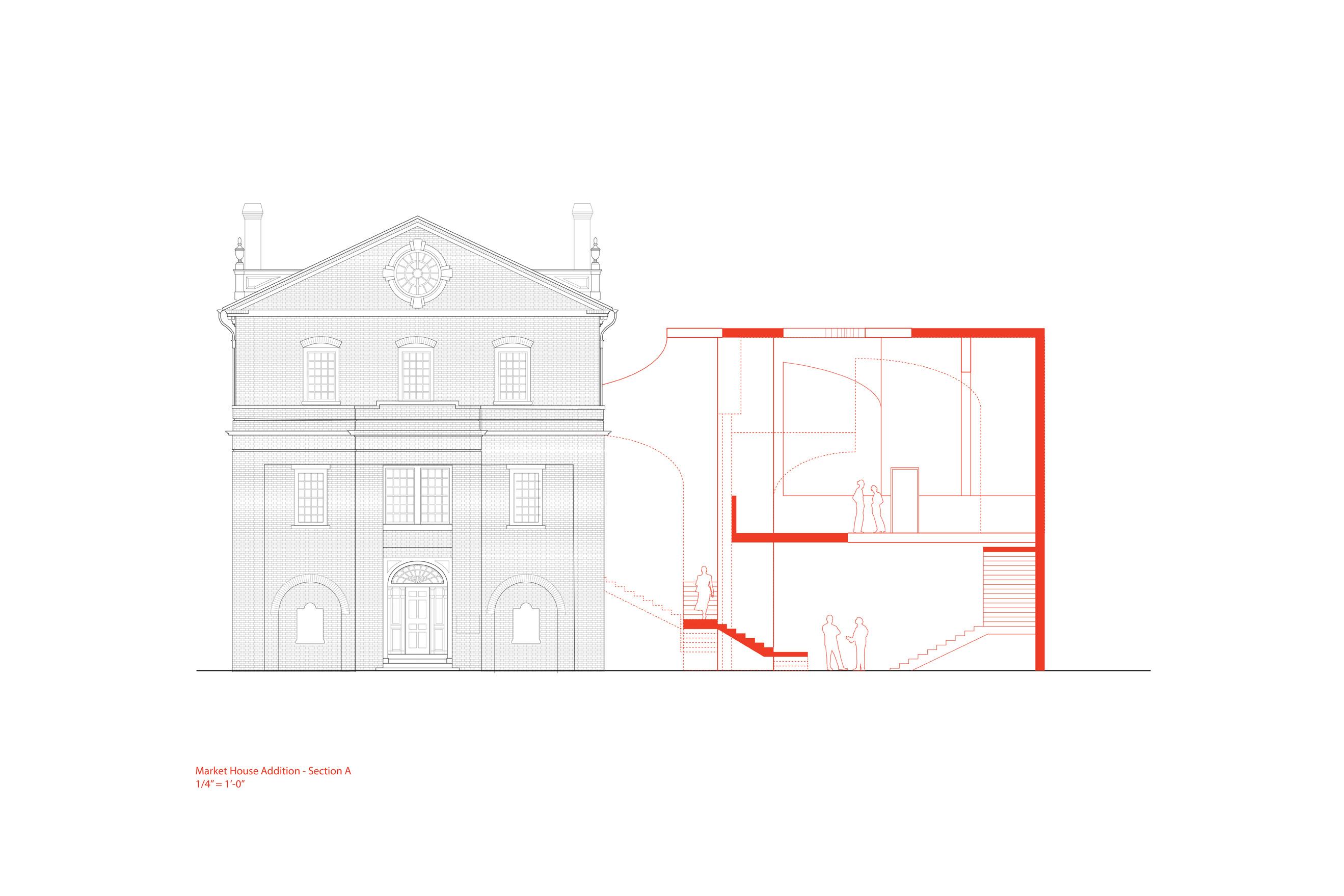
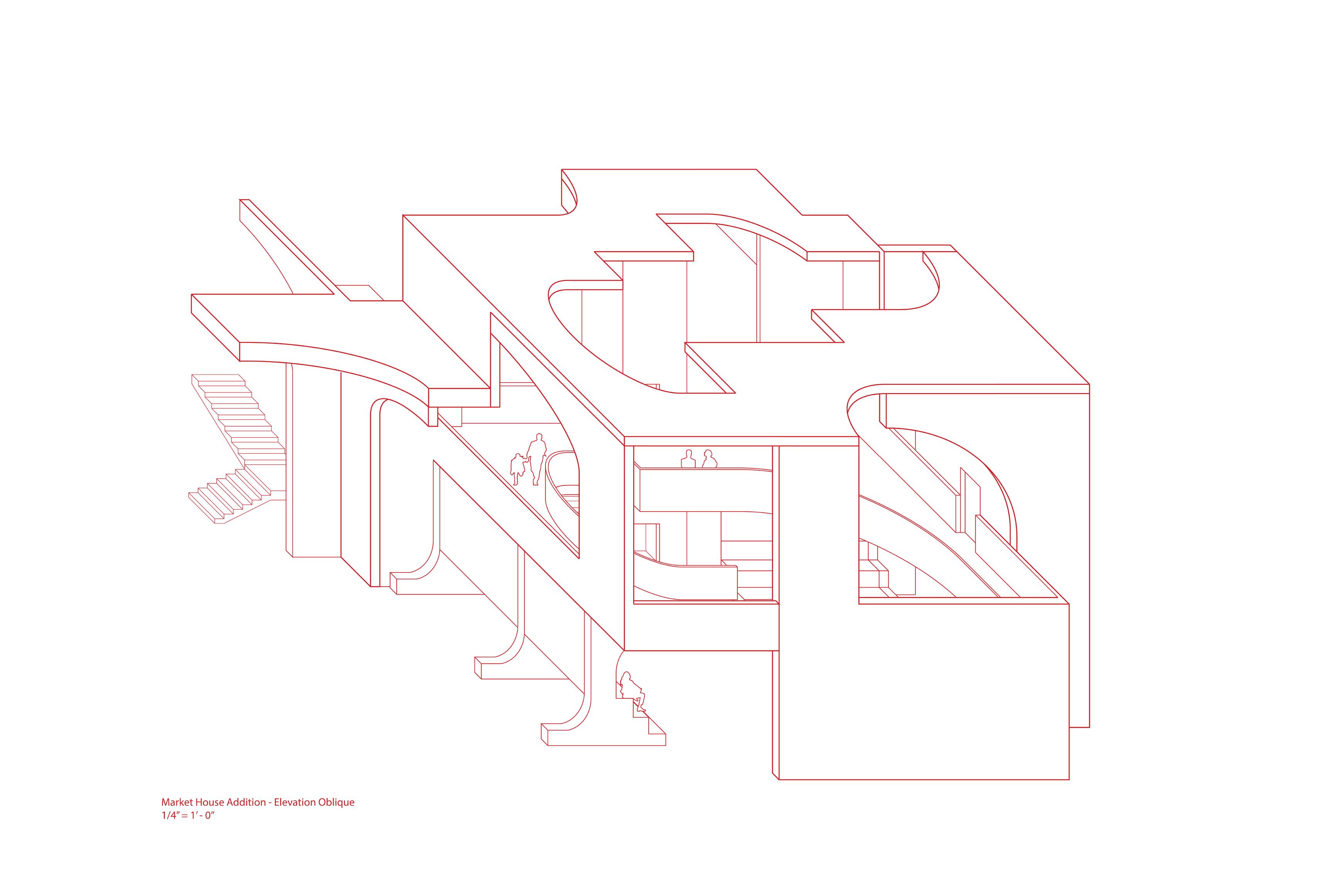
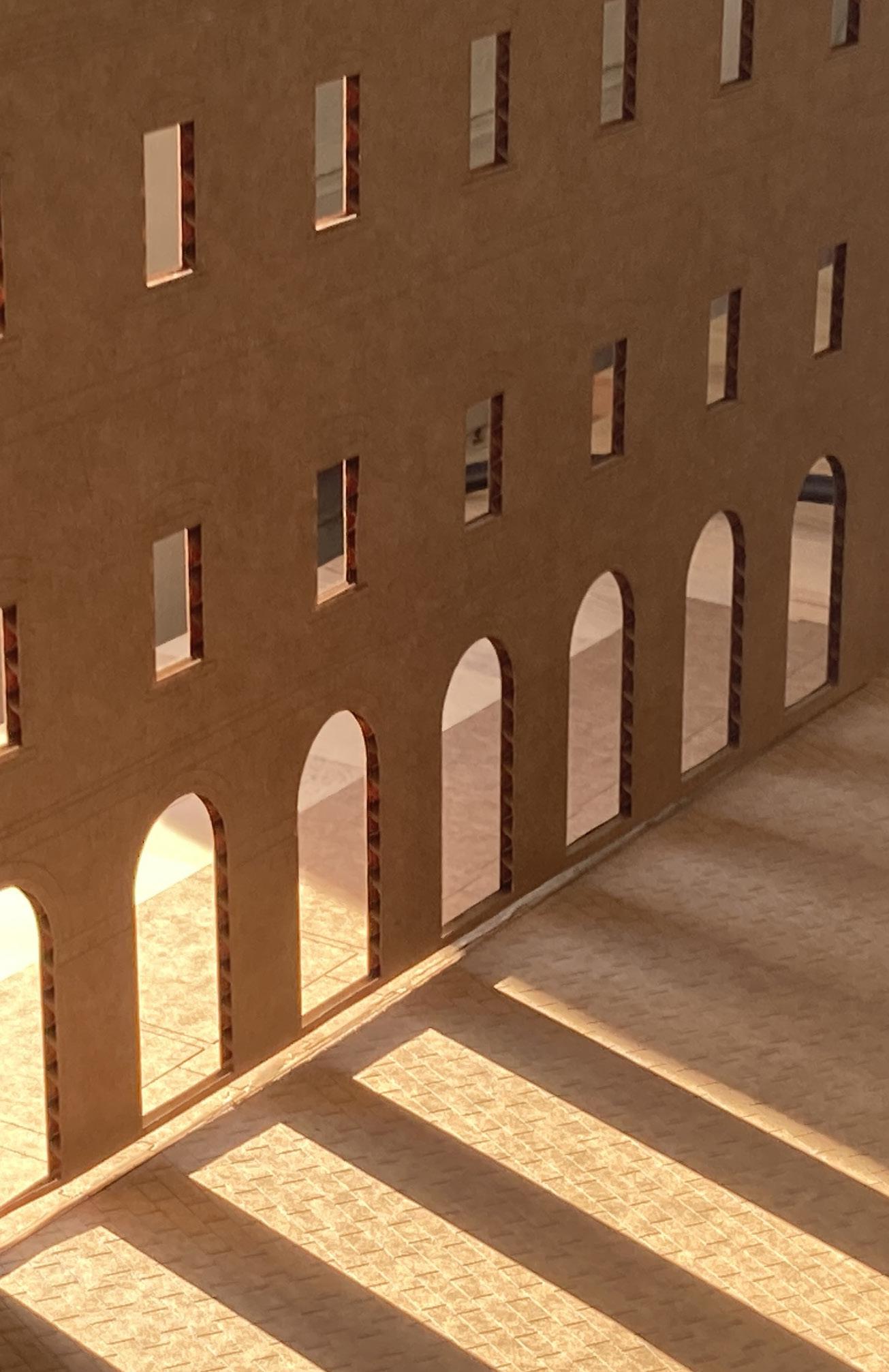
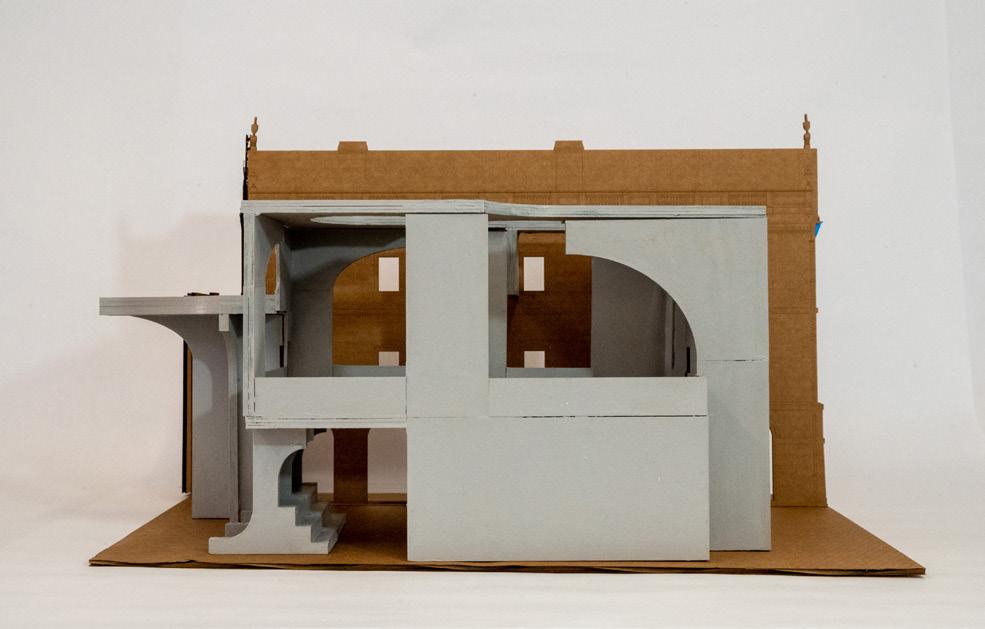
The project is aiming to build an addition next to this Historic Landmark, the Market House, by adopting the repetitive “Arch” element from the existing structure and then break the disciplined perfection with disruptions of the geometry. The disrupted arches in the additional architecture open up apertures and work to frame the Market House differently, offering chances for visitors to view the Historic Landmark in new perspectives through the curated lenses.
Charrette
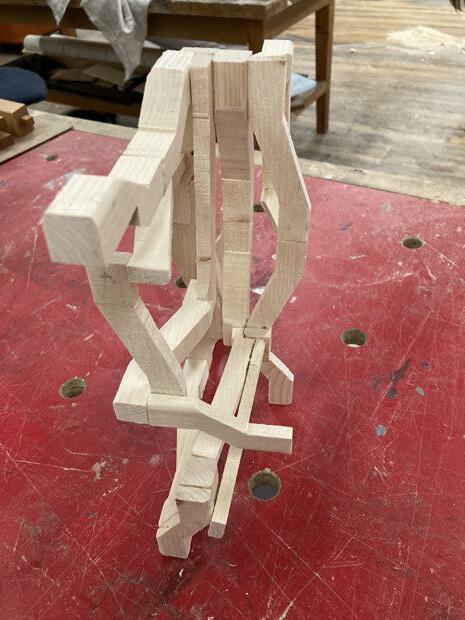
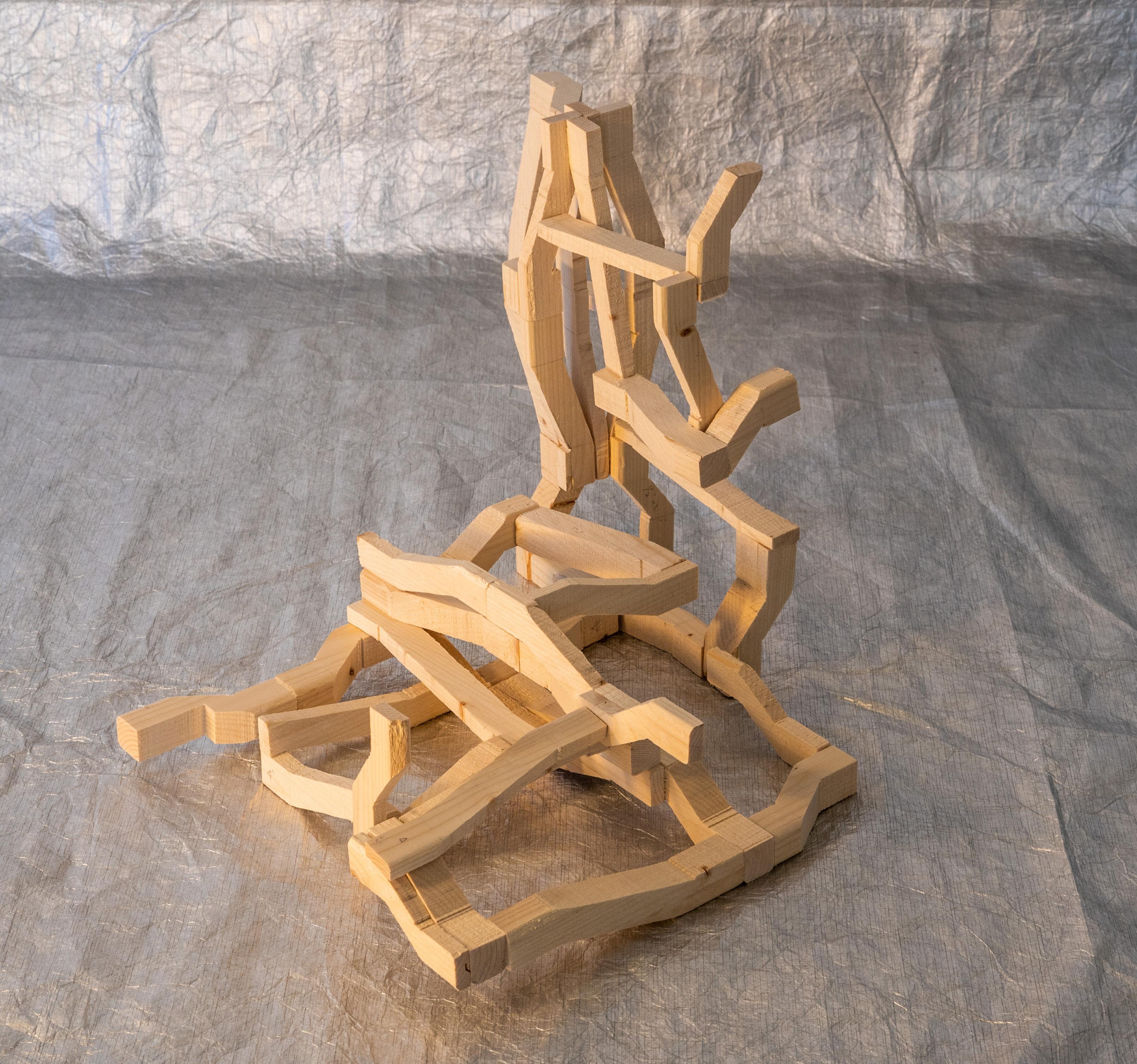
A testing experiment working with wood to explore composite structures that generates multiple view points and diverse type of frames built with modules of repetitve forms, but with altered scales and orientations.
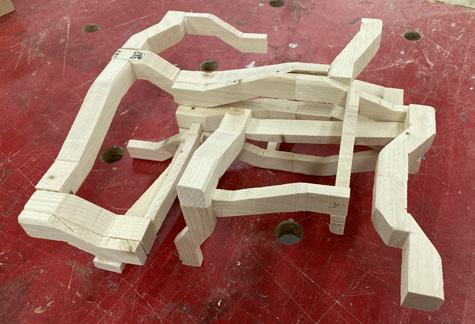
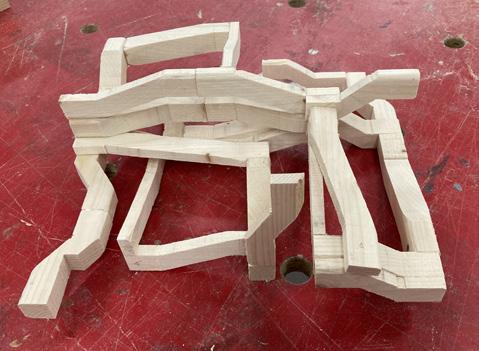
Inspiration for the later design process with the disrupted arches.
The composite wood model is also able to stand still on its all the six sides.
Rhode Island has been one of the states that held a considerable amount of slave population and the Market House was the centered trading place.The history of slavery have played an important role in the establishment for the economic foundation of this area. When the burning tea action is being inscribed as one of the celebrated events to show the early settlers’ declaration of independence and resistance from the British regime, one should question the absence of the same level of recognition to the oppressive and exploitative history of slavery.
Being one of the U.S. National Historic Landmark District property, the Market House was built with real bricks instead of simply having the brick claddings on its exterior and it has made it difficult to actually make drastic changes to its originally structure, this might have been one of the reasons that major changes to this building were made through additions to existing structures.
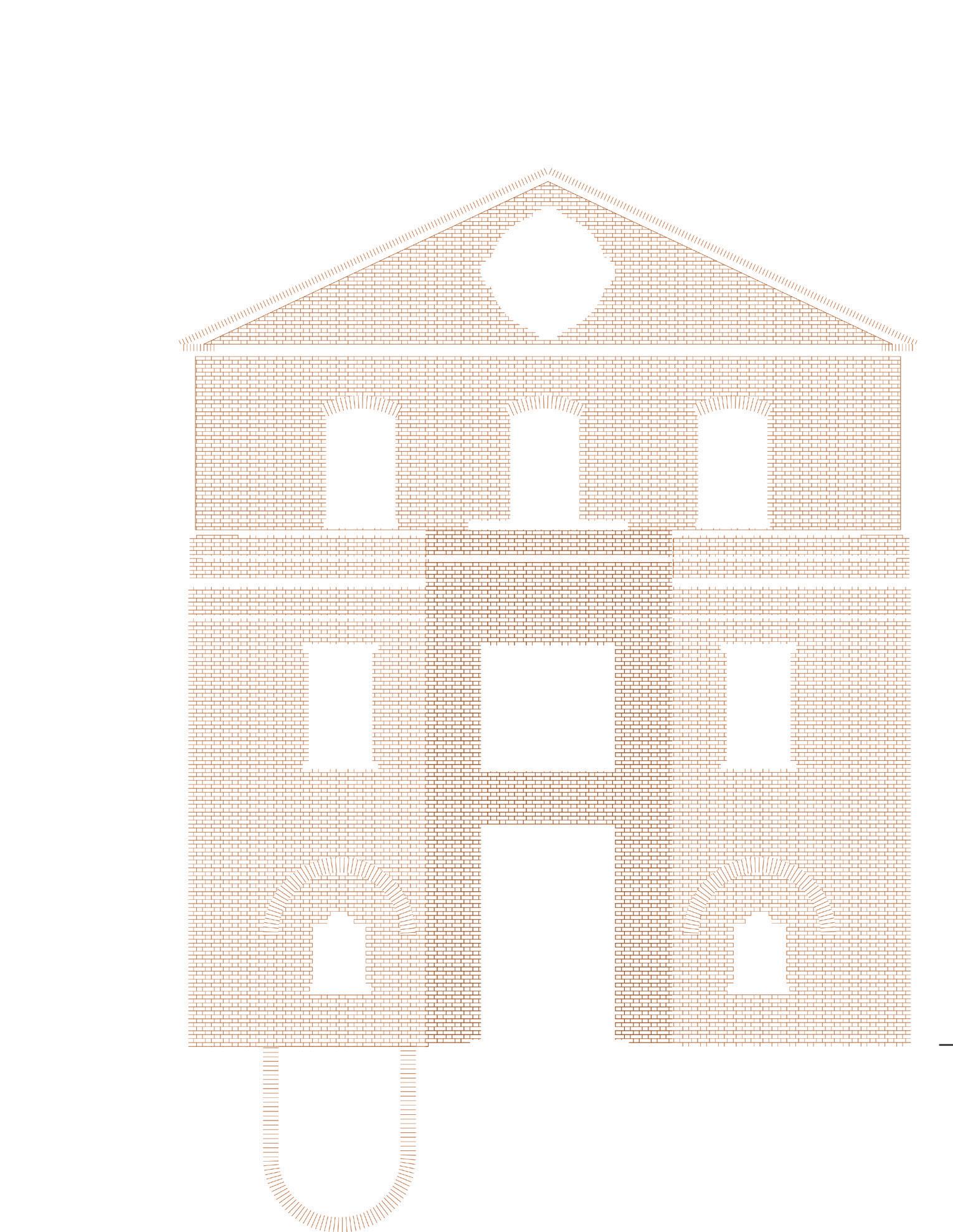
The fixed bricks supported its highly disciplined and fixed structure and the aligned arches are the major geometric elements for the ground level apertures and the representation of the great sense of order in the original building philosophy.
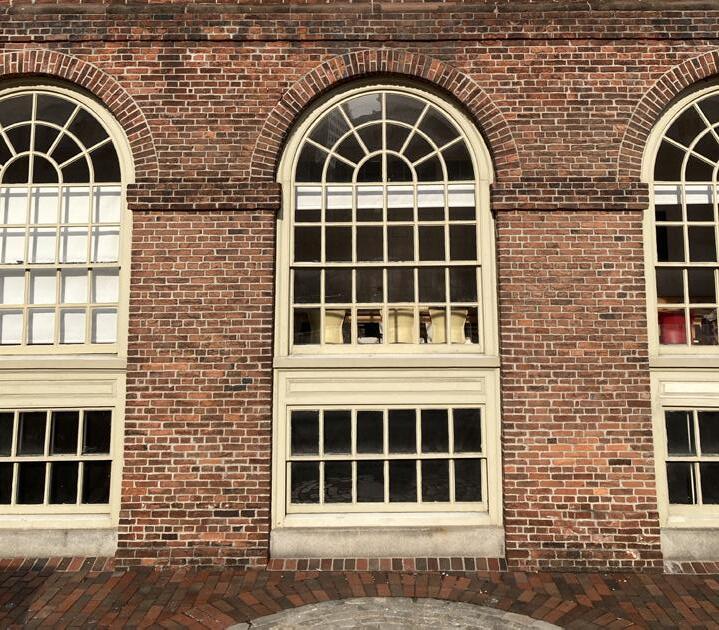
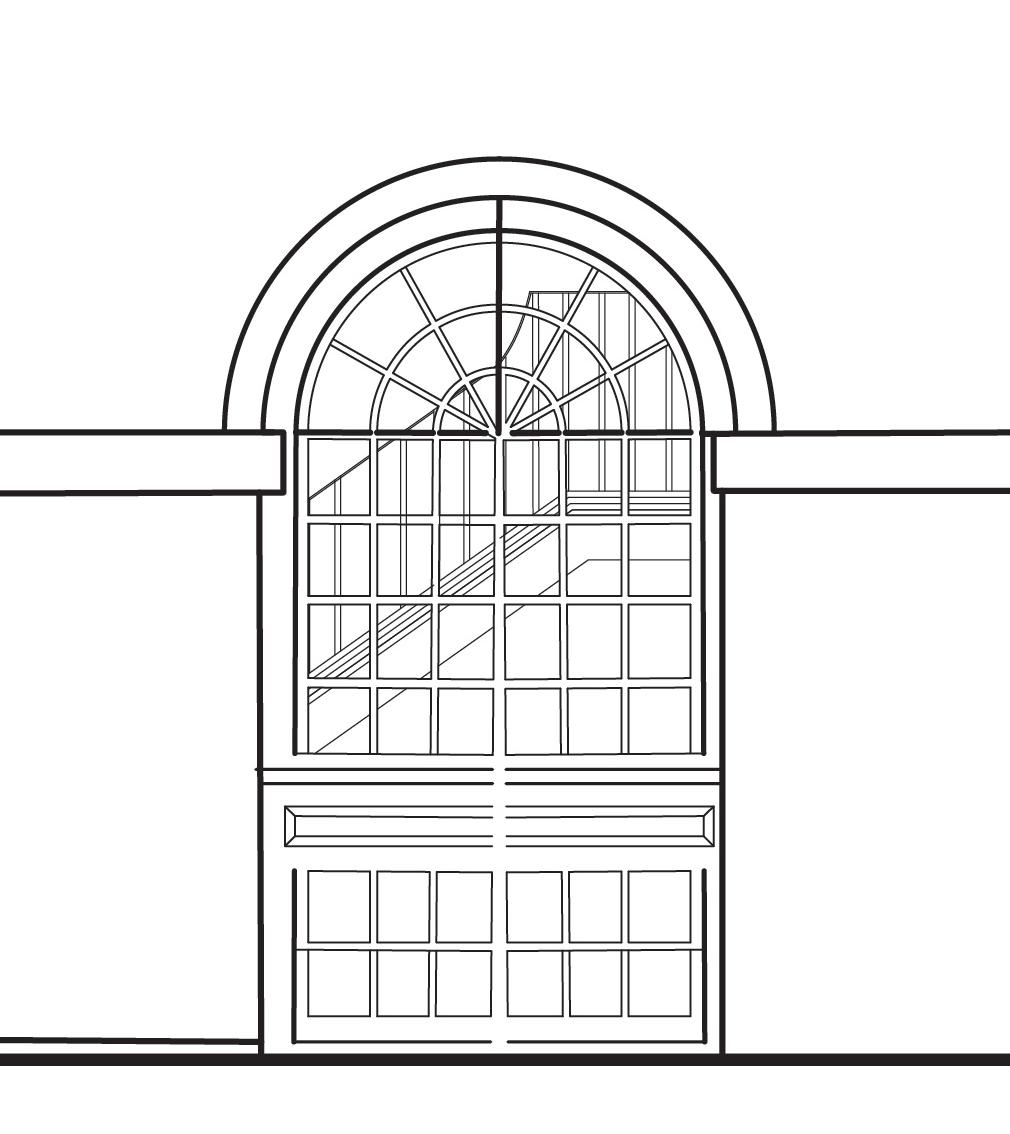
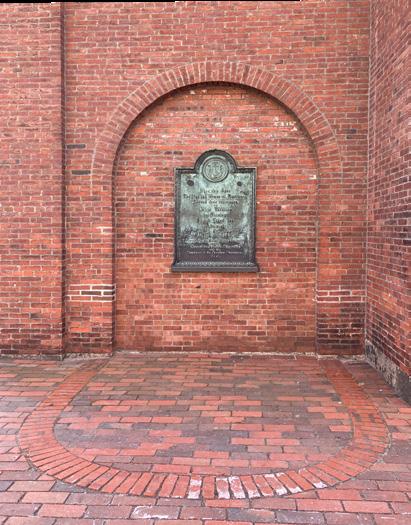
Walking past the building, people would notice the several inscriptions written on the exterior facades describing a brief history of the building including the designer and patrons, marked water levels during several floods and another one that documented the 1775 event when people in Providence burned 300 pounds of British tea as an act of resistance to British taxation.
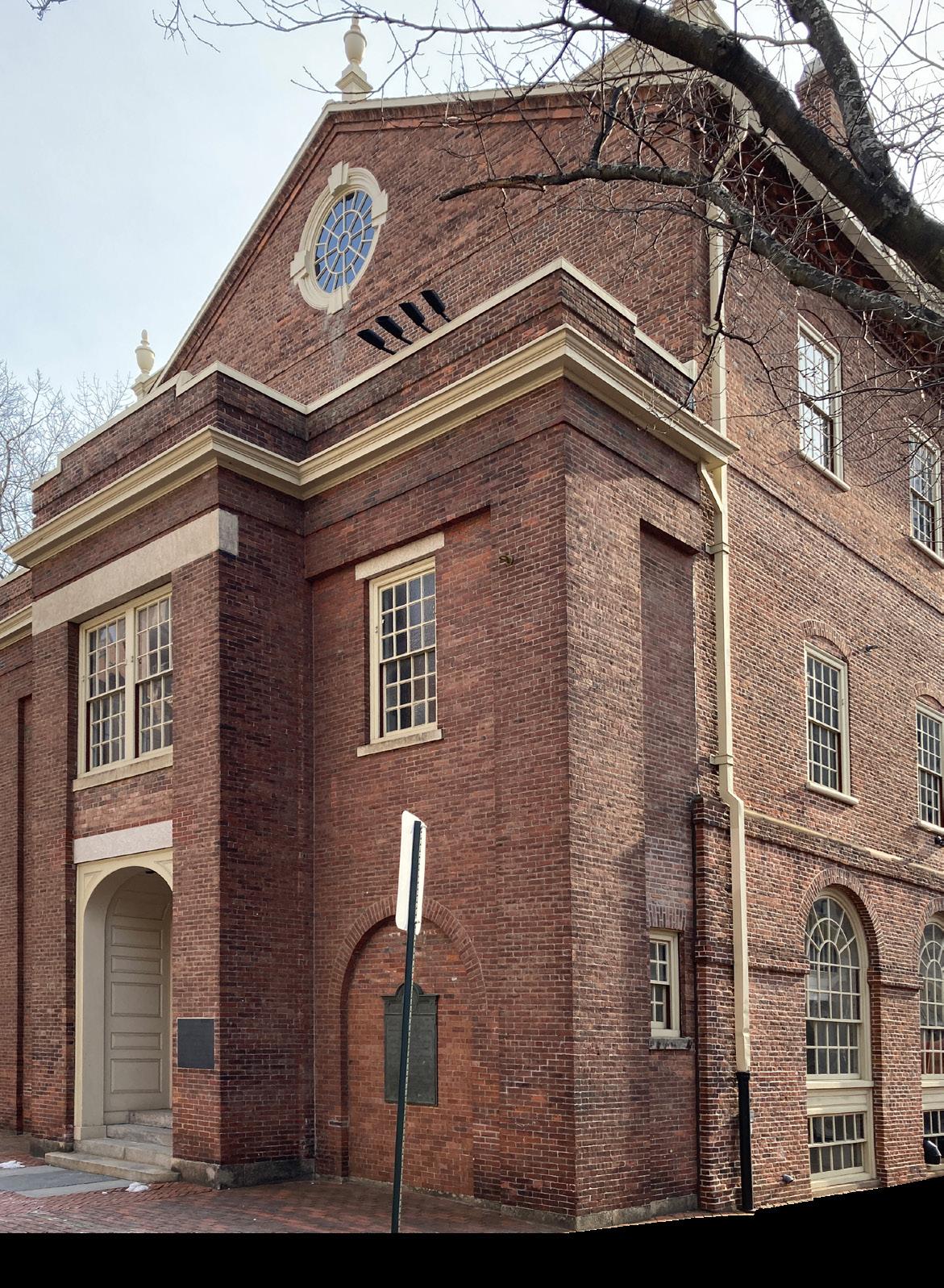
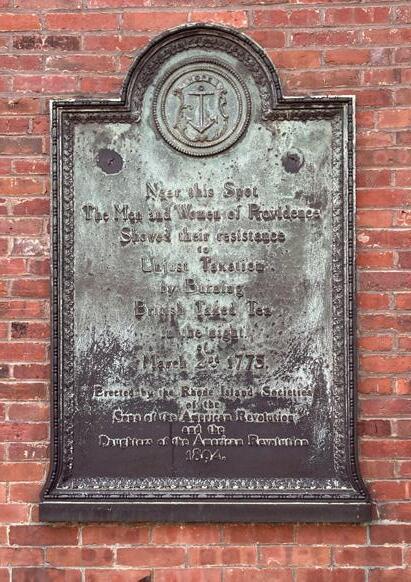
The approach of designing the addition of the Market House is to take the arch element from the existing structure and break the perfection with disruptions by altering the scales and proportions and even disrupting it with rectilinear geometries. The disrupted arches now serve more purposes like seating areas or canopies other than being a frame for openings, but the major function of the disrupted arches in the addition is still to open up apertures to show a direct correlation to the Market House.
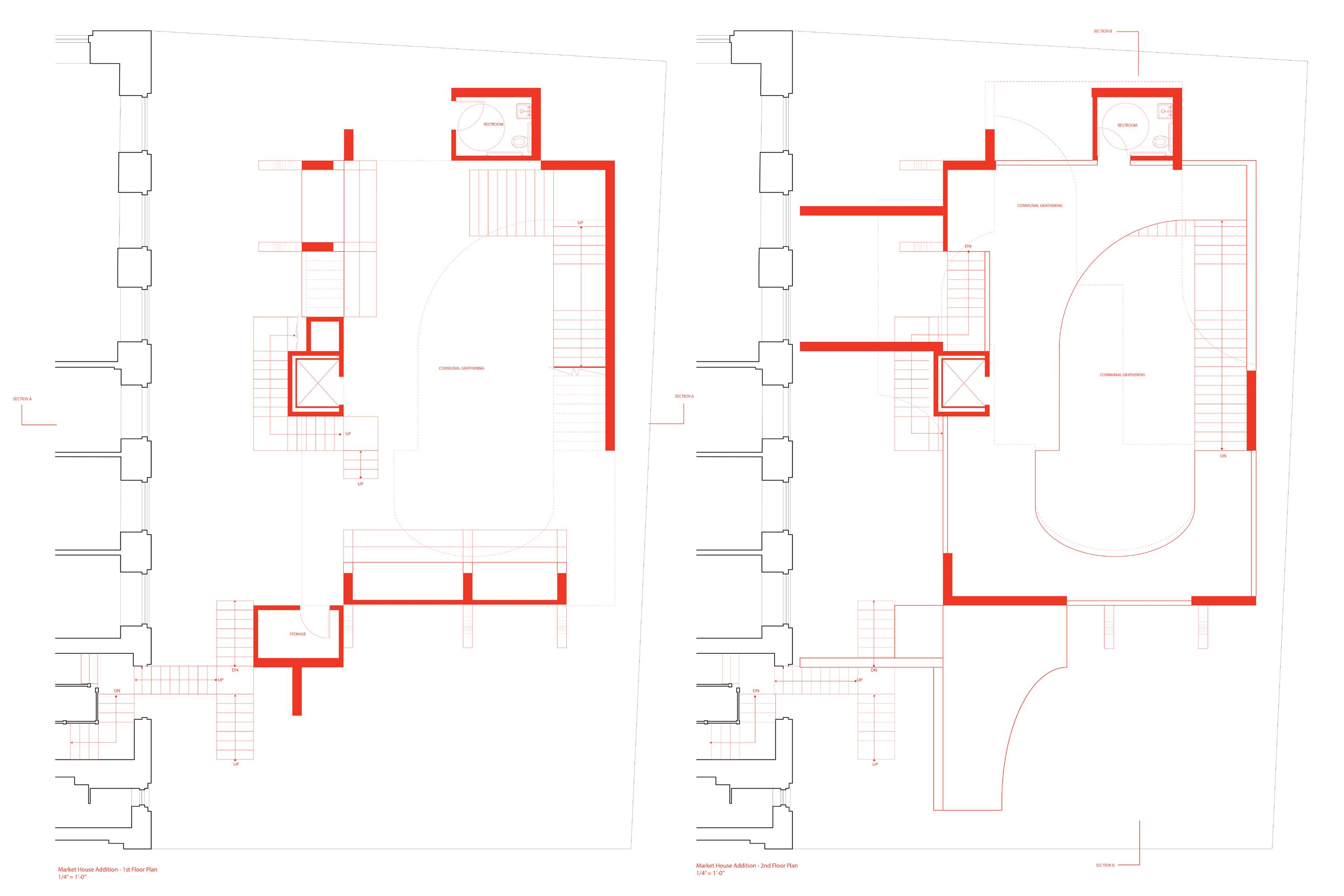
But this time they are framing the existing building and surroundings with their unconventional forms and offering completely new perspectives which enable people to perceive the existing building and surroundings in different ways and even offering the chance for people to think about what part of the histories were missing or concealed, when what they are able to see with the Market House now is differently shaped through the disrupted arches. The question becomes what could have been done differently and recognized earlier.