World Hepatitis Day 2026
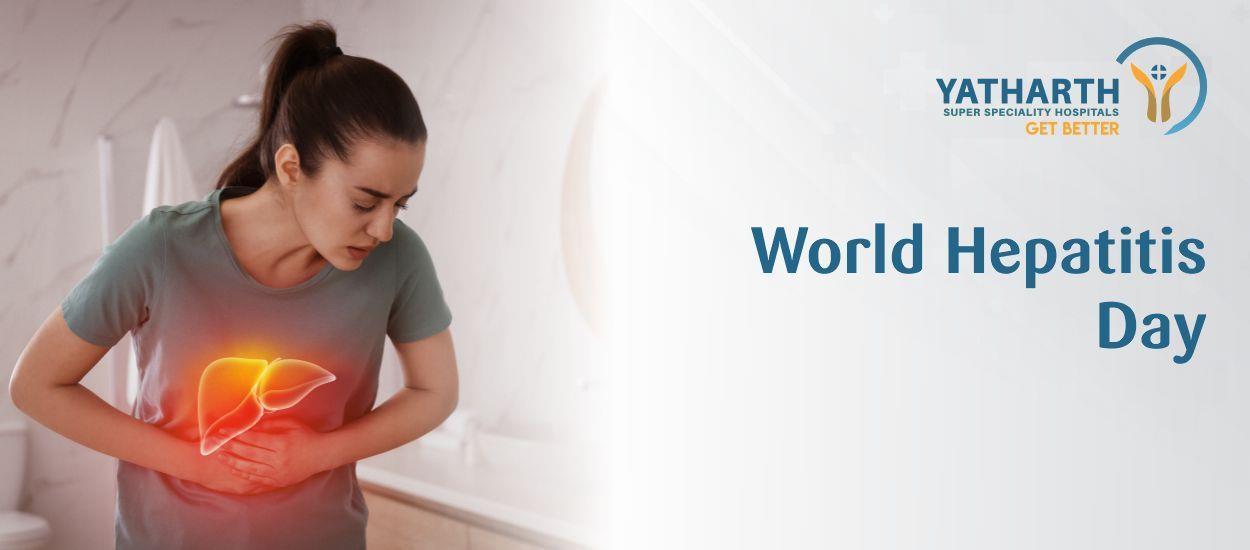
Hepatitis is a serious disease, and millions of people in the world are living with it. It can cause liver failure, and liver cancer if not treated. To raise awareness and promote early detection, the day is observed each year by health bodies and governments. The celebration of the World Hepatitis Day 2026 is a major occasion to further enhance hepatitis awareness and prevention, and demonstrate support for the efforts towards the elimination of viral hepatitis as a public health threat
What is World Hepatitis Day?
World Hepatitis Day is celebrated annually on 28 July to increase hepatitis awareness and promote the need to take action to prevent, test for and treat this disease. The day is the birthday of Dr. Baruch Blumberg who discovered the hepatitis B virus and created the first hepatitis vaccine.
History of World Hepatitis Day
World Hepatitis Day was formally recognized by the World Health Organization (WHO) in 2010. The campaign was created to raise awareness of the increasing prevalence of hepatitis infections.
Subsequent campaigns have been announced on the themes of raising awareness, increasing testing and treatment as well as promoting prevention. It has evolved into a high impact event for raising awareness of liver health and has contributed to a reduction in the burden of hepatitis globally.
What is Hepatitis?
Hepatitis is inflammation of the liver. It can be caused by viral infections, drinking too much alcohol, autoimmune diseases, medications, toxins, or metabolic diseases. But the most common type in the world is viral hepatitis, caused by a number of hepatitis viruses.
The liver is important for digestion, removal of toxins, storage of nutrients and metabolism. Hepatitis can cause liver function to be impaired, which if left unmanaged, may result in severe health problems.
Types of Hepatitis
Hepatitis is classified into a number of types, such as A, B, C, D, and E. Each has a different mode of transmission and is prompted by different viruses.
Hepatitis A
Hepatitis A is typically transmitted through the ingestion of contaminated food or water. It is usually an acute disease and rarely causes chronic liver disease. It is vaccine preventable.
Hepatitis B
Hepatitis B is a serious liver infection that is caused by the hepatitis B virus (HBV). It can also turn chronic and lead to liver cancer. It is vaccine preventable.
Hepatitis C
As with other blood-borne diseases, hepatitis C is transmitted mainly by blood-to-blood contact. They can go on to have chronic liver disease.
Hepatitis D
This type only occurs in people who are already infected with hepatitis B, and can worsen liver damage.
Hepatitis E
Hepatitis E is transmitted almost exclusively by the faecal-oral route, it is associated with poor sanitation. Hepatitis E is also vaccine preventable.
Symptoms of Hepatitis
Awareness of hepatitis symptoms may enable people to get early treatment.
Common symptoms include:
Fatigue
Fever
Loss of appetite
Nausea and vomiting
Abdominal pain
Dark urine
Joint pain
Unexplained weight loss
Yellowing of the skin and the whites of the eyes (jaundice)
Causes and Risk Factors of Hepatitis
Typical Hepatitis
Causes
Viral infections
Heavy drinking
Autoimmune diseases
Contact with toxins
Certain medications
Hepatitis Diagnosis
Early hepatitis detection is important in preventing complications and in treatment success. Healthcare professionals have a number of ways they can be diagnosed, such as:
Blood tests for hepatitis viruses
Tests of the liver function
Viral load tests
Imaging, such as ultrasound
Assessing liver fibrosis
In some cases, liver biopsy
A prompt diagnosis of hepatitis enables healthcare providers to implement treatment regimens and track disease progression.
Hepatitis Therapy
The treatment options for hepatitis have greatly benefited from advances in medicine.
Therapy in Hepatitis A and E
Most cases resolve with supportive care, including rest, hydration, and proper nutrition. Vaccination is also available for prevention.
Hepatitis B treatment
Chronic hepatitis B is curable in a minority of cases, but antiviral drugs can suppress viral replication and slow liver injury. Vaccination available for prevention.
Therapy of Hepatitis C
Modern antiviral therapies can cure most hepatitis C infections, often within a few months of treatment.
Prevention of Hepatitis
Adherence to good hepatitis prevention guidelines can substantially reduce this risk.
Get Vaccinated
The hepatitis vaccine is a very effective way to protect against hepatitis A , hepatitis B and hepatitis E.
Maintain Good Hygiene
Frequent hand washing and eating safe food and water can prevent a few types of hepatitis.
Don't Share Needles
The risk of blood-borne transmission is also reduced by using clean medical instruments and not sharing needles.
Practice Safe Sex
Precautions can prevent transmission of hepatitis B and other infectious diseases.
Conclusion
World Hepatitis Day 2026 observed on 28 July, and serves as a powerful reminder to prevent, detect and treat hepatitis.
By further raising hepatitis awareness, broadening hepatitis testing, enhancing access to the hepatitis vaccine, and improving hepatitis treatment, the world can advance towards ending viral hepatitis and protecting liver health.
Reference Link: https://www.yatharthhospitals.com/blogs/world-hepatitis-day