

LIGHT FALLS
APRIL 30–MAY 2, 2026
DAVID GEFFEN SCHOOL OF DRAMA AT YALE
James Bundy, Elizabeth Parker Ware Dean Florie Seery, Associate Dean
Chantal Rodriguez, Associate Dean Carla L. Jackson, Assistant Dean Nancy Yao, Assistant Dean of Student Life
PRESENTS
Light Falls
By Simon Stephens
Directed by
Mary Lou Rosato
cast creative team
Production Dramaturg
Leela Kiyawat
Fight and Intimacy Directors
Kelsey Rainwater
Michael Rossmy
Stage Manager
Jonathan Fong 馮子睿
Christine, Andrea, Victoria, Claudie
Tessa Albertson
Steven
Jeremy A. Fuentes
Emma
Leslie Gaines
Bernard
John Maria Gutierrez
Ashe
Anoushka Prasad
content and atmospheric guidance
Michael
Christian Jordan Smith
Andy Sboniso Thombeni
Michaela
Valyn Lyric Turner
Jess
Grace Wissink
Joe
Mark Yarde
This production contains strong language and mentions of alcoholism, alcohol and substance abuse, suicide and suicidal ideation, depression, and death.
setting
Light Falls is set in Stockport, Blackpool, Durham, Doncaster, and Ulverston.
Parts One and Two take place on February 6th, 2017.
Part Three takes place a few days after that.
There will be a ten-minute intermission.
This production is supported by The Benjamin Mordecai III Production Fund.
artistic
Music Arrangements
Grace Wissink
Assistant Stage Manager
Taylor N. Oliva
production
Associate Production Manager
Chloe Waters
Associate Safety Advisor
Mae Mironer
Run Crew
Tess Cruz
Eli Oremland
administration
Associate Managing Director
Victoria McNaughton
Assistant Managing Director
Jocelyn Lopez-Hagmann
Management Assistants
Chanel Johnson
My Le
House Manager
Maura Bozeman
Production Photographer
Maza Rey
David Geffen School of Drama productions are supported by the work of more than 200 faculty and staff members throughout the year.
special thanks
Acme Lighting, Miranda Vazquez, Michael Saguto
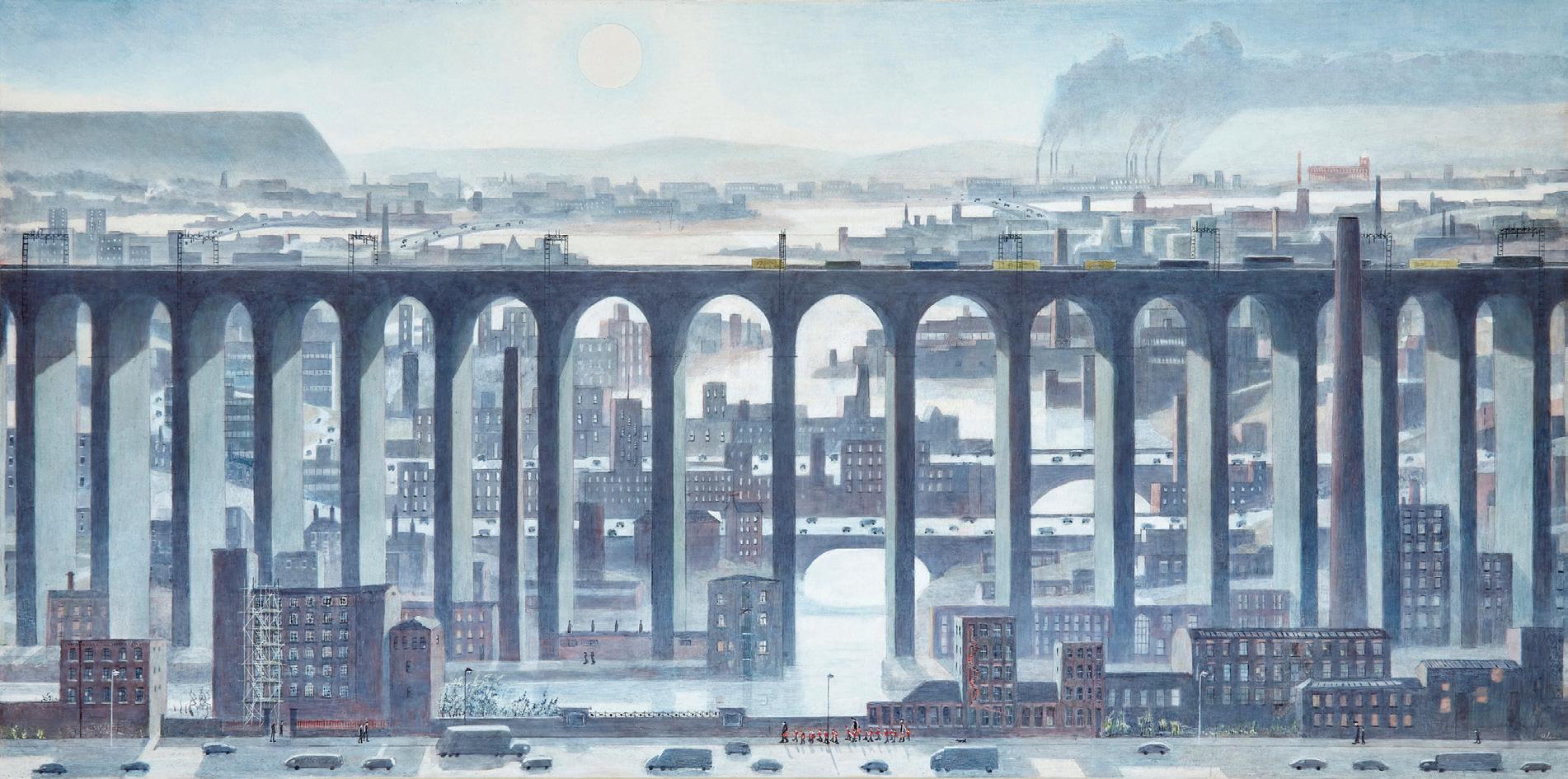
Front: Viaduct School Walk by Helen Clapcott, 2004. Courtesy of Osbourne Samuel Gallery.
Yale acknowledges that indigenous peoples and nations, including Mohegan, Mashantucket Pequot, Eastern Pequot, Schaghticoke, Golden Hill Paugussett, Niantic, and the Quinnipiac and other Algonquian speaking peoples, have stewarded through generations the lands and waterways of what is now the state of Connecticut. We honor and respect the enduring relationship that exists between these peoples and nations and this land.
We also acknowledge the legacy of slavery in our region and the enslaved African people whose labor was exploited for generations to help establish the business of Yale University as well as the economy of Connecticut and the United States.

The Studio Projects are designed to be learning experiences that complement classroom work, providing a medium for students at David Geffen School of Drama at Yale to combine their individual talents and energies toward the staging of collaboratively created works. Your attendance meaningfully completes this process.
THE BENJAMIN MORDECAI III PRODUCTION FUND , established by Peggy Cowles ’65, honors the memory of the Tony Award-winning producer who served as Managing Director of Yale Repertory Theatre, 1982–1993, and as Associate Dean and Chair of the Theater Management Program from 1993 until his death in 2005.
After the Factories, the Rain
Where does Northern England begin? Nestled between the Irish and North seas, spliced down the middle by the Pennine Hills, bound to the North by Scotland and to the South by the River Trent, the English North is known for its wild moorlands and deep-water bodies. In fact, it is precisely this landscape—its hilly lakes and rivers—that once powered the English Industrial Revolution. Fast-moving water provided an energy source for textile mills and machinery, while proximity to major shipping ports and a landscape full of raw resources helped characterize Northern England as an industrial region.
Today, the North’s economic landscape bears the scars of this industrial past: iron and steel plants lie abandoned, and once-thriving manufacturing towns contend with high unemployment rates and the lasting effects of deindustrialization. Simon Stephens’ Light Falls is set within this landscape. Throughout the play, characters intermittently sing Jarvis Cocker’s The Hymn of the North, which opens with an acknowledgment of regional decline: “Factories lie empty.”
It is no coincidence, then, that when the cast of Light Falls first sings together, it is raining. Water, which once powered the North, now pours down when the family in Light Falls is confronted with death. It is the presence of rain, appearing as inevitably but as unannounced as death itself, that allows for a reflection on both personal and regional loss. And yet, The Hymn of the North is also about life after loss—about going out to “find something to love.” When the cast first sings together, they are spatially divided, spread over five Northern English cities: Stockport, Blackpool, Durham, Doncaster, and Ulverston. Fractured by distance, they navigate loneliness and romantic intimacy across a series of interconnected scenes. It is only through song that they cohere into a family unit.
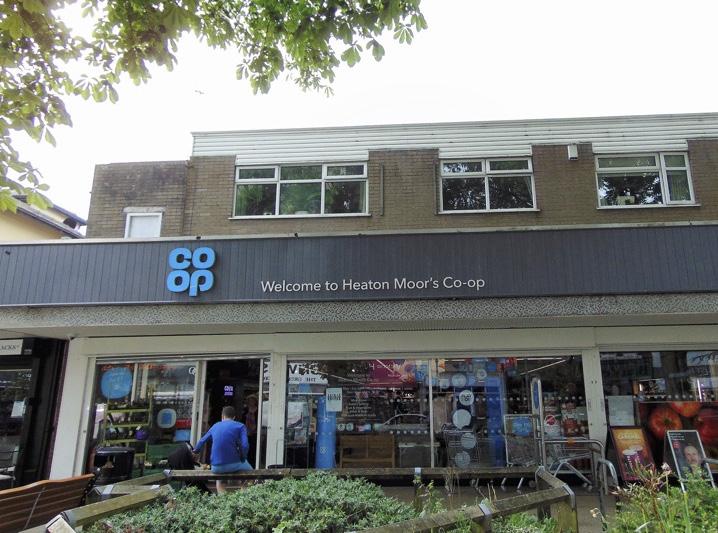
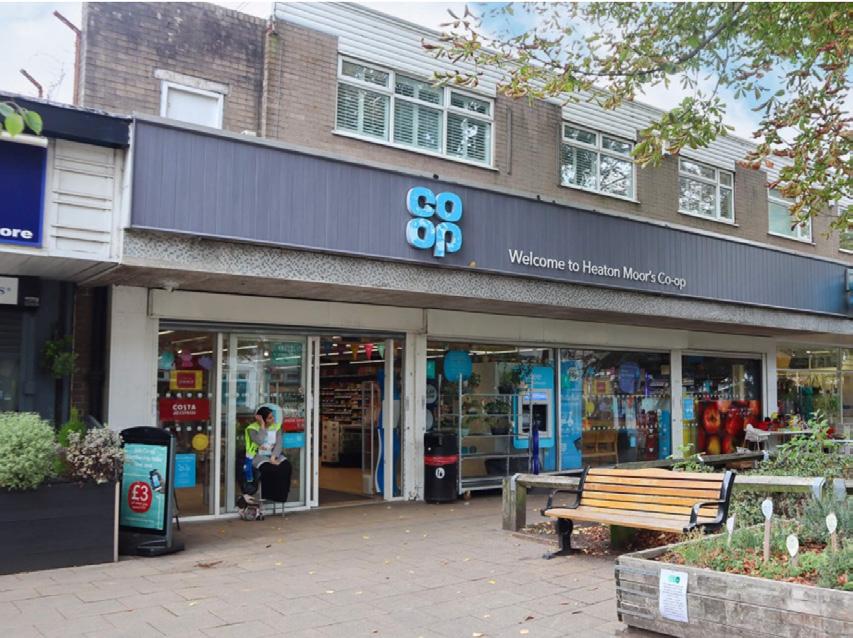
Light Falls takes place in the spring of 2017: the Women’s March ripples across the nation, the U.K. government publishes its Brexit strategy, and Queen Elizabeth II marks her Sapphire Jubilee. Stephens took pains to ground his play in this reality; every landmark, pub, restaurant, and grocery store—spaces that his characters meet in, inhabit, and remember—exists in real life. Against this backdrop of political turmoil, Stephens’ Light Falls is both about a region in transition and a grieving family struck unexpectedly by a loss. Written as a tribute to his mother, the play is also Stephens’ way of honoring his Northern roots, and of returning, as the journalist Paul Morley writes in The North, to “this fluid, static piece of land, this tangle of internal borders, these lengths of coasts, this number of hills, this collection of voices.” Despite its turbulent history, Light Falls affirms that the North is alive and well, and full of song.
—Leela Kiyawat, Production Dramaturg