
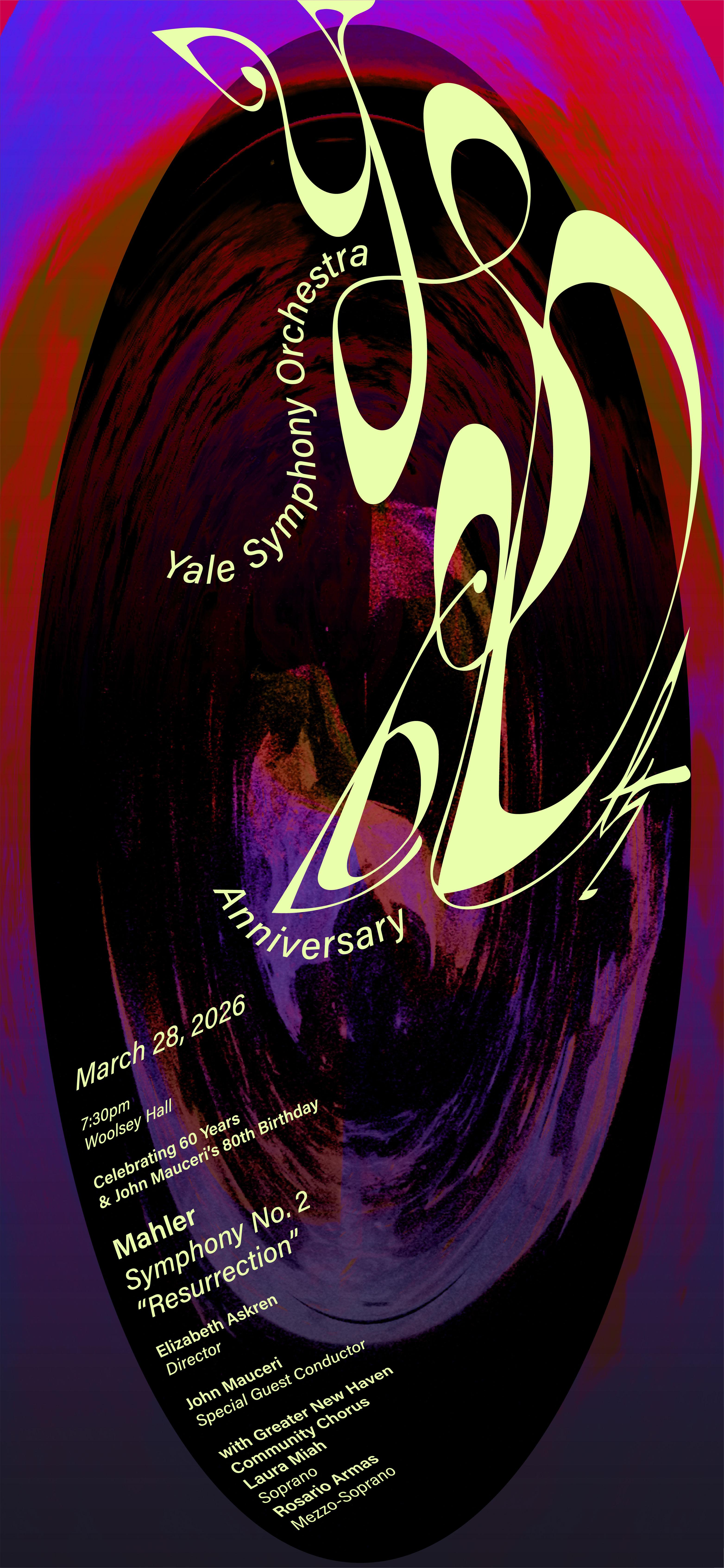
Yale Symphony Orchestra
Elizabeth Askren, Music Director
John Mauceri ’67, ’71 M.Phil., Guest Conductor
Rosario Armas, Soprano
Laura Miah, Mezzo-Soprano
The Greater New Haven Community Chorus
Alysoun Kegel, Artistic Director Program
Symphony No. 2 in C minor Resurrection
Gustav Mahler
Allegro maestoso
Andante moderato
In ruhig fließender Bewegung (With quietly flowing movement) Urlicht (primal light)
Im Tempo des Scherzos (In the tempo of the scherzo), Langsam, Allegro energico, Miserioso
The 24/25 Woolsey Series is generously supported by the Daniel Feller ’74 Yale Symphony Endowment Fund in Honor of John Mauceri (Music Director 1968-74).
O Röschen roth!
Der Mensch liegt in größter Noth! Der Mensch liegt in größter Pein!
Je lieber möcht' ich in Himmel sein!
Da kam ich auf einen breiten Weg: Da kam ein Engelein und wollt’ mich abweisen.
Ach nein! Ich ließ mich nicht abweisen: Ich bin von Gott und will wieder zu Gott! Der liebe Gott wird mir ein Lichtchen geben, Wird leuchten mir bis in das ewig selig Leben!
from Des Knaben Wunderhorn
O little red rose!
Man lies in greatest need! Man lies in greatest pain! Even more would I rather be in heaven, Even more would I rather be in heaven!
There I came upon a broad path; There came an angel and wanted to turn me away. Ah no, I would not be turned away! Ah no, I would not be turned away: I am from God and want to return to God! The loving God, the loving God will give me a little of the light, will illuminate me into the eternal blessed life!
trans. by Renate Stark-Voit and Thomas Hampson
Aufersteh’n, ja aufersteh’n wirst du,
Mein Staub, nach kurzer Ruh!
Unsterblich Leben
Wird der dich rief dir geben.
Wieder aufzublüh’n wirst du gesät!
Der Herr der Ernte geht
Und sammelt Garben
Uns ein, die starben.
—Friedrich Klopstock
O glaube, mein Herz, o glaube: Es geht dir nichts verloren!
Dein ist, was du gesehnt!
Dein, was du geliebt, Was du gestritten!
O glaube:
Du wardst nicht umsonst geboren!
Hast nicht umsonst gelebt, gelitten!
Was entstanden ist, das muß vergehen!
Was vergangen, auferstehen!
Hör' auf zu beben!
Bereite dich zu leben!
O Schmerz! Du Alldurchdringer!
Dir bin ich entrungen!
O Tod! Du Allbezwinger!
Nun bist du bezwungen!
Mit Flügeln, die ich mir errungen, In heißem Liebesstreben, Werd' ich entschweben
Zum Licht, zu dem kein Aug' gedrungen!
Sterben werd' ich, um zu leben!
Aufersteh'n, ja aufersteh'n wirst du,
Mein Herz, in einem Nu!
Was du geschlagen,
Zu Gott wird es dich tragen!
—Gustav Mahler
Arise, yes, you will arise from the dead, My dust, after a short rest!
Eternal life!
Will be given you by Him who called you.
To bloom again are you sown. The lord of the harvest goes And gathers the sheaves, Us who have died.
—Friedrich Klopstock
O believe, my heart, oh believe, Nothing will be lost to you!
Everything is yours that you have desired, Yours, what you have loved, what you have struggled for.
O believe,
You were not born in vain, Have not lived in vain, suffered in vain!
What was created must perish, What has perished must rise again.
Tremble no more!
Prepare yourself to live!
O Sorrow, all-penetrating!
I have been wrested away from you!
O Death, all-conquering!
Now you are conquered! With wings that I won
In the passionate strivings of love I shall mount
To the light to which no sight has penetrated. I shall die, so as to live!
Arise, yes, you will arise from the dead, My heart, in an instant!
What you have conquered
Will bear you to God.
—Gustav Mahler
About the Artists
Elizabeth Askren, Director
Praised for “inspiring virtuosic achievements from the pit” (Opera Today) and “palpable happiness” (Le Monde) from the artists with whom she collaborates, Elizabeth Askren empowers musicians around the world as a conductor, educator, and cultural activist.
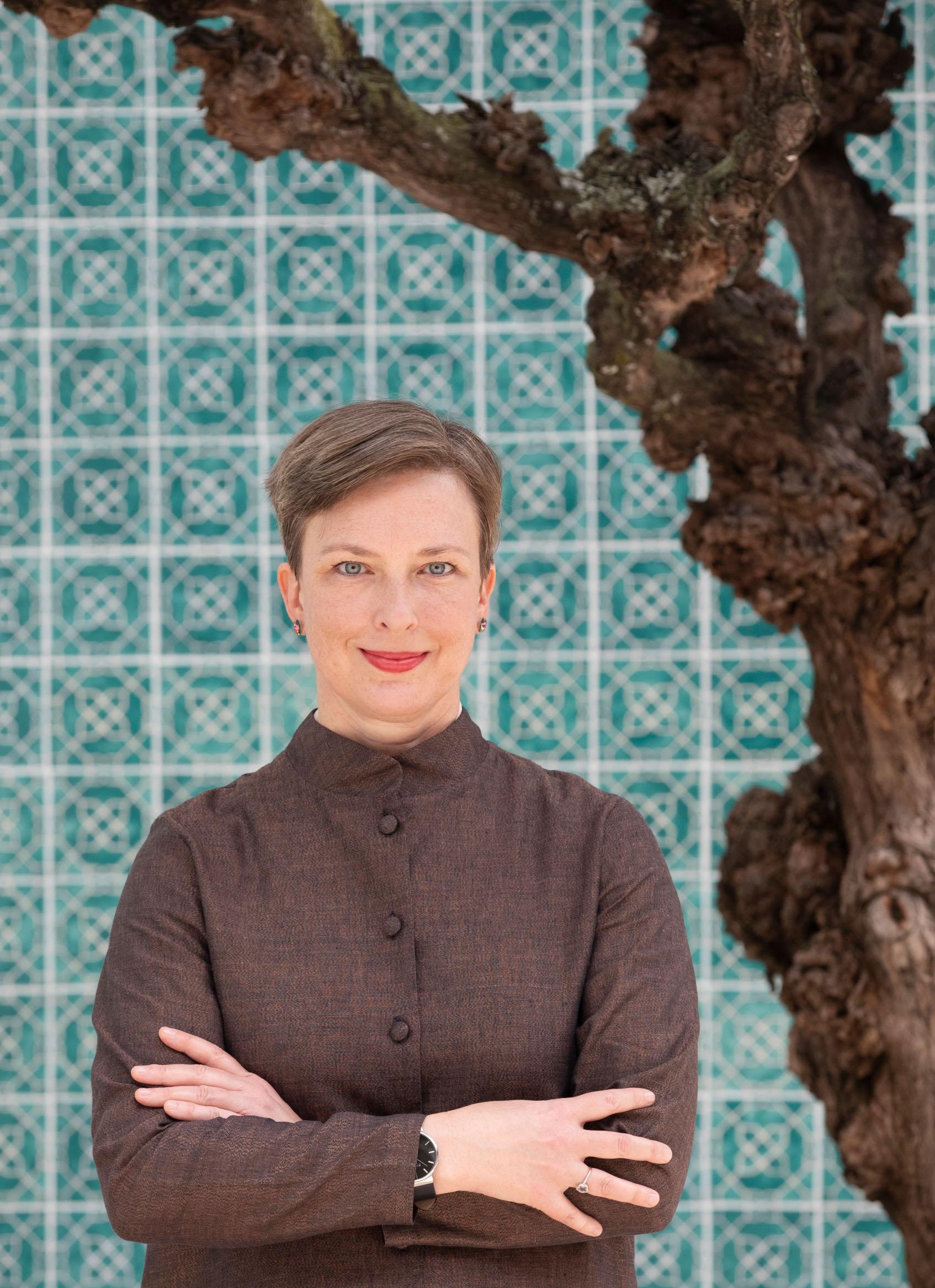
An OPERA America 2024 Opera Grant winner, Askren performs regularly with leading opera houses and orchestras, including The Dallas Opera, with which she enjoys a privileged relationship, Chicago Lyric Opera, where she was on music staff for the 2024-25 season, and Hawaii Opera Theatre, of which she is the company's first ever Principal Guest Conductor. She is also the Music Director of Paola Prestini and Brenda Shaughnessey’s Sensorium Ex, a Ford Foundation-funded multi-modal opera exploring issues at the intersection of AI, disability, and the human voice.
Askren is the Founder and Artistic Director of Transylvanian Opera Academy (TOA), Romania’s first opera studio. Created in 2017, TOA has been featured on national television, radio, and press while partnering with the Paris Opera’s Academy, TEDx, and Opera for Peace. She is also the creator and host of MaestraMagic!, a children’s edutainment series distributed by The Dallas Opera. Askren recently published The Magic Flute comic book, an adaptation from MaestraMagic!’s Opera Bytes episode, which is available on amazon.com and select bookstores.
A master teacher at both The Dallas Opera’s Hart Institute and at the Paris Opera’s Academy, Askren made history by judging the Paris Philharmonic’s inaugural La Maestra Competition for Women Conductors. She is invited regularly to speak about leading and entre-
preneurship in the arts, mentoring young artists, and cultivating humanity in the age of AI through outlets including PBS Newshour, NPR, Radio France Internationale, and The Ford Foundation/How Institute.
Learn more at www.elizabethaskren.com.
John Mauceri, Guest Conductor
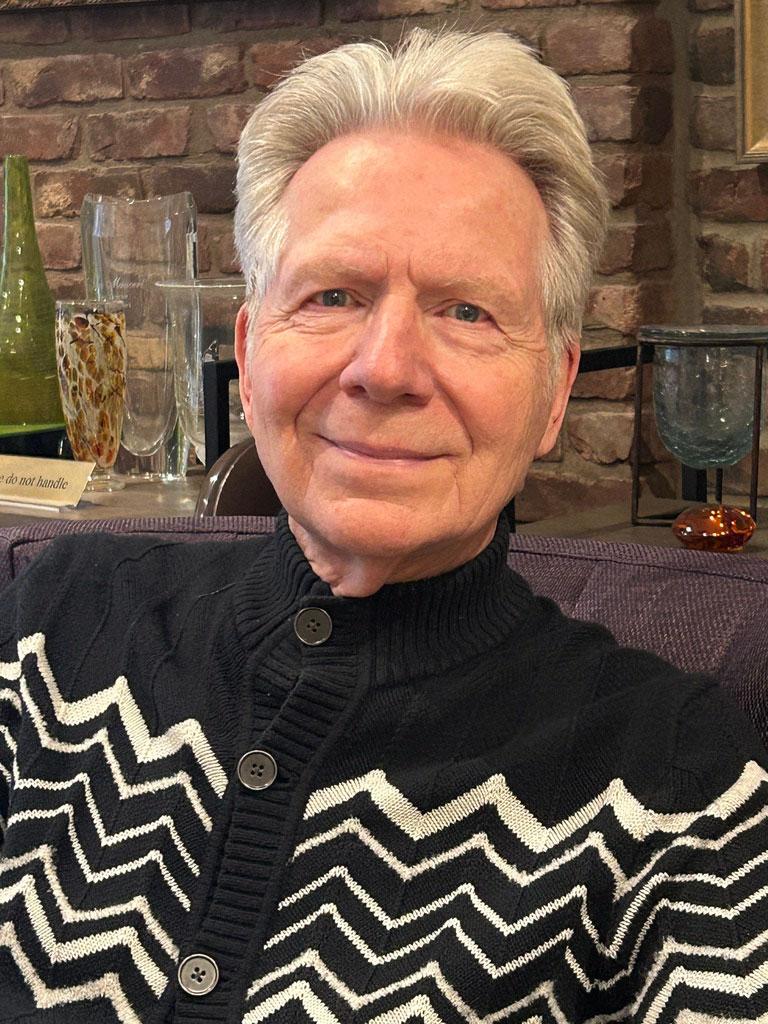
Former YSO music director, John Mauceri’s distinguished and extraordinarily varied career has taken him not only to the world’s greatest opera companies and symphony orchestras, but also to the musical stages of Broadway and Hollywood, as well as the most prestigious halls of academia. He is regarded as the world’s leading performer of the music of Hollywood’s émigré composers as well as composers outlawed by the Third Reich. Appointed to the Yale faculty at age 22, he served for fifteen years before embarking on his professional career. From 1968-1974, he was music director of the Yale Symphony Orchestra, transforming it from its modest beginnings into a world-famous symphony orchestra playing its unique repertory of epic masterpieces (Wagner’s Das Rheingold, Stockhausen’s Hymnen, Schoenberg’s Gurrelieder, Ives’ Symphony No. 4) in sold-out performances in Woolsey Hall.
Mr. Mauceri is the recipient of a Tony, Olivier, Grammy, Drama Desk, Edison, Billboard, Cannes Classique, two Diapasons d’Or, three Emmys—as writer, producer, and on-camera host—and four Deutsche Schallplatten Awards. He is a recording artist with over 70 albums to his name, and an internationally published author of three books. His most recent, The War on Music, was an LA Times Best Seller, and his books have been published in Mandarin, Spanish, Taiwanese, Korean, Russian, and Italian. His next book, Broadway in Black and White (with John H. McWhorter), will be published in November.
During his tenure as Founding Director of the Hollywood Bowl Orchestra (1991-2006) he not only gave hundreds of world premiere performances of film music—to a combined audience of four million—but he also helped develop the synchronization techniques that make today’s live-to-picture concerts possible. He recently led performances with Danny Elfman in Tokyo, London, Paris, and at the Hollywood Bowl. The list of great artists with whom he has worked includes Rudolf Serkin, Leontyne Price, André Watts, Carlos Santana, Lang Lang, Herbie Hancock, Madonna, Patti LuPone, Stevie Wonder, and Billie Eilish.
For eighteen years he was Leonard Bernstein’s trusted colleague, leading Bernstein festivals and premieres at the invitation of Bernstein in Vienna, Tel Aviv, London, the Kennedy Center, and La Scala’s opera house in Milan. As his other mentors, Mr. Mauceri cites his first teacher, Gustav Meier, along with Leopold Stokowski and Carlo Maria Giulini.
Mr. Mauceri has led the restoration and performance of many kinds of music. His work in restoration has been supported not only by Bernstein, but also by Stephen Sondheim, Howard Shore, John Williams, and the estates and families of Giuseppe Verdi, Arnold Schoenberg, Giacomo Puccini, Erich Wolfgang Korngold, Kurt Weill, and the Gershwins. Mauceri, for example, created the definitive first performance edition of Porgy and Bess, making use of the original orchestral parts housed at Yale’s Beinecke Library.
Mr. Mauceri wishes to dedicate his appearance with the YSO to his medical doctors who have made it possible for him to be reunited with an institution he holds dear and with a work he first performed fifty-five years ago, when he was twenty-five.
Learn more at johnmauceri.com
Mexican mezzo-soprano Rosario Armas earned her Bachelor’s and Master’s degrees from the Manhattan School of Music and is currently a second-year Master of Musical Arts candidate at the Yale School of Music. Her operatic highlights include Cherubino in Le nozze di Figaro and Dorabella and Despina in Così fan tutte
Rosario Armas, Mezzo-Soprano
by Mozart; Juana in Lucero’s La Ópera Juana; Orsini in Donizetti’s Lucrezia di Borgia; Suzuki in Madama Butterfly; Marthe in Faust; the title role in La tragédie de Carmen; Anita in La navarraise; and Baba the Turk in The Rake’s Progress. In May, she will sing Mrs. Grose in Yale Opera’s production of The Turn of the Screw.
Ms. Armas is the recipient of the Judith Raskin Scholarship and the International Advisory Board Scholarship, Third Prize in the Joan Taub Ades Competition, First Prize in the Eisenberg-Fried Concerto Competition, Second Prize from the Gerda Lissner Foundation, and was a District Winner in the Metropolitan Opera Laffont Competition.
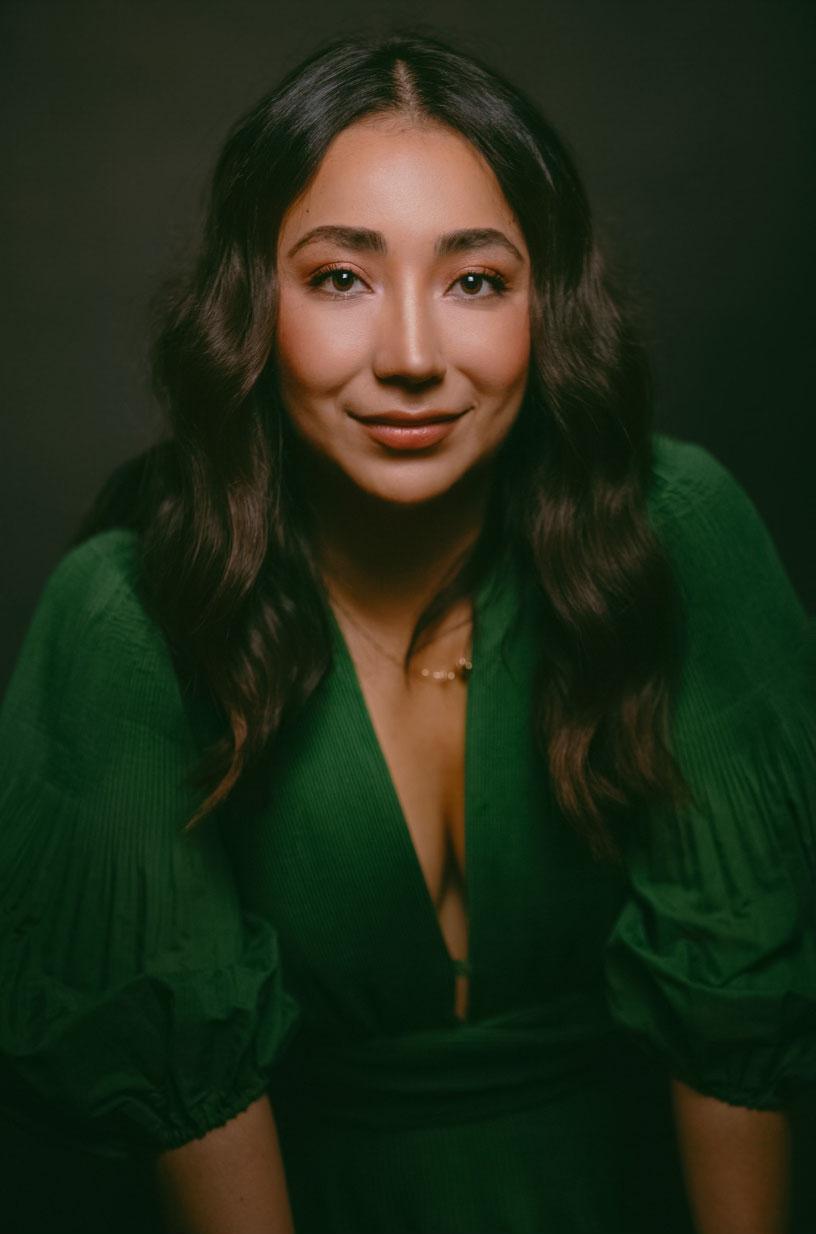
She has been an Apprentice Artist at Sarasota Opera, a Studio Artist at Wolf Trap Opera for two seasons, and a Studio Artist at Des Moines Metro Opera. In the upcoming season, she will join Opera Theatre of Saint Louis and Arizona Opera as a Young Artist.
Laura Miah, Soprano
Laura Miah is a Puerto Rican soprano currently pursuing a second master’s degree in Opera at the Yale School of Music. She was named a Fleming Artist at the Aspen Music Festival and School, where she collaborated with renowned soprano Renée Fleming and made her debut as Despina in Così fan tutte as part of Fleming’s directorial debut.
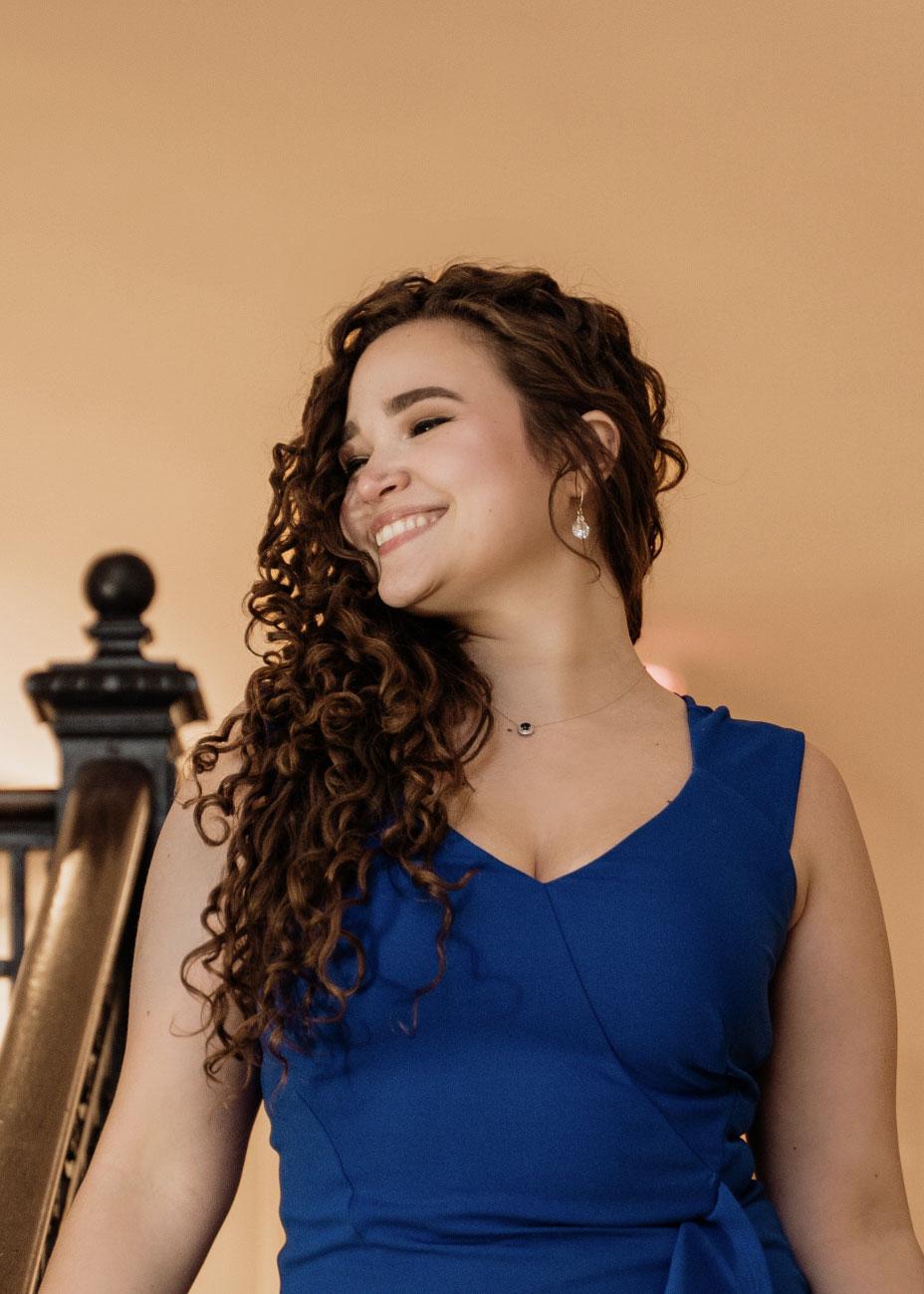
Miah has performed a wide range of operatic repertoire, including some bel canto, Mozart, Russian, and contemporary works. Her roles at Yale include Fanny in Donizetti’s La cambiale di matrimonio, Brigitta in
Tchaikovsky’s Iolanta, Lauretta in Puccini’s Gianni Schicchi, Susanna in Mozart’s Le nozze di Figaro, and Musetta in La Bohème.
In addition to opera, Miah has been featured as a soprano soloist in concert works such as John Rutter’s Magnificat, Mozart’s Requiem, and Vivaldi’s Gloria, collaborating with leading orchestras in Puerto Rico.
She holds a Bachelor of Music degree from the Conservatory of Music of Puerto Rico and has participated in young artist programs in the United States, including the Young Artist Vocal Academy at Houston Grand Opera, Ravinia Steans Music Institute, and the Aspen Music Festival and School.
Upcoming performances include the role of the Governess in The Turn of the Screw by Benjamin Britten with Yale Opera. Miah will also join the Opernstudio of Deutsche Oper am Rhein in Germany for the 2026–2028 seasons.
Alysoun Kegel, Artistic Director of the Greater New Haven Community Chorus
An accomplished conductor, music teacher, and soprano, Alysoun Kegel is in her fourth year as the Artistic Director of GNHCC. Kegel began singing as an 8-yr-old treble in the St. Luke’s Girls Choir of Evanston, Illinois, under the direction of Richard Webster. She began her work in conducting in 2002, as musical director of Yale University’s Whim N’ Rhythm, giving performances in Japan, South Korea, Italy, France and the United Kingdom. From 2007-2011 she served as Artistic Director of the PALS Children’s Chorus in Brookline, MA preparing young people to sing under the batons of Sir Colin Davis, Raphael Frühbeck de Burgos, David Hoose, and Bernard Haitink. Kegel completed her MM in conducting at Carnegie Mellon University, where she studied with Maestro Robert Page. She has led choral workshops throughout the
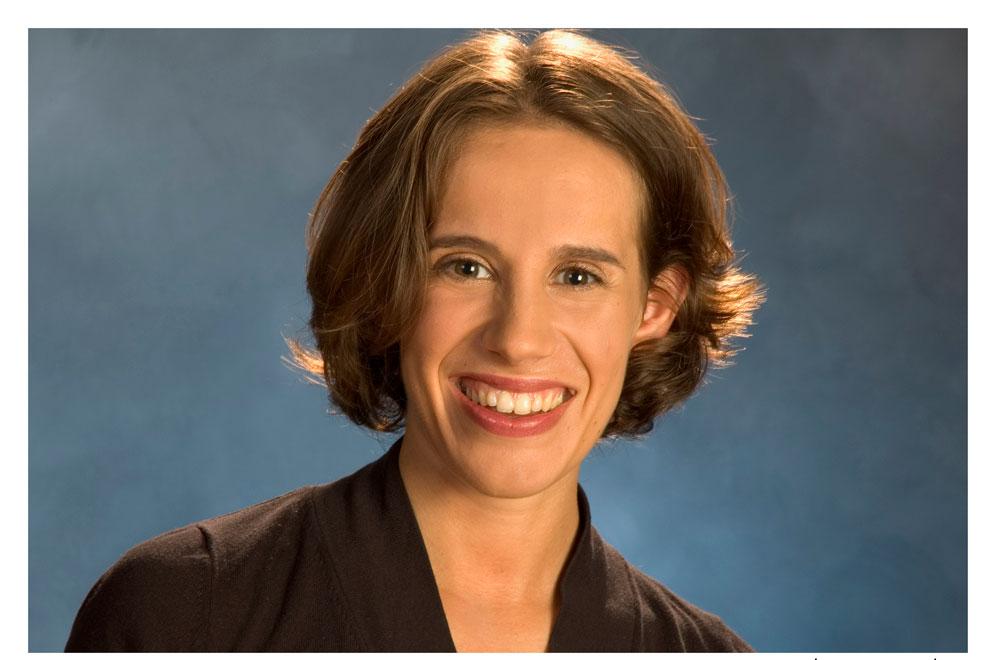
US, as well as in South Korea, Ghana, and Somaliland. She served as the Head of Choral and Vocal Music at Choate Rosemary Hall from 2013-2019, leading the Chamber Chorus on tour in China, South Korea, Norway, and Sweden. Kegel was a charter member of the Yale Schola Cantorum, a 24-voice ensemble specializing in early and contemporary music. She worked in the Boston area as staff soprano at Trinity Church in Copley Square and at Church of the Redeemer, Chestnut Hill. She graduated from Yale College with a Bachelor of Arts in Music and English, and received her first MM in Dalcroze Studies from the Longy School of Music. A teacher for New Haven Public Schools, Kegel has served as a music teacher at the Worthington Hooker School since 2019, and is also a choir director for the Morse Summer Music Academy at Yale. She lives in the Fair Haven Heights neighborhood with her two daughters.
Symphony No. 2 in C minor Resurrection
Gustav Mahler
The YSO has performed this work five times before in its 60 year history:
May 8, 1971, John Mauceri, conductor
February 12, 1977, C. William Harwood, conductor
April 18, 1980, Rob Kapilow, conductor
February 9, 2002, Shinik Hahm, conductor
February 22, 2014, Sir Gilbert Levine, conductor
“Why have you lived? Why have you suffered? Is it all some huge, awful joke? We have to answer these questions somehow if we are to go on living — indeed, even if we are only to go on dying!” These questions, posed in the first movement of Mahler’s tremendous Second Symphony, would attempt to be answered by its end.
The first movement, Allegro maestoso, was composed in 1888 concurrently with the end of Mahler’s First Symphony. A funeral march in sonata form, it imagines the death of the hero introduced in the First Symphony. Mahler titled the dark, C minor movement Totenfeier (“Funeral Rites”). Originally conceived as a standalone symphonic poem, Totenfeier eventually became the first of five movements.
But the somber Totenfeier begged deep answers to difficult questions, and after completing it, Mahler was at a loss for how to follow it. Mahler’s creativity was stunted in 1889 when his father, mother, and sister Leopoldine died. The crisis deepened in 1891, when Mahler played Totenfeier on piano for fellow Hamburg conductor Hans von Bülow, who covered his ears throughout Mahler’s performance. Bülow remarked at the end, “If what I have just heard is still music… then I no longer understand anything about music.” Mahler was devastated, and did not compose the remaining movements until the summers of 1893 and 1894, while at a hut at Lake Attersee in Steinbach, Austria, away from his hectic schedule as a conductor in Hamburg.
The second movement, Andante moderato, is a Ländler, an Austrian folk dance. It sounds so “completely incon-
gruous” after the first movement that Mahler instructed a five-minute pause between the first and second movements. The Andante serves as a joyful flashback of the life of the deceased from the first movement. Mahler described it as “a mournful melody of youth and lost innocence,” as well as “a memory, a ray of sunlight, pure and cloudless… a sunbeam into your soul, not overcast by any shadow.”
From 1805-1808, German Romantic poets Achim von Arnim and Clemens Brentano edited and published Des Knaben Wunderhorn (“The Boy’s Magic Horn”), a collection of German folk poems and songs. Mahler discovered the collection in 1887, and wrote 24 musical settings to these poems over the next decade and a half. Mahler selected the Wunderhorn poem Des Antonius von Padua Fischpredigt (“St. Anthony of Padua's Sermon to the Fish”) to be the subject of the third movement. In the poem, St. Anthony, after finding his church empty, goes outside to preach to the fish in the river. Though the fish are attentive listeners, they ultimately return to their old sinful ways after the sermon has concluded.
Mahler equates this discouraging story to awakening from the “blissful dream” of the second movement and realizing that this “surge of life… suddenly seems eerie,” like figures at a distance dancing to no music. Mahler continues: “To one who has lost his identity and his happiness, the world looks… distorted and crazy… life then becomes meaningless. Utter disgust for every form of existence and evolution seizes him in an iron grip, and he cries out in a scream of anguish.”
The third movement itself is a sardonic scherzo, and the “anguish” Mahler describes is reflected as a “cry of despair” toward the end of the movement — a sudden, triple-forte dissonant chord that foreshadows the finale.
The fourth movement, Urlicht (“Primal light”), is also based on a Wunderhorn poem. Marked “very solemn, but simple,” the Urlicht features an alto solo, and serves as a peaceful bridge between the despair of the preceding scherzo and the apocalypse that starts the ensuing finale. Intimate, devotional, and longing, the text of the Urlicht expresses the soul’s yearning for God and spiritual release from life’s suffering.
For years, Mahler struggled to compose a finale. He needed an incredibly profound movement that would leave the audience with a life-transforming experience. He knew he wanted a choral movement, but hesitated out of “fear that it would be taken as a formal imitation
of Beethoven.” Ironically, the death of Hans Bülow — Mahler’s colleague who had harshly criticized his Totenfeier years prior — would provide Mahler with exactly the inspiration he needed. At Bülow's funeral in 1894, Mahler heard Die Auferstehung (“The Resurrection”) by Friedrich Gottlieb Klopstock, and was immediately captivated. Mahler described his epiphany to the conductor Anton Seidl: “Like a flash of lightning, it struck me, and everything became clear and articulate in my mind.” Mahler used the first two stanzas of Klopstock’s Die Auferstehung for the finale, and wrote extra verses himself.
The fifth movement, Im Tempo des Scherzos (“In the tempo of the scherzo”), is the longest, at over half an hour in length. The orchestra erupts with the “cry of despair” from the end of the third movement. Terror ensues with apocalyptic imagery of a “march of the dead.”
At its climax, off-stage trumpets and horns announce Der Grosse Appell (“The Great Call”), and out of the following silence, a distant flute and piccolo trace the sound of a nightingale. The chorus soon enters on the edge of audibility, softly chanting Klopstock’s “Resurrection,” a text of divine revelation and transcendent hope. The moment extends into an immense span of growth, and the symphony’s questions are answered with a towering affirmation of eternal life. One of the most transformative conclusions in the symphonic literature, the monumental finale left even Mahler astonished: “The increasing tension, working up to the final climax, is so tremendous that I don’t know myself, now that it is over, how I ever came to write it.”
The premiere of Mahler’s Second Symphony in Berlin on December 13, 1895 was a resounding success. Mahler’s conducting assistant Bruno Walter remarked: “one may date [Mahler’s] rise to fame as a composer from that day.” In the decades that followed (and especially with the 20th-century revival of Mahler’s music, propelled by Leonard Bernstein and others), the “Resurrection” has returned in public moments of remembrance and renewal, including by the New York Philharmonic as a tribute to the late President John F. Kennedy following his assassination, as well as for Carnegie Hall’s 1986 reopening. The Yale Symphony Orchestra marks its 60th anniversary in that same spirit of renewal, celebrating its history and looking towards the future.
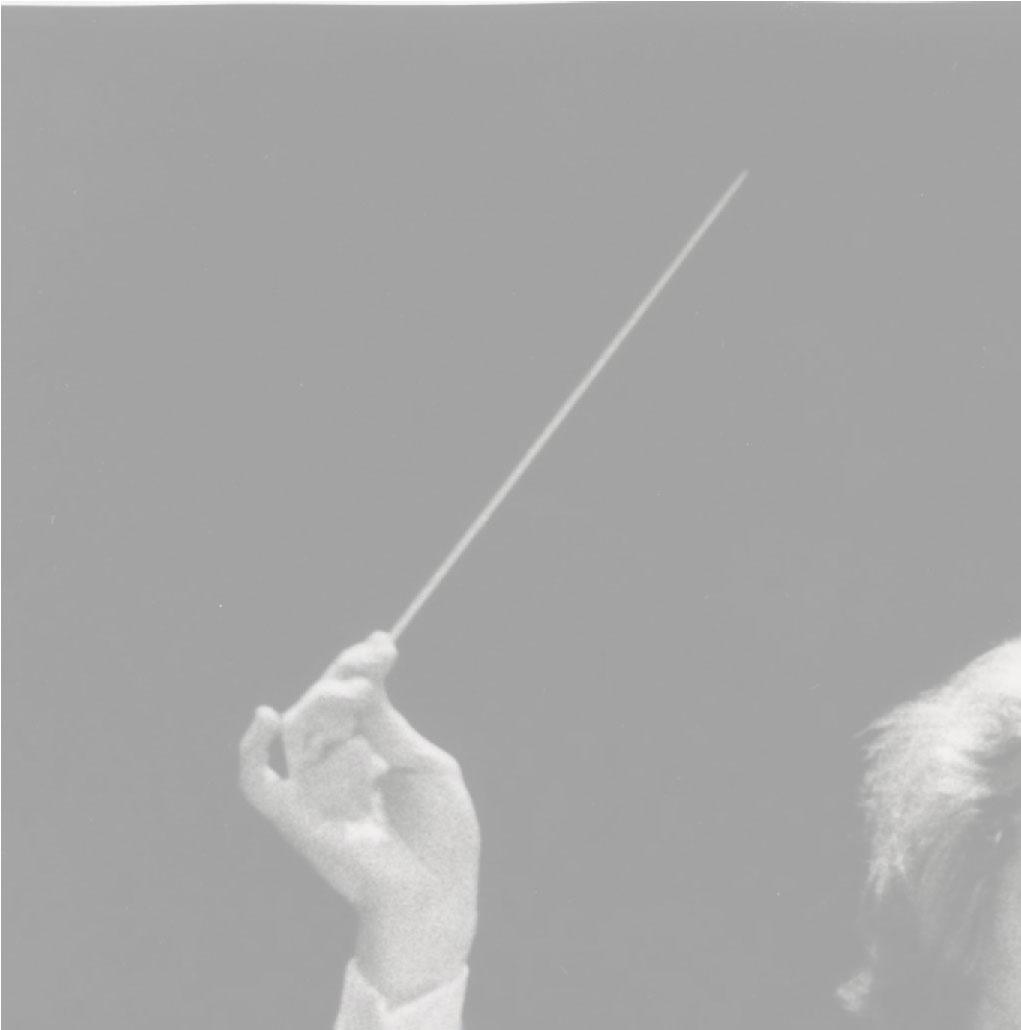
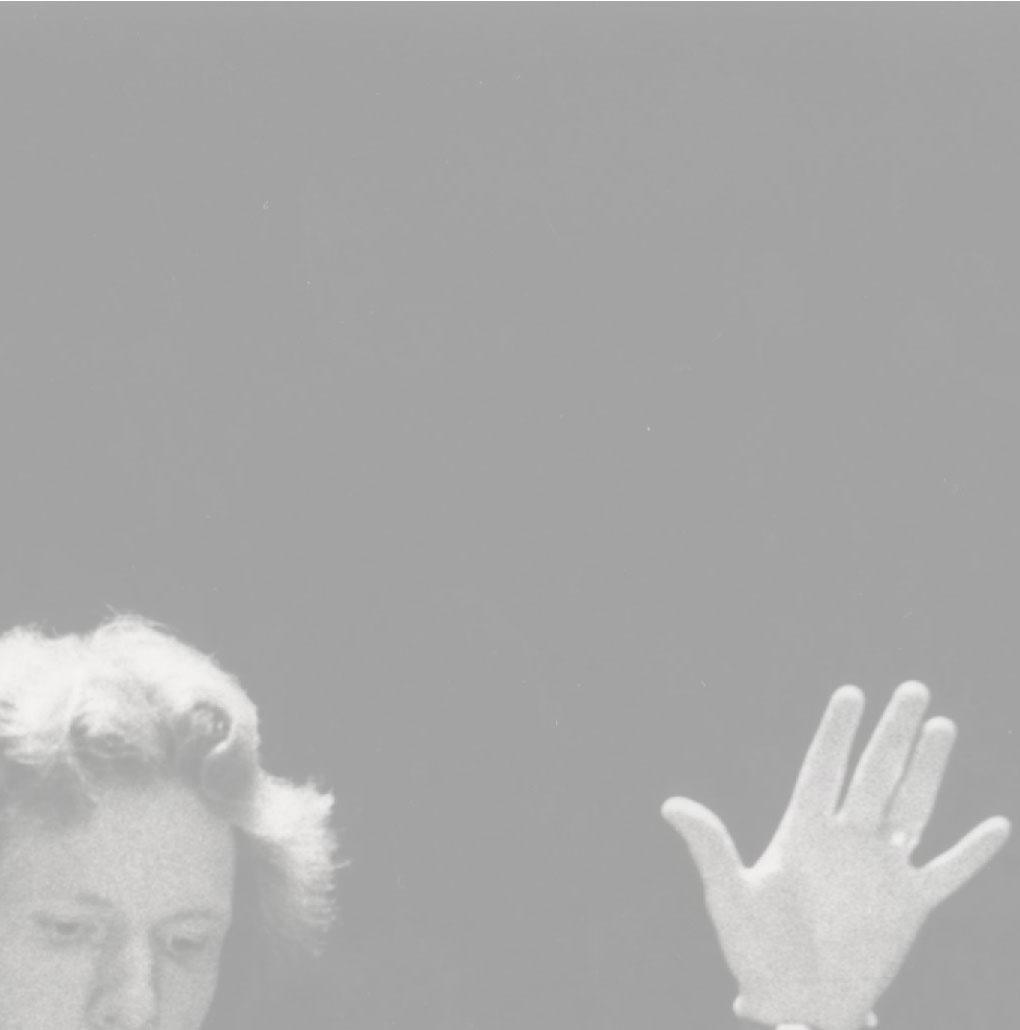
Happy 80th Birthday, John Mauceri!
Alumni from the YSO offer you the following well-wishes

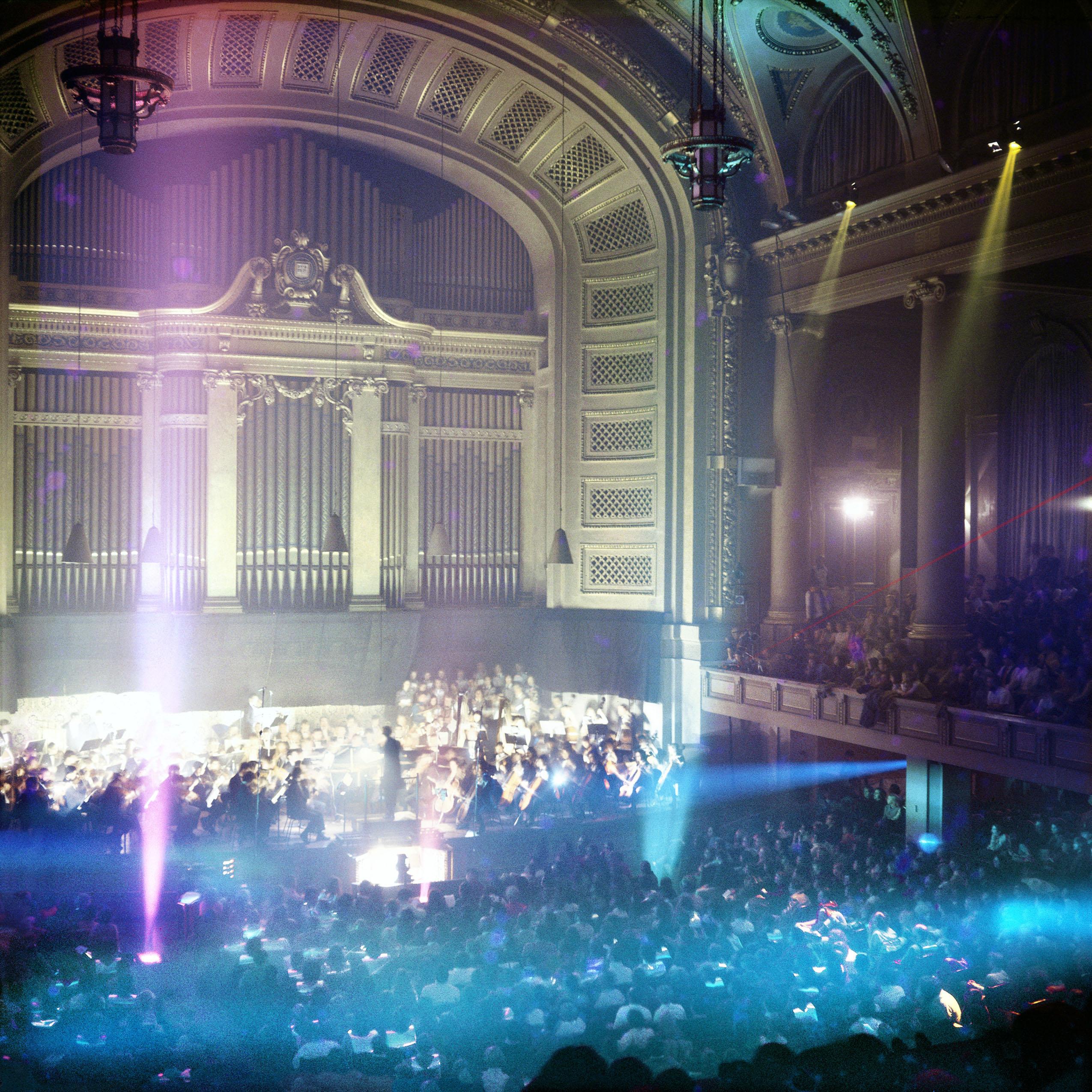
My happiest memories of Yale are about music, even though I studied computer science, and my time with the YSO, as an undergraduate and graduate student, is at the top of that list. Two European tours, and the opportunity to play in Woolsey Hall: Mahler, Scriabin, Ives, Saint-Saëns, Strauss, and the Bernstein Mass. Several decades later, I happened to run into you at the Metropolitan Opera, and have enjoyed being back in touch ever since. Congratulations!
—Jim Meehan, YSO organist, 1973–1976
Putting into words my memories of my time in the YSO: IMPOSSIBLE! Snow falling from the ceiling during Leroy Anderson’s Sleigh Ride, Marching bands on Beinecke Plaza with the Yale Flying Squadron overhead, conducting the string sec-
tion in the basement of Woolsey Hall for Ives’
The Unanswered Question, wandering the streets of Vienna while we were there for Bernstein’s Mass, Our posters decorated the walls of my professional office for thirty years and now decorate the walls of my home. Not a day goes by without me recalling some fond moment of my time spent with John.
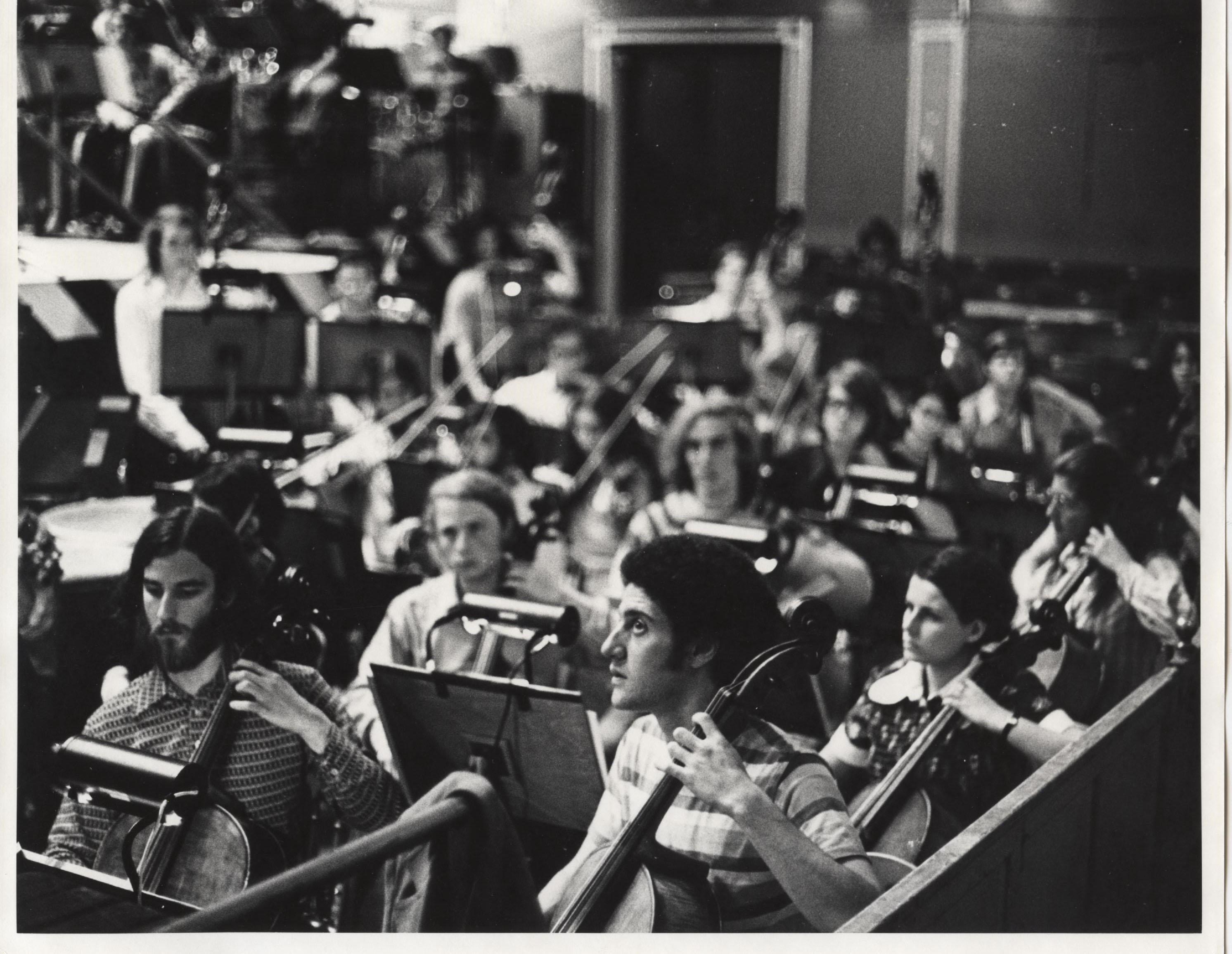
—Daniel Feller, Principal cellist and president of the YSO
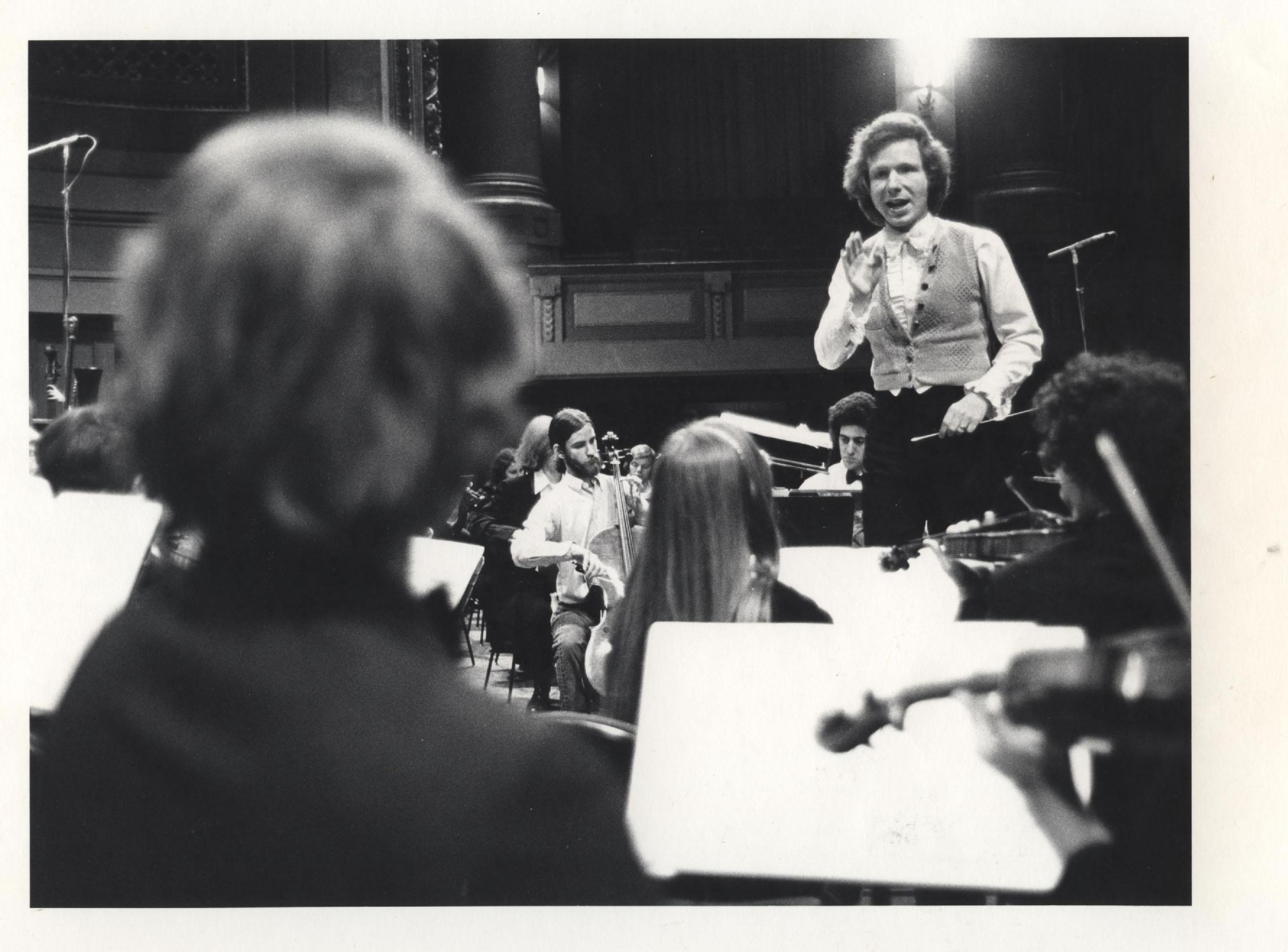
Memories of my experience as clarinetist, President and General Manager of the YSO, managing trips to Paris, Lyons, Clermont-Ferrand, Vienna for Mass, reverberate with a regular and delightful frequency. My YSO experience only serves to emphasize the critical importance of music and the humanities as I continue to practice medicine. I have but a simple but meaningful prescription that reflects everything that John Mauceri has meant to me and countless others - to quote Jackie Robinson - "A life is unimportant except in the impact it has on others." Well done (and keep doing!!!), John!!!!
All my love, Bob Perkel
My memories of performing in the YSO are as vivid today as ever. Through you and the YSO, I experienced the power of music to inspire, to enlighten, and to transform lives; this deeply influenced me as a composer, filmmaker and educator. So many great memories! Premiering Ives’ Fourth Symphony in France (1971) and Bernstein’s Mass in Vienna (1973). Reveling in your dynamic in-
terpretations of symphony cycles by Mozart, Beethoven, Bruckner, and Mahler. The immersive environment of Scriabin’s Promethus: Poem of Fire with smoke and spectacular lighting throughout Woolsey Hall. And “new music” by Ligeti, Penderecki, Messiaen, and Stockhausen (a citywide multi-media extravaganza). You connected us to each other and to our audiences in profoundly moving ways. Thank you for revealing the inner life and beauty of everything we performed, as the consummate artist and visionary that you are. With gratitude & wishing you a Happy 80th!
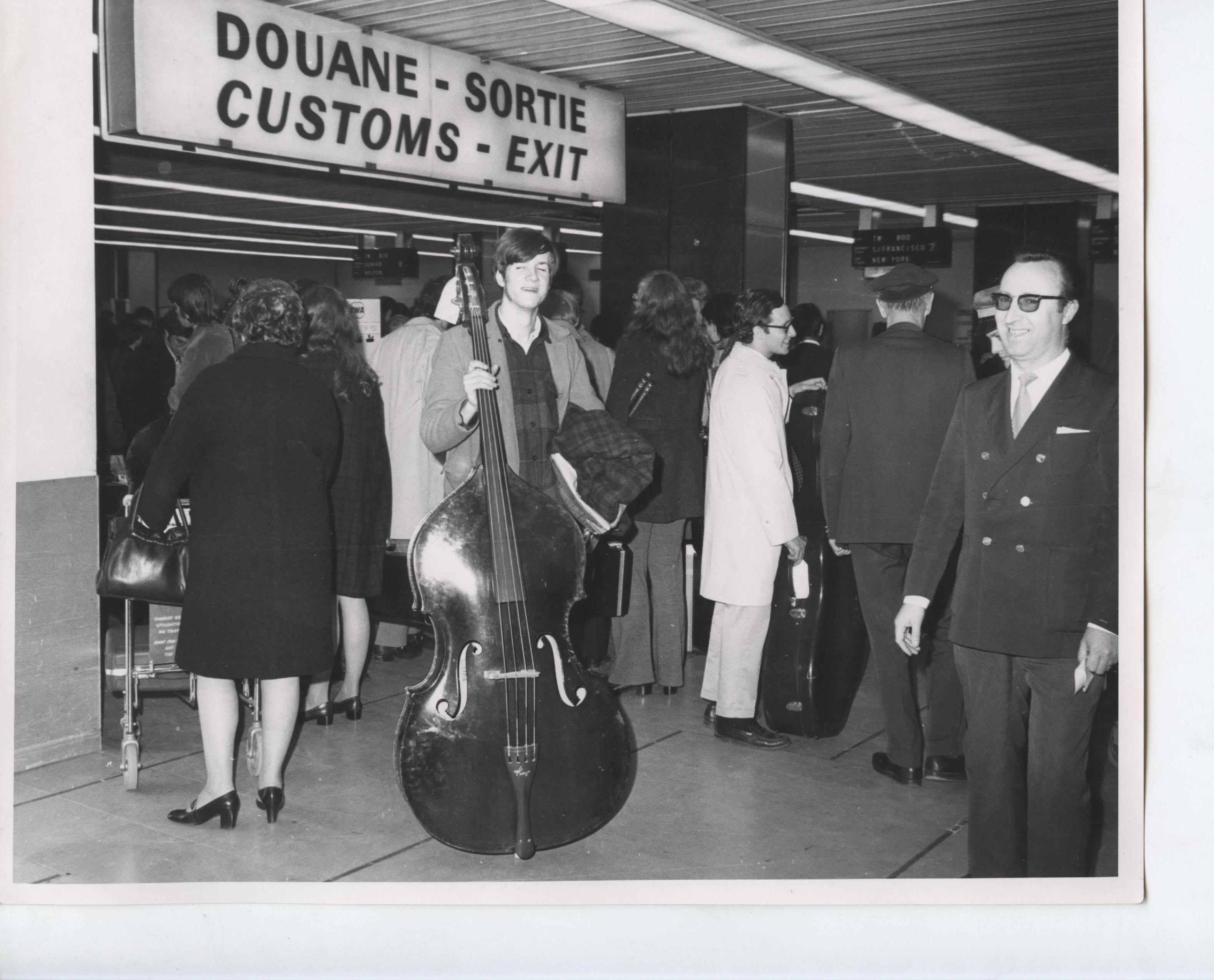
—Robert Kyr, YSO bassist
(1970-74)
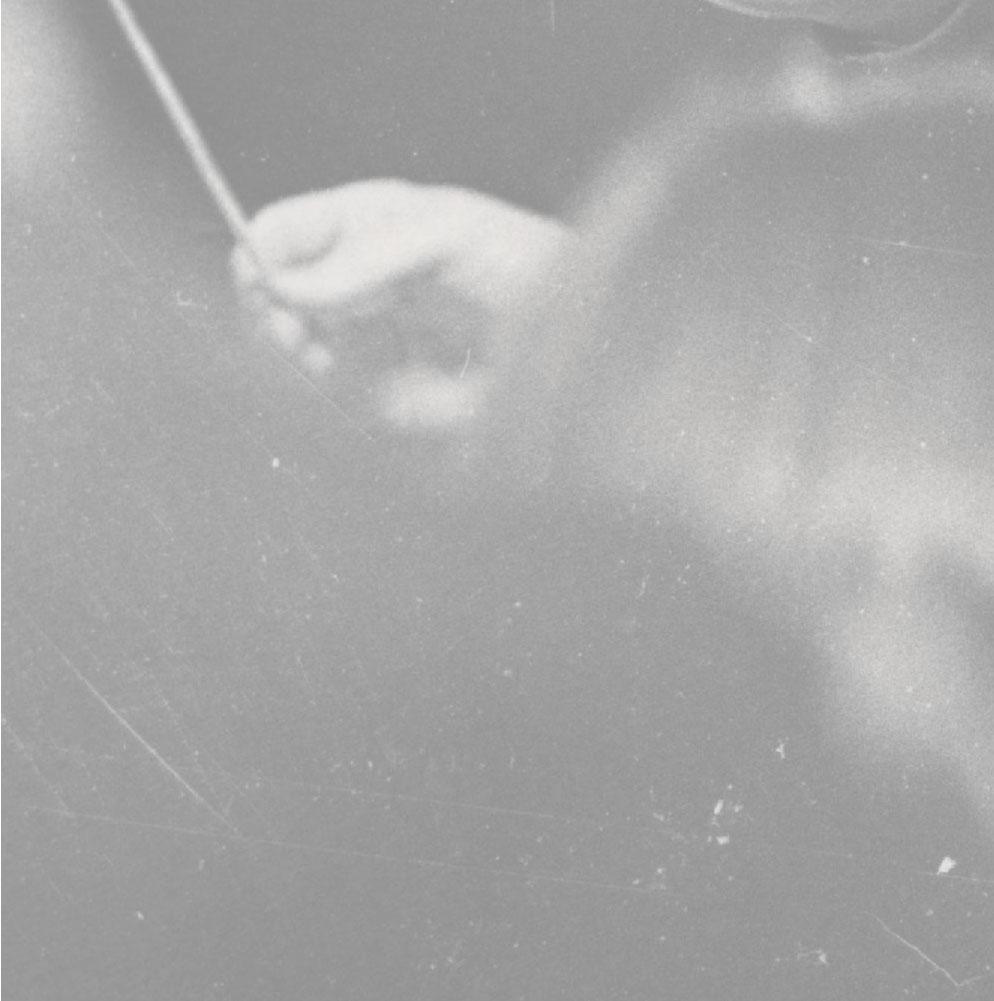
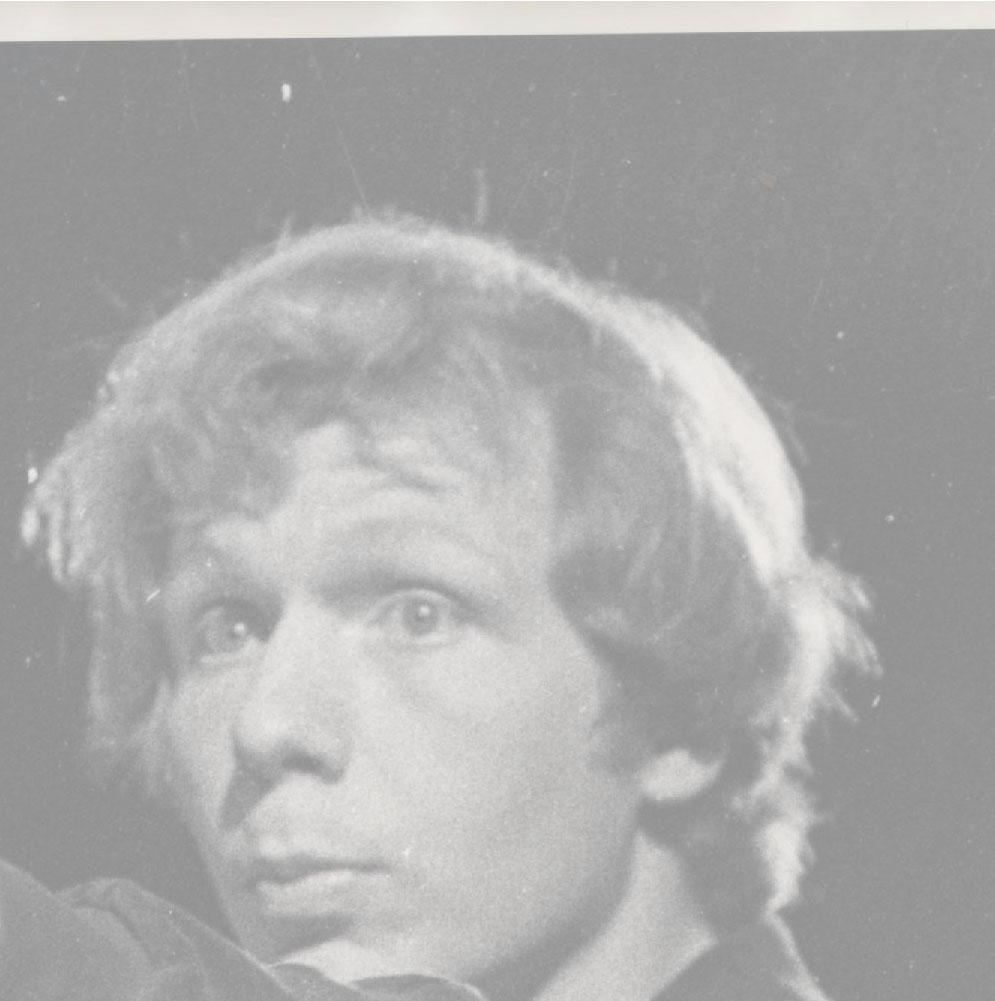



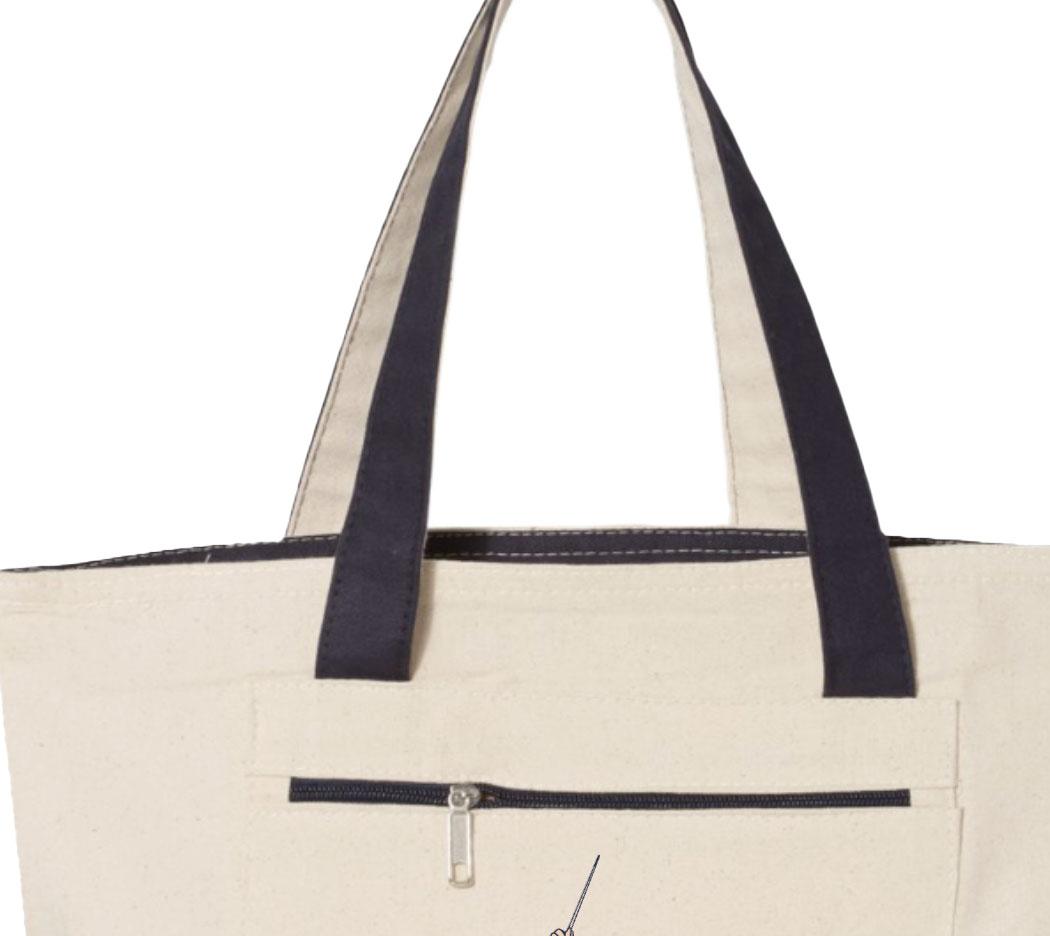
Celebrate the Yale Symphony Orchestra’s 60th Anniversary with this limited-edition collection of concert merchandise.
Each item is designed to commemorate this milestone performance and the community that has made it possible. A portion of all proceeds will directly support the YSO, helping fund future concerts and tours, outreach initiatives, and concerts.
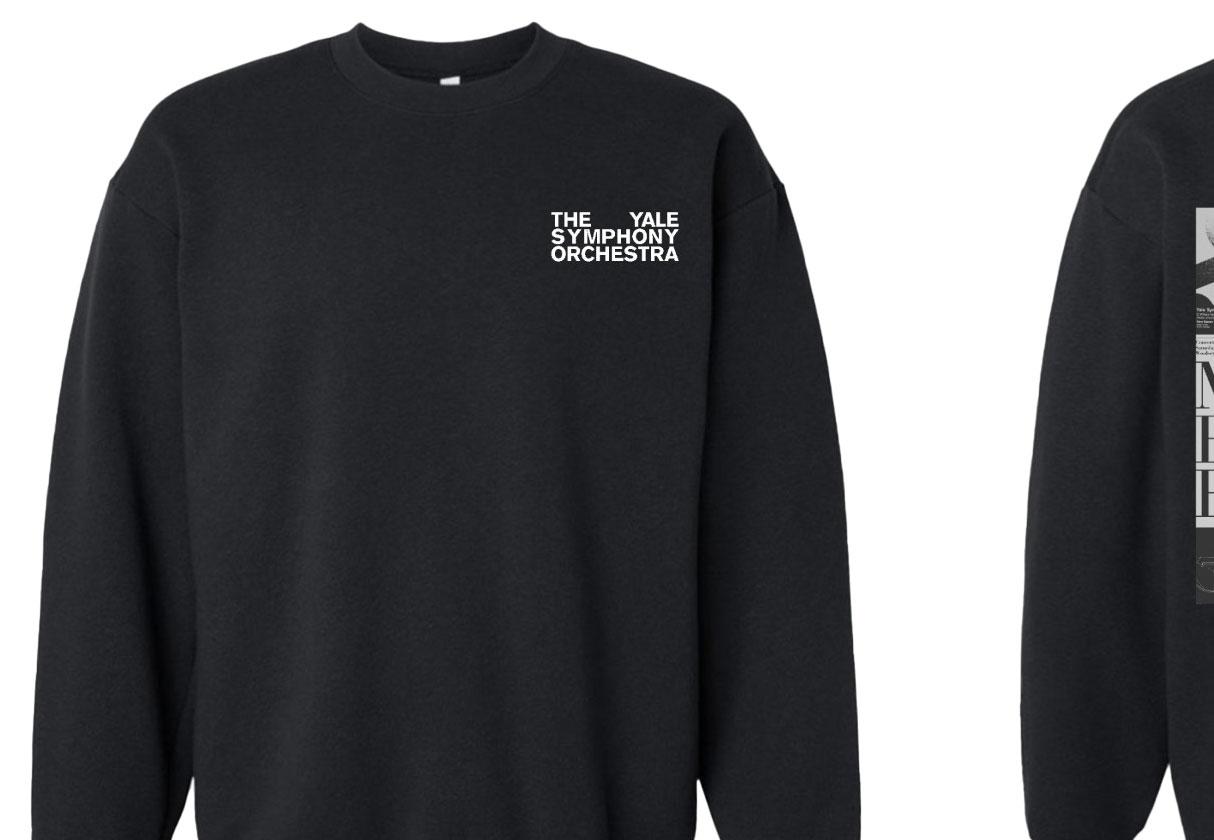






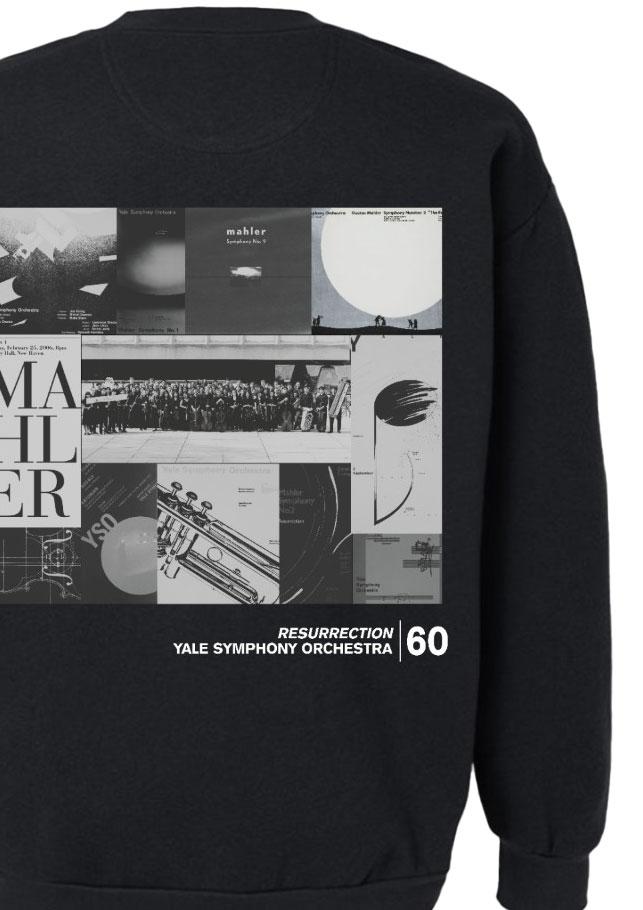








https://group-orders.freshprints.com/group-order?groupOrderId=176743
Yale Symphony Orchestra
Elizabeth Askren, Director
Brian Robinson, Manager
Tommaso Bailo, Assistant Conductor
President
Tobias Liu
Secretary
Eleanor Ohm
Publicity
Helen Qi
David Stolyarov
Social
Sasha Tarassenko
Emily Zhang
Programming
Jacob Leshnower
Community
Jasmine Chen
Naomi Main
Nathaniel Strothkamp
Tour
Eric Zhang
Librarians
Gloria Baek
Head Librarian
Jasmine Chen
Ella Saputra
Stage Crew
Lee Dufallo
Grady Flinn
Eugene Lee
Amber Sun
Eric Zhang
Cover Design
Becca Cheng ART ’26
First Violin
Nate Strothkamp ’26 Concertmaster
Tobias Liu ’26 Co-Concertmaster
Gloria Baek ’27
Tai Caputo ’29
Ines Choi ’27
Toby Huang ’29
Josie Kelleher ’26
Jonah Kwon ’29
Isabel Li ’29
Joy Ni ’29
Marco Opeña ’28
Ella Saputra ’27
Amber Sun ’28
Parisa Verma ’27
Justine Xu ’27
Mindy Zhao ’29
Second Violin
Naomi-Jeanne Main ’26, Principal
Holly Lacey ’29, Co-Principal
Mina Chang ’28
Maxine Chen ’29
Camille Denman ’26
Sofia Heredia ’29
Rachel Kim ’26
Timothy Lee ’27
Jacob Lewis ’29
Ian Li ’29
Jane Lim ’29
Talia Roselaar ’29
Winslow Solomon ’29
Victoria Tan ’28
Viola
Elan Jiang ’28, Principal
Benjamin Graham ’28
Co-Principal
Josephine Buruma ’29
Jia Dunsby ’28
R. Grady Flinn ’29
Anna Koontz ’29
Lucian Mikush ’29
Aviv Pilipski ’29
Helen Qi ’27
Sarah Wagner ’29
Amanda Wu ’28
Violoncello
Kira Wang ’26, Principal
Danielle Yoon ’28, Co-Principal
Josef Bell ’29
Gabriela Berger ’27
David Cho ’27
Lee Dufallo ’28
Norah Fong ’26
Benjamin Gruenbaum ’27
Sarah J. Lee ’28
Juliette Mandelbrot ’28
Mateo Vidali ’26
Contrabass
Yuvin Kang ’29, Principal
Arden Ingersoll MUS ’26
Logan Lee MUS ’27
Eleanor Ohm ’27
Joshua Rhodes MUS ’26
Kayla Ruano-Lumpris ’28
Flute
Joelle Kim ’28
Lauren Kim ’26
Eugene Lee ’29
Sasha Tarassenko ’27
Oboe
Benjamin Hambleton ’28, Principal
Alex Moore ’26
Grace Ort ’29
Alexander Vakov ’29
Clarinet
Mia Gribbon ’29, Principal
Ethan Chen ’28
Daniel Lee ’29
Su Min Pyo ’29
Amelia Shaw ’28
Bassoon
Leah Wu ’29, Principal
Amelia Newman ’29
Eric Zhang ’27
Linda Zhou ’29
French Horn
Julian Kolthammer ’29, Principal
Thomas Chang ’29
Jasmine Chen ’27
Lily Judge MUS ’26
Joshua Lee ’29
Aidan Lewis MUS ’27
Bryce Lowden ’28
Ethan Mash ’27
Esther Orlov-Mayer MUS ’27
Tadao Tomokiyo ’28
Trumpet
Emily Zhang ’27, Principal
Evan Kessler ’28
August Lee-Kovach ’29
Caden Mather ’29
Terri Rauschenbach MUS ’27
Ethan Wood MUS ’27
Trombone
Lucas Haas ’26, Principal
Konrad Kurczynski ’26
Patrick Qiu ’28
Michael Toben ’27
Tuba
Benson Wang ’27
Harp
Amanda Evans Carabase
Sena Hornby
Organ
Jeremy Ng ’27
Timpani and Percussion
Nate Mathew ’26, Principal
Madeline Chun ’26
Jonny Duncan ’29
Jacob Leshnower ’27
Jairus Rhoades ’26
Bohan Shakes ’26
David Stolyarov ’28
Zahra Virani ’26
About the Orchestra
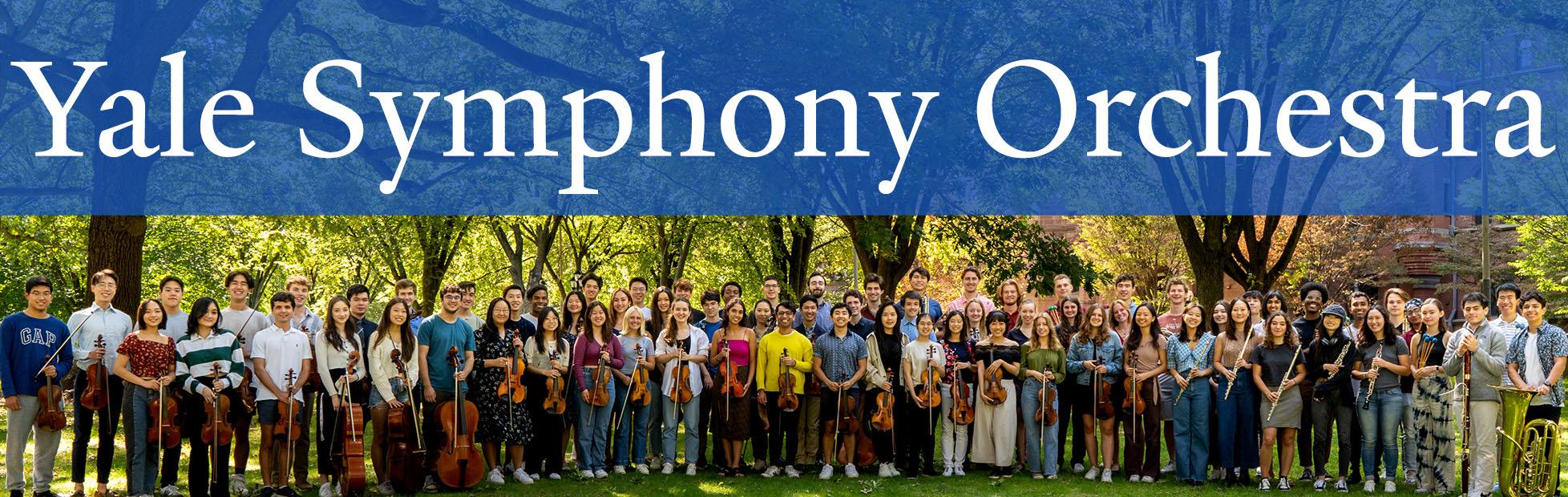
The Yale Symphony Orchestra was founded in 1965 by a group of students who saw the growing potential for a large orchestral ensemble to thrive on campus. The YSO provides a means for students to perform orchestral music at the conservatory level while taking advantage of all that Yale, a liberal-arts institution, has to offer.
The YSO boasts an impressive number of alumni who have gone on to successful musical careers with: New York Philharmonic (Sharon Yamada, 1st violin), the Boston Symphony Orchestra (Haldan Martinson, principal 2nd violin, and Owen Young, cello), Vancouver Symphony (Henry Shapard, principal cellist), the Los Angeles Philharmonic (David Howard, clarinet), the San Francisco Symphony (the late William Bennett, oboe), Philadelphia Orchestra (Jonathan Beiler, violin), Toronto Symphony (Harry Sargous, oboe, ret.) and the Israel Philharmonic (Miriam Hartman, viola); as well as music director of the Baltimore Symphony Orchestra Marin Alsop; National Public Radio commentator Miles Hoffman; composers Michael Gore, Robert Beaser, Conrad Cummings, Stephen Paul Hartke, Robert Kyr, and more.
Throughout its history the YSO has been committed to commissioning and performing new music. Notably, the YSO presented the European premiere of Leonard Bernstein’s Mass in 1973, the world premiere of the definitive restoration of Charles Ives’ Three Places in New England, the U.S. premiere of Debussy’s Khamma, and the East Coast premiere of Benjamin Britten’s The Building of the House.
The YSO programs orchestral works written by new and emerging composers, as well as lesserheard works by established and obscure composers. The full list of YSO premieres can be seen at https://yso.yale.edu/concert-history/premieres.
The YSO has performed with internationally recog-
nized soloists; including Yo-Yo Ma, Frederica von Stade, Emmanuel Ax, David Shifrin, Thomas Murray, and Idil Biret. Each year the YSO is proud to perform major solo concerti played by the student winners of the William Waite Concerto Competition.
The YSO has performed at New York City’s Carnegie Hall, Avery Fisher Hall at Lincoln Center, and St. Patrick’s Cathedral. In the past ten years, the YSO has toured domestically and internationally, including a 2010 tour of Turkey with acclaimed pianist Idil Biret. Ms. Biret rejoined the orchestra for a recording of Paul Hindemith’s piano concerti, which were released in 2013 on the Naxos label.
Past tours have brought the orchestra to Portugal, Korea, Central Europe, Italy, Brazil, and Russia. The YSO completed its first tour of Mexico in March of 2023, and just returned from a five concert tour of North Macedonia and Greece. The full list of YSO tours can be seen at https://yso.yale.edu/concert-history/tours.
The YSO is famous for its legendary Halloween Show, a student-directed and -produced silent movie, performed around midnight in full costume. Long a Yale tradition, the Halloween Show sells out Woolsey Hall days in advance, and the production details and storyline remain closely guarded secrets until the night of performance. Recent cameo film appearances include James Franco, Woody Allen, Alanis Morisette, Rosa DeLauro, Jodie Foster and Jimmy Kimmel.
The YSO music directors include Richmond Browne, John Mauceri, C. William Harwood, Robert Kapilow, Leif Bjaland, Alasdair Neale, David Stern, James Ross, James Sinclair, Shinik Hahm, George Rothman, and Toshiyuki Shimada and William Boughton. This year marks Elizabeth Askren's first year as Director.
Greater New Haven Community Chorus
Alysoun Kegel ’03, Artistic Director
Soprano
Mary Ancona
Diane Asmus
Morgan Barbre
Melanie Brodeur
Kate Burghart
Liliana DiCamillo
Mia DiStasi
Margery Dooley
Lauren Elam
Jo-Anne Escandon
Helena Estes
Delaney Farris
Claudia Griffin
Amy Jacaruso
Eniya Krishnaraj
Catherine Marini
Larissa Nam
Jen Ongley
Linda Payne
Wanda Pizzonia DIV ‘98, STM ‘03
Joanne Porto
Jennifer Quint
Sarah Reed
Judy Rodican
Lillian Rountree
Vilma Saint-Louis
Sarah Schaefer
Ingrid Staecker
Gabriella Thompson
Julie Tison
Marlyn Vazquez
Cristina Welte-Lake
Alto
Susan Bond
Jennifer Calderone
Patricia Ann Caroll
Mary Connors
Pamela Cunningham
Stirling Davenport
Laurie Desiato
Laine Driscoll
Stephanie Kimball Elder
Fran Giffin
Dina Francesca Haynes
Susan Healy
Sheryl Hershonik
Laura Hintz
Sara Jamison
Claudia Kingsbury
Dana Klug
Katherine Krasney
Charlotte Lefland
Katharine Li ’21
Lara Loyd
Cindy Pacini
Kathleen Ruenhorst
Christin Sandweiss
Deborah Schmidt
Evelyn Sibley
Genia Stanescki
Kimberly Stoner
Diana Tai
Rebecca Tannenbaum Ph.D ’96
Mary Wilkins
Te’Yah Wright MEM ‘23
Tenor
Ben Almaguer
Laura Chomentowski
Patricia Cramer
Bob Farrell
Benjamin Hodge
Brian Hunt
Wood Hyppolite
Daniel W. Kops Jr
Kirsten Mason
Scott Romeyn, Asst. Conductor
Stephen Sawin
Pedro Soto
Bass
Charles Bailyn ’81
Deane Bell
Paul Gabriel Luke Hendon
Will Mandelbaum
John McGowan
Jacob Munch
Frank Parker
Brian Robinson
Ed Stannard
Greg Super
Tom Toigo
Eric Venables
Tim Wilkins
Emmanuel Yeboah
About the Greater New Haven Community Chorus
Founded in 1963 by Ronald Dean Konetchy in partnership with radio station WELI, the Greater New Haven Community Chorus became self-supporting in 1971. Over these six decades, GNHCC has performed an expansive range of repertoire — from beloved classical masterworks to commissioned pieces to music drawn from global traditions — all in pursuit of its guiding motto: Building Community One Note at a Time. With a membership of over 100 voices, GNHCC is a non-auditioned SATB chorus that welcomes singers of all backgrounds and experience levels, from professional performers to those stepping onto choral risers for the very first time. Since Maestro Konetchy retired from the chorus in 1998, there have been five artistic directors, each with his own style and legacy. Past directors include Stephen Black, Rolando Sanz, Christopher Clowdus, and Noah Blocker-Glynn. GNHCC is founded on a strong commitment to inclusivity and a shared goal of celebrating all types of difference. The chorus strives to foster both membership and an audience that represents the diversity of Greater New Haven, and to make a positive impact on Greater New Haven through both singing and service.
The Yale Symphony Orchestra would like to thank the following for their support:
$5,000 or more
Anonymous
The William Bray Fund for Music
Daniel B. Feller, M.D. ’74
James M. Ford, M.D. ’84, MED ’89
Kerry Fowler '73 B.S., '74 M.S., '78 Ph.D. Itzak Gartenberg
David N. Herskovitz ’84
Yale Symphony Orchestra Director’s Resource Fund
James R. Meehan, Ph.D. ’71
Robert L. Perkel, M.D. ’72
Prof. John K. Roth GRD ’66
Wendy Sharp ’82 and Dean Takahashi ’80, ’83 SOM
Mr. Hao and Michelle Wang
$1,000—4,999
Diane Z. Alexander ’83
Ms. Ana Isabel Ayerbe ’86
Daniel Berger ’93
Ms. Jean S. Brenner ’71
Dr. Stephen Y. Chang ’95
Randall S. Edson, M.D. ’70
Mr. Gary S. Ginstling ’88
Mr. Abel G. Halpern ’88
Ms. Rebecca Rusack Hawkins ’83
Dr. Elizabeth Petri Henske ’81
Mr. Robert C. Hensky ’81
$500—999
Mr. Peter Belina
Mr. Daniel Meyer Berger ’93
Mr. David A. Burkhart ’76, ’77 MUS
Mindy B. Chanan
Prof. Lori Fisler Damrosch ’73
Mr. Matthew T. Gabbard ’07
Mr. Matthew Dean Griffith ’14
Mrs. Jeanie K. Jho ’99 Drake M. Lamen, M.D. ’73
Karl R. Laskowski, M.D. ’03 MED ’07 MED ’08
Ms. Caroline Sangwon Lee ’89
Mr. Robert C. Lieberman ’86
Mr. Jonathan Lewis
Mr. Philip Henry Lima ’83
Mr. Christopher Lin-Brande ’10
Dr. Hyun Jung Ko
Mr. Neal E. Kravitz ’79
Steven Liu, M.D. ’97
Ms. Linda A. Marianiello ’80
Mr. Joel Marks
Mr. Frank Oh
Ms. Isabel Padien O’Meara ’99
Ms Sarah Payne ’98
Mr. Jeremy Mrose Rissi ’99
Dr. Pamela S. Tauchi-Nishi
Mrs. Julia A. Viazmenski
Mr. Robert P. Masland, III ’72
Dr. Steven Nishi
Valeria Constance Norton, M.D. ’87
Ms. Erika Johnson Rissi ’98
Mr. Peter Johannes van Roessel ’96
Dr. John K. Roth ’65 M.A., ’66 Ph.D.
Prof. Margo J. Schlanger ’89, LAW ’93
Charles Michael Sharzer ’12
Mr. Ralph A. Schweinfurth
Dr. Jennifer Kyung Shin ’99
Dietrich L. Snell, Esq. ’78 LAW ’82
Justin Daniel Stilwell ’09
Mrs. Linda & Steve Totilas
Mr. Austin Wang ’25
Prof. Robert K. Wimpleberg ’68
Mr. James Charles Barket MUS ’88
John A. Baron, M.D. ’67
Mr. Benjamin G. Bartolome ’16
Jean Bennett M.D., Ph.D. ’76
Dr. Joshua A. Bloom ’77
Mr. Martin J. Brennan III ’87
Mr. Devon R. Breton-Pakozdi ’16
Mr. Samuel William Byrne ’09
David C. Cansler, Ph.D. ’74
Mr. Michael A. Carrier ’91
Ms. Danica Chin ’99
Mr. Charles Cocores
Mr. Conrad M. Cummings ’70
Ms. Jane C. Datta ’84
Dr. Frank Samuel David ’92
Ms. Amy C DeLouise ’85
Dr. Sarah R. Dewey
Mr. Thomas C. Duffy
Richard H. Dumas
Ms. Margaret Edwards
Mr. Thomas K. Emmons ’69
Ms. Sarah A. Felstiner ’91
Mr. Brian Christopher Fidali ’11
Daniel S. Fierer
Mr. Matthew T. Gabbard ’07
Ms. Donna Gacek
Kathleen Gacek
Pamela J. Gray ’74
Richard W. Hadsell, ’71 M.Phil., ’75 Ph.D.
Mr. James B. Harding ’87
Mr. Kyung Suk Hwang
Dr. Michel T. Jackson ’83
Dr. David H. Jho, M.D., Ph.D. ’98
Ms. Ellen Kaner ’80
John W. Karrel ’75
Michael S. Kerekes
Brian D. Koh ’99 M.S., ’01 M.Phil., ’07 M.D.
Mr. Steven Lewis ’18
Ms. Samantha Lichtin ’16
Ms. Sharon B. Like ’78
Dr. Roopa K. Kalyanaraman Marcello ’01
Ms. Michelle Elizabeth Kanter ’03
Mr. Steven M. Kaufman ’81
Ms. Erika Penzer Kerekes ’88
Mr. Lee P. Kessler
Ms. Bee-Seon Keum ’05 MUS ’06
Brian D. Koh, M.D.
GRD ’01, MED ’01
Ms. Kathrin D. Lassila ’81
Mr. Steven Lewis ’18
Ms. Sharon B. Like ’78
Mr Jeffrey Lipnick
Prof. Mary T. Lui HON ’10
Ms. Caitlin L. McAuliffe ’09
Mr. Jared Lee Middleman ’13
Mrs. Veronica Calle Middleman ’13
Dr. Sayuri Miyamoto ’82
Mr. Randi Moore
Mr. Brian G. Mountford ’86
Mr. Mark Mulligan ’84
Dr. Natalia Neparidze
Mr. Jesse Newman ’70
Mr. Ian A. Niederhoffer ’19
Mr. Andre L. O’Neil ’88
Mr. Timothy A. Orr ’09
Ms. Julianne Theresa Parolisi ’02
Ms. Nira Pollock ’93
Paul P. Promadhat ’90
Mr. Kevin Qian ’14
Glenn M. Reiter ’73 B.A., ’76 J.D.
Daniel Rissi ’73
Mr. Peter Johannes van Roessel ’96
Ms. Julie Ann Schneider ’93
Ms. Dana Lee Schneider ’15
Mrs. C. Newton Schenck
Ms. Serena W. Shapard ’20
Mr. Shu-Ping Shen ’01
Dr. Robert J. Shevlin ’69
Ms. Jennifer Siegel ’90 GRD ’98
Mr. Jie Song
Mr. Sasha Henry Spector ’93
Dr. Gary K. Steinberg ’74
Dr. Mary C. Stoddard ’08
Ms. Victoria Yu-Than Su ’96
Ms. Elizabeth A. Sullivan ’74 GRD ’76
Ms. Patricia Borga Suvari ’83
Dr. Sandra M. Sweetnam ’71
Ms. Tasha Yap Tanhehco ’01
Mr. Glenn R. Thrope ’08
Meghan K. Titzer ’06
Mr. Peter Tropper ’73
Mr. & Mrs. Andrew F. Veitch
Claudia B. Veitch
Dr. Nathaniel O. Wallace ’69
Ms. Anna T. Weesner ’87
Mr. David Adam Weinstein ’10
Ms. Cindy Q. Xue ’17
Mr. Jonathan H. Zeitlin ’87
Tax-deductible contributions to the Yale Symphony Orchestra make up a significant part of our total operating budget. Your donations are vital to us, and are very much appreciated. Please consider making a donation to the Yale Symphony Orchestra. https://yso.yale.edu/why-give-to-the-yso