Growth in a Shifting Landscape
We deepened our commitment across these three core pillars:
1 Rigorous research and analysis
2 Teaching and training the next generation of economic development leaders
3 Strategic engagement with policy makers and the public
This year marks the close of the Economic Growth Center’s (EGC’s) five-year strategic plan, launched in 2020 to strengthen our position as a globally recognized research center, enable faculty affiliates to expand their work and impact, and fortify EGC as an institution. To achieve this, we deepened our commitment across three pillars: rigorous research and analysis, teaching and training the next generation of economic development leaders, and strategic engagement with policymakers and the public.
Our five-year strategic plan was bracketed by events that reshaped the global development landscape. We launched it in 2020 amid the global COVID-19 crisis, its protracted economic effects, and its concentrated challenges for low- and middle-income countries. That period exposed the fragility of development gains and the value of data-driven research and global engagement, reinforcing our strategy’s relevance and urgency.
Now we confront another turning point: a rapidly shifting global policy landscape. Rising protectionism in the United States and other high-income economies has narrowed the scope for trade-led growth in lower-income countries, official development aid budgets have plummeted, and countries vulnerable to climate change must increasingly cope alone as major economies retreat from climate commitments.
These rapid global economic shifts and the increasing pace of change call for research that is deeply engaged with global dynamics and scholars who can quickly adapt. But responsiveness is only possible when academic work is supported by institutions that can align long-term research with the urgent and complex demands of our changing world.
Over the past five years, EGC has strengthened its capacity to serve this role. Central to this effort has been working with faculty to establish initiatives focused on development questions where EGC and Yale have particular strengths and where collaboration can advance deeper understanding and progress. Building on the model of Yale Inclusion Economics (YIE, see p. 10), we have launched multiple initiatives, including the Climate, Energy, and Growth Initiative (p. 12) and the Markets and Development Initiative (p. 16). We have strengthened ties with the Jackson School of Global Affairs – supported by a growing cadre of joint faculty – and Yale’s MacMillan Center through the collaborative work of YIE.
On our first core pillar, research, EGC’s mission has consistently centered on generating data and evidence to support countries charting paths to growth that enable broad-based prosperity and improvements in welfare. In today’s rapidly shifting global environment, conducting research that can shape discourse and inform policy requires dynamic approaches and significant financial support. At Yale, EGC plays a critical role in providing the coordination and support needed to meet this challenge.
Amid rising protectionism and declining aid budgets, for example, development policy increasingly focuses on how low- and middle-income countries can generate growth that delivers long-run prosperity – debates shaped by recent research from Pinelopi Goldberg, Amit Khandelwal, and other EGC affiliates. As global tensions on issues like climate and immigration intensify, institutions with deep analytical capacity like EGC help ground these debates in data and evidence.
On our second pillar, training, we prepare and mentor the next generation of development and trade economists through programs like the International and Development Economics (IDE) master’s program, which offers rigorous training in quantitative economic analysis, and through support for economics PhD students working in these areas.
Our mission remains unchanged, but we are now better equipped to interpret and influence a rapidly evolving global economy, whatever challenges the next horizon may bring.
In recent years, IDE also introduced scholarships for promising applicants from Brazil and from subSaharan Africa. EGC’s visitor programs – including the Kuznets program and periodic Latin America fellowships – extend this effort by bringing scholars from low- and middle-income countries to campus for research and engagement with Yale faculty. YIE is also helping expand networks, mentoring, and early career opportunities for economists entering the profession in other countries.
Policy engagement, our third pillar, remains as central as ever to our mission. In 1962, EGC’s first annual report described the challenge of data scarcity in low- and middle-income countries, highlighting that meaningful engagement with in-country stakeholders was essential for research to provide relevant insights on economic growth:
“It is not feasible to work on these economies from published sources alone. Statistical information is fragmentary, and its coverage and reliability cannot be determined at a distance. Field study is essential to fill gaps and check reliability of information, to get the ‘feel’ of a very different kind of economy, and to draw on the knowledge of scholars and public officials in the country.”
The report went on to describe a program of study for development economists that began with training in New Haven, followed by one to two years in a focal country – reflecting the view that only through direct engagement could scholars begin to understand how economies grow and prosper. Today, by connecting and communicating our researchers’
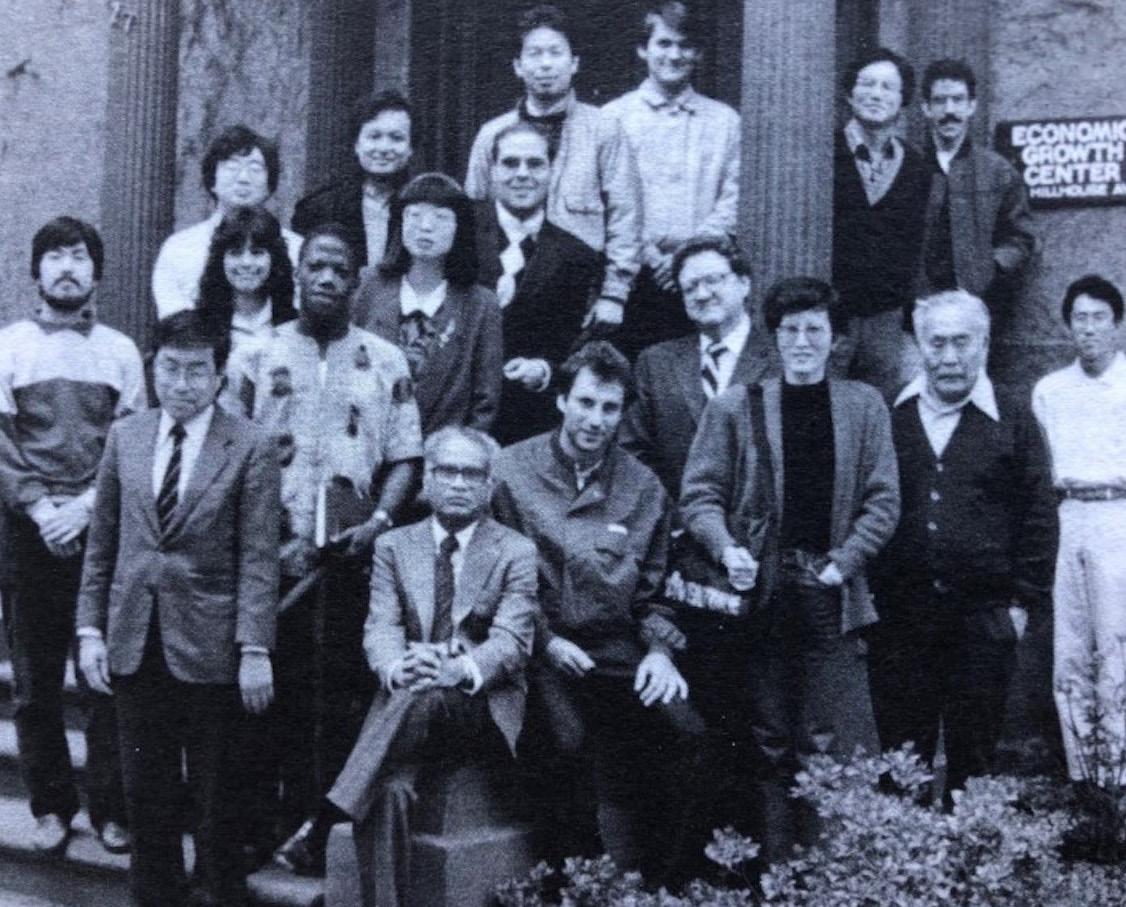
work to policymakers and the public, EGC offers insights and tools for emerging leaders navigating this rapidly shifting environment.
EGC was founded in 1961, to provide data-based insights at a time when the world was in the midst of a great shift away from colonialism and towards global aid. Now we likely find ourselves at another historical precipice: global aid institutions are retreating, the rule-based international order is ending, and the spread of AI is changing labor markets and will impact economic growth in ways still unclear. But amidst these challenges, opportunities will arise to redefine and strengthen the foundations of sustainable and inclusive economic growth.
Over the past five years EGC has deepened our work and strengthened our institutional base. Our mission remains unchanged, but we are now better equipped to interpret and influence a rapidly evolving global economy, whatever challenges the next horizon may bring.

ROHINI PANDE
Henry J. Heinz II Professor of Economics and Director of EGC, Yale

AISHWARYA LAKSHMI RATAN EGC, Yale Deputy Director

Photo Credit: Julia Luckett
A Five-Year Strategic Plan: Legacy in Motion
RESEARCH

4
211
Yale Schools Represented
42 Faculty Affiliates
37
Countries in/ on which EGC has worked
73,000+ Journal articles published on international development and trade
reads across 82 research synthesis pieces produced
TRAINING AND MENTORSHIP
$3.7 million+
106
$10.2 million+ managed in external research grants
648 awarded by EGC in student fellowships and research grants
Yale College and graduate interns
ENGAGEMENT
63,000+ 528,465
attendees and viewers across 65 events
people reached through online communication channels (unique website users and social media followers) IDE Masters Students since 2000
“I am proud to support a research portfolio that examines salient topics in economic development – gender inequities, climate change, human capital – and translates research for meaningful policy change in low- and middle-income countries.”
LAUREN BISIO, SENIOR PROGRAM MANAGER
Meeting Challenges with Collaborative Approaches
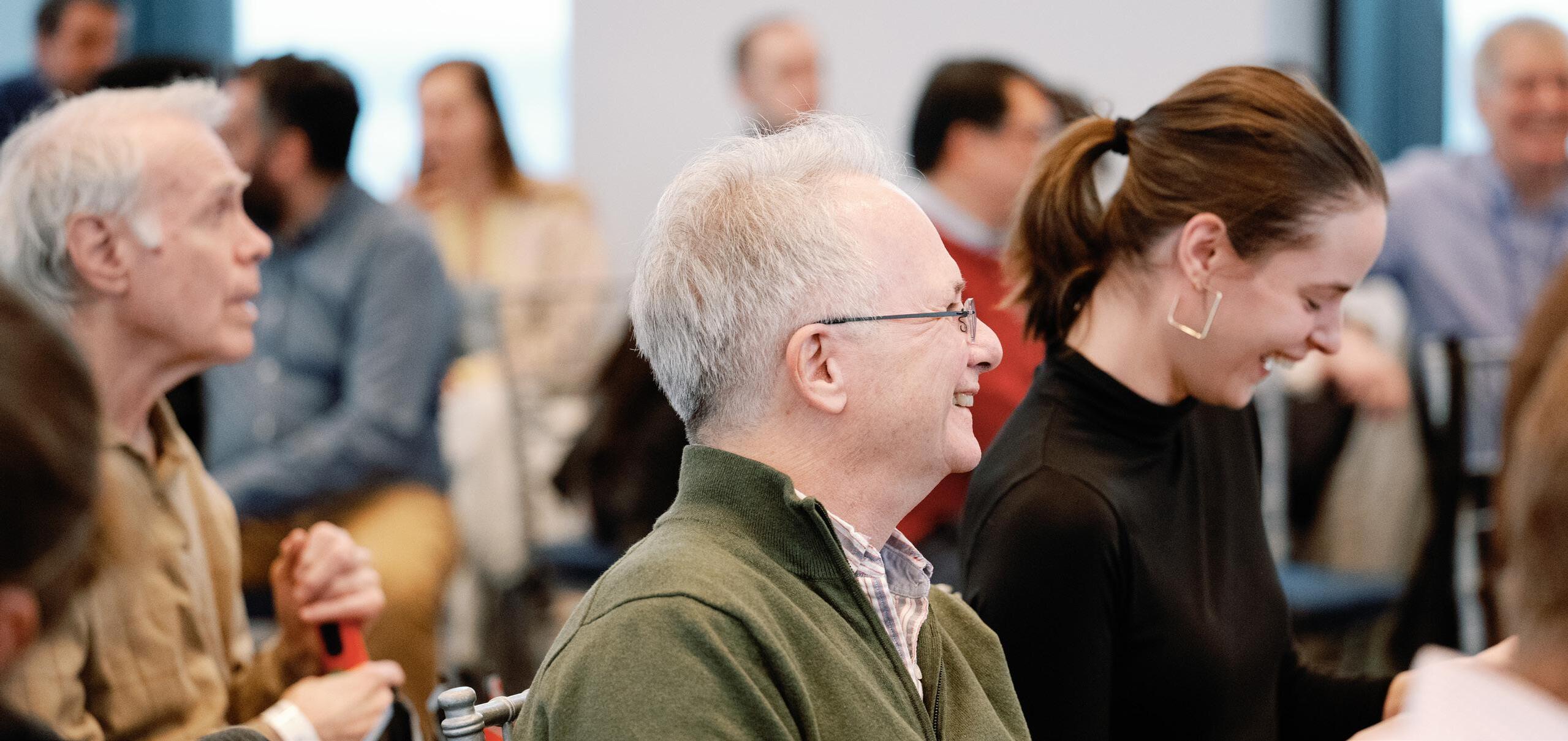
Building teams with complementary capabilities
“One great aspect of the EGC is that it brings together Yale researchers from different subfields to collaborate on important issues. One of the best collaborations of the past year was my work with Michael Peters, Aishwarya Lakshmi Ratan, and one of our most promising students, Meet Mehta, on developing the Global Gender Distortions Index (GGDI).” (See p. 14)
PROFESSOR
EGC has always addressed complex challenges, and complex questions call for more than a single perspective or analytical tool. The Center is designed to bring together researchers from different backgrounds and approaches, and give them the support they need to be successful. Throughout these pages you will see the results of these connections – within economics, across centers at Yale, and through partnerships with governments and local communities in other countries.
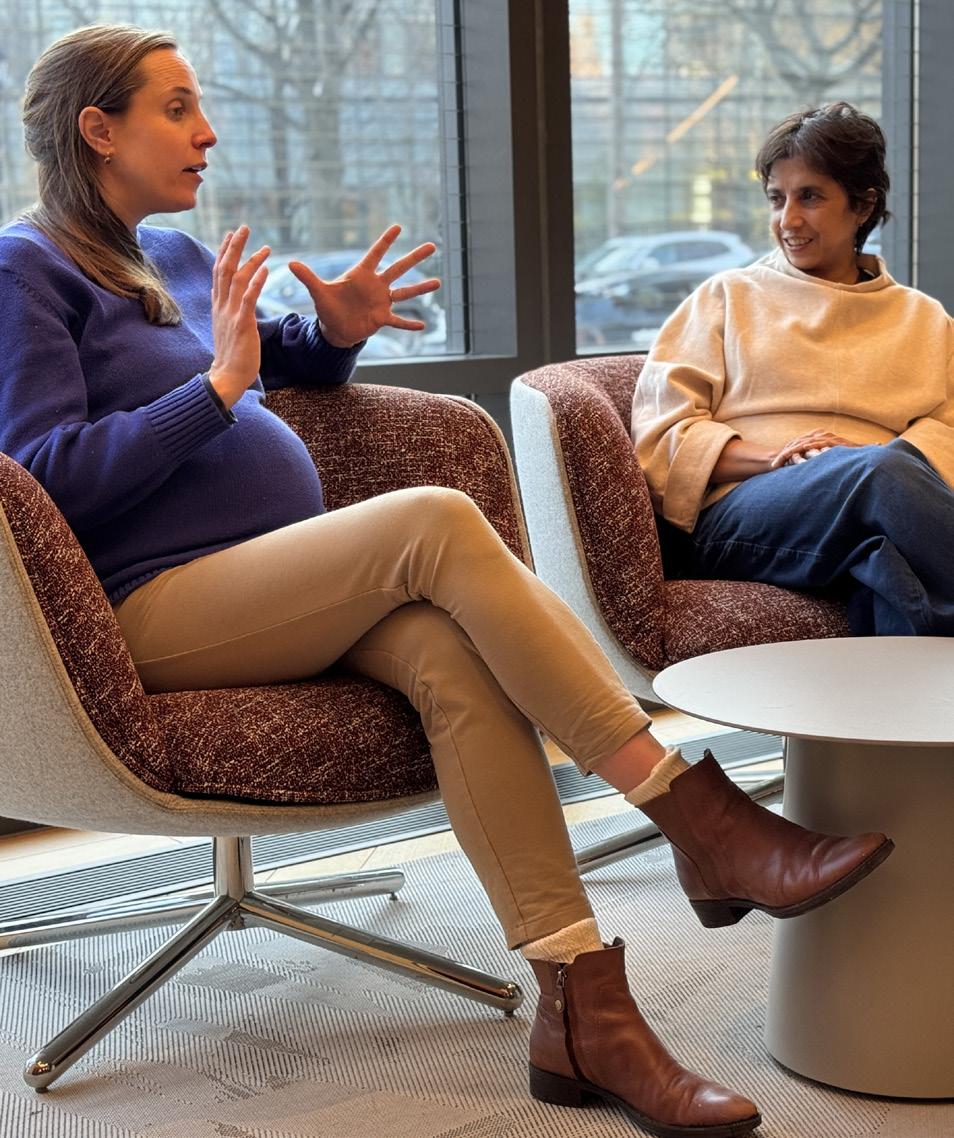
Lab experiments in the field
A new working paper is the result of an EGC-supported collaboration between EGC Director Rohini Pande and affiliate Maria Kogelnik, along with Charity Troyer Moore and Akash Uppal. Kogelnik leads research for the new Experimental Methods Initiative at Yale Inclusion Economics.
“Applying experimental methods in development lets us ask much more detailed questions than are possible in other kinds of studies. Big data lets us see what happens to women’s careers in places like India, but the level of fine-grained experiments that we ran for this new project let us better understand why. Seeing that women in Indian rural villages in Madhya Pradesh are less likely to work for pay than men, you might assume that men put constraints on them. But we found that for both men and women, social norms around gender roles mean the job opportunities available to them are not aligned with their top choices. EGC gave us the opportunity to collaborate and combine our methodological expertise, and to work with YIE affiliate Charity Troyer Moore, who brought deep regional experience, and Akash Uppal, a graduate of the Yale IDE master’s program (see p. 20) who is now pursuing a PhD at the London School of Economics.”
MARIA KOGELNIK & ROHINI PANDE
PINELOPI GOLDBERG
Photo Credits: Julia Luckett, Jackson Martin, Deanna Ford
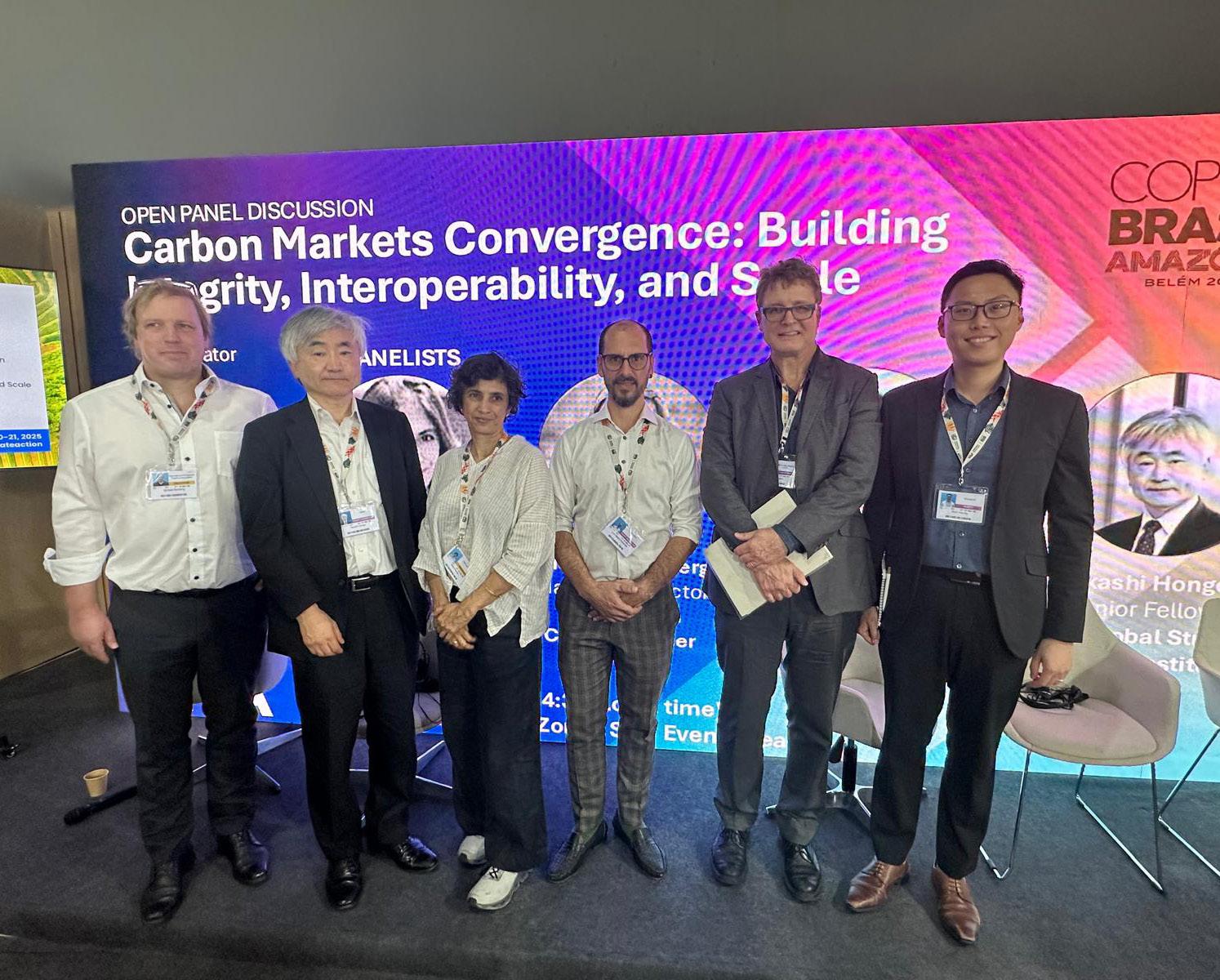
Informing global climate policy at COP30
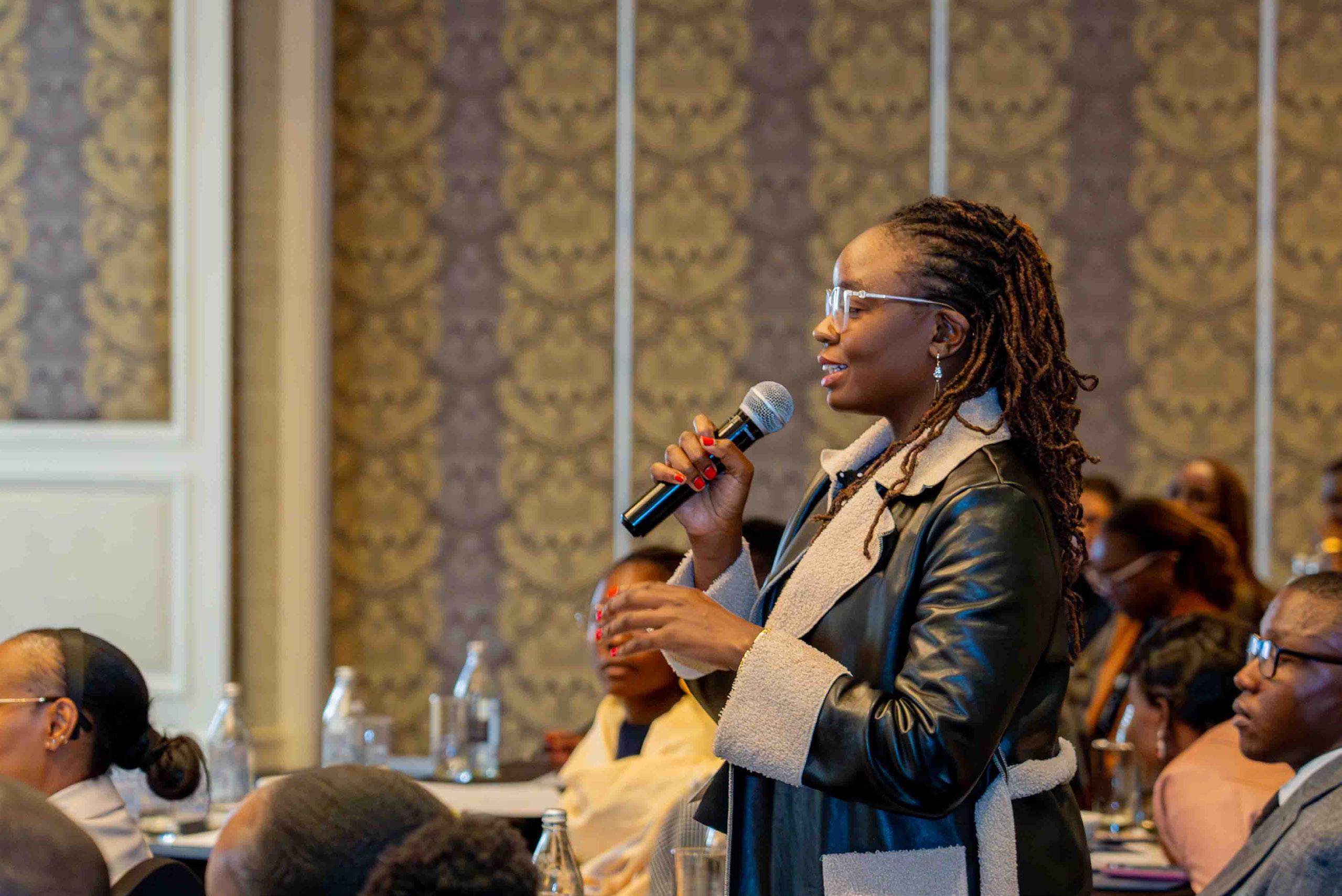
At the request of COP30 leadership, EGC Director Rohini Pande chaired a new working group that outlined a pathway for uniting the world’s fragmented carbon emissions exchanges into a single global market. The proposed system would unlock large-scale investment in green energy and nature-based solutions in lowerincome countries – and offer a credible route to global net zero. Pande presented the group’s findings at the COP30 meetings in Belém, where a new coalition of 18 governments (including China, the EU, and the UK) was announced, committed to the principles recommended by the working group. In the coming year, EGC’s Carbon Markets initiative will work with global policymakers to design a credible carbon markets agenda based on strong data and evidence.
SEE MORE AT EGC.YALE.EDU/CARBON-MARKETS

Going beyond New Haven
EGC builds relationships with policymakers to understand their priorities and apply the tools we have as researchers to help address them. In India, EGC has developed working relationships with government ministries on programs that have the potential to improve the quality of life for millions of people. For example, by listening to the government’s priorities and working with them to rigorously test solutions, EGC researchers recently contributed to a solution that is now providing cleaner air for an estimated 15 million people. Similarly, an intervention to improve India’s largest workfare program covered more than 25 million low-income citizens and generated benefits totaling more than 170 times the program’s cost. In other regions, EGC-affiliated researchers are currently working with governments in Kenya on a project to expand and strengthen early childhood education – enabling mothers to enter the workforce – and in Brazil to address the gender wage gap.
The people behind the impact
“With its specialized research and management staff, EGC provides critical infrastructure for conducting research in low-income countries. The success of an international study, such as our pre-school experiment in Kenya, depends critically on their support. This ranges from financial management and oversight of the project to navigating an often complex IRB [ethics board] process across countries and ensuring buy-in and cooperation with local academics and implementing agencies. Effectively, EGC provides a team that ensures quality management and on-the-ground implementation of the key elements that are critical to project success.
EGC also brings together researchers in development from a wide range of specializations. When people who think about development from different angles work together, it sparks new ideas and creative combinations of methods.”
COSTAS MEGHIR
Government and Industry Partnerships
Google Research / Google.org
University of West Indies, Mona
COP30
Brazil Secretariat for Monitoring and Evaluation of Public Policies and Economic Affairs, Ministry of Planning and Budget
Federal University of Pernambuco
Government of Tharaka Nithi
County in Kenya
Kenyatta University
M-KOPA
Cinch
Ujamaa
HelloTractor
Sierra Leone Ministry of Health and Sanitation
Rwanda Ministry of Trade and Industry, Development Bank of Rwanda, and Rwanda Development Board
Rwanda Standards Board and Development Bank of Rwanda
Rwanda Ministry of Infrastructure
Karnataka State Department of Agriculture Department of Agriculture, Government of Telangana Mulkanoor Cooperative
Ministry of Rural Development, Government of India
Bihar Rural Development Department
State government of Meghalaya in India, Meghalaya Basin Development Authority, Meghalaya Government Innovation Lab
Onodera User Run
Madhya Pradesh State Employment Guarantee Council
Gujarat State Pollution Control Board
Nepal National Association of Rural Municipalities
British Embassy Kathmandu / Foreign, Commonwealth & Development Office Centre for Study of Labor and Migration
Eastern Power Distribution Company of Andhra Pradesh Limited (APEPDCL)
Asian Development Bank
BRAC TETRA
Girl Move
Yale Inclusion Economics
Yale Inclusion Economics (YIE) focuses on promoting inclusive and sustainable economic development through the identification and promotion of evidencebased institutional and policy reforms. YIE brings together local organizations, Yale researchers, and students to combine rigorous data-informed analysis with active policy engagement, ensuring that research insights inform meaningful change. YIE is a collaboration with the Yale Macmillan Center and part of the broader Inclusion Economics network, which includes Inclusion Economics India Centre (IEIC) and Inclusion Economics Nepal (IEN).
Data-driven climate policy and forest conservation in India
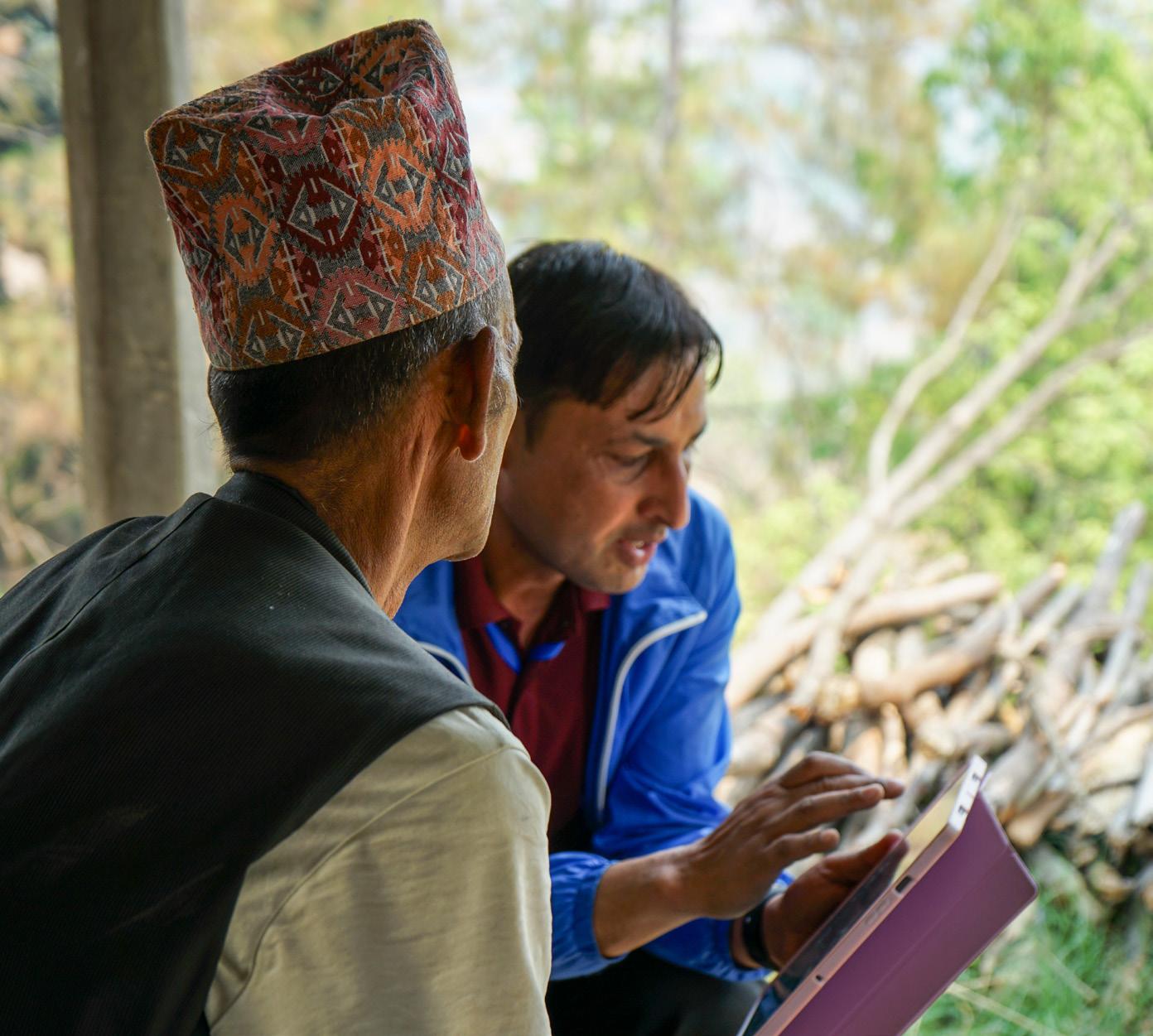
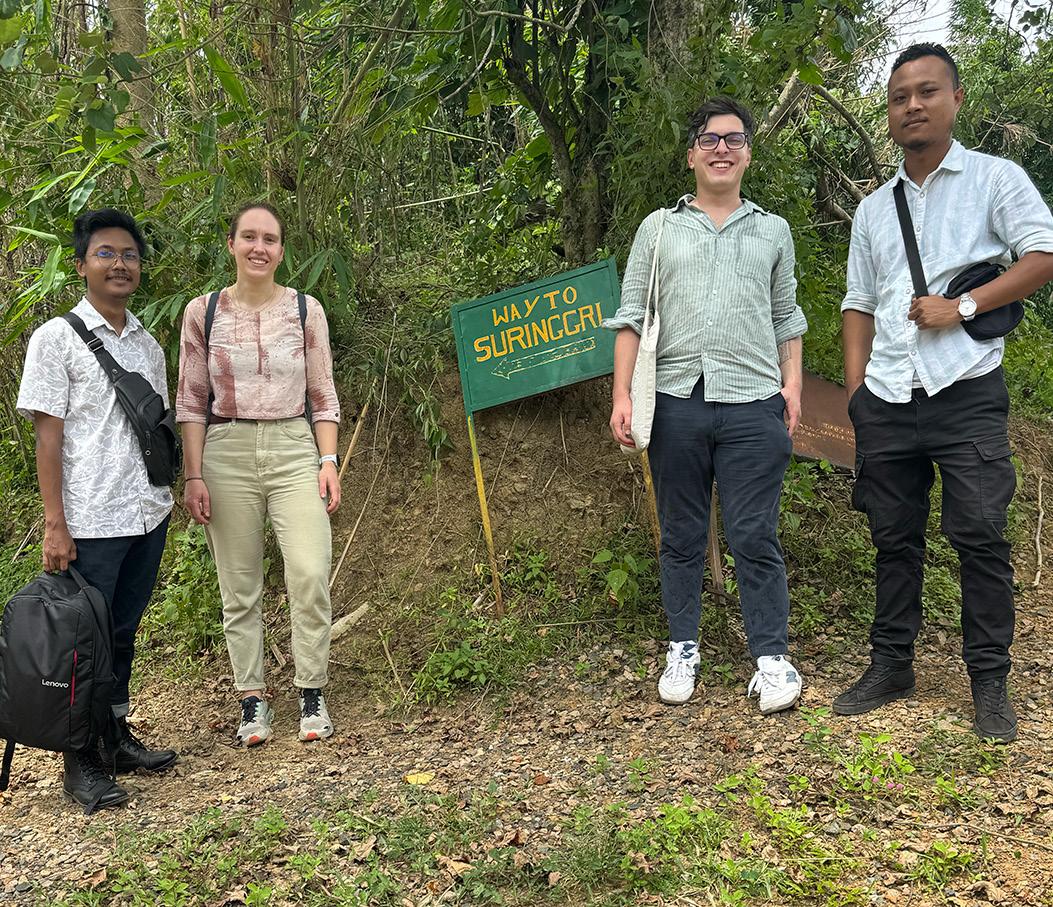
Since 2024, researchers from Inclusion Economics have worked with policymakers in the state of Meghalaya, in northeast India, to rigorously evaluate its GREEN Payment for Ecosystem Services (PES) program. The program aims to combat deforestation pressures by compensating landowners to preserve private forest land, while supporting rural incomes.
The research team uses satellite, administrative, and primary survey data to measure program enrollment, household welfare, and, crucially, whether the program actually leads to additional forest protection by paying landowners who would otherwise have deforested. New machine learning tools will also help build predictive models of areas most at risk of deforestation.
Photo Credits: Lauren Bisio, Austin Bodetti, Ishan Tankha, Melanie Stengel
Building an evidence base to guide inclusive digital pathways for women
Yale Inclusion Economics (YIE) researchers were recently awarded $3.5 million for research and policy work to advance benefits for women from digital transformation – where innovative tools, products, and services bring opportunity to connect individuals to finance, work opportunities, and more. Drawing on years of testing digital inclusion programs, the project works with implementing partners in East Africa to apply YIE’s systems framework for how public and private sector organizations can design programs that meaningfully advance digital opportunities for women. This grant will expand the team’s engagements in the region, supporting a strong foundation for evidence-based policy in digital ecosystems.
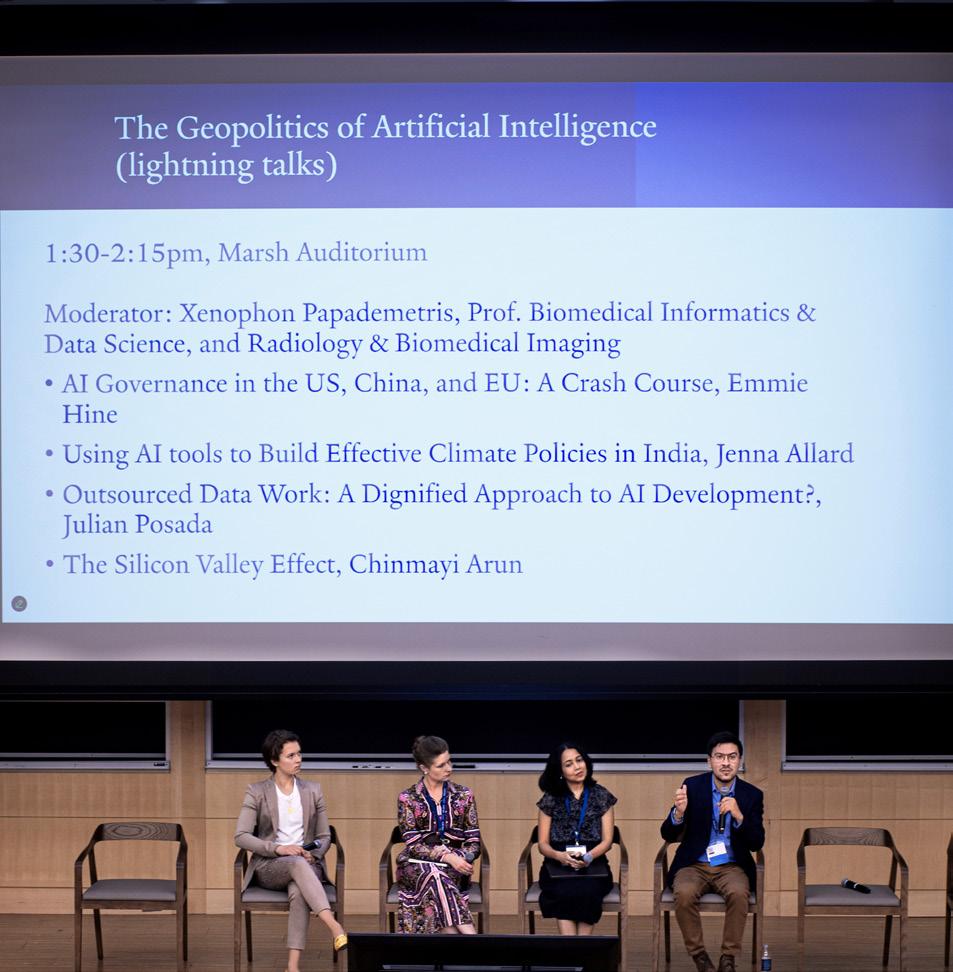
EGC in the Yale AI community
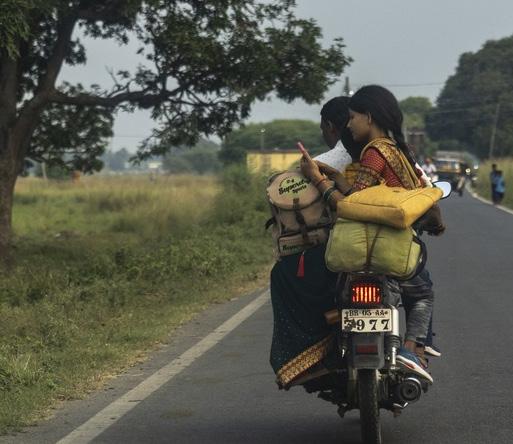
When the Office of the Provost launched its first AI at Yale Symposium in 2025, EGC’s Inclusion Economics initiative was selected to present insights from its work to over 700 colleagues. Jenna Allard showcased YIE’s research using AI to strengthen climate policy in India, demonstrating how AI can improve targeting, verification, and accountability when embedded in existing programs.
The intergenerational effects of microenterprise growth
Poor entrepreneurs must frequently choose between investing in their businesses or their children’s education. In Kolkata, India, Rohini Pande and colleagues compared traditional fixedrepayment loans to microentrepreneurs with flexible repayment plans designed to allow more up-front investment. The flexible loans did stimulate business growth, but only families with more educated parents invested those gains toward their children’s education; children with at least one illiterate parent who received flexible loans were less likely to complete secondary education.
Investing in the Next Generation: The Long-Run Impacts of a Liquidity Shock. American Economic Review, 11.9 (2024)
New Faculty
MARIA KOGELNIK: Lecturer and Associate Research Scientist, Yale Department of Economics and Cowles Foundation for Research in Economics
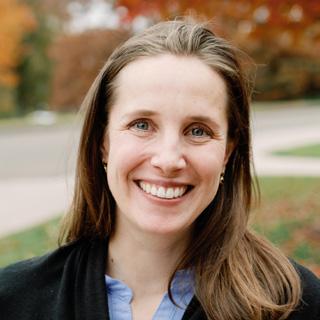
Kogelnik’s research interests span behavioral, applied micro, and experimental economics. Her work examines gender and beliefs, studying how men and women assess their performance in response to feedback. She is building the new Experimental Economics initiative at EGC and YIE, which will expand methods, approaches, and student learning opportunities.
Climate, Energy, and Growth Initiative
The initiative brings experts together with leaders and policymakers in low- and middle-income countries to help address urgent challenges balancing the energy demands of growth with climate resilience and emissions controls. As energy demand and climate risks rise across the Global South, the initiative’s policy-oriented research aims to help governments advance inclusive economic growth alongside emissions control and climate resilience. Researchers work with policymakers, focusing on four core areas:
Energy consumption & groundwater supply
Adaptation to climate risk
Energy markets & the clean energy transition
Environmental markets & regulation
This year the initiative worked with state governments in India to test and improve large policy programs, including one offering landowners incentives to prevent deforestation and another incentivizing farmers to practice lower-methane rice cultivation through sustainable irrigation.

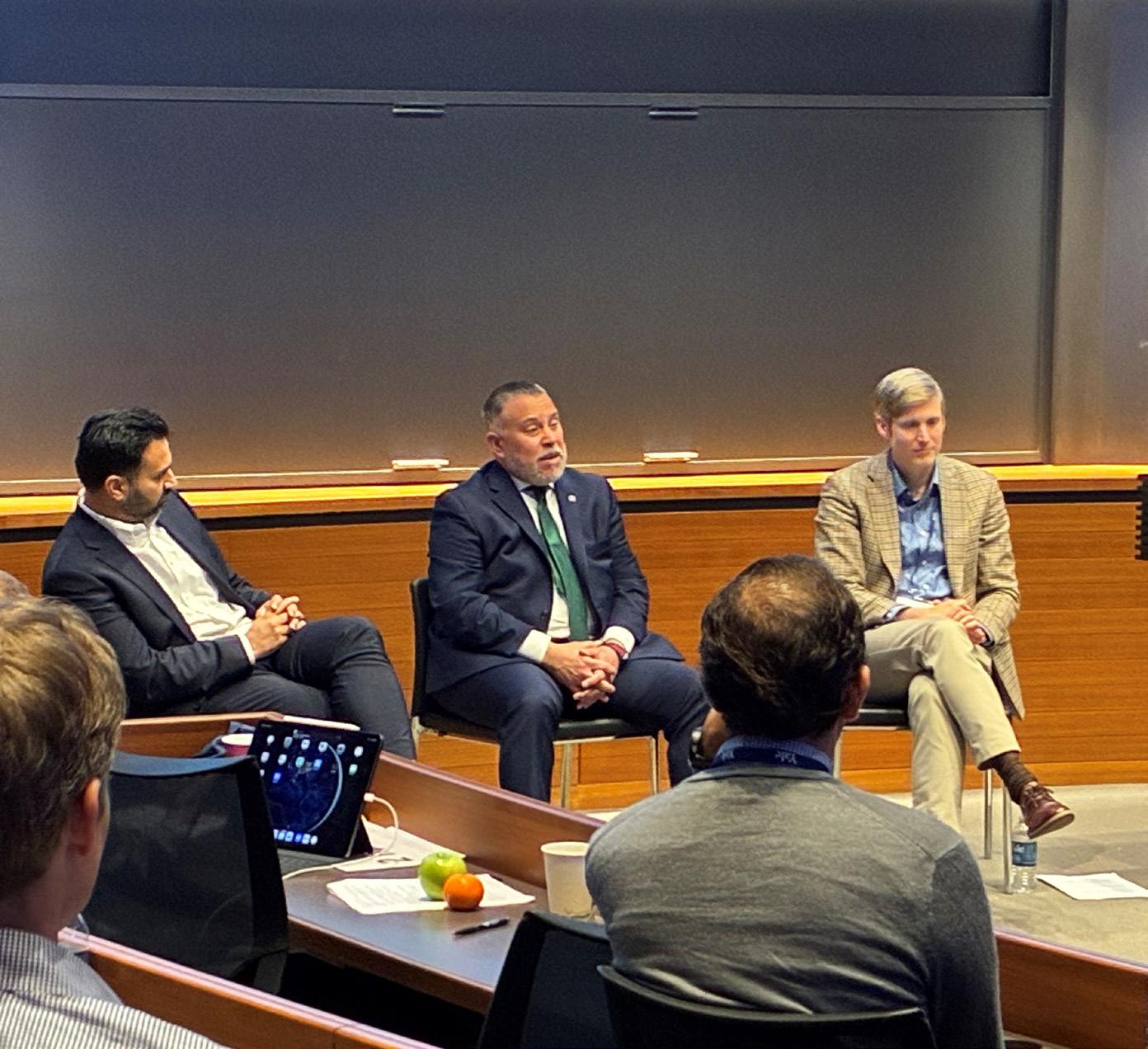
Addressing the economics and politics of energy and climate
In May 2025, EGC affiliate Nicholas Ryan and Kenneth Gillingham from the Yale School of Environment brought experts in biodiversity, carbon markets, and political economy together with policy and energy industry leaders for the Northeast Workshop on Energy Policy and Environmental Economics. Former White House National Climate Advisor Ali Zaidi was among those discussing the latest research and how it will be applied to real-world policy, including how AI energy needs will influence electricity demand, even as renewables face challenges.
Photo Credits: Mohmed Nazeeh, Unsplash; Noel Sardalla; Rohit Raj, Unsplash; Makh, Shutterstock
Planetary Solutions grants
Yale Planetary Solutions awarded grants to EGC faculty affiliates Eli Fenichel, Rohini Pande, Nicholas Ryan, and Jessica Seddon. Fenichel, of the Yale School of the Environment, will be working with a coalition of private and public sector partners to generate the first natural capital valuation of soil. Pande’s work harnesses AI to identify critical carbon sinks and translate climate predictions into actionable guidance for local officials. Ryan’s project uses satellite technology to track methane emissions and water-saving practices by monitoring climate-smart practices in rice farming. Seddon, of the Jackson School of Global Affairs, will work to understand how climate evidence can be turned into action and, under an additional grant with Fenichel and others, will develop a new interdisciplinary program to train Yale students in climate and national security risks.

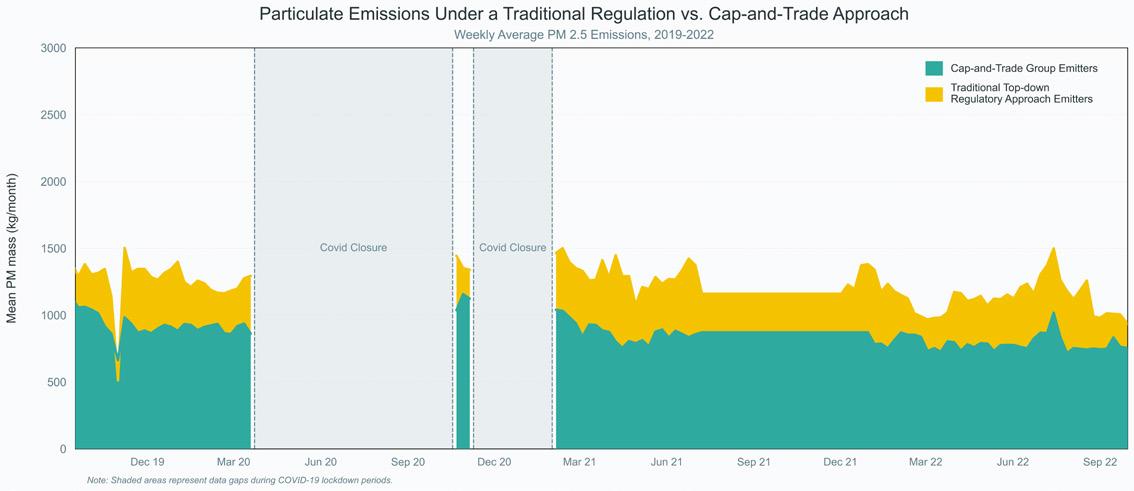
Harnessing the power of markets for cleaner air
Rohini Pande, Nicholas Ryan, and co-authors collaborated with Indian regulators to pilot the world’s first cap-and-trade market for emissions of particulate matter. In a city of over 8 million people, participating power plants reduced emissions by 20-30% compared to plants under the traditional regulations. A cost-benefit analysis found that the overall benefits outweighed costs by at least 25 times.
Quarterly Journal of Economics, 140.2 (2025)
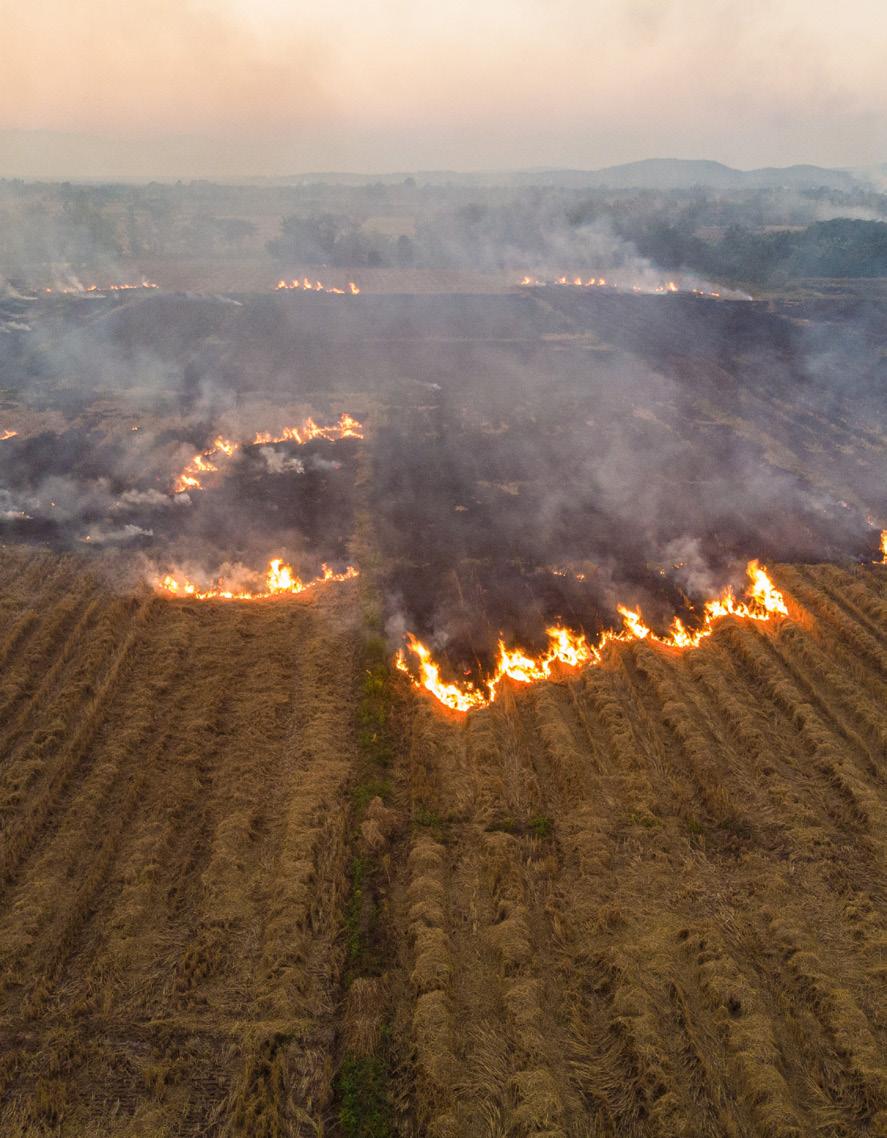
The potential of cash incentives to reduce environmental and human harm
Air pollution is a leading cause of mortality in many low- and middleincome countries, and a major contributor in some agricultural regions is farmers burning crop residue – the stalks and plant material left after harvest – as a quick way to clear fields. In a randomized trial in northern India, Rohini Pande and colleagues found that while providing standard cash transfers to farmers for not burning at the end of the season had no effect, changing the contracts to offer part of the payment at the start of the season reduced the practice by 10 percentage points. The upfront payments likely worked by building farmers’ trust that they would actually be paid and by making it easier to afford more expensive alternatives to burning.
American Economic Review: Insights, 7.1 (2025)
Gender and Growth Gaps Project
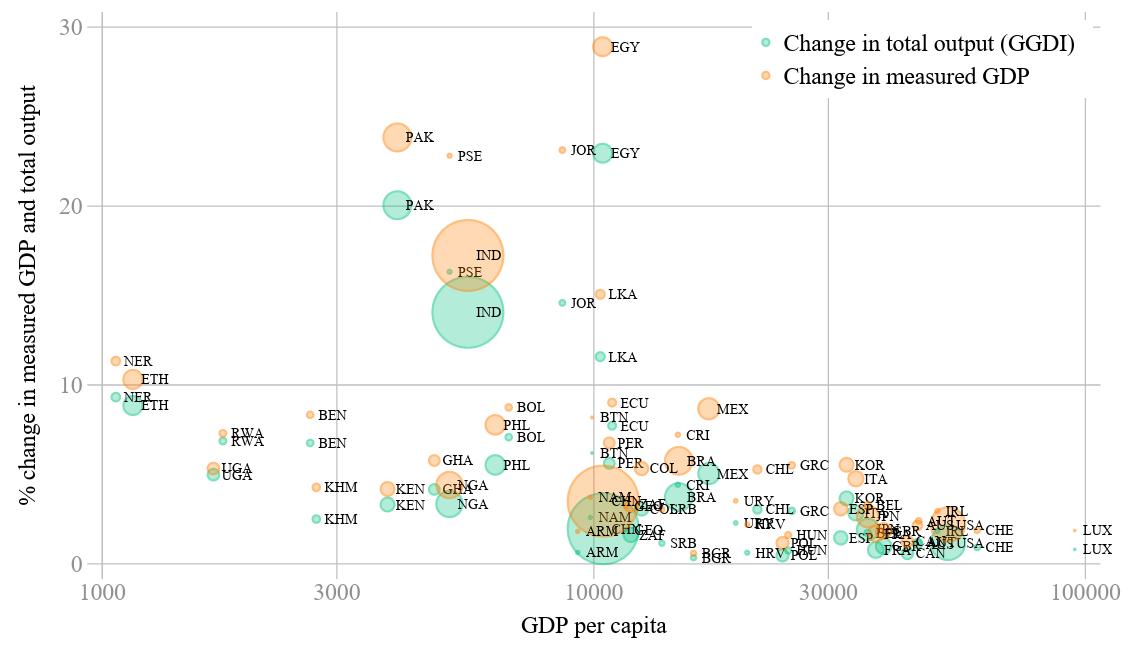
The Global Gender Distortions Index
Pinelopi Goldberg, Michael Peters, Aishwarya Lakshmi Ratan, Meet Mehta, and coauthors constructed the Global Gender Distortions Index, a new model to quantify the costs of labor market gender gaps. The GGDI combines data on labor income and job types to provide a common measure for 51 countries of how much higher economic activity would be if women had equal work opportunities. In some countries, economic output could be as much as 20% higher if women had the same opportunities as men.
“The Global Gender Distortions Index (GGDI).” EGC Discussion Paper 1108 (2025)
The Gender & Growth Gaps project brings together a team of micro and macro economists with complementary areas of expertise to explore the dimensions and consequences of gender inequality in lower-income countries. Over the last three years, researchers have uncovered several insights on the relationship between national-level economic growth and opportunities for women around the world.
In some countries, economic output could be as much as 20% higher if women had the same opportunities as men.
Why Indian women left the workforce as the economy grew
A working paper by EGC affiliates Michael Peters, Fabrizio Zilibotti, and graduate students
Pamela Torola and Lindsey Uniat finds that as India urbanized between 1987 and 2019, women’s labor force participation actually fell – driven by a shift to home production and discrimination. The paper estimates the cost of this trend for India’s economic growth.
“From Rural Fields to Urban Kitchens: Structural Change and the Decline of Women’s Work in India.” EGC Discussion Paper 1111 (2024)
Knowledge sharing
Removing barriers to women’s entrepreneurship could raise real incomes by 43%
Pinelopi Goldberg and Yale alum Gaurav Chiplunkar find that women represent less than a fifth of business owners globally. In India, removing the compounding barriers they face could shift business toward more efficient firms and significantly expand women’s employment – partly because women entrepreneurs are more likely to hire other women. This could boost productivity by an estimated 3% and real income by 43%.
“Aggregate Implications of Barriers to Female Entrepreneurship.” Econometrica, 92.6 (2024)
Why growth alone doesn’t close gender gaps
A nine-researcher Gender & Growth Gaps collaboration analyzed labor market data across 153 countries over two decades, finding that as economies grew, men shifted from agriculture into industry and services – while women were more likely to exit the workforce altogether. Traditional explanations don’t account for the wide regional variation observed, pointing instead to the importance of local norms and institutions, though systematic patterns do emerge by education level and marital status.
“Gender Gaps and Economic Growth: Why Haven’t Women Won Globally (Yet)?”
EGC Discussion Paper 1105 (2025)
Key to the Gender & Growth Gaps project’s structure is sharing the knowledge being built. In focal countries, the project brought together experts from academia, government, and the private sector to engage with these emerging insights. In Nairobi, EGC hosted a research-policy dialogue on “Harnessing Human Capital for Growth and Development in Kenya” in June 2025. Participants included Kenya’s Director General of the National Bureau of Statistics, a Member of Parliament, county government executives, representatives from philanthropy, major employers, and leading academics. In collaboration with UNDP Asia-Pacific, the third iteration of the “Gender and Structural Transformation in South Asia” research-policy dialogue was held in August 2025 in New Delhi, featuring Vice Chairperson Niti Aayog commenting on current trade and labor market trends and opportunities in the region.
EGC has built active knowledge sharing channels with the World Bank and IMF, through collaboration on research, policy events, and advisory roles by two of the project’s lead academics (Rohini Pande and Pinelopi Goldberg). On the sidelines of the 2025 World Bank and IMF Spring Meetings, Yale EGC and the Center for Global Development hosted a discussion on gender
gaps and structural transformation in an era of urbanization, industrialization, and digitalization. Yale hosted the inaugural North East Universities Gender Day conference on April 3, 2025, bringing together early-career and senior scholars to discuss topics ranging from the effects of abortion bans on maternal and infant health to intra-household dynamics and economic agency and the impacts of gender disparities on the labor market.
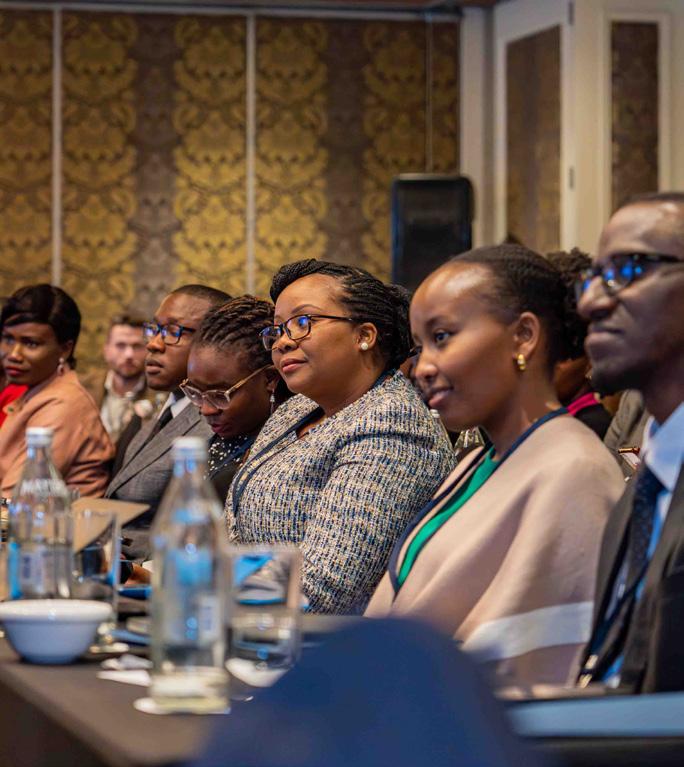
EGC is pleased to have received a $1.5 million grant to extend this important work and operationalize learnings on removing gendered distortions in labor markets to improve aggregate productivity and growth, while also investigating current frontier issues affecting economic growth strategies in LMICs, including automation and AI, rising trade barriers, declining fertility, and climate breakdown.
Markets and Development Initiative
Some of the most important policy issues facing low- and middle-income countries relate to how the structure and functioning of markets – including agricultural, educational, energy, financial, and manufacturing markets – shape firm growth and, more broadly, economic development. The Markets & Development initiative blends methods from industrial organization, trade, and development economics for a deeper understanding of markets in lower-income countries.
Highlights
Lauren Falcao Bergquist was awarded an NSF CAREER grant to support her research on policies that will enable farmers and agrobusinesses in African and Latin American countries to boost incomes by moving into higher-value export crops, unlocking structural change.
In December 2024, as part of EGC’s Development Dialogues podcast, Amit Khandelwal, Isabela Manelici, and Arvind Subramanian discussed how developing countries have engaged with global trade and what the second Trump administration might mean for the future of trade.
Amit Khandelwal and his co-author’s work examining the administration’s elimination of the “de minimis” tariff exemption for low-cost consumer imports was featured in the New York Times, The Economist, and NPR. They found that this change could cost American families on average up to $136 per year, with the greater burden falling on minority and lower-income consumers.
Pinelopi Goldberg authored several commentaries for policymakers and the public in Project Syndicate. She explained the effects of resurgent protectionism on lower-income countries, how policy leaders must weigh tradeoffs when instituting tariffs, and analysis of how financial markets have mitigated the effects of tariff threats.

Goldberg was awarded the 2025 Jean-Jacques Laffont Award by the Toulouse School of Economics, an award which honors an economist whose research combines robust theory with empirical application. She was also awarded the 2025 A.SK Social Science Award by the WZB Berlin Social Science Center, for her contributions to the analysis of political and economic reforms.
Photo Credits: Nicolas Issaly; Marta Bertanzetti; Alf Ribeiro, Shutterstock
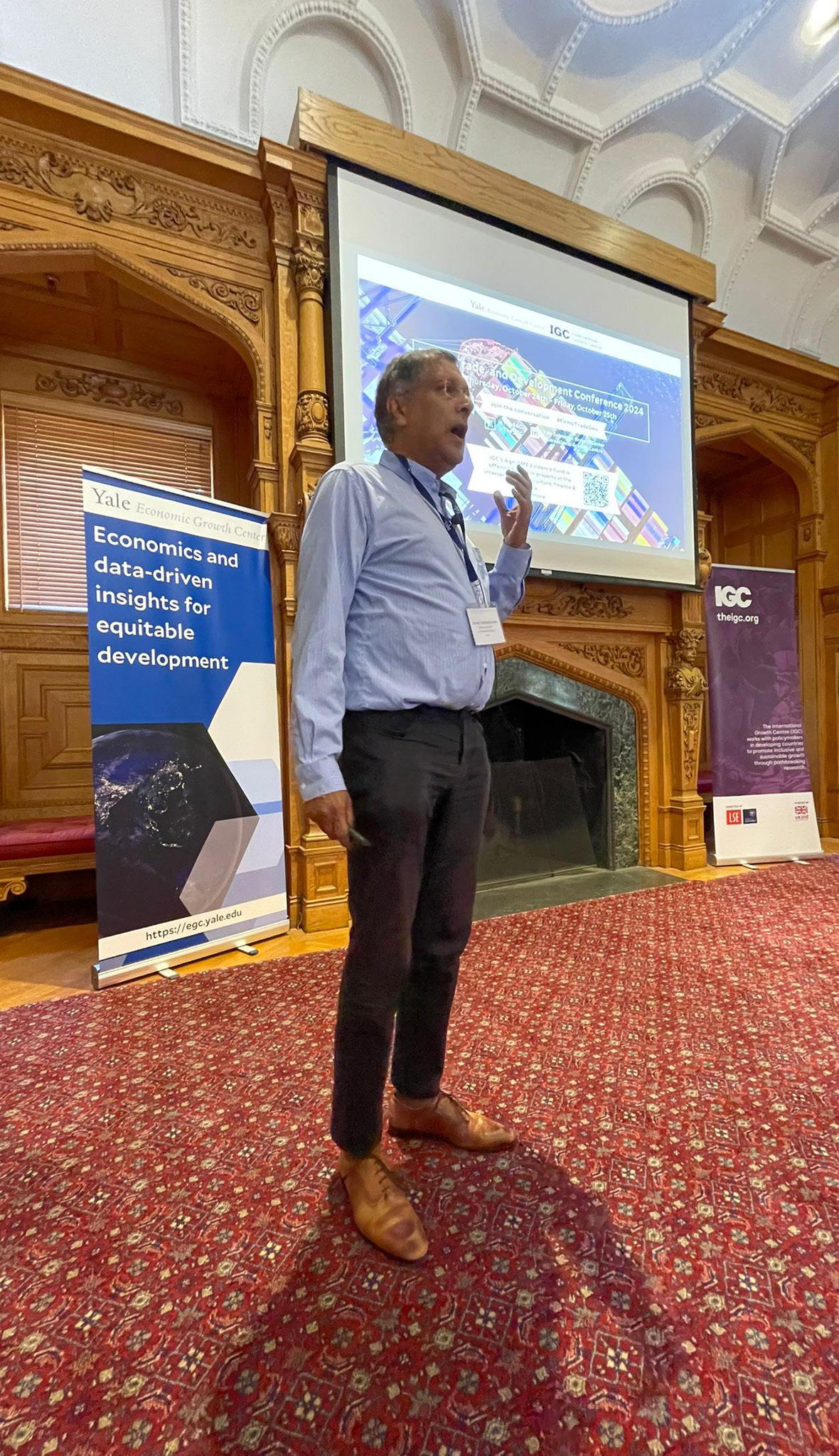
2024 Firms, Trade, and Development Conference
Arvind Subramanian, a Senior Fellow at the Peterson Institute for International Economics and Former Chief Economic Adviser for the Government of India, delivered the keynote address at the 2024 Firms, Trade, and Development Conference. The event brought together over 100 scholars sharing research on topics including labor productivity, immigration, environmental policy, and foreign trade regulations.
The power of well-timed access to credit
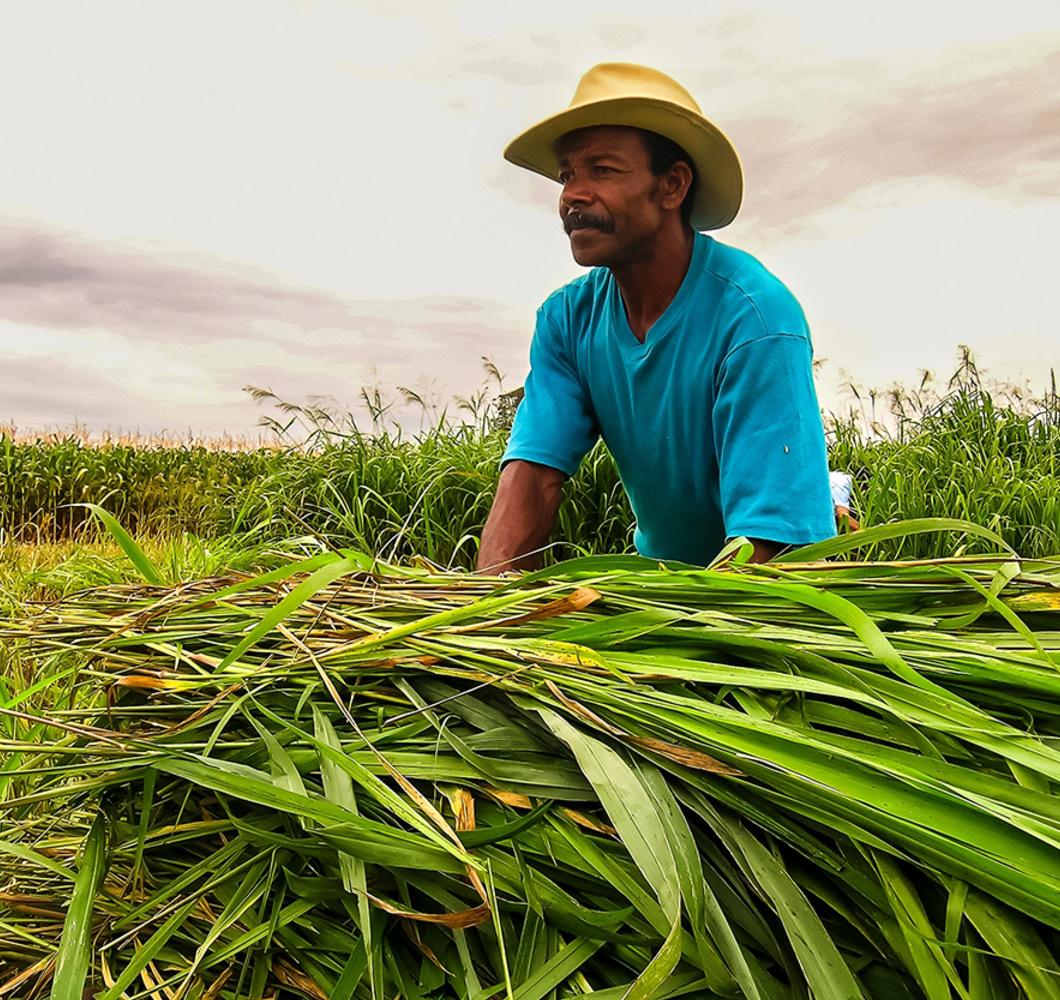
In rural African grain markets, prices fluctuate dramatically, falling during harvest time and rising during the “lean season.” While farmers could store grain and sell it later when prices are higher, financial pressures force most smallholder farmers to sell when prices are low. In rural Western Kenya, Lauren Falcao Bergquist and coauthors found that offering both a loan and a savings product increased farm investment by 11% and consumption by 7% for households.
Journal of Development Economics, 171.103346 (2024)
Breaking down the welfare gains from trade
Ana Cecilia Fieler and her co-author develop a framework to decompose the gains from trade and growth into improvements in the quantity, quality, and range of goods consumed. Using a novel model, they unite two strands of trade research: first, the formulation of models to understand aggregate trade values and implications for welfare, and second, the decomposition of exports into the variety of products and sales per product. They find that growth in the quantity of products accounts for approximately half of overall welfare gains, and that quality improvement plays a larger role in gains from trade than in gains from economic growth.
Econometrica, 93.1 (2025)
Bridging the Atlantic Project: Migrations & their Legacies
The Bridging the Atlantic Project is a comprehensive database of immigrant flows from Spain and Africa to the Americas dating from 1492. Combining data from different historical sources, this public good will help researchers better understand the historical and economic development of the Americas.
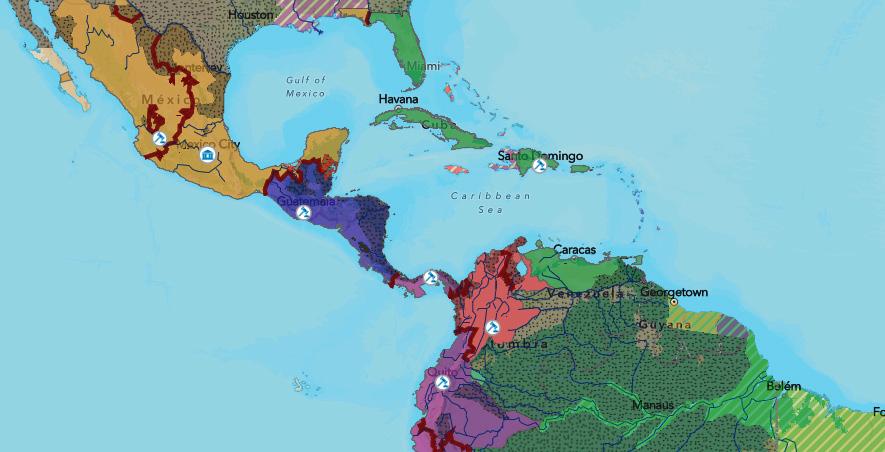
HGIS de las Indias
Interactive Website
HGIS de las Indias is a collaborative digital-humanities project that compiles and publishes open-access spatiotemporal data for late colonial Spanish America (ca. 1701–1808), offering maps, datasets, and interactive WebGIS tools that capture administrative divisions, settlements, religious missions, communication networks, economic activity, and demographic information. Its historical gazetteer and reconstructed geographies allow scholars, educators, and the public to trace shifting jurisdictional boundaries, locate indigenous and colonial settlements, follow postal and maritime routes, and map population or economic data from archival sources. Building on this foundation and in collaboration with Yale’s Center for Geospatial Solutions and Data-Intensive Social Science Center, the initiative will host these interactive maps on a dedicated portal and introduce a crowdsourcing component so researchers and community members can contribute additional data, increasing the scope and usability of the repository.
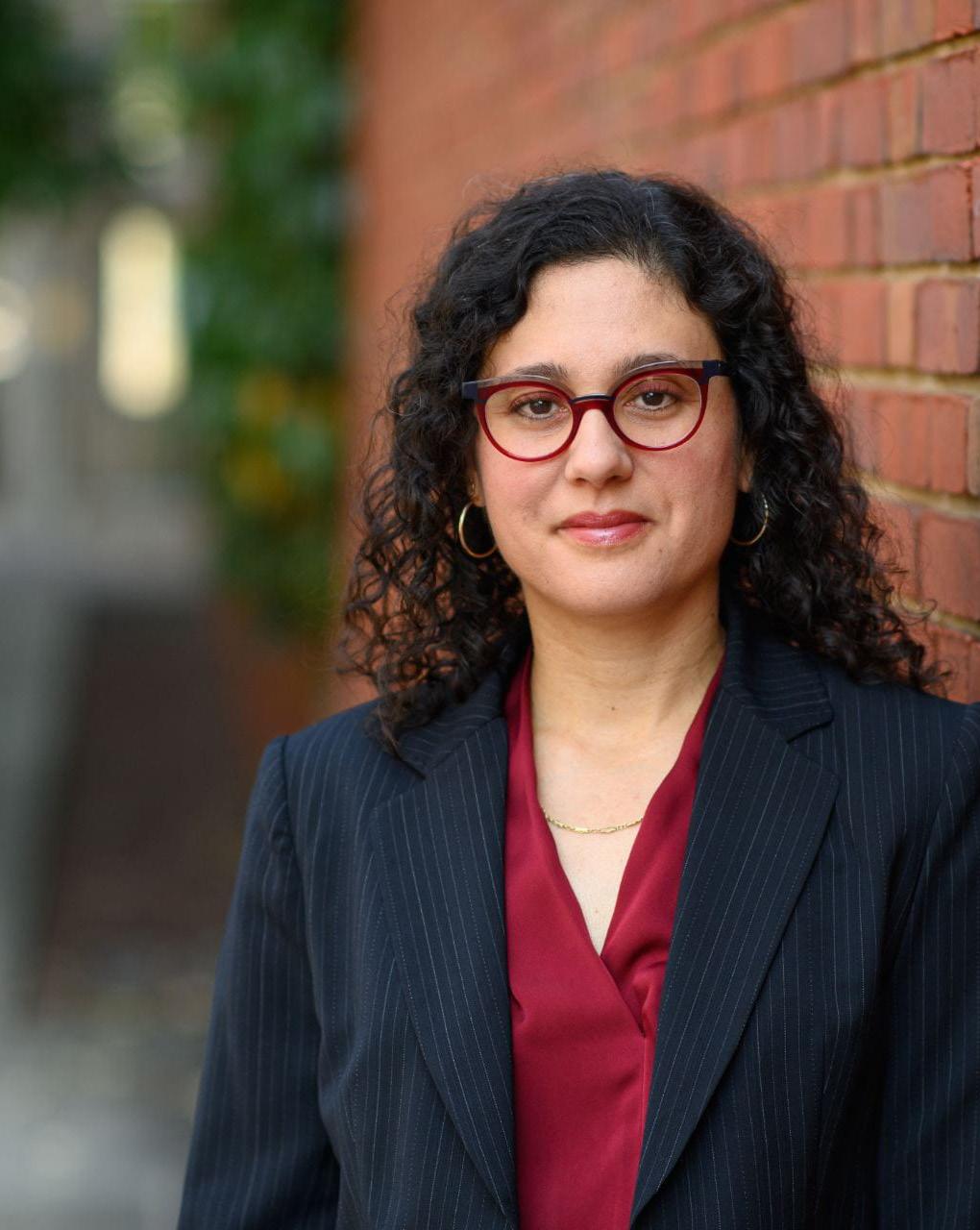
LEAH BOUSTAN Professor of Economics, Director of the Economic History Program at Yale University
Program in Economic History
The Program in Economic History fosters research on the historical development of economies, using empirical evidence, economic theory, and the examination of institutional contexts.
Economic history is the study of the long-term development of economies. The field uses empirical evidence, the tools of economics and econometrics, and appreciation of institutional context to understand how economies functioned in different times and places, and how present-day economic problems reflect earlier development.
The program is pleased to welcome its new Director Leah Boustan, joining Yale from Princeton. Her work combines labor economics and history, with her recent research addressing immigrant assimilation and economic mobility.
Latin America & the Caribbean Initiative
Despite rapid economic progress in recent decades, Latin America and the Caribbean is one of the world’s most unequal regions. According to a recent World Bank report, over 80% of the region’s countries have Gini coefficients – a measure of income inequality – above 40 (out of a maximum of 100), a higher share than sub-Saharan Africa. The initiative supports research in the region across key areas including Human Development, Economic History and Institutions, Social Protection, and Trade, Markets, and Development.
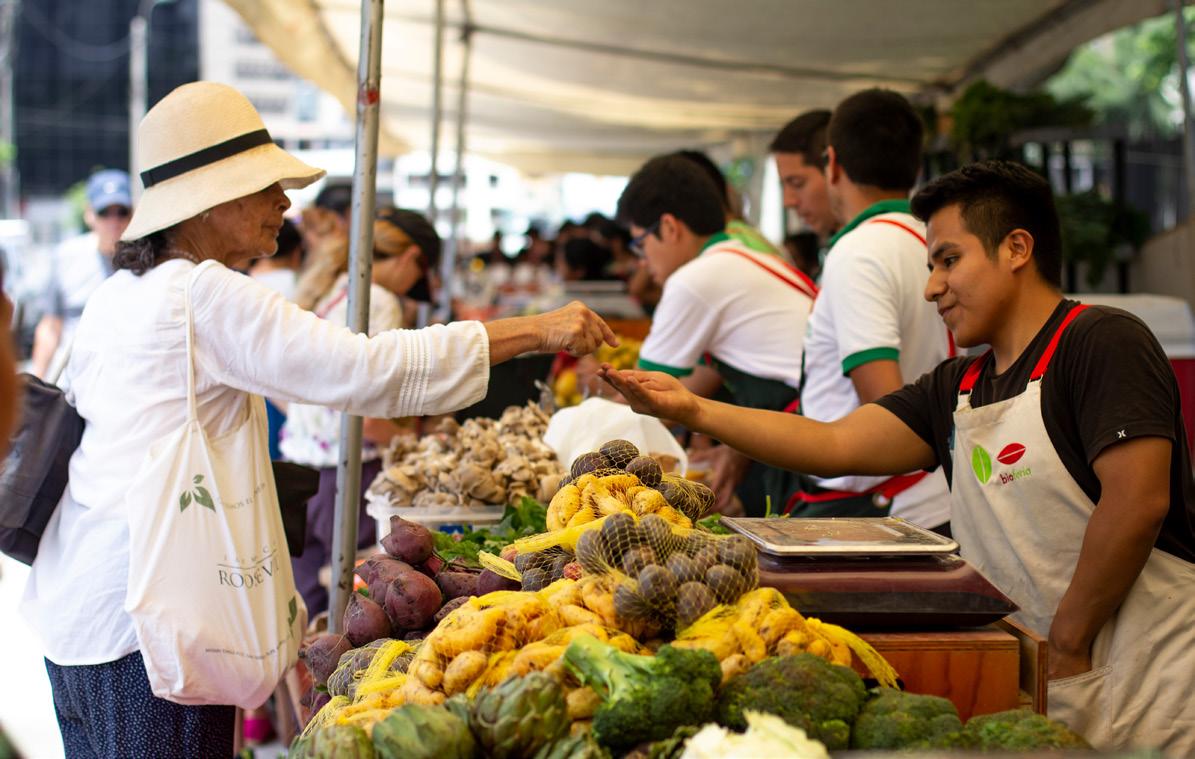
Informational nudges improve schools in Haiti
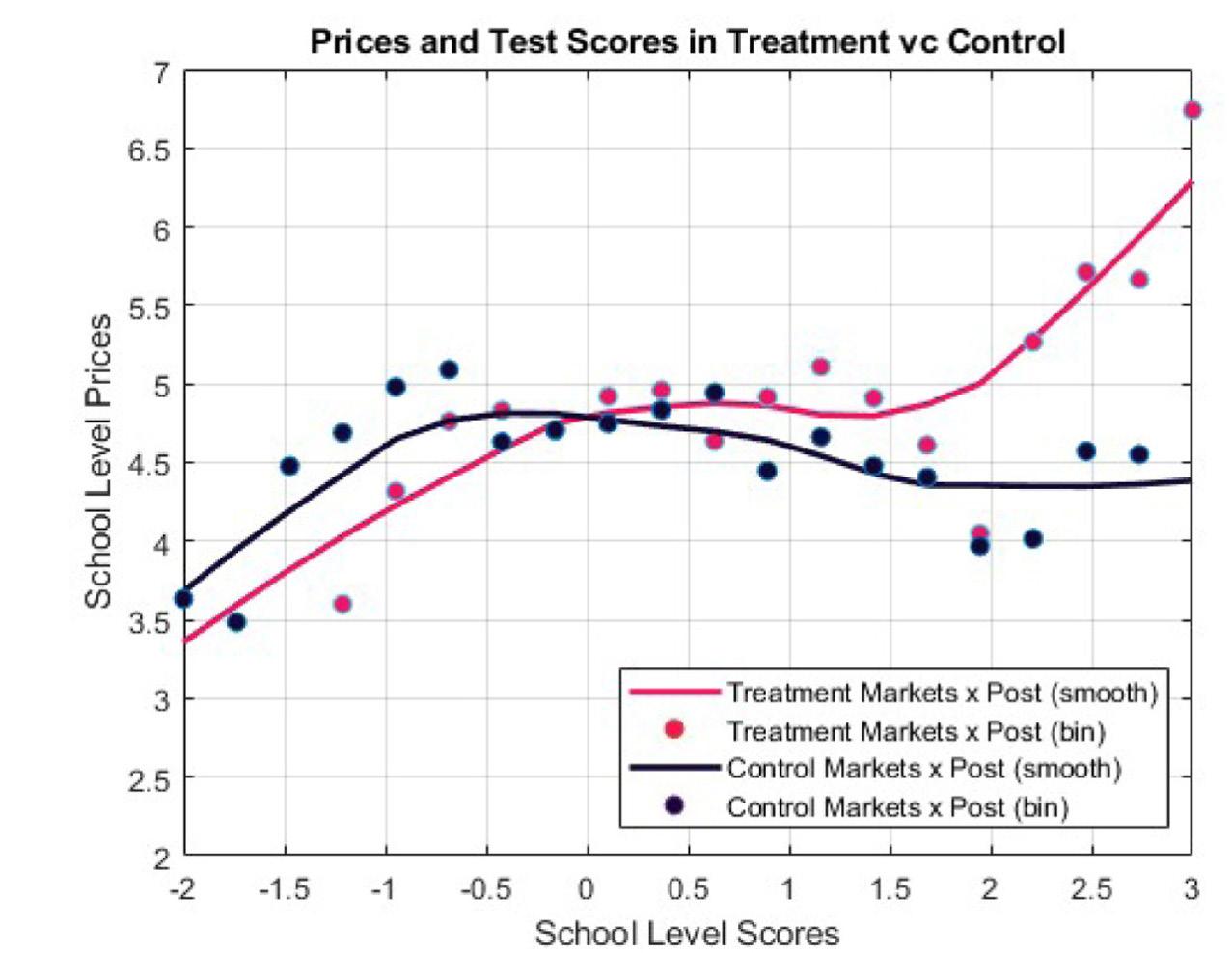
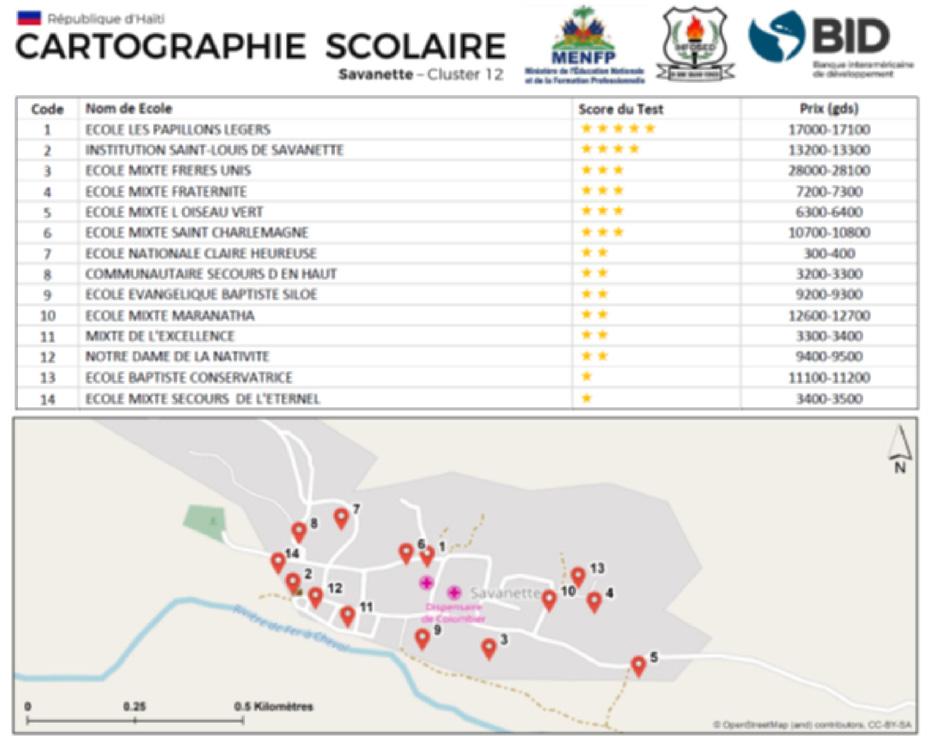
In rural Haiti, most poor children attend low-cost private schools which can vary widely in quality. Replicating a study from Pakistan, Christopher Nielson and colleagues conducted a randomized trial with data from over 13,000 fifth-grade students across 755 schools in a low-cost intervention – providing parents in randomly selected schools with simple report cards showing area schools’ test scores and prices, and encouraging meetings with school leadership. The intervention improved student learning outcomes by 0.22 standard deviations as families shifted enrollment toward higher-performing schools, which then expanded and raised prices while lower-scoring schools reduced fees or closed. The study demonstrates that even minimal information disclosure can reshape education markets in low-income settings, helping resourceconstrained families make better choices and incentivizing schools to improve quality.
“Report cards: Parental preferences, information and school choice in Haiti.” Economics of Education Review 102 (2024)
(Graph top left) After parents in the treatment (red) group were provided with information about school performance, better performing schools were in higher demand and shifted prices accordingly. (Graph bottom left) Sample report card given to parents reporting performance and cost of schools in their area.
The International and Development Economics (IDE) Program
From 1960 to 2025, 1,000+ students from 70 countries graduated from the program
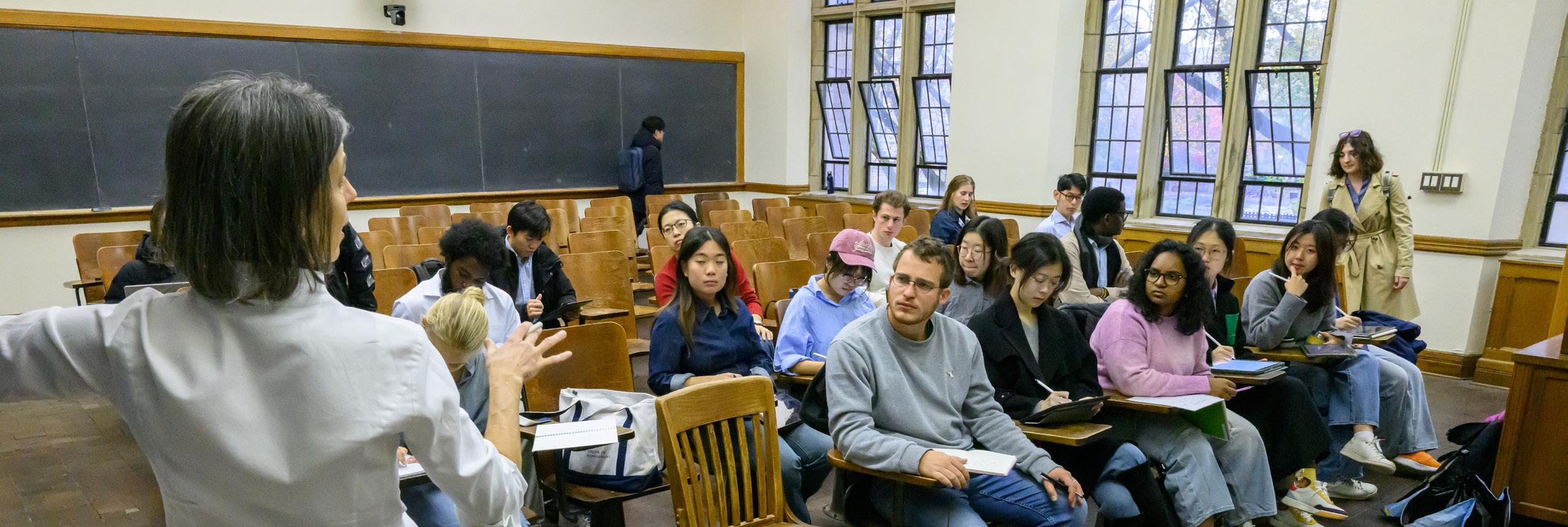
The IDE one-year master’s program traces its history back to 1955. The International Foreign Economic Administration program, as it was called then, began bringing young economists and statisticians in public service from other countries to pursue advanced training at Yale and return to their home countries. In 1973, the department reported that graduates included ministers from Brazil and Vietnam, as well as top officials at the central banks of Mexico and Japan. Today, the program still draws a largely international student body, and while many return to work in government in their home countries, many have gone on to predoctoral or doctoral programs at institutions such as MIT, Harvard, University of Chicago, and Berkeley and have gone on to become tenured scholars in the field. Others go to development research organizations such as J-PAL or into the private sector.
In recent years, the IDE program has invested in scholarships for students from sub-Saharan Africa and is working to raise external support for this effort. Starting this year, the program benefits from generous donor partners providing funding for students from Brazil.
The graduating class of 2025 had 27 students, all international, hailing from 14 countries. This year, six went into the private sector, three into ministries of finance or central banks in their home countries, and 15 into predoctoral research assistantships.
“The IDE program was an amazing experience. Academically, the program structure, with its mix of core and electives, provided me with a rigorous foundation for doctoral work as well as the flexibility to explore other related fields. My classmates were a diverse and inspiring group, and the professors encouraged us to challenge ourselves and get the most out of this program. I started a PhD in large part because of the incredible mentorship I received during the program, and I’m still grateful I was able to attend the IDE program when I look back.”
NAMRATA KALA, IDE CLASS OF 2007, ASSOCIATE PROFESSOR OF MANAGEMENT AND APPLIED ECONOMICS, MIT SLOAN SCHOOL OF MANAGEMENT
Photo Credit: James R Anderson
Visitors
Visiting Faculty
SHAN AMAN-RANA
University of Virginia (Fall 2024)
ANDY FERRARA
University of Pittsburgh (Fall 2025)
NIKLAS MONEKE
University of Oxford (Fall 2024)
MELANIE MENG XUE
London School of Economics (Fall 2025)
Postdoctoral Scholars, Academic Years 2024–26
NINA BUCHMANN (PhD Stanford) worked on research topics in behavioral economics and development economics as a Cowles Foundation postdoc 202425, in collaboration with EGC.
BINTA ZAHRA DIOP (PhD Oxford) was a Kuznets Postdoctoral Associate 2024-25 working on topics in labor economics primarily in Africa.
KEXIN FENG (PhD Caltech) is a Postdoctoral Associate in the Economic History Program for the 2025-26 academic year.
MEITAL PELEG MIZRACHI (PhD Tel Aviv University) was at Yale on a postdoctoral fellowship for 2023-25, conducting research on sustainable fashion.
RUSSELL MORTON (PhD University of Michigan) was a Postdoctoral Associate for 2024-25 with the Markets and Development Initiative.
LUCY PAGE (PhD MIT) was a Postdoctoral Associate at Yale Inclusion Economics and EGC in Fall 2024. She is a co-PI on the Payment for Ecosystems work in Meghalaya, India.
Visitors under the Kuznets Short-term Visitors Program 2024–25
JOSEPH KABOSKI
University of Notre Dame
MARLÈNE KOFFI
University of Toronto
ROHINI SOMANATHAN
Delhi School of Economics
SUHANI JALOTA
Hoover Institution, Stanford University
DR. HAMZA ISMAILA
Ghana Health Service
FRANCESCO AMODIO
McGill University
JORGE FLOREZ-ACOSTA
Central Bank of Colombia
NICCOLÒ MERIGGI
IGC Sierra Leone and University of Oxford
SULTAN MEHMOOD
New Economic School, Moscow
LISA HO (PhD MIT) joined Yale Inclusion Economics as a Postdoctoral Associate 2024-25, research affiliate, and co-PI on a project in Madhya Pradesh, India.
MARIA KOGELNIK (PhD UC Santa Barbara) was a joint EGC-Cowles Foundation Postdoctoral Scholar 202325, Yale Inclusion Economics research affiliate, and contributor to the Gender and Growth Gaps Project.
Faculty Honors
PABLO VALENZUELACASASEMPERE (PhD University of British Columbia) is a Postdoctoral Associate in the Economic History Program for the 2025-26 academic year.
JIE ZHOU (PhD MIT) is a Postdoctoral Associate at EGC and the Cowles Foundation for 2025-26, working at the intersection of digital economics, political economy, trade, and industrial organization.
PINELOPI GOLDBERG received the 2025 A.SK Social Science Award from the WZB Berlin Social Science Center and the 2025 Jean-Jacques Laffont Award from the Toulouse School of Economics. She was the 2024 Distinguished Fellow at the Center for Economic Studies in Munich, elected as International Fellow to the British Academy, and named the William Nordhaus Professor of Economics and Global Affairs at Yale.
JESSICA SEDDON, ELI FENICHEL, ROHINI PANDE, NICHOLAS RYAN were awarded five new grants from Yale Planetary Solutions.
LAUREN FALCAO BERGQUIST was awarded an NSF CAREER Grant to study agricultural supply chains.
ROHINI PANDE delivered the 3rd Annual Ashok Kotwal Memorial Lecture.
KAIVAN MUNSHI was named the Frederick W. Beinecke Professor of Economics.
DIANA VAN PATTEN won the 2024 Excellence Award in Global Economic Affairs from the Kiel Institute for the World Economy in Germany.
FABRIZIO ZILIBOTTI delivered a lecture at the Global Center for Economic Growth’s first Growth Academy.
EGC Supports the Next Generation of Economists

Undergraduates
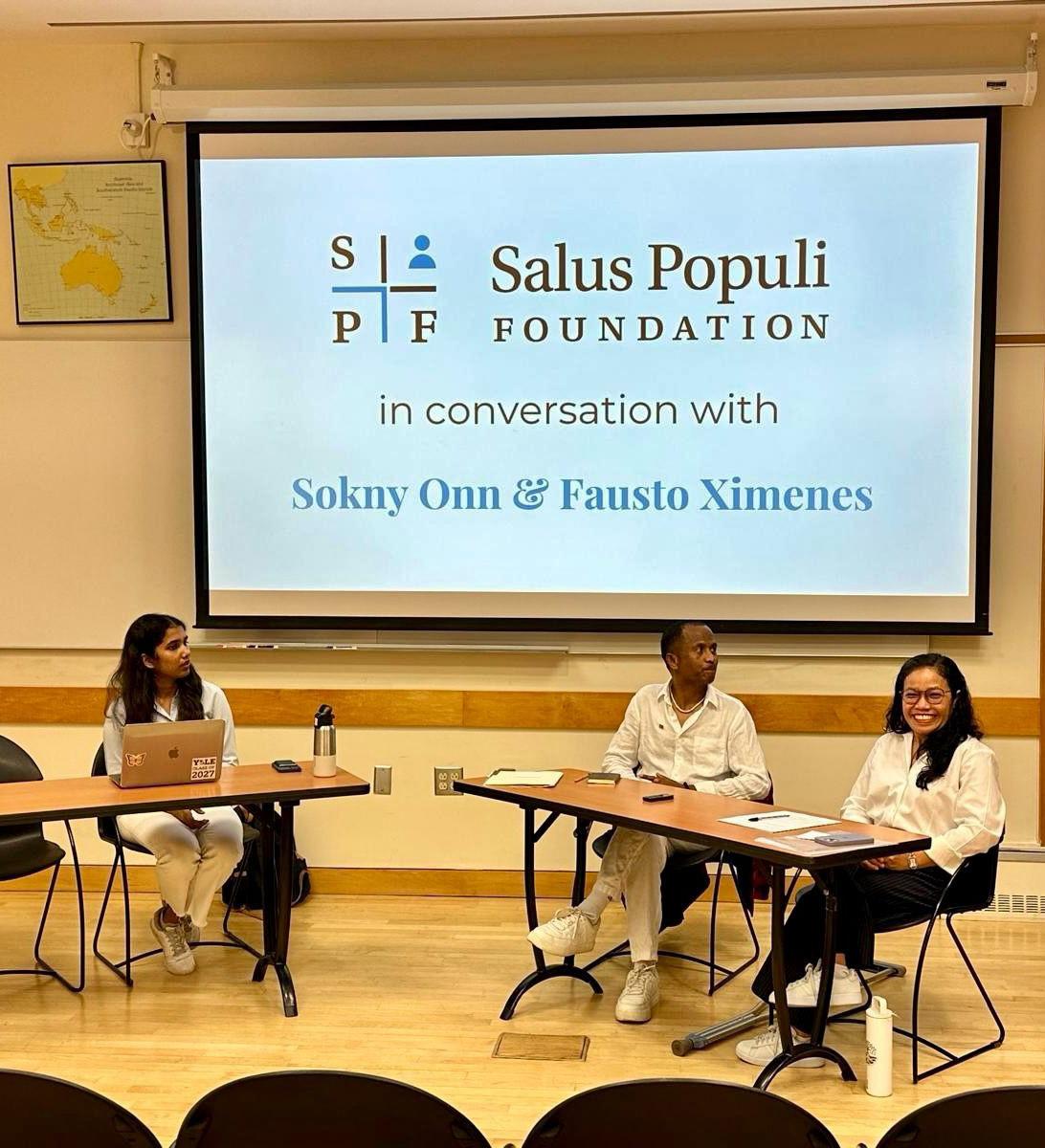
EGC supports the Salus Populi Foundation, a student-led organization founded in 2022 that offers Yale undergraduates ways to explore development economics outside the formal major and minor tracks. During the 2024-25 academic year, the group ran its third successful first-year fellowship, guiding 20 students through a curriculum on development and welfare. They also hosted discussions with EGC visiting faculty Shan Aman-Rana on her path from Pakistani government bureaucrat to governance scholar, and with 2024 Yale World Fellows Sokny Onn and Fausto Ximenes on building inclusive societies in post-conflict settings.
“Working
with YIE was the most inspiring and formative academic experience I have had in college. I saw life-changing research, got my foot in the door by contributing to applied work, and saw for the first time a path that I could definitively say I would be excited to pursue.”
WILL AARONS, UNDERGRADUATE RESEARCH ASSISTANT
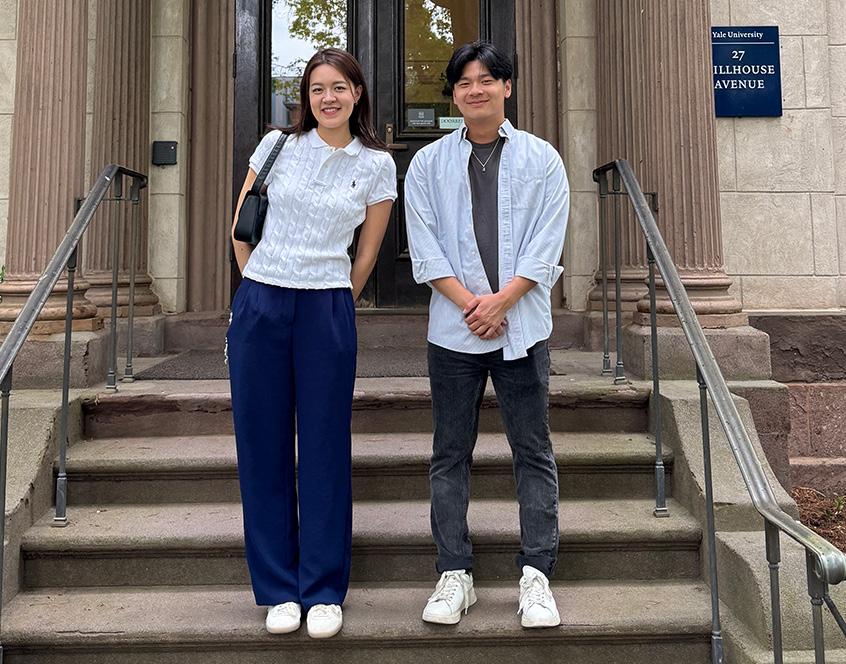
“We draw in people who wouldn’t typically think about development economics, sometimes those heading toward broader economics or finance, but also pre-meds and humanities majors. Development economics offers a versatile lens for understanding the issues people care about, from public health and migration to climate change, inequality, and the trajectory of communities across the globe. It helps us make sense of the world around us.”
ALEENA GUL, SALUS POPULI STUDENT LEADER
Internships
Since 2019, the EGC and Yale Inclusion Economics internship programs have employed over 100 undergraduates and masters-degree students in communications and data analysis work.
Photo Credits: Aleena Gul, Jackson Martin
“My time at EGC allowed me to develop skills that I have continued to use throughout my doctoral program. One of the projects I began there, trying to improve the ability of researchers to accurately track the daily lives of lowincome women in rural India, continued into my graduate work and informed my dissertation research. The start I got at EGC was instrumental in the career trajectory I’m on today.”
ELENA STACY, PHD BERKELEY
’26
Postgraduate Associates
Over the last five years, EGC has hosted 25 early-career research associates who have completed their undergraduate degrees and are exploring continuing in the field. As they decide whether to pursue doctoral study, and in what field, they work on research projects mentored by faculty, are exposed to seminars and classes in the department and around Yale, and often spend significant time in the countries where we work – deeply involved in the day-to-day operations of research. Often, the research topics they begin here continue into their graduate years.
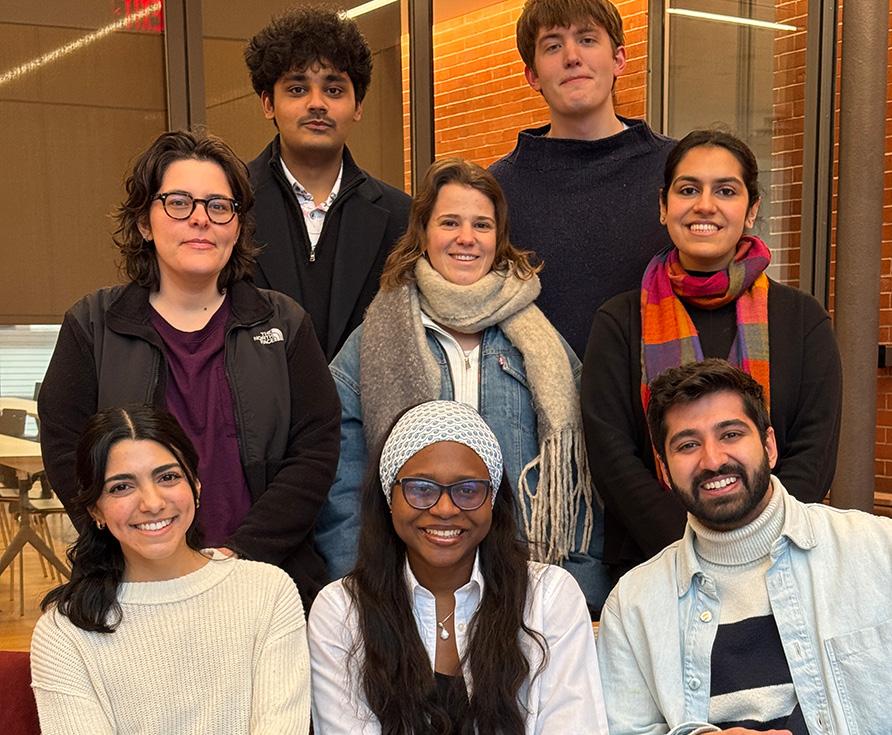
“I loved working at EGC! I was able to learn about many different areas of research within economic development and talk directly with faculty about their work. I gained a broader perspective on what contributes to growth, equality, and innovation in low- and middle-income countries. In addition, the mentorship I received was top notch – I’m so grateful to everyone I worked with for making the internship a wonderful experience!”
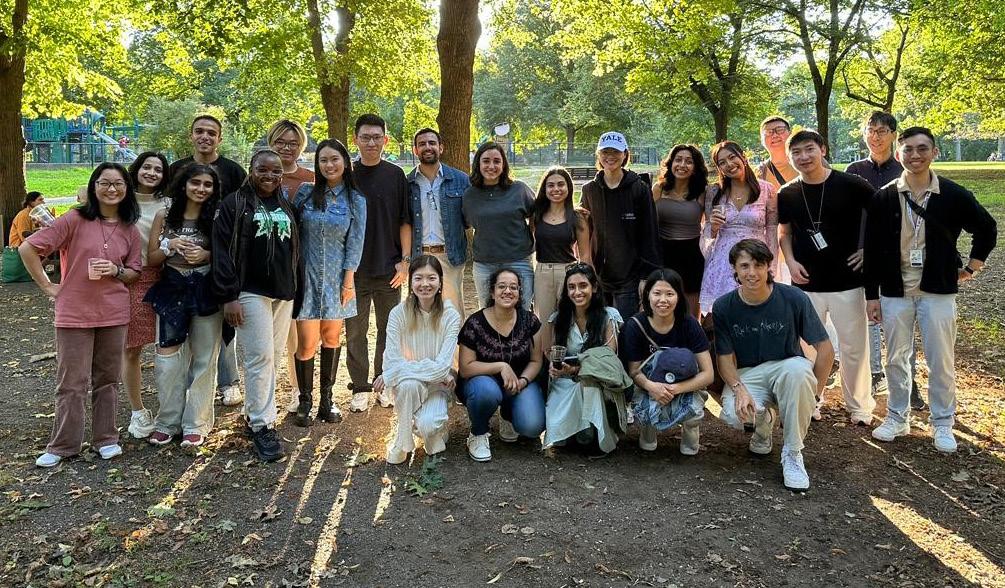
AIWEN DESAI, UNDERGRADUATE COMMUNICATIONS INTERN
PhD Students
While studying at Yale, PhD students are supported with dissertation grants, travel funds, and grants for secondary data acquisition along with tuition fellowship funding – such as that provided through the Sasakawa Young Leaders Fellowship Fund (Sylff). Operationally, they receive the same support as faculty, including grants management, IRB (ethics board) applications, and in-country fieldwork research administration. Intellectually, the department runs weekly Development Economics breakfasts and lunches, where students receive feedback on in-progress research.
Master’s in International and Development Economics
Over 1,000 students from over 70 countries have come to Yale to pursue a master’s degree in International and Development Economics (see p. 20). They have gone on to senior positions in government, including at central banks and ambassadorships, as well as into the private sector and, increasingly, academia.
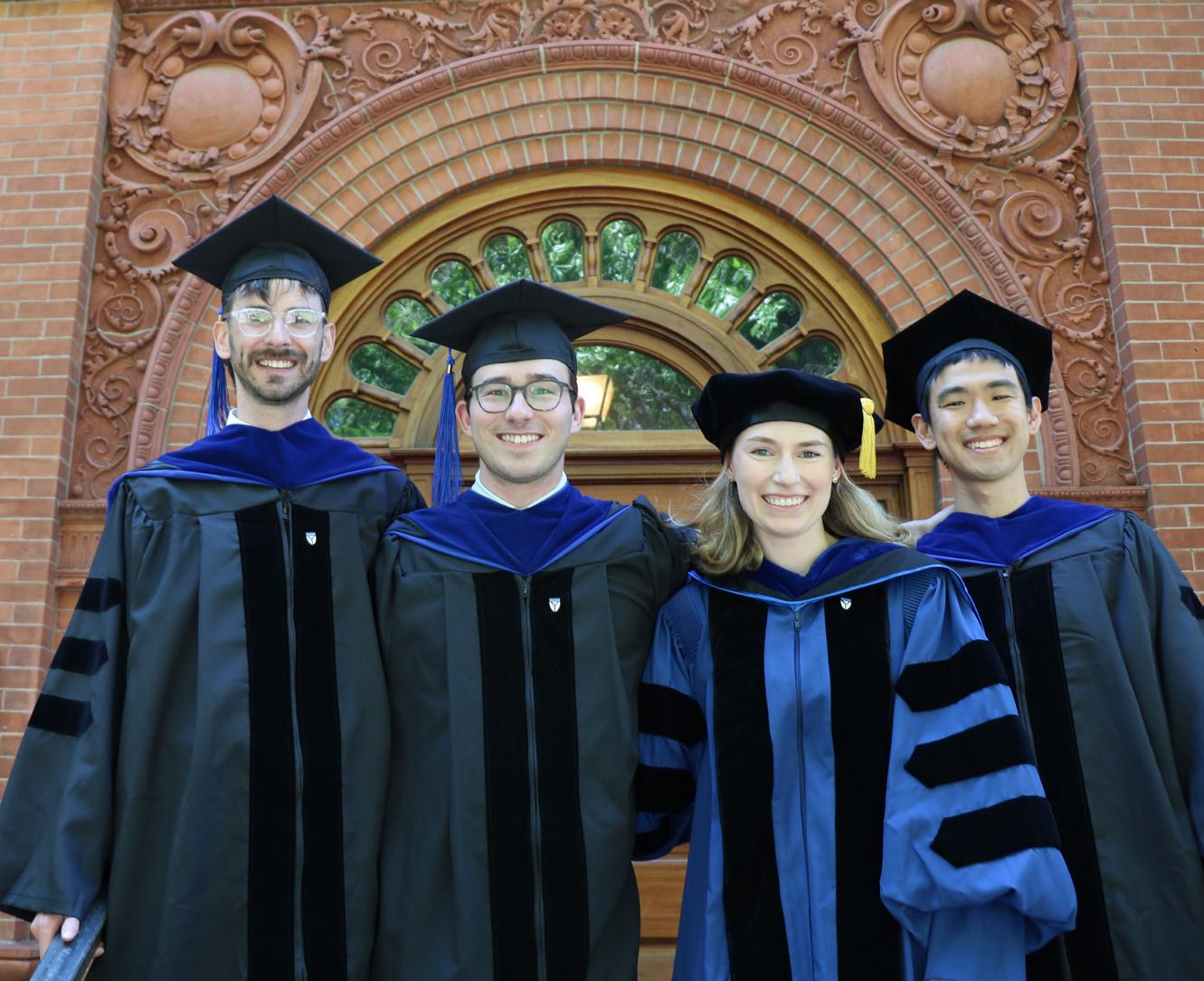
Photo Credits: Anna Groesser, Brittany Ladd, Megan Wright
Postdoctoral Scholars
Every year, EGC serves as a home for postdoctoral scholars (16 in the past 5 years), who are given the opportunity to spend time completing and publishing existing research and getting new projects off the ground before beginning their busy first years in their future jobs. The department also runs retreats for the postdocs and a variety of events and conferences for early-career scholars.
“I am honored to join EGC and to be part of such an inspiring network of scholars working on a diverse and fundamental set of economic questions. With the support of a Junior Faculty Research Grant, I am creating the first database of historical local building permits, which I hope will act as a public good for researchers studying the origins of the current global housing affordability crisis.”
CAMERON LAPOINT, ASSISTANT PROFESSOR OF FINANCE AT THE YALE SCHOOL OF MANAGEMENT, BECAME AN EGC AFFILIATE IN 2025
Early-career faculty affiliates
EGC supports faculty affiliates early in their academic careers to build a research program, with annual support and opportunities to apply for additional flexible funding. EGC’s support staff helps them with grants management, IRB (ethics board) applications, and fieldwork administrative support.
“My time at EGC has given me the intellectual freedom, resources, and collaborations to explore new research questions about the role of restrictive gender norms in lowincome countries.”
NINA BUCHMANN (AY 25 POSTDOCTORAL ASSOCIATE AT THE COWLES FOUNDATION AND EGC; ASSISTANT PROFESSOR AT UC BERKELEY STARTING AY 27)
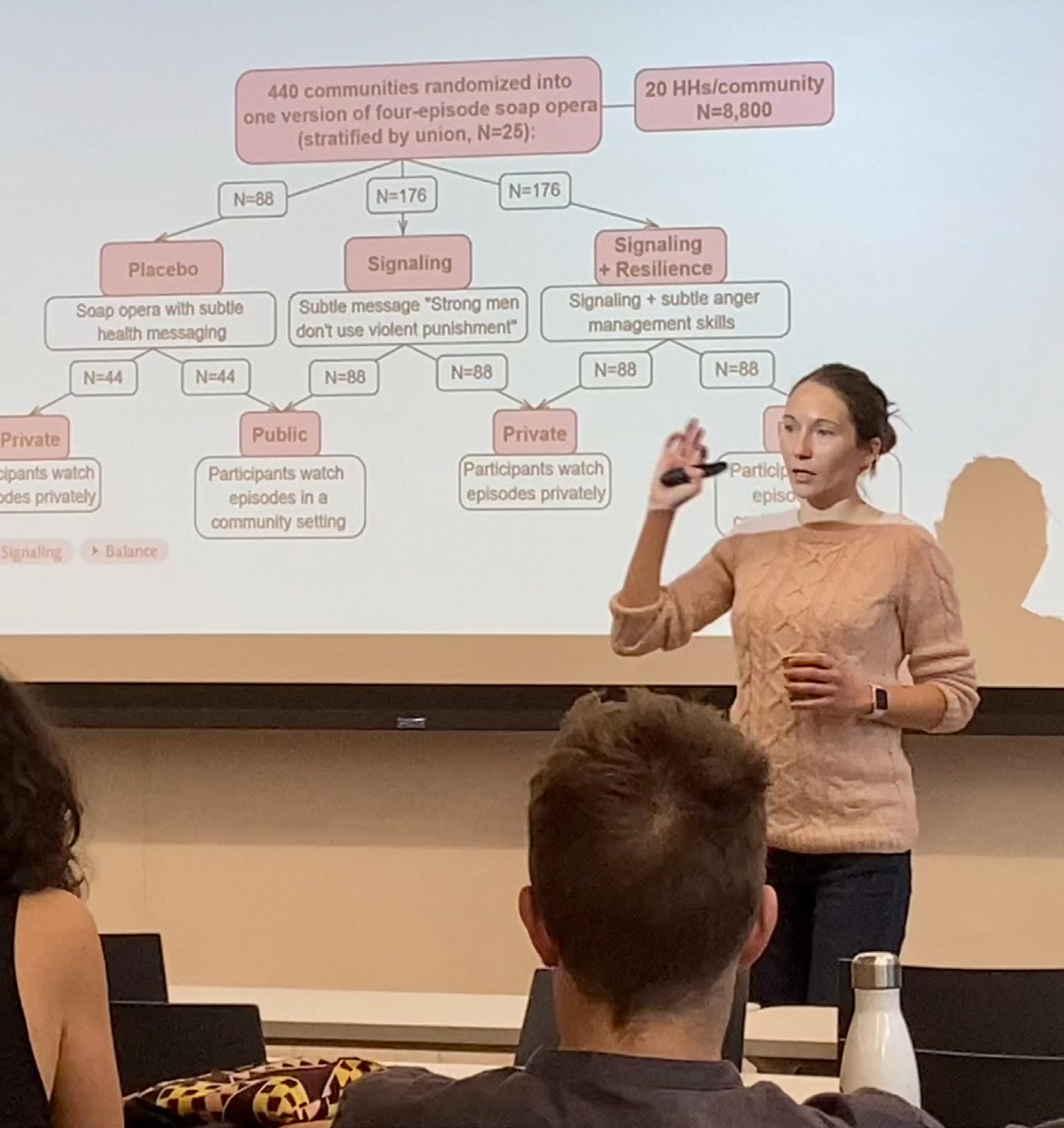
Nina Buchmann presents her research from Bangladesh using “infotainment” soap operas to change attitudes on violence towards women at the 2024 EGC postdoc retreat.
Events and Outreach
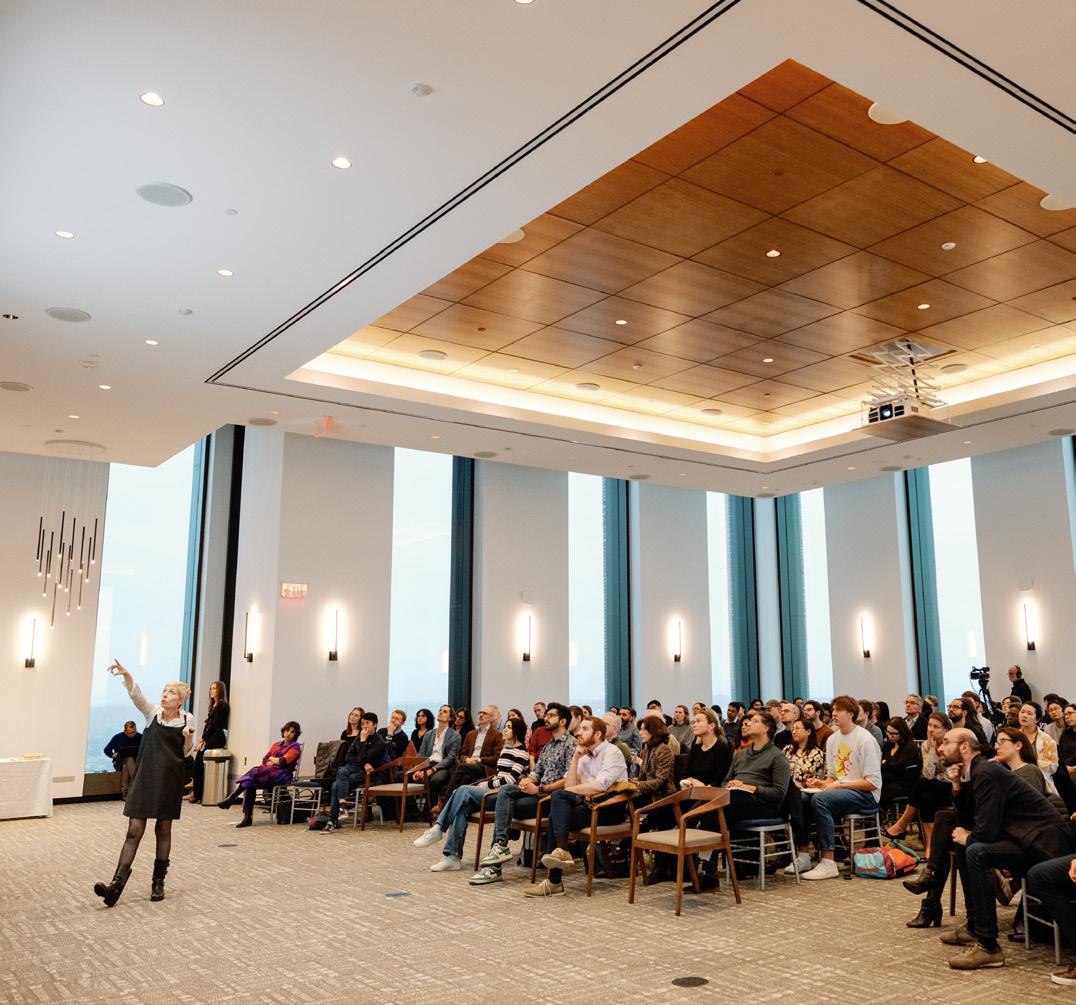
34th Annual Simon Kuznets Memorial Lecture
In her Kuznets Lecture, Oriana Bandiera, the Sir Anthony Atkinson Professor of Economics at the London School of Economics, argued that microeconomic choices cannot be understood without the broader macro context – and vice versa. She used 18 years of data from Bangladesh to show that poverty traps are real: only transfers large enough to cross a threshold create lasting change. She traced how labor evolves from subsistence to wage work through multiple equilibria, explaining why entrepreneurship programs fail, how CEO-firm mismatch reduces productivity, and how gender norms create selfsustaining barriers to women’s employment.

Development Dialogues Podcast
After two seasons of the Voices in Development podcast, EGC collaborated with VoxDev to create Development Dialogues, a series of conversations between researchers and policymakers on pressing development issues. The six episodes covered topics ranging from financing climate adaptation and the clean energy transition to the future of international trade under shifting political pressures. Episodes also examined how to maintain evidencebased policymaking amid political division, why employment programs often fall short, and how to boost productivity for African smallholder farmers without overburdening lowand middle-income countries.
Photo Credits: Julia Luckett, Vestal McIntyre
Incubation Fund
The EGC Incubation Fund is a unique mechanism for catalyzing high-impact opportunities, leveraging EGC’s extensive network of researchers and partnerships in low- and middle-income countries. It is designed to be agile and responsive to opportunities and policy windows. Such flexibility is especially important today for three reasons:

1. Shifts in the global funding landscape have reduced the overall availability of research resources.
2. Policy relevance requires responsiveness. Research must respond to urgent challenges to inform policymakers effectively. The Incubation Fund’s flexibility enables researchers and students to respond quickly to emerging needs when opportunities arise.

3. Early-stage support strengthens long-term impact. Small, catalytic investments enable researchers to pilot and refine ideas, identify promising solutions, and demonstrate proof of concept to show more traditional funders and justify larger investments in full-scale projects. Lauren Falcao Bergquist’s NSF CAREER grant (p. 16) projects, for example, are largely based on earlier-stage work supported by the Incubation Fund.
The Incubation Fund offers researchers and students the flexibility to take advantage of partnership opportunities on policy timelines, not grant-making timelines, including:
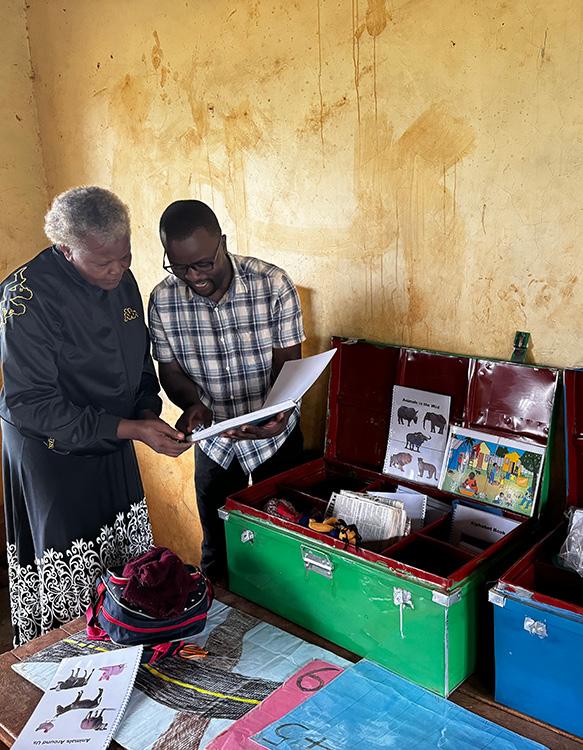
INVESTING IN TALENT (KENYA): Alongside supporting research, EGC funds local research leaders. EGC supported Brian Murithi Humphrey (pictured) to begin his PhD – a high-return investment, as he now guides the scale-up of a critical preschool intervention program.
SAVING CRITICAL WORK (INDIA): When external funding for a project incentivizing farmers to conserve natural resources abruptly collapsed, the Incubation Fund stepped in to bridge the gap – protecting prior investments and ensuring the research could continue.
SEIZING OPPORTUNITY (CHILE): EGC deployed rapid funding to help Lauren Falcao Bergquist test the impact of industrial trade fairs on small firm growth – an opportunity that would have been lost without timely support.
Brian Murithi Humphrey, a Kenyan scholar who received support from the EGC Incubation Fund, discussing curriculum materials with intervention mentor, Rose Karimi Nyaga.
EGC Financials
The first half of FY25 saw strong grant performance at EGC, particularly with federal research grants. These awards enabled enhanced support for the next generation of scholars as post-doctoral and post-graduate associates. In the second half of FY25, EGC responded to the unprecedented cuts in global funding for international development aid and research by providing additional support to sustain ongoing research projects and high-return opportunities. Looking ahead, EGC aims to create new funding streams for world-class research, policy outreach and the training of young scholars.
EGC’s ongoing work is supported by core endowments, established with key support from the Ford Foundation, Yale alum Henry J. Heinz, II (BA 1931), and by donors in honor and recognition of former EGC faculty member Professor Robert Evenson. Several endowments fund specific EGC activities, including the Simon Kuznets Memorial Fund, the Carlos F. DiazAlejandro Memorial Fund, and the Sasakawa Young Leaders Fellowship Fund (Sylff).
In addition, EGC has received gift funding from various alumni and other supporters, which has been a key resource in enabling high-potential areas of work.
In fiscal year 2025, more than 50% of EGC’s total expenditures supported projects led by faculty affiliates, and nearly 20% directly supported students in the PhD and International and Development Economics (IDE) master’s program.
EGC’s success in helping faculty and students secure external funding resulted in grants covering over 40% of activities, primarily largescale data collection and stakeholder engagement in the Global South.
In light of reductions in global funding for international development and research, EGC is seeking new sources of support to maintain –and expand – the work that enables Yale faculty, staff, and students to make groundbreaking contributions to policy and research. If you would like to partner with EGC leadership in this effort, please contact deanna.ford@yale.edu.
$ 7,615,273.75 $ 7,615,273.75
Greenstone, Michael, Rohini Pande, Nicholas Ryan, and Anant Sudarshan. 2025. “Can Pollution Markets Work in Developing Countries? Experimental Evidence from India.” The Quarterly Journal of Economics 140, no. 2: 1003-1060.
Batista, Catia, Daniel Han, Johannes Haushofer, Gaurav Khanna, David McKenzie, Ahmed Mushfiq Mobarak, Caroline Theoharides, and Dean Yang. 2025. “Brain drain or brain gain? Effects of high-skilled international emigration on origin countries.” Science 388, no. 6749.
Khanna, Gaurav, Wenquan Liang, Ahmed Mushfiq Mobarak, and Ran Song. 2025. “The Productivity Consequences of Pollution-Induced Migration in China.” American Economic Journal: Applied Economics 17, no. 2: 184-224.
Jack, B. Kelsey, Seema Jayachandran, Namrata Kala, and Rohini Pande. 2025. “Money (Not) to Burn: Payments for Ecosystem Services to Reduce Crop Residue Burning.” American Economic Review: Insights 7, no. 1: 39-55.
Gautam, Sanghmitra, Michael Gechter, Raymond P. Guiteras, and Ahmed Mushfiq Mobarak. 2025. “To use financial incentives or not? Insights from experiments in encouraging sanitation investments in four countries.” World Development 187.
Eaton, Jonathan, and Ana Cecília Fieler. 2025. “The Margins of Trade.” Econometrica 93, no. 1: 129-160.
Attanasio, Orazio, Costas Meghir, Corina Mommaerts, and Yu Zheng. 2025. “Growing apart: Declining within- and across-locality insurance in rural China.” Journal of Development Economics 172.
Alvarez, Fernando, and David Argente. 2025. “Consumer Surplus of Alternative Payment Methods.” The Review of Economic Studies 92, no. 6: 3504-3540.
Allen, Treb, Costas Arkolakis, and Xiangliang Li. 2024. “On the Equilibrium Properties of Spatial Models.” American Economic Review: Insights 6, no. 4: 472-489.
Chiplunkar, Gaurav, and Pinelopi Koujianou Goldberg. 2024. “Aggregate Implications of Barriers to Female Entrepreneurship.” Econometrica 92, no. 6: 1801-1835.
Greenland, Andrew N., Mihai Ion, John W. Lopresti, and Peter K. Schott. 2024. “Using equity market reactions to infer exposure to trade liberalization.” Journal of International Economics 152.
Donovan, Kevin, and Todd Schoellman. 2023. “The role of labor market frictions in structural transformation.” Oxford Development Studies 51, no. 4: 362-374.
Borger, Michael, Gregory Elacqua, Isabel Jacas, Christopher Neilson, and Anne Sofie Westh Olsen. 2024. “Report cards: Parental preferences, information and school choice in Haiti.” Economics of Education Review 102.
Andrew, Alison, Orazio Attanasio, Britta Augsburg, Jere Behrman, Monimalika Day, Pamela Jervis, Costas Meghir, and Angus Phimister. 2024. “Mothers’ Social Networks and Socioeconomic Gradients of Isolation.” Economic Development and Cultural Change 73, no. 1: 487-522.
Mukherjee, Sanghamitra Warrier, Lauren Falcao Bergquist, Marshall Burke, and Edward Miguel. 2024. “Unlocking the benefits of credit through saving.” Journal of Development Economics 171.
Agte, Patrick, Arielle Bernhardt, Erica Field, Rohini Pande, and Natalia Rigol. 2024. “Investing in the Next Generation: The LongRun Impacts of a Liquidity Shock.” American Economic Review 114, no. 9: 2792-2824.
Fenichel, Eli P., and Monica F. Dean. 2024. “Blended academic insights for biodiversity and conservation finance.” Ecological Economics 223.
Fenichel, Eli P., Monica F. Dean, and Oswald J. Schmitz. 2024. “The path to scientifically sound biodiversity valuation in the context of the Global Biodiversity Framework.” Proceedings of the National Academy of Sciences 121, no. 34.
Bergemann, Dirk, and Alessandro Bonatti. 2024. “Data, Competition, and Digital Platforms.” American Economic Review 114, no. 8: 2553-2595.





Guillouët, Louise, Amit K. Khandelwal, Rocco Macchiavello, Madhav Malhotra, and Matthieu Teachout. 2024. “Language Barriers in Multinationals and Knowledge Transfers.” Review of Economics and Statistics
Albagli, Elias, Christian Hellwig, and Aleh Tsyvinski. 2024. “Information Aggregation with Asymmetric Asset Payoffs.” The Journal of Finance 79, no. 4: 2715-2758.
Hasanbasri, Ardina, Talip Kilic, Gayatri Koolwal, and Heather Moylan. 2024. “Individual Wealth Inequality: Measurement and Evidence from Low- and Middle-Income Countries.” Review of Income and Wealth 71, no. 1.
Caliendo, Lorenzo and Robert C. Feenstra. 2024. “Foundation of the small open economy model with product differentiation.” Journal of International Economics 150.
Banerjee, Abhijit, Nils Enevoldsen, Rohini Pande, and Michael Walton. 2024. “Public Information is an Incentive for Politicians: Experimental Evidence from Delhi Elections.” American Economic Journal: Applied Economics 16, no. 3: 323-353.
Andrew, Alison, Orazio P. Attanasio, Raquel Bernal, Lina Cardona Sosa, Sonya Krutikova, and Marta Rubio-Codina. 2024. “Preschool Quality and Child Development.” Journal of Political Economy 132, no. 7: 2304–2345.
Kapor, Adam, Mohit Karnani, and Christopher Neilson. 2024. “Aftermarket Frictions and the Cost of Off-Platform Options in Centralized Assignment Mechanisms.” Journal of Political Economy 132, no. 7: 2346-2395.
Almås, Ingvild, Orazio Attanasio, and Pamela Jervis. 2024. “Presidential Address: Economics and Measurement: New measures to model decision making.” Econometrica 92, no. 4: 947-978.
de Hoyos, Rafael, Orazio Attanasio, and Costas Meghir. 2024. “Targeting High School Scholarships to the Poor: The Impact of a Program in Mexico.” Economic Development and Cultural Change 72, no. 4: 1747–1768.
Plus other outlets.




The EGC Team
Faculty
David Argente, Assistant Professor of Economics / Costas Arkolakis, Professor of Economics / Orazio Attanasio, Cowles Professor of Economics / Dirk Bergemann, Douglass and Marion Campbell Professor of Economics, Professor of Computer Science, and Professor of Finance / Lauren Falcao Bergquist, Assistant Professor of Economics and Global Affairs / Michael Boozer, Senior Lecturer & Faculty Co-Director and Director of Graduate Studies, IDE MA Program / Leah Boustan, Professor of Economics and Director of the Economic History Program / Lorenzo Caliendo, Won Park Hahn Professor of Global Affairs and Management, Professor of Economics, and Deputy Dean Jackson School of Global Affairs / Kevin Donovan, Assistant Professor of Economics / José-Antonio Espín-Sánchez, Associate Professor of Economics / Mayara Felix, Assistant Professor of Economics and Global Affairs / Eli Fenichel, Knobloch Family Professor of Natural Resources Economics / Ana Cecília Fieler, Lecturer & Faculty Co-Director of the IDE MA Program / Pinelopi Koujianou Goldberg, William Nordhaus Professor of Economics and Global Affairs / Ardina Hasanbasri, Lecturer in
Economics and Development / Gerald Jaynes, A. Whitney Griswold Professor of Economics, African American Studies, and Urban Studies / Robert T. Jensen, Professor of Economics, Director of the Program on Social Enterprise / Amit Khandelwal, Dong-Soo Hahn Professor of Global Affairs and Economics / Maria Kogelnik, Lecturer and Associate Research Scientist / Samuel Kortum, James Burrows Moffatt Professor of Economics and Professor of Management and Director of the Cowles Foundation / Naomi Lamoreaux, Stanley B. Resor Professor Emeritus of Economics and Professor Emeritus of History / Cameron LaPoint, Assistant Professor of Finance / Ilse Lindenlaub, Associate Professor of Economics / Giovanni Maggi, Howard H. Leach Professor of Economics and International Affairs, Director of Undergraduate Studies / Costas Meghir, Douglas A. Warner III Professor of Economics and Professor of Management / Mushfiq Mobarak, Jerome Kasoff ‘54 Professor of Management and Economics; Faculty Director, Yale Research Initiative on Innovation and Scale / Kaivan Munshi, Frederick W. Beinecke Professor of Economics / Christopher Neilson, Professor of Economics and Global
Affairs / Guillermo Noguera, Senior Lecturer and Senior Research Scientist / Gerard Padró i Miquel, Samuel C. Park Jr. (B.A. 1925) Professor of Economics and Professor of Political Science / Rohini Pande, Henry J. Heinz II Professor of Economics and Director of the Economic Growth Center / Michael Peters, Associate Professor of Economics; Associate Chair of the Department of Economics / Pascual Restrepo, Associate Professor of Economics / Mark Rosenzweig, Frank Altschul Professor of International Economics / Nicholas Ryan, Associate Professor of Economics / Peter K. Schott, Juan Trippe Professor of International Economics / T. Paul Schultz, Malcolm K. Brachman Professor Emeritus / Jessica Seddon, Lecturer and Senior Fellow, Director of the Initiative on the Environment in Global Affairs / Tony Smith, FAS Dean of Social Science; William K. Lanman, Jr. Professor of Economics and Professor of Management / Aleh Tsyvinski, Arthur M. Okun Professor of Economics and Global Affairs; Professor of Management / Diana Van Patten, Assistant Professor of Economics / Fabrizio Zilibotti, Tuntex Professor of International and Development Economics
EGC Postgraduate Associates & Postdoctoral Scholars
Akshat Adlakha, Postgraduate Associate / Patrick Agte, Postdoctoral Associate* / Carmen Arbaizar Mazas, Postgraduate Associate* / Nina Buchmann, Postdoctoral Scholar* / Isabella Caro, Postgraduate Associate / Binta Zahra Diop, Postdoctoral Associate* / Adaolisa Ezekobe, Postgraduate Associate / Kexin Feng, Postdoctoral Scholar /
Fernanda Serna Godoy, Postgraduate Associate / Lisa Ho, Postdoctoral Associate* / Harnoor Kaur, Postgraduate Associate / Venkata Tanay Kasyap Kondiparthy, Postgraduate Associate* / Ewelina Laskowska, Postdoctoral Research Consultant / Russell Morton, Postdoctoral Associate* / Lucy Page, Postdoctoral Associate* / Meital Peleg
Mizrachi, Postdoctoral Fellow* / Sam Salwan, Postgraduate Associate / Camilla Sarzo, Postgraduate Associate / George Taylor, Postgraduate Associate* / Akash Uppal, Postgraduate Associate* / Pablo Valenzuela-Casasempere, Postdoctoral Scholar / Ananya Varshneya, Postgraduate Associate / Jie Zhou, Postdoctoral Scholar
to
Mosenkis, Jackson Martin, Goodness Okoro, Greg Larson, Reem Abdo Kahin and Nick Yee for
Core Team
Jenna Allard, Associate Director of Research and Policy at Inclusion Economics++ / Lauren Bisio, Senior Program Manager / Jonathan Bower, Senior Research Manager* / Daniel Buckley, Administrative Coordinator* / Christina Castellani, Senior Program Manager at Inclusion Economics++ / Alex Chen, Research and Policy Manager at Inclusion Economics*++ / Catherine Cheney, Communications Consultant, Podcast Host* / David Cowell, Assistant Director of Finance and Operations / Cecile Delcuvellerie, Senior Research Manager at Inclusion Economics++ / Nils Enevoldsen, Consultant for Data
Funders
Centre for Economic Policy Research
U.K. Foreign Commonwealth & Development Office
Co-Impact Fund for Innovation Development
Gates Foundation
GDI Solutions, Inc.
Global Innovation Fund
Google Inc.
Innovations for Poverty Action
International Growth Centre
Jacobs Foundation
London School of Economics & Political Science
Massachusetts Institute of Technology
National Science Foundation
Open Road Impact
Sloan Foundation
U.S. Agency for International Development
University of Chicago (Weiss) Wellspring Philanthropic Fund
EGC Partners
Martha Finn Brooks
Debra Fine
Administration / Deanna Ford, Senior Adviser at EGC, Managing Director for Inclusion Economics++ / Anna Groesser, Senior Associate for Events and Special Projects / Sharon Ifill, Finance & Grants Coordinator / Micah Iserman, Research Support Specialist^ / Ayush Jain, Research and Program Manager Consultant / Erik Jorgensen, Digital and Financial Innovations Lead at Inclusion Economics++ / Aishwarya Lakshmi Ratan, Deputy Director / Emma Lambert-Porter, Research Lead, Africa Consultant / Greg Larson, Writer/Editor Consultant / Jackson Martin, Senior Communications Associate / Vestal
Advisory Committee AY 26
EGC’s Advisory Committee serves as a sounding board and advisory council for the Director, providing valuable perspectives on a range of topics related to the Center’s strategic direction.
Sunil Amrith (ex-officio), Henry R. Luce Director, the Whitney and Betty MacMillan Center for International and Area Studies; Vice Provost for International Affairs; Renu and Anand Dhawan Professor of History; Professor, Yale School of the Environment
Orazio Attanasio, Cowles Professor of Economics
Dirk Bergemann, Douglass and Marion Campbell Professor of Economics and Professor of Computer Science
Steven Berry (ex-officio), David Swensen Professor of Economics and Jeffrey Talpins Faculty Director of the Tobin Center for Economic Policy at Yale
Leah Boustan, Professor of Economics and Director of the Economic History Program
Judith Chevalier, William S. Beinecke Professor of Finance and Economics, Yale School of Management
Emily Erikson, Departmental Chair of Sociology, Joseph C. Fox Academic Director of the Fox International Fellowship, and Professor of Sociology
Ana De La O Torres, Associate Professor of Political Science
Jennifer Gandhi (ex-officio), Howard Wang ‘95 Professor of Global Affairs and
McIntyre, Communications Director* / Charity Troyer Moore, Scientific Director: India, Inclusion Economics, Research Scholar*++ / Jeff Mosenkis, Director of Research Communication and Outreach / Meghana Mungikar, Senior Research Manager / Goodness Okoro, Editorial Designer, Consultant / Lauren Ozdemir, Program Manager at Inclusion Economics++ / Rohini Pande, Henry J. Heinz II Professor of Economics and Director of the Economic Growth Center / Noel Sardalla, Senior Administrative Assistant / Adena Spingarn, Writer/ Editor Consultant / Mary Wawira, Research Manager Consultant*
Political Science, Deputy Dean of the Jackson School of Global Affairs
Pinelopi Koujianou Goldberg, William Nordhaus Professor of Economics and Global Affairs
Amit Khandelwal, Dong-Soo Hahn Professor of Global Affairs and Economics
Samuel Kortum (ex-officio), Departmental Chair of Economics and James Burrows Moffatt Professor of Economics and Professor of Management
Mushfiq Mobarak, Jerome Kasoff ‘54 Professor of Management and Economics, Yale School of Management and Department of Economics; Faculty Director, Yale Research Initiative on Innovation and Scale
Gerard Padró i Miquel, Samuel C. Park Jr. (B.A. 1925) Professor of Economics & Political Science
Michael Peters, Associate Professor of Economics; Associate Chair of the Department of Economics
Mark Rosenzweig, Frank Altschul Professor of International Economics
Nicholas Ryan, Associate Professor of Economics
Philipp Strack (ex officio), Director of the Cowles Foundation for Research in Economics; Cowles Foundation Professor of Economics
Tony Smith (ex-officio), FAS Dean of Social Science; William K. Lanman, Jr. Professor of Economics and Professor of Management
Fabrizio Zilibotti, Tuntex Professor of International and Development Economics