Letter from the Editors
7 Times I Saw Younghill Kang Again, With Feeling This Time
True North (An Abecedarian) Nowhere, Everywhere, All At Once What Do Pictures Want?
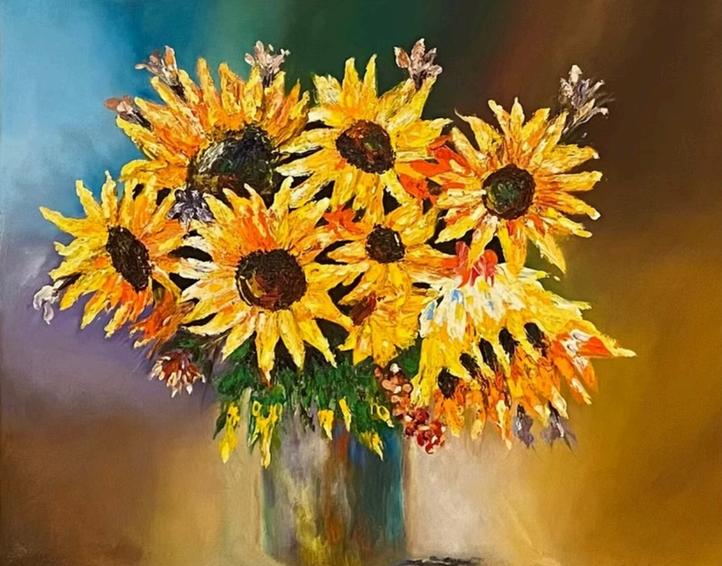
Summer Walks Sunflowers
注意 / better luck next life!
Letter from the Editors
7 Times I Saw Younghill Kang Again, With Feeling This Time
True North (An Abecedarian) Nowhere, Everywhere, All At Once What Do Pictures Want?
Summer Walks Sunflowers
注意 / better luck next life!
Dear reader,
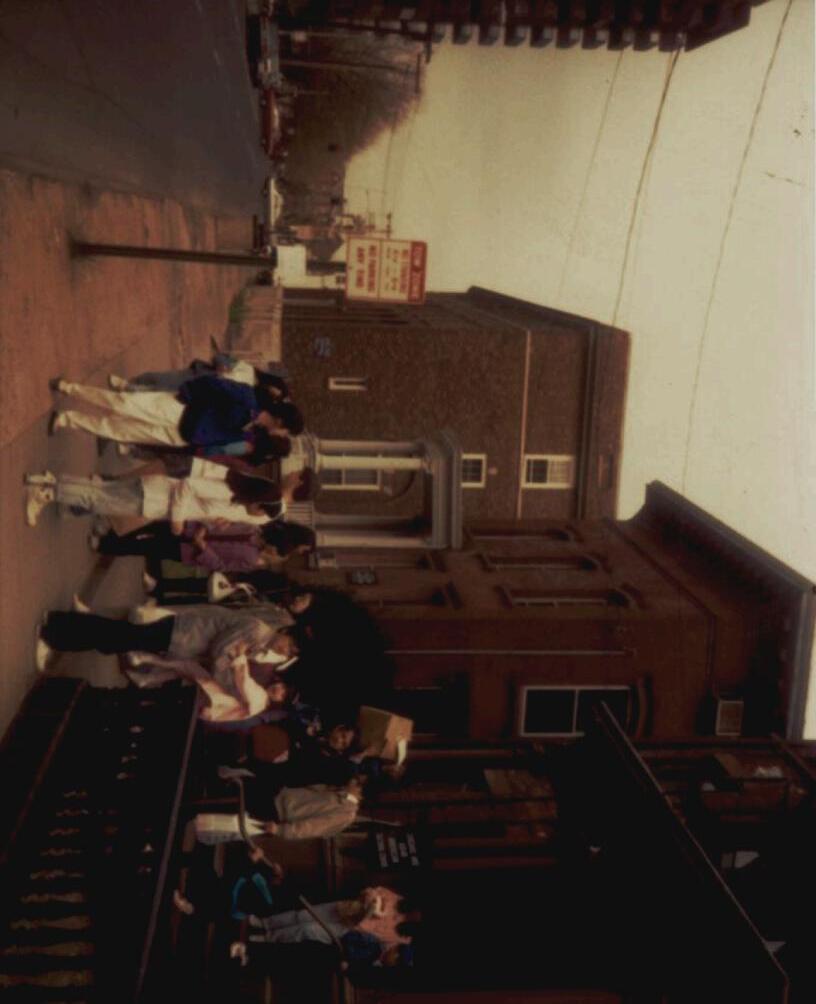
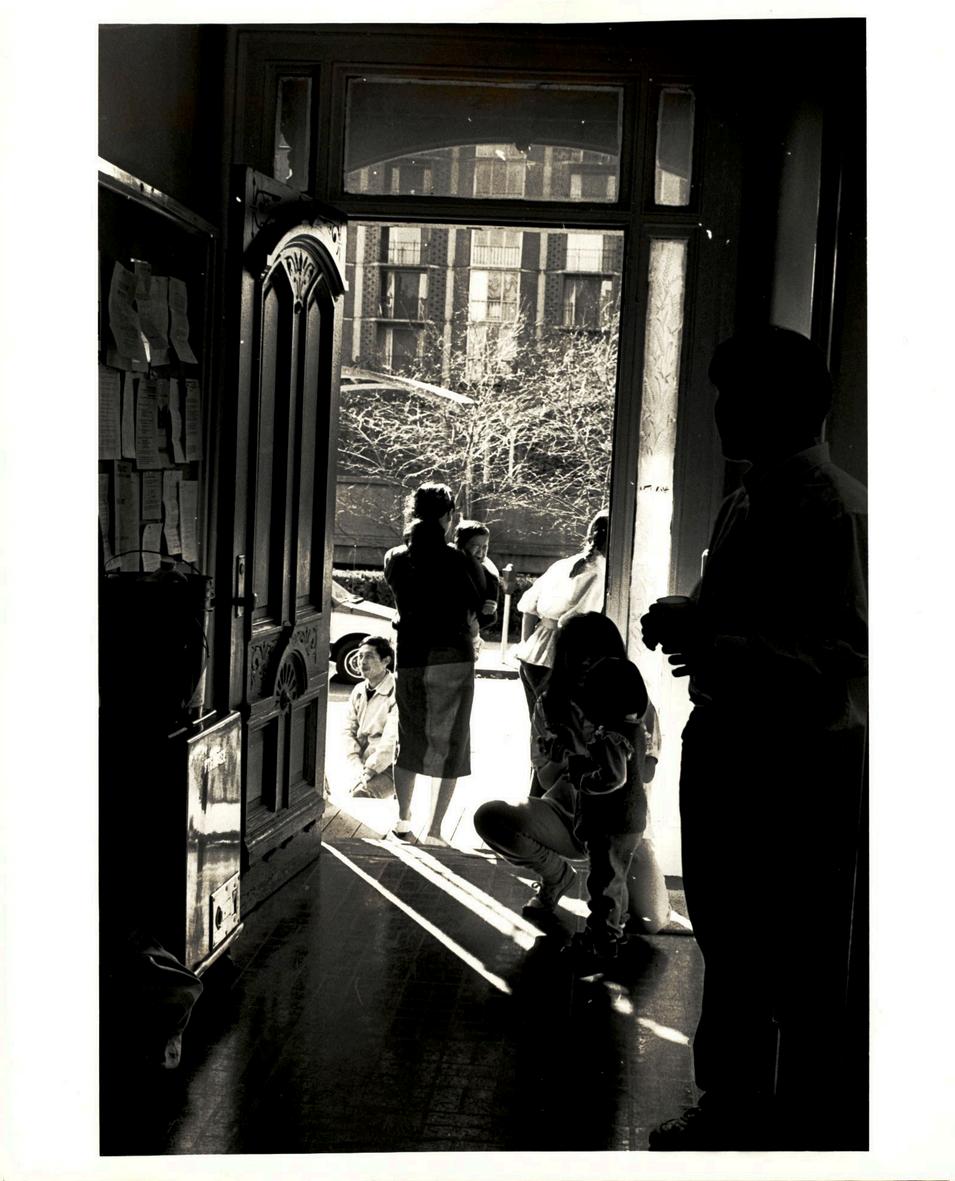
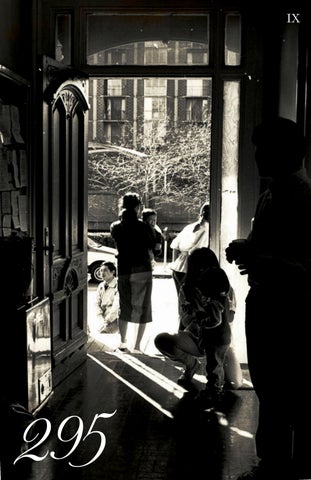
The AACC turns forty-five this year. Students in 1981 did not receive the building at 295 Crown Street so much as they took it, through years of organizing and refusing to be told their community did not warrant a home on campus. The photograph on the cover was taken inside that building in 1987 — parents pausing at the threshold before sending their children off to the Peabody Museum, staying behind themselves for English tutoring at Asian Community Services. We keep returning to it. There is something in the quality of that light, and in what those people were in the middle of, that feels like the right place to begin.
This magazine has always understood itself as continuous with that history, taking its own community as its starting point. The writing and art in this issue are made from the inside out, about inheritance and loss, and about the difficulty of being seen clearly in a world that has already made up its mind about you.
We are grateful to our contributors for trusting us with their work, to Dean Yee and Sheraz for making this magazine possible, and to you for reading.
Enjoy,
Sam, Rachel, and Ayushi
by Emily Pedroza
After ‘White Peach,’ by
Toshiko Takaezu Peachy
My mother used to tell me to lean into pain, because it’s the only thing that can’t run away. To keep desires bottled so no one could pluck them, like golden fruit from their stems. It’s so easy to eat little things, she said one night, braiding my hair. She didn’t leave until I nodded, neck tucked under the blanket, hands fisting sheets.
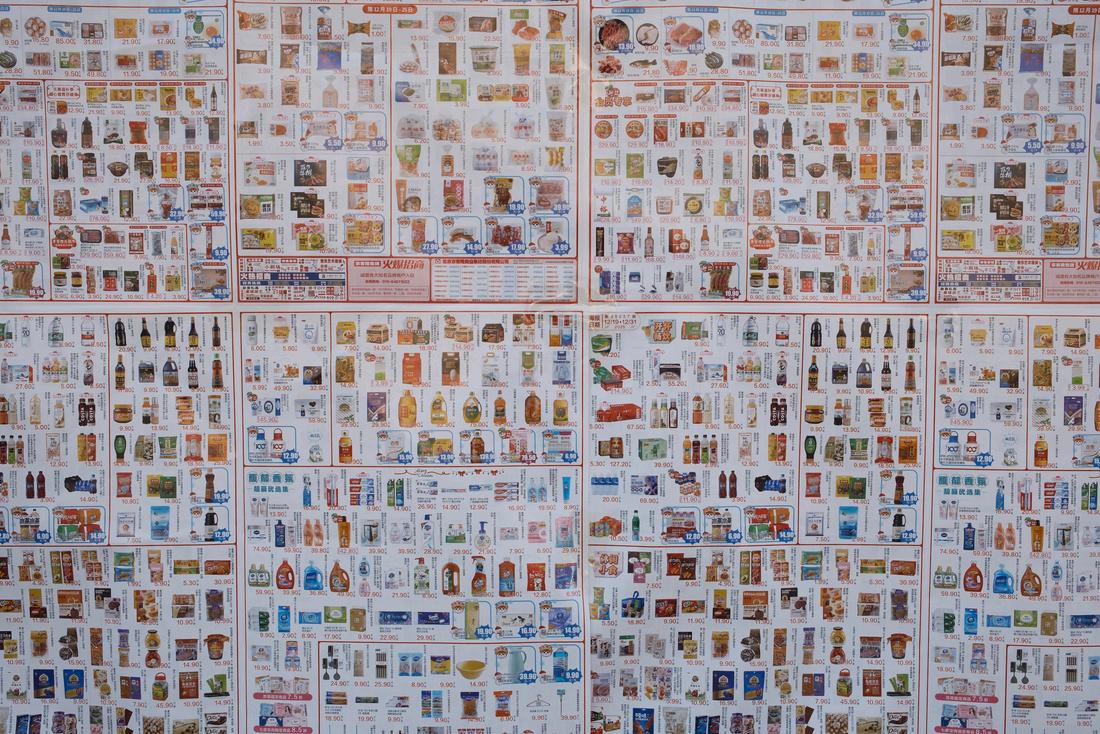

At school, we learn how teeth rot under sugar, how the origins of calories sparked from fire. Study Biology diagrams of women, their soft curves spooling
off bones & onto glossy paper—the same color of the cafeteria peaches we’d skin, then crack their bare pits against the parking lot pavement. I remember how you laughed
the time I spilled its nectar onto my shirt. You gestured to yourself, modeling your lips around its skin & sucked, like its flesh held a promise.
Just girls, we dreamt of fingers & fists of little men born from peach pits & clay, always accidentally melting their lips into teeth.
Once we accidentally bounced from your mattress so hard your leather-bound Bible hit the floor. You stole a stick of lavender incense from my altar, held it between your pointer & middle, brushing your promise ring. We’d pluck the green peaches from my weed-infested backyard just before they’d rot & sweeten them with Costco honey & smoke.
Your mother found us one night, peeked through gossamer curtains while she was watering roses & prodded our necks with her antique silver forks, the ones with three prongs. Sat us down, opposites across her dining table—white sheets that still smelled like Tide. She placed a white peach on each porcelain plate & told us to cut cubes until their juice pooled, but we could only suck on our forks, stare at each other: our hollow cheeks, our red lipstick marring metal between white flashes of teeth.
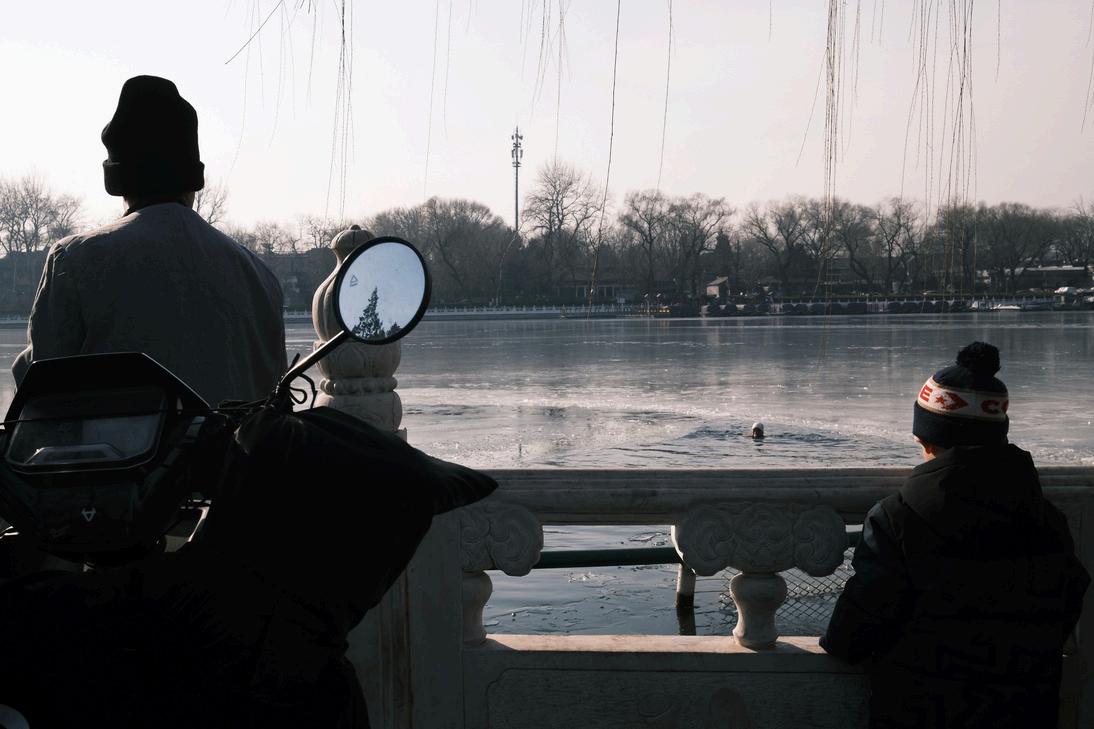
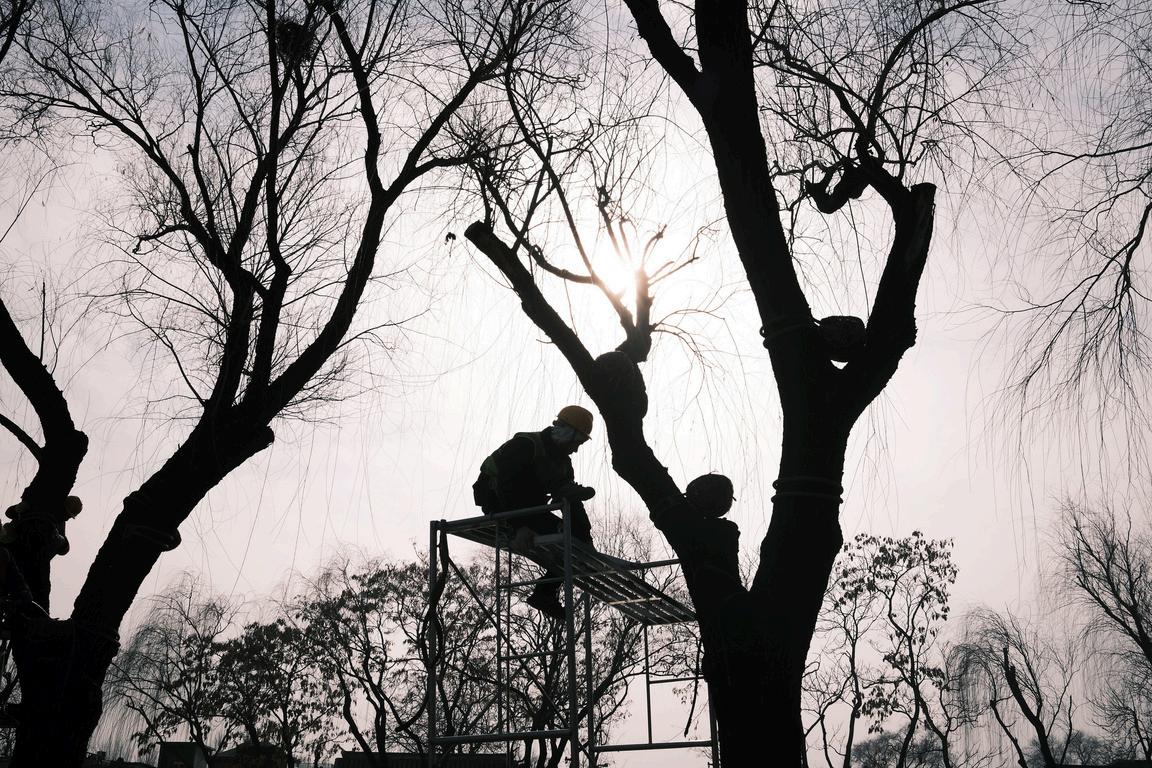
by Helen Zhang
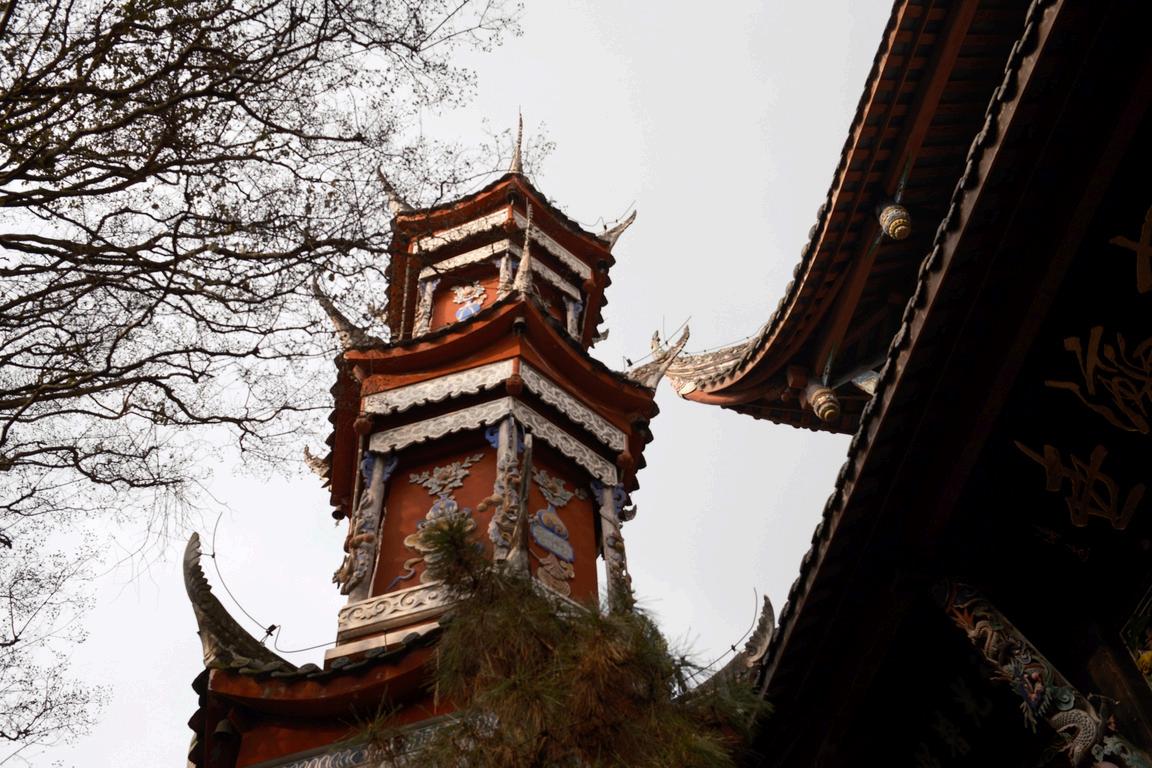
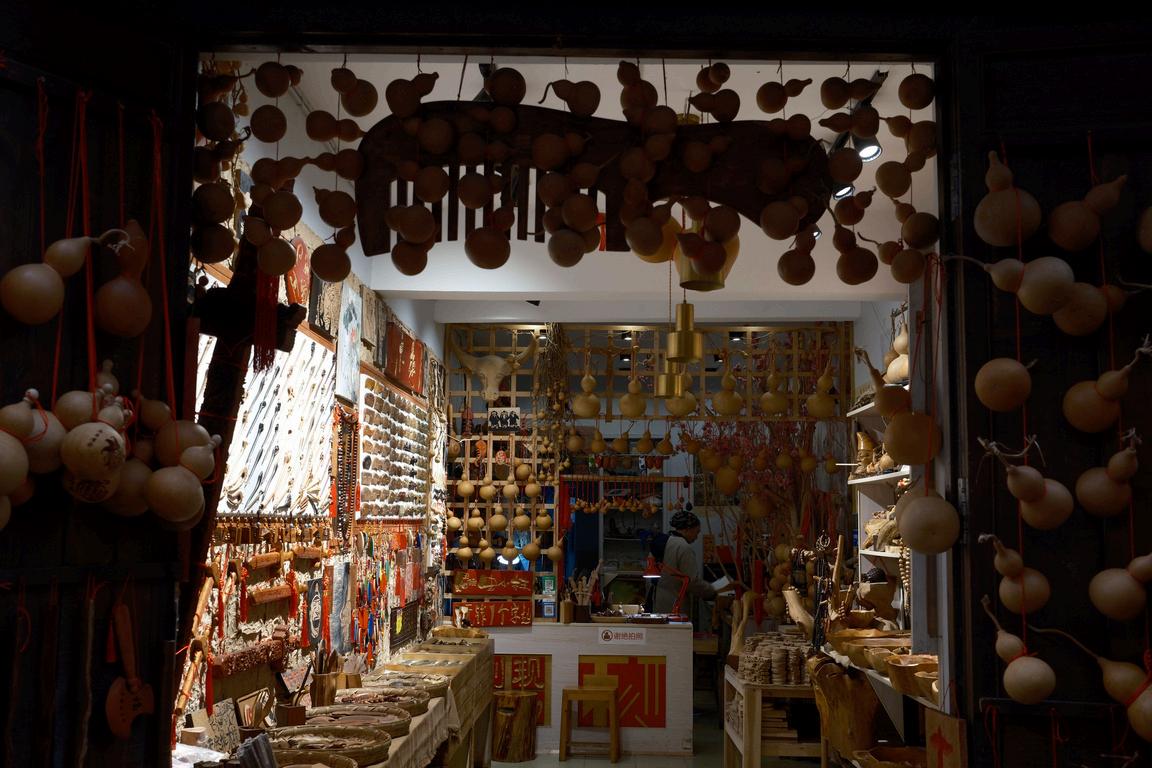
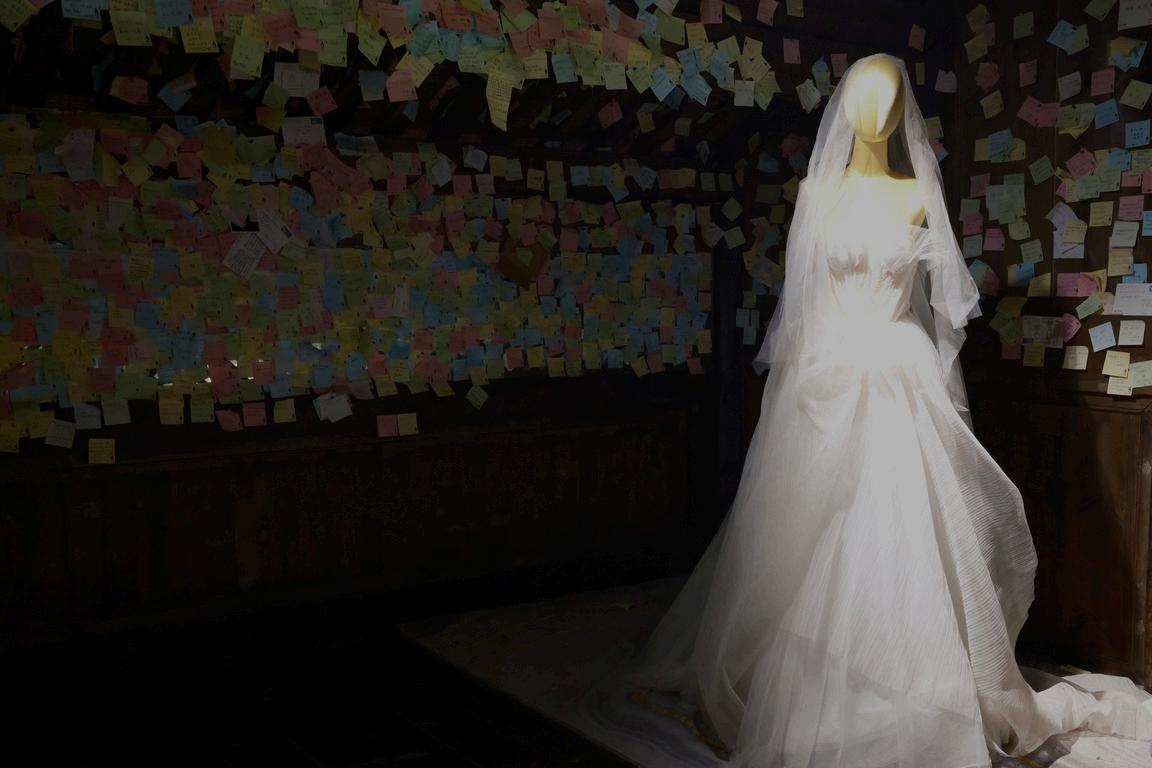
“A
series of photographs I took during my trip to Beijing, Chengdu, and Chongqing this past winter.”
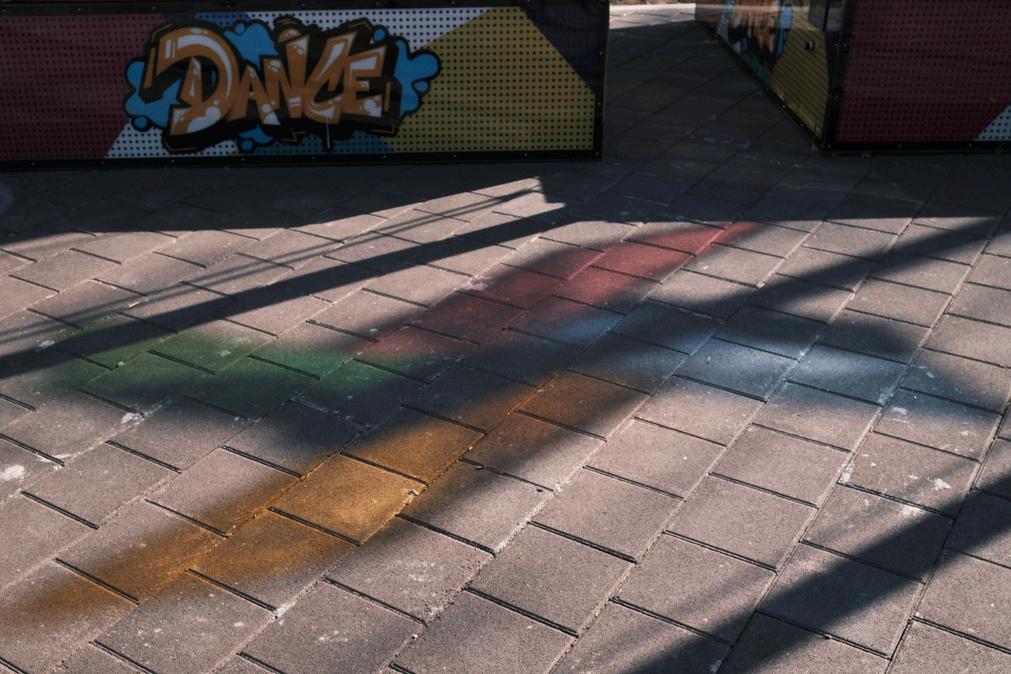
by Maddie Butchko
“Where are you from?”
“I was adopted from China.”
Not “I’m Chinese.” Definitely not “I’m American.” (My face ruins that one before it starts.) “I’m adopted from China.” That one preposition—from—has done more reputation rehab than whatever a Disney Channel alum has to go through after being caught snorting cocaine outside of Chili’s.
From is strategic. From creates space. And for most of my life, that’s exactly what I’ve been trying to do: make people comfortable with how Chinese I wasn’t
I grew up in the Midwest, an hour outside Detroit, in the suburbs of Rochester Hills—where small talk meant being asked if I ate dogs. Some showed me grainy videos of animals being yanked off the street, then stared at me like I might chime in with marinade tips for decapitated paws. I had a dog. My pet. Not my dinner.
In fact, my family dinners featured Domino’s extra-extra-large pizza and the occasional steamed broccoli, if my parents were feeling aspirational and if the microwave wasn’t already in use. But somehow, I was still expected to answer for things I’d never experienced. I became a walking PR firm for a country I didn’t grow up in, forced to do damage control for an entire culture I understood through watching Mulan and Hello Kai Lan.
In high school, I clutched onto my adoption story like it was a VIP pass to whiteness. Don’t worry, I was spiritually raised inside a Costco sample aisle. I ate nothing but Kraft mac & cheese, freezer waffles, and those weird jello salads with suspended fruit that show up at church potlucks uninvited. I grew up believing chopsticks were decorative and soy sauce came exclusively in packets.
Sometimes, I'd catch myself dropping these “not really Chinese” facts into conversations. During ninth-grade class introductions, the teacher would get to my name—“Butchko?” “Here! Here,” I’d say, adding, "That's actually Ukrainian. My dad's Ukrainian." (Well, technically it’s my grandparents who were Ukrainian and German. My dad grew up in Ohio, so think less borscht, more ranch dressing and lawn care.) The teacher was already calling “Schwartz.”
Deep down, I believed that being less Chinese made me more acceptable. That I could slide under the radar of both white suspicion and Asian scrutiny by waving my Slavic last name around like a get-out-of-stereotypes-free card. Still, I didn’t belong. From elementary school through high school, I hovered in a strange cultural no-man’s-land. I wasn’t “in” with the white kids, but I also didn’t fit with the Chinese students. The ones who had real language skills, tiger parents who treated B+ grades like criminal offenses, and weekend Mandarin school enforced like a federal court summons.
For a long time, I thought this was a me problem. That I just wasn’t confident enough or cool enough to claim an identity. Eventually, it hit me: Maybe it’s not just that I didn’t fit in. Maybe it’s that being Asian simply isn’t cool. But this explanatory gambit failed as well: somewhere between eighth-grade braces and college dorm group chats, the same kids who used to pull their eyes back on the playground were now spending $42 on snail mucin and DMing me TikToks of Kpop idols crying on stage.
The real peak hit in 2020—the year I graduated high school, the year BTS topped the Billboard charts, and half the country suddenly formed a para-social bond with seven Korean men in glitter pants. Koreaboos multiplied overnight. Hanboks sold out on Etsy. My lab partner told me she couldn’t identify as American anymore because her “soul was in Seoul.”
Japan staged its own takeover. Everyone was locked inside watching Attack on Titan, Naruto, and Demon Slayer, emotionally devastated by animated swordsmen with backstories more intense than most divorces. Crunchyroll subscriptions became legitimate. No longer just a pop-up ad on a sketchy anime site next to “Hot Singles Over 45 in Your Area” and a malware alert written in Comic Sans.
And then… there was China. Also 2020: the year of a global pandemic allegedly started by a bat with a flair for biohazard-level performance art and an impressively devastating world tour. While Korea was exporting serotonin and synchronized choreography, China was getting prosecuted for airborne death and global supply chain collapse. Talk about a PR nightmare that made my elementary school dinner denials look like amateur hour. And me? I was still undesirable. China didn’t get a rebrand. It didn’t get sexy. China was still the land of mathletes, firewalls, and unskippable data-privacy policies.
My freshman year of college, I went on a date with a guy who asked about my family. I casually mentioned that some of my relatives on my mom’s side were ethnically Japanese. His pupils dilated. His voice dropped half an octave.
“Oh my God,” he gushed. “I’ve always wanted to go to Japan. You know, I just really vibe with like... the philosophy of Japan.” He started listing his favorite Studio Ghibli films in order of emotional impact, told me I’d look way hotter in a kimono, and referred to Tokyo as his “spiritual home,” even though he’d never been outside of Connecticut. After he paid the bill, I kindly informed him he should try fucking a bonsai tree instead. (As much as I also love Hello Kitty, this was a very firm Goodbye Kitty.)
A few weeks later, I found myself at a Mexican restaurant with a different guy on a different date. Mid-chip-and-salsa, I casually mentioned I was Chinese.
“Oh… that's nice,” he said, chewing his chicken burrito for a full 23 seconds (I counted). “Actually, I’m thinking about going into, like, international government work. U.S.-China relations. Nuclear weapons sort of thing. Actually… could I, like, practice my Mandarin on you?”
The vibe was less flirtation, more unpaid internship.
The ethnicity hierarchy came into sharper focus when my guy friends would announce how they "love Korean women." When I asked what that meant, they pulled up what can only be described as a meticulously organized Pinterest board of K-pop idols. Big eyes. Printer Paper skin. Cheeks like artisanal bao buns. Faces so symmetrical they looked 3D-printed by God and FaceTuned by capitalism—as if porcelain dolls and anime stills gained sentience and declared, “This is what desire looks like.”
One of my guy friends squinted at me and asked, “Wait… you’re Chinese though, right?”
“Yeah.”
“Oh.”
Oh.
I wondered, maybe if China had launched a 12-step skincare line and a boy band with jawlines engineered in a lab before it launched mass surveillance, would I have had more high school friends and better boyfriends? Would people have asked about my background with curiosity instead of the tone usually reserved for TSA interviews? Would I have been… dare I say… cool?
If Korean women were limited edition, I was bulk purchase. Not because of anything I did, but because coolness, it turns out, is just cultural marketing. Korea and Japan sold the world what it was ready to worship: unique exports that people obsess over. You can't dance to Marxist-Leninist statecraft. You can, however, wear glitter eyeliner and cry to a Korean boy singing about heartbreak in a key that only orca whales can hear.
Also, too many things crowd the “Made in China” label—from toys that break before you finish unboxing them to USB gadgets with product descriptions written by an AI trained on Nicolas Cage movie scripts: “NOSE HAIR BLADE DEVICE IS BRING YOU JOYFUL LIFE FOR MANS WITH DELICATE HOLE AREA.”
“Made in China” means replaceable. But whisper “K-beauty” and people will hand over their wallets, dignity, and most of their pores. The selling point isn't quality. It's exclusivity, the very thing China's global image lacks. And with 1.4 billion citizens—18% of the world's population—even Chinese people aren't exclusive. Statistically speaking, if you throw a dumpling into the wind, it’ll probably hit someone named Zhang. Then, it’d ricochet into someone else named Jiang.
Given these market realities, my distancing act was understandable, strategic. I knew that my ethnic stock wasn’t trending. Nobody was putting “mildly dehydrated Midwestern adoptee with ADHD, speed-talking tendencies, and unresolved identity questions” on their cultural mood board. I was trying to compete with K-pop energy while radiating the emotional vibe of a church youth group PowerPoint: sincere, a little glitchy, and somehow thirteen slides behind schedule with clip art from 2003 still loading in the corner.
Later in my college career, I met with an English professor to discuss my elevenpage analytical essay on China’s lack of soft power. I wasn’t sure what a man namedWalls could possibly contribute to the topic—an aggressively middle-aged white guy with the same name as China’s most iconic architectural export.
Mid-conversation, his eyes lit up like he’d just spotted Werner Herzog in line at Trader Joe’s holding a single banana and muttering about the futility of granola. “You should look into Jia Zhangke. Or Bi Gan. Zhao Tao. They’re doing incredible work. Really bold, emotionally complex stuff. Chinese cinema is so cool right now.” He leaned forward, hands flapping like an excited crow trying to explain mise-enscène.
“Totally,” I said, attempting eye contact. “I love, uh… films. And like those… cultural things.”
I nodded a few times—somewhere between devoted student and malfunctioning Roomba—and scribbled viciously into my notebook. But all I could think was: No one in Michigan handed me a Jia Zhangke DVD in fourth grade. I got Pokémon and Panda Express and emotionally repressed anime boys wielding tiny swords. No one ever said, “Hey, did you know Chinese cinema is quietly reshaping world cinema as we speak?”
While I’d been so busy trying not to be seen as “too Chinese,” I’d also completely missed the fact that I had no idea what China even was. I’d swallowed the oneliner whole: China equals communism. Dear God. Was I no better than a white person in elaborate yellowface? Had I been doing cultural drag this whole time?
In a frantic attempt to culture myself, I’ve started watching Jia Zhangke films. Surprisingly enough, this wasn’t a magic light-switch that connected me instantly to my heritage. I didn’t always understand Still Life. I fell asleep during one section. For one stretch, I spent forty minutes convinced a cement mixer was a metaphor for national grief. It turned out to just be a cement mixer.
So Jia Zhangke’s China isn’t mine either. But who said it had to be? I wasn’t born into China—I was adopted from it. I still don’t know exactly what kind of Chinese I am. But I do know I spent twenty-one years stereotyping myself with the dedication of a method actor in a very confusing coming-of-age film, written, directed, and funded by a Midwestern PTA. Honestly, that’s the most American I’ve ever felt.
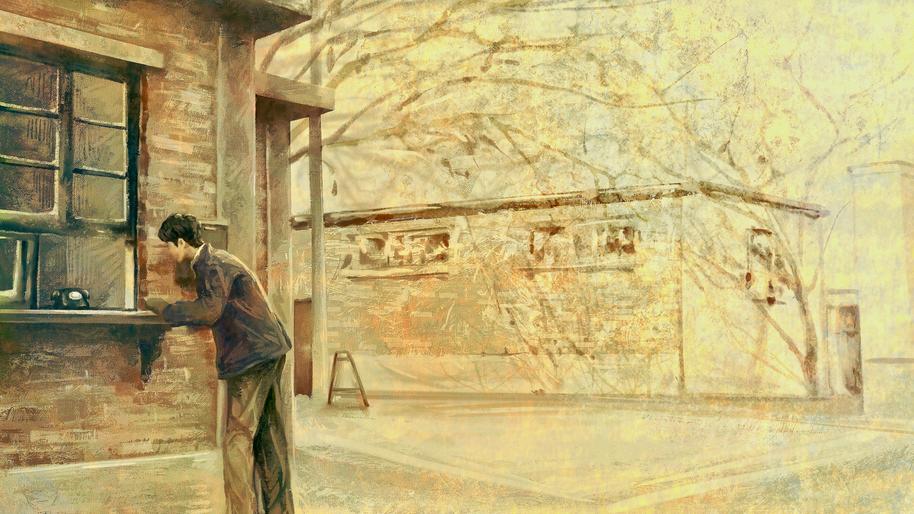

by Huy (hubert) Ngoc Tran
Eloi, Eloi, lama sabachthani
grant me this, o i pray, beg geb amen our daily prayer
how may i hate a little girl living her first life syncopated with more tears than coins,
and god,
the carpenter of my own body. composer of my stigmata resopmoc fo ym atamgits envelop me as an ivory swan bears her cygnets.
grant me the serenity to endure the crossnailedintomyflesh, the scream cacophony burning my lungs.
by Grace Xu
And I have looked death in the face so often that I felt I could love it — it was this impossibility that made me afraid, not the red unblinkingness of what it was but how I spun into grand silk clouds what it could be. It was romantic the way consumptiveness was, disease eating at marrow; so I reached out towards faraway stars that did not burn for me and begged for a coup de grace that never came, the scarlet thread absent from my breakable neck. For I found out later that I had it embroidered into the very fabric of my skin once and now I do not know how to live without it. Tonight my grandfather is a red giant smoldering in a different part of the galaxy. He is cracking open animal bones over a lonely table and when he's done eating the marrow the ox's ribs will make good broth. And then maybe he will sit outside and see Vega, sweet girl with her happy ending still weeping diamonds for a Saturn monsoon three-hundred-and-sixty-something days of the year because Altair is perhaps not dead but he is impossibly far and that is what makes it beautiful. (But I don't know where the stars are this time of year. Only that I could not see it when Queen Mother flew across the world, because I did not exist yet, but now the Pacific is a bluer Milky Way so I know something has changed. That life that I could have lived was left on a kitchen counter in heaven and there are no birds, only airplanes, to bridge that impossible gap. And I also am the bones of the cow that the cowherd put to slaughter and in one blink/one diamond that fell from the sulfur clouds of a faux star/one second for one of those undying young ladies in the sky, Altair died and the magpies have all fled from the sound of rain. My Nana is making me into soup now while my cousins' children have already forgotten my name. They have no red threads running through their being, for they did not die when heaven and earth split, and have not looked towards the sky for a very long time.)
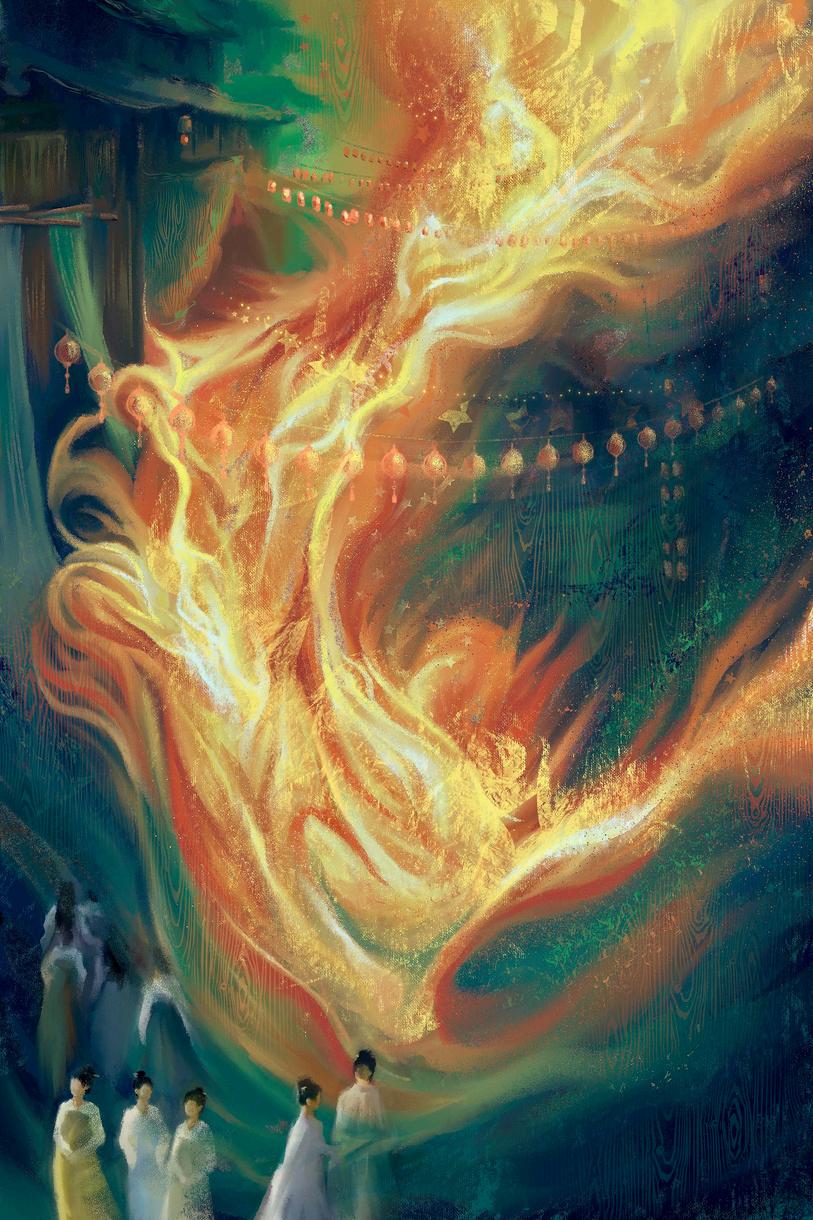

by Maddie Butchko
“Everyone is adopted,” I announced to my kindergarten class on the first day of school. To five-year-old me, this was as normal as sharing your birthday or favorite color.
After school, I spotted Prudence with her little brother, Miles. Their identical shade of brown curls and slightly tanned skin caught my eye. “The agency did a great job matching you two,” I observed. When Prudence’s mother frowned, I explained that all families were created through careful selection. My parents, brother, and sister sent their photos to China, and the adoption agency found me — their perfect match.
My parents had always told me my adoption story. When we were stuck in Michigan traffic on the way to school, I’d beg my dad to tell it again. From my booster seat in the back, I’d kick my legs against the leather and clap my hands, giggling in anticipation. My mom, who grew up in Taiwan, would chime in with her favorite details — how she spoke Chinese on the phone with the adoption agency. She translated everything for my American dad, who, even after ten years, could only ask where the bathroom was.
“Tell me the part about the twins again,” I'd prompt.
My dad would explain how the agency initially matched them with twin girls, but they declined, hoping for just one baby daughter. Then came the waiting. Months of silence. My parents wondered if they'd ever hear back at all.
After a long camping trip through Arizona and Utah’s Red Rock, my parents came home to a blinking light on the answering machine. The voicemail played in rapid Chinese. My mom pressed her ear against the phone, translating in real time, until her voice caught and her eyes widened.
“We have a match!” she exclaimed. “A baby girl!”
Soon after, they flew to Nanchang, China, where I had been left on the orphanage steps at around four to six months old. The orphanage staff told my parents that I had cried so inconsolably that they placed me with a foster family, where my first word was “Gege”, older brother in Mandarin.
The moment my parents entered the room to meet me, my mom rushed forward with outstretched arms, making silly cooing noises. In response, I screamed. Not just a momentary cry. But hours of relentless wailing, so intense that my exhausted parents eventually hid in the tiny hotel bathroom, exchanging bewildered glances as they waited for my tiny lungs to give out.
Once I finally quieted, my mom tried to give me a bath, but I thrashed so violently in the hotel tub that she gave up and resorted to the sink instead. At dinner, my dad offered me Cheerios, which I threw on the ground. Later, I picked them up off the floor, one by one, and fed them back to him, eyeing his unfamiliar face with the caution of stranger danger.
My parents brought me home to Michigan, to my brother and sister. That’s when my dad would always say, “The end!” And I’d shout, “Again! Again!”— already giggling before he could start over.
III.
As I grew older, cracks began to form in the fairy tale. Back in kindergarten, other children started asking questions I had never considered: “Why’d they give you away?” “Why didn’t your real parents want you?”
Their words confused me, but more than that, they left a sting I couldn’t explain. I felt exposed, like there was something wrong with me. Not because of anything I’d done, but simply because I existed in a way that felt off. I couldn’t name it or point to what exactly set me apart, just that the feeling made me want to curl into a ball in some dark corner until I disappeared.
One afternoon in second grade art class, my friends and I were shaping lumps of clay into animals. Kayla, remembering I’d once said I was adopted, looked up and asked, “So… who are your real parents?” A tightness rose in my throat, dry and aching. My clay turtle smushed between my fingers. “Oh my God, no,” I choked out. “I was joking about that.”
IV.
The only time my birth mother was ever mentioned was on my birthday. My mom would remind me that it wasn’t my real birthdate. It had been assigned by the orphanage. “But you’re very lucky,” she’d say. “Just like your birthdate. Eight is a lucky number in Chinese tradition.”
Around my seventh birthday, we were standing outside under the night sky when my mom pointed to the moon and remarked, “You know, your birth mom is looking at the same moon right now, thinking of you.”
“She probably doesn’t even remember me.”
My mother paused, her eyes lingering on the moon. “A mother never forgets her child.”
“But I’m your daughter.”
“Yes,” she replied gently, “but when someone gives birth, there’s always a connection. We all share the same moon.”
After my eighth birthday, I never spoke about my adoption again.
Being visibly Chinese in my predominantly white elementary and middle schools only deepened my sense of otherness. My mom and I looked alike by default, simply because she was the one other Asian person around. Beyond that, I saw no one who looked like me — not at school, not at church, not anywhere in our little Michigan suburb.
In third grade, classmates asked if I ate dogs, laughing as if it were the funniest thing. Then came the sing-song names, “Ching Chong Chang”, mimicking what they assumed a Chinese name should sound like. I laughed awkwardly, confused, unsure how to respond. My last name was Ukrainian, inherited from my white, European-American father.
Looking in the mirror, I saw black hair falling just past my shoulders and the dark eyes that turned into little crescent moons when I laughed. I didn’t see someone Chinese or white. I saw someone who didn’t belong. On standardized tests and school forms that asked for race, I never knew what to check. Sometimes I marked “Asian,” sometimes “White,” sometimes both. Most often, I circled “Other.”
At home, my parents often reminded me how lucky I was. If I didn’t finish dinner, my mom would say, “Children in China are starving.” If I misbehaved, she’d sigh, “We’ve given you so much. Imagine your life in China — being in an orphanage.”
My parents told me I came from an impoverished village, hoping I’d feel connected to my roots. But instead, I felt guilt and shame. When they offered to take me back to my birth city, I recoiled, “I don’t want to see poor and dirty people.”
After my eighth birthday, I never spoke about my adoption again. VI.
When I transferred to my new high school, I walked down the hall and saw other students with black hair and features that vaguely resembled mine. Yet, I felt more out of place than ever. The school had a larger Asian population, and on the surface, I blended in. In my advanced classes, teachers automatically grouped me with other Asian students, assuming I fit the same “traditional Chinese girl” mold: quiet, bookish, another one-dimensional overachiever.
My ninth-grade honors English teacher was known for grading Asian students harder, pushing us under the guise of “expecting more.” Looking back, he was just plain racist.
One day, after receiving a disappointing grade on a paper I worked hours on, I asked him how he came to that decision. My teacher barely glanced up from his computer. “You guys have parents who push you. I'm just trying to push you too.”
“Excuse me, my parents don’t push me,” I sputtered, barely hearing whatever bullshit justification he tossed back. “I’m not Chinese like that…” My cheeks burned. My mind scrambled, searching for something — anything — to make him see me differently. “I’m adopted,” I blurted.
For the first time in almost a decade, I publicly claimed my adoption. And, for the first time, people wanted to learn more about me. They leaned in, listened intently, asked questions. Being Chinese had never seemed cool or interesting to anyone, but being adopted? That gave me unexpected social currency and a way to escape the stereotypes that eclipsed my individuality.
Classmates approached with the same hushed voice, eyebrows slightly furrowed: “Sorry if this is too personal, but... do you ever want to find your birth parents?” “Who do you consider your real parents?” “I’m not sure how to ask this one… do you know why your birth mom gave you away?” I developed a repertoire of smooth, practiced answers: “Finding my birth parents would be unrealistic, impossible. Basically a needle in a haystack.” “My real parents are the ones who raised me.” “I was probably given up because of the one-child policy. Adoption was very common back then.”
VII.
Then came college. For the first time in my life, I wasn’t the high-achieving, composed version of myself I’d always been. I struggled with chronic health issues, difficult relationships, excruciating pain. Eventually, I took time off from school. For a long time, it felt like no matter what I did, I couldn’t fix anything — not my life, not my body, not even myself.
This pain cracked open parts of me I had long kept sealed. Through a depth of suffering I never imagined I could endure, something unexpected emerged, a deeper capacity to feel. Grief, despair, tenderness. Empathy, not just for others, but for myself. And slowly, without meaning to, I began thinking about my birth mother.
I imagined my birth mother holding her baby for six months before laying her on the orphanage steps. I pictured the moment she let go. Her arms reaching for her daughter one last time, then falling limp at her sides. How did her heart feel? Did she call out my name? I wonder what she called me. For years, I buried these questions before they could fully form. Believing she didn’t care felt safer. It was easier to hate her than to open myself to the possibility that she might have loved me.
Letting her in felt like betrayal. My adoptive parents had done everything for me. They chose me, raised me, stayed. Acknowledging the woman who gave birth to me felt like rejecting all of their efforts. Wanting more felt ungrateful.
Love was who showed up. Storytime during car rides to school. Cooked dinners every evening. Arms wrapped around me when I cried. But grief taught me love isn’t only about presence. It’s about absence too.
In allowing myself to feel her pain, I began to recognize my own. Grief softened into a love shaped by empathy. A love that saw another’s suffering and ached alongside it. A love that hurt.
When I looked in the mirror, I saw long, straight black hair framing crescent moon-shaped eyes, a small nose, a mouth that twisted slightly whenever I was thinking. I wondered what it would feel like to see my face in someone else’s. The closest I would ever come to seeing my birth mother was through my own reflection.
VIII.
As I write these words, my tears come in uncontrollable streams. How do you mourn something that happened before you could understand it? How do you miss someone you’ve never met?
I used to think sadness needed a reason. But some losses live in the body, even when the mind can’t trace their exact origin. The sadness I feel around adoption is not about something that happened. It’s about someone that never was. I was too young to remember my birth mother, too small to know her consciously. But a child doesn’t forget her mother. There’s a little girl in me who’s been heartbroken for as long as I can remember. In loving my birth mother, I’m letting that little girl mourn. Letting her speak. Letting her heal. And I’m learning to love her too.
On nights when sadness comes, I think about the moon my mom once pointed to on my birthday. Though my birth mother and I have never met and likely never will, we share more than blood and distant memories. We share this moon. Perhaps we share this ache — an invisible thread connecting us across oceans and lifetimes.
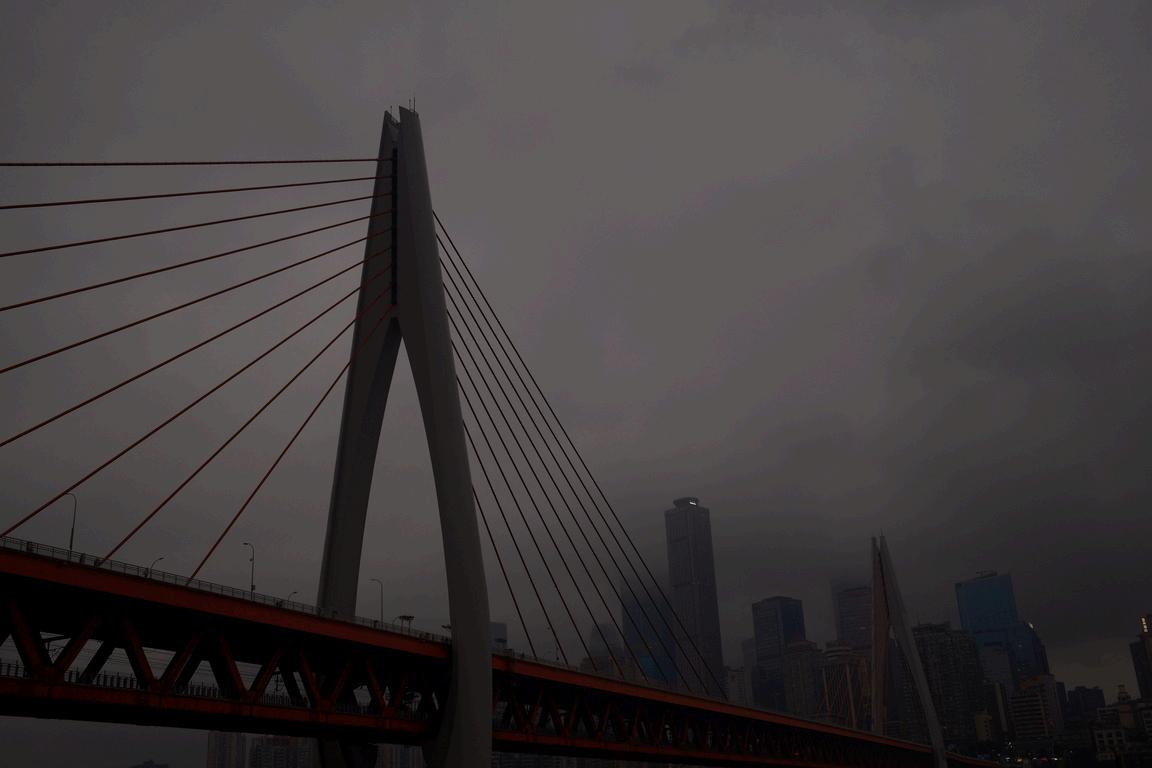

by Angela Xu
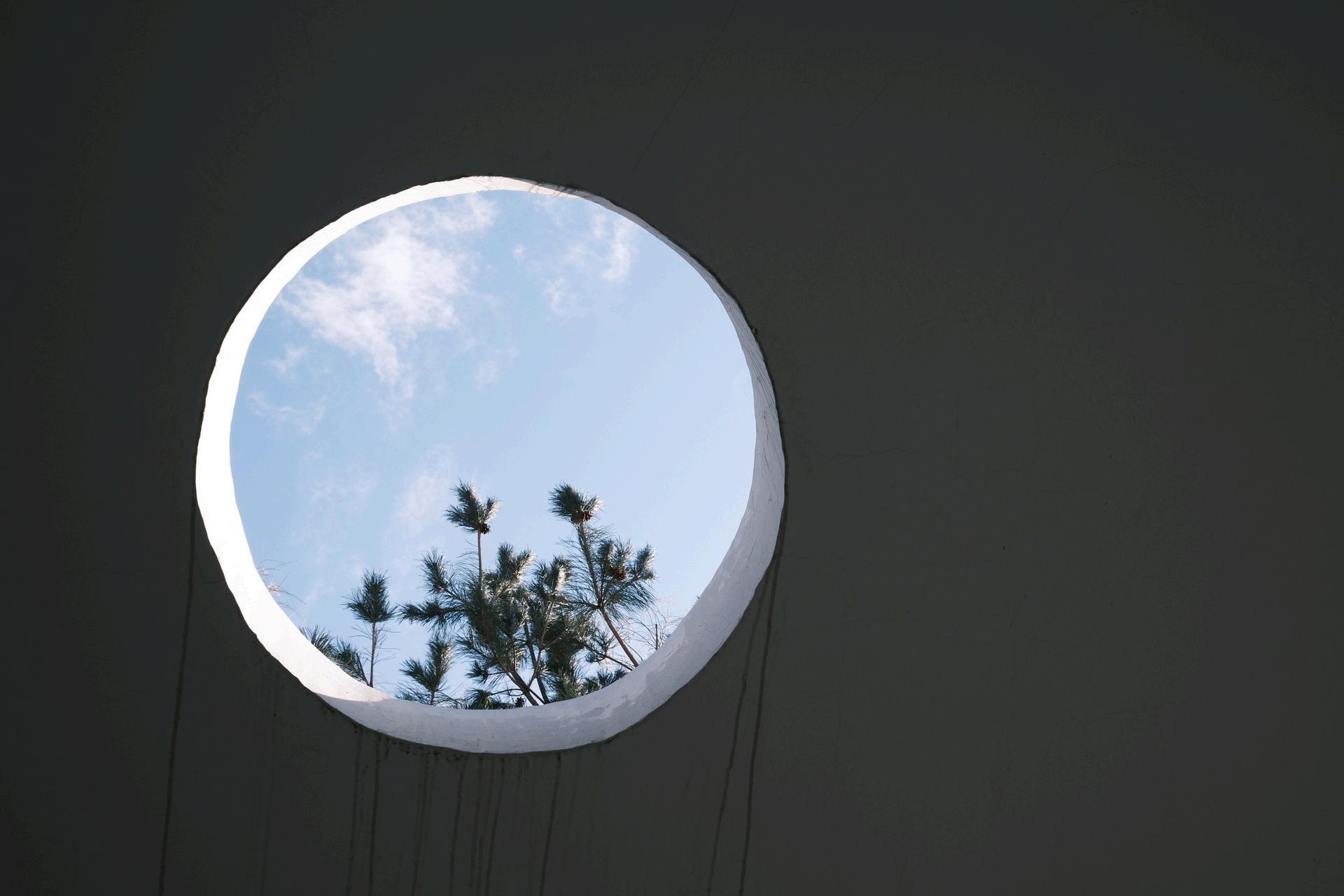
Snow dappled pine trees
Open meadows, swimming pools, Hours on the roof.
by Angela Xu Rage
They say Rage is a cage.
I think not. For a cage Does not blind the sight but only binds the might.
But Rage inhibits The sight, Makes wrong the right And with glee inhabits The body And drives away the light.
Xu
My dear, pick up your zither, Let it quiver Among the stars that shiver, with riffs, Yet unsung.
The young wanders whither Life is, as it were. Love beckons hither In scent and murmur
Malice which slithers And slurs. Old age that dithers A dirge.
And hope that withers Amidst war and winters And revives and arrives and thrives With spring.
And as your melodies blither Away into blurs Stars churn and yearn and burn And burst Into suns. by Angela
Morning, a Haiku
Steam wisps waft upwards. Sirens wail. Birds beep. Leaves flutter. Tea splashes downwards. by Angela Xu
by Yixuan Chen
night a realm of whispers of conversations with our eyes closed of touching bodies enclosed enclosed tightly when you feel the pulse the pulse of another
who came a long way to find you here to seek me who stayed within another heartbeat heartbeat when I feel
drifting afar with clouds flowing bells towing with wind brushing my cheek of light a realm of bright, bright day
by Yixuan Chen
where is it
on my right lung what shape does it take
like a metal scrubbing ball, black and silver threads of a mess is it hard, soft
spikey, or no, crinkly what temperature is it warm like my body does it move, does it change floats up and down as i breathe breathe in it, breathe around it put your hand on it, on the feeling, know that it is smaller, smaller than the body that holds it thank the body
that holds it
my body your breath is calling you to come back, come back. come back to me.
Photograph by Rachel Mak
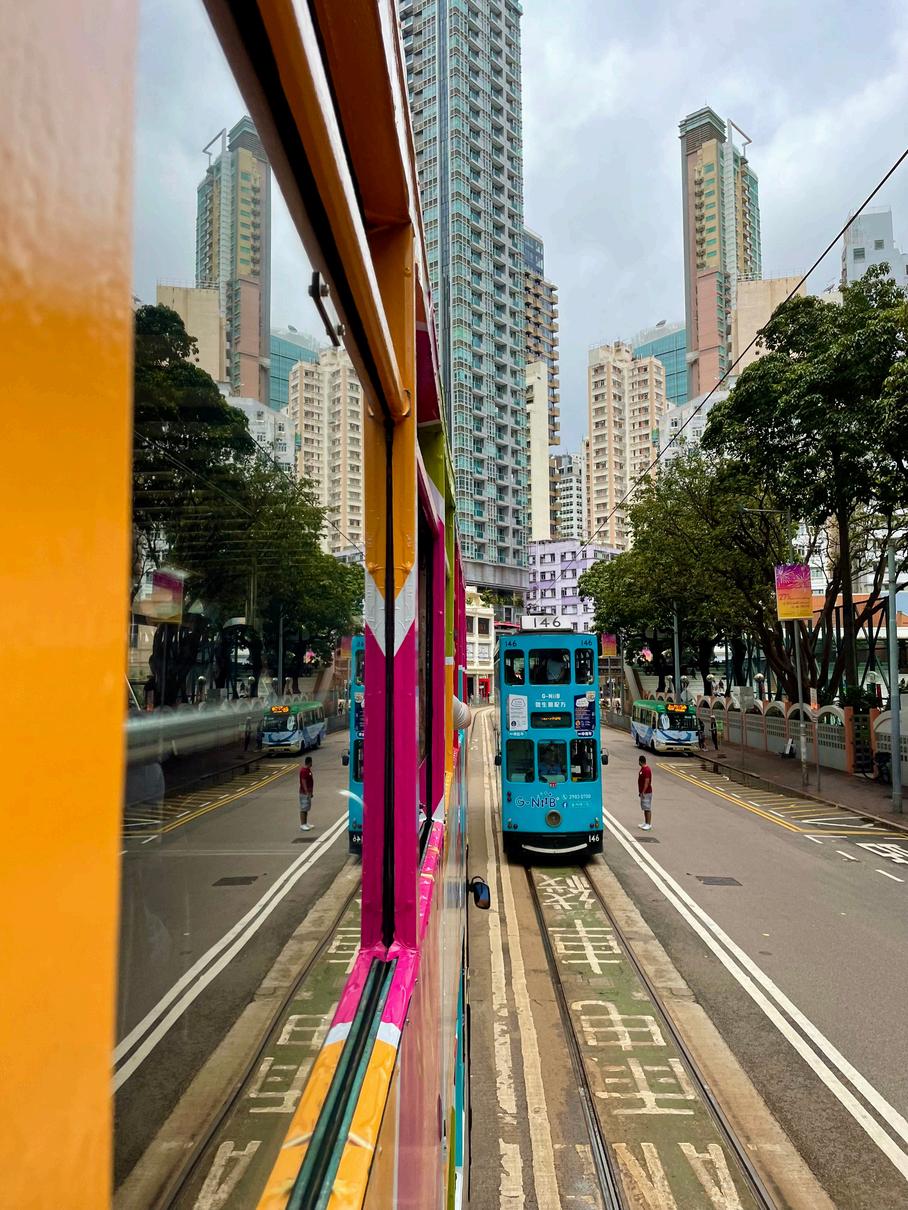
“Home, reflected in the streets of Hong Kong.”
by Elaine Yang Firstborn
I come from tender leaves off a tea tree
Withered and bruised in the sun before brewing
Which explains why ‘you are mature for your age’
No wonder people assume I am the eldest
The strongest
The dark dragon, oolong
But a sacrificial offering came before me
My brother broke the surface tension with toothy smiles
Warming the pot with a protective pour
Which washed away the bitter dust
The long-suffering sediment
The weight of generations, xiaoshun
The leaves unfurled to let me go find my fortune
Unburdened by the promise
Written into his name
I chart this path
Buoyed from coast to coast
On the roiling tide of tea borne by the first, yisheng

by Penelope Pyo
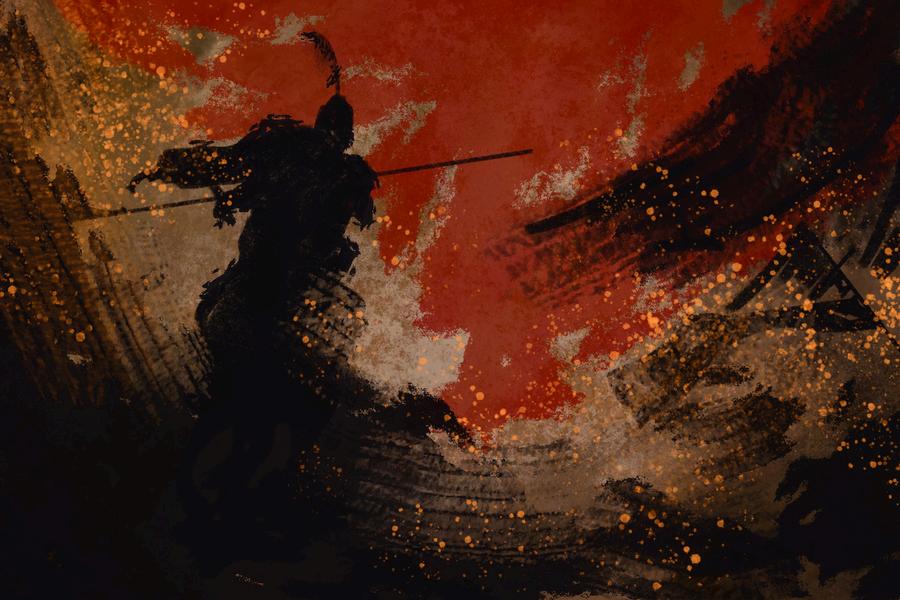
“To a friend whom I will see often on the other side of the water.”
–Younghill Kang, signed in a 1925 Boston University yearbook
He is thumbing through a flaking copy of Candide on the B Train. Doublebreasted eggshell jacket and peacock-eyed tie. Eating a powdered doughnut. My father whispers his favorite game of Korean Or Not, and as always, we shush him but still lean in to listen. Our Candide gets off on Boston University Central before we can ask. Doughnut crumbs are pulverized underfoot the soles of students pouring onto the station platform.
-
My thirteen-year-old cousin solemnly vows to become the most famous rockstar in the world when he grows up. AC/DC tattoos encircling his wrists seal his oath in temporary red and yellow ink.
-
Getting tangled in dovetailed Latin sentences, grasping about for the main verb. My aunt’s suitcases still sat unpacked when she signed up for her high school’s German class. The harder her father pushed her towards ESL and other practicalities, the deeper she flung herself into wrestling with German conjugations, swirling oil pastels, arranging vases of lupines. Now I comb through cedar-perfumed hexameter, clumsily daisy-chain nouns together.
A razor-sharp square of winter sunlight on the floor.
-
The space that rings me as I move among faces–some new, some familiar, all strange. Smiling, nodding, clutching red plastic cups, dodging career conversations, folding up parts of myself into tiny squares to tuck away.
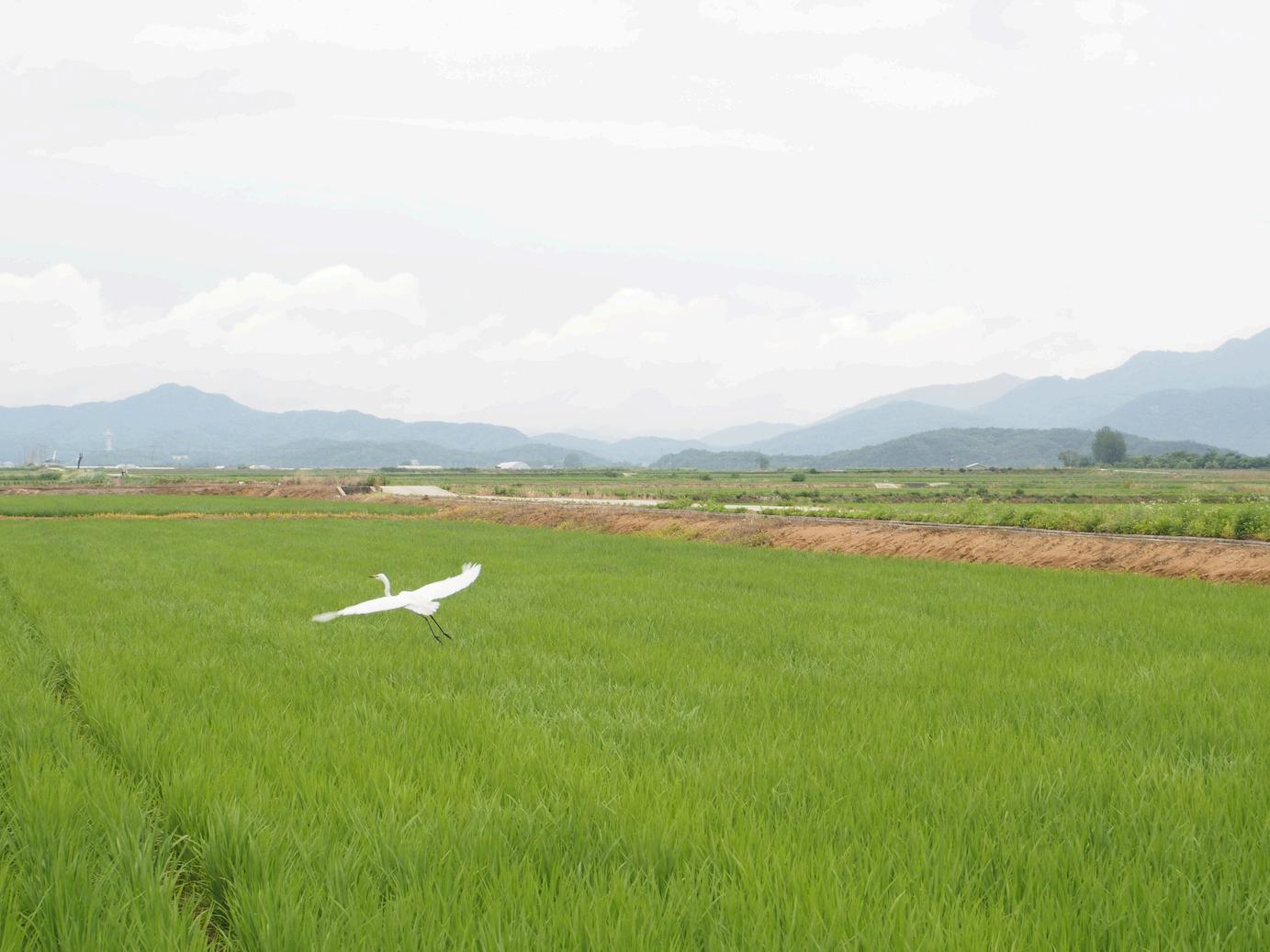

A yellow Buick streaking down the wet black highway. We arrived in New England for leaf peeping, but the dry summer had ignited and snuffed out the foliage sooner than expected. We hightail it after the Buick, all of us chasing the peak foliage, that perpetually two-steps-ahead leafy inferno retreating into the graying, shivering mountains.
A salmon arcing upstream. When I fear that the fish has been devoured by the conflagration of churning froth, it springs out and upwards again. I wonder if the salmon does not notice or does not care that looming up ahead on jagged rocks are bears with tensed muscles and glistening jaws. The salmon’s fins hurl rainbow spray that spangles the inside of my eyelids long after the river has sped past the car window.
by Penelope Pyo
“If the food is always this good, our relatives should die more often,” Sun said, piling more sticky, glazed galbi ribs onto her paper plate. Her face looked bare without her numerous piercings.
Jocelyn plopped down onto the living room carpet. “Thank you, thank you.”
Jocelyn’s long legs still jutted above the scuffed, low-legged table. A smiley-face heart was scratched into the wood’s red varnish, the handiwork of kindergarten Sun. “Guess how long I marinated the galbi for?”
“How long?” Caleb piped up. He carefully placed his food-laden plate onto the table. A dinosaur bandaid plastered his hand.
Jocelyn held up three fingers. “Three days in soy sauce, honey, garlic, ginger, Asian pear, and rice wine.”
“Jo, this is why you’re my favorite cousin,” Sun said. “What is wrong with you guys?” Gina hissed as she sat down. She rearranged her perfectly ironed black dress on her folded legs. “Show a little respect.”
Jocelyn’s mother had the same thing earlier that morning about Jocelyn’s pantsuit.
Show a little respect! Why can’t you dress ladylike like Gina? Jocelyn’s mother had said.What will other people think, Halmeoni’s own granddaughter not dressed up nice at her funeral? Jocelyn had overheard her aunt having a similar conversation with Sun about her piercings.
“What would Halmeoni think?” Sun’s mother had demanded.
Sun had said, “Halmeoni would probably think, ‘Wow, it’s too dark in this coffin to see anything.’”
But because Jocelyn was not Sun, she had changed into a skirt.
Sun pointed her chopsticks at Gina. “Weren’t you the one cracking up during hymns?”
Gina’s cheeks pinked. “That was different. The ajumma was extremely flat.”
“You should’ve pulled a Ms. Yang with her,” Sun said. She shot to her feet and affected the pose of their elementary school piano teacher. Arms raised imperiously like a conductor, Sun commanded, “‘Again, with feeling this time.’”
“Oh, she sang with plenty of feeling,” Gina muttered.
Sun dropped back to her seat. “Miss Perfect Pitch,” she mouthed to Jocelyn.
Gina rolled her eyes. “Jocelyn, how’s the restaurant been?”
Jocelyn shrugged. “Good. Well, exhausting the past week. But definitely much quieter now.”
Jocelyn’s family’s restaurant had become the designated meeting location for planning Halmeoni’s funeral, and thus, the designated location for a lot of yelling. Halmeoni had been a devout Presbyterian, but she was equally pious about jesa. She even brewed her own makgeolli for the altars. Halmeoni didn’t care about mixing religious rituals, but her friends and relatives certainly did.
After days of back and forth arguing about funeral rites, Jocelyn’s mother had finally snapped, “If all of you don’t quit yelling, we’re not catering.”
They came to a compromise the following night.
Sun blew on her bowl of soup. “I still think we should’ve gone with Daniel’s idea of holding the service in Vegas.” Halmeoni was a notorious fan of godori, poker, mahjong, backgammon, and anything else you could bet money on.
“How come Daniel-hyeong gets to sit with the grown-ups?” Caleb asked sulkily. He was still at the age where he was concerned about being included with the older kids.
“Daniel got engaged a few months ago,” Jocelyn reminded him. And Jocelyn and Gina could legally drink, but that didn’t seem to exempt them from the kids’ table.
“Don’t worry, Caleb, you’re not missing out on anything,” Sun reassured. She made menacing claws with her black nails. “Unless you want all the church ajummas to ask you about your love life.”
Caleb wrinkled his nose. “Gross.” Gina snorted. “You don’t even need to be at the adult table to hear all that stuff. No ‘Hi Gina, how are you?’ or ‘Hey Gina, how’s the symphony going?’ It’s only questions about if I’ve met a nice Korean Christian boy yet.”
“How’s the symphony going, Gina-nuna?” Caleb asked sincerely. Jocelyn and Sun laughed.
Gina patted Caleb’s head. “It’s been good. I like being able to play music for a lot of people.” While Caleb launched into a series of questions about what kinds of music, Jocelyn went to the kitchen. The kitchen walls slightly muffled their voices, but Jocelyn could still hear Gina clearly.
“I love Tchaikovsky but the movie scores are really fun too,” Gina was saying. “Sun, I think you’d like them. We did live music movie nights for some Golden Age of Hollywood movies last month.”
“Shut up,” said Sun excitedly.
It occurred to Jocelyn that she didn’t know what Sun’s uni major was. Jocelyn’s mother had certainly mentioned it at one point. Was it sociology? Or a media studies related thing? It bothered Jocelyn that she couldn’t remember.
Aluminum trays of galbi, noodles, vegetable and fish jeon, fried tofu, and melon cubes lined the kitchen table. Jocelyn searched for the paper cups as the adults’ conversations floated from the dining hall. Adults, Jocelyn thought wryly. With the entire extended Choi family packed into Caleb’s house, Jocelyn had been teetering from age to age over the past week. Seven with Keun-appa, sixteen with Aunt Stacy, a mix of giggling nine and jealous seventeen with Sun. Shifting, unsteady twenty-one when holding her sobbing mother in the kitchen last night, both of them brimming with emotions neither of them knew what to do with.
“Gina got so pretty!” Sun’s mother cooed from the dining room. “So tall too, and with long, pretty legs. She could model!”
Gina’s mother sighed in her simultaneously self-deprecating and selfcomplementary way. “Aigoo, she’s too tall! What boy would want to date a girl who’s a foot taller than him?” Anger sparked in Jocelyn’s chest, which surprised her. Jocelyn had never considered Gina to be someone that needed defending.
“She could marry a white boy,” Sun’s mother suggested thoughtfully. “Jihye’s girl did. Very tall, and a good Christian.” Jocelyn’s hand tightened around her paper cup, but because she was not ten years old, she lifted it her lips instead.
Caleb’s mother clucked her tongue. “Korean Christian man is better. Anyway, when they’re old, height won’t matter so much.”
“Don’t let them find out other religions exist,” Daniel whispered over Jocelyn’s shoulder.
Jocelyn spluttered and wiped soda from her mouth. “Jesus, dude, you scared me.”
“Sorry,” said Daniel, sounding very unsorry. His hair was still long but had been tied back in a ponytail. He shook a green soju bottle. “Want some?” Jocelyn extended her empty cup and Daniel poured a few inches.
“Thanks.” Jocelyn took a sip.
“Now you don’t have to sneak sips from the jesa bowls,” Daniel said.
Jocelyn took the bottle from Daniel and poured him a cup. “That was your idea.”
“Well, funerals are more for the living than the dead,” Daniel said cheerfully, accepting his soju cup.
“Jesa is for the dead, dude.” Jocelyn took out three paper cups and began to pour Milkis into one.
“Are those for the others? Here, I’ll help.” Daniel started opening the strawberry Milkis bottle.
Jocelyn stopped him. “Only for Gina and Caleb. Sun doesn’t like carbonated drinks.”
“Really? Kat’s like that too,” Daniel said. Jocelyn couldn’t remember the last time she had talked this continuously with Daniel, or with her other cousins in the living room for that matter. Sun and Caleb were the only ones still in California. When they all did meet up, they typically stuck to retreading familiar ground: How’s school? Busy. Did you know that Yena Park is friends with Josh Lee? No way, I know Josh Lee too! Who’s Josh Lee? Michigan must be cold. Yeah, we got a lot of snow last week. Who’s Josh Lee? He’s a guy that Emily Suk knows.
“Help me deliver these,” Jocelyn said. Daniel poured a cup of mango Calpico and followed Jocelyn into the living room. Sun was throttling a scratched Wii console that was older than she was. Caleb was holding up two DVD game cases, explaining something while Gina nodded solemnly. Caleb brightened at the sight of Daniel and beckoned him over.
“Hyeong, you get to vote on which game we’re going to play,” Caleb said eagerly. Daniel stroked his chin and as Caleb continued to list the pros and cons of each game. Jocelyn placed the Milkis cups on the low table.
“Hey Gina, does the symphony record their recitals?” Jocelyn asked.
Gina looked surprised. “Sometimes, yeah. Why?”
“Could you send me some? I’d like to watch.”
Gina smiled. “Of course.”
Sun hollered in victory when the Press-A-to-continue click echoed from the TV. The warbling startup melody rippled through the living room as the white menu grid blinked on. Jocelyn wondered if her Mii sporting bubble braids and an orange shirt was still saved in the system. Sun came over and took the Calpico cup from Daniel. She raised it to the ceiling. Daniel, Caleb, Jocelyn, and Gina did the same.
“To Halmeoni,” Sun said. “I hope the casinos in Heaven are decked to the nines.”
Five paper cups tapped together.

by Penelope Pyo
A
August heralds the annual migration of monarch butterflies, forests across North America blazing with fluttering, golden-orange infernos.
Butterflies have their own GPS system made up of an internal clock and a solar compass. A monarch uses its antenna as a wristwatch and their eyes read the position of the sun. Armed with these tools and aided by air currents, monarchs brave the 3,000 mile long journey south to sunnier skies.
A Compass rose, by any other name, would smell as sweet! The little black and white starburst in the corner of a map is also known as a compass star, wind rose, or rose of the winds. I adore the imagery of many petals unfurling, pointing to endless directions, endless paths, endless discoveries.
Dung beetles, seals, and songbirds use the stars as a compass. The African dung beetle scarabaeus zambesianus charts its course by the Milky Way, and is the only known insect to do so.
English is a spatially egocentric language. We describe space in relation to ourselves: the tree is to my left, the house is behind me, you are in front of me
Fourth grade Penny’s favorite quote was J.R.R Tolkien’s “Not all those who wander are lost.” I suspect I loved the quote so much because it allowed me to rebrand my spatial and navigational incompetence as wanderlust.
Guugu Yimithirr, Kuuk Thaayorre, and Tzeltal speakers have an “internal compass.” These languages use cardinal directions to express space: the tree is to the west, the house is south, you are north. No matter which way they are facing, these speakers can easily identify the cardinal directions.
Homing pigeons can hear low-frequency sounds inaudible to human ears. Researchers theorize that the feathery, gray-uniformed messengers build acoustic maps in their heads to navigate back to their lofts.
In Song Dynasty China, navigators would magnetize iron needles by rubbing them with a lodestone, enclose the magnetized needle into a small wooden fish, and float the fish in a bowl of water. As the needle always spun south, this wet compass was dubbed the “south-pointing fish.”
I Jumped to recreate this Song technique with a fridge magnet, my nine-year-old head swirling with dreams of globetrotting grandeur. I just ended up bending my mother’s sewing needle.
The Knowledge, the test to become a licensed London black cab driver, is one of the most challenging exams in the world. Along with navigating London’s labyrinthine layout that makes a cereal box game out of Daedalus’s maze, cabbies must memorize 25,000 streets and the locations of 20,000 landmarks.
London cabbies have larger posterior hippocampi than the average person, the region of the brain responsible for memory and spatial processing. During his Knowledge exam, one cabbie was asked to locate a foot-tall statue of two mice nibbling on a hunk of cheese.
Manx shearwaters can effortlessly navigate both land and seas as long as the sun or stars are visible. Even when released thousands of miles away from their burrows, these feisty seabirds will fly straight home.
Not everyone can return home so easily.
Our favorite part of third grade music class was belting the end of the “Fifty Nifty United States” song: “North, South, East, West, in our cool objective opinion…” (Increasing volume tenfold here is crucial) “CALIFORNIA IS THE BE-E-S-T of the Fifty Nifty United States!” The song repeats, getting faster and faster each time. Imagine my shock when I discovered that the “best state” line was designed to be interchangeable with any state the singer desires.
People raised in “geographically random” environments—like rural areas or cities with complex layouts—are better at navigating.
Questions still remain about magnetoreception, the ability to sense Earth’s magnetic field. While the sense has been observed in animals ranging from bees to bats to sockeye salmon, scientists theorize plants may also be capable of responding to the earth’s magnetic field.
Right before a young salmon swims downstream to sea, it is imprinted with its home river smell. When the matured salmon migrates back to its natal river, it follows the thread of its home scent through the roaring rapids.
Smell is the sense most closely linked to our memories. Some salmon can even pinpoint their original spawning ground!
The Polynesian voyagers were some of the best navigators in nautical history. Without the aid of a compass, they explored at least 10 million square miles of the Pacific Ocean.
Ursa Minor shakes stardust off his shaggy head and nudges his mother for attention. Polaris, affectionately nicknamed the North Star, crowns the cub’s tail.
Voyagers of the Pacific Islands read the night sky, ocean waves and swells, wind currents, seabird behavior and seasonal migration paths, cloud formations, the color of the sky.
While a compass needle spins towards magnetic north, true north is the real geographic direction of the North Pole. Magnetic north shifts over time, but true north is a constant.
Xenia has two rules: the host provides and guest reciprocates. To enter my home, take my hand, close your eyes, and inhale. Ginseng bubbling in samgyetang with sweet sticky rice; pool chlorine; blueberry pie; sweat-crusted shin guards and turf; dusty heat; crisp aldehyde and soft floral notes of fresh laundry; sesame oil; fog.
You will find the mice-and-cheese statue perched on Philpot Lane, East Cheap, north of the River Thames.
Zone in on the sounds that lead me home: sizzling oil, screeching shaved ice machines, rubber slides on creaking wood, syrupy-sweet cocktails of early 2000s K-pop, clanking buses and rattling shopping carts and rumbling subways.
by Yule Zhang (Arrow)
The Asian American Cultural Center Retreat will help you “explore shared histories” and “foster meaningful relationships,” they said. We’ll drive you out into a cabin in the woods in the middle of nowhere and you’ll have a great time, away from everything.
Nowhere, away from everything? That sounds nice. What does that mean?
The bus ride took 1.5 hours and by the end I really had to use the bathroom. When we got there, I dashed off the bus and was one of the first to see the inside of the cabin: simple, if not a little worn down – “cozy” in the way that New York people call their apartments “cozy.”
The other students piled in and as the empty cabin started carrying lives, I guessed that this was home for the next two days.
My bed-mate called for the top bunk, so I put my stuff down on my now-bed, backpack ‘thunk’ing on solid wood, thinly padded. I could see the rows of bunks in one room, maybe eight in total.
I felt so exposed seeing everything confrontationally squished into one place that my lower-level bed was suddenly not nowhere-enough.
I used to not talk very much.
Talking drew attention, especially in my middle and high schools that were predominantly… well, not Asian.
I didn’t talk very much here, either. But we played games and ran around in the grass and stared at a big spider on the window. We talked about our upbringings and our relationships with our parents, how it feels for our very existence in America to necessitate the act of advocacy how you couldn’t rely on the systems meant to ‘help you’ how the burden of expectation weighed on our lives how hope kept us going— everything.
I didn’t talk, but for the first time in my life, my thoughts were spoken for me. Everything.
Halfway through the first day, staff brought out snacks.
I eyed the Pocky sticks and jello cups and WangWang crackers, my absolute favorites.
I’d never seen them as default snacks.
No school back home had thought my presence ‘majority’ enough to sway the snack selection, but here we were. Everything, by default, lined up with my preferences.
I blinked so my vision could clear. My heart was wrapped in a loving blanket. Some people get to feel this their whole lives?
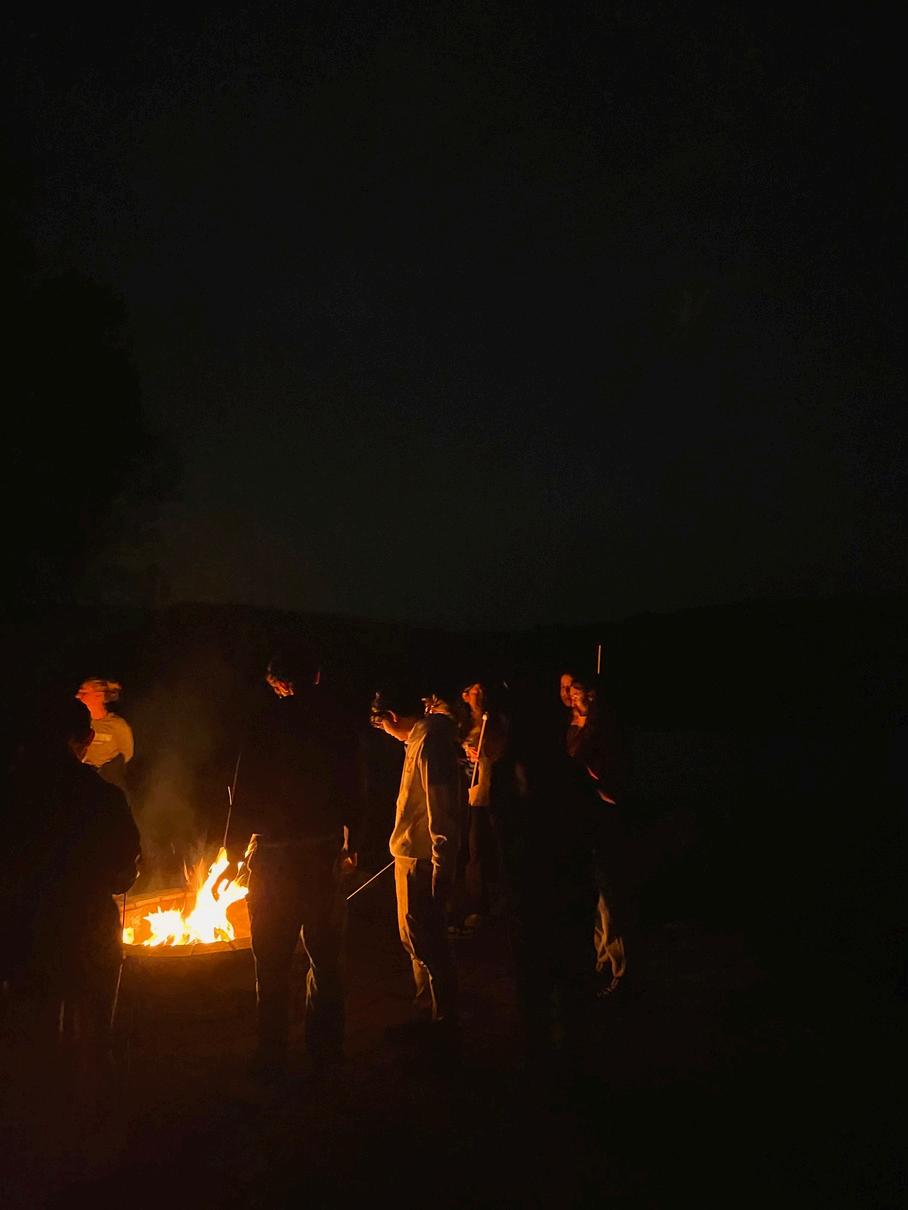
We set out a little ways into a meadow when night fell, to make s’mores.
I savored the sugar bomb that was melted chocolate and toasted marshmallow, the way it tasted like fire. We took a group photo there.
I still look at it sometimes to marvel how, finally, I looked just like everyone else.
Away from everything, there is nothing—
Nothing but the base level of mindfulness to know that you exist and nothing more, the wordless love of mutual understanding, the socks on your feet, the leaves in the trees in the breeze, the ease of existence— being away from everything teaching me what it feels like to have everything. I remember looking back at the cabin before boarding the bus and thinking I must come back.
And I have, again and again, looking for little corners in the world to take refuge yearning for dirt trails amidst all the concrete sidewalks gazing at the stars, away from everything.
There are other people like me out here in the middle of nowhere, everywhere, and for once, I was average. I was home.

by Vanilla Chi
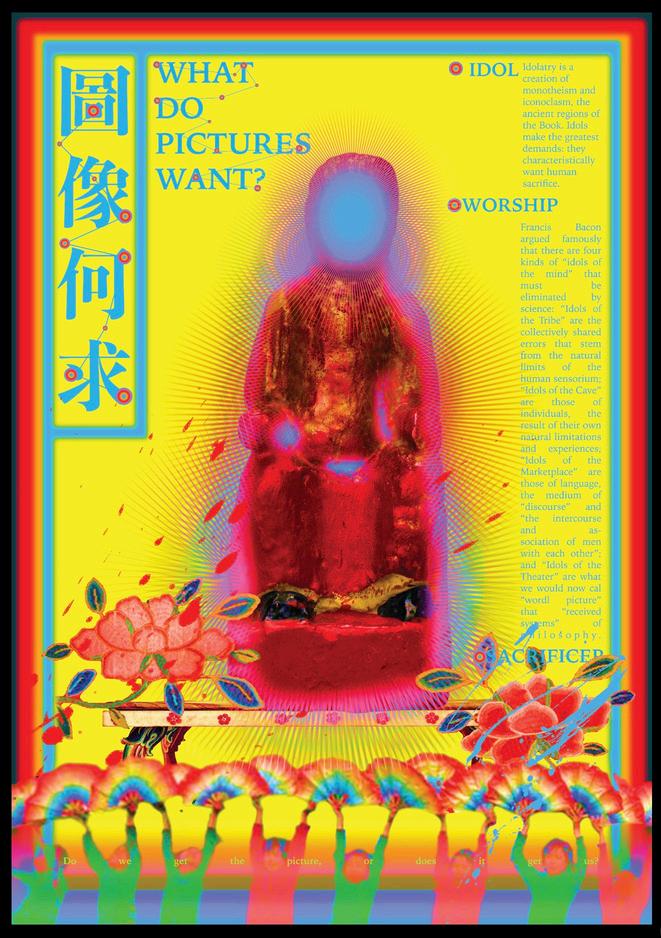
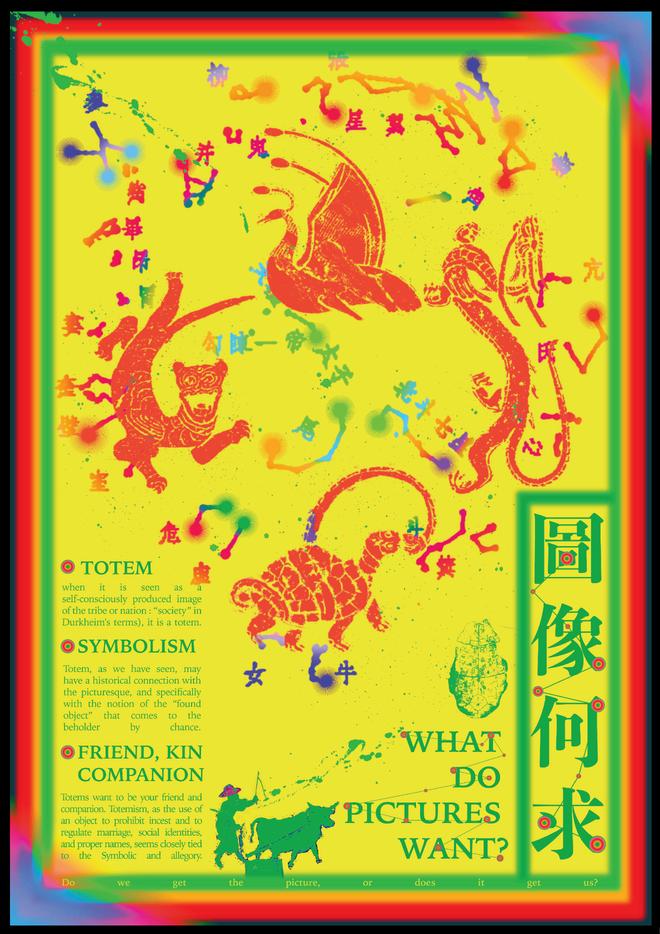
This research-based poster series draws on W. J. T. Mitchell’s question—What do pictures want?—and is informed by studies in East Asian anthropology. It seeks to liberate the image from its status as a passive, gazed-upon media object, and instead grants it agency—as a subject of desire.
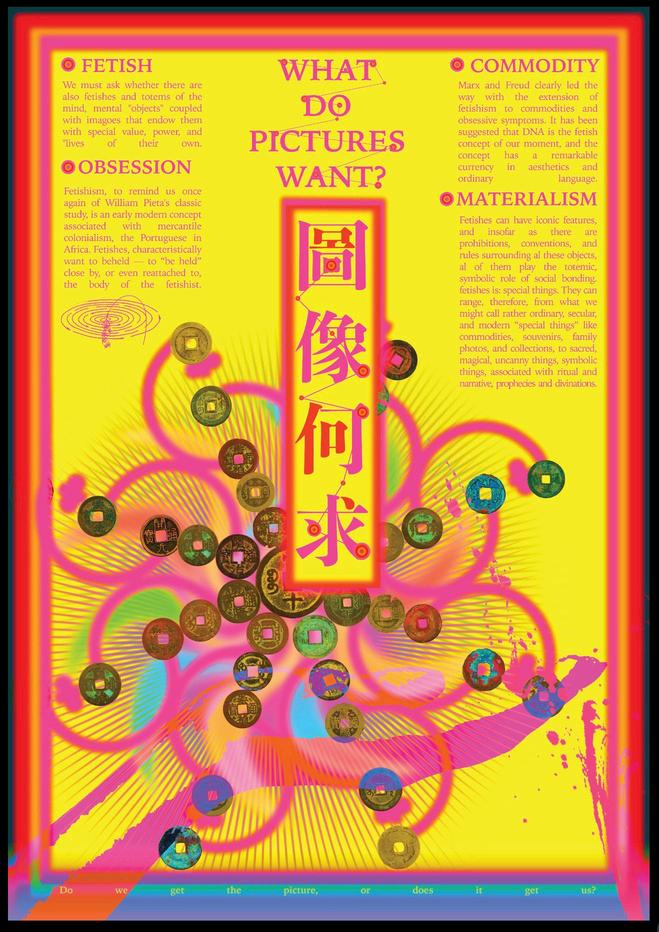
Images are reimagined as beings that look back, speak, seduce, or even haunt us. Echoing animistic image theory, this work reflects my ongoing interest in the metaphysical dimensions of visual culture—a way of worldmaking in which images serve as thresholds between symbolic order and embodied experience.
by William Chen
two squirrels racing side to sidealong stony cobblestones I stood, taken aback the evening sun and wind breached my face with their harsh grasps relentless with dripping sweat looking back and stepping forward sweeping wind and hollow steps, I turned the corner

by Helen Zhang
盘古初醒
混沌不分 ⼥娲误抟 桃源蓬莱 若⻅ ⼈ 陌,⾮陌
,⾮神 他,⾮他
婚纱雾语
轻如柳絮
冷如初霜
夏夜醉颊
化为泪花
默写掌⼼
撇 捺
你从未
望过他
望着你
墨盈脉
影蚀阳
瞳化魂
珠泪
锁⻣内
逆时转
by Helen Zhang
Pangu wakes blind in the heat birth of the universe Nüwa moulds dust from Peachfield mud, Penglai mound
If meet a mudman stranger, not stranger god, not god him, not him whose fog-veiled whispers light as willow catkin cold as first frost tear petals unthaw upon a june night’s touch calligraphy a palmheart — one slice, one stab
You have never seen him see you vein brimming ink yin eclipsing yang iris haloing soul one pearled tear circles counter clockwise in collar bone

by Michelle So
Mom yelps having pricked her thumb on the thorny spine of pompano fins deep-fried to crispy scabs. The crystal air of the pre-lunch morning shatters.
The laze of day punctured by urgency and I rush to assistance. At the site, I stare at the helpless thing, an immobile saucer laying eyes cloudy in my kitchen sink. There's a pool of cloudy pink, flecks beading its sprout-yellow dorsals.
Amy Winehouse croons Valerie. The TV man searches for a missing elder. I watch her tend to her wound. Her right fingers encircle the injured thumb like a teat and begin milking the pierced skin. A steady stream of blood fall onto raw dinner. the crimson drops atom scattered scales made mess into a ruby-sapphire feast.
by Angela Xu
Verse May sound terse… Wherein one might immerse And nurse
A free mind, a free spirit Which, with a sigh and shudder lurches And serenely perches On a soul in erstWhile form, eternally birthing hope; not yet besmirched by shadow, nor taste of the gloomy hearse.
by Angela Xu Gold
What is it about Gold I wonder That drives men mad with desire?
Tinker, tailor, soldier, sailor
All fall prey to her charm.
Is it her skin which glitters And casts her companion In halos?
Or her form, molded Every which way As can be desired?
Is it the admiration she begets From princes and paupers, The awe
From merchants and bankers, The camaraderie
From socialites and sailors And envy
From the worthless and worn?
Men sing, A rare jewel indeed is she!
Let me hide her
Under my cloak
Settle her tranquilly In my castle tower. Other men may look, but They cannot possess.
Let my fingers trail Over her veins, And caress
Gently her orbs. Let me grow old with her And my silvered hair
Mingle with hers.
Oh, my beautiful one, She is even immortal! Then I must part from her, But never she from me.
I wonder how Gold feels Or how many lovers she has known. Was she cherished, Or ill-treated, Hidden at home, Or brought out abroad? Was she found, Bought, stolen, Or crafter from her lover’s bone Like our mother Eve?
Was she ever sad to lose her keepers, I wonder? Are their imprints also forever inscribed In her molten heart?

by Kaylee Chen
Chinese New Year’s Eve always sounded like television static and boiling water. Dough nestled in the palm of my hand, I half-watched my mother’s deft fingers and half-parsed the variety show jokes sending the onscreen audience into fits. It did not matter that my dumplings came out lumpy and wilted each time, like sacks of rice at the market; it did not matter that they fell apart in the pot, or that I would have to reunite their skins with the filling in my mouth; it did not matter, because sometimes my parents would laugh together, and I would smile even though I couldn’t understand the comedians’ Chinese. Joy was alive and smelled of flour. It was bubbling on the stove. It steeped the air, lucky and golden, like the chunks of ginger that my father slipped into some dumplings. We're glad you’re here with us tonight! the program hosts exclaimed, and it felt true— even the crimps my clumsy fingers made had no other place to be except there and then, just how they were under the lamplight.
I do not miss home, unless this is what home is: a beautiful memory. Half-true, half-parsed. I have spent six years in temporary walls, fresh ones each fall, and I wonder if I can call anything home if it does not bruise me, if I emerge still breathing, with something warm tucked away somewhere— in my back pocket, or cupped in my windchilled hands; against the roof of my mouth, or sealed into the loving fold of a dumpling peel. Just enough hope for next year, and then the next, so that my heart still kicks into a frantic beat when the cars cut too close to my body. So that I still imagine burrowing into the bony crook of my mother’s arms, where I never have to grow. As I mull over the taste of ginger and exhaust I think, I'm glad I'm here tonight. One of these years, it will feel true again.
Olivia Jiang
by William Chen
away from home in such a span of time; not too long, but not too short
as a witness of the passing of seasons from the doorsteps of winter to the doormat of spring, striding down the porch steps of summer running down the pavement of approaching autumn...
home, my parents, my past how I longed to be adventurous before to now how I longed to be within your embrace just like a child once before just like my old self before
I'm still the same semblance of me, more older, more tired, more mature and nonetheless, still my parent's son
Have I turned more wiser?
I don't knowI will leave that question to my future self to decide when looking back to my August self

Yixuan Chen is a third-year PhD student in Biochemistry. Beijing is her hometown, New Haven is her home now, and writing poems, she thinks, is giving a home to amorphous feelings that are otherwise lost.
William Chen is a current Junior at Yale College studying Molecular, Cellular, and Developmental Biology and on the pre-med track. He is an advocate of student mental health wellbeing. His writing reflects his passion for mental health awareness and the intersections between science, empathy, and personal growth. Outside of academics, he enjoys writing poetry, taking long walks, and finding peace in nature.
Maddie Butchko is a senior in Jonathan Edwards College from Michigan.
Emily Pedroza is a Mexican-Taiwanese writer and a student at Yale University. Her work has appeared in the Adroit Journal, Ghost City Review, miniskirt magazine, the New York Times, and elsewhere. In her free time, you can find her on a hunt for the best herbal teas, curled up with a book, or staring at ceilings.
Noah Hong is a first-year student from Chicago, Illinois. When he's not exploring new study spots on campus, you can find him wandering through museums and exhibits with his camera.
Angela Xu worked in the investment management industry for about nine years. She has a keen interest in the interplay of international relations, macroeconomics, and global markets. She received a BSFS in International Politics from Georgetown University and is currently pursuing a Master’s in Asset Management at Yale University.
Michelle So is a sophomore in TD majoring in Ecology & Evolutionary Biology. She enjoys climbing (on plastic rocks and mountains), jogging to the Mill River, and birdwatching. She connects with the world and her mind through her poetry.
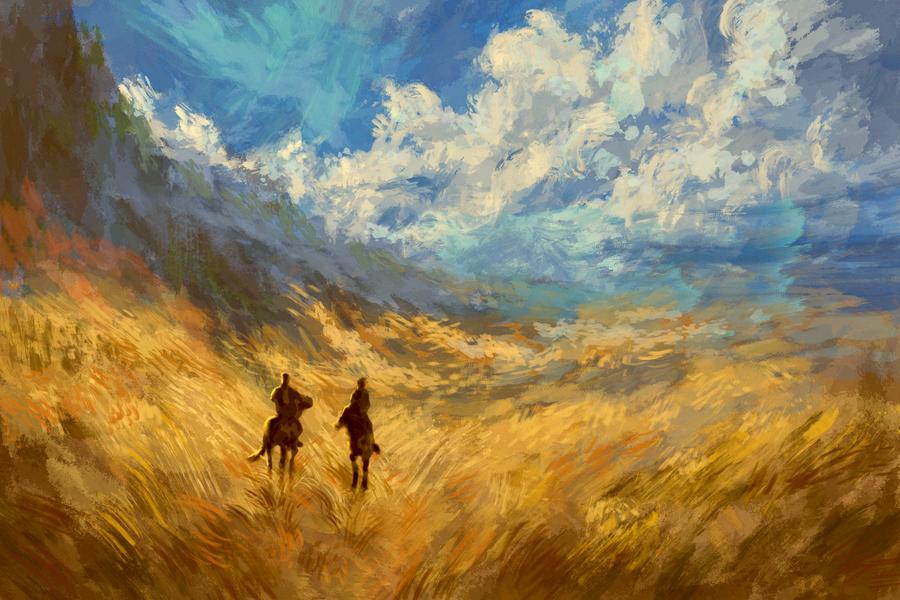
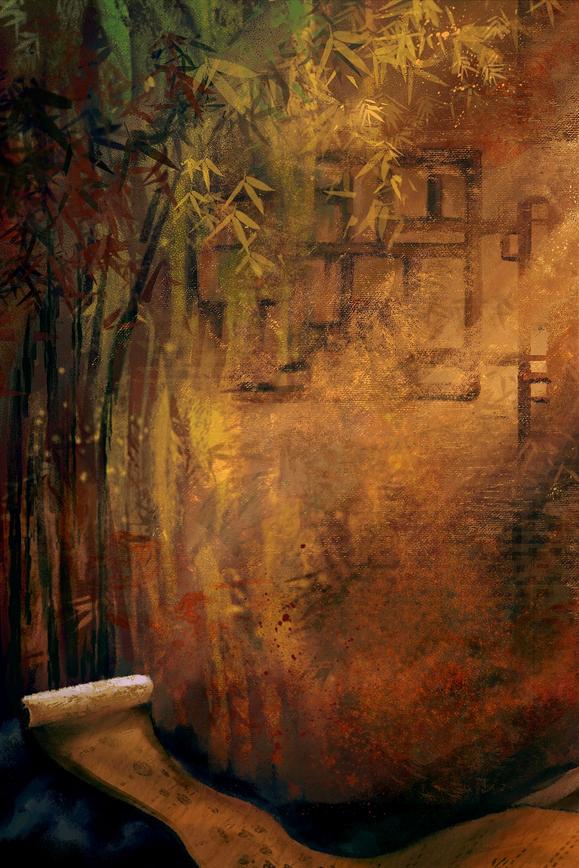
Olivia Jiang is currently a Master’s in Management Studies candidate at the Yale School of Management. Beyond her academic and professional work, she is a freelance artist and digital illustrator whose style focuses on translating imagery, emotion, and illusion into expansive, atmospheric scenes. This series is a collection of works that explores her imaginations for the community of the future, drawing loosely from historical narratives and emotional textures within the Chinese diaspora.
Multi-disciplinary Artist/Designer/Independent Publisher Vanilla Chi's work focuses on the cultural symbols and motifs of Eastern Asian cultures and anthropology studies. Vanilla’s practices dive into her heritage memories, cultural context and personal histories.
Huy (Hubert) Ngoc Tran is a Vietnamese-American junior in Morse doublemajoring in Ethnicity, Race, & Migration and Molecular Biophysics & Biochemistry. He seeks to use the arts, sciences, and humanities to interrogate and critique the unjust systems we exist within. In addition to writing, Huy also loves playing the pipe organ, eating rambutan by the pound, and spending time with his chosen family.
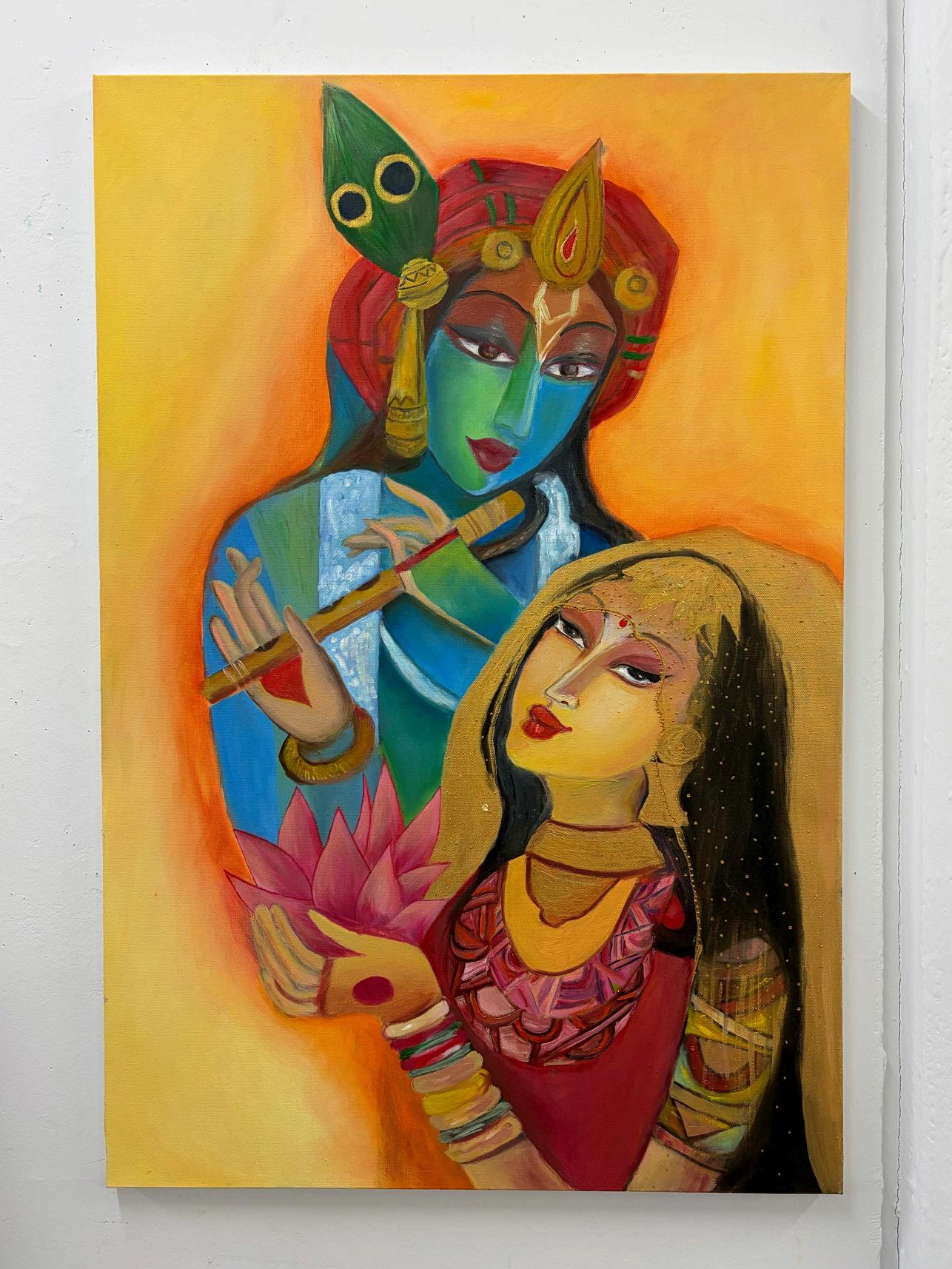
Ayushi Das is a sophomore studying Computing and the Arts with a concentration in the arts. She’s been oil painting since 7th grade, and it’s always been one of her favorite ways to explore color, emotion, and storytelling. She loves to take photographs of her surroundings as well!
Rachel Mak is a sophomore in Grace Hopper College majoring in biomedical engineering. Originally from New York City, she has brought her love of photography to Yale, where she can be spotted capturing all the moments, big and small.
Sam Fajardo is a junior from the Philippines studying Cognitive Science with a focus on Cultural Cognition. She enjoys thrifting, scrapbooking, yoga, and a good seafood boil.