



New revelations from the Program for International Student Assessment (PISA) have once again thrust the Philippines into the spotlight of global education scrutiny, painting a grim picture of the country’s academic landscape.
According to the latest PISA findings, Filipino students continue to struggle in key subjects like math, reading, and science, with minimal progress seen since the last assessment in 2018. Battling the Crisis of Illiteracy in the Philippines
Despite concerted efforts by the education department to enact reforms and enhance preparations following the disappointing PISA 2018 results, the recent scores paint a sobering reality. Shockingly, less than a quarter of Filipino students who participated in the 2022 test


reached the minimum proficiency level in math, reading, and science combined, as per the released PISA results.
The stark reality revealed by PISA is that the Philippines not only performed below the global average once again but also failed to significantly improve its standing compared to
REGION 2 3RD BEST SCHOOL PAPER S.Y 2022-2023

2018. The country’s placement in the rankings saw only marginal changes, positioning just above nations that experienced declines due to pandemic disruptions in learning.
The timing of these results adds another layer of concern, coming amidst the Philippine education system’s struggle to recover from the prolonged closures and disruptions caused by the COVID-19 pandemic. The repercussions of this extended period of disarray are evident in the increasing number of students grappling with basic literacy skills, exacerbating the challenges faced by educators and policymakers

Mayor Caesar “Jaycee” S. Dy, Jr. of Cauayan City has emphasized the importance of synergy and quality education during the celebration of the 19th Founding Anniversary of the Schools Division Office (SDO) Cauayan City.
In his address, Mayor Dy reiterated the commitment of the Local Government Unit (LGU) to support the SDO in providing quality education to all Cauayeño students, especially those in public elementary and secondary schools.
Mayor Dy highlighted the significance of maintaining a strong partnership between the LGU and SDO,
stating that this collaboration is crucial in achieving excellence across the city’s entire school community. He expressed that the LGU will continue to strengthen its partnership to ensure that students receive the best possible education.
One of the initiatives undertaken by the City Government of Cauayan is a program that covers miscellaneous fees for kindergarten to grade 12 students, aiming to alleviate financial burdens and support their academic needs. Looking ahead, the LGU plans to explore avenues for additional funding to include preschool children in this program.
The positive impact of these efforts is evident in the increased enrollment numbers, with approximately 41,000 students enrolled this year compared to 37,000 the previous year. This growth serves as a testament to the successful collaboration between the LGU and SDO Cauayan City, showcasing the effectiveness of their partnership.
I firmly believe that with our cooperation, we can aid for the betterment of each other.
Hon. Mayor Ceasar “Jaycee” Dy



CCNHS receives free laptops and robotic kits from
In a concerted effort towards fostering innovative education and advancing Sustainable Development Goals (SDGs), Cauayan City National High School Main received a generous donation of free laptops and robotics kits from the Local Government Unit (LGU) of Cauayan City. The initiative, spearheaded by Mayor Caesar “Jaycee” Dy Jr., marks a significant stride in enhancing educational opportunities and promoting technological literacy among the youth.
The handover ceremony, graced by Mayor Dy alongside LGU officials, personnel from the Department of Education’s Schools Division Office (SDO), and DOST Isabela Provincial Director Lucio Calimag, symbolized a collaborative commitment to empowering the next generation with tools essential for 21st-century learning.



In a bid to address the longstanding challenges plaguing the Philippine education system, the Department of Education (DepEd) has launched its MATATAG initiative, signaling a new era of reforms and solutions aimed at creating a more robust and inclusive learning environment for Filipino students.
However, the launching of the said agenda has sparked a range of reactions from stakeholders, signaling both optimism and skepticism about the proposed reforms aimed at transforming basic education in the Philippines.
The MATATAG agenda, short for “MAke curriculum relevant, TAke steps to accelerate facilities delivery, TAke care of learners, and Give support to teachers,” was introduced during Vice President and Education Secre-
tary Sara Duterte’s Basic Education Report (BER) 2023 highlighting the department’s past achievements and ongoing challenges but also laid out a comprehensive roadmap for the future of basic education in the country.
Some stakeholders at Cauayan City National High School have expressed optimism, viewing the MATATAG agenda as a much-needed step towards improving the education system, applauding initiatives such as streamlining the curriculum to focus on essential skills, accelerating the delivery of basic education facilities, promoting learner well-being, and providing support
PH struggles with high learning poverty
Despite efforts to improve education, the Philippines continues to grapple with one of the highest learning poverty rates in East Asia and the Pacific, according to a recent World Bank (WB) report revealing that nine out of 10 Filipinos are unable to read and comprehend age-appropriate materials by the age of 10, highlighting significant challenges in the country’s education system.
The WB’s 2022 report, conducted before the resumption of face-toface classes and after two years of remote learning due to the pandemic, showed a persistent 91 percent “learning poverty” rate in the Philippines which remained unchanged in the 2023 report, placing the country among eight nations with a learning poverty rate exceeding two-thirds, or 67 percent.
Among the countries facing similar challenges are Cambodia, Kiribati, Laos, Myanmar, Papua New Guinea, Tonga, and Tuvalu.
The concept of learning poverty, as defined by the WB, revolves around the inability to read and comprehend basic texts by Grade 4 or Grade 5 under the K-12 system.
The WB report, titled “Fixing the Foundation: Teachers and Basic Education in East Asia and Pacific,” emphasized the critical role of teachers in addressing learning poverty. Despite significant investments
in education and improvements in school enrollment, the report noted that children in some countries, including the Philippines, struggle to acquire fundamental educational skills.
One of the key findings highlighted in the report is the disparity in education quality between rural and urban areas, as well as poorer and richer communities.
Factors such as family income, access to resources, and teacher quality significantly influence learning outcomes.
The report raised concerns about teacher absenteeism, particularly in the Philippines, where 40.1 percent of teachers were reported as often or sometimes absent.
This absenteeism poses a major obstacle to student learning and underscores the need for comprehensive reforms in teacher training and support.
While acknowledging the Philippines’ commendable allocation
of 17.5 percent of the total government budget to the education sector, the report also flagged the relatively low government spending on education as a percentage of the country’s GDP (3.2 percent). This indicates a need for increased investment and efficient utilization of resources to address learning poverty effectively.
Aaditya Mattoo, WB East Asia and Pacific chief economist, emphasized the importance of collaboration between policymakers, educators, parents, and stakeholders in driving meaningful reforms in education.
Mattoo stressed that addressing learning poverty is crucial for improving the future prospects of children and the economic development of the region.
to teachers through innovative teaching approaches.
On the other hand, there are voices of skepticism and concern among certain stakeholders of City High, arguing that the proposed reforms may not adequately address deep-rooted issues such as inadequate infrastructure, unequal access to quality education, and systemic challenges faced by teachers and learners.
Some also question the feasibility of implementing these ambitious plans within the proposed timelines and budget allocations.
In response to these mixed reactions, Education Secretary Sara Duterte emphasized the importance of dialogue and collaboration among stakeholders. She acknowledged that while the MATATAG agenda represents a bold vision for the future of education in the Philippines, it requires collective effort and feedback from all sectors to ensure its success.
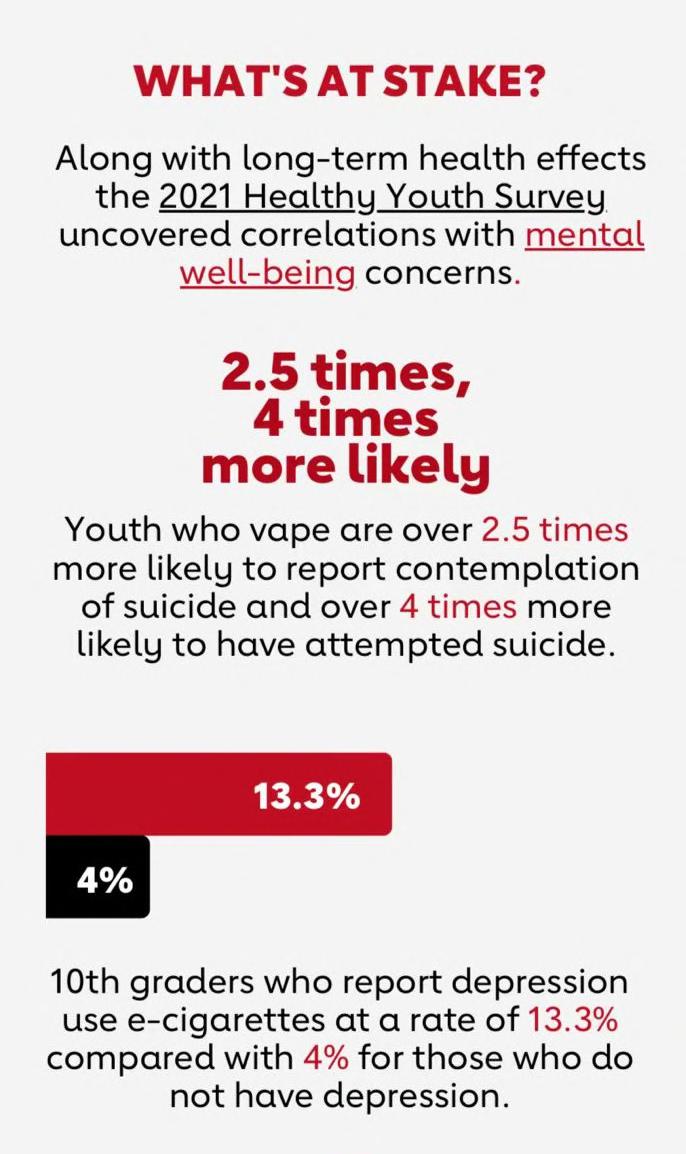
Cauayan City National High School-Main Principal, Maribeth S. Dela Peña, underscored the negative impact of nicotine products or vaping on human health, particularly among students caught using these products within the school premises.
Dela Peña emphasized the adverse effects of nicotine products on student health and highlighted the school’s commitment to identifying and addressing instances of students skipping classes to engage in vaping. She also urged vendors to cooperate in safeguarding students’ well-being.
The Department of Trade and Industry (DTI) recently enforced stricter regulations through Administrative Order 22-16 Series of 2022, in accordance with Republic Act 11900, aiming to curb the sale and use of nicotine products. Violators face hefty fines or imprisonment, particularly targeting minors and individuals under 18 years old. Additionally, the use of such products in public indoor spaces carries penalties, aligning with efforts to promote healthier lifestyles, especially among the youth.
Health experts, led by Dr. Maricar Limpin, president of the Philippine College of Physicians, are advocating for the Department of Education’s (DepEd) involvement in regulating vape products within schools. Dr. Limpin highlighted the deceptive packaging of e-cigarettes, often disguised as innocuous items like flash drives, urging stricter oversight.

a 100-meter radius of schools. These measures align with DepEd Order 14 and DepEd Memorandum 111, which prohibit smoking and vaping on school grounds.
Dr. Riz Gonzalez, chair of the Philippine Pediatric Society Tobacco and Nicotine Control Advocacy Group, emphasized the importance of public awareness and enforcement of existing laws, such as Executive Order (EO) No. 26, establishing smoke-free environments. EO 106, passed in 2020, expanded these regulations to cover Electronic Nicotine and Non-Nicotine Delivery Systems, reinforcing the government’s stance against vaping.
DepEd has responded by intensifying initiatives to eradicate vaping within school premises, including bans on sales and promotions within
As stakeholders collaborate to address the growing prevalence of vaping among students, the collective effort underscores the importance of education, regulation, and public awareness in promoting healthier lifestyles and protecting the well-being of the younger generation.
PISA, overseen by the Organization for Economic Co-operation and Development (OECD), evaluates the literacy of 15-year-olds every three years across various countries. The latest cycle, encompassing 81 nations, was delayed due to the pandemic but provided crucial insights into the pandemic’s profound impact on global education systems.
One of the most alarming revelations from the PISA 2022 results is the staggering percentage of Filipino students failing to achieve basic proficiency levels in core subjects. Only 16% demonstrated basic mathematical skills, with even lower percentages in reading (24%) and science (23%). These figures highlight a significant educational deficit, indicating that a vast majority of Filipino students lack fundamental competencies essential for their academic and professional futures.
The Alarming Case of Cauayan City National High School
Cauayan City National High School presents a narrative that encapsulates the dire state of education in the Philippines. This sprawling institution, home to approximately 4,000 students, is grappling with an escalating crisis of illiteracy that threatens to erode the very foundation of academic achievement.
At the heart of this crisis are staggering statistics that paint a grim reality. Among the student population are 50 non-readers, individuals who, despite years of schooling, struggle to decipher the simplest of texts. Additionally, hundreds more are labeled as “frustrational readers,” individuals caught in a cycle of perpetual struggle with basic literacy skills.

“
The use of vape within school premises is not allowed. It compromises the safety the students and overall, safety of the school.

Ellen Jane Ragasa, the School Reading Coordinator, is at the forefront of this battle against illiteracy. “We are witnessing a generation on the brink of educational collapse,” Ragasa laments, highlighting the critical need for immediate and intensive interventions.
Despite the existence of various reading programs within the school, the persistent nature of the problem is evident. Students continue to grapple with fundamental reading skills, hampered by a lack of fluency and comprehension that impedes their overall academic progress.
Ragasa emphasizes the need for a paradigm shift in educational priorities, stressing that mere lip service to literacy initiatives is no longer sufficient. “We are dealing with a crisis that demands swift and decisive action,” she asserts, underscoring the urgency of dedicating more instructional time and resources to bolster reading proficiency among students.
The situation at Cauayan City National High School serves as a microcosm of broader systemic issues plaguing the Philippine education landscape. The prevalence of non-readers and frustrated readers is emblematic of a larger educational deficit that extends beyond the confines of one institution.
As the nation grapples with sobering revelations from global assessments like PISA, the plight of students at Cauayan City National High School serves as a poignant reminder of the urgent need for holistic reforms. The future of an entire generation hangs in the balance, and the time for transformative change is now.


PH learners lag in PISA 2022, shows alarming performance
5-7 YEARS lagged behind.

2024, at SM City Cauayan. The event saw a vibrant turnout of 380 students, budding filmmakers, and educators who gathered for a night of cinematic celebration.
The highlight of the evening was the screening and awarding ceremony, where the top 10 nominees for the “Best Festival Film” category were unveiled. These films, including titles like “Asya,” “Kalamphi,” and “Mirage of Love,” were crafted by the competing sections of CCNHS, showcasing a diverse range of storytelling and filmmaking talent.
Sinaglaya 2024 marks a milestone for CCNHS as it marks its first-ever film festival, providing a platform for young filmmakers to showcase their creativity and share their meaningful narratives through the lens of a camera.
Speaking about the significance of the event, organizers emphasized the role of media arts in enabling students to communicate diverse perspectives and explore the impact of media on society. The festival is part of CCNHS’s Special Program in the Arts Curriculum, which aims to nurture students’ talents and
cater to their multiple intelligences.
The festival not only celebrates the art of filmmaking but also serves as a testament to the school’s commitment to empowering its students. By providing opportunities like Sinaglaya, CCNHS encourages students to discover their strengths, pursue their passions, and unlock their full potential.
In an exclusive interview with Francis Galut, one of the organizers and founders of the Sinaglaya Film Festival, exciting plans for the future of the festival were unveiled. Galut revealed that in the coming years, CCNHS aims to expand the reach of the festival by extending invitations to other schools to participate, thereby elevating the competition to a higher level.
Galut expressed enthusiasm about the prospect of welcoming external participants, emphasizing that it would not only
enhance the competitiveness of the festival but also foster collaboration and camaraderie among schools. He highlighted the importance of creating a platform where young filmmakers from different institutions can come together to showcase their talents and exchange ideas.
By opening the doors to external schools, CCNHS seeks to transform the Sinaglaya Film Festival into a premier event in the region, attracting a wider audience and raising the bar for cinematic excellence. Galut envisions the festival becoming a hub for emerging filmmakers to network, learn from industry professionals, and gain recognition for their work on a larger scale.
As the curtains close on the inaugural Sinaglaya Film Festival, it leaves behind a legacy of creativity, innovation, and inspiration, setting the stage for future generations of filmmakers to shine.
The Department of Education (DepEd) on Thursday, April 4, reiterated that school heads have the power to suspend in-person classes and order a shift to remote learning amid the extreme heat. After proclamations, prospects commenced for possible changes to Cauayan City National High School’s class shifts.
“[The] DepEd has given the school heads the authority and discretion to suspend the conduct of in-person classes and shift to alternative delivery modes (ADM) in cases of extreme heat and other calamities that may compromise the health and safety of learners, teachers, and non-teaching personnel,” the agency said.
The agency said that It was best that school heads decide on in-person class suspension for “timely response and interventions to ensure the welfare of learners and personnel.”
The education department oversees some 47,000 public schools in the country.
The guidelines on class suspension were contained in Department Order 037 issued in 2022. In most cases, class suspensions are announced by the respective local government units. Last Friday, classes and work were suspended by Mayor Caesar Dy throughout Cauayan City for the
Gawagaway-yan Festival celebration, which was also a great response to the intense heat.
Heat index is measured using the air temperature and the relative humidity in a place at a given time. It is also called the feels-like temperature, and it typically soars during the Philippines’ warm and dry season from March to May.
In response to extreme heat, the DepEd earlier approved a gradual return to the old academic calendar, where students would have a break from April to May, although opponents of the proposal view this as a stopgap measure.
Critics say the problem is not really the academic calendar but the classrooms, which are not built to withstand extreme heat in the Philippines, a tropical country.
The school opening in the Philippines was moved to October instead of June in
2020, during the height of the COVID-19 pandemic, and remote learning was implemented. In the succeeding years, it was moved to August.
The return to the old academic calendar was triggered by public clamor because the summer months of April and May are not conducive to learning; therefore, the aim of reestablishing the original schedule of DepEd’s learners is being situated accordingly to avoid possible inflicts from the summer heat.
CCNHS reverts to alternative delivery mode amid extreme heat
by Bernice PODue to the worsening heat this dry season, Cauayan City National High School (CCNHS) has shifted to blended learning as its alternative learning delivery modality for the last academic quarter.
School Principal Maribeth Dela Peña said the scorching temperatures persisting in the summer months of April and May have prompted them to return to blended learning as an alternative method of instruction.
The move is also in compliance with the Department of Education (DepEd) Regional Memorandum No. 56, s. 2023, which echoes DepEd Order No. 37, s. 2022 or the guidelines on class and work suspension in cases of unfavorable weather and environment.
“The shift in the class schedule will promote safety and protection of learners and teachers from unnecessary physical danger that they may be exposed to these days,” the regional memorandum read.
heat-induced problems in classrooms
Teachers say heat in clasrooms “intolerable”
87%
Difficulty Focusing on lessons
67%
Increased numbers of absenteeism
40%
Ailments triggered by the heat
37%
According to a survey from


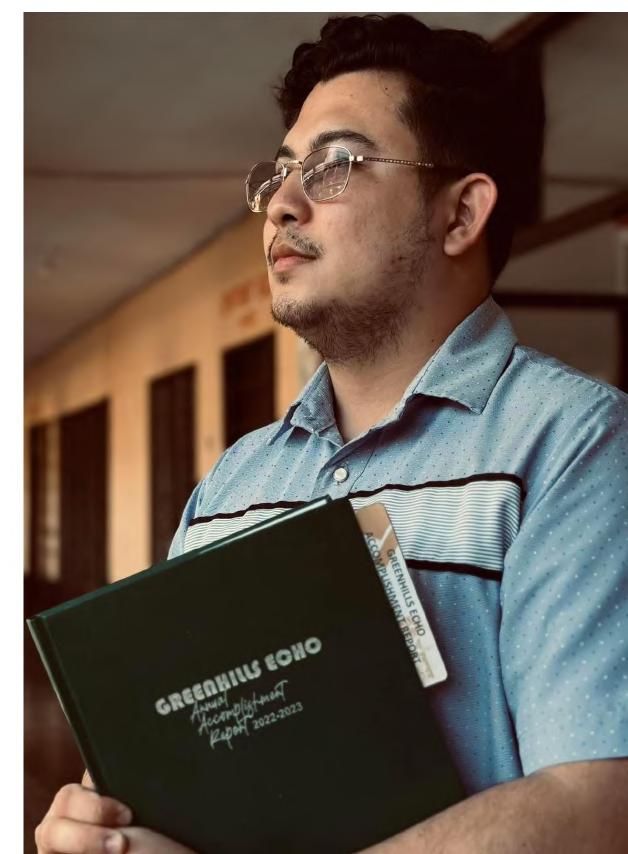
In a stellar achievement for the Schools Division of Cauayan City, the spotlight shone brightly on Rocky James G. Sarasua, Teacher-III at Cauayan City National High School-Main as he was hailed as the Whole Region’s Most Outstanding Secondary Teacher at the Regional STARS (Service-oriented, Talented, Affective, Resilient, and Spiritually-Driven) Grand Awarding Ceremony, held on December 2, 2023, at the Nueva Vizcaya Provincial Convention Center.
Facing stiff competition from 9 divisions in the Cagayan Valley Region with their own outstanding credentials and educational innovations, and student-centered advocacies, Sarasua’s dedication to education stood out.
“This recognition is a validation of my hard work, passion, and my love for my profession and my continuing dedication to serve our learners and our society.”
SPA Sarasua currently holds a Doctorate scholarship program from the Department of Education and Philippine Normal University Manila under the degree Doctor of Philosophy in Reading Education which will be completed earlier this coming 2024. His recognition Is not merely a title but a reflection of years of hard work, impassioned teaching, and an enduring commitment to shaping the minds of the next generation.
Rocky James SarasuaThe awardee Is currently the School Paper Adviser of The Greenhills Echo of Cauayan City National High SchoolMain and a member of different regional technical working groups such as the Regional Research Technical Working Group (RRTWG), Regional Quality Assurance Team Member to name a few.
Sarasua’s achievement resonates as a beacon of inspiration, not only for the Schools Division of Cauayan City but for educators across the region. His journey serves as a testament to the transformative power of dedicated teaching, leaving an indelible mark on the educational
In a remarkable display of unity and enthusiasm, Cauayan City National High School’s School-Based Leadership Training (SBLT) witnessed a historic turnout as over 300 Nationalians partakes the “Lord of the Rings” inspired journey.
In a symbolic nod to the enduring themes of courage and camaraderie, CCNHS recently concluded its annual SchoolBased Leadership Training (SBLT) with a captivating “Lord of the Rings” themed event. Over the course of April 4th and 5th, students were immersed in a transformative journey aimed at fostering leadership skills and fostering a sense of unity among participants.
The SBLT, a cherished tradition of CCNHS-Main, has long served as a cornerstone of the school’s commitment to nurturing young leaders. This year’s event, steeped in the rich lore of Tolkien’s masterpiece, marked a poignant continuation of that legacy, weaving together elements of adventure and introspection to ignite a spark of inspiration in each participant.
From its humble beginnings to its current stature as a flagship program, the SBLT has evolved to become a hallmark of excellence at CCNHS-Main. Guided by the unwavering dedication of faculty members and the boundless enthusiasm of students, the event has consistently provided a platform for personal growth and collective empowerment.
Amidst the backdrop of a rapidly changing world, the SBLT stands as a beacon of stability and resilience, offering students the tools and insights needed to navigate the complexities of leadership with grace and confidence. As participants immerse themselves in the challenges and triumphs
of Middle-earth, they emerge not only as stronger individuals but also as a cohesive community united by a shared sense of purpose. Attendees delved into discussions led by former student leaders turned esteemed speakers, who shared invaluable insights gleaned from their own experiences.
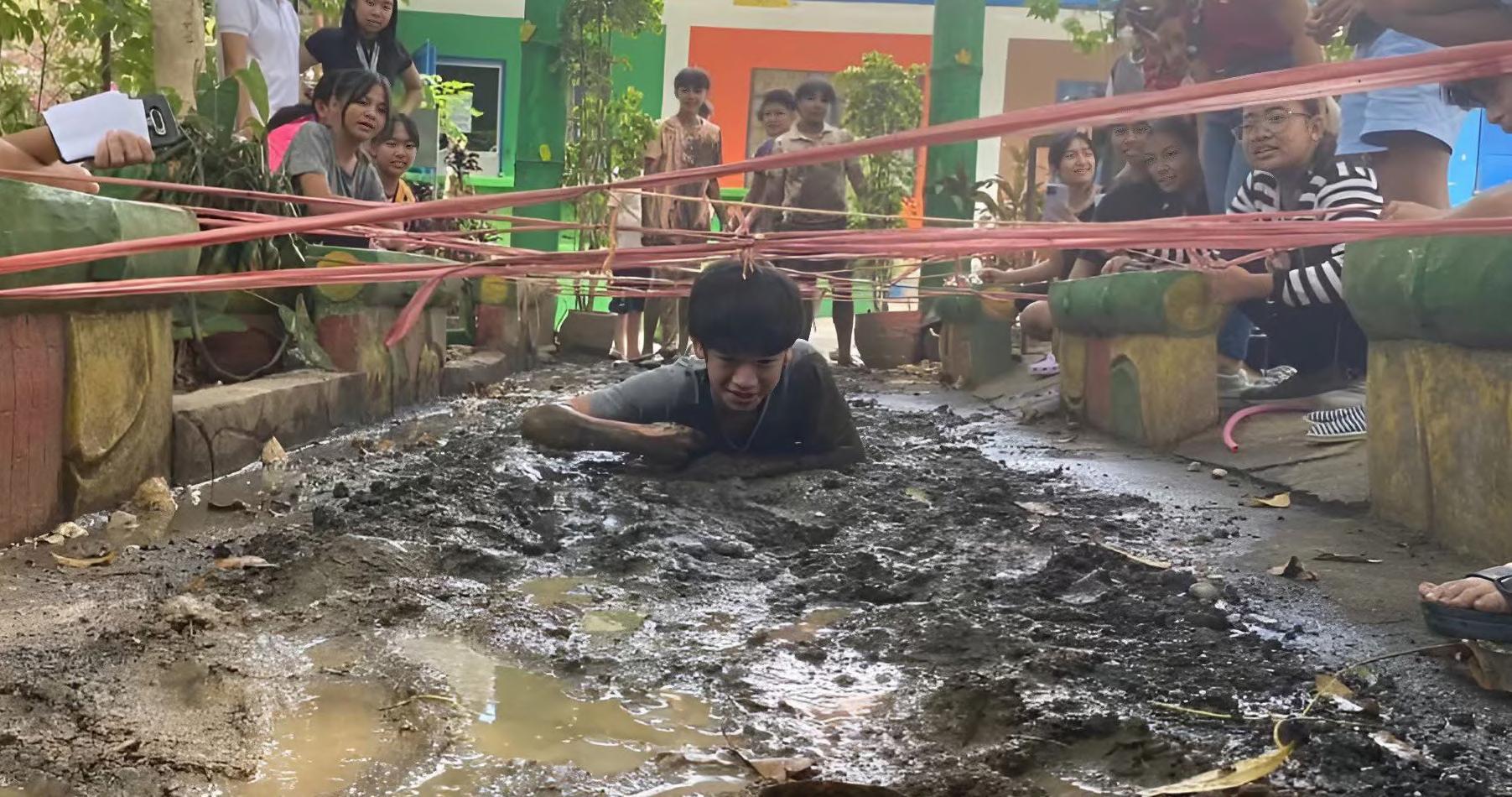
A highlight of the event was the exhilarating “Amazing Race” challenge, where participants navigated a series of obstacles designed to test their physical prowess and strategic thinking. As teams worked together to overcome hurdles reminiscent of the trials faced by characters in Tolkien’s epic, the spirit of teamwork and determination was palpable throughout the competition.
Amidst the backdrop of a nation in flux, initiatives like the SBLT take on added significance, serving as incubators for the next generation of Filipino leaders. With the current administration emphasizing the importance of visionary leadership in steering the country towards progress, events such as these play a crucial role in nurturing the values of integrity, resilience, and service among young minds.
As the curtains closed on another successful iteration of the SBLT, CCNHS stands as a beacon of excellence in leadership education, inspiring students to embrace their potential as agents of positive change in their communities and beyond.

Math Dep’t addresses learners’ numeracy, launches MΑΡΟΝby Shama NILLO
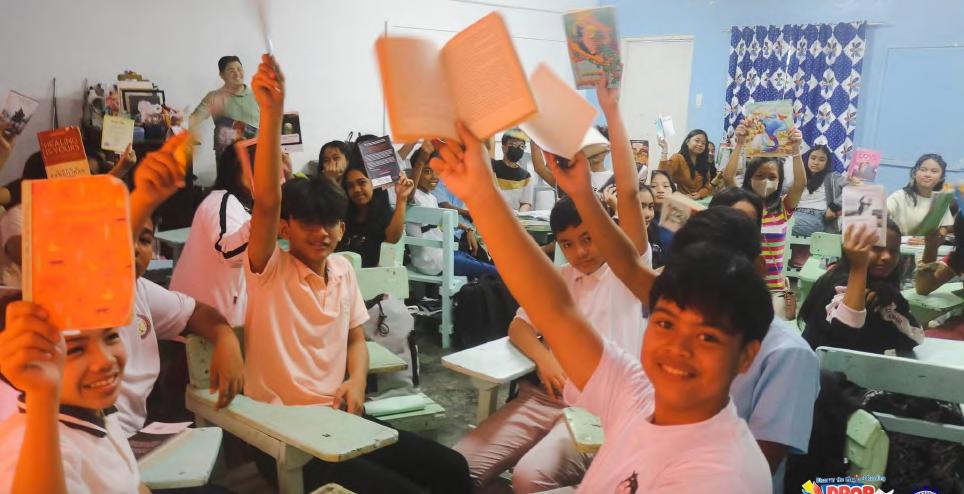
To address the learning gaps, and increase the level of numeracy skills among Grade 7 in the operations of integers, decimals, and fractions, Mathematics Department headed by Head Teacher-III Rommel Hero Saladino conducted Month-long Action Plan (MAPON) as a bridging program to address problems on Numeracy.
“Mathematics is one of the hard subjects of the present curriculum. When the pandemic hits the country, learning has become a big challenge for learners, especially learning at home without the presence of their teacher. The effects of the twoyear pandemic on learning have been very evident to learners as they start their face-to-face classes,” Saladino said.
MAPON enabled the learners to
learn each concept with a span of a week by going back to the basic concepts of Mathematics such as operations of integers, decimals, and fractions.
Master Teacher-II in Mathematics
Mary Jane T. Martin expressed that without mastery of these basic math concepts, learners won’t be able to step up for higher math lessons, hence the need for this bridging program.



Joreen
n the corridors of learning, where intellectual curiosity should reign supreme, a quiet but ferocious battle rages on—the battle for press freedom. Recent events at the University of Santo Tomas (UST) have ripped the veil off the facade of academic liberty, exposing the insidious grip of censorship, red tagging, threats, and the toxic allure of
The incident at UST, where the Office for Student Affairs (OSA) arrogantly demanded the removal of a seemingly innocuous photo from TomasinoWeb and insisted on a public apology, is not an isolated anomaly but a glaring symptom of a broader epidemic. Across the nation, institutions entrusted with nurturing critical minds and free thought have become battlegrounds where dissent is stifled and truth is sacrificed at the altar of conformity.
Censorship, the first weapon in this assault on press freedom, manifests in various forms. Articles that dare to cast a shadow on the immaculate facade of the school are swiftly silenced by faculty members who prioritize optics over truth. This insidious practice not only undermines the credibility of student journalists but also plunges the entire school community into a state of blissful ignorance. By shielding students from uncomfortable truths, these institutions perpetuate a culture of intellectual stagnation, breeding a generation ill-equipped to confront the complexities of the real world.
Additionally, red tagging, seeks to tarnish the reputation and integrity of those who dare to challenge the status quo. Student journalists who refuse to toe the line are labeled as troublemakers, their motives questioned, and their characters assassinated. This cowardly tactic not only undermines the credibility of individual journalists but also sends a chilling message to the entire student body: dissent at your own peril. In an environment where conformity is rewarded and independent thought is punished, the very essence of academic freedom is under siege.
Moreover, threats in this war against truth, extend beyond mere words. Student journalists who refuse to be silenced often find themselves subjected to physical and psychological intimidation. Whether it’s anonymous threats on social media or veiled warnings from school authorities, the message is clear: speak out, and you will pay the price. In such an atmosphere of fear and intimidation, the voices of truth are drowned out by the cacophony of conformity, and the light of justice flickers ever dimmer.
Meritocracy, the final weapon in this arsenal, is perhaps the most insidious of all. By placing undue emphasis on competition and recognition, schools have perverted the very essence of journalism, turning it into a soulless pursuit of glory. In this cutthroat environment, the pursuit of truth takes a backseat to the pursuit of accolades, and the lofty ideals of journalism are sacrificed on the altar of ambition. In such a meritocratic dystopia, the true losers are not just the student journalists who toil in obscurity but the entire school community, deprived of the fearless inquiry and rigorous scrutiny that are the hallmarks of a free press.
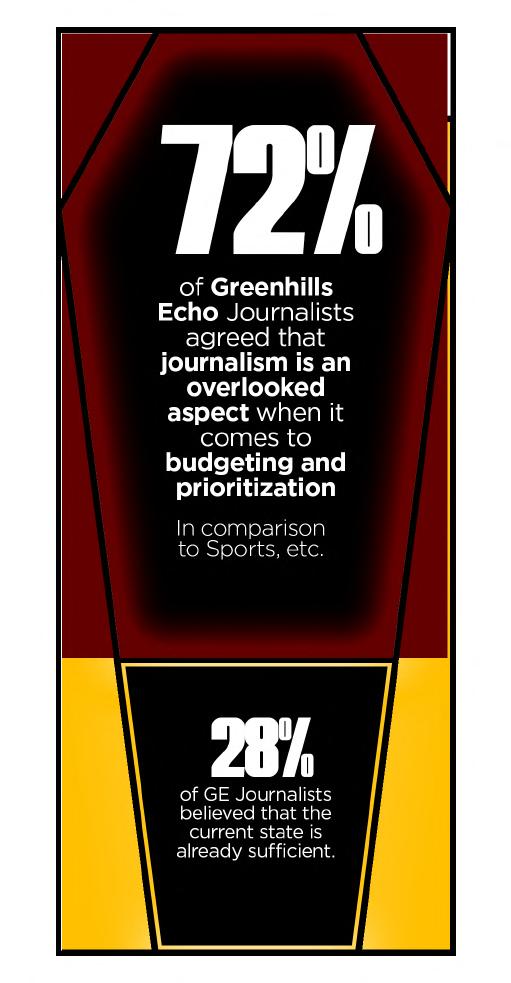
Furthermore, this insidious trend has fostered a culture of cutthroat competition, sidelining the true essence of journalism’s social responsibility. While Republic Act number 7079, dubbed the “Campus Journalism Act of 1991,” ostensibly aims to cultivate a passion for journalism among students, it paradoxically creates an environment where journalism is reduced to a mere battleground of conflicting interests rather than a sanctuary for dissent. It is imperative to dissect why this issue persists on
the fringes, corroding every facet of campus journalism and failing to hold power to account.
But all is not lost. In the face of this relentless assault on press freedom, we must summon the courage to resist, to speak out, and to demand better. We must hold our schools accountable for their actions and defend the rights of student journalists to pursue truth without fear or favor. The time has come to reclaim the noble tradition of campus journalism, to breathe life back into its battered soul, and to ensure that it remains a beacon of truth in a world increasingly shrouded in darkness.
So let us stand together, fearless and unyielding, in defense of press freedom. Let us remind our schools that the true measure of greatness lies not in accolades or awards but in the courage to speak truth to power. Only then can we hope to reclaim the promise of democracy and forge a brighter future for generations to come.
“
 by JAJIE BERMUDEZ
Gender is anything but binary. It’s a spectrum of identities that adds depth to our societal fabric. Yet, within the confines of our educational institutions, many students find themselves constrained by archaic dress codes that fail to recognize this diversity. It’s time to challenge these norms and embrace the right of every individual to express themselves authentically, including through cross-dressing.
Schools are meant to be nurturing environments where young minds can flourish, not stifling boxes that confine them to outdated gender stereotypes. However, recent incidents in Philippine schools have highlighted the stark reality that many students, particularly those in the LGBTQIA+ community, face discrimination and marginalization based on their gender identity.
The case of Miss Trans Global 2020, Mela Habijan, serves as a poignant example of the barriers that transgender individuals encounter in educational settings. Her advocacy for the right of every student to express themselves freely should serve as a rallying cry for change.
Kaleidoscope Diaries“
Progressive schools in the Philippines has lifted the unnecessary dress code. It is time for public schools to do the same—to progress
Dress codes, while intended to promote discipline, should not come at the expense of individuality and self-expression. Enforcing arbitrary rules

based on outdated gender norms only serves to perpetuate harmful stereotypes and restrict personal freedom.
Inclusive policies, such as all-gender bathrooms, are steps in the right direction, but they are just the beginning. True equality requires a fundamental shift in mindset—one that embraces and celebrates the full spectrum of human identity.
However, challenges remain. Instances of ridicule and discrimination, such as the recent video circulating of male students cross-dressing for entertainment, underscore the urgent need for systemic change. Treating cross-dressing as a joke only serves to further marginalize an already vulnerable community.
Legislation, such as the proposed SOGIE Equality bill, is a crucial step towards achieving equality in Philippine schools. But legislative measures alone are not enough; they must be accompanied by cultural shifts and grassroots activism.
Time has come for Philippine schools to recognize and respect the diversity of their student body. Cross-dressing should be allowed and celebrated as a legitimate form of self-expression. It’s not just a matter of clothing; it’s a matter of dignity, respect, and human rights.
by XYRIAN PILARThe Regional Schools Press Conference (RSPC) has long been hailed as a proving ground for aspiring young writers, photojournalists, and broadcasters. It’s a battleground where talent, skill, and sheer determination converge, all while simulating the camarederie of a professional journalist and the passion to which we hold tight. Or at least, that’s how it used to be.
Enter the Department of Education (DepEd) Memo No. 24, Series of 2023, a directive that shook the very foundation of this prestigious competition. Under this new mandate, only the top regional winner is granted the opportunity to advance to the National Schools Press Conference (NSPC), effectively sidelining the traditional top 3 contenders.
But why the sudden change? Is it simply a matter of cost-cutting, as some may speculate? While we can’t jump to conclusions, it’s hard to ignore the financial implications of such a decision. With DepEd overseeing a multitude of events like the National Festival of Talents and the Palarong Pambansa, it’s plausible that resources are being reallocated to accommodate these simultaneous endeavors.
However, this shift in policy does more than just tighten the purse strings. It sends a clear message to young journalists across the country: your efforts are no longer valued in the same way they once were. The essence of healthy competition, where the top performers are rewarded for their hard work and dedication, is slowly being eroded.
The Campus Journalism Act of 1991, Republic Act No. 7079, envisioned a thriving culture of campus journalism, where students are empowered to uphold the principles of press freedom and responsibility. Yet, by narrowing the path to national recognition, DepEd risks stifling the very spirit of this legislation.
Moreover, the timing of this decision raises eyebrows. With DepEd under the purview of an administration known for its contentious history with the media, one can’t help but wonder about the underlying motivations behind such a move. Is it an attempt to quell dissenting voices, to discourage critical thinking among the youth?
Regardless of the intentions behind DepEd Memo No. 24, one thing remains clear: it undermines the fundamental purpose of the Schools Press Conference. By limiting opportunities for participation and recognition, it robs young journalists of the chance to grow, learn, and excel in their craft.
Now that a Duterte sits to manage the Department of Education, the threat of

censorship, red-tagging, and silencing is lurking just around the corner. As we, the students, will lead the world sometime in the future, this makes us a crucial target for disinformation and manipilation.
The Regional Schools Press Conference should be a beacon of hope, a platform where talent knows no bounds and aspirations are limitless. Let’s not allow bureaucracy to dim that light.
“In a world where information is power, where the pen is mightier than the sword, we cannot afford to silence the voices of tomorrow.
of
or
 by ALYZZA DELA CRUZ
Whenever the ballots come in during our elections, a stark division persists—a division not of ideology or ambition, but of uniform color. Within the vibrant tapestry of our student body, students clad in blue and white uniforms navigate the same halls, yet their paths diverge when it comes to the Supreme Secondary Learner Government (SSLG) elections. For too long, these elections have been marred by biases that favor students from special programs, including the Science, Technology, and Engineering (STE) curriculum, at the expense of their peers in the Basic Education Curriculum (BEC).
This systemic inequality, rooted in the dichotomy between blue and white uniforms, undermines the very principles of democracy and inclusivity that our school strives to uphold. While the dominance of special program students in SSLG positions is a symptom of this divide, it is crucial to recognize that discrimination knows no bounds—it affects students irrespective of their academic background or extracurricular pursuits.
As we stand at the precipice of another SSLG election cycle, it is imperative that we confront this reality head-on and demand a more
inclusive and equitable process. The time has come to bridge the gap between blue and white uniforms, between special programs and the Basic Education Curriculum. We must reject the notion that leadership is reserved for a select few and instead embrace the diversity of voices and perspectives that make our student body truly unique.
At its core, the SSLG elections should be a celebration of diversity, empathy, and genuine student representation. We must look beyond superficial distinctions and evaluate candidates based
on their character, values, and dedication to serving the student body. Whether they hail from the STE curriculum, the Special Program in Arts (SPA), Special Program in Journalism (SPJ), Special Program in Sports (SPS), or the Special Program in Foreign Language (SPFL), every student deserves an equal opportunity to lead and contribute to the collective welfare of our school community.
“
The last BEC SSLG President of CCNHS-Main was TEN years ago, last 2014.
As we cast our votes, let us remember that our decisions have the power to shape the future of our school. Let us stand united in our commitment to justice and equality, and let us pave the way for a more inclusive and representative SSLG — one that reflects the rich diversity of our student body and upholds the principles of democracy for generations to come. 2013 2014 2015 2024
Our uniform color nor our curriculum should not be a basis of judging the capability of a student to lead.
 by KHARIZMA GUERRERO
A newspaper—a powerful medium that doesn’t just spread information and documents events, but also acts as an influential piece that either voices the public’s opinion or alters them. In the field of education, it cultivates the moral aspects of learners. However, the core of a great school paper is the ideas it shares with the students and the credibility of every story in it.
Greenhills Echo, the English publication of the Cauayan City National High School. Unfurling the truth and continuously striving to stand as a testament to the voices of the student body. A platform promising transparency, freedom of expression, and undoubted information.
A school editorial board is composed of well-trained and experienced student journalists in their respective fields. They are dedicatedly writing for their fellow students to be informed and up-to-date with the latest news not just campus-wide but also worldwide. Each journalist must be truthful and trustworthy and those behaviors must be applied to each word of their every article.
An author must know how to relay information that is relevant, relatable, and credible. These are a few of the traits our editorial board has to offer. Composed of the most qualified students in each category, the team is striving to uphold the integrity of each information relayed to their audience.
The authenticity of every article published is also checked. Students may bring up their opinions, affecting the perceived views within their articles. However, each sentence must be free from bias and have strong points to lead the readers to what is morally good or bad.
Every article commits to new ideas without any stain of plagiarism or fabrication. Our school paper aims to engage with each student’s critical thinking, encouraging them
to have their own opinions about topics or issues that might or will affect them as students or individuals of a community.
It also promotes a deeper understanding of surrounding issues. Implementing a fallacy-free platform educates the student body to classify reliable sources and trustworthy information. Moreover, it provides students with a connection and engagement to the vast world outside their classrooms.
A school paper must not take pride in the stories it contains but the trust the students give to the paper. This is our school paper’s most pressing matter.
authenticity of the school paper starts with its authors.

In the bustling metropolis of Cauayan City, lies an educational institution ensnared in an unanticipated dillema: the insidious grip of traffic congestion. Cauayan City National High School-Main (CCNHS-Main), once a beacon of knowledge, now finds itself embroiled in a relentless battle against the relentless tide of vehicular chaos.
Barangay Turayong, once hailed as an educational haven, now resembles a battleground of steel and asphalt. Three schools and two Department of Education offices vie for supremacy amidst this veritable concrete jungle, as if engaged in a ruthless competition for the title of the most congested hub of frustration. CCNHS-Main, once an oasis of enlightenment, is now entangled in a relentless struggle against the merciless onslaught of traffic chaos.


Amidst the passage of presidential eras, the poignant reality of a faltering education system casts a shadow over the aspirations of Filipino students, steering them onto a path marred by uncertainty. As each administration leaves its mark, the dire need for robust academic infrastructure and learning resources persists, leaving a trail of unfulfilled promises and shattered dreams in its wake.
In the wake of this educational quagmire, where should accountability lie? Should fingers be pointed at the children, robbed of their birthright to quality education, relegated to a realm where lofty dreams morph into unattainable mirages?
In January 2023, Vice President and Department of Education Secretary Sara Duterte unveiled the MATATAG Curriculum, a bid to address the glaring deficiencies of the K-12 system. While lauded for its intent to streamline competencies and fortify foundational skills, the stark reality remains: out of over 327,000 school buildings, a paltry fraction stand in good condition. Despite promises of change, the narrative remains unchanged, as echoed in a poignant CNN Philippines expose capturing the unyielding plight of public school students.
The facade of progress crumbles when confronted with the stark reality of dilapidated infrastructure and overcrowded classrooms, breeding an environment ripe for compromised learning experiences. It is the children from marginalized backgrounds who bear the brunt, condemned to endure sweltering temperatures and stifling atmospheres, shackled by circumstances beyond their control.
This systematic neglect begets a cycle of despair, where the promise of education becomes a double-edged sword, dangling precariously over the heads of the disenfranchised. Yet, amidst the shadows lurk the croco-
diles of cor- ruption, feasting on the vulnerabilities of a beleaguered populace. Vice President Duterte’s unscrupulous utilization of confidential funds serves as a chilling reminder of the insidious forces at play, siphoning resources meant to fortify the foundations of the nation’s future.
But hope flickers in the darkness, beckoning forth the voices of change. It is incumbent upon the youth, the custodians of tomorrow, to rise in solidarity and demand justice for their stolen aspirations. Through grassroots initiatives and unwavering advocacy, they possess the power to bridge the chasm of inequality and chart a new trajectory for the nation’s educational landscape.
As another chapter unfolds in the annals of the education sector, the clarion call for reform resonates louder than ever. It is a call not just for policy overhaul, but for a fundamental shift in societal consciousness—a collective reckoning with the inequities that continue to plague our educational institutions. Until then, the battle for educational justice rages on, fueled by the unwavering resolve of those who refuse to relinquish the promise of a brighter tomorrow.
At the crack of dawn, when the world should be awakening to the promise of a new day, the roads of Cauayan City are transformed into a nightmarish scene of chaos and disorder. More than 10,000 students and educators flood the streets, desperately trying to navigate their way through an ocean of metal and exhaust. CCNHS-Main alone shoulders the burden of this staggering number, as if the weight of the world rests upon its weary shoulders. And let us not forget the newly formed CCSASHS, who, through some twist of fate, have managed to lay claim to the lion’s share of available land, further exacerbating the congestion that grips our once-proud educational institution. Desperate measures have been taken, but they amount to nothing more than feeble attempts to appease the restless masses. Alternate shifts and truncated class schedules have been implemented, as if these band-aid solutions can heal the festering wound of a transportation system on the brink of collapse. The CCNHS Tricycle Operators and Drivers Association (TODA) struggle to meet the overwhelming demand for transportation, their efforts akin to a futile battle against an inexorable tide of frustrated students.
As if the tribulations within the confines of CCNHS-Main were not enough, the students must then confront the unforgiving line of vehicles along Rizal Avenue, a torturous obstacle course that stands between them and their destination. It is a cruel irony that their pursuit of education is met with such disdain, as if the gods of traffic revel in their misery, smirking from their lofty perches as the students inch forward, their dreams within reach yet perpetually out of grasp.
Only 2000 classrooms were built in 2023, amidst 159,000 backlog


Php 924.7 B DepEd Budget for 2024
90,000 teachers are needed to sustain a 35-student class size in classrooms
 Quilling Spree

In Camarines Sur, a tragedy struck that resonated far beyond its borders. A golden retriever named Killua, beloved by his family and adored by the community, met a cruel fate that stirred emotions and ignited a movement for animal rights in the Philippines.
For dog lovers like myself, the pain of losing a furry friend is all too familiar. It’s a gut-wrenching feeling that leaves a void in your heart and a lump in your throat. And when that loss is compounded by the senseless act of cruelty, it’s enough to make your blood boil.
Killua’s tragic end wasn’t just a random act of violence; it was a stark reminder of the harsh realities faced by countless animals in the Philippines and around the world. From neglect and abuse to illegal trade and exploitation, the plight of animals is often overlooked and underestimated.
But Killua’s story sparked something powerful—a collective outcry for justice and a renewed commitment to safeguarding the rights and welfare of animals. People from all walks of life came together to demand accountability, to call for stricter laws against animal cruelty, and to raise awareness about the importance of compassion and empathy towards our fellow creatures.
In the wake of Killua’s passing, his legacy lives on as a beacon of hope and a catalyst for change. His name may have faded from the headlines, but his spirit continues to inspire countless individuals to speak up, to take action, and to make a difference in the lives of animals everywhere.
So let us remember Killua not for the tragic manner in which he left us, but for the love and light he brought into our lives. Let us honor his memory by standing up for those who cannot speak for themselves and by advocating for a world where kindness triumphs over cruelty, and where every animal is treated with the dignity and respect they deserve.
In the end, Killua may have been just one dog, but his impact is immeasurable—a gentle reminder that in a world filled with darkness, even the smallest acts of compassion can shine bright and ignite a movement for change.

Despite ongoing discussions about refining teaching methodologies, the Department of Education’s reluctance to integrate student feedback into teacher evaluations remains a significant gap. Students are not just passive recipients of knowledge; they are active participants in their learning journey, uniquely positioned to offer valuable insights into the effectiveness of teaching methods.
By incorporating student feedback into teacher evaluations, educators can gain invaluable perspectives to enhance their professional development. This process not only fosters a culture of accountability within educational institutions but also empowers students by demonstrating that their opinions are valued. Moreover, it provides teachers with constructive feedback to refine their instructional approaches and better cater to the diverse needs of their students.
While implementing student feedback systems may pose logistical challenges, such as ensuring anonymity and distinguishing between genuine concerns and trivial complaints, these hurdles are surmountable with proper protocols in place. The benefits of integrating student voices into teacher evaluations far outweigh the complexities involved. It’s imperative for the Department of Education to recognize the importance of student feedback and take concrete steps to incorporate it into the evaluation process.
Empowering students in teacher evaluations is not just about improving educational outcomes; it’s about fostering a collaborative and inclusive learning environment where students and teachers work together towards continuous improvement. By embracing student feedback, we can unlock the full potential of our educational system and ensure that every student receives the quality education they deserve.journalistic integrity, there can be no compromise – every voice deserves to be heard, every story deserves to be told.
Credentials, certificates, and grades are the basis of intelligence nowadays. To achieve this, many students have listed their how-tos for soaring numbers on their report cards: hard work, resilience, consistency, focus, and motivation. However, an issue seem to found behind the numbers—deception.
Greed, persuasion, and expectations have dominated society, as well as the grading system. Grade Inflation fueled concerns about the integrity of a student’s academic excellence. Multiple institutions have condoned this situation for student retention, enrollment concerns, and teacher evaluations.
With competition among schools increasing, some institutions resort to grade inflation to make their students appear more successful. Some teachers may also consider this for the security of their career progression or the satisfaction of parental and student expectations. However, doesn’t this go against the very purpose of educational institutions, which is to impart knowledge, foster critical thinking, and promote character development?
Although, the causes of grade inflation are vast—as well as its consequences.
The practice of grade inflation can have negative impacts on students. They may come to believe that their grades do not accurately reflect their actual performance, potentially affecting their mentality. Additionally, it may affect student-teacher relations as the teacher’s feedback and critiques may not fit with the student’s work. Further-
more, with reliance on unqualified grades, as students enter a higher level of education, they may lack the necessary academic preparation making it hard to adjust to the standards of the grade level or workspace.
Moreover, this unfair grading system may make it challenging to objectively assess students’ abilities and achievements, leading to a weakening of academic standards. Therefore, in the long run, employers may find it difficult to distinguish and accept worthy candidates based solely on their grades.
It is important to ensure transparency in the grading process and involve students in the evaluation process. Additionally, faculty members should be given opportunities for professional development. We must also establish procedures for regularly reviewing grading standards and implementing the separation of the assessment of students’ efforts from that of their learning to ensure that they align
with the learning objectives. Overall, grade inflation undermines the value of education, creates issues in the long run, and triggers doubt about the integrity and credibility of our educational system. Therefore, instead of merely giving high grades, we must prioritize genuine learning outcomes.


A RANT sa mga tricycle drivers na grabe naman yung singil! Parang limo service ang presyo! Tapos kung tatanungin ko kung saan at malayong lugar ang sagot mo, bigla na lang silang magpapatakbo paalis na wala man lang sabi? Wow! Kung malayo edi bakit pa ako magt-tricycle ‘di ba? Sana nilakad ko na lang.
-BarbieCueen
A RANT sa parang lutuan na classroom ‘to, sobrang init! Akala mo nasa kusina ka na nagluluto ng pancit canton sa sobrang kainit! Parang sa init na ‘to, mas mabilis pa tayo magiging crispy pata kaysa maka-absorb ng lessons! Baka dapat magbenta na lang sila ng itlog sa loob ng classroom, diretso na tayo sa pagka-sunny side up!
-Architektakera
A RANT sa mga mataray na tindera sa canteen? Parang may sign na nakasulat, “Bawal ngumiti, bawal magtanong, bawal magkamali!” Sana lang yung mga tindera, i-take na lang nila yung pagiging ‘food ambassadors’ seriously, baka sakaling masarap na rin pakinggan yung mga “order up” nila!
-GandaLangAmbag
A RANT sa teachers na parang mas mahigpit pa sa immigration kaysa sa pagtanggap ng excuse letter? Akala mo naman sinumpa mo na sila sa kabila ng pag-attend mo ng palakasan ng sikmura! Parang sinasabi nila, “Excuse letter? Anong pakinabang nito sa akin?!” Eh di sana nag-sorry na lang ako sa kalendaryo kaysa nag-effort pa ako magsulat ng excuse letter na parang thesis proposal.

-Supladita
Dear Editor,
I’m at the point where I’m about to unleash my inner Hulk on this “friend” of mine who’s been raiding my style faster than a hungry pig! As a graphic designer, I’ve poured my heart and soul into crafting a style that’s unique. But here comes this copycat, treating my style like it’s an all-youcan-eat buffet!
I’ve sweated buckets to carve out my own niche, only to have it photocopied with the finesse of a cheap-look. I mean, come on! Being original is harder than finding a needle in a haystack in Divisoria! And yet, here’s my so-called friend, trying to ride my creative jeep without even offering to pay the fare. So, dear editor, if you see me sporting a neck brace in the near future, you’ll know why. Just call me the defender of originality, the guardian of graphic design, and the sworn enemy of style snatchers! - Jaime
Dear Jaime,
Consider this your creative emergency hotline! Your friend’s fashion faux pas sounds more dramatic than a noontime variety show! If we ever receive a report about your neck sport, for sure we are there to document! Keep your style up and prove them that you are the original, because nobody can outshine the shiner!

Rotten Tomatoes aggregates and averages reviews from lots of critics to assign a movie a number ranking, and declare it “fresh” or “rotten”. Since its launch 25 years ago, it’s become the the go to site for lots of potential movie goers, offering everything they need to decide whether or not a movie is worth seeing.

Tomatometer
The percentage of Approved Tomatometer Critics who have given this movie a positive review.

Audience
The percentage of users who rated this 3.5 stars or higher.


DUNE 2
Tomatometer
The percentage of Approved Tomatometer Critics who have given this movie a positive review.

Audience
The percentage of users who rated this 3.5 stars or higher.


 Compiled Photos from Warner Bros &
The debate often arises between the value of formal education, symbolized by the diploma, and the efficacy of “diskarte” (resourcefulness or ingenuity). While some argue passionately for the importance of academic credentials, others advocate for the indispensable role of “diskarte” in navigating life’s complexities. Yet, amidst this debate, a closer examination reveals that success often emerges from a harmonious integration of both elements.
Education, epitomized by the diploma, is widely acknowledged as a vital stepping stone towards achieving one’s aspirations. It offers structured learning and equips individuals with specialized knowledge and skills necessary for their chosen career paths. Whether aspiring to become lawyers, doctors, engineers, or accountants, formal education lays the groundwork for pursuing these professions. The diploma serves as tangible evidence of academic achievement, providing credibility and opening doors to opportunities.
Conversely, “diskarte” embodies the spirit of adaptability, creativity, and problem-solving in the face of challenges. It tran-
scends the confines of formal education, empowering individuals to navigate uncertain terrain and seize opportunities that may not be readily apparent. From the college dropout entrepreneurs like Mark Zuckerberg and Bill Gates to grassroots innovators in local communities, “diskarte” has proven to be a potent force in driving success.
However, the dichotomy between education and “diskarte” is not as clearcut as it may seem. Rather than being mutually
exclusive, they often intersect and complement each other in the pursuit of success. Education provides the foundational knowledge and skills necessary for individuals to thrive in their chosen fields, while “diskarte” enhances adaptability and creativity, enabling individuals to leverage their education in innovative ways.
Consider a job interview scenario: while academic credentials may initially capture an employer’s attention, it is often “diskarte” that sets candidates
apart when confronted with real-world challenges. Employers value individuals who can think critically, adapt to changing circumstances, and find creative solutions to complex problems— qualities that “diskarte” cultivates. In essence, success emerges from the harmonious integration of education and “diskarte.” Rather than viewing them as opposing forces, individuals should recognize their complementary nature and strive to cultivate both aspects in their pursuit of success. By embracing a balanced approach, individuals can leverage the benefits of formal education while harnessing the power of “diskarte” to navigate the ever-changing landscape of

Amid the vibrant tapestry of Cauayan City National High School’s daily rhythm, there exists a silent symphony of resilience and perseverance, conducted not on the stage of academic achievement, but in the quiet corners where the unsung heroes of the institution toil. Yet, beneath the surface lies a narrative of struggle and sacrifice, as they confront the harsh realities of earning minimum wage in a landscape fraught with uncertainty and hardship.
Consider the plight of the school’s security guards, entrusted with the solemn duty of safeguarding the premises and ensuring the safety of its occupants. According to salary surveys conducted by the Economic Research Institute, the average annual income for security guards in the Philippines hovers around PHP 272,257. However, for those stationed in the less affluent Region 2, such figures are but a distant dream. Struggling to make ends meet on a significantly reduced salary, these guardians of safety navigate the challenges of providing for their families on a monthly basis, their meager earnings stretched to the breaking point.
Similarly, the cleaning and maintenance staff labor tirelessly behind the scenes, their efforts instrumental in upholding the school’s standards of cleanliness and hygiene. Yet, despite their indispensable contributions, their highest monthly earnings barely crest the PHP 17,000 mark. For many among them, the promise of stable em-

ployment remains elusive, their positions subject to the whims of budget constraints and administrative decisions. As they confront the harsh reality of living paycheck to paycheck, their resilience in the face of adversity serves as a poignant reminder of the systemic inequities that pervade our society.
Meanwhile, the canteen vendors, nestled within the heart of the school’s bustling cafeteria, grapple with their own set of challenges. Tethered to the whims of student schedules and the vagaries of daily foot traffic, their earnings fluctuate unpredictably, with no guarantee of a stable income. While some may eke out a modest living, others find themselves teetering on the brink of financial instability, their livelihoods hanging in the balance.
In bearing witness to the struggles of these unsung heroes, one cannot help but be moved by their fortitude in the face of adversity. Their stories resonate as a testament to the resilience of the human spirit, their daily sacrifices a poignant reminder of the inherent dignity of labor. Yet, as we navigate the halls of Cauayan City National High School, let us not merely acknowledge their contributions, but actively advocate for their rights and dignities. For in uplifting the most vulnerable among us, we reaffirm the values of justice, equality, and compassion that lie at the heart of our shared humanity.
Philippines has found itself embroiled in a heated debate over the Enhanced Defense Cooperation Agreement (EDCA) with the United States. The unveiling of four new EDCA locations has stirred up a whirlwind of concerns and questions among Filipinos. As the nation grapples with the intricacies of this agreement, it becomes crucial to unravel its complexities and explore its potential impact on Philippine sovereignty.
At its core, the EDCA represents a delicate balance between enhancing the Philippines’ national defense capabilities and safeguarding its sovereignty in the face of escalating tensions in the West Philippine Sea. Supporters argue that the agreement provides a crucial framework for strengthening military readiness and cooperation, particularly in response to regional security challenges. They maintain that the EDCA serves as a shield against external threats while promoting stability and prosperity. However, lurking beneath the surface lies a labyrinth of concerns and controversies that threaten to undermine Philippine sovereignty. Critics point to a history marked by injustices, epitomized by the tragic case of Jennifer Laude. There are fears of exploitation and questions about the extent to which the Philippines may become entangled in foreign interests. Skepticism abounds, casting doubt on the true motives behind the EDCA and its potential impact on civilian safety and human rights.
Human rights advocates have raised alarms, calling for the termination of the agreement and the withdrawal of US military presence from Philippine soil. Their concerns reflect a broader sentiment of wariness toward entanglements in imperialist agendas and a desire to avoid repeating past injustices. The EDCA, they argue, risks perpetuating a cycle of dependency and eroding Philippine autonomy.
Moreover, there are lingering concerns about the broader implications of relying too heavily on foreign alliances for defense capabilities. Critics caution against sacrificing long-term self-reliance for short-term expediency, emphasizing the importance of building indigenous defense competence. They stress the need for a balanced approach that preserves national interests and safeguards sovereignty.
As the Philippines navigates this challenging landscape, the government faces the daunting task of balancing security imperatives with the protection of national sovereignty. Transparency, accountability, and comprehensive safeguards are essential to ensuring that the EDCA serves the best interests of the Filipino people. The government must engage in meaningful dialogue with its citizens and address their legitimate concerns.
In the midst of geopolitical tensions, the EDCA emerges as a litmus test of the Philippines’ commitment to charting its own course and asserting its place on the world stage. It is a complex puzzle, where the stakes are high, and the path forward is uncertain. By unraveling the mysteries and confronting the controversies surrounding the EDCA, the Philippines can safeguard its sovereignty and secure its future in an ever-changing world.

Throughout the vast expanse of the West Philippine Sea, where territorial disputes between China and neighboring nations have simmered for years, the recent plight of Filipino fishermen underscores the human cost of geopolitical tensions. Reports emerging from the region depict a troubling narrative of harassment, intimidation, and economic disruption inflicted upon those whose lives are intricately intertwined with the sea.
Videos circulating on social media platforms have captured alarming encounters between Filipino fishermen and Chinese Coast Guard vessels near Bajo de Masinloc, a traditional fishing ground within the Philippines’ exclusive economic zone. In one such incident, Filipino fishermen aboard the FB Legendary Jo were allegedly accosted by Chinese authorities, who not only forced them to relinquish their catch but also impeded their ability to navigate freely.
Such confrontations have become distressingly commonplace in the West Philippine Sea, where China’s expansive territorial claims clash with those of neighboring countries, including the Philippines. Despite a 2016 international tribunal ruling that deemed China’s claims illegitimate, Beijing continues to assert its dominance over strategic maritime territories, including the Scarborough Shoal and Second Thomas Shoal, both vital fishing grounds for local communities.
The repercussions of these territorial disputes extend far beyond mere diplomatic wrangling, striking at the heart of the Filipino fishing industry and the livelihoods of those dependent on it. For generations, fishing has been a cornerstone of coastal communities in the Philippines, providing sustenance and economic security to countless families. Yet, the encroachment of Chinese vessels and the specter of intimidation have cast a
1947
Entirety of the WPS ans Spratly Island were claimed by Republic of China
1974
Philippines established an outpost in Thitu Island, part of Spratly Islands
1995
Mischief Reef of Spratly Islands was occupied by china, triggering tensions with PH
2002
ASEAN and Chine signed the Declaration of Conduct (DOC) in the South China Sea

shadow of uncertainty over these once-thriving fishing grounds.
In addition to direct harassment, Filipino fishermen also face logistical challenges and safety risks as they navigate increasingly contested waters. Collisions between Philippine and Chinese Coast Guard vessels, such as the recent incident resulting in damage to a Philippine ship, underscore the volatile nature of maritime encounters in the region. Such incidents not only jeopardize the safety of fishermen but also exacerbate tensions between neighboring nations.
Moreover, China’s aggressive posture in the West Philippine Sea has prompted the Philippines to seek closer defense cooperation with the United States and other allies, a move aimed at bolstering maritime security and deterring further Chinese encroachment. Yet, the escalation of military presence risks further exacerbating tensions and escalating an already precarious situation.
Against this backdrop of uncertainty and geopolitical maneuvering, the resilience of Filipino fishermen stands as a testament to the enduring spirit of coastal communities. Despite facing myriad challenges, they continue to brave the seas in pursuit of their livelihoods, defiant in the face of adversity.
As the international community grapples with the complexities of maritime disputes in the West Philippine Sea, it is imperative not to lose sight of the human toll exacted upon those whose lives are most profoundly impacted. For Filipino fishermen, the struggle for survival is not merely a matter of politics or territorial claims but a deeply personal battle fought on the front lines of an escalating geopolitical contest.
2013
A case was filed in the Permanent Court of Arbritration (PCA) by the Philippines against China over WPS Claims
2016
PCA was ruled in favor of Philippines, resulting to invalidation of China’s extensive claims

2020
China intensifies claim in WPS, leading to protests from PH and other claimant countries
by Hanabi USITAFor decades, the Metro Manila Film Festival (MMFF) has stood as a beacon of Philippine cinema, showcasing the nation’s rich tapestry of storytelling and talent. What began as a modest celebration has flourished into a cultural phenomenon, weaving itself into the fabric of Filipino tradition. As the 2023 edition rolled out, it not only honored this legacy but also heralded a new era of innovation and ex- cellence in the industry.
The MMFF has always been a platform for diverse narratives, and the 2023 lineup exemplified this tradition. From timeless family dramas to gripping historical retellings, the festival offered something for every cinephile’s palate. Among the stellar lineup was “Penduko,” a modern take on the iconic komik character, promising a thrilling adventure for audiences of all ages. With Matteo Guidicelli donning the mantle of Pedro Penduko, director Jason Paul Laxamana breathed new life into this beloved tale, infusing it with contemporary flair while honoring its roots.
Another standout entry was “Family of Two,” which tugged at heartstrings with its poignant portrayal of single parenthood. Led by industry stalwarts Sharon Cuneta and Alden Richards, the film navigated the complexities of familial bonds with grace and authenticity, resonating deeply with audiences across generations. Meanwhile, “Gomburza” delved into the annals of history, shedding light on the harrowing tale of three martyred priests during the Spanish colonial era. Director Pepe Diokno’s masterful storytelling illuminated the struggles and sacrifices of these unsung heroes, sparking crucial conversations on national identity and resilience.
However, it was not just the breadth of genres that set the 2023 MMFF apart; it was also the industry’s concerted effort to push boundaries and embrace innovation. One such example was “Firefly,” a visually stunning fantasy epic from GMA Films that captivated audiences with its enchanting narrative and top-tier production values. With a star-studded cast led by Alessandra de Rossi and Dingdong Dantes, the film showcased the industry’s
capacity for grandeur and spectacle, proving that Philippine cinema could hold its own on the global stage.
Furthermore, the festival embraced diversity and inclusivity with groundbreaking entries like “Broken Heart’s Trip” and “(K) Ampon.” The former, a trailblazing LGBTQ+ comedy, celebrated love in all its forms while providing much-needed representation for marginalized communities. Meanwhile, “(K)Ampon” offered a fresh twist on the horror genre, exploring the dark depths of human nature with a spine-chilling narrative that kept audiences on the edge of their seats.
Amidst these bold innovations, the 2023 MMFF remained steadfast in its commitment to honoring tradition and fostering creativity. Reunions of beloved screen duos like Dingdong Dantes and Marian Rivera in “Rewind” and Vilma Santos-Recto and Christopher de Leon in “When I Met You In Tokyo” delighted fans and underscored the enduring appeal of classic romance in Philippine cinema.
As the curtains drew to a close on another successful edition of the MMFF, it was evident that the festival had not only solidified its status as a cherished tradition but also paved the way for a dynamic future ahead. With each passing year, the MMFF continues to evolve, pushing boundaries, challenging norms, and elevating Philippine cinema to new heights. As audiences eagerly anticipate the next installment, one thing remains certain: the MMFF will always be more than just a film festival—it is a celebration of the Filipino spirit, resilience, and creativity.
In a mesmerizing moment on the global stage, Michelle Dee’s Miss Universe gown transcended mere attire to become a poignant tribute to the Philippines’ cultural heritage. Drawing inspiration from the ancient art of ‘batok,’ her gown wove a narrative of tradition and resilience, reflecting the intricate patterns and deep symbolism of the Kalinga tribes. With each twirl and sway, Michelle breathed life into the age-old practice, turning the spotlight into a canvas for showcasing the vibrant tapestry of Filipino culture.
Yet, beyond its aesthetic allure, Michelle’s gown carried a profound message of empowerment. By embracing ‘batok’ as the centerpiece of her ensemble, she challenged prevailing stereotypes surrounding tattoos, advocating for their recognition as meaningful expressions of identity and heritage. In doing so, she not only honored her roots but also sparked a broader dialogue about the beauty of cultural diversity and the importance of embracing one’s heritage.
As the world watched in awe, Michelle Dee radiated confidence and pride, embodying the essence of Filipino resilience and cultural pride. Her gown, a masterpiece of craftsmanship and symbolism, served as a powerful reminder of the richness and depth of the Filipino heritage. In just one transformative moment, Michelle united tradition and modernity, leaving an indelible mark on the global stage and inspiring generations to come to embrace their cultural identity with grace and dignity.
Through its intricate design and powerful symbolism, it encapsulated the essence of Filipino heritage, challenging stereotypes and fostering a deeper appreciation for the beauty of diversity. Michelle Dee’s legacy extends far beyond the pageant stage, serving as a beacon of pride and inspiration for Filipinos worldwide.
kwH


In a united effort to combat climate change, Cauayan City once again participated in the global event, Earth Hour, on Saturday, March 23, 2024. From 8:30 to 9:30 PM, residents dimmed their lights and joined millions worldwide in a symbolic gesture to raise awareness about environmental conservation.
This year, the participation reached new heights with various establishments, including SM City Cauayan, actively joining the cause. SM Malls across the nation contributed significantly, with SM City Cauayan alone reducing energy consumption by an impressive 4825.61 kWh during the designated hour.
Mayor Caesar “Jaycee” Dy, a staunch advocate for environmental sustainability, fervently encouraged Cauayeños to participate in Earth Hour. He emphasized the importance of collective action in addressing climate change and preserving the planet for future generations.
The Department of Environment and Natural Resources (DENR) Isabela, through Provincial Environment and Natural Resources Officer Orly Cariazo, urged the public to embrace Earth Hour with the global tagline, “Use Your Power to Change Climate Change.” Cariazo stressed that small actions, such as participating in Earth Hour, can collectively make a significant impact on environmental conservation.
Earth Hour, initiated in 2007, has evolved into a global movement, transcending borders and cultures.
Beyond symbolically turning off lights for an hour, it serves as a reminder of the collective power individuals possess to effect positive change for the environment.
Recycling and tree planting were highlighted as crucial practices for mitigating climate change, alongside the Earth Hour initiative. These actions, Mayor Dy emphasized, are essential components of solid waste management and carbon emission reduction efforts.
The Philippines has been recognized as an Earth Hour Hero Country from 2009 to 2013 due to its steadfast participation and commitment to the cause. However, stakeholders stress that environmental stewardship should extend beyond Earth Hour, urging individuals to incorporate sustainable practices into their daily lives.
As the world faces increasingly urgent environmental challenges, events like Earth Hour serve as poignant reminders of humanity’s responsibility to protect and preserve the planet. Through collective action and sustained commitment, communities like Cauayan City strive to create a more sustainable and resilient future for all.
Rise in food and waterborne diseases sparks concern in Region 02
by Stephanie ZABALAIn the first quarter of 2024, cases of food and waterborne diseases surged by seven percent in the Cagayan Valley compared to the same period last year, according to recent data.
Dr. Janet Ibay, head of the Communicable Disease Cluster at Medical Office IV, highlighted Isabela and Quirino provinces as the areas witnessing a concerning rise in such illnesses.
These diseases, often exacerbated during warmer months, include acute gastroenteritis triggered by consuming perishable foods, leading to severe dehydration and vomiting.


Students of Cauayan City National High School shined bright and had attained first placements in the Division Science Technology Fair (DSTF), victory was in their hands with different categories and was held last November 14, 2023, at the Schools Division Office (SDO) of Cauayan City.
The team of Bea Lacuna, Hannah Pua, and Arabela Gano, “Automated Irrigation System for Aquaponics: For Optimizing Food Sufficiency ‘’ were awarded as champions in the Physical Science group category.
The second team were Yrah Pascua, Gabriel Cazar, and Bernice Po who also won in the Life Science category with their entry “Antifungal Effects of
Momordica charantia leaves and Zingiber officinale rhizome against Pityriasis capitis.”
“We felt happy because of the fact that we managed to go that far with a small time span and became champions as our first time joining.” said the team.
It wasn’t only two teams that won, but also Niña Garcia who secured first prize in the Robotics and Intelligent Machines - Individual category, with her invention of The Efficiency of Automatic Solar Retractable Tents.
“My experience was my own kind of trophy that I took home with me” said by Garcia.
Meanwhile Heherson Miranda Jr. won Mathematics and Computational Sciences
Authorities are urging the public to avoid storing perishable foods for extended periods and ensure thorough cleanliness before consumption to mitigate risks.
This alarming trend underscores the importance of proactive measures to safeguard public health against preventable illnesses.
by Mozhielle GILO- Individual with his research title “In-points: A Distinct Way to Sum Up Interior Angles of a Polygon” in the Division of Cauayan.
Additionally, there was a poster-making contest for the group categories, the Physical Team represented CCNHS and gained second place.
All students were excited knowing that they will compete for the regionals, overall most of them were first-timers and was happy to be a part of it. Their hard work did pay-off in the end.
The following students that have won were sent to compete for the Regional Science Technology Fair (RSTF) and represented Region 2 on December 7-9, 2023.
“Stop trying to give what you do not possess.” In today’s society, where pressure has long been put on individuals who strive for more, many have been suffering from the demands of their work, leading to a state of exhaustion in the long run. They eventually lose interest in their everyday lives, which they call “burnout.”
To start, let us look at what burnout actually is. Burnout is when people continuously feel the feeling of being overwhelmed. It is a kind of exhaustion that is a result of too much and neglected stress—be it emotional, physical, or mental. Some factors that contribute to burnout are excessive workloads, high expectations, and unfair treatment. When any of these factors happen, it reduces productivity, which affects every aspect of an individual’s life.
Moreover, the unique stressors that individuals face often stem from their passion with work. While it is generally good to be passionate, as it serves as a driving force for a successful life, it has its own drawbacks that lead to perfectionism, which significantly impacts their overall state. In addition, environments that are too demanding pressure individuals to become “better,” even if it is not a necessity. Long working hours and the need to keep up with tight deadlines, at some point, drain individuals. Doing too much is not always a good thing.
As a matter of fact, the consequences of burnout affect not just the individual but also the entire facets of life. For instance, in workplaces, it impacts the productivity and success of the
whole team. It does not only lead to decreased job satisfaction but also increases turnover rates and absenteeism. Furthermore, the detrimental effects that burnout brings to mental and physical health lead to a variety of health issues—anxiety and depression serving as examples. In fact, research has found that burnout increases individuals’ likelihood of developing cardiovascular diseases.
Although it is generally inevitable, there are ways we can prevent and manage it better. On an individual level, practicing self-care and setting necessary boundaries help maintain one’s well-being. Never be afraid of saying “no” and “yes.” When the time comes and the thoughts that need to rest come, do not contradict them. Always follow what you think is right. On another note, there are organizational approaches to mitigating burnout, one of which is the importance of open communication—everything begins and ends with communication. Creating an atmosphere where individuals feel heard and valued can reduce the risk that cer- tain factors con- tribute to burnout.

Pimples. Those pesky little blemishes that seem to pop up at the worst possible times. Whether it’s before a big date or right before a major event, they always know how to steal the spotlight. But before diving into the urge to pop them, here’s the lowdown on why it’s best to avoid it, and what alternatives you can try.
Why is popping pimples such a no-go?
Well, according to dermatological experts, it’s a risky game. Popping pimples can indeed lead to infection and scarring. The act of squeezing or picking at pimples can introduce bacteria from your fingers into the blemish, increasing the risk of infection. Additionally, popping pimples can cause trauma to the skin, leading to inflammation and potential scarring. Moreover, interfering with the natural healing process by popping pimples can prolong the duration of the blemish on your skin.
But fear not, as there are plenty of other ways to tackle those pesky pimples without resorting to popping. Distraction tactics like engaging in other activities such as chatting with friends, watching a movie, or keeping a stress ball handy to occupy your hands can be effective in diverting your attention away from the urge to pick at your skin. Keeping your nails short can also help minimize the temptation to pick at your pimples.
But what if you’re itching to do something about that pimple? There are alternative methods that have been shown to be effective. For instance, applying a clay-based mask can help absorb excess oil and reduce inflammation, ultimately shrinking the pimple. Similarly, applying tea tree oil, which possesses antibacterial and anti-inflammatory properties, can help reduce redness and swelling associated with pimples. An aspirin mask, made by mixing powdered aspirin with water to form a paste, can also provide anti-inflammatory effects, aiding in the healing of pimples.
Now, what about those times when you just can’t help yourself and end up popping a pimple anyway? Experts recommend leaving it alone afterward to allow your skin to heal without further interference.
If you’re still struggling to resist the urge
to pop, there are plenty of preventive measures you can take to keep those pimples at bay. Establishing a consistent skincare routine, which includes cleansing your face twice daily with a mild cleanser, can help prevent breakouts. Additionally, keeping your hands off your face and avoiding touching or picking at your pimples can minimize the risk of exacerbating the condition. So, there you have it. Popping pimples might seem like a quick fix, but it’s definitely not worth the risk. With a little patience and some alternative methods, you can keep those pesky pimples under control without resorting to popping. Your skin will thank you for it.
 by Xyrian PILAR
Rather than bastions of enlightenment, schools in the Philippines have become breeding grounds for despair, courtesy of the Department of Education’s shortcomings. The stifling heat, suffocating ventilation, unsanitary restrooms, and dysfunctional facilities are not merely unfortunate circumstances but the direct result of institutional neglect.
Ventilation Woes: The Suffocation of Learning
Classrooms, instead of fostering growth, have become furnaces of discomfort and distraction. Despite the scorching temperatures reaching unbearable levels, the Department of Education’s failure to address architectural flaws and provide adequate ventilation has turned learning spaces into oppressive heat traps. Gerard Lico’s critique of classroom design underscores the department’s negligence in adapting to tropical climates, leaving students and teachers gasping for breath amidst stifling conditions. Concrete structures, lacking insulation and with low ceilings, act as heat traps, rendering attempts at cooling futile.
As temperatures soar to dangerous levels, reaching a heat index of 52°C and beyond, the health risks become dire. Heat-related illnesses such as heat stroke loom ominously, threatening the well-being of students and educators. The urgency to address these issues cannot be overstated, as the very health and academic performance of individuals are at stake.
Unsanitary Sanctuaries: The Neglect of Basic Hygiene
The neglected state of school restrooms serves as a poignant reflection of the systemic neglect plaguing educational facilities. Students, confronted by unsanitary conditions, are forced to forgo basic hygiene and endure discomfort, perpetuating a cycle of illness and indignity. The absence of proper sanitation standards not only compromises physical health but also inflicts psychological distress, eroding the fundamental dignity of students and undermining the very foundation of education.
Avoidance of restroom use due to sanitation concerns not only compromises the physical health of students but also inflicts psychological trauma, as basic human dignity is sacrificed on the altar of neglect. The stench of decay that
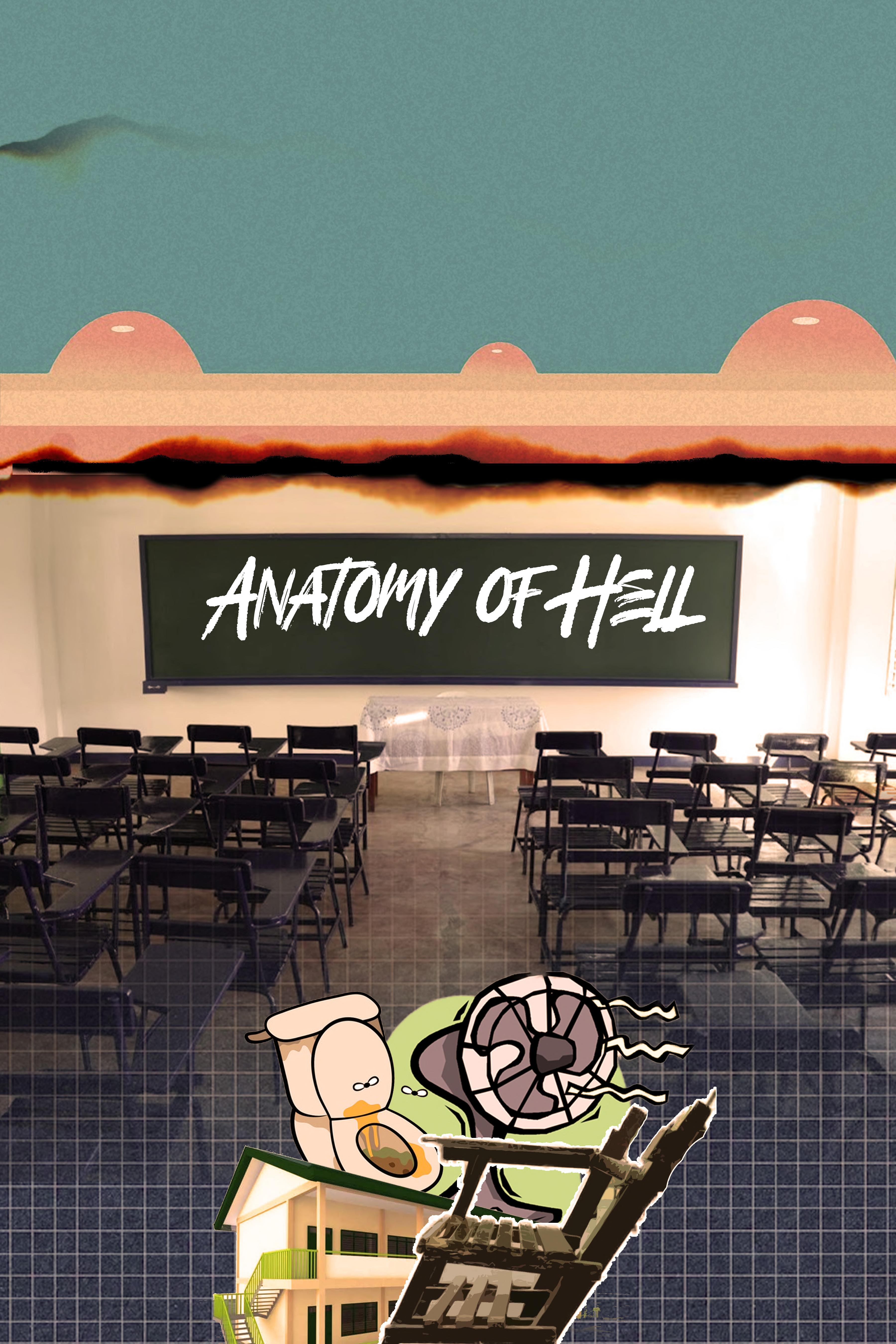
permeates these neglected facilities serves as a poignant reminder of the systemic failures that afflict our educational institutions.
When students avoid unsanitary and smelly restroom facilities, it can create a variety of problems. Students may be tardy after searching for a cleaner restroom. They may avoid eating or drinking so as not to use the restroom during school. They may even “hold it” for long periods of time, which can lead to lower urinary tract (LUT) and gastrointestinal health issues, as well as decreased focus and poorer learning outcomes.
Dehydration can cause serious symptoms that detract from learning: fatigue, dizziness, poor concentration, and reduced cognitive abilities. The human brain is made up of 80% water, and as a result, water is essential in neurological transmissions. On a cellular level, poor hydration reduces the brain’s ability to transmit and receive information.
Once a student is dehydrated enough to notice they are thirsty, their mental performance including memory, attention, and concentration have all decreased by as much as 10%.
Even when students are hydrated enough, avoiding urination can also cause problems, such as lower urinary tract health issues, not to mention affecting a student’s ability to concentrate in class. According to the Urology Care Foundation, the bladder stays healthy when it fills and empties without getting overfull. Holding urine for too long and too often can cause lifelong problems carried into adulthood.
Beyond the oppressive heat and unsanitary conditions, dysfunctional facilities further impede the educational journey. Broken chairs, outdated materials, and ergonomic deficiencies stand as stark reminders of the department’s neglect. By failing to invest in essential infrastructure, this hinder students’ academic progress and potential.
The toll of neglect reverberates through the halls of learning, as students grapple with substandard conditions that undermine their potential for academic achievement. The cacophony of broken chairs and crumbling infrastructure serves as a chilling reminder of the disregard for the fundamental rights of students to a safe and conducive learning environment. As the flames of neglect threaten to consume our educational institutions, the time for action is now. We must rise from the ashes of complacency, extinguish the fires of neglect, and forge a new path toward enlightenment. For in the crucible of education, the future of our society hangs in the balance, and only through concerted effort can we reclaim the promise of learning from the inferno within.
by Cathryn GIVE
The Philippines, a nation renowned for its diverse natural landscapes, faces an increasingly delicate balancing act between fostering tourism development and safeguarding its ecological treasures.
The Chocolate Hills, a UNESCO-recognized geological marvel, epitomizes this struggle. Despite being declared a protected area since 1997, the recent construction of the Captain’s Peak Garden and Resort has reignited public outrage and sparked debates about environmental stewardship.
The Backlash and Regulatory Scrutiny
The controversy erupted when a local influencer’s promotional video showcased the resort’s luxurious amenities against the backdrop of the pristine Chocolate Hills. Social media erupted in condemnation, questioning the legality of such construction in a protected area.
Responding to public outcry, the Department of Environment and Natural Resources (DENR) swiftly ordered the temporary closure of the resort. Lawmakers echoed public sentiment, demanding investigations into the resort’s approval process, citing concerns about regulatory oversight and potential circumvention of environmental laws.
Tourism Development vs. Conservation Imperatives
The Philippines’ burgeoning tourism industry presents a double-edged sword. While it fuels economic growth, it also poses significant threats to the country’s fragile ecosystems. With tourism contributing 6.2% to the GDP and visitor arrivals doubling since 2022, the pressure to capitalize on natural attractions intensifies.
However, the unchecked expansion of tourism infrastructure risks irreparable damage to invaluable ecological sites like the
Chocolate Hills. Senator Nancy Binay emphasized the importance of delineating between sustainable development and ecological exploitation, highlighting the need for stringent environmental regulations.
Lessons from Boracay and Beyond
The Philippines has grappled with the adverse effects of overtourism before, notably in Boracay. Formerly labeled a “cesspool” by President Rodrigo Duterte, Boracay underwent extensive rehabilitation efforts to restore its pristine allure. The saga serves as a cautionary tale, underscoring the imperative of responsible tourism practices and environmental conservation.
Beyond the Captain’s Peak controversy, the Philippines faces a myriad of environmental challenges. From the contentious dolomite beach project along Manila Bay to the environmentally devastating Kaliwa Dam construction, the nation grapples with balancing development aspirations with ecological preservation.
The Kaliwa Dam project, in particular, exemplifies the inherent conflict between meeting infrastructural needs and protecting biodiversity. Spanning across environmentally critical areas, such ventures pose existential threats to indigenous flora and fauna, exacerbating deforestation, landslides, and habitat loss.
Unchecked tourism development and large-scale infrastructure projects not only threaten biodiversity but also disrupt fragile ecosystems, leading to cascading ecological consequences. Deforestation, habitat destruction, and soil erosion resulting from such activities can trigger a domino effect, impacting soil fertility, water quality, and climate stability.
In the case of the Chocolate Hills, the introduction of invasive species, soil disturbance, and habitat fragmentation due to resort construction can disrupt the delicate balance of the ecosystem. Loss of vegetation cover exposes the underlying limestone substrate to erosion, altering the landscape’s geomorphology over time.
Furthermore, deforestation and habitat loss contribute to the decline of endemic species, disrupting ecological niches and diminishing biodiversity. This loss reverberates through the food web, affecting not only plant and animal populations but also the services they provide, such as pollination, pest control, and carbon sequestration.


As the sun beats down relentlessly upon the fertile landscapes of Isabela, Philippines, farmers brace themselves for yet another day under the oppressive grip of El Niño-induced drought. However, amidst the parched fields and dwindling water supplies, a glimmer of hope emerges on the horizon in the form of cloud seeding—an innovative technique poised to unlock the heavens and rejuvenate the earth below.
At its core, cloud seeding is a deliberate intervention in the natural precipitation process, designed to enhance rainfall and alleviate drought conditions. The science behind this remarkable process hinges on a nuanced understanding of cloud formation and the factors governing precipitation.
Clouds, those ethereal wisps adorn-
ing the sky, are comprised of countless tiny water droplets or ice crystals suspended in the atmosphere. These droplets coalesce around microscopic particles known as cloud condensation nuclei (CCN), which serve as the nuclei for droplet formation. However, for precipitation to occur, these minuscule droplets must grow larger and heavier until they fall to the earth as rain or snow.
Enter cloud seeding—a carefully orchestrated intervention aimed at augmenting this natural process. The most common method of cloud seeding involves the introduction of artificial nuclei, such as silver iodide or sodium chloride, into clouds. These substances act as a catalyst, promoting the aggregation of water droplets and facilitating the formation of larger, precipitable particles.
In the case of Isabela’s cloud seeding operations, sodium chloride serves as
by Honey ROALESthe primary seeding agent, dispersed into the atmosphere from aircraft flying above the target clouds. As the sodium chloride particles ascend into the cloud layer, they attract surrounding water vapor, initiating the process of condensation. Over time, these nascent droplets grow in size through collisions with other droplets, eventually reaching a critical mass at which precipitation becomes inevitable. In Isabela, amidst the sweltering heat and the specter of agricultural loss, cloud seeding emerges as a beacon of hope—a testament to human ingenuity and our enduring quest to harness the forces of nature for the greater good. As aircraft soar through the azure skies, dispersing their payloads of sodium chloride and possibility, they carry with them the promise of rain and renewal—a testament to the resilience of the human spirit in the face of adversity.

In the ever-evolving landscape of modern habits and trends, few phenomena have garnered as much attention, scrutiny, and controversy as vaping. Once hailed as a beacon of innovation and a potential game-changer in public health, vaping now finds itself at the center of a heated debate, balancing between promise and peril.
In the hazy mist of debate surrounding vaping, proponents have long championed its potential as a harm reduction tool, offering a glimmer of hope for millions ensnared by the grips of traditional smoking.
Vaping represents a seismic shift in our approach to combating the perils of smoking. By eliminating the combustion process inherent in traditional cigarettes, vaping drastically reduces exposure to harmful chemicals, offering smokers a safer alternative.
Indeed, the allure of vaping lies in its promise of reduced harm. By heating a liquid solution containing nicotine, rather than burning tobacco, e-cigarettes produce an aerosol, devoid of the tar and myriad carcinogens found in traditional smoke. For many, this represents a lifeline in their journey towards a smoke-free existence.
Moreover, vaping emerges as a beacon of innovation in the realm of smoking cessation aids. With customizable nicotine levels and an array of flavors rivaling a gourmet bakery, e-cigarettes offer smokers a personalized approach to weaning themselves off their addiction. It’s a narrative of empowerment, where individuals take control of their health and reclaim their autonomy from the clutches of tobacco.
However, amidst the billowing clouds of vapor, shadows lurk, casting doubt upon the rosy picture painted by vaping advocates. Questions regarding the long-term health implications of vaping loom large, shrouded in uncertainty and skepticism.
While vaping may offer a reprieve from the harms of traditional smoking, it is not without its own set of risks. The inhalation of aerosolized
chemicals, albeit fewer in number compared to cigarette smoke, still raises concerns about respiratory health, cardiovascular effects, and potential addiction.
Indeed, the rise of vaping among adolescents has sounded alarm bells in public health circles. With its enticing flavors, sleek designs, and pervasive presence on social media, vaping has ensnared a new generation, raising fears of nicotine addiction and serving as a potential gateway to traditional smoking.
Furthermore, the lack of comprehensive regulation has left the vaping industry shrouded in ambiguity, with inconsistent product quality, inadequate labeling, and a dearth of oversight posing risks to consumer safety. It’s a regulatory Wild West, where the absence of rules threatens to undermine the very promise of harm reduction touted by vaping proponents.
Striking a Delicate Balance
In the midst of this swirling controversy, finding common ground becomes imperative. As we navigate the complexities of vaping, moderation and regulation emerge as guiding principles in charting a path forward.
We must approach vaping with nuance and pragmatism. While acknowledging its potential as a harm reduction tool, we must also address its risks through comprehensive regulation, public education, and support for smoking cessation efforts.
Indeed, a multifaceted approach is essential in mitigating the harms and maximizing the benefits of vaping. From stringent age restrictions and product standards to robust public awareness campaigns and support for evidence-based cessation programs, it’s a concerted effort that demands collaboration across sectors.
The celestial ballet of our solar system often dazzles us with its radiant performances. Yet, amidst the splendor of cosmic events, lies a potential threat that demands our attention: solar flares. Recent reports have stirred conversations about the precautions necessary to navigate these celestial eruptions safely. As the sun unleashes its fiery bursts, understanding how to shield ourselves from their impact becomes paramount.
The sun, a celestial furnace of unimaginable power, is a perpetual cauldron of activity. Its surface bubbles with plasma, giving birth to gargantuan sunspots that ebb and flow with mesmerizing rhythm. Occasionally, these solar eruptions hurl forth a deluge of plasma and charged particles hurtling toward Earth.
Upon reaching our planet, these particles encounter Earth’s magnetic field, which directs them toward the poles, where they dance with the atmosphere, painting the skies with the ethereal hues of the aurora borealis and australis. However, the consequences of a significant solar eruption extend beyond mere visual spectacle.
While Earth’s atmosphere offers a shield against the radiation of solar flares, the accompanying magnetic and electrical disturbances pose a threat to our technological infrastructure. From power grid disruptions to GPS anomalies and communication failures, the repercussions of a potent solar storm can be far-reaching.
Forewarned is forearmed, as they say. Experts can often predict the arrival of Coronal Mass Ejections (CMEs), issuing warnings with varying lead times. Yet, prudence dictates proactive measures to mitigate potential disruptions.
Preparing for a solar flare event echoes the ethos of read- i-
ness inherent in any disaster preparedness plan. Stockpiling essential supplies—nonperishable food, potable water, battery-powered illumination, and warm clothing—can buffer against the inconvenience of power outages. Additionally, maintaining alternative means of communication, such as battery-operated radios, ensures access to critical information amid disruptions.

However, the impact of solar flares transcends terrestrial boundaries. Air travel, typically a symbol of modern connectivity, becomes a precarious endeavor during solar storms. The heightened radiation levels encountered at altitude necessitate caution, with flights potentially rerouted to avoid the polar regions,
1 7 out of

students, aged 1315, is already using e-cigarettes
where the effects of geomagnetic storms are most pronounced.
Furthermore, the peril extends beyond the skies to the sanctity of our homes. In the aftermath of power outages, the temptation to seek refuge in the warmth of indoor generators or charcoal grills can prove fatal. Carbon monoxide, a silent killer, lurks within these seemingly innocuous sources of energy, making ventilation a matter of life and death.
Ultimately, preparing for the possibility of a solar flare aligns with the broader ethos of disaster readiness. Whether bracing for hurricanes, earthquakes, or the proverbial zombie apocalypse, resilience in the face of adversity demands a multifaceted
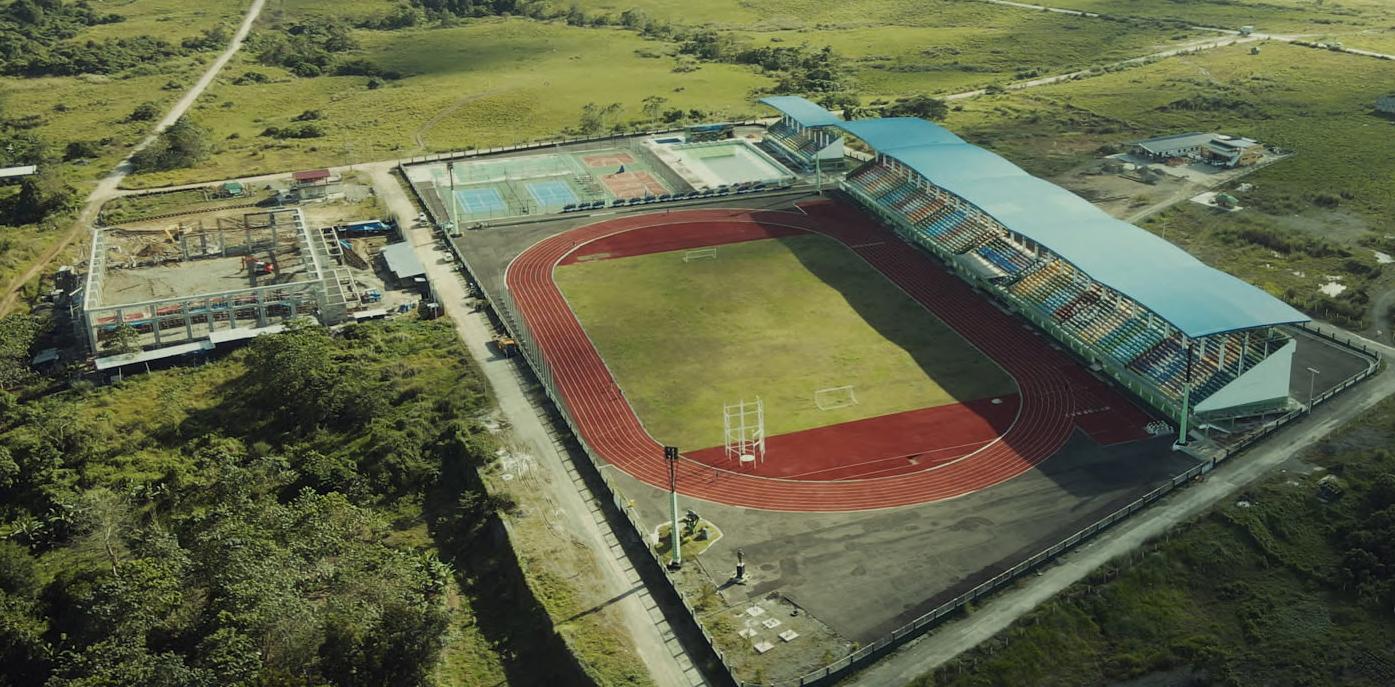
Positioned as the primary hub for sports development and training in the Province of Isabela and its neighboring areas, this initiative underscores the City Government’s dedication to nurturing both current and aspiring athletes. By furnishing them with top-notch equipment and state-of-the-art facilities, the Sports Academy and Training Center aspire to elevate skill levels and foster athletic prowess.
In accordance with the constitutional imperative to promote physical education and sports programs, as outlined in Section 19 of Article XIV of the 1987 Constitution, the proposed legislation for the establishment of the Cauayan City Sports Academy and Training
Center underscores our dedication to nurturing athletic talent and fostering a culture of excellence.
Despite being under review by the Committee on Youth and Sports Development since July 27, 2022, the momentum behind this endeavor remains steadfast, poised to make a tangible impact on the region’s sporting landscape.
Under the proposed legislation, the cornerstone initiative is the establishment of the Cauayan City Sports Academy and Training Center, slated to become the premier hub for sports development and training across Isabela. Spearheaded by the Philippine Sports Commission (PSC), efforts will be
directed towards modernizing existing facilities, upgrading equipment, and enhancing personnel capabilities, all of which will seamlessly integrate into the operations of the newly envisioned sports academy and training center. Coordination with the Department of Education (DepEd) will ensure alignment with educational objectives.
Beyond its athletic and civic merits, Dy underscores the economic potential of the Sports Academy, anticipating a boost in economic activity within Cauayan City. The bill outlines provisions for the creation of business opportunities and employment, particularly in construction, tourism, and the food sectors, further
enhancing the city’s socio-economic landscape.
Section 2 of the bill mandates the inclusion of the Cauayan City Sports Academy and Training Center in the Department of Education’s programs, with funding earmarked accordingly. Financial backing for the project will be sourced from various avenues, including allocations from the City Government of Cauayan, funds from the Province of Isabela, grants from the PSC, and potential support from the office of the President. Moreover, the bill envisions leveraging both local and foreign grants and endowments to ensure the sustained success of the initiative.
Africano manages to win the gold medal in the 50-meter Freestyle Junior category along with his rival athletes from 13 various Asian countries along with a silver in the 50m freestyle preliminaries, and a bronze in the 4x50 freestyle relay.
The 13-year-old swimmer approached the Philippine Record at 26.15 seconds with his record of 26.32 seconds.
In addition, Africano surpassed his personal record from his recent tournament, Batang Pinoy Championship, in the 50-meter Freestyle clocked at 28 seconds.
In an interview, he expresses gratitude to thank God and his achievements, “I am forever grateful to the Lord for blessing me with these medals and the strength that comes with it... I know that without His grace and mercy, I would not have been able to achieve this accomplishment,” he said.
He also
showed thanks to his loved ones that supports him from his start, “I am also grateful for the support and encouragement of my loved ones, who have been my pillars of strength throughout this journey.”
Moreover, Mark Justine’s cousin, Marc Hector Africano from the SPJ Curriculum, secured an impressive 7th place in the 1500m event.
Both Africanos remain training to partake the Cagayan Valley Regional Athletic Association (CAVRAA).
Ph
The Philippines Volleyball Federation (PNVF) announced on March 20, 2024, that the Philippines will host the Men’s Volleyball World Championship, set to run from September 12 to 28, 2025.
Winning the bid grants the Philippines the honor of hosting one of the most prestigious events, marking the first time the country will spearhead it and paving the way for a significant moment for the country, and Asia.
The decision took place at the Fédération Internationale de Volleyball (FIVB) headquarters in Lausanne, Switzerland, with Philippine representatives, PNVF president Ramon ‘Tats’ Suzara, alongside other volleyball officials and former volleyball athlete Senator Pia Cayetano, present at the ceremony.
The countries competing will feature the top 32 teams from around the globe, alongside the host team for this year’s world championship and team Italy, vying to defend their title.
The countdown starts as teams are already gearing up for intensive training, ready to battle it out for the crown.
Volleyball fans from the Philippines will surely dominate the crowd and cheer for their top team and flood the arena with Filipino pride and give love to the teams that will be coming here for the battle.


Standout volleyball player hailing from Cauayan City, Isabela, John Michael M. Lagaran, has recently made headlines for his exceptional performance at the CAVRAA 2023 Volleyball Boys tournament, clinching the bronze medal. However, his journey doesn’t end there, as he gears up to represent the University of Santo Tomas (UST) Tiger Beach Volleyball Team in the upcoming UAAP Season 86.
For Lagaran, CCNHS isn’t just a school; it’s a source of unparalleled pride and support. Reflecting on his roots, Lagaran expressed his gratitude, stating, “I am forever grateful to my alma mater, CCNHS The school pride it has given me is something I
will be holding on to in my journey at UST.” This sentiment underscores the profound impact that CCNHS has had on shaping Lagaran’s character and athletic prowess.
At CCNHS, Lagaran flourished under the guidance of dedicated coaches and teachers who nurtured his talent through the Special Program in Sports. Their unwavering support and mentorship played a pivotal role in honing Lagaran’s skills and instilling in him the values of discipline and perseverance.
As he embarks on this new chapter of his athletic career, Lagaran carries with him the lessons and values instilled in him during his formative
years at CCNHS.
Lagaran’s accomplishments on the volleyball court have brought sweeping victories for CCNHS throughout his four-year tenure in the sport. His stellar performance not only elevated the school’s reputation in the realm of athletics but also served as an inspiration for aspiring athletes within the CCNHS community.
Lagaran’s journey from a promising talent at CCNHS to a sought-after recruit for UST exemplifies the transformative power of dedication, hard work, and unwavering determination.
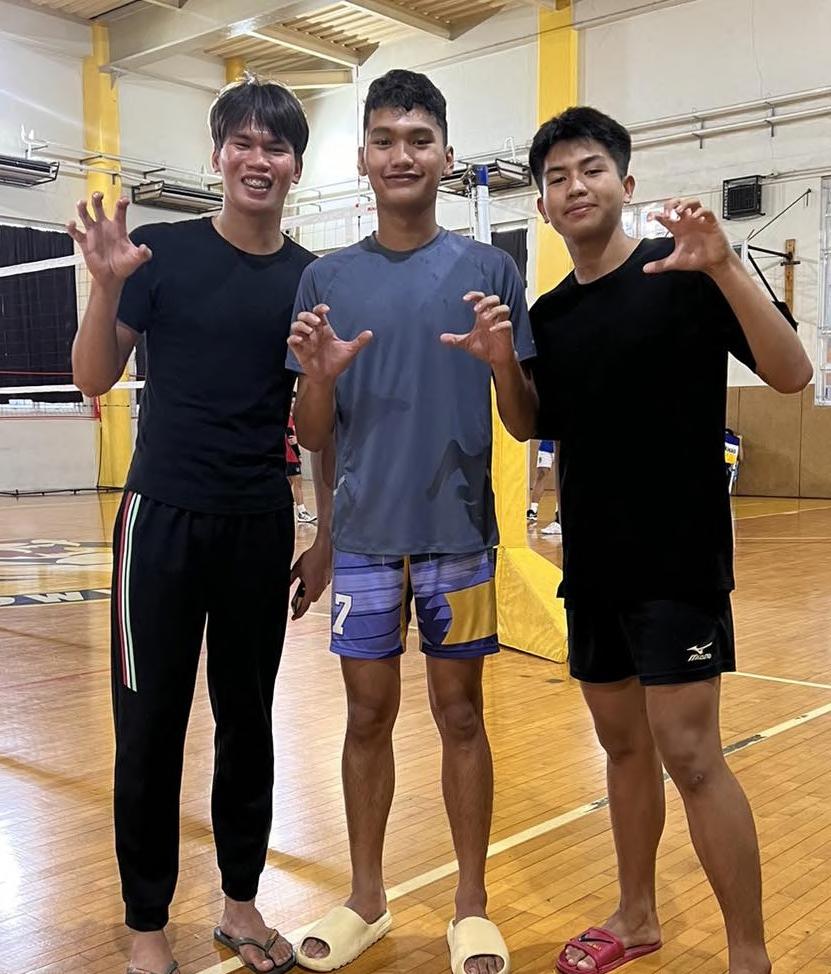
rtificial intelligence (AI) promises transformative benefits, but its integration into fields like journalism raises ethical concerns. While AI enhances efficiency in sectors like education and healthcare, its role in journalism must be carefully navigated. Journalism entails more than just relaying facts; it involves human judgment and empathy essential for holding power accountable and advocating for social justice.
The recent launch of AI sportscasters by GMA Network sparked controversy, with many labeling it as unsettling. Journalism demands human qualities like empathy and ethics, qualities AI lacks. While AI tools like The Washington Post’s Heliograf aid journalists, they’re designed to assist, not replace, human reporters. AI should be a tool, not a substitute, maintaining the essence of human delivery in journalism.
Critics argue that AI sportscasters lack the emotional depth and connection to the game that human sportscasters offer. While AI may provide instant analysis and multilingual capabilities, it risks diluting the authentic fan experience. Despite claims that AI won’t replace traditional sportscasters, concerns about job displace-

ment persist.
GMA Network clarified that their AI presenters are not journalists, yet they perform journalistic tasks. This blurs the line between AI assistance and human journalism. The move raises questions about the network’s commitment to preserving human-centered journalism and its implications for aspiring journalists and the industry’s future.
While AI sportscasters may intrigue viewers, they can’t replicate the emotional engagement and spontaneity of human interactions. They may enhance analysis but risk overshadowing the essence of sports journalism. The integration of AI must prioritize preserving human connection and
ethics in journalism, ensuring its positive impact on the industry and society.
Showcasing his exceptional talent in the water, Cauayan City National High School’s sports pride and upcoming Grade 8 student, Mark Justine Africano made tidal waves by sweeping several awards at the 15th Singapore Island Country Club Swimming Championship (SICC) held at the prestigious Island Swimming Pool on the Singapore Island Country Club premises, August 26-27, 2023.
ess was on full display as he secured the top spot in the 50-meter Freestyle event. He also played a pivotal role in the victories of the 4x50 Freestyle relay and the 4x50 Medley relay, both of which added more gold to his collection.
SILVER Excellence
The Cauayan North District composed of CCNHS as its sole secondary school suffers its second back-to-back silver heartbreak in the 2023 City Meet Podium, December 5-6.
City High Smashers champ Badminton Boys Singles, 2-0 against CNED
City High Spikers were luckless to win against Pillarican Knights 2513, 25-9 in the Cauayan Athletic Association Meet (CAAM) at Cauayan City Stand-Alone Senior High School on Tuesday December 5, 2023.


Competing in the 12-13-year-old category as part of Team Philippines, Justine’s remarkable performance earned him a haul of medals across various events, exemplifying his dedication, talent, and potential in the world of competitive swimming.
GOLDEN Triumphs Justine’s sprinting prow-
In addition to his gold medals, Justine’s versatility in the pool was evident as he clinched silver in the 100-meter Freestyle and showcased his finesse in the 50-meter Butterfly and 50-meter Backstroke, earning silver medals in both events.
BRONZE Achievements
The youth swimmer’s achievements weren’t limited to just gold and silver. His determination and skill also earned him a bronze medal in the 200-meter Freestyle and another in the 200-meter Individual Medley.
In a spirited match, both players showcased dazzling skills and a desire for victory, with Taguinod playing the offensive and surging ahead with a 4-2 lead.
As the game progresses, Taguinod’s consecutive hits outside the line handed precious scores to Bernadit, who steadily closed the gap, narrowing Taguinod’s lead to a tense 13-12.
Taguinod then takes the win of the first set with 2115 after a long exchange of shuttlecock, Taguinod hits
to an area where Bernadit was vulnerable. With the onset of the second set, the intensity heightened as both players reached a deadlock at 2-2, injecting a surge of suspense into the game. Bernadit found himself grappling with a formidable defense as Taguinod unleashed a barrage of smashing attacks, quickly surging ahead with a 9-3 lead.
Furthermore, the same attack pattern of Taguinod ended with a 19-8 after his smash was blocked by the net and giving Bernadit a chance to counter. The swift conclusion unfolded with a Point of 2-0, as Taguinod executed a successful smash, propelling the shuttlecock past Bernadit and securing victory.
Photo from UST Golden SpikersSCAN THIS!
Forget the mainstream. In the realm of sports, there’s a hidden treasure trove of beyondthe-norm athletics that will make your head spin faster than a curveball. These are the rare sports, where the peculiar and the extraordinary converge to create a tapestry of unique and exhilarating experiences.
From the heart of Southeast Asia emerges the electrifying spectacle of Sepak Takraw. Originating in Malaysia, this high-octane sport demands lightning-fast reflexes and impeccable coordination as players volley a rattan ball over a net using only their feet, knees, and heads. It’s a display of athleticism and skill that leaves spectators in awe, offering a glimpse into the rich cultural heritage of the region.
But the adventure doesn’t stop there. Venture to the rolling hills of England, where the age-old tradition of Cheese Rolling unfolds in all its quirky glory. Participants hurl themselves down steep slopes in pursuit of a wheel of cheese, risking life and limb for the chance to claim victory in one of the world’s most bizarre competitions.
Meanwhile, across the globe, the daring sport of Wife Carrying push-
es the boundaries of athleticism and teamwork to new heights. With a partner strapped to their back, competitors navigate obstacle courses with precision and determination, showcasing strength, balance, and a healthy dose of humor along the way.
And let’s not forget about the aquatic spectacle of Underwater Hockey, where players dive into the depths of swimming pools to engage in a fast-paced game of strategy and skill. Maneuvering a puck on the pool floor, they combine elements of rugby, basketball, and swimming in a test of endurance and agility unlike any other.
From the sundrenched shores of Spain comes the heart-pounding action of Jai Alai, a sport steeped in tradition and adrenaline. With lightning-quick reflexes and lightning-fast re-
flexes, players wield curved baskets to hurl a ball at dizzying speeds, captivating audiences with their speed and precision.
And who could overlook the enchanting world of Quidditch, a sport born from the pages of fantasy and brought to life on playing fields around the globe? With broomsticks in hand and magic in the air, players engage in a whimsical blend of athleticism and strategy, scoring goals and chasing the elusive Golden Snitch in a spectacle that defies imagination.
In conclusion, rare sports offer a captivating glimpse into the diverse and vibrant tapestry of athletic expression. Whether it’s the agility of Sepak Takraw or the sheer absurdity of Cheese Rolling, these unconventional pursuits remind us that the true spirit of sport knows no bounds. So buckle up and prepare to be amazed, because in the world of rare sports, the adventure never ends.

SNATCHED MIC /p19
SPORTS OASIS /p18


 Grade 8 Cauayeño clinches Gold Medal in AOSI 2024, Thailand /p18