Interaction design
https://kittylidesign.webflow.io/
xinyi li
https://kittylidesign.webflow.io/
Climate change has gotten worse as household appliances continue to be developed and widely used. Various governments have established different measures to reduce carbon emissions while simultaneously boosting public awareness about the environmental damage caused by carbon emissions. However, research has found that although awareness of the severity of climate change is growing, people fail to recognize that the carbon dioxide produced in everyday life is one of the main contributors to environmental degradation. This AR game aims to raise players’ awareness of the environmental impact of household appliances.
Team project 2024.08-2024.11 Figma, Unity, Blender, Adobe Suite

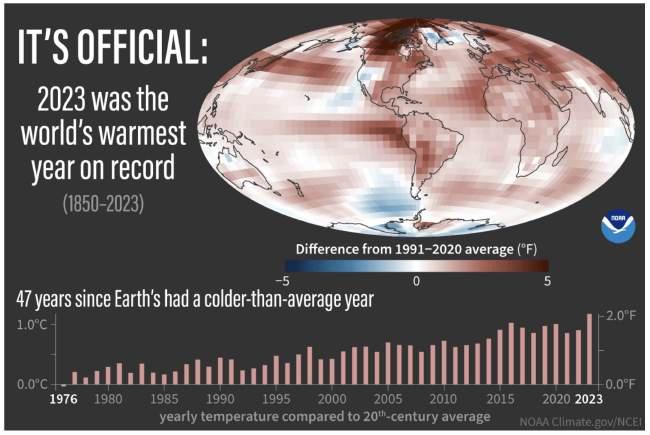
2023 was the warmest year since global records began in 1850 by a wide marginIn February 2024, it was confirmed that the 1.5C threshold of global warming has been breached for a full 12 months for the first time, according to the EU's Copernicus Climate Change Service. The amount of future warming Earth will experience depends on how much carbon dioxide and other greenhouse gases we emit in coming decades.
0.11° F
Earth’s temperature has risen by an average of 0.11° Fahrenheit per decade since 1850, or about 2° F in total.
The rate of warming since 1982 is more than three times as fast: 0.36° F (0.20° C) per decade 0.36° F
Over the past 10 years (2014-2023), global temperatures have risen by 60% 60%

20%
Industrial processes, including cement production, steel manufacturing, and chemical industries, contribute significantly to global CO2 emissions. These industrial activities account for around 20% of total global CO2 emissions annually.
11 billion
Burning fossil fuels adds about 11 billion metric tons of carbon to the atmosphere each year. The combustion of coal, oil, and natural gas for electricity, heat, and transportation is the largest source of human-caused CO2 emissions.


1/3
Forests act as vital carbon sinks, absorbing around 2.6 billion metric tons of CO₂ annually, which accounts for nearly one-third of the carbon emissions released from burning fossil fuels. When forests are cleared or burned, they not only lose their carbon storage capacity but also release massive amounts of CO₂ back into the atmosphere.
Kilowatt-Hours
How aware do you think you are of the connection between saving electricity and protecting the environment?
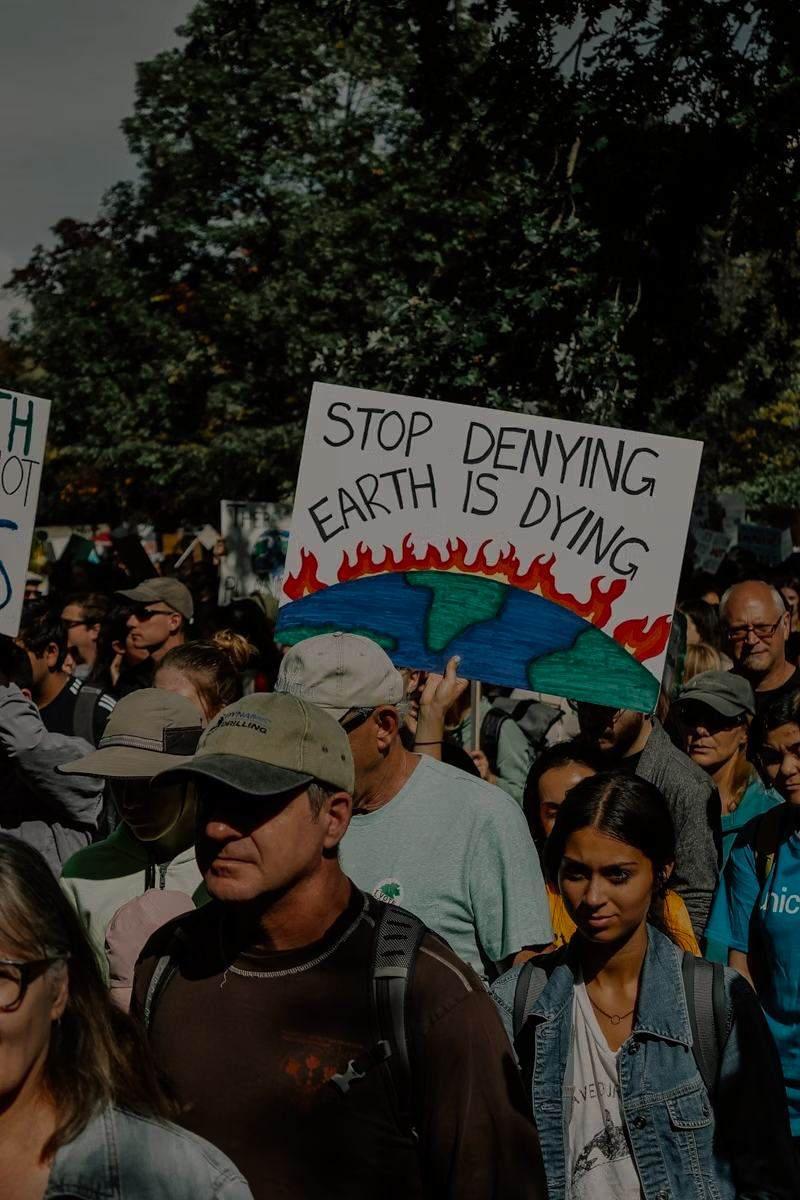
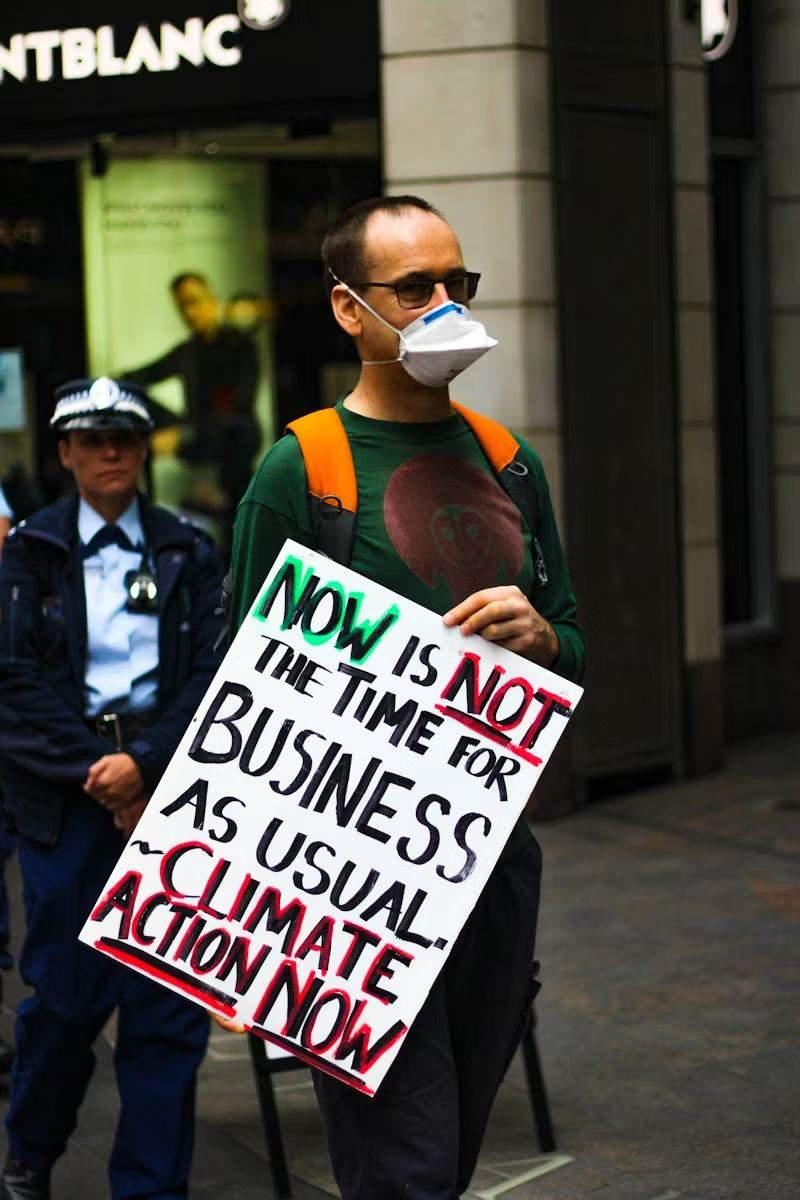
People around the world are experiencing these effects firsthand, making it clear that climate change is not a distant issue, but an urgent one. There is broad consensus that climate change is happening, and it stands as one of the most pressing challenges of our time.
93% of respondents believe that
"Do you think that climate change is a major, minor or not a threat to your country?"
I d say I m somewhat aware. I know that using less electricity can reduce carbon emissions, but I m not always conscious of it in my daily life.
Climate change poses a serious and imminent threat to planet.
I do think about it when I see my electricity bill, but I m not as consistent about it as I probably should be. Saving money on bills is a big motivator, but I do care about the environment. It just doesn t always feel like my small actions will make a huge difference.
Do you think if there were more ways to visually see the environmental impact of your electricity use in real time, it would change how you consume energy?
Definitely! If I could see how much carbon is being emitted by what I m using at the moment, I think it would make me more conscious about turning things off or using them less. I think more information about how much of a difference it makes would help. People might not realize how significant the impact can be.
Overall, a majority of people are demanding climate action. However, a different picture emerges when the respondents are asked for opinions about their country's responsibility and efforts to tackle climate change from an international perspective.
"I worry other countries will renege on their greenhouse gas reduction commitments and our country's sacrifices will end up being for nothing"
71 percent of respondents agreed that “high-income countries should take the lead on compensating lowincome countries for economic losses caused by climate change.”
The interviewee has some awareness of the connection between saving electricity and protecting the environment. Although they care about the environment, they are mainly driven by financial considerations when they occasionally try to save energy. They don't always believe that their small actions have a significant impact.
The interviewee believes that more information on the environmental impact of their energy usage, real time visual feedback on consumption, and government or energy company incentives could help encourage more consistent energy saving behaviors. Summary
We found that even though people are aware of climate change, they still waste energy in their daily lives. Wasting energy contributes to climate change and depletes nonrenewable resources. Fossil fuels used for energy generation emit greenhouse gasses such as CO2 and methane. This resource waste makes it even more challenging to protect the environment.
People call for climate action but are divided on international cooperation and responsibility. Many people lack personal environmental awareness and prefer to shift responsibility, which hinders progress in combating climate change. This attitude hinders collective efforts, as real progress requires both global cooperation and individual lifestyle changes.
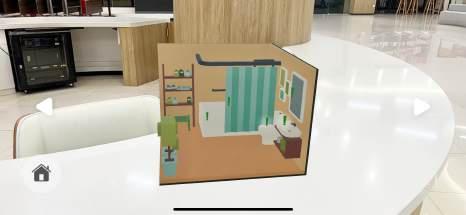
EcoQuest is intended to raise environmental awareness and help people reduce their carbon impact. The software uses interactive features such as climate change quizzes and rubbish sorting games to teach users about environmental conservation in a fun and engaging way. The software promotes daily activities to reduce carbon emissions, such as effective trash management and eco-friendly lifestyle choices.
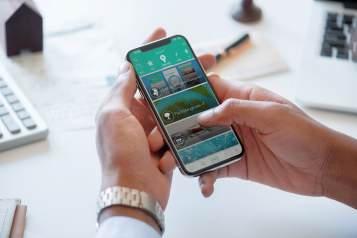
JouleBug is an app that gamifies eco-friendly acts to make sustainable living more enjoyable and accessible. It encourages users to adopt habits such as conserving energy, conserving water, and reducing waste, all of which contribute to lower carbon footprints. JouleBug encourages little, daily activities that, when taken together, have a major impact on decreasing environmental harm.
Its interactive features too simplistic, which could diminish the overall user experience Its educational approach seems rather flat
It has faced challenges with user retention, as many users may not engage with the app regularly It lacks personalized feedback on carbon emissions reductions
Key opportunities: Creating engaging interactive experiences that visualize carbon footprints and offer personalized feedback on users’ emissions reductions. This approach can effectively enhance user awareness and motivation. Linking the system with household energy usage can provide real-time insights, helping users recognize their consumption patterns and empowering them to make informed decisions to reduce their carbon footprint.
After comparing and analyzing different game methods and platform, we have decided to implement the project using AR, and here are the reasons for choosing AR:

ability
1
Capable of interacting with real faces for visualto-face emotional communication.
ffer a more engaging interactive experience which is linked to real-world behaviors.
2

3
Capable of changing based on real-time carbon dioxide emissions, adapting to current circumstances.
Real-time guidance
uides emotional education in a more logical manner through gamified design.
4

Based on the interaction with the ecosphere, we chose several interaction methods and selected the most suitable interaction methods.
13 / Male middle school student San Francisco, CA
Alex is a curious and tech-savvy high school student . He’s passionate about technology and is interested in environmental issues, particularly climate change. However, while Alex cares about the environment, he doesn’t often think about how his everyday actions, like leaving lights on or overusing appliances, contribute to energy waste.
earn more about how to save energy in an engaging way
Find fun, practical ways to reduce his environmental footprint
Become more aware of how everyday actions contribute to energy consumption.
ack of Awareness: While he cares about the environment, Alex often forgets to turn off devices or unplug appliances when not in use. He isn’t fully aware of the small ways he can reduce energy waste
Motivation: Although Alex wants to help the environment, he struggles with staying motivated to change his habits, especially when the impact isn’t immediately visible Engagement: Traditional methods of learning about energy conservation are boring to him, and he needs something more interactive and fun.
AR technology enhances experiences in education, exhibitions, and at home by adding digital layers to the real world. AR makes learning, exploring, and everyday activities more interactive and engaging.
A unique visual experience allows users to intuitively see the presence and impact of carbon dioxide.
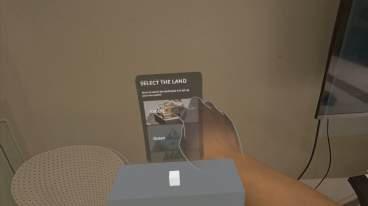
Users interact with the game through gestures, enhancing the overall engagement of the experience.
Sound helps users immerse themselves more deeply in the entire experience.
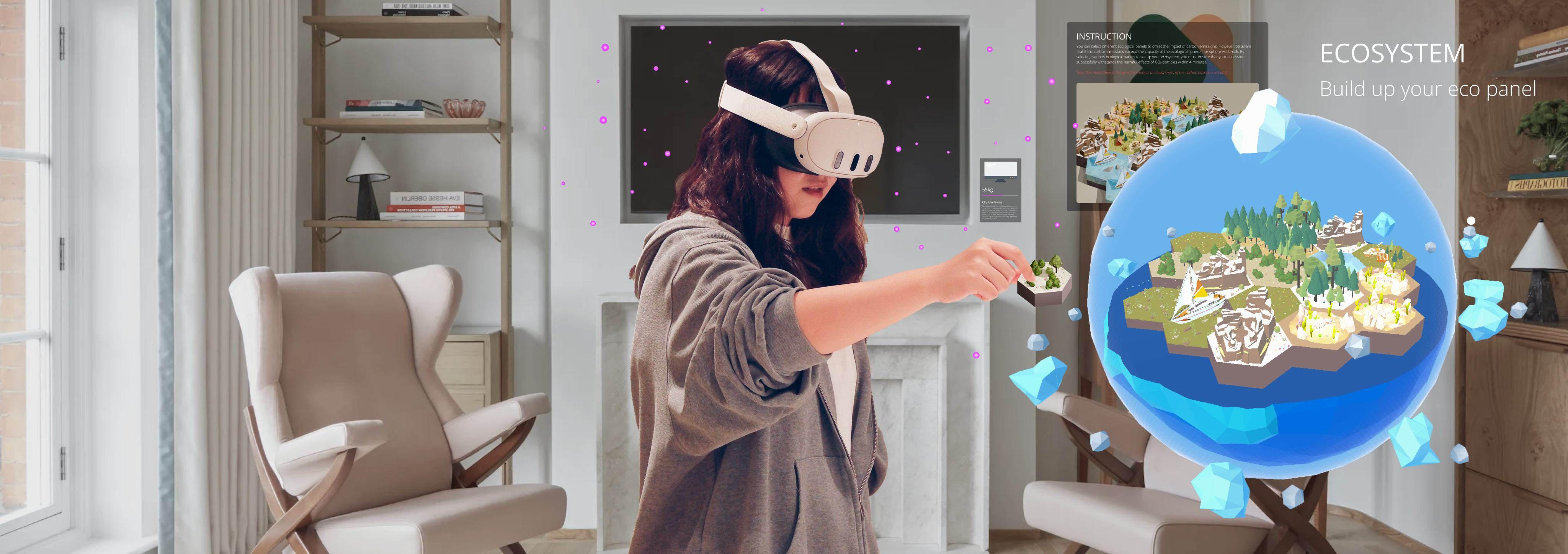
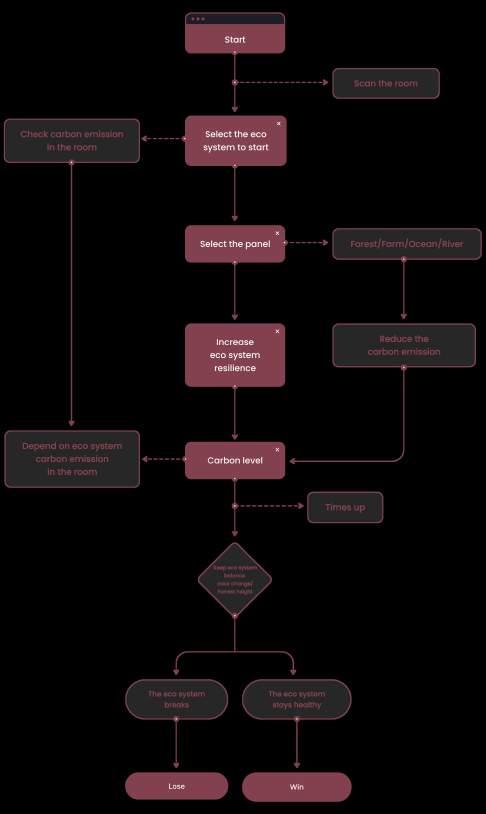
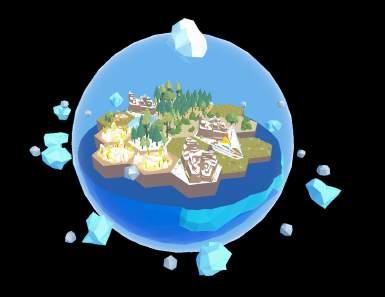
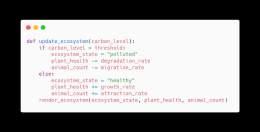
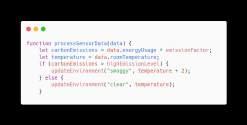
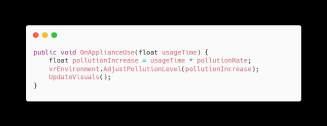
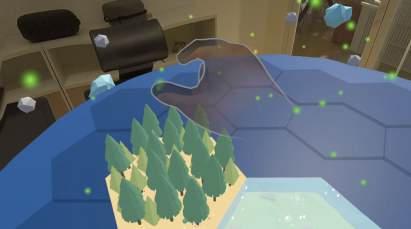
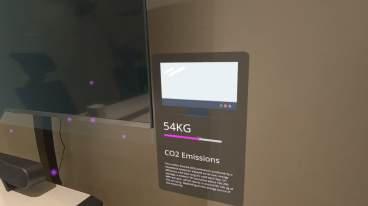
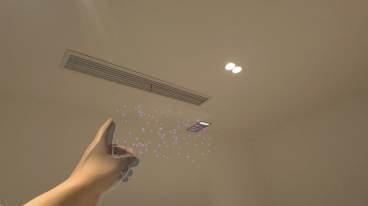
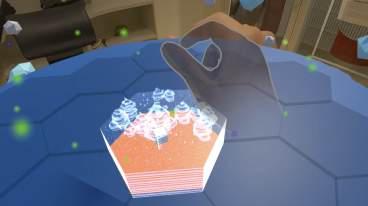
The user can see the carbon dioxide emissions displayed on an interface next to the appliance. He can see carbon dioxide emission particles from different appliances through the AR device. The system generates an eco-system sphere in the center of the room, and the user needs to build up the eco-sphere.
The carbon dioxide produced by the surrounding household appliances continuously affects the environment of the eco-sphere. Under the influence of carbon dioxide, the environment is being damaged.
Users need to replace the damaged environmental tiles in time; otherwise, the eco system will explode due to the destructive impact of carbon dioxide, leading to game over.


simulating real-time environmental changes based on user input
Technologically integrated with VR and environmental sensors to help users experience the impact of daily actions on an ecosystem in real-time, fostering a connection between behavior and environmental health. detecting energy usage and feedback feedback based on user actions
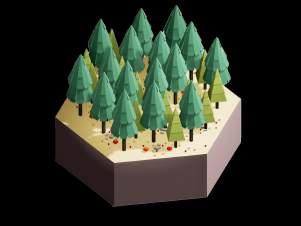
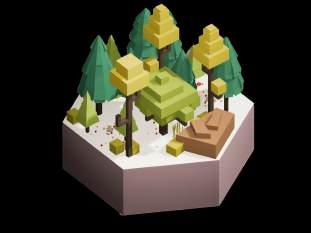
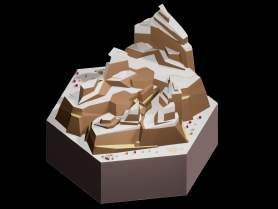
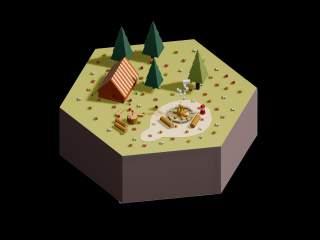
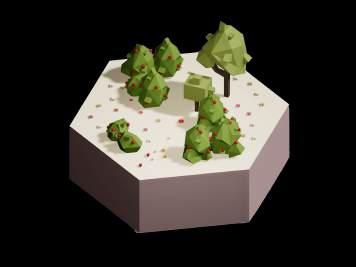
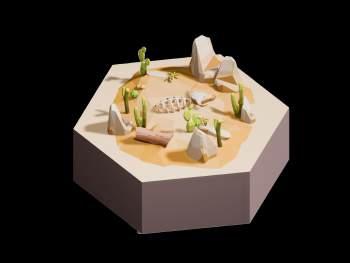
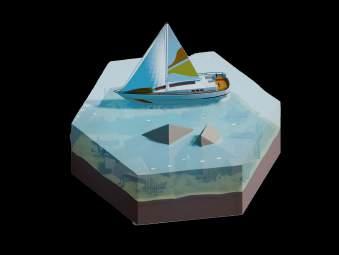
We created seven land panel models in Blender, each representing a different ecosystem on Earth. These natural ecosystems help absorb carbon dioxide and release oxygen, contributing significantly to lowering the Earth’s temperature and mitigating the greenhouse effect in its early stages.
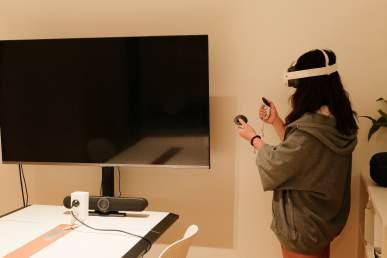
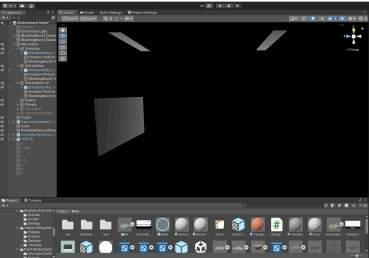
Scan room urface and locate home appliance
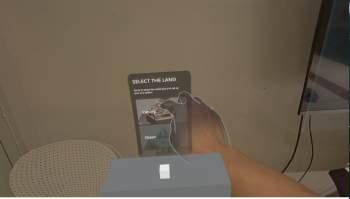
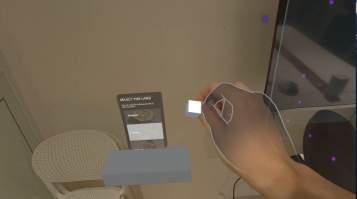
Augmented reality hand interaction
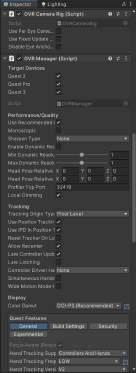

Strategy game y tem
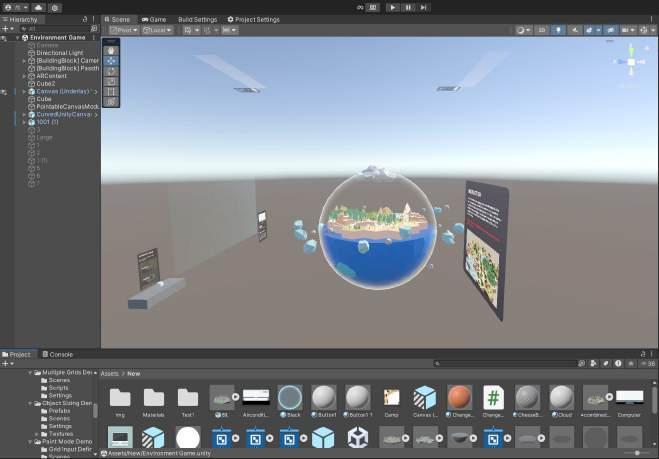
De ign and et up the interface and model
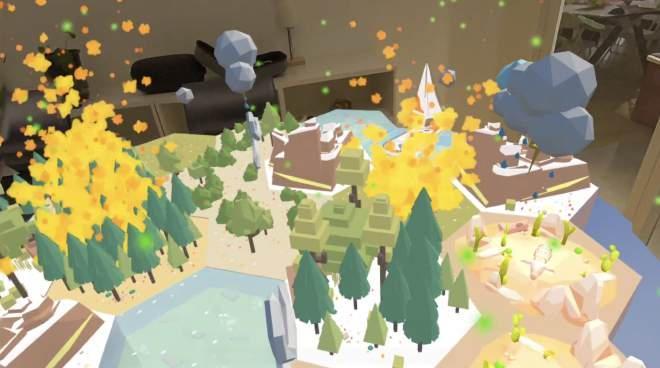
Vi ual effect
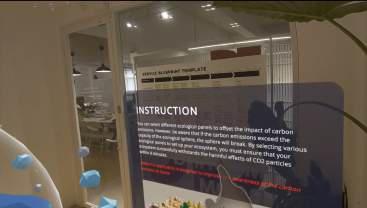
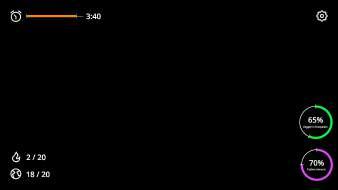
1. Read instruction of the game
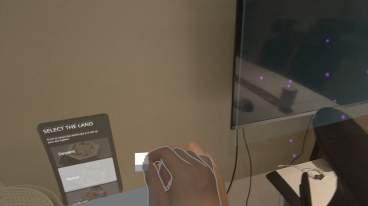


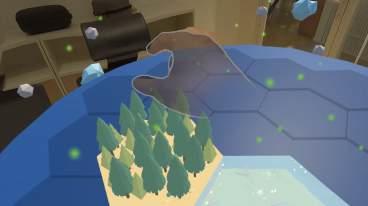
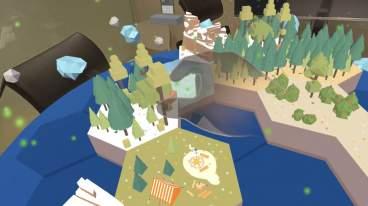

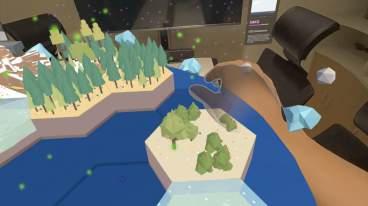
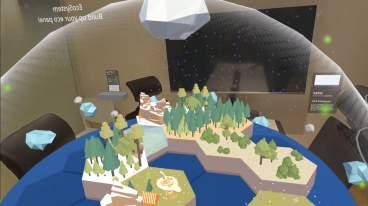
User testing is a fundamental part of the design process because it provides valuable insights into how real users interact with a product, helping designers identify pain points and improve interaction design. We invited two friends to conduct a user test and provide us with feedback on our product. Based on their feedback, we can prepare for future improvements and enhancements, as well as explore potential opportunities moving forward.
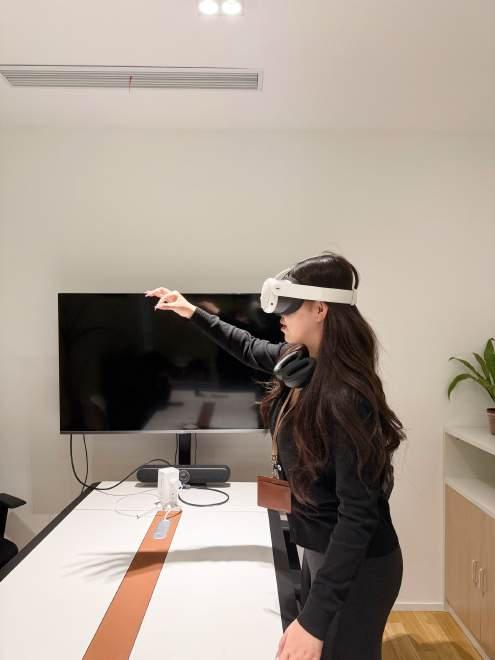
“This AR game is an eye-opener! I thought I understood the basics of climate change, but seeing the CO₂ emissions of everyday appliances in real-time has really brought the issue closer to home. The visuals make it clear how much impact something as simple as a coffee maker or a TV can have on the environment, and it’s a fun way to learn without feeling overwhelmed. I think adding a feature that suggests eco-friendly alternatives or energy-saving tips as you go would be super helpful, making it feel even more actionable.”
“I love this game. The countdown and CO₂ settings create a sense of urgency, which reminds me of the pressing reality of climate change. Through this game, I’ve also gained a better understanding of how much energy we unknowingly waste in daily life, and how much CO₂ is generated as a result.
However, I think the game could be even more engaging. For instance, adding different ecosystem options—similar to different levels—could make it more appealing and encourage users to keep playing.”
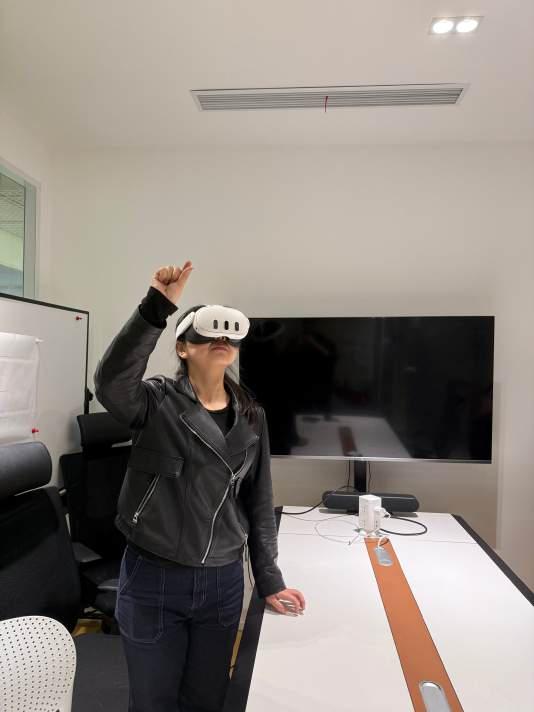
We believe this project will motivate people to start paying closer attention to their everyday carbon footprints and direct influence on the surroundings. By visualizing CO2 emissions in an interactive and immersive way, this project fosters a deeper understanding of the importance of energy-saving behaviors. Additionally, integrating personalized feedback could empower users to make meaningful, long-term lifestyle changes. Moving forward, enhancing the visual and interactive aspects of the AR experience to reflect real-life scenarios would make the project even more impactful, helping users feel the urgency of climate action in their everyday lives.
In a world increasingly disconnected from nature, our project offers a profound reminder: every choice we make reverberates through the environment. By immersing users in a responsive virtual ecosystem, we enable them to witness the immediate impact of their actions, fostering a deeper awareness of their role in the planet's health. This experience is not just educational; it’s a call to cultivate sustainable habits and nurture a conscious relationship with our surroundings, inspiring real-world change for a sustainable future.
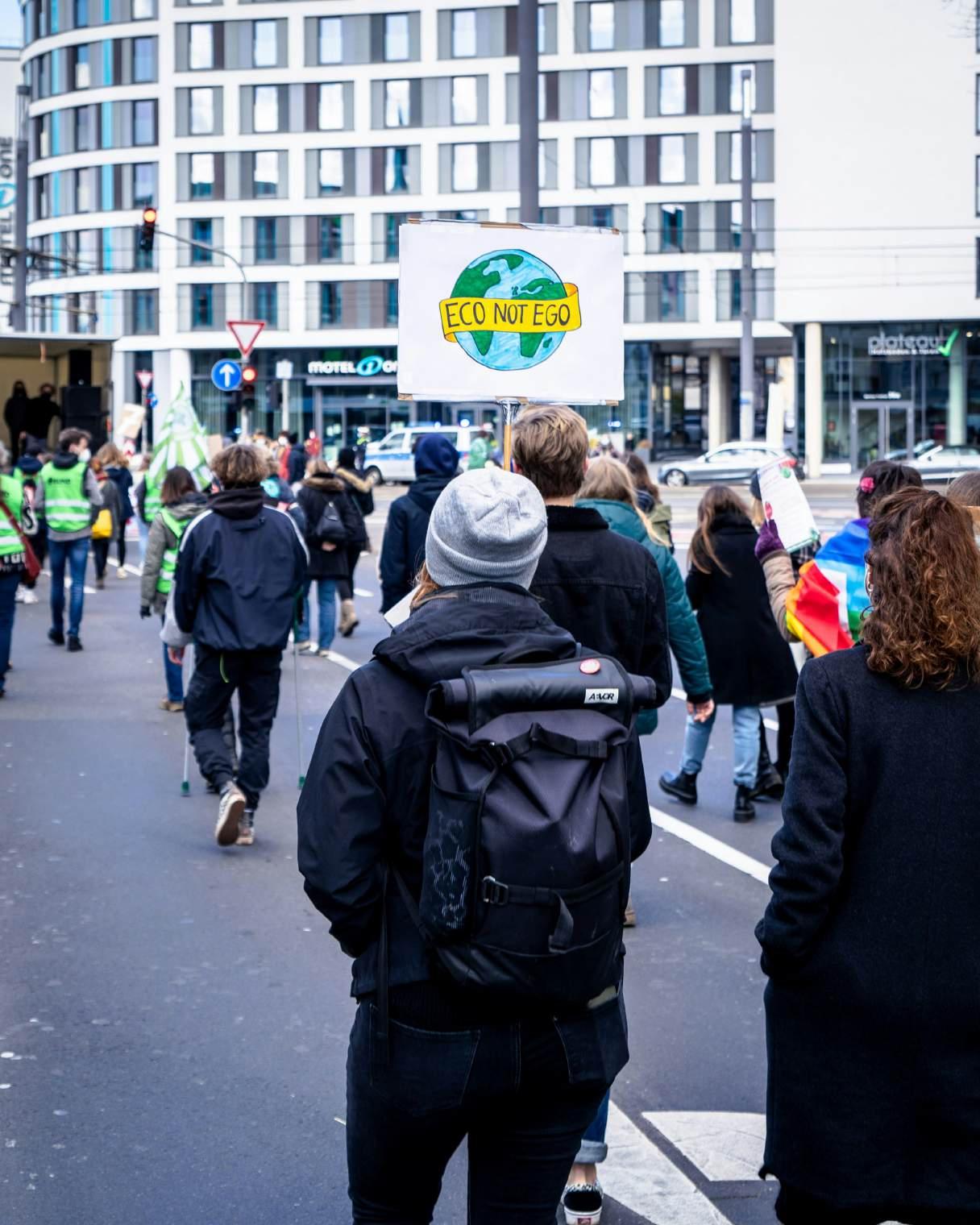
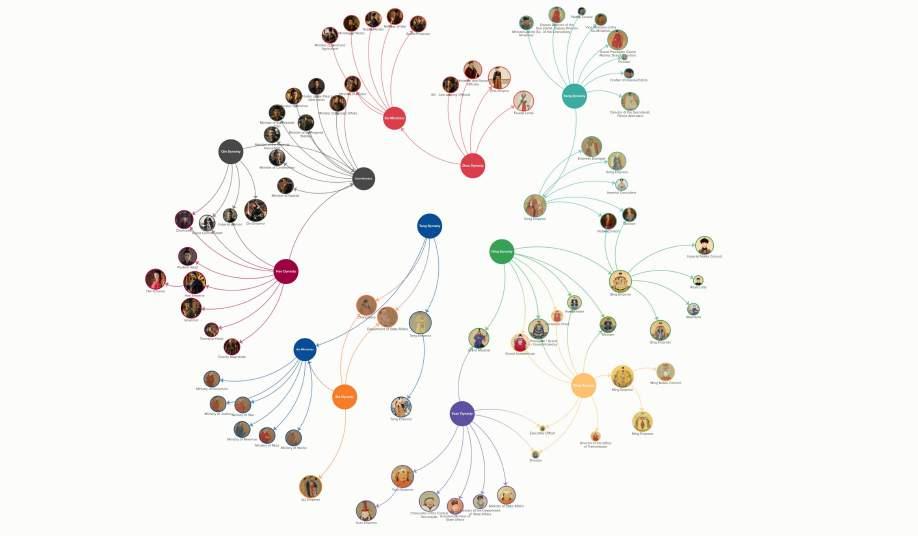
Many young Chinese consumers are particularly drawn to high-end brands and are even willing to spend beyond their financial means to acquire these items. Through my research, I found that traditional Chinese culture’s association between clothing and social class continues to influence modern consumer perceptions of luxury. Using data visualization, I illustrate the relationship between ancient Chinese clothing and social hierarchy across different dynasties. In this visualization, circle size represents social rank, while colors distinguish dynasties, highlighting the connection between attire, status, and power.
Individual project Figma, Python, ChatGPT, Midjourney, Adobe Suite 10. 2024-01.2025

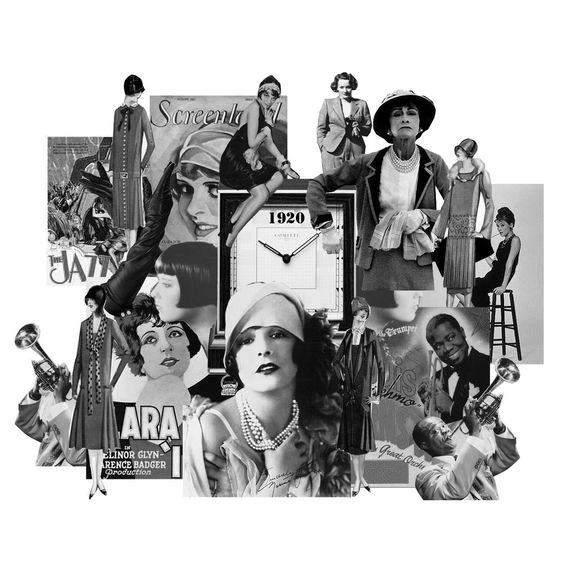
After closely observing consumer trends in China, I discovered a strong inclination towards luxury purchases. Some young Chinese consumers are especially drawn to high-end brands and are willing to spend beyond their financial means to acquire these items. I'm interested as to why these people are so driven to purchase fancy items. This raises questions regarding the cultural, social, and psychological elements that influence their desire for luxury.



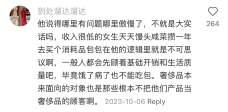
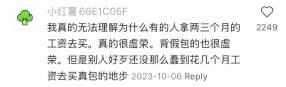
I did research on the attitudes of the Chinese public toward luxury goods consumption, including purchasing beyond one’s means. A significant portion of respondents viewed buying luxury goods as an act of vanity, often perceiving it negatively. However, others expressed support, arguing that it’s perfectly normal to buy things one genuinely likes.




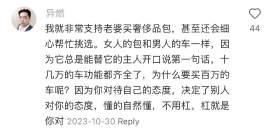


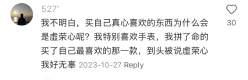

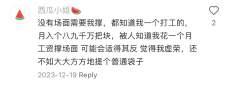
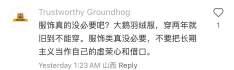


“Luxury goods are simply ordinary items, but if their consumption brings you joy, it becomes meaningful.”
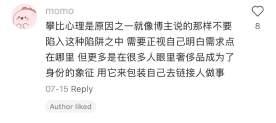
Negative
“Luxury goods are, by definition, premium products, and their consumption is largely driven by vanity, which is ultimately a meaningless behavior.”
China has grown to be the world's second-largest luxury market -and as its economy continues to strengthen
Although the majority of Chinese consumers have only been exposed to luxury goods for 40 years, , so does its consumption capability. Luxury brands have already fostered a large number of consumers in China.
In 2019, data from China’s luxury goods market shows that clothing, shoes, and bags dominate the market.
With the growth of China's GDP, mass consumption has gradually been upgraded. China now accounts for more than 33% of global luxury consumptionwhich is expected to rise to 40% by 2025.
According to the report on Chinese luxury brand consumers, the study found that both internal and external factors motivate Chinese customers to purchase luxury goods.
Reward themselves
Social circle
Alignment with personal taste
Show off their taste
High brand visibility
Obtain satisfaction Good quality
Strong design sense
Gift for special holidays
China s economy and society have experienced tremendous growth over the previous four decades, resulting in ongoing shifts in consumer behavior. The top five characteristics of luxury items are high cost, brand heritage, distinctive design, refined lifestyle, and craftsmanship.

interview:Li Na
age:24
job:middle school teacher
I began buying luxury brands during university. I saw many influencers on social media with designer bags and clothes, and I wanted to be part of that lifestyle. My first purchase was a handbag, and it felt amazing because I worked part time to save up for it.
Owning luxury brands boosts my confidence, but I’d say it’s also about how others perceive me. In our culture, carrying something high end says that you have taste and success. It s really influenced by social media, though everyone wants to look stylish and successful online. There s a certain status associated with luxury items. It s like showing others that you ve made it. I know it sounds superficial, but in certain social circles, it s almost expected. A luxury brand carries a reputation that people recognize instantly.”

interview:zhao hui
age:35
job:Marketing Specialist
I purchase luxury items for maintaining social status and reputation. In Chinese culture, it’s very important to display one’s success, and luxury items are a visible way to do so. Owning high end products signals wealth, power, and social standing. I also buy luxury products for social connections as well. Gifts of luxury items are often used to build or maintain relationships, especially in business contexts
Historically, wealth and power were exhibited through fine materials and intricate designs. Today, those same desires manifest in modern luxury goods.
The varying definitions of luxury goods purchases among the public reflect differences in consumption concepts and values in contemporary Chinese society. Surveys have revealed that luxury consumption behavior is influenced by traditional Chinese culture. I aim to start with clothing products and explore why the public is drawn to luxury clothing, examining this preference in relation to traditional Chinese culture.
China is a country with a rich and diverse costume culture. I have decided to explore the importance and symbolic significance of clothing to the Chinese people by studying ancient Chinese books on the website.
Comprehensive collection of ancient information for all ages
Considerations of choosing Chinese book
Greater authenticity with reliable and detailed insights Various types of clothing are meticulously documented
Data processing is more straightforward
Data Source Key words Chinese Ancient Books(https:// www.shidianguji.com/) clothing,job tittle,emotion, clothing description,material
Homepage
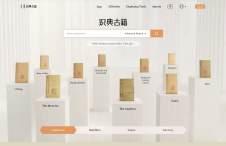
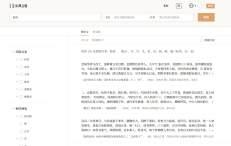
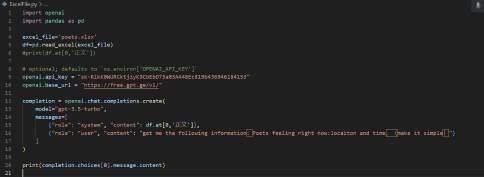
After collecting descriptions of clothing for different social classes from classical Chinese literature using Python, the data extracted was exported to an Excel table for data cleaning and secondary screening.
Following the research, I began to explore different types of charts to visually present the insights gathered. The charts primarily focus on illustrating how traditional Chinese culture influences people’s perceptions of clothing and the profound meanings these garments hold for Chinese society.
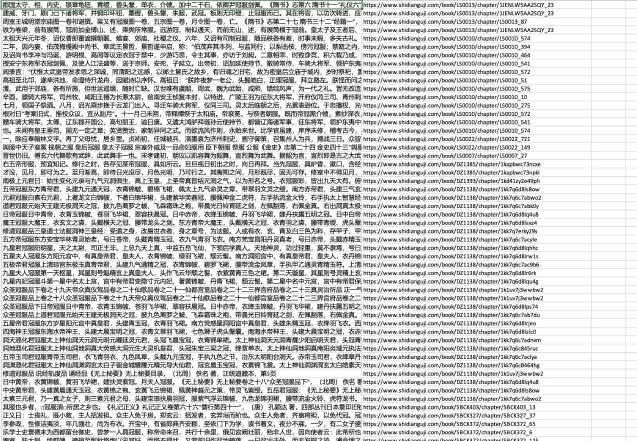
Following these steps, I used Python to scrape data related to traditional Chinese costumes, focusing on extracting information from various online sources. This included retrieving historical context, stylistic features, fabric details, and cultural significance for different dynasties, such as the Han, Tang, Song, and Ming periods.
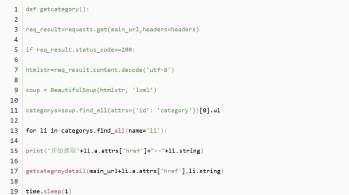
Get the catalogue on the ancient books website

Retrieve information on books related to corresponding ancient costumes Download the corresponding paragraph and export them to
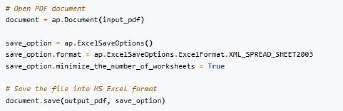
Then I removed all the unnecessary data from the columns by using python and ensured the data is ready for ChatGPT to analyze.
I used GPT to help me analyze key information, such as dynasty, clothing descriptions, and social class, to finalize my data and build a database.
Finally, I’m using AI to generate an image of a character in a specific costume to recreate the attire representing social hierarchy of that era.


The coronation robes of the emperors during the Han Dynasty were an important symbol of imperial authority and status. These robes were often made from luxurious materials such as silk and adorned......
Finally, I’m using AI to generate an image of a character in a specific costume to recreate the attire representing social hierarchy of that era.
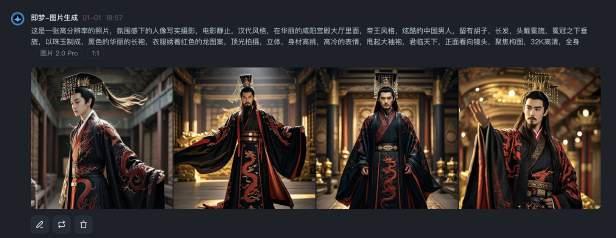
image depicts clothing representing social rank
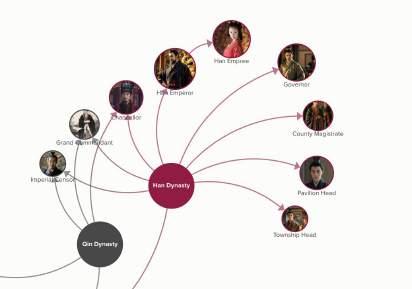
This graph illustrates the relationship between ancient Chinese clothing and social hierarchy across different dynasties, with circle size representing social rank and colors distinguishing dynasties, highlighting the connection between attire, status, and power.
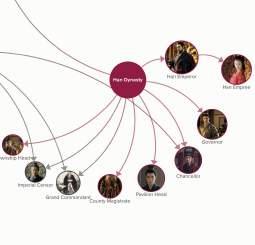
Social rank
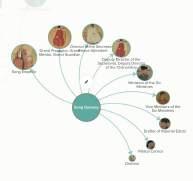
The size of the circle symbolizes social rank. When two nodes are the same size, they represent the same social rank.

Dynasty label
The audience can identify different dynasties by referring to the labels.
The colors represent different destinies. When the audience hovers over a dynasty node, they can view all the connected nodes.

The image depicts clothing representing social rank.
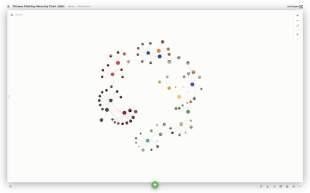
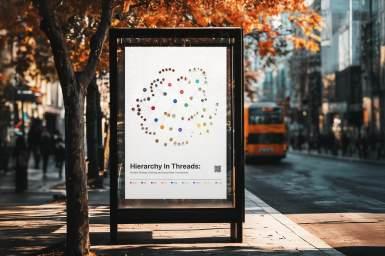
The audience can scan the QR code to explore the data website and enjoy an interactive experience.
I have thoroughly reflected on the data visualization project, carefully analyzed its strengths and weaknesses, and provided insightful suggestions for future improvements, focusing on enhancing clarity, interactivity, and scalability to create a more effective and engaging user experience.
The graph is novel and the color is bright.
The figure is readable and easy to understand.
2. They can view data on the website and interactive via mobile phone
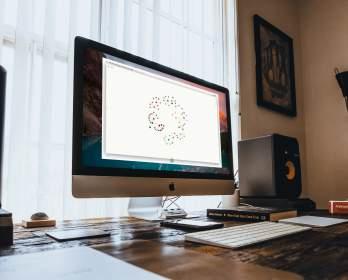
1. People can scan the QR code located at the bottom right on the poster
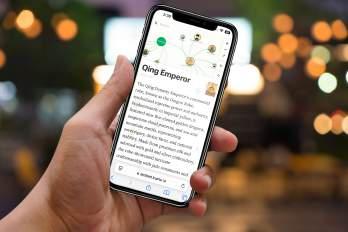
The relationship between clothing and social hierarchy is clearly shown.
Audience can easily interactive with the chart.
The nodes and connections in some areas appear crowded.
Smaller text in densely populated areas might be difficult to read.
3. They can also view the data on a desktop.
data on multiple platform to make the data large and more accurate
Tripo is a one-stop solution designed to help users plan their travels and share their experiences with the Tripo community. The app combines intelligent travel planning, customized itineraries, social features, and experiential travel products. With a user-centric approach, Tripo collects preferences to provide scientific and efficient travel solutions, making planning effortless. Our platform not only simplifies the planning process but also fosters a community-driven experience. Our goal is to enhance the overall travel experience and encourage user participation, creating a continuously improving travel tool that users can trust and rely on.
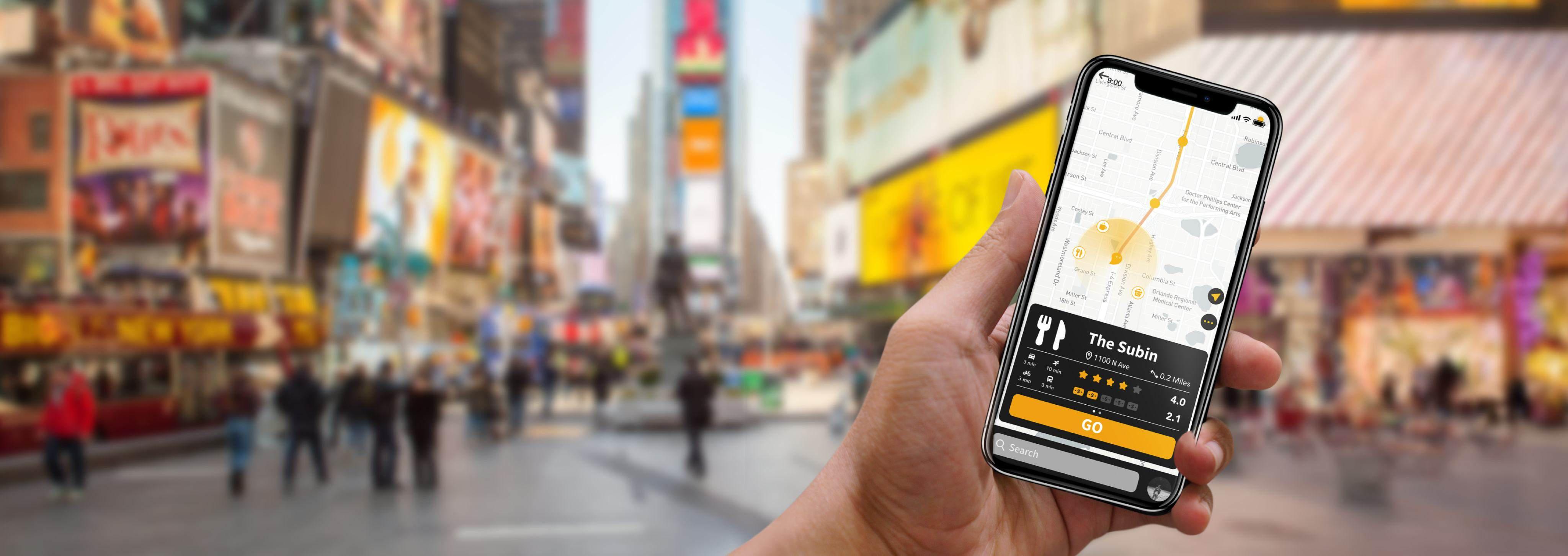
Team project 01.2022-04.2022 Figma, Illustrator, Photoshop
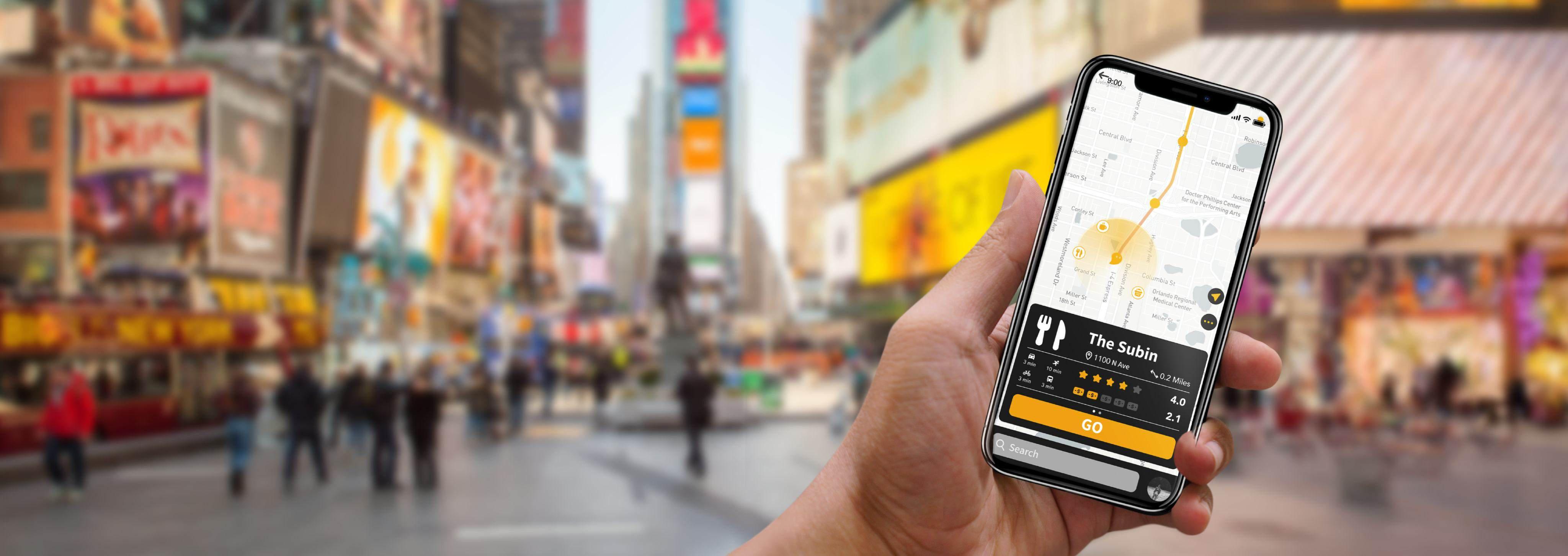

After the pandemic, as stay-at-home policies were relaxed, there was a noticeable surge in travel destinations around the world. According to statistics, the influx of tourists in 2022 reached unprecedented levels, but it was accompanied by a much lower satisfaction with the travel experience.

10% 31% 71%
Travel expenses have risen notably post-pandemic. A report from The Points Guy indicates that lodging prices have surged by 10% since 2019, while airfare has decreased by 6%. Overall, travelers are spending more, with the average trip length increasing from 4.5 days in 2020 to 5 5 days in 2024.
The Points Guy report found that every aspect of travel has increased as inflation rates drove up expenses in some areas, and general travel costs are higher than pre-COVID-19 pandemic, according to Statista. About 31% of people said it was too expensive to travel this year, up from 24% in 2023, according to a Deloitte 2024 summer travel survey.
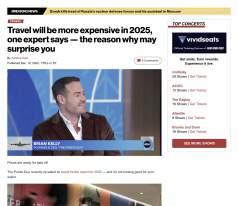

“I didn’t have enough time to plan my trip, and with so many options available, I felt overwhelmed and missed out on visiting popular attractions.”
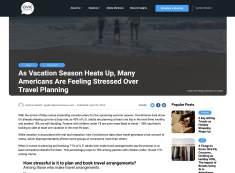
New CivicScience data show travel generates a fair amount of stress, which disproportionately affects some groups of consumers more than others. When it comes to planning and booking, 71% of U S adults who make travel arrangements say the process is at least somewhat stressful for them.
“I ended up overspending because I couldn’t figure out how to plan within my budget, and I wasted hours traveling between activities that were too far apart.”

“It was so hard to coordinate plans with my friends— everyone had different preferences, and we couldn’t agree on a schedule, which made the trip stressful.”

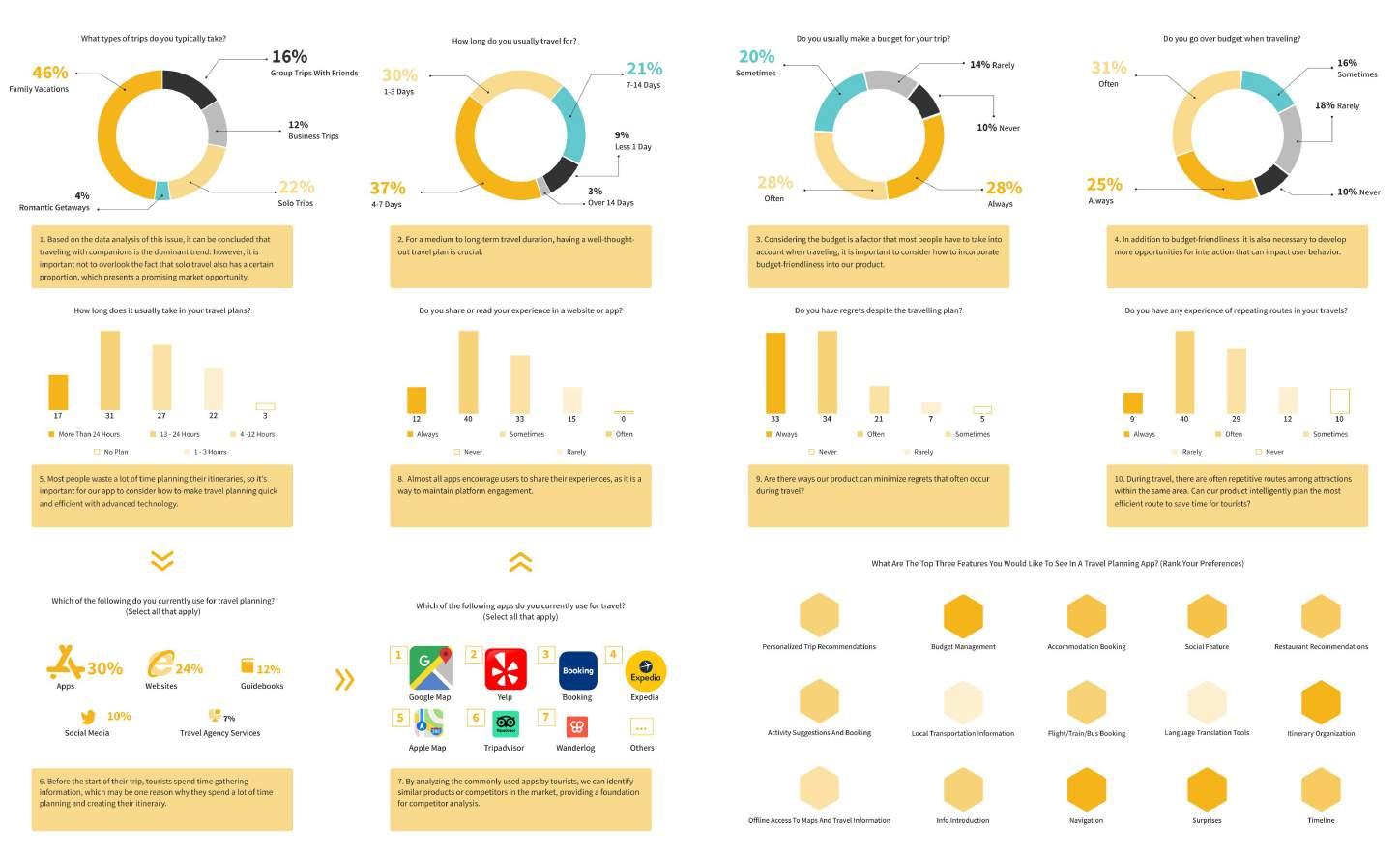
100 valid questionnaires,
To ensure a comprehensive understanding of tourist needs and satisfaction factors, we crafted a survey and distributed it within a limited scope. By analyzing we can identify the direction of user needs as well as the types and service scope of competitors in the market.
We compared other competitors to define strengths and weakness. Focus on travel planning apps for a deeper competitive analysis, and identify potential opportunities for our product. These potential features will guide us in improving our product.



Demographics
Age: 18
Sex: Male
Location: Guangdong, China
Occupation: College Student Budget: Low
Discover historical architectures in this city and make an efficient route pla
Save as much money as possibl Find someone to explore this city with him if it is possible
Have a hard time to make route plans since he is not good at plannin
Annoy at large amounts of options with nice description
Mike T. Peter L.
“I wanna discover this city from inside to outside while I’m staying in here.”

“In the end, Kids will only remember the time you spent with them.”
Mike comes to Beijing alone for his summer vacation. Since it is his first time here, he has no idea where to go and he does not make any plans before he comes. Although his has a limited budget for travel, he wants to get the most cost effective travel experience. He is obsessed with history and prefers to slow down and watch historical interests carefully.
Age: 36
Sex: Male
Location: New York, USA
Occupation: Architect Budget: High
Search for kids-friendly entertainment place fore his children to have fu Explore the new city and try different food Relax and chill after work and spend time with his family
Peter is a full time architect in New York. He is going to China next month for business. He cares his family so much, so he wants to take his wife and children with him to China, and they can have a trip there after he done with his work However, since this is his first trip in China, he doesn t know how to speak Chinese Language is his biggest concern.
It is hard for them always stick together and stay on the same page, since it is a long vacation, his wife sometimes gets her own plan
People have a variety of worries and concerns before and during travel, and often reality differs greatly from their expectations. After analyzing the result of questionnaires, we found out that....
Unclear Itineraries
People prefer to travel with a companion but It’s difficult to coordinate with other partners.
Budget Management
People have a travel budget but often exceed it in reality.
3
2
Overwhelming Options
Planning a satisfying trip takes time and can encounter obstacles.
Lack of Suprice
People want an organized itinerary while also leaving room for surprises.
Easy to use planning functions
Smart recommendation function
4
Customized user needs and interests Increase real time interactive experience
How can we increase travel satisfaction by for customized plans? building an interactive system
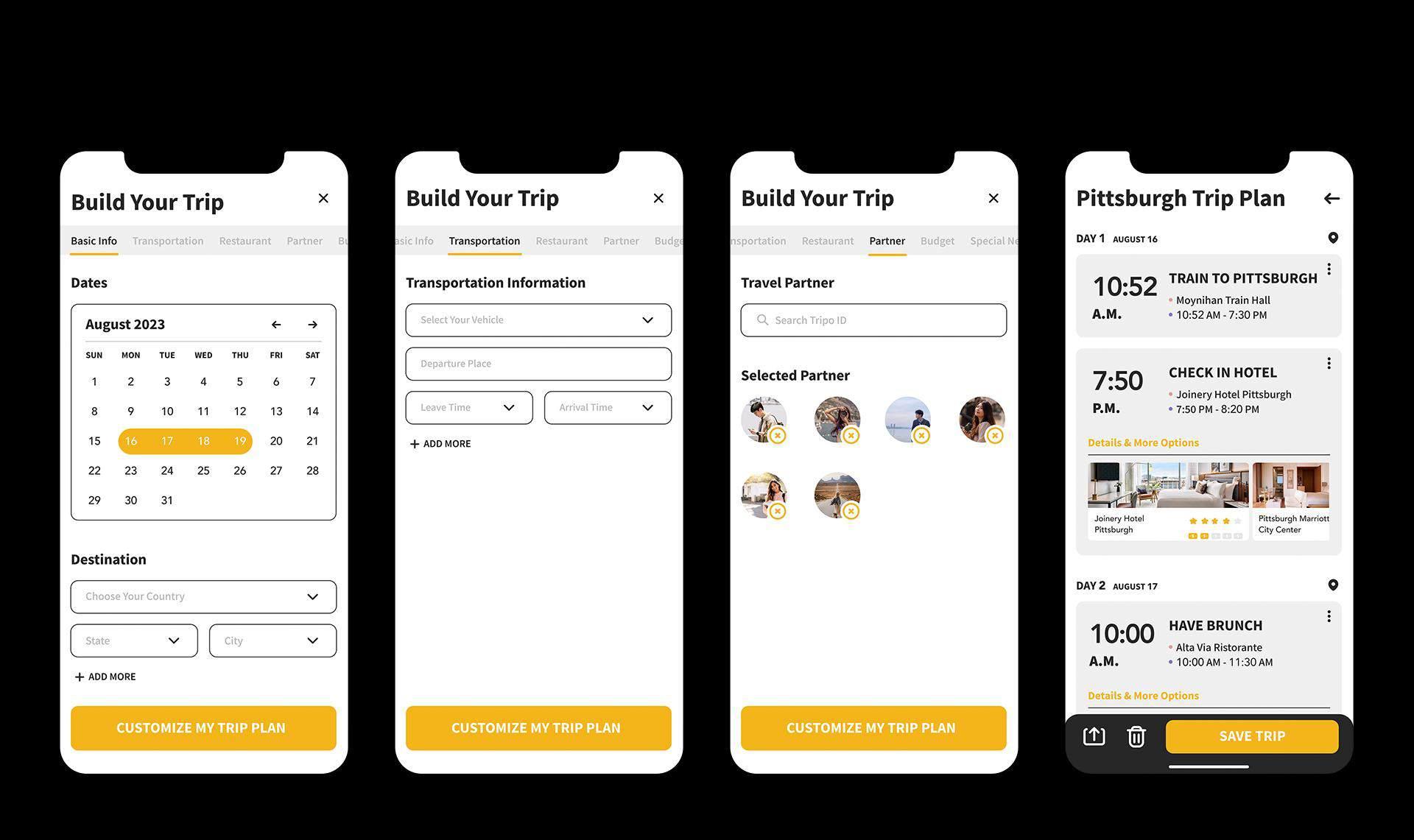
Customize a personal travel plan by entering all relevant information to generate an interesting plan with AI.
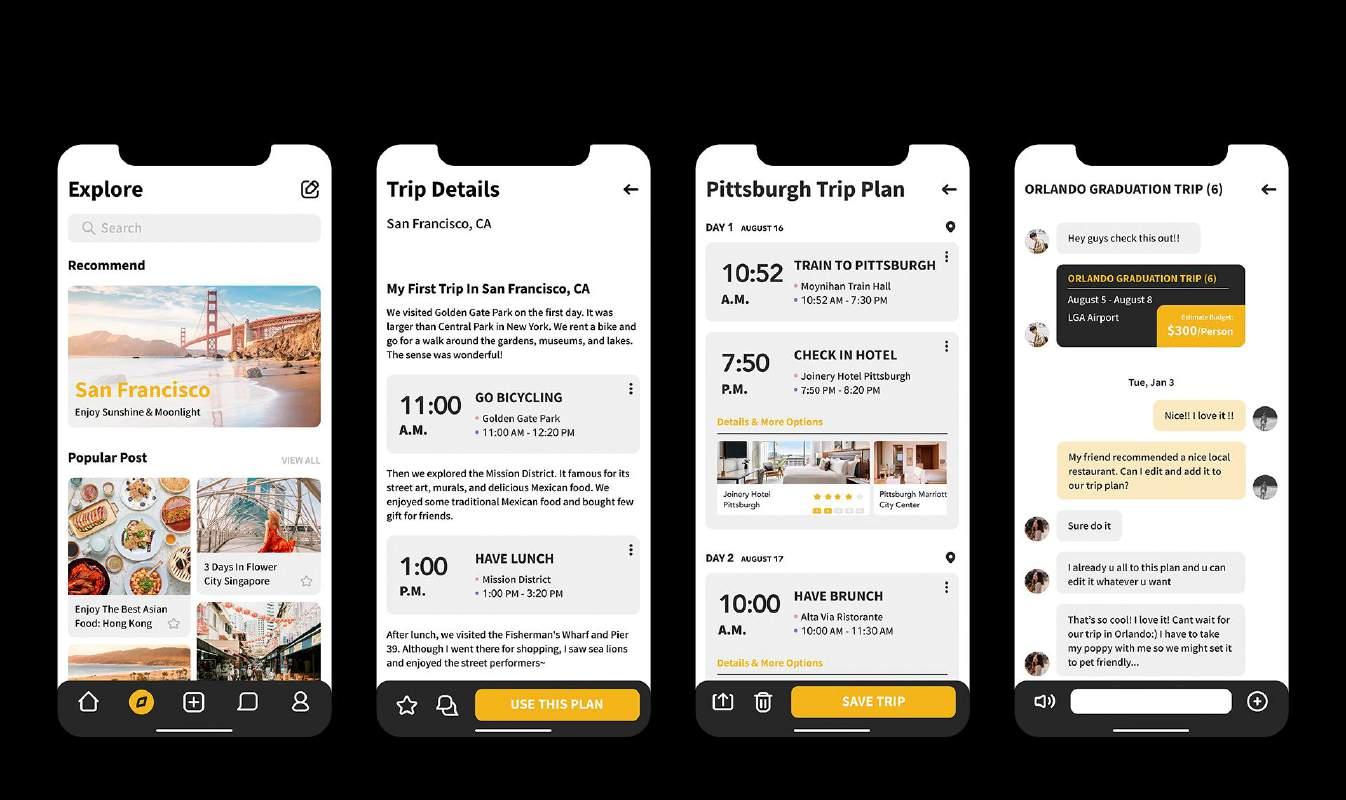
Users can share their pre plans to the group chat and edit it with other partner.
Users can add recommended places to their travel plan at any time. The system will automatically adjust the subsequent travel itinerary
Help users create a reasonable travel plan by enhancing the interactive experience and building a travel community.
Users can share their pre plans to the group chat and edit it with other partner.
Explore
Reminder
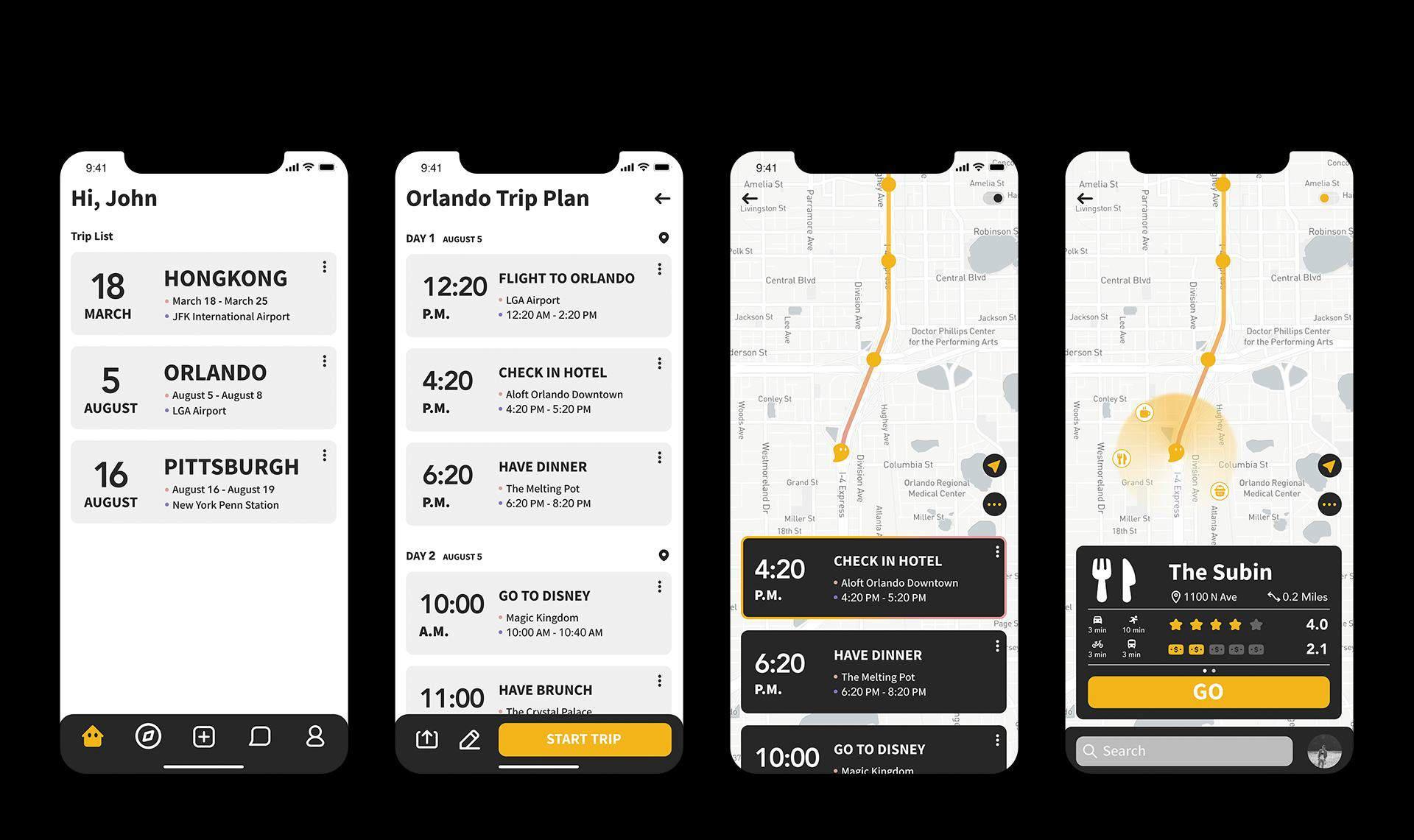
During the trip, the system will use the user s location to provide real time recommendations for nearby attractions or restaurants they might find interesting, guiding them to explore more exciting things.
Activate travel mode to experience an immersive journey. The phone will display the route to the next destination, estimated time, and itinerary references.
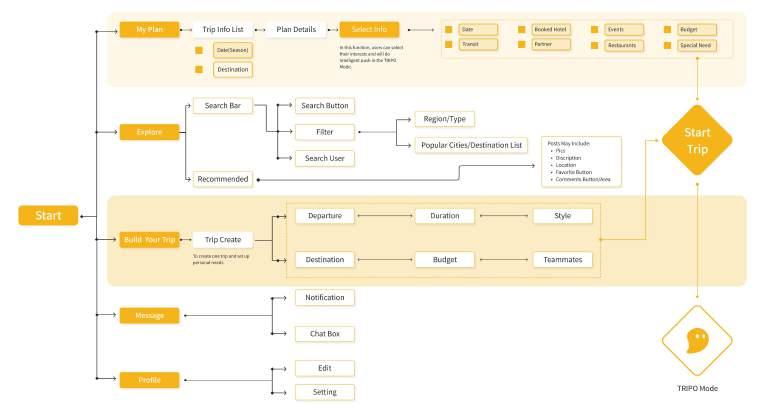
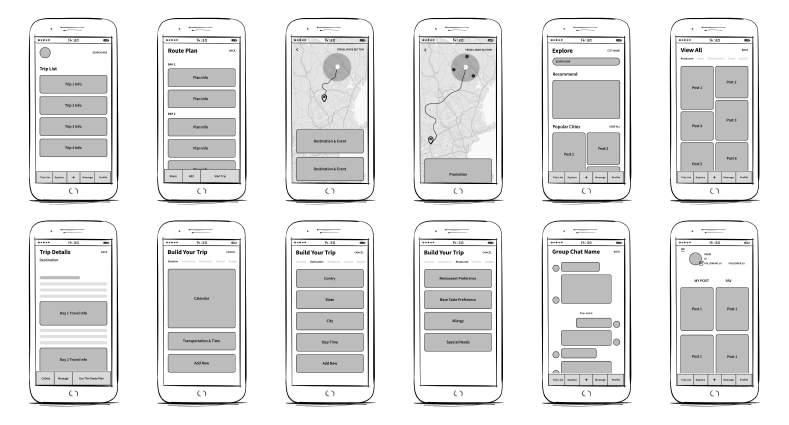
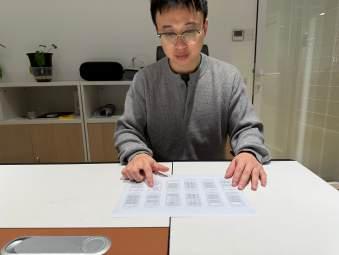
"The bottom navigation bar makes it easy to switch between the different sections of the app, like Trip List, Explore, and Profile. I like how consistent the navigation is across all screens—it’s easy to know where I am and how to get back."

It wasn’t immediately clear if clicking on the map would show me more details about the route or destinations—maybe add some interactive tooltips or hover effects. The promotions section on the map view could be more prominent or visually distinct so it doesn’t blend with other buttons."
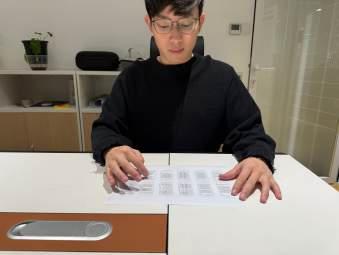
“I appreciate the balance between functionality and simplicity. The app doesn’t feel overwhelming despite having so many features." "Overall, it feels like the app is very user-friendly and makes travel planning something I’d look forward to rather than dread."
Low Fidelity Prototype
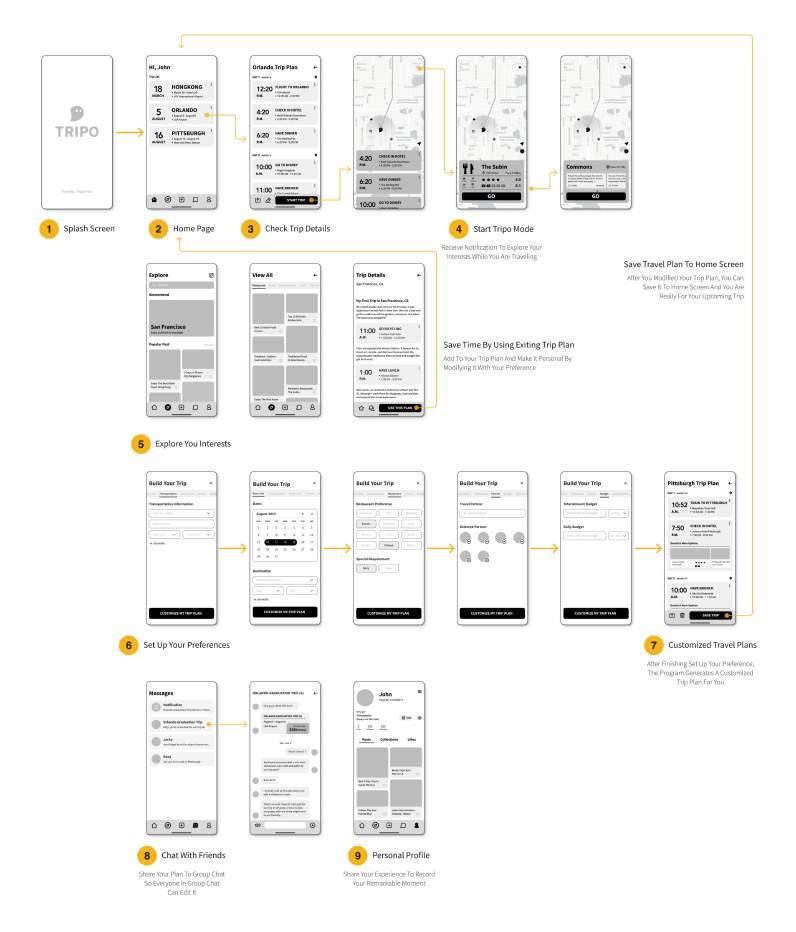
• Enabling Tripo mode uses pre-collected user data to suggest potential points of interest

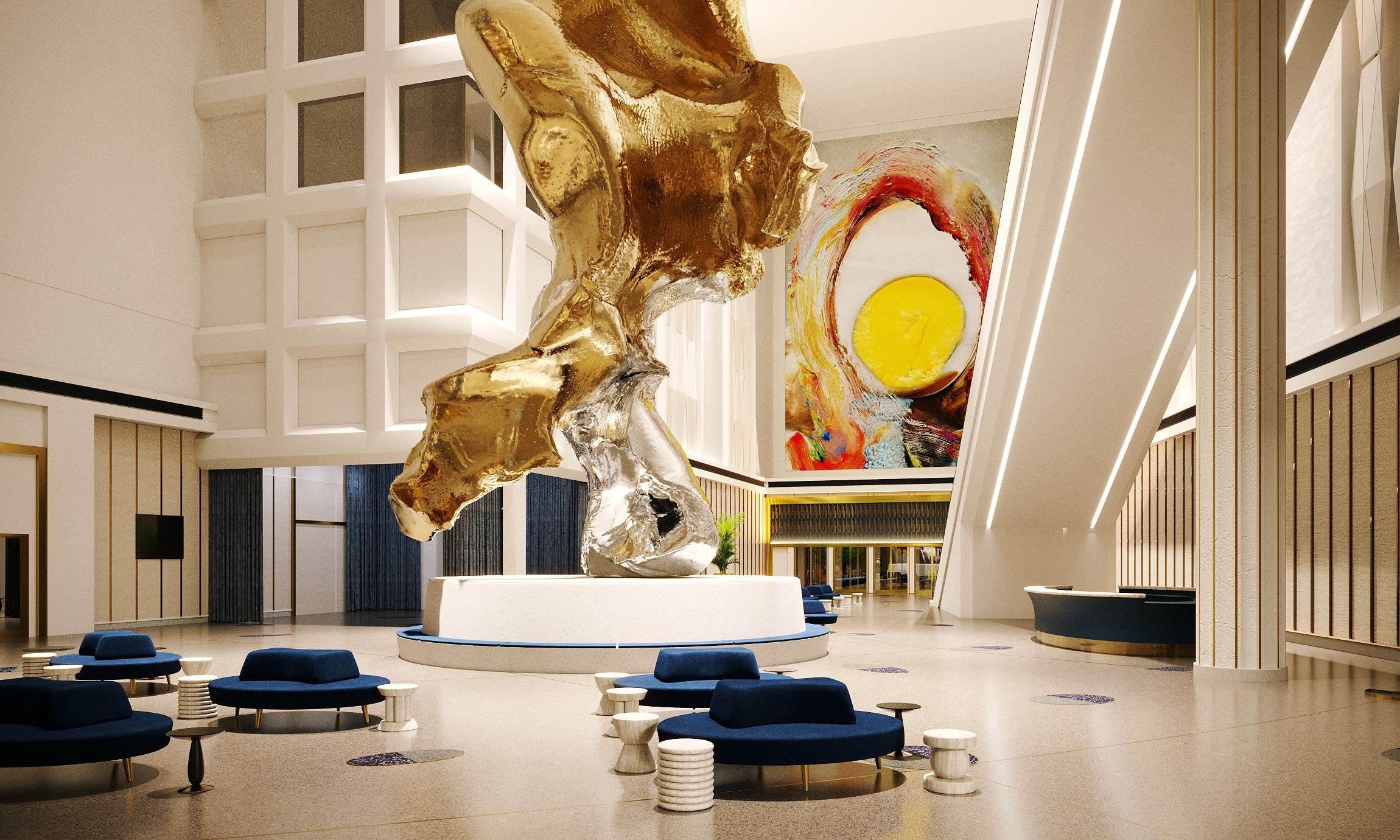
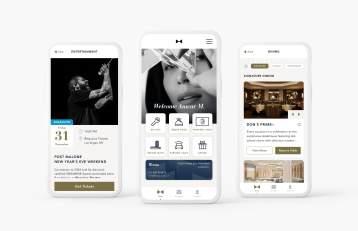
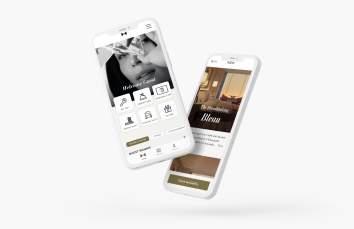
The Fontainebleau Las Vegas, located on the iconic Las Vegas Strip, is a resort and casino closely affiliated with Fontainebleau Miami Beach. Based on the website redesign, we developed a corresponding app for guests to enhance their experience during their stay. Our team successfully drove Fontainebleau app from concept to launch in 8 weeks, and product was released in November 2023. The app achieved over 10M+ downloads shortly after its launch. It's a significant improvement for Fontainebleau guests' experience, considering there was no app available previously.
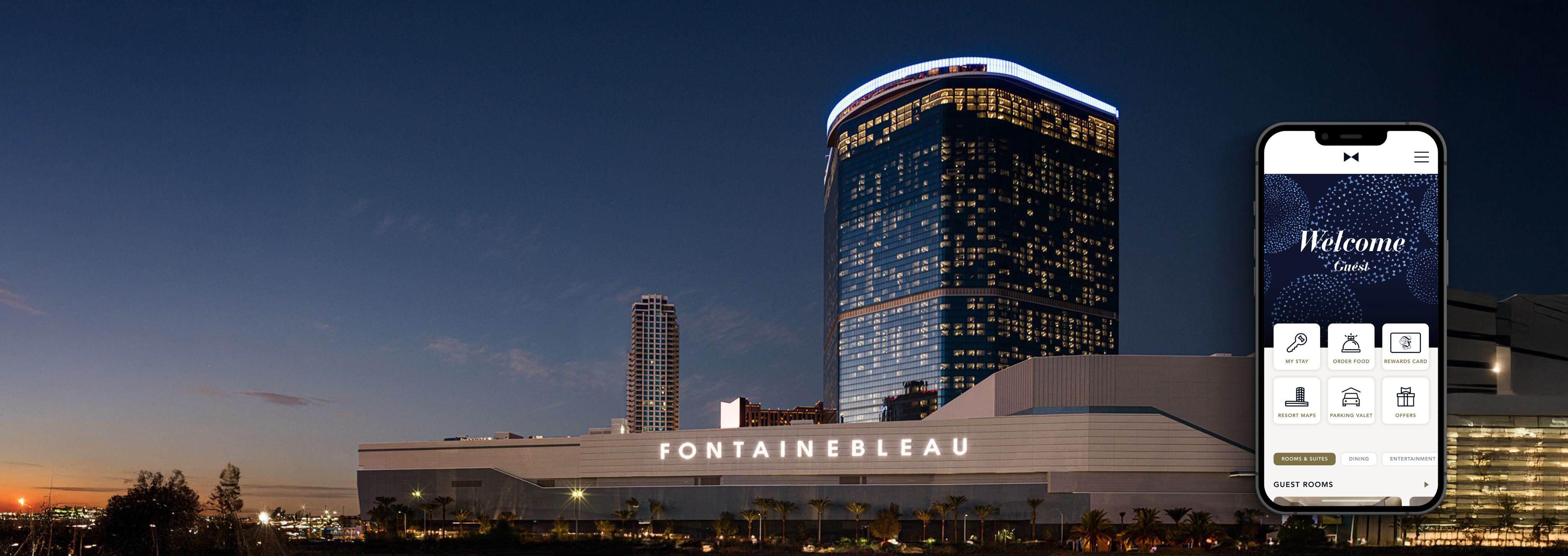
Team project 10.2023-12.2023 Figma, Adobe XD, Illustrator, Photoshop
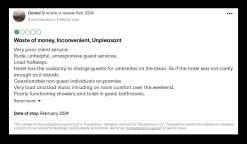
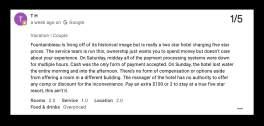
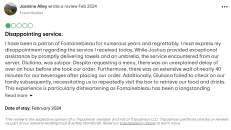
After our client requested us to design an app for customers along with the redesigned website to enhance the customer experience, we conducted research on Fontainebleau's feedback on TripAdvisor and Google. We discovered that Fontainebleau. has the lowest ratings compared to other resorts

We identify the root of problems by conducting a thorough analysis of various sources, including By examining user reviews, we gain valuable perspectives on common pain points and recurring issues. user feedback, published hotel experience articles, and insights gathered from social media platforms


We conducted an in-depth analysis of the hotel’s target consumer demographic, examining factors such as age, income level, lifestyle preferences, and travel habits. By gathering and analyzing this data, we aim to create detailed customer personas that accurately represent the core audience.
We analyze customer feedback on their stay experience to identify pain points in the hotel’s current services. Due to an many guests may not receive satisfactory or timely service during peak travel periods. imbalance in the guest-to-staff ratio
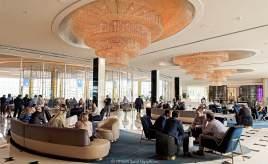
Guests may wait up to 30 minutes during peak hours due to high check-in/out volume and communication challenges.
During busy periods, guests might wait over 35 minutes to retrieve their car.

This group is generally highly educated, with many holding bachelor’s, master’s,
The check-in process was the first issue. We arrived during peak hours, and the lobby was extremely crowded. There seemed to be some miscommunication during check-in, and we didn’t get the room type we had requested. It took a while to sort it out, and we had to wait even longer before settling in.

Guests often wait around 40 minutes for food without receiving status updates.
Lost guests struggle to find assistance within the resort.
4

“Valet parking was another challenge. During busy hours, retrieving our car took over 35 minutes. Standing outside in the heat waiting wasn’t exactly what we had in mind for a luxury experience. Inroom dining was another pain point. We ordered food to our room, and it took nearly 40 minutes to arrive. What’s worse is that there were no updates or notifications letting us know about the delay.
Customers may need an integrated platform that allows them to quickly and efficiently access the services they desire, without relying on staff availability or waiting for assistance. This platform could offer features such as real-time updates, easy service requests, and instant confirmations, ensuring guests can address their needs seamlessly. By reducing dependence on staff intervention, such a system not only enhances the overall customer experience but also helps alleviate pressure on hotel staff, especially during peak periods. Ultimately, an integrated platform streamlines service delivery, minimizes delays, and empowers guests to have more control over their stay.
We held a brainstorming meeting to discuss solutions for the pain points we were currently facing. Once we gathered our ideas, we communicated with the development team to determine how we could implement them in reality.
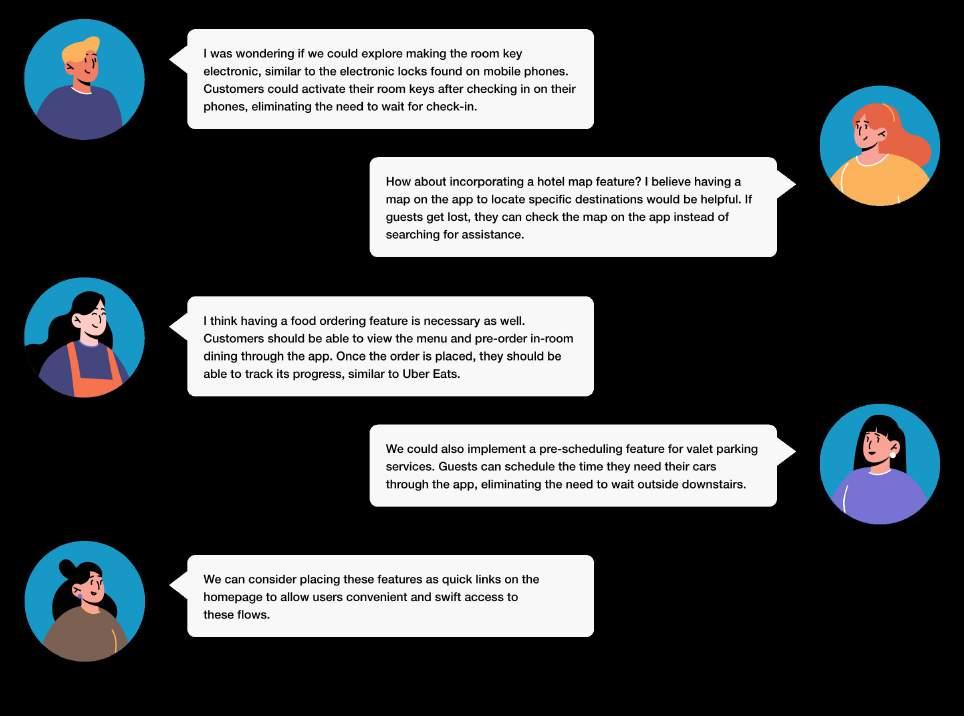
How can we create an for customers to fully access services through the app? integrated platform
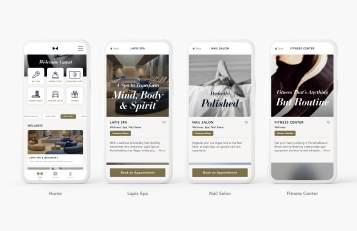
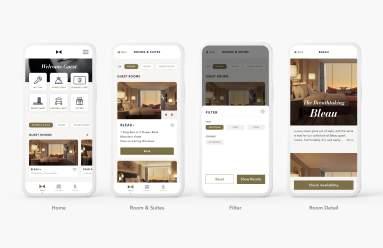
We placed 6 quick links on the homepage of the app, leading to frequently used guest services. In addition to the essential four services for our guests, we've also included rewards cards and offers for marketing purposes, aimed at promoting customer purchases.
The company targets high-end consumers seeking exceptional experiences, built upon a foundation of unwavering quality, impeccable service, and world-class entertainment.
Guests can easily check-in and check-out themselves and obtain a digital room key.
Guests can view resort maps and search for specific locations for directions.
It links to the text message inbox, so guests can claim their cars.
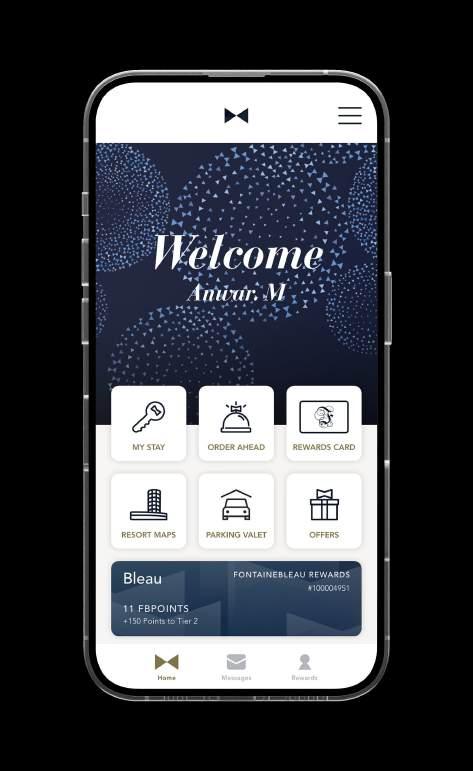
Guests can pre-order their in-room dining and track the delivery progress.
Guests can view their digital reward card here to check tier credits and display their QR code when making purchases.
Guests can view their special offer.
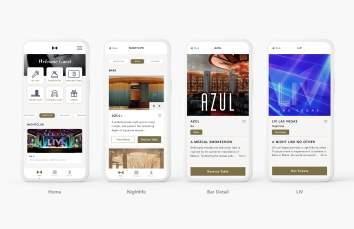
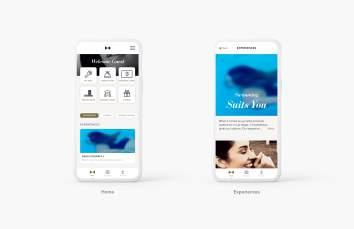
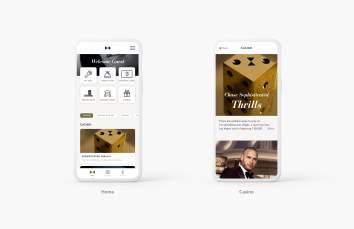
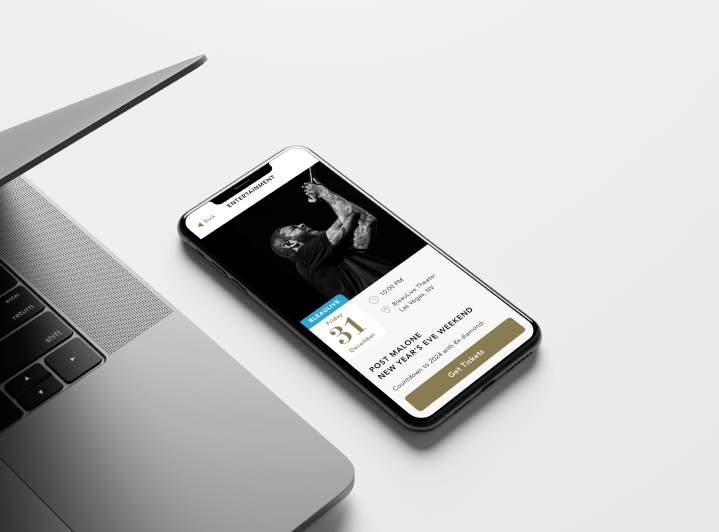
4.2 to 4.3
The app was developed from concept to launch and released in November 2023. It quickly gained showcasing its user-friendly design and ability to address key hospitality challenges. By streamlining services like check-ins, dining, and communication, it significantly improved the guest experience. This success also boosted the hotel’s Google rating from , reflecting enhanced customer satisfaction and loyalty. in just 12 weeks10M+ downloads
After its launch, the app quickly achieved 10M+ downloads, contributing to a 30% increase in hotel revenue.
Due to the limited timeframe, we were unable to conduct user testing before the launch. Consequently, we have been continuously updating the app based on user testing and customer feedbacks after the launch.
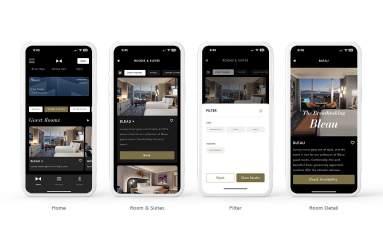
Our team completed this project under extremely tight time constraints, which significantly limited the time available for thorough research and iterative testing. Despite these challenges, I believe we delivered a highly successful commercial app that effectively meets both user and business needs. While the final product may not be flawless, it excels in addressing key operational pain points and enhancing the overall guest experience at the hotel.
Compared to similar competitors in the hospitality app market, our app prioritizes functionality over purely aesthetic appeal. Every feature was carefully designed with a clear purpose: to streamline hotel operations, reduce common friction points such as check-in delays, valet wait times, and in-room service inefficiencies, and provide guests with a seamless, stress-free stay. From intuitive booking flows to real-time service updates, the app aims to simplify interactions between guests and hotel services.
Furthermore, this app isn’t just a tool for improving user satisfaction it also plays a strategic role in driving business growth. By optimizing service efficiency, reducing operational bottlenecks, and offering upsell opportunities through personalized recommendations, the app has directly contributed to increased hotel revenue. This balance between user-centric design and business impact sets it apart as not just a functional solution, but a commercially valuable asset for the Fontainebleau Hotel.
https://kittylidesign.webflow.io/fontainebleau-app