Rocky Mountain
Contemporary Art with a Cowboy Flare
Casper artist blends unique bold style with timeless Western tradition
For Casper native and renowned Western Artist Anna Lynne Hansen, art has been deeply engraved into who she is for as long as she can remember.
In fact, one of her earliest memories of drawing dates back to when she was just three years old – long before she ever picked up a paintbrush with serious intention.
“My dad found his first Bible – the one he had when I was little – and he showed me a drawing I did in it when I was three. I instantly remembered drawing Jesus for him,” she shares.
Today, Anna is known for her striking, signature style – a unique blend of modern pop art with a timeless Western influence. Scratching the art itch
While growing up, art remained a central part of Anna’s life. She fondly recalls art being her favorite class throughout elementary school and an elective she pursued in high school whenever she had the chance.
As a young artist, Anna showed early promise, obtaining several scholarships to credited art institutions upon graduating from
Continued on next page
Dealing With Founder?
• Stops the pain quickly

•Stops the pain quickly
•Stops the pain quickly
• Painless application
•Painless application
•Painless application
• Works with or without shoeing
•Works with or without shoeing
•Works with or without shoeing
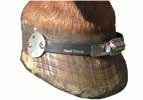



•Easy to apply
• Easy to apply
•Easy to apply
• Stops the pain quickly
•Stops the pain quickly
• Realigns the hoofwall to the coffin bone Founder?
• Painless application
•Realigns the hoofwall to the coffin bone
•Realigns the hoofwall to the coffin bone
•Painless application
•Works with or without shoeing
• Works with or without shoeing
For more


or to place
• Easy to apply
For more information or to place your order, call 855-44CINCH or visit www.hoofcinch.com
order, call 855-44CINCH or visit www.hoofcinch.com
•Easy to apply
•Realigns
• Realigns the hoofwall to the coffin bone

For more information or to place your order, call 855-44CINCH or visit www.hoofcinch.com
For more information or to place your order, call 855-44CINCH or visit www.hoofcinch.com

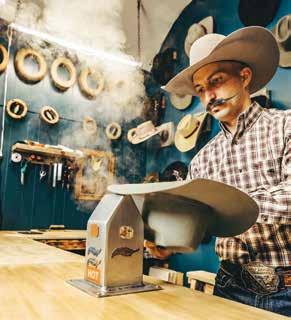
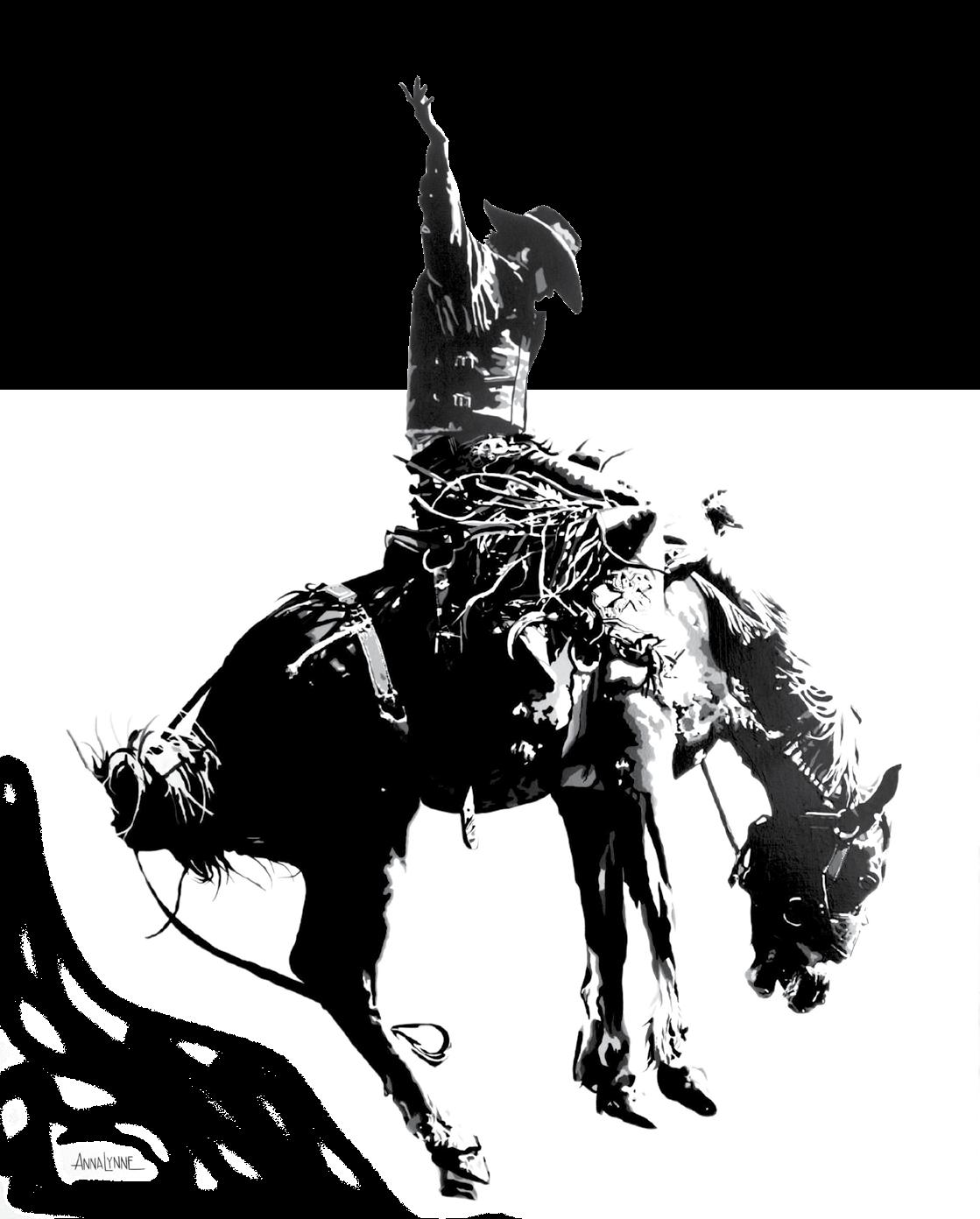
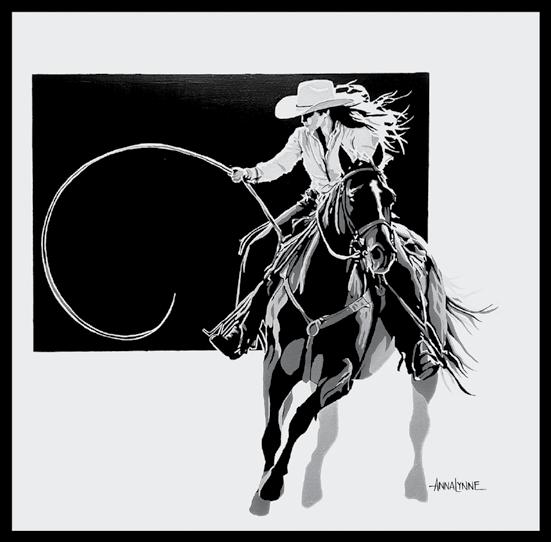
Wyoming artist – Anna Lynne Hansen is a Casper native and a renowned Western artist. Cover art titled “Rodeo” by Anna Lynne Hansen. Courtesy photos
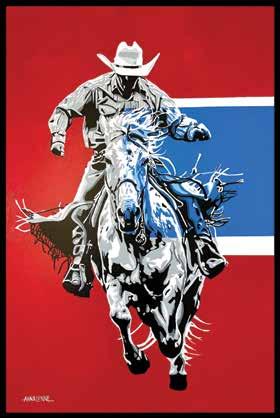
Vibrant and expressive – When Western Artist Anna Lynne Hansen does incorporate color into her mostly monochromatic portfolio, it’s done with purpose – often vivid and expressive to add layers of emotion. This painting is titled “Yankee Doodle.” Courtesy photo
Continued from previous page
high school. However, like many creatives, she was strongly urged to pursue a more “practical” path.
“I bit the big lie by counselors that art was just a hobby I could do alongside a ‘real career,’ so I started college down a road without art in it,” Anna admits. “Two years later, while I was in college, I met my husband and jumped on the wagon of quitting a degree that didn’t fulfill me.”
Instead, Anna got married and started her family –a move she found deeply fulfilling – and while her children remained her top priority, she found herself picking up graphite, charcoal or pen and ink whenever the opportunity arose.

“A lot of my paintings are in black and white, because I feel black and white is timeless, just like the Western way of life. It tells a story.”
ANNA LYNNE HANSEN
When her youngest child left for school, Anna found she had more time to focus on her art more intentionally.
“I found that art ‘itch’ that needed scratched and I decided to paint,” she says.
Defining her unique style
In returning to her craft, Anna experimented with a wide variety of mediums and techniques in search of what felt most natural. She eventually found her stride with acrylics, although she still likes to work with charcoal, graphite and pen and ink every once in a while.
“I found acrylics work best with who I am,” she shares. “I like the creative freedom to continue as long as I feel inspired without having to wait for layers of paint to dry.”
Today, Anna’s work stands out for its bold, distinctive style, which she
Continued on next page
describes as a form of pop art with Western flare.
Her use of bold shapes, strong contrast and intentional simplicity allow viewers to engage with each of her pieces in a more personal way.
“The contemporary bold shapes and images allow the mind to tap into the imagination to fill in the gaps of detail,” she states. “A lot of my paintings are in black and white, because I feel black and white is timeless, just like the Western way of life. It tells a story.”
When she does incorporate color, it’s with purpose – often vivid and expressive to add another layer of emotion to the piece. Making a statement, capturing emotion
Whether bold and monochromatic or colorful and vibrant, Anna’s work leans more toward what she calls “collective art” than purely decorative pieces.
“It evokes emotion, and it makes a statement,” she says, noting her strongest inspiration is and always has been human subjects – especially those with ties to the culture of the American West.
“The Western culture is timeless and one that is part of our heritage here in Wyoming,” she adds. “The cowboys from hundreds of years ago look like the ones today – a rugged way of life that carries a certain charm.”
Horses and livestock also play a central role in her compositions, although they are often depicted as partners in a shared way of life, rather than simply just animals.
“Part of the adventurous spirit we carry here in the West are the horses and animals that come with this way of life,” Anna states. “There is a pairing and partnership accompanying cowboys and cowgirls with their horse. It’s a magical scene even Hollywood tries to capture.”
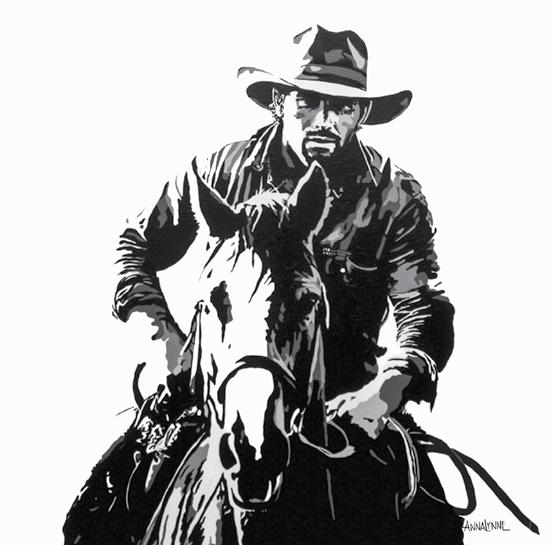
In addition, Anna also draws inspiration from the wide-open landscapes and natural beauty of the state she calls home, of which she speaks with humble gratitude for.
“I’m in love with our beautiful state of Wyoming and so
Continued on next page
•
•
•
•
•

Cowboy culture – Anna Lynne Hansen draws a lot of her inspiration from the wide-open landscapes, natural beauty and cowboy culture of the state she calls home. This painting is titled “Steel.” Courtesy photo
thankful it is my home,” she says. “There are familiar scenes that become a core memory and a way that makes us who we are. There’s a sense of pride being a part of this, and it’s an honor to capture it.”
Anna also notes she likes the freedom of painting on big canvases.
“I feel claustrophobic on a small area,” she says. “I love the freedom to paint big.”
Moving forward with enthusiasm
When it comes to the obstacles she has had to overcome to get to where she is today, Anna admits her greatest challenges have been inward.
“The feeling and thoughts of not measuring up and comparing myself to other artists have been my greatest challenges,” she says. “The challenge I believe we all have is to find out what our talent is and run with it. There are endless techniques and styles in art and to find the one that flows out of and reflects us can be a struggle, but when you find it, it’s easy to love what you do.”
Despite these bumps in the road, Anna has had a highly successful career. Among her many accolades, however, she is quick to point to her family as her greatest accomplishment.
“My kids are my life, and I’m so proud to be their mom,” she says. “The four of them and my husband are my biggest cheerleaders.”
With their steady support and her own can-do attitude, Anna’s creative drive shows no signs of slowing down. She paints every day to scratch the “itch” and to create the scenes she has floating around in her head, moving from one idea to the next with unwavering enthusiasm.
For more information on Anna Lynne Art, visit annal-

ynneart.com/
Hannah Bugas is the managing editor of the Wyoming Livestock Roundup. Send comments on this article to roundup@ wylr.net.
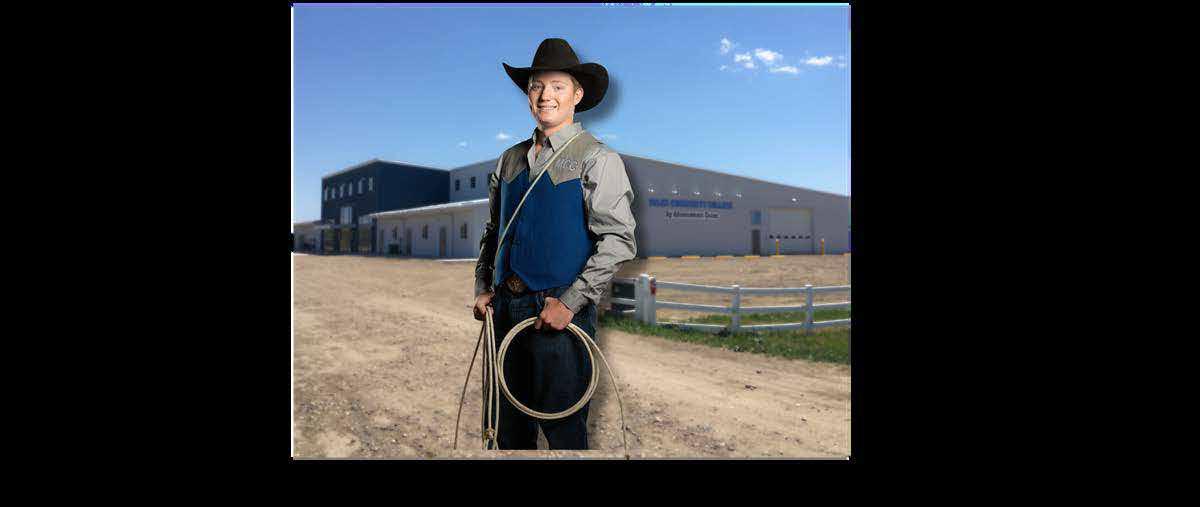
With a ranking among the top five community colleges to attend for equine studies, you can confidently turn your passion into a profession with hands-on training, dedicated
Signature style – Bold shapes, strong contrast and intentional simplicity create Anna Lynne Hansen’s striking, signature style, which she describes as modern pop art with a timeless Western influence. This painting is titled “Madison.” Courtesy photo
SPRINGTIME IS HERE, AND YOU’VE GOT A THIN CREW, BUT THERE ARE ABOUT 300 CALVES TO BRAND AND GET THROUGH.
SPRINGTIME IS HERE, AND YOU’VE GOT A THIN CREW, BUT THERE ARE ABOUT 300 CALVES TO BRAND AND GET THROUGH.
YOU’VE CALLED EVERYONE YOU KNOW, AND THEY’RE ALL BUSY, AND NOW YOUR LACK OF A CREW HAS YOU UP IN A TIZZY.
YOU’VE CALLED EVERYONE YOU KNOW, AND THEY’RE ALL BUSY, AND NOW YOUR LACK OF A CREW HAS YOU UP IN A TIZZY. SO YOU GET TO THINKING AND WISH THERE WAS A WAY THAT UW HAD SOME PROGRAM THAT COULD SAVE THE DAY.
SO YOU GET TO THINKING AND WISH THERE WAS WAY THAT UW HAD SOME PROGRAM THAT COULD SAVE THE DAY.
AND THEN YOU HEAR ABOUT THE RANCH MANAGEMENT AND AGRICULTURAL LEADERSHIP PROGRAM AND REALIZE THEY MIGHT BE ABLE TO SAVE THE DAY, WHEN THEY ARE TURNING OUT STUDENTS WHO UNDERSTAND THE RANGE AND HOW TO HAY.
AND THEN YOU HEAR ABOUT THE RANCH MANAGEMENT AND AGRICULTURAL LEADERSHIP PROGRAM AND REALIZE THEY MIGHT BE ABLE TO SAVE THE DAY, WHEN THEY ARE TURNING OUT STUDENTS WHO UNDERSTAND THE RANGE AND HOW TO HAY.
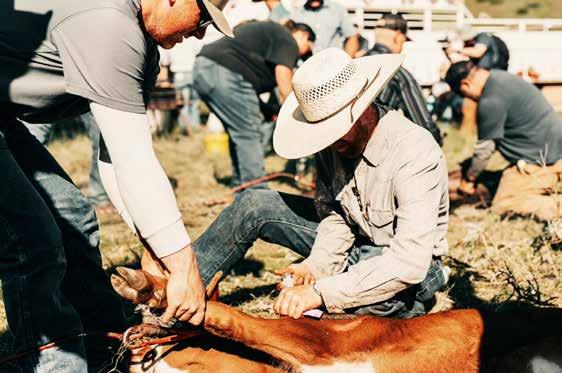
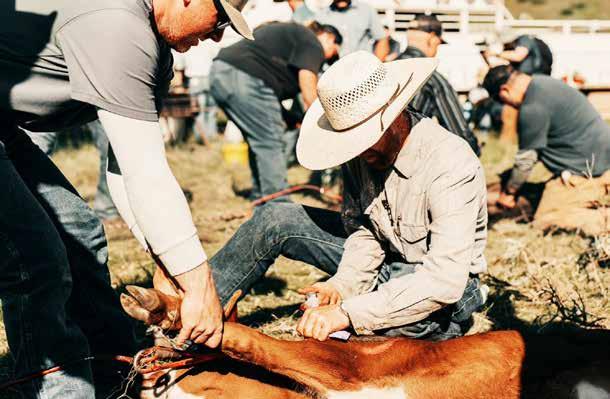
THE STUDENTS TAKE CLASSES EACH WEEKDAY TO LEARN ABOUT BUSINESS, RANGE, CATTLE, AND WHATEVER ELSE MAY COME THEIR WAY.
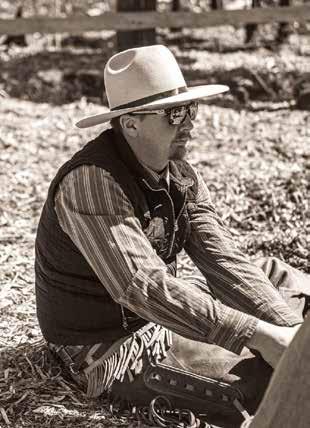
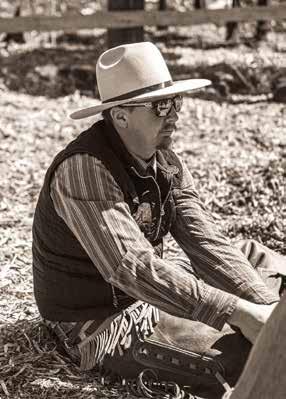
THE STUDENTS TAKE CLASSES EACH WEEKDAY TO LEARN ABOUT BUSINESS, RANGE, CATTLE, AND WHATEVER ELSE MAY COME THEIR WAY. STUDENTS INTERN ON RANCHES, AGENCIES, FEEDLOTS, AND SHADOW RANCH MANAGERS THROUGHOUT THE YEAR SO THAT THEY CAN BE WELL-VERSED AND CARE FOR YOUR STEERS. SO IF YOU’RE LOOKING FOR A DEGREE THAT’S A THREE-IN-ONE, WITH AG BUSINESS, RANGELAND, AND ANIMAL SCIENCE ALL COVERED UNDER THE SUN, RMAL MAY BE JUST YOUR KIND OF FUN. WE OFFER CERTIFICATES TOO, IN AG LEADERSHIP AND LANDMAN THINGS IF THAT’S WHAT YOU’RE INTO.
STUDENTS INTERN ON RANCHES, AGENCIES, FEEDLOTS, AND SHADOW RANCH MANAGERS THROUGHOUT THE YEAR SO THAT THEY CAN BE WELL-VERSED AND CARE FOR YOUR STEERS. SO IF YOU’RE LOOKING FOR A DEGREE THAT’S A THREE-IN-ONE, WITH AG BUSINESS, RANGELAND, AND ANIMAL SCIENCE ALL COVERED UNDER THE SUN, RMAL MAY BE JUST YOUR KIND OF FUN. WE OFFER CERTIFICATES TOO, IN AG LEADERSHIP AND LANDMAN THINGS IF THAT’S WHAT YOU’RE INTO.
THE RMAL PROGRAM IS A DIVERSE DEGREE, AND MIGHT BE EXACTLY WHAT THE RANCHING INDUSTRY NEEDS.
THE RMAL PROGRAM IS A DIVERSE DEGREE, AND MIGHT BE EXACTLY WHAT THE RANCHING INDUSTRY NEEDS.
GIVE US A SHOUT IF THERE’S MORE YOU WANT TO FIND OUT, AND WE WILL GIVE YOU ALL OF THE DETAILS WITHOUT A DOUBT.
GIVE US A SHOUT IF THERE’S MORE YOU WANT TO FIND OUT, AND WE WILL GIVE YOU ALL OF THE DETAILS WITHOUT A DOUBT.
Frozen Fury on the Plains
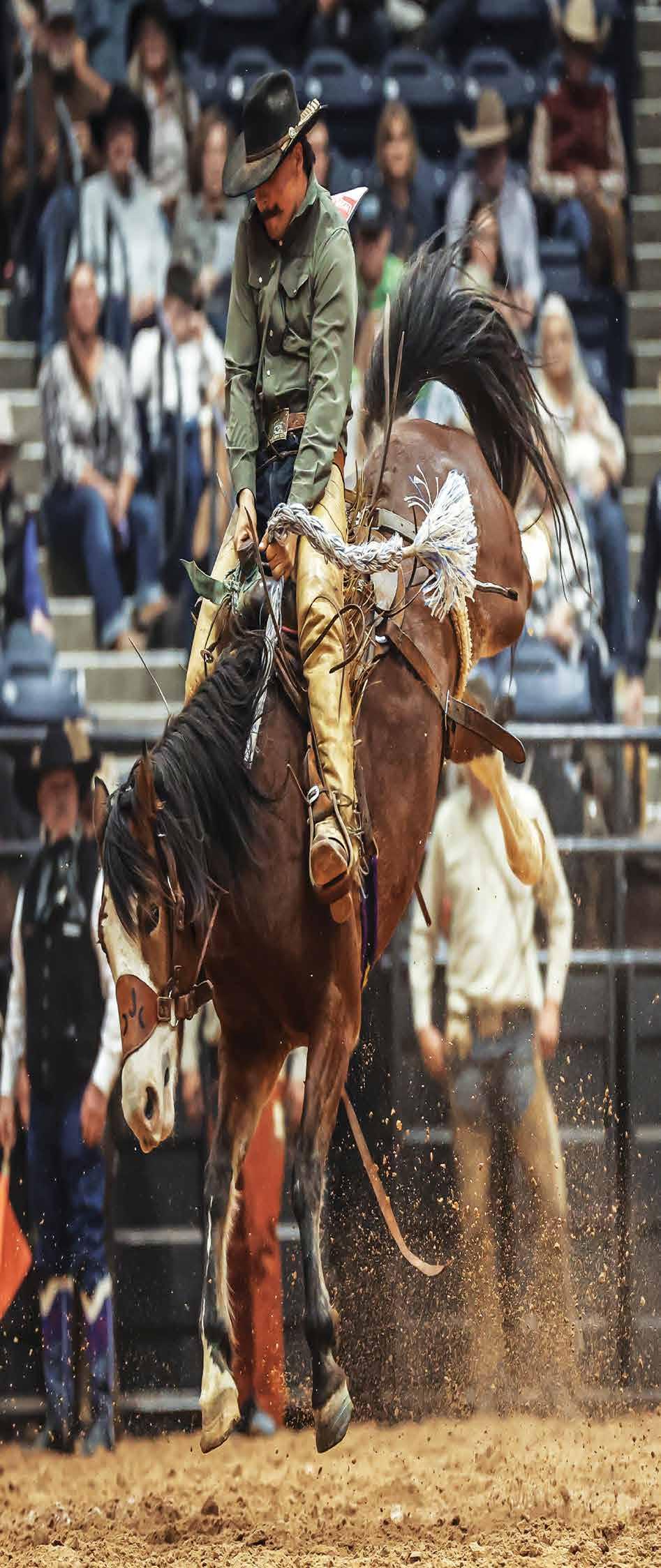
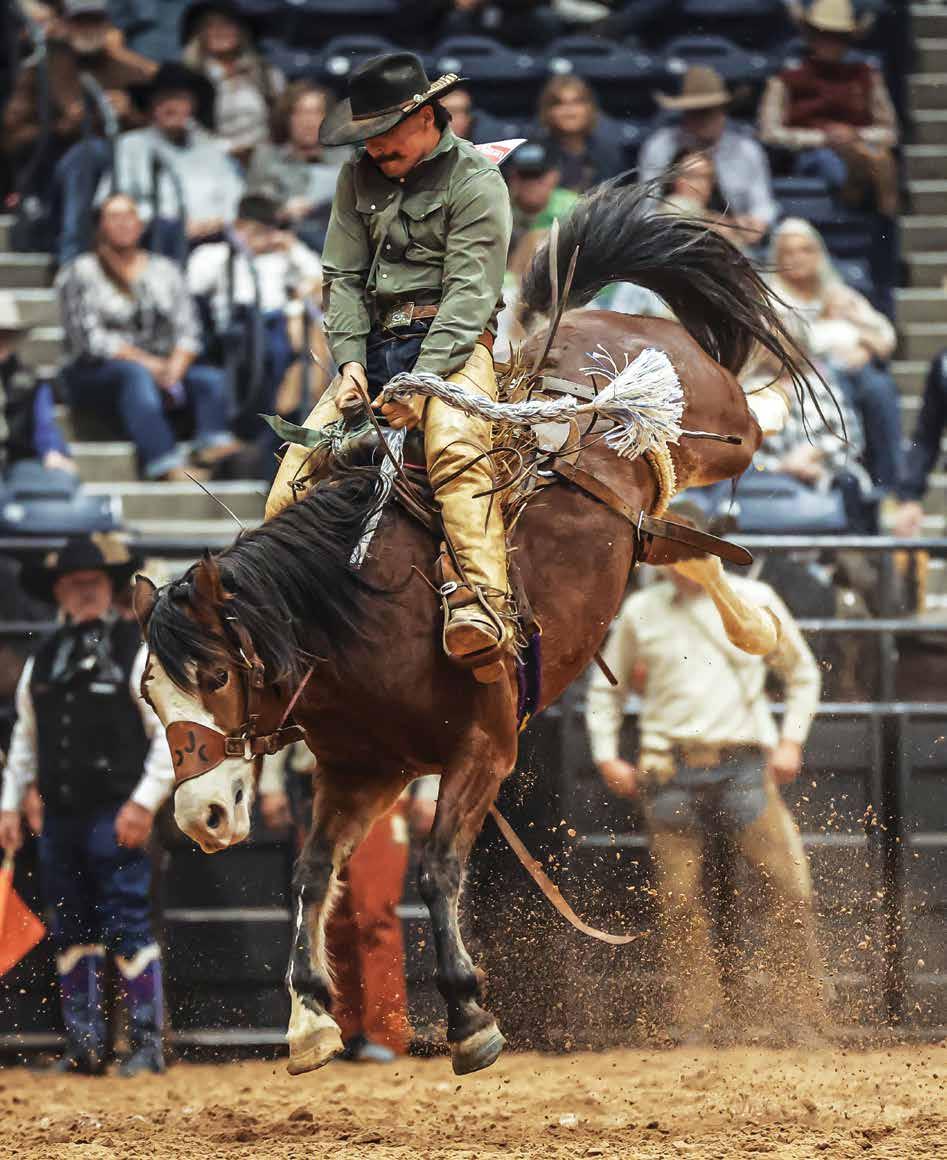
Winter bucking bronc futurity showcases tough cowboys and raw horsepower
In the dead of winter when most rodeo arenas have gone dark and quiet, Wyoming’s capital city comes to life for a full day of rowdy excitement and raw horsepower.
Frozen Fury on the Plains, a bucking bronc futurity match held every February in Cheyenne, is quickly becoming a popular competition and crowd-pleasing spectacle for cowboys and spectators across the West and beyond.
A unique winter event
According to Boots on the Ground Productions Cofounder Jim Walter, Frozen Fury on the Plains came about after the Event Center at Archer was built on the Laramie County Fairgrounds and organizers struck a deal in order to procure an indoor rodeo arena.
Part of this agreement was that Visit Cheyenne would put on a winter rodeo event during the venue’s slowest time of year.
“We talked with our partners Dave and Cindy DeLancey at Hell on Wheels Rodeo Company about what would be the most logical thing to do, and we came up with a bucking horse futurity,” Jim explains. “It just kind of worked out, and it all came together really well that first year.”
As an extension of the summer Hell on Wheels Rodeo and Chuck Wagon Dinner Series, Frozen Fury on the Plains is a unique event which simultaneously allows stock contractors to buck their young four- to five-year-old horses in front of a crowd and gives cowboys – including Professional Rodeo Cowboys Association (PRCA) permit holders, PRCA rookies and non-PRCA contestants – the opportunity to cover a different kind of roughstock.
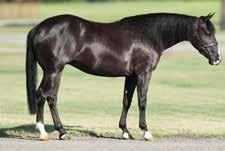
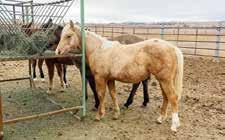
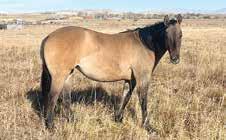
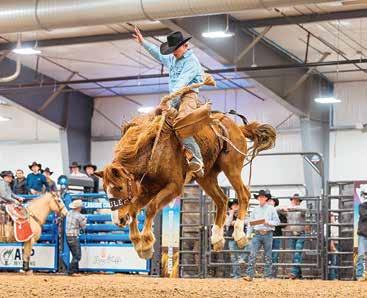
Jim notes the event center’s intimate venue seats 1,000 people right on top of the rodeo action.
“There’s not a bad seat in the house,” he says. “The worst seat
Continued on next page
YZ
Quarter Horses
Yearlings, 2 & 3 Year Olds
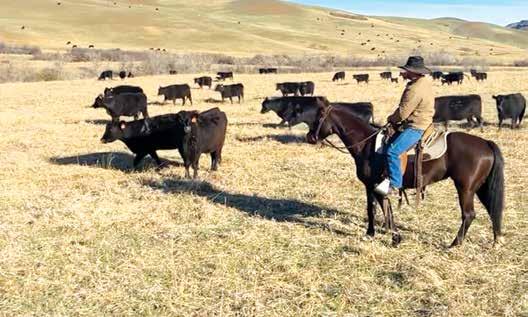
Sires Include: Shiners Voodoo DR • Brother Jackson • Neverr Have I Ever Whizkey N Diamonds • My Masterwood • Bonny Blues Spurs Black Label • Tressies Royal Frame
Z

Unique competition – Frozen Fury on the Plains is a unique and popular winter competition for young cowboys on the rodeo circuit. Joy Crouch photo
at the Event Center at Archer is better than the best seat at some rodeo venues.”
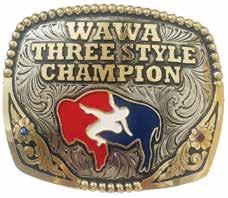
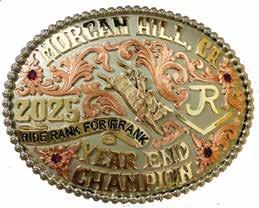
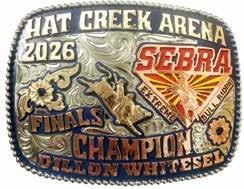
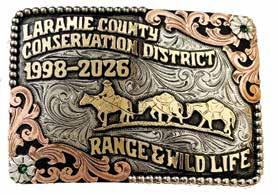
Additionally, according to the event’s official website, the rodeo pays back 100 percent of entry fees and an additional $4,000 to cowboys and stock contractors as prize money. Winners also receive a custom belt buckle and a bottle of Hell on Wheels Bourbon from Pine Bluffs Distilling.
2026 futurity highlights
The 2026 Frozen Fury on the Plains took place on Feb. 7, and Jim notes the third annual event was highly successful.
A total of 27 cowboys hailing from Montana, Texas, Wyoming and Canada competed in the long go with 13 advancing to the short go. In all, 40 horses bucked over the course of the night.
“This year’s event went very well,” Jim states. “The weather was perfect, and it was the third year in a row we had a sellout crowd.”
The competition also proved as tight as it was entertaining, with both first and second place honors ending in a two-way tie.
With 81 points each, Trey Shadlock and Lonnie Dunn topped the podium, while Christopher Nelson and Porter McCumber each marked 79 points to tie for second place.
Additionally, with just half a point to spare, Russell Kling Rodeo was the named the top stock contractor, earning 119.5 points on the night.
Jim notes next year’s futurity is already on the calendar, and organizers are looking at ways to bulk up the event.
“We’re really looking at how we can extend the weekend,” Jim states, noting organizers are considering making the event a twoto three-day, jam-packed weekend of Western fun.
While plans are still in the works, Jim says people can defi-
ZT QUARTER CIRCLE Performance Horses
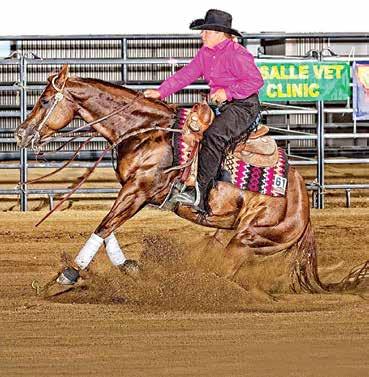
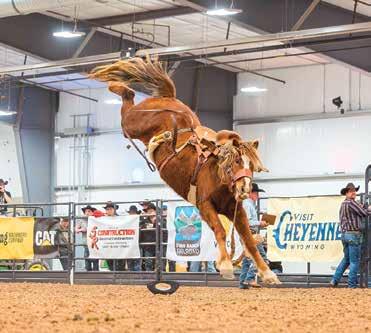
Bucking bronc futurity – A bucking bronc futurity match held each December in Cheyenne, Frozen Fury on the Plains offers a place for stock contractors to buck their young horses in a competitive environment. Joy Crouch photo
nitely count on bucking bronc futurity action during the Fourth Annual Frozen Fury on the Plains on Feb. 6, 2027.
For more information on Frozen Fury on the Plains, visit cheyenne.org/frozenfury-onthe-plains/ Hannah Bugas is the managing editor of the Wyoming Livestock Roundup. Send comments on this article to roundup@wylr.net.
Diamond G Custom Leather and Rawhide
Talented Weston couple crafts wide variety of high-end, built-to-last items
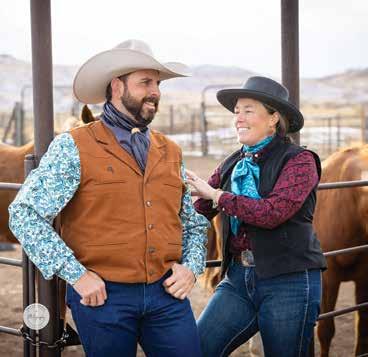
Justine Nelson-Graham and her husband Chip Graham live near Weston where they work on a large ranch with a couple of good dogs and some nice horses. They also do leatherwork.
In fact, the couple has been into rawhide braiding, leathercraft and saddlemaking for many years.
Chasing a lifelong passion
Justine was born in the Magic Valley of Southern Idaho, where she grew up with horses and livestock. She notes she has always been fascinated by the Western way of life, especially horse tack and equipment unique to the ranching heritage.
As a child she enjoyed creating “horse gear,” using whatever materials she could find to build tack for her toy horses.
“When I was 15, I learned to braid leather from several books I found in the library, especially the writings of Bruce Grant,” she says, noting his books discussed the detailed process of braiding rawhide into functional horse tack.
She immediately began braiding anything she could get her hands on, including baling twine since she couldn’t afford leather.
“Eventually I learned to braid leather and began working with and tooling leather. I made a few saddles and opened my own custom leather shop. Then, in 2015, I had a chance to spend a few days attending Doug Groves’ rawhide braiding class,” Justine shares.
It was here she learned how to take a fresh cowhide through the curing and cutting stages and then braid the resulting strings into finished pieces.
Continued on next page
2026-2027 Rocky Mountain Horse
Talented craftsmen – Justine Nelson-Graham and her husband Chip Graham of Weston are the owners and talented crasftmen behind Diamond G Custom Leather and Rawhide. Courtesy photo
In 2016 she worked with Traditional Cowboy Arts Association (TCAA) Braider Nate Wald.
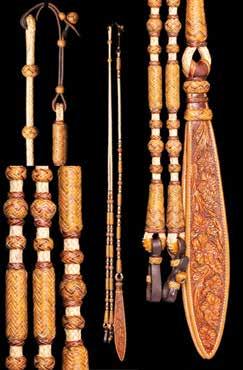
Today, Justine says the complex process of turning a cowhide into finished products continually provides her with fresh challenges she finds very satisfying. She has continued to hone her skills in this craft, with the help of many top braiders in the industry like Wald, Leland Hensley and Jay Adcock.
In 2023, she also worked with TCAA Braider Pablo Lozano.
Honing her skills
Justine notes she has been honing her skills and “seriously” rawhiding for about 11 years now.
She processes her own rawhide and tries to find hides without a lot of fat under them.
She says the best hides to work with are from Longhorns, Corrientes and other similar breeds.
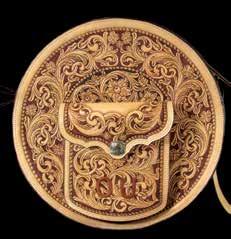
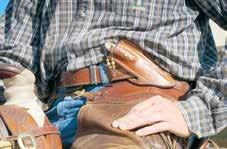
Detailed and decorative – While both artists market their work together under Diamond G Custom Leather and Rawhide, they like to maintain the individuality of their work. Justine’s expertise is in creating detailed and decorative, high-end items. Courtesy photo
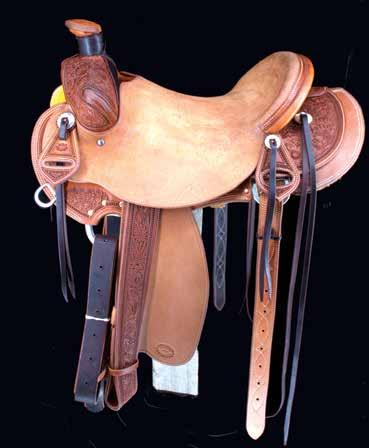
Built to last – While his wife does a lot of the detailed, decorative work, Chip Graham focuses on saddlemaking and creating functional tack that is built to last. Courtesy photo Continued on next page
“Most of the hides I get come from the Turbivilles in Sundance who lease out a lot of Corriente cattle to ropers, then feed them out and butcher them when they come back,” she says. “They have cattle butchered every three weeks all year long, and they sell the meat at farm stands and farmers markets. I always know three weeks in advance some of those cattle will be butchered and I can get the hides.”
“So far, I like the Corrientes and the Longhorns best,” she reiterates. “If I can get a really skinny black cow, that’s not too bad either.”
Additionally, Justine shares, “I’ve worked through the TCAA Fellowship and have twice won the Rawhide Braiding Division of the World Leather Debut at the international competition in Sheridan, and I won the Cowboy Arts and Gear Museum’s Competition in Elko, Nev. last year.”
She also received the 2023 Wyoming Folk Arts Council Mentoring Grant and was the 2024 Wyoming Folk Arts Professional Development Grant recipient.
Establishing Diamond G
According to Justine, Diamond G Custom Leather and Rawhide was established after she met her husband Chip, a fellow leathercrafter.
Chip started doing leatherwork at a young age as well, while he was involved in 4-H.
“I met an old cowboy in Deming, N.M. where I was raised, and he had a leather shop. I always wanted a good saddle, so he helped me build my first one – completely out of necessity because I couldn’t afford one,” Chip says.
After they were married, the two began brainstorming how to market a business together while maintaining the individuality of their work.
“We eventually decided to set up a website under the name of our Wyoming cattle brand – Diamond G,” Justine says. “It’s still a work
in progress as we have each been building leather goods under our own names for a long time – around 20-plus years for me and even longer for Chip.”
She adds, “I believe it’s still important to maintain our identities as separate makers, yet highlight the broad diversity our work together brings.”
Together, the couple makes a wide variety of work. While Justine focuses on the detailed, decorative work like leather tooling and handcrafting high-end items, Chip does more of the saddlemaking and creating “the kind of tack that is built to take the wear-and-tear and beatings of hard use in the brush,” according to Justine.
They make a good team and often combine their talents to complete many projects.
“I find a lot of satisfaction in taking a hide that might otherwise go to waste, and turning it into items that are functional, durable and

















beautiful,” she states. “Being able to use the gear I build and to see it used by others gives me great pleasure.”
Justine also mentions, while she and Chip primarily make new things, they also offer limited repairs during winter months when they have more time.
“Now and then we can also fit in an emergency repair for an existing client,” Justine notes. “Some of our clients started out by having us do a repair and then came back to look at the new stuff and will often spend more money with us the next time.”
Ranching in Wyoming
Today, all of Justine and Chip’s work is created in their downstairs workshop and backyard machine shop where they live on a ranch owned by Bert Huntington, which they also manage.
Justine says she has been working as a “camp man” on the ranch for over 20 years, and the place where she and Chip reside serves as the operation’s summer pasture. The gig works out perfectly since cattle are moved in the winter, giving the two plenty of time to focus on their craft.
When cattle are around, Justine and Chip note they both appreciate good horses.
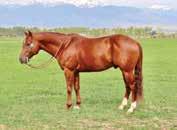
“We try to do as much of the cattle work as possible on horseback,” Justine says. “A lot of our summer pasture is pretty rough, and we can’t gather cattle any other way. It’s easier with a horse, and it’s also so much more enjoyable.”
They have also found owning horses and knowing their way around a horse has come in handy when making tack. This way, they are able to fully understand how tack is supposed to fit and can


fit their horse, and we might have a similar horse so we can see what would work,” Justine says. “Our horses are our guinea pigs and our models.”
“I’ve also had several horses that seemed to take great joy in breaking things, so I’ve learned a lot about what needs to be built a little bit sturdier to work,” she adds. “We enjoy making tack, and every bit of tack on our horses is something we’ve made, with the exception of the metal bits and pieces.”
For more information on Diamond G Custom Leather and Raw-

Heather Smith Thomas is a corresponding writer for the Wyoming
Braided rawhide – Justine Nelson-Graham has been braiding rawhide for about 11 years and has achieved several impressive accolades throughout her career. Courtesy photo

Healing Power of Horses
Buckboard Therapeutic Riding Academy serves Nebraska Panhandle
Located in Gering, Neb., Buckboard Therapeutic Riding Academy offers equine assisted therapy and therapeutic riding services to special needs individuals in the Nebraska Panhandle.
Kathleen “Kathy” Gatch founded the academy with the goal of empowering individuals through the strength, wisdom and beauty of horses.
Since its founding, Buckboard has helped connect hundreds of special needs children and adults with the healing power of horses through equine-assisted therapy and therapeutic riding.
Buckboard’s backstory
Kathy was first introduced to the benefits of equine-assisted therapy roughly 30 years ago after her son Ricky was severely injured in a car accident.
Complications from the accident left her 18-year-old son functioning at the mental age of two and requiring constant companionship throughout the rehabilitation process.
Kathy used her teaching background and physical education degree to help assist with Ricky’s recovery.
Continued on next page


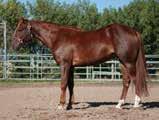
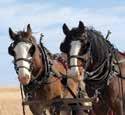
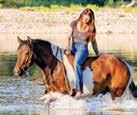
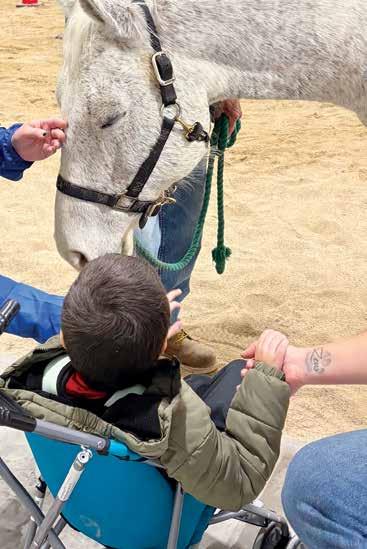
Equine therapy – Buckboard Therapeutic Riding Academy in Gering, Neb. offers equine-assisted therapy and therapeutic riding services to special needs individuals in the Nebraska Panhandle. Courtesy photo

The two went everywhere together as he healed, and Kathy says she noticed a visible change in Ricky whenever he was around horses.
This led Kathy to look into the benefits of equine assisted therapy and eventually she became a certified therapeutic riding instructor and founded her own program.
Buckboard Therapeutic Riding Academy first opened its doors to the public in 1997. In the years since, Ricky has made a full recovery, and Buckboard has helped hundreds of other children with special needs gain confidence in themselves and experience the healing power of horses.
“My love of horses and children inspired me to form this program so special needs children could experience the benefits and enjoyment only a horse can give,” Kathy says.
Kathy retired in 2025, leaving most of the academy’s primary operations in the capable hands of Andrea “Andee” Meyers.
Andee started as a volunteer with Buckboard in 2021 and has since taken on a full-time role as arena manager and head instructor.
She works to help advance Buckboard’s mission of helping families with the assistance of her husband Matt Meyers and another employee, Kylie Hewett, as well as a network of dedicated volunteers.
Equine-assisted therapy
Buckboard Therapeutic Riding Academy combines traditional horsemanship with concepts of physical, occupational, speech and behavior therapies to assist special needs individuals.
Andee and Kathy explain the benefits of equine-assisted therapy and therapeutic riding are innumerable, from improved cognitive health and confidence to better social skills.
Buckboard’s mission is to provide an opportunity for individuals with special needs to experience the healing power of horses.
Continued on next page
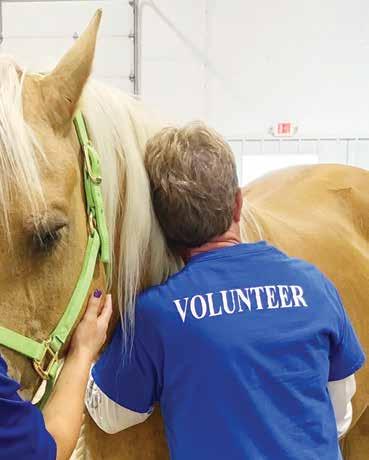

Valuable volunteers – Volunteers are a crucial component of Buckboard Therapeutic Riding Academy operations. Courtesy photo
With the assistance of instructors and volunteers, participants get hands-on experience with horses both on the ground and in the saddle in a controlled setting.
Riding sessions are based primarily on riders’ individual schedules, and Andee works with school groups from the surrounding area twice a week.
“Group work allows individuals to build bonds with each other and with the animals,” Andee says. “It’s a full circle experience.”
A longtime dream of Kathy’s came true a few years ago with the establishment of an indoor arena on Buckboard’s campus.
Before this, riding was limited by weather and seasons, but today, Buckboard can offer its services practically year-round.
Like Kathy, Andee says the best part of working at Buckboard is seeing children flourish through the incredible impact of the horse and human connection.
“I get to see the best of these kids when they’re on a horse or with a horse,” Andee says. “Something about being with animals brings out the best in everyone.”
Valuable volunteers
Buckboard Therapeutic Riding Academy is a United Way partner agency and operates primarily with support from local individuals and businesses.
Kathy says support from the surrounding community has been strong since the beginning, and volunteers are pivotal to the program’s success.
While instructors are the only ones certified to teach lessons, volunteers are instrumental in supporting children during their rides as side walkers and helping enforce safety throughout lessons.
During the early years, horses were loaned from area partners who transported the animals to and from sessions. Today, Buck-
Be an Agricultural Resource Manager for an Evolving Agricultural Industry.
board has the facilities to house horses on site, and each animal was donated by a local partner.
“The community has been a big support for us since day one,” Kathy says. “We are very community focused.”
Veteran project
In addition to continuing to serve children with special needs, an exciting new opportunity is on the horizon for Buckboard Therapeutic Riding Academy.
Another longtime dream of Kathy’s – the Buckboard Veteran Project – seeks to open the academy’s therapeutic riding and equine-assisted therapy services to local Veterans navigating posttraumatic stress disorder.
Spearheaded by Andee and Matt, this service line is still in the works as the team takes the necessary steps towards education and certification. Veteran partners are currently taking part in some Buckboard
Hand-Made, Custom Saddles & Saddle Repair
Top Quality Materials and Workmanship
For More Details, Call: Grant Shippen 381 Lyons Valley Road Lander, Wyoming 82520 (307) 858-4220
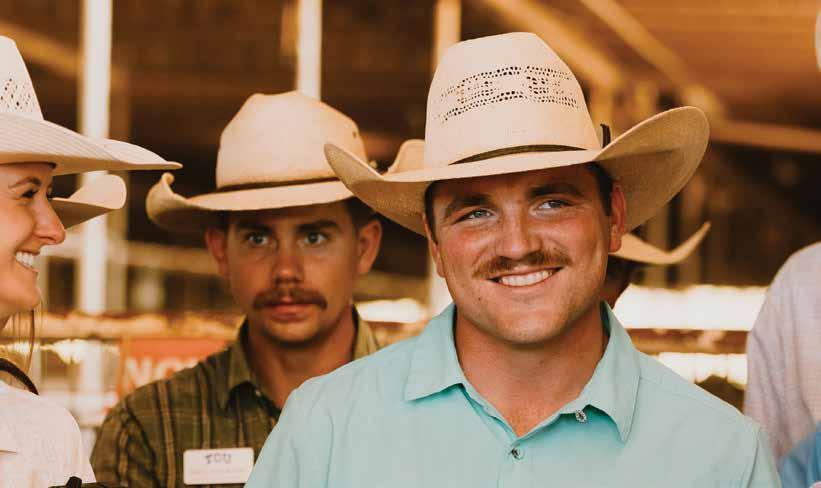
For more than half a century, TCU’s renowned Ranch Management Program has given students an edge in agricultural resource success. This unique nine-month intensive program equips graduates with real-world strategies as producers and land stewards in changing times.
Space is limited. Financial aid and scholarships may be available from the Ranch Management Program and through the TCU Office of Scholarships & Student Financial Aid. ranch.tcu.edu


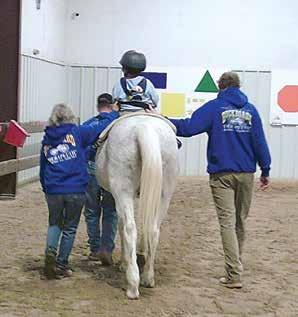
Therapeutic riding –Buckboard Therapeutic Riding Academy
tailors therapeutic riding sessions to participants’ individual schedules. Lessons are led by certified instructors, while volunteers serve as side walkers to offer stability and reassurance.


Continued from previous page
operations in a volunteer capacity, and Andee says she has hopes of opening the program in full by this fall.
“Working with children with disabilities is very different from working with adults with mental challenges,” Andee emphasizes. “We want to be sure and do our due diligence by educating ourselves on trauma, achieving necessary certifications and getting mental health professionals on staff in order to best help the clients we’ll be serving.”
“By the time we get the Buckboard Veteran Program going, the dreams I’ve been dreaming since day one will all have been met,” Kathy says.
Kathy will celebrate her 80th birthday this summer, with decades of her life dedicated to working with horses and children.
She continues to be involved with Buckboard Therapeutic Riding Academy in a semi-retired capacity, while Andee, Matt, Kylie and other volunteers work to advance the dream she started.
For more information on Buckboard Therapeutic Riding Academy, visit buckboardacademy.org
Grace Skavdahl is the editor of the Wyoming Livestock Roundup. Send comments on this article to roundup@wylr.net.



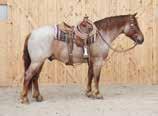
Courtesy photo









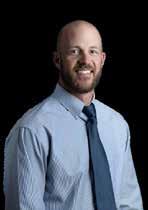


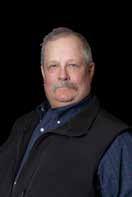
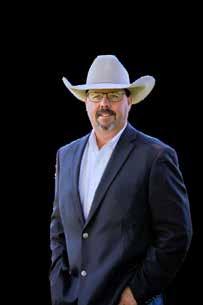




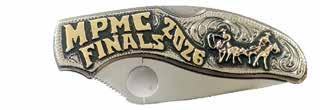



Memory Ranches

The Pearce family of Memory Ranches believes form follows function when it comes to producing exceptional horses.
Monty and Merry Pearce have been developing their Quarter Horse program alongside their Red and Black Angus cattle operation for generations.
With the help of three adult children – Merrily, Luke and Clancy – and their respective families, the Pearces produce ranchraised, quality-tested Quarter Horses renowned for their trainabil ity and hardiness.
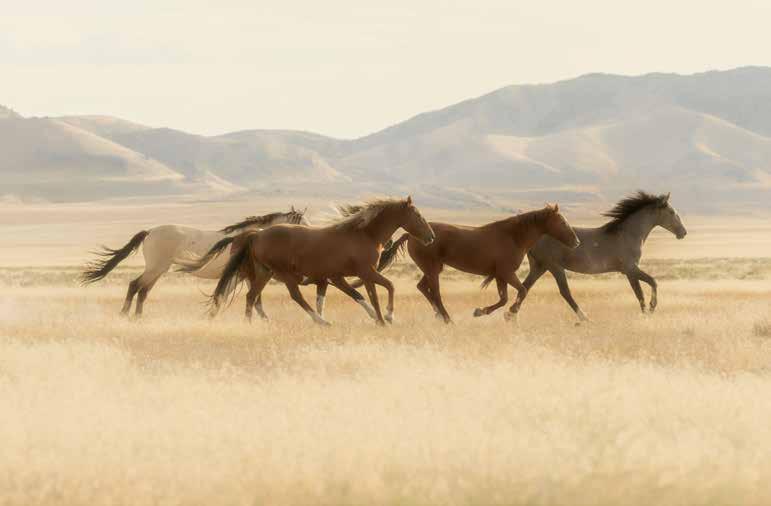
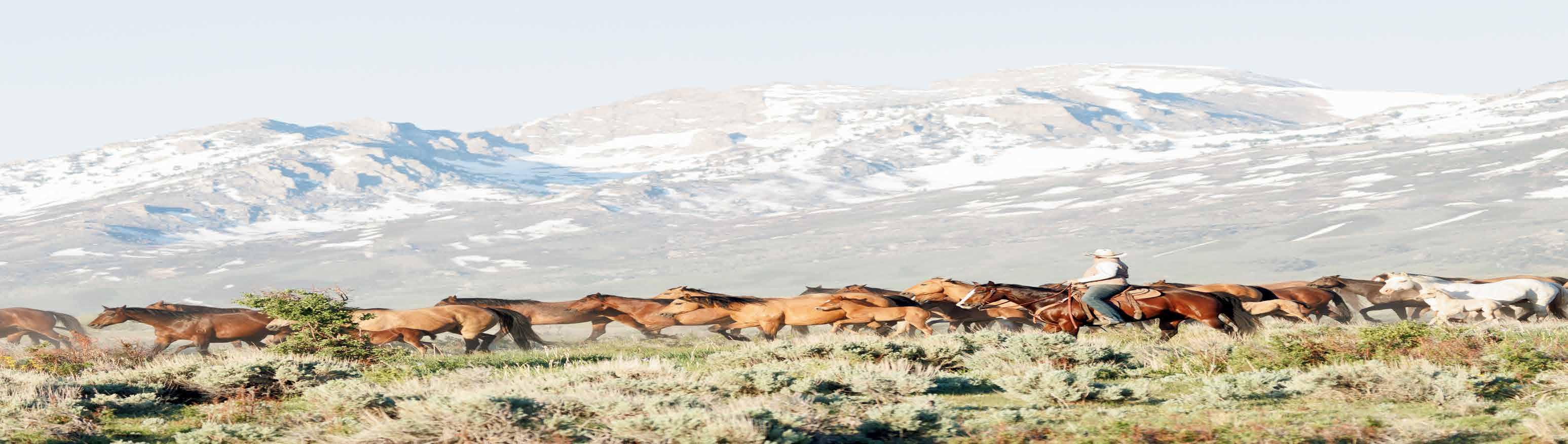
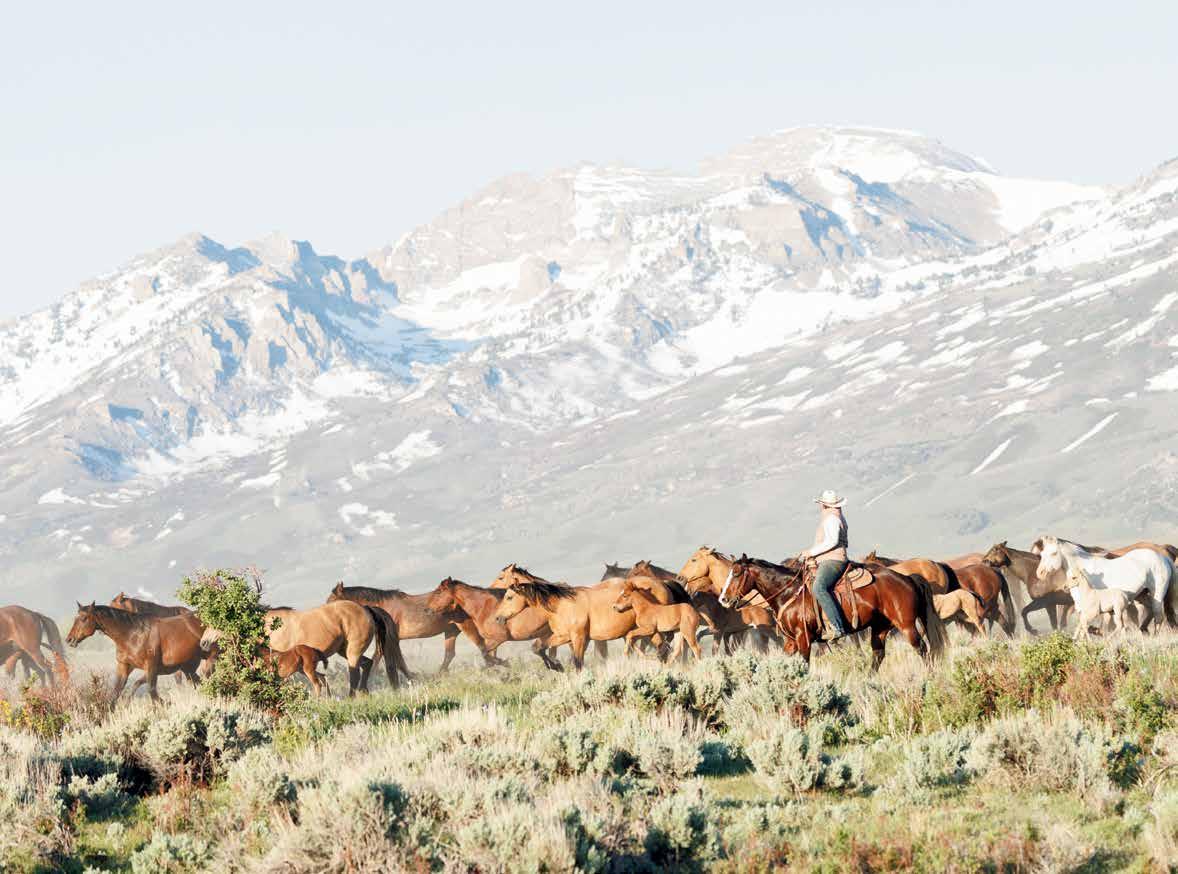
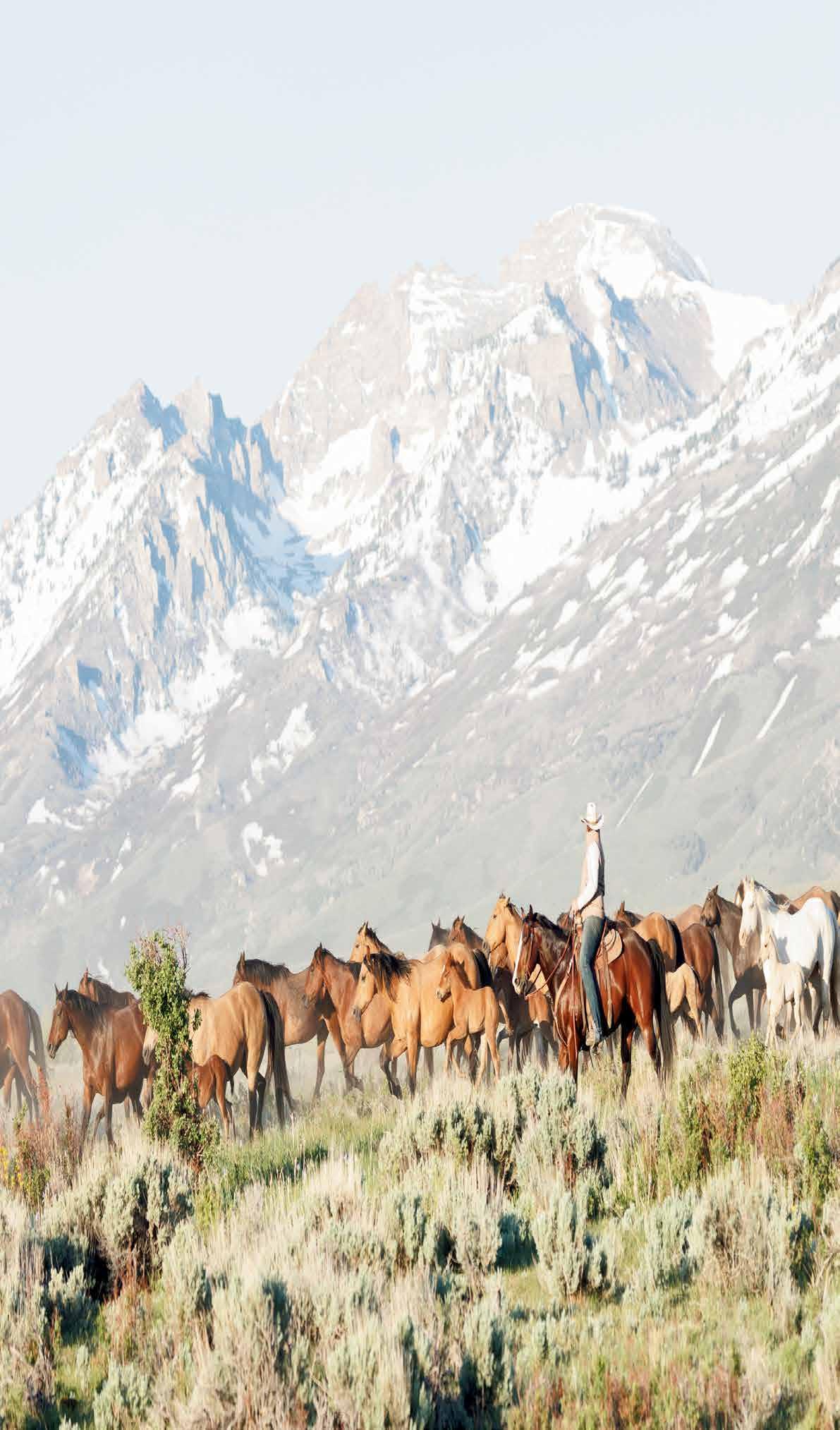
Developed in the East Humboldt Mountains just outside of Wells, Nev., Memory Ranches horses are bred tough to hold up in all kinds of conditions and have proven themselves on the ranch and in the arena.
Balanced bloodlines
A desire to raise and ride hardy, versatile horses was behind the Pearces’ decision to first venture into the world of horse produc tion just over two decades ago.
Seeking trainable horses with strong physical traits which would hold up on the ranch, Monty began making investments in genetics which today include bloodlines of Driftwood, Joe Reed, Oklahoma Fuel, Dash Ta Fame, Goodbye Sam, Otoe and Colonel Freckles.
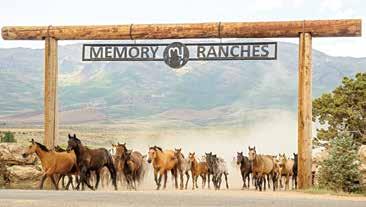




Memory Ranches – The Pearce family of Memory Ranches has been raising ranch-broke, quality-tested Quarter Horses for generations. Blair Whyte Project photo
The Pearces have prioritized practical breeding with a focus on trainability and performance since the start, putting hundreds of hours and thousands of miles into developing the broodmares and bloodlines which make up the Memory Ranches horse herd today.
For the Pearces, performance matters more than pedigrees. Even if a horse’s bloodlines look exceptional on paper, the way the animal performs in the real world is the ultimate deciding factor in whether they make the cut.
Rather than chasing pedigrees in hopes of achieving a “onein-a-million” outcome, Luke says consistency and functionality is core to the Memory Ranches breeding philosophy.
“The problem with breeding horses solely focused on producing a world champion is consistency goes way down,” Luke

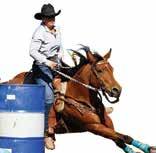

explains. “To some degree, you can end up with horses that aren’t good for anything.”
“Instead, our philosophy is to produce horses in a way where all of the colts turn out,” he adds. “We don’t want just 10 of them to be good – we want all of them to be good.”
The true test comes in the round pen. If a stud or mare consistently produces untrainable offspring, they are sold despite what their papers may say.
“If you want consistency, you have to eliminate the genes that produce those bad attitudes,” Monty says.
“Our
Legendary lineage
Several Memory Ranches horses are descendants of the legendary stallion Driftwood, an American Quarter Horse Association (AQHA) hall of famer known for his easy-going disposition, balanced athleticism and exceptional all-around performance traits.
Horses with Driftwood genetics are renowned for their trainability and willingness to work in all types of conditions, making them choice mounts for meeting the demands of ranch work and the pressures of competitive performance alike.
From the branding pen to the rodeo arena, Driftwood descendants are “do-it-all” types with excellent cow sense, agility and sturdiness.
Continued on next page

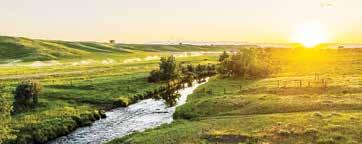
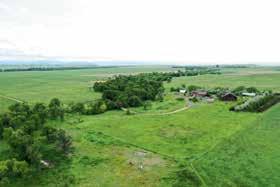
MINUTES FROM DOWNTOWN BUFFALO, WYOMING, this 225+ acre property has come to market with 1.5 miles of Rock Creek meandering through this productive and well-watered agricultural property. This investment/development/homestead property is an excellent fly fishery under the backdrop of the scenic Big Horn Mountain Range. Brown, rainbow, and brook trout reside within the banks of this gorgeous spring-fed tributary called Rock Creek. Buffalo is one of the most scenic and historic towns in Wyoming, with a population of just under 5,000 residents. Located off the east slope of the Big Horn Mountains at an elevation of 4,500 feet, with an incredible mountain view to the west rising to over 13,000 feet, which when combined make Buffalo well known as the green side of the Big Horns, offering a plethora of outdoor activities including but not limited to fly fishing, hiking, mountain biking, horseback riding, pack trips, and is home to abundant large game, upland birds and waterfowl populations. When you are not enjoying these activities, you can add cross country and alpine skiing to your weekly bucket list, only minutes away!
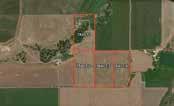
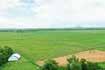
Bordering I-25 and I-90, this is a developer’s dream. Positioned in a manner where you do not see the interstate traffic, yet get the magnificent views of the Big Horns, this investment/development/homestead property comes with territorial water rights, excellent hay production, and Rock Creek meandering 1.5 miles through the center of this property. Feel free to review our video, pictures, and mapping of this very unique offering, and please reach out to preview this property at your earliest convenience! OFFERED AT $4,950,000
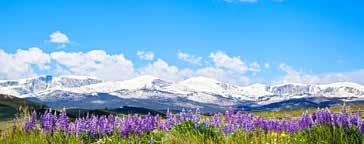
MAGNIFICENT BIG HORN NATIONAL FOREST IN-HOLDING offering breathtaking mountain vistas in the heart of the Big Horn Mountains, just 15 minutes west of Buffalo, Wyoming. Set on 30 +/- pristine acres with six grandfathered building sites.
Natural springs, two serene private fishing ponds, and borders Forest Service land create an unmatched sense of privacy and connection to nature. Located less than five miles from the Cloud Peak Wilderness Boundary, this property is a true gateway to outdoor adventure.
It’s currently the only large in-holding available within the Bighorn National Forest. With no existing structures, it offers a blank canvas for the discerning buyer to create a Legacy Property, whether as a family or corporate private retreat.




“These Driftwood horses are just a little tougher than the rest,” says Monty. “We were looking for a horse tough enough to do it all, and we’ve found that in the Driftwoods.”
“These bloodlines are as good as they come in this industry,” he adds. “All of our horses are competitive, and we always try to improve and get better.”
Quality tested
The Pearces raise between 80 and 100 foals on their ranch every year, overseeing operations from first halter to sale day.
From 2009-23, horses sold as three- to five-year-olds – all of which had been ridden by a member of the Pearce family before being offered for sale.
“We’ve ridden and used these horses for generations,” Monty says. “For 20 years, we rode every single horse colt that came off of this ranch.”
In 2023, the Pearces switched to selling colts as weanlings to ease the workload, but they continue to handle young horses extensively before sale day to get a feel for their disposition and performance potential.
Today, Luke primarily takes the reins on developing the horses, and both Monty and Luke emphasize getting a handson feel for foals each year helps enhance the program and better serve customers.
Luke says a high percentage of Memory Ranches clientele is repeat customers consisting of several types of horse owners, from full-time ranchers and team ropers to trail riders and everyone in between.
Mountain raised
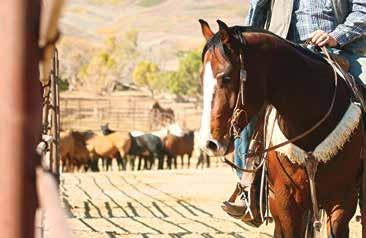
6,000 to 11,000 feet in elevation.
The rugged terrain helps develop horses physically and mentally. Hearts, lungs, feet and sinew are strengthened by the atmosphere and elevation as colts learn to handle their feet in steep, rocky country.
The Pearces run their purebred cow herd like commercial cattle in the same rugged conditions, resulting in a hearty calf crop, along with sturdy foals each year.
Artificial insemination is used in the cow herd, a technique Monty says the family has used for the past 52 years.
The Pearces also raise and sell purebred Red and Black
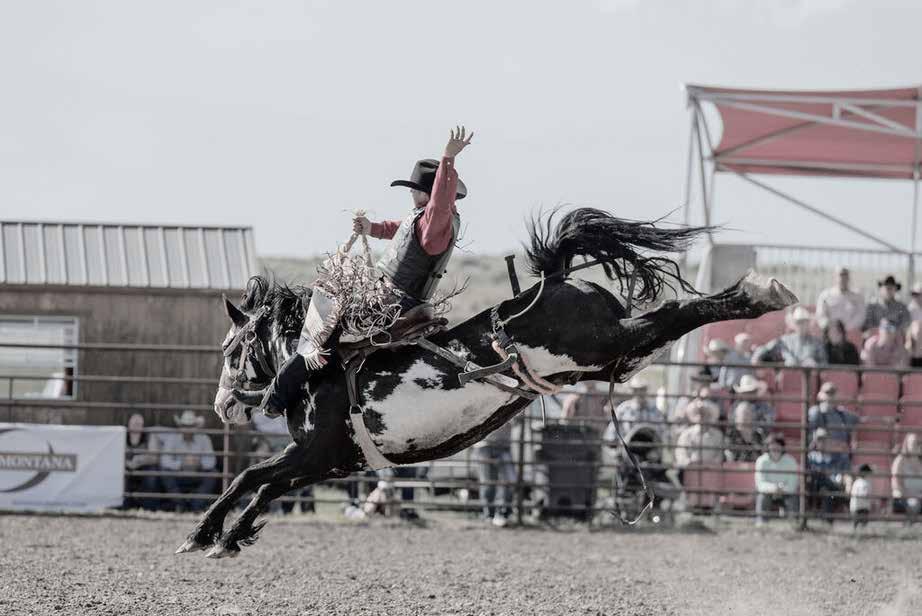
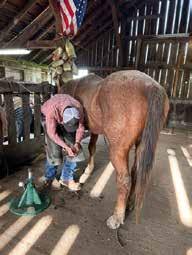
arterial pressure testing to ensure performance in high-elevation country.
“The bulls we sell have not been pampered,” Luke says. “They go on to demonstrate incredible longevity on the ranches they work for.”
Horses are pasture bred and most sell as weanlings in August, with a handful of geldings available for private treaty sale each year.
Spring and summer are devoted to calving and foaling, while autumn brings sale season. Calving winds down right as foaling heats up, ensuring the Pearce family stays busy all year long.
Family first
Horses and cattle are central to the Pearce’s lives and heritage – something the family hopes to remain true for generations to come.
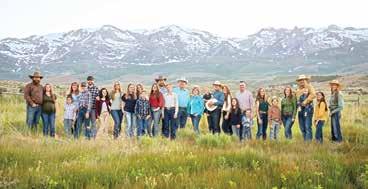
Memory Ranches is a family-oriented operation to its core. Monty and Merry have been married for 54 years, running the ranch throughout the years with the help of seven children, seven in-laws and 27 grandchildren and counting.
In many ways, the Pearces’ client base resembles a family as well, as many buyers are repeat customers who have continued business throughout decades and the ranch’s relocation from Idaho to Nevada in 2018.
This year, the Memory Ranches annual foal sale is slated for Aug. 22 and the bull sale is scheduled for Nov. 5.
For more information on Memory Ranches, visit memoryranches.com or follow @MemoryRanches on Facebook.
Grace Skavdahl is the editor of the Wyoming Livestock Roundup. Send comments on this article to roundup@wylr.net.






Family first – Monty and Merry Pearce have been married for 54 years, running their horse and cattle operation throughout the years with the help of seven children, seven in-laws and 27 grandchildren and counting. True Pearce photo
Don King Days
Unique equestrian event brings classic cowboy entertainment to Sheridan
For the past 38 years, Don King Days has brought talented horsemen to the Big Horn Equestrian Center in Sheridan for two days of equestrian competition in an ultra-unique format.
Named after world-renowned Wyoming Saddlemaker Don King, the event was started in 1989 by a group of local cowboys seeking a way to celebrate the classic equestrian events unique to the Sheridan area – polo, steer roping and bronc riding.
Today, Don King Days is an iconic hallmark of Sheridan summers, uniting both locals and out-of-towners every Labor Day Weekend for a true celebration of the horse and old-fashioned Western fun.
Unique format
Vicki Kane and Cecile Pattison have both served on the Don King Days committee almost since the start.
They say the event embodies the authentic spirit and traditions of the American West – a celebration of culture and community all in one.
“There’s no other event like Don King Days in Wyoming,” Vicki says.
Vicki and Cecile explain the unique format and location of Don King Days was inspired by the local Bill Eaton Days and the Pendleton Roundup in Pendleton, Ore.
In 1988, a group of local steer ropers including Dave Bliss, Bill Sims, Glenn Barlow and Alan and Irv Alderson grew tired of com-




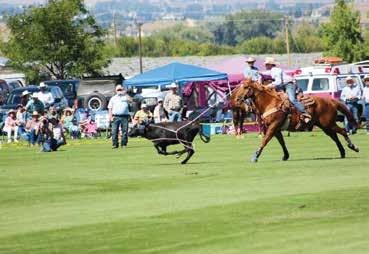
Steer roping – Don King Days serves as the culminating event for the Wyoming Steer Roping Association’s (WSRA) summer run. Above, a steer roper tracks his target during the 2025 WSRA Finals at Don King Days.
Abby Kukowski photo
peting in dusty, dry arenas and began brainstorming an alternative location to host the Wyoming Steer Roping Association (WSRA) Finals.
Taking inspiration from the Pendleton Roundup where events are held on grass, the men considered the Big Horn Equestrian Center with its expansive fields and scenic mountain backdrop to be an ideal location.
Their conversations grew into an idea for a broader equestrian event, and the beginnings of Don King Days began to take root. Polo was another natural fit, and the popularity of bronc riding at
Continued on next page





Bill Eaton Days led organizers to add one more core event to the lineup.
The first Don King Days was held in September 1989 and has since grown into a popular end-of-summer tradition to celebrate the best of Wyoming horsemanship.
Throughout the years, the three core events have remained at the heart of Don King Days, and the Big Horn Equestrian Center has played host to the iconic event since its inception.
Polo and steer roping
Don King Days serves as the backdrop for the Big Horn Polo Club’s largest tournament of the season, as well as the culminating event for the WSRA’s summer run.
Polo has been played in the area since 1898 when the Big Horn Polo Club was first established, making it one of the oldest polo clubs in the country.
The club’s season runs from the first week of June through Labor Day Weekend.
Don King Days draws talented polo players from all over the world to face off in a bracket-style tournament over the course of two days, culminating in the Don King Days Cup played on Monday.
The winning team is awarded coveted Don King Days belt buckles, handcrafted by local Silversmith Charlie Pattison of CAP Silver.
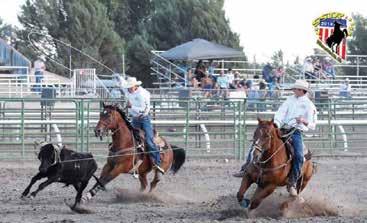
Steer roping has also been around since the late 1800s. The sport developed out of necessity, inspired by cowboys who worked with horses to doctor cattle on the vast open range.
The fields at the Big Horn Equestrian Center span roughly 80 acres of unfenced grass, making roping at Don King Days a smaller-scale but nonetheless comparable experience to riding the wide-open ranges of bygone days.
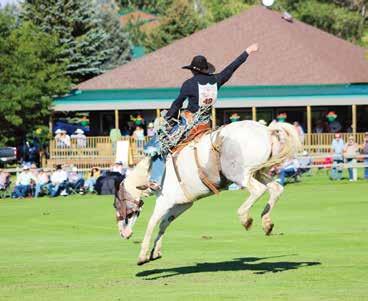
Don King Days does bronc riding a little differently than traditional rodeos, resulting in an unforgettable experience for riders and spectators alike. Continued
In the event, roughly 30 cowboys race against the clock to rope, turn and tie a steer in the least amount of time. The prize is a CAP Silver belt buckle and the title of the WSRA Champion Steer Roper. Bronc riding
Continued on next page


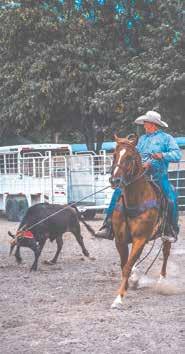

Bronc riding – Unlike traditional rodeos, bronc riders at Don King Days must stay on for a total of 10 seconds to earn a qualified ride. There are no fences separating spectators from the action, making for an unforgettable up-close experience. Abby Kukowski photo
Like the polo matches and steer roping, bronc riding takes place out on the open grass. Spectators set up lawn chairs around the perimeter for an up-close and personal view of the action.
The invitational match bronc riding brings a total of six cowboys selected from a seven-state region to compete over the course of two days.
To earn a score, cowboys must stay on for 10 seconds rather than the traditional eight. Each rider gets the chance to cover two horses, and bucking stock is supplied by Johnny Forbes of Kaycee.
The rider with the highest cumulative score after two days of competition takes home a custom Don King Days CAP Silver belt buckle.
Fun for all

After the action on the field each day, visitors are invited to cool off at the clubhouse with drinks, food and live music.
Vicki and Cecile estimate Don King Days garners a turnout of roughly 2,000 spectators each day, a mix of locals and visitors who flock to Sheridan for the one-of-a-kind experience every summer.
“Nowadays, it’s more of a destination event rather than people just passing through looking for something to do,” she adds.
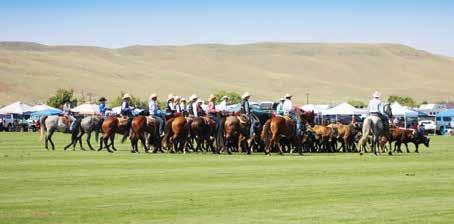
Horsemanship showcase – Riders from all over the world come to Don King Days to showcase their talents in polo, steer roping and bronc riding. Here, a group of cowboys gather steers on the grass. Abby Kukowski photo
In addition to showcasing high-caliber equestrian talent, Don King Days is renowned for its community atmosphere and entertainment offerings.
“I call it the last big picnic of the year,” Vicki says. “It’s a place to catch up with old friends and meet new people, and everyone really looks forward to it.”
The 38th Annual Don King Days celebration is scheduled for Sept. 6-7 at the Big Horn Equestrian Center, with events kicking off at 11 a.m. each day.
Admission for adults is $15 per person per day, while children under 12 and Veterans get in free.
All proceeds go toward putting on the next annual gathering, ensuring the event continues to preserve Wyoming’s Western heritage for years to come.
For more information on Don King Days, visit sheridanwyoming.org/festivals-events/don-king-days/ or follow @DonKingDays on Facebook.
Grace Skavdahl is the editor of the Wyoming Livestock Roundup. Send comments on this article to roundup@wylr.net.




CONNELLEY RANCH
Wheatland, Platte County, Wyoming
240± deeded with 3 bedroom, 2 bath home on a private road, just minutes from Wheatland or Guernsey. Complete with working corrals designed to work 400 head, outdoor arena, indoor arena that can double as a calving barn and MORE!
$2,300,000
Michael McNamee at (307) 760-9510 or Cory Clark at (307) 334-2025



HANSSEN-MELVIN HORSE FACILITY
Hermosa, Custer County, South Dakota
40± acres with turn-key horse facility with a heated 125x225 indoor arena, outdoor arena, home, barn apartment, foaling stalls, outdoor covered horse pens and MUCH MORE! No detail has been overlooked. Located just minutes from Custer State Park.
$3,030,000
Cory Clark at (307) 334-2025 or Logan Schliinz(307) 575-5236




6001 STONEGATE
Gillette, Campbell County, Wyoming
80± acres with remarkable equine facilities and custom 5 bedroom home featuring many high-end upgrades. Covered pipe horse runs, well-appointed 3 stall barn, tack room and hay storage. All with unobstructed views of the Big Horns.
$1,690,000
Wendy Greenough at (307) 217-1451
Mark McNamee at (307) 760-9510 or Denver Gilbert at (406) 697-3961





A Life Shaped in Leather
Lander rancher builds custom saddles rooted in tradition and function
As a rancher and saddlemaker, Grant Shippen of Lander spends his days balancing livestock work with time in his shop where he builds and repairs saddles as time allows.
“I started making saddles in 2004 in Riverton where my brothers and I have a ranch about 10 miles west of town. Then, I got married and moved to Lander. As my brothers and I got older, we sold most of our cows at the ranch in Riverton and just have a handful of cows there now. We still put up hay and share crop with some of our neighbors to get the work done. My brothers are still on the place, but I am at my wife’s place now – our ranches are about 30 miles apart,” Grant shares.
He continues, “I have a little shop here at my wife’s ranch, about six miles from Lander. I make a few custom saddles every year, repair saddles and other tack and do some additional leatherwork. We still have ranch work to do, so I work in my shop whenever I have a little spare time.”
Although it keeps him busy, Grant has found a rhythm between ranch life and leatherwork that suits him.
Learning the trade
Grant notes his first time working with leather was at young age when he and his siblings fell ill with scarlet fever and were stuck in the house recuperating and bored.
“My dad was hauling lumber from Dubois to Riverton nearly every day, and one day he stopped at a food shop and bought one
Continued on next page
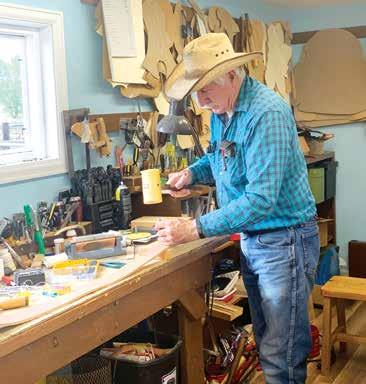
A lifelong craft – Grant Shippen, a rancher and saddlemaker based in Lander, has been making leathercraft since he was a young boy, and at age 78, he plans to continue as long as his schedule will allow. Courtesy photo
of those Tandy leather kits for kids,” Grant shares. “It had a set of tools and a few projects to do – like making a purse and a belt – so he brought it home to keep us busy.”
Leathercraft resurfaced again a few years later when Grant was in sixth grade and one of his teachers taught her students the basics of leathercraft, giving each their own project to complete.
From there, Grant’s curiosity around the craft grew, and he continued to build his skills over time.
He notes he built his first saddle by following instructions in a book.
“I was at a book shop in Riverton one day and saw a three-volume set of saddlemaking books written by renowned Saddlemaker Al Stohlman. I’d always wanted to build a saddle, so I bought them,” he says.
Originally published in three volumes, this 708-page book was called “The Encyclopedia of Saddle Making,” and shares the knowledge and insight of saddlemaking which Stohlman spent his life perfecting.
In detail, it explains the basics of saddlemaking, including the tools needed, saddle parts and rigging, saddle trees and patterns for several types of saddles.
“That winter I didn’t have enough money to buy leather and a tree, so I just looked at the books,” Grant says. “The next winter, I ordered a tree, got some leather and followed the instructions – and this was how I built my first saddle.”
From there, Grant continued creating, making about seven or eight saddles before applying for – and winning – a $500 scholarship to spend a week learning from Saddlemaker Cary Schwarz of Salmon, Idaho.
Grant spent the week taking photos and detailed notes he could
use when he got home.
“I learned a lot from him, and the experience really improved my saddlemaking,” says Grant.
He also credits several others who helped him along the way, including Steve Mecum, Gary Holt, Ralph Shimon and Jim Mckinney.
Built for function
Today, most of Grant’s work comes through custom orders and repairs.
He notes ranch saddles are built to be used, and they often show it.
“People bring in all kinds of things – old saddles, broken bridles and worn-out tack,” he says. “It’s surprising what you find when you start taking things apart. Some are well made, and some are not.”
For Grant, one of the most important elements is the ground seat – the foundation which determines how a saddle feels to a rider.
“Factory saddles don’t spend much time on the ground seat, and they feel like riding a barrel,” Grant says. “With a custom saddle, if you fit the seat properly, it fits the person much better. They are much more comfortable, and it’s easier on their back and their whole body.”
A comfortable fit matters just as much for the horse as well.
Over the years, Grant has seen changes in the type of horses used on ranches, which heavily influences saddle design. Where Thoroughbred-type horses with higher withers were once common, ranch horses of today are often of Quarter Horse bloodlines with broader backs and lower withers.
“The saddle needs to fit the horse or it won’t stay in place, and it may also make the horse’s back sore,” he states.
To address this, Grant works with saddle trees designed to fit both the rider and the horse. He aims to keep the seat narrow enough for rider comfort while simultaneously accommodating for modern-day
Continued on next page
horse conformation.
“If a person spends very many hours in the saddle, they definitely want it to be comfortable,” Grant says.
Craft and customization
Each custom saddle Grant builds reflects both the needs and preferences of its owner. While he enjoys tooling leather and continues to practice improving his skill set, he notes most customers opt for simpler designs these days to keep costs down.
“I like to tool leather and I like practicing to get better at it, but for custom saddles, I just make whatever they want,” Grant states.
Still, he makes a point to build an extra saddle or two each year, often incorporating more detailed tooling and intricate designs.
“I never have more than one on hand at a time because they sell quickly,” he admits. “I’ve had good luck putting them on Facebook. A lot of people see them that way. It’s good advertisement.”
Although the cost of leather and other materials is one of the biggest challenges Grant has run into while making saddles today, he believes quality is key – both in how saddles perform and how they hold up over time.
Grant primarily sources his leather from Hermann Oak in St. Louis, Mo., purchasing through suppliers in Ohio and Montana, but prices have skyrocketed in recent years.
“Today, it costs about $380 to $400 a side, and it takes 2.5 sides of leather to build a saddle,” Grant explains. “By the time you purchase a tree, the leather and hardware, a person can have about $1,500 in a saddle just for materials before they even start working on it.”
Part of the issue, Grant believes, is the decline in domestic hide processing. With fewer tanneries operating in the U.S., hides often
Continued on next page
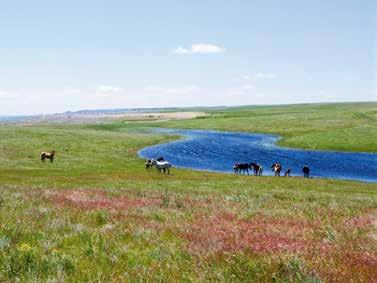
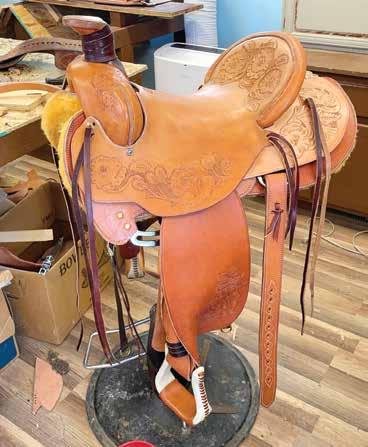
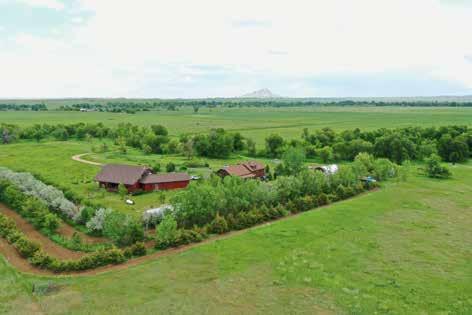

Function and fit – When it comes to building saddles, Lander Saddlemaker
Grant Shippen notes a comfortable fit for both the horse and rider are top priority. Courtesy photo
go unused.
“I’ve tried getting some imported leather, but it doesn’t feel as nice as the leather from Hermann Oak,” he admits. “Most imported leather is tanned differently and feels like cardboard. There’s a lot of difference in leather depending on how it was tanned. Although imported leather is a lot cheaper, I don’t like at as well.”
A lifelong craft
At age 78, Grant plans on making saddles for as long as his
schedule – and his hands – will allow.
“I have a little arthritis, but my hands are still pretty good. They are stiff in the morning, but they limber up during the day,” he says.
Grant has no shortage of work, with customers coming in largely through word of mouth. From full saddle builds to small repairs, he is willing to take on just about anything made of leather.
Heather Smith Thomas is a corresponding writer for the Wyoming Livestock Roundup. Send comments on this article to roundup@wylr.net.
QUALITY AG & EQUINE PROGRAMS.....AND MORE!





WyomingMuseumPioneer
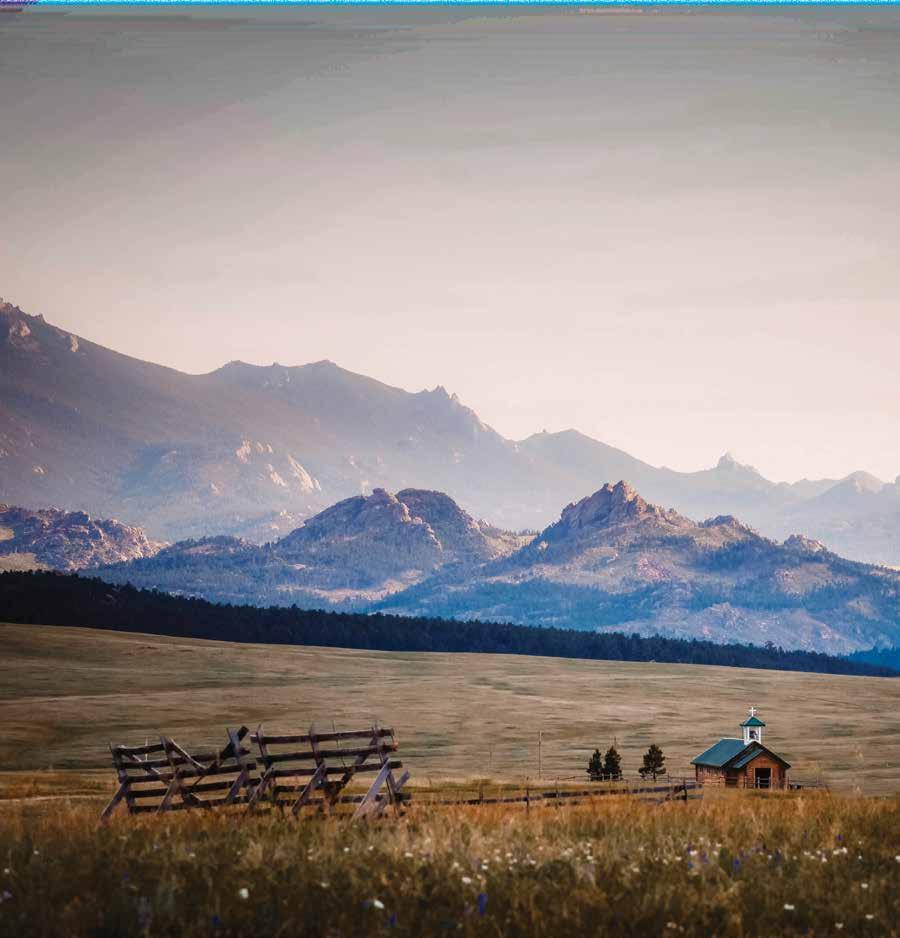
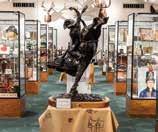
Located on the Wyoming State Fairgrounds in Douglas, visitors can explore the people, stories, and cultures that shaped Converse County and the American West.
DouglasMuseumRailroad
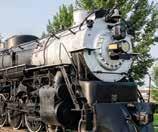
Douglas was built on railroad energy — and that legacy is preserved here. The site tells the story of how the railroad shaped Douglas, its people, and the region’s economy.
Historic POW Camp Douglas
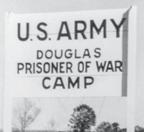
During World War II, Douglas was home to Wyoming’s primary prisoner of war camp, a massive and largely self-sufficient facility that played a significant role in wartime history.
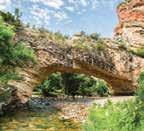
Ayres Natural Bridge
Ayres Natural Bridge Park invites visitors to slow down and experience one of Wyoming’s most remarkable natural landmarks while enjoying a variety of outdoor activities.





Off to the Races
Horse racing experiences a resurgence in Wyoming
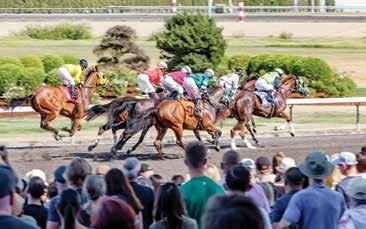
Although one may more readily associate Wyoming with images of bucking broncs and hardy cowponies, there is an undeniable home for horse racing in Cowboy State culture.
Since 2013, the resurgence of horse racing in Wyoming has been fast growing and lucrative, fueled by a comprehensive statewide breeders’ incentive program, talented home-grown horseflesh and multi-faceted gaming opportunities.
Reviving an industry
“Wyoming has been racing horses for a long time,” says Brande Koltiska, pari-mutuel coordinator with the Wyoming Gaming Commission and Wyoming Bred Program Administrator.
Horse racing and pari-mutuel betting in the state was incredibly popular throughout the 1970s but waned in popularity over the decades until the passage of House Bill (HB) 25, Simulcasting of pari-mutuel events, by the 62nd Wyoming Legislature ignited a resurgence.
HB0025 permitted pari-mutuel wagering on events which have previously occurred using electronic gaming terminals, opening the door to economic opportunity and spurring the beginning of immense growth for Wyoming horse racing which continues to surge to this day.
Unlike other forms of gambling, pari-mutuel wagering bets are pooled and divided amongst the winning parties in proportion to their wagers, Brande explains.
Historic horse racing
The Wyoming Gaming Commission establishes a set number
of live horse racing or pari-mutuel event days to take place at each racetrack each year, which continue to garner bets throughout the year in the form of historic horse racing (HHR) terminals and offtrack betting.
“HHR was introduced to help restore the viability of Wyoming’s horse racing industry,” Brande explains. “Without it, I truly don’t believe the sport would be where it is today.”
She notes this form of betting has been a massive revenue boost to Wyoming’s economy through gaming revenue as well as increased horseman purses and incentives to breed, raise and race horses in Wyoming.
The revenue generated from tourism, breeding and gaming
Continued on next page

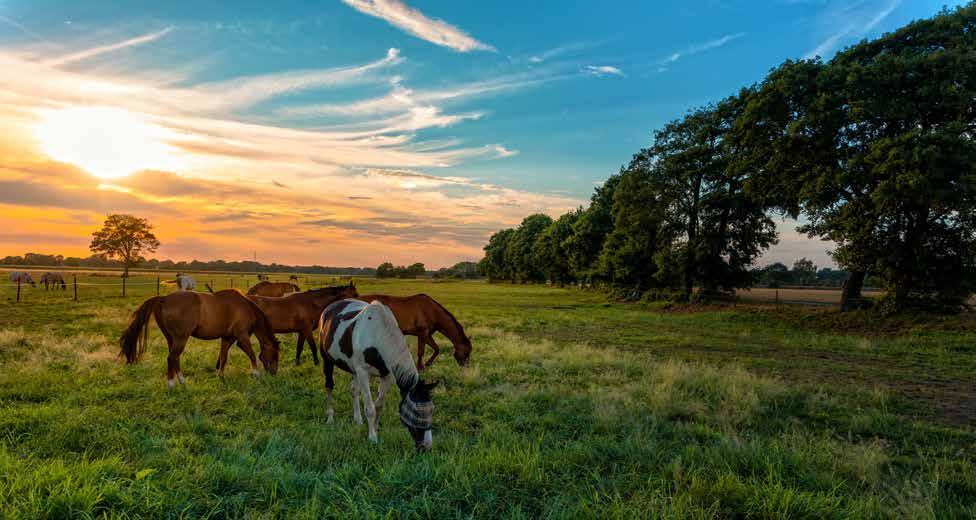


Local horse racing – Since 2013, the resurgence of horse racing in Wyoming has been fast growing and lucrative, fueled by a comprehensive statewide breeders’ incentive program, talented home-grown horseflesh and multifaceted gaming opportunities. Adobe Stock photo
makes horse racing an indispensable industry to the Cowboy State, according to Brande.
“Horse racing is kind of Wyoming’s hidden secret,” she says. “It’s amazing for the state, especially the agricultural industry.”
Brande emphasizes the rise of HHR has created new jobs and increased tourism, while also contributing to the agricultural landscape as more people get involved in the racing industry.
Another major factor driving the popularity of horse racing in Wyoming is the Wyoming Breeder Award Program, more commonly known as the Wyoming Bred Program.

descending scale based on placing.
Brande notes the majority of horses raced in Wyoming are Quarter Horses, followed by Thoroughbreds and a handful of Paints and Appaloosas.
Breeders, owners and eligible stallion owners receive a payout the following spring based on points collected throughout the previous summer’s racing season.
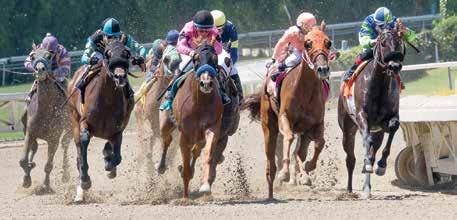
Overseen by Brande, the program offers incentives and big payouts to accredited Wyoming-born racehorses and has helped ignite an industry boom which shows few signs of slowing down.
Wyoming Bred Program
The Wyoming Bred Program seeks to promote improved breeding and development of the horse industry in the Cowboy State.
Accredited racehorses receive points for every event they compete in throughout the summer racing season, awarded on a
Brande says Wyoming boasts one of the most lucrative statebred programs in the country, supporting local breeders and the state’s economy alike.
The program is an attraction for current residents to raise and enroll more horses, as well as for breeders from neighboring states to raise and run horses in Wyoming, generating more income and growth for the industry, cities and counties.
Brande emphasizes the program has grown every year since it was first established, with an impressive $2 million dollar jump in payouts from 2024-25.
In 2025, a total of 8,723.5 points were distributed among 430 participating horses, amounting to a more than $10 million payout. Over 300 people received checks from the 2025 season,
Continued on next page
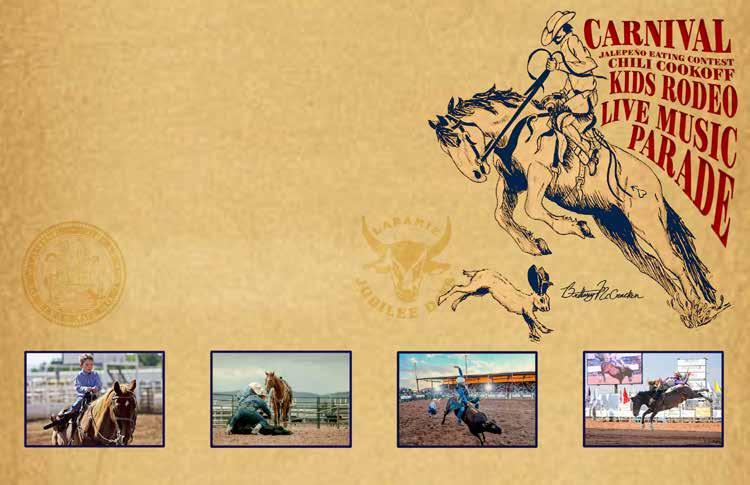

Thriving industry – Wyoming’s horse racing industry is bucking a nationwide trend by continuing to grow even as racetracks around the country close down. The Wyoming Bred Program is a huge incentive for breeders, and in 2025 the program paid out over $10 million. Adobe Stock photo
Rocky Mountain Horse Edition
DIRECTORY
Agri-Best Feeds Page 20
Art of the Cowgirl Colorado Gathering Inside Front Cover
Barnyards & Backyards Page 27
Butte County Equipment Page 23
Central Wyoming College Page 34
Clark & Associates Land Brokers Page 31
Country Land and Homes LLC Page 18
Covolo Auto-Farm Service....................................................... Page 36
Cowgirl Cadillacs Horse Sale .................................................... Page 3
Custom Rawhide Braiding by Vince Donley .............................. Page 6
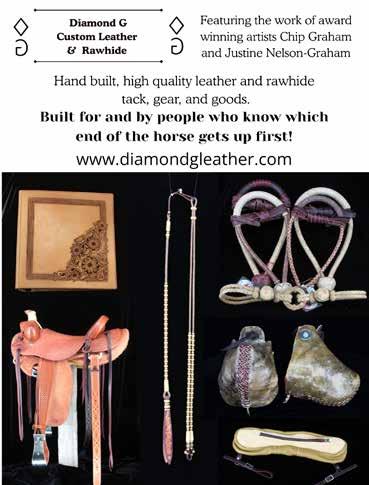
Diamond G Custom Leather & Rawhide ................................. Page 18
Epler, Casey .............................................................................. Page 4
Farm Credit Services of America ............................................. Page 23
First Northern Bank ........................................... Page 21 and Page 39
Frankovic Realty LLC Page 24
Hayburner Tack and Leather Page 17
Heartland Kubota LLC Page 13
Hells Canyon Mule Days Page 5
Hewitt Land Company Page 35
Hoof Cinch LLC Page 4
Huskerland Horse Sale Extravaganza Page 13
Jordan Xtreme Bronc Match Page 25
Kerry Kelley Bits & Spurs Page 15
K.R. Rauch Company Page 38
Laramie Jubilee Days Page 40
Lauing Mill Iron L Ranch Page 12
Lone Feather Hats LLC Page 4
Memory Ranches Inside Back Cover
Miles Community College Page 36
Montana Horse Progress Days Page 17

according to Brande.
“Wyoming pays the highest return to our horsemen per capita in the country,” Brande says, emphasizing more money returned directly to breeders means more opportunity for investment in the industry.
A report compiled by the Select Committee on Gaming in 2025 notes 10 years ago, less than 10 percent of horses running races in Wyoming were home-bred, but today, this figure is over 50 percent and growing every year.
Bright future
Wyoming’s horse racing industry is bucking a nationwide trend by continuing to grow even as racetracks around the country close down.
In addition to tracks in Gillette, Evanston and Rock Springs, a new facility is currently under construction in Cheyenne and is expected to open this fall.
“The fact people want to come in and build racetracks when every other state is tearing them down shows just how important horse racing is to Wyoming,” Brande says.
MountainWest Valuations Page 16
Northwest Community College Page 7
Open Box Rafter Ranch Quarter Horses Page 28
Oteco Page 6
Pine Ridge Knife Company ..................................................... Page 13
Plain Jan’s Page 23
Proffit Ranch Quarter Horses ............................................. Back Cover
Red Bluff Buckles Page 22
Rocking Horse Equine Fitness Page 24
Rocky Mountain Breeders Association Page 14
SanBar Ranch Quarter Horses Page 32
Shippen, Grant ........................................................................ Page 19
Silver State International Rodeo Page 29
Specialty Tool & Attachment .................................................... Page 26
Swift Built Ranch Trailers Page 30
TCU Ranch Management Program Page 19
Trailside Farm Page 33
University of Wyoming RMAL Page 8 and Page 26
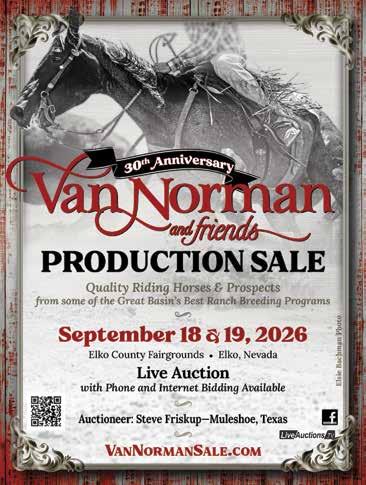
Van Norman and Friends Production Sale .............................. Page 26
Visit Cheyenne Page 11
Western Land Sales ................................................................ Page 29
Wheatland Country Store Page 10
Wilson Ranch Page 30
World Championship Ranch Rodeo Page 42
Wyoming Mediation Page 33
Wyoming Quarter Horse Association....................................... Page 37
Wyoming Ranch Rodeo Finals Page 21
YZ
Virginia Wakefield is a Thoroughbred breeder based in Cheyenne who participates in the Wyoming Bred Program and has witnessed the sport grow firsthand throughout the past decade.
Virginia says even as the sport falls out of favor in other states, the future of Wyoming horse racing is bright.
“Wyoming is seeing a huge influx of horses coming in to race, and of breeders and owners bringing their mares and stallions to Wyoming to be certified in the Wyoming Bred Program,” Virginia says.
“We’re getting more and more people involved,” Brande adds. “The owners are starting to go out and buy more mares or upgrade their program by buying better stock, therefore investing more in Wyoming.”
The Wyoming Gaming Commission has approved a total of 72 live race dates for the 2026 season, with live racing set to kick off on May 23 at Energy Downs in Gillette and scheduled to conclude on Nov. 1 at the Thunder Plains racetrack in Cheyenne.
For more information on the Wyoming Bred Program or Historic Horse Racing, visit gaming.wyo.gov/home
Grace Skavdahl is the editor of the Wyoming Livestock Roundup. Send comments on this article to roundup@wylr.net.
Continued from previous page
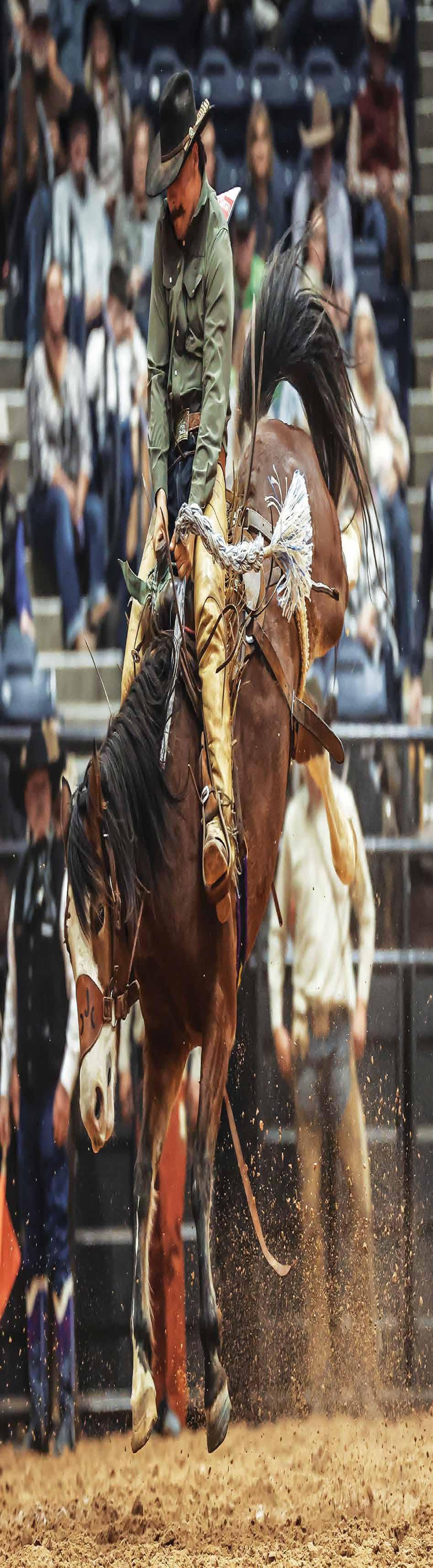
MEMORY RANCHES



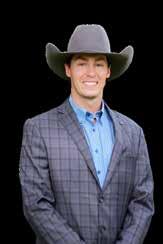
Brodi Jones won the
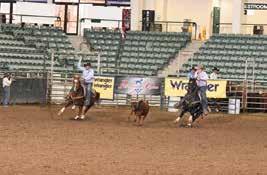
Brodi Jones won the 2025 ACTRA Open Championship roping on our stud, Eastwood.
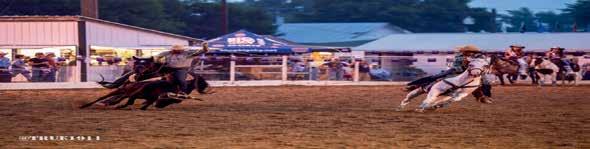
Luke Pearce heeling at the Payette County Rodeo on our stud, Cibecue.