Academic Report
2025 - 2026
Introduction
This has been a year of embracing new challenges and building on firm foundations. Whatever the discipline, we encourage pupils to develop their individual passions and to try something new. The breadth and depth of their achievement continues to amaze me, as this report shows.
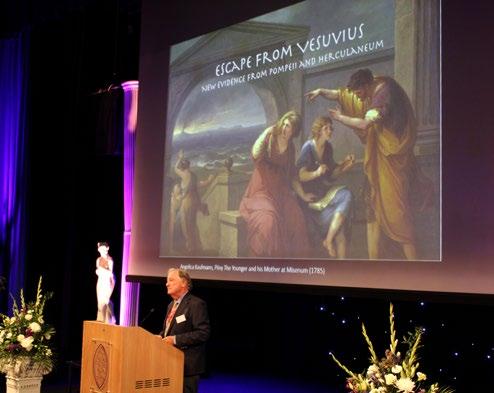
We kicked off the year with our inaugural Classics Conference in September. This was an outstanding event, with visitors from 14 schools. Wycombe Abbey has celebrated success in Classics for many years and the conference served to enhance our reputation even further. It was wonderful to see 230 people gathered in the theatre to listen to speakers of international acclaim, proving that the study of Classics is very much alive and kicking.
From the ancient world to the modern, I was reminded of the link between Classics and Computer Science epitomised by the work of Marjorie Pattle, employed by the Foreign Office at Bletchley Park during World War II. She worked in Hut 6, responsible for intercepting and breaking German Army and Air Force Enigma machine codes. Like many codebreakers recruited to Bletchley Park, her academic background in problem-solving and languages made her a prime fit for wartime cryptanalysis. Soon after the end of the war, she became Head of Classics at Wycombe Abbey. Another great achievement this year was the work of some of our younger pupils (four girls in LIV) who achieved national success in the CyberFirst Competition. They worked together to complete a series of technology and cyber security challenges over a ten-day period. They won the opportunity to spend a weekend at Glasgow Science Centre to work on a range of problems and activities. They returned to
school with some wonderful prizes, including new laptops. This year has seen a focus on both the development of essential digital skills across the Lower School curriculum and an increasing emphasis on Artificial Intelligence and digital literacy, reflecting our commitment to preparing pupils for a changing technological landscape.
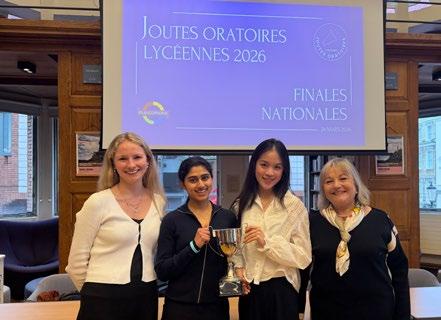
Above all of this, the importance of excellent communication skills has been highlighted on many occasions throughout the year. Encouraging pupils to speak with authority and clarity is something we promote in lessons, through School Meetings every Friday and in the vast range of co-curricular activities. Societies such as MUN and Debating foster speaking in public on a weekly basis. We were absolutely thrilled when, following their success in the regional heats of the Joutes Oratoires Sixth Form French Debating Competition, two LVI pupils represented Wycombe Abbey at the National Finals, held at the French Institute in London. The finals brought together the top ten debating pairs from across the UK to engage in high-level debates conducted entirely in French. The motions challenged students to think critically and articulate complex ideas. In a highly competitive final against an UVI team from Winchester College, our girls impressed the judges with their persuasive arguments and confident delivery, ultimately being announced as national winners.
I hope you like reading about the wide range of academic activities which the girls have enjoyed this academic year.
Miss Emily Boswell Deputy Head (Academic)
Art
We successfully installed our glass kiln last year, with amazing results for pupils, in particular, Sixth Form girls. In February a visit to the V&A Museum was very informative as the LVI listened to the expertise of the glass curator; the ideas gained from this permeated throughout the girls’ final A level pieces.
Another area of development has been Photography, enhanced by the appointment of a photography graduate to the team. We are fortunate that our dark room enables us to carry out wet processing, which is no longer available in many schools.
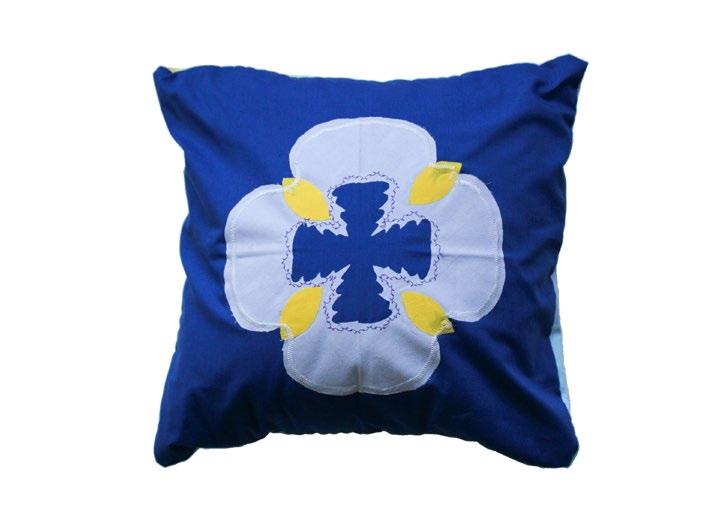
UIII have enjoyed designing intricate appliqued patterns using bondaweb inspired by the Hawaiian quilting exhibition at the Pitt Rivers exhibition in Oxford.
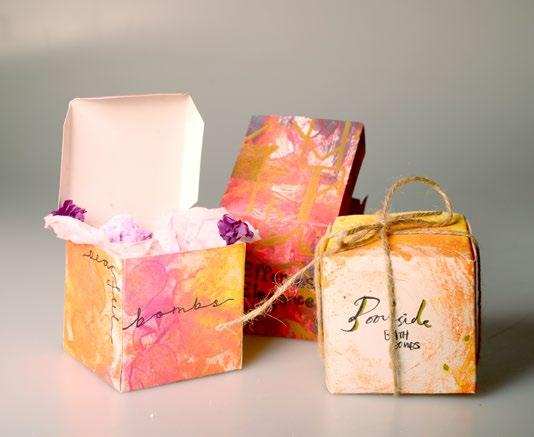
The LIV portrait project continues to provide strong tonal drawing on a variety of surfaces and 2D software has also been explored to create nets for creative packaging. This led to a collaboration with Chemistry to create bath bombs and packaging using collograph printing.
UIV continue to enjoy creating fashion and this year their concept was historical influences. Pupils designed, worked out the models’ measurements and cut patterns. The finished garments ranged from 1700s to Chanel suits. Making corsets was challenging but persevering with boning and lacing paid off, culminating in a lively catwalk show in Courtyard Cafe.
Pupils in exam years were very successful last Summer with grades of 8 and 9 at GCSE and A* and A at A level. Last year the university destinations for our pupils were mainly for Architecture and Sciences. This academic year we have pupils in DT and Art who are interested in careers in architecture and we work closely to provide the portfolios required for application interviews.
Our online Art exhibition with Wycombe Abbey International Schools continues to flourish. A selection of work from all years is published in an online gallery and parents of all schools can view, from Primary up to A level. We are looking forward to working with our sister schools to deliver competitions.
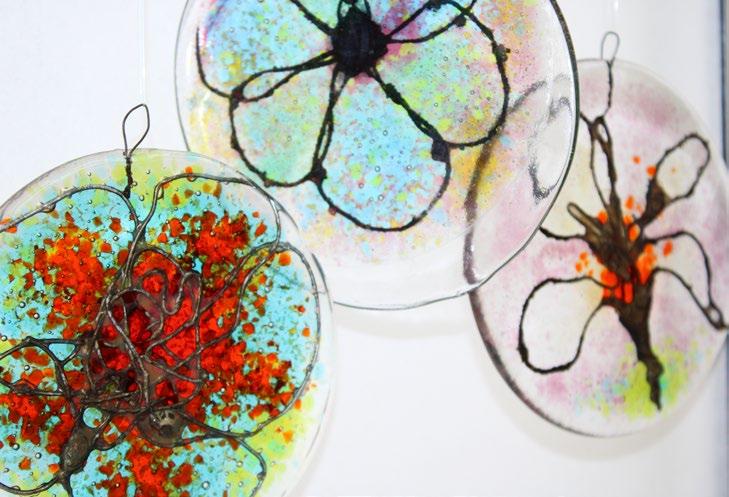
Glass-making in School
Bath bomb packaging
UIII Cushion based on Hawaiian quilting
Biology
We were delighted to welcome two new members of teaching staff this year – Mrs Biddle (Housemistress) and Mrs Manning (Head of Careers). They have made a positive impact on the department, and we have enjoyed having more brains to discuss ideas.
We welcomed a new LVI cohort and have already been impressed by their enthusiasm for the A level course, with numbers attending the biology-themed Senior Science Activities growing. We had our largest cohort of pupils sitting the British Biology Olympiad, and this year celebrated more certificates than ever! We were delighted that two pupils, including one from LVI, were awarded Gold, and took part in the selection process to represent the UK at the International Biology Olympiad in the Summer. Junior Science Activities have again been popular with the UIII girls, and we loved seeing their Grass Heads spring to life!
The Sixth Form have made strong progress with their core practicals. The 16 core experiments assess 11 required practical skills in detail, and pupils must demonstrate consistent progress as they move through the programme. These range from careful dissection of locust breathing tubes down the stereo microscope, to serial dilution, microbiology plating and successfully setting up the notoriously tricky potometer to view the progress of an air bubble. These skills will be beneficial both in their preparation for the A level papers and university studies.
Miss Rowley led the weekly University Preparation sessions for UVI biologists, leading to many successful offers, including from Oxford and Cambridge. Mr Whiteley has continued to support prospective medics, dentists and vets in their applications, preparing them for admission tests and organising numerous mock interviews, including with pupils from our partnership schools and new collaborations with other GSA schools. These sessions provided valuable experience with unfamiliar interviewers, simulating realworld conditions. Our medical conference, where teachers from other schools attend to learn how to better support their applicants, remains a highlight.
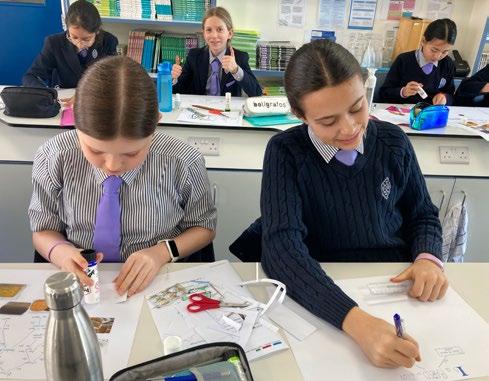
Our technicians, Mrs Brearley and Mrs Page, have been invaluable, accommodating last-minute changes to ensure the best practical experience for each year group. The prep room is always bustling with growing plants, bubbling agar solution and the weird and wonderful experiments that we use to support learning. UIII and LIV pupils focus on core skills like planning experiments, writing methods, and graphing data, while also delivering enthusiastic presentations and creating excellent written work. UIV particularly enjoyed their project on plant reproduction, carefully monitoring their broad beans to view the stages of germination and flowering, before setting up the infamous cress seedling experiment to test which of WOW (water, oxygen, warmth) is the most important.
Mr Whiteley and Miss Rowley took 11 girls to Peru last summer and spent two weeks on a riverboat exploring the Amazon. Highlights of the trip included climbing from one boat to another in the middle of the river, learning to accept the torrential rainfall that leads to such a varied habitat, spotting baby sloths hiding with their mothers in trees, and being hands-on with a wide range of equipment not available at School. Meeting the indigenous communities added another dimension to the trip, and the next one is already being planned!

We have continued to refine our bespoke UIII and LIV curriculums, updating both the topics covered and the resources available. Materials on SharePoint are positively commented on by pupils and parents, and we are extremely proud of this provision, which helps support differentiation and adaptive learning, as well as extension and challenge. The Wycombe Abbey academic qualities are listed at the top of lesson notes, so pupils can easily review which of risk-taking, resourcefulness, determination, reflection or development they have tackled on each task.
Wycombe Abbey is due to host the annual Eton Group subject meeting in June 2026. Discussions will focus on the curriculum, societies, and wider issues affecting our sector including how to successfully incorporate AI to support differentiation and adaptive learning.
Mrs Lizzi Wallace Head of Biology
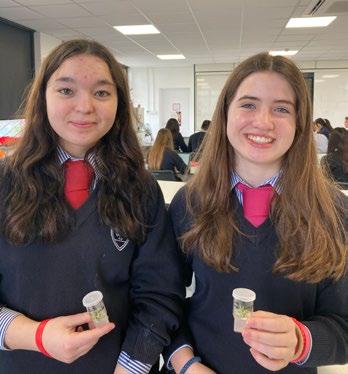
UIII Learning about Classification
Chemistry
From chip pan fire explosions to making bath bombs, this has been another vibrant and energetic year for Chemistry at Wycombe Abbey. Our pupils and staff have approached the subject with curiosity, focus and determination.
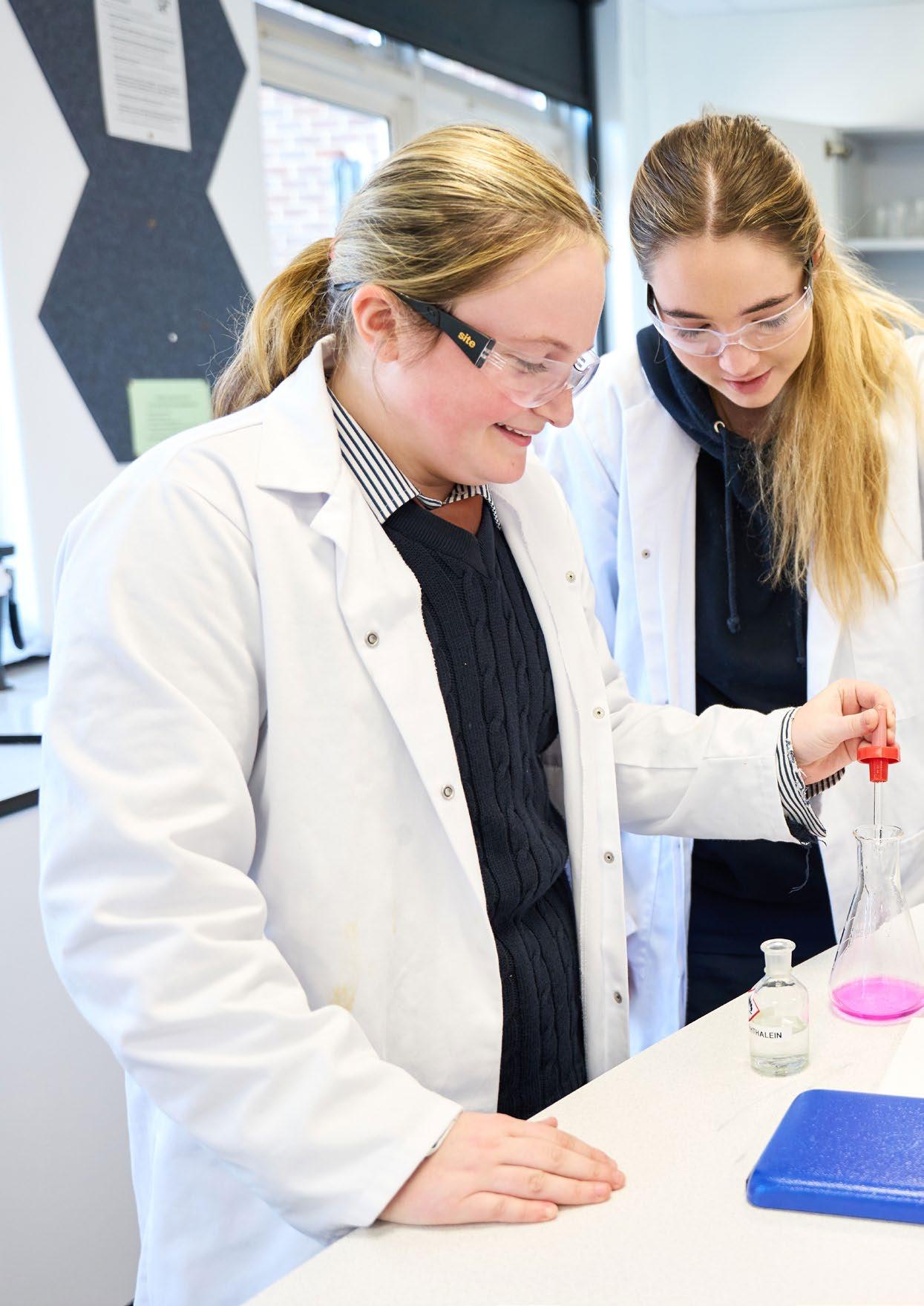
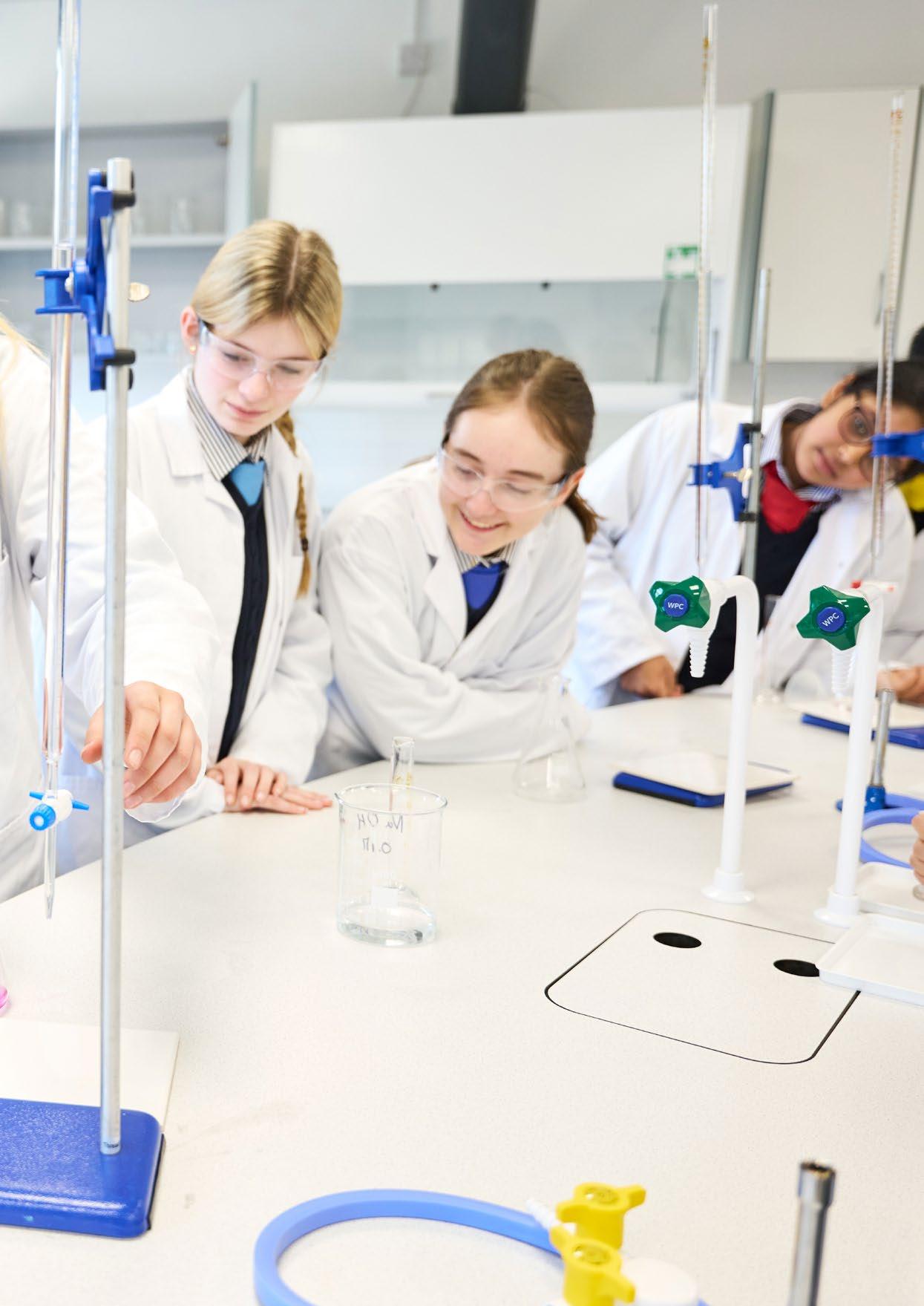
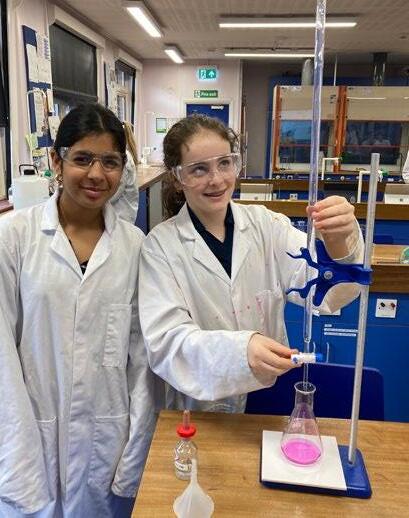
In the Lower School, pupils have enjoyed a broad and varied curriculum, with practical learning at its heart. UIII began the year by working safely in the laboratory, learning the parts of the Bunsen burner and how to light it. They also enjoyed learning about elements and presented their research and findings about an element to the class. In a collaboration with the Art Department, LIV made bath bombs during the Acids and pH Scale topic, and designed packaging for them in their Art lessons. The final products looked fantastic! In UIV, our pupils enjoyed lots of practical investigations to determine unknown compounds using flame tests and other inorganic analysis techniques. For the first time ever in UIV, pupils also carried out titrations, learning to use pipettes and fillers, and enjoying the beautiful hot pink colour changes near the end point due to the phenolphthalein indicator.
Sixth Form Chemistry pupils have shown a commendable level of independence and dedication this year as they have engaged with challenging areas of the course, including Organic Synthesis, Thermodynamics and Redox Equilibria. The demanding nature of A level Chemistry has been complemented by a positive and collaborative classroom environment, where pupils are confident in posing questions and evaluating their own understanding. During the spring term, Upper Sixth pupils took part in the ‘Up
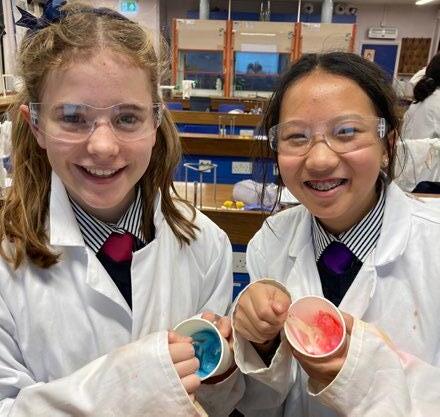
and Atom’ Carrington sessions, relishing the chance to explore their learning through hands-on activities such as creating bath bombs, slime and soap. We are delighted that several pupils have secured offers to study Biochemistry, Chemistry, and Chemical Engineering at prestigious institutions including the University of Oxford, University College London, King’s College London, and Imperial College London. This success continues a strong tradition from last year’s cohort, who went on to read Chemistry and Chemical Engineering.
Beyond the classroom, Dr Johnson hosted a Tea and Chat event, which was well received by LV and LVI pupils. She described her career in Biotechnology including working at a DNA sequencing start-up and discussed science related careers with the pupils.
Chemistry has continued to thrive through co-curricular activities and enrichment opportunities. In January, we were proud to host the Chemistry Olympiad, which was taken by LVI and UVI Chemistry pupils. This tested both core A level chemical knowledge and wider scientific thinking, with our pupils showing remarkable creativity and insight in their responses. We are looking forward to entering our Lower Sixth pupils for the Cambridge Chemistry Challenge in June, where they will engage with demanding problems beyond the A Level course. After last year’s fantastic outcome, which saw a pupil attend the residential course at the University of Cambridge, we are excited to see how this year’s pupils get on.
We continue to take great pride in the progress and achievements of all our pupils, and remain dedicated to developing their curiosity, independence and critical thinking. It has been a real pleasure to work with them this year.
Mrs Antonia McNeill Head of Chemistry
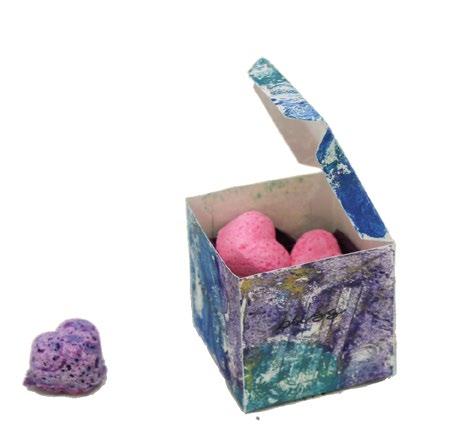
LIV mixing bath bombs
LIV Bath Bomb packaging (Chemistry and Art Department collaboration)
UIV carrying out a titration using phenolphthalein indicator
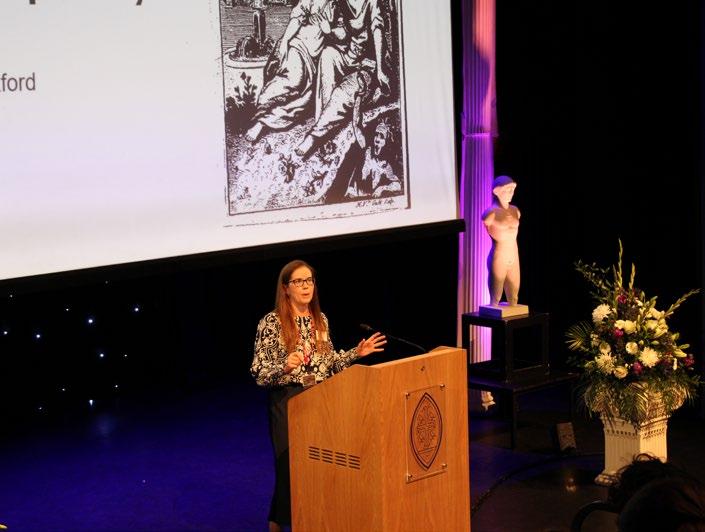
Wycombe Senior Dorothy Lamb (Rubens, 1905) once wrote “the study of antiquity is not merely the study of objects, but of the lives and hopes of those who came before us”. In September 2025 Wycombe Abbey hosted our inaugural Classics Conference, attended by over 200 pupils from 15 different schools. The day epitomised Lamb’s view of studying Classics: our five amazing speakers, all renowned academics from the Universities of Oxford and Cambridge, brought the ancient world back to life for us.
Our speakers were Professor Llewelyn Morgan, Dr Gail Trimble, Professor Caroline Vout, Dr Rosanna Omitowoju, and Professor Andrew Wallace-Hadrill, and their specialisms ranged from Greek and Latin literature to Classical art and archaeology, providing pupils with a diverse and enriching insight into the ancient world. We had some wonderful feedback from our visiting schools, such as this message from the Head of Classics at St Gabriel’s:
“This was a fantastic opportunity for our pupils to extend their knowledge beyond the classroom and to hear directly from some of the leading voices in the field. The lectures were inspiring, the discussions stimulating, and it was wonderful to see our pupils engaging so confidently with complex ideas. Experiences like this not only deepen their understanding of the ancient world but also strengthen transferable skills such as analysis, communication, and debate.”
Inside the classroom, UIII-UIV continue their Latin studies through the story of Suburani, alongside their Greek; learning about topics such as gladiators, women, education, and chariot racing. For GCSE we have over half of the year group choosing Latin, Greek, or both!
In UIII all pupils were encouraged to enter the national Ovid competition held by the University of Cambridge, by creating an artefact, cartoon, animation, performance or
written piece inspired by Ovid’s Metamorphoses. 24 schools entered, with hundreds of applicants. We were delighted that we had five highly commended pupils; congratulations especially to them, but to everyone who participated. We also held our annual LIV Latin declamations competition, where pupils performed a selection from Ovid, Cicero, Virgil or Pliny. Congratulations to our class and year group winners! LIV will also have the chance to visit Bath as one of their Activity Days in June.
Many thanks to Miss Franks for organising a trip to see Iphigeneia in the West End and to Greece in October 2026, as well as running Classics Book Club. This year we have enjoyed discussing Tom Holland’s Rubicon, Robert Harris’s Imperium and Margaret Atwood’s Penelopiad. Thanks also to Miss Pemberton for leading a trip to the British Museum, and we look forward to visiting the Cambridge Cast Gallery in October. Our keen LVI pupils have revamped Junior Classics Society, hosting popular mosaic making workshops and quizzes. Thanks also to our fantastic outgoing UVI Heads of Classics Society for setting up the incredible Nota Bene magazine, featuring the ever-popular cryptic crossword by Mr Murphy.
Finally, huge congratulations to last year’s UV and UVI for their superb set of exam results. 100% of Greek and Classical Civilisation A Level grades were A*-A and 91% of Latin grades. For GCSE 100% of Latin grades were 9-7 (92% were 9-8); for Greek 100% of grades were 9-8. We are so proud of our Clarence pupils for their impressive university offers from destinations such as Yale, UCL and Cambridge. We are delighted that so many pupils in LVI and UVI want to read subjects such as Classics, Archaeology, Ancient History, and Classical Civilisation.
Miss Tara Strange Head of Classics (Maternity Cover)
Computer Science
The Computer Science Department continues to grow and develop. Our academic results remained strong last year. A level pupils performed particularly well, with more than half choosing to pursue further study in Computer Science-related fields, including Artificial Intelligence and Electronic Engineering. At GCSE level, we returned to the OCR specification after six years with CIE, and we look forward to seeing the outcomes of this change in the upcoming results.
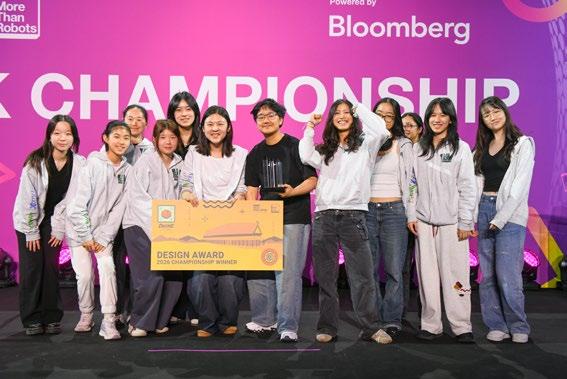
A major highlight for the department this year has been our exceptional success in external competitions. A team of four LIV pupils achieved first place in the Independent Schools category of the CyberFirst Girls’ Competition. They were invited to attend a high-profile celebratory event in Glasgow in March, where they received their prizes, including a laptop for each participant. Our newly established robotics team also enjoyed a highly successful debut season in the FIRST Tech Challenge. They reached the final of their qualifying event and were awarded the Inspire Award, recognising excellence across multiple aspects of the competition. At the National Championships, they advanced to the semi-finals and were further recognised with the Design Award for their innovative robot development.
We are also proud that five pupils chose to take part in the British Informatics Olympiad, the most advanced programming competition in the UK. This marks the first time Wycombe Abbey has participated in the competition and represents an important milestone in the growth of programming within the department.
The department continues to work closely with the Director of Digital Learning to develop our provision in Artificial Intelligence and to equip pupils with a broad range of digital skills. All three members of staff have been recognised as Microsoft Innovative Educator Experts, and Mr Wilson has joined the School’s AI Steering Group, contributing his expertise to the development of AI across the School.
The Computer Science Society (CSS) remains a vibrant and integral part of departmental life. With the introduction of the robotics team, pupils now have greater opportunities to explore different aspects of the subject through society meetings. The Head of Society, who also serves as the robotics team captain, is enthusiastic about supporting younger pupils and helping to build a sustainable robotics programme at Wycombe Abbey. In addition, pupils receive academic support during society sessions, ensuring that the CSS continues to be a strong and inclusive community.
The Computer Science Department has made significant progress this year, and we look forward to continuing to enrich and expand Computer Science at Wycombe Abbey.
Mr Ka Ho Wong Head of Computer Science
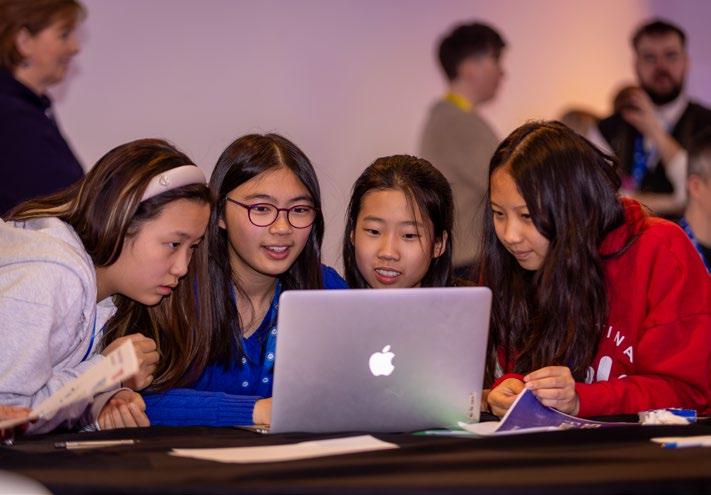
Cyberfirst Girls’ Competition
The Robotics Team receive the Design Award at the FIRST Tech Challenge
Cookery

The Cookery Department has continued to prioritise the promotion of healthy eating, with a particular emphasis on reducing sugar in recipes and maintaining the highest standards of safety in the kitchen. Our two experienced chefs, supported by the weekend cookery teacher and our domestic team, take great pride in upholding these exacting standards.
In UIII, pupils have focused on developing fundamental knife skills alongside preparing healthy and visually appealing dishes such as colourful poke bowls, cheesy rice cakes and savoury puff pastry tarts. Lessons incorporate elements of presentation and creativity, culminating in friendly competitive challenges at the end of sessions. Cultural awareness is an integral aspect of the curriculum, offering opportunities to explore global cuisines through dishes such as Japanese gyoza and temaki sushi. These experiences are enriched by the expertise of Chef Yuki Brien, whose Japanese heritage brings authenticity and depth to this learning.
By LIV, pupils demonstrate increasing confidence and precision in their knife skills. The emphasis shifts towards developing a broader range of cooking techniques and encouraging thoughtful risk-taking. Over the course of the year, pupils gain greater independence, learning to follow recipes with minimal guidance. Popular dishes include honey and lime chicken with roasted new potatoes and tenderstem broccoli, ramen, and Parmesan risotto. The year concludes with a lively “Ready, Steady Cook” challenge, in which pupils select their own ingredients and design and prepare original dishes.
In the LV, pupils engage in a series of wellbeing-focused sessions, comprising three extended lessons dedicated to healthy eating. These sessions explore the relationship between food, energy and mood, with particular attention to ingredients that support cognitive function as well as those offering comfort. The approach is both practical and reflective, combining preparation, cooking and shared tasting within each lesson. Recipes include blueberry muffins, beef quesadillas, protein-based desserts, breakfast granola with seeds and dried fruit, and the ever-popular ginger shot.
The Sixth Form continues to benefit from the accredited Leiths Cookery Course. Pupils must first successfully complete an online food hygiene qualification before participating in the weekly two-and-a-half-hour practical sessions. The structured programme encompasses menu planning, breakfast and brunch dishes, and imaginative store-cupboard meals incorporating a range of global

influences. Pupils document their work by uploading photographs of completed dishes to the Leiths portal. Assessment culminates in a practical examination conducted in the Summer term by a visiting Leiths assessor.
Cookery Club remains a vibrant and valued part of co-curricular life, offering pupils the opportunity to prepare nutritious, well-balanced evening meals while developing more advanced technical skills. Sessions frequently include masterclass-style experiences, with dishes such as handmade gnocchi and crème brûlée. The club fosters a warm and social atmosphere, with pupils sharing their meals together once the kitchen has been tidied.
The department also offers a rich programme of extracurricular activities. During LIV Activity Day, pupils collaborate in teams to design and deliver a pop-up restaurant concept, taking responsibility for menu creation, ingredient selection, cooking, packaging and marketing. The annual inter-house biscuit competition continues to be a highlight, characterised by both enthusiasm and a high level of craftsmanship. Judging, undertaken by the Cookery Department and the school’s catering chefs, is rigorous, with marks awarded for colour, texture, flavour and decorative finish.
Short leave periods provide further opportunities for creative challenge. This year, pupils were tasked with producing a fruit tart inspired by national flags. The results were exceptional, with joint winners representing the Union Jack and the Seychelles, and Kenya awarded runner-up. Judging was undertaken by members of the Sixth Form Leiths cohort, adding an additional level of expertise and insight.
Miss Kay Williams Head of Art and Cookery
Fruit Tart Challenge
Leiths Cheese Souffle
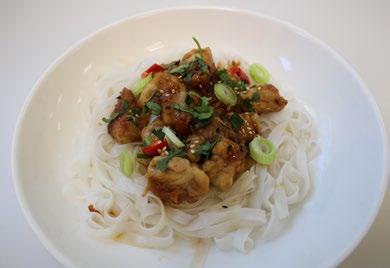
LIV Chicken Teriyaki with rice noodles
Design and Technology
The Design and Technology department continues to go from strength to strength. Last year’s IGCSE outcomes were outstanding, with all pupils achieving Grades 8 and 9. These results are highly indicative of the quality of work produced and reflect pupils’ willingness to take risks in their design thinking, demonstrate determination throughout extended projects, and reflect critically on their work to achieve high standards. GCSE uptake grows year on year, and this academic year represents our largest LV cohort to date, demonstrating both the subject’s popularity and success.
Across all year groups, pupils value the combination of practical and theoretical learning, alongside the opportunity to problem-solve and create meaningful, original projects. Design and Technology places strong emphasis on risk taking through iterative design and prototyping, encouraging pupils to test ideas, refine solutions, and learn from failure. Resourcefulness is a consistent strength, as pupils make informed choices about materials, tools, and processes to respond effectively to design briefs at both GCSE and A level.
To support continued development and ensure facilities remain of the highest standard, significant investment has been made in specialist equipment this year. Our CAD/ CAM provision has been expanded with the addition of a
new CNC router and further 3D printers, complementing our well-established traditional workshop. This blended approach enables pupils to develop a broad and relevant skillset, confidently combining hand-crafted techniques with advanced digital manufacturing processes.
UIV pupils completed structured projects over the course of the year, each designed to build confidence, accuracy, and independence. The production of boxes, featuring four different joint types, strengthened core woodworking skills and technical understanding. This was followed by a major biomimicry-inspired lighting project, requiring pupils to take creative risks by drawing inspiration from nature. They explored a wide range of veneering techniques and combined hand crafting, CAD design, and laser cutting to produce sophisticated outcomes. Throughout, pupils demonstrated reflection and development by responding thoughtfully to feedback and refining their designs.
LV pupils began their IGCSE course with a focus on foundational skills. Woodworking techniques were developed through the manufacture of stools, while drawing and CAD/CAM skills were developed through a structured programme that culminated in the Pocket Perfect project, where pupils applied their CAD skills to design and 3D print a small, functional storage solution, demonstrating creativity, accuracy, and effective use of digital manufacturing. Towards the end of the year, pupils
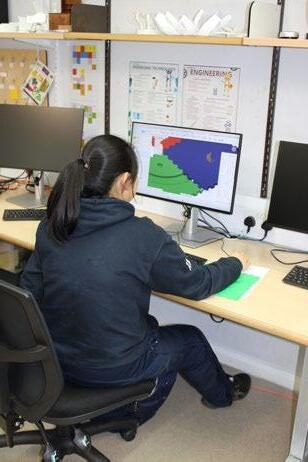
made a confident and constructive start to their NEA coursework by developing client briefs and conducting initial research, demonstrating increasing independence and determination.
LVI pupils have approached the A level course with equal drive and ambition. Initial skills-building projects included a children’s toy, focused on creativity, engagement, and safe design practices in wood, alongside a trophy project that strengthened research, design communication, and both hand sketching and CAD skills. These projects laid strong foundations ready for pupils to start the A level NEA in the Summer Term.
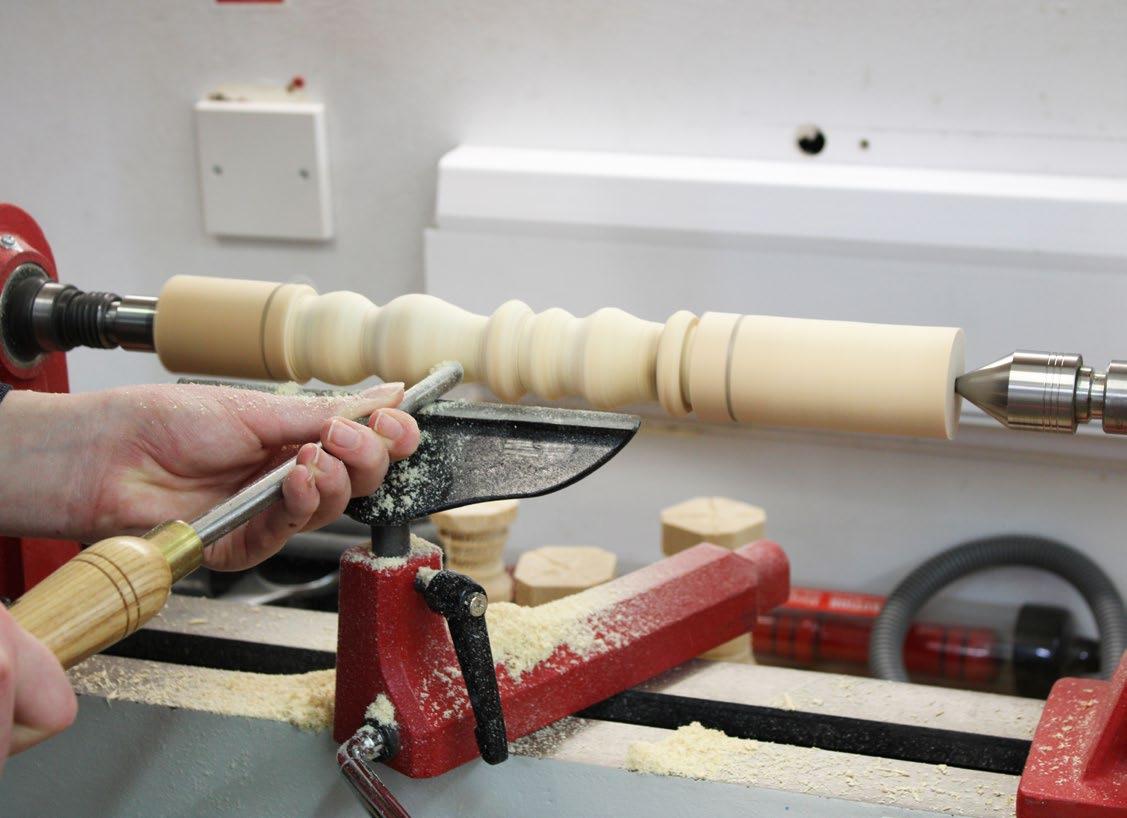
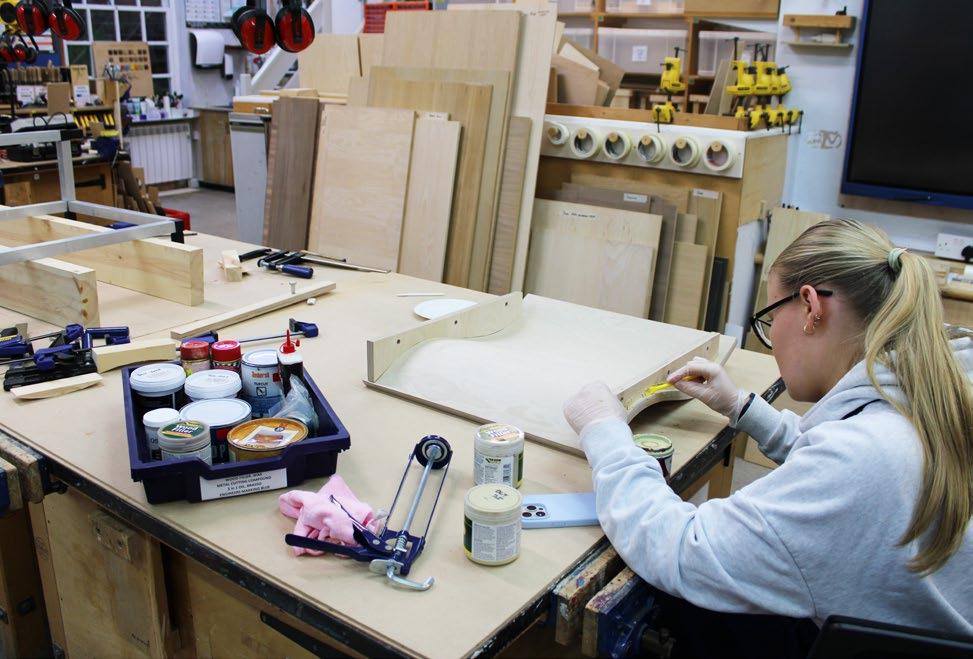
UV and UVI pupils have shown exceptional focus and engagement, manufacturing highly ambitious projects to a consistently high tolerance. They have used the full range of workshop equipment with confidence, including hand tools, the centre lathe, wood lathe, CNC router, and 3D printers. The diversity of outcomes has been remarkable, with projects such as a spice rack, vanity unit, side table incorporating a dog bed, and a bespoke desk light. At A level, work has been equally diverse, including an Environmental High Seat and a sleek, contemporary Sideboard. Across all projects, pupils demonstrated resilience, precision, and problem-solving at every stage, approaching challenges positively and with clear determination.
This year also saw the introduction of the Wycombe Abbey Racing Academy, with five teams spanning UIV to LVI. Pupils have begun developing an enterprise and engineering portfolio in preparation for entry into the STEM Racing competition for the 2026–27 season. This internationally recognised challenge requires teams to design, manufacture, test, and race a scaled Formula One-style car, while developing skills in engineering analysis, teamwork, marketing, and project management.
The department has also supported applications for Arkwright Engineering Scholarships, with one pupil securing a successful award from a highly competitive national field. For Lower School, after-school provision ensured all LIV pupils completed a copper jewellery project, gaining an introduction to health and safety and key making skills. Further enrichment was offered to UIII pupils in the Spring and Summer terms through optional after-school sessions focused on basic woodworking and 2D CAD skills.
Miss Lucy Crampton Head of Design and Technology
A level Project work
GCSE Project - CAD
“One of the joys of the musical is that it involves genuine collaboration between the Drama, Music and Dance departments and allows so many pupils to showcase their talents.”
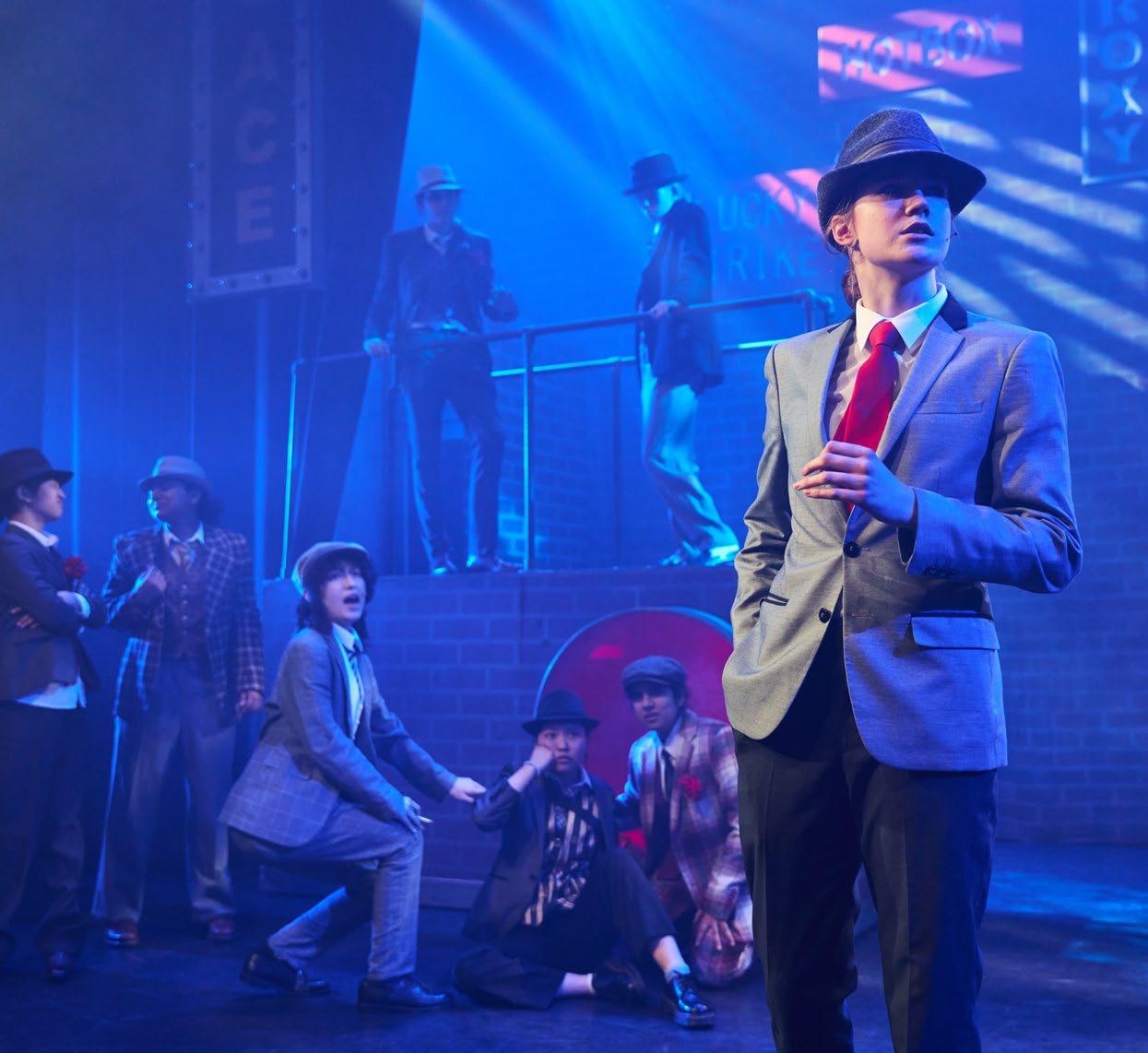
Guys and Dolls
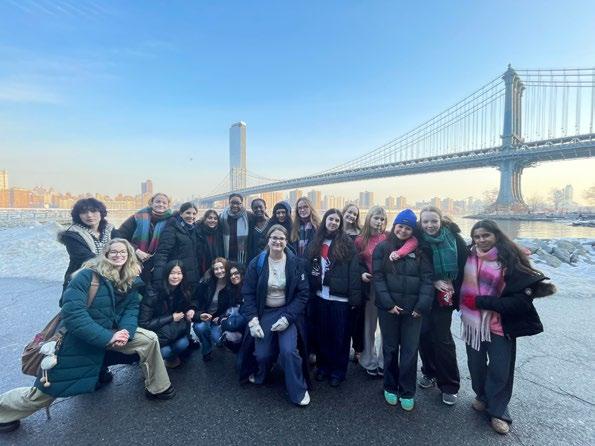
Drama trip to New York
Drama
We are pleased to report that curriculum Drama continues to go from strength to strength, with more than 30 pupils enrolled for the GCSE course in 2026/27. We look forward to welcoming the largest LV cohort on record next year and can confidently predict that they will find the step up to the GCSE syllabus rewarding, challenging and exciting. An important element of both GCSE and A level studies is the focus on the analysis of play texts and live theatre and, as ever, there have been a range of opportunities this year for pupils to see a variety of shows and performances.
We began the year in celebratory mood, taking pupils to see ‘The Importance of Being Earnest’ at the Noel Coward Theatre, London. Our visit coincided with Oscar Wilde’s birthday and, thus, included an audience rendition of ‘Happy Birthday’ (led by Stephen Fry, still in costume as ‘Lady Bracknell’) to celebrate the playwright’s 171st birthday. It was great to see that the play, first performed 130 years ago, still has the power to amuse and surprise, and the pupils and staff hugely enjoyed the flamboyant costumes and farcical storyline.
In complete contrast, pupils were also treated to a much more suspenseful experience in February, when they saw ‘2:22 – A Ghost Story’ at Oxford Playhouse. As well as the pupils enjoying an exciting (and at times, terrifying) evening, this show provided a wealth of material for their written exam and prompted some lively discussions around how some of the visual tricks had been achieved by the stage crew and design team.
The Drama Society trip this year (open to all year groups) was to ‘The Boy Who Harnessed the Wind’ at the RSC at Stratford-Upon-Avon and this included a backstage tour of the theatre prior to the performance, allowing pupils to see ‘behind the scenes’ of an iconic British theatre.
In February half-term, the department jetted off to ‘The Big Apple’ with 20 pupils to experience a selection of shows, a tour of The Juilliard School and a Broadway musical workshop, amongst many other activities (often involving fast food). Despite the itinerary involving walking to see the sights, the pupils were a credit to Wycombe Abbey and came back to school absolutely buzzing about their trip. It will no doubt provide lasting memories for the pupils involved (not least, seeing their faces on the Times Square billboards!) and will be something they look back upon fondly in years to come.
LAMDA continues to form an important strand of the co-curricular programme at Wycombe Abbey and, in 2026, will see more than 150 pupils take exams in a variety of
disciplines, from Grade 3 – 8. This year we also have four Clarence pupils taking the prestigious ‘PCERT’ certificate (a post-Grade 8 exam) – the highest number since its launch. The March exams have already delivered an incredible set of results, with 92% of pupils receiving a distinction for their work. These results are testament to the hard work of our LAMDA teachers and the dedication shown by the pupils in learning lines and preparing speeches alongside all their other commitments.
March also saw the curtain go up on the eagerly anticipated school musical, ‘Guys and Dolls’. This show had been more than a year in the making and represented the culmination of many hours of work for both pupils and staff alike. One of the joys of the musical is that it involves genuine collaboration between the Drama, Music and Dance departments and allows so many pupils to showcase their talents. This is all augmented by our technicians who help to create a truly world-class production. This year, the cast and band members were both hugely talented and dedicated (a winning combination) and worked together beautifully to produce a professional show with a plethora of stand-out moments, songs and routines. We are already discussing our ideas for the next musical!
One of the key tenets of the department is to provide opportunities for pupils in all year groups to perform on stage every year. This is a hugely rewarding experience, that helps build confidence and forge new friendships and will, again, be something they remember from their time at school. The quality of the productions at Wycombe Abbey this year has been as high as ever and cast sizes continue to grow.
Indeed, by the end of this year, more than 300 pupils will have stepped onto LAC stage to perform for parents, staff and pupils in productions including the UIII play, The Shakespeare Schools Festival, the Fourth Form Play, the LV House Plays, as well as the aforementioned ‘Guys and Dolls’
Mr James Harrington Head of Drama
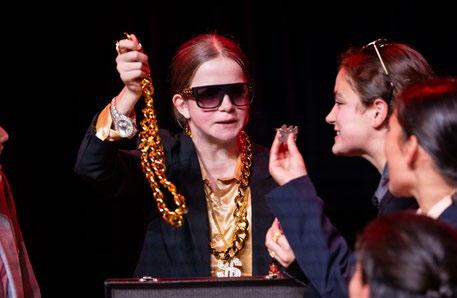
Shakespeare for Schools
Economics and Enterprise
Economics remains a highly popular A level subject, with three sets in both the Lower Sixth and Upper Sixth once again this year. The subject complements areas such as Geography, History and Politics, with pupils drawing on interdisciplinary knowledge to enrich classroom discussion. Throughout the year, pupils have engaged critically with major global issues, including inflation, geopolitical conflict and the rise of artificial intelligence. They are well placed to contribute innovative solutions to these challenges in the future.
The department achieved an excellent set of results last year, with 89% of grades at A*–B. Leavers secured places on highly competitive courses, including Economics and Management at Oxford, and Economics at Manchester, Bath and UCL. From the current cohort, a record 15 pupils hold offers to continue their study of Economics-related disciplines. Courses include: Economics; Philosophy, Politics and Economics; Economics and Management; Economics and Politics; Economic History, and Economics and Sustainable Development at leading institutions such as Oxford, LSE, Durham, Edinburgh, Bath, Exeter, KCL, UCL and Warwick. Combined honours degrees remain a popular choice.
This year, the department welcomed Mr Perowne, who has already made a significant contribution through the introduction of fresh ideas and a clear positive impact on teaching and learning.
We continue to encourage Sixth Form pupils to engage with Seniors Connect, our platform linking current students with recent leavers. This provides valuable insight into university study and student life. During Future Ready Week, we were particularly pleased to welcome online a former pupil who delivered a Q&A session on studying Economics and Management at Oxford. This offered current pupils informed guidance on the university application process and a clearer understanding of the course.
Early in the Autumn term, the department hosted Royal Grammar School pupils at the Academic Forum, which aims to extend intellectual engagement beyond the curriculum. Discussions included whether limited liability has become excessive and how governments might enforce greater corporate accountability, particularly in relation to utility companies. Consideration of The Economist’s recent analysis
of China’s gig economy prompted further debate on the need for increased regulation. These sessions demonstrated thoughtful reasoning and a high level of engagement.
It has been particularly encouraging to observe strong participation in external essay competitions this year. Pupils have demonstrated both depth and breadth in their research, alongside considerable academic ambition. Many Lower Sixth pupils are also undertaking EPQ or UPP projects on economics-related topics. Example titles include: “Challenging the Orthodoxy: Is the theoretical 2% inflation target still the optimal benchmark for UK economic growth in both the long and short term?” and “How does the availability heuristic affect risk perception?”
These projects provide valuable opportunities for independent inquiry and intellectual development beyond the specification.
Despite being a small department of two staff, we continue to prioritise a wide range of co-curricular opportunities. Business Tea meets weekly, providing a forum for discussion of current business issues. It has been particularly encouraging to observe strong participation from Fifth Form pupils, with discussions covering topics such as corporate mergers and wider market developments. The student-led Economics Society also meets each week, with pupils delivering presentations and leading informed discussions on areas including game theory and government policy.
The Tycoon Enterprise Competition remains a key feature of the Lower Sixth programme. This year, a record eight teams secured start-up funding from the Peter Jones Foundation and successfully developed their ideas into profitable ventures. It has been especially pleasing to see many teams supporting both school charities and their own chosen causes. Throughout the programme, pupils have demonstrated strong entrepreneurial and collaborative skills.
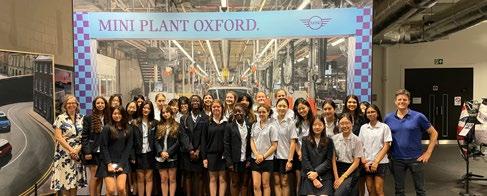
At the time of writing, the department is preparing for a Lower Sixth visit to the BMW Mini factory in Oxford in the final week of term. This visit will provide valuable insight into the scale and efficiency of modern manufacturing, enhancing pupils’ understanding of concepts such as capital investment, economies of scale and dynamic efficiency.
As another successful year draws to a close, the department looks forward with confidence to building on this momentum in 2026–27.
Mrs Alison Kiln Head of Economics & Enterprise
English
It is a truth universally acknowledged that a Wycombe Abbey pupil in pursuit of an enriching and inspiring education will find one in the English Department. While Austen’s famous opening line to Pride and Prejudice – the new novel captivating the hearts of this year’s IGCSE cohort – may have focused more on single men and their ‘want of a wife’, she would surely have shared the sentiment that a life spent reading is a life spent well. As we celebrated yet another set of outstanding exam results, including the remarkable outcome of 15 out of 20 pupils achieving A* at A level, one thing was clear: Wycombe pupils have certainly spent their time wisely and have continued to find great joy in literary pursuits, both within and beyond the classroom.
Pupils relish the opportunity to study a wide range of literature from the past four centuries, with the UIII-UIV curriculum offering perennial favourites, such as Frankenstein, An Inspector Calls and Blood Brothers, alongside challenging nineteenth century prose, poetry from different cultures and Shakespearean monologues for female characters. For the first time, UIII pupils were gifted copies of Great Expectations as a Christmas treat, building on the extracts studied in lessons to explore the topic of ‘The Outsider’. The gift encouraged pupils to stretch and challenge themselves, complementing their appetite for modern fiction that is so evident in every reading lesson. While reading beyond the syllabus is integral to the A level experience, we deployed a further literary gift to inspire an indulgence in the world of Ibsen, granting pupils the chance to investigate a selection of his other plays, having marvelled at the magnificent A Doll’s House
Seeing set texts performed live is one of the most memorable experiences of any pupil’s literary journey, and we have made the theatre our second home this year, seeing Hamlet at National Theatre, Blood Brothers at Wycombe Swan, A Doll’s House at Almeida Theatre, and A Midsummer Night’s Dream at Shakespeare’s Globe. The rich library of productions available on Digital Theatre Plus has also brought the theatre to classroom screens, offering a glimpse of directorial interpretations ranging from 1980s BBC gems to the latest big-budget Stratford shows. Since discussion of different productions is central to the study of Hamlet at A level, it is fantastic to give pupils a taster of this experience lower down the school, developing their understanding of the power of performance.
The annual poetry declamation competition offered yet another glorious glimpse of the performative prowess of Wycombe Abbey pupils, with confident and clear delivery
of poems they had truly taken to heart. Keeping poetry firmly on the agenda in terms of both performance and production, the whole-school poetry competition evidenced just how many talented writers we are blessed to work with. Our guest judge, Mariah Whelan, was awestruck by the high quality of the entries, remarking that the senior category contained an ‘astoundingly strong group of poems’, which was ‘extremely difficult to rank’. Alongside their creative endeavours, pupils also exhibited outstanding analytical skills and a willingness to embrace the academic values of risk-taking, resourcefulness and reflection in their contributions to the essay competitions, producing sophisticated, scholarly responses.
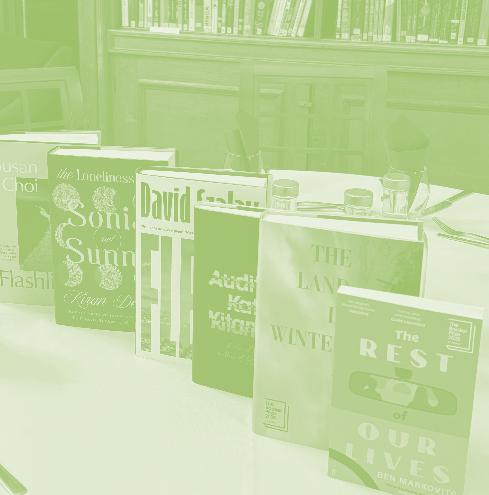
A level pupils certainly found great joy in both the set texts they studied and the enrichment material of the Booker Prize shortlist, generating a genuine buzz around the novels and producing insightful and entertaining presentations at our special ‘Wycombe Booker’ event. Whether we’re bringing out our inner villains for World Book Day or passionately proclaiming the merits of our literary heroes, the English Department is characterised by joy, as we marvel at the transformative impact of literature to inspire, amuse, shock, challenge and leave us all declaring: time spent reading is time well spent.
Mr Sam Lenton Head of English

In April 2026, LVI pupils were thrilled by a modern adaptation of Ibsen’s A Doll’s House at Almeida Theatre.
The Booker Prize shortlist proudly on display at the ‘Wycombe Booker’ event.
Geography
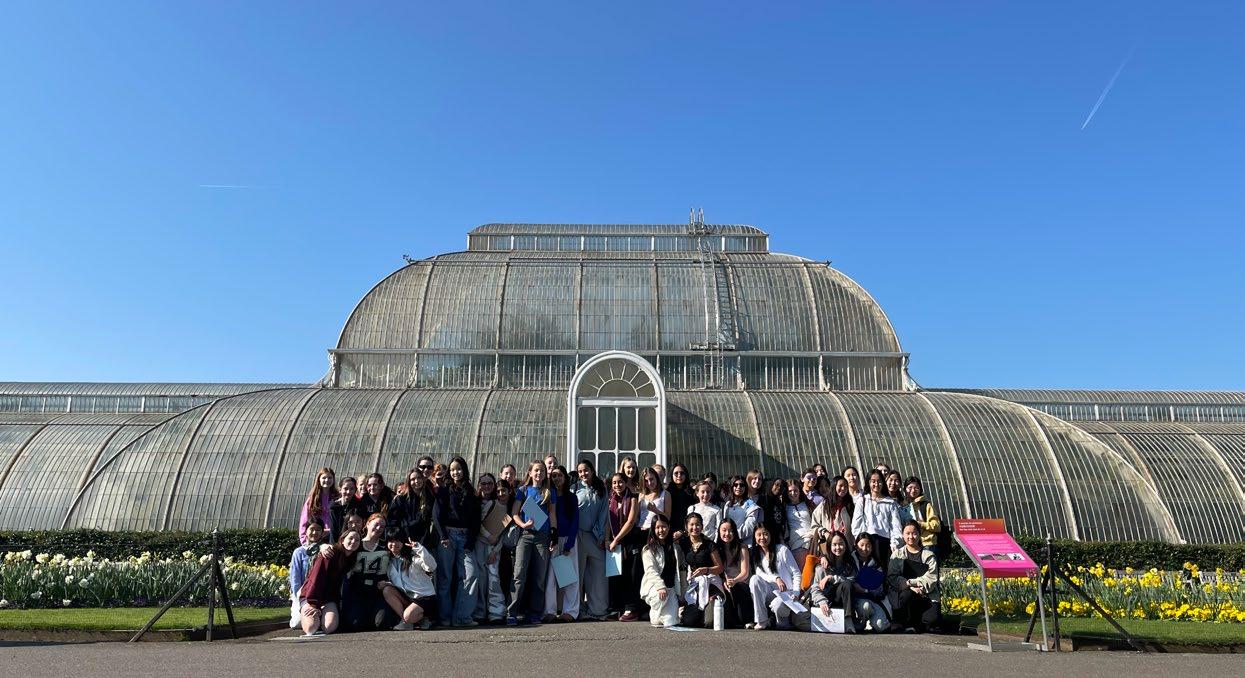
Geography at Wycombe Abbey continues to develop pupils’ intellectual curiosity and analytical skills, with a strong commitment to academic achievement throughout the year. The Department offers a forwardthinking and engaging curriculum that encourages pupils to explore contemporary global issues – in today’s world of increasingly complex geopolitics and the global push towards sustainability, never has Geography been a more relevant and vital subject.
The most recent GCSE results were a source of considerable pride, with 100% of pupils achieving grades 9–7. At A level, 83% of candidates secured A*–B grades, reflecting both the dedication of staff and pupils. Our leavers have progressed to study Geography and related subjects at leading universities, including Oxford, Cambridge, Durham and Exeter.
In the Lower School, UIII pupils made use of Geographic Information Systems (GIS) software and immersive technologies to investigate how a range global map projections give fascinating, varying perspectives on the world. They have also explored diverse landscape systems of tropical rainforests to the Arctic, exploring the challenges of living in such varied environments.
LIV pupils examined global population change, developing an understanding of the pressures created by both ageing and rapidly expanding populations. This was followed by a detailed study of weather and climate, with particular emphasis on the concepts of microclimates, taking on local fieldwork around the school site. The year concluded with a considered investigation into global food security, sustainability, and the future of food production.
UIV pupils explored the social, economic and environmental impacts of fast fashion before progressing to a broader study of climate change. Their final unit expanded on this, where they investigated the climate change induced challenges facing the Arctic and how geopolitics is having a major impact.
Interest in Geography remains strong across the school. We were pleased to welcome a large cohort of 68 into LV, and uptake at GCSE reflects pupils’ enthusiasm for the subject and their desire to engage with real-world challenges. The GCSE syllabus covers a range of physical and human geography topics including hazardous environments and river systems, as well as urban change, global development issues, changing economic activity and renewable energy.
At A level, Geography continues to attract motivated and committed pupils. The OCR specification enables in-depth study of Earth’s life support systems, global migration, health and development issues, and human rights. These topics are so relevant in the modern world where geopolitics increasingly influences everyday life.
Fieldwork is integral to the subject, offering the chance to develop a deeper connection with the topics studied through applied techniques. Pupils have been involved in a range of stimulating activities. In January LV-UVI attended a lecture by Tim Marshall, the author of several thoughtprovoking books on global geopolitics. LIV visited Kew Gardens and investigated what influences microclimates and how they can vary significantly over a relatively small area. LV undertook residential fieldwork at Juniper Hall, a Field Studies Council Centre in Surrey. LVI fieldwork remains
LIV visit to Kew Gardens
central to A Level, with pupils investigating urban change during a visit to Stratford in East London and completing independent fieldwork projects during a residential trip to Nettlecombe Court in Somerset.
It has been a bumper year for international trips: LV and UV GCSE pupils had the opportunity to visit Northern Iceland during October Long Leave. Pupils visited amazing waterfalls, bathed in geothermal hot springs and saw remarkable geological features. A real highlight was a visit to a local school on the island of Hrisey which has only 15 pupils across all year groups! Much fun was had and the pupils really enjoyed exchanging ideas about how their school lives differ.
Lower IV and Upper IV had the opportunity to visit Sweden and Denmark in May Long Leave where pupils explored contrasting urban environments in Stockholm and Copenhagen, examined sustainable city planning, and
investigated human–environment interactions within Nordic landscapes. Visits to cultural and environmental sites enabled pupils to deepen their understanding of sustainability – highlights included a visit to the IKEA Museum where pupils attended a design workshop, and a bike tour around Copenhagen to explore how it is the world’s most sustainable city.
Looking ahead, we are excited to continue expanding our co-curricular provision, including further international opportunities and locally based fieldwork for Lower School pupils. Geography at Wycombe Abbey remains a dynamic, inclusive and outward-looking subject in a world of increasing change, and we look forward to another inspiring year ahead.
Mrs Margot Wood Acting Head of Geography
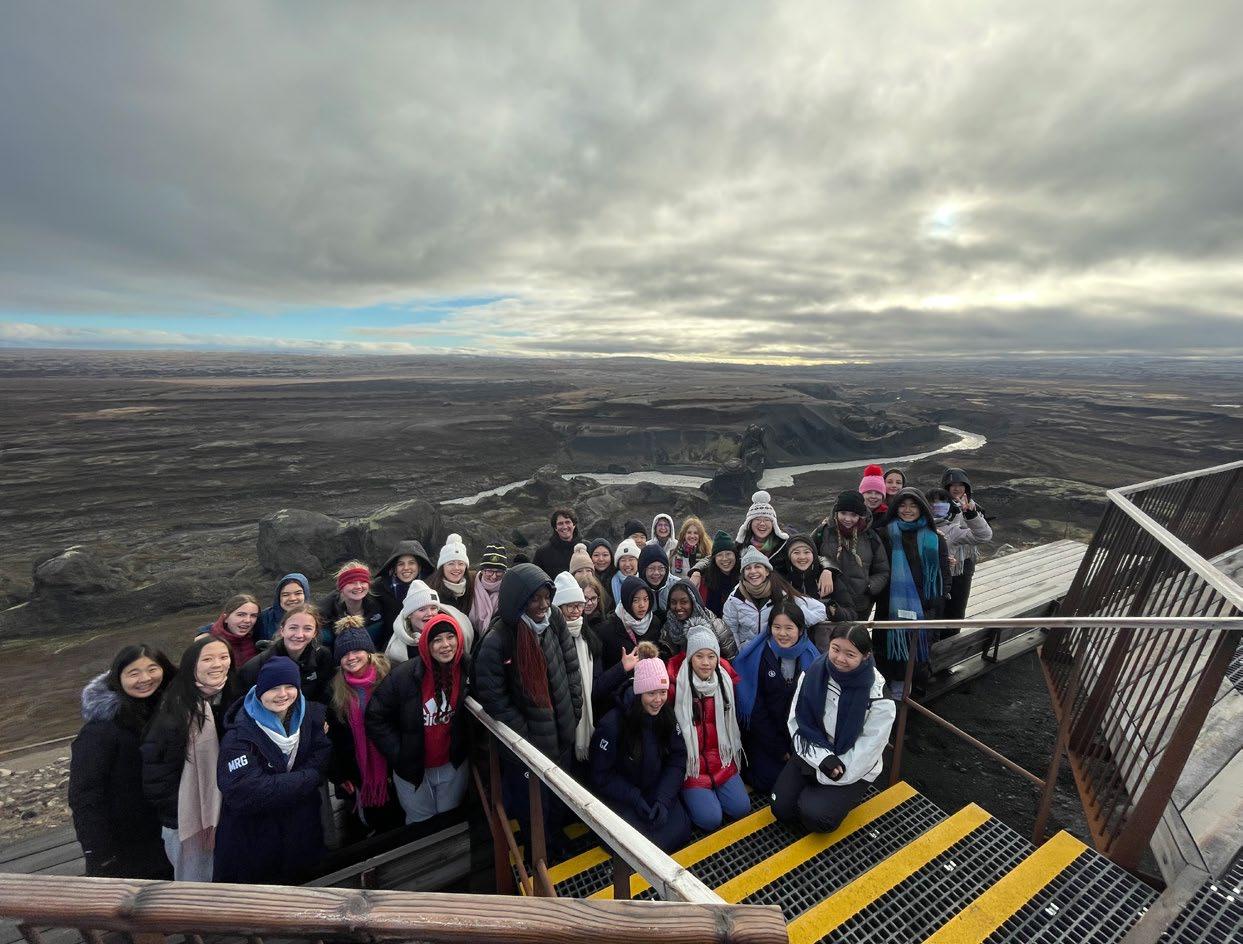
GCSE visit to Iceland
History of Art
“Art is not what you see, but what you make others see.” Edgar Degas’ words capture the spirit of the History of Art department and its work throughout this academic year. Through a rich programme of A level teaching, enrichment activities, and sustained engagement with artworks, pupils have been encouraged to look carefully, think critically, and articulate their ideas with confidence.
The year began with a celebration of last year’s Upper Sixth cohort, who achieved outstanding A level results, with half of the pupils gaining an A*. Two pupils chose to continue their art historical studies at university, securing places at UCL and Edinburgh. These excellent outcomes reflect the hard work and passion of a remarkable group of girls who brought energy, curiosity, and a genuine eagerness for intellectual debate to every lesson. Over the two-year A level course, they engaged with works spanning a 2,500-year spectrum, from ancient Greece to the YBAs, and from cultures across the globe, including the glories of the Italian Renaissance, the complexities of Edo-period Japan, the drama of the Spanish Baroque, the achievements of the Benin Empire, and the emergence of Modern Art in post-Revolutionary Paris.
Beyond the classroom, the History of Art Society has continued to play a central role in fostering enthusiasm for the subject among pupils of all ages. This year’s programme included a well-received talk by Charlie Hall on ‘Venice: The Marine City’ where he guided the audience through the origins, geography, history, art, and culture of this extraordinary city built on water, sharing the astonishing fact that beneath just one Venetian church lies over a million wooden piles. During Reading Week, Ms Bowen led a session on ‘How to Read a Painting’, introducing younger pupils to ways in which meaning can be uncovered through close observation, contextual knowledge, and the careful decoding of symbols.
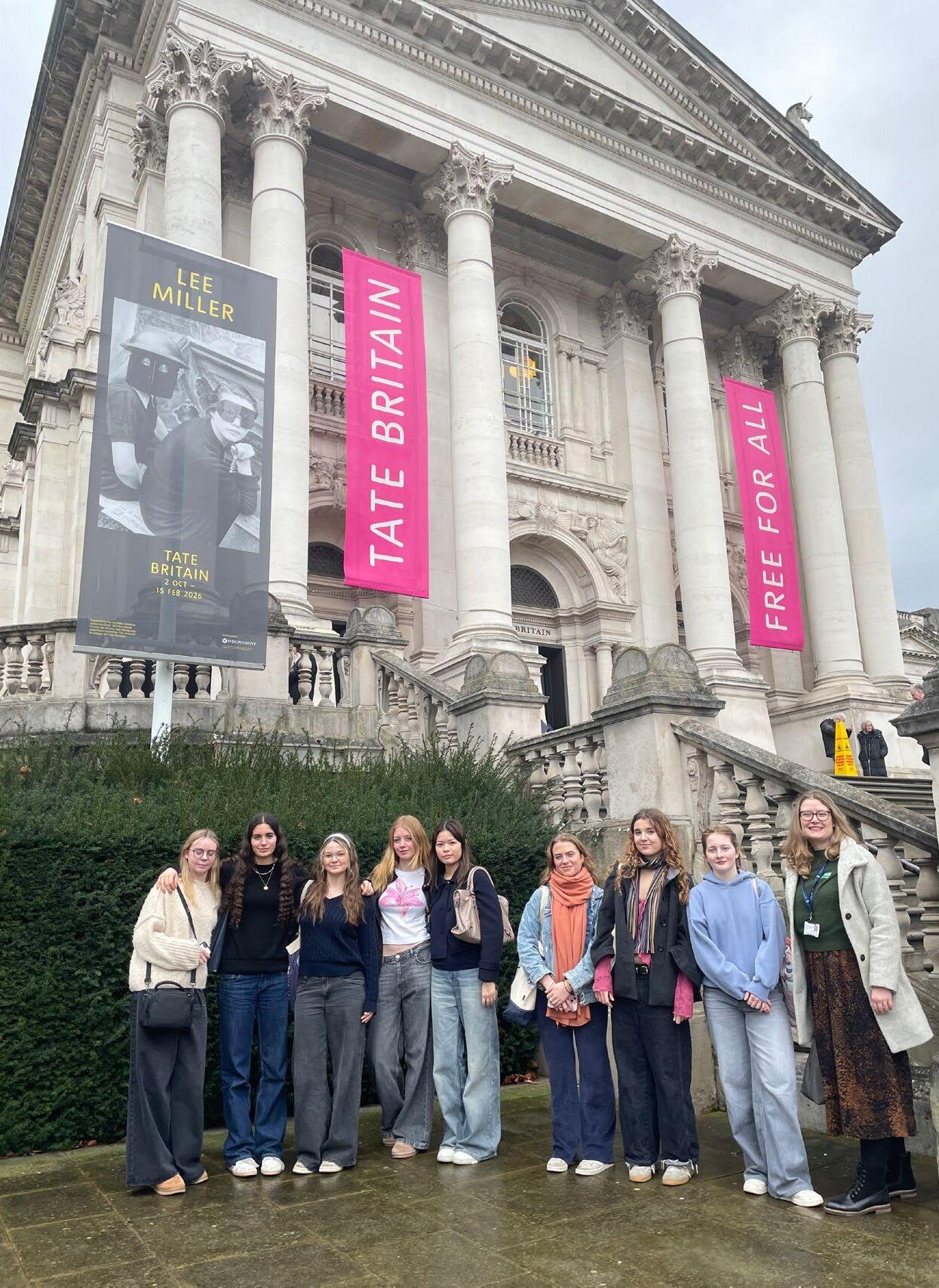
Visits to see art in person form an important part of the department’s approach, and in February the Sixth Form art historians enjoyed a stimulating trip to London. At Tate
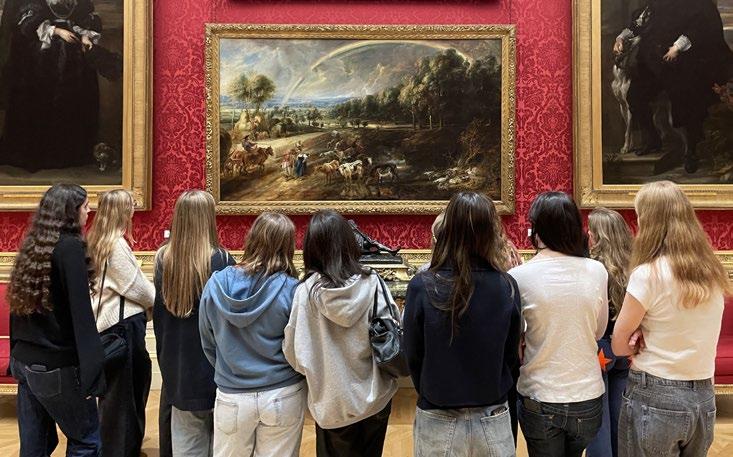
Britain, pupils visited the major exhibition of Turner and Constable, an excellent complement to the Lower Sixth exploration of Nature in Art and Architecture. The afternoon brought a curator-led tour of the Wallace Collection, where pupils gained valuable insight into the breadth and richness of the collection. They also had the opportunity to study in person one of their A Level case studies, Caravaggio’s Amor Vincit Omnia, a work seldom seen in the UK.
This year has also seen notable pupil success in competitions. A Lower Sixth pupil represented the school at Christie’s auction house in the ARTiculation competition, delivering her presentation with confidence and clarity. She spoke about Mike Hewson’s experimental installation The Key’s Under the Mat, in which viewers become participants, invited to clean their clothes or cook on a barbecue within a surreal suburban environment. The judge, Dr Francesco Ventrella, commended her for encouraging, thoughtful discussion about the role of galleries, particularly in relation to communal ownership, collective experience, and shared spaces. Another Lower Sixth pupil achieved third place in the SPoKE art documentary competition for her short film on Yoshimoto Nara’s Knife Behind Back , in which she explored how a seemingly innocent image of a young girl conveys an underlying sense of threat and reflects the lasting impact of collective trauma on Japanese society.
Looking ahead, planning is already underway for the biennial trip to Florence and Rome during the Easter holiday in 2027, and the newly appointed Chairs of the History of Art Society are eager to begin shaping the programme for the coming year. With a shared commitment to promoting curiosity and careful looking, the department continues to build on its strengths and to inspire pupils to see the world in more nuanced and thoughtful ways.
Ms Emma Bowen Head of History of Art
History of Art tour of the Wallace Collection
“The year began with a celebration of last year’s Upper Sixth cohort, who achieved outstanding A level results, with half of the pupils gaining an A*”
History of Art trip to Tate Britain
History, Politics and Law
What does it mean to think and work like a scholar?
Across History, Politics and Law, our focus this year has been on creating an environment in which pupils are not only well prepared for examinations but are also confident in engaging with complex ideas and academic debate.
Our first step was to ensure that the curriculum was fit for purpose, affording pupils the opportunity to go above and beyond. In Politics, we have introduced the study of nationalism as an ideology, helping pupils to understand this important driving force in world affairs. By exploring key thinkers and concepts, UVI are now able to look beyond superficial headlines and engage more deeply with contemporary political debate. In History, we successfully launched our new Edexcel IGCSE History course, with the study of China (1900-1989) proving particularly popular. By creating this course from scratch, we have had an amazing opportunity to embed wider reading at every step. Finally, we have also introduced a new medieval coursework option at A level. This rigorous unit requires pupils to adopt a more sophisticated approach to working with sources and will help our growing number of university applicants.
Our History Enrichment sessions remain central to our scholarship programme and continue to attract over 45 pupils from UIV to UVI each week. The focus in the Autumn Term was Greece and Rome, followed by a Spring Term study of American history. Pupils have taken an active role in preparing and delivering parts of each session, contributing to a collaborative and intellectually engaged atmosphere. This year, we were particularly pleased to welcome parental involvement, with one parent bring to life her grandfather’s work on the Greek trireme!
Our enrichment programme is complemented by an exciting lecture series. This year, we were pleased to hear from Professor Jonathan Harris, who spoke on Byzantium, and Meghan Henderson, an Oxford undergraduate who delivered a lecture on the US Reconstruction era. Kate Brice and Sasha Kochman, a Wycombe Senior, provided contrasting approaches to the medieval and early modern past. In Law, speakers from Ashurst and Freshfields gave pupils a clear sense of the realities of practising law. The highlight of the year, however, was our inaugural History Society Address, delivered by a LVI historian on the Tang dynasty, an area of personal interest and considerable expertise.
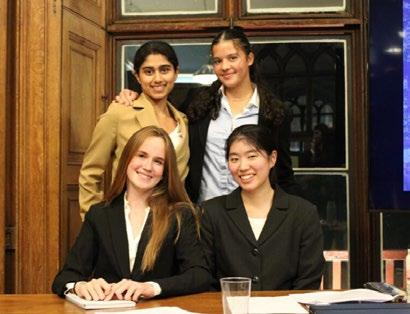
Further opportunities and pupil-led initiatives have added to this already rich programme. In Law, LVI pupils launched a podcast, speaking with Wycombe Abbey seniors about life at university and beyond, while three Mock Trials once again filled Fisher Library. Our A level Politics classes attended the annual Politics Conference in Westminster, engaging directly with key political figures. All of this came alongside preparing university applicants, taking the whole of UV to Belgium and France, and achieving some of our strongest ever examination results.
We are excited to see what next year brings!
Mr Neill George Head of History, Politics and Law
Mock Trial
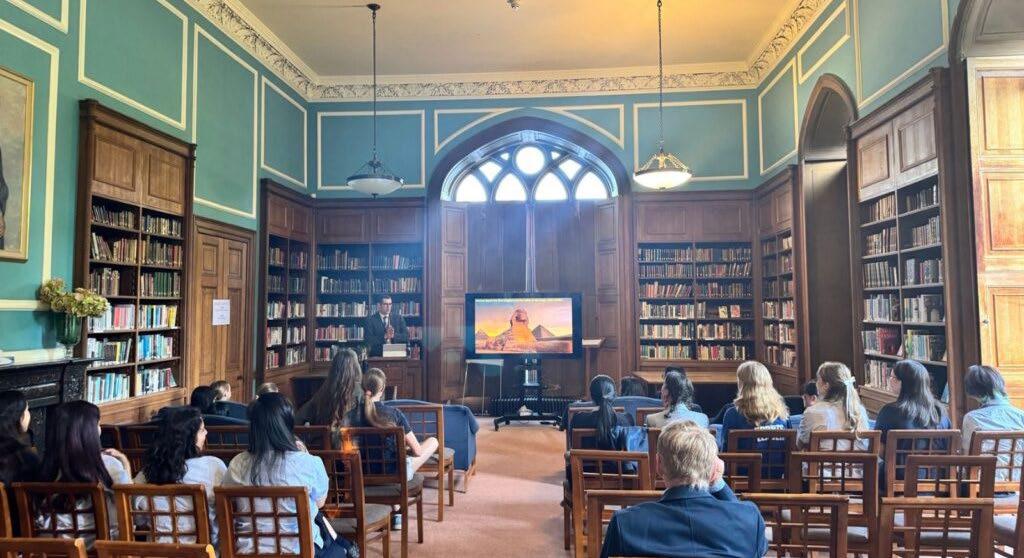
Ancient Egypt talk
Mathematics
The Mathematics Department is delighted to celebrate another exceptional year of academic success, building on our recent run of outstanding public examination results at both A level and IGCSE. Mathematics A level was again the most popular subject choice within the cohort, with Further Mathematics second. An impressive number of pupils achieved the highest grade of A* in both Mathematics and Further Mathematics, demonstrating both academic ambition and exceptional attainment. At IGCSE, results were equally remarkable, with every pupil achieving a grade 7 or above with the majority securing the top grade of 9.
Dr Logothetis has continued to lead our highly successful University Preparation Programme, delivering bespoke and rigorous support for entrance examinations and interview preparation. This has been further enriched by the commitment of several department members who have conducted mock interviews for pupils from Brighton College and RGS. These efforts have culminated in a superb outcome, with two Clarence pupils receiving offers to study Mathematics at Oxford and Cambridge.
The Maths Society has flourished this year and remains a vibrant and intellectually stimulating part of departmental life. Pupils have enthusiastically explored topics far beyond the curriculum, including combinatorics, linear algebra, geometry and proof. Extensive training has taken place for a wide range of mathematical challenges, including the BMO, AMC and UKMT competitions. Pupils have also competed with great enthusiasm and success in numerous internal and external events, including the Estimathon and maths matches against Eton.
Pupils also represented the school superbly in team competitions. In the Oxford Team Maths Challenge, now in its second year and entirely pupil-run, our team finished an impressive 9th out of 60 teams nationally at Oxford University, engaging with new mathematical ideas and innovative problemsolving. In the Team Maths Challenge at Haberdashers’ Girls’ School, we placed within the top five schools but narrowly missed qualification to the national final. At the Senior Team Maths Challenge at Portsmouth Grammar School, our team achieved 4th place, just one position short of national qualification in an exceptionally strong field where qualifying teams scored full marks.
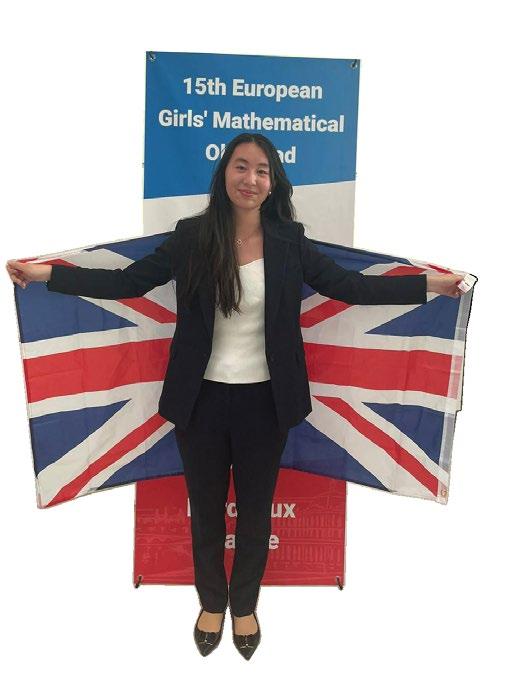
Our pupils have achieved outstanding success in both UK and American mathematics competitions, with exceptional performances in the UKMT, AMC, Maths Olympiad for Girls and the Senior Maths Challenge. These results led to numerous qualifications for subsequent rounds and the British Mathematical Olympiad. A particular highlight of the year was the extraordinary achievement of a Year 11 pupil who was invited to attend the UKMT BMO Training Camp at Trinity College Cambridge and to compete at the European Girls’ Mathematical Olympiad in Bordeaux. This is a truly phenomenal accomplishment and a source of great pride for the department.
Dr Iain Wallwork Head of Mathematics
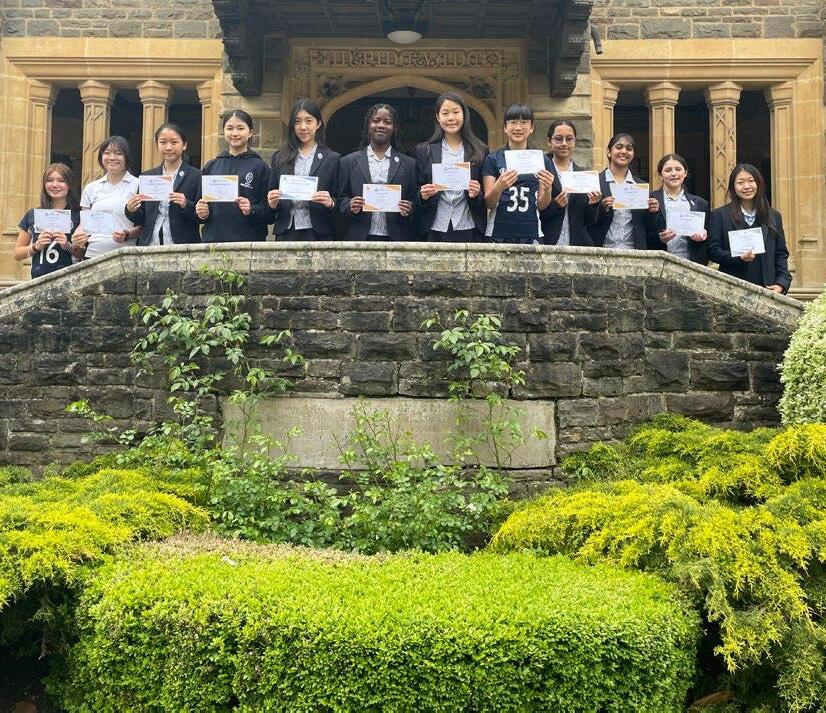
Intermediate Kangaroo and Olympiad certificate holders (UIV)
Competing at the European Girls’ Mathematical Olympiad in Bordeaux
Modern Languages
Following another year of strong outcomes at GCSE, IGCSE, A level and HSK, the Modern Languages Department continues to build on this success through a sustained focus on curriculum development and high-quality classroom practice. Pupils also secured a range of university offers for Modern Languages and related disciplines, including for Oxbridge, reflecting both their academic achievement and enthusiasm for language study.
A central priority this year has been the continued refinement of our curriculum across all languages. With the embedding of new specifications and qualifications, Departments have worked collaboratively to ensure that schemes of work are coherently sequenced and support steady progression in vocabulary acquisition, grammatical understanding and spontaneous communication. Across French, Spanish, German and Chinese, there has been a consistent emphasis on accuracy and independence, with pupils encouraged to manipulate language with increasing confidence rather than rely on memorised responses.
In Chinese, this has included systematic work on character formation, grammatical precision and reading fluency. Regular grammar and character-writing clinics have provided targeted opportunities for pupils to respond to feedback and develop disciplined independent study habits. Similarly, in French and Spanish, lessons have focused on modelling high-quality written and spoken responses, alongside regular retrieval practice to strengthen long-term
retention. The explicit teaching of pronunciation has also remained a priority, particularly in the Lower School, supporting pupils in developing confidence in listening and speaking. GCSE pupils regularly attend Grammar Gems workshops, and Spanish Booster sessions, as well as learning idioms which elevate their expression towards a native level.
Digital approaches have played an increasingly important role within the Spanish curriculum. In LIV and UIV, pupils have engaged with interactive audiovisual texts during Reading Week, combining reading, listening and viewing to deepen comprehension and cultural awareness. Creative projects have further enhanced engagement: for example, UIV pupils produced short films exploring the cultural figure of La Catrina, integrating research, scripted language and digital editing. The quality of language and creativity demonstrated in these projects reflects the growing confidence of pupils in applying their skills in new contexts. Reading Week also afforded the UIV German pupils time to learn more about the Brothers Grimm, both in terms of their collection of stories, and their impact on German orthography – for example the use of the umlaut.
Across the Department, pupils are supported in becoming reflective and independent learners. Reading logs and enrichment folders remain central to this approach, enabling pupils to track their engagement with language beyond the classroom, whether through reading, listening to podcasts or exploring cultural topics.
Le Château d’Eau, LV-UVI immersion trip to Montpellier
Structured opportunities for peer and self-assessment have also contributed to pupils’ ability to identify strengths and areas for development.
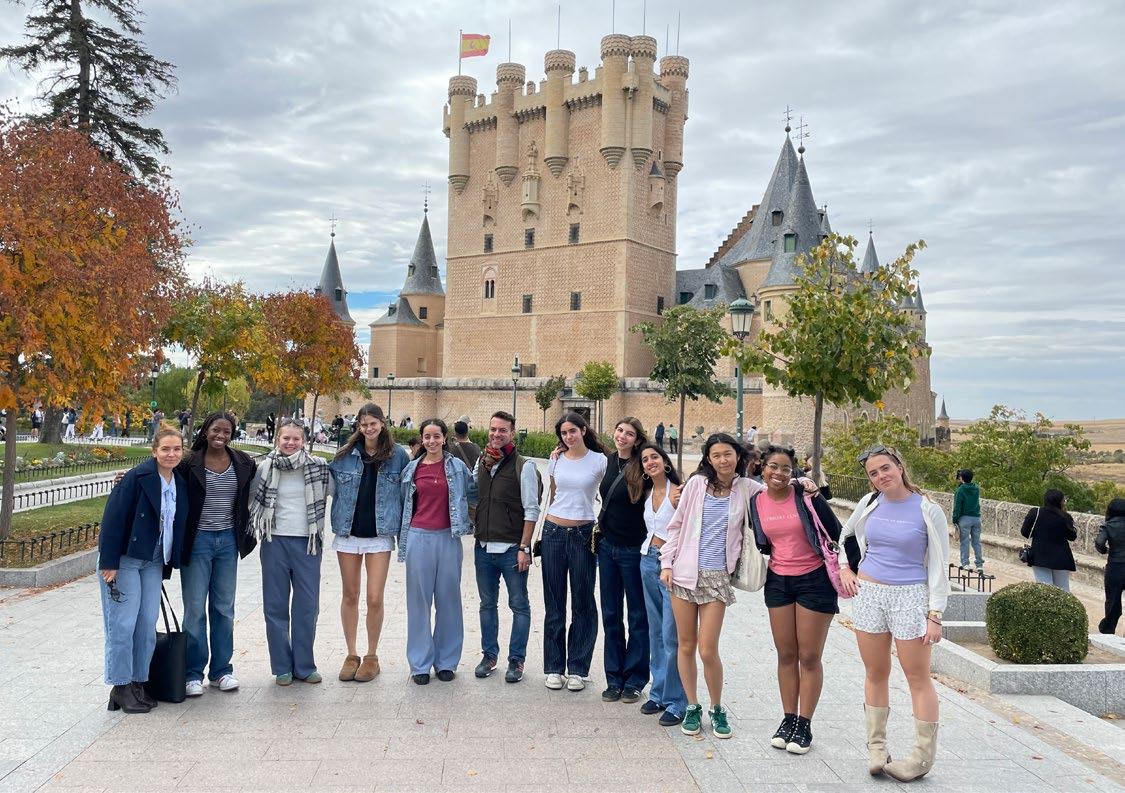
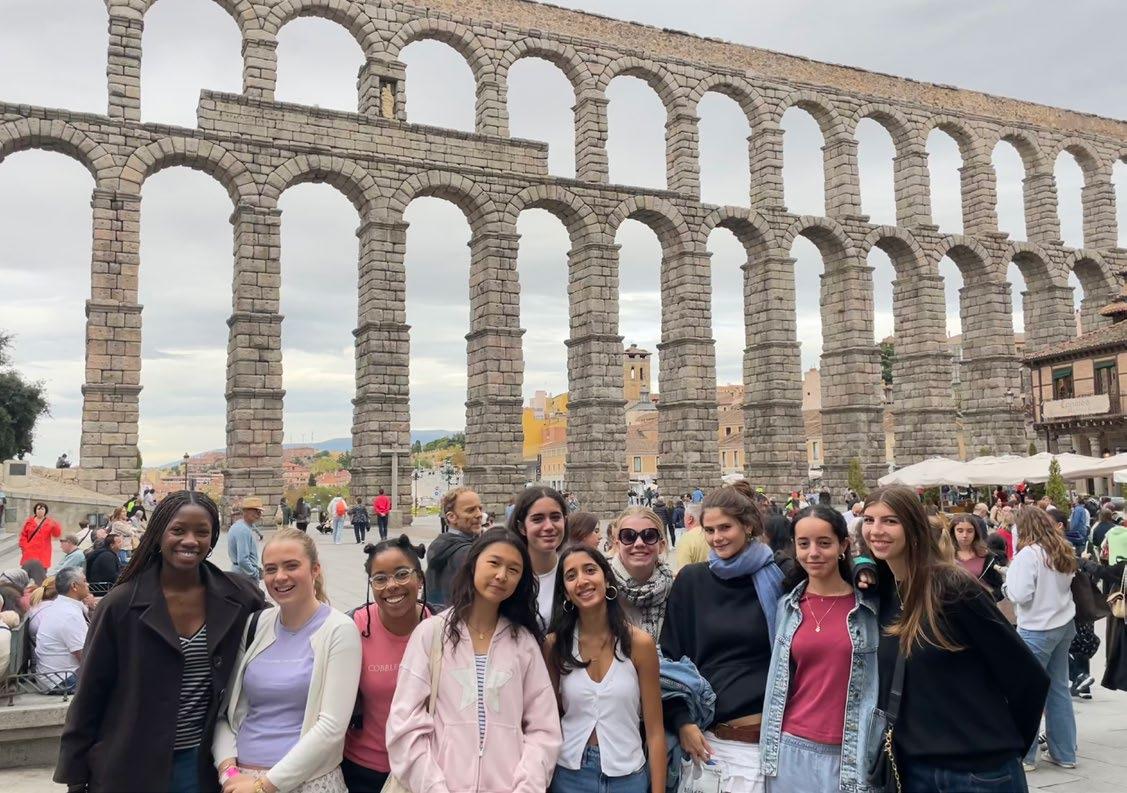
Alongside this core curriculum work, enrichment continues to complement and extend classroom learning. In French and Spanish, pupils have benefitted from visits to the British Film Institute, academic symposia, and immersive study trips abroad, including a homestay programme in Montpellier and a Sixth Form visit to Madrid, Segovia and Salamanca. In Chinese, enrichment activities have been closely aligned with the curriculum, including a Chinese New Year cookery session and the inaugural Global Celebration Concert, delivered in collaboration with the Music Department. LV German pupils have also enjoyed decorating Lebkuchen prior to Christmas.
Pupils have also achieved notable success in national competitions. In French, a Lower Sixth team were crowned national champions in the Joutes Oratoires debating competition, while pupils in LIV were recognised as regional winners in the French Institute’s Pop Video competition. Across the Department, participation in competitions such as the Anthea Bell Translation Prize continues to support academic stretch and intellectual curiosity.
Linguistics Society, led by Sixth Form pupils, maintains strong weekly engagement with pupils tackling bespoke
linguistic puzzles. Pupils achieved impressive UKLO success, secured top University offers, and won the GCHQ National Language Competition regional championships. The Wycombe Hebdo magazine is pupil-led and has a broad focus, including film and culture alongside current affairs. This goes alongside the Sixth Form News Club which is attended weekly with enthusiasm.
We are particularly proud of the way in which pupils engage with languages both within and beyond the classroom. Whether through collaborative projects, independent enrichment or external competitions, they demonstrate resilience, creativity and a willingness to take risks in their learning.
Looking ahead, we continue to refine our curriculum with a focus on developing fluency and accuracy in extended spoken and written responses. We will also further embed adaptive teaching strategies to ensure that all pupils are supported in accessing and demonstrating their learning effectively.
Through a combination of rigorous classroom practice, thoughtful curriculum design and a rich programme of opportunities, the department remains committed to fostering confident, reflective and outward-looking linguists.
Mr Gareth Cadman Acting Head of Modern Languages
The aqueduct of Segovia, Sixth Form Spanish Language Immersion trip
Victorious LVI pairing win the national finals of the Joutes Oratoires Lycéennes debating competition
Music
Thanks to a generous donation from a Wycombe Abbey Senior, this year has seen the completion of the final stage of the Music Department’s development plan with the refurbishment of the Music Library. The newly designed space includes an improved layout and enhanced technology, featuring a Clevertouch smartboard and two Apple workstations to support the development of Music Technology within the Department. Most importantly, the donation has enabled a significant expansion and renewal of our stock of music books and scores, strengthening provision for Music education at all levels. A muchvalued space within the Department, the Music Library will now serve as an even more important resource for pupils of all ages wishing to deepen their musical understanding.
Academic Music continues to demonstrate outstanding examination success, with 100% of A level pupils achieving A or A* grades, and 100% of IGCSE pupils attaining grades 9–7. This year, one member of the A level cohort progressed to study Music at the University of Oxford. At Key Stage 3, pupils have continued to develop their creative skills through a broad curriculum encompassing the fundamentals of composition. Pupils in UIV gave a
class performance of a Minimalist composition, alongside producing podcasts on Film Music and composing soundtracks for animation. Our second cohort of pupils completed the Edexcel GCSE course, producing compositions ranging from jazz ensemble works to orchestral film scores. The new recording studio has proved to be an invaluable resource, particularly for A level pupils with interests in songwriting and popular music. To complement their academic studies, GCSE and A level pupils attended a production of Campra’s opera Le Carnaval de Venise at The Vache. Presented in an immersive circus setting, this offered an engaging opportunity to experience Baroque opera and to understand its significance within the history of music.
In October, our Assistant Director of Music, Sarah McClure, spent time at Oaks Christian School in Los Angeles. Renowned for its Institute of Arts and Innovation, this visit proved highly inspiring and led to a collaboration between Wycombe Abbey pupils and songwriters in Los Angeles. Working online, pupils co-created two original songs. This initiative has also established a framework for future partnerships with Oaks Christian School and other institutions.
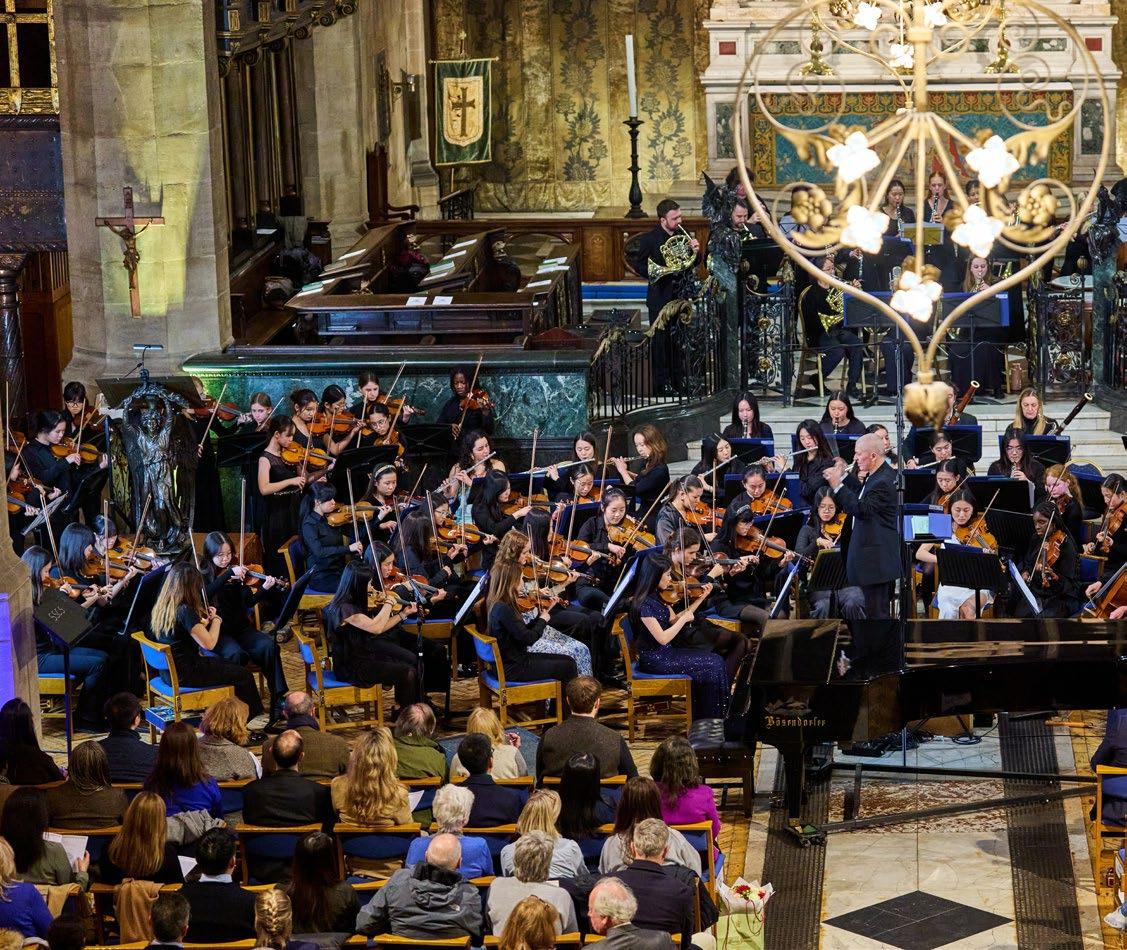
London Orchestral Concert at Holy Trinity Church, Sloane Square
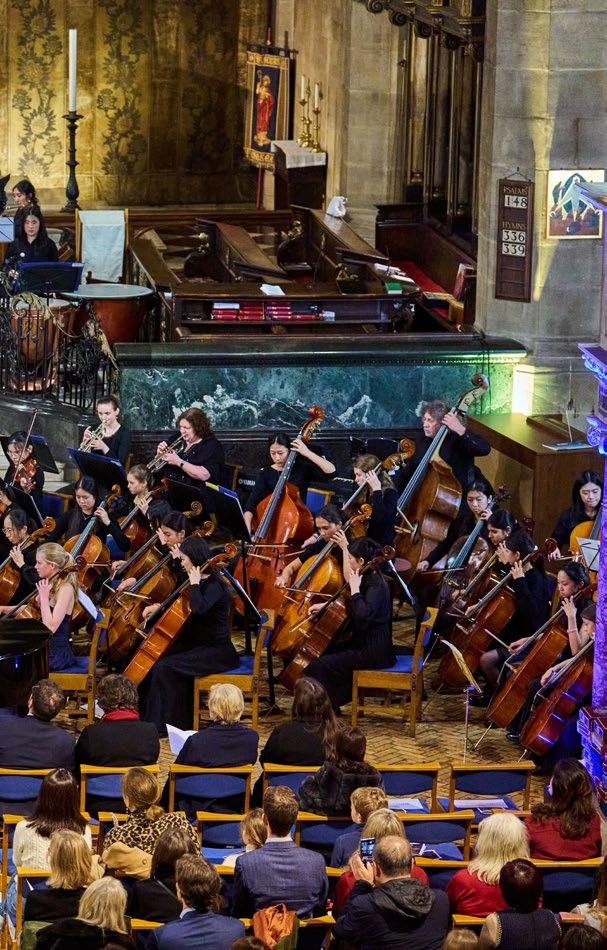
“Academic Music continues to demonstrate outstanding examination success, with 100% of A level pupils achieving A or A* grades, and 100% of IGCSE pupils attaining grades 9–7.”

Throughout the year, our musicians have benefited from opportunities to work with leading professionals, enriching both the academic and co-curricular programmes. Our flautists, many of whom were preparing for GCSE Music, participated in a masterclass with Philippa Davies, Professor at the Guildhall School of Music and Drama and an internationally acclaimed performer. Pupils gained considerable insight from her technical guidance and musical expertise. Chamber music remains a central element of the school’s musical life, and this year we hosted a Chamber Music Workshop Day and Concert. Ensembles worked with Charles Sewart, former Head of Strings at the Purcell School and former Second Violinist of the Chilingirian String Quartet to refine their performances and further develop their ensemble skills.
A particular highlight of the year was the visit of the distinguished Japanese concert pianist Noriko Ogawa. Following her third-place award at the 1987 Leeds International Piano Competition, Noriko has established an international reputation as a performer, teacher, and adjudicator. Her thoughtful and perceptive advice proved invaluable to both performers and audience members, and we were privileged to hear her in a lunchtime recital in the Archer Recital Hall.
The close integration of academic and co-curricular music-making was especially evident during Global Celebration Week, with a concert marking the Lunar New Year. Focusing on Chinese music, pupils performed a range of piano works inspired by traditional themes and stories. Each performance was introduced by pupils, who explained the cultural context and significance of the pieces, resulting in a highly successful collaboration between the Music and Oriental Societies.
In addition to the academic programme, over 150 pupils undertook individual Music examinations this year. Wycombe Abbey musicians also performed in 55 concerts across London and the South East - ranging from our London Orchestral Concert to a chamber concert in the Parish Church. We also collaborated with the Drama Department to stage the musical Guys and Dolls which featured our musicians on stage and in the pit band. As we reach the end of the academic year we are looking forward to our summer Music Tour to Belgium.
Mr Stefan Reid Director of Music
Physics
The Physics Department continues to excel at Wycombe Abbey. Our Summer examination results were very strong, with 97% of pupils achieving 7-9 at GCSE and 68% achieving A-A* at A level, including an impressive 32% with A*. Furthermore, we are delighted to be sending seven pupils off to read Physics or Engineering at University, including three to Oxford, one to Imperial, and one to Princeton.
Lower School is where we nurture the pupils’ enthusiasm to ask questions of their surroundings. They explore a range of topics from electricity, waves, forces, and astrophysics, looking for patterns and relationships that can be tested. It is exciting to walk through the classrooms and hear their preconceptions being moulded into facts, and they face questions such as “why don’t clouds fall down?” with delight. Rather than asking how we could find aliens on other planets, the pupils may take on the roles of aliens looking towards Earth, asking themselves how they would know there was life here? A subtle change in questioning leads to a rich debate, removing a lot of the unknown and allowing us to push deeper.
Moving through to Upper School, the focus moves to core GCSE content and we see the pupils’ academic maturity step up to match the new challenges. We strengthen their core skills in critical thinking, graphing, and solving equations, whilst also embedding the use of IT. We are privileged to be able to offer experiments in every lesson, allowing the pupils multiple entry points into complex topics. It is always fun to watch their amazement as they see reality unfold to match the theory. A particular favourite is learning about convection, where
the teacher chases dye particles in water around a glass circuit with a Bunsen burner, first forcing them to move one way, but then quickly to the other, preventing mixing and allowing the demo to continue until it finally succumbs to diffusion.
Sixth Form sees the content step up once more, not only in terms of depth, but also breadth, as the pupils are introduced for the first time to concepts such as Particle Physics and Quantum Physics. Our current UVI cohort will be the last to tackle the Medical Physics option. It has served us very well historically, but we have made the exciting decision to move to Engineering Physics moving forwards. This not only better matches the pupils’ interests but should also help push their grades higher as we see good overlap with their strengths in mathematics.
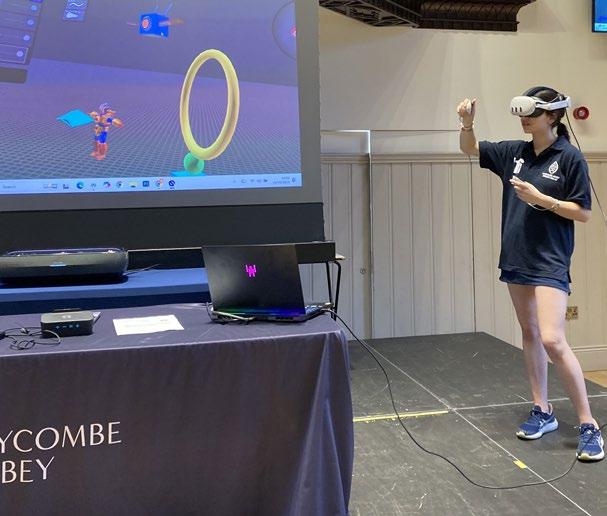
We offer a multitude of extra-curricular options, starting with our ever-popular Jersey Conservation trip in UIII, right through to our annual Sixth Form Physics Conference. We try to strike a good balance between activities we know from experience support classroom learning well, testing new options for the future, and acting on ideas of the pupils. This year, we invited for the first time the Aerospace Careers Programme onsite for a day with LVI. Our pupils tested flight simulators, drone piloting, and coding via a virtual reality headset, and even got to interact with a robotic dog, with the entire cohort able to take something positive away from the experience. Listening to our LV pupils, we entered for the first time a small cohort into the British Astronomy and Astrophysics Olympiad, bringing home several Silvers. We have also just launched a new Astrophysics Society, with activities planned to include building your own telescope, as well as several evening observation sessions with hot chocolate.
Looking ahead, we are part way through our five-year development plan to streamline our curriculum, and our enrichment and engagement offering continues to undergo targeted adaptation to support our core learning.
Dr James Seddon Head of Physics
LVI pupil using an AR/VR design system to code a gaming world for a cartoon character.
Psychology
It has been another exciting and intellectually vibrant year for the Psychology department, with pupils embracing challenge and discovery with characteristic enthusiasm. Following the excellent public examination results achieved last summer, we were delighted to see many of our UVI pupils continue their studies at leading universities, with several choosing to pursue Psychology and related disciplines further. This year, 11 UVI look to study Psychology or Neuroscience further too, and we look forward to celebrating their research in the textbooks in years to come! Across the department, all pupils have demonstrated remarkable curiosity and resilience, and it has been immensely rewarding to watch their confidence flourish over the course of the year.
Our Lower Sixth have been one of the sparkiest and most engaged cohorts we could ask for. From the very beginning of the year, they approached the newly updated A level syllabus with energy and genuine intellectual curiosity, making the transition to the refreshed specification an exciting experience for both pupils and teachers alike. So far, they have explored topics including Social Influence, Memory, Attachment, Clinical Psychology and Mental Health, as well as the foundational Approaches unit, each of which has prompted lively discussion and thoughtful reflection.
The study of Social Influence proved particularly compelling, with students eagerly debating classic studies and considering the extent to which situational pressures shape behaviour. Discussions around conformity and obedience frequently spilled beyond the classroom, with pupils drawing perceptive parallels between psychological theory and contemporary social issues. Equally, the Memory topic captured pupils’ imaginations, particularly the complexities of eyewitness testimony and the reconstructive nature of recall. The Clinical Psychology and Mental Health unit has also inspired mature and sensitive discussion, with pupils engaging thoughtfully with contemporary approaches to diagnosis and treatment while considering broader questions surrounding stigma and wellbeing. Throughout these units, the cohort has impressed us not only with the quality of their analytical thinking, but also with their willingness to challenge ideas and engage critically with research evidence.
Our Upper Sixth pupils have similarly been a delight to teach in their final year. As they refined their evaluative skills and prepared for the demands of A Level examinations, they demonstrated increasing independence and sophistication in their thinking. Seminar-style
discussions became a real feature of lessons this year, with pupils confidently leading debate, interrogating methodology, and exploring the ethical and social implications of psychological research. It has been especially pleasing to see how adept they have become at synthesising ideas across different areas of the course, drawing together concepts from across the discipline to construct nuanced and well-supported arguments. Their determination and humour have made them a real credit to the department.
One of the highlights of the year was our trip to the Psychology in Action conference in London, attended by both Lower and Upper Sixth pupils in November. The event offered pupils the opportunity to experience university-style lectures delivered by leading psychologists and researchers, while also providing invaluable guidance on examination preparation and revision techniques. Pupils particularly enjoyed hearing about cutting-edge developments in areas such as criminal psychology, neuroscience, and mental health, and many returned inspired by the breadth and relevance of modern psychological research. The conference sparked countless conversations back at school and served as a valuable reminder of the dynamic and ever-evolving nature of the subject.
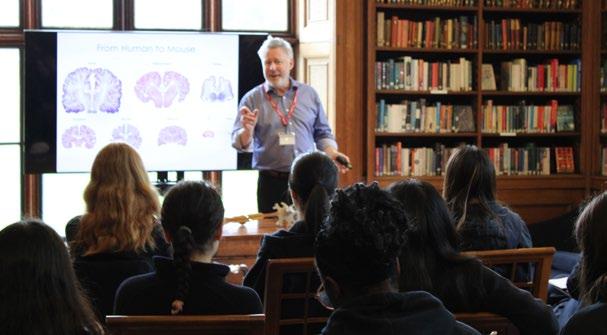
Another unforgettable event this year was Brain Day with Dr Guy Sutton, which once again proved to be an utterly brilliant experience for our pupils. The day offered an extraordinary opportunity to explore neuroscience beyond the confines of the syllabus, bringing to life the biological foundations of behaviour in a vivid and memorable way. Pupils were fascinated by the demonstrations and case studies presented throughout the day, and the brain dissection remained, for many, the most striking and thought-provoking aspect of the event. It is always wonderful to see pupils so fully immersed in learning, and Brain Day once again succeeded in inspiring awe and excitement about the study of the human mind.
All in all, it has been a rich and rewarding year for the department. We are enormously proud of the enthusiasm and intellectual ambition shown by our pupils, both within and beyond the classroom.
Mrs Lauren Monteil Head of Psychology
Brain Day with Dr Guy Sutton
Religious Studies
The 2025–2026 academic year has been one of continued strength, innovation and investigation within Religious Studies. Building on strong foundations, the department has sustained its academic excellence while expanding opportunities for enrichment, critical thinking and independent scholarship.
Public examination outcomes have once again been a cause for celebration. Results at both GCSE and A Level remain consistently strong, reflecting the commitment and determination of our pupils as well as the dedication of the teaching team. Notably, the department continues to buck national trends, with increasing numbers opting to pursue Religious Studies at examination level. This enthusiasm extends beyond school, with a growing cohort choosing to continue their studies in Philosophy, Theology and related disciplines at university. This year a number of pupils secured Oxbridge offers for PPE and Theology and Religion, while many others gained places at leading institutions including Durham, Edinburgh, UCL, KCL and Georgetown. Such outcomes highlight both the academic rigour of the subject and its value in preparing pupils for competitive higher education pathways.
The department has also played a key role in the wider academic life of the school, contributing to the Carrington Programme. Through the Liberal Arts course, university preparation sessions in philosophy, and targeted support for admissions assessments such as the TARA (which will replace the TSA from 2026), pupils have been encouraged to think critically, argue persuasively and engage confidently with complex ideas. These initiatives strengthen our pupils’ readiness for higher-level study.
Enrichment opportunities have remained a central pillar of the department’s success. Established trips continue to provide invaluable experiential learning. The annual visit to
the Oxford Philosophy Masterclass has once again been a highlight, with pupils engaging in university-style lectures on topics including euthanasia, God and suffering, religious experience, and issues of autonomy and heteronomy from a feminist perspective. These sessions foster intellectual curiosity and confidence in academic discourse.
Similarly, the GCSE trip to Coventry Cathedral has again provided a powerful exploration of reconciliation and pupils respond thoughtfully to the Cathedral’s history and message, deepening their understanding of forgiveness, conflict and peace. Looking ahead, the department is excited to broaden further its provision with the planned addition of a visit to a Buddhist temple in 2027, ensuring continued diversity in pupils’ experience of religious traditions.
A particularly exciting new initiative this year was the visit to the BAPS Shri Swaminarayan Mandir in Neasden. UIV pupils were captivated by the beauty of the intricate carvings and gained valuable insight into the origins and practices of Hinduism. The opportunity to participate in the daily arti ceremony was especially memorable, allowing us to engage directly with devotional practice and develop a deeper appreciation of religious expression in context.
Curriculum development has been another key focus. A comprehensive review of Key Stage 3 and GCSE provision has led to revised schemes of work that allow more time for the study of Sikhism and Islam, ensuring greater depth and balance. The introduction of stand-alone philosophy sessions, particularly following examinations, has further encouraged analytical and critical thinking. In addition, the decision has been made to move to the AQA GCSE
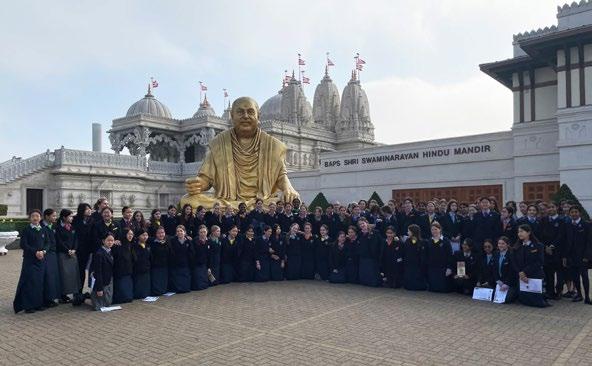
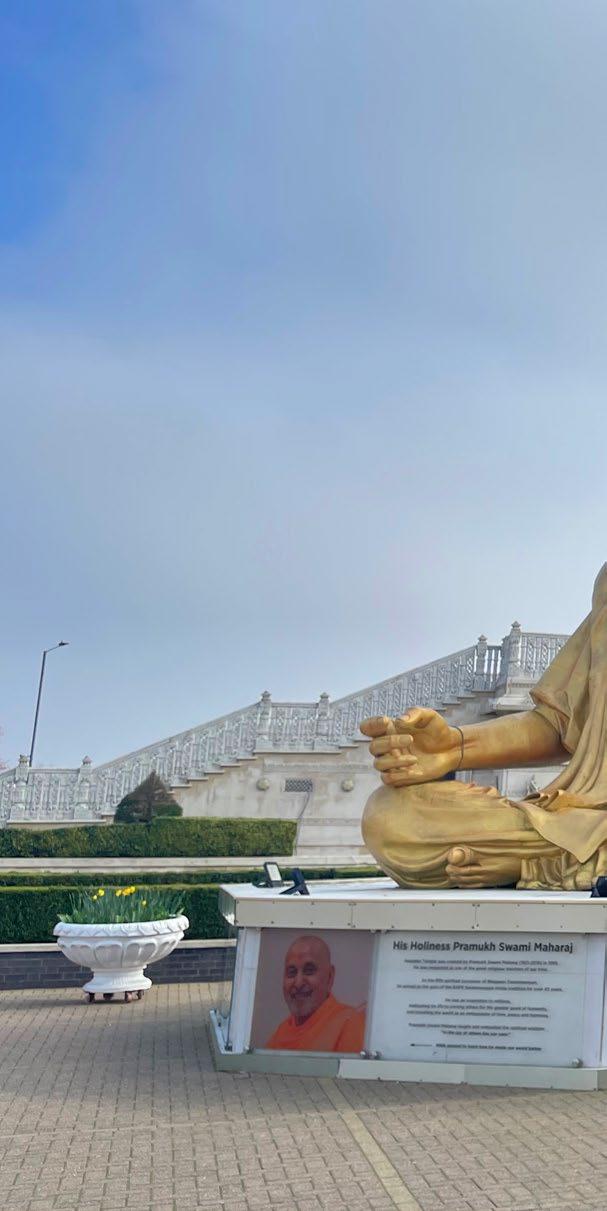
UIV Pupils enjoy a visit to Neasden Temple
specification from September 2026. This course, covering Christianity, Buddhism and themes in philosophy and ethics, offers more structured assessment criteria alongside greater scope for creativity, extension work and conceptual exploration. We are fortunate to have an AQA examiner amongst our ranks and this insight will be invaluable as we prepare for this change.
Throughout all aspects of the department’s work, there has been a conscious effort to embed the School’s Academic Qualities. Pupils are encouraged to demonstrate risk-taking in their arguments, resourcefulness in their research, reflection in their learning, development in their reasoning and determination in their pursuit of excellence.
It has been a highly successful year for Religious Studies, marked by academic achievement, curricular innovation and opportunities for enrichment. The department remains committed to nurturing thoughtful, informed and engaged scholars, well-equipped to navigate academic challenges and the world beyond Wycombe Abbey.
Mrs Amelia Khan Head of Religious Studies
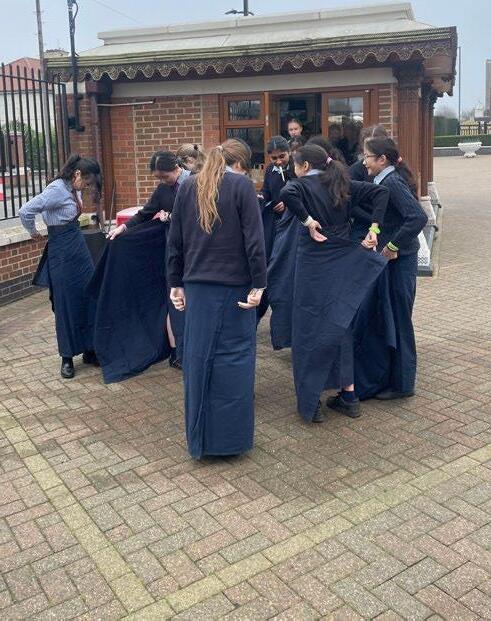
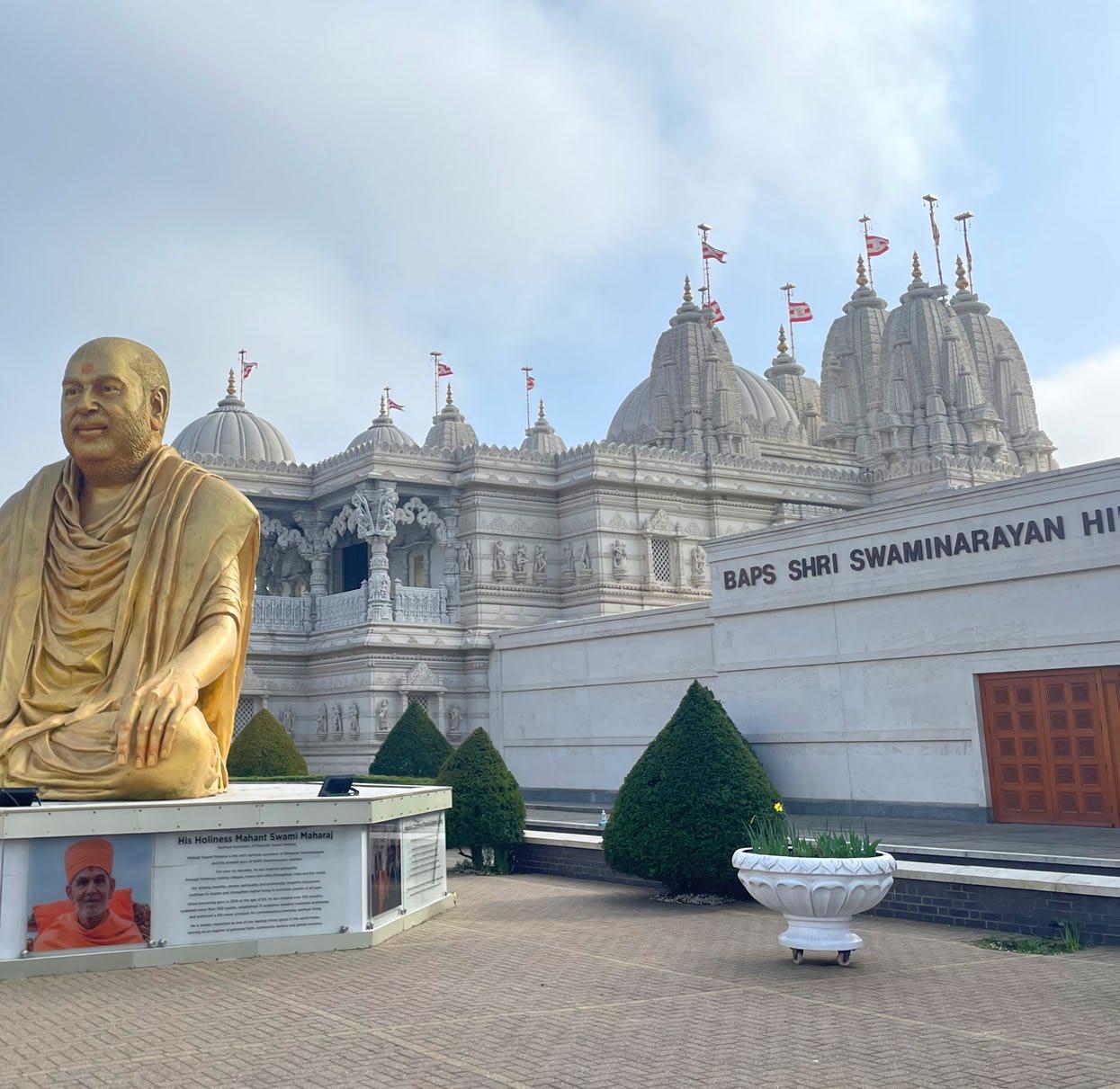
Getting ready to enter the Temple
Statue of Pramukh Swami Maharaj
Physical Education
GCSE and ALevel
We continue to see positive engagement and progress in academic Physical Education. GCSE pupils have worked consistently throughout the year, completing coursework and preparing well for nonexamined assessments and moderation, with practical moderation taking place this Spring Term. The LV cohort have made a strong start to the course, and interest from the current UIV in taking GCSE PE remains encouraging. While there have been no A level PE candidates this year, the subject continues to be actively promoted and is planned to run again next academic year.
Curriculum
Our KS3 curriculum remains engaging and innovative, with pupils continuing to develop their physical competence alongside a growing understanding of physical, social and mental wellbeing. At KS4 and KS5, we have maintained a broad and inclusive curriculum offering, enabling pupils of all abilities to access a wide range of activities and establish positive lifelong habits around physical activity and health. With the continued development of our performance and athletic wellbeing provision, we have also reviewed access to fitness facilities and ensured our curriculum supports pupils at all stages of their sporting journey.
Sports Events
This year again saw the successful delivery of flagship whole-school sports and performance events. The Spotlights Dance Show was a major highlight, showcasing talent from across the year groups and a wide range of dance styles, led superbly by our Dance Captains and warmly received by audiences.
The annual Sports Awards also provided a fitting celebration of sport at Wycombe Abbey. Held at the start of the Summer Term, the evening recognised excellence in performance alongside commitment, leadership, teamwork and sportsmanship. We were delighted to welcome Laura Warren as our guest speaker, whose reflections on resilience and elite sport resonated strongly with pupils. House Games have continued to offer regular competitive opportunities throughout the year, with closely fought finals and consistently high levels of participation across all Houses.
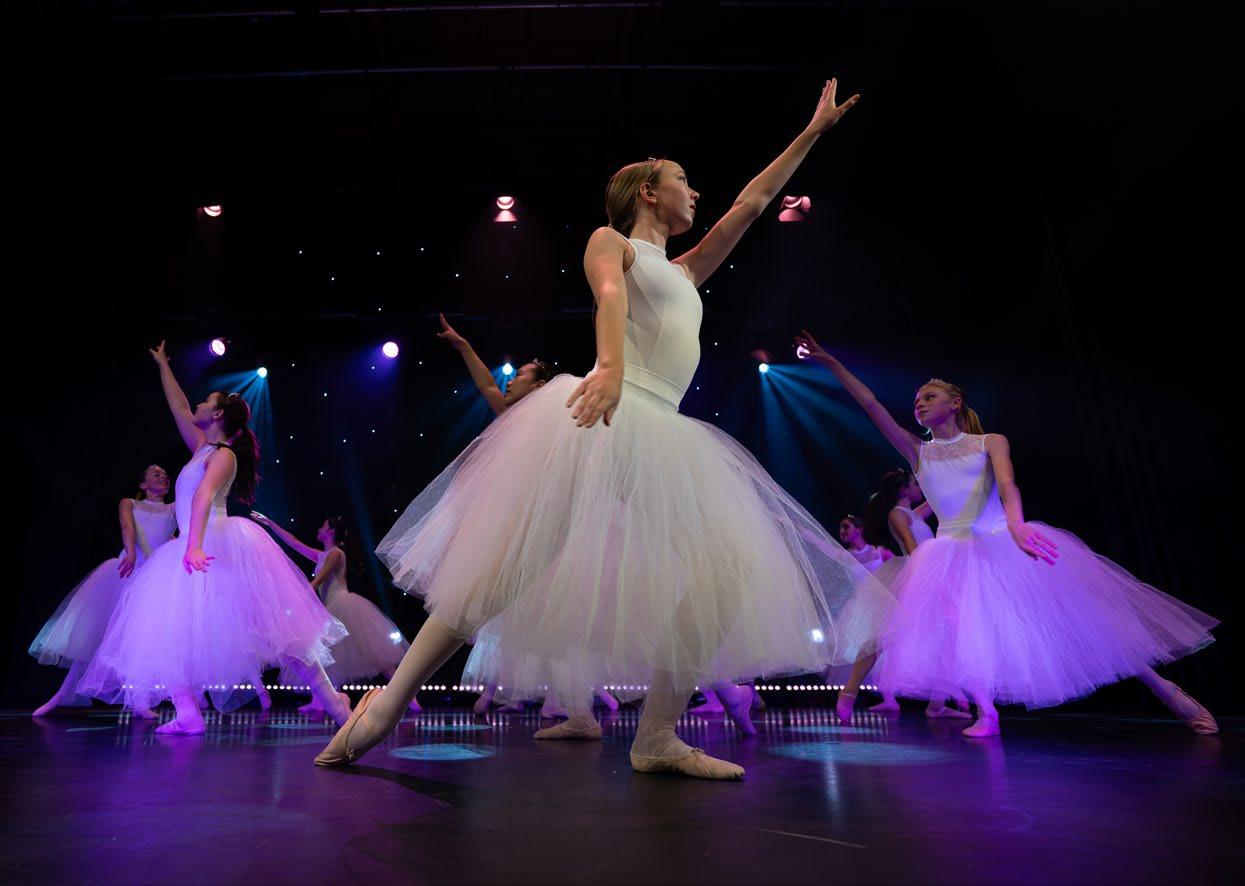
Spotlights Dance Show
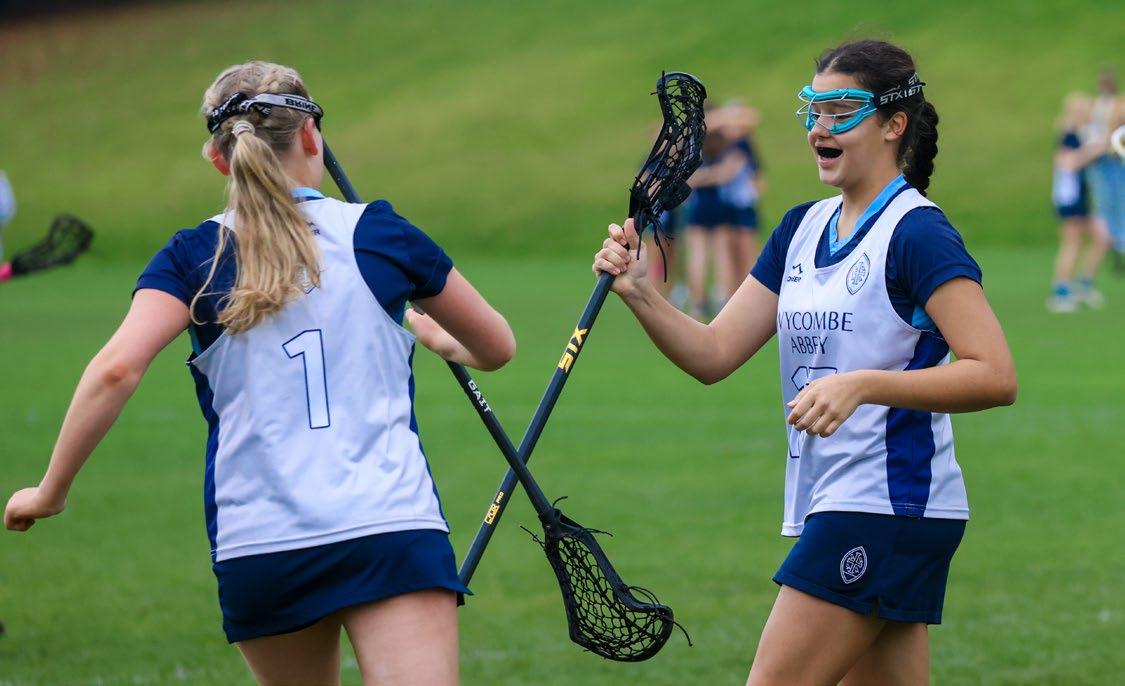
Sports Trips and Tours
Sporting tours and offsite training opportunities have continued to play an important role this year. Our skiers travelled to Flaine to compete in the British Schoolgirls Ski Races, achieving excellent results including gold, silver and bronze medals across a range of events. Tennis players once again benefitted from the annual training camp to Portugal, offering an intensive block of coaching and match play ahead of the summer season, and we are in the final stages of planning for the Lacrosse Tour to the USA this Summer. These experiences continue to be invaluable in both performance development and team cohesion.
Athletic Development
The Performance Athlete Programme has continued to grow and evolve, with over 100 pupils from UIII to UVI engaging in regular strength and conditioning sessions. Pupils across Aspire, Perform and Podium tiers have benefitted from a structured approach to athletic development, supported by performance profiling and monitoring systems. This year also saw the introduction of classroom-based Student Athlete Support sessions, covering key sport science topics such as training load, recovery and nutrition. Strong partnerships with medical and physiotherapy providers have further enhanced pupil support, ensuring effective injury management and safe return-to-sport pathways.
Lacrosse
Lacrosse has enjoyed another outstanding year with strong participation and exceptional results across all age groups. County competitions saw multiple teams crowned
champions, reflecting the strength and depth of the programme. At national level, teams delivered excellent performances at the National Schools Championships, with several squads achieving topfour, topeight and divisional titles. The continued success of B, C and development teams has been particularly pleasing, ensuring competitive opportunities for a wider range of pupils. We are also proud of the significant number of players involved in regional, national and international pathways.
Netball
Netball has once again been a major strength of the sporting programme, with strong performances across all age groups. County tournament success allowed U16 and U19 teams to progress to the Regional stages of the National Schools competition, while squads competing in Sisters n Sport competitions reached advanced rounds nationally. District tournaments and league fixtures produced consistently excellent results, highlighting both performance quality and squad depth. Individual pathway success continues to inspire the programme, with pupils representing Superleague franchises and competing internationally.
Lacrosse
1st Team Netball
Swimming
Swimming has had an exceptionally positive year, marked by strong national-level performances and increased participation. Wycombe Abbey achieved top ten finishes at the Bath and Otter Cup, alongside success at County Championships. The Wycombe Abbey League continues to provide high quality competition, with expanded opportunities for B and C team swimmers. Our partnership with Wycombe District Swimming Club remains a key strength, and enhancements to the coaching team and training schedule have further improved accessibility and performance outcomes.
Squash
Squash participation has remained strong throughout the year, supported by an expanded fixture programme. Teams across KS3 and KS5 successfully qualified for the National Schools Championships Finals, finishing in the top ten nationally. These results reflect the enthusiasm, commitment and steady technical development of pupils across the programme.
Athletics & CrossCountry
It has been a highly successful year for running sports. Cross Country teams qualified for regional and national
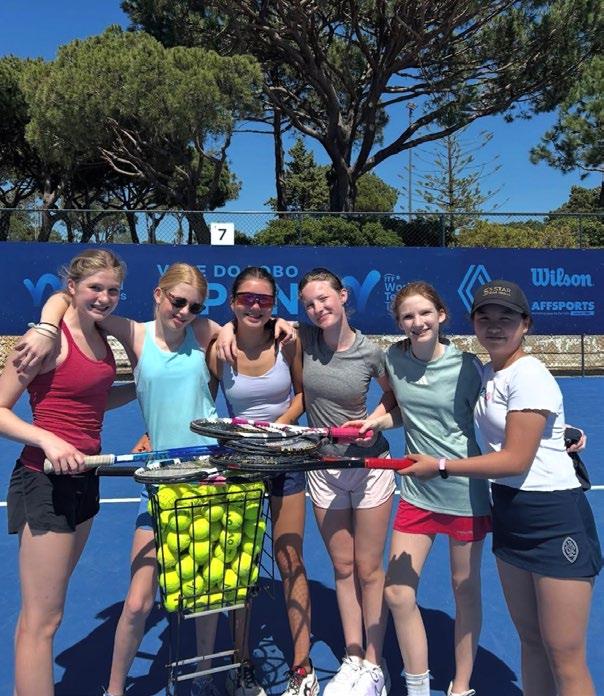
competitions, with several pupils achieving podium finishes and national final selections. Participation in individual championships has been excellent, and pupils have also represented the county in Sportshall Athletics. As the Track and Field season begins, there is strong momentum and depth across all age groups.
Tennis
Tennis has enjoyed notable success, including a National Championship title for the U16 team in the Schools Sport Magazine Cup. County league victories for U13 and U15 squads secured progression to regional stages, while Senior teams continued to compete strongly in national LTA competitions. Performance Squad training and the ongoing partnership with Living Tennis have been central to this success, alongside continued leadership opportunities through Tennis Leaders programmes.
Football
Football participation has increased again this year, with over 50 pupils training regularly across two weekly sessions. Fixtures for U12/13 and U14/15 teams have provided valuable match experience, with positive development in tactical understanding and teamwork. The programme has also celebrated individual success, with pupils gaining opportunities within professional club pathways. Additional enrichment through match screenings and a visit to Wembley has further strengthened engagement and enthusiasm for the sport.
Golf
Golf continues to develop positively, supported by strong use of the onsite simulator and access to external facilities. Pupils have begun entering national school competitions, marking an important step forward for the programme. Engagement within curriculum lessons and extras remains high, and plans are in place to expand competitive opportunities further.
Individual Successes
Across the year, a number of pupils have achieved exceptional success within individual performance pathways. Pupils have represented their countries in swimming, rowing, netball and lacrosse, competed at national and international championships in athletics, swimming and skiing, and progressed within professional football and tennis environments. These achievements are a source of great pride and inspiration across the school community.
Mrs Sophie Bryett-Windle Director of Sport
Tennis Training Camp in Portugal
Libraries
It has been another fantastic year for the Libraries, and we have all enjoyed celebrating the joy of reading.
We began the academic year in September with inductions for UIII, LIV and UIV pupils. This is always a wonderful opportunity to show pupils what the libraries can do for them and how we can support them to read for pleasure and enrich themselves academically.
One of our biggest events of the year, Reading Week, took place in November. UIII pupils were invited to attend workshops during the school day with the author and journalist Radhika Sanghani. Our pupils loved writing their own stories and hearing feedback from a published author. They also had an evening talk with Radhika and were able to buy her books at our pop-up bookshop. Being able to have a book signed by an author you’ve met is always exciting for pupils and it was so heartening to see UIII pupils reading Radhika’s books during the rest of the term. The UIV attended workshops with author Sue Walman and she delivered engaging sessions on how to write thrillers, as well as an evening talk focusing on publicity and the administrative side of publishing books. Of course, there were also lots of events that everyone could join in with, including quizzes, craft workshops and
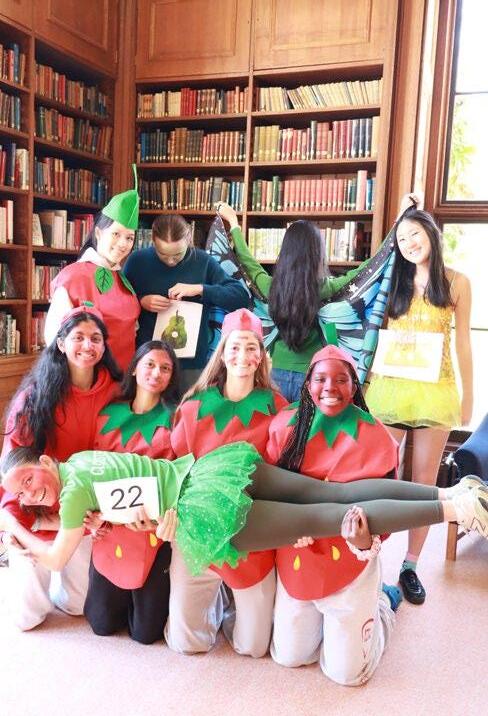
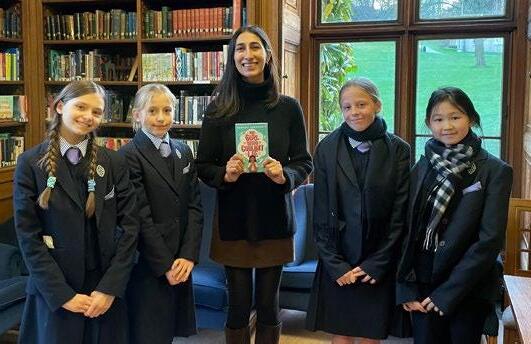

the ever-popular shredded book competition. On the Monday of Reading Week, we held our much-loved Cosy Day in Fisher Library, with hot chocolate and bean bags available for pupils to come and snuggle up with a good book. This is the fourth year in a row that we have run this event, and it is wonderful to see how pupils now embrace it as a staple part of Reading Week celebrations.
In March we had a week-long celebration for World Book Day, which, of course, involved the whole school dressing up! The costumes were wonderful and really showed the variety of reading preferences across the school. We even had some ensemble costumes, such as the UV who all dressed up as characters from Gangsta Granny, a group of LVI pupils who dressed up to represent The Hungry Caterpillar, and a particularly memorable pair of LVI who dressed up as bookworms. I think this year involved the most pupils and staff dressing up that I’ve seen during my time at the School and I was thrilled by the enthusiasm of the older pupils in particular this year.
The Scholastic Book Fair was back for the fifth year in a row and it was lovely to see so many pupils visiting to purchase books to read for pleasure. We were also delighted to welcome the spoken word artist Desree. She delivered poetry workshops to LIV and then performed to LIV and UIV pupils. I hope that this inspires many of our pupils to write their own poetry, as the contributions that were read out in the workshops were hugely impressive!
As well as all of this, we have been busy adding hundreds of new books to our collection, helping pupils with book recommendations every day, and ensuring that all of our libraries look as engaging and inviting as possible. We are looking forward to seeing the new Whitelaw Library open in September and I cannot wait to hear about what everyone reads over the holidays.
Mrs Hannah Rogers-Green Head of Libraries
UIII attending a workshop with author and journalist Radhika Sanghani
The Hungry Caterpiller on World Book Day
Careers
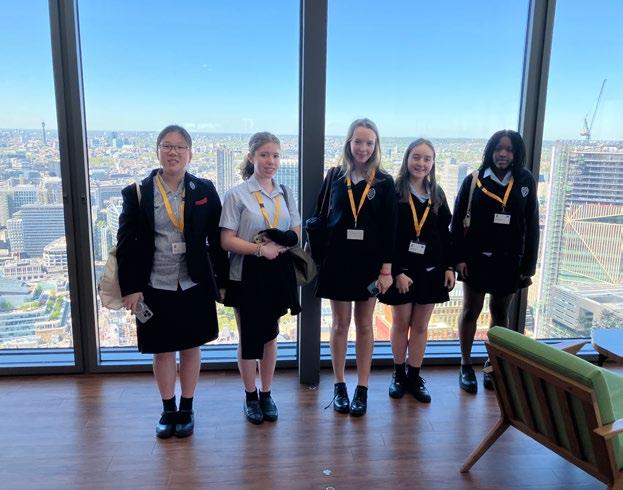
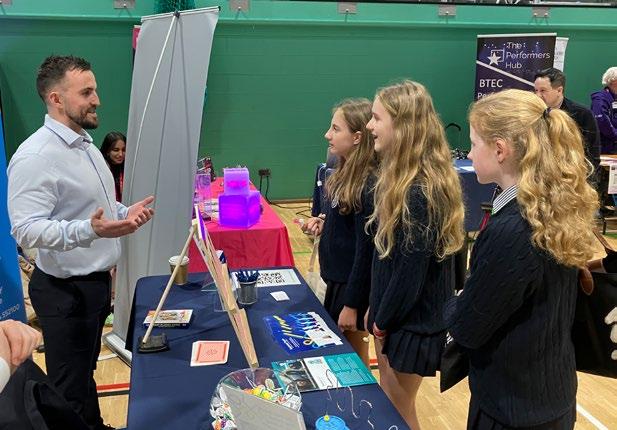
Alongside our established signature events, girls have many chances to explore different careers through visiting workplaces and hearing from people working in a plethora of different industries.
Our half-termly Careers Spotlights have introduced pupils to careers in the pharmaceutical industry with speakers in business, research and regulatory affairs demonstrating the breadth of opportunity in the industry. They have also shown where a talent for languages can take them with international relations, law, business and defence, and what roles a passion for art and design could offer, with speakers including the Director of the Architectural association, a graphic designer and art director. We also heard the inspiring story of Dame Dr Emily Lawson’s career which offered great insight on learning to understand the environments where you thrive, taking time to pause and reflect on your values, and preparing for a career which isn’t linear. Our speakers have been a mix of Seniors, parents and employer connections both locally and further afield, and it is wonderful to be able to bring them in front of pupils who have so much to learn from them. We also share this experience with local schools through our partnerships and invite their pupils to attend. In return we have spent interesting evenings at careers events at Dr Challoner’s High School.
The annual Careers Seminar was once again a busy and stimulating evening, bringing together representatives from a wide range of industries to offer a bespoke experience for each girl, regardless of her interests or ambitions. We are fortunate to have such supportive Seniors, who help demonstrate how passions can lead to rewarding careers and highlight the breadth of opportunities available. The seminar aims to demystify careers through meaningful conversations in small, highly personalised group sessions, allowing pupils to ask
questions they cannot easily answer through Google or AI.
Embracing the renewed government focus on meaningful experiences of the workplace, and expanding this beyond a traditional week-long work experience placement at the end of KS4, we have sourced many opportunities for pupils to engage with careers off the school site. Pupils have visited offices in London at Aviva and Salesforce to learn more about careers in insurance and technology, and the studios at Pinewood to learn about a large variety of careers within the film industry. A highlight being shown how the sound is designed for cinema by building up several layers of vocals, effects and music.
They also visited the Bucks Skills show in Aylesbury to learn from a very wide range of exhibitors how their skills could lead to success in different industries; with a very hands-on approach the girls enjoyed exploring different disciplines in engineering, medicine, accounting and creative industries. We also continued our flagship mini internship for ten LVI pupils to spend three days during October long leave with finance company Euronext at their Canary Wharf offices and visiting their clients in the city. This was an unforgettable experience for the pupils involved and presented them with invaluable insights and role models to guide their future career decisions. We are so grateful for the hard work these employers put into making their companies accessible to pupils and really acknowledge the transformative effect these experiences can have.
We continued our local work experience placements targeted at LVI pupils aspiring to medical careers, giving them the experience they need to strengthen their application in a competitive field. Pupils have committed to weekly visits to local nurseries, playgroups, care homes and
LV during their visit to the Salesforce offices in the City of London where they learned about careers in AI and tech
LIV speak to accountants at the Bucks Skills Show
a kennels, and have been placed in Wycombe Hospital through the Bucks NHS Trust Young Volunteers scheme. Through this they have developed the skills so important to the medical profession: communicating with people who might struggle to be understood, care and empathy towards those facing challenges in life, resilience and initiative in managing their time and directing their own experiences. We hope that this contributes to the continued success of all our aspiring medics and vets.
We plan to expand the scope of work experience placements and are offering more placements throughout the Summer break including a week at UCL Department of Biological Sciences, and opportunities offered through parents and employer contacts. We look forward to hearing about these in September!
Our relationship with the Seniors office continues to strengthen as we draw upon our fantastic network of Seniors to support a wide range of careers events. We repeated the Networking event for UVI in January, giving them the chance to meet and mingle with Seniors from different industries keen to share what they had learned so far in their career. With an emphasis on those Seniors in the first half of their career, pupils were able to ask questions on how to get their first jobs after university, and what to do if plans don’t turn out the way you hoped. We invited Andrew Wright to coach the UVI on body language, how to approach someone and start a conversation, how to find a connection with anyone you are talking to, and how to end a conversation politely and move on, all very relevant skills for their future as they move on from Wycombe Abbey. The UVI pupils made some astute reflections on their experience including:
“It allowed me to gain a deeper understanding of a wider range of professions, as well as learning more about transitioning from university into work.”
“[It was useful to] talk to people who did the same degree that I am planning to do and getting insight into how this degree helped them with their careers.”
National Careers Week gave us the impetus to promote careers around the school, including during lessons where pupils learned how the skills they develop through different subjects are valued in a range of careers. We hosted a wide range of webinars in the Careers Centre and signposted pupils to a range of excellent careers resources online. We are particularly keen that all pupils engage with Unifrog, our universal careers platform which offers not only an expansive library of information but also the opportunity to
plan future pathways, keep a record of skills and activities, and search for opportunities with virtual work experience and more.
Listening to pupil voice is incredibly important in the department, and we have built upon the network of Careers Champions in the school with nearly every house and year group represented. They are able to promote activities to their peers, direct the activities that pupils really value, and feedback on how to make the most of the events we run.
We also want to celebrate the staff at Wycombe Abbey and give pupils the chance to learn from them in a different way. Throughout the Spring and Summer terms we have invited staff members to the Careers Centre to have tea with and talk to pupils about their career journey, allowing pupils to ask questions in an informal atmosphere and understanding more about career options. We have particularly encouraged the lower school pupils to attend to make careers events more accessible to girls at a time when they are still very uncertain about what might suit them best.
We always welcome new connections able to support our careers events in any way, from speaking in school to hosting an insight visit for a small group, or offering a work experience placement for one or two pupils. If you think you might be able to help please contact Mrs Becky Scott, Careers Administrator, by email at scottb@wycombeabbey.com
Mrs Laura Manning Head of Careers
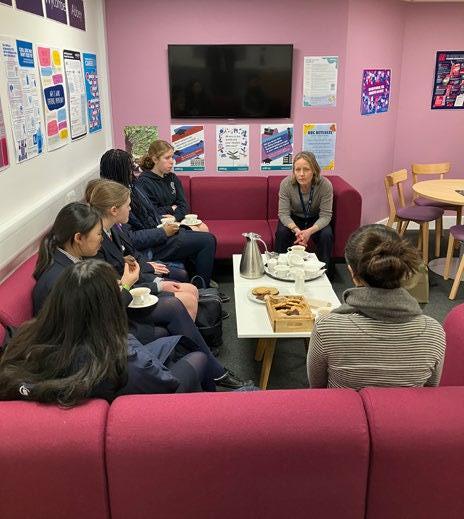
Discussing careers in aerospace research with physics teacher Mrs Thomas over tea and cake in the Careers Centre