
Strength in Service: How Volunteering Shapes Us for Real-World Challenges by Wyatt Mould
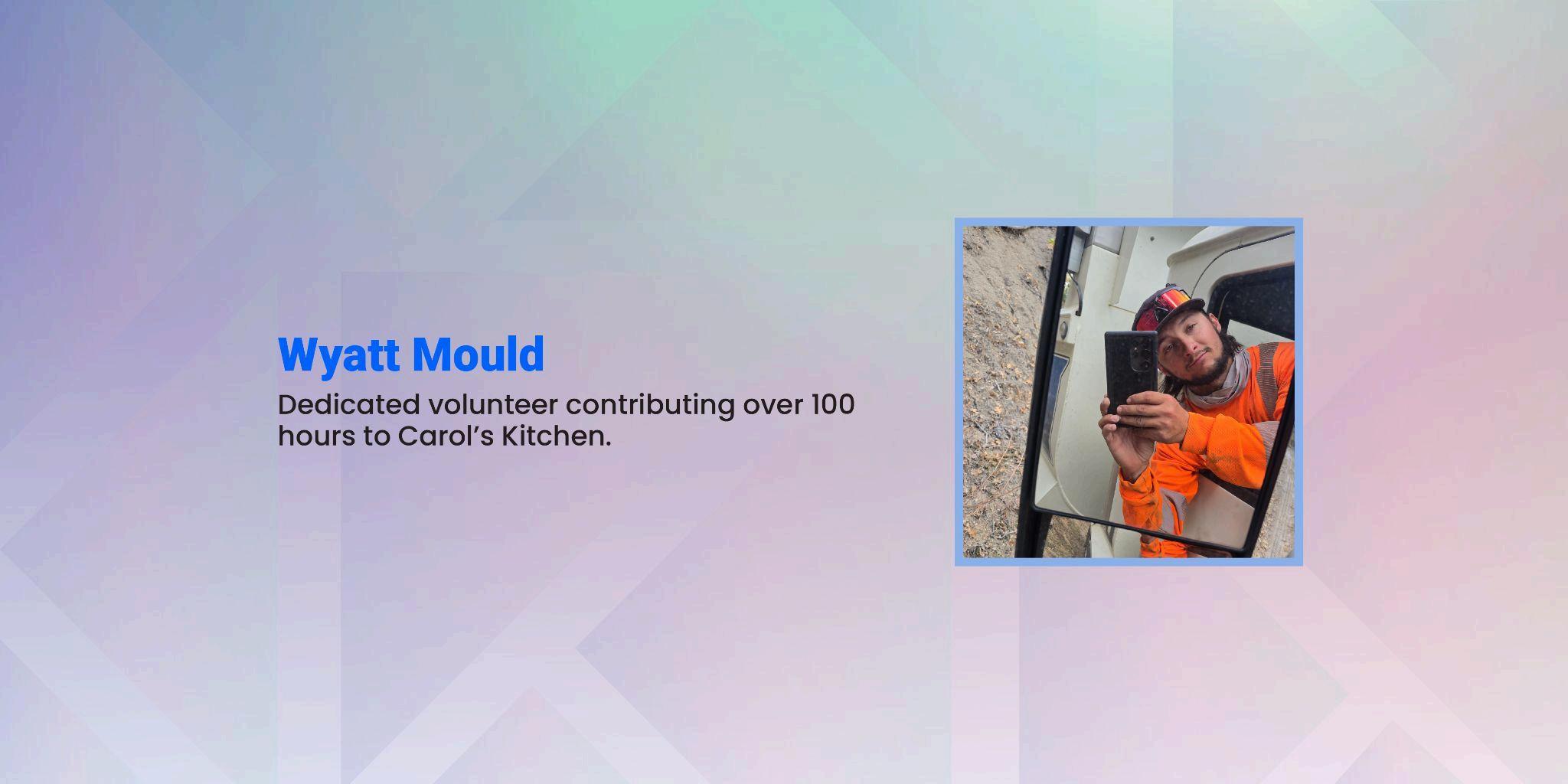
People often imagine volunteering as an act of generosity, something done purely to uplift others or contribute to a cause While that is true, there is an equally powerful side of volunteering that many overlook: its ability to shape the volunteer. The personal growth gained through volunteer work is strikingly similar to the strength, endurance, and adaptability developed in professional fields In many ways, volunteering is a form of hands-on training that prepares individuals for the real challenges of life, as defined by Wyatt Mould.
One of the most valuable strengths volunteering builds is problem-solving Unlike structured workplaces where roles are clearly defined, volunteer settings often require individuals to think creatively and find solutions on the spot Whether it’s managing unexpected crowds at an event, calming a distressed person at a shelter, or adapting a plan when resources run short, volunteers learn to navigate uncertainty with confidence This mirrors the reality of fieldwork, where no two days look the same and quick thinking becomes essential
Another important aspect of volunteering is its ability to foster emotional intelligence Working closely with people from diverse backgrounds such as children, older people, refugees, or those facing hardships helps volunteers develop empathy and patience. Understanding other perspectives becomes second nature, and volunteers develop greater skill in offering support
without judgment This level of emotional awareness is crucial in professional environments, where strong interpersonal relationships often significantly influence success.
Volunteering also builds physical and mental stamina. Many volunteer roles involve long hours, physical effort, or emotionally intense situations. From cleaning community spaces to distributing relief materials or managing outdoor events, volunteers learn how to stay steady and committed even when tasks become demanding. The discipline and endurance developed in these moments are the same qualities that define resilient workers in the field
In addition, volunteering inspires leadership. Without formal authority, volunteers frequently take charge by guiding others, organizing tasks, or offering direction when needed This type of natural leadership based on initiative rather than obligation equips individuals with confidence and the ability to motivate teams. These are the same traits that make someone effective in their career, regardless of their position
What makes volunteering especially powerful is that these mental strengths grow quietly and authentically People don’t volunteer expecting personal gain, yet they walk away with sharpened skills, deeper self-awareness, and a stronger sense of purpose. The lessons learned while serving others often last a lifetime