
Greek society and culture have thrived on the southeast parts of the European continent and along the Minor Asia coast. Spanning the recent millennia, their history is a long and amazing one, as these lands and seas have seen the growth of remarkable civilisations.
Ancient Greek mythology and culture have grown and flourished in the eastern Mediterranean shores. In Greece, across the ages, myth and history have become intertwined. Visit the numerous monuments across the country in the open air, in museums, collections and galleries. Archaeological sites, ancient, medieval, Byzantine and post-Byzantine ones, UNESCO World Heritage Sites, and Religious Monuments are only a part of this country’s cultural history and heritage; other aspects involve Folk Traditions and Art, Music, Dancing, Festivals, Cinema, Theatre and Art. Discover them while you visit Greece and enjoy the perfect blend of a relaxing holiday and an unforgettable cultural experience in this celebrated archaeological and historical wonderland.
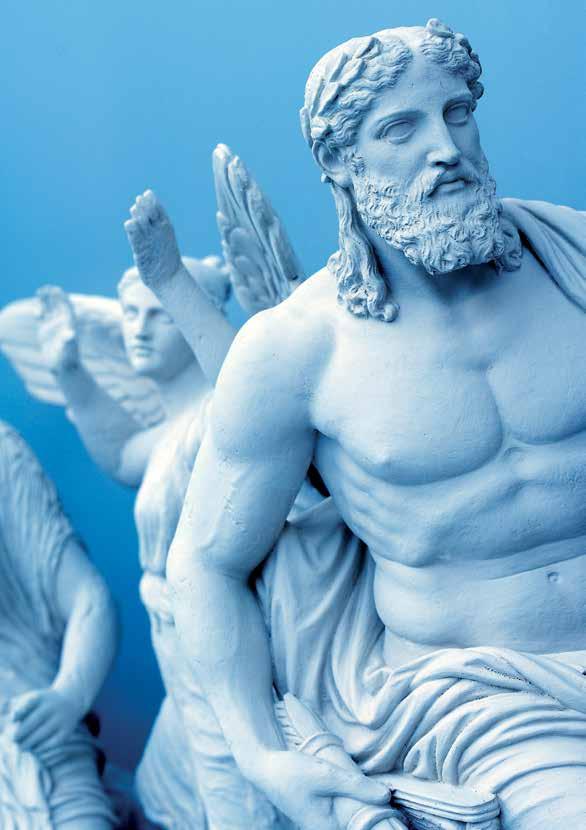
Europe was named after Europa, a princess with whom god Zeus fell in love with. According to the myth, he transformed himself into a bull and approached her. Europa got impressed by the all-white quiet and strong animal and decided to ride him. He then abducted her and led her to Crete. She had three children with Zeus on the island, the first one being Minos, the later king and founder of the Minoan Civilisation
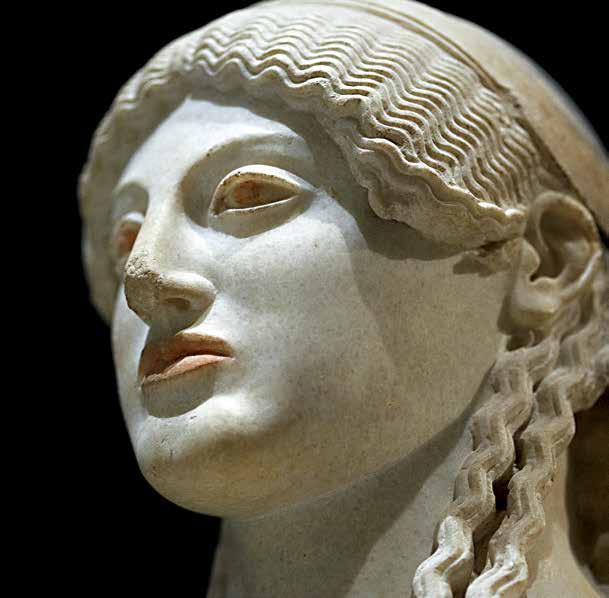
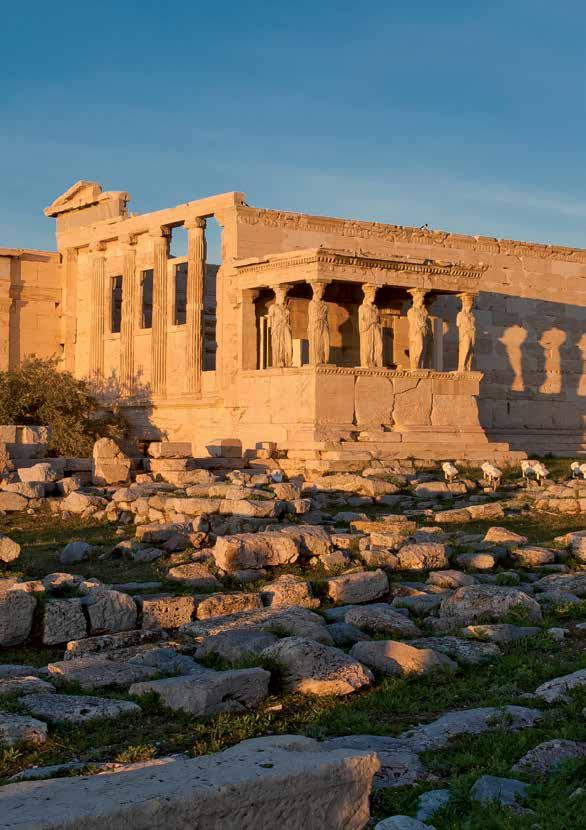
Korai (Maidens) statues fronting Erechtheion, Acropolis, Athens, © Y. Skoulas.
Get acquainted with Greek culture in all its forms in museums as well as in the open air across the country. Tour the Acropolis area in Athens and visit the nearby Acropolis Museum. A remarkable collection of architectural parts offers the visitor an overall view of cultural life in ancient Athens. The National Archaeological Museum is also a must visit Museum as it holds significant collections from Greece and other countries. The Byzantine and Christian Museums focus on the Greek history and art starting from the Early Christian Period until the medieval, post-Byzantine and recent times. The History and Folk Art Museums will offer you information on everyday life tools and artefacts, traditions and customs as they were practiced until the mid-20th c.
Greek maritime and nautical activities are a huge chapter in this country’s history. Visit maritime museums in Piraeus, Mykonos, Andros, Crete, and Galaxidi
Explore contemporary Greek art in Thessaloniki City: plan your visit to the Cinema Museum, the Museum of Photography, and the Macedonian Museum of Contemporary Art. In Athens, go to the National Museum of Contemporary Art, the Museum of Greek Folk Musical Instruments, and the Herakleidon Museum
The list of museums is endless, so shortlist the ones you’re interested in and start exploring them!
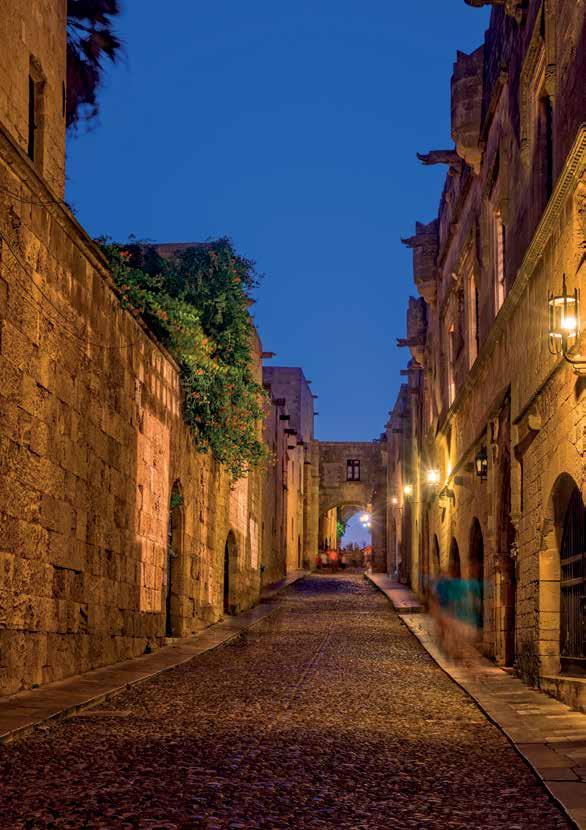
Travel to Greece and explore the impressive works of man and nature over the centuries. You will feel captivated by the beauty of the 19 unique monuments and sites inscribed on the World Heritage List. The one that is best-known across the globe needs no introduction: The Athens Acropolis welcomes you for a tour around one of the most sacred and renowned places of Greek antiquity. The Cyclades Islands in the Aegean Archipelago hold “the most sacred of all islands” – according to the ancient Greeks; visit Delos Island where Apollo, the god of light, was born and raised. Take a trip to Rhodes and marvel at the Medieval City of Rhodes, a fascinating walled city built in the Gothic style by the Knights of St John of Jerusalem.
In the Greek North, travel to the Archaeological Site of Aigai (Vergina), the first capital of the ancient Greek kingdom of Macedonia. See also the Archaeological Site of Philippoi, a city named after Philip II, the ancient Greek Macedon king and father of Alexander the Great. In Thessaloniki, make a point of seeing the ancient city walls and the amazing Paleochristian and Byzantine Monuments. In Epirus, western Greece explore the Zagori Cultural Landscape, while you visit Zagorochoria (a group of traditional stone-built villages linked via a system of bridges, paths and staircases). In Central Greece, travel to the Archaeological Site of Delphi, the Oracle of god Apollo, considered in antiquity as the centre (called ‘the navel’) of the world.
On Samos Island, you will be impressed by the sites of Heraion - the temple of Hera, wife of Zeus, and Pythagoreion, the island’s ancient fortified port. On Patmos Island, tour the Historic Centre (Chora), visit the Monastery of St. John the Theologian [founded in the 10th c.] and the Cave of the Apocalypse
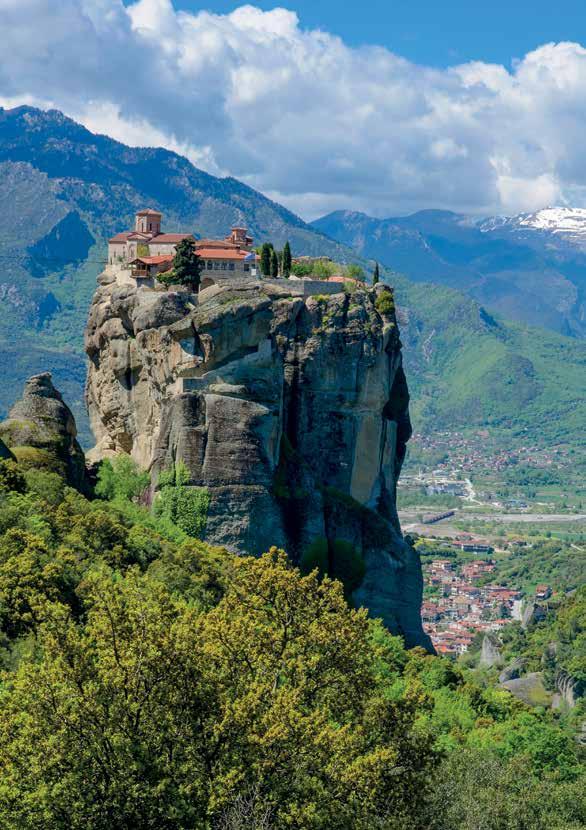
In the Peloponnese, visit the Archaeological site of Olympia, the main worship site of Zeus; the Sanctuary of Asklepios – the ancient Greek healer and god of medicine- at Epidaurus; the Temple of Apollo Epicurius at Bassae, Arcadia; the Archaeological Sites of Mycenae and Tiryns – the two greatest cities of the Mycenaean Civilisation (16th c. – 12th c. BC). Further south, discover the Archaeological Site of Mystras, an awe-inspiring medieval and Byzantine town. In Thessaly, enjoy the view from Meteora, a complex of Greek Orthodox Byzantine and post-Byzantine monasteries built on huge pillars of stone in a breathtaking natural environment. Travel north to Halkidiki peninsula and visit Mount Athos (“Holy Mountain”), an Orthodox spiritual centre since the 10th c. Only male adult visitors are allowed to enter this amazing Monastic State. The 11th c. Monasteries of Daphni (in Attica), Hosios Loukas (in Fokida) and Nea Moni of Chios Island are three outstanding examples of Byzantine craftsmanship. Take a trip to the Ionian Island of Corfu and stroll in the Old Town of Corfu. You will be impressed by the neoclassical urban ensemble and the old Venetian Citadel.
There are so many more archaeological sites to be visited, almost everywhere in Greece. The Minoan Palaces on Crete, the numerous ancient and medieval citadels and castles on the islands & the mainland, the ancient and medieval religious sites have each got a tale of past glory to tell.
Get acquainted with the following outstanding Greek practices, inscribed on UNESCO’s Representative List of the Intangible Cultural Heritage of Humanity; learn about them, witness and enjoy the entire process. Read about the Know How for Cultivating Mastic on Chios Island, an agricultural, social and cultural process that goes on throughout the year and a legacy passed on by older generations to younger ones; admire the Tinian Marble Craftsmanship (on Tinos Island); enjoy Rebetiko, a musical and cultural expression, which originally appeared among Greek lower classes in the early 20th c.; and experience customary practices such as Momoeria, a traditional New Year's celebration in eight villages of Kozani area, West Macedonia; these events take place from December 25 to January 5 and involve dancing, music playing and acting.
Understandably the choice is hard when your available time is limited and the must-visit sites so many. So, plan your future trips to Greek UNESCO World Heritage Sites and enjoy visiting them all!
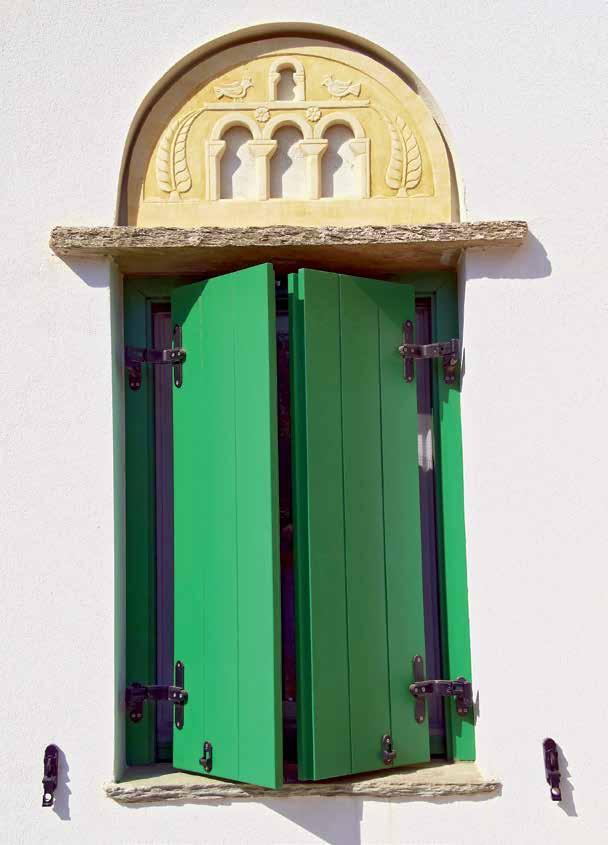
Arched marble lintel, Tinos Island, © Shutterstock.
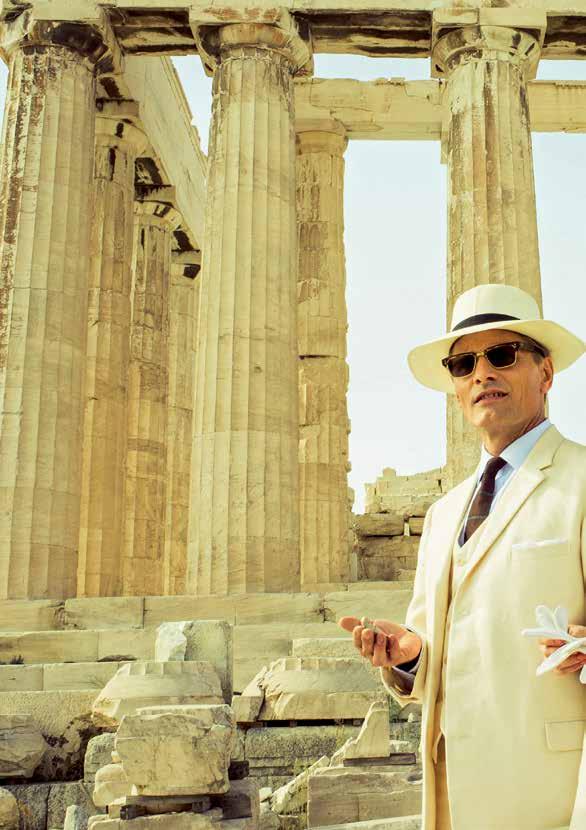
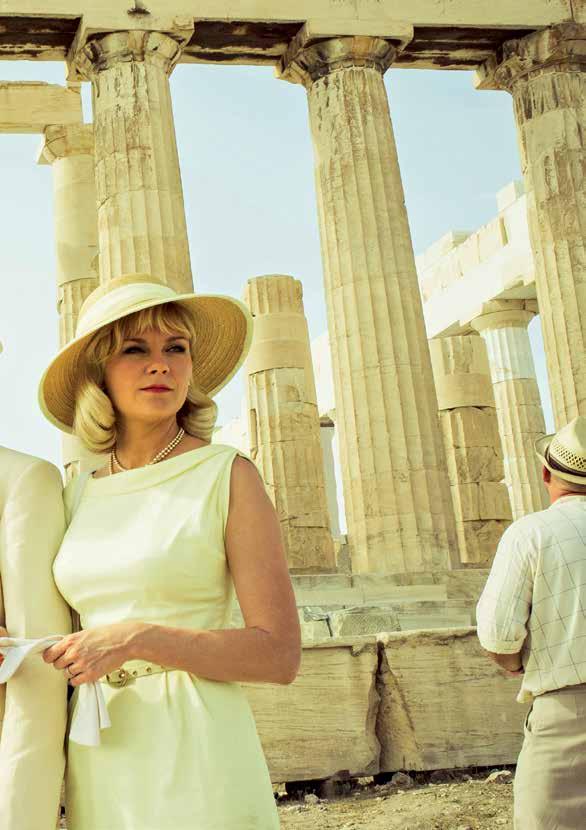
Festivals in Greece hold a significant place in the country’s cultural life. Some of them enjoy international acclaim, attracting art lovers and professionals alike from across the world. In November, visit the Thessaloniki International Film Festival [TIFF], a leading event in Southeast Europe, running since 1960, offering newcomers the opportunity to present their work, next to the work of already famous filmmakers. In March, the city welcomes visitors for the Thessaloniki Documentary Festival [TDF]. New documentaries and videos appear and the ones that are finally awarded the Golden Alexander Award become eligible for an Oscar nomination in the Documentary Feature category. In September, travel northeast to Drama town, where the International Short Film Festival takes place. In the summer, you will enjoy the Athens Open Air Film Festival in the Greek capital, and the Aegean Film Festival on Patmos and Paros islands. Take a winter trip in early December to Pyrgos and Amaliada towns, for the Olympia International Greek Festival for Children and Young People. Watch various fiction & documentary films as well as short fiction live action films, short/medium documentaries, and short animation films. If you are an animation fan, make sure you visit the Athens ANIMFESTInternational Animation Festival, which takes place every March, and the ANIMASYROS International Animation Festival, in September, on Syros Island. Last but not least, plan a trip to the capital for the Athens International Film Festival Opening Nights. View premieres of international independent films before they hit the screens. Don’t miss out!
The Two Faces of January, 2014, © Hellenic Film Commission.
The history of art in Greece is a long one as many of the arts and crafts in this country date from prehistoric times. Apart from Classical Arts, the Greek Contemporary Art production is also noteworthy. In Athens, visit the National Gallery – Alexandros Soutsos Museum and enjoy the wide display of paintings of Greek and foreign artists, dating from the post-Byzantine period to the present day. Part of the Gallery’s collection is exhibited at the National Glyptotheque. You will find annexes of the National Gallery in Nafplion town, Corfu Island, Sparta town and on Aegina Island. The National Museum of Contemporary Art, holds Greek and foreign works of modern art. The Basil & Elise Goulandris Foundation holds a permanent collection of modern and contemporary art by celebrated artists, as well as temporary art exhibitions, in its beautiful neoclassical building in central Athens.
Thessaloniki City welcomes art lovers at the State Museum of Contemporary Art in Moni Lazariston, Stavroupoli. View the permanent Costakis Collection which includes masterpieces of the Russian Avant Garde movement, and a number of paintings and sculptures of Greek and other foreign artists. Teloglion Foundation of Art of the Aristotle University of Thessaloniki boasts some 7,000 works of art including 20th c. prints, collections of paintings, engravings, sculpture, ceramics, glass, textiles and more. The Macedonian Museum of Contemporary Art showcases objects of art donated by collectors such as Franz Geierhaas and Alexandros Iolas. You will find works of painting, sculpture and photography, engravings, and monographs mostly of the 20th c.
Continue your journey in art on the islands of Corfu, Andros, Tinos and Rhodes. The Municipal Gallery on Corfu holds a comprehensive collection of 19th c. works of art created by local artists. The Museum of Contemporary Art – Basil & Elise Goulandris Foundation on Andros keeps the entire collection of Michalis Tombros, a native sculptor, next to other sculptures. On Tinos, visit the Municipal Institution – Costas Tsoclis Museum where Costas Tsoclis’ complex artistic creations are on display. In Rhodes, the Modern Greek Art Museum welcomes you for a tour in the medieval building, which houses 20th c. paintings, engravings, and sculptures created by acclaimed artists.
Enjoy your travels in Greece with a touch of Modern Art!
Dancing has always been a popular form of art with Greeks. Dancing traditions are numerous and differ from one area to the other. This explains the great variety of folk-dance types across the country.
Are you a dance fan? Travel to Athens and visit the Dora Stratou Dance Theatre on Philopappou Hill, opposite the Acropolis. From May to September enjoy the daily performances of folk dances. Groups wear local costumes as per each dance’s place of origin.
Plan a visit to the Ionian Island of Lefkada, for the Lefkas International Folklore Festival. This is the oldest folk-art festival in Greece and celebrations take place in August. You will have the opportunity to watch colourful groups of dancers from across the world while enjoying your summer holidays.
If, however, you are looking for a modern dance festival – Kalamata town in the Peloponnese will be high on your list of must-visit seaside destinations. Enjoy the dance performances, outdoor events and workshops that take place in July during the Kalamata International Dance Festival. Most activities take place in Kalamata Dance Megaron Further south, on the island of Crete, an International Contemporary Dance Festival called ‘Dance Days Chania’ takes place on Chania City in late July, with the participation of artists from across the world. The programme includes dance shows, workshops, lectures, seminars and a variety of other art events.
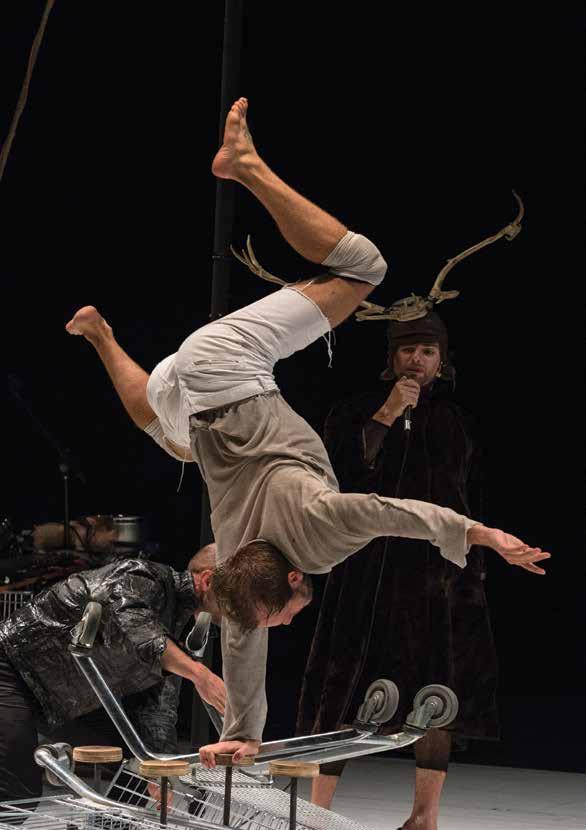
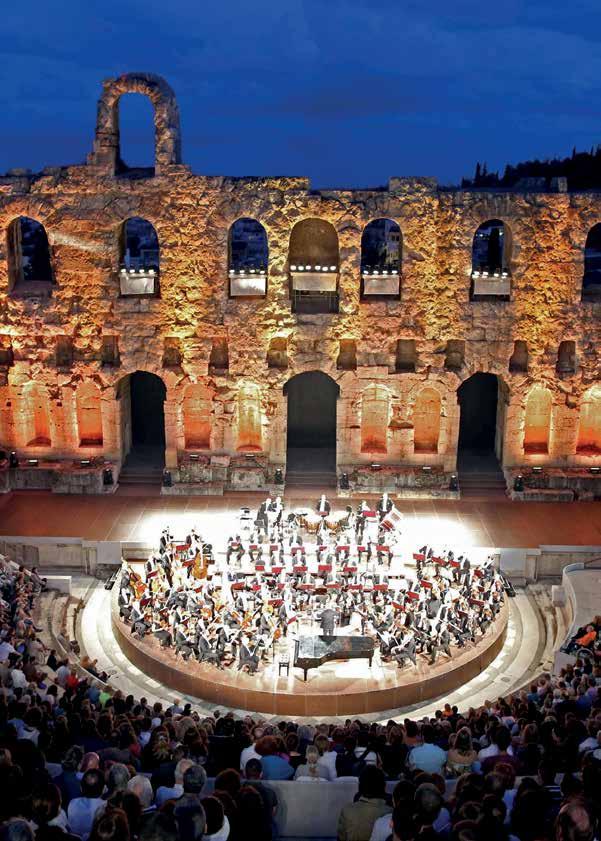
Theatre is one of the oldest forms of art in Greece. Ancient Greek theatre is the origin of theatrical art as we know it across the western world.
The most important modern day culture festival in Greece is the Athens and Epidaurus Festival, offering viewers the opportunity to enjoy acts and shows by international theatre, dance and music artists. During June and July enjoy top-class performances in Athens; the top venues are the Odeon of Herodes Atticus (a 2nd c. AD Roman odeum built at the foot of the Acropolis), Peiraios 260 (close to the centre of Athens), and Megaron, the Athens Concert Hall. In Epidaurus (Peloponnese) performances take place in July and August at the Ancient Theatre of Epidaurus and at the Little Theatre of Ancient Epidaurus. The last two locations are the original 4th c. BC theatres where religious ceremonies took place and where ancient Greek tragedies and comedies were also performed then as they are today. In the Little Theatre, you will enjoy alternative performances of ancient Greek Drama by Greek and international artists (both emerging and established ones). There are also English surtitles for foreign spectators. A much newer and very promising festival is the International Youth Festival of Ancient Drama which takes place in Ancient Messene, in the southwest part of the Peloponnese, during April.
Enjoy memorable theatrical performances in their original ancient theatre locations (e.g. Delphi, Epidaurus, Filippoi, Dion, Aptera, Oiniades etc.).
Odeon of Herodes Atticus, Athens, © Th. Daskalakis.
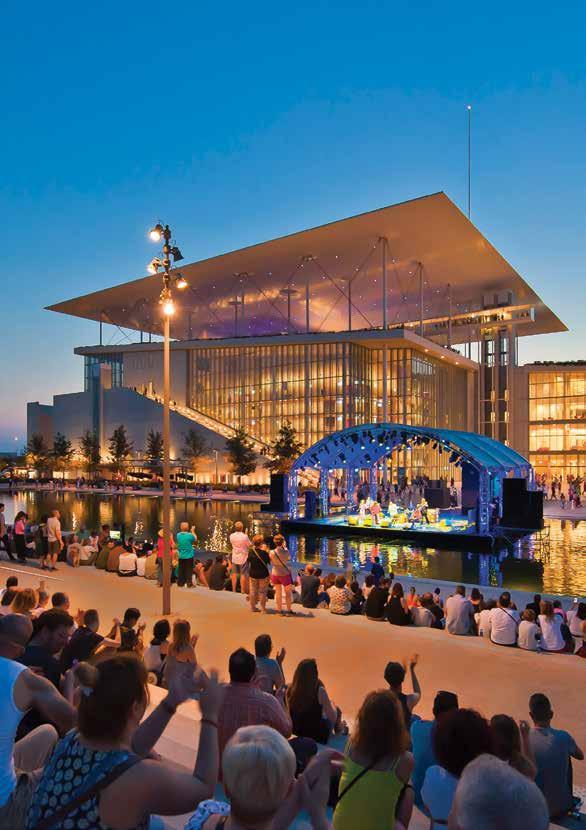
Music is an ever-popular form of artistic expression in Greece. And each part of the country has its own traditions and style in music and dancing. Folk music known in Greek as ‘dimotika’ (on the mainland) and ‘nisiotika’ (on the islands) carries the essence of Greek mentality of recent times; traditional folk songs describe the way of life, the joys and troubles of Greek people as experienced across the country. In the Ionian Islands, the numerous Philharmonic Bands prove the locals’ great love for their musical traditions and their active engagement with all types of music. Laika is a type of popular music that’s more associated with urban centres, without being restricted to them. If you want to get a taste of Greek nightlife, this is the type of music you’ll listen and dance to in nightclubs.
Rebetiko is another type of popular music that could be described as the Greek blues. In Athens, the Stavros Niarchos Foundation Cultural Centre is a must-visit location, housing the Greek National Opera and the National Library of Greece. Watch live events, and enjoy activities for young and old at the Centre’s facilities. In Greece, the night is young and promising; so, book your ticket for your favourite modern music festival across the country, such as Ejekt Festival, Rockwave Festival, River Party Festival, Sani Festival, Plissken Festival, Release Athens Festival, and Primer Music Festival
Stavros Niarchos Foundation Cultural Centre, © Y. Skoulas.
Cultural and religious traditions in Greece have played an important role in shaping Greek mentality over the centuries. The numerous museums, monuments, and sites in the country serve as evidence of the artistic and spiritual heritage, cherished and preserved by Greek people over the centuries. A remarkable display of such cultural heritage assets can be seen at the Byzantine and Christian Museum, Athens. If you happen to be in the capital, make a note of visiting it: you’ll view a number of collections and a permanent exhibition of remarkable items – mostly about Greek Orthodox faith- spanning the entire Byzantine Period and beyond. The museum’s counterpart in Thessaloniki City is the Museum of Byzantine Culture
Get acquainted with folk art and traditions by visiting locations such as the Museum of Greek Folk Art in Plaka, Athens; the Centre for the Study of Modern Pottery in Kerameikos, Athens; the Folk Life and Ethnological Museum of Macedonia and Thrace in Thessaloniki; the History and Folk Art Museum in Rethymno, Crete; and the Peloponnesian Folklore Foundation Museum in Nafplio, Peloponnese. Travel to the islands or in the mainland and visit churches and monasteries; admire the architecture, the lovely mosaics, murals, icons, woodcarving, the gold, silver or brass-sculpted icon screens; feel the serenity enveloping these places, matched in many cases with breathtaking natural surroundings.
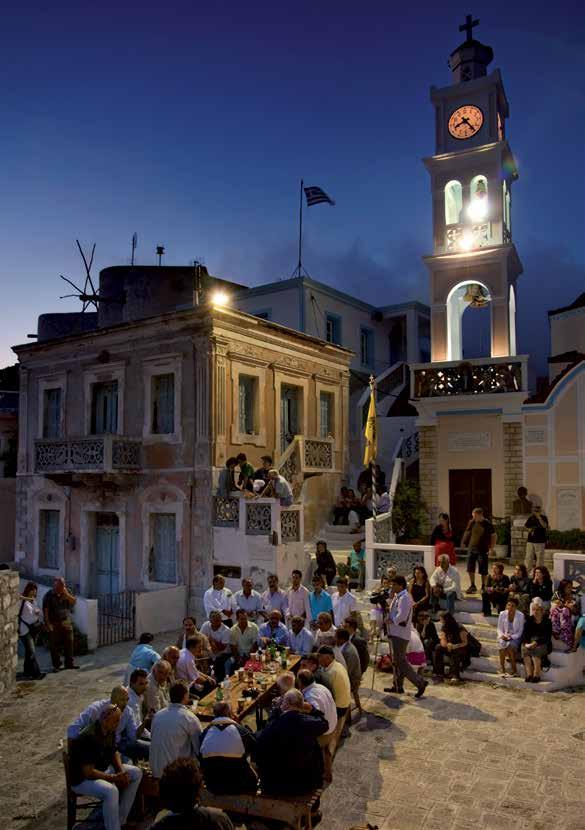
Local feast, Karpathos Island, Dodecanese, © P. Merakos.