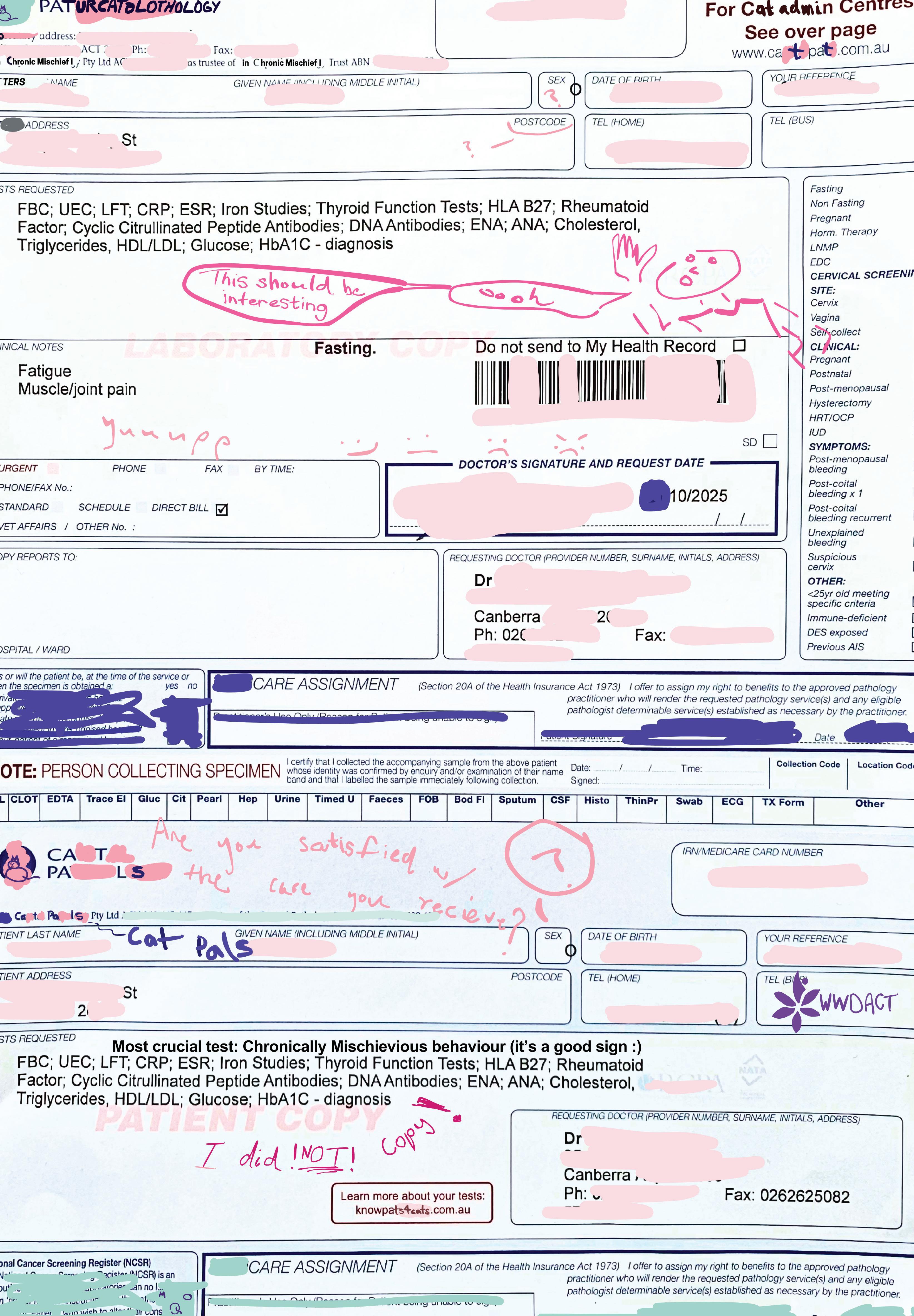
Mischief Poetry CHRONIC ART
Acknowledgement of Country
WWDACT would like to acknowledge that this Magazine was edited, worked on and printed on the stolen land of the Ngunnawal and Ngambri peoples. Sovereignty was never ceded and the struggle for land rights and self-determination continues to this day. We celebrate the continuing connection to land waterways and sky of elders past, present and emerging. Always was, always will be, Aboriginal land.
Letter from the Editor
We could not have asked for a better collection of submissions than the ones we recieved for this inaugural issue of the WWDACT annual magazine. Four words were provided as optional prompts to write from; Identity, Desire, Activism, Disability.
The vision called for a rejection of the too common descriptors leveled at us as people who “take” or “burden”. Instead this issue would be to share our full suite of modes and emotions, emphasise the depth of who we are, the broad ranges of experiences we have, the fulfilling lives that we lead, and the things we love to do. We can be cheeky, sexual, staunch, hot, soft, crass, gentle, asexual, delightful, daring, stubborn, tenacious or sometimes even well. Well now it’s here, sharing whatever the artists and writers want to share, as they each want to share it.
Household
By Heidi Smith
Back garden
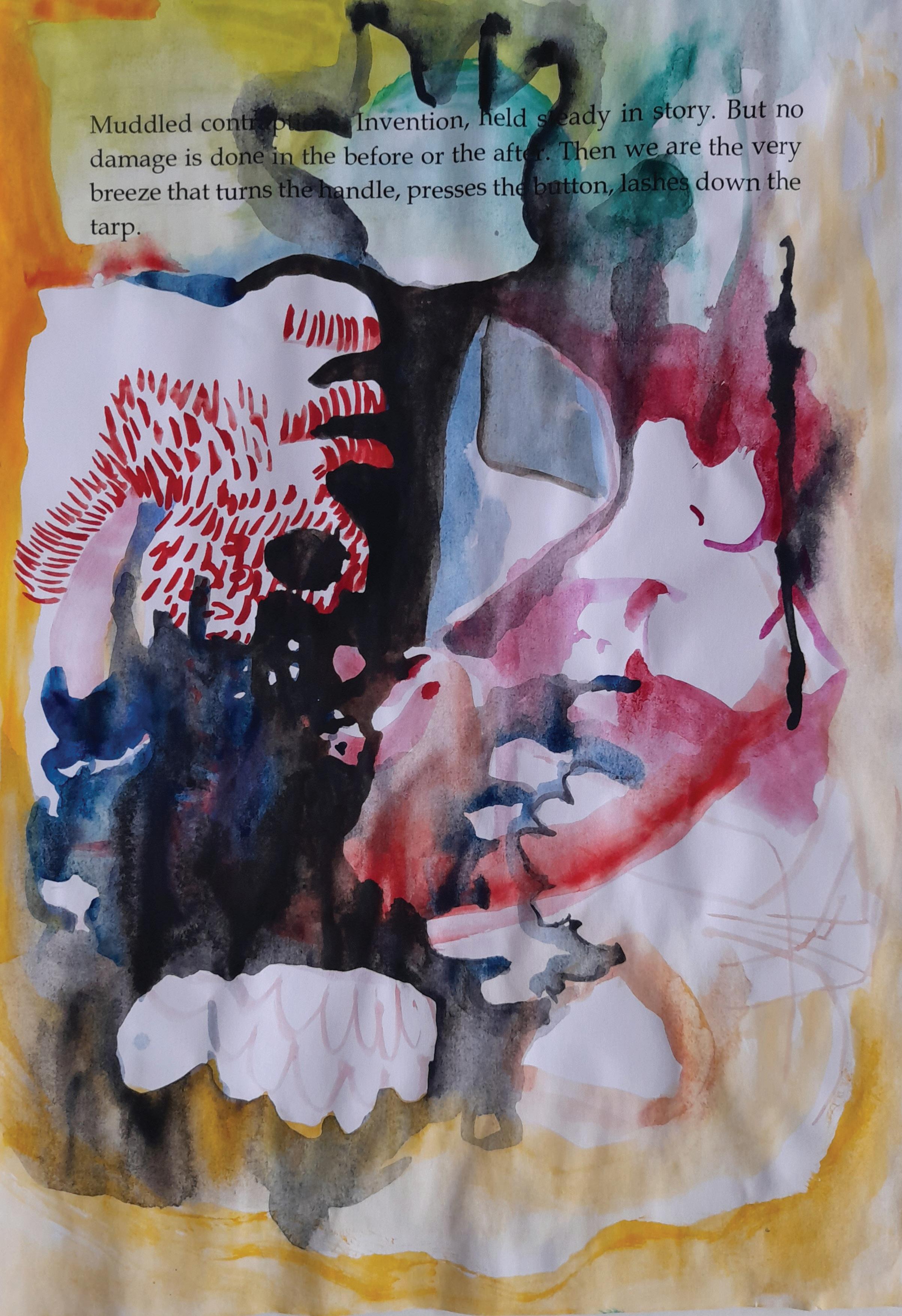
Over winter I have been planning the activities for my spring garden. I’m Bloomsbury-esque in my planning. A very nice outdoor chair for repose. Note: first bee sighted. Plump buds wait with such anticipation to show us their velveteen sleeves, skirts and shawls. So now I imagine the blossoms as ballerina’s waiting in the wings. Under a bright light the drama comes into focus. Spotlight: A dancer’s hands, a surgeon’s skill.
And then a really big fly, uninvited, drones from room to room. Just die already you drunkard! I shepherd it by turning off lights and closing doors behind us. As it exits into the daylight, does the fly see five gods? Be free Sir Fly. Go where no fly has gone before. I wave my imaginary hankie after him.
Front garden
The old couple wander by with their dogs and empty shopping bags. Headed for the shops and treats. Fancy bread, oat milk, whatever fruit is on special and local honey. Eucalyptus blossom.
For a few months I was interested in ghost stories. But then they became too much. They linger at the end of the hallway.
Coming around after surgery is like sticky spider webs, a hair in your mouth, dust in your eye. It is not gentle. You are not serene. The efficient nurse is deft when removing the breathing tube, offers ice chips and asks you the checklist questions.
Becoming polite again is the miracle. Regaining consciousness is like the fly exiting the dark house into the light. It is like my friends art work where her hands embody clouds, astral forms, praying, reaching, holding. It is the end of the hallway. The silhouette of human hands, a ghostly god reaching through space.
Indoor Plants
Art on the fly
Zen and the art of nausea management
Recovering
Patience is a survival skill. Flat on your back, looking up at the ceiling but imagining the sky. The most challenging thing about having cancer is finding a parking space. It is so wonderful to get home and rest your gaze upon all that’s familiar and the green of plants.
A stranger in a strange land.
Scapes
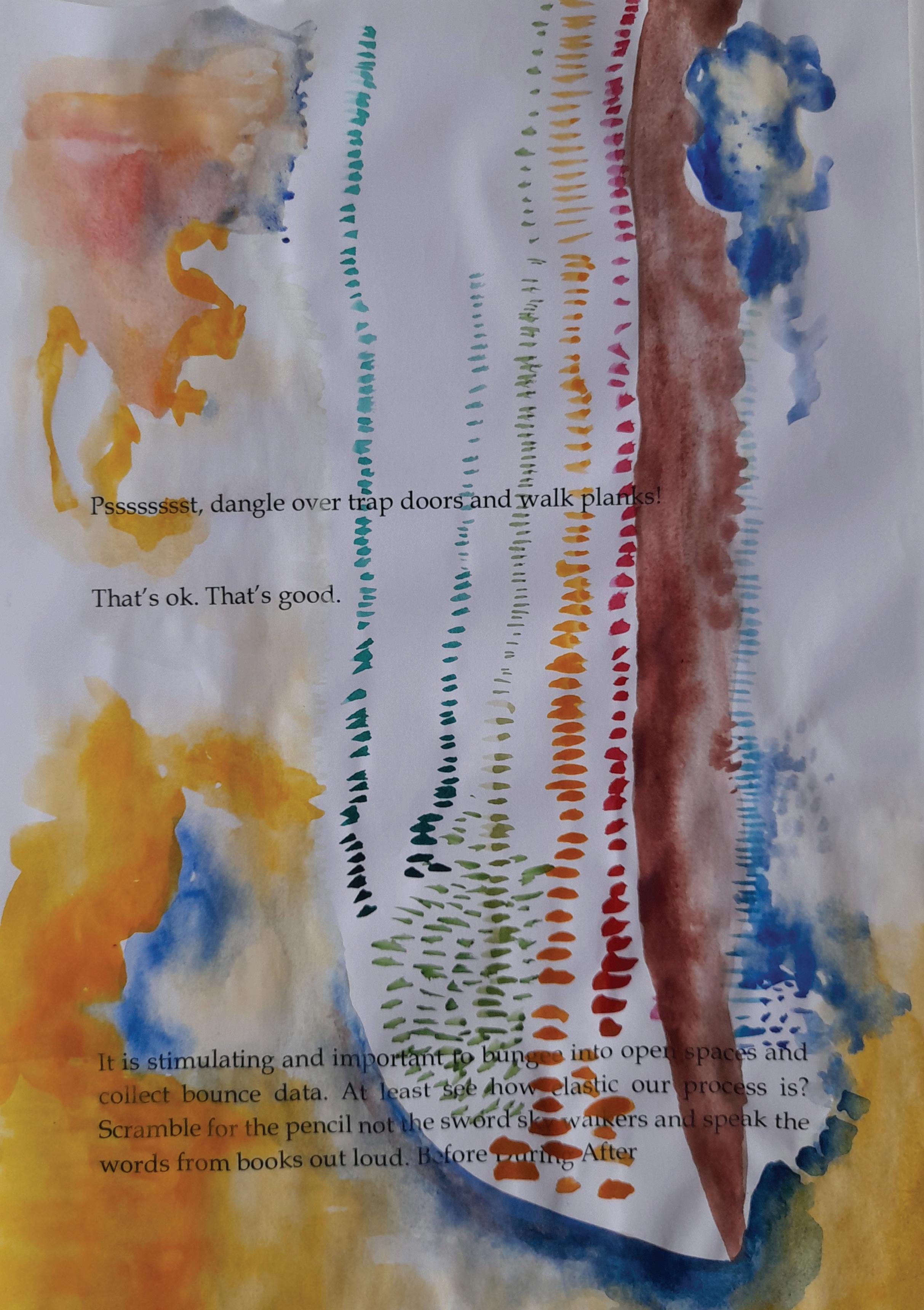
I’d like to make garments from heavy linen and velvet.
These textural fabrics can support paint, thread and staining.
Through observation in a restful environment, I want to channel the busy streams of consciousness. Decipher clues from my imagination. I would like these scape garments to resemble cloaks, capes, sting rays swimming.
Perhaps they could be projected on as well? Like you are in an aquarium or star gazing?
I want to incise memories while in an environment where nature is close.
Sew the night sky to the tree tops in loose stiches and draw the cool earth up beyond the hem.
TOO MUCH AND EXACTLY ENOUGH: Unmasking through performance -
By Ebe Ganon
‘Jab, cross, hook, times two, your turn!’ I call over the pounding bass, arms pumping as twenty-odd people mirror my movements in the dark studio flooded by blue light. For the next forty-five minutes, I’ll be the most animated and mischievous version of myself you’ve ever seen: gesticulating wildly, cracking jokes between tracks, and somehow demonstrating a split-knee whilst checking that John in the back row isn’t pushing through his dodgy ankle again.
It’s taken me a while to work out whether leading group fitness classes is the ultimate masking performance or the most authentic I ever get to be. The answer, as with most things in my neurodivergent life, is complicated. On paper, it should be masking and sensory hell. I’m an autistic person who sometimes struggles with eye contact and has a tendency to infodump without pause. I’ve never been a member of the ‘coordinated club’, as I joke with my members often, with quirky hypermobile joints and an unpredictable sense of balance. I wear noise-cancelling headphones most places, am easily overwhelmed by intense smells or bright lighting, and my ADHD makes me easily distracted by movement and noise.
Yet there I am, five times a week, motivating a room full of people through reformer Pilates, indoor cycling, and martial-arts inspired cardio to loud music, and I’m having the time of my life.
There’s something about the ritual that works for my brain. The class structure is predictable:
“I get to be too much and exactly enough, all while bringing people together and shouting encouragement over music that would usually send me reaching for my headphones.”
warm-up, workout, cool-down. I know when to turn the music up, when to crack a cheeky joke to get people through a tough mountain climb, when to remind everyone to breathe. The predictability gives me the space to be myself, to stim, and to bring people together, in ways that can be motivating for folk who have typically been made to feel unwelcome in fitness spaces.
Teaching group fitness has also changed my relationship with my own body. Seizures since childhood, migraines since my teens, and joints that aren’t quite glued together properly made sport and fitness things I avoided until I was 19. Training as an instructor and leading classes has helped me recognise my body as something powerful and capable. Yes, I need to manage my sensory input carefully and be strategic about scheduling to
avoid burnout. But getting comfortable with the way my hypermobile and uncoordinated body moves, and doing it on stage to demonstrate for others, is next-level self-acceptance that these mainstream environments often deny us.
I’ve often been told I can be “too much”. Too intense, too direct, too passionate. But in the studio, being “too much” is exactly what’s required.
My hyperfocus becomes laser-sharp attention to technique, safety, and the split-second glance that happens just before someone’s just about to fall off the reformer bed so I can catch them. My pattern-seeking brain notices immediately when someone’s struggling or when the energy is flagging in the room.
My enjoyment of moving to music and passion for inclusion suddenly become relevant and valuable rather than something I need to tone down.
The irony isn’t lost on me that I’ve found authenticity in what is, fundamentally, a performance. I’m wearing a metaphorical costume: the hyper-enthusiastic fitness instructor persona (in rainbow socks). But underneath it, I’m more myself than I am in most social situations. I don’t have to worry about making small talk or working out what someone needs from me. Everyone knows why we’re here: to move our bodies, look after our health, and have someone guide them through it whilst creating a fun atmosphere. Not every fitness space feels this welcoming - this industry has a lot of work to do - but I strive to make sure my classes do for others what they do for me.
and I’m completely spontaneous. The studio is this weird pocket of space where all these contradictions can exist without needing to be resolved. I get to be too much and exactly enough, all while bringing people together and shouting encouragement over music that would usually send me reaching for my headphones.
It’s complicated, because it always is. I’m performing and I’m authentic. I’m managing my limits and I’m celebrating my body’s capabilities. I’m following choreography notes
It doesn’t solve the masking question - nothing really does. But it gives me a place where the question matters less than whether everyone remembers to use enough resistance during their sprints and keep their guard up during the final set of punches.
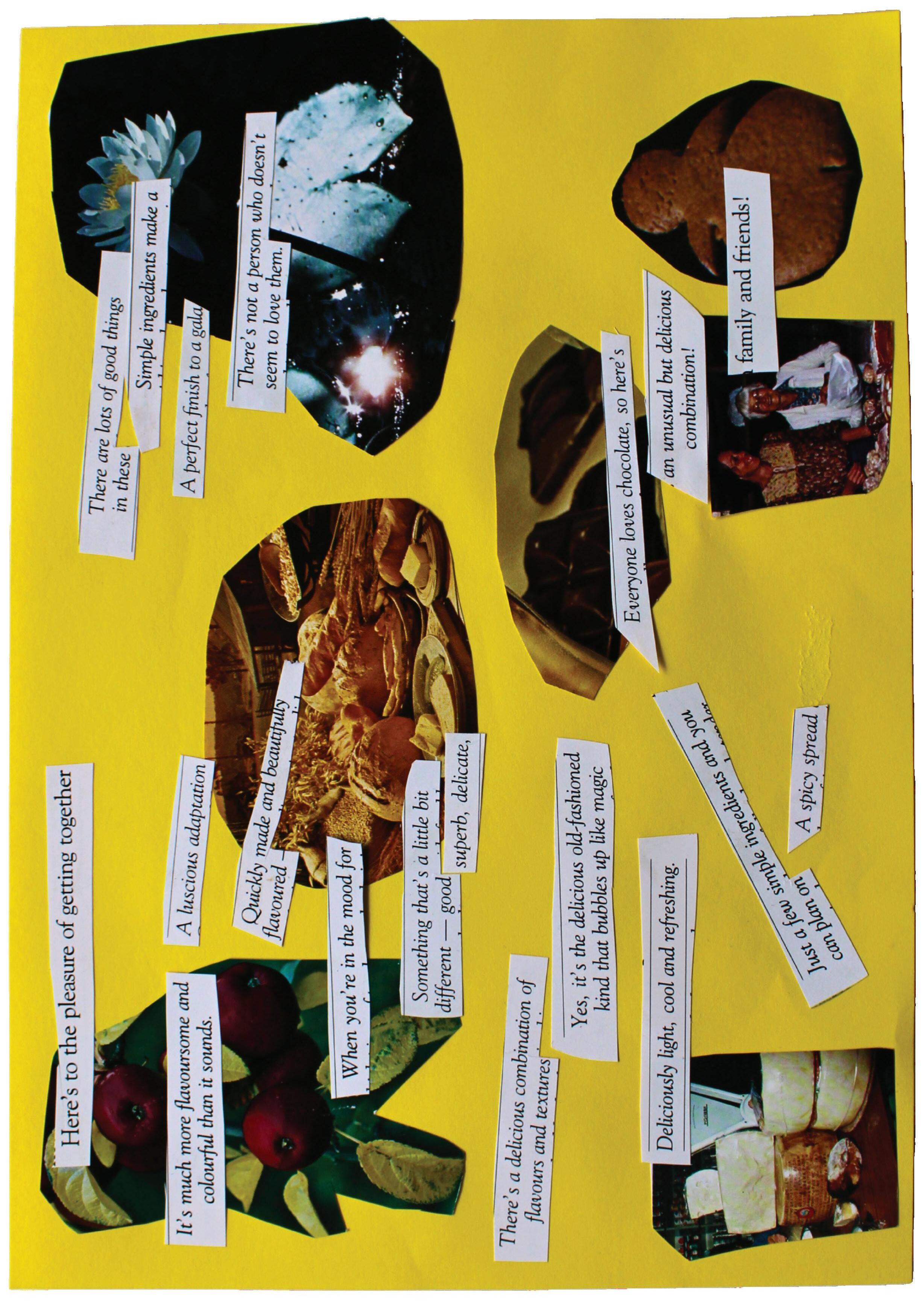
Artwork by Luis
From Able Bodied to Disabled
Written by anonymous
When I was able-bodied and I walked into a room, heads would turn, smiling at the tall woman strolling past them. The response I received was one of positivity. This is incredibly different to the overall treatment I received as someone with an invisible disability.
Ten years ago, I was unlucky enough to develop a post viral neuro-immune disease. At first, I noticed people’s disbelief that I could be young and chronically ill. For example, a doctor insisted “you’re too young to be permanently disabled!”. Other people doubted I even had a disability, including a stranger who insisted I prove why I needed the disability parking permit my doctor had supported. If I wore makeup and nice clothes, friends thought they were complimenting me by saying I “didn’t look sick” or they might recommend yoga to cure my invisible permanent disability. On the plus side, sometimes I was able to conceal my invisible disability to avoid too many personal questions from strangers.
When I started using my power wheelchair, I felt as if I had a new pair of legs! I was able to access the house and the community in ways I never had before. I went for wheelchair walks and no longer had to worry I might collapse in public. I was also thrilled the wheelchair helped me recover faster from outings. It gave me incredible freedom and independence, to the point I wondered why I had not used it sooner. I learnt that mobility aids empower people, in contrast
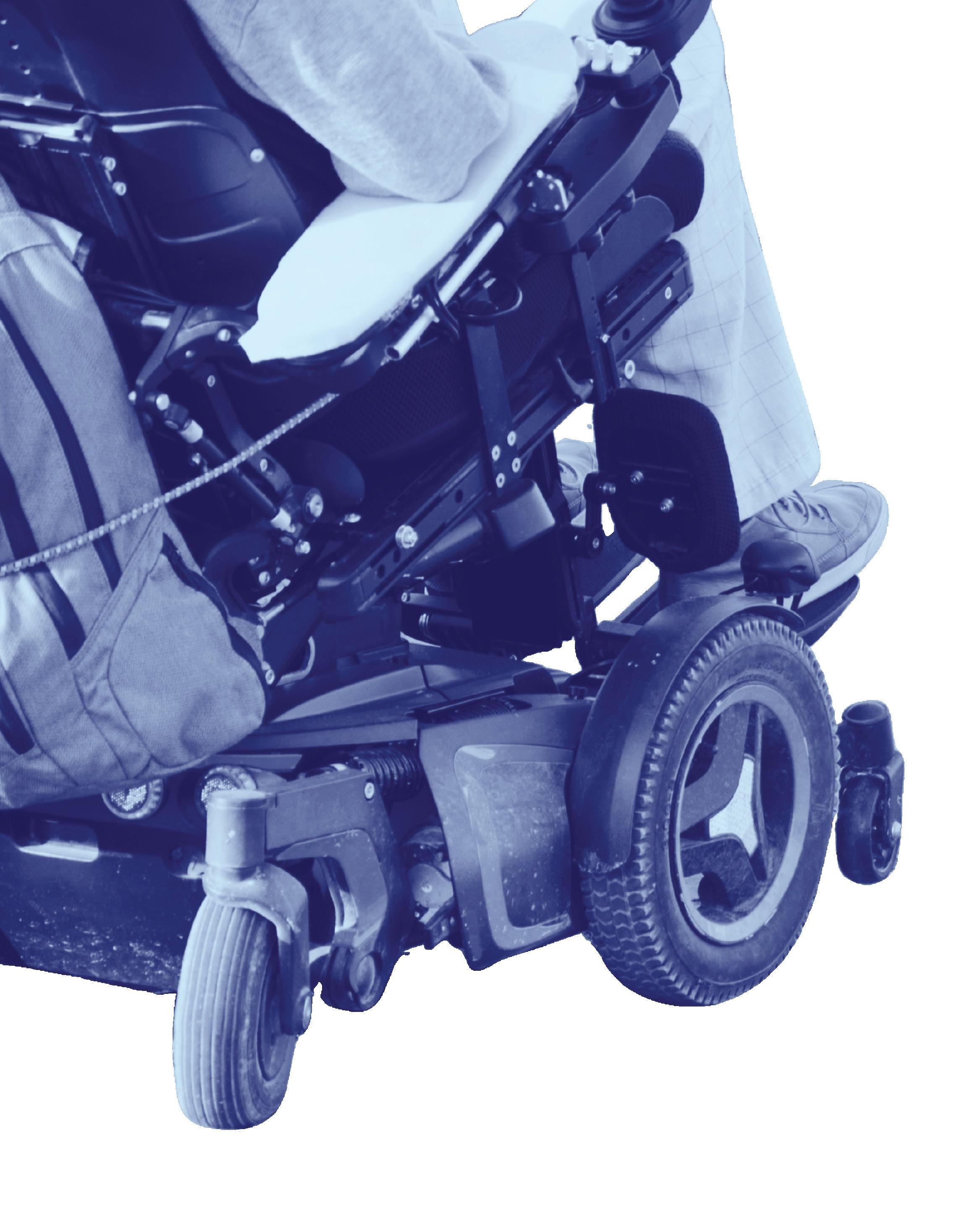
to the general societal belief that they are a tragedy when used.
Another advantage of using a power wheelchair is that some people are more willing to assist me by opening doors or by offering to carry heavy bags. However, the occasional stranger might insist on knowing “what’s wrong with you?” without even bothering to get to know me.
Some people have shown terrible pity and even uttered the words “poor thing” and “that’s so sad” within ear shot as I wheeled past. On one occasion a person glared at me as I stood up from the car seat to transfer
into my wheelchair. It is disappointing that many people do not understand what an ambulatory wheelchair user is. Most people assume that all wheelchair users are paralysed. This is particularly clear when some people appear shocked and/or skeptical if they see me complete a transfer.
Then of course there is the patronising ableist comments from people who take it upon themselves to tell me how lucky I am that my partner has stayed with me despite my disability. My partner is wonderful of course, but do not get me started on ableist comments like these that imply I must be a terrible burden just because I sit in a chair with wheels!
Ableism is rife in Australia, yet I realise ableism is not always the fault of the individual. In our society, disabled people are often depicted on TV and film as a tragic burden, dole bludgers and/or as those who take advantage of handouts. We hear some politicians use ableist language, designed to encourage able bodied people to ‘punch down’ and view those accessing social services or the NDIS, as unworthy of supports. Medical professionals rarely receive thorough education on chronic illness, invisible and/or permanent disability. Hence, it’s no surprise that some of the general community have little to no understanding of how to respectfully treat someone with a disability.
At the same time, I’m aware of how far we have come as a minority group who now have more disability rights than those who lived decades or centuries ago. We still have a long way to go as a society, but I’ve learnt that disabled people have enormous strength and resilience to keep taking up space which is rightfully ours, and that we will never give up fighting for our rights.
Every time I leave the house, or speak to someone, I take a deep breath and remind myself I’m just as deserving of respectful treatment as anyone else. Whilst I have a voice, I will continue to speak up and educate people in the community on disability rights, human rights, and equality.
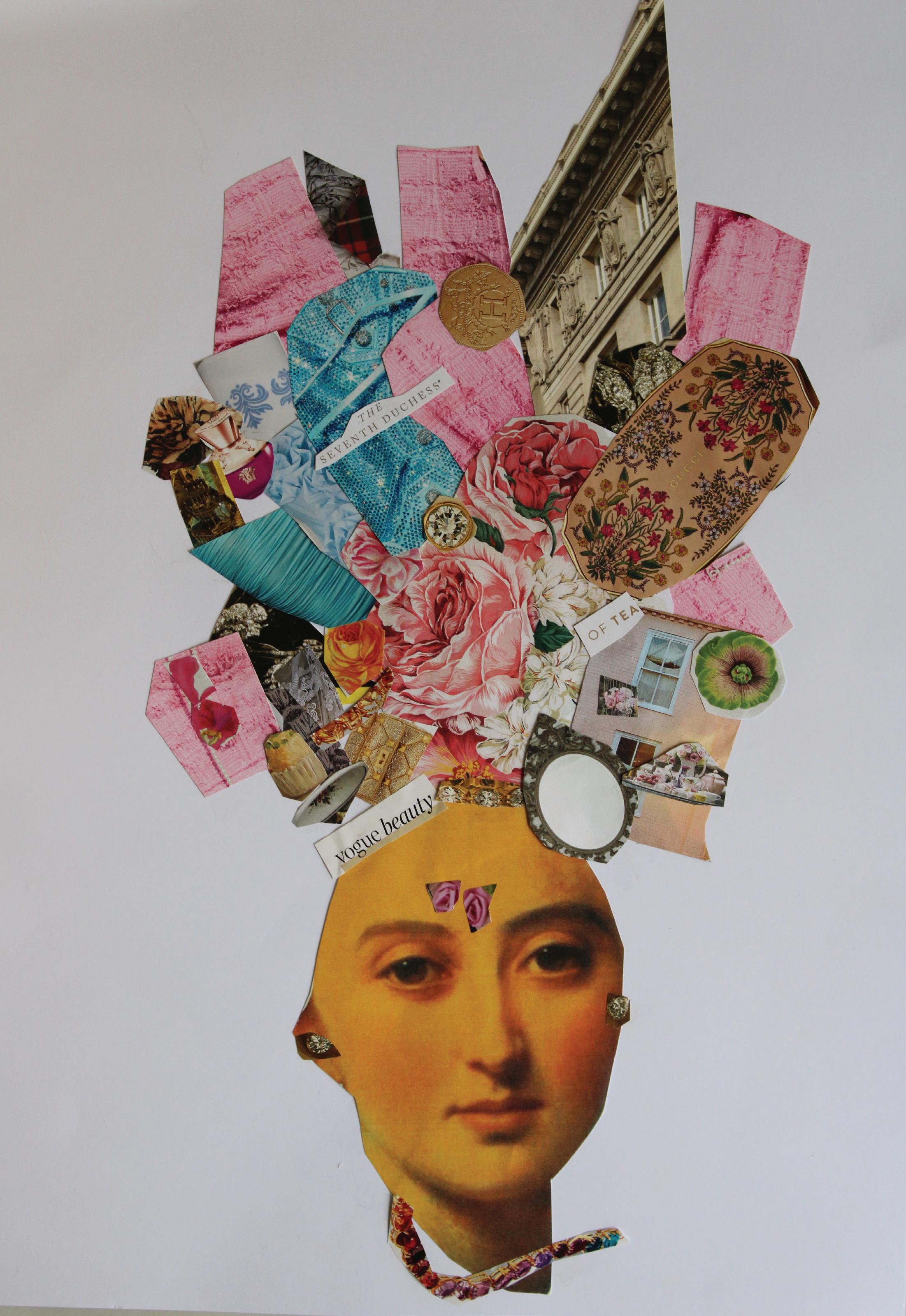
Wise Nonsense
Dance your bance off, shake your groove thing across scribulous skies. Leave a scattering of stardust in your wake. Disrupt the flow with new energy, create your own path forward.
You have insight and experience. Delve deep into the zidge of knowledge, you will find creative offerings there. Wrap yourself in the certainty that everything has a lesson.
You have untold emmiful chapters yet to write. All stories bring the opportunity to play each rolethe protagonist, the agonist, the mage, the oracle, the god, the sacrifice.
Rest in the shadow of the doranda – its peace and stillness provide a bubble of potential. Brathe and release, escape and explore – shed the glown cloak and fly high.
Your metamorphosis can happen many times over.
Keep creating. The magic waits in you.
by Amy Greatbanks


Shooting Star
A long time ago, when you and I were just friends, I offered to drive you home from a party. Dry paddocks either side of us, we looked up at the sky, and saw shooting stars.
I wasn’t ready to go home, so we drove up a mountain.
Under the stationary stars, I wanted you to kiss me, but neither of us made a move.
Instead, settling into comfortable, sentimental conversation.
We started dating 6 months later and the rest is history.
But we’ll always remember that night beneath the sky, Wondering if the world would drive us apart, and whether we’d come back together.
by Kim Bryan
My Secret
Written by anonymous
“Come this way!” I call out happily to the lady behind me as I zoom down the hallway. This is the first house I’ve lived in where my power wheelchair can fit through the doorways, and I’m thrilled!
The support worker helping me unpack is the second person I’ve met in Canberra. She kneels down and opens up one of the ten cardboard boxes piled in what will become my bedroom. The first thing she pulls out is, oh no….a pair of my old underwear. Great, just my luck, I think to myself as I cringe, wondering what she’s going to say. She begins to fold the underwear as I prattle on nervously about moving to Canberra and how beautiful it is. “Sorry, I didn’t realise that box was full of my period underwear!” I say, as I think to myself, why am I apologising for this?! It’s nothing to be ashamed of.
“I don’t miss my periods at all!” the lady says. I agree that post menopause sounds like a relief. “Will you have kids?” she nosily asks. The question catches me off guard. I pause and say “umm”. It’s a very personal question and I don’t want to talk about it to be honest. “Uh, no, I don’t think we will,” I respond politely. Part of me wants to tear into her for asking such a nosy question, I mean, how does she know what my history with pregnancy, sex, or babies is and why would you ask anyone that question unless you know them extremely well! My smile has faded, but I don’t say anything and don’t pick her up on it because I still desperately need help unpacking the other boxes.
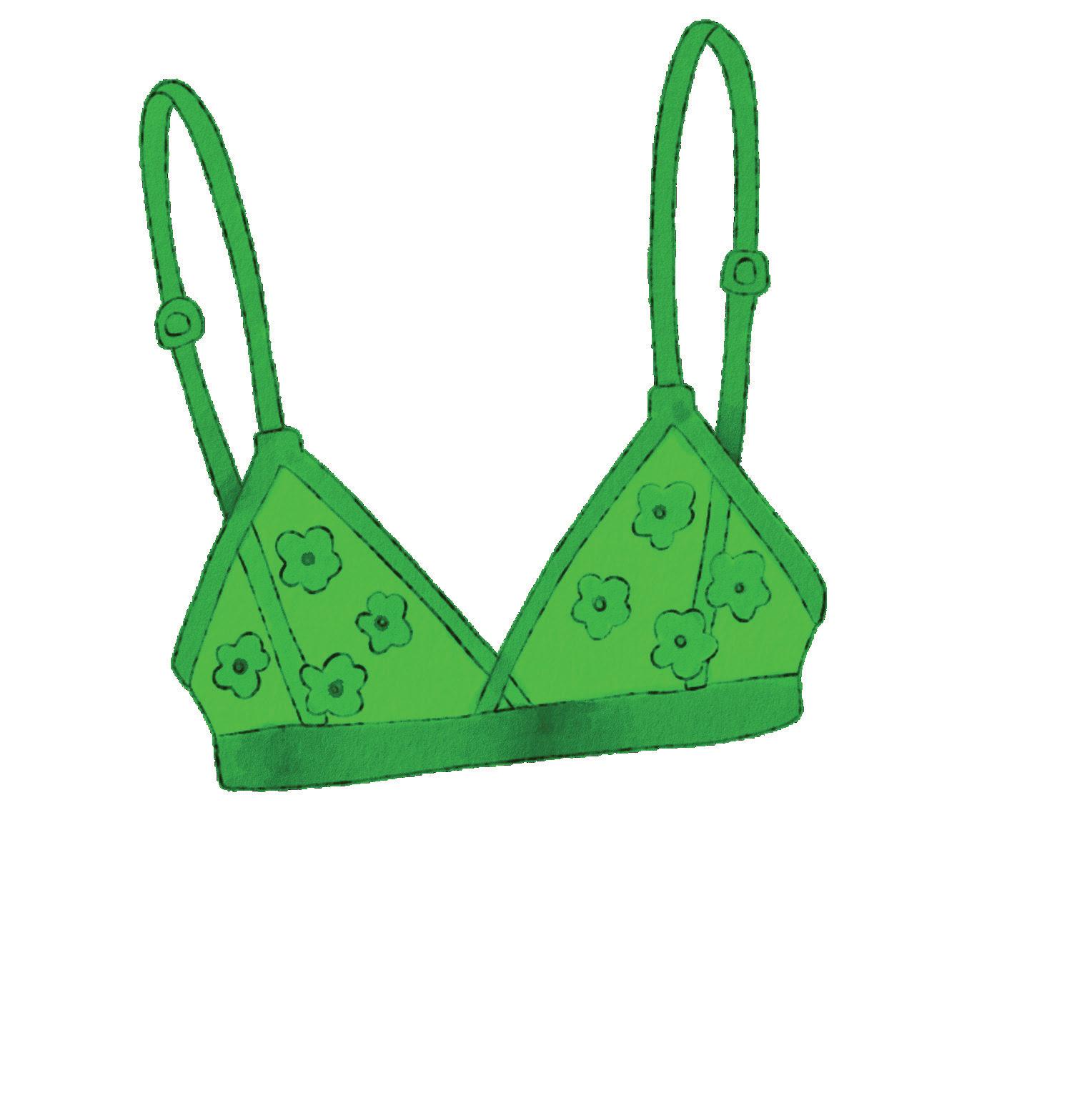
I’m secretly relieved that I asked my partner earlier to help put a bag full of my dress ups and lacey lingerie at the top of the cupboard where the lady cannot reach. That would’ve made for an even more awkward conversation with a stranger. What?! A person with a disability wears sexy clothes?! Unheard of! I chuckle inside, knowing well that having a disability doesn’t necessarily mean you’re not interested in intimacy & feeling sexy!
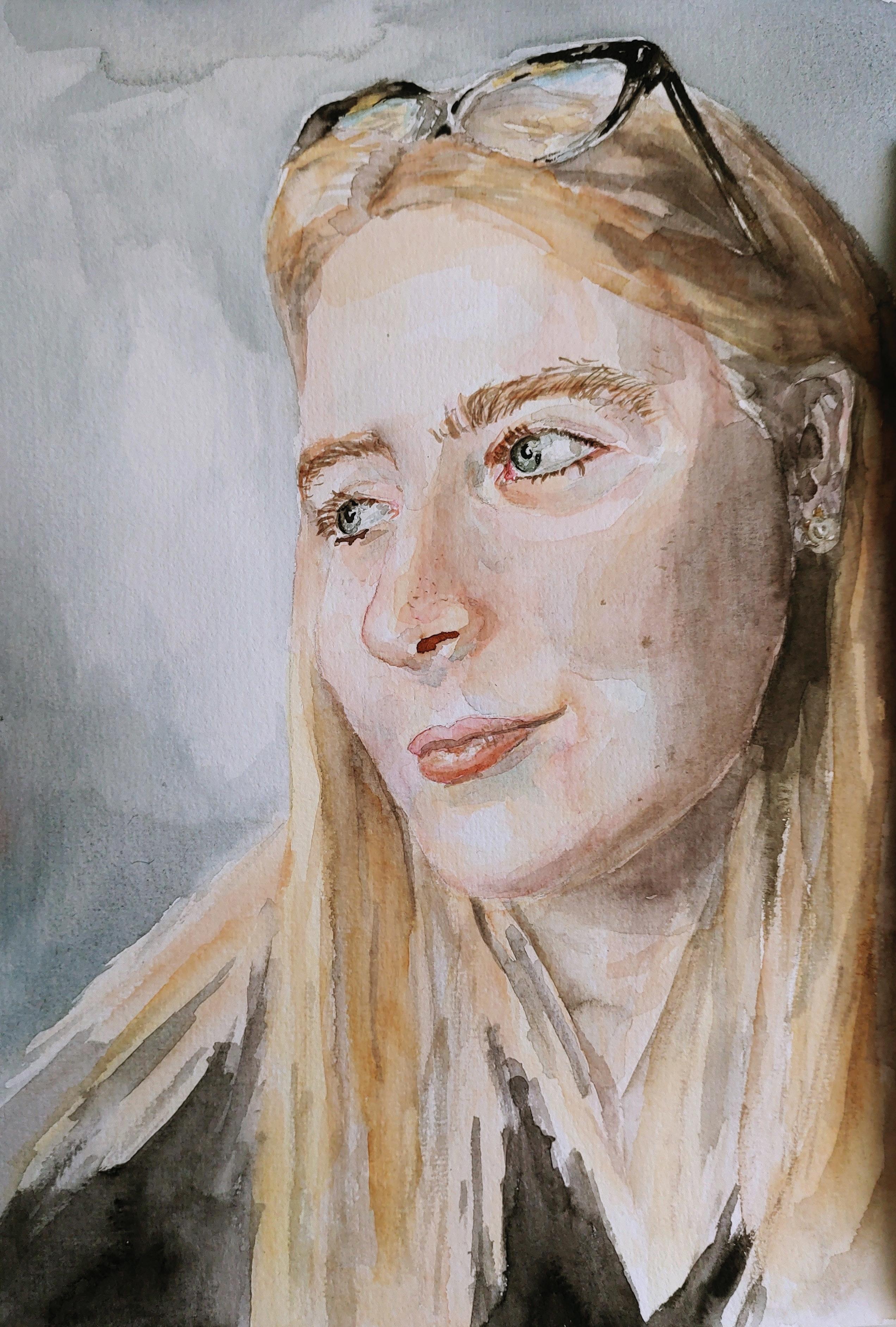
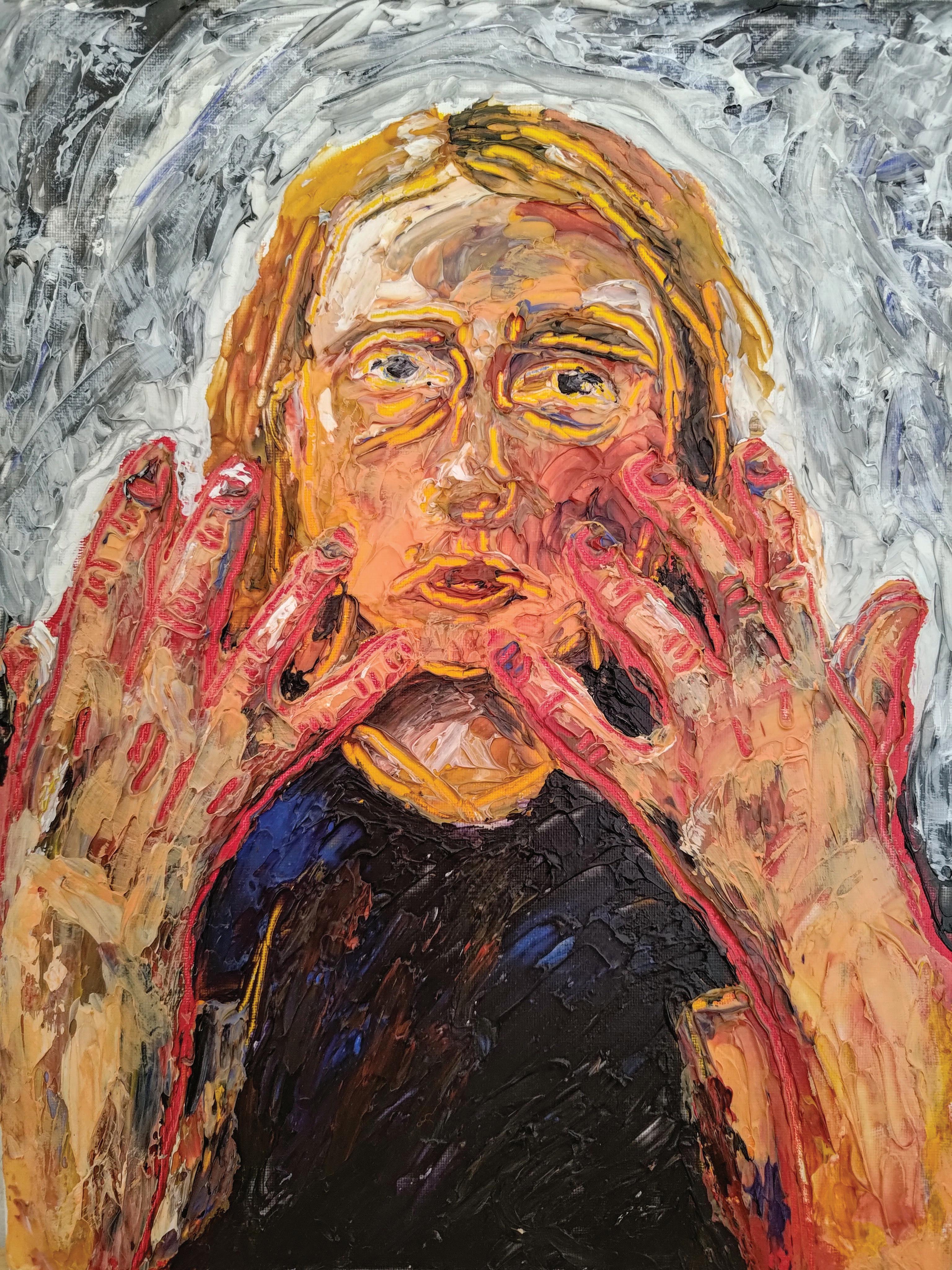
Artist: Ronja Schubert (Left: ‘Self-portrait in lockdown; Above: Not my body)
LOSS OF IDENTITY
By Scott Rickard
Idreamt of a future of long exploratory rides with my partner and friends on old and new to us bike paths.
Then, three years ago on holiday in Victoria after an easy walk in the Grampians those dreams and aspirations began to unravel very quickly. I was diagnosed with osteoarthritis in one knee and thenwithin 6 months a second. Within another six months or so my cycling slowed to an occasional easy ride.
In Spring 2023 I rode to Floriade for the last time. By the time I arrived I was ready to collapse from pain and exhaustion after a 7km ride on an ebike. In 2024, I accepted I needed to go in the car.
I began a deep dive into osteoarthritis (OA) a task well suited to a neurodivergent person ;). This piece reflects my own lived experience and some search results.
Some key facts I’ve learned over the last three years:
• Women between the ages of 40 and 70 comprise the majority of Australians with OA.
• OA can be incredibly painful irrespective of severity as shown on X-rays and MRIs (Lawford et al. 2024).
• There can be multiple site locations of OA within the same joint. For example, the knee has three: medial, patellofemoral and lateral.
• It runs in families.
• Women may experience perimenopause or menopause whilst juggling OA.
• OA also leads x% of Australians to retire
OA and work
I was working then. I’m not now. I find the levels of my arthritic pain across joints fluctuate too much to be reliable. Pain is omnipresent. I can wake during the night because of it. Managing chronic pain relies on being flexible with working hours and, for me, mainly working from home.
I should also declare that I have other conditions that can add complexity to the situation.
I also found overtime what energy I did have was used for work and no excess left for a personal life. My usual tasks take more time and preplanning. Then there’s the spoons (energy) lost with each task.
When I used to ride to work I was used to preplanning some aspects of heading into work but being unable to ride meant a different set of tasks and equipment were needed.
Where I could once jump in my car or bike drive/ride then park, and walk to my desk, and buy snacks from the cafes, it became a longer process. I need to make decisions on:
1. Where I can park, which is still a lottery of disabled spaces surrounding the relevant building but not directly outside.
2. Which mobility aid I need; - a simple indoor walker, or - my all-terrain version with seat for long meetings.
3. Decisions about snacks and drinks for the day because more energy is needed to walk to the lift to go downstairs, push open a heavy door and repeat for a hot drink or I could pack my drink thermos and snacks and simply stay at my desk.
4. Heat packs, chargers, and various gloves all need to be remembered.
A recent Monash University research study revealed that knee OA is estimated to affect productivity by 67% (ABC 2025). Unfortunately it does not state the productivity levels of multiple forms of disability or, multiple number of joints which can affect productivity.
Loss of Identity
That’s my key frustration and I’ve met others with the same frustration. I was physically active before diagnosis, cycle commuting to work every day,organising and leading group rides on the weekend.I participated in numerous event rides over decades in South Australia, Victoria, NSW, Tasmania, and in the USA. Touring in UK and Europe.
My body aches to ride. It still remembers how it felt to be hooning up small hills and flats and flying down the Bindubi stretch of bike path. I’ve found nothing to replace those sensations. My mind also aches to ride the bikepaths for signs of spring flowers emerging, to watch birds from many different spots.
Where to next?
1. We need more research and funding.
Replacements
I can be guaranteed to be asked, “But why don’t you get Total Knee Replacements (TKRs)? Aren’t they the solution?” No.
Not everyone can have one.
For example:
- Replacement is expensive on the public or private purse.
- People with hypermobility or EDS for example have fluid joints which can be very difficult if not impossible to replace (Jin et al 2018, Homeres 2020).
- Replacements also come with a high risk of infection.
Unfortunately, Australia is at the top of the list worldwide for replacement surgeries. 53,000 knee OA replacements were undertaken in 2021-2022 (Lawford et al. 2025).
2. We need greater education of our GPs and maybe a cohort of OA specialist GPs.
3. Free counselling specific to deal with the change in our lives.
4. Free baseline X-rays once arthritis diagnosed in a single body part.
5. Personalised funds so that the patient can choose surgery or for specialist classes including hydrotherapy run by key organisations such the Arthritis Foundation.
I’m still adjusting to OA and its impact on my life. I’ve found filling my life with creativity helps with my mental health and keeps me motivated to keep going.
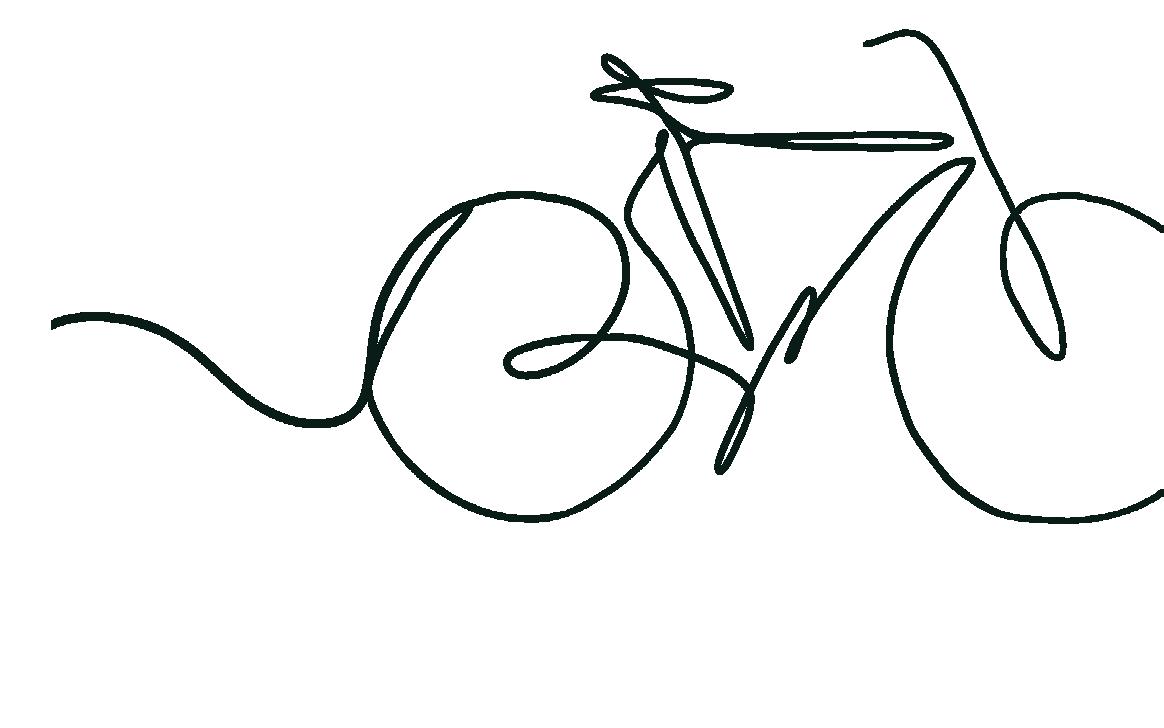
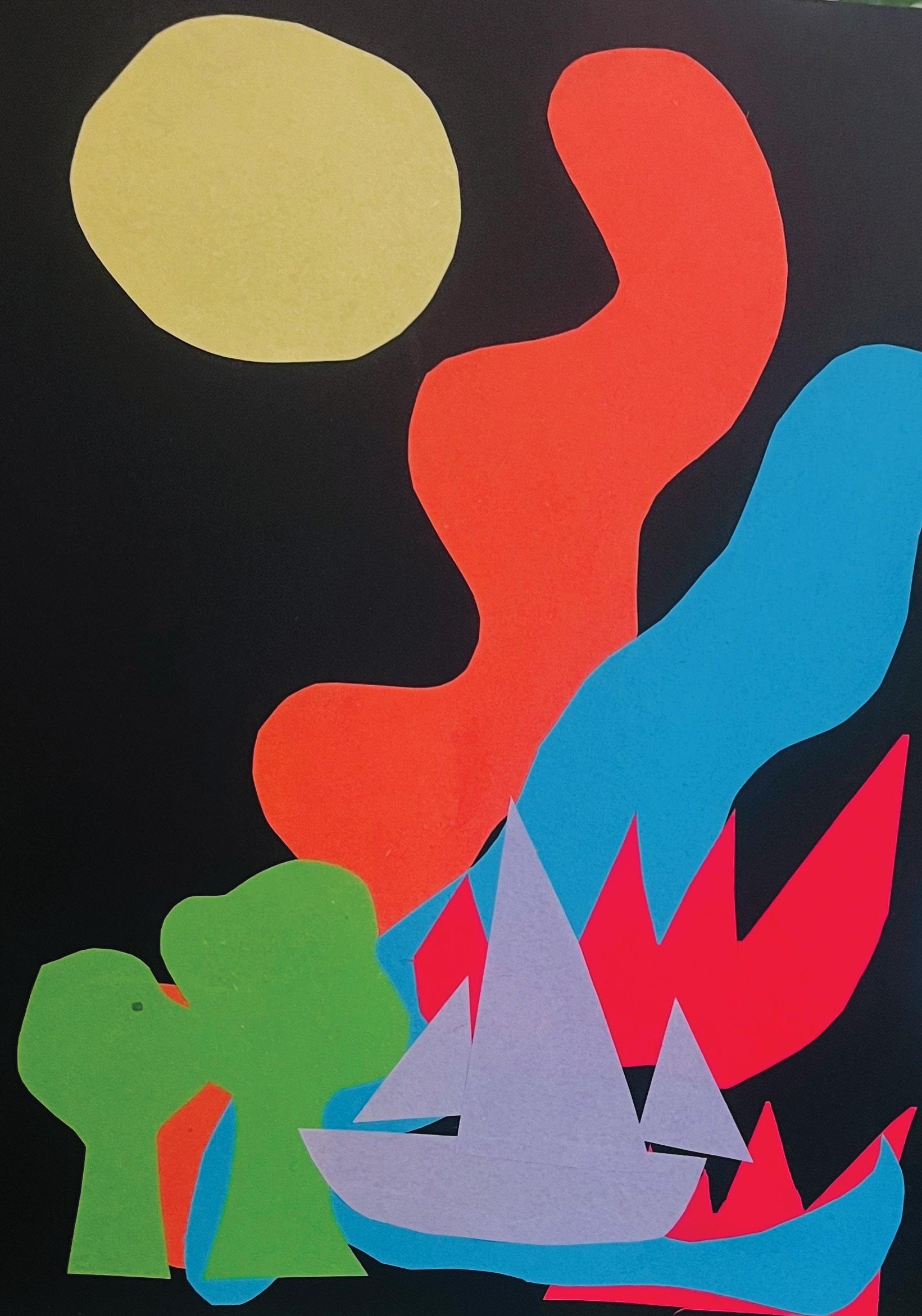
Artist: Joanne Baumgartener
Chronic mischief?
Chronic mischief it sounds like fun great title for a mag and a mystery for some.
Dictionary defines mischief as injury and annoyance disability as my witness I thought it was a flamboyance!
Seriously though, this constant companion out of step, out of time a chronic distraction is no crime of mine.
Frequently visiting I disappointingly find annoyingly recurring wether out of sight or out of mind.
However, my mischievious guest with challenge and surprise brings out my worst and best something I can’t disguise.
So, choosing the double entendre chronic mischief I befriend though not easy by any wonder we’ll have high jinks and fun, ‘til the end.
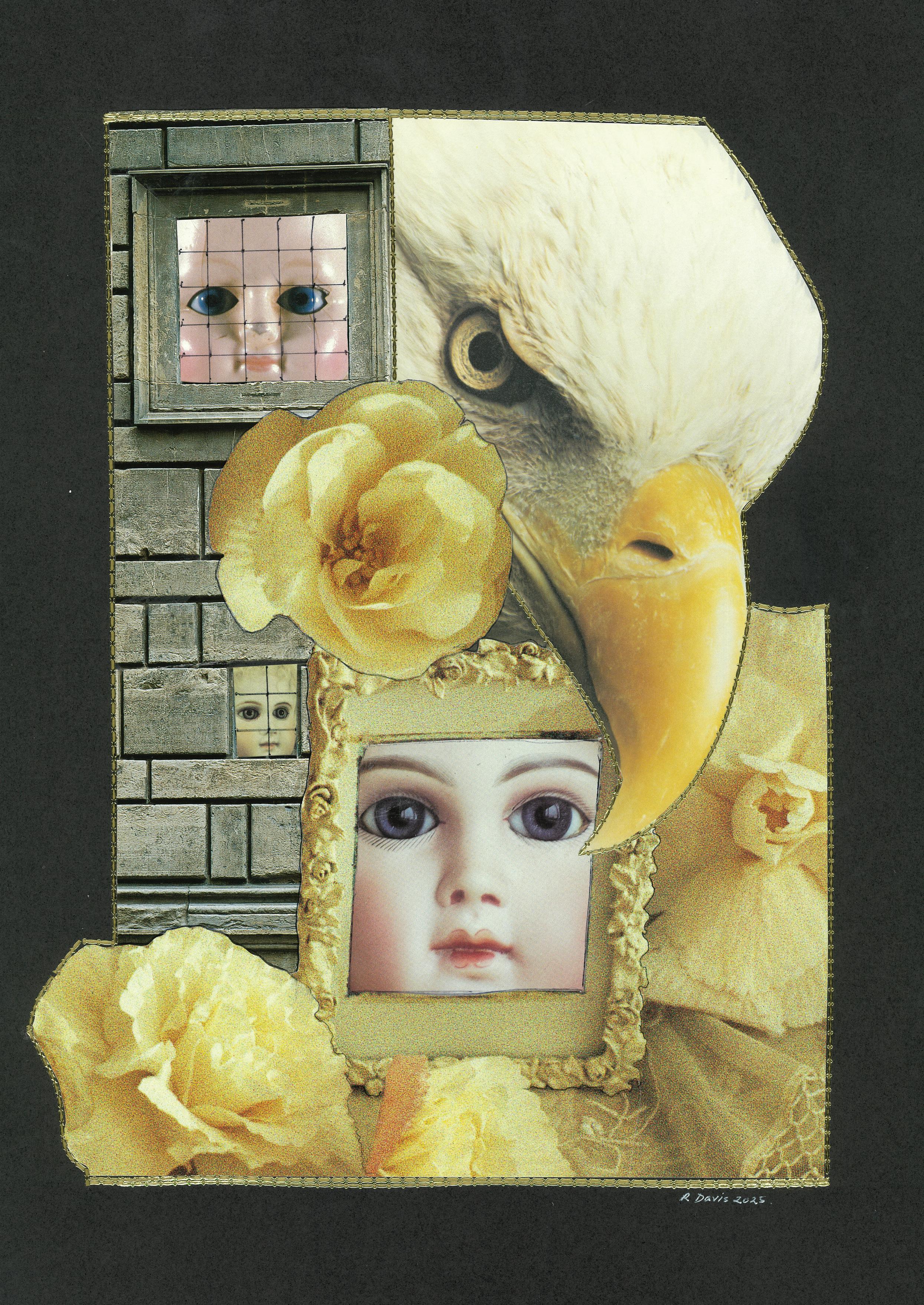
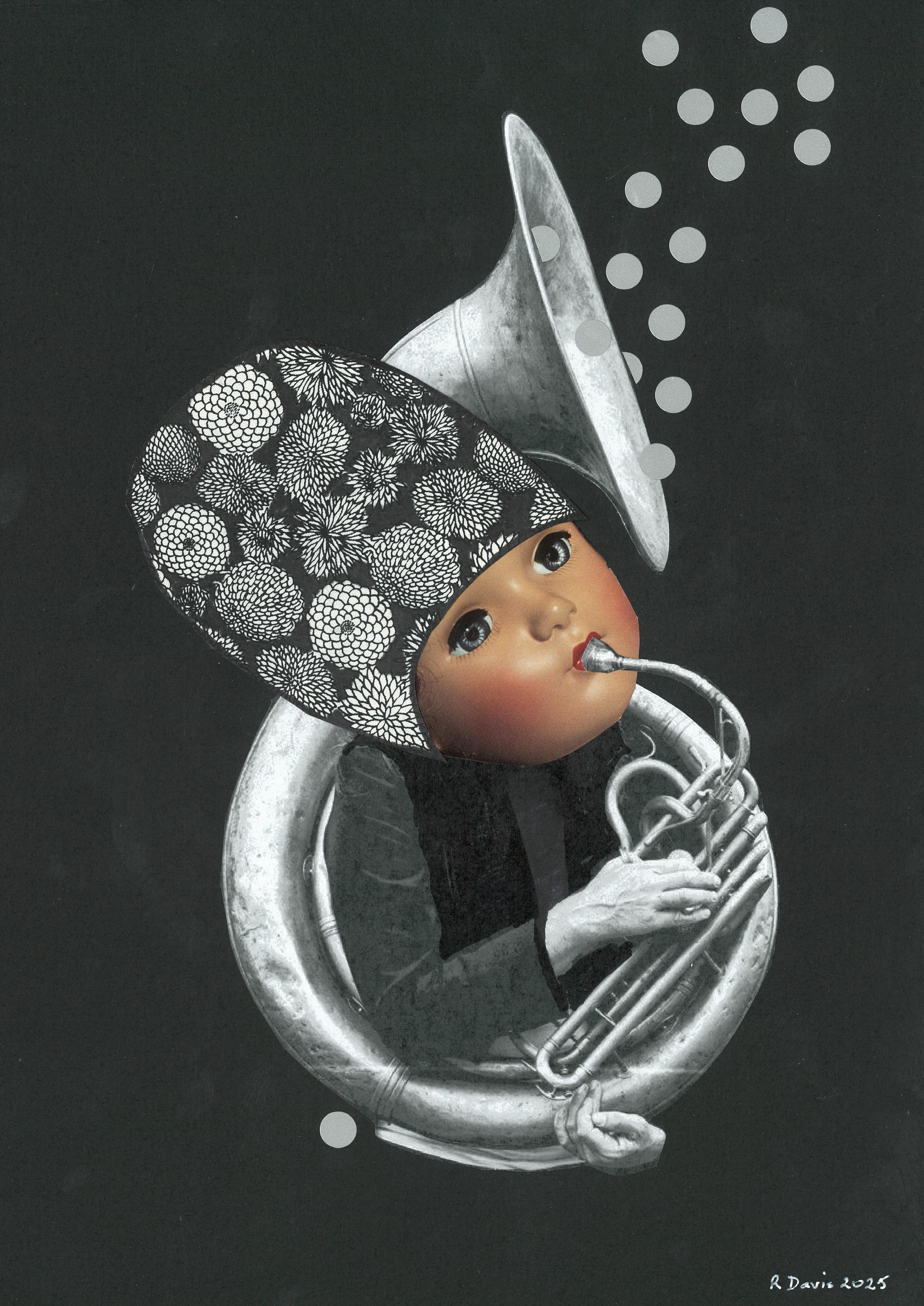
Out Loud
(A response to societies denial of ageing) Robyn Davis 2025
Let me be old, out loud proud not for that achieved nor the before believed but just because I’m part of life’s course.
Let me be all I can be totality in the here and now please don’t tell me how that I’m still young this platitude is no longer fun.
Let me be my wrinkled face lace in the mirror shows the lines and rows of where I’ve been a map of life, honest and seen.
Let me be my fragile parts start with vulnerabilities disowned acknowledged and enthroned now in a body worn love at last can be reborn.
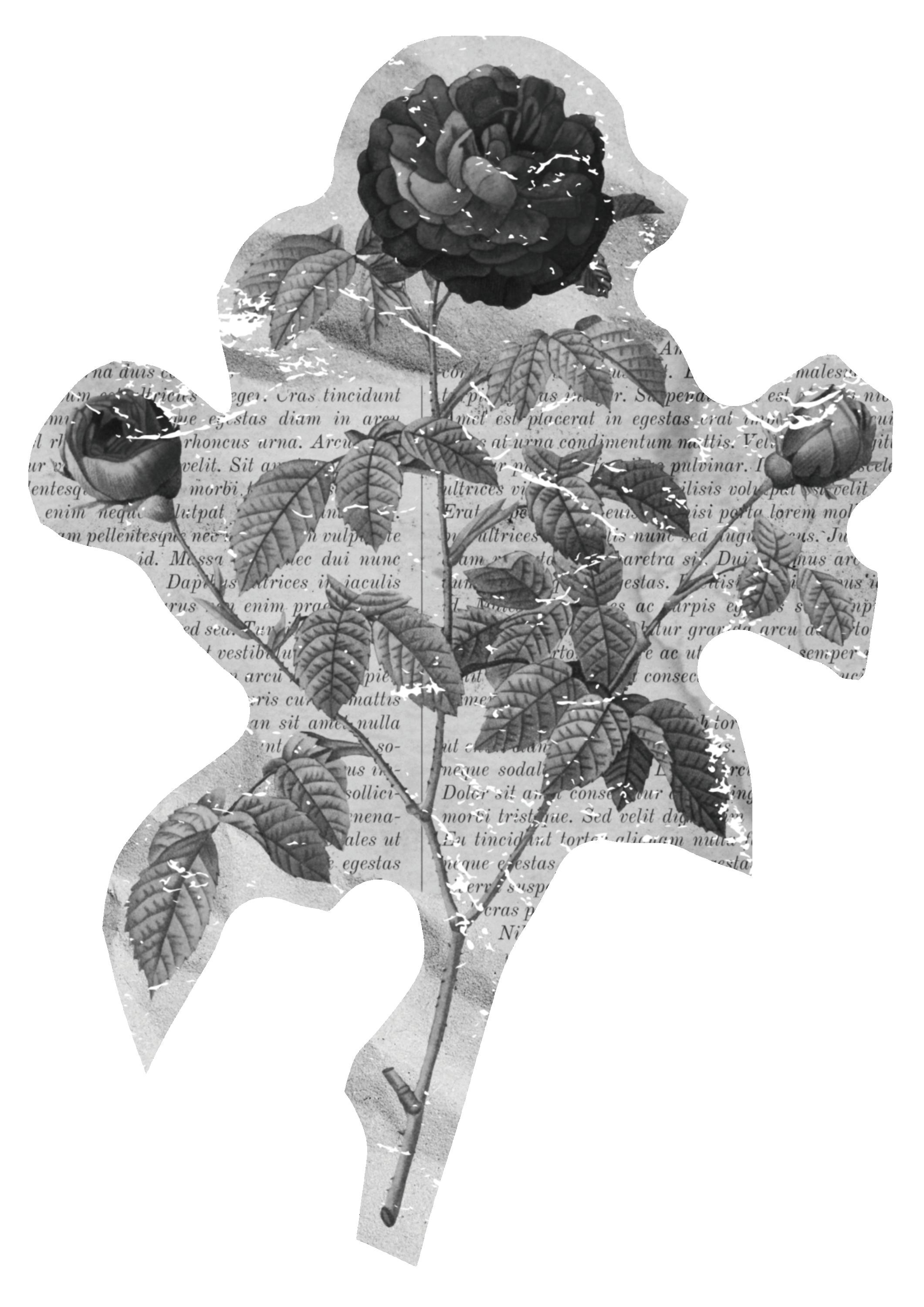
Let me be outside the cloud proud celebrating limitations underpinning foundations of precious time remaining space for reclaiming me, out loud.
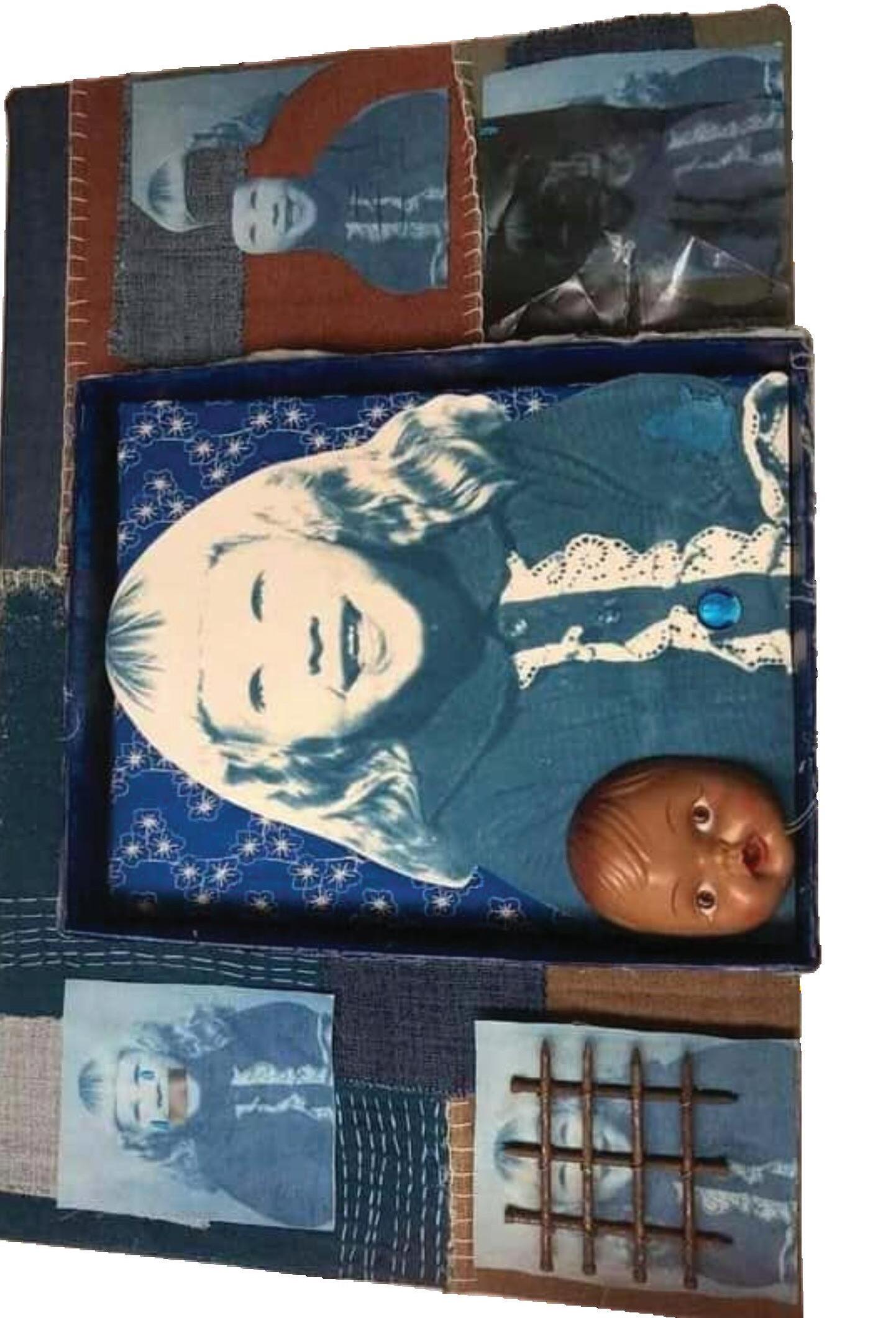
Artwork by Shelley Clarke
‘Existence as Resistance’1
Pushing for disability inclusion in the legal profession
By Crystal Holt
Crystal tells of their experience in continuing to advocate for disability justice and accessibility, in their day to day, within the ACT legal profession.
My name is a Crystal. I am a neurodiverse human rights lawyer. I live with moderate hearing loss and several mental health disorders. I find it difficult to hear in many spaces. Hearing aids do assist, but sometimes the aids don’t do the job, or they clash badly with my sensory needs. Because of this, I must concentrate hard to follow conversation in even moderately noisy areas. Very often I can’t engage in conversations because I can’t understand or hear people over background noise (this literally happened at a work lunch this week…). Other times I can’t engage in conversations because my senses are completely overwhelmed by sensory input or because I am in fight or flight.
I went into law because of my relentless (yes, RELENTLESS) sense of justice, that is often associated with neurodivergence. When I see injustice, I find it extremely difficult to understand how bystanders can ignore it or not feel compelled to respond. In my view, we should all be taking positive steps in our day to day lives to eliminate all forms of
Term first coined by Palestinian liberation movements, later adopted by other activist movements.
injustice – every person should be taking steps to respond to systemic racism, colonialism, SBLGBTQIA+ injustice, disability injustice, inequality under capitalism, gendered violence and environmental inequality. The difficultly for me, in implementing my passion for justice as a career, was realising not everyone goes into law
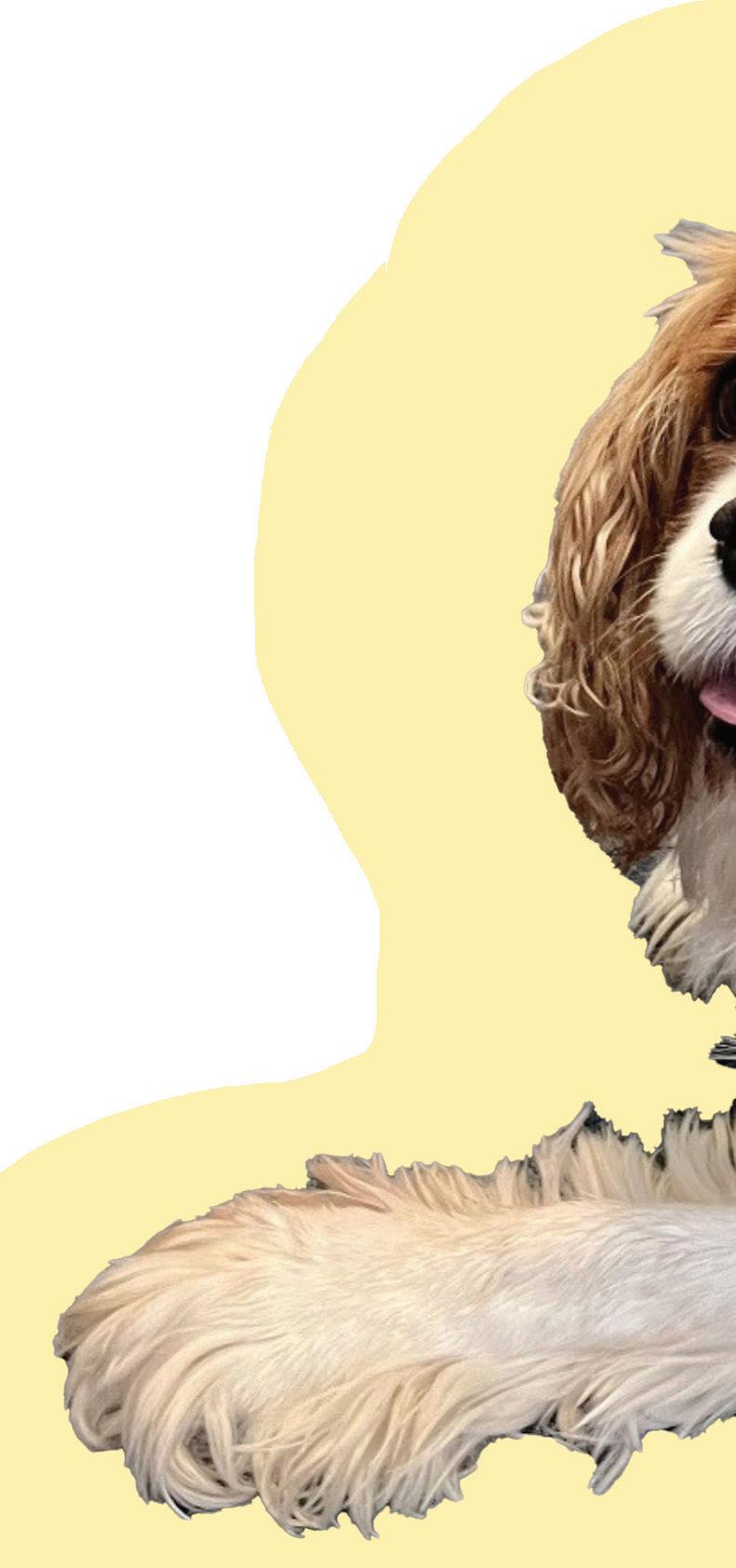
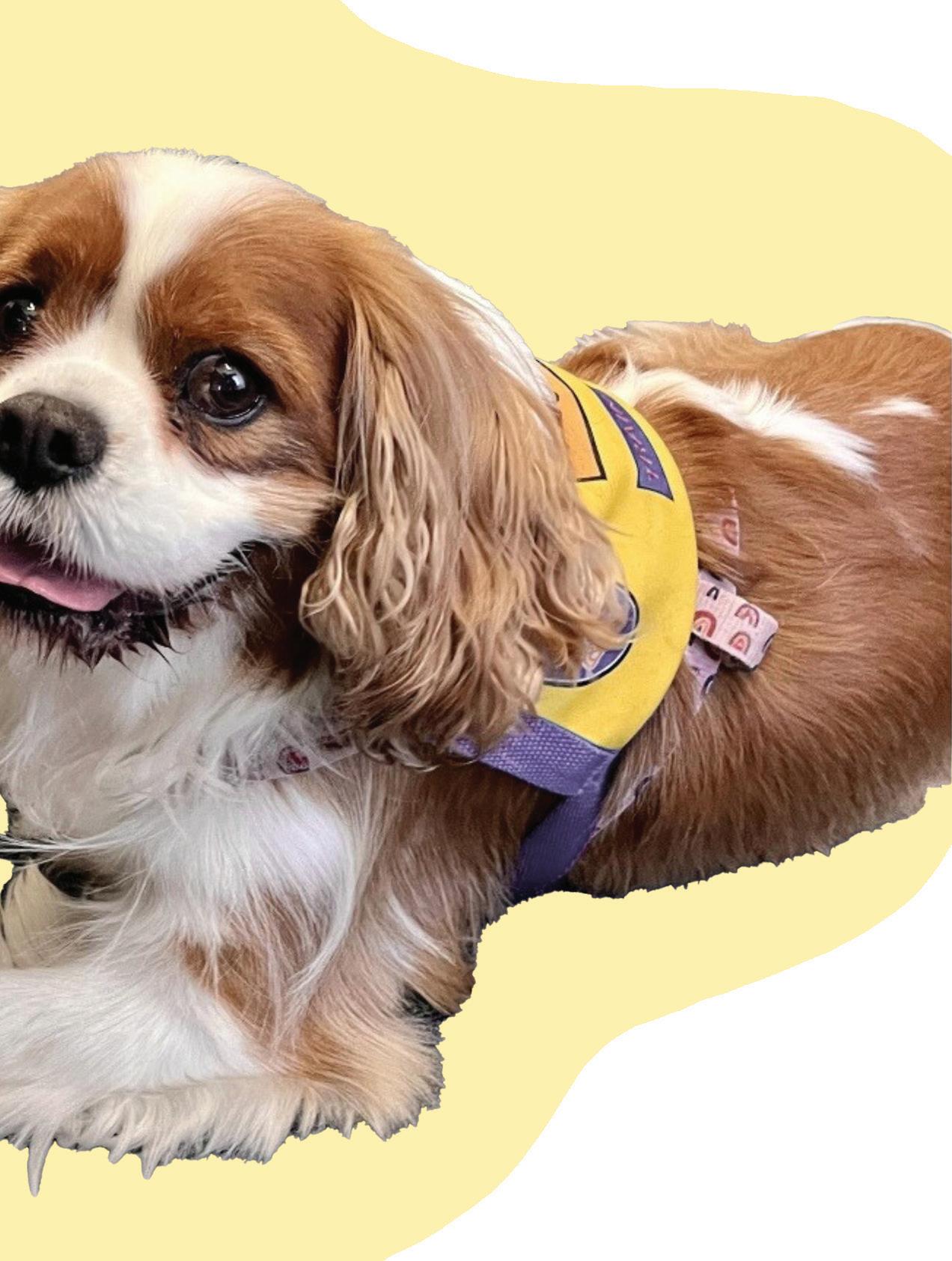
Caption: My service dog (left), Basil, comes with me everywhere. He is well known in my office and at Court, helping me get back to work when I become overwhelmed or heightened.
because of a sense of justice… As a lawyer, I have found that there is still a pervasive old-school, ‘suck it up’ mentality, coupled with the expectation that you’ll be worked very hard anywhere within the legal profession. This is despite significant progress over recent years in respect of disability rights within the ACT. The rate of lawyer burnout is
intense even for non-disabled and allistic lawyers, so it’s not hard to see that anything else, including disability, would compound those pressures. Unfortunately, there is little to no visibility of disability within the legal profession at large, and no peer support available for disability within the legal profession; this kind of support is ordinarily for the clients of lawyers – not the lawyers. It is also very rare to have visibility of disability at a leadership level, which can be very disempowering and disheartening.
For so-called “invisible” disabilities, having a support animal can be seen as ‘extreme’ –I am often asked whether I am training him for someone else. It is as if people cannot fathom a lawyer being anything but what they see on TV – suits, yelling and workaholics. I often feel that, by so obviously not adhering to these stereotypes, people can be uncomfortable by my presence and even question my competency. On a surface level I get why people think this way, but in my view, it is time for people to reflect on why they feel that way, and what they can learn from their own snap judgements. This is the power that we can have as disabled people to influence the narrative shift around us.
For me, Autistic communication and sensory differences can make living under capitalism very difficult, even with significant privileges and adjustments. Bright office lighting, the constant variety of noises, and the office mentality of ‘sit still and stay there’ don’t actually help me work better – in fact they exhaust me. The things that help me work better (being able to ‘stim’ as I like, having music on, lower lighting levels, sitting differently ie, on the floor or beanbag) are only now becoming more acceptable for adults in the workplace, and still require formal adjustment requests. Prioritising communication via
non-verbal format also helps me ensure I do not empty my social energy tank and enter burnout, while also being able to process the information in a more effective manner.
So please, before you query someone on why they would “prefer it in an email”, approaching someone with an assistance animal or dismissing someone who has communication
differences as ‘difficult’, consider what you might not know or understand about their experience, and what you can learn.
My top tips in implementing the historic “existence is resistance” framework, within the disability justice sphere, are:
If you have a disability, if safe, challenge perceptions of disability by being visible and vibrant, even if it makes others uncomfortable, as it challenges the status quo. That’s how societal growth and acceptance will happen.
Even now, in 2025, being visible is a massive societal and career risk! Support your colleagues and friends who are visible and stand by them in and out of the workplace.
There shouldn’t be a need for someone to ‘disclose’ a disability to you. If you are doing your job right as a colleague, but especially as a leader, the space you create will always be accessible for people to navigate with ease. Disability rights advocate Chloé Hayden is a huge advocate for this – ‘fix the system, not me’.
Let go of the old school perceptions of disabled people having to be hidden and adjust themselves to fit the world. In 2025, it is time for the world to adapt to the needs of disabled people instead. By always considering the most vulnerable community members in our society, we will build better supports and a better environment for all.
...we don’t just deserve the right to exist, we deserve the right to thrive.
An important reminder too, that all those barriers that we face every day as disabled folks are real barriers that add up and up and up! It can feel lonely and like no one understands (or wants to bother understanding)! But we must persist.
We need to aim for a future of inclusivity, where we have the right to exist in all our unique and beautiful disabled goodness! Because we don’t just deserve the right to exist, we deserve the right to thrive.
We must create safety in community and push for full tolerance and acceptance by society. Because anything less would be an injustice.

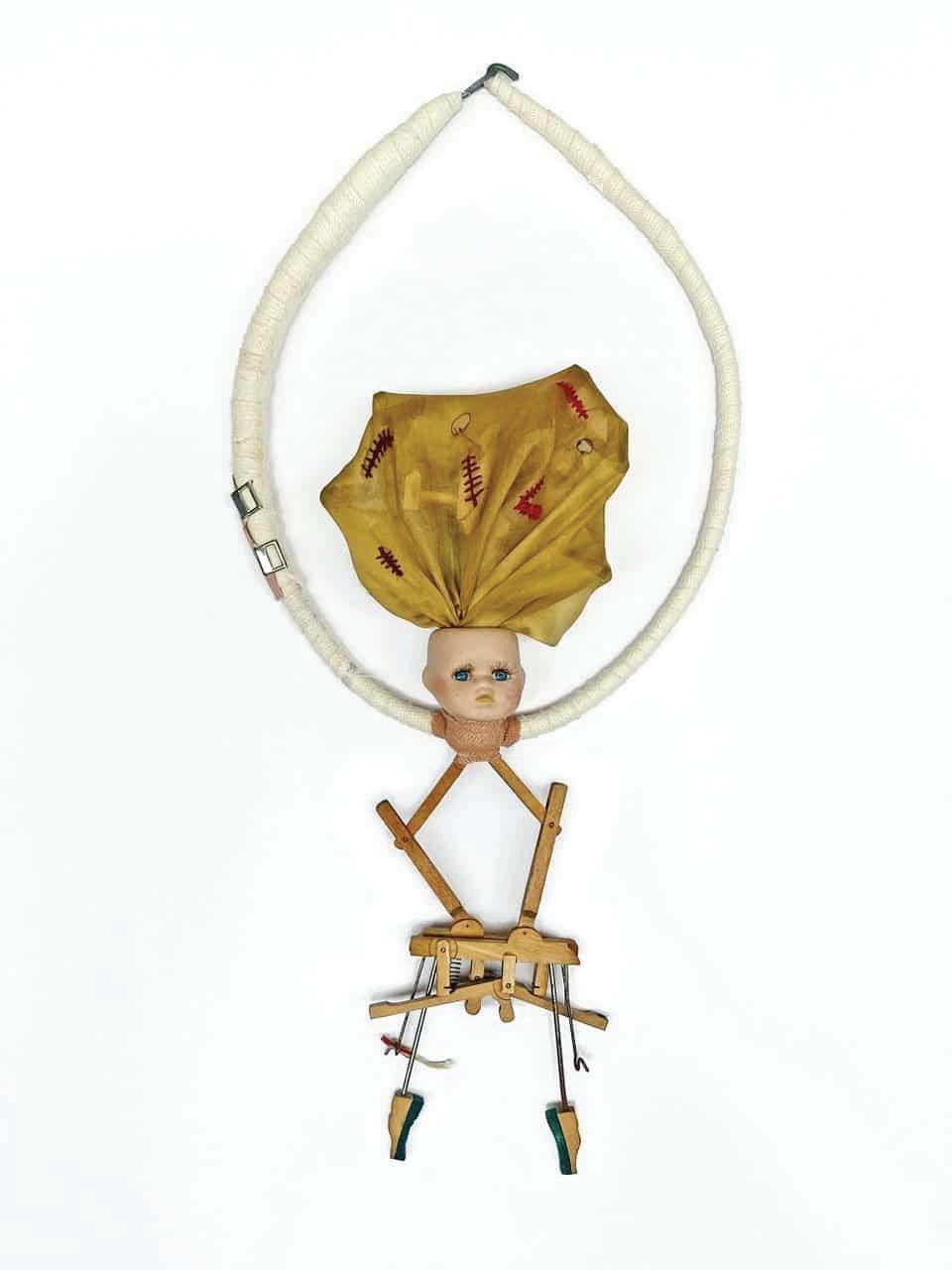
Artist: Shelley Clarke (above: ‘Precious’)
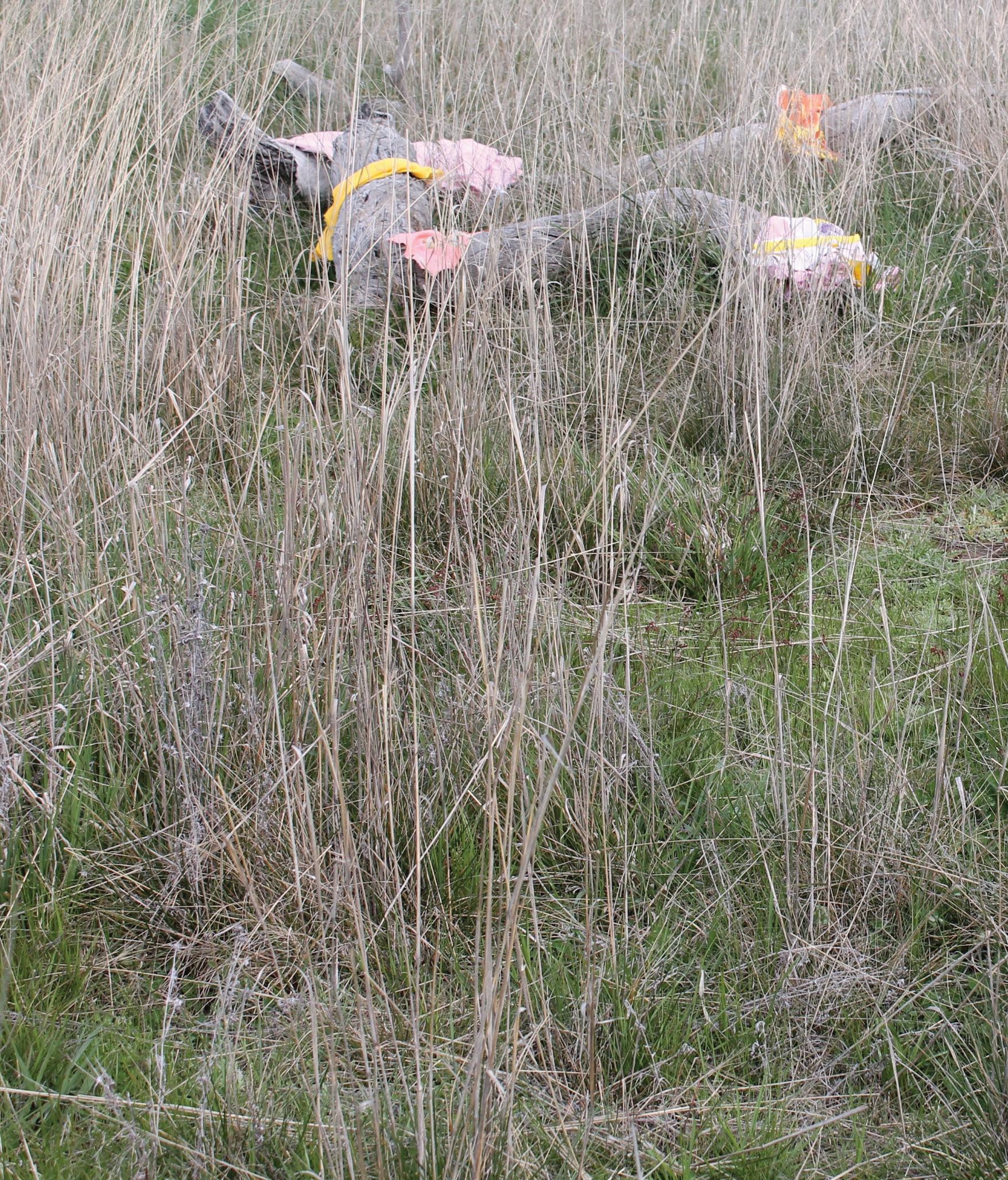
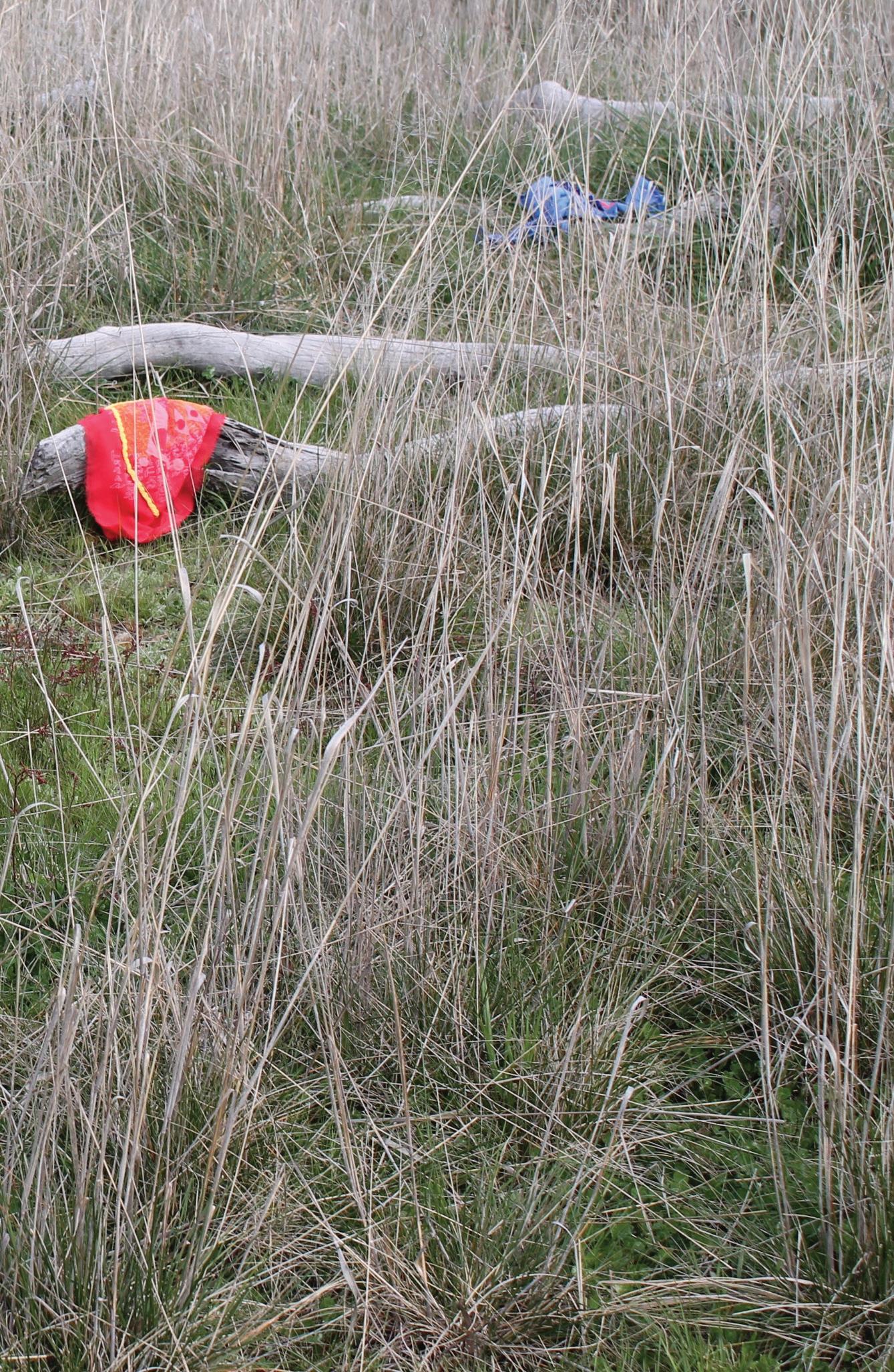
Artist: Heidi Smith. Above: 2022 Bushland Studio Walk’
Wolf Howl by Maddy
Dear Reader, what is there to say about being disabled that you haven’t heard before? Shall I offer you the sanitised version? The one you’ve seen in tv programmes and reality dating shows with the twinkly music in the background? An almost Disney-fied version of reality which ring true for some, but not all? Or would you like a grim, sad tale of my hardships, my losses, my circumstance all because of a diagnosis and a single wheelchair? The fact is, I cannot give you either, because – shockingly enough – I have lived both.
The glossy, rose blooming moment where I received stacks of letters from my classmates when I underwent a debilitating surgery and never felt such care from so many people at once, is one I have lived, yes. As was the one where my body surged with adrenaline and pure joy as I came second at a wheelchair race with a teacher cheering me on with a zealous spark in his eyes, and whom, I had a budding but misguided crush on. But as I have lived good days, like every other creature on this earth, I have lived bad.
The aforementioned surgery had left me with many bad days, as I had not recovered as the doctors had hoped. My recovery, like for many others, had not come in a straight line but rather a zigzag of pain and rehab, some
of which I recovered, but most I didn’t. Walking - a thing I could do sparingly before with little discomfort, I could no longer do without seething in pain; and while I have made great progress in the terms of my mobility since then, I am still very pissed off at the world and my body in such a way words cannot capture for slapping me with such a setback. Incontinence came knocking too; a mortifying and frustrating endeavour I still struggle with to this day.
So, what is the point of this? Why tell you my story? Believe it or not, it is not to gain your sympathies or your admiration. I have had enough of that to the point where it may as well be served alongside my breakfast each morning. The point, is a smoke signal. A wolf howl across the moor for my otherwise abled friends, so those who may have gone through a similar situation or an entirely different one that might echo the same, may find comfort - or at least, spark some sense of recognition in my words. For my able bodied friends, it is to show that, while packaged differently, we all have hardships and wins in our lives. It is not a competition, but to show that love, grief – no matter
...while packaged differently, we all have hardships and wins in our lives. “ ”
what size or what circumstance beat all the same. For those things are human and are the essence of humanity, regardless of a chair or diagnosis. I write with love and honesty, with a dash of humility for a spice. Dear Able Bodied Reader, I ask of you to read with understanding and without shame. Perhaps spread that shamelessness and empathy in your everyday life, not just for the disabled but for everyone who may fall under the calibre of ‘different’.
Versions,
Pages of highs and lows of portfolio, the full glass begins, rustic sunrise,
Forth, a glass will slowly dispute, by volume of tasks, vary amounts before each sunset,
Days of a different version, by tweaked stalls, energy Pennies of own are preserved
The sown kept circles, fourthly, with gained insights. An exposed vulnerability.
A Strive for best version, By consumption of public eyes the real-life, journey living with Invisible disability,
By Nicole Kulesza
Artwork (right):
By Shelley Clarke ‘
When I’m 64 ‘
All Seasons,
The ones that ride in my waves, by backage health, which weighs. That do not let me sink, By anchoring me, back to shore. Blessed with angels in disguise. staying all seasons,
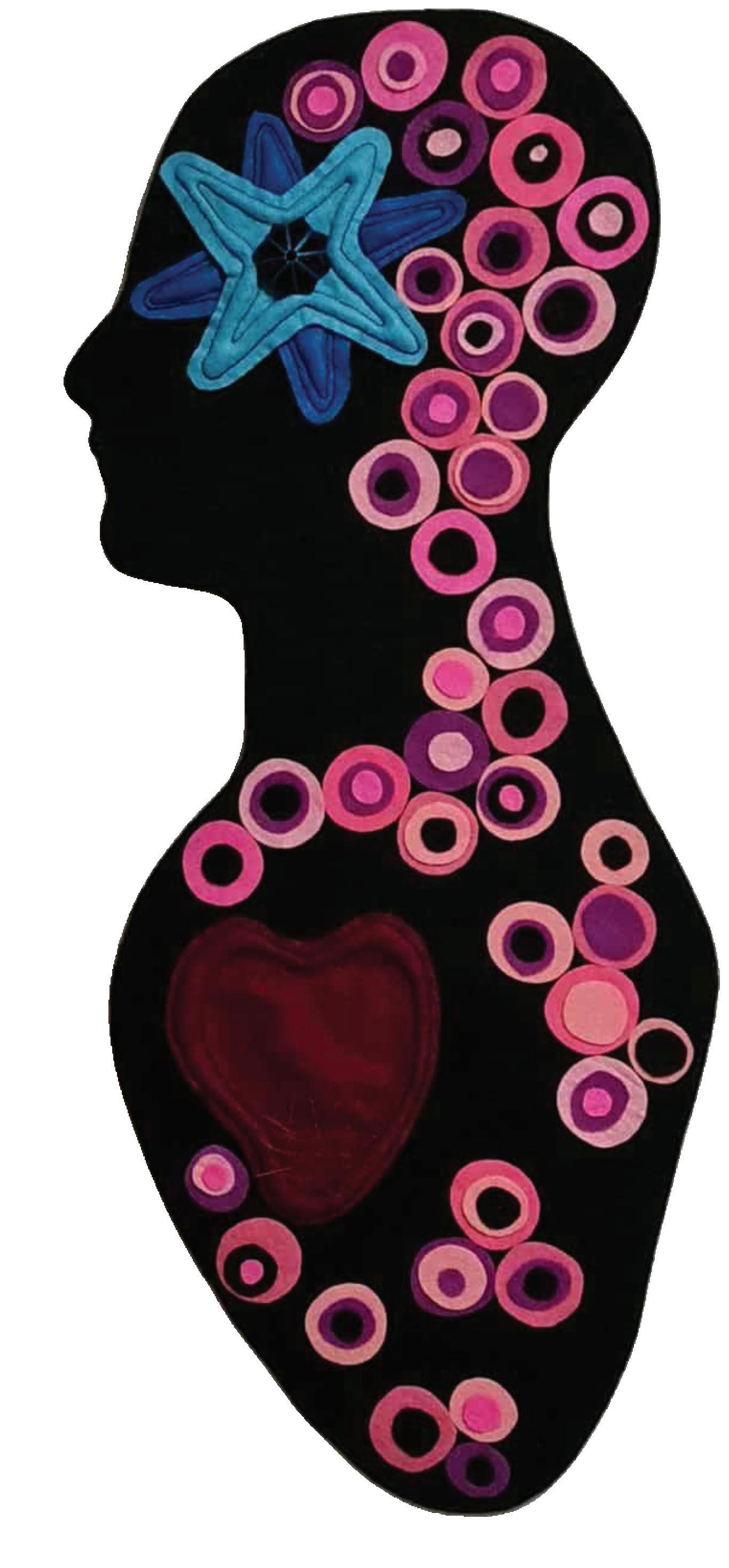
By Nicole Kulesza
The Sea Whispers to Me
The sea whispers to me It visits me in my dreams
My sleeping self longs for the tangy air and the rolling crash that envelops and holds back everything.
Salty gifts along the shore
Fine, such exquisitely fine sand
Shaping, smoothing, rolling
Glossy pebbles
Formed from intricately folded earth
Carved by the tumble of the waves and time
A delicate balanced handful that clinks, tinks and hushes
As they nestle together
Naturally nuanced
Created by the constant ebb and flow of the sea
The sea whispers to me I visit it in my dreams.
by Amy Greatbanks
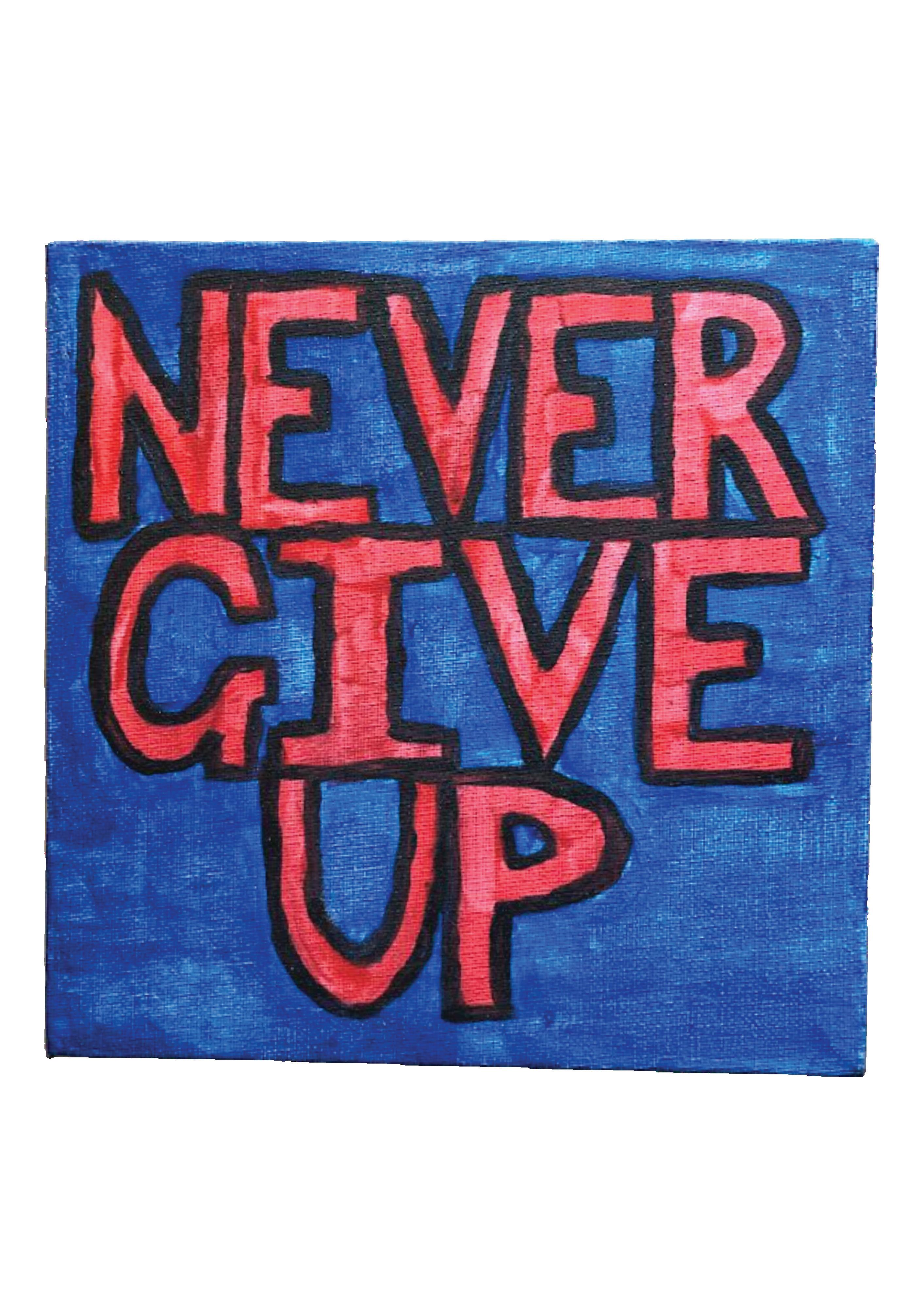
Artist: Amanda Carylon
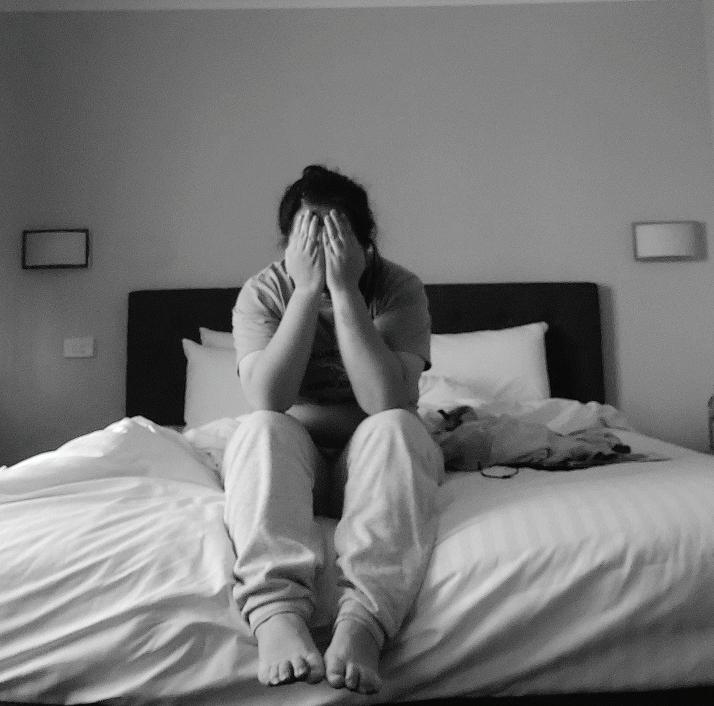
Artist: Krystle
Chronic Mischief: The Exhaustion of Performative Inclusion
I hold a PhD in Sociology and have worked as a lecturer and in professional roles across higher education. My work has always centred on critical thinking, structural insight, and human complexity. My doctoral thesis explored the female experience of autism, requiring deep engagement with multiple disciplines—psychology, psychoanalysis, critical disability studies, gender studies, advocacy work, human resources, and social work.
Trained in the sociological discipline with incredible mentors who helped shape my ‘Sociological Imagination’¹. I approach all texts and research through this lens first and foremost. From my very first undergraduate sociology course, I learned to see how broader social forces shape life chances. Out of all the disciplines I could have studied, sociology was the one actually answering my questions. It helped me understand systems, power, and the complexities of identity.
I’m also multiply-neurodivergent. Getting labcoat approval² from a neuropsychologist and psychiatrist that I have both autism
Dr Susannah French

and Attention Deficit Hyperactivity Disorder (ADHD) at the tail end of my PhD was incredibly wild, but here we are. Initially, I was hesitant about labels and the diagnostic process because of how clinicians medicalise anything ‘atypical’. In one of my thesis chapters, I examined ‘selfdiagnosis’ and how ‘self-identifying’ is sometimes just good enough. However, I’d already experienced how selfidentification gets dismissed in professional settings— suddenly your requests for basic adjustments become ‘preferences’ rather than needs, and you’re left having to prove your legitimacy instead of focusing on doing your job. The system demands medical validation for what should be basic human considerations. Without official diagnosis, your workplace struggles get explained away as character flaws, your sensory needs become pickiness, and your communication differences become attitude problems.
Even with my hesitation to put my hand up and ask for accommodations, when I finally did ask, I was promised the world only to be handed a Styrofoam cup. I’d be offered completely useless things like an ‘ADHD coach’—despite having literally written my thesis on neurodivergence. I’d probably already read more literature on self-help as a neurodivergent person than the coach ever would. Then came more links to a bunch of useless programs when all I actually wanted was permission to work from home more than two days a week if I needed it. Working from home is one of the most common requests from autistic people to help manage overstimulation so we can stay focused on the tasks at hand. But it’s also the request that gets denied the most.
It’s absolutely shocking that I needed to spend thousands of dollars on diagnoses to ensure incredibly basic workplace adjustments could be made. This is why my forthcoming book on Ethical Spaceholding explores how neuro-affirming spaces and Universal Design³ can become business-as-usual. I believe that even though obtaining a diagnosis and medication remains incredibly inaccessible, there’s still no excuse for not implementing better design in all spaces to minimise sensory overload and make neuro-affirming practice business-as-usual— without creating extra strain on space facilitators⁴.
The TheaTre of InclusIon
I wish workplaces would just stop pretending to be “inclusive employers” when they’re not.
Honestly? I sometimes respect the employers who don’t even bother to pretend. At least I know where I stand. I don’t have to brace for the whiplash of being publicly praised one minute and quietly excluded the next.
Performative inclusion is its own kind of cruelty.
You’re told:
• “We value your voice.” But your feedback gets skipped.
• “Take the leave you need.” But only if it doesn’t inconvenience anyone else.
• “We support neurodiversity.” But only as long as we mask, accommodate them, and play nice.
False hope is exhausting.
Being let down again by another hashtag campaign, another “awareness week,” another poster in the staff kitchen chips
away at trust faster than silence ever could.
So no, I don’t want to hear “We’re learning.” If neurodivergent staff tell you we feel excluded, believe us. We are the ones living it. Stop the theatre. Start the work.
I’m particularly sick of hearing “I’m learning” when the carefully curated evidence is often right in front of them or easily searchable. This chronic mischief—the endless performance of inclusion without
If neurodivergent staff tell you we feel excluded, believe us. We are the ones living it. Stop the theatre. Start the work.
substance—isn’t just frustrating. It’s a deliberate choice to maintain the status quo while appearing progressive.
The real mischief lies in recognising these patterns, calling them out, and refusing to participate in the charade. My sociological training taught me to see systems clearly. My lived experience as a multiplyneurodivergent woman taught me the cost of those systems. Together, they’ve equipped me to demand better—not just inclusion, but genuine transformation.
REFERENCES / Footnotes
¹ The Sociological Imagination, coined by C. Wright Mills in 1959, is the ability to connect personal troubles to public issues—to see how individual experiences are shaped by larger social, historical, and structural forces. Mills argued that we must look beyond personal circumstances to understand how biography intersects with history and social structure. For example, unemployment isn’t just a personal failing but connects to economic systems, labour policies, and social inequalities.
² By ‘labcoat approval’ I mean the formal medical validation required by institutions, despite the well-documented issues with medicalising neurodivergence and the inaccessibility of diagnosis for many.
³ Universal Design is the concept of creating environments, products, and services that are accessible and usable by all people, regardless of age, access needs, language fluency or status, without the need for adaptation or specialised design. Originally developed by architect Ron Mace in the 1980s, it shifts from retrofitting spaces for specific disabilities to designing inclusively from the start—benefiting everyone, not just those with identified needs. This approach is particularly valuable because it removes the pressure on individuals to disclose their specific needs and eliminates the stress of waiting on lists to have their needs ‘medically validated’ before accessing basic accommodations.
⁴ 4 Space facilitators include anyone in a position to ‘hold space’ where there’s a power imbalance—employers, teachers, HR professionals, spiritual practitioners, trainers, therapists, workshop leaders, and more. Essentially, anyone responsible for creating and maintaining environments where others must participate, learn, work, or heal.
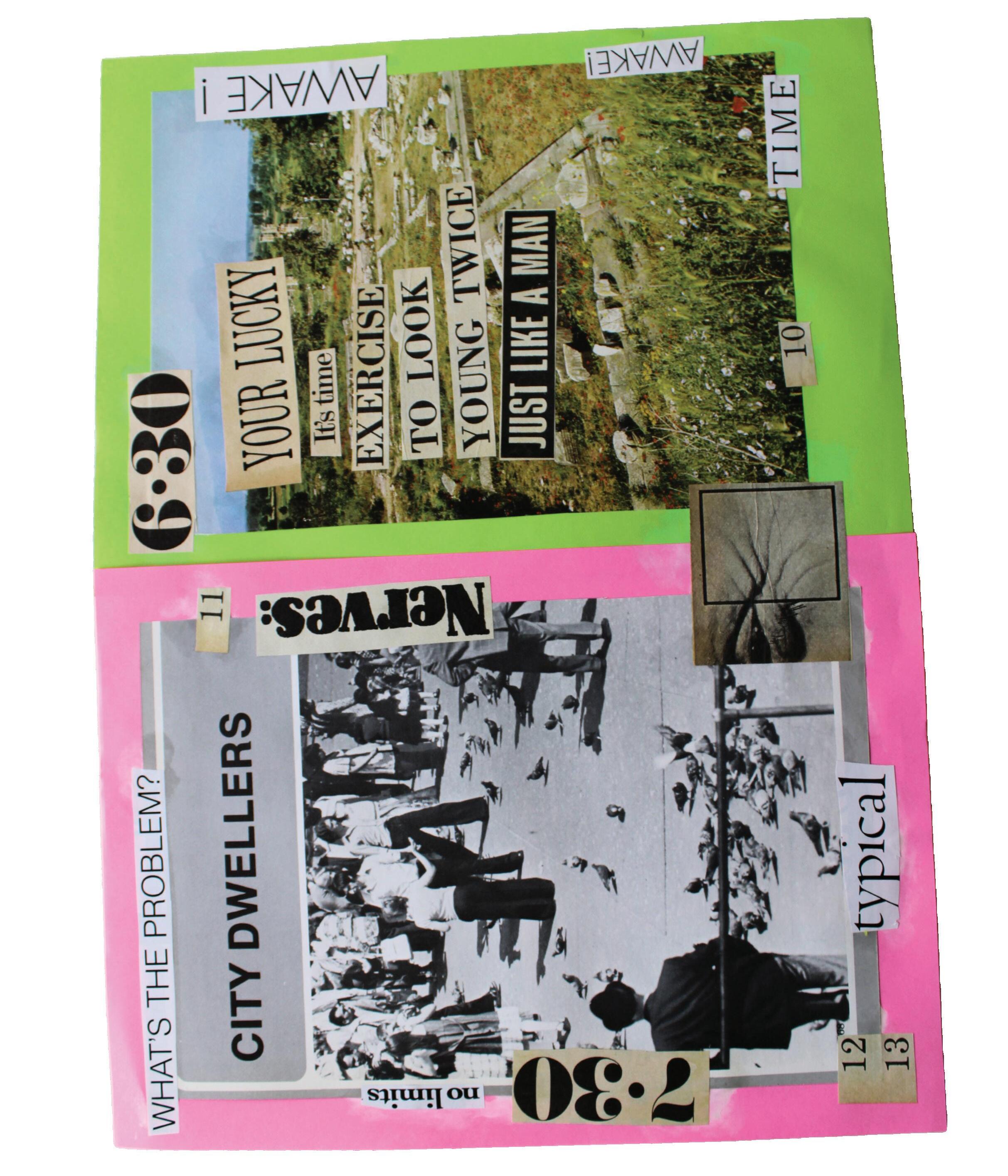
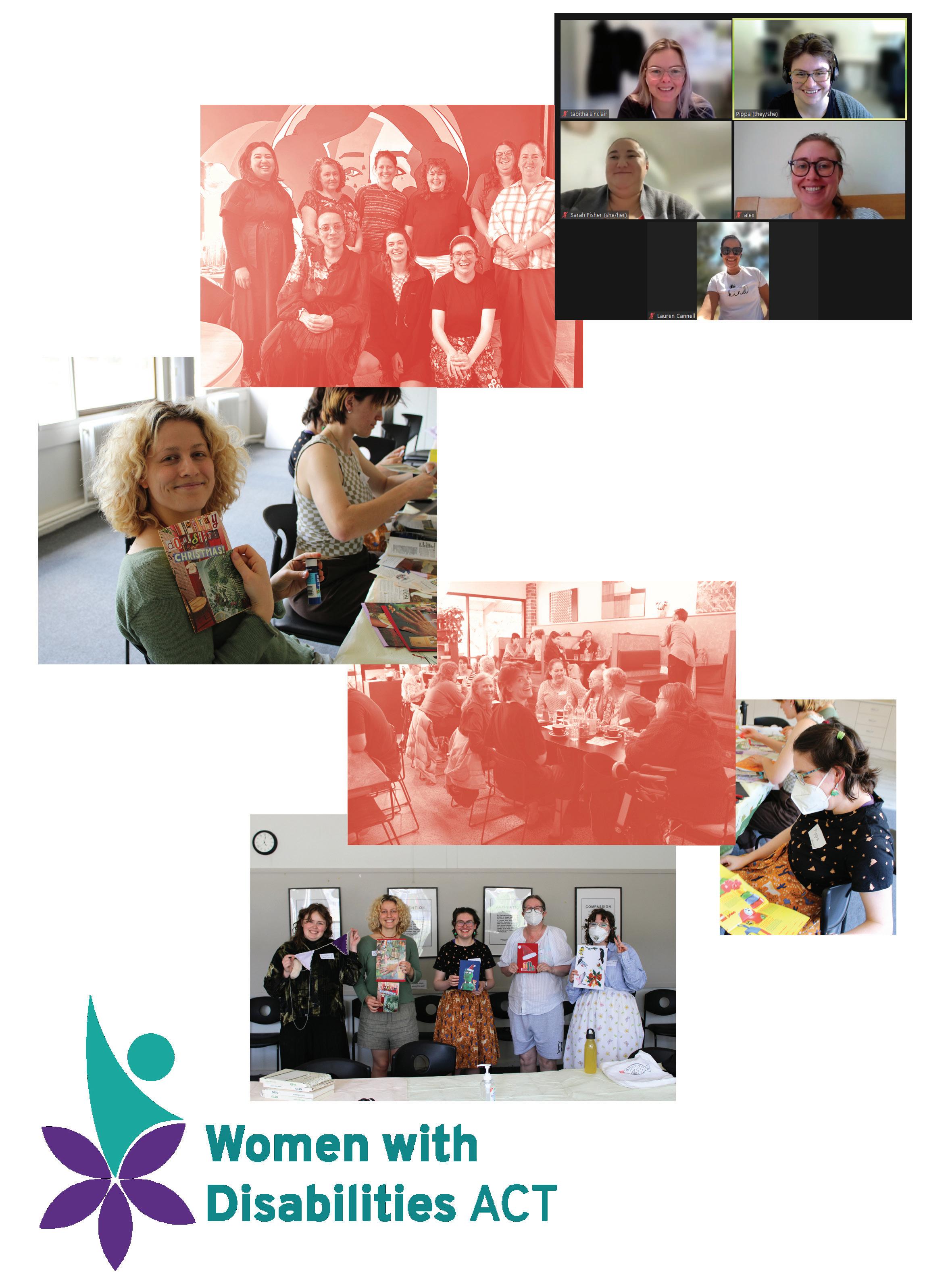
Front + Back Cover Design, Graphic design & Layout Design by Beatrice Tucker, WWDACT Engagement Program Manager
Edited by Beatrice Tucker Editorial support from WWDACT staff
Magazine Project Managed for 2025 by Beatrice Tucker
Magazine Title ‘Chronic Mischeif’ created by Remi Prica, selected by attendees at WWDACT events.
Thanks to the WWDACT Community Facilitators for running Cut-out Poetry and Collaborative Storytelling Peer Events in the lead up to submission entries.
Thanks to the Engagement Project Officer for working hard on the making the Workshops happen and running the Resilient Storytelling themed workshop in the lead up to Magazine submissions.
Extra special thanks to WWDACT Policy Officer for the extra support and odd jobs they did when overall team capacity was low. Thank you to all those who entered submissions towards this print magazine and /or online submissions.
Thanks to the Department of Social Services for funding the ILC Project Grant that makes any of WWDACT’s ‘Our Autonomy’