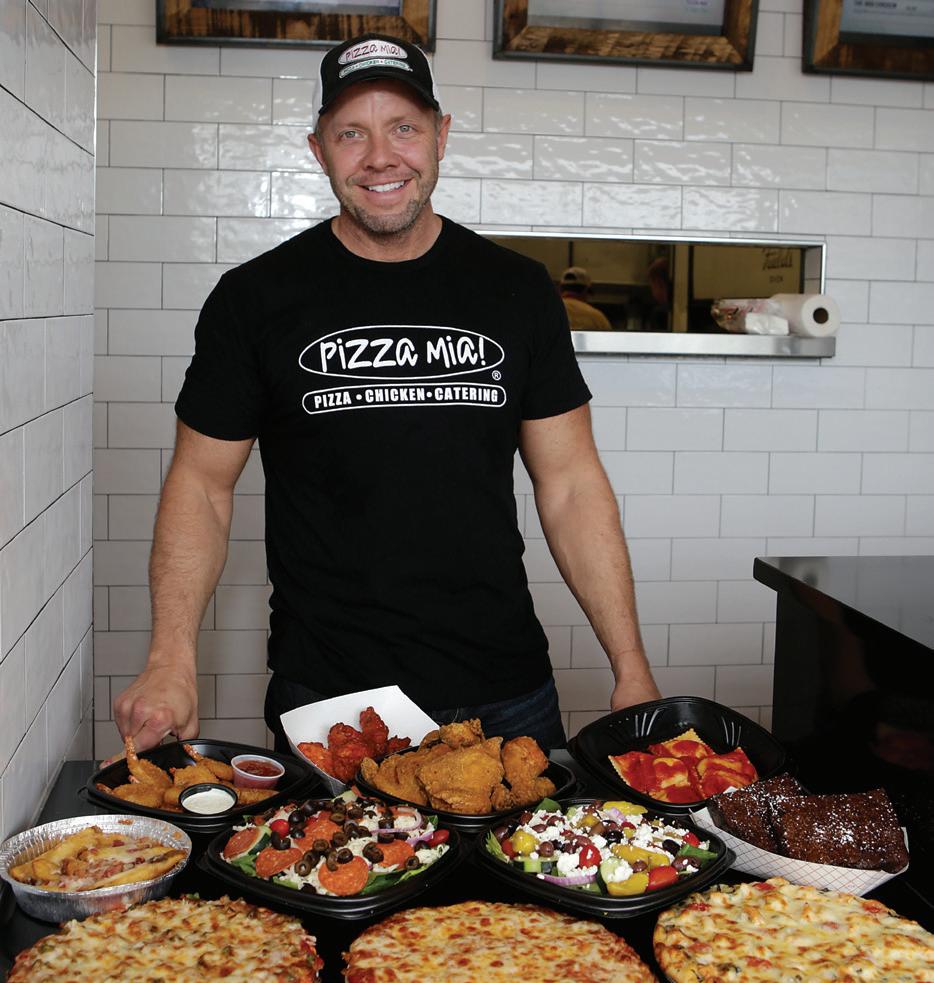
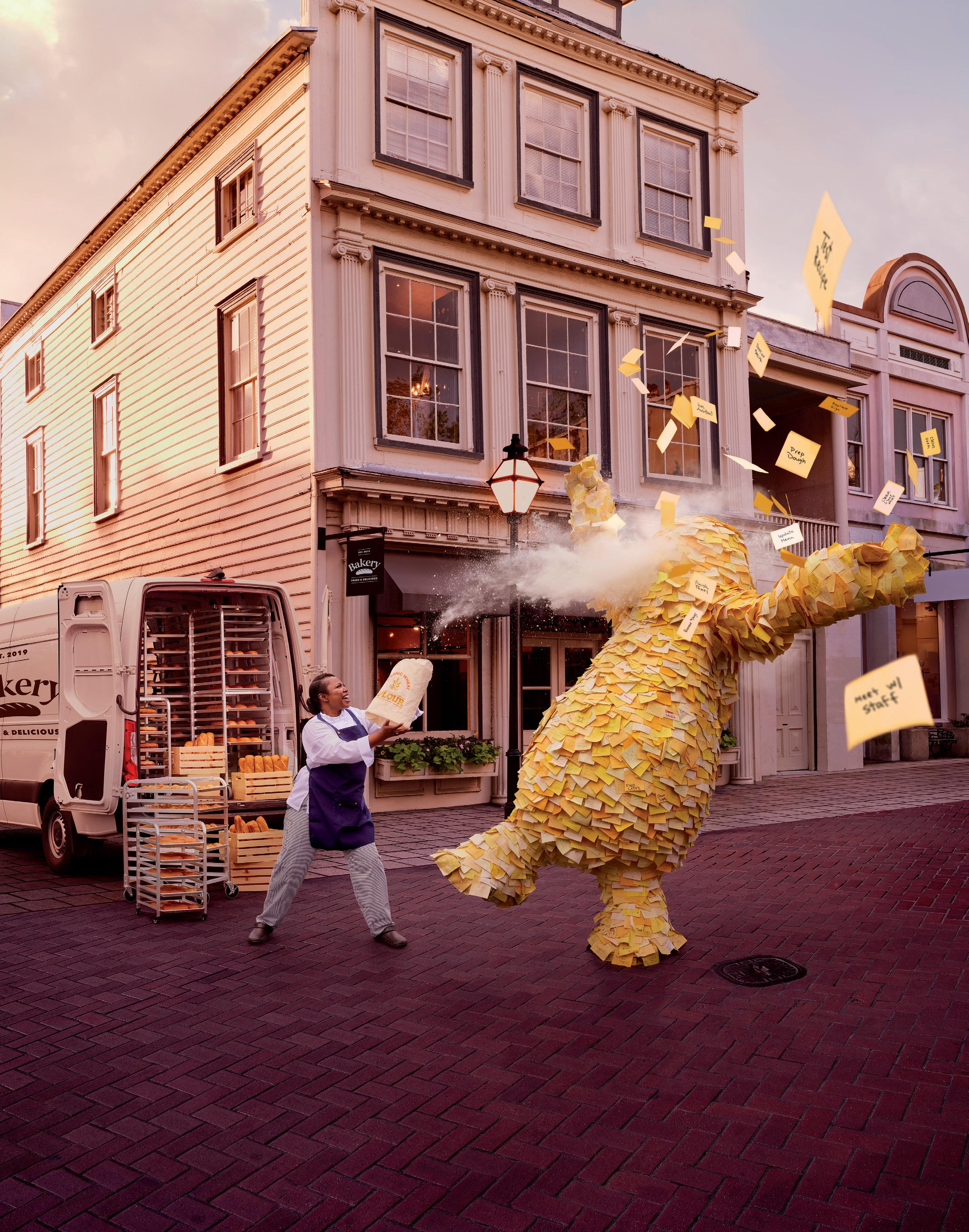
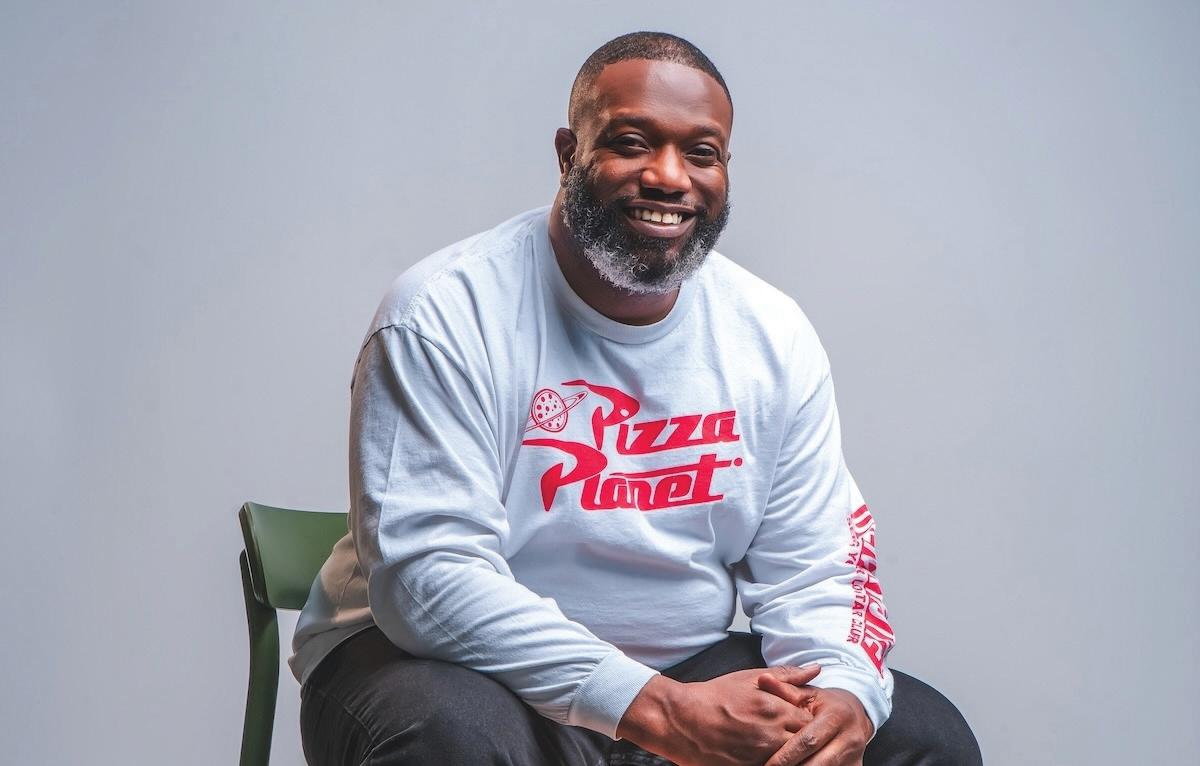
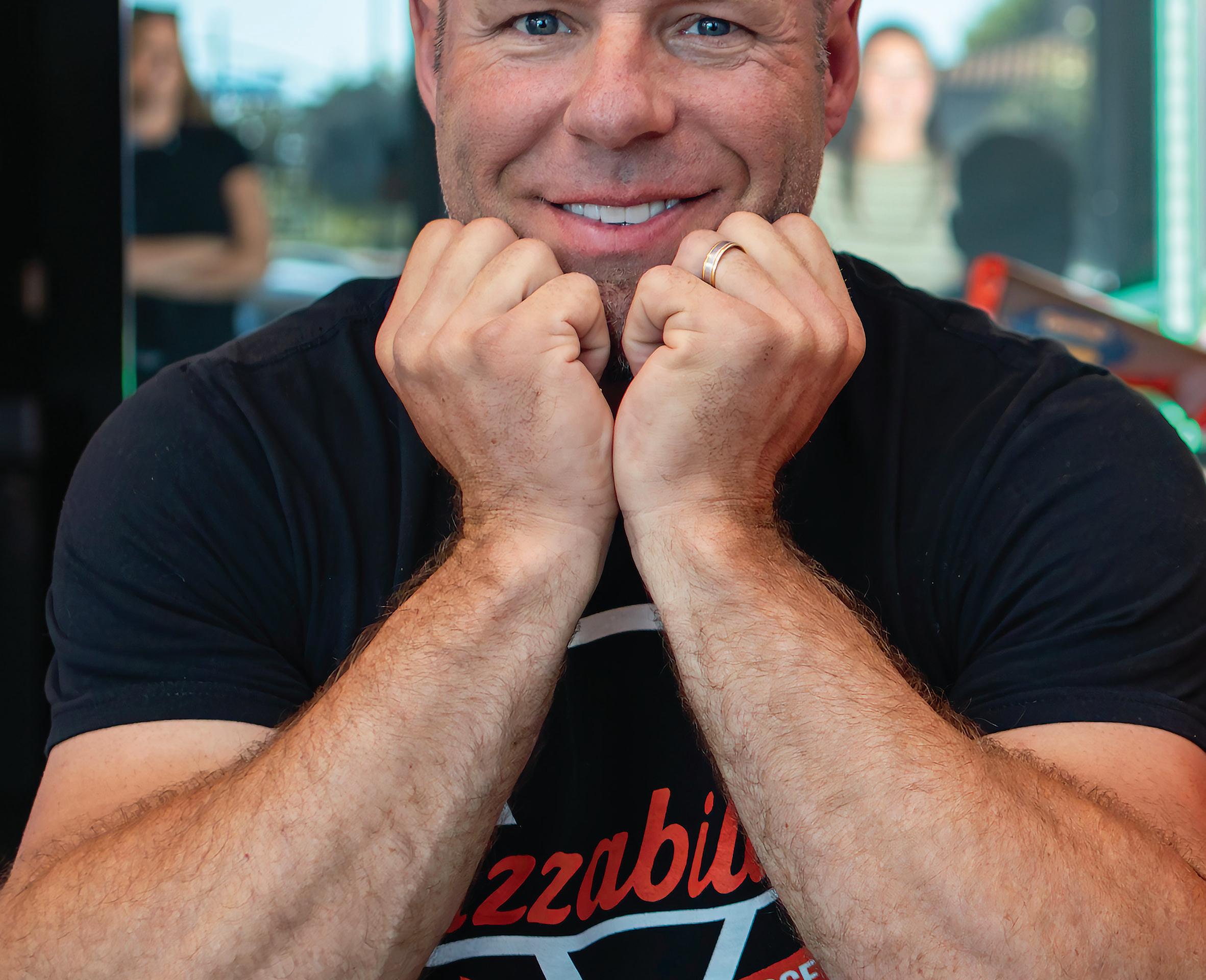
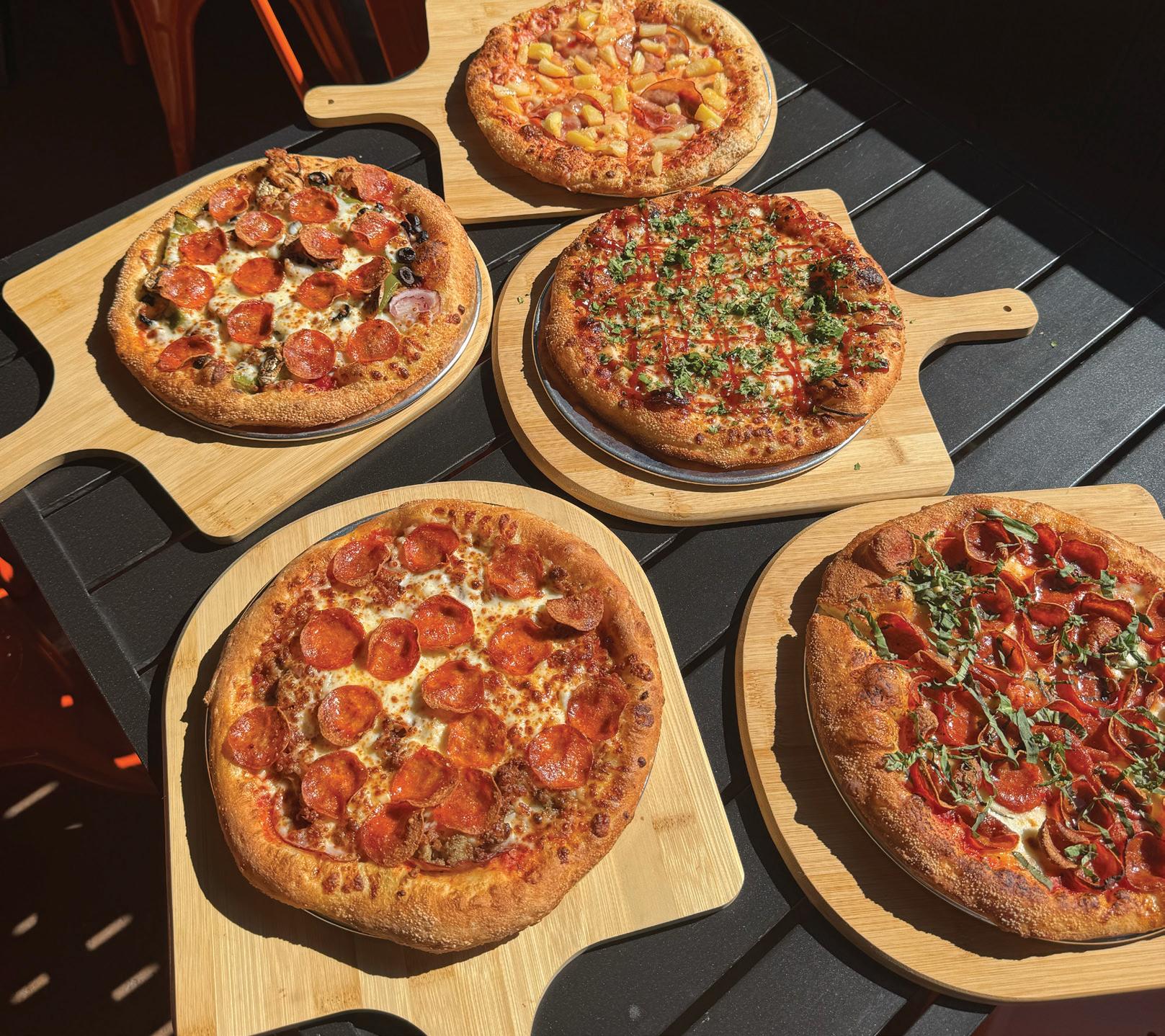
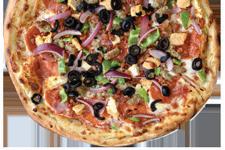
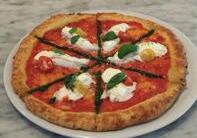
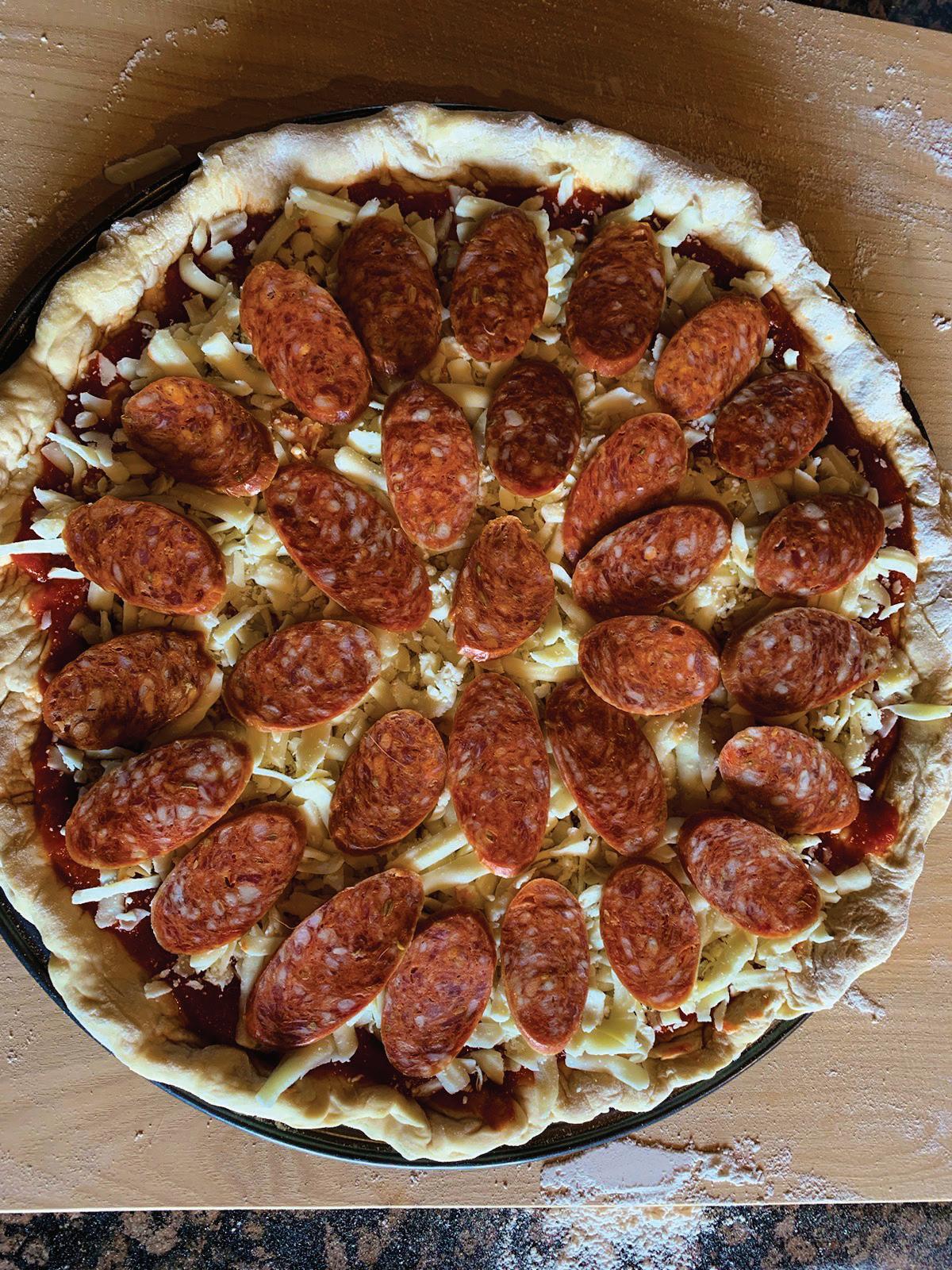
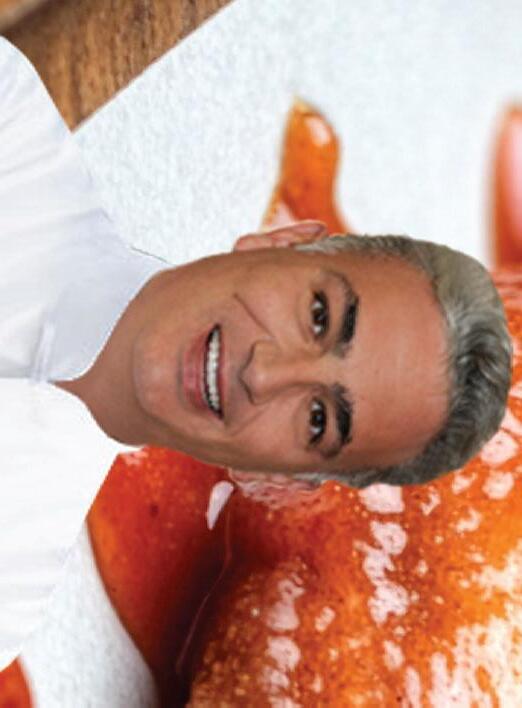
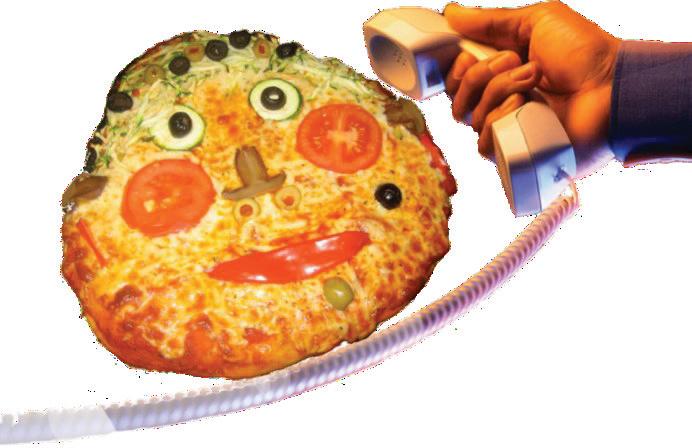
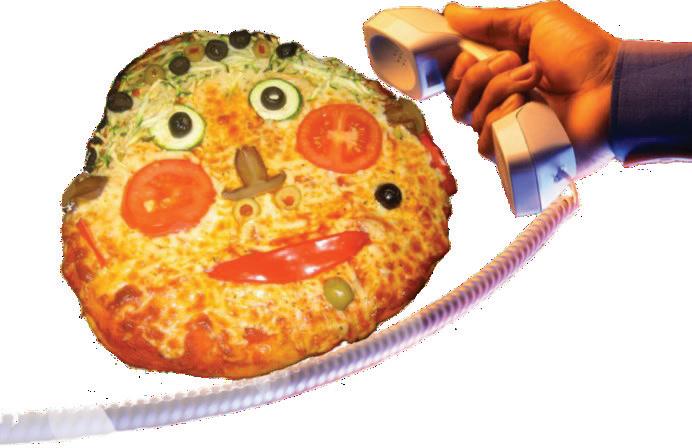
When Dave Dombrowski took over Pizza Mia in 1991, the Chicagoland pizzaiolo was just 19 and nearly broke. Worse, he’d bought a shop with a bad reputation. “I didn’t have enough money to change the name,” he recalls. “I just wanted to try being a pizzeria owner.” To turn things around, he tried menu drops, direct mail and—boldest of all—cold calls right out of the phone book. To total strangers, mind you. “Hey, this is Dave calling from Pizza Mia on 159th Street. You ever eat our pizza before?” And sometimes the response was: “Yeah, it sucked.” Dombrowski kept plugging away. “I wanted to get five sales for the next night,” he says. “Then I know I’ve got at least five orders before I even unlock the door.” He even sent a man into the streets dressed like a chicken to hand out menus. And over time it all worked. He ended up keeping the Pizza Mia name, and 35 years later it’s a local institution with two locations—Homer Glen and New Lenox, Illinois. He even tried franchising, but that didn’t work out. His advice: “Be wary of franchisees named Bob. Both of mine were named Bob.”
Listen to Peel: A PMQ Pizza Podcast on Apple, Spotify and SoundCloud.
Scan this code to subscribe or renew your subscription to PMQ! Or visit PMQ.com/subscribe
ELEVATING THE BUSINESS OF PIZZA
WTWH MEDIA, LLC
CEO Matt Logan mlogan@wtwhmedia.com
CONTENT
EDITOR IN CHIEF Rick Hynum rhynum@wtwhmedia.com
ASSOCIATE EDITOR Tracy Morin tmorin@wtwhmedia.com
ASSOCIATE EDITOR/ USPT COORDINATOR Brian Hernandez bhernandez@wtwhmedia.com
VP, EDITORIAL DIRECTOR Danny Klein dklein@wtwhmedia.com
ART & PRODUCTION
ART DIRECTOR Eric Summers esummers@wtwhmedia.com
SENIOR ART DIRECTOR Tory Bartelt tbartelt@wtwhmedia.com
DIGITAL PRODUCTION COORDINATOR Mariam Sedrakyan msedrakyan@wtwhmedia.com
A Publication of WTWH Media, LLC
Volume 30, Issue 4 | May 2026
888-543-2447 ISSN 1940-2007 | Permit #5040
CONTENT STUDIO
VICE PRESIDENT Peggy Carouthers pcarouthers@wtwhmedia.com
WRITER Drew Filipski dfilipski@wtwhmedia.com
WRITER Ya’el McCloud ymccloud@wtwhmedia.com
WRITER
Abby Winterburn awinterburn@wtwhmedia.com
SALES & BUSINESS DEVELOPMENT
SENIOR VICE PRESIDENT, FOOD, RETAIL, HOSPITALITY SALES AND ACCOUNT MANAGEMENT
Matt Waddell mwaddell@wtwhmedia.com
NATIONAL SALES MANAGER Tom Boyles tboyles@wtwhmedia.com
VP, BUSINESS DEVELOPMENT Eugene Drezner edrezner@wtwhmedia.com
CUSTOMER SERVICE REPRESENTATIVE
Brandy Pinion bpinion@wtwhmedia.com
CUSTOMER SERVICE REPRESENTATIVE Tracy Doubts tdoubts@wtwhmedia.com
FOUNDER Steve Green
PMQ PIZZA Issue 4 May 2026 (ISSN 1940-2007, Permit #5040) is published monthly in January, March, April, May, June, August, September, October, November and December by WTWH Media, LLC, 1111 Superior Ave #1120, Cleveland, OH 44114-2560.
Periodical postage pricing paid at Cleveland, OH. Additional mailing offices at Bolingbrook, IL.
POSTMASTER: Send address changes to PMQ PIZZA, 1111 Superior Ave #1120, Cleveland, OH 44114-2560.
Opinions expressed by the editors and contributing writers are strictly their own and not necessarily those of the advertisers. All rights reserved. No portion of PMQ PIZZA may be reproduced in whole or part without written consent.
PIZZA MIA
16
Planning to Market vs. a Marketing Plan
Social media and direct mail campaigns qualify as marketing, but they’re only pieces of what should be a larger, overarching strategy, according to Michael LaMarca.
28 The Dinner Party
Dining out should be an experience, and for the right kind of experience—like the structured multicourse dinners at Robert’s Pizza and Dough Co.—guests will line up to buy tickets.
34
AI Takes the Wheel
Billy Marino of Leona’s Pizzeria sums up how he’s leveraging the latest tools and warns that failure to embrace AI “could mean your pizzeria falls behind in a competitive environment.”
42 Fruit Forward
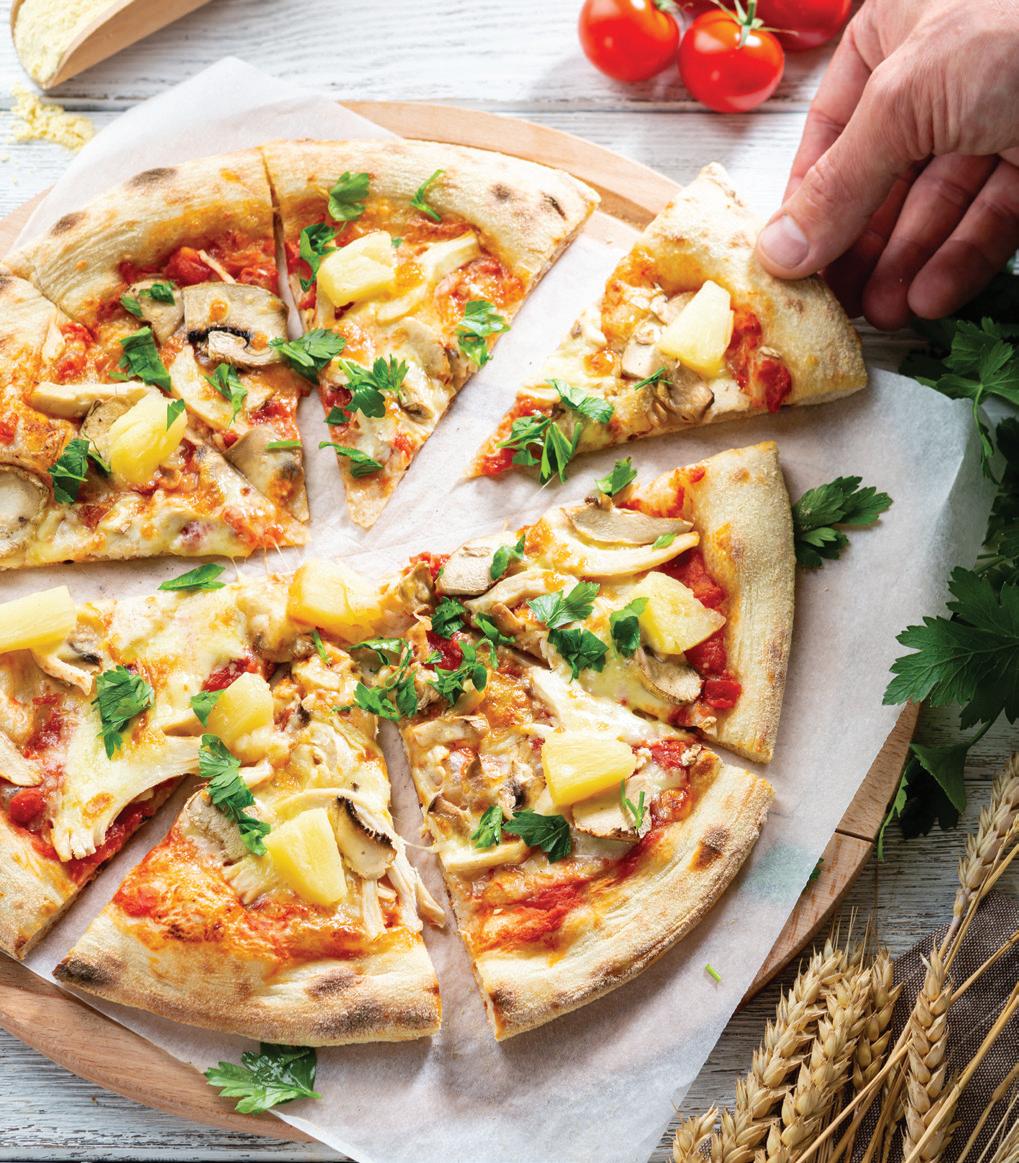
As purists debate whether certain fruits “belong” on pizza, adventurous pizzaioli are proving that they add unforgettable flavor and eye appeal—and not just for dessert pies.
48 Tips From the Team
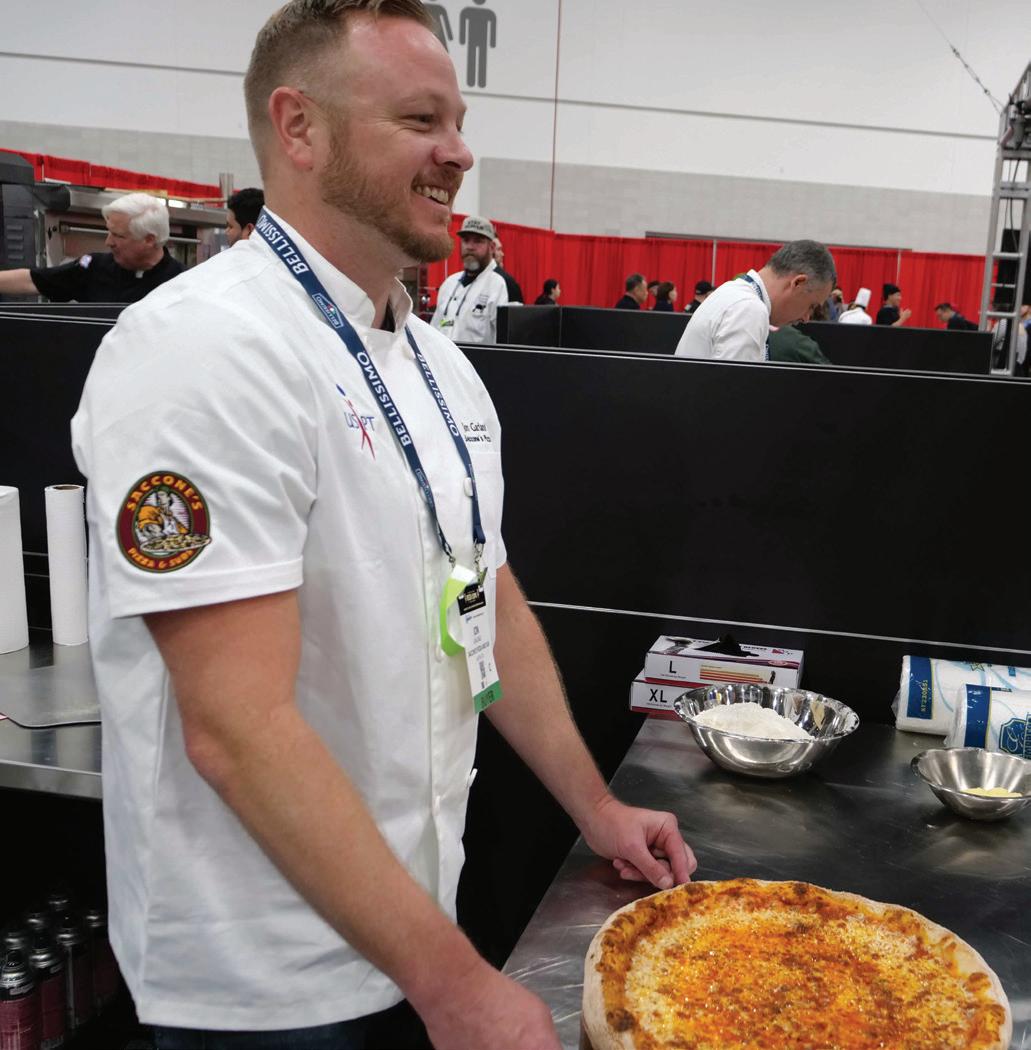
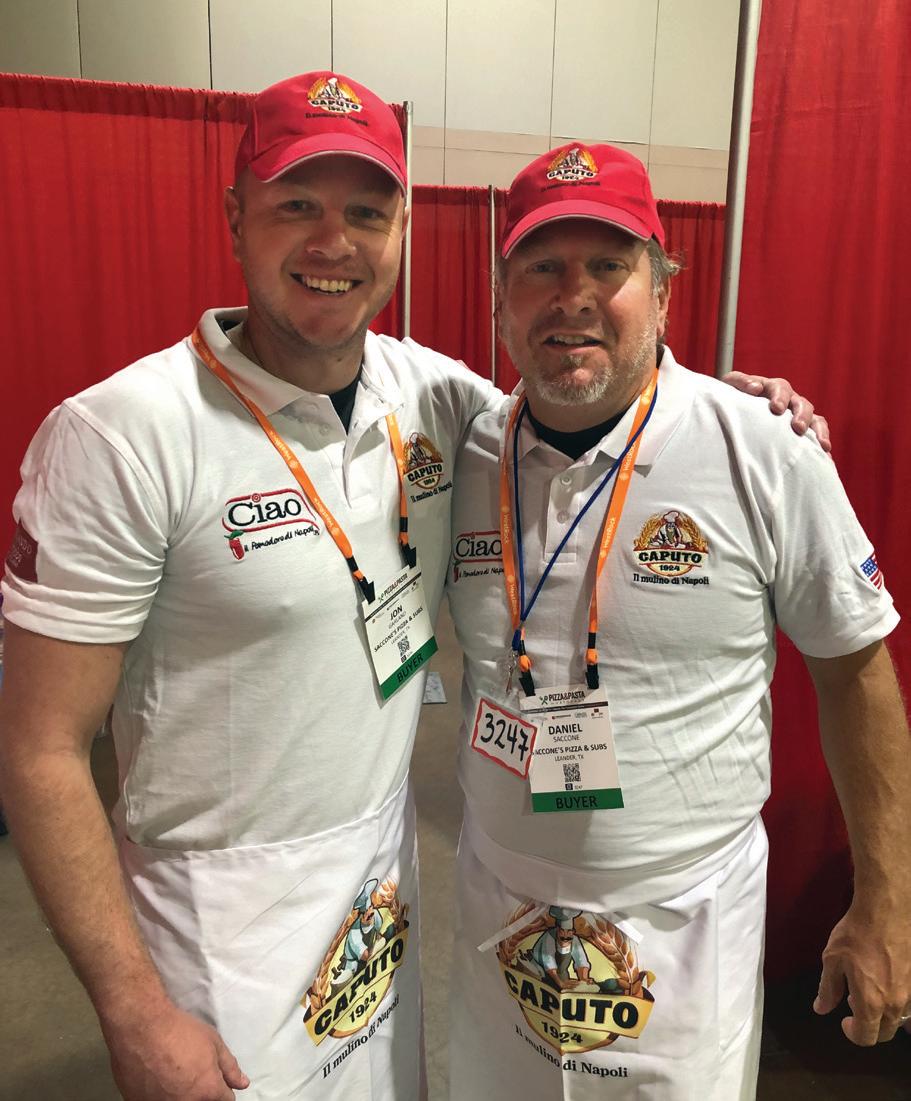
U.S. Pizza Team member Jon Garland, owner of Saccone’s Pizza in Austin, has spent the past year focused on personal growth, and the results are showing at his pizza shop, too.
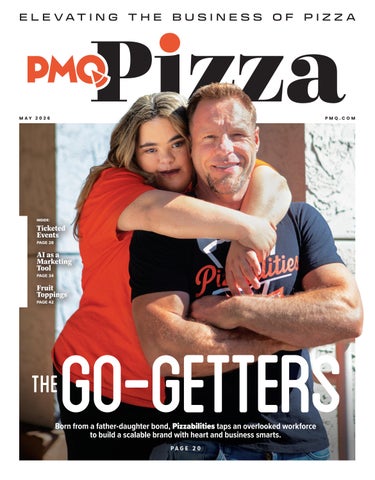
Josh Baker knows exactly what employees with special needs—like his daughter, Grace—are capable of. And the co-founder of the fast-growing Pizzabilities plans to hire a lot more of them.
BY RICK HYNUM
COVER PHOTO BY HANNAH COX @CLICKSBYHAN
ANTONIO T ARDI
SHARE YOUR STORY WITH THE PIZZA COMMUNITY
PMQ Pizza’s best pizzeria profiles often come directly from subscribers to our free e-newsletter, Pizza Pulse. So if you want to get your story told, sign up at PMQ.com/Pizza-Pulse to get our attention! Behind every print issue is a growing digital universe, and Pizza Pulse is the gateway. Print can only hold so much, but we can go bigger online: deep-dive profiles, videos, podcasts, social posts, webinars, reader surveys and more. Here’s a look at the latest:
5 Unhinged Videos From Pizza’s All-Time Viral GOAT
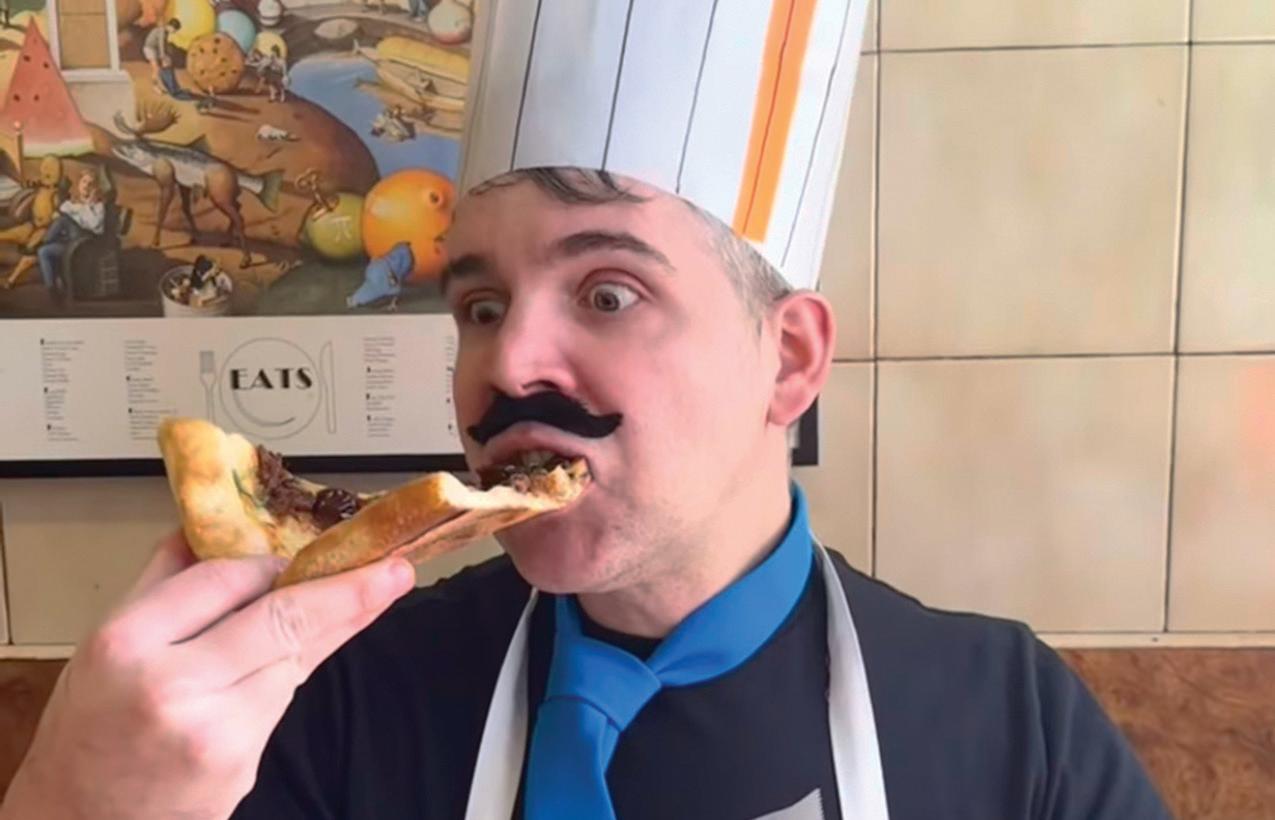
Vinnie’s Pizza in Brooklyn was once famous for the pizza box made of pizza and the pizza topped with slices of pizza. Its new owners—both former employees—have brought that wild energy to TikTok. It’s a 65-year-old shop with Gen Z spirit. In a word, it slaps.
Read it at PMQ.com/vinnies-pizza
The Pi Day Promo That Almost Crashed the Kitchen
U.S. Pizza Team member Sean Dempsey, owner of Dempsey’s Brewery, Pub & Restaurant, shares a promo that didn’t quite go as planned—the first time. In fact, it sent several team members to the hospital. But he didn’t give up, and he created something special for 2026.
Read it at PMQ.com/pi-day-promo
PMQ.com/pizza-pulse!
Month 1 in a New Shop: Did He Make a Profit?
Tyrell Reed took over a struggling franchise pizzeria in early 2026. Since then, he’s been walking our readers through the process and even shared key numbers for his first month. It’s a rare—and easy-to-read—glimpse into the ups and downs of a turnaround!
Read it at PMQ.com/month-1-tyrell-reed
Will Grant Steps into a Joyful New Role
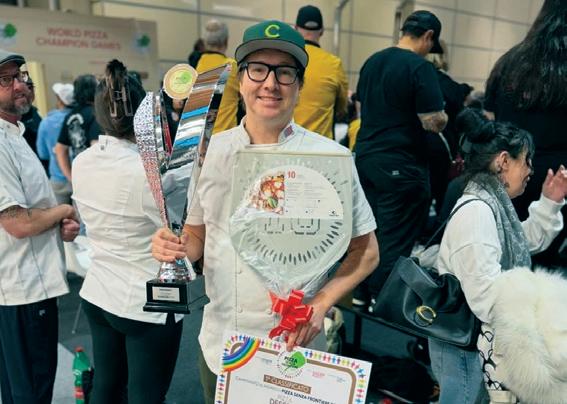
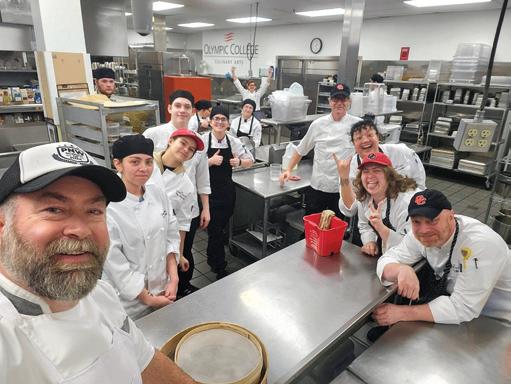
He made history as the first American to receive Italy’s prestigious Premio Follie Lifetime Achievement Award. This year, he returned to his alma mater—Olympic College— to teach a course in pizza making. “Pizza gave me everything,” he says. “The least I can do is pass that on.”
Want to Get PMQ’s Attention? Try this! Create a Reel on Instagram, tag @pmqpizzamag and tell us why we should feature your pizzeria.
Read it at PMQ.com/will-grant-pizza-class
Price for this service varies based on type of message & volume.
• We apply volume discounts across entire chain, so individual location owners benefit from total chain volume.
As low as $0.01 per message for high volume customers!
Use your Existing Phone Number to send messages!
• Either through direct integration to your POS system, or by exporting lists from the POS to import into our platform, you can schedule & manage outbound text message marketing to increase revenue.
We are fully compliant with CITA/FCC regulations!
Text messages have up to 95% open rate within minutes: push online orders, drive additional revenue, & send upsell messages!
EXAMPLE OF HOW IT WORKS:
1) Send a X Dollars off coupon message to customers who’s last order was more than 90 days ago, with the goal of “re activating” those customers.
2) Send an “upsell” coupon for add on items to more active customers
3) Automated campaign to send a few hundred messages per day, with the goal of adding 10+ additional orders per day. Messages can be coupons, but you can also get great traction with messages such as “Happy Monday. Did you know you are allowed to eat pizza on Monday?” followed by your online ordering link.
KATIE LEE’S RETAIL BREAKOUT
PMQ HAS REPORTED ON ST. LOUIS CHEF/RESTAURATEUR
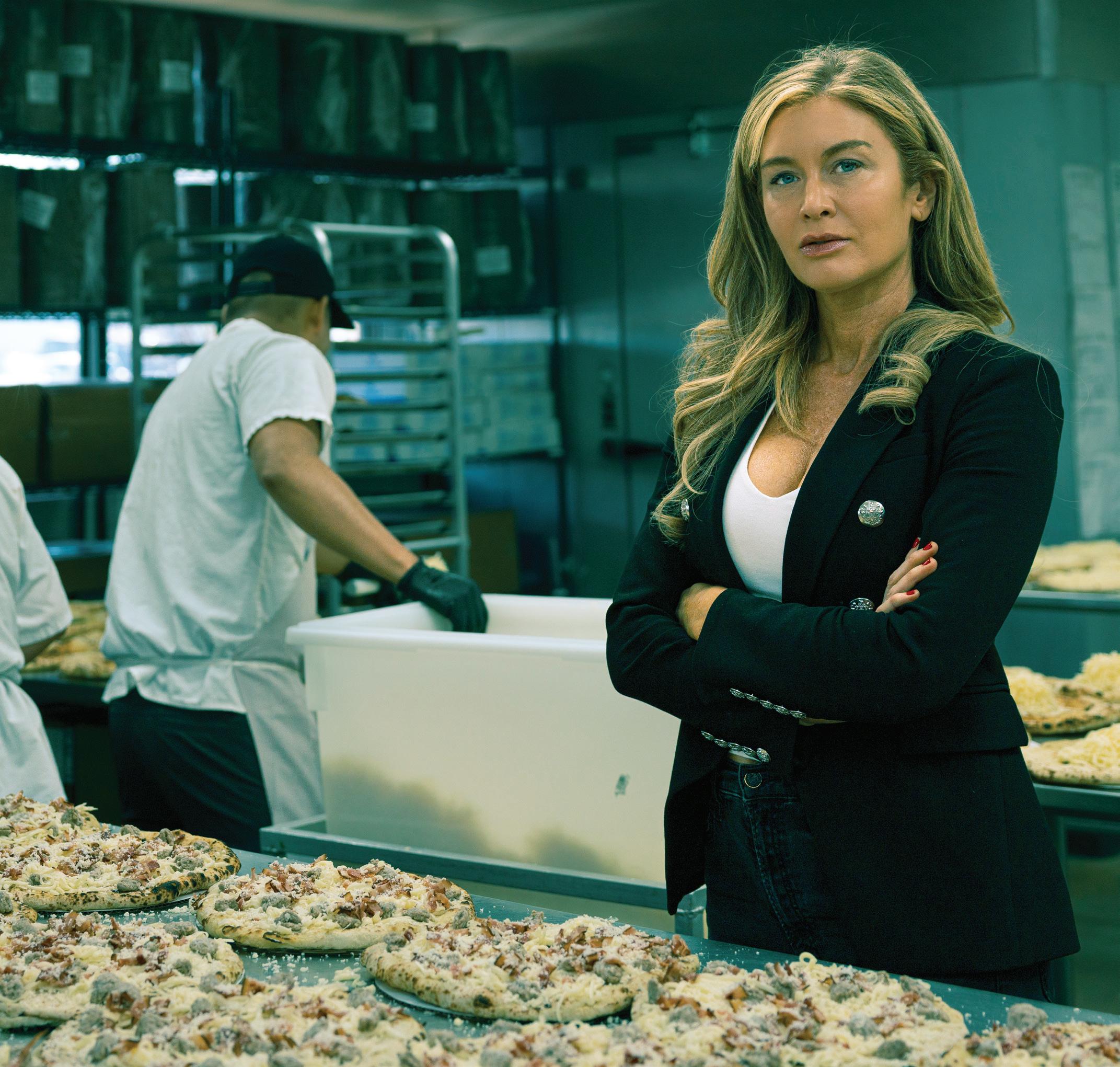
KATIE LEE several times in the past year—because there’s so much to report. The opening of her fourth Katie’s location in late February isn’t even the biggest news; she has also built what might be the fastest-growing frozen pizza and sauce brand in the country. She landed a deal with Target last summer (reportedly for $20 million) after rallying her team to make 400,000 pizzas by hand in 96 days. And check out these numbers: In March, her company announced that its frozen pizzas drove 8.4% of all frozen-pizza category growth in the natural grocery
channel and rank among the top 10 sales drivers in multi-outlet retail (MULO) stores, accounting for 3.5% of category growth. Her sauces (Marinara, Arrabbiata and Lemon Cream), olive oil and balsamic products have grown 91%, and her frozen entrees and pasta bakes are up 82% across MULO and natural grocery channels. Meanwhile, her team still makes every item by hand. “Restaurant credibility is our foundation,” Lee says. “Retail didn’t change our standards—it gave us a way to bring them to more people.”
Katie Lee is proving that an independent pizzaiola can scale up on the retail side without cutting corners. As Eater.com recently put it, “What can’t Katie Lee do? It’s hard to say.”
KATIE’S
A DAY OF THEIR OWN
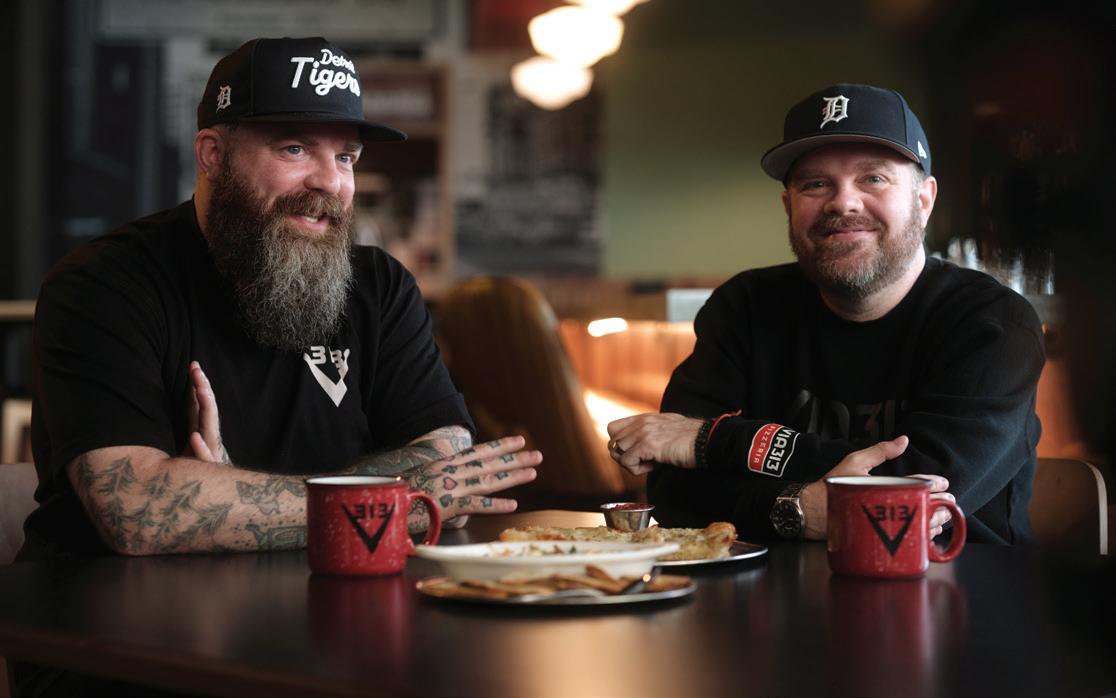
When brothers Brandon and Zane Hunt opened their humble little food trailer for $30,000 in Austin, Texas, 15 years ago, they never imagined it would lead to this: The city’s mayor officially proclaimed March 13, 2026, as Via 313 Pizzeria Day. Outside of Michigan, Detroit-style pizza was hardly in vogue in 2011—certainly not in Texas. But the brothers, who grew up near Detroit, made it their own, going on to open their first brick-and-mortar store in 2015 and adding two more in 2016 and 2018. Since partnering with Savory Fund in 2019, they’ve seen the concept blow up to 26 locations in several Western states. So what was Via 313 Day like for Brandon and Zane? “There were definitely a few moments today where I just stopped and took it in,” Brandon told PMQ that night. “A whole day for something we started from a trailer is pretty humbling.” Zane expressed gratitude to the city, the mayor and Via 313’s fans “for recognizing what this little pizza trailer turned into. It reminds you how much the community has really been behind us from the beginning.”
GROWING WITH GLUTEN-FREE
Don’t try telling the owners of Barclay Pies that gluten-free hype is overblown. TJ Hunton and Daniel Romero opened their shop in Cherry Hill, New Jersey, in the summer of 2025 and made sure the menu was allergen- and glutenfree-friendly from the start. That move created a passionate following and led to special gluten-free nights that regularly sell out—100 seats at $40 per ticket. The events are promoted by a local influencer (@allisappetite on Instagram) with nearly 9,000 followers. Barclay Pies also tests new gluten-free offerings—such as mozzarella sticks and loaded fries—at the parties to gauge guest reaction. “Attendees love that they can try things first before they’re generally available on the menu, and we love the customer feedback,” Romero says. Today, one out of every three pizzas sold at Barclay Pies is gluten-free, and one out of every 10 is dairy-free. “Our GF pizza is priced a little higher, but only enough to recoup the higher ingredient and labor costs, keeping our profitability right in line with that of our regular pizza offerings.”
BARCLAY PIES
One-third of all pizzas sold at Barclay Pies are gluten-free, and 10% are dairy-free.
Brandon (left) and Zane Hunt carried their Detroit pride with them when they started slinging pies in Austin. Their adopted city is now showing its pride in them.
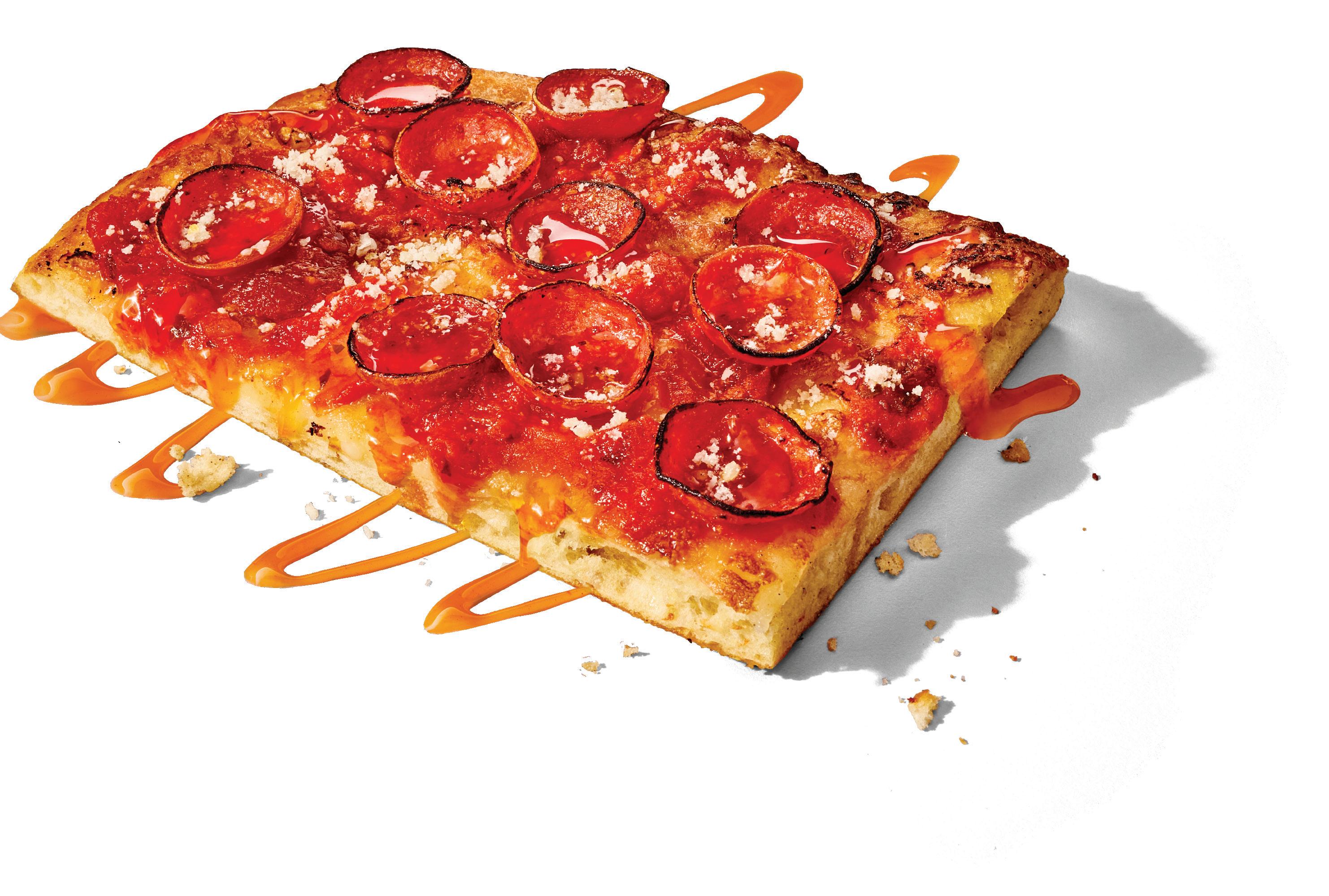
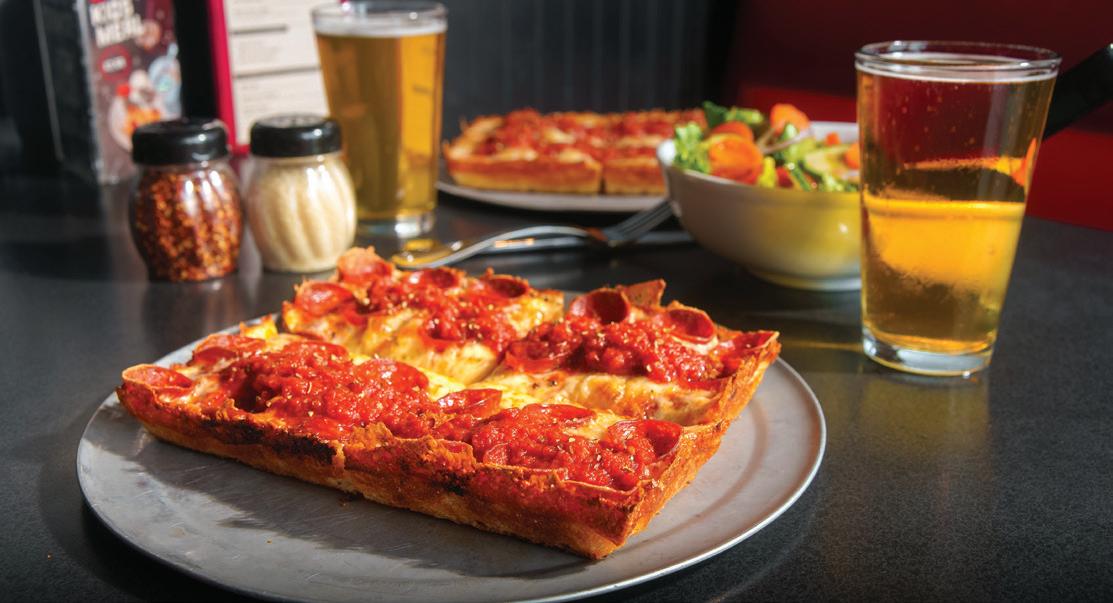
In celebration of Via 313 Day on March 13, Via 313 locations offered the Detroiter— Zane and Brandon’s signature double-pepperoni pie—for $10 all week long.
The Part of Pizza Making Customers Never See
The equipment and systems that keep dough and service consistent.
There’s no hiding weak equipment in a pizza kitchen. If a mixer cannot handle dough day after day, operators find out quickly. If an oven cannot keep up during a Friday-night rush, tickets back up. If a key part is unavailable when something breaks, the problem moves from the back of house to the customer experience.
That reality has kept Univex relevant for 80 years, and it is shaping how the company is preparing for the next 80. From dough mixing and forming to oven performance and parts availability, Univex is investing in the systems and people behind them that help pizza operators stay consistent under pressure.
Pizza itself has evolved. Consumers expect more crust styles, more regional influences, and more customization than ever before. But Daniel Tsiakos, vice president of sales and marketing at Univex, says the core of the product has not changed.
“Even if you slap on the best toppings you can find, if the literal base of the pizza is bad, it’s usually not a great experience,” Tsiakos says. “From the flour, to mixing it and proofing it correctly, all the way through cooking it. The basics in consistency are still relatively the same.”
The challenge for operators today is managing consistency across an expanding range of dough styles. A shop producing high-hydration artisan pies has very different equipment needs than a chain pushing volume on thin crust. A Detroitstyle concept, deep-dish operator, or multi-unit franchisee trying to standardize production across stores is solving a different problem.
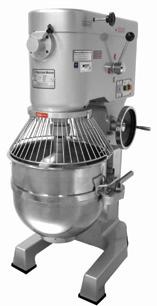
“We have a more consistent and higher torque,” Tsiakos says. “I do not need horsepower for dough. I am not trying to spin the dough hook super fast—I am looking for torque to move through the dough and give consistency to that mixing ability.”
That translates to mixers capable of handling dense or variable dough without losing performance, helping teams stay consistent on mixing time, dough temperature, and final product quality. Labor pressures have made that consistency even more critical. Many pizzerias are trying to maintain product standards while working with smaller or less experienced teams.
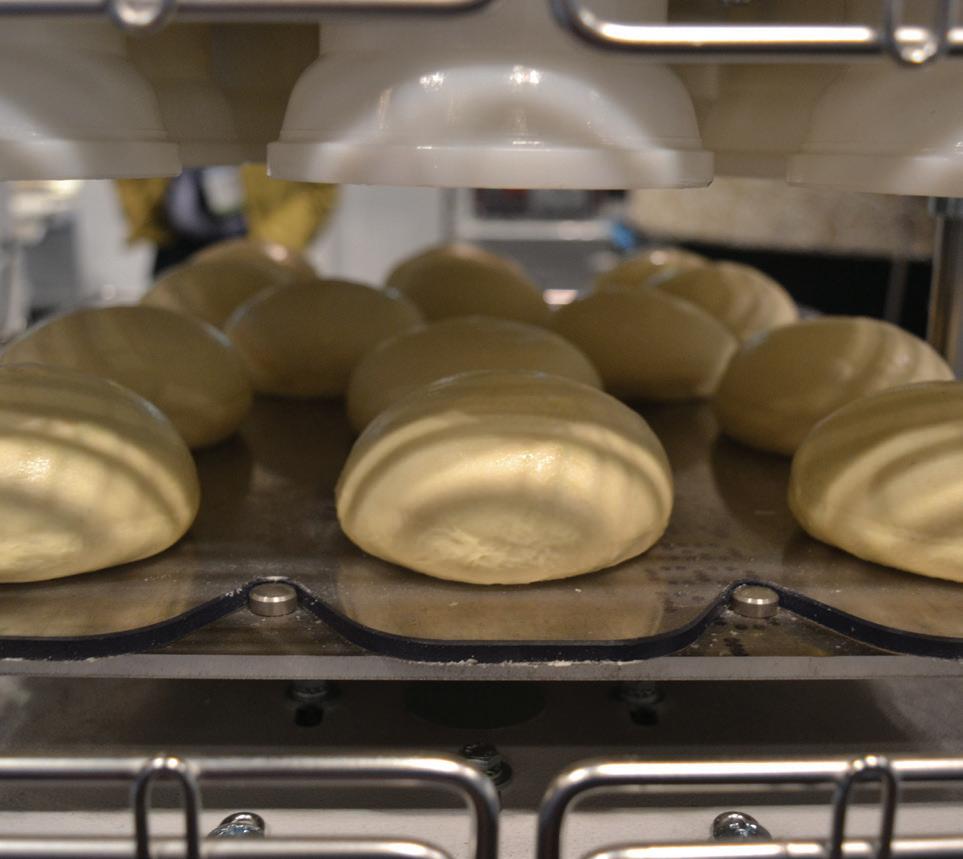
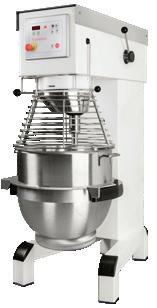
Across the early stages of production—mixing, dividing, rounding, and forming—operators are looking for tools that reduce strain while improving repeatability. Smaller independents may benefit from ergonomic improvements like removable bowls, while larger operations often look to removable or overturnable spiral mixers and dough-forming systems to keep batches moving.
“There is always tension between technology and craft,” Tsiakos says. “But the idea is not to replace people. We are lowering the skill level so any operator who is trained on the equipment can make a consistent, comparable pizza.”
That philosophy carries into baking as well. Univex’s Rotante oven blends a traditional dome format with digital controls designed to help operators manage heat and timing during busy service.
Behind the scenes, Univex has also invested in manufacturing improvements such as cobots and laser cutting. Repeatable components can run for hours with robotic assistance while skilled machinists focus on precision work.
“Those machines can run eight, ten, twelve hours straight,” Tsiakos says. “It means higher accuracy, better tolerances, and more consistency in the parts we are producing.”
These investments show up in practical ways: reliable equipment, steadier parts availability, and faster service support when something needs attention. After eight decades in foodservice manufacturing, Univex’s focus remains straightforward: help operators mix, handle, and bake pizza with greater consistency and fewer interruptions when the rush hits.
Learn more at univexcorp.com
PLANNING TO MARKET VS. A MARKETING PLAN
Every new pizza shop needs a comprehensive approach to getting its message, identity and brand out into the community. Here’s how to get started.
BY MICHAEL P. LaMARCA
YOU’VE COME UP WITH THE BEST PIZZA IN TOWN and are ready to get those cash registers ringing! You need to let the town know that you’re here and open for business. So how do you get the word out? You want to promote your new pizzas and offer some amazing deals. There are plenty of options to get your message out—social media, direct mailers, radio, TV and many more. You may have a plan to market, but what you really need is a marketing plan.
There is a huge difference between planning to market your pizzeria and having a marketing plan. Many pizza
shop owners believe that using marketing vehicles like social media and direct mailers to promote a limited-time offer qualifies as marketing. This is partially true, but it’s only one piece of the puzzle. We’re going to dive deep into what a marketing plan is and give you a great example of how to build one!
A marketing plan consists of much more than creating a limited-time offer and sending it out on social media or via direct mail. A marketing plan is a comprehensive approach to getting your message, identity and brand out on all levels. It consists of advertising, promotion,
THE CHEESE YOUR MENU DESERVES
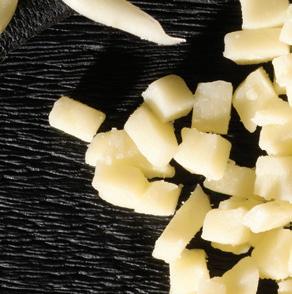
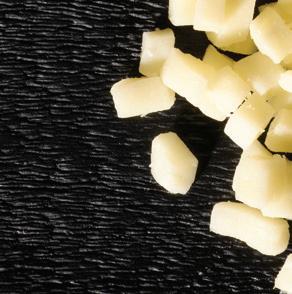
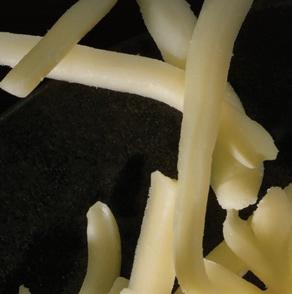
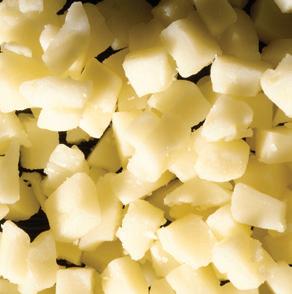
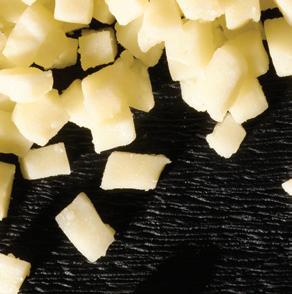
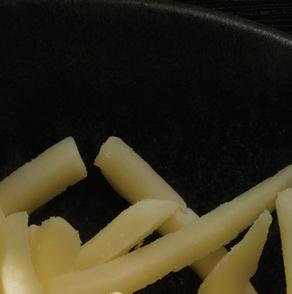
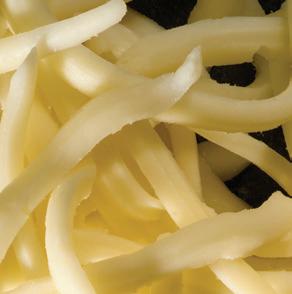
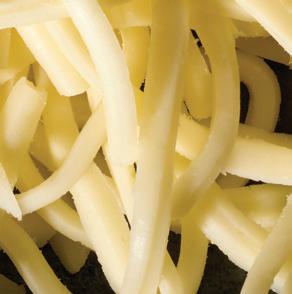
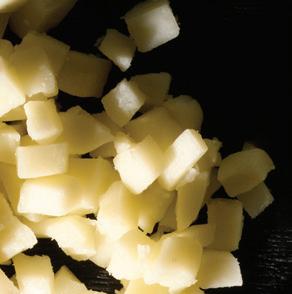
Saputo ® Premium Gold Mozzarella Cheese was created to meet the standards of operators who obsess over every detail. With rich, clean flavor, exceptional melt and stretch, and dependable performance from oven to plate, it delivers the consistency your kitchen demands and the quality your guests expect. Because when you care about every ingredient, only the gold standard will do.
[Advertising is] the first step in getting your name and likeness out in the public for all to see.
publicity, public relations and sales. Knowing the difference between and importance of each piece can propel your marketing ahead of all your competition.
Let’s say you’re opening your pizza shop and will be the new guy in town. You need a marketing plan to spread the word about the grand opening. You get only one shot to make a first impression. You will need to advertise, promote, get publicity, develop public relations and generate sales. Let’s take a look at what each piece of the marketing plan will look like under this new store opening scenario.
Advertising: This is the first step in getting your name and likeness out in the public for all to see. This will include all of the interior and exterior signage for your store, as well as your logo on napkins, cups and pizza boxes. This goes as far as setting up and securing your web domain/website and all social media handles/pages.
Promotion: Now that you have something to market, you need a vehicle to get out your messaging. These promotional vehicles include posting on social media, sending out direct mailers, radio and TV commercials, billboards and more. These promotional options are almost limitless and restricted only by your imagination.
Publicity: This is also known as earned media. Anything you do that is newsworthy can generate publicity. Your new store’s grand opening is 100% newsworthy, but the media will most likely not reach out to you directly. So you will need to reach out to your local TV stations, radio stations and newspapers with a press release that gives them all of the answers to the questions you want asked about your business. Send this out to every media outlet you can find to increase your chances of getting your story out there.
Public Relations: PR refers to your plan and effort to reach out to your community. A great way to initiate and develop good public relations is to join your local chamber of commerce and volunteer to help run events and fundraisers. There, you can meet other business owners and local leaders in your community. Reaching out to the local school district and providing pizzas for fundraisers
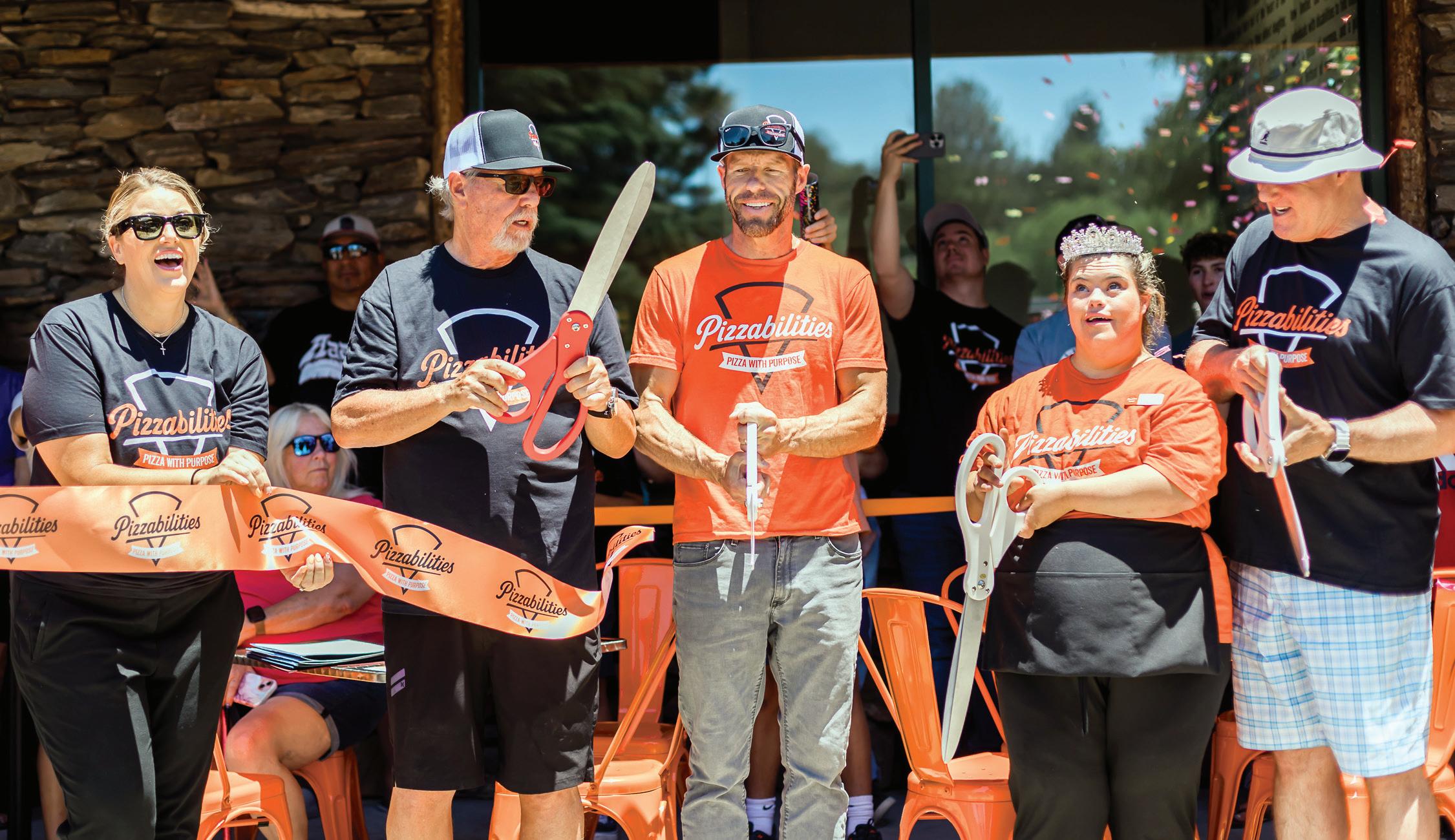
and even school lunches is another opportunity to become a visible part of your community. A great idea would be to invite all the members of the chamber, school board and mayor to your ribbon-cutting ceremony.
Sales: In this case, sales means directly telling your customers what amazing pizzas you have to offer and what makes your pizza shop better than anyone else’s. You need to convince potential customers that your shop is the right choice when they’re thinking about ordering a pizza. Sales opportunities are 24/7/365. As the owner of your store, you should always be selling and pushing out your product. One idea is to do something that we at Master Pizza call Local Store Marketing (or “LSMing”). This is where we literally walk into local businesses and drop off a few free pizzas to their crew. The idea is simply to let them sample our pizzas and make sure they think about us next time they place a group order for lunch.
As you run your business, every promotion will be maximized by having a marketing plan around it. Moving forward, go through this exercise with every idea you have to promote your business. The more you develop your plan, the further it will go, and your messaging will have far more continuity—and success.
Michael LaMarca is a veteran pizzeria owner/operator and owner/CEO of Master Pizza Franchise Group in Cleveland. To engage with him directly, follow him at @michaelplamarca on Instagram and Facebook.
BRIAN HERNANDEZ
Go-Getters The
Go-Getters
Born
from a father’s love for his daughter, Pizzabilities is proving that hiring people with special needs isn’t just a feel-good move.
It’s smart business.
AFTER GRADUATING FROM HIGH SCHOOL TWO YEARS AGO, Grace Baker couldn’t wait to prove herself in the working world. She had the drive, work ethic and people skills
BY RICK HYNUM PHOTOS COURTESY PIZZABILITIES
“A lot of people with special needs graduate from high school and that’s itthe system shuts down for them. After that, they’re often just sitting at home with nothing to do.”
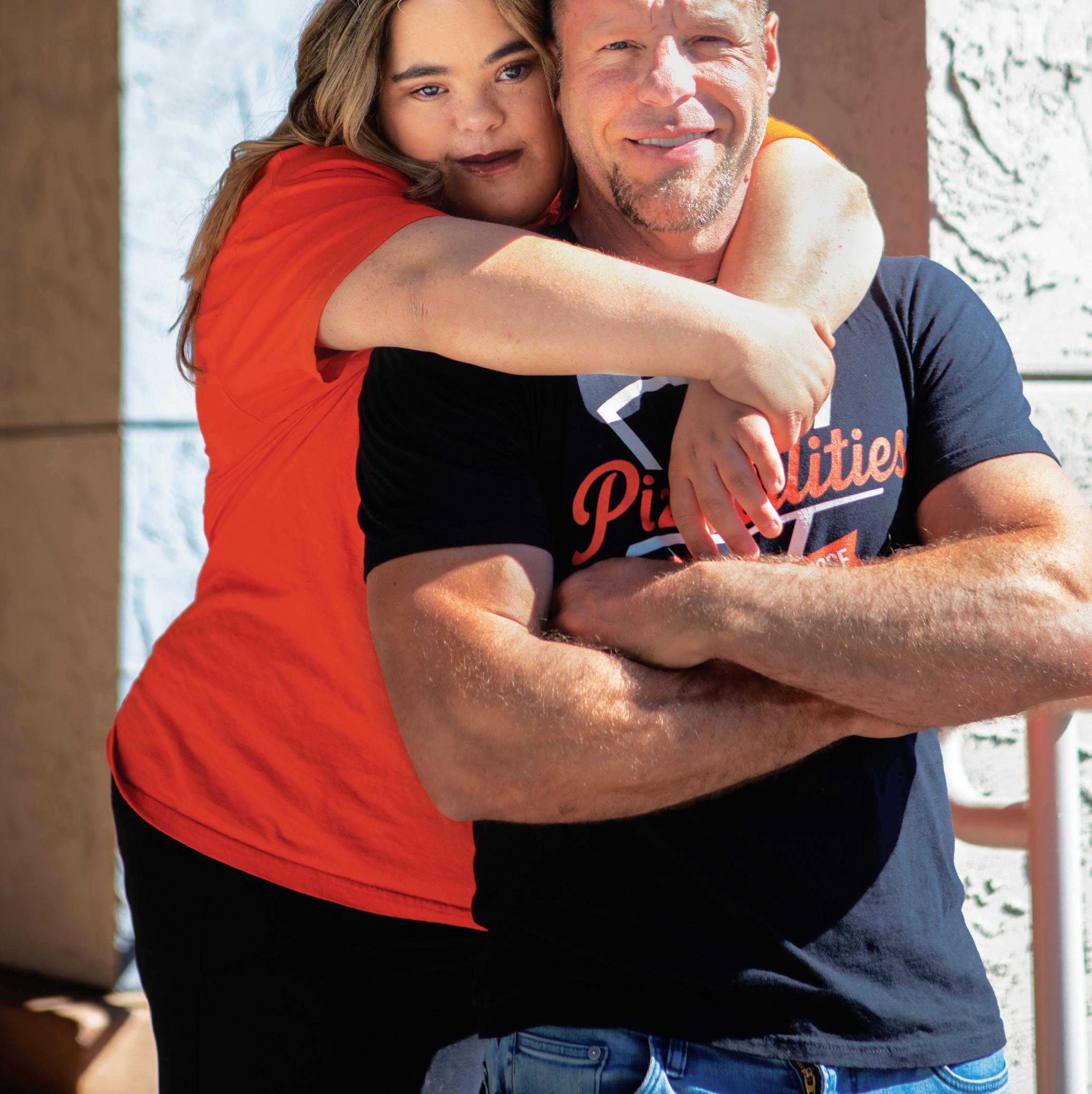
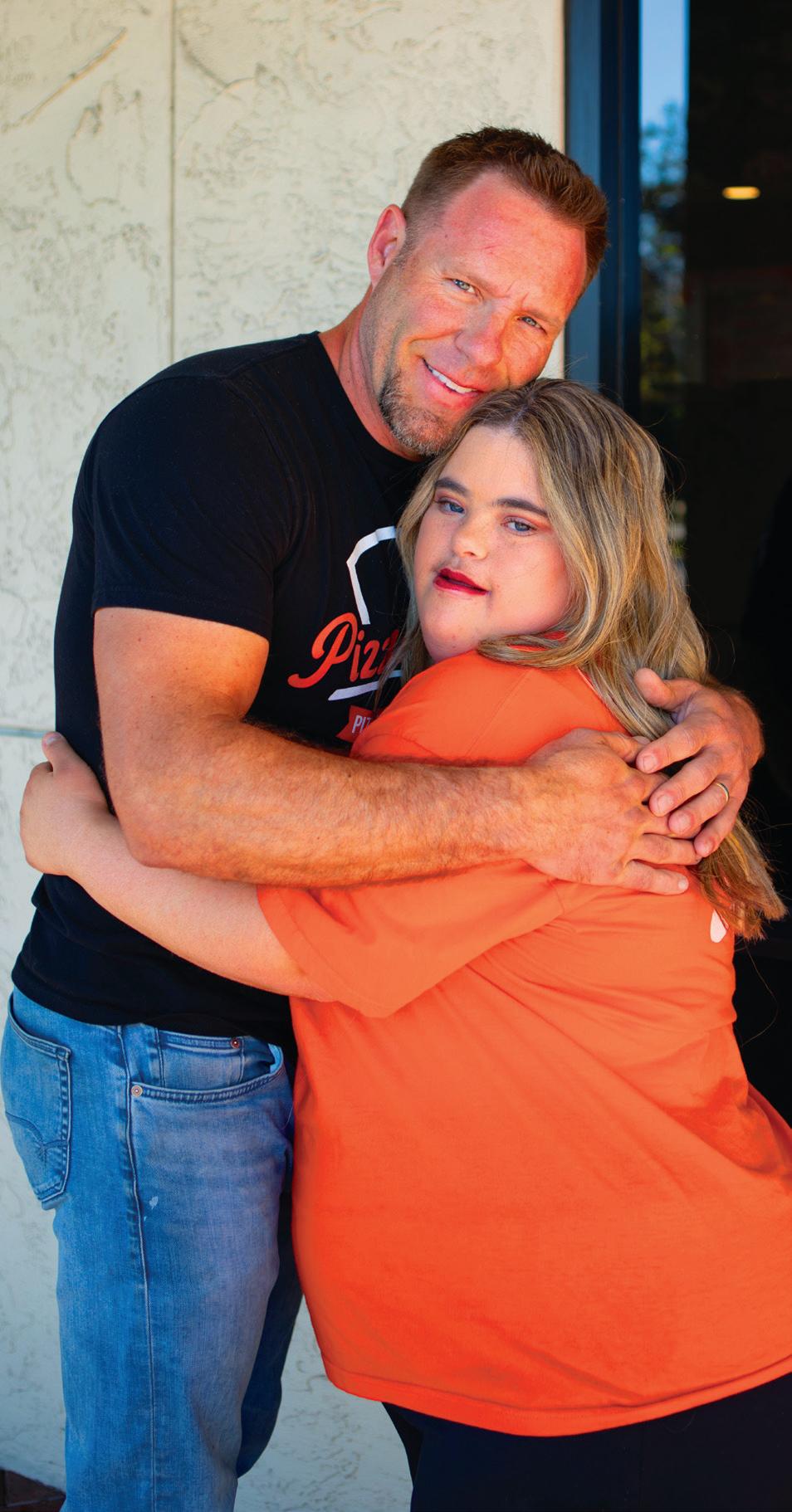
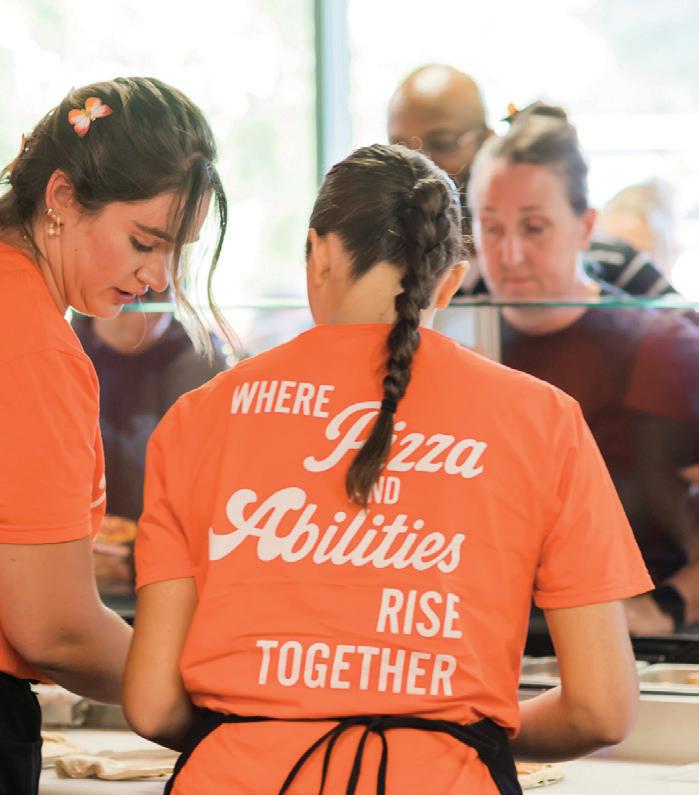
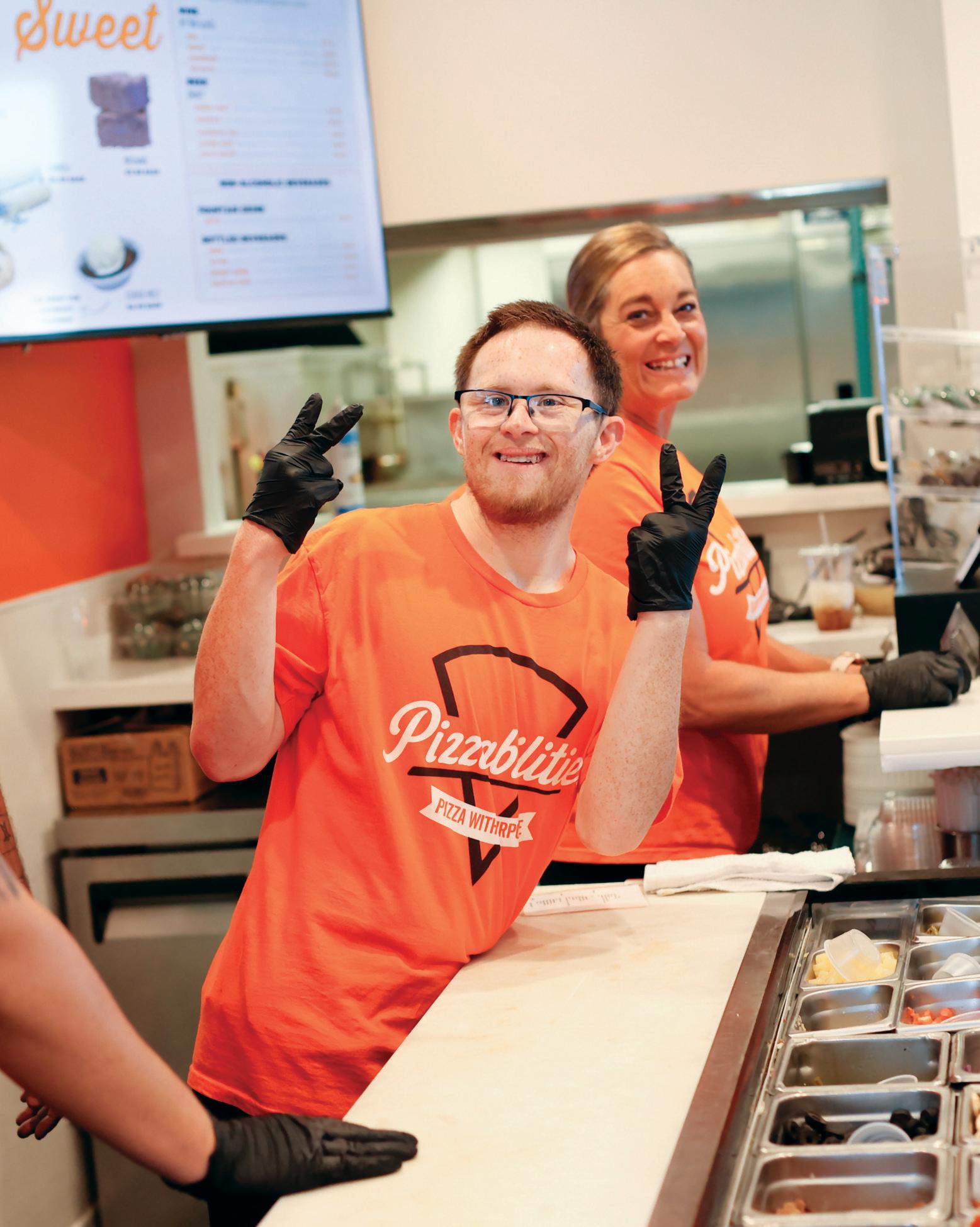
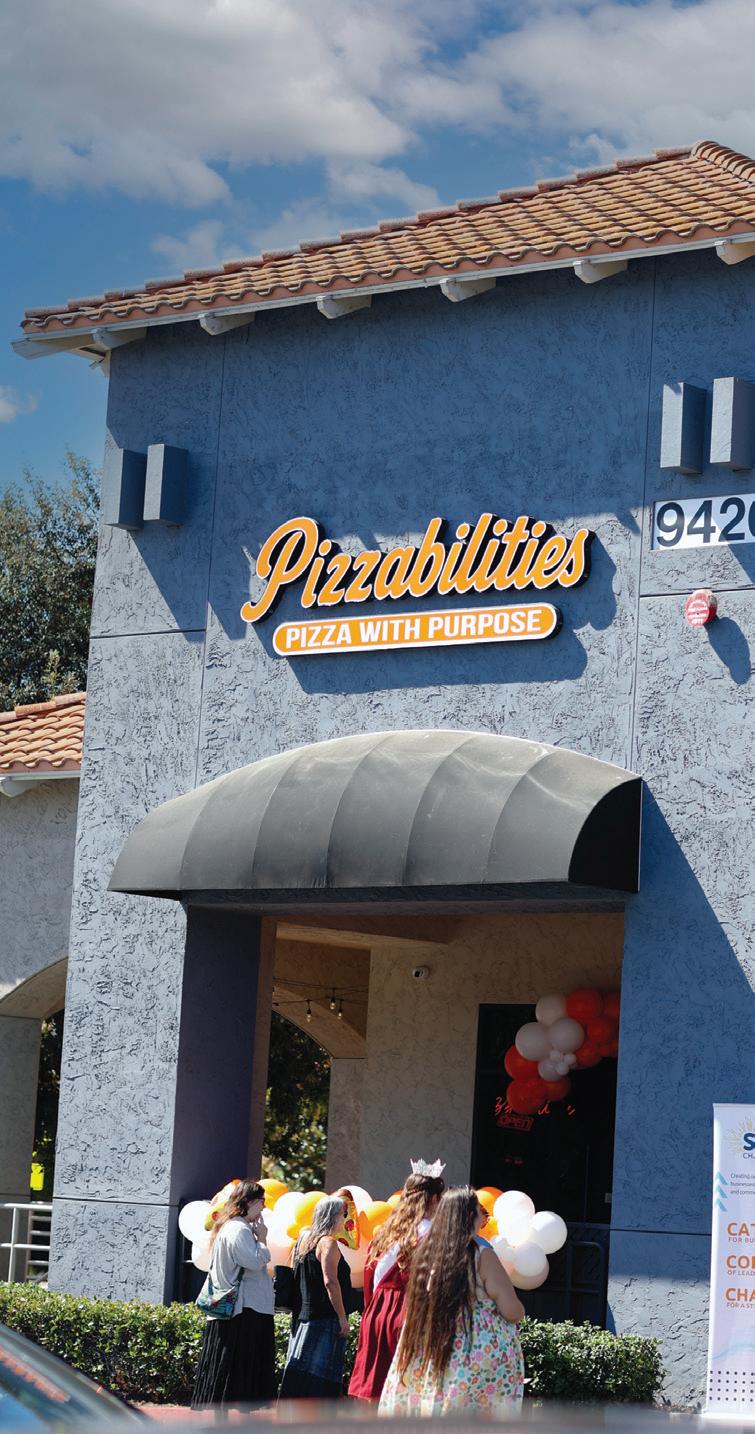
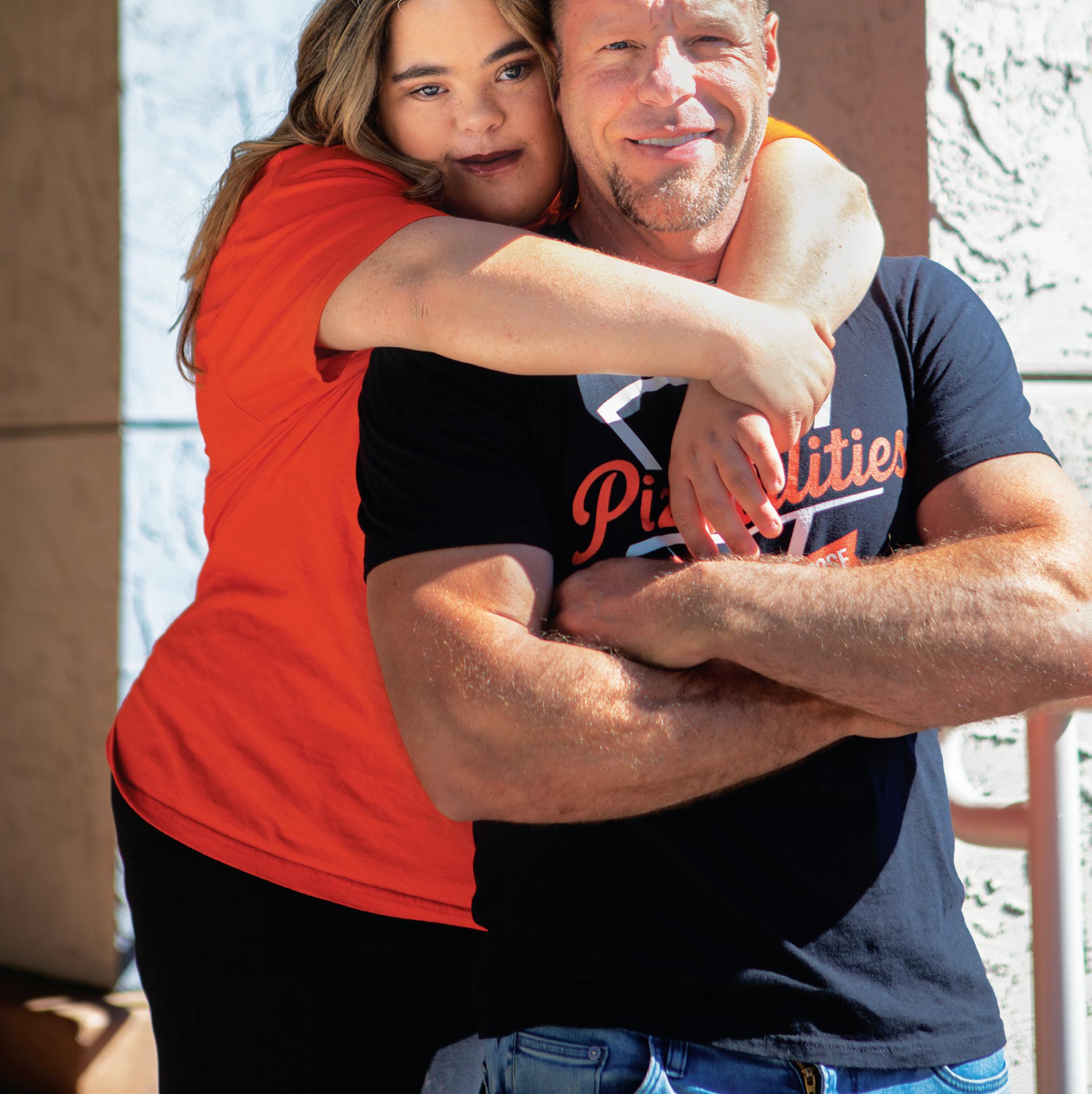
It’s a problem that shouldn’t exist. Just ask Grace’s father, Josh Baker. He knows exactly what his daughter—and others with special needs—are capable of. They demonstrate their value and work ethic every day at Pizzabilities, which debuted in Alpine, California, last July. About 60% of Pizzabilities’ team members have physical or mental challenges, and as co-founder of the fast-casual restaurant concept, Baker plans to hire a lot more of them.
That’s why he founded Pizzabilities in the first place. Well, it’s one reason, anyway. It’s also a business model with long, sturdy legs. In fact, just three months after the first Pizzabilities store opened in a former Pizza Hut location, Baker and partner Ron Burner, the former owner of Nicolosi’s Italian Restaurant in San Diego and a pizza
Josh Baker, Pizzabilities
industry veteran, opened a second location in Santee, California. That site previously housed a Nicolosi’s restaurant, so it was ready-made for Pizzabilities. A third location is set to open later this year in San Diego’s Miramar neighborhood.
And there’s one problem these stores will probably never have to worry about: finding workers. The Centers for Disease Control and Prevention estimates that more than 1 in 4 adult Americans—at least 70 million—have a disability. But only 22.7% of people with special needs were employed in 2024, according to the Bureau of Labor Statistics. Pizzabilities could change all that, especially if other pizzeria owners rethink long-held biases and follow the brand’s lead. Many people with special needs are go-getters, Baker says. “They want to work. At our Alpine location, we hired about 30
employees. And every day I still get emails—20 a day sometimes—from people with special needs asking if they can work here. They just want to be involved and to be part of something bigger. They want to show up.”
A People Person
Grace has always been a people person: She’s a greeter in her church and active in its children’s ministry. “She’s the heartbeat of our family,” her dad says. “Everybody loves her.” Unfortunately, he notes, “A lot of people with special needs graduate from high school and that’s it—the system shuts down for them. After that, they’re often just sitting at home with nothing to do.”
But not because they’re lazy. Grace had ambitions yet found herself bereft of opportunities. Baker recalls, “My wife and I kept
Polly-o mozzarella is the best part of the pizza
Developed specifically for New York style pizza, our new loaf is the perfect combination of quality and convenience. With a superior melt, stretch and browning, this formula is full of flavor with less residual oil.
CHEESE, Made in New York since 1899
email info@polly-o.com to request samples
asking, ‘Man, what are we going to do?’ Eventually, we said, ‘What if we build something ourselves?’ Our first thought was, ‘What does Grace actually want to do? What does she like to do?’ And she absolutely loves pizza. She could eat it for every single meal every day and never get tired of it. That’s when we started thinking, ‘Maybe we could start a pizza place.’”
So Baker reached out to Burner, his former high school baseball coach and longtime friend. “His family has been in the pizza business for more than 70 years,” Baker says. Burner had his heart set on retirement at the time, but he saw that Baker’s proposition made good sense. Even so, he gave Baker fair warning. “He said, ‘Are you sure you want to get into the restaurant
business? It’s not easy. You don’t really know what you’re getting into.’ But I told him, ‘This is for Grace. If we just break even and make a little money, that’s great.’ I just wanted something [meaningful] for her.”
The Ideal Business Model
For his part, Baker owns a large escrow business in San Diego. He was contemplating the prospect of early retirement himself before the idea for Pizzabilities took hold and
steered him in a different direction. Now he has his hands full again.
Pizzabilities’ Santee store is twice as large as the one in Alpine. Combined, they’re providing jobs for between 50 and 60 employees, the majority of whom have some kind of special need. The next store, Baker says, “will be our biggest one yet…. What started as something small for Grace just exploded.”
Pizzabilities’ fast-casual model is ideal for team members with
“[Special-needs employees] show up every day, every shift. They want to work. They’re not clock-watching. They’re not trying to leave early. They take pride in what they do.”
Josh Baker, Pizzabilities
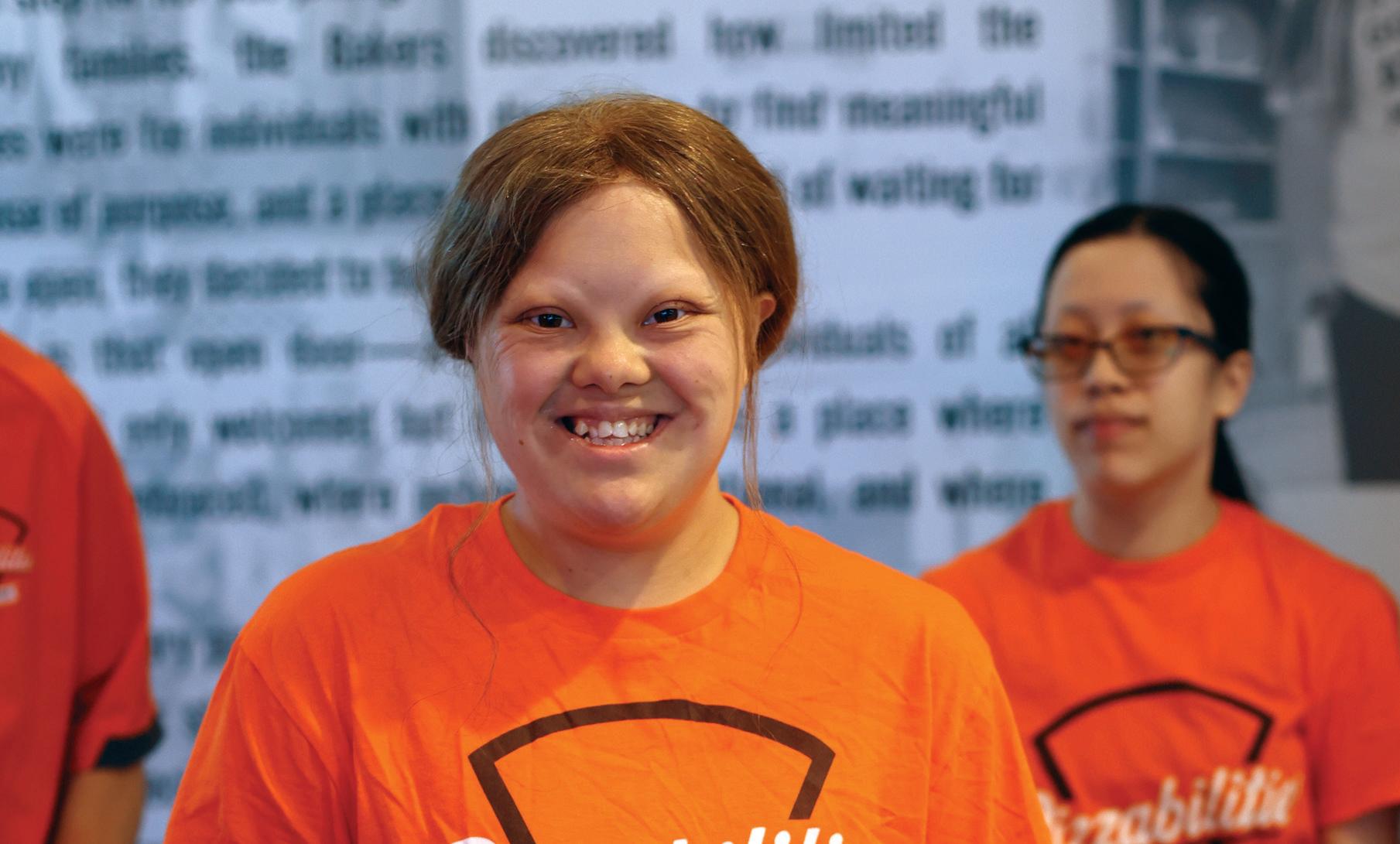
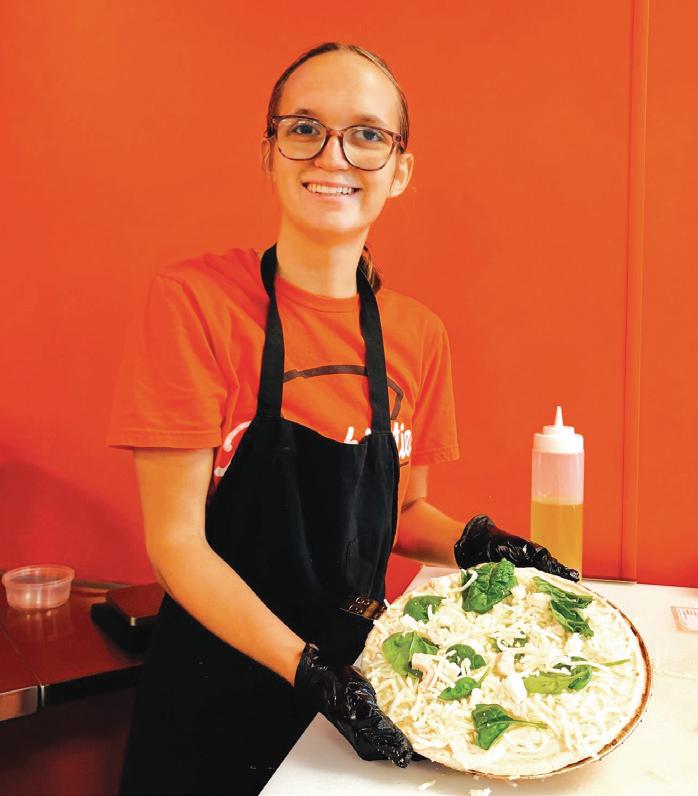
Grace Baker (above) inspired the Pizzabilities concept and has been one of its hardest workers, along with employees like pizza maker Kelly Lecker, who has become a social media star for the brand.
Kelly Lecker
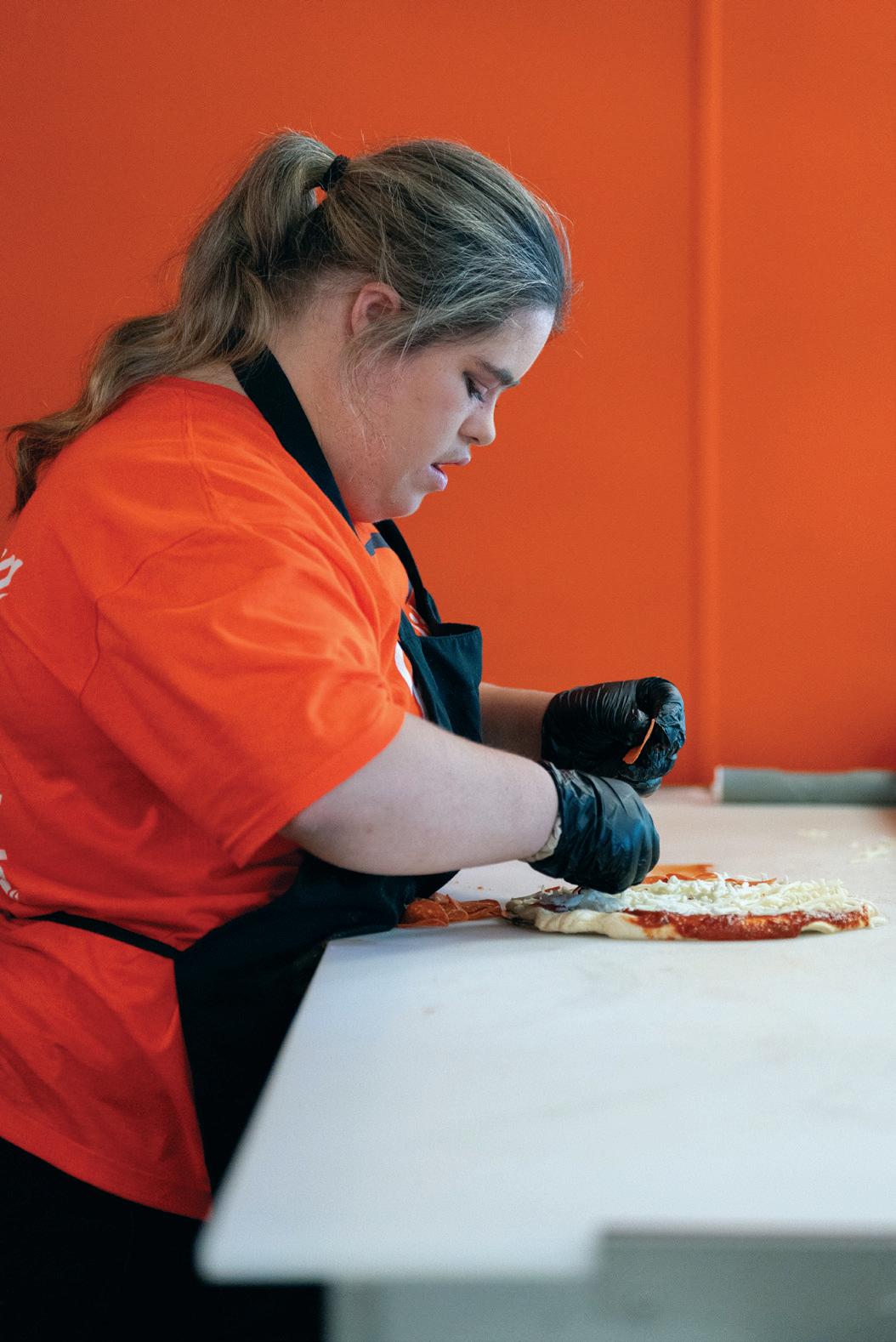
differing abilities. “If this was a full sit-down restaurant, it wouldn’t work,” Baker notes. “With fast casual, it’s an assembly line. One person presses the dough, the next adds toppings, the next adds cheese, then it goes to the cashier and into the oven. Anyone can be trained on any part of that line. We use conveyor ovens. There’s no wood-fired cooking or anything complicated. Once the pizza goes in, it comes out done. That takes a lot of guesswork and stress out of the process.”
Baker adds, “We don’t have anything on the menu that requires a chef or complex cooking. It’s pizza, salads, cookies—simple things. That’s intentional. It’s not because we can’t do more. It’s because we want this to be accessible for
All-Inclusive
“A lot of people talk about inclusion, but you don’t always see it play out in real life,” says Pizzabilities co-founder Josh Baker. “In our restaurants, you see it happening. Our employees who don’t have special needs have a heart for those who do.” Others, he says, “might come in a little unsure at first. They don’t know how to talk to or manage someone with special needs. But soon they realize they’re just like everyone else. If they need to do something in a specific way, just tell them and they’ll do it.”
Pizzabilities’ more technical or safety-sensitive roles, such as running the cash register and ovens, are handled by team members who don’t have special needs. But the keyword is “team,” he says. “We see real friendships form. They go out to lunch together on their days off. Someone without special needs will pick up a coworker with special needs. It’s not forced. It just happens. And that’s been one of the coolest things to watch.”
everyone. And everything we do is designed to be repeatable. That’s what makes it franchisable. A family like mine—one that might have the means to do something for their child but doesn’t know how—can actually do this with the right training and support.”
Rallying for the Cause
The Pizzabilities brand, with its warm, distinctive orange and black color palette, merchandise line (from shirts, caps and sneakers to tote bags and cooler bags) and fun, uplifting social media presence, is, indeed, tailor-made for franchising. It can be replicated in any town or city around the country, and reliable employees will never be hard to find. Better yet, as Baker has discovered, local schools,
”
“One of the biggest things for us has been school lunches,” he says. “We now do pizzas for multiple school districts every Friday. It’s “[Pizzabilities] gives
me an opportunity to work at a place that not only shows my disability but also my ability and what I can do versus what I can’’t do.
Kelly Lecker, Pizzabilities employee
colleges and universities will rally behind businesses that help the special-needs community.
been a great way to get our foot in the door with schools, because they want to support what we’re doing. They see the mission, and they want to be part of it.”
In fact, he points out, “The first school district actually came to us. We had donated backpacks filled with school supplies, and when they heard our story…there were tears in the room. They asked us, ‘Do you want to do lunches for us on Fridays?’ And that’s how it all started.”
School lunches alone now generate between $10,000 and $15,000 per month for Pizzabilities. Baker expects that dollar figure to grow as word of the concept spreads. San Diego State University has already enlisted Pizzabilities as a caterer for football, basketball and other athletic programs. Those orders can total $6,000 to $8,000 in a single night.
“People want to align with our mission,” Baker says. “Schools, churches, colleges—they like
“With fast casual, it’s an assembly line. Anyone can be trained on any part of that line. We want this to be accessible for everyone. And everything we do is designed to be repeatable.”
Josh Baker, Pizzabilities
supporting a local business that’s doing something meaningful. It makes them look good, but it also just feels good to be part of something like this.”
Go-Getters in Action
And how do special-needs employees feel about working at Pizzabilities? That’s the beauty of this concept: Baker says his team members are fired up to go into the restaurant every day—no one’s calling out with a hangover or something better to do with their time. They want to be there— because they often feel they have something to prove.
The paycheck is secondary. Their work is valued and useful, and that’s what motivates them. “They show up every day, every shift,” Baker says. “They want to work. They’re not clock-watching. They’re not trying to leave early. They take pride in what they do. They want to do a great job.”
As for Grace, the inspiration behind Pizzabilities? From the day the first location opened, the young go-getter was in her element. “Grace is super social and funny,” Baker says. “She loves people and loves to include people. She’s always right in the middle of everything. This job is perfect for her, because she gets
to be out there talking to customers and interacting with people….She wakes up in the morning excited to go to work. She’ll already have her uniform on, ready to go, even when it’s not time yet.
“Grace loves pressing pizzas,” Baker adds. “We use a pizza press, similar to Blaze or MOD Pizza. Customers order at the counter, choose their dough, and she presses it, lays it out on the tray, and sends it down the line. She loves making boxes, too. She’s one of the fastest box makers we have. She can sit back there for two hours making boxes and be perfectly happy. She loves bussing the tables, greeting the customers and seeing if they need anything else.”
Not Just a Feel-Good Story
In other words, Grace Baker is the ideal employee in many respects. So are team members like Kelly Lecker, a pizza maker and talented young artist with cerebral palsy who has emerged as a social media star for
Pizzabilities. A viral video featuring Kelly last summer garnered more than 845,000 views and 101,600 likes on TikTok. On Instagram, it pulled in 54,000 likes, 3,335 comments and 438 shares. “I’m most excited about working here,” Kelly explains in the video, “because it gives me an opportunity to work at a place that not only shows my disability but also my ability and what I can do versus what I can’t do.”
Kelly designed a Christmas sweatshirt for Pizzabilities last year and led a Valentine’s Day-
“We now do lunches for multiple school districts every Friday. They see the mission, and they want to be part of it.”
Josh Baker, Pizzabilities
themed painting class at the shop on February 2. She even has a pizza named after her—The Kelly, featuring spinach and feta, her favorite combo.
Baker sums it up: “I talk to other restaurant owners all the time who say they can’t find people to work. They finally hire someone, and that person doesn’t show up on the first day—or they work for a week and disappear. We have the opposite problem. I have people banging on the door asking for more hours or asking if they can work.”
And as the Pizzabilities concept takes off, it could spark a transformative movement that proves, at last, that people with special needs have a place in the restaurant industry. “I want to show this idea off and tell people there are a lot of advantages to it,” Baker says. “It’s not just a feel-good story. There’s a lot of business smarts to it.”
Rick Hynum is editor in chief of PMQ Pizza.
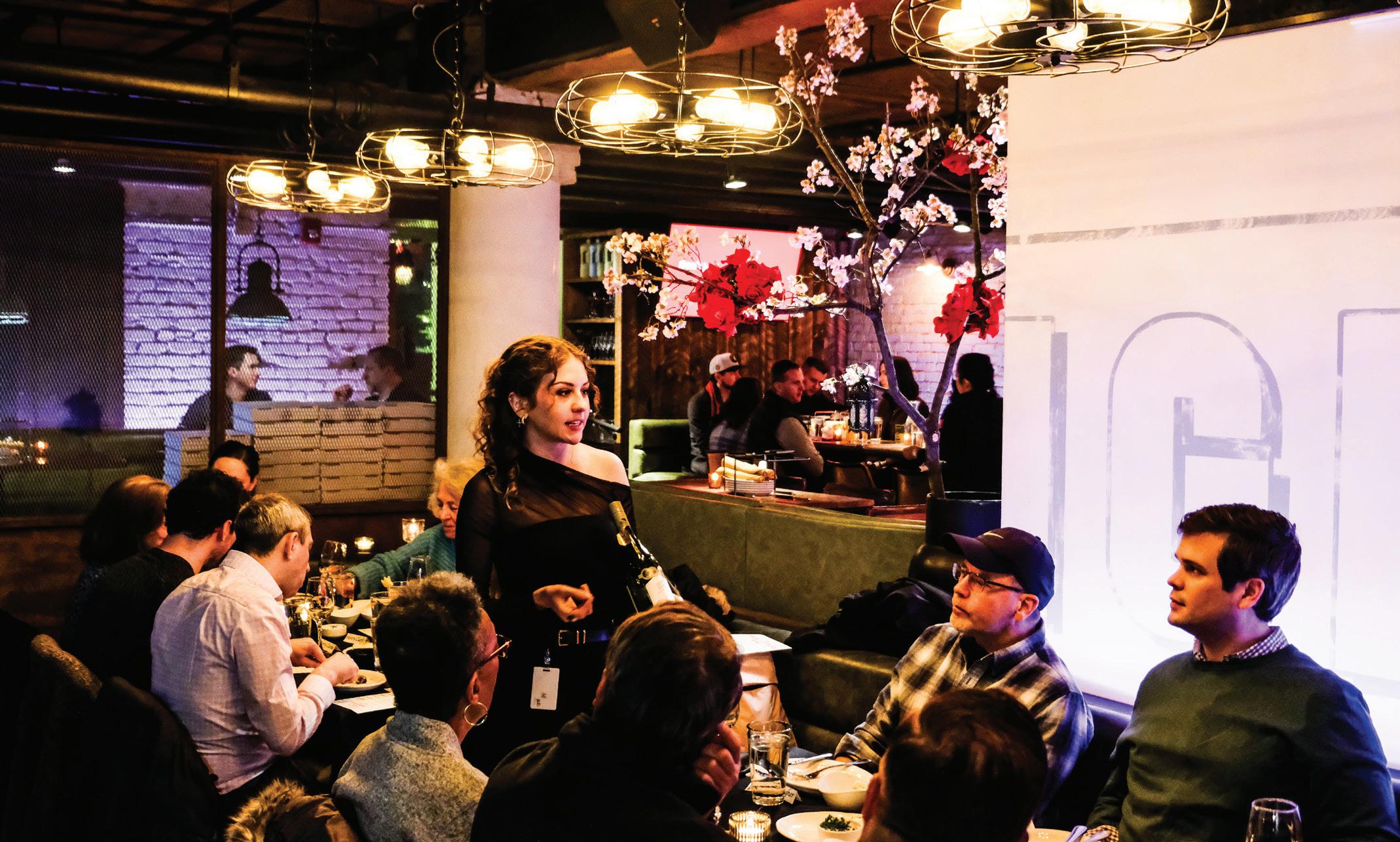
Robert’s Pizza fills seats during slow months, builds buzz and provides an unforgettable guest experience through ticketed events.
BY TRACY MORIN
PHOTOS COURTESY
ROBERT’S PIZZA AND DOUGH CO.
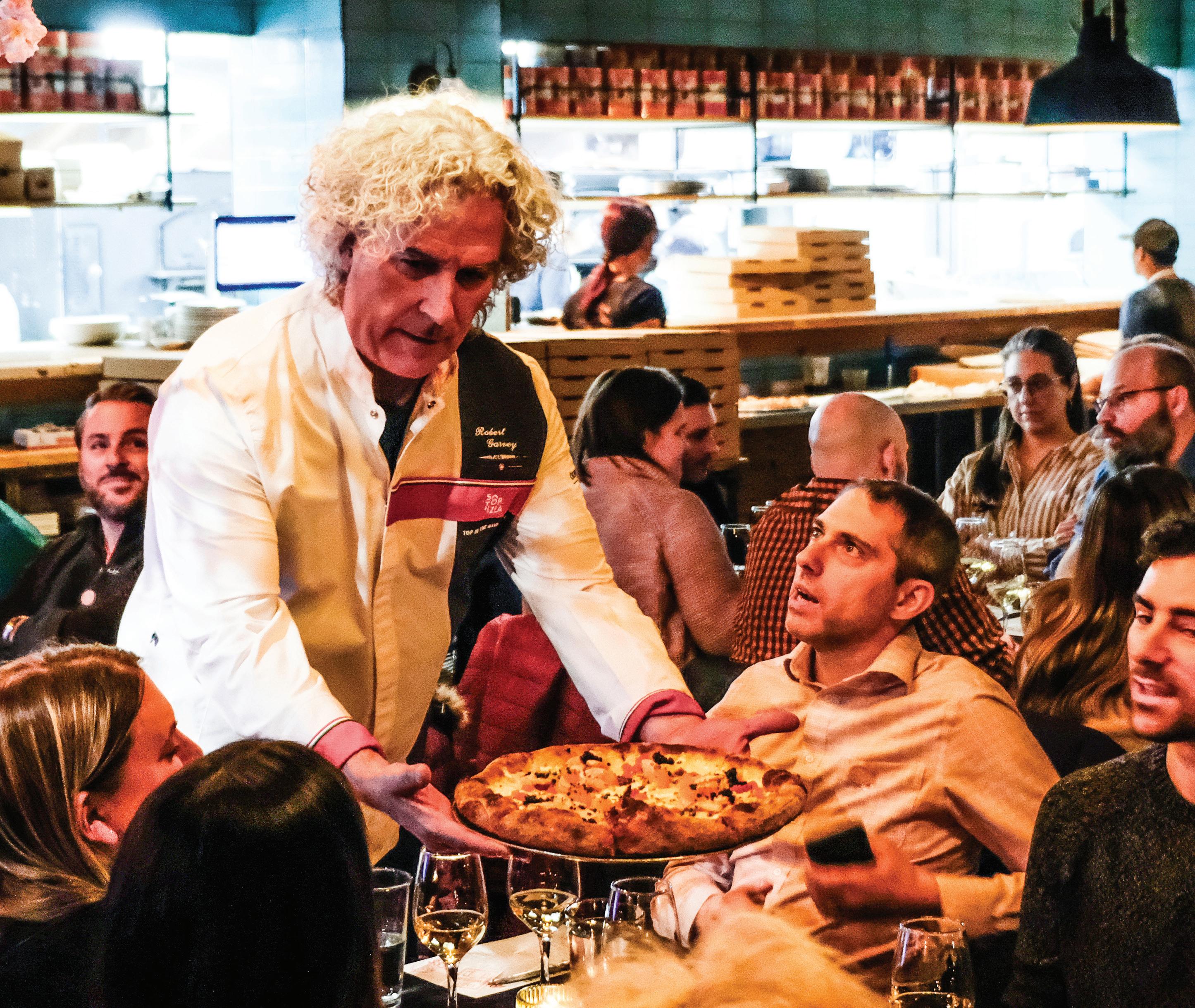
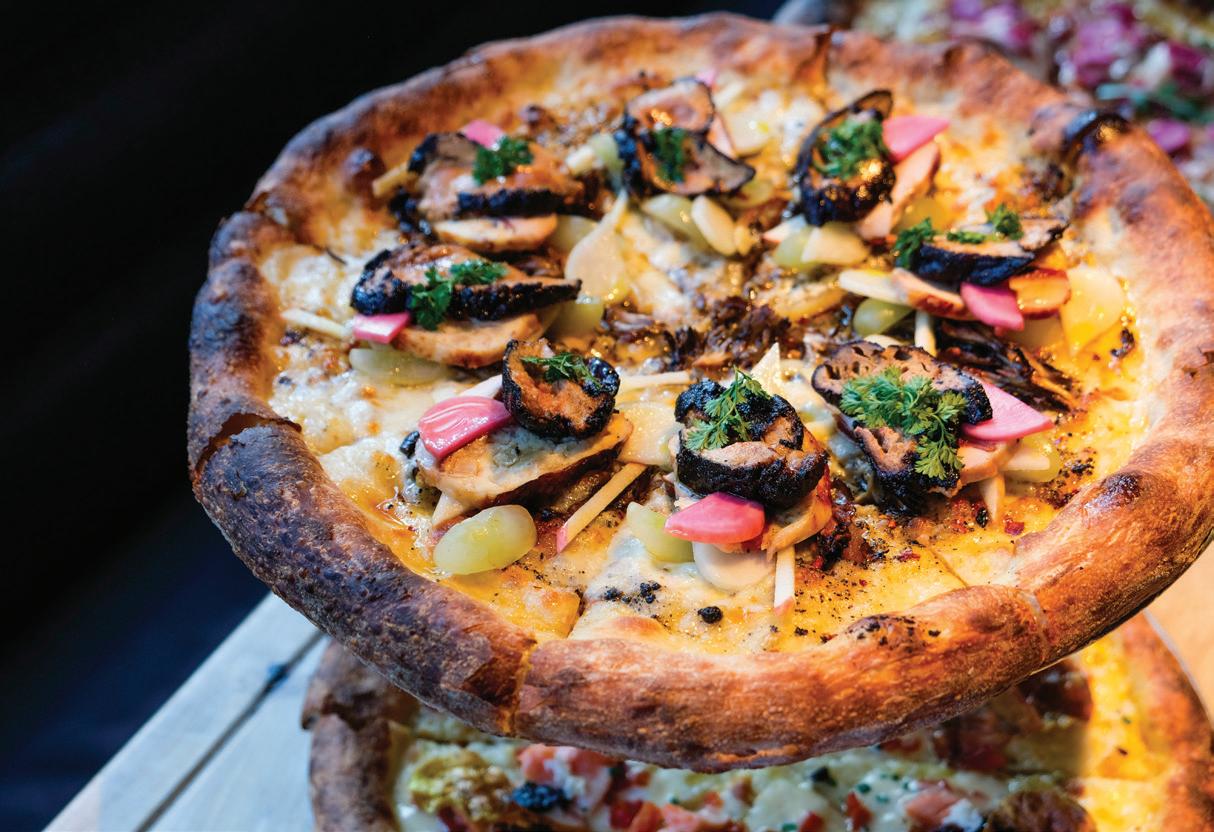
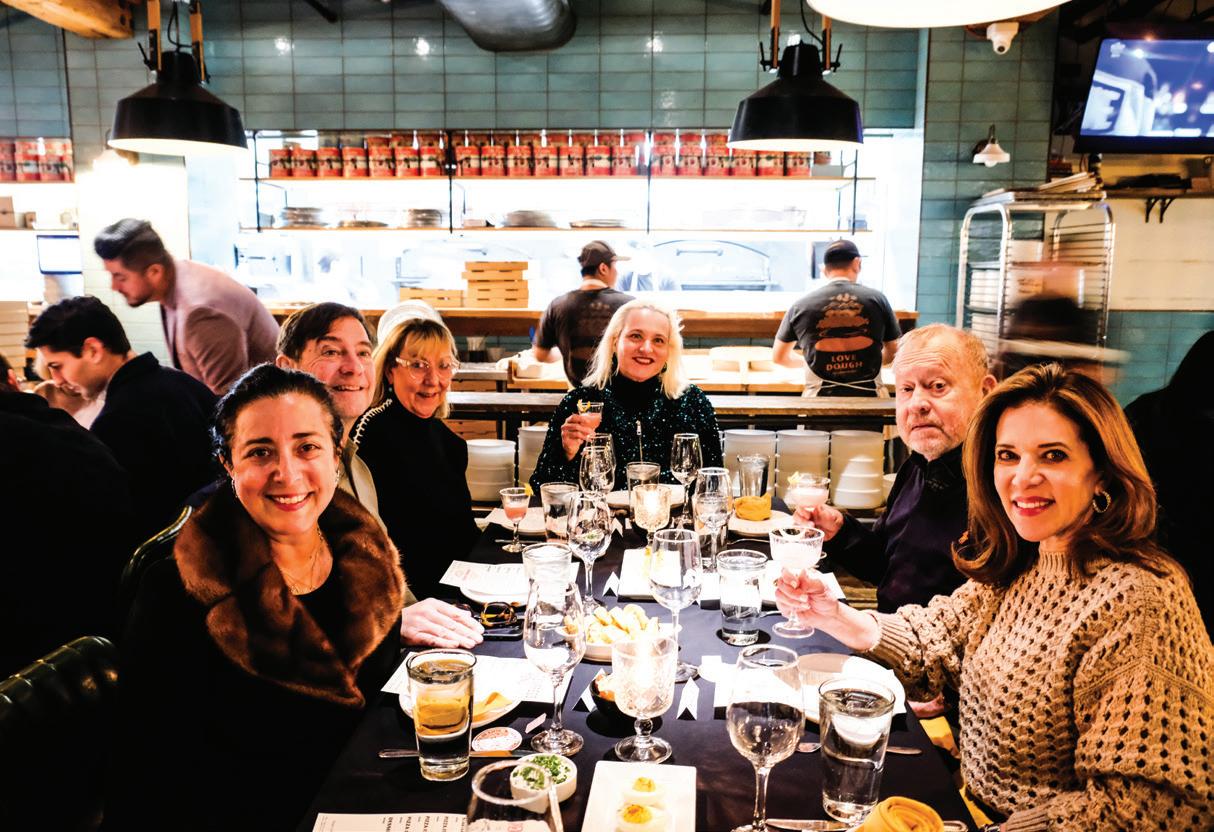
DANA HOKIN, CO-FOUNDER AND CEO of Robert’s Pizza and Dough Co., and her husband, Robert Garvey, know how to throw a party. But when it comes to planning their popular Dinner Series, it’s not just business—or business as usual.
“The inspiration for our dinners comes from something deeply personal,” Hokin says. “When Robert and I hosted dinners at home, we would serve what we called a ‘pizza flight’—a progression of pizzas moving from lighter to richer flavor profiles. That informal tradition ultimately evolved into our structured multicourse dinners.”
Hokin recently sat down with PMQ Pizza to discuss how they orchestrate the dinners at Robert’s Pizza and Dough Co.—and what makes these ticketed events such a smash success.
The Dinner
Dinner Party
PMQ: What was the inspiration behind your ticketed events, and how do you plan them for maximum sales and attendance?
Dana Hokin: Prepaid ticketed events are still relatively new for us, and we’re still figuring it out. We’ve always leaned into celebratory moments like the Super Bowl, Valentine’s Day, Mother’s Day and Cinco de Mayo with special restaurant-wide menus, but we hadn’t structured those as ticketed experiences.
For a smaller, formatted experience, our move into ticketed events began with the introduction of our Dinner Party Series. This one-seating format helps us differentiate it from regular service. From a marketing perspective, it helps to elevate the special nature of the dinner, and from an operational perspective helps us know how much prep is necessary. We generally pick a Thursday night. The event isn’t designed to sell out the restaurant—rather, it allows us to create a different experience within the restaurant while regular service continues.
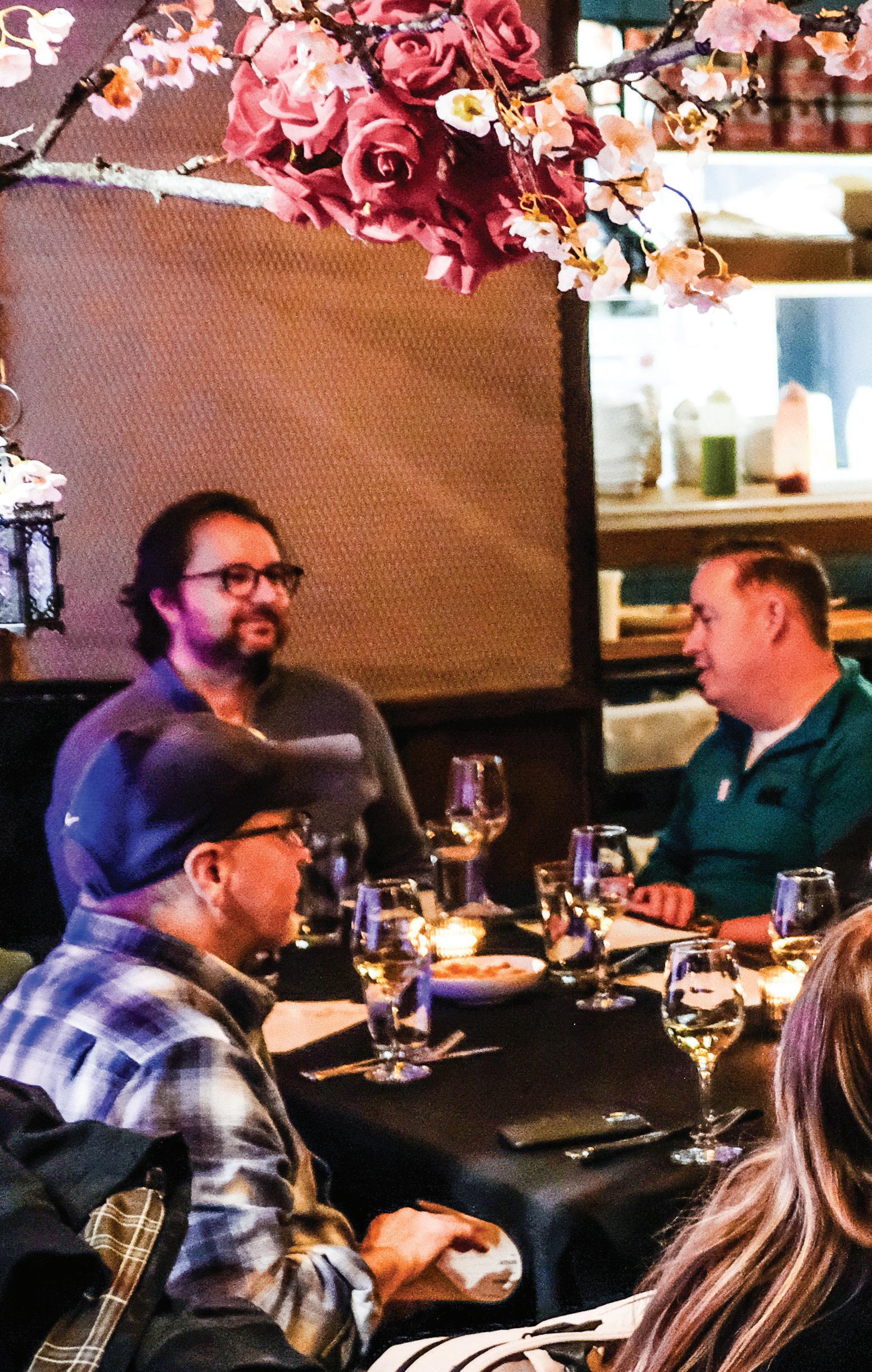
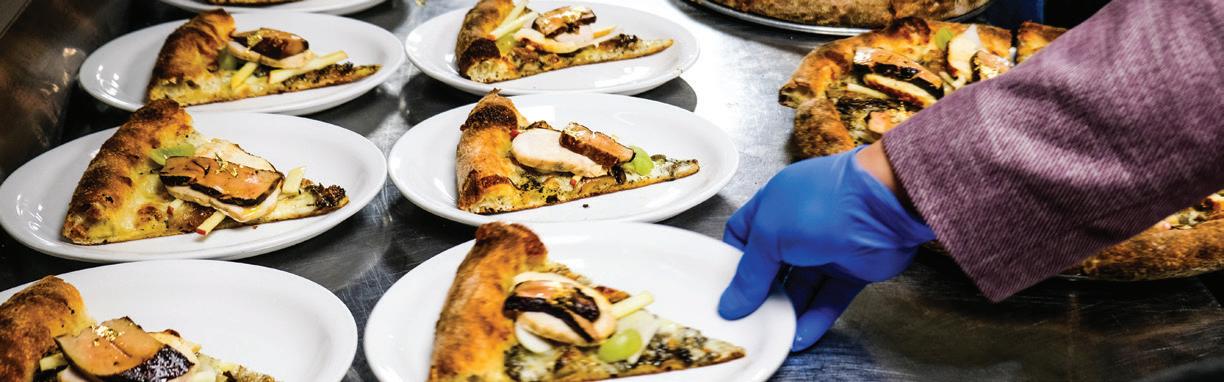
Dinners run from 20 to 40 seats max. They are set up as community tables, so it’s a curated five-course pizza dinner party designed to take guests on a culinary journey through pizza. Each dinner is theme-driven and features new pizzas paired with wine or spirits. We currently host three per year: December (Holiday), February (Lunar New Year) and April (Spring). We intentionally scheduled these during slower seasons— winter and early spring—which allows us to offer something unique during a quiet time and challenge our creativity.
These dinners directly support one of our core philosophies: Eating pizza is a journey. We’ve always believed pizza should unfold as an experience. The Dinner Series allows us to express that idea in a more structured, immersive way.
A great example was our Orient Express dinner, where the evening was designed around the romance and progression of travel. Rather than simply creating themed dishes, the courses unfolded like stops along a journey, from Paris to Istanbul. This structure shaped everything— pacing, flavors, pairings and guest expectations— transforming dinner into a fully realized experience.
PMQ: How do you approach choosing themes and then building menus appropriate to the theme?
Hokin: Theme development always begins with one guiding question: What story do we want to tell? Once the narrative is defined, the menu becomes an extension of that idea. The goal is a cohesive dinner, ensuring ingredients, courses and pairings feel connected and intentional.
For the Orient Express dinner, the concept of travel naturally dictated the progression. Lighter, more delicate flavors appeared early in the meal, while richer, more indulgent courses followed. This mirrors how we believe pizza should be enjoyed: as a thoughtful journey through flavors and textures. This philosophy also informs how we think about dough.
We often say we strive to “love dough responsibly,” meaning we respect its versatility and avoid treating
BRIGHT.BOLD. UNMISTAKABLE.
pizza as something static or one-dimensional. For example, we made dumplings and bao buns from the same dough for our Lunar New Year of the Fire Horse dinner this year.
PMQ: How can these events be used to boost slower periods of the year?
Hokin: Ticketed events give us the ability to create energy and drive business into a need period—in this case, our slower months. Instead of waiting for traffic, we create a reason for guests to visit.
Beyond revenue, these events act as creative incubators for our kitchen. They generate excitement for the team, strengthen guest relationships, and attract diners seeking something distinctive and experiential. We hope that our narrative-driven dinners can help reposition pizza in the guest’s mind—not simply as casual fare, but as a format capable of delivering a refined, multicourse experience.
“The event isn’t designed to sell out the restaurant—rather, it allows us to create a different experience within the restaurant while regular service continues.”
Dana Hokin, Robert’s Pizza and Dough Co.
PMQ: How far in advance does planning begin, and how do you approach that process?
Hokin: This is something we continue to refine. Ideally, menus would be conceptualized months in advance so you can start marketing to your guests early. Our goal is to eventually offer the Dinner Series as a subscriptionstyle program. We like the idea, during the depths of winter, to invite our guests to three different culinary experiences with pizza.
PMQ: How do you ensure staff buy-in and successful execution?
Hokin: Collaboration is essential. We involve our team early in the creative process—menu development, pairings and execution strategy—which builds both ownership and enthusiasm. Because these dinners differ from normal service, they often carry a celebratory, almost party-like energy. That excitement becomes part of the guest experience and contributes to the overall success of the event. It brings in new techniques and food and flavors that they get to work with, which is exciting.
PMQ: How do you price these ticketed events while managing food costs and guest expectations?
Hokin: Our margins are less on the dinner, because we want to create an experience, particularly for our regular guests. It keeps the restaurant exciting, helps further develop our culinary chops in the kitchen, and helps to inform and create special pizzas that we may put into rotation during the year. A $125 ticket includes multiple courses, curated pairings and highly composed dishes. When guests understand the scope and intention of the event, the value becomes clear. And since we limit the size of the event, it helps us manage costs—we don’t overprep.
PMQ: How do you promote these events to both new and existing customers?
Hokin: We use a multichannel strategy, including:
• Social media storytelling
• Email campaigns
• Website features
• In-restaurant materials
• Outreach to residential buildings
• Partnerships with hotel concierges
We also take advantage of OpenTable’s Experiences feature—customers can purchase a ticket and confirm their reservation. They can also call us directly.
Because these dinners are experiential by nature, visual identity plays a major role in our promotion. We intentionally created a distinct look and feel for the event collateral, including check presenters, postcards and menu formats.
“TICKETED” DOESN’T HAVE TO MEAN “EXPENSIVE”
If you’re looking for lower-commitment ways into ticketed events, take notes from other independent restaurants—even if they’re not pizzerias.
Senthil Babu, owner of Charcoal N Chill in Alpharetta, Georgia, recently ran a wildly successful ticketed Sing-Along Jam Session at his business. He explains the concept, execution and results:
We sold tickets at $25 per person, with $20 going toward their dining tab for the night. So, for the guest, it felt like they were paying just $5 to get in (or eating on the house with the price of the ticket). For us, we guaranteed a minimum spend per head before anyone walked through the door. We loaded up on our best sellers, Chicken 65 and Lamb Chops, and had almost zero waste at the end of the night.
The energy in the room was unreal. People were singing, the staff was into it, and the whole place had this electricity. We captured a ton of video content, and the Instagram response blew up. We started getting 5-star Google reviews from people who came specifically for the event, and we’ve
While the designs draw from our existing brand elements, we developed a cohesive look and feel that gives the Dinner Series its own identity. This helps signal to guests that these events are something different from regular service—more immersive, more curated and more experience-driven.
For us, ticketed events are ultimately about more than (selling) tickets—they are expressions of our identity. They allow us to celebrate pizza as a dynamic and evolving experience. Whether through multicourse storytelling, reinterpretations of global flavors or creative uses of dough, these dinners embody our belief that pizza is a journey—and dough is the vehicle that makes that journey possible.
Tracy Morin is PMQ’s associate editor.
had a wave of DMs asking when the next one is.
The biggest lesson was that “ticketed” doesn’t have to mean “expensive” or “exclusive.” When you build the dining credit into the ticket price, people feel like they’re getting a deal, not paying a cover charge. And, on the operations side, knowing your head count hours in advance makes staffing, prep and flow so much easier to manage. Normally, on a busy Friday, you’re guessing. This time, we knew, and the kitchen ran smoother than it has in months.
We’re now planning these monthly. The soldout status from the first one is already driving faster ticket sales for the next date. We run these on Fridays to ride the natural weekend energy. We’re open until 2 a.m., so the event kicks things off early, and the momentum carries through the whole night. Our staff actually looks forward to these shifts now, because a packed house of happy people singing and eating makes work feel completely different. The event exceeded everything we expected!
It’s no exaggeration to say AI is reshaping the pizza business. Here, the forward-thinking leader of a legacy brand explains what it can do well right now—and where it’s still lacking.
BY BILLY MARINO
THE USE OF AI IN THE RESTAURANT INDUSTRY has grown exponentially over the last two years. Initially, AI was limited to simple applications, like auto-correct, auto-fill and GPS software. However, recent advancements, particularly over the past year and a half, have led to a significant increase in the availability and use of AI tools, such as ChatGPT and Grok. AI has now integrated itself into various disciplines, including graphics, marketing, writing, editing and analytics, drastically reducing the time and effort required for tasks that once consumed many hours of human labor.
But how can it help us in the pizza restaurant industry?
AI has advanced to the point where it can create images and videos based on user descriptions, further enhancing productivity in creative tasks.
ADOBE
The Basics: How AI Can Help You
Drafting emails or budget documents can now be accomplished in a fraction of the time. By simply inputting necessary information into AI systems like ChatGPT, users can generate comprehensive documents in minutes. While the technology still has its imperfections, the time savings associated with allowing AI to produce preliminary drafts or even complete work is substantial.
In the last year or so, I have seen AI assistants rolled out into most of the software we use every day, from Microsoft Word to Excel, plus others. Voice dictation is integrated into almost all applications now. Have you ever received a wordy text from a friend and wonder why they created such a long response? Most likely it’s because they are using talk-to-text features powered by AI.
In recent months, AI has advanced so much that certain software and marketing apps will draft an entire memo, email or series of emails when you simply give them a prompt. My niece just graduated high school, and she says the teachers are on the lookout for AI-written essays and assignments. However, she also laughed and said they caught the teacher using ChatGPT as well. Safe to say, it’s here to stay—and it’s only going to get bigger.
Using AI for Graphics and Marketing
Thirty years ago, when I joined the Army, there was a job called “multimedia illustrator.” My brother joined as one—this was a trained technician/soldier who used graphic arts to make maps, posters and other required documents. It was such a specialized field that it was deemed a trained MOS (Military Occupational Specialty).
Fast-forward to 2026, and I would argue that the tasks assigned to a skilled graphic artist back then can be handled in seconds on various apps, freeware and integrations in common software today. Graphic design software, such as Adobe Illustrator and Canva, have incorporated AI functionalities, enabling users to effortlessly upload ideas, receive edits and generate new concepts.
AI has even advanced to the point where it can create images and videos based on user descriptions, further enhancing productivity in creative tasks. Adobe Photoshop, Canva and Picsart are just a few examples of software that can now create images and videos, along with a laundry list of editing tools. You can see these features popping up all over the place in free apps, add-ons to existing software, and free tools included on smartphones. In fact, choosing which ones to download or use can be overwhelming.
STOCK/HIKMET - AI GENERATED
At Leona’s Pizzeria, we use a combination of apps— such as Canva, CapCut, Picsart and Adobe—to create much of our content. The apps have gotten so smart, they can edit or convert content in seconds based on simple prompts. Most require some human editing, as mistakes can happen (AI is still evolving), but we have seen a marked improvement from just a year ago. I can only imagine how good these tools will be in the next year.
Using AI for Business Analytics
AI’s capabilities extend beyond creative applications; they also encompass labor-intensive data analysis. Marketing programs, such as Constant Contact and HubSpot, utilize AI to automate comprehensive email campaigns for restaurants, effectively creating road maps for marketing strategies. This allows restaurant owners to simply review and make minor adjustments, streamlining the process and further saving time. AI has also been integrated into point-of-sale (POS) systems, which can analyze extensive data from multiple years, identifying sales trends and customer behavior to help optimize operations.
Agent AI
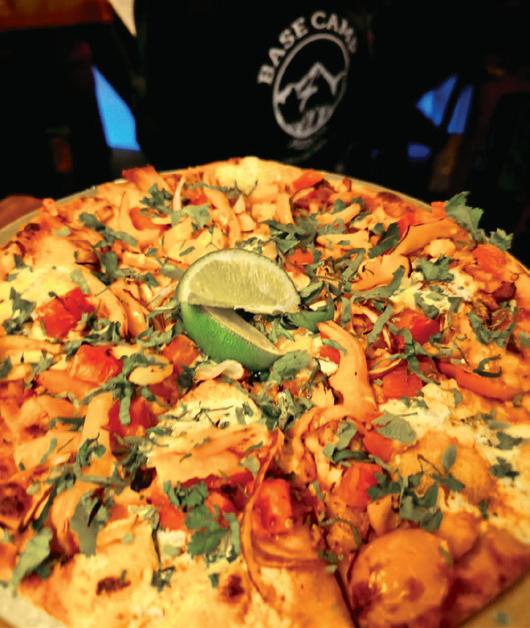
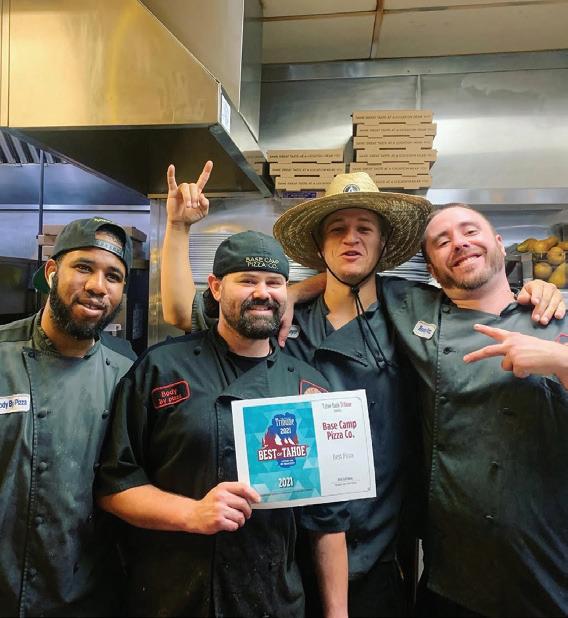
Although voice-ordering AI has its detractors, some pizza chains and independents are reporting success with this fast-rising technology. Take “Gina,” an AI agent now fielding calls at Base Camp Pizza Co. in South Lake Tahoe, California. Ray Villaman, owner of Tahoe Restaurant Group—Base Camp’s parent company—says his employees were letting the phones “just ring and ring” on busy nights, preferring to focus on the dine-in guests lined up out the door. Last fall Base Camp introduced “Gina” to customers who call in their orders. The initial result: More phone orders are getting through, and Villaman quickly saw a 25% to 30% uptick in large party reservations.
Donatos Pizza, headquartered in Columbus, last September announced that its new voice-ordering AI system—which rolled out from April through June 2025—had handled more than 301,000 calls through August of that year. Donatos reported 99.9% order accuracy; 71% order conversion, up from a prior benchmark of 58%; and 4,840 labor hours reallocated in August 2026 alone. Donatos president Kevin King has said the AI rollout “met our expectations on both customer experience and revenue.”
Our POS provider has launched an AI-based data analysis tool that helps restaurants quickly find trends and efficiencies in their menu, sales data and customer data. Shortly before I wrote this article, the new tool gave me a year-end analysis of all our locations. It was very helpful—and very interesting.
Recently, we have also started leveraging AI in our online ordering system. After using three different online ordering platforms over the last five years, we just kept falling short on the most important metrics: ease of ordering, speed of checkout and customer retention. Since third-party apps are the 800-pound gorillas in the online ordering world, you simply must be on top of your game to compete with them and retain organic traffic.
In my pizzerias, we have embraced these AI technologies in various aspects of our business. We leverage AI for marketing, graphic design, email communication and sales data analysis. By incorporating insights from customer data and sales patterns, we can plan more effectively for the future. Looking ahead, it seems likely that AI will continue to advance, potentially leading to entire sections of restaurant
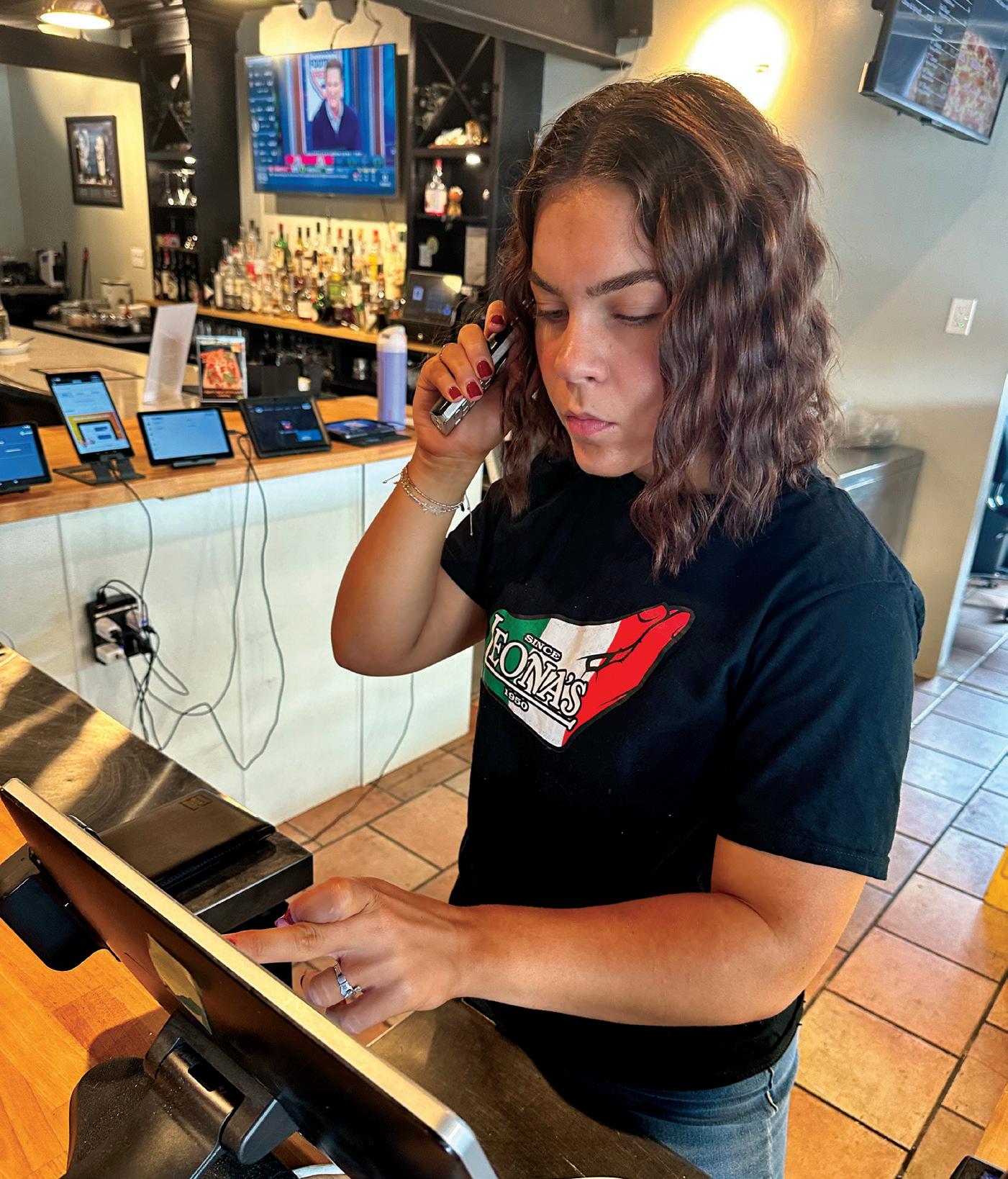
At Leona’s, we tested an AI phone order system recently, and what we found was, people who order on the phone want to speak to a human.
operations becoming AI-driven. Failing to embrace this technological shift could mean your pizzeria falls behind in a competitive environment.
AI Automation
Finally, one more area where AI is making an impact is in order taking. AI technology is increasingly being implemented in drive-thru menus and ordering screens, assisting customers with upselling and decision making. Additionally, AI agents can take orders and book reservations without human involvement. There are several companies offering this capability using AI technology. Some are just reservation booking systems, while others can field phone orders with AI agents (basically, bots).
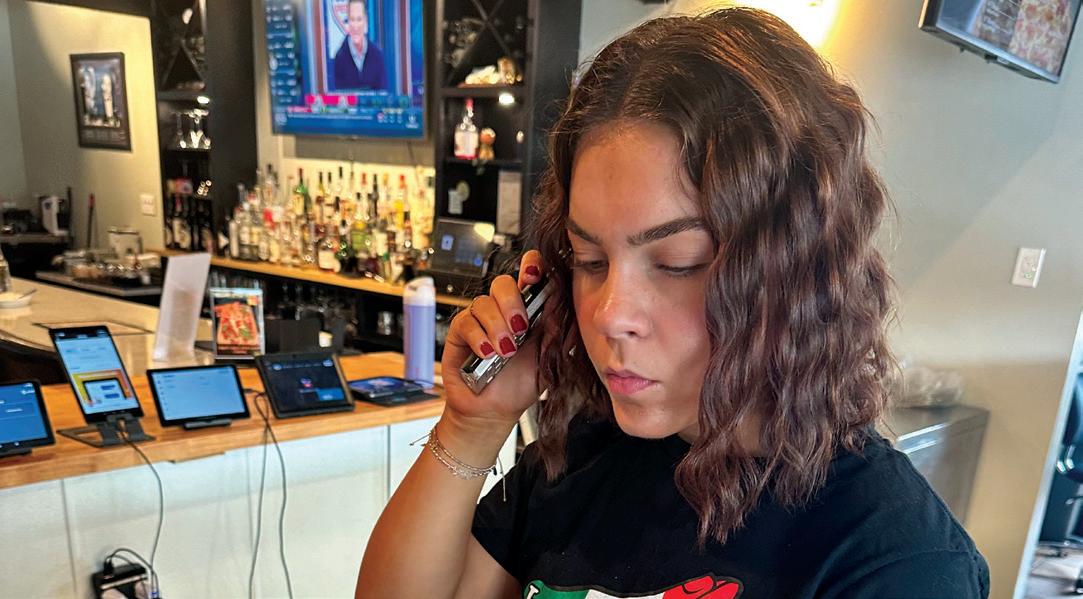
People are getting wise to the AI-driven phone trend. At Leona’s, we tested an AI phone order system recently, and what we found was, people who order on the phone want to speak to a human. There’s a reluctance among consumers to engage fully with AI systems for order placement, resulting in most customers attempting to bypass AI interfaces to reach a human operator. The AI was useful for simple question answering and lead gathering. However, when it came to order conversions, they immediately attempted to get to a human or live person.
While many people now prefer ordering through online or mobile platforms, those who still call in typically expect to speak with a human. This traditional preference remains strong, and we risk losing sales if customers become frustrated with AI interactions. The AI systems might work with utility or financial companies, where the customers have no choice, but it could result lost sales in the pizza world, where the choices are many. Customers have a short attention span—they won’t always fiddle around with a bot to order that special pizza; they may ring up your competitor instead.
Don’t get left behind. Start learning to use AI for your marketing, content creation, analytics and order taking. However, it remains clear that even as technology evolves, the human touch continues to hold significant value.
Billy Marino, an entrepreneur with more than 30 years of operational and executive experience, is the owner of the 75-year-old Leona’s Pizzeria brand, which has four locations in Chicago. He uses his diverse background in construction, real estate, logistics and international trade to drive innovation in the pizza industry. He has also contributed to the creation of frozen pizza concepts for emerging global markets.
BILLY MARINO
Technology shouldn’t be your messiest ingredient.
From the POS system to online ordering, marketing, and loyalty, get a solution that fits your growing pizza brand’s needs.
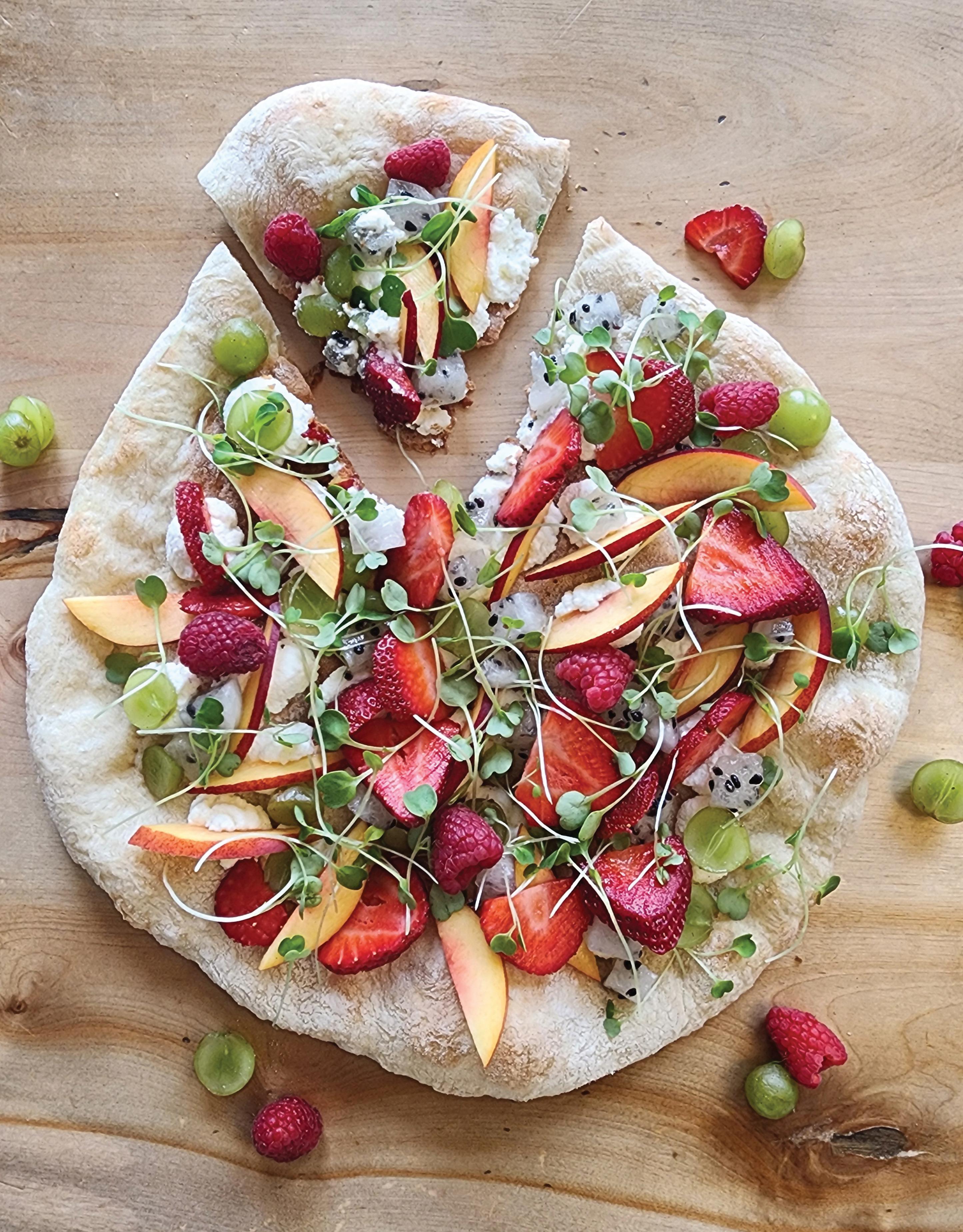
With an intentional approach, fruit flourishes as a pizza topping—adding unforgettable flavor and eye appeal far beyond just dessert pies.
BY TRACY MORIN
FRUIT FORWARD
PERHAPS IT’S STRANGE THAT FRUIT TOPPINGS can still be such a contentious topic in the pizza world. After all, one of pizza’s go-to components— tomato sauce—is fruit-based. But even as debates continue to rage about whether certain fruits “belong” on pizza (we’re looking at you, pineapple), adventurous pizzaioli are confidently striding forward with fruit-forward pies.
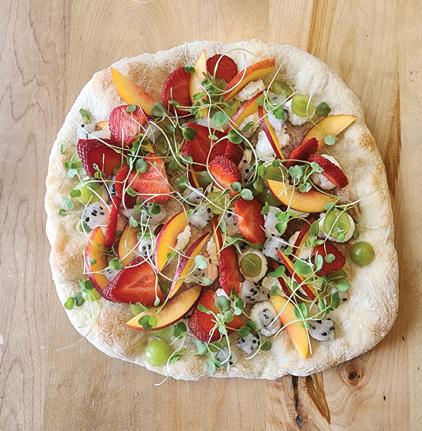
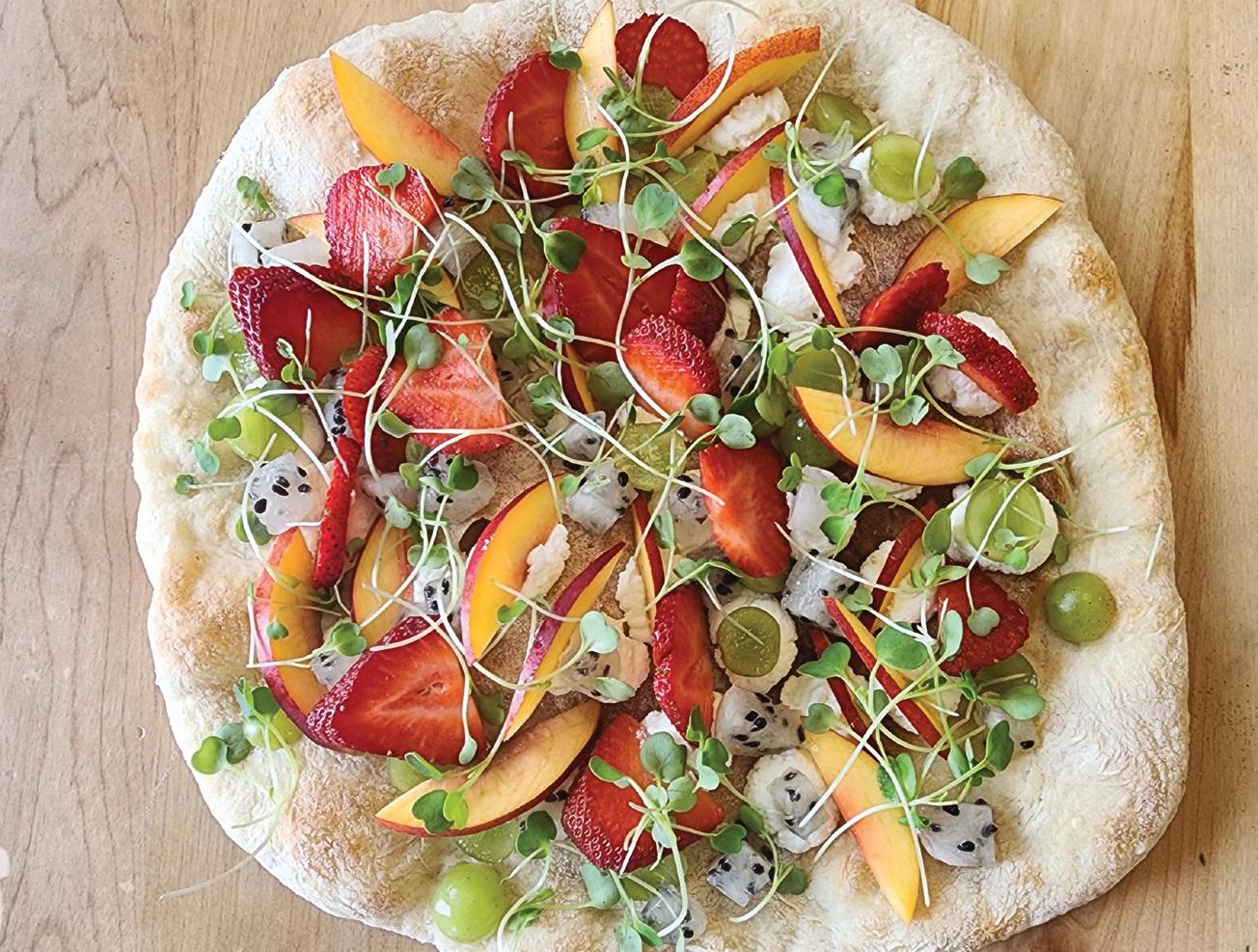
They’re also treating these colorful ingredients as intentional, elevated additions, not as mere attentiongrabbers or afterthoughts. These chefs prove that fruits can flourish far beyond just dessert pies—with a little creativity and the right prep steps, they add unforgettable flavor and eye appeal in savory pies as well.
Is Your Fruit Falling Flat?
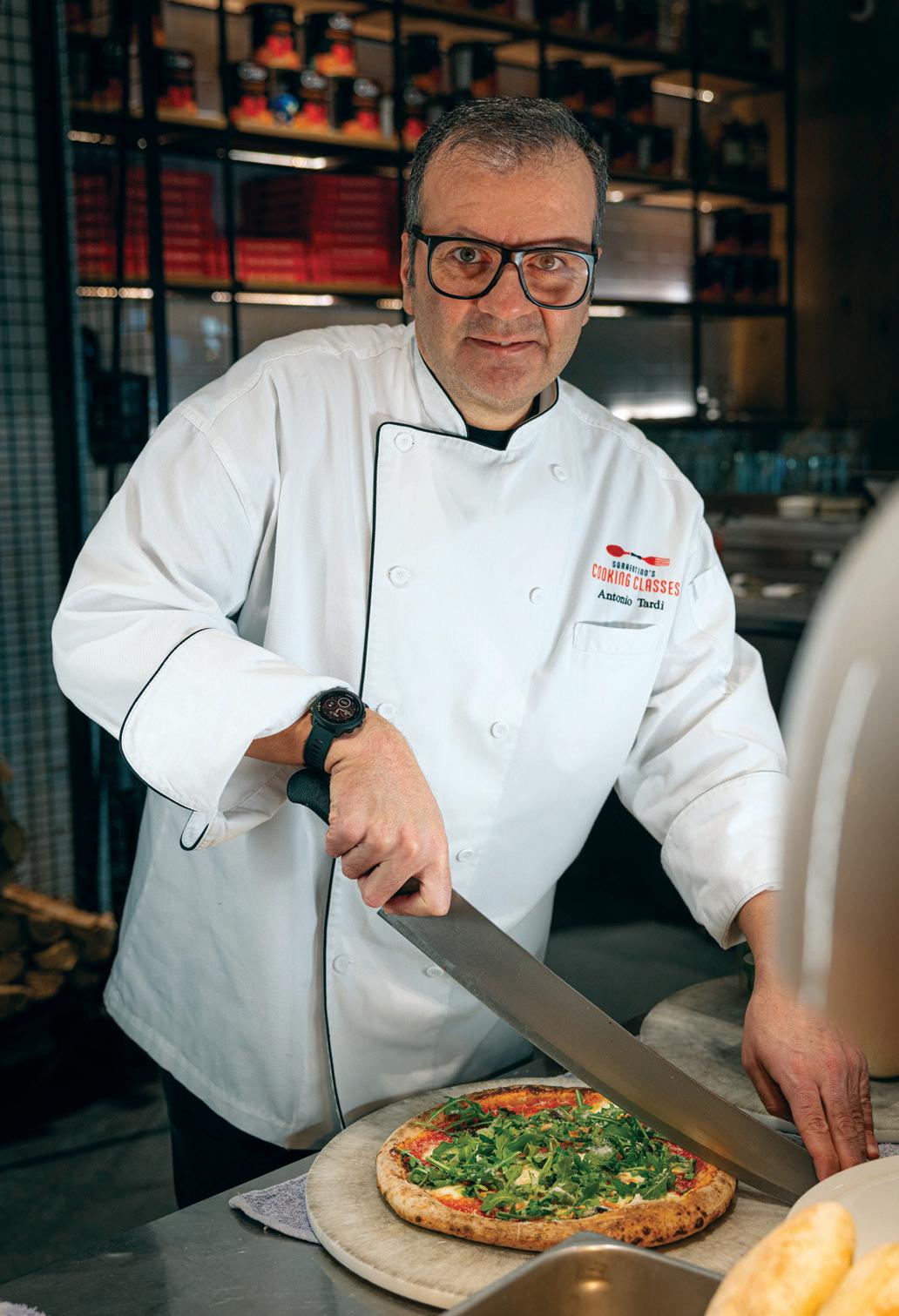
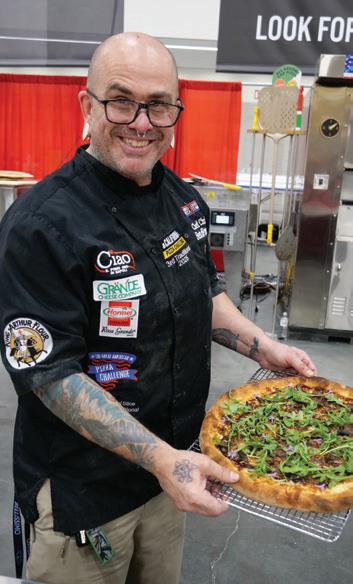
When fruit falls flat on a pizza—or on a menu—it’s possible that the chef hasn’t fully considered and maximized its unique properties. Antonio Tardi, a certified master chef and olive oil sommelier based in Edmonton, Alberta, Canada, advocates using fruit on pizza in a way that’s profitable yet feels intentional and balanced rather than gimmicky. “Beyond pineapple, I’ve worked with figs, pears, apples, citrus zest, roasted grapes and stone fruits like peaches and plums,” Tardi says. “The key is treating fruit as a seasoning or structural component, not a sugary topping.”
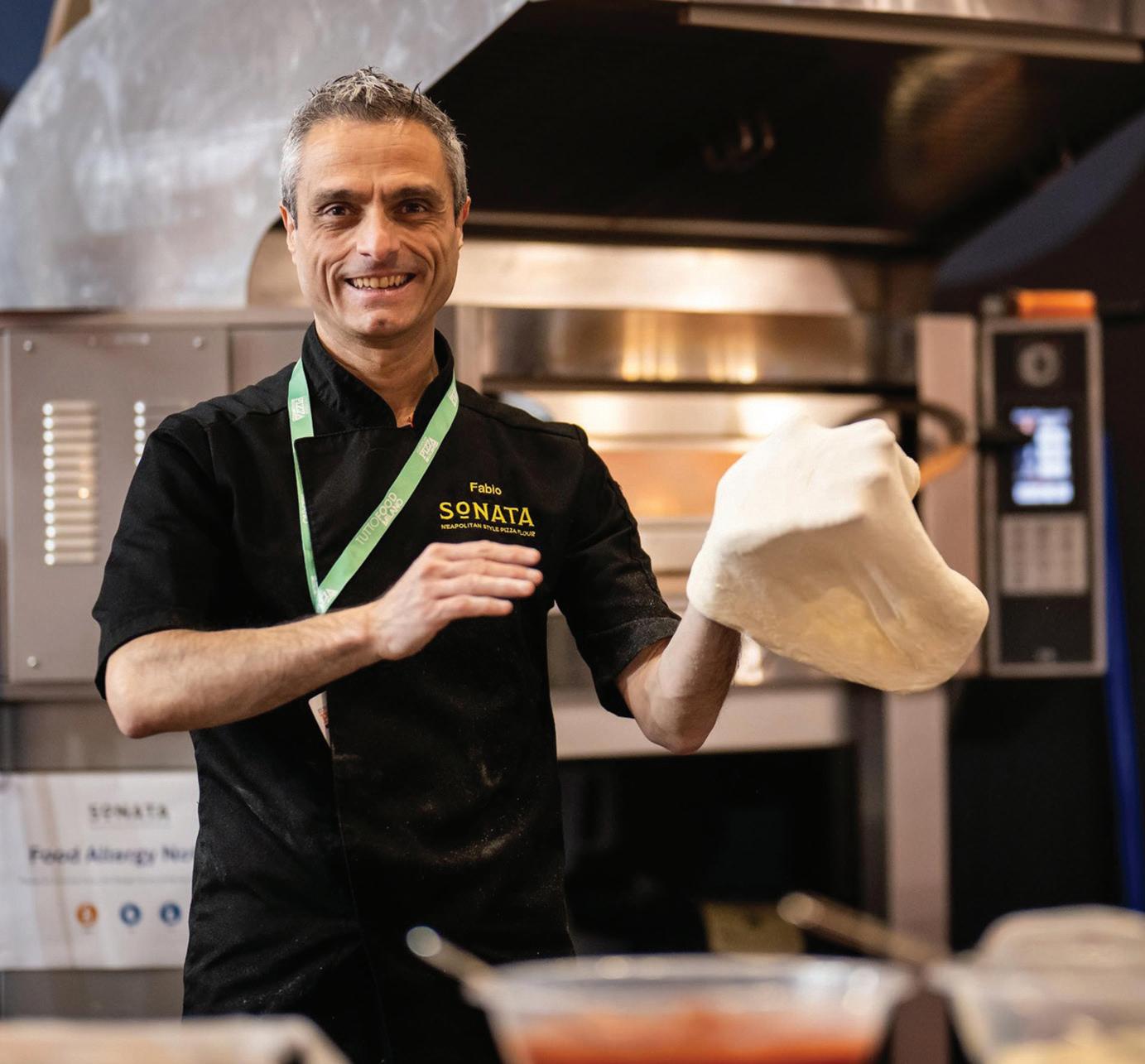
Fabio Errante, a pizzaiolo, YouTube personality, author and instructor at Sonata Pizza School in London, agrees that approaching fruit with the right attitude is key. “Fruit on pizza is one of those topics everyone has an opinion on but very few approach with real intention,” Errante says. “When it works, it can elevate a pizza dramatically. When it doesn’t, it’s usually because fruit is treated as a shortcut topping rather than an ingredient to be designed with.
“The fruit isn’t there to shock. It’s there to add depth, acidity and contrast. Broadly, fruits complement many cheeses well, because their acidity helps refresh the palate.”
Chef Fabio Errante
“Most of the time, fruit is simply sliced, cubed or scattered on top of a pizza, with no thought given to texture, sweetness management or balance,” Errante adds. “The result is often predictable and, frankly, boring.”
Time to Shine
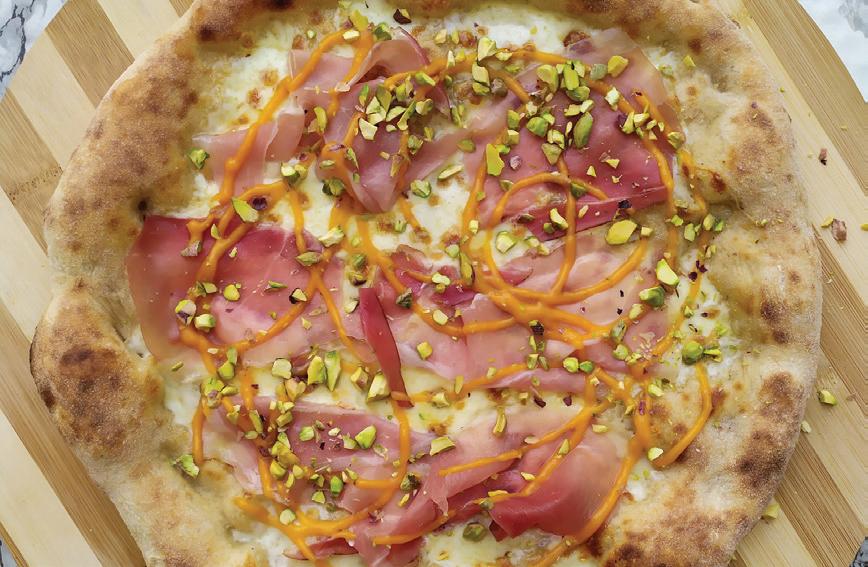
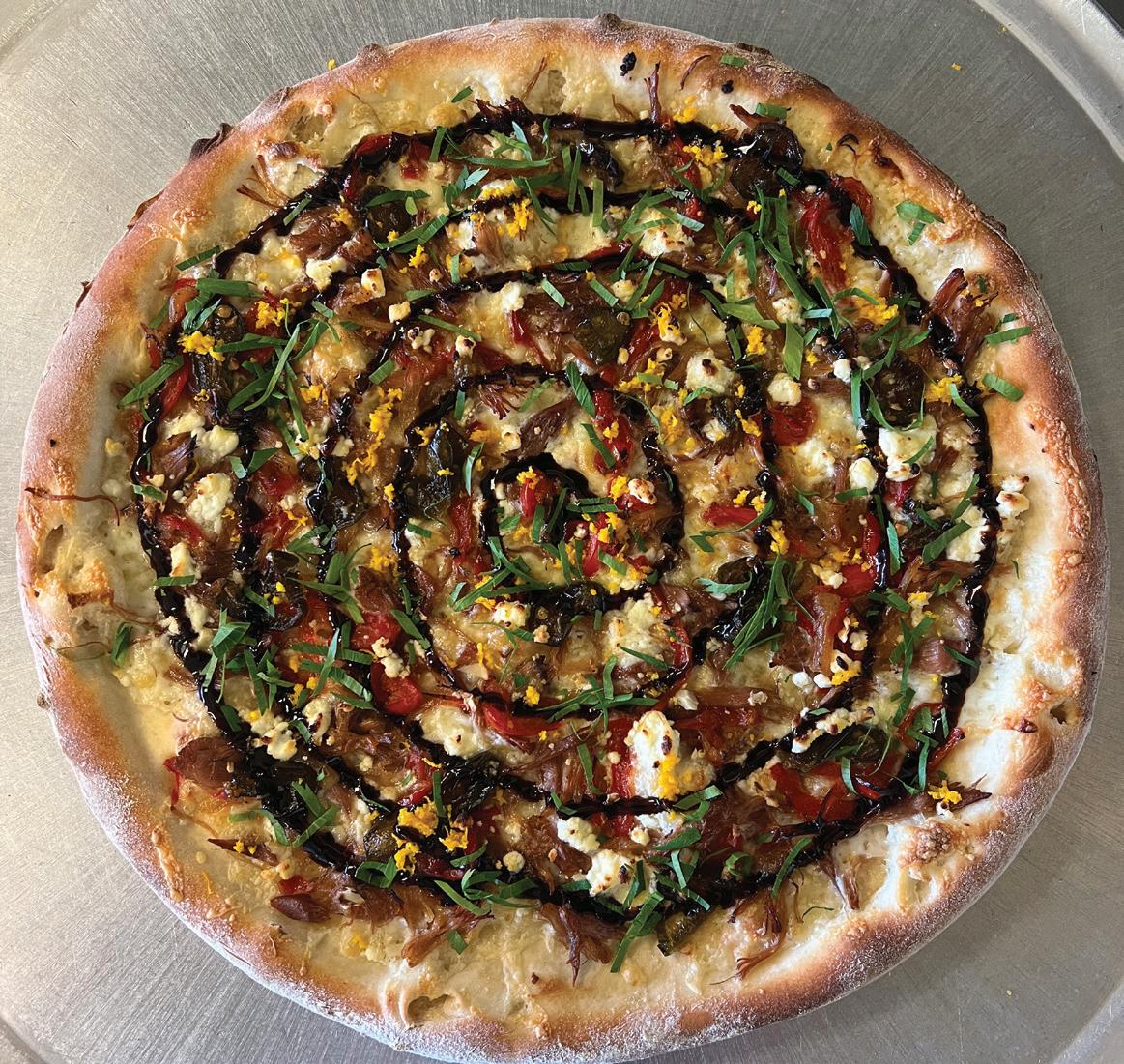
A more interesting approach, Errante believes, is to “think like a cook, not just a pizzaiolo.” One example from his repertoire is a pizza bianca topped with speck, a savory apricot coulis and crushed pistachios. “The fruit isn’t there to shock,” he explains. “It’s there to add depth, acidity and contrast. Broadly, fruits complement many cheeses well, because their acidity helps refresh the palate.”
OCTOBER 25-27, 2026
Orange County Convention Center // Orlando, FL
SHAPING THE FUTURE OF PIZZA, TOGETHER
Don’t miss the 5th annual Pizza Tomorrow Summit – we are returning to Orlando’s Orange County Convention Center!
You'll experience 3 days of new product discovery from hundreds of vendors – including the co-located FLORIDA RESTAURANT SHOW – which means more vendors, more product categories and more excitement!
Plus over 40 HOURS of free education and the US Pizza Team Competitions!
Registration opens soon. GET ON THE LIST!
COME FOR THE IDEAS. LEAVE READY TO LEVEL UP. Co-located with the Florida Restaurant Show –
ATTEND TWO SHOWS WITH ONE BADGE!
Start receiving our EVENT UPDATES!
Get your registration DISCOUNT CODE.
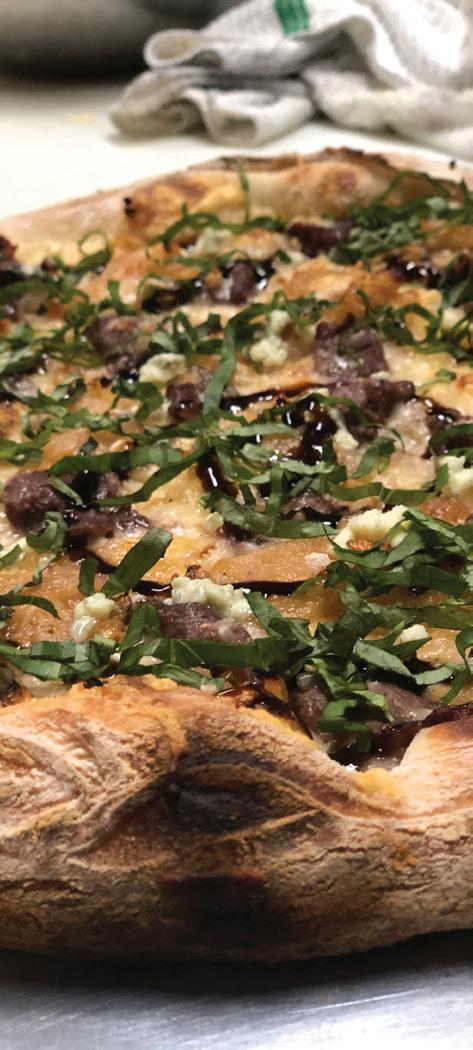
Tardi also allows fruit to shine by pairing it with complementary ingredients. “Fruit works best when paired with fat, salt and acidity: pear with Gorgonzola and walnuts, fig with prosciutto and aged cheese, roasted grapes with sausage and rosemary,” he says. “Citrus zest brightens rich cheeses, while apple pairs beautifully with pork-based toppings. Olive oil plays an important role
“To control costs, fruit should never live on just one dish. The same pears used on pizza might appear in a salad, dessert or even a chutney.”
Chef Antonio Tardi
here, too—a peppery extra-virgin olive oil can anchor the sweetness and bring balance.”
In addition, Tardi takes steps to ensure fruits’ fullest flavor. “Seasonality matters, so I plan fruit-forward pizzas around what’s abundant and stable at the time,” he says. “Proper storage, as well as light roasting or maceration, can extend shelf life and intensify flavor. Portion control is also critical—fruit should enhance the pizza, not overwhelm it or add excess moisture.”
In fact, Tardi emphasizes that moisture management is a key consideration when working with fruits. “Most fruits benefit from roasting, draining or slicing thinly,” he says. “I also avoid adding fruit too early in the bake unless it’s been pretreated. A light finish of olive oil or acid after baking keeps the flavors fresh and defined.”
Similarly, Errante believes that the pizzaioli’s main challenge is avoiding the temptation to simply dice fruit and use it as a topping for the sake of an unusual combination. And, he adds, certain fruit combos have
TIP! Menu and Marketing
For master chef Antonio Tardi, language matters when it comes to selling fruit-topped pies. “Describing the balance—sweet, salty, creamy, crisp—helps customers understand what to expect,” he says. “I’ve found that positioning fruit pizzas as seasonal or chef-driven specials lowers resistance and encourages trial. And, when executed properly, feedback is overwhelmingly positive. Guests are often surprised by how savory and balanced fruit-forward pizzas can be. The key is restraint and clarity of flavor.”
evolved from showstoppers to old news. “That’s often what happens with pineapple and the beloved Hawaiian,” he says. “Even when people reach for something that feels more original, like figs, they tend to fall back on the same predictable pairing (with prosciutto),” he says. “It certainly works well, but it doesn’t feel particularly groundbreaking anymore.”
Prep Pointers
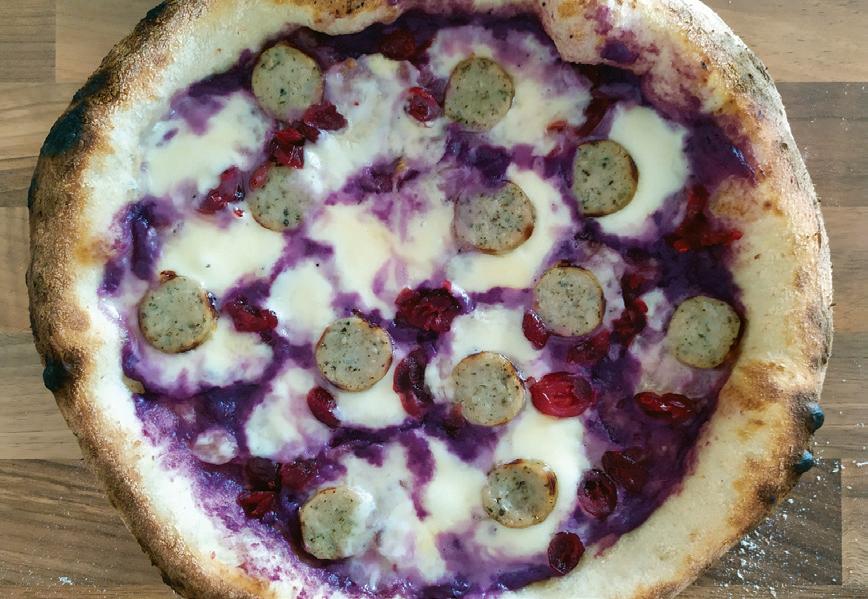
Another potential pitfall, Errante notes, is that fruits can undergo significant changes when cooked in the oven. Texture and appearance (especially color) can change to the point where the fruit loses much of its appeal. “I’d rather add raw fruit after baking,” he says. “For example, I’ve made a pizza with purple cabbage puree as the base, fior di latte, sausage and dried cranberries. My preferred approach, though, is to process the fruit beforehand and use it in a prepared form as a topping.”
This was Errante’s approach for his pizza bianca topped with speck, apricot coulis and crushed pistachios. The savory coulis, he says, is quick and easy to prepare: Simply add chopped fruit to a skillet on medium heat, adding a bit of butter and salt to taste. He adds a sprig of rosemary to the apricots and removes it before blending the entire mixture to make the coulis.
Another technique Errante uses is marinating or soaking the fruit (sliced or diced) in alcohol, which helps it integrate better with the savory elements of a pizza. “Rum-marinated pears pair beautifully with Taleggio, while gin-marinated apples work wonderfully with bacon, pancetta or even pulled pork if you feel daring,” he says. “This technique also offers interesting crossuse possibilities for desserts, where the marinated fruit can be served with pastry cream, mascarpone cream or something similar.”
Tardi agrees that fruit should find a place within several areas of the menu. “To control costs, fruit should never live on just one dish,” he says. “The same pears used on pizza might appear in a salad, dessert or even a chutney. Roasted grapes can be used on pizza, then finished into a compote for cheese boards. Crossutilization is essential for margins.”
Tracy Morin is PMQ’s associate editor.
TIP! Reimagining Pineapple Pies
Some customers may never come around to the idea of eating pineapple on pizza. But for those customers who love it—or are at least willing to try it—pizzaiolo Fabio Errante has some suggestions for using this controversial topping to its fullest, without falling into the too-predictable trap.
“Pineapple has a very complex flavor profile, with both sweetness and acidity,” he says. “But that acidity clashes with tomato sauce, and the combination can be overwhelming. Acidity in cooking is typically used to balance richness rather than serve as a dominant flavor, which is why I think pineapple works better on pizza bianca, white pizza. The sweetness also needs proper balancing with savory or salty elements. The classic Hawaiian pairing with ham doesn’t quite achieve this for me, as the ham is typically too mild to provide sufficient contrast. When it comes to flavor profile, pineapple has an unexpected great match: Gorgonzola and blue cheese in general. I’ve also found that ’nduja is an excellent pairing—and, as someone from Calabria, born just a few kilometers from where ’nduja originated, I don’t make that recommendation lightly!”
A Playbook for Personal Growth
USPT member Jon Garland reflects on how he has learned to be a better leader at home and in his pizzeria. BY
BRIAN HERNANDEZ
JON GARLAND, CO-OWNER OF THE SACCONE’S PIZZA location in Austin, Texas, recently marked his sixth year in business and took some time to reflect— and to look ahead—in a chat with PMQ. As it turned out, foremost on his mind was, well, his own mindset and how it has changed for the better in the past year.
Brian Hernandez: When you say this has been a year of growth, what do you mean?
Garland: My focus this year has really been growth. I mean that across the board. Spiritually, in my faith, as a husband, as a father, as a business owner, as a member competing on the U.S. Pizza Team, as a volunteer in my community—all the stuff that I’ve been putting in this past year. And I’m starting to see results.
Hernandez: What have you been doing differently?
Garland: Getting outside of my comfort zone more. Doing more outreach, more community involvement through church, building more of a communication network through things like the chamber of commerce, talking to more people, being more intentional about relationships and not just staying in my own little circle.
Hernandez: How does that help you as an operator?
Garland: It helps me communicate better, and it helps me lead better. It helps me be more understanding with people, whether that’s my staff, customers or people in my everyday life. I feel like I’m a little more confident now, and I’m more efficient in the way that I’m communicating with people….I’d also gotten addicted to being busy. That doesn’t always mean being productive. Being intentional with my time is super important. I get up early and have my ‘me time’ in the morning, whether that’s exercising or reading or sometimes getting some work done before anybody else in my house is awake. That is always a good, productive start to my day. Usually when I do that, I’m going to have a productive rest of the day.
Hernandez: Why does that matter so much for you right now?
Garland: I have a three-year-old and a five-year-old at home. I want to be present, and that takes precedence. That’s why I have to be very careful about how I spend my time. I have to pick and choose what’s really important to me.
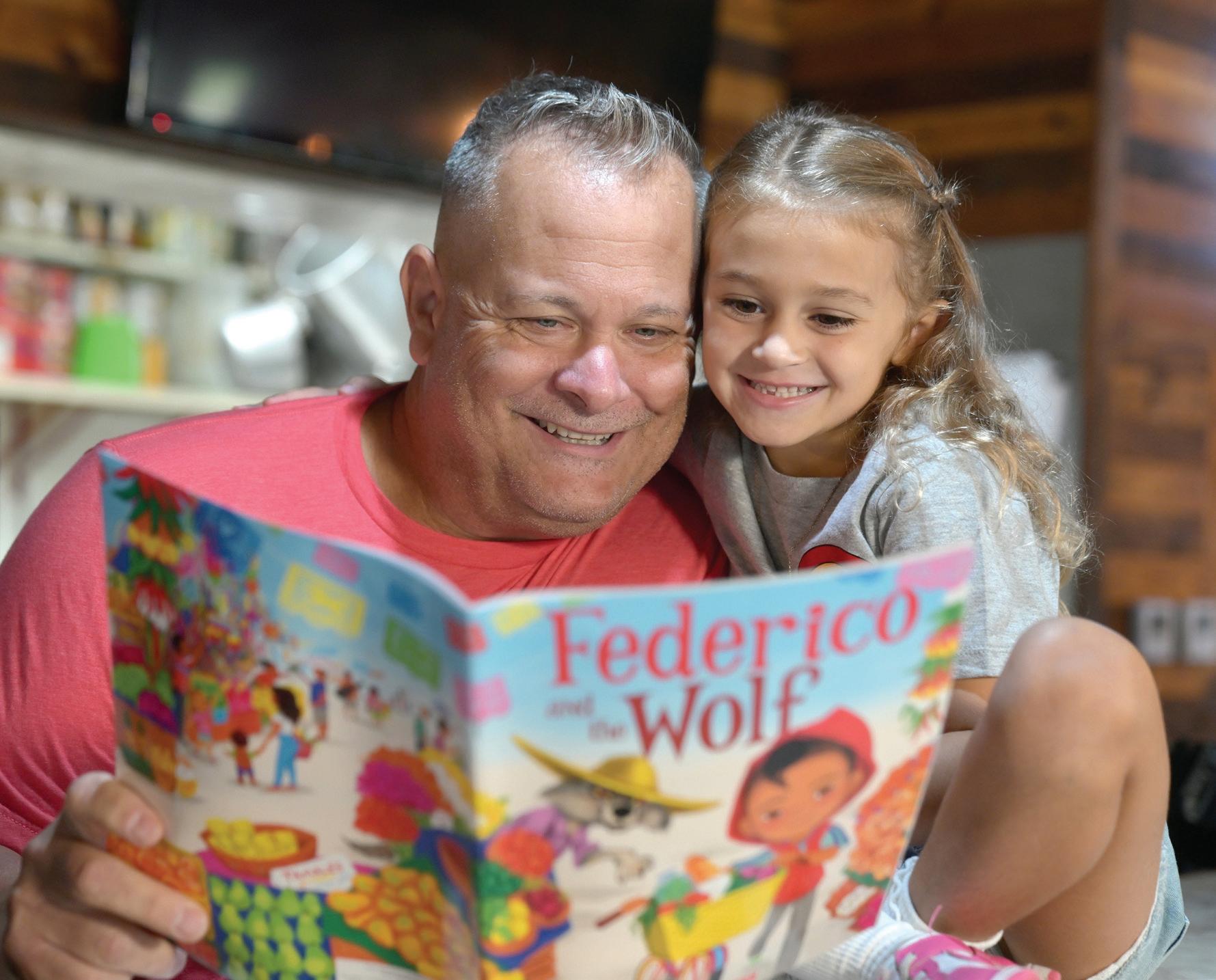
Download the FREE handbook at PMQ.com/Read-to-Succeed
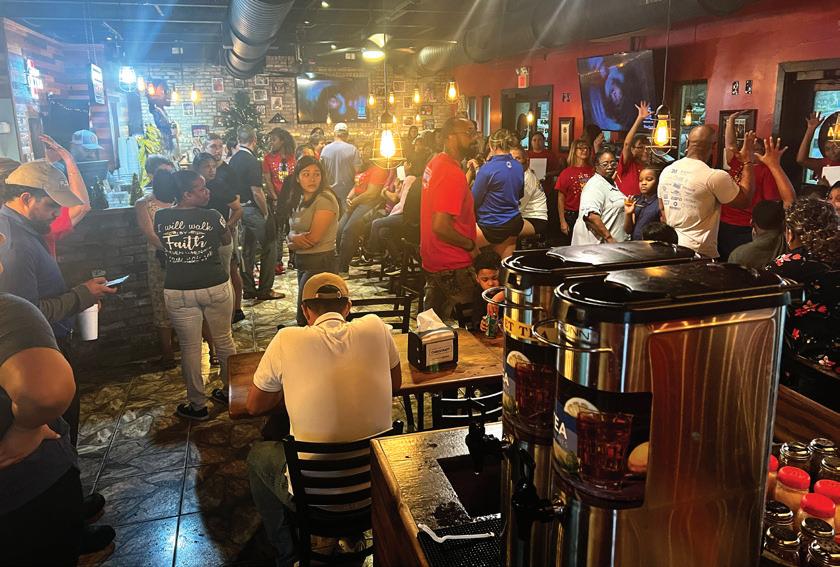
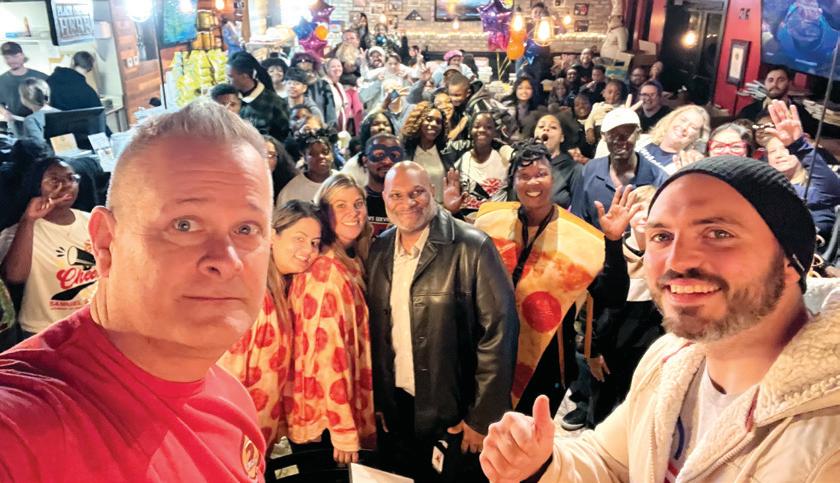
Join the Read to Succeed movement in Fall 2026 and you can turn your pizzeria’s slowest night into a moneymaker—and a hub for community transformation.
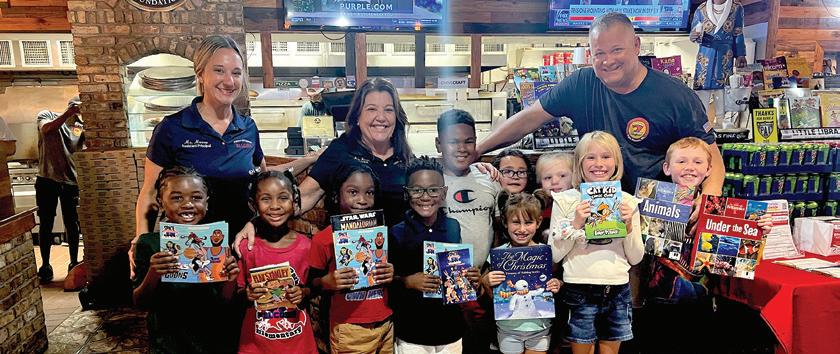
• Partner with local schools to improve literacy and bring joy to children’s lives
• Enlist local, state and regional nonprofits to donate children’s books
• Give away free books to kids on your slowest night of the week
• Attract hundreds of children, parents, educators and influencers to your pizza shop
• Generate up to $4,000 in business per event and create customers for life
• Boost local literacy scores and make a lasting difference in your community
“In lower-income households, there’s only one book for every 300 kids. But in the middle to higher-income homes, there’s 13 books for every child. That’s a huge discrepancy. Together, we as a Pizza Community can do something about it.”
Scott Van Duzer, Big Apple Pizza, St.
Lucie County, FL
As seen in PMQ’s November 2025 issue: PMQ.com/hero-of-the-story
Another big area of growth (as an operator) is being able to admit, “OK, we messed up on this one, but we’re going to do something about it, and we’re not going to sit with it for very long.”
Hernandez: What was the situation there?
Garland: Within a little over a year, we were on our third different POS system. The first one had been great for a long time, but it was [outdated]. The second one [didn’t live up to] what was [promised] to us. I couldn’t do it anymore, because from an owner standpoint and for my staff, the amount of phone calls that we would have to put in, sometimes every single day, was ridiculous. So we moved on, and it’s been one of the best decisions I’ve made for my business.
Hernandez: At Pizza Expo this year, you took ninth overall in Traditional as well as third in the Southwest Region for Traditional. What did that mean to you?
Garland: What an honor to finish in the top 10 out of so many competitors in such a huge competition! You always want to win or you want to place, but realistically for me, my goal going into it each and every time is to come in the top 15% to 20%, and that’s consistently where I’m at. I’m happy with that.
Hernandez: What did this year’s competition teach you?
Garland: It taught me to continue to get better. I’m getting closer, and that makes me hungrier and hungrier.
[Competing] also gets me to talk to people more and ask them, like, how much are you really investing and putting into these pizzas for these competitions? One of the biggest things I’ve learned at the shows is…[the importance of] letting that dough sit out at room temperature. That makes the cook on the pizza so much better. You never have to worry about a gum line. We’ve also started stretching with semolina, and that’s helped the pizza hold up better in the box. For us, that’s important.
Hernandez: What advice would you give operators who want to get more out of these competitions and events?
Garland: Go up and introduce yourself. Most of these guys and gals, they’re all really nice people. They’ve been there before, and they are more than willing to have a conversation with you and share things with you.
Brian Hernandez is PMQ’s associate editor and director of the U.S. Pizza Team. Listen to the full interview with Jon Garland on Peel: A PMQ Pizza Podcast or read it at USPizzaTeam.com/JonGarland.
WHAT HAPPENS IN VEGAS SOMETIMES COMES HOME FRAMED
The U.S. Pizza Team brought home another strong round of finishes at the 2026 World Pizza Games in Las Vegas, with members earning top placements across multiple divisions and regional competitions. Here’s a look at the team’s results.
Full U.S. Pizza Team-Related Results
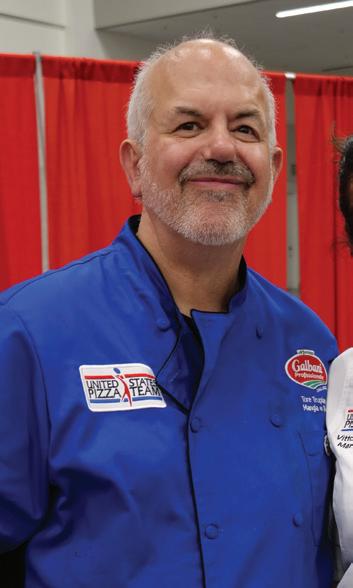
Tore Trupiano, Mangia e Bevi: 3rd, Best of the Best
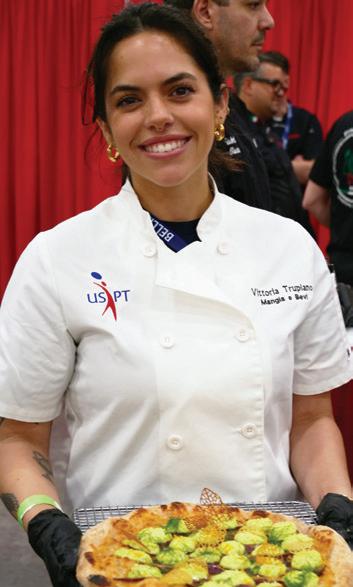
Vittoria Trupiano, Mangia e Bevi: 2nd, Italian Classica finals 5th, Italian Classica semi-finals
Chris Battiste, Mia Ava East Coast Pizza: 2nd, Non-Traditional semi-finals 2nd, Southwest Region Non-Traditional 3rd, Daiya Dairy Free 3rd place Non-Traditional Finals
David Solum, Danger von Dempsey’s ATY: 1st, Cast Iron Pan Division 6th, Pan Division semi-finals 8th, Daiya Dairy Free
Giovanni Labbate, Tievoli Pizza Bar: 1st, Midwest Traditional Regional 2nd, Midwest Best Cheese Slice 3rd, International Italian Sandwich Competition semi-finals
Rico Lunardi, Slice On Broadway & Lucatino: 3rd, Northeast Traditional Regional 8th, Traditional semi-finals
Jon Garland, Saccone’s Pizza & Subs: 3rd, Southwest Traditional Regional 9th, Traditional semi-finals
Mike Pitera, Pizza A Modo Mio: 3rd, Southeast Best Cheese Slice
Jimmy Terwilliger, Pizza Cassette: 8th, International Italian Sandwich Competition semi-finals
Enrico Aguila, Uncle Rico’s Pizza: 3rd, Southeast Region Non-Traditional
Vittoria Trupiano
Chris Battiste Sean Dempsey Tore Trupiano
Nicolosi’s Pizzeria
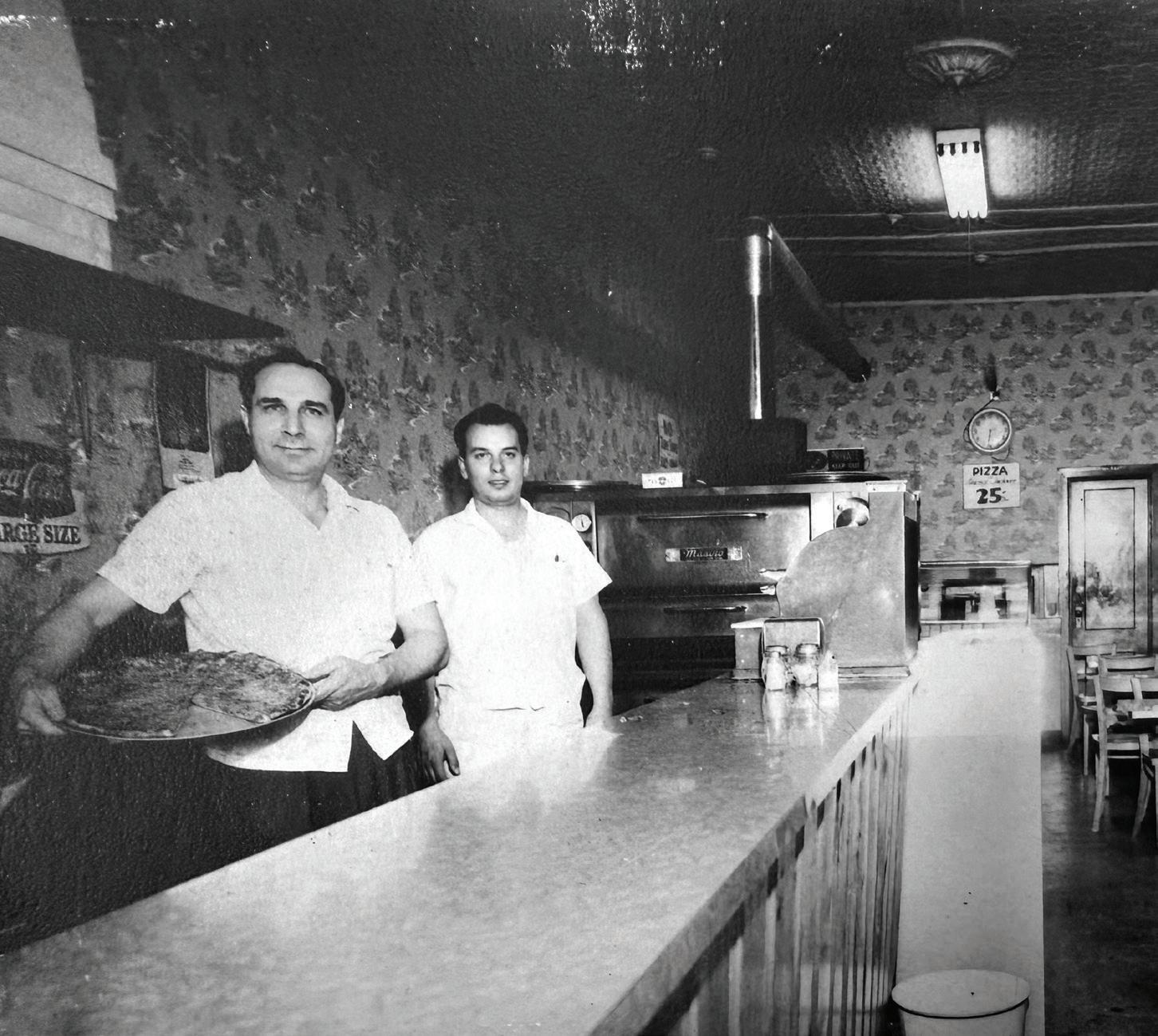
An Italian immigrant with a third-grade education, Angelo Nicolosi learned dough making by working for free in a bakery at night, after finishing his day job as a longshoreman. But his first attempt at pizzeria ownership, in Brooklyn, New York, didn’t survive. “Most people might have given up at that point, but my father saved his money and tried again,” says Dominic Nicolosi, Angelo’s son. “He opened another pizzeria, on Jamaica Avenue in Queens, and that one was a gold mine.”
After years of success, when neighborhood crime intensified in the early 1960s, Angelo decided to relocate. He found a spot in a new shopping center—back then, a relatively novel concept—in Phillipsburg, New Jersey, opening Nicolosi’s Pizzeria on September 4, 1964. (And Angelo’s hard-earned lessons in pizza would prove useful, as he helped open 32 additional pizzerias with partners until his passing in 1998, reaching as far west as Missouri and as far south as Georgia.)
Dominic’s first job, at five years old, was putting fliers under cars’ windshield wipers in parking lots, announcing the Phillipsburg grand opening. The initial promotion was simple—get a free drink with your 25-cent slice—and Nicolosi’s remains similarly streamlined today under Dominic’s ownership. “We keep it very simple,” Dominic says. “No wings,
BY TRACY MORIN
STATE OF NEWJERSEY
STATEOFNEW J ERSEY
no garlic knots, no pasta, no sandwiches. Just pizza, New York-style and Sicilian, with traditional toppings. Nothing fancy.”
The business also operates without a POS system, credit card transactions or online ordering, though Dominic’s daughter, Selina, set up a basic website and an Instagram page. Still, the family affair continues to thrive. “In many cases, we’re serving the third generation of families,” Dominic says. “Kids who came in with their parents now bring their own children. My oldest son, Angelo, works here almost fulltime, and my other two sons help out when they’re around. We might even have a fourth generation someday—some of my grandsons might join the business.”
Perhaps a next-gen owner will nudge Nicolosi’s into more modern times, but for now, the old-school approach pays off. “There’s an old saying: If it ain’t broke, don’t fix it,” Dominic says. “If something works for you, don’t keep trying to change it. Sometimes, when people try to improve things too much, they actually make them worse.”
Tracy Morin is PMQ’s associate editor.
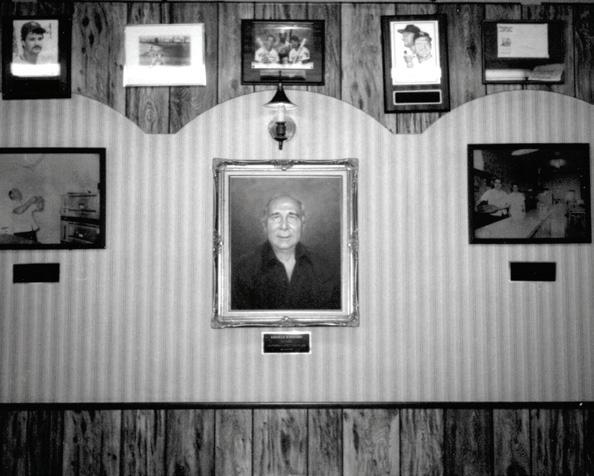
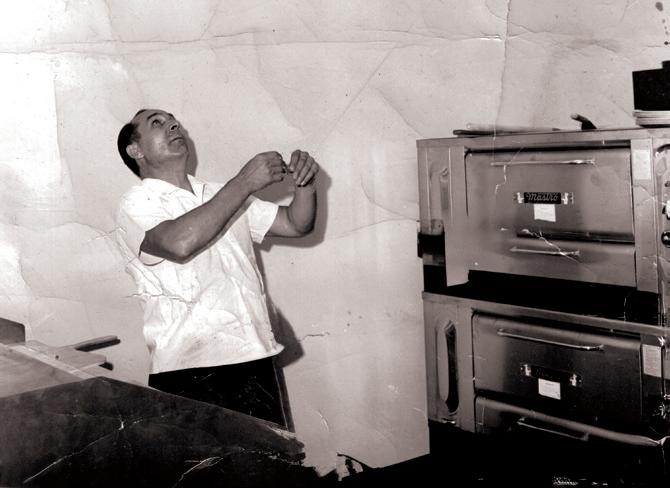
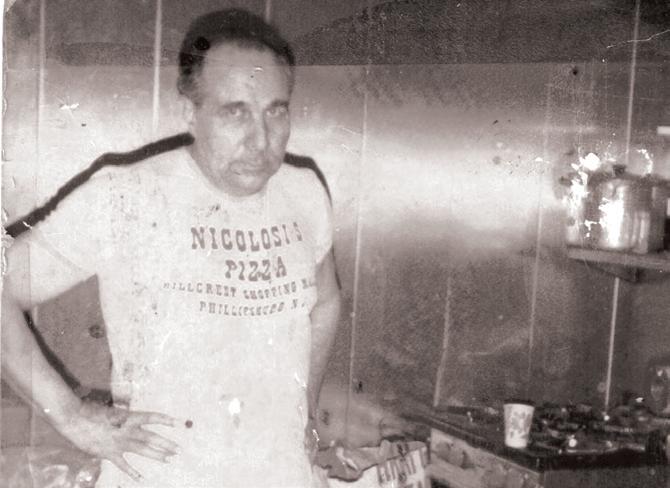
(Clockwise from left) Angelo Nicolosi (left) works at his successful pizzeria in Queens, New York, circa 1959; Angelo marks opening day in Phillipsburg, New Jersey, in 1964; Angelo mixes dough in 1977; a portrait of Angelo hangs in the pizzeria.
PizzaCloud
Over 2,000 pizza restaurants trust PizzaCloud. Call us to see if we are a good fit for you!
Because if your phones and web ordering are down, you may as well send everyone home.
We become your phone company and provide a backup Internet connection
Text enable your phones! “To receive a text with links to our online ordering press one” Text message marketing/delivery notifications etc from store phone number.
IP Phone Service
Increase revenue and lower cost
• No Busy Signals
• Call Recording
• Call Queuing / Auto Answering
• Multiple (random) start of call upsell messages
• On hold music/message loops
• Detailed reports—hold times, lost calls etc
• Callerid delivered to POS system
• Auto attendants— ”If you have arrived for curbside pickup press one ”
Cellular Backup Internet
Protect against outages
• When your Internet fails our cellular backup router keeps your phones, credit card processing and web orders all working.
• The backup kicks in automatically in seconds. So quickly you will not even drop calls in progress when your primary Internet goes down!
• The same router can be used to create chain wide virtual private network to connect your locations.
• SD WAN LTE/LTE A (4G/5G) modems.
On the PBX
“Press one to receive a text message with links to our onlne ordering ”.
Manage bulk text message marketing from our system to drive increased revenue. As low as $0.01 per message. Group text messaging to communicate with your employees (drivers, bartenders, all staff etc). Use