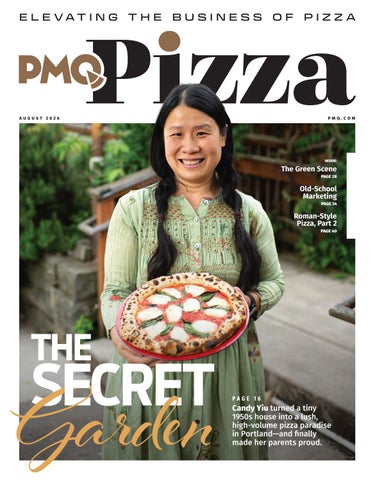
Candy Yiu turned a tiny 1950s house into a lush, high-volume pizza paradise in Portland—and finally made her parents proud.
The French Fermentation Wizard
Boris Berard, the pizzaiolo behind ORA 1929 in Nice, France, has his own approach to pizza making. From his family roots in baking, he took a detour through technology and business—including a stint with Tesla—before returning to dough full-time. Instead of simply accepting traditional methods because “that’s how it’s always been done,” Berard started breaking everything apart and asking questions: “Why this flour? Why this fermentation? Why this protein structure?” As he explains in episode 57 of Peel: A PMQ Pizza Podcast, that mindset eventually pushed him toward Einkorn wheat, a long fermentation and a three-stage sourdough process inspired by Italian lievito madre and French boulangerie traditions. He uses wild fermentation only, avoiding commercial yeast entirely, while building his dough in multiple stages to develop flavor and alter the way proteins break down during fermentation. “Most operators don’t need new equipment or new ovens,” Berard says. “What they need is process knowledge.” He aims to bring his knowledge to the U.S. next year, likely opening a pizzeria in the Austin, Texas, area. “The diversity [in the U.S.] is incredible,” he says. “Chicago, Detroit, New York, New Haven—every region defends its identity and brings its own artistic touch to pizza.”
Listen to Peel: A PMQ Pizza Podcast on Apple, Spotify and SoundCloud.
Scan this code to subscribe or renew your subscription to PMQ! Or visit PMQ.com/subscribe.
ELEVATING THE BUSINESS OF PIZZA
Arrowfly
CEO Matt Logan mlogan@arrowfly.com
Content
Editor in Chief Rick Hynum rhynum@arrowfly.com
Associate Editor Tracy Morin tmorin@arrowfly.com
Associate Editor/ USPT Coordinator Brian Hernandez bhernandez@arrowfly.com
VP, Editorial Director Danny Klein dklein@arrowfly.com
Art & Production
Art Director Eric Summers esummers@arrowfly.com
Senior Art Director Tory Bartelt tbartelt@arrowfly.com
An Arrowfly Publication Volume 30, Issue 6 | August 2026 888-543-2447 ISSN 1940-2007 | Permit #5040
Content Studio
Vice President Peggy Carouthers pcarouthers@arrowfly.com
Writer Drew Filipski dfilipski@arrowfly.com
Writer Ya’el McCloud ymccloud@arrowfly.com
Writer Abby Winterburn awinterburn@arrowfly.com
Sales & Business Development
Senior Vice President, Food, Retail, Hospitality Sales and Account Management Matt Waddell mwaddell@arrowfly.com
National Sales Manager Tom Boyles tboyles@arrowfly.com
Customer Service Representative Brandy Pinion bpinion@arrowfly.com
Customer Service Representative Tracy Doubts tdoubts@arrowfly.com
Founder Steve Green
PMQ PIZZA Issue 6 August 2026 (ISSN 1940-2007, Permit #5040) is published monthly in January, March, April, May, June, August, September, October, November and December by Arrowfly, 1111 Superior Ave #1120, Cleveland, OH 44114-2560.
Periodical postage pricing paid at Cleveland, OH. Additional mailing offices at Bolingbrook, IL.
POSTMASTER: Send address changes to PMQ PIZZA, 1111 Superior Ave #1120, Cleveland, OH 44114-2560.
Opinions expressed by the editors and contributing writers are strictly their own and not necessarily those of the advertisers. All rights reserved. No portion of PMQ PIZZA may be reproduced in whole or part without written consent.
14
Protecting Your Business From Legal Disaster
Pizzeria owners face numerous pitfalls in today’s litigious society. That’s why it’s crucial to get all the key insurance policies you’ll need to protect your business.
28
The Green Scene
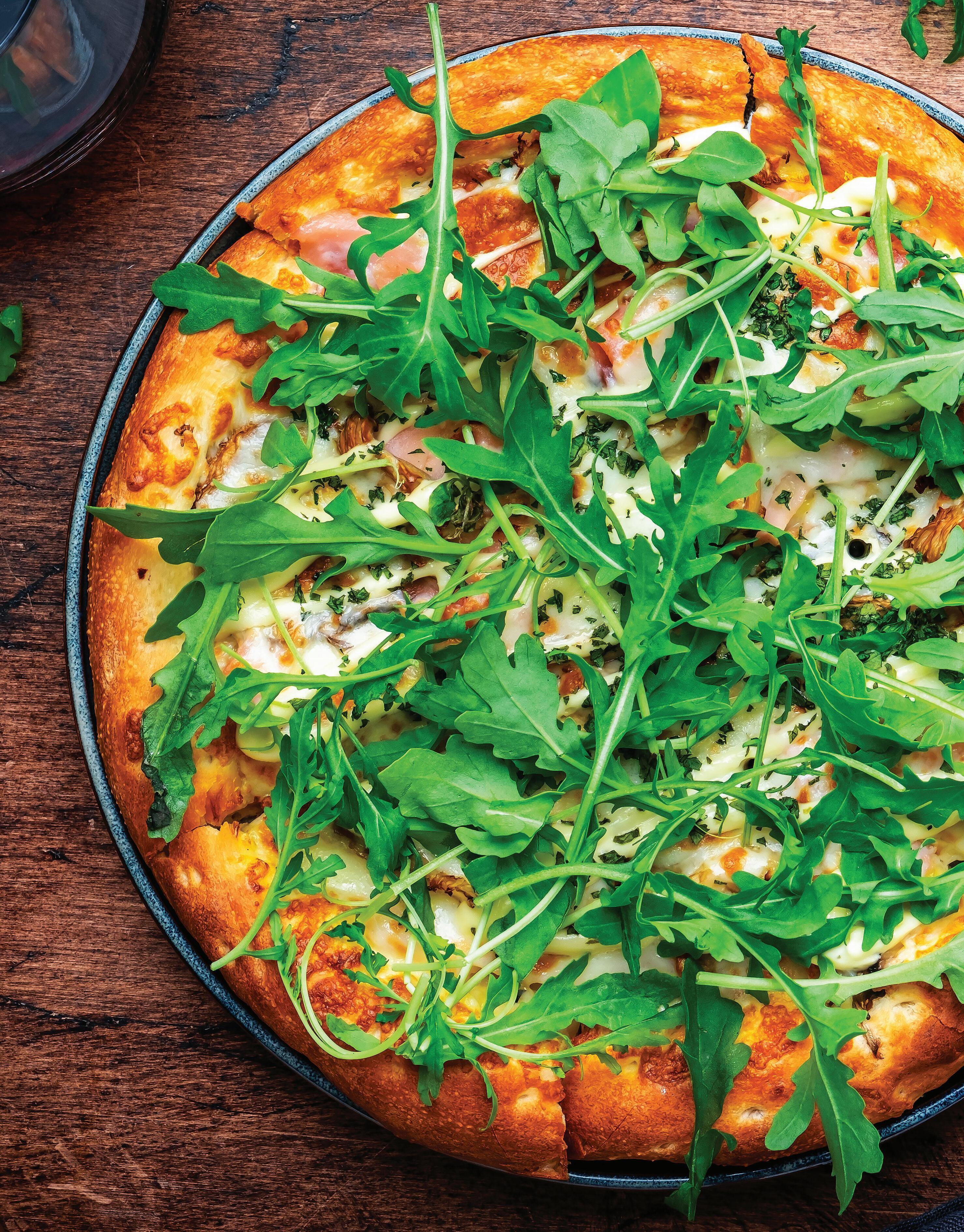
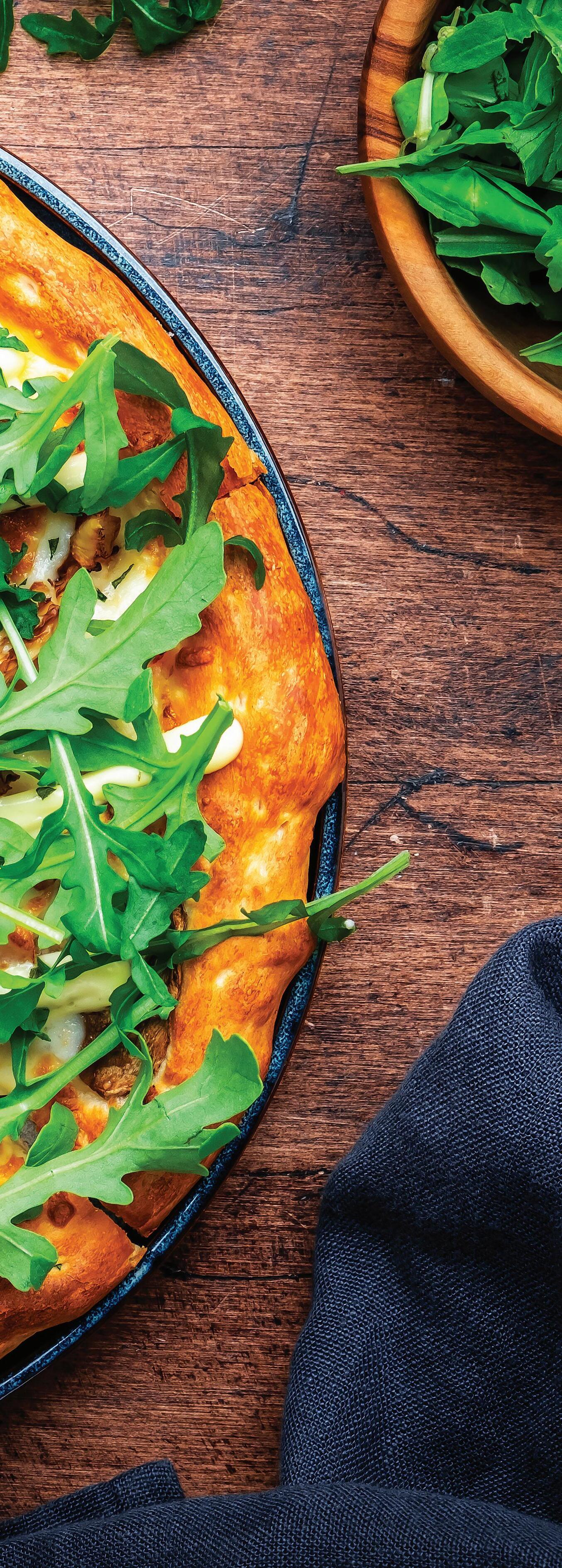
From hearty Tuscan kale to eyeappealing microgreens and peppery arugula, greens add an undeniable health halo to your pizzeria’s menu. 34
Old-School in a Digital World
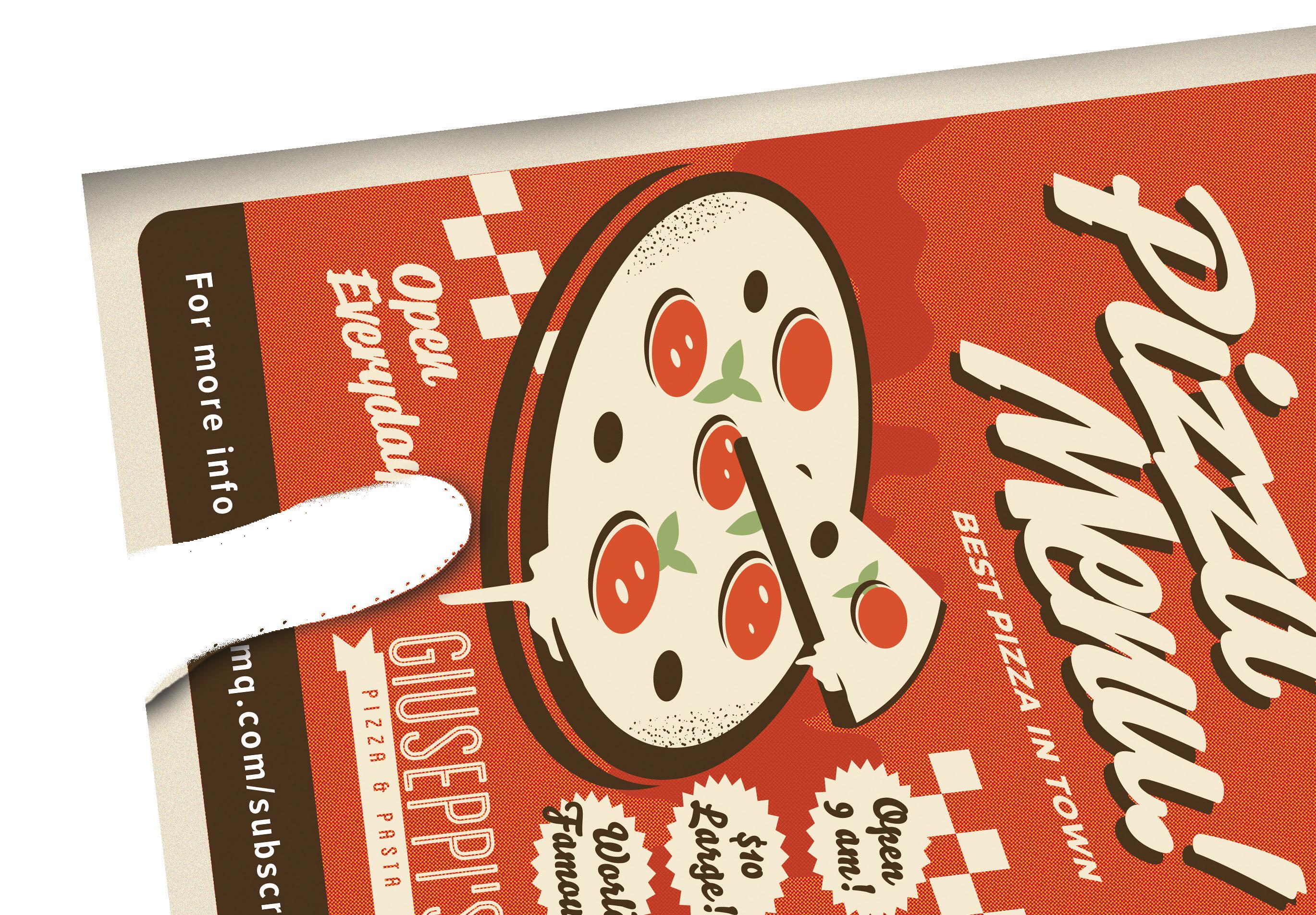
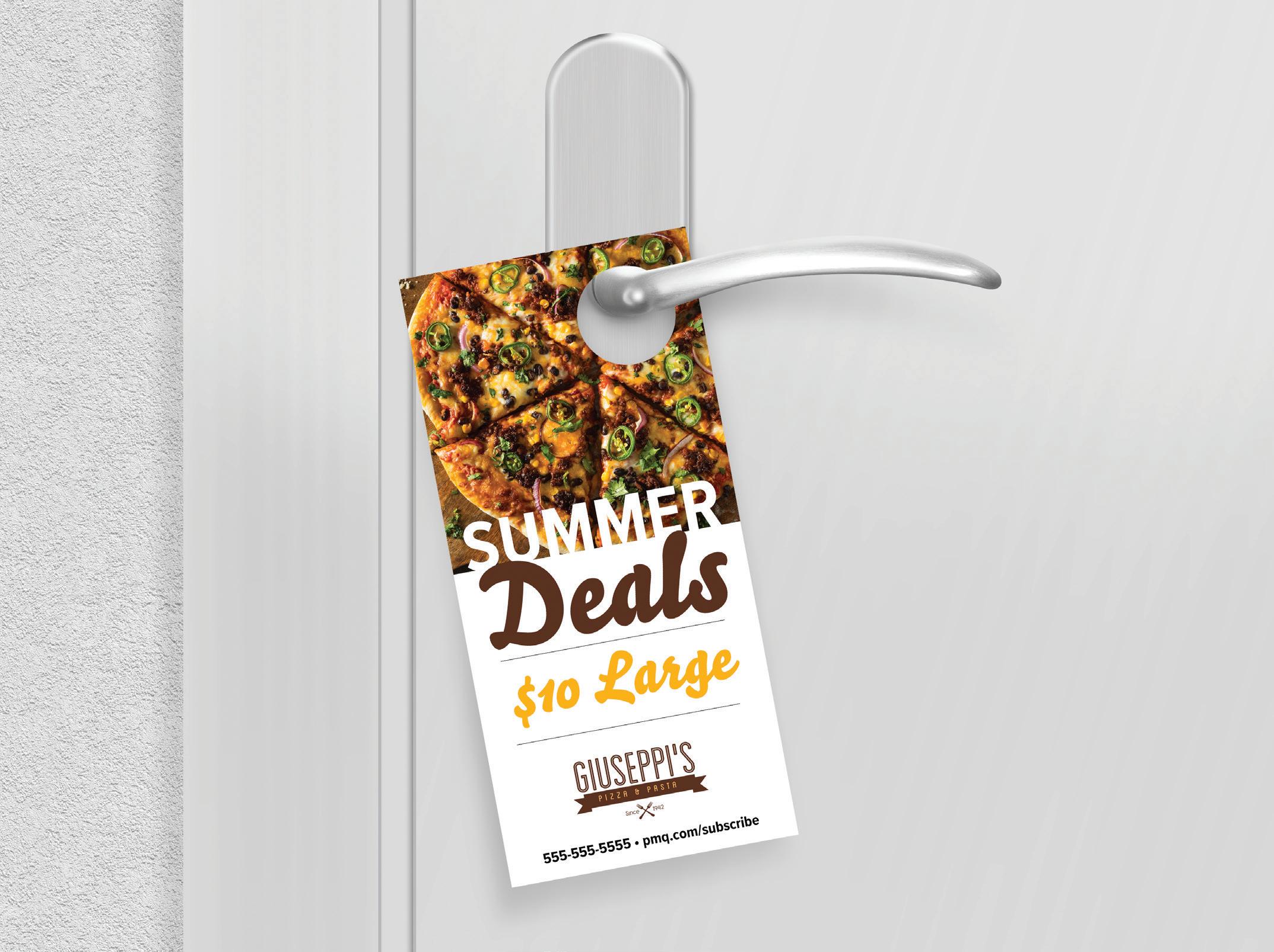
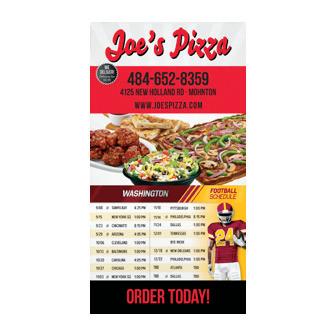
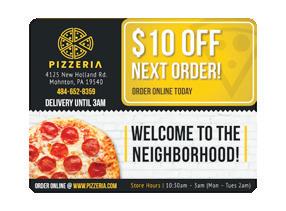
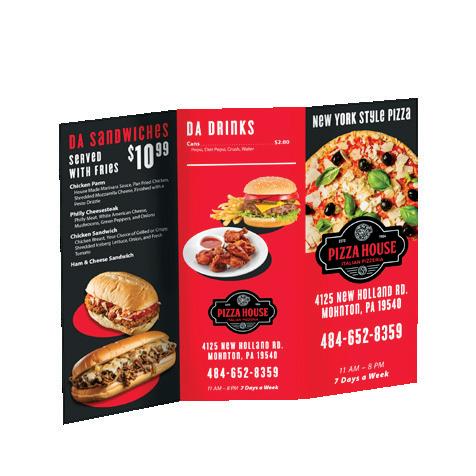
Direct mail, such as postcards, coupons, flyers and doorhangers, can still capture customers’ attention and create measurable sales.
40 Fire, Grain & Time: Part Two
Chef Vitangelo Recchia guides you through the fermentation timeline for Roman-style pizza and honors a new generation of al taglio masters. 46 The 00 Illusion
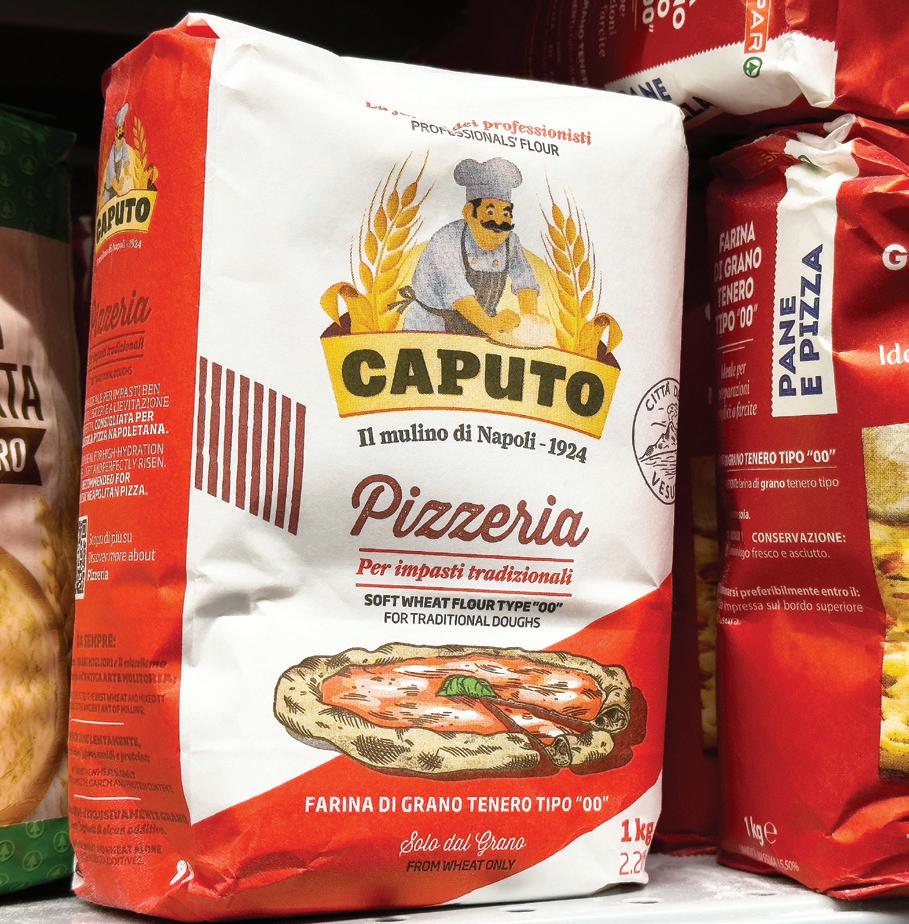
Chef Fabio Errante doesn’t obsess over Italy’s most famous flour. In fact, he says no chef should feel forced to use it to make great pizza.
52 How to Prepare for Seasonal Shifts
As the seasons change, your business changes. But what really matters is understanding how these shifts affect your customers’ dining habits.
Secret Garden
The Turning Peel is a magical, vibrant and verdant world entirely of Candy Yiu’s own creation. And it has transformed her relationship with her ultra-traditional Chinese parents.
BY RICK HYNUM
COVER PHOTO BY CLAIRE THORINGTON
PICKEDATTHEPEAK
SHARE YOUR STORY WITH THE PIZZA COMMUNITY
PMQ Pizza’s best pizzeria profiles often come directly from subscribers to our free e-newsletter, Pizza Pulse. So if you want to get your story told, sign up at PMQ.com/pizza-pulse to get our attention! Behind every print issue is a growing digital universe, and Pizza Pulse is the gateway. Print can only hold so much, but we can go bigger online: deep-dive profiles, videos, podcasts, social posts, webinars, reader surveys and more. Here’s a look at the latest:
Katie’s Expands Product Line at Target
St. Louis pizzaiola Katie Lee’s success story continued in May as her brand expanded its presence at Target stores nationwide. In addition to Lee’s frozen pizzas, Target now sells her pasta bakes and sauces, placing Katie’s among the fastest-growing U.S. pizza companies.
Read at PMQ.com/katie-lee-target
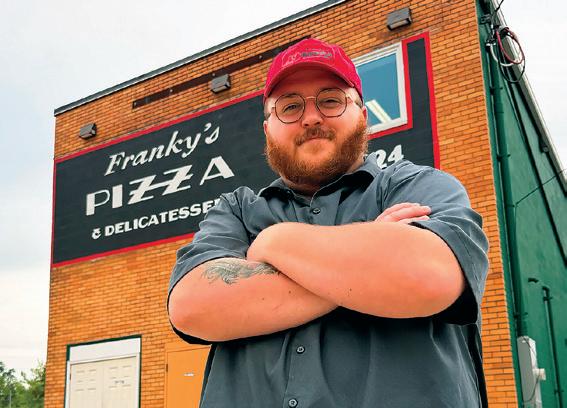
Franky’s: 800 Pounds of Dough a Day
Under co-owner Benjamin Hoover, Franky’s Pizza & Delicatessen in Warren, Ohio, relies on a commercial-bakerytype production schedule, airtight operational systems and creativity-boosting competitions to stay at the top of its game.
Read at PMQ.com/frankys-pizza
Subscribe to Pizza Pulse for free at PMQ.com/pizza-pulse!
Beachside Bodega Meets NY-Style Pizzeria
In Pensacola Beach, Florida, tourists and locals alike find their way to Piazza Pizza & Beach Bodega, a pizzeria combined with an Italian-style deli, gourmet market and beach retail shop. But how does this unique hybrid concept work?
Read it at PMQ.com/piazza-pizza
Social Media Influencers: Friend or Foe?
Influencers are mostly a force for good, says Erica D’Arcangelo, marketing consultant and host of the A Story About Pizza podcast.
Want to Get PMQ’s Attention? Try this!
Create a Reel on Instagram, tag @pmqpizzamag and tell us why we should feature your pizzeria.
But you will need to learn how to separate the true storytellers from the fakes and the view-chasers.
Read it at PMQ.com/social-media-influencers
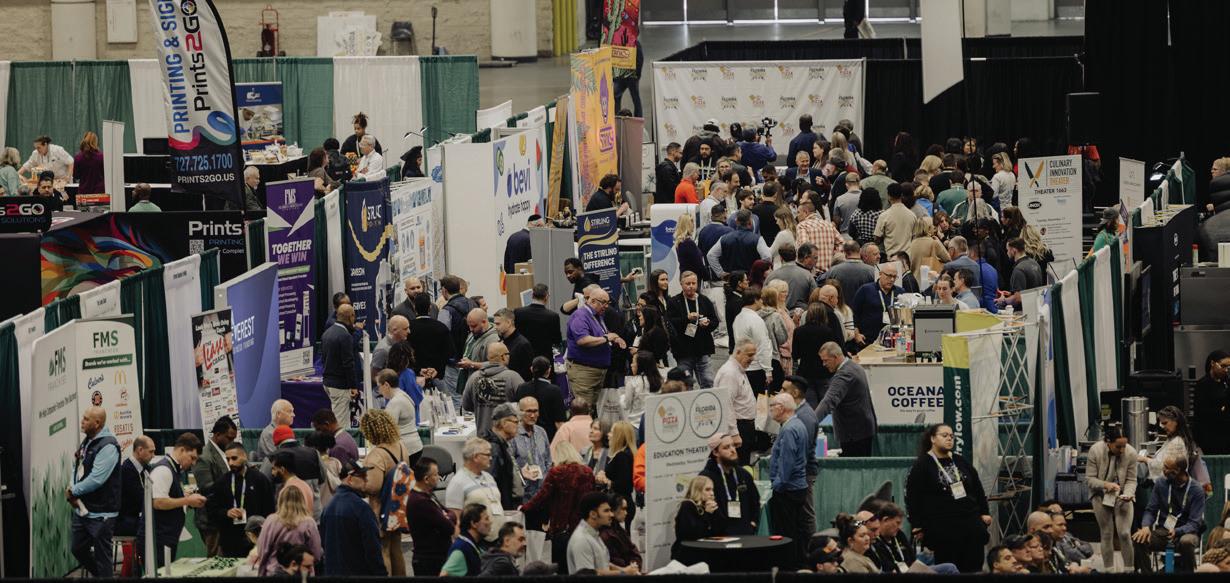
Don’t miss the 2026 California Restaurant Show — we are returning to the Anaheim Convention Center. THIS YEAR’S EVENT INCLUDES THE PIZZA TOMORROW SUMMIT PAVILION FOR THE THIRD YEAR.
That means MORE VENDORS, MORE PRODUCT CATEGORIES and MORE EXCITEMENT!
You have 3 DAYS to explore the latest in foodservice, from food to equipment to tech, and everything in between. Plus LIVE CULINARY DEMONSTRATIONS and over 40 hours of FREE SEMINARS — all included with your show admission!
Register now and experience it all!
Anaheim Convention Center // Anaheim, CA Join us for this year's
AUGUST 23-25, 2026
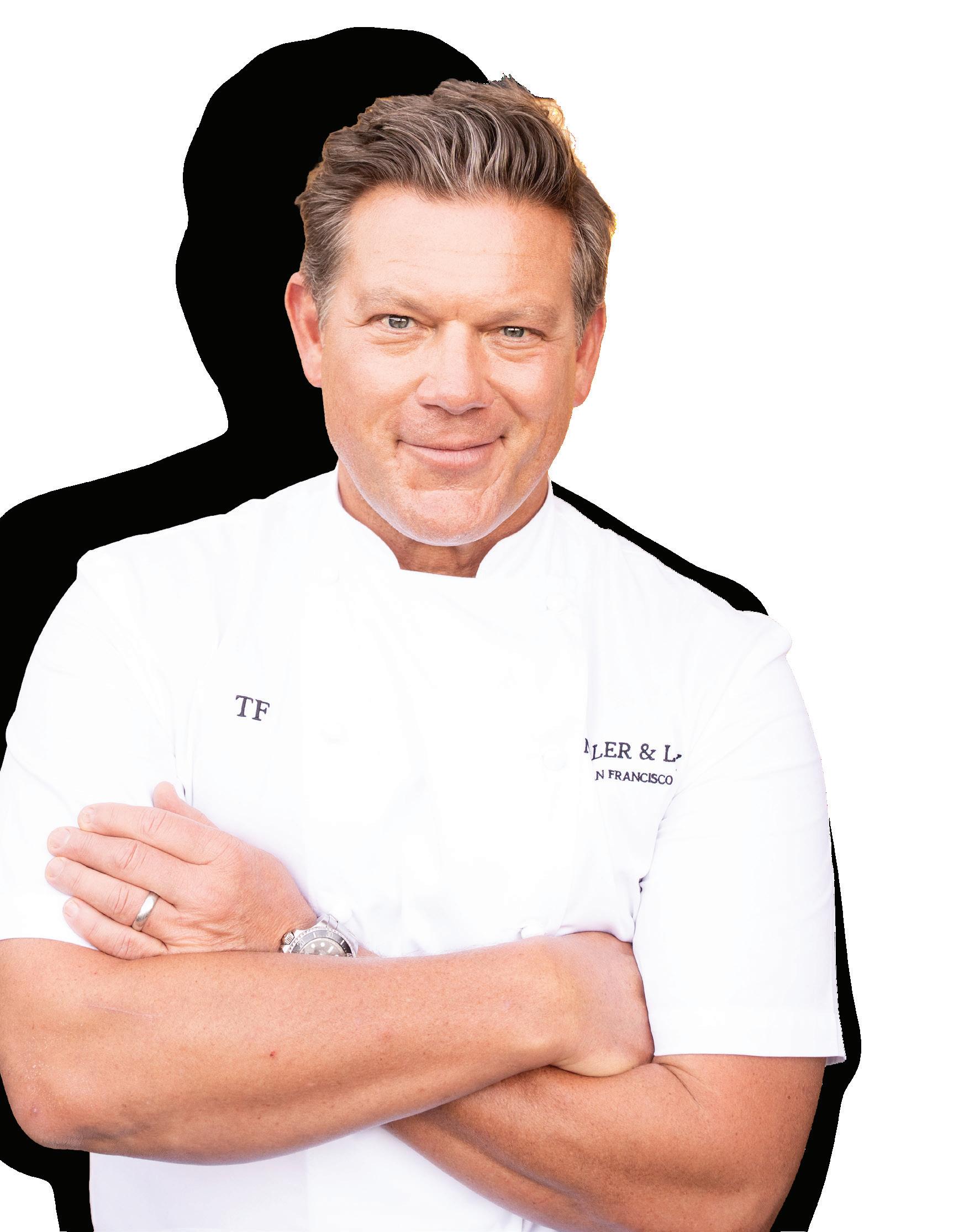
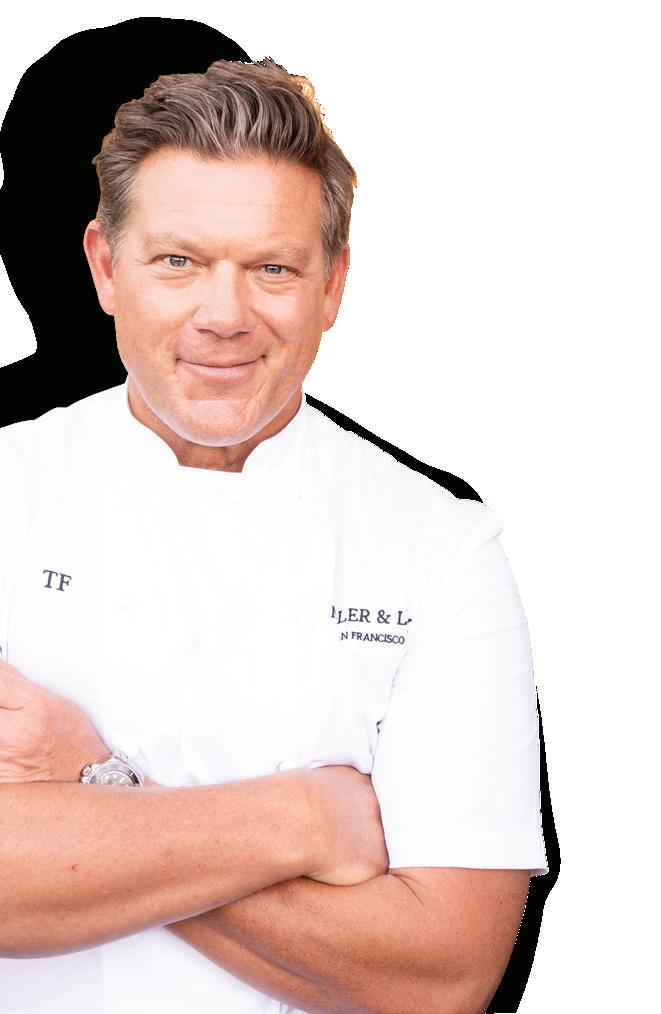
featured presenter Tyler Florence
A LEGENDARY DOUGH, REDONE
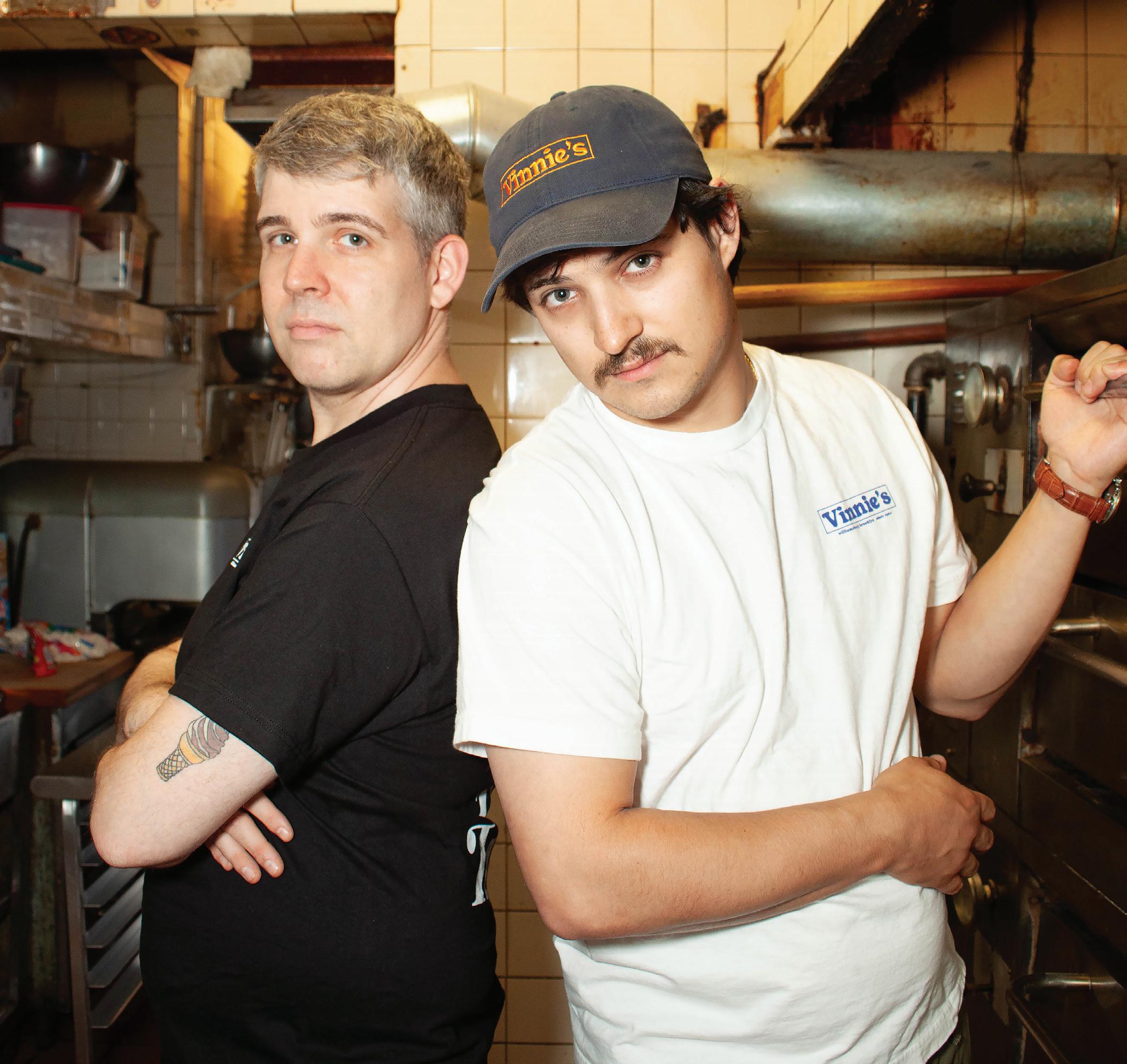
COBY CHAFETS IS ONE of the funniest people in the pizza business—just log onto the TikTok and Instagram accounts for Vinnie’s Pizzeria, which he co-owns with the equally hilarious Adam Richardson in Brooklyn—and see for yourself. But a statewide ban on potassium bromate, which was passed earlier this year by the New York Legislature, is nothing to laugh about. Nor are the health risks associated with the flour “improver.” That’s why Chafets reformulated the dough recipe at Vinnie’s months before the bill even passed. “And guess what?” he says. “Our dough is much better now, and I’m happy for it.” Chafets is unimpressed with
NYC operators who have complained publicly about the bromate ban. Developing a new recipe was “a ton of work,” he says, “but when I see other pizza guys saying, ‘I don’t want to relearn how to make dough because I’ve been doing it this way for 40 years,’ that doesn’t read to me like passion for the craft. That feels like laziness.” His message to fellow pizzaioli: Quit your belly-aching and get to work on your dough formula. “Vinnie’s has been here since 1960,” he says, “and one reason is because it’s consistently rolled with the punches….Sometimes things change, and they might even change for the better.”
Coby Chafets and Adam Richardson took over Vinnie’s Pizzeria in 2024 and have put their own unique stamp on the 65-year-old brand.
VINNIE’S PIZZERIA
STRUCK BY LIGHTNING
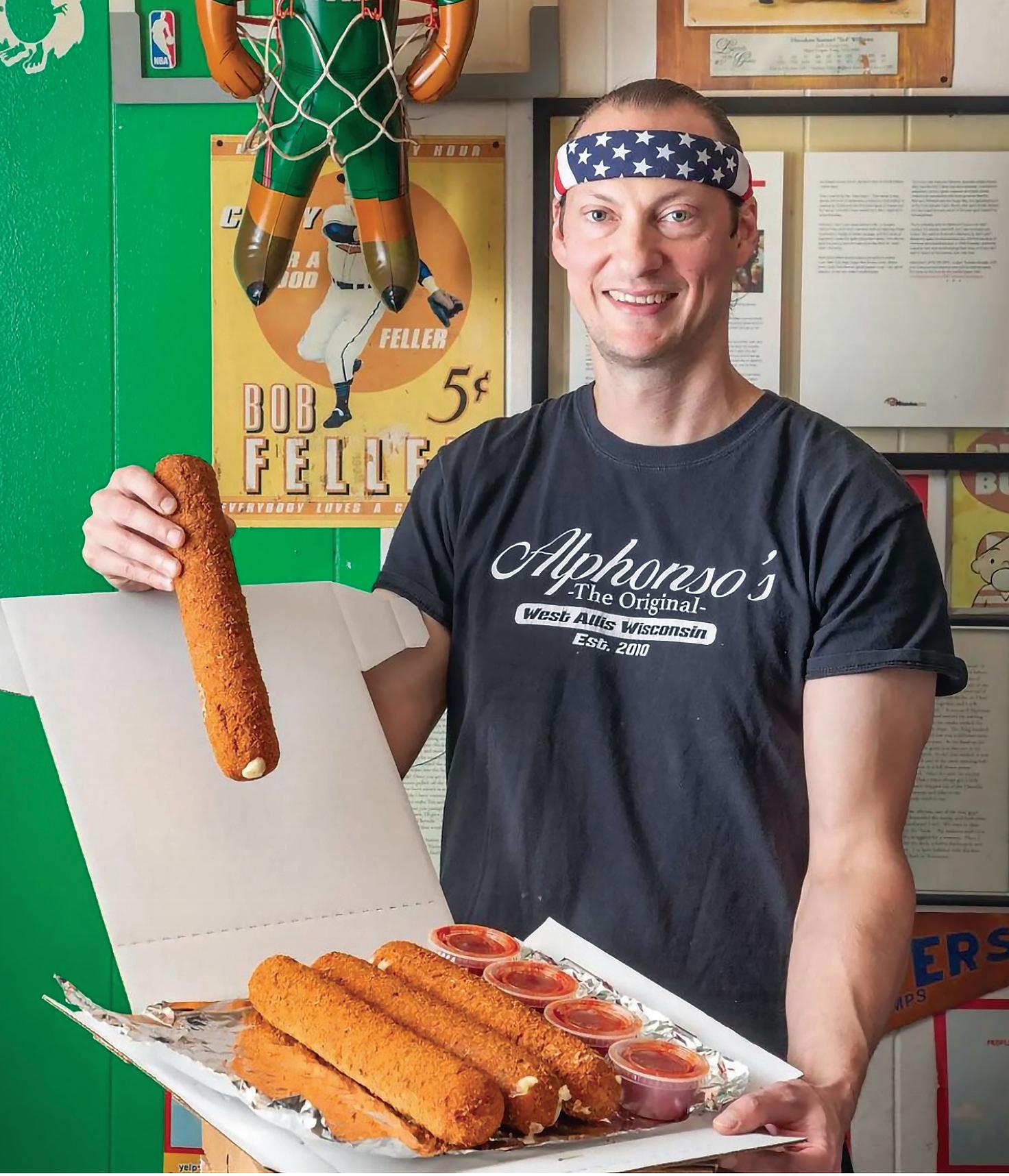
Tim Szuta, owner of Alphonso’s The Original Pizzeria in Milwaukee, had hit rock bottom in 2020 when he was “struck” with an idea that changed everything. He’d suffered stress- and anxiety-related breakdowns, homelessness and a back injury that left him wondering if he’d ever walk again. His oven broke down, and his entire crew quit to take other jobs. “I was stuck all alone,” he recalls. “Then, one night, I was sleeping in the shop once again and playing around with some ideas, and it hit me like a bolt of lightning.” He called his culinary invention—a massive one-pound, foot-long mozzarella stick—the Lightning Rod. For $3 apiece, his few remaining customers “would buy it and not be able to comprehend what they were getting.” After an influencer featured it in a Facebook video that garnered 11 million views, the Lightning Rod, with its visually epic cheese pull, became a social media sensation. Business was so good, he moved into a new location and found himself taking calls from The New York Times and The Drew Barrymore Show. “The Lightning Rod literally saved my life and the business,” he says. “I was able to revive my pizzas and fight fearlessly for this dream to come true!”
A KOSHER SICILIAN SQUARE
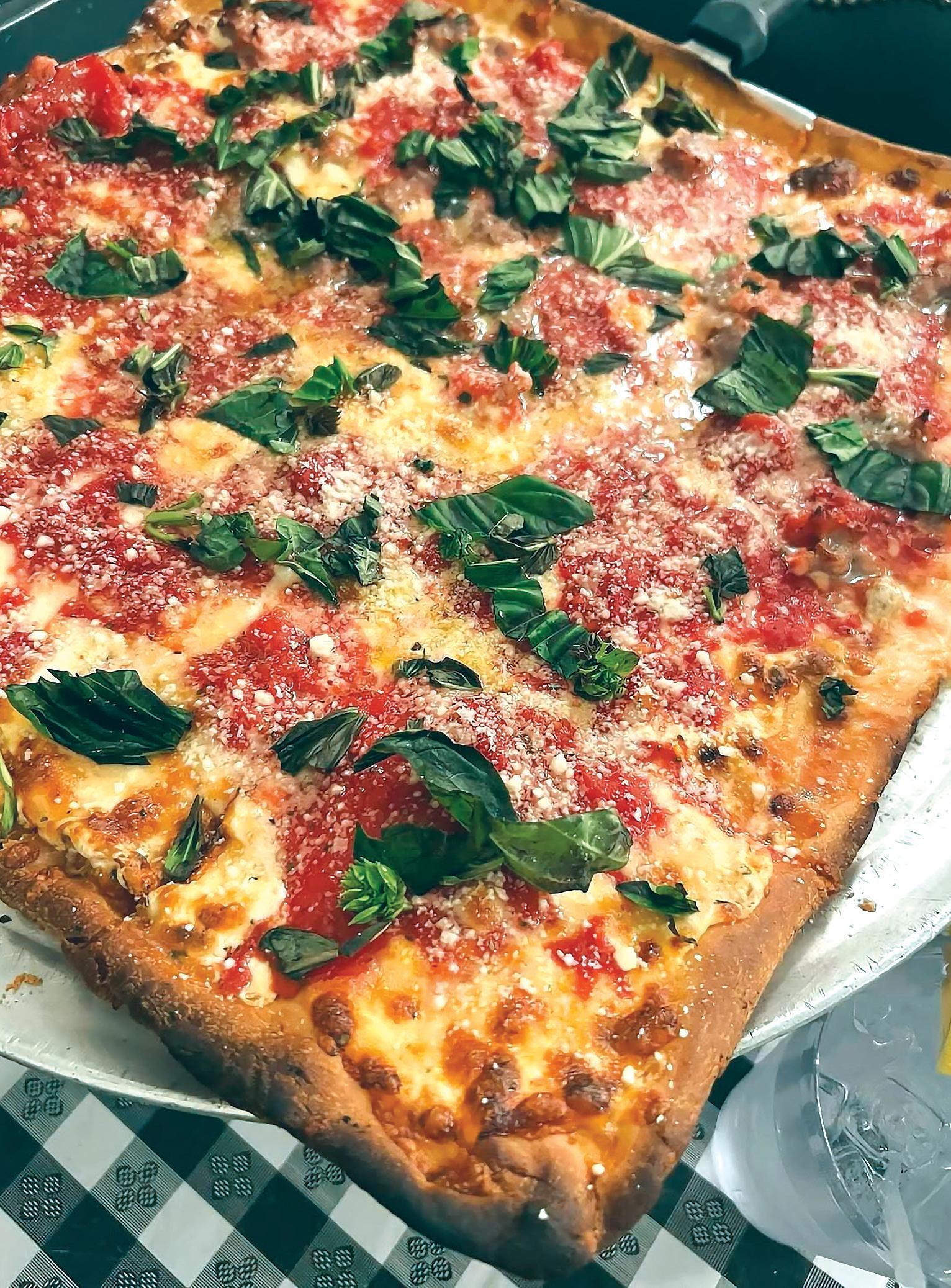
When you have six locations and a signature pizza that New Jerseyites are clamoring for, why not make it even more accessible by going fully kosher? That’s what Peter Grippo, owner of Brooklyn Square Pizza, did in June when he partnered with veteran restaurateur David Mizrahi to open Kosher Square Pizza in Oakhurst. Dave Portnoy of One Bite Reviews turned up at Brooklyn Square Pizza’s flagship store in Jackson back in early 2020 and gave Grippo’s upsidedown Sicilian-style square pie a shot, even though he famously prefers a thinner crust. Portnoy praised the fluffy dough and crispy bottom and smacked a stellar score of 8.9 on the screen, calling it “spectacular” and “the best square slice” he’d ever reviewed. That made Grippo’s shop go viral and further cemented its reputation as an elite Jersey pizza destination. By launching Kosher Square Pizza as its own certified operation in Oakhurst—under the Jersey Shore Orthodox Rabbinate’s supervision—Grippo and Mizrahi can now serve observant Jewish customers without altering the broader Brooklyn Square menu.
BROOKLYN SQUARE
Sometimes a single out-of-the-blue idea, like Tim Szuta’s Lightning Rod mozzarella sticks, can change your business—and your life.
Opening a fully kosher branch of Brooklyn Square Pizza has allowed owner Peter Grippo to reach a whole new demographic.
Protecting Your Business From Legal Disaster
General liability insurance isn’t enough to keep your business safe in today’s litigious world. Here’s a look at the key policies you’ll need.
BY MICHAEL P. LaMARCA
IMAGINE THIS: EVERYTHING YOU HAVE BUILT in your business is gone. All your blood, sweat, tears—not to mention all the money you invested—have been lost. Worse yet, it has been taken away from you because of someone else’s actions. This scenario might be difficult to imagine, but, unfortunately, it is far too often a reality for many business owners.
Pizza shop owners are often so hyperfocused on their day-to-day operations that they forget they face many other pitfalls that come with running a business in today’s litigious world. Utterly consumed with fundamental tasks—finding employees and creating unique menus—they fail to protect their business, their intellectual property, their web domains and social media handles.
But there are solutions to each of these concerns. First, you need to make sure you and your business are covered with
the proper insurance policies. A common misperception is that your general liability policy—which I call your “slipand-fall policy”—covers any claim against you and your business. The truth is, your general liability policy is very limited in its protection. In addition to that one, which you most likely have, there are several other business insurance options that you need to be aware of. Let’s take a closer look at all of the key policies you’ll need to protect your pizza business.
General liability policy (GL): This one protects against third-party claims of bodily injury, property damage and advertising injuries (libel/slander). This is the most common policy and the one your landlord probably requires. But it’s a very limited policy, and it really only protects you if an injury occurs on your property. Business owners often believe
A common misperception is that your general liability policy—which I call your “slip-andfall policy”—covers any claim against you and your business. The truth is, your general liability policy is very limited in its protection.
that this policy will protect them across the board, but it does not.
Business owners or directors and officers policy (D&O): I refer to this one as the “I can sleep at night policy,” because it protects the directors and upper management of your company against legal fees and financial losses resulting from business decisions. Anyone can come after you in court for anything, and this policy protects you—more or less—from those kinds of claims. It just might be the most important policy you can get.
Employment practices liability (EPLI): If the business owners policy is the most important one, EPLI is a very close second. This policy protects your business against employee claims of wrongful termination, discrimination, harassment or retaliation. Again, it will cover any legal claims for which any employee would come after you. This policy typically covers any damages as well as legal fees. It does have some limitations, however, such as minimum-wage claims.
Non-owned auto liability: This policy covers you when you have workers making deliveries for you in their own cars. It provides physical damage and liability protection for any cars, trucks or vans used primarily for business operations. Drivers still need to carry their own auto insurance policy so that their policy can respond to a claim while they’re on the road for you. But nonowned auto liability coverage provides additional protection for your business.
Commercial umbrella insurance: This is the “ultimate sleep at night policy.” It extends the payout limits of your existing primary policies (like general liability or commercial auto) when a catastrophic claim exceeds those caps or limits. For example, if you get sued for $1 million and your coverage is set at $500,000, this coverage will fill in those gaps.
Cyber liability: This policy is crucial for doing business in today’s world—for any businesses that manage networks, process credit cards or store client data. Cyber liability helps cover costs from data breaches and ransomware attacks. A potential cyber liability claim can carry penalties or damages in the tens of thousands. I guarantee there is not one person reading this article who is well-versed enough in today’s technology to be able to forgo having this coverage. It’s a must nowadays. Cyber attacks can come from anywhere at any time, and they will usually go undetected until it is too late.
Having these policies still won’t provide 100% foolproof protection, and there are many times when a business owner’s actions could nullify any coverage. But sometimes mistakes or accidents happen, and if you try to run a good, safe, honest business, these policies will keep you protected. If you do anything this month, call your insurance agent and ask, “Am I fully protected?”
Michael LaMarca is a veteran pizzeria owner/operator and owner/CEO of Master Pizza Franchise Group in Cleveland. To engage with him directly, follow him at @michaelplamarca on Instagram and Facebook.
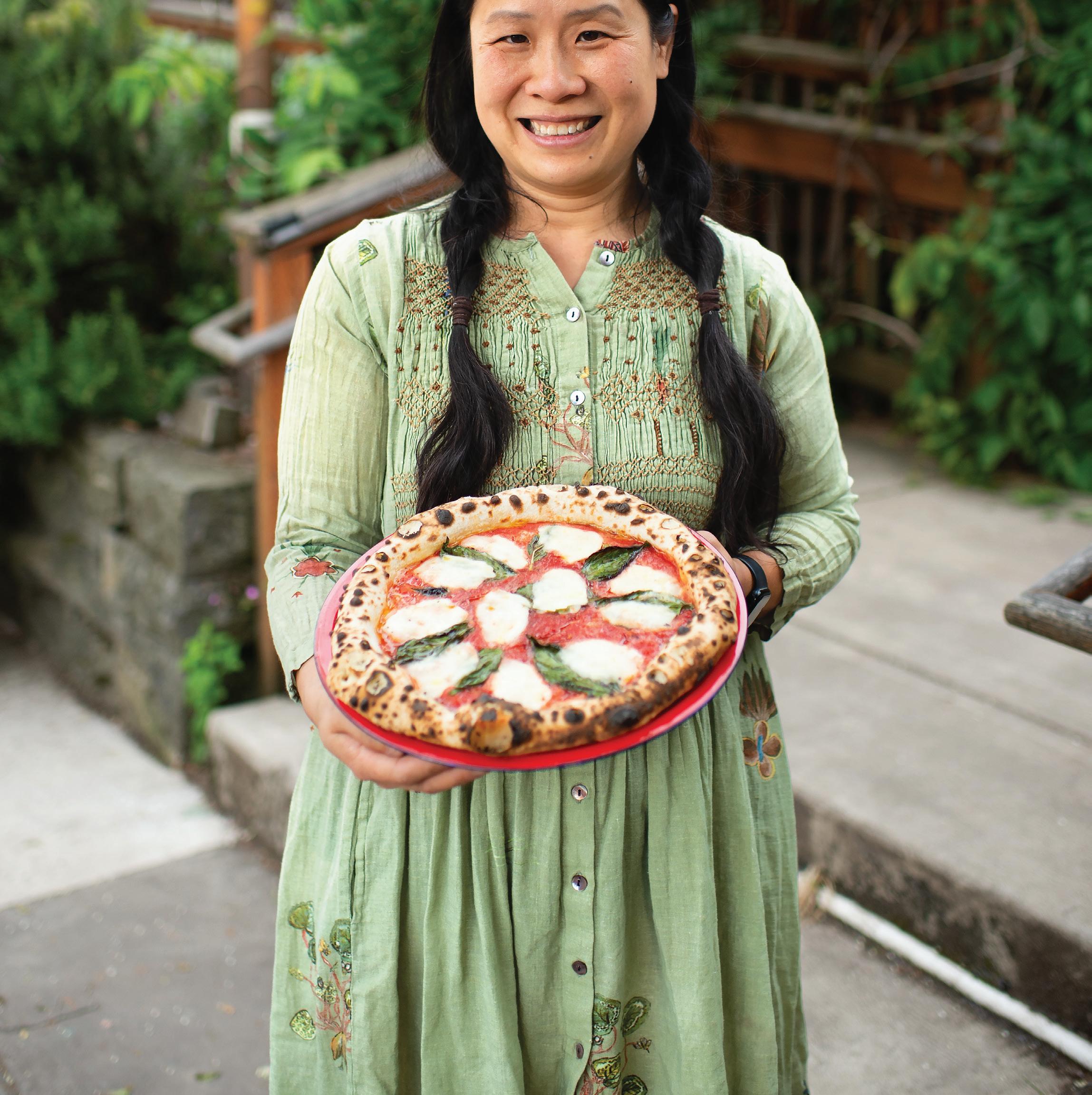
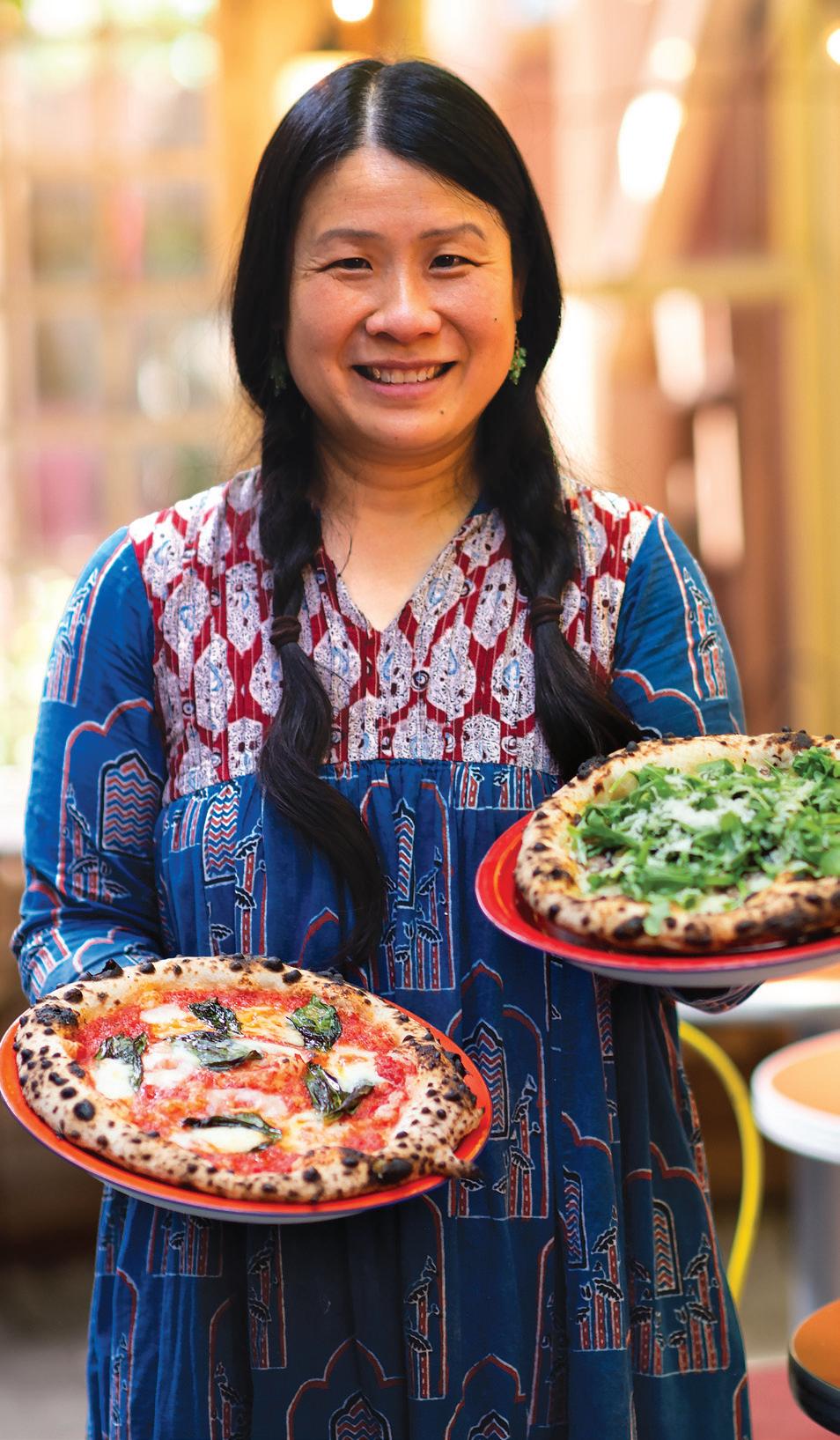
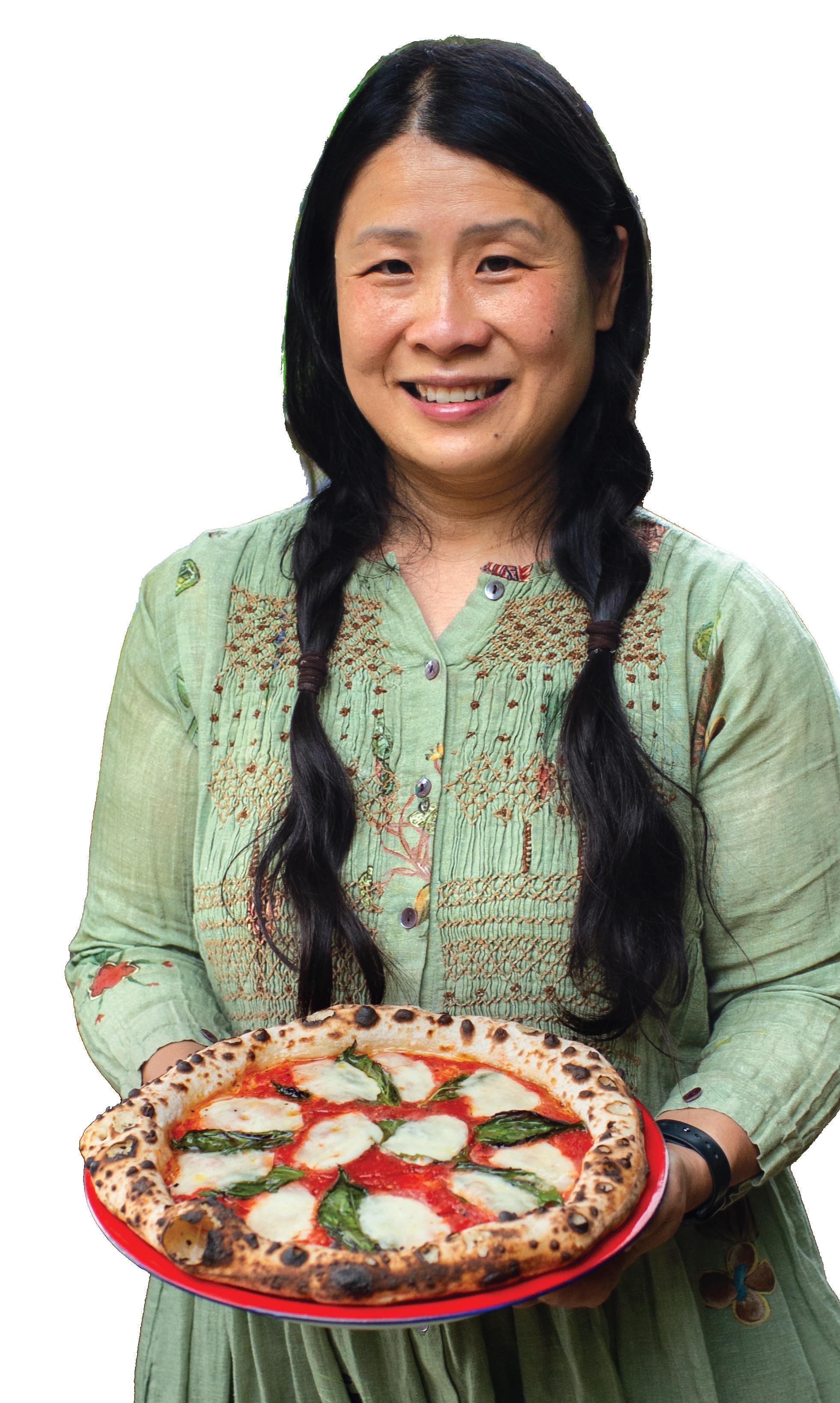
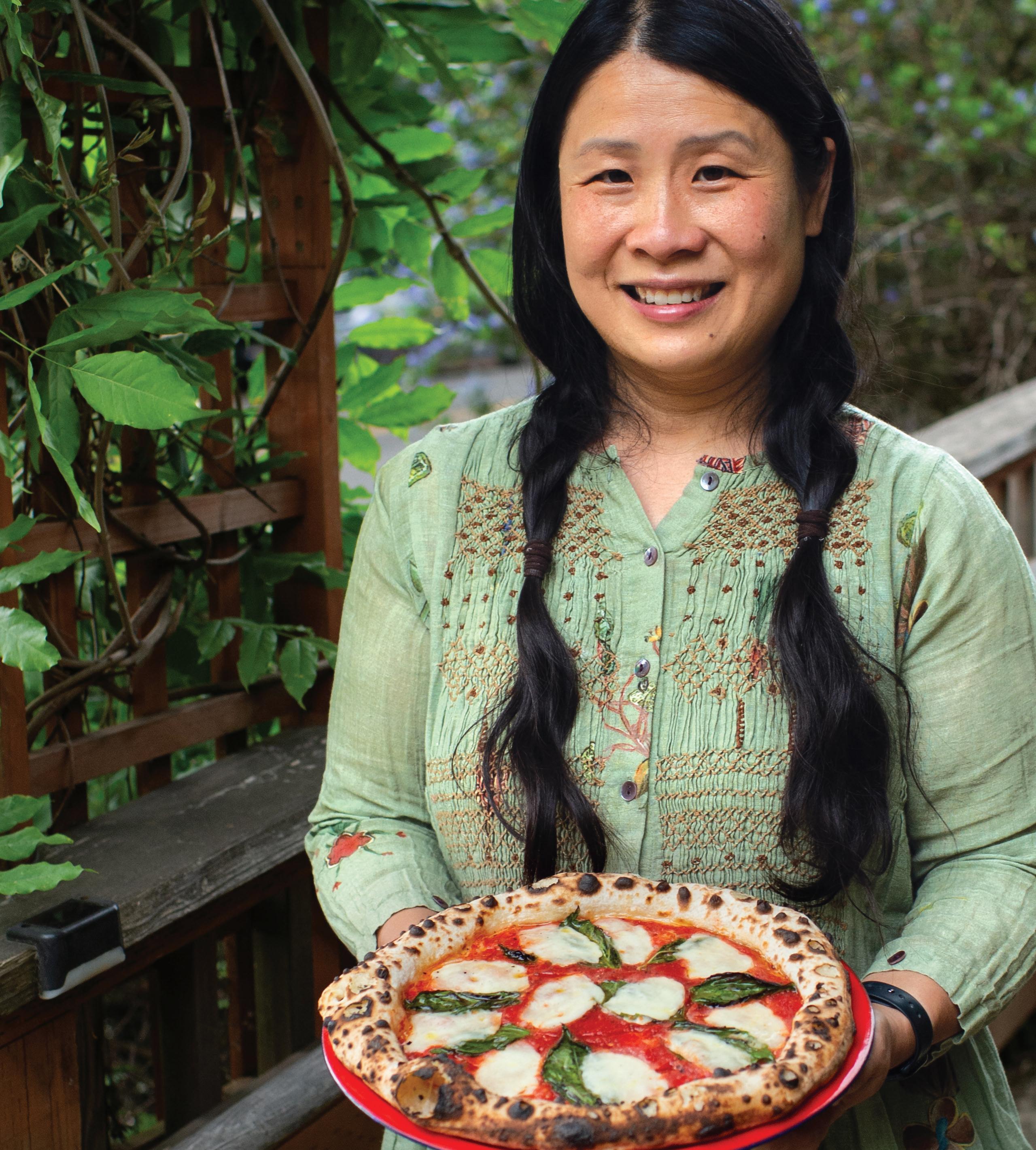
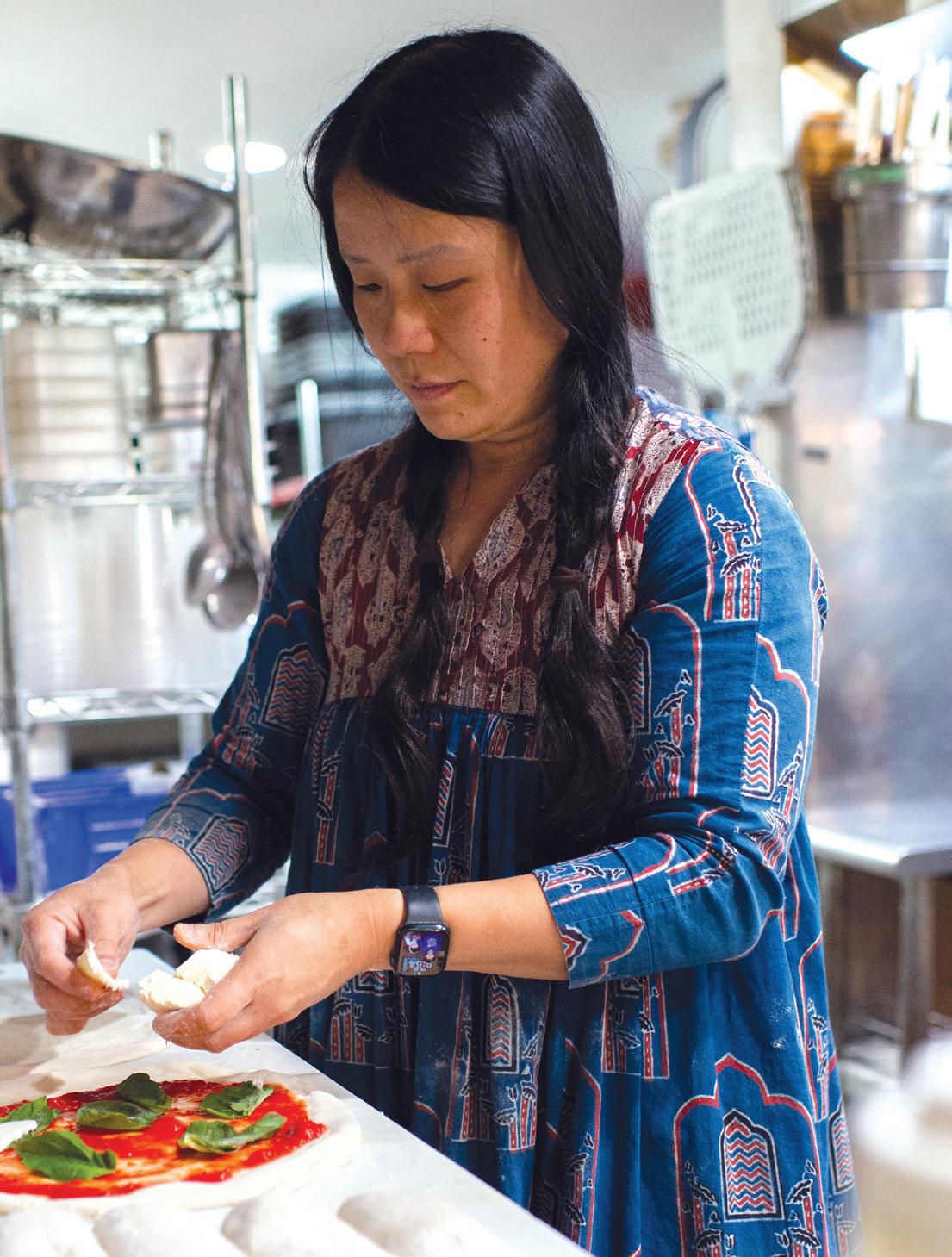
Overlooked as the youngest daughter in a traditional Chinese family, Candy Yiu has created a magical little world of her own—and finally made her parents proud—with The Turning Peel.
BY RICK HYNUM | PHOTOS BY CLAIRE THORINGTON
MOST AMERICANS WOULD BE PROUD to have a daughter like Candy Yiu. Born in humble circumstances and raised in a 100-square-foot apartment with four siblings in a Hong Kong skyscraper, she worked and paid her own way through college to earn a Ph.D., landed a plum job at a multinational technology giant (Intel) and accumulated more than 200 patents in wireless technology.
But Yiu’s parents are Chinese, and as their youngest child—and a girl—she might as well have been invisible. Growing up, she slept on the floor while her older brothers and sisters got the bunk beds. Her ultratraditional mom and dad—who can’t read—thought a college education would be wasted on her. As the years went by, none of her academic or career achievements impressed them, not even the patents covering LTE and 5G cellular services. They never once said they were proud of her.
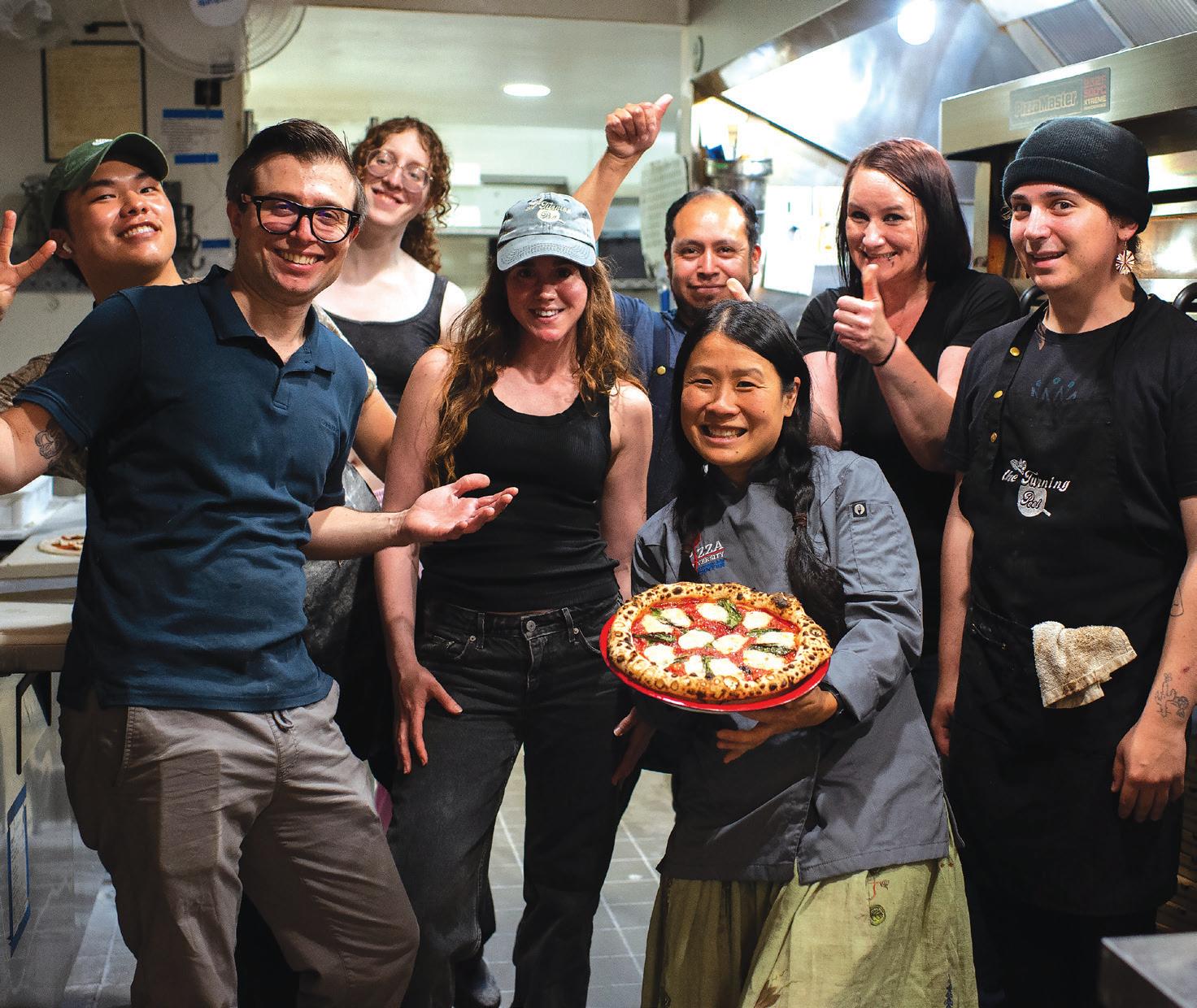
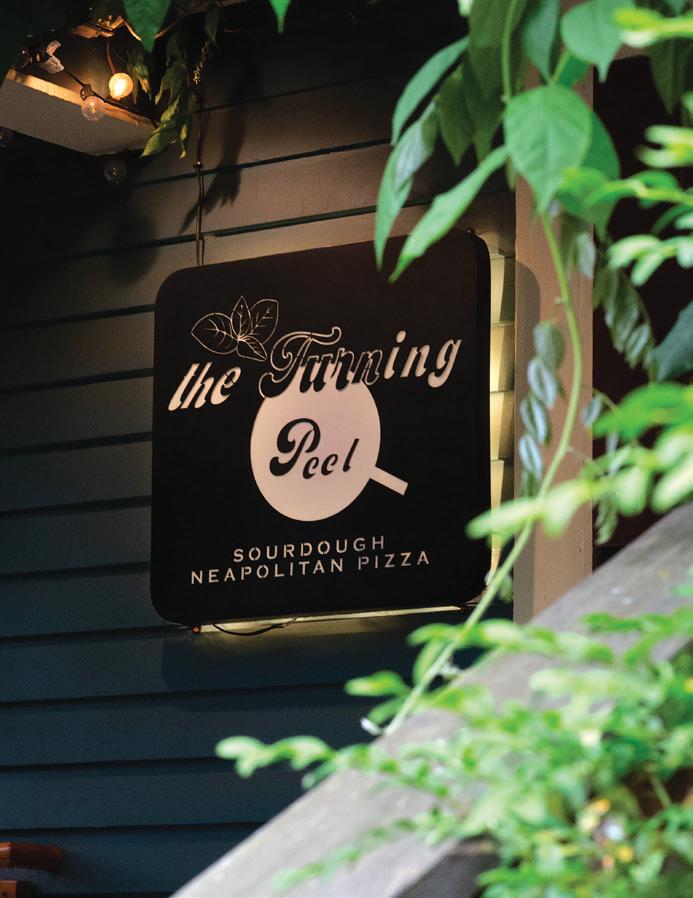
Then she founded The Turning Peel, one of Portland, Oregon’s most acclaimed pizzerias. It’s a magical, vibrant and verdant world entirely of Yiu’s own creation, where vines thick with juicy grapes hang over your head on the patio and loaves of sourdough bread are yours for the asking, no charge. Here, guests discover a small, intimate neo-Neapolitan paradise
“I always say it’s a gift to be poor when you’re young. I don’t regret one bit of my childhood. If not for that, I wouldn’t be who I am today.”
Candy Yiu, The Turning Peel
with the feel of a secret garden—and a cheerful, loving, always smiling caretaker who can’t bear to see anyone spend a single dime more than they have to.
The Turning Peel has also transformed Yiu’s relationship with her parents for the better—while elevating Yiu herself to the pantheon of Portland’s pizza making elite.
A Self-Made Woman
Yiu’s younger days could be straight out of a Dickens novel, if Dickens had lived in Hong Kong. There were times when her siblings had to take turns eating because there wasn’t enough food for everyone on a given day. When Yiu was born, her mom had begun to earn a higher income but not enough to move into a bigger space. And Yiu was yet another mouth to feed.
Make no mistake: Yiu knew her parents loved her. But shaped by traditional expectations about gender, education and birth order, they failed to recognize just how extraordinary their youngest child was.
“I always say it’s a gift to be poor when you’re young,” Yiu says. “I don’t regret one bit of my childhood. If not for that, I wouldn’t be who I am today. What I have—the drive, the willingness to work harder, the anger
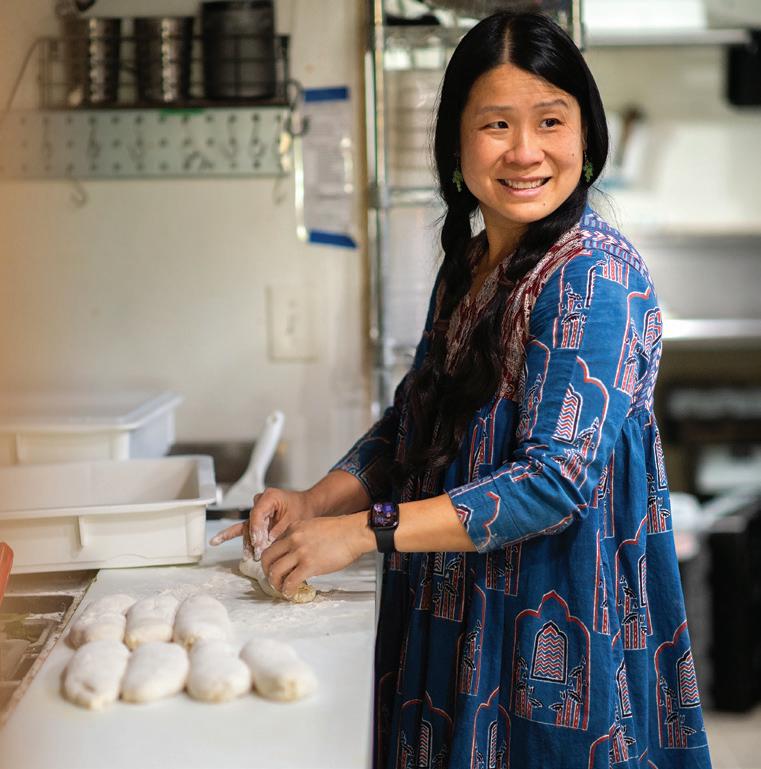
While developing her dough formula, Candy Yiu slept in the basement night after night, waking up every two hours to measure the results of different hydration levels.
at being told I wasn’t good enough because I was a girl—it’s hard to teach that to your own kids. I feel like I’m the lucky one.”
Although a self-made success, Yiu gives much of the credit to others— teachers, social workers, professors who believed in her. In high school, she loved math and science, but her grades didn’t reflect her passion. She still managed to get into college, no easy feat in Hong Kong, where nearly 90% of students were weeded out before they’d even finished high school. She overcame daunting odds and constant money worries to earn her Ph.D. at Portland State University. Yiu’s hard-fought journey through academia is a longer story, but suffice it to say that when Portland State accepted her, she recalls, “My parents were very upset with me. My mom didn’t even talk to me for three months, but I thought because I’m
the youngest, I will just do what I want….I flew to the U.S. with just $200 in my pocket, and the department chair got me a tutoring job for $1,029 a month. After rent, I had just $100 a month for food. But my dream had come true. I was living in the U.S. I didn’t have a lot of money, but I survived.”
And, thanks to her cutting-edge research, she began traveling the world and rubbing shoulders with leaders in the tech sector—a heady experience for someone who’d never left Hong Kong. After earning her Ph.D., Yiu spent 13 years developing cellular network technologies for Intel. The money was coming in at last, and she
was still jet-setting around the planet. But when she became a mother, she hated being away from her baby son. She was actually delighted when Intel instituted several rounds of layoffs a few years ago and eventually sent her packing.
Experiments in Dough Making
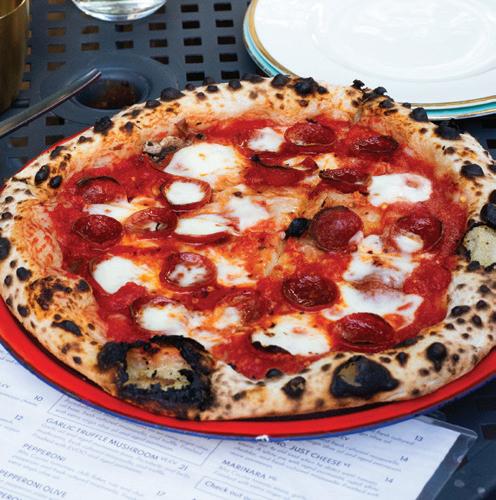
By then, Yiu had fallen in love with baking sourdough bread. Next came Neapolitan pizza, which she discovered through a friend. “This was not like anything I’d eaten before,” she recalls. “It’s light and tasty, the mozzarella is stretchy—the basil, the tomatoes, everything going into my mouth told me this was amazing, and I wanted to make it, too.”
Trained as a computer scientist, she set about devising her own experiments with a sourdough starter named Bao Bao, flour and salt, various hydration levels, and a temperaturecontrolled storage space called the Bao Bao Sanctuary.
“I plotted it all out with this giant table on a clipboard—hydration, water
“[Neapolitan pizza] was not like anything I’d eaten before. It’s light and tasty, the mozzarella is stretchy— the basil, the tomatoes, everything going into my mouth told me this was amazing, and I wanted to make it, too.”
Candy Yiu, The Turning Peel
temperature, cooking temperature,” Yiu says. “I experimented with more than 1,000 pounds of dough. I slept on a futon in the basement, and I’d wake up every two hours. I’d measure the height and temperature of the dough and experimented with hydration—you know, 65% to 67%, 68% to 69%, 70% to 71%, 72%. We did a one-hour bulk fermentation, then balled and post-proofed them.
With a team of 12 full-time and part-time employees, The Turning Peel topped $1.5 million in sales last year, despite its limited hours of operation.
Eater Portland says Yiu’s sourdough crusts “are precisely dialed in for maximum chew with just a hint of fermented tang.”
email info@polly-o.com to request samples
Then we’d do two hours of bulk fermentation and post-proof them for a little less time. Then it was three hours, four hours, five hours….I finally settled on a formula that I liked, with 70% hydration, for a crust that’s chewy, crunchy, airy and light. It’s not traditional Neapolitan pizza, which is soft and you cut and eat it with a knife and fork. You can hold up the entire slice with all the toppings and no flop, yet it’s still chewy.”
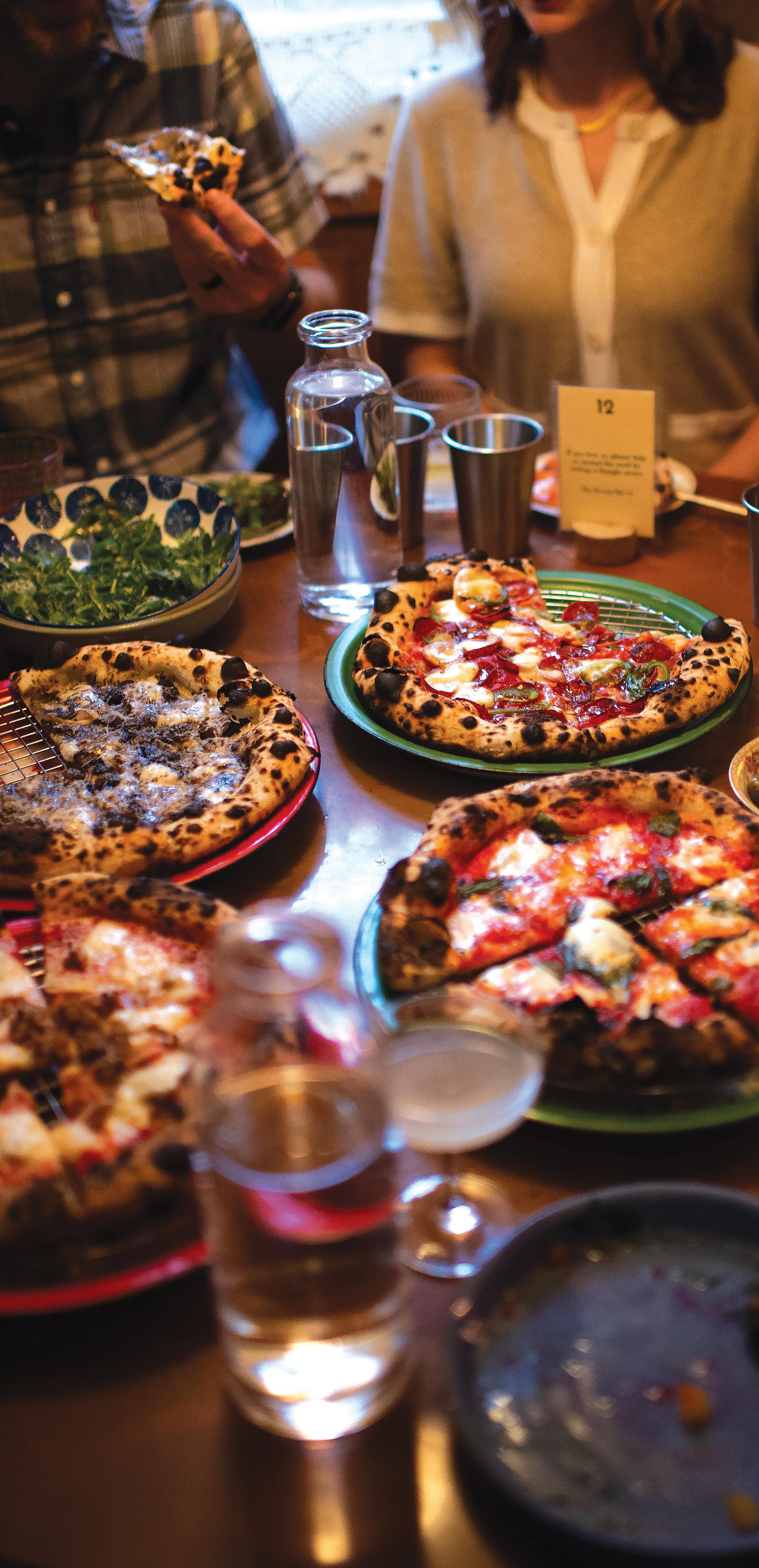
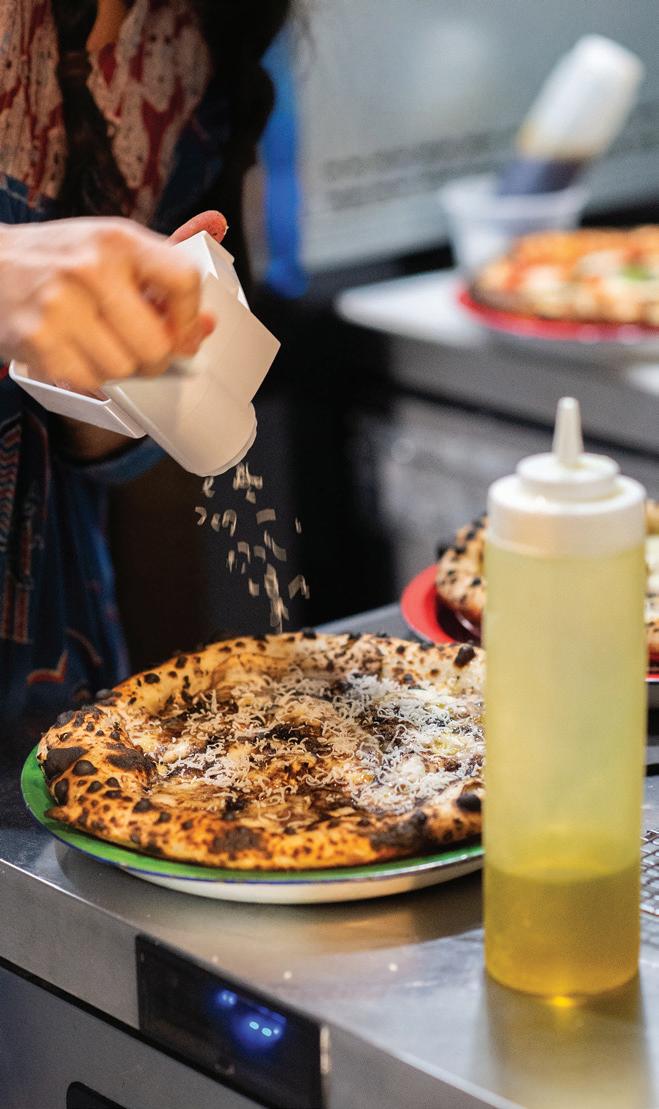
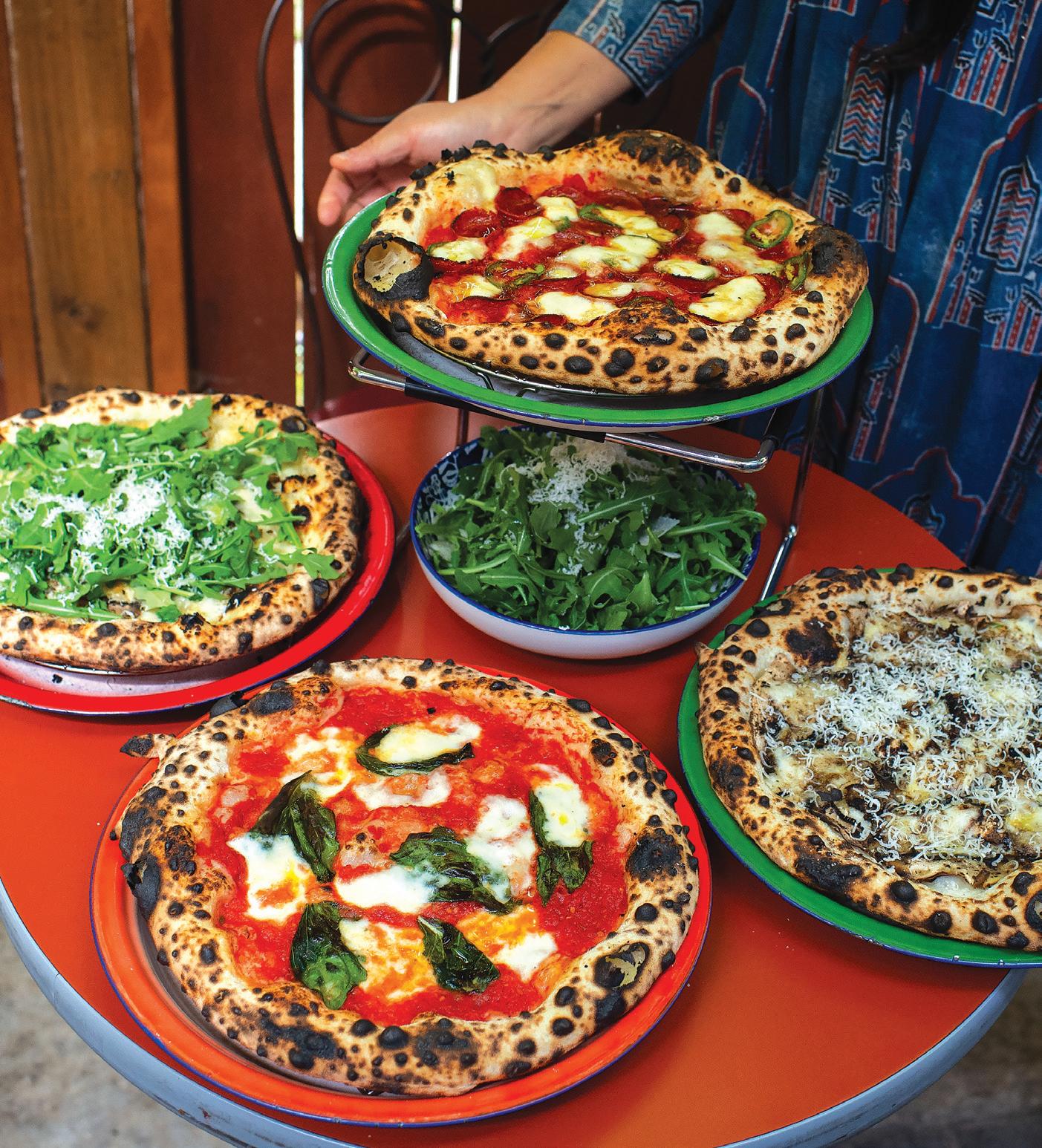
Yiu’s dough, made with 00 flour, undergoes three days of fermentation. Loaded with fresh ingredients, the final result is so good, readers of The Oregonian named The Turning Peel the best pizzeria in Portland in 2024 and 2026. Eater Portland also named it one of the city’s best for 2026, with food writer Ben Coleman noting, “The sourdough crusts are precisely dialed in for maximum chew with just a hint of fermented tang. The sauce is a particular highlight: bright and almost jammy without overwhelming the classic balance of flavors.”
High-Volume and Affordable
When Yiu and her husband opened The Turning Peel in late summer 2023, she knew exactly what she wanted it to be: esthetically stunning, affordable to just about everyone, high-volume and super efficient. “We didn’t want a fine-dining restaurant with really expensive prices, but we didn’t want a slice shop, either,” Yiu explains. “We wanted to build a place where you can bring a date or celebrate any occasion in a beautiful environment, and we wanted it to be 20% to 30% less expensive than a similar pizzeria. The only way for that to work is to go very high-volume. And we thought, if we can’t do that, it’s OK—we’ll just close down.”
They started out offering lunch service only, and on their first day in business, she recalls, “We sold two pizzas. I was, like, ‘Oh, my god, was this a mistake?’ But every day there
The Pie Garden
Before opening The Turning Peel in 2023, owner/chef Candy Yiu honed her pizza making skills with a $35 pop-up stand in a small farmers market. After repeatedly selling out and sending some customers home disappointed (“I hate people to be sad,” she says), she made sure to keep her pies simple and easy to execute when she opened her brick-andmortar restaurant. The menu features 11” pizzas that lean seasonally vegetarian and range in price from $13 for the Margherita to $21 for the Garlic Truffle Mushroom. Add sausage and jalapeños to the latter, and you’ve got Yiu’s favorite pie. Others include these rotating specials:
• The PLB: cream base, roasted gold potato and leek confit, cultured mozzarella and bacon, finished with Parmesan and EVOO
• Snap & Squash: aged Parm and EVOO base, honey-roasted butternut squash, sugar snap peas and Italian sausage (plant-based optional), finished with Parm and EVOO
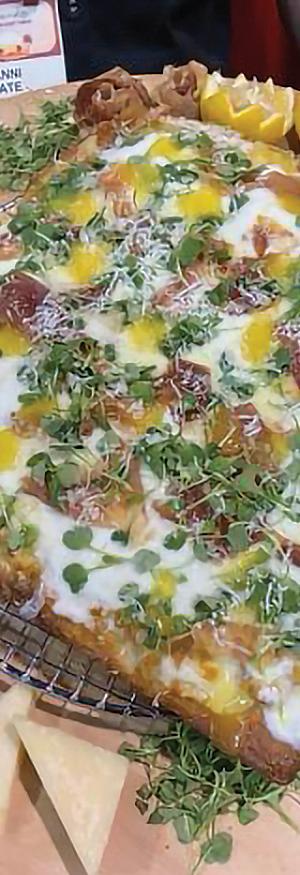
• Handful of Gold: cream base with roasted Pacific Northwest mushrooms, Italian sausage and cultured mozz, finished with microgreens, aged Parm and EVOO
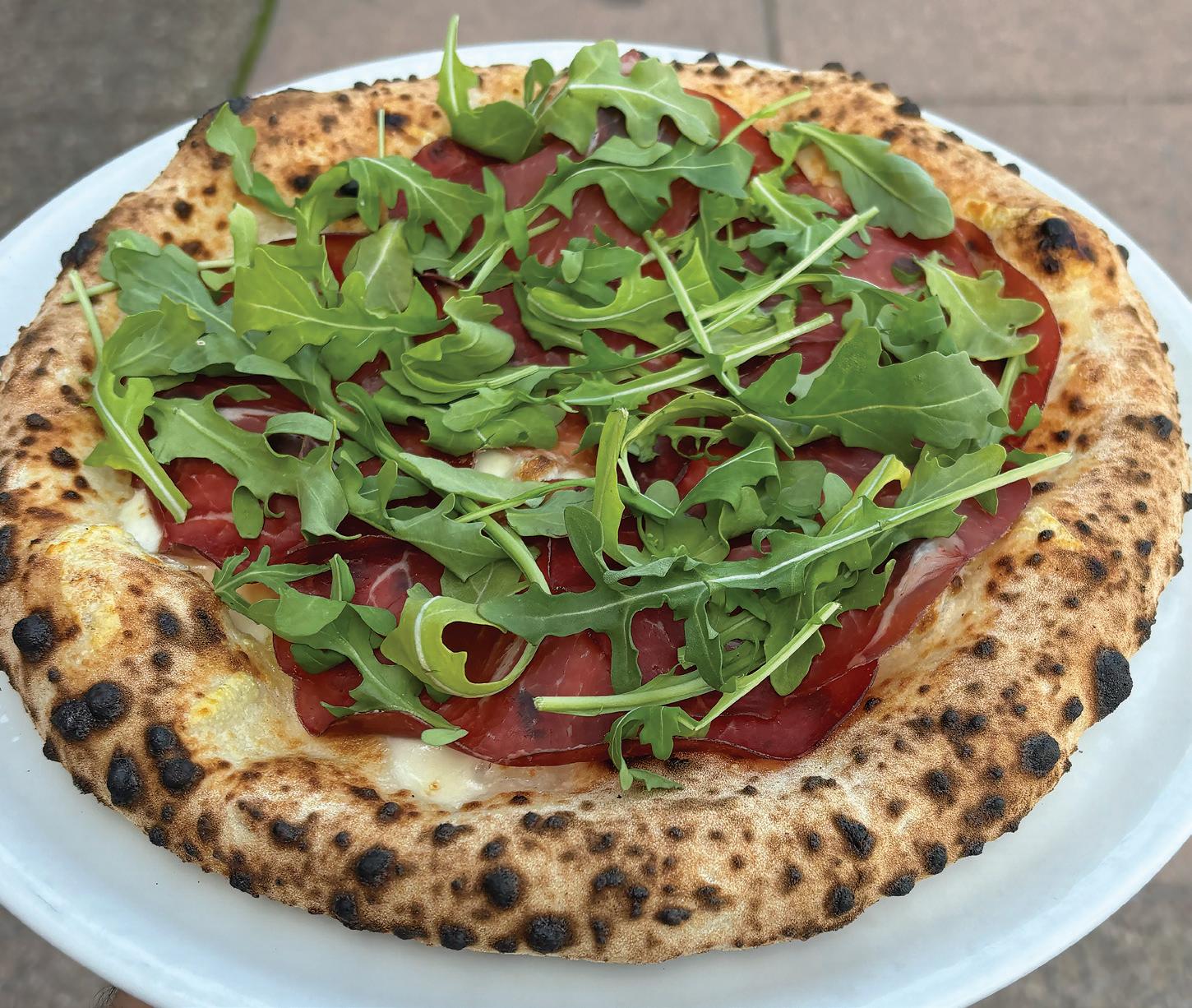
• Preserved & Cured: Preserved lemon, sliced garlic, prosciutto or vegan koji salami, basil and fresh cultured mozz, finished with EVOO, arugula and aged Parm
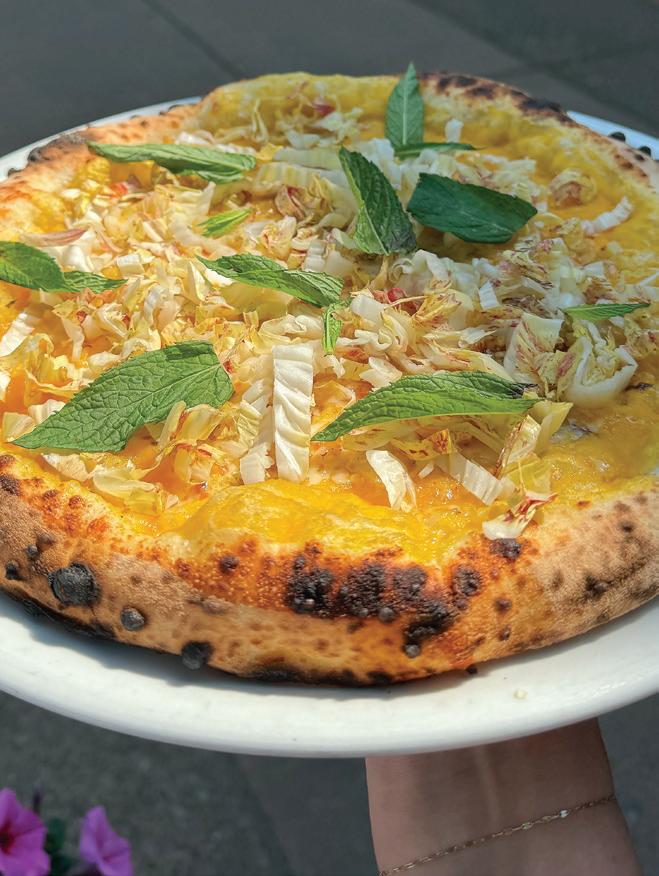
• Peach Serrano: Cultured mozz and EVOO base, roasted peaches, red onions, Serrano peppers and Italian sausage, finished with fresh mint, EVOO and aged Parm
IP Phone Service
Increase revenue and lower cost
• No Busy Signals
• Call Recording
• Call Queuing / Auto Answering
• Multiple (random) start of call upsell messages
• On hold music/message loops
• Detailed reports—hold times, lost calls etc
• Callerid delivered to POS system
• Auto attendants ”If you have arrived for curbside pickup press one ”
Cellular Backup Internet
Protect against outages
• When your Internet fails our cellular backup router keeps your phones, credit card processing and web orders all working.
• The backup kicks in automatically in seconds. So quickly you will not even drop calls in progress when your primary Internet goes down!
• The same router can be used to create chain wide virtual private network to connect your locations.
• SD WAN LTE/LTE A (4G/5G) modems.
On the PBX
“Press one to receive a text message with links to our onlne ordering ”.
SMS Marketing
Manage bulk text message marketing from our system to drive increased revenue. As low as $0.01 per message. Group text messaging to communicate with your employees (drivers, bartenders, all staff etc).
were more customers, and soon we were selling 30 or 40 pizzas a day.”
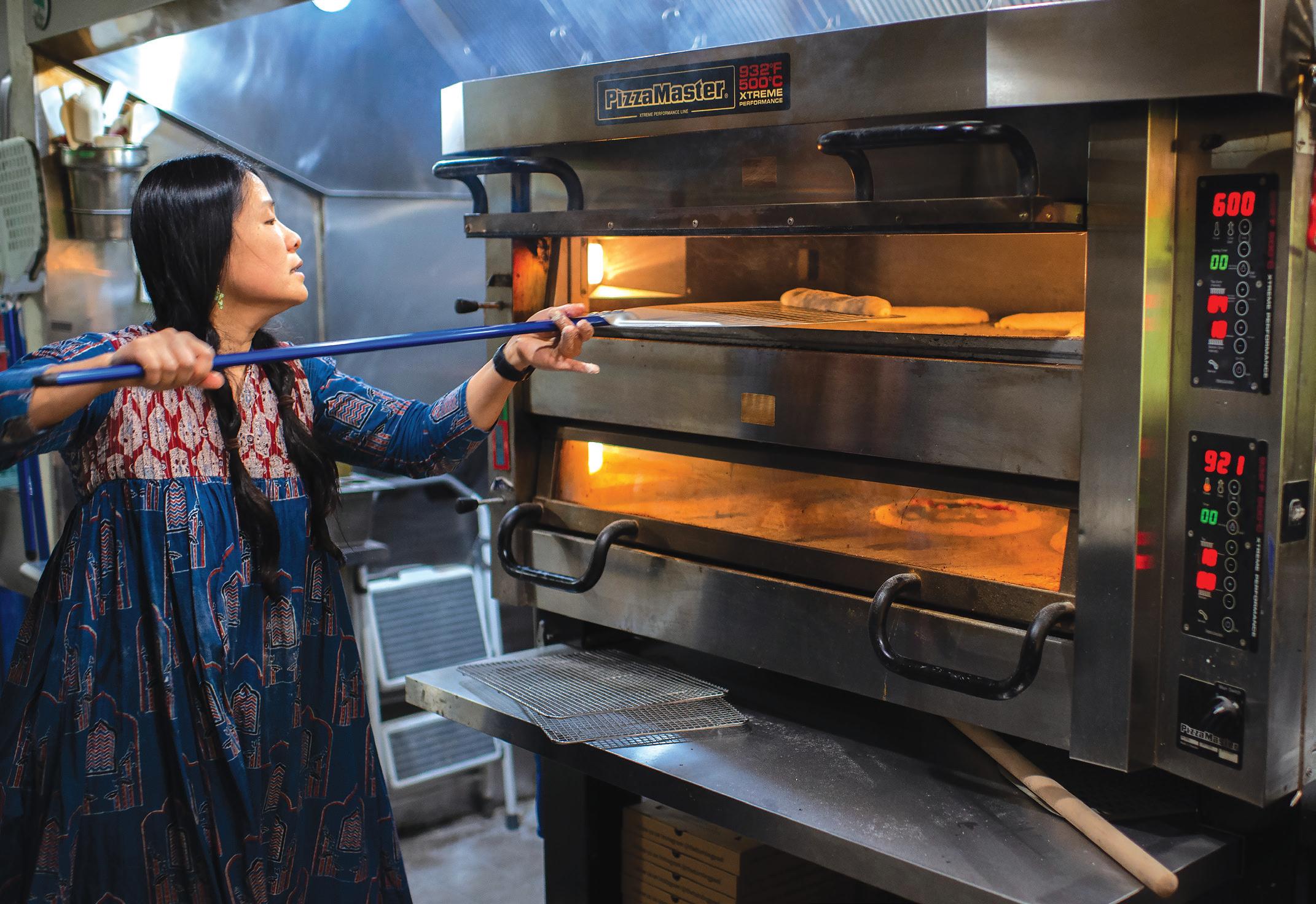
Restricted to a tiny 4’-by-6’ kitchen and baking her pies in two deck ovens instead of a wood-fired oven, Yiu designed her menu with simplicity and fast prep times in mind. “We thought about how we would execute every single dish on the menu with standardized portions of every ingredient measured to the gram,” she says. “We wanted to limit the majority of our dishes to simple chopping and cutting. From stretching the dough to topping, cooking and finishing, we can put out a pizza about every 30 to 60 seconds.”
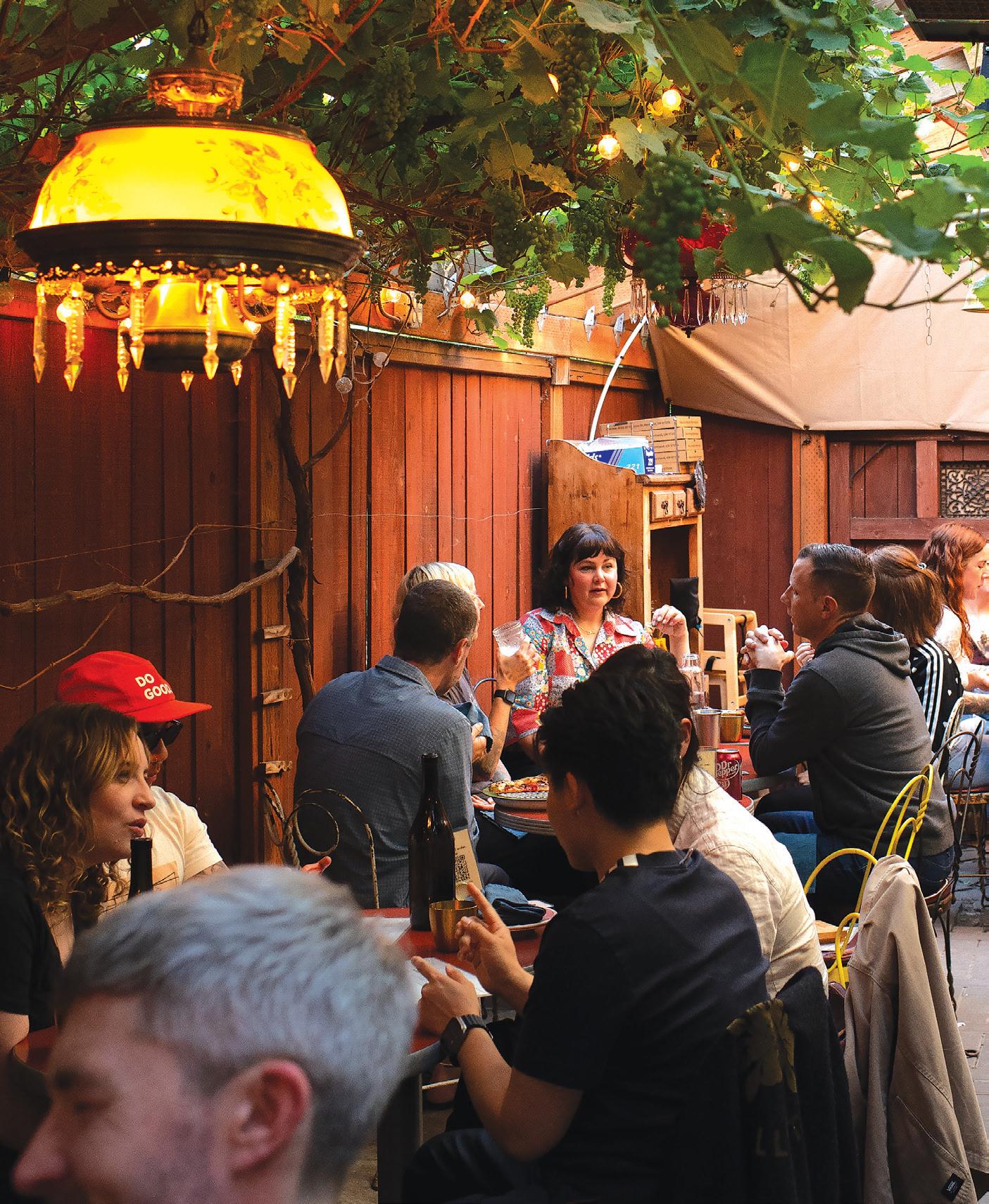
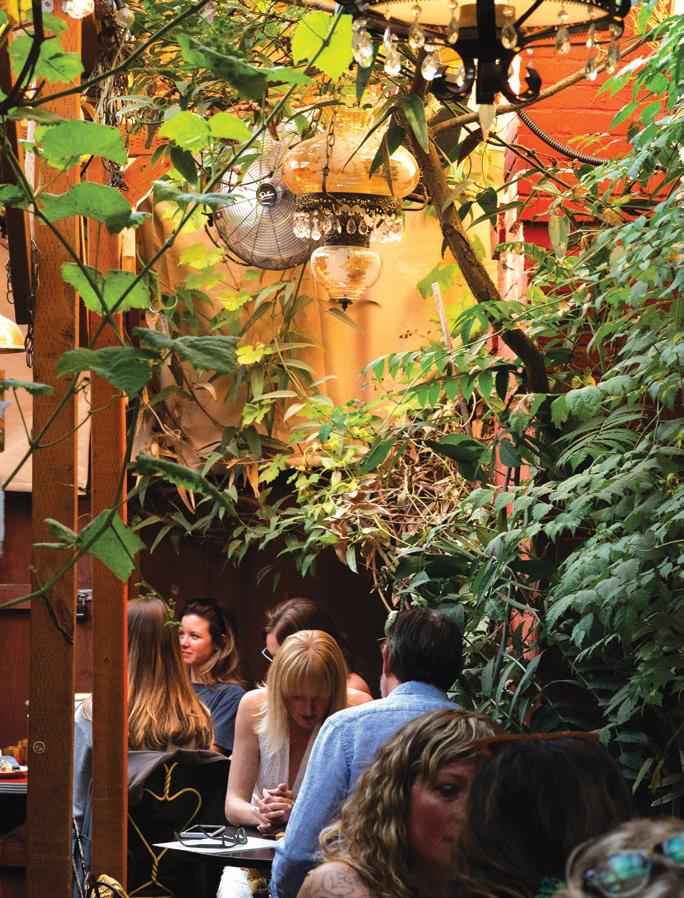
Some customers don’t quite get The Turning Peel’s concept, though. The space itself—including its patio, called The Oasis—is so gorgeous, it looks and feels like a fine-dining restaurant. Art and nature intersect
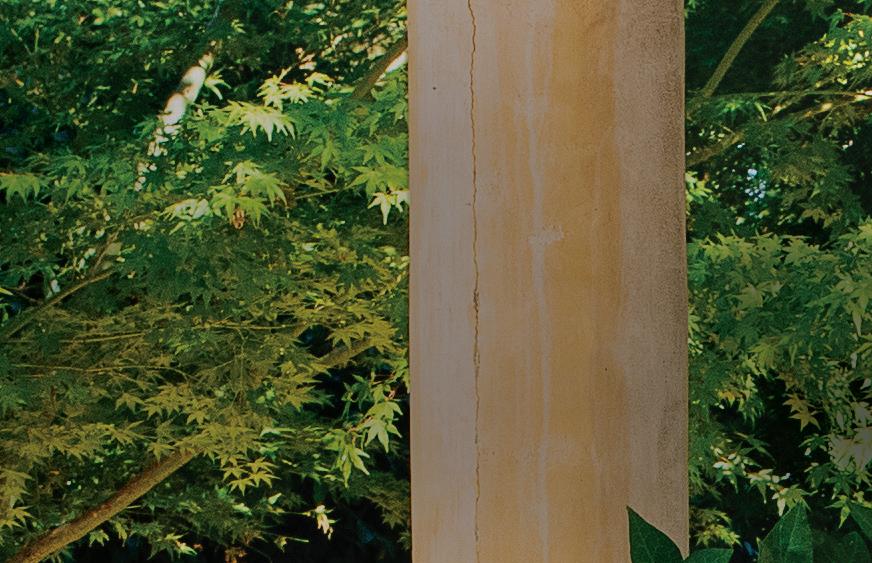
here, with antique decor and plant life flourishing in bursts of color. At the entrance, wisteria vines crawl along the porch and up to the roof; you’ll find California lilacs, rosemary and, on the patio, rockrose and boxwood shrubs, star jasmine, Boston ivy slinking around the windows, even a quince tree—plus the aforementioned hanging grapes, which anyone can pluck and eat while waiting for their pizza.
The building itself was originally a Craftsman house constructed in the 1950s and spans just 800 square feet.
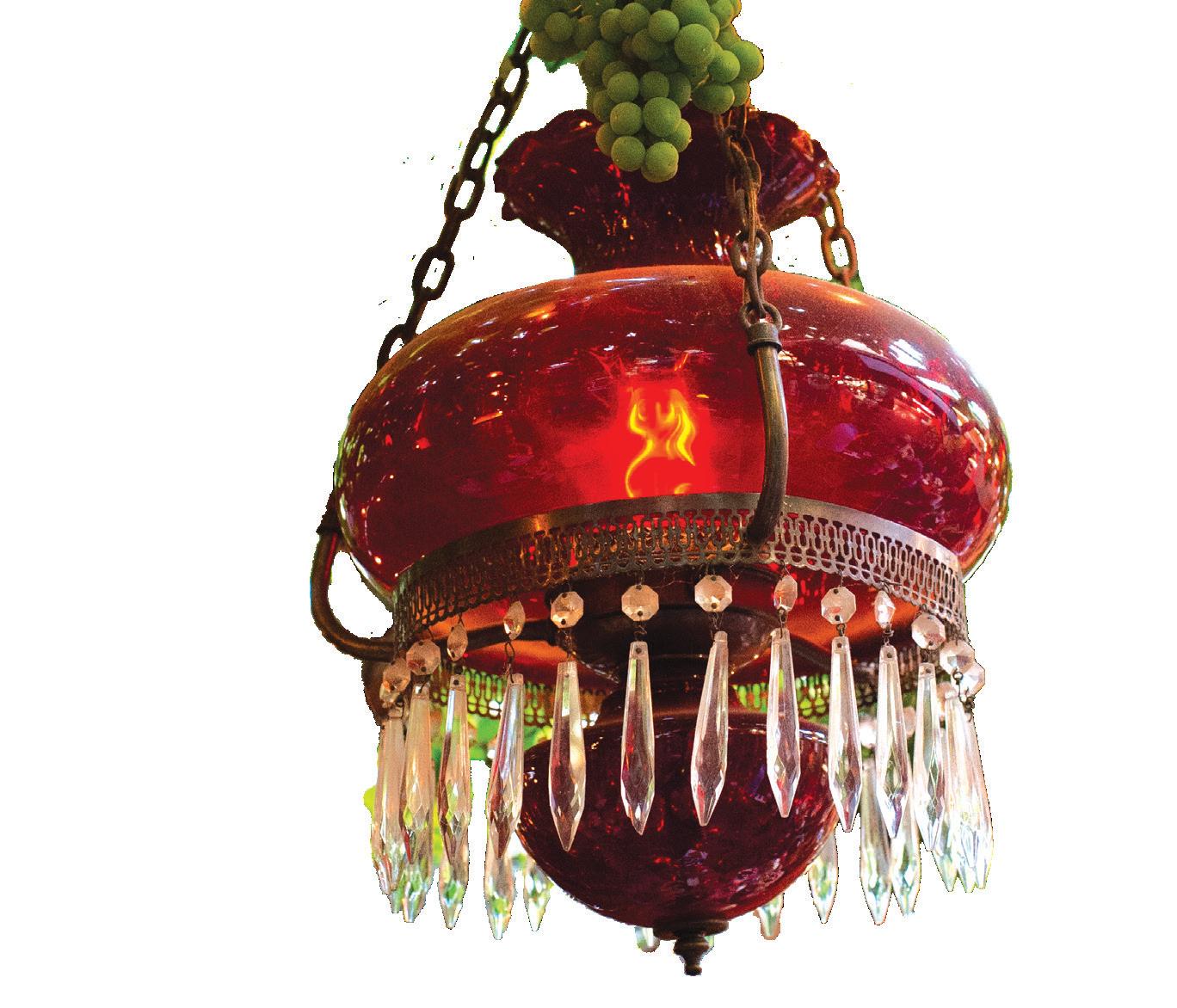
Yiu built out the patio herself and furnished it with antique ice cream parlor chairs and hurricane lamps. “I always said, ‘I don’t want to have the best pizzeria in town. I just want to have the best patio,’” Yiu notes. “It’s open year-round and covered and heated in the winter.”
So when guests step into this arcadian setting, some expect the full-service treatment its beauty seems to promise. What they get instead is QR code ordering right there at the table. Point a smartphone at a table tent, scan the code, place the order, pay with a credit card, and the order goes straight to the kitchen.
To achieve the high volume she aims for, Yiu needs to keep things moving at a brisk pace. “If you’ve got 80 people spending five minutes on average to place their order, that adds up to 400 minutes,” she says. “No matter how you do it, it’s not going to work. So we decided to use QR codes, but if they’re not tech-savvy, they can order at the counter….Some customers are not happy about it, because they made reservations, and the restaurant looks so pretty that they expect a full dining experience. We do give them that experience, except for the ordering part. We still bring everything to the table.”
Fortunately, disgruntled guests usually learn to appreciate the process for its speed and efficiency, Yiu says. “Most of them have messaged us later and said they started liking the QR code because, once they sit down, they don’t have to wait 15 minutes for the server to come and take their drink order and wait again to place their food order.”
“If you’ve got 80 people spending five minutes on average to place their order, that adds up to 400 minutes. No matter how you do it, it’s not going to work.”
Candy Yiu, The Turning Peel
Open year-round, The Oasis, the patio area of The Turning Peel, features ice cream parlor chairs, hurricane lamps and a profusion of glorious plant life.
Nothing Goes to Waste
With a team of 12 full-time and parttime employees, The Turning Peel topped $1.5 million in sales last year. And it’s open only 3.5 hours for lunch three days a week (Sunday, Monday and Wednesday) and for dinner 3.5 to 4 hours every day except Tuesday. Customers kept clamoring for delivery, so Yiu reluctantly partnered with Uber Eats. “I really didn’t want to do delivery, because it’s Neapolitan pizza,” she says. “But we did some testing, and it holds up surprisingly well. Now the delivery part of the business is growing.”
Importantly, her dough, once fermentation is complete, has to be used that day. Which is fine with Yiu, because she loathes waste. “Throwing away food is emotionally difficult for me, because growing up in Hong Kong, we never threw food away,” she says. “I was determined to open a restaurant with almost zero food waste.”
Every scrap of leftover dough—if there is any at the end of the day— goes to making what Yiu calls “pizza bread.” And you couldn’t pay Yiu for it if you begged her. “We’ve given away 12,000 loaves since we opened,” she says. “I feel bread is for people to share and to make connections with. In villages, people have shared bread for hundreds of years, and I want to maintain that tradition.”
She doesn’t want her customers to waste food, either. So, for those who tend to leave their crusts on the plate, she developed special crust dips that sell for $1.50 to $2.50: whipped ricotta with either honey and garlic oil, or honey and mixed berry compote, plus hot honey, ranch and other options.
“It’s a Miracle”
The Turning Peel is a restaurant to be proud of. Even Yiu’s parents see that now—especially after they made their first trip to the U.S. last year. “When I
was growing up, my dad and I hardly talked, only a few words here and there,” Yiu remembers. “We didn’t even say ‘I love you.’ They never gave me advice. They didn’t understand my work in wireless communications. They couldn’t relate to my life.”
Then they stepped inside The Turning Peel. “They knew what a restaurant is,” Yiu says. “And when they ate here, all of a sudden…now they understand. And they are so proud of me. They can’t stop telling people that I own a pizzeria. My dad is always giving me advice—‘You should do this, you should do that.’
My mom can’t stop talking about it. Now they even ask me for advice.”
And for Yiu, that’s enough. She has no desire to open a second location, although she’s working on expanding her current space. “If I had to close Turning Peel today, it’s already been worth it,” she says. “I have everything I need. I believe there’s a reason for the path that you’re on. It made me who I am. I love The Turning Peel. It’s a miracle that I landed here, and I wouldn’t change a single thing.”
Rick Hynum is PMQ’s editor in chief.
Art and nature intersect at The Turning Peel to create the look and feel of a fine-dining restaurant. But Yiu prioritizes high volume and efficiency.
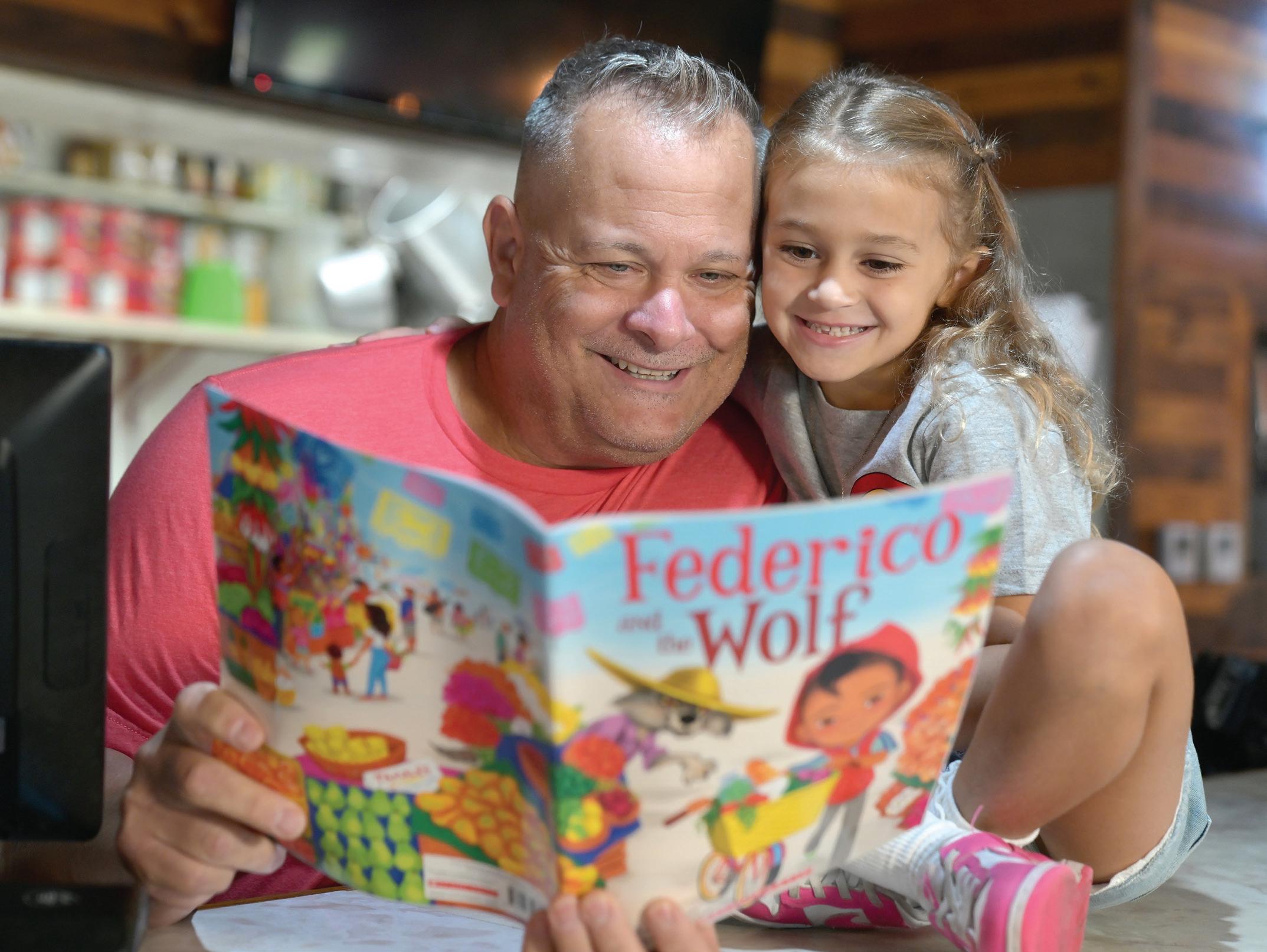
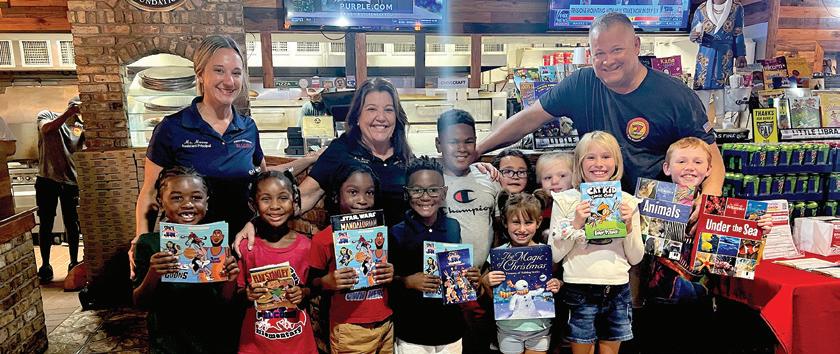
The 1 Million Book Challenge Read to Succeed
“The pride that the students feel walking out with their own stack of books and delicious pizza is priceless!”
Heather Ricksecker, principal, Weatherbee Elementary School
You can’t fix the economy. But here’s what you can do:
• You can boost your pizzeria’s sales in the 2026-27 school year.
• You can pack the house on your slowest weeknight.
• You can attract hundreds of kids, parents, teachers and civic leaders to your shop.
• You can turn your pizzeria into a true community hub.
• You can help boost literacy scores at your local schools.
• You can be a hometown hero.
How
it works:
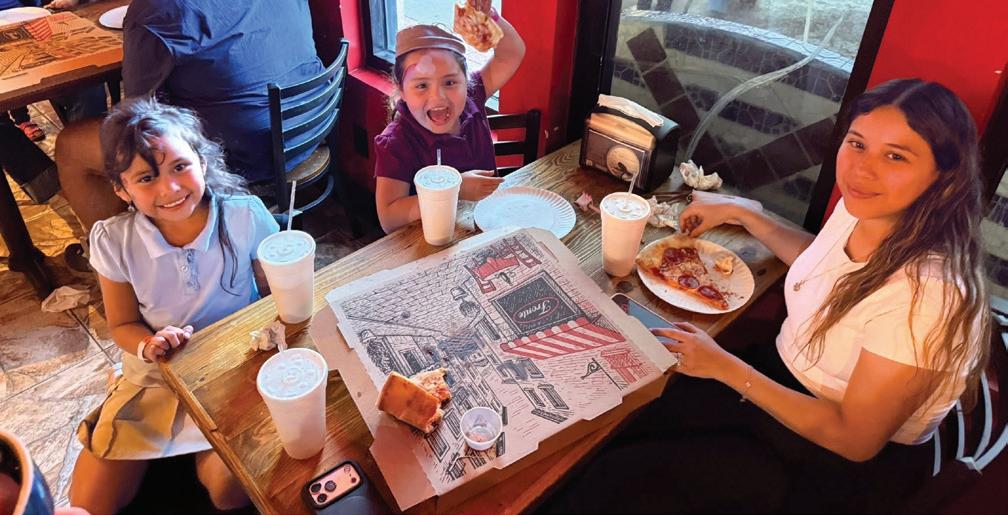
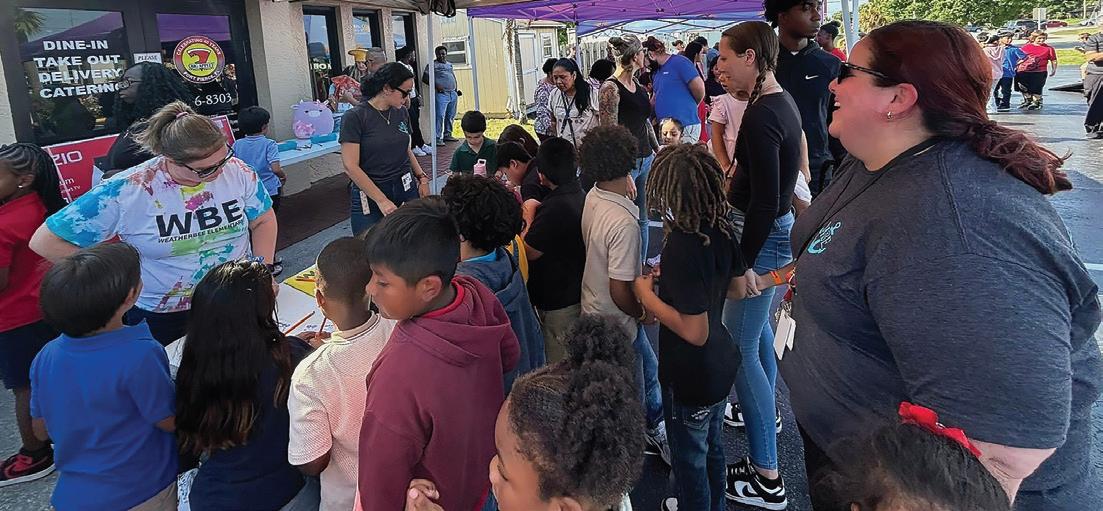
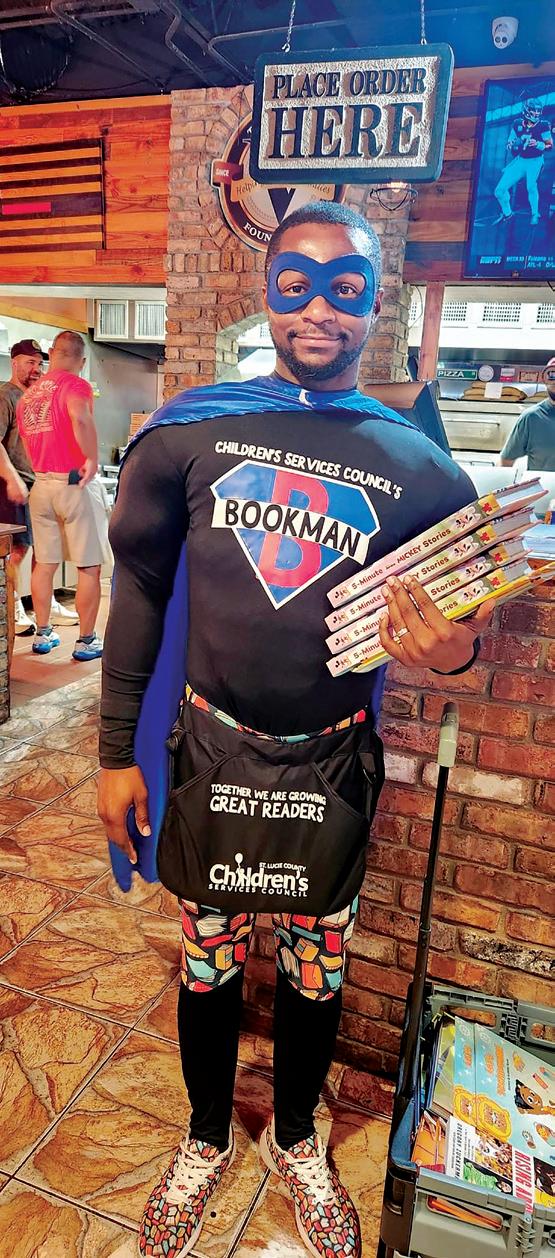
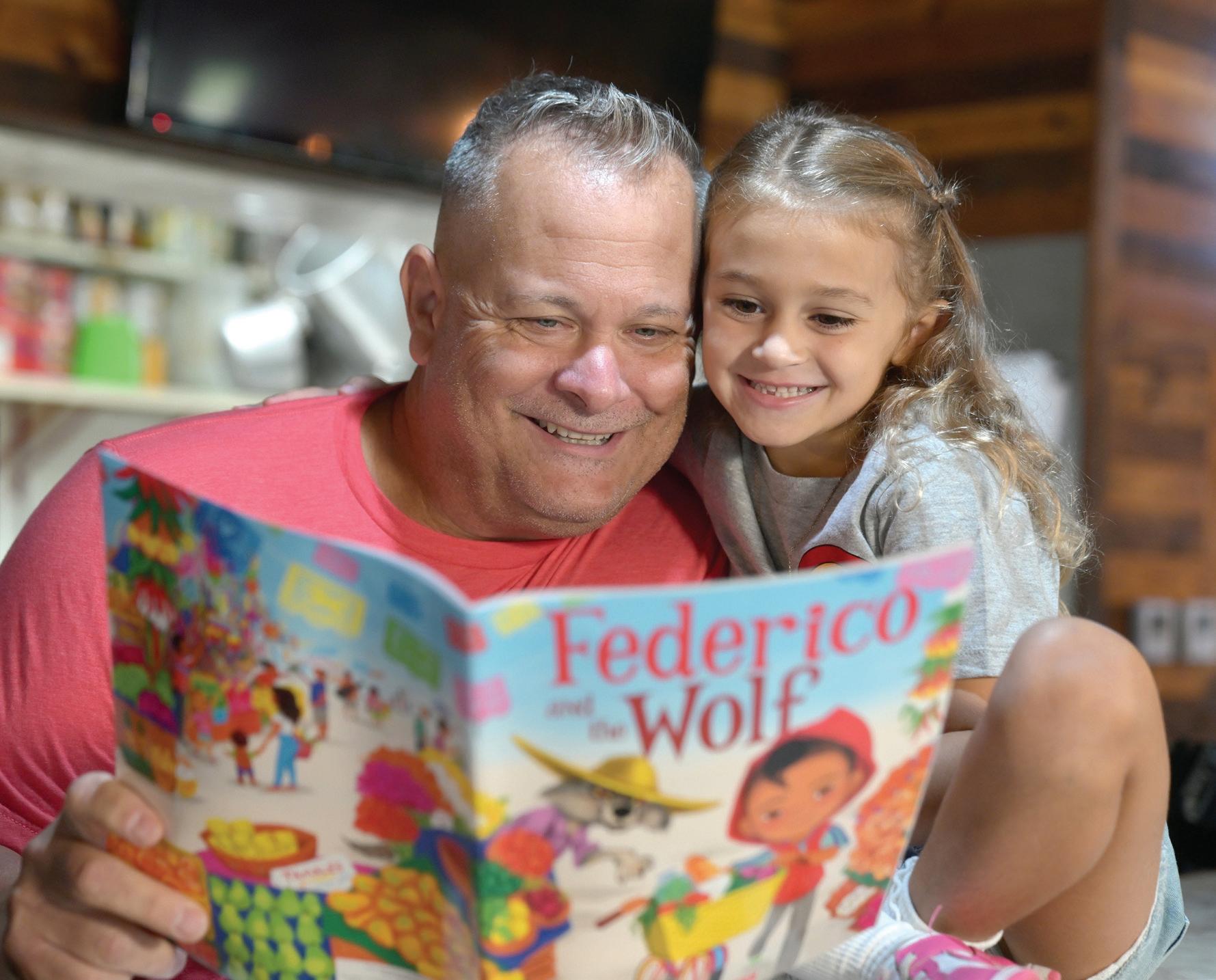
For the new school year, pizzerias around the U.S. are partnering with local schools, nonprofits and civic organizations to give away free children’s books through the Read to Succeed program. Our goal: 1 million free books for kids across the nationwide pizza community!
How to get started:
“Wednesday used to be my slowest night of the week. Now it’s one of the busiest— on April 29, we did more than 3½ times the business of a normal Wednesday and made $6,500.”
Scott VanDuzer, Big Apple Pizza
Meet Our Newest Partner:
A huge welcome and thank-you to our new 1 Million Book Challenge partner, Scholastic, a leading American multinational publishing, education and media company.
Pizzeria owners, their nonprofit partners and other Read to Succeed donors will receive a 77% discount on children’s books from Scholastic. Start building your Read to Succeed library today at: Scholastic.com/pizzeria
Download our free Read to Succeed handbook at PMQ.com/read-tosucceed. It’ll take you through every step to launch, promote and grow your own yearlong campaign.
“Our students eagerly anticipate the books Big Apple Pizza provides, enticed by a slice of pizza and a soda, and leave with a newfound passion for exploring new worlds through literature. The excitement and engagement generated by these events have had a profound impact on our community.”
Kathy Baich-Potenza, principal, St. Lucie Elementary School
The Green Scene
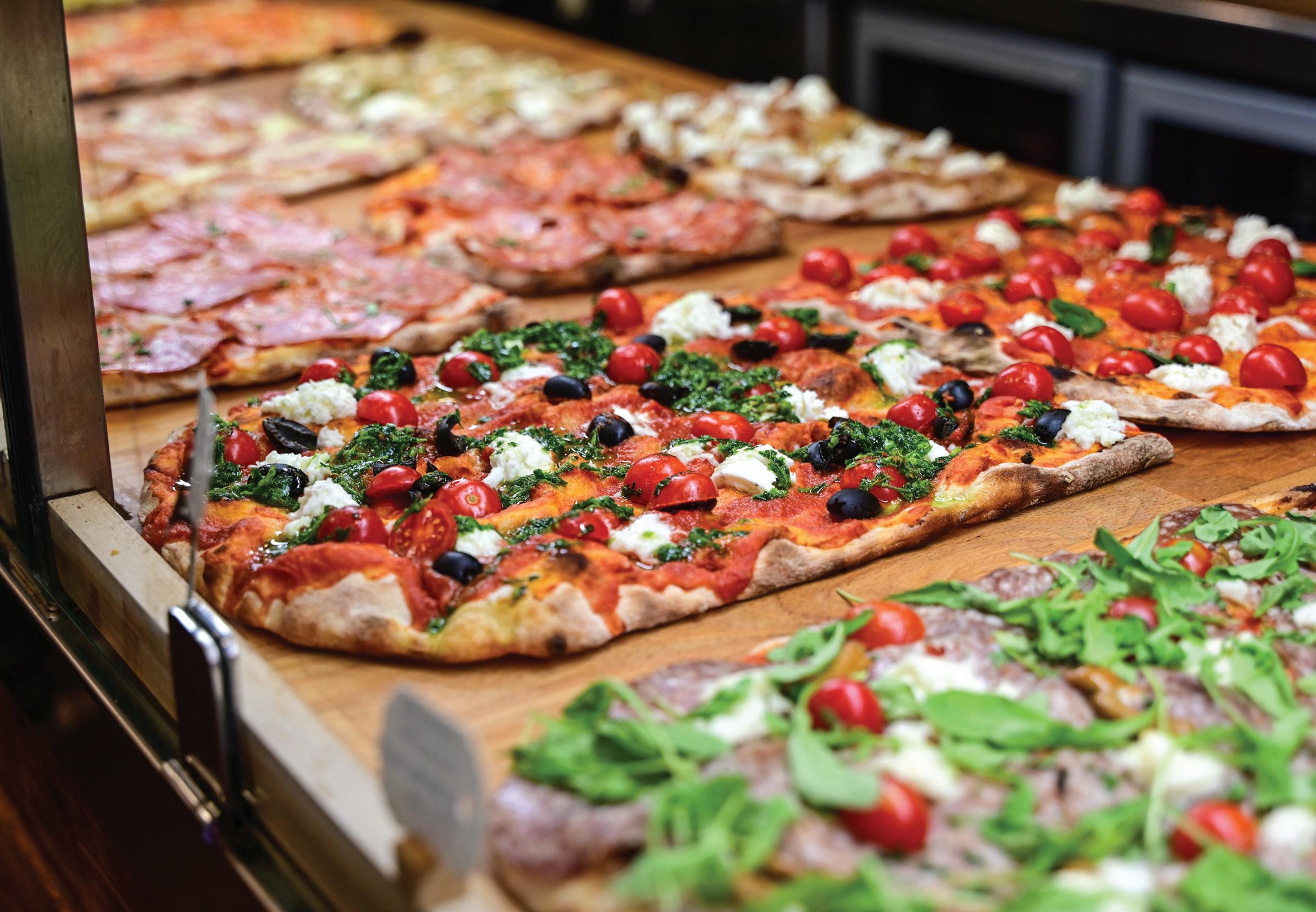
Pickled, shredded, salad-dressed or pureed, greens make a surprisingly versatile addition to pizzas. Four pizzaioli and operators share their most creative takes.
BY TRACY MORIN
SLIMY CANNED SPINACH, BEGONE—make way for the gorgeous greens now gracing pizzas everywhere.
Whether reaching for hearty Tuscan kale, delicate spring salad, eye-appealing microgreens or the punch of peppery arugula, pizzaioli can feel confident that greens not only carry an undeniable health halo; they have also shed their much-maligned reputation of decades past.
However, perhaps even more so than other ingredients, the proper selection, prep, topping combos and cooking techniques are a must to allow greens’ best qualities to shine. “When working with greens on pizza, I think a lot about contrast,” says Joe Powers, pizzaiolo and owner at Jay’s Artisan Pizza in Buffalo, New York. “Greens can bring freshness, bitterness, spice, acidity or texture, so pairing them correctly is important.”
Here are three operators’ most creative ideas—including pointers on prep, cooking, cross-utilization and marketing— to give you bunches of green-spiration for your menu of specialty pies and beyond.
Joe Powers, pizzaiolo and owner
Jay’s Artisan Pizza, Buffalo, NY
A lot of the greens and seasonal vegetables we use on pizzas come from thinking about seasonality, balance and freshness. Being in Buffalo, we have a pretty short growing season, so when local produce is available, we really try to highlight it while it’s at its peak.
One of the best examples is our Ramp & Sausage pizza. Ramps grow naturally throughout parts of Upstate New York and have a really unique flavor—somewhere between a leek, scallion and mild garlic. They’re one of our favorite seasonal ingredients to work with, because there are so many ways to utilize them. On the Ramp & Sausage, we use ramps in multiple forms: pickled ramps for acidity and brightness, along with a ramp puree that brings a deeper, savory allium flavor that pairs really well with the richness of the sausage and smoked provola.
Something like arugula works best added after baking so it keeps its freshness and peppery flavor, while herbs or heartier greens can sometimes handle more heat, depending on the result you’re looking for. On our pizza called The Jerk [with jerk chicken, mango and pickled red onion], cilantro helps cool and brighten the spice profile while also adding freshness and color contrast.
Prep is a huge part of both flavor and visual appeal. We try to treat greens carefully so they stay vibrant and don’t wilt excessively. Depending on the ingredient, that might mean lightly dressing greens after baking, quick-pickling them, blending them into sauces, or using different textures of the same ingredient on one pizza to create more depth. With ramps specifically, we’ll use them fresh during their peak
“When working with greens on pizza, I think a lot about contrast. Greens can bring freshness, bitterness, spice, acidity or texture, so pairing them correctly is important.”
Joe Powers, Jay’s Artisan Pizza
season, then preserve some through pickling or sauces so we can continue utilizing them later on.
We also try to utilize ingredients as fully as possible throughout the menu. Greens and seasonal vegetables used on pizzas often cross over into salads and small plates, which helps reduce waste and makes them more practical from a business standpoint. We’re really proud of some of the ingredients we’re able to source both locally and internationally. One example is the Castelfranco radicchio we import from Veneto, Italy, which we used in a salad this past fall and on a pizza this past spring/summer. That balance of local products and imported ingredients is something we really enjoy exploring.
From a pricing standpoint, I think guests appreciate ingredients that feel thoughtful, seasonal and unique, especially when there’s a story behind them. Marketing these pizzas is really about communicating that seasonality and showcasing the ingredients first. Whether it’s local ramps, herbs, greens or imported products from Italy, we try to tell the story of where the ingredient came from and why we’re excited about it.
Working with local as well as imported ingredients, Jay’s Artisan Pizza uses greens such as arugula, basil, cilantro and ramps to boost both flavor and eye appeal on its pies.
JAY’S ARTISAN PIZZA (2)
George Panagopoulos, owner and operator
Dedham House of Pizza, Dedham, MA
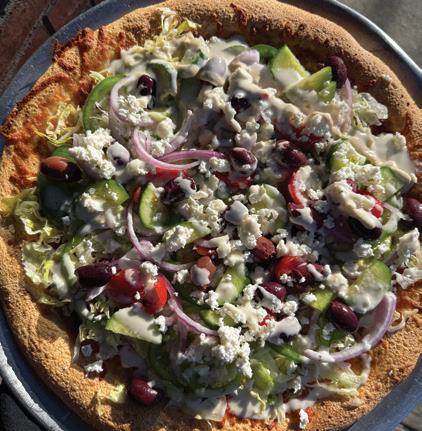
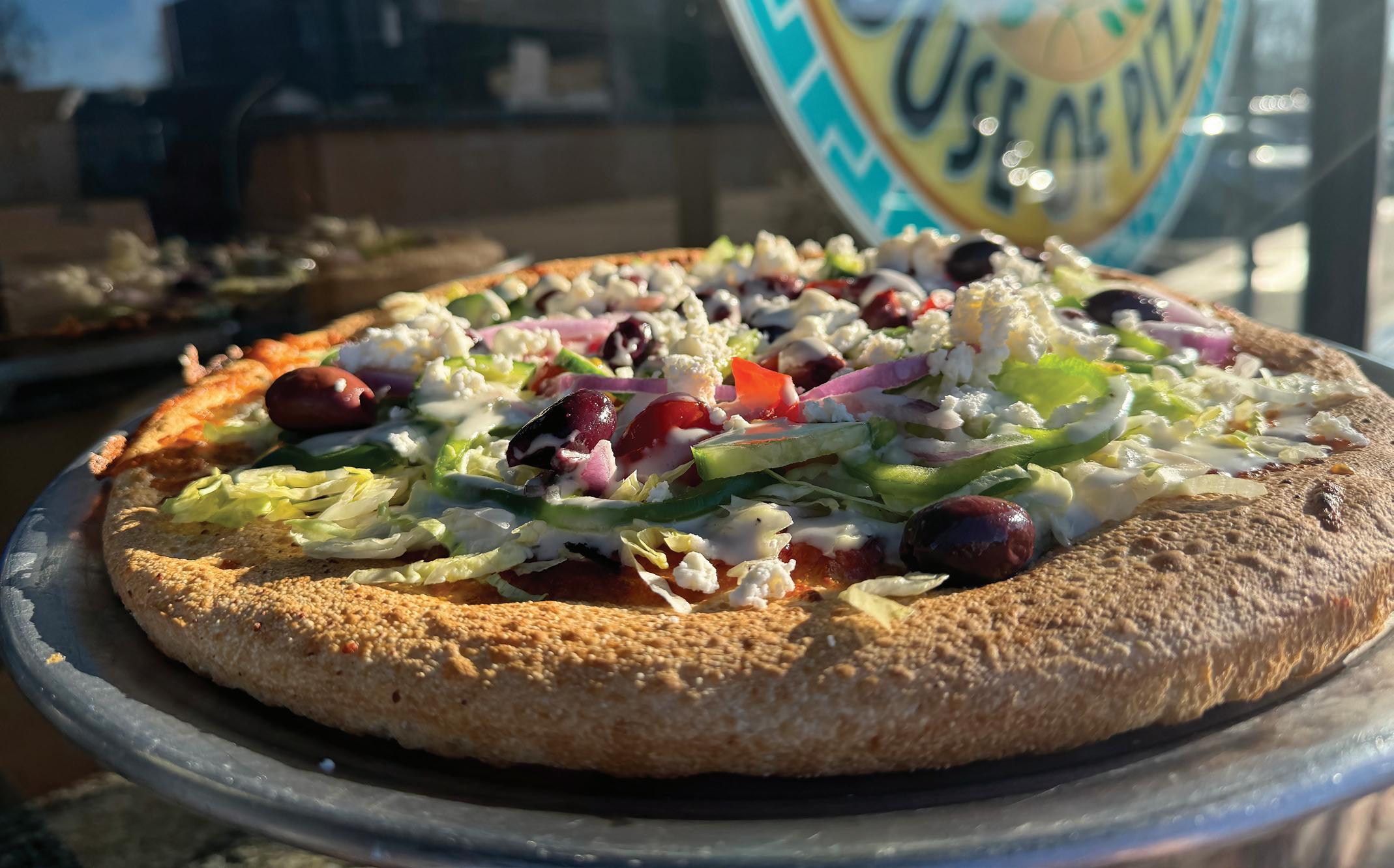
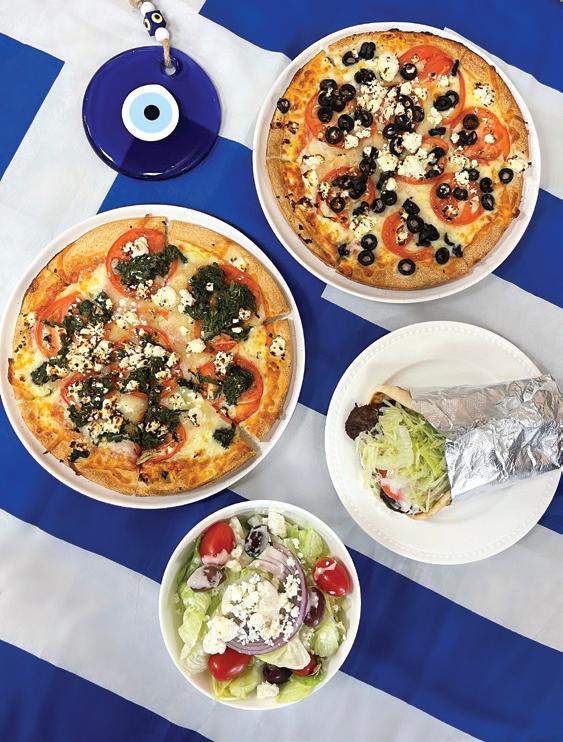
Our Greek Salad Pizza is one of the best examples of how greens can completely transform a pie. We top it with fresh lettuce, juicy tomatoes, Kalamata olives, red onions, green peppers and crumbled feta, then finish it with our house Greek dressing. The key is layering: focusing on the base with cheese and heartier toppings first, then adding fresh greens afterward so they stay crisp and vibrant. This layering provides a contrast between a hot, cheesy slice and a cool, refreshing salad on top.
We serve it Greek-style, which means a thicker, pan-baked crust with a crisp, golden edge and a soft interior that holds up really well under fresh toppings. That style gives the pizza a sturdy base for the salad on top while still delivering that classic, comforting bite. It’s lighter and super flavorful. Visually, it really stands out. Plus, it’s a great way to offer something that feels both classic and a little unexpected, which customers really respond to.
“The key is layering: focusing on the base with cheese and heartier toppings first, then adding fresh greens afterward so they stay crisp and vibrant.”
George Panagopoulos, Dedham House of Pizza
Fabio Vitolo, master pizzaiolo, and Dario Asara, founder and owner
Ginger Ristorante, New York, NY
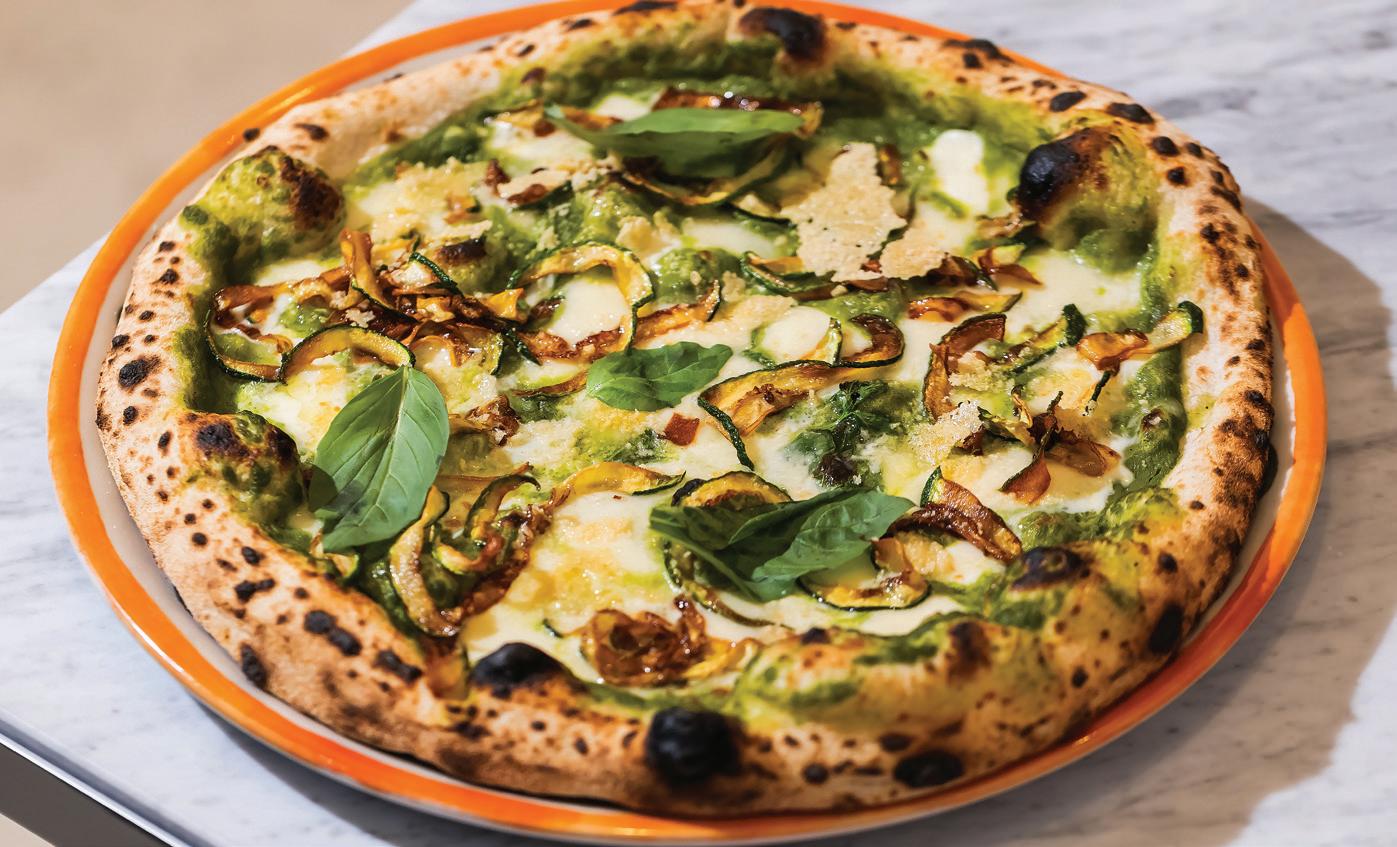
Our inspiration comes from bringing the authentic, elevated flavors of Napoli to New York, focusing on the incredible versatility of vegetables. We want to show that vegetarian pizza can be luxurious, not just an alternative. The Nerano is a tribute to the famous pasta dish from the Sorrento coast, which is very rare in New York City, while the Filetto is a celebration of high-quality Italian produce.
In the Nerano, zucchini is used in two textures—creamy vellutata and crispy chips—to contrast with a rich, savory homemade Parmesan fondue. It creates a perfect balance of soft, crunchy and savory. In the Filetto, yellow and red cherry tomatoes offer a sweet-and-acidic balance to creamy mozzarella, perfectly enhanced by our aromatic basil oil.
With greens, technique and timing are everything for look and taste—such as zucchini chips thinly sliced and fried to order for maximum crunch. The absolute rule for delicate greens and arugula is, never bake them. Cooking arugula makes it soggy, bitter and dark. We always add arugula and our finishing oils (like the basil oil) raw, immediately after baking. The residual heat from the crust gently wilts the bottom of the leaves just enough to release their aromas, while keeping the top crisp and bright green for an incredible eye appeal.
These pizzas rely on premium, imported ingredients and labor-intensive prep (homemade fondue and veloutés), so
The Greek Salad Pizza at Dedham House of Pizza combines the freshness of a salad with the heartiness of a pizza base, creating a multilayered culinary and visual feast.
DEDHAM HOUSE OF PIZZA (2)
“Market [pizzas with greens] as ‘Elevated Vegetarian’ or ‘Authentic Garden-to-Table Neapolitan.’”
Fabio Vitolo, Ginger Ristorante
they should be priced in a “premium” menu tier. Customers are willing to pay for artisan labor and an authentic experience, which allows for a higher profit margin than a standard Margherita. Market them as “Elevated Vegetarian” or “Authentic Garden-to-Table Neapolitan.”
We highlight the homemade aspect and the rarity of the Nerano in New York, then use vivid social media photos and videos that focus heavily on the textures—like the crispy zucchini chips sitting on the creamy fondue. Crossutilization is also key for efficiency and reducing waste. Arugula, for example, we use heavily across the menu. It is
the star ingredient for our lunch focaccias, and it serves as the fresh bed for our Pizza Parma.
Working with greens, keep them dry and respect their nature. Arugula and other greens must be washed and thoroughly spun dry; any moisture left on the leaves will ruin the crispiness of your pizza crust. Finally, less is more—never drown the greens in heavy sauces. Let the greens’ natural freshness speak for itself.
Tracy Morin is PMQ’s associate editor.
Old-School in a Digital
Master
the art of traditional marketing methods—including postcards, coupons, fliers and door hangers—to
gain an edge in our high-tech world.
BY TRACY MORIN
WITH THE EASE OF ADVERTISING VIA SOCIAL MEDIA, text and email, many operators have moved away from traditional marketing methods. But “old-school” direct mail—such as postcards, coupons, fliers and door hangers—still have the ability to capture customers’ attention, establish trust and create measurable sales. Here’s how to use these methods alongside your digital strategy for maximum marketing results.
Why Direct-Mail Marketing Still Works
Unlike in decades past, physical mailboxes are no longer crowded with advertising materials. On the other hand, digital channels are wildly oversaturated. Consumers are inundated with digital notifications, promotional emails, social media ads and text messages around the clock—and many of them go ignored, deleted or overlooked. A well-designed postcard or coupon sent through snail mail, on the other hand, easily stands out.
Printed materials also have the potential to create a different kind of connection and make a lasting impression. Customers may place your coupons on their refrigerator, save menus in a drawer, or leave postcards on the kitchen countertop for future use. Digital communications usually disappear after a few seconds (if they’re viewed at all), but physical mail can remain visible for days or even weeks. This extended exposure increases the chances that customers will remember your pizzeria the next time they’re ordering or dining out.
And, of course, not all customers rely as heavily on digital spaces—older generations may still respond better to physical marketing. Even among younger customers, direct mail is less intrusive compared to pop-up ads, text messages or relentless email promotions. People generally collect and review their mail when they have time, so physical communications can feel less aggressive and more natural. With smart design, attention-grabbing graphics and mouthwatering food images, customers can get a clear sense of your business through something tangible that they can hold in their hands.
6 Steps to Direct-Mail Success
Today, effective marketing strategies often combine both traditional and digital techniques, rather than relying exclusively on one or the other. If you’re considering going back to the old-school, follow these six steps to ensure success with your direct-mail efforts:
1
Begin with proper audience targeting.
Sending mail randomly across an entire city can be wasteful and ineffective. Instead, identify the customers most likely to respond. You might focus on neighborhoods within a certain radius of your location, particularly areas that match the demographics of your current customer base. Factors such as household income, age, family size and residential patterns can all influence targeting.
New movers are especially valuable targets, since they’re likely looking to find their new favorite pizzeria. Birthday mailers also remain highly effective, because they provide customers with a personal reason to visit. You may try further improving your targeting by analyzing delivery zones, competitor locations and areas where customer traffic is currently weak.
2
Consider timing and frequency.
Marketing experts often recommend sending direct mail consistently rather than relying on one-time campaigns. Repeated exposure helps keep your pizzeria top-of-mind, so try mailing every few weeks to maintain visibility without overwhelming recipients. You can also stagger mailings across neighborhoods so customers receive promotions at different times throughout the month.
3 Mind your design.
Customers typically decide within seconds whether to keep or discard a piece of mail, so make sure your visuals immediately capture customers’ attention. Consider investing in professional food photography, which you can also use in your digital marketing. High-quality images of pizza, appetizers, desserts and smiling customers help create emotional appeal, tell your brand story, and encourage visits and purchases. You may even want to try sending oversize postcards or uniquely folded pieces, since they stand out more effectively in a typical stack of mail.
Digital communications usually disappear after a few seconds (if they’re viewed at all), but physical mail can remain visible for days or even weeks.
When designing, aim for brand consistency. Use uniform colors, logos, fonts and layouts so customers begin to identify your business at a glance. And keep it simple—don’t overcrowd a mailer with too many offers or messages, which will confuse customers and reduce your impact. Strong direct-mail pieces usually focus on one clear message, supported by compelling visuals and a direct call to action.
4
Make an offer they can’t refuse.
Offers are a driving force behind direct-mail success. Irresistible coupons and promotions give customers a reason to try your pizzeria for the first time. But you don’t
BRAVO TO THE CALIFORNIA PIZZA CHALLENGE FINALISTS.
The best pizzas start with the best ingredients.
We’re proud that Vantaggio D’Oro Pizza Cheese was among the products available to competitors in this year’s California Pizza Challenge. Crafted with fresh, Grade-A California milk and backed by the California Milk Advisory Board, Vantaggio D’Oro delivers the performance, flavor, and melt pizza makers count on.
Experience our full lineup of premium, Italian-rooted ingredients for yourself. Visit Greco and Sons, your local California authorized distributor, at the California Restaurant Show, August 23-25, in Anaheim – Booth #1084 – or find your local distributor at Bellissimo.com.
always need to promise the cheapest price—customers often care more about the value they receive. Free items, buy-oneget-one deals, meal bundles and family-size specials often outperform small percentage discounts, because they feel more substantial to consumers.
You can also include multiple offers on a single postcard to encourage repeat visits, perhaps redeemable on different weeks. This strategy helps establish customer habits— increasing the likelihood that one-time visitors become regulars. You can also design offers redeemable for slow days of the week to increase traffic during traditionally quieter periods.
Remember that different customer groups will respond better to different promotions. Families may prefer meal bundles, while college students might seek out inexpensive pizza specials. Understanding the demographics of your recipients will help you tailor offers accordingly and improve your return on investment.
5 Track results.
To analyze the performance of your direct-mail campaign, you can consider redemption rates, sales increases, customer traffic and repeat visits. Compare results by neighborhood, coupon type or mailing schedule to determine which strategies produce the best outcomes.
Marketing experts often recommend sending direct mail consistently rather than relying on one-time campaigns.
And don’t forget about long-term results: Some campaigns may generate only modest immediate responses but create valuable regulars who continue ordering for years. The true value of direct mail lies in a customer’s lifetime value, not just immediate profits.
6
Collect customer info.
Once you have a direct-mail customer in your business (or ordering online), don’t forget to collect their contact information and enter it in your POS system. Encourage them to join your loyalty program, perhaps with a future freebie or bounceback offer, and get their email address and phone number with enrollment. Once that customer data is captured, you can communicate more affordably through email or text rather than relying solely on direct-mail campaigns in the future.
Tracy
Morin is PMQ’s associate editor.
Download the FREE handbook at PMQ.com/Read-to-Succeed
Join the Read to Succeed movement in Fall 2026 and you can turn your pizzeria’s slowest night into a moneymaker—and a hub for community transformation.
• Partner with local schools to improve literacy and bring joy to children’s lives
• Enlist local, state and regional nonprofits to donate children’s books
• Give away free books to kids on your slowest night of the week
• Attract hundreds of children, parents, educators and influencers to your pizza shop
• Generate up to $4,000 in business per event and create customers for life
• Boost local literacy scores and make a lasting difference in your community
“In lower-income households, there’s only one book for every 300 kids. But in the middle to higher-income homes, there’s 13 books for every child. That’s a huge discrepancy. Together, we as a Pizza Community can do something about it.”
Scott Van Duzer, Big Apple Pizza, St.
Lucie County, FL
As seen in PMQ’s November 2025 issue: PMQ.com/hero-of-the-story
PART TWO
& Fire, Grain Time
To close out a two-part series, a master pizzaiolo explores Romanstyle fermentation, looks back on his first world competition and honors the new generation of pizzaioli.
BY VITANGELO RECCHIA
ROMAN PIZZA IS A TRADITION built on science and transmitted through people. In part two of this two-part series on the fast-growing style (see PMQ’s June-July issue for part one), I’ll look at the fermentation timeline, revisit my first World Pizza Championship competition in Parma, Italy, and consider the new Italian generation and what we’re building in America right now.
The Timeline Framework— Getting There Faster
∑
Italian millers have been building flour functionality through sophisticated additives for decades. These include:
• Vitamin C for oxidative gluten strengthening
• Pasta acida for flavor complexity
• Pasta madre in dried form, carrying the microbial history of a mature sourdough culture
• Fermented wheat germ for enzymatic depth
• Lactic bacteria in powder form to build the characteristic tang of a properly developed Roman dough
• Diastatic malt—active amylase enzymes that feed yeast activity and develop crust color and flavor
• Non-diastatic malt for sweetness and color (without affecting fermentation) These are precision tools, not shortcuts. And they’re the future of serious Roman pizza production.
What I teach at Pizza University: The fermentation results you looked for in 72 to 96 hours can, in fact, be achieved in 6, 12, 24, 36 or 48 hours. The timeline is no longer fixed. But the science is. The governing principle is non-negotiable: Less time means more yeast and less salt, while more time means less yeast and more salt. Salt slows fermentation. Yeast drives it. Every adjustment begins with understanding that relationship.
6 to 12 hours: Higher yeast, lower salt. Tipo 1 enters the blend to carry the minerality and depth that a short fermentation on Tipo 00 alone cannot produce.
24 hours: Yeast amount comes down, salt begins to rise. Enzymatic activity starts building characteristic lightness in the crust. Time, yeast and salt begin working together.
36 hours: Lower yeast, higher salt. Cold fermentation is managed carefully to build depth without over-proofing.
The fermentation results you looked for in 72 to 96 hours can, in fact, be achieved in 6, 12, 24, 36 or 48 hours.
Fold techniques during bulk fermentation add structural integrity without additional mixing energy.
48 hours: Lowest yeast, highest salt in this framework. The cold is doing the real work—the breakdown of complex starches and proteins and the development of lactic and acetic acids define a mature Roman dough. At 48 hours, with the right flour, temperature management, calibrated yeast and salt, and Tipo 1 in the formula, you’ll produce a dough that a customer or judge cannot distinguish from a 72- or 96-hour product.
The Competition Floor—Parma, Italy 2023
Understanding the science is one thing. Executing it under international competition conditions is another matter entirely. To compete in teglia at the Campionato Mondiale della Pizza in 2023, featuring more than 700 competitors from 52 countries, I managed frozen dough, thawing dough and refrigerated dough simultaneously across a 96-hour window. There was no margin for error and no ability to start over.
I traveled from Rome to Parma by train with 25 kilograms of dough and all of my competition equipment, managing temperatures in transit, tracking exactly where each piece was in its fermentation window. I changed trains in Bologna with everything made 18 hours prior, trusting the science completely.
I was a first-time international competitor on a platform in northern Italy, heading off to face the best pizzaioli in the world. I embraced every moment: the uncertainty, the wait, the countdown of the fermentation. When competition time came, I had reached the 96-hour window, and the dough performed. I finished on the podium in my first international competition, thanks entirely to understanding my flour, respecting my fermentation and trusting the process.
The New Generation
Alessandro Scuderi started delivering pizzas at 18 years old, learned fermentation from the ground up, and built his own brand with a social media following in the millions. His pizzeria in Nizza Monferrato, Scuderi Prime, serves pizza in teglia, pala Romana, tegamino Piemontese, and padellino, built on Tipo 1 flours and biga pre-ferments. He
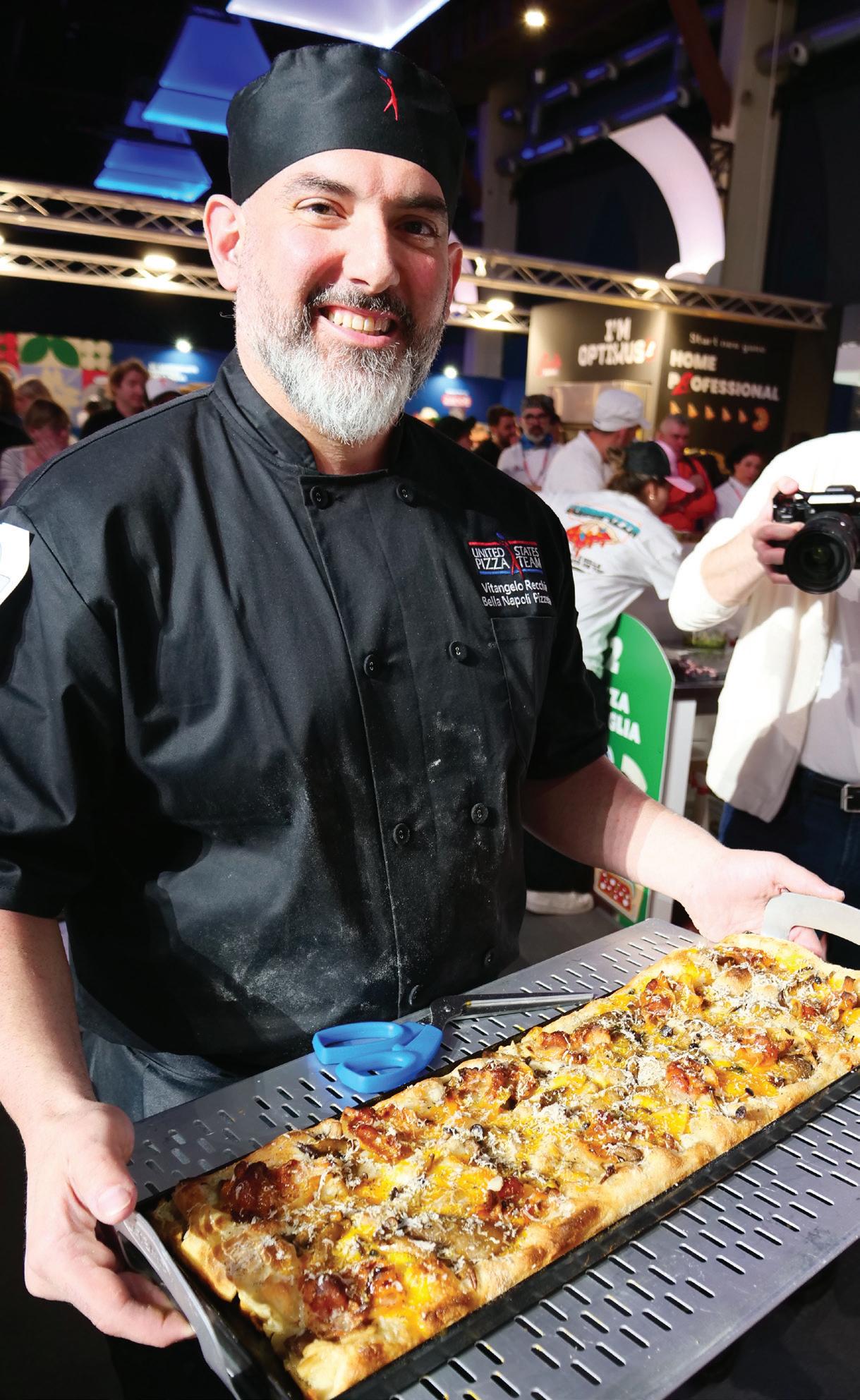
Chef Recchia teaches Pizza University students that longer fermentation times aren’t always necessary for Roman-style dough.
BRIAN HERNANDEZ
understands that the next frontier of Roman pizza is the education of the consumer, not just opening more restaurants.
Matteo Vari is Roman-born, a world champion as part of the Italian national pizza team and now a consultant for Molino Pizzuti. He stepped away from his 12-year pizza al taglio operation in Rome to open La Piazzetta on Sardinia’s Costa Smeralda, with 150 covers, serious craft and extraordinary ingredients. That kind of conviction in your product and process is exactly what the new generation needs to demonstrate.
Luca Pezzetta, born in 1989 in Marino, Castelli Romani, is the third generation of a family of pizzaioli and restaurateurs who trained at Gabriele Bonci’s Panificio and Pizzarium in Rome. He invented pizza in teglia served as small trancetti and introduced simultaneous shared pizza production across different doughs and five distinct natural yeast strains. His pizzeria, Futura, opened in Milan’s Isola neighborhood in November 2025, using flour from Molino Fagioli of Magione, Perugia. It was fully booked within days. Pezzetta was named Best Pizza Chef Under 35 at the Food & Wine Italia Awards 2024.
Scuderi, Vari and Pezzetta represent a generation that took the methodology Angelo Iezzi built, the science Corrado Di
Marco and Enrico Famà established, and the global stage Gabriele Bonci created, and moved it forward with their own identity. They are not merely imitating the masters. They are honoring them by evolving what they built. That is the only way a tradition survives.
What We’re Building in America
Roman pizza is growing in the United States faster than most people in the industry are tracking. The pinsa Romana format has more than 5,000 dedicated pinserie operating globally. The al taglio format is moving from specialty food halls onto mainstream menus. This is the moment.
As culinary coach for PMQ’s U.S. Pizza Team, my role is training the American pizzaioli who will stand on the competition floor in Parma and compete against the best in the world. That work begins with the same knowledge I teach in the classroom—the spec sheet, the flour, the fermentation, the oven, the process, the philosophy. Both demand complete understanding. Both reward the baker who has done the work.
Pizza University & Culinary Arts Center in Beltsville, Maryland, was built by Francesco and Enzo Marra, two brothers from Naples who emigrated to the U.S. in 1995.
ADOBE
Francesco came here as a professional chef who ran the kitchens of Washington, D.C.’s most prominent Italian restaurants before Marra Forni was born in 2011. Enzo brought the engineering and manufacturing expertise that made Marra Forni what it is today. Together, they recognized that great equipment without great education produces mediocre pizza. So they built the school. The classroom runs on Marra Forni electric ovens with depth and low ceilings— the same instruments serious Roman pizza production demands. Students learn the real thing from day one.
When I went to Parma in 2023, beyond the competition result, I made a connection that changed everything. I met Ugo Veri, one of Angelo Iezzi’s trusted associates who was present in the kitchen where the modern Roman fermentation methodology was built. Ugo now teaches with me at Pizza University, covering all four Roman styles—al taglio, tonda Romana, pala and pinsa. So every student who walks through that door has a direct line from Angelo Iezzi.
What sets my teaching apart is breadth. In addition to all four Roman styles, I make New York, Detroit, Sicilian and Grandma styles, each one produced from a single master dough: one foundational dough adapted across five distinct pizza traditions, versus a collection of separate recipes.
We are building the American link in a global chain that stretches back 2,000 years. It started in Trastevere in 2006. It continues in a classroom in Maryland today. The dough does not lie, and neither does the result.
In summary: Roman pizza is all about time and temperature. But time and temperature only work if you know your flour—where it came from, what it was built to do, and how it will behave when you push it. That knowledge does not come from a bag. It comes from study, from experience, from competing on the world stage and learning what it costs to be wrong, and from a teacher who has made every mistake so you do not have to make them all yourself.
and instructor. He is an instructor at Pizza University & Culinary Arts Center and culinary coach for the U.S. Pizza Team. He has been ranked Top Pizzaiolo USA in Teglia at the World Pizza Championship three years in a row.
Vitangelo Recchia is owner of Bella Napoli Pizzeria & Restaurant and a master pizzaiolo
Does Italy’s most famous flour really make better pizza? An Italian pizzaiolo and author clears up some common 00 flour misconceptions.
BY TRACY MORIN
IThe 00 Illusion
F YOU ASK PIZZA LOVERS around the world, chances are they’ll mention 00 flour as one of the must-haves in their arsenal—some kind of secret weapon that, on its own, will magically make their pizza better,” says Fabio Errante, a pizzaiolo, YouTube personality and author of Fabioulous Pizza, a handbook for the beginner home pizzaiolo.
“I’m happy that a product that comes from my country is so loved by the pizza community,” he continues. “But I myself don’t obsess about using 00 flour.” Here, Errante clears up some common misconceptions about this revered ingredient.
Demystifying 00 Flour
Errante’s reality check: Italian law regulates the naming of flours, and it’s important to understand what that classification does—and does not—say about quality. “It’s
not as if, one day, an Italian miller decided what to call flours,” he explains. “An actual law, the Decree of the President of the Republic (DPR) #187, issued in 2001, defines what you can call farina di grano tenero (soft wheat flour) and its qualities. But the law doesn’t mention granulometry, ideal use or recommended temperature to cook a product made with 00 flour.”
At the heart of DPR 187 is a table listing five types of flour and their defining characteristics, including maximum humidity, ash content and minimum protein content. For a flour to be called 00, Errante says, its maximum humidity must be 14.5% (although 15.5% is tolerated if explicitly declared), its ash content 0.55% and its protein content at least 9%. That last number is worth noting. “I’ve never heard of any pizzaiolo who would want their flour with such a low protein content,” Errante says.
Pizzaioli generally seek higher-protein flour because it can better withstand long fermentation. An average bread flour contains at least 11.5% protein, Errante notes. A 00 flour containing only 9% protein might be better suited to pasta or cake than pizza.
Of course, some 00 flours have significantly higher protein levels. But that, Errante says, results from choices made “upstream” by millers and farmers, along with the influence of weather—and “the actual commercial name of the flour has nothing to do with it.”
DPR 187 defines five types of soft wheat flour: 00, 0, 1, 2 and farina integrale di grano tenero, or wholemeal flour. The classification moves from the highest to the lowest level of filtering. Tipo 00 is the most filtered and contains only the endosperm of the wheat kernels. Types 0, 1 and 2 are progressively less filtered and contain increasing amounts of wheat germ and bran. Wholemeal flour is not filtered at all and therefore has a darker color.
That distinction, Errante believes, is behind another widespread misconception: that 00 flour is always very finely milled. “When we feel the bran particles, we perceive
[wholemeal flour] as rougher than 00,” he says. “But that’s just a deception of the senses. The size of the single grain of flour is decided at a previous stage of the milling process, not during the filtering.”
Filtering takes place in a machine called a plansifter, which determines how much bran remains and, consequently, the flour’s ash content. While some flours are milled more finely than others, fine granulometry is not unique to 00—some bread and all-purpose flours are milled finer than certain 00 flours.
Is 00 Flour Always the Best Choice?
Many chefs assume 00 flour must be high-quality because it’s Italian. Errante says that isn’t necessarily so. Italy produces only about 35% of the soft wheat it needs and relies heavily on imports. Under Italian law, flour can be labeled “Made in Italy” if its last significant processing occurs there, even if the wheat was grown elsewhere. In other words, the label tells buyers where the flour was milled—not necessarily where the wheat originated.
A crop of Canadian wheat, for example, might be milled locally into bread flour with 12% protein. Or it could be shipped to Italy and made into 00 flour with the same protein content. “Why should we consider this 00 better than bread flour made with the same raw material?” Errante asks.
Errante’s main takeaways: Designations aside, Tipo 00 is not automatically higher-quality because it’s Italian, nor is it always more finely ground than other flours. And no one should feel forced to use it to make great pizza. “Let’s look for the details we should actually care about, from the protein content to the origin of the wheat—not just where it was milled,” Errante says. “The real secret weapon was never the 00 printed on the front of the bag. The numbers on the back are way more important.”
Tracy Morin is PMQ’s associate editor.
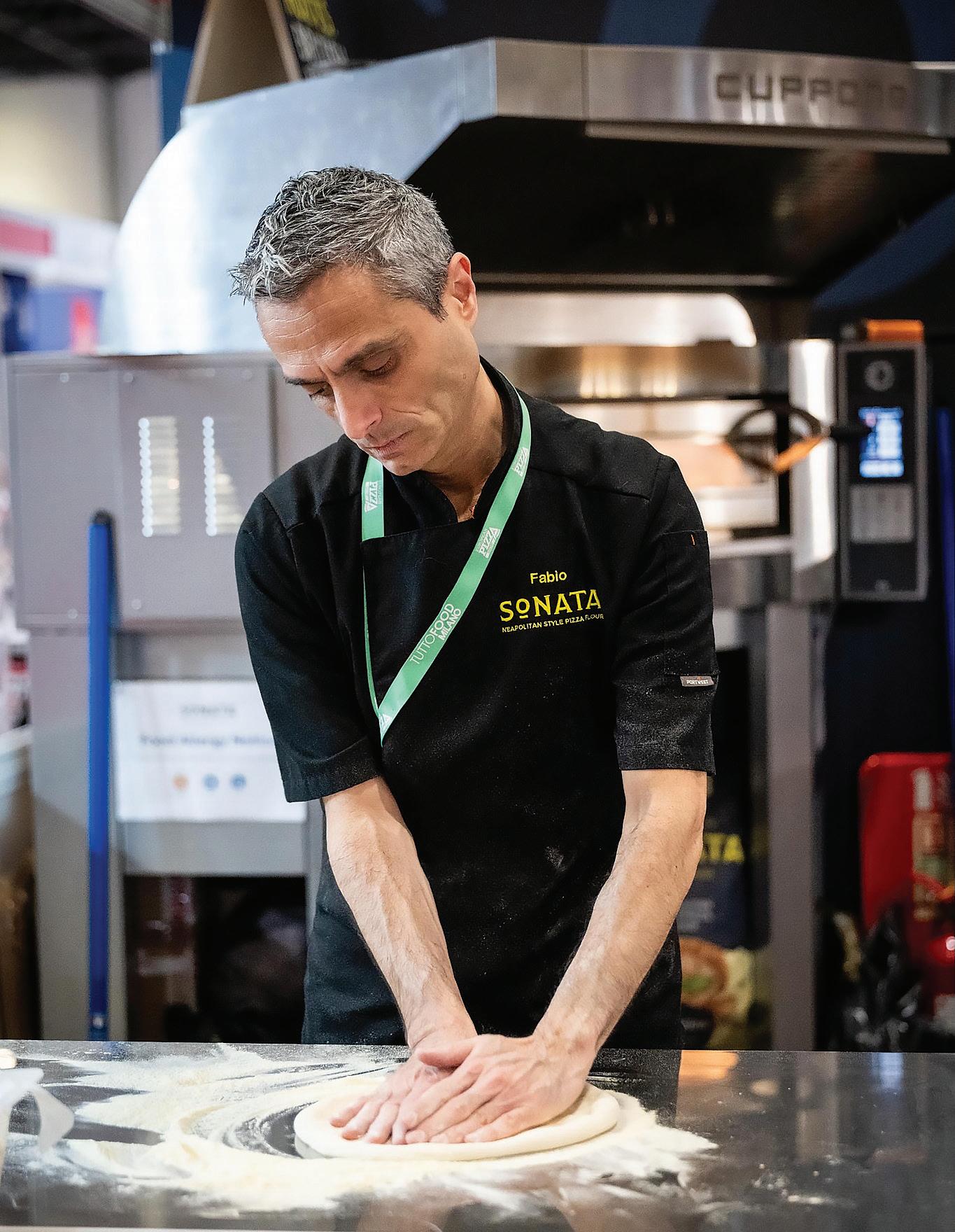
Chef Fabio Errante, a pizzaiolo, instructor, consultant and YouTube personality, warns that the 00 designation on flour does not necessarily identify a high-quality product.
FABIO ERRANTE
How to Prepare for Seasonal Shifts
BY BRIAN HERNANDEZ
As the seasons change, smart operators—including these members of PMQ’s U.S. Pizza Team— know how to change with them, even in vastly different markets.
ASK SIX PIZZA OPERATORS what “winterizing” means, and you’ll get six different answers. That’s because unless you live in Westeros—where winter is always coming—seasonal preparation has very little to do with winter itself.
Depending on where you’re located, the biggest shift of the year might arrive with summer tourists, back-to-school routines in the fall, triple-digit temperatures or the end of daylight saving time. What matters is understanding when and how customer habits change and having a plan before they do.
We asked members of PMQ’s U.S. Pizza Team how they prepare for those shifts in their own markets. See what you can learn from their seasonal tips, tricks and approaches.
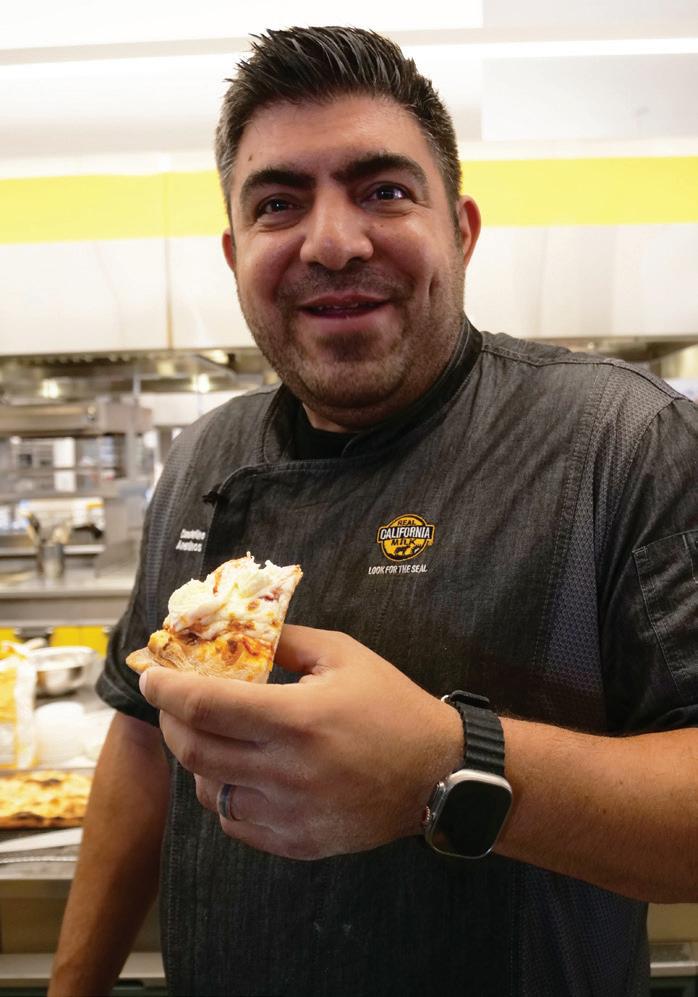
Constantino Anezinos, Zorba’s Pizza, Milbrae, CA: Honestly, it took getting burned first before I understood what [I needed to do]. I quickly found that after Labor Day, when schools reopen and families get back into their routines, business starts climbing fast. I call it our “Back to Business” season. Early on, I wasn’t prepared for it. We’d get caught short on staffing and inventory, because I was looking at the calendar instead of the data.
Once I started studying our POS numbers, the pattern emerged, clear as day. Now, we prepare well in advance. We adjust staffing, increase inventory and put promotions in place before the rush arrives—without having to guess.
One of the biggest lessons I’ve learned is that summer isn’t slow. It’s just different. Operators sometimes assume their business follows the same seasonal patterns as everyone else’s, but every market has its own rhythm. The key is identifying those patterns and building your own playbook around them.
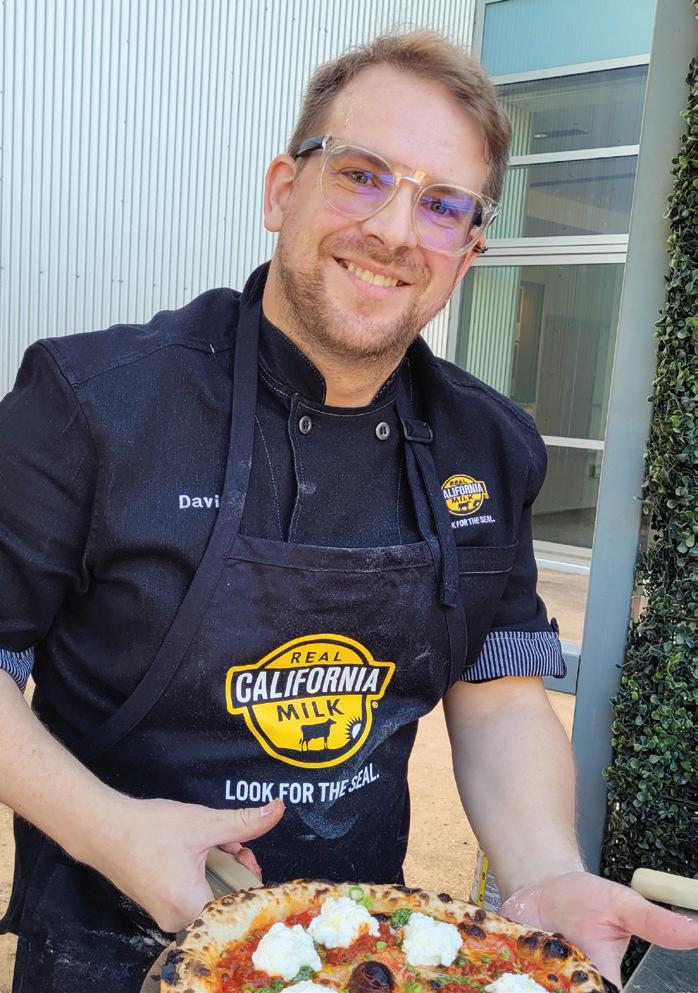
David Jacobson, Cheezy’s Artisan Pizza, San Francisco, CA: Our approach to “winterizing” is really about staying dynamic and community-focused year-round. One of the biggest ways we keep momentum through slower months is with hyperseasonal specials. We build pizzas around whatever is at peak flavor that week, whether that’s squash blossoms, stone fruit, mushrooms, peppers or tomatoes. Those fast-rotating specials give our regulars a reason to stop by often. It keeps the menu alive and keeps us creatively engaged.
We take the same approach with our rotating sides and salads. Instead of a static lineup, we treat the slice case like a living menu: new dressings, new produce, new textures, new combinations. It keeps things fresh for guests and fun for our
CONSTANTINO ANEZINOS
CHRIS BATTISTE
DAVID JACOBSON
Chris Battiste's first Caputo Cup. A ninth-place finish. Just getting started.
FROM PAHRUMP TO NAPLES: TOP 10 IN THE WORLD
CONGRATULATIONS!
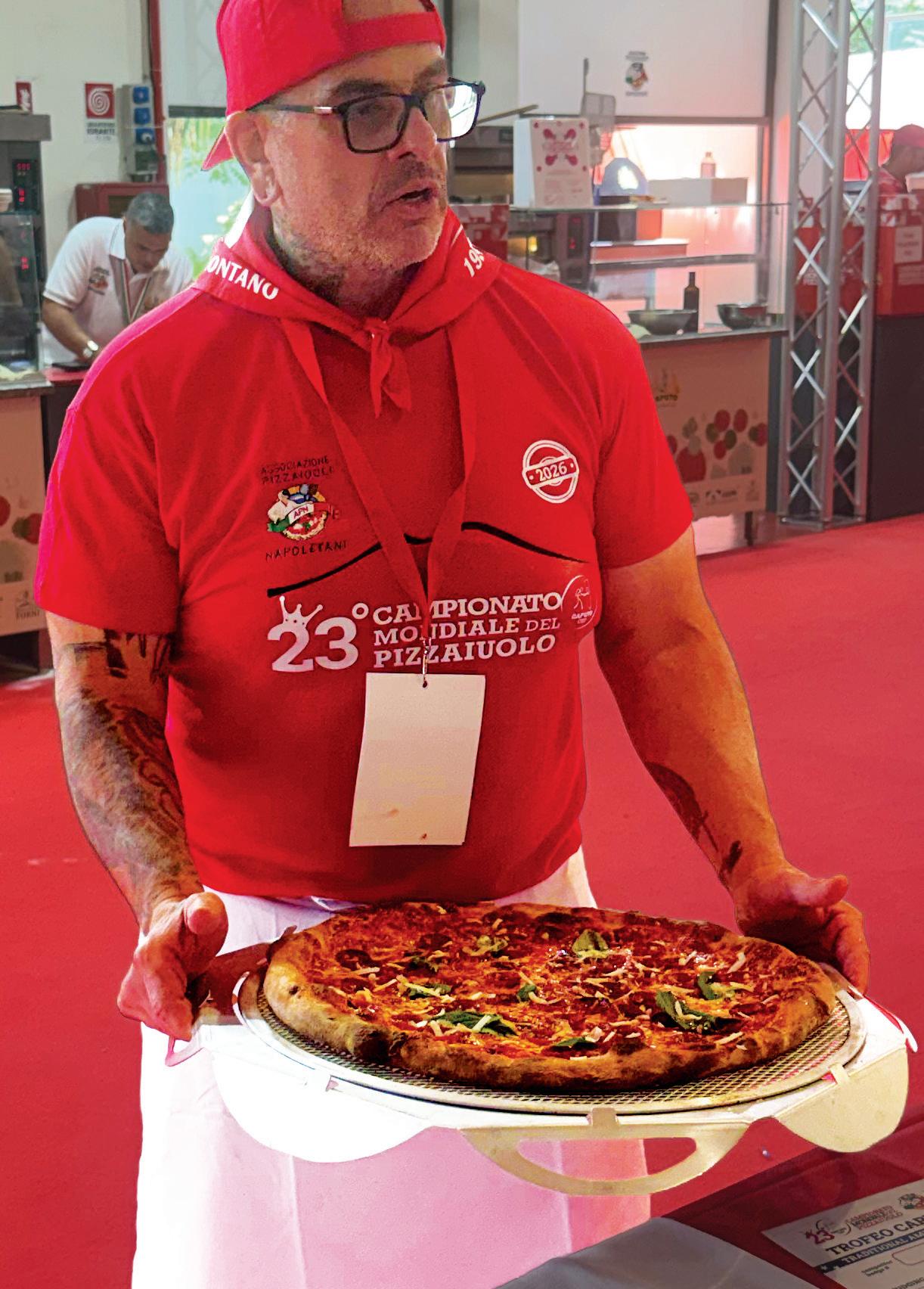
Chris Battiste • MiaAva East Coast Pizza • Pahrump, Nevada 9th Place – Traditional American Division Trofeo Caputo 2026 Naples, Italy
"I told everyone at MiaAva the goal was to get in the top 10. We got there."
In his first appearance at one of the world’s most prestigious pizza competitions, Chris Battiste earned a ninth-place finish in the Traditional American division of the Trofeo Caputo, representing MiaAva East Coast Pizza and the U.S. Pizza Team on pizza’s biggest stage.
PROUDLY REPRESENTING MiaAva East Coast Pizza & PMQ’s U.S. Pizza Team in the birthplace of pizza!
THANK YOU to our teammates, sponsors, industry partners, family, friends and supporters whose encouragement and commitment make international competition possible.
team. For us, “winterizing” isn’t about hunkering down. It’s about staying nimble, creative and connected to the people who make this work meaningful.
Nicholas Harper, Peace of Pie On Hartwell, Fair Play, SC: Being located near [a resort] lake, we definitely slow down in the wintertime compared to the summer. But what surprised me was that our regular customer base didn’t slow down. They were just ordering earlier in the night, because it was getting dark at 6 p.m. Once we realized that, we adjusted our hours and started closing an hour earlier Tuesday through Thursday after daylight saving time ends.
It sounds simple, but it helped us better align labor with actual customer demand. The lesson for me was that it’s important to understand exactly how your customers’ habits are changing. A seasonal slowdown isn’t always what it looks like on the surface.
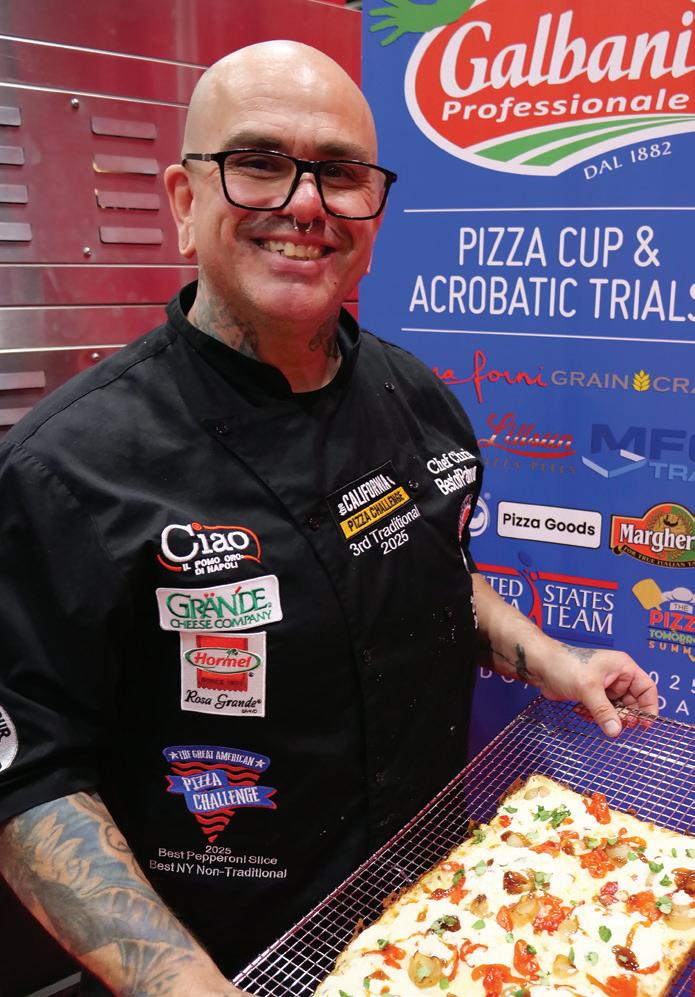
Chris Battiste, MiaAva East Coast Pizza, Pahrump, NV: In Pahrump, it gets scorching hot [during the summer]. In the first few weeks of 100-plus-degree heat, we definitely have a downturn, because people don’t want to leave their houses. The first year caught us by surprise. Now, we know it’s coming, so we prepare for it.
We push delivery specials once it hits but also pick up promotions and additional marketing before the heat really kicks in. Every market has predictable patterns. Once you identify them, you can start building a plan around them instead of reacting after the fact.
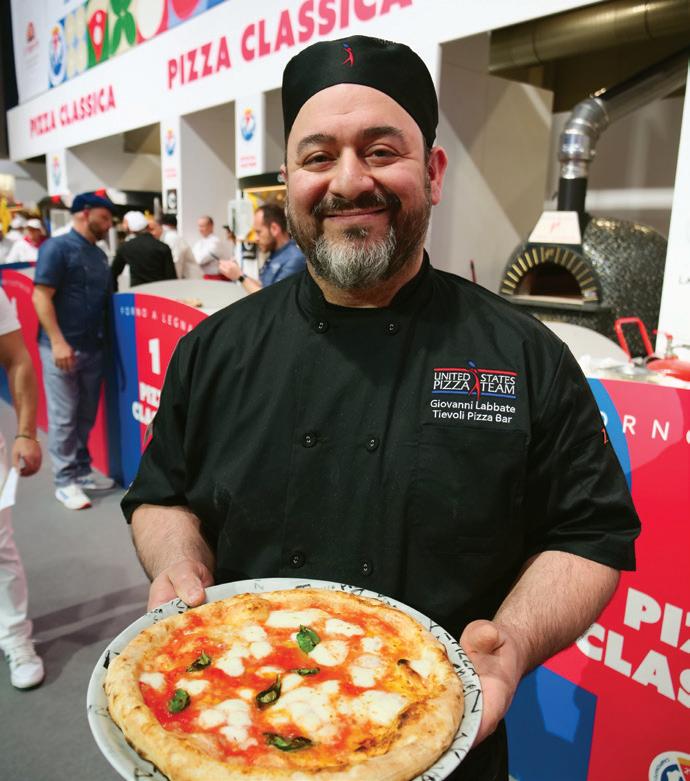
Giovanni Labbate, Tievoli Pizza Bar, Palatine, IL: Our business changes throughout the year, especially because we have both the restaurant and the food truck. There are times when the restaurant slows down a little, but the food truck gets busier because of events and outdoor activities. We stay flexible
“It’s important to understand exactly how your customers’ habits are changing. A seasonal slowdown isn’t always what it looks like on the surface.”
and move staff and resources where they’re needed most. Seasonal planning isn’t always about creating more business. Sometimes it’s about making sure you’re putting your energy into the parts of the business that already have momentum.
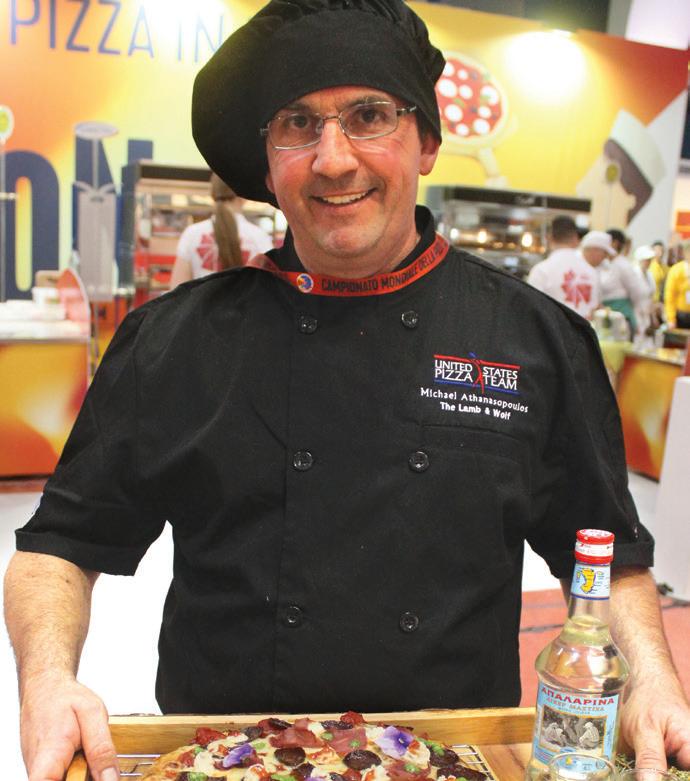
Michael Athanasopoulos, The Lamb & The Wolf, Oroville, CA: We’re focused more on three year-round growth drivers: convenience, visibility and community connection. Our drive-thru is the best option to keep increasing sales. Social marketing is great, and the relationship between our business and the U.S. Pizza Team gets a lot of people excited.
Whether they’re preparing for a post-summer rush, adjusting to lake-town life, responding to extreme weather or creating seasonal menu excitement, these U.S. Pizza Team members share one trait: They pay attention. Winterizing isn’t really about winter. It’s about understanding your market and preparing for what’s next.
Brian Hernandez is PMQ’s associate editor and director of the U.S. Pizza Team.
For more information about the U.S. Pizza Team, its members and sponsors, visit USPizzaTeam.com.
Nicholas Harper, Peace of Pie On Hartwell
GIOVANNI LABBATE
MICHAEL ATHANASOPOULOS
NICHOLAS HARPER
LAST CHANCE! DON’T MISS YOUR SHOT AT ITALY IN CALIFORNIA
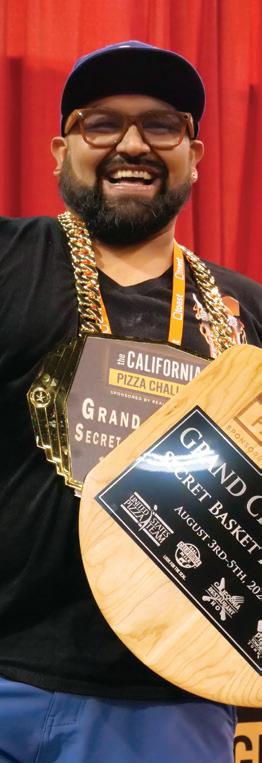
REAL California Pizza Challenge - Sponsored by Real California Milk AUGUST 23–25 | ANAHEIM, CALIFORNIA AT THE CALIFORNIA RESTAURANT SHOW & PIZZA TOMORROW SUMMIT
Think you’ve got what it takes? Then prove it. The REAL California Pizza Challenge, sponsored by Real California Milk and the U.S. Pizza Team, is bringing serious competition, serious prizes and serious bragging rights to Anaheim.
Compete In:
• Non-Traditional Pizza
• Gluten-Free Pizza
• Pizza in the Pan
• REAL California Three Cheese Challenge
• Largest Dough Stretch
• Fastest Dough Stretch
• Box Folding
• Freestyle Acrobatics
Why Enter?
• Cash prizes
• Hangable swag for your wall
• Honor and bragging rights
• Grand-prize trip to Italy to compete at the World Pizza Championship in 2027
Registration is now open, and spots are limited. If you wait, don’t be shocked when somebody else takes your shot. Register at: www.uspizzateam.com/cpc26
By Tracy Morin
Old Chicago Pizza + Taproom
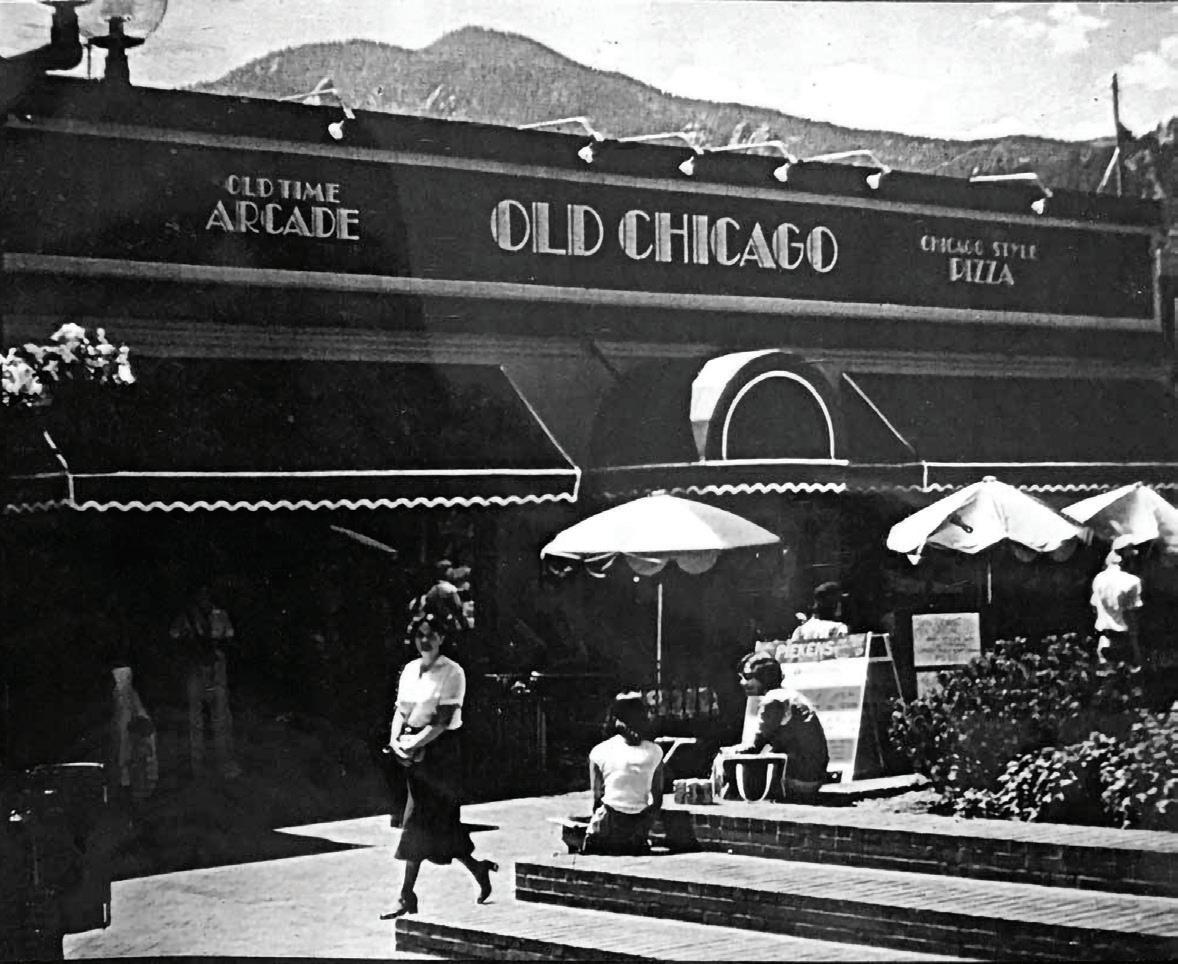
Frank Day, who passed away in 2025 at 93 years old, started more than 80 brands, many of them still standing today—including Old Chicago Pizza + Taproom, opened in 1976 in Boulder, Colorado. “Our founder, Frank, and his business partner were trying to come up with a new restaurant company, and they landed on this beer and pizza concept,” says Matt Poffel, director of beverage and franchise liaison for Denver-based Old Chicago. “They were playing their favorite pinball machine, called Old Chicago, and that’s how the name of the brand came to be.”
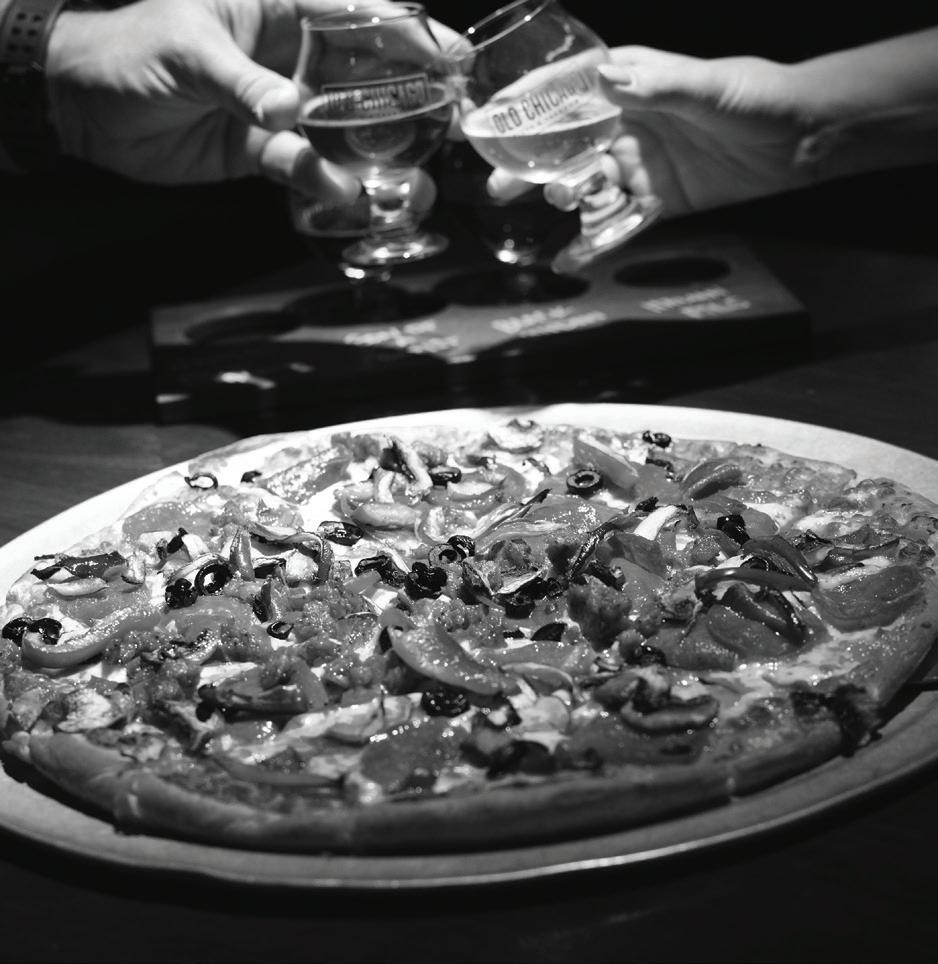
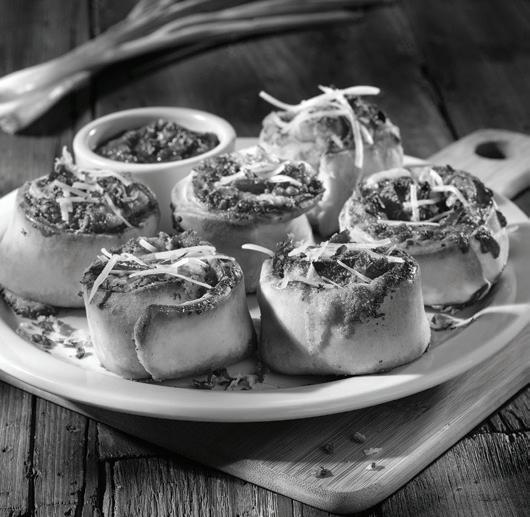
Day sold Old Chicago in 2010, and after a few ownership changes, its more than 50 locations in 21 states (split 60-40 between corporateowned and franchised) are now overseen by Elite Restaurant Group. But many of its founding principles—a focus on community, giving back, and, of course, beer and pizza—create the brand’s backbone even today. Three different pizza styles (pan-style OC Thick, thin-and-crisp Tavern and hand-stretched ale dough) complement a wide variety of beers, with each restaurant boasting an average of 36 tap handles.
STATE OF COLORADO
STATEOFCOL O RADO
“A big part of our DNA is the World Beer Tour, our loyalty program,” Poffel explains. “Guests don’t necessarily have to drink beer to take part—they still get $5 credit for every $75 spent. But as guests complete a tour, which is 110 different beers, they get their name on a plaque that goes on the wall, plus prizes along the way—with milestones at 20 beers, 50 beers, etc. If they hit 110, they become a VIP and get their name on a mug. That mug can either go home with the guest, or they can leave it in their favorite restaurant.”
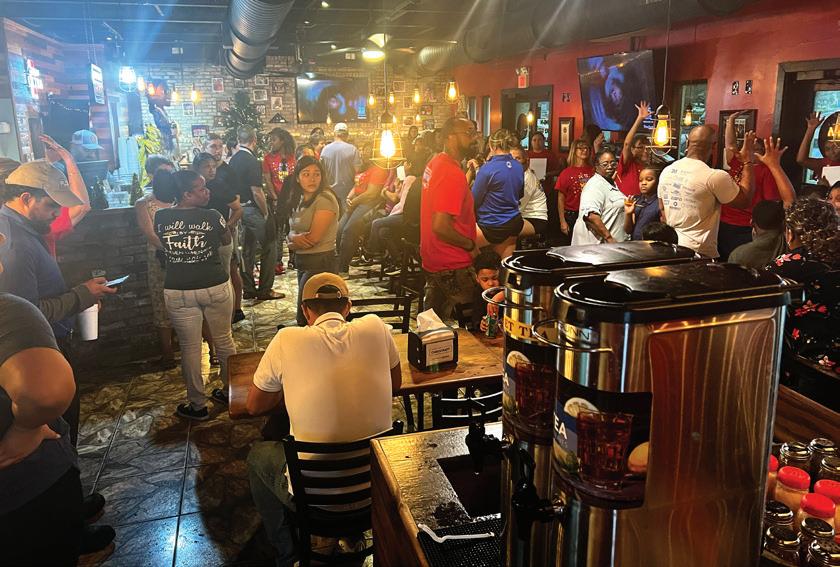
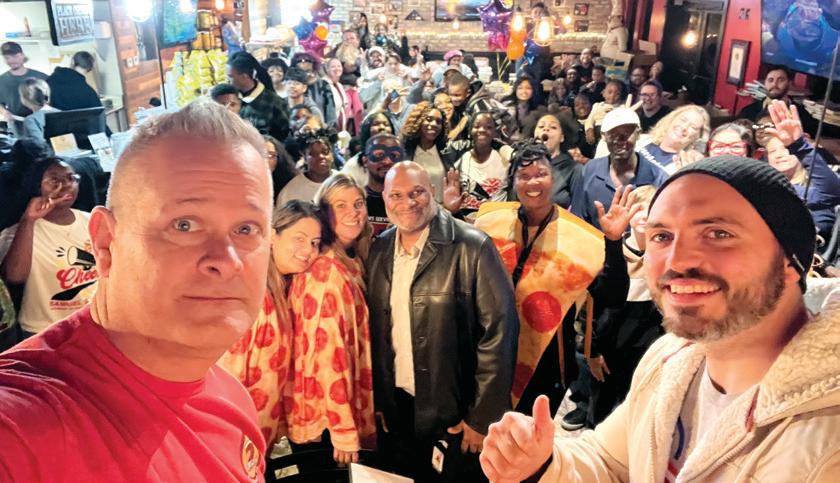
Old Chicago locations further encourage community-building with an open-concept design; events that drive traffic, like trivia and bingo nights; and separate bar areas, patios and plenty of TVs for customers to catch sports games. “The goal is that guests remember having that great experience and think of us the next time they’re deciding where to eat,” Poffel says. “It’s a great place to come and gather, with a long history. In the states where we’re located, everyone’s heard of us, and everyone has had an Old Chicago pizza at one point in their life.”
Tracy Morin is PMQ’s associate editor.
Old Chicago Pizza + Taproom, founded in Boulder, Colorado, and now spread to 21 states, is celebrating 50 years of beer, pizza and community in 2026.