Sovato’s new CEO explains the plan to telesurgeryscale and take it worldwide

Sovato’s new CEO explains the plan to telesurgeryscale and take it worldwide
We reached out to device developers to hear why they think they have what it takes to win the telesurgical stroke technology race.
















Sovato’s new CEO explains the plan to telesurgeryscale and take it worldwide
We reached out to device developers to hear why they think they have what it takes to win the telesurgical stroke technology race.

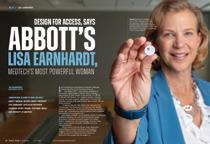
An incredible era has begun as neurosurgical devices, robotics and connectivity come together to expand access to life-saving stroke care.
The FDA approved the first clot-busting stroke drug in 1996 and only recently approved the second. In those three decades, medtech developers have created first-of-theirkind thrombectomy devices for faster and safer clot removal. But stroke remains a leading cause of death and disability globally because too many patients live far from these tools and the specialists who wield them.
Telesurgery can and will close that gap. In this issue of Medical Design & Outsourcing, we focus on the tech advances and innovators making it possible.
In our cover story, six device developers racing to launch telesurgical stroke systems make the case for why their tech and teams have what it takes to win. We’ve got more from two of those companies in this issue’s product design and regulatory departments.
In another feature, former Intuitive engineer and new Sovato CEO Brian Miller explains the plan to scale telesurgery more broadly and overcome the challenges facing its global adoption as his company partners with surgical robotics developers and the surgeons and hospitals that use them.
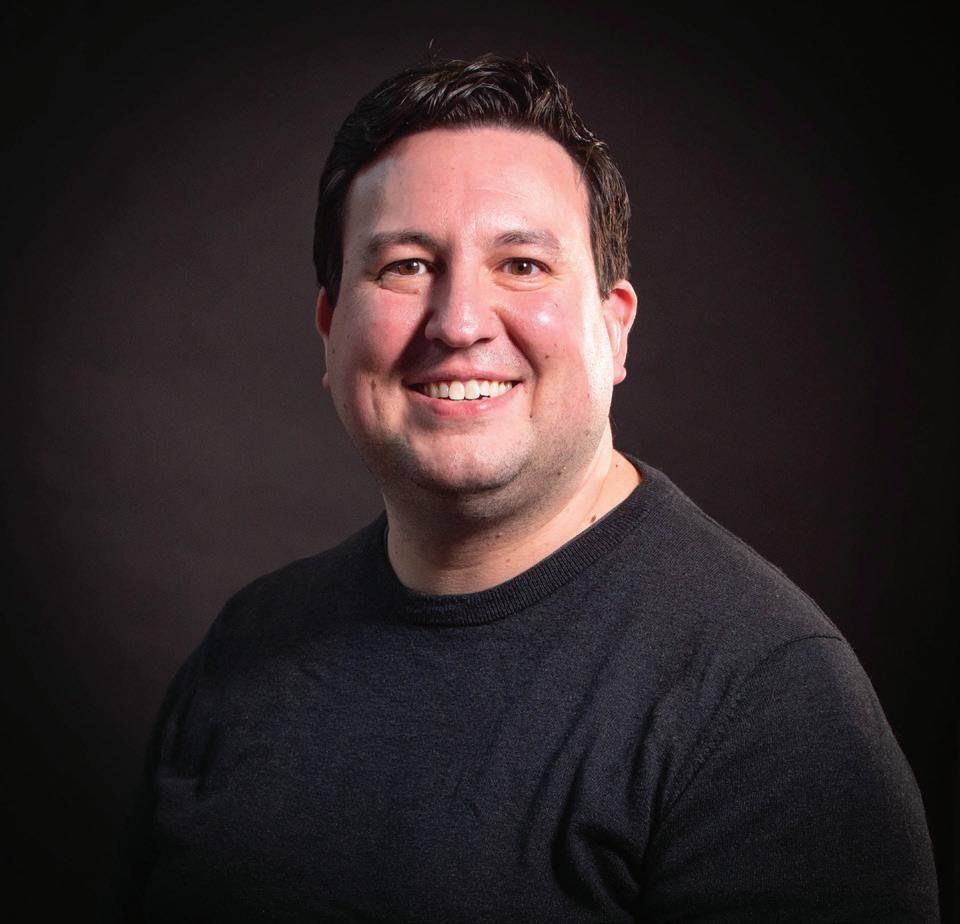
We’ve also got advice on robotics and AI from a digital leader at Johnson & Johnson MedTech’s DePuy Synthes, robotics updates from Stryker in orthopedics, Capstan Medical in structural heart, Vicarious Surgical in hernia repair, and researchers working on spinal cord repair, plus an exclusive MDO Contribution by Intuitive CEO Dave Rosa.
Finally, our last feature focuses on the largest challenger to Intuitive’s soft-tissue dominance, Medtronic’s Hugo robotic-assisted surgery (RAS) system and how the world’s biggest device developer set out to offer surgeons an alternative.
Our new MassDevice Surgical Robotics Special Report at wtwh.me/ mdrobotics has details about all of these surgical robotics developers and dozens more, including a market forecast and rankings by revenue and funding. And mark your calendar for the 2026 MDO Min-Vasive Medtech series Aug. 18-20, where I’ll host live webinar interviews with minimally invasive medical device engineers and R&D experts.
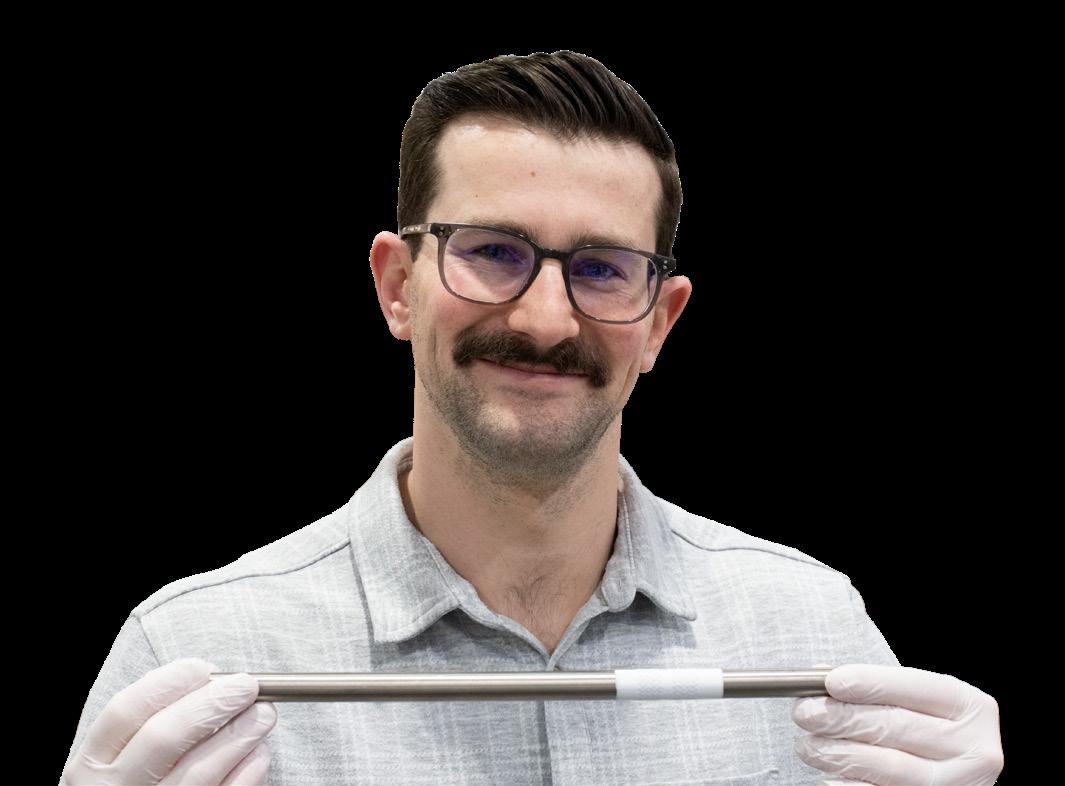
Beyond robotics, special thanks to Aptyx R&D Engineer Matt Navarro for offering his expanded polytetrafluoroethylene (ePTFE) expertise in this issue and for giving me an in-person materials processing demonstration earlier this year.
As always, I hope you enjoy this edition of Medical Design & Outsourcing. Thank you for reading.
Jim Hammerand | Managing Editor | Medical Design & Outsourcing | jhammerand@wtwhmedia.com























































































EDITORIAL




HELP US HONOR THE COMPANIES THAT HAVE PROVIDED THE MOST LEADERSHIP IN THE MEDICAL TECHNOLOGY INDUSTRY.




CREATIVE SERVICES
PRODUCTION SERVICES




























Editor in Chief Chris Newmarker cnewmarker@wtwhmedia.com
VP, Creative Director Matthew Claney mclaney@wtwhmedia.com
Customer Service Manager Stephanie Hulett shulett@wtwhmedia.com

Managing Editor Jim Hammerand jhammerand@wtwhmedia.com

























Customer Service Rep Tracy Powers tpowers@wtwhmedia.com











Senior Editor Sean Whooley swhooley@wtwhmedia.com
VP, Marketing Annie Wissner awissner@wtwhmedia.com
Customer Service Rep JoAnn Martin jmartin@wtwhmedia.com






The medical device industry wrapped up another year with more blockbuster mergers grabbing headlines around the world and new, innovative technologies emerging seemingly every day.











Associate Editor Skyler Rivera srivera@wtwhmedia.com









Portfolio Marketing Manager McKenzie Burns mburns@wtwhmedia.com


This level of success wouldn’t be possible without the innovation, ingenuity and determination of the people who drive it: leaders. These individuals and companies are working for the growth of the entire medical device industry.





















The future of medtech will build on the foundation of today’s efforts and Medical Design & Outsourcing would like to acknowledge such achievements.

We think they deserve recognition from you, too. Vote online for one or more of the companies listed through October.




Customer Service Rep Renee Massey-Linston renee@wtwhmedia.com

Editorial DirectorDeviceTalks Tom Salemi tsalemi@wtwhmedia.com
LEADERSHIP TEAM
Customer Service Rep Trinidy Longgood tlonggood@wtwhmedia.com





leadership.medicaldesign andoutsourcing.com

CEO Matt Logan mlogan@wtwhmedia.com
AUDIENCE DEVELOPMENT

Managing EditorDeviceTalks Kayleen Brown kbrown@wtwhmedia.com

SALES

Ryan Ashdown 216.316.6691 rashdown@wtwhmedia.com

Jami Brownlee 224.760.1055 jbrownlee@wtwhmedia.com






SVP, Sales and Strategy Amanda Buehner abuehner@wtwhmedia.com
Director, Audience Growth Rick Ellis rellis@wtwhmedia.com
Mike Francesconi 630.488.9029 mfrancesconi@wtwhmedia.com
Susan Powers 708.341.3370 spowers@wtwhmedia.com
Brian Toole 267.290.2386 btoole@wtwhmedia.com
Amy Vodraska 862.274.1348 avodraska@wtwhmedia.com














888.543.2447








Medtronic asked how it could make its surgical robot different as it sought to compete against Intuitive.





























































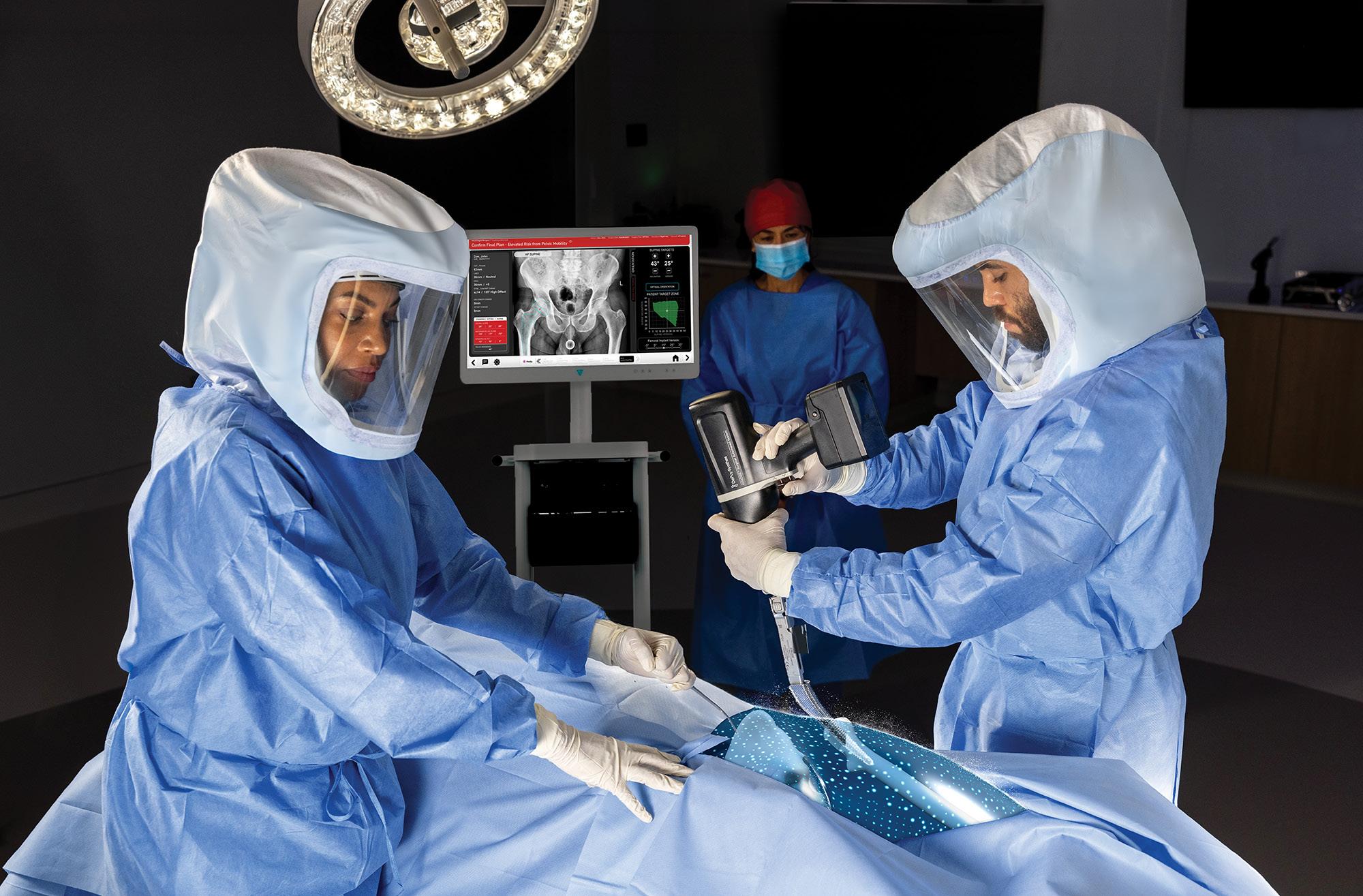
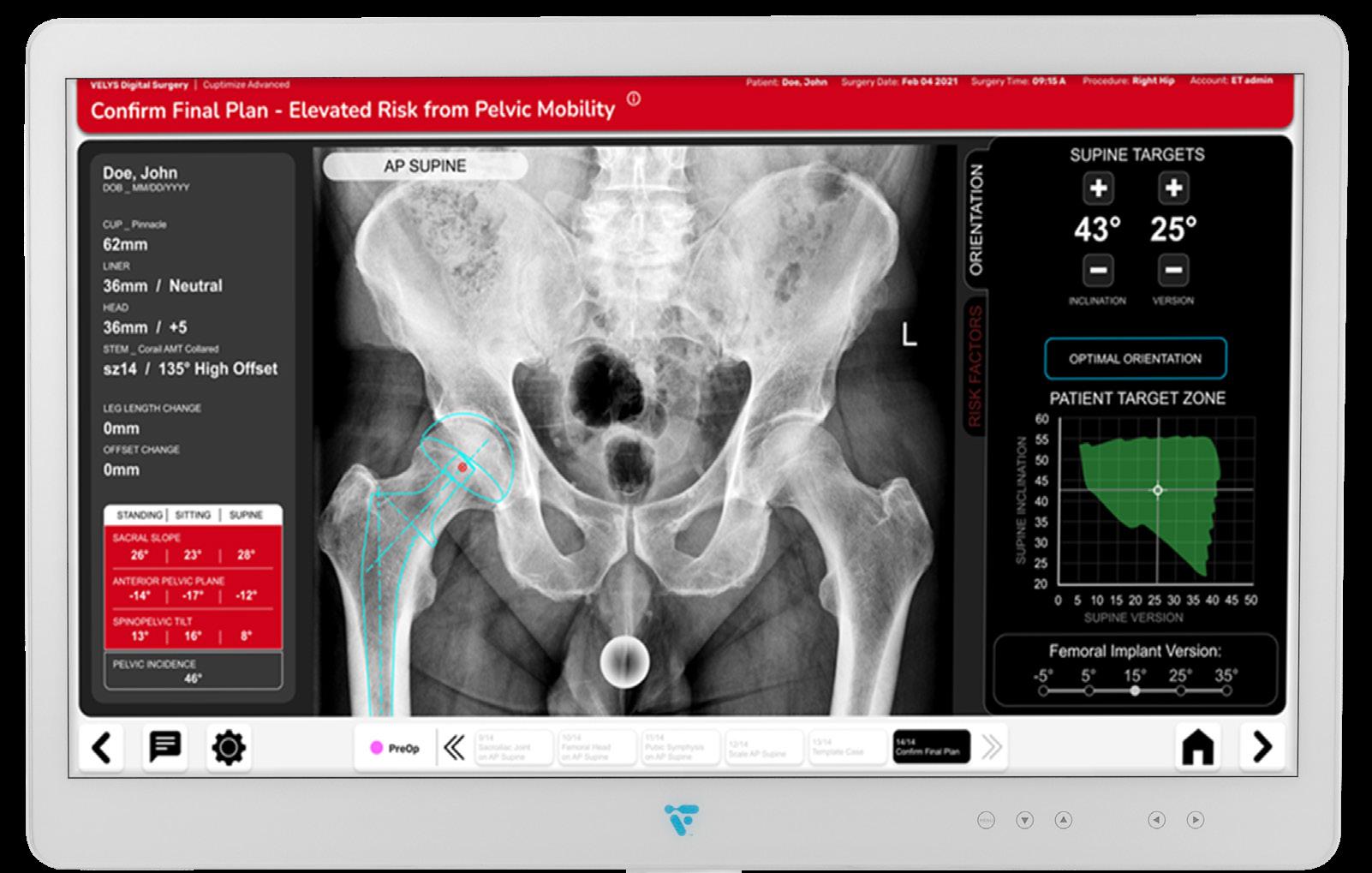
Johnson & Johnson MedTech‘s DePuy Synthes just launched its new Velys Hip Navigation with AI Assistance software, which the ortho tech developer says can shave minutes of workflow off hip replacements by automatically identifying landmarks for surgeons and their teams.
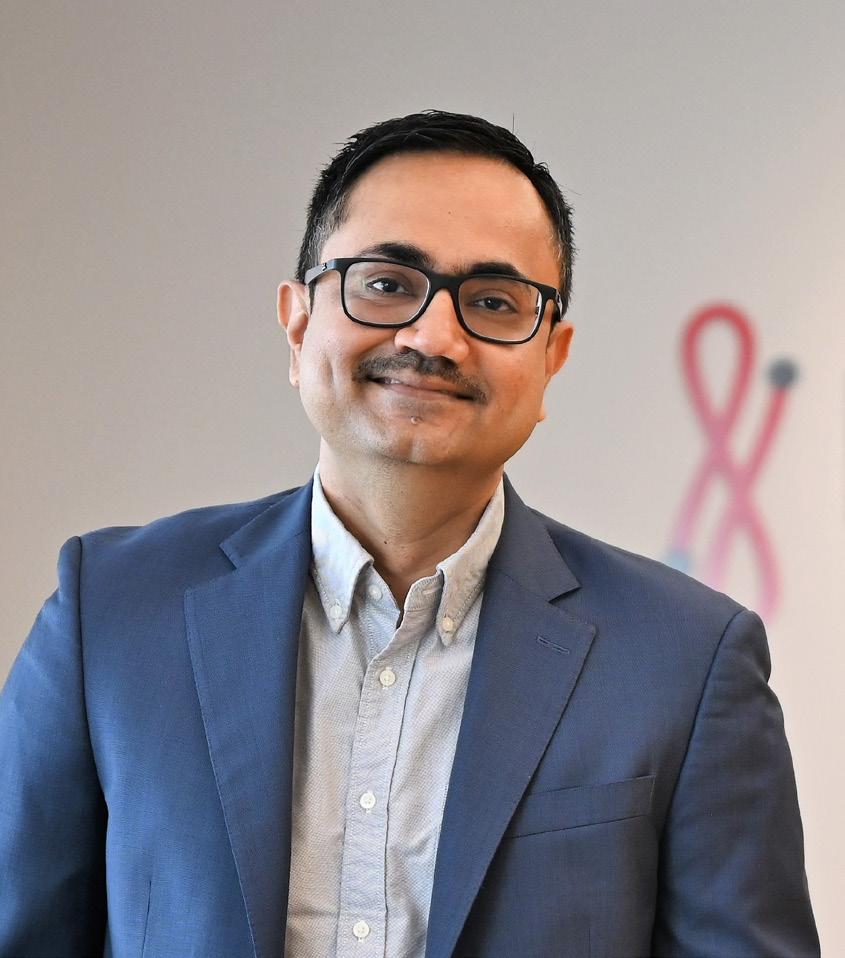
DePuy Synthes President of Global Digital, Robotics Surgery and Customer Solutions Janardhan (JR) Ramachandran says his team developed the software-as-a-medicaldevice (SaMD) entirely in-house, taking it from idea to launch in just 1.5 years.
“Don’t lead
with AI,”
he says. “... Start with talking to surgeons about real problems and things that would meaningfully change how they think about patient care.”
We asked Ramachandran for advice he could offer to help other device developers find opportunities to innovate with artificial intelligence and succeed in those efforts. The following has been lightly edited for space and clarity.
MDO: There’s a lot of hype around AI, but applying it to medical imaging and robotics seems ideal. Where do you see the most compelling use cases?
Ramachandran: “You’re right, there’s a lot of hype, a lot of gimmicks out there in medtech. We believe AI is poised to
function as a powerful utility in medtech that enhances and amplifies surgical expertise, as opposed to replacing it. AI has to be actionable, practical, and almost invisible intraoperatively. It has to operate and provide surgeons what they need.
“The first use case is decision support, like this particular example where we are automating a repeatable step that doesn’t materially add value, but you have to get it right every time. The second one is workflow automation, removing repetitive manual steps and how much you can automate so the >>
DePuy
Janardhan (JR) Ramachandran
surgeon can focus on judgment and patient care.
How can device developers build trust in AI technology?
“And the last one, which I think is the highest order benefit, is personalization. AI can help deliver true personalization, because what we eventually want is to look at a patient as an individual, not as a population statistic, and we want to understand what are they expecting. Do they want to run a marathon, play pickleball two weeks after surgery, or do they want a pain-free survival or just to play with their grandkids and things in their daily life? Depending on that, we understand their morphology, we understand their specific gait patterns, and then we have access to radiology imaging and their labs, training them against endpoints, and now our robotic systems capture data intraoperatively so we have a memory of the case itself. Previously, it all resided within surgeons’ minds and their experience and their feel for surgery. Now we are quantifying it, and with that our goal is how to train models such that we can build digital twins of patients intraoperatively, where you could tell a surgeon there are four options of operating on this patient, and a probability that one option, one alignment gives you the best outcome.
Ramachandran: “Don’t lead with AI. AI for its own sake doesn’t mean anything. You have to start with talking to surgeons about real problems and things that would meaningfully change how they think about patient care, how they think about outcomes and workflow and efficiency and so on. And then think about whether a machine learning AI-based solution or a deep learning solution is required. Could it be a rules-based algorithm, could it be a heuristic? There are a number of approaches to solving a particular problem, and even when you do come up with an AI-based solution, it’s really about bringing the surgeon along on the journey of explainability.
“You need to be able to explain why the algorithm made a certain decision, because sometimes the algorithm validates what a surgeon would have done, and they like that. But sometimes the algorithm will provide an opinion that the surgeon might not have thought of, and it could lead to two different outcomes: The surgeon loses trust immediately, or they ask the question, ‘Why?’ And if you’re able to answer and explain why, and maybe the surgeon overlooked a certain parameter, then the surgeon starts to trust incrementally. As manufacturer, as a developer, as an innovator, we have to make our solutions explainable, and they have to be subservient to surgeon judgment. That’s how you build trust.”
How can device developers address the risk of deskilling in users who grow reliant on AI?
“AI CAN HELP DELIVER TRUE PERSONALIZATION, BECAUSE WHAT WE EVENTUALLY WANT IS TO LOOK AT A PATIENT AS AN INDIVIDUAL, NOT AS A POPULATION STATISTIC, AND WE WANT TO UNDERSTAND WHAT ARE THEY EXPECTING.”
Those are things that surgeons really appreciate. As I’ve talked to surgeons, intraoperative guidance and more predictive guidance around personalization is really where we need to be.”
Ramachandran: “Every new generation of surgeons deals with this. Today, younger surgeons are being trained on technology from the get go, and if anything, they’re asking deeper questions.
A lot of dogma that existed in surgery is being challenged now that technology is producing data and there’s new forms of evidence coming out. In general, surgeons are getting more skilled. There’s less variability
in outcomes, volumes per surgeon are increasing, so that’s definitely a good thing. But to your point around reliance on technology, we think of technology less as autopilot and more navigation or robotic assistance. It keeps a great surgeon great, and it reduces the variability in outcomes for maybe lower volume surgeons in smaller community hospitals or what have you. But the focus on education is paramount. We train for all eventualities, we train for real-world scenarios, and surgeons are asking for more training, more access to education, rather than less with technology. In the past, learning surgery was a rite of passage of learning through experience and watching through fellowships. It took years to get a feel for surgery. But now we’re able to codify that with some of the data, so I think the learning curve is also improving.”
Any advice to help other device developers innovate where robotics and AI overlap?
Ramachandran: “There’s a ton of surgeon-led innovators and smaller startups focused on fixing specific parts of the workflow in different procedures. Some things they should be mindful of are to listen first and build second. Don’t jump into the solution itself. Understand the clinical problem, the economic problem, and how do you solve for some of those things. At DePuy Synthes, we look for clinical relevance, meaningful impact to patient outcomes as well as workflow efficiency and other things, and economic value for all stakeholders. Costs are under pressure, site of care is shifting, and surgeon reimbursement is going down as well, so any new piece of technology that adds cost and/or time
is going to be extremely challenging to scale. It has to factor in those extraneous constraints. And the last one is it needs to be scalable as a solution. We want to launch things globally in our top markets, and we want to make as big of an impact as possible across as wide of a patient population as possible. Those are things that they should be mindful of when solving a particular problem.”
Go to wtwh.me/velyship to read more from this interview, including how Depuy Synthes developed Velys software for faster hip replacements.

Where Precision Meets Patient Impact.
Cadence isn’t just a supplier—we’re your integrated MedTech & Pharma partner. At the point of patient impact, our precision drives performance. One partner. One seamless process. From design to commercialization, we accelerate launches, reduce risk, and elevate quality.
Cadence: delivering where it matters most.

Surgical and interventional innovation in healthcare is not defined by what is technically possible, but by what is responsibly delivered.
By Dave Rosa | Intuitive
When lung cancer is diagnosed early, at Stage 1a, five-year survival rates can exceed 90 percent. Yet today, only 28 percent of cases are diagnosed at an early stage, and many patients wait more than six months between the detection of a suspicious nodule and treatment. During that time, patients can experience uncertainty, anxiety, and the very real risk of disease progression.
Intuitive occupies a privileged position in medical technology and healthcare.
We sit at the intersection of rapid innovation and such a deeply human purpose: improving how care is delivered, experienced, and accessed by patients.
I have spent my career in healthcare, joining Acuson in 1989 and moving to Intuitive in 1996 as a mechanical engineer responsible for designing aspects of our first robotic system that we hoped would have a profound impact on patient care.
In those days, we had the privilege to be able to “scrub in” to cases to work shoulder-to-shoulder with physicians and care teams to better understand the hard problems they were working to solve. These were formative experiences, deeply cementing the fact that on the other side of all the late nights, product challenges, and engineering advancements, there was a patient who had put their trust in their physicians, and, by proxy, in Intuitive. In us.
I’m often asked if any of us had envisioned the scale that surgical robotics would reach. The answer is unequivocally “no.” But fast forward 30 years and physicians have chosen Intuitive’s technology more than 20 million times to treat their patients, and in 2026 we’re marking 25 years as a public company, a step that enabled the
company to invest in future innovation. These milestones aren’t a reflection of our passion for innovation; they echo our sustained focus and commitment to understanding what matters most to those delivering care.
Looking to the future, it’s clear that what progressed minimally invasive approaches this far will not be the same things that move it forward. The way we all think about healthcare and providing patient care is changing rapidly. Cancer diagnoses are increasing with an aging population, healthcare costs are rising around the world, AI is driving faster advancements in discovery, and patients are becoming super consumers of healthcare.
Our mission to deliver profoundly better care remains durable. However, we too must evolve while remaining focused on solving the real, pressing challenges in healthcare. Lung cancer offers a clear and urgent data point.
According to the American Cancer Society, lung cancer has long been the leading cause of cancer death in the United States, and that’s not because it is untreatable, but because it is often detected too late. The problem we are working to solve is survivability — and that begins with reimagining the patient pathway from the moment they look for care.
We can do better. By rethinking the full lung cancer journey — from detection to diagnosis, staging, and treatment — there is an opportunity to compress the 200-day pathway. And this is already happening.
New diagnostic technologies paired with real-time tissue assessments, endobronchial ultrasounds, and advanced robotic surgical systems can mean diagnosis and treatment of lung cancer in less than a month. That means innovation integrated with an ecosystem of skilled physicians and care teams can give patients more time. More time with answers. More time with their families. More time to do what matters most to them — cancer free. All by focusing on the hardest challenge: lung cancer survival.
Surgical and interventional innovation in healthcare is not defined by what is technically possible, but by what is responsibly delivered. It is measured in time saved in the OR, uncertainty and costs reduced, and outcomes improved for patients — and in whether care teams are better supported to deliver care when and where it is needed most. It is when these things come together that innovation can truly transform healthcare.
Dave Rosa is CEO at Intuitive and a member of the board of directors since 2024. Rosa has been a passionate supporter and evangelist of da Vinci technology since its inception.
Vicarious Surgical CEO Stephen From explains how his company’s surgical robot is designed to expand minimally invasive abdominal procedures.

By Skyler Rivera Associate Editor
There’s a big opportunity for surgical robotics in abdominal soft tissue procedures, says Vicarious Surgical CEO Stephen From, whose company plans to start with hernia repair.
“In the abdominal space — which is where we focus and where hernia is — over 50% of all of those abdominal soft tissue surgical procedures in the U.S. are still done or completed in an open surgery setting,” he said in a recent DeviceTalks Weekly podcast interview.
And only 18% of all U.S. abdominal procedures are performed robotically, the company says in materials to investors, with ventral hernia repairs making up the majority of open procedures (versus non-robotic laparoscopic surgeries).
Laparoscopic and currently available robotic-assisted platforms lack the dexterity and visual access required for minimally invasive ventral hernia repair, From said. Vicarious is designing its surgical robot to overcome those limitations and transform open surgeries into minimally invasive procedures, starting with ventral hernia repair.
“There’s so much addressable market there,” From said. “I don’t have to think about replacing what [other robotics companies] are doing. I can go after what the hospitals want to do right now. They want to be able to provide minimally invasive surgery to more of their patients and that’s what we can do for them.”
Ventral hernias appear on the ceiling of the abdominal wall, so movement and maneuvering limitations in available robotic platforms make it difficult to access different quadrants of the abdomen and return to the abdominal ceiling after insertion, he said.
“Starting with laparoscopy, it’s basically like chopsticks with tools on the end,” From said. “Then when you look at daVinci or [other] robotic-assisted platforms, they put wrists on those chopsticks. It’s better, but you still won’t have full dexterity or freedom of movement.”
Surgeons have to choose between full visualization and abdominal access with open surgery — which comes with tissue trauma and an increased probability for complications — or attempt to complete the procedure with

the shortcomings of existing minimally invasive options, From said.
With Vicarious Surgical’s platform, From said surgeons won’t need to choose.
“We want them to have an experience like [they’re] doing open surgery with a minimally invasive platform,” he said. “That’s why it was so important to understand how we can miniaturize the robot and give it all the freedoms of movement that you would get with a human arm and give it the visual perspective you’d get from open surgery.”
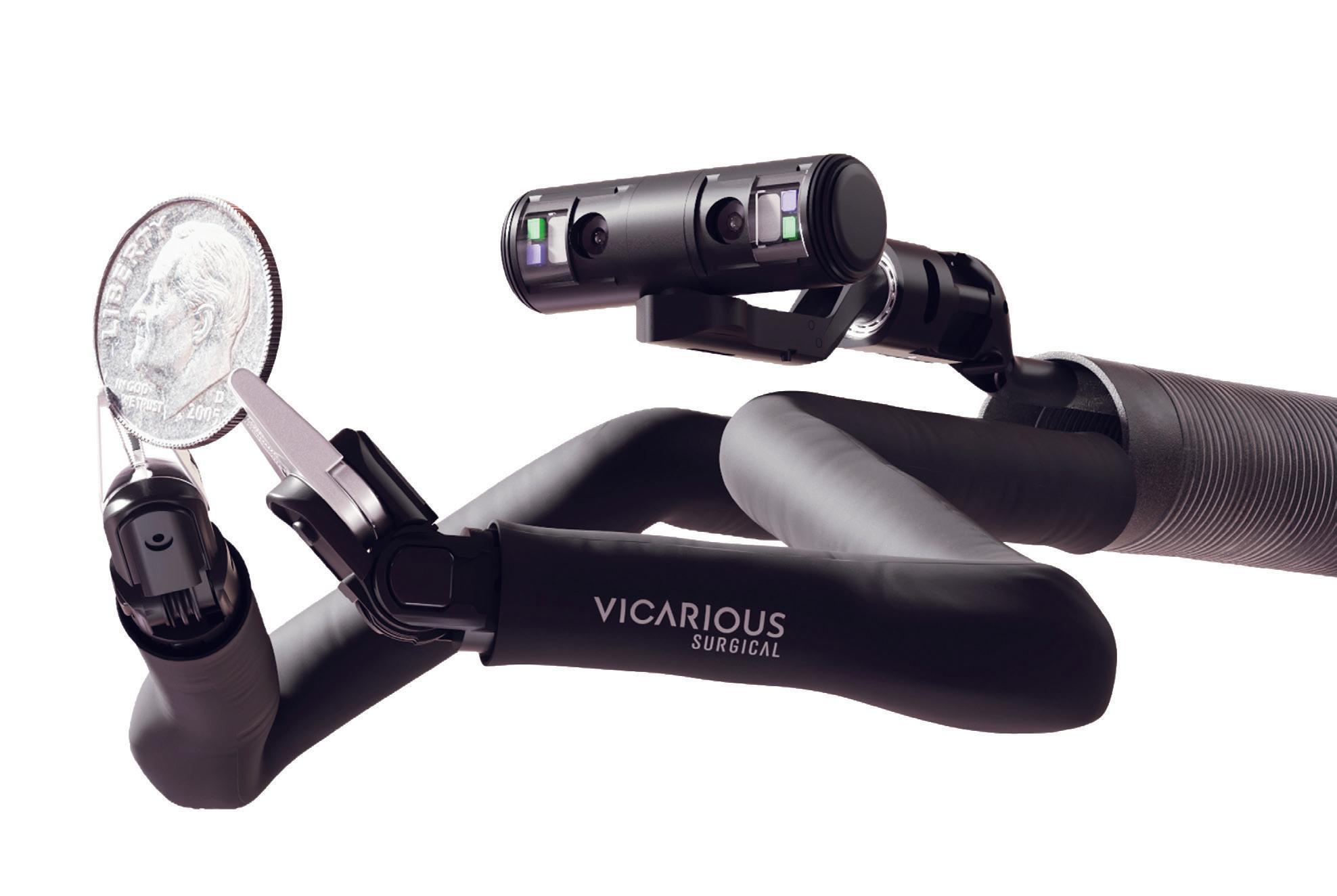
Vicarious Surgical’s robot is designed to enhance freedom of movement, improve visualization in the surgical field and push the boundaries of minimally invasive robotic-assisted surgery with a single incision.
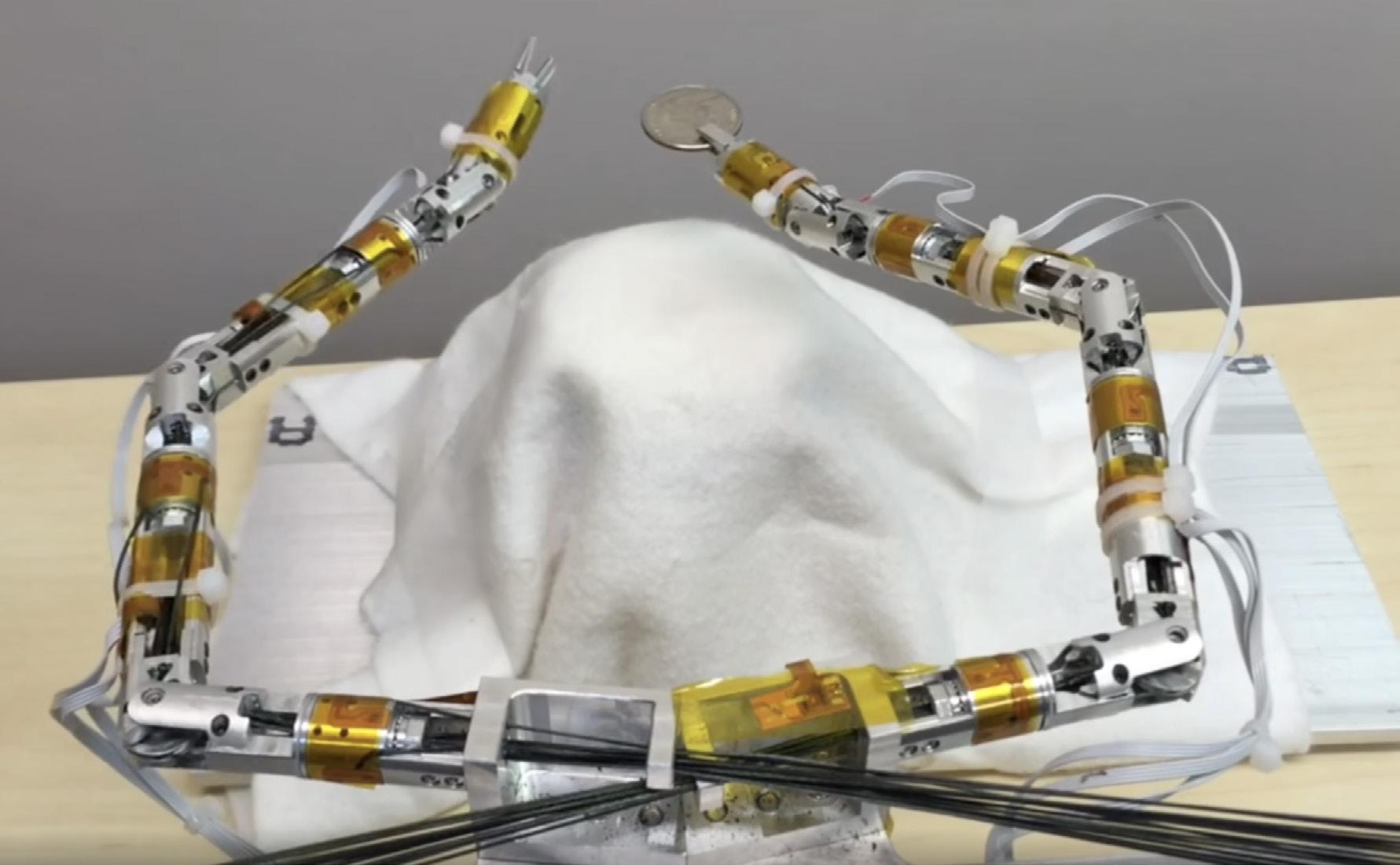
The platform includes two miniature robotic arms that move downward, sideways, upward and backward with 13° of freedom to give surgeons expanded abdominal access. Each robotic arm has 28 sensors designed to replicate a surgeon’s natural upper body movements from shoulders to elbows to wrists.
The robotic arms, their instruments and a 360° camera are designed to give surgeons access and visualization through an incision smaller than a dime. Vicarious Surgical’s robot requires a 1.5 cm incision but is capable of function with incision sizes as small as 1.2 cm.
“We go in through one incision. The whole robot is in there, it can move
around to all the quadrants within the abdomen,” From said. “It can go back up to the ceiling, go down to the floor. It can move all around. We don’t have those limitations.”
Right now, Vicarious is focused on ventral hernia repair, From said.
“But we’re also trying to make sure that we understand where we could go after that,” he said. “There’s other hernias — inguinal hernia — and other things we want to be focusing on, even hysterectomies.”
The company will need three tools for that initial indication, and expanded abdominal indications will likely use those tools as well as new ones. From says the platform has potential to address more unmet needs that the competition hasn’t met.
“We don’t need to think about competing against those other companies,” From said. “They have to compete against each other because the platforms are all very similar. We aren’t.”



By Matt Navarro Aptyx
Unlock
Microstructure makes ePTFE a versatile medtech material
medical device innovation with expanded polytetrafluoroethylene’s different forms and engineered properties.

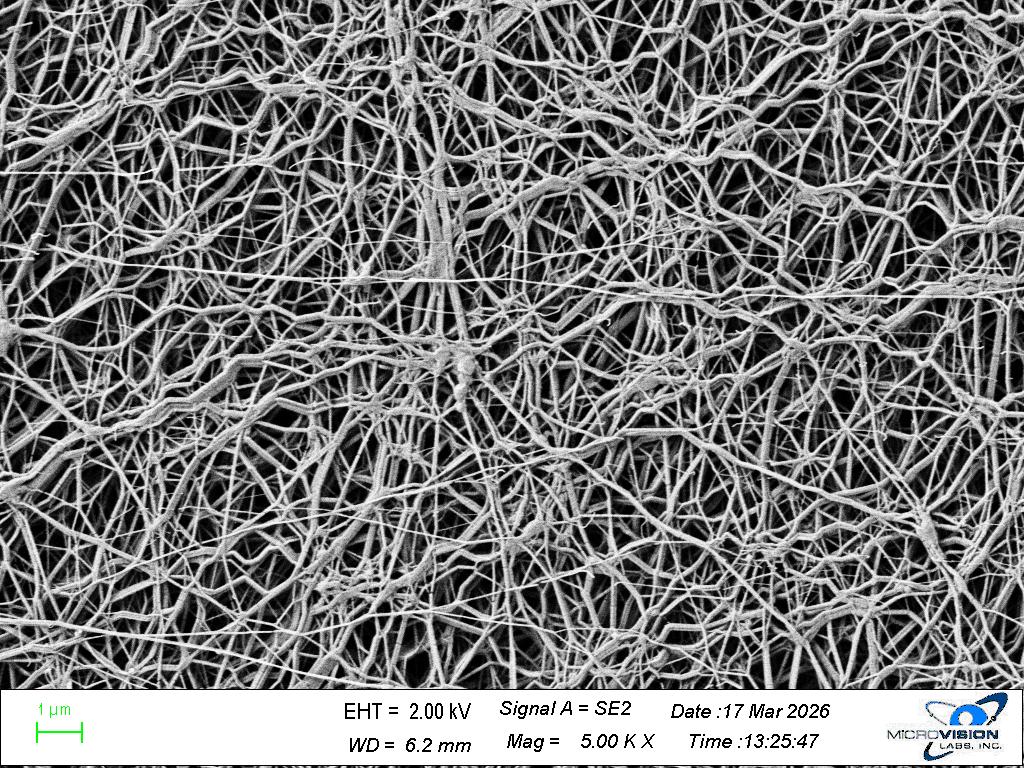
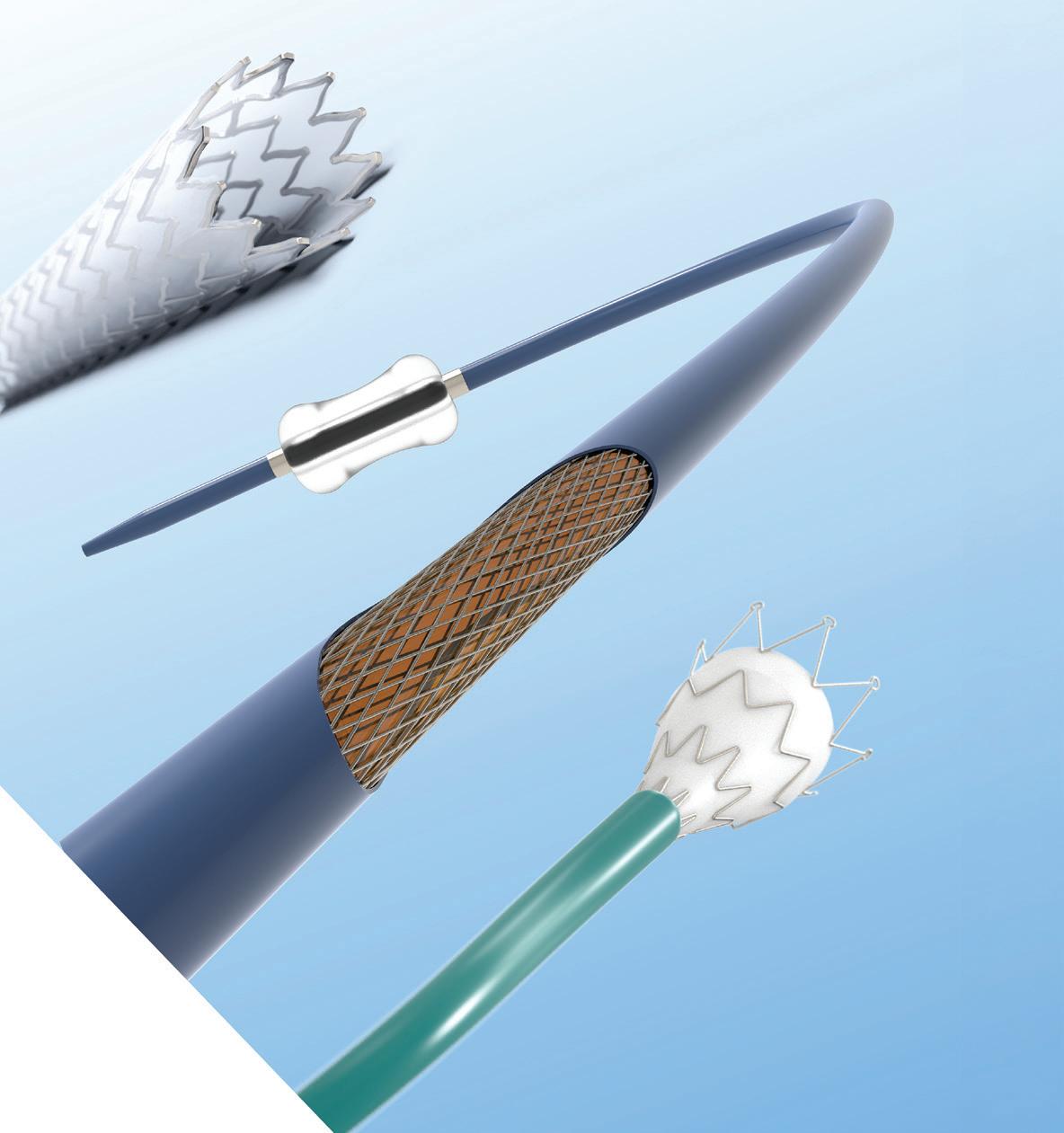
EABOVE: An ePTFE vascular graft imaged with scanning electron microscopy
BELOW: An ePTFE membrane imaged with scanning electron microscopy
Images courtesy of Aptyx
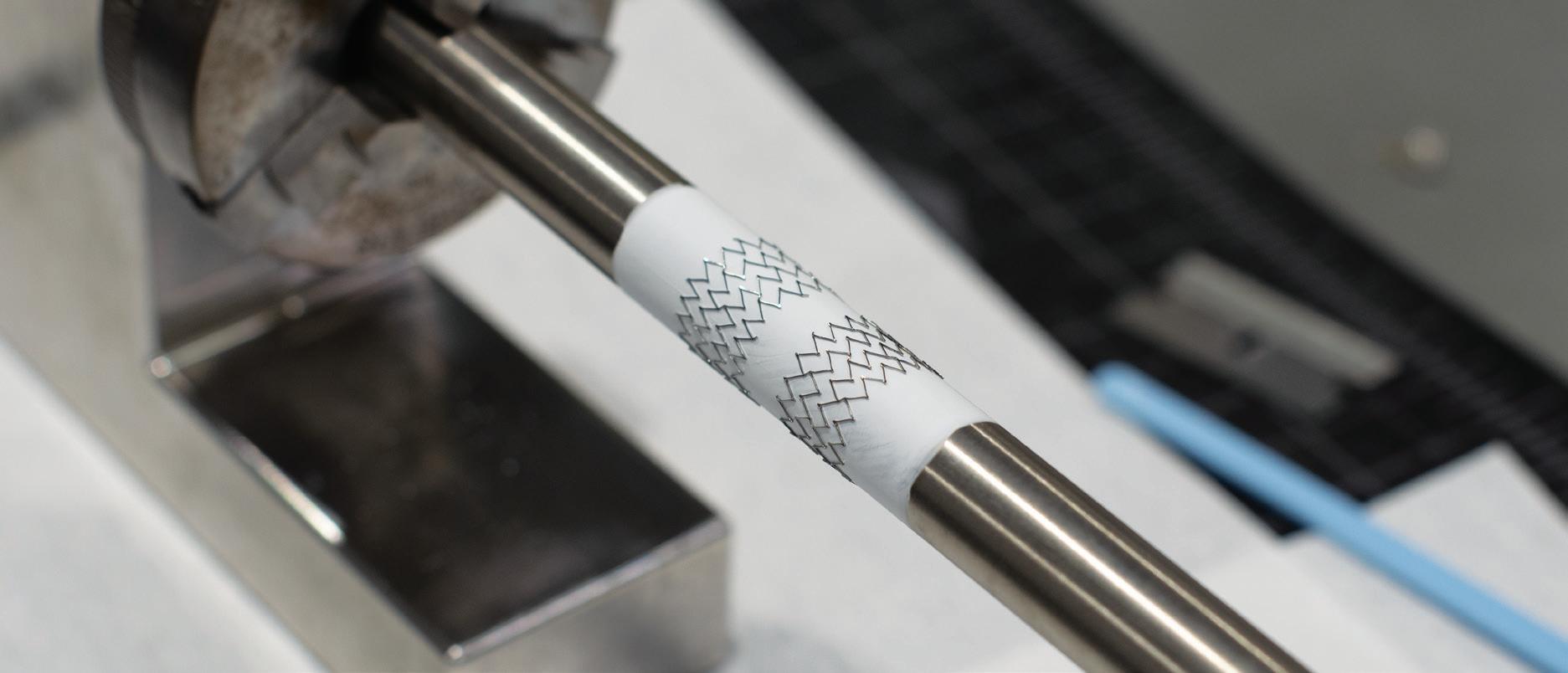
xpanded polytetrafluoroethylene (ePTFE) has become a staple in the medical device industry for applications ranging from vascular grafts to stent encapsulations and more. It’s known for chemical inertness, biocompatibility, flexibility, and durability. What may surprise engineers is that ePTFE is not a single, uniform material. It takes several forms with varying properties, each defined by the processing from base resin to final material.
The processing of ePTFE begins with fine PTFE resin that is combined with a lubricant and turned into a billet. This billet (or preform) is then extruded as a rod, tube, or sheet. After removing the lubricant, the material is stretched under controlled conditions, creating the characteristic microstructure.
Selecting the right form of ePTFE in alignment with clinical needs early in the design process is essential for success. A graft designed for vascular access will behave differently from membrane or tape intended for stent encapsulation
Microstructure is ePTFE’s advantage The versatility of ePTFE is a result of
its unique microstructure. Unlike solid PTFE, ePTFE is expanded through a controlled stretching process that creates a porous network of nodes interconnected by fibrils, which gives ePTFE its distinctive combination of strength, flexibility, and permeability. From a design perspective, key parameters in this microstructure include porosity, fibril orientation, and node density. These characteristics directly influence how the material behaves in a clinical setting. For example, increasing the porosity can improve permeability, but may reduce mechanical strength. Conversely, a denser structure enhances strength and durability, but may limit tissue integration.
Visualizing this structure — often through scanning electron microscopy (SEM) — is particularly impactful for engineers utilizing ePTFE for the first time. SEM images of tubes or grafts reveal elongated, highly oriented fibrils aligned longitudinally with high porosity, which gives grafts their typical accordion-like nature and sponginess.
On the other hand, membranes can be made biaxially, which allows for similar strength in both directions and shows as a mesh or lattice-like structure. Tapes and ribbons often exhibit highly oriented fibril networks, contributing to their ability to stretch preferentially in one direction.
Understanding these structural differences is essential. Engineers are often surprised to learn that two materials with the same base polymer can behave in an entirely different way based on how the microstructure is engineered.
Tubes versus membranes versus tapes When working with ePTFE, you’ve got to recognize the invariable link between form and function. The same base
material can be processed into tubes, membranes, or tapes, each serving distinct roles in medical devices.
The microstructure of tubes, typically used for vascular grafts or stent encapsulations, is usually highly oriented longitudinally which provides axial strength. Because fibrils can bend and straighten, these tubes have excellent flexibility.
Membranes are typically thin, porous sheets. They are commonly used in applications such as filtration and stent encapsulation. Engineers may initially assume that all ePTFE membranes behave similarly, but subtle differences in porosity and thickness can dramatically alter performance. Membranes are especially preferred in applications where the delivery system’s profile is a driving factor behind the design requirements, as membranes can be produced at a thickness of less than 10 microns. (For reference, human hair typically ranges from 50 to 100 microns.)
Tapes and ribbons offer yet another dimension of functionality. These forms can be used in the same application as membranes, but offer different attributes. Tapes are typically more uniaxial than membranes, meaning for applications where expansion of the material is required, a tape or ribbon might be more suited to the extreme cases. They are typically thicker than membranes, however.
With ePTFE, there is no one-sizefits-all solution. Performance is customizable, but the first step to success is tailoring microstructure to the design requirements and clinical needs. The material’s node-fibril microstructure enables a wide range of characteristics, requiring careful consideration of form, structure, and application.
While ePTFE is versatile, the degree to which properties can be adjusted has made this material a hot topic in the medical device industry. When approached thoughtfully, ePTFE offers serious potential for many medical device applications. When used improperly, it can lead to costly redesigns and project delays.
Engineers who take this into consideration can unlock the potential of ePTFE and build innovative devices that make a meaningful impact on patients’ lives.
Matt Navarro is an R&D engineer at Aptyx with seven years of experience developing ePTFE-based solutions for advanced implantable systems. His work spans endovascular, peripheral vascular, structural heart, neurovascular, and gastrointestinal applications, where he has led dozens of programs from concept through development. Navarro holds bachelor’s and master’s degrees in biomedical engineering from Clemson University.



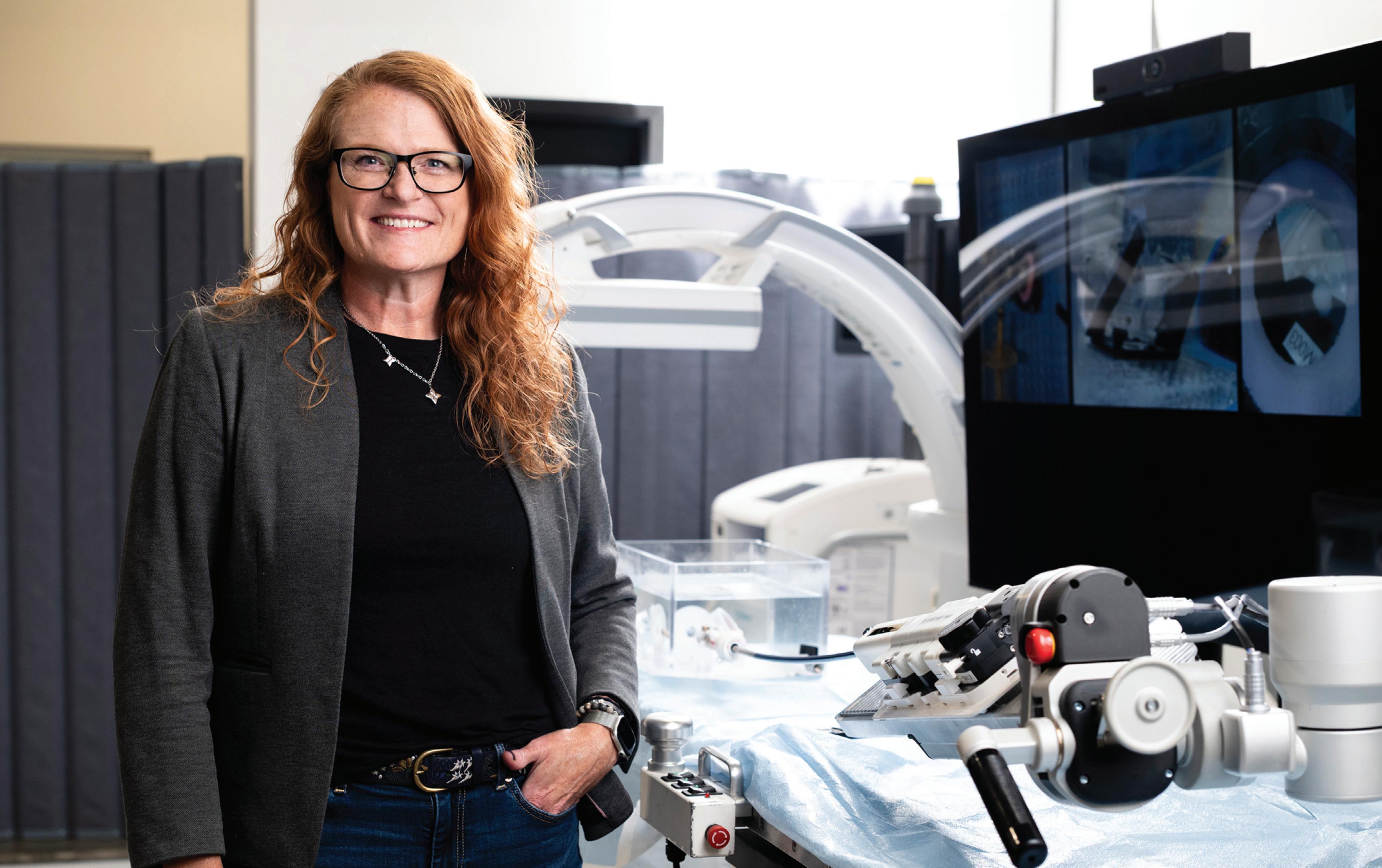
One year after Capstan Medical’s firstin-human mitral valve replacement procedure, the surgical robotics and structural heart startup plans to bring its second-generation system online sometime in 2026.
In a Medical Design & Outsourcing interview with Capstan Medical CEO Maggie Nixon, the robotics engineerturned-executive offered several updates on her Intuitive-backed startup’s efforts. The following has been lightly edited for length and clarity.
MDO: What’s new at Capstan Medical?
Nixon: “You and I have talked a lot and I think you have a more complete picture [than most people] of our
Coming soon: Capstan Medical’s next-gen structural heart robotics system
CEO Maggie Nixon offers updates on her Intuitive-backed startup’s robot and nitinol implants.
platform and the portfolio that we’re building to leverage that robotic platform. We are going stay the course. We’re liking what we’re seeing in our first-in-human and we’re dialing in our sizing algorithms. This was awesome: I got a video from Dr. Martinez the day before Christmas from our first patient’s end-of-year visit, and they were doing a little dance in the clinic. That’s why we do what we do, right? Seeing that first-in-world patient benefiting from the technology is the biggest motivation.”
After procedures in Chile and New Zealand, your team added Brazil to the mix. Why Brazil? Is it because of the incidence of rheumatic fever?
Nixon: “We’re looking for where there’s underserved patient populations. They have a massive patient backlog but they’re looking for options, and so partnering with the clinicians there lets us establish a win-win. … Rheumatic heart disease can impact valves in a different way than other types of disease states. We have treated degenerative mitral regurgitation (DMR), functional mitral regurgitation (FMR) and rheumatic patients all through our series. We’re trying to balance it so we get the right spread to represent our patient population. We’re working with each of these sites, making sure we’re looking at sizes, disease states and and getting all of that data that we need to proceed.”
(continued on page 17)

(continued from page 15)
We’ve talked before about your valve implant sizing efforts. Any update on that?
Nixon: “One of the exciting things is was we were able to introduce the second size even in our first-in-human. We brought two sizes to our first-inhuman and we’ve been able to treat patients with both those sizes. We’re doing that size expansion now. We believe that by the time we’re going into pivotal, we’ll have three to four different sizes, but we’ll have two sizes even for our pre-pivotal early feasibility study (EFS) work.”
What was the first size and the second size?
Nixon: “There’s no decoder ring to compare our sizing to other valves out there. What we use is the diameter of
Any next-gen updates?
Nixon: “We’ve been using all of the workflow to inform our gen two system and get all of our specifications dialed in. Our gen two system is coming online in 2026, so we’ll be starting the EFS with our firstgeneration system and then moving to the gen two system with our further clinical trial work.”
What’s different about this second generation?
Nixon: “We’ve been locking in on finalizing our range of motion. We still have three different articulating joints, but we’re optimizing the range of motion in each one of those joints. The size is probably less than 50% the size. We really figured out how the support structure needs to operate and we were able to scale that down significantly. I
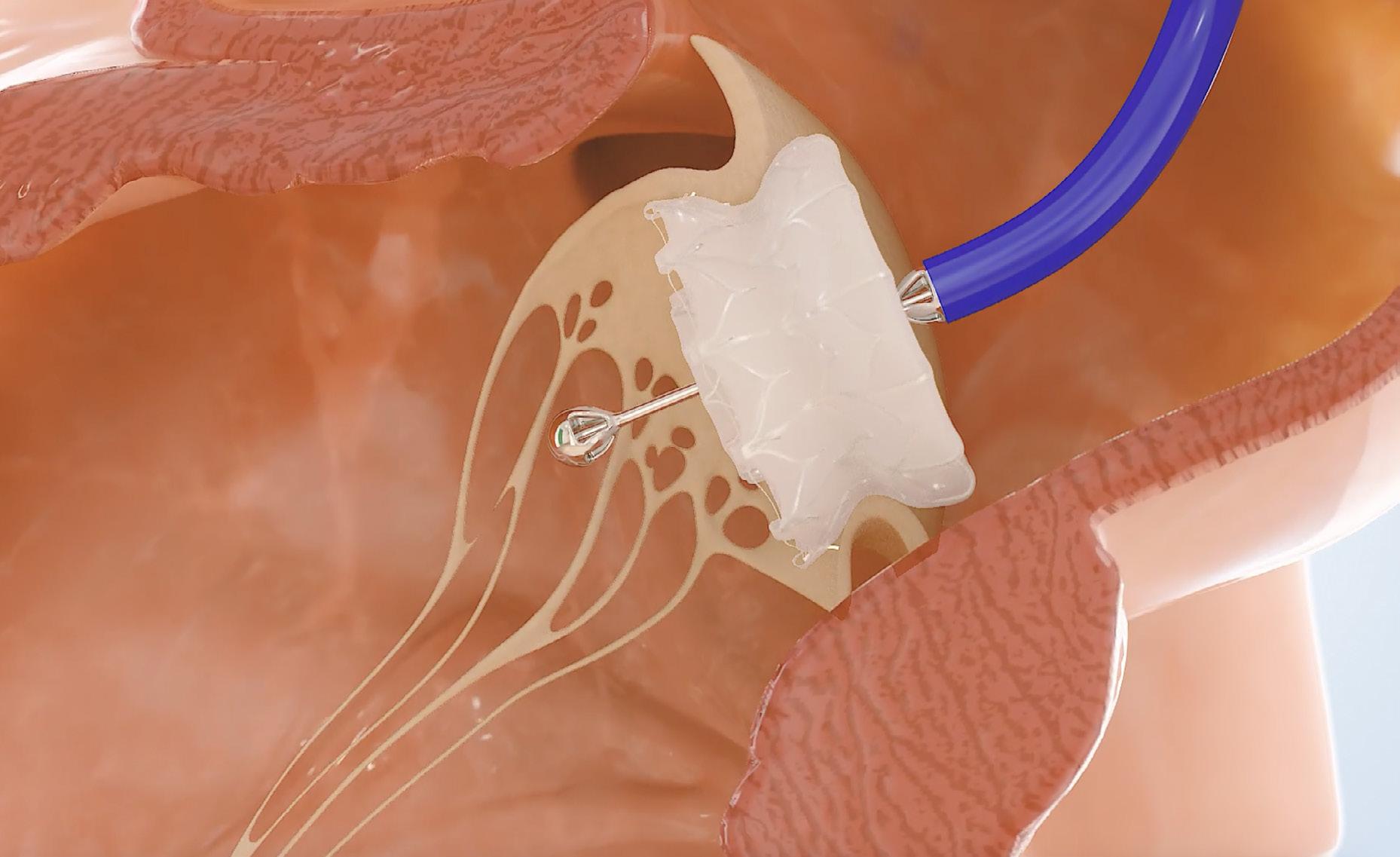
our waist, the narrowest part of our implant. Our first patients were 40 mm and we introduced a 37 mm. We’ll be going to our EFS with a 37 mm and a 42 mm.”
What part is the waist?
Nixon: “Our implant has an hourglass shape to it. The waist is the narrowest part in that hourglass on the outer frame. There’s an inner frame that holds the leaflets. The outer frame is where the waist is, and that’s what sits at the annulus of the valve.”
the Xbox controller, you are leveraging all of the existing buttons. Ours is much more simplified.”
So the next-gen efforts are focused on the robotic system and not the implant?
Nixon: “With the implant, we’ve pretty much learned what we need to learn. We’re moving through our final testing and are ready to bring that to market. And we will be working through our platform as we go.”
Which generation of the robot do you plan on submitting?
Nixon: “We will be submitting to our EFS on gen one, and we’ll be submitting to our pivotal on gen two.”
How are things going on the tricuspid side?
Nixon: “We’re still in pre-clinical. Our chronic animal work is going really well. We’re prioritizing mitral, but our tricuspid is looking really good and once we have everything locked and loaded on mitral, we’ll bring tricuspid to the clinic.”
Where’s your team growing?
Nixon: “We’re always growing our engineering team. We’ve got an implant, we’ve got a catheter and delivery system, we’ve got software,
“WE’RE LOOKING FOR WHERE THERE’S UNDERSERVED PATIENT POPULATIONS. THEY HAVE A MASSIVE PATIENT BACKLOG BUT THEY’RE LOOKING FOR OPTIONS, AND SO PARTNERING WITH THE CLINICIANS THERE LETS US ESTABLISH A WIN-WIN.”
think we have 40% fewer components in each of the elements. So it’s just streamlining everything based on what we learned. And then we move into our own controller. We’ve been using an Xbox controller for our early first-in-human work. We’ll be introducing our own custom controller as we move into the next pre-pivotal work.”
What do you hope to improve with a Capstan Medical controller?
Nixon: “It’s customized to our procedure inputs and workflow. With
we have robotic control and all of that so our engineering team is always expanding. One of our big focuses is scaling our clinical support teams. These are the folks who are going to be out in the field day in, day out, and we’re building what we’re calling our clinical applications function, which is the team that will be out with our clinicians partnering to bring this technology into their clinic.”










By Skyler Rivera Associate Editor
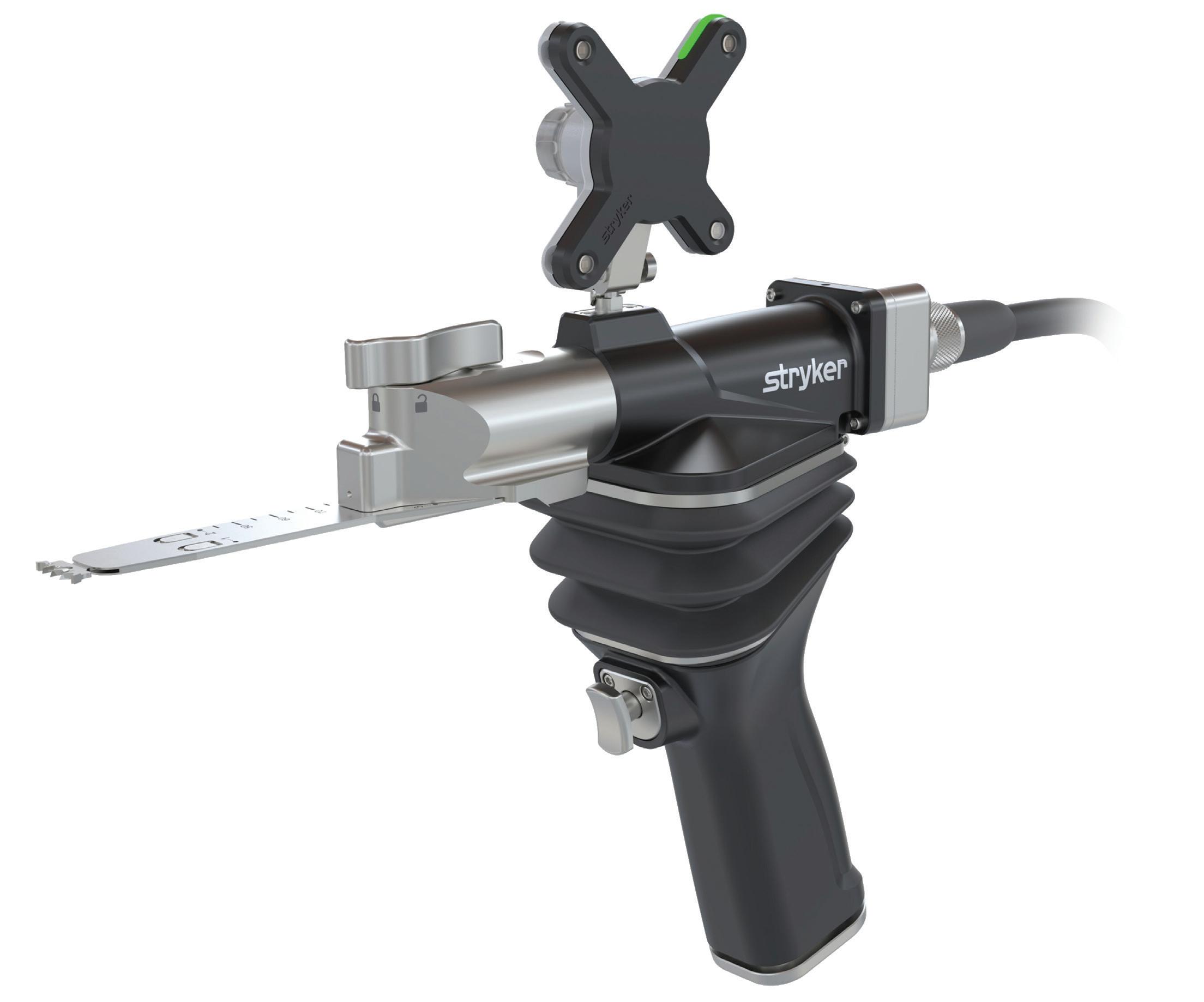
Stryker’s Mako Robotic Power System (RPS) is a handheld robotic system that’s FDA-cleared for total knee procedures and designed for surgeons who want the benefits of robotic technology with the familiarity of a power tool.
“This is a really great solution for some surgeons that aren’t ready to go through the change management of Mako,” Stryker CEO Kevin Lobo said in January.
Mako RPS will also appeal to ambulatory surgical centers (ASCs) that don’t want the complexity of a Mako robotics system, he said.
“It’s going to open up new customers for us that weren’t ready for Mako, but want something better than using the manual instruments,” Lobo said.
Mako RPS shrinks elements of Stryker’s Mako robotic-arm-assisted surgical system. That larger Mako system consists of a robotic arm atop a large, mobile base.
Compared to Mako and its robotic arm, Mako RPS more closely resembles the non-robotic power tools many surgeons are familiar with. But Stryker says Mako RPS borrows from Mako’s intellectual property to offer similar features and limit the need for major changes for surgeons, staff and ASCs, making adoption of the device easier and more appealing.
What’s different about Stryker’s new Mako RPS
Mako RPS’s handheld design allows the surgeon to have full control of the robotic tool without it being attached to a larger robotic system.
But like Mako, the Mako RPS features patented active adjustment technology,
Stryker designed Mako RPS for surgeons and ambulatory surgical centers that want something more than a manual tool but not the full complexity of the Mako robotics system.
which responds to the surgeon’s hand movements, guiding the saw to stay aligned with the surgical plan, Stryker said.
The technology also limits blade power when used outside the preoperative boundaries, but surgeons have the ability to modify the plan when necessary. Both systems are equipped with haptic feedback.
Stryker’s Q Guidance system provides additional intraoperative
visualization and saw guidance support for both Mako and Mako RPS.
Mako RPS’s integration in knee replacement surgery has already begun, with Lobo saying initial cases with the device are going “extremely well.”
Stryker announced a limited market release of Mako RPS in February and displayed the device at the American Academy of Orthopedic Surgeons annual meeting in March.
Use it once and throw it away? That’s this surgical robot developer’s plan for speedy setup, off-the-shelf sterility and cybersecurity.
By Skyler Rivera Associate Editor
Microbot Medical is creating a “whole new category in robotics” with its fully disposable Liberty endovascular navigation surgical robot, co-founder and CEO Harel Gadot says.
The medical device developer designed Liberty as a single-use system to overcome adoption barriers in robotassisted surgery. The main barrier in endovascular surgical robotics is extended setup time, Gadot said, followed by system learning curves, capital expenses and the need for dedicated infrastructure.
“The solution is a differentiated robotic solution. It’s a different endovascular robotic system, but it’s not really just an endovascular system,” Gadot said in a recent DeviceTalks Tuesdays interview.
The system earned FDA 510(k) clearance in September 2025 for “use in the remote delivery and manipulation of guidewires and catheters, and remote manipulation of guide catheters, to facilitate navigation to anatomical targets in the peripheral vasculature.”
The system is not, however, intended for coronary or neurointerventional procedures, according to the 510(k) clearance.
Microbot Medical won FDA 510(k) clearance for its fully disposable, single-use Liberty surgical robot in September 2025.
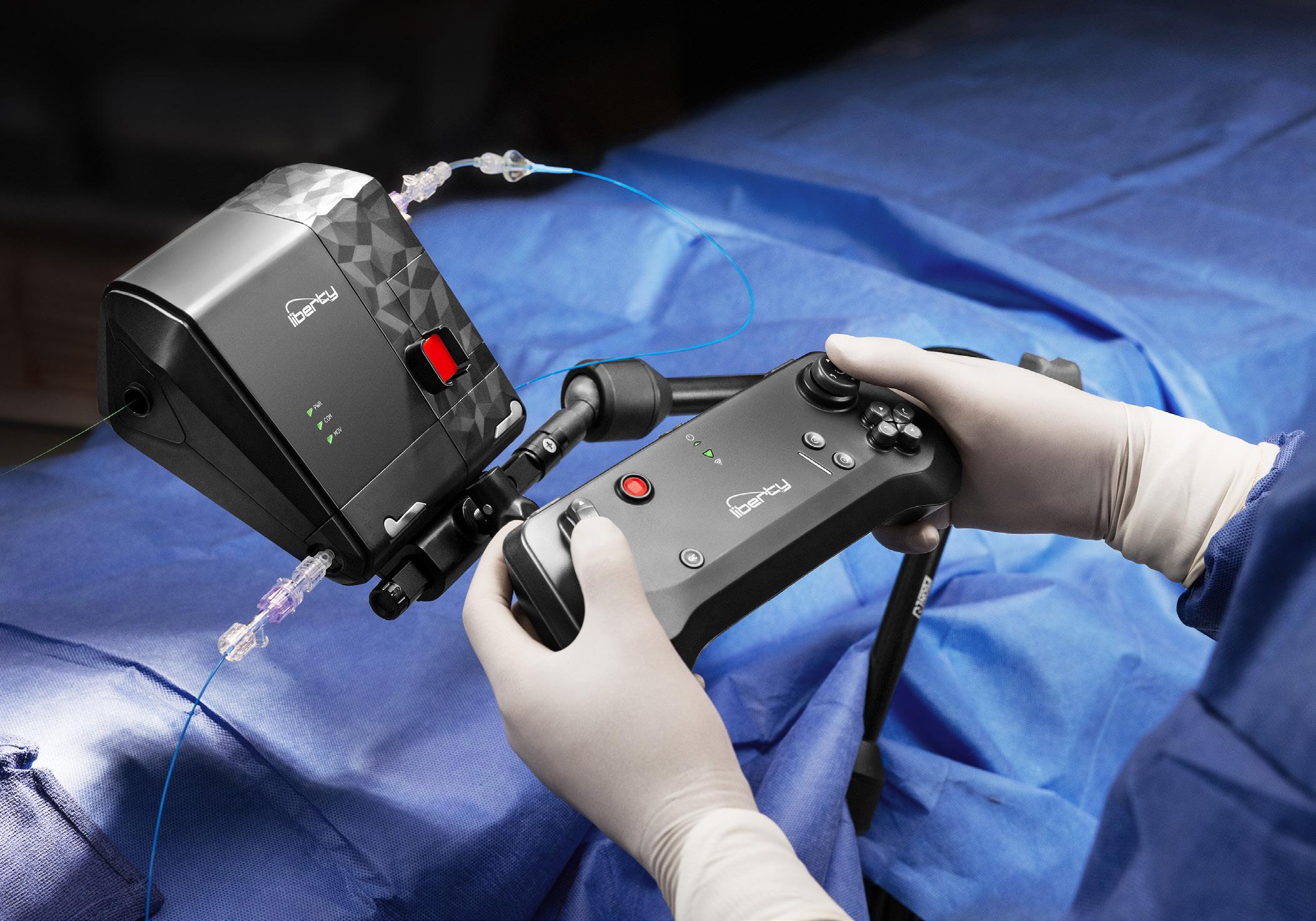
How Microbot’s disposable system addresses adoption barriers Liberty consists of a robotic drive unit, a remote control, a mounting arm and accessories.
“There is no infrastructure,” Gadot said. “You don’t need to change the room. You don’t need to move walls. Nothing at all.”
The system’s drive unit and remote control are small enough to fit in a backpack and can be set up in minutes, Gadot said. Since Liberty is a single-use system, each platform comes sterile off the shelf.
“You just open it, you integrate your wires and catheters, which takes less than two minutes, and usually done by a technician on the side table before the physician is even in the room,” Gadot said. “Once the physician is in the room, [they] can immediately start their procedures. There is no delay and no disruption to their workflow.”
The wireless controller sends commands, steering the guidewire or catheter held and manipulated by the robotic drive, which is attached near the patient’s bedside by the mounting arm. When the surgeon is done with the procedure, they throw the entire system away.
“Do you also dispose of the remote? Yes, you dispose of everything,” he said.
Gadot said Microbot hasn’t encountered pushback on the system’s disposability, and in terms of sustainability, “disposing our device is just like disposing a regular medical device, like a catheter wire.”
“Physicians don’t want to wait there and have somebody take 20 to 30 minutes to direct the robot, clean the robot and [lay out] the disposables,” Gadot said. “When it comes to endovascular robotics — when you have a GI bleed, when you have a stroke — you just don’t have 10, 20 or 30 minutes to wait until somebody sets up the robot for you.”
“ONCE THE PHYSICIAN IS IN THE ROOM, [THEY] CAN IMMEDIATELY START THEIR PROCEDURES. THERE IS NO DELAY AND NO DISRUPTION TO THEIR WORKFLOW.”
Liberty’s system is also disposable for cybersecurity protection, Gadot said, and future generations might not need to come with a remote at all.
This generation of the remote robotics system is Bluetooth-enabled, but future versions like a telesurgery concept in the pipeline might use an iPad or an iPhone to connect via WiFi.
“At that point, we can eliminate the remote control,” he said.
The team has ongoing projects for telesurgery and autonomous technology and “eventually they’re going to all merge together,” he said, which means the company’s single-use, easy setup systems of the future could have potential for more urgent, longdistance endovascular procedures.










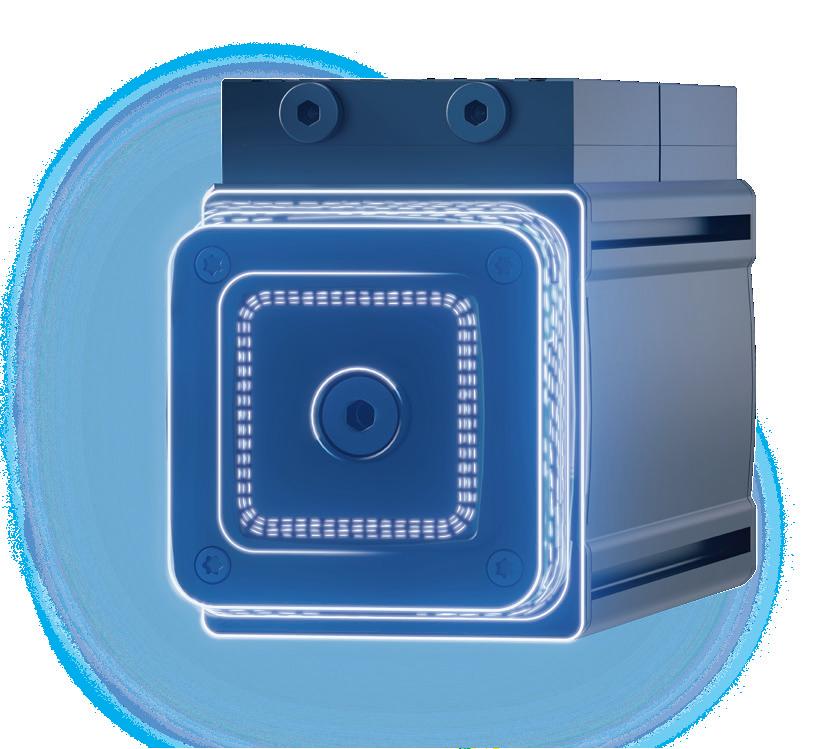
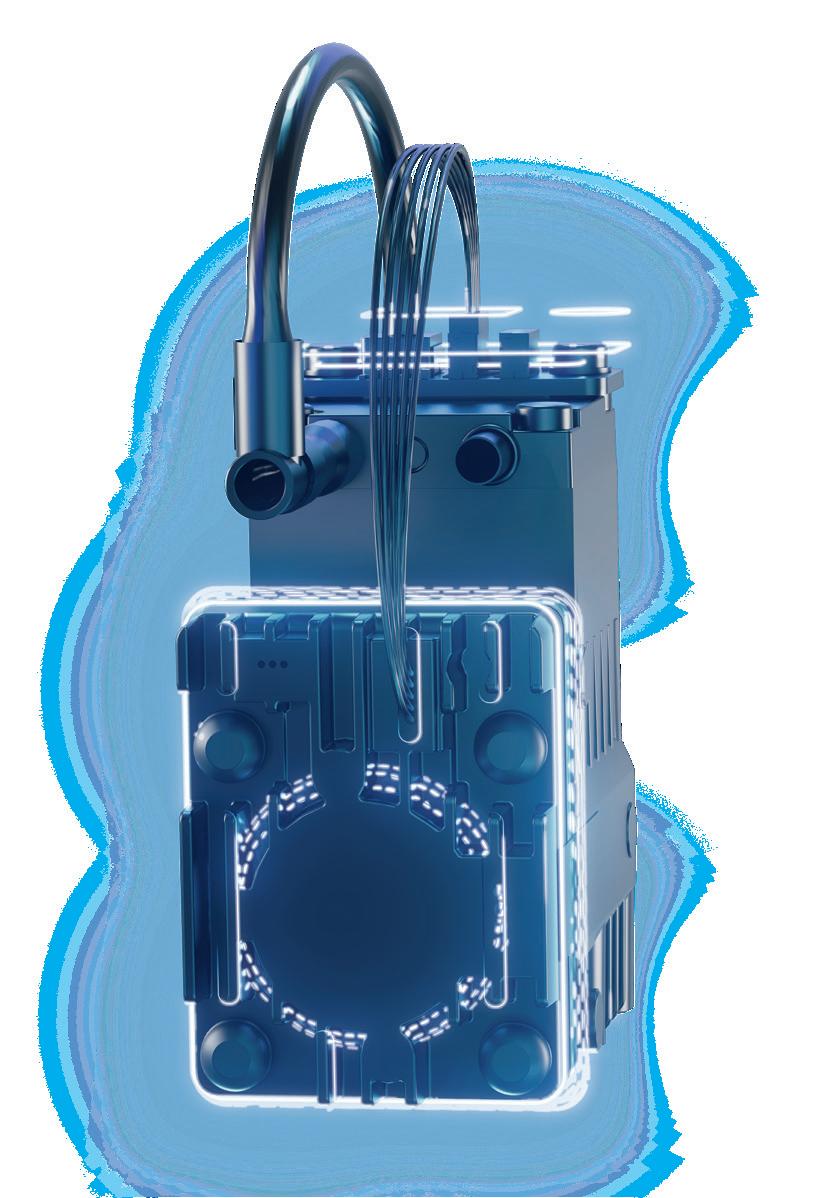
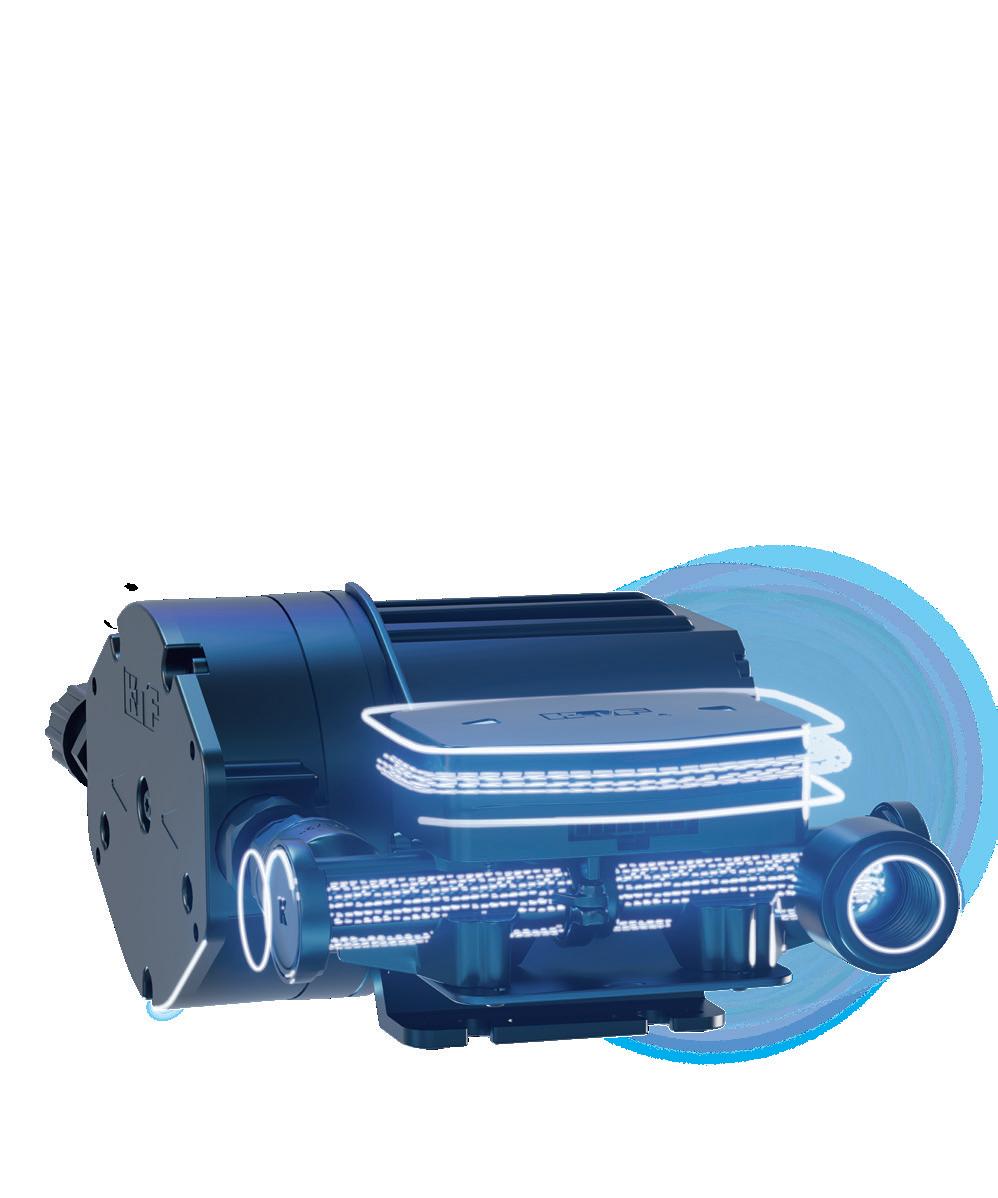
Intelligence brings calm to complex systems. Our pumps with intelligent features give engineers the peace of mind to focus on what really matters – maximum certainty, no surprises. With our features for advanced pump control, you manage your system automatically and with ease, exactly when it matters most.




Researchers in Zurich say they have developed a method to use microrobots delivering stem cell therapies to treat spinal cord injuries.
According to ETH Zurich and the University of Zurich (UZH), modern therapies for spinal cord injuries attempt to influence implanted stem cells using electrical stimulation, promoting the growth of new nerve cells. However, researchers say the approach requires implanted electrodes, while transplanted cells may not always survive or integrate properly into existing tissue.
To address this, the research team say they found a novel approach to treating spinal cord injuries (SCIs). They use controllable microrobots to deliver stem cells directly to the site of an injury. There, they promote nerve cell regeneration. The researchers say animal experiments showed that the approach significantly improved mobility.
Combining therapeutic stem cells with magnetoelectric nanoparticles, the researchers can guide cells magnetically to the precise site of an injury to stimulate the stem cells and accelerate repair. They created a biohybrid microrobot to achieve this, combining living neural progenitor
The
microbotic technology for delivering stem cell therapies could also have applications in cardiology, oncology and wound healing.
cells (NPCs) with a technical component in the form of specially engineered nanoparticles. The researchers derived the NPCs from induced pluripotent stem (iPS) cells, which are regular body cells reprogrammed in the laboratory to regain stem cell properties. Nanoparticles feature an inner layer that responds to magnetic fields and an outer layer that converts the response into electrical signals.
Altogether, the researchers say they fabricate what they label “NPCbots.” They create the NPCbots in specialized labs on a surface totaling just one square centimeter. Each measuring about six micrometers in size, the NPCbots are ready to use after just 30 minutes.
“We place a reservoir in the centre where we trap the cells. Then we inject the nanoparticles and wait for the two components to bind,” said Professor Salvador Pané i Vidal of the Multi-Scale Robotics Lab at ETH Zurich.
Testing the microrobot technology in animals and beyond
The researchers tested the microrobots on zebrafish larvae with SCI. They
Schematic illustration of nerve cell recovery in zebrafish and mice Image courtesy of ETH Zurich
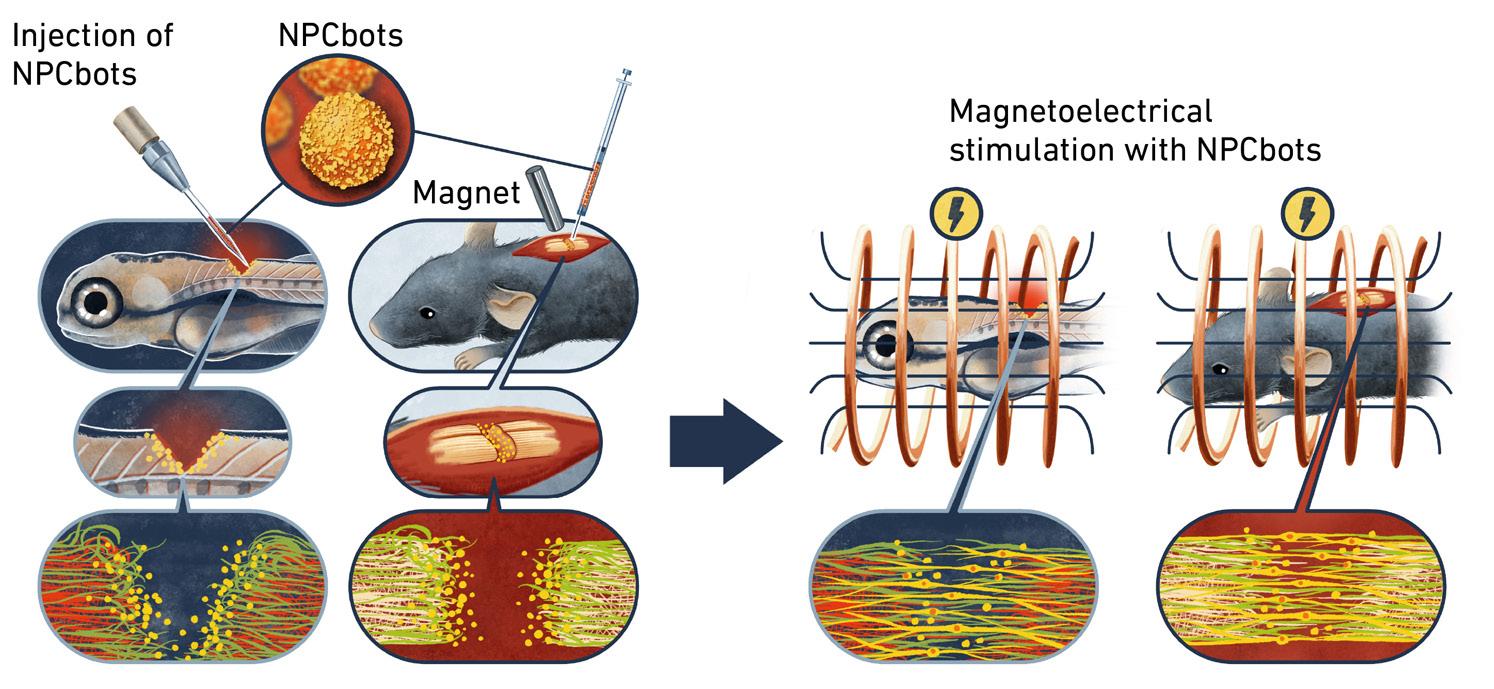
injected them precisely into the injury site and generated the electromagnetic fields. In just three days, the zebrafish exhibited nearly normal swimming and exploratory behavior.
Following this test, the researchers used the microrobots in mice with completely severed spinal cords. After 28 days, the animals’ nerve cells had reconnected at the injury site. During this period, the researchers say the treated mice demonstrated increasingly normal movement patterns. Gait, stride length, coordination and exploratory behavior all improved significantly, they noted. The significance with the outcomes in mice, the researchers say, is that their spinal cords don’t normally regenerate, unlike zebrafish. All animals also tolerated the treatment well, with no evidence of adverse effects or immune reactions.
The researchers say the electrical stimulation of stem cells made the successes in these studies possible. They only needed to apply external magnetic fields around the injury site when using the microrobots. This eliminated the need for implanted electrodes or cables. Meanwhile, magnetic fields can penetrate tissue easily, while their frequency and field strength can be flexibly adjusted.
Once the progenitor cells have been stimulated and differentiated into nerve cells, the microrobots essentially dissolve within the tissue. The researchers expect the nanoparticles to remain stable and minimally reactive due to their barium titanate coating. Future studies are set to evaluate how the particles degrade or are excreted over the long term.
The researchers say that, despite promising results, they require further research before testing the NPCbots in humans. Potential applications could include biomedical areas such as cardiology, oncology and wound healing.
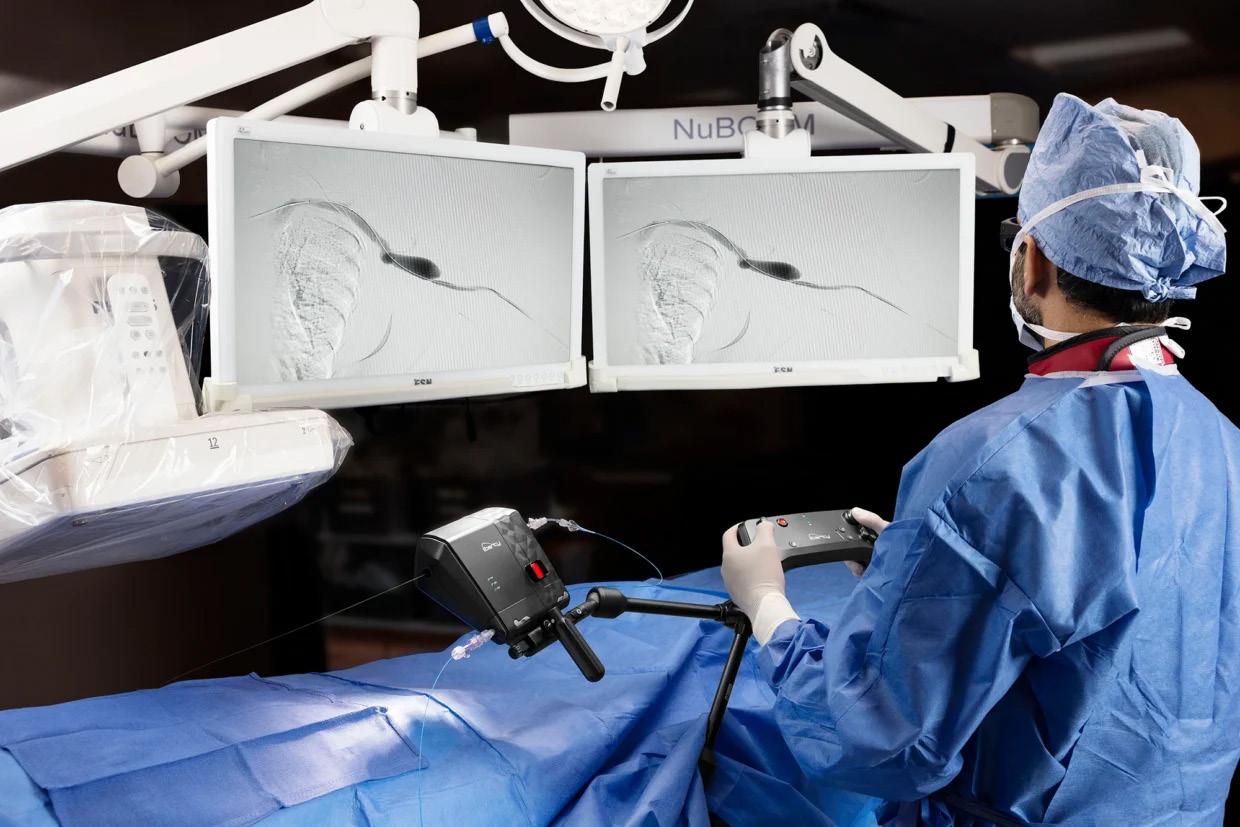
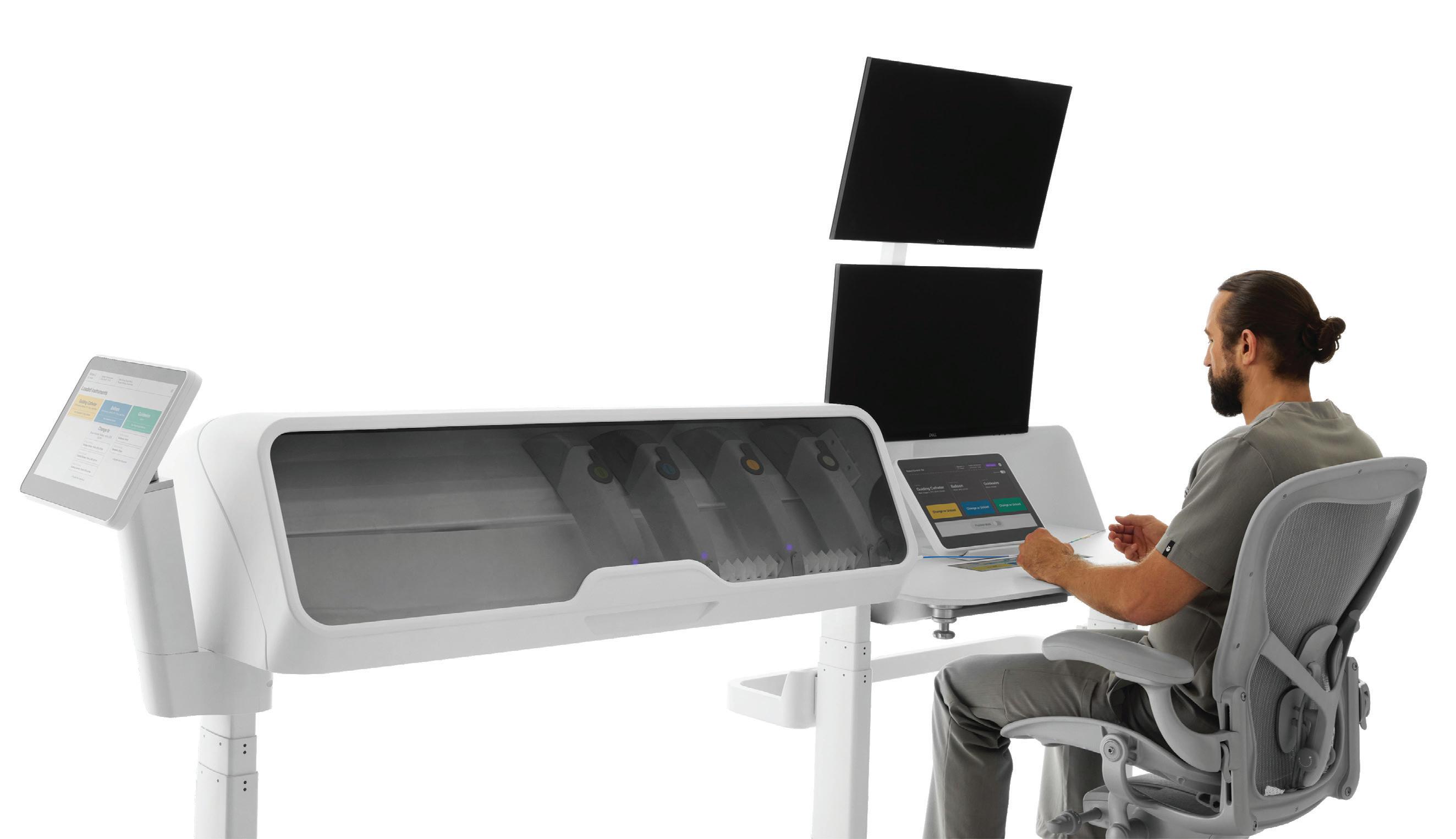
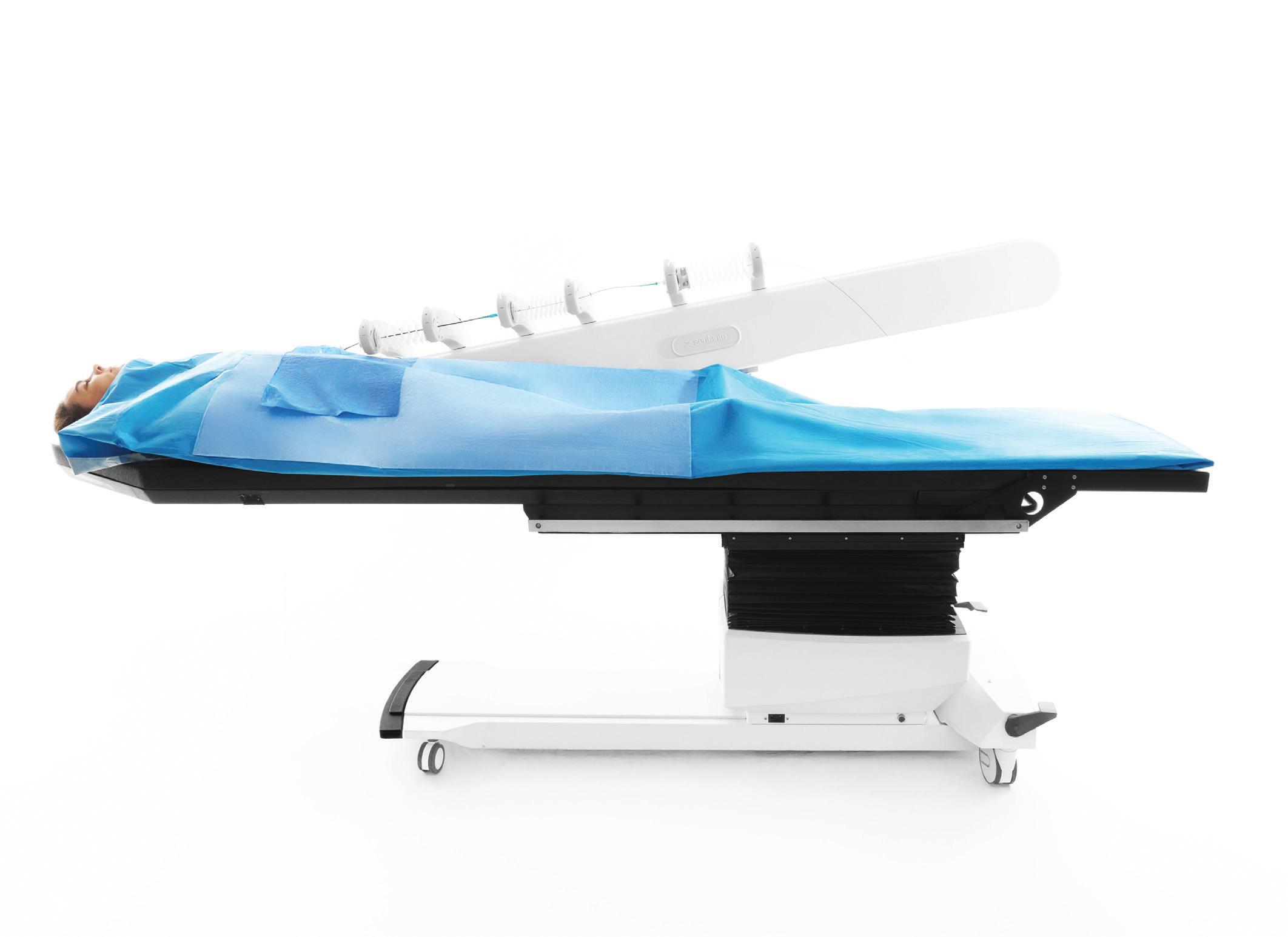
Sentante’s stroke system includes a remote workstation for physicians to control endovascular devices from afar. Photo courtesy of Sentante
By Skyler Rivera Associate Editor
“TAP formalizes the next phase of collaboration with the FDA as we prepare for first-in-human remote stroke trials,” Sentante CEO Edvardas Satkauskas says in an interview.
Sentante’s remote endovascular robotics system was accepted into the FDA Total Product Life Cycle Advisory Program (TAP) in February 2026 after earning Breakthrough Device designation.

“Breakthrough Device designation recognized the game-changing nature of this technology and provided a ‘VIP pass’ for regulatory-related communication with FDA,” Sentante CEO Edvardas Satkauskas said in an announcement at the time.
The FDA designed TAP to expedite patient access to critical medical devices by providing breakthrough device developers with early and frequent communications with the FDA and other agencies. Only 122 medical devices had been accepted into the pilot as of April 23, 2026.
Satkauskas spoke with Medical Design & Outsourcing after acceptance into TAP to offer lessons his team learned during development and give advice to device developers interested in applying for the TAP program.
The following has been lightly edited for length and clarity.
MDO: Are there any lessons from your system’s development that might be helpful for other robotics engineers and designers?
Satkauskas: “First of all, we learned from the mistakes of others. The previous robotic attempts in the endovascular space failed because of similar reasons: limited device compatibility, no full procedure capability, narrow use cases and complicated workflows. Proprietary devices, single indication focus, joysticks and partial solutions already failed in the past.
“Second, we learn from the successes of others. Systems like da Vinci for laparoscopic surgery proved to be highly successful because of their multispecialty clinical versatility and surgeon-centric approach: intuitive interface mimicking manual control (da Vinci 5 now with haptic force feedback), data hub with advanced analytics and continuous backward compatible innovation.
“One of the early lessons specifically for remote endovascular interventions was the importance of full procedure capability and fail-safe design. Device navigation is just one part, but the full procedure is way more than that. Seamless integration into existing imaging infrastructure and clinical workflows is a must; fluid management, therapy delivery (e.g. inflation of the catheter balloons or placement of stents, coils etc.) and all other parts of the procedure have to be well thought through and validated in different scenarios. The ability to do part of the procedure using a robot does not solve the problem. Full procedure capability is a must if we want to talk about remote interventions.
“In addition to the possibility to react to a variety of different situations during the clinical procedure, ‘what if’ scenarios are critically important. And here, a versatile device-agnostic system becomes indispensable as we can deal with the problems during the procedure the same way as they are handled in manual intervention.
“For robotics engineers, the lesson is clear: In medicine, usability and integration matter just as much as technical sophistication.”
Can you explain the FDA TAP Program application process?
Satkauskas: “The application process is simple, but acceptance into the FDA’s Total Product Life Cycle Advisory Program (TAP) requires Breakthrough Device designation, which we received in September 2025.
“While more than 20,000 devices are cleared each year, fewer than 200 receive Breakthrough Device designation, and only a small, elite group are selected for TAP.
“The TAP Program provides early, frequent and strategic engagement with the FDA and partner agencies across the full product lifecycle, from clinical development through to post-market evidence generation.
“For us, TAP formalizes the next phase of collaboration with the FDA as we prepare for first-in-human remote
stroke trials. It allows us to align early on clinical trial design, endpoints and evidence requirements, while also addressing reimbursement and adoption considerations.”
What advice do you have for companies applying to the TAP program after they receive Breakthrough Device designation?
Satkauskas: “First, build robust preclinical and clinical evidence to apply for Breakthrough Device designation. The process and requirements are clearly defined by the FDA.
“Second, demonstrate a clear unmet clinical need. In stroke, every minute without treatment results in the loss of approximately two million neurons, and more than 60% of the U.S. population lacks timely access to thrombectomy-capable centers.
“Third, show technology maturity. The FDA is looking for technologies that are transformative, but also credible, disciplined and thoughtfully developed.”
BY ASSOCIATE EDITOR SKYLER RIVERA AND MANAGING EDITOR JIM HAMMERAND
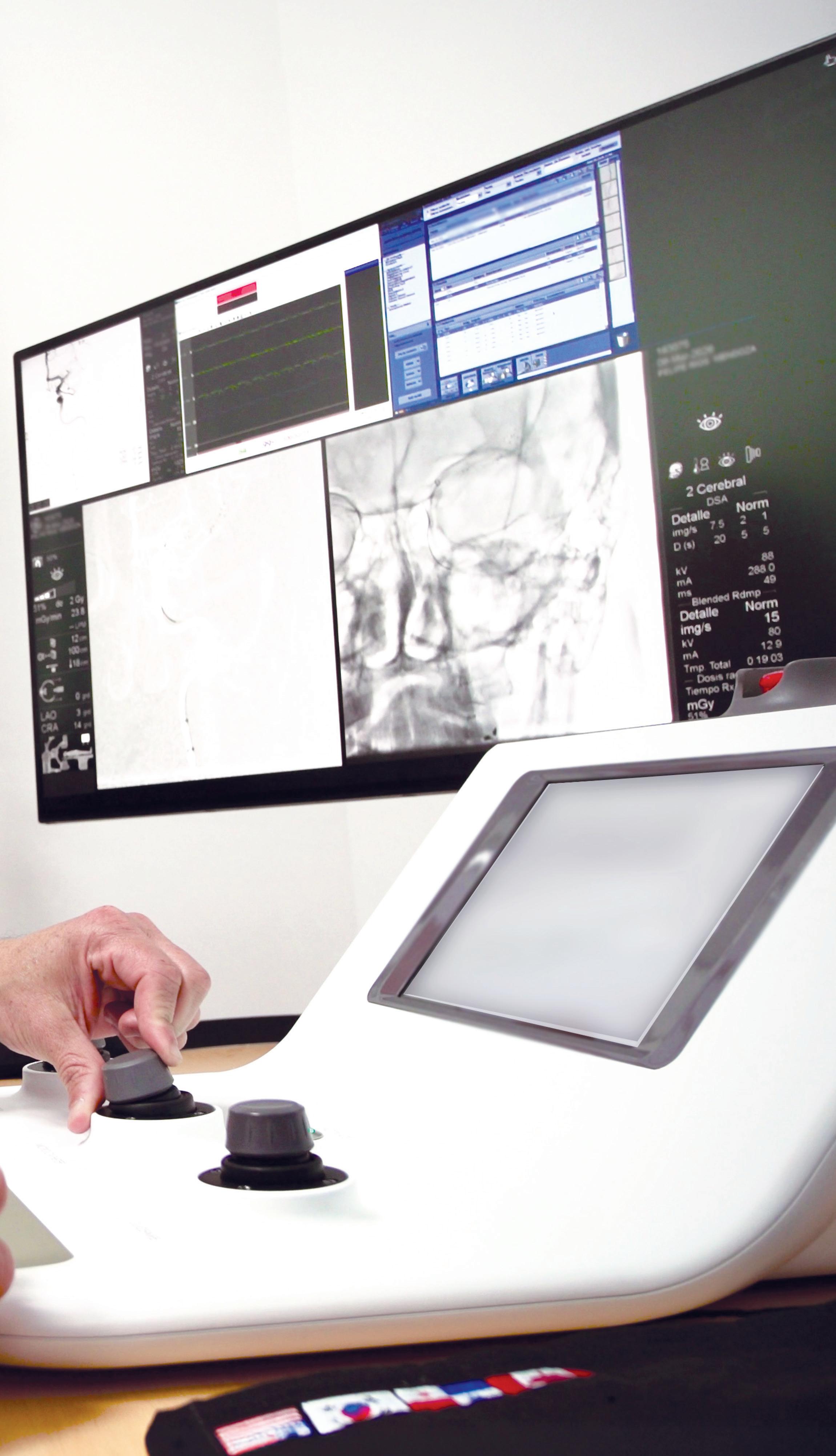
WE REACHED OUT TO DEVICE DEVELOPERS TO HEAR WHY THEY THINK THEY HAVE WHAT IT TAKES TO WIN THE TELESURGICAL STROKE TECHNOLOGY RACE.
TELESURGICAL STROKE CARE is one of the biggest opportunities in medtech. Major OEMs and startups barely out of stealth mode are racing to expand access to life-saving care with remote robotics.
To better predict who gets there first, we reached out to device developers and asked why they think they have what it takes to win. Some have already demonstrated their technology, while others are keeping details close to their chest.
We’ve identified and connected with six developers working on promising systems that have a real chance of connecting stroke specialists and patients over great distances. Here’s what they had to say.
Last year, Siemens Healthineers and Stryker announced a partnership to develop robotic neurovascular interventions. For this story, we asked if stroke telesurgery is in their pipeline, but Stryker shared no new information. Similarly, Imperative Care publicly says it is developing its Telos endovascular robotics platform for thrombectomy, but we were not able to get an update on that project.
Go to wtwh.me/mdrobotics to learn more about these companies and other robotics companies in the MassDevice Surgical Robotics Special Report.
The following has been lightly edited for space and clarity. >>
“XCath is uniquely positioned to win the telesurgical robotic stroke technology race because we are not simply developing a remote robotics platform,” XCath CEO Eduardo Fonseca said. “We are building the clinical model needed to make lifesaving stroke intervention available wherever patients present.
“In March, XCath’s Iris Surgical Robotic System became the world’s first and only telerobotic platform to complete a remote mechanical thrombectomy in a living human,” he continued. “Dr. Vitor Mendes Pereira, one of the world’s leading neurosurgeons, performed the procedure from more than 100 miles away from a patient at The Panama Clinic in Panama City who presented with a left vessel
platform capable of extending expert neurointerventional care beyond the walls of major stroke centers. For a disease where time is brain and access to thrombectomy remains severely limited, we believe XCath can redefine the standard of care by eliminating geography as a barrier to life-saving treatment.”
“It’s 3 a.m. Frank presents to his local hospital 150 miles from a thrombectomy center with left-sided paralysis,” said Remedy Robotics co-founder and CEO Dr. David Bell. “To treat him and win the remote stroke race, a robotic system must: Test the operator-robot connection well before both Frank presents and the operator is known, and fail-safe the instant connection falters, then process pre-op imaging and make
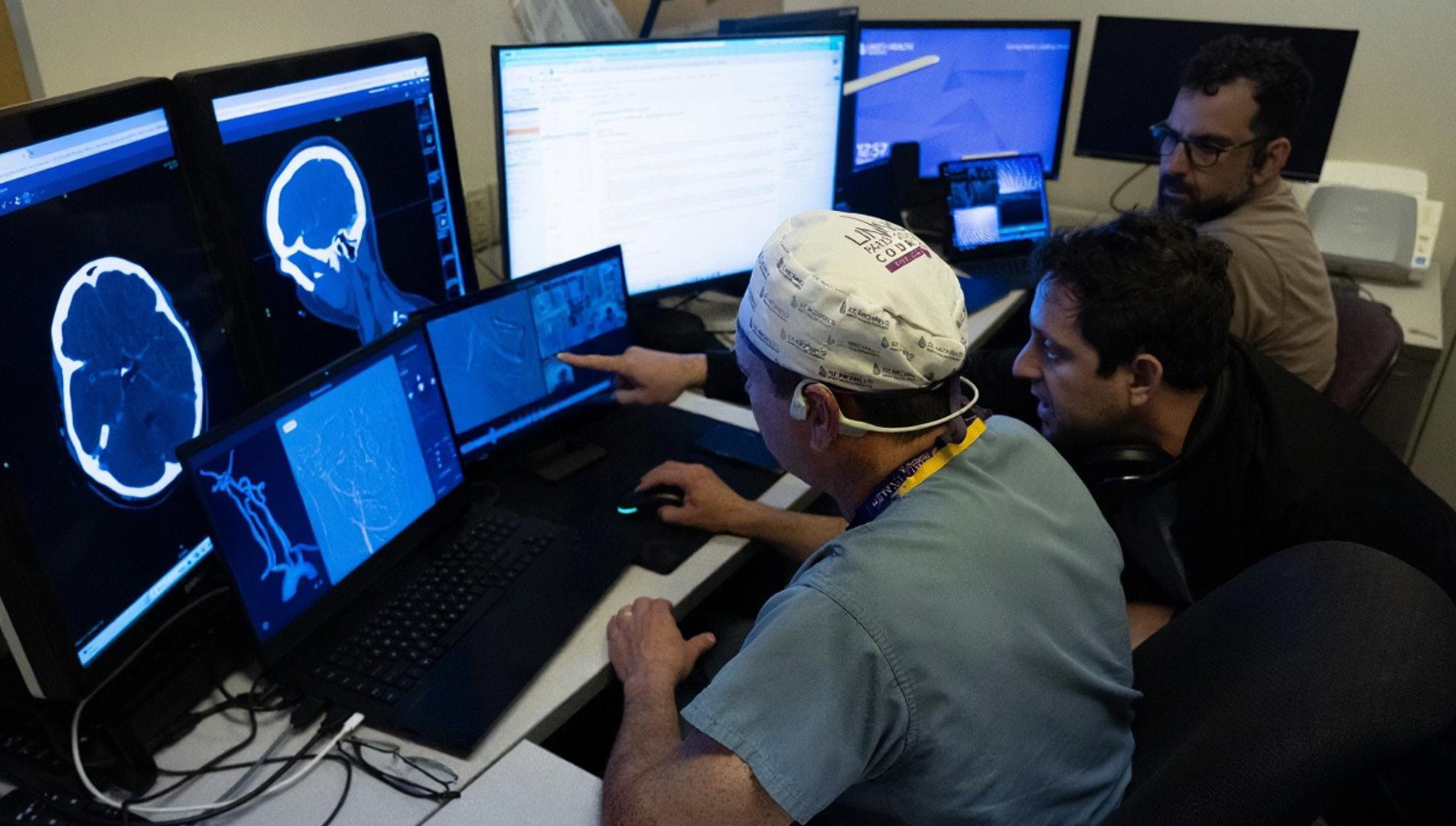
occlusion (LVO) and an NIHSS score of 21, indicating a severe stroke and a high risk of death or long-term disability. Using Iris, Dr. Pereira remotely removed the clot blocking blood flow to the patient’s brain. Complete reperfusion was achieved on the first pass. Within two hours, the patient’s NIHSS score improved from 21 to 2, a near-complete reversal of the neurological deficit. At the 30-day follow-up, his NIHSS score was 0.
“That case moved telerobotic stroke intervention from concept to clinical reality. It also validated XCath’s core advantage: a precision robotic
the diagnosis (ideally). Before starting, prove in simulation that the procedure can be done robotically, then complete the entire procedure robotically — on a dated monoplane C-arm with no bedside specialist — including triaxial and off-theshelf tool control, contrast injection, and complication management. The system must operate with uncompromising safety, guard against advancement of tools against resistance and tip-vessel contact, and overcome the inevitable specialist bottleneck by running supervised-autonomously or harnessing machine learning to simplify procedures.
Finally, the moment Frank finishes, the system must pivot to treat Alice, presenting with an LVO stroke at another hospital 250 miles away.
“Most struggle with even one. Remedy does them all, with many already demonstrated in human patients, local and remote,” he continued. “Remedy’s system will elevate the standard of care across the cardiovascular continuum, free interventionists from human constraints (two hands, a frontal eye field), and use AI and automation to ensure every patient, regardless of location, receives flawless endovascular care.”
“When it comes to stroke treatment, time is brain,” Microbot Medical co-founder and CEO Harel Gadot said. “Minimal setup time is a must. Shortening the setup time associated with traditional robotic systems is crucial. As a single-use robot with minimal setup time, Liberty is designed to solve this issue.
“Accessibility is a must. Telesurgery is largely beneficial for rural hospitals that may not have the resources to accommodate capital-intensive robotic systems. Liberty has the potential to support separate and remote facilities miles apart. By removing capital expenses and expensive accommodations, Liberty is seeking to solve this issue.
“Democratization is a must. While the operator performing the procedure has the skills and experience to perform the procedure, the staff at the remote location may not.”
(continued on page 30)
“Accessibility is a must. Telesurgery is largely beneficial for rural hospitals that may not have the resources to accommodate capital-intensive robotic systems.”




































(continued from page 28)
”By removing the learning curve, using off-the-shelf instruments and ensuring the same procedures are followed even when there is little experience, Liberty can help solve this issue.
“As the only fully single-use,
Navigantis
“At Navigantis, we believe neurovascular robotics can democratize access to expertise across neurovascular procedures,” Navigantis CEO Mor Dayan said. “Our VASCO Robotic Platform is
an experienced board of directors and medtech investor base that bring strategic, medical technology, operational and commercialization expertise to guide the company’s growth.”
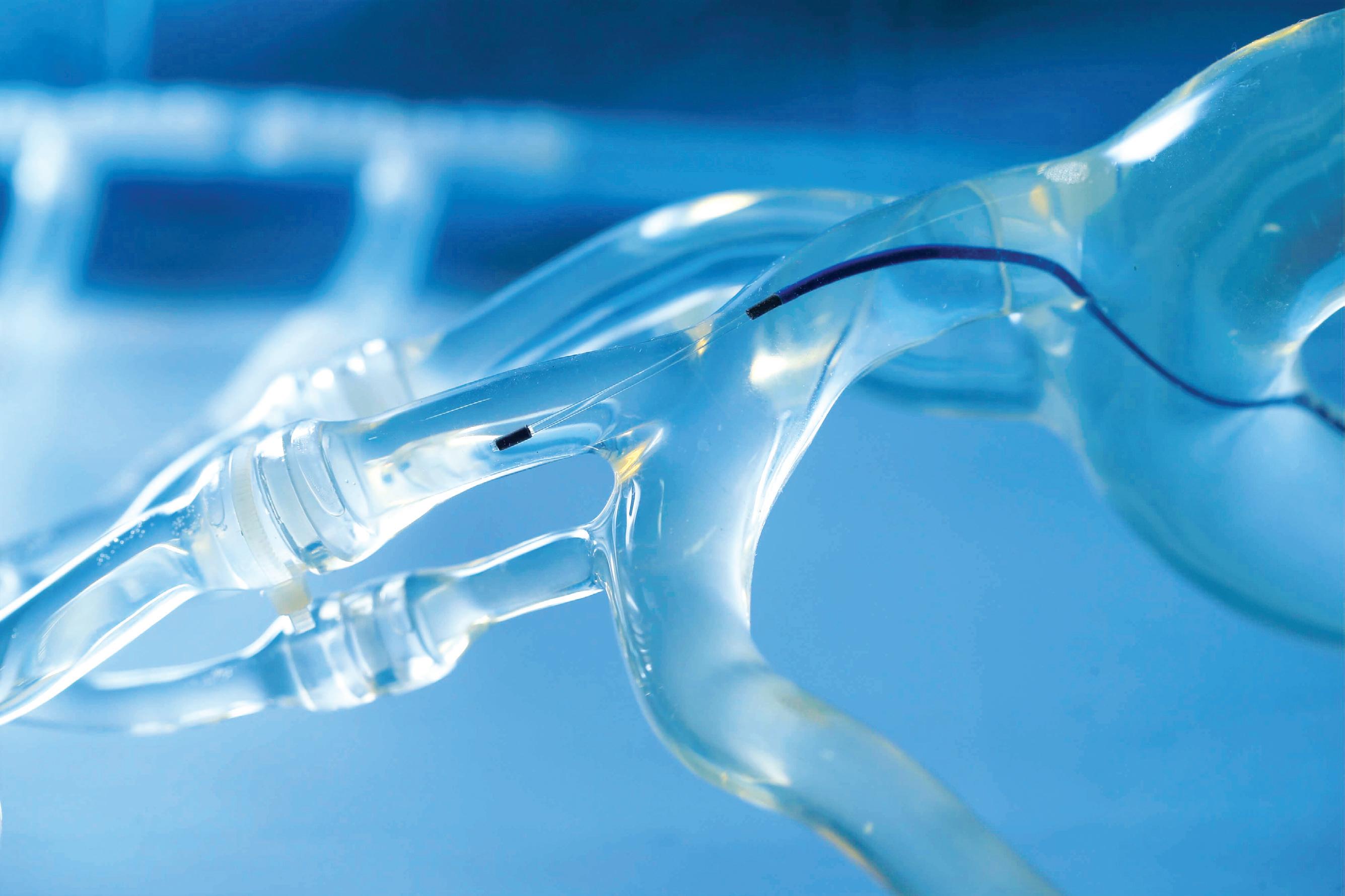
Our robot uses electromagnetic fields that we control in 3D with sub-millimeter accuracy. Our wires have tiny permanent magnets in them and are much softer and more flexible than standard devices. The electromagnetic field interacts directly to steer the magnetic tip of the wire. The precision to control the shape and steer the wire combined with its softness and flexibility means safer, more precise navigation and faster procedures.
“The system has three use cases,” he said. “Bedside: the physician manually advances the wire, giving tactile feedback while electromagnetically steering. Control room: next to the operating room, adds the precision of the mechanical advancement/retraction and removes the X-ray exposure of the doctor.
Telerobotically: the same user interface as the control room can be used to control a robot in another hospital. This is particularly important for the treatment of timesensitive conditions like ischemic stroke.”
but also the company’s integrated approach: combining deep clinical, product, robotics, and software expertise with disciplined execution and a clear path toward real-world clinical impact. This is reinforced by a leadership team with decades of hands-on experience combined, developing novel robotics and neuro technologies, as well as
“Unlike past attempts and every system currently in development, which rely on non-intuitive joysticks or gamepads, Sentante is the only system featuring a 1:1 manual-mimicking interface with true haptic force feedback,” Sentante cofounder and CEO Edvardas Satkauskas said. “This is not only the best possible physician interface, it is also the enabling sensor technology that differentiates Sentante. True haptic force feedback keeps the physician in full control, so it is the physician, not the robot, who decides on how to manipulate one or another device. This makes Sentante the only system that is compatible with a wide range of best-inclass, off-the-shelf devices.
“Being device-agnostic makes it procedure-agnostic,” he continued.
“Sentante is the only versatile, multidomain platform spanning peripheral, neurovascular and cardiovascular applications. Full teleoperation capability is unique and validated at transatlantic distance, performing endto-end mechanical thrombectomies.
“Sentante is currently the only endovascular robotic system with FDA Breakthrough Device designation for remote mechanical neurothrombectomy in acute ischemic stroke and acceptance into the FDA’s Total Product Life Cycle Advisory Program (TAP). Our platform was built from day one for remote intervention, not retrofitted for it.”


At Interpower’s headquarters in Oskaloosa, Iowa, the large bell is rung in the main office and in the manufacturing and shipping departments once large orders come in. It’s a tradition signifying that cords and components are resonating in every corner of the world—it just rang for an order in Australia for Accessory Power Strips and IEC 60320 jumper cords. Accessory power transcends hospitals and clinics, testing facilities, and medical records storage in secure locations—it’s universal.
Accessory power is safe AC power offering more outlets in your electrical design without daisy-chaining from power strip to power strip, or extension cord to extension cord. Why play with fire? Every Interpower Accessory Power Strip plugs directly into the mains power via a country-specific cord set while the other end, bearing an IEC 60320 connector, plugs into an Accessory Power Strip (APS) inlet. Now IEC 60320 jumper cords are safely added to connect to multiple devices. Popular APS choices are 4-12 Sheet F outlets or a Sheet F and Sheet J combination.
Our Certifications
ISO 9001 + AS9100
ITAR Compliant-DDTC Registered
DFARS Compliant
RoHS & R.E.A.C.H. Compliant
NIST SP 800-171 Compliant
Turning Ideas into Reality since 1950
Engineering development, design, and manufacturing expertise combined with mechanical and electromechanical component options.
Streamline Your Supply Chain
We deliver parts and subassemblies complete, eliminating your need for additional sourcing, time, and cost.
Customized Solutions
Custom Gears & Mechanical Components
Custom Gearheads & Gearboxes
Complex Gear Assemblies
Mechanical Assembly
Electromechanical Assembly




BRIAN MILLER
DISCUSSES
OPPORTUNITIES AND CHALLENGES IN REMOTE ROBOTICS AND PRODUCT DEVELOPMENT LESSONS LEARNED OVER HIS LONG CAREER AT INTUITIVE.
BY JIM HAMMERAND MANAGING EDITOR
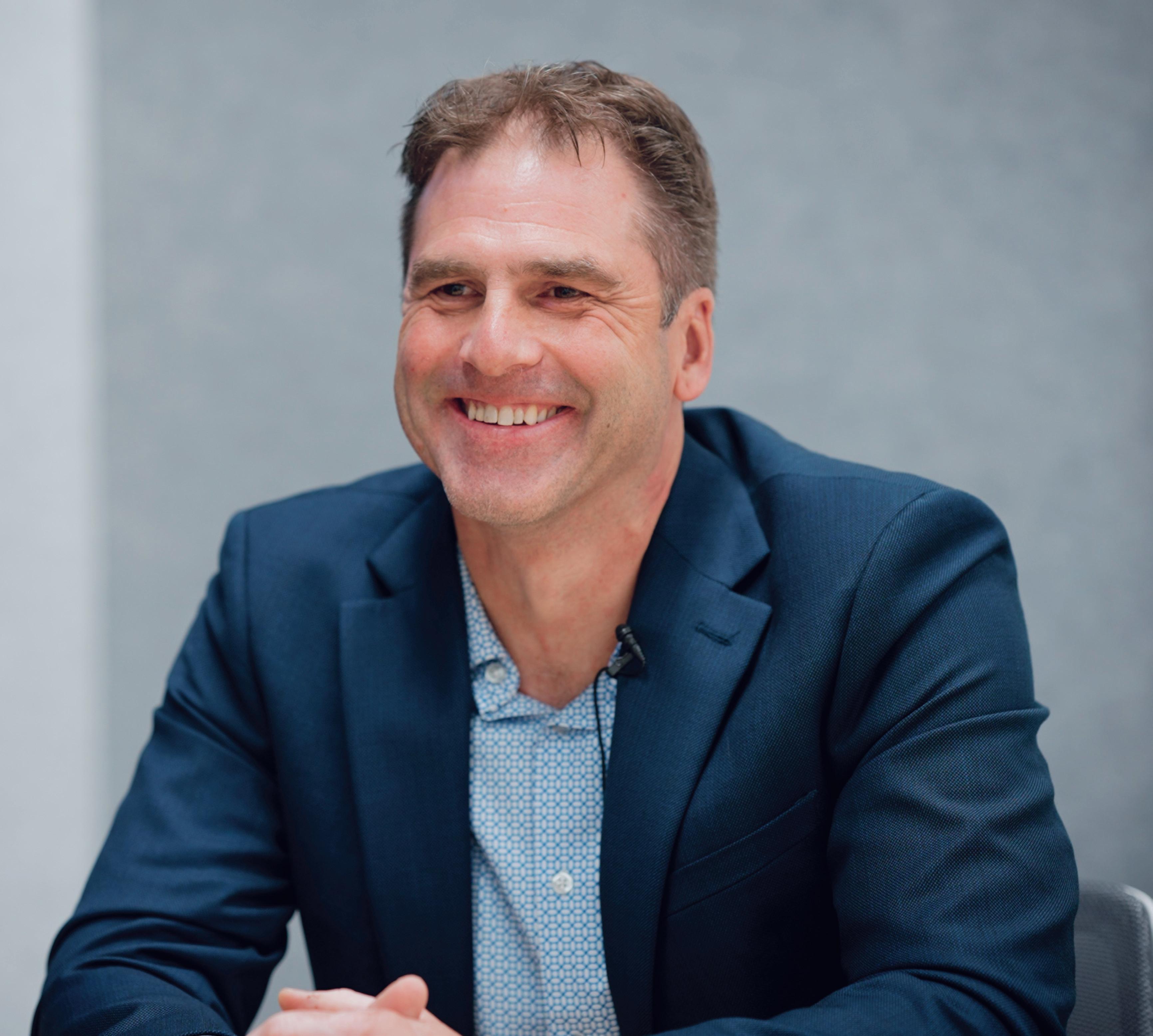
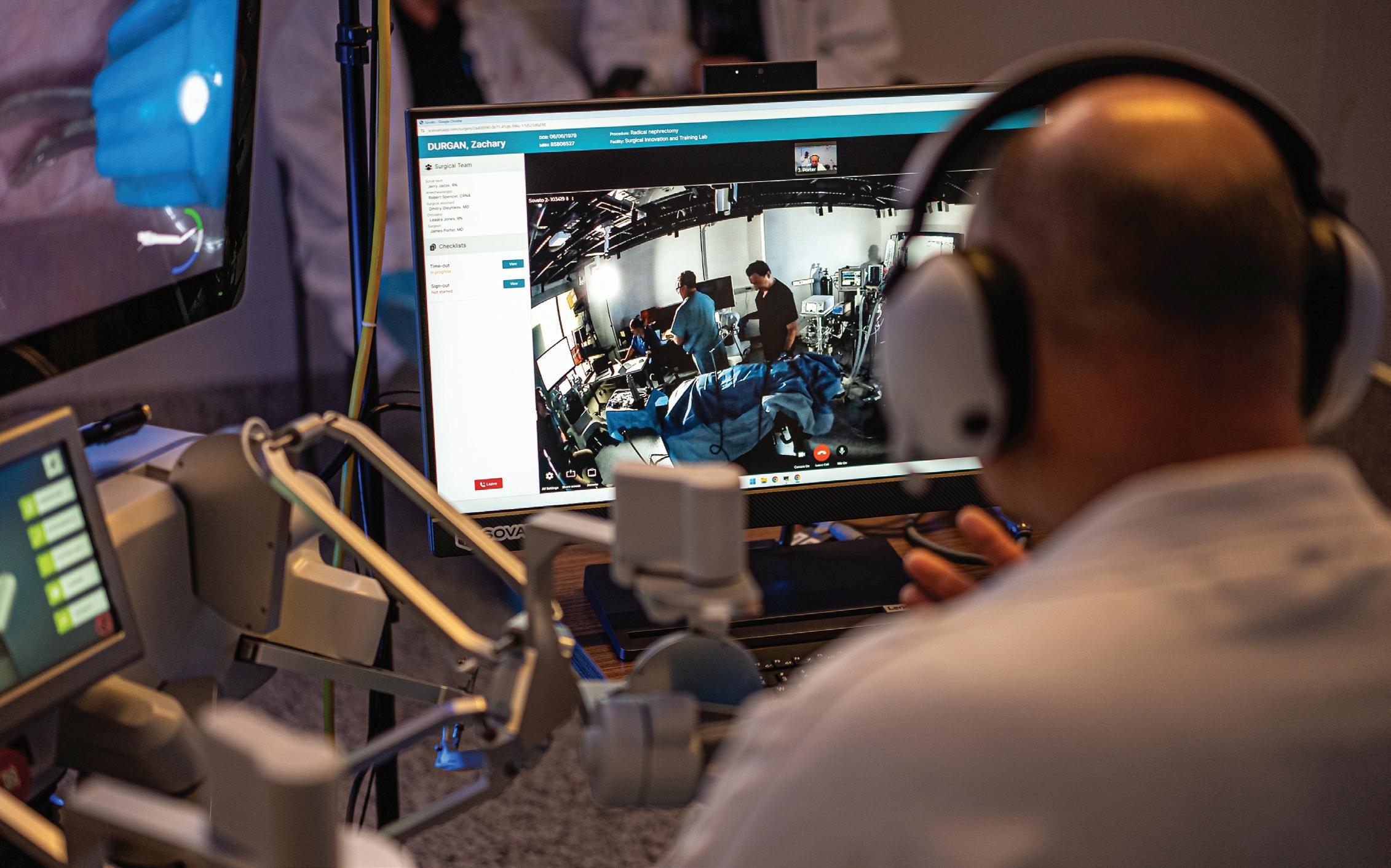
NOW LEADING SOVATO AS THE telesurgery software startup's CEO, former Intuitive EVP and Chief Digital Officer Brian Miller sees a big opportunity to realize the full potential of remote medical procedures.
In 2000, he joined Sovato cofounder Yulun Wang's Computer Motion as a software engineer before it was acquired by Intuitive. In a Medical Design & Outsourcing interview, Miller identified the areas where he sees the most potential for remote medtech, shared his company's plan to scale their platform and take telesurgery
worldwide, and offered advice for other device developers.
The following has been lightly edited for length and clarity.
MDO: Why do you believe now is the time for telesurgery?
Miller: "You need a strong problem to solve, you need technology that is ready, and need a market that can adopt it. ... The problem to solve is there. You've got high variability in surgery. It is shocking when I've traveled around the globe to see the different results patients get depending on
time of day, where they live, things like that. And then you've got a shortage of healthcare professionals that's only going to get worse. So when you look at remote interventions and remote telesurgery, it is one of the strong answers for being able to overcome those barriers. You eliminate the barrier of having to be in the same location. You can take expertise that you may not have in a rural area, and you can get it on demand and immediately. The problem's there to solve, the technology clearly works — it's been demonstrated — and I think the market's ready.” >>
Where do you see the biggest opportunities for telesurgery?
Miller: "There is a strong value in some of the diagnostic elements that are starting to emerge like ultrasound, some of the things where it may not be highly complex but getting patients access to that care is a challenge. We're looking at use cases and applications there that would be valuable. There is a strong telehealth and telepresence use case that is pervasive in the market right now, and while it doesn't have as stringent requirements of a network like remote telesurgery does, the reliability and security to put the healthcare system in a position to be able to rely on it will be important as well.
"I think we'll see a range of new applications enabled by robotic systems, where that enables some of the remote interaction and intervention, but I also
during a procedure or maybe there's a subspecialist who's only at the flagship hospital in the city and when they need it out in a rural area, that individual can connect in and do a part of the procedure. Those use cases are pretty strong, and as med device companies go through the regulatory approval process, our goal is to have the Sovato platform ready and out there so these devices can plug in and immediately start working."
How are you going to scale this?
Miller: “It’s going to have to be scaled in a very thoughtful way just like any technology and we’re going to have to at each step of the way show the value and demonstrate, as we believe, that the care delivery is just as strong as if you’re in the room. As we start going through it, it’s going to rely on how the
see some of the existing applications folding onto the Sovato platform so it can be done in a way where they can do intelligent workforce planning and run their hospital because they can count on all of those remote capabilities being up at a very high availability. That's how we see it evolving.
"Then at a point we will get into telesurgery. I'm a big believer that it's going to add significant value, the ability for either two surgeons to collaborate
hospital system engages. The Sovato platform allows a healthcare system to deliver care in a different way, but that means they have to engage to deliver care in a different way to benefit from it. That’ll be first and foremost in our first set of customers. That’s what we’re going to focus in on: What are those best practices, how do you do it and how do you really maximize the value?
“When you start to look at scale, I never want to say anything’s easy, but
Sovato’s platform has been built to be able to scale quickly. Starting off in an IDN (integrated delivery network) where they can really start to interface between their different locations, they’ll start to drive down the variability in surgery, leverage their expertise, all those other things. Then you start going between healthcare systems. Those things will be very easy for the Sovato platform to enable once you’ve got all the connectivity at the different IDNs. The cool part is as we see use cases that add value — we’ve got a strong set of them right now, and we’re going to work through those — other ones will emerge. If I’ve learned anything in my 26-year career, it’s that you come out with a set of use cases and value that you believe is there. Some of it’s right, some of it’s wrong, but then customers will tell you things you didn’t even think of. I imagine we’ll start to see those.
“We’re anticipating how to create this global telesurgery network where we can start to connect people in a range of ways, very secure and very reliable. At that point in time, the use case scale and the utilization will scale as well. So that’s how we’re going to proceed through it and strategies will harden as we get there.”
What are the barriers to expanding access worldwide and how do you plan to overcome them?
Miller: “The technology is really not the challenge in this space. We’ve seen it, it works, you’ve got to do it right and you’ve got to be able to scale. But when you start to look at some of the other dynamics like credentialing, licensing, liability elements associated with surgery and reimbursement schemes — which is an important part of success — my background has shown those are very diverse, depending upon where you’re at and what you’re doing. Those are the things that are going to have to be navigated along with the regulatory pathway for the devices.
“Earlier this year I was in India, Japan, Taiwan and China, the EU, and this is one aspect when you start talking about remote interactions where we’ve got to think about this globally, because that’s part of the strong value proposition. It’s not you do it in the U.S. and then you transplant it to Europe, and then you transplant it to Asia. It’s a core part
of the value. Those things are never easy, but I do see a willingness and a recognition to go in and talk about these things in a global sense. Sovato’s been spearheading a set of technical guidelines and clinical guidelines. The first pass at that was done, and then coming up this summer we’ll be heading to Hong Kong to make it much more international and bring other players in. Those kinds of efforts will start to bring things in alignment, but there will be specific things in each of the geographies that will have to be tackled to make it a success.”
Let’s talk about product development. How can device developers understand what their customers need, perhaps even better than those very customers do?
Miller: “It’s always going and spending time in the customer’s environment. You can ask somebody what they need and they’ll tell you nine things. Then you watch them and find out the one thing they actually need. I have spent my career in operating rooms for hundreds and hundreds of procedures, watching what happens, where people are struggling, and I have a strong belief that the only way a product or a solution is successful is by deeply understanding those needs. And you don’t understand it just from going and asking a few people. You’ve got to live it. You have to be in there. I still do that today, and that’s our plan moving forward. With the approval of the site, you can record things because you can see mannerisms or the way people interact as areas of friction or stress. We also have been able to record data from the devices, and that’s of utmost importance. You can tell a lot looking at robot motions or a pause in the procedure where nothing happened. Things like that can help you understand where there might be opportunities to streamline or reduce frustration.”
Any advice for making the most of that intraprocedural data?
Miller: “Be clear about what you’re trying to prove. We call it a value hypothesis. You may not believe there’s value, but if you can align with collaborators and say, ‘We believe that if we can answer this question or gain more insight, there’s something we can do that’s of value,’ once you align those elements between the med device companies and the customers, it gets much, much easier. If you walk in and say, ‘Hey, I’d love all your data so I can figure out what to do,’ it’s a little bit tougher. There is sensitivity around data sharing, but I’ve been successful when able to align on what value you can possibly show together and then you’ve got to work through all the things that you need to do to be compliant. But that’s the best starting point.”
What are you most proud of from your time at Intuitive?
Miller: “Clearly, the mission of impacting patients is substantial, which is what I like about Sovato. It’s a very similar mission. The technology, as an engineering nerd, was great as well. It was unbelievable, groundbreaking technology. [But] it’s the people that ultimately drive success and drive progress. ... You want to surround yourself with passionate people that can work hard and deliver great things.”





BY SKYLER RIVERA ASSOCIATE EDITOR
MEDTRONIC ASKED HOW IT COULD MAKE ITS SURGICAL ROBOT DIFFERENT AS IT SOUGHT TO COMPETE AGAINST INTUITIVE.
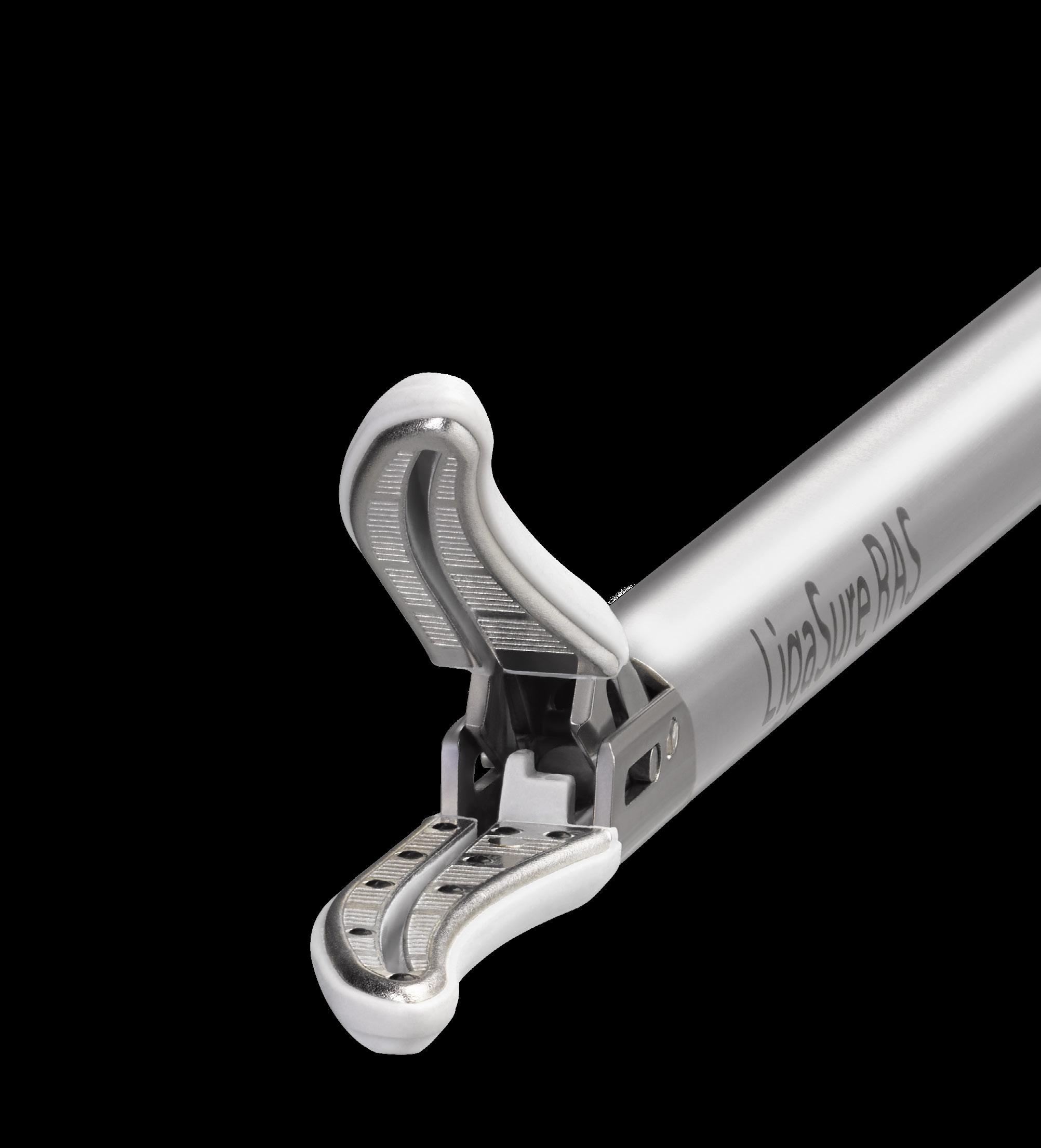
ROBOTS FIRST LAUNCHED INTO THE OPERATING ROOM in 1985, introduced as a non-laparoscopic, neurosurgical biopsy tool before evolving into a soft-tissue, minimally invasive, surgeon-driven system.
Intuitive has dominated the surgical robot industry since gaining FDA approval for its first-generation da Vinci system in 2000. Over the past 25 years, Intuitive has introduced five generations of da Vinci and expanded its surgical capabilities. It’s also been surgeons’ go-to soft-tissue robot for decades, but their options for reliable, FDA-approved robotic assistants are slim.
Now, Medtronic has entered the competition, poised to give surgeons a choice.
In 2025, the Medtronic Hugo roboticassisted surgery (RAS) system earned FDA clearance for use in urological procedures, offering surgeons another robotic option. Medtronic unveiled Hugo in 2019 in response to Intuitive’s da Vinci, touting its flexible modular design and claiming it was more cost-effective than its competitors. Six years later, Hugo stepped into the U.S. market.
When Medtronic decided to enter the surgical robot industry — inheriting
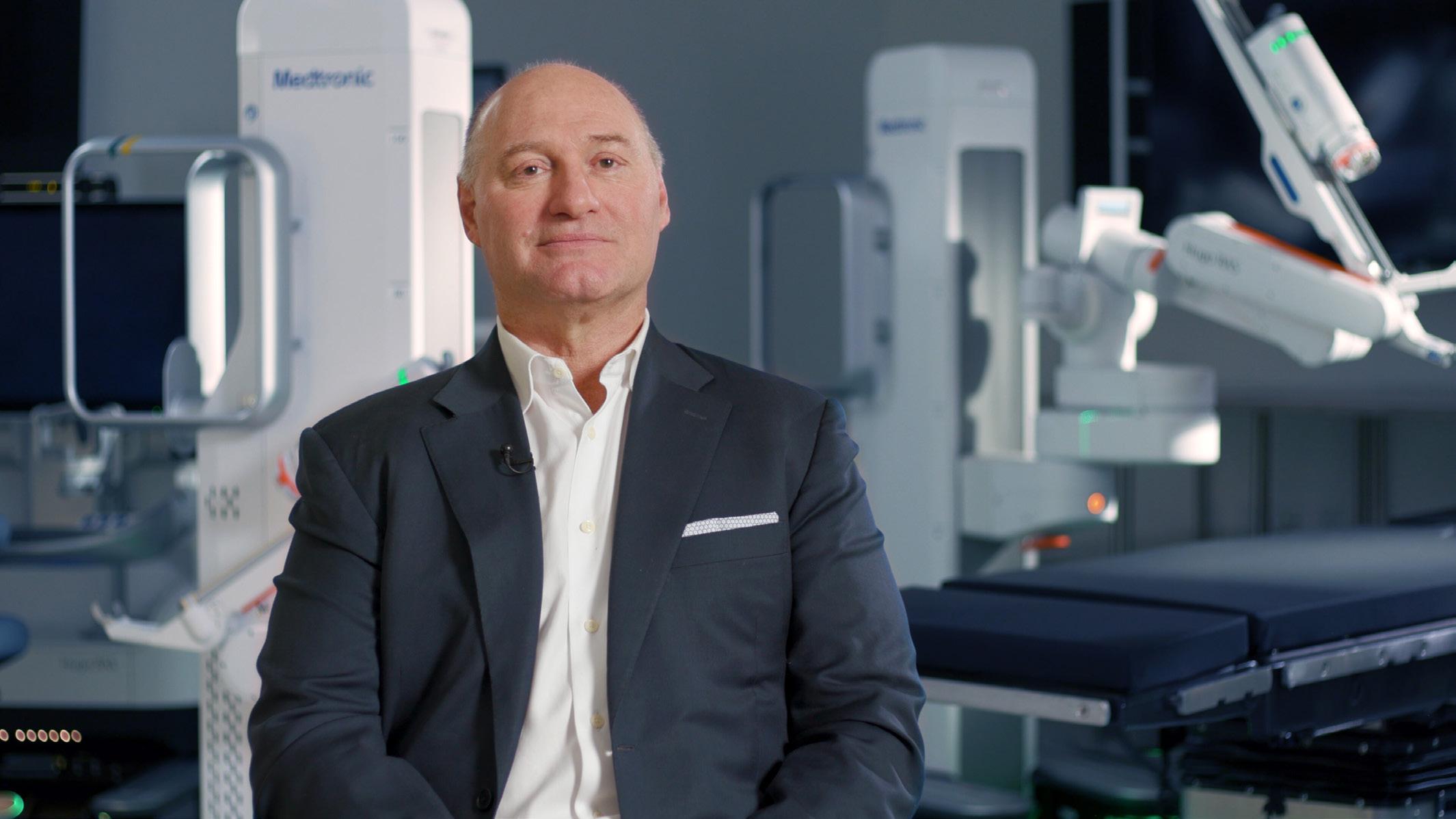
a robotic surgery program through its 2015 acquisition of Covidien — “choice” was its driving factor. The device developer wanted to build a robot to address the limitations of the currently available boom robot with design features that surgeons desired. So, it consulted with robotic surgery experts like Dr. James Porter.
“I joined Medtronic [because] I felt we needed another choice,” Porter said during an appearance on our DeviceTalks Weekly podcast.
Porter, an experienced urologic surgeon who’s been involved in roboticassisted surgery for decades, joined Medtronic as chief medical officer of robotics and digital technologies in 2024 to provide a “more mature perspective” on the past, present and future of robotics and serve as one of many surgeon voices catalyzing Medtronic’s innovation.
From the beginning, Medtronic asked how it could make its surgical robot different, Porter said.
“Could we make the current robot smaller?” he asked. “Could we make the console better for surgeons?” >>
Dr. James Porter
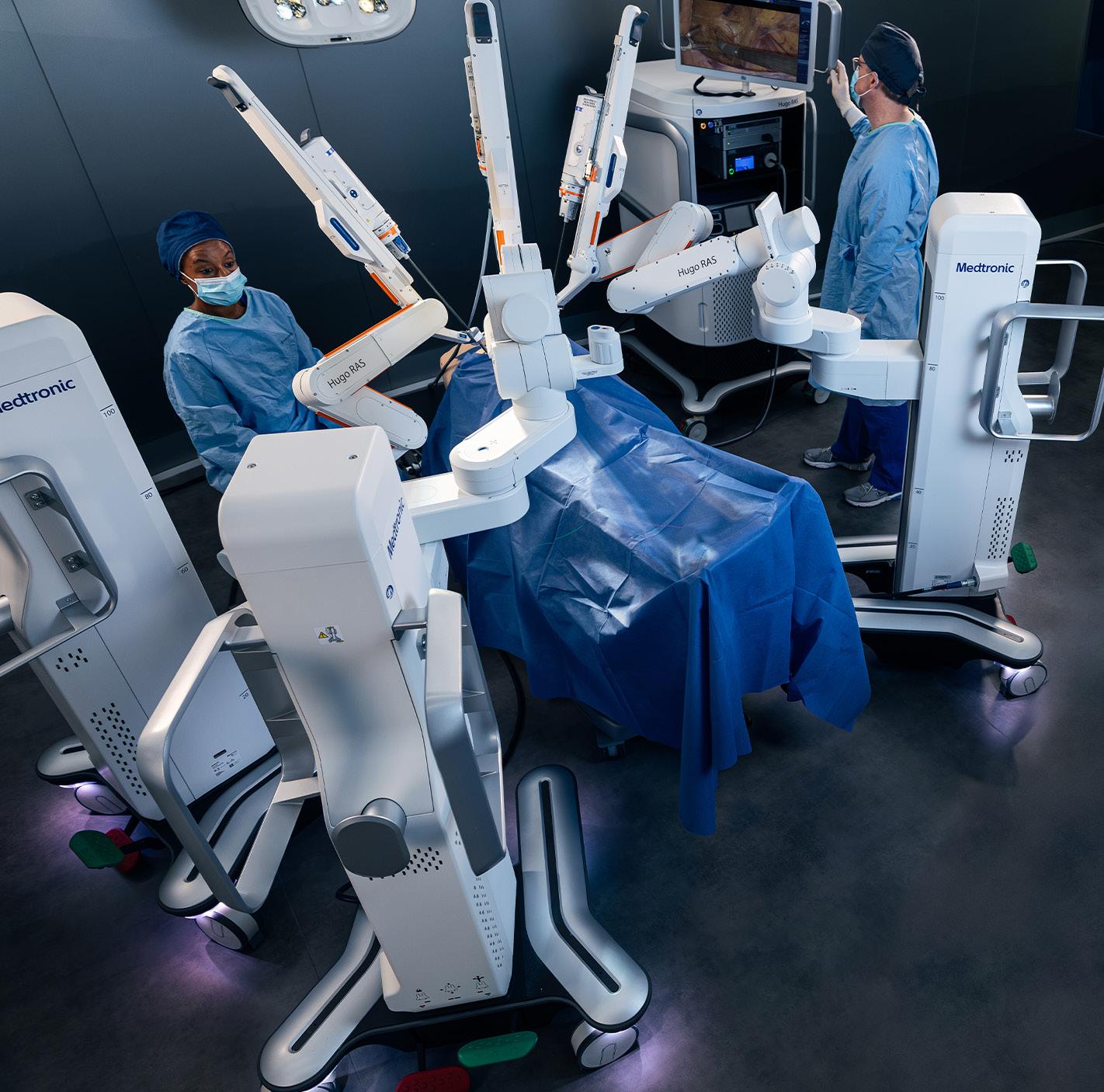
Medtronic wanted to partner with surgeons on all aspects of surgery, not just create an enhanced robotic experience. Hugo was designed to respond to surgeons’ wants and needs — like ergonomic comfort and easier operating room communication — and push the limit on robot-assisted abdominal surgery capabilities.
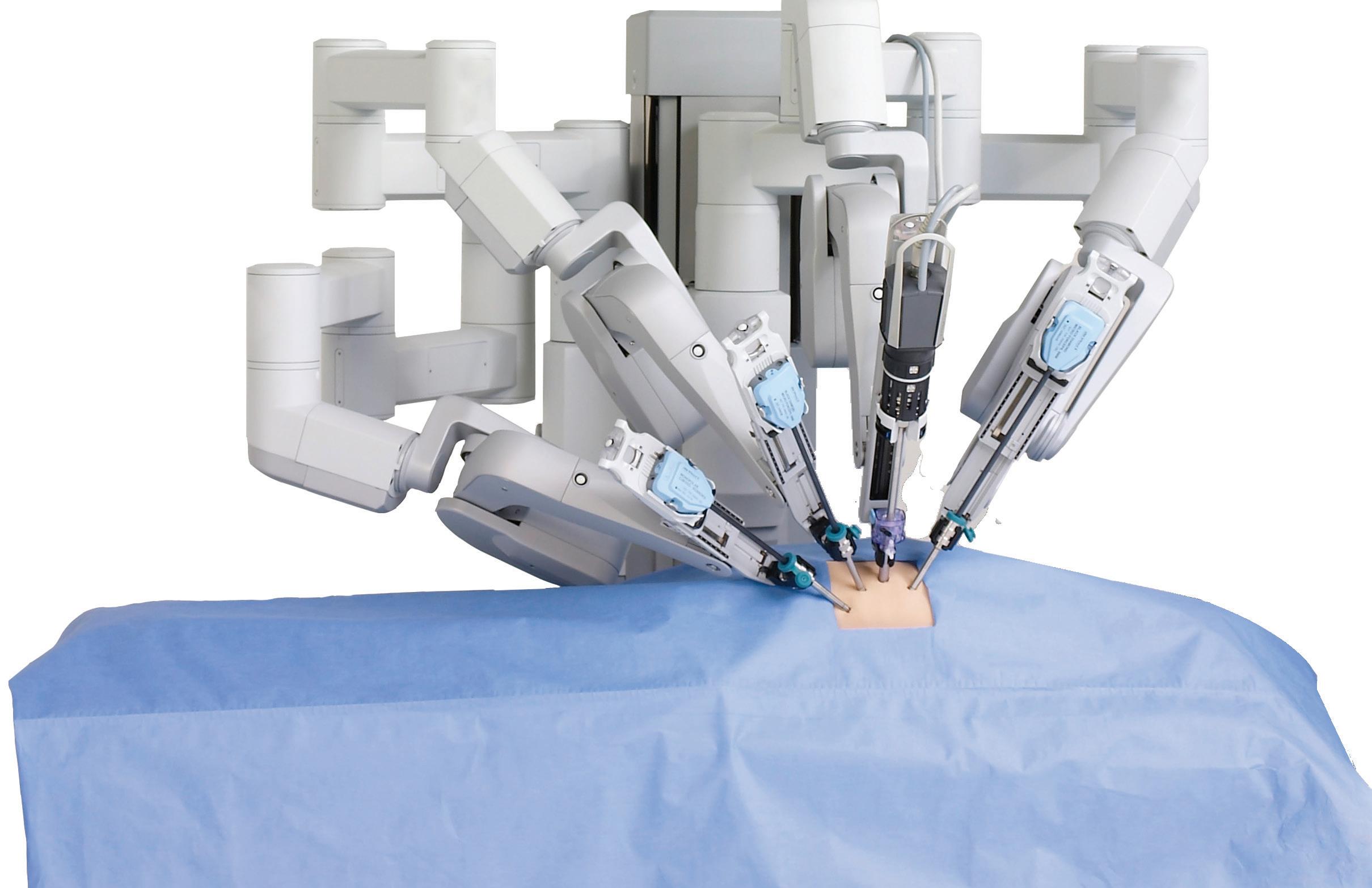
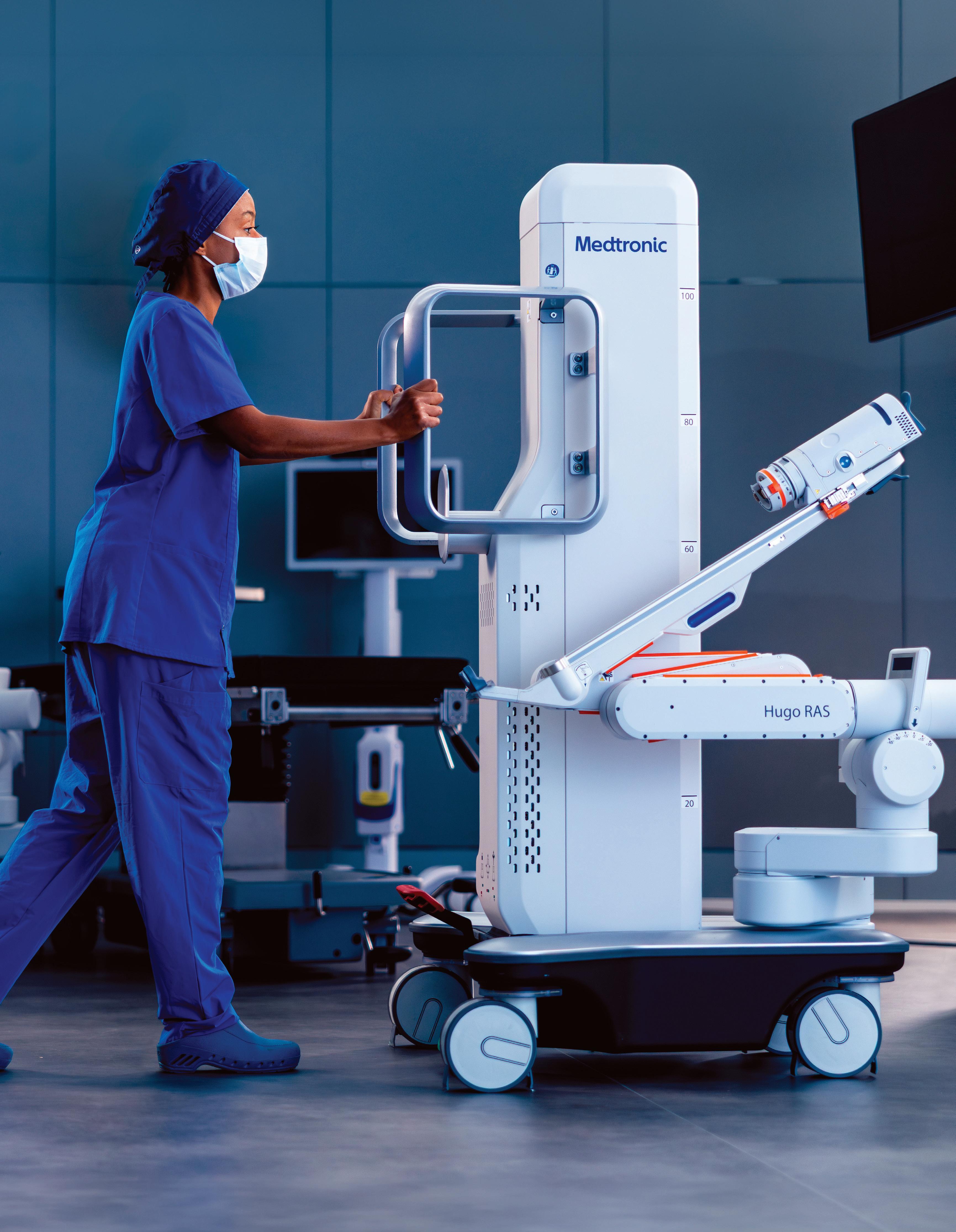
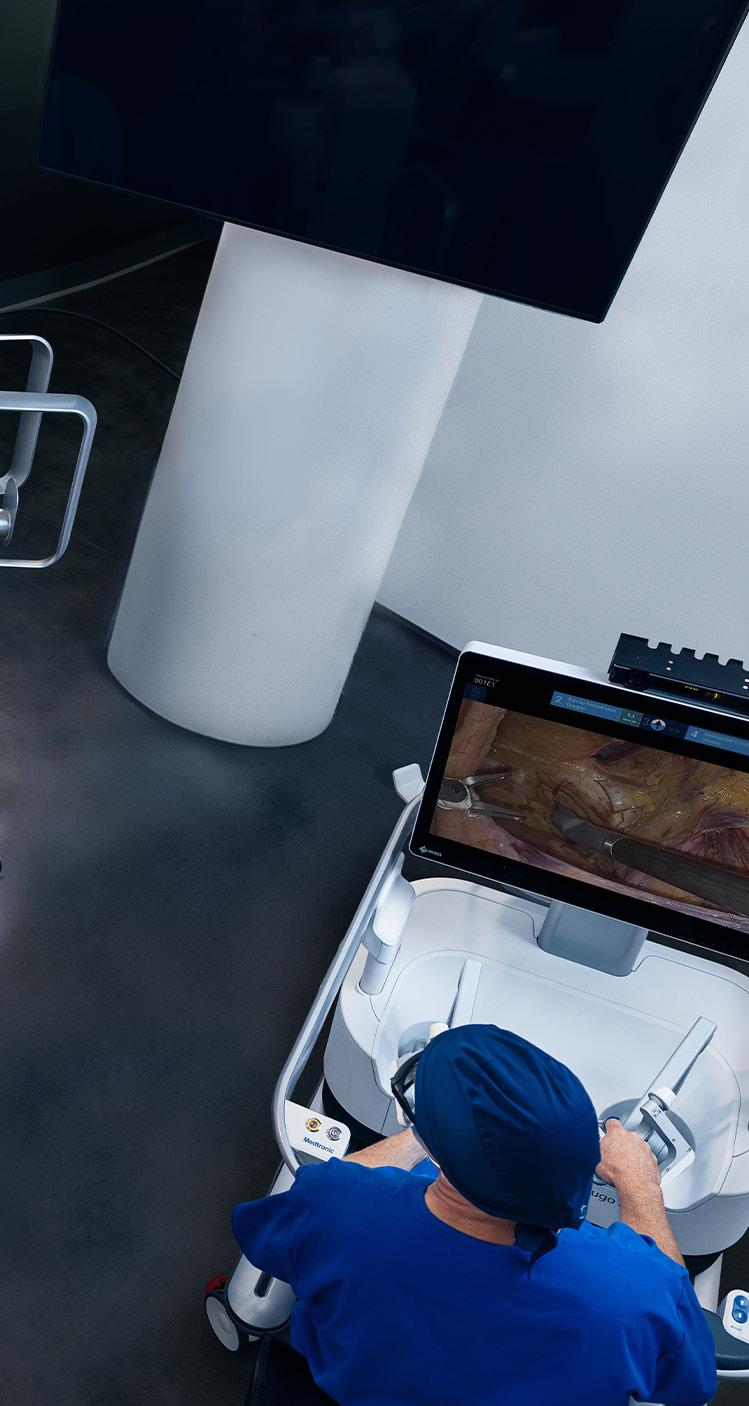
Engineers began with Hugo’s structural design. The system’s unique modular design sets it apart from its boom robot competitor, allowing for more versatility. Hugo’s four robotic arms stem from individual, moveable carts, as opposed to all four arms attached to a large overhead structure. The modular system allows surgeons to configure each arm cart to cover a larger surgical area without port reconfiguration and even sideline arms if they’re not needed.
“If you don’t need all the arms, let’s say you’re just doing a surgery in one area, like a hernia or a prostatectomy. You don’t necessarily need to have all the arms; you can limit that,” Porter said. “You’re not bound by the [restriction] of a boom robot.
“What we’re seeing is the things that we didn’t think [were] possible are now being attempted, and in many cases, successfully. A lot of that has to do with expanding what the robot can do.”
Hugo’s open console vastly differs from Intuitive’s da Vinci head-in stereo immersive console, which offers surgeons realistic 3D imaging of the surgical site. Intuitive designed the console with surgeon comfort in mind. Surgeons are seated, taking stress
off long hours standing around the operating table, and it includes a built-in microphone for communication with operating room staff.
To Porter, using the head-in console felt like he was in his “own little world,” isolated from his team and unable to get a good view of what was happening at the bedside. After over 5,000 surgeries using the immersive console, he developed neck pain.
“With the immersive console, you’re forward, you’ve got most of your head weight forward, and for me, that created a lot of problems,” said Porter, who underwent neck surgery in 2022.
Intuitive’s website says engineers are working on solutions that will allow surgeons to adjust da Vinci’s headset orientation to perform surgery on the device from a “wider range of postures and positions.”
Medtronic’s Hugo offers a different ergonomic choice with its open console. It looks like a computer screen, allowing surgeons to sit upright and interact with staff while also monitoring the patient’s bedside.
“You can support the weight of your head over your body, and of course, then you get rid of all those neck and back issues,” Porter said.
The open console screen displays in two dimensions, so Hugo surgeons wear 3D glasses to add depth to the viewing field. The open design eliminates the need for an enclosed viewfinder, granting surgeons more freedom and flexibility.
Since Hugo’s design features vastly differ from the current market offerings, surgeons have options to choose which device is more compatible with their preferences and the surgical needs of their communities, achieving
Medtronic’s starting goal of expanding surgeon choice and, in turn, pushing robotics technology forward.
“We are looking to improve robotics for patients by providing choice for our surgeons and our patients, and then improving robotics overall because of that,” Medtronic VP and GM of Robotic Surgical Technologies Rajit Kamal said on the same podcast.
“What we’re seeing is the things that we didn’t think [were] possible are now being attempted, and in many cases, successfully. A lot of that has to do with expanding what the robot can do.”
But the medtech giant is well aware of its underdog standing in the robotics market. Kamal said the company is approaching Hugo’s launch like a startup.
“We have formidable competitors,” Kamal said. “This is a tough market landscape. We are going to build on our strengths, but we are going to approach this with a mindset of humility, a mindset of startup, a mindset of making sure that we are really bringing our strengths.”
Medtronic is leaning into its strengths of having a trusted brand, vast portfolio and familiarity with surgeons.
“We can provide [the] portfolio, support, education, you name it, we can provide everything across [the] surgical practice,” Kamal said.
Following its FDA approval, Medtronic begins its robotic portfolio with Hugo in urologic surgery. Robots have assisted in urologic surgeries since 1991, and Porter said Medtronic wanted to test Hugo’s capabilities alongside urologic surgeons’ expertise.
“We wanted the combination of our robot [and] their experience to show [how] Hugo can be used,” Porter said. “It could be used safely. It can be used effectively. That’s why we start with the most experienced group of surgeons, the urologists.”
In a clinical study submitted for its 2025 FDA clearance, Hugo was used in 137 urologic procedures and
yielded a 98.5% surgical success rate with low rates of serious complications. The study’s positive results fueled Medtronic’s plans to expand Hugo’s indications in general surgery and gynecological procedures.
Medtronic has already completed a trial evaluating Hugo’s performance in 193 inguinal and ventral hernia repair procedures. The study was the first Investigational Device Exemption (IDE) clinical study completed for robotic-assisted hernia surgery in the U.S., and its data is currently being reviewed by the FDA.
And in October 2025, Medtronic initiated another IDE clinical trial to evaluate Hugo’s safety and effectiveness in gynecological procedures. The study’s initial total hysterectomies were successful. The ongoing study will enroll up to 70 patients in more than five U.S. hospitals.
As Medtronic looks forward, it continues toward its original mission: to give surgeons choice and provide the tools for unbounded possibility.
“Choice drives competition, and competition drives innovation.” Porter said, later adding, “Surgeons are going to see this, and they’re going to see possibilities.”
Editor-in-chief Chris Newmarker and DeviceTalks Editorial Director Tom Salemi contributed to this report.
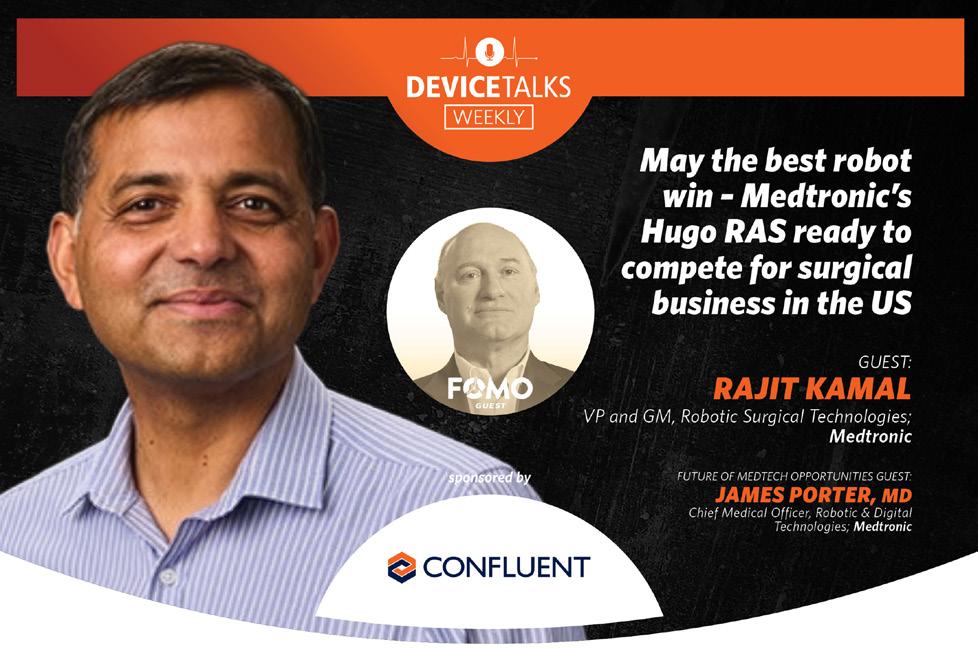
May the best robot win - Medtronic’s Hugo RAS ready to compete for surgical business in the US
In this episode of the DeviceTalks Weekly podcast, we give the entire stage to Medtronic’s surgical robotics business with Dr. James Porter and Rajit Kamal. wtwh.me/DTW-Hugo












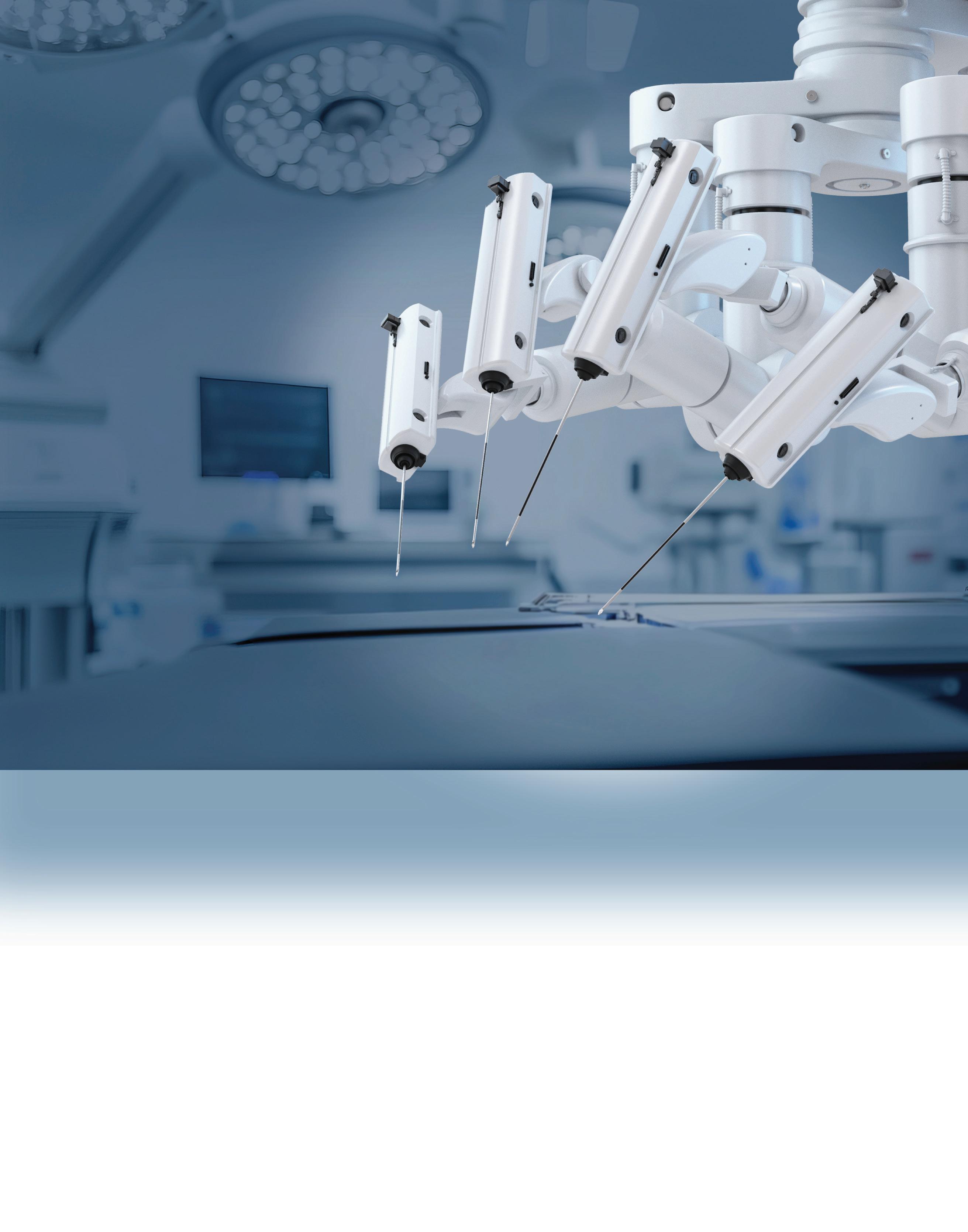

Only Steute offers medical-grade products and services that actually lower your costs.
Medical device OEMs need to beware of foot switch suppliers that bait them with low prices, only to cost them more where it matters. Industrial-grade foot switch manufacturers are the worst offenders. Consider the following:
• Inadequate support for regulatory compliance can cost you a huge amount of time and money – Launching a new system globally in the U.S., Europe and Asia can tie up your staff and cost you a fortune in third-party contractors. No one can compete with Steute’s expertise in helping OEMs correctly prepare their documentation and certifications.
• Steute has 30 cabled and 10+ standard foot switch products designed specifically for medical applications – This depth of off-the-shelf products eliminates the need for additional custom work you would have to do.
• Inadequate signal security can jeopardize product performance and patient outcomes – Steute is the recognized world leader in wireless foot switch technology and our protocol is robust, secure, and designed specifically for medical applications.
• Customization can cost you a lot more if you spec industrial-grade products – Many inferior foot switch manufacturers will only offer customized solutions with large volume orders. Steute leads the industry in offering innovative customization programs…and can do so in much smaller quantities.
• When a higher-tech solution is required, industrial-grade foot switch manufacturers will short-change you every time – If you simply can’t deliver what is needed, this could cost you customers.
When you consider all the factors and add up all the numbers, Steute makes a better product that actually costs you less. What are you waiting for? Call us today.
Contact:
Jack Haughney, Business Development Leader