POWERING UP PAN-LATIN CUISINE CATERING TECH CHECK
ASCENDING THE APEROL FUELING F&B AT BERN’S
POWERING UP PAN-LATIN CUISINE CATERING TECH CHECK
ASCENDING THE APEROL FUELING F&B AT BERN’S
THESE INDIES ARE WINNING OVER DINERS AND INDUSTRY INSIDERS
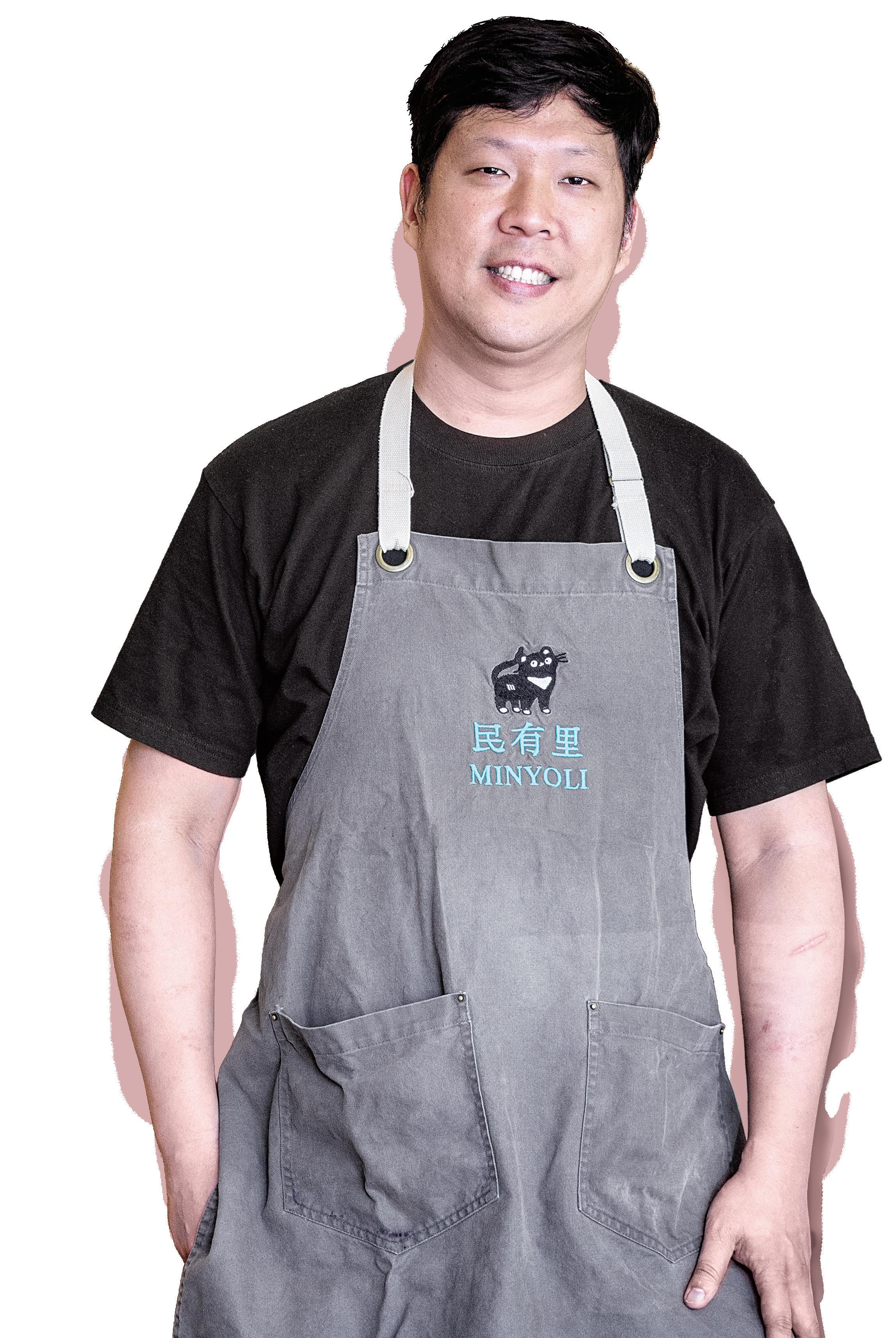
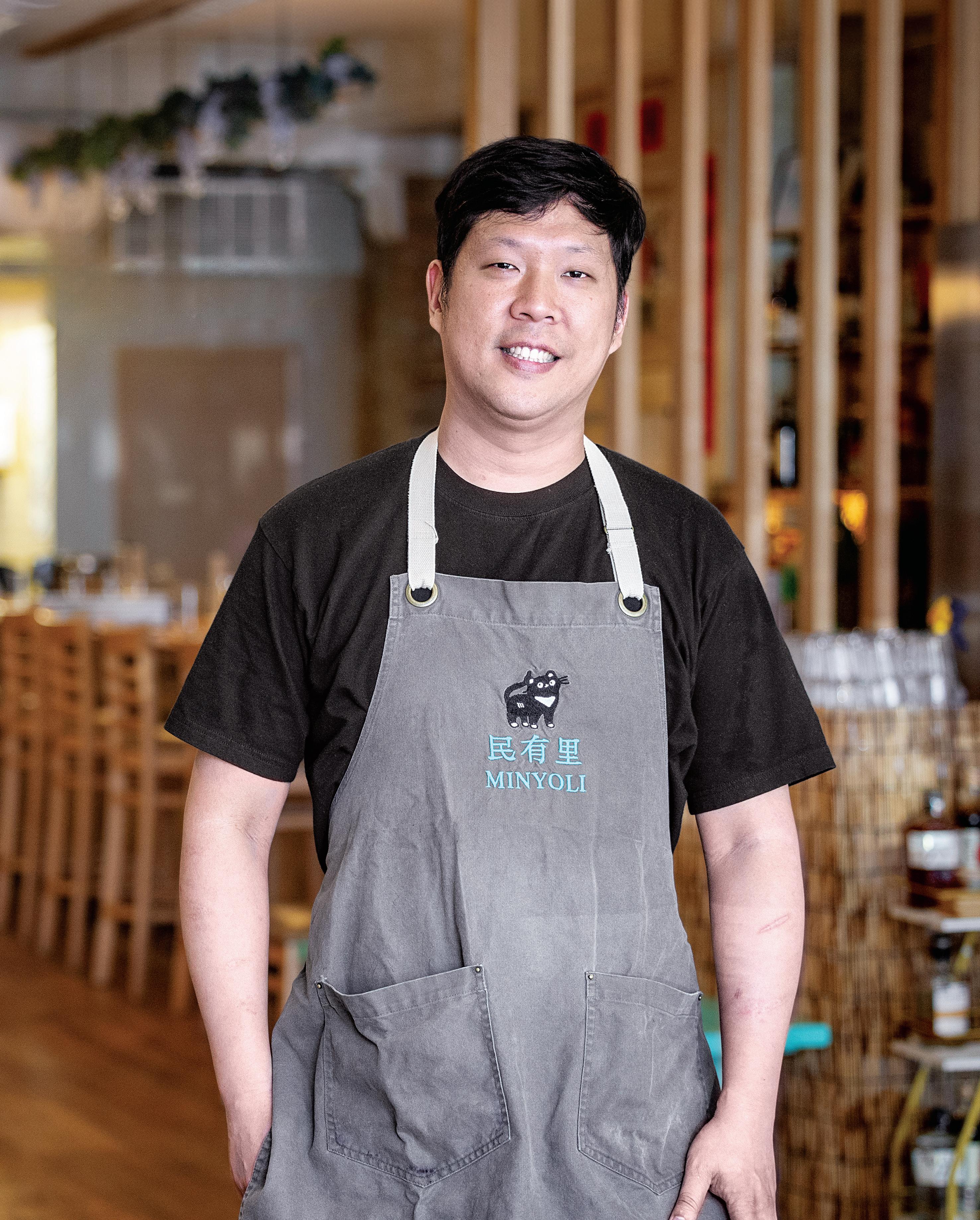
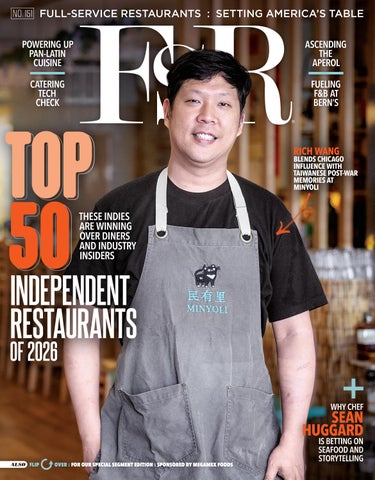
RICH WANG BLENDS CHICAGO INFLUENCE WITH TAIWANESE POST-WAR MEMORIES AT

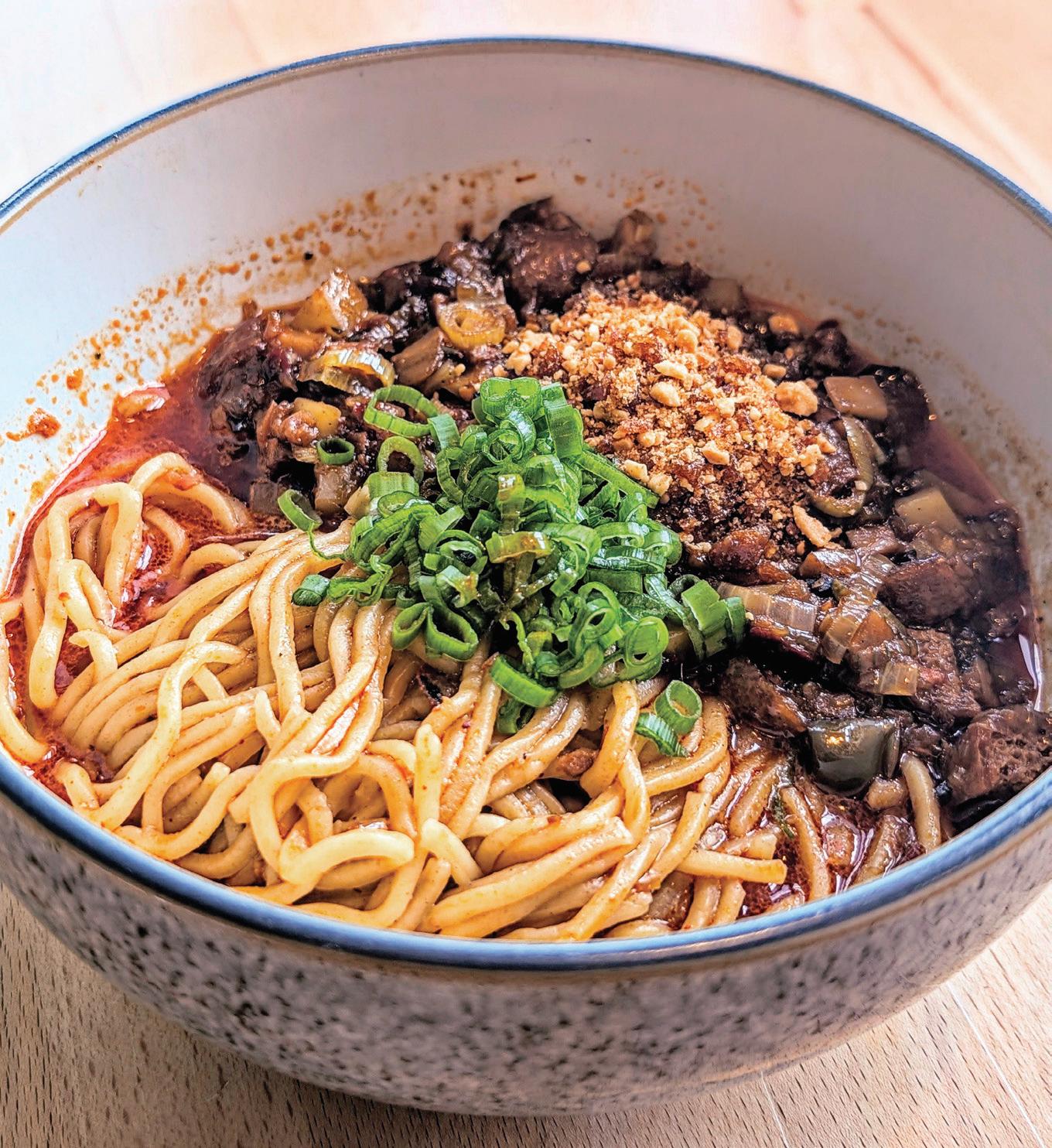
MÍNYÓLǏ (MEEN YO LEE) IS NAMED AFTER CHEF/OWNER RICH WANG’S CHILDHOOD JUÀNCŪN NEIGHBORHOOD IN TAIPEI, WHERE MOM-AND-POP NOODLE SHOPS WERE PREVALENT.
BY FSR STAFF
From Seattle to Dayton, Kentucky, this year’s list of top indies reflects the remarkable reach and impact of independent hospitality in America, powered by FSR reader nominations. Spotlighting Rich Wang’s Minyoli, the only restaurant in Chicago specializing in Taiwanese juàncūn cuisine.
BY CALLIE EVERGREEN
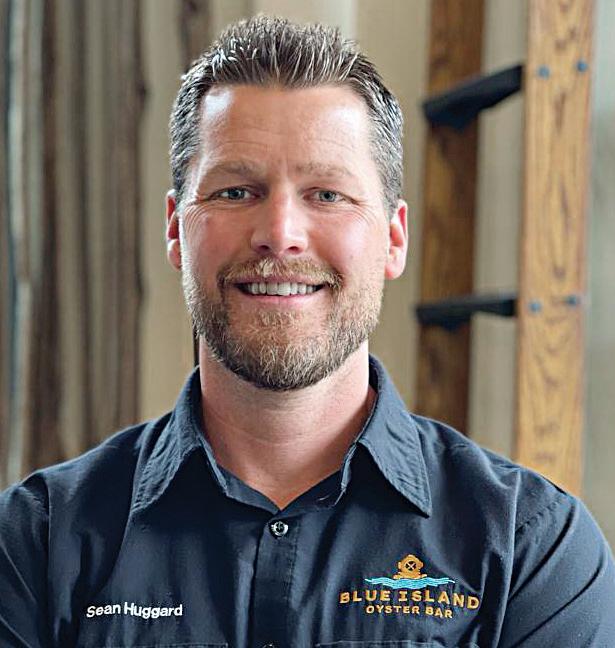
Chef Sean Huggard is betting on stellar seafood and storytelling to grow his three Shucking Good Hospitality concepts outside of Denver.
BY SATYNE DONER
Cultural fusion, storytelling, and immigrant heritage are reshaping restaurant menus across America.
BY SAM DANLEY
e wine-based cocktail is shifting from a seasonal cameo into a more meaningful menu category at restaurants, including Mellow Mushroom and California Pizza Kitchen.
COURSE
7 The New Workforce Reality
BY BEN COLEY
As staffing levels stabilize, the priority for operators has moved from hiring quickly to retaining productive talent.
8 NA Bevs Are Here to Stay
BY CALLIE EVERGREEN
The shift toward nonalcoholic beverages isn’t a passing fad, but a true change in consumer behavior that’s concentrated across three main categories, according to a recent report.
BACK OF HOUSE
41 Fueling Flawless F&B at Bern’s
BY SATYNE DONER
WOMEN IN LEADERSHIP
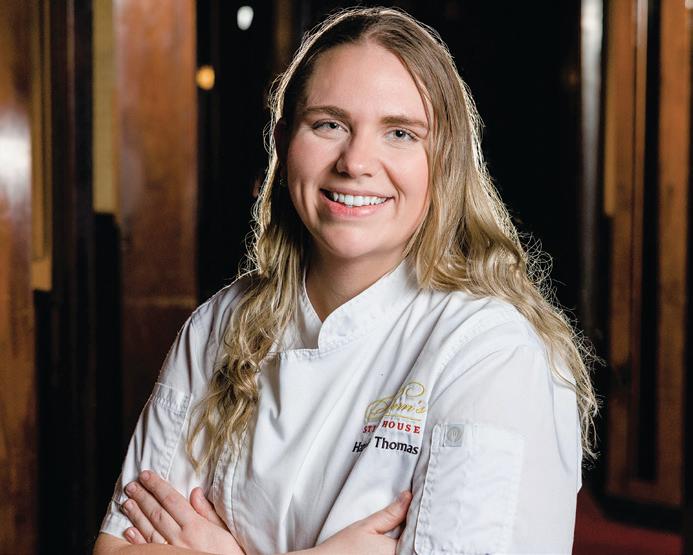
Here’s how Hannah Thomas and Maddie Kaye delicately balance tradition, innova-
tion, and team culture at Bern’s Steak House in Tampa, Florida.
BY BRITT ENGLER
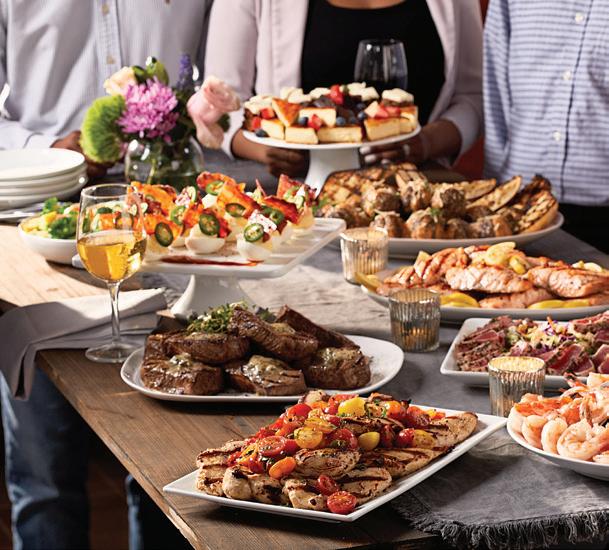
TECH CHECK Dedicated menus, data tracking, and advanced tech are changing the game for catering at growing restaurants like Firebirds Wood Fired Grill.
BY CALLIE EVERGREEN
BEHIND THE SCENES
Mike Stasko has been with Sunny Street Cafe since its 2007 inception, and today he’s helping steer the bright, breakfast-and-lunch brand through its next phase of growth.
EDITORIAL
VP, EDITORIAL DIRECTOR: FOOD, RETAIL, & HOSPITALITY Danny Klein dklein@wtwhmedia.com
FSR EDITOR
Callie Evergreen cevergreen@wtwhmedia.com
QSR EDITOR
Ben Coley bcoley@wtwhmedia.com
ASSOCIATE EDITOR
Sam Danley sdanley@wtwhmedia.com
SENIOR EDITOR, WIRL Satyne Doner sdoner@wtwhmedia.com
SVP, AUDIENCE GROWTH Greg Sanders gsanders@wtwhmedia.com
CONTENT STUDIO
VP, CONTENT STUDIO
Peggy Carouthers pcarouthers@wtwhmedia.com
WRITER, CONTENT STUDIO Drew Filipski dfilipski@wtwhmedia.com
WRITER, CONTENT STUDIO Ya’el McLoud ymcloud@wtwhmedia.com
WRITER, CONTENT STUDIO Abby Winterburn awinterburn@wtwhmedia.com
DESIGN
SENIOR ART DIRECTOR Tory Bartelt tbartelt@wtwhmedia.com

2026 REGIONAL BRONZE AWARD: FRONT COVER DESIGN
2024 REGIONAL GOLD AWARD: PUBLICATION DESIGN
2023 NATIONAL GOLD AWARDS: FRONT COVER (PHOTO), BEST USE OF COLOR NATIONAL SILVER AWARD: BEST USE OF TYPOGRAPHY
2016 MAGAZINE OF THE YEAR TOP 10 AWARD
2015 MAGAZINE OF THE YEAR
FOLIO: Eddie Awards
2022 BEST FULL ISSUE HOSPITALITY
2022 BEST SPONSORED CONTENT 2021 BEST PROFILE FEATURE
BEST FULL ISSUE FOOD & BEVERAGE
2013 BEST DESIGN, NEW MAGAZINE
2013 BEST FULL ISSUE, FOOD SERVICE/HOTEL
® SALES & BUSINESS DEVELOPMENT
SVP SALES & STRATEGY Matt Waddell 312-961-6840 mwaddell@wtwhmedia.com
NATIONAL SALES DIRECTOR Amber Dobsovic 757-637-8673 adobsovic@wtwhmedia.com
NATIONAL SALES MANAGER Tom Boyles 662-607-5249 tboyles@wtwhmedia.com
CUSTOMER SERVICE REPRESENTATIVE Tracy Willingham 919-945-0704 twillingham@wtwhmedia.com
ADMINISTRATION
CEO Matt Logan mlogan@wtwhmedia.com 919-945-0704 www.fsrmagazine.com/subscribe
FSR is provided without charge upon request to individuals residing in the U.S. who meet subscription criteria as set forth by the publisher.
REPRINTS
THE YGS GROUP 800-290-5460 fax: 717-825-2150 fsrmagazine@theygsgroup.com
Sponsored content in this magazine is provided to the represented company for a fee. Such content is written to be informational and non-promotional. Comments welcomed at sponsoredcontent@ fsrmagazine.com.
FOUNDER
Webb C. Howell
LinkedIn.com/company/ FSR-magazine
Instagram.com/FSRmagazine
Facebook.com/FSRmag
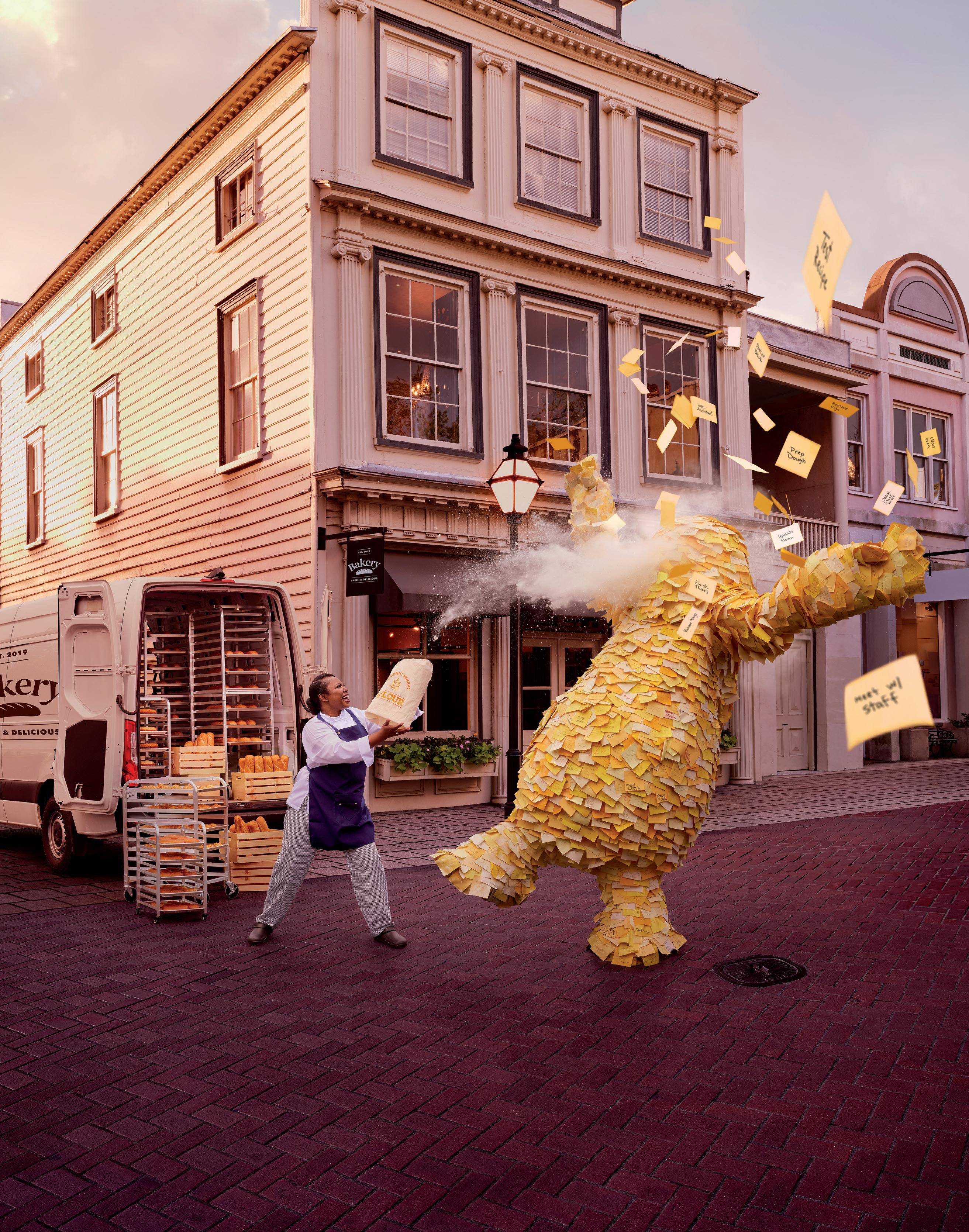
WE’RE BREAKING OUT OF BINARY THINKING IN 2026. ere is room to acknowledge the consistency and comfort that can be found in restaurant chains from a consumer perspective, AND to recognize the invaluable community spaces and culinary innovation that independent restaurants bring to the table. You don’t have to strictly stay in one camp or the other.
On the multi-location concept side, our “Liquid Intelligence” story this month highlights the evolving menu category of the spritz at Mellow Mushroom and California Pizza Kitchen (PAGE 21). Our “Tech Check” topic showcases how Firebirds Wood Fired Grill developed a catering program that added revenue without overwhelming the dine-in business or overcomplicating things for operators (PAGE 41), and our “Behind the Scenes” Q&A with Sunny Street Cafe president Mike Stasko reveals how he’s fueling thoughtful growth at the 22-unit brand (PAGE 44). ere are no plans to stop writing about or showing our appreciation for full-service chain restaurants.
However, the bulk of our July magazine focuses on the latter: Independent restaurants that are creating the kinds of genuine experiences guests can’t fi nd anywhere else (PAGE 26). Our Top 50 Indies list this year, as usual, is the result of editorially combing through many, many nominations from industry leaders and readers and trying to narrow it down to just 50. We try not to list any restaurant two years in a row, and we have a cutoff of five locations maximum for a concept to be considered independent (any more and we’re moving into regional/local chain territory).
I love the variety of cuisine types, service styles, and the stories that arise from this big project. We naturally highlight restaurants in bigger cities like Chicago, Atlanta, and Seattle, but also spotlight the gems in cities like Ketchum, Idaho; Williams Bay, Wisconsin; and Dayton, Kentucky. I’m always fl agging so many new “Want to Go” spots on my Google Maps while creating this list. I hope you will, too.
So, let’s grab a spritz and toast to independence!

Callie Evergreen EDITOR
cevergreen@wtwhmedia.com FSRmag @FSRmagazine
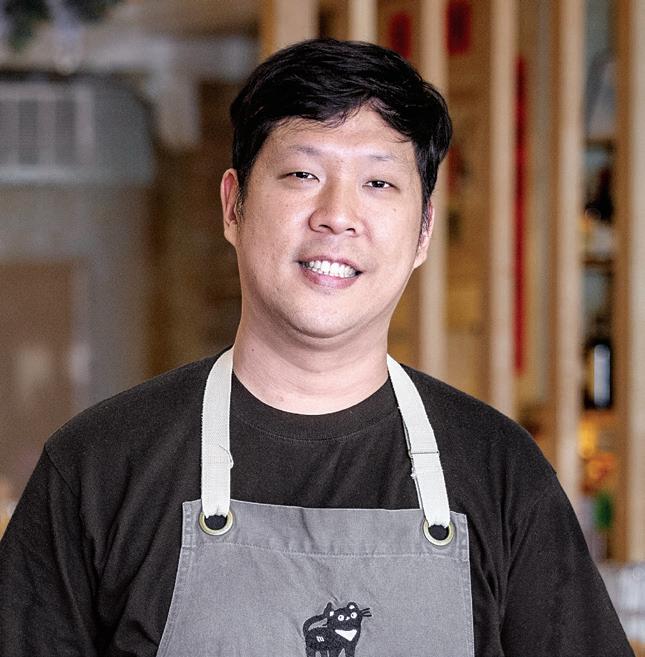
Our July cover spotlights chef Rich Wang and his independently owned restaurant Mínyóli— the only restaurant in Chicago specializing in Taiwanese juàncūn cuisine, which is the home-style cooking born in post-war military villages. After opening in 2024, the restaurant quickly garnered national acclaim. Minyoli was included in Bon Appetit’s list of “Most Anticipated Spring Openings in 2024,” and in 2026, was nominated for a Jean Banchet Award for Outstanding Hospitality— underscoring the warmth and connection the restaurant fosters within the community.
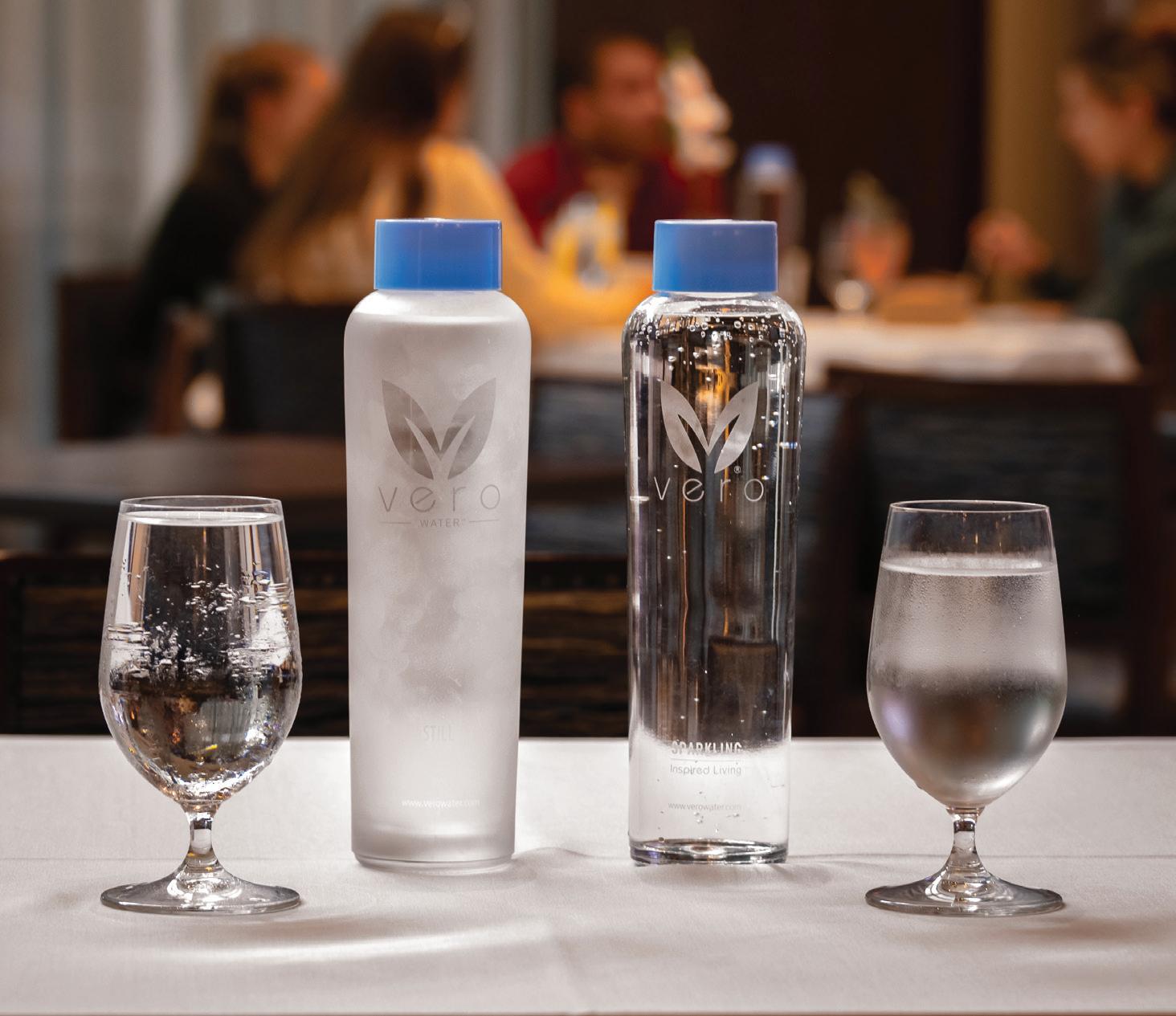
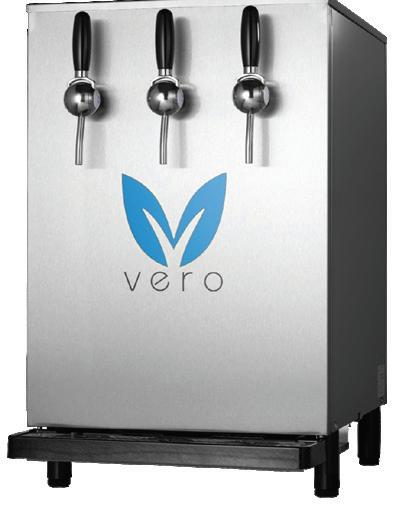
Serve unlimited, premium filtered still and sparkling water presented in elegant, reusable, glass bottles.
Is your water service meeting the same high standard as everything else you serve? With Culligan Quench’s premier line of Vero Water dispensers, you gain complete control over every flavor on the table – no more off-tasting tap water. Our advanced multi-stage filtration system delivers a consistently exceptional taste in every glass. The Vero system provides a crisp, effervescent sparkling water freshly poured on-demand, without the hassle of ordering and storing single-use bottles. We also offer a variety of high-capacity filtered ice dispensers for crystal-clear, great-tasting ice.
Available for purchase or rent, with consistent, worry-free performance backed by our nationwide service network. Call us today to redefine your guest water service.
Make sure you ask about our first month free rental promotion!







Nearly eight in 10 operators say understaffing limits their ability to grow, and half say it directly leads to slower operations and lost sales.
BY BEN COLEY
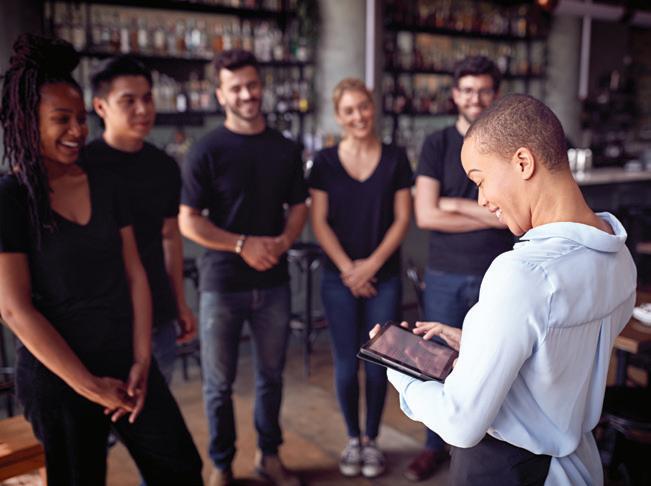
The priority has moved from hiring quickly to building teams that can perform consistently and deliver long-term value.
AFTER YEARS OF LABOR SHORTAGES, the restaurant industry is now at a point in which staffing levels are improving. Only 22 percent of operators reported being understaffed in 2025, a drop from 78 percent just a few years earlier, according to the National Restaurant Association’s latest hiring and staffing report. Hiring has also become more manageable as the labor pool loosens. There
are now roughly 1.1 unemployed workers for every job opening, a reversal from the pandemic-era imbalance when jobs far outnumbered candidates.
But as labor stabilizes, operators are realizing the real challenge isn’t just hiring. It’s making the right workforce investment. Sixty-two percent still say recruiting and retaining employees is a significant challenge, and one-third
say filling roles has actually become more difficult year-over-year. The difference now is that operators have more applicants to choose from, which has made them more selective. The priority is not on filling roles quickly—as it was during the pandemic—but on building teams that can perform consistently and deliver long-term value.
That’s especially true in full-service restaurants, where execution is tightly tied to the guest experience. Nearly eight in 10 operators say understaffing limits their ability to grow. In fact, about half of operators say understaffing directly leads to slower operations, reduced service quality, and lost sales, and roughly 60 percent report increased employee stress and higher overtime costs.
The financial consequences are hard to ignore. Being down even a single employee can cost hundreds of dollars per shift and quickly snowball into tens or even hundreds of thousands in lost annual revenue. In full-service environments, operators often don’t redistribute workload when they’re shortstaffed—they reduce capacity. Fewer tables get seated. Fewer
guests are served. Revenue opportunities simply disappear. Over time, that forces bigger operational decisions. Nearly half of operators say they can’t operate at full capacity when understaffed, 43 percent delay expansion or modify menus, 34 percent reduce hours, and about one in five close on days they would normally be open.
And yet, hiring more people isn’t a simple fix. One of the more telling insights in the report is how long it takes for a new employee to become productive. Hourly workers take an average of 31.8 days to become “net positive,” while managers take about 72.2 days—and in some cases up to three to six months depending on the role. That lag makes early retention critical, particularly when turnover remains structurally high across the indus-
try, averaging more than 120 percent annually.
It also reinforces the outsized role of leadership. Strong managers are increasingly seen as the backbone of restaurant performance—driving culture, retention, and guest satisfaction—while poor leadership can quickly erode both employee engagement and operational consistency.
Technology is playing a growing role in helping operators navigate these challenges, but not always in the ways the industry conversation suggests. There’s plenty of attention on automation and AI, but adoption remains relatively limited. Just 26 percent of operators report using AI tools at all.
Instead, the most impactful tools are often the ones supporting employees after they’re hired. Nearly half of operators use scheduling software, 40 percent leverage digital onboarding tools, and about 29 percent use training platforms to support workforce development. These systems are helping streamline operations and free up managers to focus on coaching, development, and execution rather than administrative tasks.
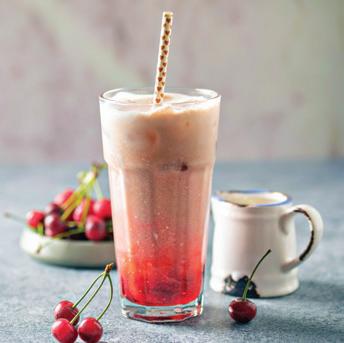
The shift toward nonalcoholic beverages isn’t a passing fad, but a true change in consumer behavior. Across 1,000+ independent restaurants, SpotOn recently reported 1,952 net-new NA beverage menu additions between January 2025 to February 2026, concentrated across three main categories:
1. Treat beverages are now the primary growth engine, making up the largest category (49.5%) encompassing various refreshers and dirty sodas.
2. Zero/low-proof beverages account for 32.7% of additions, including mocktails, NA beer and wine, and other zero-proof beverages.
3. Functional beverages make up 17.8% of new menu adds, using phrases like adaptogenic, calm, fresh-pressed, herbal, immunity, probiotic or prebiotic, and wellness.
TREAT BEVERAGES ARE
49.5 % OF







MENTIONED IN THIS SECTION BLUE ISLAND • • OLIVER’S ITALIAN ASH & AGAVE • • DELL ROOSTER • • MAR Y SOL
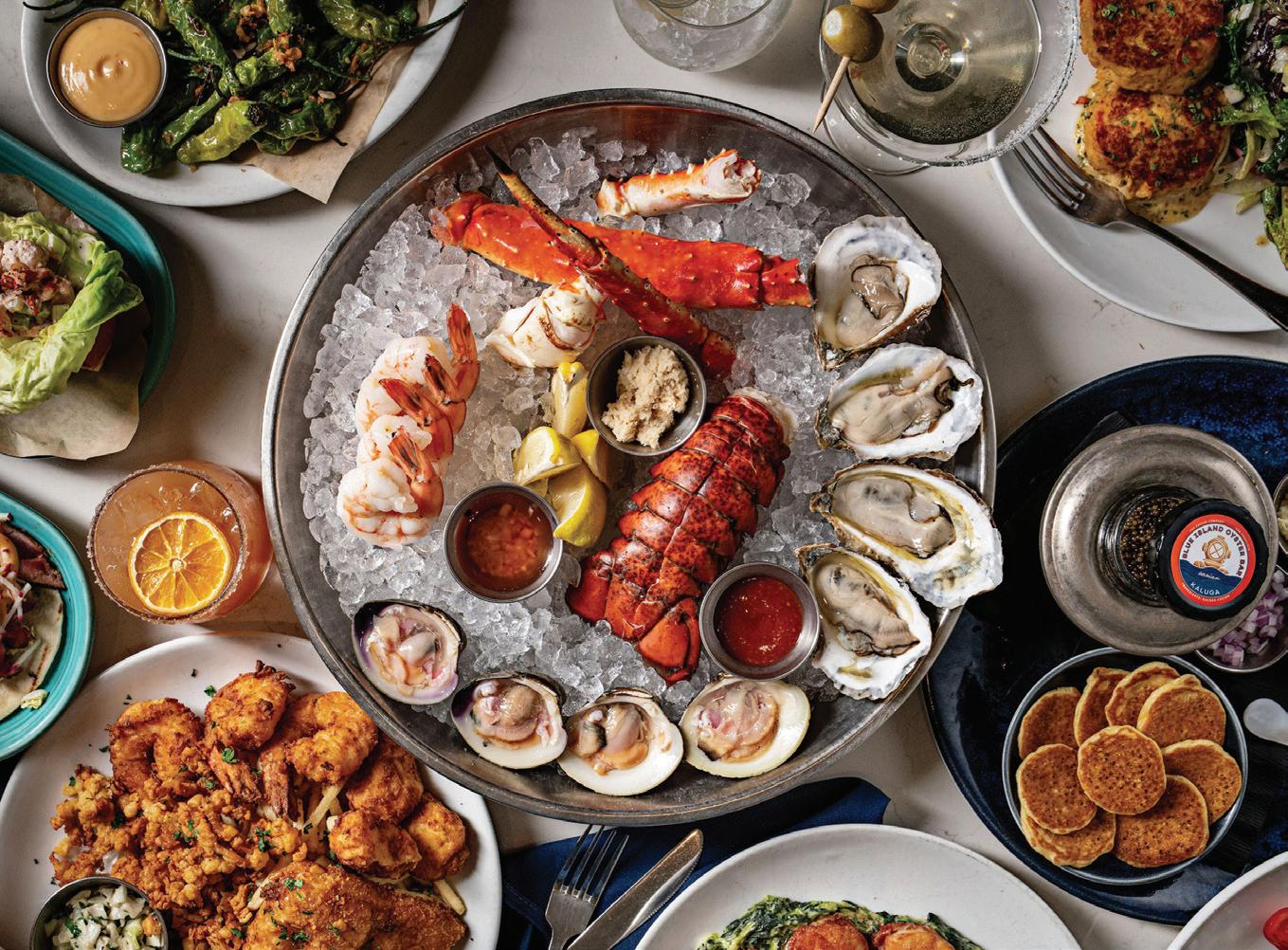
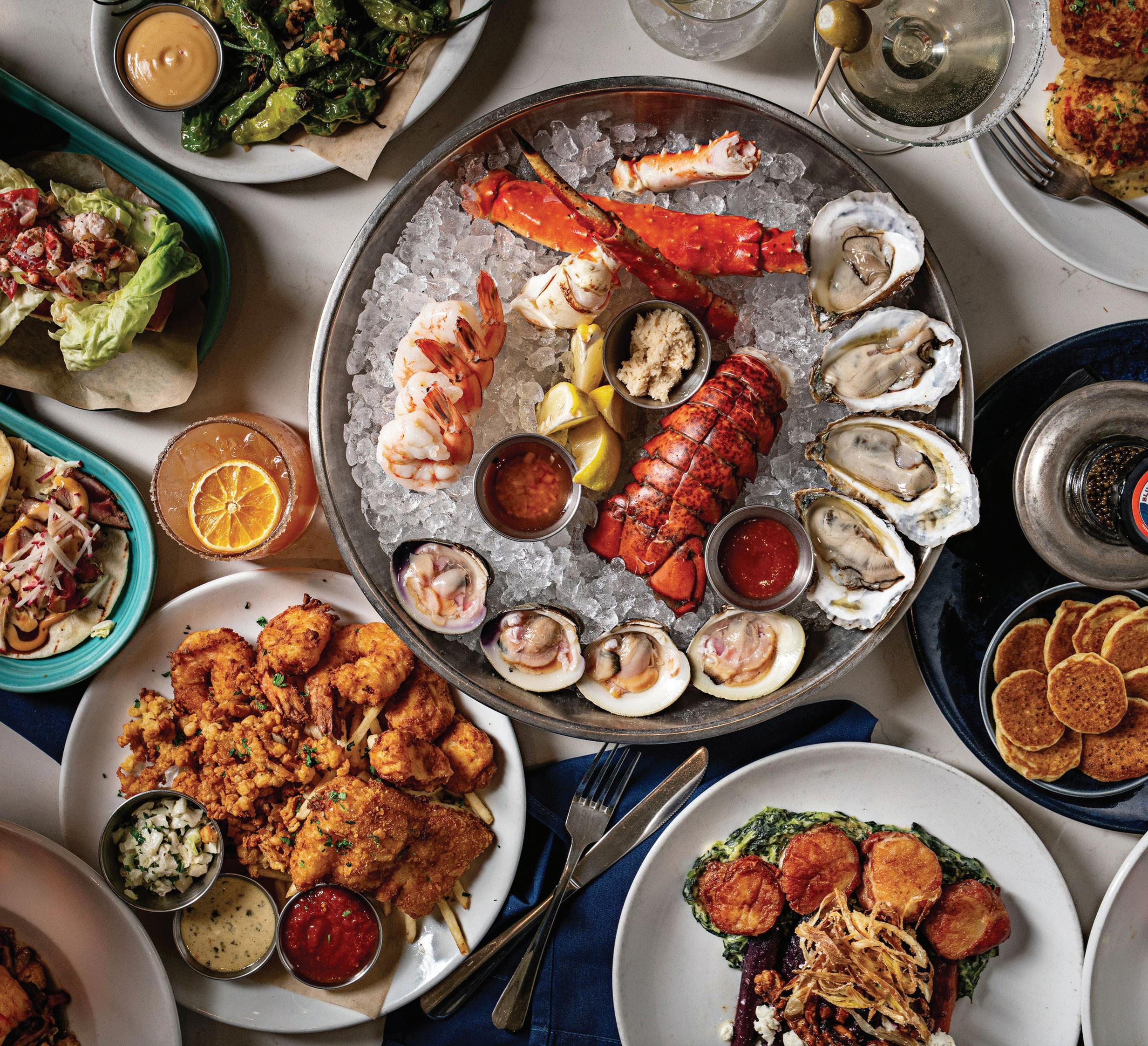
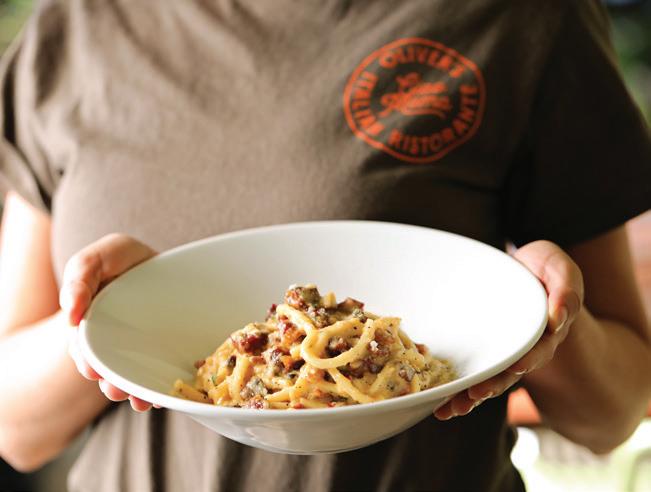
HUGGARD OPENED THE FIRST BLUE ISLAND IN CHERRY CREEK IN 2015, WITH A MENU BUILT AROUND RAW BAR FAVORITES AND COASTAL CLASSICS AND AN EMPHASIS ON OYSTERS, CLAMS, SHRIMP COCKTAIL, CRAB LEGS, AND CAVIAR, PLUS APPETIZERS LIKE FRIED CALAMARI AND GRILLED SPANISH OCTOPUS.
BY CALLIE EVERGREEN
Sean Huggard is betting growth on stellar seafood and storytelling at Shucking Good Hospitality.
SEAN HUGGARD IS IN THE PROCESS OF LEARNING how to hang up his chef’s hat sometimes to don his CEO hat—but on the day of our conversation, he was wearing a DJ hat (figuratively, of course), sitting in the office and figuring out how to fix the music before dinner service at one of his newest Denver restaurants, Ash and Agave. “That’s what I do on a daily basis. My role is forever evolving,” he says. “I came from this; I was
a dishwasher. I was a cook. I’m still a cook, and I still love to cook. I was just downstairs with my director of culinary talking about an oyster shooter of all things, and how I envisioned it.”
His passion for food and restaurants stems from his Boston roots and an early career in the industry that started as a teen working in a deli, mopping floors and cutting up chicken in the kitchen. At just 19 years old, he opened his fi rst restaurant—Keepers on Cape Cod—serving as executive chef while completing his formal education. After graduating from the Culinary Institute of America in New York in 2002, he refi ned his culinary voice as executive chef at e Summer House on Nantucket Island before relocating to Los Angeles to work with Houston’s, part of the Hillstone Restaurant Group. His path then took him to Denver, where he oversaw a hospitality portfolio spanning restaurants and boutique hotels as director of operations for Concept Restaurants before he founded Shucking Good Hospitality in 2016.
As the restaurant group name implies, Huggard isn’t shy about the deep role and importance that seafood plays in his life. “Seafood is absolutely my passion. e ocean—not only do I love to cook its bounty, I love to eat its bounty, and it’s also just my happy place,” he says. e morning of our conversation, he even told his wife, Jennifer, “If I don’t get to the beach in the next three weeks, I’m going to lose my mind. I need that in my life.”
Huggard is leveraging that love for stellar seafood to grow his three restaurant concepts outside of Denver. A key part to his story? Shucking Good Hospitality is one of the only restaurant groups in the area to control its seafood supply from dock to dish.
His concept Blue Island Oyster Bar & Seafood has delivered East Coastinspired seafood to Denver with unmatched freshness for over a decade, sourcing oysters and seafood daily from its own hatchery. Blue Island Shellfi sh Farms in Long Island, New York, was
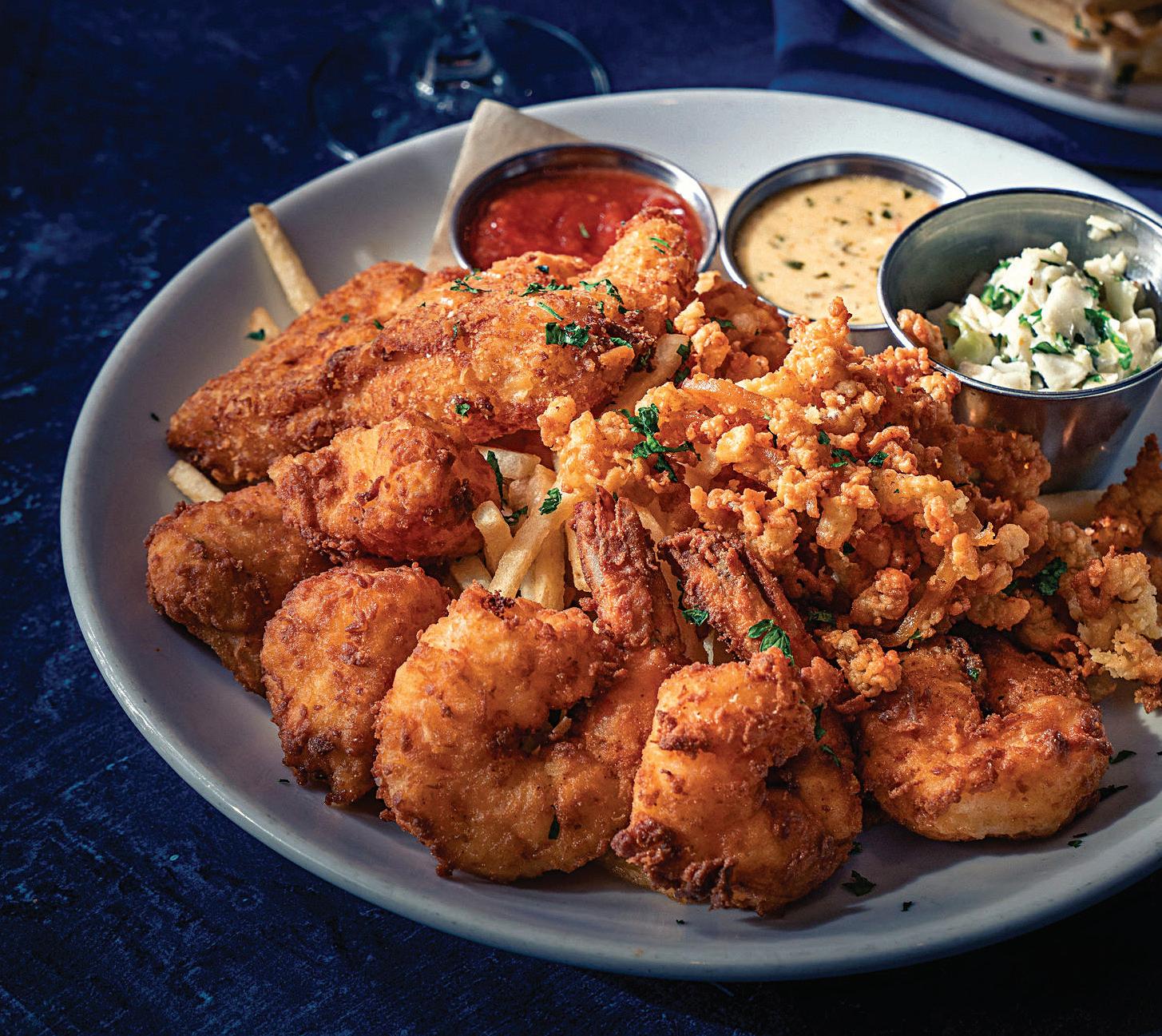
SIGNATURE ENTREES AND CLASSICS AT BLUE ISLAND RANGE FROM FRESH LOBSTER MAC AND CHEESE TO AN ELEVATED CRACKER-CRUSTED FISH & CHIPS WITH PACIFIC SEA BASS, MALT VINEGAR TARTAR SAUCE, SHOESTRING FRIES, AND COLE SLAW. GRILLED SEAFOOD SUCH AS ATLANTIC SALMON, NEW BEDFORD SEA SCALLOPS, AND MISO CHILEAN SEA BASS ROUND OUT THE LARGE MENU.
ALT CAREER? Actor
DRINK OF CHOICE? 50/50 Martinis, half Vermouth, half gin
DISH YOU’RE PROUDEST OF CREATING? City’s Best Clam Chowder at Blue Island
FAVORITE FOODIE DESTINATION? Mexico
GO-TO COMFORT MEAL? Orange beef with crab Rangoon
founded in 1995 by diver Chris Quartuccio, and helped pioneer the Sea-toTable movement—earning a reputation as one of the nation’s premier seafood purveyors.
“There are very few people that do what we do. We have marine biologists that work at the hatchery out in Long Island. We’re a restaurant group that’s attached to scientists. We’re breeding and growing our own oyster seed, we’re bringing it out to the farm, [and] we’re telling that story,” Huggard says. “ at’s a really unique story, that dock to dish story, that there’s maybe three other restaurants in the country that have that kind of relationship with their farm, that are also looking to grow nationally.”
People often assume if they’re in a coastal state eating seafood, it must be fresher than what they could fi nd at home in Denver—but that’s not always the case, Huggard notes. “First of all, you’re eating a piece of halibut from
the East Coast, but you’re sitting on a beach in L.A., so guess what? e halibut already flew over Colorado. We had it the day before,” he points out. “It’s been a long, uphill education battle, but I think we’re here in Colorado now. People know and depend on us for fresh seafood in all of our restaurants.”
When he first moved to the landlocked state of Colorado just over 20 years ago, Huggard—a New England native and aforementioned former chef on Nantucket Island—had to fi nd a way to “bring a piece of Nantucket back to Denver.”
at was exactly the goal he had in mind when opening his fi rst restaurant in Denver back in 2005 with his business partner, Steve White. Located in the historic shopping district on South Pearl Street, they named the restaurant Black Pearl. “It was not named after the Johnny Depp movie, although people absolutely associated it with ‘Pirates of




















the Caribbean.’ In hindsight, maybe it was a terrible name,” he laughs. “Honestly, it was such a low volume restaurant … but we got a ton of national press out of it.”
ough the restaurant didn’t perform as well as he hoped, the legacy lived on long after it closed in 2016; there are still guests who come into his current restaurants talking about a menu item from Black Pearl, Huggard notes.
“There were only a handful of restaurants 20 years ago that were making Denver a foodie, ‘chefy’ scene. And I came in as the young guy in my early 20s, and my good friend, Troy Guard—who I consider a celebrity chef in Denver— took me under his wing, and was nice to me when he didn’t need to be,” he says.
Making waves and bringing a seafood-driven concept to a “meat and potatoes town,” as some people call it, proved to be a challenge—but not one that Huggard couldn’t overcome. “It feels good to know that we brought fresh seafood and the world’s greatest oysters, period, to Denver, Colorado,” he says, also noting the rise of the city’s culinary scene over the years, demonstrated by the arrival of
HUGGARD’S GOAL OF OPENING 20 RESTAURANTS FROM COAST-TO-COAST IN 10 YEARS INCLUDES GROWING BLUE ISLAND— WHICH OPENED ITS SECOND LOCATION IN SOUTH METRO DENVER IN 2022—ALONGSIDE HIS TWO OTHER CONCEPTS, OLIVER’S ITALIAN AND ASH AND AGAVE, PLUS MORE IN DEVELOPMENT.
Colorado’s fi rst Michelin Guide in 2023.
Huggard opened the fi rst Blue Island in Cherry Creek in 2015, with a menu built around raw bar favorites and coastal classics and an emphasis on oysters, clams, shrimp cocktail, crab legs, and caviar, plus appetizers like fried calamari and grilled Spanish octopus. Signature entrees and classics range from fresh lobster mac and cheese to an elevated cracker-crusted fi sh & chips with Pacific sea bass, malt vinegar tartar sauce, shoestring fries, and cole slaw. Grilled seafood such as Atlantic salmon, New Bedford sea scallops, and miso Chilean sea bass round out the large menu.
“It was not easy to build the culture of seafood in Denver. It took me 11 years, and we went from being open the fi rst year to doing $1.5 million, to this year, we’ll do $12 million with [Blue Island Oyster Bar & Seafood],” he adds. “It’s taken time to grow that versus other markets that are more coastal.”
But now, Huggard has his eyes set on a new challenge: opening 20 restaurants from coast-to-coast in 10 years. That
includes growing Blue Island—which opened its second location in south metro Denver in 2022—alongside his two other brands, plus more concepts in development.
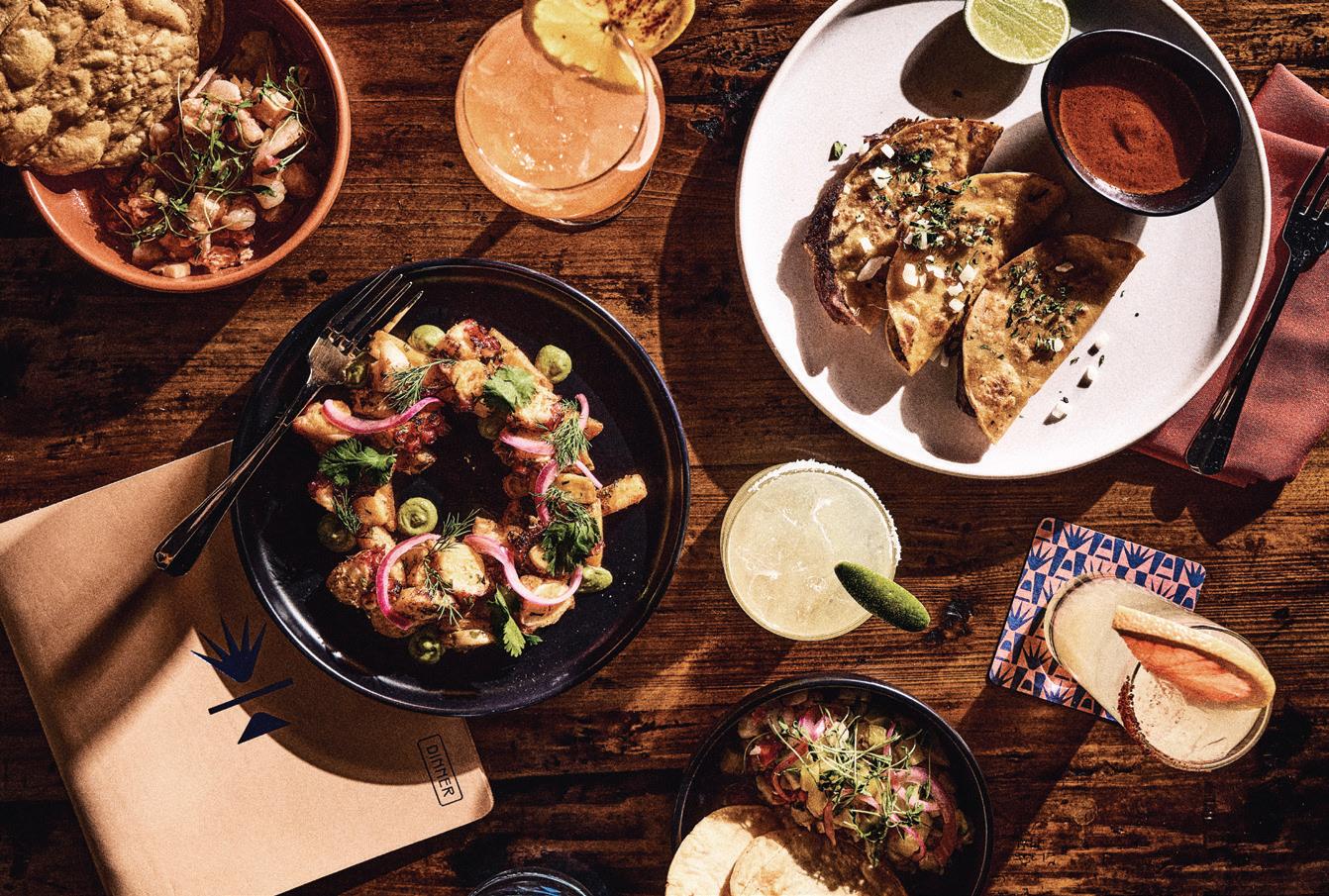
Oliver’s Italian brings cozy ItalianAmerican classics, while Ash and Agave, the newest addition to the lineup that opened in April in Cherry Creek, offers a coastal Mexican-inspired escape with immersive dining and vibrant fl avors.
ere’s already a second location planned for Ash and Agave near Oliver’s Italian in the Denver Tech Center area, within 15 miles of downtown Denver.
Ash and Agave follows Huggard’s signature style of celebrating the ocean’s bounty with a signature raw bar while showcasing the nuanced, smoky fl avors imparted by wood-fi red cooking. Complementing the menu is a mezcal- and tequila-centric beverage program that artfully blends the rich heritage of agave spirits with contemporary mixology.
“As much as I love Oliver’s and Ash and Agave, you see those similar types of restaurants in other markets already— there might be somebody local already doing that just as well or better, whereas no one’s doing what we do at Blue Island,” he says.
“ ere’s very few restaurants in any market that have built the type of concept that we have at Blue Island—an oyster focused, boutique seafood brand with a great story that’s hip and buzzy and transforms throughout the day. You just don’t see it,” Huggard adds. “And when you do see it, I always feel like because it doesn’t have the real connection to a farm like we do, it just never is articulated as well. It feels a bit contrived to me, to be honest. So that’s why we’re really leaning into that as our growth vehicle.”
In the meantime, he’s still honing his delegating skills and learning to let go of the reins bit by bit as the restaurant group grows—but he’ll never be an absentee owner or operator. “Now that we’re getting bigger and evolving, I tell my teams, ‘I know I’m a pain in the ass when I’m in the restaurants, but I’m a pain in the ass because I love it,’” Huggard adds.
BY SATYNE DONER
Cultural fusion, storytelling, and immigrant heritage are reshaping restaurant menus across America.
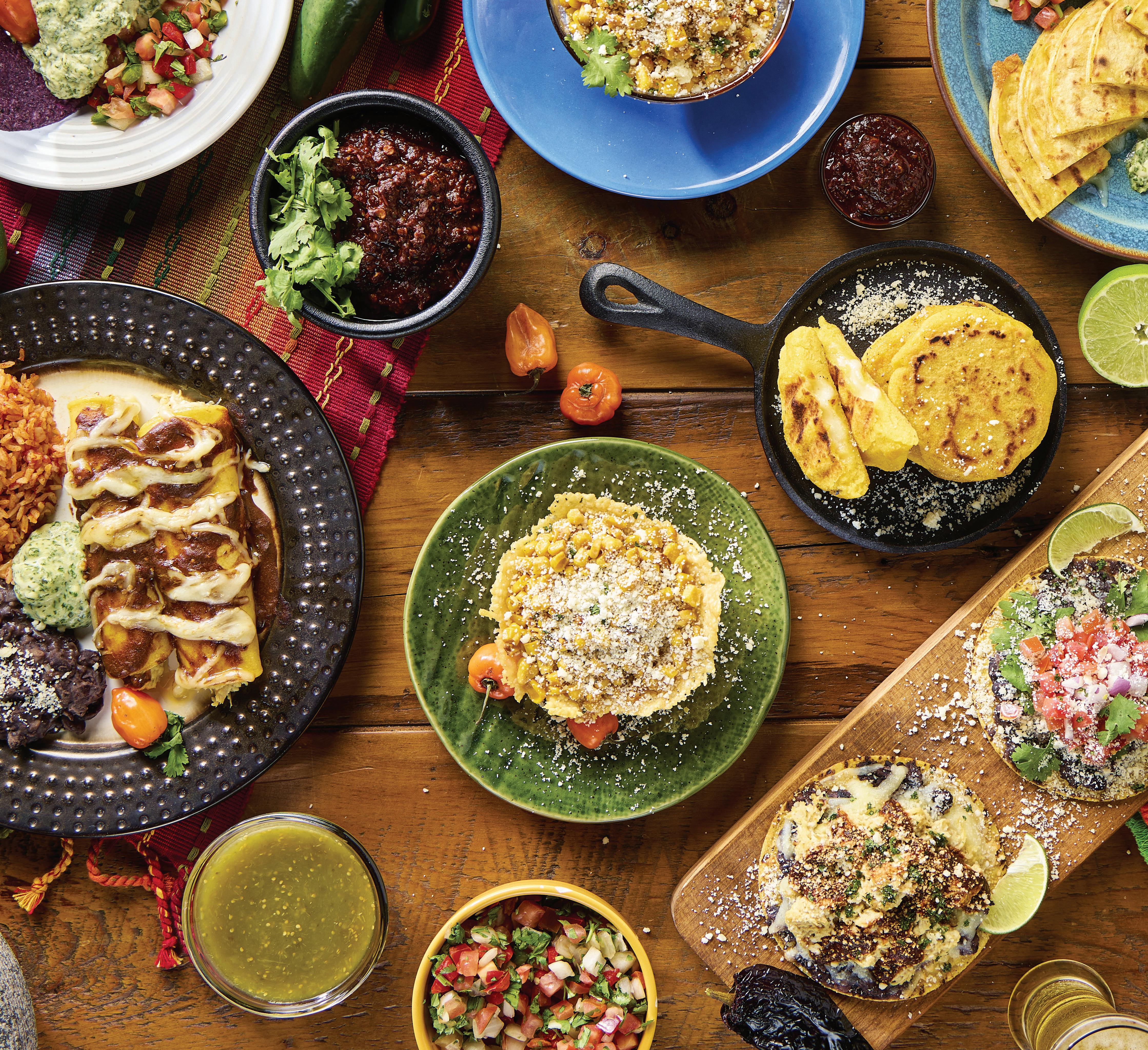
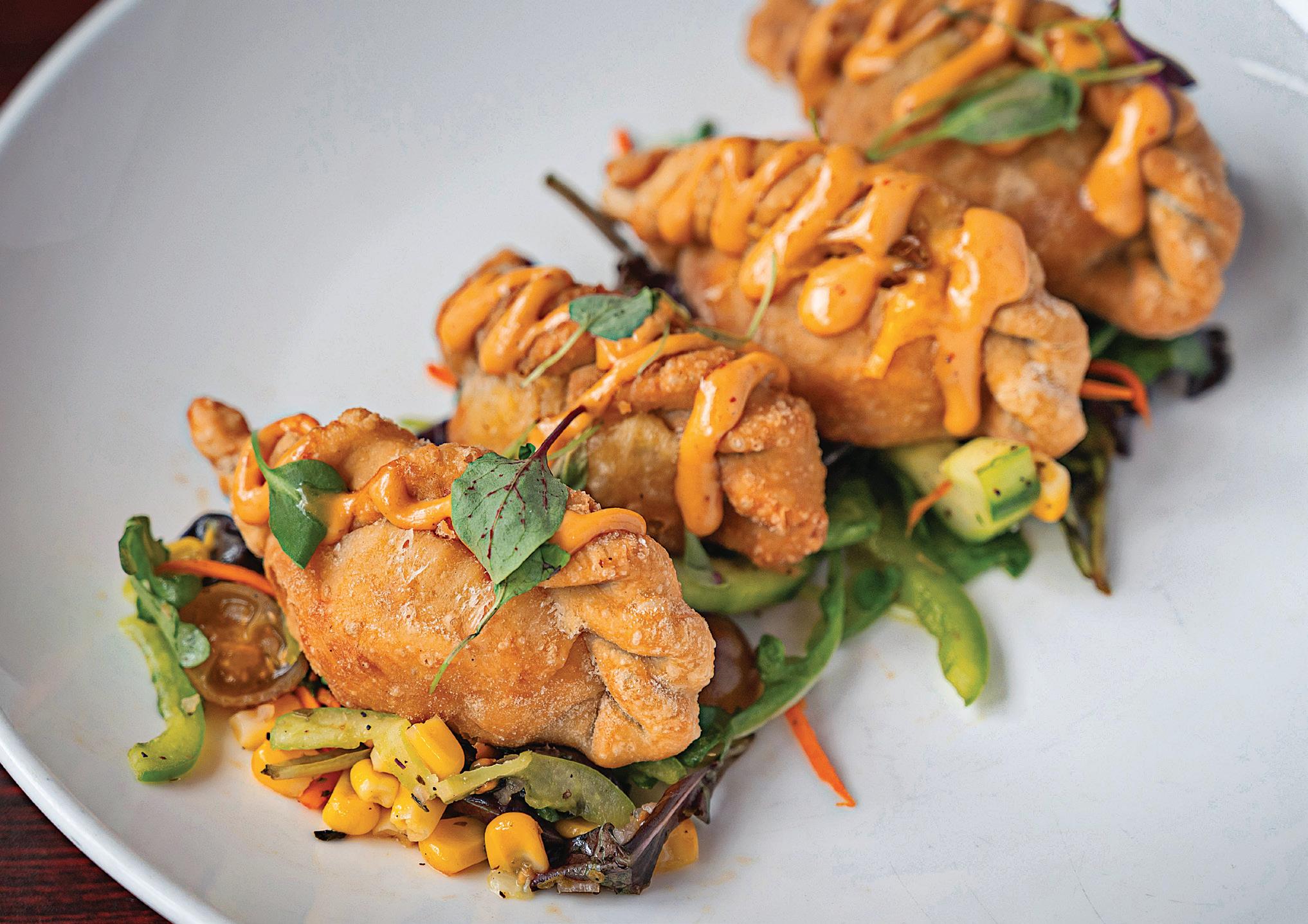
CHEF/OWNER MIGUEL TENESACA SERVES A MENU INFLUENCED BY 27 DIFFERENT LATIN AMERICAN COUNTRIES AT DELL ROOSTER IN CHICAGO. ENTREES RANGE FROM A VENEZUELAN CACHAPA TO THE MILANESA A CABALLO WITH URUGUAY-STYLE BREADED CHICKEN, BLACK GARLIC AIOLI, FRIED EGG, AND SPICY ROASTED POTATOES.
CELEBRITY CHEF, caterer, and cookbook author Chris Valdes describes Miami as a place where cultures converge and everyone belongs. It’s a true melting pot, spanning classic Cuban restaurants and family-run ventanitas—small walk-up windows attached to restaurants and bakeries—to newer, trendier spots that blend global fl avors with Caribbean and Latin American influences.
“My mission as a chef is to represent Latin America and bring people back together. In the family kitchen, to
cook together, to sit around the dinner table, to share stories, to experiment, and to get mom and the youngsters making empanadas together,” Valdes shares. “It’s also to encourage others to try Latin cooking for the fi rst time, or to order something at a restaurant they can’t pronounce. Anything that gets me closer to that mission, I am down for.”
This mission resonates across the country. In the Kendall neighborhood of Miami, chef Adrianne Calvo shares Valdes’s passion for watching Latin cul-
ture evolve through food. As a teenager, she frequented Cuban bakeries, sipping on cafecito. Now, an array of influences is woven into the city’s culinary landscape—Argentinian chimichurri, Colombian and Venezuelan fl avors in steakhouse menus, each one a reflection of the community around it.
“ e younger generations are culture hungry. We are a nation of immigrants, and people are sharing their nonnas’ and abuelas’ traditional recipes,” Calvo says. “As this spirit of storytelling comes for-
ward, it’s making its way across menus big and small across America.”
In Chicago’s West Town neighborhood, the same spirit is alive at Dell Rooster, where chef and owner Miguel Tenesaca serves a menu influenced by 27 different Latin American countries. It all began when Tenesaca immigrated to the United States 20 years ago, settling just a few blocks away from where he’d later open his fi rst restaurant.
“I have worked in so many restaurants, and learning from each chef and their philosophies got me excited—one chef from Brazil, another from Argentina, Peru, Ecuador, the list goes on,” Tenesaca says. “I learned one original dish from every country. When I opened Dell Rooster, I wanted customers to experience fl avors from around the world.”
e menu is truly a passport to Latin America. For starters, there’s the fanfavorite rabo encendido—Cuban-style braised oxtail with sweet plantains, queso fresco, pickled onions, and chipotle aioli. There are also Caribbean empanadas stuffed with braised beef, chihuahua cheese, and smothered with garlic aioli.
For entrees, the Venezuelan cachapa is made with sweet corn and cheese, sofrito, seasonal vegetables, and aji sauce. e Milanesa a Caballo features Uruguay-style breaded chicken, black garlic aioli, fried egg, and spicy roasted potatoes.
“We love trying new things on our menu, and right now my focus is on Argentinian influences,” Tenesaca adds. “We want to continue to explore South American food while maintaining the signature dishes our customers love.”
In Dallas, Mar y Sol Cocina Latina takes guests on a journey through Mexico, Peru, Argentina, Colombia, and Brazil, representing a “Latin escape” for customers. Its reimagined menu, newly debuted in April 2026, highlights a dedicated Nikkei section, showcasing Japanese-Peruvian-inspired cuisine.
is includes the tuna nikkei with leche de coco, macha oil, shallots, and crispy potato; the hamachi tiradito with chica morada vinaigrette, garlic chive
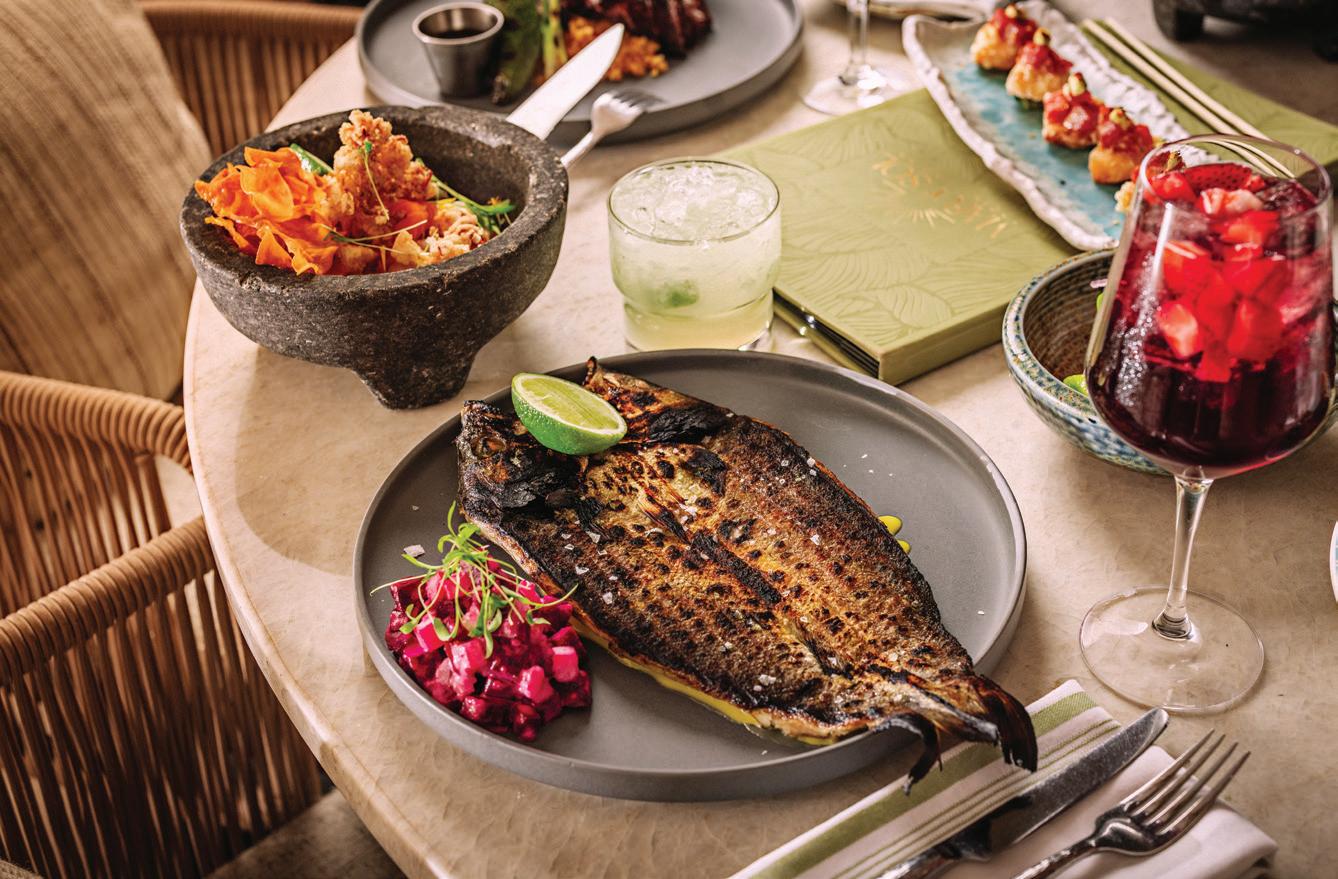
IN DALLAS, MAR Y SOL COCINA LATINA TAKES GUESTS ON A JOURNEY THROUGH MEXICO, PERU, ARGENTINA, COLOMBIA, AND BRAZIL, REPRESENTING A “LATIN ESCAPE” FOR CUSTOMERS. ITS REIMAGINED MENU, NEWLY DEBUTED IN APRIL 2026, HIGHLIGHTS A DEDICATED NIKKEI SECTION, SHOWCASING JAPANESE-PERUVIANINSPIRED CUISINE.
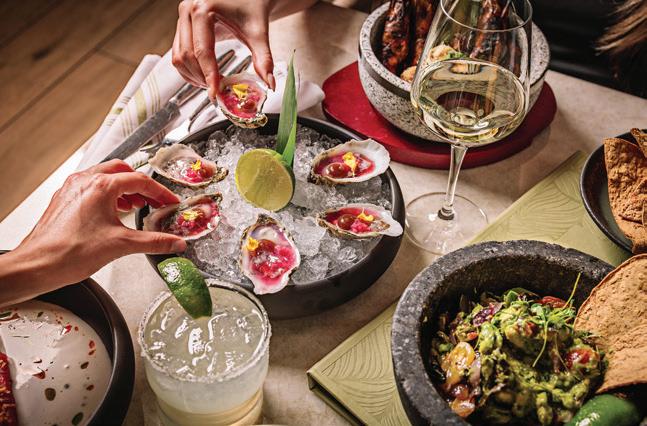
“We see people come in groups and load the table with different menu items, so they’re able to try every culture… It brings in all walks of life into the restaurant, which is exactly what we aimed to do in Dallas.”
—Nichole Koulouvaris
oil, and masago arare; and the ceviche criollo with shrimp, hamachi, octopus, crispy calamari, leche de tigre, crispy sweet potato, and cancha.
“In the late 1800s, there were waves of Japanese immigration to Peru,” Christian Bustamante, Mar y Sol’s culinary director, says. “When these two cultures blended, they crafted a whole new version of Peruvian cuisine. Peru’s citrus and spices, combined with Japan’s technique and precision in slicing fi sh to create the Nikkei style of cooking. It was a perfect combination for our menu.”
e pan-Latin influences extend to
Mar y Sol’s beverage program. Palomas from Mexico; pisco sours from Peru; caipirinha from Brazil; borgona from Chile, made with Chilean red wine, Cointreau, strawberries, peaches, and sparkling water; and the fernandito from Argentina, a mix of Fernet Branca, cola, and lime.
“We see people come in groups and load the table with different menu items, so they’re able to try every culture— whether it’s with food or drinks,” Nichole Koulouvaris, general manager, says. “It brings in all walks of life into the restaurant, which is exactly what we aimed to do in Dallas.”
What becomes clear across these restaurants—from Miami’s small Cuban cafes to Chicago’s vibrant West Town to Dallas’s lively culinary scene—is that Latin American cuisine is about far more than ingredients. It’s about storytelling, community, and the emotional pull of culture.
Bustamante understands this intimately. He wanted diners at Mar y Sol to experience the nostalgic smell of cooking, as if they were transported into his grandmother’s kitchen or into his Peruvian neighbor’s backyard, where they’re cooking fish over a charcoal grill and squeezing citrus all over it. In every dish, in every sip, Latin American food tells the story of tradition, community, and the joy of bringing people back to the table together.
e bar is still a profit center as consumers shi away from sugar and alcohol.
ALCOHOL CONSUMPTION IS AT AN 80-YEAR LOW, with only 54 percent of Americans reporting drinking alcohol, and the belief that even moderate drinking is bad for health has risen to 53 percent, according to Gallup. This shi t is part of a larger "low-no" movement, as consumers are also seeking to reduce sugar consumption in food and beverages.
To meet this growing demand for better-for-you beverages, operators must find creative new ways to offer unique, elevated beverage programs that meet today's health and wellness trends without complicating operations.
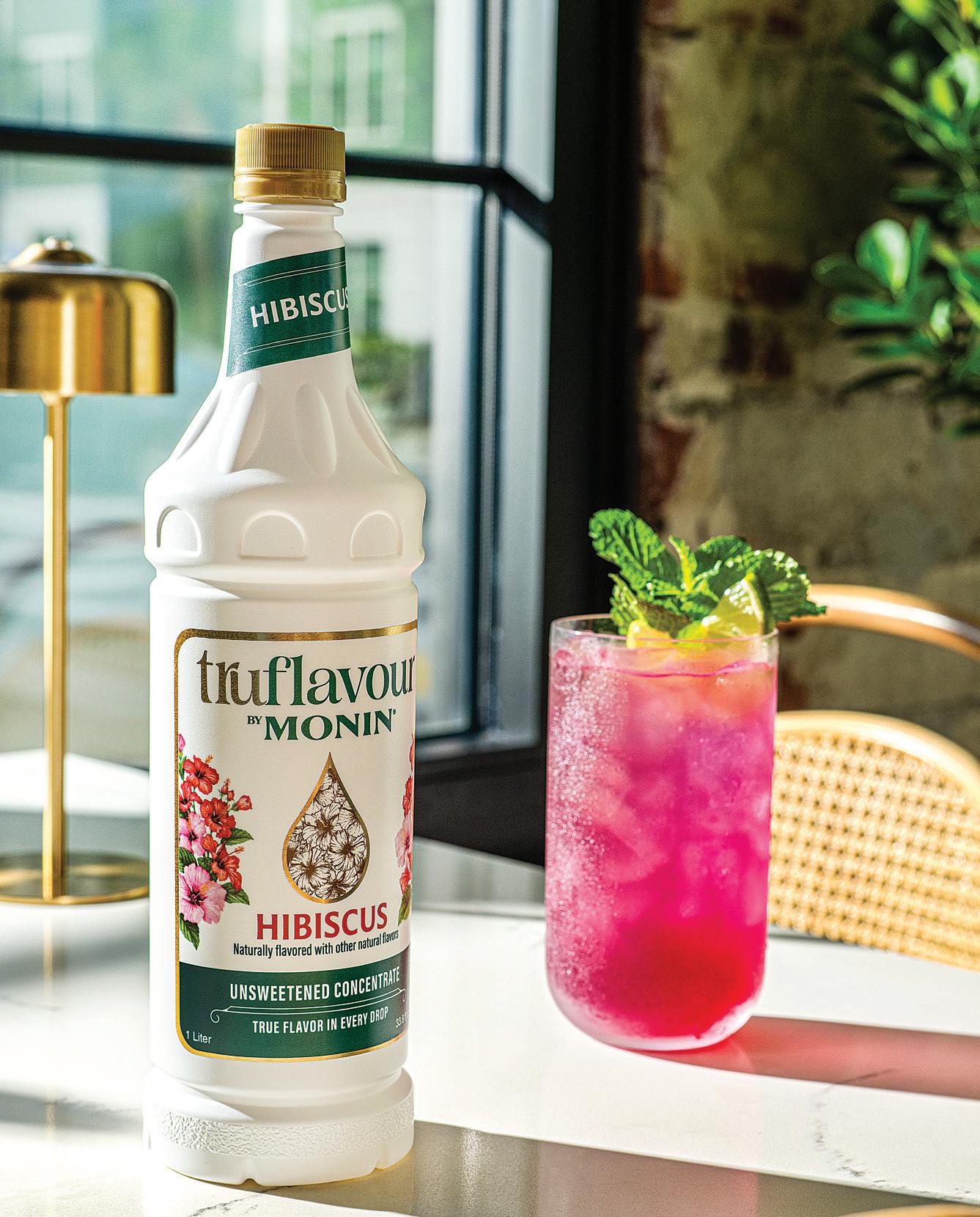
Creating a beverage that delivers lavor, function, and visual lair is easier than it sounds. Start by choosing a base such as iced tea, a fruit-forward shrub, or club soda, then build complexity by adding a trending or unexpected lavor. Finish with an eyecatching garnish like black salt, fresh herbs, or a classic lemon twist, and use unique glassware to elevate the entire experience. Reduce complexity by integrating functional ingredients or lavor solutions, such as Monin Brilliance Natural Energy™ for a caffeine boost or TruFlavour by Monin® for an unsweetened, natural layer of lavor.
When it comes to lavor solutions, focus on lavorings that tap into current consumer preferences while working across multiple beverage applications. Partners like Monin can help operators stay ahead of trends
with market insights, product expertise, and resources designed to support menu development.
Monin’s in-depth trend insights can help operators pinpoint where low-no wins. Datassential data shows low-no isn’t just a Dry January spike—35 percent of consumers are more likely to choose low- or no-ABV beverages all year round, and another 17 percent say it depends on the occasion. The opportunity, then, is to build a versatile beverage program that lexes from weekday wellness to weekend “treat” without adding prep.
Start with popular formats already over indexing in restaurants: refreshers, lavored lemonades, iced teas, and iced energy offerings. In a Monin survey, guests said beverage quality (80 percent), variety of non-alcoholic options (79 percent), and signature lavors (70 percent) matter when ordering—proof that “just add a diet soda” won’t drive incremental sales.
Next, consider layering in function where welcome: 70 percent of consumers are interested in beverages with additional health benefits at restaurants, with hydration (80 percent), energy (71 percent), and immu-
35% of consumers are more likely to choose low- or no-ABV beverages all year round.
nity (61 percent) leading inclusion interest, according to proprietary Monin research. While functional benefits are key, when consumers order a non-alcoholic beverage, they report the most important factors are sugar free (45 percent) and low sugar (55 percent). Monin’s robust product offerings ensure operators deliver lavor with control over sweetness, while keeping recipes easy, consistent, and low waste. A Dragon Fruit Energy Refresher using Monin Brilliance Dragon Fruit Pink Natural Energy™ provides a colorful and caffeinated a ternoon boost, while a Spicy Mango Zero Sugar Lemonade made with TruFlavour Mango by Monin meets the sweet and spicy trend without adding calories. As consumers shi t away from classic cocktails and into elevated functional and low-no cra t beverages, partnering with Monin and leveraging new lavor solutions can keep the bar streamlined and profit margins high. ❖
Discover how to easily add low-no sugar and functional flavor solu tions to your menu at truflavourbymonin.com .
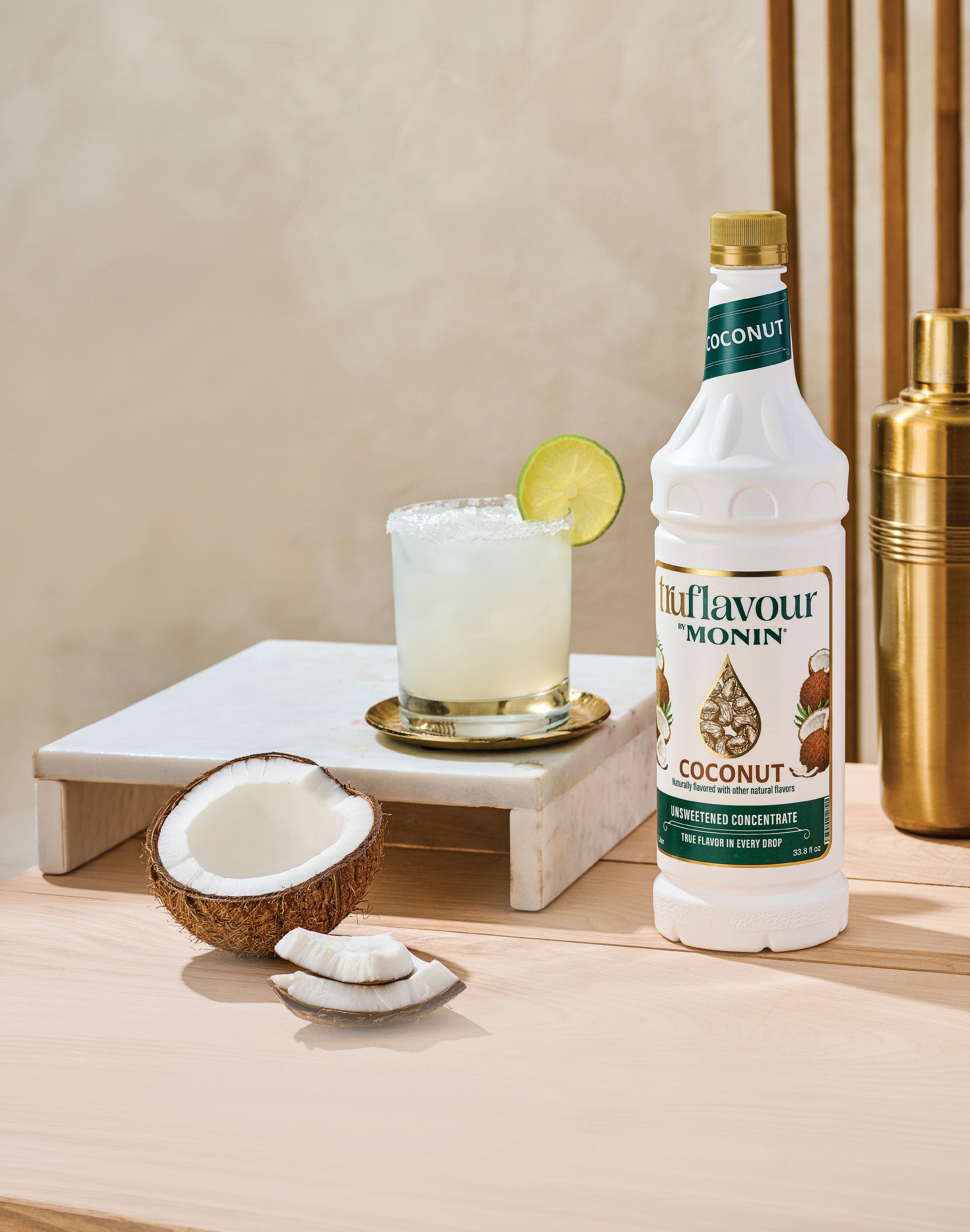
TruFlavour by Monin delivers bold, authentic flavor with no added sugar or sweeteners—perfect for elevating a variety of beverages and culinary creations.
Glass size: 12 oz.
¼ oz. TruFlavour Coconut by Monin
½ oz. pineapple juice
4 oz. fresh sour mix
Pour ingredients into an ice-filled mixing glass in order listed. Cap, shake, and strain into a serving glass filled with fresh ice. Garnish with a lime wheel and serve.
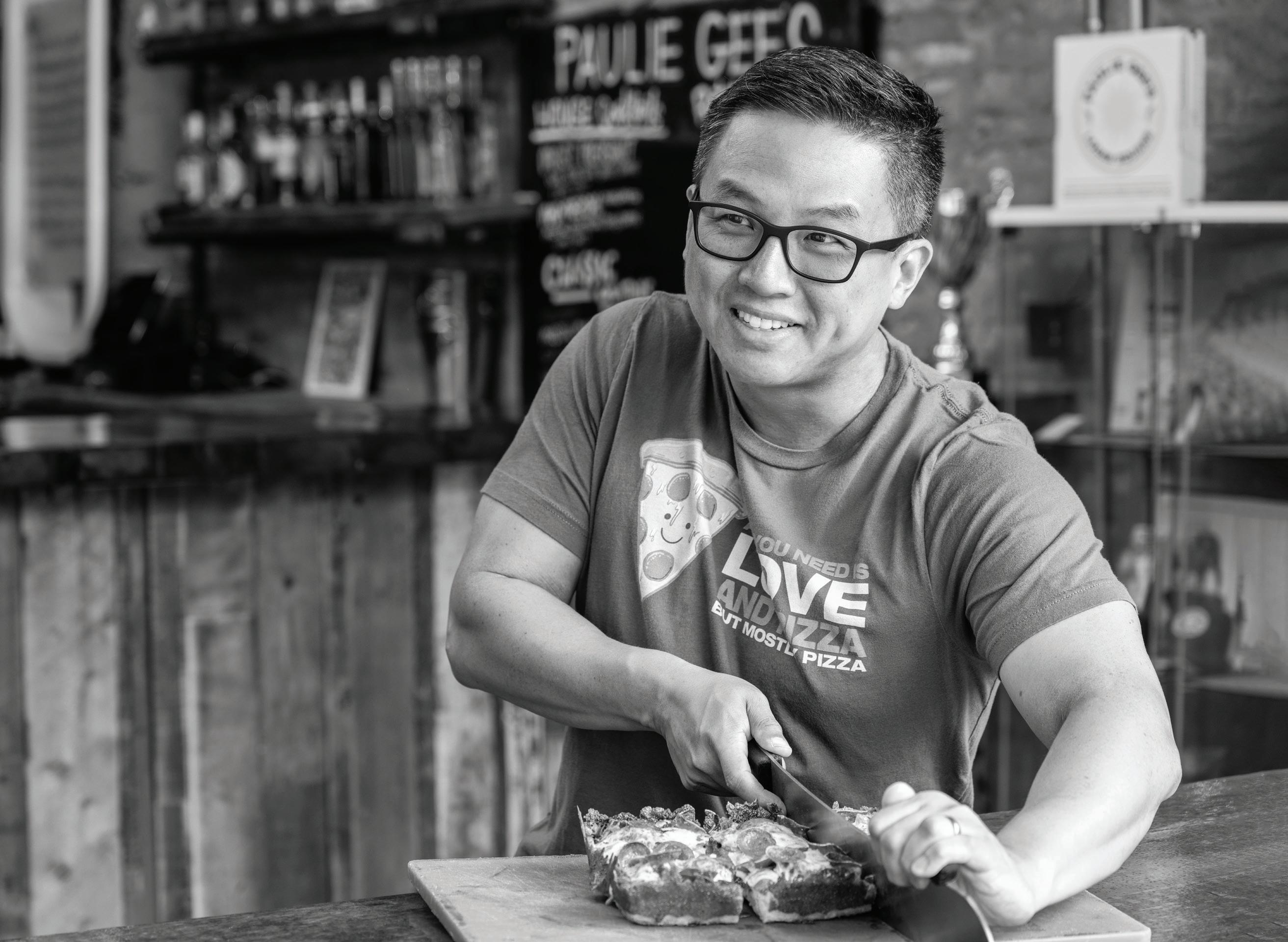








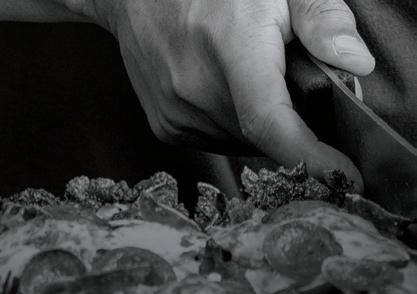








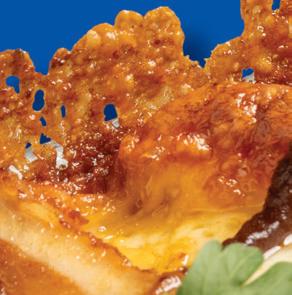
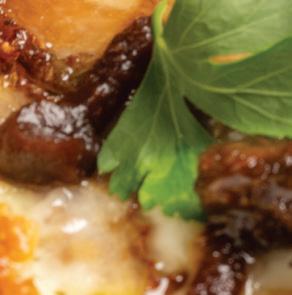
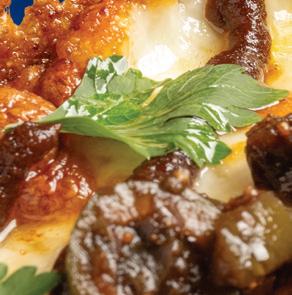
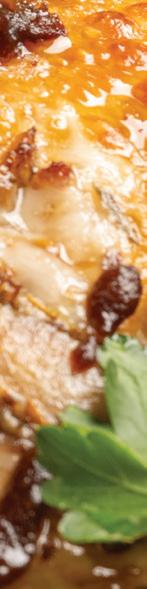
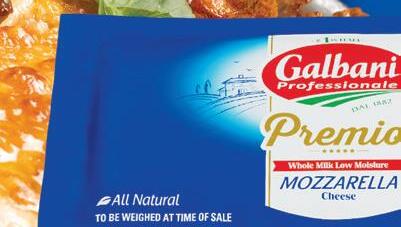
What's my Italian Inspiration? Letting great taste drive the menu. My managers and I chose Galbani® Premio Mozzarella in a triple blind taste test. The tang is just right, the salt level is perfect, and the look is superior to other cheeses. We pride ourselves on offering three styles of pizza, with three different doughs—but there’s only one cheese we reach for again and again.


—Derrick Tung, Owner, Paulie Gee’s Chicago Learn more at GalbaniPro.com










TRENDS AND CREATIVE APPROACHES TO SPIRITS, WINE, AND BEER.
MENTIONED IN THIS STORY CALIFORNIA PIZZA KITCHEN • MELLOW MUSHROOM
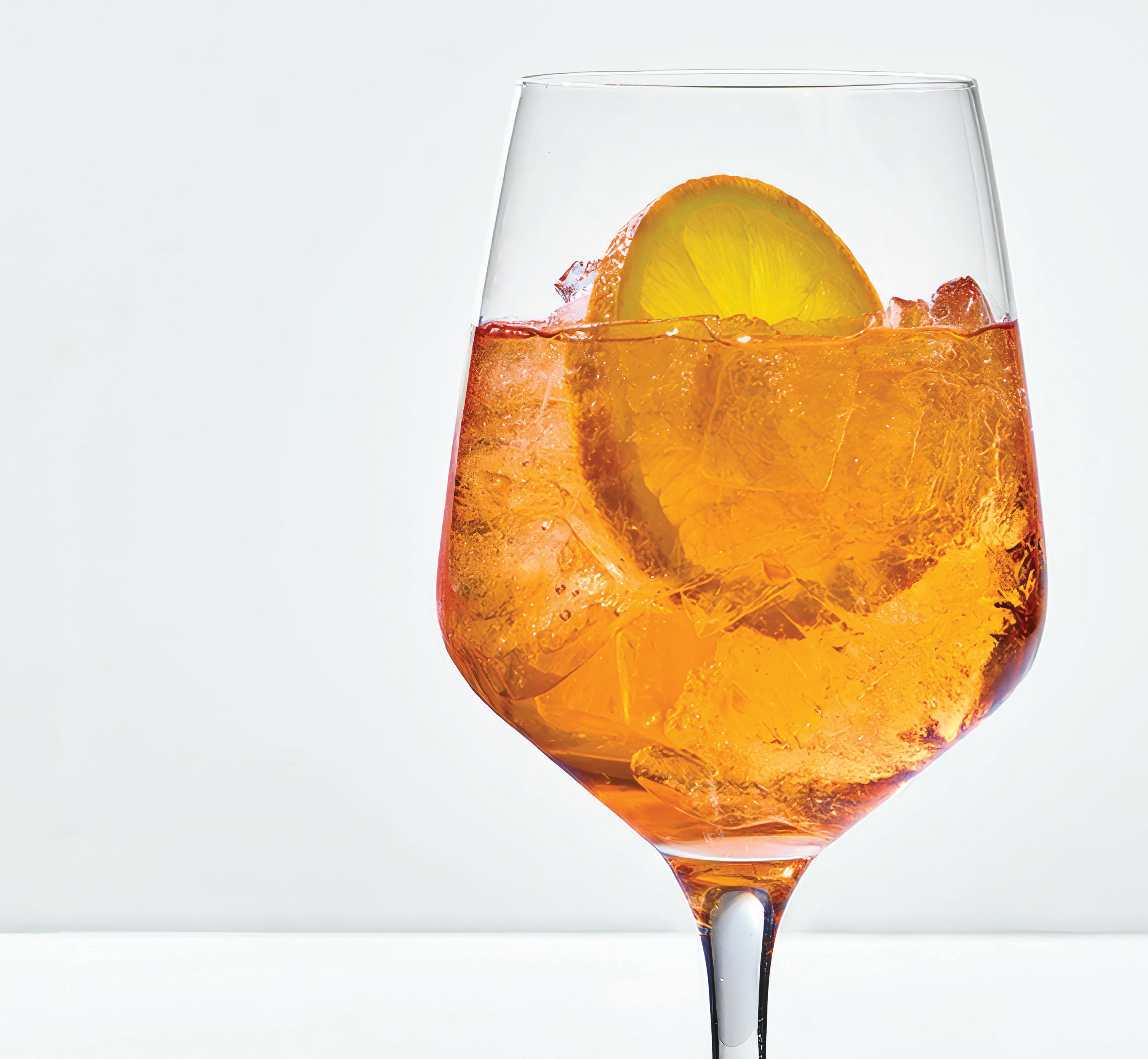
SPRITZES ARE RESONATING WITH GUESTS LOOKING FOR LIGHTER DRINKING OCCASIONS, WHILE GIVING OPERATORS A FORMAT THAT WORKS ACROSS FOOD PAIRINGS AND DAYPARTS.
BY SAM DANLEY
The wine-based cocktail is shifting from a seasonal cameo into a more meaningful menu category.
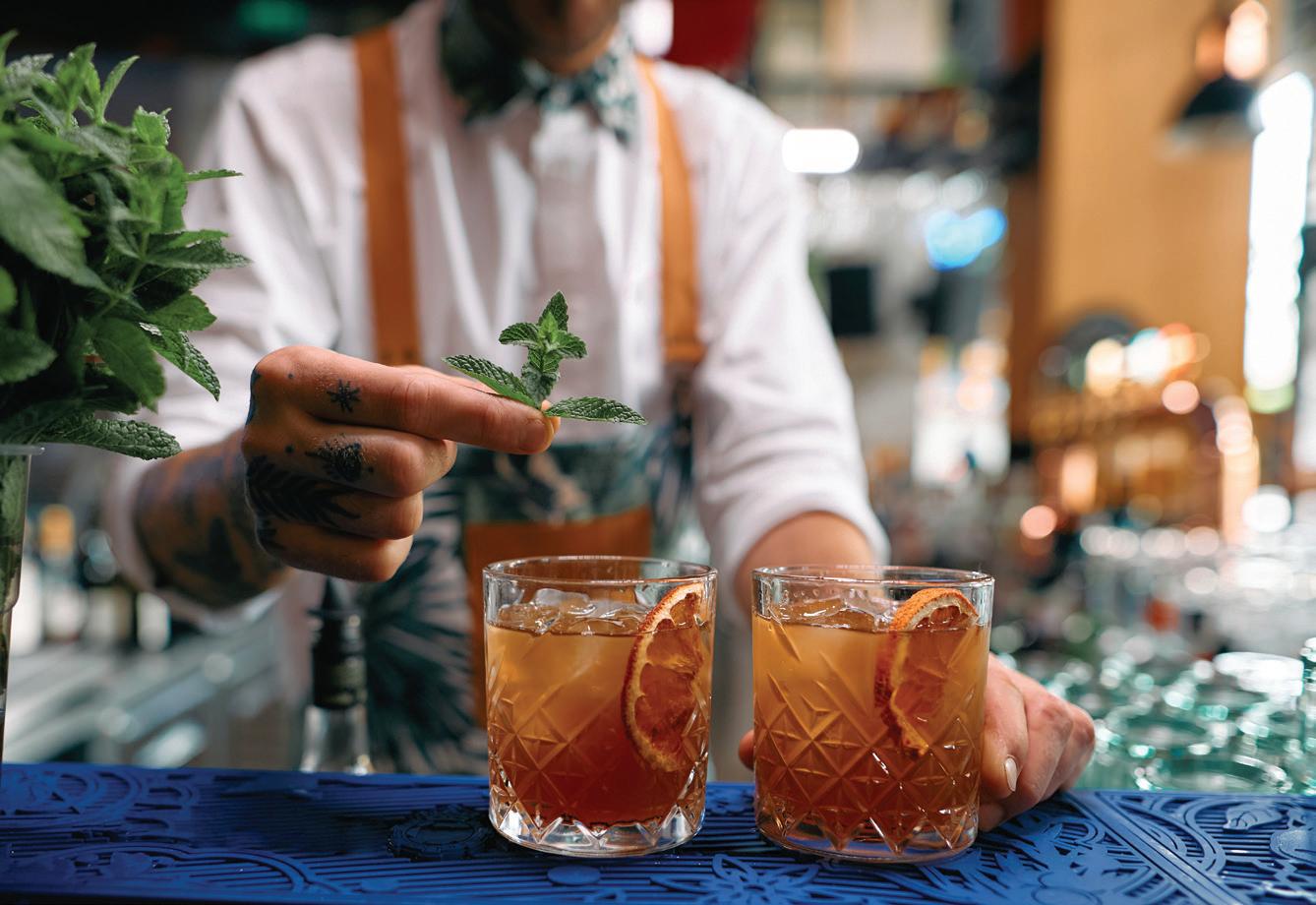
SPRITZES HAVE BECOME one of those warm-weather menu signals that tell guests spring has arrived. What used to read for many American diners as a single bright-orange drink has opened up into something wider. On restaurant menus this season, “spritz” can mean the classic Aperol build, a Hugo varia-
tion made with elderflower liqueur, or a fruit-forward house variation built around wine, bubbles, and a lighter touch.
The timing makes sense. Spritzes fit the visual language of spring and summer menus with tall glasses, citrus, herbs, color, and plenty of ice. Plus, guests
are showing sustained interest in lighter cocktails and drinks that work with food instead of dominating the table.
“ ey fit how people drink today,” says Paul Pszybylski, executive chef and VP of culinary innovation at California Pizza Kitchen. “Guests are looking for something a bit lighter. ey’re looking for something that they can drink throughout the meal that isn’t really heavy.”
That shift is helping turn spritzes from a seasonal cameo into a more meaningful menu category, he adds. California Pizza Kitchen is leaning into that opportunity with a four-drink spritz lineup made up of a classic Aperol spritz, a Hugo spritz, a lavender lemon spritz, and a blueberry elderflower spritz.
For Pszybylski, the bigger question was why the brand had not gone deeper into the category sooner. “Why now? I think my answer is, why haven’t we already?” he says. “It’s a perfect fit for us at California Pizza Kitchen because they are so light, they’re so fresh, and they pair so well with food.”
That last point matters at a brand whose menu moves from pizzas to salads to pasta and pulls from a wide mix of fl avor profi les. Pszybylski says spritzes fi nish on the drier side, which helps them function almost like a palate cleanser during a meal.
at food-friendly quality is a big part of why they work so well in casual dining. Pszybylski says the drinks make sense at lunch, dinner, and on a Saturday afternoon patio visit, and he sees them as a natural complement to heavier dishes as well as lighter ones.
He also sees value in treating spritz as a platform rather than a single item. Aperol may be the best-known entry point for the category, but its bitterness still turns some guests off. By offering a classic anchor alongside more approachable options, restaurants can give guests a way into the category without assuming everybody wants the same flavor profi le.
at flexibility has always been part of the spritz’s story. Its roots are usually traced to northern Italy in the 19th century, especially the Veneto, when the
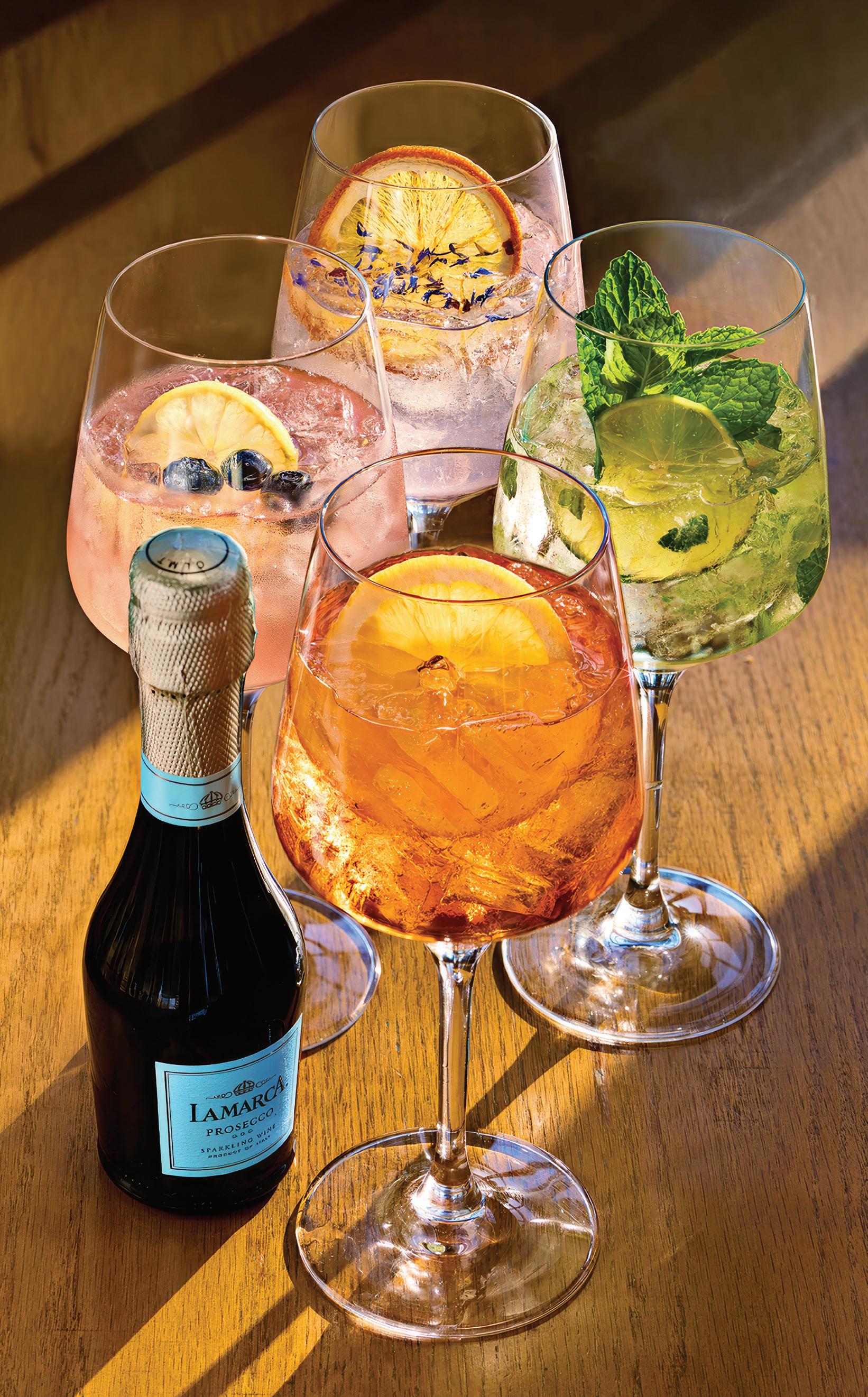
APEROL MAY BE THE BEST-KNOWN ENTRY POINT FOR THE CATEGORY, BUT ITS BITTERNESS STILL TURNS SOME GUESTS OFF. BY OFFERING A CLASSIC ANCHOR ALONGSIDE MORE APPROACHABLE OPTIONS, RESTAURANTS CAN GIVE GUESTS A WAY INTO THE CATEGORY.
region was under Austro-Hungarian rule. e most common origin story holds that Austrian soldiers and officials found local wines stronger than what they were used to drinking and began adding a splash of water. e word “spritz” is generally linked to the German spritzen, meaning “to splash.”
Over time, that simple mix of wine and water evolved. Bitter aperitifs such as Campari and Aperol entered the picture in the late 19th and early 20th centuries, and sparkling water and prosecco helped shape the drink into the format most diners recognize now. By the mid-20th century, the Aperol Spritz
had taken on a familiar form, but in Italy the category never belonged to one recipe alone. Regional variation always had a place.
What changed in the 2000s and 2010s was the drink’s global reach. Prosecco’s rise, a strong marketing push behind Aperol, and the sheer photogenic quality of the serve helped push the spritz into the mainstream. Now the category is widening again, with riffs showing up on menus that want the feel of a spritz without sticking to one canonical template.
Mellow Mushroom is coming at the same trend from a different angle. As part of a broader beverage overhaul, the chain rolled out 16 new drinks and refreshed a few others, including two spritzes: the Groovy Berry Spritz, which uses a red blend with blackberry and lemon, and the Peachy Pineapple Spritz with Ruffi no Lumina Pinot Grigio with pineapple, lemon and peach.
Beverage manager Jon-Paul Hollis says the larger goal was to “turn the page” on the beverage program while keeping the menu accessible and fun. When it came to spritzes, he ties the move directly to broader drinking habits. “Spritzes are a really great, fun way to tap into a market that’s trying to drink less, and that market is becoming bigger,” he says. “Our whole goal was to have something that’s lower ABV but still has a lot of fl avor and a lot of fun to it.” at helps explain why Mellow Mushroom built its spritzes around Pinot Grigio and a red blend rather than following the more familiar prosecco-and-aperitivo template. Hollis says many traditional spritz builds still rely on cordials or liqueurs alongside sparkling wine, which pushes the ABV up. Mellow’s goal was to keep the drinks lighter while still delivering the kind of refreshing, recognizable experience guests expect from the category.
Hollis describes the category as sessionable and easy to adapt seasonally with different fruits, syrups, and flavor profi les while still staying light and refreshing. e appeal, he suggests, is that guests can enjoy more than one over
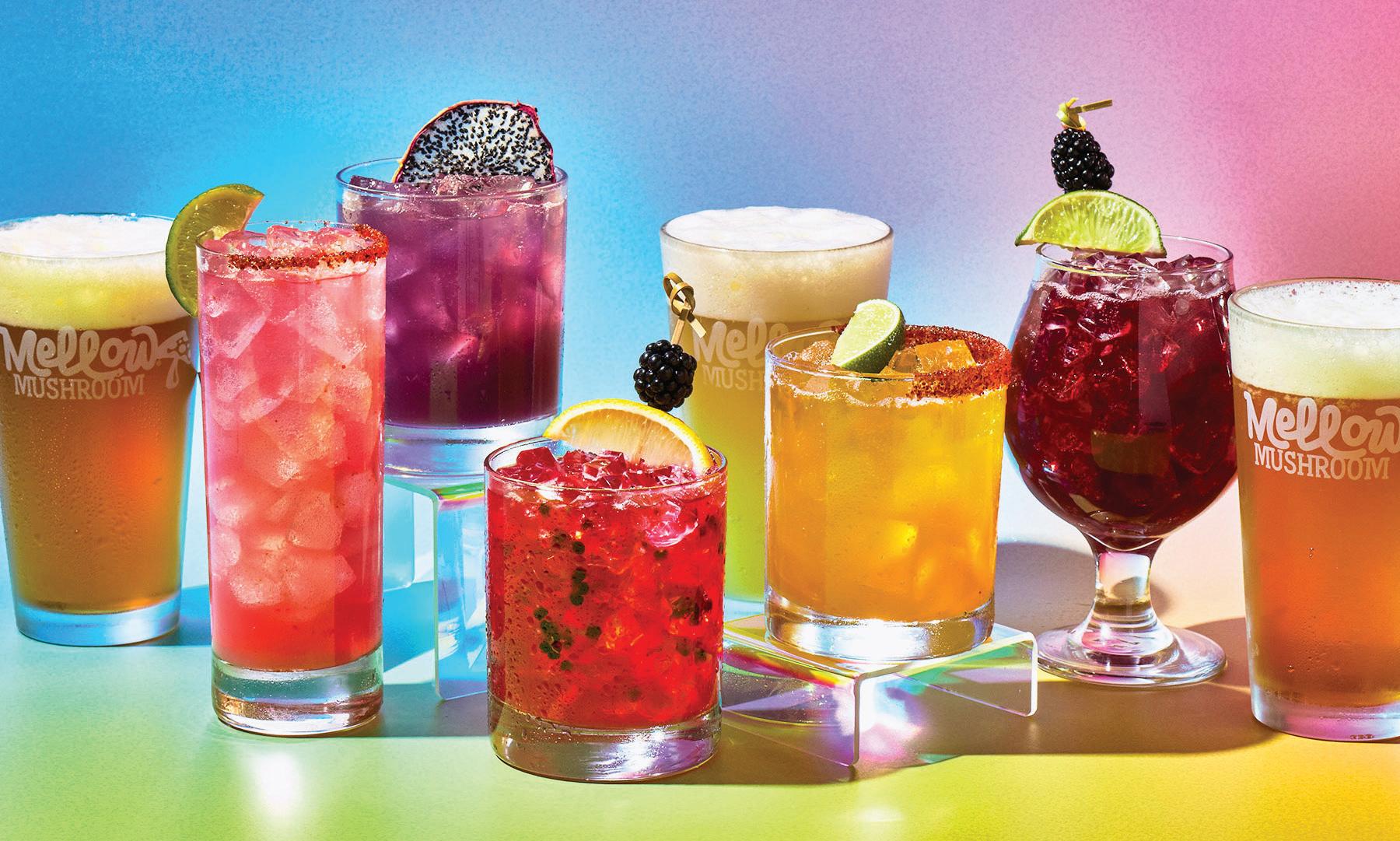
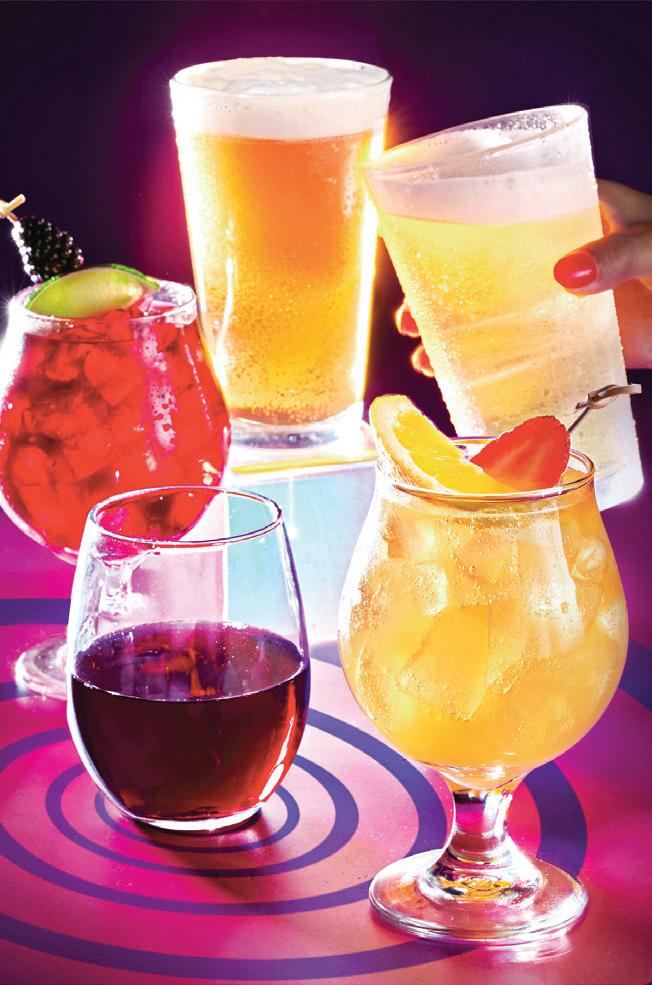
MELLOW MUSHROOM BUILT ITS SPRITZES AROUND PINOT GRIGIO AND A RED BLEND RATHER THAN FOLLOWING THE MORE FAMILIAR PROSECCO-AND-APERITIVO TEMPLATE, WITH THE GOAL TO KEEP THE DRINKS LIGHTER WHILE STILL DELIVERING THE KIND OF REFRESHING, RECOGNIZABLE EXPERIENCE GUESTS EXPECT FROM THE CATEGORY.
the course of an occasion and still feel comfortable, which makes spritzes a natural fit for patio drinking and other longer, more social moments. at ease also matters operationally. Hollis says both spritzes were designed with relatively short ingredient lists. Both are batchable, allowing stores to
prep ahead and execute them quickly during busy service.
Pszybylski says simplicity drove CPK’s development process as well, but because the company is taking a more traditional tack with sparkling components, the spritzes are not being batched. Instead, the team focused on straightforward builds with consistent proportions, then used garnishes to give each drink its own identity.
His advice to operators looking to tap into the category? “Number one: keep it simple,” Pszybylski says. “Keep your builds the same.”
Hollis makes a similar point from a different operational angle, emphasizing scalability and availability. Mellow’s spritzes were built with the demands of a national system in mind.
“Scalability is a gigantic consideration to take,” he says, adding that making sure ingredients are available in every market is essential.
Ultimately, he goes back to a basic truth: a spritz has to taste good. Menus can drive trial, and the category’s visual appeal can help get a guest to order once, but success always comes down to what is in the glass.
“If it’s not a good drink, no matter the amount of marketing that you do, it’s just not going to be successful,” Hollis says.

JOIN US FOR THE INDUSTRY’S MOST CONNECTED RESTAURANT EVENT. REGISTER ONLINE TODAY.
SEPTEMBER 8-10, 2026 | HYATT REGENCY • ATLANTA, GEORGIA
TUESDAY SEPTEMBER 8, 2026
3:30PM - 4:30PM Pre-Event Innovation Forum
5:40PM - 6:30PM Welcome to Atlanta By Susannah Frost President | Chick-fil-A, Inc.
6:30PM - 8:00PM Welcome Reception: 80s Night for 80 Years
WEDNESDAY SEPTEMBER 9, 2026
Option 3: QSR: Getting Your First Investment, and Then Getting More By Jim Balis Partner and Head of Strategic Operations | CapitalSpring, Berry Epley President and Chief Administrative Officer | Nobles Restaurants, LLC, James Nusbaum CEO | Barry Bagels, Michael Schatzberg (Moderator) Co-Founder and Managing Partner | Branded Hospitality Ventures, Darren Spicer CEO | Clutch Coffee, Ryan Weaver Chief Executive Officer | Lee’s Famous Recipe Chicken
Option 4: QSR: CEO to CEO: Round 1: Hot Palette America’s Troy Hooper and OriginalChop Shop’s Jason Morgan
By Troy Hooper CEO | Hot Palette America, Jason Morgan CEO | Original ChopShop

12:00PM - 7:00PM Registration & Information Desk
8:00AM - 8:45M Networking Breakfast
8:45 AM - 9:45 AM Opening Keynote: Inspire Brands Roundtable
10:00 AM - 10:45 AM Breakouts Round #1
Option 1: QSR: Keeping Hospitality Human in the Age of AI
By Chris Dull CEO | Freddy’s Frozen Custard & Steakburgers, Michel Falcon CEO and Founder | Brasa Peruvian, Christopher Gumprecht VP of IT | Craveworthy Brands, Geoff Henry President | Gong cha, Jenifer Kern (Moderator) CMO | Qu, Matthew Steele Director of Training and Innovation | Galardi Group
Option 2: QSR: Is Your Restaurant Easy to Work In?
By Donny Bradley Founder and CEO | Lola Beans, Jason E. Brooks (Moderator) Restaurant Coach | HospiVation, Alex Cone VP of Talent Acquisition | Jason, Dan Doulen, CFE Senior Director of Franchise Business Development | Golden Corral, Dave Pelletier Chief Operating Officer | Checkers and Rally’s, Jackie Secor COO | Taco John’s
Option 3: QSR: The Startup Grind: What Nobody Tells You About Opening a Restaurant Brand
By Luke Christian CEO | Surcheros, Joey Cioffi Founder and CEO | Salad House, Kyle Gordon Cofounder and CEO | Dillas Quesadillas, Allie Haskell Vice President of Marketing | NorthStar, Nate Hybl CEO and Founder | gusto!, Jay Scherger Founder and CEO | Jukebox
Option 4: QSR: Fireside Chat
Option 5: QSR: The Return of the Franchise Experts Forum
By David Bloom Chief Development & Growth Officer | Capriotti’s and Wing Zone, Graham Chapman (Moderator) Franchise Coach | FranCoach, Van Ingram Chief Development Officer | Jack in the Box, Heather Neary CEO | Taco John’s, Michael Nilevsky Head of Franchising | Yum! Brands, Sam Stanovich SVP of Franchise Leadership | Craveworthy Brands, Kendall Ware Fractional Chief Growth Officer | Smokey Mos BBQ
Option 6: FSR: The New Menu R&D Cycle
By Robin Blanchette Founder & CEO | Norton Creative, Srishti Handa VP, Marketing - Brand and Growth | Dave’s Hot Chicken, Ed Harris Chef/Founder | KnifeNSpoon, Cai Palmiter Head of Marketing | JW Concepts
Option 7: FSR: The Tactical Playbook for Building Emotional Connection
By Elizabeth Brasch EVP of Marketing | Mellow Mushroom, Kathleen Bush CMO | Ford’s Garage, Christine Lorusso Vice President of Digital Marketing | Firebirds Wood Fired Grill, Jonathan Weathington CEO | Shuckin Shack Oyster Bar
11:15AM - 12:00PM Breakouts Round #2
Option 1: QSR: Do You Really Know Your Guests?
By Stacey Kane CMO | California Tortilla, Eric Knott CEO | Tiki Taco, Jason Levinson VP, Marketing Technology | WOWorks, Ben Linero CMO | Vicky Bakery, Kelly O’Rourke Director of Marketing | FiiZ Drinks, Kevin Planovsky (Moderator) Principal, Account Strategy | Croud Atlanta
Option 2: QSR: Building Teams and Investing in Talent
By Bob Andersen President | The Great Greek Mediterranean Grill, Lauren Cohen (Moderator) CEO and Founder | Cohen Leadership Group, Dana Edwards Manatos Founder and CEO | Milkshake Factory, Jodi Latuszek VP of Legal and Human Resources | BIGGBY COFFEE, Kelly McCutcheon (Moderator) Group Director of Training & Development | Whataburger Restaurants LLC., Amer Wahab President | Kettlemans Bagel
Option 5: QSR: Franchisee Roundtable: A Front Lines Debate
By Graham Chapman (Moderator) Franchise Coach | FranCoach, Imaan Ferdowski Chief Executive Officer | MRCO, Matt Forbush Franchisee | (Auntie Anne’s, Cinnabon, Jamba, Häagen-Dazs), Ryan O’Malley Franchisee | Wendy’s of Bowling Green, Inc., Kajal Patel CEO | Hena Group (Buffalo Wild Wings and Dunkin’ franchisee), Mandy Ristic Franchisee, Operating Partner | OM Group (Dunkin’, BaskinRobbins, QDOBA, Smoothie King, Jimmy John’s, Auntie Anne’s and Cinnabon))
Option 6: FSR: Tech That Lets Hospitality Shine
By John Christen Founder/CEO | Himes Breakfast House, Ahsan Jiva EVP of Strategy and Transformation | Mellow Mushroom, Toni Ronayne Founder/Fractional CEO | The C Society, Lauren Selman VP Operations | IFBTA
Option 7: FSR: CEO to CEO By Mina Haque CEO | Tony Roma, Josh Kern CEO | Snooze, an AM Eatery
12:00PM - 1:30PM Networking Lunch
12:15PM - 1:00PM Sponsor Lunch & Learn
1:30PM - 2:15 PM Breakouts Round #3
Option 1: QSR: The New Customer Journey, with Sonic’s Former CEO and CIO By Clifford Hudson Former CEO | Sonic Corp, Craig Miller Former CIO | Sonic Corp, Joseph Szala (Moderator) Vice President of Digital Experience | 3 Owl
Option 2: QSR: Coaching to Win the ‘Experience Economy’ By Tony Capuano VP of Franchise Operations | Donatos, Paul Miramontes, CHT Manager of Learning and Development | Galardi Group –Wienerschnitzel, Corban Nichols Vice President of Restaurant Excellence | Piada Italian Street Food, Philip Pinkerman Learning, Development & Recruiting Manager | Bristol Farms, Lazy Acres Natural Market, & New Leaf Community Markets, Jessicah Pounds VP of Training and Leadership Development | GoTo Foods, Mary Pillow Thompson (Moderator) Co-founder | Zignyl
Option 3: QSR: The Heart of Business: Cultivating Authentic Customer Connections By Kevin Paul Scott Cofounder | ADDO
Option 4: QSR: Fireside Chat: Mike Freeman, President, Brands, GoToFoods By Michael Freeman EVP, President of Brands | GoTo Foods
Option 5: QSR: Solving the Mystery of Site Selection
By Shawn Caric (Moderator) VP, Franchise Development | Smoothie King, Kelly Gray VP and Co-Owner | Hot Head Burritos, Jake Philpotts VP of Business Development & Franchise Relations | Surcheros, Dannon Shiff Senior Vice President of Real Estate | Dave’s Hot Chicken, Erin Snyder Vice President of Franchise Development | Handel’s Ice Cream, Andrew Thengvall Chief Development Officer & Chief Legal Officer | Freddy’s Frozen Custard & Steakburgers
Option 6: FSR: Nostalgia, Comfort, and “The Vibe Shift” By Kimberly Bean VP, Brand Experience | Arby’s, Ray Blanchette CEO | TGI Fridays and Sugarloaf Holdings, Paul Mangiamele Founder/Chairman and CEO | Legendary Restaurant Brands, Liz Seelye (Moderator) Founder | StarryEyed Strategy, Yasaman Stewart Sr. Director of Marketing | BRIX Holdings
Option 7: FSR: Coaching the Next Generation of Leaders
By Jeremy Edmonds EVP of People and Culture | Snooze, an A.M. Eatery , James Frank Manager of Field Training | Dine Brands Global, Autumn Nessibou Director of Operations | Farrelli’s Pizza, Joshua Rossmeisl Founder, Chief Vision Officer | AMP Up1 Hospitality


2:30PM - 3:15PM Closing Keynote #1: 30-Second Leadership: Coaching Your Crew for High Performance By Scott Greenberg Author and Keynote Speaker
3:15PM - 4:00PM Closing Keynote #2: White Castle CEO: Lisa Ingram By Lisa Ingram CEO | White Castle System, Inc.
4:00PM - 5:30PM Around the WiRL-D Happy Hour
8:00PM - 10:00PM Late Night Reception/Networking
THURSDAY SEPTEMBER 10, 2026
8:00AM - 8:45AM Networking Breakfast
8:45AM - 9:00AM Intouch Insight Drive-Thru Report Reveal By Sarah Beckett (Moderator) VP Sales and Marketing | Intouch Insight, Laura Livers (Moderator) Chief Revenue Officer | Intouch Insight
9:00AM - 9:45AM Opening Keynote: Shake Shack By Rob Lynch CEO | Shake Shack
10:00AM - 10:45AM Breakouts Round #4
Option 1: QSR: Unveiling the Drive-Thru of the Future
Option 4: QSR: CEO to CEO: Round 2: Jennifer Dodd, CEO, Main Squeeze, and Claudia Lezcano, CEO, Fuku By Jennifer Dodd CEO | Main Squeeze Juice Co., Claudia Lezcano CEO | Fuku
Option 5: QSR: The Beverage Phenomenon By Joel Bulger CMO | WOWorks, Jason Ingermanson CEO and Founder | JRI Hospitality, Brandon Knudsen Co-Founder and CEO | Ziggi’s Coffee, Katherine LeBlanc (Moderator) Fractional CMO | Apollo CMO, Susan Taylor President and CEO | Juice it Up!
Option 6: FSR: Rethinking FOH Roles for Today’s Guest By Kamal Hakim Senior Business Developer | HCG/Gen USA/ IHOP, Sarah Meriam Shuckin, Rachel Richal VP, Restaurant Experience & Training | Buffalo Wild Wings (Inspire Brands)
Option 7: FSR: Protecting Identity Through Growth By Kristen Hohl EVP, Marketing | SPB Hospitality, John Iannucci CEO | Agave & Stone Hospitality, Betty Kaufman Strategy Director | The Culinary Edge
12:00PM - 1:30PM Networking Lunch
12:15PM - 1:00PM Sponsor Lunch & Learn
By Sarah Beckett (Moderator) VP Sales and Marketing | Intouch Insight, John Brittian Vice President of Information Technology | Biscuitville Fresh Southern, Lawrence Brown CDO | Rita’s Italian Ice & Frozen Custard, Chris Cheek Chief Development Officer | Newk’s Eatery, Laura Livers (Moderator) Chief Revenue Officer | Intouch Insight, Trace Miller Founder & CEO | Konala, Tim Sharpe COO | Oliver’s Real Food
Option 2: QSR: Inside the 2026 Restaurant Labor Market: First Look at Black Box Intelligence Total Rewards Survey By Victor Fernandez Chief Insights Officer | Black Box Intelligence
Option 3: QSR: Marketing Above Your Weight Class By Alice Crowder Chief Marketing Officer, Eleni Gates (Moderator) Founder & Principal | Gates Hospitality Group, Carmela Hughley Vice President of Marketing Strategy & Insight | Rita’s Italian Ice & Frozen Custard, Angela Johnson CMO | Edible Brands, Jessica Serrano CMO | Einstein Bros. Bagels, Marissa Sharpless VP of Marketing | Carvel
Option 4: QSR: Fireside Chat: Krispy Kreme CEO Josh Charlesworth By Josh Charlesworth President & Chief Executive Officer | Krispy Kreme
Option 5: QSR: The Real Price of Value By Mindy Armstrong VP of Menu Innovation | Tropical Smoothie Cafe; NextGen Council Leader, Scott Ball President | FiiZ Drinks, Ed Howie (Moderator), Sunny Ilyas Founder and CEO | Vale Healthy Kitchen, Sara Ozege Loughry Director of Operations & Training | Kettlemans Bagel, Natalie Sharpe CEO | Oliver’s Real Food, Bethany Strong Chief Operating Officer | NAYA
Option 6: FSR: Beyond Instagram: Designing for Craveability, Camera, and Connection By Tammy K. Billings VP, Business Development | SignalFlare.ai, Ginger FlesherSonnier Founder & CEO | The Ginger Companies, Andrew Glantz Founder/CEO | GiftAMeal, Clayton Krueger Chief Marketing Officer | Farrelli’s Pizza, Erin Levzow Chief Marketing, Growth and Commercial Officer
Option 7: FSR: Retention Starts Before You Hire By Jeremy Edmonds EVP of People and Culture | Snooze, an A.M. Eatery, John Haggai President & CEO | Burtons Grill & Bar, Red Heat American Tavern, Kenneth Knief (Moderator) Managing Director | Hospitality Resource Group
11:15AM - 12:00PM Breakouts Round #5
Option 1: QSR: Driving Real ROI and Transformation Through AI and Automation
By Trish Heusel Vice President of Innovation | Little Caesars Pizza, Carl Orsbourn SVP–Food, Hospitality, Retail | Invisible, Jessa Parette Head of Design | Yum! Brands, Kartik Pillai Director of Data Platform Engineering, Master Data Management, and Data Governance | Yum! Brands, Thibault Roux Chief Digital Officer | Burger King U.S. and Canada, Atul Sood (Moderator) Fractional Chief Business Officer
Option 2: QSR: Why Employees Stay, and Why They Leave By Melissa Doolin-Koehne (Moderator) Founder and Principal | Elevate 4, Steve Felson Senior Vice President, Franchising | Buona Beef and The Original Rainbow Cone, Damian Hanft VP, Human Resources | Taco John’s, Lacey Navarrete Vice President of Human Resources | Scooter’s Coffee, Maryna Shuliakouskaya Franchisee | Aroma Joes, Brian Witte Strategic Operations Advisor
Option 3: QSR: Designing the ‘Worth the Trip’ Experience By Jonathan Bowyer (Moderator) Director of Business Development | C3, Miguel Chilleron Director of AI & Design | Livit, Kim Lewis Chief Marketing Officer | Capriotti’s, Tonya McCoy VP, Marketing | Angry Chickz, Adam Modzel Chief Operating Officer | Einstein Bros. Bagels, Mike Perry Founder & Chief Creative Officer | Tavern Agency
12:00PM - 2:00PM WiRL Workshop + Lunch By Nancy Combs SVP, Growth | Shake Shack, Devon Croom Senior Team Leader, Networking | Chickfil-A Corporate, Somia Farid Silber CEO | Edible Brands, Kelly McCutcheon (Moderator) Group Director of Training & Development | Whataburger Restaurants LLC., Maria Valero Director, International Architecture & Design | Papa Johns
12:15PM - 1:00PM WiRL State of the Union Session 1
1:00PM - 1:15PM Networking Break
1:15PM - 2:00PM WiRL State of the Union Session 2
1:30PM - 2:15PM Breakouts Round #6
Option 1: QSR: Loyalty Reinvented (Value Without Coupons)
By Katherine Barone Sr. Brand Manager, Delivery | KFC U.S., David ‘Rev’ Ciancio (Moderator) Restaurant Owner, Marketing Consultant and CMO | Salad House, Ryan Stein Senior Director of Marketing | gusto!, Julie Wade Fractional CMO | Crazy Pita, Mitch Walden VP of Marketing | Scooter, Luke Watson CEO and Owner | Timber Pizza
Option 2: QSR: The Best Advice I Ever Received (and the Worst)
By Chris Artinian Founder and CEO | Artinian Holdings Inc, Josh Halpern Chief Brand Officer | Craveworthy Brands, Cody Hicks Chief of Staff | gusto!, Lisa Miller (Moderator) President | Lisa W. Miller & Associates, LLC, Chris Thomas Senior Principal team Leader | Chick-fil-A, Inc., Paul Tran Franchise Advisor + Franchisee, Dr. Felicia White Ed.D Director of Operations | Askar Management Group
Option 3: QSR: Staying ‘Fast Casual’ in a QSR World
By Jeff Galletly Chairman & CEO | Brooklyn Dumpling Shop, Tricia Houston (Moderator) Vice President of Discovery & Design | KS&R, James O’Reilly Former CEO | Ascent Hospitality, Smokey Bones, Jessica Osborne VP of Marketing | McAlister, Garrett Reed CEO | Layne’s Chicken Fingers, Matthew Walls President, Chief Stores Officer | Edible Brands
Option 4: QSR: Fireside Chat: Papa Johns CMO Jenna Bromberg By Jenna Bromberg CMO | Papa Johns
Option 5: QSR: The Unstoppable Chicken Wars
By Matthew Caric Senior Manager, International Operations Excellence | WingStop, Ryan Hanawalt SVP, U.S. Franchise and Operations Service | Church’s Chicken, Shawn Lalehzarian Cofounder and CEO | The Red Chickz, Mike LaRue VP of Franchise Development | Angry Chickz, Dan Sokolik Vice President | Lee’s Famous Recipe Chicken, Christina Vaughan President and COO | Slim Chickens
Option 6: FSR: Raising the Bar: Innovation, Ops, & What’s Next By Peter Kiley Co-Owner/Brewmaster | Monday Night Brewing, Ian O’Neil Director of Consumer Intelligence | Rubix Foods
Option 7: FSR: The Purpose-Driven Playbook
By Graham Humphreys CEO | The Culinary Edge, Steve Palmer Founder, Managing Partner, and Chief Vision Officer | Indigo Road Hospitality Group, Marita Swift VP of Strategic Growth | The Big Biscuit
2:15PM - 2:30PM Networking Break
2:30PM - 3:30PM Closing Keynote #1: Datassential State of the Industry
3:30PM - 4:00PM Closing Keynote #2: Texas Roadhouse CEO: Jerry Morgan By Jerry Morgan CEO | Texas Roadhouse
4:00PM - 5:30PM Closing Reception
Admired by industry insiders and guests alike, this year’s top indies are setting the standard for authentic, community-focused dining.
BY FSR STAFF
At a time when so much of the restaurant industry is driven by scale, speed, and what can only be described as an overall “sameness,” independent full-service restaurants continue to reshape what dining can be at its most personal, memorable, and communityrooted. FSR ’s Top 50 Independent Restaurants of 2026 spotlights the mom-and-pop owners and teams creating experiences guests can’t find anywhere else—whether it’s the deeply personal Taiwanese juàncūn cooking at Minyoli in Chicago, the immersive chef’s table at Georgia Boy in Atlanta, or the enduring cultural presence of News Cafe in Miami Beach.
This year’s Top 50 are united by their ability to create genuine experiences through thoughtful hospitality, distinct point of view, and a deep connection to the communities they serve. Spanning markets and dining styles all the way from Seattle to Dayton, Kentucky, this year’s list reflects the remarkable reach and impact of independent hospitality in America. Powered by FSR reader nominations, our annual ranking celebrates the places proving that independent restaurants still set the standard for creativity, character, and heart in full-service dining.
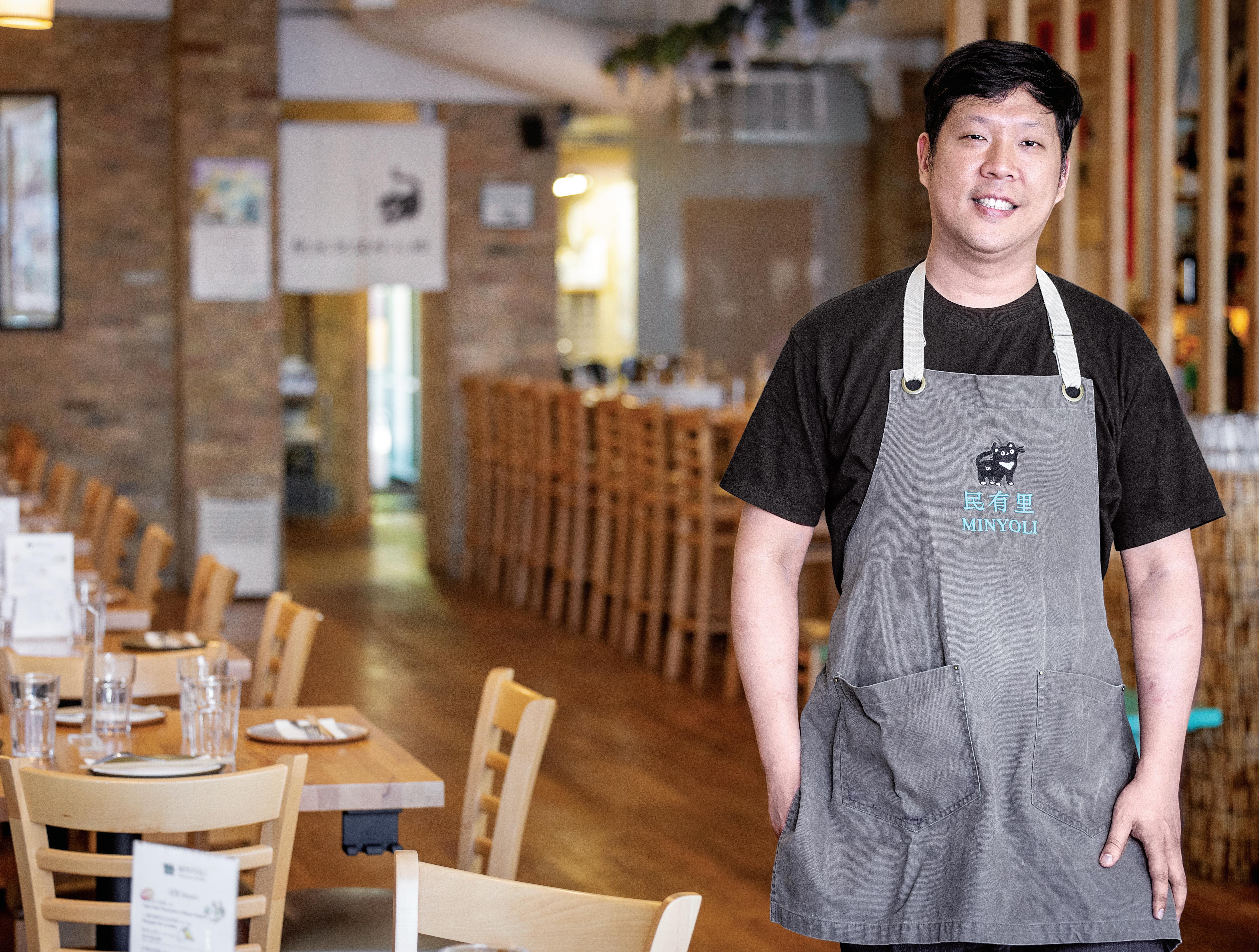
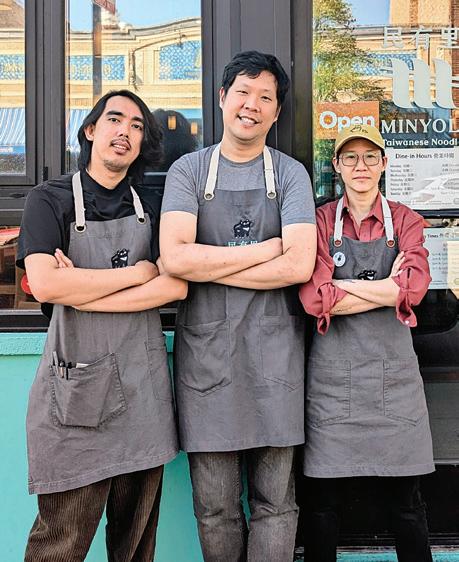
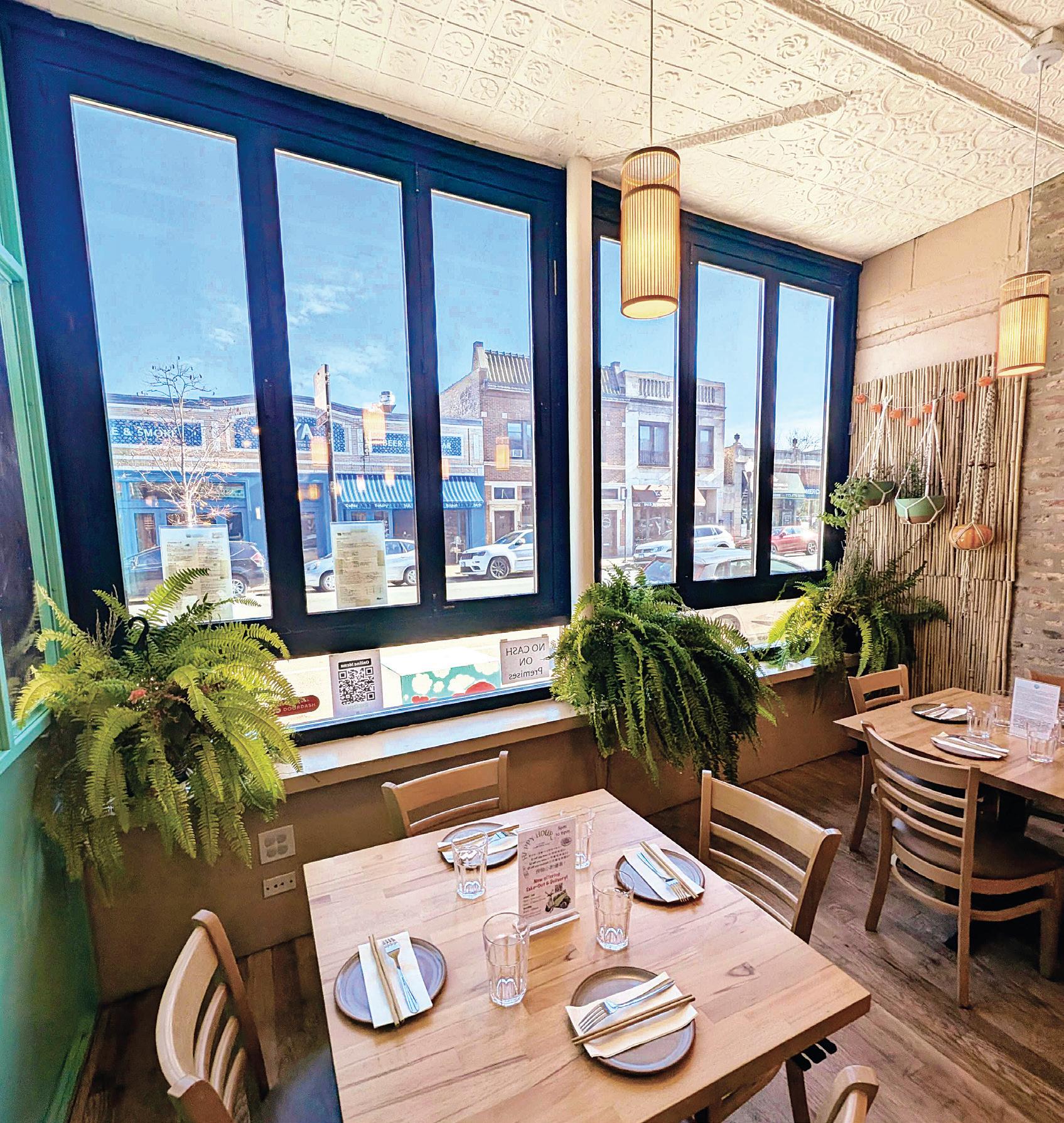
AT MINYOLI, RICH WANG AND HIS TEAM PAY HOMAGE TO JUÀNCŪN CULTURE AND SHARE THE FLAVORS AND MEMORIES OF TAIWAN WITH CHICAGO.
CHICAGO
Opened: 2024
Cuisine type: Taiwanese Juàncūn
Owner(s): Rich Wang
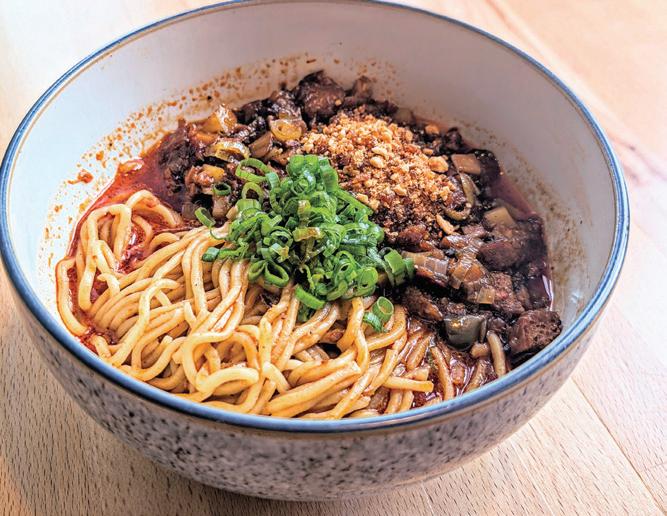
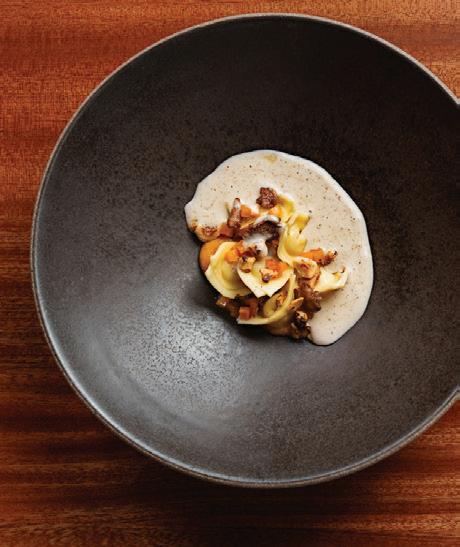
As the only restaurant in Chicago specializing in Taiwanese juàncūn cuisine—the home-style cooking born in post-war military villages—Minyoli stands out in the Windy City’s crowded culinary scene for its cultural signifi cance and incredible story.
Mínyólıˇ (meen yo lee) is named after chef/owner Rich Wang’s childhood juàncūn neighborhood in Taipei, where mom-and-pop noodle shops were prevalent. Hundreds of juàncūn villages were created across Taiwan in 1949 to house the more than one million Kuomintang (KMT) military personnel and their families, who fl ed to Taiwan after the Chinese Civil War.
“Because of this historical context, the juancuns were rich with different regional cultures from all over China, resulting in a unique style of fusion Chinese cooking known as juancun cuisine,” Wang explains. Some common elements of the cuisine include hearty noodles and “effervescent pickling techniques” from frigid northern China, vibrant spice and robust fl avors of the lush Sichuan Basin region, and a focus on freshness and the homey red-braised cooking method of the Shanghai River Delta area.
At Minyoli, Wang and his team pay homage to juàncūn culture and share the fl avors and memories of Taiwan with Chicago. “ e juancun green we use on our
store front, interior design, and social media posts, is directly inspired by the color of the juancun village where I grew up,” Wang says. “ e shades range from dazzling aquamarines to softer sea foam greens, colors that could be found ubiquitously adorning the doors and window trim throughout the neighborhood. It’s an iconic color that brought liveliness to the otherwise drab, urban slum. is color is inseparable from my nostalgic memories of juancun.”
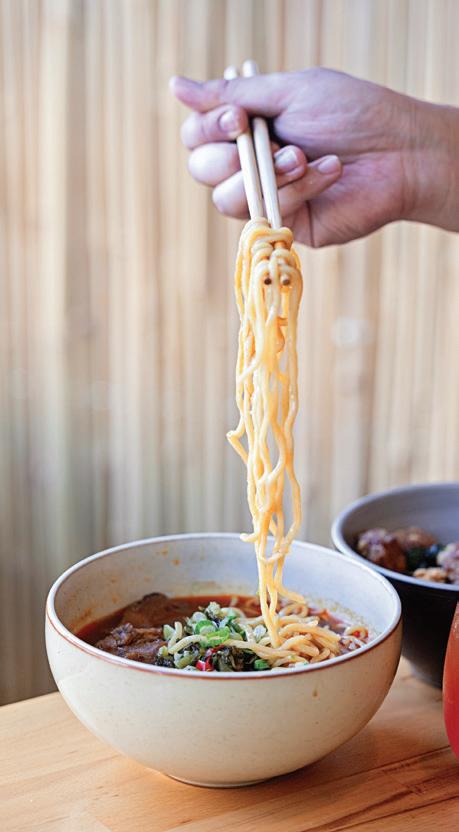
At Minyoli, Wang and his team make fresh noodles inhouse every day, adjusting the hydration of the dough depending on the humidity to ensure a perfect noodle every time. “ is has a real-world impact on the consistency and proper texture of our noodles, and discerning diners can tell the difference and have come to love—and expect—this consistency for every meal,” Wang says.
e menu is a focused list of dishes that employ traditional Taiwanese ingredients and celebrate classic Taiwanese fl avors while also embracing Chicago’s local dining culture. For example, one of Minyoli’s signature appetizers is their luwei beef, which is sliced beef shank that has been braised in a master stock flavored with soy sauce and various Taiwanese herbs and spices.
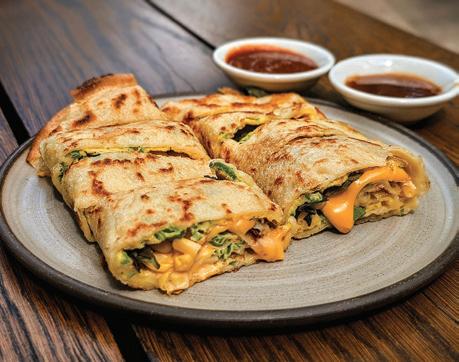
On Sunday, they make their own shaobing—a layered Taiwanese sesame flat bread. ey place the sliced luwei beef inside the fl akey shaobing bread, and top it with housemade giardiniera and the jus of the braised beef. e sandwich celebrates the unique culinary craft of Taiwanese juancun while paying homage to the local Italian beef tradition in Chicago. “When coming up with a dish at Minyoli that involves elements from both Taiwan and Chicago, I look for shared food languages; if the emotional and cultural connec-
WANG'S COMMITMENT TO AUTHENTIC REPRESENTATION OF HIS COMMUNITY AND CULTURE ARE CORE THEMES OF MINYOLI'S IDENTITY.
tions feel natural, the dish will make sense,” Wang shares.
“Chicago has such a strong food identity built around immigrant culinary traditions, street food, preserved vegetables, beef culture, and bold fl avors,” he continues. “ ese things actually overlap with Taiwanese food more than people realize. I was born in Taiwan, and lived in a juancun but also, I was fortunate to live in Chicago ever since I was a teenager. e culinary elements of the city have naturally become part of what I cook.”
Minyoli’s bar carries the same ethos from their kitchen, combining traditional Taiwanese ingredients and fl avors with American classics. Lead bartender Robert Donaldson introduced a bespoke cocktail program, where each cocktail is designed “with a specific identity in mind” that “becomes another layer of storytelling within the meal,” Wang notes. Examples include the Sichuan peppercorn infused gin and tonic, a dirty martini that uses the brine of cordia seeds (Taiwanese caper), and an old fashion that combines Taiwanese whisky, Chicago-based Jeppson’s Malört, and mandarin-peel and five-spice syrup.
“Rather than just ordering off a list, the bespoke program creates a sense of participation and an exciting way for our guests to engage, with a rotating, living menu that reflects
who’s in the room and what we’re celebrating at the moment,” Wang adds. “ at kind of responsiveness is very aligned with how we want Minyoli to feel: dynamic, communal, and a little bit unexpected.”
Another central part of Minyoli’s DNA is its commitment to authentic storytelling and representation. Located in Chicago’s Andersonville neighborhood—an area with a diverse array of immigrant cultures and a thriving LGBTQ community—Minyoli’s team reflects that diversity and inclusivity. Wang partners with his cousin, X. Wang, who leads the restaurant’s front of house. “Both X and I are queer, so Andersonville’s strong history of queer community and chosen family resonates deeply with us,” Wang says.
e restaurant periodically hosts community events such as Asian movie nights and drag shows featuring API performers, and the menu routinely features dishes or drinks that celebrate Pride and queer identities. “As an API restaurant, it felt important not to exist separately from that culture, but to actively participate in and contribute to it,” Wang shares. “A lot of queer Asian Americans grow up navigating questions of visibility and belonging, so creating a space where both identities can be celebrated felt very natural to us. Whether it be drag shows or themed dishes, our goal is to make Minyoli feel welcoming, joyful, and reflective of the neighborhood and community around us.”
As the restaurant has continued to evolve its offerings and create a unique hospitality experience in Chicago’s crowded restaurant landscape, it’s quickly garnered national attention and acclaim. Minyoli was included in Bon Appetit’s list of “Most Anticipated Spring Openings in 2024,” and in 2026, was nominated for a Jean Banchet Award for Outstanding Hospitality—underscoring the warmth and connection the restaurant fosters within the community.
“Juancun cooking, street food, family recipes— they all reflect that sense of people making home out of whatever they had available, and turning it into something generous and expressive,” Wang says. “If a guest leaves with anything, I would hope it’s curiosity rather than conclusion; a sense that Taiwanese culture, much like my personal journey, is not a single story, but a living one that keeps changing and absorbing the places it touches, including Chicago.”
DENVER
Opened: 2021
Cuisine type: Steakhouse
Owner(s): Culinary Creative Group
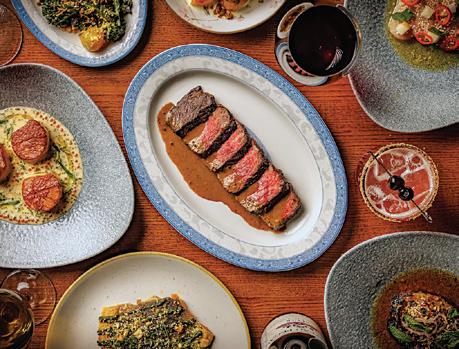
A5 Steakhouse, a threetime Michelin Guide Recommended restaurant in Denver’s LoDo district, is out to reimagine the classic experience with bold fl avors, refi ned technique, and a playful vibe. Located in a restored historic building, A5 offers premium beef, seafood, inventive sides, and seasonal vegetable dishes sourced from local farmers and ranchers.
ATLANTA
Opened: 2000
Cuisine type: Modern American
Owner(s): Andrés Loaiza
NAPLES, FLORIDA
Opened: 2023
Cuisine type: North American
Owner(s): Executive chef Kayla Pfeiffer, Colleen Dunavan, owner of Presidio Hospitality, and restaurateur Louie Mele
Bicyclette is a kitchen-led, independent eatery rooted in memory, seasonality,
and place, with a focus on community, collaboration, and thoughtful cooking. Chef Kayla Pfeiffer recently turned 30. e 2025 James Beard Emerging Chef semifi nalist and Food Network “Chopped” champion has quietly—and quickly— made Naples a place you’d plan a food trip around.
BIRMINGHAM, MICHIGAN
Opened: 2025
Cuisine type: Italian steakhouse
Owner(s): Cameron Mitchell Restaurants
ATLANTA
Opened: 2019
Cuisine type: Authentic Spanish
Owner(s): TQM Hospitality founders Juan Sebastian Calle and Adam Berlin
COLUMBUS, OHIO
Opened: 2024
Cuisine type: Steak and seafood
Owner(s): Cameron Mitchell Restaurants
Butcher & Rose spins the modern American steakhouse through a blend of
culinary artistry, refined hospitality, and sophisticated design. Located in downtown Columbus, Ohio, the restaurant offers an elevated experience featuring USDA Prime steaks, A5 Wagyu, Beef Wellington, refined seafood, handmade pastas, and house-made desserts, all prepared with precision and contemporary fl air.
COLUMBUS, OHIO
Opened: 2023
Cuisine type: Italian
Owner(s): Cameron Mitchell Restaurants
LOUISVILLE, KENTUCKY
Opened: 2016
Cuisine Type: Italian
Owner(s): Emil David
PORTLAND, OREGON
Opened: 2025
Cuisine type: Italian
Owner(s): Gabriel Pascuzzi
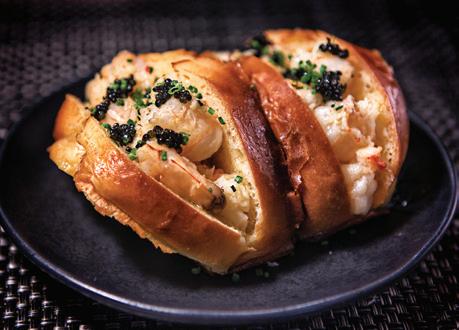
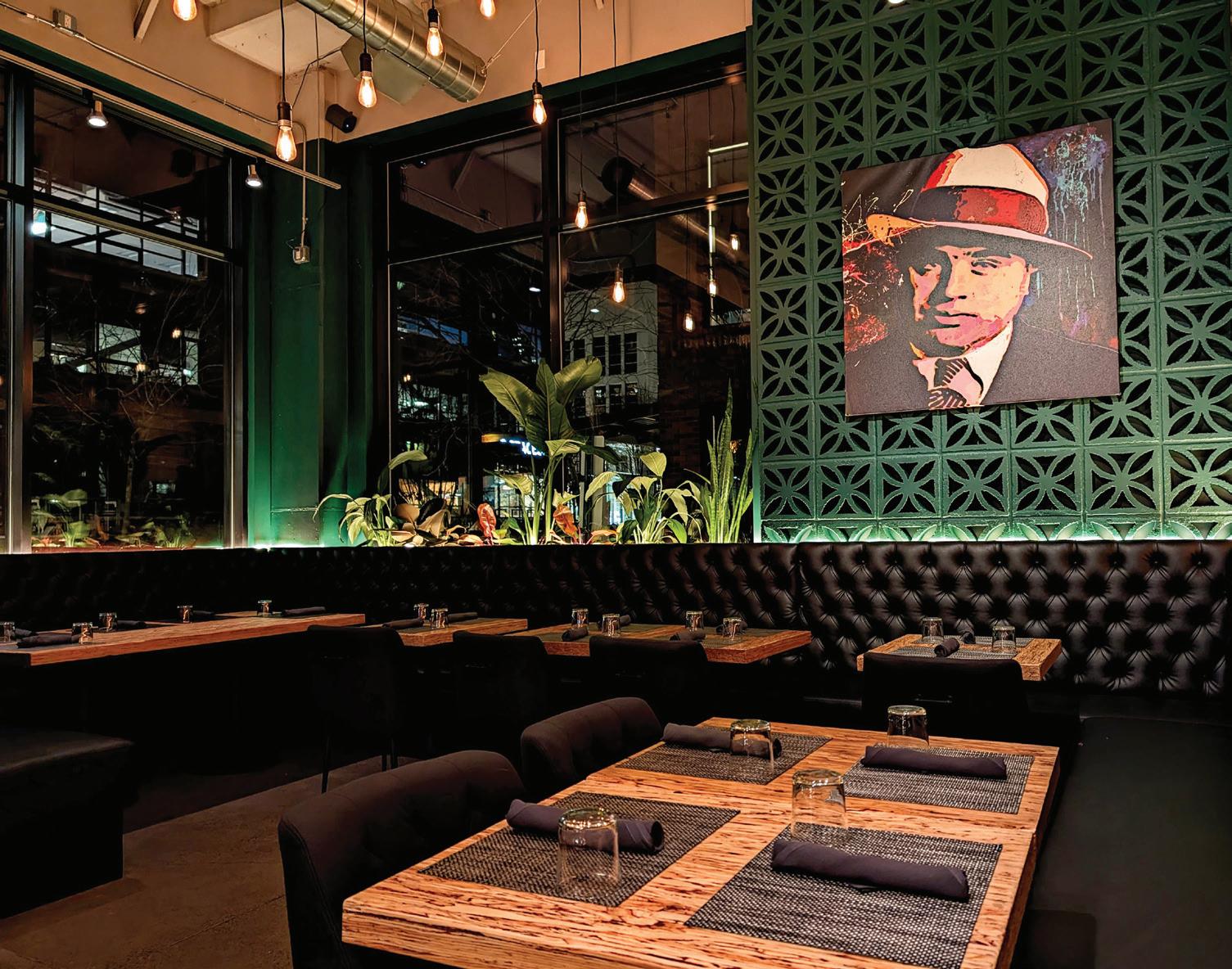
Bistecca offers a modern take on elevated Italian dining by combining the traditions of a classic Italian steakhouse with the ingredientfocused spirit of the Pacific Northwest. Centered on wood-fired cooking, the restaurant delivers refined, yet approachable cuisine rooted in craftsmanship and hospitality. Led by Portland
FRANKLIN AND NASHVILLE, TENNESSEE
Opened: 2020
Cuisine Type: Italian
Owner(s): Frank Pullara
Culaccino was born out of more than 20 years of hospitality experience and Frank Pullara’s family traditions. is is a deeply personal take on Italian cuisine, featuring housemade pastas, wood-fired pizzas, and the recipes that shaped his childhood. Refined
ATLANTA
Opened: 2023
Cuisine Type: Mexican
Owner(s): Juan Sebastian Calle and Adam Berlin, founders of TQM (Te Quiero Mucho) Hospitality
native and “Top Chef” alum Chef Gabriel Pascuzzi, Bistecca reflects a forward-looking vision for the city’s dining scene. By emphasizing quality, connection and memorable guest experiences, the restaurant has established its elf as a thoughtful independent dining destination designed for lasting success.
yet approachable, heritagedriven and heartfelt, Pullara’s first solo concept has left a mark on both Franklin and
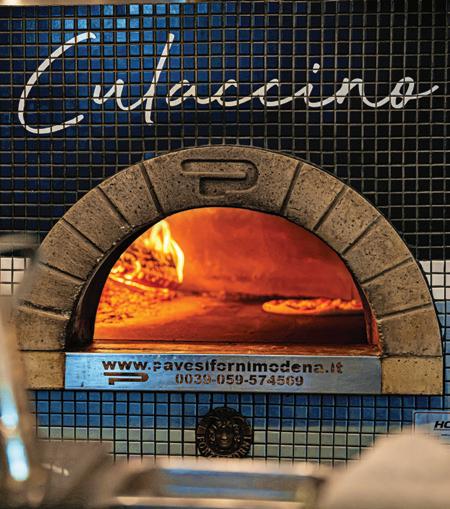
Nashville—staying true to its name, culaccino, an Italian word for the lasting mark a glass leaves on wood.
NAPLES, FORT LAUDERDALE, AND WEST PALM BEACH, FLORIDA; COLUMBUS, OHIO
Opened: 2021
Cuisine Type: Mediterranean Coastal
Owner(s): Cameron Mitchell Restaurants
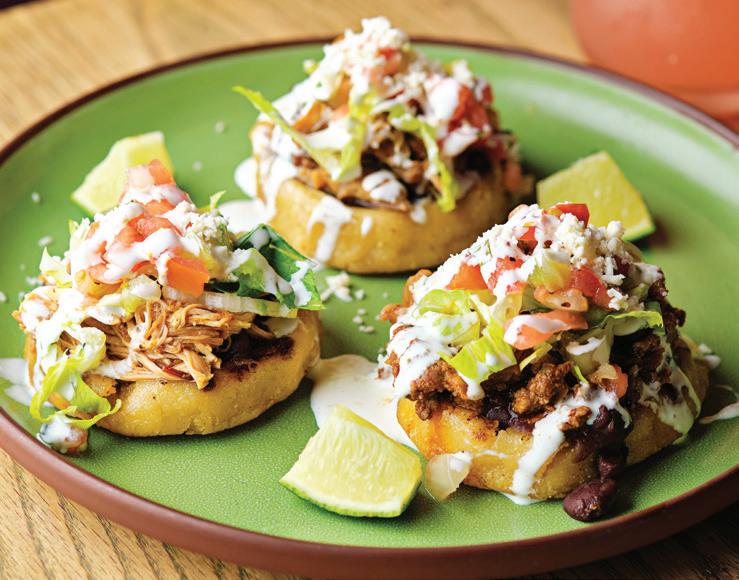
Welcome to Baja California. Cicheria Mexican Kitchen isn’t your typical Tex-Mex outing; it’s a colorful dining experience that reflects the region’s spirit—rooted in connection, premium ingredients, and thoughtful hospitality. From hand-pressed organic blue corn tortillas to slow-braised carnitas, the menu honors tradition while speaking to diners of today, with a wine lineup sourced from Baja California and a seasonally inspired margarita selection. It’s designed to bring people together, whether it’s a casual lunch, weekend brunch, or celebratory gathering.


LEARN MORE



MIAMI
Opened: 2025
Cuisine Type: Italian
Owner(s): VE Hospitality Group
CHARLESTON, SOUTH CAROLINA
Opened: 2004
Cuisine Type: Seafood
Owner(s):
Wessie and Tradd Newton
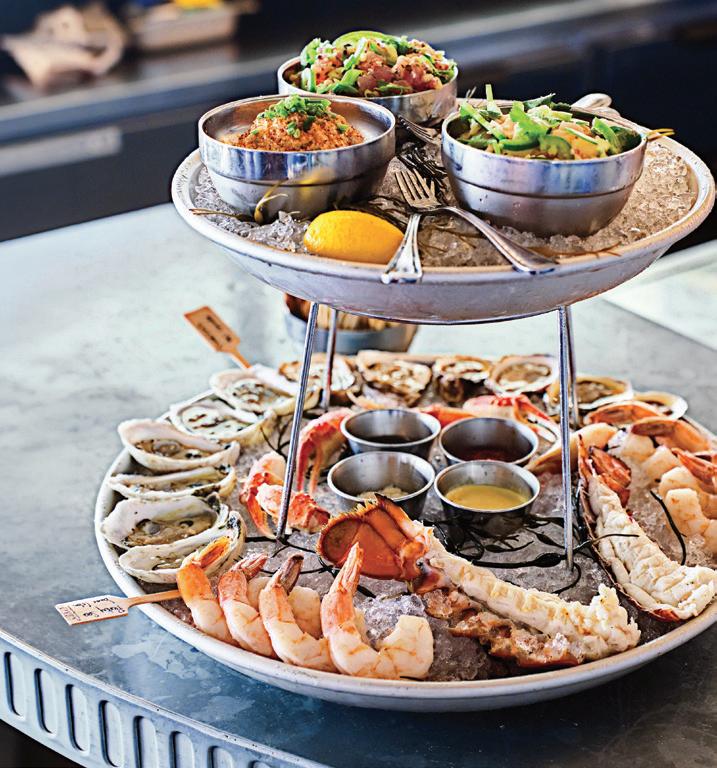
Operating a stalwart seafood restaurant in a city with massive tourism traffic, constant seasonality swings, and nonstop daily service demands serious systems, leadership, and discipline—and since 2004, Fleet Landing has mastered this. Situated directly over the water in a historic naval building, Fleet Landing Restaurant & Bar immerses first-timers and regulars alike in Charleston’s culture, serving low-country staples while emphasizing local vendors and sustainable practices from 11 a.m. to 10 p.m. every day.
KETCHUM, IDAHO
Opened: 2025
Cuisine Type: Italian
Owner(s): Chefs Britt Rescigno and Kinsey Leodler-Rescigno
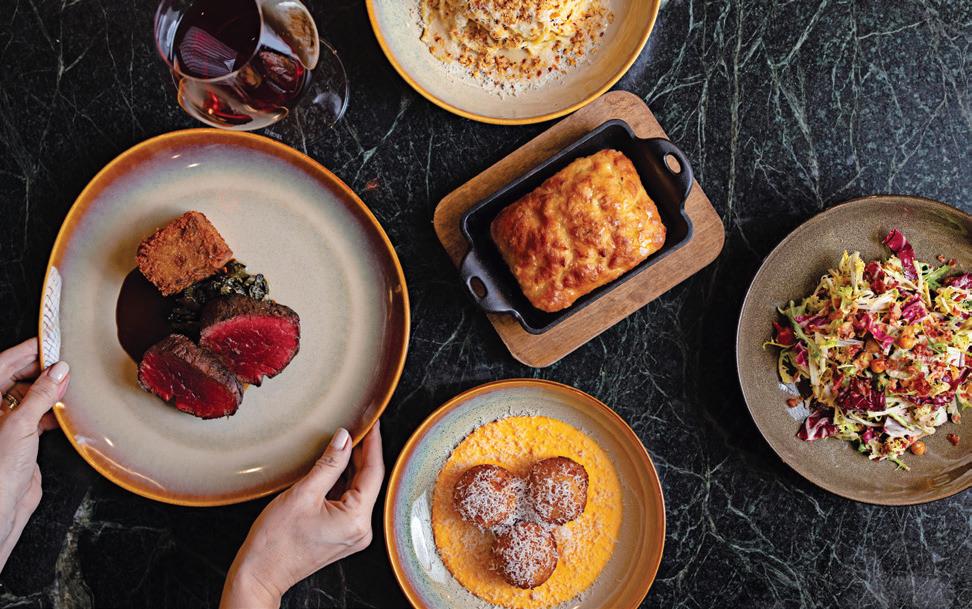
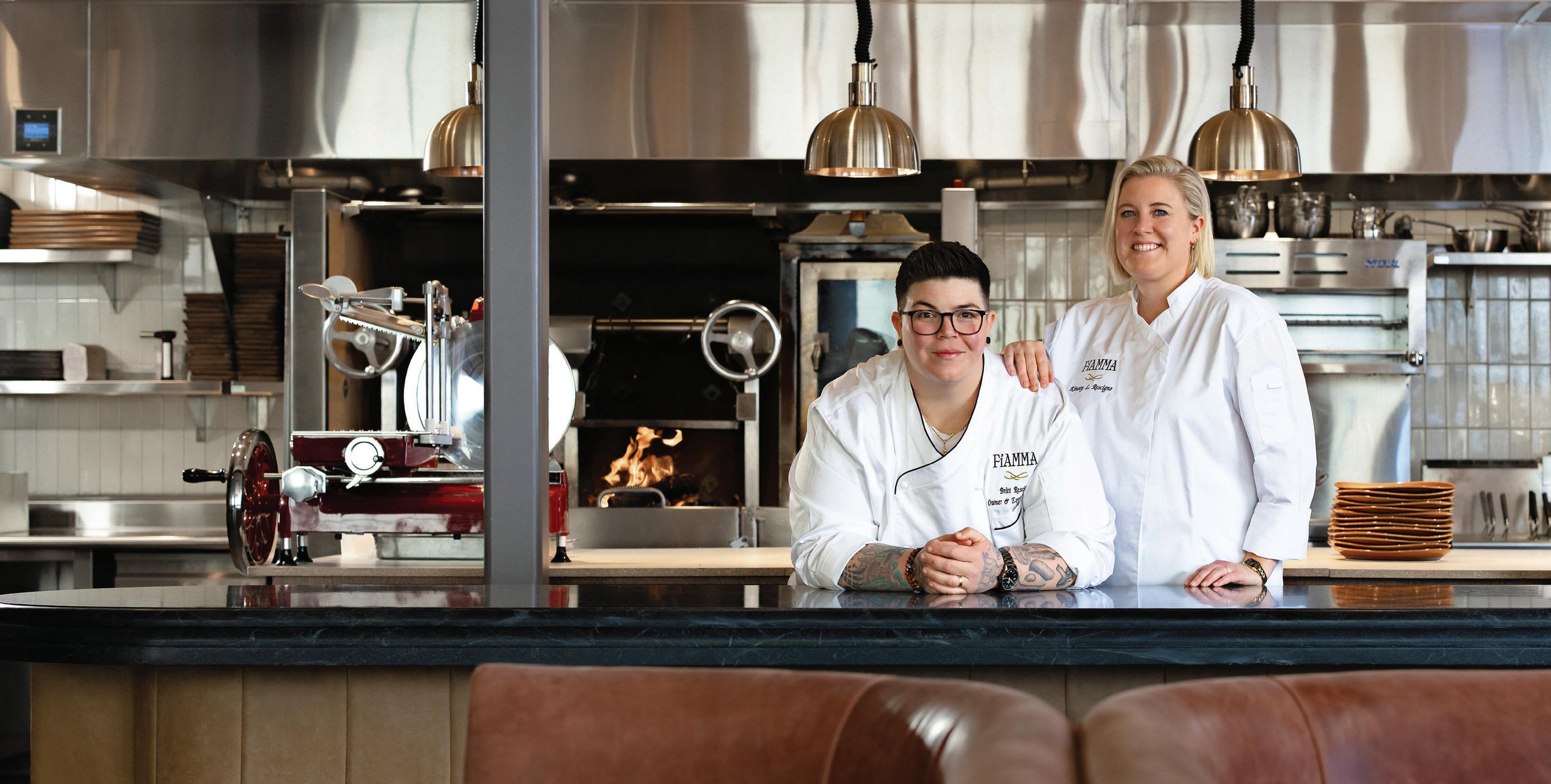
Chef Britt Rescigno and her wife, chef Kinsey Leodler, built Fiamma—Italian for “little flame”—on a shared passion for fire, simplicity, and community. Rooted in Sun Valley seasonality, the restaurant centers on a seven-foot hearth that anchors both kitchen and dining experience, where live-fire cooking becomes a primal, sensory affair. What began as a regional Italian pasta house has evolved into an Italian-style steakhouse, with house-cut steaks, handmade pastas, and signature dishes like their coveted steakhouse burger— only five made daily. A year in, Fiamma balances the demands of Sun Valley’s seasonal tourism with a devoted local base, creating something both special and enduring.
ATLANTA
Opened: 2019
Cuisine type: Southern
Owner(s): Chef Joey Ward
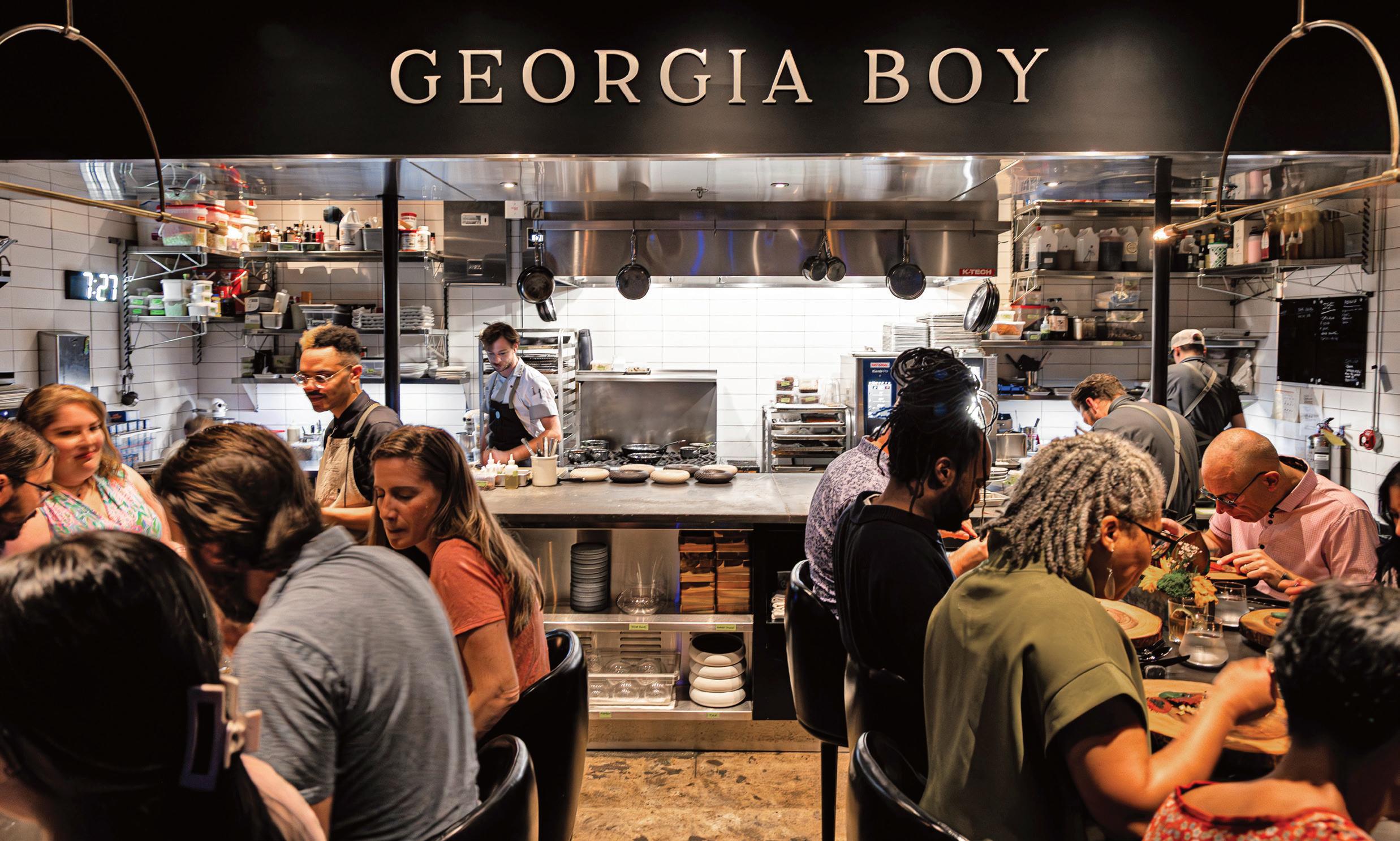
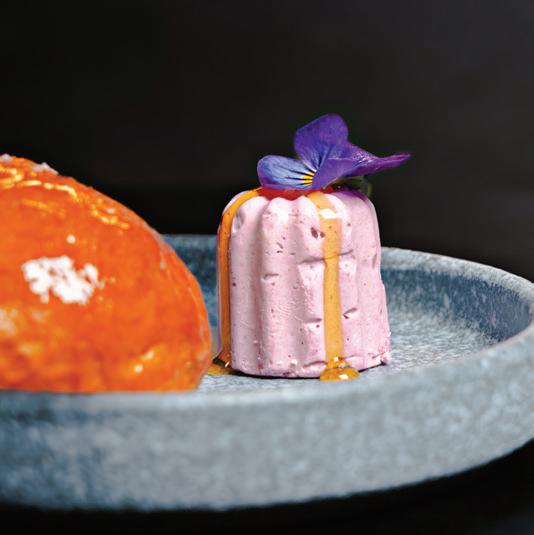
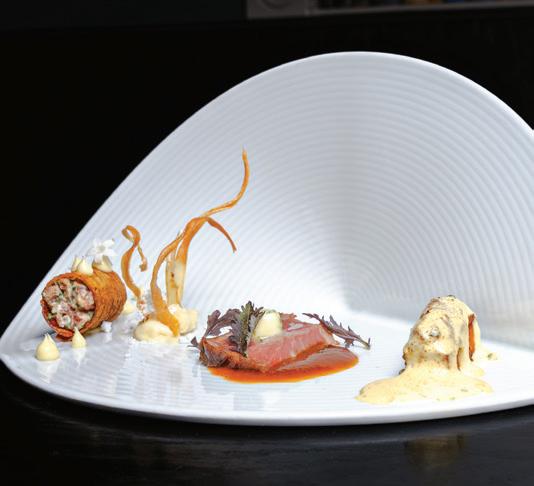
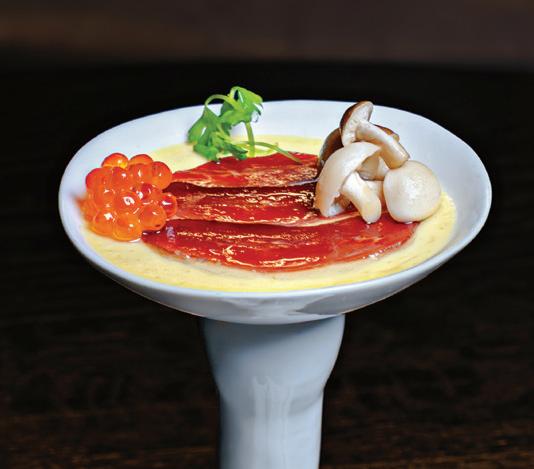
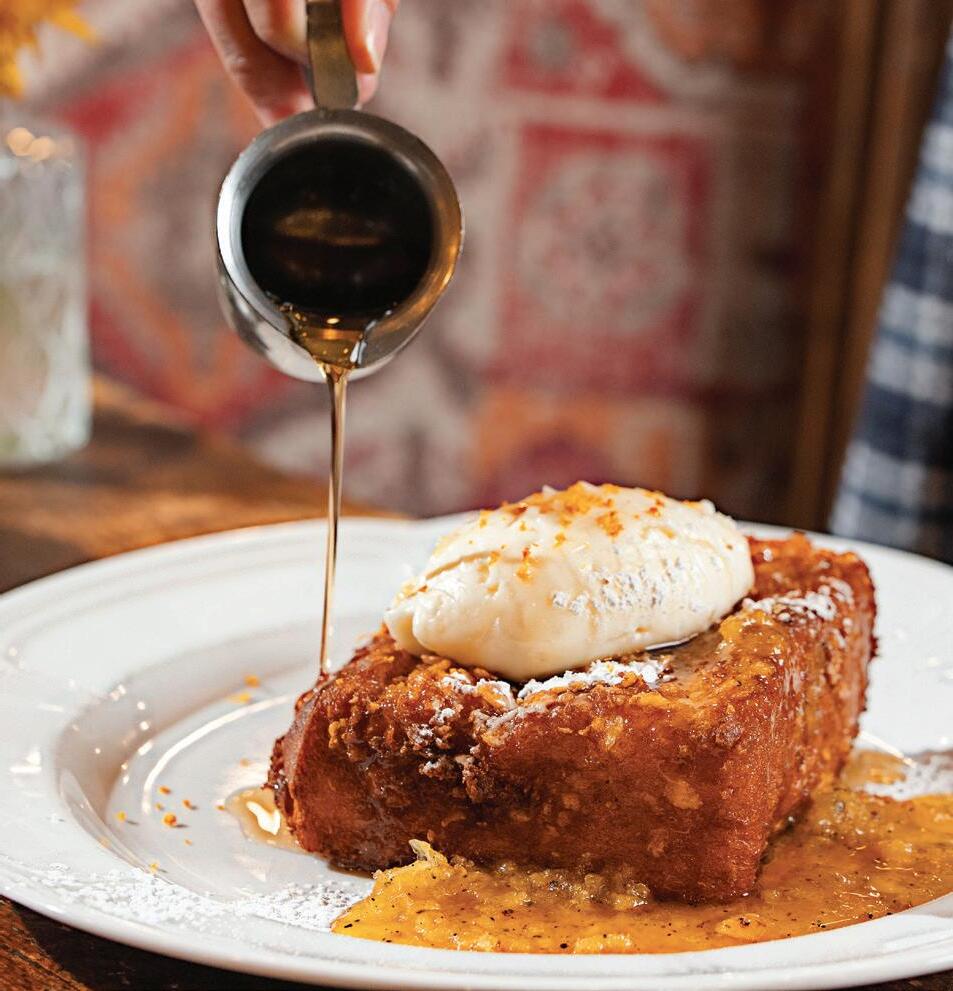
Created by James Beard-nominated chef Joey Ward and recognized by the Michelin Guide, Georgia Boy is known for its immersive chef’s table format. The intimate, multicourse tasting format gives guests a behind-the-scenes look as Ward and his team prepare each course, delivering a fresh, personal, and dynamic experience. Accessed through a private entrance inside Southern Belle, the chef’s table seats a limited number of guests per evening, creating an exclusivity that matches the precision of the food. Each course is designed to surprise while staying grounded in regional identity. Georgia Boy has quickly established itself as one of Atlanta’s most distinctive dining destinations, offering the kind of focused, chef-driven experience that turns a meal into an event.
DENVER
Opened: 2023
Cuisine Type: American Breakfast
Owner(s): Carrie Baird and Michael Fox, Culinary Creative Group
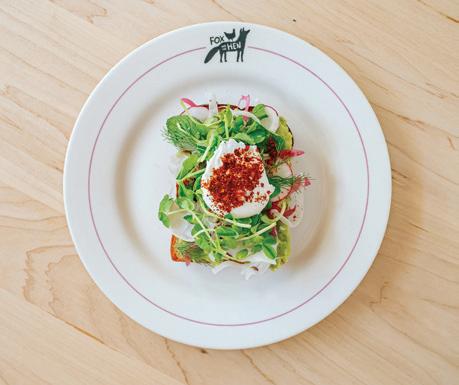
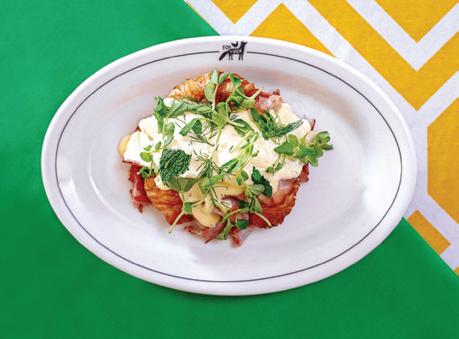
Fox and e Hen’s mission is to deliver the best breakfast experience in Denver. Bravo’s “Top Chef” finalist (and James Beard semifinalist) Carrie Baird and entrepreneur Michael Fox teamed up to make their childhood dream come true, designing a menu that lives at the intersection of comforting classics and inventive culinary twists—like chef Baird’s “fancy toast” served alongside their signature applejack matcha and craft cocktails. Situated with a cozy indoor seating area and a vibrant outdoor section, it’s become a yearround destination.
SEATTLE
Opened: 2022
Cuisine type: Turkish and Anatolian cuisine
Owner(s): Chef Berk Guldal and Katrina Guldal
PORTLAND, OREGON
Opened: 2025
Cuisine type: Italian
Owner(s): Gabriel Pascuzzi
DALLAS
Opened: 2019
Cuisine type:
Italian/Italian Inspired
Owner(s): Robert Quick - Western Addition
LAS VEGAS
Opened: 2012
Cuisine type: New American
Owner(s): Elizabeth Blau & Kim Canteenwalla
For over a decade, Honey Salt has served as a cornerstone of Las Vegas’s independent dining scene. James Beard–nominated Elizabeth Blau, CEO of Blau + Associates, built the concept around seasonal, farm-driven cuisine designed to feel both refined and welcoming. The menu shifts with the seasons, anchored by responsibly sourced ingredients and dishes that prioritize flavor and simplicity. Beyond daily service, Honey Salt has become a gathering place for special events and chef collaborations that extend its connection to the community. In a city defined by scale, Honey Salt endures by staying personal.
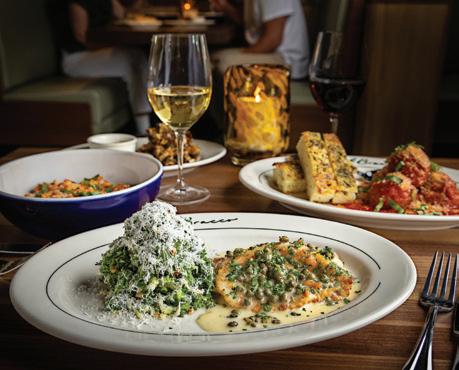
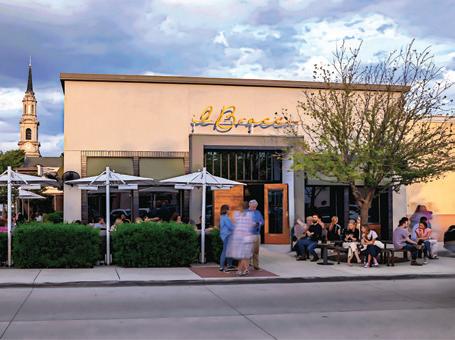
il Bracco is built on a commitment to craft. Think handmade pastas, breads baked daily, and proteins butchered in-house. Under Robert Quick, the restaurant has grown into a multi-location concept with outposts in Dallas, Houston, and Scottsdale, earning recognition as the most-booked restaurant in Dallas on OpenTable. But il Bracco’s philosophy to growth is clear: no two il Braccos will ever exist within the same market, ensuring that each restaurant remains unique to its neighborhood. The dining experience is enhanced by a curated art collection that gives each location a sense of place and personality. A dedicated supporter of its communities, il Bracco pairs culinary rigor with genuine hospitality, creating neighborhood destinations that deliver consistency and quality at every visit.
SCOTTSDALE, ARIZONA
Opened: 2025
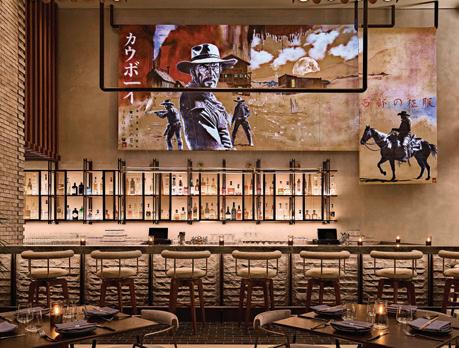
Cuisine type: Japanese Steakhouse
Owner(s): Maya Hotel, LLC DBA Kauboi
PORTLAND, OREGON
Opened: 2026
Cuisine type: Pacific Northwest (tasting menu and à la carte)
Owner(s): Steve and Vy Chao
MIAMI
Opened: 2020
Cuisine type: Cuban Owner(s): VE Hospitality Group
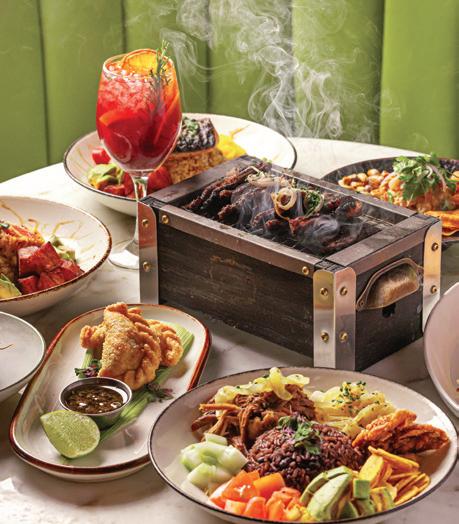
Marabu Restaurant reimagines Cuban cuisine through the intensity of coal and open flame. Powered by Josper ovens, the kitchen channels the rustic traditions of the Cuban countryside into a menu defi ned by smoke, char, and bold, direct flavors. e concept draws its identity from heritage cooking methods while delivering the polish and hospitality expected in Miami’s competitive dining market.
LAS VEGAS
Opened: 2016
Cuisine type: Italian Owner(s): VE Hospitality Group
DENVER
Opened: 2001
Cuisine Type: American Owners: Jacqueline and Frank Bonanno










LEXINGTON, KENTUCKY
Opened: 2024
Cuisine type: Italian-inspired
Owner(s): Dallas Rose (Proprietor and Managing Partner); Alex Green (Executive Chef and Partner)
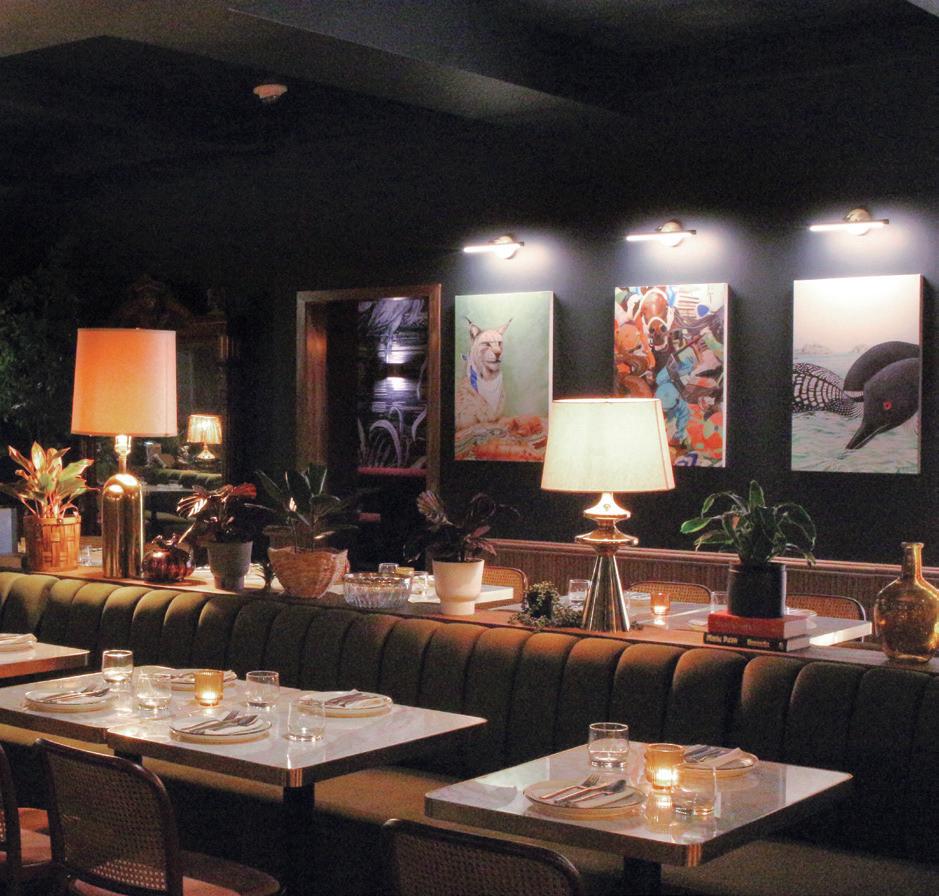
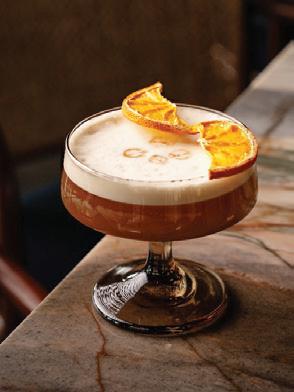
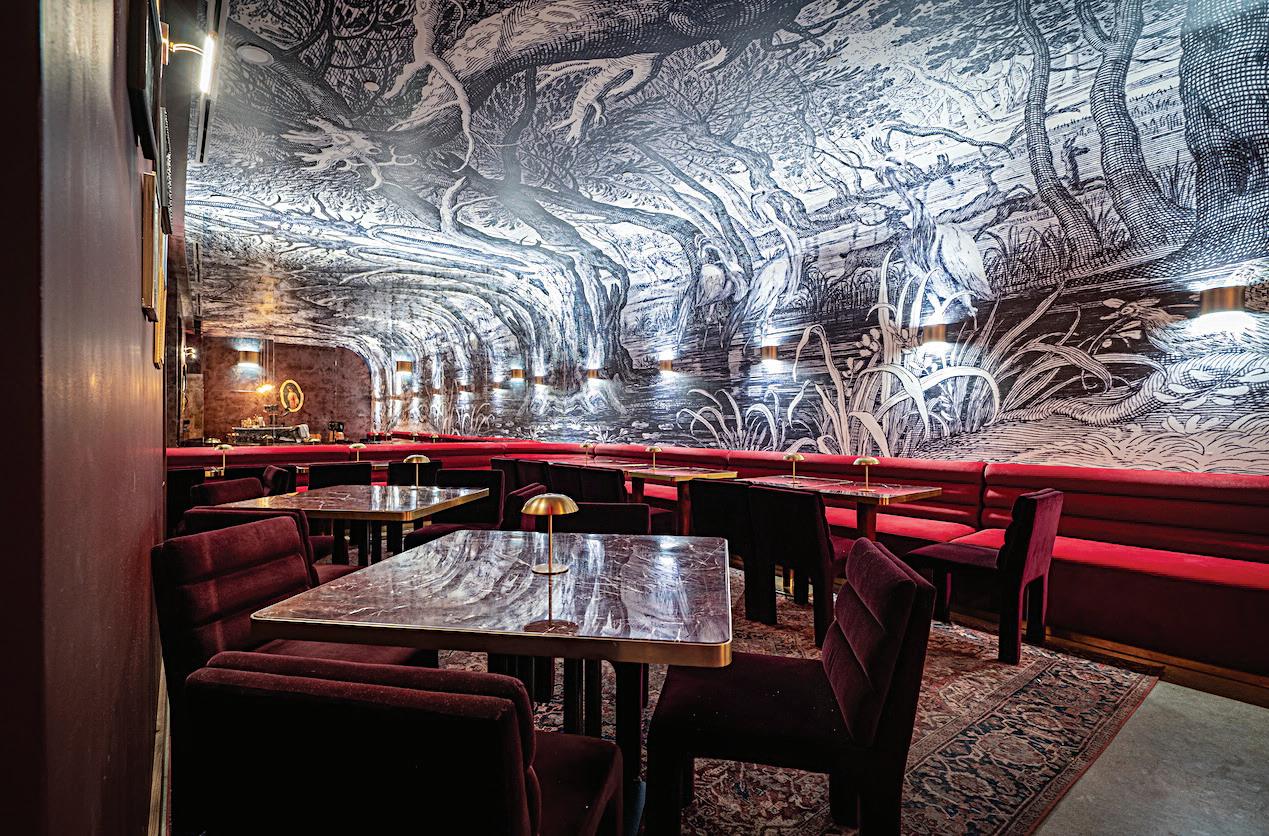
Named for a Serbian word meaning gracious, kind, and beloved, Mileta reflects that spirit in every detail. Dallas Rose and chef Alex Green have built an Italian-inspired concept anchored by housemade pasta, seasonal menus, and a hospitality-first philosophy. The space blends mid-century modern design with warm, inviting touches—a marble bar serves as the centerpiece, while the Rose Room cocktail lounge offers a more intimate setting for craft drinks and conversation. A Jean Banchet Award nominee, Mileta has quickly earned a place in Lexington’s dining scene by pairing culinary craft with genuine warmth.
MIAMI BEACH
Opened: 1988
Cuisine Type: American
Owner(s): VE Hospitality Group
MIAMI BEACH
Opened: 1997
Cuisine Type: Mexican
Owner(s): VE Hospitality Group
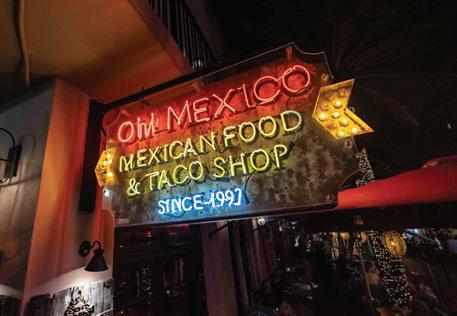
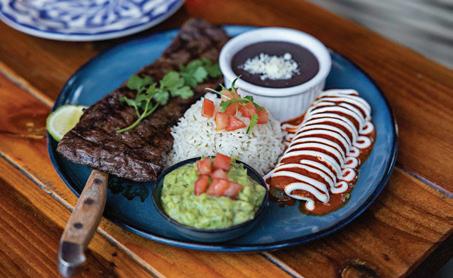
A mainstay in Miami Beach since 1997, OH! Mexico has built lasting relevance through authenticity, consistency, and cultural impact. e restaurant has become a dependable destination in one of the country’s most competitive dining markets, connecting with both locals and visitors year after year.
WILLIAMS BAY, WISCONSIN
Opened: 2020
Cuisine Type: French/Asian
Owner(s): The Belfry House
Opus at The Belfry House delivers a tightly focused fine-dining experience in Williams Bay under the direction of Eric Feldbusch.
The restaurant centers on a rotating five- or sevencourse tasting menu that blends French technique with Asian influence. Menus shift throughout the year based on ingredient availability and sourcing, with a style that emphasizes precision, balance, and clarity.
DENVER
Opened: 2007
Cuisine Type: Italian
Owners: Frank Bonanno and Jacqueline Bonanno
MIAMI
Opened: 2021
Cuisine type: Japanese
Owner(s): VE Hospitality
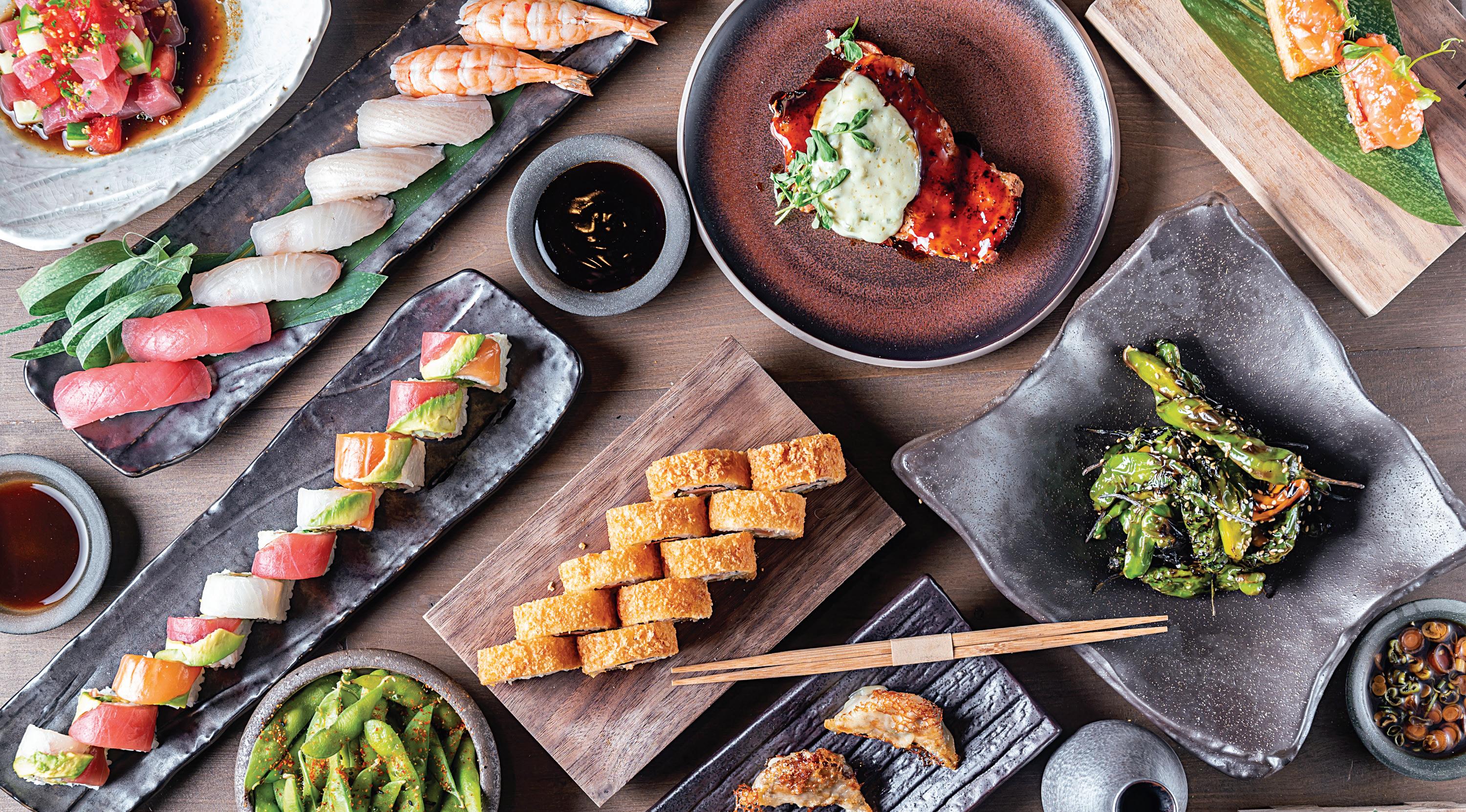
Paperfi sh Sushi marries the precision of Japanese cooking with the bold spiciness of Peruvian flavors to create dishes that honor its core values of balance, harmony, and respect for ingredients. Based in Miami with two storefronts, the brand aims to help guests enjoy a shared experience with friends and family. Keeping the inspiration from Tokyo izakayas in mind, the menu features many shareable bites with creative taste profi les.
SAN DIEGO, CALIFORNIA
Opened: 2007
Cuisine Type:
Coastal Mexican
Owners: Billy Ramirez, Pete Cich, Doug Sondomowicz, and Barrett Rinzler
Opened:




ATLANTA
Opened: 1991
Cuisine type: Italian
Owners:
Pano and Niko Karatassos
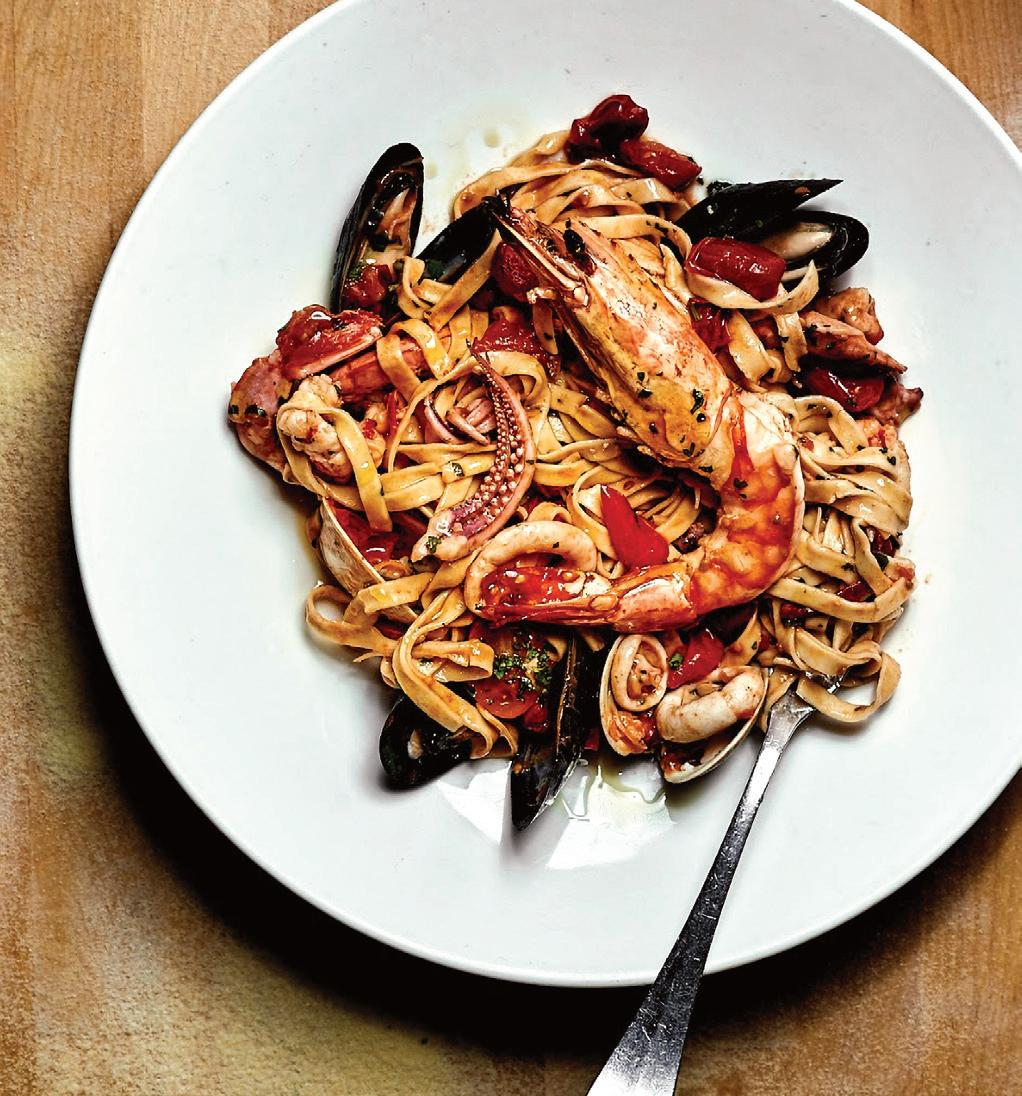
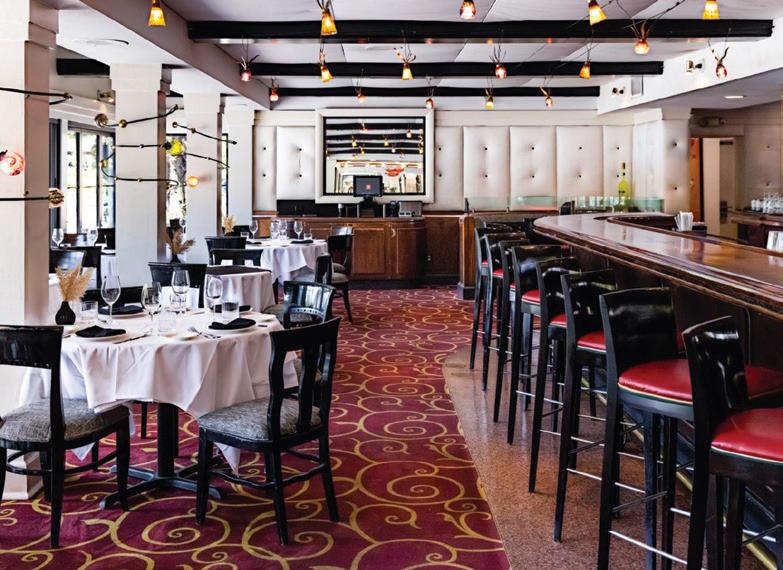
Born from the heart of chef Piero Premoli, a native of Milan, Italy, Pricci is a fi ne dining Italian restaurant serving the community of Atlanta. Premoli’s family shares a rich history of culinary and hospitality explorations, which allowed him to learn the craft of Italian cuisine from an early age. Pricci opened in 1991 in Buckhead, Atlanta with a mission to create memories for its guests.
KANSAS CITY, MISSOURI
Opened: 2014
Cuisine type: BBQ
Owner(s): Kelly Magee
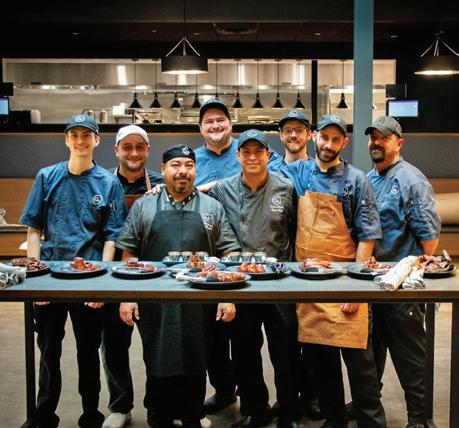
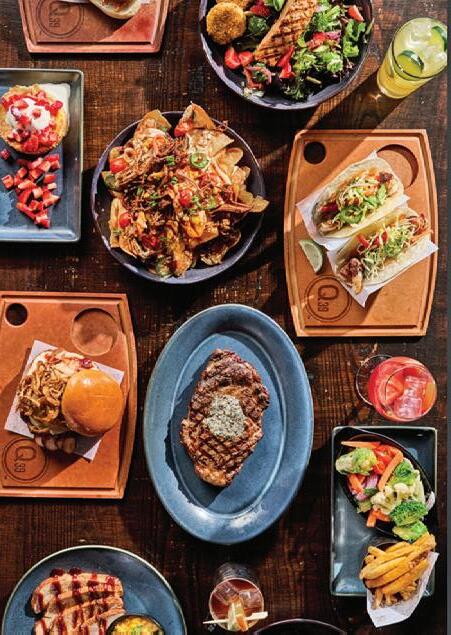
Q39 is an elevated BBQ restaurant in Kansas City, Missouri, founded in 2014 by BBQ Champion and classically trained chef, Rob Magee. After 10 years of competing, Magee developed a technique he coined as pit-to-plate, providing eaters with only top-quality proteins, no reheating, the freshest of ingredients, and competition BBQ from scratch. Since his passing in
2021, his wife Kelly Magee, has led the brand as CEO and was named “Restaurateur of the Year” by the Greater Kansas City Restaurant Association in 2024.
LAS COLINAS, TEXAS
Opened: 2008
Cuisine type: Texas
Owner(s): FB Society
CANTON, GEORGIA
Opened: 2012
Cuisine type: Southern
Owner(s): Michael Farrar
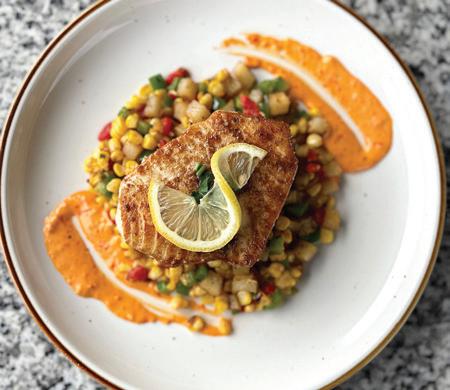
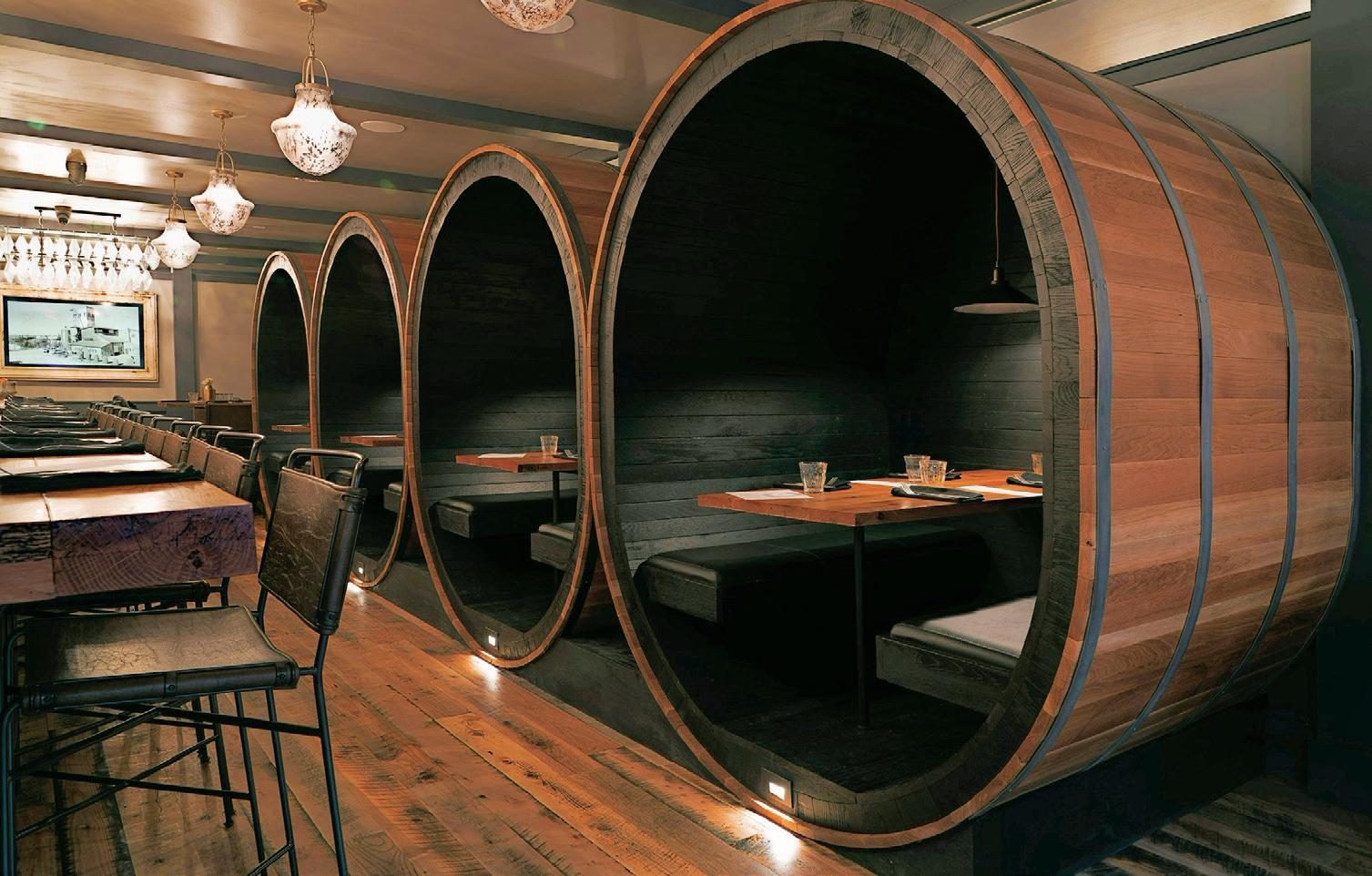
LOUISVILLE, KENTUCKY
Opened: 2021
Cuisine Type: Southern
Owners:
Daniel and Stacy Holyfield
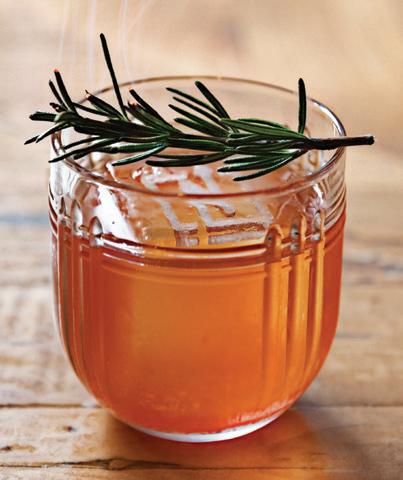
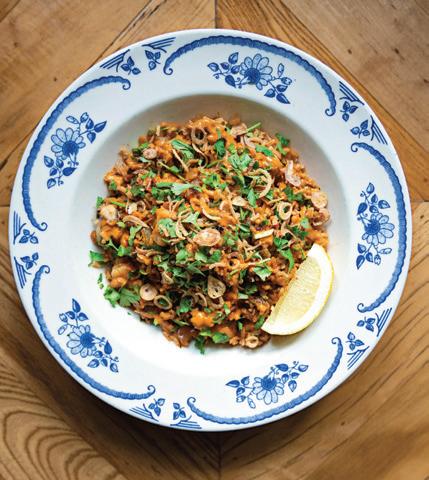
Tucked into Germantown Louisville, North of Bourbon offers a distinctive take on Southern cuisine shaped by the cultural throughline between Louisville and New Orleans. Led by Brittany Kelly, the kitchen draws from Appalachian roots and Kentucky heritage, delivering a seasonal, ingredientdriven menu grounded in sustainability and resourcefulness. Dishes like fried chicken gumbo with chocolate roux and lamb noodles layered with collards and benne chili crisp show a deeply personal approach to Southern cooking. The bar is important to the experience, with hundreds of bourbons and a rotating cocktail list that reimagines classic Southern drinks. Together, the food and beverage programs create a Louisville perspective with NOLA soul.
GREENVILLE, SOUTH CAROLINA
Opened: 1997
Cuisine type: New South Cuisine
Owner(s): Carl Sobocinski
Soby’s New South Cuisine has been a defining force in Greenville’s dining scene since opening in 1997, often credited with helping spark the city’s modern culinary identity. Set inside a restored 19th-century warehouse on Main Street, the restaurant pairs historic character with a menu rooted in Southern traditions and local sourcing. Dishes like shrimp and grits, fried green tomatoes with jalapeño pimento cheese, and crab cakes with remoulade reflect that balance of familiarity and refinement. In 2025, Soby’s earned a Wine Spectator Grand Award—one of fewer than 100 worldwide—and a recommendation from the MICHELIN Guide’s American South edition, reinforcing its long-standing reputation as a cornerstone of the region’s dining landscape.
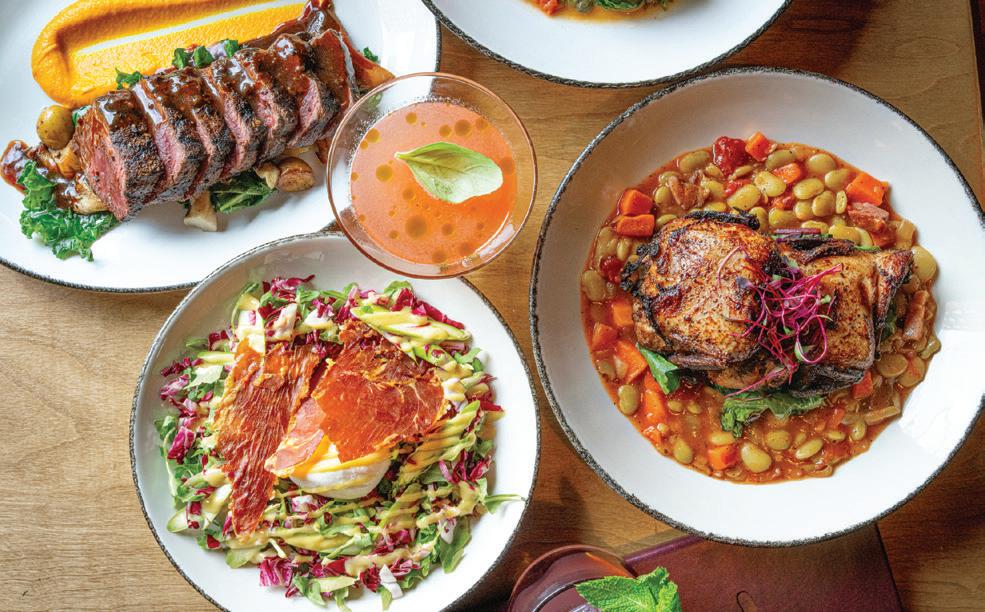
WATERSOUND, FLORIDA
Opened: 2025
Cuisine type:
Owners: Jeremy and Angela Walton
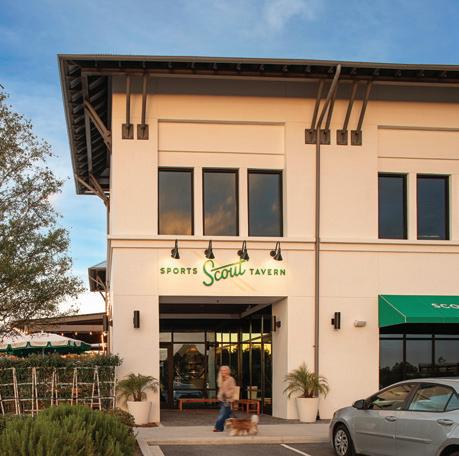
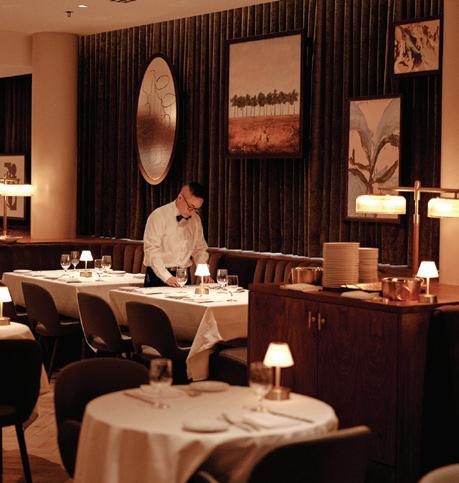
SCOTTSDALE, ARIZONA
Opened: 2025
Cuisine type: Italian
Owner(s): Alliance Hospitality Group
OKLAHOMA CITY, OKLAHOMA
Opened: 2022
Cuisine type: Modern Steakhouse
Owner(s): NE Development
ALYS BEACH, FLORIDA
Opened: 2021
Cuisine type: Coastal Fare / Seafood
Owner(s): Jeremy and Angela Walton
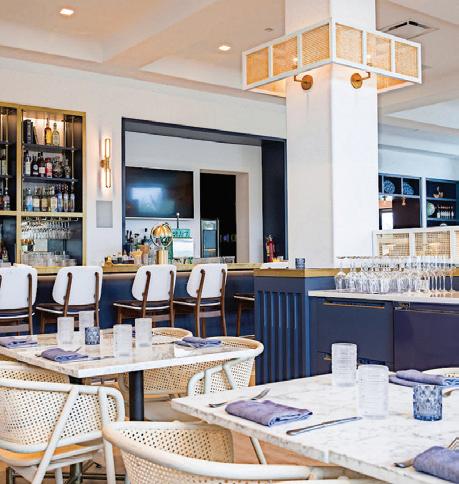
e Citizen brings a polished yet easygoing coastal tavern to Alys Beach, anchored by a raw bar and wood-fired kitchen. Owned by Jeremy and Angela Walton, the restaurant draws on Gulf Coast ingredients and global coastal influences, with a menu that moves from oysters and crudo to hearth-finished seafood and seasonal plates.
e space balances a modern, airy design with a flexible format—equally suited for brunch, dinner, or a drink at the bar—making it a steady gathering place along Scenic Highway 30A.
LEESBURG, VIRGINIA
Opened: 2008
Cuisine type: Italian
Owner(s): Jason Miller
OKLAHOMA CITY, OKLAHOMA
Opened: 2012
Cuisine type: Modern American
Owner(s): Coury Hospitality
PORTLAND, OREGON
Opened: 2026
Cuisine type: Modern Spanish
Owner(s): Steve and Vy Chao
DAYTON, KENTUCKY
Opened: 2025
Cuisine type: Pizzeria
Owner(s): Mike Dew
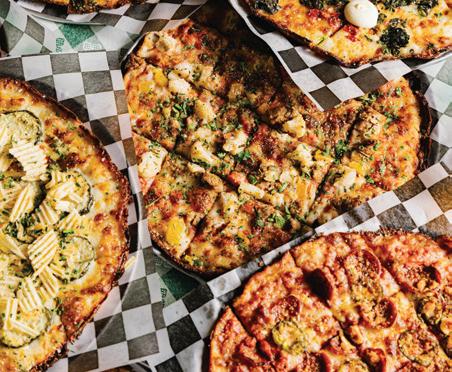
Opened in 2025, Wayfarer Tavern has quickly established a point of view distinct from the usual neighborhood pizzeria. Rather than committing to one regional style, owner Mike Dew draws from several—East Coast thin crust, Detroit’s caramelized edges, and tavern-style crispness—to create pizzas that feel familiar but not easily boxed in. That same deliberateness shows up in the details, from multi-day fermentation to finishing touches like fresh herbs, hot honey, and other textural contrasts that give each pie a little more dimension.
How two leaders delicately balance tradition, innovation, and team culture.
IT’S A FRIDAY MORNING inside Bern’s Steak House, nestled on the same corner of South Howard Avenue in Tampa, Florida, since 1956. e windowless, white-stucco building gives way to a baroque-style daydream once guests pass through its heavy wooden entrance doors, opening to a dining room adorned with gilded paintings, antique busts, exposed brick, and scarlet wallpaper. All is quiet—but within minutes of the 5 p.m. opening, the bar is full, and there’s not a chair to spare. And it’s been that way for nearly seven decades.
In the kitchen, executive pastry chef Hannah omas is preparing for a long night, churning macadamia nut ice cream, a fan-favorite. A Florida native and Le Cordon Bleu graduate, she joined Bern’s in 2019 as a pastry sous chef and has quickly risen through the ranks.
Bern’s doesn’t have a typical dessert program. The Harry Waugh Dessert Room could be a separate restaurant in and of itself, featuring an extensive dessert wine list, chocolate treats, pies, sundaes, and cheeses. Guests dine in redwood wine-cask booths paired with a retro sound system—a design inspired by late-night conversations between founder Bern Laxer and his friend Harry Waugh, the former director of Château Latour, a renowned French wine estate.
With up to 700 covers a night, omas acts with surgical precision. She plates in
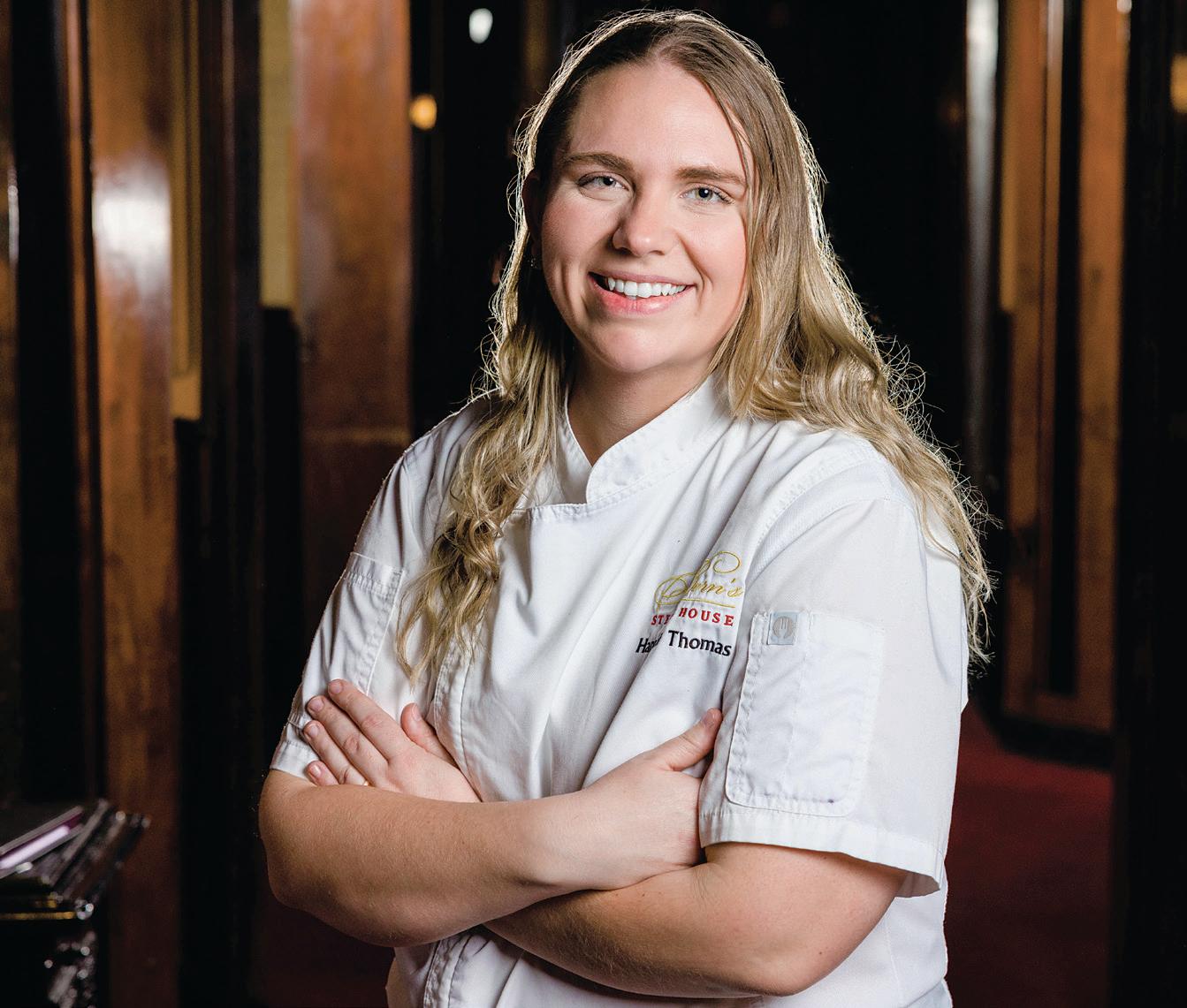
WHEN BUILDING OUT THE DESSERT MENU, EXECUTIVE PASTRY CHEF HANNAH THOMAS CAREFULLY BALANCES INNOVATION WITH RESPECT FOR TRADITION, UNDERSTANDING THAT SHE’S UPHOLDING A LEGACY 70 YEARS IN THE MAKING.

the very back of the building, away from everyone, to focus—she knows how important the dessert room is to completing guests’ experiences. When building out the dessert menu, she carefully balances innovation with respect for tradition, understanding that she’s upholding a legacy 70 years in the making.
“We honor the foundation Bern’s was
built on, keeping a traditional, welcoming feel to our signature dishes,” omas says. “We rotate specials seasonally, so that’s where you’ll see new fl avors incorporated. Our guests can always come and get our signature tableside bananas Foster, but we also push the envelope with smaller tasting dinners in the wine cellar once a month.”
While omas focuses on desserts, spirits program assistant Maddie Kaye brings a similar style of innovation to the bar program. Inspired by her mother, who owned a small diner, Kaye has a deep understanding of flavor, trends, and guest experience in her craft. She
also draws inspiration from Laxer himself.
“I ask myself a lot, ‘What would Bern do?’ He was such a pioneer who always hunted for the next best thing. He was endlessly curious about ways to take the extra step to make the guest experience unforgettable,” Kaye says. “And I think that makes it easy for us to do the same behind the bar, experimenting while holding onto what makes Bern’s, Bern’s.”
Kaye often collaborates with omas and the dessert program, crafting beverages like the macadamia nut old-fashioned, made with Bern’s barrel select whiskey and clarified macadamia nut ice cream, or a key-lime-pie-inspired cocktail. Sometimes, you can fi nd Kaye in the kitchen asking omas for one of her famous chocolate chip cookies to use on top of a cocktail.
ere’s an emotional element to leading the beverage and dessert programs for a restaurant so deeply woven into the city’s culture. For omas, sending guests home on a sweet note is deeply fulfi lling. Generations of Tampa customers have enjoyed nights at Bern’s.
“A few weeks ago, I had a table that wanted a recipe that’s no longer on the menu, and being able to personally make them the recipe was so exciting. ey were in tears for it,” omas says. “It’s hard to explain how I feel knowing that this is what we do for people every day.”
For Kaye, being able to express herself at Bern’s is a gift. She is a self-described spirits nerd—she loves being able to tell stories through a drink and create an experience for guests. Whether creating a vacation-in-Mexico experience or designing a menu for a local wine festival, there is always something to craft around. It’s an art form.
“I grew up in the country where the smell of wheat grain and corn is everywhere,” Kaye says. “So for me, the smell of whiskey and old barns is really special. When our spirits director picked out single barrels of whiskey last year, he chose 38 different barrels, looking for ones positioned higher in the warehouse where the temperature fluctuates more. He knows all of the secrets, and it’s
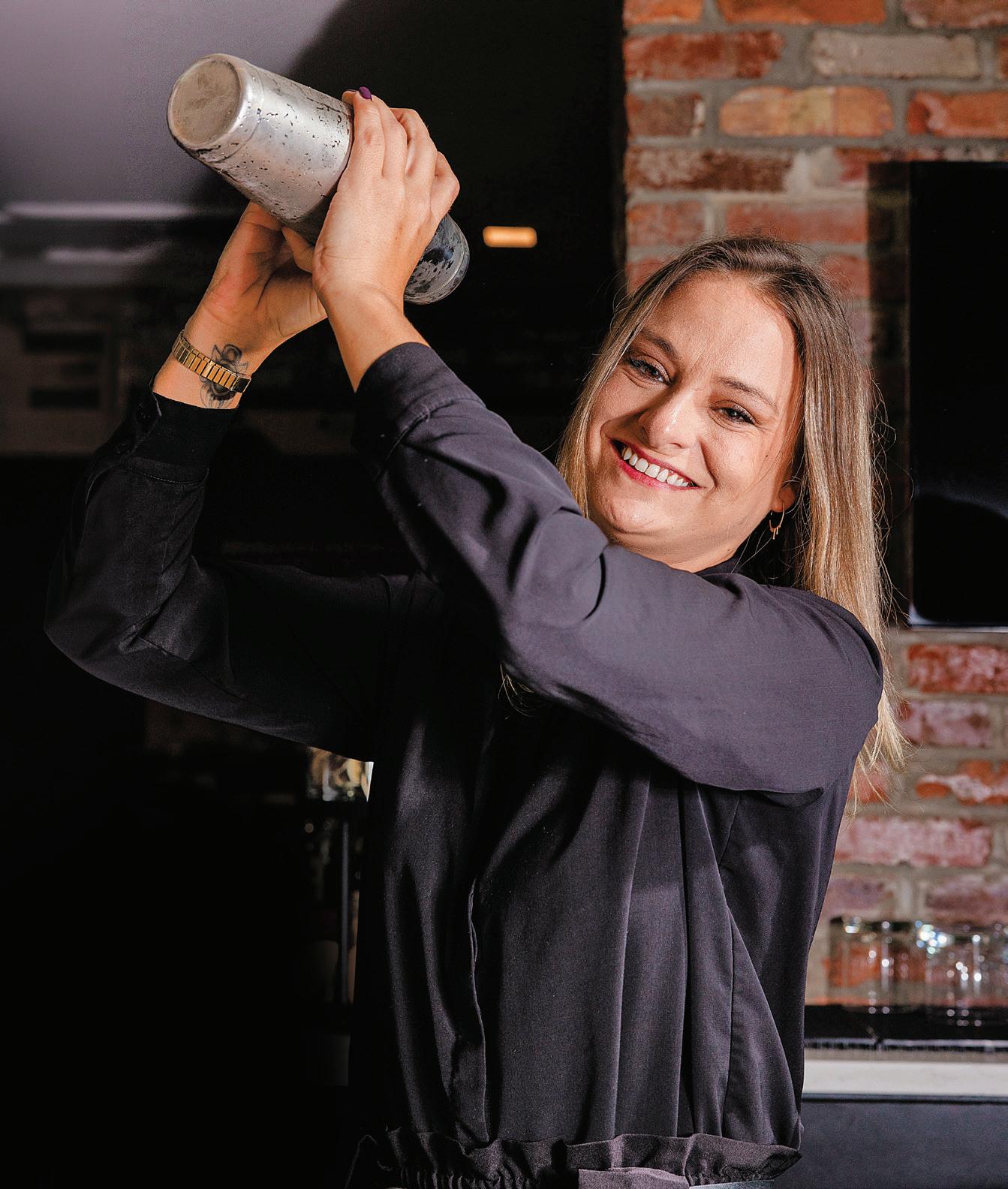
BEVERAGE PROGRAM LEADER MADDIE KAYE OFTEN COLLABORATES WITH EXECUTIVE PASTRY CHEF HANNAH THOMAS AND THE DESSERT PROGRAM, CRAFTING BEVERAGES LIKE THE MACADAMIA NUT OLD-FASHIONED, MADE WITH BERN’S BARREL SELECT WHISKEY AND CLARIFIED MACADAMIA NUT ICE CREAM, OR A KEY-LIME-PIE-INSPIRED COCKTAIL.
amazing to be a part of this team-wide dedication to perfection.”
For a restaurant of this caliber, upholding this reputation requires a culture built on respect, not fear. Both Kaye and omas have been credited not only for their culinary prowess, but also for their commitment to being mentors and collaborators.
“We’re earning each other’s mutual respect, and that is powerful. e fact that we can hold each other accountable without taking it personally, treating it like a team sport, is what I love about leadership at Bern’s,” Kaye says. “Everybody has done this for long enough to know that this industry is difficult.”
Kaye remembers the fi rst time she had a cocktail on the menu—as does Thomas, with her sweet treats—and makes it a daily practice to ensure her team members are being heard. Rather
than leading from a position of authority, both she and omas prioritize listening, demoing ideas, and partnering on solutions. ey don’t shy away from constructive criticism; they’ve built a culture where feedback is viewed as a tool for moving the program forward.
Above all, when it comes to continuing the iconic legacy of Bern’s, the two say that staying hungry is the key.
“I never went to a formal school to learn how to bartend or mix drinks. I watched, and people were kind enough to teach me, but in this business, you have to have a drive. You have to have open dialogue all the time with your team,” Kaye says. “Take advice from others, but don’t be afraid to be yourself and develop your own style within the parameters of your environment. It feels so good to accomplish something when you’ve been yourself the whole time.”
Dedicated menus, data tracking, and advanced tech are changing the game for catering at scale.
CATERING HAS ALWAYS PLAYED a role in restaurants, but only recently have operators begun treating it as a dedicated sales and marketing channel. For years, catering meant taking a big order over the phone, sending out trays for office lunches, and hoping everything landed well—often with little insight into who was enjoying the food or how the experience turned out. at version of catering is giving way to something more intentional.
Restaurants are building catering programs with dedicated menus, data tracking, protocols for thoughtful guest follow-ups, and technology designed to make large orders easier to handle. is shift in approach comes alongside the changes we’ve seen in remote and hybrid work. Office routines look different today, but the need for workplace meals still remains.
“Many employers are striking the balance between return to office and hybrid working, so food and communal meals are an incentive and driver of culture,” says Orazio Buzza, founder and CEO of Fooda, a workplace food tech platform that partners with local restaurants to bring meals to people at work. “Employer-sponsored catering occasions are one trend I anticipate continuing for the long term.”
For restaurants, that demand can be meaningful. But catering growth is
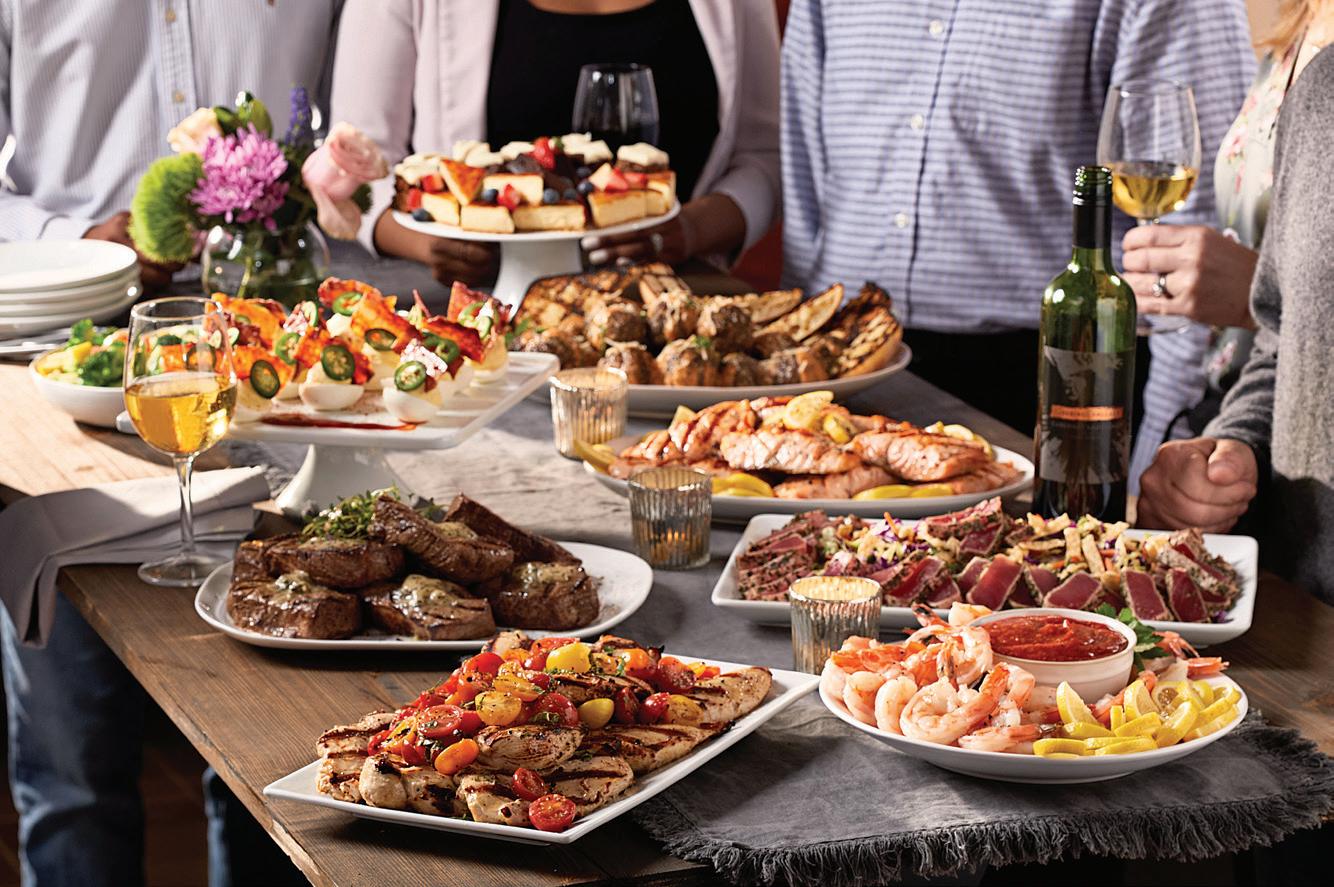
not as simple as turning on a new ordering channel. Kelly Grogan, founder of Crumbs—an agency that helps restaurants grow incremental revenue through catering, group dining, fundraising, local store marketing, and third-party delivery—says most operators come to her with the same request. “Everybody wants more catering orders right now,” Grogan says. e real question, though, is whether the restaurant is ready for them.
at readiness became the foundation for the catering program at Firebirds Wood Fired Grill, which operates over 70 locations across 23 states. When Jordan Johnson, director of off -premise, joined Firebirds in 2022 to oversee catering, the company already had a customer base. All it needed was structure. “We
had somewhat of a program, but it was not built to scale,” Johnson says.
Firebirds began by testing the program in Charlotte, where the brand opened a catering kitchen that also serves as a research-and-development kitchen. In 2023, it expanded catering across all its units with support from Olo and ezCater. e brand wanted to develop a program that would add revenue without overwhelming the dine-in business or asking operators to fi gure it out as they went. “Catering is a huge concept that needs to be nurtured and cared for,” Johnson says.
Firebirds created a catering playbook that walks its team through the process, including what catering means for the brand, how orders flow through the system, where tickets go, how food is
stored, and how money and tips are handled. Having this resource helps ensure the team is fully aligned with the goals of the brand’s catering program and the rationale behind the decisions made.
Grogan says one common mistake operators make is taking the regular menu and scaling it up without thinking through how people actually order, serve, and eat in a group setting. “I always like to start with 10,” Grogan says. “Start with what serves 10 across the board. Use that as your north star.” From there, operators need to test the food the way the customer will experience it. at means packing it, letting it sit, opening it, portioning it, and deciding whether it still works. “If it gets horrible when you take the lid off, it’s going to be horrible for clients, and clients won’t reorder,” Grogan says.
The approach Firebirds took is very similar to Grogan’s insights. e brand narrowed its broader restaurant menu into catering items that serve well, travel well, and can be prepared efficiently. Most items serve 10 to 12 guests. Some dishes were adjusted for the format, including sirloin sliced for easier buffet-style service. e brand also treated packaging as part of the guest experience. Johnson says Firebirds worked with its purchasing team to fi nd packaging that could fit tight restaurant spaces, hold the food properly, and still reflect the brand’s polished yet casual vibe. “Our food and our presentation speak volumes,” Johnson says. “And it speaks to way more people than the person who placed the order.”
Operators are encouraged to consider the number of fi rst impressions packed into a single catering order. “You’re serving at least five, if not 500 people,” Johnson says. “ ese eyes may be new eyes that have never seen Firebirds, mouths that have never tasted Firebirds, and ears that have never heard of Firebirds.” inking about brand awareness in this manner helps to make catering a useful marketing tool. “ e operators that are thriving in catering right now are looking at that singular order saying, ‘Wow, that’s 20 new people that I can be talking to,’” Grogan says.
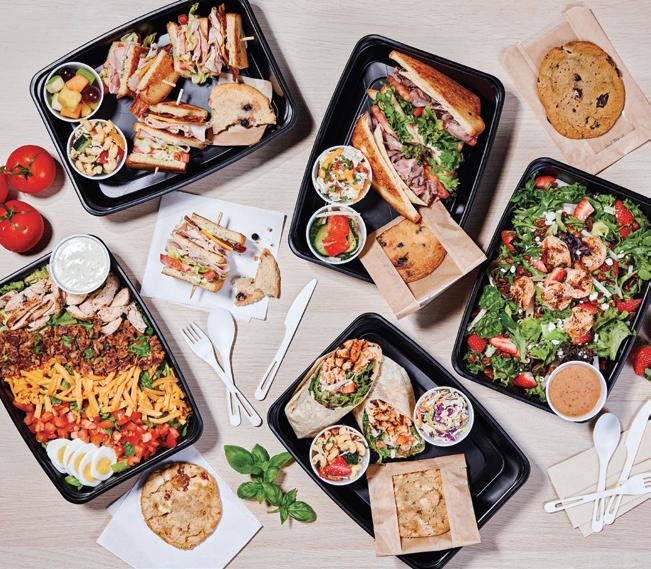
FIREBIRDS TREATS PACKAGING AS PART OF THE CATERING GUEST EXPERIENCE, AND WORKED WITH ITS PURCHASING TEAM TO FIND PACKAGING THAT COULD FIT TIGHT RESTAURANT SPACES, HOLD THE FOOD PROPERLY, AND STILL REFLECT THE BRAND’S POLISHED YET CASUAL VIBE.
at thinking changes what branded materials should be included with each order. A catering customer does not need more proof that the restaurant caters; they’re experiencing that part of the business already. e people eating the food need a reason to remember the brand when they are dining alone or with a much smaller group. at can mean stickers, QR codes, or flyers that drive loyalty signups, include social media prompts to encourage guests to share their meals online, or a coupon designed for visits to the restaurant.
Of course, none of this matters if the order arrives late, incomplete, cold, or is difficult to place. A strong catering program starts with first-party ordering and quickly addresses delivery. “Opening yourself up to receive catering orders is step one,” Grogan says. “Delivery is the second most important component to it because it makes or breaks the program.” First-party ordering also gives restaurants more control over the customer relationship. With that said, platforms such as ezCater remain important discovery and distribution channels, especially for corporate clients with existing purchasing systems. “ ey’re not going anywhere,” Grogan says. “ eir marketing pockets are much deeper than mine will ever be. And so, let them spend the money to get me new customers.”
Firebirds takes a similar approach. ezCater has been a strong partner for the brand as it continues to improve its
own catering webpage and communicate directly with guests. It’s important to use data from all channels to improve the program. At Firebirds, that led to a simple but meaningful change. Johnson says the team noticed corporate customers wanted lunch between 10:30 and 11:30 a.m., but many restaurants opened at 11 a.m. is meant that potential guests ordered from other brands because Firebirds wasn’t visible online when they needed it. After reviewing feedback and order data, Firebirds shifted catering availability to 10:30 a.m. at many locations. “ at simple change opened us up to so many more catering orders,” Johnson says.
Artificial intelligence and predictive tools may help operators spot more opportunities like this one. However, AI should be viewed less as a replacement for hospitality and more as a tool to make hospitality more targeted and efficient. ere’s potential to identify VIP guests, craft personalized campaigns, and even explore menu innovations. “ e strongest operators are using modern technology not just to react, but to proactively grow accounts and improve margins,” adds Buzza.
For restaurants just starting to invest in catering, the fi rst steps do not need to be complicated. Build a direct way for your customers to place large orders.
oroughly test the experience from the guest’s perspective. Use marketplaces for reach, without losing control of the relationship with the customer. Follow up with those who ordered, and market to those who experienced the food. at may be the larger shift happening in catering technology. The tools matter, but only when they support a clear operational path. Catering needs its own systems, menu strategy, delivery standards, data, marketing, and support from the field. When those pieces work together, catering becomes a powerful beast all on its own. Once built, you’re ready to connect with your guests.
“You are sitting on leads inside of your four walls,” Grogan says. “You are sitting on so many catering leads you have no idea.”
Advertising Inquiries
Amber Dobsovic
NATIONAL SALES DIRECTOR adobsovic@wtwhmedia.com | (757) 637-8673
Tom Boyles
NATIONAL SALES MANAGER tboyles@wtwhmedia.com | (662) 607-5249
You’re
and emulated by other restaurateurs. You lead the markets you operate in.
These are the characteristics that make a tablesetter.

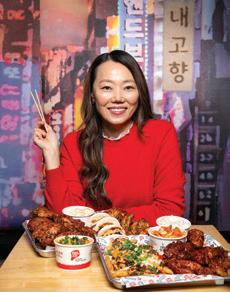



MIKE STASKO
ROLE: President
BRAND: Sunny Street Cafe
UNIT COUNT: 22
Mike Stasko has been with Sunny Street Cafe since its 2007 inception, and today he’s helping steer the bright, breakfast-andlunch brand through its next phase of growth. With 22 locations and two more on the way, Stasko is focused on smart expansion into markets like St. Louis, southern Illinois, and Texas, testing a larger free-standing prototype alongside efficient second-gen spaces, and keeping the experience firmly people-first. He shares how Sunny Street is posting record weeks and why hospitality and flavorforward LTOs matter as much as value.
BY CALLIE EVERGREEN
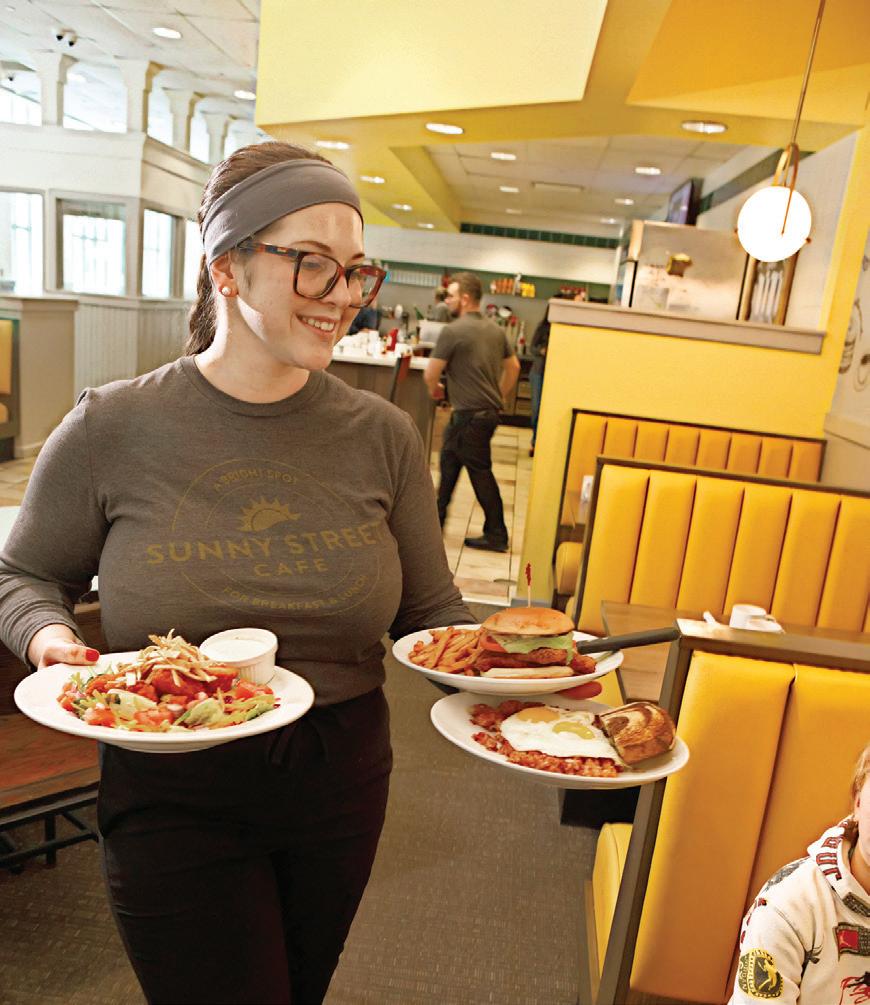
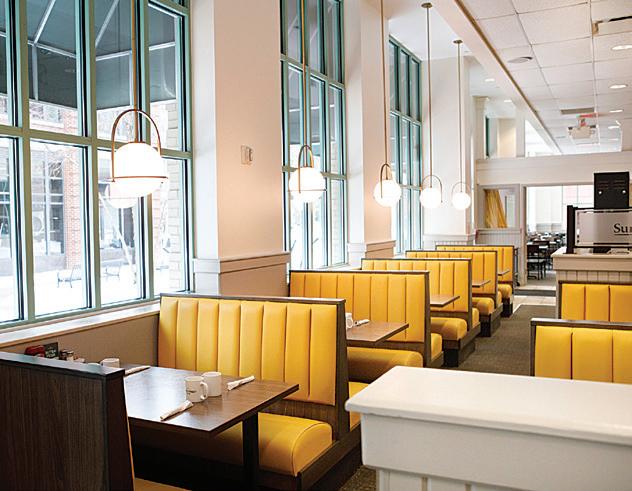
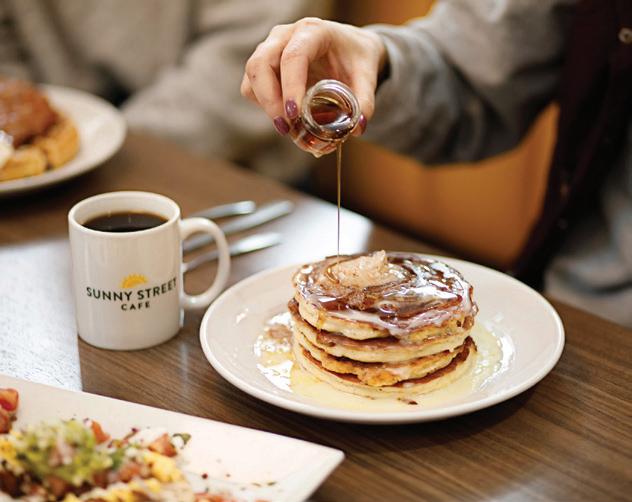
Sunny Street is at 22 locations now. What’s the growth plan?
We’ve got two more under construction that should open before December 2024. We’re based in Columbus, and we have markets in St. Louis, southern Illinois, and Texas, so we’re really trying to grow out specifically there and capitalize on brand awareness. We want continuous markets and to be smart and thoughtful about expansion. Typically, every one of our franchisees is a multi-unit owner. e store opening in Marion, Illinois, later this year will be his second restaurant, and that’s actually going to be a free-standing restaurant, the fi rst in our portfolio.
What’s different about that first free-standing prototype?
It’s getting bigger, which is the opposite of what most people are doing. We’re malleable enough that we can retrofit into smaller spaces, like our Indianapolis store that’s going into a second-gen space with lower buildout costs. But the free-standing is a unique opportunity. It’s bigger, with an extended patio, garage doors, and a drive-thru pickup
window. We also expanded the beverage program. I feel pretty excited about it.
How is the business performing in the current environment?
Our comps are up, our traffic’s up. We had a record week last week. I think we’re doing some things right and we’re positioned pretty well. We’re tripling down on hospitality, because we’re full service and we have to make sure the experience is top notch. We’re taking another step in our training process and making sure our employees are taken care of. at’s our secret weapon.
What innovation is really making a difference behind the scenes?
Connecting the dots on our inventory management system, our accounting system, and how our managers use that suite of tools. We think our cost of goods is best in class, sub-21 percent on average, with some stores under 19 percent. It’s about being really tight— managing waste, knowing costs, and empowering our managers to feel like they own the business.
RECIPES FOR SPEED
AUTHENTICITY VS FUSION SKU REDUCTION
DIVE INTO DATA
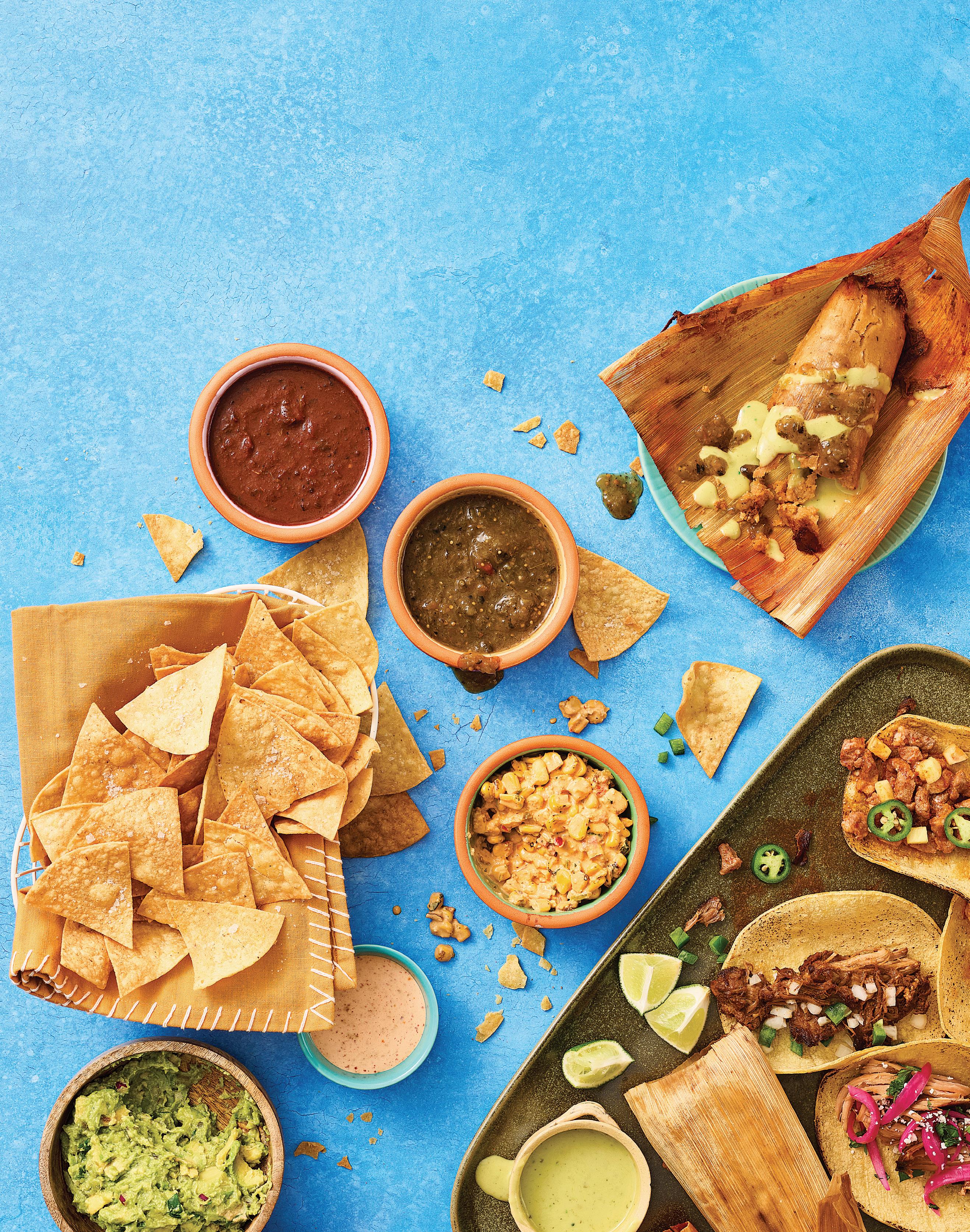
MEXICAN FOOD DETHRONES
ITALIAN WITH GEN Z AND MILLENNIALS
INNOVATION FROM ONE OF THE BIGGEST MEXICAN FOODSERVICE PROVIDERS
FLAVORCHARGED STRATEGIES FOR LABORCONSTRAINED KITCHENS.
Want to offer real avocado but worried about the challenges of whole fruit? WHOLLY® Avocado products give you exactly what you need, and none of the hassle.
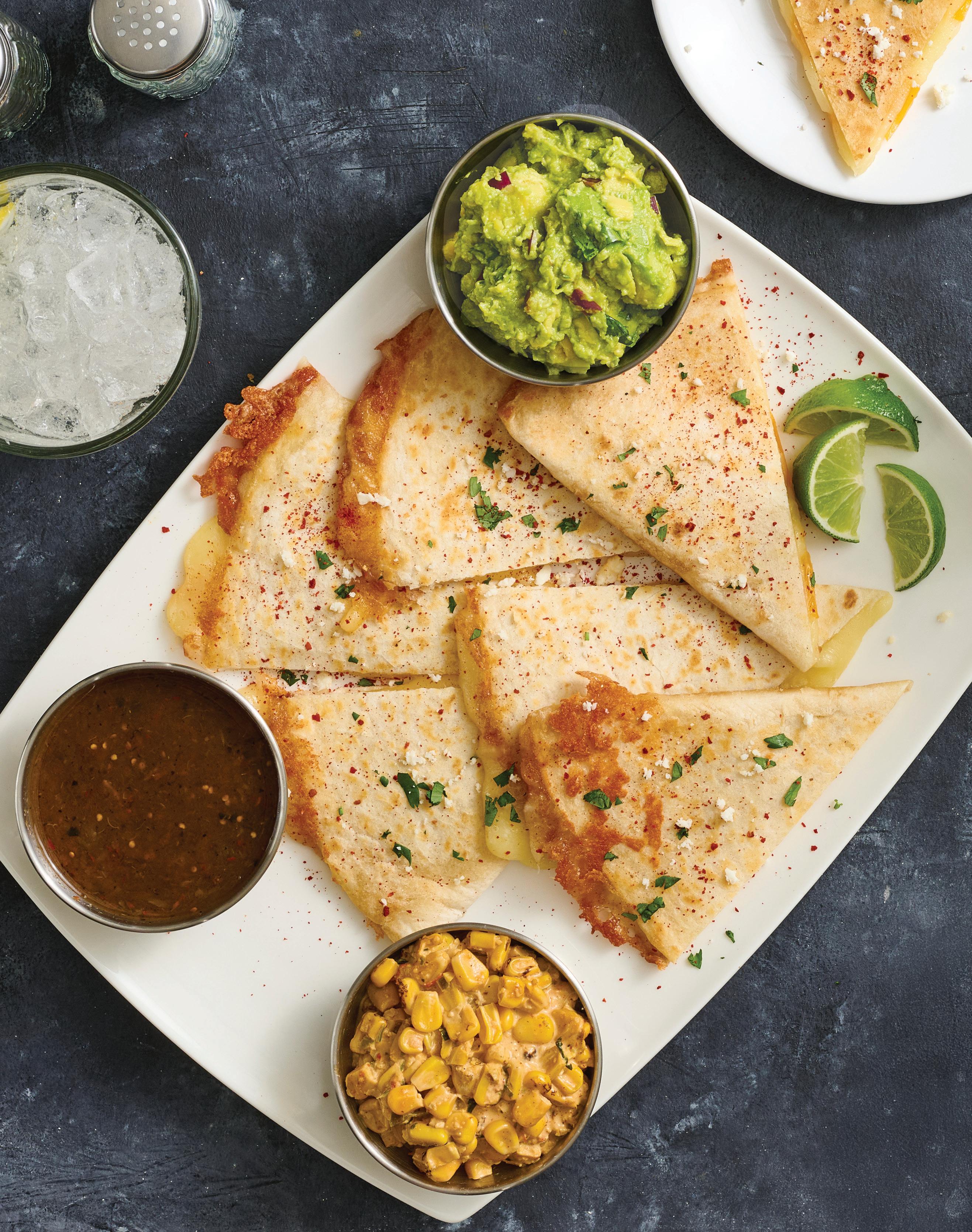
100% yield saves you almost 4 lbs. of product per case.*
TIME No cutting, pitting or scooping saves 30 mins. per case.
SAFETY You won’t need knives, and we pioneered HPP to keep food safe.
READY TO GET REAL?
Scan here for a sample and see how WHOLLY® Avocado is better.
Chef-quality results without the need for skilled labor.
THE CONTINUED POPULARITY OF MEXICAN FOOD, flavors, and formats is well known in the restaurant industry. One in ten restaurants in the U.S. serves Mexican food, according to Pew Research. Yet as any Mexican operator or chef knows, high-quality Mexican food takes time and skilled labor—resources rarely afforded in today’s fast-paced, hyper-competitive environment.
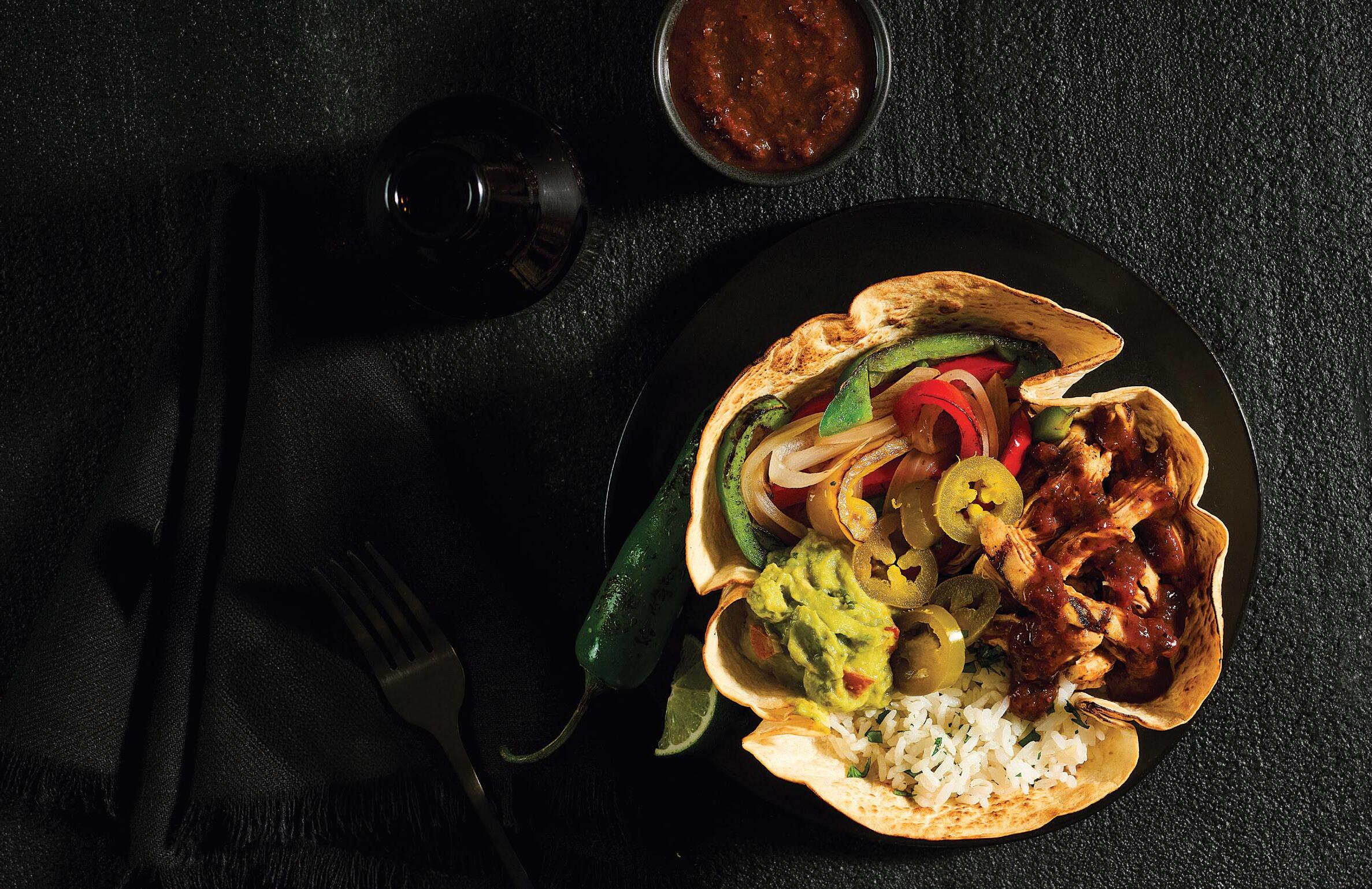
This tension between demand and execution continues to shape how operators approach menu development and partnerships.
Authenticity is vital for operators and consumers alike when it comes to Mexican dishes. From a Quemada salsa with delicate charred notes and a complex spice to scratch-made guacamole, operators need foodservice partners that reflect both the need and passion for authenticity.
MegaMex Foods is a fast growing Mexican food company in the U.S., with a focus on authentic, flavorful brands operators rely on to introduce or expand Mexican flavors on menus. These brands serve as thoughtfully curated solutions for foodservice operators who require flavor-forward, scratch-quality offerings that perform consistently at scale.
The MegaMex Foods portfolio is made up of products and brands rooted in family traditions and used by foodservice operators internationally. With brands like the HERDEZ®
To
brand, which is the number one salsa in Mexico, according to Nielsen 2025, showing how MegaMex Foods’ brands encapsulate authentic flavor and preparation methods. The company’s legacy of authenticity continues to guide how products are developed and shared with a broader audience.
Authenticity goes hand in hand with innovation for MegaMex Foods. By pioneering High Pressure Processing (HPP) of avocados and guacamole, its WHOLLY® Guacamole has become the number one refrigerated guacamole brand, according to Circana, 2025. Other key brands include WHOLLY® Avocado, LA VICTORIA®, EMBASA® and DON MIGUEL® brands. For operators, this presents a unique opportunity to serve authentically crafted, traditional Mexican flavors and recipes without the need for skilled labor or the lifetime of knowledge and experience it takes to perfect formats like mole, salsa and sauces in regionally specific preparations.
Chefs like Brian Barney, business
development chef at MegaMex Foods, Food Away From Home have experienced this care in craft firsthand.
“What I have found since joining MegaMex Foods is we have a team that is passionate about food and foodservice,” Barney says. “Across the organization, we all take pride in the quality of our products and the authenticity of our brands.”
Authenticity in preparation and sourcing is only one part of MegaMex Foods today. The company is also defined by its dedication to innovation, ensuring flavor, format, and packaging meet operators’ evolving concerns, from labor efficiency to consistency across locations. At the same time, taste will always have the final say.
“I have always had the mindset that anything I prepare needs to be a dish I want to serve my family or customers, that is easy to do with MegaMex Foods,” Barney says. “There is not a product in our portfolio I am not proud of serving to my family.” ❖
A deep dive on the trends driving the third most popular cuisine in the U.S.
MEXICAN FOODSERVICE IS INCREDIBLY POPULAR—BUT IT ISN’T A MONOLITH, which is why understanding trends fueling its evolution is a requirement for operators. Whether an operator is running a Mexican restaurant or is introducing popular fusion flavors, an understanding of where market, consumer, and chef-driven trends are leading the cuisine is necessary for competitive success.
Adam Emery, a Food Away From Home brand analyst at MegaMex Foods, underscores current trends and where operators have the most opportunity.
“U.S. consumers are very open to going deeper into regional Mexican cuisine, and operators are using that familiarity
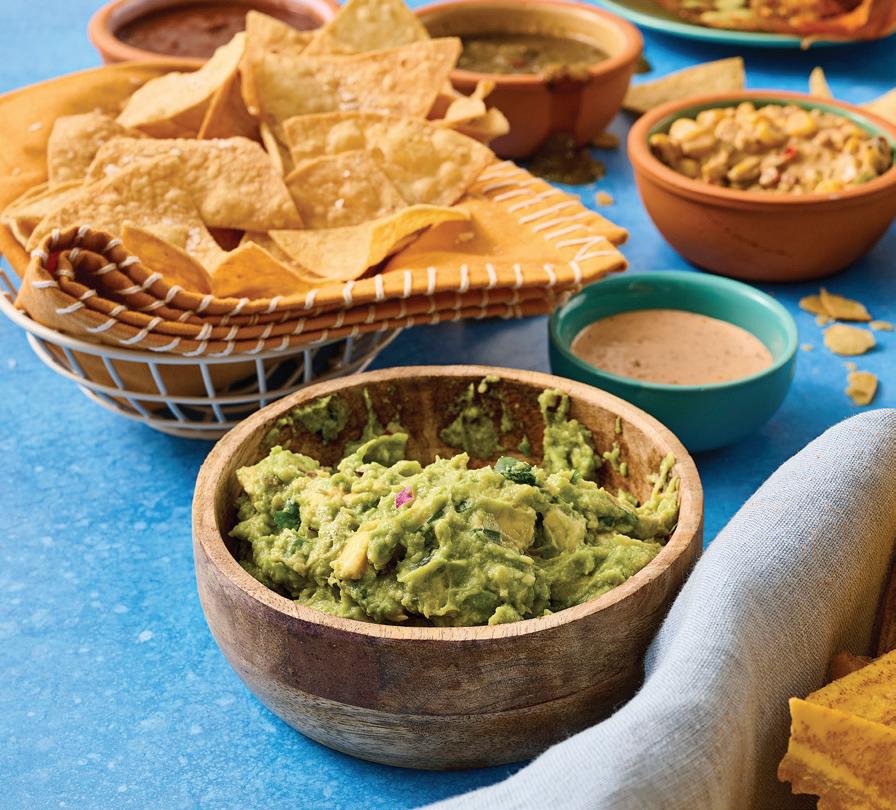
to move beyond generic Mexican branding—often highlighting regions like Mexico City to stand out,” Emery says. Don’t be afraid to lean into authenticity through specific, regional callouts that consumers may be less familiar with but are excited to try.
However, regional cuisines can call for specialized ingredients and preparation. To access high-quality ingredients, look to well-known foodservice solutions like HERDEZ® Pepper Pastes to ensure an authentic depth of flavor and spice profile on iconic dishes like Jalisco birria and torta ahogada.
While Mexican cuisine has long dominated the U.S. food scene, consumer interest is expanding into Central and South American flavors. This evolution creates a natural bridge for operators, as these regions share foundational ingredients and techniques—such as stone-grinding peppers and slow-simmering spices—with traditional Mexican cooking. “Momentum is moving toward blended menus where Mexican cuisine anchors the experience and South American flavors enhance it,” Emery says.
Operators should look towards broader South American flavors when considering LTOs and fresh menu ideas,
especially in fusion concepts. “We’re seeing influences like sweet, peppery, fruity, and savory notes from Argentina, Brazil, and Peru,” Emery says. MegaMex Foods provides the authentic Mexican building blocks that allow these regional South American profiles to shine on modern menus.
ACCORDING TO DATASSENTIAL’S MARCH 2026 “NEXT GEN GLOBAL” REPORT MEXICAN CUISINE IS LOVED OR LIKED BY 83% OF US CONSUMERS. MEXICAN FOOD IS MOST LOVED OR LIKED BY GEN Z AND MILLENNIALS.
In addition, Mexican cuisine has surpassed Italian as Gen Z’s favorite global cuisine in the US, according to Datassential 2026.
Mexican cuisine continues to resonate most strongly with Gen Z and millennials, who are driving demand for both familiarity and innovation. “Mexican cuisine has really strong appeal with
DISH HIGHLIGHTS:
A complex traditional sauce, including nuts, peppers, fruits, and chocolate. Made using multiple different techniques including toasting, grinding, and simmering for a depth of flavor.
TIP: To ease labor and skill constraints while still taking advantage of the trend, look to longtime consumer favorites like DOÑA MARIA® Mole Rojo, which is made in Mexico and has long been a staple for households in Mexico and the U.S, but has been adapted for foodservice so operators can provide the flavor consumers love at the scale they need.
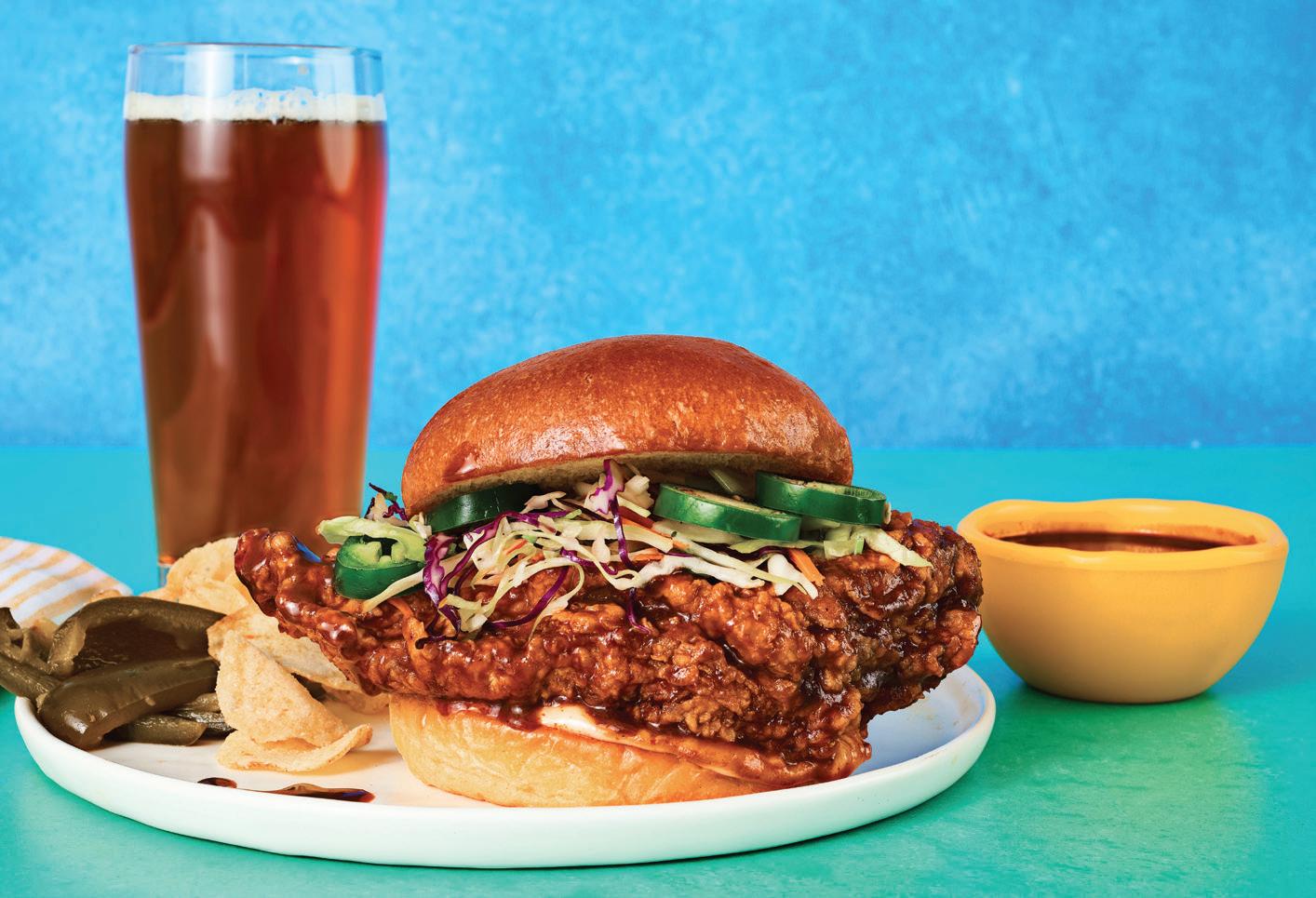
US consumers, especially among Gen Z and millennials,” Emery says, pointing to the category’s flexibility as a major reason for its staying power. Younger consumers are also more open to experimentation, with Gen Z leading the way in trying fusion variations of classics. At the same time, broad interest in South and Central American flavors suggests this is more than a passing trend.
For many, partnering with a foodservice supplier that has a strong grasp of trends, authentic methods, and operator needs can bridge the widening gap between consumer demands and operational shortcomings.
Authenticity in Mexican cuisine is increasingly defined by the guest experience itself. As Emery explains, “For most guests, authenticity is driven by taste and the overall sensory experience, not by cultural credentials or who prepared the dish.” In practice, that means consumers are judging food by how it tastes, smells, and feels, while ingredient choice has become a key signal of credibility.
%
.
- ACCORDING TO DATASSENTIAL “GLOBAL FLAVORS” / JULY 2025 69% OF CONSUMERS WANT AUTHENTIC MEXICAN FOOD.
- ACCORDING TO DATASSENTIAL’S 2025 “GLOBAL FLAVORS” REPORT
This presents both a clear opportunity and a challenge for operators. Consumers crave authenticity, but authentic preparations and formats in Mexican cuisine require skilled labor and time that operators often struggle to find.
Using Mexican flavors in unexpected ways to elevate dishes is an easy way
ACCORDING TO DATASSENTIAL’S 2025 “PREP METHODS” REPORT, FUSION IS PROJECTED TO REACH 100% MENU PENETRATION BY 2029.
DATASSENTIAL’S MENU TRENDS 2026 REPORTS MOLE HAS INCREASED +12% OVER THE PAST 12 MONTHS ON BREAKFAST MENUS, +8% ON DINNER MENUS, AND +4% ON ALL DAY MENUS HONEY MOLE CRISPY CHICKEN SANDWICH
to entice consumers. From a Honey Mole Tex-Mex Chicken Sandwich to Korean-Mexican Bao Bun Tacos, or a Mole Glace Braised Short Rib, operators who think about flavor in dynamic ways and use prepared ingredients to elevate offerings without complicating the back-of-house will be able to win this moment.
“While fusion is expanding, many consumers still love the authentic classics, but they’re now looking for more regional ingredients, preparations, and experiences that feel more authentic,” Emery says. “Because Mexican cuisine has become so familiar in the U.S., consumers are moving past generic options and toward more modern, distinctive takes.” ❖
A savory stew made with dried chile, spices, and garlic, it commonly features goat or beef, widely recognized for its deep red color and savory flavor profile.
TIP: To simplify the preparation of rich birria flavors, consider partnering with established, authentic foodservice providers. HERDEZ® Pepper Pastes, for example, eliminate the need for extensive roasting and blending of chiles when creating traditional or fusion birria concepts.
“BIRRIA IS A STRONG EXAMPLE, WITH RAPID MENU GROWTH AND SUCCESSFUL EXPANSION INTO FAMILIAR FORMATS LIKE TACOS AND FUSION DISHES LIKE BIRRIA RAMEN.” - EMERY
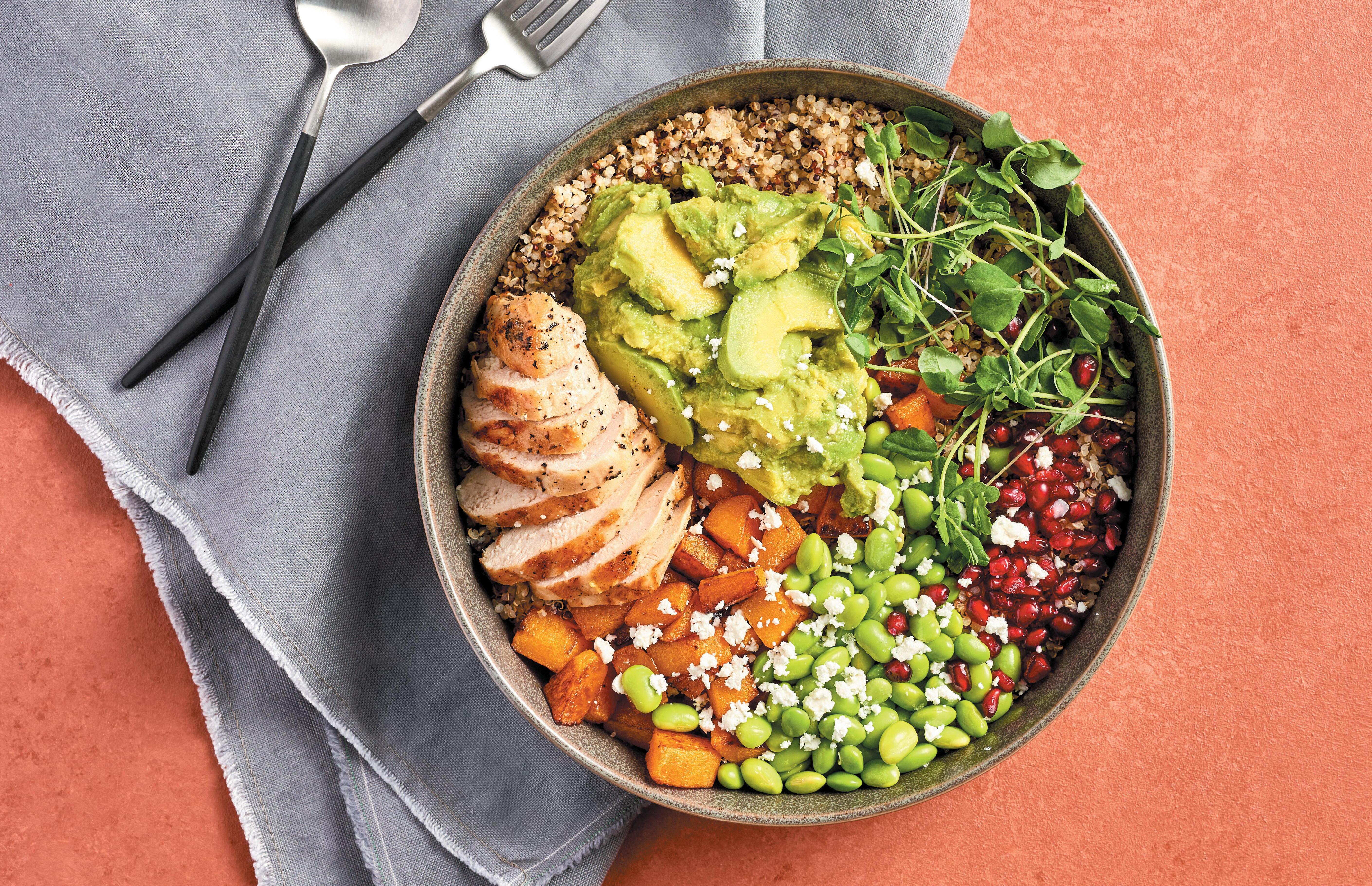
Everyone wants real avocado. But who wants the hassle, mess and cost of whole avocado fruit? Not us. And probably not you. So we made something better: WHOLLY® Avocado products.
• Picked and packaged at the perfect ripeness for 100% yield.
• Use WHOLLY® products anywhere you’d use whole fruit.
• 100% real Hass Avocados with no added preservatives and nothing artificial.
Ready to get real? You can use WHOLLY® Avocado anywhere you use whole fruit. It’s simply better. And we’ll prove it. SCAN FOR YOUR SAMPLE.
If you’re using whole fruit, you’ve probably noticed some challenges.
WHOLLY® Avocado products can help you save almost 4 lbs. of product / case.
TIME
No cutting, pitting or scooping means we save you 30 mins. / case.
You won’t need knives, and we pioneered High Pressure Processing, so your food is safer.
How operators are expanding authentic Mexican flavors on menus.
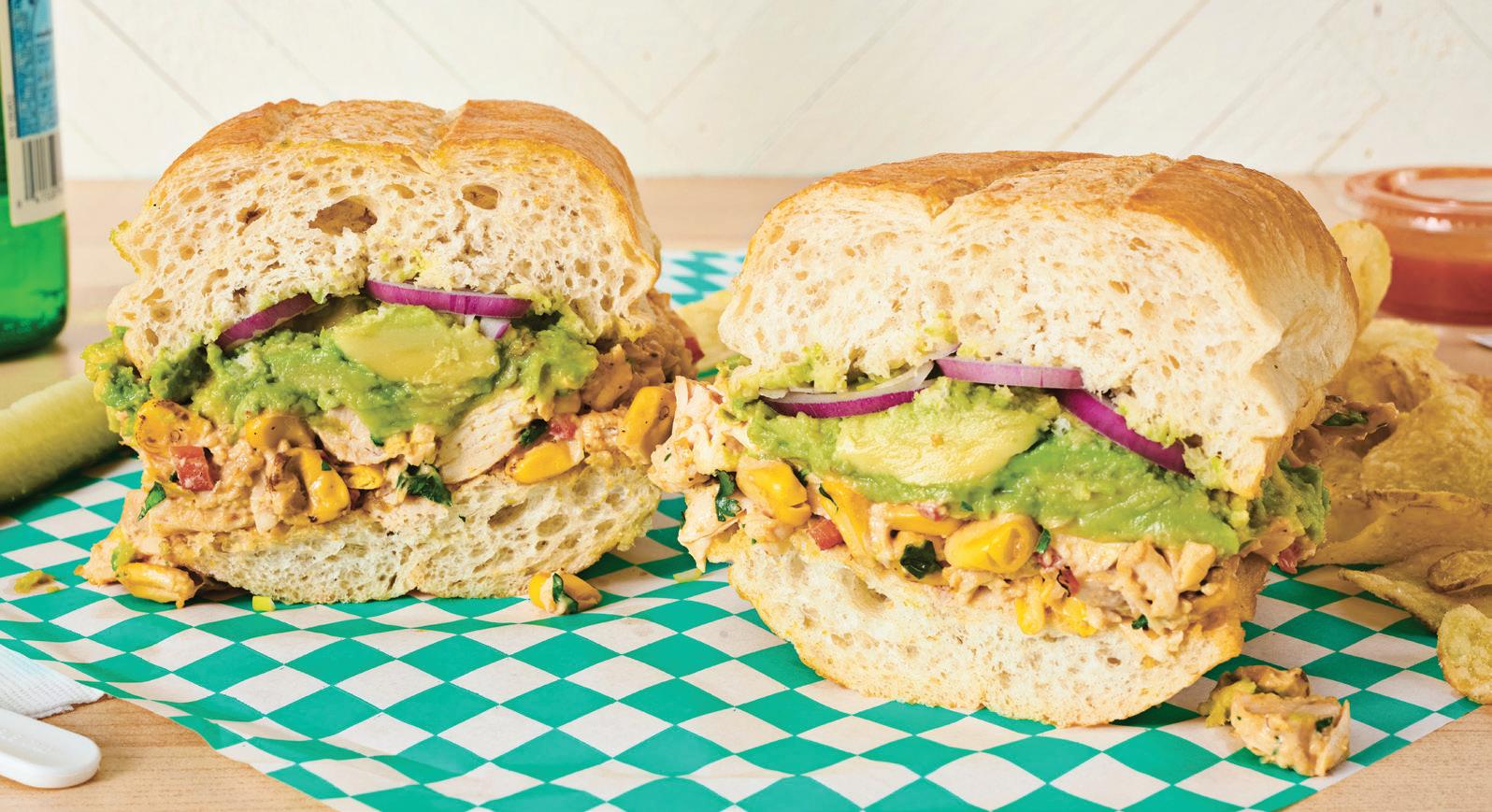
ACCORDING TO THE U.S. BUREAU OF LABOR STATISTICS, 432,200 cook openings are projected each year from 2024 to 2034, creating growing pressures for operators to do more with fewer skilled hands. At the same time, kitchens are being forced to reconsider the value of labor-intensive prep tasks that consume time. In this environment, speed to plate is becoming less about cutting corners and more about redirecting labor where it matters most.
MegaMex Foods is positioning prepared components as one way to help operators reclaim that labor. According to Chef Brian Barney, business development chef at MegaMex Foods, Food Away From Home, avocado prep is a clear example of where kitchens can save time without giving up control over the finished plate. “It takes around 30 minutes or longer to break down a case of whole fruit to get roughly 12.5 lbs. of usable avocado once the pits and skins are removed,” he says. “Com-
ting notes. MegaMex Foods is able to solve these challenges through solutions such as DOÑA MARIA® Mole and HERDEZ® Quemada Charred Salsas.”
Using these speed scratch solutions, chefs can reallocate labor hours saved from knife work into higher-value areas. “This time can be better utilized during peak service hours to improve wait times and plating through additional staff on key stations, or by freeing up chef leaders to better manage,” Barney says. Consistent flavor profiles across multiple shifts is also preserved when using these products. “Individuals create variability that MegaMex Foods can solve prepared options that ensure a consistent experience.”
“Compare that to a case of WHOLLY ® Avocado, which takes less than 5 minutes, and you get 16 lbs. of perfectly ripe avocado.”
pare that to a case of WHOLLY® Avocado, which takes less than 5 minutes, and you get 16 lbs. of perfectly ripe avocado.” WHOLLY® Avocado ensures operators get 100 percent yield from their avocado orders and zero food waste.
The same approach extends well beyond avocado. MegaMex Foods is focused on speed scratch solutions, including HERDEZ® salsas, DOÑA MARIA® Mole, and HERDEZ® Pepper Pastes. “Traditional dishes such as mole have layered depths of flavor that are developed during the cooking process and are difficult to consistently replicate,” Barney says. “These dishes require skilled labor to properly prepare the ingredients without imparting bitter, off-put-
Cost control, including key costs like waste, labor, and menu pricing, are heavily influenced by switching to speed scratch solutions. “One week tomatoes or whole fruit avocado pricing is fantastic, then the price has gone up $10 a case, but the recipe costing sheet is still the same as before, causing the net margin to be considerably less,” Barney says. “MegaMex Foods takes variability out of menu strategy through consistent pricing throughout the year, so teams can focus on restaurant operations.” Additionally, he mentions using prepared avocado and salsa can take the unpredictability out of working with fresh produce, helping operators improve yield, reduce waste, and deliver more consistent results yearround.
In a labor environment where every hour and ingredient counts, speed scratch offers operators a way to protect efficiency and execution. The goal, Barney suggests, is not to replace culinary skills but to make it easier to deliver consistently under pressure. “At MegaMex Foods, we help operators with speed scratch solutions that remove complexity and inconsistency from the BOH.” ❖
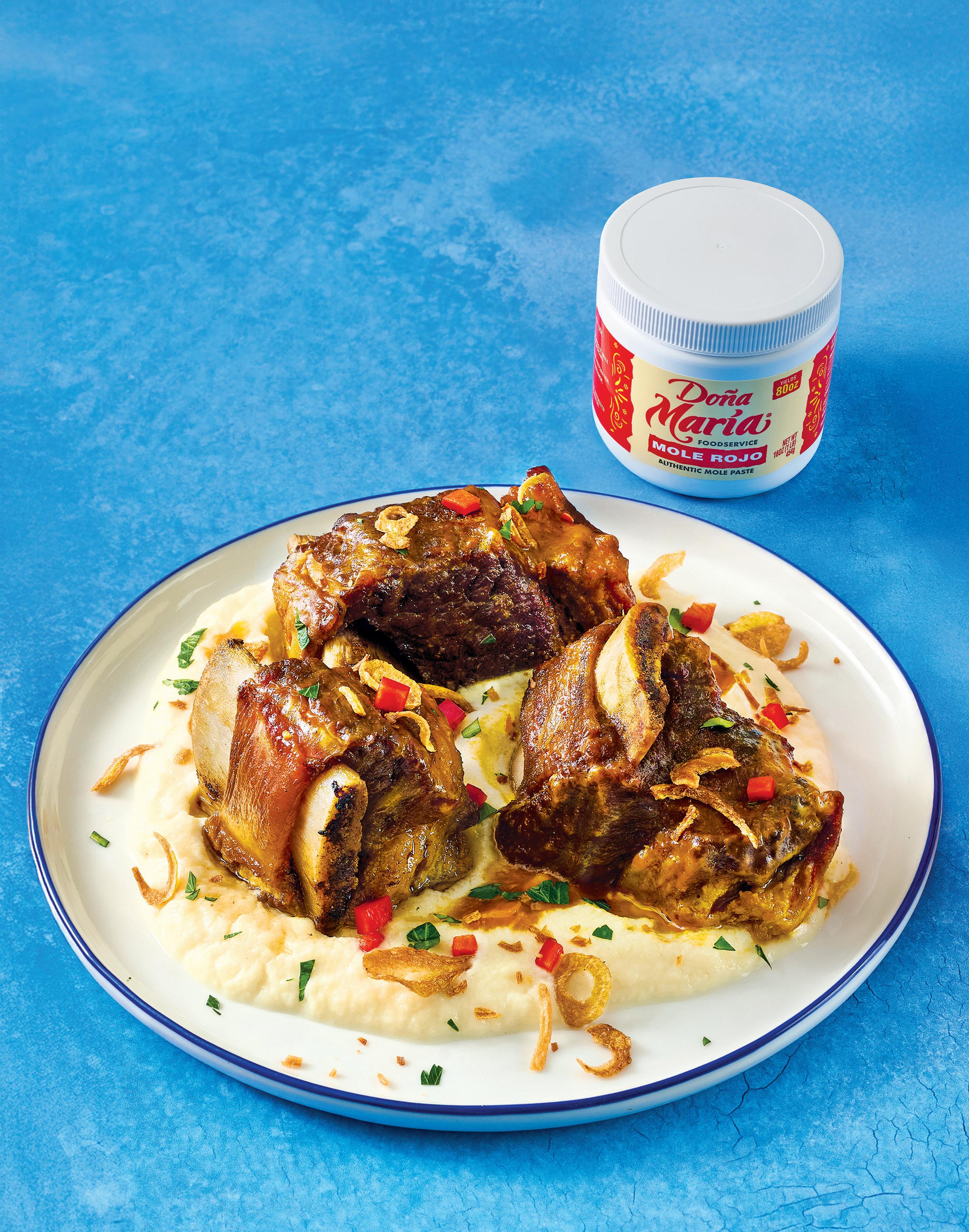
With DONA MARIA® Mole Rojo , a twist of the cap and a stir of the spoon is all it takes to make the rich, authentic, deep flavor of Mexican mole sauce. Add it to traditional dishes, top off new fusions, even put it on dessert. But don’t wait around—this mole goes fast in every way imaginable.
ALSO AVAILABLE AT DOT FOODS ITEM #774328

Maximize ingredient cross-utilization and beat rising food costs in 2026.
one of the most practical ways operators can balance creativity with control. Kitchen space is one area where operators need to maximize efficiency. The ability to rely on a single ingredient across multiple dayparts is a necessity. Operators in 2026 expect food costs to rise an additional 20–25 percent, according to a survey from Restaurant365. Making the urgency to lock down food costs and reduce waste more dire. From breakfast through dinner, the right product can anchor a menu while quietly improving consistency, storage efficiency, and overall performance.
For many operators, however, the biggest obstacle is not access to versatile ingredients, but how they think about using them. “When selecting SKUs or ingredients, I am always focused on finding at least three ways to use that ingredient across the menu,” says Brian Barney, business development chef at MegaMex Foods, Food Away From Home. Shifting that mindset allows for smarter sourcing and menu engineering.
Take HERDEZ® Quemada Charred Salsa Verde as an example. In the morning, it can serve as the backbone of chilaquiles, delivering bright acidity and roasted depth. By lunch, that same salsa becomes a finishing element for street tacos or is folded into pork carnitas for burritos. At dinner, it transforms again—blended with fresh jalapeños, olives, and capers into a Veracruz-style sauce
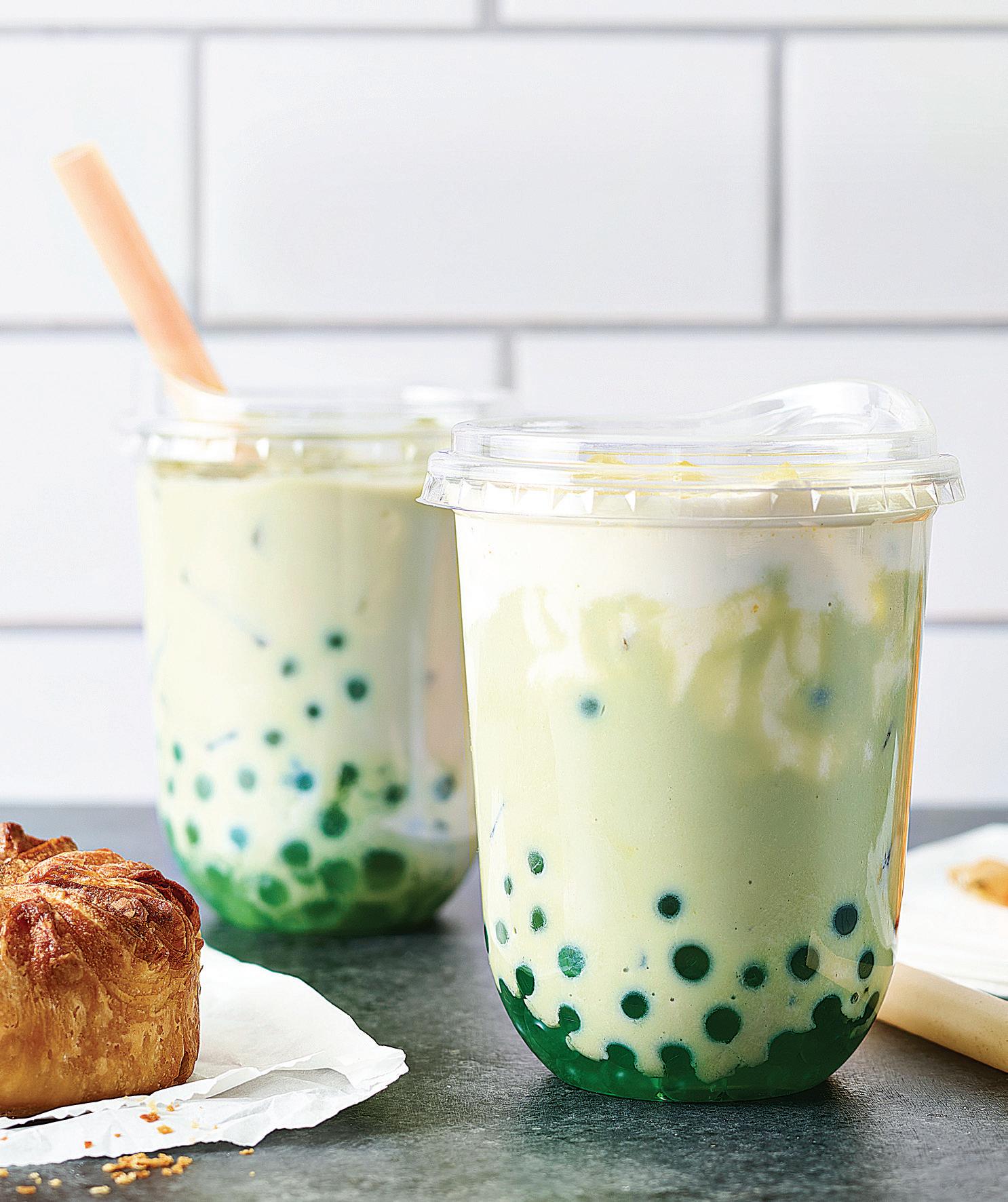
for seafood or used as the base for a speed-scratch enchilada verde.
This approach extends beyond salsa. “Mole is one of my favorite items because many restaurants I work with typically have it only menued as a sauce on one dish, but there is so much more you can do with it,” Barney explains.
DOÑA MARIA® Mole Rojo can be used traditionally with chicken, but also as a marinade for salmon, a glaze for wings, or even a rich, cocoa-forward alternative to demi-glace for beef. By adjusting presentation and naming, operators can create multiple menu items from the same foundational ingredient without overwhelming the guest.
The operational impact of this kind of versatility is significant. Storage, often the most expensive square footage in a kitchen, becomes easier to manage when fewer ingredients are required. WHOLLY® Avo-
cado is one brand helping operators maximize space and reduce waste as it takes up less space than cases of the whole fruit, while providing 100 percent yield. Smarter products provided by brands like the WHOLLY® and DOÑA MARIA® brands help preparation move faster and free up valuable time.
Inventory turnover is another key benefit. Operators aim to turn fresh inventory every four days and ambient items within a week. When ingredients are used across multiple dishes and dayparts, they move quicker, reducing stagnation and improving cash flow.
At the same time, a streamlined pantry creates room for innovation. Rather than adding new SKUs for LTOs, chefs can draw inspiration from what they already have on hand. This kind of creativity leads to more cohesive dishes that are easier to execute consistently. ❖
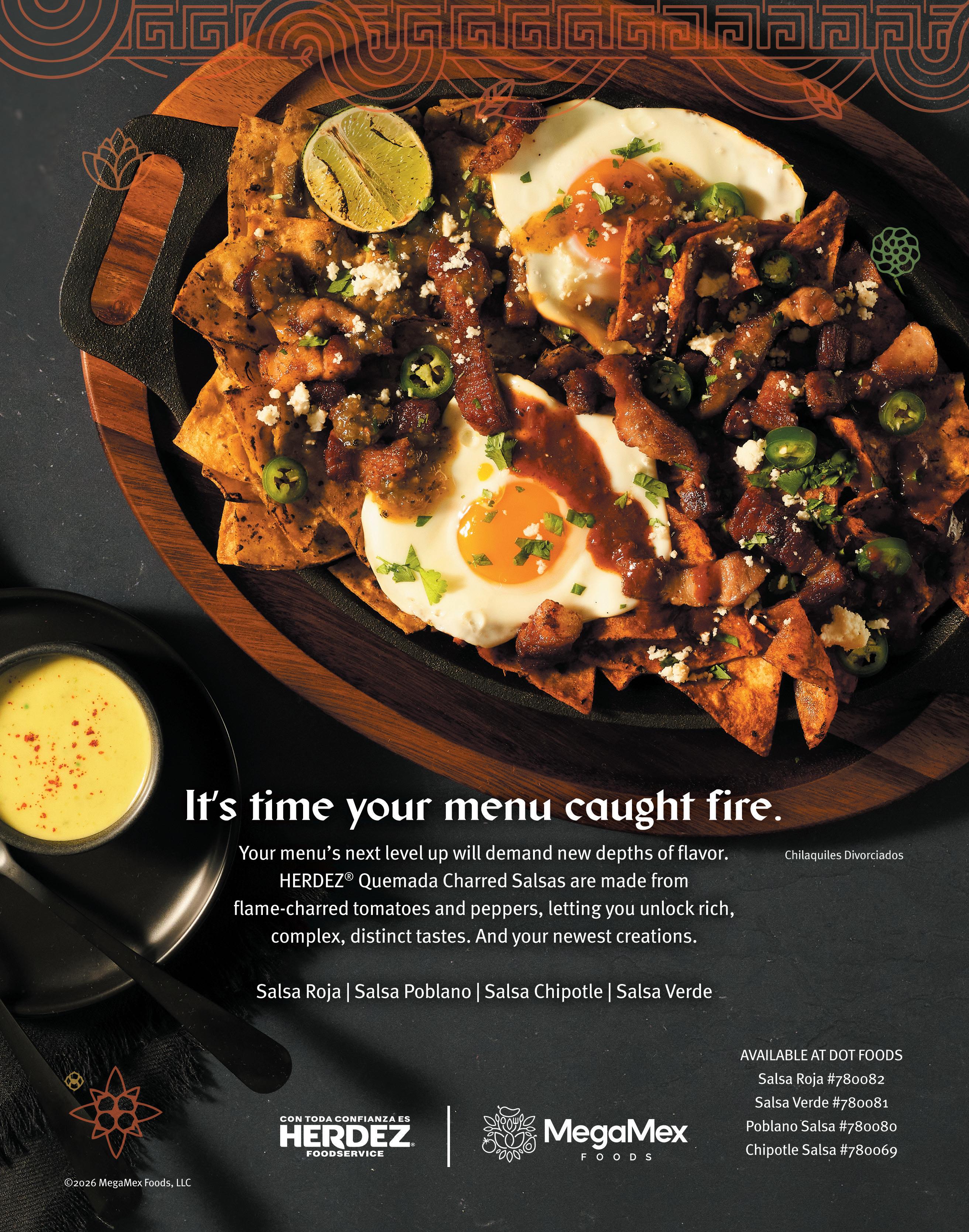
SAMPLE