Hot Pizza Is Great
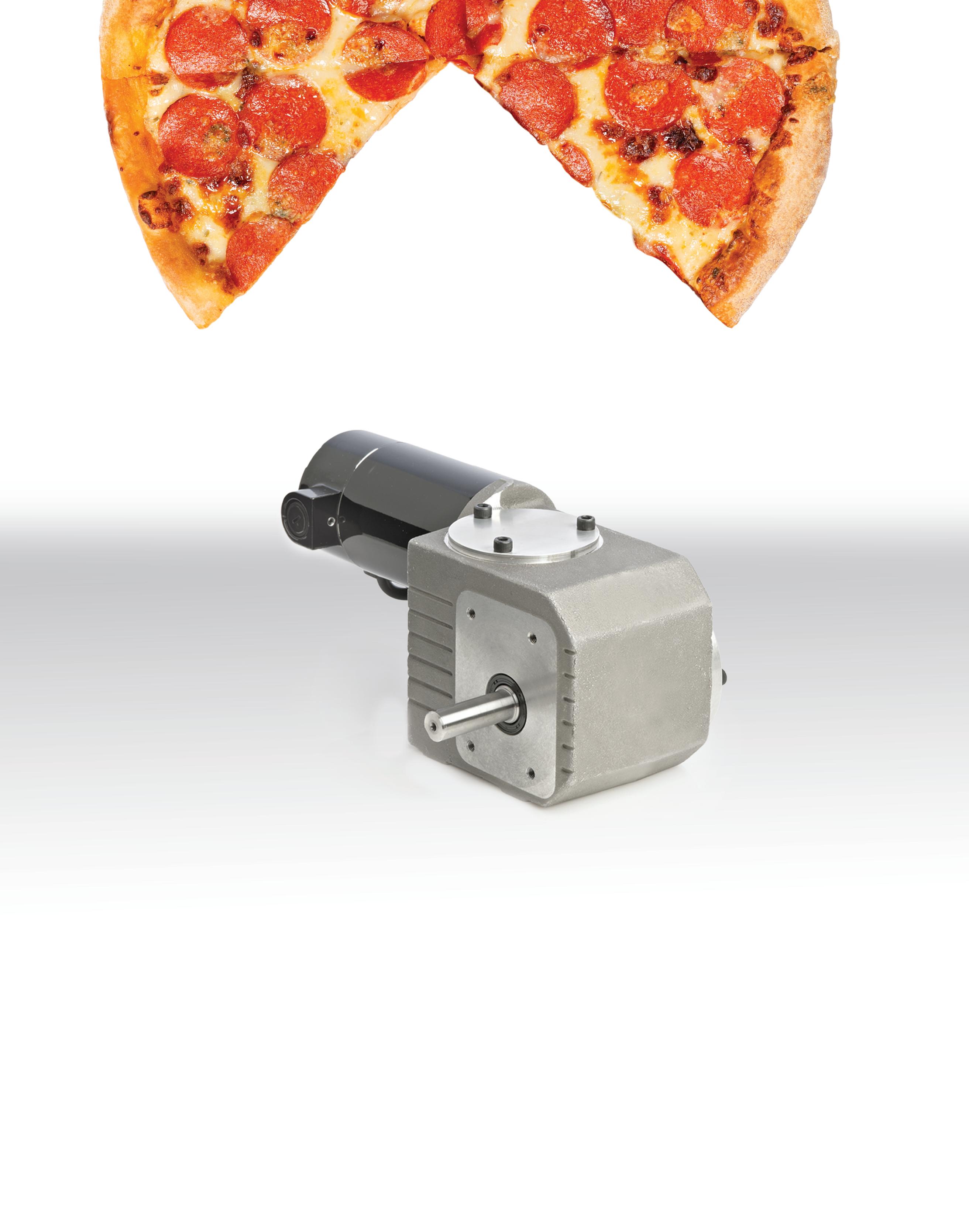
Hot Motors Are Not
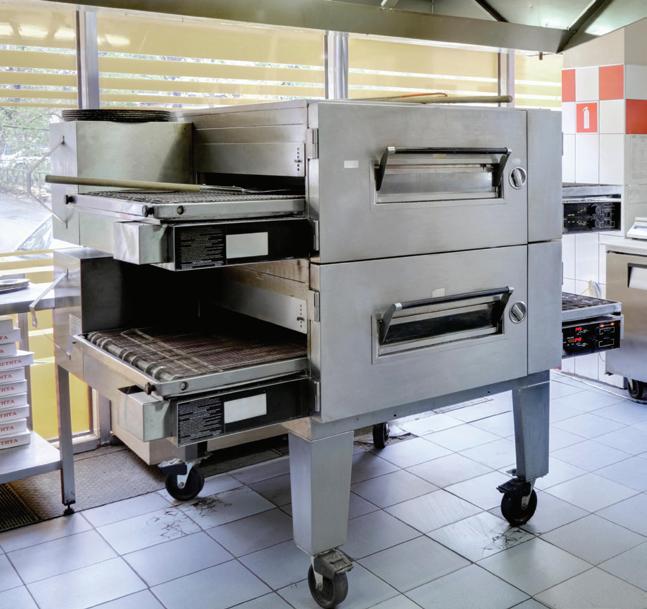
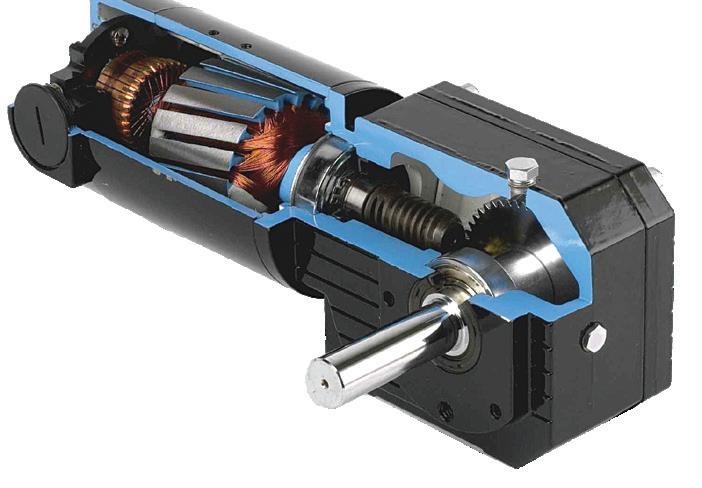
Unless the motor was designed to operate hot. Our gearmotors are rated for continuous duty in 104° F environments. They feature Class F insulation that is rated to over 300° F, making them the ideal choice for applications that require dependable operation inside hot spaces. So, while you can find Bodine gearmotors in various industries such as packaging, industrial automation and medtech, they can also be found in other crucial equipment.
Like the oven at your favorite pizzeria.
Bodine gearmotor, extra wide speed range, hold the cogging
Learn how we delivered smoother performance for a better pizza oven.
Complete Servo Systems starting at:
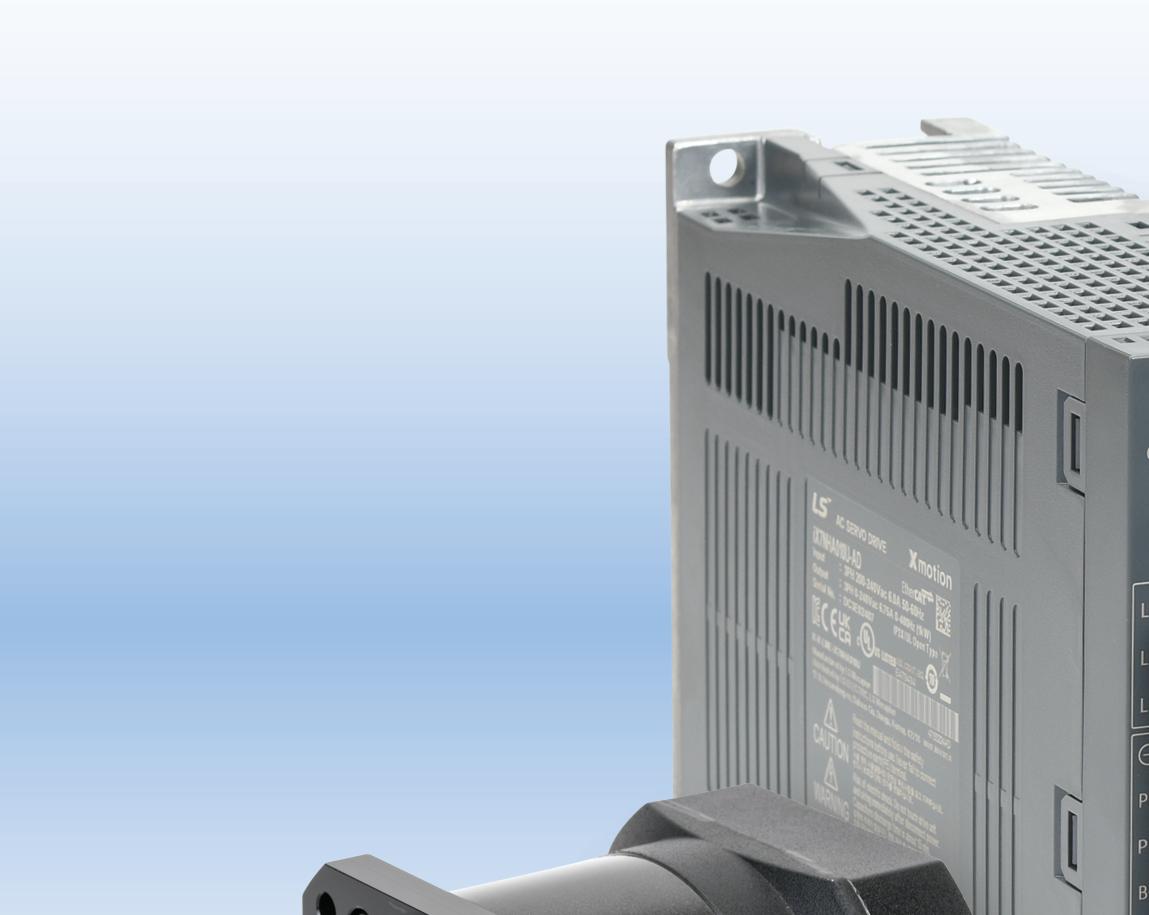
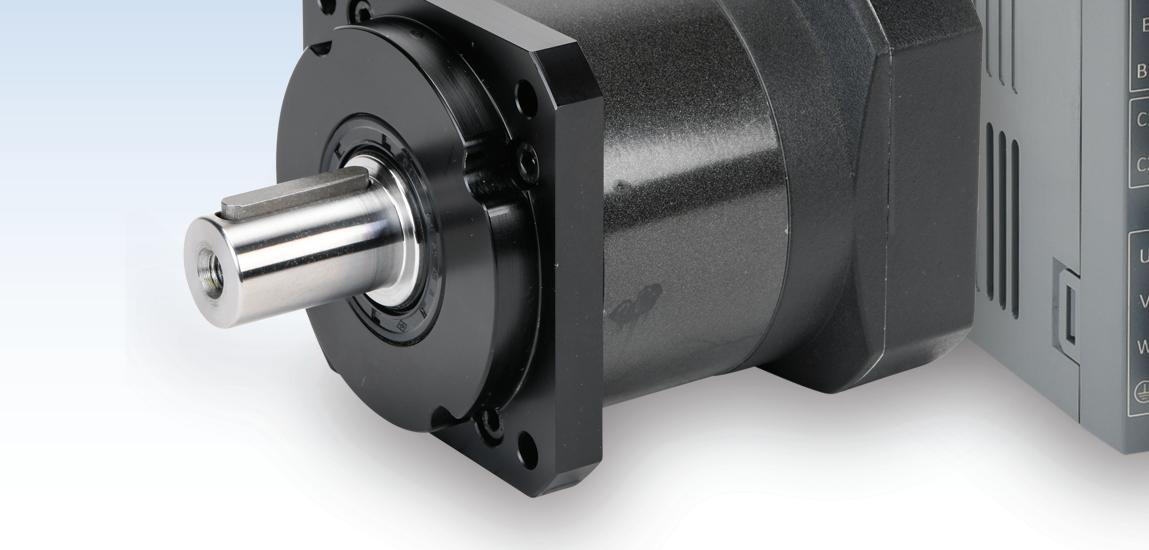
LS Electric® iX7 Servo Systems
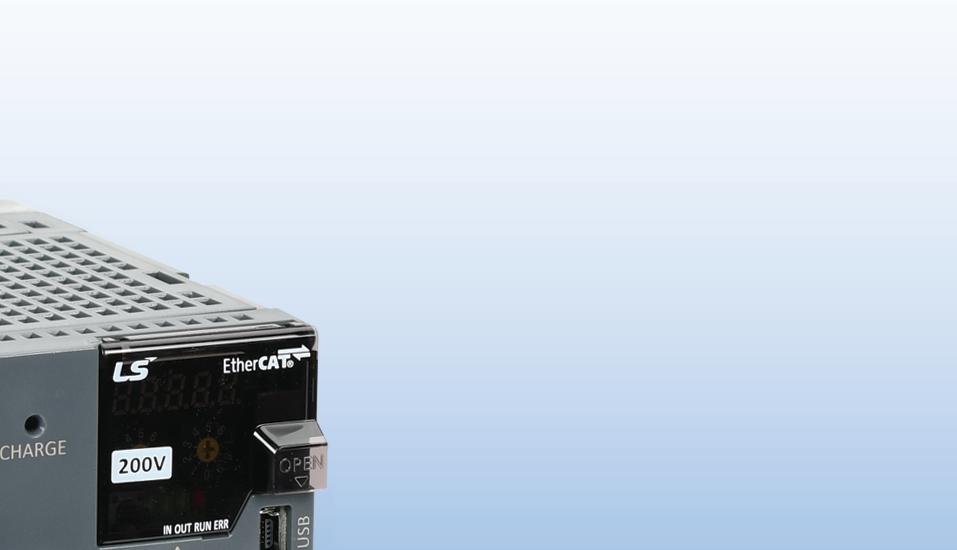
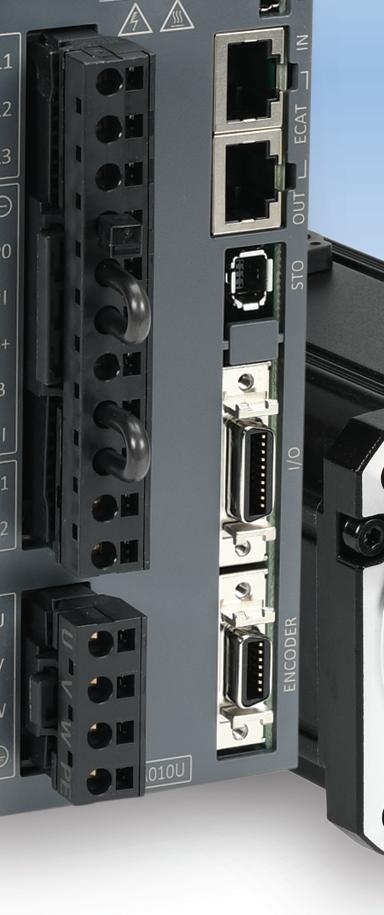






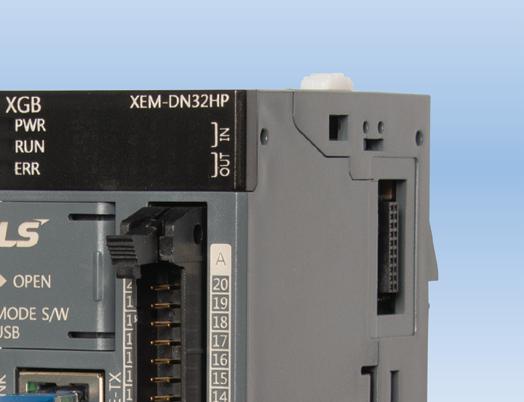
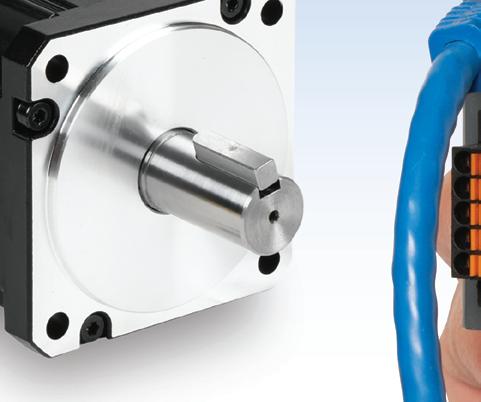
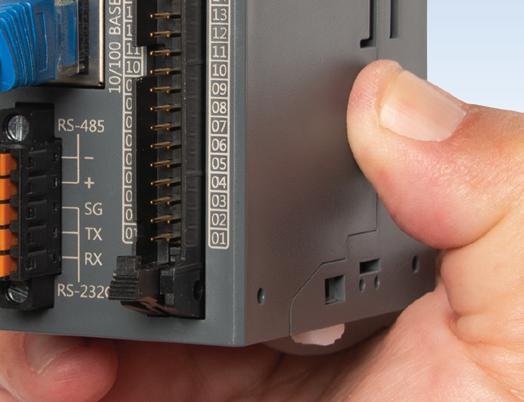



Starting at $964.00 (100W system with cables and I/O breakout)
LS Electric iX7 servo systems o er advanced multi-axis motion control along with EtherCAT networking. The EtherCAT protocol provides extremely fast, real-time, deterministic, and synchronized communication for high precision motion.
• 9 standard servo systems from 100W to 3.5kW
• Multiple input power options:
• 110VAC single-phase up to 400W
• 230VAC single-phase up to 2.2k
• 230VAC three-phase in all sizes
• Use with any CANopen over EtherCAT (CoE) compatible PLC/host controller or one with ModbusTCP capability
• Fully digital with 1kHz velocity loop response
• Matched gearboxes available for all systems in 5:1. 10:1, and 20:1 ratios
• 45-day money-back guarantee
• One-year warranty
EtherCAT® is a registered trademark and patented technology, licensed by Beckhoff Automation GmbH, Germany.

Use our LS Electric Servo System Selector Tool to size your system, and to specify all the required and optional accessories for YOUR application. Get ALL the parts you need on the rst order!
Online LS Electric Servo System Selector Tool www.automationdirect.com/selectors/ls-ser vo



Need an EtherCAT controller?
LS Electric® XGB PLC
CPUs starting at $340.00 (w/FREE soft ware)
The LS Electric XGB PLC controls up to 16 axes of EtherCAT® motion with several positioning methods including linear, circular, helical, and ellipse interpolation. Seven homing routines are also available and the FREE software o ers a graphical interface so you can see the motion in action! The XGB series PLC is a perfect control solution for:
• Palletizers
• Pick-and-place applications
• Rotary tables
• Flying cutoff systems

• Precision machining tools
• Automated welding systems
• and much more
PLC systems with a 4-axis EtherCAT positioning module start at $629.00 (not including servo systems)






ADVENTURES IN CHANNEL SURFING
When I was young, we didn’t have MTV. However, in about 1990 I randomly discovered a TV channel called the Box — a jukebox-style TV channel broadcast over the air with a viewer-request format. Calling a 900 number incurred a small charge and let the viewer enter a music video’s code via the ol’ phone keypad (touchtone only, please — no rotary) to put a music video in the queue.
veneration. This music video is art.
Here’s where I need to be a little nitpicky — and I just had an entire mini-argument with ChatGPT about this point. The video billed on YouTube as the official music video for this song isn’t the exact version I saw on the Box in 1990. The video I saw 100% included intermittent footage of a girl in a tiny black skirt dancing around the hood of a black vintage Porsche Carrera. I know this doesn’t make sense because of the song’s emphasis on a black Corvette, but I know what I saw.
ChatGPT has insinuated that perhaps I’m misremembering the video or conflating it with some other video from the same era. Based on some cursory online research, I tend to believe that the Box wasn’t always licensed the full music videos aired on MTV, or maybe couldn’t air especially naughty footage, so sometimes showed video snippets spliced with other non-official footage.
There’s a nonzero chance I contact LL Cool J’s staff about this matter via his public community text line.
I probably found the Box while flipping through high-number UHF channels hoping against hope for some miracle undiscovered programming to alleviate summer boredom. At the time, I lived in St. Louis where summers were marked by endless million-degree days … activity options included staying submerged in a swimming pool with other children like so many neon-clad crocodiles or (apparently) staying in the airconditioned indoors while pathetically TV surfing.
Well, imagine my astonishment and delight when suddenly on one channel, an incredibly cool music video broke through the intermittent TV-snow static. Even now, this experience ranks quite high among the weird-happy surprises of my life. I can’t recall the first videos I saw on the Box, but I remember quite vividly seeing for the first time the breathtaking masterpiece of LL Cool J’s Going Back to Cali.
Rewatching this video now I can’t tease apart nostalgia from legitimate
Now, with over-the-air TV less dominant than it once was, there’s a proposal asking the Federal Communications Commission (FCC) to clear a large block of UHF broadcast spectrum, which could force more than 40% of U.S. TV stations to relocate. A group called Landover Saturn 5 LLC is urging the FCC to potentially allow the repurposing of Channels 28 to 36 (554 to 608 MHz) for flexible wireless use aimed at future 6G services.
As they say ... stay tuned. •


























All motion systems are electric-motor-driven designs built around two kinds of components:
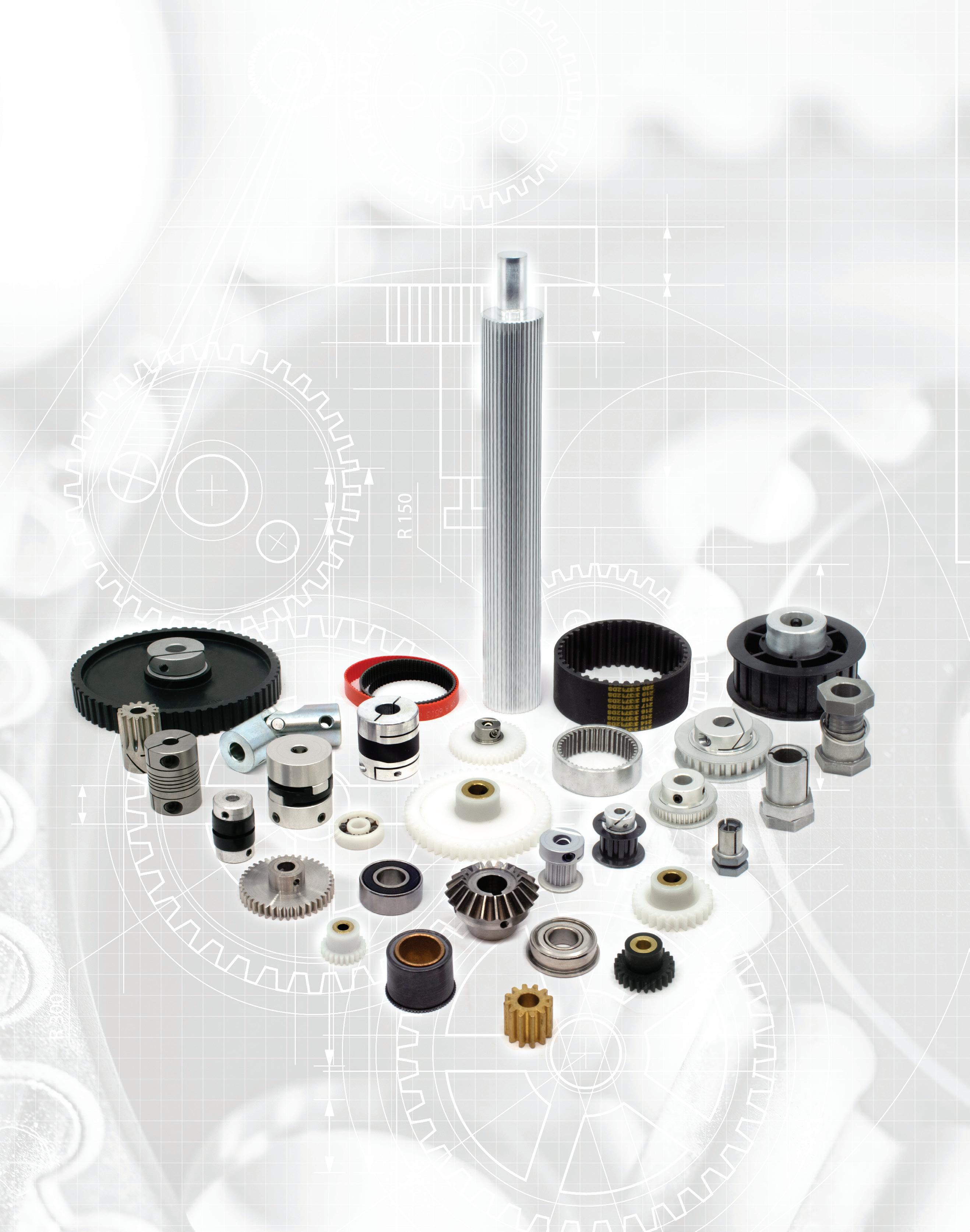
● Mechanical power-transmission components — including gears and gearsets, kinematic linkages, belt and pulley sets, chain drives, linear screws, rotary bearings, slides, guides, and more
● Electrical and electronic motion-control components — including electric motors, motor drives, the electronics known as motion controllers, sensors, pneumatics (which after all rely on electrically compressed air for operation), and connectivity components such as cables, network switches, power supplies, and more.

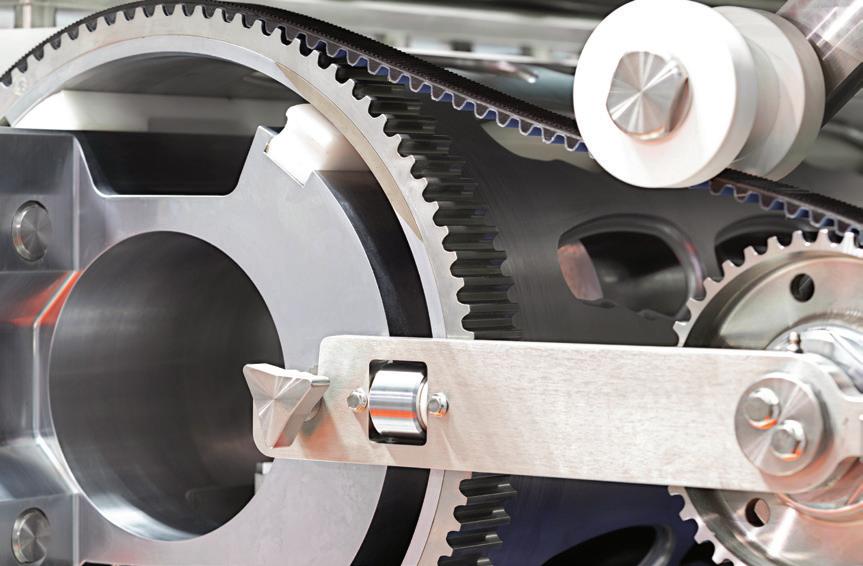
Though beyond our scope here, the mechanical components known as tangential drives are key in myriad motion systems. They include rack and pinion sets, chain and sprocket sets, and synchronous belt and pulley sets such as the one shown here. For the latter, inertia reflected back to the motor equals the load inertia plus the pulleys’ inertias.
The motion industry often uses the term powertransmission designs to indicate machine builds for which there’s emphasis on raw torque (or force) and speed — and domination of the build by the mechanical components. The motion industry often uses the term motion systems to indicate machine builds for which there’s emphasis on positioning and controlled motion profiles defining the speeds, accelerations, jerk, speed-torque profiles, and homing routines of the machine’s various axes.
Both design types are at the heart of myriad consumer products, office automation equipment, medical devices, laboratory automation equipment, and (in the industrial space) discrete factory automation. In fact, this is yet another distinction to be made. Discrete factory automation differs from the other type of factory automation — that associated with process or analog automation.
Discrete automation (not to be confused with discrete motion control) involves the working, machining, assembling, testing, capping, wrapping, packaging, labeling, counting, scanning, and transporting of separate (discrete) workpieces or other individual products. Each workpiece might be subject to several different operations before completion. Automotive manufacture, electronics production, automated warehousing operations, and packaging are all discrete automation industries.
In contrast, process automation involves vats of liquids, uninterrupted systems of fluids, and other batches subject to continuous chemical reactions, temperature controls, metering, and flowing
operations that are generally difficult to stop and start. Process automation industries — in which these types of operations dominate — include mining, energy (via both coal and nuclear), oil and gas, food processing, pharmaceutical and chemical manufacture, glass and ceramic production, plastics, textiles, and wood and paper.
Motion system designs are associated with discrete automation — to deliver on the precise placement and transport of discrete workpieces or other individual products.
PARAMETERS PERTINENT TO THE MOTION SYSTEM DESIGN PROCESS
Automated motion designs begin with documentation of the loads to be moved and inertias involved, along with the friction the motorized axis will need to overcome without introducing undue sluggishness.
Recall that inertia is an object’s resistance to speed changes — accelerations or decelerations.
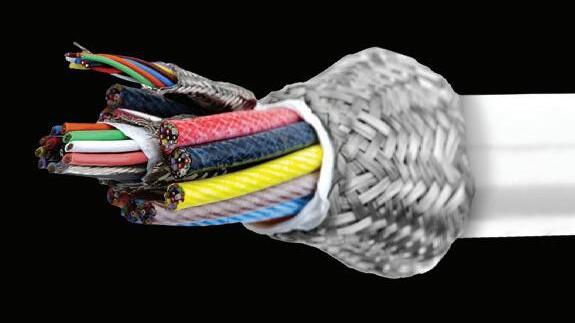
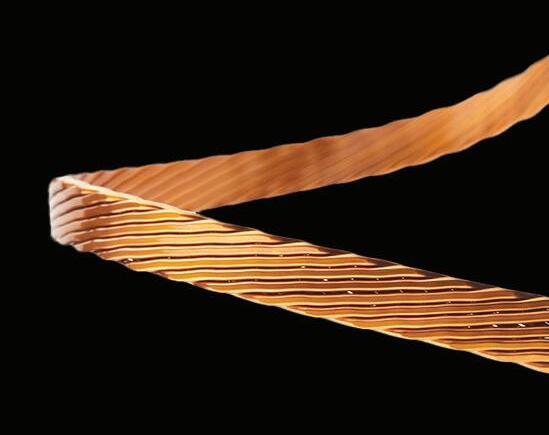
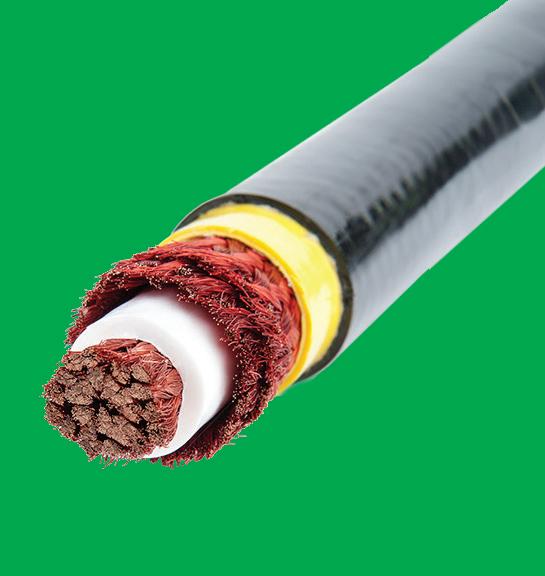
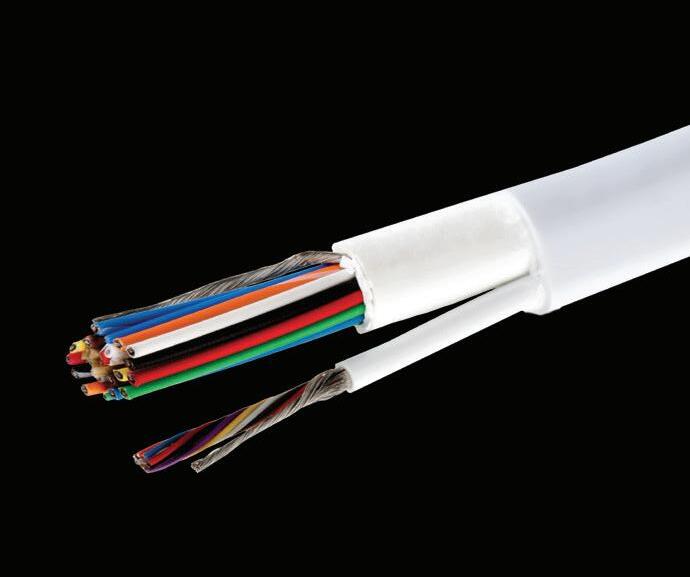
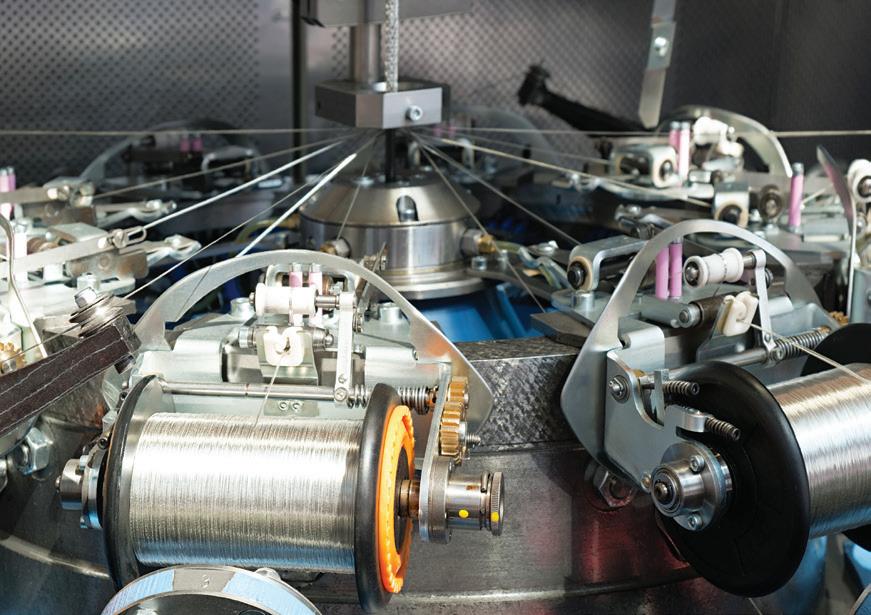
Automated shield-braiding machines employing motion controllers have advanced the cable-making industry.
Total inertia includes that of the workpiece load as well as the axes’ moving parts. This inertia can be quite low in the case of a torque motor (direct-drive motor) or linear motor having no intermediate mechanical components.
It’s higher anywhere an axis’ electric motor is fitted with a gearset for speed reduction … and (in some instances) servotuning through inertia matching. Inertial values vary for axes involving beltand-pulley, rack-and-pinion, or chain-andsprocket sets — which are the so-called tangential forms of power transmission. Inertial values also vary for linear actuators incorporating one of the three main linear-screw types used in motion — leadscrews, ballscrews, and roller screws. Various calculations essentially quantify how the attached inertia affects the system
QUICK NOTE ON MOTION PROFILES
at the very critical location of the axis’ motor-output shaft.
In short, engineers tasked with designing motion systems should at this stage sum all the axis components’ inertias and what’s reflected back to the axis’ motor shaft. One motion design that requires additional analysis is that involving a changing inertia — such as robotic axes executing dispensing or machining tasks. Here, the motion controls may need to include additional servotuning to compensate for the changing dynamics.
The next step in motion system design is (after the required mechanisms and their friction and inertia are quantified) to define required motor output force (in the case of a linear motor) or (more commonly) torque. That allows
Supreme in the world of motion systems are motion profiles — the mathematically defined trajectories that motion controllers command axis drive-and-motor systems to follow. Many motion profiles define sequences of position commands over time to tell the axis how and where to position attached load … as well as the necessary accelerations, move times, and dwell times. Here, motion-controller electronics also convert created trajectories to generate torque commands to be used by the drive powering the motor.
Of course, a design’s required accuracy, resolution, and repeatability are just as important as its motion profile. These measures of precision dictate the level of mechanical backlash and compliance are acceptable and what feedback components may be necessary.
proper sizing of the electric motor on each axis of the design. Besides the defined acceleration torque, a servo axis’ motor must deliver sufficient torque over the axis’ whole move — including any constant torques during run phases and deceleration torques during stopping.
MOTOR AND MOTION CONTROLS IN DESIGNS
Various motor actions are commanded by system motor controls or motion controls — two technologies that have seen convergence over the last two decades. Both types of electronics accept low-power signal that inform their prompting of actuation-level electrical output to drive the involved motors. In fact, if we use a zoological analogy to describe automated motion systems, motion controllers serve as the system’s brains to monitor, command, and integrate:
• Appendages and axis muscles — moved by electric motors and drives, actuators, and attached mechanical components
• Senses — in the form of industrial sensors and other encoder and even machine-vision feedback
• Informational input from the external environment to inform adjustments — from machine operators as well as IIoT networks communicating enterprise-level


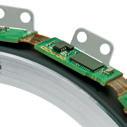

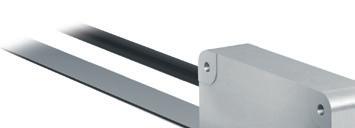


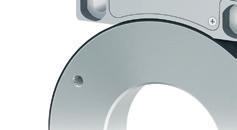


Position, angle and speed measurement
Contactless, no wear and maintenance-free
High positioning accuracy and mounting tolerances