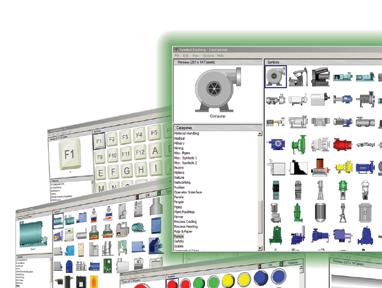
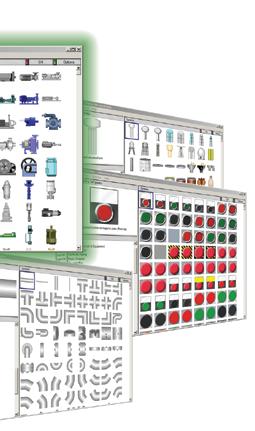
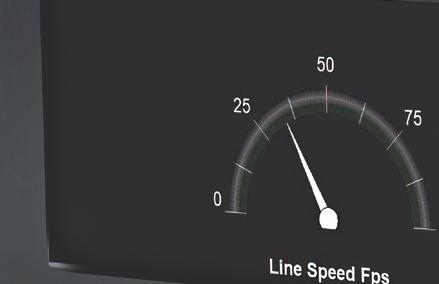
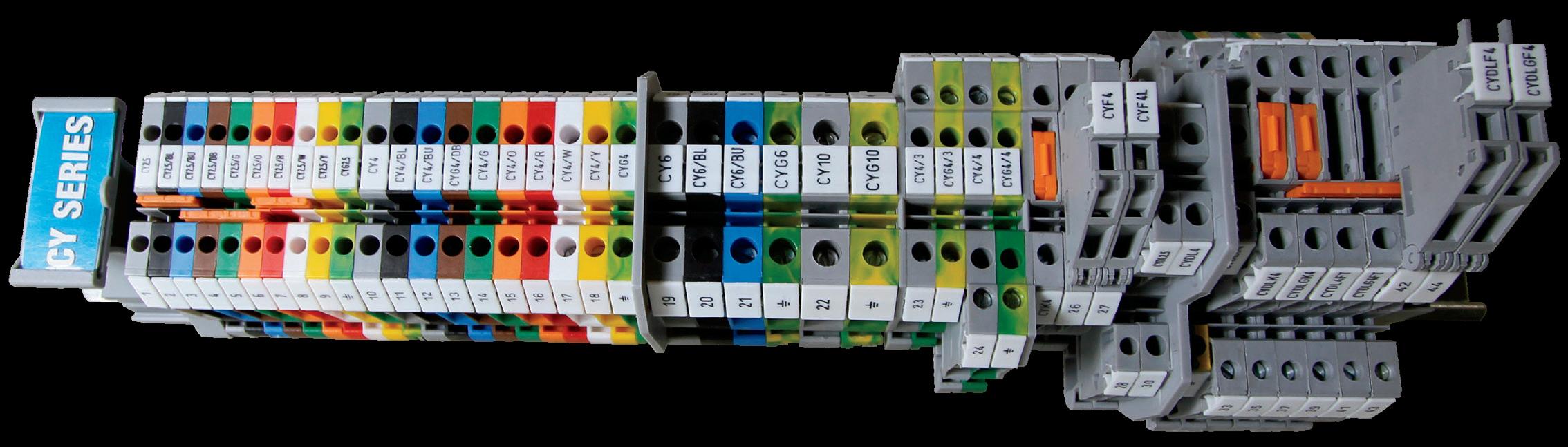
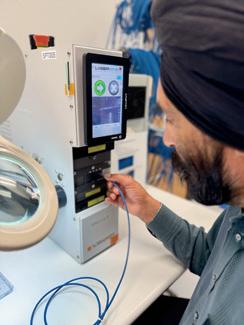
The C-more CM5 HMI series offers low-cost, high-performance HMIs in sizes from 4 inches (only $340.00) to an impressive 22 inches (only $1,999.00). With an amazing 1.6 GHz processor in the larger units (10” and above) and 90 Mbytes of project memory, these HMIs provide better trending, extra data storage, faster communication, improved file types, and 16.7 million screen/object color options.
All CM5 panels have serial and Ethernet ports (dual Ethernet ports on 10” or larger models) that support many of the most popular industry protocols, including EtherNet/IP, MQTT, and Modbus. The included USB ports provide in-an-instant connections for keyboards, barcode scanners, memory storage, etc. and the embedded SD-card slot provides easy project transfers or up to an additional 2TB of data storage (depending on model) for important log files.
Plus, all C-more HMIs come with FREE, powerful, easy-to-use programming software and FREE technical support!
What a Navy SEAL knows about leadership
Imagine a cultural environment at work where you hold yourself to such a high standard that nobody else has to hold you accountable. That’s what Brent Gleeson, a former Navy SEAL who runs EXCELR8, told an audience of fluid power manufacturers at this year’s National Fluid Power Association Annual Conference in New Orleans.
When Gleeson was 23 years old, he left a new, hard-earned, and potentially lucrative career in finance and joined the United States Navy — six months prior to the 9/11 attacks.
“I would soon find out that this would be a life-changing journey of discovery and personal leadership, discipline, accountability, and the importance of continually developing a growth mindset,” he said. “The philosophy of being all in, in any aspect of our work, our personal lives, or our relationships is first and foremost about prioritization, narrowing our focus, gaining extreme clarity on what matters most, and investing time, talent, and energy in only the activities that will drive mission success on any battlefield we’ve committed ourselves to.”
Gleeson explained that adversity is inevitable, and excellent leaders are defined by how they respond to adversity, what decisions they make, and their actions in difficult times. Not unlike Navy SEAL training, highperforming teams get comfortable being uncomfortable, leaning into innovation and change as much as they can — sage advice in these fast-moving times of constantly shifting tariffs and AI appearing everywhere.
How disciplined are you with your team? Gleeson said this is
more critical than mere motivation. Discipline drives planning, execution, and continuous improvement for teams, be they in business, manufacturing, or the military.
He also noted how decades of research have proven that trust and accountability are the foundation of better performance among teams. Leaders create the culture by what they allow and tolerate. The kiss of death is applying different standards to different people or groups; that will quickly destroy credibility.
Gleeson explained that what he calls “the remarkable results pyramid” has worked for many organizations he has worked with. At the top are results. That can mean revenue, satisfaction, retention, or whatever your team’s final goals are. Below that are systems, processes, technologies, and tools. As a leader, you need to make sure that you have the right tools and that people are using them correctly. At the bottom of the pyramid are leadership fundamentals — commitment, mindset, culture, and the cadence of how you manage.
Most importantly, he said, leaders must always be fully engaged and willing to get back up when they fall. Your teammates will be watching — and waiting to follow your lead. DW
Paul J. Heney • VP, Editorial Director pheney@wtwhmedia.com
Connect with me: linkedin.com/in/paulheney
Explore how minimizing transmitter draw and utilizing time-domain measurements significantly extend battery life in wireless sensor nodes.
We’re excited to share the 2026 RBR50 honorees, as the awards have recognized leading commercial robotics innovators for 15 years.
Thermal management in tubular linear motors
Certain approaches simplify the sizing, integration, and protecting of tubular linear motors destined for thermally constrained applications — and they don’t necessarily rely on the use of large and costly motors.
What is physical artificial intelligence and why is it important?
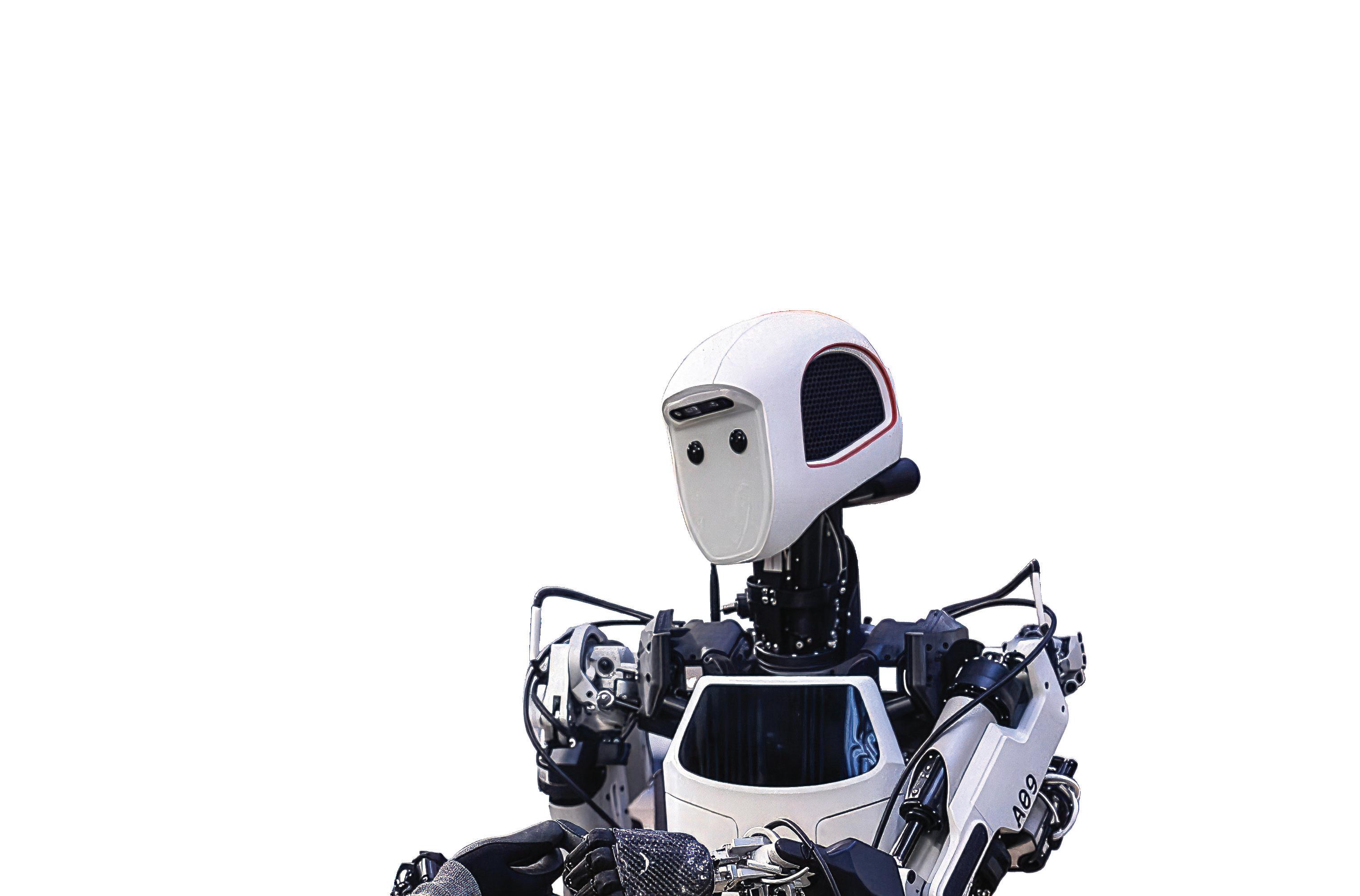
Physical AI is the next evolution of artificial intelligence — moving beyond software and screens to power robots, autonomous vehicles, and other machines that sense and act in the real world.
In the third episode of our popular Travel for Engineers series, Design World’s Editorial Director Paul Heney chats with Lisa Eitel, Executive Editor, a longtime expert on motion control components. Lisa explains some of the linear motion products she regularly encounters while aboard planes, and they even discuss some of the interesting technology you can find in — of all places — vending machines at your friendly neighborhood airport. Plus, check out their tips on how to stay sane on event the longest flights!
EDITORIAL
VP, Editorial Director Paul J. Heney pheney@wtwhmedia.com
Digital Production Specialist Elise Ondak eondak@wtwhmedia.com
WEB DEVELOPMENT
Web Development Manager B. David Miyares
Bearings bring smooth sailing to electrified fleets
As ports and coastal operators electrify their fleets, engineers’ attention shifts to charging infrastructure and power systems. Yet for electric and hybrid vessels, some of the most important advances are happening in the mechanical systems below deck. Industrial bearings — the components that keep shafts turning and motors running smoothly — are taking on new importance in the race to decarbonize maritime transport.
According to the International Maritime Organization (IMO), the global fleet must cut emissions by 30% by 2030 and reach net-zero by 2050. To meet these goals, shipbuilders are investing heavily in hybrid propulsion, battery energy storage, and electric drive systems.
Hybrid propulsion combines traditional engines with electric motors, enabling vessels to switch between power sources for optimal efficiency and reduced fuel consumption. Battery energy storage systems (BESS) capture and supply energy when it’s
needed most — for example, during port maneuvers or peak load periods — reducing engine wear and emissions. Meanwhile, fully electric drive systems deliver instant torque and smooth acceleration, cutting noise and vibration while enabling truly zero-emission operation in coastal waters.
While the advantages of these technologies are clear, the shift to electric power is not without its challenges. Electric motors deliver instant torque, exposing bearings to higher peak loads and more variable operating speeds. Components that once ran under the steady rhythm of a diesel engine must now cope with frequent stop-start cycles and changing vibration patterns.
Moreover, marine environments are punishing. Bearings in electric thrusters, propulsion shafts, and auxiliary systems must perform reliably despite exposure to saltwater, humidity, and constant motion. In short, the best bearings for these environments are those that combine corrosion resistance with longterm reliability.
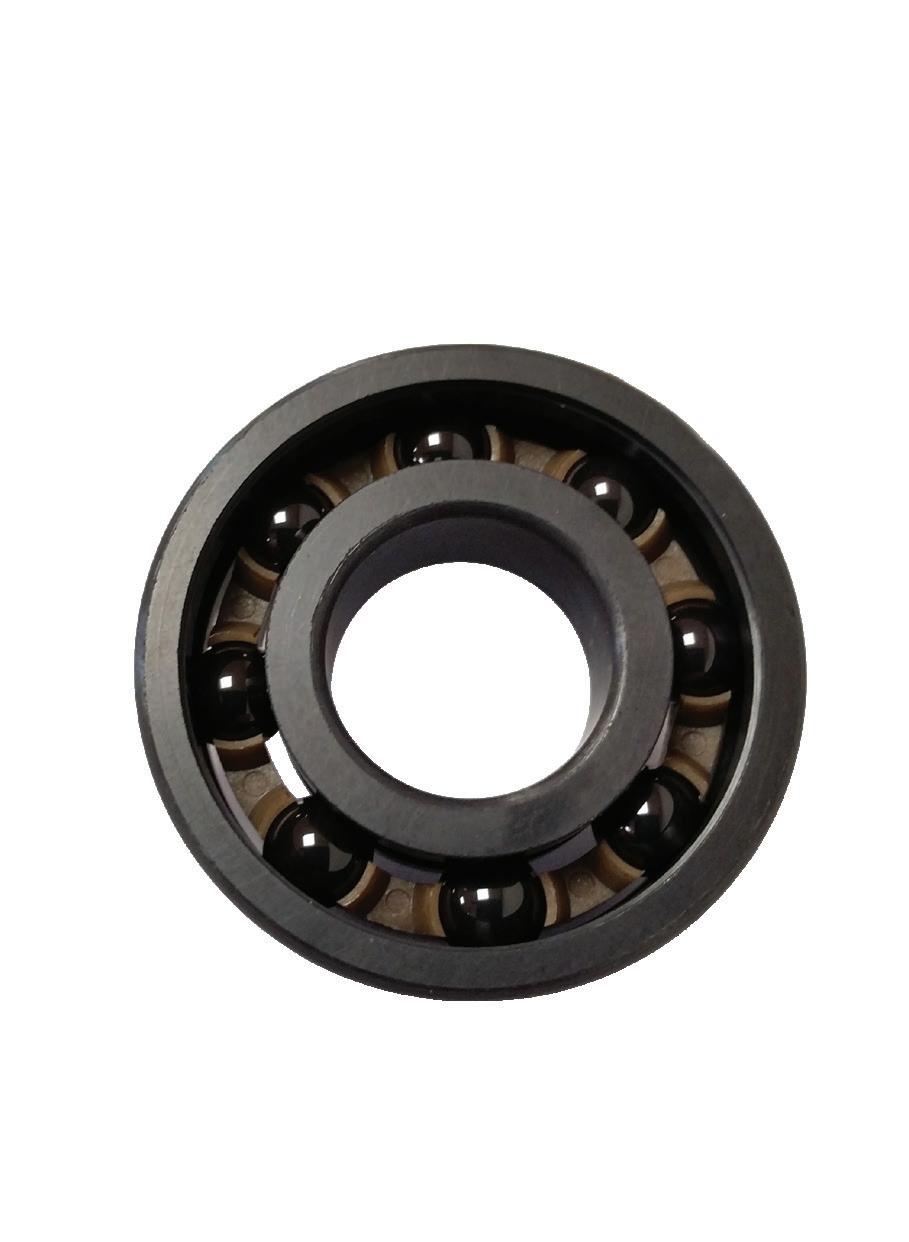
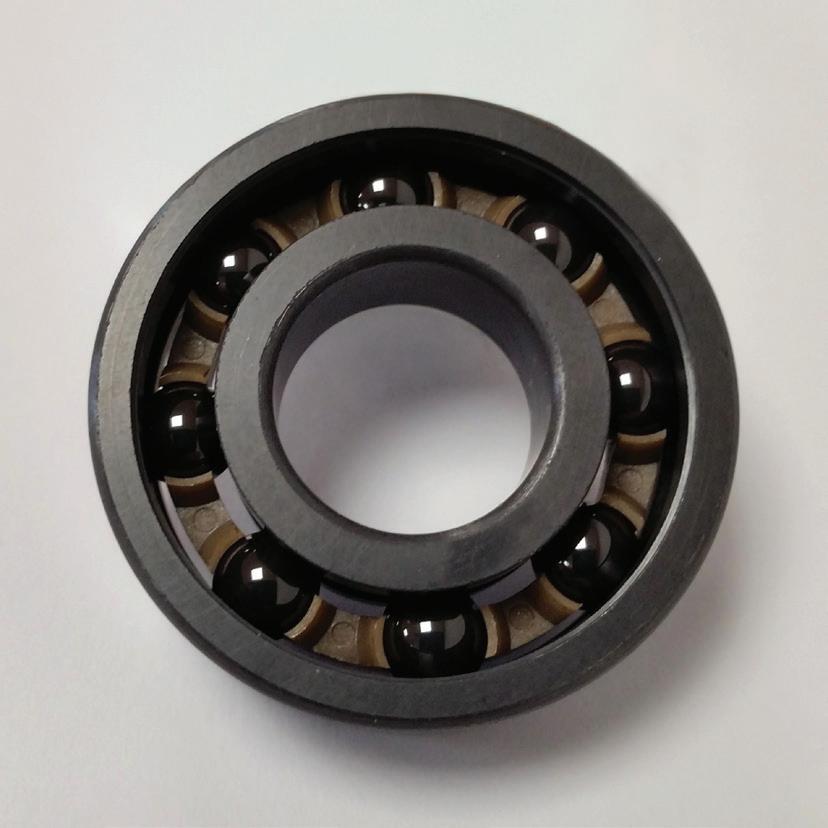
Standard steel bearings can corrode or seize under such conditions. That’s why marine-grade bearings, including stainless steel and hybrid ceramic designs (stainless steel races with ceramic rolling elements), are becoming the preferred choice for marine engineers. For higher-speed or continuously operating electric drives, hybrid ceramic bearings provide greater efficiency and lifespan, resist wear, minimize friction, and maintain performance even under variable loads. They also have high stiffness, low weight, corrosion resistance, run cooler, and require less lubrication, reducing the risk of contamination and extending service intervals. Additionally, electrified vessels rely on precision and smoothness. Any excess vibration or friction not only wastes energy but can shorten
component life. Low-friction bearings help to maintain consistent torque and minimize losses, enhancing the overall efficiency of propulsion and auxiliary systems. In high-duty applications such as offshore support vessels, ferries, or tugboats — which can complete hundreds of start–stop cycles every week — the benefits of advanced bearings quickly add up in both performance and cost savings.
Plus, as digitalization spreads through the marine sector, predictive maintenance is emerging as a key enabler of reliability. Bearings can now be fitted with integrated MEMSbased sensors that continuously monitor parameters, such as vibration amplitude, temperature, load, and rotational speed. These sensors transmit data wirelessly or via a central monitoring network to onboard or
cloud-based systems, where conditionmonitoring software analyzes patterns in real time.
By detecting subtle changes, such as rising vibration frequencies or temperature deviations, engineers can identify imbalance, misalignment, or lubrication issues long before they cause damage. For vessels where downtime means lost revenue, this data-driven approach is proving invaluable. It also supports sustainability by ensuring components are used efficiently, replaced only when necessary, and maintained at optimal performance throughout their service life.
While the upfront cost of advanced bearings may be higher than standard designs, their extended lifespan and reduced maintenance needs often deliver a lower total cost of ownership.
When bearings run longer between services, equipment operates more efficiently, reducing energy use and associated emissions.
In ports and coastal operations where electrification projects are expanding — from battery-powered ferries to autonomous harbor craft — the reliability and efficiency of every rotating component counts. Bearings may be small, but they can make a big difference to operational uptime and environmental impact. DW SMB
Who We Are?
BayCable
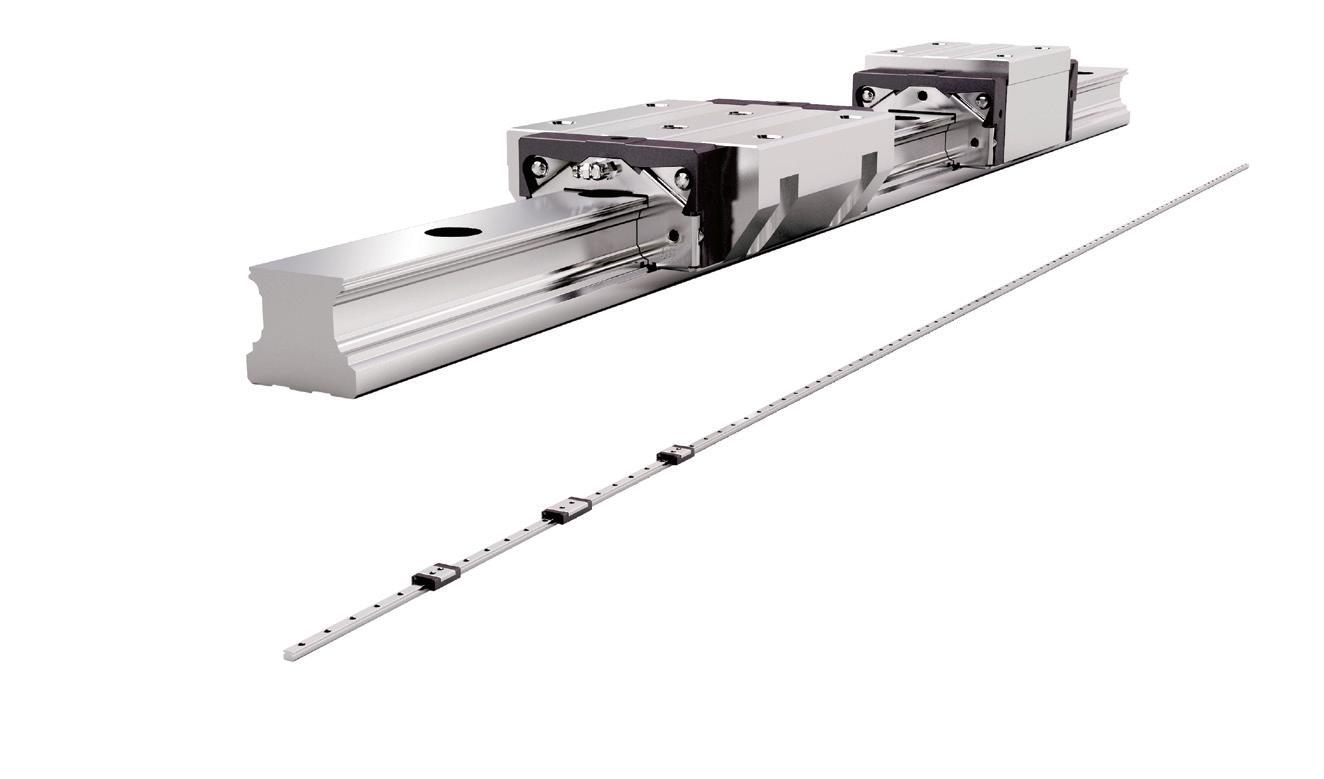
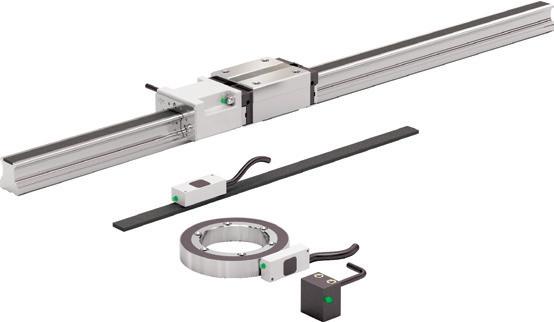
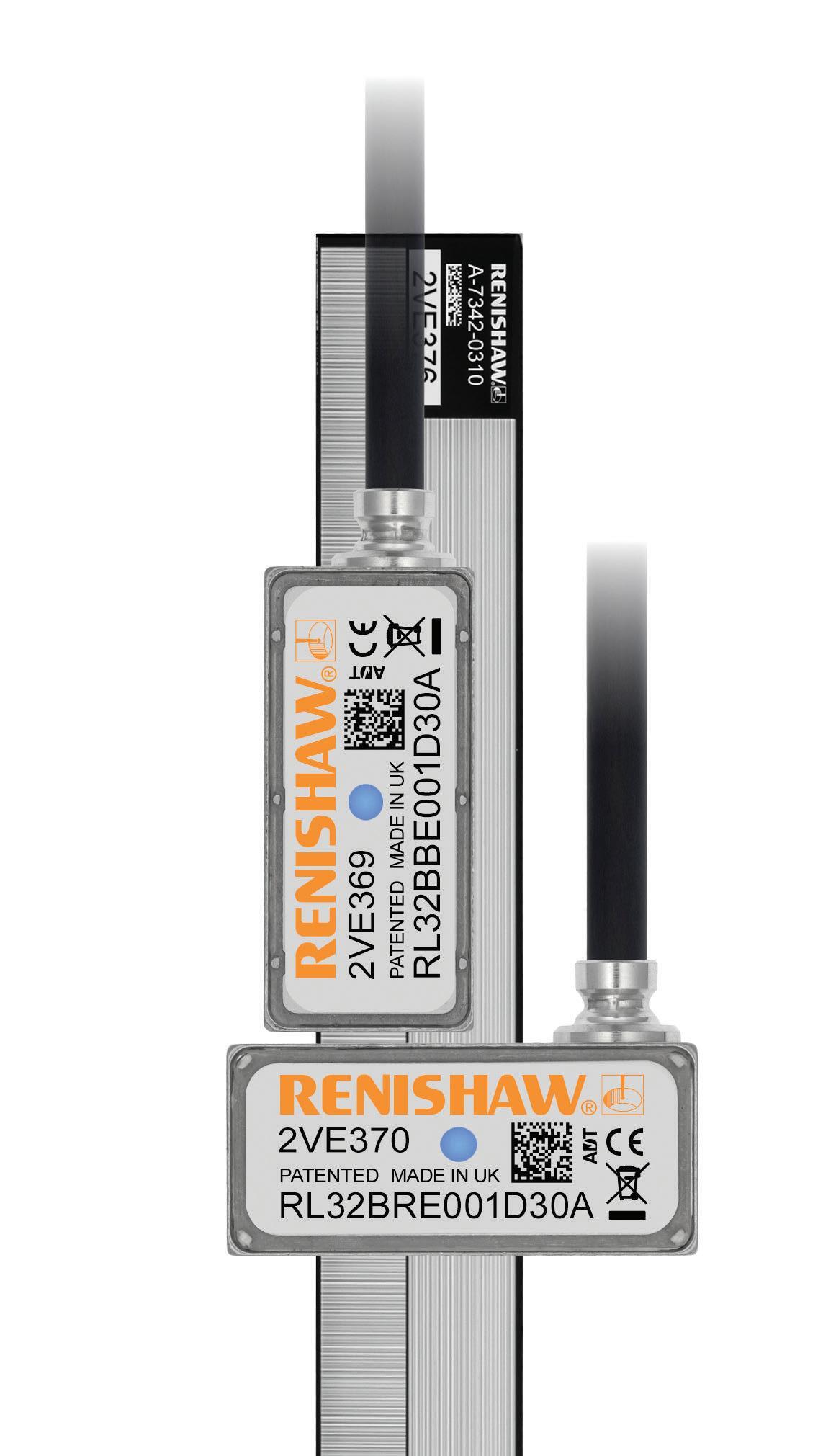
Most encoder systems measure position along a single axis. Renishaw's new multi-DoF optical encoder system measures up to six degrees of freedom, enabling machine builders to detect and compensate for the translational and rotational errors common in precision motion systems.
The new multi-DoF system combines one or more RXMA30 1.5D scales with the company's Resolute absolute encoder readheads. The RXMA30 scale features dedicated, separate scale tracks that allow machine designers to directly measure motion in the X and Y axes without complex signal processing. Absolute encoder technology also eliminates homing routines — a particular advantage on the Y axis, where user control of motion is limited.
The system is built to maintain repeatable metrology under demanding thermal and dynamic conditions. It enables machine builders to detect and compensate for error sources common in precision motion systems, including guideway straightness deviations and small translational and rotational errors. Inprocess error compensation supports improved process capability and higher component yields.
The encoder system works with a wide range of serial interfaces and motion control platforms. Engineers can tailor the scale and readhead configurations to specific application requirements. DW Renishaw renishaw.com
Design For Industry
Voice coil motor tolerates misalignment
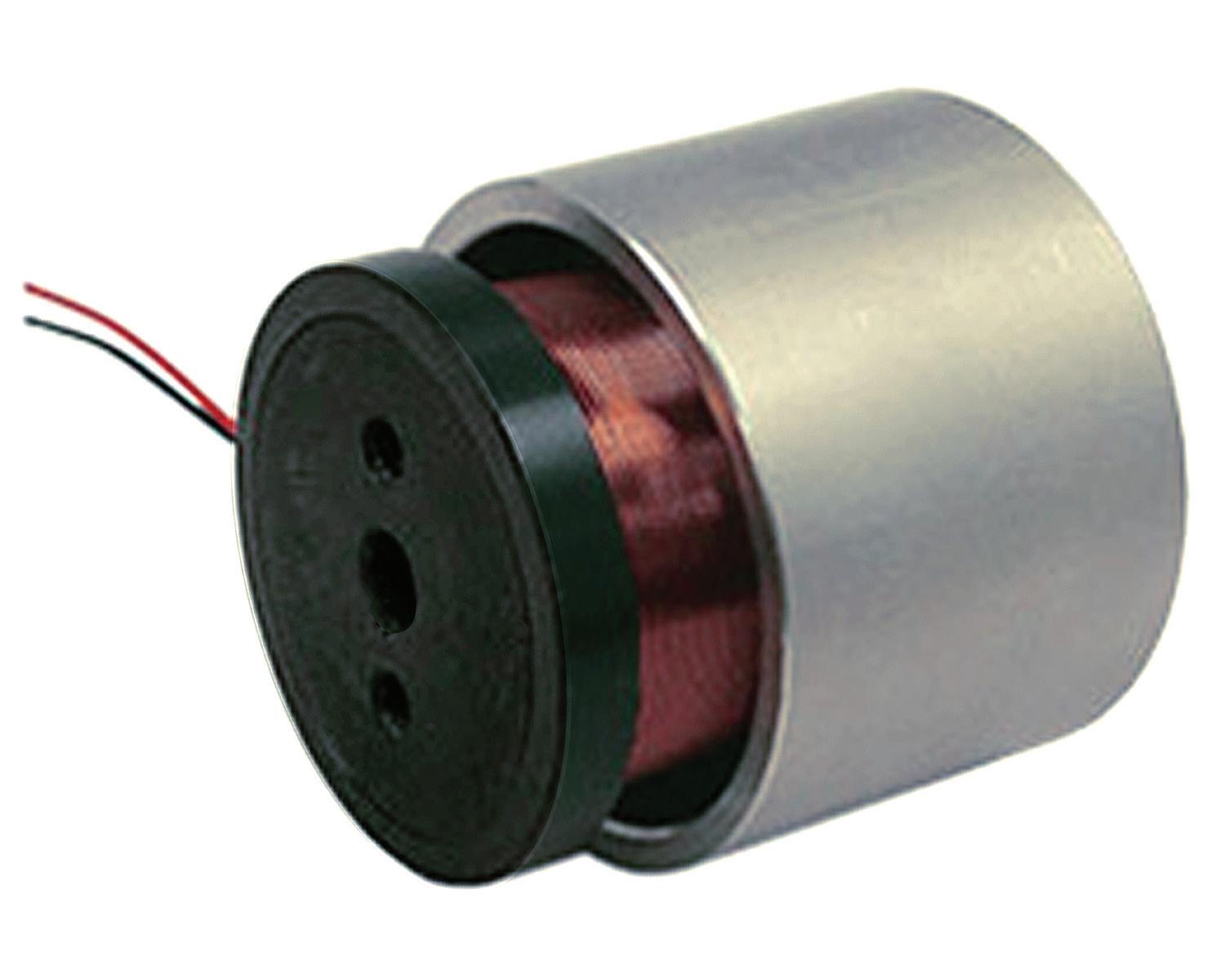
Linear voice coil motors produce motion directly from electromagnetic force, with no screws, gears, or mechanical linkages, making them inherently smooth, quiet, and free of backlash and cogging. Most designs, however, require precise mechanical alignment between the coil and the magnet assembly, which can be a practical constraint in real machine environments.
Moticont has addressed this with a new addition to its LVCM Series: the LVCM-051-032-06, designed with a larger radial air gap to accommodate the tilting and misalignment that can occur when clamping non-parallel objects or actuating off-center loads. The larger air gap gives machine builders more tolerance in mounting and load path geometry without sacrificing the core performance characteristics of the voice coil design.
The motor delivers a peak force of 40.8 N (9.2 lb) at a 10% duty cycle and a continuous force of 12.9 N (2.9 lb). Its low inertia supports high acceleration and deceleration, and the brushless dc design operates without cogging. Target applications include sorting, packaging, sampling, work holding and clamping, laser machining and drilling, wafer handling, and medical and pharmaceutical uses. The motor is designed for closed-loop servo operation with high accuracy and repeatability, and a plug-and-play system with an encoder and servo controller is available. DW
POWER TRANSMISSION RETAINING DEVICES & maintenance & assembly tools
WHITTET-HIGGINS manufactures quality oriented, stocks abundantly and delivers quickly the best quality and largest array of adjustable, heavy thrust bearing, and torque load carrying retaining devices for bearing, power transmission and other industrial assemblies; and specialized tools for their careful assembly.
Visit our website–whittet-higgins.com–to peruse the many possibilities to improve your assemblies. Much technical detail delineated as well as 2D and 3D CAD models for engineering assistance. Call your local or a good distributor.
As high-speed packaging lines and robotic systems increase in speed, precision, and autonomy, weighing is evolving from a simple control point into a core element of modern automation architectures.
In high-dynamic environments — such as multi-head combination weighers, dynamic filling processes, or robotic systems exposed to variable load profiles — manufacturers face growing pressure to achieve short cycle times, high throughput, and repeatability
while maintaining overall equipment effectiveness (OEE) and diagnostic capabilities. Conventional weighing solutions are increasingly reaching their mechanical and digital limits as a result.
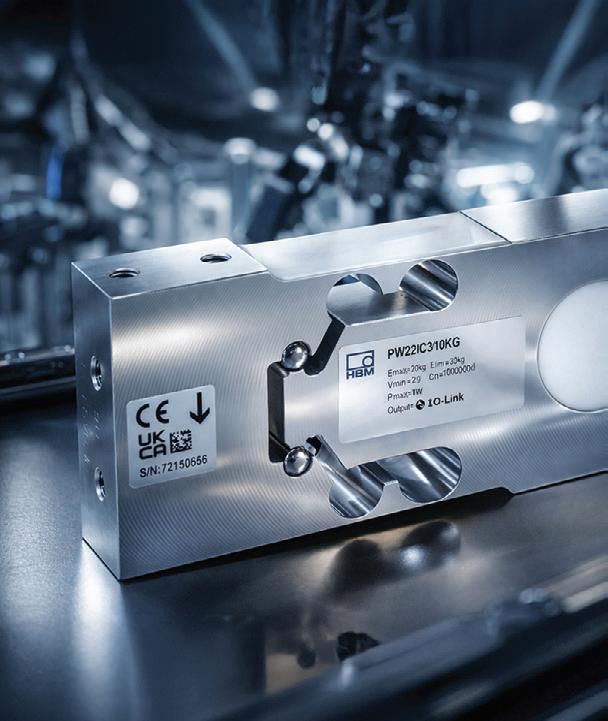
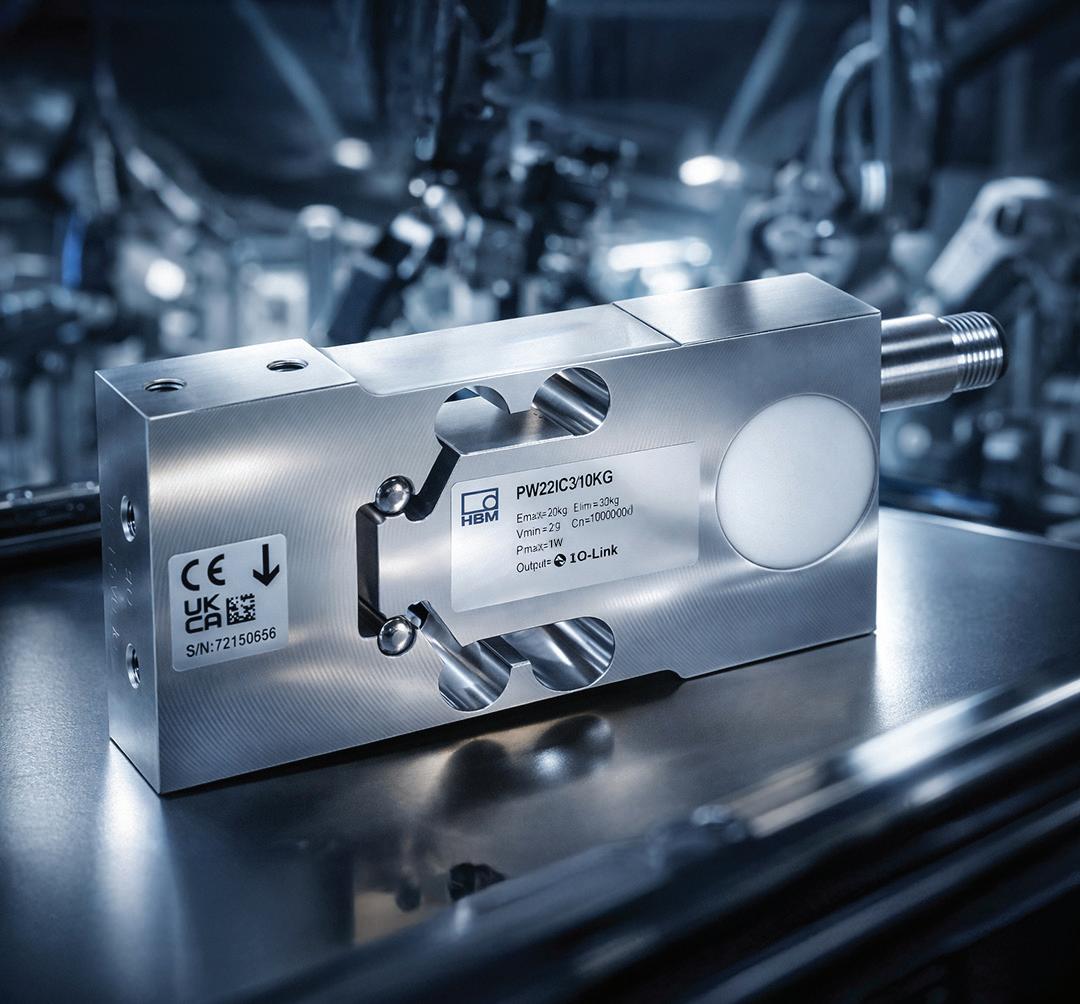
To address these requirements, HBK developed the PW22i single-point load cell for high-dynamic mechatronic systems spanning high-speed packaging and robotic applications. By embedding IOLink communication directly at the sensor level, the PW22i connects weighing into the control layer as an intelligent automation component.
The PW22i's mechanical stiffness and high natural resonant frequency yield short settling times — a critical requirement in fast-
cycle applications. These characteristics support precise, repeatable measurements, giveaway reduction in packaging processes, and measurement stability under dynamic loads in robotic systems. The cell is available in 10, 20, and 50 kg capacities and is certified to accuracy class C3MR.
The standardized IO-Link interface and M12 4-pin connector simplify commissioning, replacement, and retrofit of existing systems. Smart functions, including data preprocessing, self-monitoring, and diagnostics, provide continuous visibility into sensor condition and process behavior, supporting predictive maintenance and OEE optimization across packaging lines and robotic cells.
The PW22i features IP67 protection and a patented overload stop rated to five times nominal capacity, providing reliable operation under mechanical stress, eccentric loading, and transient forces common in high-dynamic applications. DW HBK hbkworld.com
EDITED BY MIKE SANTORA
How Agentic AI is reshaping enterprise testing
Agentic AI is rapidly transforming how engineering teams approach software testing and quality assurance. By moving beyond traditional automation toward intelligent, agentdriven systems, organizations can streamline workflows, improve efficiency, and expand access to testing. To learn more about the state of agentic AI, Design World asked Adam Auerbach of EPAM Systems to weigh in. Below is our email Q&A correspondence, edited for length and clarity.
Design World: Design engineers increasingly rely on software tools for everything from simulations to embedded systems. From a quality engineering perspective, how do you see AI (especially agent-driven approaches) changing the way engineering software is tested and validated in the product design lifecycle?
Adam Auerbach: We really view this as a maturity curve, and at EPAM, we have defined AI maturity in levels. At Level 1, teams are using a code assist tool like Copilot or Cursor. Level 2 is where you have agents, but it's augmenting the way we work today. It's the same Software Development Lifecycle [SDLC] or Product Development Lifecycle [PDLC], but you're using agents to increase efficiency. And then Level 3, it's fully agentic.
What we're seeing right now is that, at Level 1, we can use code-assist tools to improve test automation efficiency. Think about it: in the market, there are these low-code, no-code-type solutions [Copilot, Cursor, Windsurf, etc.]. We can create agents and tools to streamline the more technical work and let more people participate. In Level 2, we’re
creating even more efficiencies by leveraging our existing test suite and other documentation to better design tests and adopting a more consistent test strategy. And this is where we see even more significant productivity gains. And again, we can use agents to move non-technical people into more technical roles while they continue to work in the same way. Level 3, where we see a more agentic approach, is where we have a product called Agentic QA. Basically, we can eliminate the need for traditional test automation and related tools.
What we see is that everybody must go through this maturation, because if we show someone this agentic QA approach, it's so radical that it's hard to wrap your head around — where's the code and where are my test cases, etc., etc. And so really what we're seeing is that.
Level 1 and Level 2 help speed up testing today, so you can deliver on shift left, get automation into the sprint, build efficiencies,
and improve how you're working. But then Level 3, the ultimate maturity, is that you have this agentic approach. It doesn't care about the normal issues people face when they're doing test automation, which opens testing up to more people and helps us, as testers, move away from just being technical experts and being very fungible to being more like domain experts. And so, you're seeing this a lot: the BA and the tester coming together to really own the domain and the intent, whereas the agentic approach will take over just the execution you're doing through code.
So that's how we see this evolution. And then, because in the agentic approach, and even with the agents, everything is integrated through Model Context Protocol [MCP], this further aligns with it. You're already starting to see that as we reach Levels 1 and 2, the lines can get blurrier due to MCP. We're able to get developers and others to do more testing because all the tools are better integrated through MCP or Agent-toAgent [A2A] protocols.
DW: How do you help engineering and product teams identify practical, value-focused use cases for agentic QA rather than chasing AI hype?
AA: When we meet with clients and have these conversations, the brain starts getting very creative, and everyone's seeing a bunch of videos and wonders if they can use AI for this or that. So, we try
Adam Auerbach VP, Head of AI Enablement EPAM Systems, Inc.
to foster something called engineering excellence at EPAM, which serves as our blueprint for enabling high-performing engineering teams. What we like to do is conduct a level of value stream analysis to better understand things like your PDLC, how your teams are working, and the issues you are facing. And then, what are your objectives right now?
Some people want to get faster; some want to do more with the same; and some want to do the same with less. All these then help us figure out, OK, what's going to be the highest priority, and that's what's most important. We want to identify the right use cases for agents that will move the needle. A lot of times when we talk about using agents for testing, you know, then it’s like what framework? What are you doing for test automation today? What is the quality of your test cases? Sometimes we say automation will be the biggest value-add for you, but I need good test cases to drive it. Maybe I need two agents to help improve the test and the automation.
The other thing we see is the quality of user stories, which drives the quality of development and testing. It could just be moving a little bit more upfront to help us use AI to write stories, test cases, and then automate. But again, it's going to depend on goals, how teams are currently working, and agile maturity, which will drive it. How do we prioritize which agents will be most important?
In general, though, I would say that test case writing agents, test automation, unit testing, and test data like these are probably the most common agents we see across all our projects.
DW: What are the integration challenges when embedding AI/agentic QA into these traditional engineering workflows, and how can teams overcome them?
With Interpower cords and cord sets, you won’t get derailed by overseas tariffs—we make our cords in Iowa and ship them with 1-week U.S. lead times. With the rising costs of imports, why not choose American manufacturing and shipping? Interpower uses superior raw materials in every cord while exceeding UL and VDE testing standards. No other cord maker in the U.S., perhaps even the world, can quick-change die molds to make 40 different country-specific cord sets in 1 week.
AA: When people start using it, it's just basically trust, right? We're using your data to help generate the output. So other people are still very scared of AI. The first hurdle is the people aspect: getting people to be willing to use it and to trust some of the output. Then, as you move on, it's OK, do you have access to all the tools, and do you use them consistently?
WHAT WE SEE IS THAT EVERYBODY MUST GO THROUGH THIS MATURATION, BECAUSE IF WE SHOW SOMEONE THIS AGENTIC QA APPROACH, IT’S SO RADICAL THAT IT’S HARD TO WRAP YOUR HEAD AROUND.
We have clients who have a test case writing agent that uses data from their test management system, but they think they have a standard test management system. Ultimately, they have multiple places where tests exist, and then how those tests are written. What we see is that moving to a more agentic way of working overall just exposes the inconsistencies in processes, tools, and standards. And then once you get over the people side, once you're able to get through the integration and data cleanup, and get agents up and running, the last hurdle is governance and auditability. When you start using a more agentic approach, you need to understand what
was created with AI, which agents are running, our token consumption, and which MCP servers we allow. And so, it becomes more of an agentic SREtype issue, but again, it can be solved by the tools you're using and what you put in place to establish that audit trail. You must work through each of them to build confidence that the agentic approach will work.
DW: For engineering teams still reliant on script-based testing, what are the first steps to transition toward AIaugmented and agentic testing? Are there specific skills, infrastructure, or metrics teams should establish first?
AA: As I mentioned, we have this maturity model, so the first step at level one is OK: I want to be able to use a code-assist tool [cloud, cursor, Copilot, etc.] to create automated tests within my framework. The first thing we see is that most automation frameworks are built by testers, and they might not be the best architects of a platform, so there's usually some cleanup in your framework to ensure that when you're creating that first agent, it understands. If I'm following the page object model, where are my objects stored? Am I following best practices and standards? The first thing is cleaning up your framework to make sure that it's best suitable for AI.
A lot of teams are taking this as an opportunity to move away from Selenium into Playwright because Playwright has MCP. MCP capabilities can do some things more dynamically and offer better integration with Copilot, so you see either that they're cleaning up their framework or that they're moving to playwrights right away. And then, everybody needs to understand the concept of prompting. Everybody needs to understand how to build agents and skills in whatever codeassist tool you're using.
From a metrics perspective, we have a pyramid approach. So, the first metric
is adoption. As you create these capabilities and hand them to your teams, the first step is to make sure people are logging in. Are people using it every day? Once you can see that people are using the tools every day, you need to start tracking the output from AI versus non-AI.
... EVERYBODY’S GOING TO NEED SOME LEVEL OF COACHING. YOU NEED COACHES FOR THE TEAMS BECAUSE PEOPLE HAVE QUESTIONS, AND IT USUALLY TAKES ABOUT THREE MONTHS TO GET THEM OVER THIS CURVE.
Because again, I can't show ROI for this work unless we know most of our workers are coming from AI, and everybody's going to need the training, everybody's going to need some level of coaching. You need coaches for the teams because people have questions, and it usually takes about three months to get them over this curve.
Once you have most of your output coming from AI, you should be able to start to track those efficiencies. Are we able to write tests faster? Are we able to automate at a better rate? Are we finding defects more frequently? So that way we can see the big picture. Are we improving cycle time? Are we improving quality, and are production defects going down? And then ultimately, are we able to do more as a team, deliver more business value because we've sped up test case writing, test automation, and we have higher quality.
DW: To close, what is one piece of advice you've received in your career that has helped you and would NOT be something you could get from AI? Specific examples and anecdotes/ stories usually work the best.
AA: There was a game in the 80s and 90s called Trivial Pursuit. In Trivial Pursuit, you used to get this puzzle piece, right? So, it looked like a pizza with different triangles. The whole point of the game is that you go around the board, and each of the triangles
represents a different category, and you're trying to answer questions to fill in each of the puzzle pieces. And then you won the game when you got a completed puzzle piece.
The advice I got was to treat my career like a Trivial Pursuit puzzle piece, making sure I had the right experiences and knowledge to get where I was trying to go. So, I want to be a QA leader at some point. Great. Well, what does that mean?
I need to know automation. I need to manage people. To work with offshore teams, etc. And I think now when we look at AI, it still applies, right? As we're at this inflection point in our engineering careers, now it's time to look at that puzzle piece from a different lens.
You need to understand how to use AI, how to build, how to use prompting, and how to build agents. But then, how do I understand the product? Do I understand the domain? How do I start to lean into some of those other human-systemsthinking aspects that will be more relevant now in this new world? And I think that, you know, really applies today as we go on this journey of how AI really changes all our careers, hopefully for the better. DW
By ordering Interpower cords, your production schedule has a better chance to stay on track—you won’t go off the rails by paying additional tariffs on imported cords. And you’ll be using the best supply chain in the world—the one in the U.S.A. Our cords are made in Iowa and come with a 1-week U.S. lead time. Interpower uses superior raw materials to make its power cords while exceeding the highest national and international standards. Interpower inspects each cord during every phase of its manufacture.
...All In Less Space
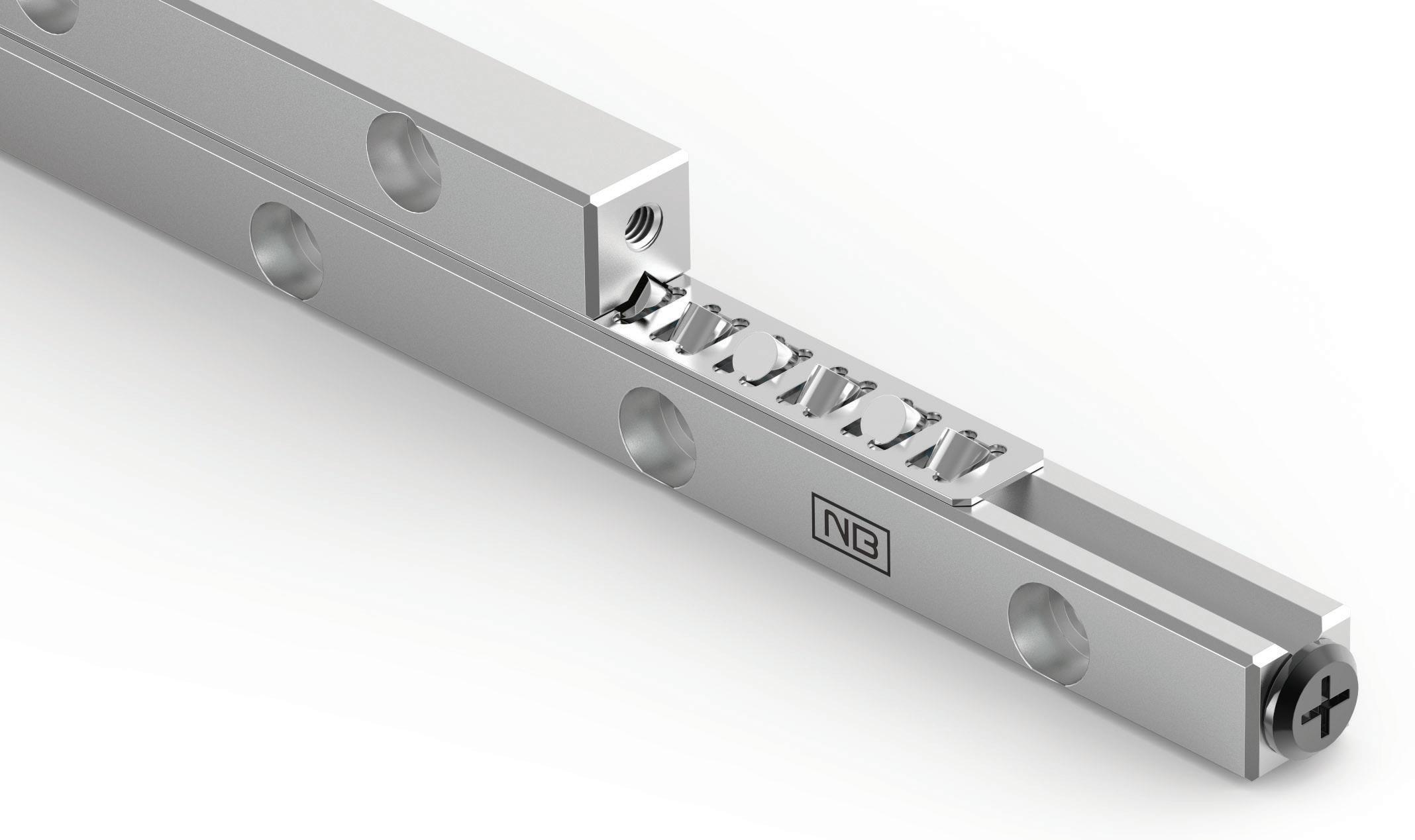
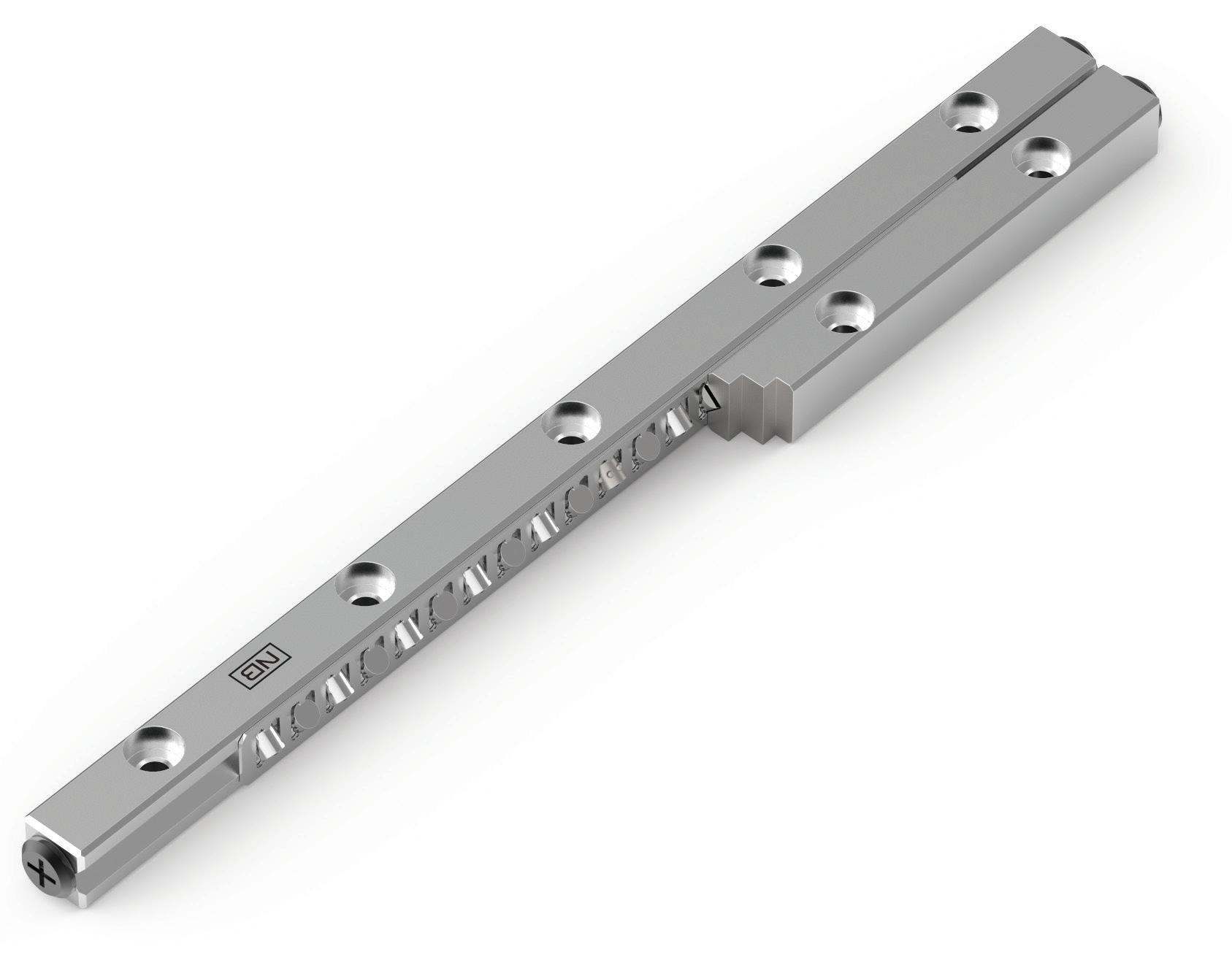
STUDROLLER®
Ultra High Capacity, Zero Slippage, Lower Cost.
For rapid acceleration and deceleration:
• 30~600mm rail lengths
• 2~12 mm rollers
• 150 million cycle endurance
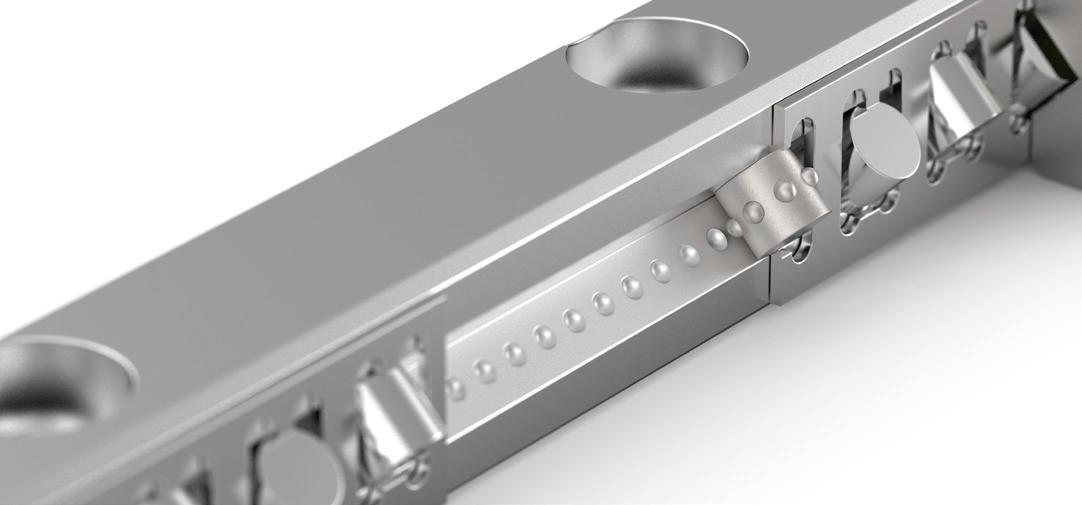
Now Available in All Stainless Steel.
Load capacity is increased up to 250% over competition’s by greater roller-to-rail contact
Number of rollers is 20% to 55% greater than competitions.
Steel retainer
Raceway’s depressions track STUDROLLER’s nodules preventing slippage - in any position. (Patent Pending)
Stainless
Rebecca McWilliam Director of engineering · Iris Dynamics
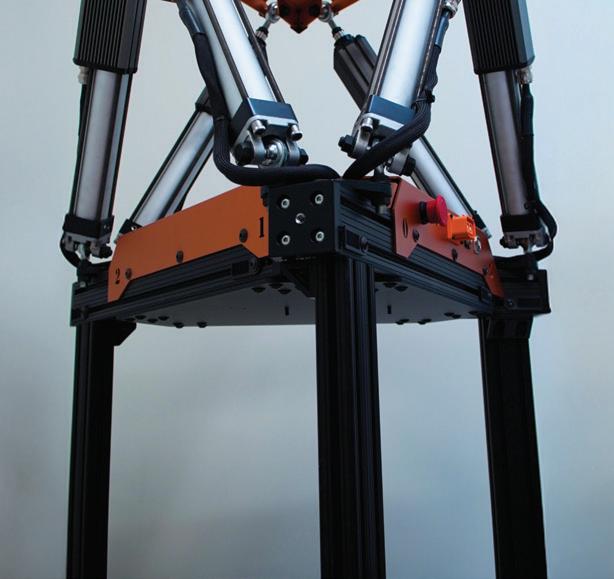
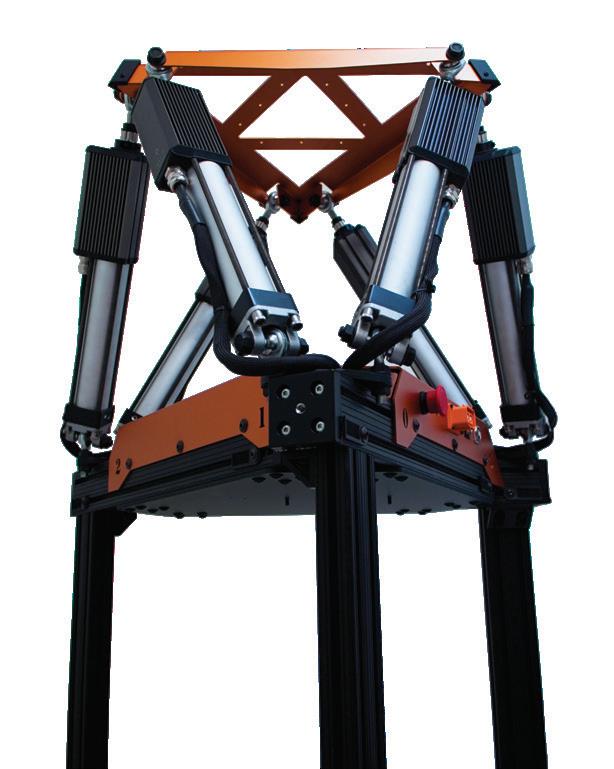
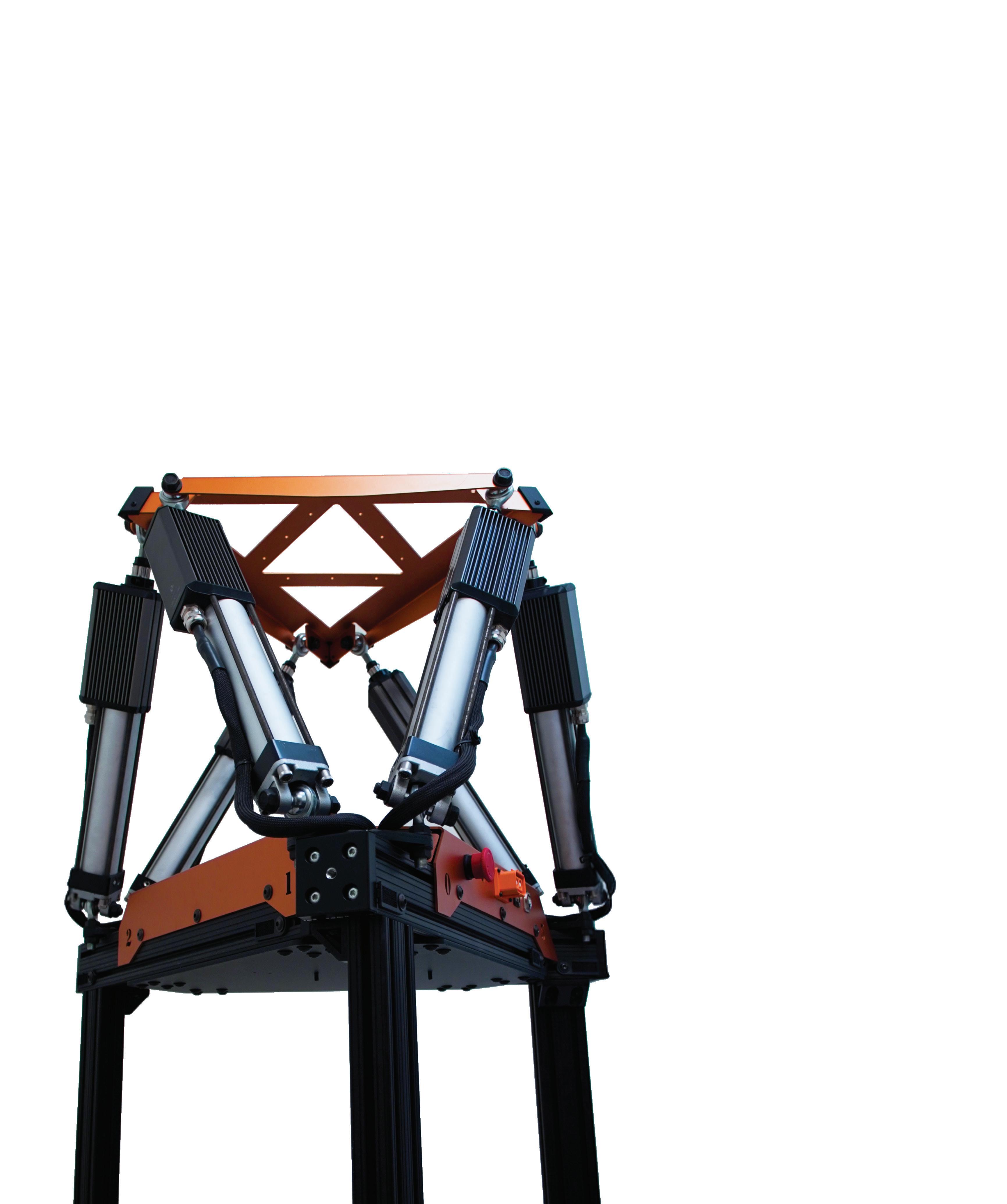
With proper modeling and thermal mitigation, ORCA-series linear motors from Iris Dynamics can deliver robust and efficient performance even in thermally constrained designs. Arrangements like that of this precision hexapod — leaving all the motors’ sides exposed — help with their cooling.
Certain approaches simplify the sizing, integration, and protecting of tubular linear motors destined for thermally constrained applications — and they don’t necessarily rely on the use of large and costly motors.
Linear motors behave differently than rotary motors — so how does their electrical power consumption relate to force and heat? Well, current through the windings of tubular linear motors generate magnetic fields that interact with the shaft’s permanent magnets. This interaction prompts force and motion output.
There’s a caveat, though — current passing through the windings also generates heat that must be dissipated to prevent damage to the magnetic shaft, integrated electronics, and windings themselves. Even when damage isn’t imminent, this thermal behavior impacts the motors’ performance in advanced automation, robotics, and precision motion systems.
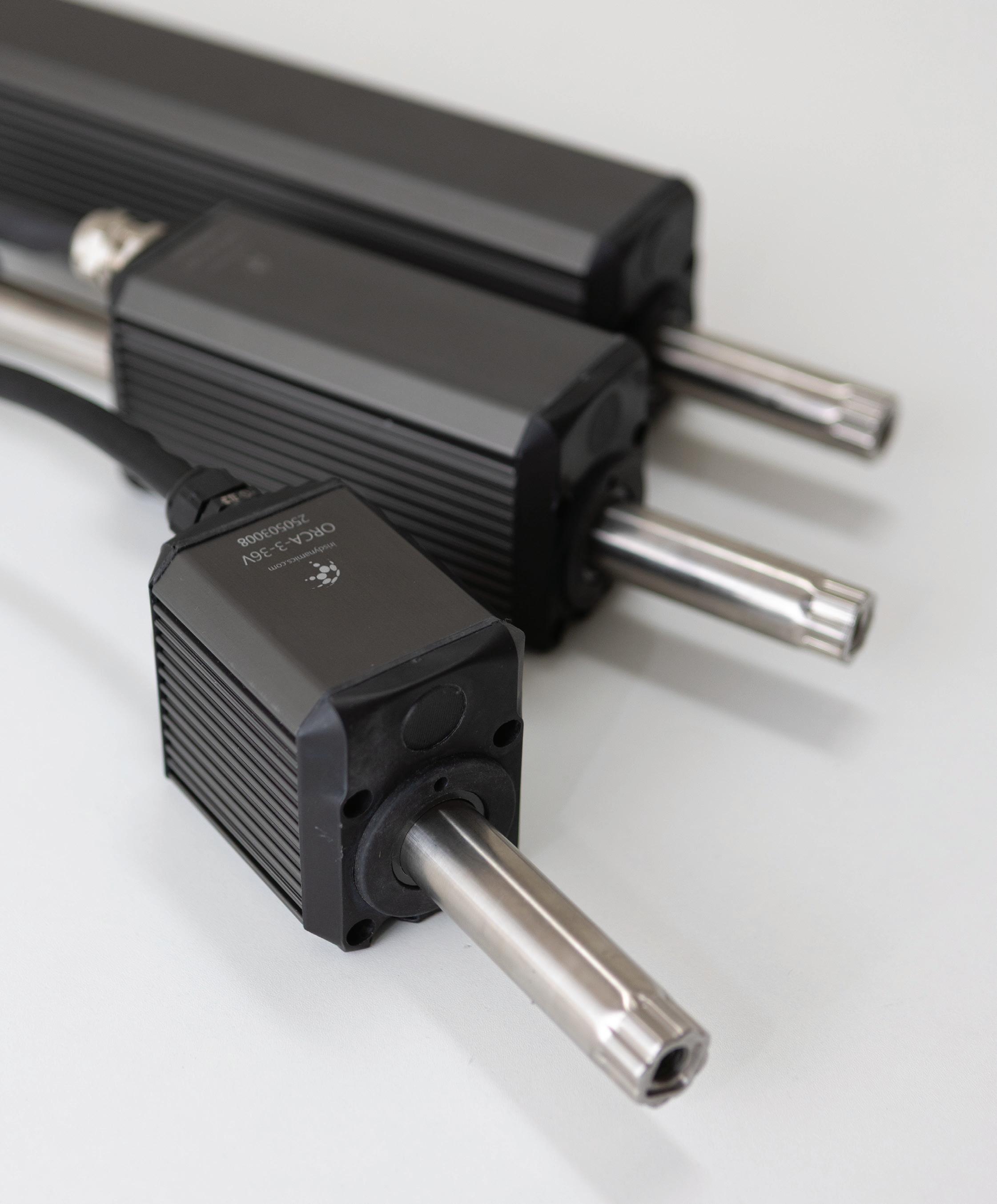
Shown here is the ORCA-3, ORCA-6, and ORCA-15. Large motors have more thermal capacity than small ones thanks to better thermal shedding and higher force constants. Continuous force output is almost always thermally (not electromagnetically) limited.
Fortunately, there are ways to reduce the thermal load with motion design, duty cycling, and cooling (whether passive or active).
Motor power and heat-generation definitions
For this discussion, we define steadystate temperature as the resultant motor temperature for a given power input that fluctuates no more than ±1° C over 30 minutes. Maximum force is that output by a linear motor when operating at maximum power. Continuous force is that output by a linear motor when operating at a given power.
Maximum power is that dissipated by a linear motor when operated at its peak output, which is only sustainable for a short period of time. Continuous power
is the power dissipated by a linear motor when operated at steady state temperature for an indefinite period of time without overheating. Maximum continuous power is that dissipated by a linear motor in a room with still air at 20° C that brings the linear motor to a steady-state 70° C.
Long periods of high power draw, transient high-force events, hot environments, and impeded airflow can all cause excessive motor heating and thermal shutdown.
Force-power relationship: Motor force output is proportional to current, while resistive heating power scales with current squared — Force² ∝ Power. So, modestly reducing motor-force demand dramatically reduces heating.
Linear Motion
For example, halving force demand trims power dissipation to 25% while doubling the force increases heating fourfold. So, integrating mechanical components such as gears, pulleys, or leadscrews imparts an exponential reduction in thermal power.
Thermal limitations: Linear motors can be thermally limited by integrated electronics, magnets in the shaft, copper windings, and (in some cases) the need to maintain safe operating temperatures for machine personnel who may touch the motor. Most heat generated by a linear motor originates in the coil — with the amount directly proportional to power input and force output.
Tubular linear motors like other linear-motor subtypes have long thermal time constants (to minutes long) thanks to large thermal mass and relatively slow conduction from windings to housing to ambient air. So, they can tolerate high-force demands that are brief sans immediate risk of overheating, because the windings’ heat takes so long to raise the overall motor or integrated electronics’ temperature to dangerous levels. However, this also makes average power over some multi-minute interval a key expression of thermal stability.
Despite a long overall time constant, spikes in power draws can cause windings to exhibit rapid and localized
heating. After all, copper coils react almost instantly to current heating — far faster than thermal energy can spread into the stator or chassis — meaning they can exceed their safe temperature limits even before the housing becomes warm.
Measures to prevent motor overheating
To prevent windings from overheating, feedback can keep input power to below thermal thresholds or cut power entirely if needed. Feedback can come from:
• Temperature sensors directly bonded to the coils for accurate feedback. Note that PCB-based temperature sensors can protect against accidental overdriving, but there’s a delay between coil energization and measurable warming of the PCB.
• A motor driver that integrates a joule counter. These use a thermal model to estimate realtime winding temperature and enforce safe limits.
Thermal shedding is another way to keep motors within thermal limits — by flowing heat from windings to stator to chassis (housing) to environment. Ambient temperature, airflow, and enclosure design directly affect how effective this shedding is. Fans boost convective cooling … and external motor fins, heat sinks, and conductive mounts boost conductive and radiative heat transfer. These together affect heat shedding and the continuous and intermittent force a motor can safely deliver.
Maximum vs. continuous power draw: Winding design, supply voltage, and electronics dictate maximum instantaneous power while motor thermal limits dictate maximum continuous power. Higher powers are okay for brief periods if average power remains below the continuous rating. For example, outputting 120 W for 60%
Drive Forward with EtherCAT from Delta Motion
ONE AXIS OR FIFTY. Servo hydraulic or servo electric. Position, velocity, or force control.
Connect to sensors and actuators directly or through EtherCAT.
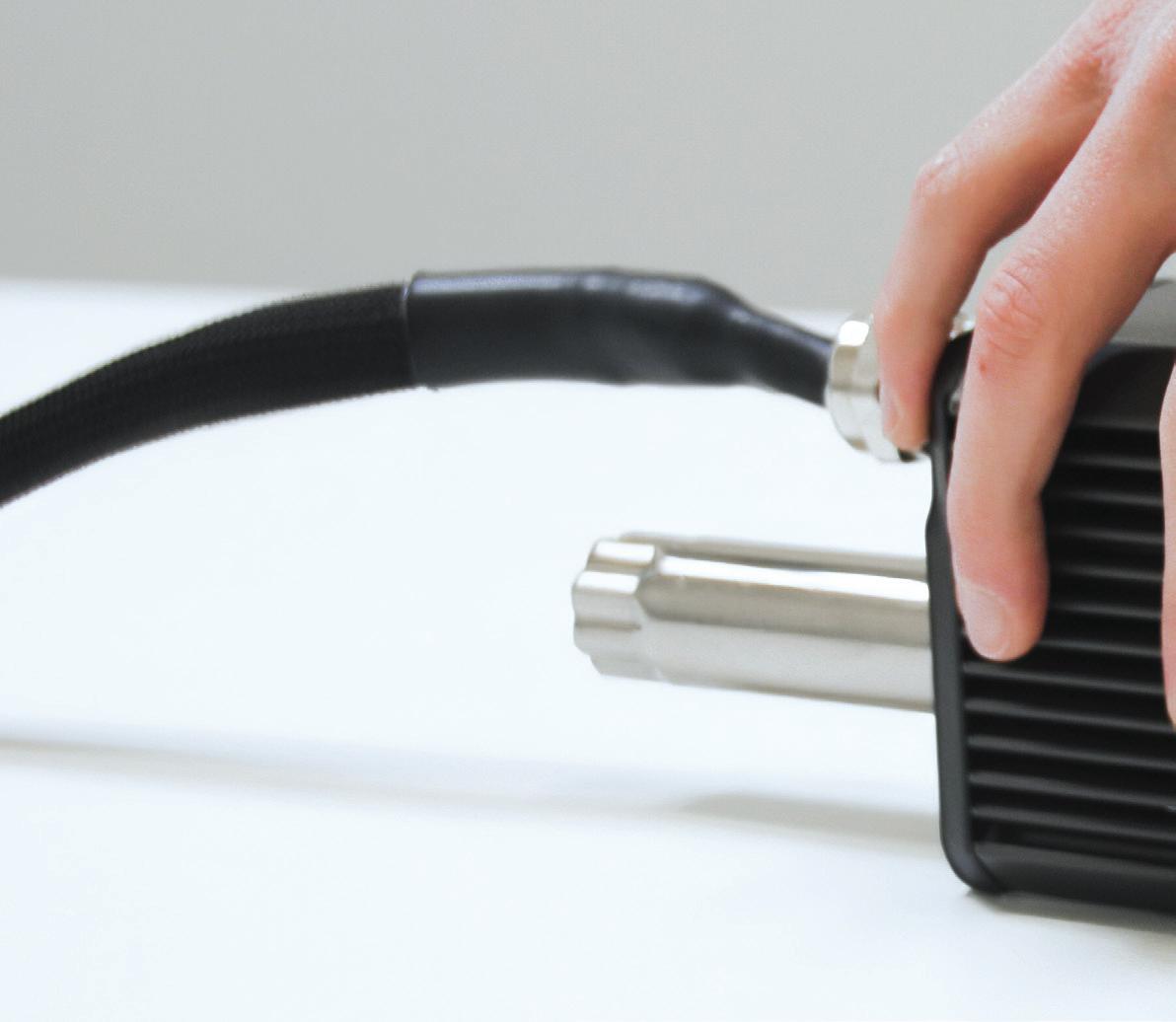
Thoughtful engineering of linear-motor designs can boost their continuous force capability and prevent over-temperature events. The ORCA-3 compact linear motor shown here has a 3.5-in. stator and standard shaft of 9 in. along with cooling fins for heat dissipation.
of the time and 70 W for 40% of the time results in an average power of 100 W.
Thermal capacity: Motor copper, epoxy, and chassis can all safely absorb a certain amount of heat … yet eventually, heat saturates the assembly with heat energy Q = C⋅ T where C is the motor’s overall thermal capacity and T is the change in temperature.
Thermal shedding: The efficiency with which heat transfers from motor windings to the environment ultimately governs the continuous force rating. This largely depends on motor housing surface area which in turn depends on motor size.
Kf’ motor force constant: This expresses the efficiency with which a motor turns power into force in Newtons per square root Watts. A motor with a higher Kf’ means the motor will
output more force for a given power draw. Kf falls as winding resistance climbs, and resistance increases with temperature (as power loss Ploss = I2R) so generating a given force at hotter temperatures takes more current. In fact, this is the cause of thermal runaway.
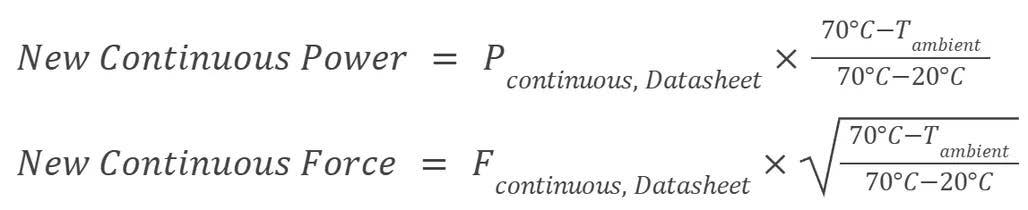
Ambient temperature: When a linear motor must operate in a hot factory setting or in a confined space, its force must be derated, and a larger motor may be required. The required amount of derating depends on ambient temperatures:
SCAN THE QR CODE
for charts plotting motor derating due to temperature, the relationship between force and power, and maximum holding times for a given set of conditions.
Gantry Stages & Automation Sub-Systems
For highest speed and precision, motion and automation solutions based on:
Air Bearings and/or Mechanical Bearings
Standard and Custom Gantries
EtherCat®-based Motion Controllers
Cartesian Robots and Hexapods
As ambient temperature approaches the motor’s thermal limits, the acceptable amount of time for maximum power is more and more brief until it’s only instantaneously possible.
Ways to mitigate heat issues
Decrease average power: Effective thermal management starts with reducing average power draw because root-mean-square RMS force rather than instantaneous peak force causes sustained heating. Reduction is possible with gentler accelerations, smoother motion commands, reduced holding duty cycles, or more mechanical advantage (as with spring or pneumatic assistance).
Reduce duty cycle: Shortening the duration of high-force events or spacing them farther apart can dramatically lower overall power draw and thermal load even when peak forces stay high. Rest periods leverage the motors’ long thermal time constants so accumulated heat is more effectively shed.
force to fully compress or extend the spring, the latter is easy to calibrate so the axis still allows force sensing.
Cooling airflow: Some tubular linear motors have cooling fins on their housings for a large heat-dissipating surface area. If a fan is also used, its cooling effectiveness increases with stator size (and surface area). A single fan can increase continuous maximum power threefold (for smaller motors) to fivefold (for larger motors). More airflow boosts continuous maximum power, though with diminishing returns … especially in enclosed spaces where climbing ambient temperature can degrade cooling effectiveness.
Tubular linear motors mounted so all housing sides are exposed allows uniform convective cooling.
Any installation that obstructs airflow to housing sides reduces the effective cooling surface.
Water cooling: Some tubular linear motors are IP68 rated, so can be cooled with water over the cooling fins. Water spray, constant overflow, or even full submersion can dramatically boost thermal performance. DW
This article is an adaptation of an Iris Dynamics piece. Check out other Iris Dynamics tutorials at irisdynamics.com/ engineering-resources.
Decrease peak force: Lower peakforce demand reduces instantaneous current spikes that can cause rapid coil heating. Lowering peak force by half trims power draw by three-quarters. For example, outputting 200 N with a force constant of 15 N/√W takes 178 W. Outputting 180 N with 15 N/√W takes 144 W. Outputting 100 N with 15 N/√W takes 44 W.
Pneumatic and spring support:
Where springs and pneumatics complement tubular linear motors to reduce power consumption, some controls’ PID loops settle to prompt only the force needed to hold position. Springs can introduce temperaturerelated performance drift, but for many tubular linear motors, spring-force offset can help trim power consumption. Plus, as long as the motor can apply enough
Electronic Engineering
Physical artificial intelligence (PAI) refers to AI systems that can perceive, understand, reason about, and interact with the physical world in real time through sensors and actuators. Unlike digital AI (DAI), which operates in virtual domains, PAI powers tangible actions in dynamic, real-world environments.
PAI is used in closed-loop systems where the AI model not only makes decisions about data but also acts on those decisions and directly interacts with its surroundings. Specialized software is one of the keys to implementing PAI.
For example, Vision-LanguageAction (VLA) models are advanced AI systems that enable systems such as robots to understand visual scenes (like uncut grass), interpret text commands
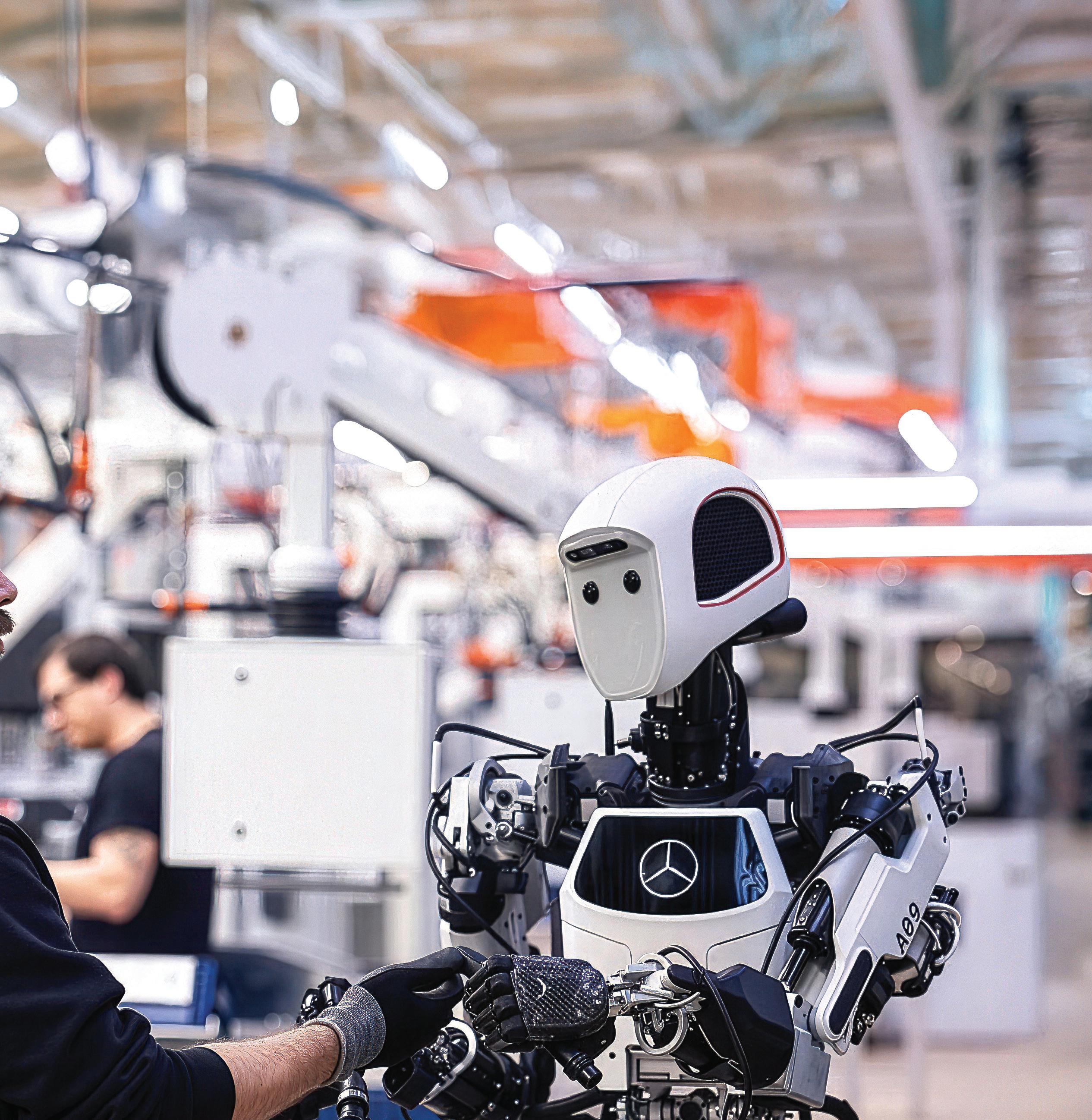
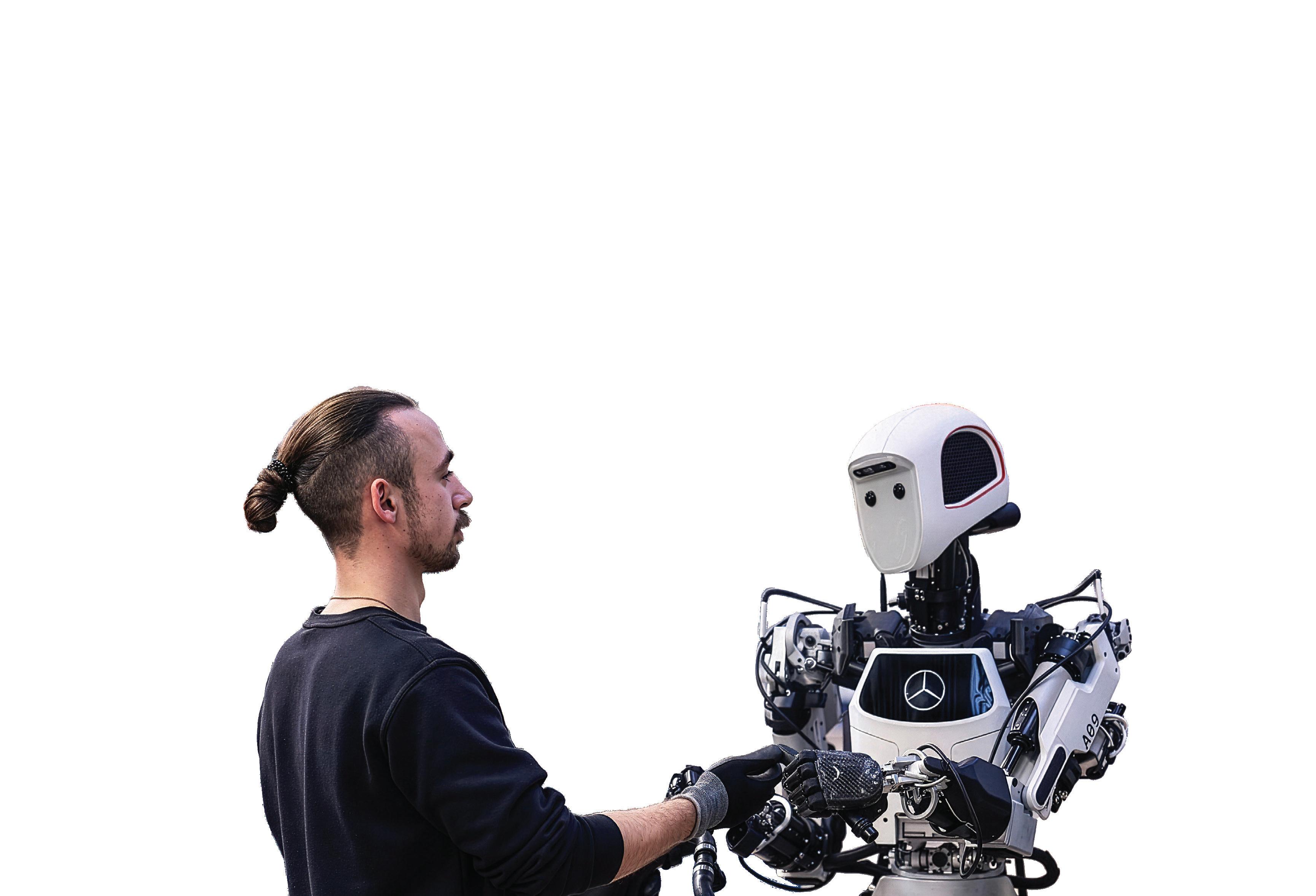
ABOVE: PAI is expected to enable industrial humanoid robots that can work autonomously or collaboratively with people. Mercedes-Benz
MACHINES
(like “mow the lawn”), and generate precise motor control outputs required for complex real-world tasks.
PAI also uses foundation models such as specialized large language models (LLMs) or small language models (SLMs) for basic reasoning. Simulation platforms like NVIDIA Omniverse are used to create realistic virtual worlds for training PAIs using synthetic data in preparation for realworld operation.
Machine learning (ML) tools are used for assembling training models and data manipulation, and analysis tools are used for cleaning, transforming, and exploring data.
Finally, an action decoder, for example, a virtual motor cortex, translates the output from the PAI system into continuous, low-level movements, such as joint angles and forces in a robot. All that happens in real time and in response to changing conditions in the real world. That creates specific design challenges.
PAI design considerations
PAI applications occur in real time. There’s not enough time for complex software execution or cloud connectivity. Local processing and control are a must to support millisecond decision speeds.
Sensor data can be subject to noise, hysteresis, and other sources of uncertainty. PAI systems must perform reliably with imperfect sensor data.
Actuators such as motors and solenoids are inherently imperfect and don’t necessarily move precisely or repeatably. PAI feedback loops must be able to recognize and quantify actual movement, not just the anticipated “perfect” movement, and make the required adjustments in real time. Otherwise, cumulative errors can build up and result in unexpected results.
In applications such as robotics or autonomous vehicles, PAI can be required to anticipate the movement of objects, people, or other vehicles and make decisions based on expected near
PHYSICAL AI IS THE NEXT EVOLUTION OF ARTIFICIAL INTELLIGENCE —— MOVING BEYOND SOFTWARE AND SCREENS TO POWER ROBOTS, AUTONOMOUS VEHICLES, AND OTHER
THAT SENSE AND ACT IN THE REAL WORLD.
JEFF SHEPARD • CONTRIBUTOR • EEWORLD
future conditions, not just the immediate environment.
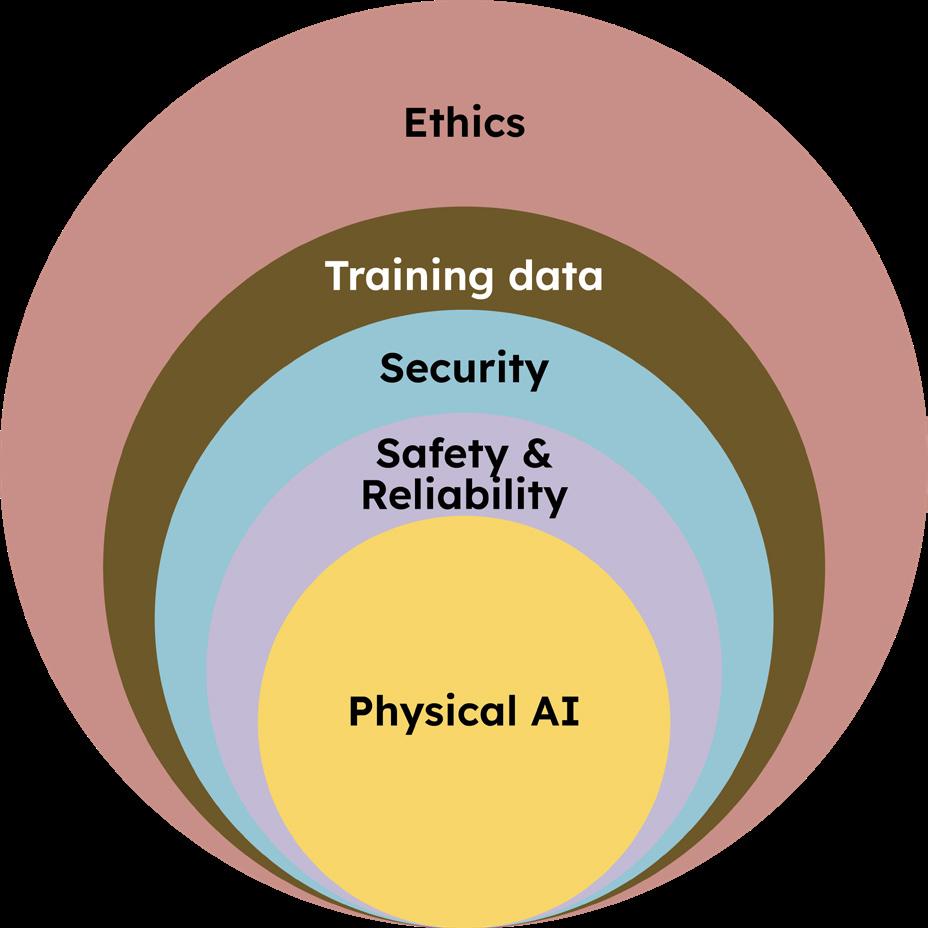
Safety and reliability are mandatory. Failures can happen quickly and have real-world consequences. Physical AI systems must be tested extensively, especially when operating near or with people. In multivariable contexts, PAI systems need to prioritize tasks by urgency to perform important tasks in a timely and safe manner.
In regulated industries or safetycritical applications, designers must be able to understand and explain the AI model’s decisions. That often involves factors including ethics, sources and contents of training data, and operational security.
Learning to improve future performance
Continuous learning helps PAI applications adapt. It supports incremental updates to knowledge databases using new sensor data and experience with actuator performance. It’s important to prevent so-called catastrophic forgetting of existing knowledge while incorporating new data. Properly implemented, continuous learning can enable real-time adjustments and improved performance in dynamic environments.
Implementing PAI is complex and relies on numerous factors.
Sunil Doddi, Control Engineering
Real-time learning loops are feedback mechanisms that enable PAI systems to continuously add new data from sensors and actuators and support immediate refinements to their understanding of the environment and resulting actions. Incremental updates to models can also make PAI systems more resilient and responsive while minimizing demands on computing resources.
ML and PAI data drift resilience is important when constructing models and systems that can detect, adapt
to, and maintain performance despite changes in real-world data statistical distributions over time, preventing reductions in accuracy from changes in user behavior or trends.
Some PAI systems use modular data architectures that include specific modules for activities such as data preprocessing, training, and adaptation. These architectures allow specific modules to handle factors such as new sensors or faulty data without disrupting core functions.
Why PAI is important
PAI is a transformational technology moving AI from screens to physical activities, enabling fully autonomous factories and vehicles, humanoid robots, and other applications. At the same time, PAI will enable those autonomous systems to coordinate activities with human collaborators.
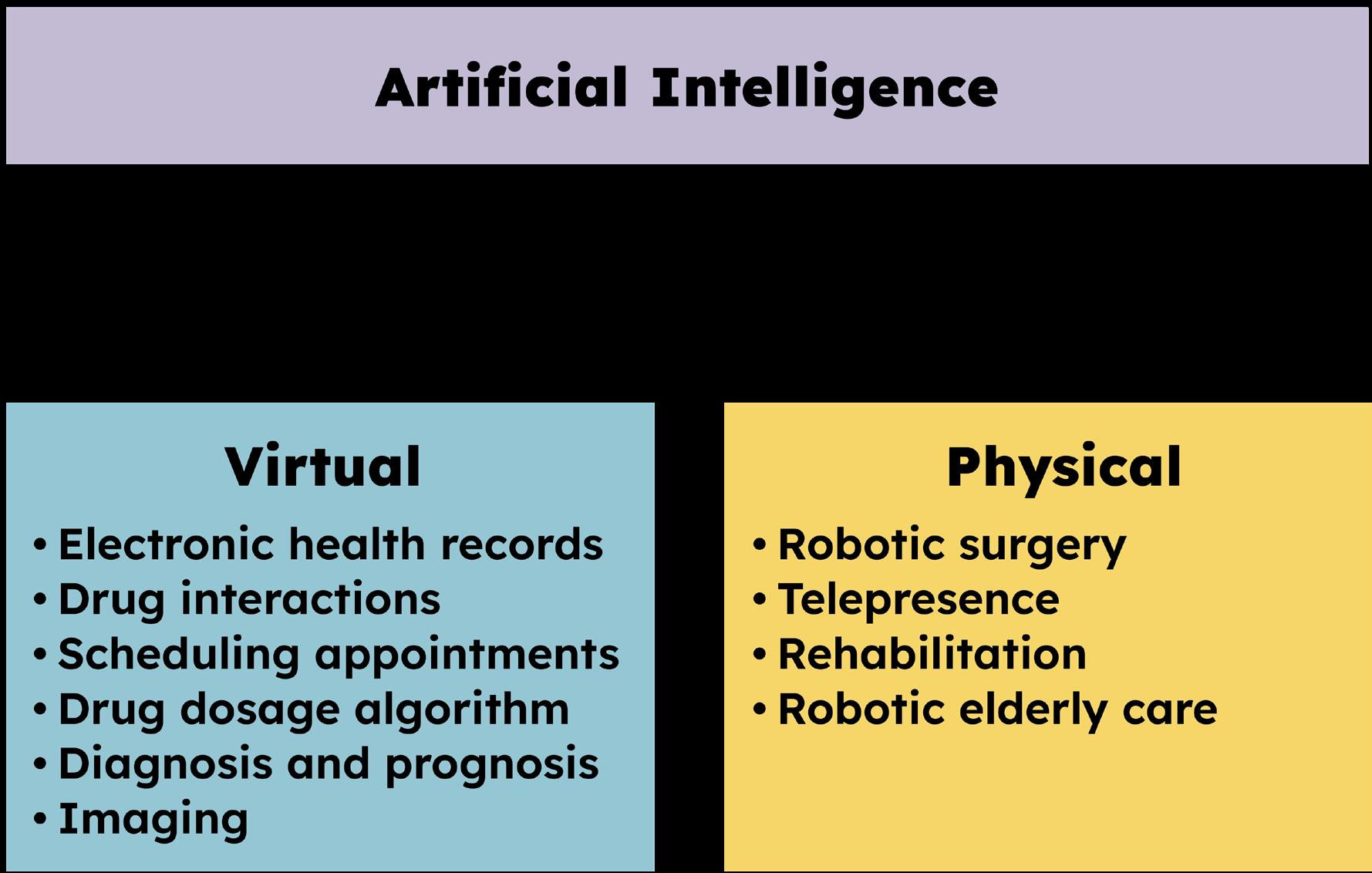
Applications span numerous industries, from basic automation to autonomous vehicles and complex surgical procedures. Such applications represent an advancement beyond DAI. DAI operates purely in software, analyzing data for use in chatbots, recommendation engines, and similar language-based applications. Instead of simply talking about a situation like
Electronic Engineering
DAI, PAI uses the information to act and implement solutions using motors, actuators, and real-time feedback from sensors.
PAI can be especially useful in applications that are themselves in motion, such as autonomous vehicles. In the case of autonomous construction equipment and agricultural vehicles, PAI can analyze the terrain and soil conditions to ensure optimal results from grading operations, planting crops, and so on.
In autonomous vehicles including cars, trucks, and robots, PAI can support navigation in dynamic environments, detect and avoid obstacles like traffic jams, and identify the most efficient travel routes. Autonomous drones supported by PAI can more effectively perform inspections of critical infrastructure like pipelines, power lines, and bridges.
Surgical robots can use PAI to perform operations with microscopic accuracy. They can assist surgeons by eliminating hand tremors, providing enhanced visualization, and monitoring complex data regarding vital signs and making nearly instantaneous adjustments to procedures.
Some PAI applications rely heavily on spatial artificial intelligence (SAI). SAI extends conventional image
recognition by tracking movement and understanding spatial relationships between objects in three dimensions. Understanding where specific things are, and their relative motions, is critical in many PAI applications.
Summary
PAI moves AI beyond chatbots and into robots and autonomous systems that can interact with the physical world in real time. Key applications
span industrial, medical, and consumer robotics, autonomous vehicles, and surgical systems. When paired with SAI for enhanced environmental awareness, PAI enables more capable deployments across healthcare, smart cities, and environmental monitoring — and the technology is expanding rapidly. DW
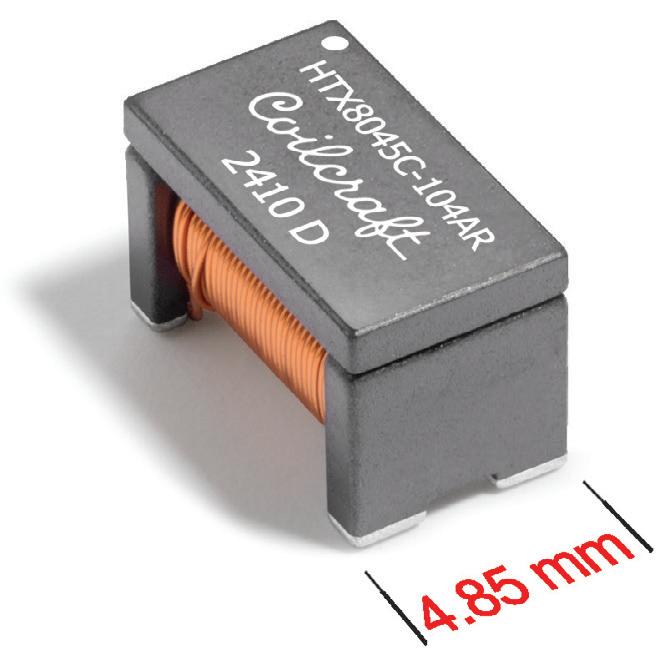
LLC Half-Bridge Transformers
• Low interwinding capacitance (as low as 0.55 pF) to minimize EMI and achieve high CMTI (Common Mode Transient Immunity)
• Optimized for isolated bias supplies for SiC and GaN gate drivers, such as the UCC25800-Q1 from Texas Instruments and the MPQ18913 from Monolithic Power Systems
• Ideal for automotive OBC and traction inverters in EV/HEV
Comparison of virtual, or DAI, applications and PAI applications. Computational and Mathematical Methods in Medicine
INTRODUCING THE NEW
COMPACT POWER, PRECISION PERFORMANCE
ᘩ High-force with significant travel
ᘩ Offers spring rate flexibility
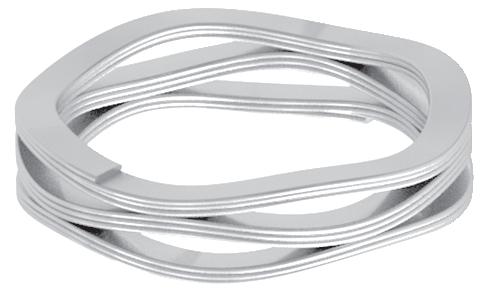
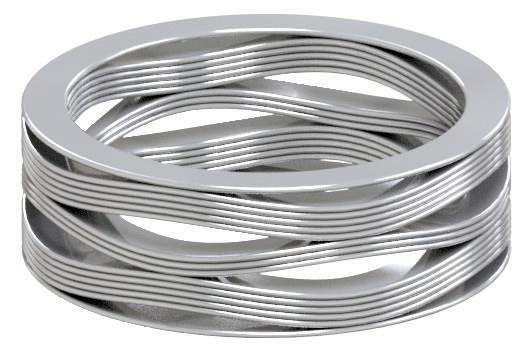
ᘩ Produced from one piece of wire for consistent load properties
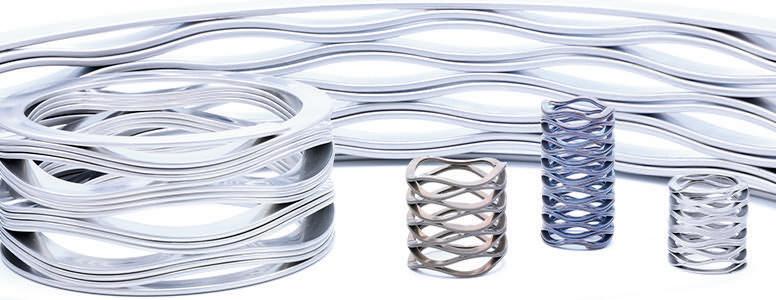
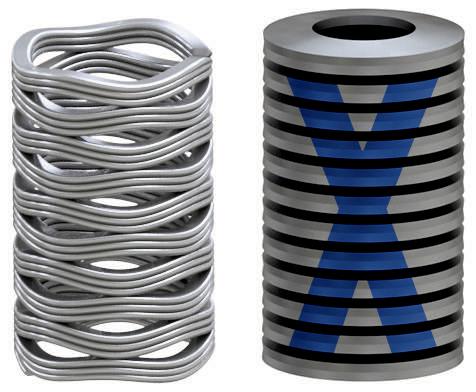
ᘩ Ideal for replacing stacks of Belleville washers
• Elimination of improper installation
• Saves on manual labor
• Reduces inventory needs
Nestawave Replaces Belleville Stack
Technical Specifications
ᘩ 6.5 mm to 510 mm diameter
ᘩ Custom-made for your specific needs
ᘩ Available in standard and exotic materials
ᘩ Shim ends available
ᘩ Actuators
ᘩ Bearing Preloads
ᘩ Compressors
ᘩ Clamping Tools
ᘩ Valves
ᘩ Vibration Dampeners Applications
HOW CAN SENSORS SAVE ENERGY AND IMPROVE SENSOR NODE BATTERY LIFE?
// Edited by Mike Santora
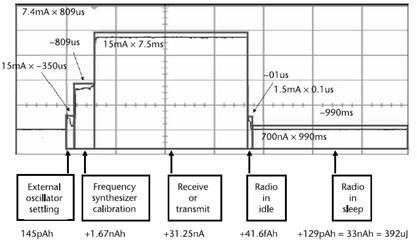
IN A BATTERY-POWERED, wireless sensing node, the biggest energy consumer typically is the RF transmitter. The transceiver should have extremely low power in active, wait and even sleep modes. A one-second snapshot of the current consumption in the various portions of the transmission cycle shows the current draw of 15 mA for the 7.5-ms receive or transmit portion versus 700 nA for the radio in sleep mode and comprises over 90% of the total 33-nAh (392-μJ) energy consumption. This is just one example of minimizing the current draw to transmit or receive sensor data.
Maximizing the amount of sleep time is essential for other portions of the sensor node as well. Since the available energy must power all portions of the system and the energy budget is limited, the power consumption of the sensor or sensors in a wireless node need to be considered, too. While it is increasingly important, low power has not always been a critical parameter for many sensors. An interesting example is a resistive sensor that normally draws a substantial amount of current in an analog measurement.
Typically, a Wheatstone bridge used in applications such as pressure, force, and weight measurements would have a 350Ω strain gauge, but this
could be increased to 1 K-Ω or more to reduce the current draw. If the bridge is not turned off, a 1 K-Ω bridge with 3V applied, draws 3 mA continuously. If the bridge is switched on to make a reading and then off, it can still have the current on for a relatively long time to stabilize the reading.
An alternative technique uses a time-to-digital converter (TDC) instead of an analog measurement. The measurement is made in the time domain by combining the resistors of the bridge with a capacitor and only energizing the strain gauge for about 100 μS. This approach saves power and minimizes self-heating effects. Other approaches that address minimizing power consumption may allow the use of a sensing technique that would otherwise be deemed unacceptable for a wireless sensor application.
If the power consumption is a major concern, the common power consumption for different sensor
SENSOR TYPE
Gas sensor
Image sensor
Acceleration sensor
Temperature sensor
types should be a starting point before looking for the lowest power consumption sensor for a specific sensor node.
Table 1 shows some readily available values for popular sensing applications.
Many MEMS sensors use capacitive sensing and draw minimum power. However, for Always On applications, such as fitness trackers, wearables, and other products that require extremely low power consumption, sensor designers are providing users even lower power consumption products. While a digital capacitive pressure sensor could draw over a milliamp during conversion, at supply voltages in the 1.5 to 3.6 V range some sensors can draw <0.1 µA in standby. Depending on the oversampling rate (OSR), the supply current and the ADC conversion time can each increase by a factor of 25 times or more, so minimal rates should be used. EE
POWER CONSUMPTION
500mW - 800mW
150mW
3mW
0.5mW - 5mW
TABLE 1. Power consumption for different types of sensors.
FIGURE 1. Example of current draws and duration in the transmission cycle.
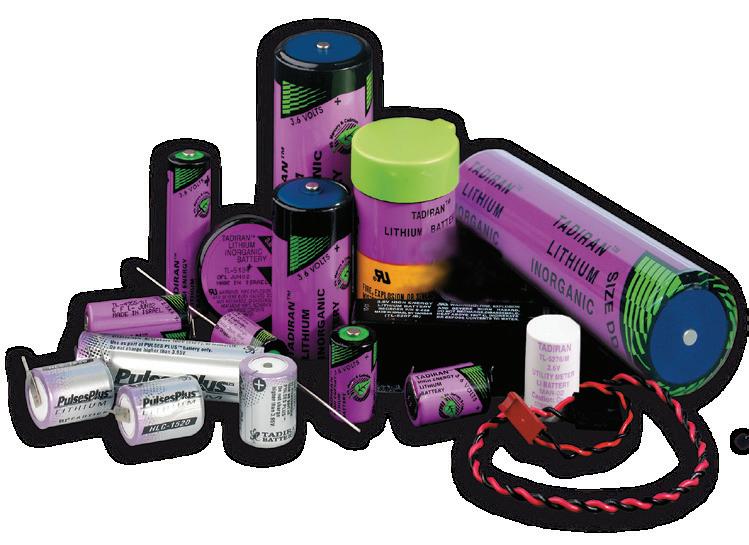
Don’t let the cost and inconvenience of hard-wired AC power send you up a tree. Instead, be as remote as you want to be with the ONLY lithium cells to offer PROVEN 40-year service life without recharging or replacing the battery. When it comes to wireless power solutions, Tadiran is taking innovation to extremes.
The RBR50 Robotics Innovation Awards recognize the companies, technologies, and applications moving robotics forward. Now in its 15th year, the RBR50 highlights not just technical achievement, but also realworld impact.
The 2026 winners reflect the breadth of today’s robotics landscape. This year’s honorees include a warehouse robot that uses touch to manipulate cluttered environments, a soft exoskeleton improving mobility for stroke and ALS patients, and a robotic hand enabling communication for the DeafBlind community.
The RBR50 Gala returns May 27 from 6-8 p.m. in Boston at the Robotics Summit & Expo. The gala offers attendees a chance to network with this year’s winners and other industry leaders. The Robotics Summit also has a dedicated section on the expo floor highlighting this year’s RBR50 winners. Tickets to the RBR50 Gala are limited and can be purchased online during Robotics Summit & Expo registration.
Extended profiles of all RBR50 winners can be found online at The Robot Report.
Robot of the Year: Amazon Vulcan
Amazon’s Vulcan, the 2026 Robot of the Year, stands out not just as a new system, but also as a rethinking of how robots
COMPANY
Association for Advancing Automation (A3)
ABB Robotics
Agility Robotics
Amazon
Ambi Robotics
Anyware Robotics
AutoStore
Boston Dynamics
Brightpick
CaPow
cellumation
Chef Robotics
INNOVATION
Congressional Robotics Caucus relaunches to help U.S. industry be competitive
OmniCore EyeVision lets robots adapt autonomously in complex environments
Digit humanoid moves 100,000-plus totes for GXO Logistics
Vulcan’s sense of touch automates warehouse picking and stowing
Genesis powers robots continuously with in-motion charging
cv.PAL automates material flow with adaptable robotics
Chef+ improves consistency and productivity in food production
MyMR mobile robots strengthen automation portfolio
Orbit accelerates ROS 2 robotics software development
Comau
CraftifAI
ROBOT OF THE YEAR
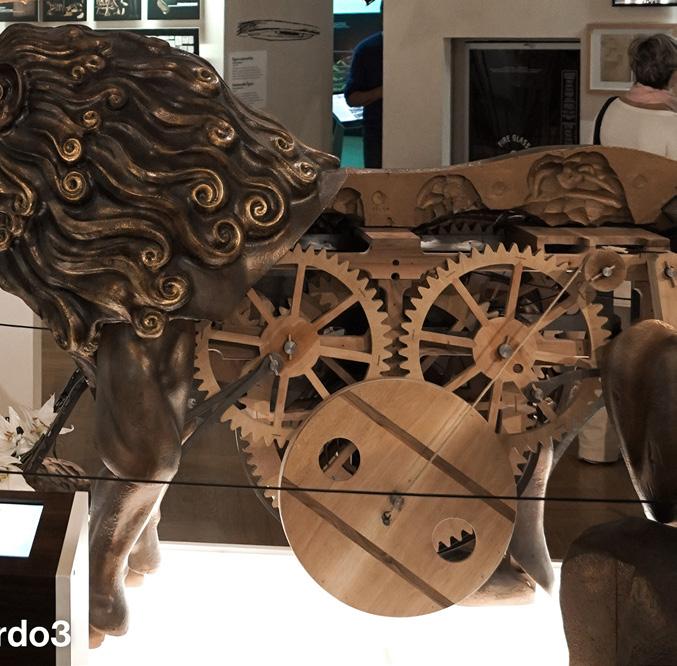
Leonardo’s Mechanical Lion was created by the Leonardo3 Study Center and is exhibited as a world exclusive at the Leonardo3 Museum in Milan, Italy
interact with the physical world. At the core of Vulcan is its ability to use touch as an input to both plan and control motion, something traditional industrial automation has largely avoided.
Instead of trying to eliminate contact, Vulcan seeks it out, using force and torque sensing across multiple axes to understand how objects and environments respond in real time.
This capability is critical inside Amazon’s fabric storage pods, where items are randomly packed, partially obscured, and held in place by elastic bands. In these high-contact environments, Vulcan doesn’t rely on perfect perception.
Instead, it probes, slides, and adjusts based on what it feels. Its specialized end-of-arm tooling reflects this approach: a gripper with conveyor-like plates and an extensible “spatula” to create space for stowing, alongside suction-based picking tools and a secondary arm to manipulate the elastic bands.
Vulcan’s sense of touch enables it to manipulate objects with greater precision and dexterity. According to Amazon, Vulcan can pick and stow approximately 75% of the items in Amazon warehouses.
What ultimately earned Vulcan top honors is its ability to bring these concepts into real production. Vulcan is purpose-built for stowing and picking, two of the most difficult tasks in warehouse automation, and is already being scaled at Amazon warehouses worldwide.
Aaron Parness, director of applied science at Amazon Robotics, led the development of Vulcan. He will discuss the development of Vulcan in an exclusive conversation with Steve Crowe, executive editor of The Robot Report, during the RBR50 Gala.
Startup of the Year: Physical Intelligence
Physical Intelligence is one of the fastest-rising companies in robotics. Founded in 2024 by a team of leading AI researchers, the San Francisco–based startup is focused on developing general-purpose foundation models that allow robots to learn and perform a variety of real-world tasks.
In just two years, the company has attracted massive investor interest, raising more than $1.1 billion across multiple funding rounds, including a $400 million Series A and a $600 million Series B that
Vulcan has a sense of touch for picking.
Amazon Robotics
COMPANY INNOVATION
CreateMe Technologies
Exotec
FANUC
Geekplus
Google DeepMind
GrayMatter Robotics
Hardhat Robotics
Harvard University
HEBI Robotics
Hugging Face
igus
Jacobi Robotics
Johns Hopkins
KUKA
LimX Dynamics
APPLICATION OF THE YEAR
MeRA automates high-volume, flexible garment production
Next-gen Skypod ASRS enhances productivity in warehouses
Industrial robots help 165-year-old manufacturer remain in U.S.
Robot Arm Picking Station boosts goods-to-person automation
Gemini Robotics brings AI to physical robots
World’s largest aircraft painting company automates sanding tasks
New platform handles hazardous large circuit energization
Wearable robot aids impaired arms for stroke, ALS
Haptic-enabled CHISLR robot reduces hazards in metal ingot operations
Reachy Mini provides robotics platform for embodied AI builders
ReBeL Move Pro expands mobile robotics for SMEs
OmniPalletizer uses AI stack for mixed-case deployments
Surgical robot hits milestone in autonomous gallbladder surgery
Robotic hippotherapy accelerates recovery after stroke, injury
TRON 2’s multi-modal locomotion powers robotics research and deployment
2026 RBR50 WINNERS (CONTINUED)
valued the company at $5.6 billion. It is reportedly in talks to raise even more capital at valuations exceeding $11 billion, underscoring the industry’s belief in its approach.
What makes Physical Intelligence especially important is its focus on open, generalizable foundation models for robotics. Rather than programming robots for single, fixed tasks, its models learn from large, diverse datasets and can transfer skills across different robots and environments. This could reduce the cost and complexity of deploying automation, enabling robots to adapt to new tasks with minimal retraining.
By bringing the foundation model paradigm into the physical world, Physical Intelligence is aiming to shift robotics from rigid, task-specific systems to flexible, scalable platforms to unlock a future where robots can learn, generalize, and operate more like humans.
Application of the Year:
Harvard University
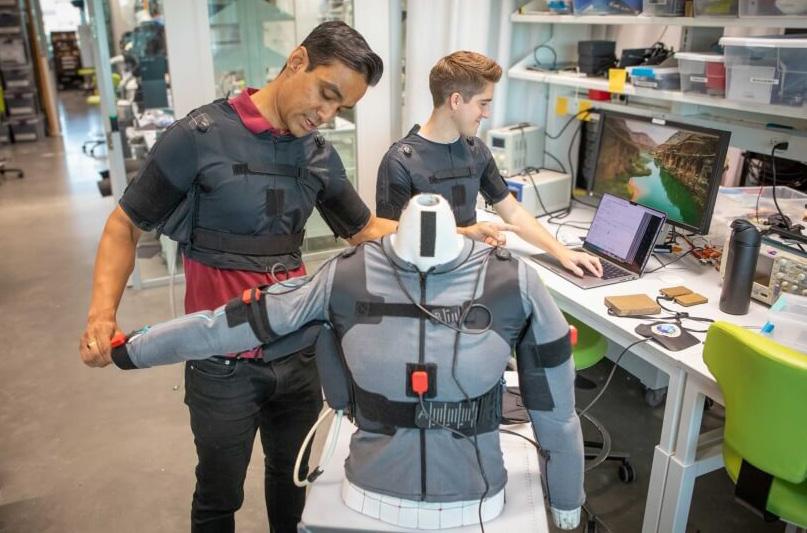
Harvard University is winning The Robot Report’s Application of the Year Award for its soft exoskeleton that has demonstrated promising early results for stroke and ALS patients.
Harvard’s exoskeleton is lightweight and compliant, assisting the shoulder through a fabric-based system worn on the body. The innovation is a personalized control approach: Sensors track subtle user movements, while a machine learning model predicts intent such as lifting or lowering the arm with more than 94% accuracy. This allows the robot to provide assistance in real time, tailored to each individual’s motion patterns.
In early trials involving nine participants – five post-stroke and four living with ALS – the system significantly improved arm function. Users experienced increased range of motion across the shoulder, elbow, and wrist, reduced compensatory body movements, and improved movement efficiency. The robot also reduced the physical effort required for common tasks, helping users lift and hold objects longer and with less fatigue.
The exoskeleton has also shown promise beyond the lab. At-home evaluations demonstrated improved performance in real-world daily activities, highlighting its potential as both an assistive and rehabilitative technology
COMPANY
Locus Robotics
MassRobotics
INNOVATION
Array mobile manipulator enables autonomous fulfillment
International Immersion Program prepares global startups for U.S. entry maxon
Medical Microinstruments
IDX 70 servo motor boosts performance, safety, and integration efficiency
Symani surgical robot approved for Alzheimer’s trial NASA
Perseverance Rover completes 1st AI-planned drive on Mars NVIDIA
Nyobolt
Palladyne AI
Physical Intelligence
Pickle Robot Company
Cosmos improves robot development using digital worlds
SwarmOS enables autonomous drones to work together
Startup’s PI (π) models change how robots learn
Upgraded trailer-unloading robot powers significant company growth
GEDP streamlines development of secure robotics systems
RealSense
Spinoff from Intel stabilizes vision technology for robotics
AI tool simplifies debugging and log review for roboticists
Carter becomes 1st cobot in DHL Latin America operations
Roboto AI
Robust.AI
2026 RBR50 WINNERS (CONTINUED)
OFSTARTUP THE YEAR
This exoskeleton helps people move their arms. Harvard University
See a live demo!
Boston, May 27-28, Booth #436
Fine motor skills
FAULHABER Applications WE CREATE MOTION
Compact FAULHABER micro drive systems make humanoid robotic hands perform intelligent manipulation with precision and speed of their human role model.
More information: www.faulhaber.com/humanoid-robotics/en
Robots for Good: Tatum Robotics
Tatum Robotics earned the Robots for Good Award for developing a first-ofits-kind communication system for the DeafBlind community. Deafblindness is a combination of sight and hearing loss that affects a person's ability to communicate, access information and get around.
According to The World Federation of the DeafBlind, between 0.2% to 2% of the world’s population is impacted by varying degrees of deafblindness. People with deafblindness are, overall, more likely to be poor and unemployed, and with lower educational outcomes.
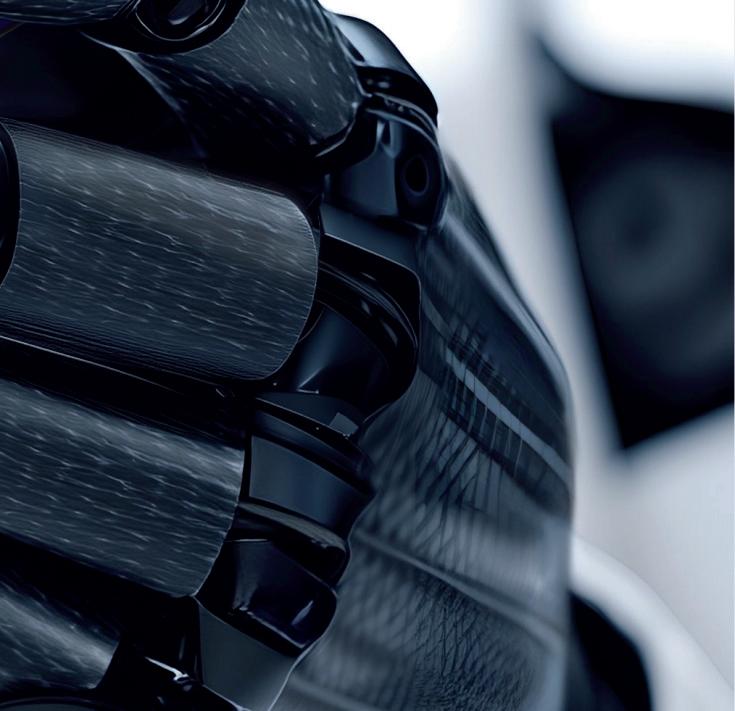
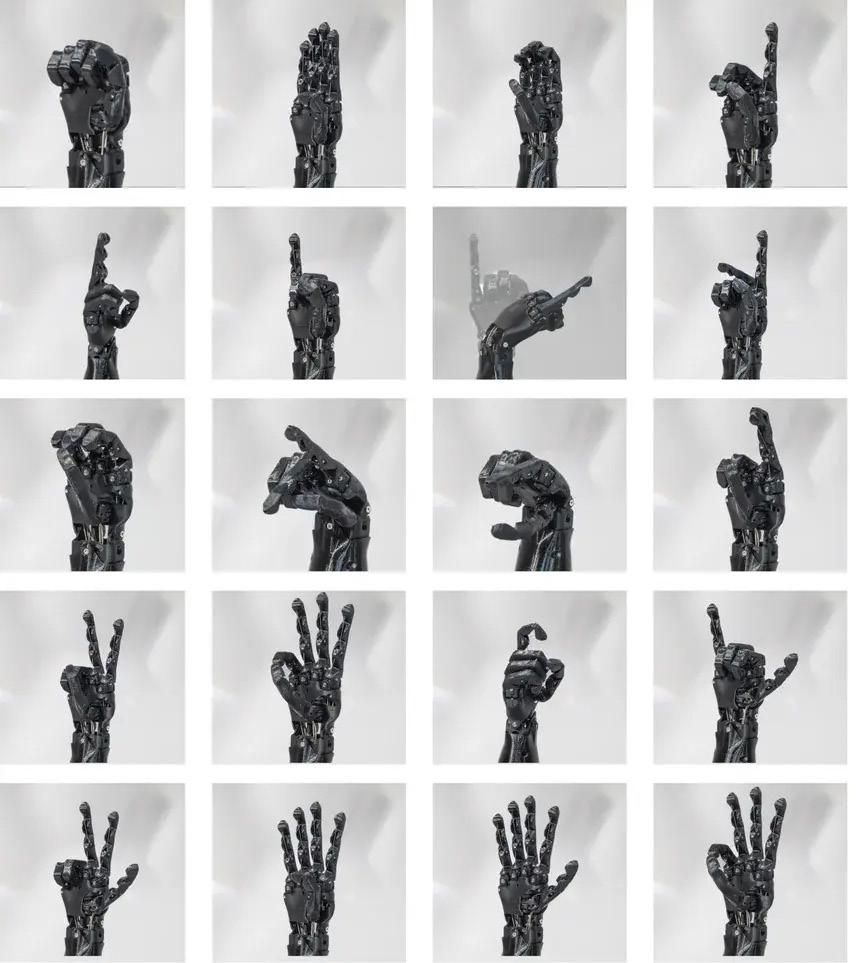
Tatum’s flagship device, Tatum1, translates written English into tactile American Sign Language (ASL). This enables users to read messages through touch, which is the primary communication method for people with severe deafblindness.
At the core of Tatum1 is a compliant, 18-degree-of-freedom anthropomorphic robotic hand that can fingerspell and form complex ASL handshapes. Tatum1 is designed for safe, expressive communication. Paired with cloudconnected software, the system allows users to independently access phone calls, texts, weather, and news.
Since its July 2025 launch, more than a dozen units have been deployed, with strong early feedback. One user shared: “I love using the robot for communication access using the phone. The reason is because video phones with sign language, I can't see them. It's very frustrating and I get really nervous because I can’t make calls. That's why I love to use the Tatum robot for communication!”
By combining robotics with direct community input, Tatum Robotics is restoring autonomy, privacy, and connection for an underserved population. RR
CFO Ken Gradman kgradman@wtwhmedia.com 773.680.5955
DESIGN WORLD does not pass judgment on subjects of controversy nor enter into dispute with or between any individuals or organizations. DESIGN WORLD is also an independent forum for the expression of opinions relevant to industry issues. Letters to the editor and by-lined articles express the views of the author and not necessarily of the publisher or the publication. Every effort is made to provide accurate information; however, publisher assumes no responsibility for accuracy of submitted advertising and editorial information. Non-commissioned articles and news releases cannot be acknowledged. Unsolicited materials cannot be returned nor will this organization assume responsibility for their care.
Subscription Rates: Free and controlled circulation to qualified subscribers. Non-qualified persons may subscribe at the following rates: U.S. and possessions: 1 year: $125; 2 years: $200; 3 years: $275; Canadian and foreign, 1 year: $195; only US funds are accepted. Single copies $15 each. Subscriptions are prepaid, and check or money orders only.
Subscriber Services: To order a subscription or change an address visit our website at: www.designworldonline.com
DESIGN
Technical Thinking
By Mark Jones
A dam shame
We trudged down the road to Au Train Falls with crampons on. We visit during our yearly ice cave adventure in Michigan’s UP. The road wasn’t plowed as well as on past visits. It was also quieter. Au Train Falls is a gradual falls, running over a broad slope of soft Cambrian sandstone. It is a gurgling falls. The noise that was missing was the roar of water being released after spinning turbines. A penstock above the falls used to carry water from a reservoir to the generating building at the base of lower Au Train Falls. Water used to surge out of the building, rejoining the river. The flow was cut off — the roar gone after more than 100 years of producing power.
Renewable World Energies, the company operating the power station, went bankrupt. The plant was unable to cover the cost of continued operation from the revenues generated. The 0.9-megawatt plant generated only $173,000 a year. Operating and maintenance costs exceeded revenues. Covering the $3.7 million in required safety upgrades, identified by the Federal Energy Regulatory Commission (FERC), was impossible. FERC terminated the license in December 2025, citing the bankruptcy and sale of land necessary for continuing operation, parcels that included the powerhouse. Comparisons were drawn to the failures of the Sanford and Edenville dams.
I have more than a passing familiarity with the Sanford and Edenville dams. Those dam failures flooded the town where I live in May 2020. More than 10,000 people were evacuated. Our house remained dry, but many friends were not so lucky. The dam owners came by the dams seeking to purchase a tax shelter. Records show electricity sales were making money, just not enough to cover repairs. Spillway repairs before the breach were estimated at $8 million. They paid under $5 million for a total of 4 dams.
The pattern — private hydroelectric operator, deferred safety upgrades, FERC noncompliance, bankruptcy — is identical to Au Train, just without the catastrophic flood. So far.
All the dams I’ve mentioned were built about a century ago to make electricity. The dams near Midland are being rebuilt without power generation. Revenues from restored generation would need to roughly double just to break even over 20 years. Not turn a profit… break even. Au Train was losing money and will never produce another watt.
That seems counterintuitive.
IRENA noted that adding generation at an existing dam can cost as little as $500 per kilowatt — cheaper than wind at first blush. IRENA’s numbers are misleading since they ignore the cost of FERC compliance. The added burden of FERC compliance ultimately
makes wind power lower cost on both a maximum power and total energy delivered basis.
Intermittency is wind’s problem. Surprising to me, the capacity factor for both wind and small hydro are similar, between 30 and 45%. Both are intermittent. I thought hydro would provide stable, base-load power. Big hydro might. Small hydro doesn’t. Small hydro isn’t coveted baseload power. My misconceptions come from a 2016 DOE report bullish on hydropower. Rereading it now makes it seem like fiction. Already power-generating dams aren’t viable; harnessing non-powered dams can’t be.
Much has changed since the dams were constructed. The dam rebuilds are nearing completion near Midland and the lakes will return. The impossibleto-manage three-way conflict between hydropower, recreation, and flood control will be avoided. The lakes are returning for only recreation. There will be no turbines making emission-free, renewable power.
I can’t go a day without seeing something about growing power demand. The thought that there is significant carbon-free power to be harvested from small hydro, a thought planted when I read the 2016 DOE report, was appealing fiction. It may sound great, but the economics just don’t work. It will still be quiet on next winter’s trip to Au Train Falls. DW
Nicholas J. Klein | Adobe Stock
Optimized Shafting Solutions
through supply chain disruptions!
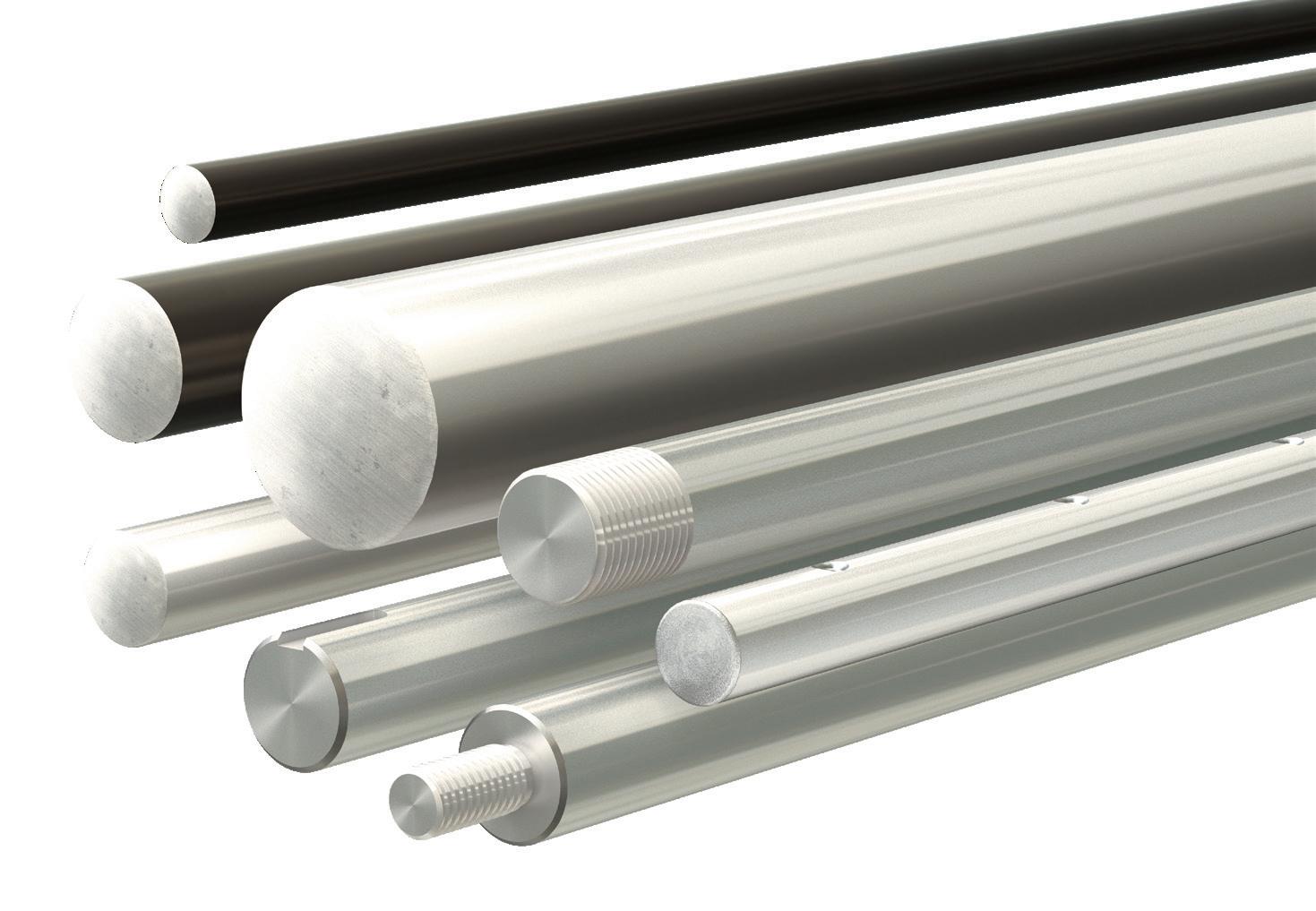
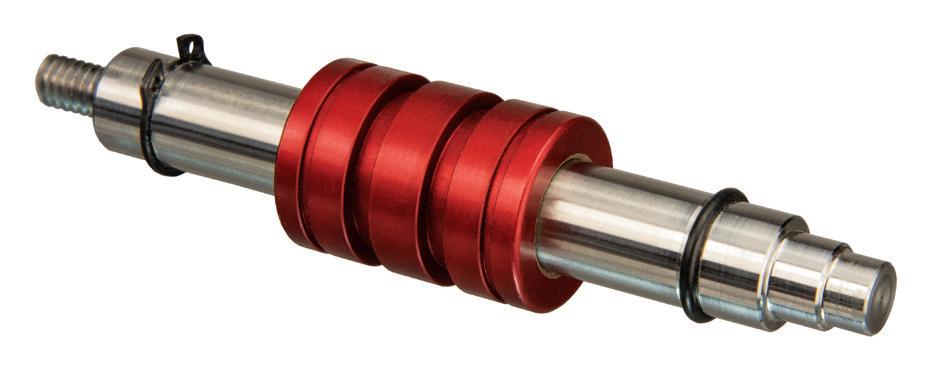
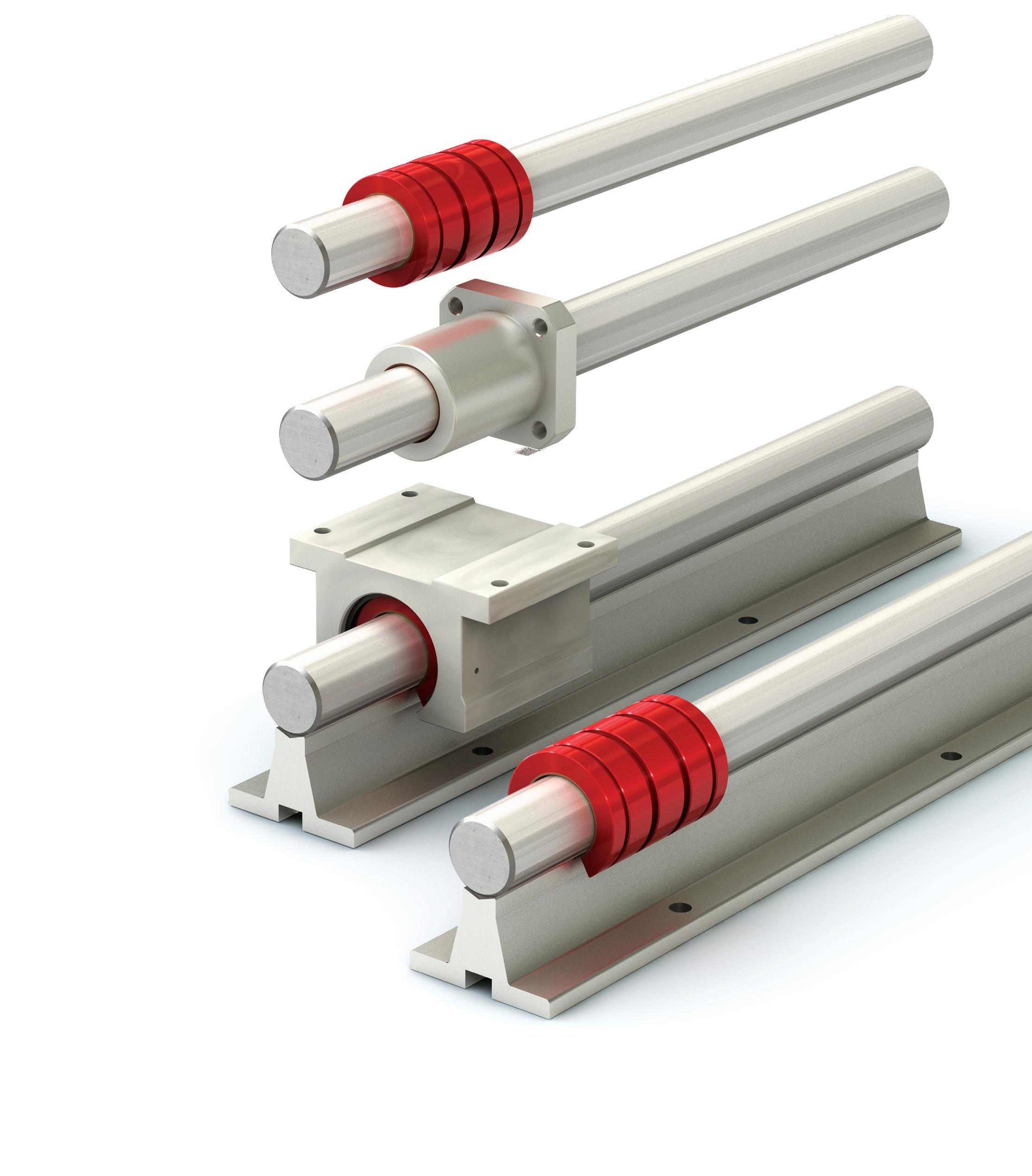
PBC Linear supplies American-made cut-to-length steel, stainless steel, and aluminum shafting with various available machined end options. Their modernized manufacturing facility is set up to keep shafting products in-stock and their Midwestern location offers quicker and cheaper shipping while avoiding the uncertainty of border customs.
Matching your bearings and shafting is critical to maximizing system performance. PBC Linear certified shafting works in sync with Simplicity bearing product lines for optimal plain bearing performance.
More Motion. Less Complexity.
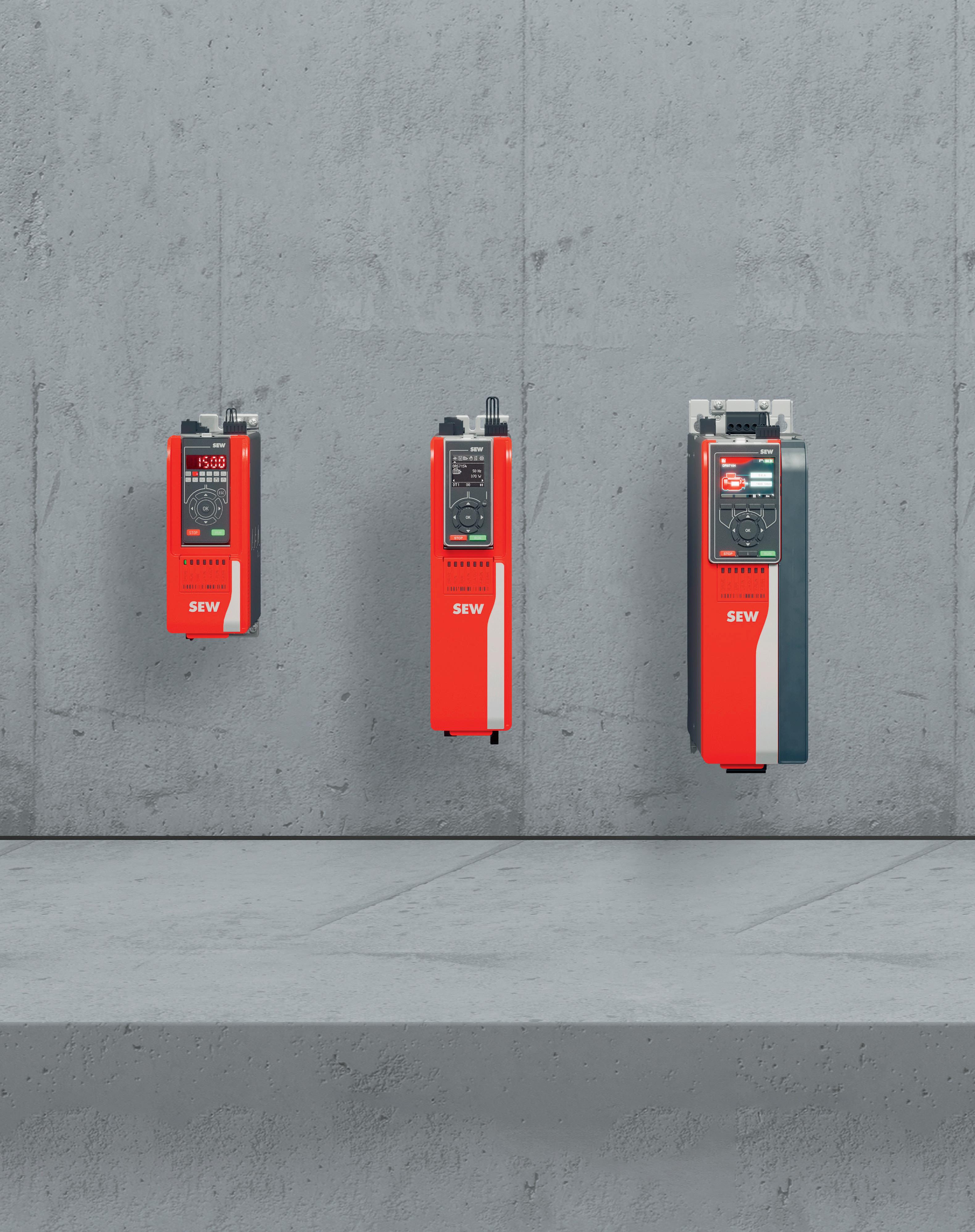
MOVITRAC ® Advanced - Designed for Simplicity and Flexibility
MOVITRAC® Advanced delivers the motion performance modern machines demand, without unnecessary complexity. This compact, scalable inverter features plug-and-play startup for faster commissioning, controls induction, servo, and permanent-magnet motors on a single platform, and integrates speed, torque, and positioning functions without stepping up to a full servo system. Optional MOVILINK® DDI single-cable technology reduces wiring and installation time, while seamless integration with SEW-EURODRIVE gearmotors and the MOVI-C® modular automation system ensures efficient operation today—and flexibility for what’s next.