CStoreDecisions


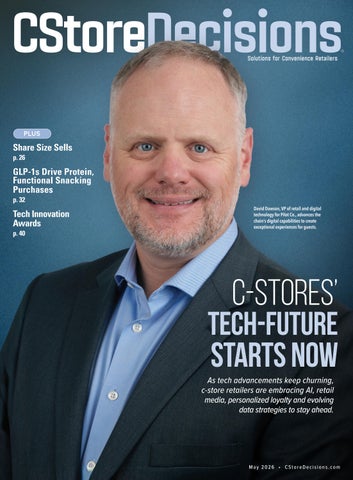
David Dawson, VP of retail and digital technology for Pilot Co., advances the chain’s digital capabilities to create exceptional experiences for guests.






www.cstoredecisions.com


EDITORIAL
VP EDITORIAL — FOOD, RETAIL & HOSPITALITY
Danny Klein dklein@wtwhmedia.com
EDITOR-IN-CHIEF
Erin Del Conte edelconte@wtwhmedia.com
SENIOR EDITOR
Emily Boes eboes@wtwhmedia.com
ASSOCIATE EDITOR
Kevin McIntyre kmcintyre@wtwhmedia.com
EDITOR EMERITUS John Lofstock
COLUMNISTS
Bruce Reinstein
David Spross Mike Templeton
CONTENT STUDIO
VP, CONTENT STUDIO
Peggy Carouthers pcarouthers@wtwhmedia.com
WRITER, CONTENT STUDIO
Ya’el McLoud ymcloud@wtwhmedia.com
WRITER, CONTENT STUDIO
Drew Filipski dfilipski@wtwhmedia.com
SALES TEAM
SENIOR VP OF SALES & STRATEGY
Matt Waddell mwaddell@wtwhmedia.com (774) 871-0067
KEY ACCOUNT MANAGER John Petersen jpetersen@wtwhmedia.com (216) 346-8790
SALES DIRECTOR Patrick McIntyre pmcintyre@wtwhmedia.com (216) 372-8112
SALES DIRECTOR Mike Peck mpeck@wtwhmedia.com (917) 941-1883
NATIONAL SALES DIRECTOR Amber Dobsovic adobsovic@wtwhmedia.com (757) 637.8673
ACCOUNT MANAGER Tanner Hartwick thartwick@wtwhmedia.com (571) 596-0375
PORTFOLIO MARKETING MANAGER Jane Cooper jcooper@wtwhmedia.com
CREATIVE SERVICES VP, CREATIVE DIRECTOR Matthew Claney mclaney@wtwhmedia.com
CREATIVE DIRECTOR Erin Canetta ecanetta@wtwhmedia.com
WTWH MEDIA, LLC 1111 Superior Ave. Suite 1120 Cleveland, OH 44114 Ph: 888-543-2447
SUBSCRIPTION INQUIRIES:





LEADERSHIP
CHIEF EXECUTIVE OFFICER Matt Logan mlogan@wtwhmedia.com
CHIEF OPERATIONS OFFICER George Yedinak gyedinak@wtwhmedia.com
CHIEF REVENUE OFFICER Scott Kelliher skelliher@wtwhmedia.com
VP OF MARKETING Annie Wissner awissner@wtwhmedia.com
SENIOR VP, AUDIENCE GROWTH Greg Sanders gsanders@wtwhmedia.com
EVENTS
VP, EVENTS Deena Rubin drubin@wtwhmedia.com
DIRECTOR OF EVENTS Cassidy Doller cdollar@wtwhmedia.com
EVENT MARKETING SPECIALIST Emma Paul epaul@wtwhmedia.com
EVENTS MANAGER Jeannette Hummitsch jhummitsch@wtwhmedia.com

recognition of editorial excellence.
EDITORIAL ADVISORY BOARD
Nate Brazier, CEO
Stinker Stores • Boise, Idaho
Robert Buhler, President and CEO
Open Pantry Food Marts • Pleasant Prairie, Wis.
Herb Hargraves, Chief Operating Officer
Sprint Mart • Ridgeland, Miss.
Bill Kent, Chairman and CEO
The Kent Cos. Inc. • Midland, Texas
Nick Triantafellou, Director of Marketing & Merchandising
Weigel’s Inc. • Knoxville, Tenn.
Dyson Williams, Vice President Dandy Mini Marts. • Sayre, Pa.
NATIONAL ADVISORY GROUP (NAG) BOARD (RETAILERS)
Greg Ehrlich, (Board Chairman) President
Beck Suppliers Inc. • Fremont, Ohio
Joy Almekies, Senior Director of Food Services
Global Partners • Waltham, Mass.
Jeff Carpenter, Director of Education and Training
Cliff’s Local Market • Marcy, N.Y.
Richard Cashion, Chief Operating Officer
Curby’s Express Market • Lubbock, Texas
Ryan Faville, Director of Purchasing
Stewart’s Shops Corp. • Saratoga Springs, N.Y.
Cole Fountain, Senior Director of Merchandising
Gate Petroleum Co. • Jacksonville, Fla.
Kalen Frese, Director of Merchandising
Warrenton Oil Inc. • Warrenton, Mo.
Joe Hamza, Chief Operating Officer
Nouria Energy Corp. • Worcester, Mass.




To manage current print subscription or for a new subscription: https://cstoredecisions.com/cstore-decisions-subscriptions/
SUBSCRIPTIONS: Qualified U.S. subscribers receive CStore Decisions at no charge. For others, the cost is $80 a year in the U.S. and Possessions, $95 in Canada, and $150 in all other countries. Single copies are available at $9 each in the U.S. and Possessions, $10 each in Canada and $13 in all other countries.
CStore Decisions (ISSN 1054-7797) USPS Publication #5978 is published monthly by WTWH Media, LLC., 1111 Superior Ave., Suite 1120, Cleveland, OH 44114, for petroleum company and convenience store operators, owners, managers.
Periodicals postage paid at Cleveland, OH, and additional mailing offices.
POSTMASTER: Send address changes to CStore Decisions, 1111 Superior Avenue, Suite 1120, Cleveland, OH 44114. GST #R126431964, Canadian Publication Sales Agreement No: #40026880.
CSTORE DECISIONS does not endorse any products, programs or services of advertisers or editorial contributors.
Copyright© 2026 by WTWH Media, LLC. No part of this publication may be reproduced in any form or by any means, electronic or mechanical, or by recording, or by any information storage or retrieval system, without written permission from the publisher.
Beth Hoffer, Vice President
Weigel’s • Powell, Tenn.
David Land II, Director of Marketing
The Kent Cos. Inc. • Midland, Texas
Brent Mouton, President and CEO
Hit-N-Run Food Stores • Lafayette, La.
Lenny Smith, Vice President
Crosby’s • Lockport, N.Y.
Dyson Williams, Vice President
Dandy Mini Marts • Sayre, Pa.
Hussein Yatim, Vice President
YATCO • Marlborough, Mass.
Vernon Young, President and CEO
Young Oil Co. • Piedmont, Ala.
Supplier Members
Kyle May, Director External Relations
Reynolds Marketing Services Co. • Winston-Salem, N.C.
Todd Verhoven, Vice President of Sales
Hunt Brothers Pizza • Nashville, Tenn.
Steve Yawn, Director of Sales
McLane Company Inc. • Temple, Texas













ABOUT A DECADE AGO, I leaned into the technology beat at CStore Decisions. I’ll admit it wasn’t my first choice at the time, largely because I was daunted by the sheer breadth of concepts to master: loyalty programs, APIs (Application Programming Interfaces), augmented reality, point-of-sale integration or the lack thereof, the Internet of Things, beacons, frictionless checkout — the list went on. I felt far more confident writing about burritos and pizza. After all, I knew what a pizza was which, at the time, was more than I could say for an API.
But my editor knew it was crucial for me to gain a solid understanding of how technology was evolving in the convenience store space because it was advancing and fast. Once I started digging into the topic, I began to realize how interesting tech innovation in the c-store industry truly is. Then came the COVID-19 pandemic when tech accelerated overnight as retailers rolled out order ahead, upgraded mobile apps, delivery and self-checkout kiosks. I’ll admit, I thought for a moment that tech adoption might slow down a little bit as we emerged from lockdowns and social distancing. Instead, technology advancement has been set solidly on fast forward ever since.
At last month’s CStore Connections conference in Jacksonville, Fla., artificial intelligence (AI) was the most requested topic and the focus of our first general session.
As I listened to the insights of our panelists, I was surprised to hear how quickly even smaller c-stores are adapting to the latest advances in technology. Already, there are stores that have robots flipping burgers and cleaning floors, as well as systems that listen for keywords and alert management when something is amiss in a store.
I’m even more amazed and a little trepidatious about how AI is expected to change much of what we know today in just a few years. Chains that are investing in AI now will need to keep adapting as the technology evolves, while those that haven’t dipped a toe in yet are likely to find themselves behind the curve. Even if you do nothing, you can’t escape the changes coming. And they’re coming faster than you might realize. As businesses across industries integrate AI, it’s already reshaping what customers expect. And that’s only going to accelerate in the coming years.

One of my biggest takeaways from CStore Connections was that even as technology progresses, executing flawlessly on the basics is crucial for chains looking to maintain a competitive edge. That means investing in your people so they take care of your customers; ensuring your equipment is up and running every day; eliminating out-of-stock issues; raising the bar on quality; and ensuring you are executing to the best of your ability. While technology is a huge advantage, it’s not the only thing that matters.
And that brings me to this issue of CStore Decisions, which puts a spotlight on how c-store retailers are approaching technology today.
This month’s cover story, “C-Stores’ Tech Future Starts Now,” outlines the big tech trends of 2026 and how retailers are engaging with them, from AI to retail media networks to hyper-personalization and data integration.
This month’s foodservice column, “How AI Is Changing Foodservice,” outlines the different ways that AI is intersecting with food operations, from labor efficiency to greater accuracy with inventory. Meanwhile, our Tech Innovation Awards highlight two chains that are standing out for technology advancements. And those are just some of the articles you’ll find in our May issue.
Even if you’re not ready to implement AI at your chain today, I’d encourage you to pay attention to the changes happening across industries. Our AI panel at CStore Connections advised everyone to start by opening an AI tool of your choice and testing it. You can start small. For example, ask it to help with creating a recipe based on items you have on hand, suggestions on what to pack for your upcoming trip or assistance in wordsmithing an email. When you’re ready to get started using it for your business, start by identifying the problem you need to solve.
Our panelists emphasized, however, that AI is best used for routine tasks, while critical decision-making should remain in human hands, for now.








Retailers are investing in artificial intelligence, unified technology platforms, retail media and loyalty to improve business outcomes.

Artificial intelligence is being integrated into convenience store and restaurant solutions. According to Paytronix’s “The 2026 Trends Predictions Report,” brands are increasingly deploying:
• Predictive ordering and staffing models to reduce waste and optimize fulfilment
• Personalized recommendation engines that tailor offers based on individual behavior
• Dynamic pricing based on demand insights and loyalty status
• Automated data analysis to identify performance gaps in real time
When asked, “How would you describe the results retail media has driven for your organization so far in 2025?” respondents said:
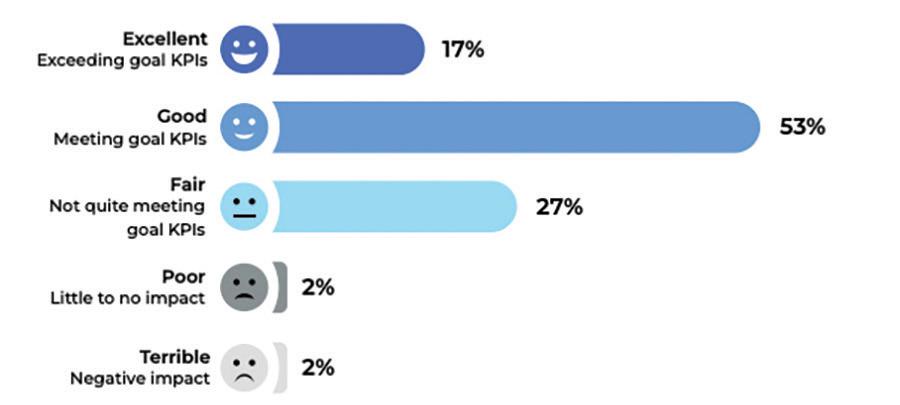
Source: Skai x Stratably, “The State of Retail Media Report,” January 2026
Merchandising operations play a pivotal role in winning customer loyalty and market share. According to insights firm Incisiv, a unified system of record is important for transforming merchandising data into a strategic foundation. Points of note include:
• Using retail-specific data logic
• Real-time data synchronization eliminating reconciliation waste
• Centralized data management redirecting capacity to strategic analysis
• Building enterprise-wide trust in unified data requiring change management
Source: Incisiv, “Modern Merchandising Operations in Action,” Q1 2026
Source: Fiserv, “2026 Merchant Trends: What’s Shaping Business Growth This Year,” March 2026

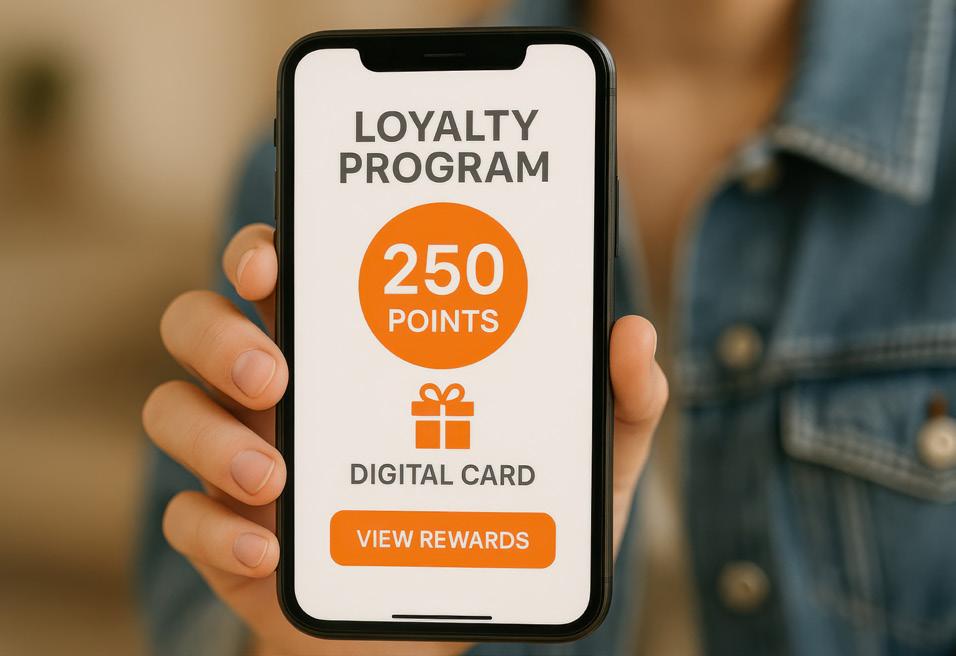
Tech-savvy convenience stores are looking to improve their loyalty platforms to retain customers and build an engagement ecosystem. The winning programs in 2026 are standing on three foundational pillars:
• Hyper-personalization powered by predictive intelligence
• Unified commerce systems that connect every guest touch point
• Community-driven growth that turns members into brand advocates
Technology fragmentation can slow down merchants, many of whom are moving toward unified commerce to eliminate data silos. The merchants who do this benefit from:
• Fewer vendors and integrations
• Real-time reporting across channels
• Consistent customer data
• Lower operational overhead
Source: Fiserv, “2026 Merchant Trends: What’s Shaping Business Growth This Year,” March 2026
wednesday, august 19
12:00 - 4:00 PM
3:30 - 4:30 PM
4:30 - 6:00 PM
6:00 - 9:00 PM
thursday, august 20
7:30 - 8:30 AM
8:45 - 9:15 AM
9:15 - 10:00 AM
10:00 - 10:45 AM
10:45 - 11:15 AM
11:15 AM - 12:00 PM
12:00 - 1:00 PM
1:00 - 1:30 PM
1:30 - 2:00 PM
Exhibitor Set-up
Registration
Welcome Mixer
Dinner on Your Own
Networking Breakfast
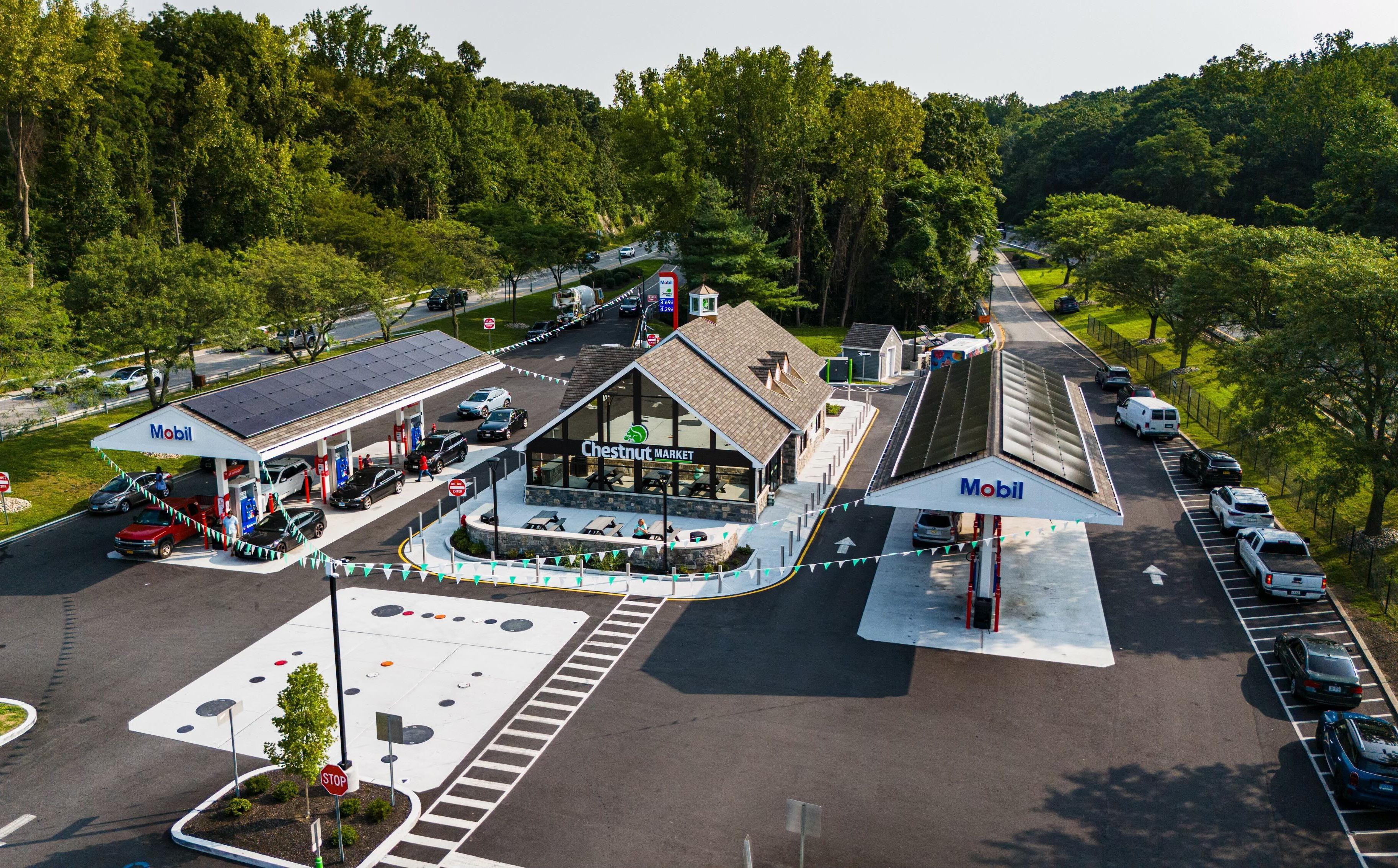
Welcome to Chestnut Market
Behind the Curtain with Chestnut Market
Charging Ahead with Tech
Networking Break
Evolving with Foodervice
Networking Lunch
Burning Issue Exchange Roundtable #1*
Option #1: Shaping Company Culture as a Young Executive
Option #2: Riding the Wave of Change
Burning Issue Exchange Roundtable #2*
Option #1: Shaping Company Culture as a Young Executive
Option #2: Riding the Wave of Change
*For Roundtables: Attendees will break into two groups and spend 30 minutes engaging with one of two discussion groups. Later they'll get a chance to experience the second discussion group.

2:00 - 2:30 PM
2:30 - 3:30 PM
4:30 - 6:00 PM
friday, august 21
8:30 - 9:00 AM 9:00 AM - 1:30 PM
Networking Break
Keynote Session: Leadership in Motion
Networking Reception
Networking Breakfast
Chestnut Market's Facility Tour and Lunch
CStoreMomentum
To learn more please contact events@wtwhmedia.com

As FDA inches forward on marketing granted orders, states are upping excise taxes and targeting flavored tobacco products.
David Spross • NATO
THIS YEAR, TOBACCO AND NICOTINE product regulation remains at the forefront for federal and state regulators.
The Food and Drug Administration (FDA) has continued to move forward — albeit gradually — on Premarket Tobacco Product Applications (PMTA), issuing a limited number of marketing granted orders (MGO). Before the end of 2025, the FDA authorized six on! PLUS nicotine pouch products.
In March, the FDA handed MGOs to a Glas G2 device and a Blonde Tobacco 50 milligram/milliliter pod, bringing the total number of authorized vapor products
in the U.S. to 41. This authorization was noteworthy because Glas is the first and only independent vape company — not affiliated with major tobacco companies — to secure FDA authorization. These recent authorizations reinforce what retailers have long recognized: not all nicotine products present the same level of risk. However, it should also be noted that the recent vapor authorizations still do not include any flavored products. It is widely accepted that flavors play an important role in helping adult smokers migrate away from cigarettes. FDA recently released draft guidance titled
“Flavored Electronic Nicotine Delivery Systems (ENDS) Premarket Applications — Considerations Related to Youth Risk.”
The document outlines how the agency intends to evaluate PMTAs for flavored vaping products and clarifies the type of evidence manufacturers must provide to address concerns about youth appeal and usage. The draft guidance explains that when reviewing PMTAs for flavored ENDS products, the FDA evaluates whether the benefits to adult smokers in terms of quitting or significantly reducing cigarette use outweigh the risks of youth initiation and use.

Newly released National Youth Tobacco Survey data support flavored product authorizations, as the data show that youth tobacco use continues to decline sharply. Youth vapor use has dropped significantly, and overall tobacco use among middle and high school students is now at its lowest level in 25 years. Additionally, nicotine pouch use among youth remains comparatively low and statistically stable.
Nicotine pouches have emerged as one of the most promising reduced-risk categories, with relatively low youth usage and growing adoption among adult consumers. FDA’s recent authorizations in this space are a positive step, signaling that the agency recognizes their potential role in harm reduction. However, reports that FDA may be pausing or slowing its nicotine pouch pilot review program introduce new uncertainty. For manufacturers and retailers alike, inconsistent regulatory pathways make it more difficult to plan, invest and bring compliant products to market.
On the state front, the 2026 legislative sessions in state capitals across the U.S. are shaping up as another active year on tobacco and nicotine policy, following significant activity in 2025.
Last year, 10 states passed legislation increasing tobacco or nicotine excise taxes and taxing new products such as nicotine pouches as part of broader revenue increases — a notable surge compared with typical tax activity. While excise taxes remain a priority in many states during the 2026 sessions, the total number of increases enacted is expected to fall below last year’s levels. Thus far, only Utah has increased tobacco taxes; however, some states have aggressive tax proposals that could dramatically raise the cost of nicotine products. For example, in New York, Governor Kathy Hochul has proposed extending a 75% tobacco wholesale tax to include nicotine pouches to bolster declining tobacco tax revenue.
In addition to taxes, flavored tobacco and vapor products will remain a prominent topic in certain areas of the country. Specifically, proposals in the

“Nicotine pouches have emerged as one of the most promising reduced-risk categories, with relatively low youth usage and growing adoption among adult consumers.”
Pacific region, such as Oregon, Washington and Hawaii, are likely to include flavor bans. On the East Coast, states surrounding Massachusetts, which currently has a flavor ban, are also likely to consider their own flavor bans.
The 2026 sessions demonstrate that state legislatures intend to remain at the forefront of tobacco and nicotine policy. While the specific mix of legislative outcomes will vary by state, the overarching trend is clear: policymakers are intensifying efforts to regulate nicotine products comprehensively — through taxation and product restrictions. The result of much of this state legislation will be known in the next few months, as most states’ legislatures adjourn in the first half of the year.
David Spross is the executive director of the National Association of Tobacco Outlets (NATO), a national retail trade association that represents 66,000 stores throughout the country.
As tech advancements keep churning, c-store retailers are embracing AI, retail media, personalized loyalty and evolving data strategies to stay ahead.
Erin Del Conte • Editor-in-Chief
are barreling ahead in 2026, with artificial intelligence (AI) impacting the way companies do business across industries. Savvy c-store retailers are paying attention, piloting solutions and asking how AI might help them solve specific pain points. But even if your convenience store chain isn’t integrating AI capabilities today, it’s likely to still be impacted by the way AI is beginning to influence shopper behaviors and expectations overall in the very near future.
At the end of 2025, Forbes pointed out that retail was entering “the first real phase of agentic AI commerce” in 2026. In other words, AI can now search for, compare and purchase routine items for shoppers like snacks, drinks and household products, which could begin to challenge neighborhood convenience retailers’ traditional advantages of location, impulse purchases and speed. Forbes also pointed to hyperpersonalization among its list of defining trends for 2026. The convenience store industry is already moving in this direction, with operators leveraging increasingly sophisticated data to deliver more precise, behavior-driven loyalty offers and promotions.
Deloitte’s 17th Annual Tech Trends report noted that AI is moving “from experimentation to impact.” Essentially, companies are rebuilding workflows and
systems from the ground up to better take advantage of how AI can drive results. AI is also helping businesses to integrate their traditional back office, front office and digital offerings. The report predicted that we’ll begin to see a trend of AI moving “from screens to streets” as robots “begin to navigate human spaces.” Already we’re seeing delivery robots and autonomous vehicles being piloted in certain areas of the country. Not to mention autonomous floor cleaners and checkout-free stores, just to name a few examples.
The takeaway is that the tech landscape is shifting quickly, and that’s challenging companies to rethink how they operate in both big and little ways.
At Friendly Express, which operates 38 convenience stores in Georgia, “AI-monitoring operations in the stores” is one of the biggest tech trends Amy Wood, director of enterprise IT, is watching. The chain is in the early stages of adopting AI across the business.

One of the biggest tech trends Amy Wood, director of enterprise IT for Friendly Express, is keeping an eye on is AI-monitoring operations in the stores.
“Early on, we tested an AI solution focused on foodservice monitoring, but it did not ultimately deliver the results we were looking for based on our specific goals. That said, we believe we were early in the process, and rather than being discouraged, we have viewed it as a valuable learning experience,” Wood said.
More recently, Friendly Express has started employing AI in “more practical ways to support operations and marketing, including analyzing data, helping retrieve information more efficiently, and refining existing code and queries to better access the data we need,” Wood further explained.



In 2026, Friendly Express is focusing its approach to AI on “learning, testing and identifying the areas where AI can create the most value,” Wood said.
At Lassus Bros. Oil Inc., with 35 cstores in Indiana and Ohio, AI-powered solutions to monitor safety, security, customer service and store conditions in
real time is the biggest tech trend on the company’s radar.
“Our approach to AI today is practical and focused on productivity,” explained Brittany Wilchar, director of sales & marketing for Lassus Bros.
The convenience store chain is currently exploring how AI can help with
marketing content creation, data analysis and operational planning.
“For a small but growing marketing team, tools that help streamline content creation, analyze performance data and identify trends allow us to move faster and be more strategic,” Wilchar said.
“We view AI as a tool that supports our team rather than replacing it, helping our people spend more time on strategy and less time on repetitive tasks.”
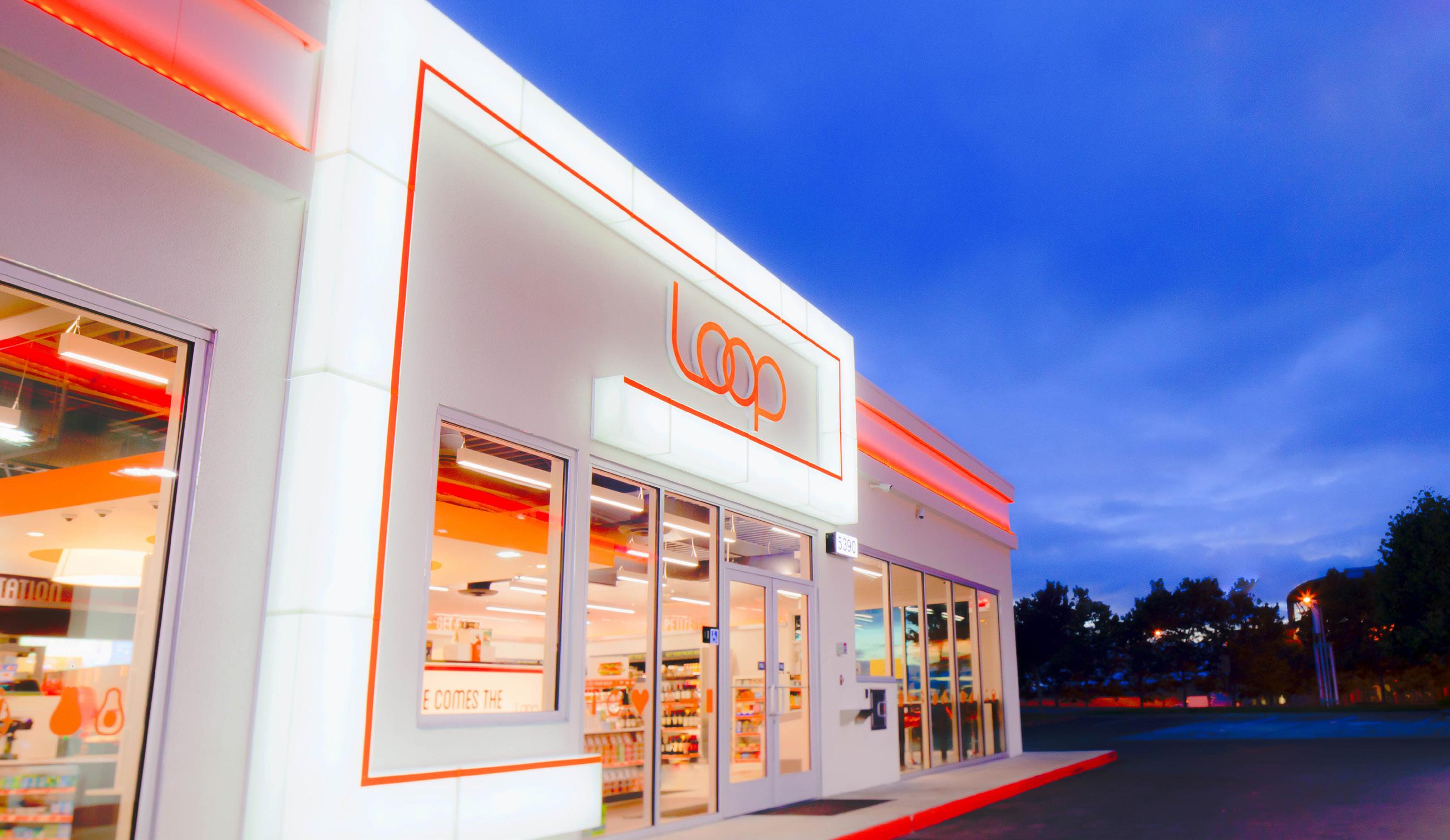
Sanjit Bajimaya, director of IT for Loop Neighborhood Market, which operates 156 c-stores in California under the Loop Neighborhood Market and Poppy’s Market banners, is watching the aforementioned agentic AI trend unfold. At store level, Loop is rolling out generative AI, i.e., AI that can generate text, images, code or other content based on prompts, for standard operating procedures and for question-andanswer applications.
“We have some form of AI in data; still progressing though,” Bajimaya added.
While AI is making a major impact and is widely seen as today’s most important emerging technology, it’s far from the












only technology influencing convenience store operations today.
Other big tech trends on Bajimaya’s radar, for example, include payments and store operations automation.
“For payments, we are looking into mobile payments, ACH (Automated Clearing House), loyalty payment, speed of processing, etc.,” he added.
On the automation end of the tech spectrum, Loop is currently testing Mashgin self-checkout kiosks. It also rolled out car wash subscriptions two years ago and is seeing good adoption from customers.
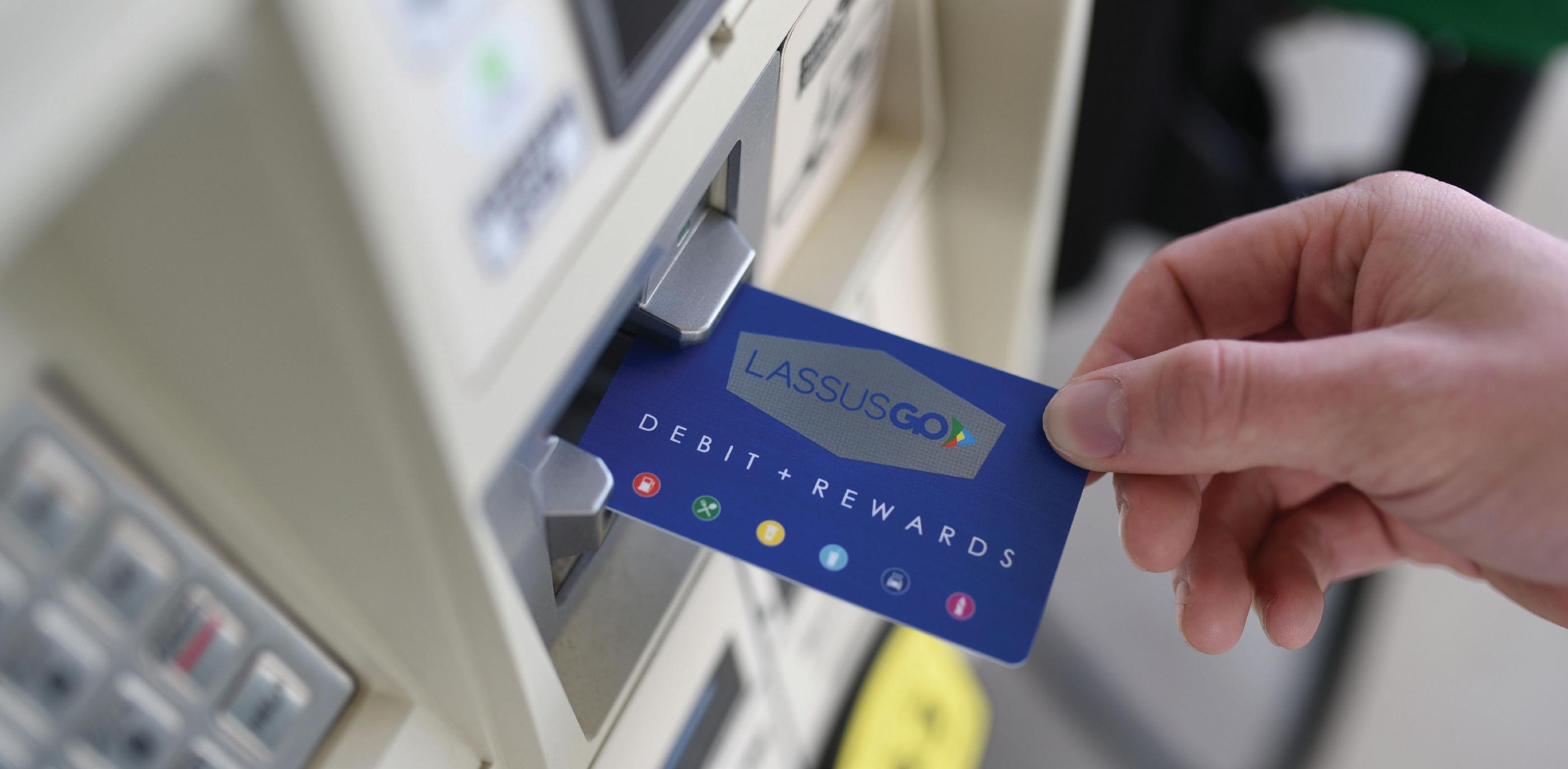
At Lassus Bros. stores, Wilchar is monitoring trends in frictionless checkout, digital loyalty ecosystems and personalization. Over the past year, the convenience store chain has been heavily focused on expanding its digital loyalty ecosystem through its LassusGo Rewards program.
“We are shifting away from physical loyalty tags and are focused on increasing digital registration and engagement,” Wilchar said. “This allows us to communicate with customers through push notifications, personalized offers and targeted promotions. While still early, we’re seeing stronger engagement from loyalty users and improved promotional performance.”
Loyalty personalization is also a key trend that Wood is paying close attention to at Friendly Express.
“We added online and mobile ordering to offer more convenience to our customers. While it has not taken off as much as we expected, it has given us a good foundation to build on, and we are looking at additional ways to increase usage,” she explained. “We also launched a new mobile app this year. We have been able to increase engagement and offer personalized offers to our customers and our employees.”
Retail media is also in the top three tech trends that Wood has her eye on this year. Friendly Express has begun building out its retail media network capabilities, having deployed DX Promote, a digital content and media management platform for fuel dispensers, across all of its locations. Many stores also feature digital boards, including new digital boards inside the stores.
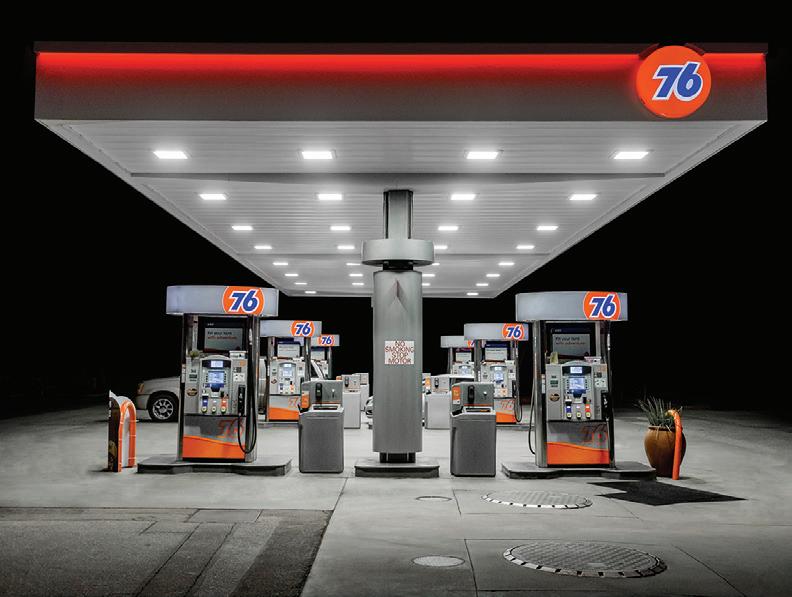
SignResource provides eye-catching, comprehensive signage solutions that grab attention and promote your unique retail personality. For over 50 years, we’ve been the leading source for reliable Petrol and C-Store signage—inside and out—including canopies, pump valances, pylon signs, and POS displays. With east and west coast manufacturing facilities, we can quickly meet your precise demands anywhere in North America. Contact your sales rep today and learn all about the powerful ways we fuel your brand. Visit signresource.com for more.
“These tools allow us to connect with customers throughout their visit, highlight our brand and feature exclusive promotions and offers,” Wood said. “We see this as an important part of our continued growth and customer engagement strategy.
Lassus Bros. is also starting to build the foundational capabilities to support a comprehensive retail media network.
“Through our loyalty platform, Lassus Radio and digital marketing channels, we are able to provide targeted promotional opportunities for business partners, including in-app promotions, push notifications and in-store marketing support,” Wilchar said. “As our loyalty base and tech stack continues to grow, we see potential to expand these capabilities even more in the future.”
Loop Neighborhood is using digital platforms like TVs and its mobile app as retail media. “We have been using it for a year and seen good response from the vendors,” Bajimaya said.
As technology advances, convenience store operators are reevaluating their data strategies to ensure they’re gathering clean, useful data that can help them offer more targeted experiences now or in the future.
“Our approach to data has evolved
from simply gathering information to focusing more on how to make it useful,” Wood said. “Like many organizations, we can sometimes feel overwhelmed by the amount of data available, so we are increasingly focused on identifying what matters most.”
Wood added that the most valuable data to Friendly Express currently is any data that can help the c-store chain improve operations, marketing and customer understanding.
“We are also beginning to use AI tools to help filter through that data and determine how to apply it more effectively across the business,” she said.
Loop Neighborhood considers itself a data-forward company. “We have evolved to looking at near-real-time sales information,” Bajimaya explained. He added that the chain’s “decision tree” is built on the data. “We have created a data lake to normalize data from different sources.”
Lassus partnered with a c-store retail analytics and consulting company to “enhance data analytics capabilities and put actionable insights directly into the hands of our managers and operations teams through the (partners’) portal and real-time scoreboards,” Wilchar said. The partnership has allowed Lassus to move past static reporting into daily performance management.
“Our teams now have visibility into key KPIs (key performance indicators) such as sales, category performance and operational metrics in a way that is simple, consistent and easy to act on,” she said.
The move has also been valuable in developing leaders because it creates accountability and clarity around expectations and provides managers with the information they need to take ownership of their role.
“Ultimately, this has strengthened our ability to drive consistent execution across stores while building a more data-driven culture throughout the organization, she added.
As technology continues to reshape convenience retail, operators who embrace AI, retail media and data-driven personalization are expected to be the best positioned to engage customers and grow profits.
Staying ahead of these emerging technology trends isn’t an option anymore, because technology is moving ahead with or without your buy-in and shaping customer expectations and behaviors at a rapid rate.
A strong tech stack is becoming the blueprint for success across industries and is expected to be a core part, if not the very foundation, of the modern convenience store for the future. CSD
•
•

As artificial intelligence continues its surge, c-stores with foodservice are finding new ways to use the technology to benefit their operations.
Bruce Reinstein • Kinetic12 Consulting
ARTIFICIAL INTELLIGENCE (AI) is reshaping the way foodservice operators operate, compete and serve guests. The magic potion that AI provides has everything to do with accuracy.
Consumer expectations continue to change, but the one thing that stands out is that consistency matters. AI can replace manual labor to ensure that customized orders are accurate. It also provides predictive ordering platforms at drive-thrus and kiosks, which is making ordering easier for consumers as well as for managers, who are placing more accurate orders and avoiding unnecessary waste.
With labor continuing to be an issue, costs rising and consumer expectations increasing, taking advantage of AI is becoming a must in foodservice operations.
Here are five ways AI is changing foodservice in 2026.
1. Operational Efficiency & Labor Relief
Foodservice operators are finding labor to be costly, with quality staff often in limited supply. AI can make a tremen dous difference by automating routine tasks, such as through voice-assisted ordering at kiosks, drive-thru and at the pump. It can also support back-of-house opera tions with smart appliances that reduce staff menial tasks. AI can also use predictive analysis to optimize scheduling and labor allocation. This would result in fewer overstaffed shifts as well as fewer shifts where the operation is shorthanded and not executing up to standards. Operators have to be reminded that AI should not be focused on replacing employees and is more about supporting employees. Quality human interaction with guests is crucial to success.

AI has the potential to simplify and provide greater accuracy with inventory. Predictive demand forecasting uses historical data as well as trends instead of intuition and traditional forecasting. In addition, there is the potential to automate replenishment, which prevents over-ordering that can result in increased shelf life for products and waste. Regarding supply chain optimization, AI can evaluate supplier performance, which includes fill rates, price variations and quality consistency. Operators can also get alerts regarding potential shortages and make the adjustments before they become a problem. There is great opportunity for pricing optimization by using AI. Traditionally, menu pricing is done without having enough historical data. AI helps determine key components, such as popularity, profitability and which items are worthy of promoting. AI also provides the necessary information that supports the understanding of pricing variation by daypart, location, in-house vs. delivery and more.
There are many ways that AI can accomplish improving customer interaction. It is also important to clearly understand that this can never replace great face-to-face hospitality. Starting with smart kiosks, these digital platforms remember past orders, suggest relevant add-ons and more. In general, they make it easier for
the customer while increasing the average check. Voice AI at drive-thru or at the pump improves order accuracy and results in shorter waiting times. Beyond speeding up the ordering process, AI can have a major impact on speeding up the pickup process. There are now predictive models, which allow operators the opportunity to stage pickup orders before customers arrive. This can be done using license plate recognition, shelf monitoring and predictive prep timing, just to name a few.
Quality starts with using the freshest quality ingredients, and AI systems can provide real-time temperature and storage monitoring. Continuous tracking of refrigerator and freezer temperatures as well as holding equipment can ensure that operators are starting with quality products. AI cameras can also monitor consistency, portion control and use of correct ingredients while ensuring staff are using approved techniques and standards.
Shelf life and freshness optimization is another area that AI can predict. Knowing when prepared foods expire, when demand will peak and when to remove items will result in safer, more quality foods. Predictive food safety risk detection provides the opportunity to monitor high-risk suppliers and adjust on alternate sourcing. Foodservice outlets can identify elevated risk before an incident occurs.
AI can help provide customers with experiences tailored to their tastes, habits and needs. The more you know about your customers, the better chance you have of executing and, ultimately, getting the guest back for a return visit.
Customization is critical to many customers. Being able to understand their menu preferences and purchase patterns, such as when they typically visit and dietary needs, allows the foodservice operation to provide menu suggestions. Operators can upsell options and loyalty rewards that are a solid match for each individual customer.
It is important to reiterate that AI helps operations become smoother, which ultimately frees up staff to focus on hospitality and create great experiences that machines cannot replicate.
Bruce Reinstein is a senior partner with Kinetic12, a Chicago-based foodservice and general management consulting firm. The firm works with foodservice operators, suppliers and organizations on customized strategic initiatives and guides collaborative forums and best-practice projects. They also engage as keynote speakers at operator franchise conferences and supplier sales meetings. Previous leadership roles in restaurant chain operations and at foodservice manufacturers provide a balanced industry perspective. Learn more at Kinetic12.com or contact Bruce at Bruce@Kinetic12.com.

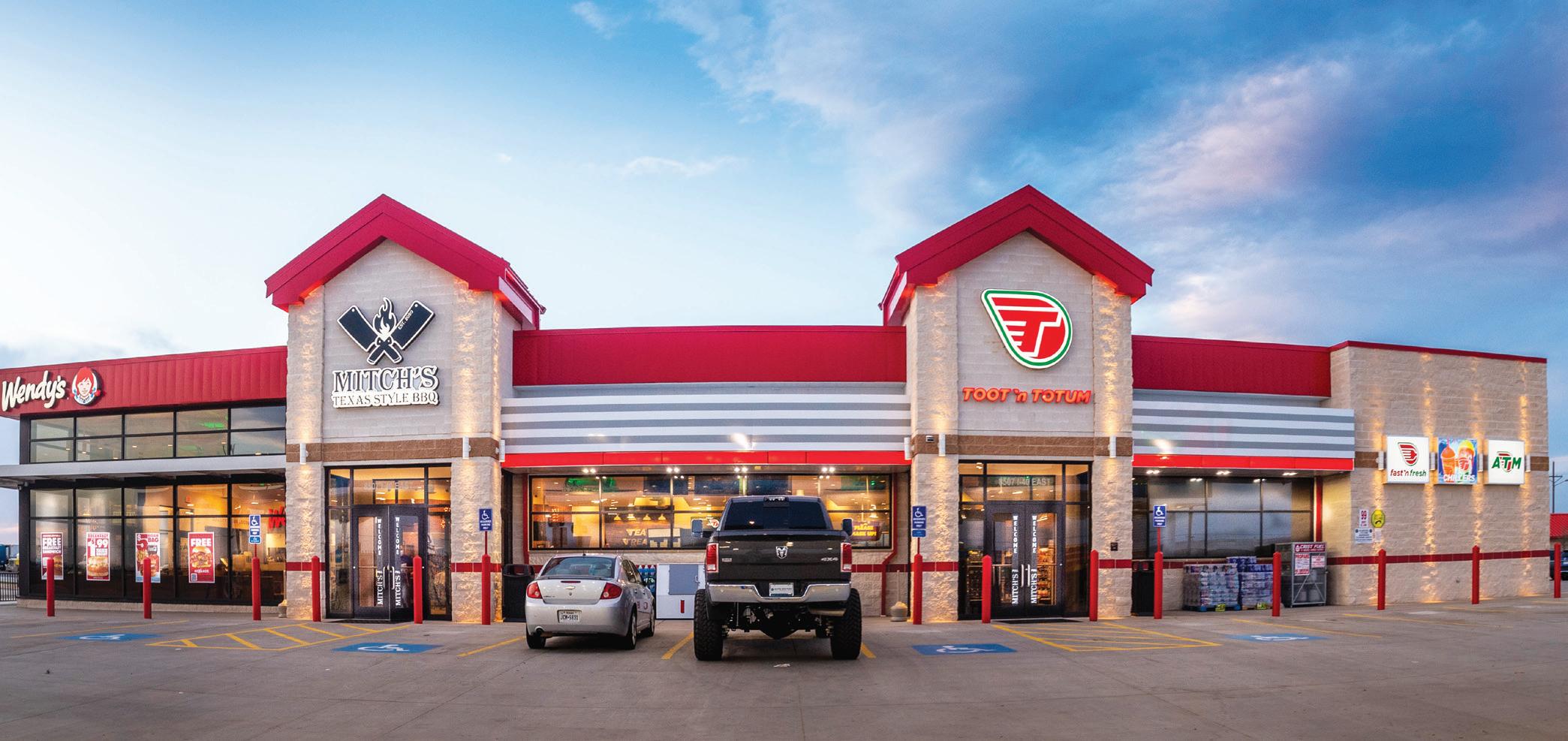
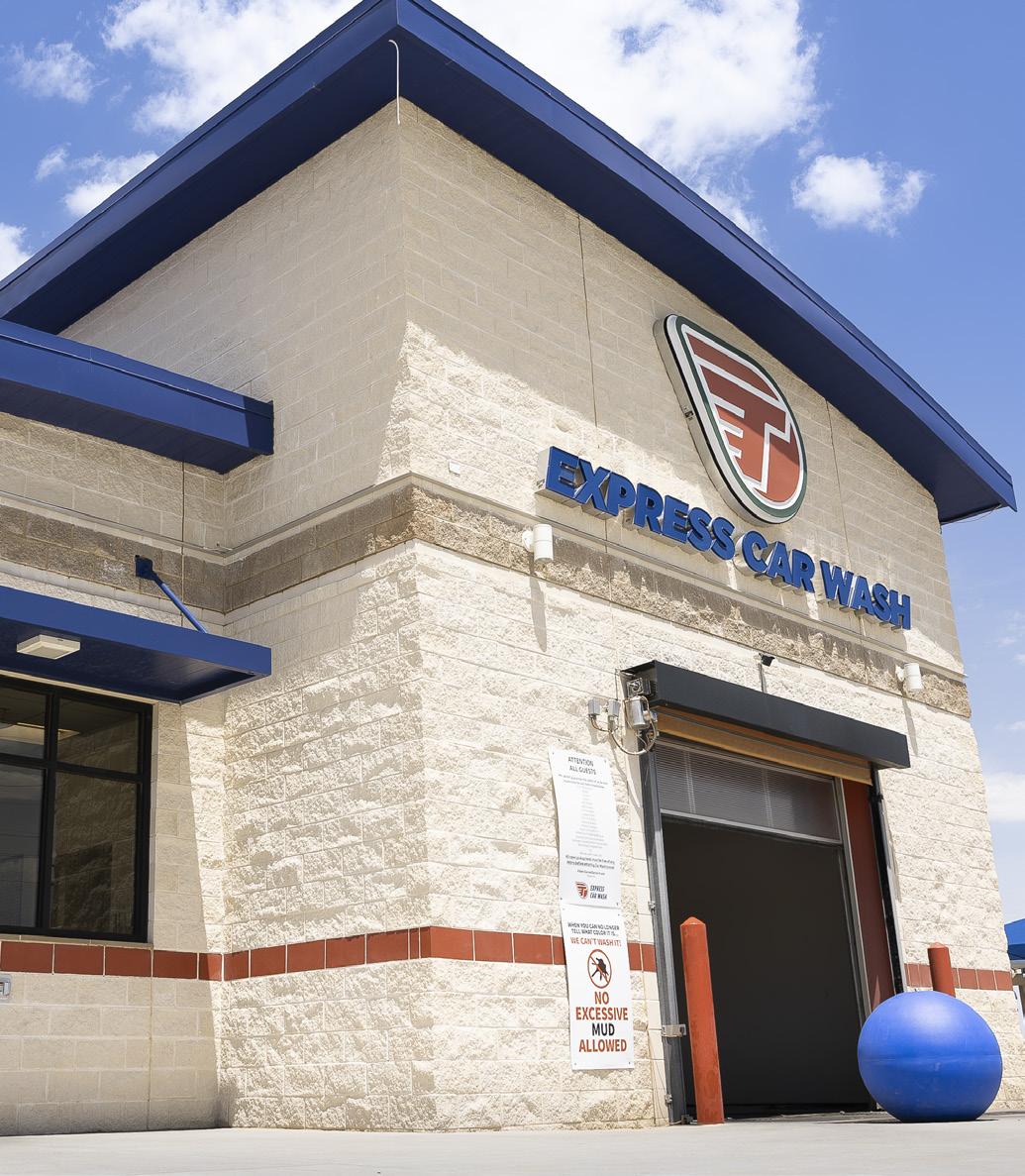
CStore Decisions is proud to announce Toot’n Totum as its 2026 Chain of the Year. With over 75 years in business and 125 locations in Texas, Oklahoma, Kansas and New Mexico, Toot’n Totum continues to grow and adapt while remaining deeply rooted in local values.
The Amarillo, Texas-based chain stands out for its people-first culture; commitment to tech innovation and vertical integration; its strong proprietary foodservice, grab-and-go and commissary program; and its stateof-the-art new-to-industry stores and focus on continued internal growth and footprint expansion.
CStore Decisions’ Chain of the Year Award honors a c-store, travel center or petroleum chain that has established itself as a superior retailer and innovator in the industry.
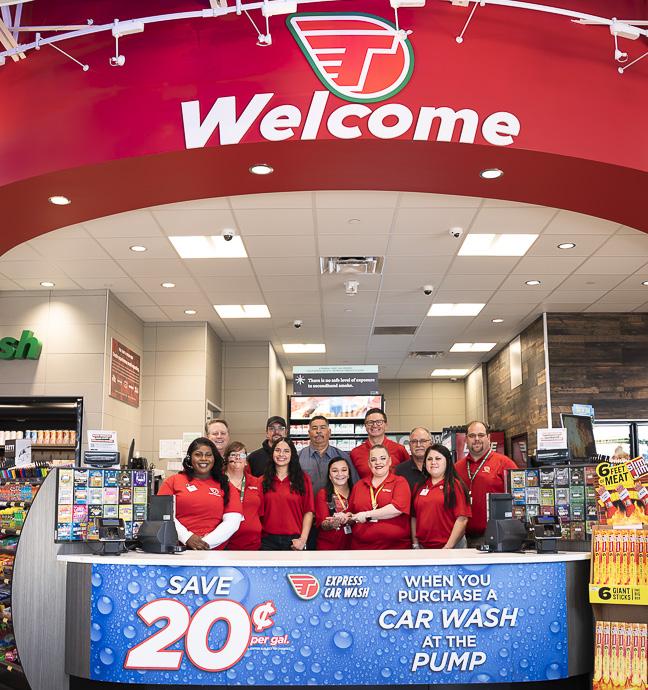
Larger formats that give customers a better price per unit are growing in popularity in the candy, gum and mints category.
Emily Boes • Senior Editor
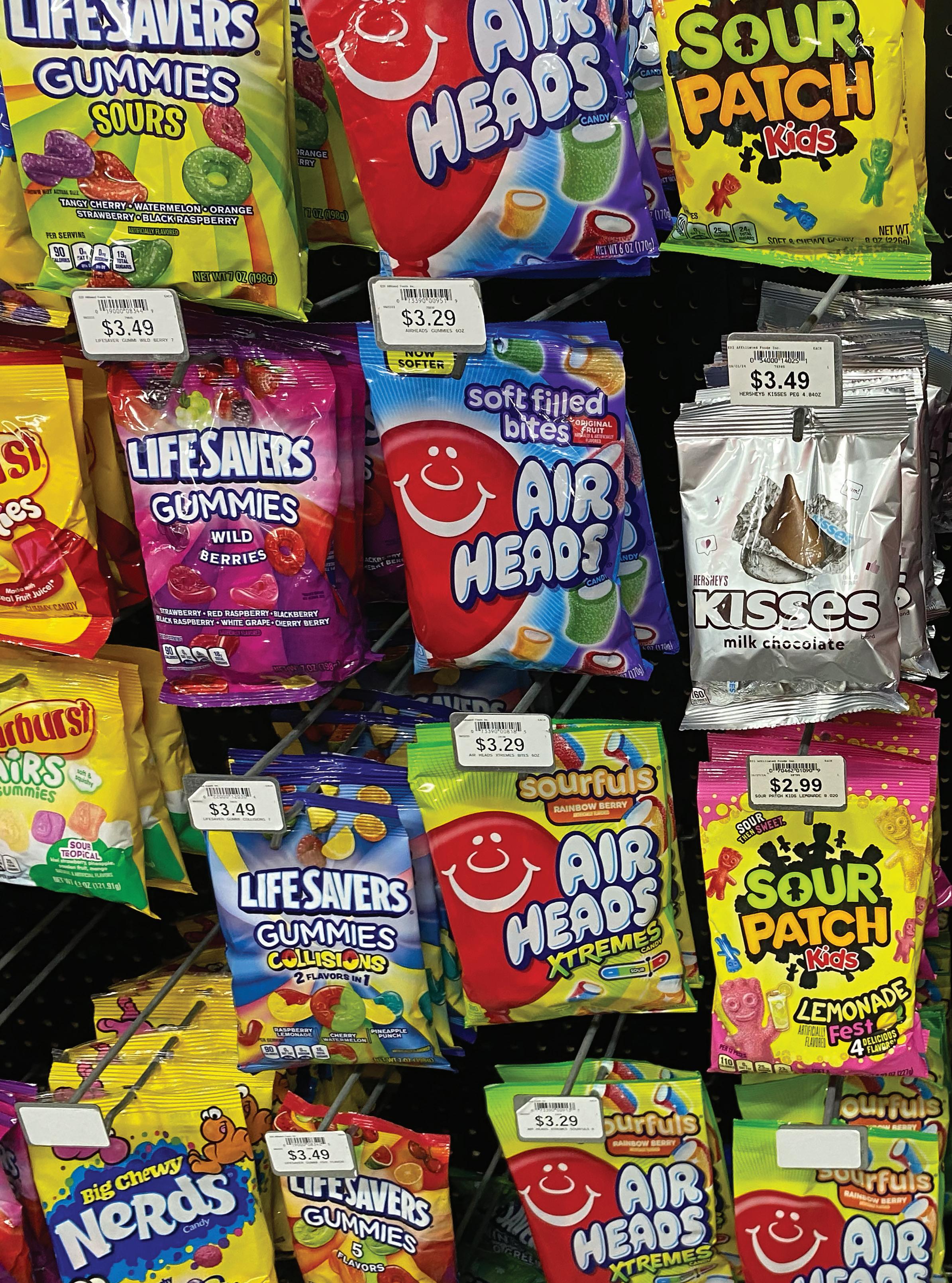
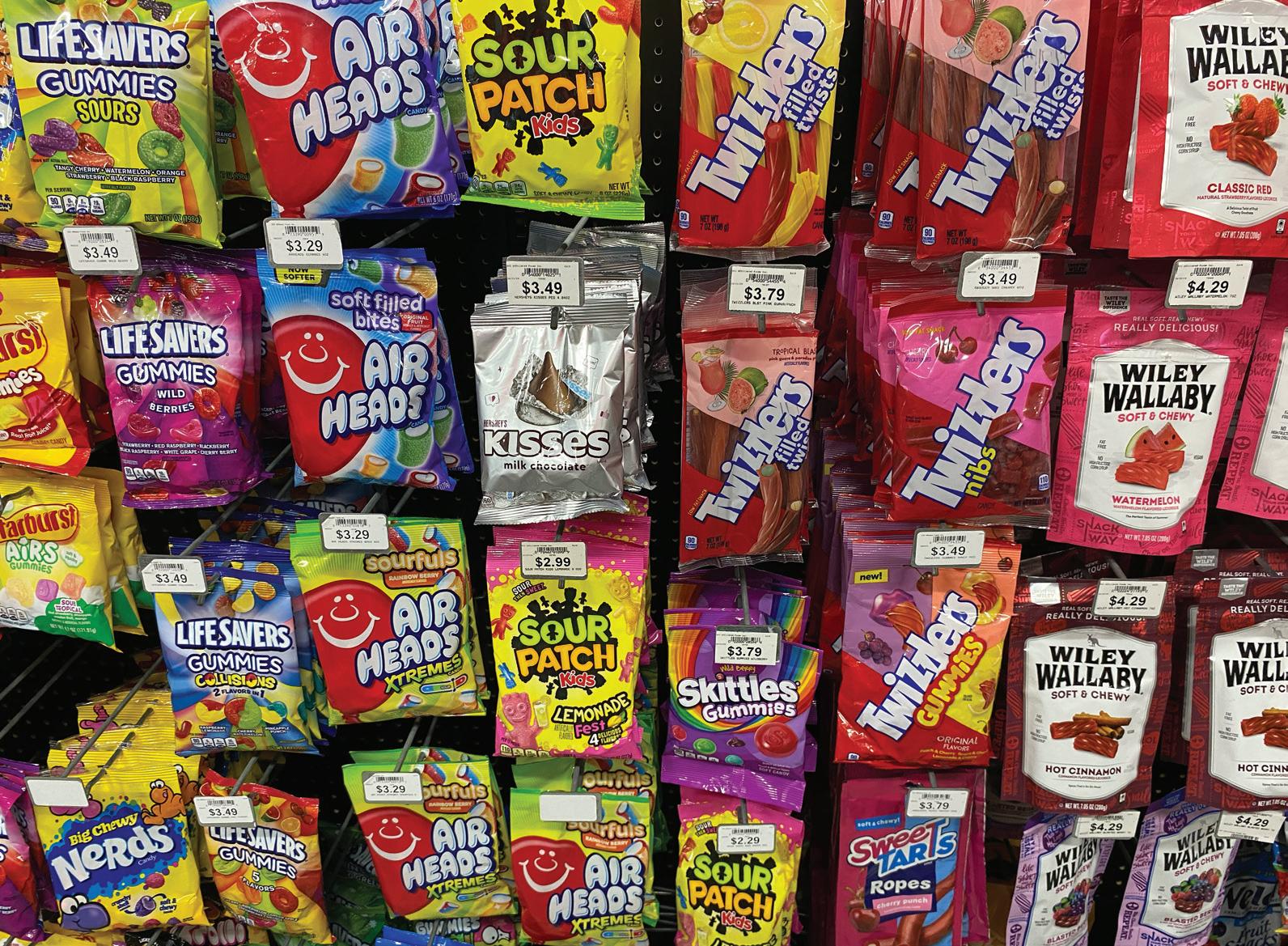
BIGGER SEEMS TO BE BETTER in the candy, gum and mints category at convenience stores. And with innovations constantly rolling out across brands, customers always have a plethora of options available to them.
Pak-A-Sak, a 24-store chain in the Texas Panhandle and South Plains, witnessed sharesize packages leading the way in chocolate candy. The segment overall is seeing strong sales, and although that’s due in part to higher retails, units haven’t been affected. Nonchocolate candy, while not seeing growth as strongly as chocolate, is still trending positively, as well.
“We saw a huge push on the Dubai chocolate that seemed to be the ‘fad,’ and we always try to capitalize on the latest trends — freeze dried last year,” said Russell Barber, category manager for Pak-A-Sak.
Still, he continued, customers will try the new trends and then ultimately revert to the core items with which they’re familiar.
Regardless, he advises other retailers to jump on innovation as soon as it’s available.
“It will surprise you how fast kids talk when there is something ‘new’ at Pak-A-Sak,” Barber noted.
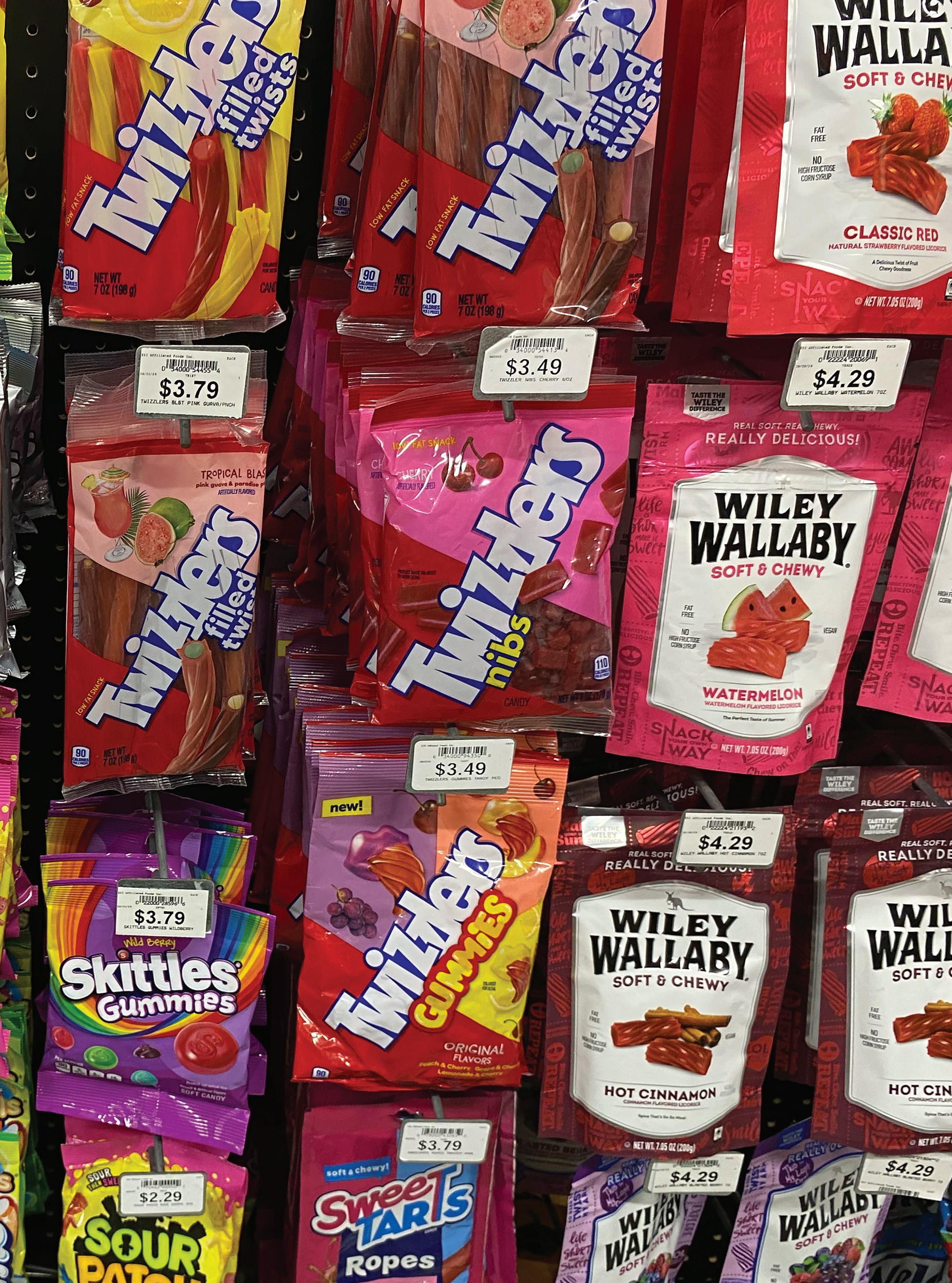
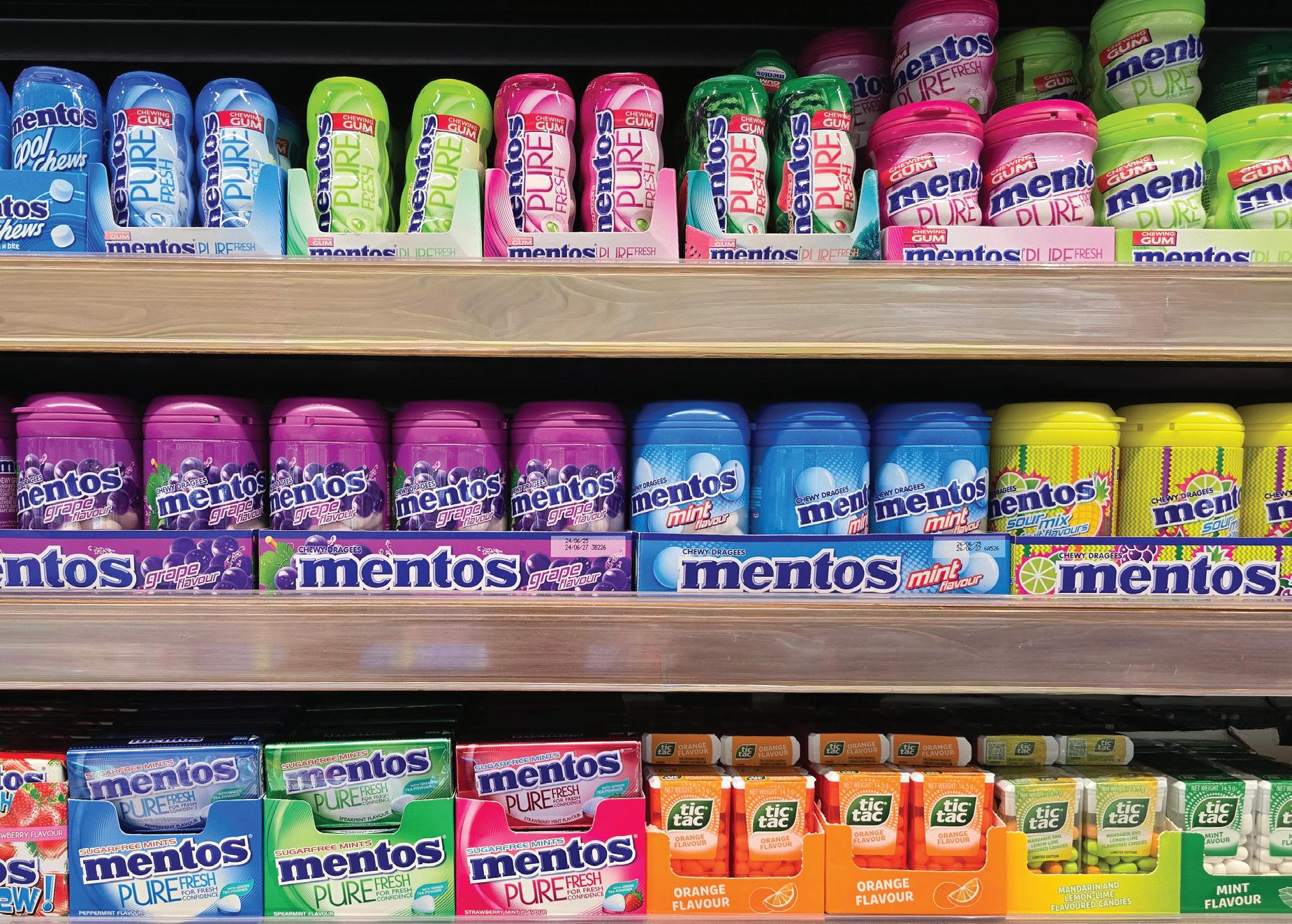
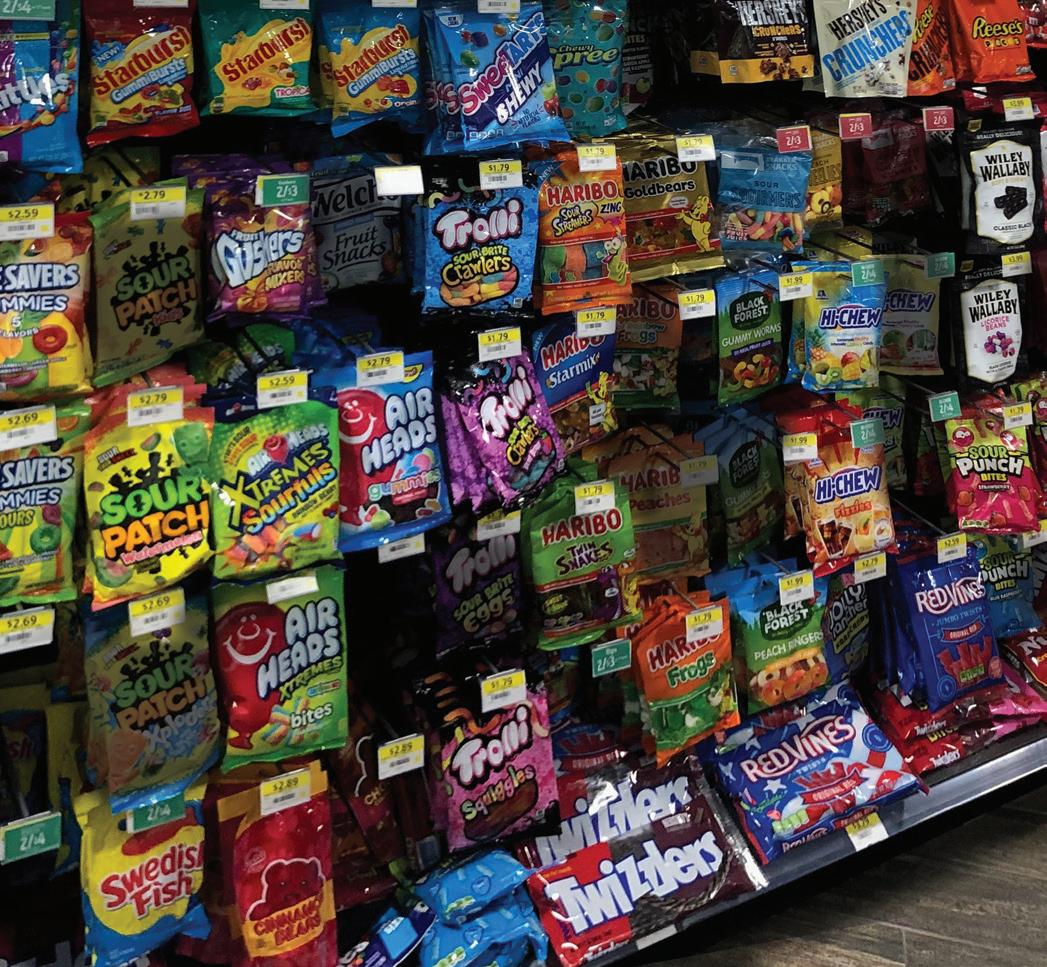
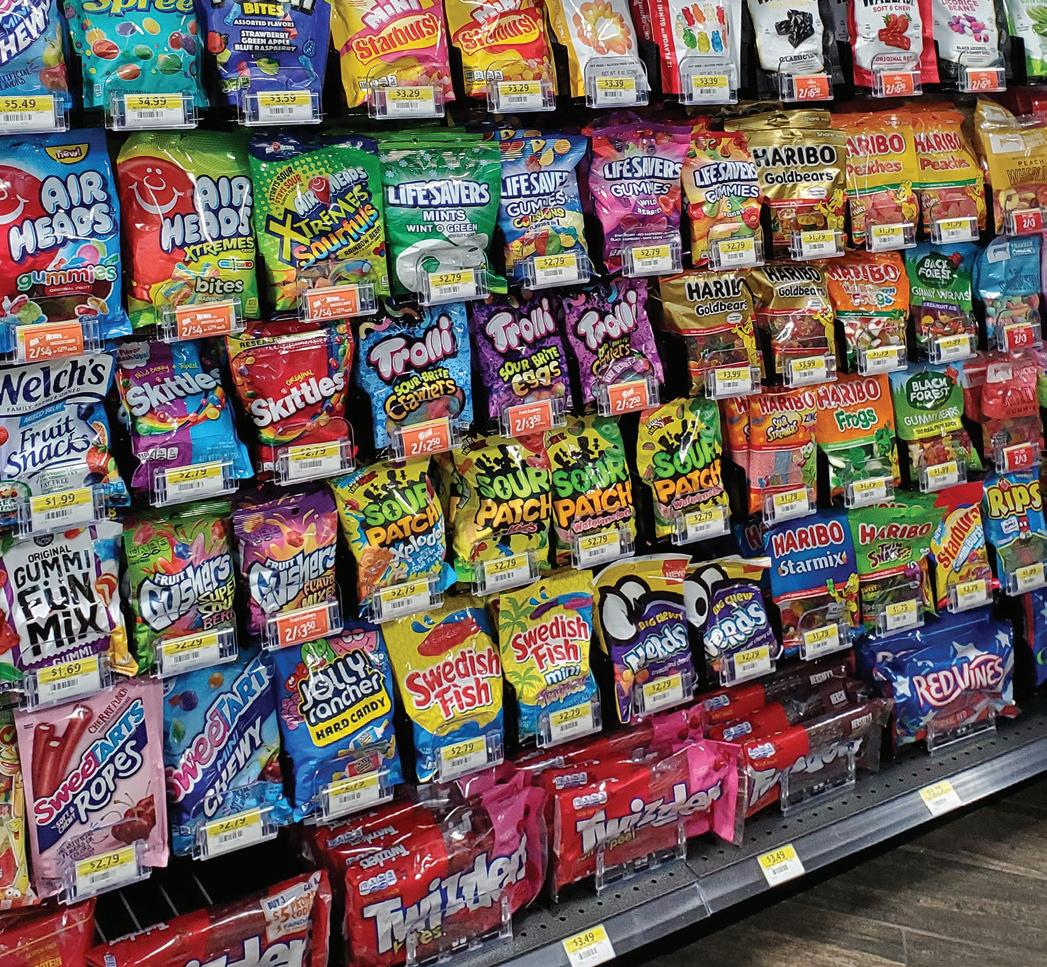
Candy, gum and mints prices are up across the board, contributing to dollar sales increases in most of the category even as unit sales tick down. Chocolate leads in sales at $3.83 billion and 1.35 billion units, followed closely by non-chocolate candy at $3.32 billion and 1.24 billion units. Gum and breath fresheners jumped in dollars by 6.2% and 8.8%, respectively.
Source: Circana Total U.S. Convenience data for the 52 weeks ending Feb. 22, 2026
To capitalize on impulse candy purchases, Pak-A-Sak puts out small tables in the center aisle. The chain also has a drive-up window in most locations where best-sellers in candy are kept nearby in view of the customer, employees encouraged to upsell.
MFA Oil Co., operator of Break Time convenience stores, of which there are 75 in Missouri, has seen more growth in the bagged candy section, particularly as prices increase.
“(The) consumer gets twice as much product for about 40–60 cents more,”
said Brayde Rothe, category manager for Break Time.
The growth in sales of large package sizes for chocolate candy tracks nationally. Chocolate candy boxes, bags and bars greater than 3.5 ounces have jumped 18.3% in dollars at c-stores for the 52 weeks ending Feb. 22, the only segment in chocolate to increase in dollar share of category, according to market research firm Circana.
As for newness, Rothe noted the formats he’s been most excited about are the changemakers.

“We’re seeing a resurgence in nostalgia amongst customers that is also price friendly to them,” he said. “One thing I’d like to keep an eye on is the emergence of Swedish candy. It’s a soft, chewy type of candy that is thicker than your usual gummy bear.”
He also believes innovations from companies such as Mars and Hershey, like the marshmallow-flavored Reese’s cup, will drive customers to the chocolate category.
Overall, chocolate candy sales are up 8.8% nationwide at c-stores for the year ending Feb. 22, accounting for $3.83 billion in candy sales, per Circana. Price per unit upped 10.3% during that period. Non-chocolate candy accounts for a slightly smaller $3.32 billion in candy sales nationally.
Larger package sizes have also increased in popularity for the gum and mints segment.
Break Time has seen a surge in both the standard 15-count gum packs as well as the mega packs. Customers have been trading up from packs averaging $2 to the $3.99 packs for more sticks at a better price per stick.
However, the chain noticed a steady decline in the 40-plus counts. Some brands crossed a price point, Rothe noted, from which he doesn’t believe they will recover.

“I personally think the rise in gum, aside from the bounce back from COVID,” he added, “is also from people frequently wanting to snack or just chew something. With most people needing to have something while they’re at their desk, driving, etc., a good cheap alternative from the traditional ‘bad snack’ is gum.”
He pointed to GLP-1 users, as their appetite has decreased, but people are “typically doing something at their desk besides typing.”
Rothe anticipates caffeinated gum to gain traction as a “healthier alternative” to a caffeinated beverage that might contain “worse” ingredients.
C-stores nationwide brought in $1.26 billion in gum sales for the year ending Feb. 22, per Circana, sugarless gum being the primary driver. Sugarless sales reached $1.11 billion, and regular gum took home $151 million in sales.
Breath fresheners saw $318 million in sales, and although they formed the smallest dollar share of the segment, sprays and drops increased the most by 34.7% in dollars and 40.8% in units.
At Pak-A-Sak, the larger packages and share sizes are where the biggest jumps in gum and mints sales occurred, although the category is increasing in sales across the board.
“We had issues with supply during
COVID, and even people working from home affected this category, but now that most people are back to work in an office setting, we are seeing increased demand for gum and mints,” Barber revealed.
The c-store chain predicted the summer season will yield strong increases in the category, as well as in candy. Barber noted, however, that changes to Supplemental Nutrition Assistance Program (SNAP) benefits may have an effect, although to what extent remains to be seen. SNAP is a smaller portion of its business due to the chain only participating in the last couple of years, “but it will still have an impact.”
In Missouri, May is typically a great month for Break Time. Rothe pointed to it being the month to kickstart the summer season for the chain. With June — recognized as National Candy Month — right around the corner, it’s an ideal time for convenience stores to promote their candy category. CSD
• Chocolate increased 8.8% in dollar sales for the year ending Feb. 22, per Circana.
• Larger package sizes are seeing gains in candy, gum and mints.
• Gum sales increased 6.2% for the year ending Feb. 22, per Circana, to reach $1.26 billion.


















■ Increased facings from 70 to 90, a 29% increase*.
■ Automatically billboards and faces product.
■ Reduces losses from bag hook tearout.
■ Cuts over 1 hour/day labor for restocking.
■ Allows rear restocking and proper date rotation.
■ Dramatically increases sales in the same space.
■ Adjusts to accommodate various package widths. *


As the c-store customer increasingly looks for protein-packed snacks and products with functional benefits, retailers are shifting their product assortments and promotional strategies to stay ahead of the curve.
Kevin McIntyre • Associate Editor
THE RISE OF GLP-1 MEDICATIONS has caused a ripple effect across the snacking category in the c-store industry — but not in the way you might think. Retailers will still be able to cash in on snacks, but they will need to adapt to shifting lifestyle norms and expectations from health-conscious consumers.
The big winner in 2026 is protein, with retailers consistently citing a notable uptick in demand for products with functional benefits like this. The betterfor-you trend in snacking is one that has been intensifying in recent years and shows no sign of slowing down.
“The shift is more subtle than the headlines suggest,” said Sean Carroll, director of category management at Good 2 Go, which operates over 80 c-stores across the U.S. Mountain West region. “What we’re seeing isn’t a collapse in
snacking; it’s a rebalancing. GLP-1 users tend to shop with more intention.”
That shows up, noted Carroll, as smaller basket sizes; fewer impulse grabs at the counter; a move toward single-serve, portion-controlled items; and, of course, an uptick in protein-forward snacks.
“Purposeful, higher-quality snacking is growing,” he continued.
At Northborough, Mass.-based Yatco, which operates 23 c-stores across Massachusetts, Connecticut and Rhode Island, Category Manager for Center Store Walter Thomas is seeing a similar trend.
“Sales are showing us that customers are seeking healthier and more functional options when shopping at our stores,” said Thomas. “Year over year, we’ve seen notable lifts in categories that align with GLP-1-related behavior shifts, including fresh fruit, yogurt, nuts, meat snacks,
protein items, packaged cheese and energy-focused products.”
While Thomas noted that he hasn’t seen “drastic declines” tied directly to GLP-1 usage, some traditional indulgence categories like packaged bakery and select snack segments have softened relative to their healthier alternatives.
“One surprising growth segment for us has been beverage enhancers and hydration products,” he said. “As GLP-1 awareness increases, many consumers are becoming more focused on hydration and electrolyte balance — especially as they adjust eating habits and overall nutrition.”
This is a trend that is extending to retailers across the U.S. At Heath, Ohiobased Englefield Oil, which operates more than 120 Duchess convenience stores, Director of Marketing Nathan



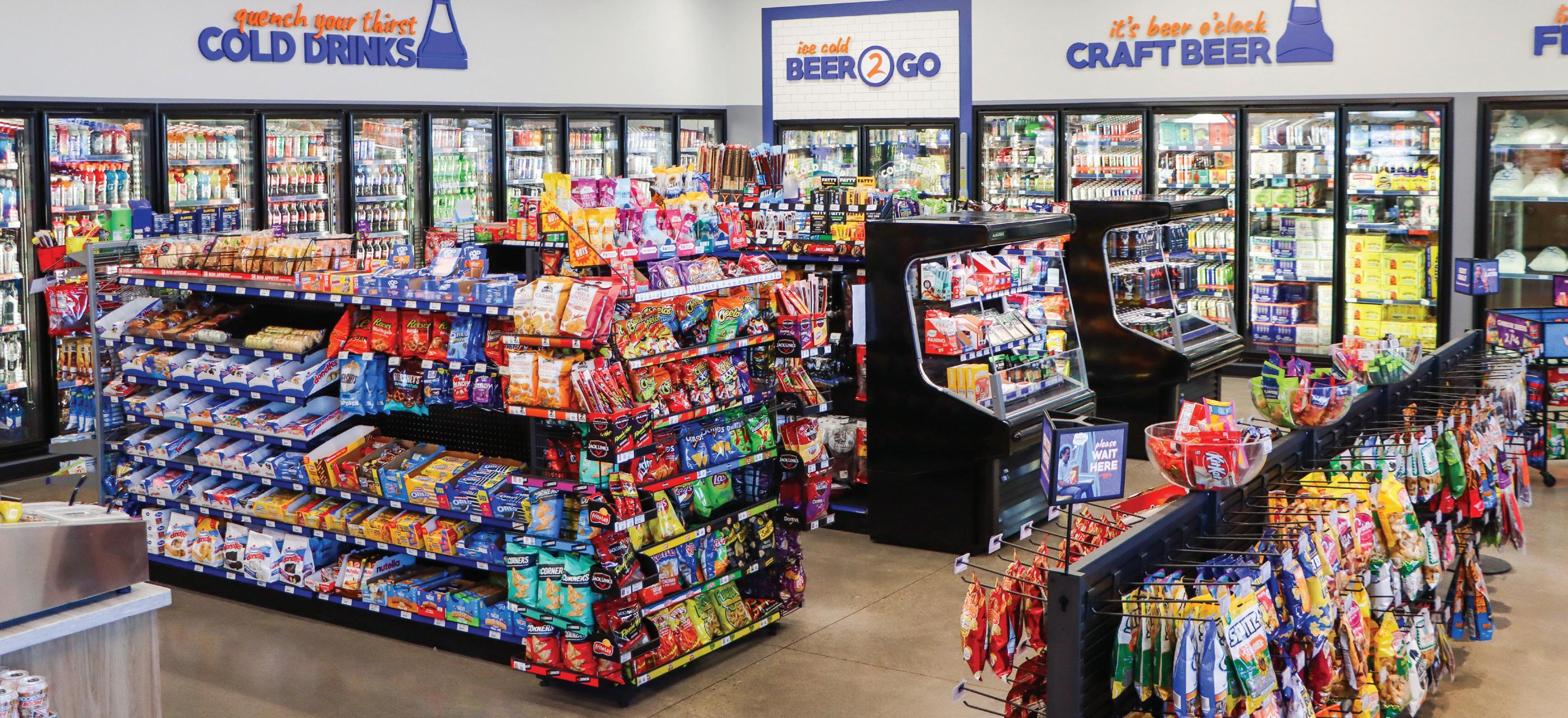
Good 2 Go is leaning into smaller pack sizes across salty and sweet snacks, prioritizing items with cleaner labels and testing more premium, small-format indulgences.
Arnold noted that the company is seeing “more intentional snack shopping.”
“The traditional impulse purchase is still there, but there is clearly more interest in snacks that offer a functional benefit, especially protein, hydration, better-for-you ingredients and portion control,” he continued.
It is important to note that c-stores are not losing snacking customers; preferences are simply changing. The king of c-store snacking — the salty segment — has taken the biggest hit, however, there is still room for innovation and success within the segment.
“Salty is declining not because the shopper is leaving the category, but because large-format bags don’t align with the more intentional, portion-controlled behavior we’re seeing,” said Carroll. “The mission is still there — the format is what’s shifting.”
To stay ahead of the curve, retailers are dedicating more space in the store for these better-for-you and portioncontrolled offerings.
“We are widening the assortment to include more high-protein, lighter and functional options while still protecting the core indulgent categories that remain important in convenience,” said Arnold. “That means more single-serve
protein items, better-for-you beverages and products that offer portion control or a clearer wellness benefit.”
Good 2 Go is leaning into smaller pack sizes across salty and sweet, prioritizing items with cleaner labels and testing more premium, small-format indulgences, Carroll explained.
“Some of these trends were already in motion pre-GLP-1 — rising price sensitivity, cleaner-label preferences and portion-control innovation were already reshaping the category,” he continued. “GLP-1 is just accelerating those shifts.”
Yatco is looking to expand its packaged bakery offerings to accommodate customer demands in addition to launching new vendor partnerships focused on healthy snacks and protein offerings.
“New flavors are coming out all the time, and we are finding new vendors to help meet our needs,” said Yatco’s Thomas. “What’s been great is that our vendor partners have been very motivated to promote their brands with us. They see this as their window in time where customers are changing behaviors, and they are eagerly trying to stay in front of it.”
With this change in purchasing behavior and customer demand, retailers will not only need to adjust their product
assortment, but they will also have to tweak their strategy when it comes to how they promote their snacks.
Carroll said that Good 2 Go’s promotional strategy is shifting from “volume driving” to “mission driving.” That looks like fewer “two for X” deals on large formats, more single-serve trial offers, bundles tied to protein and cleaner, simpler messaging at the shelf to reduce decision friction.
“We’re moving away from ‘buy more’ of a single product and toward building baskets of the ‘right items for your mission,’” he continued.
Meanwhile at Yatco, Thomas is looking to strike a balance between shifting these better-selling products to the front while still cashing in on impulse purchases from customers.
“The biggest change that we have made is moving more of our energy and protein items to the front counter. Traditionally, this impulse-driven area has always been dedicated to candy, gum and mints,” he said. “With our customers’ behavior shifting, we have started to expand with more health-driven options that can serve as a meal replacement or a more satiating snack option. This hasn’t taken away from the experience of getting a Snickers bar at the checkout; rather, it has expanded this key impulse section to an entirely different customer.”
On the other side of that coin, Arnold
noted that customers, while increasingly seeking out these better-for-you products, are still creatures of habit.
“We are putting more emphasis on promotions and signage for products featuring protein, energy and hydration,” he said. “While there is some sensitivity in some categories, overall, the average consumer still seeks their go-to convenience items.”
Looking ahead in the snacking category at c-stores, that balance between adaptability and reliability will be key. It is true that customer tastes are evolving, but that is not to say that they are completely changing. There will always be demand for the salty and sweet indulgences that have become synonymous with convenience stores, but being able
to balance those offerings with their healthier counterparts can be critical for driving category growth.
“Convenience retail is positioned better than grocery or mass (merchandisers) because we excel at single-serve, immediate-consumption formats — exactly where the GLP-1 shopper gravitates,” said Carroll.
Thomas added that this snacking evolution can be used to c-store retailers’
advantage, giving them the opportunity to reach new markets through a traditionally overlooked customer.
“I think that our expansion in our assortment has opened our doors to a new customer,” Thomas explained. “I think shoppers had traditionally sought out convenience stores as a destination for sweet and salty, but now I’m hearing customers say ‘I didn’t know you had that’ more often.”CSD
• GLP-1s are reshaping snacking habits, not eliminating them.
• Retailers are adding more products featuring protein and better-for-you elements and increasing promotions around these products.
• Customers are favoring single-serve and portion-controlled formats.



IN TODAY’S MARKETPLACE, the question is no longer whether to invest in technology but, rather, how to prioritize wisely. With an ever-increasing set of tools available across every part of the customer journey, and now disrupted by artificial intelligence (AI), retailers must be disciplined with how they tackle tech.
If you are focused on needs that can be directly tied to customer benefits or enabling store teams to execute effectively at scale, you should be able to connect every investment to its impact on the business.
As customer expectations continue to rise, technology must support a frictionless experience across digital and physical touch points. Guests increasingly move fluidly between channels. For example, they are often discovering offers digitally, ordering ahead, transacting in-store and engaging with mobile experiences even after a visit ends.
Retailers should assess their technology through the lens of how the customer engages. This includes the speed and reliability of transactions, the consistency of pricing and promotions,
As c-store operators look to integrate new technology, the focus should be on better engaging customers, supporting store teams and moving with confidence.
Mike Templeton • NexChapter
the quality and accuracy of foodservice orders, and the relevance of digital communications. All should be working in service of the customer, even if they’re not inherently visible.
For any new technology under consideration, retailers should be able to answer three questions: 1.) What customer friction does this remove? 2.) What store level behavior does this change or simplify? and 3.) What existing system does this strengthen or depend on?
The point-of-sale (POS) system remains foundational to the store, but its role has broadened significantly. In a modern c-store environment, the POS controls how promotions are executed, how loyalty benefits are redeemed, how
foodservice items are configured and how customer data is captured.
Beyond the store, the POS must connect to digital systems and thirdparty marketplaces, as well as the forecourt, to maintain its place as the hub of commerce. All technologies impacting transactions will want to be connected to the POS, as it is the source of truth inside the store. Retailers must manage vendor integrations carefully to ensure consistent execution across all stores with no negative effects on the experience. If customers can’t purchase what they came in to buy, the mission of convenience is lost.
Looking ahead, many POS platforms and providers are innovating around device virtualization, agnostic hardware and AI-embedded operating systems.
“Digital ordering, particularly for foodservice, is moving from an incremental channel to a core expectation in the industry.”
Retailers should take note of clear requirements and forward-looking strategies as they consider any changes at the counter.
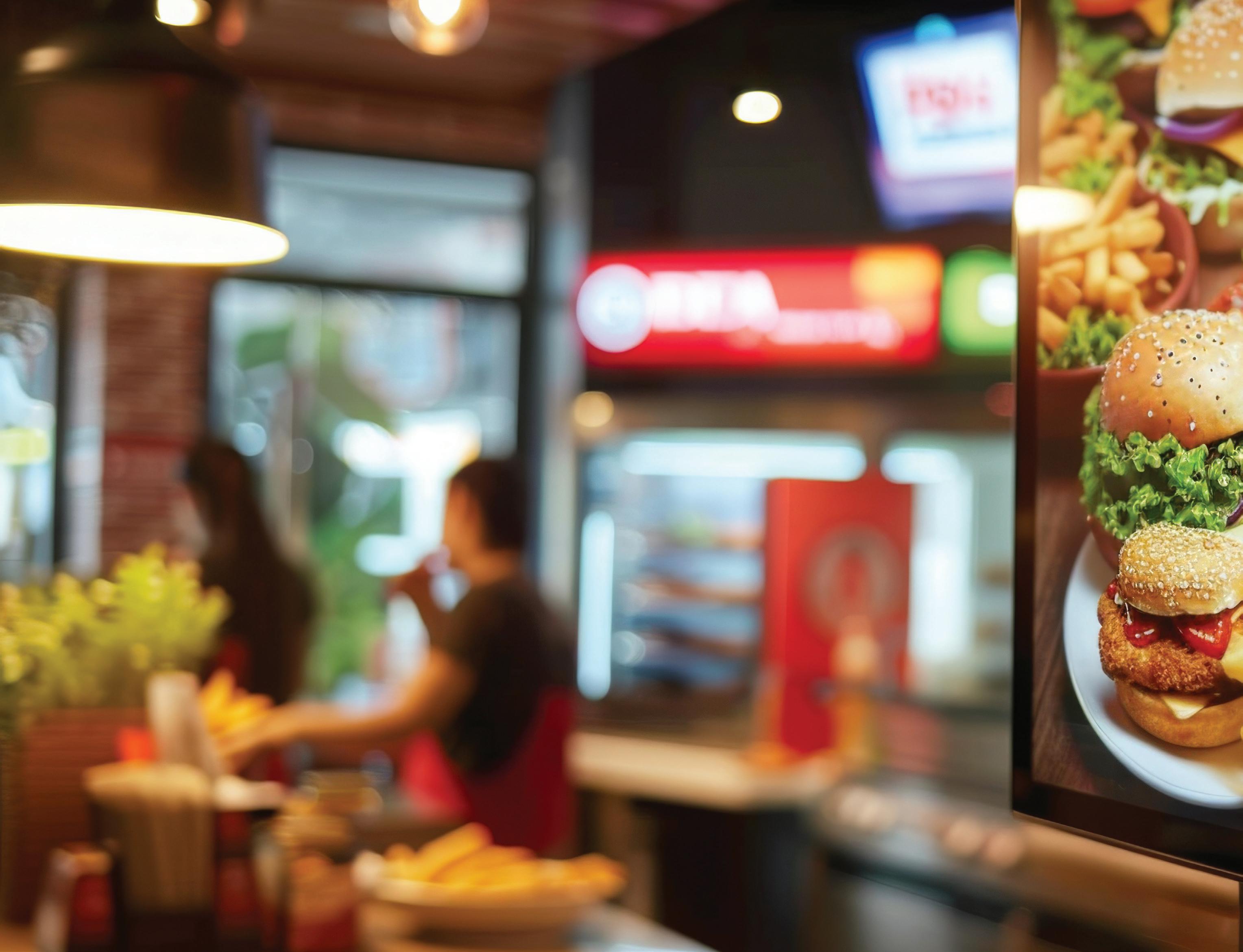
Digital ordering, particularly for foodservice, is moving from an incremental channel to a core expectation in the industry. When c-stores are competing for share of stomach with quick-service restaurants, grocery stores and digital delivery marketplaces, enabling easy points of access at all times is critical. Customers value the ability to place orders when convenient for them and to leverage customization capabilities to get their favorite items just the way they prefer.
As retailers consider digital ordering systems, they should be tightly integrated with in-store operations. Orders placed digitally must flow seamlessly into kitchen workflows, display systems and inventory tracking to avoid fulfillment complexity. When properly implemented, digital ordering can increase throughput, improve accuracy and elevate the overall
perception of the brand.
Order-ahead systems should also be viewed as a data opportunity. Understanding what customers order, when they order and how digital behavior compares to in-store activity provides valuable insight for menu planning, promotions and labor optimization.
Customer loyalty platforms are evolving into broader engagement tools that connect transactions, communications and personalization across channels. For retailers investing in loyalty, they should see their program as an insight engine that supports marketing, merchandising and operational decisions.
Driving identification across the store through mobile apps, phone number entry or payment methods will help unlock the deep customer understanding necessary to sustain customer relationships at scale. As loyalty systems draw from data streams across the store, retailers have the opportunity to deliver highly relevant experiences in real time.
Establishing trust with consumers and
the ability to engage effectively through relevant offers and messaging will be won or lost in the everyday moments supported by your technology stack. The technology itself is only effective when it draws from accurate, integrated data sources, including those connected to POS systems, digital ordering channels or customer communication tools.
Retailers should focus on using loyalty data to influence customer behavior in practical ways: driving additional visits, encouraging trial of new items and reinforcing familiarity to retain positive purchasing habits. The technology underneath should enable marketing teams to move from broad promotions to more targeted, purposeful outreach that supports both revenue growth and customer satisfaction.
Retailer systems generate large volumes of data, but many struggle to translate that data into action.
A growing number of vendors are beginning to modernize their approach to enabling marketers within their
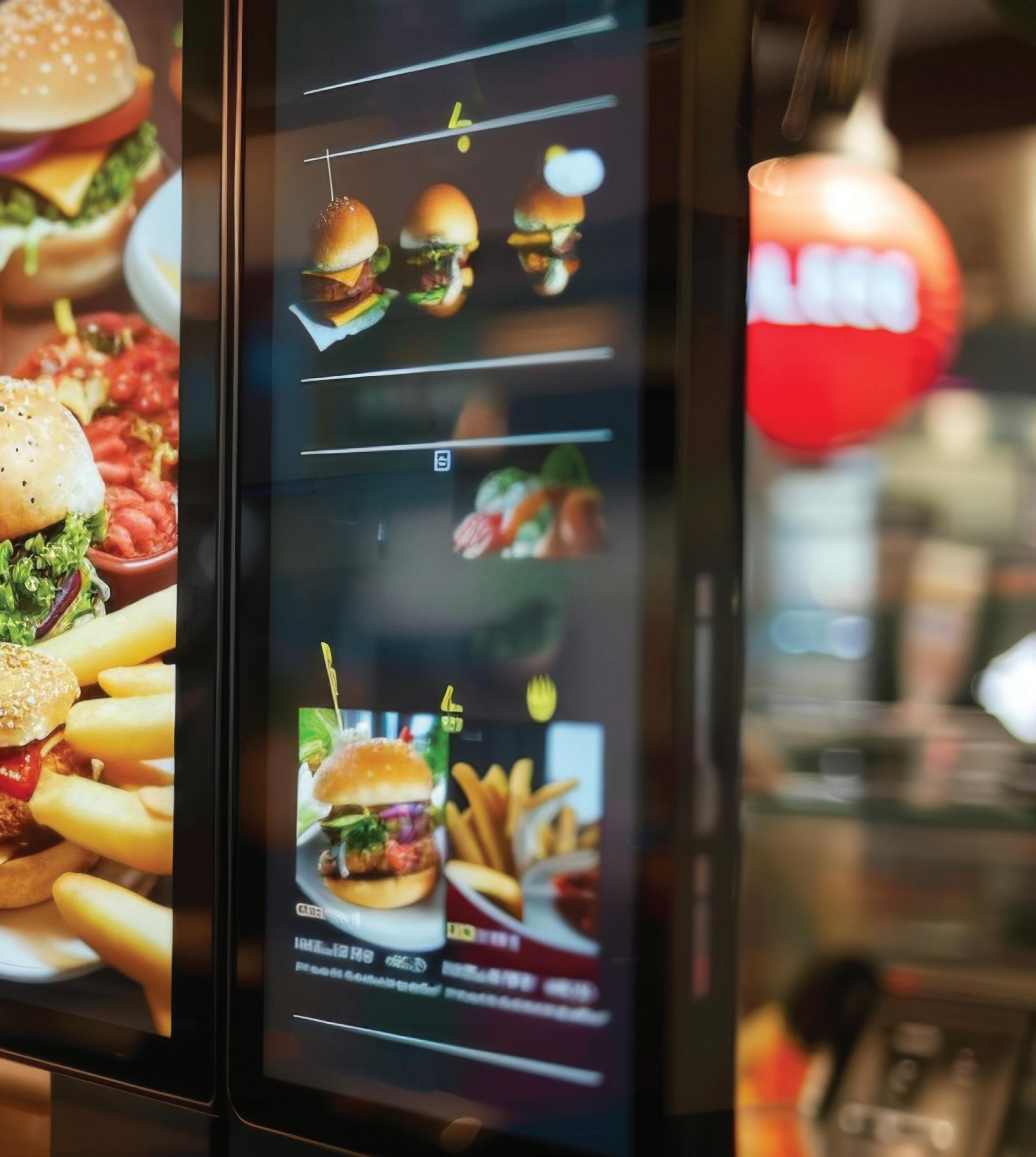
systems, turning to advanced analytics and AI-enabled tools to offer insight that prioritizes action. Whether using this embedded AI or considering external enterprise AI platforms, using data to drive decision will play an increasingly important role in helping teams identify patterns, anticipate demand and prioritize opportunities.
The most valuable analytics investments will be those that support everyday decisions, like assortment adjustments, promotion performance reviews, labor alignment and pricing strategies. These capabilities depend heavily on clean, consistent data across systems.
The larger and broader your technology stack becomes, the more important it will be to synchronize those systems. Ask your vendors and potential partners about their integrations. It’s almost as important as the functionality of the platform itself. When technology is running in isolation, you will be much more limited in the impact you can generate.
Although most technology decisions
sit with corporate staff, it’s the store teams that live with the impact every day. As such, an effective technology stack is no longer complete without enabling functions for store employees. This is important both for the delivery of consistent customer experiences across your footprint and for providing training that equips employees to best use the tools they’ve been given.
As you think about those involved in your buying groups, consider adding a store manager or a field leader into the mix. They will share a new perspective about what makes for an intuitive interface, a clear workflow, or how systems can integrate into the day-to-day flow of a store. Every attempt to improve the customer experience can likely also be coupled with efficiencies in employee delivery, whether it is automated pricing updates, simplified food prep guidance or real-time visibility into promotions. Technology should make execution easier and more predictable.
As retailers consider their roadmaps
“For any new technology under consideration, retailers should be able to answer three questions: 1.) What customer friction does this remove? 2.) What store level behavior does this change or simplify? and 3.) What existing system does this strengthen or depend on?”
for 2026 and beyond, maintaining decision discipline will be critical. New capabilities and technologies will continue to emerge, but not every innovation or shiny object may align with your business model (or growth strategy).
Retailers should prioritize technology that contributes to clearly defined business outcomes, integrates with existing systems and enhances the customer experience. Even incremental progress, guided by real operational needs, can often deliver more value than sweeping, large-scale technology implementations that are missing foundational alignment with the business.
A future-ready c-store tech stack will enable retailers to move confidently, engage customers more meaningfully and support store teams effectively. Anything that works contrary to that doesn’t deserve much attention. It’s OK to say “no” or even “not right now.”
Mike Templeton is a partner at c-store advisory firm NexChapter. He has an over15-year history in the industry, previously leading digital initiatives at Casey’s and Kum & Go.
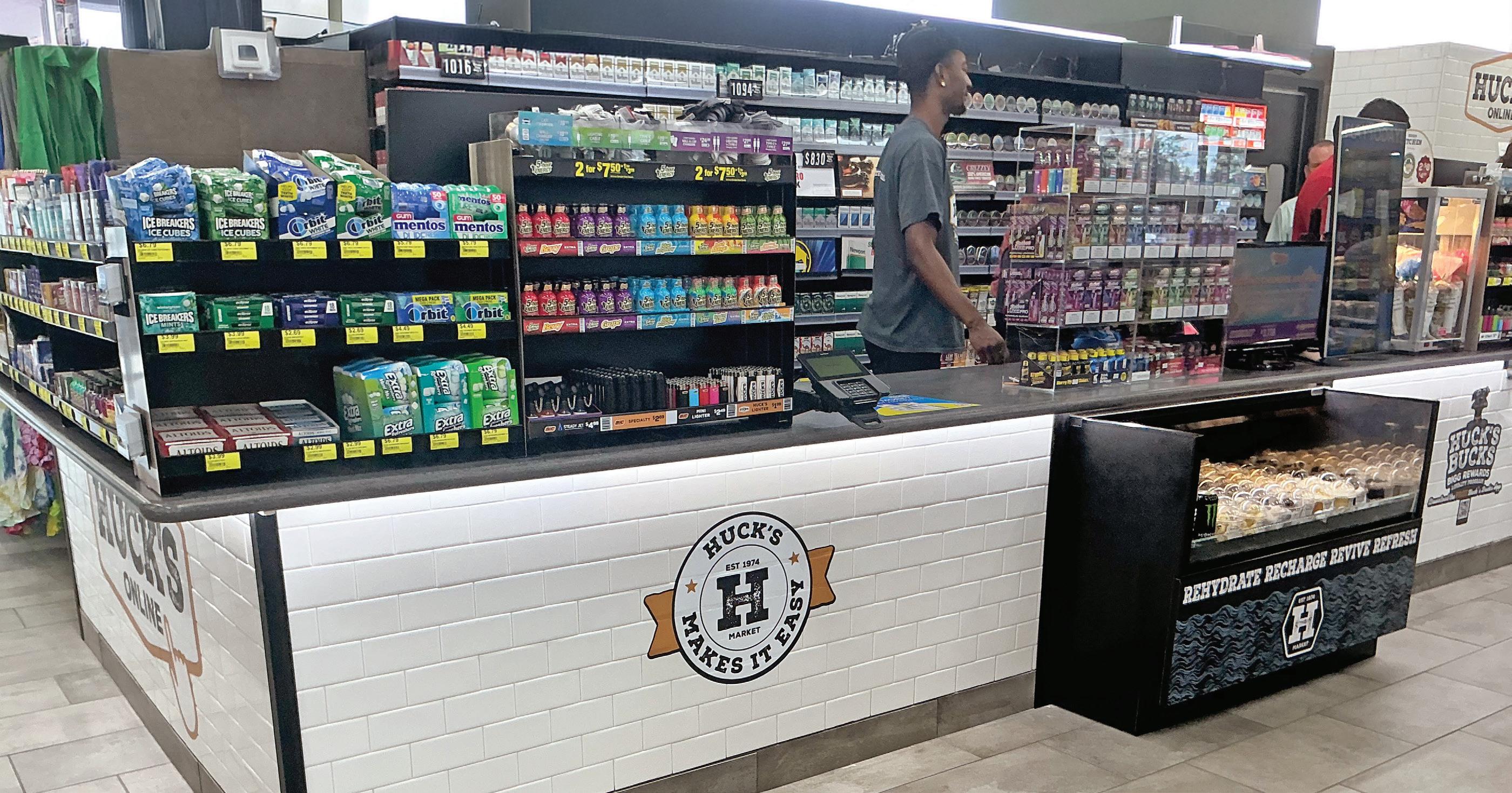
Huck’s Market is implementing AI at the point of sale, among other initiatives, and gearing up for an AI-savvy and integrated future.
Emily Boes • Senior Editor
RETAILERS are anticipating an industrywide shift toward automation, artificial intelligence (AI) and integration in the coming years. Huck’s Market, which operates 135 stores in Indiana, Illinois, Kentucky, Missouri and Tennessee, is leveraging emerging technologies now to prepare for this future.
The chain recently implemented an AI-native point of sale (POS), modernized payment at the pump and rolled out a comprehensive camera system in addition to other advancements.
For all these achievements, CStore Decisions is recognizing Huck’s with a 2026 Tech Innovation Award.
Earlier this year, Huck’s rolled out its AI-native POS system, a partnership it entered into with Tote.ai.
“What makes it different is that AI is built into the workflow from the start, rather than being added on later. We wanted a platform that was simpler for store teams to use, better on the customerfacing side and stronger on the backend,”
said Paul Black, director of IT at Huck’s.
The first install was a self-checkout at store No. 142. The second was at store No. 134 in Mt. Vernon, Ill., in February, a non-fuel store. The third install occurred at unmanned fuel store No. 42 in Carmi, Ill. Two additional self-checkout locations have been deployed since.
The phased approach was intended to test different operating environments.
“A self-checkout environment is different from a traditional non-fuel store, and both are different from an unmanned fuel site. We wanted to make sure the

Paul Black, director of IT at Huck’s, is rolling out an AI-native POS system at the chain in a phased approach. Huck’s is also reducing friction at the pump, particularly for fleet-type transactions, and installing a video security system for better visibility into the stores.
platform worked well across those models before expanding further,” said Black.
Benefits to the rollout include a simpler workflow, better consistency and a more modern platform on which the company can continue to build.
“We also continue to work with Tote on enhancements, not only for the customer-facing side, but also on the backend reporting side. The biggest challenge has been making sure we prove it out across different store formats while continuing to refine workflows, reporting and day-to-day execution as we go,” said Black.
Near term, Huck’s biggest technological focus is continuing to expand and improve this platform.
So far, the biggest impact the tech has had on operations is simplification.
“When you roll a platform into selfcheckout, then a non-fuel location, then an unmanned fuel site, you see very quickly how important simplicity
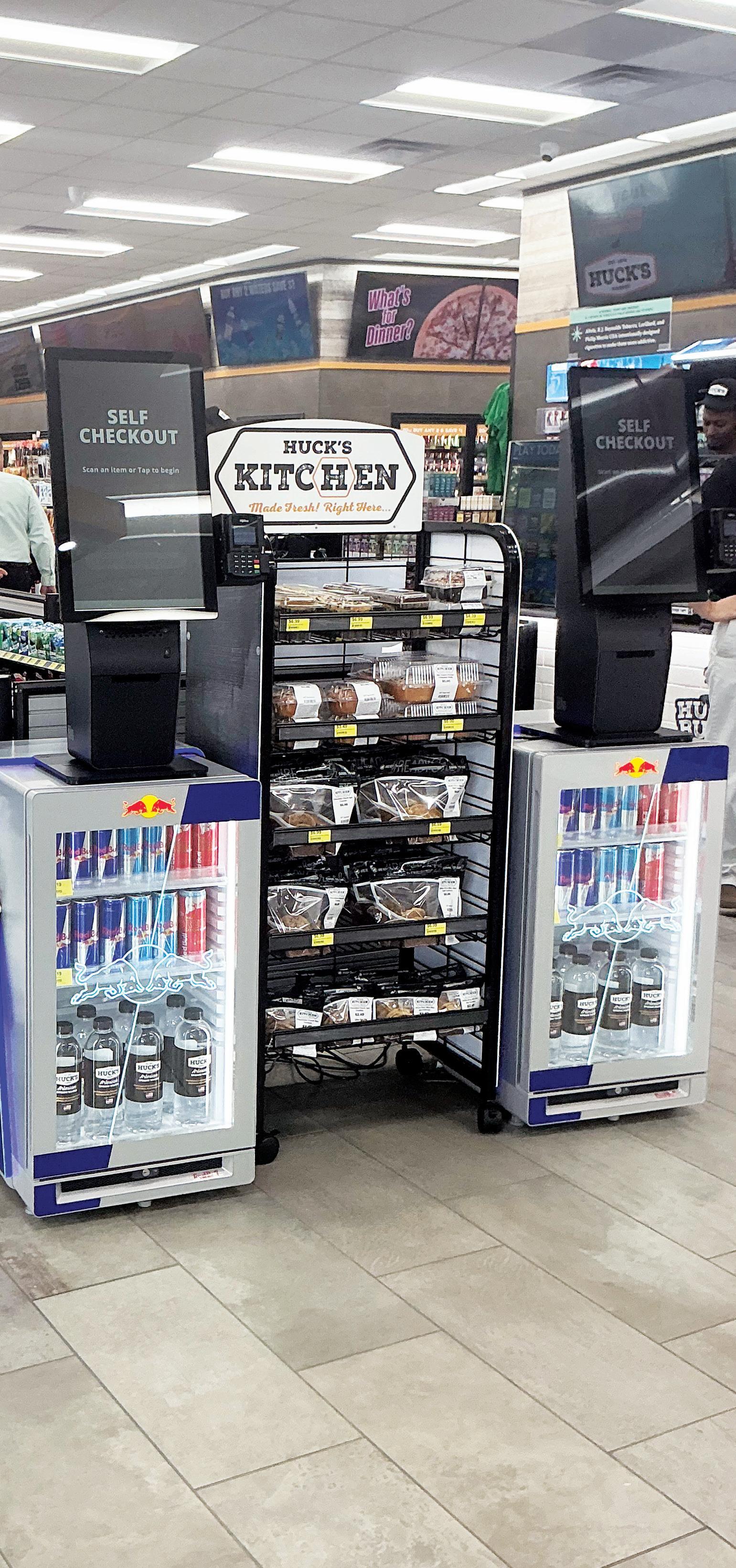
Huck’s integrated its online ordering and third-party delivery platforms directly with its back-office system to significantly streamline operations. Customers now have a more seamless ordering experience from start to finish.
and consistency are. Good technology should make the job easier for employees, not harder, and that has been a big part of what we are trying to accomplish,” said Black.
Huck’s also embarked on a broad effort to modernize payments at the pump, resulting in a partnership with Car IQ, a vehicle payment solution provider, which allows fleet vehicles to automatically connect to the pump.
“The value there is reducing friction, especially for fleet-type transactions, and creating a more connected fueling experience. For us, it fits into the bigger picture of using technology to make the forecourt experience more efficient and seamless,” said Black.
Another rollout for the company was Solink, a video security system provider.
“That has been a very important rollout because we do not look at it as just a camera system. It gives us much better visibility into what is happening in the stores and lets us get to issues faster. It helps from a security standpoint, but it also helps operationally with investigations, exception review, compliance and overall store visibility,” Black noted.
Huck’s has also integrated its online ordering and third-party delivery platforms directly with its back-office system, a move which has significantly streamlined its operations.
This has delivered greater efficiency and accuracy across accounting, marketing and day-to-day store management.
“Ultimately, our customers benefit the most through a smoother, more seamless ordering experience from start to finish,” Black added.
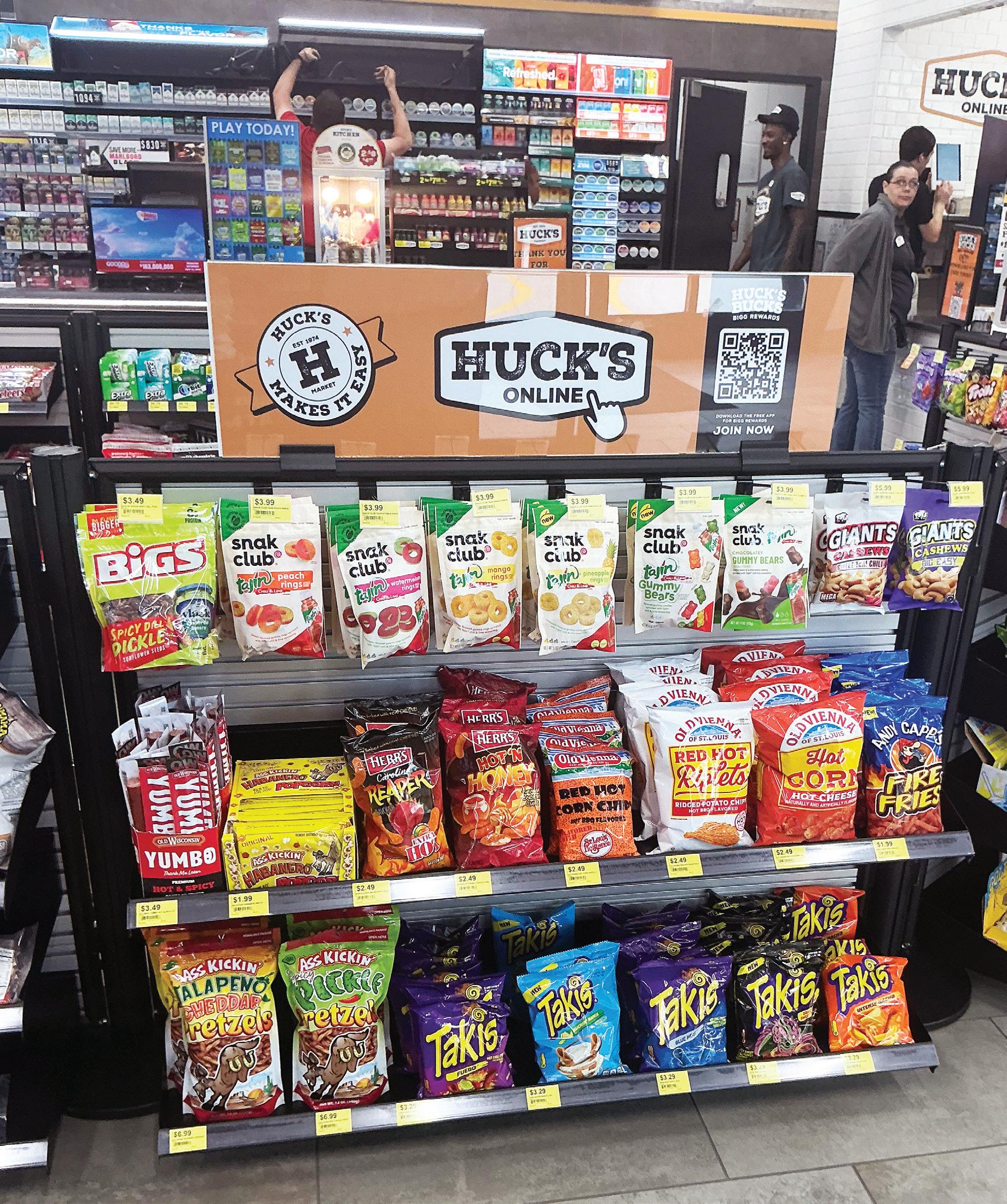
The best return on investment (ROI), Black noted, comes from technology that improves daily execution and provides better visibility.
Huck’s has seen the highest ROI in AI investments that simultaneously grow sales and create front-line efficiencies.
“Generative AI powers personalized promotions, dynamic recommendations and targeted content that increase basket size and customer loyalty with minimal added effort. Agentic AI automates inventory, forecasting and pricing tasks, freeing our team to focus on delivering the fresh, fast, friendly service that customers have come to know and love,” said Black.
Huck’s is prepared to meet the shift toward AI as the technology grows and demand increases. Its existing digital infrastructure and data capabilities allow the company to do so and enable Huck’s to deliver greater efficiency internally and intelligent service to customers.
“I also think AI will have the most value when it helps store teams do their jobs better and helps organizations make decisions faster, not just as a headline,” Black continued.
Huck’s is also preparing for the move toward more connected systems.
“POS, payments, video, reporting and store operations are all starting to work together instead of living in separate silos,” Black explained. CSD







For 25 years, Xcaliber has been dedicated to a single mission: manufacturing the highest-quality fourth-tier cigarette products in the industry.



We couldn't have reached a quarter-century of success without the steadfast support of our retail and wholesale partners. Thank you for trusting us to stock your backbars with exceptional value and uncompromising quality. Here’s to 25 more years of partnership.
























Pilot made tech a priority this past year, updating its mobile app, modernizing the back office, expanding EV charging and more.
Emily Boes • Senior Editor
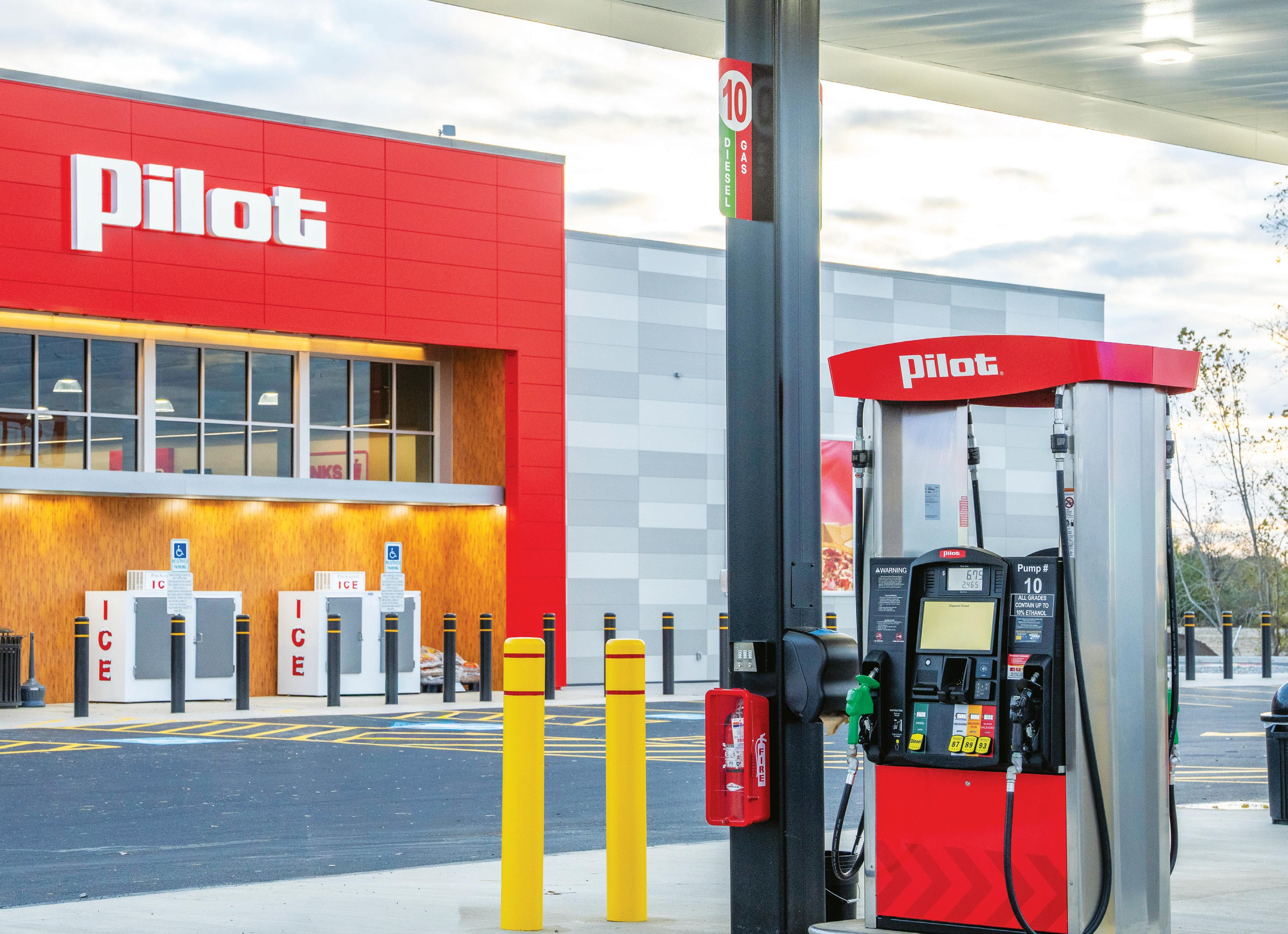
THE DIGITAL SPACE in the c-store sector is constantly progressing, updating and reshaping the customer and employee experience. A frontrunner in technological advancement, Pilot Co., which operates over 900 locations, is focusing on evolving its digital ecosystem through deeper integration, personalization and operational efficiency.
The travel center chain over the last year has enhanced its mobile app, redesigned its website, expanded its digital ordering capabilities and penned an agreement with a tech platform that will modernize its back office and point of sale (POS).
It also surpassed a milestone 250 electric vehicle (EV) charging locations across 40 states.
To acknowledge Pilot’s achievements in technological and digital innovation, CStore Decisions is recognizing the company with a 2026 Tech Innovation Award.
THE DIGITAL ECOSYSTEM
Pilot spent the past year advancing its digital offerings through efforts such as its redesigned website and revamped mobile app.
“Our digital advancements have been driven by two simple goals: creating exceptional experiences for all drivers and being the leading energy and experience
provider people rely on,” said David Dawson, VP of retail and digital technology for Pilot.
The app and website are now part of a more intuitive, user-friendly and unified digital ecosystem. They were built on new, modern platforms to allow the company better flexibility to respond to customer needs more quickly. Added features include mobile ordering, streamlining navigation, realtime location information, and easier access to service availability such as amenities and fuel prices.
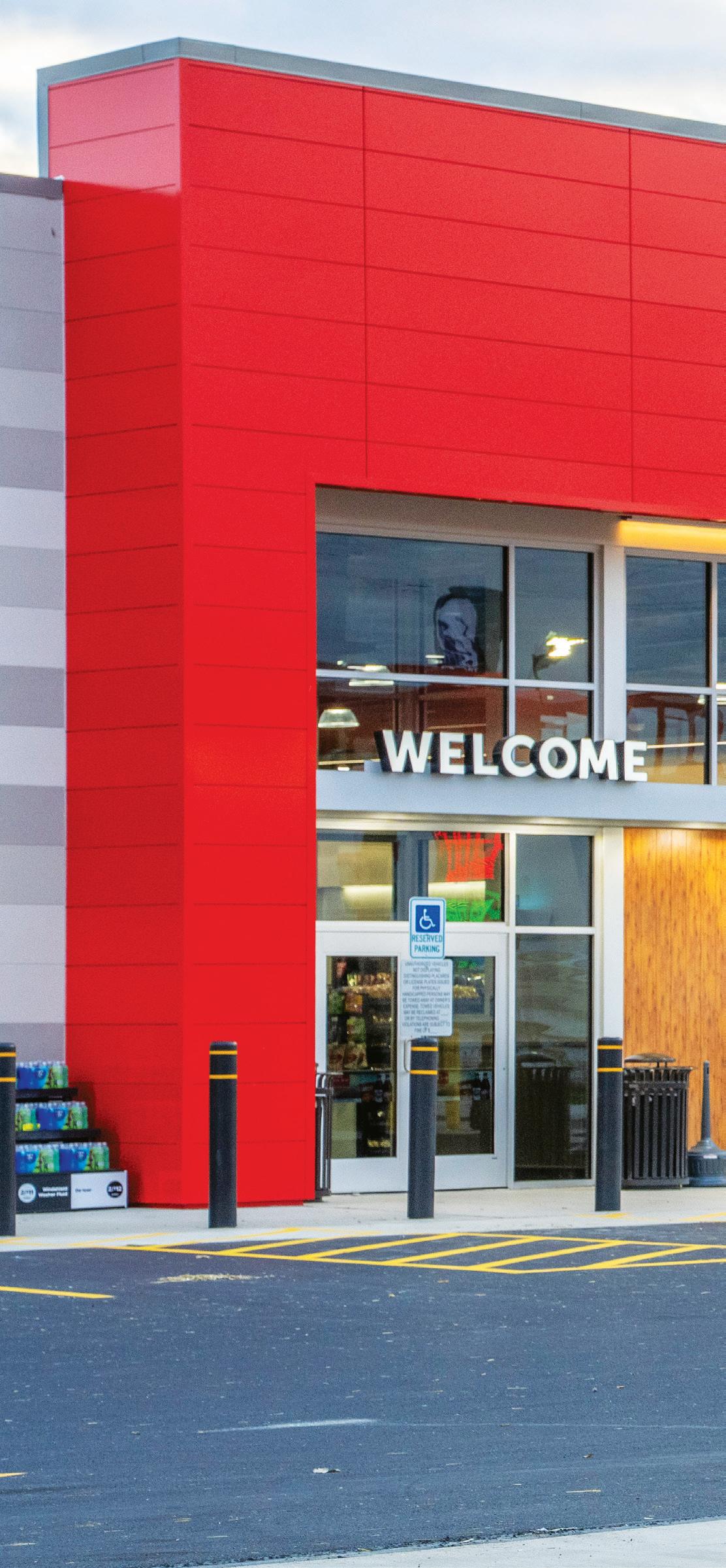

“Feedback has been strong from digital users, and the Pilot app continues to be quite popular with a 4.8 average rating from roughly 186,000 reviewers in the Apple App Store. Particularly around added value, convenience and seamlessness of reserving parking spaces, showers and more,” said Dawson. “Drivers have expressed appreciation for being able to plan stops in advance and reduce downtime in-store or on the lot while still getting the experience they rely on.”
Pilot has noticed pro drivers use the mobile fueling feature in the app to save time and simplify payment. They can get authorization to fuel, turn on the pump and get a digital receipt without having to swipe their card or see the cashier. They ensure they earn their loyalty points
David Dawson, VP of retail and digital technology for Pilot, is enhancing the chain’s mobile app, website and digital ordering capabilities as well as modernizing the back office and POS. The goal is to reduce friction where possible.
with each fill and can begin the process while sitting in their cab.
“The result is a more efficient operation and a better overall experience for guests,” Dawson added.
The tools have also helped Pilot’s teams operate more efficiently.
As for Pilot’s digital ordering capabilities, the company partnered with platforms such as DoorDash, Grubhub and Uber Eats.
“At the same time, we’ve enhanced our own app experience, giving guests the ability to mobile order ahead for pickup at a nearby location. Together, these advancements are about meeting our guests where they are and providing a flexible, convenient experience,” explained Dawson.
Pilot is also upgrading store technology for its owned and operated quick-service restaurant franchise locations to better align with its brand standards. It’s unlocking e-commerce platforms, kiosk ordering and improved kitchen management.
In addition to these initiatives, Pilot reached a five-year agreement with NCR Voyix to modernize and standardize the core technology powering the company’s retail and operational systems across the network — POS, back office, and integrated digital capabilities that support the customer experience and team member functions.
“For our guests, this means a more consistent, reliable and seamless experience across locations, from faster
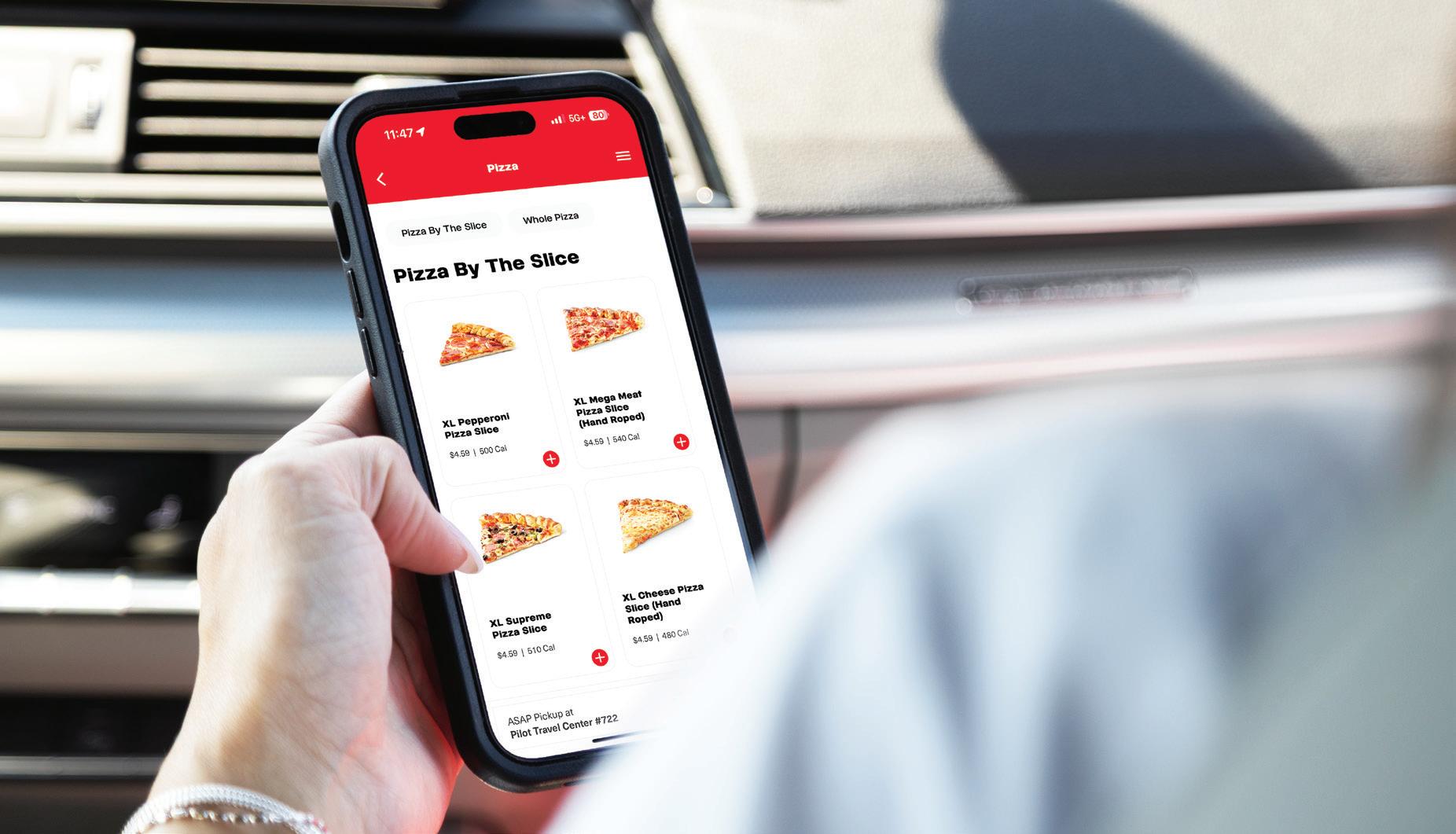
Pilot revamped its mobile app experience to give guests the ability to order ahead for pickup at a nearby location. The company also partnered with DoorDash, Grubhub and Uber Eats. These advancements allow Pilot to provide a flexbile, convenient ordering experience.
transactions to improved integration between in-store and digital touch points. For our team members, it simplifies operations by reducing system complexity and enabling more intuitive tools that support day-to-day workflows and reduce unnecessary tech-induced headaches,” said Dawson.
As Pilot looks to the second half of 2026 and beyond, it’s continuing to evolve its digital ecosystem through further enhancements to mobile ordering, expanded capabilities with the Pilot app and continued rollout of technologies supporting its EV charging network.
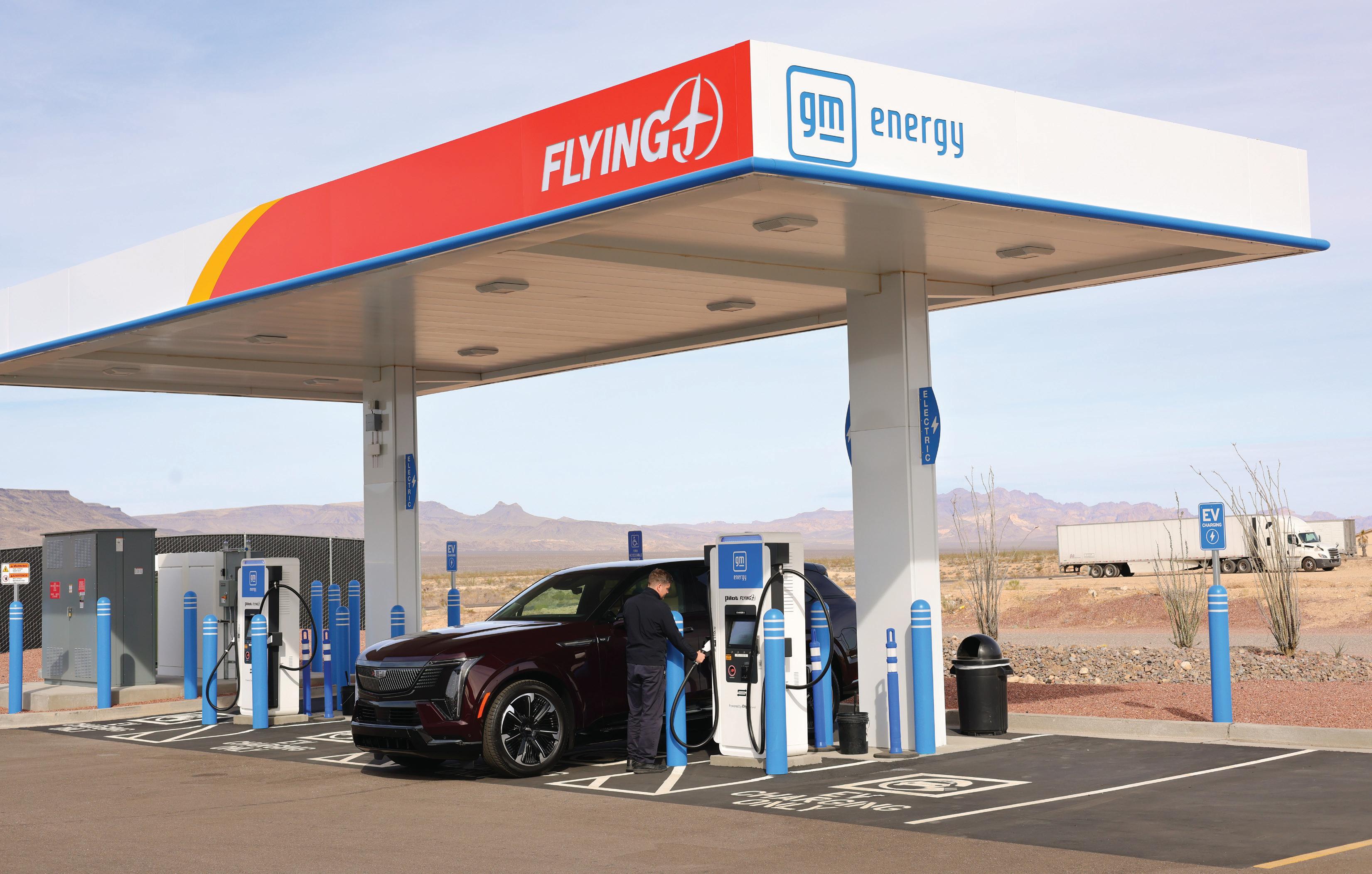
Pilot now has over 250 locations offering EV charging, most locations with four or more charging stalls.
“With our travel centers located just off major highways, our network enables longer road trips and helps relieve range anxiety for EV drivers,” said Dawson. “In addition to amenities like canopies, 24/7 monitoring and food on-site, our network consistently receives ratings over 9.4 on Plugshare.”
The travel center chain plans to expand coverage across key routes while maintaining charging speed, uptime and integration with its broader travel center network.
Outside of this, Pilot is focusing on creating tools to improve in-store operations, including inventory management capabilities and better food production planning systems to reduce waste. The
company also looks to improve upon tools to communicate with team members at travel centers to better forecasting, store operations and the overall customer experience.
Additionally, Pilot is integrating systems across the enterprise to improve data flow and decision-making.
“By connecting insights from across our network, we can better anticipate demand, optimize staffing and ensure product availability,” said Dawson.
Pilot sees technology becoming increasingly embedded across every aspect of the travel center experience.
“AI (artificial intelligence) and automation will play a significant role in enabling more predictive, responsive and valueadding systems,” said Dawson.
The chain’s teams are able to use AI to bring new features to market faster, and
Pilot can equip its corporate staff with AI assistance to help them perform their day-to-day tasks faster.
Out of all its tech investments, Pilot is seeing the strongest return on investment in customer satisfaction.
“Our goal is to make investments that reduce friction in the store, at the pump and online — then, we lean on the exceptional experiences that our team members provide, combined with amenities to meet the needs of all drivers,” said Dawson.
These investments create operational efficiencies, such as digital ordering, integrated systems and data-driven tools that reduce time on administrative tasks, that have not previously been realized.
“All these together are helping us redefine what guests should expect when they stop with us,” Dawson said. CSD
Krispy Krunchy Chicken’s new Cajun Chicken Sandwich is crafted with a wholemuscle, white meat chicken breast fillet that has been pre-marinated in the company’s proprietary blend of mild Cajun spices. It’s coated in the brand’s famous breading, topped with its signature honey sauce and two pickles, and served on a warm brioche bun. Designed for those on the go, this sandwich is a complement to Krispy Krunchy Chicken’s bone-in chicken and tenders, delivering the crispy, juicy and flavorful experience you expect from Krispy Krunchy at a great value.
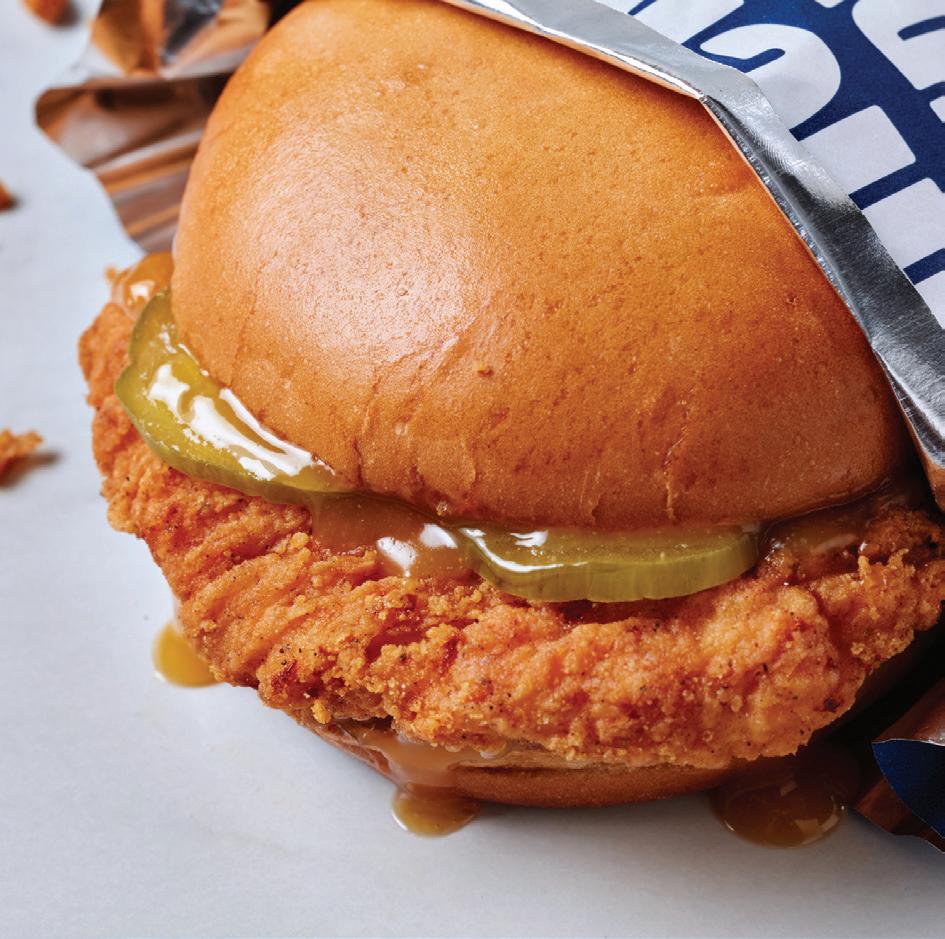
Krispy Krunchy Chicken www.krispykrunchy.com
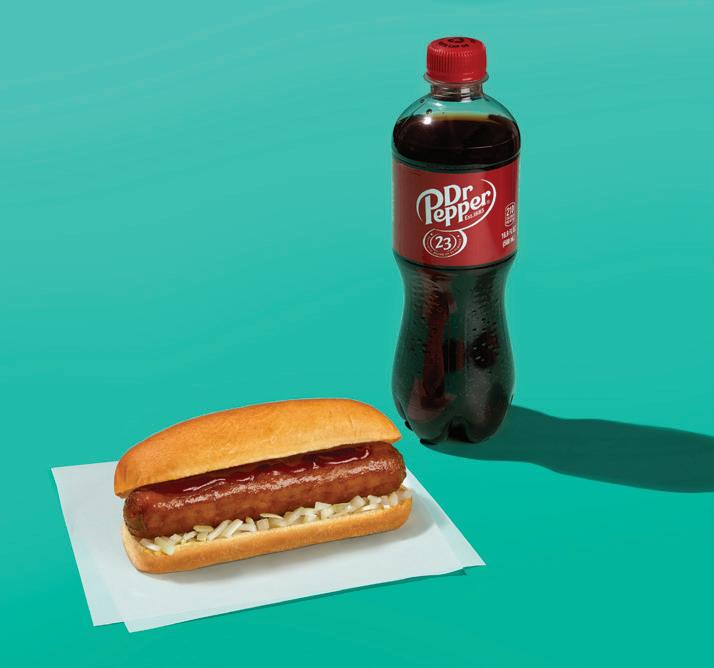
Developed in collaboration with Dr Pepper, the Johnsonville Dr Pepper Inspired Sausage takes inspiration from the soda’s long-standing role as a flavoring ingredient for meats, delivering a distinctive sweet-and-salty, or “swalty,” finish designed to stand out on the roller grill while pairing easily with classic c-store condiments and toppings. The sausage is available in both fully cooked and uncooked varieties.
Johnsonville LLC www.johnsonville.com
Keurig Dr Pepper www.keurigdrpepper.com
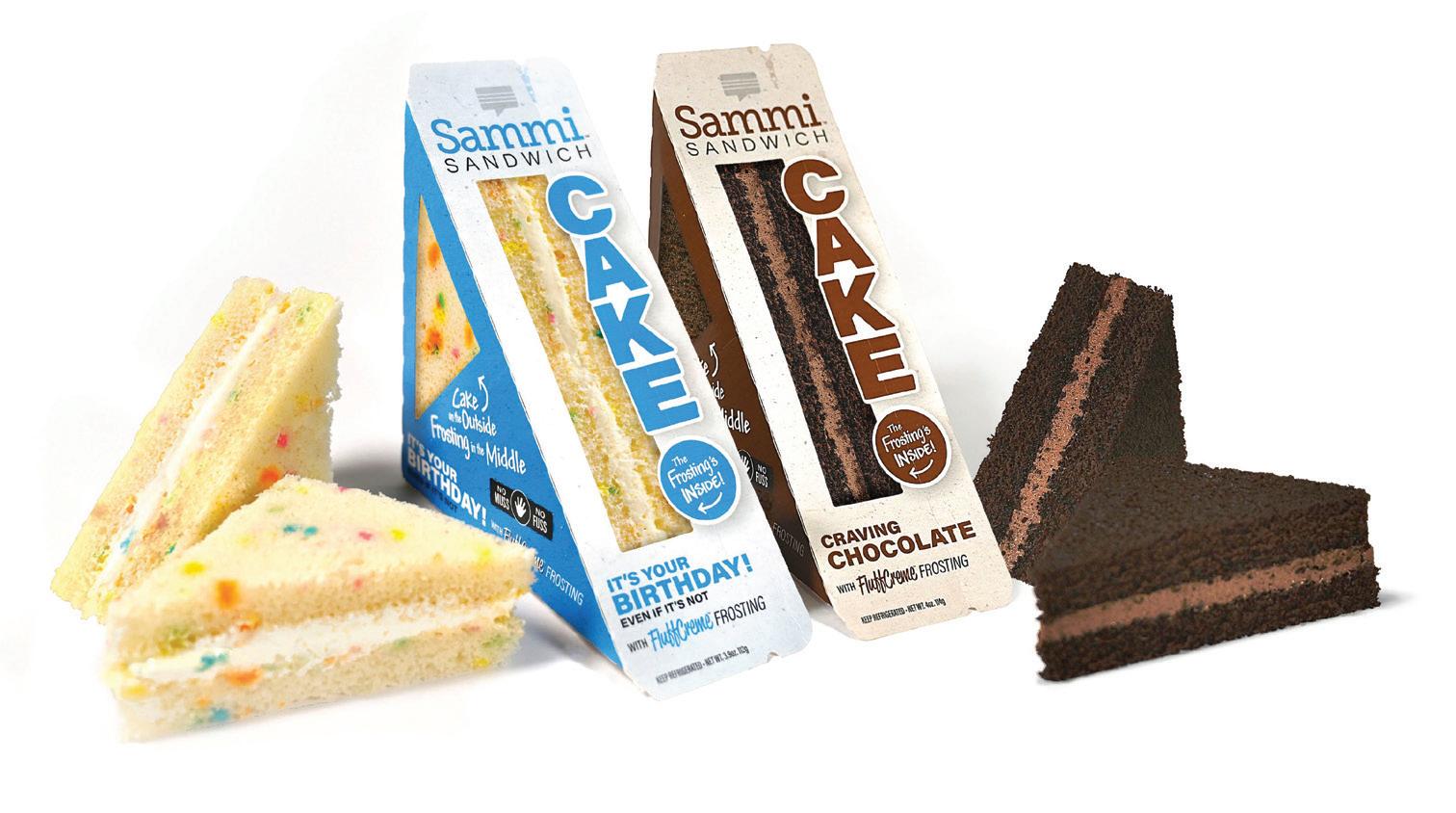
Sammi Cake brings a premium, indulgent twist to the grab-and-go sweet category with a refrigerated, handheld dessert designed for today’s on-the-go consumer. Combining real, bakery-style cake with a smooth, no-mess FluffCreme filling, Sammi Cake delivers a rich treat in a convenient single-serve format. Designed specifically for the cold case, Sammi Cake offers retailers a differentiated sweet snack with strong visual appeal and simple merchandising. Sammi currently offers two flavors: Birthday Confetti Cake and Craving Chocolate Cake, with additional flavors planned for future innovation.
Sammi www.grabasammi.com
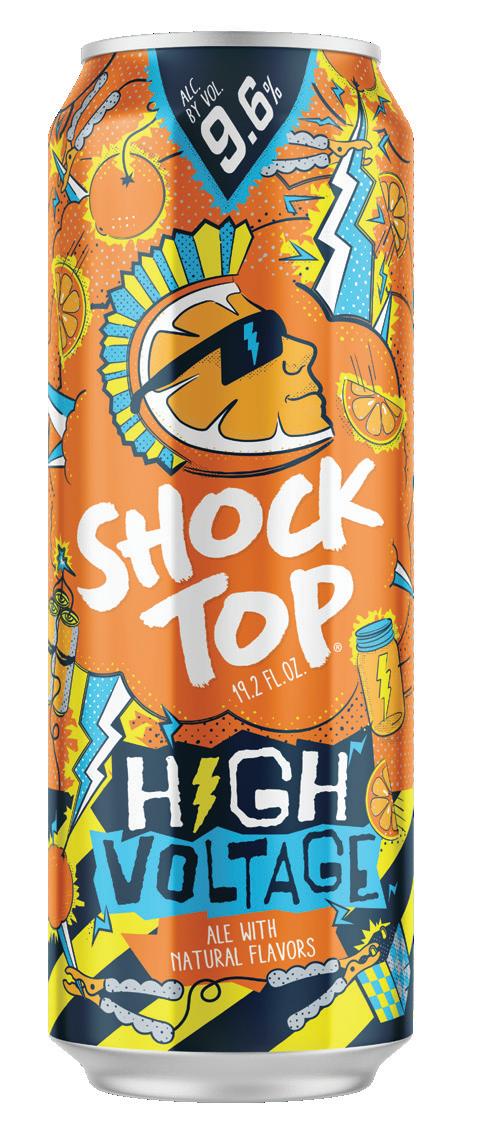
Shock Top announced its firstever high-ABV (alcohol by volume) double wheat beer. High Voltage delivers a shockwave of juicy orange flavor amped by bright citrus zest and a bold wheat backbone. This high-powered double wheat is brewed with real orange peel and orange puree. Bright notes of orange candy, zesty peel and a citrus pop hit first, riding atop a smooth wheat body and finish. At 9.6% ABV and offered in 19.2-ounce cans, the beverage is rolling out in stores nationwide starting at $2.99. High Voltage is debuting nationwide to both large-format and convenience stores beginning this month.
Tilray Brands Inc. www.Tilray.com
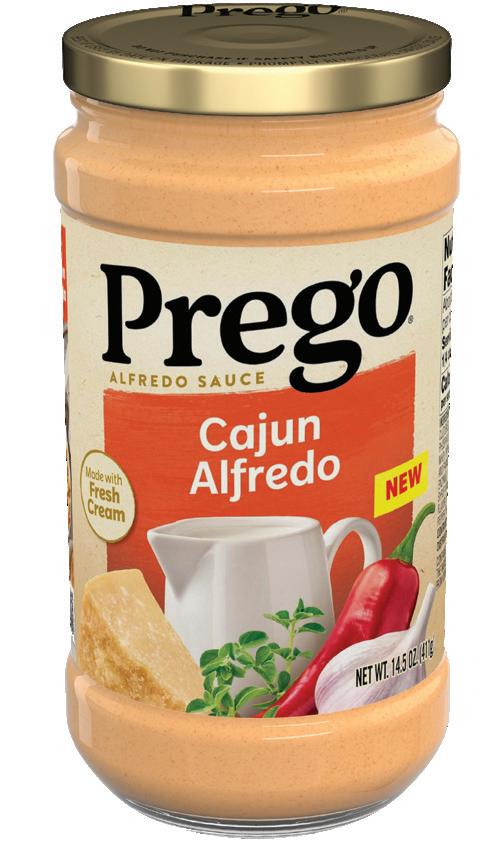
Prego has released three new sauces designed to provide consumers with more modern flavors. The Prego Lemon Alfredo Sauce is a bright, citrus-forward take on classic Alfredo. The Prego Cajun Alfredo Sauce is a bold, Cajun-inspired spice balanced with rich cream. The Prego Margherita Sauce, a first-ofits-kind pasta sauce, is a blend of flavors inspired by the taste profile of Margherita pizza.
The Campbell’s Co. www.campbells.com

Vital Proteins released Vital Proteins Collagen Sparkling Water, which delivers hydration with added beauty and wellness benefits. Vital Proteins Collagen Sparkling Water features a full serving of VERISOL collagen peptides, clinically shown to improve skin health by boosting skin elasticity and reducing fine lines and wrinkles. VERISOL collagen peptides also help support healthy hair and nails. Each 12-ounce can is packed with 100% of the daily value of vitamin C to support collagen production, immune health and radiantlooking skin, all with zero grams of sugar, no artificial sweeteners and 15 calories. It’s available in three bright, fruit-forward flavors — Strawberry Blossom, Lemon Lime and Blood Orange. This is available for a suggested price of $2.50 per 12-ounce can.
Vital Proteins www.vitalproteins.com


The Looey is a simple, fully mechanical foot pedal that lifts and slow-closes the toilet seat — no power, no sensors, no maintenance headaches. It retrofits to existing toilets in minutes and performs reliably in high-traffic environments. For operators, it’s more than a hygiene upgrade. Cleaner restrooms lead to better customer perception, fewer complaints, reduced labor time and stronger repeat business. The Looey helps turn one of the most overlooked pain points in the store into a competitive advantage.
The Looey www.thelooey.com

Ruiz Foods has released hot-case-ready treats, giving operators a simple solution to customer demand for desserts when on the go. El Monterey Sweet Mini Chimis feature a combination of flavors and cheesecake filling wrapped inside a sweet tortilla with three flavors available. S’mores Cheesecake is made with a filling of marshmallows and chocolate bits wrapped in a tortilla shell coated in graham cracker batter. Caramel Apple Cheesecake is a mix of sweet caramel, cinnamon apples and creamy cheesecake in a sweet tortilla. Raspberry Cheesecake has a raspberry filling inside a sweet tortilla.

Ruiz Foods www.ruizfoods.com
Dunkin’ has added to its lineup of ready-to-drink products with a new 15-ounce Dunkin’ Double product. Dunkin’ Double offers a double shot of espresso, real milk and cane sugar for an iced latte experience. Flavors include Original, Cafe Mocha and Salted Caramel. The recommended retail price for this drink is $3.26.
Dunkin’ www.dunkindonuts.com
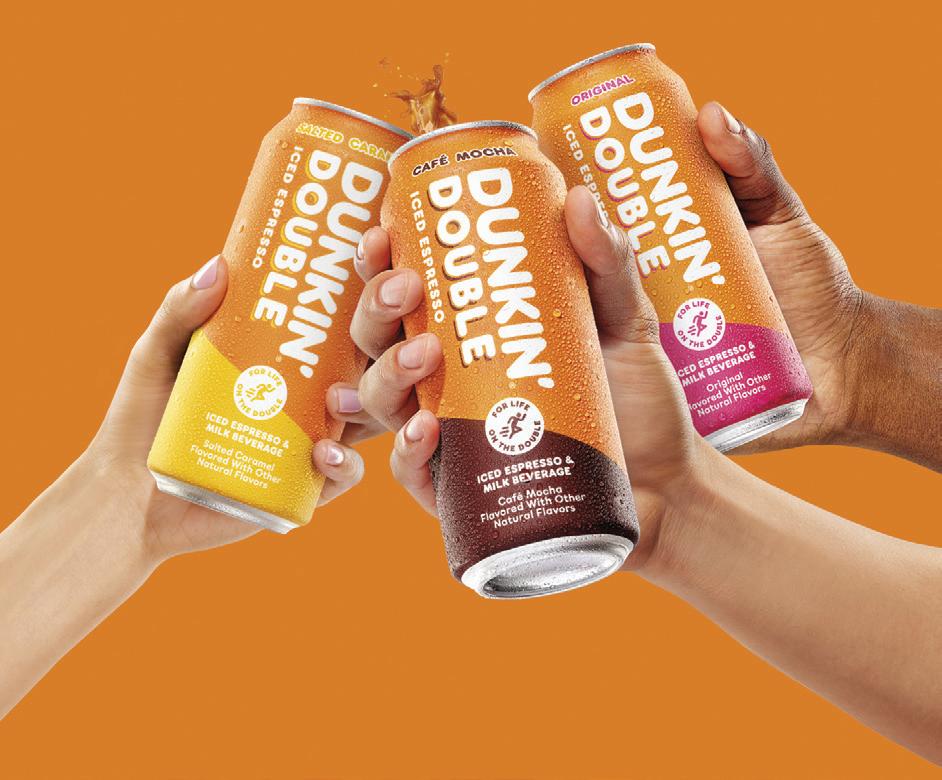
Eggo has partnered with Golding, a sauce and syrup manufacturer, to create a line of five versatile syrups consisting of Original, Buttery, Cinnamon, Blueberry and Sweet & Spicy. Every variety is thoughtfully crafted without high-fructose corn syrup, and select flavors are free from artificial flavors and artificial colors. All varieties come in convenient, easy-pour 24-ounce squeeze bottles with mess-free caps for easy drizzling.
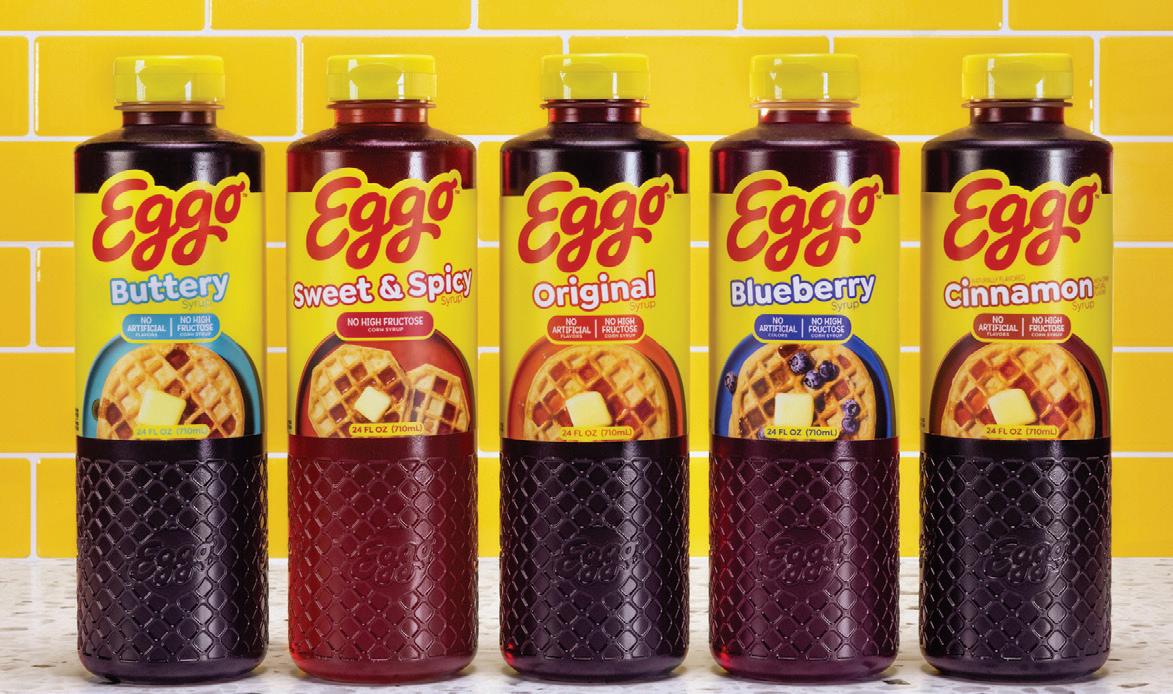
Mars www.mars.com
The McLane Co. released new innovations, including a Prendisimo Duo Slice Pizza and an expanded lineup of Central Eats ready-to-heat meals. The brand has expanded its retail foodservice offerings with new products to help convenience retailers drive sales, reduce waste and meet evolving consumer demand. The brand’s Duo Slice Pizza method reduces waste by eliminating the need to bake whole pies, allowing operators to bake two slices at a time. Additionally, the ready-to-heat meals are made with premium ingredients and chef-inspired recipes, delivering quality and flavor in safe, simple microwaveable packaging. Available meals include Chicken Parmesan with Spaghetti, Penne Alfredo with Chicken, Chicken Enchiladas with Cilantro Lime Rice and Firecracker Chicken with Vegetable Fried Rice.
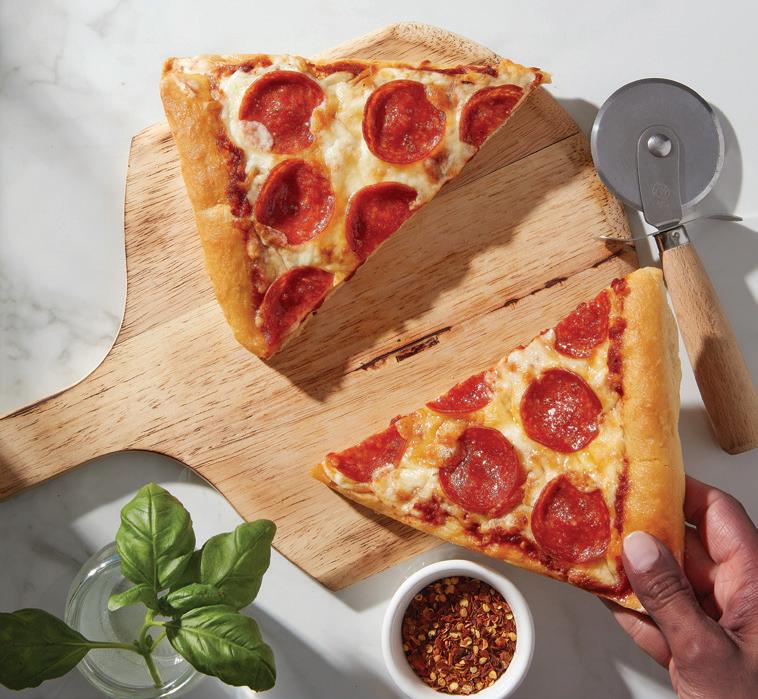
The McLane Co. www.mclaneco.com
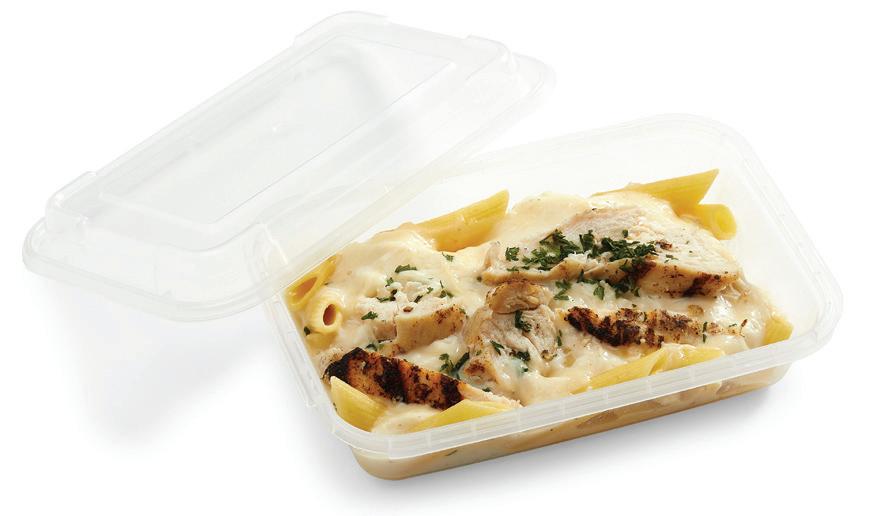
With the opening of its first c-store with a portable above-ground station, Major Oil implemented advanced technology solutions to stay ahead in the convenience retail landscape.
Emily Boes • Senior Editor
convenience store retailers a chance to reassess their in-store technology approach. Sometimes, sticking with familiar systems is the best move, and other times, retailers take the opportunity to introduce a new strategy or solution.
Major Itule, CEO of Major Oil, which just opened its first portable aboveground station (PAG) in April in Paron, Ark., researched the newest tech solutions available to c-store operators and is future proofing his chain with modern technology from the get-go.
Itule equipped the new store with a technology solution that provides pricebook, back office and much more, including electronic shelf labels, an artificial intelligence (AI) manager tool, a fuel pricing tool, fuel management and vision AI.
“I can measure human execution at scale. I can track conversation, service steps, front-line behavior, and this is like me being in the store. Eyeballs in the store. I can identify gaps in service, process adherence. I can detect missed greetings, skipped steps, compliance gaps, service breakdowns before they impact revenue and brand reputation,” said Itule.
The combination of the AI tools available to him allows Itule to better understand the store’s happenings without him being physically present.
“(The technology) also understands what customers are asking for, hesitate on, what they abandon. It shows us demand patterns that traditional systems miss. We can replace generic feedback with role-specific, moment-based
coaching insights tied to real customer interactions,” he continued.
Although this location isn’t fully autonomous, Itule plans to build these in the future, and he believes the AI being used in the Paron location will be especially valuable when these new stores open.
Itule’s incorporation of electronic shelf labels in the store allows him to adjust the prices of multiple products at once.
“I can make price changes on demand. That’s where a lot of profit gets lost, especially when you get into multiple stores. I can remove manual work with the digital shelf updates so I don’t have to pay labor to go out there and change all my prices. I can sit here from my computer in Colorado and change the price in the store on demand,” he said.
The store’s point-of-sale (POS) system comes with a mobile app, store loyalty, e-commerce and integration with DoorDash and Grubhub. Tobacco scan data and lottery programs are also built in. Additionally, the stores with employees and tills with cash will have a security feature built into them with a panic alarm.
“I can build an e-commerce website, and my customers locally can go on and

order what they want from my store and have it delivered through DoorDash and Grubhub. I’m making money. My store is already there. The equipment’s already there. I just put a tool into my customers’ hands where they can now get my products right there to them right now, so they don’t have to leave the house,” Itule said.
The Paron location was the first of Major Oil’s PAGs to open, but customers can expect to see additional locations, under the chain name Joltz, to open in 2026.
Within the next 90 days, the company will open its first truck stop portable above-ground station in Commerce City, Colo.
“This is the solution that fills up the driver side, the passenger side and the diesel exhaust fluid system from one fueling point without trenching underground to a satellite,” said Itule.
Over the next four to six months, the first PAG with a convenience store with Amazon Just Walk Out technology will be opening in North Carolina. The next six months will also see the company opening a PAG with the Just Walk Out technology in a container store.