Versatility



















Software Efficiencies


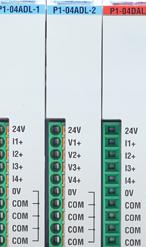
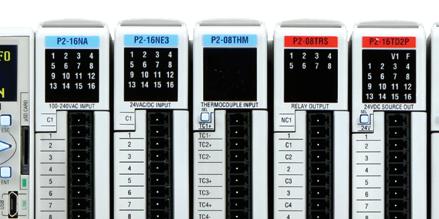
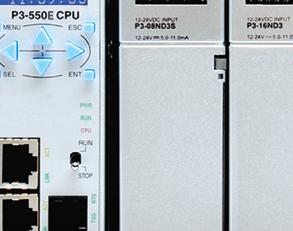
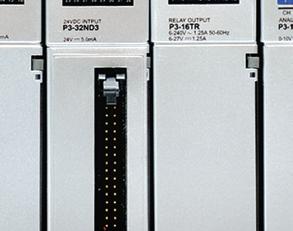
Hardware Versatility
PLCs starting at ONLY $123.00
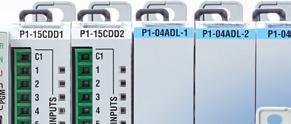
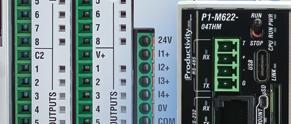
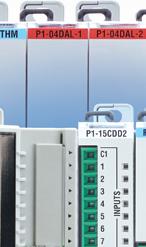
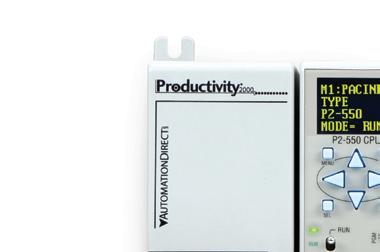
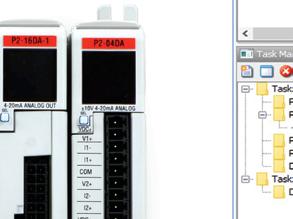
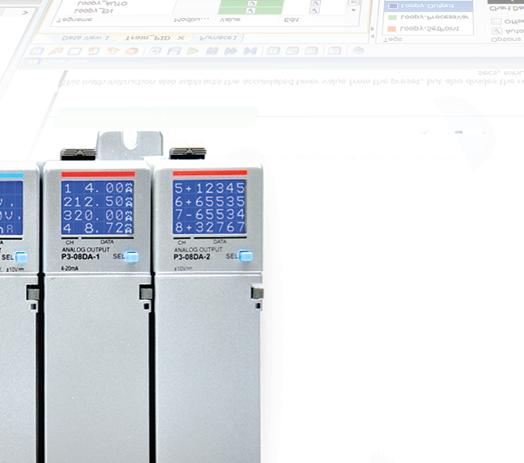
The Productivity family of PLCs offers three distinct series with rack-based and stackable hardware style choices. Each series offers different I/O capacities but all use the same programming software, allowing you to easily scale your control up or down depending on the application or machine build.
• The Productivity1000 series PLC is the super compact yet highly capable member of the Productivity controller family. This series is packed with numerous features including multiple communication ports, built-in data logging, and easy expansion, but is housed in a smaller, slimmer design.
• NEW! Productivity1000 Mini series PLCs are the first-ever standalone models for the Productivity family. These models combine a powerful CPU with analog or discrete I/O in a single unit, and with a $123.00 starting at price, they provide significant cost saving for any smaller project.
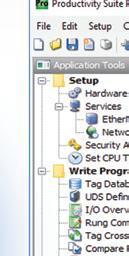
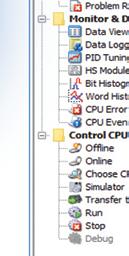
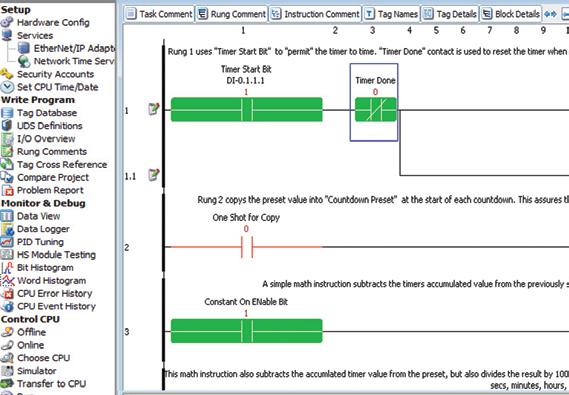
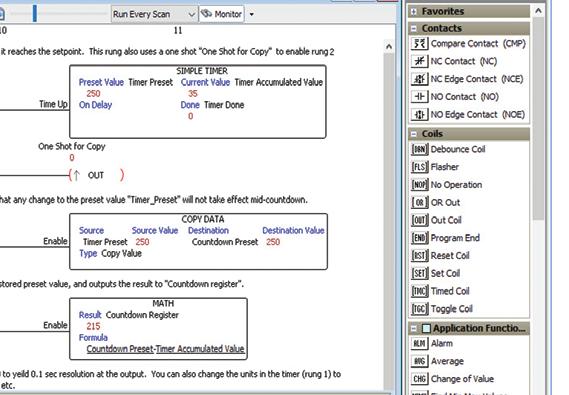
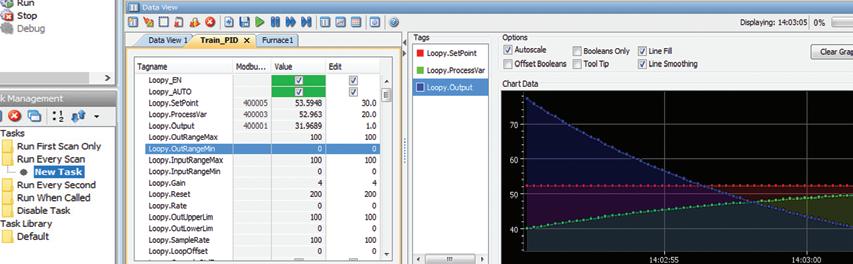
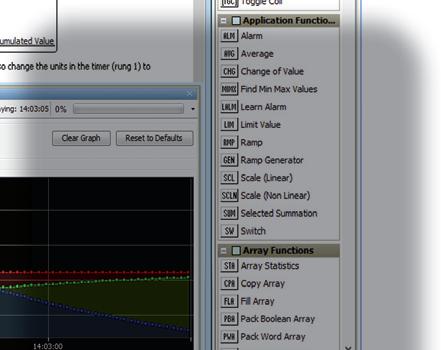
Productivity Suite is the FREE user-friendly programming software for the Productivity family of controllers. It is packed with tools designed to reduce development time and headaches. The NEW! User-Defined Instructions (UDIs) simplify programming, boost efficiency, and standardize logic. This powerful feature lets you package complex logic into a reusable block, making your code:

• Easier to Read: Your main program becomes cleaner and easier to follow.
• Faster to Develop: Drag and drop your custom instructions instead of copying and pasting code.
• Simpler to Maintain: Update your logic in one place, and the changes apply everywhere.
Understanding the Industry 5.0 Mindset

Stephanie Neil
Stephanie Neil VP, Editorial Director sneil@wtwhmedia.com
For the last decade (or more), the manufacturing industry has been adopting Industry 4.0 technology. A mashup of the Internet of Things (IoT), network connectivity, cloud computing, analytics, and 3D printing have formed the foundation of what’s been leading us toward widespread digital transformation.
It’s been the ultimate automation experiment. Especially when we started to add artificial intelligence (AI) into the mix.
But there’s always something right around the corner, and that something is Industry 5.0. In our feature story “Industry 5.0: The Human-Centric Shift,” contributing writer Kristin Lewotsky walks us through some of the cornerstones of the nextgeneration of automation where humanmachine collaboration takes center stage.
“Instead of replacing humans with machines, Industry 5.0 combines the best attributes of each to create an industrial operations model that is flexible, resilient, efficient, and sustainable,” Lewotsky writes. She outlines how robots, exoskeletons, and new language models will increase safety and productivity for the next-generation “super-worker.”
This story is a great look at the technology that will shape the future. What we don’t address, however, is the leadership required to successfully transition to Industry 5.0 — which involves rethinking entire processes, roles, incentives, and behaviors. (Maybe that’s a story for another time!)
It’s not rocket science — or is it?
So maybe Industry 5.0 isn’t rocket science, but we do have a story that is!
In our student spotlight, we introduce you to six students at the University of




Calgary who set out to study the potential of biofuel as a renewable alternative to traditional rocket fuels. Bio Rocket, which began as an engineering capstone project, is developing Proteus, Alberta’s first student-developed liquid-fueled rocket.
The team chose an AutomationDirect P1AM-200 ProductivityOpen Arduino-compatible controller for the ground test system controls. The ProductivityOpen platform is hardened into a form factor appropriate for industrial-grade use and is compatible with AutomationDirect Productivity1000 series expansion cards, supporting a variety of input (I/O) options, including thermocouple modules, relays, and analog inputs. This platform enabled the team to program within the Arduino integrated development environment using C++ rather than ladder logic, resulting in easy, flexible programming with quick iteration in a language students are more familiar with.
Jayden Sorensen, the Electrical Lead for the Bio Rocket team, is the author of this story — which you can find on page 4. Recently completing her bachelor’s degree in electrical engineering at the University of Calgary, Jayden is now serving as the Executive Director at the Western Canada Aerospace Initiative.
That’s not the only out-of-this-world story in this issue of NOTEBOOK as we cover modern motion control, EtherCAT communications, a look at some of the latest new products, and another Brainteaser to keep you entertained.
Enjoy!
Stephanie Neil


AutomationDirect
Brainwasher
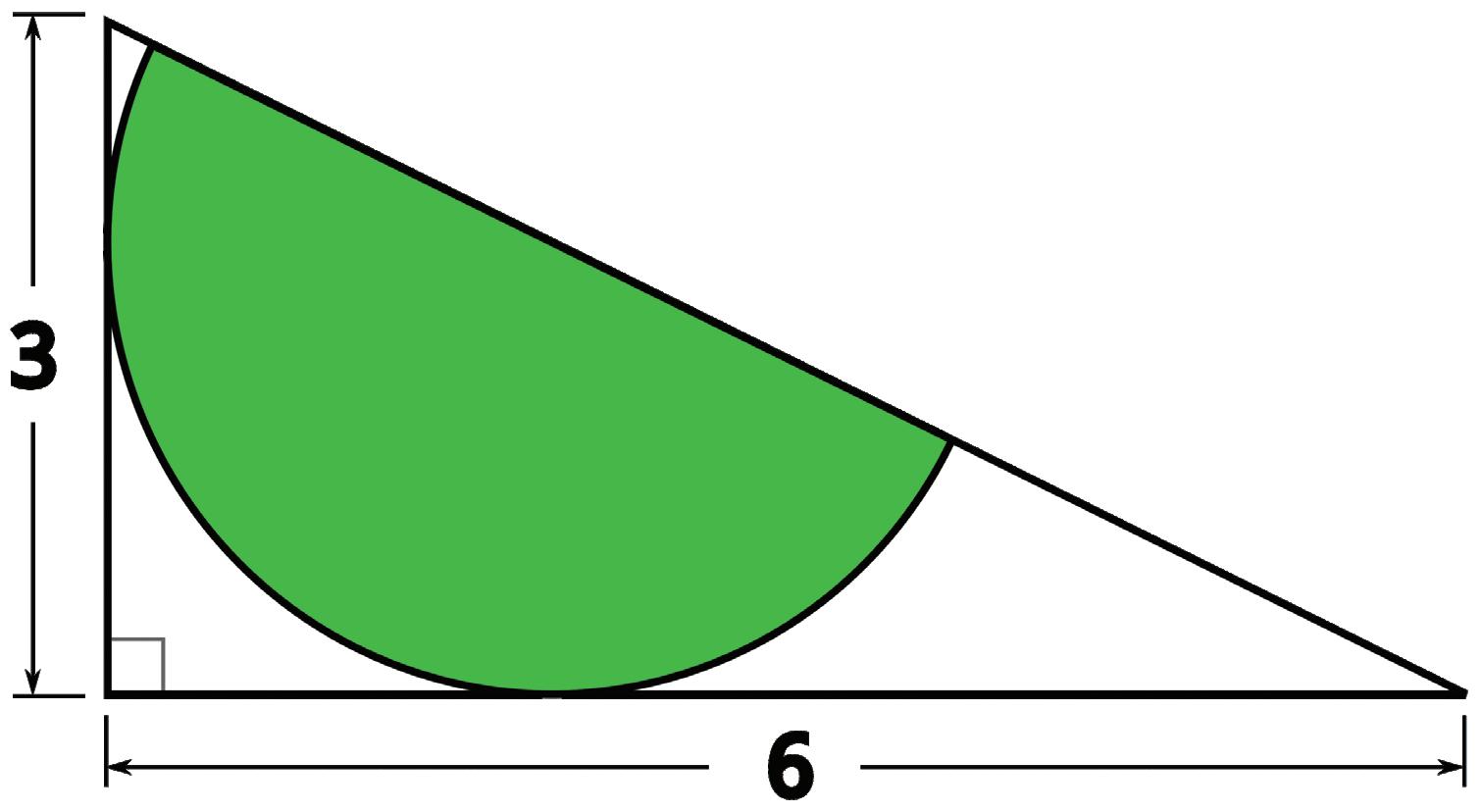
Find the areas of the two annuli (green shaded “washers”) in the figure below (hint: they have the same area).
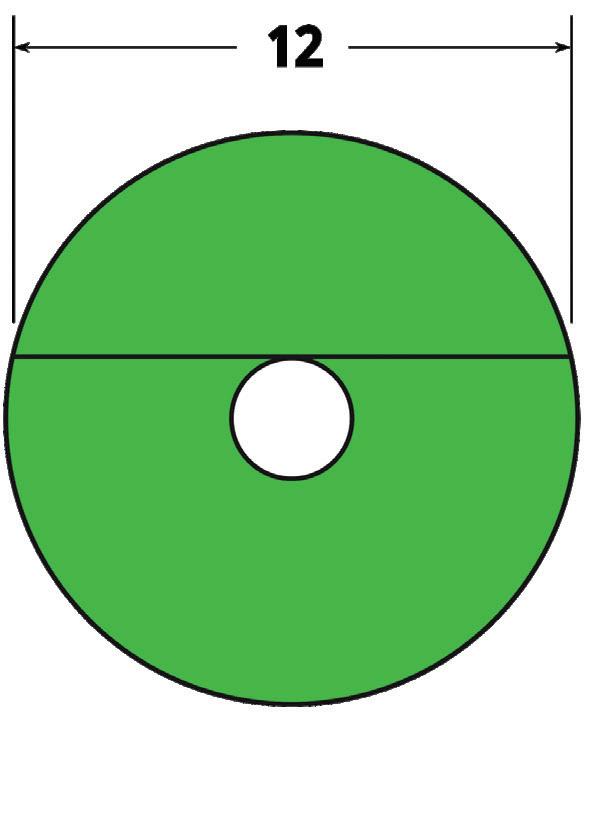
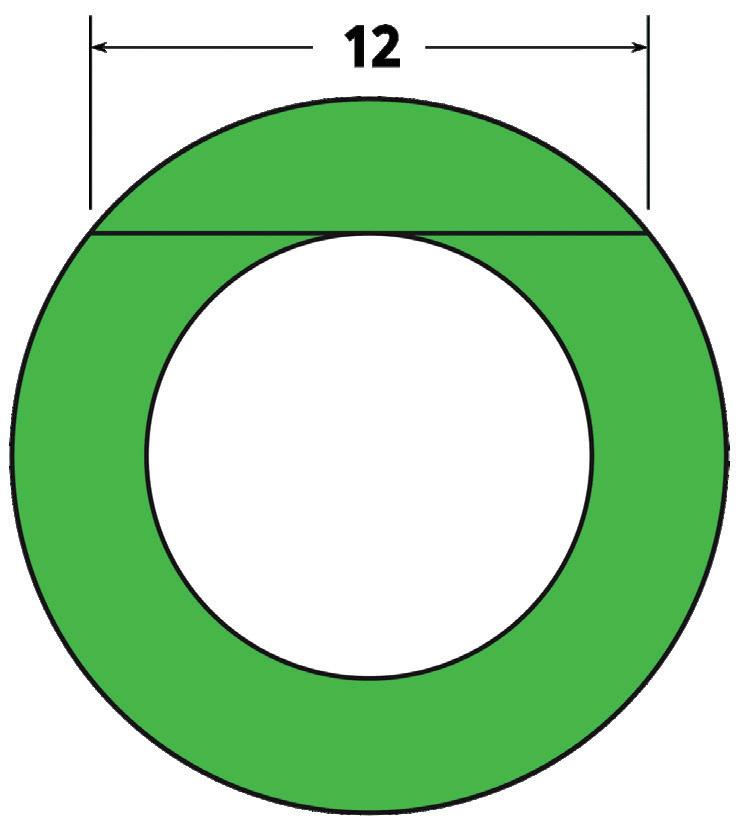
inside a right triangle as shown. What is the area of the semicircle?
Checkmate
Can you cut the pattern shown into exactly 2 pieces and reassemble them to make a standard 8-by-8 chessboard?
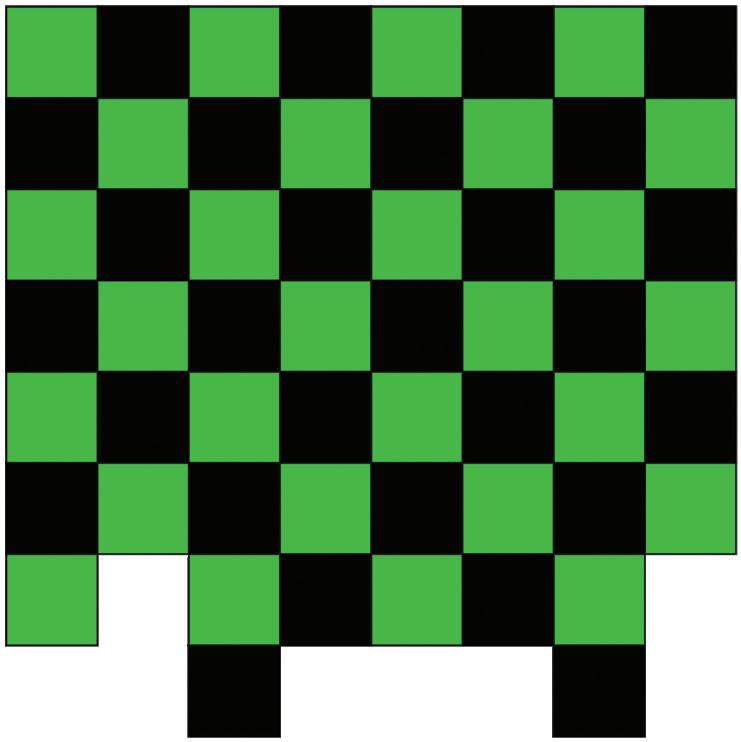
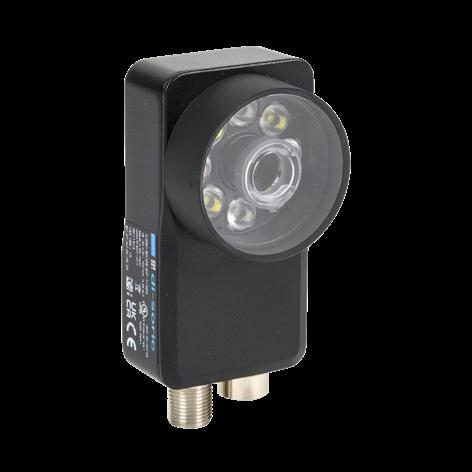
CHECKERED VISION? Need to detect a checkered pattern (or any high contrast edge) to improve your factory's processes? Check out these vision sensors from di-soric, Datalogic, and ifm effector: wtwh.me/visionsensors
EDITORIAL STAFF
VP, Editorial Director
Stephanie Neil sneil@wtwhmedia.com
COORDINATING EDITORS
Director of Marketing
Joan Welty AutomationDirect jwelty@automationdirect.com
Technical Marketer Bill Dehner AutomationDirect bdehner@automationdirect.com
Advertising Manager Tina Gable AutomationDirect tgable@automationdirect.com
Puzzle Master Chip McDaniel cmcdaniel@automationdirect.com
CREATIVE SERVICES
VP, Creative Director Matt Claney mclaney@wtwhmedia.com
Cover Artist Erika Kinney ekinney@automationdirect.com
CONTENT STUDIO
Director, Content Studio Courtney New cnew@wtwhmedia.com
AUTOMATION NOTEBOOK does not pass judgement on subjects of controversy nor enter into dispute with or between any individuals or organizations. AUTOMATION NOTEBOOK is also an independent forum for the expression of opinions relevant to industry issues. Letters to the editor and by-lined articles express the views of the author and not necessarily of the publisher or the publication. Every effort is made to provide accurate information; however, publisher assumes no responsibility for accuracy of submitted advertising and editorial information. Non-commissioned articles and news releases cannot be acknowledged. Unsolicited materials cannot be returned nor will this organization assume responsbility for their care.
Copyright© 2026, AutomationDirect.com Incorporated/All Rights Reserved. No part of this publication shall be copied, reproduced, or transmitted in any way without the prior, written consent of AutomationDirect.com Incorporated. AutomationDirect retains the exclusive rights to all information included in this document.
AutomationDirect 3505 Hutchinson Road Cumming, GA 30040
Ph: 800.633.0405 | 770.889.2858 FAX: 770.889.7896
4 Mission Control Built on an Industrial Foundation
These engineering students relied on an industry-proven automation platform and other products, to rapidly create a reliable rocketry ground test system. | STUDENT SPOTLIGHT |
20 Easy EtherCAT Connectivity
While PROFINET and EtherNet/ IP are among the most wellknown industrial Ethernet communication protocols in North America, there are compelling reasons to choose EtherCAT for your next motion control or automation design.
TECH BRIEFS | 22 Mixing
CUSTOMER APPLICATION
Dairy Feed with
Automation
Automating livestock feed mixing in an accessible way provides the ideal solution for dairy farmers.
Lights, Camera, Automation!
An automation upgrade allowed a professional summer stock theatre company to integrate its lighting systems, improving control while simplifying operations.
| NEW PRODUCTS

Mission Control Built on an Industrial Foundation
BY JAYDEN SORENSEN, ELECTRICAL LEAD
These engineering students relied on an industry-proven automation platform and other products, to rapidly create a reliable rocketry ground test system.
As rocket companies have advanced from using single-use, expendable rockets to now achieving landing and reuse of the vehicles, much of the cost of transporting people and payloads into space has shifted away from the hardware and toward the propellants fueling the engine. The increase in launches has correspondingly escalated demand for rocket fuel. In a time when regulatory and societal forces are moving away from petroleum-based fuel products, this pressure has opened the door for the exploration of more sustainable fuel sources for aerospace applications.
To address this, our team of 6 students at the University of Calgary set out to study the potential of biofuel as a renewable alternative to traditional rocket fuels. Bio Rocket, which began as an engineering
capstone project, is developing Proteus, Alberta’s first student-developed liquidfueled rocket. The goal was to design and build the rocket, as well as the supporting testing and ground control infrastructure, both to assess the performance of bioethanol as a fuel and to gain hands-on technical experience far beyond what’s possible in the classroom, helping team members gain skills that are urgently needed in Canada’s growing aerospace sector (Figure 1).
As a student team, Bio Rocket is primarily reliant on industry support and sponsorship to achieve project goals. The endeavor began in September 2024 and was to last just 8 months, so the small team realized that achieving such a short development timeline would require prioritizing readily accessible and industryproven components wherever possible.
All figures courtesy of Bio Rocket

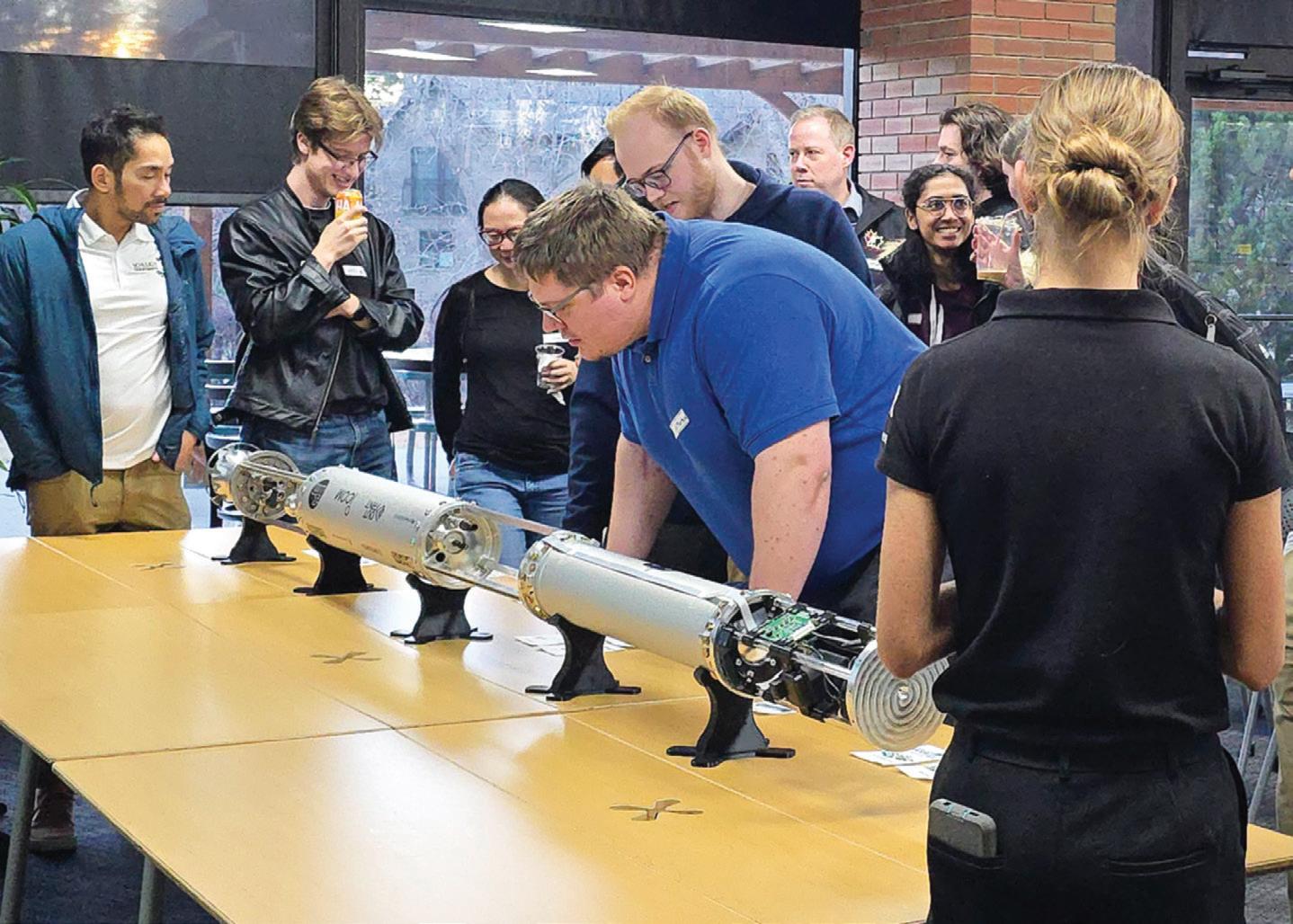
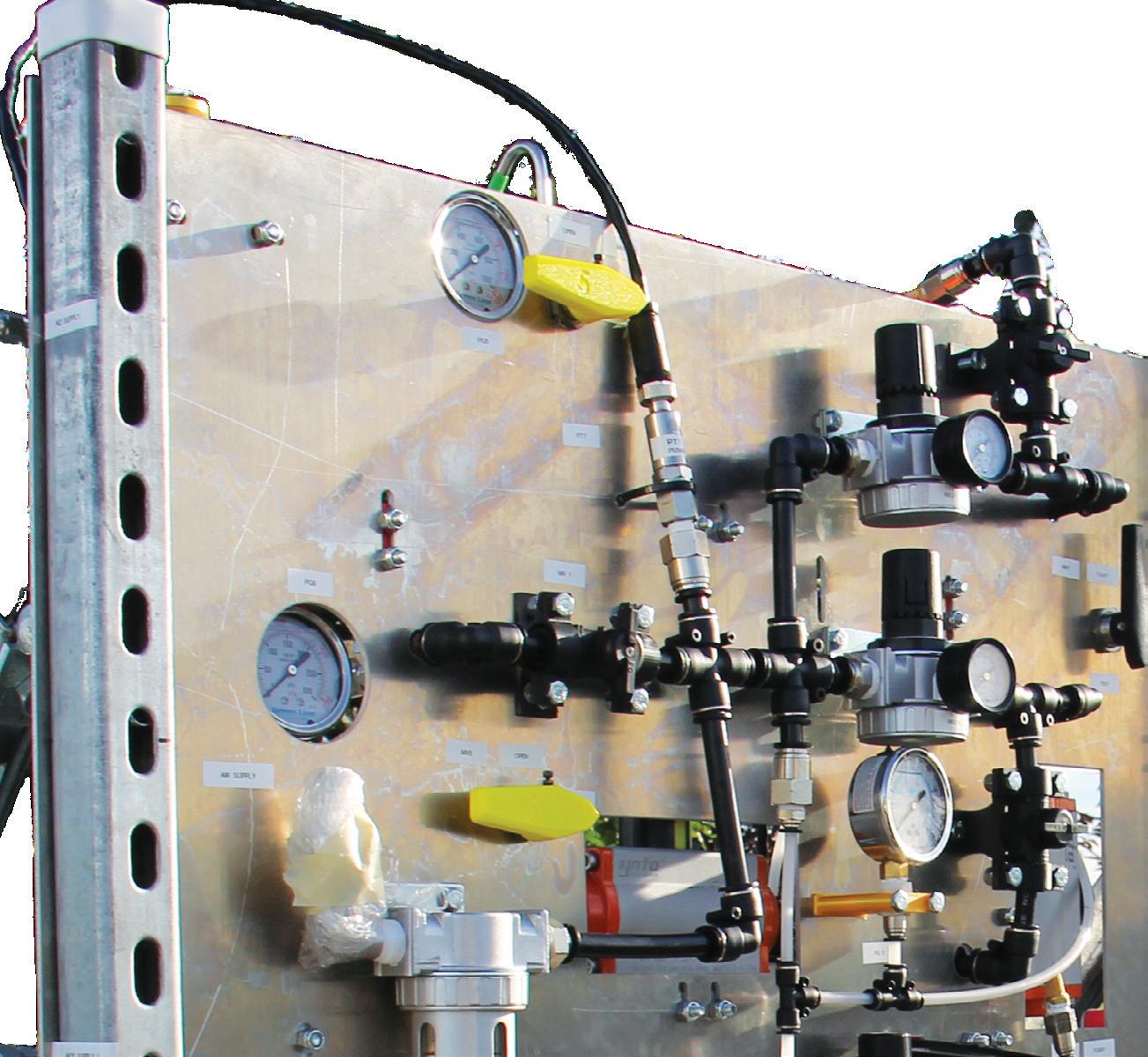
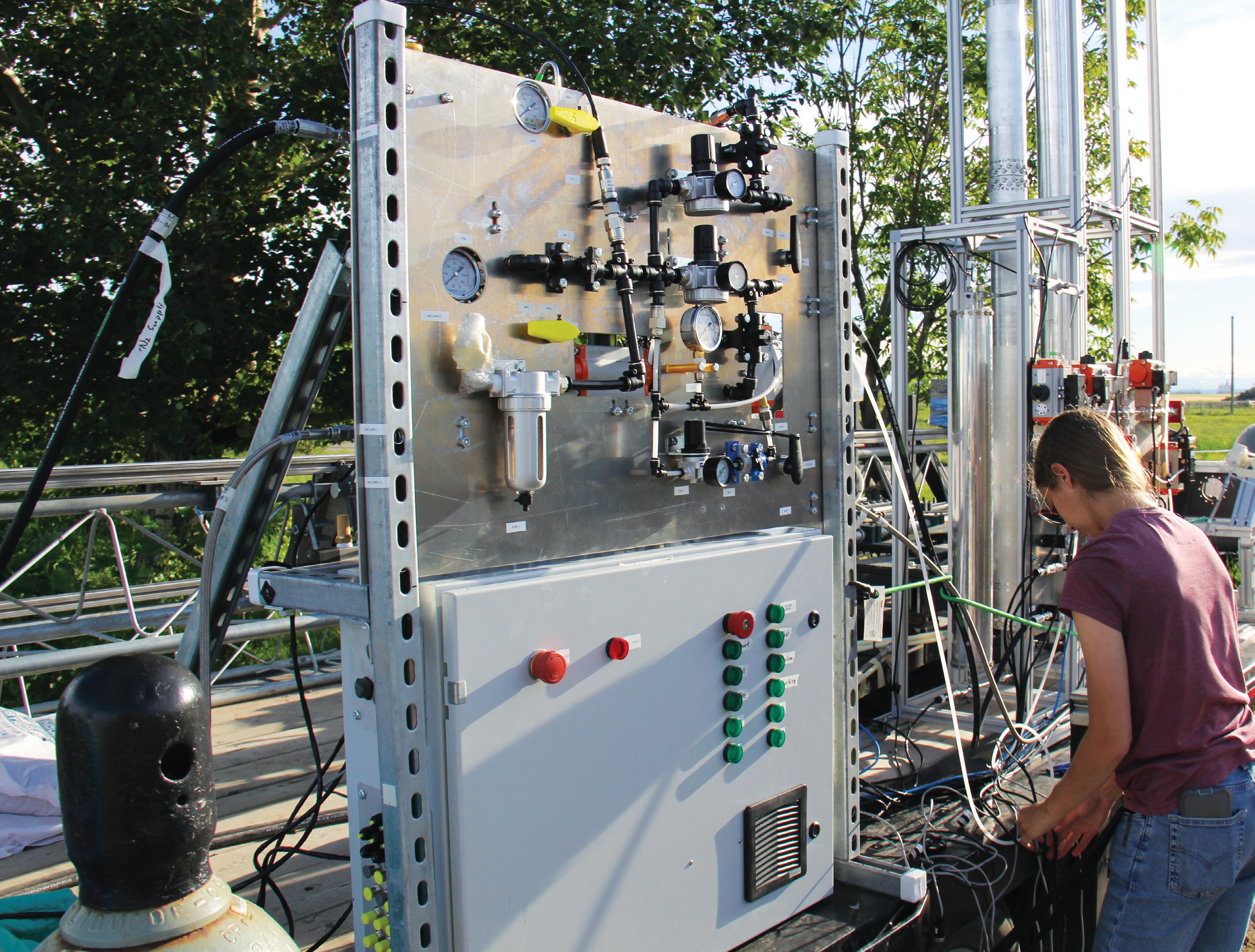
Figure 1: The Bio Rocket team developed this ground test system to support their Proteus rocket, relying heavily on industry-proven automation and other components to create the mobile, modular, and scalable solution.
Where mechanics meet controls
Proteus weighs in at 123 lb (56 kg) and is 14 ft (4.3 m) tall, with a diameter of 6 in (15.2 cm). It is designed to reach an altitude of 10,000 ft (3048 m) while reaching a top speed of Mach 1 (1235 km/h), before being safely recovered by a dual-deployment parachute system. The rocket will be fueled and launched from the mobile ground test system.
Mechanically, the team’s requirements were captured through piping and instrumentation diagrams (P&IDs)—much like an industrial manufacturing process— which provided the necessary definition to develop control sequence requirements for the automation platform. Designing a rocket is, by itself, a huge undertaking—it literally is rocket science—but the technical challenges go beyond the rocket alone. To
accomplish the mission, a battery of tests would need to be conducted using the ground test system, to fully characterize the performance of the engine and provide ground-based support for flight operations. A test system for automating the high-pressure fluid system and logging data was needed.
The test system would need to be flexible and extensible to adapt to evolving system requirements. It would control around two dozen actuators and receive data from dozens of sensors including pressure transducers, thermocouples, and load cells. While all of this was to be remotely operated from over 1 km away, safety was still of critical importance and would require visible safeguards to be in place such as a keyed lockout, an emergency stop, system power indication, and state indicator lights.
Agile automation hardware supports rapid development
A programmable logic controller (PLC), commonly used for demanding industrial operational technology (OT) applications, was the clear choice for handling the necessary automation tasks, because it allows for easy scaling, such as the addition of sensors or actuators, for each design iteration while providing reliable, deterministic sequencing. Some team members were already familiar with PLCs, however no one was an expert in classic ladder logic programming, so an option using more contemporary information technology (IT) languages was preferred.
After some investigation, the team chose an AutomationDirect P1AM-200 ProductivityOpen Arduino-compatible controller for the ground test system controls. While it would be tempting to use an inexpensive hobbyist-grade microcontroller, that would not be the right answer for such a demanding application. The ProductivityOpen platform is hardened into a form factor appropriate for industrial-grade use. Moreover, this controller is compatible with robust and proven AutomationDirect Productivity1000 series expansion cards, supporting a huge variety of input (I/O) options, including thermocouple modules, relays, and analog inputs. Even with this industrial pedigree, this platform enabled the team to program within the Arduino integrated development environment using C++ rather than ladder logic, resulting in easy, flexible programming with quick iteration in a language with which students are more readily familiar (Figure 2). >>
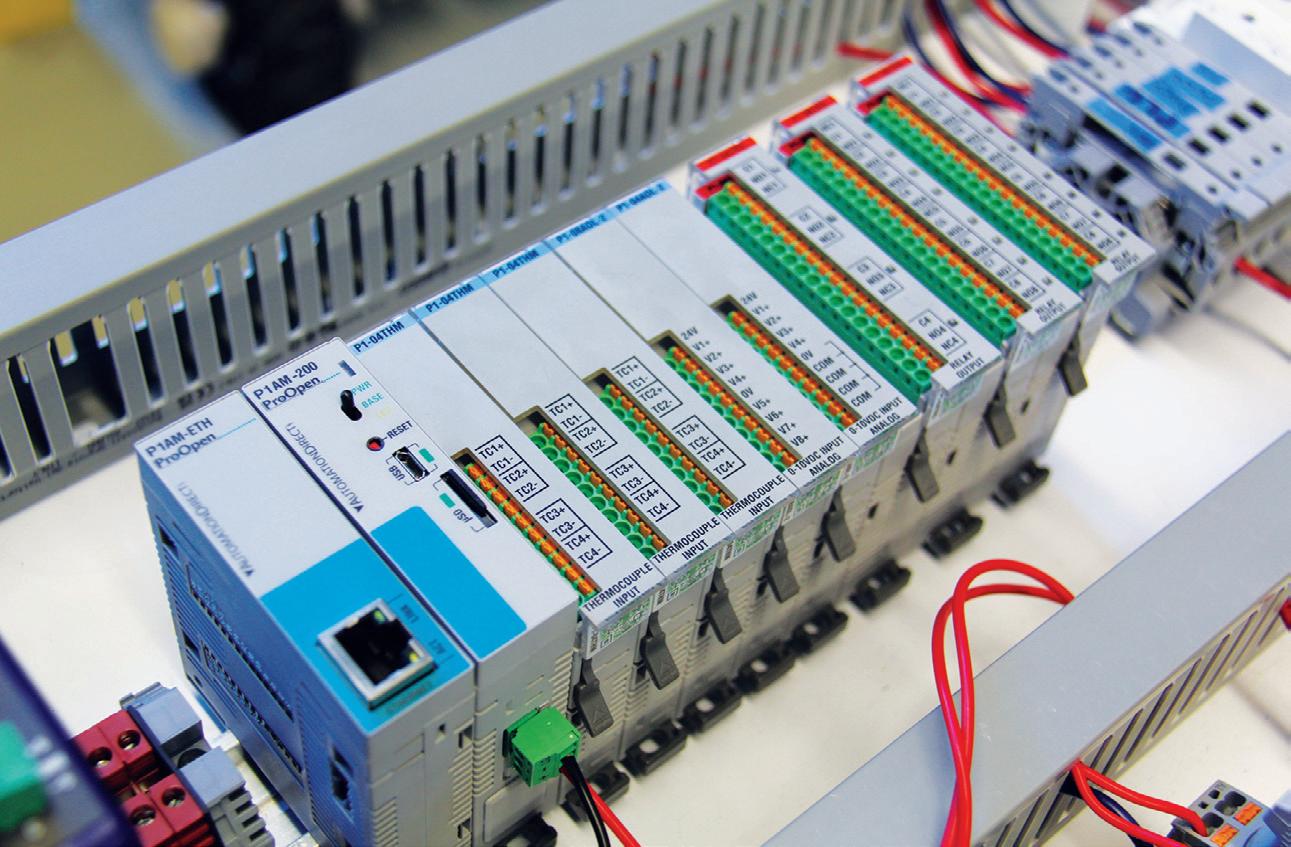
Figure 2: With the ability for team members to program in familiar programming languages such as C++, the AutomationDirect ProductivityOpen Arduinocompatible controller—paired with industry proven Productivity1000 I/O modules—provided a reliable and easy-to-use solution for automating the ground test system.
Free Online PLC Training No purchase neccesary
Over the years, we have seen the demand for PLC training grow exponentially not just with our customers but with the public at large. In order to meet this demand, we have removed the purchase restriction from our online PLC training program, allowing access to anyone interested in learning about industrial controllers.
This completely free online PLC training course is available 24/7 so you can learn at your pace and at your convenience. To access the training or learn more about what is provided, follow the link below. No time or viewing limitations.
http://go2adc.com/training


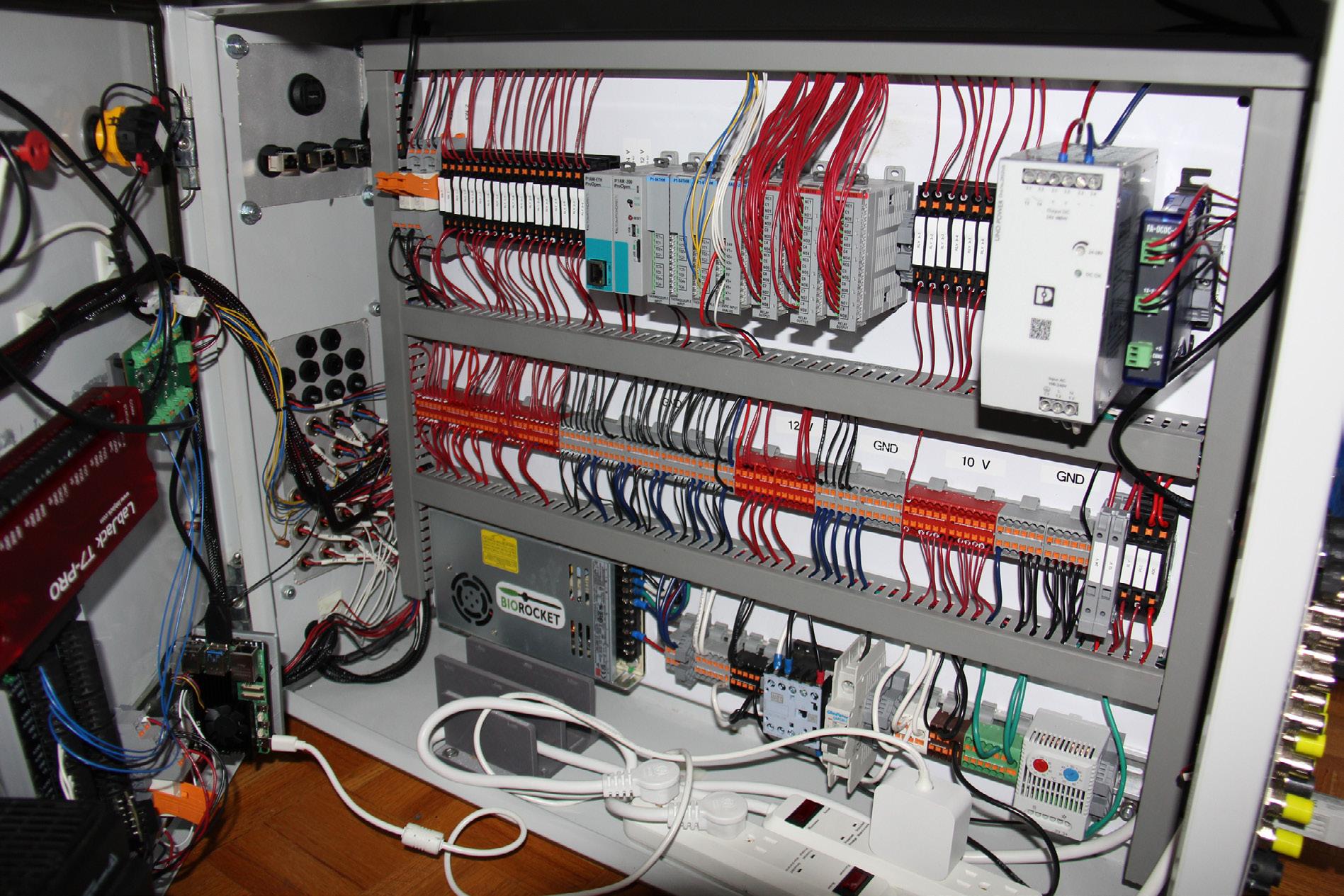
In addition to the PLC and I/O modules, the team sourced a number of other components from AutomationDirect’s wide range of products, including power supplies, wiring and connection solutions, and PLC accessories (terminal blocks, fuse holders, buttons, LED indicators, and wire duct) critical for designing and building the control panel (Figure 3).
Overall, the system drives over 20 solenoids (to operate valves on the ground test system) using relay outputs, with some interposing relays. Analog inputs and thermocouple modules are connected to field instruments to read pressures, temperatures, and mass during operation. Some of the automation is simply remote control initiated by the users. But the most critical sequences are automated completely in the PLC with appropriate interlocks.
Team members found the automation platform easy to learn, especially because there were ample documentation and informational videos available from the supplier website. They had the same experience applying instruments and control panel hardware to build the system. As the system requirements
Figure 3: The Bio Rocket team relied heavily on a wide variety of automation products sourced from AutomationDirect, not only for the PLC-based control panel shown here but also for other field instrumentation and wiring devices.
evolved, the team was able to order new modules and additional components with lead times of only a few days, critical to keeping pace with the project. The team immensely valued AutomationDirect’s extensive catalog, easy online ordering with clear indications of stocking levels, and quick shipping to Canada.
Commissioning under control
The Proteus ground test system is designed as a modular, portable platform mounted on a trailer. This approach lets the team test wherever facilities are available and keeps the electrical system organized as a single unit consisting of the control panel, power distribution, instrumentation, and the interfaces needed for the ground test system. Trailer operations are supported with generators, including a smaller inverterbased generator dedicated to the controller and control electronics, and a mobile air compressor for pneumatic actuators.
For measurements that require higher sampling rates, the team uses a separate data acquisition (DAQ) module. A Raspberry Pi hosts the backend software and database used for logging and processing sensor data, and it communicates with the PLC over Ethernet, acting as a client while the PLC exposes a server interface for command and telemetry exchange.
At mission control, operators access a web-based graphical interface hosted on a laptop, which connects to the Raspberry
Pi over the same Ethernet network. This interface provides real-time monitoring and command capability, allowing the team to maintain situational awareness and control the ground test system remotely. In addition to sensor telemetry, live camera feeds are streamed to mission control, providing visual confirmation of system status during operations.
A rocket test system cannot be commissioned in a single leap. The team validated the system through incremental testing and verification. Dry testing validated wiring, logic, and basic sequencing. Wet testing rehearsals then assessed valve behavior and sensor response under fluid flow without committing to full engine operations. As the campaign progressed, the same control platform supported static firing and component qualification work.
Carrying momentum beyond the capstone
The project began in September 2024 and won 1st place at the Schulich School of Engineering Design Fair in April 2025. By August 2025, the team had completed the first static fire test of a student-developed liquid rocket engine in Alberta (Figure 4). In doing this, Bio Rocket has completed the fastest development of a liquid rocket engine in Canada.
Over the course of the summer test campaign, the ground test system controls were tested and proven through several high-pressure leak checks, multiple engine tests, and several valve qualification tests. The use of AutomationDirect’s components enabled the team to realize the adaptable and reliable system they set out to build within the project’s aggressive timeline. The team was grateful for the user experience at AutomationDirect.
Proteus may have begun as a capstone project for an engineering program, but the project kept evolving. Now, the longer-term goal is to keep the project alive and continue pursuing the promise of a sustainably fueled rocket engine. Currently, the Bio Rocket project is transitioning to become a non-profit organization, the
Western Canada Aerospace Initiative, dedicated to expanding aerospace innovation across Western Canada.
The Bio Rocket team has already identified several features they would like to include in future versions of the ground test system, including more sensors and real-time valve state feedback to allow for better control and monitoring of the system. Additionally, they would like to explore greater automation of componentlevel testing and manufacturing activities, and incorporate other automation, mechanical, and motion products offered by AutomationDirect. By leveraging AutomationDirect’s selection of tools and components, the team is confident that their system will be easily expanded upon to meet future needs with minimal development time. The target for a full launch of Proteus is summer of 2027.
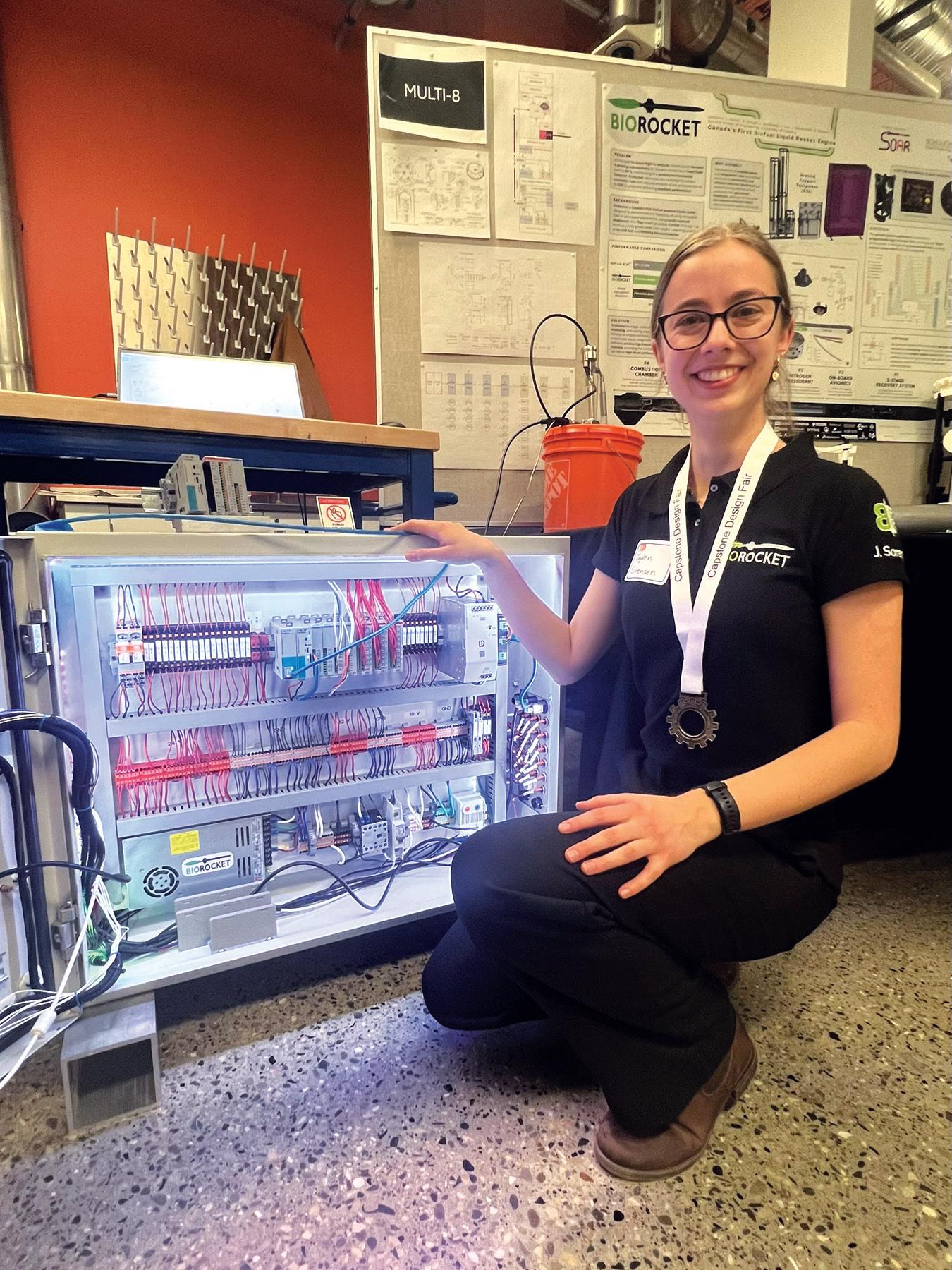
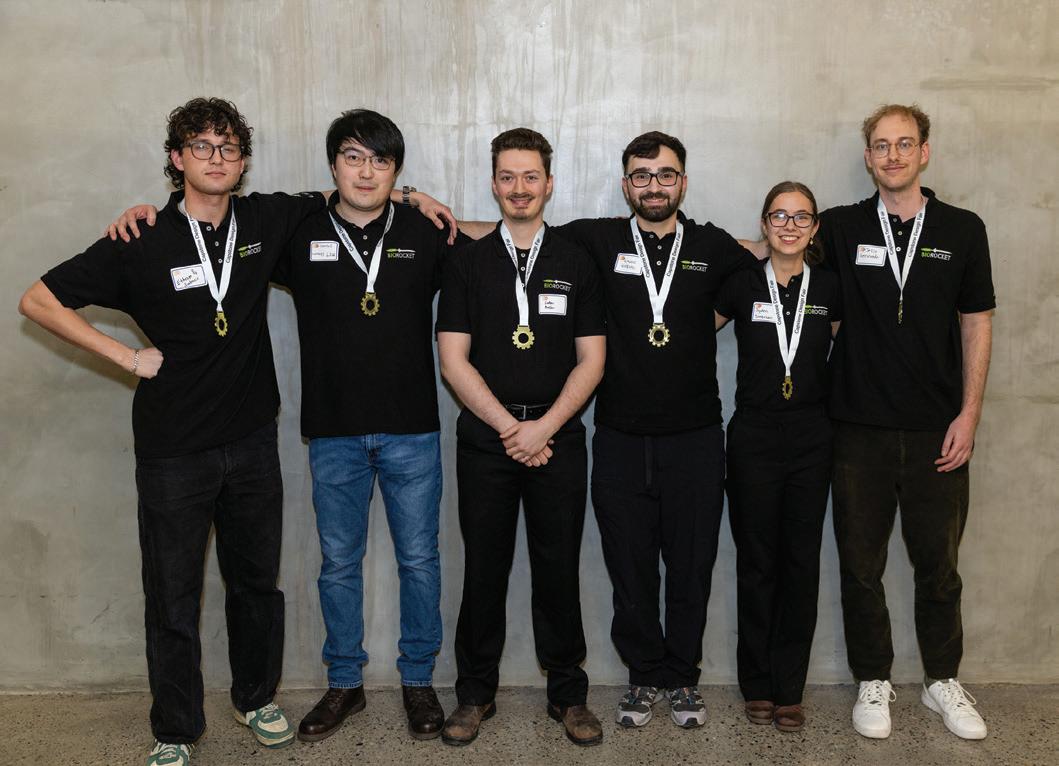
Jayden Sorensen, the Electrical Lead for the Bio Rocket team, recently completed her bachelor’s degree in electrical engineering at the University of Calgary and is now serving as the Executive Director at the Western Canada Aerospace Initiative. She and the other student team members (Figure 5), are currently transitioning their project into a nonprofit organization to formalize continuity, improve knowledge transfer, and pursue grants so future cohorts can build on what has already been proven.
4: Jayden Sorensen with the Bio Rocket controls cabinet, having won 1st place at the Schulich School of Engineering Design Fair.
5: The Bio Rocket team: (from left to right) Ethan Subasic, Xuhui Liu, Lukas Kobler, Rimoon Koryal, Jayden Sorensen, and Jesse Gerbrandt.
Figure
Figure
Tech Advancements Make Motion Control More
Modern servo and stepper motors and drives — combined with innovations in controllers, communications, and software — have simplified motion control integration and multiplied the possibilities for applying these technologies.
BY JOE KIMBRELL, AUTOMATIONDIRECT
arly motion control applications developed a (mostly) well-deserved reputation for requiring costly and esoteric components and technologies that are complex to design, install, configure, and maintain. While the subject of motion control may suggest elaborate robotics systems, the fact is that there are many commonplace applications where high-precision control of electricallydriven motors provides an exceptional advantage, but only if the expense and difficulty associated with traditional approaches can be overcome.
In recent years, the field of industrial motion control has undergone a dramatic transformation on several fronts. Servo motors, drives, and controllers have decreased in price, while gaining processing
capabilities that ease configuration. Stepper motors and associated components, which are lower-priced than servos, have improved and can effectively work in many applications formerly limited to servos. Finally, Ethernet-based communications media and protocols have streamlined installations and usability. Technologies once requiring deep expertise in many areas of automation have now moved out of the domain of specialists and are widely accessible to designers and engineers across all industries. This article discusses some advancements that are empowering end users, systems integrators, and original equipment manufacturers to apply reliable and cost-effective motion control for their projects and products. >>

Legacy motion control
Typical motion control implementations incorporate one or more servo motors, each powered by its own servo drive. Encoders located on each motor, and often on other portions of the driven equipment, provide feedback. A supervisory motion controller connects with all these elements to monitor and command operation with high-speed and high-accuracy closed-loop control of position, velocity, and torque, according to a software program.
Pre-1980s implementations were hardwired and analog, driving up the design effort and complicating installation, not to mention introducing a greater risk of wiring errors and post-commissioning problems. The possibility of encountering issues also increased as applications scaled to more than just a few related motors. Furthermore, hardwired systems tend to hinder subsequent upgrade and modification efforts.
The development of a standardized serial real-time communication system (SERCOS) interface, released in the early 1990s and improved thereafter, provided a digital connectivity option promising better overall performance. By replacing pulse/frequency signals with digital communications it became possible to transfer extended command information to the servo and return a lot more feedback/ status information back to the controller. Digital-based motion control connectivity was especially beneficial for large-scale
installations with many motors — often dozens of them — working in concert, such as for a printing/packaging line. However, implementing motion control remained a bit of a specialized endeavor.
Modern motion control
In the years since digital-based controllers and communications were first introduced for motion control applications, additional technology improvements have made motion control more economical and mainstream. Following are a few examples.
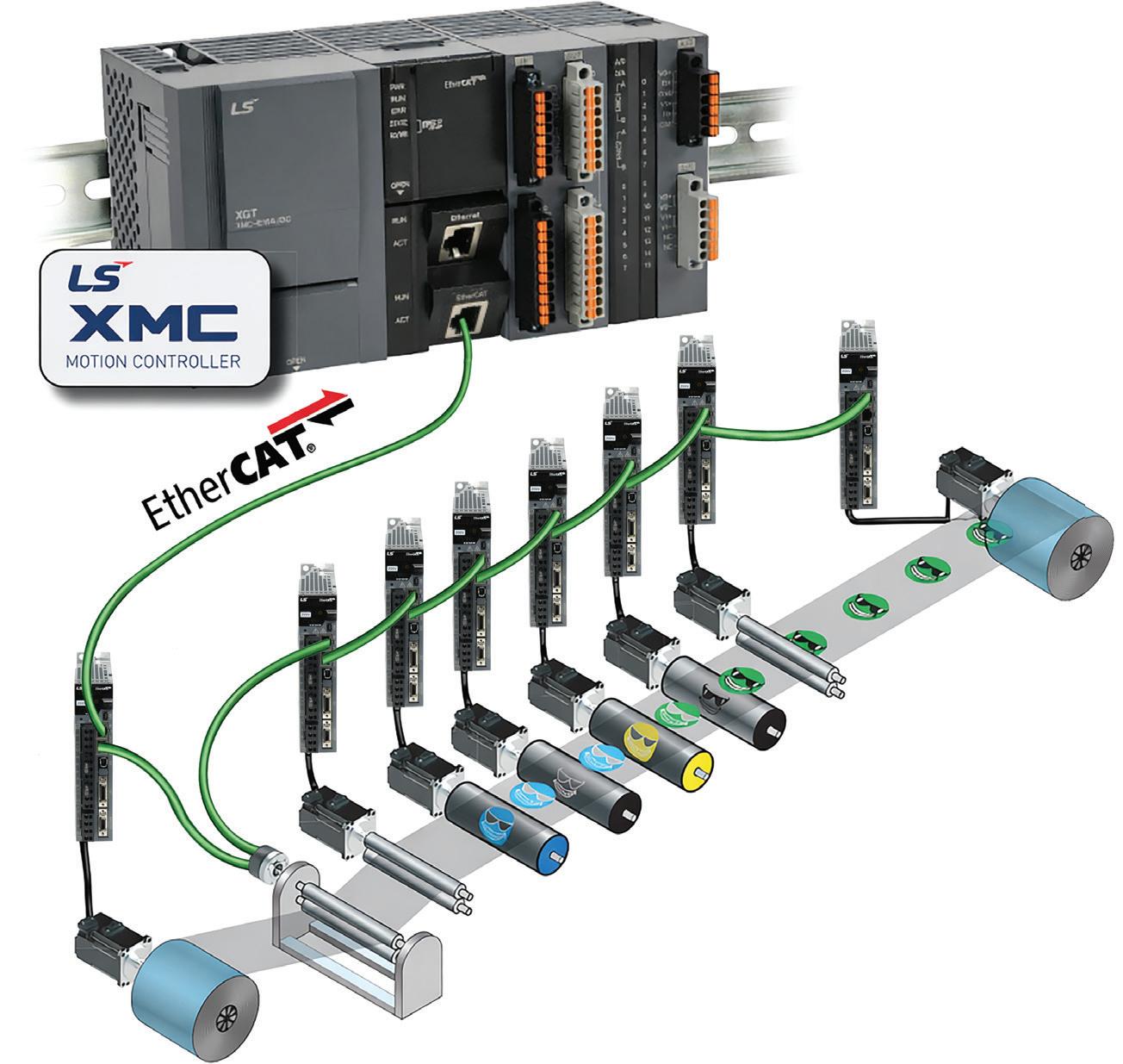
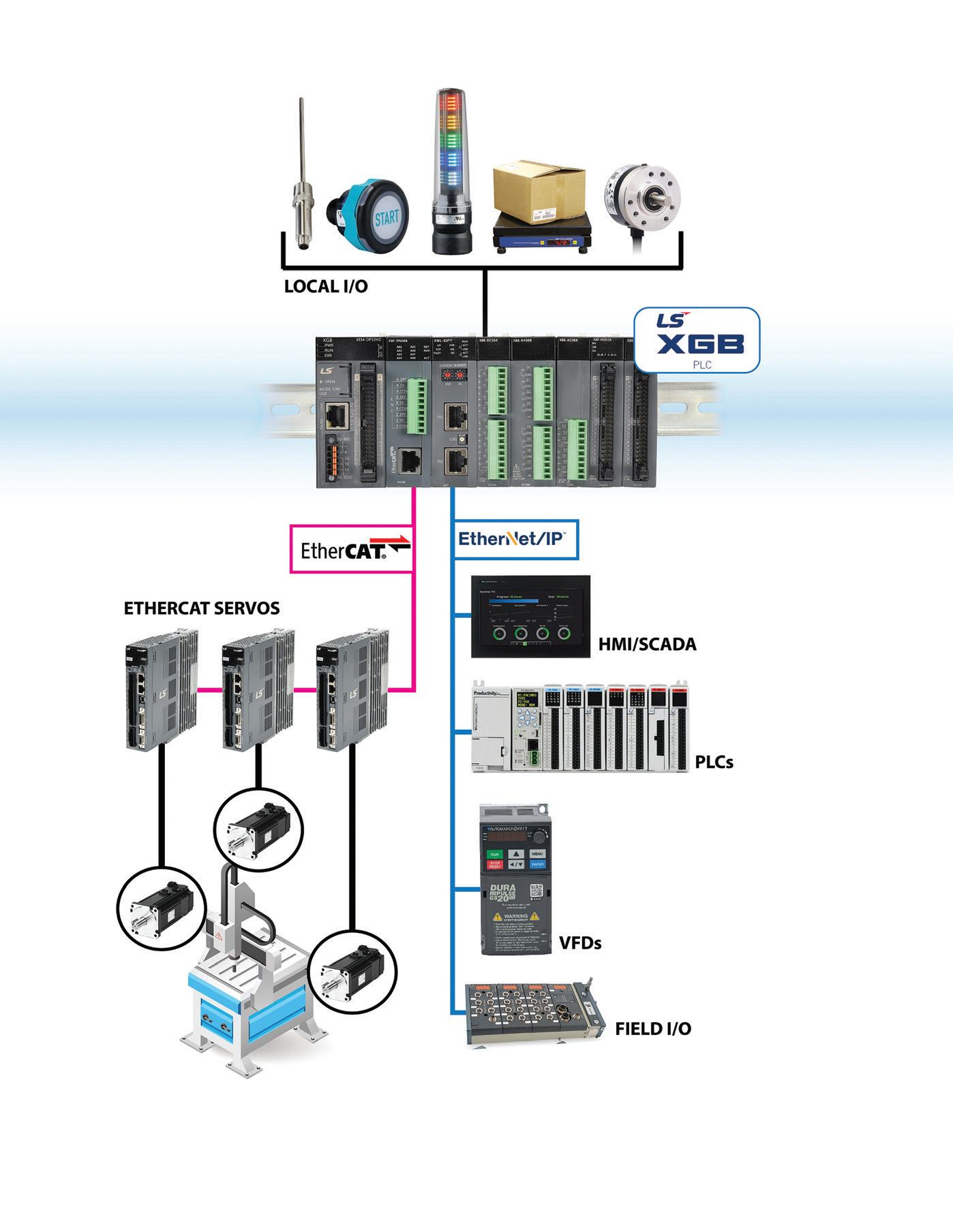
Figure 2: There are many useful industrial Ethernet communications protocols, but EtherCAT has become a preferred and popular way to provide deterministic connectivity among motion controllers and drives, and associated encoders and I/O systems.
EtherNet/IP communications

Figure 1: Industrial Ethernet communication protocols, such as EtherNet/IP and EtherCAT, offer a multitude of configuration, operation, digital transformation, and diagnostic benefits for both general automation and motion control applications. All images courtesy of AutomationDirect
While SERCOS, today running on industrial Ethernet, is still a viable motion control communications protocol, it has been joined by other options. For example, EtherNet/ IP is already well-known to many engineers who use it for integration of input/output (I/O), variable frequency drives (VFDs), and other industrial automation devices. This protocol also provides sufficient responsiveness for certain straightforward motion control applications (Figure 1). Because the protocol works over familiar Ethernet media, installation is relatively plug-and-play, with wiring and installation effort reduced significantly compared with extensively hardwired systems.
EtherCAT communications
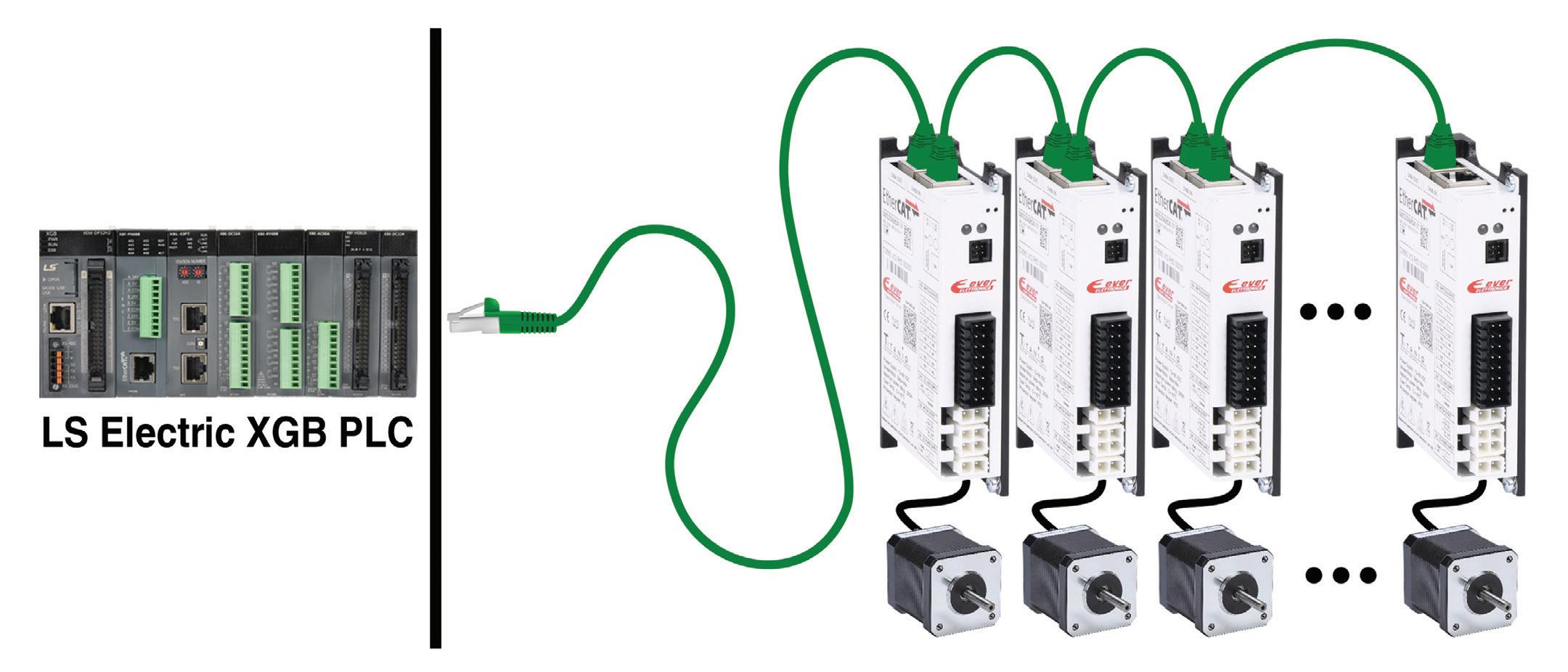
For more demanding applications where deterministic cycle times are essential for maintaining synchronization among devices, the Ethernet for Control Automation Technology (EtherCAT) protocol has become a preferred and popular option. Like EtherNet/IP, EtherCAT is relatively easy to implement, and it is supported by many types of drives and controllers. Other devices, such as encoders and field I/O, are now available with an EtherCAT interface, streamlining motion control designs to use one interconnected communications bus (Figure 2). Many EtherCAT devices incorporate a small twoport switch, so users simply daisy-chain one device to the next using typical industrial Ethernet installation means and methods. (continued on page 12)










NEW! Pfannenberg PYRA Series Customizable Visual/Audible Tra
Elements starting at $153.00 (21516643000)

c Lights
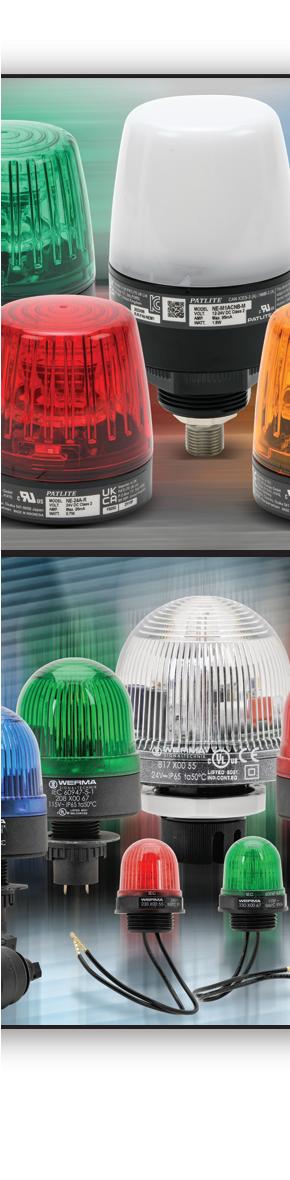
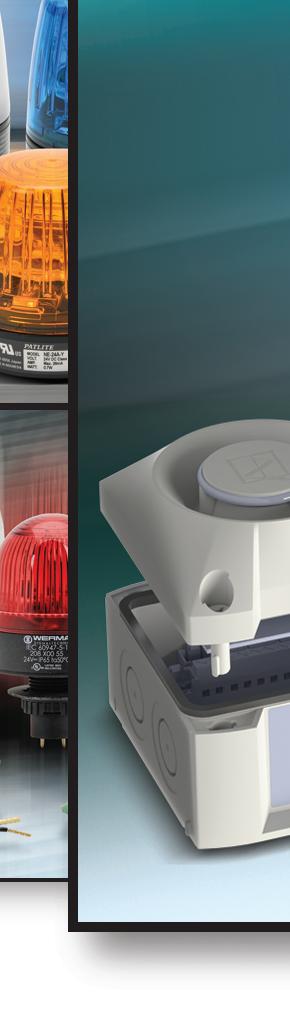
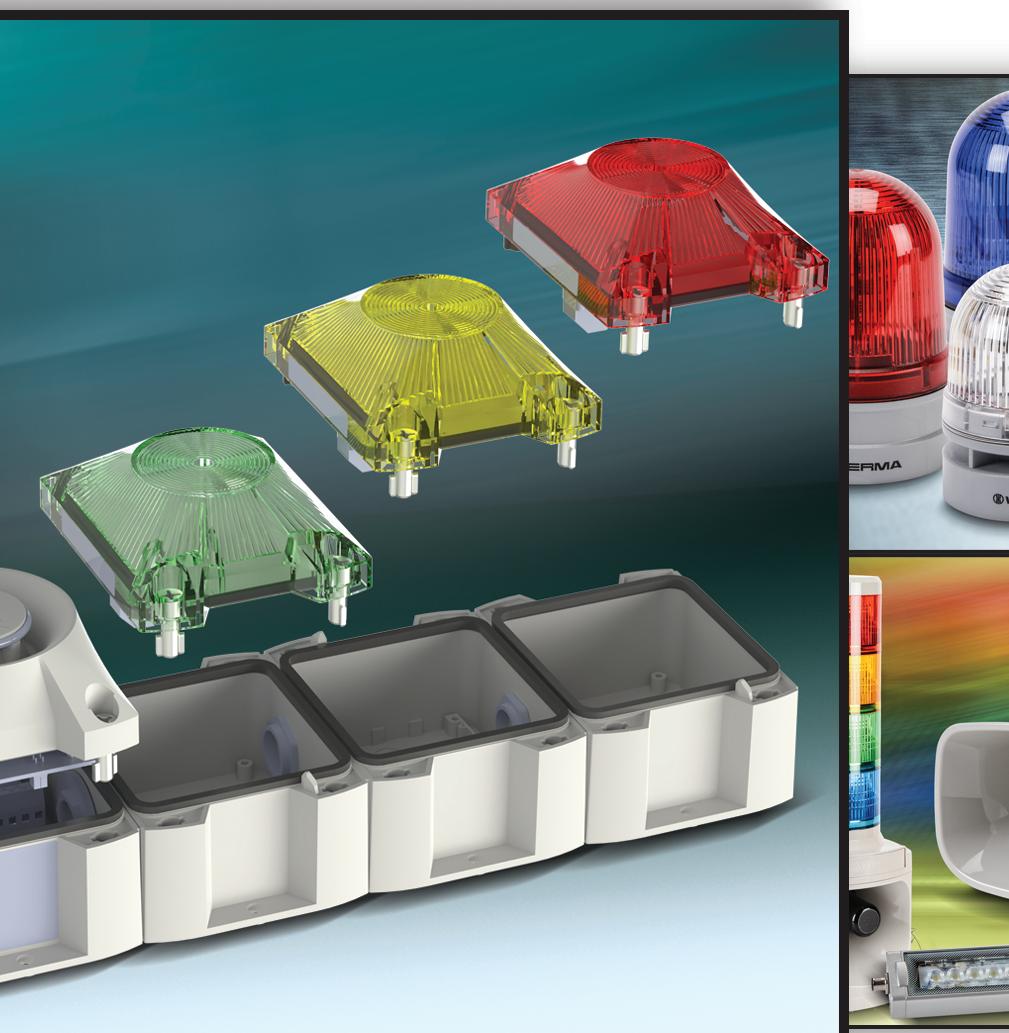
Pfannenberg PYRA series custom traffic light systems consist of pre-wired bases, industrial traffic light elements, and signal horns that can be assembled into a custom multi-tier indicator. PYRA LED traffic light bases are pre-wired for a 1-to-4 stage visual traffic light using assorted colored light elements (red, green, yellow, or blue) or for a 1-to-3 stage audible-visual traffic light with a 105 dB signal horn.
Patlite NE Series Visual and Audible Signaling Beacons
Starting at $40.50 (NE-24A-R)
Patlite NE series signaling beacons feature customizable color selection, lighting functions, and audible alarm options. These versatile signaling devices are available as visual-only beacons or combination devices with a buzzer or selectable alarm tone. Select models support IO-Link communication.
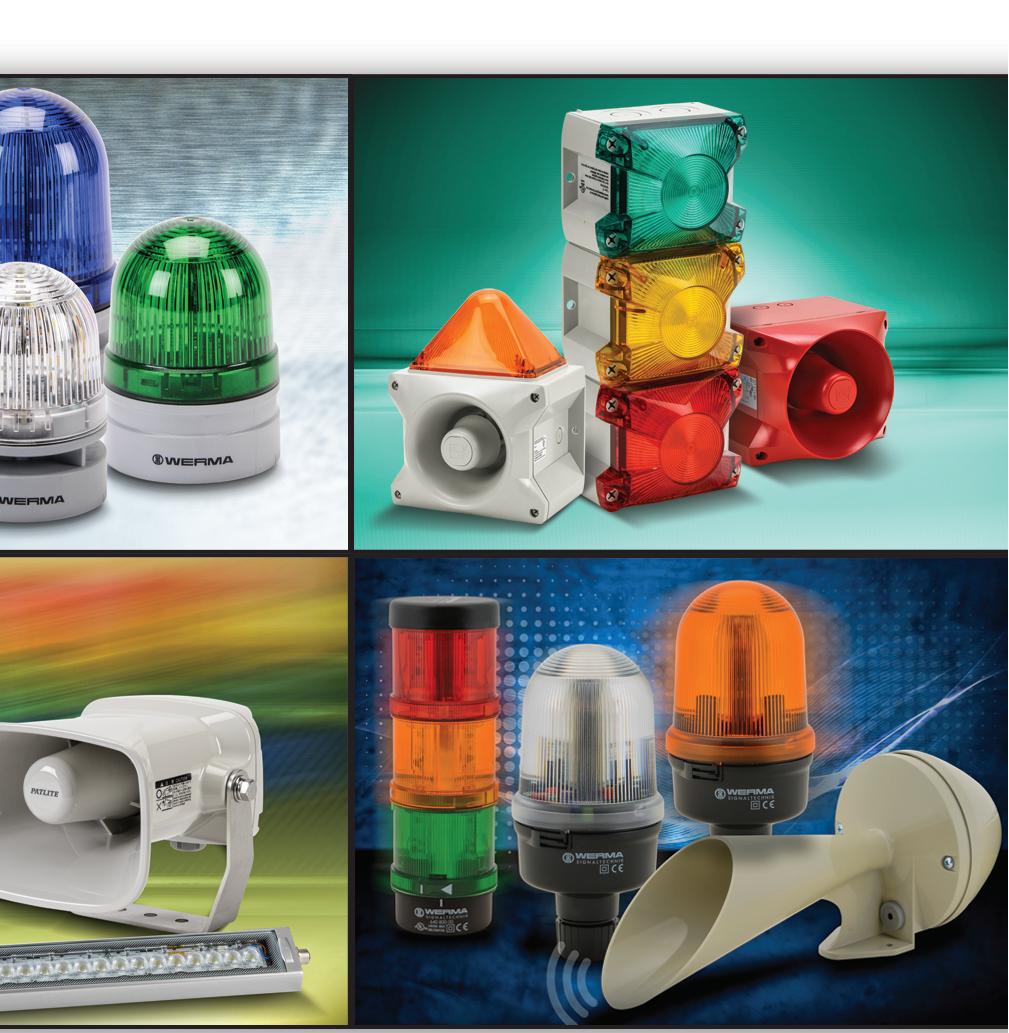
Hundreds of dependable audible and visual signaling devices to choose from!
Get industrial quality signal beacons, traffic management lights, alarm buzzers, signal horns, stacklights, signal columns, and more from quality manufacturers like Fuji Electric, Patlite, Pfannenberg, and WERMA, in stock and delivered fast, for the customer satisfaction you deserve from AutomationDirect.
Research, price, buy at: www.automationdirect.com/signal-devices
(continued from page 10)
Configuration and diagnostic benefits
Digital communication protocols, in conjunction with configuration files provided by vendors and standardized data formats, simplify the way designers configure, upload/download, and monitor motion control devices. This is especially true for EtherCAT devices. Extensive data gathering and diagnostics help developers commission systems, fine-tune them, and then optimize them in operation.
Improved form factors and integrated functionality
Servo and stepper motors, and the drives and controllers associated with them, have reduced a bit in size and become more modular, making them easier to apply. However, integrated functionality, especially drives with controllers
Figure 3: The introduction of high bus voltage stepper motors and EtherCAT stepper drives with closed-loop control have made motion control technology easier to implement and cost-effective, even for smaller and more budget-sensitive applications.
stepper motors are empowering designers to apply effective motion control to more applications than ever before (Figure 3).
PLC-based motion control
Traditionally, motion control applications have often been designed as a dedicated subsystem which must be integrated with a programmable logic controller (PLC) or other host to provide a complete industrial automation solution. However, many modern PLCs incorporate significant motion control capabilities and can take on the role of motion controller while also performing related automation. Even some basic PLCs can control a few axes of coordinated motion using built-in essential instructions for homing, position moves, and velocity moves. Mid-tier and high-performance PLC platforms provide more extensive motion command sets,
Accessible advantages
To some degree, there remains a perception that industrial-grade motion control can only be justified for the most elite applications. However, the reality is that digital control and communication options have evolved so that motion control today is far easier to implement than in the past, and developments with steppers, servos, and PLCs/controllers mean that motion control is realistic even for smaller and cost-constrained applications.
Shortened learning curves and intuitive configuration accelerate implementation and reduce risk, both for new projects and for retrofits. Today’s motion control technologies also fit well with digital transformation initiatives, providing the data needed for industrial internet of things (IIoT)
incorporated on board, and even motors with integrated drives/controllers, provides more flexible options for designers and reduces the number of components by combining automation elements.
Stepper motor developments
Stepper motors — so called because they move incrementally in small discrete steps — have long been recognized as a lower-cost and lower-performance option compared to servos, due to speed and torque limitations, and the fact that they are usually operated in an open-loop mode. However, the development of high bus voltage stepper variants, the ability to add encoders for closed-loop operation, and newer controllers accepting EtherCAT digital communications means that
inter-axis coordination, and larger axis counts, with native EtherCAT connectivity.
Advanced motion functions
Dedicated motion controllers are optimized to coordinate the greatest number of axes through sophisticated movements with superior speed and precision. These types of controllers, and some PLC-based platforms, now take advantage of powerful processors and software to empower users with wizard-like options, pre-built libraries, and graphical interfaces for easily applying advanced strategies. Most any type of motion control system can be created this way, and users may find ready-made functions such as flying shear, random infeed conveyor, and more that exactly handle their application.
integration with analytics, predictive maintenance, and cloud connectivity platforms.
If you haven’t looked at modern motion control systems lately, it could be a good idea to see what you’ve been missing. And if you need help with design and implementation, knowledgeable vendors stand ready to provide the required assistance.
Joe Kimbrell is the Product Manager for Motion Control Products at AutomationDirect. He has over 25 years’ experience with automation, motors, drives, motion control, and servos, and has worked as engineering manager at a packaging OEM and at a multi-axis motion control integration firm. Joe holds a BSEE degree from Georgia Tech.
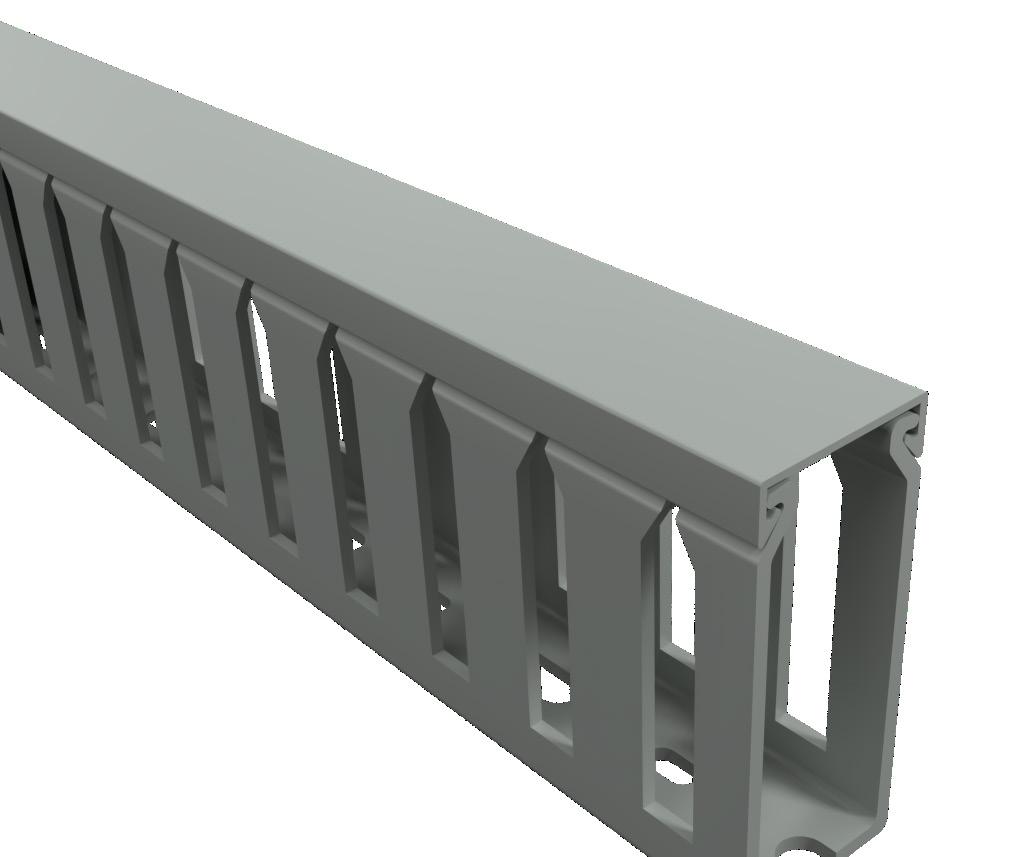
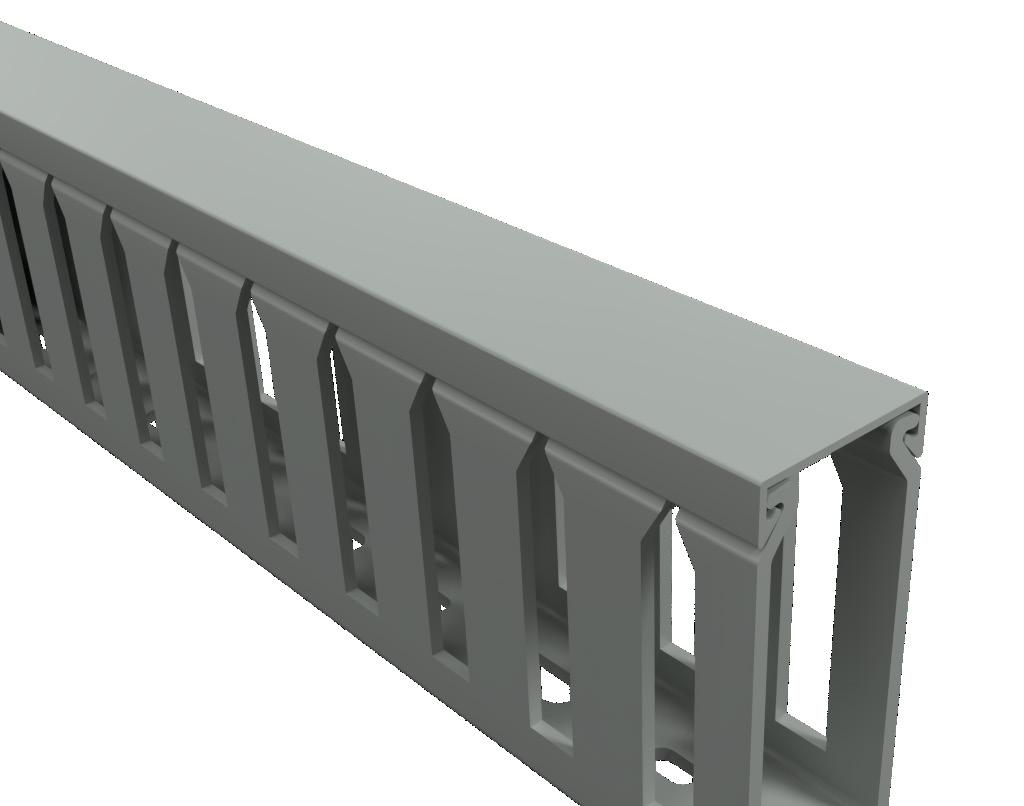
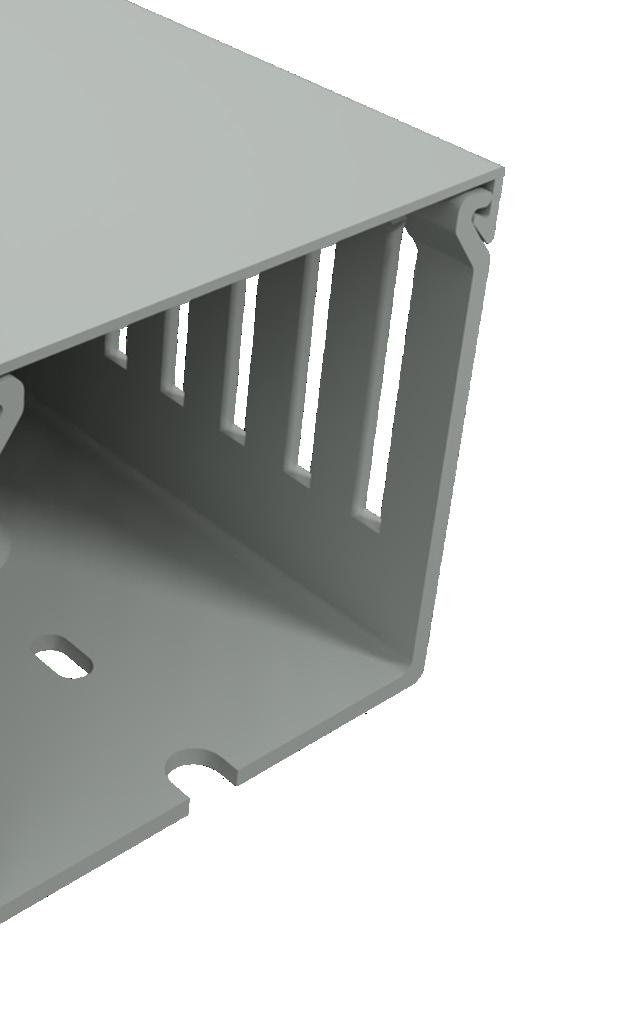
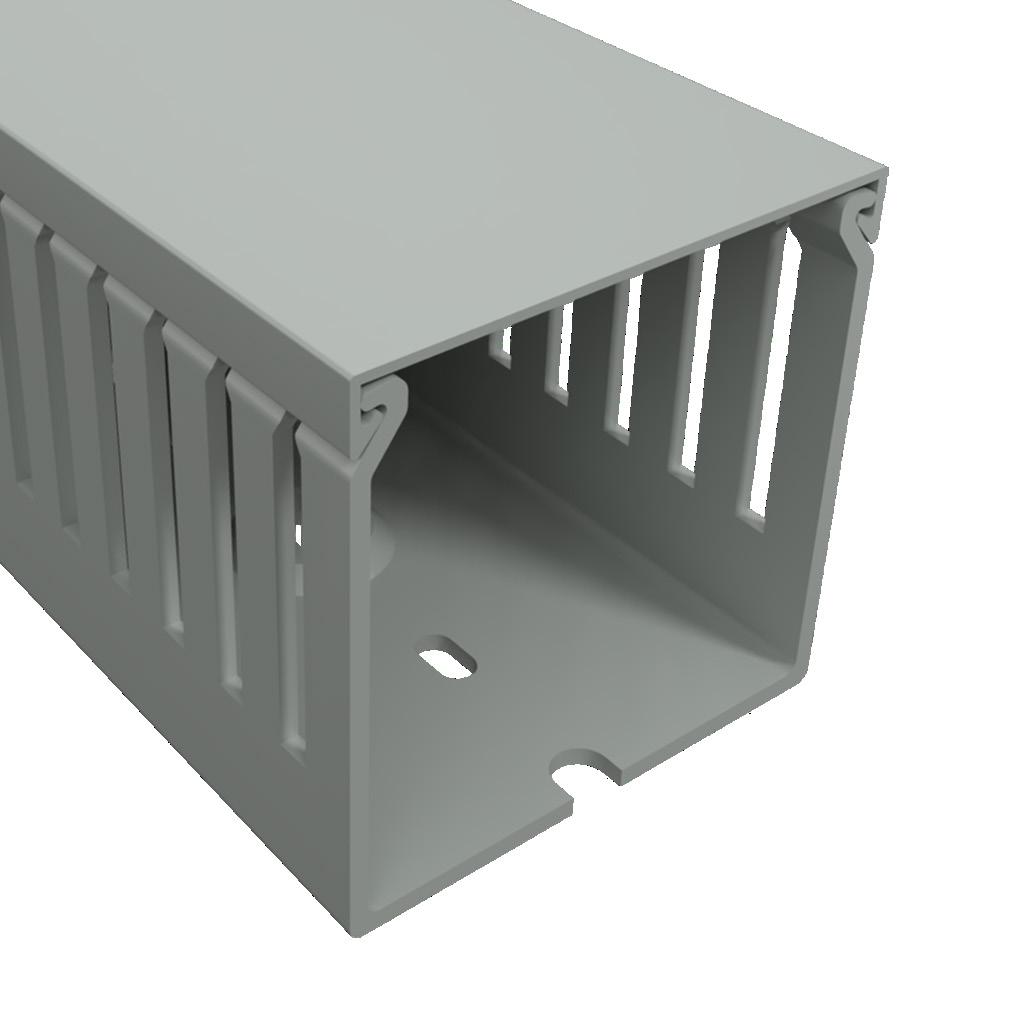
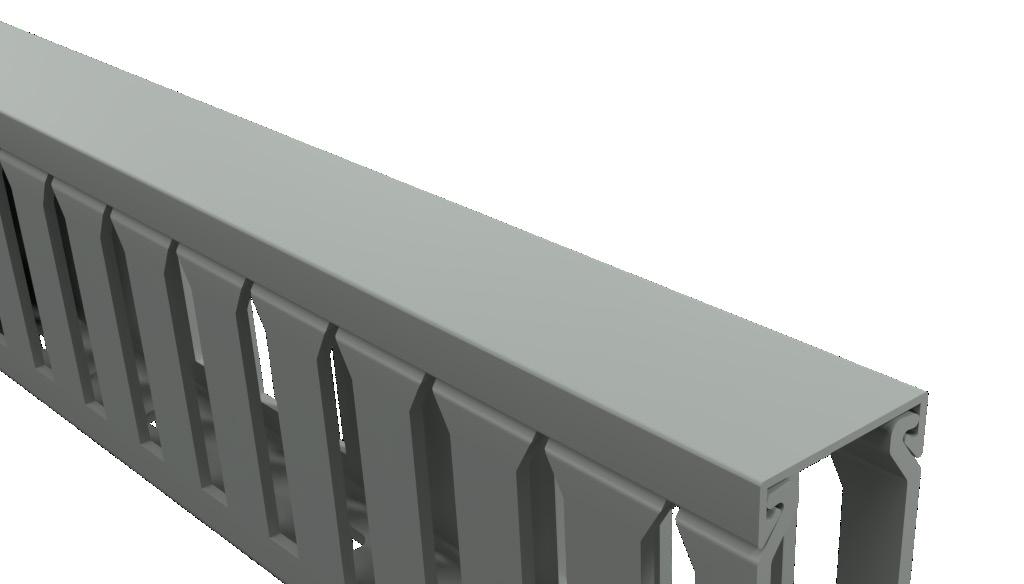
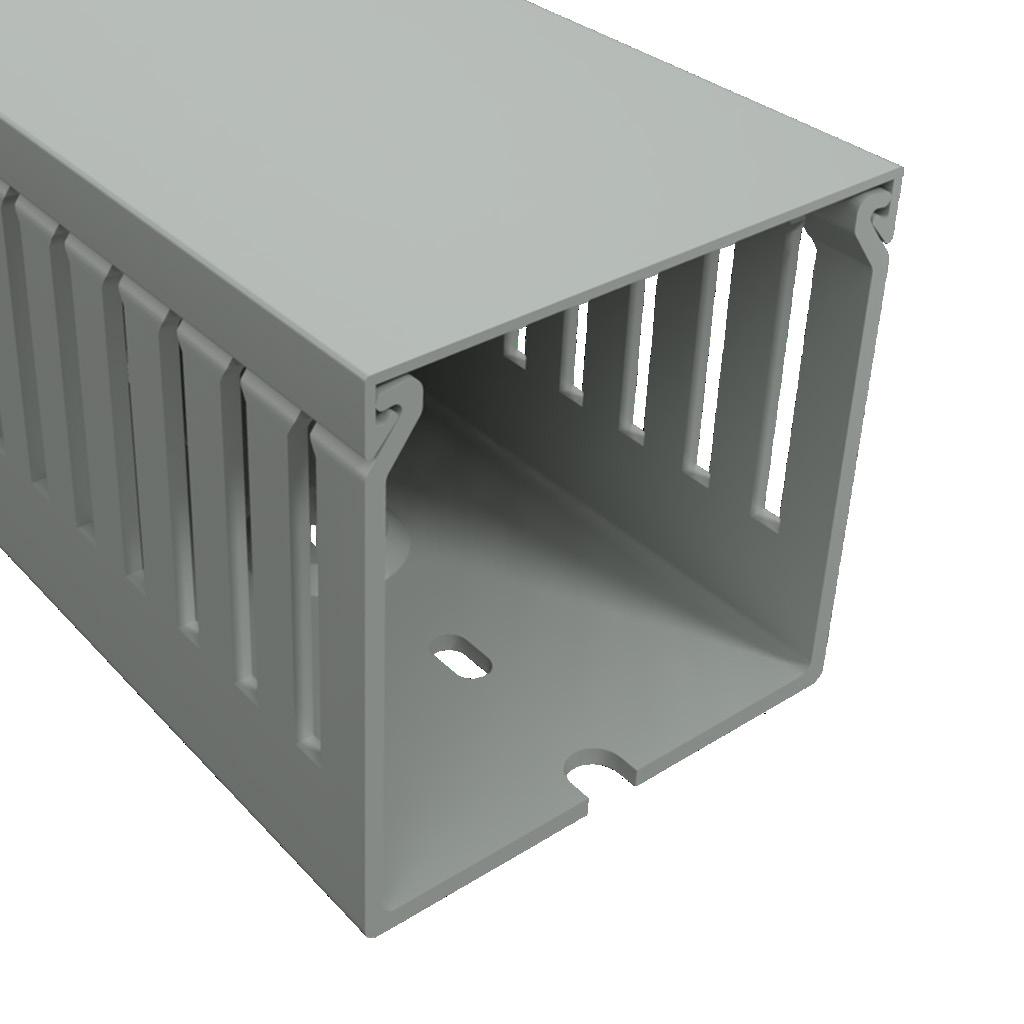
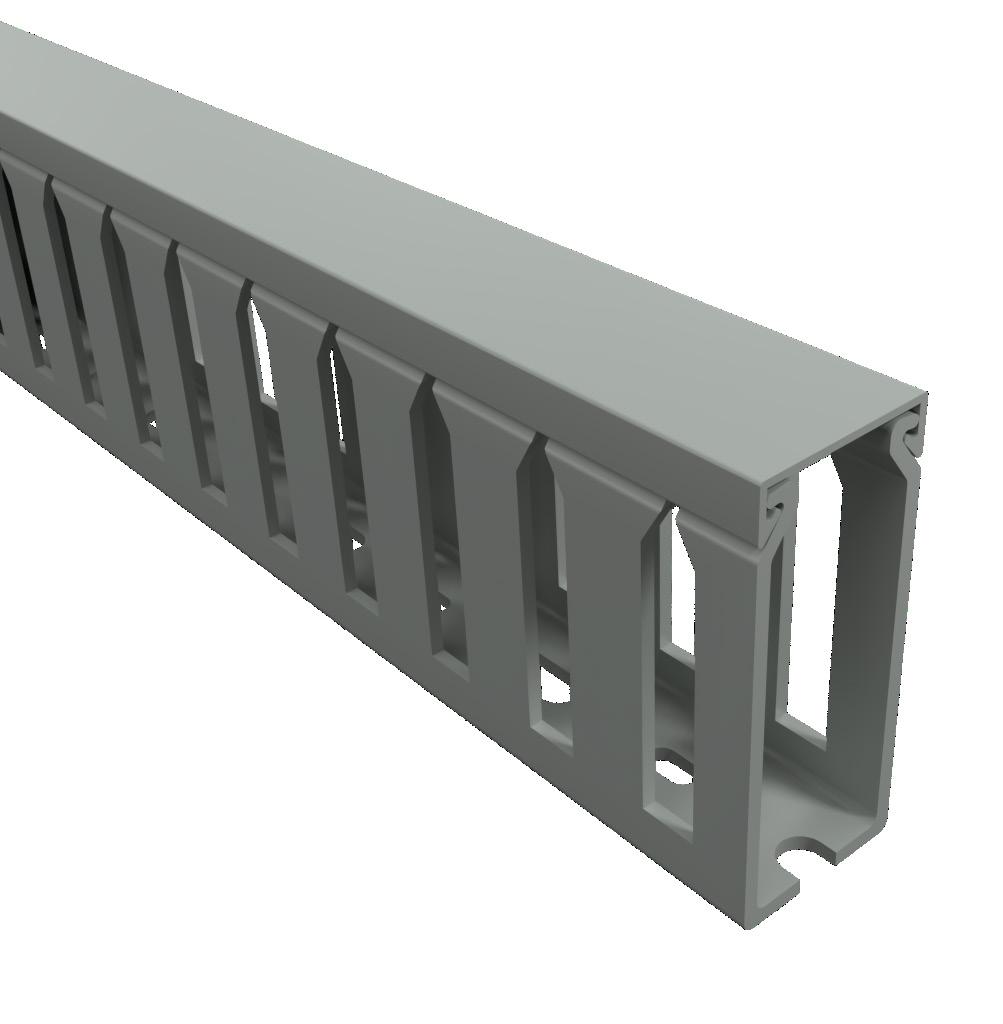
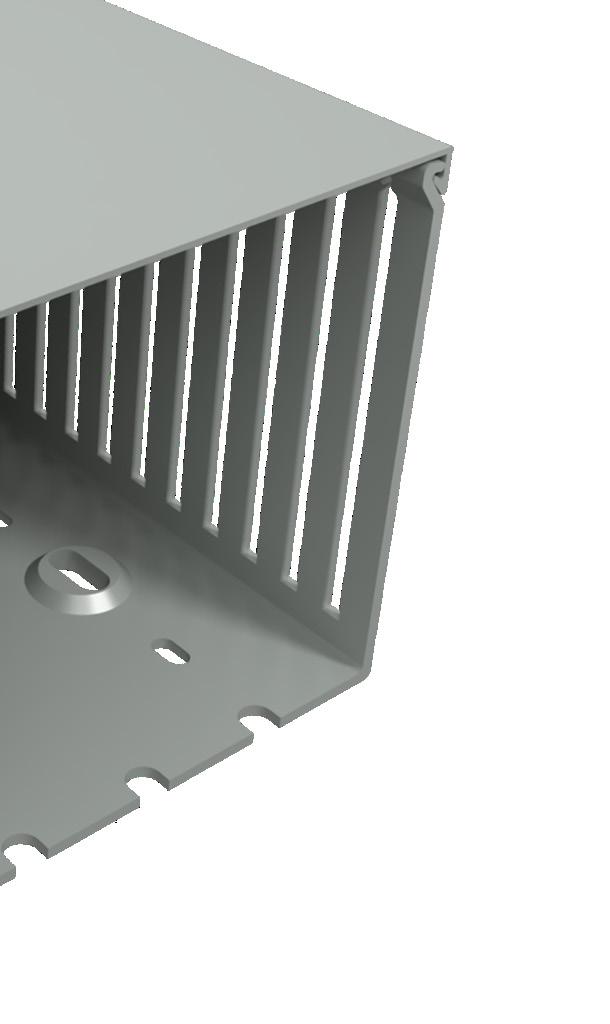
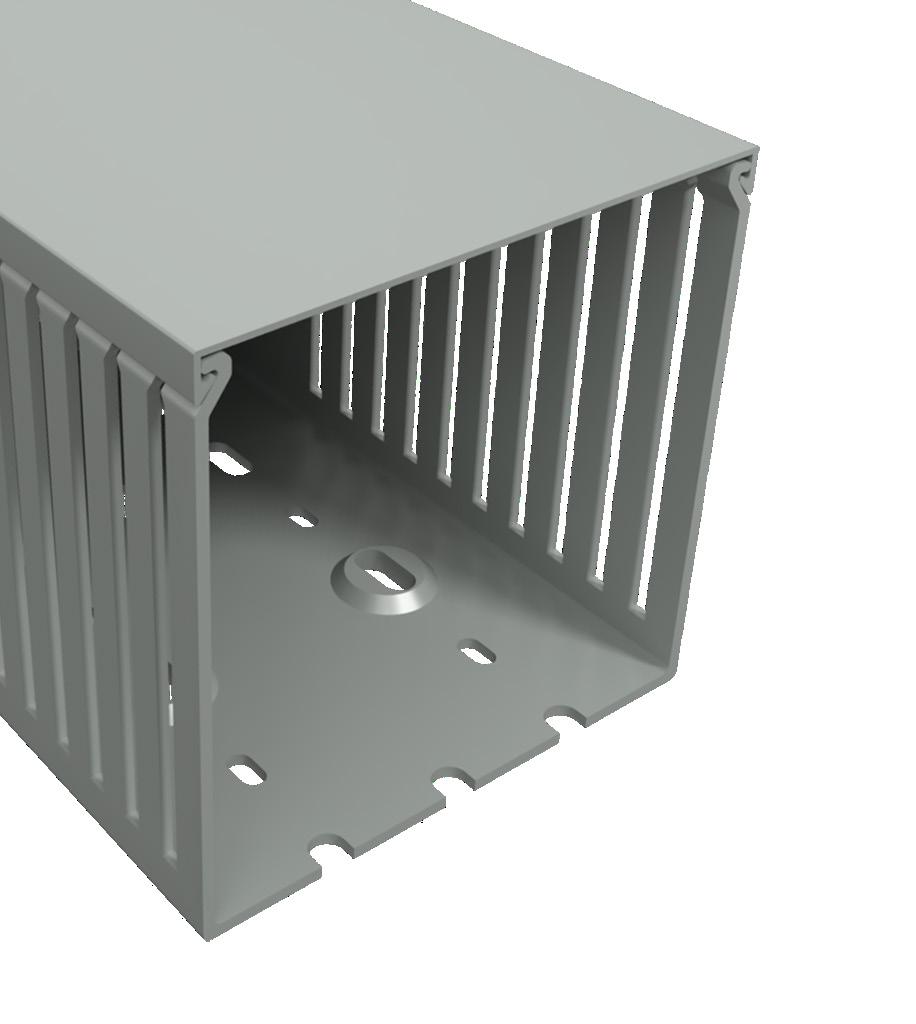
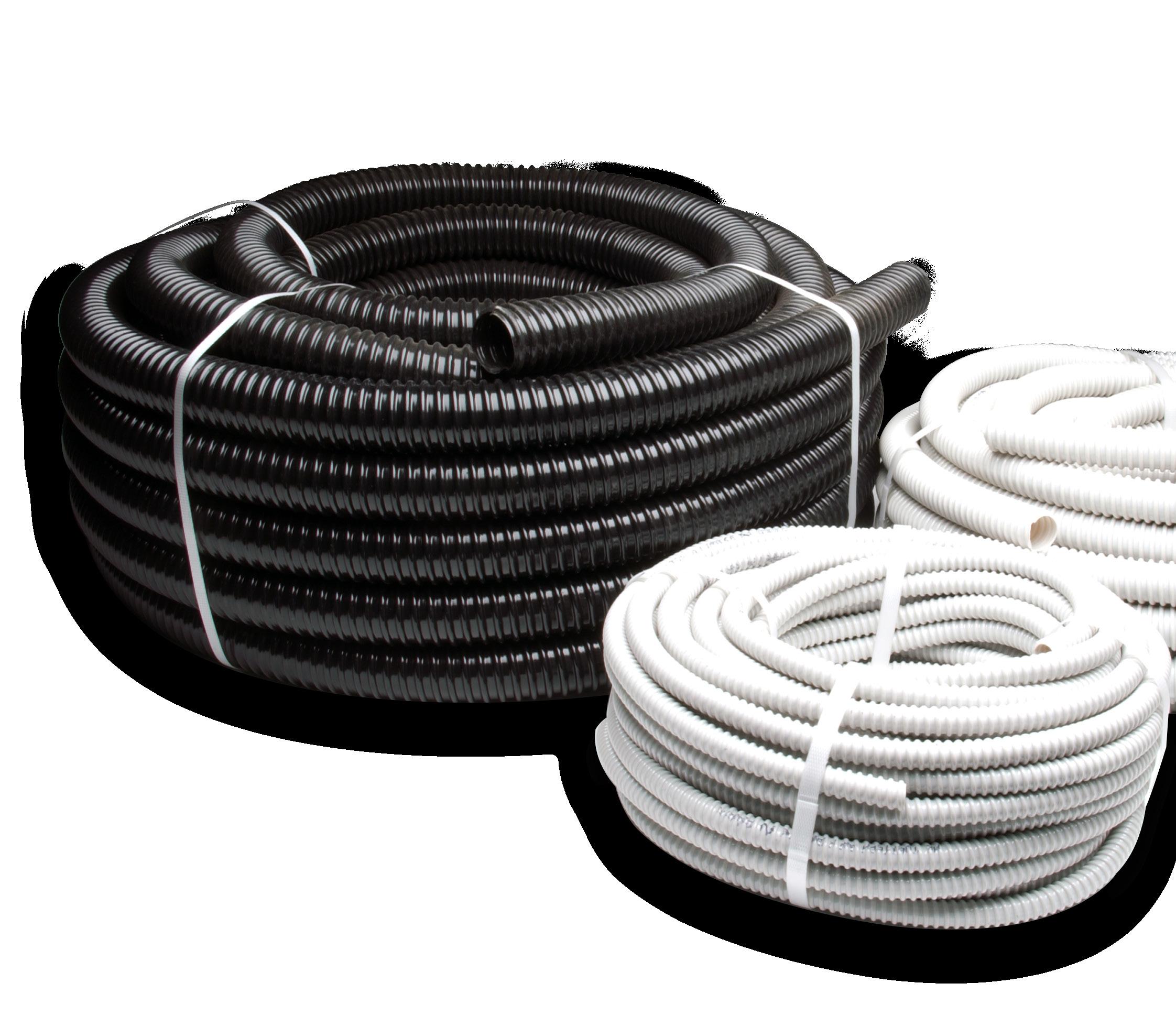

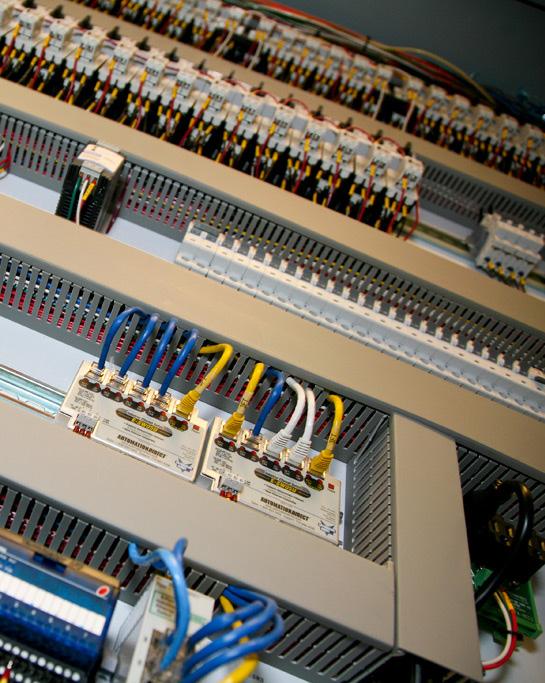
The Pro’s Choice for Comprehensive Wire Management
Your project demands more than just wire routing—it demands resilience, efficiency, and organization. IBOCO products are reliable, professional-grade wire management solutions, designed to perform from the cabinet interior to the machine floor.
• Wire Duct: Features clean, quick break-off fingers and non-slip mounting to cut installation time and ensure flawless cabinet aesthetics
• Electrical Tubing: Flexible corrugated tubing and fittings provide superior mechanical protection against abrasion, chemicals, and vibration
• Spiral Wrap: Neatly bundle and protect cable runs quickly while staying flexible and tightly contained
Explore the full range of IBOCO professional wire management solutions at AutomationDirect.com.

BY KRISTIN LEWOTSKY, CONTRIBUTING WRITER

The HumanCentric Shift
INDUSTRY 4.0 IS A CONCEPTUAL FRAMEWORK that applies industrial networking, data-gathering and analytics, and smart devices to cut costs and boost efficiency. It emphasizes improving performance by automating processes and removing humans from the loop.
Industry 4.0 led to substantial gains in productivity and profitability. It wasn’t universally applicable, however. Not every process or organization is suitable for automation. Some need humans in the loop. In particular, humans bring key attributes like creativity, problemsolving, and adaptability. Enter next industrial revolution, Industry 5.0.
Industry 5.0 is a new human-centric paradigm that combines the Industry 4.0 foundation with tools like AI and collaborative robots (cobots) to create a “better together” approach (see table). Instead of replacing humans with machines, Industry 5.0 combines the best attributes of each to create an industrial operations model that is flexible, resilient, efficient, and sustainable.
Increasing worker safety and productivity
Modern industrial operations are under pressure. With a labor shortage and the retirement of baby boomers, a skills gap has emerged. Talent is in short supply. To that, add staffing reductions caused by injuries and occupational hazards. With the human-centric shift of Industry 5.0, the goal is to create a "super-worker" who is safer, more comfortable, and more productive when augmented by precision technology. >>
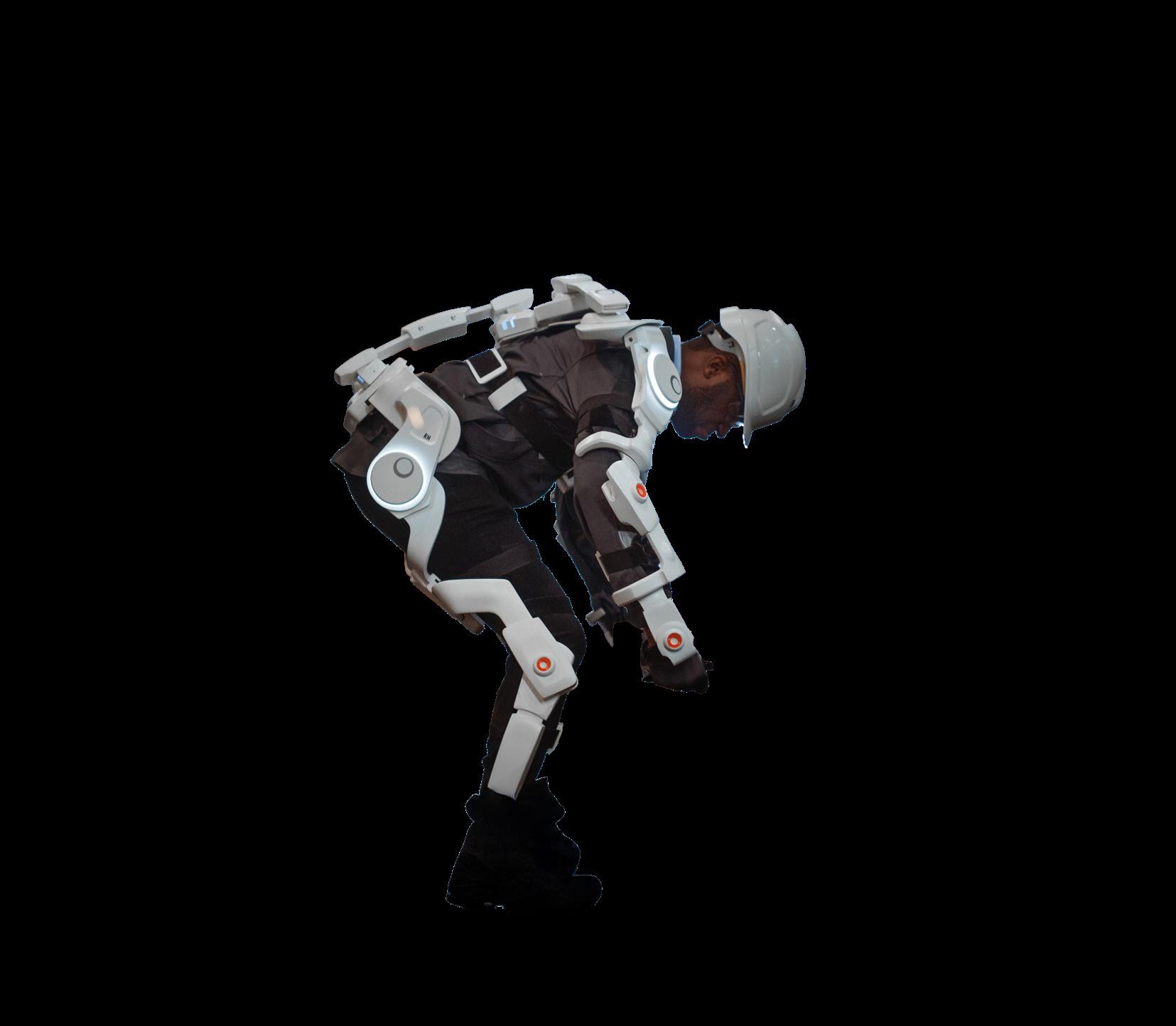
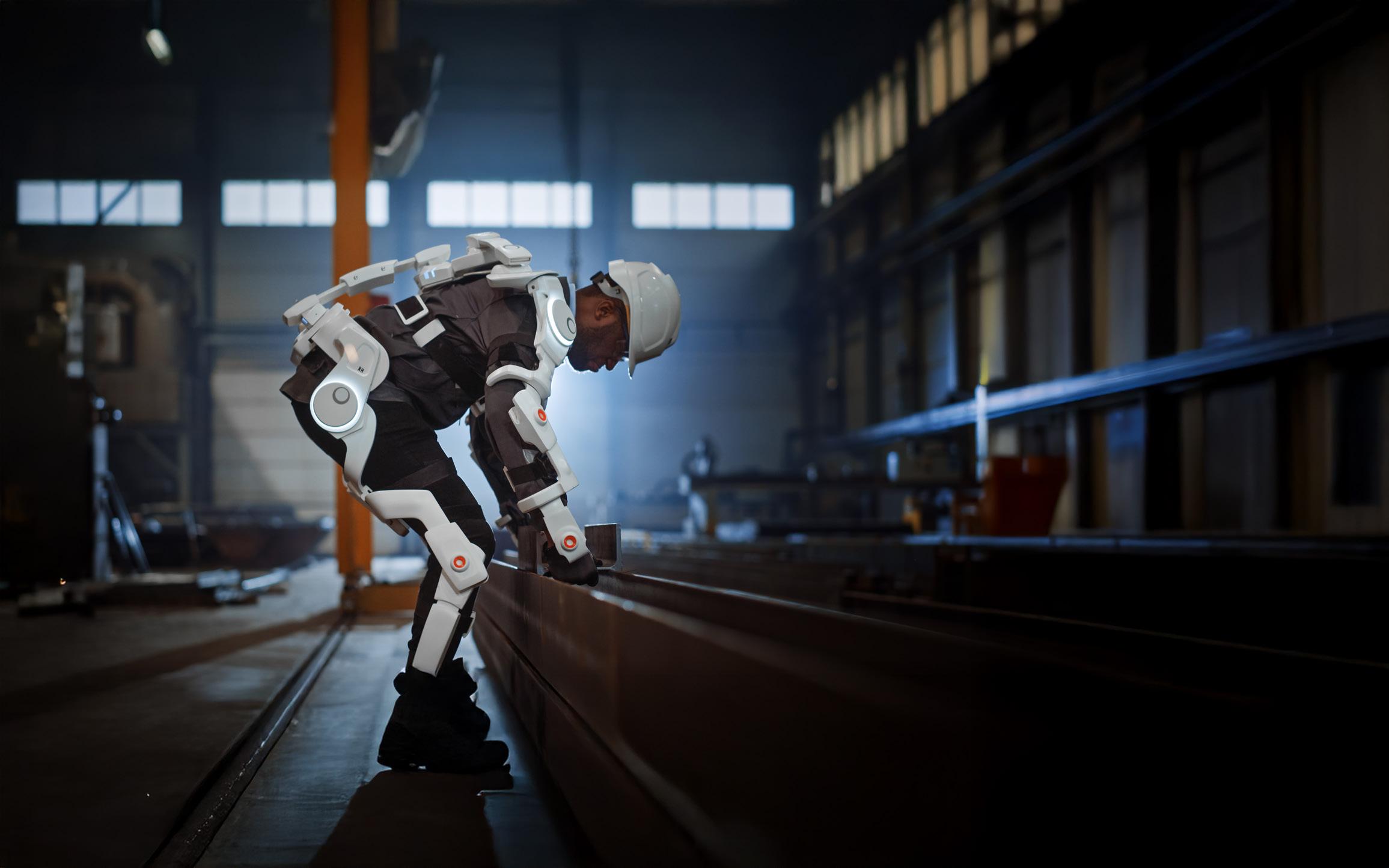
Wearable Motion Support (Exoskeletons)
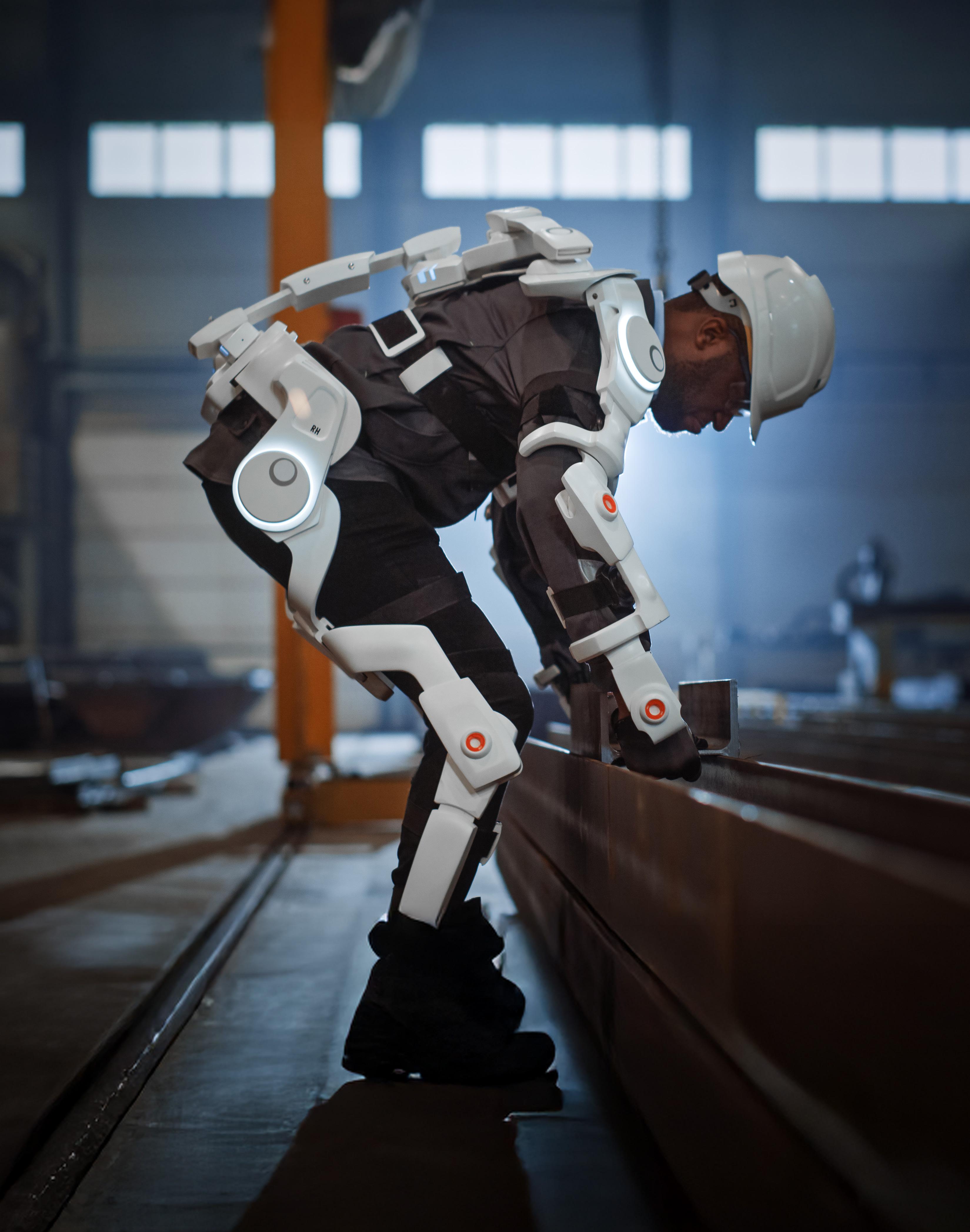
Once considered a novelty, exoskeletons are fast transitioning to standard personal protective equipment (PPE). The market for exoskeleton components is projected to reach over $2 billion by 2030, up from $450 million in 2024, for a CAGR of over 29% (source: Markets and Markets). Exoskeletons, sometimes called wearable robotics, augment movement to increase worker productivity while preventing acute injuries and repetitive strain injuries (RSIs). They can be divided into two classes:
• Powered Lifting Support
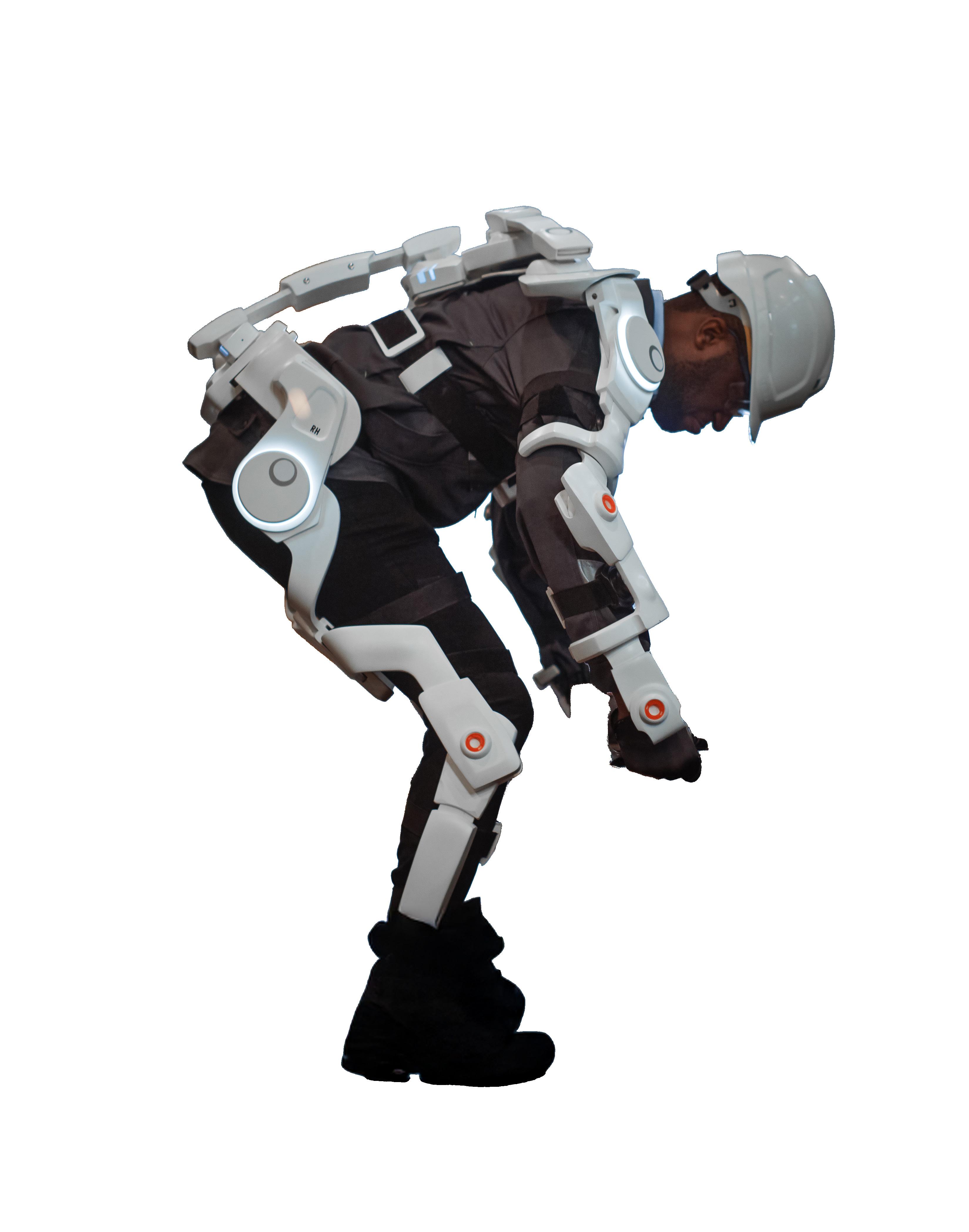
Hard exoskeletons for powered lifting support include designs that provide back support during a wide variety of tasks ranging from lifting heavy loads to working in stressful postures (see Figure 1). The Exia from German Bionic, for example, combines motion control with physical AI to provide up to 84 lbs (38 kg) of lifting augmentation per movement. The Exia AI model trains on billions of data points gathered across different users and industries. During actual use, the AI model continues to customize its performance for each worker, getting better and better over time.
• Soft Exosuits
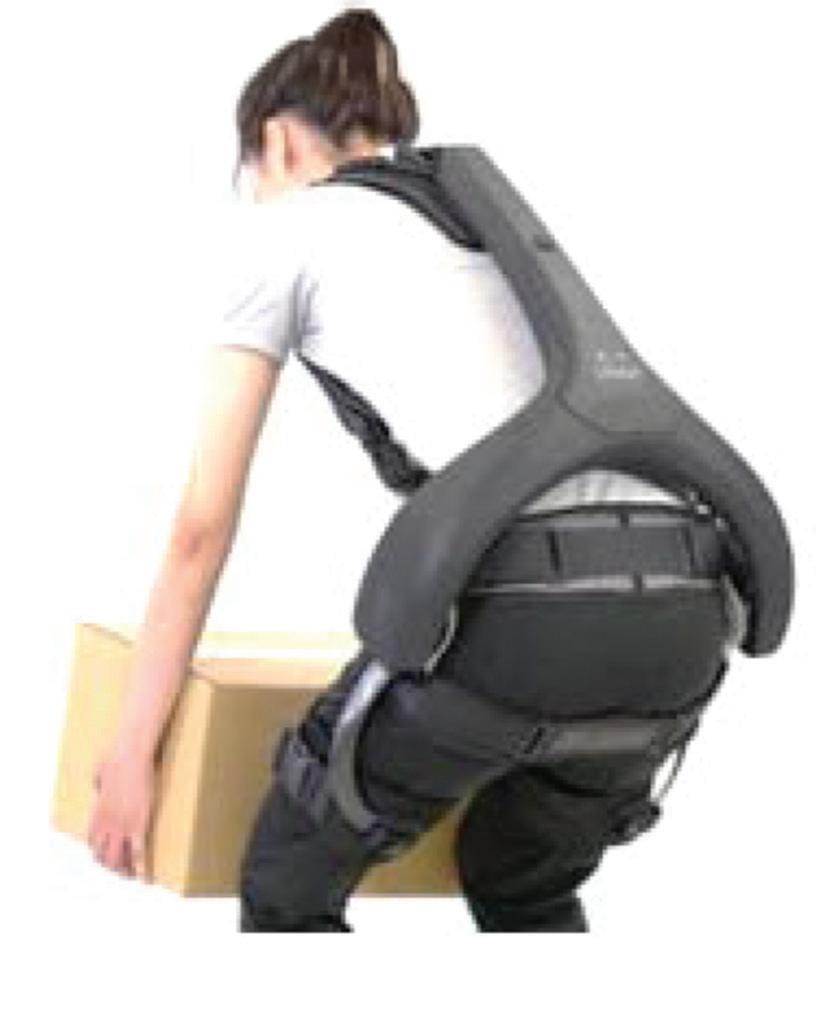
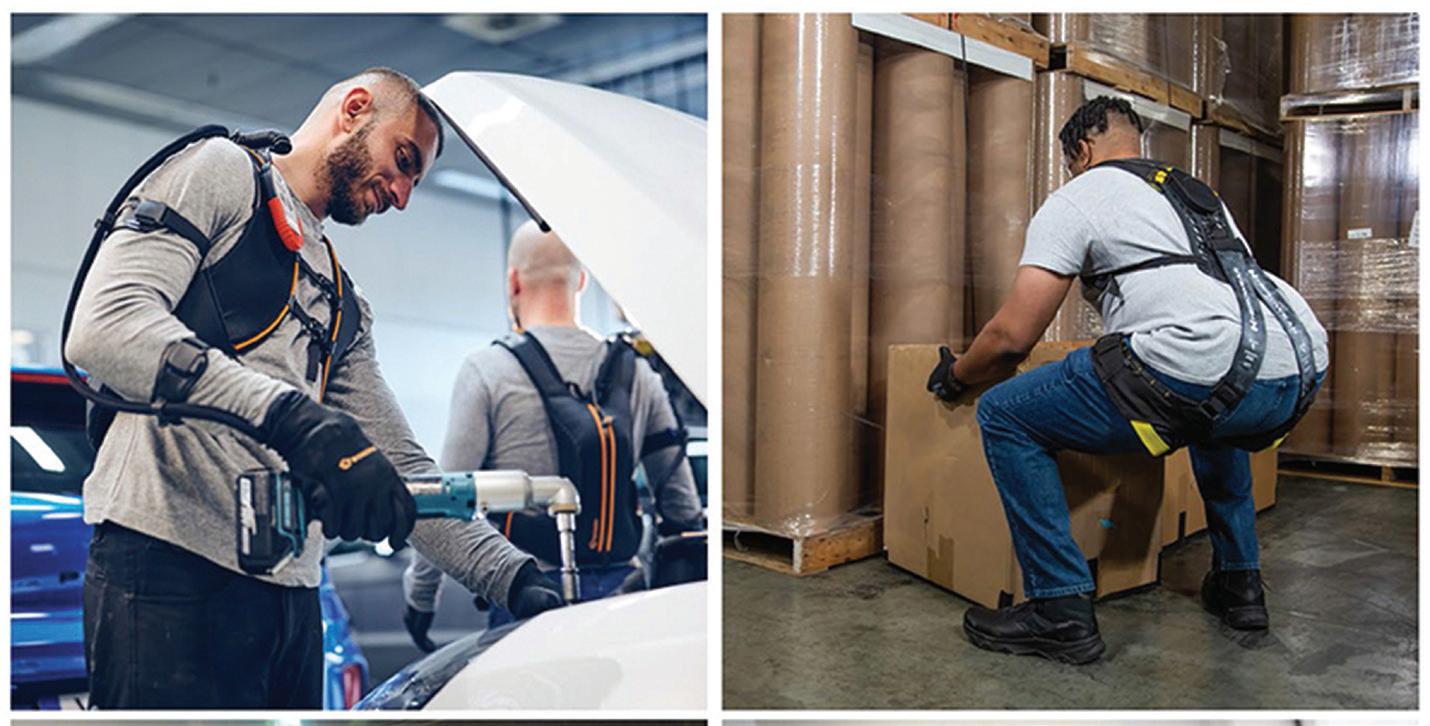
Rigid exoskeletons can hamper movement or be uncomfortable. Some tasks require greater flexibility or manual dexterity than can be provided by rigid versions. This has led to the emergence of soft fabric-like exosuits (see Figure 2). Exosuits are designed to protect against repetitive stress injuries in workers during tasks like bending, stretching overhead, or holding heavy objects.
Worker Safety Safety cages and “keep out” zones.
Programming Complex G-code/logic by experts.
2: Active soft hand exoskeleton relieves and strain for worker using heavy hand tools (left). Passive back exoskeleton (right) consists of straps and elastic bands that provide back support for workers lifting heavy objects or bending over for large amounts of time (right).
(Source: Wikipedia)
Collaborative zones and haptic wearables.
Natural language (voice/text) by operators.
Physical Effort Robots do the whole task. Exoskeletons/cobots augment human strength.
Ergonomics Static machine design. Real-time postural analysis and feedback.
Biometric Ergonomic Feedback
Seemingly harmless movements repeated over time can lead to musculoskeletal disorders (MSDs) that can cause pain, lost work hours, and disability. The focus on human-centric design has led to the development of biometric ergonomic feedback devices. These devices help workers move more safely in the workplace and help the workplace better adapt to their needs. It’s a case of the motion control technology developed for Industry 4.0 now being applied in human-centric Industry 5.0.
• At-Risk Posture Alerts:
The combination of Industry 4.0 data gathering and AI makes it possible to use video feeds from pre-existing systems to analyze activities across almost any facility. At the base level, these types of systems can review tasks
1: This type of rigid exoskeleton for powered lifting support assists the wearer in moving heavy loads, reducing risk of back strain.
(Source: Wikipedia)
to identify dangerous postures and dynamics for future education. Once the correct models are built, workers can be monitored in real time and given visual, audible, or haptic (vibrational) alerts when they move or stand in ways that could cause injury over time. An alternative approach involves the use of wearable sensors capable of tracking a worker’s skeleton in 3D space. If the worker reaches at an angle that could lead to an RSI, the system provides haptic feedback to correct the posture.
• Dynamic Workstations:
Good workplace ergonomics are essential to the avoidance of MSDs and RSIs. In the new human-centric workplace, tables, assembly rigs, and pick-and-place stations can be equipped with motion-control systems that support dynamic reconfigure ability. The machine scans the worker’s RFID tag or accesses biometrics upon login. The equipment automatically adjusts for the height and tilt required by the specific individual and the task they’re undertaking.
(continued on page 18)
TABLE: INDUSTRY 4.0 VS. INDUSTRY 5.0 IN MOTION CONTROL
Figure
Figure
Affordable Motor Control now with more choices than ever
AutomationDirect has thousands of high-quality, cost-effective motor control products that can easily start, control, and protect your motors.
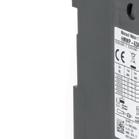
NEW! WEG Electric Motor Controls
Starting at $47.50 (CWBN00-11-30D15)
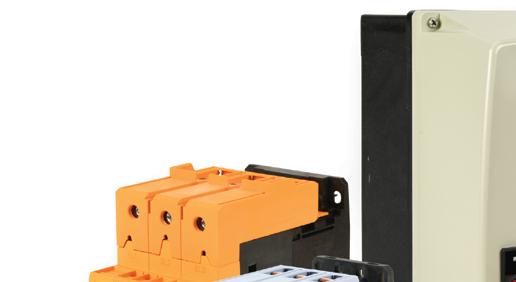
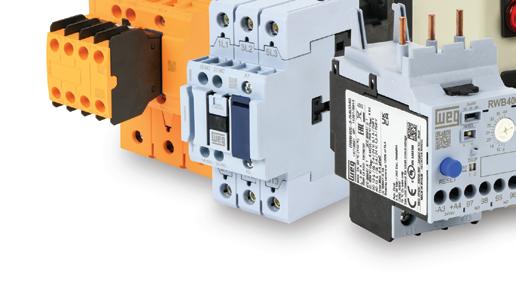
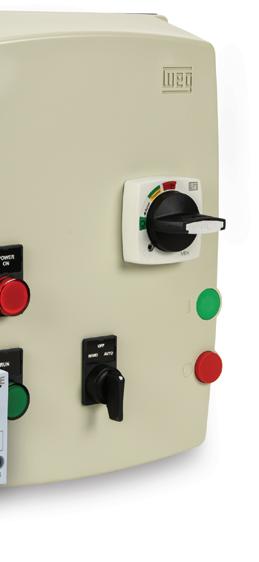
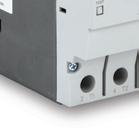
New additions to our WEG Electric motor control components support a wider range of motor sizes, environments, and control requirements, including NEMA-rated IEC-style contactors, general-purpose and washdown manual motor starters, IEC contactors, safety contactors, and overload relays. The full selection includes:
• General purpose manual motor starters up to 50hp
• Washdown manual motor starters up to 20hp
• Manual motor protectors up to 65A

• IEC contactors up to 125A
• NEMA-rated IEC-style contactors up to 95A
• IEC safety contactors up to 125A
• Overload relays up to 140A




Starting at $94.00 (SC1DD2315)
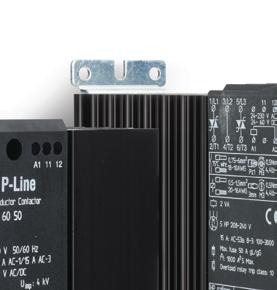
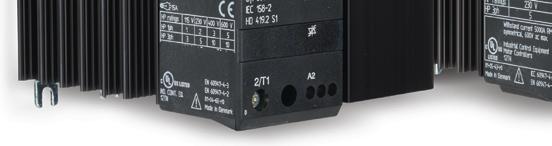
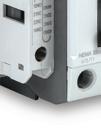
Eltwin solid state contactors provide fast load switching with no moving parts, which extends service life and reduces maintenance costs. They can be used for motors, heaters, transformers, and more, thanks to their UL/cUL rating as motor controllers.
• Precise/fast motor control
• No wear, tear, friction, or mechanical fatigue


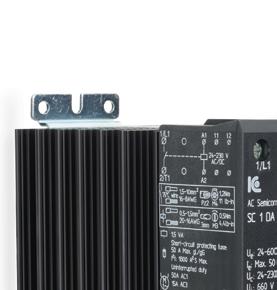
• No contact bounce or arcing
• Cost savings
• Improved safety
IronHorse Motor Controls
Starting at $23.00 (HMC-9B30-11-BS)
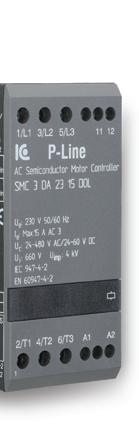



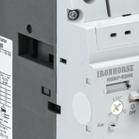
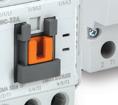
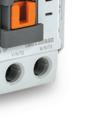
IronHorse series IEC contactors, overload relays, and manual motor protectors are available in ratings up to 300hp at 480 VAC and offer reliable, cost-effective motor control solutions for a wide variety of industrial applications.
• Manual motor protectors up to 100A
• IEC contactors up to 400A
• Overload relays up to 400A


NEW! Eltwin Solid State Contactors
IronHorse
(continued from page 16)
Robots with agency – AI gets physical
The most common interaction with AI at present is a virtual exchange with a large language model (LLM) through an electronic device. Although misinformation and errors are always possible, risk of real physical harm is minimal.
With the increasing adoption of robots with agency — physical AI — the possibility of property damage and even injury to workers is much higher. That’s why a concerted effort is underway to establish methods for safe and efficient interactions between workers and physical AI.
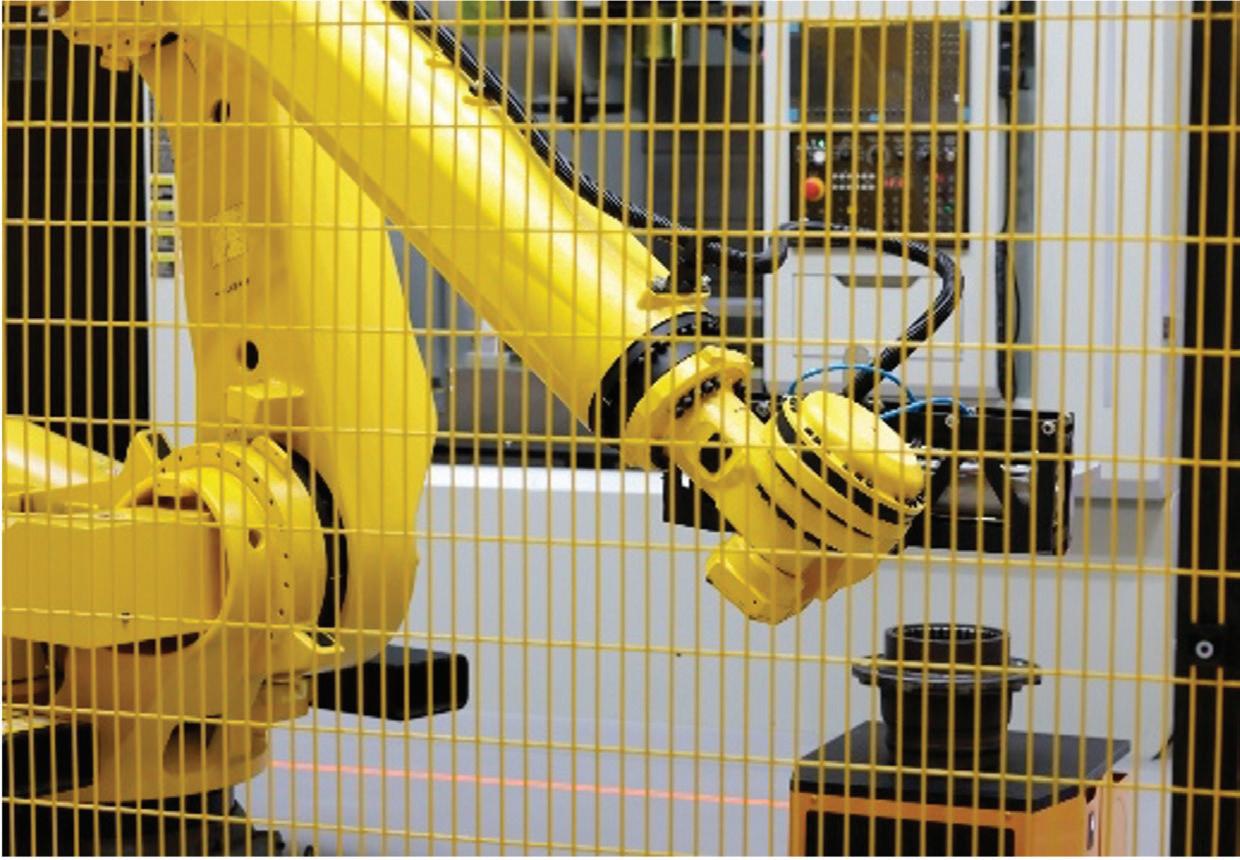
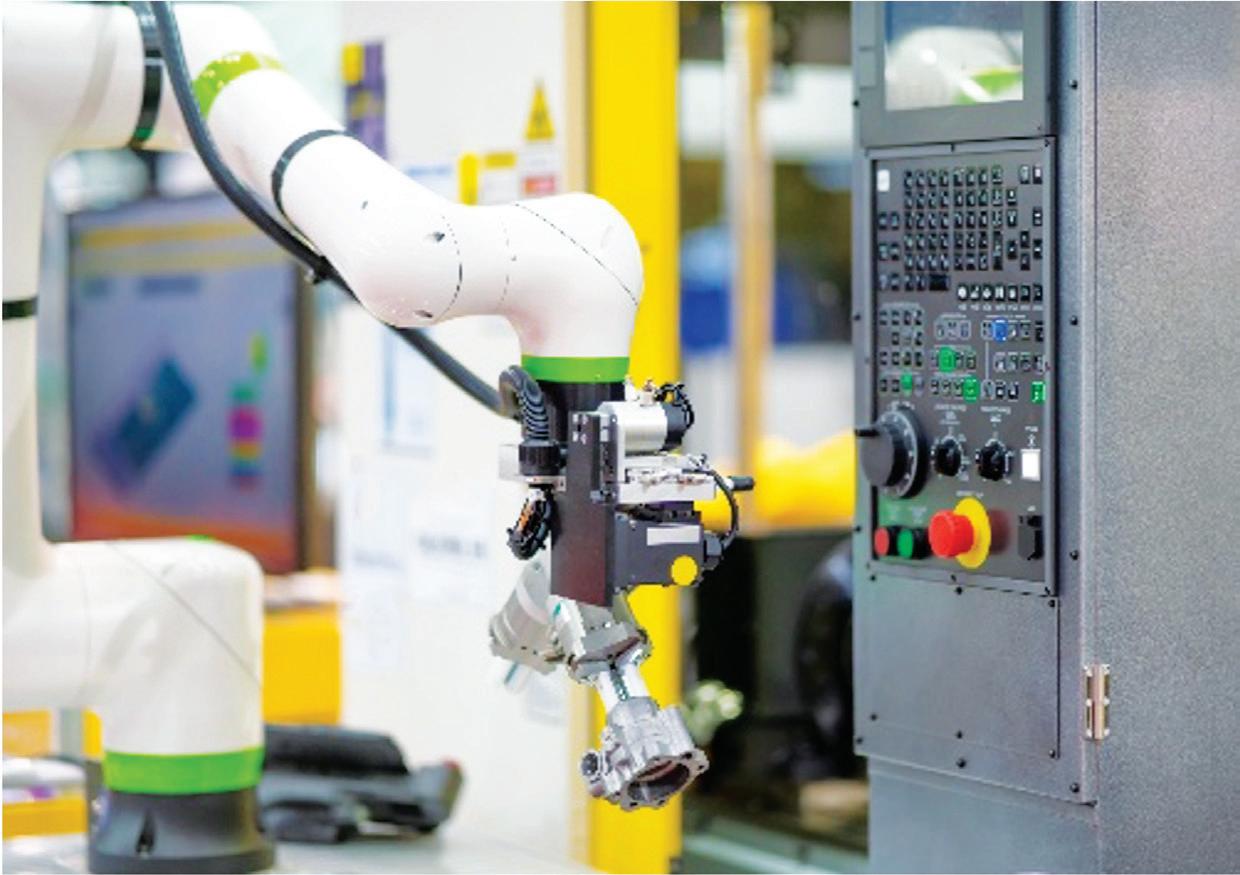
Classic industrial robots were highmass machines programmed to perform specific motions at high velocity. To protect human workers, these robots were placed in locked cages that could only be opened when the robot was powered down. Fastforward to the cobots of today. Cobots are designed to operate in close proximity to human beings. Devices feature rounded edges, low speed and low force motion, and safety sensors and programming to ensure safety by design (see Figure 3).
The Cobot-human partnership
As humans and robots with agency increasingly work side-by-side in the industrial environment, engineering teams have reimagined the human machine interface and programming of physical AI robots. Key focuses include safety and ease of use.
• Legibility of Intent
A modern automated warehouse, for example, can contain hundreds to hundreds of thousands of autonomous mobile robots (AMRs) operating in proximity to workers. To prevent injury and maximize efficiency, AMRs need to telegraph their next movements to nearby workers. They can do this through visual and audio cues. Simple approaches like turn signals or wearable haptic proximity sensors that vibrate when robots are near are quick and inexpensive, but can be overlooked in the noisy, often cluttered industrial environment. Designers are exploring more intuitive approaches that mimic human body language, such as reductions in speed/cadence and the use of articulating sensors that can signal intent with an “eye gaze.” Now, an AMR turning toward a bin can
signal its intentions by slowing down and “glancing” toward the object, just like a person would.
• “Follow-Me” Tugger Trains
Autonomous tugger trains, which consist of AMRs that pull carts on fixed routes, have become increasingly common in manufacturing and logistics. With the Industry 5.0 focus on human-centric design, tugger trains have also become collaborative robots that can increase human safety. Festooned with sensors— lidar, laser range finders, 3D cameras— these tugger trains have the ability to follow human operators from point to point. During “follow me” operation, the tugger train handles the load while its human partner performs the tasks requiring adaptability. In some cases, follow-me technology can be used to program routes for the train to follow autonomously. The human operator leads the train on the desired path and the system repeats it. The result is a dynamically reconfigurable robotic system with a very low bar to entry.
Improved usability
Controlling a robot by writing code for every single action is time-consuming and complex. Any time any part of the process changes, the code must be rewritten, tested, and debugged. With the assistance of AI, robots are emerging that can be trained almost as easily as a human.
• VLA Models
Robot policy emerged as a solution to programming complexity. A robot policy is a framework that enables the robot to identify its current environment and configuration — its state — then map that state to a set of actions it needs to take to achieve the next objective. Even then, robot policy refinement is challenging. Enter visionlanguage-action (VLA) models.
VLA models are analogous to the LLMs and vision-language models (VLMs) that power generative AI. VLA models are pre-trained on large, heterogeneous data sets, frequently using VLMs and LLMs as starting points. Motion-specific training for the VLA includes a wide range of scenarios and tasks. Instead of training for a narrow set of tasks, the robot can adapt any of a large set of options to its needs.
Figure 3: Classic industrial robots are kept in cages to protect workers from high velocity movements (left). Robots are designed for human interaction, with rounded edges and low-speed, low-force motion (right).
During operation, the robot first determines its state by comparing the data it gathers to the generalized VLA data set. Because VLMs can include a variety of types of data such as images, video, and text, a single VLA can be applied to many different scenarios. Next, the VLA’s LLM training set equips the robot to understand audible natural-language commands (“Pick up the blue bracket and hold it here.”) With the aid of the VLA model, the robot can now calculate the trajectory and force needed to assist without any manual programming. If there are any changes to the environment, object, or task, the robot has the resiliency to rapidly adapt. The technology is still in its early days but impressive demonstrations have already been conducted.
• Shadowing AI
Another solution to the programming challenge is programming by
demonstration (PbD), also known as imitation learning. An early form of imitation learning was manual guided teaching, in which the user would move the end effector of a cobot through the desired sequence. The robot would then follow that sequence going forward. With the addition of Industry 4.0 instrumentation and AI, projects are now Underway in which the cobot observes as the human operator performs a task, then mimics the process. The information gathering also makes it possible for the cobot to assist the technician with tool orientation or by applying a steadying force.
Conclusion
The human-centric paradigm of Industry 5.0 promises to bring industrial operations into a new era of resiliency, efficiency, and sustainability. Built upon the foundation of Industry 4.0’s focus on
connectivity and automation, Industry 5.0 combines the best the machines and humans have to offer. The resultant technologies increase worker safety and productivity while leveraging the unique human traits of creativity, adaptability, and problem solving.
Figure 1: Paper: Kuber, P.M.; Rashedi, E. Training and Familiarization with Industrial Exoskeletons: A Review of Considerations, Protocols, and Approaches for Effective Implementation. Biomimetics 2024, 9, 520. https://doi.org/10.3390/ biomimetics9090520
Figure 2: Paper: Kuber, P.M.; Rashedi, E. Training and Familiarization with Industrial Exoskeletons: A Review of Considerations, Protocols, and Approaches for Effective Implementation. Biomimetics 2024, 9, 520. https://doi.org/10.3390/ biomimetics9090520. Wikipedia, attribution: Kozinc Ž and Zelik KE (2025) Exoskeletons: Enhancing the Future of Physical Work. Front. Young Minds. 13:1385574. doi: 10.3389/frym.2024.1385574
1500+ Industrial Control Videos available for
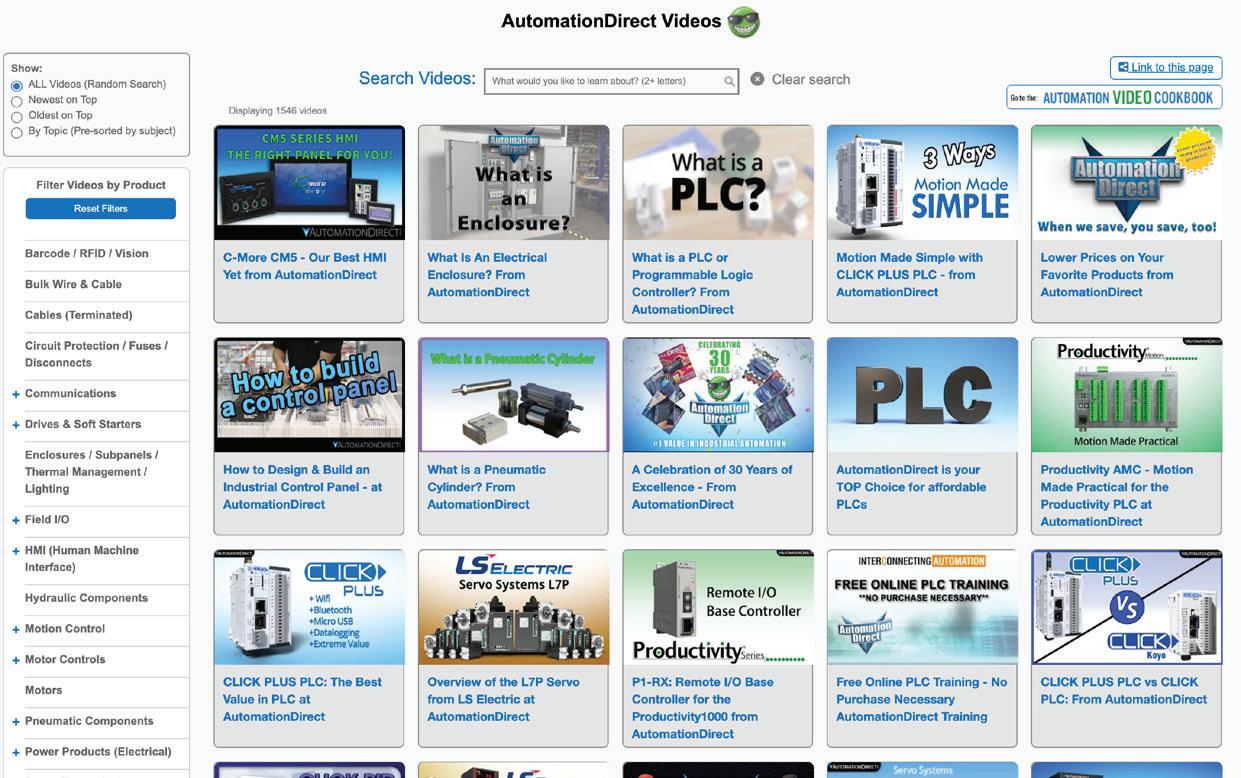
Whether you’re looking for help programming a PLC, help deciding which pneumatic component you need, help selecting a sensor, or you’re just looking for some new-found knowledge, look no further than AutomationDirect’s video library. This video library is easily accessed from AutomationDirect’s home page and has thousands of videos at your fingertips. All 100% free to watch, so watch when you want as many times as you want.
Easy EtherCAT Connectivity
While PROFINET and EtherNet/IP are among the most well-known industrial Ethernet communication protocols in North America, there are compelling reasons to choose EtherCAT for your next motion control or automation design.
For new industrial automation installations, as well as retrofits and upgrades, Ethernet adoption continues to grow as traditional fieldbus technology implementations decline (Reference 1). This trend is clearly visible to designers and engineers in the industrial sector, who now have many types of Ethernet-enabled controllers, instruments, and other devices available to them, along with a growing list of Ethernet media choices (conductors, connectors, switches, and more) to facilitate installations in challenging environments. Furthermore, Ethernet Advanced Physical Layer (APL) and Single Pair Ethernet (SPE) are making it even easier to install and retrofit Ethernet connectivity throughout process and discrete applications.
Choosing the best industrial Ethernet communication protocol for a given application is not a one-size-fits-all proposition, however. Each protocol has various characteristics which must be evaluated based on the requirements of the application, and no protocol is clearly better than all the others in every case. In fact, many target devices may only be available with support for one or two protocols, so that already constrains the choice. Furthermore, it is possible to use more than one protocol in an application, sometimes on the same physical network. This article looks at why EtherCAT may be a good fit for your next project.
Communication protocol frontrunners
There are several industrial Ethernet protocols available, although the top three hold almost 70% of the market share. The top two by this metric are PROFINET
BY CHIP MCDANIEL, AUTOMATIONDIRECT
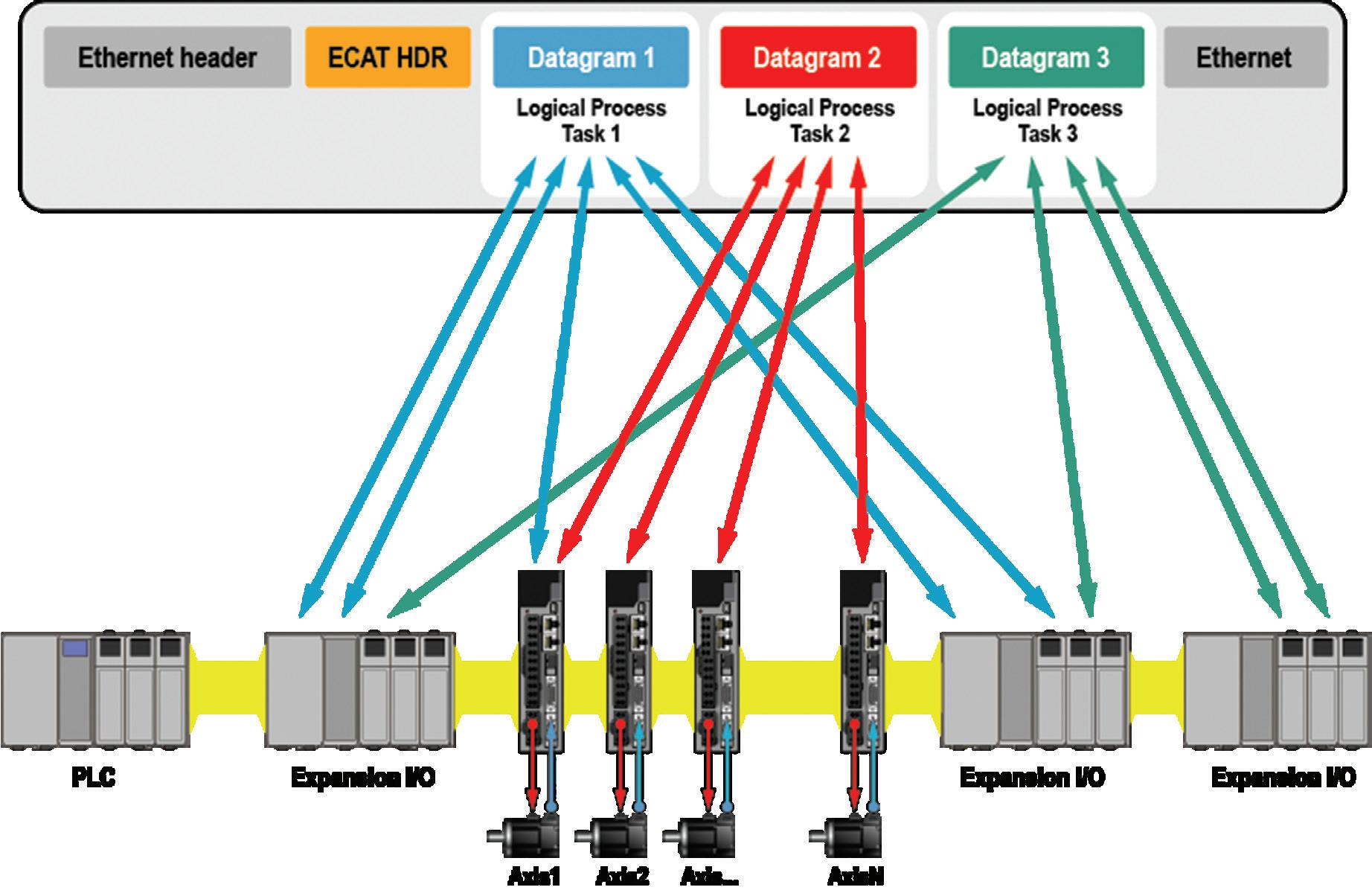
1: EtherCAT data telegrams contain commands for and receive optional feedback information from nodes, and they can achieve deterministic cycle times on the order of 1,000 microseconds.
(with strong adoption in Europe and a growing presence in Asia) and EtherNet/ IP (the leading option in North America). Rounding out the top three is EtherCAT, which is most common in Europe but is seeing increasing use in North America and Asia. Because EtherCAT offers the exceptional speed, efficiency, determinism, and scalability needed for high-performance motion control applications, many designers perceive it as an inaccessibly complex and costly option. Certainly, each EtherCAT device needs specific Ethernet hardware on-board to
enable the on-the-fly processing essential for high-speed communication, so devices with this protocol are somewhat less common. But many motion control devices such as servo and stepper controllers, and variable frequency drives (VFDs) do include an EtherCAT adapter on-board or as an option to take advantage of its speed, deterministic performance, and simplified control architecture. In addition, various sensors, including encoders commonly needed for motion applications, are also now available in EtherCAT versions, as well as distributed input/output (I/O) options.
Figure
EtherCAT advantages
EtherCAT supports the most common physical topologies, including linear/ring, star, and tree. In fact, many EtherCAT devices incorporate two ports, making it easy to design a linear/ring architecture with each device daisy-chained to the next, and no additional switches needed. If the ring is physically closed/completed, then for some implementations redundancy can be enabled with automatic recovery from a single cable break or failure within less than 15 microseconds.
Equally important is that the protocol operates in a logical ring topology, where a single master device initiates a data telegram (containing multiple datagrams) which traverses through slave devices (network nodes). Each node handles the telegram rapidly, reading node-specific data, inserting data when needed and then transmitting it on, leading to deterministic cycle times on the order of 1,000 microseconds or less (Figure 1).
An EtherCAT network can support many thousands of nodes, but most practical applications will have just a few or a few dozen nodes to support best performance. For motion applications, the number of axes is determined by the controller, and could be just a few up to 16 or more.
So the question becomes, what puts a thumb on the scale to weigh EtherCAT as the best choice for any given application?
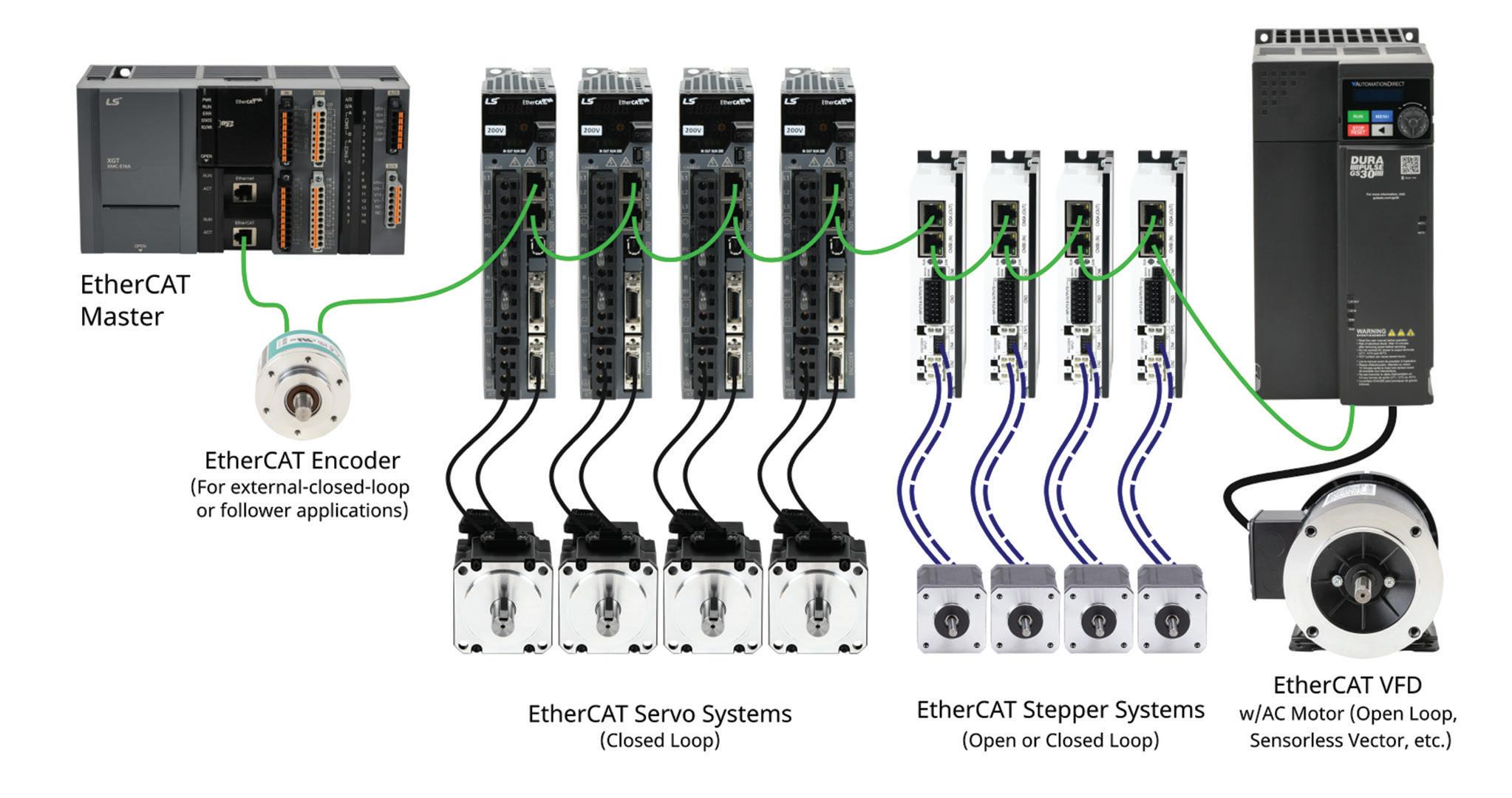
Commonplace devices, streamlined installs EtherCAT is not just for high-performance motion control, with two main factors making EtherCAT a compelling choice for automation designs (Figure 2):
• Widespread availability of EtherCATenabled stepper drives and VFDs—both less costly than servo alternatives—and also encoders and I/O options
• Streamlined linear/ring network installation, with simple CAT5 connections handling the majority of the wiring
For applications with servo motion control, EtherCAT is a natural fit. But whether or not servos are involved, the wide availability of EtherCAT-enabled stepper drives and VFD drives mean that designers can choose the proper level of precision/feedback and the most cost-effective technology for each axis. Similarly, because devices like encoders and remote I/O hubs are available with EtherCAT, designers may find that all the devices they need for a given machine or system can be handled on an EtherCAT network for simplified control.
The ability to daisy-chain multiple EtherCAT devices using simple Ethernet patch cables, without interposing network hardware, massively streamlines installations. This is especially the case compared with older motion control designs requiring dozens of control, handshake, and alarm signals to be hardwired between controllers and drives. Often the only remaining hardwired control signals might be overtravel inputs and possibly a home sensor, if needed. Eliminating so many connections not only saves on installation labor, but also on subsequent testing and support. In addition, many EtherCAT-enabled drives incorporate Safe Torque Off (STO) technology, providing reliable emergency-stop capabilities with simplified wiring.
Figure 2: The availability of economical EtherCATenabled stepper drives, VFDs, encoders, I/O, and other devices— in conjunction with streamlined installations using simple daisy-chained Ethernet connections— makes the EtherCAT protocol a compelling choice for many types of applications.
All figures courtesy of AutomationDirect
Give EtherCAT a look
EtherCAT is not only for the highestperformance industrial control applications. The ready availability of other EtherCAT-enabled devices—including cost-effective stepper drives and VFDs— combined with streamlined installation due to the linear/ring network using standard Ethernet cables, makes EtherCAT a leading choice for many automation applications.
References
Reference 1: https://www.hms-networks. com/news/news-details/27-05-2025-hmsnetworks-report-industrial-trends-2025

Chip McDaniel works in technical marketing for AutomationDirect and is a graduate of Georgia Tech. His decades of experience in the industrial automation field include designing, building and commissioning multi-axis servo systems, as well as the marketing of a wide range of automation products.
Figure 1a, 1b, 1c: As a supplier of a wide range of agricultural equipment, W.G. Dairy has found that the ability to offer automation and integration services provides more opportunities for them to support clients, especially by coordinating new and existing systems into a complete solution.
All figures courtesy of W.G. Dairy Supply, Inc.

W.
Mixing Dairy Feed with Automation
BY MILES BRAKE, W.G. DAIRY SUPPLY, INC.
Automating livestock feed mixing in an accessible way provides the ideal solution for dairy farmers.
G. Dairy Supply, Inc. (W.G. Dairy) is an innovative equipment and services supplier in the agricultural space. A portfolio of mechanical and automated equipment, and the company’s ability to provide additional automation and integration services, has proven to be an important differentiator for supporting their clients. When it comes to automating dairy operations for reliability and efficiency, there is no aspect too large or small to consider—from milking to feeding, environmental controls, and sanitation—regardless of the size and structure of farm operations.
With operating margins in the dairy industry often low and volatile, it is crucial to keep automation investments economical in order for them to be accessible and successful. For smaller
operations, it is common to add automation in phases, implementing custom projects that leverage existing infrastructure, wherever possible.
One area of specialty for W.G. Dairy is feed and grain handling. Drawing on their extensive experience working with many major automation suppliers, the technical team has developed proven approaches for providing custom controls for integrating unique applications ranging from grain storage and drying to mixing and transport. So, when a client needed to upgrade their existing feed bins to work with a new automated mixer, W.G. Dairy was up for the challenge.
Mixing things up
Total mixed ration (TMR) is a method of feeding livestock by combining minerals, supplements and grains with forages to
create a nutritiously balanced feed. To achieve specific formulations, ingredients in precise amounts are carefully mixed to create a uniform feed.
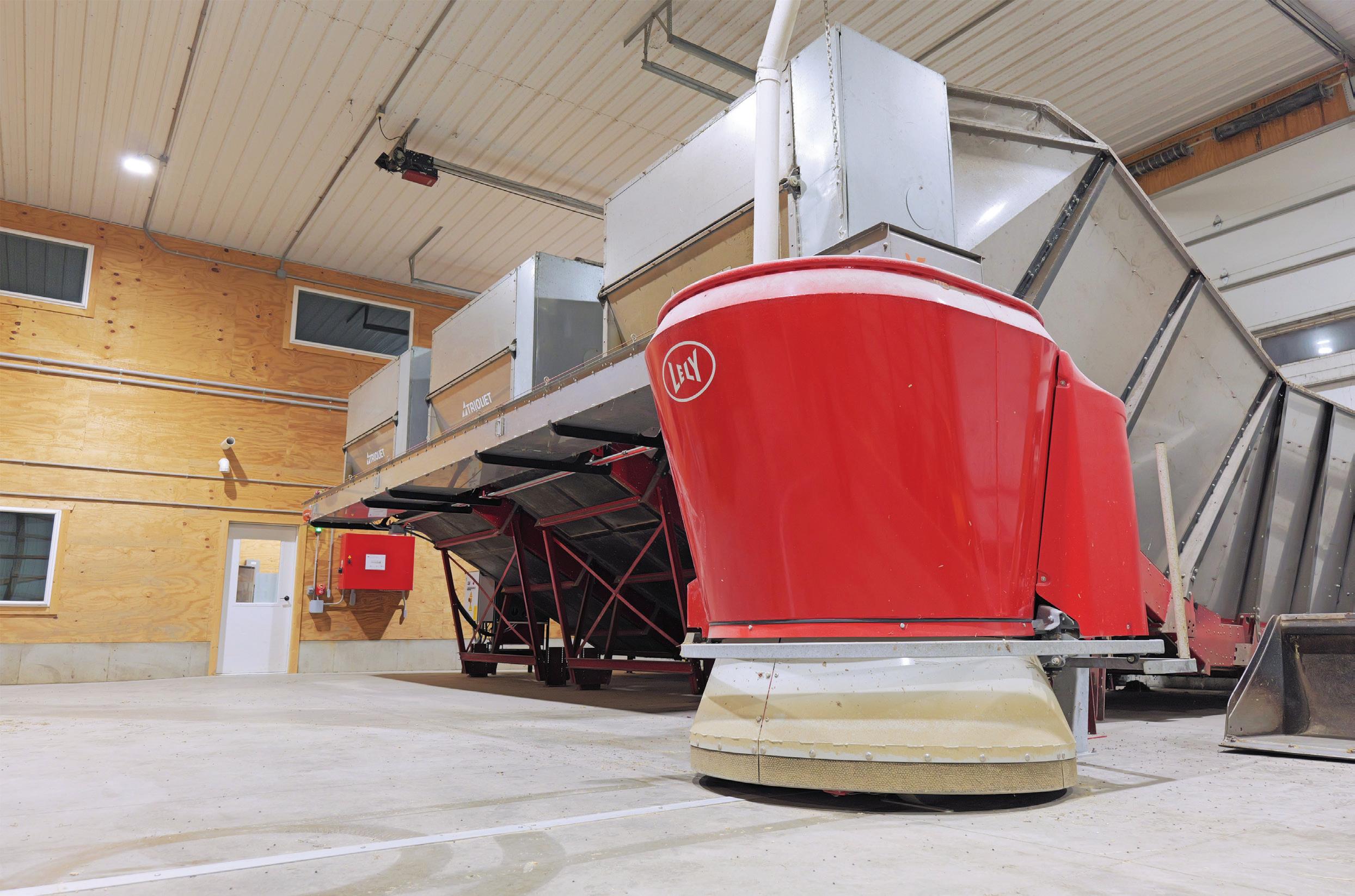
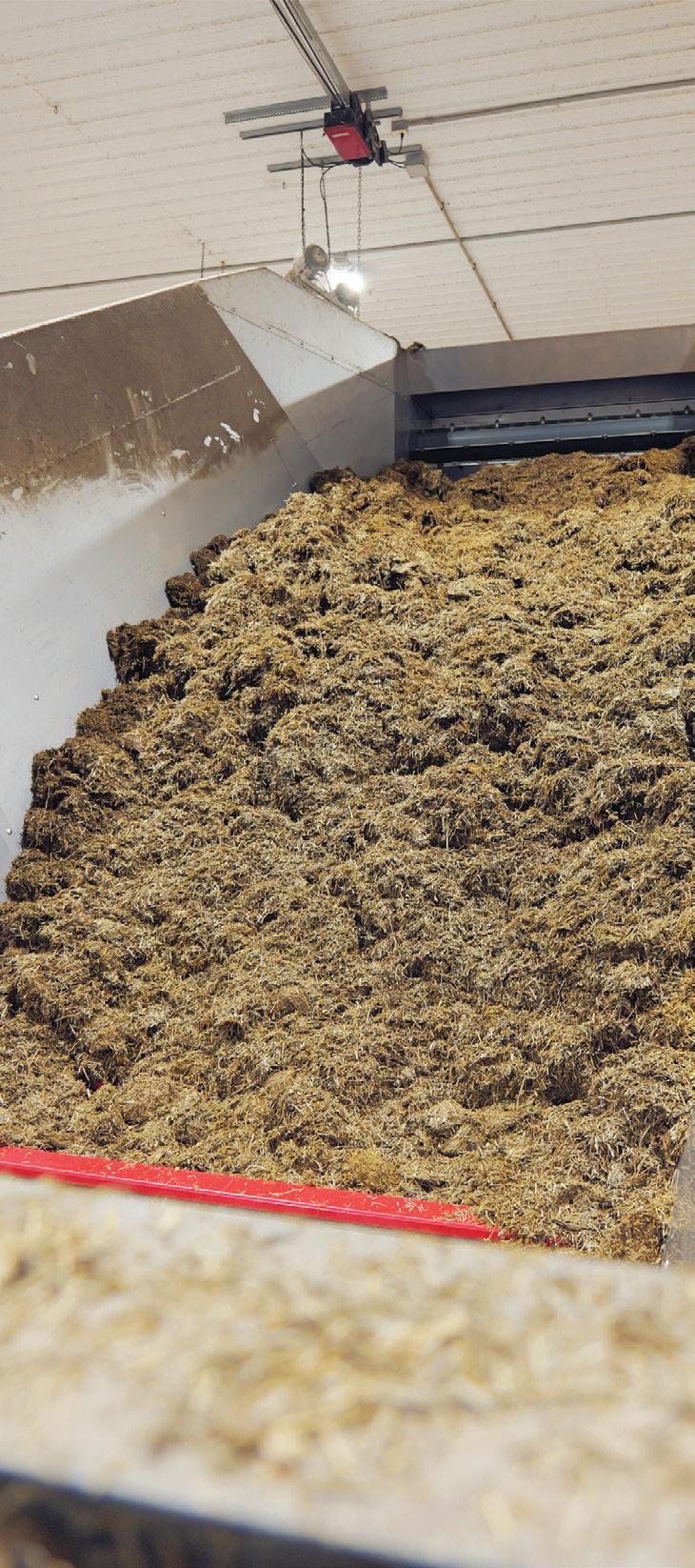
W.G. Dairy’s client had existing feed bins, but they were looking to improve their feed dosing capabilities. They especially liked a specific automated feed mixer offered by W.G. Dairy, but this equipment would not be plug-and-play with existing on-site equipment. Fortunately, the technical team has performed installs with this equipment—ranging from small to large—to help their clients upgrade operations while preserving investments in existing assets (Figure 1).
The feed mixer utilizes load cells to monitor the amount of each ingredient as it is added to the mixer. In addition, the mixer has the ability to “call” for each material in a sequential manner, so it can obtain

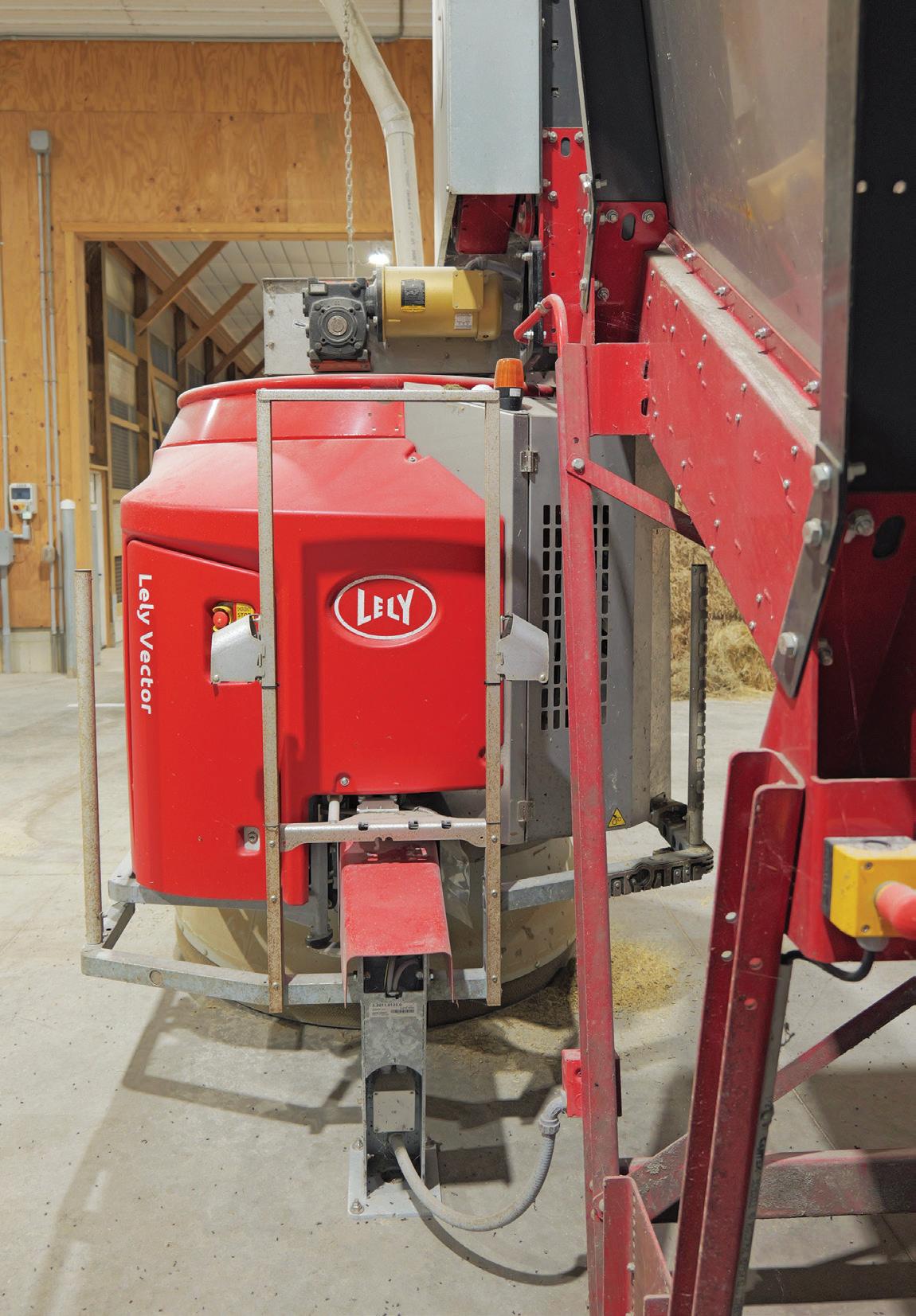
accurate weighments of each ingredient. In fact, the mixer automation is able to learn the weight of “in flight” material after the call for an ingredient has stopped, allowing for self-adjustments and better accuracy. When all ingredients are in the mixer drum, they are blended with an auger-like motion into a homogeneous feed that is ready for distribution to the livestock. In this case, the challenge was that the automated feed mixer would not natively interact with the existing feed bins, their controls, and the conveyor, so W.G. Dairy would need to create this integration piece.
CLICKing into place
Controlling the precise ingredient ratios requires that the controls for the feed bins, conveyor, and mixer communicate with each other. For all types of smallerto medium-sized integrations, W.G. Dairy has significant experience using various AutomationDirect products. In this application, the best fit was determined to be the CLICK PLUS programmable logic controller (PLC) (Figure 2). The affordable, stackable micro modular controller has proven to be a straightforward, reliable solution
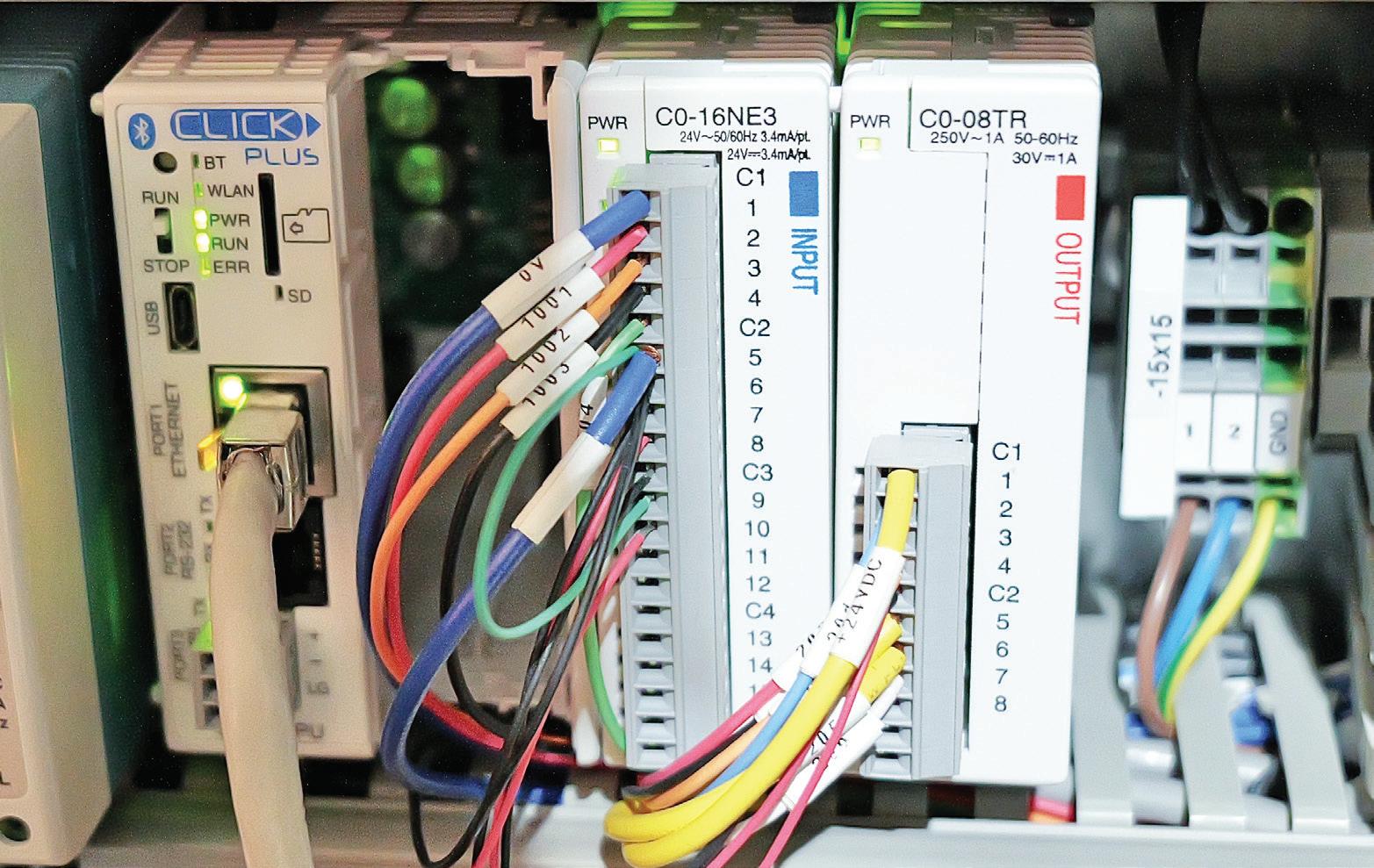
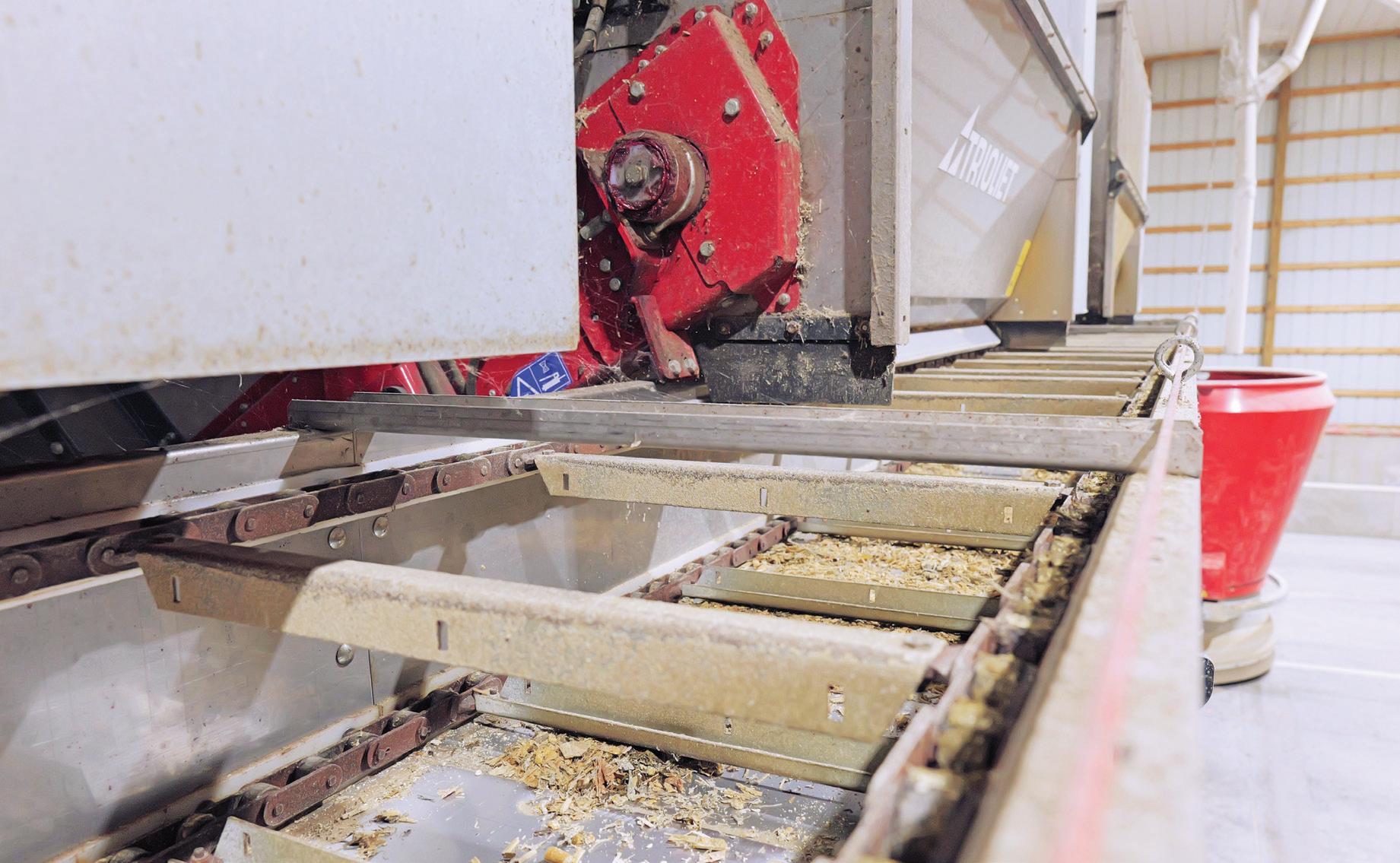
for syncing up the controls between multiple pieces of equipment—the new automated mixer and existing feed bins. Basic hardwired discrete input/ output points are used to monitor product “call” requests from the automated feed mixer, and to command the feed bin equipment. When the PLC receives a call input for a given material, it then sends an output signal to start the conveyor and open a valve on the appropriate feed bin to start the flow of the desired ingredient. The mixer utilizes load cells to weigh the incoming material and discontinues the call at the appropriate time. The PLC will close the source valve but continue to run the conveyor for a time period to empty the remaining material into the mixer (Figure 3). This process repeats for each bin until the ideal amount of each ingredient has entered the mixer and the mixing process activates.
For each weighment, the mixer controller performs a calculation to determine how much material was “in flight” after the material call was discontinued, and uses a running average of this value to adjust future calls so the batch can be accurately created. This ability to coordinate with the PLC and handle this calculation is important to maintain feed accuracy even as material types, consistencies, and other factors such as humidity impact the handling for each product.
As an added safeguard, a ProSense inductive proximity sensor from AutomationDirect was installed on the undriven end of the conveyor belt. If the conveyor is commanded to run but a malfunction occurs—such as the chain coming off or the drive mechanism breaks—then the proximity sensor detects a lack of expected pulses, enabling the PLC to shut down the system in a safe manner. This feature also prevents excess material from building up on the conveyor line.
Free software for the farm and factory
As a technical service provider, W.G. Dairy must be prepared to support clients even after the initial project implementation, and many clients opt to contract with the team for ongoing professional services. While many farms do have on-site technical personnel and mechanics, it is less common for them to be able to selfsupport automation systems. >>
Figure 2: The AutomationDirect CLICK PLUS PLC has proven to be a reliable platform for integrating multiple pieces of equipment, acting as the “glue” that interconnects various new and existing control systems.
The free CLICK Programming Software is a win-win for both clients and W.G. Dairy. The streamlined software is easy to use and simplifies remote troubleshooting (Figure 4).
Many clients work with W.G. Dairy to establish a secure remote PC connection, so that the services team can adjust PLC parameters and perform other support remotely, enabling issues at rural farms to be addressed quickly and efficiently in all weather conditions without travel delays. The professional services team provides a proactive, preventative approach to monitoring operational status as well as maintaining 24-hour emergency support.
Moo-ving fast
When it comes to supporting clients with smaller, custom integration projects, the direct purchasing model provided by AutomationDirect has been a gamechanger for W.G. Dairy. The ability to access transparent pricing and stocking levels via the website saves tremendous time and effort during the procurement process. In many instances, parts are delivered faster than it would take to complete the traditional process of identifying budgetfriendly options, confirming acceptable lead-times, waiting for pricing quotes, and generating a purchase order.
Like many successful projects, delivering and maintaining the automated feed mixer solution was a team effort. Finding a solution that yielded reliable results and was accessible for a wide range of personnel skill
Figure 3: Carefully applied PLC automation assures that existing bin and conveyor equipment are easily coordinated with the new mixer system, providing accurate batching.
levels—including seasoned automation professionals as well as junior employees and farm staff with no automation background—proved to be crucial. The resources and product support available from AutomationDirect are best-in-class. Extensive online resources including free PLC training and educational YouTube videos allow users to quickly search a product such as “CLICK PLC” or dive deep into a topic such as “PID control”. The combination of support, training, a wide variety of products, and fast shipping times, makes AutomationDirect essential
for the controls department at W.G. Dairy Supply, and has helped the team to mentor young members as they develop into skilled technicians.
Industrial automation products that are affordable and easily implemented can level the playing field for smaller farming operations—particularly those needing custom solutions without in-house controls expertise. Often, the elements that hold everything together are those that add significant value. With reliable, easily accessible components that integrate seamlessly with other vendors, W.G. Dairy delivers complete, high-quality solutions that enhance the value of their clients’ operations.
Miles Brake is just one member of the automation team at W.G. Dairy Supply, Inc. Since 1964, W.G. Dairy has been serving, impacting, and engaging with customers and the community by providing dairy and agricultural related products and solutions. This work has expanded over the years to include a variety of custom automation solutions, as the industry and associated technologies have evolved.
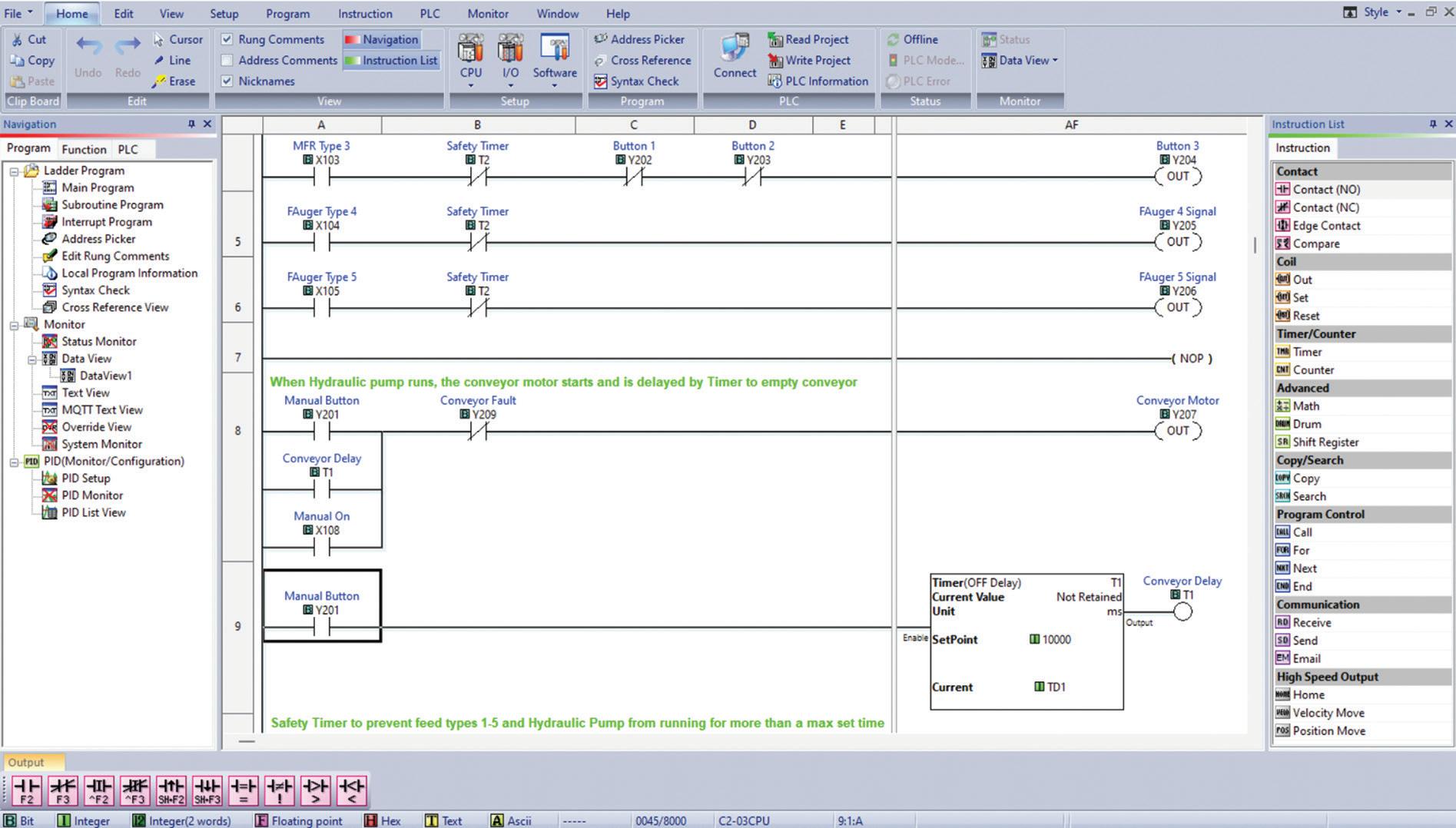
Figure 4: The AutomationDirect CLICK programming software is free and easy to use, making the platform accessible for systems integrators and end users alike. It provides an ideal way for those entering industry to learn industrial automation techniques.

HMIs for Every Application–Affordable to Advanced

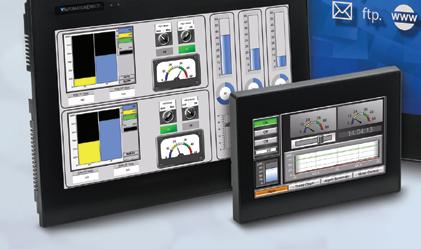
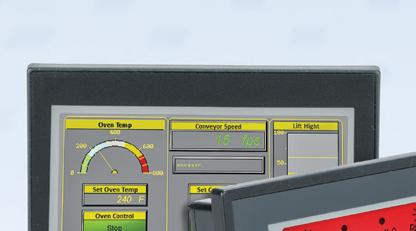
C-more CM5 HMI Panels
The CM5 high-performance HMI series provides ample data storage, fast communication with a host of popular protocols (EtherNet/IP, MQTT, etc.), and supports various file types including jpegs.
• Ethernet port included for easy network data sharing





• 16.7M colors and LED backlights
• Models from 4” up to 22” (widescreen) available
• 800MHz or 1.6GHz quad core CPU
• 43MB project memory
• NEMA 4/4X (indoor use only), IP65
• FREE HMI programming software with powerful design tools and a project simulator
Starting at $340.00 (CM5-T4W)

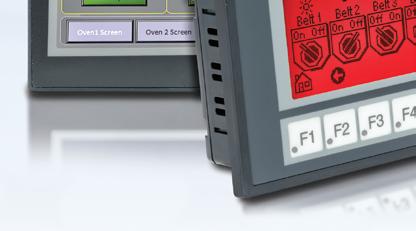
C-more Micro HMI Panels

When cost is the most important consideration, check out the C-more Micro HMIs, loaded with features and available with up to 4” diagonal screens that clearly display text, graphics, and bitmaps to effectively communicate critical data to operators.
• Built-in Ethernet (select models)
• Five function keys with LED indicators (except EA3-T4CL)
• Key functions customizable for each independent screen
• Indicator LEDs can be programmed to display alarms/status

• Software-selectable screen colors (3” panels)
• 32,768 colors with LED backlight (4” panels)

• NEMA 1, NEMA 4/4X indoor ratings
• FREE HMI programming software
Starting at $184.00 (EA3-S3ML-RN)





C-more CM5 Headless HMIs
Harness the power of CM5 HMIs without display size limitations! Easily connect the CM5-RHMI to C-more CTM series monitors, televisions, projectors, and most HDMI display devices of any size to display real-time operational data and messages.
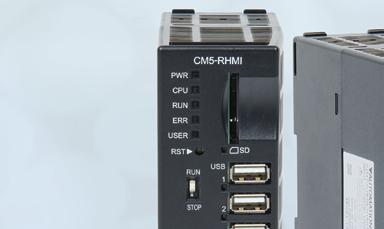
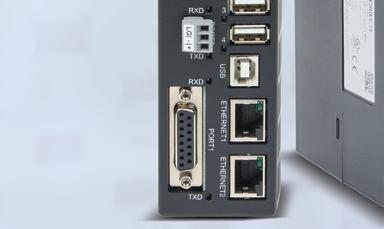

• HDMI video/audio outputs for VGA, SD, XGA, HD, and FHD; USB audio adapter (not included)
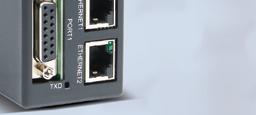
• (2) Ethernet, (1) RS232, (2) RS485, & (1) RS422 ports support programming/device connections

• USB-B port for programming and monitoring



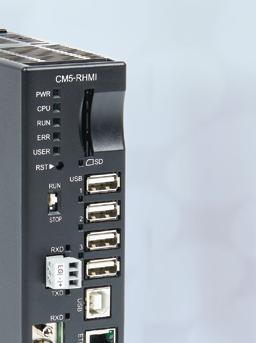
• (4) USB-A ports for USB HID devices such as USB hub, pen drives, touch screen displays, keyboard, mouse & scanners


• SD card slot for log files, project memory, or graphic media


• Remote HMI app provides virtual-only functionality for applications that only require remote monitoring
Starting at $599.00 (CM5-RHMI)
18”, 22”, 24”and 27”models

C-more/C-more Micro
Software
C-more CTM Industrial LCD Flat Panel Monitors
These new CTM series flat panels are rugged monitors that can withstand the rigors of industrial environments. With 10-point PCAP touchscreens, these monitors are super responsive even when wearing gloves.

• Standard analog VGA, HDMI, and USB Type-B inputs
• 16.7 million colors & 1920 x 1080 @ 60Hz video modes

• Ideal for SCADA systems, Andon boards, and for use with C-more CM5-RHMI headless HMI • IP65 front bezel rating
C-more/C-more Micro programming software packages are FREE and provide the tools needed to develop simple or very complex projects.
• Includes screen objects such as switches, meters, PID faceplates, and an analog digital clock (depending on HMI series)

• Up to 9999 screens (C-more), 999 (C-more Micro)
• Password protection available for every touch object or screen (depending on HMI series)






Starting at $827.00 (CTM-22W-M-PM)








• Import bitmaps or bitmap objects
• Other features such as alarm functions; data logging (C-more HMIs only); animation objects (C-more HMIs only); project simulation; object grouping; recipes with up to 99 or 100 entries

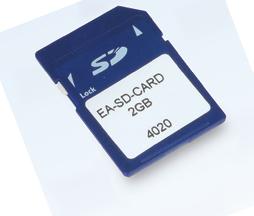


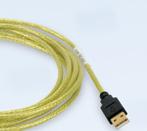
C-more HMI accessories include SD memory cards, USB flash drives, protective overlays, connectors, mounting brackets, and more.


















Lights, Camera, Automation!

BY RYAN POETHKE, SHOWFAB
An automation upgrade allowed a professional summer stock theatre company to integrate its lighting systems, improving control while simplifying operations.

In the theatre, lighting sets the stage — creating an atmosphere and evoking mood even before the actors appear. Behind the scenes, however, there is far more than meets the eye: a fascinating technical framework that makes the magic possible. At Timber Lake Playhouse (TLP), a professional, non-profit summer stock theatre company in Mt. Carroll, IL, a lighting upgrade project utilized automation to seamlessly link the facility’s lighting systems, bringing greater control, efficiency, and creative flexibility to every performance.
Setting the stage
At a theater, several types of lighting work together to support both the onstage performance and behind the scenes operations. Show lighting sets the scene, illuminating the stage and actors. House lights cover the audience, playing a critical role for safe audience entry and egress and occasionally contributing to key moments during a performance. Work lights are utilized backstage to support behind the scenes preparation and technical work. Each lighting system fulfills unique roles, but there are times where they need to interoperate with each other.
TLP’s legacy lighting system uses multiple dimmer and switching racks, along with other elements, interconnected and communicating via the Digital Multiplex 512 (DMX) protocol. DMX is a serial communication protocol that originated in 1986. It transmits data at 250kbit/s, and is still widely used in the entertainment industry to control lighting parameters such as brightness, color, and fixture positioning for complex stage effects. Some of the lighting system uses the Streaming Architecture for Control Networks (sACN), which is Ethernet-based for controlling entertainment technology equipment. Communications gateways bridge the two protocols.
The stage lighting uses one set of operator/performance controls which had been upgraded over the years, but the house and work lights were operated by a specialized OEM controller actually intended more for architectural and office applications. As technology advanced in recent
decades, TLP found their house/work lighting system in need of a major upgrade. The existing controller was installed in the early 2000s and became increasingly difficult to reliably support. Workarounds were in place, such as using a USB emulator to replace obsolete 3.5-inch floppy storage drives. Although the OEM supplier could offer some limited support, it quickly becomes costly and can sometimes limit the control and creativity of the on-site production staff. With this in mind, the search began for a solution to upgrade the controls in a robust fashion that would leverage the existing lighting infrastructure.
Casting call – identifying the ideal automation pieces
Typically, the house and work lighting simply uses traditional on/off buttons located throughout the facility, and a master control interface for the stage manager. However, there are times when the show lighting needs to control these systems, such as if the actors are in the audience area. Therefore, the new house/work lighting controller would need to support the DMX protocol so it could interact with the show lighting control. The system architecture includes a variety of components, a unique mix of commercial and industrial technologies spanning multiple generations (Figure 1). A critical design consideration was identifying a controller flexible enough to integrate with the many technologies, while also meeting demanding robustness and reliability requirements, and adapting to changing production needs.
An industrial-grade programmable logic controller (PLC) meets many of the criteria for a project like this, however few PLCs natively support the DMX protocol. When availability, costeffectiveness, and long-term support are considered, the list of viable options becomes even slimmer. Fortunately, the BRX PLC from AutomationDirect (Figure 2) fits the bill. An industrialgrade, stackable micro brick controller, the BRX features a compact, modular design that provides versatile capability while remaining budget-friendly when only the necessary I/O and communication modules are selected.
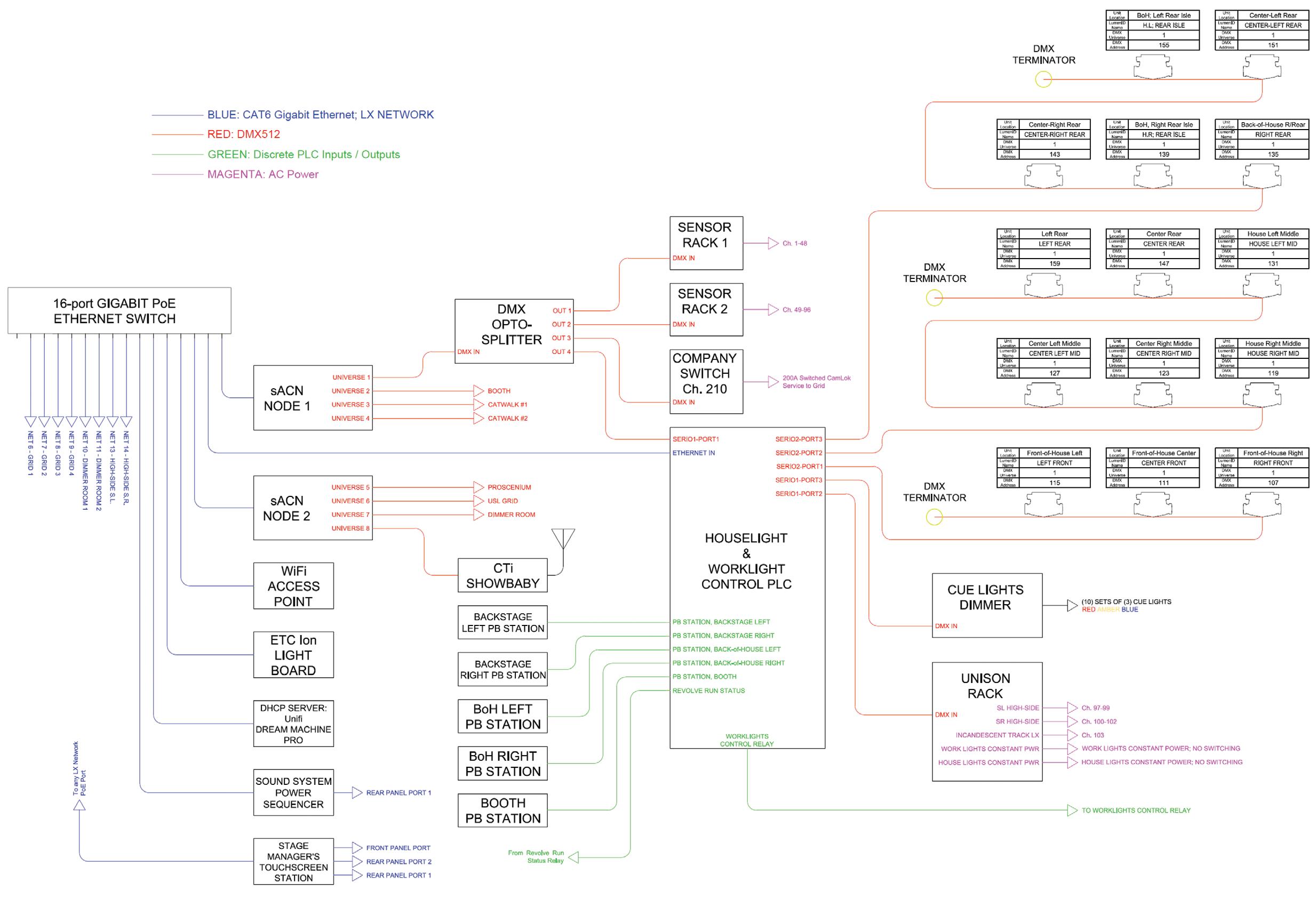
Lighting designers primarily use a specialized PC-based lighting console to control stage lighting, sending DMX signals routed through the BRX PLC to the DMX racks and ultimately to the lighting fixtures. The PLC is equipped with multiple DMX serial ports to accomplish this. Most commonly, the stage DMX signals are simply passed through to the stage lighting. However, when it is occasionally needed, the stage lighting commands for house/work lights can be intercepted by the PLC and passed to those lights. Or, the stage manager can use the PLC to take control of and manage the house and work lighting. There is a show mode, and also a non-show mode supporting maintenance or when equipment, sets, and props are being loaded in or out.
The BRX PLC also needed to integrate with remote pushbutton stations used to invoke pre-configured lighting “scenes.” A discrete I/O module was added to monitor each of the five pushbutton stations for scene lighting, positioned in various locations throughout the facility. The design team used industrial-grade 22mm buttons from AutomationDirect to ensure durability and serviceability.
Taking creative control
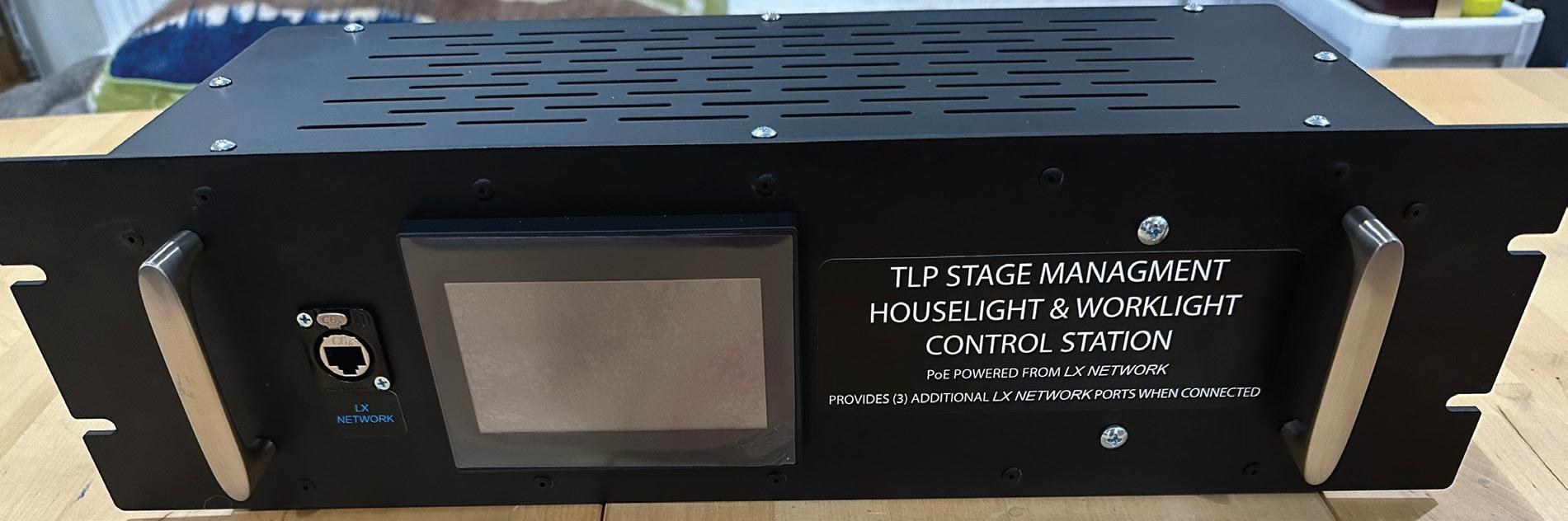
Of course, TLP does not expect the stage manager to have PLC programming experience to manage the house and work lights. Rather, a user-friendly control station was developed featuring a touchscreen human machine interface (HMI), the AutomationDirect C-more. For added convenience, this HMI was designed to be portable and is installed in a 19-inch rack (Figure 3) that is easily moved from backstage to the front of house for technical rehearsals, enabling the stage manager can make adjustments while watching the performance from the audience’s vantage point. One notable detail is that a power over Ethernet (PoE), and 24VDC PoE extractor are used for the HMI connection, providing both communications and device power via a very convenient single patch cord connection to the house network.
The HMI features interactive text, color graphics, and touch objects (Figure 4) that allow the house lights, work lights, and more to be adjusted. The HMI also helps with troubleshooting, providing a quick visual status of the PLC I/O as well as the sound system power. >>
1: The theatre lighting control network system architecture looks much like that for an automated factory, although it uses specific entertainment industry devices and protocols.
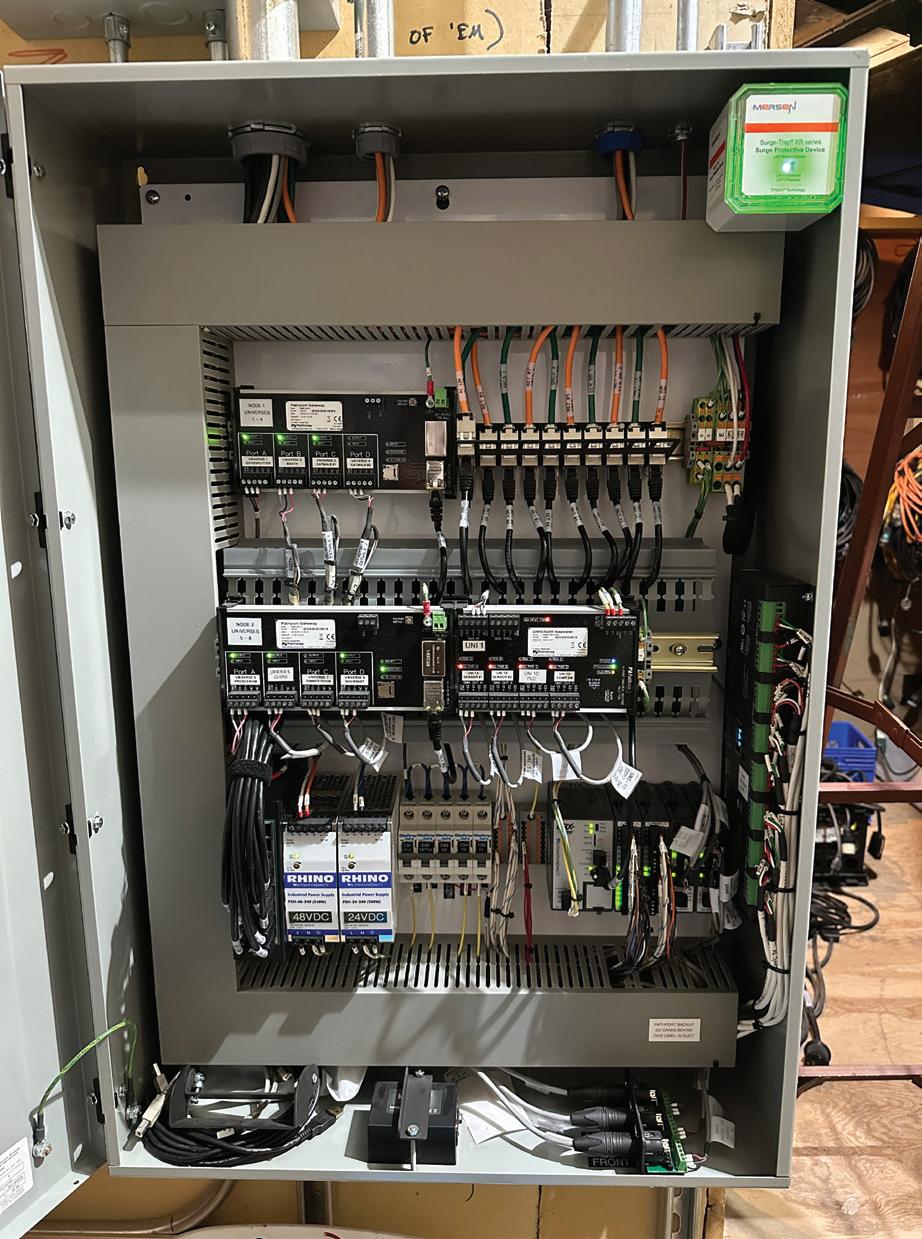
takes center stage in the upgraded house/work lighting control panel, interfacing with all other HMIs, remotely located pushbuttons, and lighting elements via Ethernet, discrete I/O, and/or DMX serial communications. All figures courtesy of Ryan Poethke
Figure
Figure 2: The versatile AutomationDirect BRX PLC
The HMI screen layouts not only allow for changes to be made, but they also help to error-proof operations. Safeguards such as a three-second hold prevent unintended changes caused by accidental contact, while a clearly defined sound system power up sequence reduces the likelihood of surging transients (that uncomfortable audible “pop”) that can occur when equipment is energized out of order.
Parts arrive right on cue
An unexpected concern during this project was part availability. The lighting upgrade took place during a time when the industrial global supply chain was in turmoil. Fortunately, this was not an issue because the BRX PLC hardware is designed, manufactured, and supported in the United States. The pricing and availability transparency on the AutomationDirect website made it easy to select products that met the project schedule.
In addition to the BRX PLC, many other critical project components were procured directly from AutomationDirect, including the I/O modules, Rhino DC power supplies, Mersen surge protection, C-more HMI, and Fuji pushbuttons. All parts are standard, industrial-grade devices, which are very durable and much more cost-effective than a bespoke specialty OEM solution.
Additionally, the ability to easily obtain the components from a single source helped limit the time spent managing and tracking orders from multiple vendors.
The next act
The BRX PLC has already proved to be highly extensible. To support TLP’s forty-five foot wide semi-thrust revolving stage, a system of cue light was added throughout the theater. The cue lights blink or illuminate in various colors to alert actors that the stage is about to move, allowing them to brace for movement before rotation begins. This feature is directly linked to the revolving stage automation, adding a layer of safety and convenience that was not previously possible.
The BRX PLC is easy to use with straightforward programming via the free Do-More Designer software which supports ladder logic and device-centric programming. The minimal learning curve is ideal for the theatre where production staff turnover seasonally and limited industrial programming experience is common.
With the abundant product and technical support resources available from AutomationDirect, a user manual has been developed so new staff can easily learn to use the system. Since many of the components in the lighting system
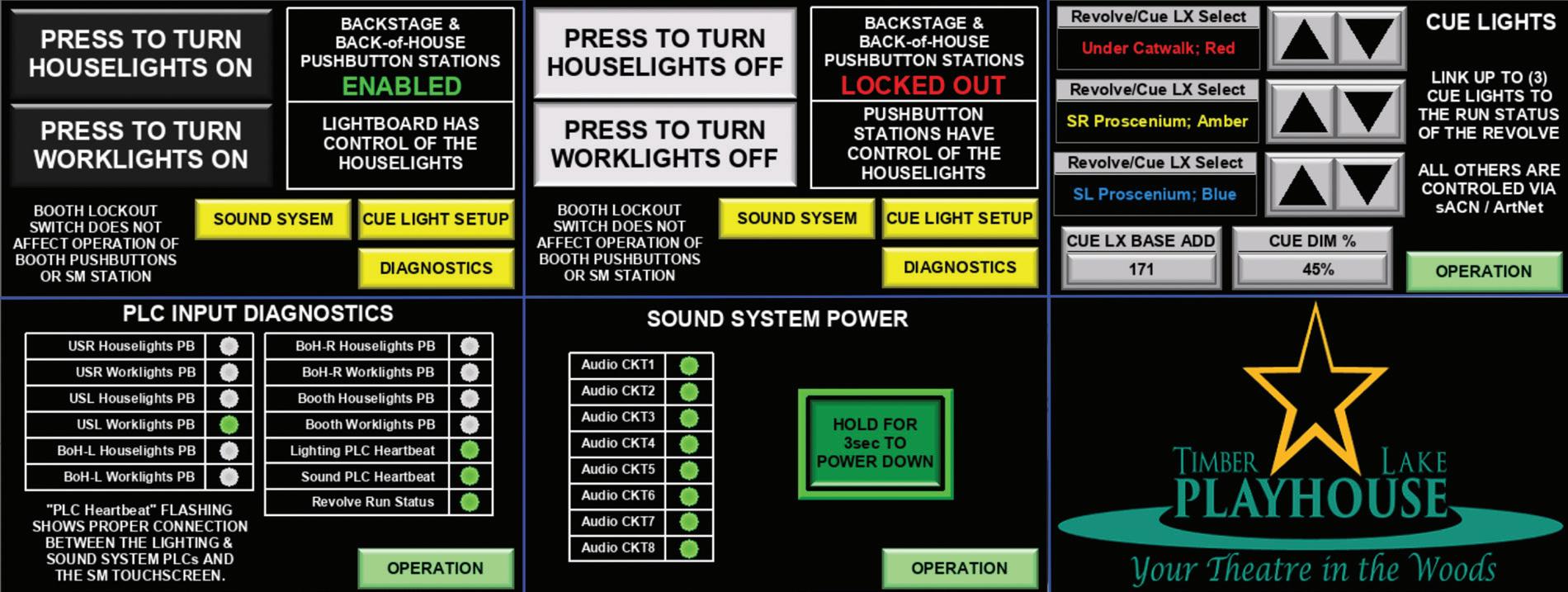
Figure 3: The stage manager’s lighting and sound controls are based on a user-friendly AutomationDirect C-more HMI, which is rack-mounted into a portable arrangement for convenient use wherever it is needed.
are already Ethernet-enabled, there is a plan to expand the system to support remote connectivity in the future. While stagehands are trained to operate the system and engage technical support as needed, remote access will add a layer of backup support and confidence.
Curtain call
Ultimately, the lighting upgrade project was a success. Leveraging the existing lighting infrastructure helped keep costs down, and the BRX PLC proved to be a versatile performer by integrating smoothly with both commercial and industrial technologies. The addition of cue lights improved actor safety, while the use of industrial-grade components enhanced the overall reliability of the lighting effects. The flexibility of the new automation system and controls may not steal the spotlight, but will help ensure that TLP productions can continue to evolve and adapt to future creative and technical requirements.
Ryan Poethke works for ShowFab in Fairfield, NJ as the company’s controls engineer. ShowFab supplies custom fabrication to Broadway, Film, TV, Museum, Fine Arts, Retail, Experiential Marketing and Cruise Ships industries. Ryan donated his time to help support Timber Lake Playhouse’s lighting upgrade. He holds a BFA in Theater Design and Technology from UW-Stevens Point, and an MFA in Technical Production from Northern Illinois University.
Figure 4: Each of the C-more HMI touchscreen displays in the stage manager’s controls are color-coded for easy adjustments, quick visual troubleshooting, and error-proofed operation sequences.













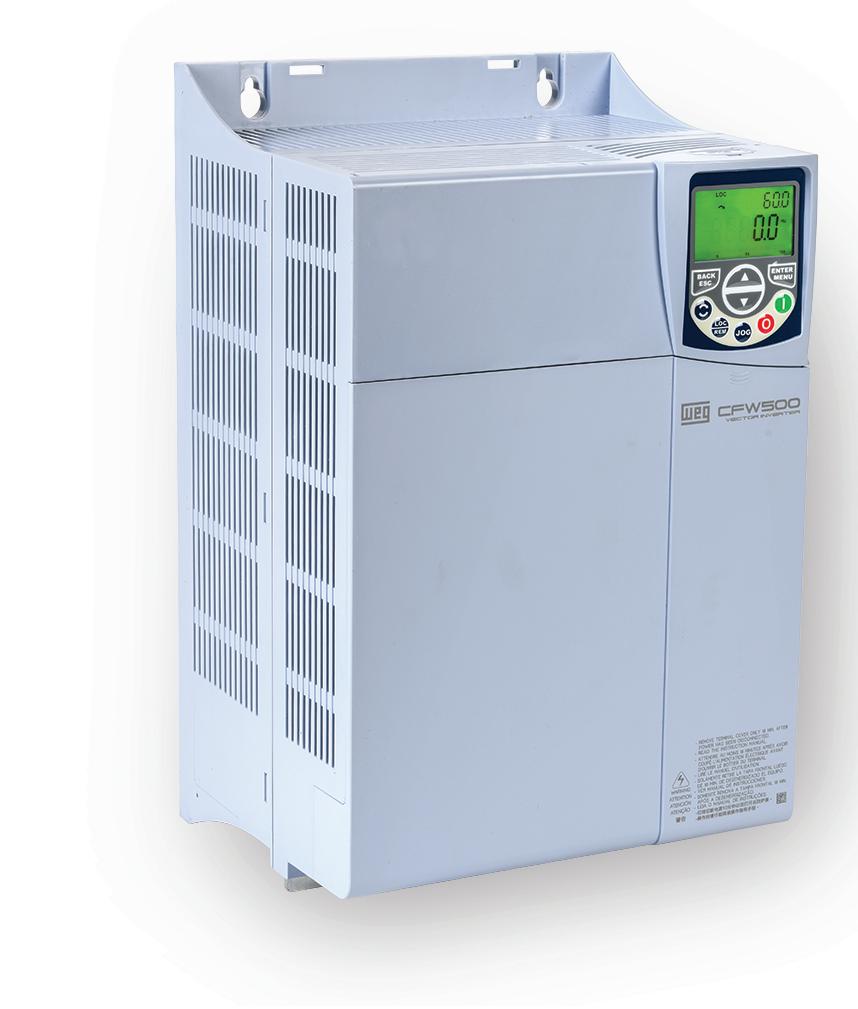











WEG CFW500 VFDs
Starting at $512.00

















Micro VFDs
Starting at $138.00
With sizes as small as 55mm wide, these drives provide the needed motor speed control without taking up large amounts of panel space.
General Purpose VFDs
Starting at $113.00
General purpose drives offer great value for a wide variety of applications including conveyors, pumps, fans, HVAC systems, and elevators.














AutomationDirect carries a full line of AC drives, from basic micro drives to full-featured high-performance drives boasting flux vector control and built-in PLCs. So, no matter the application or environment, AutomationDirect has an affordable drive solution for you!
High Performance VFDs
Starting at $281.00
High-performance AC drives are top-of-the-line drives that are usually specified when a high degree of precision in speed control is required or when full torque is needed at very low or zero speeds.

Washdown VFDs
Starting at $243.00
These NEMA 4X, washdown-duty drives are built to withstand harsh environments including food and beverage processing and water treatment facilities.

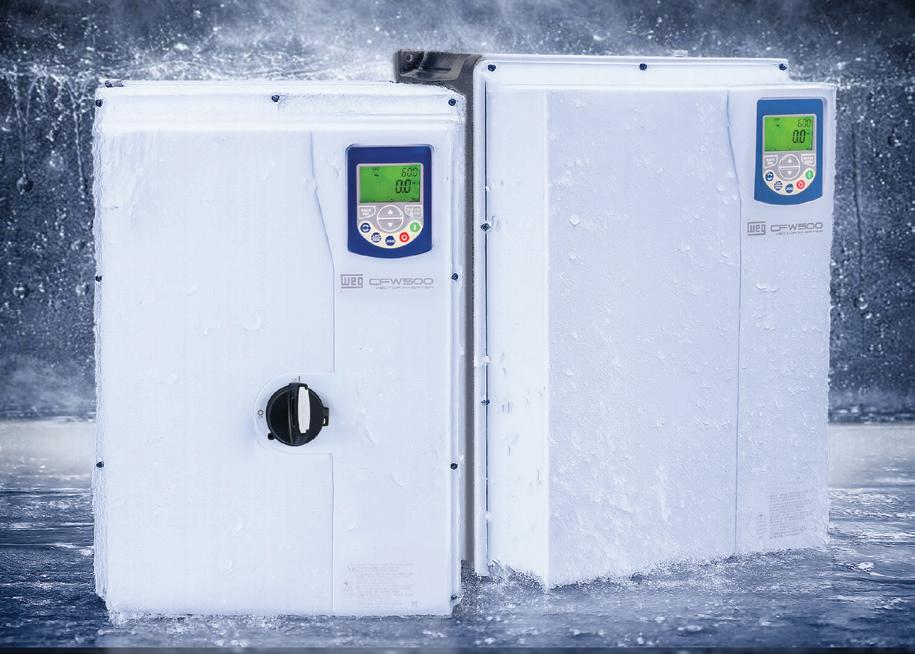
WEG CFW500 washdown AC drives
AutomationDirect has added more WEG CFW500 washdown AC drives that increase the horsepower offering of this series—up to 30 hp for the 460 VAC models and up to 20 hp for the 230 VAC models. These drives are manufactured by WEG, a well-known and trusted brand in VFDs. CFW500 drives are rated IP66 and NEMA 4X for use in the harshest environments, include a SoftPLC for custom-tailored control schemes, and support several control modes, including scalar V/F and closedloop flux vector control.
With the inclusion of these drives, are two new communications modules. These modules provide more networking capabilities, adding dual-port EtherNet/IP (with web server) and PROFINET connection options (dependent on the model chosen).
Learn more by visiting: www.automationdirect.com/nema-4x-vfd
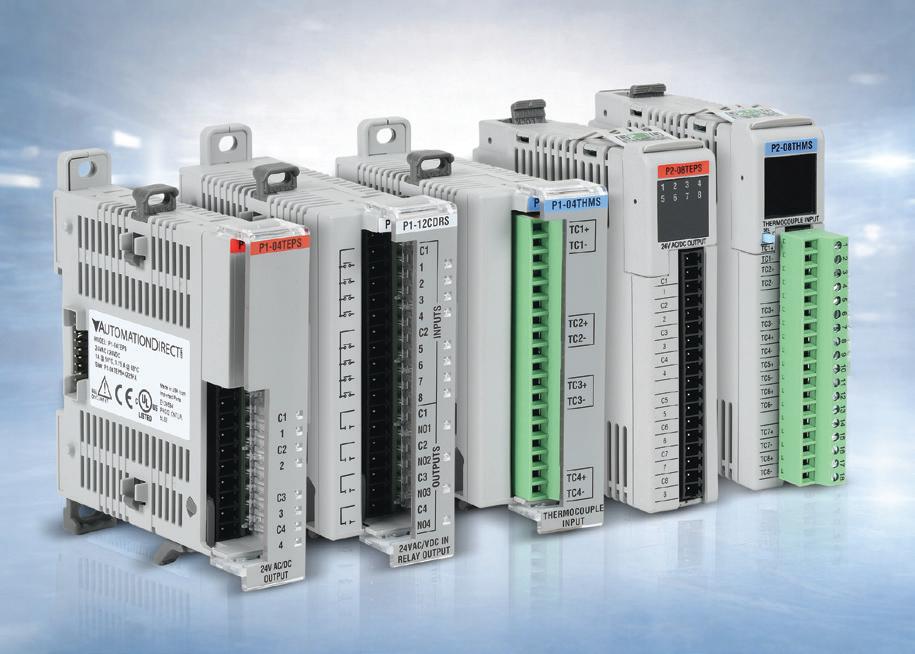
More Productivity PLC I/O modules
AutomationDirect has added P1-04TEPS and P2-08TEPS modules that provide solid state relay options for the Productivity1000 and Productivity2000 PLC families. These modules are ideal for applications requiring extensive or extremely fast load switching and offer longer lifespans, greater reliability, near-instantaneous switching, and less electrical noise than electromechanical relays due to their lack of moving parts.
The new Productivity1000 P1-04THMS and Productivity2000 P2-08THMS thermocouple modules feature 16-bit resolutions and inputs that support numerous thermocouple types. These modules are designed with input isolation for better accuracy in electrically noisy environments.
The new P1-12CDRS discrete/relay combo module for the Producivty1000 system combines higher current Form A (SPST) relays (5A/point) with eight 24 VAC/VDC discrete inputs, providing dual purpose I/O for cost and space savings.
Learn more by visiting: www.automationdirect.com/p2000
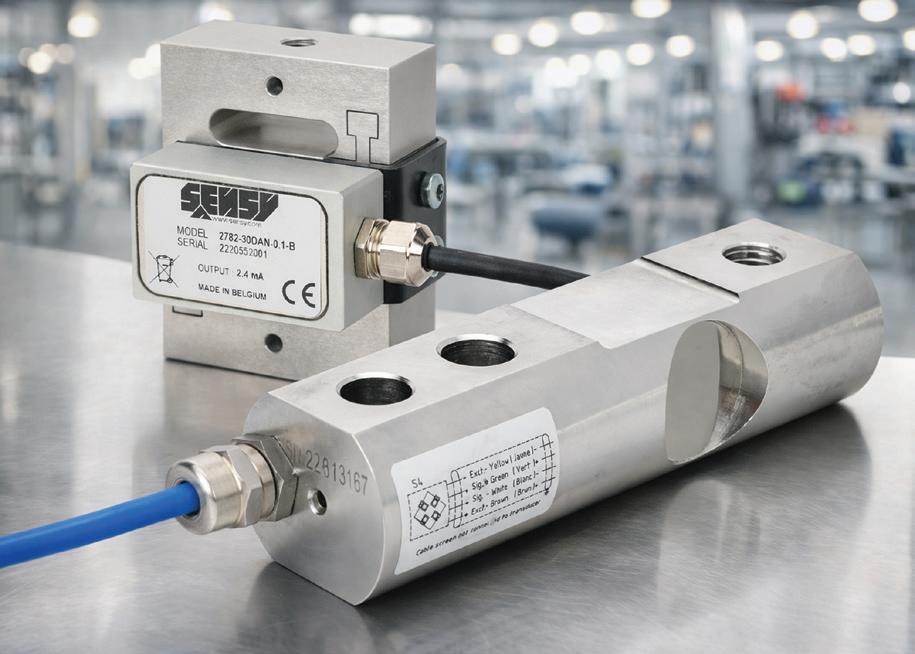
AutomationDirect now offers Sensy 2172L series single point, 5510 series shear beam, and 2782 series tension/ compression load cells that deliver flexible solutions for weighing and force measurement. They are ideal for applications ranging from small packaging scales to rugged industrial tanks and conveyor systems.
Built from aircraft-grade aluminum or stainless steel, these models feature built-in overload protection, accuracies down to 0.03% of full scale, protection
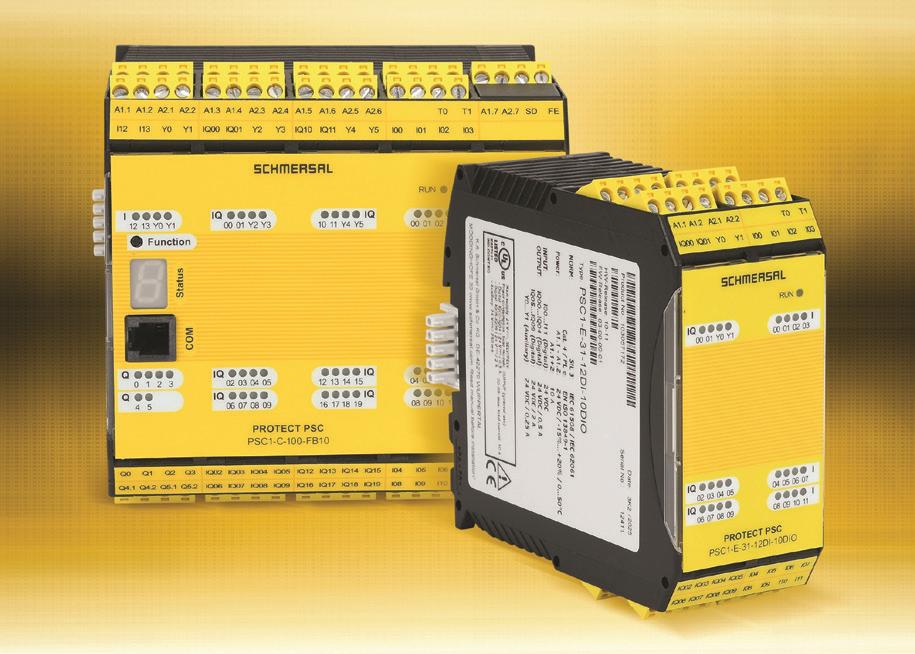
Schmersal PROTECT PSC1 safety controller
AutomationDirect now offers the Schmersal PROTECT PSC1 safety controller which is a compact safety control system with scalable I/O from a trusted leader in machine safety. E-stops, light grids, and almost any safety device can be monitored with ease, and the universal interface ensures instant connection to every standard fieldbus.
The base models, PSC1-C-10 and PSC1-C-100, include 14 safe inputs up to PL e or SIL 3, 4 adjustable safe semiconductor outputs, 2 safe relay outputs, and 2 pulse outputs. The PSC1-C-10 includes 2 signaling outputs, and the I/O can be expanded by adding up to 2 expansion modules. The PSC1-C-100 adds 6 signaling outputs and 20 adjustable safe I/O points. This more advanced model can be expanded by adding up to 8 expansion I/O modules. Both models have the option for built-in fieldbus support for EtherCAT, PROFINET, and EtherNet/IP or Modbus TCP, depending on the model selected, so no additional communications modules need to be purchased.
Learn more by visiting:
www.automationdirect.com/safety-controller
ratings up to IP67, and capacities up to 2000 kg (4409 lb). Single point cells, ideal for scales and batching systems, provide a 4–20 mA output for direct connection to controllers and displays. Shear beam designs offer heavy-duty performance for hoppers and vessels. Compact tension/compression units measure bidirectional force in a robust, space-saving design with 4–20 mA outputs for easy integration into process control systems.
Learn more by visiting: www.automationdirect.com/load-cells
Sensy load cells
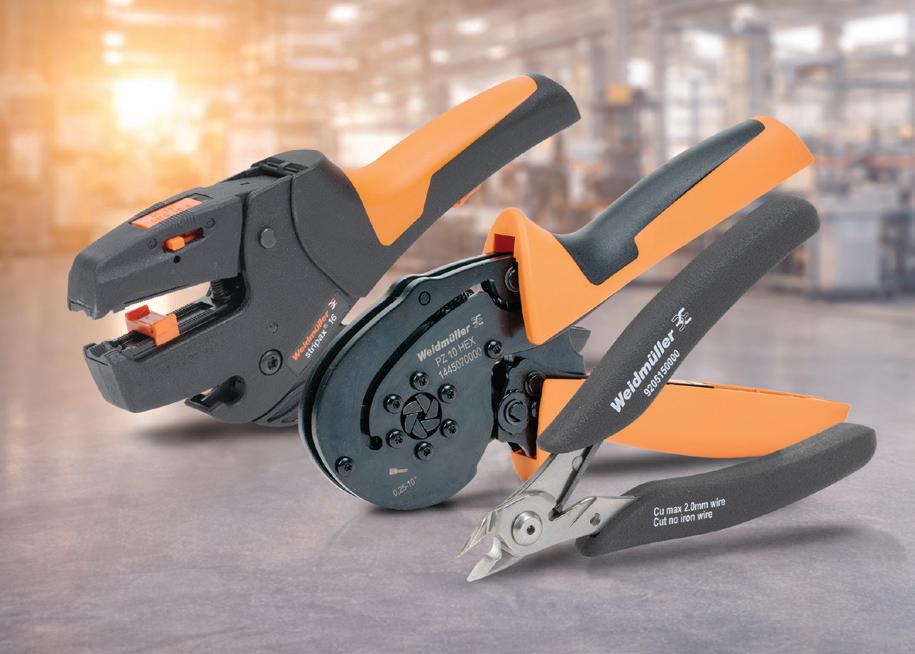
Weidmuller tools
AutomationDirect has added stripping, cutting, and crimping tools from Weidmuller which are designed to streamline wiring tasks with greater speed, precision, and consistency. The STRIPAX PLUS 2.5 combines cutting, stripping, and ferrule crimping in one compact tool, allowing complete terminations with minimal motion. Linked ferrule strips (sold separately) feed automatically into the crimp position, while the integrated ratchet mechanism ensures uniform, gas tight terminations. Weidmuller automatic cutting and stripping tools adapt to different conductor types, preventing strand damage while producing repeatable, accurate strip lengths. Adjustable length stops, fast jaw opening, and replaceable blades help support long term durability and high volume use. For delicate or specialty wiring, precision wire strippers handle 32–18 AWG conductors using blade profiles tailored for PVC, PTFE, and silicone insulation.
Specialty screwdrivers from Weidmuller, including the SWIFTY cutting and stripping screwdriver and terminal block actuation screwdrivers, are optimized to perform specific tasks. Cable shears, diagonal cutters, folding knives, and electrician’s scissors allow one-hand mechanical operation for convenient use in tight spaces. Weidmuller also provides dedicated cable stripping tools for round, data, and coaxial cables, featuring adjustable cut depth.
Heavy duty models support cable diameters up to 999 mm. A selection of self-adjusting crimping tools is also available and offers trapezoidal, hexagon, square, and indent crimp profiles for permanent connections between stranded conductors and wire-end ferrules. Rotating die heads on select models allow access to ferrules from any angle in tight enclosures.
Learn more by visiting: www.automationdirect.com/tools


TE Connectivity snap-on markers
AutomationDirect has added TE Connectivity snap-on markers which are “C” profile wire labels designed for quick and easy application onto wires that are already terminated. These markers can be applied or changed without disconnecting the wire, offering significant time savings compared to on-site printing or handwriting for small jobs. Each marker is pre-printed with an individual character for clear legibility and is available in black on yellow or black on white color options. Designed to fit wire sizes ranging from 22 AWG to 10 AWG, the markers feature alignment notches for precise placement and are built to withstand harsh environments. Markers come preloaded on applicators that are designed to simplify installation and prevent over-expansion.
Learn more by visiting: www.automationdirect.com/wiremarking-tags
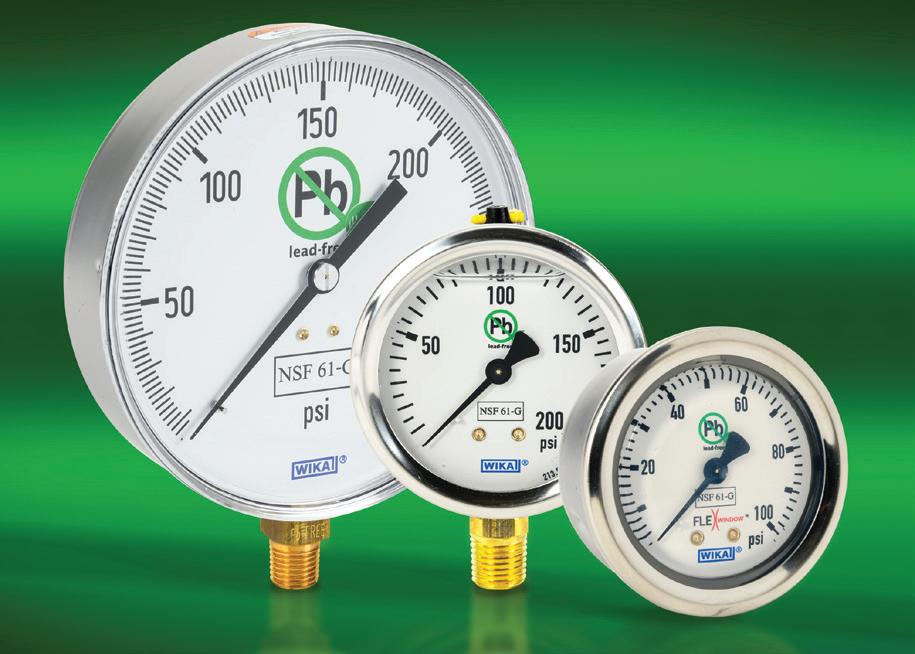
WIKA NSF-certified mechanical pressure gauges
AutomationDirect now offers WIKA NSF-certified mechanical pressure gauges deliver precision and reliability for drinking water and food and beverage applications. The lineup includes dry and liquid-filled mechanical pressure gauges with lead-free wetted parts, as well as manual needle valves for instrument isolation and flow control.
WIKA pressure gauges meet NSF/ ANSI 61 and 372 and accurately monitor pressure from vacuum to 300 psi, while select models feature a patent-pending FlexWindow face that allows the gauge to be completely filled, eliminating the air gap for improved readability.
WIKA needle valves make maintenance simple. They feature a rugged 316L stainless steel construction, allow equipment isolation without shutting down the process, and provide precise flow control across a wide range of pressures and temperatures.
Learn more by visiting: www.automationdirect.com/waterpressure-gauge
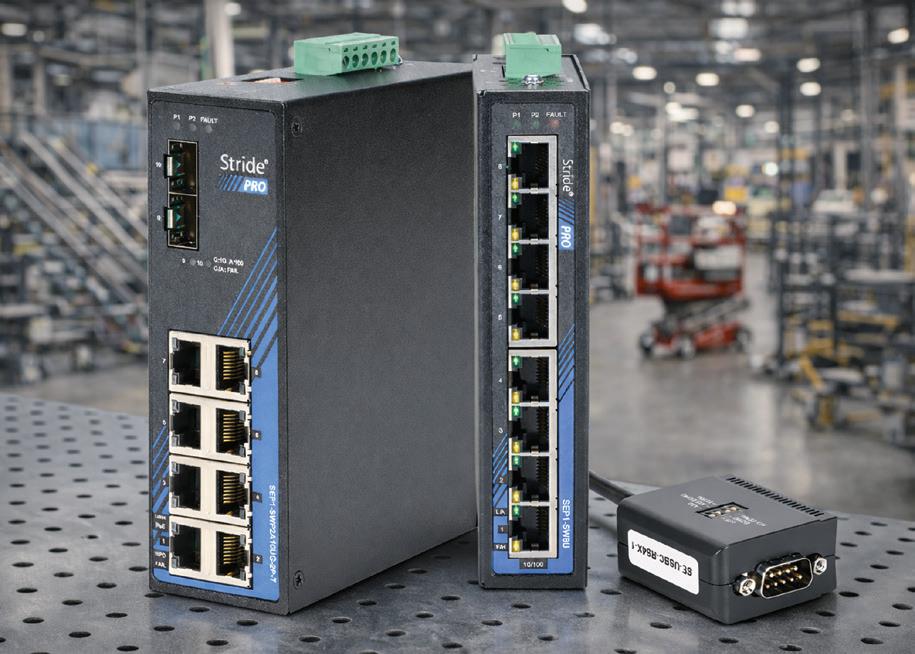
STRIDE PRO Unmanaged+ industrial Ethernet switches
AutomationDirect now offers STRIDE PRO Unmanaged+ industrial Ethernet switches which are a step up from basic unmanaged switches, adding efficient network optimization by seamlessly integrating essential features such as IGMP snooping (traffic prioritization), port monitoring, port alarms, VLAN support, and more.
IGMP snooping ends network flooding by transmitting data only to the specific devices requiring it. Port mirroring takes a view of your network and sends a copy of all the traffic from a selected port to a monitor port, which can be used for diagnostics. The port alarm feature watches for cable connections and sends an alarm signal anytime the Ethernet port connection status changes, an unauthorized device is connected, or an authorized device goes offline. This signal can be used to activate an audio and/or visual signaling device to notify personnel. STRIDE PRO models include PoE, PoE+, and Gigabit Ethernet options with up to 12 ports.
Also added with this launch is a STRIDE industrial unmanaged switch with (8) IP67 10/100Base-T M12 Ethernet ports, USB A and USB C type adapter cables with 9-pin D-sub male connectors for RS232/RS-422/RS-485 serial connections, and a DIN rail mounting bracket for STRIDE PRO switches.
Learn more by visiting: www.automationdirect.com/ethernetswitches































NEW! Flowline EchoBeam Series FMCW Radar Level Sensors
Starting at $850.00 (LR80-0000)











Flowline EchoBeam series radar level sensors offer ultra-long sensing ranges and reliable performance in tall storage vessels at a cost well below traditional radar systems.
• Up to 120m (393.7 ft) sensing range for liquids or 60m (196.8 ft) for solids
• 4-20 mA output; HART option available on select models
• IP67 or IP68 protection rating


• Select models offer an LCD display with pushbuttons for easy configuration
• LevelTap Bluetooth app for wireless setup and status monitoring












NEW! Endress+Hauser FMR Series FMCW Radar Level Sensors
Starting at $750.00 (FMR10B-1009/0)



Endress+Hauser FMR series MicroPilot FMCW (Frequency Modulated Continuous Wave) radar level transmitters use 80 GHz radar technology, which is unaffected by most media, processes, and environmental factors.
• Sensing ranges up to 30m (98.4 ft) for liquids and bulk solids


• Select models offer a color touch display


NEW! ProSense SBLT Series

Submersible Level Sensors
Starting at $777.00 (SBLT-010-L50)





• 4-20 mA output; HART option available on select models
• IP67 or IP68 protection rating

ProSense SBLT series small-bore submersible level sensors feature an ultra-slim housing, extended sensing ranges, and cable lengths up to 500 feet. They provide accurate, reliable level measurement in deep wells, narrow boreholes, and standpipe installations.



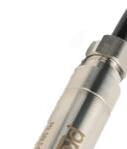



• Sensing ranges up to 461.3 ft WC
• 4-20 mA output
• 316L stainless steel construction
• Slim 0.63 in. diameter housing
• UL Water Quality
















Classified to NSF/ANSI 61 and 372 for use in drinking water applications


• IP68 protection rating



• SmartBlue app enables quick wireless setup and access to key device data
Endress+Hauser Soliphant FTM20 Series Vibration Rod Level Switches
Starting at $733.00 (FTM20-AM23A)






• PNP N.O./N.C. selectable or DPDT relay outputs
• 316L stainless steel sensing element


Endress+Hauser Soliphant FTM20 vibration rod point level switches detect fine- or coarse-grained, non-fluidized bulk solids in silos, hoppers, and bins. These also detect underwater solids like sediment and install in any orientation for reliable full, demand, or empty level indication.

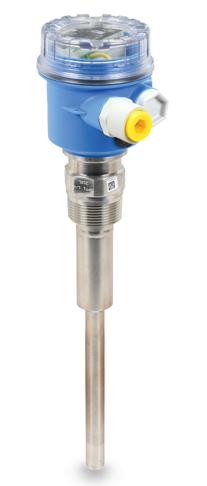
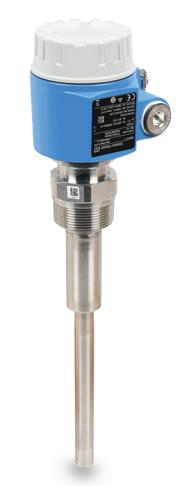
• Select models offer CSA general purpose or FM hazardous location ratings


• IP66/67, NEMA 4X protection rating











Hydraulic Components













In-stock and at great prices

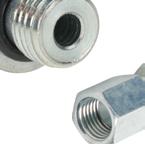

















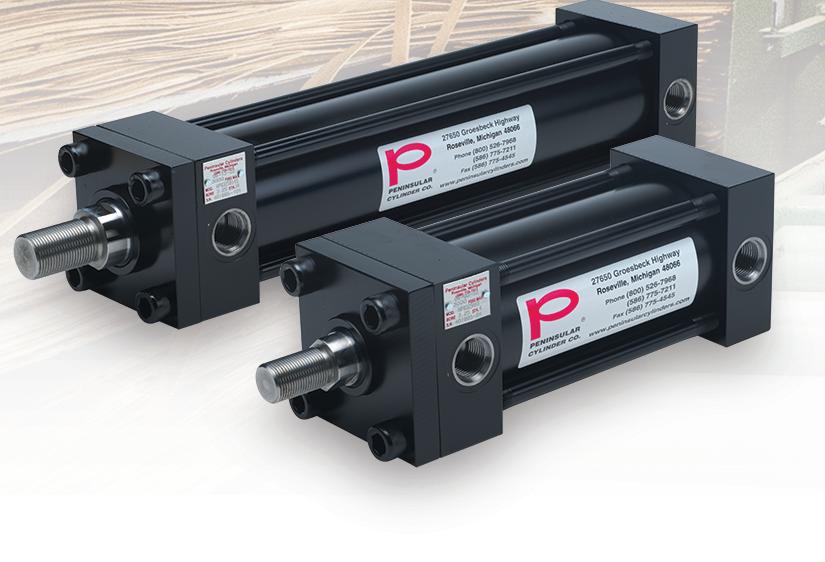

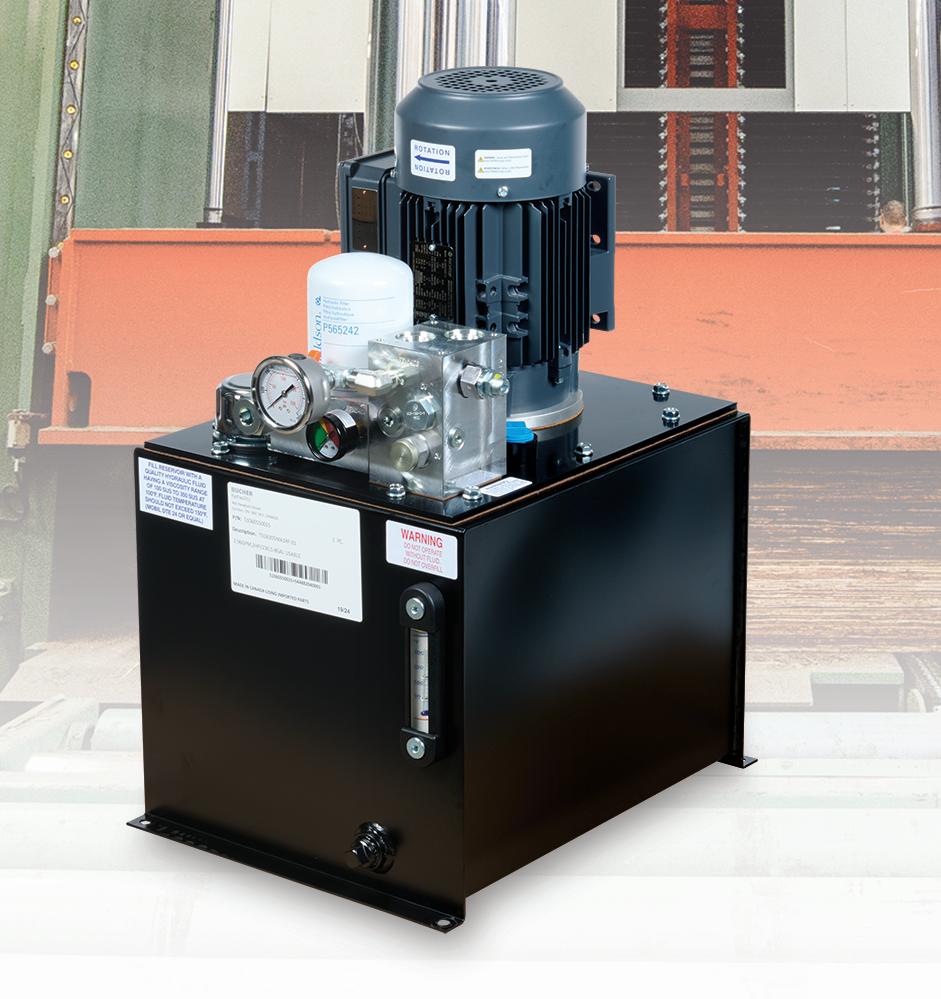

Hydraulic Power Units
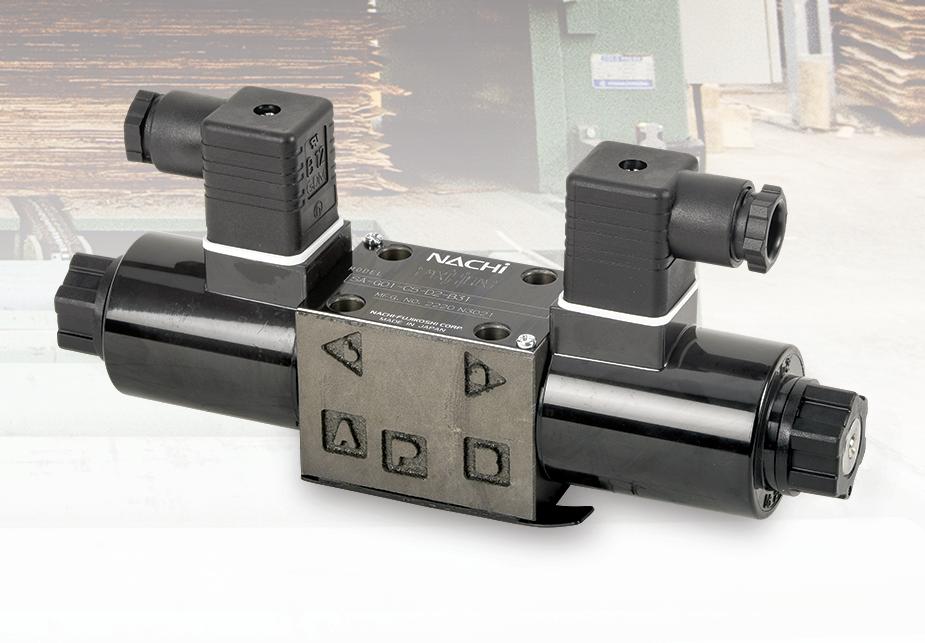

Hydraulic Solenoid Valves

Hydraulic Cylinders

starting at $499.00 (HP16150A1S)
AutomationDirect carries Peninsular NFPA hydraulic cylinders that are in stock and ready to ship to you. No long lead times for made-to-order cylinders. Many bolt-on mounting options allow for installation flexibility and replacement of existing cylinder installations.
• Interchangeable with other popular brand of NFPA cylinders
• Available bore sizes: 1-1/2”, 2”, 2-1/2”, 3-1/4”, 4”
• Wide selection of stroke lengths
• All models are double-acting
• Tapped end caps for mounting accessories
• 3000 psi working pressure
• Temperature range is −20° F to 200° F
• Made in the USA
starting at $1,744.00 (51045050002)
Hydraulic power units (HPUs) are the lifeblood of hydraulic systems. These all-in-one units generate the needed pressure for flow of hydraulic fluid through the system. HPUs from Bucher Hydraulics provide everything needed to supply fluid for proper hydraulic system operation.
• Totally enclosed fan-cooled Premium Efficiency electric motor, rated for 60 Hz (will also work with some 50 Hz voltages)
• Powder-coated reservoir plumbed for vertical mounting
• Adjustable safety relief valve preset at factory
• Return line spin-on type filter with visual by-pass indicator
• Two extra 1” NPT couplings through the top of the reservoir for electrical sensors if remote live data of level or temperature is needed
• ¾” NPT drain port on lower front/side of the reservoir
starting at $293.00 (50020851098714)
Hydraulic solenoid valves control hydraulic fluid flow throughout the system and direct the fluid to where it is needed to operate actuators, which may include cylinders and hydraulic motors. Bucher hydraulic solenoid valves are available in a variety of configurations.
• 4-port, 4-way, 3-position, in NFPA D03 and D05 patterns
• Center configurations for D03 versions include tandem, closed, open, or float styles
• Center configurations for D05 versions include tandem or open styles
• 120 VAC or 24 VDC double solenoids
• Manual overrides
• Can be mounted directly on HPU or machine-mounted