June 2026



June 2026

Paving Our Way to 2026 (POW26) is a roadmap to improve health equity, access and outcomes in the bush to ensure that health reforms reach everyone, everywhere
We’re paving our way towards improved health outcomes for all Western Queenslanders through a comprehensive, integrated primary health care system in collaboration with our stakeholders, partners and communities
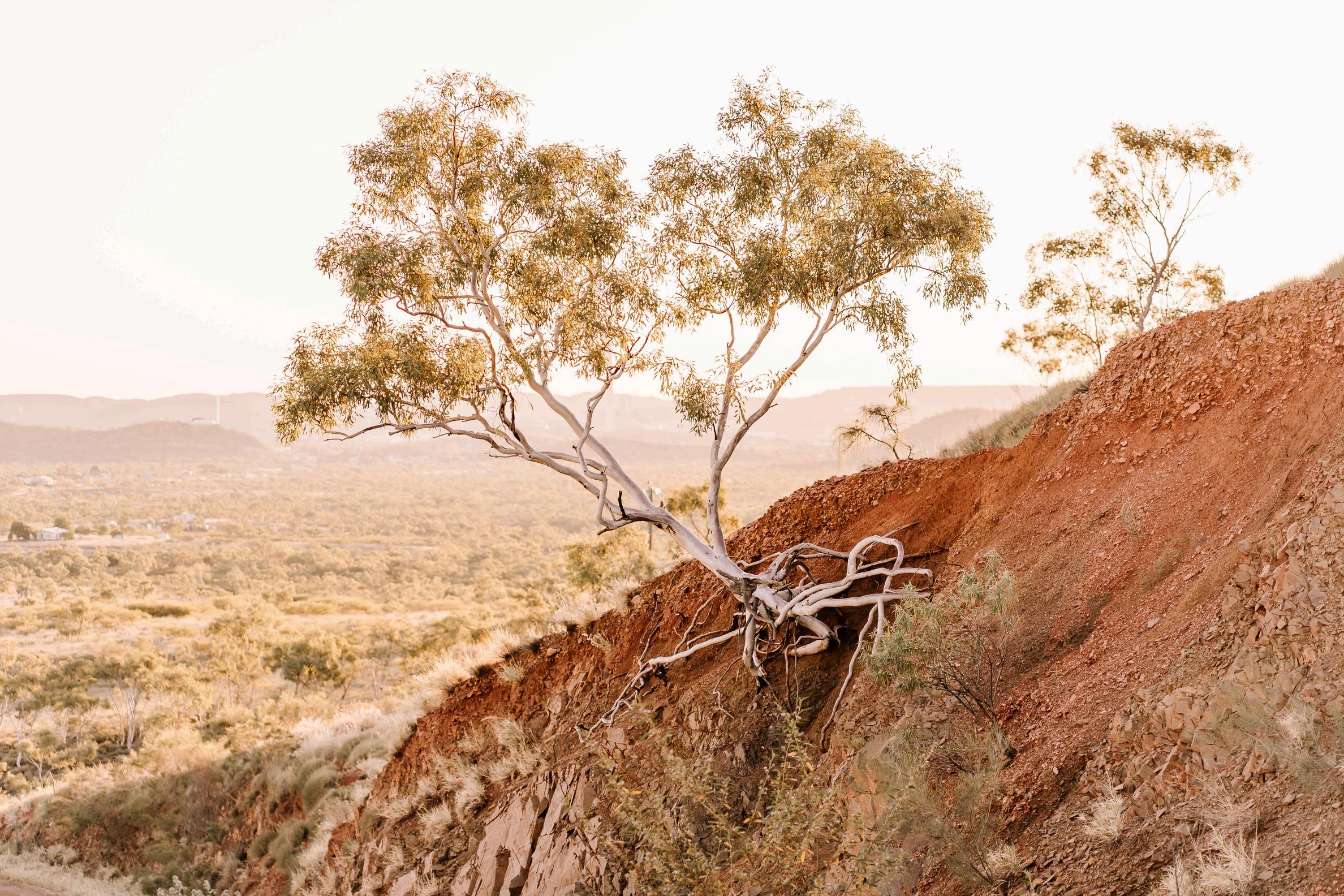


As we move through 2026, WQPHN continues to strengthen access to care across Western Queensland, delivering targeted programs that respond to local needs.
From expanding mental health support and allied health services, to improving care pathways through Right Care Right Place, our focus remains on bringing essential services closer to home.
Looking ahead, we remain focused on innovation, equity and community-led solutions. By continuing to listen and adapt to the needs of our region, WQPHN is committed to building a more connected and responsive health system for Western Queensland
Chief Executive Officer
Western Queensland PHN
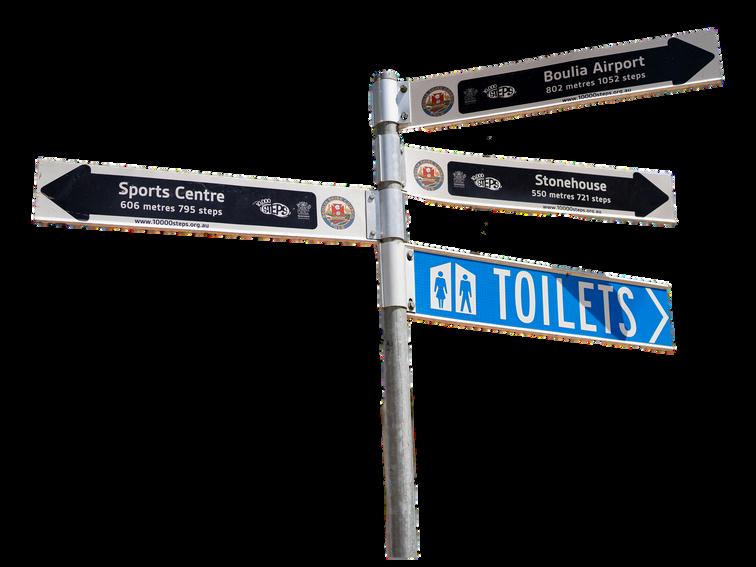
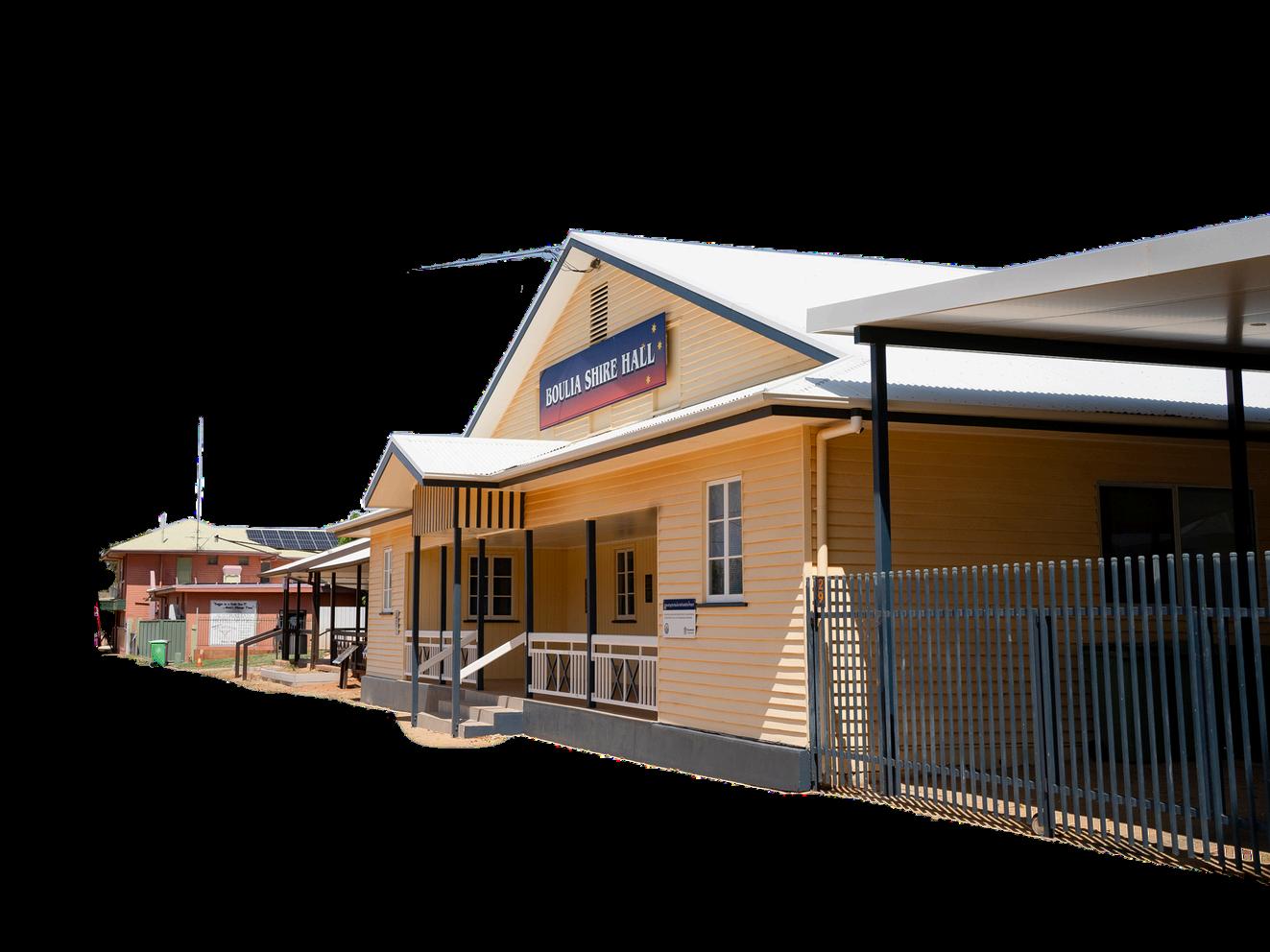
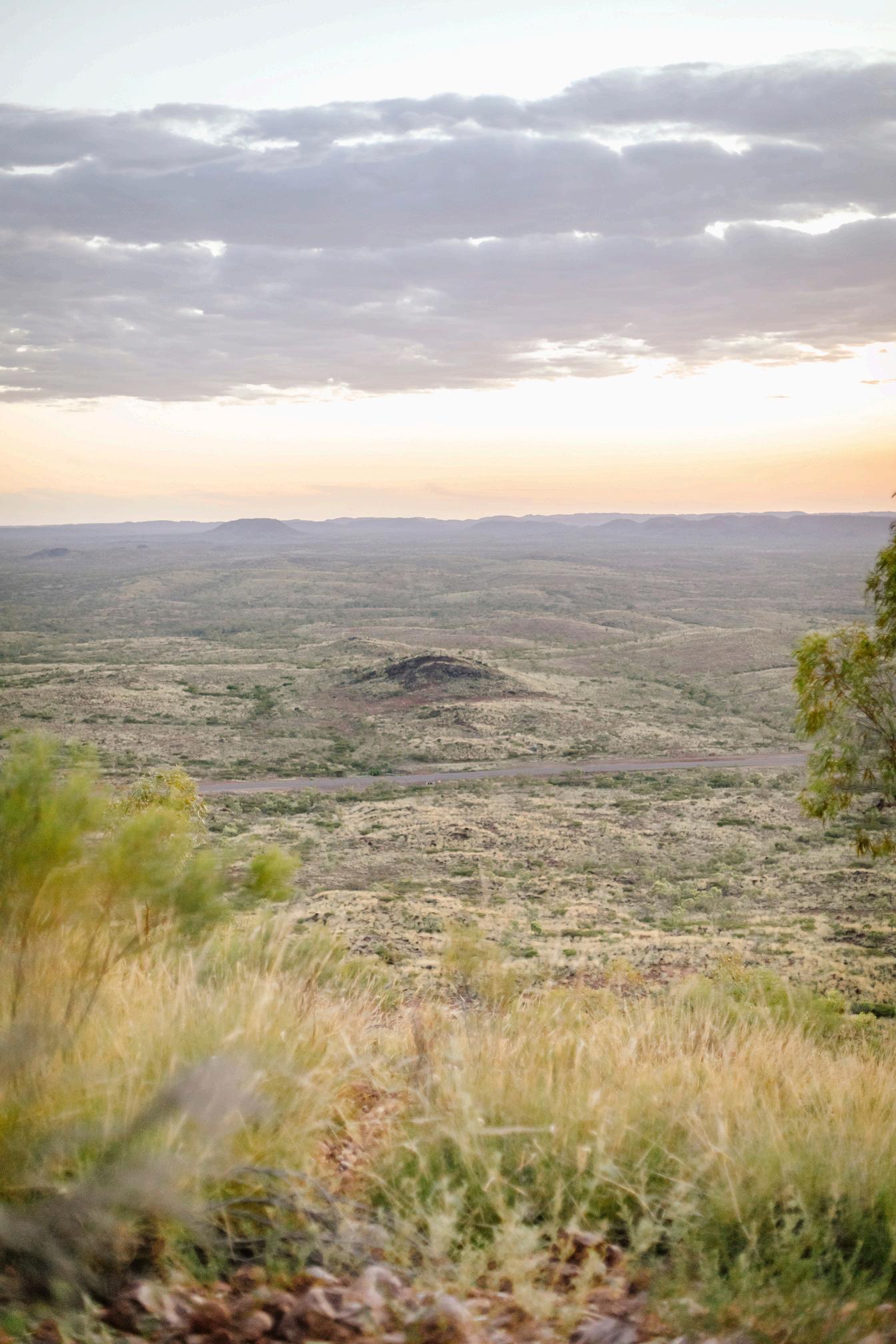
Hidden deep in the expansive landscapes of Western Queensland is the small town of Boulia. Home to just over 300 residents, it lies at the centre of Queensland’s Channel Country, an area known for its sweeping plains, intricate river channels, and striking seasonal shifts. Situated about 300 kilometres south of Mount Isa and more than 1,700 kilometres from Brisbane, Boulia ranks among one of the most remote communities in the state.
Boulia was officially established in 1879, though its story began earlier with explorers such as Burke and Wills passing through the region in the 1860s. Early development was driven by pastoral expansion and mining exploration, with the town growing into a vital supply and administrative centre for the surrounding outback
Despite its small size, Boulia offers a range of attractions. The Boulia Heritage Complex showcases everything from Indigenous culture to pioneer history and even fossils from a time when the region lay beneath an inland sea over 100 million years ago Another major highlight is the Boulia Camel Races, held annually and known as the longest camel race in Australia.
Modern Boulia remains small but well-equipped, with essential services including a hospital, school, accommodation, and recreational facilities.
Boulia State School sits at the heart of this small, close-knit community, providing education for local children, with a kindergarten program also offered on site Like many schools in the very remote towns of Western Queensland, its classrooms only reach to Year 6. From there, young students must leave home to continue their education in larger centres such as Mount Isa, Charters Towers, Townsville, or even as far as Brisbane
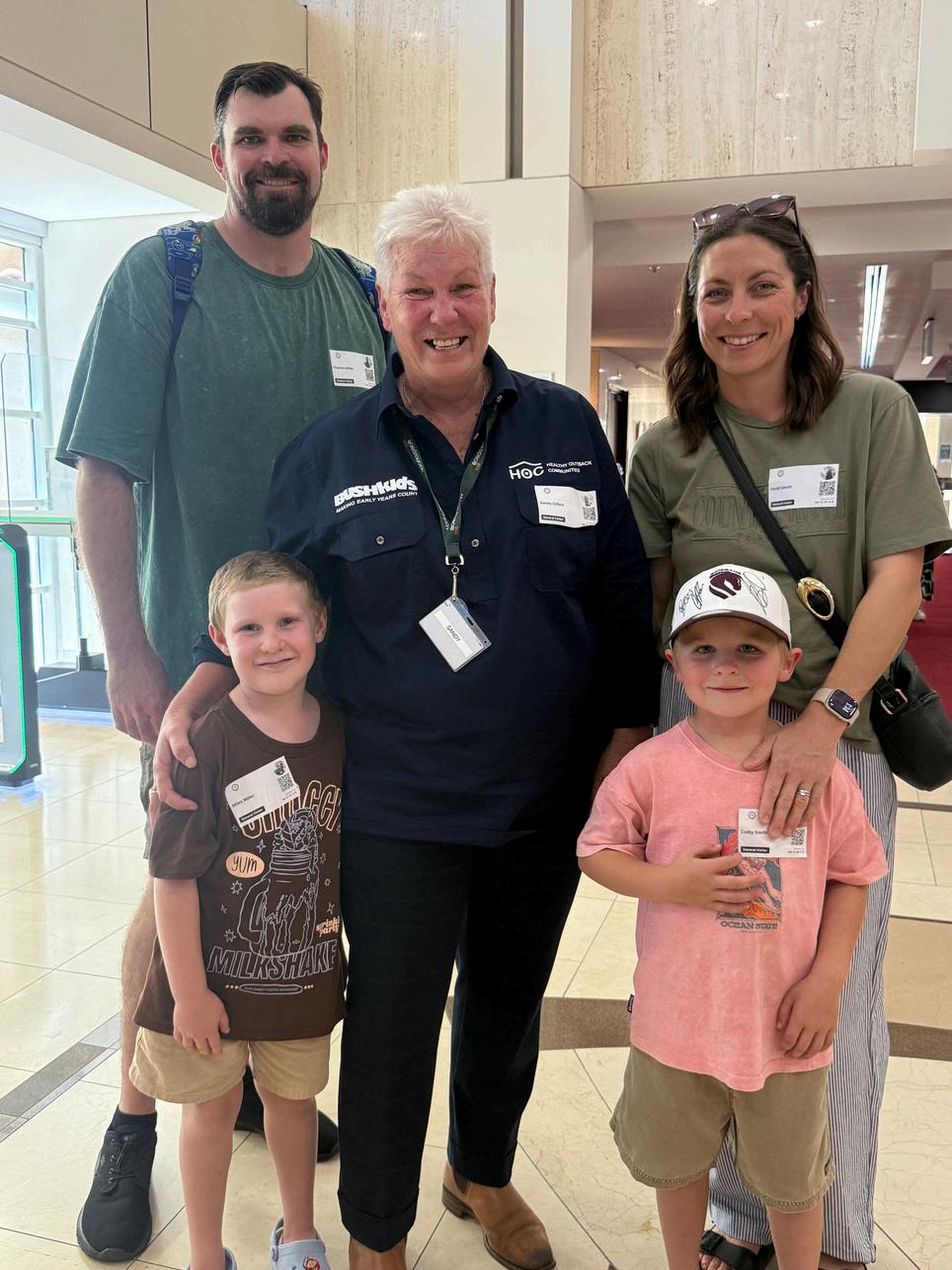
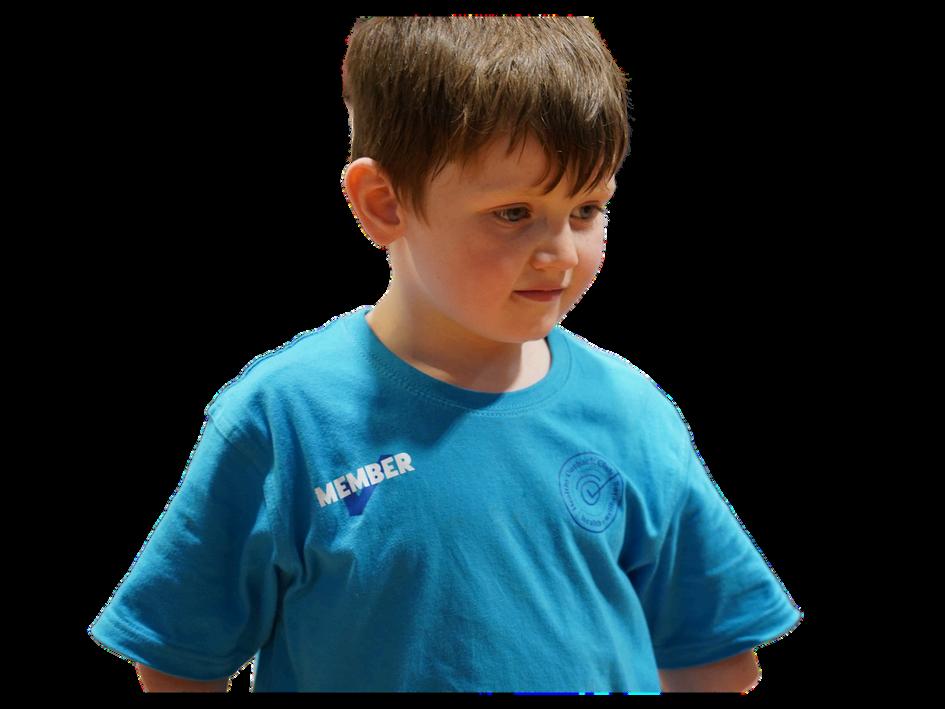
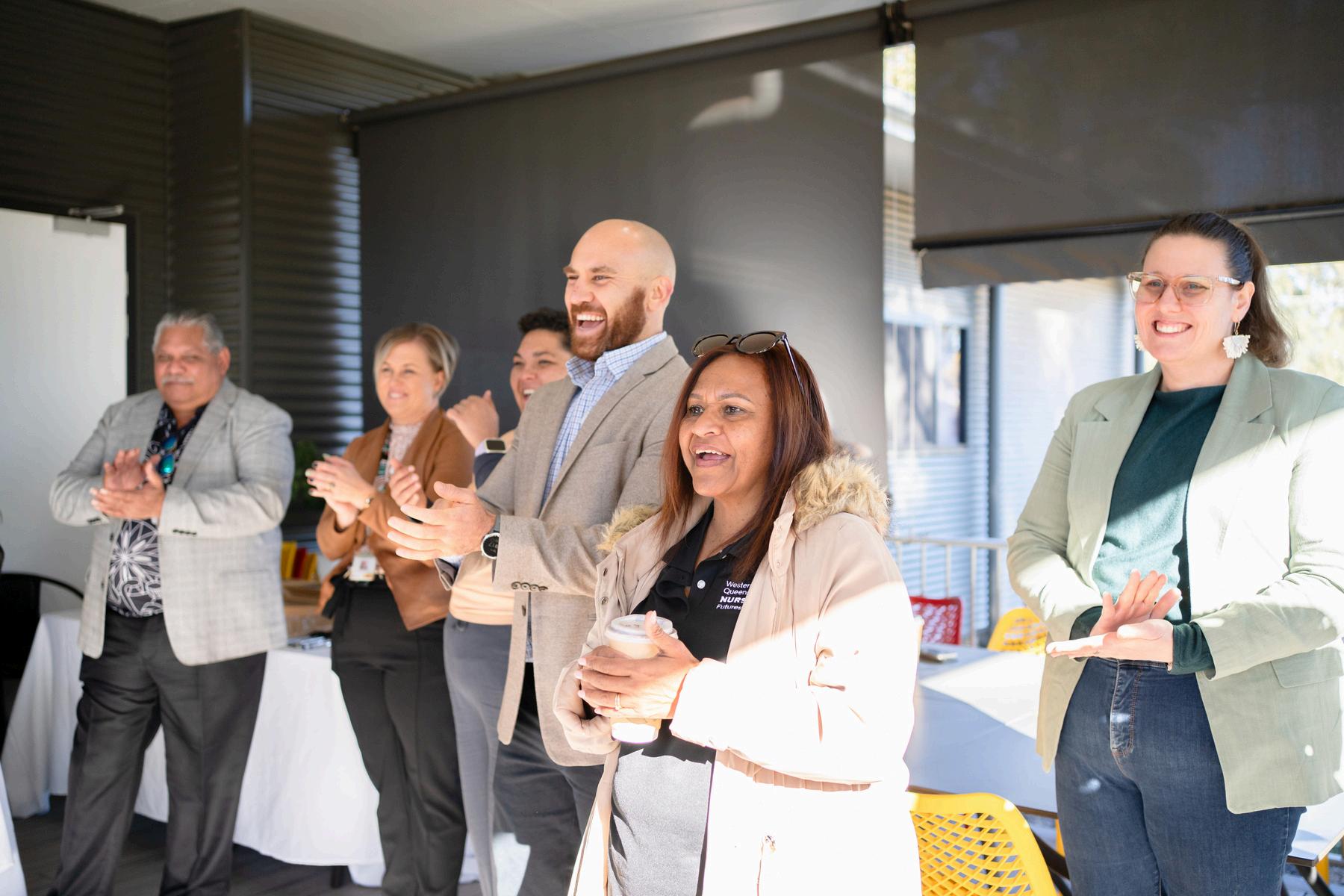
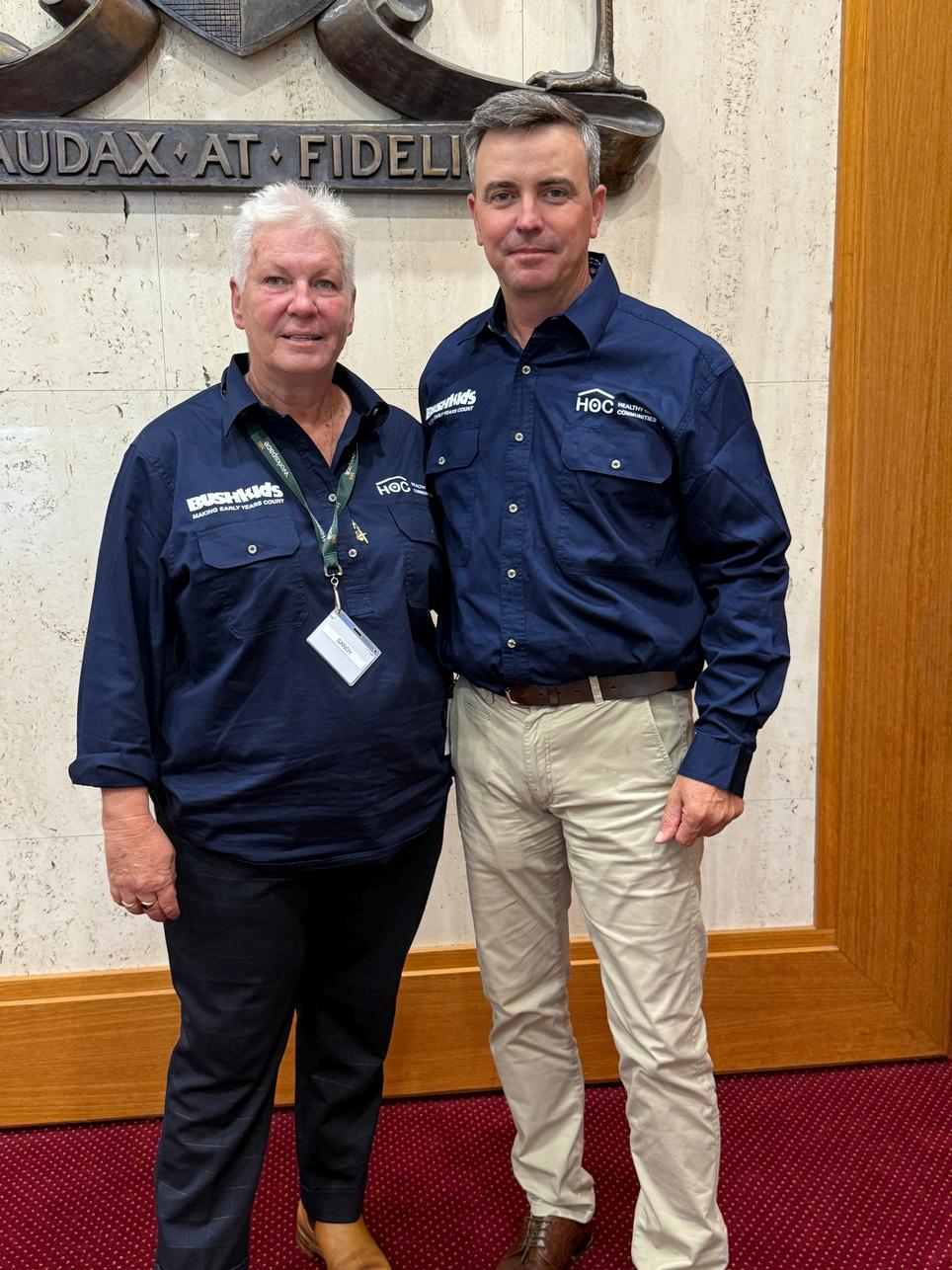
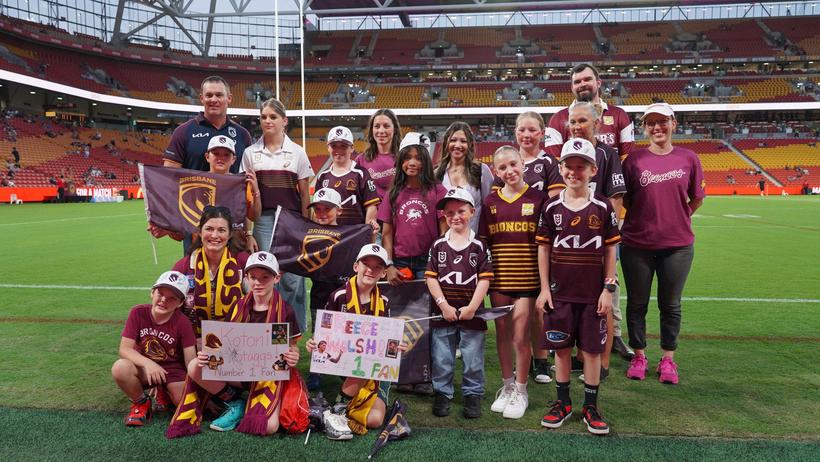
Boulia and Cunnamulla families with WQPHN CEO Sandy Gillies
Since 2020, WQPHN has funded BUSHkids to deliver the Healthy Outback Kids program, now operating in Boulia using a community-based model that builds on local strengths to support children’s development.
The program provides developmental screenings, assessments, and interventions, alongside ongoing telepractice services.

Western Quee Network (WQP welcome Etha of Directors.
Originally from So began his career Cunnamulla as a young people nav challenges His pa grew as one of th Health Promotion Aboriginal Corpor focused on early i

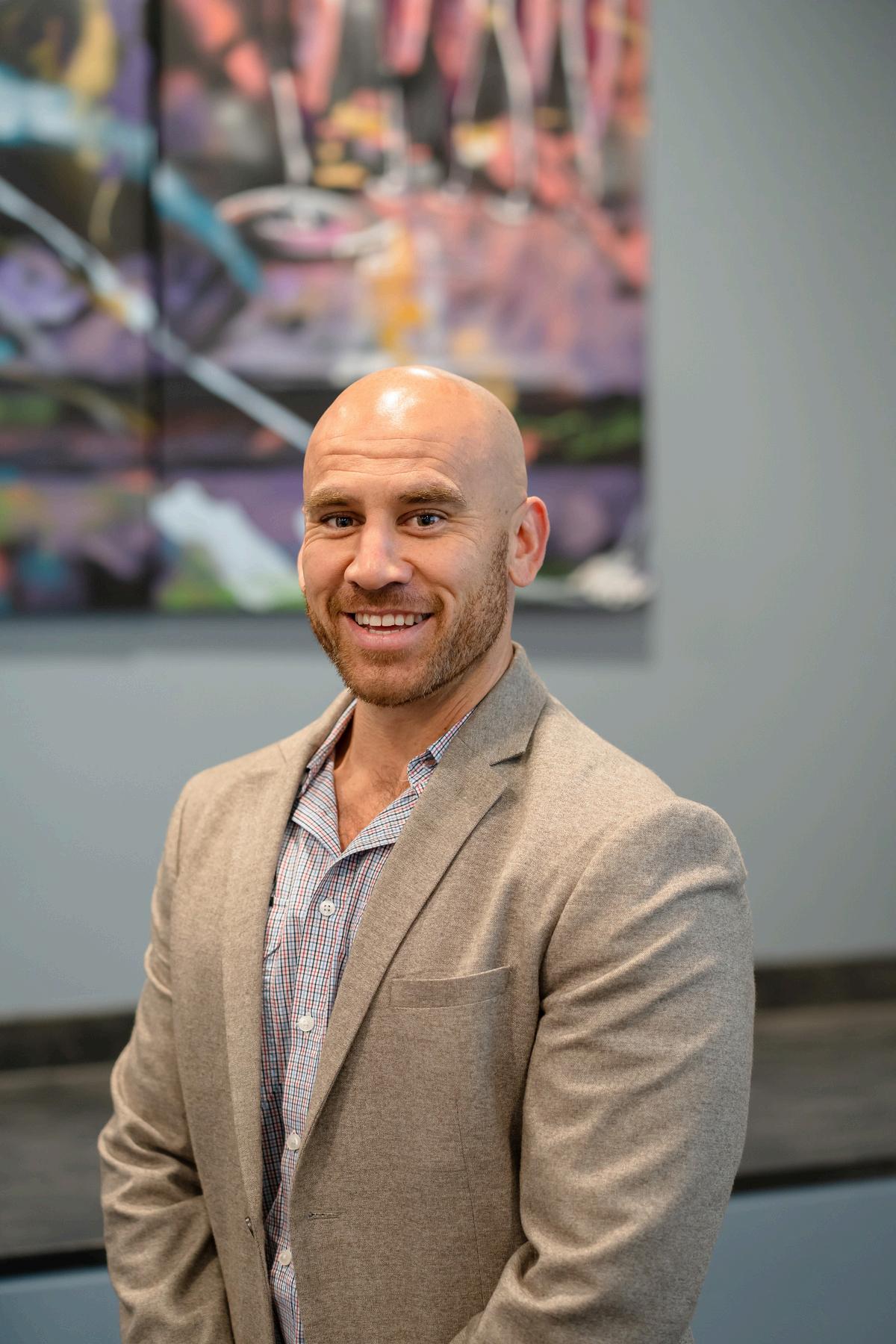
Ethan brings to the Board a deep understanding of the lived experiences of regional and remote communities. Today, he serves not only as a Board Director of WQPHN but also as Chair of the WQPHN Consumer Advisory Committee and as a member of the South West HHS Board
Based in Charleville, he remains actively engaged in frontline service as a Youth Support Worker with the Charleville Neighbourhood Centre, ensuring his leadership and advocacy stay grounded in the communities he supports Ethan
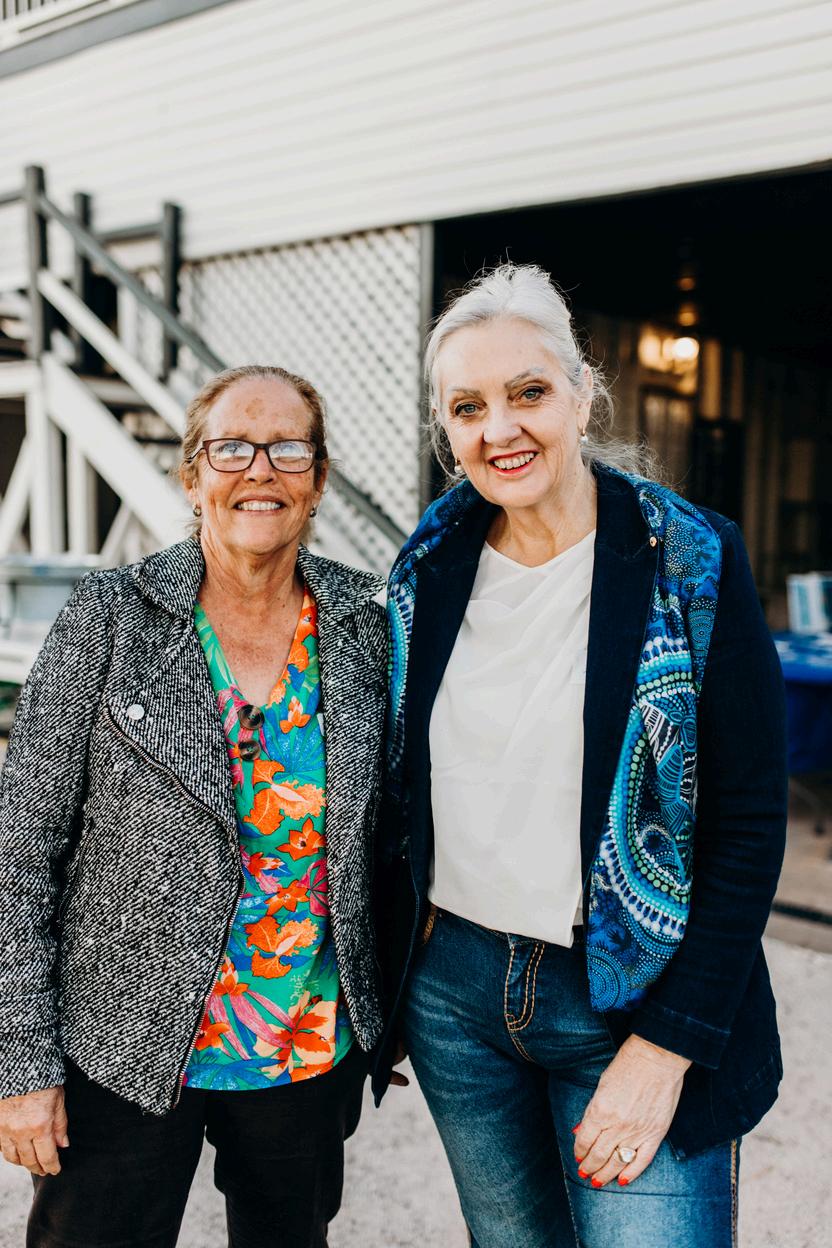
At the same time, we extend our sincere thanks and farewell to S Knight AM, who has left the WQP Board after serving since 2018.
Sabina’s commitment, insight, and dedica have been instrumental in shaping WQP direction and impact over the past five ye
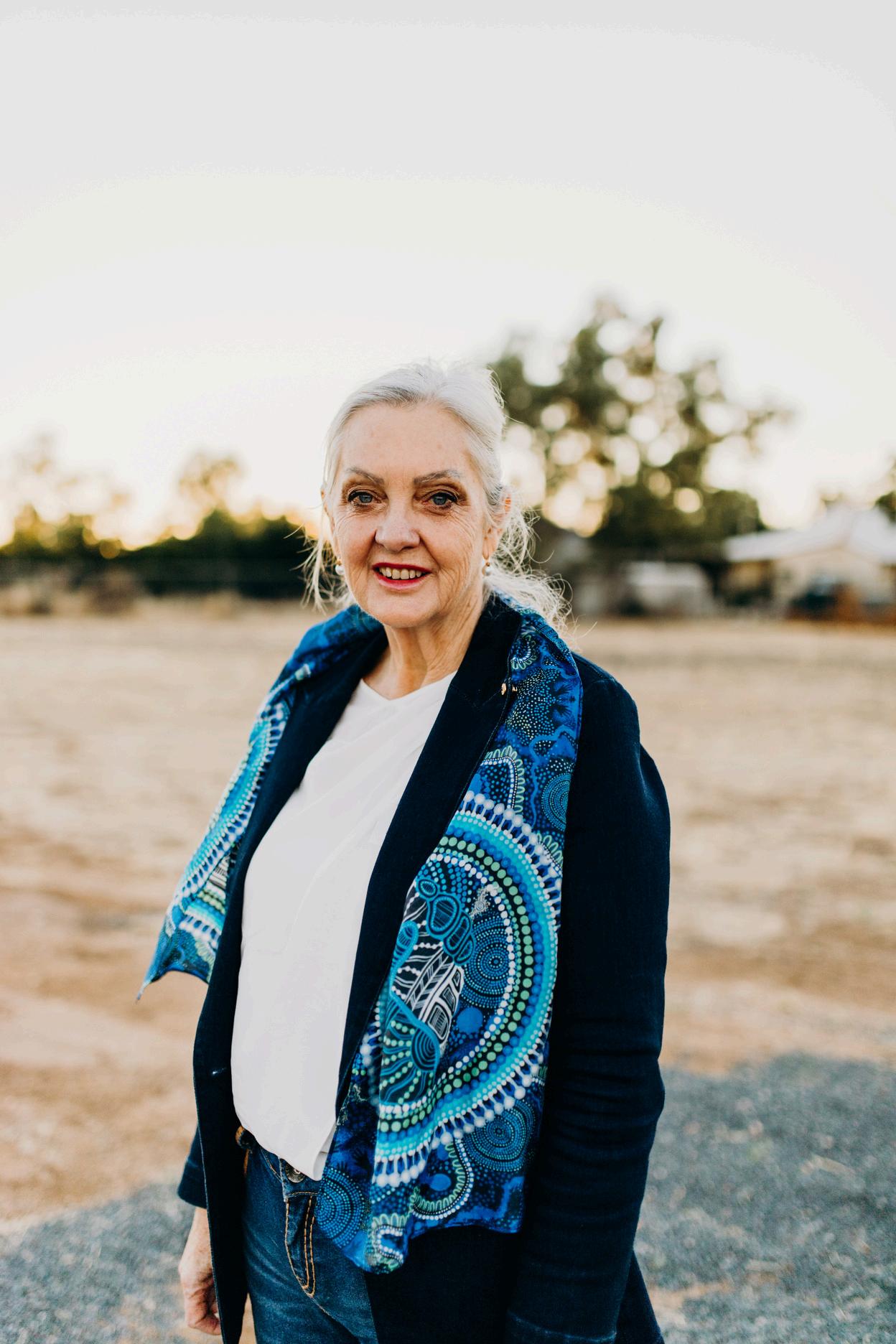
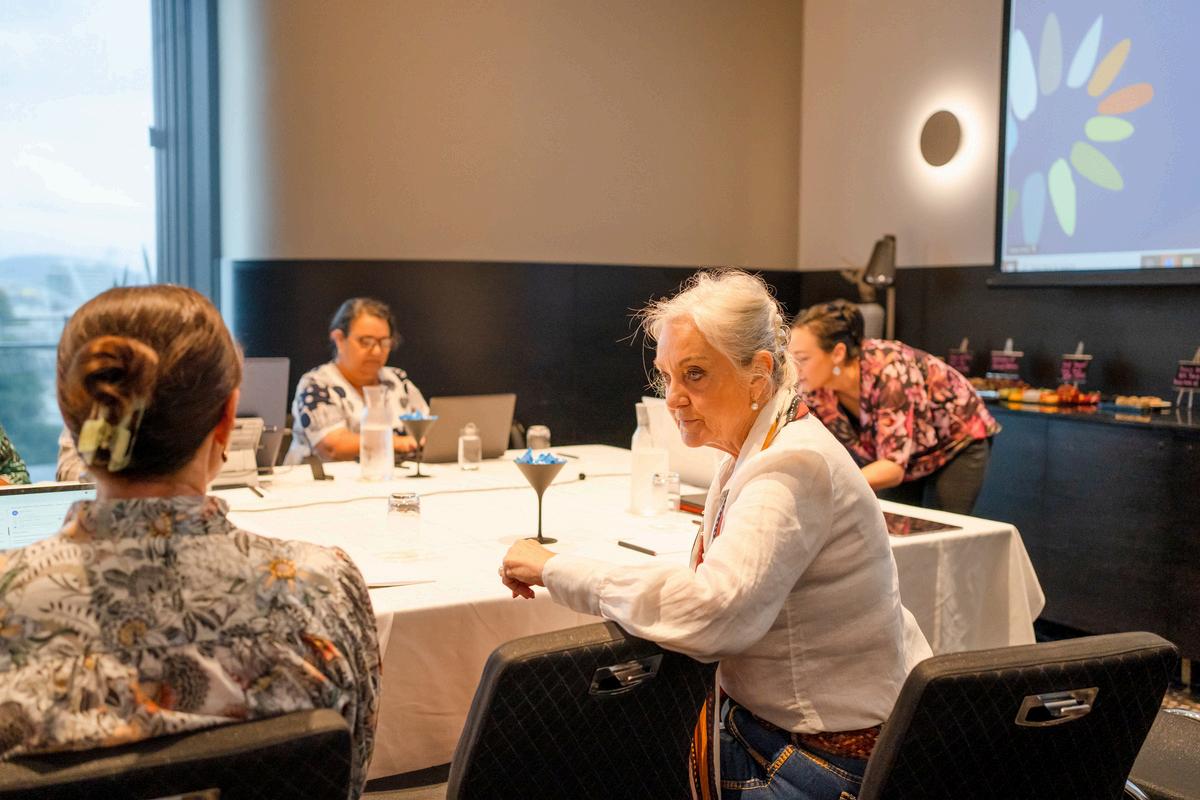
Her guidance and support have been deeply valued, and we thank her for her significant contributions to advancing health and wellbeing across Western Queensland


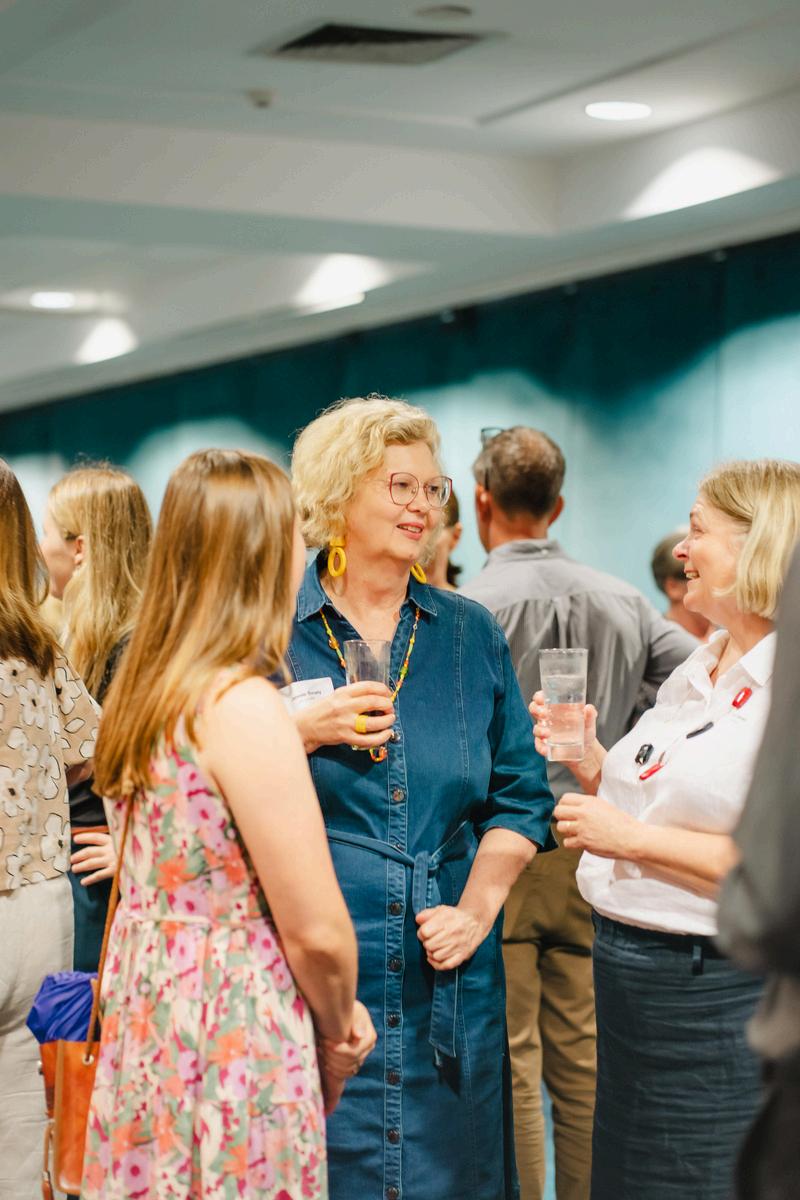
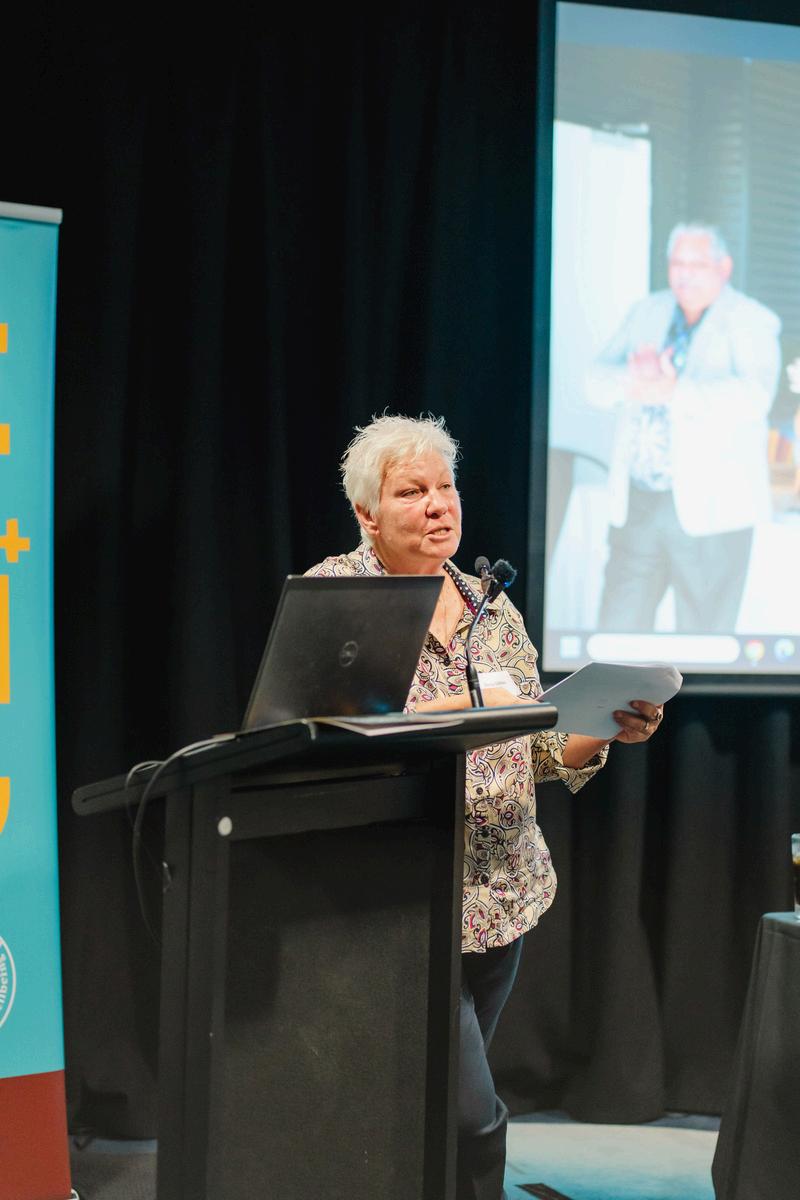
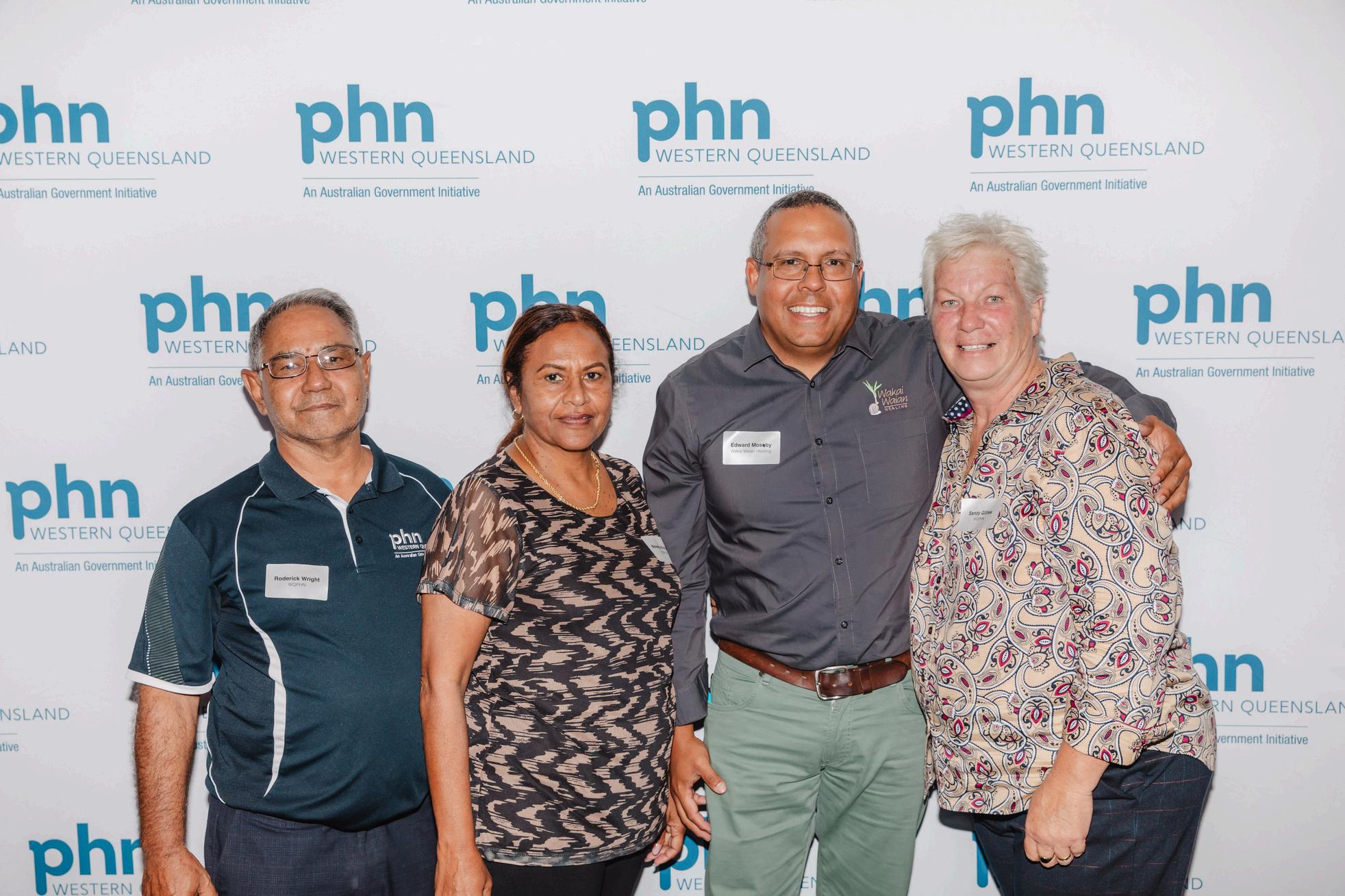
The commencement of the Endometriosis and Pelvic Pain Clinic in Blackall marks a major step forward for women’s health across Central Western Queensland. For many years, women and girls living in rural and remote communities have faced long journeys to major centres or endured their symptoms in silence simply to access specialised care.
The new clinic, delivered by True Relationships and Reproductive Health in partnership with the Western Queensland Primary Health Network and supported by the Commonwealth Government, is experiencing high utilisation, with appointments filling quickly across the region. The initiative is designed to support and complement general practices already operating in Western Queensland
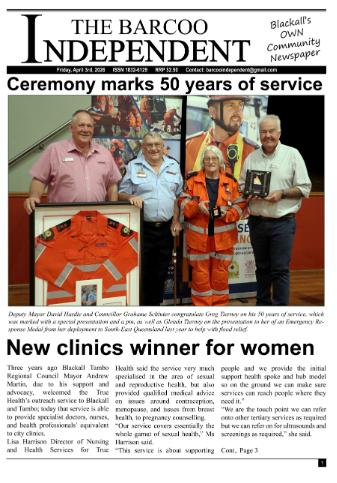
True Relationships and Reproductive Health has been established as the hub of a broader huband-spoke model of care, designed to extend specialist support across Western Queensland.
Through a mix of visiting specialists, telehealth and partnerships with local health providers, the model will allow women in surrounding communities to access care closer to home while remaining connected to a central specialist service.
Appointments at the Blackall location are the first stage of the service rollout Planning is underway to expand service coverage across the region, including mapping potential future locations and engaging with local stakeholders, supported by Central West HHS and CheckUP The aim is to improve access to diagnosis, treatment, and support for women and girls across Western Queensland, regardless of location.

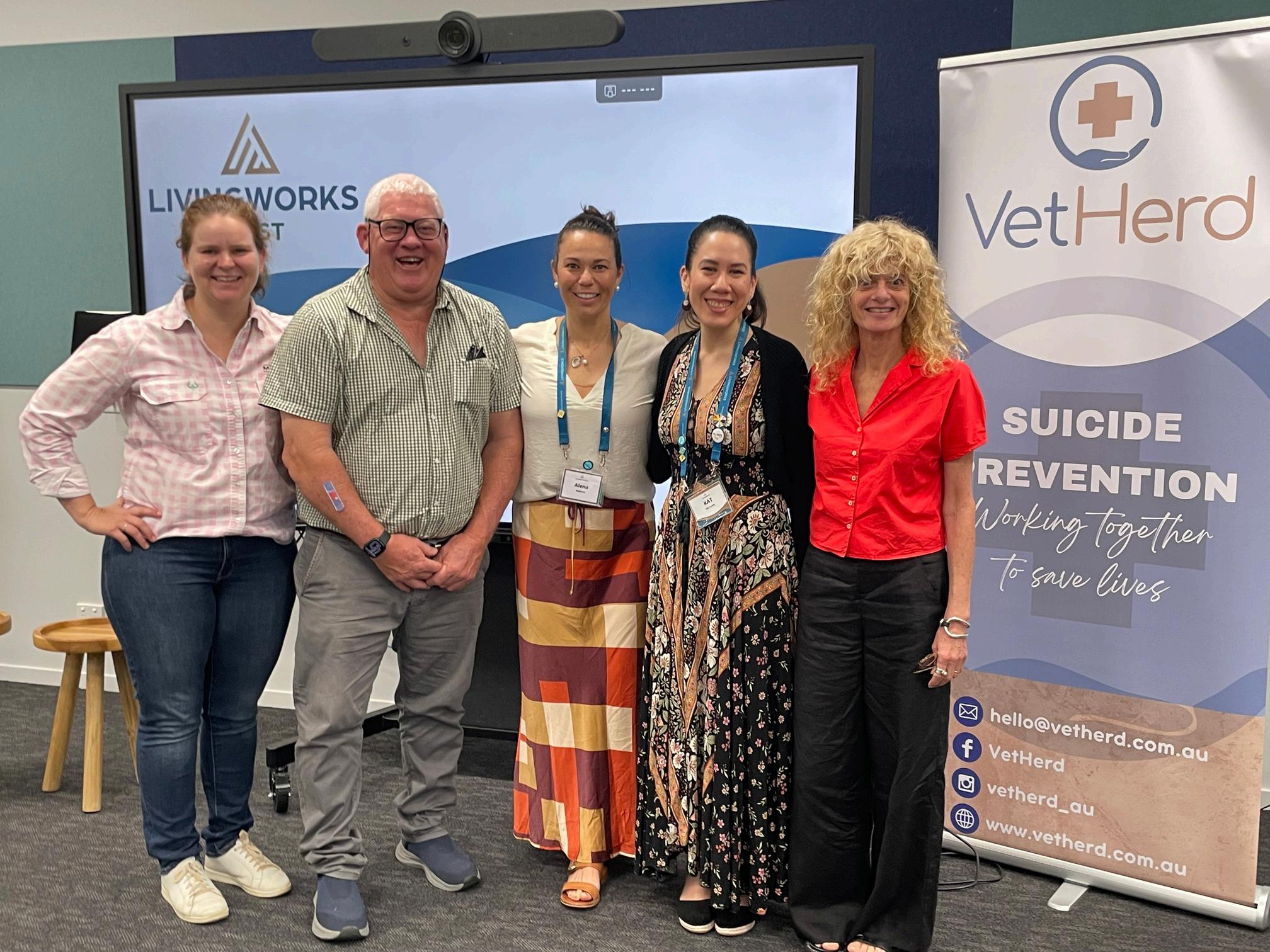
The recent ASIST Suicide Prevention Skills Workshop in Longreach delivered a powerful reminder that suicide prevention is a shared community responsibility and that equipping people with the right skills can make a real difference.
Over two engaging days, community members came together to build confidence, strengthen practical skills and learn how to recognise and support someone experiencing thoughts of suicide. The strong participation and positive feedback highlight just how important these opportunities are for regional communities, where access to training and resources can make a significant impact.
Applied Suicide Intervention Skills Training (ASIST) is a two-day interactive workshop in suicide first aid that helps participants recognise when someone may be at risk and respond in ways that increase their immediate safety and connect them with further help.
Open to people from all backgrounds, the training builds the confidence to have direct conversations about suicide and develop safety plans with those who may be struggling.
Workshops like this not only strengthen individual capability, but they also help build suicide-safer communities Every trained participant becomes another person who is ready, willing and able to support someone in crisis.
A sincere thank you to everyone who attended and contributed to the workshop, and to VetHerd, the Central West Suicide Prevention Network, and Longreach Regional Council for helping make this important training possible.
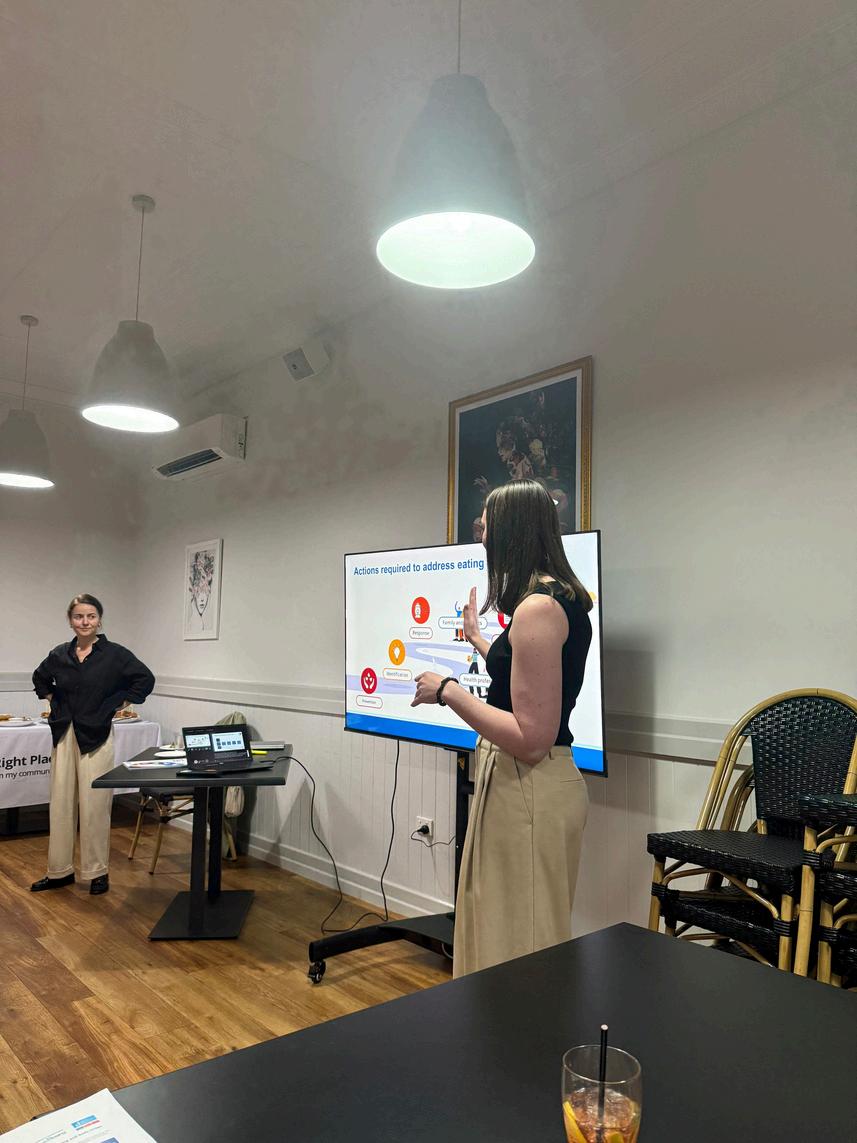
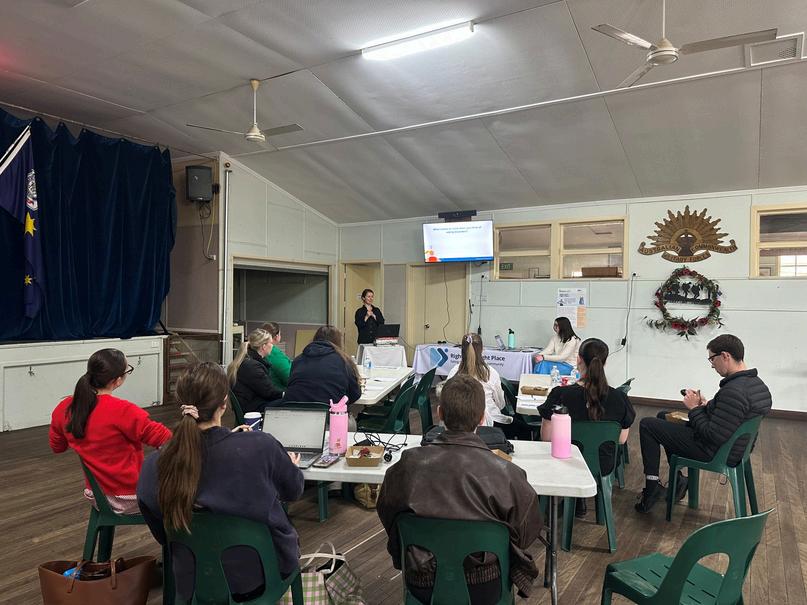
Access to timely, coordinated care is critical for people experiencing eating disorders. The Right Care Right Place project is helping improve that access across South West communities by building the capacity and confidence of the health workforce to recognise and respond, strengthen local care pathways and better connect health services. Commissioned by the Western Queensland Primary Health Network (WQPHN) and delivered by Vital Health team, the program is part of the National Eating Disorders Strategy 2023–2033, which aims to ensure Australians can access the right treatment at the right time, no matter where they live.
Eating disorders often require support from multiple professionals, including GPs, psychologists, and dietitians. The Right Care Right Place initiative focuses on improving coordination between these providers so people can receive the care they need more quickly and closer to home
By building stronger networks between local services and supporting clinicians with clear referral pathways, the project is helping reduce barriers to treatment and strengthening community-based care
For South West communities, Right Care Right Place represents an important step toward a more connected and accessible system of support for people affected by eating disorders

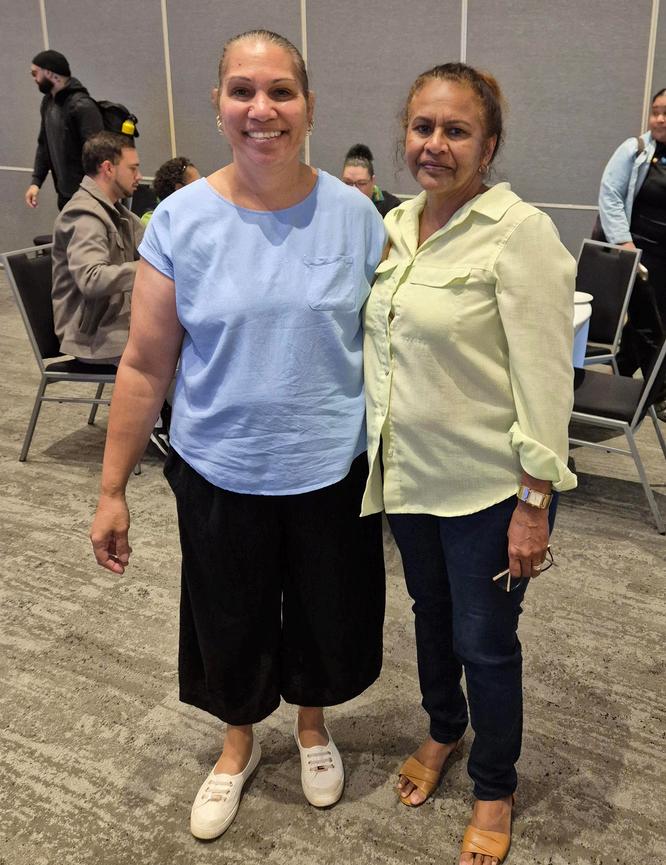

When Dr Sian Ford steps into a rural clinic, she brings with her not just decades of medical experience, but a deep understanding of what it means to live and work in remote communities.
Born and trained in Wales, Dr Ford began her medical career working in Obstetrics and Gynaecology, Paediatrics and General Practice. But it was Australia particularly rural Australia that captured her heart
Sian moved to Charleville, where she served the community for 13 years as a solo GP and Visiting Medical Officer for Queensland Health. In a town where access to healthcare can mean the difference between long-distance travel and immediate support, her role was both demanding and vital
Today, Sian is based in Toowoomba, where she is the Director and Principal of Middle Ridge Family Practice

To book an appointment with Dr Sian, visit Rural Doctors Foundation or scan the QR code
To learn more about GPs4RuralDocs contact WQPHN or Rural Doctors Foundation via email at info@rdf.org.au or call (07) 3039 0011.
Despite her move to Toowoomba, Sian’s connection to rural communities remains strong Her visits to Blackall and Barcaldine through the Rural Doctors Foundation’s GPs4RuralDocs program represent something of a homecoming.
Through initiatives like GPs4RuralDocs, the Foundation provides confidential, independent healthcare for rural doctors and healthcare workers, delivered through both face-to-face consultations and telehealth. Supporting the wellbeing of rural practitioners is essential to ensuring communities continue to receive highquality healthcare
For communities like Blackall and Barcaldine, visits from doctors like Sian represent more than just a medical appointment they are a reminder that rural healthcare workers are supported, valued and not alone
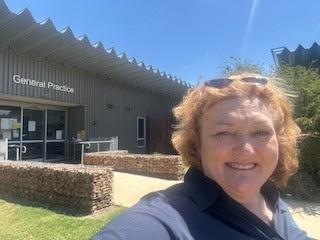


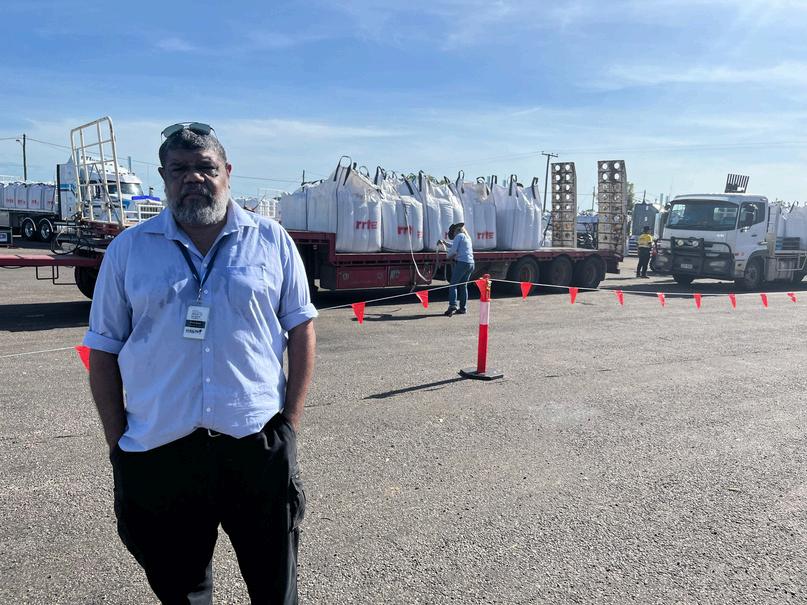
In March, North West Connector Chris Doyle attended "Farmers Community Connect" event in Julia Creek hosted by Rapid Relief Team (RRT), a national charity supporting communities in times of need
The Julia Creek region has experienced repeated flooding in recent years, placing significant economic and emotional strain on local farmers and families.
In response, RRT has recently provided practical assistance to the region, including the distribution of approximately 300 tonnes of livestock pellets to support affected producers. Mental Health support services were present at the event with rele ant information hand to gi e to locals
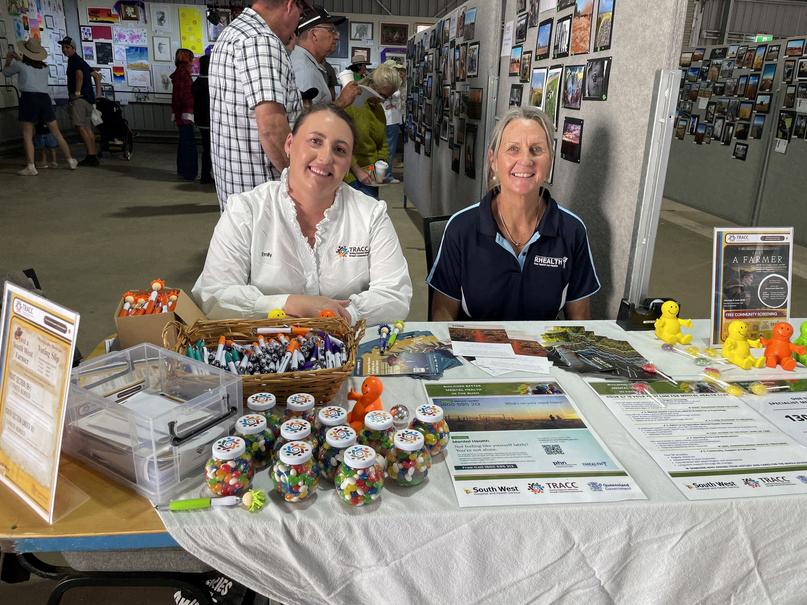
St George based Connector Gayle Lancaster recently attended the St George Show along with Emily Gorkow from TRACC A particularly successful event with a total of 189 visitors engaging with the Medicare Mental Health display.
The photo competition proved highly effective in encouraging participation and fostering meaningful interactions across all age groups. Open to entries captured within the past 12 months, the competition included both Adult and Youth categories, with first, second, and third prizes awarded in each.
A public voting system was implemented via slips distributed to attendees, who were guided through the process and invited to return their votes to a collection box. This approach created valuable opportunities for mental health conversation and engagement

There’s something quietly powerfu about community in the outback. I Stonehenge, that spirit was on full display.
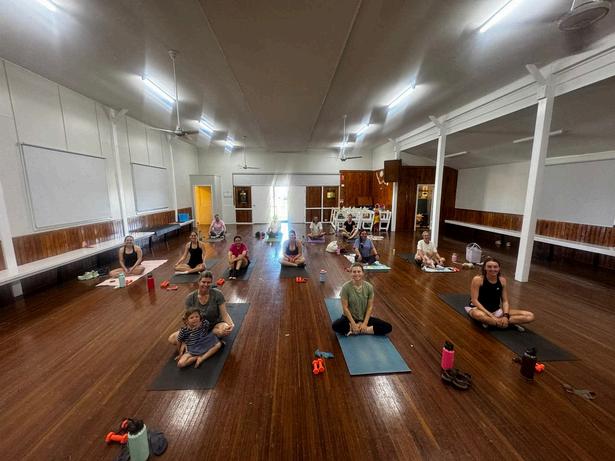
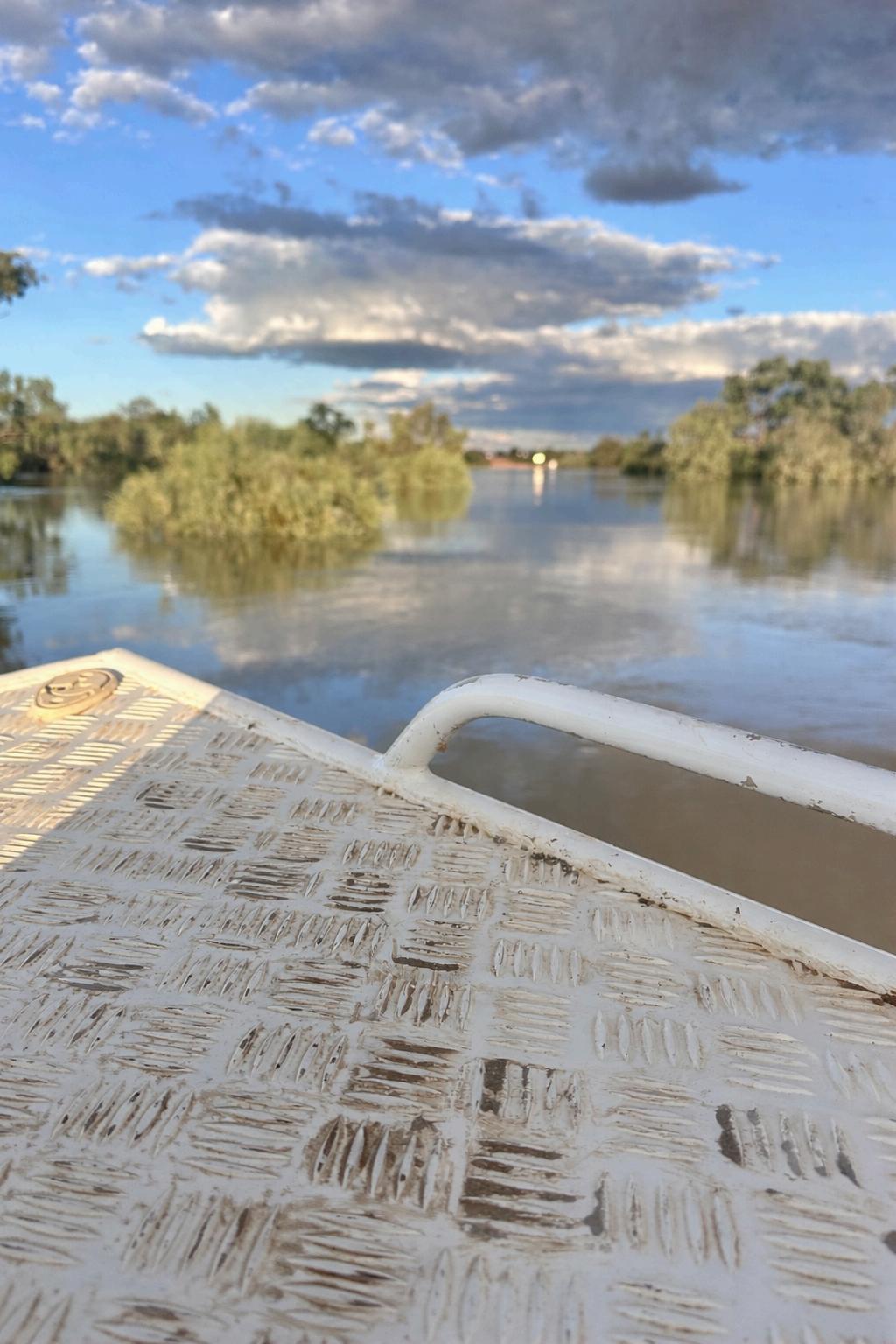
Despite floodwaters dividing the region and cutting off parts of the community, March’s Healthy Outback Communities (HOC) Pilat session proved that connection, resilience, wellbeing don’t stop at a rising river
With some participants even boating across attend, the turnout was a testament to just much these gatherings matter. Under the guidance of Bec Manns from Outback Fitne Pilates, locals once again came together to build strength, flexibility, and a shared sense of wellbeing not just physically, but socially.
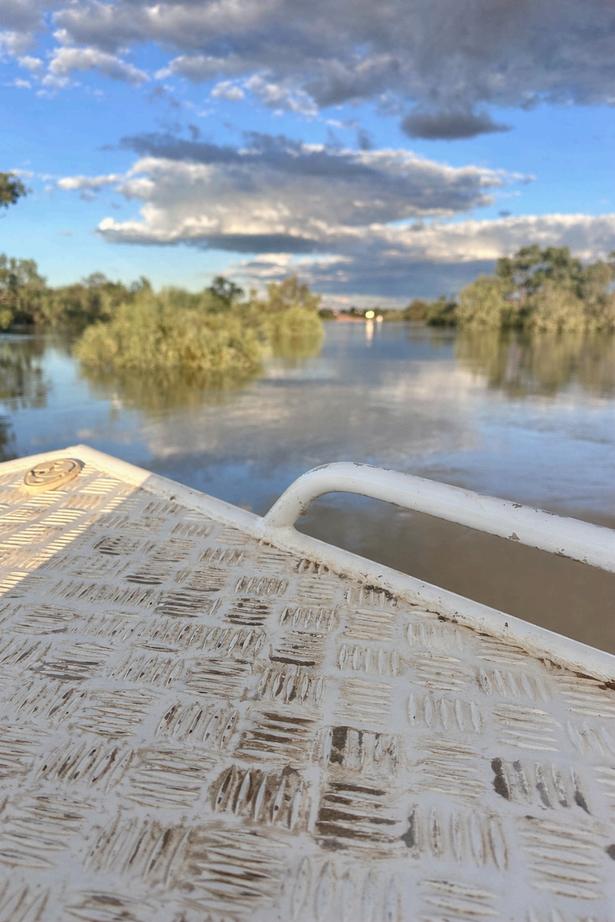
Moments like these remind us that health initiatives in rural communities are about far more than exercise They are about belonging, showing up for one another, and creating spaces where people feel supported and connected, no matter the circumstances.
AS HOC CONTINUES TO GROW, WE’RE ALSO PROUD TO WELCOME TWO NEW FACES WHO EMBODY THAT SAME COMMUNITY-FIRST SPIRIT.
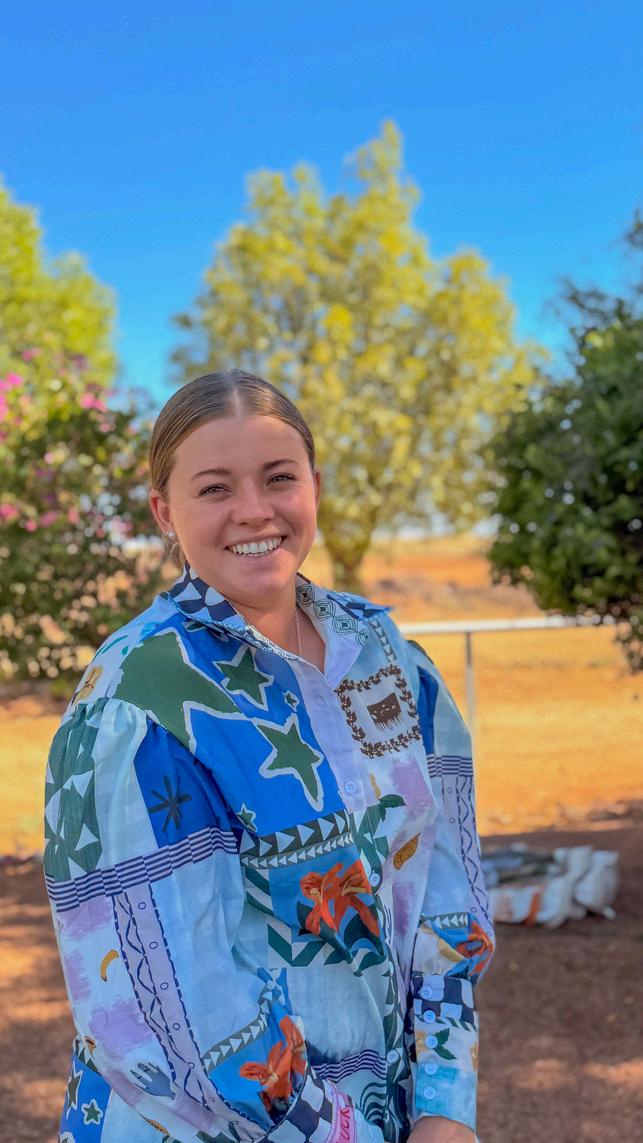
Charmaine Batt joins the Western Queensland PHN team as the new Wellbeing Connector in Stonehenge With a strong healthcare b k d d l l t d t
We also welcome Kayla Gladman, based in Windorah, who steps into her role with a passion for people and place. Working at the local primary school and with experience in rural property life, Kayla understands the heartbeat of her community
Her approachable nature and enthusiasm for local events and connections will make her a valued support for many.
Together, these moments and new beginnings highlight what makes the HOC program so important, it’s not just about services, it’s about people. And in places like Stonehenge and Windorah, that makes all the difference.

Developed in direct response to feedback from community members across CWQ, who reported difficulty identifying which services visit their area. The directories provide a clear, locally relevant resource highlighting in-person and outreach services operating across Central West Queensland, making it easier for residents, carers, and service providers to find and connect with the support they need.
These resources support improved access to healthcare, community supports, aged care, disability, and veterans’ services across Barcaldine, Barcoo, Blackall-Tambo, Boulia, Diamantina, Longreach, and Winton.
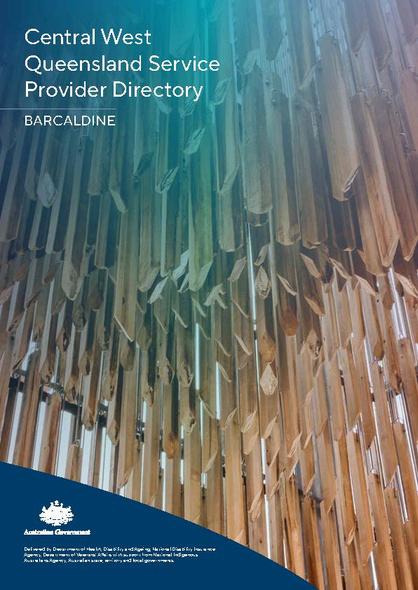
The Central West Queensland (CWQ) Service Provider Directory is a funded project under the Integrated Care and Commissioning (ICC) initiative ICC is an Australian Government program delivered jointly by the Department of Health, Disability and Ageing, the National Disability Insurance Agency, and the Department of Veterans’ Affairs, with support from the National Indigenous Australians Agency, as well as state, territory, and local governments.
Twelve children from some of Queensland’s most remote communities recently stepped into a world far from their own, welcomed to Brisbane for an unforgettable experience at a Broncos vs Eels match.
Among the regions represented were Boulia and Cunnamulla, communities where the challenges of distance can limit access to essential health and developmental services.
Through the ongoing partnership between Western Queensland Primary Health Network and BUSHkids, those barriers are being steadily reduced.
Since 2020, WQPHN has proudly funded the Healthy Outback Kids program, an initiative delivering vital developmental screenings, assessments and early interventions to children who might otherwise go without.
Before the stadium lights and crowd roars, the children and their families were welcomed at Parliament House, where WQPHN CEO Sandy Gillies joined them for a special tour The visit highlighted the importance of connection between communities, services and decisionmakers and underscored the shared commitment to improving outcomes for regional Queenslanders. Thanks are extended to Sean Dillon MP for helping make the visit possible
While the Broncos vs Eels clash was a clear highlight, the true impact of the trip lies in what it represents. It is a reminder that when organisations, communities and partners align, opportunities expand Experiences like these not only create lasting memories for children but also reinforce the importance of early support, ti d i t t i th i f t
Western Queensland Primary Health Network (WQPHN) joined around 20 local GPs on Saturday, 7 March 2026 for a unique behind-the-scenes tour of a Mount Isa pharmacy that has recently invested in advanced robotic dispensing technology.
The event provided an opportunity for WQPHN to strengthen relationships across the local healthcare sector while showcasing how digital health initiatives like WQ HealthPathways and ePrescribing can support both general practice and allied health providers During the evening, WQPHN staff spoke with GPs, pharmacists and pharmacy students about the support available through the PHN, including access to digital health training, and the region’s WQ HealthPathways platform
HealthPathways provides locally relevant clinical and referral information that can assist pharmacists as their scope of practice continues to evolve Allied Health staff are encouraged, along with GPs, to register and access WQ HealthPathways via this link
Guests were given a first-hand look at the pharmacy’s new robotic systems, which assist with dispensing medications and preparing Webster packs Pharmacy staff explained that the technology is designed to support their workforce rather than replace it, reducing dispensing errors and improving the efficiency and smooth operation of the business so staff can focus more on patient care
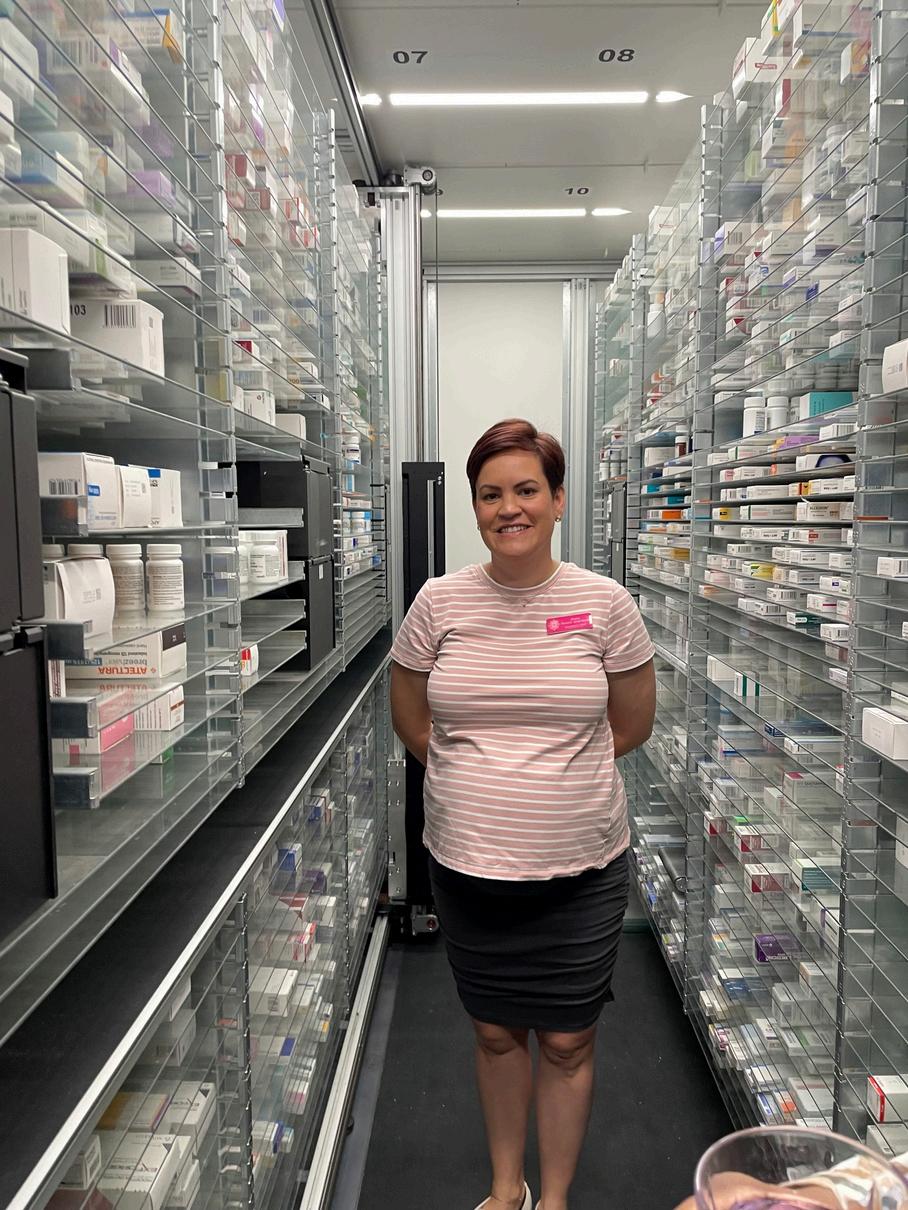
The Mount Isa pharmacy plays an important role in the region’s health system, employing around 50 staff and supplying medications to surrounding rural and remote communities where pharmacy services are limited or unavailable The pharmacy also demonstrated how ePrescribing works in practice, allowing prescriptions to move seamlessly between local GPs and the pharmacy.
Attendees also learned more about the expanding scope of practice for pharmacists, including immunisations and the prescribing of certain medications under strict guidelines. Importantly, these services continue to rely on strong GP collaboration and supervision to ensure patients receive safe, coordinated care
The evening highlighted how innovation, workforce development and strong professional relationships are helping strengthen healthcare services across Mount Isa and the wider North West region
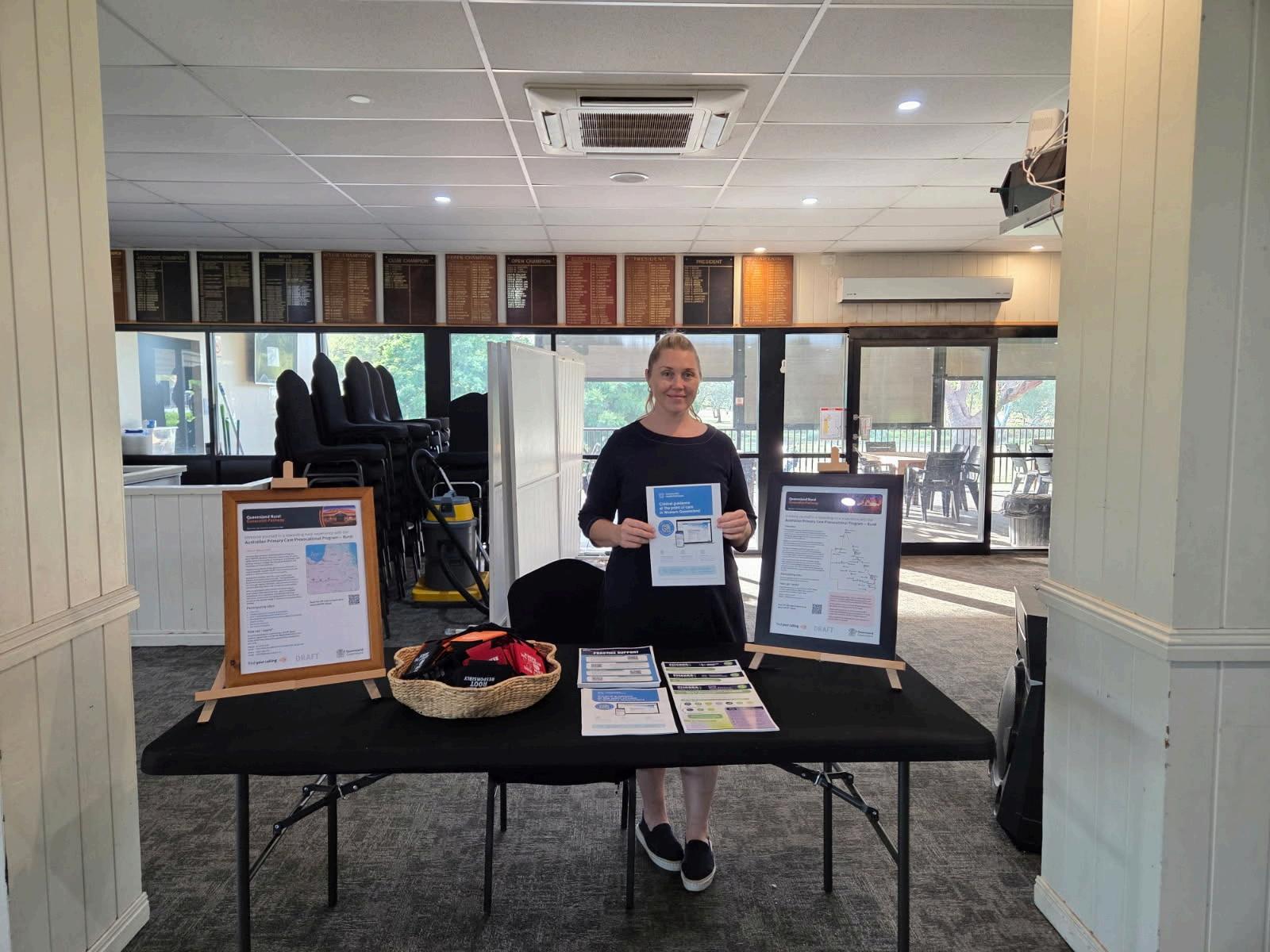
Mount Isa’s medical community gathered on Friday, 6 March 2026 for a vibrant Welcome Party that brought together hospital clinicians, local GPs, and the next generation of healthcare professionals.
Throughout the event, WQPHN shared information about key programs designed to support clinicians and improve patient care These included Practice Support and Digital Health services, WQ HealthPathways, and the PHASES program, Preventing Heart Attacks and Stroke Events, which focuses on improving cardiovascular disease prevention across the region.

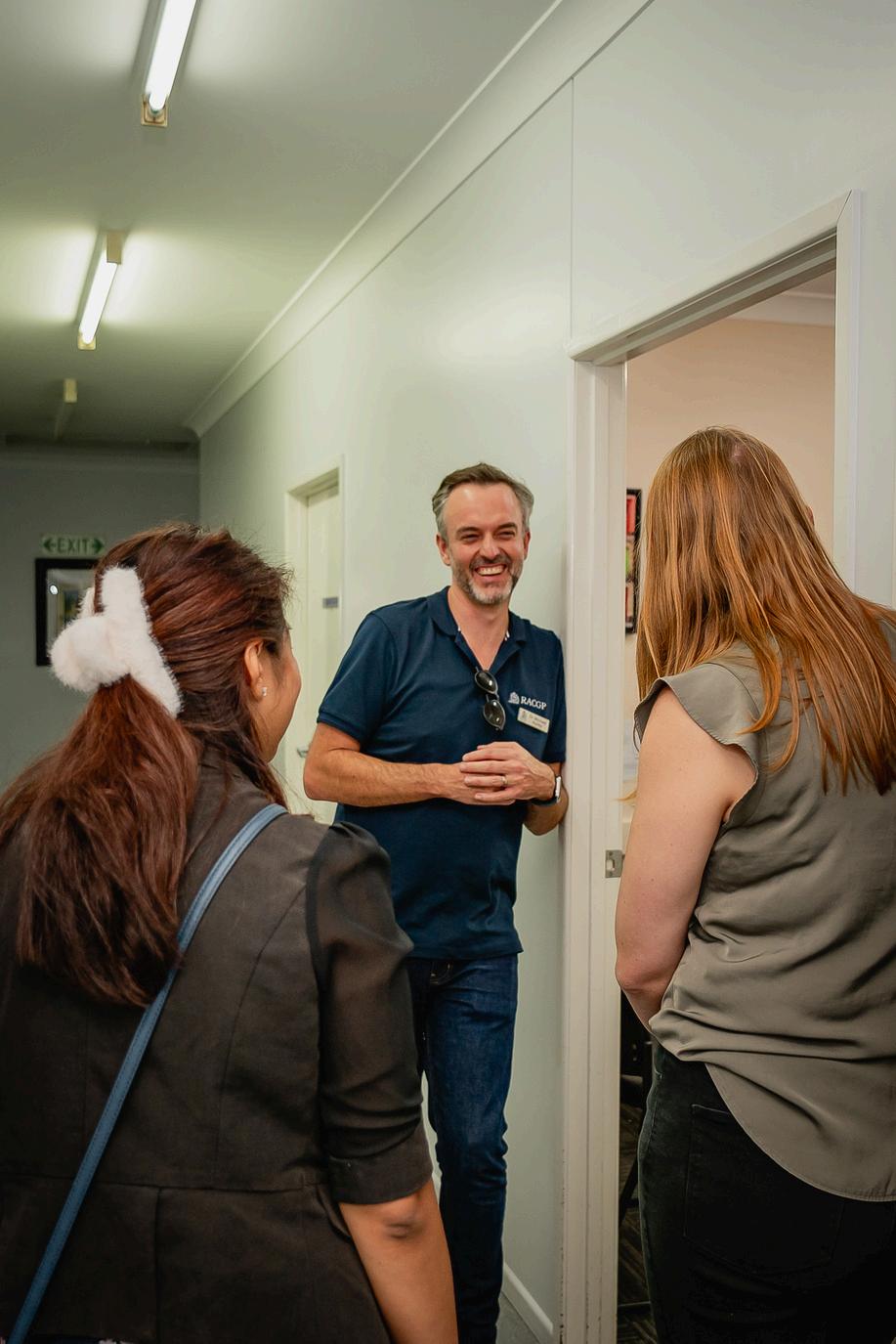
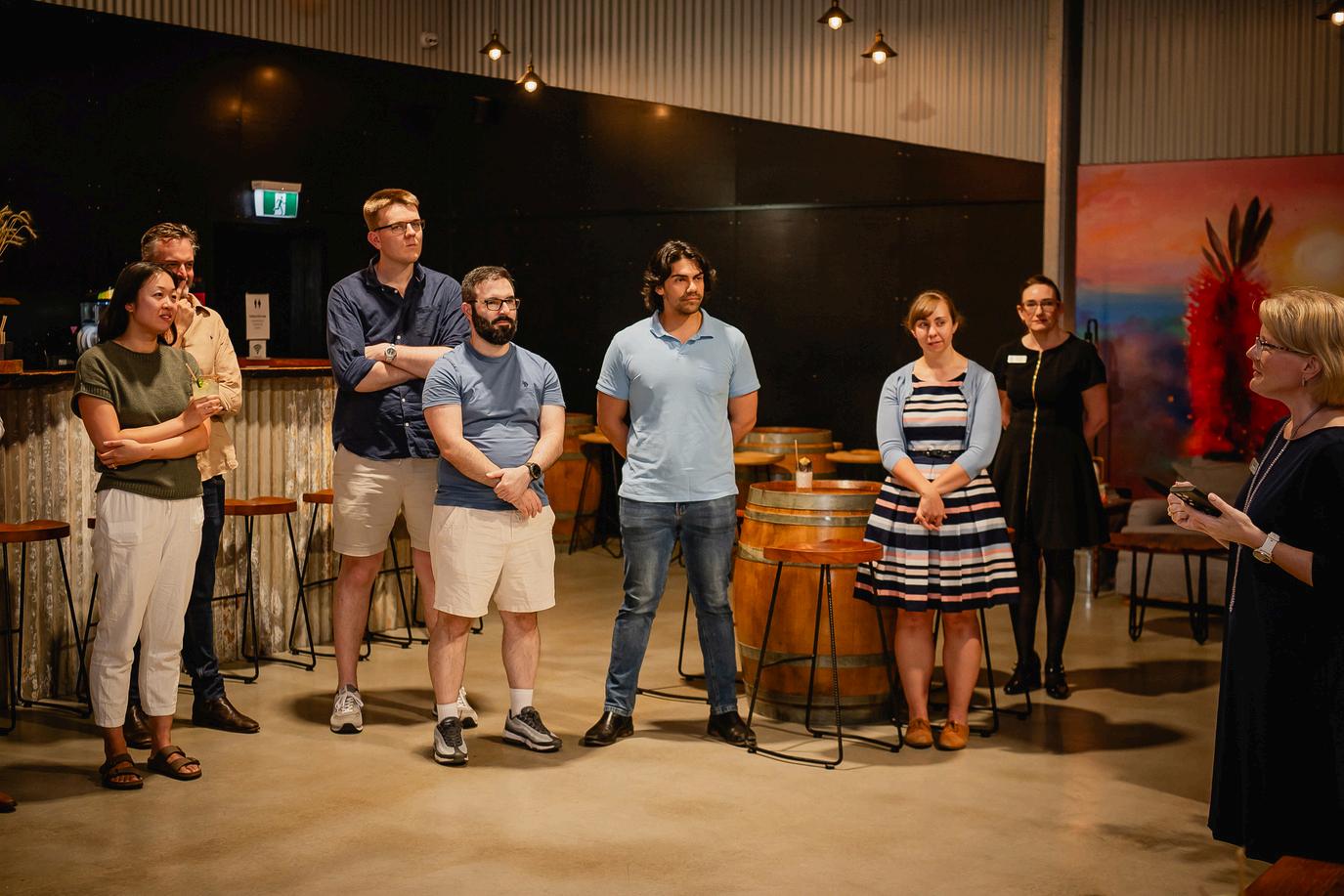
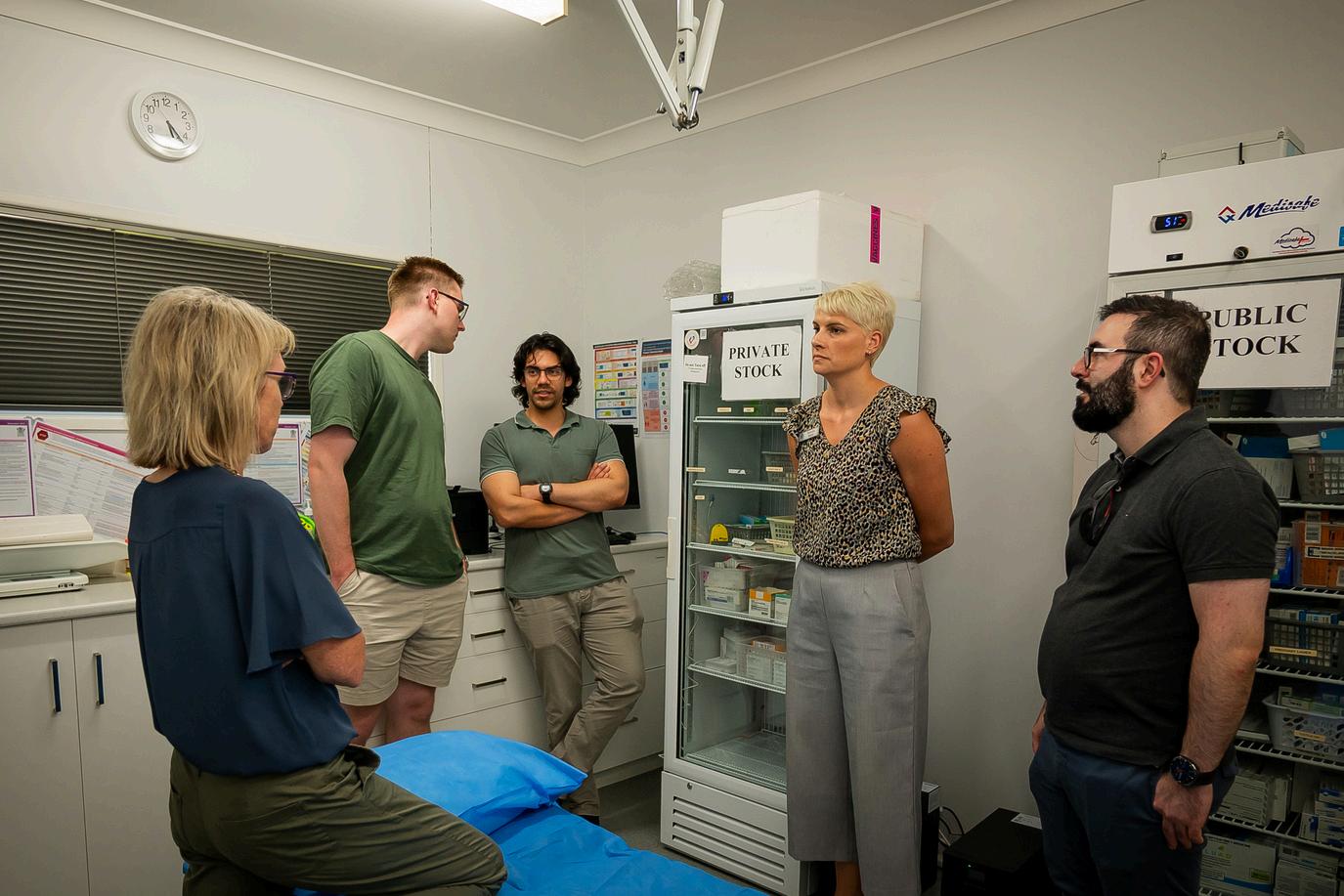
Brisbane-based GP registrars visited St George, Surat and Roma in March 2026 as part of an RACGP Registrar Rural Immersion initiative showcasing the realities and rewards of rural general practice in Queensland.
This initiative, supported locally by the South West Hospital and Health Service, provided GP registrars with a genuine, on-the-ground understanding of healthcare delivery in rural Queensland.
From hospital wards to general practices and community-controlled health services, the program highlighted not only the breadth of clinical experience available in the bush, but also the strength of the teams who deliver it every day.
For the registrars themselves, the experience offered far more than observation, it was an opportunity to step into the realities of rural medicine and test their skills in a new and challenging context. Through case discussions, emergency simulation training and targeted education sessions on topics such as skin cancer, sepsis and palliative care, participants were able to build confidence in managing complex presentations, often with fewer resources and greater clinical responsibility than they might encounter in metropolitan settings
Just as importantly, the trip provided insight into the continuity of care that defines rural general practice. Registrars saw firsthand how GPs support patients across the full spectrum of care, from acute presentations in hospital to ongoing management in the community and how strong relationships underpin better health outcomes. This continuity, combined with the diversity of presentations, reinforced the unique professional satisfaction that rural practice can offer.
Exposure to services such as Goondir Health Services also deepened registrars’ understanding of cultural safety and the importance of delivering care that is responsive to the needs of Aboriginal and Torres Strait Islander communities
Beyond the clinical environment, registrars experienced the lifestyle and connectivity of the region, meeting local clinicians and community members, and seeing that rural practice is supported, social and accessible
WQPHN was pleased to provide funding support for the initiative, recognising the importance of early exposure in shaping future training and career choices. Programs like this are a key step in strengthening the rural GP workforce and improving access to primary care across Western Queensland


While the Australian Government Department of Health, Aged Care and Disability has contributed to the funding of the PHN, the information in this document does not necessarily reflect the views of the Australian Government and is not advice that is provided or information that is endorsed, by the Australian Government The Australian Government is not responsible in negligence or otherwise for any injury, loss or damage however arising from the use of or the reliance on the information provided in this document. Copyright protects this material.